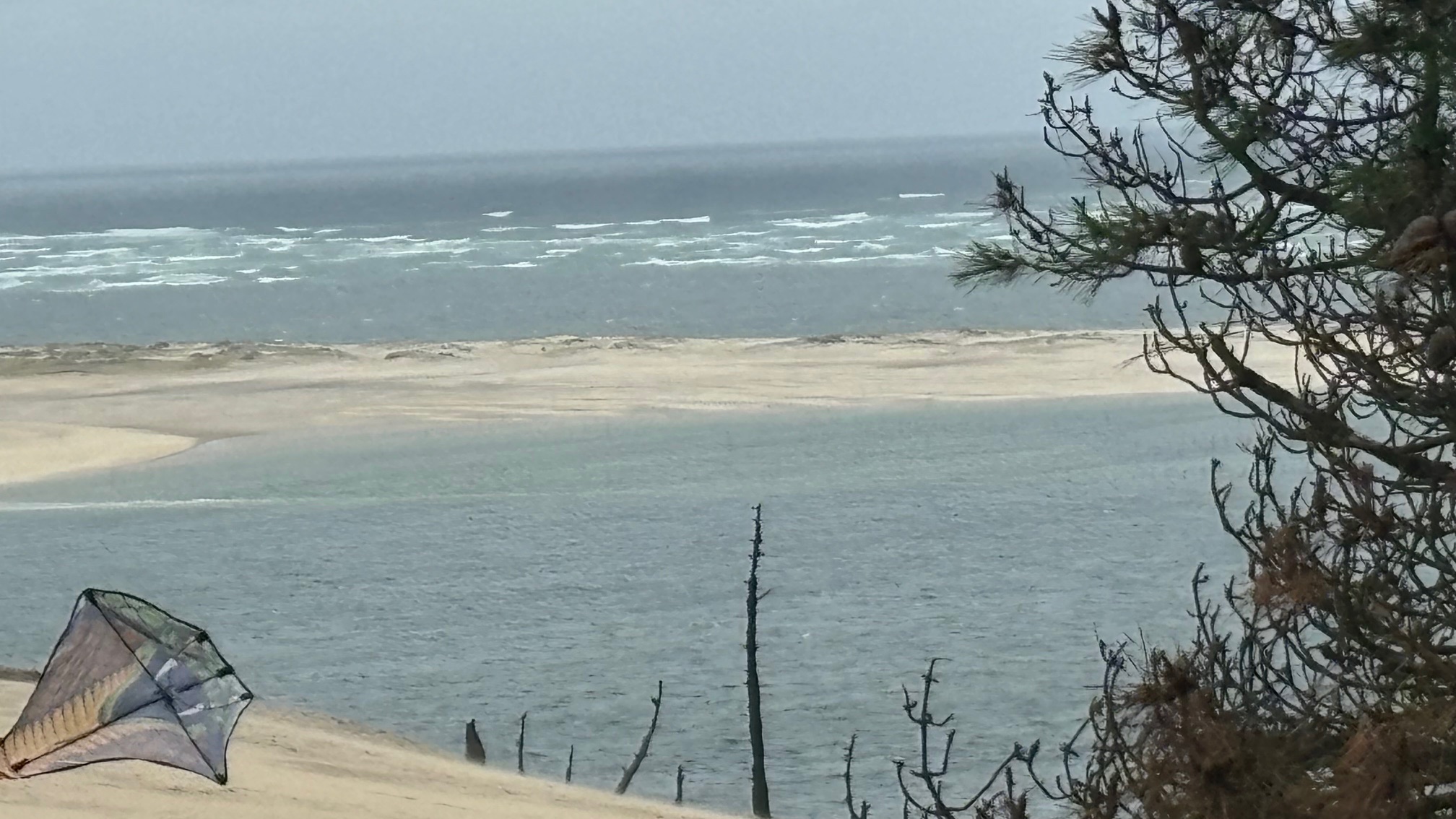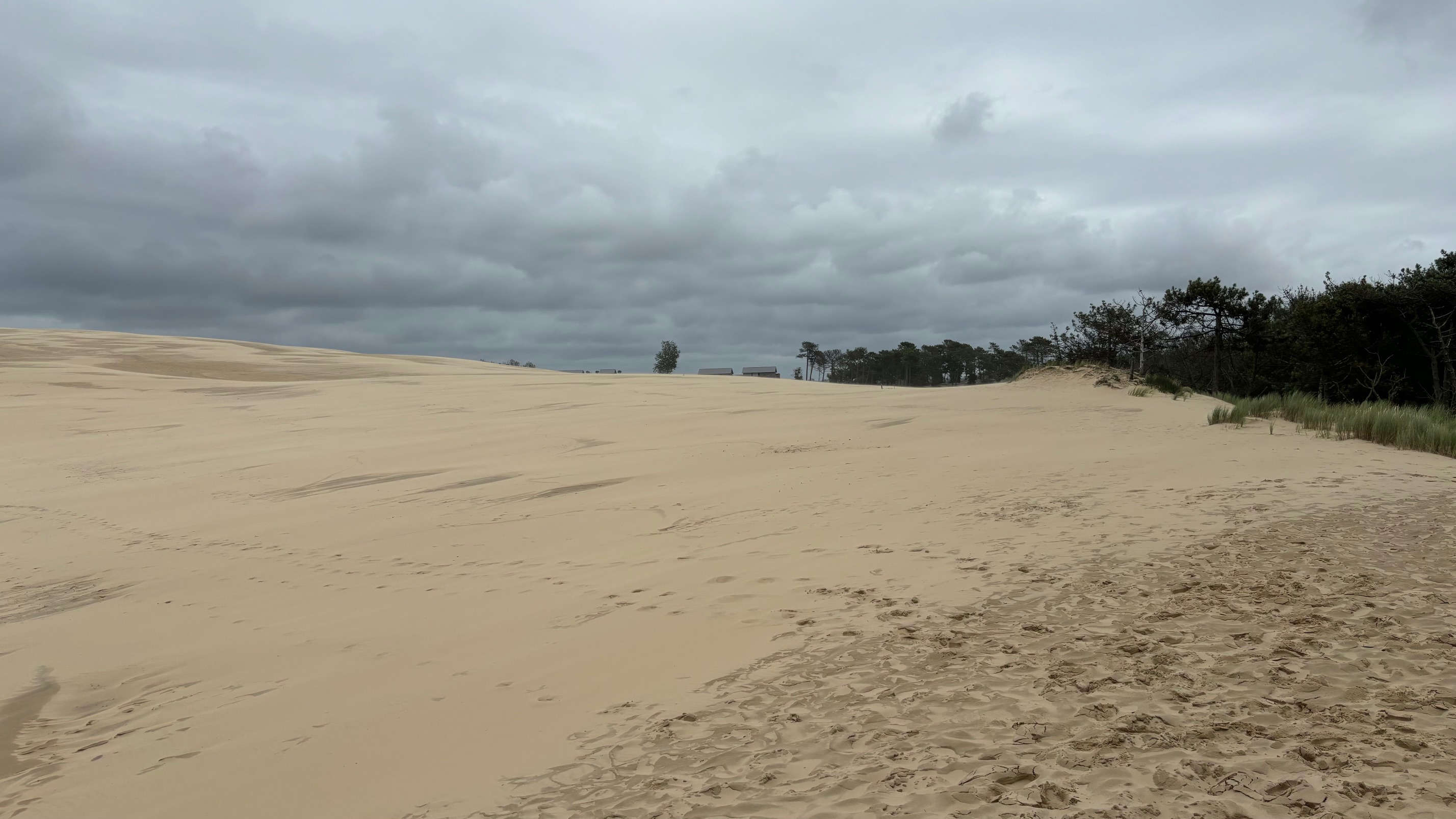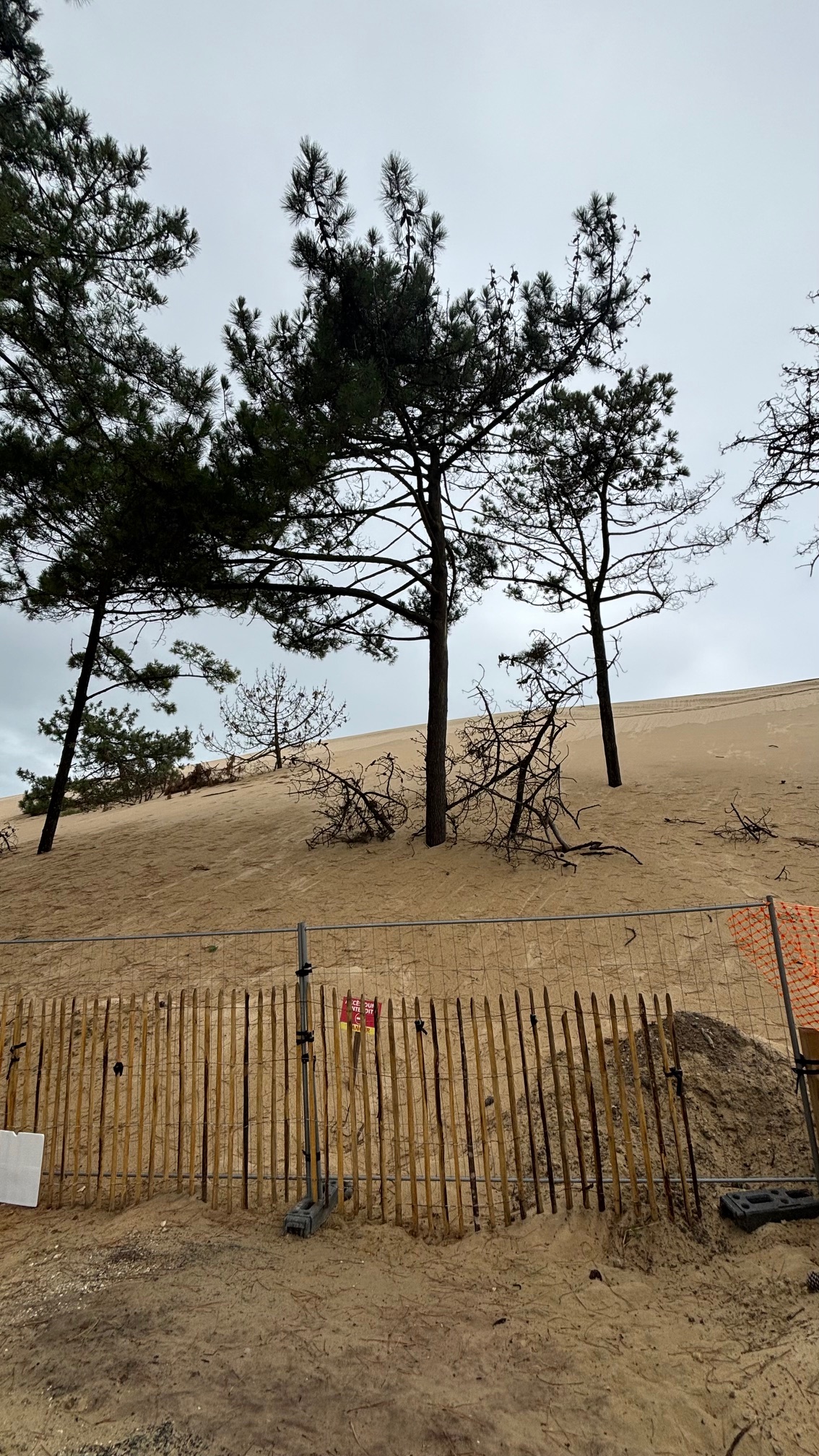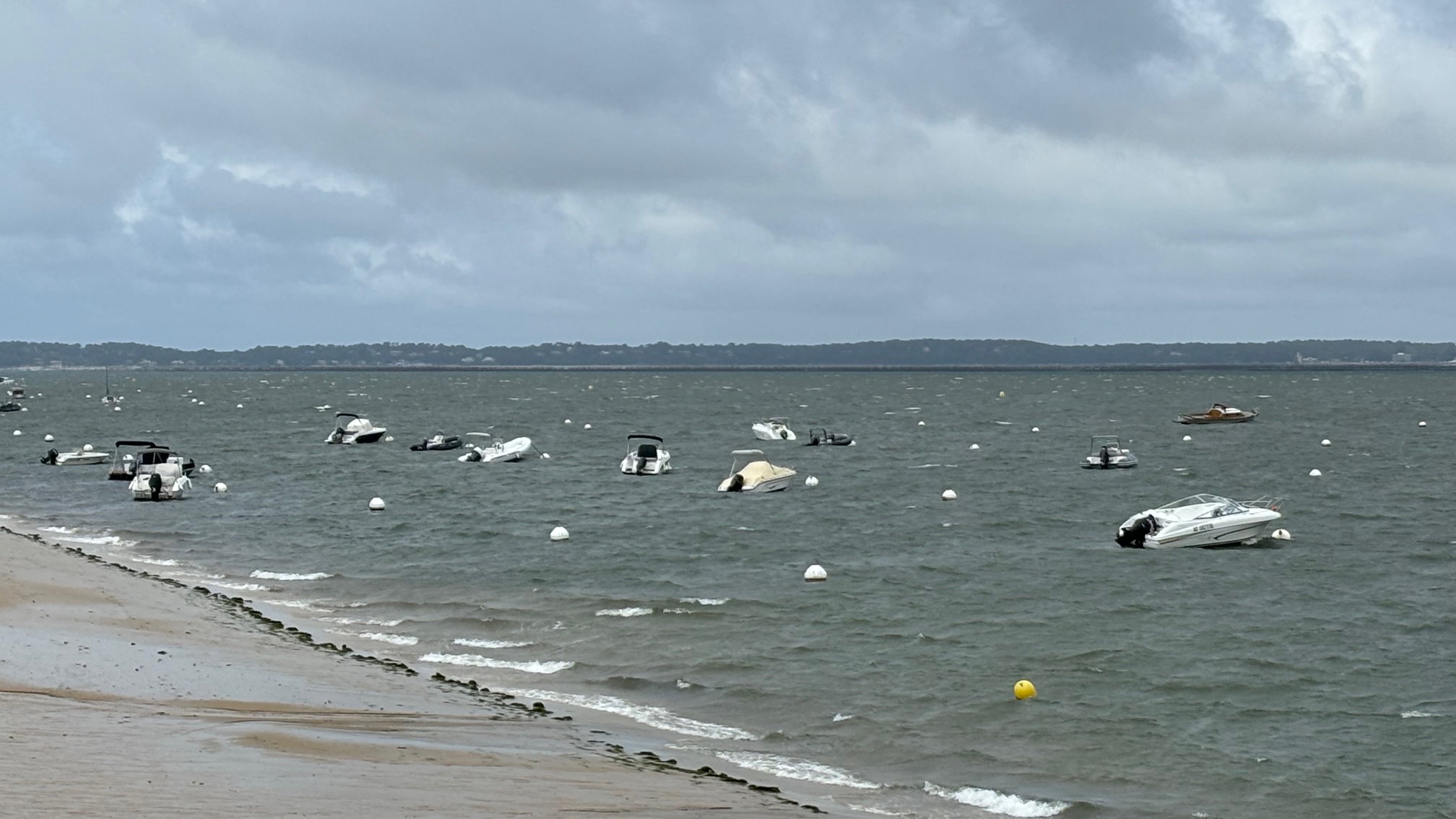
Grande Dune du Pilat (The Great Dune of Pilat)

Enjoyed a visit to one of France’s most visited natural destinations, which is the highest and largest sand dunes in Europe. Photos taken in July of 2024 during my visit there.

Camera: iPhone 15

Location: Dune du Pilat; Arcachon, France

A Mixture of English and Spanish Poems #1 (September 2025)

My first post regarding English and Spanish language poems together as I wanted to do a mixture of them in this edition of my poetry.

English Language Poems:

  1. The Sands of Time
    Can you feel it slip through your fingers?
    The grains of sand whisked away.
    Moments frozen in time;
    The places you remember being present,
    The times you felt fully alive,
    The smells that made up your lifetime.
    But the memories now have faded away.
    Can you embrace the sands of time?

___________________________

2. Cravings
It’s only natural,
The burning desires,
Mind, body, and soul.
Scratching that itch,
Placating that urge.
Keep it in moderation;
Don’t let it destroy you.
Remember: you’re only human.
Desire is the flame that ignites us.

___________________________

3. A Mile Wide, An Inch Deep
Face down, eyes unaware,
Nosedive into fake consciousness.
Blank-faced, artificial realities.
Lost connections thrown asunder,
Stagnant friendships, hollow ties.
You’ve spread yourself too thin across reality;
Living life a mile wide, and an inch deep.

___________________________

Spanish Language Poems:

  1. Es un gusto
    Es un gusto conocerte por primera vez.
    Es un gusto tenerte en mi vida.
    Es un gusto verte de nuevo.
    Es un gusto besarte en la noche.
    Es un gusto darte placer y amor día a día.
    Es un gusto pensarte todo el tiempo.
    Es un gusto quedarme contigo hasta el día final.

____________________________

2. Solo en mis sueños
¿Podría ser quien yo quiero ser?
Veo nuevas posibilidades,
Nuevas formas de vivir.
¿Podría hacer ese sueño realidad?
Soy un aspirante en mis sueños.
No hay nada que no pueda hacer,
Solo en mis sueños podría ser realmente libre.

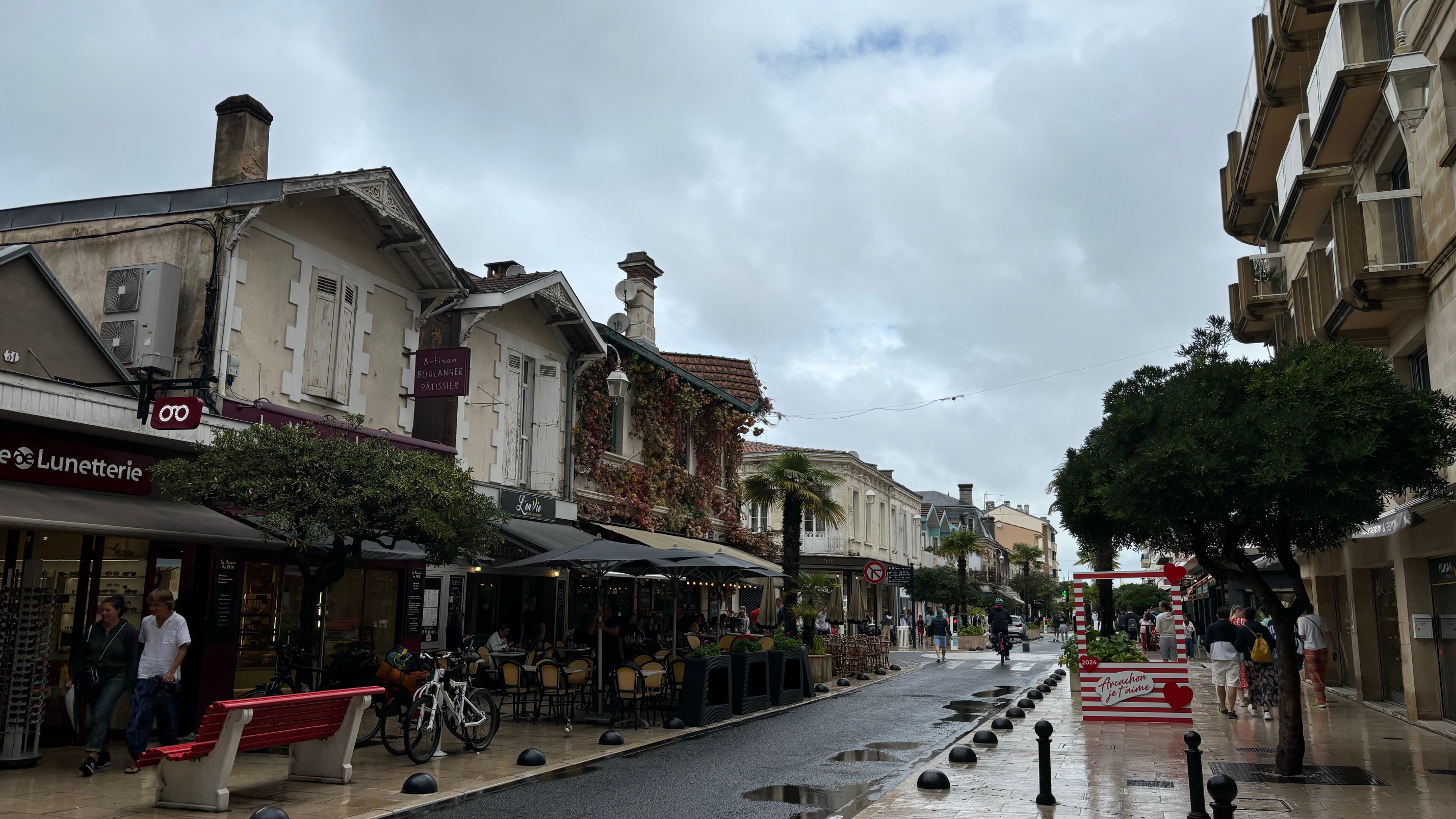
Arcachon, France

A daytime summer visit and stroll through the southwestern seaside town known as Arcachon, France, with a beautiful beach, great mussels, and friendly people.

Camera: iPhone 15

Location: Arcachon, France

“Don’t Look Back In Anger”, A Lyric and Life Lesson

“Don’t look back in anger, I heard you say.” Few lyrics from the 1990s have aged as gracefully as this one has from Oasis. It’s more than just a line from the Oasis anthem sung brilliantly by lead singer Noel Gallagher, it’s a mantra and a life lesson disguised as a rock chorus, and a call to stop letting yesterday’s pain and sorrow weigh down tomorrow’s joy.”

“Don’t look back in anger, I heard you say.” Few lyrics from the 1990s have aged as gracefully as this one has from Oasis. It’s more than just a line from the Oasis anthem sung brilliantly by lead singer Noel Gallagher, it’s a mantra and a life lesson disguised as a rock chorus, and a call to stop letting yesterday’s pain and sorrow weigh down tomorrow’s joy.

When Noel Gallagher wrote “Don’t Look Back in Anger,” it was meant as a stadium singalong, but the phrase itself has outlived its Britpop origins from the 1990s. It’s been sung at concerts, football matches, and even vigils, most notably after the tragic Manchester Arena bombing in 2017. In moments of grief or frustration or malaise, people cling to words that help them move forward, and this one delivers in just five simple words that we all can relate to.

Beyond popular cultural and music history, what does this lyric mean for the way we live our lives? For anyone who’s been mistreated, overlooked, or hurt by other people, whether at work, in love, or by life in general, intentionally or unintentionally, it’s a reminder not to stay stuck in bitterness because of how you have been wronged. Because anger or being angry forever, if you let it, will make a home in your chest and eat away at your peace of mind.

Life isn’t always fair; we all know that fact from a young age. You might work hard only to have a work colleague promoted over you who didn’t deserve it. You might trust someone like a friend who lets you down or lies about you to other people. You might pour yourself into a relationship that ends with betrayal. The gut reaction in these moments is anger and honestly, it’s justified. Anger is the body’s alarm system, telling us something wrong has happened to you.

The problem is what happens next and, in the days, months, and years that follow the event. Anger is useful for a moment, and we should be allowed to feel that emotion rather than bottle it up entirely, but corrosive over time. It tempts you to replay every slight, to act out, to rehearse every insult, and cling to grudges like they’ll somehow make the scales of justice even. Anger keeps you bound to the people and situations you want freedom from and to be free of mentally.

That’s why this song lyric hits so hard. “Don’t look back in anger” doesn’t mean “forget what happened.” It means instead to don’t let your gaze stay fixed on the wreckage. You’ve got to keep walking and moving forward, because the road ahead is always longer than the one behind.

Forgiveness is one of the most misunderstood concepts out there in life. People often think it means excusing someone’s behavior or giving them another chance to hurt you again. This is not true at all. Forgiveness is less about them and more about you, it’s a decision to release your grip on your anger so you can move forward in life and to move your emotions on from that person.

Think of it this way metaphorically: carrying anger is like holding a burning coal. Yes, it’s hot, and yes, it proves you were hurt. But the longer you clutch it, the more damage it does to you, not to the person who wronged you, but to you alone. To not look back in anger doesn’t mean inviting mistreatment to happen again. Boundaries are still vital and it’s best to get away from the person(s) who wronged you in the first place. You can forgive someone and still choose never to deal with them again. The difference is whether you carry that heavy emotional baggage with you on the road forward while not ever letting it go.

How do you live the lyric you might ask? Here are a few ways to start doing so today:

  1. Reflect, then release: Acknowledge what happened to you and how it made you feel. Then, consciously decide to stop replaying it. Journaling or talking it out can help you.
  2. Redirect your energy: Instead of fueling resentment, pour that fire into something constructive like playing music, writing, going traveling, or even doing physical exercise.
  3. Build stronger boundaries: Forgiveness doesn’t mean letting people walk all over you. Learn from the mistreatment you received and protect yourself from it in the future.
  4. Practice self-compassion: Often, the hardest person to forgive is yourself. Don’t beat yourself up for trusting, caring, or trying with that person who wronged you. Recognize that those qualities are strengths, not weaknesses and to not give up on trusting others entirely.

What makes this song lyric timeless and still relevant in 2025, especially as Oasis is touring the world again and playing this song each time, is its dual simplicity and power. Everyone has something they regret or someone they resent from their past. Everyone carries scars from unfair treatment whether from work, from family, or from supposed ‘friends.’ However, “Don’t look back in anger” doesn’t ask for perfection, it asks for direction in going forward and leaving the anger behind.

Even three decades later since Noel Gallagher first put this famous song lyric down on scratch paper, it’s still sung loudly at concerts because it feels good to let it all out. Belting the words is cathartic as I did recently on a warm summer night in New Jersey but living them is transformative. In a world where negativity and hate spreads faster than hope and kindness, this song lyric reminds us to choose the harder, better path: release over revenge, peace over poison.

There’s no sugarcoating it: forgiveness isn’t easy. Sometimes it feels impossible to do. If you’ve ever carried anger long enough like I have in my past, you know how exhausting it is to hold on to. Anger narrows your world; forgiveness widens it again. The lyric, then, becomes less of a suggestion and more of a survival strategy. “Don’t look back in anger” because the future needs you to be free, not bitter and burnt out. “Don’t look back in anger” because life is too short to let someone else’s behavior dictate your happiness. “Don’t look back in anger” because joy requires space in your heart, and anger takes up too much of it and corrodes it slowly.

“Don’t look back in anger, I heard you say.” It’s a simple song lyric, yes, but it’s also timeless advice, true therapy, and a way of living well. Life will hand you plenty of reasons to grow bitter at yourself and at other people, but it will also hand you a thousand opportunities to move forward with forgiveness in your heart.

You can’t change what happened to you and who did it to you. You can’t undo the mistreatment or rewrite the past. Instead, you can decide not to be imprisoned by your anger. You can decide to keep walking, keep building, keep loving, and keep moving forward. In the end, that’s the only way to win. The next time you feel anger weighing you down because of someone or something, ask yourself this question: what would it feel like to finally set it down? You just might find the answer in a song you’ve been singing for years.

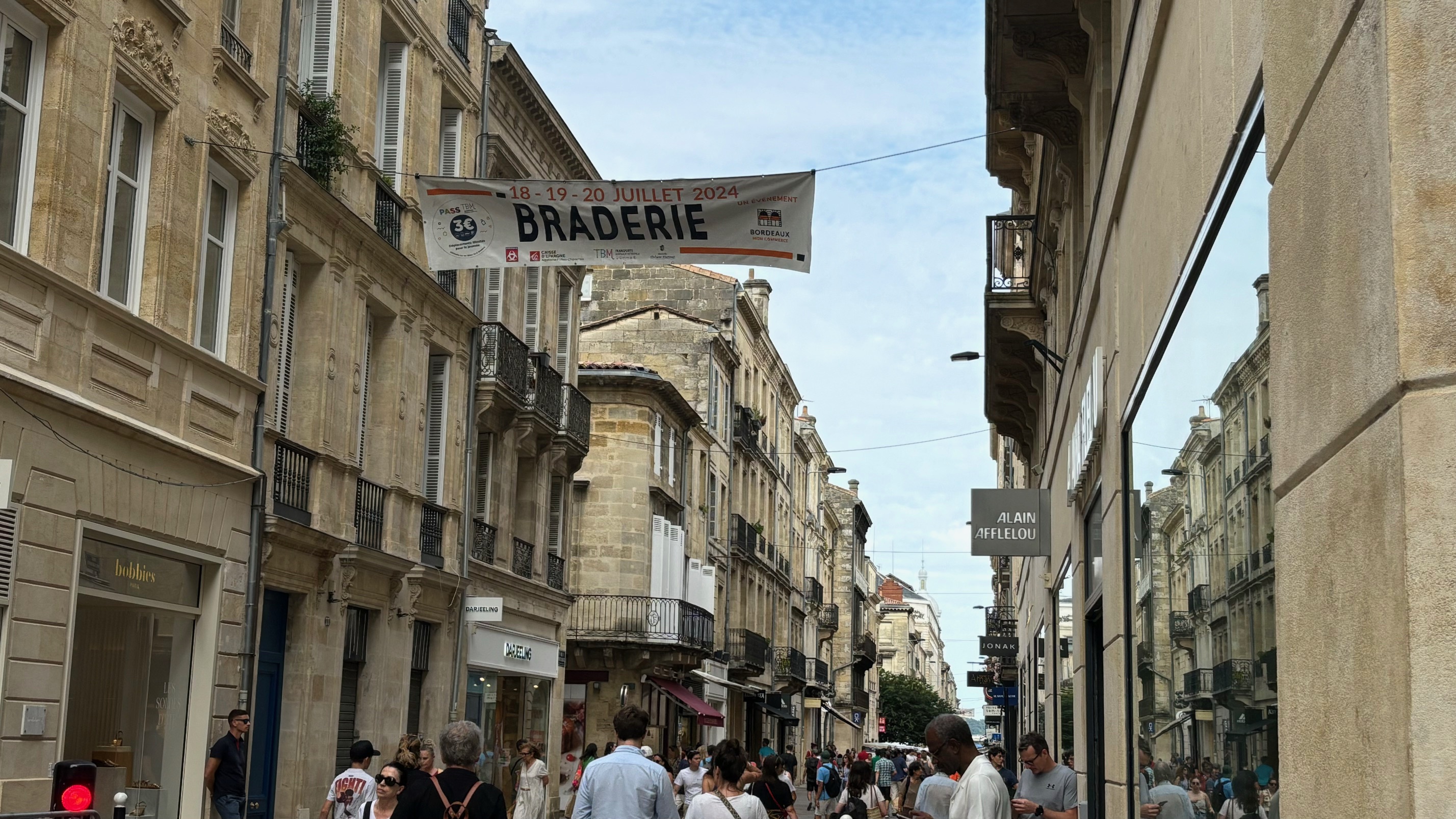
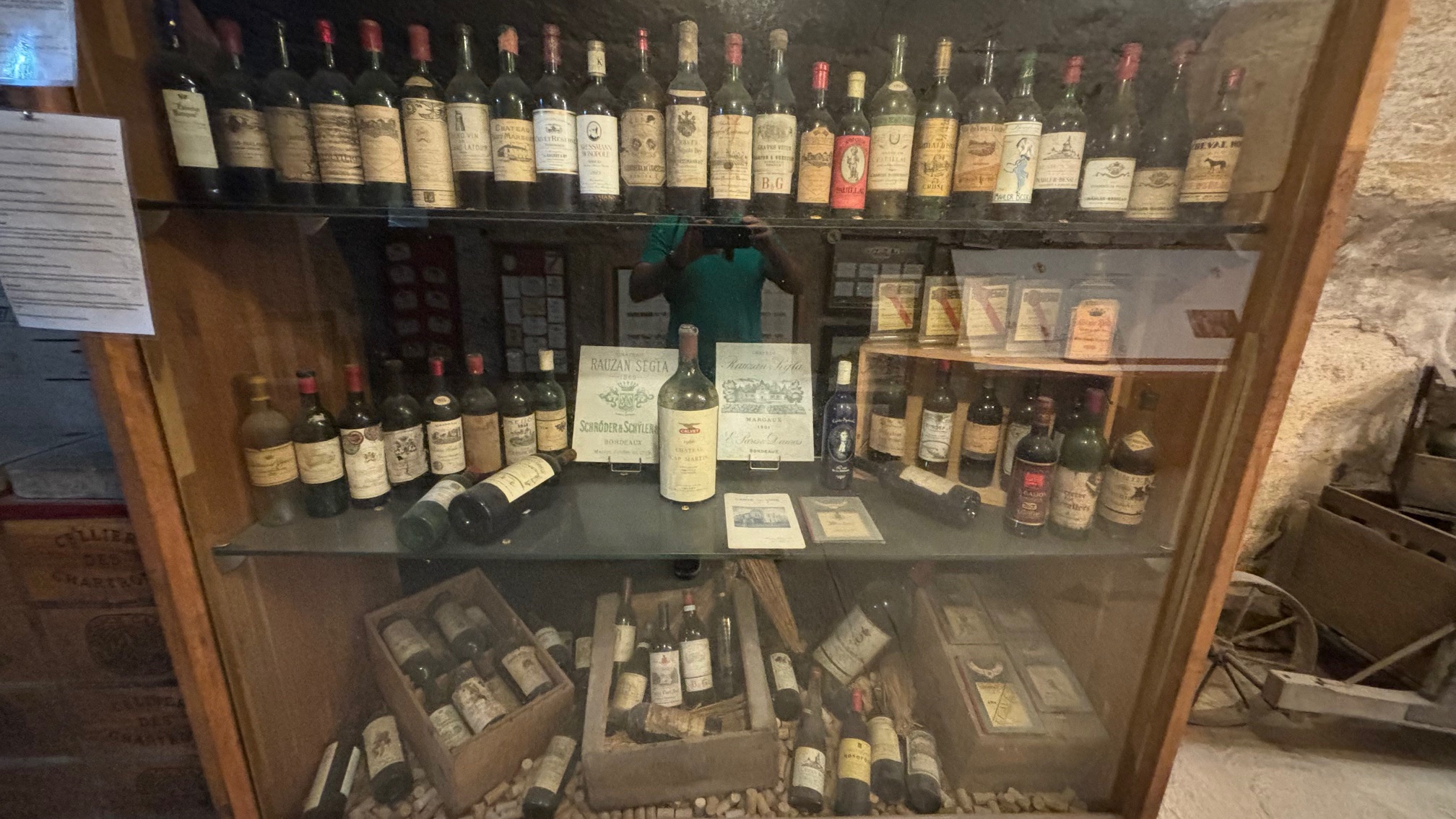
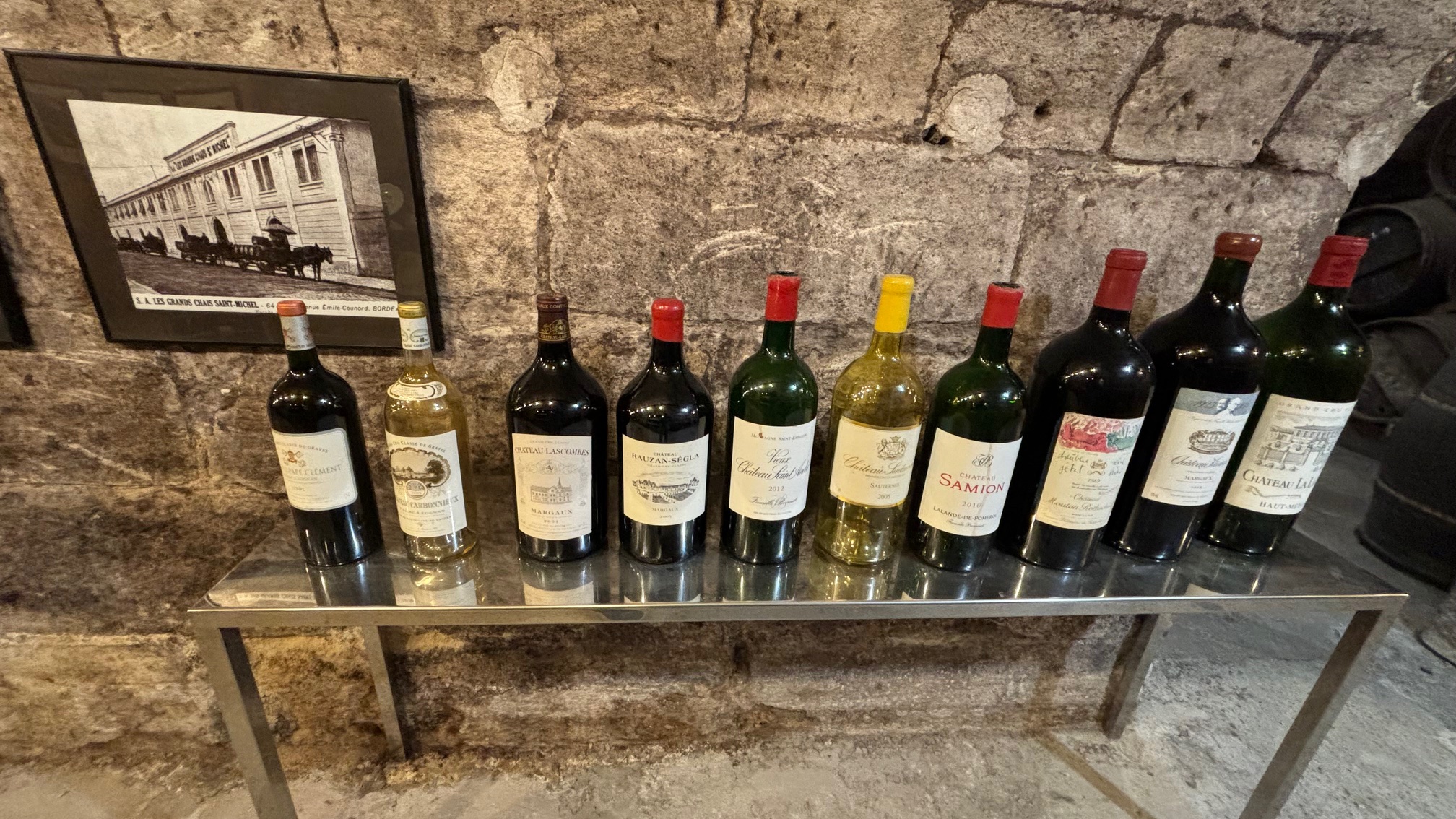
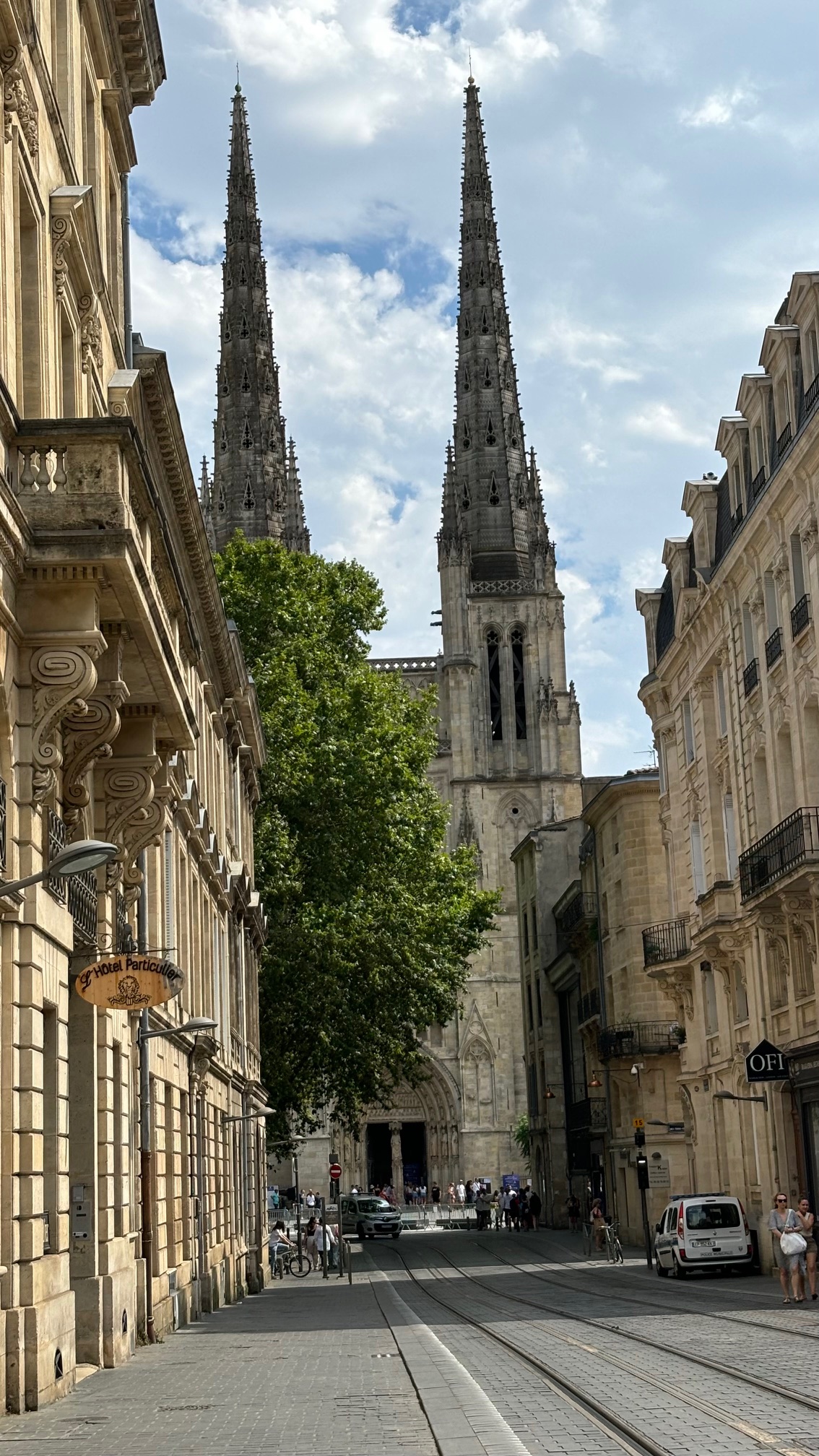
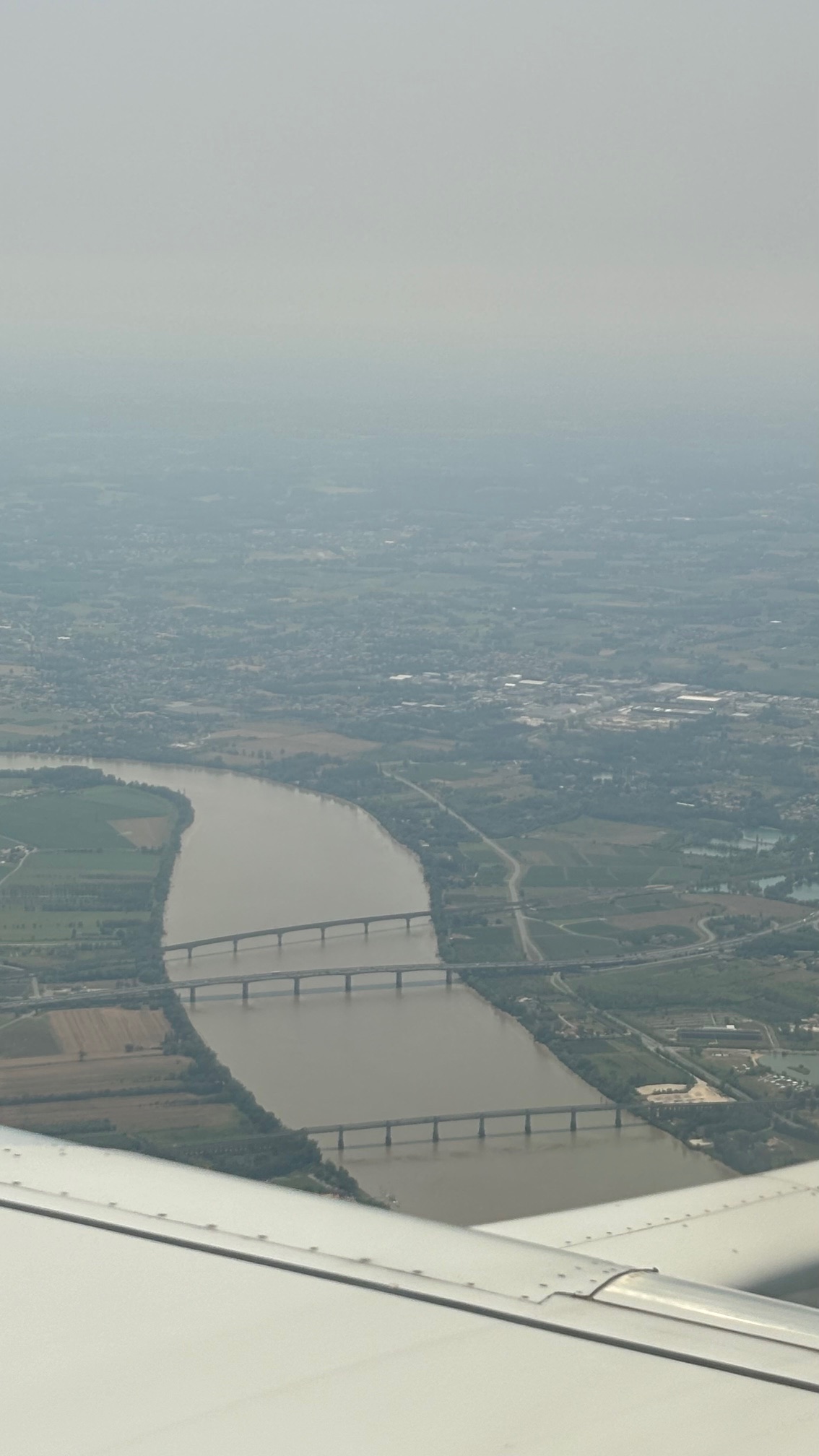
Bienvenue à Bordeaux

My first voyage to Bordeaux, France, a key stop on any wine lover’s journey through the southwestern region of the country. A beautiful and vibrant city with amazing food and wine (of course).

Camera: iPhone 15

Location: Up In The Air; Bordeaux, France

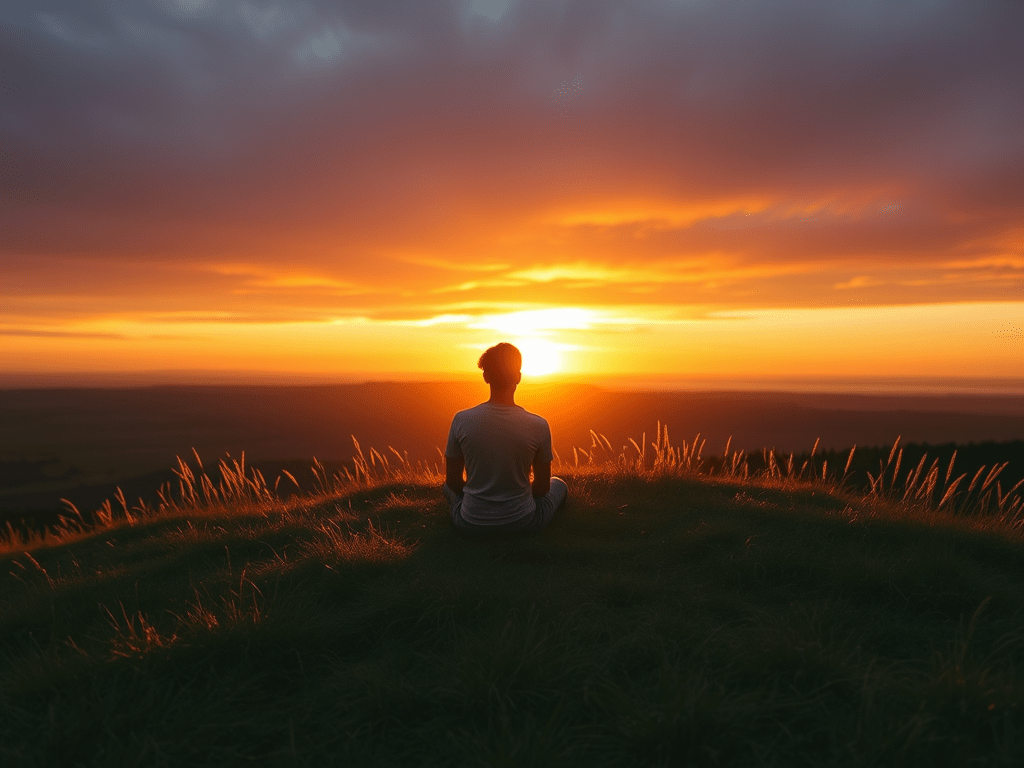
A Little Solitude Can Be Good for You

“As much as it is important to socialize and be around friends, it can also be good to be alone, focus on yourself, and enjoy a little solitude.”

Sometimes, it’s good to recharge your batteries alone. We all need real social connection and friendship, that is for certain, but there is nothing wrong with seeking out solitude to enjoy your alone time. Everybody has a different tolerance for how much time alone they can handle before they seek out a social event, gathering, or activity to dust off the cobwebs and not let one’s social skills atrophy. As much as it is important to socialize and be around friends, it can also be good to be alone, focus on yourself, and enjoy a little solitude.

Solitude often has a negative connotation, and it is often associated with having it imposed on you or having it done without consent such as the similar phrasing of ‘solitary confinement.’ That kind of solitude is denigrating to one’s spirit and causes one to mentally break over time. Just like endless solitude is harmful to one’s health, I also think that is true for the opposite side of the spectrum when you are constantly surrounded by other people, some of them mere acquaintances or coworkers for which you are forced to be around and whose company you do not enjoy. There are many forms of loneliness, and it is true that you can be as lonely by yourself as you can in a room full of people who don’t care for you, or you don’t care for them.

If you are around people who constantly want something from you or need something from you, that can be as draining as it is to have no one to talk to or to share life with. Just as a balance of having some social activity is good for you, it is as important to be on your own sometimes and enjoy one’s own company. There have been times in my own life where I have sought to be on my own deliberately, not because I didn’t enjoy being around others, but that I needed the time alone to meditate, to think, to reflect, to problem solve, and to more fully observe the world around me. In extroverted cultures including in the United States, this kind of activity can be thought of as strange or unusual, but I find that my best ideas or my most relaxing moments can be on my own and even when doing nothing but just the art of being present in the world.

We constantly are having our attention pulled to the next meeting, the next call, the next trip, the next gathering that we can forget to take the time to be on our own in whatever form that may take. Solitary kind of activities have gone out of style lately for some people whether that is reading, writing, walking, meditating, or just doing nothing (looking at your phone doesn’t count here). While these things can be done in concert with other people around, these activities are best done alone in my view and help me to recharge so I can be more present and engaged when seeing friends or family members.

You shouldn’t wait on other people to live your life too even if it’s by yourself. If you must be alone for a little while on a trip, at a concert, in the library, and generally out in public by yourself, it is not the end of the world. No one is judging you for doing life solo sometimes and it can be healthy to do so. Rather than giving too many people too little of your attention or having it split too often, why not focus all of your attention on something singular such as the footsteps you take on a walk, the thoughts in your head as you absorb a good book, and the clacking of a keyboard as you work on your novel.

Being alone all the time is not healthy, I want to make that clear, but it’s also not healthy either to be surrounded by people all the time. Part of being a healthy adult is working to have a little solitude, a little social life, and mix it all together to rewarding yet refreshing lifestyle. By being on your own sometimes, you’ll be more reflective, more observant, more self-aware, and treasure those social moments more when you’re more present, more engaged, and happier to have that social muscle stimulated.

I’ve always been an advocate for a moderate and balanced life and that is why solitude should not always be shunned for someone to progress as a person. Our deepest thoughts, our brightest ideas, our healthiest habits aren’t always cultivated around other people, which is why it is important to use one’s solitude to see if you can think deeper, live better, and build more because your attention is focused inwards rather than outwards. Find out what your tolerance for solitude is and then see what it can give you when you’re alone, because you would be surprised how relaxing and necessary it can be, especially when you put that solitary time to good use.

Celebrating the 4th of July at Navy Yard in DC

Enjoying an early baseball at Nationals Park followed in the evening with rooftop fireworks in Navy Yard for July 4th, 2024 in Washington, DC.

Camera: iPhone 15

Location: Navy Yard and Nationals Park; Washington, District of Columbia

Stop Romanticizing Stories of Overcoming Adversity Due to Societal Dysfunction

“We all should be striving to succeed but if you find yourself cheering for a success story that could have been avoided in the first place had there been a stable safety net and to have prevented the problem from arising in the first place, that is where more of our attention should be focused on as people.”

Look, I love a feel-good story as much as the next guy. I like it when someone can pull themselves out of poverty or difficult circumstances to achieve wild success for themselves and their next of kin. This is the kind of positive story that is often reported on in American media and popular culture. We love the story of the underdog rising above challenges to achieve something great. It seems to be practically embedded in our national DNA. However, the Achilles heel that we often refuse to acknowledge or focus on as a nation is how dysfunctional it can be to rise above a broken or fractured safety net to escape poverty, homelessness, or even medical debt. We all should be striving to succeed but if you find yourself cheering for a success story that could have been avoided in the first place had there been a stable safety net and to have prevented the problem from arising in the first place, that is where more of our attention should be focused on as people.

 I bring this issue up as this has been the kind of a ‘feel-good yet kind of messed up’ story that garners sympathy and appreciation from the average person throughout my life. For example, I was watching a nationally televised baseball game recently as I like to do sometimes and heard the television commentators for this game focus on the rags-to-riches story of one of the players on the field who has become wildly successful after going through tough times that involved both him and his family.

The baseball player in question had a newborn son arrive around the time of the COVID pandemic’s outbreak, who suffered from a series of seizures, which required a lengthy hospital stay and weekly checkups from the doctors there. The player himself could not play baseball due to cancellation of the MLB season at the time in 2020 and lost his health insurance at the same time his newborn son’s seizures started occurring. Because health insurance is tied to employment in America, the baseball player lost his health insurance at the worst possible time. They did not have enough money left over for housing after paying out of pocket costs for the medical care for their son. As a result, the baseball player and his family were rendered homeless for a while, living out of their family car in a Wal-Mart parking lot at one point in central Florida.

Luckily, even in this case of the dysfunctional health care system failing both this player and his family, having been left in the dust for a while, professional baseball, being the national pastime resumed a few months later in 2020, the baseball player regained his medical insurance and was able to pay off the medical debt due to his success in Major League Baseball over the past few years. I admire this player and his family’s resilience in the face of adversity and am glad his son is doing well now. The player is now a naturalized U.S. citizen also and visits children’s hospitals in the area where he plays to support families going through similar ordeals.


While this story in America had a happy ending after much sadness and anxiety for the family in question, I can’t help but think of the TV commentators’ from this baseball game’s lack of awareness about the societal dysfunction that leads to a whole family living out of their car in a Wal-Mart in central Florida with no safety net to speak of because one of them lost their job, through absolutely no fault of their own, which was tied to their health insurance coverage. It bothered me a great deal personally to not hear from the TV commentary to not mention at all the lack of universal health care in this country or the fact that you can incur thousands of dollars or more of medical debt so a son or daughter can get the treatments or surgeries needed to overcome seizures or other major medical issues.

While this story had a happy ending due to the player’s evolving skillset and MLB’s massive popularity, there are millions of Americans suffering out there currently due to a lack of a durable safety net to fill in the gaps in health and education. Come back stories to break through adversity are great and make for nice commentary but not everyone has had such luck and success navigating the American health care system.

Whether it’s GoFundMe or another online platform, many families have to rely on the kindness of strangers to help them pay down massive medical, educational, or other debt, which is never an enviable position to be in. We should not have to rely on complete strangers to fund necessary medical procedures or to get life-saving medications paid for in the United States. No one should have to forgo their home or apartment to go homeless to pay for medical bills either and be forced to live with their family in a car or on the street. I’m all for people striving to make the best of their abilities in their chosen profession but layoffs, firings, or other unfortunate events can happen leaving us jobless and without health insurance directly as a result.

I’m not going to discuss which kind of system to have regarding how insurance or how higher education can run in America but I do know that you shouldn’t have to rely on having a job at all times to get affordable health care and if you don’t have insurance when a procedure is needed, you should never go bankrupt trying to pay off your medical bills. We can argue forever about the size, scope, and scale of how a universal health care system can support the country while everybody pays their fair share into its functionality, but we should never reach the point where a platform like GoFundMe is needed to fill in the gap when it comes to someone’s health care coverage. The point of this article is not to discuss how such a new system would work or how it can be implemented but rather to address how this current dysfunctional system (or lack thereof) has been allowed to fester and continue without any solutions or improvements recently.

Lastly, feel-good stories are a good way for average people to relate to one another regardless of if you’re a professional baseball player or a janitor, but we should be taking the right lessons from these stories. We should be applauding the person and family’s resilience and their success in navigating the massive challenge, but we should also question on how we could let such dysfunction run a key part of our society or how we can allow this system to continue given that it bankrupts average people because they lost their job through no fault of their own.

Sometimes, in life, you must ask hard questions and those can include how we fix societal dysfunction and how we can be part of the solution in our own way as citizens. Asking these kinds of questions, holding our political leaders accountable, and focusing on the ‘why it happened?’ rather than the ‘how it happened?’ will help to cause some real change to happen and for these stories to become rarities in American society rather than sadly, all too common place, that we hear almost every day here.

The Hold Steady Live At The 9:30 Club

“A raucous and riveting live performance by one of my favorite Rock bands, The Hold Steady, in Washington DC live during the Summer of 2024 at the 9:30 Club venue.”

Camera: iPhone 15

Location: 9:30 Club – Music Venue; Washington, District of Columbia

‘Tikkun Olam’ – Why Healing the World Matters More Than Ever

“In a world that often feels fractured, chaotic, divisive, and downright overwhelming when it comes to making positive changes reverberate, the ancient Jewish concept of Tikkun Olam – “repairing the world”, rings out like a timeless call to action in 2025.”

In a world that often feels fractured, chaotic, divisive, and downright overwhelming when it comes to making positive changes reverberate, the ancient Jewish concept of Tikkun Olam – “repairing the world”, rings out like a timeless call to action in 2025. This ancient idea in Judaism isn’t stuck in dusty scrolls or isolated in synagogue sermons alone, as it is a timeless principle that challenges every one of us, of any religion or non-religion, to take ownership of the cracks in our communities, the inequities in our cities, the damage being done to our planet, and even healing the wounds within ourselves. Rarely, if ever, have I written about religion and my own faith background but the need for practicing Tikkun Olam is something in Judaism I’ve always held dear not just for myself but for others to participate in, regardless of their own religious or other background.

What is ‘Tikkun Olam’ and Why Does It Matter?

Literally, Tikkun from the Hebrew language means “repair” or “healing,” and Olam (also from Hebrew) means “world.” It’s an invitation to actively make the world a better, more just, and more whole place, even if it is just a small action you partake in individually to counteract the evils and injustices taking place at the same time. Originating in Jewish thought, this concept for lending a hand to fight injustice and to do some good in the world, has evolved into a broader ethical framework that resonates far beyond Judaism. It’s a powerful reminder that healing for humanity, whether social, environmental, economic or personal is not someone else’s job. It starts with all of us, and we must all do our own part, whatever form that may be. As Mahatma Gandhi famously said, “Be the change that you wish to see in the world.”

Why does Tikkun Olam Matter More Than Ever in 2025?

Look around what’s going on around the world today: climate change threatens our very survival as a species on this planet, social inequality keeps millions trapped in poverty and continues to increase (especially in the United States), countless thousands have died in recent wars and conflicts from Eastern Europe to the Middle East to Sub-Saharan Africa and political polarization fractures communities worldwide leading to extremism and increasing stress on democratic values and freedoms. It’s tempting to feel helpless with all the ills taking place around the world, like the problems are too big and complex for any single person to fix any of them.

However, Tikkun Olam flips that script on itself. It says: the world isn’t going to heal by itself and no one person can do it alone. It requires active participation by more people, conscious choices on how to commit good acts, and collective courage to stand up against known evils and injustices. As Margaret Mead wisely put it, “Never doubt that a small group of thoughtful, committed citizens can change the world; indeed, it’s the only thing that ever has.” History has shown us repeatedly that when regular people mobilize consistently for change, are organized around their cause that they know is just, then their collective power can indeed make things better if it is sustained and united.

Healing Isn’t One-Dimensional for Humanity


Tikkun Olam asks us to think holistically about how we heal as humanity. Healing the world means tackling injustice across the board, whether racial, economic, or social, because inequality weakens the social fabric whatever form it may take. It means protecting the environment, our shared home, from exploitation and neglect, and coming up with solutions that keep it that way for future generations. Perhaps most importantly, it means looking inward to heal our own biases, fears, and prejudices. Because how can we fix the world if we’re broken ourselves or unwilling to be honest about our own healing process? The philosopher William James said it well, “Act as if what you do makes a difference. It does.”

How Do We Live Tikkun Olam in 2025?

The beauty of Tikkun Olam is that it doesn’t require grand gestures or heroic feats because collective power to create change will always usurp that of any individual. While the average political leader, environmental activist, and social critic, can influence change with their platform they have, it’s not enough if no one else believes in your cause and will work with you to implement it together.

It’s in the everyday actions that really push change across the finish line: volunteering at a local shelter, voting for political leaders who will represent your beliefs and values, feeding and clothing the homeless with your donations, supporting sustainable businesses, speaking up against injustice in your community, or simply educating ourselves about the issues at hand. Small choices as well that we have heard about since we were children like reducing, recycling, or reusing your waste (if possible), donating time or money to causes that make positive change, or listening with empathy and kindness accumulate into real change.

The Road to Change is Never Easy but It’s Necessary

Good intentions sometimes falter no matter how much work and effort we can put into positive change. Activism can lead to burnout due to lack of support or funding. The world’s problems can feel like a tidal wave threatening to pull us all under. Tikkun Olam doesn’t promise a quick fix or painless journey towards being successful in seeing the world get better. It demands persistence, consistency, and resilience from everyone involved.

Here’s the truth of the matter: when you commit to healing some aspect of the world, you’re also joining a community of changemakers worldwide who believe in the power of repair and that is powerful to be in good company with other citizens wanting to better the world. As the novelist Paulo Coelho reminds us, “The world is changed by your example, not by your opinion.”

Looking Ahead: Hope for Action in a Fractured World

The future of Tikkun Olam or ‘healing the world’ lies in believing in global citizenship, recognizing that we’re all interconnected to one another despite our ever-present divisions. What happens halfway around the world affects us as much as what happens down the street from us. It’s about continuing to use technology, education, and cross-cultural understanding for good and work to bridge growing divides, learn from other’s advocacy to fuel our own, and inspire sustainable solutions that benefits humanity for the foreseeable future. The healing starts small but grows exponentially, like cascading ripples in a pond, momentum that starts in one town or city and spreads globally because of how universally justice, peace, and compassion can be applied. Reverend Martin Luther King Jr.’s words guide us here: “Injustice Anywhere is a Threat to Justice Everywhere.”

Why Waiting on Change Will Never Lead to It

If you are waiting on the world to change on its own, you’ll be waiting until your dying day. The world is crying out for repair from every one of us, and the clock is ticking. Tikkun Olam is more than a spiritual ideal from Judaism; it’s a practical roadmap for living with purpose in a fractured world. The question isn’t whether you can make a difference, amplify your impact by combining your efforts with others to create collective change on top of individual change to create that ‘ripple effect’ it’s whether you’re ready to start and what problem(s) do you want to start tacking first. So, what’s your first step? The world is waiting on you.