‘Mystic River’ – Film Review and Analysis

“This book-to-film adaptation, praised for its emotional intensity and thematic complexity, remains one of Eastwood’s most acclaimed directorial efforts to this day. Mystic River is a powerful combination of stellar performances, masterful direction, evocative cinematography, and a carefully crafted screenplay making the film a standard bearer of cinematic storytelling.”

Mystic River, directed by Clint Eastwood in 2003 and starring an amazing cast including Sean Penn, Kevin Bacon, and Tim Robbins, is an intricate and darkly intense film that has left a lasting impact on audiences and critics alike since it first came out in theaters over two decades ago. Based on Dennis Lehane’s novel of the same name, the film explores deep themes of trauma, guilt, vengeance, and the ways in which past experiences haunt the present and future. This book-to-film adaptation, praised for its emotional intensity and thematic complexity, remains one of Eastwood’s most acclaimed directorial efforts to this day. Mystic River is a powerful combination of stellar performances, masterful direction, evocative cinematography, and a carefully crafted screenplay making the film a standard bearer of cinematic storytelling.

The plot begins in a working-class Boston neighborhood, not too far from the Mystic River, and centers on three childhood friends: Jimmy Markum (Sean Penn), Sean Devine (Kevin Bacon), and Dave Boyle (Tim Robbins). As young boys, the trio spends their days together, playing stick ball, hockey, exploring the neighborhood, and strengthening their bond as friends. However, one traumatic incident forever changes their lives, marking them all in ways that will resonate through their adult years. Decades later, their lives intertwine once more when Jimmy’s teenage daughter, Katie, is found murdered, prompting a deep and painful investigation into both the current crime and the unresolved scars of the past for each of the three main characters.

Set against the gritty, blue-collar backdrop of Eastwood’s Boston, the environment reflects the rough and bleak outlook shared by many of the characters, most of whom never left the neighborhood as adults. This urban setting becomes almost a character, embodying a sense of entrapment and suffocation and what ifs. Eastwood and the film’s cinematographer, Tom Stern, create a cold, foreboding atmosphere that mirrors the psychological darkness of the characters. The use of shadows and natural light throughout the film provides an eerily realistic tone, further immersing the audience in the story’s weighty themes. As a film, Mystic River, sets itself apart by giving each character room to grow and develop over the course of the two and half hours of screentime. Each of them has a unique backstory despite the overlap and they each have their own personal scars and demons to bear.

To understand the film better as an audience, we must go through each character’s backstory, motives, and circumstances:

  1. Jimmy Markum (Sean Penn) – Jimmy is a reformed ex-convict who did two years in prison who now runs a local convenience store. He’s fiercely loyal to his family, especially his beloved daughter, Katie, who he has tried to shield her from his checkered past. His character is marked by a volatile personality and a deeply ingrained sense of loyalty, one that can easily turn to vengeance, if provoked. This trait becomes particularly apparent when Katie’s murder brings his hidden rage and pain to the surface. Penn’s portrayal of Jimmy is raw and gut-wrenching; he conveys a sense of intense, bottled-up pain that feels as if it could erupt at any moment at any one person who he is feels is responsible or partly responsible for her murder. Jimmy’s background as a former criminal, his letting his emotions cloud his judgment, and the rawness of the recent loss of his daughter drive much of his actions, adding layers of complexity to his character.
  2. Sean Devine (Kevin Bacon) – Sean, one of Jimmy and Dave’s friends, is now a detective with the Massachusetts State Police who is investigating Katie’s murder, and his ties to Jimmy and Dave complicate the case. Although he’s become more distant over the years from both men, Sean feels a sense of duty and friendships to bring closure to Katie’s murder and perhaps, in turn, to his own fractured past. His unresolved feelings about the childhood trauma shared by him, Jimmy, and Dave gives his character a detached yet conflicted edge. Kevin Bacon’s performance as Sean is understated but poignant, particularly as Sean grapples with the uncomfortable ties between his childhood friendships and the demands of justice. Sean’s role in the story is not just as a detective but as someone attempting to reconcile his past with his present responsibilities. During the film, we also give glimpses into Sean’s present struggles with an estranged spouse and his own personal turmoil surrounding his commitment to his job as detective, which may have led him astray from the woman he loves.
  3. Dave Boyle (Tim Robbins) – Dave is the most visibly affected by the traumatic events of his childhood because he is the one who was physically and emotionally abused until he escaped from the nightmare one day, and Robbins’ portrayal of a victim of child abuse is haunting. As a result of the childhood abduction and abuse, Dave is marked by a pervasive sadness and paranoia that set him apart from others including Jimmy and Sean. Married with a son now, he still struggles with feelings of inadequacy, unresolved trauma, and the psychological scars left by his past. His character raises questions about the psychological ramifications of unresolved trauma, and Robbins plays Dave with a quiet and unsettling vulnerability as he is a boy trapped in a man’s body who never got to really grow up into what he wanted to be. This kind of trauma and sadness culminates in behavior that others in the film including his wife interpret as suspicious, especially as Sean’s investigation of Katie’s murder begins to close in around him. Dave’s struggle for normalcy and acceptance is central to the film’s portrayal of trauma and his seeking redemption for what had happened to him in the past, through no fault of his own.
  4. Celeste Boyle (Marcia Gay Harden) – Celeste, Dave’s wife, represents the emotional turmoil that affects loved ones in the wake of trauma. Marcia Gay Harden’s portrayal brings depth to the character of Celeste, illustrating the complexity of being married to a man who is emotionally distant and troubled. Her suspicions and insecurities about Dave’s behavior create tension within their marriage, which becomes another focal point in the larger mystery of what Dave was doing on the night of Katie’s murder. Through Celeste, the film explores how the impact of trauma reverberates through relationships, and her doubts contribute to the suspense as she becomes uncertain of Dave’s innocence.

The thematic core of Mystic River lies in its exploration of personal trauma and its long-lasting effects on those around the affected person. Eastwood skillfully illustrates how the characters’ pasts influence their present, emphasizing the psychological toll of unhealed wounds. The trauma of Dave’s abduction and abuse is a powerful throughline, shaping his entire personality and decisions, and is indirectly responsible for the fractures in his relationships, friendships, and the suspicions cast upon him, whether justified or not. The themes of guilt and retribution are intricately woven into the story, particularly through Jimmy’s character, as he vacillates between his roles as a loving father and a man haunted by his own past mistakes and violent tendencies.

The film also dives into the notion of justice, both formal and informal, in our world. Sean’s role as a Massachusetts State Police detective represents the lawful pursuit of justice, yet the lack of resolution to certain aspects of his past shows how incomplete the law can be in addressing psychological scars, especially in a community where the lawful pursuit of justice is looked upon with skepticism especially by Jimmy. Jimmy, on the other hand, seeks a more personal form of justice, operating on a visceral level almost as a vigilante for Katie and the community who were also affected by her loss, guided by his own sense of right and wrong. This contrast between official justice and personal retribution forms one of the central tensions in the film and between Jimmy and Sean, estranged friends who are brought back together because of Katie’s murder.

Mystic River subtly but powerfully engages with a subtle theme tied to the Catholic Church and refers to one of Dave’s abusers in the early part of the film’s plot. This also is shown in the film particularly in the Catholic Church’s allusions to the trauma and secrecy that have historically been associated with the institution, especially around issues of child abuse. Although the film does not explicitly delve into the church’s scandals, the storyline of Dave’s childhood abduction and abuse parallels the real-life abuse scandals within the Catholic Church that would become a dominant public conversation in the years following the film’s release in 2003. The film portrays the silence, guilt, and repression surrounding trauma for abuse victims, especially for male victims, in ways that align with the complex and devastating effects of institutional abuse later revealed in widespread reports that came out in the 2000s and 2010s.

Eastwood’s sensitive handling of these themes amplifies the emotional impact of the film, allowing Mystic River to serve as a quiet commentary on the long-lasting scars left by abuse, trauma, and lives that could have been different. The cultural resonance of the film deepened as these themes became more publicly discussed, especially with the Boston Archdiocese scandal coming to light just months before the movie’s release and other subsequent revelations about abuse within the Catholic Church. The film’s nuanced portrayal of silence and trauma thus became eerily relevant, mirroring real-world struggles for justice, accountability, and healing.

Eastwood’s direction in Mystic River is marked by a disciplined, almost minimalist style that avoids sensationalism or quick cuts and jumps. His choice is to keep the film grounded in the characters’ experiences, which creates an immersive atmosphere, allowing the audience to connect deeply with each character’s journey because they are fully fleshed out individuals by the end of the film to us. By focusing on small, authentic details—the cold, grim environment, the weathered textures of Boston’s streets, and the understated settings within homes and local establishments in the neighborhoods surrounding the Mystic River, Eastwood crafts a world that feels palpably real and one we can believe in as viewers.

Cinematographer Tom Stern contributes to this atmosphere by using a muted color palette dominated by grays, blues, and other cold tones, mirroring the bleak outlooks of the characters and their surroundings. The naturalistic lighting helps underscore the characters’ emotional states, with shadows and half-lit scenes, hinting at hidden secrets and unresolved traumas. The camera work is frequently restrained, using lingering shots that capture subtle shifts in the actors’ expressions, allowing their performances to be the focal point of each scene.

As an adaptation, Mystic River succeeds largely because of Brian Helgeland’s screenplay, which translates Lehane’s complex narrative into a visually evocative and emotionally rich script. Helgeland captures the essence of the novel’s psychological tension and moral ambiguity without resorting to heavy exposition, instead allowing the characters’ actions and interactions to reveal their deeper motivations and conflicts. The adaptation retains the novel’s depth by focusing on character development rather than plot mechanics, preserving the source material’s thematic weight.

The film’s pacing, controlled by Eastwood’s direction, also serves the adaptation well even at two and a half hours long in length. Rather than racing toward revelations, the narrative unfolds gradually, mirroring the pace of real life in how trauma is dealt with and the need for closure. This approach preserves the novel’s introspective tone, making it not just a crime thriller but a meditation on human resilience, the search for true justice, and the impact of unresolved pain.

Mystic River stands out as a masterclass in adapted screenwriting, direction, and performance. It is perhaps one of the greatest films in this young 21st century as well. Eastwood’s subtle yet unrelenting vision creates a haunting atmosphere that perfectly matches Lehane’s themes of trauma, revenge, and the flawed pursuit of justice. The ensemble cast delivers compelling performances, each actor bringing depth to their own character’s unique struggles and inner turmoil. With Stern’s atmospheric cinematography, the gritty Boston setting feels almost oppressive, creating a visual landscape as intense as the narrative itself.

Through its slow-burn approach, Mystic River probes deeply into the characters’ psyches and decisions, making the experience both unsettling and profoundly affecting. The result is a powerful film that not only respects its source material but elevates it, offering a cinematic experience that explores the human capacity for both destruction and redemption. Eastwood’s restrained direction, combined with the richness of Lehane’s story, makes Mystic River a film that resonates long after the final frame comes to an end.

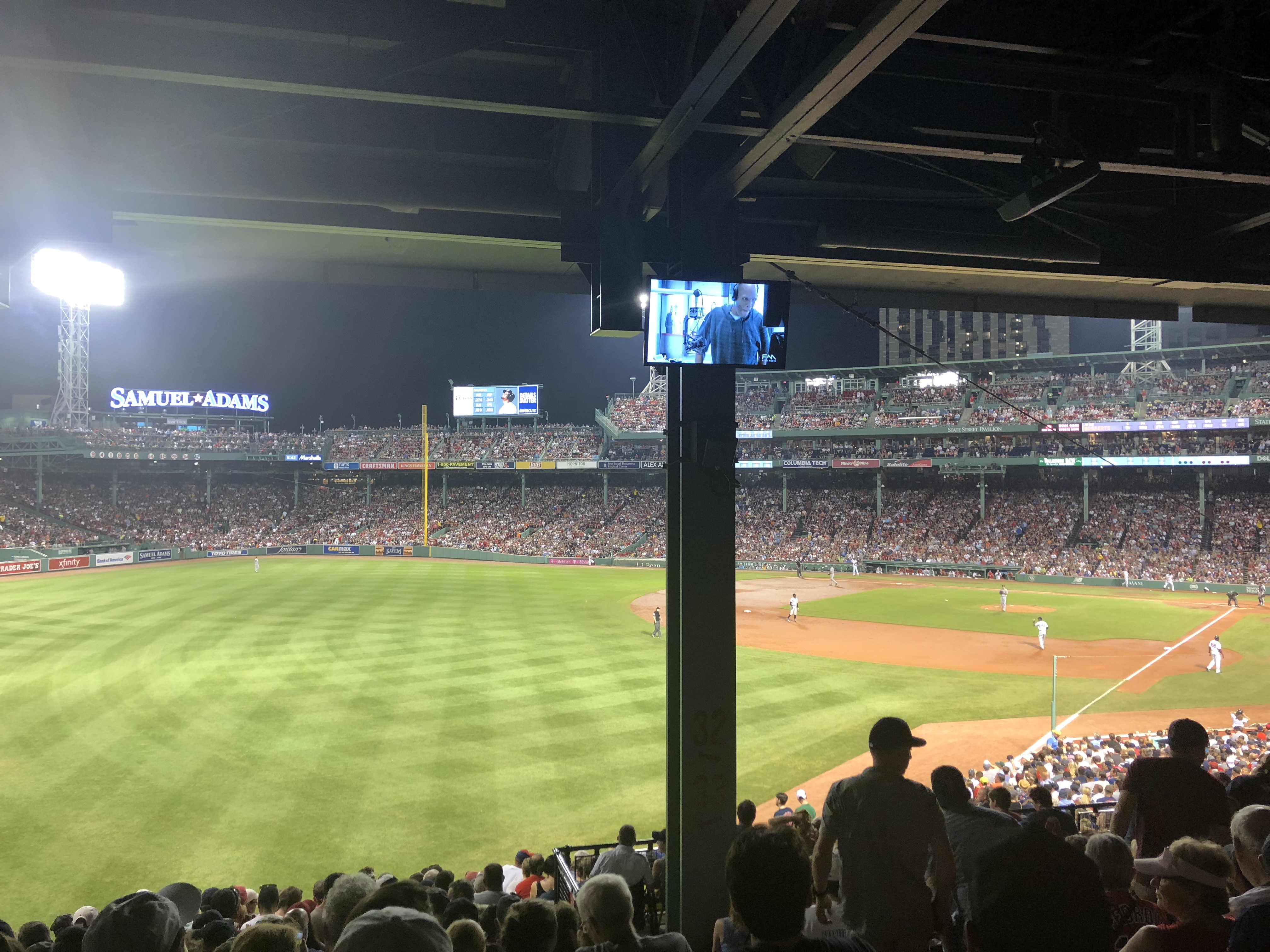
Yankees v. Red Sox

Phy5T0ofQlubh5ocN8%%fgMAEbD%dQR46Mg3ss+433bQ7BmwwvK0QjajHwVVAeBwEAtinCajQcTFSxS2YZCtP75wN80x8GDmRb2se2y+9c0pkwQdK5SAfrRT2%klVxOOaRkgtq8mXsSOSeOtQNKwOHhyyA4eoWlISfQge5j73XRbC%iAC7mMRePJT6azW0G2IVQRRQHnx87XcfTEqdrIfEaocJxg

CameraiPhone 8

Location: Fenway Park; Boston, Massachusetts, United States

Radiohead @ TD Garden

IMG_0908IMG_0910IMG_0895IMG_0885IMG_0840IMG_0872IMG_0852IMG_0846IMG_0862IMG_0879IMG_0868IMG_0855

Camera: iPhone 8

Location: Boston, Massachusetts, United States

Sailing on the Harbor

IMG_3113IMG_3114IMG_3115IMG_3118IMG_3124IMG_3128IMG_3132IMG_3136IMG_3154IMG_3158IMG_3161IMG_3169IMG_3179IMG_3189IMG_3194

CameraCanon PowerShot SX710 HS 

LocationBoston Harbor; Boston, Massachusetts, United States

‘Good Will Hunting’ – Film Review and Analysis

What happens when you bring together two of the best actors of the modern age who meet at just the right time in their careers? The short answer is that you get some old-fashioned movie making magic. Both men have made their mark on Hollywood and this film that they carry together is one of the reasons for that happening. While a generation sets them apart, their commitment to the craft of acting shines through in this classic film that takes place in the city of Boston where I currently reside titled ‘Good Will Hunting.’

‘Good Will Hunting’, released in 1997, over twenty years ago is a film that I have gone back to again and again throughout the years since I grew up with it in a way. As I have gotten older, the themes of the film stick with me more and more. This film is a timeless piece that a lot of people, especially young men, can relate to. While it’s not a blockbuster and isn’t a mainstream favorite, it carries deep messages regarding relationships, dealing with the future, and learning to love and trust other people.

The two actors that I was referring to earlier are Robin Williams and Matt Damon. Both men are known for their more popular roles in movies like ‘Mrs. Doubtfire’ and ‘Good Morning, Vietnam for Mr. Williams and ‘The Bourne Trilogy’ movies and ‘The Departed’ for Mr. Damon. Unlike those other movies, I believe that this movie really shows off the talent of these two men and how they’re able to push each other in emotionally trying roles. On top of those two performances, Gus Van Sant is an excellent director who does a great job of filming this movie set in late 1990s Boston.

As if that weren’t enough, you have a great cast of supporting actors including Ben Affleck, Minnie Driver (has she been in any major movies since?), Stellan Skarsgard, and Casey Affleck of Manchester-by-the-Sea fame who really add depth and substance to this movie. These character-driven movies such as ‘Good Will Hunting’ are usually the hardest to make but if done right, they really stay with the viewer long after the film is over. They really capture different moods, emotions, and feelings and this one in particular captures the struggles inherent in being a brilliant mind in a troubled world.

The title of this film ‘Good Will Hunting’ is based off the name of its main character, Will Hunting (played by Matt Damon) a 20-year old, born and raised in South Boston. You would think from this description that he’s just a regular guy but Mr. Hunting was born with the innate gift of having genius level intellect. He has few possessions except for hundreds of books from Foucault to Shakespeare. He’s an avid book reader but has a specialty in solving advanced mathematical equations that few others in the world can figure out. You would think that this college-aged guy would be working on advanced mathematics at MIT or CalTech but he’s not an enrolled student there or anywhere for that matter.

Will Hunting has had a rough upbringing in that his parents abandoned him when he was a baby and he grew up in foster homes where his foster father abused him physically multiple times. Abandoned by those people who were supposed to love and cherish him, Will, for good reason has a fear of abandonment and does not trust other people. His social interactions are limited because of the abusive childhood he endured but he is happy with his group of three friends: Billy, Morgan, and his best friend Chuckie. While Will does not have many friends, he would do anything for his three neighborhood buddies who he grew up with and he literally considers them to be his family.

While Will’s friends are loyal, they are not the best influence on him and they can be crass, crude, and spend too much time drinking. The group’s antics lead Will into a fight against some neighborhood miscreants, which draws the attention of the local police. Will, acting out his aggression violently, ends up assaulting a police officer causing him to do mandatory community service and therapy sessions. Will, a janitor at the Massachusetts Institute of Technology, works after hours to help clean the bathrooms and empty the waste paper baskets. Unbeknownst to both students and professors alike, Will in his spare time has been going around solving advanced Math equations that the regular MIT graduate students can’t even begin to conceive a solution for. One night, Will is caught in the act as he gets caught doing an extremely difficult problem that no one else has solved yet. Professor Lambeau of the Mathematics department discovers Will solving this problem and calls after him to no avail but with a four-letter crude response from Mr. Hunting.

Professor Lambeau does Will a huge favor and gets him out of some serious jail time for assaulting the police officer. In exchange for his favor, Will has to sit and work with Professor Lambeau on advanced mathematics in a mutual exchange. Professor Lambeau is fascinated by Will’s brilliance but it appears to the audience that he cares more just about Will’s brain than who he is as a person. Professor Lambeau tries to get Will to open up to different psychiatrists but Will messes with all of them and doesn’t take his therapy sessions seriously. Lambeau, out of options, goes to an old friend from his college days at MIT, Sean Maguire (played by Robin Williams), who now teaches psychology at Bunker Hill Community College and is also a licensed therapist.

Despite a few sessions where Will is argumentative and closed off, Sean is able to break down Will’s defensive mechanisms partly by talking about his own rough upbringing. Sean was beat by his alcoholic father while he was a child. In an effort to protect his mother and little brother, Sean would endure the brunt of his father’s anger and vitriol. The two men bond over the fact that they have a high intellect, have both grown up in Boston, share a love of the Red Sox, have had rough upbringings, and can be a bit closed off from their loved ones.

Will is going through a transition period in his young life where he is starting to think about a future beyond just getting drunk with his buddies and hiding his talents from the world. He is also trying his best to form healthy relationships with not only his friends but in his love life too. Instead of endlessly pursuing casual one-night stands, Will finds a girl one night at a Harvard bar whom peaks his interest named Skylar (played by Minnie Driver). Despite them coming from very different family backgrounds as well as her being born into wealth, they share a love for learning and have the same sense of humor. Most important to Will in all of this courting is that she likes his friends and that means a lot to him since they have essentially been his family his whole life.

The problem that Will struggles with in terms of his relationships whether its romantic with Skylar or personal with Sean is that he can’t open up to them about his being abused as a child due to a mixture of shame, guilt, and anger. He turns his emotional pain outward and directs that anger at society, the past therapists, Professor Lambeau, and even at Will and Skylar. Will is self-conscious about his genius and is not sure he wants to have a prestigious office job or even to leave his home city of Boston. He says to his best friend, Chuckie, at one point that he doesn’t “feel like doing long division in a room for the rest of my life.”

However, what Will realizes is that he’s not the center of the world. With the help of Sean and Skylar, he learns eventually that while his life has been tragic, that should not prevent him from reaching his true potential and that he is literally “bound by nothing.” He’s a genius of great intellectual capacity who can change the world in a number of ways. Will has a great gift that a lot of people would kill to have including his best friend, Chuckie. As Chuckie puts to Will bluntly towards the end of the movie, “You’re sitting on a winning lottery ticket and you’re too chicken to cash in on it.” Chuckie tells Will that he’ll essentially be working construction until he retires which is fine because he doesn’t have Will has and that Will owes it not only to himself but to him and his other buddies to do more with his life.

Sean also is the father figure that Will never had and is able to give him tough life. Sean was also abused as a child and knows where Will is coming from. However, he has to learn how to put the past behind him and to not blame himself for what had happened because it simply wasn’t his fault. Will was an innocent child and can’t be blamed for such a horrific event. Will has to learn again how to be emotionally open and vulnerable with the people who care about him like Sean and Skylar. Will had lost the inability to love and be loved but it’s never too late to get that back.

The mentorship of Sean throughout the film helps to bring Will around and the time they share together in the therapy sessions make them true friends. Sean is able to tell Will that he is not so special in the fact that his life has been extraordinarily difficult. Sean, himself, fought in the Vietnam War as a young man and had his best friend there die in his arms. He also lost his wife, the one true love of his to a long battle with cancer years ago and hasn’t been able to become romantically involved with anyone since then. However, he implores Will to also see the beauty in life such as in the form of a woman who can ‘level you with her eyes’ and be your own angel.

There are also the wonders of the world that Will can experience such as how it smells in the Sistine Chapel in Italy.    Will may be an intellectual genius but he still has a lot to learn about the beauty and ugliness of life. Sean’s experiences help to enlighten Will about what life is all about and how to persevere through the struggles and setbacks that are inevitable. Both men have their inner demons to battle but they encourage each other to become better, to strive for more, and to live good lives. With Will’s urging, Sean is also ready to put his tragic past behind him to begin anew. He sets out to travel the world, meet a special someone like Will has with Skylar, and truly live life again.

The positive mentorship between Will and Sean is a beautiful thing to see develop over the course of the film. To see true friendship between the two and the chemistry that Damon and Williams have in their scenes together makes ‘Good Will Hunting’ a really special movie. Similar to ‘Lost In Translation’, it’s also nice to see a true romance between Will and Skylar develop as well that starts out very inconspicuously. It’s a young, innocent kind of love that is beautiful to watch and it’s both real and raw to see with how much they truly care for each other and want to best for one another. One of the best lines in the film that Will and Sean both use for courting the special women in their lives is “Sorry, I had to go see about a girl.” Is there anything in modern cinema that can compare to this phrase so simple yet so full of meaning? I don’t think so.

Saint Patrick’s Day Parade

IMG_2975IMG_2982IMG_2989IMG_2999IMG_3003IMG_3004IMG_3005IMG_3017IMG_3019IMG_3021IMG_3025IMG_3027IMG_3030IMG_3033IMG_3035

CameraCanon PowerShot SX710 HS

LocationSouth Boston, Massachusetts

Isabella’s Museum

IMG_2927IMG_2930IMG_2936IMG_2937IMG_2940IMG_2942IMG_2946IMG_2949IMG_2951fullsizeoutput_7b9IMG_2960IMG_2964IMG_2967IMG_2968IMG_2971

CameraCanon PowerShot SX710 HS

Location: Isabella Gardner Stewart Museum; Boston, Massachusetts

A Study in Contrasts – the Medellin Metro and the Boston T

I’ve used a lot of different metropolitan transit systems in cities I’ve either visited or lived in. From Istanbul to Berlin to Washington, DC, it’s fascinating to see how different cultures and countries treat their metro systems. Some cities emphasize the ability to eat and drink at established vendors right next to the platform, while others emphasize the ability to know exactly when the next train will be arriving with real-time updates. In a way, these metro systems are a microcosm of a country’s culture. Unbeknownst to most travelers, you can learn a lot about a city and a country as a whole based on how they approach their public transportation. Each metro system I’ve used has had their own kind of flair to them whether it’s the London Underground’s cleanliness, New York Subway’s 24-hour service, and Istanbul’s kind food merchants.

Out of all the metro systems I’ve rode on, there are currently two in the world that stand out to me in their approach to customer service. While most systems rarely have attendants to help people enter or leave the train, the two cities that are the exception to this rule are Boston and Medellin. These two transit systems actually have attendants working on behalf of the transportation authority to help passengers to use the metro effectively but with different approaches. For example, the way Boston does its’ customer service would be more hands-off while in Medellin it is much more hands on.

This difference in culture may play into the fact that the Boston T system has been in operation since 1897 and the locals are pretty adept at navigating the transit system considering its’ more than a century old. When it comes to Medellin, the metro system there began in 1995, which is a little over twenty years old. Medellin currently has the only urban train network in Colombia. Still though, you could draw the conclusion that the way the customer service of these two transit systems functions is reflective of the overall culture. In the U.S., we tend to be more individualistic especially when it comes to our urban transportation. When I lived in Medellin, I was enamored with how collective the metro system was when compared to where I’m currently living. In Boston, it’s much more about every man or woman for himself or herself as they try to navigate the system regardless of whether you’re a long-time local or a first-time visitor.

For Medellin, the aspect of their metro system that stood out most to me was the number of attendants who would help riders enter the train platform, instruct users on how to board and exit the trains, and how to refill and use their metro cards. Instead of just one or two attendants there on behalf of the transportation authority, there were usually up to a dozen workers assisting customers at each station. It was really nice for me to see the attention to detail that the metro system had in terms of assisting passengers to use the system effectively. This approach was crucial especially during a busy rush hour when there would be thousands of passengers wanting to enter and exit the train station.

Having a dedicated group of workers on hand to help smooth things over and make sure passengers were respecting each other and the transit system was a really impressive thing to witness. It doesn’t hurt that the entire Medellin metro system is well kept and has no littering, little rats running around etc. at any of its’ dozens of train stations. Compared to other cities, Medellin does a great job with its’ communal approach to the metro system. One of the catchphrases of their advertising is to ‘Vive La Cultura de Metro’, which basically translates to living the metro culture by respecting others and keeping the system clean.

Other cities could benefit from replicating the effective customer service, the emphasis on cleanliness, and the easy access to information that the Medellin Metro provides. Like any other transit system in a major city, it still does get quite congested during rush hour, and it can be hard to get on the train during peak hours due to lack of trains available. I know this from my own past experiences of having to fight to get on the train at 6 AM some mornings when I was a teacher there.

When it comes to the Boston T system, it’s the oldest in the United States and doesn’t take much time to get acclimated to. However, compared to the New York or Washington, DC transit systems, there is some customer service and assistance given. However, when you compare Boston to Medellin in this regard, it’s really no contest. While there are usually one or two attendants from the transit authority present, they don’t really actively help passengers. Sometimes, you can see a transit worker more interested in a smartphone game than to see if anyone needs help or has a question. Instead of being on the train platform to help riders get on and get off the train without issue, they usually just stand by the entrance to the station making sure everybody pays their fare.

Coming from where I was living in Medellin before I moved to Boston, this was a bit of a culture shock to me. It’s nice to have one or two more customer service attendants around to ask questions but I wish there were more attendants on the platform handling crowd control and enforcing the unwritten rules of getting on or leaving the train especially during rush hour. Also, compared to the dozen workers at any train station platform in Medellin, a city like Boston should have a few more people helping out compared to one or two workers per station.

Perhaps this cultural contrast is due to the fact that metro systems in the United States are much more individualistic in nature and the fact that public transit has been part of cities’ makeup for decades especially in the Northeast. I’m guessing that the majority of Bostonians would prefer to be left alone during the morning and evening commute rather than have hands-on help from transit service officials especially at a station platform. However, it might make everyone’s day a bit better and smoother if there were workers actively helping to assist people to refill their transit cards, making sure the rush hour commute goes smoothly, and aiding travelers to the city with directions.

When you travel to different countries, it is tempting to compare and contrast approaches to daily life. In any city, the transit system is an extension of the culture and I find it interesting to see the similarities and differences between countries in how they run their metro systems. It’s good to see how other cities and other countries do things because you’re able to see within your own culture what could be better or more improved. However, what may suit your own tastes may not suit others as much, even your own countrymen.

Train systems like whole cultures tend to be more individualistic or communal. What one city may lack in efficiency, they can make up for it in customer service. I believe it’s best to shoot for improvement in all areas to create a better travel experience. Having the trains run on time, being treated fairly by attendants, and enjoying clean, safe rides are keys for any metro system to achieve. Hopefully as more and more people travel and see the world, we can better see what ways we can improve our own cities and countries by seeing how others do it themselves.

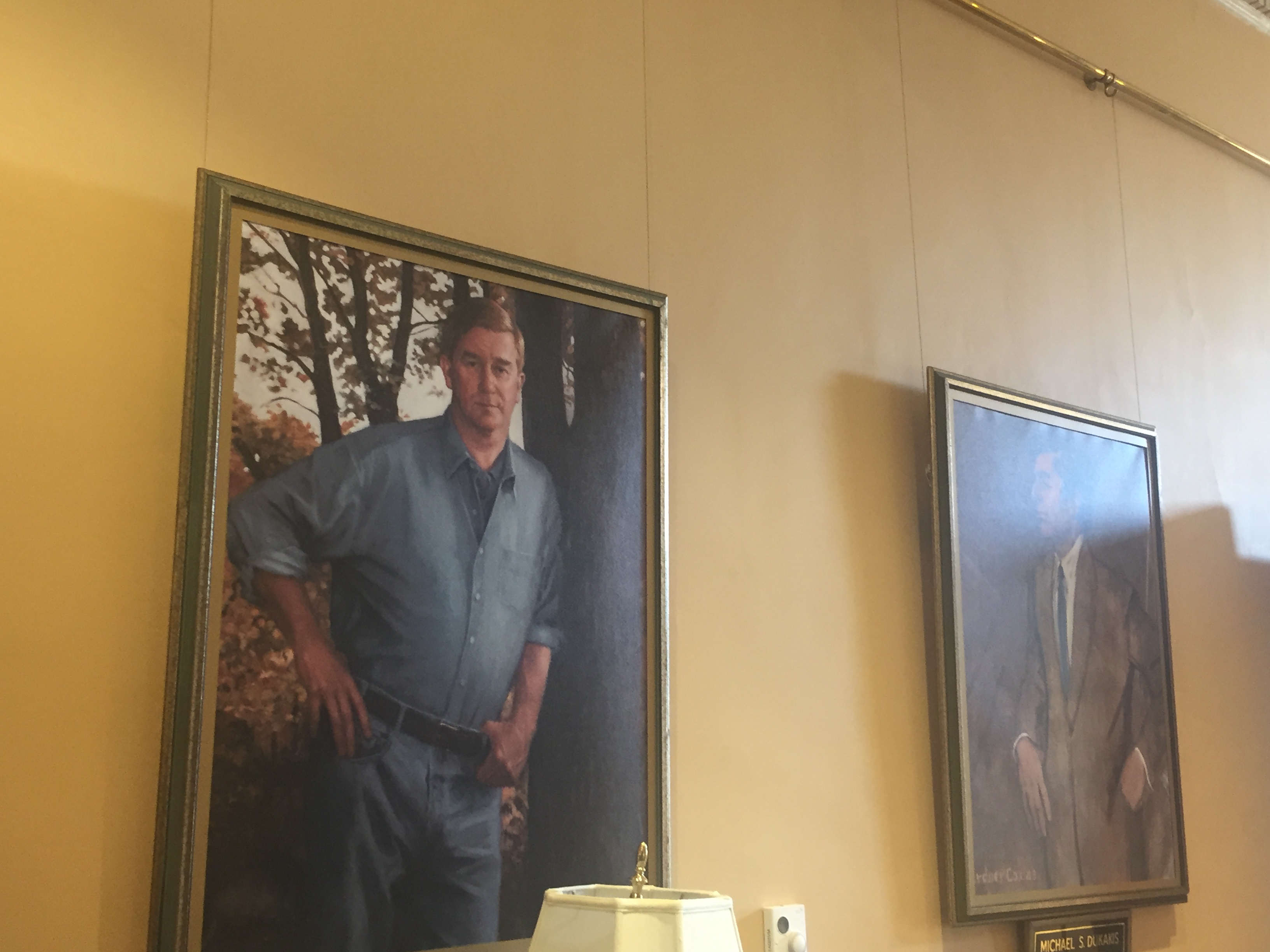
The Massachusetts State House

IMG_0139IMG_0140IMG_0141IMG_0142IMG_0146IMG_0147IMG_0148IMG_0149IMG_0150IMG_0151IMG_0160IMG_0161IMG_0162IMG_0145IMG_0143

CameraiPhone 6

Location: Massachusetts State House; Boston, Massachusetts

USS Constitution 220th Anniversary and Head of the Charles Regatta

22688008_10159366808305262_4588052671143962007_n22688902_10159366808395262_4729354069572982806_n22555000_10159366808575262_3491509295398557863_n22549844_10159366808785262_9195479170625921047_n22688562_10159366808695262_9084972316984606405_n22552614_10159366809210262_7603151149935310572_n22549738_10159366809205262_4060032975434527134_n22728718_10159366809020262_1399246638696222734_n

CameraiPhone 6

LocationBoston, Massachusetts; Cambridge, Massachusetts