Seeing The Multiplicity of Human Realities Through Travel

“To me, it’s also about seeing alternate realities in the sense that you get to witness how people around the world have distinct ways of living, thinking, and experiencing the world that challenge and even change your own perspective.”

I have always thought of travel as more than just changing your physical location to another place. To me, it’s also about seeing alternate realities in the sense that you get to witness how people around the world have distinct ways of living, thinking, and experiencing the world that challenge and even change your own perspective.

There’s the saying that you should want to “put yourself in someone else’ shoes” and travel is the best way to do that. By relocating ourselves if even for a few days, a week, or more, you can get a deeper understanding of the seemingly almost endless varieties of the human experience and reflect on the limits or possibilities inherent in our own worldview.

As Mark Twain once famously wrote, “Travel is fatal to prejudice, bigotry, and narrow-mindedness.” Travel allows us to gain access to a parallel world in a sense where the values of the people, the rhythms of their lives, and their daily routines or priorities differ from our own or they could surprisingly be similar or even the same as our own. In our own town, city, or country, we have such a tight conception of what everyday life should look like that travel allows us to see beyond our own way of living to see how other people live even if just for a short while.

As mentioned earlier, the reality of time and the pace of life can differ depending on the culture and it can help to reshape our own perception of time or daily rhythm that we are most accustomed to. We may think our quality of life is best based on how we spend our time each day, but travel allows us to see the alternatives out there or the different realities that are out there to experience.

For example, if you go to Italy or Spain, you’ll likely be able to have a long lunch, take an hour or two to go home and rest, and there’s a desire to not rush to do things if there’s no need to do it right away. The emphasis on leisure, family time, or catching up with friends can have a huge impact on our own perception of what’s important with our time after seeing what others think is better for mental well-being and what is actually a good use of one’s time. Focusing on ‘time is money’ or ‘efficiency matters most’ is certainly a reality that is out there but there are other alternatives that people around the world embrace and enjoy each day.

Individualism vs. Collectivism is another way to view the priorities that communities have when it comes to how the society is structured and what the role of the community is. How people connect, what they connect over, and when they connect is a useful observation to make when it comes to seeing the reality of community and connection in your travels. Some cultures prioritize family gatherings and a communal approach to problem solving and making decisions collectively. Others including in the United States focus on being independent, relying on yourself, and making something of yourself without relying on your family or community.

Social structures can differ in terms of how strong or weak the social safety net is and if it is prioritized at all. You can get a good sense of how strong a social structure is when you travel based on the use of public spaces, the embracing of local or national festivals, and how the least well-off people are treated in the society. Each culture in my view values community and social cohesion but travel exposes us to different realities regarding how strong or weak the communal ties are and if there is a sense of togetherness or isolation because of how the community or society is.

Every culture also has their reality of what they value and prioritize especially when it comes to how they interact with the world around them, specifically the material world. Different cultures have conceptions of what is essential and what is superfluous to living. You will likely see that each culture has different priorities in terms of consumption and materialism based on their own priorities but also what the culture tells them to prioritize.

Some cultures are okay with minimalism and cleanliness while others highlight material gain and being consumer driven. It is good to be able to travel to see these different realities of materialism vs. minimalism and how you fall on that spectrum. Some cultures are also more spiritual, in tune with nature and environmentalism, and what exactly constitutes personal happiness, fulfillment, and whether consumption falls within those values or whether it is better to have enough, or to go without as much as possible than to have too much.

Each culture also embraces its reality of what constitutes history, memory, and whether they are oriented more to the present, past, or the future. Societies each try to deal with the past in their own way to create a present identity and how to think about their collective future. Having a collective memory is a way to keep your culture relevant and to bring people together as well. All over the world, museums, memorials, and monuments are dedicated to fostering cultures’ collective memory, responsibility, and how to keep the culture going into the future.

We also have ancient ruins that are still there surrounded by modern life, reminding each culture regarding the rise and fall of past civilizations, and how each culture goes through these cycles of prosperity and decline. Historical awareness helps societies shape their values and keep their cultures alive into the future. When you travel, think about if the culture you are experiencing values the past the most or if it is geared more towards the present or even the future. Preservation of history, memory, and cultural artifacts helps us understand any culture or society’s priorities as well.            

By traveling, you are exposing yourself to the multiplicity of human realities, which comes about because of how many different cultures and societies are out there with differing perspectives on time, consumption, values, community, and history itself. It is good to see these realities in person, even if for a quick trip, to not just explore the world for a bit, but to question your own values, beliefs, and worldview. Our assumptions about a culture, a society, and the world at large are often misguided or incomplete. Traveling allows us to redefine the boundaries of our own existence and help us come closer to understanding more what it truly means to live in this world.

Remembering the Basics of Civility

“Beyond these tenets, I think it is important to remember the basics of civility in terms of everyday behavior, which is about establishing boundaries, using good manners, and fully recognizing the other person or people you are dealing with.”

In any society, there’s a thin line between civilization and barbarism. When we are civil with each other, when we say what we mean and when we do what we say, we will be better off for having maintained the basic standards of civility. Without civility, there is no civilization to come from that.

There are many forms of civility and I have written already at length about the need to be honest, truthful, be emotionally mature, and to treat others the way you would like to be treated. Beyond these tenets, I think it is important to remember the basics of civility in terms of everyday behavior, which is about establishing boundaries, using good manners, and fully recognizing the other person or people you are dealing with.

In addition to the rise of anti-social behavior since the pandemic and perhaps on the decline even beforehand, there has also been a lack of civility and poor behavior in public whether it’s with colleagues, strangers, or just another person who you are passing by on the street. Some of the behaviors that reflect a lack of overall civility include not greeting someone formally or informally, not making eye contact, lack of a handshake upon greeting that person(s), and perhaps what would be the most basic is the ability to say ‘hello’ or ‘good morning / afternoon / evening’ when you see someone or meet someone.

Basic greetings form the backbone of any civil society and if you cannot take the time to look up from your phone or laptop or to take 5-10 seconds to acknowledge that person in the language that you both speak, then it makes me wonder if civilized behavior is on a permanent decline, rather than a temporary one. Greetings are more than just communication but it’s a way of ‘seeing’ that person beyond them just being in relative proximity to you. When you say ‘hi’ or ‘hello’ or acknowledge them with a formal ‘good morning’ or ‘good afternoon’ in English or in the equivalent of another language, you will make that person feel better. You’re letting them know that you know they are there, that you recognize who they are, and appreciate the fact that you get to see them in some small way.

I would say that in addition to greetings, having good posture, standing up straight, walking with your head held high, not slouching, or putting your feet up on the desk or in front of the person sitting across from you, there are all common ways of maintaining civility and not being disrespectful to yourself and other people around you. It shows not just a lack of respect for yourself but to other people when you cannot maintain eye contact or look them in the eye.

A handshake that is never given when greeting someone now or is lackluster in its firmness or strength also shows a lack of social awareness or respect for having neglected it. If you know the person well enough, giving a hug is not a weird or out of place action and shows that you care for the other person to let them know that. Standing up straight, making eye contact, greeting the person respectfully, giving them your full attention, etc. are all necessary actions to maintain civility before diving into the deeper aspects of maintaining a civilization or a society that is not on the decline in terms of its overall behavior patterns or standards.

Having respect for another person also means getting up for an injured / disabled person, an elderly person, or a pregnant woman if you are on a bus, train, or other public transportation to let them sit down instead of you. Holding the door open for another person is also polite, kind, and a sign that you are not just thinking of yourself and are able to think of other people who need a little bit of help, especially if they could be your neighbor or need aid if they have heavy groceries or may have their hands full. If you really want to maintain classy and dignified behavior, pouring a drink for another person or proposing a toast in their honor or even pulling the chair out for a loved one or a relative is a great way to maintain the civility of our collective behavior that keeps our civilization or general society functioning.

Nobody also likes to have their time wasted regardless of the appointment or meeting whether it’s an interview, a date, a social engagement, or a dinner / lunch outing. Make sure you are on time or a few minutes early, and while this is not universal across cultures, I do think being on time and keeping your word allows for societal advancement and for civilized behavior to flourish. Now, there’s nothing wrong with being 5-10-15 minutes late here and there, but if you don’t apologize or acknowledge your tardiness with even a basic excuse, you are letting the basic values and standards of a society degrade a bit with your lack of awareness.

You may not think these basics of societal civility matter, but they do, and I’ve noticed there has been a general decline in this area since the pandemic and even earlier. It does not cost you much to observe basic greetings, observe social graces that have been around for centuries, think of other people such as the elderly, the disabled, and the pregnant before yourself, and to do what you say, mean what you say, and to be honest and forthright.            

Being reliable, being accountable, and holding yourself to a higher standard is important as well to maintaining civilization and improving one’s society. However, if you do not have the basics or the fundamentals down first, it won’t matter one bit. You must constantly be reminding yourself to observe these social attitudes, graces, and behaviors that have marked the upward trend of human civilization since ancient times.

Without making accommodations for others or thinking of others when it comes to our own behavior, we will be headed on a downward slope for which there might not be a way out from in the future. Please again remember your basics of civility when you’re in public but also in private too. Uphold the basic standards of good behavior and make sure you reinforce those kinds of standards with the people in your lives and with the stranger on the street too.

Restoring The Social Contract

“If everyone just decided to opt out, to not pay their share, to simply protect everything they have, not only would things generally decay quite quickly but the foundational trust that any society is built upon would crumble as well.”

When we are born, we start off with new responsibilities, commitments, or duties. We are purely helpless and rely on other people to assist us in everything from feeding ourselves to being clothed or to even how to be cleanly. Oftentimes, we rely on our first teachers and friends, our parents, to care for us. Of course, not everyone has the luxury to have both or one parent to care and nurture for them, which is why we rely on adoption, local and state services, and even foster care to make sure those who are young, vulnerable, and in need of care are provided for.

If you did not have parents around to guide and nurture you, it is likely that at one point or another, to prevent you from being hungry and homeless, you relied upon services provided by a local, state, or national government. In exchange for such services provided for in part or by whole by taxpayer funding, you would receive support as a child or teenager to receive public schooling, get publicly funded health care or subsidized health insurance to make it more affordable, and even food if you are able to get breakfast or lunch at no or low cost due to circumstances beyond your control. These different services, especially to the young, the poor, the homeless, or even the elderly are part of what I like to call the ‘social contract.’

By participating in the ‘social contract’, you receive certain necessities to live such as food, shelter, housing, and ideally, health care in exchange for later contributing back to the society either financially through taxes and even voluntarily through charitable donations, volunteering, or being active in the political process. The key thing to remember is that the better the taxpayer money is spent and the more accountable it is in those areas, the better those services will end up being.

Going back to the case of an orphaned or abandoned child, since their parent(s) were not there for them when they needed that love and care the most, who else should step in but society itself? Would it be better to abandon such a child to the streets or to an uncertain future to likely starve, to miss school, to be homeless, and to fall into despair or rather should we as a society remember that it could have been us in that situation as a child or a newborn and to ensure that the child will have the same opportunity or chance to succeed despite being born into uncertain circumstances?

Children or teenagers don’t pay taxes but by investing in them, we invest into the collective future of our society. Even if we use private health care, private schools, private roads, etc., the worse off the general society gets, everyone will be negatively affected by it even if those who are well off seek to shield them from such a deformed society. After using such services rather than not having had them at all, I find that it is much more likely that that child will grow a contributing adult to the general society rather than if we had not collectively invested in him or her at all.

Many such issues in adulthood involving joblessness, alcoholism, drug abuse, higher likelihood of prison can be avoided if there are safeguards in place because a home without parents can lead to a slippery slope of lack of opportunities and an eventual grim future if society through our provided services funded by each of us does not help to fill in the gap.

Now, that does not mean that personal responsibility should not be accounted for, and each person should work hard to achieve their goals and pursue opportunities if they put the effort in. You can’t just be given these services and expect them to give you an easy life. You still must be able to finish your schooling, find work in your field, and become part of the large pot of contributions that keep our society running. If everyone just decided to opt out, to not pay their share, to simply protect everything they have, not only would things generally decay quite quickly but the foundational trust that any society is built upon would crumble as well.

Any well-run society in any country always has two fundamental pillars going for it: accountability and trust. If you only have one and not the other, the society will be on shaky ground and be deteriorating in the other area after a while. If you lose both, the society will generally collapse until it can be built again after re-establishing at least one of these two fundamental tenets after it has taken hold in the general population again. Advanced societies are inherently fragile because if you can’t be held accountability regarding why certain services are not given when you believe you are paying a lot into the society and feel like you’re not getting much back in return that you can see, feel, touch, or enjoy, then there is a big issue at hand.

If there is no accountability given on behalf of those who provide such services like health, housing, defense, basic services such as water, energy, or even food production, then people will become increasingly distrustful of each other and seek to provide those services themselves outside of the state or society or focus on only having private means of acquiring such services, which due to the profit motive, may leave part of the society out in the dust if they cannot afford the private services and there are no public ones available as a substitute.

As U.S. Supreme Court Associate Justice Oliver Wendall Holmes Jr. once said about the means of taxation, “Taxes are what we pay for a civilized society.” As much as people will complain about their taxes, if we don’t have them, how else would we provide for clean water, clean air, reliable energy, good schools, safe streets, plentiful hospitals, etc.? The key idea to keep in mind is that if we don’t see our taxes going to these areas that improve upon society or advance it further for the well-being of the population, then there is a lack of accountability there that should be rectified.

Waste, fraud, and abuse of taxpayer money is a serious offense and so is an inability to break down for the taxpayer where their money goes to fund local, state, and national services year after year. Collectively, there should be a role in taxpayers demanding accountability from those in power to know where are taxpayer money is going, how can we make it more responsive to societal needs, and are we reaching enough of the population to justify the level of taxes we incur?

While it is seriously unlikely, we ever get a full accounting of where our tax money goes individually, it would improve the trust and accountability tenets of society to know which percentage of our taxes are spent on health care, housing, safety, defense, education, etc. and if we have that general idea, I do believe there would be more transparency to change those percentages at least at a local, state, or even national level to be more befitting with the priorities of the general public.

If we see that millions of people do not have access to public or private health care, perhaps our societal priorities can change to accommodate for that in the general contract. If we believe that economically, our roads, bridges, tunnels, airports, and public transit are not enough to compete in the 21st century, that should change the calculations. If our schools are crumbling, our teachers are underpaid, and the schoolchildren with parents or no parents are growing hungry there because there is no free lunch or breakfast accommodated for, that should change the calculations.

These are all good examples of how our general societal contract can be expanded and adapted to. Everybody, regardless of their social class or economic upbringing should have basic dignity afforded to them. I believe that social contract needs to be upheld especially if we are paying into it but not getting enough out of it in exchange. When health care, housing, food, and even school are considered luxuries rather than necessities, that contract is fraying and needs to be strengthened.

If our society becomes complacent and does not allow for such public services including health care and housing to care for all, either it will be privatized or it will vanish from being accounted for. We should begin to account for the societal contract where if you work hard, play by the rules, pay your share, and invest back into your community and country, you should get back what you put in especially if you need a leg up when you fall on hard times. Public necessities like education, health care, housing, and good public transit should not at all be considered luxuries.

We should believe it to be absolutely absurd to hear about people with two jobs not able to afford housing, two hard working parents not able to afford to send their children to publicly funded colleges and universities, or even going bankrupt because you have taken on too much medical debt. The societal contract we pay into and hope to receive back in return is fraying when that becomes not only common place in the society but accepted by the population. There should be push back in terms of accepting that kind of contract, which has to be either rewritten or redone entirely.

U.S. President Franklin D. Roosevelt delivered a speech on January 6th, 1941, titled the “Four Freedoms” speech. It addressed what should be what we would consider common sense for a social contract to be based on but during the era of Nazism, fascism, and totalitarianism on the march, it was a key historic event where he lined out what people around the world regardless of birthplace, creed, ethnicity, and background should be born with. They are the freedom of speech, freedom of worship, freedom from want, freedom from fear. Without addressing the whole of human needs from birth, Roosevelt argued that the general society in the United States and in countries around the globe would be worse off.

While FDR did not specifically mention health care, housing, education, or infrastructure in his speech, it can be inferred that economic security made up the ‘freedom from want’ part of the four freedoms. If we do not have a roof over our head, food in our belly, medicine, and care when we get sick, or school / work to give us opportunities to afford such needs as we age then general insecurity and the society itself will fray as a result.

Roosevelt understood that if the social contract does not include the four freedoms or the additional needs encompassed within these four freedoms of humanity, then our societies and the world at large will fall victim to another war, another depression, or general malaise and misery. FDR may have given this speech on the ‘Four Freedoms’ over eighty years ago but his words and his call to action remain as ever necessary in our society today. If there is a child without parents, we must be there to provide and care for his or her future, if a teenager can’t find work, we must provide that community college or technical education to give him an opportunity to succeed, and if that man or woman can’t find a way to get health care when they get sick and are in between jobs, we must step in to fill the void.

Simply put, the social contract is what we decide it is if we work together and find common ground on where it’s lacking based on what we pay into it and how we implement it to see the benefits of what comes out the other end. There is no doubt in my view that the four freedoms of FDR should be upheld and strengthened, especially around economic security or the ‘freedom from want’, which would eventually ensure that more and more of the general population would have the means to pursue their dreams, to be better able to succeed, thrive, and live their lives to the fullest extent.

On Hierarchy

“For most of human history especially in the hunter-gatherer period of our ancient ancestors, there were no formal hierarchies as people usually lived, ate, and communed in small groups where decisions could be made collectively and were objections or differing opinions were more easily able to be heard.”

Hierarchy is one unavoidable aspect of modern life that can be difficult not to clash with from time to time. The bigger the group is, the more necessary a hierarchy is in order to ensure order and compliance. For most of human history especially in the hunter-gatherer period of our ancient ancestors, there were no formal hierarchies as people usually lived, ate, and communed in small groups where decisions could be made collectively and were objections or differing opinions were more easily able to be heard.

If you have a group of 10 or even up to 100, which is what human beings are able to hold in their memories in terms of remembering names, faces, and details about each person, such small-scale organization did not have a need for a strict hierarchy where one person was in charge of making all of the decisions or whose voice mattered more than others. On the contrary, consensus involved discussion, debate, and a common conclusion at the end of the meeting or congregation. If enough people did not agree with the decisions or the direction of the group, they would often create their own group and go their own way.

These small groups dominated for a long time in human history, but their longevity in terms of collective group decision-making was upended by the agricultural age and when people stopped roaming around the planet. Instead of being hunter-gatherers, the majority of humanity shifted to being settlers and farmers establishing larger and larger groups to form a collective society or nation where you would not know everyone in your group because that group was no longer autonomous. Agrarian, industrial, and post-industrial societies are made up of thousands or millions of people usually brought together under one flag, one state, or one nation.

While this civilizational approach has outlasted our ancient past as hunter-gatherers, our inherent need to be part of a group, to be valued, and to have purpose within that group has not gone away. These small groups had a measure of equality to them with everyone having a key purpose and having a voice regarding what issues or opportunities had come up. In a larger society, cooperation is harder to come by, inequalities can be maximized, and hierarchies are much more common due to the need to instill order and discipline among people of that society even when they feel like they are being disadvantaged in some way.

Hierarchies are not necessarily natural to us as human beings given our origins and our way of life that lasted for thousands of years but to me and others, it was a necessity in order to organize a large-scale society of thousands or millions of people. Hierarchy is not necessarily a bad system, but it can be abused by those who have power who are not held accountable for their actions or who cannot be removed from their leadership role if they do not serve the society’s interests and needs. The fight for democratic governance, for basic human rights, and for equal opportunities in a society; those values are not guaranteed especially when we organize around a hierarchy and give people power over others.

Whether it is the President of a country or the CEO of a company, a hierarchy has to be kept in check and when that leader or ruler is not making wise decisions for the people he serves in that role, there has to be a way to remove someone from that role in the hierarchy. While hierarchies are necessary in our modern world, there have to be ways for those who are subordinate to voice themselves and their views without fears of reprisal or retribution for speaking out.

To ‘speak truth to power’ throughout history has been the exception rather than the norm but for those who did it even when there were financial or personal risks involved, the larger society benefited from the actions of those people who did not remain silenced but spoke out. If a leader is committing injustices, if a manager is doing something illegal, or if a principal is abusing their power, they have to be held accountable and removed from their position especially the higher up in the overall hierarchy that they are placed.

By raising our collective voices, abuses, inequalities, and injustices can be minimized as much as possible if there are democratic safeguards created to prevent a hierarchical order from being abused. There will be those leaders who do right by their subordinates and who make their hierarchy more democratic but in case that does not occur, laws and institutions have to be able to hold those at the top of their hierarchies in check.

Whether it’s’ allowing a few of your employees at a company to have voting rights on the company’s board of directors or making them shareholders or part-owners of the company, these are a few ways to make hierarchies more responsive and fairer. By establishing term limits for those who run for public office and prevent them from being in that office for the rest of their lives so that they aren’t able to have power for thirty or forty years straight is another concrete way to control a hierarchy by allowing others to take charge. When a President or Prime Minister does something illegal or cruel, that hierarchy is not absolute, and they can be removed from office or even be charged with a crime so that people in the society will know that they are not above the law.

It’s not that hierarchies are inherently bad or negative, but they must be actively controlled and made more democratic by those who participate in them. The people who are subordinate to others within a hierarchy should be able to freely voice their opinion, concerns, or dissent when they disagree with their leader. A good leader should take into consideration those stakeholders or constituents who they are responsible for governing over and they should not prevent people from expressing their dismay or disappointment because a good leader will admit when they make a mistake and try to do better for the people under him or her.

The notion of a hierarchy having been around for all of human history is a fallacy and while it is not an ideal way to form a group with one person having power over others by claiming it, it is the only way to organize large-scale societies and nations. However, hierarchies that are successful are responsible to the needs of the people living in them, who want to voice their opinion without fear of reprisal for having done so, and to be able to vote, change, or amend the leadership from time to time so that the hierarchy does not become above the people but rather part of them in a democratic system.

While hierarchy has to be respected, it should not be absolute, and it must be as democratic as possible. A hierarchy that is unequal, unresponsive, and meant to be permanent will ultimately fail because that kind of hierarchy will lose favor with the people under it and will eventually be replaced with something better. If you find yourself under a hierarchical system that you find stifling and demeaning, don’t stick around and support it. Find your own group or place in the world where you can have a voice that is listened to, where decisions can be made as a small group if possible, and where an absolute hierarchy is unheard of and frowned upon.

Machu Picchu and Huayna Picchu

img_1723img_1726img_1824img_1827img_1828img_1829img_1830img_1838img_1868img_1878img_1881img_1897

img_1955img_1968img_1984img_1989

Camera: Canon PowerShot SX710 HS

Location: Machu Picchu, Peru

The Wonder of Machu Picchu

img_1617
“The hardest yet most rewarding part of my visit: Hiking to the top of Huayna Picchu mountain.” 

There are few places in the world, which you can truly regard as being special and awe-inspiring. We describe these places as being a ‘wonder’ of humanity and one that represents our brief yet influential time on this planet. Before I came to Machu Picchu, I believed that the only other place that would classify as a ‘wonder’ to me would be the archaeological site of Petra in southern Jordan. A ‘wonder’ both of history and of architecture that goes back thousands of years is what sets apart places like Machu Picchu in Peru and Petra in Jordan. These places that touch on the cultural and historical legacy of man are what drive us to be resolute in protecting these artifacts of mankind and making sure that they are around for future generations.

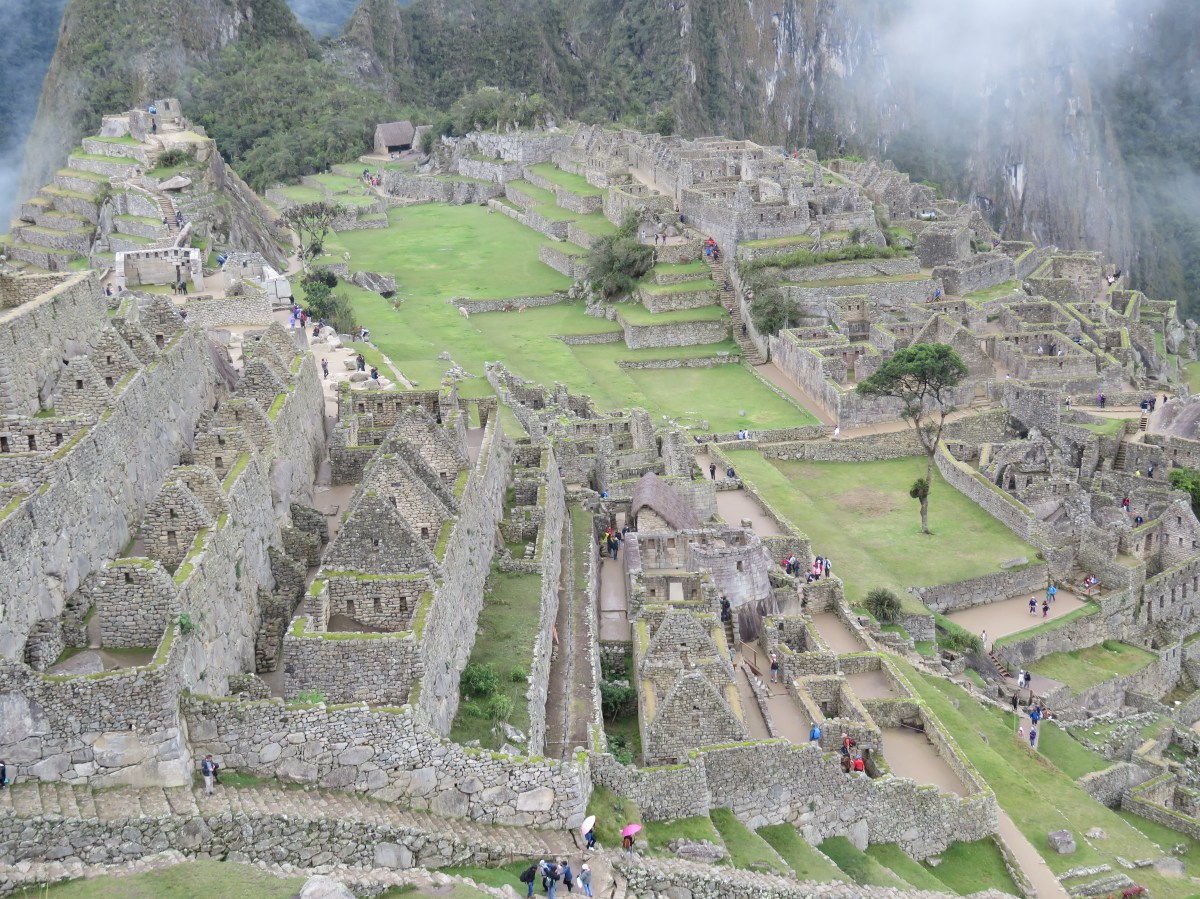
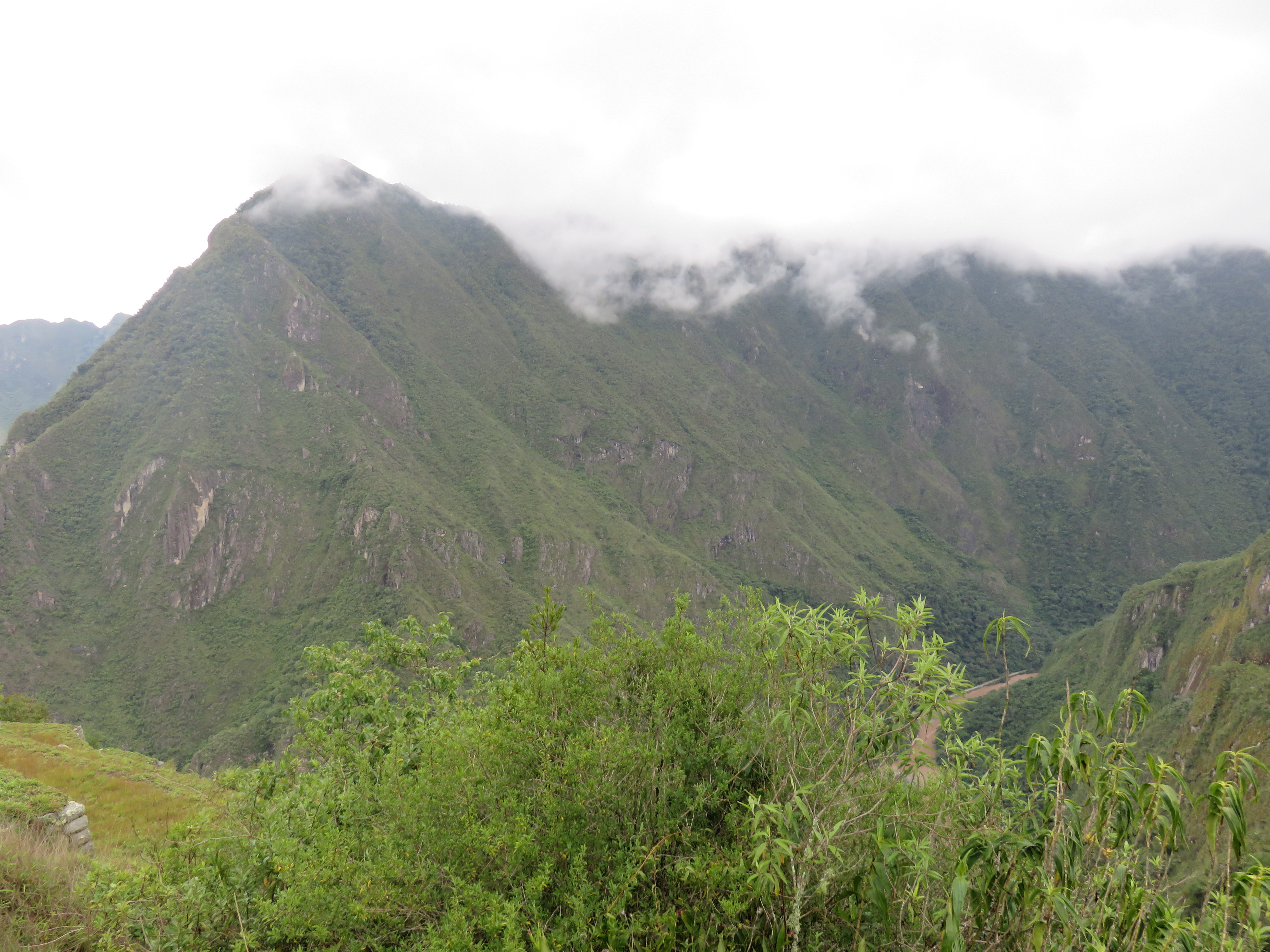
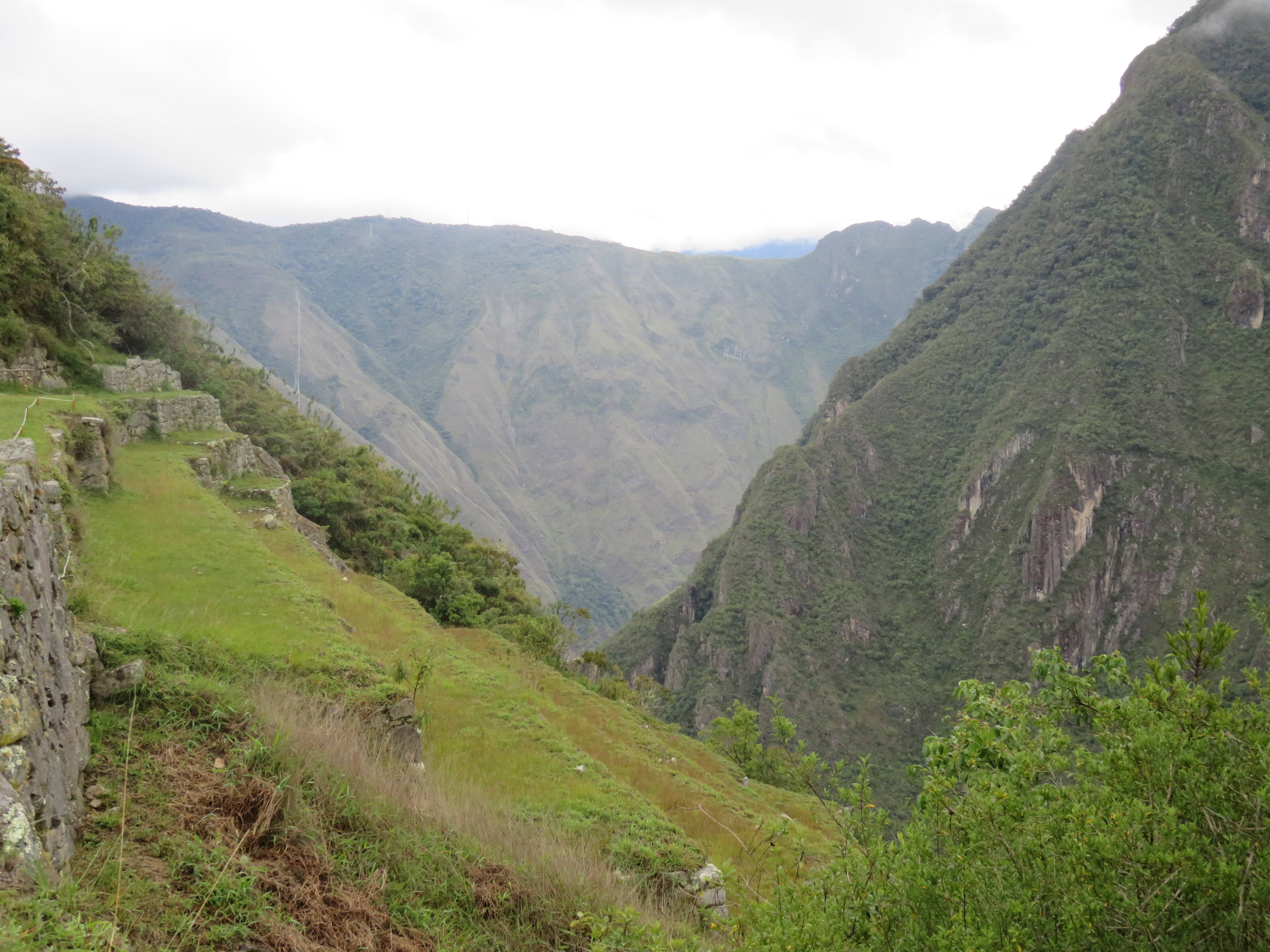
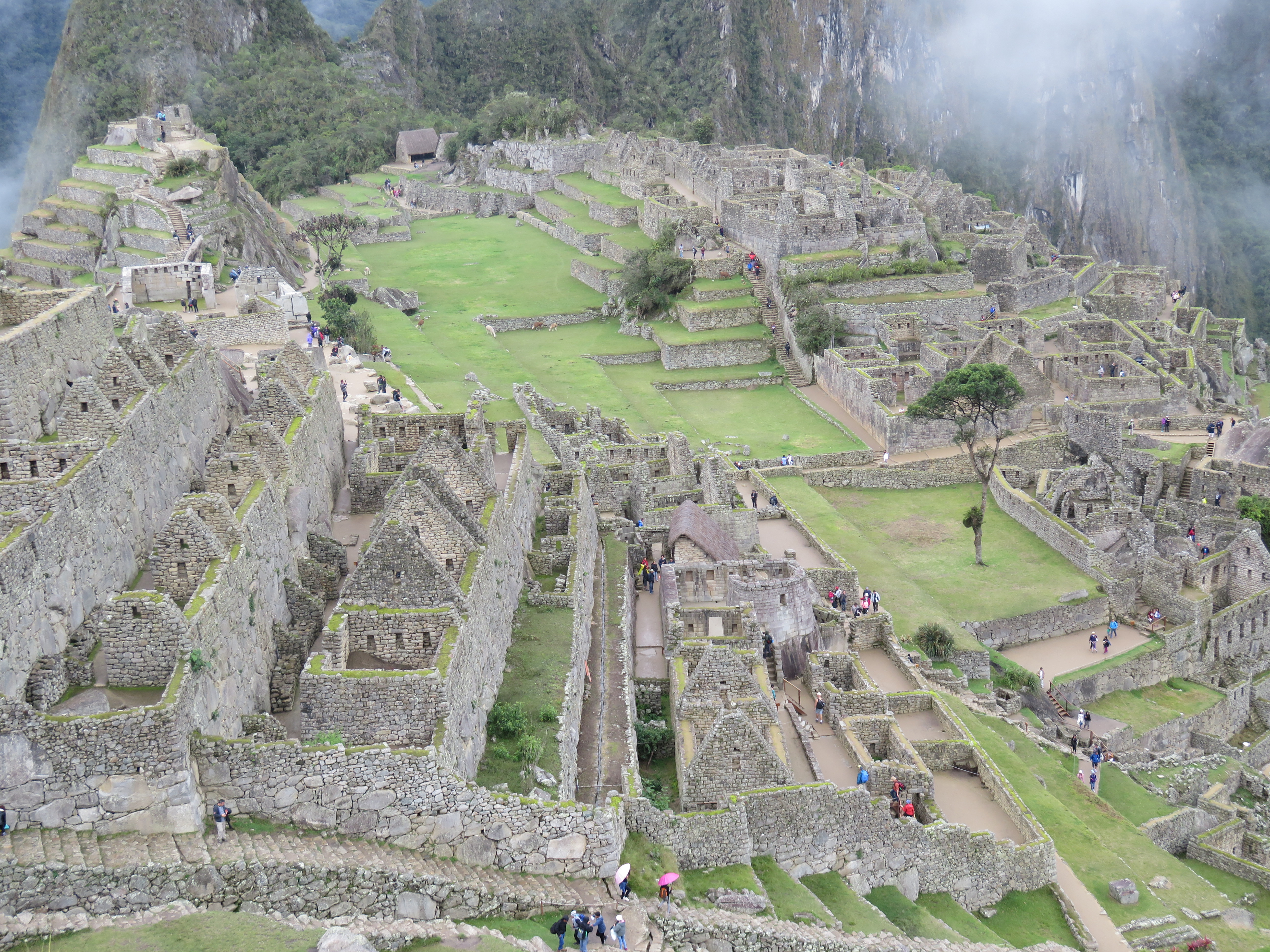
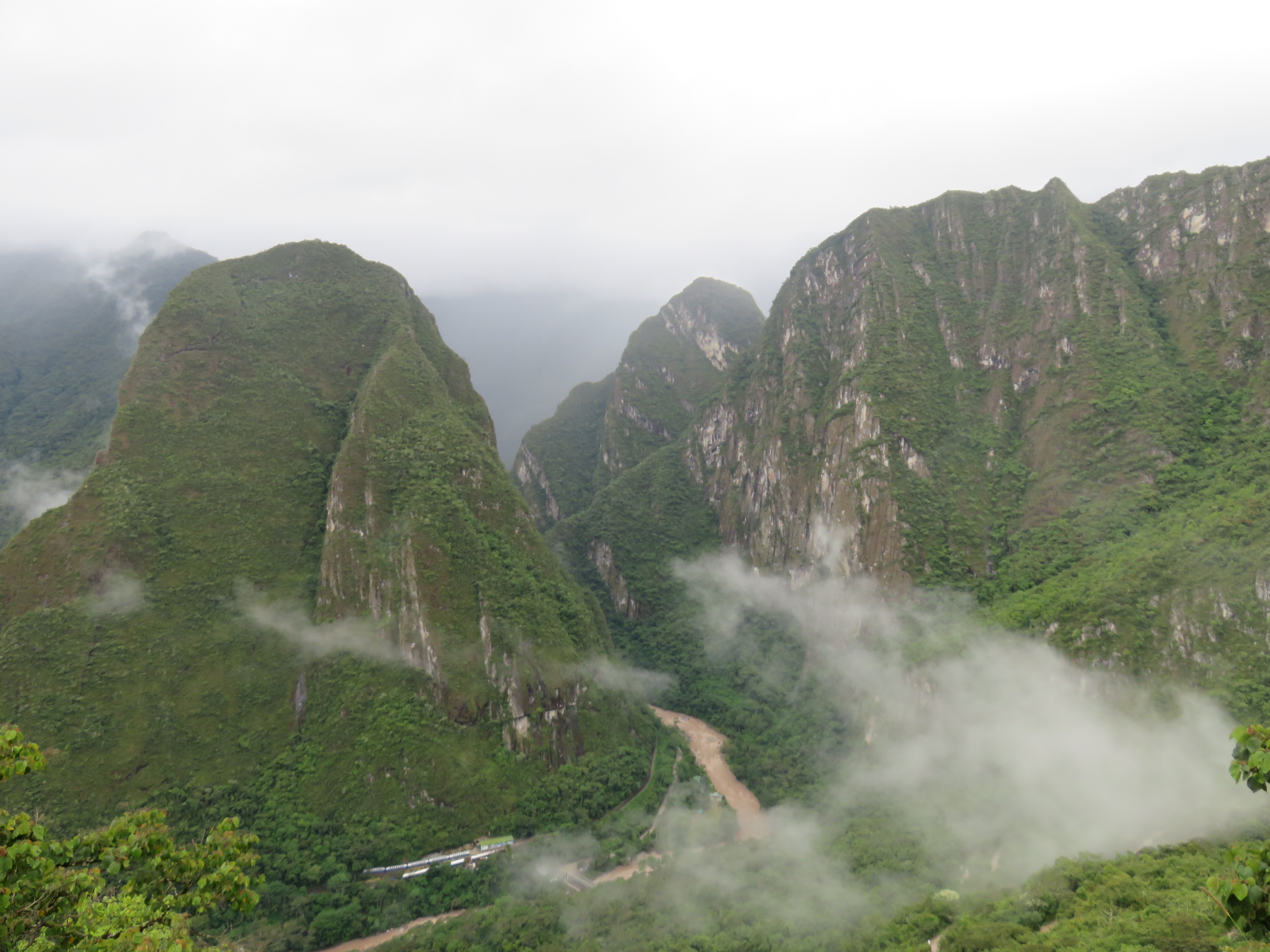
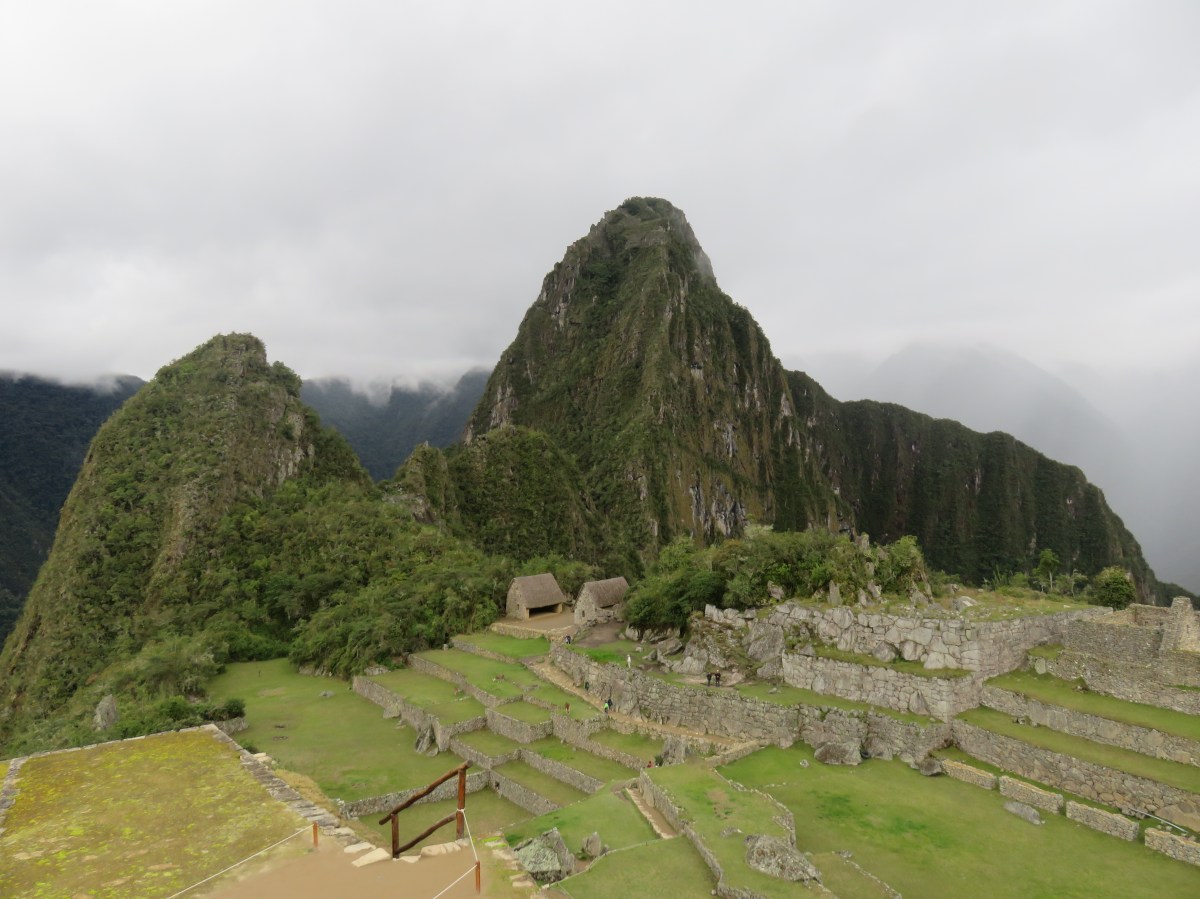
I consider myself to be incredibly lucky to have visited Machu Picchu just recently a couple of days ago. For those who don’t know, Machu Picchu is quite isolated from any major modern city or town but is possible to get to by train and bus due to the wonders of modern technology. Situated between towering mountains and located alongside the flowing Urubamba river, Machu Picchu is not only a wonder of Incan architecture and construction but is also a natural marvel due to the backdrop it has with the surrounding green mountains, wispy clouds, and the numerous kinds of plants that inhabit this part of Peru.

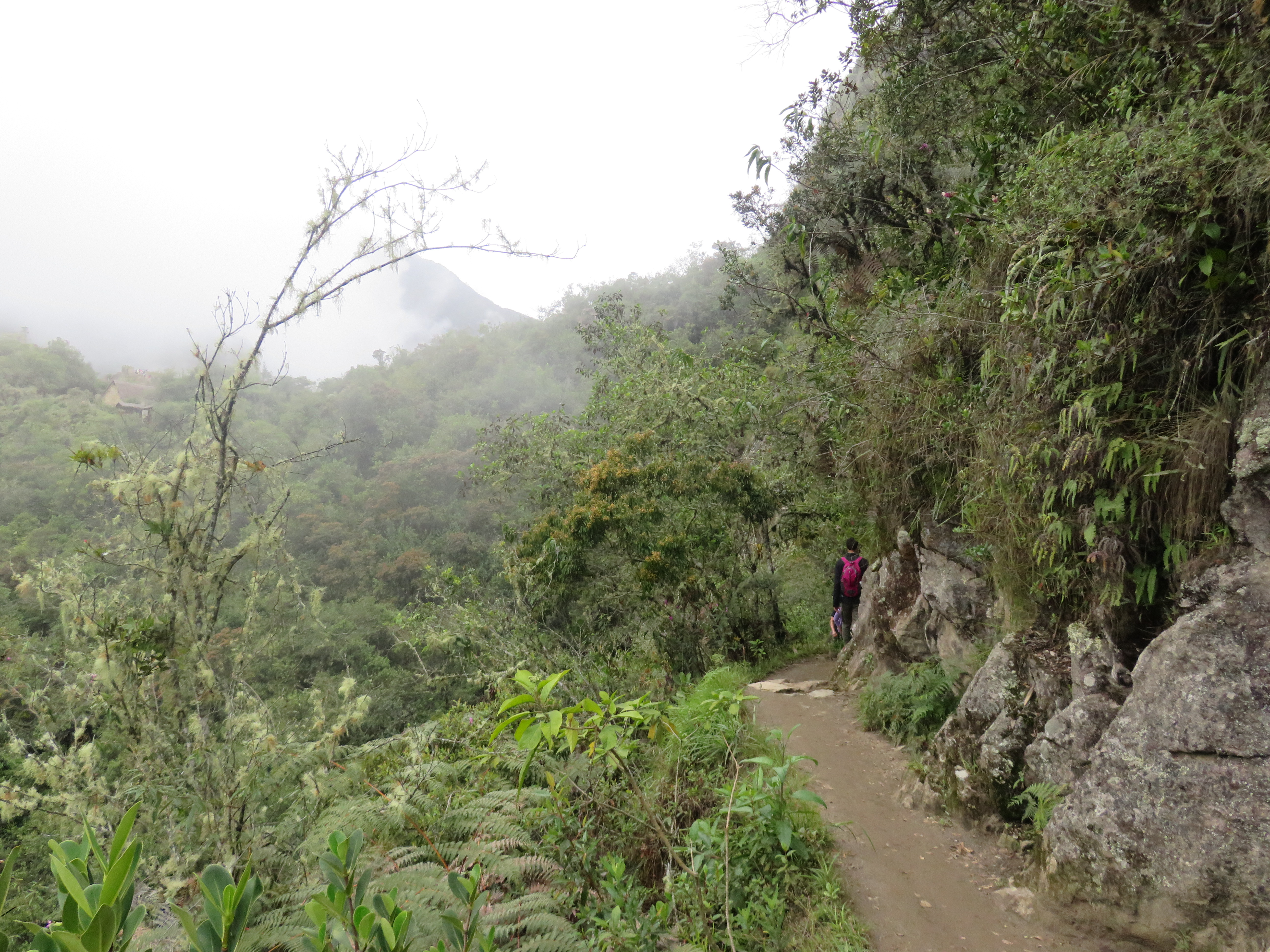
Among the things that stand out about Machu Picchu is that you feel isolated from the rest of the world. It may be the towering mountains that surround this archaeological site or it could be the fact that wispy clouds envelop your presence but you feel very that you’re secluded from other kinds of environment. The higher you climb in elevation, the world gets much quieter and you’re able to reflect more on not only the site of Machu Picchu that lays before you but also about life or whatever is on your mind in general.

I’m far from being an expert on ancient civilizations, especially the Incan civilization of which I know relatively little about but you have to give the people of this group considerable admiration and awe by the fact that they were able to build such a city in the most remote of places. The fact that it was possible for them to create an infrastructure out of rocks, stone, and wood in order to sustain themselves under ever-changing weather conditions is quite remarkable.

To be able to plant and harvest food, create a running water supply, and be able to construct encampments to house hundreds of Incans is very impressive to consider. Not only was there a high risk of death or injury to climb these mountains with heavy rocks or stones attached to your backs, it is likely that you would be on your own if you sustained serious injuries given that there were no modern medicines or hospitals or rely upon.

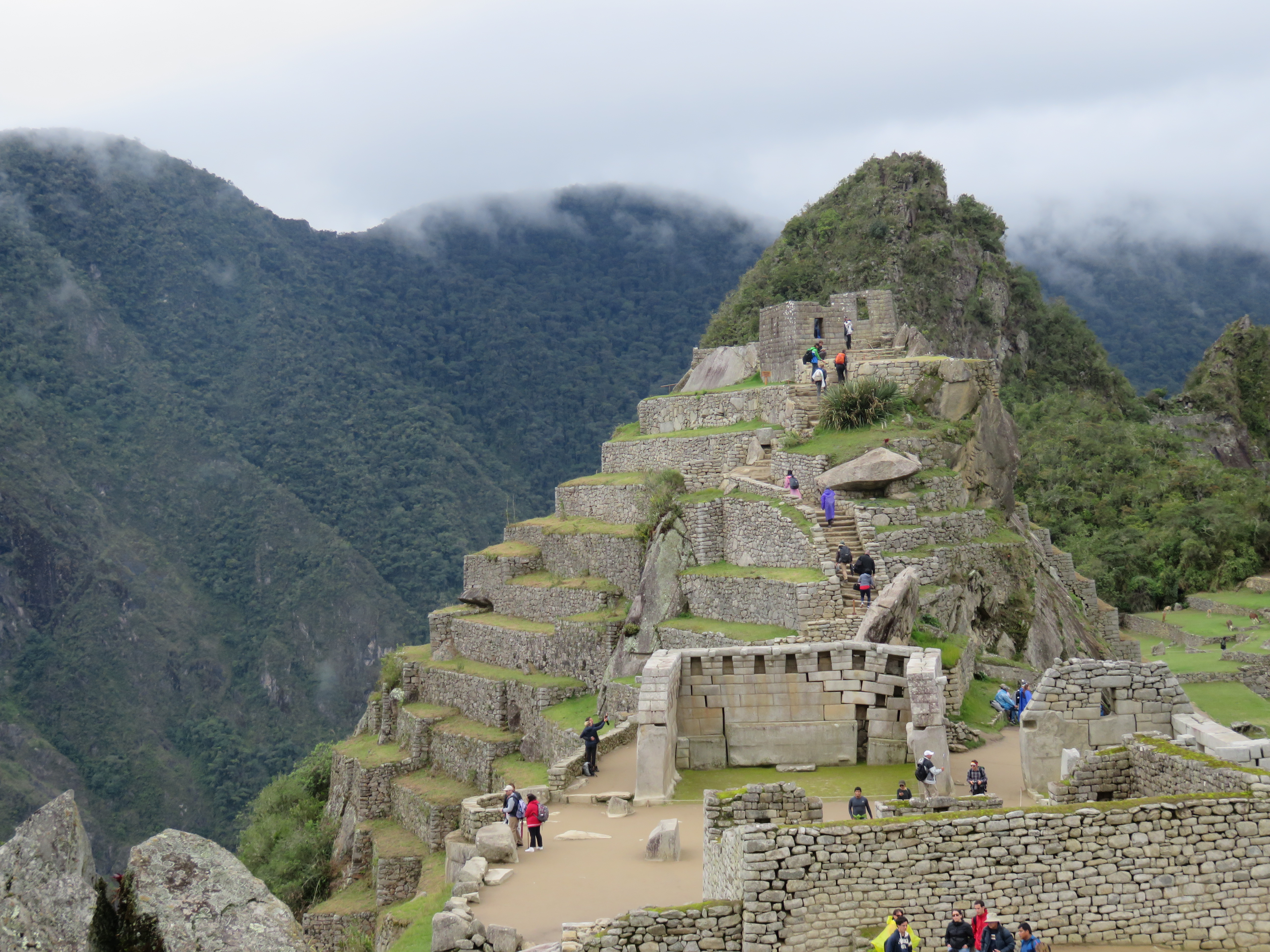
It is difficult for me to list a favorite thing about my trip to Machu Picchu. I really enjoyed climbing to the top of Huayna Picchu at 2,700 meters in total altitude despite my exasperated breath and tired knees. The views from this perching point above Machu Picchu are extraordinary and are something that I will never forget. Besides being able to take a bunch of pictures, it was great to sit and reflect on the wonder that lay before me. At a couple of thousand meters in the air, all your problems dissipate for a moment and you can truly hear the sound of the wind and the movements of the clouds. You can close your eyes and hear nothing but the sound of your own thoughts if you are so lucky.

Thanks to the efforts of the Peruvian Ministry of Culture, Machu Picchu is amazingly well preserved and should be around for future generations to enjoy. A limited amount of tourists, a couple of hundred in total per day can visit Machu Picchu and is a good idea to make sure that none of these famous Incan ruins will be damaged, tampered with, or destroyed. To lose such a precious treasure such as Machu Picchu or any other wonder of the world would be a tragedy for humanity and its’ history on this planet. While it was not cheap to get to Machu Picchu, I can fully understand why we as tourists pay the costs of admissions to visit these beautiful sites.

We do it to make sure that other people have the chance to experience these places firsthand and are able to share it with their children and grandchildren. I am quite lucky to have been able to visit such a wondrous place and I will remember my day at Machu Picchu quite fondly. If you’re reading this blog post and desire now to visit Machu Picchu, I would recommend that you do it with the knowledge that you do some research about the place, respect it during your visit, and do your best to take the experience in not just through your camera lens or smartphone but through your own eyes and ears.

To me, Machu Picchu is more than a lost Incan city of hundreds of years ago; it is a beautiful and awe-inspiring place of natural scenery. With its’ many mountains, huge river, and hundreds of diverse plants, this place can help you reflect not only about the past but on the present and future of yourself, humanity, and the planet itself. With any tourist site that’s located in a unique location, precautions and steps must be undertaken to make sure you have an enjoyable visit. Please make sure you bring some sunscreen, an umbrella, appropriate clothing and a lot of water. The weather can be quite unpredictable at Machu Picchu and it would be good of you to prepare to experience all four seasons in just one day at the site. Best of luck to you reading this post if you decide to take the journey to Machu Picchu. I promise that you won’t regret it.