Cuisine Spotlight – Sancocho

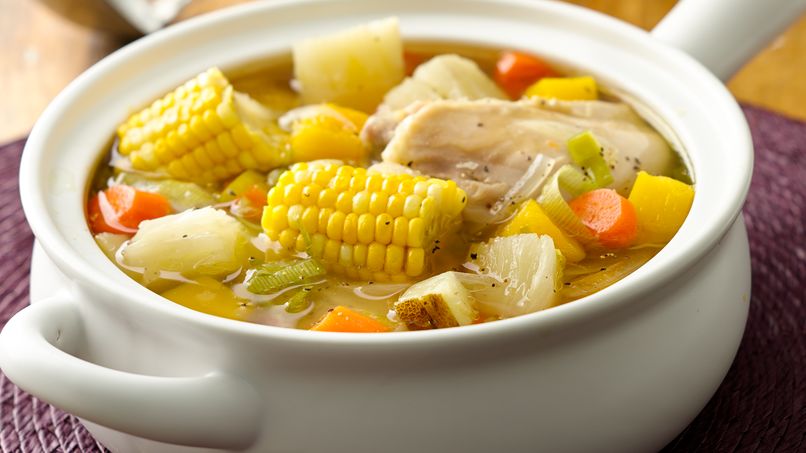
Many cultures around the world have their own unique take on stews and soups that are both hearty and comes with a number of different ingredients. This is also the case in many Latin American countries where the stew itself is called ‘sancocho’ and is closely related to the Spanish stew known as ‘cocido.’ Along with the Spanish influence, Sancocho takes most of its’ ingredients from local foods that are popular and add flavor to the dish. Sancocho is also considered to be the national dish in a few of the Latin American countries where it is made and eaten.

Among the countries where Sancocho is a popular food dish includes the Canary Islands, Puerto Rico, Honduras, Ecuador, Colombia, Panama, the Dominican Republic, Peru, Venezuela, etc. so you could say that it’s a staple and has become popular in many households and restaurants. Sancocho is believed to have originated from the Canary Islands where it is a dish that heavily is made of a whole-cooked fish with broth and potatoes.

The dish was brought over to Latin America when the Canarians and their descendants immigrated to parts of the new world centuries ago. As is the case with many different foods, the immigrants who move to a different part of the world often bring their favorite dishes with them. While fish was a main ingredient in the ‘original’ sancocho, there are many different types of meats and vegetables that make up variations on the popular dish depending upon which country you’re in. Sancocho is especially common to be served during lunchtime as it is quite filling and can hold a person over until dinner comes around. It’s common for Sancocho to be served in a huge pot for a family gathering or birthday party where the dish can be expanded to served dozens of people total.

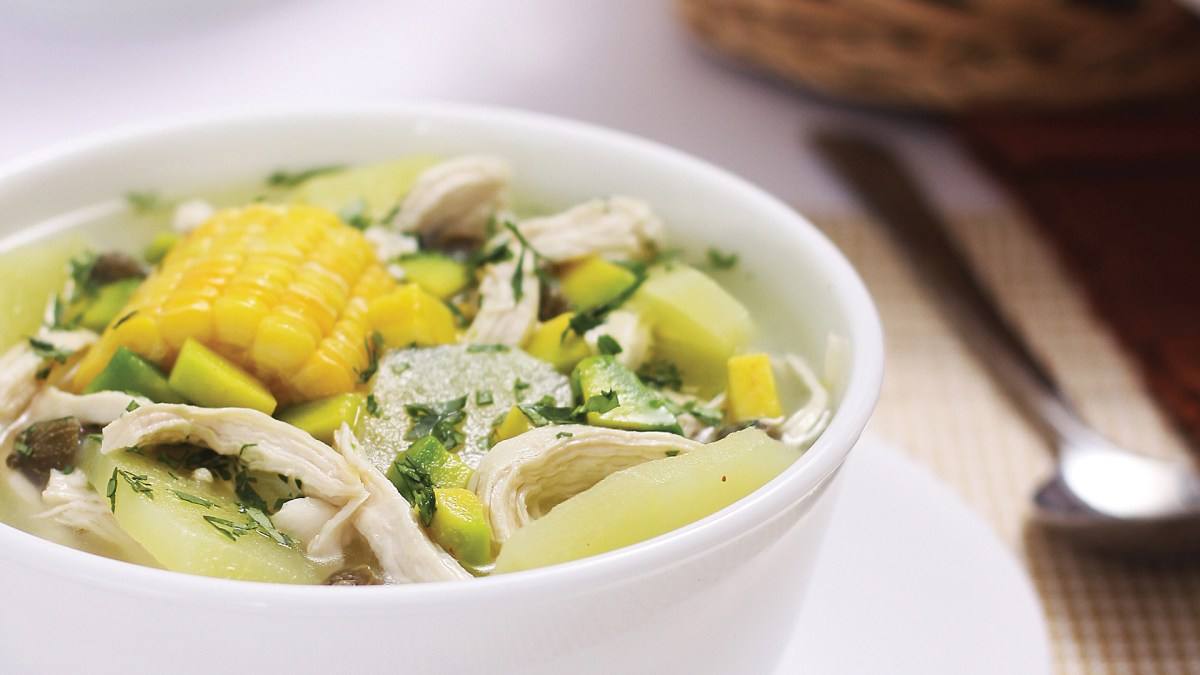
In Colombia, specifically, sancocho is an extremely popular dish with a wide range of ingredients that can range from chicken to ox tail. Other meats that can be apart of sancocho include hen, pork ribs, cow ribs, fish, etc. For example, sancocho with fish is really popular on the Atlantic coast of Colombia while pork and beef is more commonly found in the interior of the country. In addition to mean, sancocho can also include large portions of plantains, yucca, potatoes, and various vegetables such as tomatoes, carrots, cilantro, scallions, mazorca (corn on the cob), etc.

There is simply no limit as to what can be put into sancocho and each country puts a different spin on the popular dish. In the Dominican Republic, for example, there is Sancocho de siete carnes, which is a dish made up of a mixture of different meats including chicken, beef, pork, etc. Sancocho de gallina, which is made up of free-range chicken is quite popular in Panama and is also the national dish of the country. Puerto Rico has the distinction of even adding smoked ham, pork feet with chick feats, which is known as sancocho de patitas and is quite unique in terms of its’ culinary characteristics.

The beautiful thing about sancocho is that there are so many different regional and national varieties to this dish are that the possibilities of mixing and matching different ingredients or toppings is simply endless. Any nation that has been touched by Spanish influence or colonization has adapted their own version of sancocho including even in the Philippines, which has a huge amount of meats and vegetables to offer in its own national take on the dish. Keeping to the Spanish heritage of the dish, they call it cocido as it is known in Spain.

If you decide to come to Latin America and find yourself at someone’s family gathering, hanging out with a few friends, or enjoying a birthday party, it’s likely that you’ll get a good serving of sancocho. In addition, the sancocho you get depending upon the country or the region in which the dish is being served to you will most likely be different and have some variation to it. The beauty of a popular dish like sancocho is its’ history, its’ adaptability, as well as the chance to gather with a group of people and dig in to this delicious food together.


Cultural Spotlight – Tejo

Most visitors and newcomers who arrive in Colombia may be surprised to find out that the national sport of the country is not ‘football’ as most people would guess given how popular the sport is around the country and due to the high quality of the national team shown in international competitions such as the FIFA World Cup. While Colombians may have the most passion for ‘the beautiful game’ of football, the national sport of Colombia is actually the game of ‘Tejo.’ This was actually an official decree made by the Congress of the Republic of Colombia back in 2000. While not as massively popular as football, Tejo is considered the second most widely played sport in the country and actually fields both teams and competitions in different cities.

Tejo is the oldest sport in Colombia and dates back over five hundred years and is said to have originated with the Musica indigenous tribe who speak the Chibcha language and were based in the northwestern part of Modern-day Colombia. Luckily, the game of Tejo hasn’t changed much since the Musica indigenous people first introduced it in the early 1500’s. However, it’s likely that they used a golden disc known as the ‘Zepguagoscua’, and the game of Tejo was known as ‘Turmeque’ back then and was played mainly by the indigenous peoples located in the modern regions of Cundinamarca and Boyacá.

The Spaniards who came to Colombia are known to have used wooden disks when they played the game and focused more on the accuracy of their throws than the distance of the throws, the latter which is more of a factor when playing the modern game today. From gold disks to wooden disks to stone disks to now using iron metal discs for playing, the game has evolved mainly in what material you’re using in order to get the furthest yet most accurate throws.

The main objective of Tejo hasn’t changed that much though in that you’re going to want to take the iron metal disc in your hand and underhand toss it about 15-20 meters so that you’ll hit the metal ring known as the ‘bocin’ as well as the ‘mechas’, which are triangular paper packets that are filled with gunpowder. You get the most points for hitting the bocin in the middle of the clay landing field but you can also receive from three to twelve points from hitting the different mechas and causing some loud explosions that are likely to earn you both some cheers and high fives.

While players should focus on the metal ring, you’ll also want to focus on hitting as many mechas as you can when you step up to throw the iron disk. When you hit the gunpowder packets, there is a loud bang like an actual gunshot and you may even see some white smoke emerge from the exploded triangular packets. Tejo is a pretty simple game to learn and only takes a couple of tries for you to get the hang of it. The iron disk only weights about two kilograms or so and if you get a good arch on the underhand throw, you’re likely to hit the clay field or even the mechas, bocin if you’re lucky. Tejo is a mix of skill and luck in my opinion but it’s quite exciting to play especially when you make some of those gunpowder packets explode for everybody to hear.

Both men and women are welcome to play Tejo and the only difference is that guys use the two kilogram iron disc and the ladies can choose to use a smaller, one kilogram iron disc if they would like to as well as being able to do the underhand throw from about fifteen meters away, which is a bit shorter than the regular distance of twenty meters or so. These rules aren’t mandatory for women so it is up to the individual lady what kind of distance or disc that she intends to use for Tejo.

Tejo is also a team game so you can play with up to five other people on the same time to face another team with the same amount of people. You’re often rooting each other on to hit the bocin or mechas in order to reach a certain amount of total points in order to win the match. There are numerous amounts of teams and competitions that are held all across Colombia and even in the neighboring countries of Venezuela, Panama, Peru, Ecuador, etc. Prize money is often involved in these competitions so certain Tejo players take this game very seriously if you’re playing for more than just bragging rights.

Tejo has become quite a popular sport with tourists and foreigners who come to Colombia and you can include me amongst those people. One of the aspects that Tejo that first time players find to be interesting is the ability to drink alcohol such as beer, rum, or aguardiente during a game. While this next statement can be disputed, it’s possible that you will get better throwing the Tejo at the clay field the more you drink although it depends on the individual player. It’s important to note that you can play Tejo completely stone cold sober and you would still have a lot of fun. Tejo is overall a social sport that should be enjoyed either amongst friends or between close-knit teams.

Unfortunately, it took me about ten months of living here in Colombia to finally play the sport of Tejo but it’s easy to say that I’m glad I finally did. While I wouldn’t play it competitively, it’s a sport that is a lot of fun and a great way to meet new people or locals in your city. The combination of throwing metal discs at gunpowder triangles while drinking a cold beer is a good one overall. Tejo has been apart of Colombian culture going back to over five centuries ago and it doesn’t seem to be going away anytime soon.


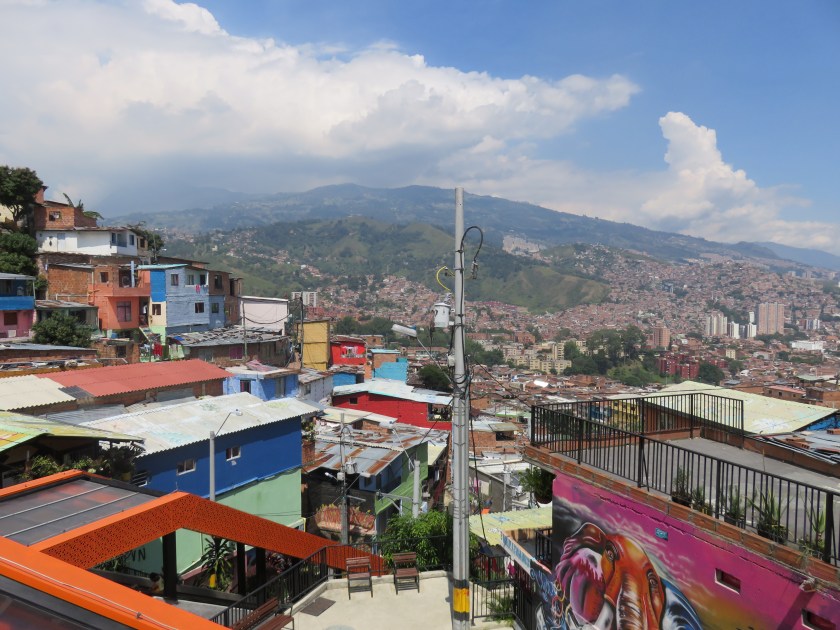
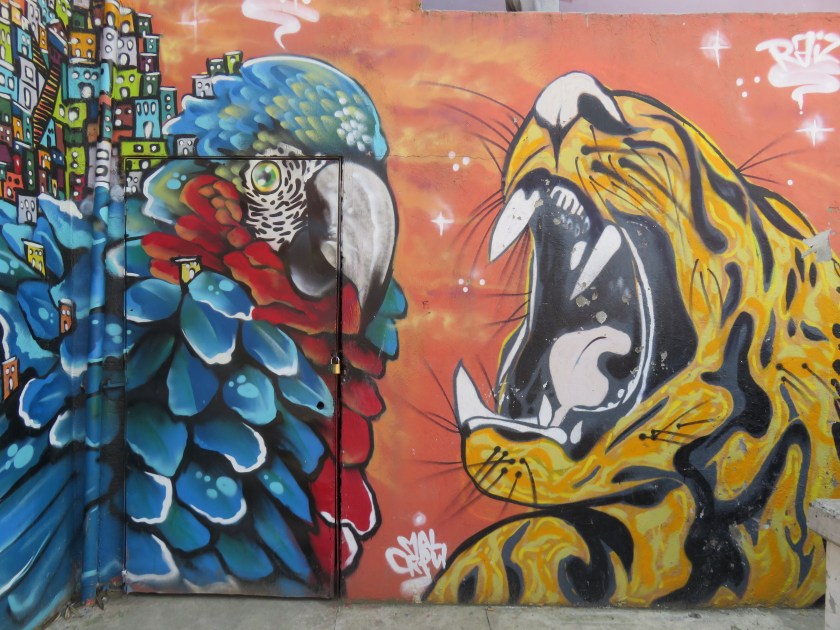
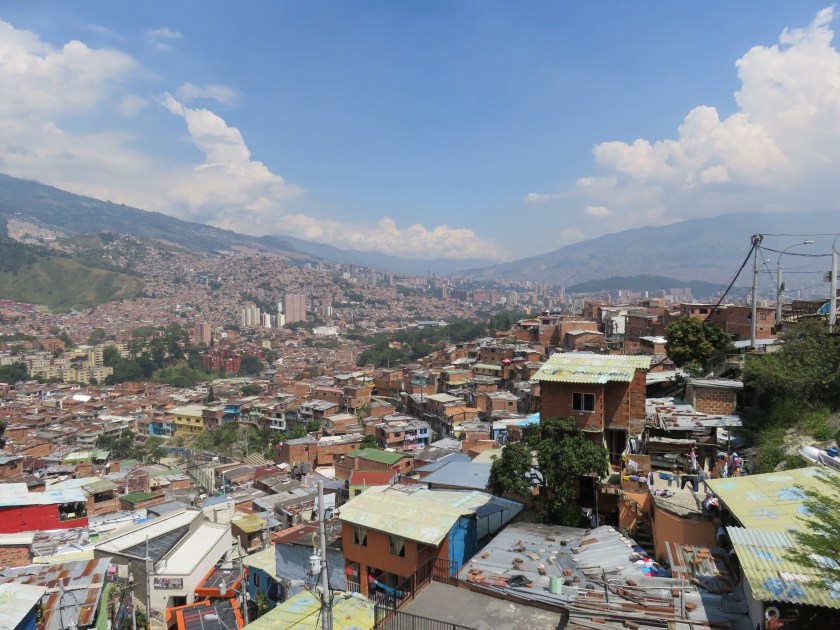
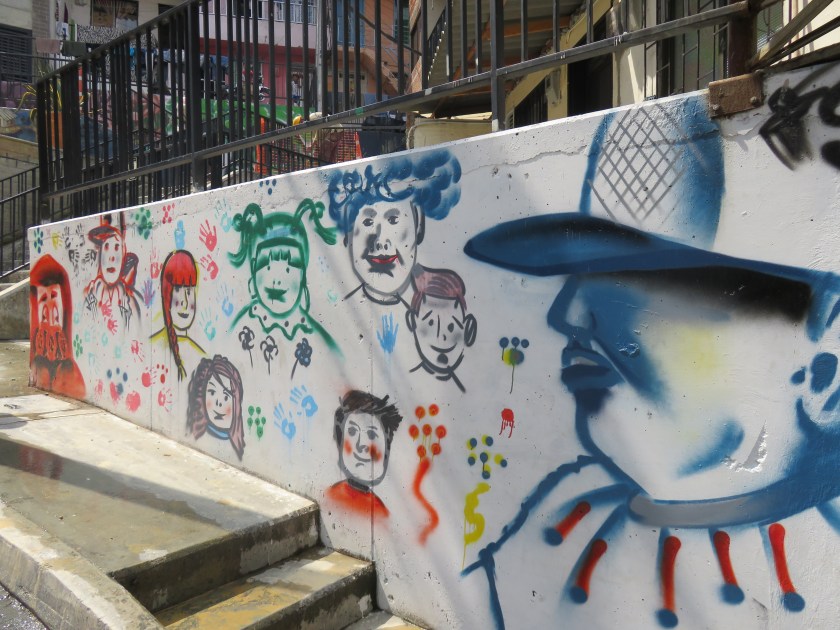
Comuna 13

img_2003img_2006img_2004

img_2009img_2014img_2013img_2017img_2026img_2034img_2021img_2047img_2035img_2042

Camera: Canon PowerShot SX710 HS

LocationMedellin, Colombia

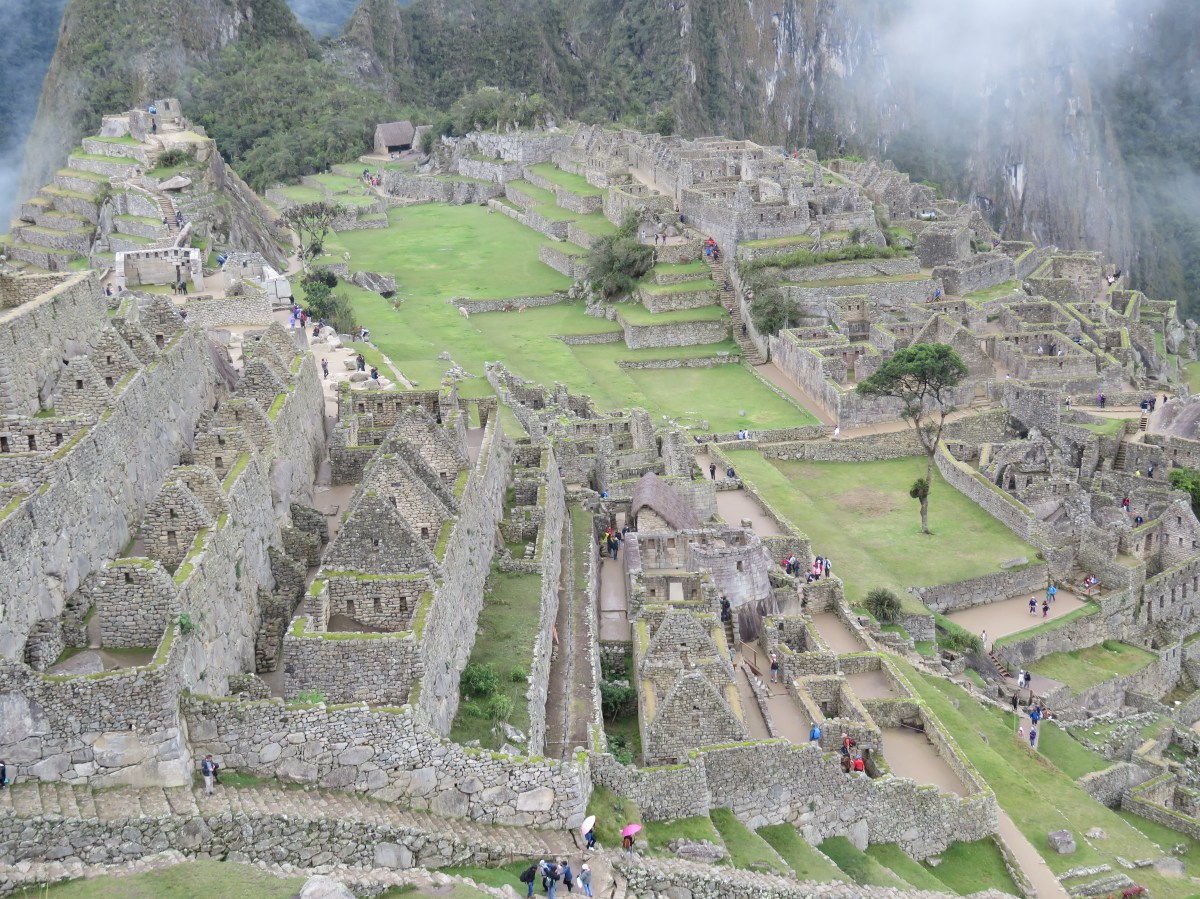
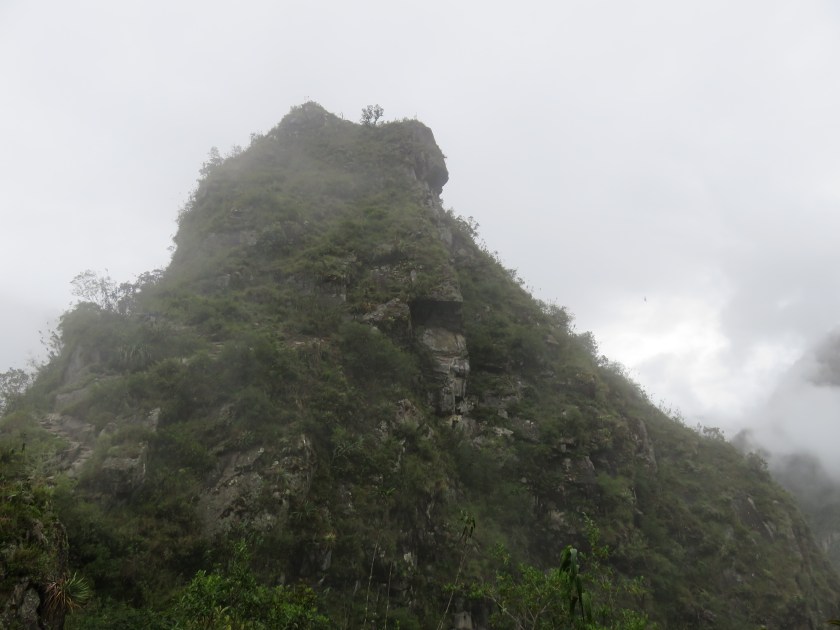
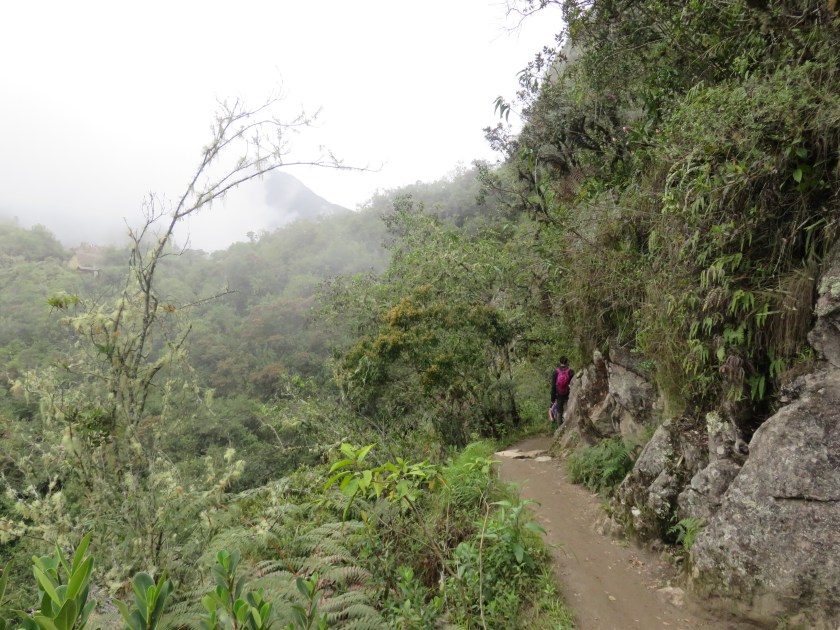
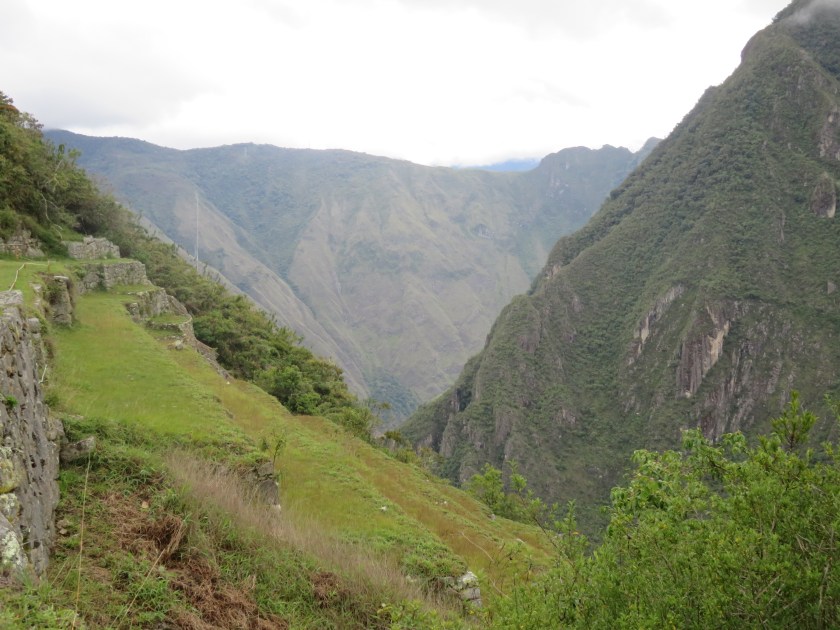
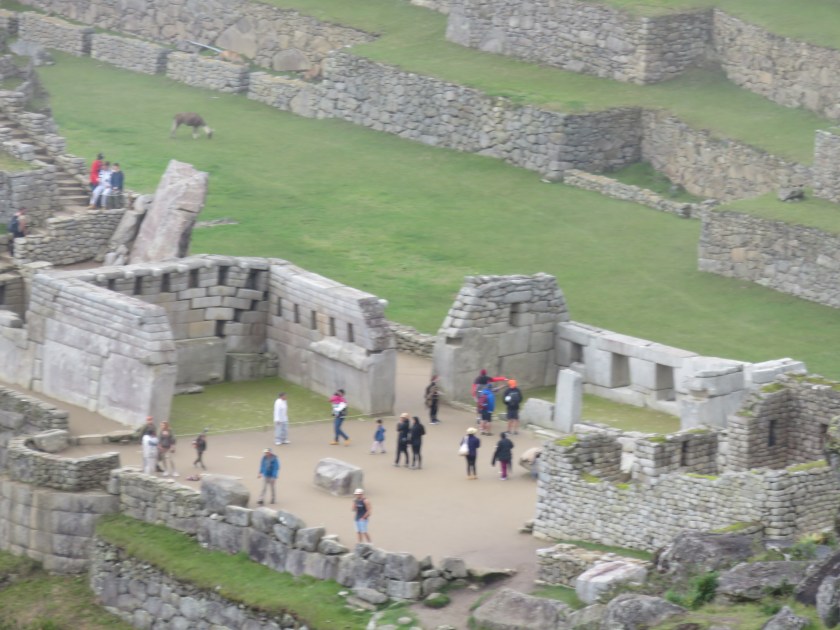
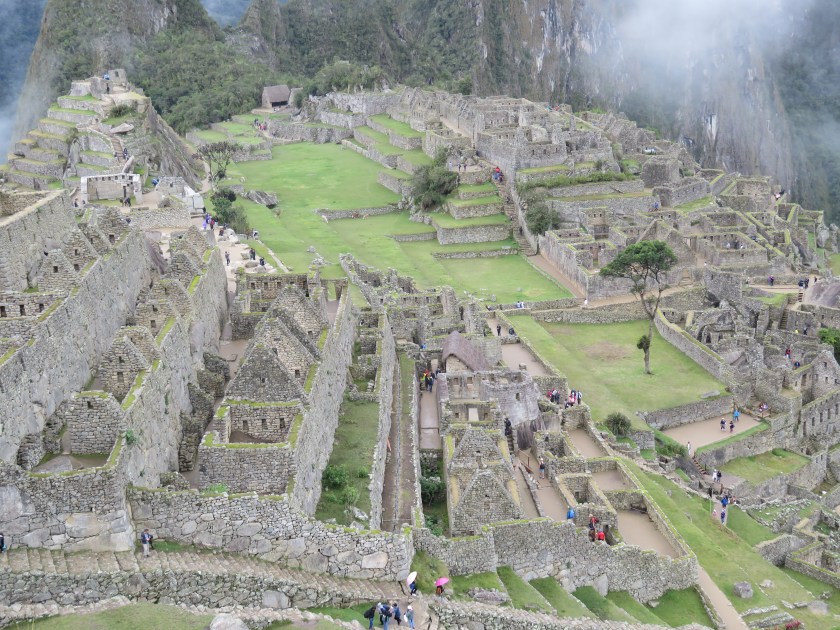
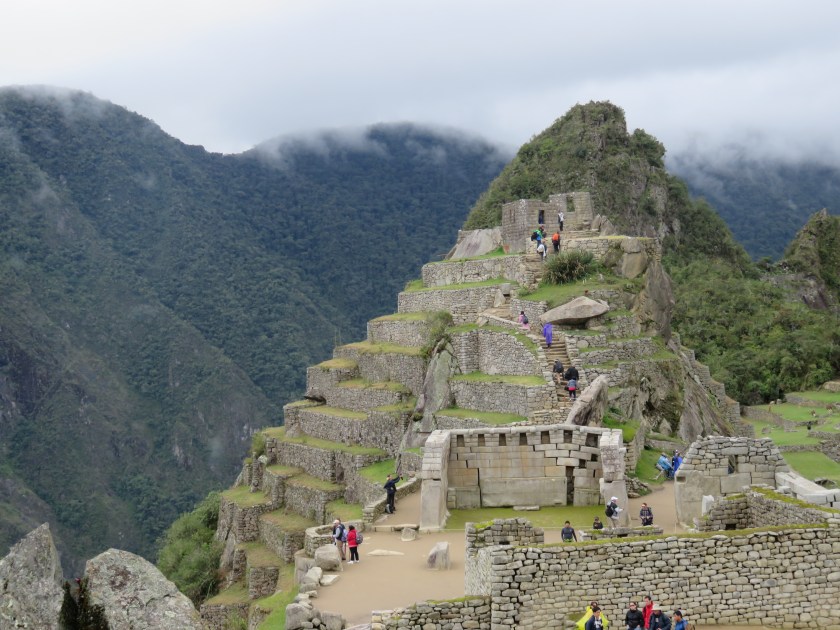
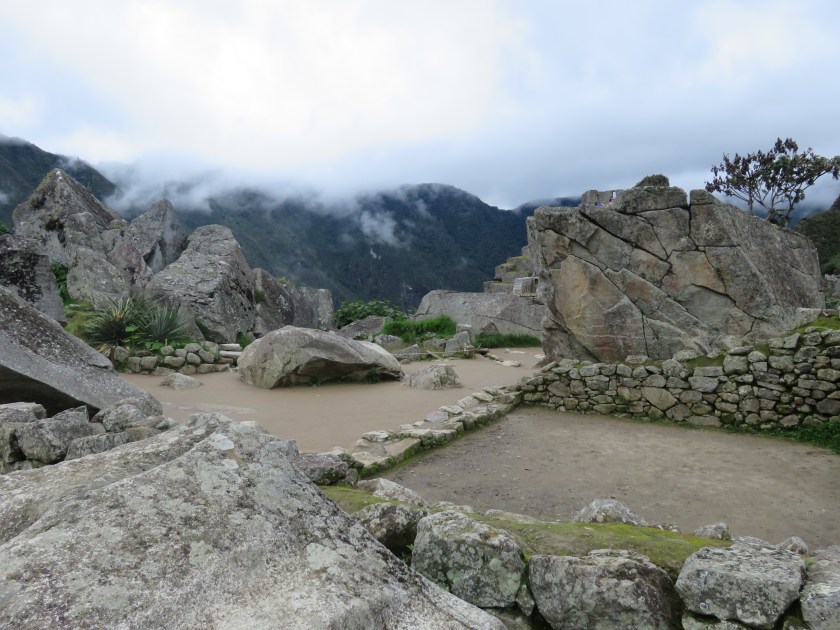
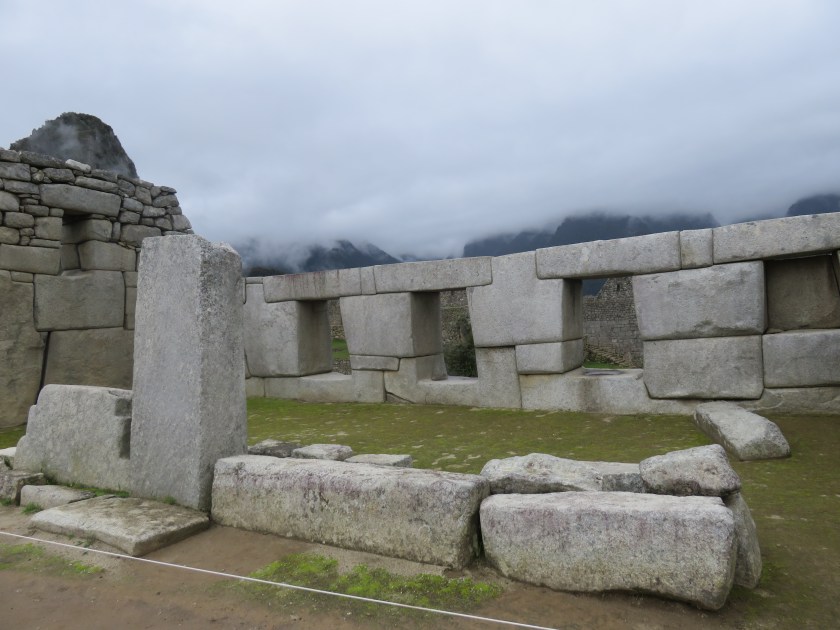
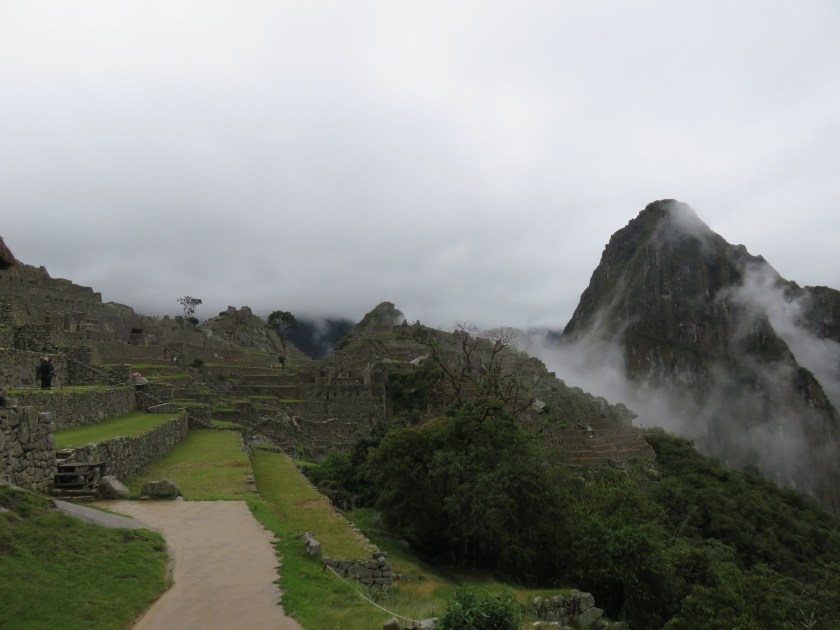
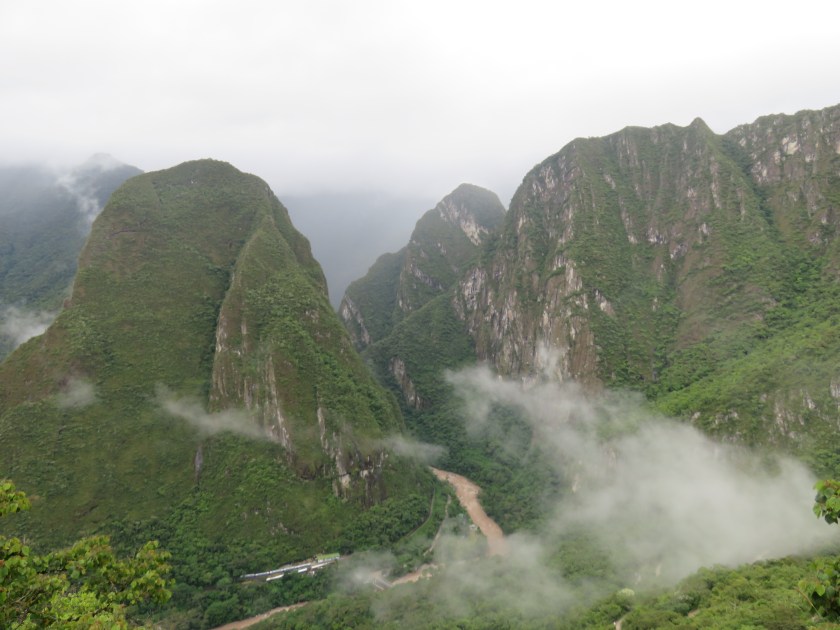
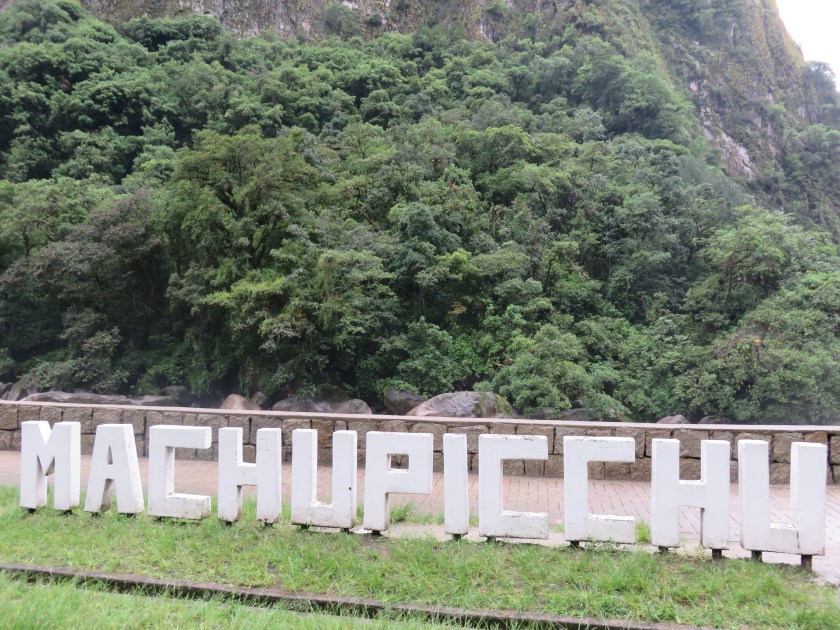
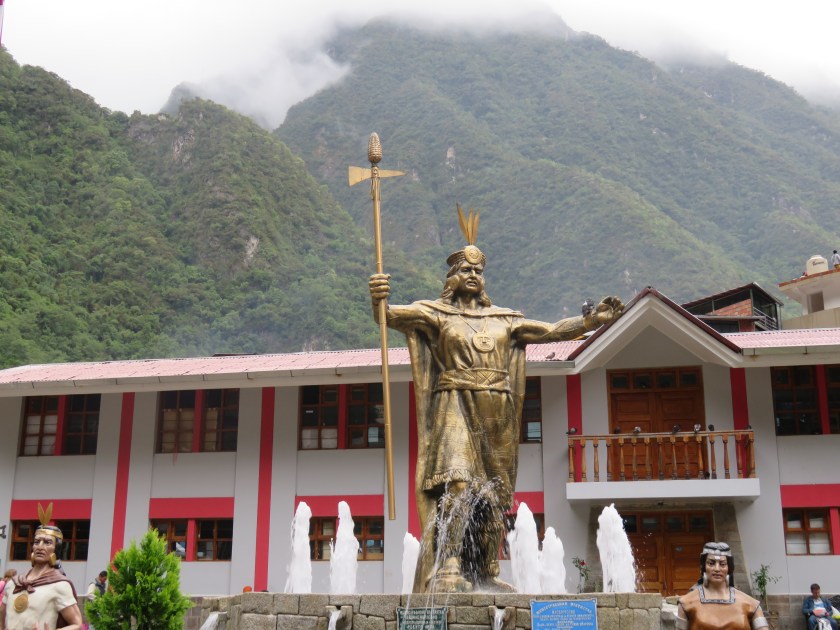
Machu Picchu and Huayna Picchu

img_1723img_1726img_1824img_1827img_1828img_1829img_1830img_1838img_1868img_1878img_1881img_1897

img_1955img_1968img_1984img_1989

Camera: Canon PowerShot SX710 HS

Location: Machu Picchu, Peru

Lima

img_1372img_1379img_1403img_1406img_1412img_1416img_1418img_1426img_1433img_1439img_1442img_1463img_1472img_1481img_1498

Camera: Canon PowerShot SX710 HS

Location: Lima, Peru

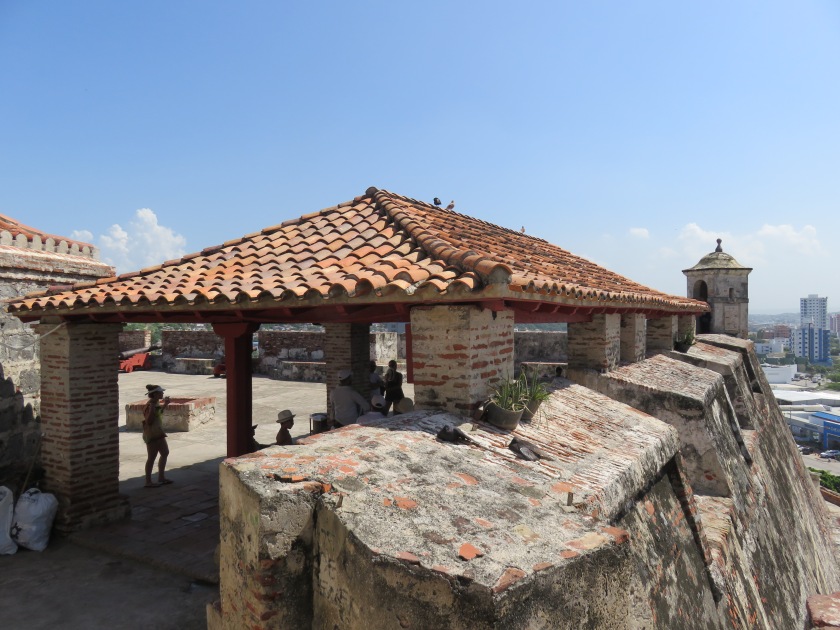
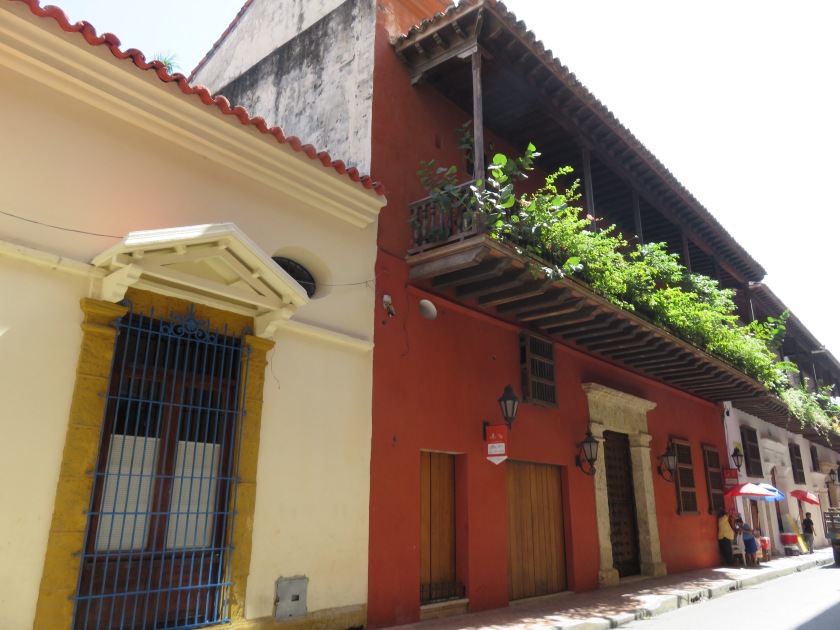
Cartagena

img_1278img_1282img_1289img_1285img_1300img_1312img_1316img_1328img_1334img_1329img_1345img_1346img_1349img_1360img_1363

Camera: Canon PowerShot SX710 HS

Location: Cartagena, Colombia

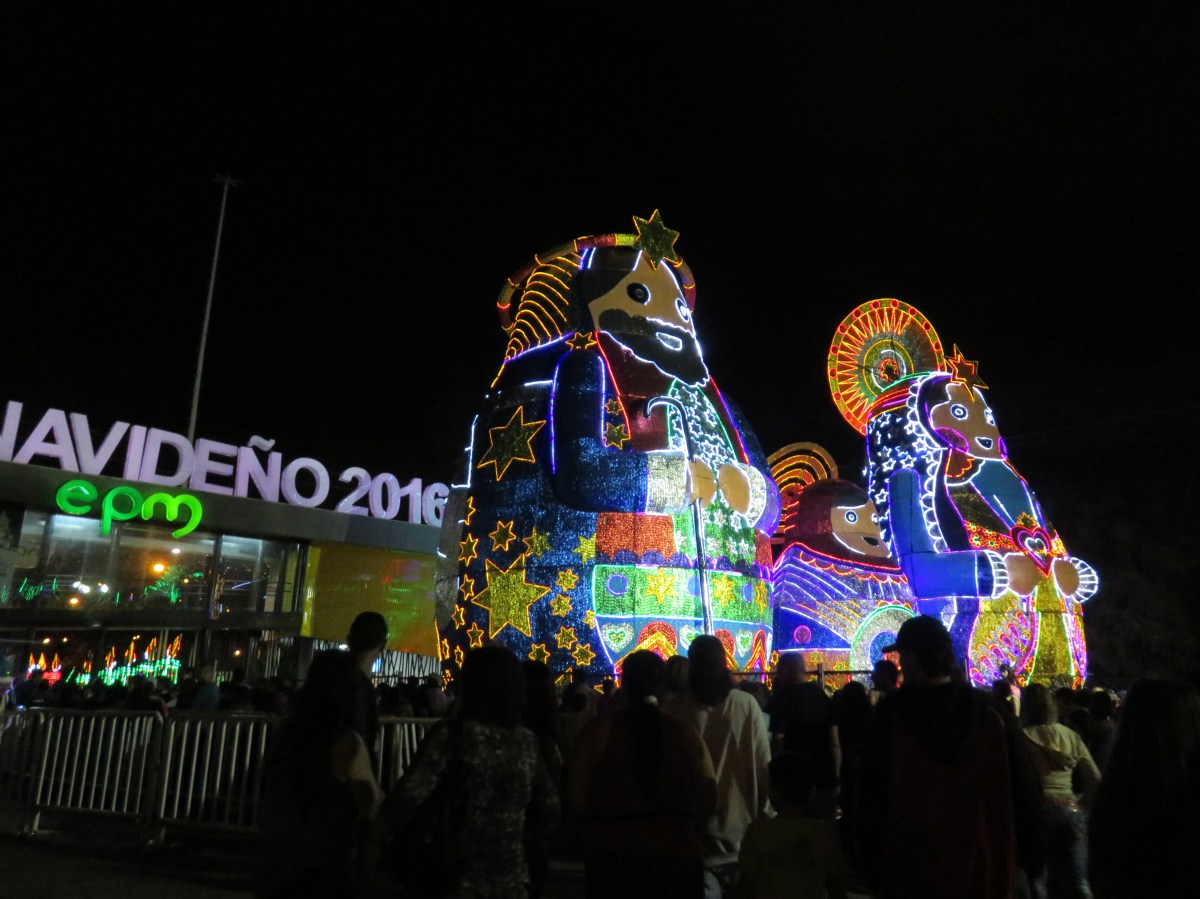
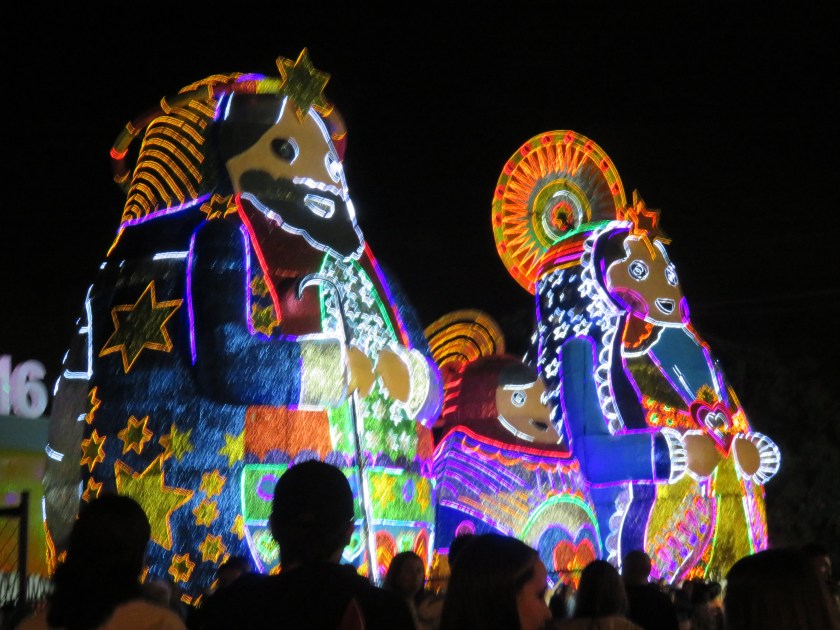
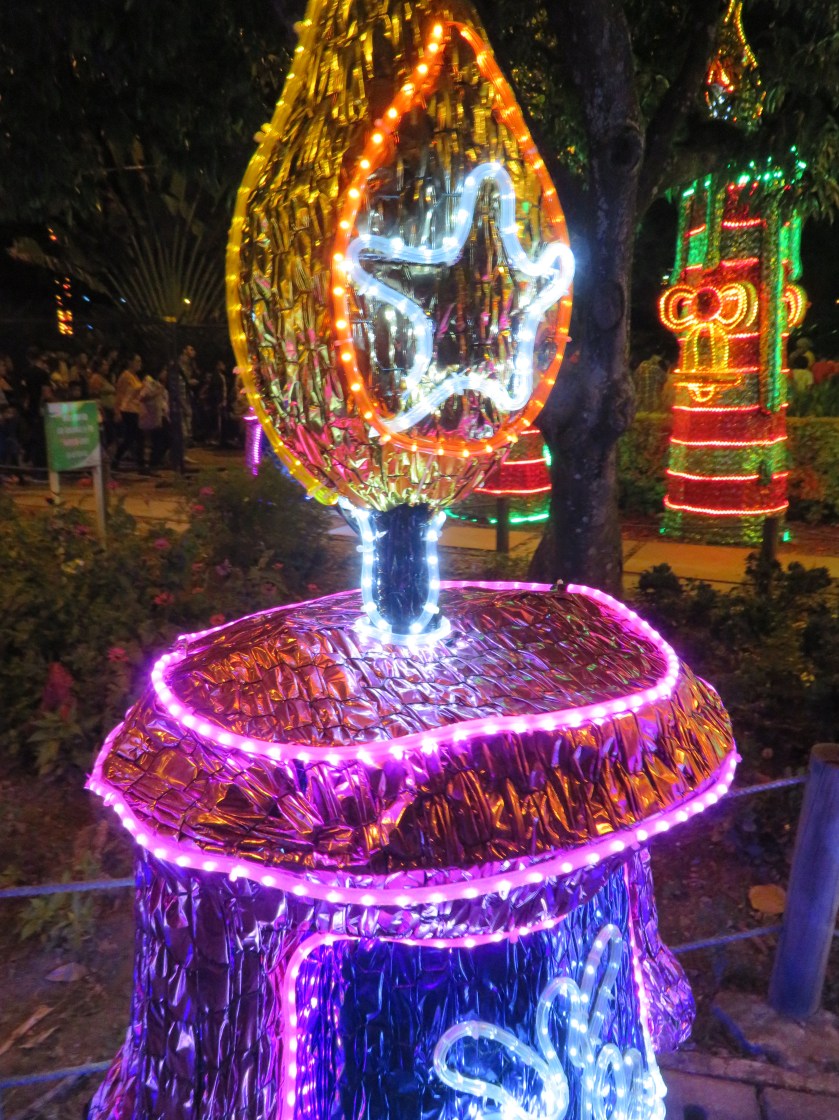
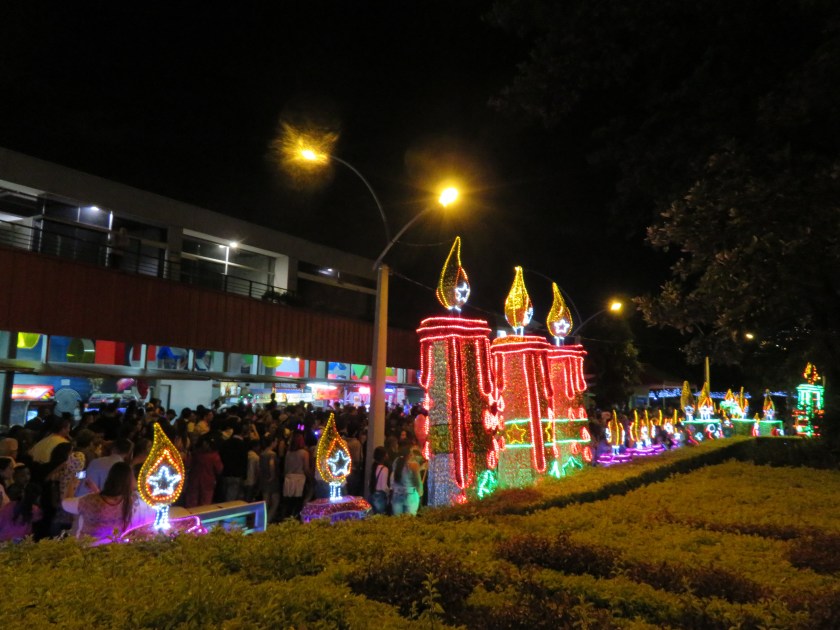
Christmas Lights of Medellin

img_1247img_1250img_1252

img_1253img_1256img_1261

img_1264

img_1265

img_1268
img_1272

Camera: Canon PowerShot SX710 HS

Location: Medellin, Colombia

Cuisine Spotlight – Cazuela

This second post in the new ‘Cuisine Spotlight’ series will focus on another favorite dish of mine here in Colombia, which is known simply as ‘Cazuela.’ Despite the unassuming name, this popular South American dish is quite diverse in what it can offer you when it comes to mealtime. Depending upon what you’re craving, a good cazuela can be made up of seafood, beef, chicken, etc. as its main base food. ‘Cazuela’ is a Spanish word, which roughly translates into ‘Casserole’ in English.

Similar to a casserole, a cazuela dish is a mix and match of different kinds of foods with tasty results. Usually, cazuela is considered to be a soup made up of different vegetables and meats mixed together. You can’t have cazuela without some flavored cooking stock put in there to form the soup-like appearance. Depending upon which South American country you’re visiting or living in, there will be a different spin on what cazuela looks, smells, and tastes like.

In Chile, cazuela comes with a piece of meat, which can either be turkey, pork, chicken, or beef. Specifically, a leg of chicken or some beef ribs will be the meat in the cazuela dish. Underneath the meat would be a piece of pumpkin and individual pieces of potato with a base of white rice doused in the flavored cooking stock. For the vegetables, it varies depending upon the cook’s preference but there’s usually celery, carrots, green beans, cabbage, etc. that are sliced and diced up to be soaked in the cooking stock and added to the rice and meat. In the summer time, some Chileans will add some sweet corn to the vegetable mix. The Chilean version of cazuela is known as being very similar to the ‘Olla podrida’, which is a colonial dish from Spain that has gained in popularity in Chile and other South American nations.

Cazuela is also quite popular in Peru, the southern neighbor of Colombia. Cazuela is often prepared in the Amazonas region of Peru and is made in different ways depending on which area of the department you’re in. For the meat, there are often more creative choices like hen and sheep that are added to cabbage, rice, carrots, and the broth juice. Usually, this kind of cazuela is cooked over a flame in a sauce pot as its mixed together and served to a large group of people.

Beyond just being a soup or a casserole, Cazuela can also be made into a traditional kind of pie as it is in Puerto Rico. During Christmas season, the Cazuela pie is made up of sweet potato, pumpkin, and coconut milk. It’s quite a popular desert that is easy to make and is popular for its’ sweet flavor and light texture.

Multiple countries in Spain, Ecuador, and Colombia have embraced the ‘Cazuela de Mariscos’, which is made up of a number of different kinds of seafood. The Colombian version is easy to make and is known for being a thick kind of soup and also is rumored to be an ‘aphrodisiac.’ The seafood that comes in the soup includes calamari squid, prawns, clams, shrimp, and small pieces of fish.

The kind of ingredients you want to add are olive oil, salt, pepper, thyme, bay leaves, coconut milk, white wine, some seasoning, heavy cream and minced garlic. To top it off, you need some vegetables including carrots, celery, red pepper, tomatoes, and bouillons. You got to mix up everything together, serve it in a clay pot or bowl, and enjoy the delicious broth and food. Sometimes, you can find that there are cazuelas for shrimp or prawns separately which can come with rice and a heavy broth mixed together with the seafood.

The type of cazuela that I have become most familiar with over the past couple of months is the ‘cazuela antioquena.’ You can find it throughout the department of Antioquia and most commonly in the city of Medellin. I find it to be unique compared to other kinds of cazuelas given the emphasis on ingredients that are known well to Paisas making it a local favorite.

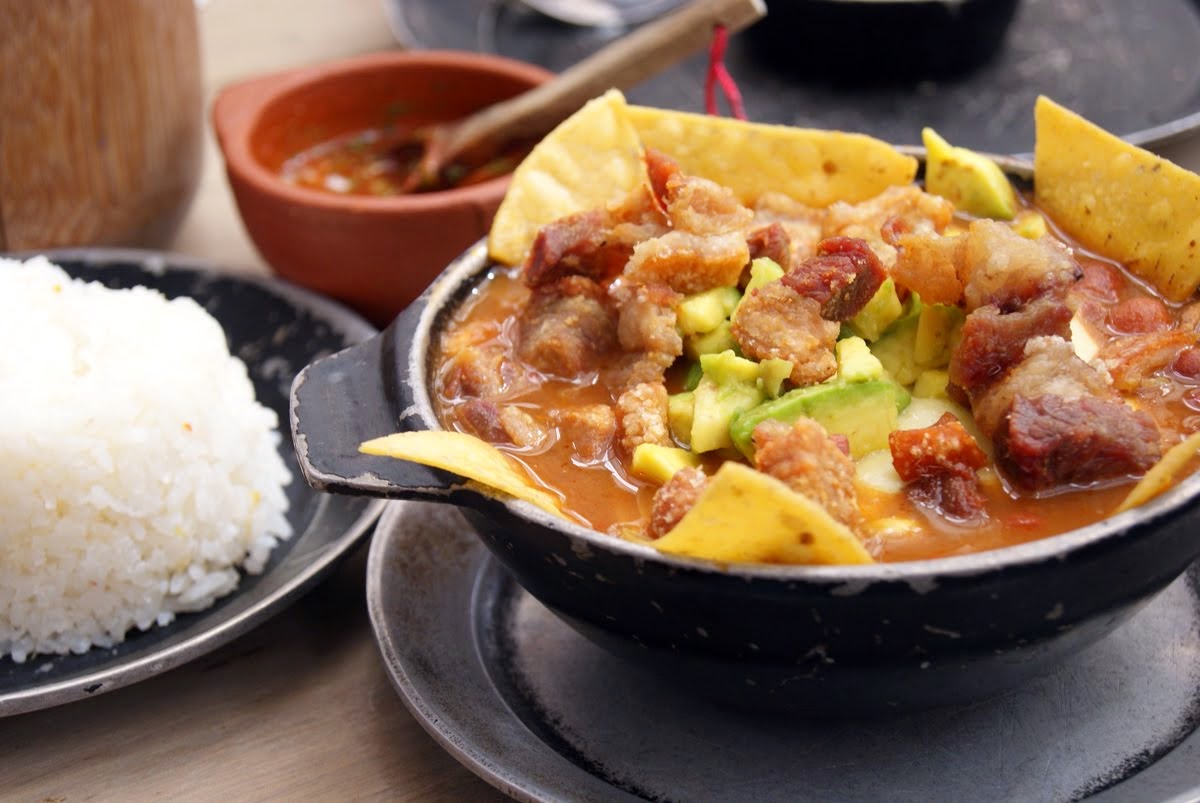
You start with a base of Antioquian brown beans mixed in with some white rice. On top of that is the meat, which are usually ‘chicharron’ or fried pork belly and some cooked chorizo. Instead of more common vegetables like celery and carrot, this favorite dish of Antioquia comes with pieces of avocado and some cut-up sweet plantains. To add some flavor, the Colombian creole sauce known as ‘Hogao’ is mixed among the meat, plantains, avocado, rice, and beans.

Like many other local dishes here, a small arepa is added to the mix, and placed at the top of the ‘cazuela antioquena’ to be eaten with the rice, beans, chorizo and whatever else would go along well with the arepa. Second only to the ‘Bandeja Paisa’, the ‘cazuela antioquena’ is likely to be a fulfilling dish for lunch that can satisfy your cravings for some local cuisine.

It’s likely that you’ll run into some kind of ‘cazuela’ if you’re traveling or living in South America. The various kinds of cazuela unique to a certain country or region makes it an exciting dish due to its diversity. Whether it’s meat, seafood, vegetables, rice, and beans in the cazuela, it’s important to bring a big appetite to the table because it’s likely to fill you up and leave you satisfied.

‘Forrest Gump’ – Film Review and Analysis

chocolates
“Life is like a box of chocolates, Forrest, you never know what you’re gonna get.”

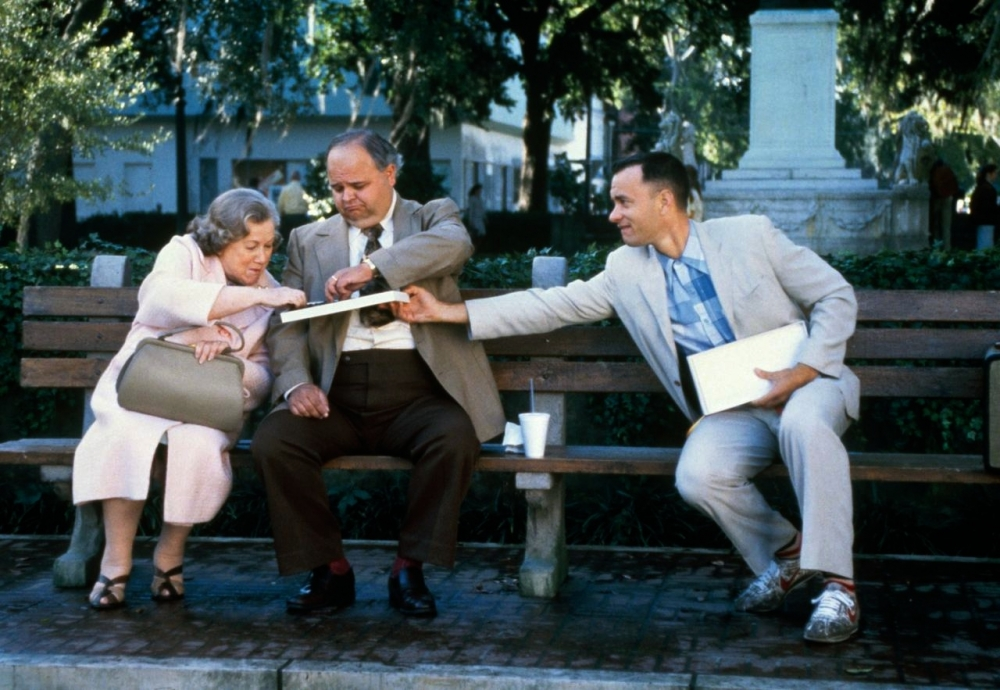
One film that captures both your imagination and your heartstrings is the classic American film, Forrest Gump. Released in theaters over two decades ago in 1994, it has become one of the most beloved films of all time and enjoyed high amounts of praise from both critics and moviegoers alike. The film was notable for the fact that it won many different awards and accolades such as the Academy Awards for Best Picture, Best Director for Robert Zemeckis, Best Actor for Tom Hanks, among many other distinctions. I would argue that this film along with Big helped to launch Tom Hanks as one of Hollywood’s rising stars and set him on a monumental acting career, which included many future box office hits. Five years ago, the U.S. Library of Congress recognized Forrest Gump as being a film that is historically, culturally, and aesthetically significant and selected it for preservation in the United States National Film Registry.

Forrest Gump is about an everyman who has a slight disability of not being as smart as everyone else with an IQ of 75. However, despite him learning this fact as a child and being bullied about it, he manages to not let this handicap ruin his life but instead learns to preserve and make the most of things. The story of Forrest Gump takes place over the tumultuous and transformative decades of the 1950s, 1960s, 1970s, and 1980s when America went through a number of political, social, and economic changes. One of the true delights of this film is seeing how many of these changes Forrest witnesses and is actually apart of.

During the film, we see him shaking his hips with Elvis Presley at his mom’s guesthouse in Alabama, serving in the U.S. Army after being drafted in the Vietnam War, starting a fight during the midst of a Black Panther group meeting, and meeting Presidents Kennedy, Johnson, and Nixon. Despite his lack of formal intelligence, Forrest does not let that stop him from being an ‘All-American’ college football player, a veteran of the Vietnam War, a shrimp boat, a wealthy man due to his investments in a little company called Apple Inc, and lastly and most important, a loving son, friend, father, and husband. In addition to serving in Vietnam and witnessing Elvis Presley in person, Forrest also helps a black woman become the first African-American to integrate into an all-white school, helps to break the seal on the Watergate scandal when he sees people breaking into DNC headquarters, and becomes an international ping-pong star while helping to improve relations between the United States and the People’s Republic of China. He’s an every man who takes life as it comes regardless of the good or bad and finds himself involved in extraordinary events that shape American history.

As Forrest gets wrapped up in these events over the course of the film, he takes an almost child-like innocence to them even in the cases of war, violence and prejudice. He’s aware of these things and knows right from wrong but tries to live a simple and uncomplicated life despite all he’s been through. He wants to be a good son to his mother; he desires to be with the love of his life, Jenny, to have good friendships with his fellow soldier Bubba and Lieutenant Dan, and to be a responsible father to his son at the end of the movie. He may lack intelligence in terms of critical thinking and solving problems; he has the ability to display maturity, show emotional intelligence and is able to show kindness and love towards others despite his differences with them.

While he may not know his father, and his wife Jenny disrespected and left him in the cold over the years when she was dealing with her own demons, he has the ability to look past these grievances and live a good and fulfilling life. Forrest endures other traumas and heartbreak in the Vietnam War when he sees his fellow soldiers and friends killed or disabled like his good friend Bubba and his lieutenant, Dan Taylor. While he could have given up on life or become bitter and disenchanted, Forrest instead finds new purposes in playing ping-pong around the world, starting a very profitable shrimp boat company with his old Lieutenant Dan, and runs around the United States for three years straight to help get past those losses and betrayals that has haunted him. Forrest is an example of a man who never gives up and keeps moving forward despite his past. He simply does not let his past define him. Like all of us, he’s been giving good and bad fortune but he makes the best of things regardless of the circumstances.

During the long run scene of Forrest’s, people become inspired by his example and ask him for advice and guidance. He doesn’t have much to say to them but they happen to find comfort in the fact that he’s doing this just for its’ own sake. Forrest simply can’t help them all figure life as they have to each follow their own path and find inspiration wherever they can. Once one path ends, another one opens up to be explored afterwards. As Forrest states when reporters ask him why he’s running, “I just felt like running.” Sometimes, you don’t need a reason to be doing something if you feel like it.

While many other people are inspired and are given hope from Forrest’s example, Forrest is inspired by other people such as his mother played by the wonderful Sally Field, along with his fellow soldier Bubba and his Lieutenant Dan. His mother teaches him about love, respect, and finding your own path in life. She gives Forrest a quote on her death-bed that he takes to heart and has become one of the most famous movie quotes of all-time. “Life is like a box of chocolates, Forrest, you never know what you’re gonna get.” Forrest asks his mom what his destiny may be. She tells him that he can’t answer that for him and ask he needs to figure that out for himself. She does let him know that it was her destiny to be his momma and that she’s very proud of the man that he has become.

Forrest’s relationship throughout the film with Jenny is complicated and unfortunate as the ways their lives converge and diverge leads to pain and heartbreak but also compassion and understanding. Jenny is Forrest’s first and only love. They grow up together and spend time getting to know each other. Forrest is a breath of fresh air for Jenny who has to deal with an abusive father at home. Even through college, they remain close but still friends.

Jenny’s path through life takes her to some lonely places and she deals with abusive boyfriends, drug abuse, and hostile friends like the Black Panther party. Even with her flaws, Forrest still loves her as always and asks her to marry him. She eventually agrees to be his bride making him the happiest man in the world. Tragically, their marriage is cut short by the fact that Jenny has HIV/AIDS and has become really sick. However, the love that Jenny shares for Forrest allows them to have a son together before she passes away. While a devastating loss for Forrest like it was to lose his mother and Bubba, his best friend, Forrest’s destiny is renewed in the love he has for his son, Forrest Jr. as he takes care of him after Jenny’s death.

Forrest Gump is a special movie that has resonated with millions of people around the world. Many folks have been inspired by the message of this movie and have gone to improve their lives in enumerable ways. The story of Forrest Gump is a story of hope, love, perseverance, respect, and tolerance. Anybody who watches Forrest Gump will get something out of the movie because of its’ overall message. Like the feather that floats by Forrest at the beginning and ending of the film, you make the most of what we’re dealt with in life and it’s you alone who can shape your destiny through the choices you make, the people you befriend, and the impact you create. We may all be floating on the breeze like a feather unsure of where we’re going but we can steer the direction of that feather to new places and new conclusions.

Forrest Gump is a special character in a special movie that rekindles for viewers what they love about the big screen by showing our capacity as human beings to love, cry, laugh, and share good times and bad with those friends and family as Forrest does. Anybody who watches Forrest Gump can relate to Forrest and what he goes through. That is what makes this movie such an endearing, popular film and why it will last for many more years as one of the most iconic pieces of work in American cinema.

Guatepe and La Piedra

img_0818img_0819

img_0834img_0825

img_0849

img_0872img_0883img_0904img_0913img_0949

img_0948

img_0964img_0973img_0975img_0977

CameraCanon PowerShot SX710 HS

Location: Guatepe, Antioquia, Colombia