

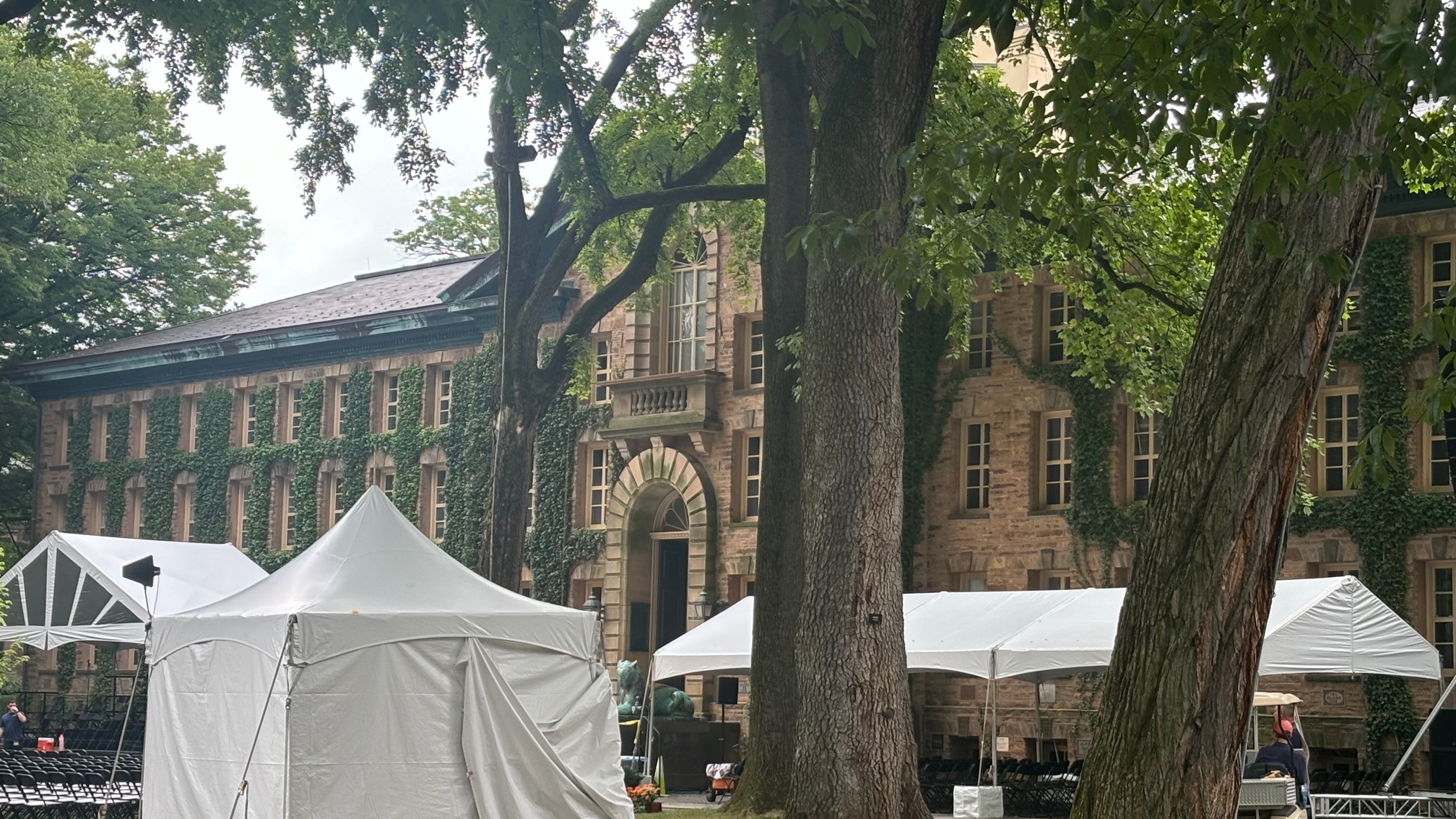
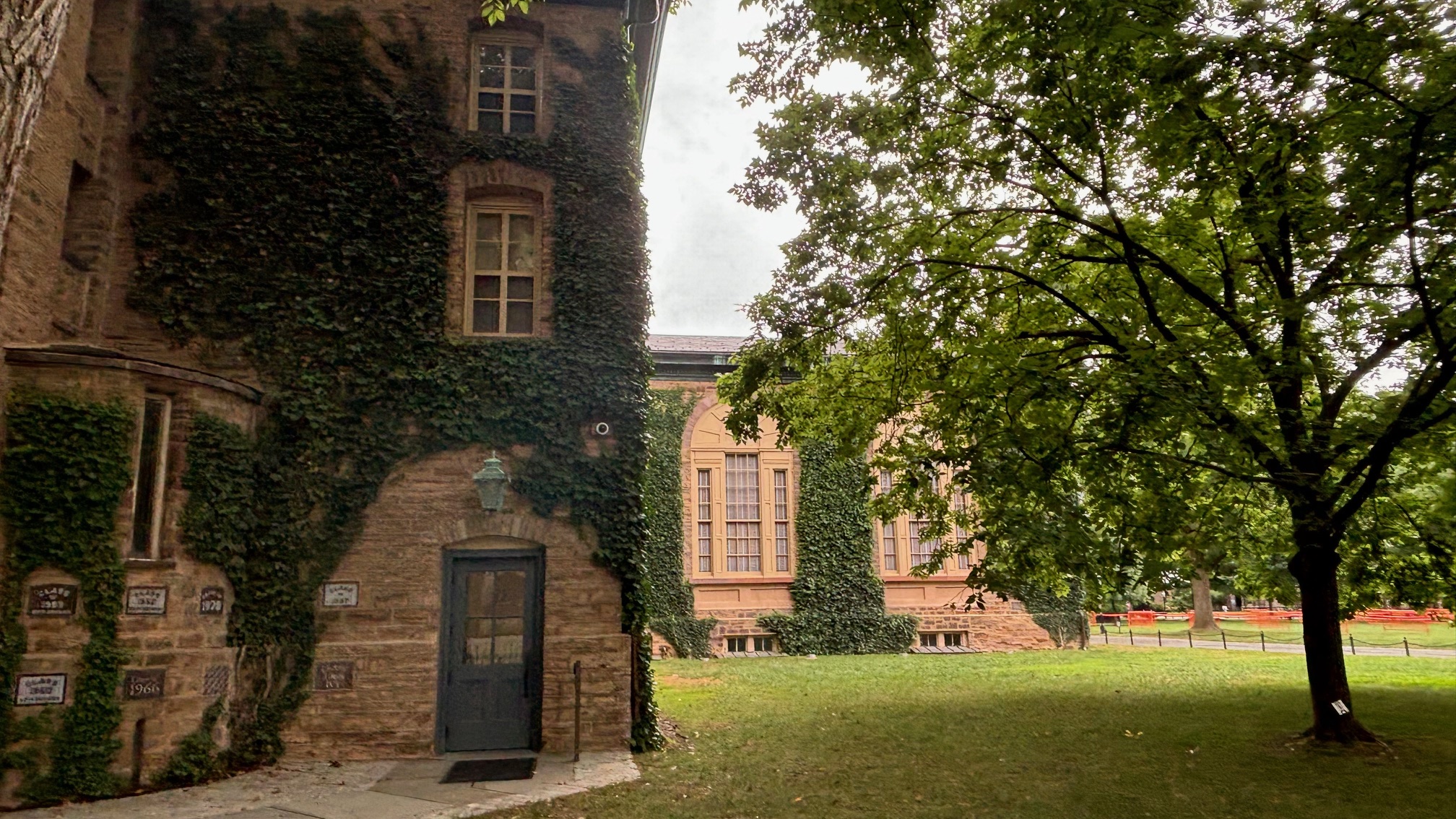
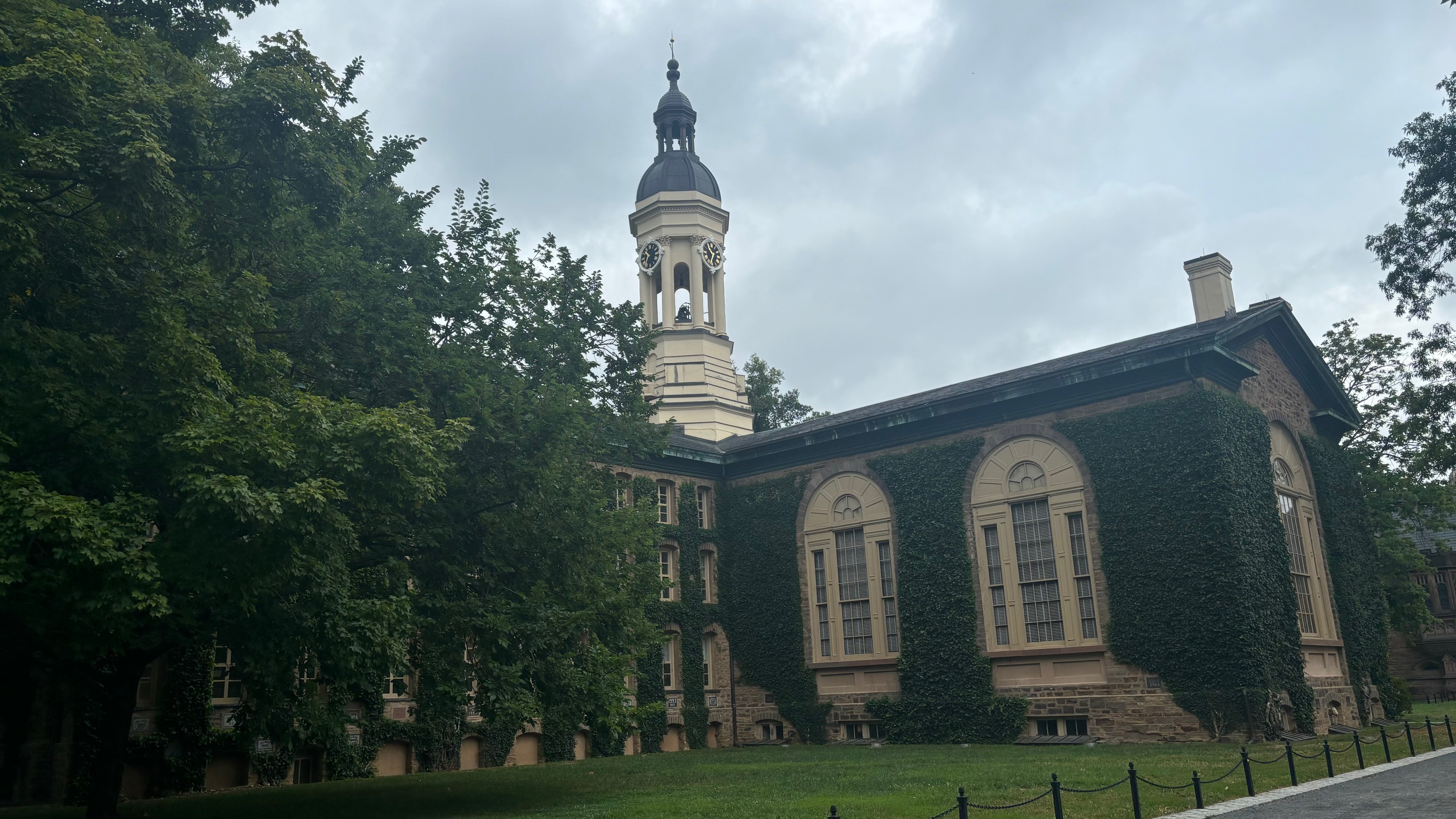
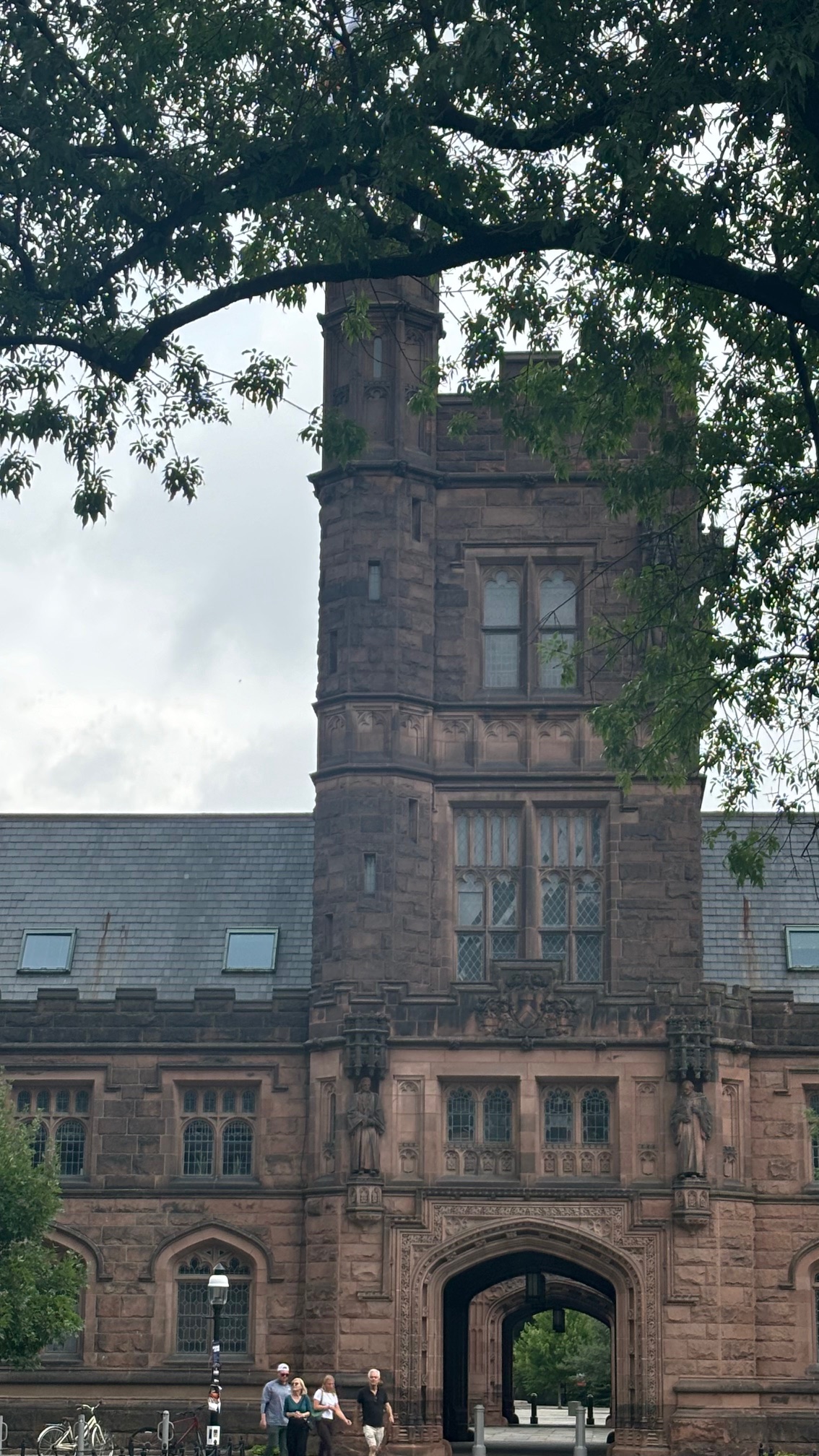




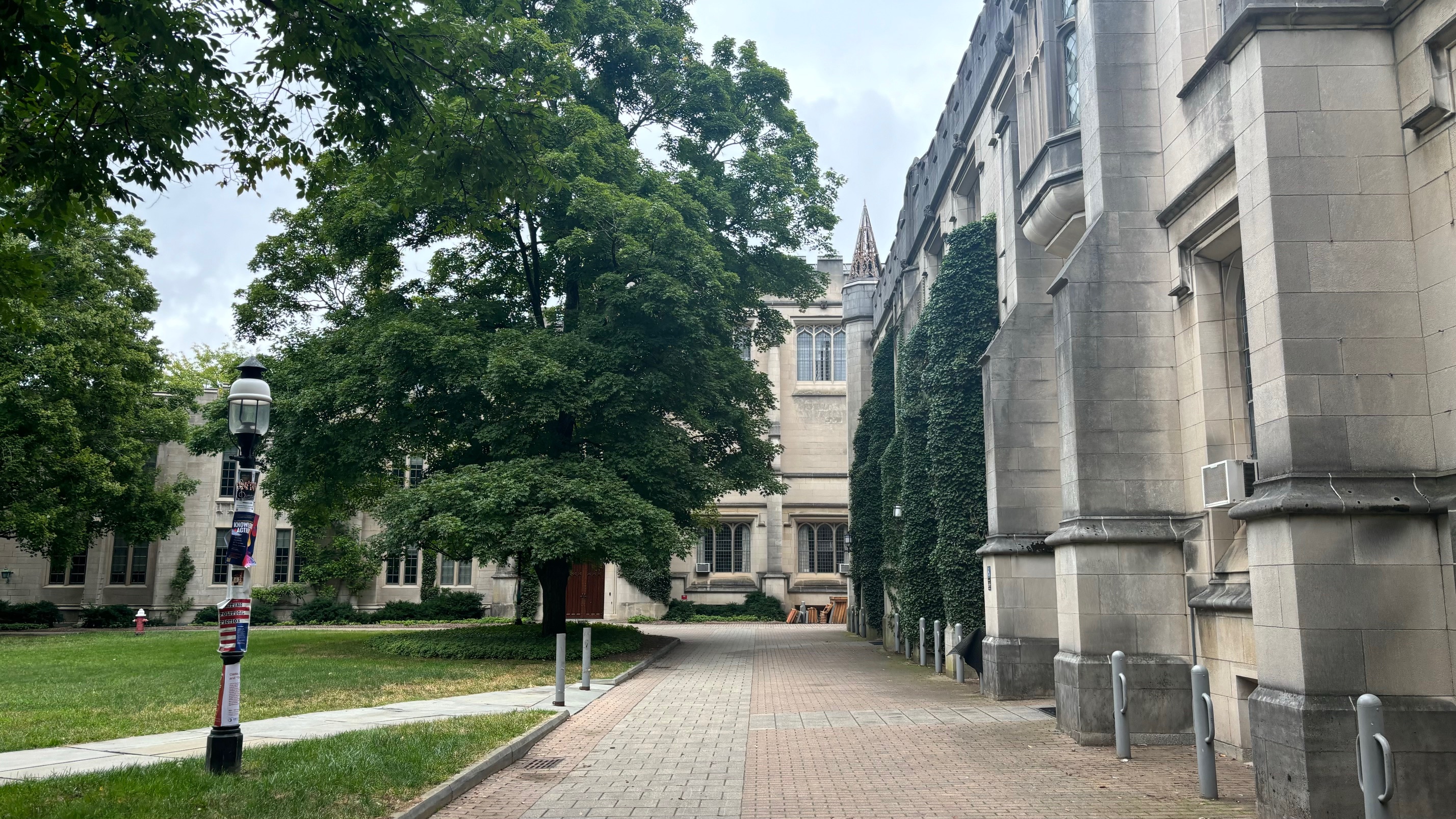
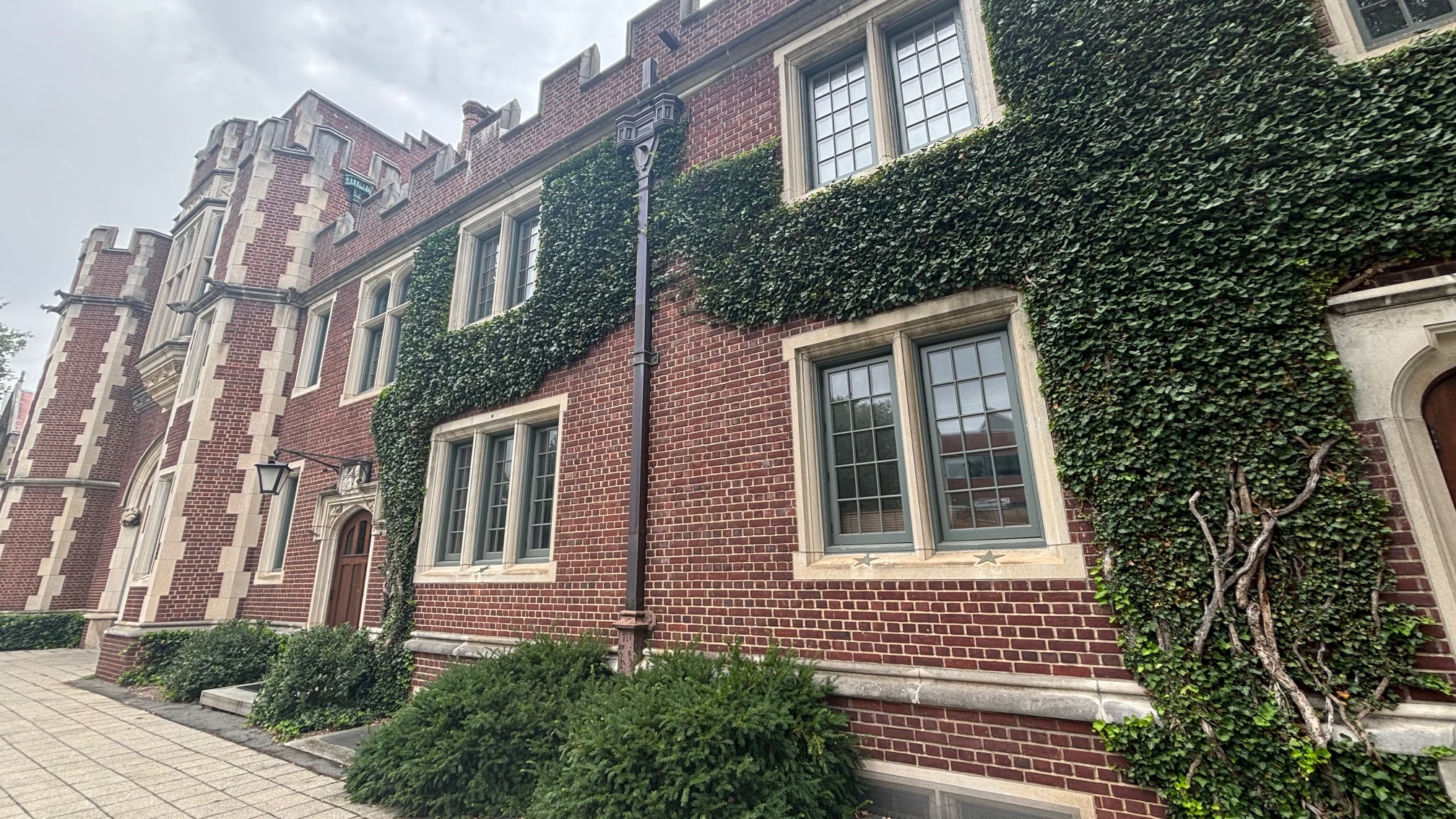

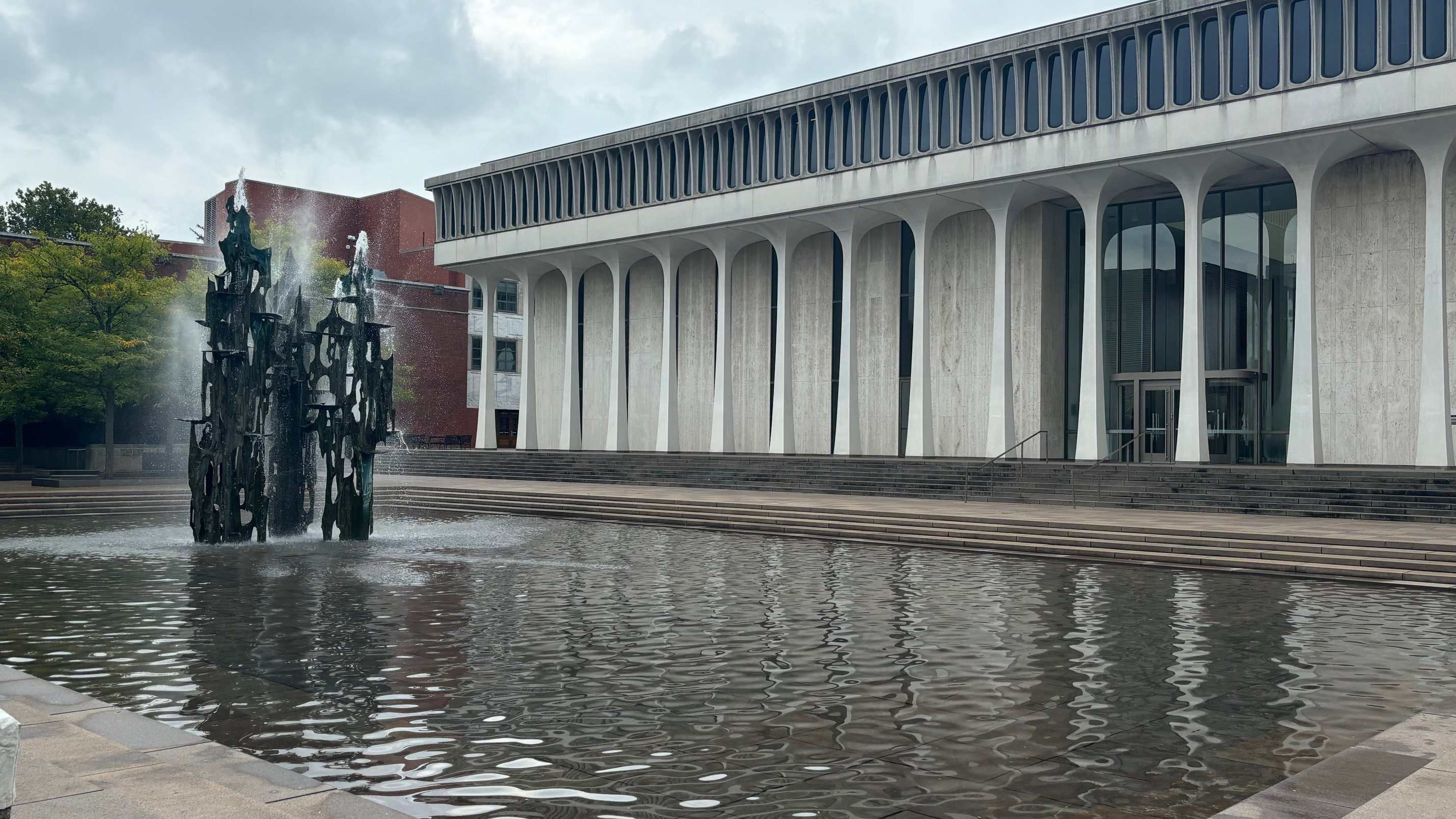
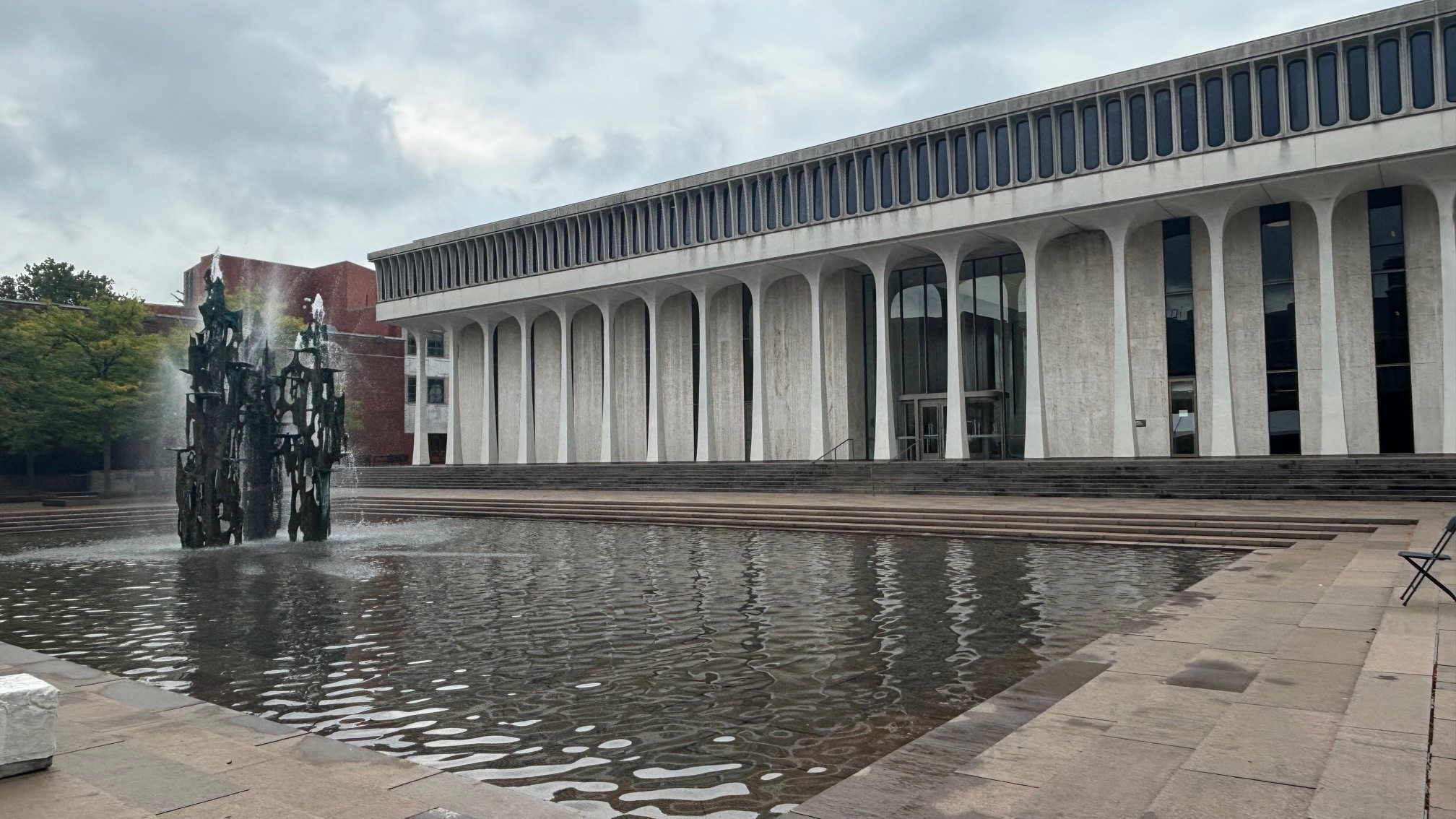
Camera: iPhone 15
Location: Princeton University; Princeton, New Jersey, United States

“Taking A visit to one of the most storied and historic university campuses in America: Princeton University. Taking a solo tour around the ivy-filled grounds and stunning collegiate gothic-style buildings in the heart of downtown Princeton.”
Camera: iPhone 15
Location: Princeton University; Princeton, New Jersey, United States
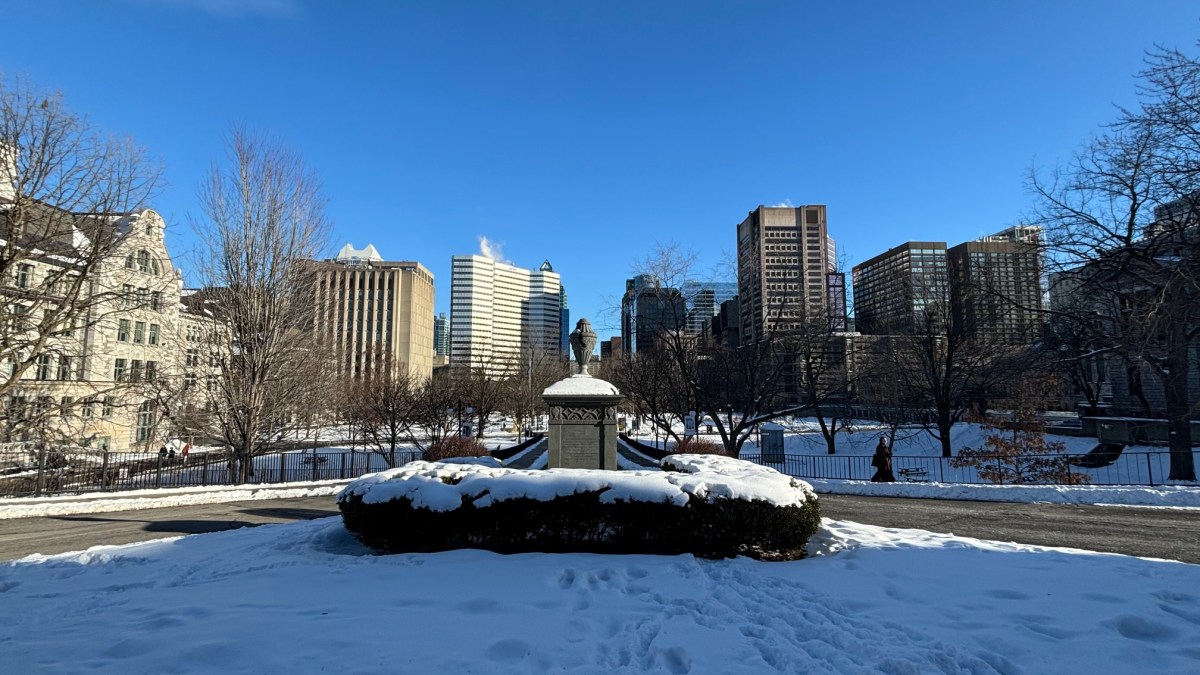
Checking out one of Canada’s most famous and historic universities, McGill University in Downtown Montreal on a Winter’s day.


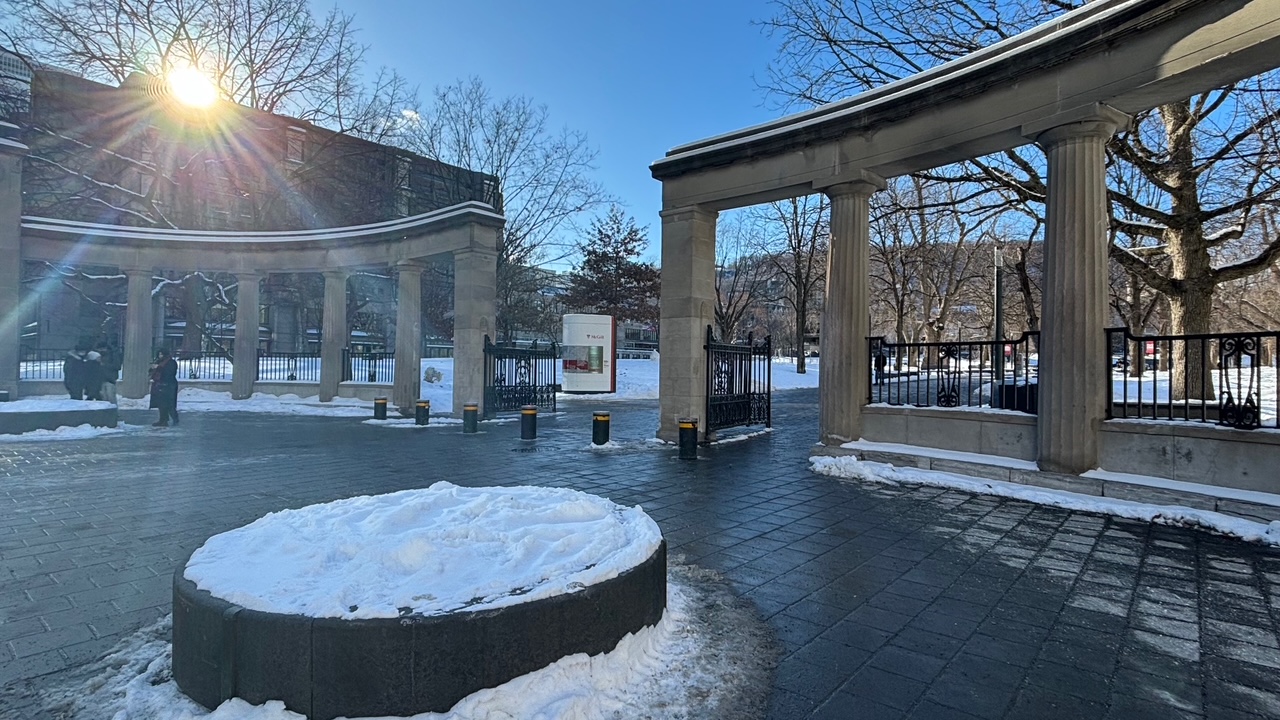


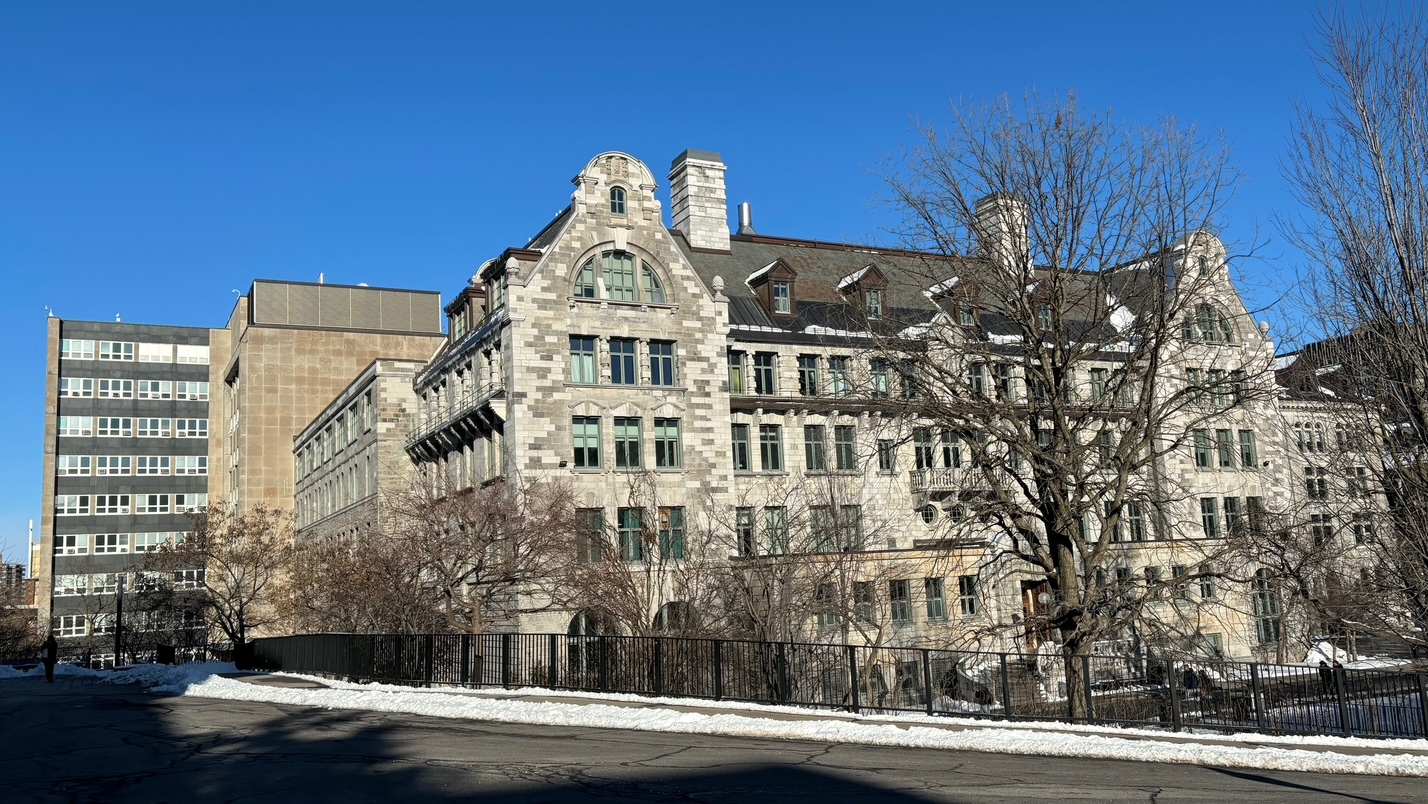
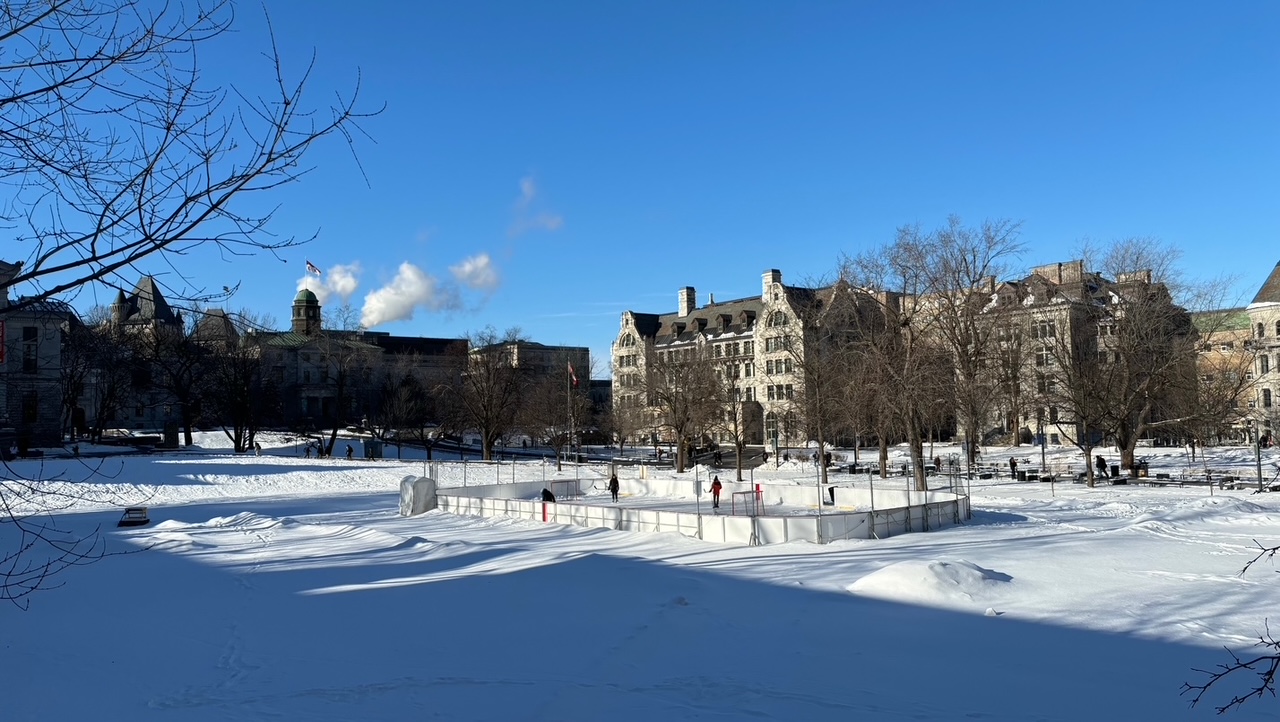




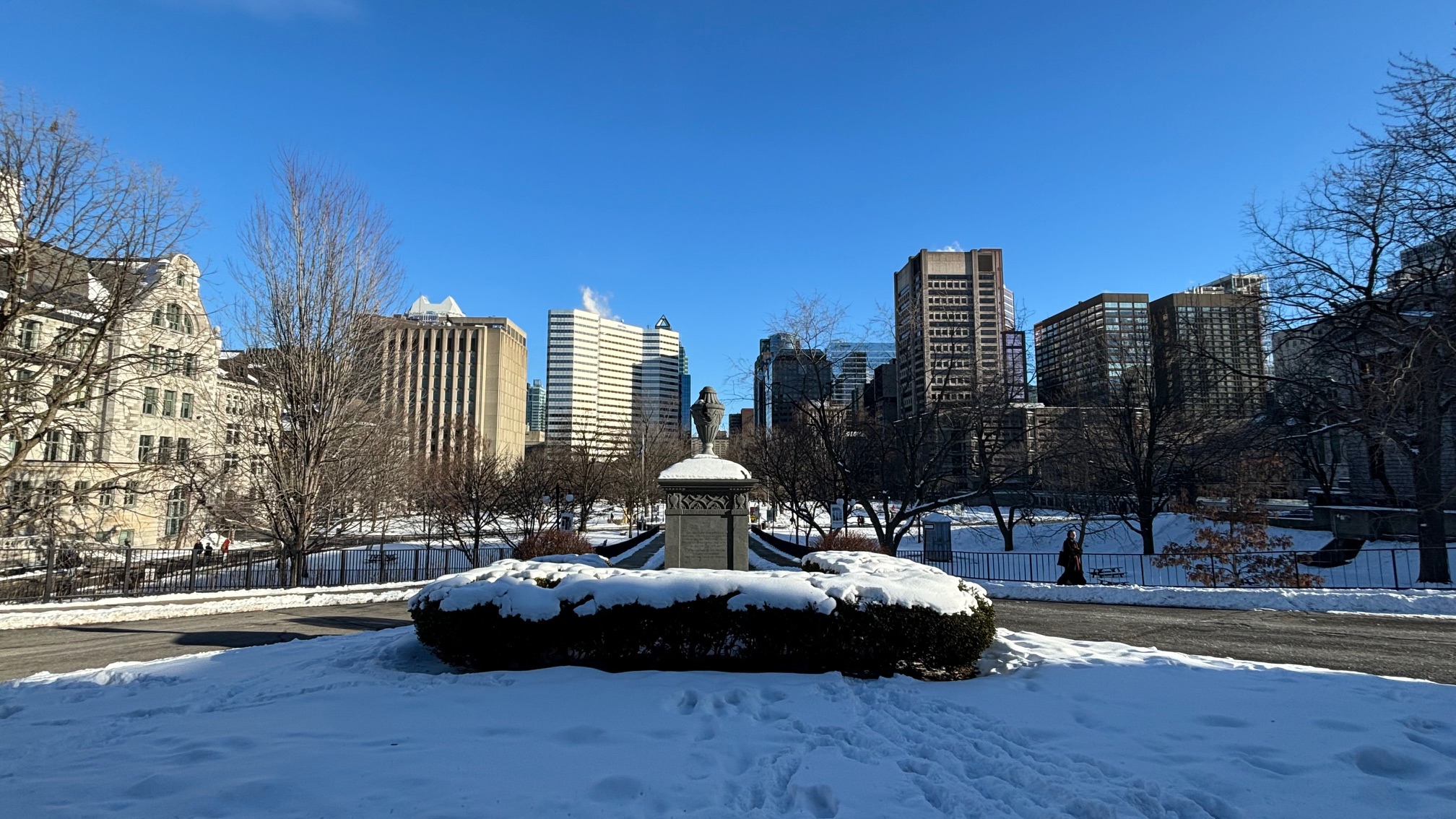
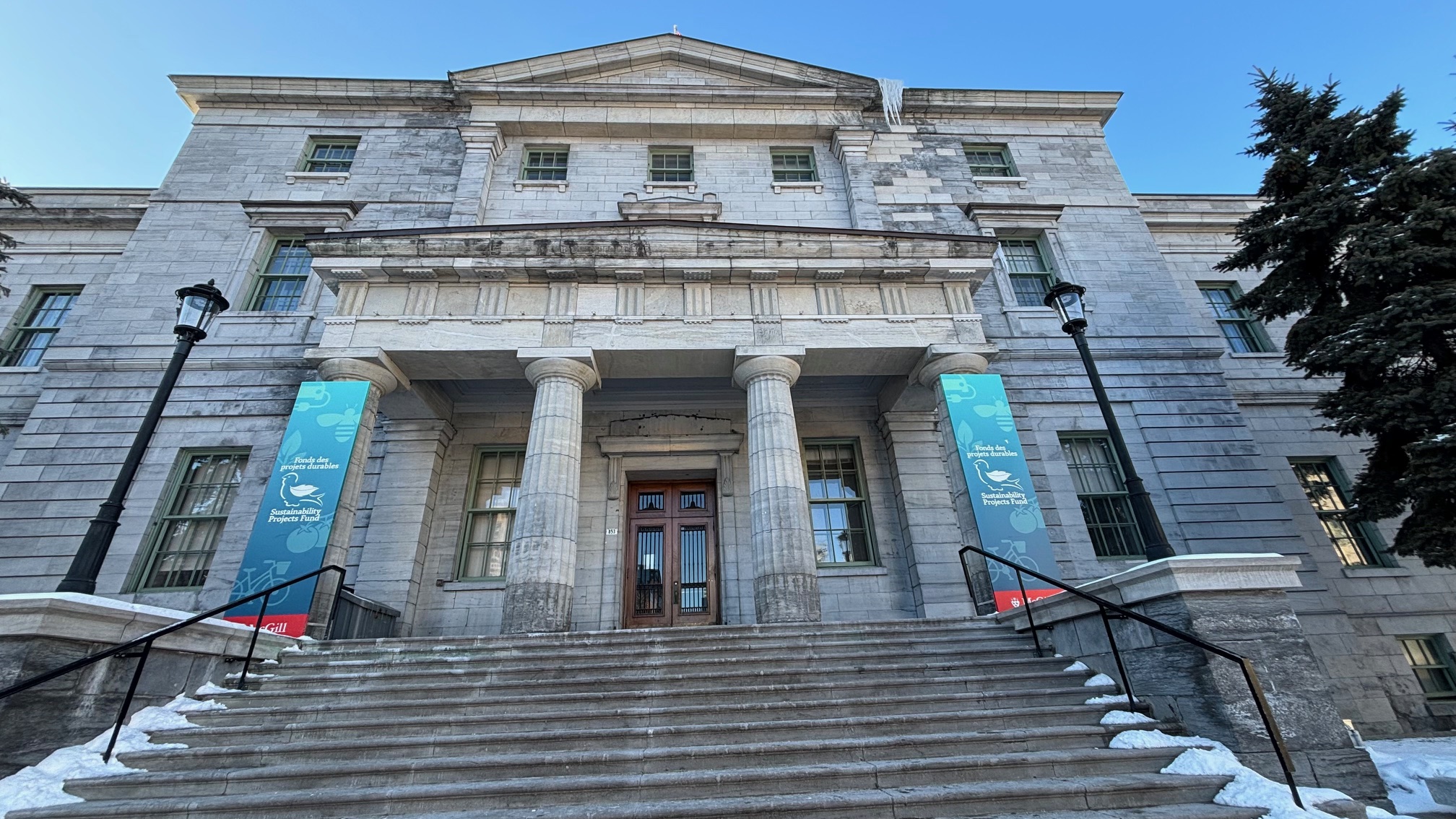
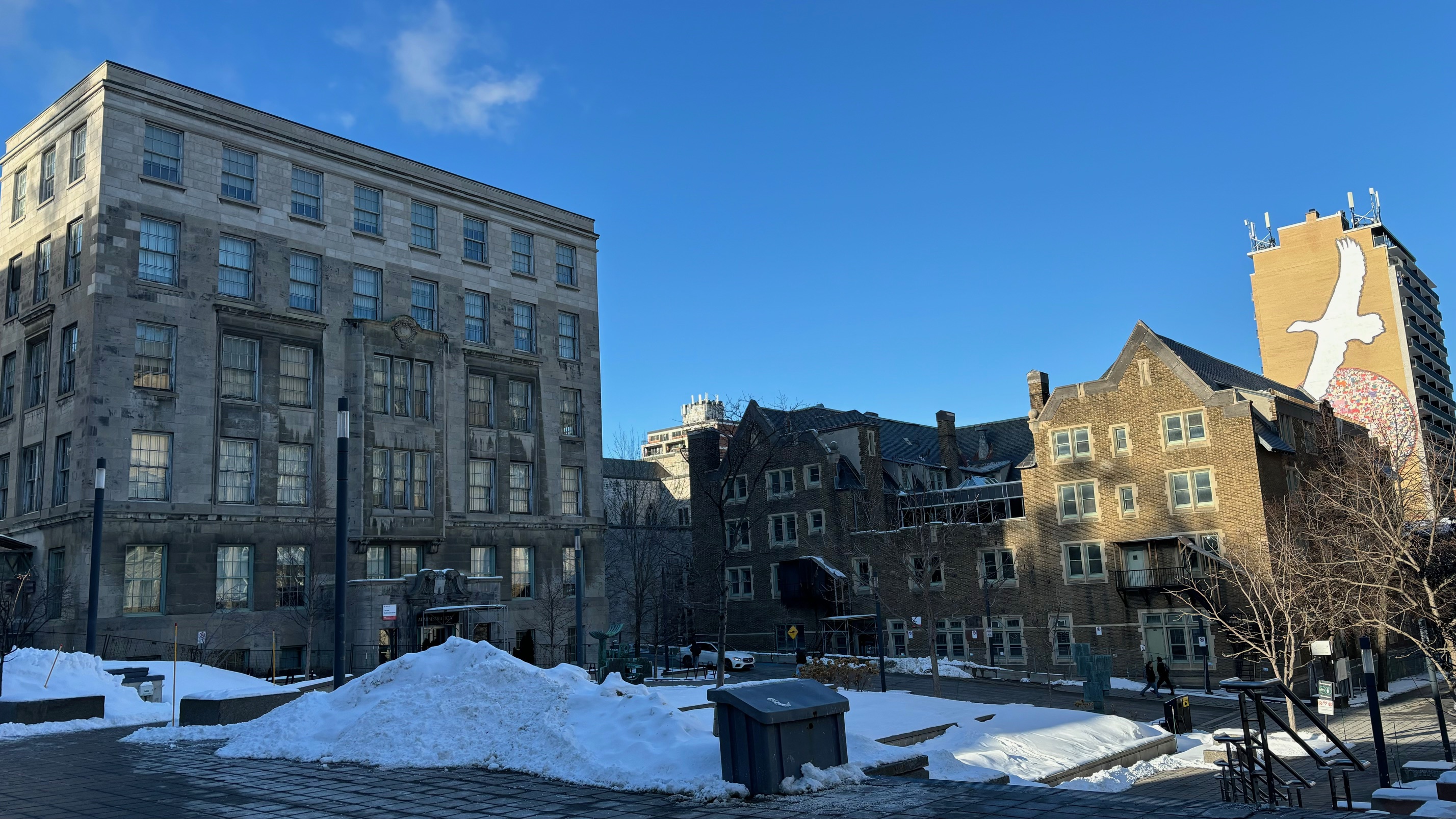

Camera: iPhone 15
Location: Montreal, Quebec, Canada; McGill University
“However, if there is one piece of advice that has stood the test of time for language learners around the world, it is this: speak, speak, speak.”
Learning a new language such as English can feel like an intimidating journey without end, filled with new grammar rules, unfamiliar sounds, and seemingly endless vocabulary to master. However, if there is one piece of advice that has stood the test of time for language learners around the world, it is this: speak, speak, speak. When it comes to mastering English, speaking as often as possible is not just a strategy; it is a necessity to reach your goals.
Many learners prioritize reading, writing, and listening when studying English and while those proficiencies are important, speaking should be the #1 priority in terms of mastery. Unfortunately, speaking is often overlooked due to the fear of making mistakes or feeling embarrassed. Yet, speaking is the skill that ties all the other proficiencies together. It brings the theory of the language into practice, turning abstract concepts into tangible communication that gives learners real satisfaction when they can hold a conversation or form a sentence.
Speaking English frequently will help you:
One of the biggest obstacles for English learners is the fear of making mistakes as I have noticed during my years as an ESL teacher and business founder. This fear can be paralyzing, leading to hesitation or complete silence because the fear can be so overwhelming. However, embracing mistakes as learning opportunities is critical to one’s success in language learning. Language experts all agree on this that the fastest way to improve is by making errors and correcting them.
Consider these pieces of advice to overcome this fear that many English language learners have:
To truly immerse yourself in English, you need to create as many speaking opportunities as possible in your life. Here are some practical strategies that my students have used and for which I would recommend to you:
1. Join an English Conversation Group
Local or online conversation groups provide a supportive environment for practicing English. Participants are often fellow learners, so the atmosphere is encouraging rather than judgmental. Meetup platforms, language exchange groups, and community centers are great places to start.
2. Engage in Language Exchanges
Language exchanges pair you with someone who wants to learn your native language while helping you practice English. This mutual learning arrangement benefits both parties. Applications like Tandem and HelloTalk make it easy to connect with language partners worldwide.
3. Speak with Friends and Family If Possible
If you have English-speaking friends or family, use them as practice partners. Even brief daily conversations can make a difference. If they’re fluent, ask for feedback on your pronunciation and grammar.
4. Talk to Yourself
While it may feel odd at first, speaking to yourself in English is highly effective. Describe what you’re doing, narrate your thoughts, or practice imaginary conversations. This helps you think in English and reduces hesitation. You can also create your own written conversations and then practice them out loud to yourself to improve your confidence.
5. Participate in Online Communities
Platforms like Reddit, Discord, and Facebook groups often have English-speaking communities centered around specific interests. Join discussions via video calls or live chats to engage in real-time conversations. Focusing on a shared interest will have you more engaged in the conversations too.
6. Attend Online or In-Person Lessons, Workshops, or Classes
Enroll in speaking-focused workshops, lessons, or classes. These are often led by experienced instructors who can guide you through structured practice and provide valuable feedback.
7. Immerse Yourself in English-Speaking Environments
Whenever possible, travel to English-speaking countries or immerse yourself in communities where English is the primary language. Immersion forces you to adapt and speak naturally to people of different ages and backgrounds. You can also create new friendships that way, which may last a lifetime and help you to practice even more beyond your say in that English-speaking country.
Mastering any language requires you to step out of your comfort zone. It can be awkward and even nerve-wracking to speak in a language you’re not fluent in or one that you can’t even speak at all. However, growth happens when you push past your discomfort and keep working at it until you begin to succeed.
Here’s how to embrace the challenge of learning conversational English:
Speaking English frequently doesn’t just improve your language skills; it also brings numerous personal and professional benefits to highlight as reasons to keep speaking:
Consistency is key to mastering any skill, and speaking English is no exception. Aim to speak daily, even if it’s just for a few minutes each day. Regular practice leads to steady improvement, and over time, speaking English will feel as natural as your native language.
Consider creating a schedule or habit that incorporates speaking practice into your daily routine. For example:
Just these three activities can add an hour of English practice to your day without making it the focal point of your day. You can spread it out throughout the day and practice speaking with different people with each conversational opportunity having a different purpose.
To learn English effectively, you must step out of the classroom and into the real world. Speaking the language is the bridge between the theory and the practical use, the key to fluency, and the foundation for building confidence. By speaking as often as possible as consistently as possible, even with the inevitable mistakes, you’ll immerse yourself in the English language and accelerate your learning journey sustainably.
Remember, the goal of speaking English is not perfection but effective communication. Each conversation, no matter how imperfect or error-ridden, brings you closer to actual fluency. Please don’t wait to get started with speaking. Speak, speak, speak, and watch your English skills soar.
“Sadly, that is no longer the case even though some people seem to be blind to this change in our expectations of people’s professional qualifications.”
As you go through your professional and career pursuits, you realize more and more each year the need to continually invest in your skills. It used to be whereas a high school and more recently a college degree would set you on a path for sustained success whatever field you would enter. Sadly, that is no longer the case even though some people seem to be blind to this change in our expectations of people’s professional qualifications.
More than ever, ‘skills pay the bills’ so even though you may be formally educated, it is simply not enough to compete 5-10-20 years down the line. Technology and the world of work continues to rapidly change, whether you wear a blue collar or a white collar, many types of work nowadays ask you to stay up to date with the latest trends, innovations, and developments including new skills you’ll need to succeed.
This is not advice you are likely to hear as much if you’re a young person reading this article or just having been fresh out of college. You must continually be learning as much as you can and as related to your career interests long-term. Unfortunately, I don’t think our traditional education system from K-12 or at the university level have realized this as much yet to provide skills in the trades or in different areas like STEM, project management, cybersecurity, artificial intelligence, cloud computing, etc.
Hopefully, your employer or your university can provide those skills to you as part of your employment or as part of your time as a student but that is not always the case for us. In our working life, you will often have to take the initiative in learning new skills or building upon your current skillsets to pay the bills especially as you get older and move up the career ladder.
They may even pay for training or for your exam and/or course, but if that’s not in the cards, I do recommend seeking out those skillsets on your own that are marketable to add to your repertoire. It may be financially unaffordable or difficult, but I do recommend at least taking a few low-cost courses or no-cost videos to at least learn on your own. We still live in a day and age with seemingly unlimited access to information, whether online, or in your public library to learn new skills. Learning new skills and being certified or credentialed is worth the financial investment as well if you can save up money for it or at least work your way towards accreditation.
It does not hurt to show initiative to ask directly of your boss or other employees about ways to learn from them or see if you can shadow them to learn a new skill. You can also politely let them know the benefits that you could bring to your workplace from them having invested in your new skillsets over time. It may not take much to convince them, and you would be surprised how your argument could change their mind(s) when they realize the benefits to the company or the organization.
Still, if that does not happen, always, always invest in yourself. Jobs may change, bosses will change, but the skills you learn could last for the life of your career. Try out different skills here and there to see how much you want to invest in it financially and time wise. It can take a while to find out which skill(s) you would like to use for a living. I ask that you keep trying out different skills, learn new ones, and do it for yourself first. It is helpful in keeping yourself mentally sharp too because we can tend to stagnate after our formal education is over whether it was high school, college, or even after an advanced degree.
It is great to test ourselves not only in our teens in 20s, but in our 30s, 40s, 50s, and even beyond that. The current job market is not easy as I can tell so you need to keep investing in your skillsets to stand out amongst stiff competition regardless of what career field, you’re in. Please do not let yourself stagnate and rest on your laurels forever. I do agree it is good to take a break from learning here and there to give yourself time to think about what you want to learn.
However, you won’t be as competitive in your career pursuits if you aren’t improving your skills or learning new ones. The economy is so dynamic and changing rapidly due to advancements in different technologies that you constantly need to adapt to keep up with the job market. I barely mentioned the future of work, but I can say for sure that the future of work will go well for those of us who work hard, stay flexible, learn new skills with or without the support of our employers, and for whom of us have an open mind and a thirst for knowledge that cannot ever be quenched. Keep investing in yourself because as the saying goes, “skills pay the bills.”
“Maslow’s hierarchy of needs has always been a good reference for me in describing what exactly makes us have a safe, secure, happy, and fulfilling life. I do believe we need to have our hierarchy of needs in mind as people when we focus on what’s best for our fellow man or women and how to build a prosperous society.”
Everybody wishes to have a high quality of life but what exactly does that mean? We hear the term ‘quality of life’ a lot but what goes into the ‘quality’ of it and what makes for a satisfying ‘life’? Maslow’s hierarchy of needs has always been a good reference for me in describing what exactly makes us have a safe, secure, happy, and fulfilling life. I do believe we need to have our hierarchy of needs in mind as people when we focus on what’s best for our fellow man or women and how to build a prosperous society.
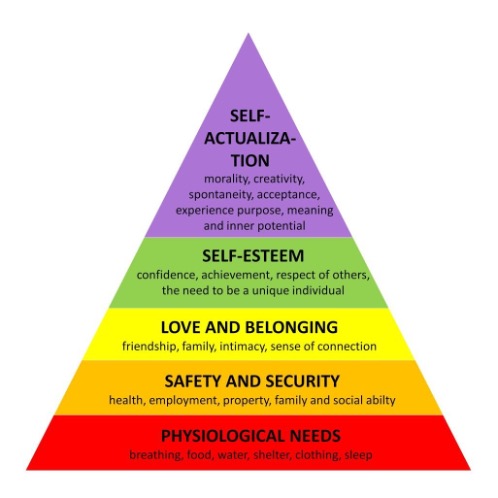
Source: SimplyPsychology.com
While I don’t wish to compare my own views on what true ‘quality of life’ is compared to Abraham Maslow’s ‘hierarchy of needs’ as shown in the pyramid diagram above, but it’s important to look at what makes a society flourish. I agree with Maslow at the base of the pyramid is the most important to ensure a life has some quality with it.
The societies that have the strongest base for ‘physiological needs’ usually are the happiest and satisfied with their quality of life. For example, you cannot focus on ‘safety and security’ as much as you can when you can’t even guarantee that the water you drink is clean and the air that you breathe is clean. Everything else on Maslow’s pyramid goes out the window if you are hungry, thirsty, don’t have a roof over your head or cannot clothe yourself or your family.
A lack or absence of ‘physiological needs’ is often found in the poorest or least developed of our societies and can still plague even our wealthiest and most developed societies. The key thing for all societies is that we should have an attitude of wanting to guarantee the ‘highest quality of life’ we can deliver to all people rather than just the few who can afford it financially. I do believe any society and its leadership is responsible for delivering on both ‘physiological needs’ and on ‘safety and security’ and once that is achieved, it will lead to better conditions whereas we go up Maslow’s pyramid, love, belonging, self-esteem, and self-actualization tend to be easier to achieve as well. True quality of life is knowing that if you fall on hard times, not by your fault, you’ll be looked after by your society and your government while you look to get back on your feet.
I don’t believe it’s anything farfetched or overly utopian to believe in everyone having the right to breathe clean air, drink clean war, have enough food each day, and have a roof over one’s head. I also think that while education and health care may not be on ‘physiological needs’, it ranks close in that regard to build that functional society. Everyone should be able to afford a good education and find good health care where they live and societies that accomplish this for their people are rewarded back and then some with citizens who are thriving as a result. Societies that are more educated, healthier, and with more opportunities to succeed tend to be those that have a true quality of life in my view.
You may be thinking that true quality of life is about having a big bank account, a bigger house, all the gadgets and electronics you could ever want, and all your material desires within reach, but to me, that would not go along at all with Maslow’s hierarchy. Having that stuff may make you happier but it doesn’t reflect a true quality of life in any society. If the roads are falling apart, people around you are suffering and in poverty, and you can go bankrupt for seeking medical care or a higher education, your quality of life will also suffer as a result even if you’re not directly affected by it.
When we are looked after or cared by others in the society who can ensure we have a good education, good health care, and to have affordable housing, the quality of life for everyone will go up. We are not islands unto ourselves alone and we are reflections of how we treat others. If you’re reading this article, think more about how your society or country could have a better quality of life not just for yourself but for the people living there too.
I ask that you believe in your ability to create change whether that’s advocating for more environmental regulations, prioritizing people’s access to basic needs including food and housing and thinking more about how we can include people in making them feel they belong in the society. We should collectively work towards providing more opportunities to everyone, so they don’t feel left out. Any healthy society has those public places to gather, discuss, and hopefully fix the quality-of-life issues going on in their community, town, city, or country.
I don’t judge a society by how wealthy it is, how big the houses people live in are, or how much they have in material goods and services available. I judge a society by how they treat the least well-off members, how they prioritize the public good or not, and what they are doing to improve the overall quality of life rather than ignoring it or having it steadily decline under their watch.
It’s important for us to start thinking about not just ourselves and our own quality of life but those of our fellow man and woman. When they are worse off than us, let’s lift them up and look out for them instead of shunning them or isolating them instead. We should always be advocating for a ‘true quality of life’ where everybody is given the opportunity to succeed, grow, live healthy and happy lives, and pursue their dreams.
We all will be better off for having invested in the basic tenets of civilized society such as education, health care, transit, housing, and healthy food supply rather than just guarantee them for the few who can afford it. The higher the quality of life is not just for us but for every member of our society, the more likely we will all flourish together and reach our highest fulfillment.
A Visit to the United States Naval Academy in Annapolis, Maryland
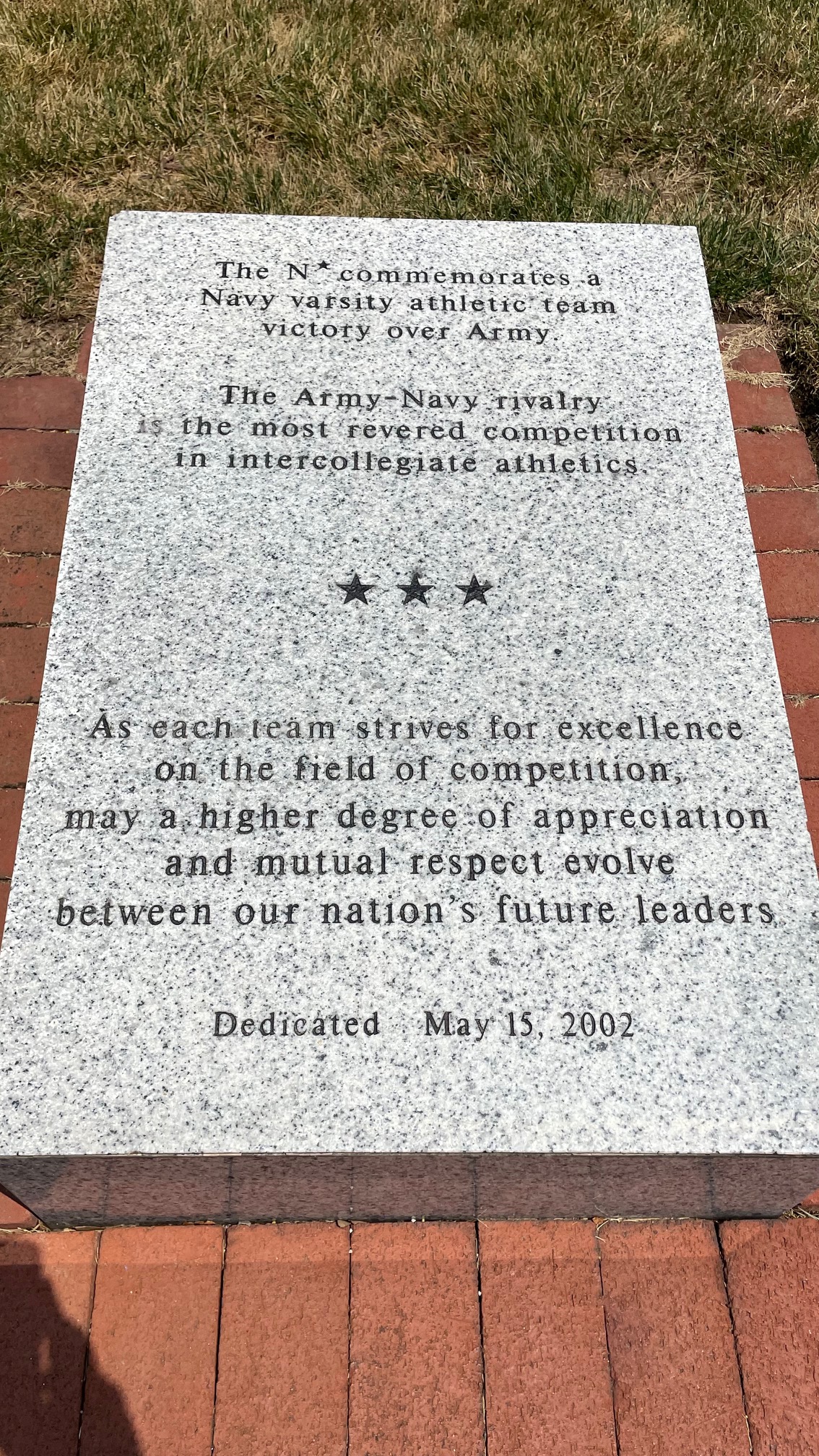









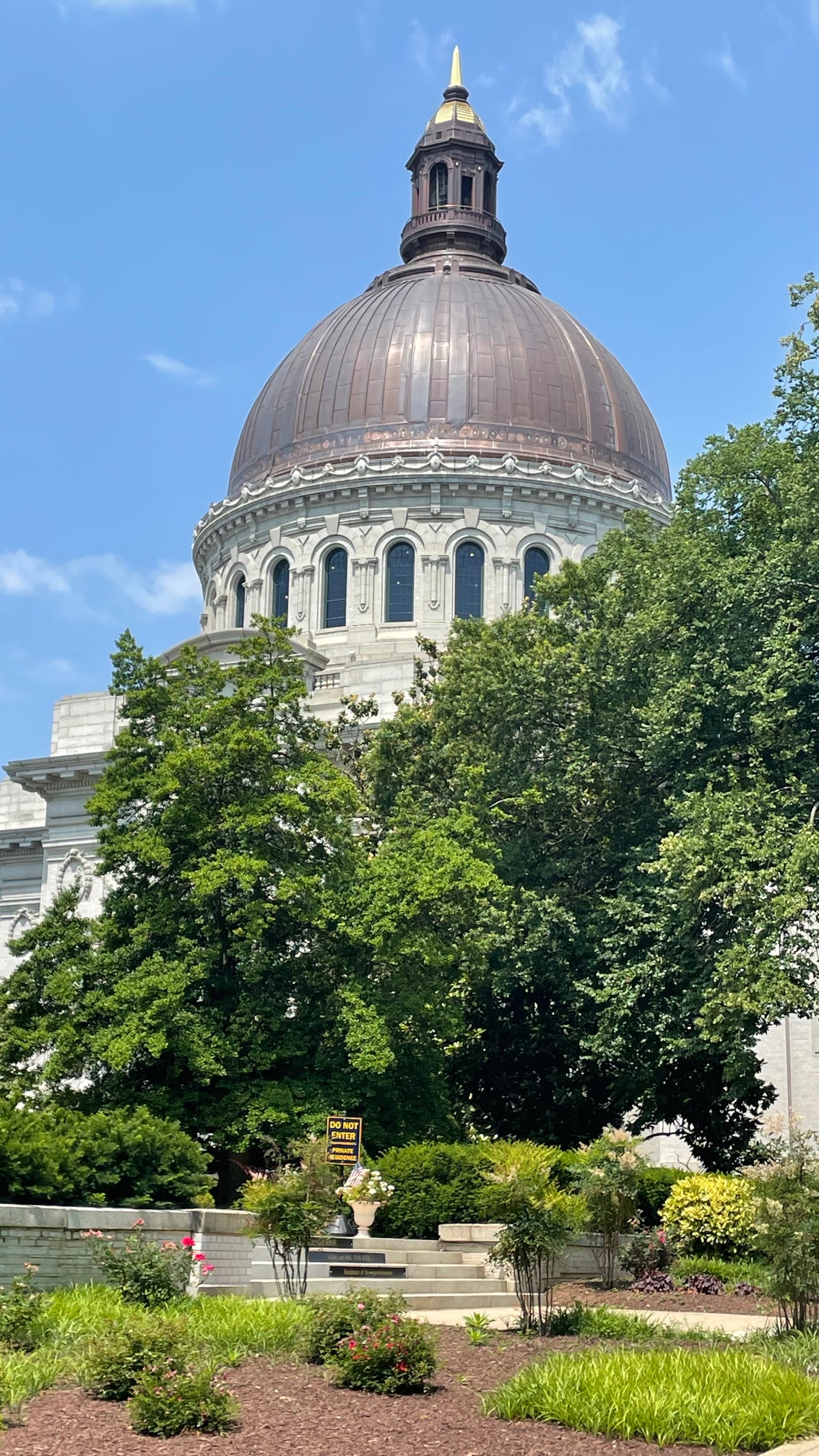

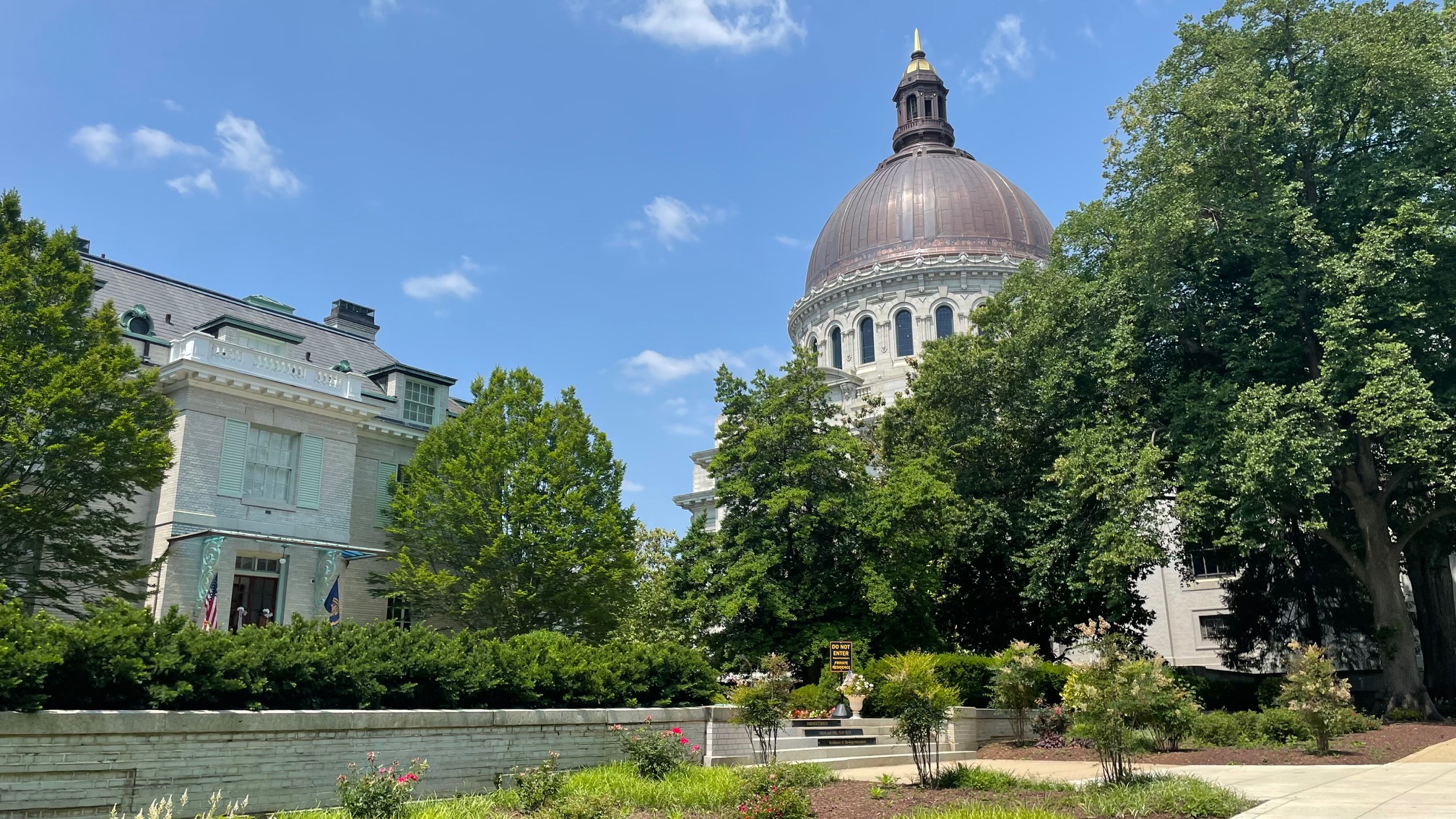

Camera: iPhone 12
Locations: United States Naval Academy; Annapolis, Maryland, United States
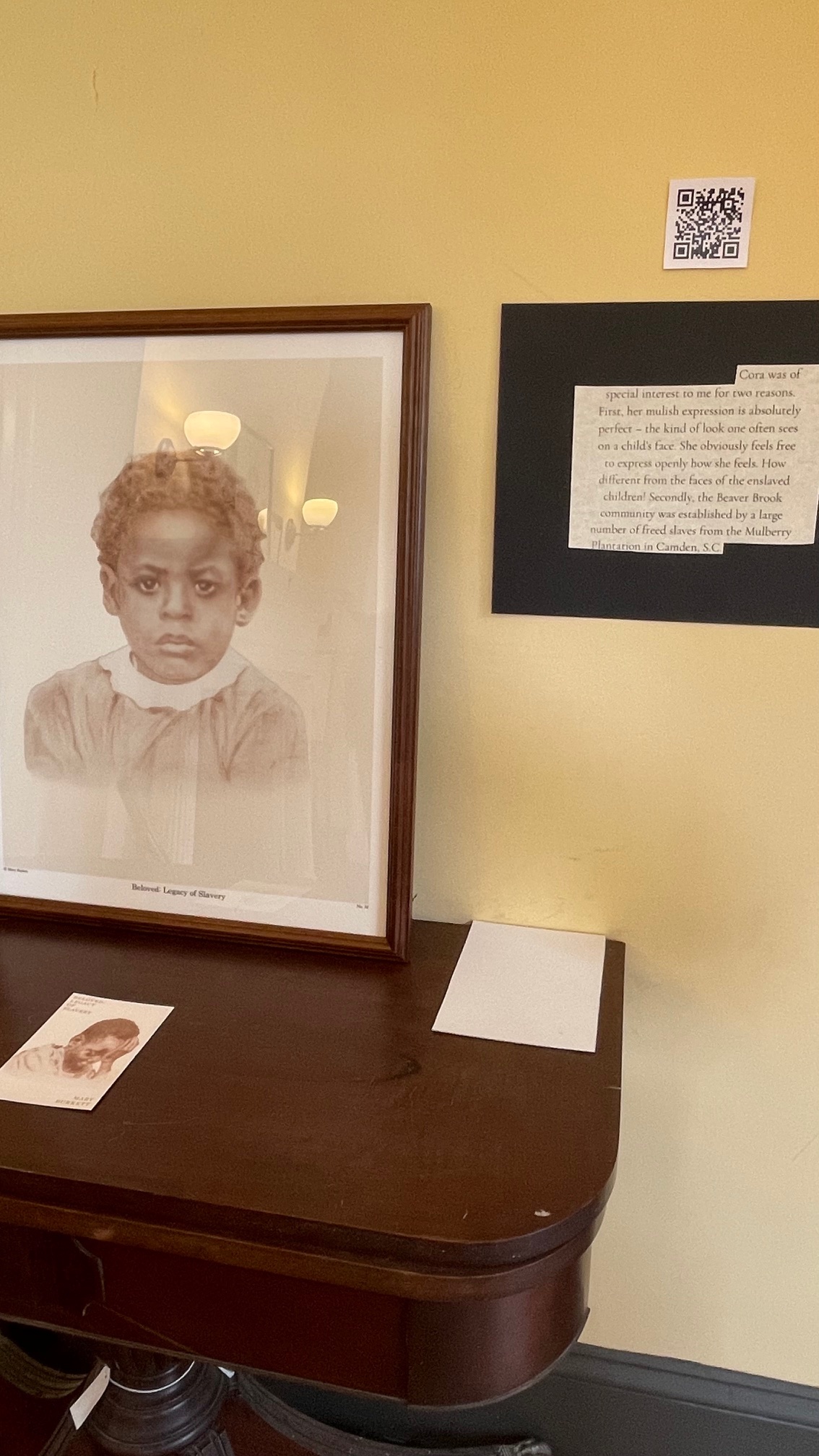







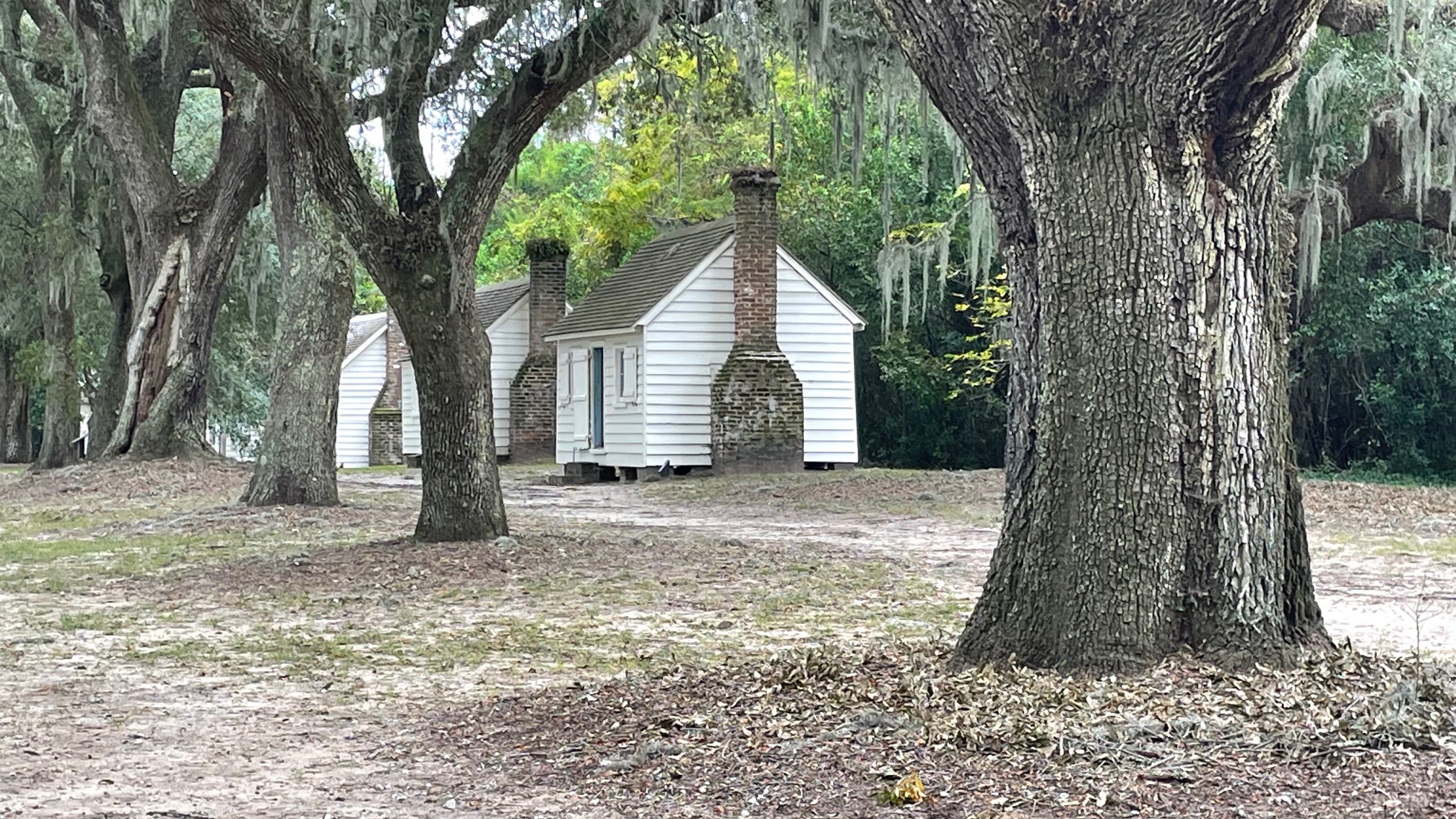
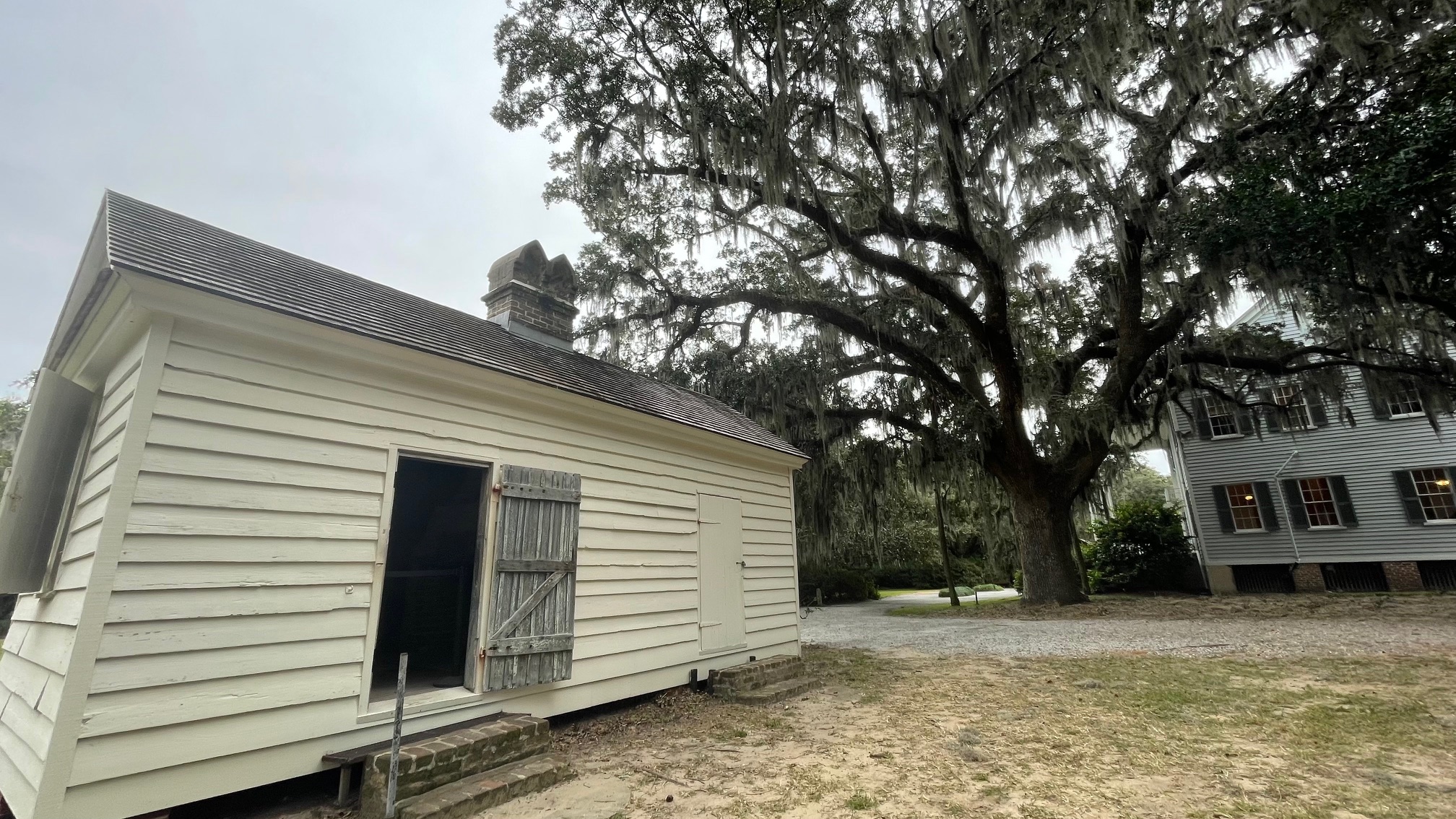






Camera: iPhone 12
Location: McLeod Plantation Historic Site ; Charleston, South Carolina
“It is an inevitability that we all must face and even when we try to push it out of our mind, that responsibility is there to provide lest we face any consequences that comes with not paying the bill.”
When we think about the moment of slight anxiety or stress involved with sitting in a restaurant, you’re satiated from a great meal of great food and drinks, maybe you’re surrounded by friends and family on a special night together, in all that joy and happiness, you still have that thought in the back of your mind, “the bill always comes due.”
There is no way of avoiding it and you’re going to have to pay it, one way or another. It is an inevitability that we all must face and even when we try to push it out of our mind, that responsibility is there to provide lest we face any consequences that comes with not paying the bill.
While you are under the expectations that any food, drinks, or other service at a restaurant always will come at a cost, we as consumers try to not think about that at all to be here and now in the present to enjoy what we have ordered with the company that we keep. It is a key characteristic of human nature that we often avoid thinking about the future even when we do at present is likely to carry its own kind of consequences. I use ‘the bill coming due’ as an anecdote for how what we choose to do, how we act, what we focus on and prioritize, will lead to what kind of bill we end up paying in the future.
Just like you would not want to pay a restaurant bill you cannot afford by understanding your budget and what you can afford to order off the menu of that particular reasonably priced restaurant, we should be aware of the fact that there are other ‘bills’ that can come due in the future that can cost us more than we bargained for if we are not careful about it. What we do in the present can help us manage our bills and how we handle our future by dealing with it in a responsible and mature manner now.
Let’s think about our health and how we manage it as there will be some kind of ‘bill’ handed down to us as we get older. It can be a clean ‘bill’ of health as your physician or doctor will tell you if everything goes well or it can instead be an array of expensive tests, surgeries, or procedures that lead to a hefty medical ‘bill’ that will cost us dearly beyond what we can afford, even if you have some form of insurance. How do we avoid this kind of ugly ‘bill’ of health? Well, I won’t dive into specifics as I am not a medical physician but how you eat, if you exercise, whether you stay active in your daily life, can help us pay off that ‘bill’ in advance or make it that much smaller to manage in the long run. There are common sense ways to manage the ’bill’ of health as it will come due at some point, and you have a measure of control over it in the present to make sure it does not bankrupt you or cost you with your health in the future.
In a similar way, one’s ‘wealth’ and how you manage it in the present can help you pay the various ‘bills’ that come due on a monthly, yearly, or longer basis. When you use part of your paycheck and weekly or monthly earnings to pay down outstanding debt or to save up for an emergency or to help yourself learn an employable skill, you are making sure that you will be able to pay for any bill that can come due because you have accrued your wealth and investments in a way where you will never be broke from these ‘bills’ coming due.
If you make other choices instead where you spend every dollar you make and beyond that, get into debt with various bill collectors including the credit cards and other loans you have taken out, the bills that come due will be beyond your accrued means, and you may be struggling for the rest of your life to get out from the ‘bills’ coming due that you have to pay or face serious financial consequences.
You do not want your health, wealth, or ability to earn a living to suffer because you cannot handle both present and future bills to come. You should make sure to think of the future to save, invest, and earn for a ‘rainy day’ fund that can overcome an unforeseen or unexpected bill coming due. Again, I am not making any specific financial recommendations to you as I am neither a financial planner or investor, but I do want to impart some common sense and wisdom in how to avoid future ‘bills’ by planning to save and invest for the future in some measurable way so the bills coming due will be paid for entirely without any stress or anxiety.
Lastly, it is unfortunate where we live in a society where it can cost exorbitant amounts to educate oneself for the workforce and for financial success, indebting ourselves in the process. I believe education is worth investing in if you are able to afford the bills to come due, but if you are in a cycle where you can’t get out of accrued bills or debt because you went for higher or professional education, please make sure that the investment that you make in the present will help pay off the debt in the future. The worst thing to do is invest in an education that does not end up paying for itself later and help with all the bills coming due to that investment.
Make sure you focus on those employable skills or to be a subject matter expert or practitioner, in an important area that will pay off because you invested in your education in a useful area. I know of a lot of people who cannot get themselves out of a debt or pile of bills, even with their extra years of education, because what they learned what not useful for the job market, and now they are stuck with bills that will never be paid off.
I am not against the idea of paying for more education but please make sure it is aligned with your future career or business goals. If you are not sure of what you want to invest financially in an education, there are many free tools and videos that can help you understand better of what opportunities are out there. I think it’s important to think hard about what bills you want to take on for your education because it is no good to have a debt burden that will prevent you from future job or educational opportunities because you have bills coming due that you must sacrifice your ideal career or business for.
Whether it is health, wealth, or education, you will have to pay the bills that come due, even if they come at an unknown future date. Make sure you invest in each area within reason that you will be able to afford to do so without suffering later for bills or obligations that you took on that you found were beyond your capacity.
Do not sacrifice your future by what you do in the present. Make sure you practice good health habits, invest in your wealth accrual with whatever route that you find is best for your goals, and to reasonably access educational opportunities that can create excellent business or career opportunities that you will not have to sacrifice either your health or your wealth to achieve. Remember that the bill(s) always come due at the end, but that does not mean life should not be enjoyed or taken advantage of, but to do so in responsible manner, where your present is secured in each of these three areas, and as a result, your future is prosperous, healthy, and full of opportunities.
“Whereas traditional media outlets like TV, radio, film, etc. are usually of a certain length whether its 30 minutes, an hour, or 2 hours, podcasts can go on for more than even that with some podcasts clocking in at 4 to 5 hours without stopping.”
I really love podcasts and I have loved them for years. They have been around since the 2000s but only really became mainstream during the last decade of the 2010s. Their popularity to me involves the fact that you really can do a deep dive on any subject under the sun without being constrained to a time limit. Whereas traditional media outlets like TV, radio, film, etc. are usually of a certain length whether its 30 minutes, an hour, or 2 hours, podcasts can go on for more than even that length with some podcasts clocking in at 4 to 5 hours without stopping.
It is not easy to have an uninterrupted conversation for so long but there is a real art to it that stands out these days from other forms of popular media. The hosts can pick and choose how many guests they have, their background, as well as how long they would like each podcast to be. Instead of a news report, a sports segment, or a weather minute, where the host or correspondent will be cut off abruptly, a podcast allows the information to be fully thought out without interruptions or commercials. There can be the occasional advertisement read, bathroom break, or even an impromptu cut off of a podcast due to the guest or host needing to leave the studio early, but for the most part, podcasts are an extremely rare form of media that really is not constrained by lack of space, time, or platforms.
Back in the early days of media, you used to have to rely on a corporation or government funding to get your message out, but today, you can self-fund and self-host your own podcast. There are also different crowdfunded platforms like Patreon, Megaphone or popular website platforms for video and audio like YouTube, Spotify, Apple Music, etc. where you can put your podcast on. There are a wealth of choices and a lot of different technology available to make hosting a long-form conversation easier than ever.
The beauty of hearing or watching these conversations is you get to learn from experts in a variety of fields from comedy to film to music to art to sports where you won’t have to pay a dime to tune in. Even if you pay a flat fee to a podcast hosting platform, you will have access to more podcasts and conversations than you can listen to or watch in a lifetime. There are thousands, if not, millions of podcasts available in the world in every major language. Such a wealth of information is something we could not fathom twenty or so years ago.
In an age of short attention spans and ten-second videos, the long-form conversation is still very much in demand. People may enjoy Instagram Reels, TikTok Videos, or a Tweet, but you will never get the same kind of details, wisdom, or knowledge from your average two-hour podcast. Podcasts are not perfect and often come with the bias of the hosts or the guests involved but it’s good to watch or listen to them with an open-mind and an open-heart.
The sheer number of efforts behind the scenes to make a long-form conversation happen should not be ignored. There are a lot of cameras, microphones, sound design, video quality, and getting the guests to appear, which would take a whole production team to put together. Podcasts do not have to be fancy like that but the more popular they become, the more they rival traditional media forms for both the amount of investment and the amount of time it takes to make them happen.
The core of any podcast though is the quality of the conversation, and the best podcasts are those where the host is patient, asks good questions, can answer them from the guest himself or herself, and will describe to the audience what is going on in case they are doing both an audio and a video feed. The most popular podcast in the world, The Joe Rogan Experience, started over ten years ago, and it was far from a polished product in the first episode.
It was not a fancy set with multiple team members and a lot of advanced gear. Instead, it was Joe Rogan, his computer, a microphone, and the help of a friend, who would bring on his friends, to talk about what’s on their minds. Now, it became the most popular podcast in the world not just the host is also a famous comedian, Mixed Martial Arts (MMA) commentator, and a former TV and radio show host, but the fact that Joe is patient, understanding, and aware of how the conversation is going.
He can listen for long periods of time without interrupting, is able to get more out of his guests if they are shy, introverted, or not able to talk at length without prompting, and he genuinely knows about each person(s) he has on his podcast. The conversation easily flows because him and the guest do not talk over each other, when they disagree it’s not a big deal, and it doesn’t hurt also that he has some coffee or liquor on hand to make it a more inviting podcast studio.
With almost 2000 episodes under his belt, Joe Rogan among other popular podcast hosts like Marc Maron, Lex Fridman, Andrew Huberman, Sam Harris have not only put a lot of effort, time, and money for the audio and video experience to be good for the audience, but they have also trained themselves well in the art of talking with other people and in being a good host to a wide diversity and variety of guests from all over the world.
Podcasting is a necessary media in today’s tumultuous, fast-changing, and unpredictable world. I find that these conversations are meaningful, educational, and insightful. I do still watch TV and listen to radio programming, but it is impossible to beat the quality and knowledge that is dropped on a good podcast every day.
From news to sports to politics to music and even comedy, there are such good long-form conversations to be had from your average podcast. Whereas the news program will end on the hour, or the radio show will cut off every thirty minutes, you can find multiple podcasts analyzing different topics at a deeper level so that your knowledge and understanding will be much deeper than it would be from your average TV program these days. It is easy for me to see why podcasts in the 21st century is here to stay and why they are number #1 source of information in order technologically dependent world.
While podcasts with long conversations can be prone to bias, misinformation, controversy, and even backtracking after the fact, I still believe that there is no better way to learn from an expert or practitioner in a certain area of human endeavor than by settling into a two or three or even a five hour podcast with just hearing their voice and hearing what they have to say without any commercial or other interruption. If you have not listened to a podcast at this point in 2023, you should start now and remember to watch or listen to the whole podcast even if it is a few hours long. You’ll often be glad that you did at the end of it, and you’ll often learn a lot as a result.







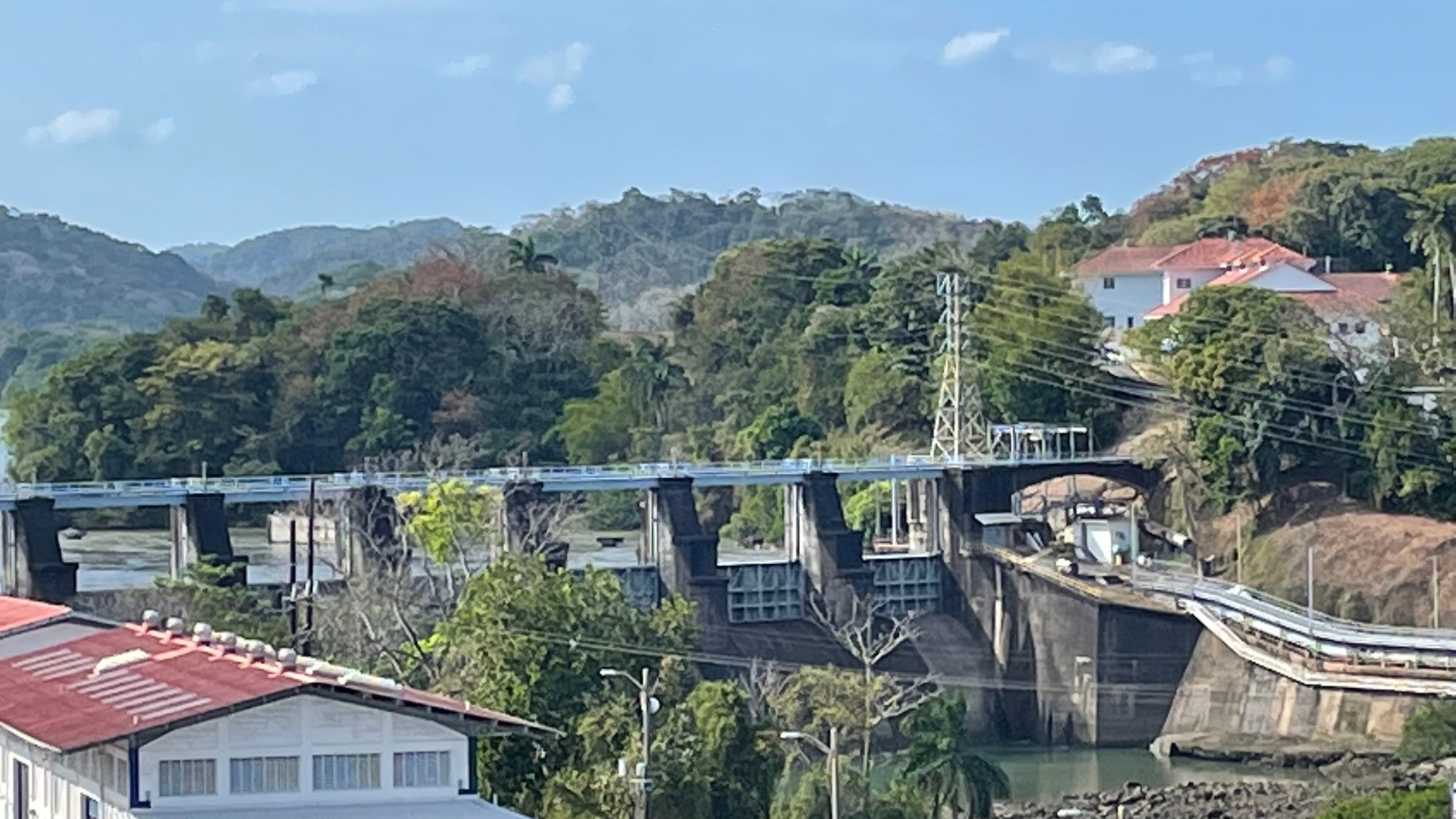













Camera: iPhone 12
Location: The Panama Canal – Historic Locks and Visitor Center; Panama City, Panama