Call or Text Those Who Matter to You

“You may not think it is a big deal, but I really believe it is one of the kindest things you could do for another person.”

You can tell who really cares about you by those people in your life who take a little time out of their busy days to call or text you. You may not think it is a big deal, but I really believe it is one of the kindest things you could do for another person. They aren’t expecting you to reach out at all perhaps or you have not reached out in a while so they wouldn’t expect any contact, but the fact that you take the time to think of them, to send them a text message or to give them a call, shows just how much they really matter to you.

There are certainly other ways to show your appreciation and care for the people in your life such as meeting them to go out for dinner or for drinks or even a coffee or tea. However, I believe that sustaining a friendship or relationship isn’t just about meeting up every now and then but it’s about actively taking an interest in their life and how they are really doing. Being able to check in on them in a sincere way will make you stand out compared to other people in that person’s life.

Being a simple acquaintance is someone who doesn’t mind meeting up with you but for which you are the one who is always initiating, always reaching out, and always doing the leg work. That kind of one-sided contact can get old after a while as you may enjoy their company but feel as if they never reciprocate or attempt to make plans with you as well. Having a one-sided set up especially if you are always the initiator is what makes that person more of an acquaintance than a friend or a romantic partner. Those kinds of one-sided interactions can be fun and enjoyable, but they don’t have the kind of longevity you should really be looking for.

If you are always the person who is reaching out to call or text them, then good for you on doing so and I recommend it, but don’t let your own kindness and thoughtfulness not be reciprocated at all. Hopefully, the other person will eventually take the hint to do the same for you not just because it is the right thing to do but because they want to do so, and they also care about you. If you are always calling, texting, or making plans, and you don’t mind doing so, you can keep it going if you enjoy that person’s company. Moreover though, if they never reciprocate or show an active interest in your life and it frustrates you to how it is so one-sided, you may need to rethink how often you see or talk to that person.

Kindness should not ever come with an expectation of any reciprocation, but a one-sided friendship or relationship is not going to work out. I still would encourage anyone reading this to not be afraid to check-in with a loved one whether it’s a romantic partner, a friend, or a family member. Don’t expect to always have them to do the same for you but I will say that it’s more likely for them to reach back out to you when you do that for them. You may have to be the first to do so but hopefully you won’t be the only person to do so and they’ll start thinking of you more and wondering how life is treating you.

Whether you are going through good times or bad times, you should call or text those people who really matter to you. It makes a huge difference, more than you would ever think, when you reach out to someone. You are going to brighten their day, improve their mood, or even strengthen the bond or connection you both already have. It truly is a selfless and kind act that we should be encouraging more in our society. If someone knows that you care and are thinking of them, they will feel energized and perhaps a little less sad or lonely as a result.

We may not be able to see that person in person but when you can call or text them to have a conversation, that is the next best thing that you can do. With how much technology has advanced, it’s almost as if they are with you physically and in the room with you. We are all busy and have a lot going on these days in our lives, but a simple call can just take a few minutes and a text message takes less than that in just a few seconds.

Let us strive to be there for one another especially when you know that person is struggling with something or having a rough patch in their life. Reach out to those who matter to you and don’t let it just be you doing it all the time. Make sure it’s a two-way street but if you must take the initiative first, do not hesitate in doing so. Kindness is about caring for one another and making a simple phone call or sending a text message to someone you love or like is the best way to start.

Always Run The Numbers

“Amidst the chaos and uncertainty surrounding our daily existence, there is a guiding beacon for us, which illuminates the fog of uncertainty and leads us towards success. That beacon for you all is the power of running the numbers.”

You should always be running the numbers in life. By doing this consistently, you’ll be able to make better choices and decisions that could impact your overall destiny. Every choice we make, whether consciously or not, shapes the path we tread for ourselves. Amidst the chaos and uncertainty surrounding our daily existence, there is a guiding beacon for us, which illuminates the fog of uncertainty and leads us towards success. That beacon for you all is the power of running the numbers.

In every aspect of our lives, from career advancement to personal relationships, from financial management to time allocation, running the numbers empowers us to make informed decisions, thereby maximizing our overall lifestyle and potential for success.

In the area of career advancement and pursuit of opportunities, running the numbers is like conducting a cost-benefit analysis of our possible actions. Imagine standing at the crossroads of a fateful career decision such as a new job offer presenting itself, promising higher pay and greater responsibilities. The allure is undeniable to take the new job, but is it truly the right move for you?

By running the numbers, one can evaluate the tangible and intangible costs and benefits associated with the decision. You can start with calculating the potential increase in income against the added workload, hours, and stress. Then, consider the long-term prospects of career growth and personal development from taking this job. Lastly, you should factor in the commute time, the impact on work-life balance, and the job’s alignment with your own personal values and goals.

Running the numbers empowers people to make informed choices rather than succumbing to impulsive desires or societal pressures. It provides a basic framework for assessing the risks and rewards involved in a decision, allowing someone to put themselves forward with confidence and clarity after making a calculated move.

Moreover, in the realm of relationship building, running the numbers fosters authenticity and empathy in forming your relationships. Whether forging new connections or nurturing existing bonds, understanding the dynamics at play, the emotional investment, personality compatibility, mutual respect, helps enable individuals to cultivate better and more worthwhile relationships, which are grounded in trust, care, and understanding.

Beyond both careers and relationships, the importance of running the numbers extends to the realm of financial management and time allocation. In a world where resources are finite, and demands on our finances are seemingly endless, strategic decision-making is paramount to take into consideration.

Budgeting, which is often overlooked yet indispensable to becoming a fully formed person, lies at the heart of having financial stability. By meticulously tracking both your income and your expenses on a consistent basis, individuals will gain better insights into their current spending habits and can identify areas for improvement. Running the numbers reveals possible opportunities for savings, investment, and debt reduction that you may have missed before, helping to pave the way towards having greater financial freedom and security.

Similarly, time, the most precious of all commodities, demands a similar kind of numerical allocation. In a culture beset with constant busyness and distractions, the ability to prioritize tasks and allocate one’s time effectively is a real-life superpower. Running the numbers by evaluating the return on investment for each activity enables someone to focus on endeavors that yield the greatest impact and fulfillment to our own life.

Moreover, by embracing the quantitative approach to time management, individuals cultivate a mindset of both productivity and purpose. They learn to distinguish between the activities that contribute to their long-term goals and those other activities that merely serve as momentary distractions or procrastination traps.

The average person should be ready to do a cost-benefit analysis when deciding on whether to do an activity by weighing the potential gains against the incurred costs. Firstly, the benefits must be evaluated, considering both tangible and intangible gains such as enjoyment, learning, or personal fulfillment. Next, the costs, including time, money, and opportunity costs, should be assessed.

For example, if the activity is a hobby like learning a musical instrument, benefits might include personal growth, relaxation, and skill development. However, the costs would involve purchasing the instrument, dedicating time for practice, and possibly forgoing other activities that you could do instead.

Quantifying these factors allows you to make more informed decisions. Assigning values or ratings to each benefit and cost helps to compare and prioritize your options effectively. If the benefits outweigh the costs significantly, the activity is likely worthwhile. Conversely, if the costs exceed the benefits, the activity should be deemed a waste of time. This kind of decision rests on our own individual preferences, goals, and circumstances. To follow up, doing a regular reassessment ensures that the activities we do align with our evolving priorities, maximizing both personal satisfaction and productivity.

Whether it is applying for jobs, going out on dates, making sales calls to potential clients or customers, you need to be giving yourself the best chance that you have at success. It may not take one time, ten times, or even a hundred times to get the result you are looking for and that’s why part of running the numbers involves improving your odds as much as possible, putting in enough work where you have enough volume or experience in surging those numbers, and then learning from your mistakes or errors when you are partaking in the numbers game.

Taking chances, sometimes more than you would like, will eventually help you succeed with enough perseverance and hard work. Most people will quit after their first attempt or their first rejection but let that person not be you. Keep working at making the calls, asking the woman or man out, hitting ‘send’ on that job application, and eventually you’ll be able to see some progress towards achieving your goals, but it’s going to take a lot of ‘numbers’ to get to where you want to be. Make sure to give yourself enough chances, enough options, and enough experience to where when you get from hearing ‘no’s’ to hearing ‘yes’s’, you’ll be able to take advantage of the shift in the numbers working for you and not against you.

In the grand scheme of things, running the numbers serves as the ultimate conductor, orchestrating harmony, and fomenting balance amidst ever looming chaos. It empowers each of us to navigate the complexities of our daily existence with clarity and confidence, enabling more people to seize opportunities, manage resources effectively, and cultivate a life of purpose and fulfillment.

By embracing the quantitative approach to decision-making and ‘running the numbers’ as much as possible, anyone can transcend the shackles of uncertainty and indecision. The power of numbers can be used as a guiding beacon, illuminating the path towards success and prosperity.

Essentially, running the numbers is not merely a basic tool for living better, it is a mindset, a philosophy, and a way of life. It is the relentless pursuit of greater knowledge and understanding behind the choices that lie before us. It is the unwavering commitment to taking informed action instead of embracing endless speculation. Remember to take the time and the effort to embrace the power of numbers and begin to chart a course to a more successful and prosperous life.

The Virtue of Showing Emotional Restraint

“It’s important to explore the concept of having emotional restraint when facing criticism, the benefits of not escalating the situation to make it worse than it needs to be, and how it demonstrates maturity and grace when you can show restraint in the face of judgment or criticism, whether deserved or not.”

In both professional and personal settings, criticism is an inevitable part of life. Whether it comes from a colleague, a friend, or a family member, criticism can be challenging to navigate but important to embrace if it is justifiable. However, it can be especially difficult when the criticism is unwarranted or unjustified. Therefore, it is crucial to show emotional restraint in these situations, even when it feels difficult, rude, or unfair.

It’s important to explore the concept of having emotional restraint when facing criticism, the benefits of not escalating the situation to make it worse than it needs to be, and how it demonstrates maturity and grace when you can show restraint in the face of judgment or criticism, whether deserved or not.

Emotional restraint is known as the ability to control one’s emotions, particularly in challenging situations. When faced with criticism of something you did or something you said, it is natural to feel a range of emotions, including anger, frustration, and sadness. However, acting on these emotions and turning it back on the person(s) doing the criticism of yourself can often lead to negative outcomes. For example, responding to criticism with anger or defensiveness can escalate the situation and damage relationships, sometimes permanently. It can also lead to regrettable actions or words that cannot be taken back without regret or remorse.

On the other hand, showing emotional restraint allows individuals to respond to criticism in a calm, cool, and collected manner. This kind of attitude change can lead to more productive conversations and resolutions to problems that can arise. It also demonstrates emotional maturity and self-control, which are valuable traits in both personal and professional settings that will serve you well in life.

Emotional restraint is crucial in various everyday situations, as it helps maintain composure and fosters healthy relationships with other people. Here are a few examples where having good restraint in everyday situations can come in handy:

  1. Workplace Criticism: When receiving feedback or criticism from a colleague or a supervisor, it’s essential to remain calm and composed and to not react. Reacting impulsively or defensively can escalate the situation and damage your professional relationships. Instead, by showing emotional restraint, it allows for a more constructive dialogue and a better understanding of the feedback that you are getting, whether you feel it’s warranted or not.
  2. Family Disagreements: In family settings, disagreements are common, but reacting emotionally can lead to unnecessary conflict and trauma. By showing emotional restraint, individuals can avoid saying hurtful or insulting things they may regret later and work instead towards a resolution calmly and rationally that will maintain the relationship rather than rupture it.
  3. Social Media Interactions: Online interactions can often lead to heated debates or arguments especially since they are being done behind a screen and not face to face with that person or a group of people. Instead of engaging in a war of words that can seemingly go on forever and escalate to be rude, nasty, or involve insults, you should be exercising emotional restraint, which can help maintain a respectful discourse and prevent the situation from escalating to bullying or harassment.
  4. Customer Service Interactions: Dealing with difficult customers or clients in your work or volunteering often requires having emotional restraint. Remaining calm, kind, and empathetic can help resolve issues more effectively and maintain a positive reputation for the business or company that you’re working or volunteering for.
  5. Traffic Incidents: Road rage is a common issue in our society, but showing restraint can prevent dangerous or deadly situations. Taking a deep breath, maintaining your focus on what you can control on the road, and staying calm and relaxed can help avoid confrontations and maintain safety on the road and help save yourself from an accident or a crash. You never know who you’re dealing with the other car or truck or bus so it’s best to not yell, engage them further, or leave the vehicle at any time to escalate such a dicey situation when it comes to ‘road rage.’

In any of these types of situations, having emotional restraint allows you to handle conflicts and criticism more effectively, fostering healthier relationships, and promoting a more peaceful environment. When faced with receiving criticism which will happen both professionally and personally, it can be tempting to respond in kind or to escalate the situation with the other party. However, this rarely leads to a positive outcome and can make the situation worse. Instead, it often leads to a cycle of negativity and conflict. By showing emotional restraint and not responding in kind to get into an argument or worse, individuals can break this difficult cycle of bad behavior and create a more positive environment.

Not escalating the situation also allows individuals to maintain their dignity and self-respect. It shows that they are confident in themselves and their abilities, and that they do not need to resort to negative behavior to defend themselves from criticism, whether it is justified or not from the other party. This kind of attitude can earn them respect from others including co-workers, romantic partners, or friends, and help to build and maintain stronger relationships when you show positive characteristics in your behavior by not reacting in a negative way.

Emotional restraint is both a sign of emotional maturity and grace. It shows that the person in question can control their emotions and can respond to criticism in a thoughtful and measured way to learn from their mistakes or to just take it in stride by not losing control of their emotions. This can be especially challenging when the criticism is unwarranted or unjustified. However, by showing emotional restraint, individuals can rise above the situation and demonstrate their maturity and grace in their dealings with other people.

Emotional restraint also shows that someone can put the needs of the relationship above their own ego. It shows that they are willing to listen to others’ feedback and consider the other person’s perspective, even if they disagree with it or won’t change because of it. This can lead to more open and honest communication, and ultimately, stronger friendships and relationships.

Overall, it is necessary these days to have emotional restraint as it is a valuable skill that can help individuals navigate criticism in both professional and personal settings. By showing emotional restraint, individuals can respond to criticism in a calm, cool, and collected manner, and avoid escalating the situation further. This kind of behavior from mature adults can lead to more productive conversations, problem solving, and better resolutions, and ultimately, a healthier and happier life by having this kind of outlook on managing your emotions well.

Emotional restraint demonstrates the need for having both maturity and grace and shows that someone should be able to put the needs of the relationship above their own ego or beliefs. Having the capacity for emotional restraint is an important life skill that can help individuals navigate criticism with both dignity and decency.  

Get Used to Rejection

“Rather than hide from a rejection, be ready to embrace and learn from it. Rejections should serve to motivate you to be better, do better, and keep striving forwards to reaching your goals and not letting rejection stop you in your tracks. Get used to rejection because it’s a part of life, but it’s not our whole life.”

Rejection is never enjoyable nor is it pleasant. It is something you always want to forget immediately and to bury it in the recesses of your brain, never to be thought of or remembered again. However, like death and taxes, I truly believe rejection is an inevitable part of life and it happens to everyone. We can never go through life being accepted for everything or being accepted by everyone. Because rejection is so much a part of our life, it is better to face it head on rather than try to hide from it or ignore it completely.

We never really like to address rejection or talk about when they happen. We often feel that reflects who we are rather than what the other person or job or opportunity is looking for. Sure, there are times where maybe we didn’t put the best foot forward or ace the interview or be able to show the best of ourselves to the person(s) considering us, but often, the rejection itself may be a factor of other circumstances beyond what kind of effort you put in or who you are as a person. Even if you get rejected, it’s not a wholesale rejection of who you are but rather there is incompatibility there to begin with or it just wasn’t going to work out in the long run.

It is very hard for us to predict what we will be accepted or rejected for. That fact makes it even more important for us to put ourselves out there even more because the more no’s you get, the likelier it is you’ll eventually get to the ‘yes.’ As the popular expression goes, “Practice makes perfect,” and I do believe it is necessary to face your rejections head on rather than to just get rejected once and then call it quits, never to go through it again. Giving up entirely should not be an option if you want it that badly and you should not be afraid to try again. Yes, rejection hurts and it stings for a while, but it is better for you to build your self-confidence up and shore up your self-esteem by trying than to go through life being afraid of it.

Getting used to rejection does not mean give up after getting the rejection. No, it means you must understand that rejections will happen but the more you try, the likelier it is you’ll find that job, that relationship, that big sale, etc. that you can be proud of after getting to that ‘yes.’ Being rejected is good for one’s ego in that it both keeps it in check and keeps you humble. Maybe you need to do things differently to get that acceptance or maybe work a bit harder or try something new after getting rejected.

You don’t give up, but you keep working at it, getting better, trying again, or even asking the person(s) who rejected you politely why the rejection happened. Asking about the rejection can be a bit sensitive but it doesn’t hurt to see why it wasn’t the right fit or place for you but if an answer isn’t forthcoming, you should just move on and try your efforts elsewhere.

I’m a New York Jets American football fan but I can’t help but think of the story about former New England Patriots quarterback, Tom Brady, when it comes to a story about rejection. Multiple NFL teams chose other quarterbacks ahead of this Hall of Fame player and 198 players went ahead of him in the draft. They essentially rejected him as a quarterback and didn’t think he had it in him to lead their team to a Super Bowl. I’m sure this would have hurt Tom Brady quite a bit waiting for his name to be called. Expecting to be drafted and waiting through 198 players before you in a draft would have that effect on anyone. I’m sure Tom was discouraged but eventually, the New England Patriots took a chance on him and drafted him 199th in the sixth round.

This kind of rejection likely lit a fire under young Tom Brady especially when New England did not consider him at the time to be the kind of NFL quarterback and legend, he turned out to be. Tom did not let the rejection get to him from the other teams, but it motivated him even more to turn those rejections against those teams who did not think he was worth drafting. He worked harder than any other player on the roster, kept his body in better shape than any other quarterback, and put more time in the film room than many NFL veteran players.

The results speak for themselves today as Tom Brady is widely considered the greatest quarterback of all-time and won seven Super Bowl championships and multiple Most Valuable Player (MVP) awards during his 22-year career. Again, I wish the New York Jets had drafted him in the 1st round so we would be talking about how great of a Jets quarterback he was but rejection by my team led to the Patriots getting him later in the sixth round.

I hope that anecdote about Tom Brady, the Patriots former quarterback, will be a lesson for us all on how rejection, while painful and disappointing, can spur us to still be successful and achieve our goals elsewhere. We all are going to get rejected for something whether it’s a job opportunity, making a sale for our company, asking that cute girl or guy for a date with you, or even not being picked to go on a work trip or getting chosen last for the local kickball team. The key is to take it in stride, move on to another opportunity, continue to work hard, improve, and prove the doubters wrong, and to never, ever give up.

Rather than hide from a rejection, be ready to embrace and learn from it. As a child, we don’t know any better when it comes to rejection because it’s so new to us and it hurts the most, but when you’re an adult or even teenager, you should be used to it by now and it should be something that you’re able to handle in a mature manner. It’s never easy but living your life in a way where you avoid it at all costs is neither productive nor healthy. Next time you get rejected, take a deep breath, ask yourself if you put your best effort forward, see where you might have gone wrong or ask for an answer if feasible, and keep moving on and don’t look back. Rejections should serve to motivate you to be better, do better, and keep striving forwards to reaching your goals and not letting rejection stop you in your tracks. Get used to rejection because it’s a part of life, but it’s not our whole life.

Getting Off The Hedonistic Treadmill

“It is important to explore the pitfalls of exclusively chasing after hedonistic pleasures and why it’s crucial to get off the hedonistic treadmill.”

In our modern world that often seems primarily consumed by the pursuit of pleasure and instant gratification, the philosophy of ‘hedonism’, which advocates for the maximization of pleasure and the minimization of pain, has found its way into the hearts and minds of many people in our society. However, if we undergo a critical examination of the pursuit of hedonism for its own sake, it reveals a complex interplay between short-term pleasure and long-term well-being. It is important to explore the pitfalls of exclusively chasing after hedonistic pleasures and why it’s crucial to get off the hedonistic treadmill.

The hedonistic treadmill is a concept that is defined by how a person can be on a constant pursuit of pleasure, akin to running on a treadmill that never stops like a hamster looking to constantly drink from the waterspout in its cage or have a morsel of food released that it can devour. Despite one’s efforts to increase their well-being by seeking pleasure, individuals find themselves in a perpetual cycle where the happiness derived from hedonistic pursuits is fleeting, short-lived, and can’t match their prior pleasure intake. This treadmill effect occurs because as people experience pleasure, their expectations rise, and what once brought joy and satisfaction becomes the new baseline for the future. Consequently, a person must constantly seek higher and more intense pleasures to maintain the same level of satisfaction as they had experienced before.

At the heart of hedonism is the pursuit of dopamine hits, defined as ‘the brain’s reward neurotransmitter’ that is released in response to pleasurable stimuli. Whether it’s indulging in rich foods, drinks, smoking a cigar or cigarette, engaging in impulsive behaviors like skydiving, sports betting, or seeking another kind of immediate gratification, the dopamine rush provides a temporary sense of euphoria that we seek to replicate more and more. However, relying on these short-term pleasures can have detrimental effects on our long-term well-being.

The more individuals indulge in hedonistic behaviors solely for the sake of having pleasure, the more our brains become desensitized to the dopamine rush. This desensitization leads to a reduced ability to experience pleasure from the same stimuli over time. As a result, individuals may find themselves trapped in a cycle of escalating hedonistic pursuits, constantly searching for more intense experiences, to recapture the initial pleasure that they felt when experiencing it for the first time.

Hedonism fosters a tolerance to pleasure, where the same stimuli that once brought joy or happiness lose its effectiveness. This tolerance often drives individuals to seek novel and riskier experiences to elicit the same level of satisfaction. The pursuit of novelty, especially in different areas of pleasure, can lead to reckless behaviors, as individuals become increasingly desensitized and crave ever more intense experiences to maintain their hedonistic highs.

The relentless pursuit of hedonistic pleasure can take a toll on our mental health. The fleeting nature of pleasure on the hedonistic treadmill can contribute to feelings of emptiness, anxiety, and even depression when the anticipated happiness doesn’t materialize or quickly dissipates. The constant need for more pleasure can create a vicious cycle that undermines mental well-being and prevents the cultivation of lasting contentment.

Hedonism, when pursued exclusively, can create an illusion of fulfillment. Individuals may mistake the pursuit of immediate pleasures for overall life satisfaction, only to realize that the pursuit itself was devoid of deeper meaning. The fleeting nature of hedonistic pleasure leaves individuals yearning for a greater sense of purpose and fulfillment that goes beyond the momentary highs of pleasure-seeking.

In the relentless pursuit of hedonistic pleasures, individuals may inadvertently neglect the development and maintenance of their personal and professional relationships. The focus on self-gratification can lead to a disregard for the emotional needs and connections with others, hindering the development of supportive social networks that are essential for long-term well-being.

Hedonic adaptation is a psychological phenomenon wherein individuals return to a baseline level of happiness despite the positive or negative changes in their lives. This adaptation undermines the long-term effectiveness of hedonistic pursuits, as the pleasure derived from external sources tends to be temporary in nature. Understanding hedonic adaptation highlights the futility of relying solely on external stimulus for achieving lasting happiness and emphasizes the importance of internal factors such as mindset, gratitude, selflessness, and purpose.

While hedonism focuses on the pursuit of pleasure, ‘eudaimonia’, a concept rooted in Ancient Greek philosophy, emphasizes the pursuit of a meaningful and purposeful life. Eudaimonia involves living in a state of well-being, which aligns with one’s own values and contributes to personal growth but also the welfare of others in your life. Eudaimonia encourages individuals to seek their fulfillment through meaningful pursuits that go beyond momentary pleasures. By engaging in activities that align with your personal values and contributes to your personal growth, one can foster a deeper and more enduring sense of well-being.

Unlike hedonism, which can leave individuals vulnerable to the whims of external circumstances such as if the pleasure is achieved or not, eudaimonia promotes resilience. By focusing on internal strengths, values, and personal growth, individuals can weather life’s challenges with a sense of purpose and a resilient mindset.

Eudaimonia places a strong emphasis on the cultivation of positive and meaningful relationships at its core philosophy. Unlike the isolating nature of hedonistic pursuits for one’s own personal gratification, it is better to be building and maintaining connections with other people in your life, which contributes significantly to one’s long-term well-being.

The pursuit of hedonism for its own sake, driven by the relentless chase for dopamine hits, from lust to money to material items, can lead individuals into a never-ending cycle of escalating pleasures on the hedonistic treadmill. The ephemeral nature of these pleasures, coupled with the diminishing sensitivity to any kind of pleasure gained and an escalating tolerance to its achievement, poses a serious threat to any person’s long-term well-being and overall mental health.

It is crucial that we all recognize the limitations of pursuing hedonism, especially as the number one purpose in one’s life above all other priorities. I believe it is necessary to consider alternative paths to well-being, such as eudaimonia. By embracing a life of meaning, purpose, and both deeper and positive relationships, anybody can break free from the hedonistic treadmill and cultivate a more enduring and fulfilling sense of overall well-being. While pleasure has its place in a balanced life of moderating one’s impulses and desires, it should not be the sole driver of one’s overall pursuit of happiness. Ultimately, a life well-lived is one that combines pleasure with purpose, which creates a sustainable foundation for long-term contentment and fulfillment.

Get A Little Better Each Day

“Progress takes time and effort, and you will not see results overnight without putting the work in.”

Progress takes time and effort, and you will not see results overnight without putting the work in. You can measure progress in whatever you do by seeing if you are starting to get a little better in whatever area you are applying yourself to. If you are taking practice tests and you notice your score keeps going up, if you can swim further and faster than before while being timed, and if you are able to save more money each month than you had the previous one.

Progress is not linear in terms of growth, and it will not happen all at once. The important thing to keep in mind is that you are having more good days than bad days. You need to see if you are progressing a little bit each day or if you are at least progressing most of the time when you measure yourself. There will be days or times when no progress is being made and that’s alright. However, how you react to that and how you work to exceed your expectations next time can make all the difference. Setbacks and lack of progress are going to happen when you are striving to be better or to do better. You must persevere and not let it get to you mentally.

What you want to avoid is to ‘throw in the towel’ and to give up without doing your absolute best and pushing yourself to the limit. If you work as hard as you can as often as you can, progress is more likely to be made on that day, that week, that month, or even that year. It’s not bad to take a day or so off to give yourself a break if needed but don’t let that break become permanent or don’t throw your hopes and dreams away because something is hard. When something is hard to do, that should push you even more because you are testing the limits of what you are capable of.

There is no greater thrill than being able to usurp everybody’s expectations that they set for you including your own. The thrill of achieving or accomplishing something that you thought was previously impossible and so did everyone else. It’s important to keep in mind that kind of achievement takes days, weeks, months, or even years to accomplish so you should be consistently measuring your progress and your setbacks. If you are consistently getting a bit better each day and doing so more often than being stagnant or getting worse, you are that much closer to achieving your goal(s). The key to achieving anything is both progress and consistency because they go hand in hand with each other.

For example, if you are running to train for a marathon, there will be days where you can run 10 miles and some days where you’ll run 5 or 15 miles. The key to keep in mind is that you are running most days or even every day to train on a consistent basis. You should be striving to go from 5 to 10 to 15 to eventually 26.2 miles in a full marathon pace to train at that level to be fully ready for the race. What you want to avoid in this scenario is running less miles as you get closer to race day or running less miles over time. You want to be building consistent habits and practices to be truly ready for this kind of accomplishment.

An impressive goal like running a marathon is an excellent way to show just how key consistency can lead to progress but it’s also about setting goals such as reaching a new number of miles each week for training purposes. If you go in a training like this case from 5 miles to 25 miles in a few months to train for the race six days a week, you’ll be much more likely to reach that goal of running a full marathon. You’ll ensure that you are as ready as can be when you step to the start line on that race day because you became a little better each day.  

The key is to go from 0 to 26.2 miles during that training and not 26.2 miles to 0 miles ran. There is a clear distinction there on how to get a little better each day and that involves both consistent progress each day and knowing how to measure yourself in terms of that progress with the amount of running you do to train. Getting better at anything in life is like running a marathon in that you won’t achieve it overnight, it takes consistency at a high level, and you have to set measurable goals to show that your progress is sustainable so that you are ready to claim that achievement.

Life is a marathon in itself so make sure you count the days you made progress in your goal(s), note how you can get better, be consistent about what you want to achieve, how you’re going to do it, why it’s important to you, and you’ll be well on your way to being successful. Getting a little better each day is what I hope for all of us in whatever we set our minds and our hearts to. Be sure to treat life as a marathon and not as a sprint, and you’ll be on the right track.

Kindness Always Matters

“One of those things is the effort taken to be kind. It does not take much to do and while it can be difficult to be kind all the time, it doesn’t cost anything, and the effort is always worth it.”

There are a few things in life that are non-negotiable. One of those things is the effort taken to be kind. It does not take much to do and while it can be difficult to be kind all the time, it doesn’t cost anything, and the effort is always worth it. Some of the issues that we experience in our world is due to a lack of kindness in our daily interactions. If more people tried to be kind towards one another, I could guarantee that a lot of conflict, irritation, and resentment would go away.

Someone who is always kind to anyone regardless of who they are or what they can or cannot do for the person will stand out even more. The smallest gestures can make all the difference in another person’s day or week. As the popular saying goes, “It costs nothing to be kind.” I would add on to that saying but highlighting that, “It costs nothing to be kind, but it means everything to be kind.” When you do kind gestures and use kind words, not only will it reflect well on you, but it will also endear you to the people around you.

When we are living in a day and age of rapid technological, social, and political change, it is even more important to stay true to the morals and values that make people trust, believe, and have faith in one another. Showing kindness and being a kind person helps make the world a little bit better in a measurable way. I have written before about the ripple effect and how your kind gesture is likely to lead to another kind gesture from the person you impact. I’ll give an example to highlight just exactly what I mean.

We open and close doors multiple times a day and usually we are in a public place when we must do this. It takes approximately three to five seconds to hold the door open for the next person. You may not think it’s a kind gesture, but I would like you to imagine that the person behind you has a bag or two bags in their hand. Maybe, they also have their dog with them, or they are on a cell phone call. Thus, when you put it like that, the simple gesture of opening the door for them so they don’t have to use their arms if they’re full or if they’re busy with another urgent task can make all the difference.

You will have to exert a little bit of physical effort to hold that door open to a complete stranger but think about if they automatically would not hold the door open for you when you are in need. It would not feel that good to you if you were the person occupied with other items or tasks and the person before you did not hold the door open for you when you need that. When it comes to kindness, we do have to think about being in someone else’s shoes and how a lack of kindness can make our day worse and not better.

I do believe that when you do a kind gesture for someone, they will likely then reciprocate by following that learned behavior. It’s similar to what we do when we are children, and someone offers us a piece of gum, or a candy and we do that to someone else as we learn that “sharing is caring.” You can have that kind of impact each day by holding the door open for someone reminding them that they themselves can do that same small act of kindness for the next time when the opportunity presents itself.

In the Post-COVID era where we were instructed to stay away from each other to prevent the pandemic from spreading, I think it’s not even more important to get back to looking out for each other in the opposite way by looking out for one another even more after a hard period of isolation, distress, and uncertainty. The world remains in a tumultuous and difficult period still but now we have the chance to make life a little easier by being kind because it is the right thing to do as we are taught since we are children.

Whether it is holding that proverbial door open or asking how someone is really doing and hearing them out if they are not doing well, or remembering to check in with friends and family from time to time and asking if they need help with anything, especially if you have elder family members in need. We truly show our humanity when we look out for one another, and it is the singular characteristic for which we will be remembered for or not remembered for when we are gone from this Earth.

While we would like to think we were remembered for having a prestigious job or for all the things we did for our own personal gain or benefit, or for what kind of impact we had in the world, which are not bad things to be remembered for, I do think it is better to be remembered as a kind person firstly. I believe it is best for others who will remember you to focus most on if you were the kind of person who endeared himself or herself to others in a selfless manner without expectation of a return for having done so.

You can bet that if you are a kind person, people who will remember you when you’re gone will focus on that quality more than anything else. If you have ignored being kind to others or have not focused on it as a character trait, it is never too late to instill more kindness to people in your life. Every effort matters and kindness always matters. If you can change your ways to a better person, being a kind person is a trait that will always be remembered long after you’re gone. Remember that people are struggling out there and the simplest kind gesture of asking how a person is doing, opening the door for someone else, and checking in on people to help them if they are in need is the greatest gift to share in this world.

On Duty and Honor

“Two concepts that are not discussed very often today in our culture, but for which go hand in hand to have a purposeful life are duty and honor.”

Two concepts that are not discussed very often today in our culture, but for which go hand in hand to have a purposeful life are duty and honor. Duty is the obligation, either moral or legal, to uphold your responsibilities and to take upon tasks and actions when called upon. Duties are be thrust upon you such as being part of jury or registering to be eligible for military service but also done voluntarily such as keeping your community clean by picking up trash, giving money to a charity, being part of the local school board or town forum.

There are many variations on duty, but what they all have in common is to think of more than just yourself and to be responsible to those people around you. We are duty-bound by law in many such cases, but we are also duty-bound by morals and values that are passed on from generation to generation.

Being dutiful is conscientiously being able to know what your duties in life are, pursue them vigorously, and to conduct them in a moral manner. Duties may not be easy or fun to fulfill, but we have them in place so that society can function at a higher level. If no one was duty-bound to others, selfishness, greed, and egocentric behavior would replace it, which would cause the larger community and society to collapse over time. Lack of duties breeds this kind of behavior whether they are mandatory or not. If everyone is out for themselves and not able to look after others or think of their behavior’s effect on other people, it would create what we know to be as a ‘dog eat dog’ world.

When you fulfill your duties, legally bound or morally footed, you uphold the basic contract as a citizen and as a human being, to help improve your community and the society to some degree. If everyone fulfills their duties, trust, confidence, and belief in each other will be much more assured. If nobody does what is required or expected of them, nothing substantive can get done. The more duties we fulfill and the more we look out for another rather than ourselves, the better off we are to be when we commit to these obligations.

Duties can be granted and often must be enforced to be fulfilled but if we each uphold the duties we are given and see each other as all being on the same page, other duties that we voluntarily take on can be added on if we see that the system is working, and people are putting in their fair share. If a few individuals, especially if they leaders or representatives of their community, are found to be neglectful of their duties, and especially lied about fulfilling such duties, it can easily cascade to where the average person sees this and will unfortunately not find the duties they have been given as being as necessary to commit to if they see those who put them into place or have mandated them do not fulfill them as well.

Regardless of where you find yourself in the overall society, a leader, a citizen, a representative, a voter, etc., we are all held to the same duties and obligations that we commit ourselves to by law or by morality. If we all uphold those duties through acts of good faith and completing tasks that are insured to us, the better off everyone will be.

However, if duties are neglected, discouraged, or done away with even if they are mandated, the whole society will suffer as a result due to a loss of trust, faith, or belief in what upholds this basic sense of equality that we have to be beholden to the same duties as everyone else is regardless of age, sex, race, religion, ethnicity, etc. Now, it is commendable to do your duty, but it is even better to do so with honor.

Being honorable or conducting oneself with honor is taking the duties you are given to uphold or the tasks that come with such duties is to perform such duties with integrity, accountability, and trustworthiness. It is one thing to do your duty and it is another thing to do your duty well.

You can think of someone who is elected to be a representative of a community, town, city, or nation who will use the position for egotistical purposes and to twiddle the time away while doing nothing of honor to make sure the people who elected him or her will benefit as a result. They have been given the honor of representing their community or a nation and have squandered it by neglecting the privilege of having such a position to do good on behalf of others. There is no honor in that even if they are technically fulfilling the duty of public service.

Duties can be bestowed on soldiers, politicians, community leaders, public figures of influence, religious clergy, teachers, etc. and they can perform them because they have been trained or are seen as qualified to fulfill them. However, the question arises is if they are doing their duties with honor? Some will only do the bare minimum and will only think of themselves while having their position of power or influence wrapped up. Others will use their newfound duties to abuse their position for financial or social gain and lie to say that they did not do anything dishonorable to begin with.

Luckily, there will be those people in positions of status who will conduct themselves honorably and seek to uphold that trust bestowed upon them by being transparent, accountable, and forthright. A good leader or example of someone who conducts themselves with honor is that they do not only do their duties as expected of them, but they also seek out those in a similar position or authority who are not doing their duties. They will not only conduct themselves with honor intact but make sure they are holding others in their position accountable and to find out if their honor is there.

If not, that person of authority or influence would work to ensure that the individual without honor even while having done their duties albeit in a lackluster manner are held to account. To uphold that trust across a society where we all must do our duties and to do so with honor, those without honor should lose their given duties when it is found that they are not holding themselves to that standard. When we each hold ourselves to an honorable standard by doing the duties bestowed upon us to the best of our abilities, then the larger community or society will benefit as a result.

Without duties, there is no honor to be had. If duties are being done without honor, no functioning society will result. It is important to understand how much these two concepts feed off each other. One cannot exist without the other and if one concept is neglected, the other will suffer as a result. We all must commit the duties and obligations bestowed upon us whether by law or by creed, but duties must also be performed to high standards, both morally and ethically. Performing one’s duties without honor cannot work and nor can having honor without upholding one’s duties.  

Why You Should Maintain A Solid Frame

“Life will throw an innumerable number of challenges at you. It will test you day in and day out and create obstacles and problems that you will have to solve. You will be challenged both mentally and physically to make it through while preserving your calm and your resiliency.”

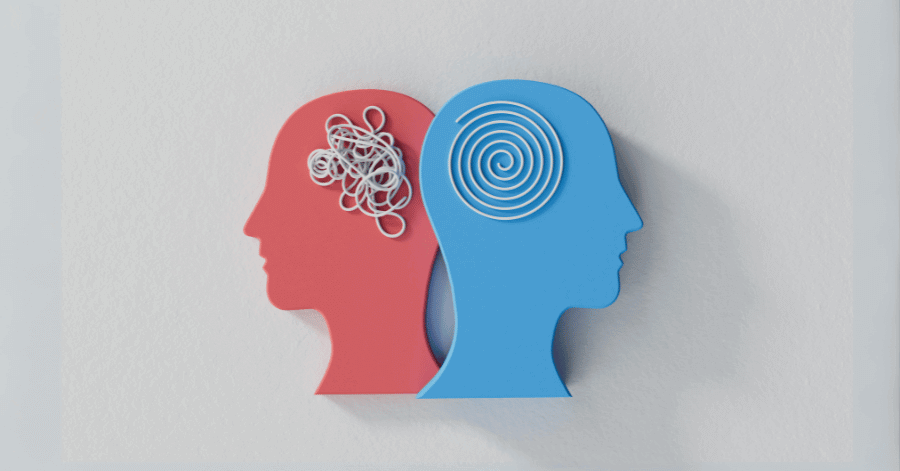
Life will throw an innumerable number of challenges at you. It will test you day in and day out and create obstacles and problems that you will have to solve. You will be challenged both mentally and physically to make it through while preserving your calm and your resiliency. When you think of what ‘frame’ is in the psychological sense, think about what makes up your personality. Are you cool under pressure? Are you able to maintain your calm when things are unraveling or getting out of hand? Can you persevere when faced with both known and unknown problems?

If you answered ‘yes’ to those rhetorical questions, then your frame is solid and on a good foundation. Having a solid frame is not just about housing or for a building’s physical structure, but it can be extended to people and our emotional makeup. When your frame is solid, you will be able to meet challenges head on and even if you fail or fall short, you will have met the challenge with resiliency and perseverance. Having solid frame is primarily not what happens to you but how do you deal with what happens to you, especially when things are not going your way.

An example of a person with a solid frame does not get discouraged easily, does not overreact, and keeps their emotions under control even when internally, they may be struggling or dealing with the multiple emotions bubbling under the surface. That does not mean to not show emotion at all but to hold it in control and be able to hold them in check to not let your emotions get to you and cause you to crumble under pressure. In an emergency or a life-threatening situation, that is where having a solid frame will come most in handy and could mean the difference between life or death.

For example, when you are on a flooded road in pitch black darkness and there’s no one around and your car isn’t starting, what do you do? Do you shake the wheel in anger, punch it in frustration because the car won’t start, and let the waters consume you while you lash out? Or do you take advantage of the minute or less available to unhook your seatbelt, crack the window wide open, and create enough physical space so you can get your body out fast before you are unable to get out with the water filling up to your head leaving you vulnerable to drowning?

Being able to maintain your emotional state even under intense pressure will set you apart from others and help solidify that frame so that when the time comes and something terrible happens, you will be able to handle it without losing emotional control when you need it the most. You never think about your emotional state until it is being engaged by outside pressures and when it’s being challenged by internal or external factors, sometimes both at once. Think about those jobs where your frame needs to be solid almost 100% of the time whether you are a firefighter, police officer, soldier, paramedic, etc. Having a solid frame is key to making it through the day without an error or issue that could be fatal if serious enough.

Now, even if your day job or school life is not as engaging to your emotional state, you still need to be able to handle tasks under pressure or stress whether you are driving in ‘rush hour’ traffic or attempting to make your way out of a rambunctious crowd at the end of a rowdy concert with thousands of people fumbling to the exit together. Your solid frame needs to be engaged as much as possible even when you don’t think you’ll need to use it. A disaster or an emergency or a problem can sprout up when you least expect it so it is important to be consistently practicing how to strengthen your frame of mind when it will be tested.

Having a solid frame also extends to your friendships and relationships so that you will be able to handle any potential issues or conflicts that will need to be worked out. This is especially the case when there’s years of past relations or friendship at stake. You must be able to not let your emotions get the best of you when it comes to how you feel about the person(s) but rather to handle the issue rationally as much as possible with your best interest in mind. It is important to not lose your temper or get distraught because of the issue when you’ve been through a lot together with that person over the years, but you should treat the problem you’re having with them as separate from how you feel about them to deal with it logically.

Being able to process and control your emotions in a healthy manner is the main part of having a solid frame. Being primarily concerned with the problem or issue rationally and how to figure it out logically without the issue becoming too emotional will save you a lot of grief, heartache, and even your life. I do recommend trying to plot out how you feel about stressful situations in retrospect and if you were able to maintain a solid frame or not. Think about if you were able to keep your emotions in check or did you lash out which caused the situation to spiral negatively?

If you are in a pattern of personal behavior when your consistent responses to stressful or anxious or tense situations leave you emotionally drained, and you were not able to solve the problem(s) effectively as a result, you will need to work on solidifying your frame and working on your overall emotional state. Sometimes, changing your emotional state involves writing out how you would react to hypothetical situations. You may also need to act out such situations with a trusted friend or family member or even a psychologist.

Any of these examples would be able to see where you went wrong or how the stressful situation could have been handled better. Above all else, a solid frame involves thinking before you act, deep breathing, and evaluating as quickly as possible a course of action rather than lamenting or despairing on why you are in the situation to begin with. Without establishing a solid frame, you may not be able to handle what is thrown at you in life. Your emotions may continue to get the better of you when you do not have them under control to begin with leaving you vulnerable to a more stressful and chaotic life.

Why You Should Take The Initiative

“A lot of times in life, things won’t be handed to you, opportunities won’t just present themselves to you, and relationships or friendships don’t just form out of thin air.”

A lot of times in life, things won’t be handed to you, opportunities won’t just present themselves to you, and relationships or friendships don’t just form out of thin air. You must be making the effort more often than not to take the initiative to do all those things I just mentioned. It is not easy and can cause you rejection, stress, and even heartache, but if you just expect your life to just progress on its own without putting in the work, you will be sorely mistaken.

Making that initial effort will make the difference as you devote 80-90 or even 100% to get the return you were looking for. You may expect others at work, at school, or in your personal life to meet your half-way or 50/50 after a while but you may find that it’s a running theme in that instead of finding it as being equal or meeting them halfway, it’s likely to be more 60-40 or 70-30 in terms of your effort versus theirs. Now, that does not mean you should be taking the initiative all the time to ask for that promotion, or be open to developing a friendship, or seeking a new relationship but you’ll be better off from driving the effort rather than by taking a backseat.

Having more of the effort initially won’t just make an impression on the person but it will also develop your abilities, your relationships, and your professional / educational future more so than if you had made less of the effort. You should be conscious that the initiative you are taking is worth it and that the time you are putting in gets the result(s) that you are looking for. Your hard work, effort, and perseverance should lead to the other party putting in some conscious effort after a while. If it is just a one-way street in terms of that effort months or years later, I think that relationship, job, or friendship is likely to be doomed to fail.

It would not be fair or just for you to be constantly taking the initiative especially when that person isn’t reciprocal at all or even 30-40% of the way in a friendship or relationship. If you are giving all of the effort and feel like you’re not getting anything back from it, you may be dealing with an ‘emotional vampire’, who you may enjoy their company and like them but the fact that you are putting in all the work to keep things going and them not doing anything to reciprocate is not only a form of manipulation but it is also a sign of someone who only wants to take advantage of you.

They may lack certain qualities including introspection or self-awareness so they may not think they are at fault but if you believe that nothing is going to change, your time and efforts aren’t being valued adequately, and you are not getting as much in return from them, you may need to cut them off or just take a break from being with them or working for them. I encourage proactivity, being extroverted, sociable, and wanting to take on new goals, but if it is draining you and the results professionally or the relations personally you get as a result are not satisfying from that 60-40 or 70-30 set up, it may be best to move on to another person or opportunity.

To cite some examples, if you are good at reaching out to friends or acquaintances and just checking in to see how they are doing or even making the effort to see them and spend time together, that’s a positive initiative to take and shows you care about keeping that relationship going even if it had fizzled out a bit. However, if you feel like you are constantly the one making the calls, setting up the plans, or checking in on them, and they are not doing the same to you on that 30-70 or 40-60 balance that I mentioned, then it may be best to cut back on making the initiative there. If they truly cared about you, they would seek to make plans to see you by their own initiative or they would call to check in every now and then to see how you have been doing. Again, you should not be doing that all the time and if you find that it is becoming a pattern with that person, it may be best to stop seeing them so much since it looks like more of a one-sided friendship or relationship rather than a balanced one.

Another example professionally would be if you’re looking to boost your career and would like to learn new skills, then you should take that initiative with a training or a workshop or a conference that can make you more valuable to your employer. Similarly, if you take it upon yourself at work to learn a new skill by taking courses or attending seminars or providing trainings to others, it should be recognized not only to develop your career but to also further yourself in your role with better compensation or to be promoted to a new role because of the skills / abilities you acquired. If you take the time to volunteer, to be trained, to train, and to become a better worker, your employer or company should realize that it is also not a one-way street so there should be a proper recognition of your having taken the initiative to be more valuable to the firm in question.

However, if you find that after multiple trainings, skills developed, or competencies improved upon, that you are not getting the desired career promotion or compensatory boost, it may be that your initiative, while recognized, is not being formally appreciated. You made the most of the opportunities given but the other party involved doesn’t seem to recognize the new value or abilities you can provide. In this kind of situation, it may be best to start looking elsewhere professionally with those new proficiencies in your work to find a firm, company, or organization who will do their best to meet you halfway or maybe 40-60 so that you know that they care about you staying with them into the future and that your presence is both valued and appreciated, which is actually shown in different ways, a promotion, a raise, or otherwise.

Personally or professionally, you should consistently be looking to take action or initiative to improve your life in either way. However, it should not give the other party free reign to not give anything back in return or to provide their own initiatives or actions for you to take part in after they start it up. If you invite your friend to a barbecue, hopefully they’ll reciprocate in the future by having you over for a birthday party. If you do a skills workshop for a week to improve your competency at work, maybe your company or firm can reward you with a promotion to apply those new skills you picked up. It’s not always 50-50 in life and you may have to do most of the work, especially at the beginning of a new job or friendship. However, if it is you who is giving 100% and them putting in 0% in return on a consistent basis without the other party realizing it, it’s a toxic kind of relationship and you should be cutting ties with that person or entity as soon as possible.