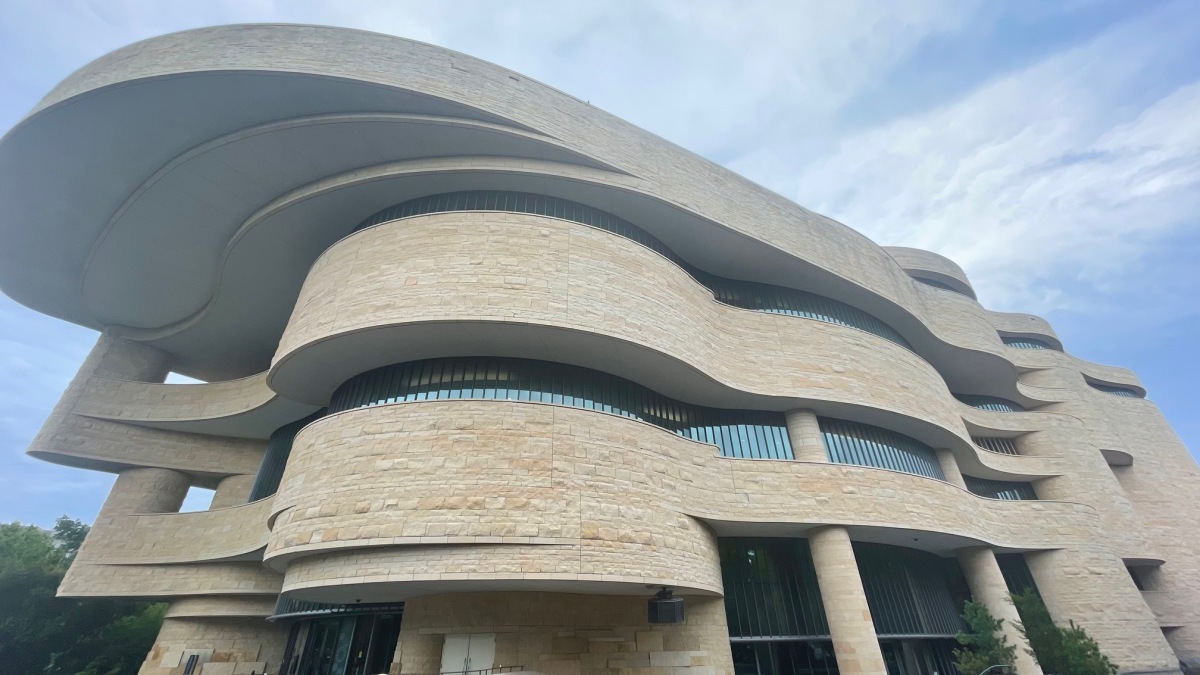


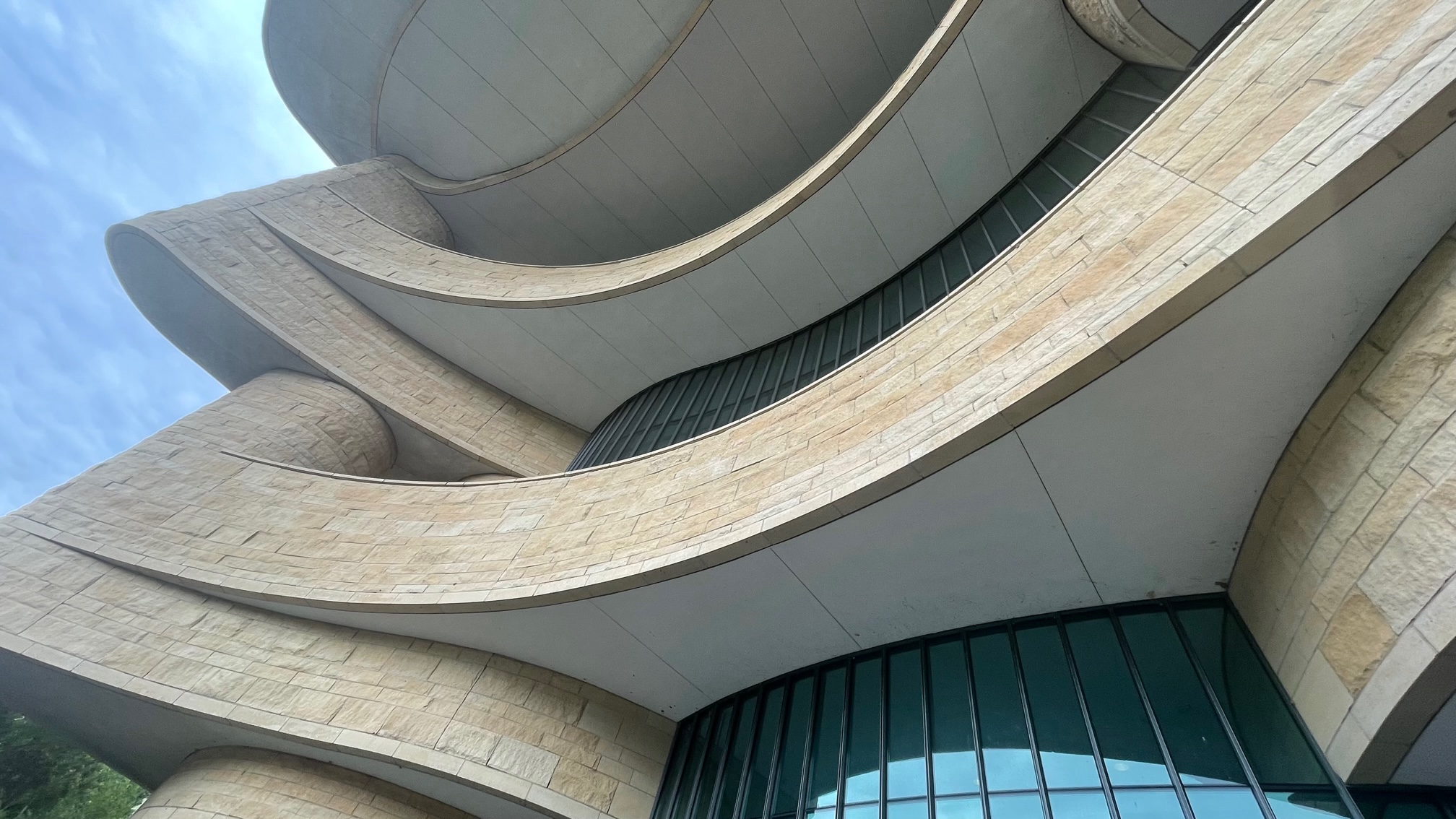


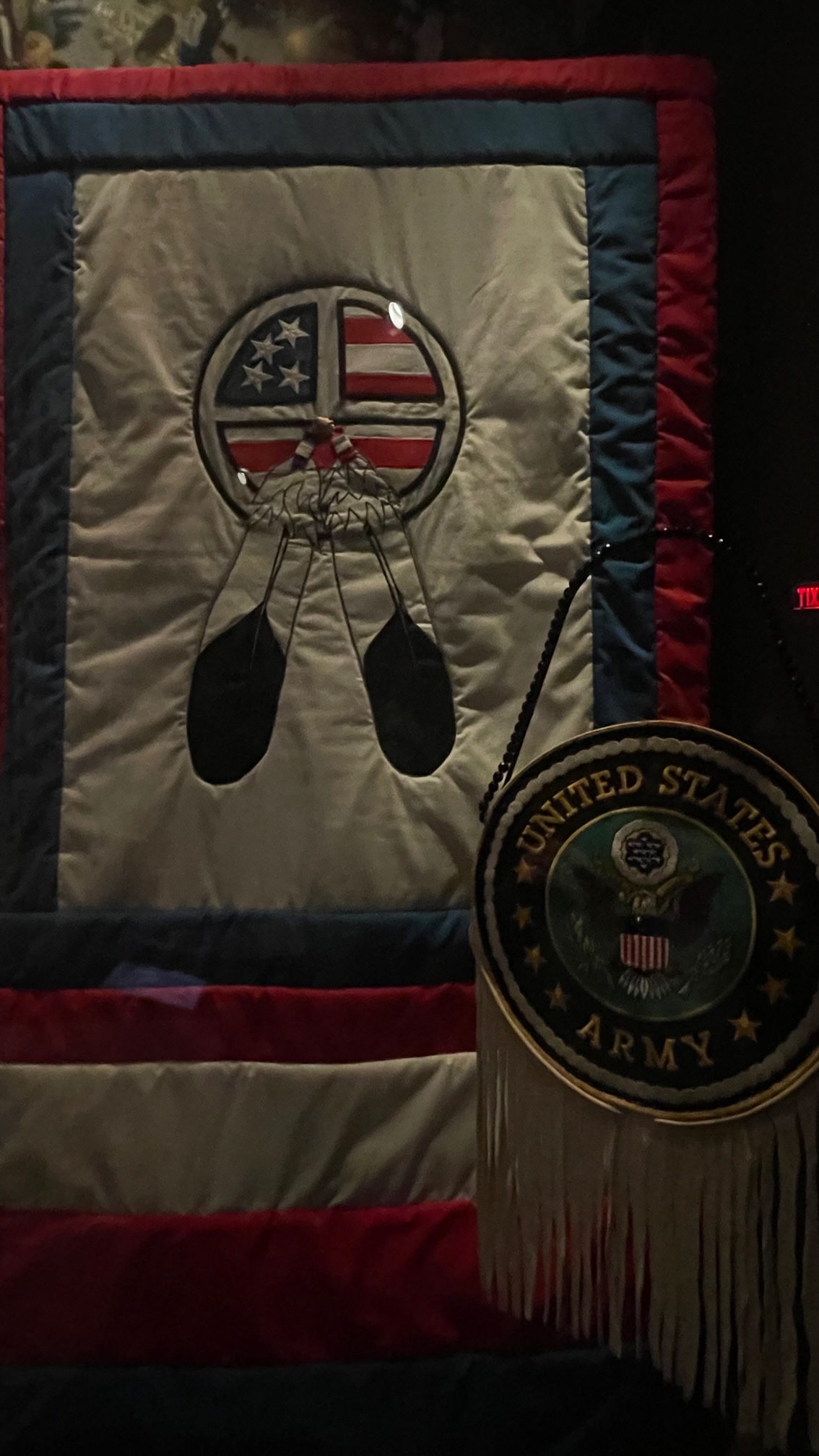

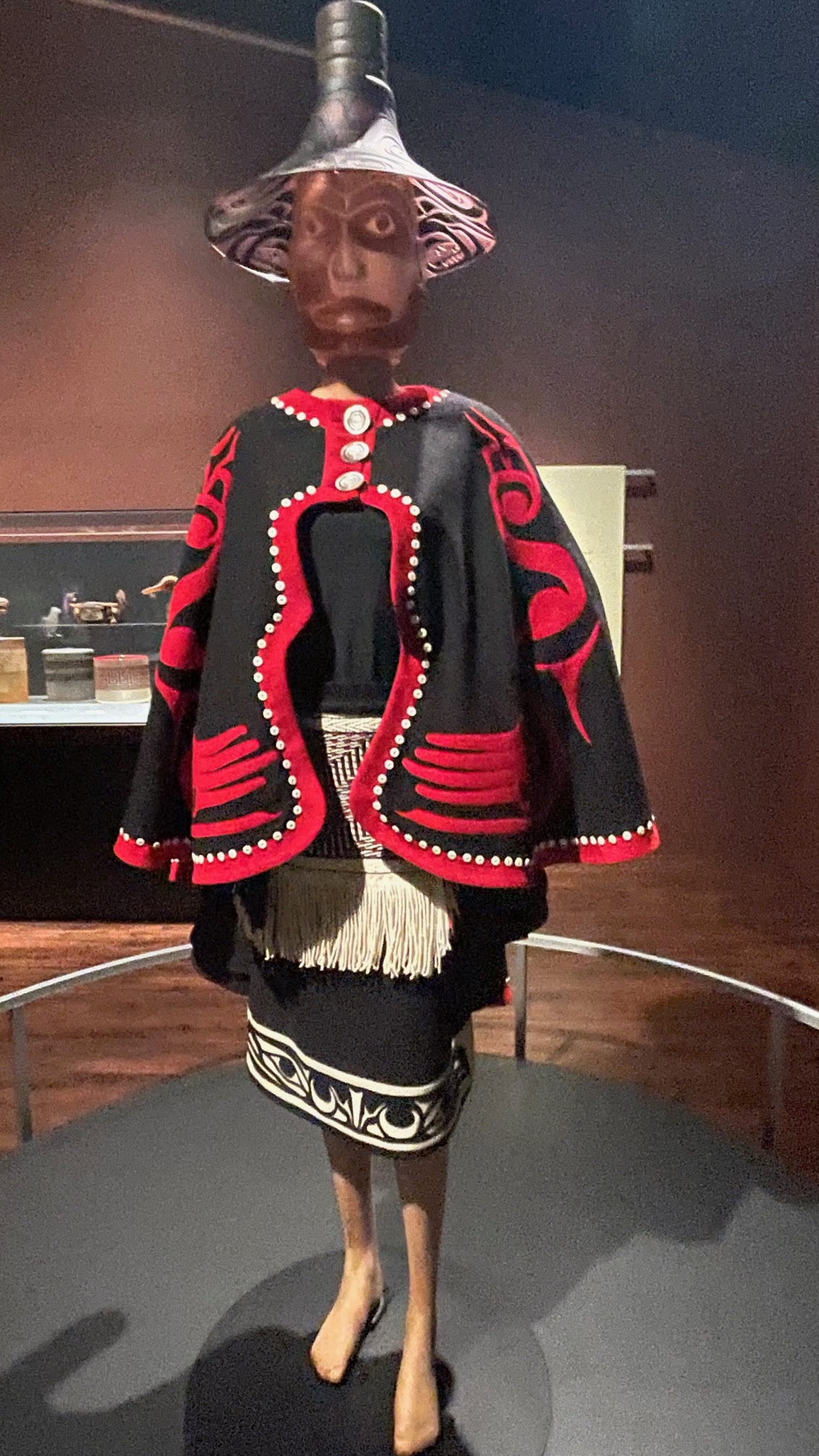
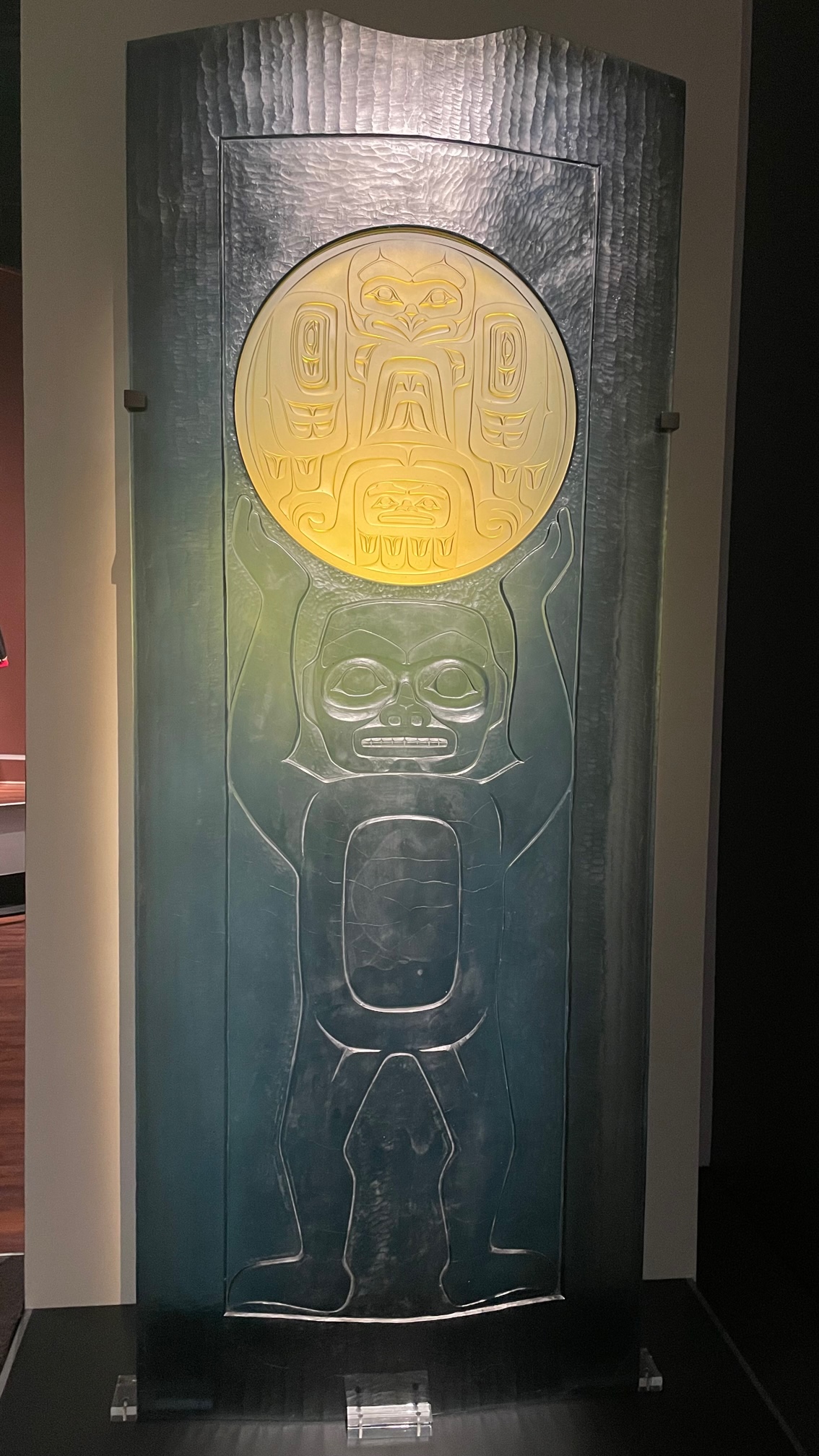



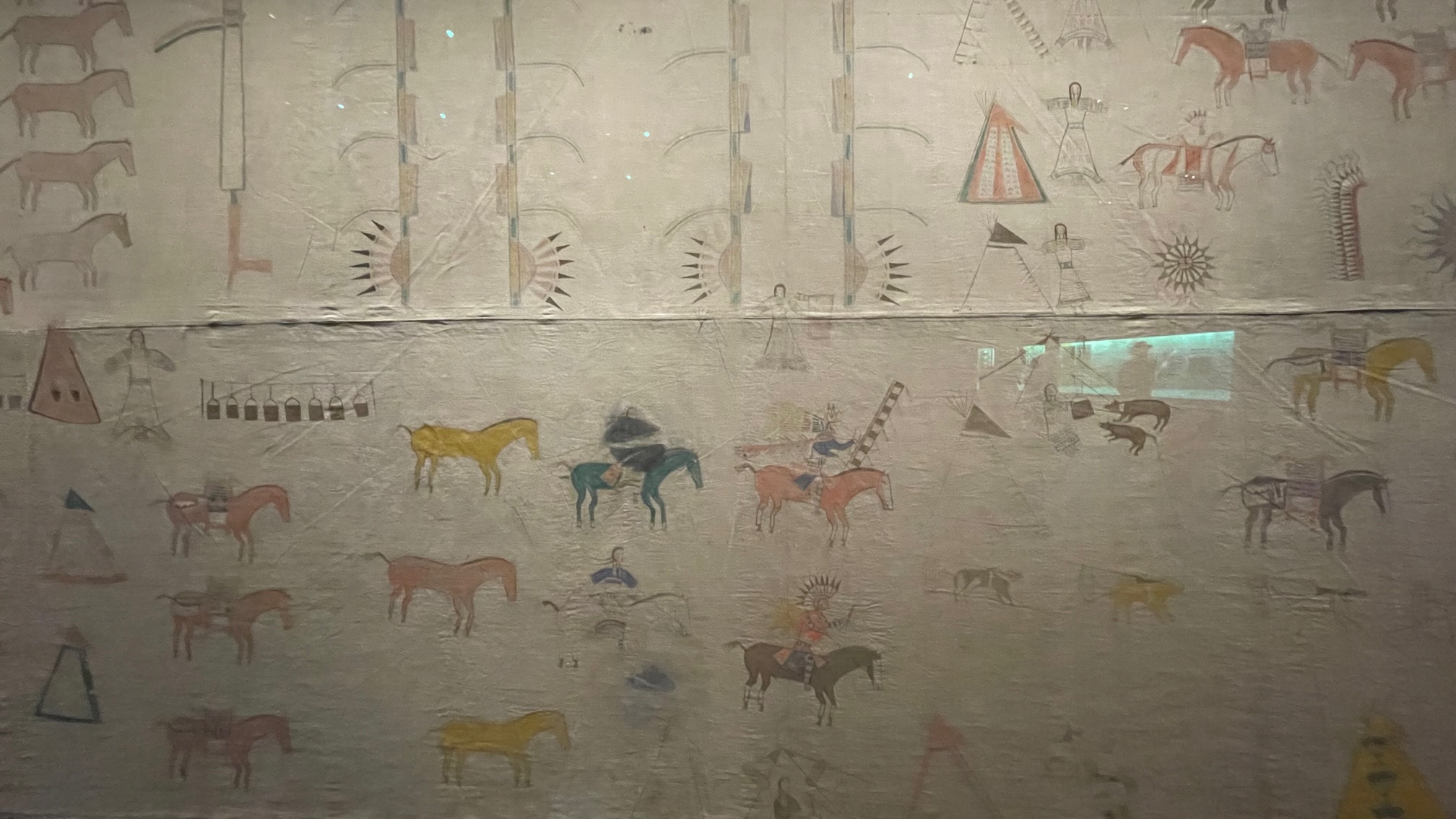


Camera: iPhone 12
Location: National Museum of the American Indian, The National Mall, Washington, District of Columbia

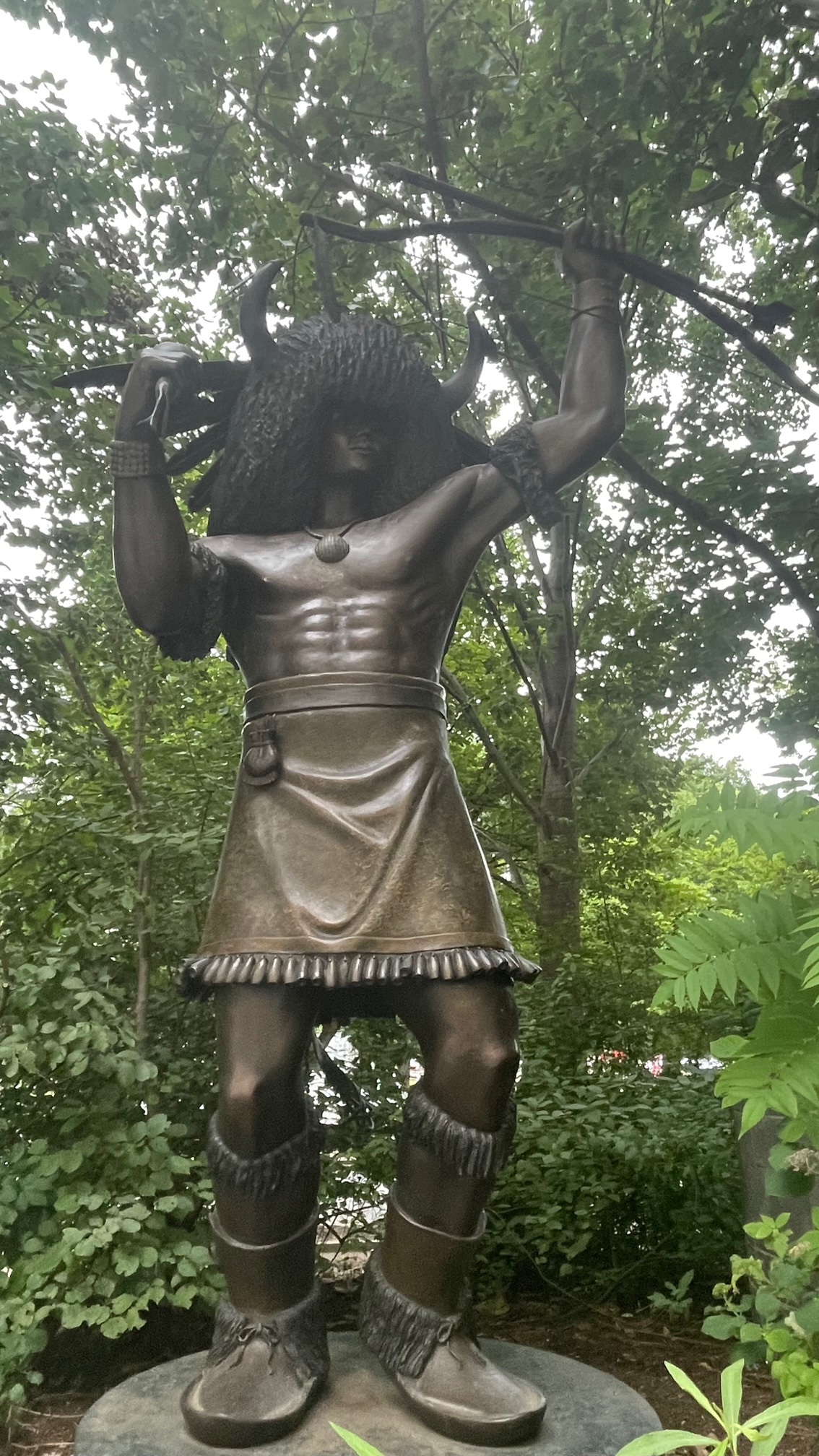
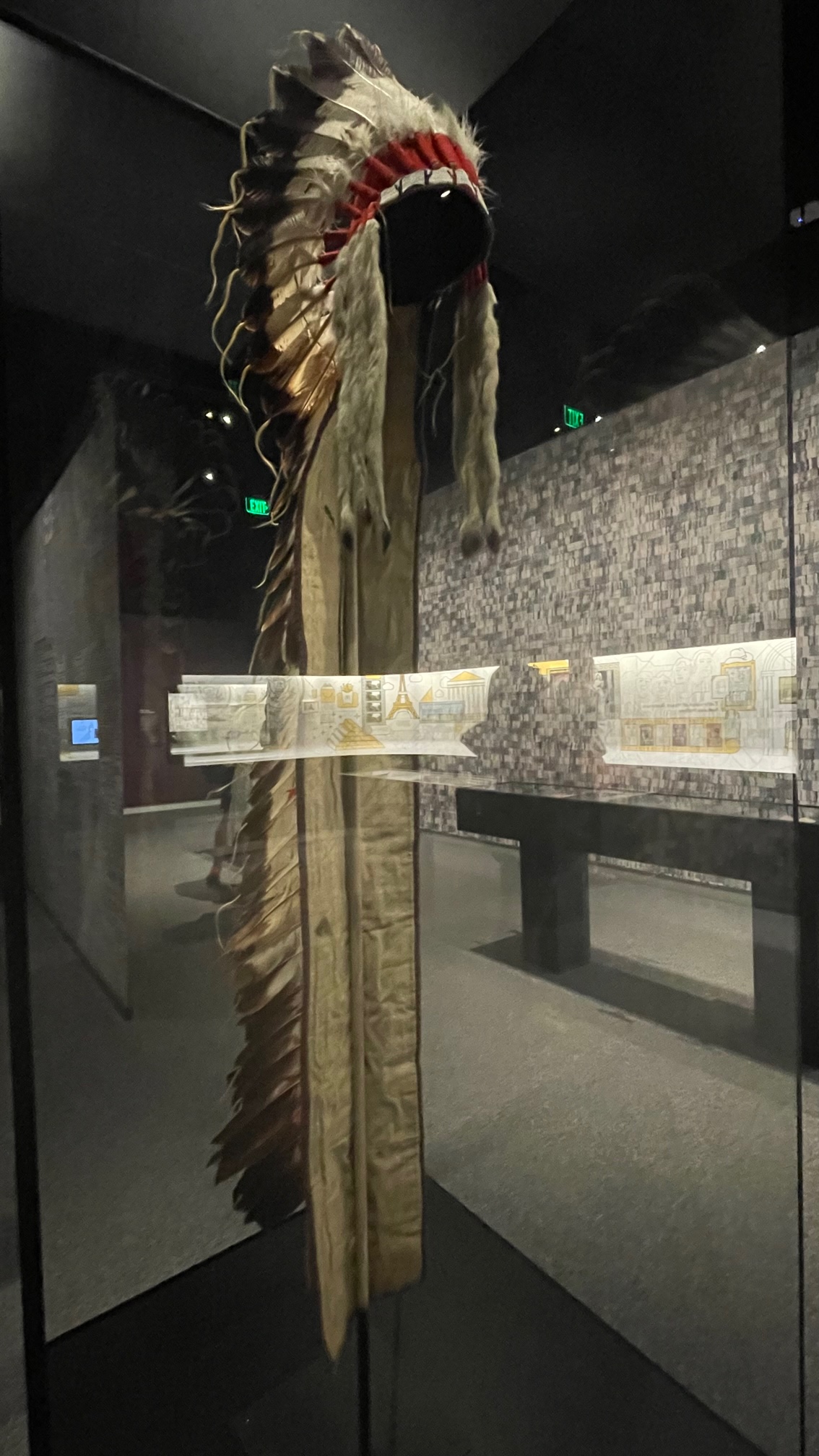
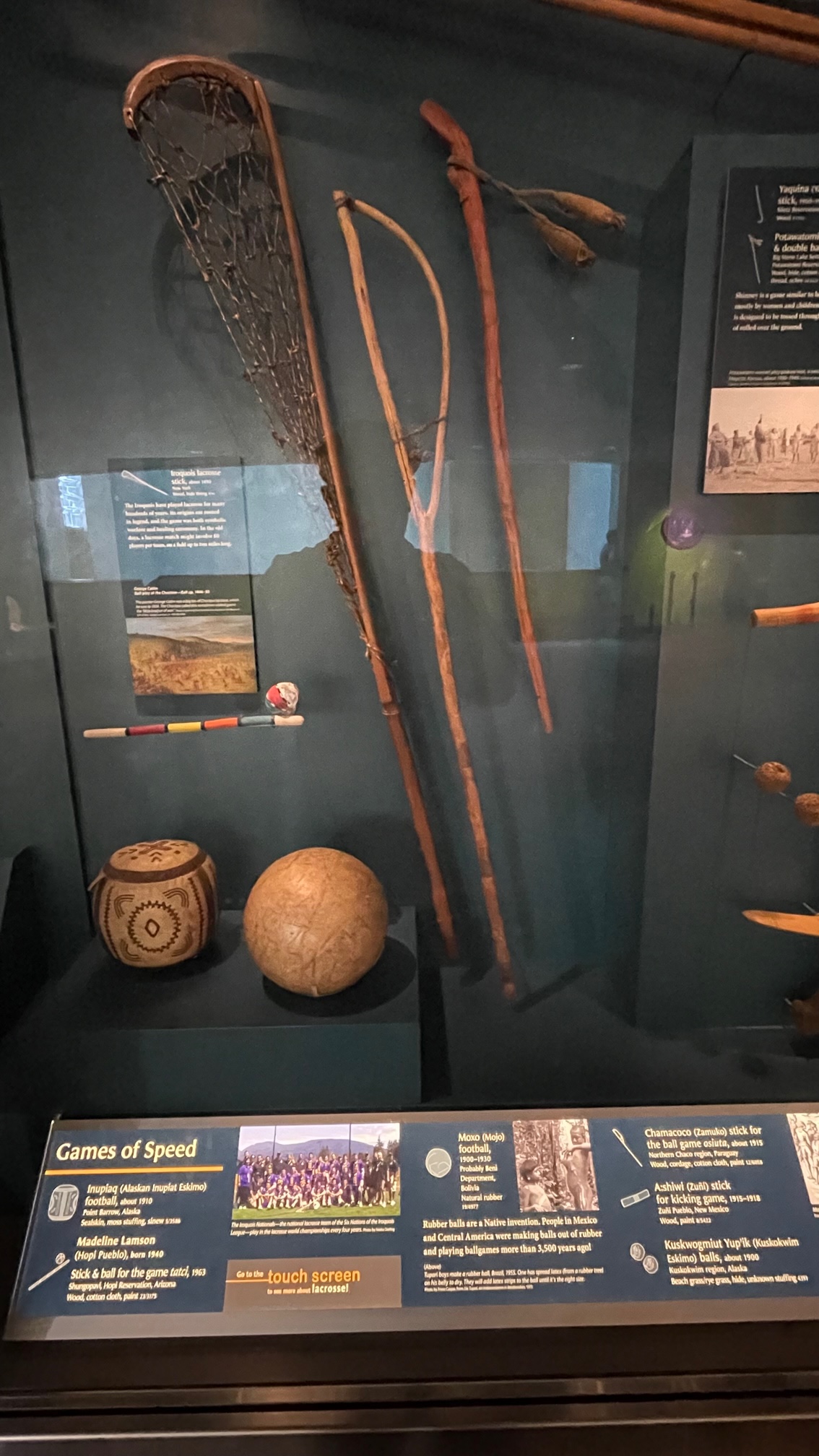
Camera: iPhone 12
Location: National Museum of the American Indian, The National Mall, Washington, District of Columbia
“This is an unfortunate societal transformation that may seem inevitable, but it can be reversed by improving mental health access, building stronger communities, and having better societal outcomes, it is crucial that some solutions are tested and put into place.”
One of the biggest challenges of the 21st century will be focused on how to foster solid connections, friendships, and relationships that are both sustainable and fruitful. Recently, more mainstream attention has been paid to how societies, especially in the Western world, are dealing with a surge in alienation and loneliness. It has caught the attention of politicians, community leaders, and authors who are interested in noting how people are fostering fewer social connections, maintaining fewer friendships, and increasingly living alone. This is an unfortunate societal transformation that may seem inevitable, but it can be reversed by improving mental health access, building stronger communities, and having better societal outcomes, it is crucial that some solutions are tested and put into place.
Traditional means of building strong social connections have been ironically undermined by the rise of social media where people can connect virtually but often, this is difficult to maintain in the real world. You really must make a serious effort these days to build your own friendship and communal networks whereas in previous generations, it was much easier in your small town or village to maintain ties with the local community or religious center, gather at town hall meetings, and be able to know who your neighbor was. It has fallen on the individual person to build their own network, which is often hard to do, especially if you are in a larger town or city, where there are so many people around, yet it may take longer to foster a deeper connection.
Religious places of worship, community centers, social clubs, and communal gathering places have taken a backseat to online social media channels, which while they can bring people together, they tend to be more focused on larger groups and gatherings, which can make it harder to get to know people better. More and more people can do things whether it’s shop, order food, build a business, and learn online, and while that has been transformative in providing greater opportunities and even connected people, I do believe traditional ways to meet people have been on the decline causing a subsequent rise in alienation and loneliness.
While many societal leaders are starting to pick up on this unfortunate phenomenon, it will take a lot of organizing, resources, and cooperation to reverse this trend in the long-term. I am going to propose three ways that by working together in our own towns and cities, we can work to bring people together in a healthy and sustainable way.
Each community center would be a good use of taxpayer funds and would be available seven days a week. I discourage the use of membership fees like a YMCA and its offerings would be different depending on the needs or interests of the community. I do think such a third space would allow for peer-to-peer mentoring events, ‘getting to know your neighbor’ dinners or potlucks, and allowing for classes or groups that can discuss financial literacy, cooking, nutrition, and even job searching and networking help to flourish there.
To some degree, these kinds of community centers do exist, but they are limited in scope, often cost fees, and are often hard to reach. These community centers can also take over for dilapidated strip malls, abandoned office buildings, or unused parking lots where the neighboring space can become a public park, playground, an exercise area, or even a fruit / vegetable garden for those people who don’t have access to fresh produce in their neighborhood. A greater long-term challenge is making sure these new kinds of community centers are accessible to all people because not everyone has a car, or a bike, or can walk there. Cities and towns that are designed around the car and where public transportation is hard to use have caused a spike in loneliness, and that is where these community centers can really help fill the gap.
In the long run, it is a crucial and needed change in ensuring that more places, including these community centers, can be accessed by bike, bus, rail, and by foot. The sprawling nature of most American towns and cities has exacerbated the atomization and loneliness issue, which creates a lost opportunity for connections to be fostered. In my view, significant changes to public policy surrounding this issue are unlikely in the near term, but the way we design our communities in the future and emphasizing greater accessibility of free third spaces can really make a dent in our current loneliness predicament.
2. Once you have these community centers in place, you must make sure that there is serious outreach across the town or city in question. I do think there is a current deficit not only in the lack of third spaces, but the ones that exist, few people know about. City, state, and even national governments can and should do a better job reaching out both online and in-person to people, especially if they are living alone, to highlight opportunities in the community to meet others.
When someone is new to a town or city, it would be an excellent idea for a neighbor or a landlord or a town leader to reach out to someone (with their permission, of course) to highlight ways to get involved in their community. Religious centers and places of worship have done this successfully for generations yet in the public sphere, there is a severe dearth of awareness when someone moves to a new town or city regarding which community centers are nearby, what resources are available to learn and to work, and how they can find the resources, the people, or the activities they want to get involved in.
There’s something to be said for the phrase, ‘to hit the ground running’, it can be an anxious, lonely, and often difficult time to make yourself feel at home when you move to a new community or city. I believe if there was a more concentrated and sustained approach to making someone feel welcome regardless of who they are, where they come from, and what their age is, it would really diminish the current loneliness crisis that we find ourselves in as a society. Something as simple as a neighbor, a community leader, or a townsperson, taking the new arrival under their wing, and inviting them to one of the ‘third spaces’ around them, can make a huge difference in that person’s sense of belonging, and even diminish their loneliness. When someone moves to a new town or city, an online community portal and an in-person community hub can go a long way to connect that person to the activities, hobbies, and needs that they are looking to fulfill as they make a life for themselves there.
3. Lastly and most significantly, I believe in volunteering as a time-tested and successful way to both give back to a community and to feel connected to others. Volunteering is not easy to commit to in terms of time and effort, but I believe it is a crucial way to avoid people feeling disconnected or lonely.
It is a positive thing to donate money or resources to a worthwhile charity or organization, but I believe it is even better to spend time with others committing yourself to a good cause at the local, national, or international level. Community hubs, sustained awareness of opportunities near where you live, and being able to find the volunteer work that you are interested in doing can help you find a greater purpose or meaning beyond what you thought was possible.
There is plenty of good work that can be done to revitalize communities and cities in your country and elsewhere. The key is to make sure that as many people are as aware of it as possible. I would argue that one or two years of volunteer service on a local or national scale would make young people more connected and relate more to each other if they were participating in a shared service.
Making a year or two of volunteer service mandatory for young people ages 18-26 would help combat loneliness and alienation among that age demographic and could also be made open to older demographics depending on the interest level. People should feel invested in their communities and where they live. I think that a mandatory volunteer service should be encouraged and if we can provide educational or employment incentives in exchange for the completion of a national or local volunteer service program such as reduced or free tuition at a higher education institution, I do believe this would not only combat loneliness but encourage new friendships and also build the community hubs, parks, and centers that are currently lacking Being flexible with volunteer service is key especially when it comes to managing educational or employment obligations but offering part-time or weekend options for people can give this kind of initiative a greater chance for success.
If ordinary citizens, especially younger citizens, see that their local and national leadership are aware that there is a loneliness crisis, are actively providing resources to the communities to find possible solutions to this growing problem, and are asking for volunteer help with clear goals in mind on how to better connect people together, we can start to make progress in fixing this issue on a larger scale. If there is a slogan for these three steps to combating alienation and loneliness in society, it would be “we would like to invest more at scale in you and your community, help us to finish the job at hand, and we’ll make sure you receive ten-fold what you put in to helping to move this effort forward.”
People have a strong urge to belong and to be part of a tribe or a group. In our atomized era, it is increasingly harder to find one’s tribe. The causes of this growth in alienation and loneliness are well-known and are well-documented. Personally, I am interested in how best to get out of this hole that collectively, we have dug for ourselves. While some of us have been able to forge our own community, sustain our friendships and relationships, and maintain strong ties to our town or city, there are an increasing number of individuals who feel disconnected and left behind, often through no fault of their own.
I do believe that the three steps I have proposed in this article can make a serious dent in this issue. I hope that there are other numerous ideas out there that will be considered by those with the power and influence to make a difference in how we structure our towns and cities because the sooner we address this problem, the better off we will be as a result. Decades ago, you knew who your tribe or your community was mainly due to family or religious background or just your neighborhood ties, but that is no longer the case for a growing segment of our society.
It is up to us to collectively fill in the gap that these traditional institutions have failed to sustain. I hope that we start to invest more time, money, effort, and attention to solving this issue in the future because it is truly one of the defining issues of our time and regardless of if we are not directly affected by its effects, it is likely that you know of someone or have heard of somebody in your own life who struggles with loneliness. Greater social and communal bonds are crucial to sustain and in these atomized times we’re living through, the more work we do now to diminish this problem, the better off we will all be in the future.

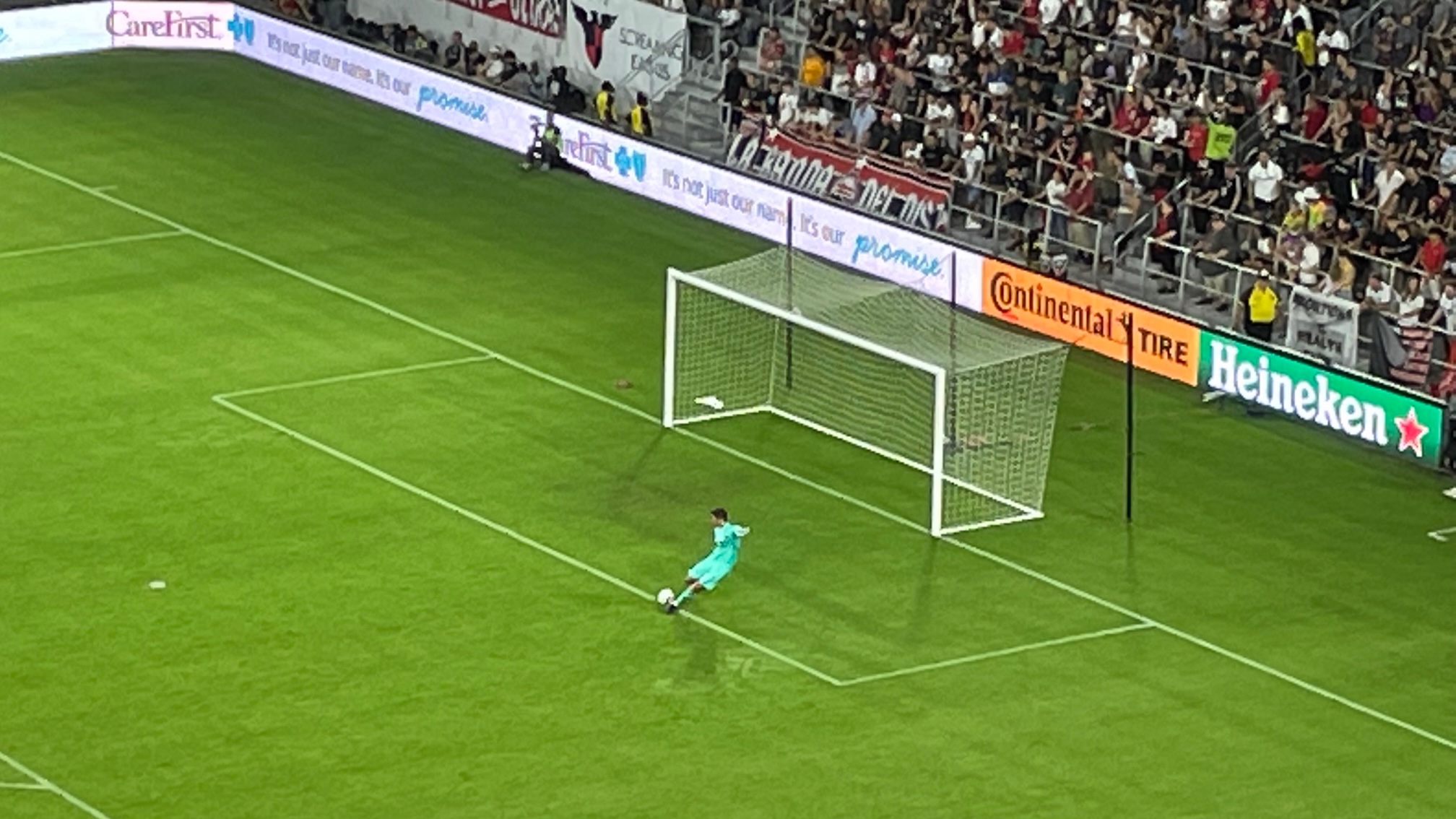


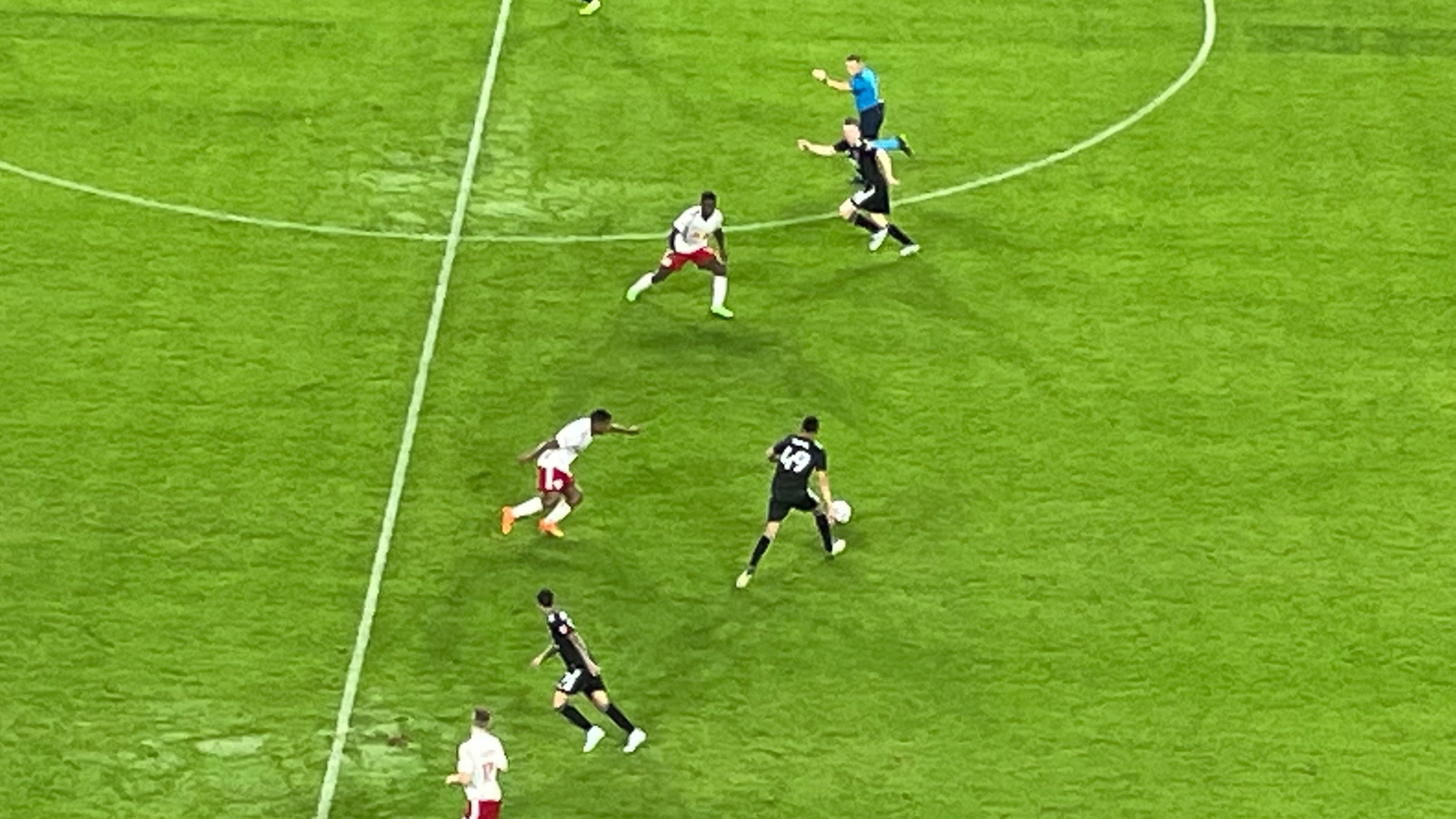
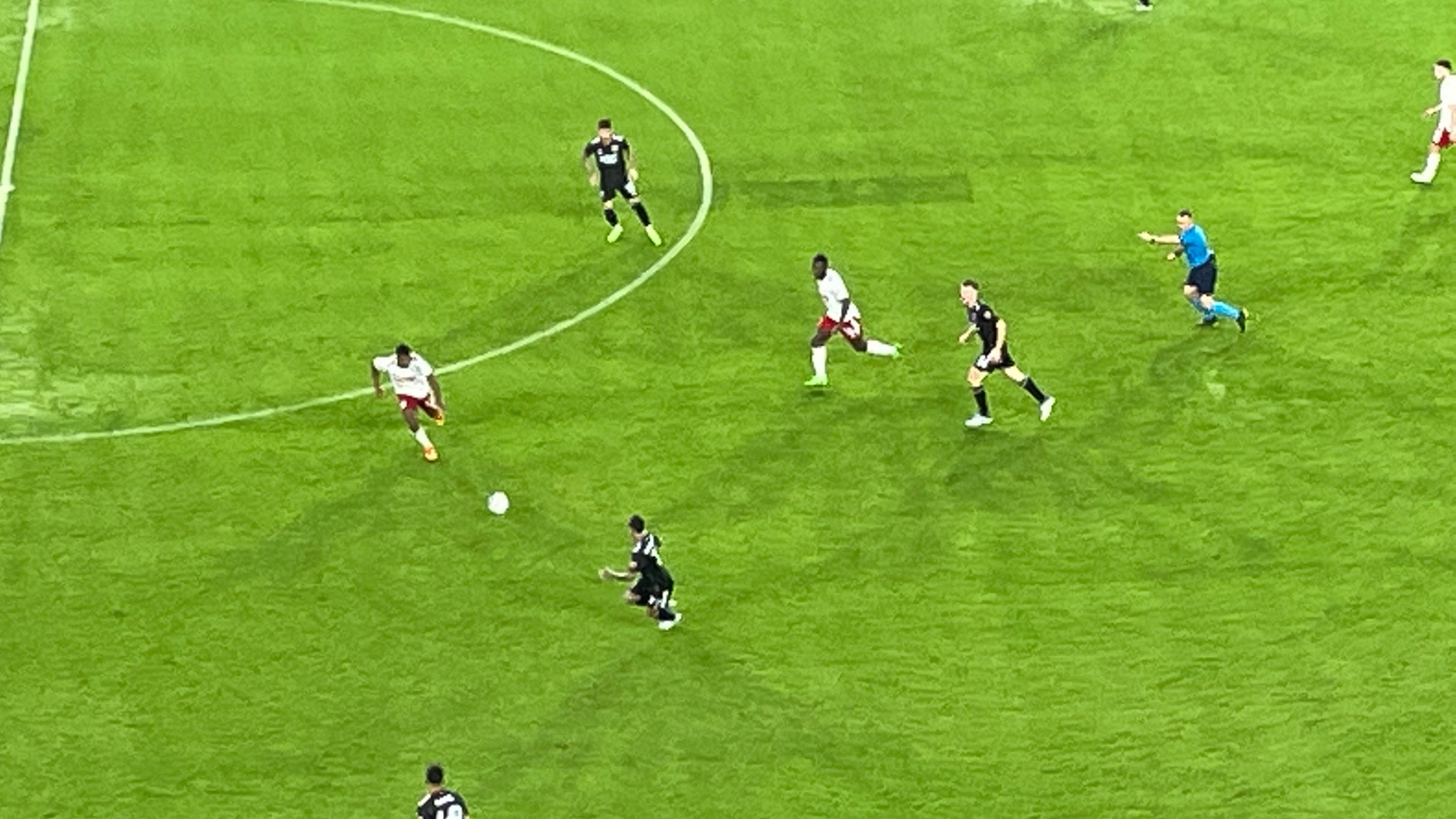
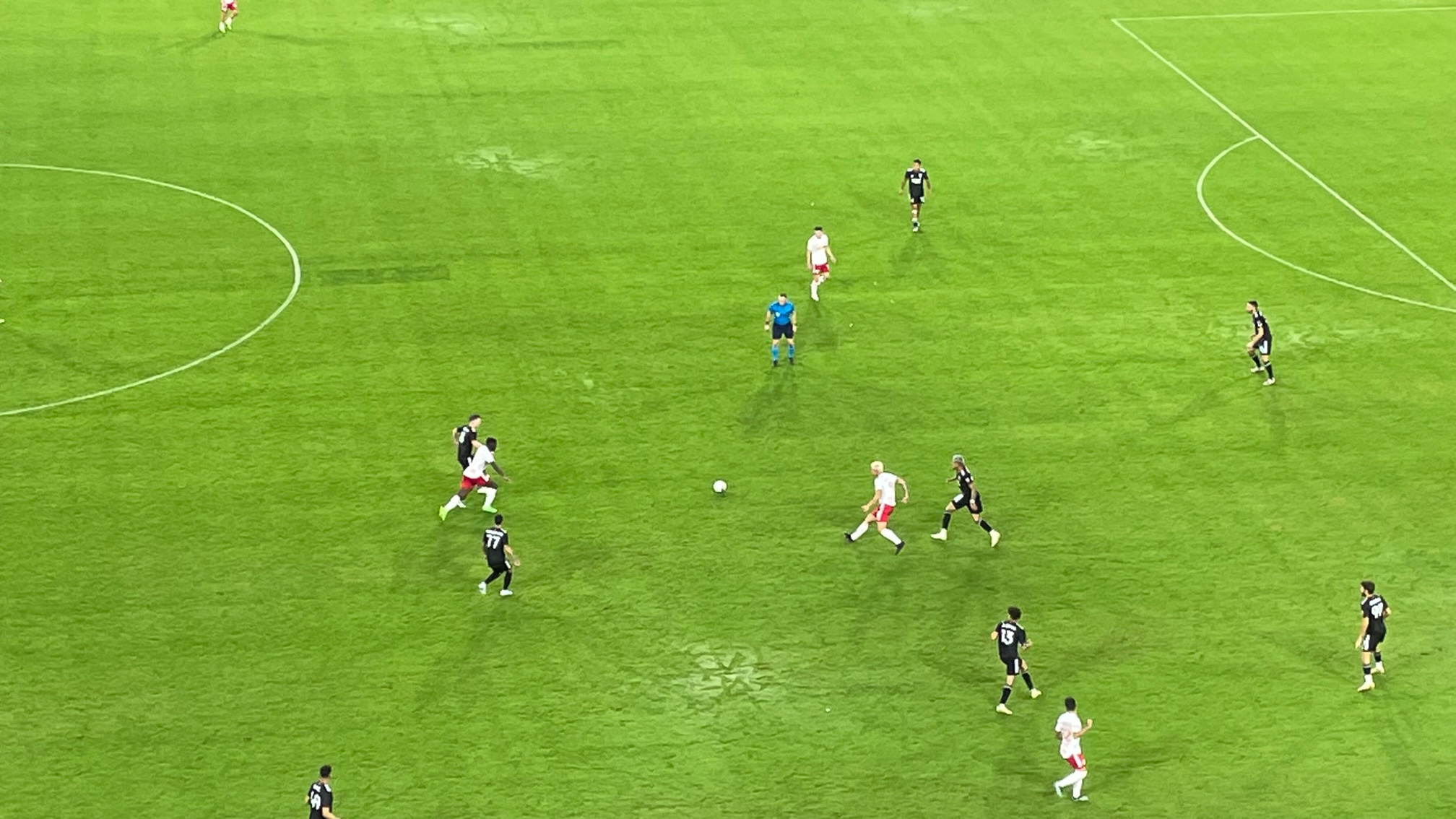




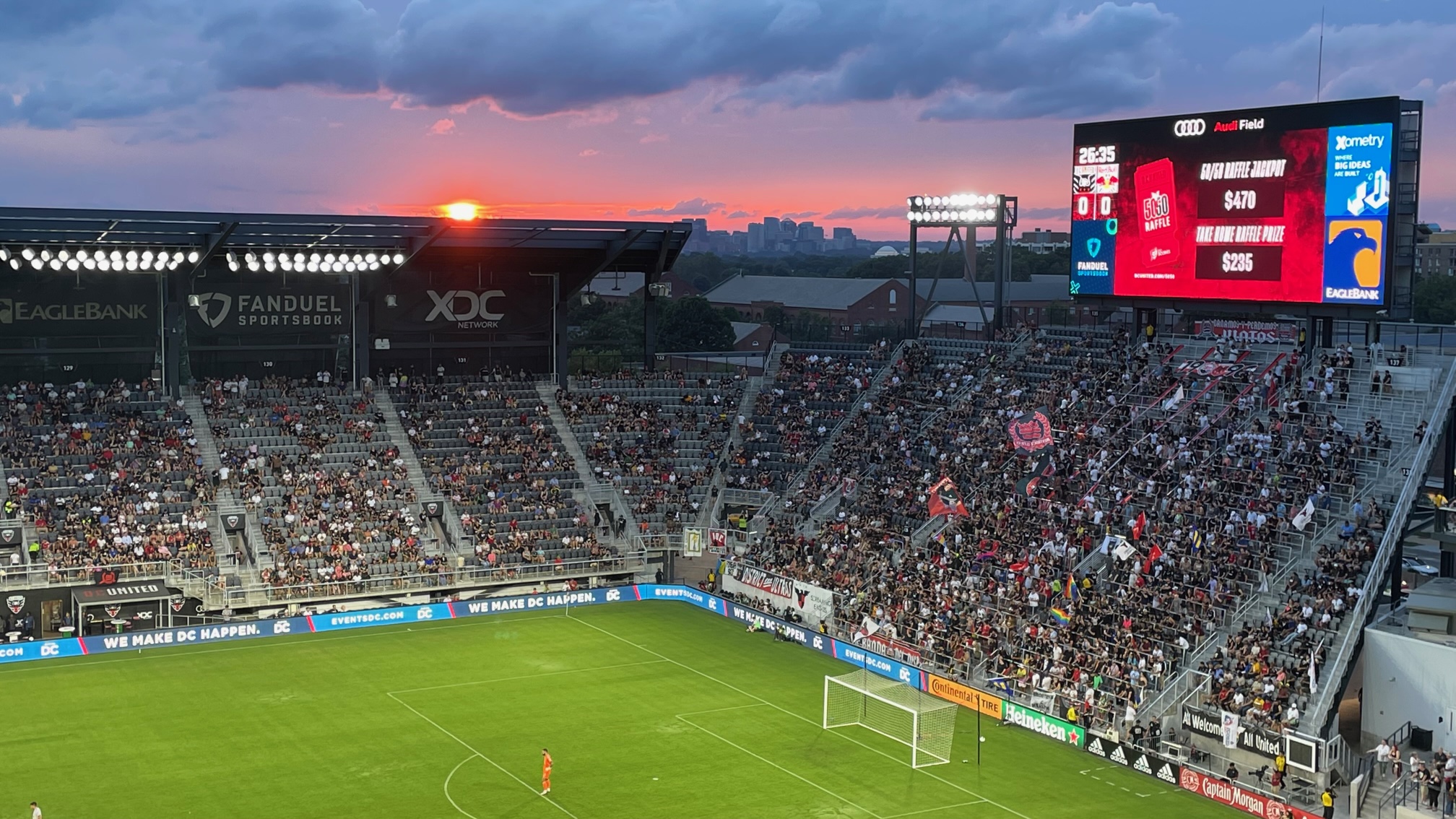
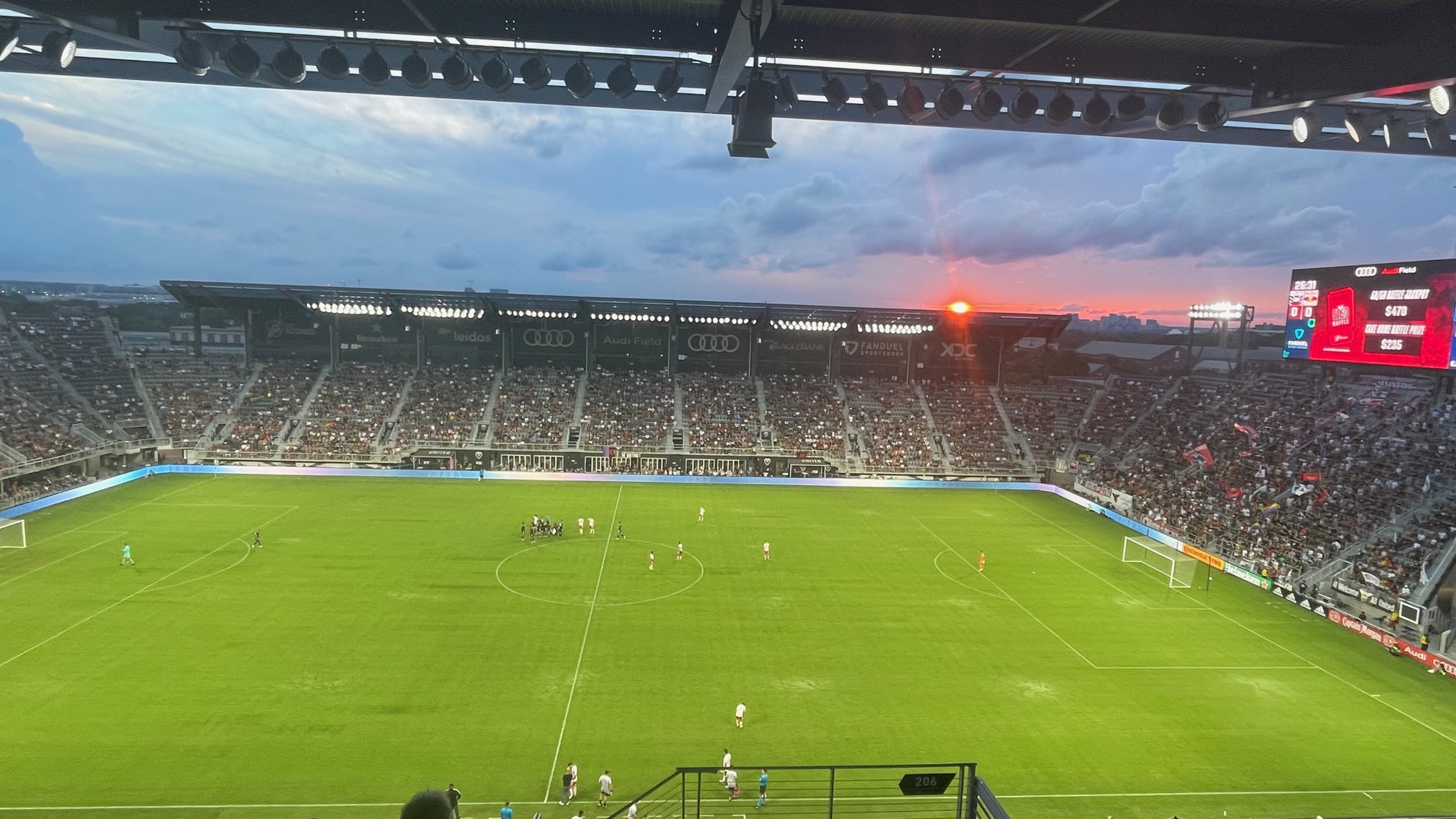
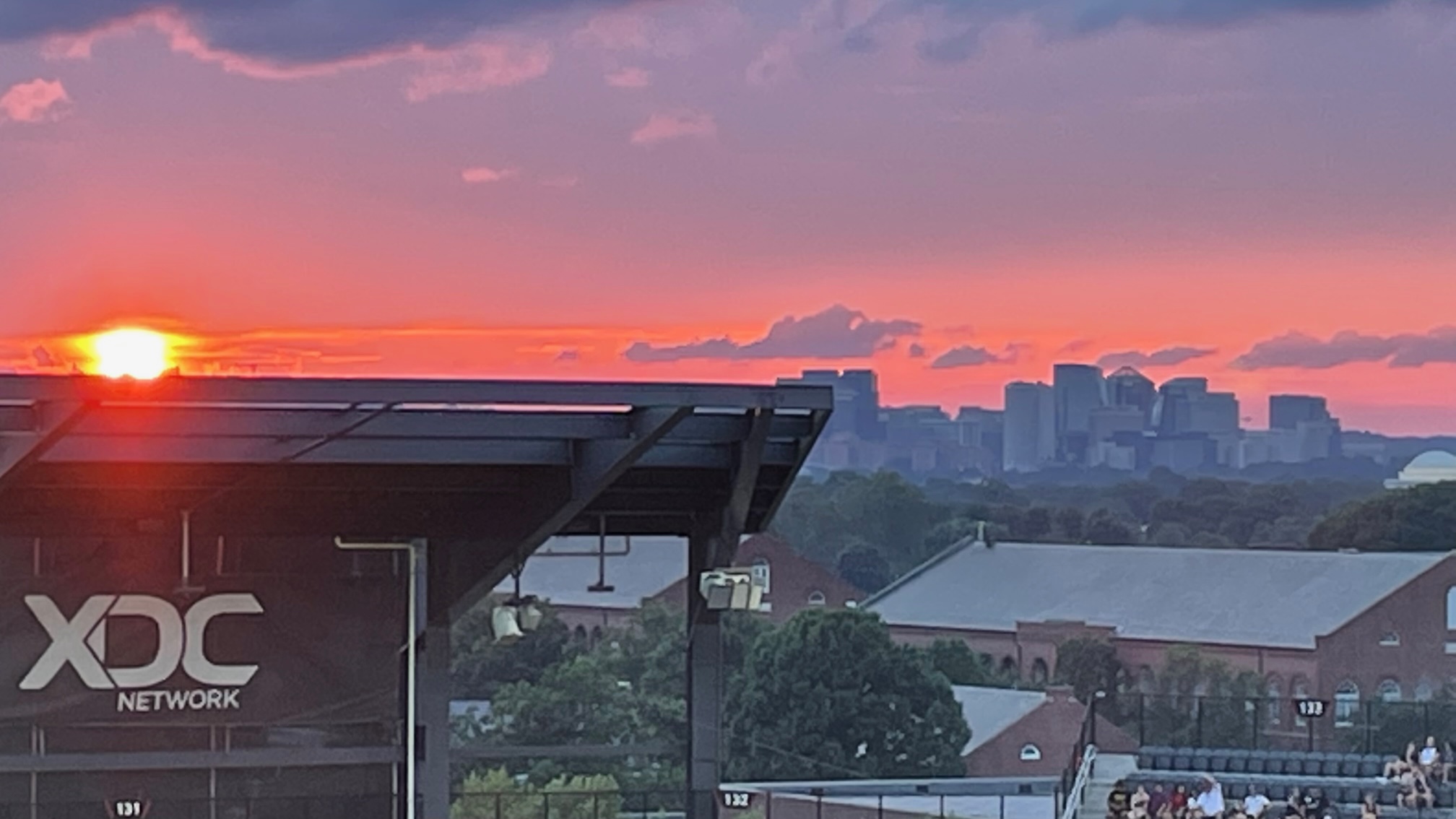
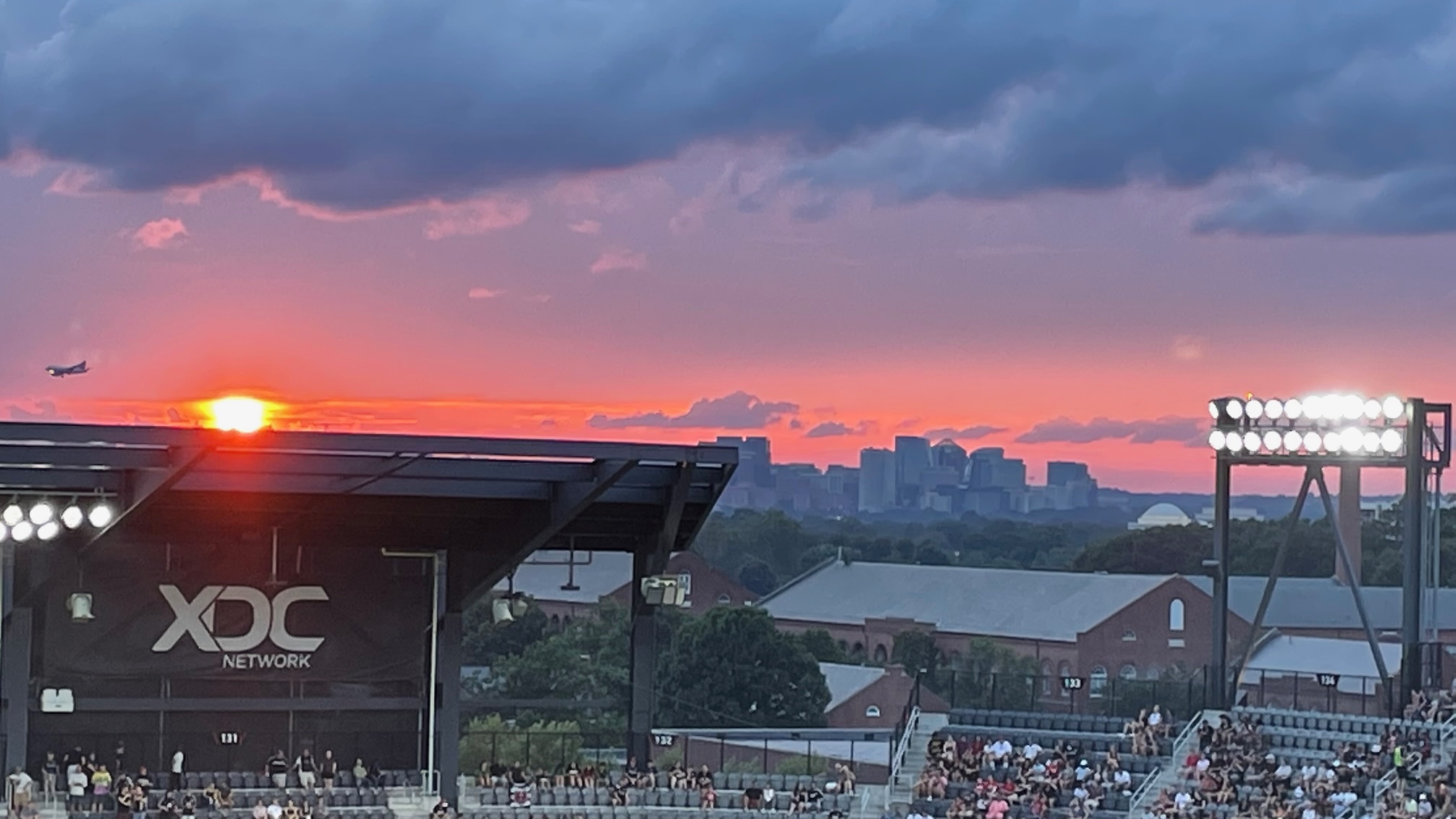
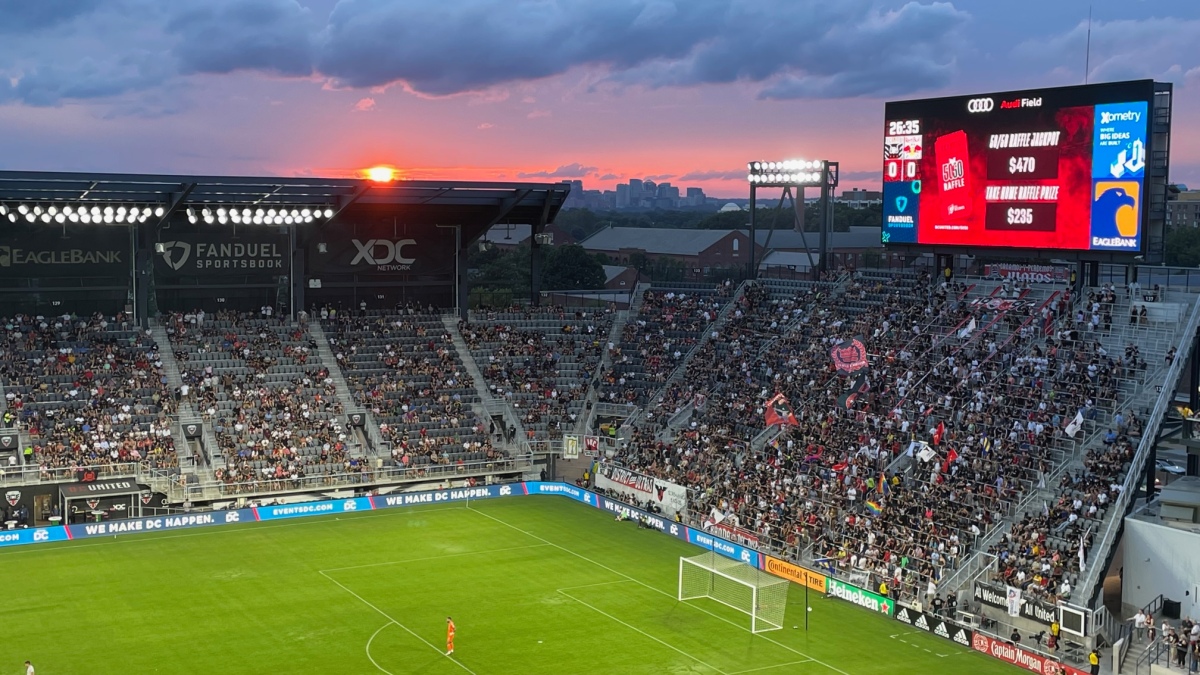
Camera: iPhone 12
Location: Audi Field, Home of DC United, Washington, District of Columbia
“When you ‘read between the lines’, you understand better what someone means even when they may not be outright saying or expressing it.”
‘Reading Between the Lines’ is a popular expression or phrase that really holds a lot of weight to it when you think of the meaning. When you ‘read between the lines’, you understand better what someone means even when they may not be outright saying or expressing it. Beyond simply verbally conveying their thoughts or feelings, the key ability to perceive how someone really feels through other factors such as their tone, their body language, their interaction(s) with the environment around them, this can really make a difference in how well you read them and what they really mean.
Culturally, indirect speech, behavior, or communication is quite common and what is not said is as important or if not more so important than what is said. You can save yourself a lot of trouble in life by reading between the lines and inferring what is meant or indicated than what is vaguely said or stated to you directly. Maybe you will be able to grasp a basic idea of what someone means through their speech or their mannerisms, but you will often have to look at not just those factors but also the environment for which it was said, the context for which it was given, the body language of the person(s) involved, and the tone of voice that they used to convey the message.
Because of trying to protect sensitivities or not disrupt group harmony or not wanting to ‘rock the boat’, another similar expression, either professionally or personally, you will be asked to read between the lines of what is written and what is said throughout life. Knowing the difference and how to understand what is directly implied to you but indirectly stated will save you a lot of confusion, disappointment, and time above all else. I’ve written before about how important it is to mind your surroundings, and that ties into why it is key to notice the environment you’re in when the speech is given, or where the meeting happens.
Some factors that come into play when it comes to reading between the lines of a speech or a public discourse that is happening, the speaker(s) body language, tone, and whether they are really conveying their true feelings or beliefs in what they are saying. If they are masking what they truly believe or feel, you should be able to pick that up through steady practice. It is not just about the spoken word but also about the written word and this can be crucial when it comes to important legal, medical, or financial documents.
You should constantly be noting the who / when / where / what / why / how of the author and who is the audience they are addressing. It is also necessary to ask are they writing with a specific tone and do they have a personal bias or an agenda that shows through their written piece. It is much easier to read between the lines when you are with that person in the same room and they are speaking to you directly or indirectly in an audience because you can hear the tone, see the body language, and watch their emotional state. It is much harder yet no less important to be able to pick that up through writing whether it is a text message from a friend or a legal contract from a lawyer.
This kind of skill is not taught to many people, but it is a vital skill to have especially when you are trying to tell if someone is being truthful, if they have your best interests at heart, and if they really understand what you are telling them. If you are listening intently, absorbing what you are hearing or reading, and able to come to your own conclusions after putting some thought into it, you will be ahead of other people. Reading between the lines is a skill that takes not only additional concentration but patience as well. You should not be interrupting when you do this verbally, be distracted by another task or person to mix up your attention, really watching the person(s) talking and observing how they act in the environment they’re in, and most importantly, what is your relation to the person, how long have you known them for, and if you know anything about their background for which you can infer something about who they are.
It is easier to know someone’s true thoughts, feelings, or beliefs when you are giving them your undivided attention. You also have an advantage if you know a little bit about them beforehand, their background, what their personality is like, and what their point of view is likely to be based on all those factors. This kind of perspective can make a big difference especially professionally because you’ll know better of who you’re dealing with, where they’re coming from, and what they might be like when they meet and talk with you.
There are going to be crucial points in your life where you’ll need to read between the lines such as during an intense negotiation, dealing with business meetings, and just making sure in your day-to-day life that you’re not being taken advantage of. It can be hard to trust other people at times and you really must screen them hard to see if they are giving you the truth, embellishing a little bit, or outright lying. Being able to read between the lines will not only help with the major events in life but also in small day-to-day interactions as well. Most importantly, if you carry yourself well, give steady eye contact, listen without interrupting, speak clearly and in a steady tone, avoid distractions when you’re reading or listening, you will have a much easier time being able to read people.
You likely won’t be anywhere near 100% successful in thinking you know the person or people you’re reading in terms of body language, behavior, and their actions but you’ll be much better off than before if you at least try. Indirect communication can be a real pain to navigate but it is quite common in our culture and our society. To remedy that, make sure you do your best to read between the lines, make an assessment, and carry forward with the best intentions. I think it is quite likely you’ll be in a better position than you were before by adopting this skill and making it a priority in your life.


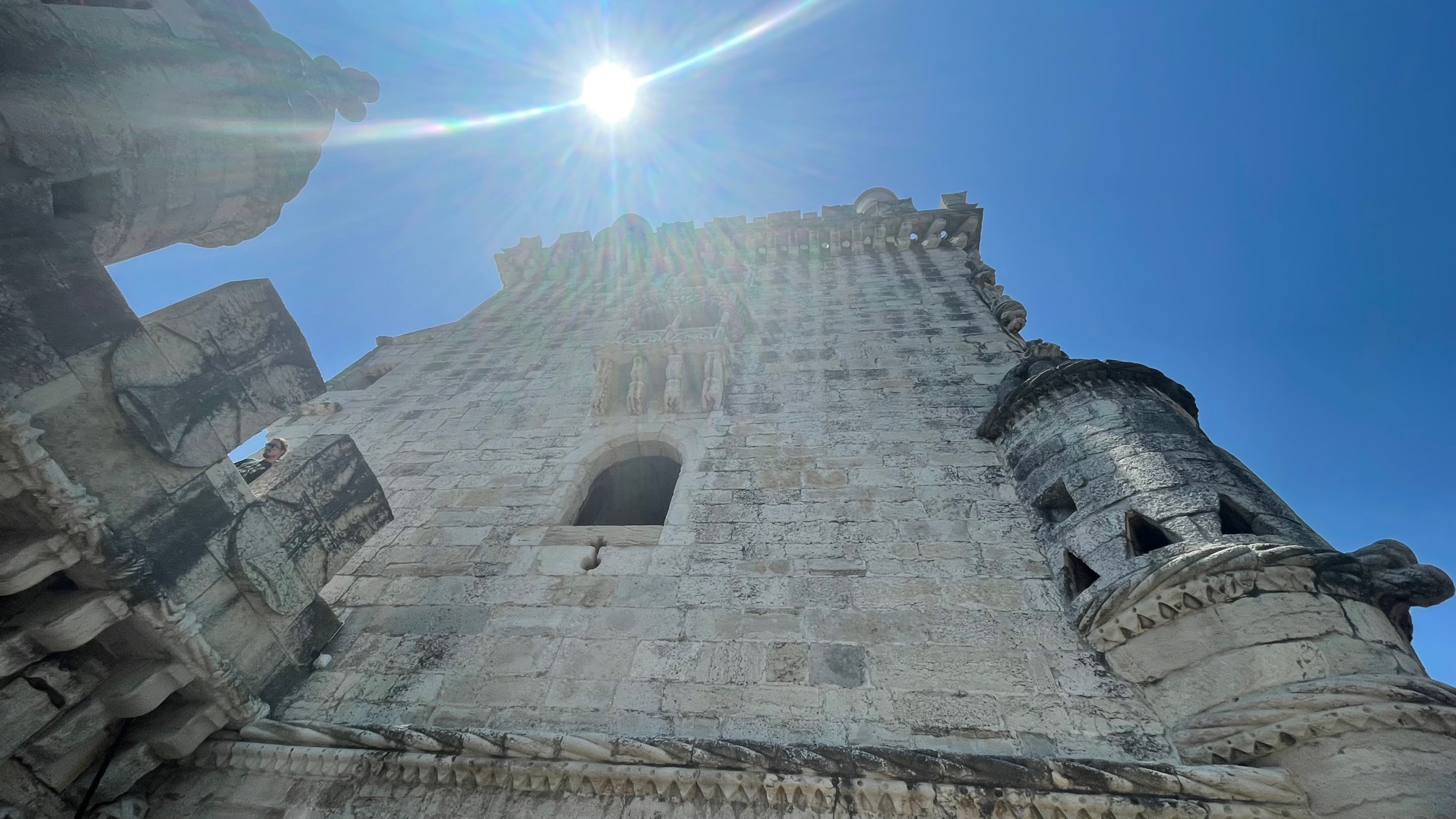


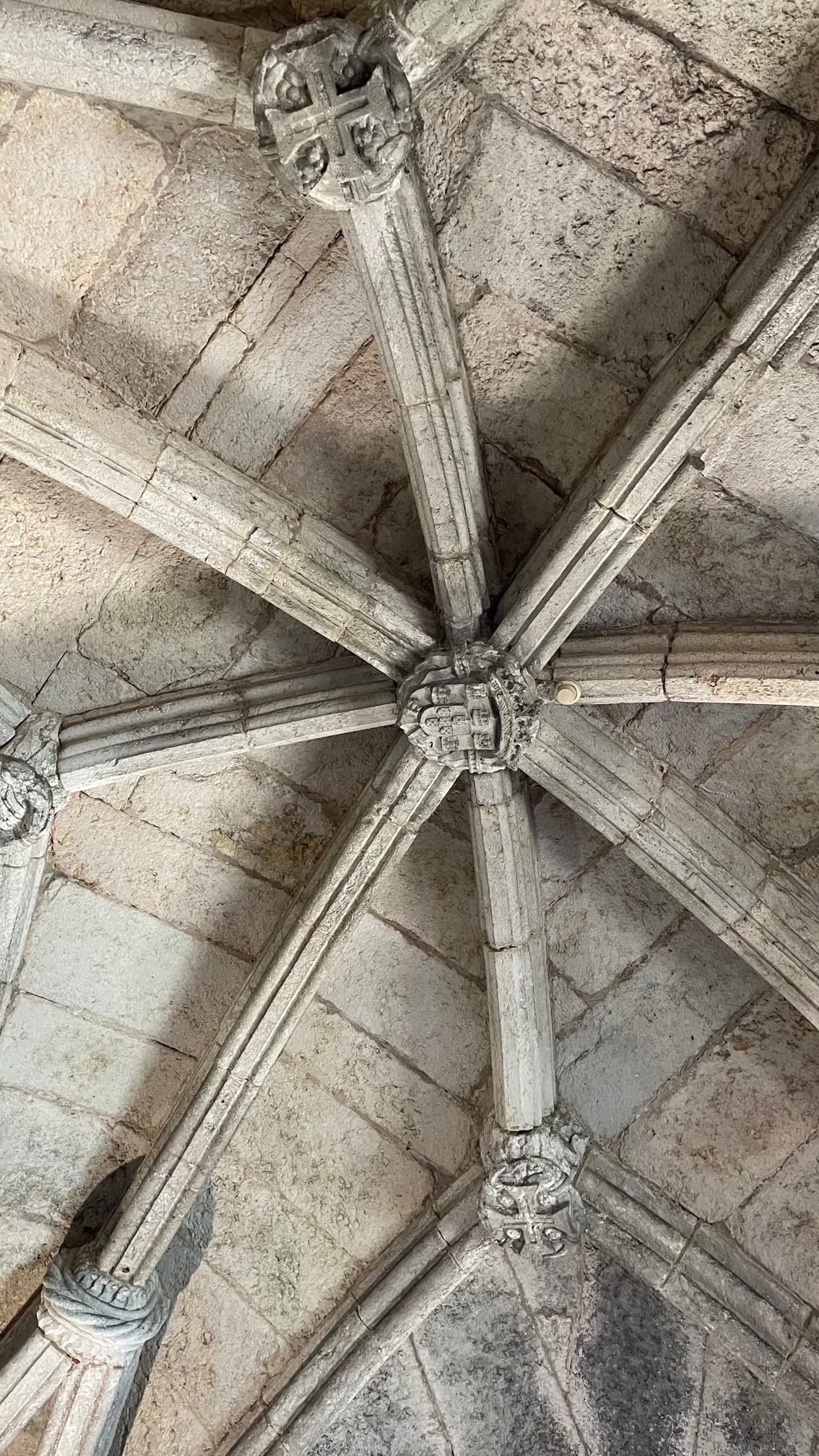


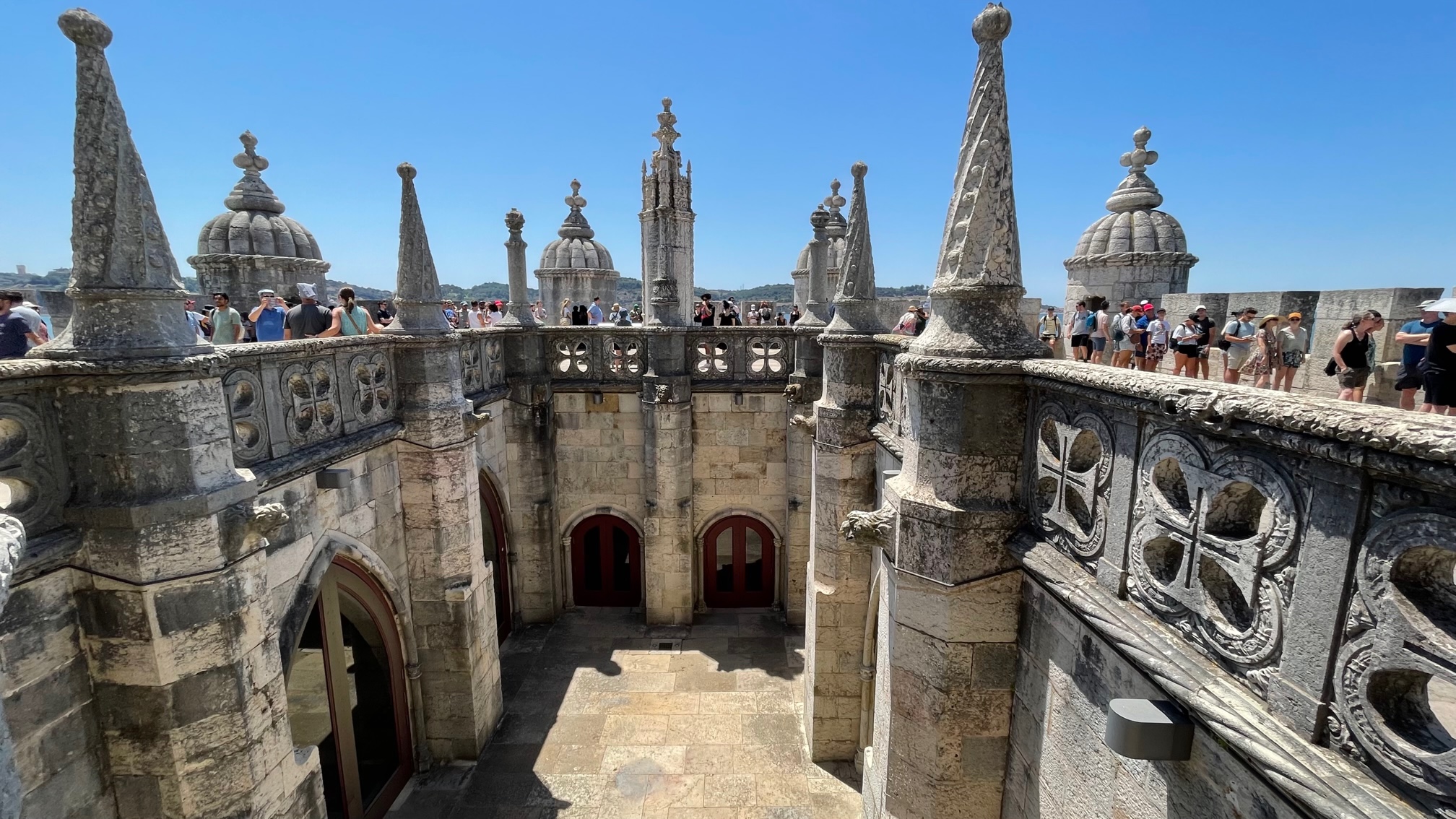

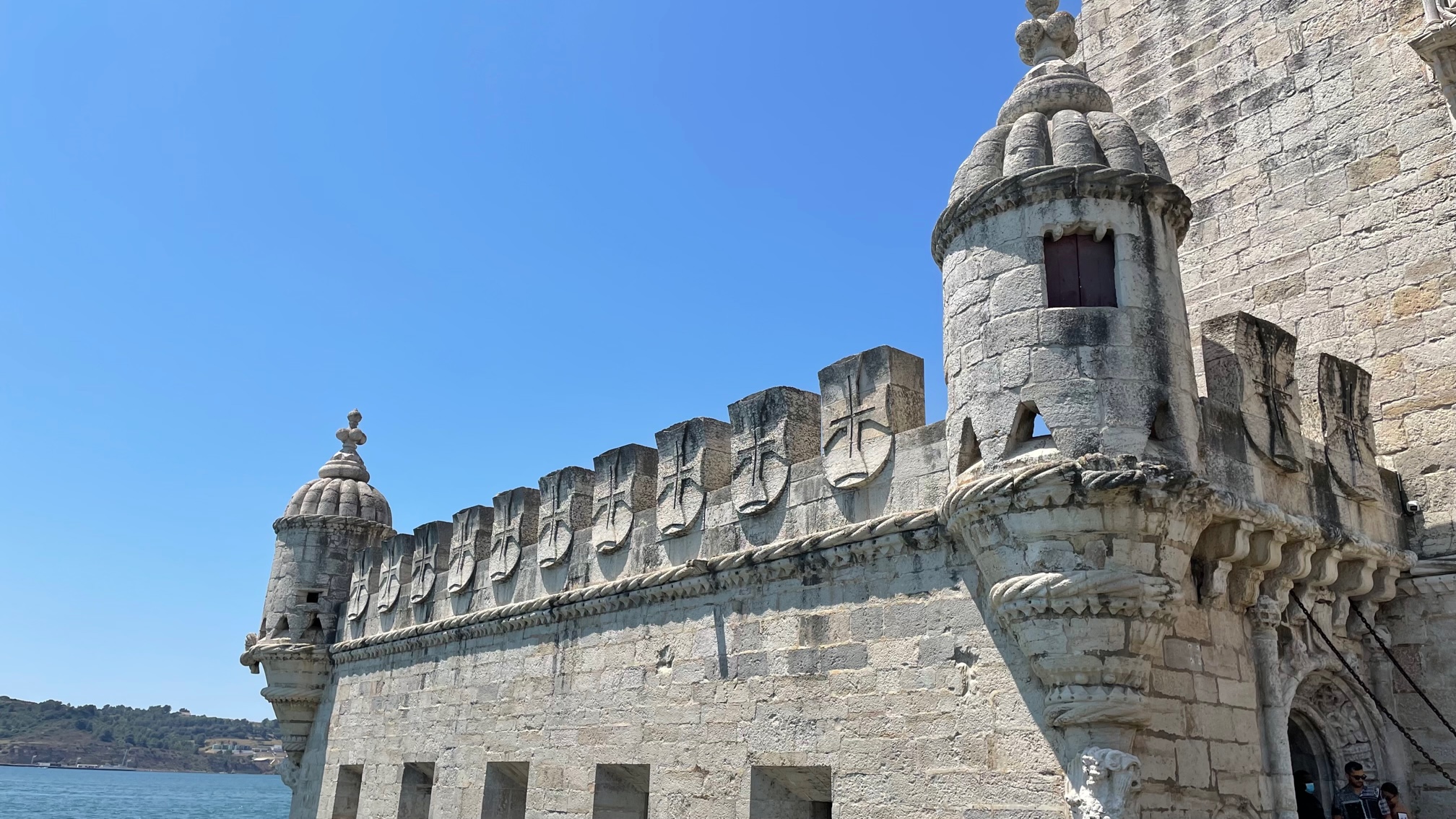
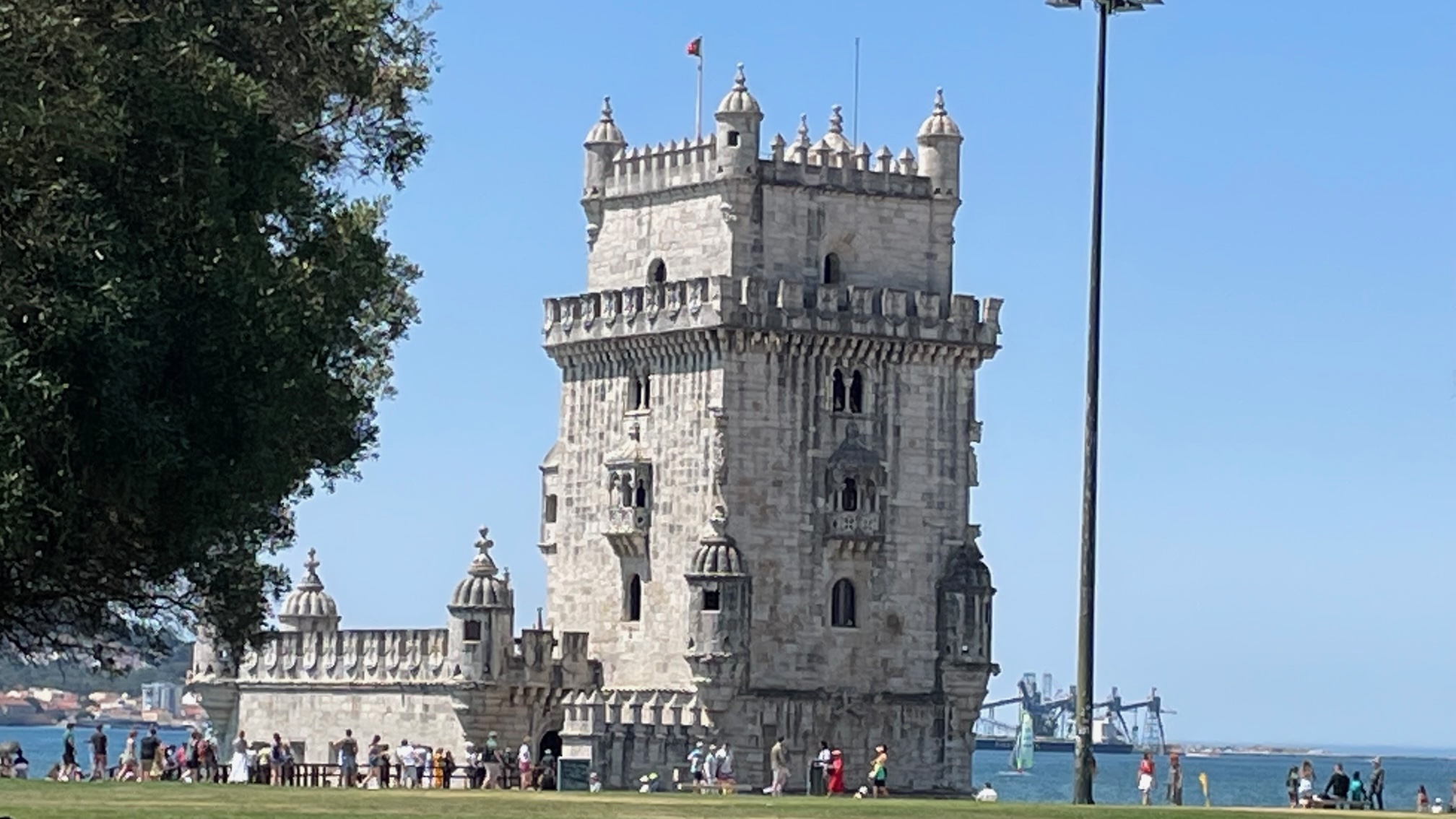
Camera: iPhone 12
Location: Belem Tower, Lisbon, Portugal
“Increasingly gone are the days where you can build a scrapbook of physical items like tickets, boarding passes, certificates, letters, newspaper clippings, etc. because of the digitization of everything.”
Call me old fashioned or a ‘luddite’ but I really do miss the feeling of paper tickets, boarding passes, and even the plastic menu. It does not mean I don’t enjoy the fruits of the abundance of technology that we have today, and it is something I’m comfortable with having grown up in the 1990s and 2000s as the computer, personal cell phone, and mobile applications came into being. I do also remember going to baseball games to buy a physical ticket at the ‘will call’ window and keeping the ticket stub as a form of memorabilia. The same could be said for receiving a boarding pass when you’re traveling to a new city or country and keeping it with you to remember when and where it was when you went there.
Increasingly gone are the days where you can build a scrapbook of physical items like tickets, boarding passes, certificates, letters, newspaper clippings, etc. because of the digitization of everything. Yes, you may still have the option to print out what it is you need or send out birthday cards, wedding invitations, college diplomas to enjoy the momentous occasions that come up throughout our lives, but when it comes to our day-to-day needs, we increasingly rely on digital wallets, QR codes, mobile applications, and smartphones to get the job done.
You could argue that given how present a reality climate change is in our current era that not using paper or plastic to protect our trees and wildlife is a positive step, but I would argue that everything has an environmental effect including our smartphones, smartwatches, and computers. Using less paper and plastic is overall a good thing but my concern these days is that it seems like we are not being given a choice to have either option.
I like to keep physical / paper records, when possible, up to a point whether for personal, financial, or medical reasons. It is hard to do that when you are only allowed to use a digital record for your files, which may not be as permanent or as secure. Maybe physical records are never 100% secure either but at least you know that you are the only one that has access to it or people you trust who you give access to as well.
When it comes to digital records or files, there is a cost involved in building up the security and safety measures around those sensitive records, and it is never 100% secure regardless of how many firewalls or barriers you put up. There have been numerous data breaches, hacks, and manipulation of people’s digital records, and that will be a cause for concern going forward as we increasingly go to a digital-first world where our first go to is a swipe of smart phone instead of the stroke of a pen. I believe that each person should have the option though to go forward with having both options of having a physical as well as a digital copy rather than having to choose between the two options.
There are always going to be external costs involved with both physical records (paper, plastic, etc. or digital records (computer, smartphones, smartwatches, wi-fi enabled devices). The key for the future is how to minimize these harmful costs whether to the environment, to our safety and security, or to our mental health as well when it comes to using either option. Those costs need to be factored in to how much we pay to use them and whether the competition can be fairer as companies vie to be both ethical and responsible in how they use our records, physical or digital.
Having a choice at the end of the day between physical v. digital when it comes to our personal data and records should be advocated for to companies and other entities before we give them access to our information and our wallets. The lack of an option to choose who, when, where, what, why, and how our data is obtained and shared should change especially as we increasingly rely on digital services and products to power our daily lives.
For example, during the COVID-19 pandemic, the QR code or barcode went from being used to scan items that we buy to allowing customers to read menus, see advertisements, subscribe to a new service, and have access to a unique link to sign-up for events and workshops. While in the interest of public health, the QR code utilization helped maintained social distance protocols and assisted in keeping workers safe by limiting contact with clients, however, QR codes have not really gone away in the post-pandemic era and are still being substituted for real person-to-person interaction.
Not only can you see your dinner menu on a QR code, but you scan your movie or concert ticket without needing a paper ticket or printout copy of it, you can also use it to order food or drinks or shop from that QR code without needing a catalog or a store magazine or a customer service employee to help you with the transaction. The rise of self-checkouts, automated service to order what we want and when we want, and being able to pay or reserve or check out with our phone alone is not just creating less paper but also the need for less person-to-person interaction.
Without being someone who yearns for the good old days, but you used to be able to order from a paper menu, get your ticket collected and stub ripped off for you to keep, and be able to pay with cash at a business without worrying if it was card or Apple / Google Pay only. Less paper and plastic are not a bad thing, but I do think it’s healthy from a social interaction point of view and as the world digitalizes and automates, I also think we will be less comfortable making small talk or socializing with those we don’t know who provide us with a service or a product.
There are real security concerns with an increasingly digital only world that have their own potential costs and drawbacks to consider as well. I hope that even as technology continues to advance with automation and artificial intelligence surpassing our own human capabilities, we will not allow ourselves to be robbed of our choice especially when it comes to how we receive our mail, pay our bills, buy our products, or if we can opt to talk to someone at the checkout register instead of self-check-out because we believe that 2-3 minutes we talk to a worker there is better than that 30 seconds or 1 minute we do it ourselves but without talking to anyone and with no one to maybe brighten our day a bit or make small talk with.
Losing that choice of digital vs. physical records or information would be detrimental in the long run. We should know of the environmental, security, and mental health costs involved if we tip too far in one direction or the other, but I think given that we are social creatures and we enjoy the physical touch of a book, a magazine, a letter, or even a ticket to a baseball game, let’s not try to go to 100% digital especially for those of us who remember when information was primarily shared physically.
It’s a complex era that we are currently living through, and it appears that we are transitioning slowly but surely to a digital-only world. However, my hope is that we allow ourselves to choose how much or little as individuals we opt into this ‘brave new world’. We may not be nostalgic now, but something tells me we would miss our scrapbooks, our photo albums, our book collection, and even our baseball tickets, and boarding passes if they were up in the ‘Cloud’ protected by facial recognition and multi-factor authentication instead. That’s not the world I wish for us to have in the future and that our choice(s) to opt-out will never go away.
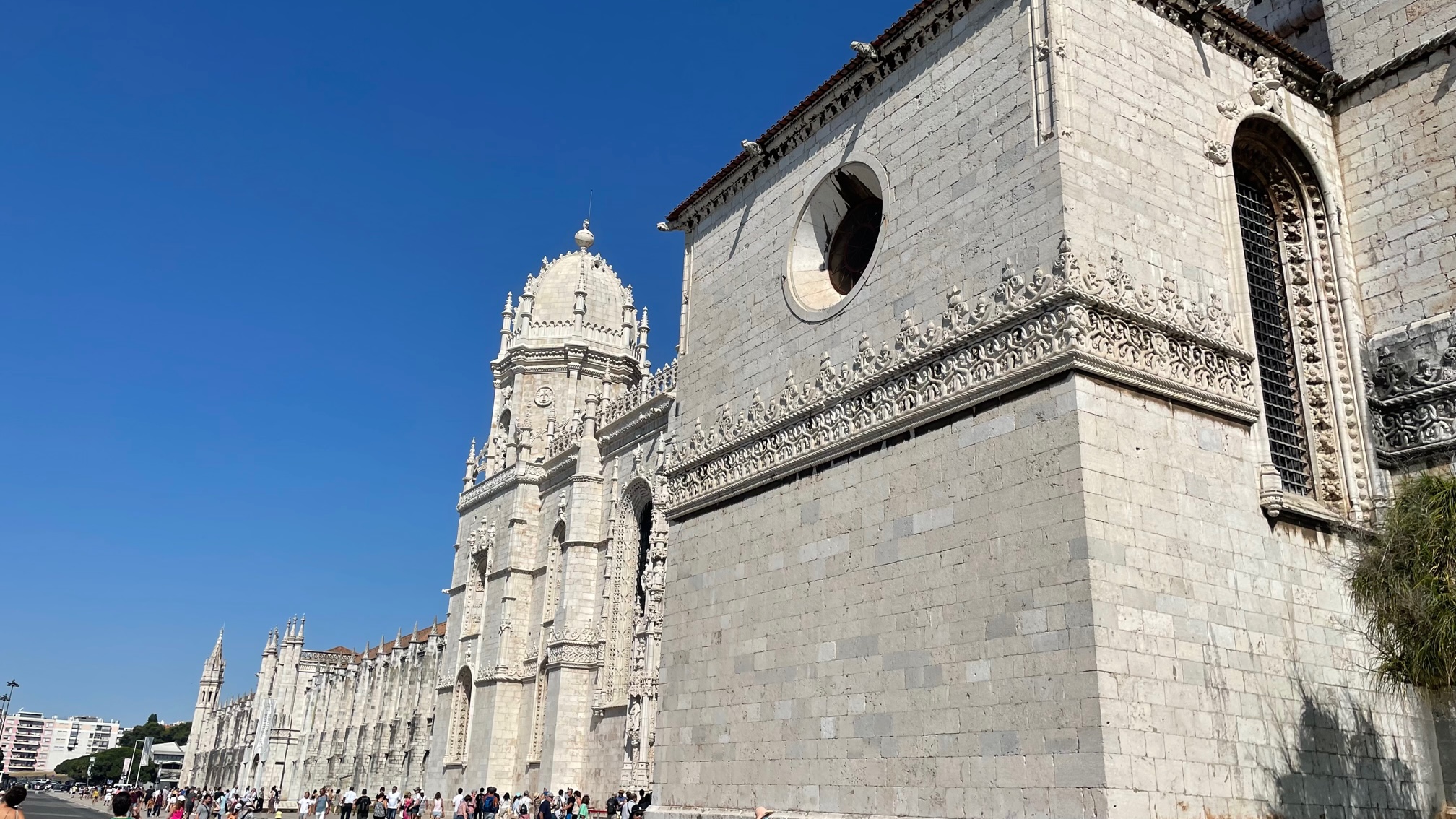

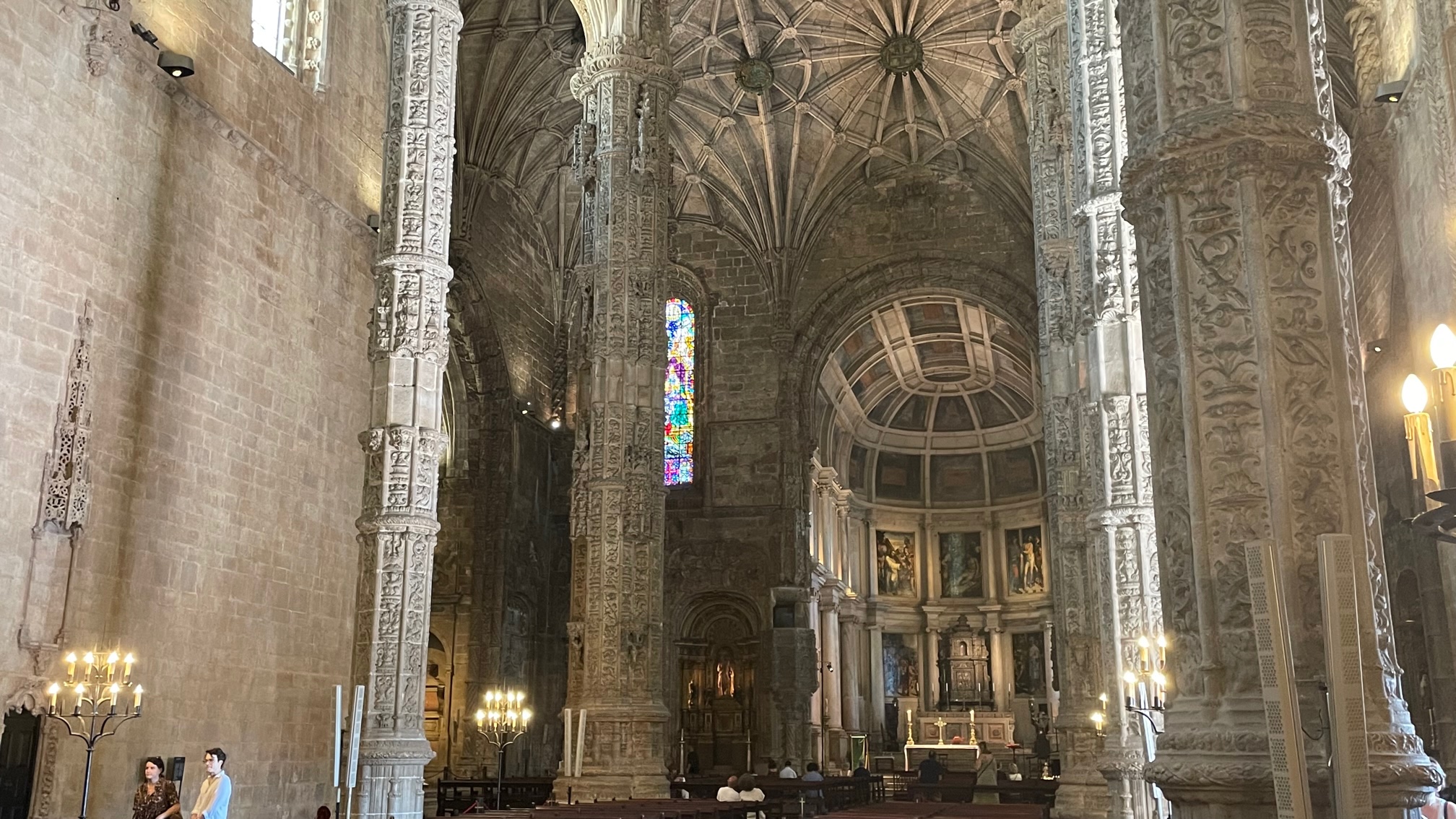

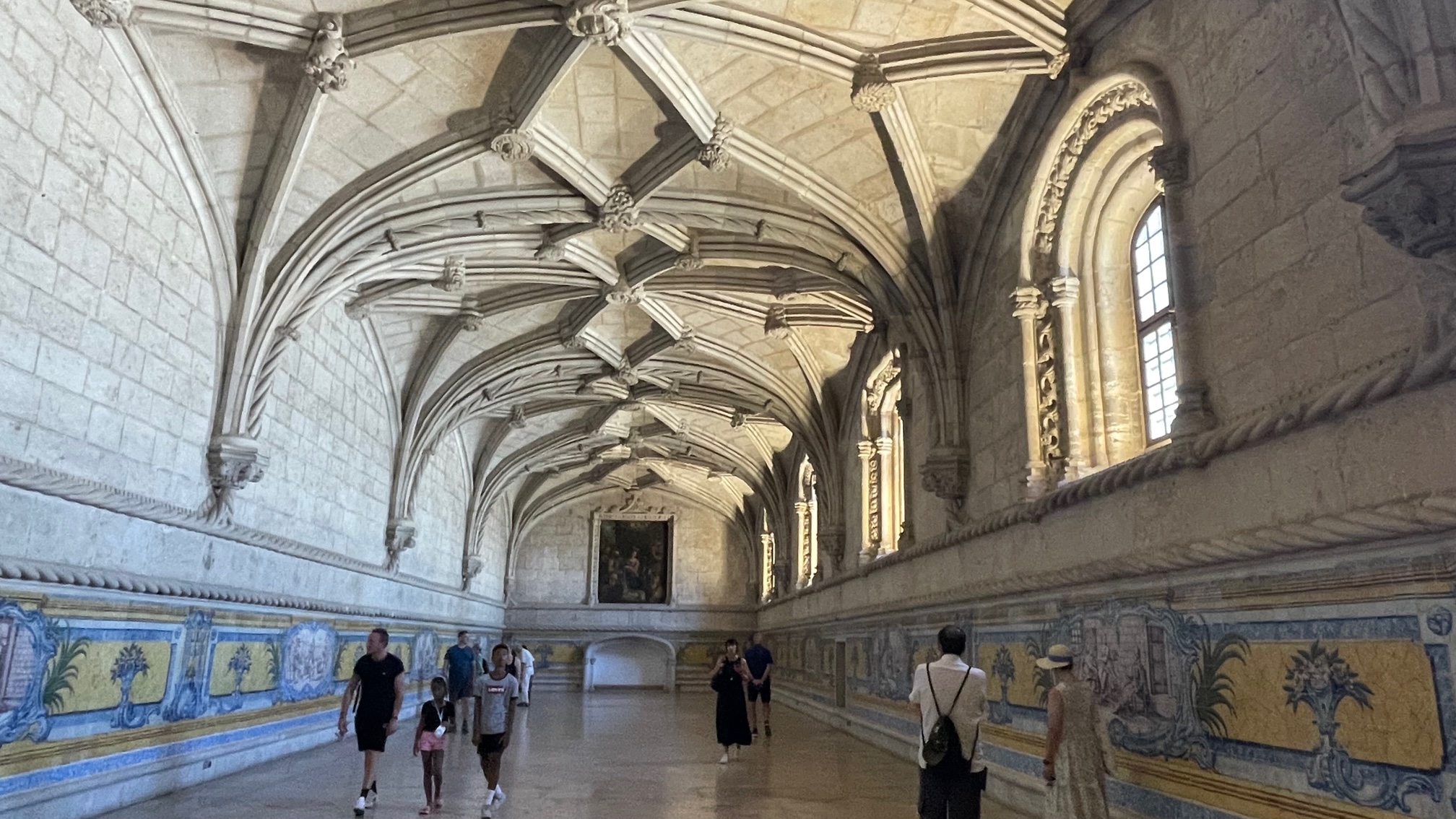
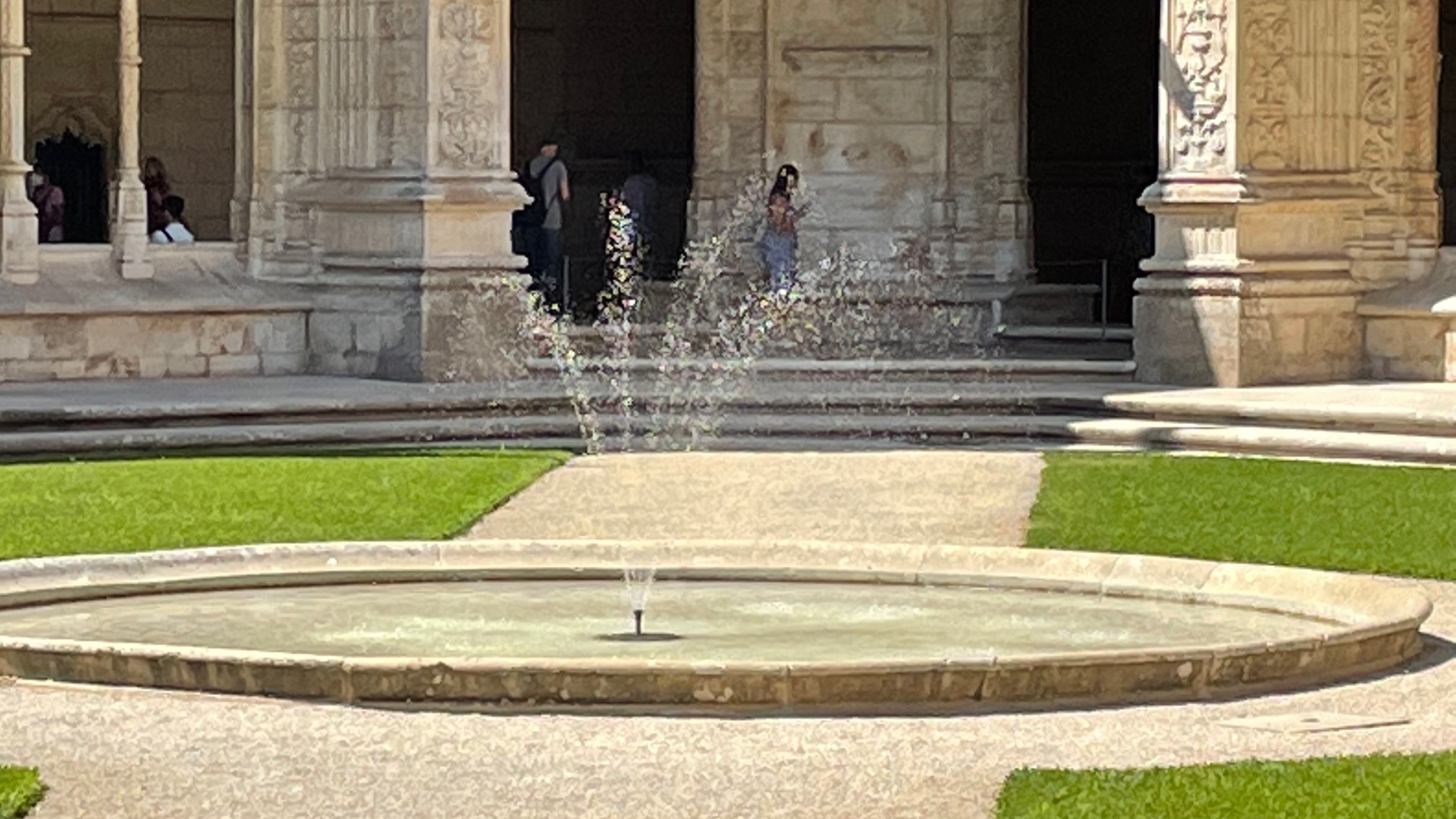

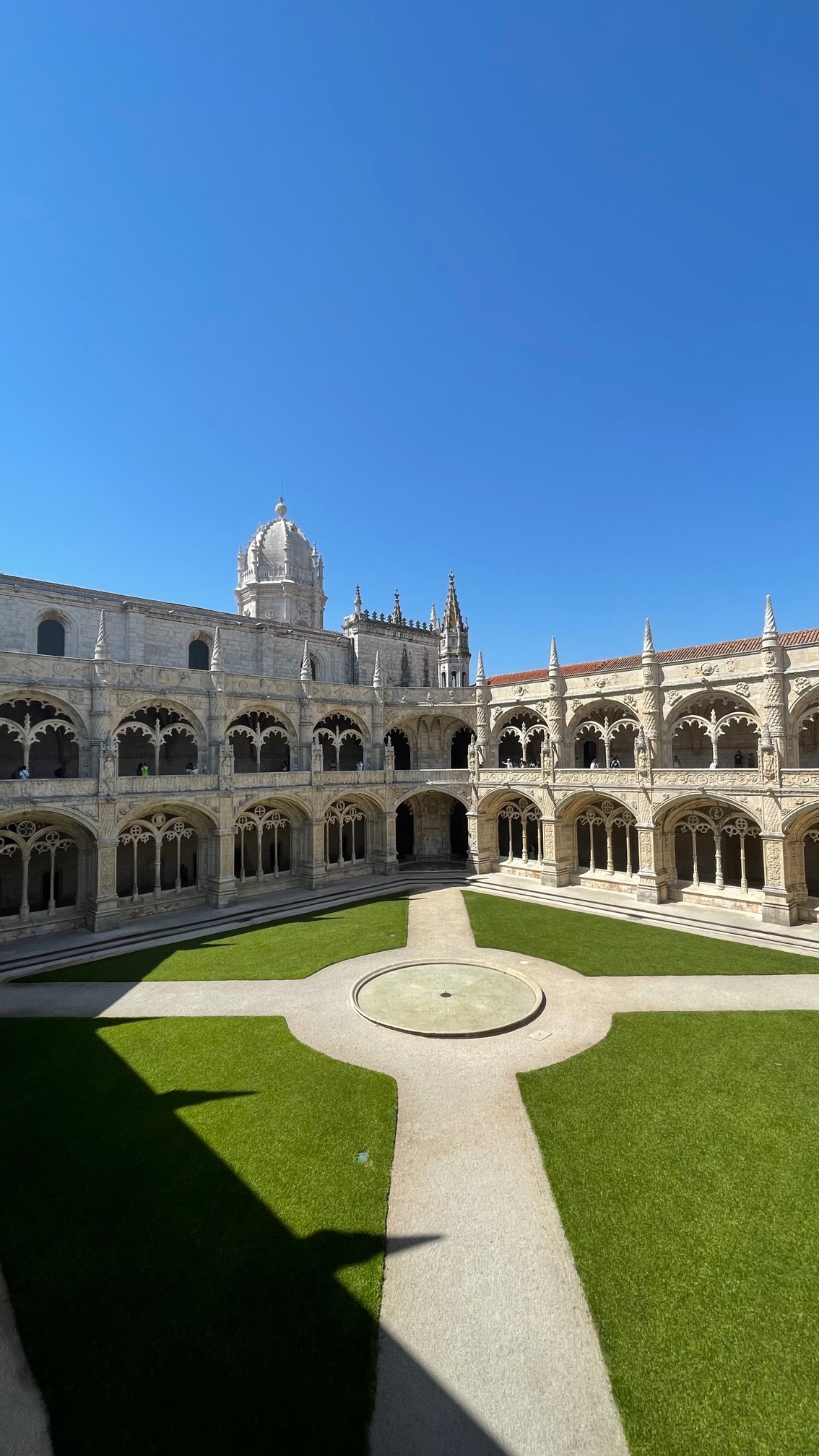
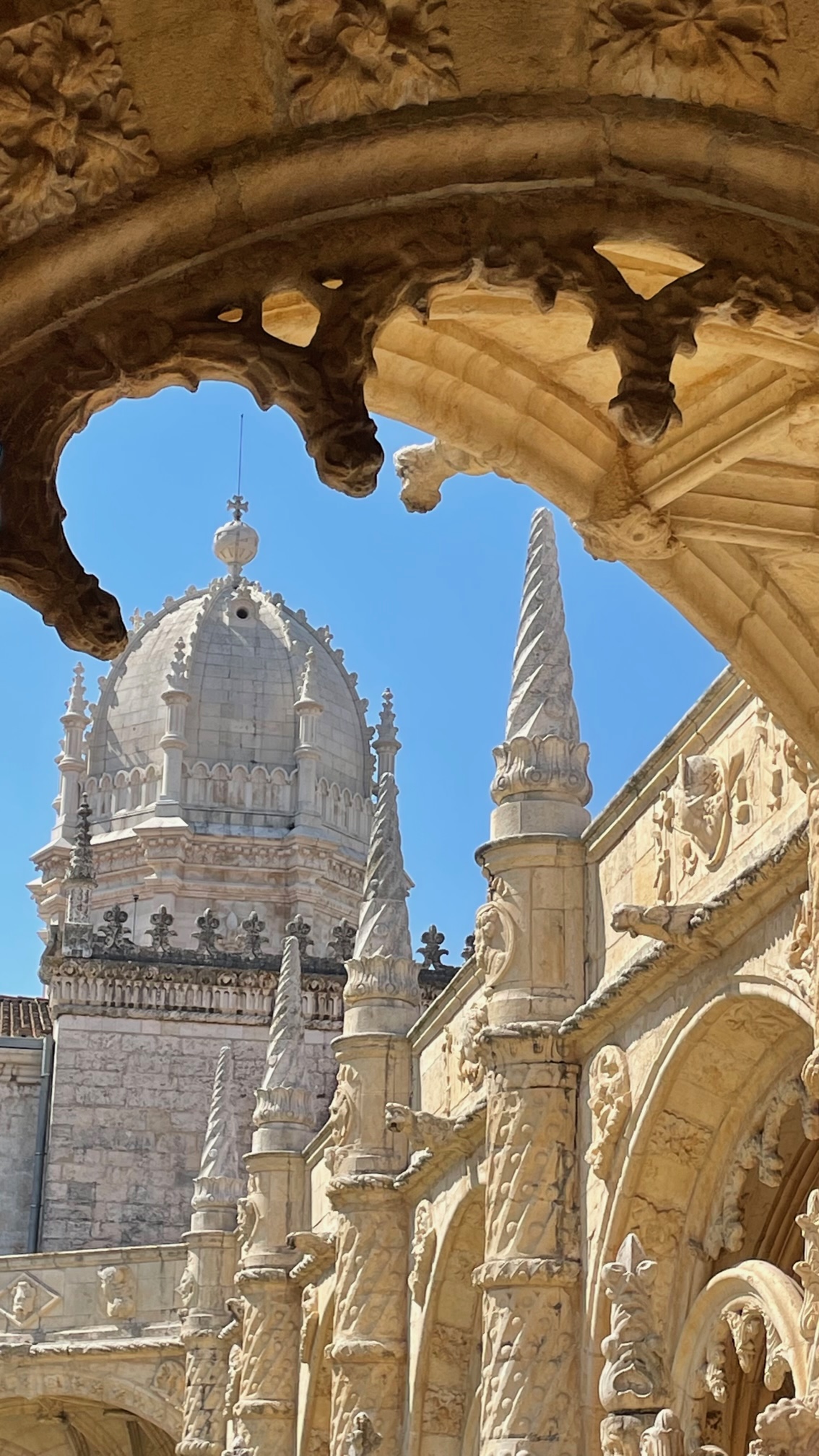
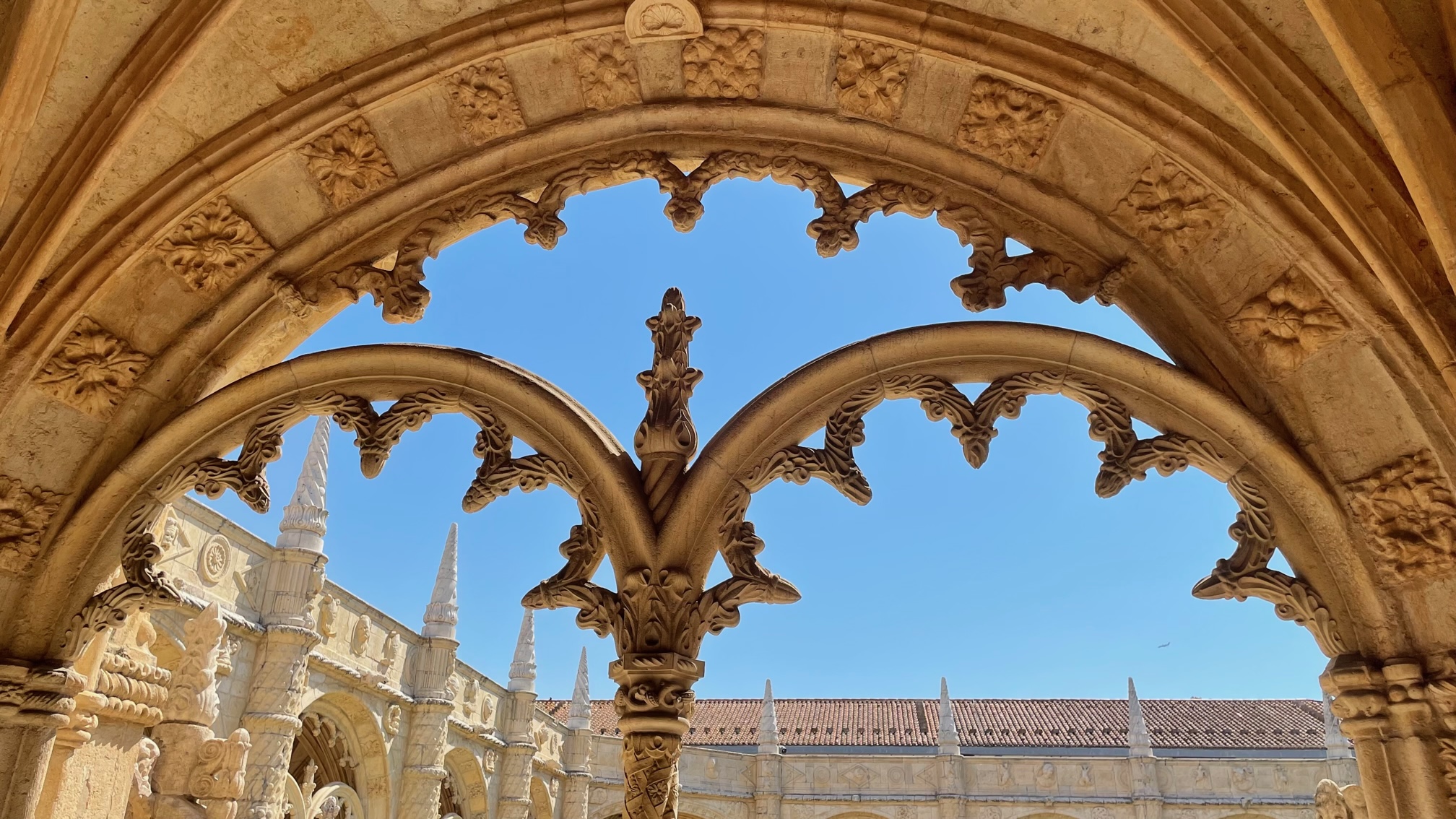
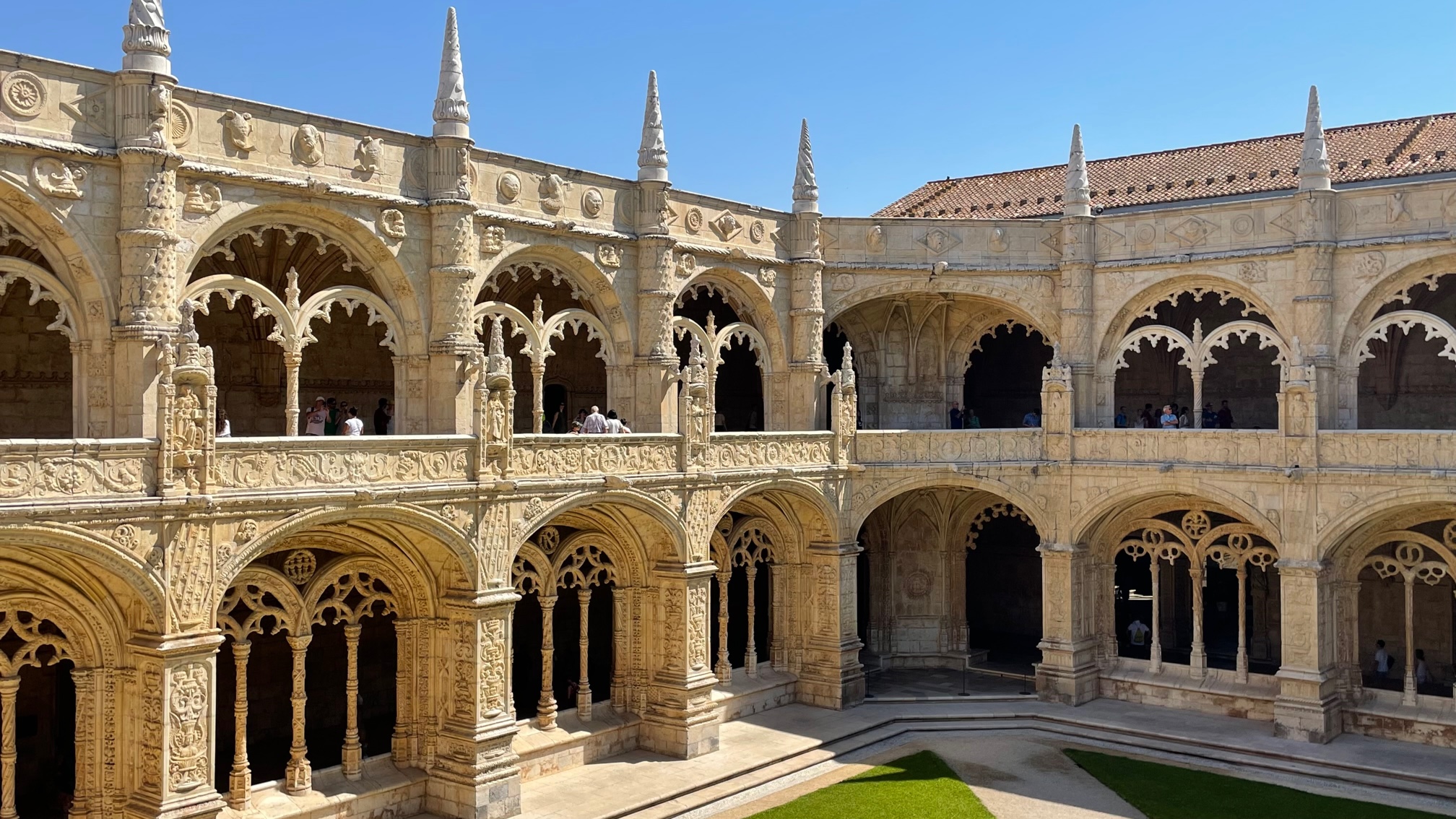

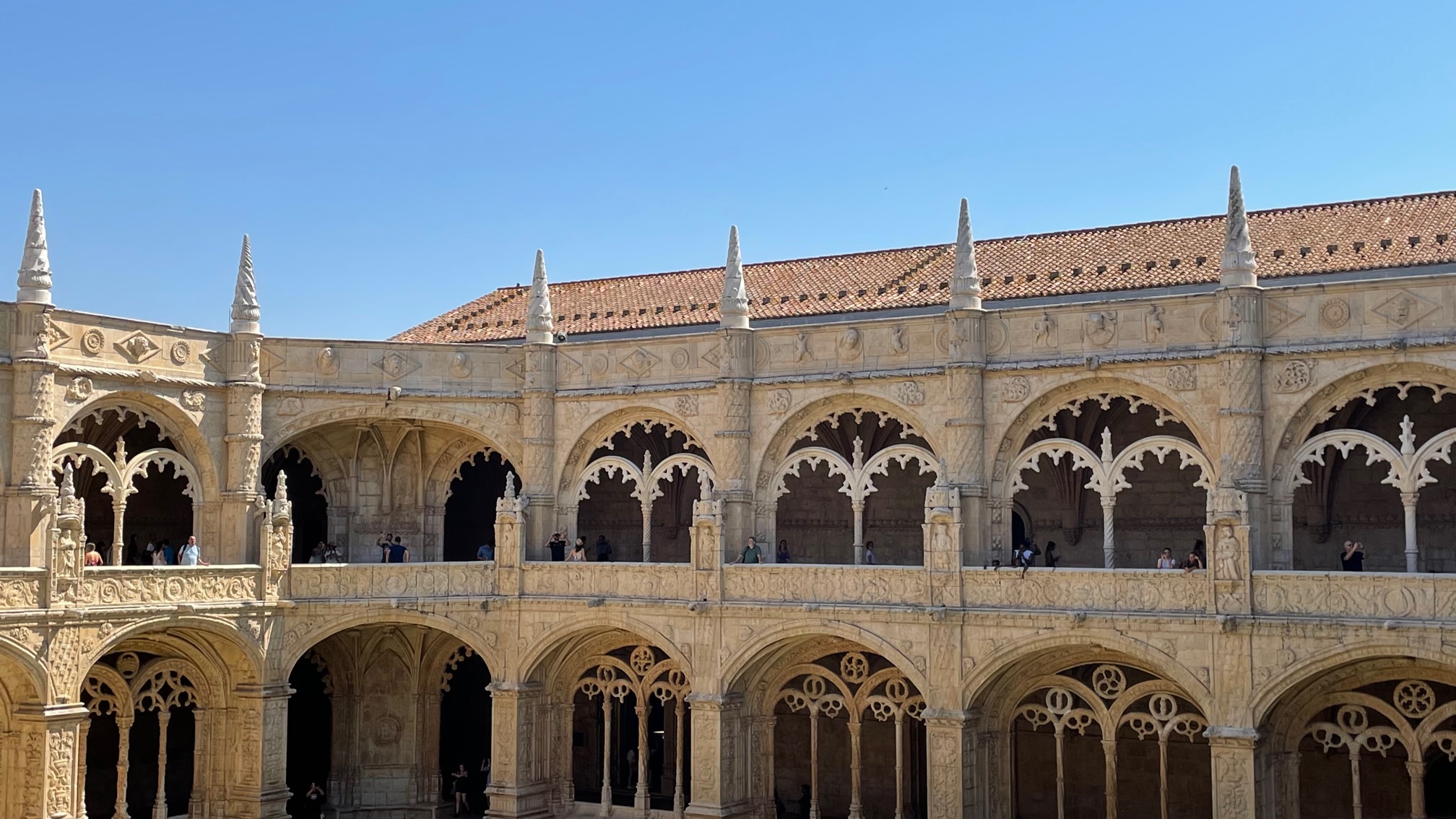
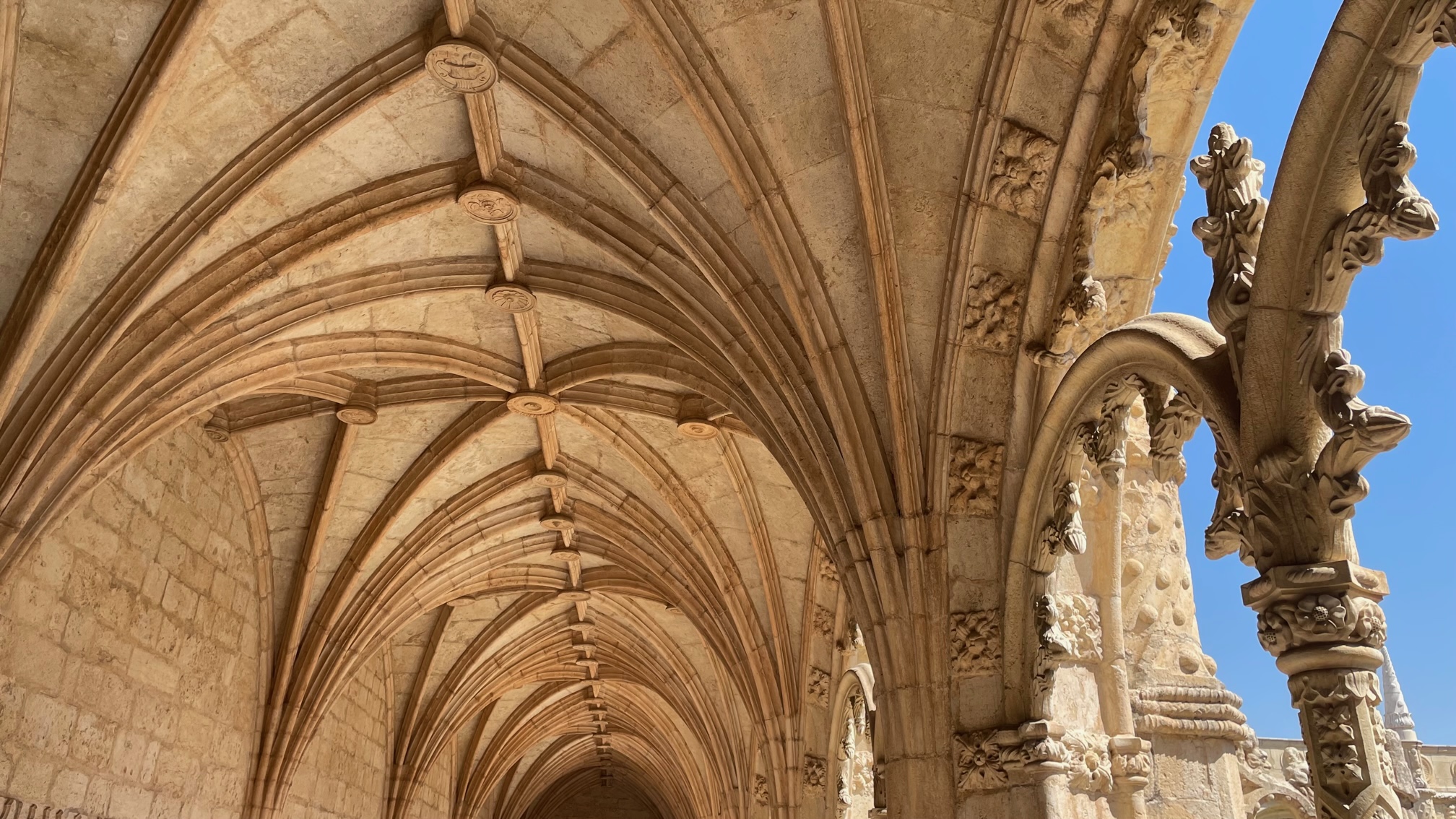

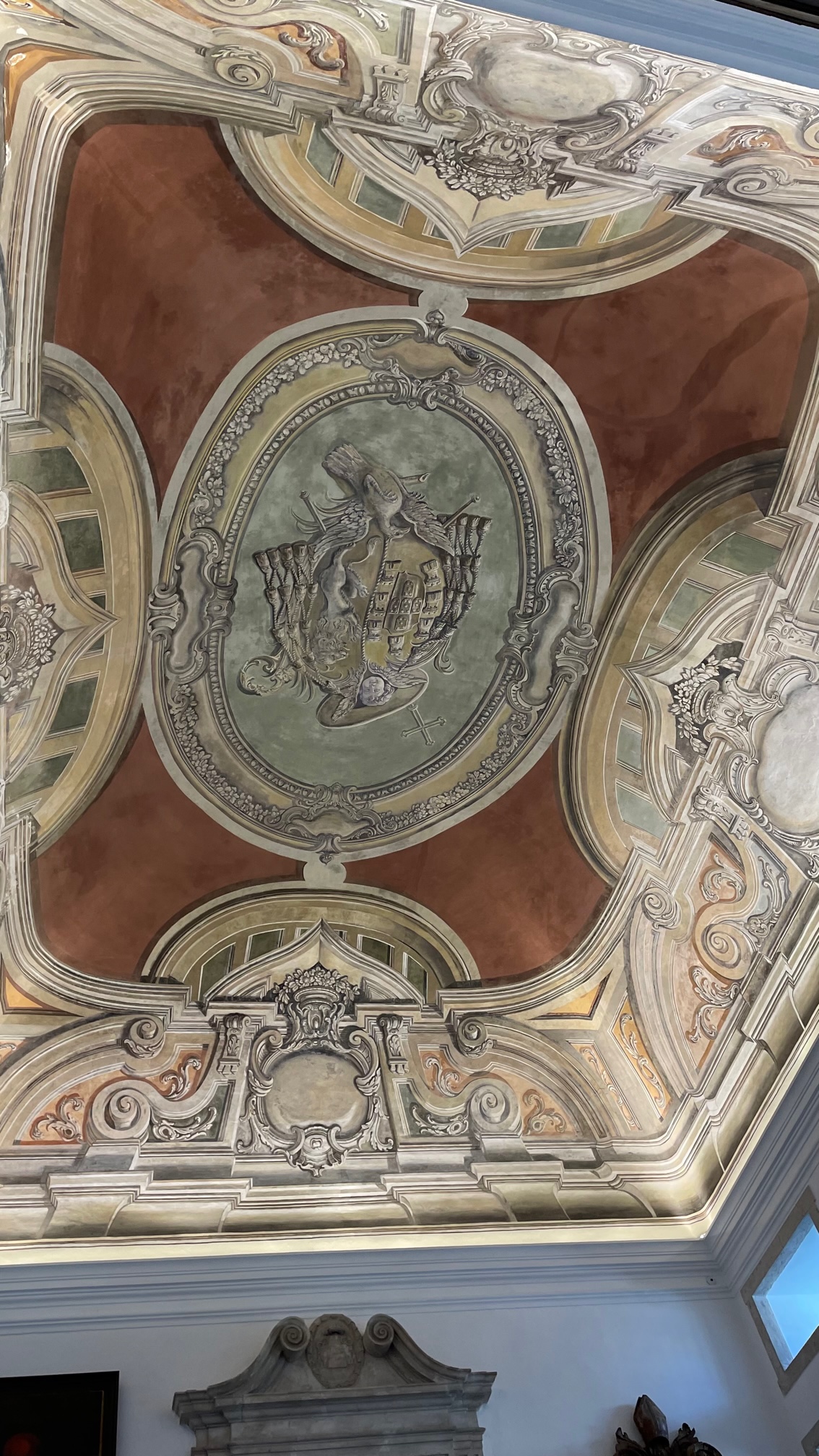

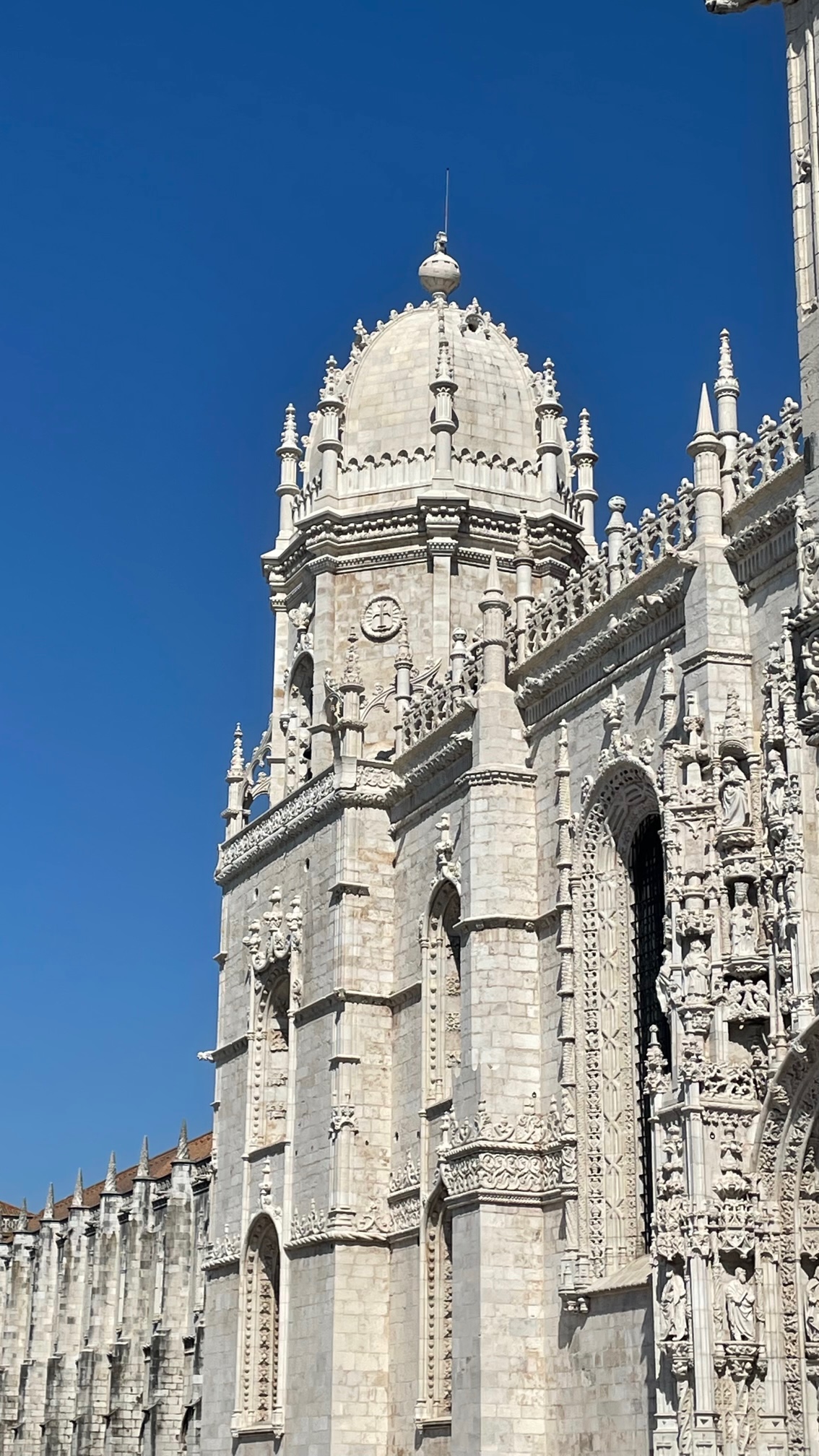
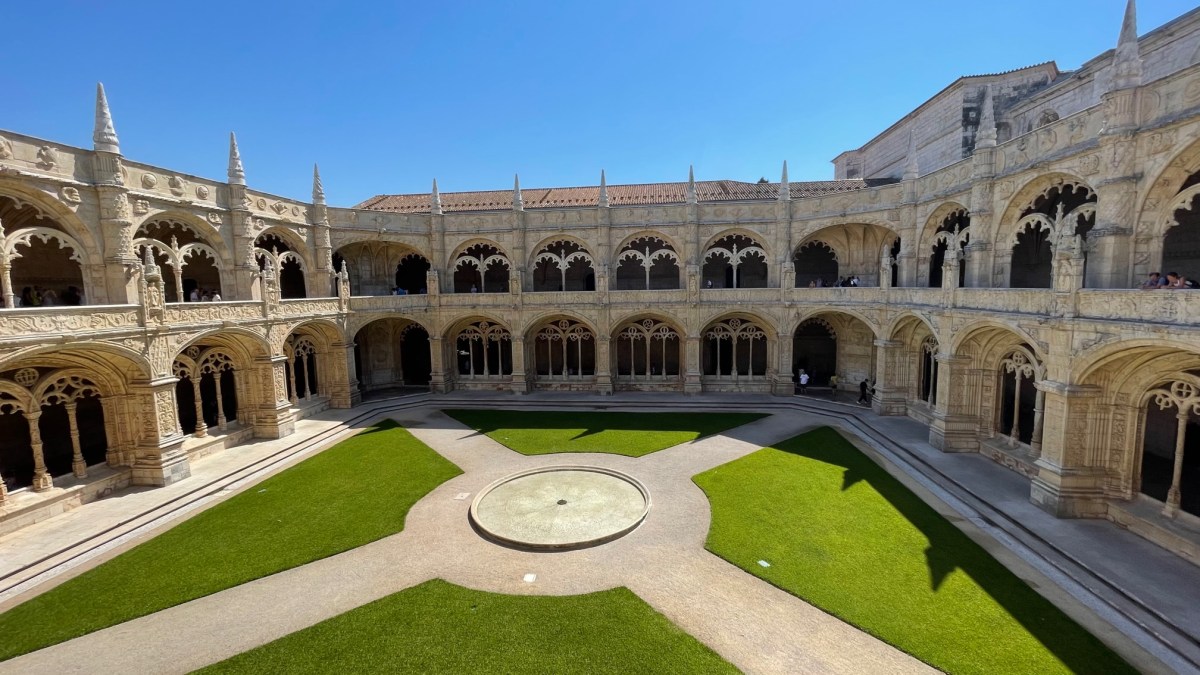
Camera: iPhone 12
Location: Jeronimos Monastery; Lisbon, Portugal