Three Tips for Public Safety

A recent incident and rather close call as well regarding my personal safety reminded me of how important it is to take certain precautions when you are out and about especially in an unfamiliar setting. If you’re in a new city or a new country, you’ll want to double down even more on your own safety when you don’t know your way around or are not able to communicate well in the local language. Urban environments tend to be the most difficult safety wise which is why I am compiling a list of these three public safety tips that I often use and which you may also find useful.

Now, these three tips may not be able to keep you 100% safe, but they will lower the odds and substantially minimize your exposure to risky situations and potential danger. One tip that should be common sense to begin with but which I sometimes neglect is to always be on your guard in some measurable way. To let your guard down even just for a little while can be all someone needs to attack, harm, or rob you in some way. The most important thing you can do in an unfamiliar setting is never let your guard down and to stay vigilant.

These three tips add on to that basic philosophy and will help you in additional ways. While I am far of a safety expert and am not a security professional, I give these tips based on my own experiences and reasoning. I hope that you find them useful and are able to utilize them for your own personal security. While this is definitely not an exhaustive list, I definitely believe that these three tips are some of the most common sense and reasonable out there when it comes to exercising caution in public.

  1. Keep away from the sidewalk curb or edge

You may not see this tip as being very important, but I find this is an underrated one when it comes to staying safe in public. You’ll want to maintain your distance from oncoming traffic as much as possible and I find that it’s safer to be closer to the building than to the curb. These days, you simply never know if a car, bus, or even a truck could lose control and end up mounting the curb to cause serious harm to you or another person.

Also, if you happen to be in a city where snatch-and-grab robberies can happen quickly, you want to make it as hard as possible for those robbers in a car or in a motorcycle to nab your personal items. You will want to keep away from them as much as possible when walking on the sidewalk. It makes it easier for them to grab your purse, bag, backpack, or phone the closer you are in proximity to the street.

Lastly, regarding events in the past, intentional attacks by criminals or terrorists using vehicles while a very remote possibility is something you could keep in mind by staying away from the street traffic. You should maintain awareness when you’re walking on the sidewalk as well which will lead me to my next point in a later tip. If you have a loved one with you whether that’s a romantic partner or a family member who might be more vulnerable, consider putting yourself closer to the street and have them be at your side closer to the building. If they’re older, don’t move as well, or have to take a call or answer some texts, it would be the wise thing to do to have them walk by your side away from the street especially if they’re distracted by something else. While this tip isn’t very popular, I find that it makes a lot of sense and can enhance your awareness.

  1. Face towards the entrance of the café or restaurant

Maybe you’re out at a café enjoying a nice coffee or at a restaurant celebrating your birthday, regardless of the circumstance involved, I recommend that when your sitting at a table or a counter or a bar, try to always face towards the entrance or exit to be aware of what’s going around you. Restaurants, cafes, and bars can be loud, distracting, and disorientating but it’s key to your personal safety to know where the entrances and exits are at all times in case of an emergency. Emergencies are unlikely to happen in these public settings but it’s better to be safe than sorry by knowing who’s coming in and who’s leaving. It’s also good to scout out the additional entrances and exits of the place you’re at if you can do a walk-around after you arrive.

If you are in a big group or a larger party of people at a restaurant or bar, try to do your best to sit facing the exit as well. It can be more difficult, but most people are not aware of this safety tip, but it shows that you are being responsible in caring for the safety of the group by looking at what’s going on around you. While it is extremely unlikely that anything bad would happen in a restaurant or a bar or café, you are at a significant disadvantage to react to any situation if you are facing towards the wall or towards the kitchen. What would even be worse leads me to my third tip involving using the smartphone at these kinds of places instead of minding your surroundings or paying attention to the people with you or around you.

  1. Put the phone away in public as much as possible

Your smartphone can be a big hindrance to both your awareness in public of potential dangers and hazards as well as making you an easier target for theft or robbery. While it is usually safe to use your phone in most places, depending on the city or country, you may want to leave it at home or wait until you’re at a café, bank, or a restaurant to use it. To walk around with it and advertise its value is an increased risk which you may want to do without. While it can be helpful in mapping out your location and where you need to go next, it can highlight the fact that you are a tourist or are not aware of your surroundings even more.

On top of that, walking with your phone out is not a good idea because you will be completely unaware as to what is going on around you in terms of cars, buses, bikes, motorcycles, or potential street hazards. Having your phone out not only compromises your safety but your awareness as well. Try to memorize your immediate area so you will not be tempted to use your phone as much. Also, even when you are out at a restaurant, café, or bar, it is best to use your phone sparingly so as to not distract yourself from your surroundings or from your friends or family who are out with you. Your phone is a great tool, but it can take away from your public safety very easily if you use it too much or make it obvious as to how much street value it has.

My key point in writing this article is to make sure you don’t fall victim to some sort of accident or tragedy because you weren’t paying attention. You should always be striving to be aware of your surroundings and to make it a personal priority to maintain vigilance in public. Things can happen very quickly and it’s extremely important these days to stay ready in case something happens unlikely as that may be. Use these tips at your own discretion and if you would like to add your own public safety tips, please feel free to do so in the comments section.
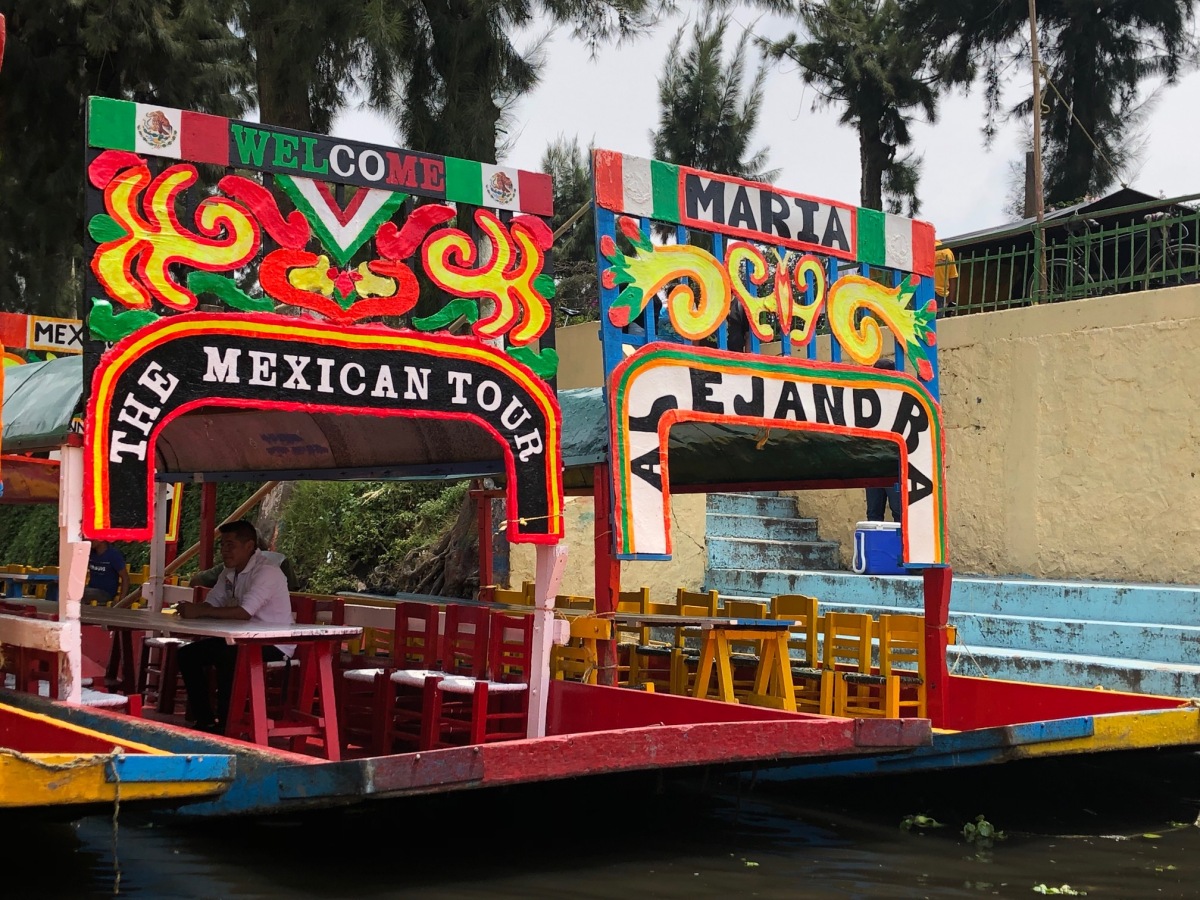
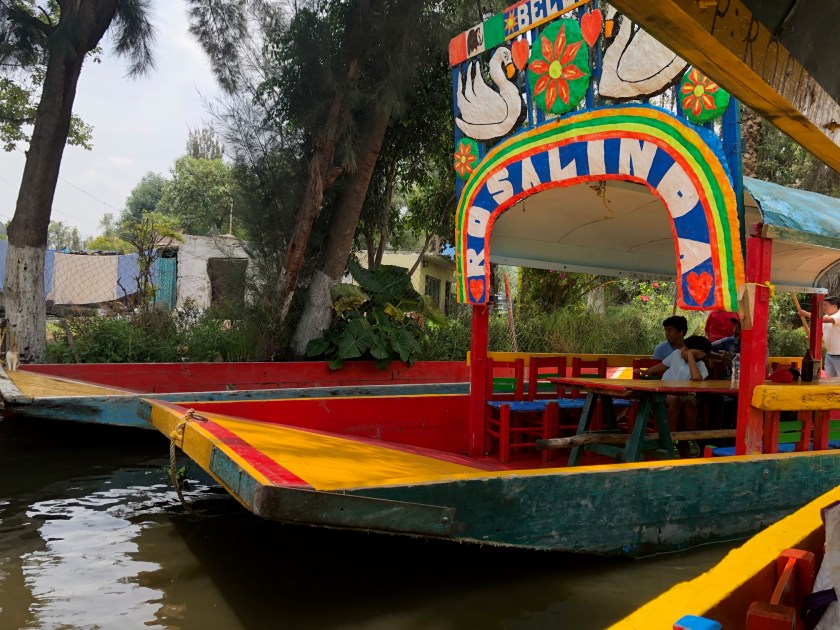
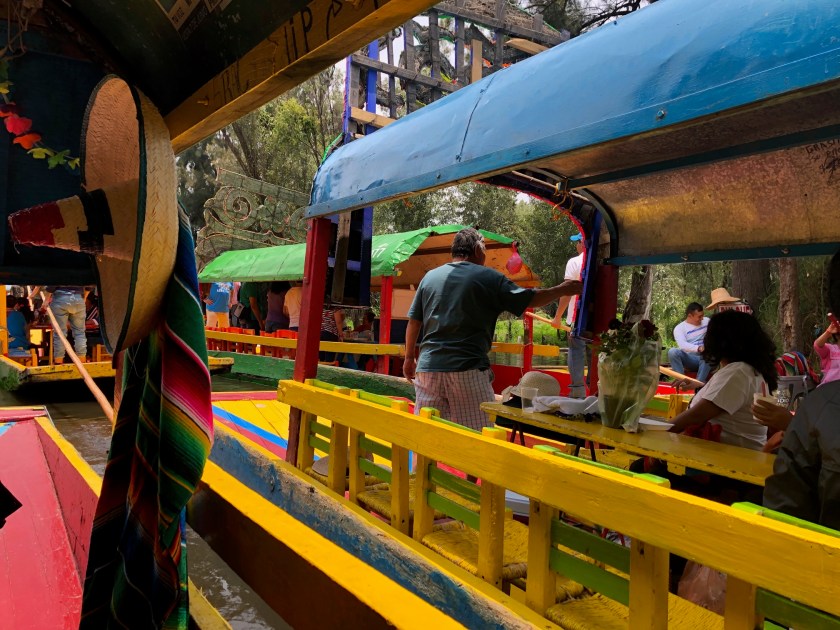
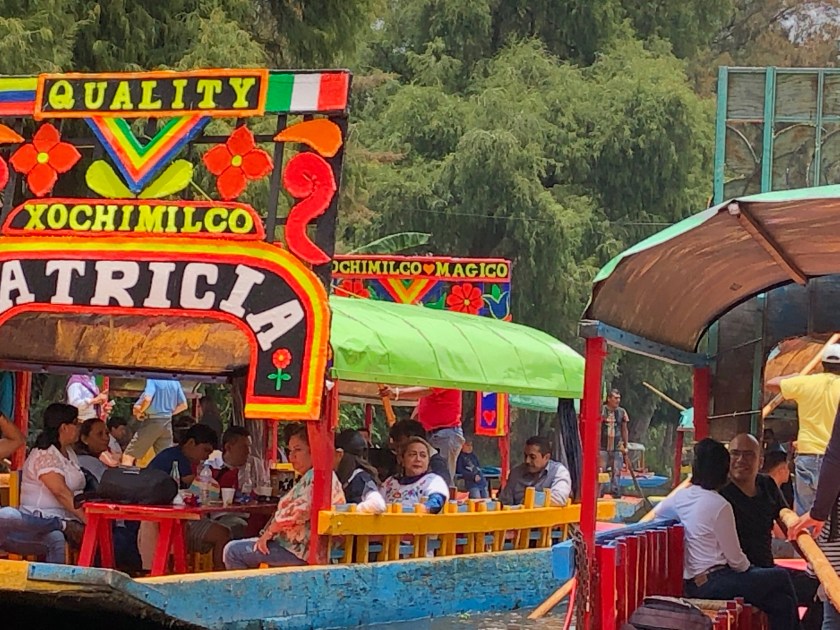
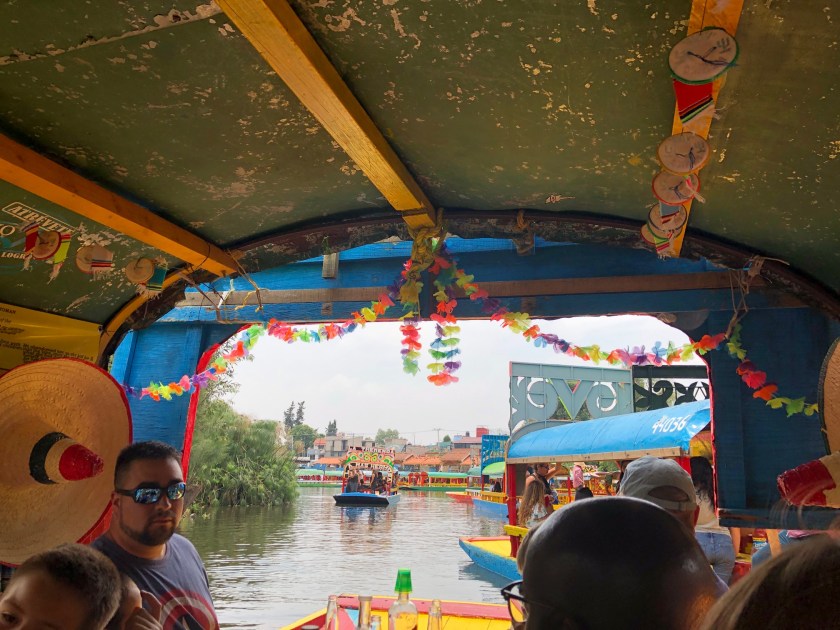
Xochimilco

IMG_2810IMG_2813IMG_2815IMG_2819IMG_2820IMG_2825IMG_2827IMG_2832IMG_2835IMG_2836IMG_2839IMG_2842

Camera: iPhone 8

Location: Xochimilco, Mexico City, Mexico

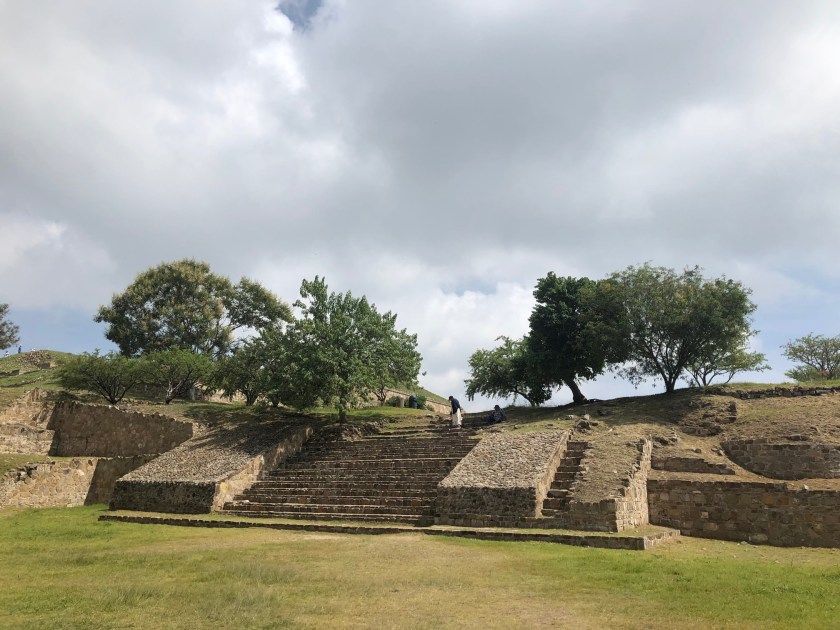
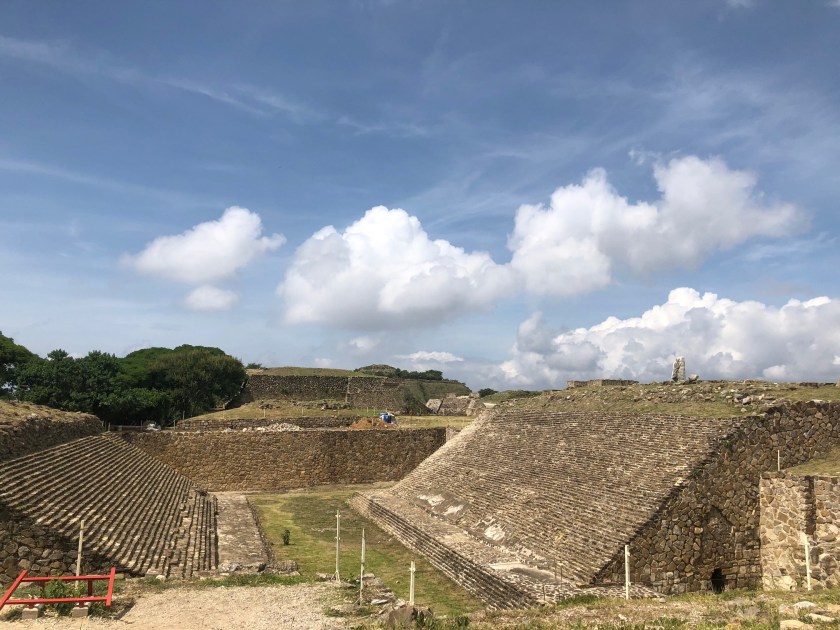
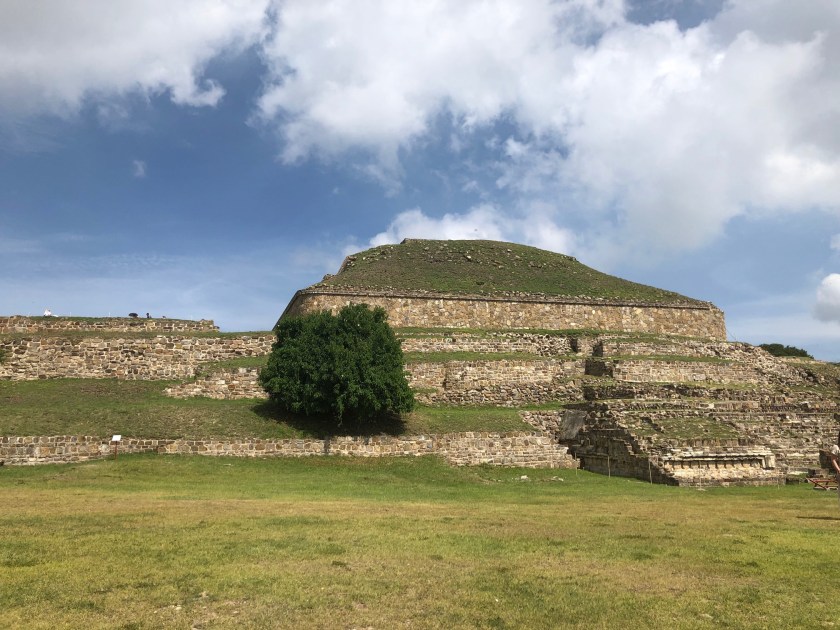
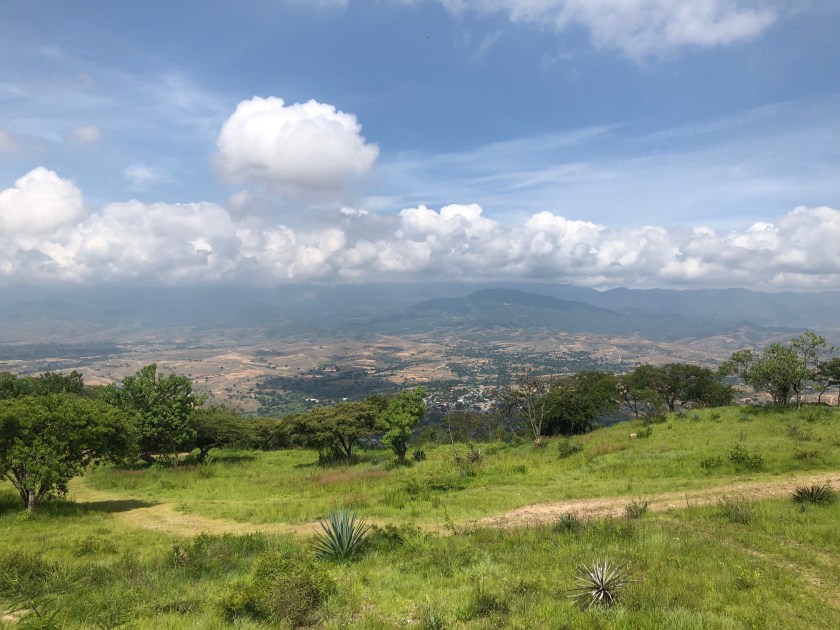
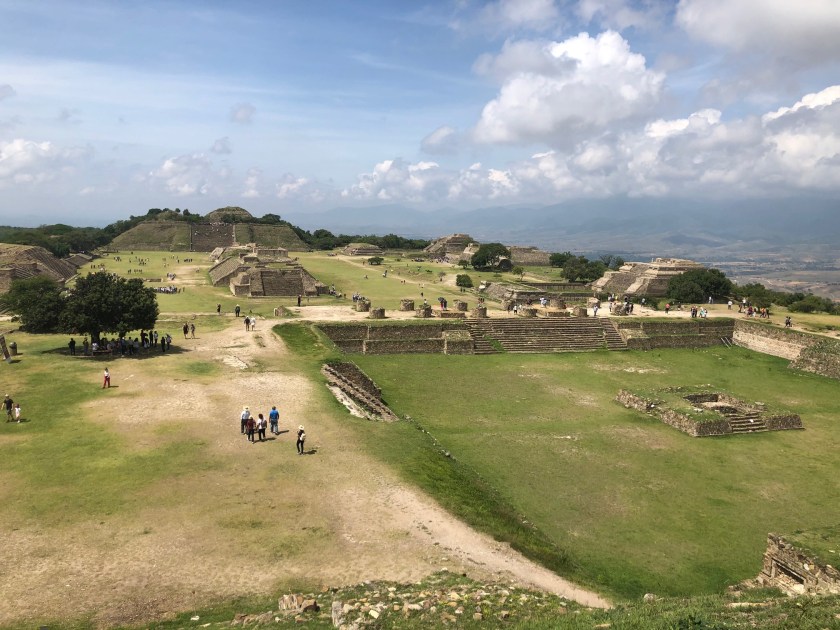
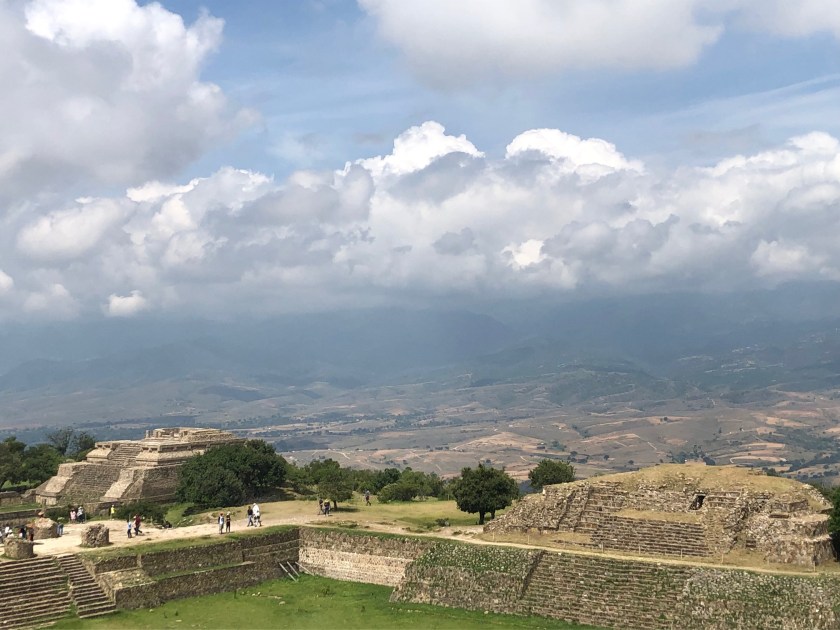
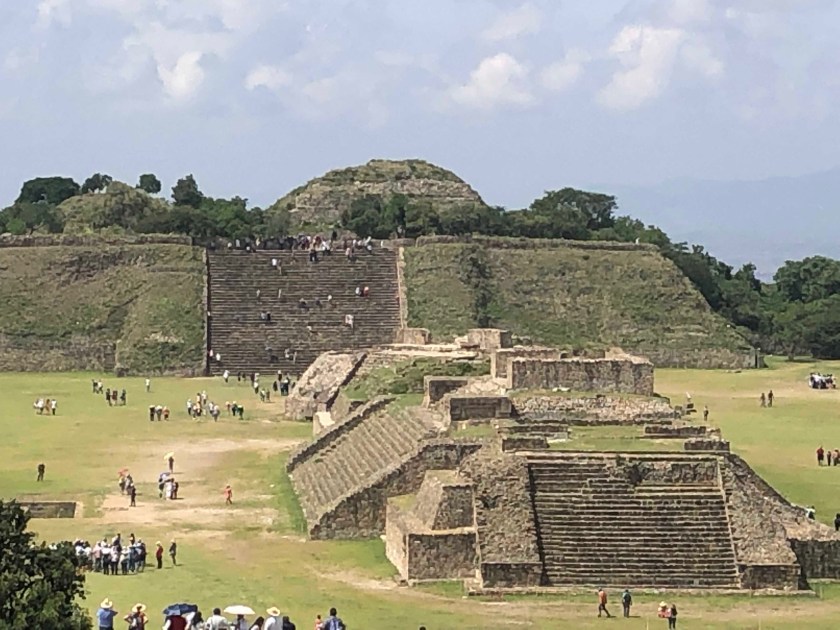
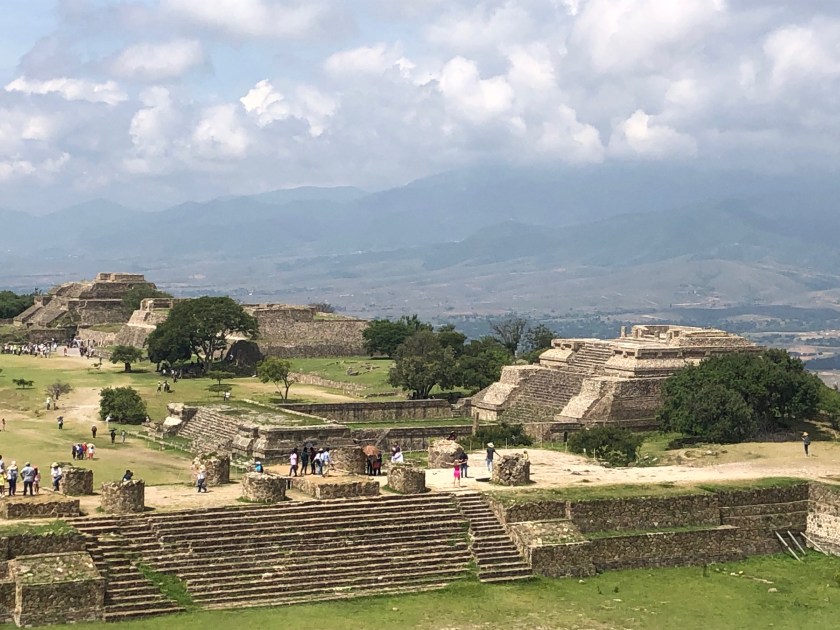
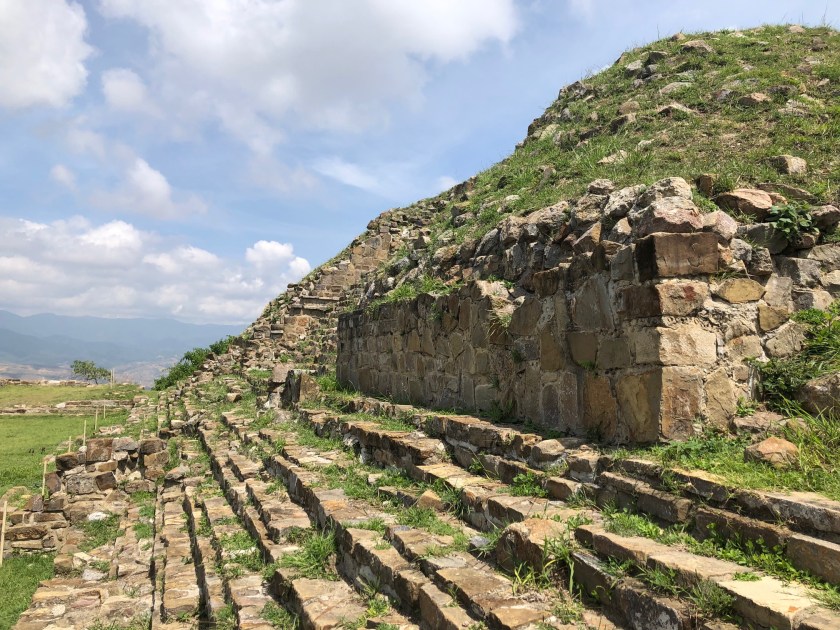
Monte Albán

IMG_2673IMG_2676IMG_2682IMG_2684IMG_2686IMG_2691IMG_2697IMG_2699IMG_2706IMG_2707IMG_2712IMG_2719IMG_2718IMG_2735IMG_2766IMG_2778IMG_2782

Camera: iPhone 8

Location: Monte Alban Archaeological Site, Oaxaca, Mexico

Movie Recommendations – Volume II

  1. The Mule (2018)

MV5BMTc1OTc5NzA4OF5BMl5BanBnXkFtZTgwOTAzMzE2NjM@._V1_UX182_CR0,0,182,268_AL_

A normal man of the middle class is pushed to his limits and takes serious risks that could backfire on him. This is essentially the premise of legendary actor and director Clint Eastwood’s latest film in which he stars and directs as an octogenarian horticulturist turned drug mule named Earl Stone. Based on true events, this unreliable family man and an even worse husband, Earl has sacrificed his love of flowers for the love of his daughter and wife. More at home on the road with his drinking buddies and colleagues than with his own family members, Earl has spent over thirty years doing what he does best much to the chagrin of those who care about him including his soon to be wed granddaughter.

Earl is faced with the unsettling reality of the crippling economic recession beginning in 2008 and the subsequent rise of eCommerce outlets when his horticulture lifestyle and flower gardens go out of business. All Earl has left is his love of the road, his ability to never get a speeding ticket, and a lot of debt that he’s not sure how to get out of. Earl has the utter misfortune to run into people who are shady yet loaded with cash and Earl, being as desperate as he is to stay afloat economically goes ahead and trusts them anyway despite not knowing about the illicit cargo, he is transporting around the country for them.

You are left feeling bad for Earl because despite putting work first all those years and missing time with his loved ones, he partly did it to feed his family and give them a good life even if he was away most of the time. Eastwood who plays Earl in the film is not an innocent lamb and deserves punishment for what he did, but he is simply a manipulated fall guy and another casualty to the endless ‘war on drugs.’ Pursued by federal agents and cartel criminals, Earl ends up between a rock and a hard place and you have to wonder how we can live in a society where an old man such as himself has to resort to be a drug mule in order to get by financially and create a good life for himself and those close to him.

Overall, this is a good movie that I would recommend for its questions about morality, family, and the consequences economic hard times can have and are still a reality for so many people who choose to take illegal means or are forced to do so in order to survive or get by. It’s clear from the movie that crime doesn’t pay but we are left to reckon with the absurdity of an eighty plus year old man needing to work for the cartels in order to thrive economically.

  1. Once Upon a Time in Hollywood (2019)

once-upon-a-time

It may not be Tarantino’s best but it’s certainly not his worst. With a stellar cast of characters including Leonardo DiCaprio, Brad Pitt, Margot Robbie, Al Pacino, etc., This film does a great job of invoking the nostalgia and uniqueness of Hollywood in its heyday during the late 1960’s. Set in a time when hitchhiking was normal to partake in, hippies were hanging out in ranches, and the Manson family was beginning its reign of terror, Tarantino has an uncanny ability to bring those cultural tenets together to produce a satisfying film.

Between the cars, the outfits, the egos of the actors, you get a real sense of what it must have been like to be in Hollywood during that golden era. Even still, Tarantino as in his other films, likes to put his own spin on history and without revealing too much, the last thirty minutes of this film are among the most satisfying that he has put to the big screen.

It would not be a Tarantino movie without some craziness and shocking moments occurring. One of the best parts of ‘Once Upon a Time in Hollywood’ is the chemistry between Brad Pitt’s character, Cliff Booth, a stuntman who does all the dirty work with a smile on his face and Leo DiCaprio’s character, Rick Dalton, an actor who is struggling with the notion that his career may be on the downslope.

While the film gets off to a slow start and certain scenes are drawn out way too long, the writing is well-done, the characters are interesting to see develop, and the payoff of the ending is way too satisfying to not recommend this film. Especially if you are a fan of Hollywood history and the era of the 1960’s, you’ll definitely enjoy this one.

  1. Blinded by The Light (2019)

blinded_by_the_light_onesheet

Brrrrrruuuuucccceeeeee! Springsteen fans are going to love this film. I know I did and it’s for a couple of reasons. The actors are really likable in this one and the story they’re telling is one as old as time but in a setting and an era that I found pretty compelling. There are some similarities between the coming of age of someone like a Bruce Springsteen and the film’s main character, Javed Khan (played by Viveik Kalra). Even though they are from different countries, different races, and different religious beliefs, there is a universal truth that underlies what Javed and Bruce went through as younger men. Dealing with overprotective or absent fathers, searching for one’s own identity, trying to find true love, and figuring out how to make their dreams come true These are the powerful themes of the film that are timelines across cultures and across borders.

Also timeless is the fight against hatred, bigotry, and intolerance among those who don’t accept others who are different living in their communities. The film is not just about Springsteen’s music and how it relates to a young man’s search for his place in the world but also about a family’s immigrant dream to create a better life for themselves in a community that can be rather cruel and mean at times. Not only is Javed trying to make his dreams come true but his family are also trying to fit in to a town, Luton, where they are minorities, and are discriminated against.

I particularly like how ‘Blinded by The Light’, while it followed the formulaic story of similar films, it has its own identity and its own unique setting and characters that make it a rewarding watch. There are some lessons to be taken from this film beyond just enjoying the music of the Boss. It’s about balancing family responsibilities and your own independence and desires, and also about what your priorities are in life.

Music isn’t everything but it’s the sweet, fulfilling topping that will get you through hard times when things look bleak. That is part of the appeal of Bruce Springsteen’s music and it’s why his music is so powerful and resonant from Asbury Park to Luton and from New York City to London. If you get the chance, see this film even if you don’t like Springsteen. It is more than just a musical and at its core, it’s about the triumph of love over hate and of dreams over despair.

Oaxaca de Juarez

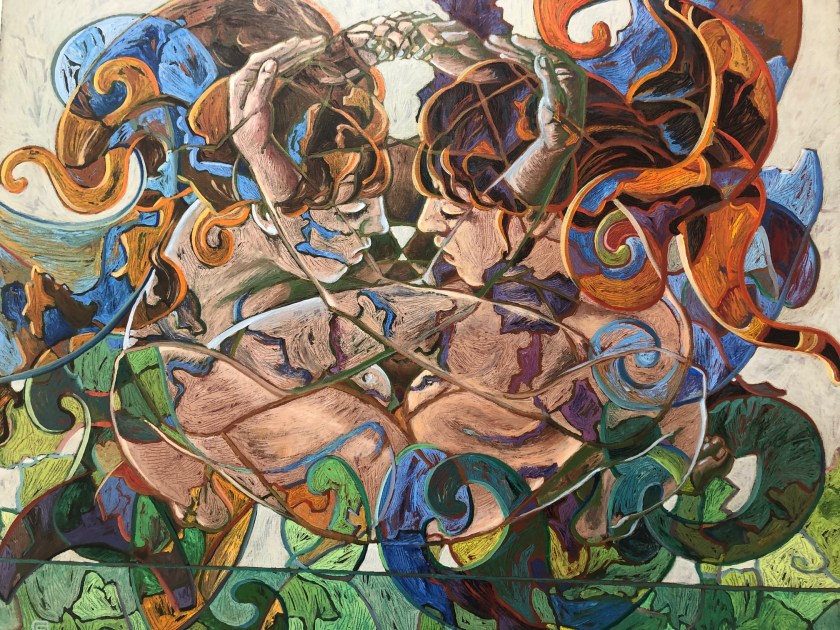
IMG_2619IMG_2621IMG_2623IMG_2627IMG_2633IMG_2635IMG_2636IMG_2639IMG_2641IMG_2642IMG_2643IMG_2644IMG_2646IMG_2651IMG_2654

Camera: iPhone 8

Location: Oaxaca de Juarez, Oaxaca, Mexico

Life’s Fleeting Moments

Why is that sunrises and sunsets are often so captivating and moving? Perhaps it’s the uniqueness of the colors blending and merging together to form a painting-like setting that can’t be reproduced elsewhere. Maybe it’s the sense of satisfaction that comes from seeing a new day born or see the old day fade to its end. However, I tend to think the beauty of these happenings lies in another part of its overall appeal.

While some aspects of sunrises and sunsets bring a lot of beauty and perspective to life, I think the main reason why sunrises, sunsets, and even the random rainbow appeal to the human psyche is because these events represent fleeting moments that last for only a few seconds or minutes. They are impermanent, awe-inspiring, and hard to experience often. Sunrises and sunsets are ephemeral events that can be easy to miss and require one’s full attention to really appreciate them.

These sunrise and sunset events are what I like to call ‘fleeting moments’ and they are truly special. I say this because they do not last, and they require you to really pay attention and let your distractions float away. You have to be in the moment and that is increasingly difficult for most people to do nowadays. We are constantly bombarded by sensory overload that is often man-made and unnatural. Advertisements, loud noises, screeching vehicles, bumps in the roads we drive, these can cause us to lose sight of what’s truly important in life. Taking measure every now and then of why these fleeting moments are important to experience not only reminds us of the beauty of life but also how impermanent our time here really is. When you compare the fleeting moments of life to the routine moments in life, it really is no contest to as to which kind of moment is the preferred option to experience in full.

Categorically, the rewards of these fleeting moments are among the best in life because we all know that they are not common. Among the daily monotony and chores that encompass our routines, taking a few moments to appreciate being alive and being at peace are really what we all should be striving for even if these moments are fleeting. The fleeting moments are hard to capture but when you do, they bring the most joy and happiness that you can possibly have. As I mentioned in a previous article, there is a rule of diminishing marginal returns that we should be aware of and that’s why the more common we experience certain things in life, the less we really value them.

It’s quite a paradox when you think about it. The most enjoyable moments in life are the ones that we cannot plan for or anticipate, but that is part of the beauty of life and of living. Going back to my sunrise and sunset example, if they happened every hour instead of every day, that would be boring, right? You would probably start yawning after the fourth sunrise and the third sunset. Fleeting moments are special inherently because they are temporary, and you may not be able to enjoy them forever. Fleeting moments can also be part of your daily routine but ones that can only last a few seconds or a few minutes.

For some of us, it could be the first sip of a fresh cup of coffee at the beginning of the day or for others, it could be a hot shower after a long day of hiking. We know that the 2nd or 3rd cup of coffee like the 2nd or 3rd shower would not be as pleasurable or as enjoyable because then it becomes routine and our mind adjusts to it happening. However, the fleeting moment when your lips touch the coffee or when your face is enveloped with shower water, then it’s almost pure ecstasy for your body and mind. While these moments are definitely fleeting, they are the most enjoyable. Keeping them as part of your routine is important so that you will feel better both mentally and physically.

What we should all keep in mind is how to maximize the most enjoyment from these temporary moments because we know they don’t come around every minute or every hour of each day. My thinking on this is to really put all distractions away for those moments so you can be living fully and freely. When you are having a nice dinner with friends, make a habit to engage yourself in the conversation rather than daydream about what you’re doing afterwards. When you are watching the sun rise or set, put the phone away and just watch the colors merge together to form the painting-like canvas. Let your stress and worries melt away as much as possible to really enjoy these moments. There are so many distractions out there, but your sense of contentedness will be much higher if you are able to have the willpower yourself to be in the here and now wherever that may lead you.

Laughter among friends, patting a baby’s back, a spontaneous rainbow, a beautiful vista after a long climb, holding the hands of a beloved family member, these are the moments you want to remember throughout life. They are fleeting in length and a small amount of sand in the hourglass known as one’s lifespan, but they are precious and powerful. If you can take the time to work, to play, to sleep, to eat, then you can take the time to live in the moment and appreciate beauty and joy when it comes your way.

Being able to live fully by being in the moment will set you on a path of fewer regrets the further you go through life. Letting yourself experience moments of happiness and joy without distraction or worries will improve your well-being. It is a conscious effort to stay in the moment, but the rewards are well worth it. If you have to meditate, exercise, or even do yoga to help yourself stay present, then do so but don’t let life’s fleeting moments pass you by.

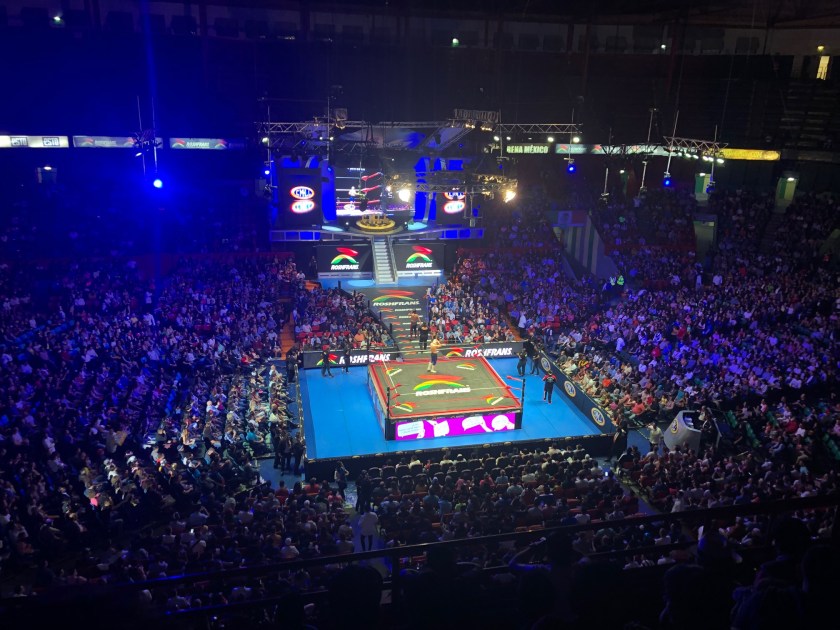
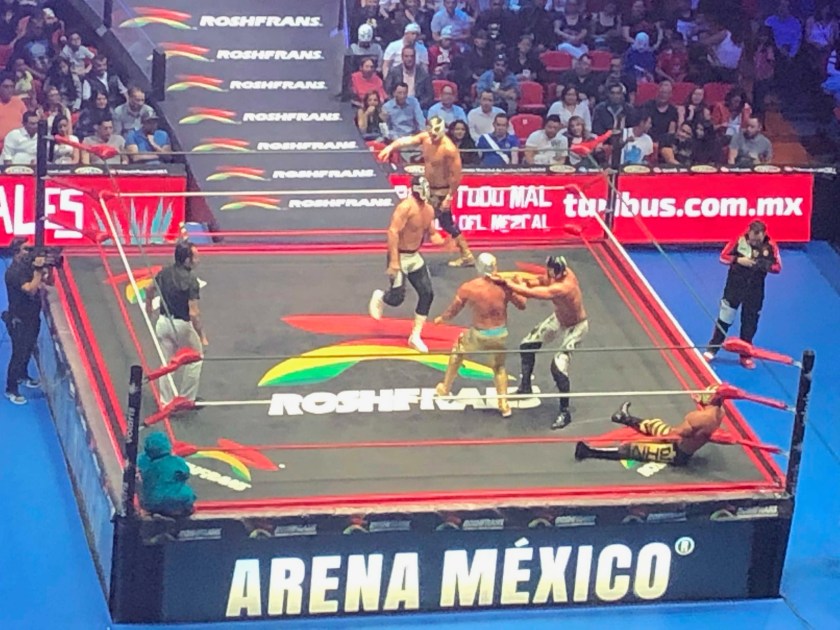
Lucha Libre

IMG_2557IMG_2558IMG_2560IMG_2564IMG_2570IMG_2566IMG_2582IMG_2586IMG_2584

Camera: iPhone 8

Location: Arena Mexico; Mexico City, Mexico

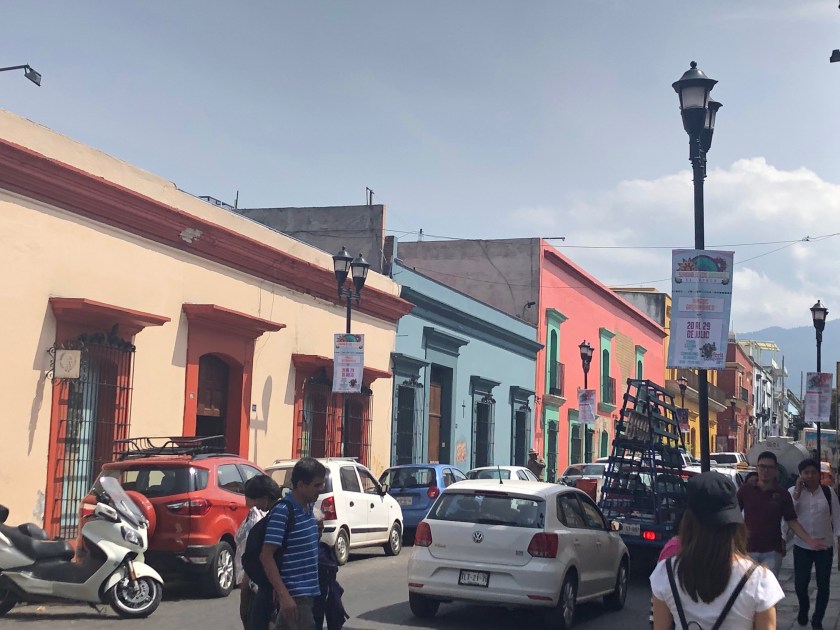
Downtown CDMX

IMG_2478IMG_2480IMG_2482IMG_2488IMG_2504IMG_2516IMG_2517IMG_2519IMG_2521IMG_2522IMG_2524IMG_2534IMG_2543IMG_2545IMG_2552

Camera: iPhone 8

Location: Mexico City, Mexico

Book Recommendations – Volume X

The Summer reading session is well upon us and there is no better time to dive into another edition of my book recommendations. Whether you are at the beach, at the pool, or lounging on a rooftop deck, you can take some leisure time to read a great fictional or non-fictional offering to indulge your mind or open your imagination. The three books I cover are all non-fiction, which is the category that my favorite books often fall under. I do hope to dive into some fiction books sometime soon, but I’ll save that for other post.

The three books I recommend vary from personal finance to progressive politics to self-help psychology, but they all are educational and thought-provoking in their own way. These books aren’t mindless reads, so you’ll have to pay attention and even re-read certain chapters twice or more to really get the gist of what the author is getting at. However, each of these three books have staying power and they would make an excellent addition to anybody’s personal book collection since the different lessons that these books impart are timeliness in nature. Without further ado, let’s discuss which books I enjoyed in this latest volume of recommendations.

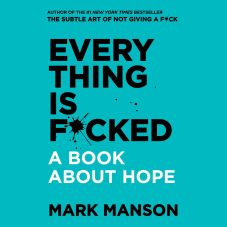
1.) “Everything Is F*cked: A Book About Hope” by Mark Manson

everything-is-f-cked
Following up on the tremendous attention and success gained from his previous New York Times best-selling book, The Subtle Art of Not Giving a F*ck, which dealt with unconventional yet powerful self-help advice, Mark Manson is back with an excellent follow-up book in tackling how to apply similar lessons to humanity as a whole. Whether its today’s turbulent geopolitics, the growing climate crisis, or the negative effects of social media, everything can seem to be f*cked nowadays and hopelessness as a condition of these events seems to be gaining steam.

Manson uses the teachings of Nietzsche, Kant, and other prominent philosophers to denote why humanity is facing these systemic problems and how they came to be based on our collective psychology as a species. He argues that having hope in of itself is a paradox and that it’s best to deal with life’s uncertainties and foibles as they come. Wishing for a better, happier, wealthier, and safer future is unproductive if you do not take actions in the present to create that more hopeful reality. Manson breaks down complex topics such as politics, religion, and even the future of artificial intelligence into digestible concepts on how humanity has gotten to be where it is currently.

One of the aspects I like most about Mark’s writings is that he doesn’t sugarcoat anything, and he allows you to draw your own conclusions based on the evidence he presents and the stories he tells. My favorite parts of Everything is F*cked focus on why treating people as means to an end is a selfish endeavor and how our feeling brain has a lot more influence on our thinking brain than we have been told. Also, in accepting what is ‘The Uncomfortable Truth’, as Mark cites in one of the first chapters is part of recognizing our innate humanity and what drives us collectively. This truth, while uncomfortable to all, is the main reason why we strive to do what we do in life, for better or for worse, and how we tend to live our lives denying that truth when it is staring us right in the face.

Instead of looking to politics or religion to give us hope, which tends to have its own set of consequences, it should rather be our own individual actions of being kinder, gentler, and more respectful of others that carry the day. We should not wait around for other people to change for you or be better to you. This book, like Mark’s first, is well worth a second and third reading to grasp all the lessons he lays out for the reader. Posing deep existential questions and acknowledging hard truths rarely covered elsewhere in the self-help genre, Manson stands out as one of my generation’s best authors and a good example of how to live a better life, not just for ourselves but for others as well.

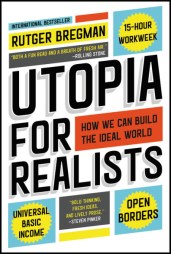
2.) “Utopia for Realists: How We Can Build the Ideal World” by Rutger Bregman

9780316471916
I really liked this book by Mr. Bregman for several reasons. Whereas most books today examine problems and investigate how they came to be, Bregman describes the possible solutions there can be to these problems and how life in the 21st century should be different from the past. Given the rise of automation, how interconnected we have become globally, and increasing efficiencies in the workplace, Bregman dares to ask how we can make life better for vast majority of people in our societies based on these factors.

Rutger Bregman does an extensive amount of research for this book and draws upon years and decades of datasets and public policy to make his three main ideas not only relevant but persuasive to his overall argument. Bregman’s ideas are not new and have been discussed before but in ‘Utopia for Realists’, he really examines each of his proposals individually from a public policy perspective and how the time is ripe to make them become a reality. Today, it seems like we have lost to the drive to implement big changes to both our economy and our society. Bregman asks his readers to think of the plausibility of the 15-hour work week, a Universal Basic Income for all, and an ‘open borders’ policy that would benefits people’s lives in numerous ways as he lays out diligently in each chapter of the book.

While some may not agree with these proposals politically, Bregman backs up his arguments with facts and evidence, as a good social scientist would. One of the things I did not know before reading his book was how close President Richard Nixon and the U.S. Congress came to passing a universal basic income in legislative form back in the early 1970’s. Giving people the chance to have basic economic security, the ability to live across borders without bureaucratic roadblocks, and having more free time for family life or to better themselves through personal hobbies, interests, or side businesses are related to his three main proposals. These societal changes, he says, would lead to greater fulfillment and happiness and benefit our collective mental health.

While his ideas may be unrealistic today, the way in which the job market is shifting and has become more efficient in terms of productivity over the past few decades, how automation and advanced Robotics may affect millions of jobs being lost, and how the demographic crunch in the Western world may lead to more liberal immigration policies to spur economic growth, the main proposals that Bregman focuses on could become a reality sooner rather than later. It’s not a question of if these utopian ideas could ever happen, it’s more about when they will happen and how they can be implemented successfully around the world.

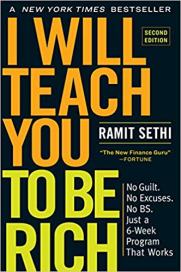
3.) “I Will Teach You to Be Rich” (2nd Edition) by Ramit Sethi

I-Will-Teach-You-To-Be-Rich
I will be the first to say that I have shied away from reading books on personal finance given that the advice given and the person giving it may not be reliable or trustworthy. However, based on the recommendations of other authors I like and how sensible his recommendations are from watching his videos, Ramit Sethi has delivered and recently updated one of the best personal finance books out there. For someone who is just getting started in thinking about optimal strategies for long-term savings and investments, Mr. Sethi breaks it all down from negotiating lower interest rates on your credit cards to how to find the best investment vehicles to deliver you a secure retirement.

If you are new to personal finance, this book is really meant for you. You don’t have to be an expert in 401ks, Roth IRAs, or index funds to make full use of this book. Ramit is not only an author but also provides an additional website, which offers a free blog, multiple courses to improve your finances, and career opportunities. His common-sense finance solutions garner millions of views per month and very positive media coverage. Ramit’s book does not make his readership feel guilty if they have made financial mistakes in the past. Instead, he offers tips and advice as well as personal stories from people he’s helped to get them out of trouble whether its credit card debt, student loan debt, etc. He wants his readers to figure out what exactly a ‘rich’ life is for them and what steps they can take to make it happen.

You are left reading this book feeling uplifted and ready to use his advice to improve your financial situation. You are also left wondering why Ramit’s book isn’t mandatory reading for high school students, given that we tend to neglect this kind of basic financial education for young people in the United States. Whether you are 18 or 28, it’s never too early to start thinking about your long-term finances. With Ramit’s well-written, digestible, and even humorous personal finance book, you are in good hands. He gives you actionable advice on how to greatly improve your finance in weeks instead of years and discusses in detail how many hours it will take you in setting up your savings, investments, and credit card debt payment options with as little of a hassle as possible. While Ramit can give you all the advice in the world, he leaves it up to you, the reader, to take actions yourself to improve your financial situation. Now that you have the knowledge based off his book, you’ll be ready to create a financially secure future for yourself and perhaps your family too.

English Corner – Semicolons

Similar to commas, Semicolons are an important punctuation mark that plays a key role in many English sentences. When you think of a semicolon, think of it being a slight pause in a sentence between the two main clauses or parts that should be separated as you would do with a comma. You will want to use the semicolon in between two independent clauses within a basic sentence and this is especially true if there is no coordinating conjunction being used such as and, or, but, etc. A good example of when semicolons can be used is when you are writing a list of items or things that need to be separated from one another. This is probably the most important use of a semicolon, but it is far from being the only usage.

Semicolons are often used in the middle or towards the end of a sentence if apart of a multi-item list. You won’t see a semicolon being used at the beginning or the end of a sentence as you would with a period or a question mark. Semicolons, colons, and commas are all part of what is known as ‘internal punctuation’, which forms the backbone of a complete sentence. Semicolons can be used with other semicolons within the same sentence as it would be the case when commas are used with commas in a similar sentence.

Semicolons can be used interchangeably with commas as well within the same sentence depending on whether two different people, places, or things are being referenced separately. It is perhaps most common that the semicolon is used with another semicolon or more, but it can be used with other forms of internal punctuation. In addition, semicolons can be used with a colon (:) because the colon often precedes the semicolon(s) in a complete sentence in terms of usage.

Let us look at a few examples where semicolons are being used with a colon preceding it:

1.)   Jackie bought the following items from the supermarket today: Corn; String beans; Tomatoes; Bread.

2.)   James listed his worst fears for his teacher in the following order: Flying; Being in front of an audience; Heights; Spiders.

Let us look at how semicolons (;) can be used with commas (,) correctly within the same sentence:

1.)   George’s family included John, his older brother; Jenny, his younger sister; and Jerry, his younger brother.

2.)   There are McDonald’s restaurants all over the world including Istanbul, Turkey; Mexico City, Mexico; and Bogota, Colombia.

3.)   The astronauts had to decide about the countdown: Would they count from three, two, one; or one, two, three?

All these examples show how interchangeable punctuation marks are within a complete sentence especially when you are listing family members or restaurant chains in different cities. You can see how commas and semicolons can be used together, especially to highlight pauses within a sentence to show differences between places and/or people. Semicolons are not used as often as commas but they play an important role.

Let’s look at how semicolons are used to separate independent clauses especially when a coordinating conjunction is not being used in its place:

1.)   Tim goes to France; I go to Spain.

2.)   Jenny wanted to play tennis; I told her the courts were closed due to rain.

3.)   Jack has three dogs; Tommy has one.

4.)   I believe in UFOs; Jordan thinks I have gone crazy.

In these sentences, you are particularly going to use semicolons when the thoughts in each independent clause are opposed to each other or neutral to the other. When you want to contradict the previous clause, you can use a semicolon to highlight the difference between the two points of views instead of using a coordinating conjunction. To put it another way, coordinating conjunctions are used with independent clauses that are similar to each other whereas you use semicolons with independent clauses that are opposed or contradictory of one another. Sentences with semicolons tend to be shorter than those sentences that use commas or coordinating conjunctions, which do a better job of lengthening the sentence without making it a run-on sentence.

Lastly, a semicolon has an important usage in between sentences or within sentences when it comes to quotations. A comma can replace a period after a quotation and then is followed by a semicolon to link the two sentences together especially when the two people are in a conversation.

Let’s look at a few examples of how semicolons are used within a sentence where there are quotations cited as part of a larger story or narrative:

1.)   “I don’t want to do this,” he stated; “You have no choice in the matter.”

2.)   “Is this your home?” she asked; “Why don’t you go inside to your family?”

3.)   “Why do you look so upset?” he inquired; “What do you have to worry about these days?”

Unless followed by the beginning of a quotation or a proper noun or subject, semicolons are followed by a lower-case letter. You can see from these examples and the explanations given that semicolons are a key part of English grammar and punctuation. Whether its with connecting short independent clauses or bringing together a series of quotations, semicolons can be very useful in English writing. The most important use of semicolons remains making lists especially of different people and places along with their descriptive qualities. Please be sure to follow the example sentences I have given to form your own semicolon sentences. Keep practicing, do your best, and be sure to read this blog post again in the future to better understand this important punctuation mark.