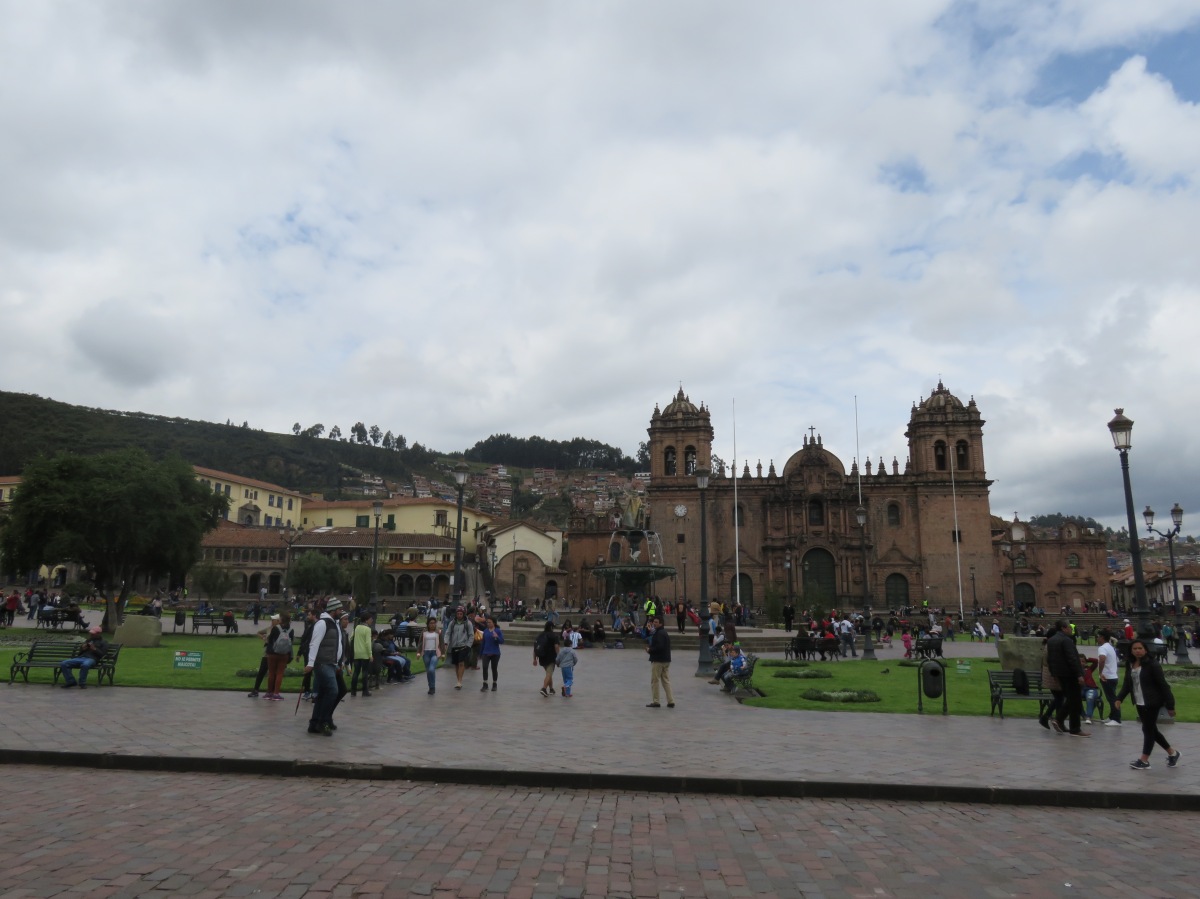
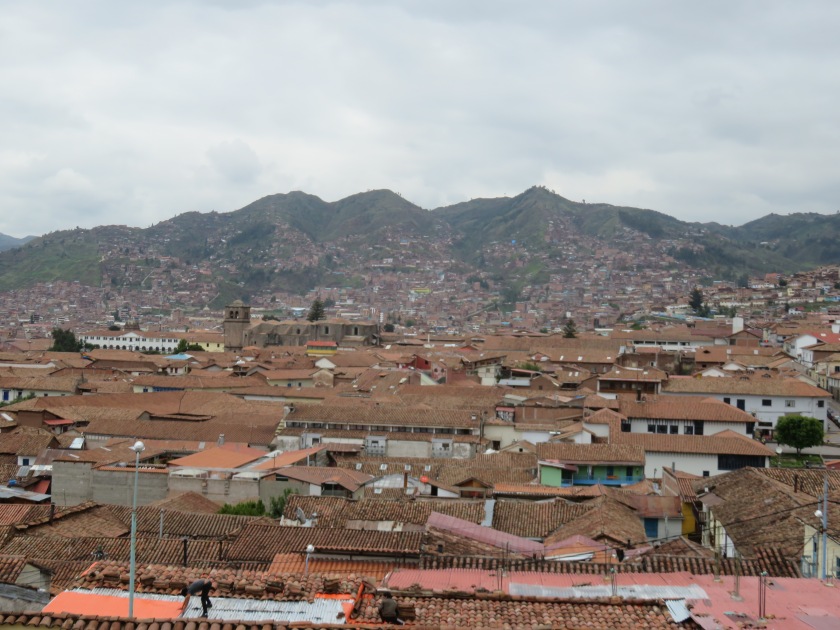
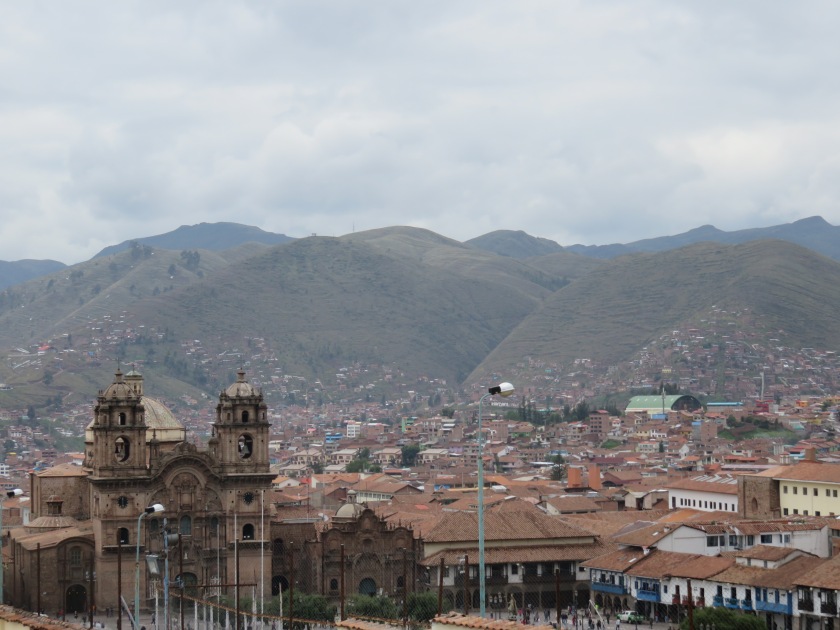
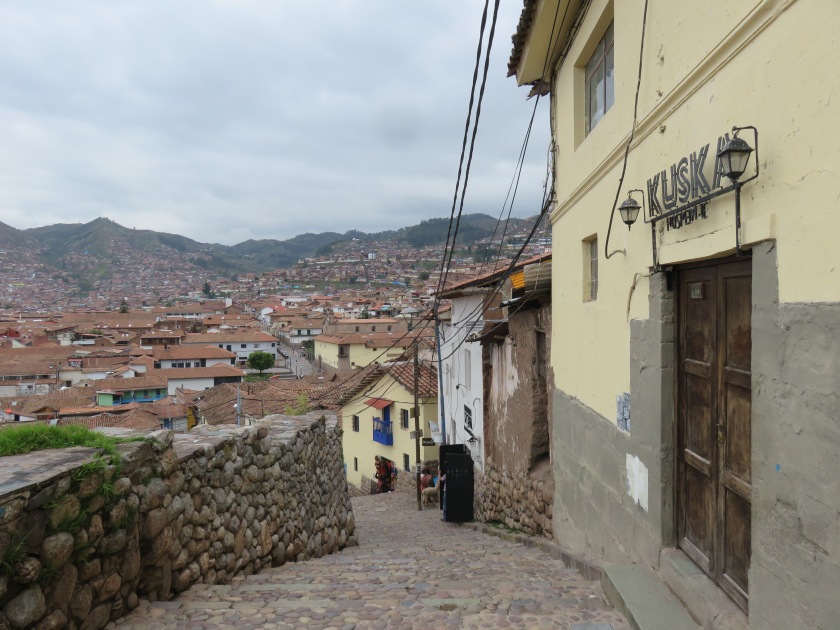
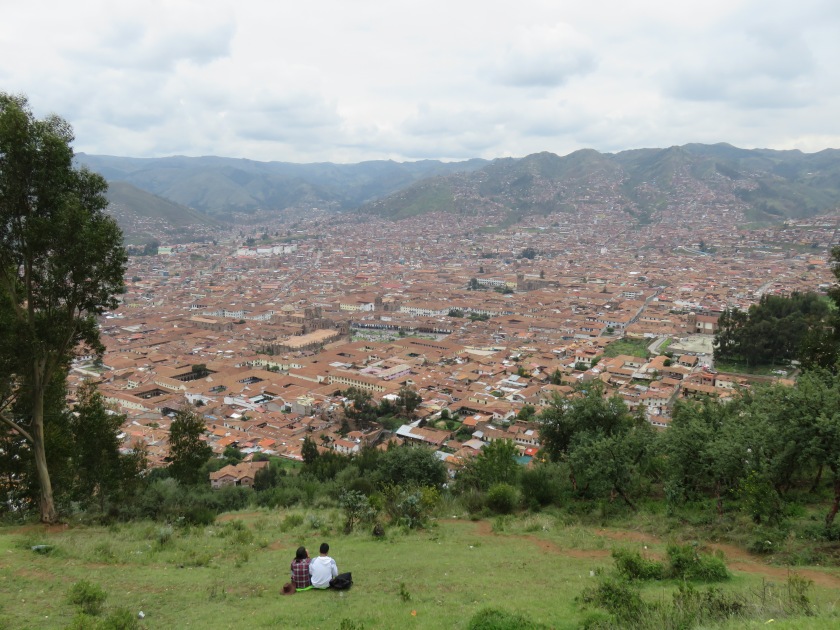
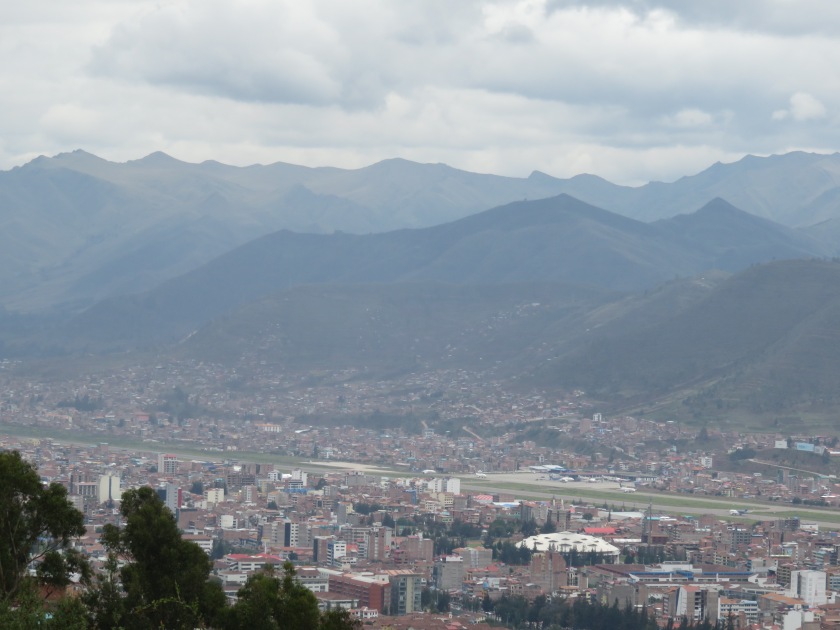
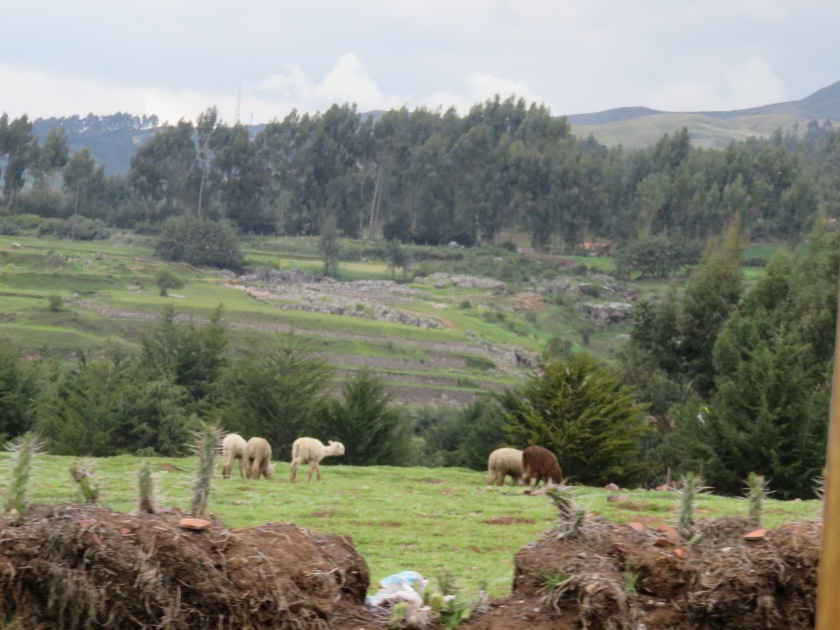
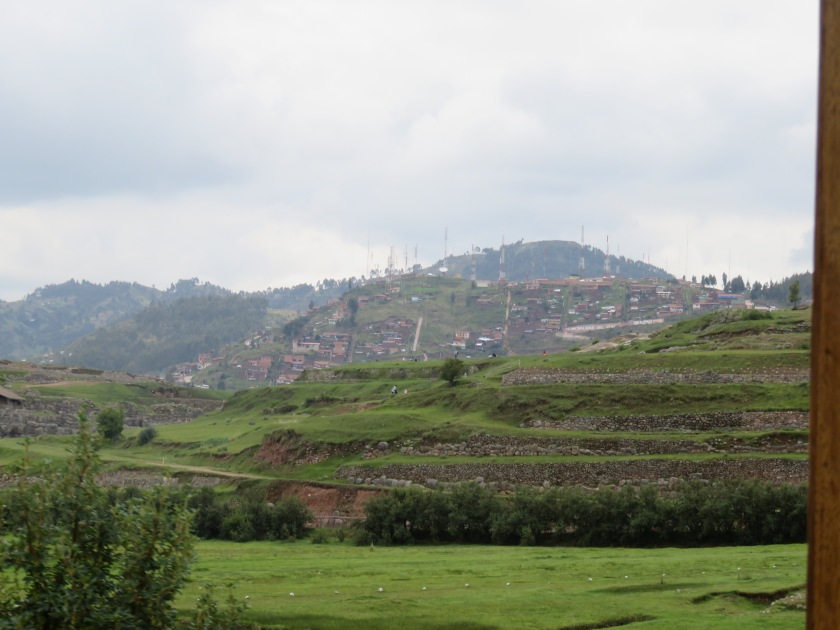
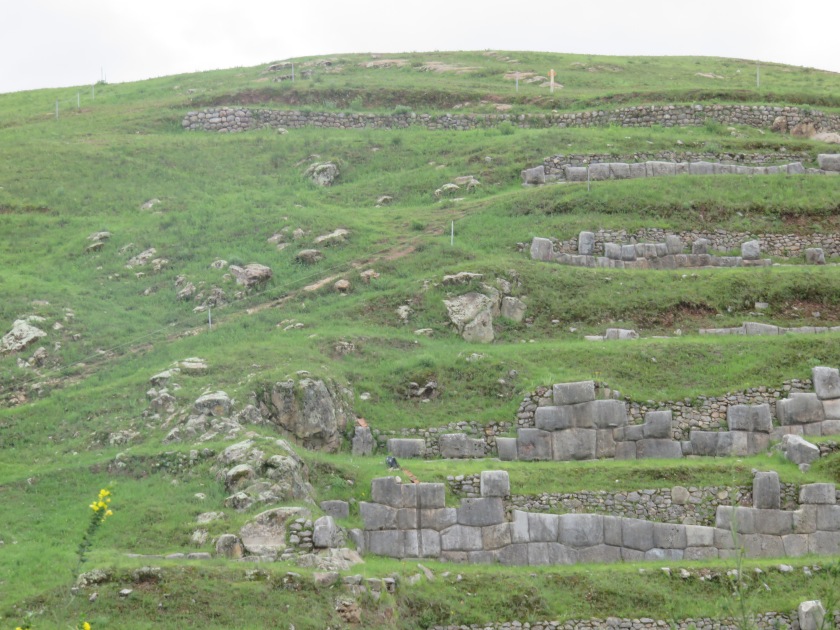
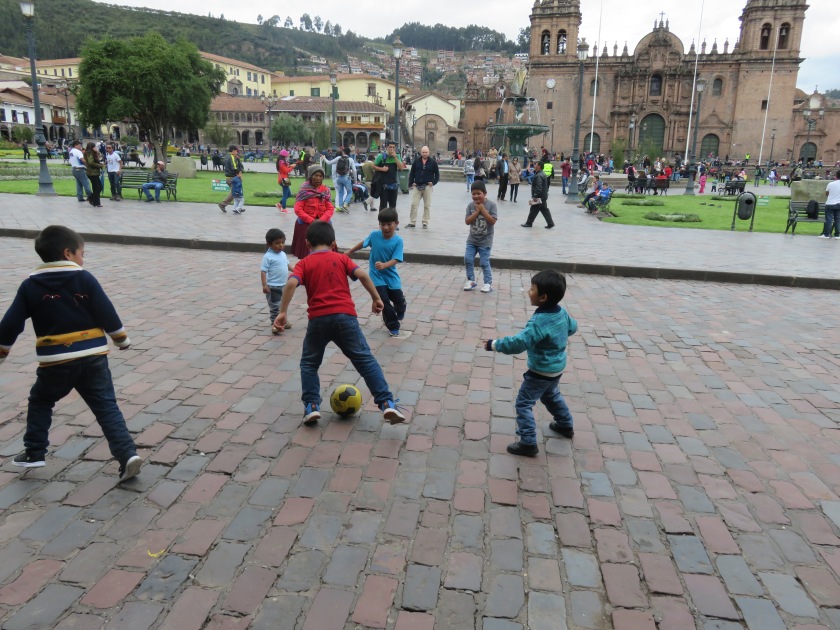
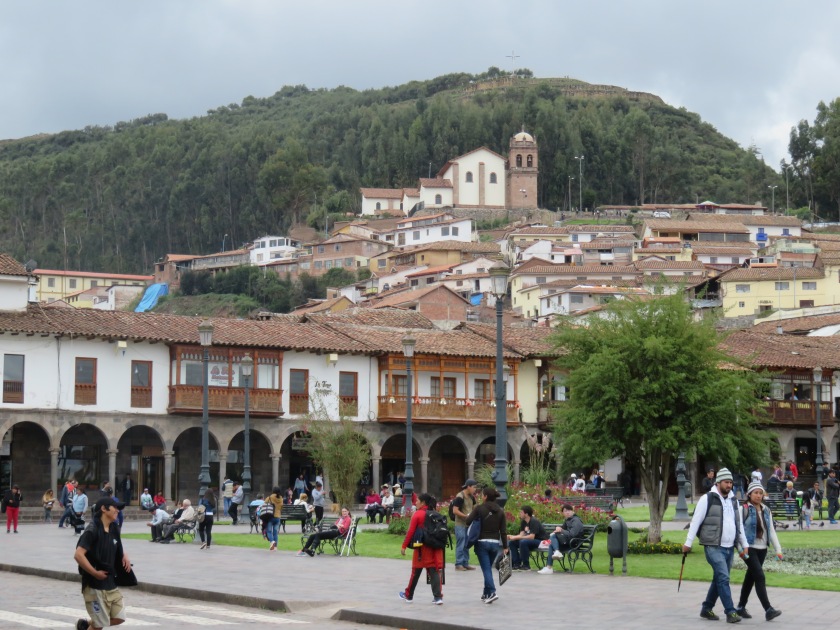
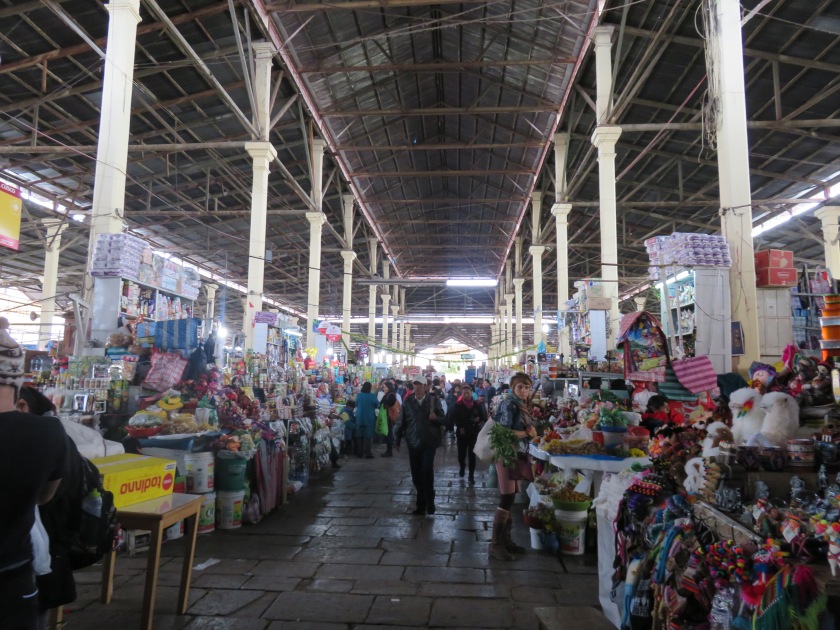
Cusco

img_1500img_1502img_1503img_1510img_1512img_1523img_1527img_1525img_1546img_1550img_1557img_1563img_1564img_1565img_1566img_1573

Camera: Canon PowerShot SX710 HS

Location: Cusco, Peru

Lima

img_1372img_1379img_1403img_1406img_1412img_1416img_1418img_1426img_1433img_1439img_1442img_1463img_1472img_1481img_1498

Camera: Canon PowerShot SX710 HS

Location: Lima, Peru

Being Sentimental

Is it worth it for a person to be sentimental? Is it healthy or unhealthy to hold on to certain items, memories, or keepsakes for the long-term? Like most things in life, there is a balance that has to be struck when it comes to sentimentality. Some folks are not sentimental at all and don’t have much care for old family photos or for holding on to gifts beyond their initial utility. Other people are much more sentimental and hold on to personal keepsakes for years on end allowing their living spaces and their memories to become cluttered as time goes by.

As you get older, your memories will inevitably start to fade away so certain items, keepsakes, and important people in your life can help you to remember certain moments of your past that you’ll want to preserve due to their importance to you. Not everything and not everyone from your past will live on in your memories so you have to be responsible enough to choose what really matters to you and which memories mean the most to you going forward. Being able to balance your sentimentality will help you to become a more mature and emotionally healthier adult.

In my possessions, I have a duffel bag, which has some sentimental value to me. I tend to be a more sentimental person than most people and I try to collect photographs and hold on to personal keepsakes as long as I can. One of the items that is particularly sentimental to me is my duffel bag. There’s nothing particularly notable about this duffel bag based on its’ design, style or purpose. Its’ similar to most other duffel bags on the market and can be used for multiple purposes including trips to other places, which is something that I have done a lot of the past couple of years.

The one thing that visually stands out about this duffel bag is its’ logo. Its’ a black duffel bag with a logo of a purple dragon and the name ‘Saprissa’ embroidered in the same logo. ‘Saprissa’ is short for ‘Deportivo Saprissa’, which is a popular Costa Rican football club based out of San Jose, the capital of the country. The duffel bag’s significance to me isn’t based out of its’ usability, color, or design but rather its’ importance lies in where I bought the item and what I have done with it since then.

The reason why this particular duffel bag is sentimental to me, and why I have continuously used it for almost a decade now is because it brings back a lot of memories for me. Ever since I bought the Saprissa duffel bag back in 2008 when I was studying the Spanish language in Costa Rica, I’ve held on to it and have brought it around the world with me.

From short trips to Jordan and the Czech Republic to my long-stays in Turkey and Colombia, this duffel bag has been to almost as many foreign countries as I have. What the bag lacks in style or design, it makes up for it in terms of substance and reliability. For over eight years, my duffel bag has weathered mud, dirt, snow, rain, wind, and other natural elements that I’ve traveled in along with the dozens of taxi, train, plane, and bus rides I’ve been on. It’s never failed me and it has concurrently led to me becoming more and more attached to using it for each of my trips to distant places.

After almost nine years of using this duffel bag, like all things, its’ starting to show physical wear and tear. Most likely, I should have stopped using it after two or three years but the memories always seem to flow back to me when I see the bag lying there in my room or when I pack it up for another trip. The bag itself is linked to the places I’ve been, the people I’ve met, the meals I’ve had, and the experiences that were tied into the adventures I’ve gone through with the help of this simple, black duffel bag which I carried along with me.

The bag handle is starting to fray, the zippers are exhausted, and the strap material is starting to rupture, and I think it may be time for a new duffel bag. It will be difficult for me to stop using the Saprissa bag that I’ve grown so accustomed to over the years. You simply can’t transfer those powerful memories to another bag quite so easily. The best you can do is mentally let your attachment dissolve, get rid of the bag, and transfer those special memories over to those other keepsakes and photographs that will remind you similarly of your past adventures.

Everything and everyone in your past will fade away to some degree. The important thing is to have one or two things left in your possession that you can fall back on so those items can also trigger those past memories for you to remember and recollect, whether they were joyous, happy, sad, or challenging. Being sentimental about all the things from your past can lead to a cluttered memory and a lack of set priorities. However, having one or two items from a trip or event can be enough to give you all the memories and remembrance you need in order to feel connected to your past.

Finding that particular balance of healthy sentimentality is a lifelong struggle but it helps to pave the way for a complete and fulfilling life. The key is to not the let the remembrance of your past keep you from living in the present and from creating your future. Your sentimentality should not prevent you from making new memories, creating new friendships, and forming new bonds with keepsakes.

Like my duffel bag, certain objects will fade away so it may be best to sustain your past with personal photographs, writings, or even paintings so that your memories can feel more permanent and can even be enjoyed by your friends and family members long after the day when you’re no longer around. Where you can let go of your sentimentality is when you realize that some things will be taken away from you whether you like it or not sometimes and it’s not productive to fight against this fact of life.

The best you can do is to place your memories into different items whether it be a journal or a photo album, which are much more sturdy and reliable than my trusty yet fading duffel bag. Above all else, Sentimentality is about caring. As an adult, you have to find out what’s truly worth caring about. If you’re lucky, you’ll be able to replace what’s been lost and hold on to the memories that are special to you. You have to be ready to let go one day because nothing lasts forever.

The Art of Traveling Solo

The famous English author, J.R.R. Tolkien, once wrote in his poem “All that is gold does not glitter” a line that should be noted for its’ truth and its’ profundity. The 2nd line of the poem states, “Not all those who wander are lost.” This is a fitting statement for those of us travelers who have stepped foot in another city or country being completely on our own. It’s not something that can be easily done and requires a bit of mental fortitude to be able to enjoy it despite the inherent challenges.

While most travelers like to go from place to place in packs, big groups, or in guided tours, I believe that it is necessary to try out traveling alone especially if you have prior experience in traveling to other cities and countries. Once you are comfortable with the art of traveling itself, I think it’s a good idea to challenge yourself by traveling alone. I won’t choose to judge you if you decide to never try it by I respect any fellow traveler more when they tell me that they have been by themselves in a new country for days, weeks, months, and even years at a time.

In order to travel alone successfully, I would recommend that a person be able to adapt or inherently have a few traits or characteristics that will put them more at ease with the idea. First, you have to be comfortable being alone. You have to be able to embrace the solitude of your thoughts and to be more observant of the world. This is a hard thing to accomplish for strictly extroverted people who thrive off of the energy of being around others. However, if you’re a strict introvert or fall somewhere in the middle of those two broad categories like myself, then you won’t find traveling solo as hard as pure extroverts. Sometimes, you will have to be alone in a restaurant, in a museum, or in your train/plane/taxi.

I think there’s a benefit to this because then you’re more likely to focus on the place you’re traveling to and be able to better absorb the culture, customs, and especially the food/drinks of the new place you’re traveling to. When you’re with your friends and family on a trip, you’re often wrapped up in what they’re thinking, what you’re going to do with them for the day, if they’re having a good time or not, etc. With friends and family, you’re in a mini-bubble that’s hard to break out of. When you’re traveling with another person or a group in general, you’re less likely to appreciate other aspects of the trip. How can you focus on the sheer beauty of the Coliseum in Rome, Italy when your close friend is trying to discuss the latest Game of Thrones episode with you?

Some critics of traveling solo also forget about the fact that you will still meet people during your travels to new places. You’ll only truly be alone if you never open your mouth and be social. It’s easier now than ever to connect with new people and make new friends due to the wonders of the Internet. Due to the popularity of websites like AirBNB, Couchsurfing, and the ubiquitous amount of hostels in every part of the globe, even if you travel alone for an extended period of time, it’s still easy to meet people due to the sharing economy’s emphasis on affordable, shared living spaces.

I also couldn’t forget the sheer amount of other opportunities to have language exchanges, expat gatherings, and to just make the effort to open your mouth to someone and start a conversation. I find that it’s easier to meet people on the road than it is when I’m at home because they’re curious about where you’re from, how long you have been traveling for, and what you are doing in their country, etc. and you’ll also be curious about the same things.

During my recent trip to Santa Marta, which was done solo, I was able to befriend my kind AirBNB host from Bogota, hang out with the locals at a bar, and practice my beginner Portuguese with a Brazilian woman from Rio de Janeiro. When you’re traveling alone, you really have to put yourself out there and be more social. That’s not easy for a lot of people but it’s important to try it at least once. If you have any kind of social anxiety or shyness, you’ll be able to overcome it more and more due to solo travels.

Traveling alone is something that you have to ease into over time. I think it’s wise to start with a day trip to a nearby city where you don’t know anyone and then eventually work your way up to visiting a new country by yourself for a few days or a week. Personally, the longest that I’ve traveled by myself for has been about two weeks. I’d like to eventually reach that level of a month or more on the road without anyone holding my hand. Traveling alone forces you out of your comfort zone and mentally challenges you. You have to navigate a new city and country, practice the language by yourself, and be able to handle flights, trains, and buses without the guidance of others.

While this is not easy and takes practice, you’ll feel more confident and sure of yourself as a result. The times where you could have been taking selfies with your friends or partying until the wee hours of the morning are instead focused on having a nice coffee by the river or taking your time in an art museum by going through the galleries at your own pace. Traveling solo is a good time to be selfish as you can set your schedule, your own destinations, and decide where you want to go and when you want to go. There’s nobody holding you back and that’s quite liberating. I often get a feeling of true freedom while traveling alone that’s not easily replicated.

Even if there was no one else physically with me, I have nice memories of my past solo travels. The moment when I woke up on my train to Krakow, Poland in the early morning to open my window to see fresh snow on the ground and the sun rising as we entered the train station. The feeling of pure relaxation as I enjoyed a nice mid-day cappuccino with a view of the Prague skyline in the Czech Republic, and the absolute quiet I felt as I sat on the beach in Parque Tayrona, Colombia and heard nothing but the soft, sea breeze and the waves splashing against my feet. These are the memories that I will cherish and never forget. That is why I enjoy the art of solo traveling.

Parque Tayrona

IMG_0619IMG_0617IMG_0624

IMG_0631IMG_0628IMG_0641IMG_0626

IMG_0647IMG_0643IMG_0642

IMG_0648IMG_0655IMG_0665IMG_0673IMG_0682

Camera: Canon PowerShot SX710 HS

Location: Parque Tayrona (Nacional); Santa Marta, Magdalena, Colombia

‘Lost In Translation’ – Film Review and Analysis

suntory-time
“For a relaxing time, make it…Suntory time.”

One of the great films of the 2000’s, Lost In Translation is a film that is often underrated but which deserves a lot of praise and acclamation. Directed and produced by Sofia Coppola, daughter of the highly acclaimed director Francis Ford Coppola, Lost In Translation is the story of two Americans of different ages who are visiting Japan for different reasons but who are struggling with similar existential crises.

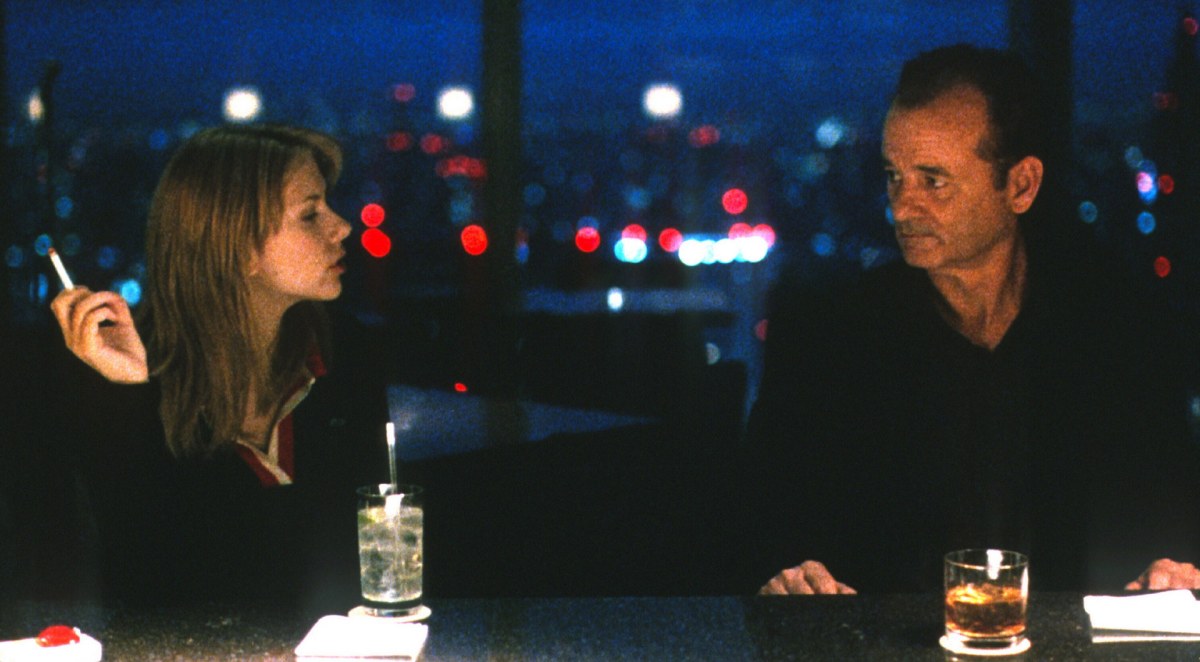
Bob Harris, played by the wonderful Bill Murray, is an aging actor and movie star from Hollywood who is struggling with a mid-life crisis. He comes to Tokyo to film whiskey commercials and appear on some popular Japanese talk shows. In one of her first roles on film, the talented Scarlett Johansson plays Charlotte, a young college graduate from Yale, who is struggling to figure out what she wants to do in her life.

While Bob and Charlotte come from different backgrounds and are of different ages, they are both struggling with adult concerns such as marriage, work, and the search for overall meaning. Bob has been married for twenty-five years whereas Charlotte has only been marries for two years. While they are at different stages in their marriages, both of them have doubts about being or staying with their partners. In addition, once they meet each other in the hotel lounge for the first time, they are drawn to each other’s personality, humor, and the fact that they are adjusting to Japanese culture for the first time.

One of the best things about Lost In Translation is the way Tokyo, Japan becomes a character in the film. The city is a sprawling metropolis with a population of over twenty million people that seems to go on forever. Since Charlotte’s husband is a director and is busy shooting for a new film and Bob’s wife is five thousand miles away, they both find time to explore and immerse themselves in the bright lights and diverse sounds of Tokyo.

The most illustrative scenes in describing the developing relationship of Bob and Charlotte take place in the karaoke bars and the hibachi restaurants where they try to adapt to the culture shock and the persistent jet-lag together. Despite being married, they feel alone and unhappy in their relationships for different reasons.

They take solace and comfort in each other’s company as they navigate the intricacies of Japanese language and culture. They start off as complete strangers in the hotel bar but then become friends over the course of their stay. Bob also acts as a life mentor to Charlotte who is in her early 20’s by giving her lessons on life, marriage, and what it’s like to have children. Bill Murray’s character comes across as someone who’s halfway through life and is honest to Charlotte about the ups’ and downs’ of it all.

Charlotte’s youth and curiosity about the world helps to change Bob too as he rediscovers the joys and thrills of being care-free and being able to laugh with someone who puts no pressure on him. After appearing on cheesy talk shows and doing uninspiring whiskey commercials, Bob is able to have fun and enjoy himself around Charlotte. From the one-sided phone conversations you hear from Bob and his wife back in Los Angeles, neither of them seem happy or fulfilled about their marriage. I don’t want to spoil the ending for those of you who haven’t watched the film but it is possible that Bob and Charlotte will find romance or love when they least expected it to happen.

I have to admit that the first time I saw Lost In Translation, it made me really want to visit Japan. The nightlife and crowded streets of Tokyo interest me quite a bit. I was also intrigued by a scene from the movie that was set in Kyoto, where Charlotte takes a high-speed train to the city to see the Shinto temples and the beautiful cherry blossoms. The cinematography and settings of the film are very moving and beautiful. Lost In Translation has a reputation of being a serious and deep film with little humor mixed in.

However, I would disagree with this assessment because there are a lot of scenes of light-hearted humor especially when Bob Harris, Bill Murray’s character is on the set for a Japanese commercial. Many things are ‘lost in translation’ as he looks for guidance and help from his translator but she never gives him the full story of what the Japanese director wants. There are other humorous scenes where Bob appears as a guest on a goofy talk show with a quirky host. Another classic moment is when a Japanese escort is sent to Bob’s hotel room and asks Mr. Bob Harris to “lip her stockings.” It’s a subtle English faux pas but I found it hilarious the first time I watched it.

Two strangers who meet in a hotel bar and get to know each other over a drink is not a new movie concept. However, the relationship that develops after that chance meeting is what makes Lost In Translation a great film. The on-screen chemistry between the two great actors, Bill Murray and Scarlett Johansson also draws the viewers in to the plot. There can be few other cities as magical, crazy, and hypnotizing as modern Tokyo.

The neon lights, huge skyscrapers, and hoards of people make it a unique setting, which is rarely used in Hollywood films. Lost In Translation isn’t your typical romance movie and it doesn’t have a clear-cut ending. What it does offer the viewer are the special moments of two lost souls making a deep connection with each other in a foreign city, and enjoying those experiences during the short time that they have together.


Book Recommendations – Volume III

After a five-month break, I’m back with another edition of “Book Recommendations.” I’ve had some free time on my hands lately which has allowed me to read these really great books. I would like to share my latest selections with my visitors and hope that you will check these books out for yourself.

Note: I have also posted the links to these books so you can check them out on Amazon.com. You simply need to click on the books’ images below in order to be re-directed to the Amazon page of the book itself. Enjoy.

1.) And Then All Hell Broke Loose: Two Decades In The Middle East by Richard Engel, Chief Foreign Correspondent for NBC News

As someone who has studied the Middle East region extensively in college and has made a few trips to the region (Turkey, Israel, Jordan), I continue to enjoy learning about this tumultuous part of the world despite its rough past and present.

This book by Richard Engel is excellent because it comes from someone who understands the complexities and historical background of the region. He is also a great correspondent and storyteller who weaves his own history of working in the Middle East alongside the tumultuous events over the past two decades, which have fundamentally transformed the region.

Mr. Engel has been a foreign correspondent in the Middle East for over twenty years now. In this book, he clearly displays his vast knowledge of its’ history, culture, societies, and the troubles that continue to plague the region. Engel is fluent in Arabic, Italian, and Spanish. He has worked for NBC News and other major news organizations for over two decades. He re-tells his firsthand experiences and stories of starting out as a freelance journalist for the Agence France-Presse in the late 1990’s during the time of Mubarak’s Egypt. He goes on to discuss his experiences of working and living in Iraq during the collapse of Saddam’s regime and the subsequent U.S. occupation of Iraq.

In addition, Mr. Engel has also spent a lot of time covering the fall of Muammar Gaddafi in Libya and the recent civil war in Syria. Richard Engel has also endured some trauma during his career as he was captured and kidnapped by ISIS in late 2012. For the readers of his book, we get personal insight into the hellish situations he has been drawn into through his accounts of witnessing the deaths and injuries of many of his journalist colleagues over the past twenty years. This book is fundamentally a more personal story as he recounts how his 20 years of covering the Middle East had affected his marriage, his friendships, and his mental state.

What I like most about this book is that Mr. Engel gives you the historical background and the straight facts of what happened in the region and why it happened. You can tell that he was both physically and emotionally affected by the wars and insurgencies that he bravely covered for the U.S. media. More than anything else, it is a well-written account of what it means to be a journalist in a very difficult region of the world for journalists. Richard Engel doesn’t preach about what should have happened or what could have been different in terms of the politics but he simply relays his past experiences for those of us who want a more personal, firsthand account of what it is like to cover the Middle East.

2.) Kitchen Confidential: Adventures in the Cultural Underbelly by Anthony Bourdain

A world-renowned traveler, famous television show host, coolest American alive over 50 years of age. You can also add best selling-author to this list as if it wasn’t long enough. These are just a few of the titles that Mr. Bourdain has earned over the course of his life. However, most people forget that he was a very successful chef in New York City and elsewhere during the 1980’s and 1990’s. He is especially known for being the executive chef at the famed restaurant of ‘Les Halles’ in Manhattan, NY.

Due to his years in the kitchen, Kitchen Confidential is an in-depth, intriguing look into the actual process of how the food we eat in restaurants ends up on our plates. You may not feel very hungry after reading this book due to the expose on some food industry practices that could be considered unsatisfactory in terms of health regulations. I know now that I won’t ever order fish or any other seafood from a restaurant if it’s a Monday.

This book is an unfiltered look into life as a cook and Bourdain hilariously delves into stories from his past and the characters he encounters in the various kitchens he’s worked in. He discusses how he worked alongside drug dealers, degenerates, thieves, loose cannons, etc. in the kitchen but that didn’t detract from the excellent chefs that they made themselves out to be. If anything, Bourdain argues, their eccentricities and attention to details help make these people into great cooks.

Kitchen Confidential is also useful in that Bourdain gives tips and advice to his readers on how to cook and prepare food better. His advice ranges from what kind of knives are best to which simple gadgets make the most difference in having a decent kitchen to cook in. If you like his travel shows and his antics as a TV host, you will most certainly enjoy this book.

3.) Connectography: Mapping The Future of Global Civilization by Parag Khanna

The race to win the 21st century will not be a race between militaries, or of competing arms but of overall connectivity. Mr. Khanna argues that whichever country becomes the most connected to the global supply chains of trade, finance, technology, infrastructure, etc. will stand to benefit most in our current globalized world. A geopolitical strategist, consultant, and world traveler, Mr. Khanna displays his in-depth knowledge of international affairs and geopolitics from his past travels and from his extensive research.

From Ukraine to the UAE and from China to Nigeria, Mr. Khanna details how national borders are no match for the global supply chains that are increasingly emerging. Physical boundaries of geography are becoming less important than the priorities of developing high-speed rail lines, building intercontinental pipelines, expanding the World Wide Web, along with increasing energy outputs and resource trading among many different nations.

While some prominent figures in politics are advocating for resurgent nationalism and wall-building, Mr. Khanna understands that this perspective is detrimental in a world which is becoming more fundamentally connected. In the 21st century, countries and continents need each other now more than ever. With ten trillion dollars and growing being spent per year on infrastructure, transportation, energy, and communications, this trend is likely to continue unabated.

Among the notable ideas in this great book that Mr. Khanna highlights are the emerging North American Union with related maps in the book showing how the United States, Canada, and Mexico are becoming more interdependent. China is also connecting itself to many of its neighbors in Eurasia through gas, oil pipelines and freight rail networks.

In Connectography, Mr. Khanna gives us an in-depth perspective on the world’s growing interdependence and how its’ affecting our everyday lives. While there are numerous challenges to this worldwide trend, which are also highlighted in the book, Mr. Khanna strikes on a final note of optimism. Even with the difficulties and struggles of climate change, terrorism, civil wars, etc., only a more inclusive, connected global society can meet these challenges head on and succeed together.


The Rolling Stones: A Retrospective

mickjagger
72 years old and still going. Amazing.

For more than 50 years, The Rolling Stones have been the mainstays and stewards of the Rock n’ Roll universe. Founded in 1962, this English band transformed the music world, sold hundreds of millions copies of their albums, and have sold out countless arenas, stadiums, and concert halls. The original grouping of Mick Jagger (vocals), Keith Richards (guitar), Brian Jones (guitar), Bill Wyman (bass), Charlie Watts (drums), and Ian Stewart (piano) together help lead the emergence of Rock n’ Roll as the pre-eminent form of Western music during the 1960’s and 1970’s. Legendary and famous albums such as Let It Bleed (1969), Sticky Fingers (1971), and Exile on Main Street (1972) helped cement their legacy as ranking among the greatest live acts in Rock n’ Roll history.

When people ask me: Beatles or Stones? I simply reply, why do we have to choose between them? Why not appreciate both of these groups and appreciate how similar and how different they are. Both bands helped to represent the countercultural movement that took place in the 1960’s in both the United Kingdom and the United States. They represented the youth of the generation and the hopes for a better, freer, and more open world where you could listen, dance, and have some fun as you listen to their tunes.

While The Beatles aired on the side of creativity, experimenting with new genres, and sticking to the studio to express their musical talents, The Rolling Stones were and still are brash, bold, and loud. As a group, the blues and R&B genres heavily influenced them during their early years. Taking their cues from legends such as Chuck Berry, Lil’ Richard, and Buddy Holly, the Rolling Stones would not become the massive success they have been over the pasty fifty years without those blues pioneers who came before them.

Due to front man Mick Jagger’s exuberance, high energy, and eccentric dance moves, the Rolling Stones also gained a reputation for being an amazing live act that sold out stadiums and arenas around the world. It also helps that long-standing guitar legend Keith Richards has stayed by Jagger’s side all this time to play alongside him and the rest of the band.

With the talented support and musical stylings of the late, great Brian Jones, and Charlie Watts, the Rolling Stones have stuck together through many ups and downs over their long history. While many rock acts from The Beatles to The Eagles to The Doors have broken up due to untimely deaths, heated feuds between members, and egos clashing, The Rolling Stones have been an exception to the rule and have produced high-quality music and toured extensively without losing who they are and what they represent to the world.

While The Rolling Stones have gained all the money and fame, they still care about the fans. This band always gives their best effort regardless if they are playing in Rio de Janeiro or London. It’s a testament to their popularity where they have been able to play in all six continents of the world without skipping a beat. Their global reach was on display recently when they played a huge outdoor concert in their first trip to Havana, Cuba.

Over 500,000 people attended to see the Stones live in the flesh. Perhaps, most notable, the concert was free for all attendees so everyone could attend who wanted to without paying a high price. During the Castro years, bands like The Rolling Stones had their music bootlegged and spread throughout the Cuban isle even when the Castro government officially outlawed it. Mick Jagger declared the occasion to be “A new time” for Cuba signaling that the free expression of live music was going to continue and expand.

Whenever I listen to The Rolling Stones, their songs always lift my spirits up and instantly put me in a good mood. Tunes like “Jumping Jack Flash”, “Wild Horses”, “Start Me Up”, “Brown Sugar”, and “Satisfaction” will never go out of style and hopefully inspire future generations to pick up the guitar and sing into the microphone. Whenever I hear one of their songs, I still get the urge to dance and sing along.

Even though this is a retrospective post for a musical group that is still active and going strong, I think after fifty years of being legends of Rock n’ Roll, it is a good occasion to reflect on their wide-ranging impact on the world. To this day, I regret to inform my readers that I still have to yet to see The Rolling Stones live in concert. My hope is to make it happen before the band calls it quits for good. Given that Mick, Keith, Charlie, and Ronnie show no signs of slowing down even though they’re septuagenarians, I keep my hopes up that I’ll be rocking out to them in a live setting soon enough. Until then, let us all hope that they make it to their 60th anniversary as a band in 2022.


Interconnected

interconnected
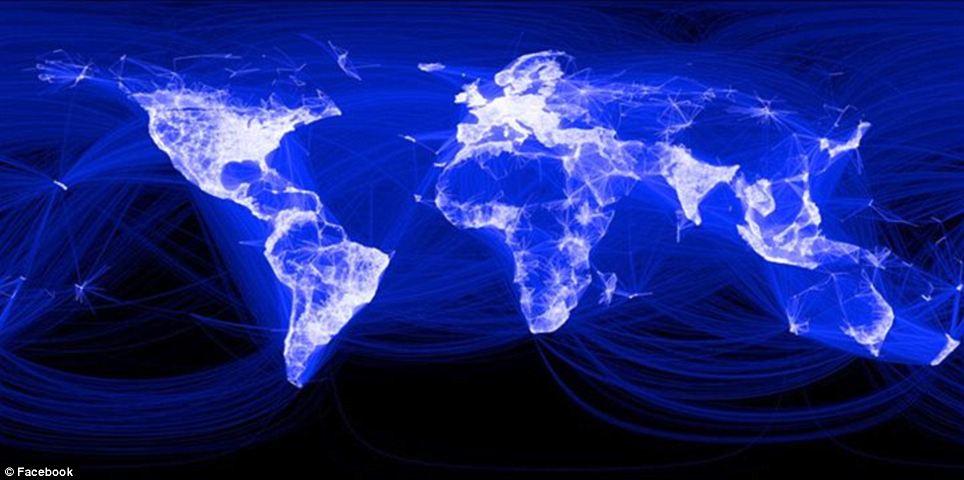
“Will humanity become more or less interconnected during the 21st century?”

When the 21st Century is over and becomes apart of the history books, it will be known as the first truly interconnected, interdependent, and entangled era of human history. Compared to past eras, borders are more open, long-distance travel is common place due to modern aviation, and global commerce is more free than it ever has been. Globalization as a phenomenon has been made possible not just through open borders and advances in aviation but also due to the wonders of the Internet.

While many human beings can not physically cross borders or take modes of transport to other countries, the Internet has helped to minimize that gap of connection by allowing people from around the world to connect virtually at an increasing frequency. As the technology continues to improve and advance, the Internet has made our planet interconnected on a scale once considered unthinkable a generation ago.

I woke up one morning in New York, had my breakfast and juice, and then was able to log-in to Skype and chat with my good friend who is living in Beirut, Lebanon about his work there and how he has adjusted to living in the Mediterranean metropolis. After that, I sat down to have lunch and finished some homework for a 1:30 PM Spanish lesson with my teacher who is originally from Mexico but currently lives in Italy. Somehow, we were able to make the six-hour time difference work between me in New York and her in Italy. Before the day was over, I had two more Skype and Google Hangout based English lessons with my students from countries like Saudi Arabia and South Korea. Satisfied with my day of both teaching and learning, I settled the rest of my affairs and went down to the kitchen to prepare my dinner for the evening.

None of these lessons or exchanges of information would be possible between persons of different countries and backgrounds without the invention of the Internet. Too often, the average person either takes for granted the capabilities that allow us to stay connected on a worldwide scale or doesn’t take advantage of using this technology to bolster their abilities personally or professionally.

Professionally, as an ESL teacher, the fact that I have been able to use the Internet and web applications such as Skype, Google+, etc. to connect with numerous students from around the world virtually has been a real treat for me. Sometimes, my students with whom I’m working with online do not have the means or ability to work with a native English speaker / teacher in person in their own city or country. Those of us language teachers who commit time out of our lives to help others learn our native languages should be commended for making this a possibility. It is truly enjoyable for me to work with those students online from different countries who will share with me interesting tidbits about their cultures and societies.

Personally, I have been able to stay in touch and meet up again with friends of mine from different regions of the world thanks to staying connected through social media websites like Facebook, CouchSurfing, Twitter, etc. The Internet has allowed me to stay connected with international friends, both new and old, thanks to the rise of social media and its applications. It is funny to think that only fifty to hundred years ago, or even before the advent of the Internet, twenty years ago, the best that you could do is send a handwritten letter by mail or make an expensive call to any location overseas. Now, such communication to an international location is often very cheap or even free of charge depending on which application you decide to use.

While the advent of globalization has its positives and negatives, which are often debated and discussed endlessly, I believe that one net positive from globalization has been how the Internet and the “world wide web” has made humanity interconnected. This one trend of “Interconnectedness” for the 21st century is one that isn’t going to reverse course anytime soon and is going to be hard pressed to find itself limited in total amount of users or overall global popularity.

According to the World Bank’s recent report titled “World Development Report 2016: Digital Dividends”, the number of people worldwide who have access to the Internet has tripled from about 1 billion people in 2006 to about 3.5 billion people in 2016. This recent development is an extraordinary occurrence. This means that over 40% of humanity now has some type of access to the Internet which has become increasingly possible due to rise of mobile technology and the spread of 3G and 4G cellular networks.

As more and more people connect to digital markets of e-commerce, become new entrepreneurs and start to create their own small businesses, this will also allow more students to connect and learn with me here in New York and other teachers around the world to learn English or another foreign language. The possibilities of eventually having everyone connected to the Internet would be truly endless. It could lift millions more people out of poverty and create new economic opportunities where there were none before.

Some of the big questions to be answered in the coming decades is how do we as a global community work together to connect the remaining 60% of humanity to the Internet? How do we work together as governments, NGOs, and individuals to give people the means virtually to benefit economically and personally from the advent of the Internet? These are not easy questions to answer let alone solve. However, if humanity is to continue advancing and developing into the future, we must continue to become more interconnected to each other. That is a fundamental truth of the 21st century for which we all must be aware of.

Sources:

1.)  http://www.theguardian.com/technology/2016/jan/13/internet-not-conquered-digital-divide-rich-poor-world-bank-report

2.) http://www.worldbank.org/en/publication/wdr2016

Staging and Arrival in Barranquilla

IMG_0136

The day has finally come and I have made it safely to Colombia. It has been an extremely eventful week so far and I am very happy to be apart of the CII-8 volunteer trainee group as apart of the U.S. Peace Corps. Everyone in my cohort has been extremely friendly and helpful so far and I look forward to training with them over the next three months so that we can be sworn in as official Volunteers serving in Colombia. It’s a real pleasure for me to meet all of the great people from around the United States who have committed themselves to the Peace Corps for the next 27 months.

The only bad part of this trip so far was the rather tedious and stressful flight from New York to Miami on American Airlines which provides much better international service than domestic service. I arrived in Miami on Monday afternoon after a tumultuous morning but I was happy to be reunited with a good friend of mine from college who showed me around the Miami Beach area.

The anticipation and excitement had caused me to lose sleep over these past few days and that built up to a crescendo when I arrived to the hotel on Tuesday morning for ‘Staging’ with the other volunteers-to-be. After a long day of orientation, icebreakers, and getting to know my fellow invitees to Peace Corps Colombia, I capped off the ‘Staging’ event by going to an excellent Cuban restaurant called “La Rosa” which I would recommend to anyone reading this blog. Fantastic food and a great atmosphere.

Finally, the moment had arrived yesterday when we gathered our many bags and backpacks and headed off together to the Miami Airport. After checking-in, going through security, and arriving at the gate, we were on our way to Colombia. Compared to my usual flights overseas, this was extremely easy to handle as it was only a 3-hour flight and the service, hospitality is much improved for an international trip from American Airlines thankfully.

Since arriving, the other invitees and I have been extremely busy with meetings, paperwork, and briefings designed to help ease our transition into life in Colombia. This is necessary for us to all take part in because this weekend, we will be moving out to small pueblos outside of Barranquilla to begin our three months of technical and language training before we can be sworn-in as official volunteers.

I am extremely grateful and pleased with the support of all of the staff and the current Peace Corps volunteers. Those currently serving have been a great resource to us in answering our questions and helping us out. I was especially pleased with how enthusiastically and warmly we were greeted at the airport by the current staff and volunteers here in Colombia.

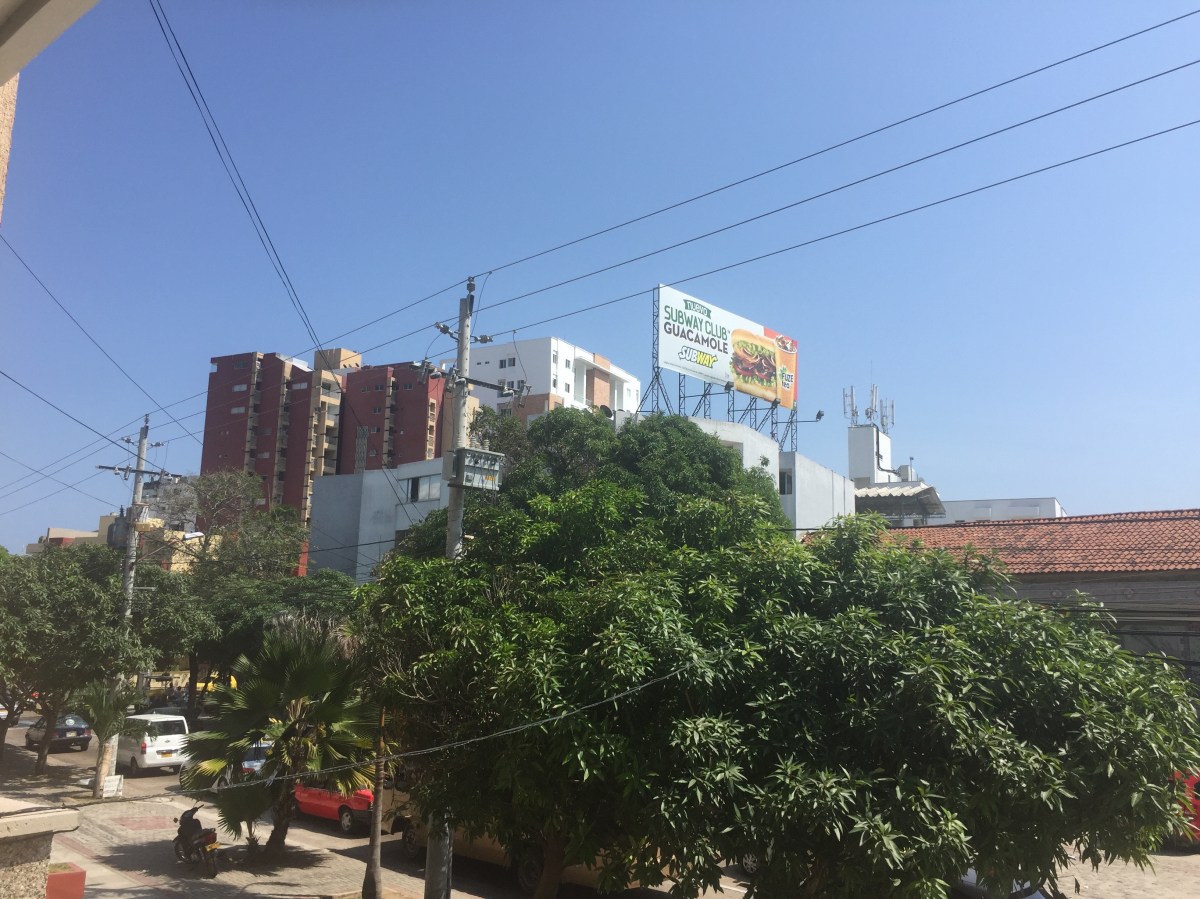
Barranquilla seems like a very nice city from what I’ve seen so far and reminds me a lot of Miami although much more humid and down-to-earth. Thankfully, there is a very nice wind breeze coming in from the Caribbean Sea to the north of us so the hot weather is much more bearable during this month although this is likely to change in the Spring. This will only be a short-stay here in the city before we meet our Colombian host families for the next three months.

Lastly, I am excited to begin my training to become an official Volunteer and am committed to my mission and goals here in Colombia. It’s been a long journey to get to this point but I am ready for the work to begin and I am very happy to be here.