



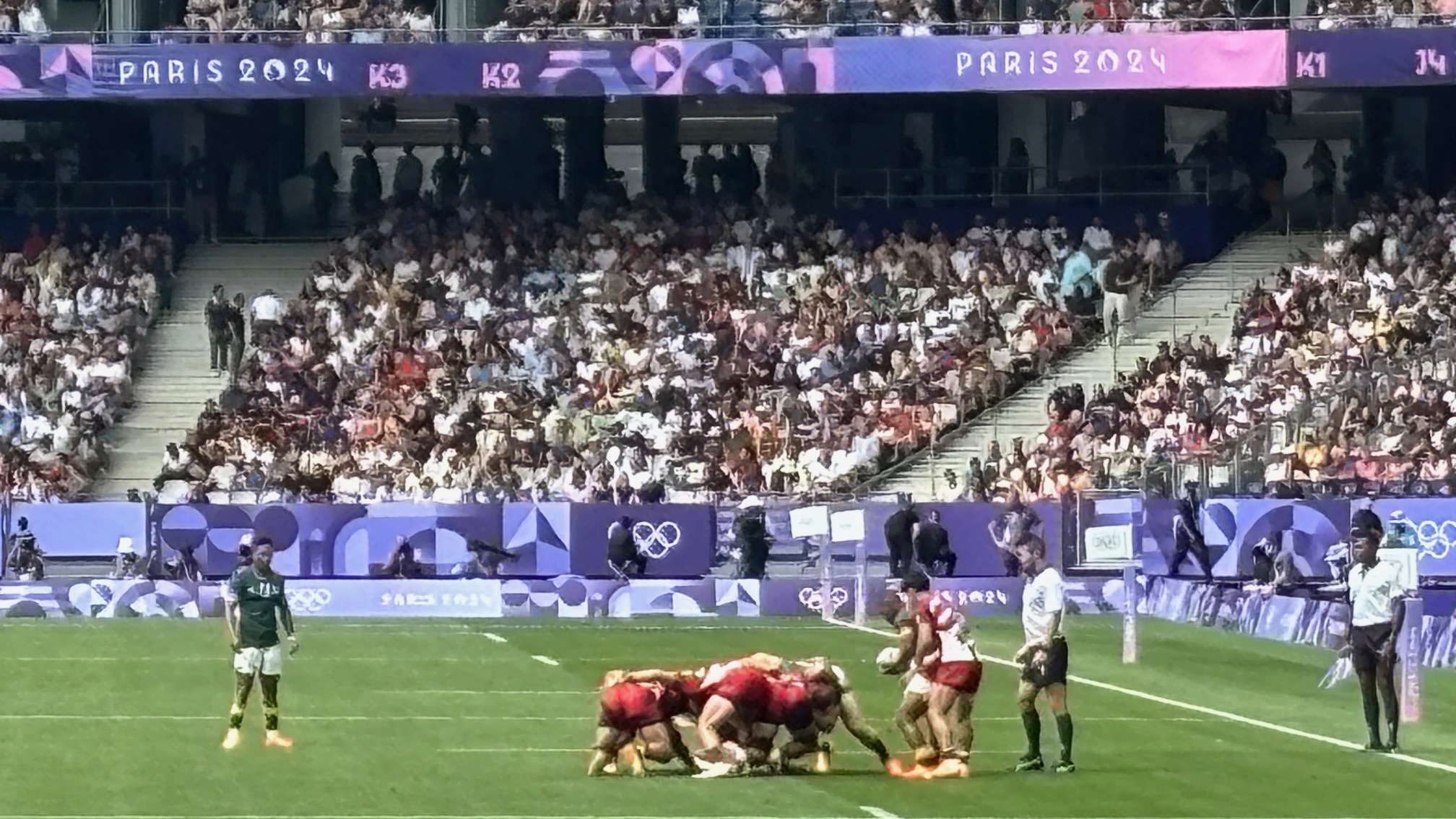



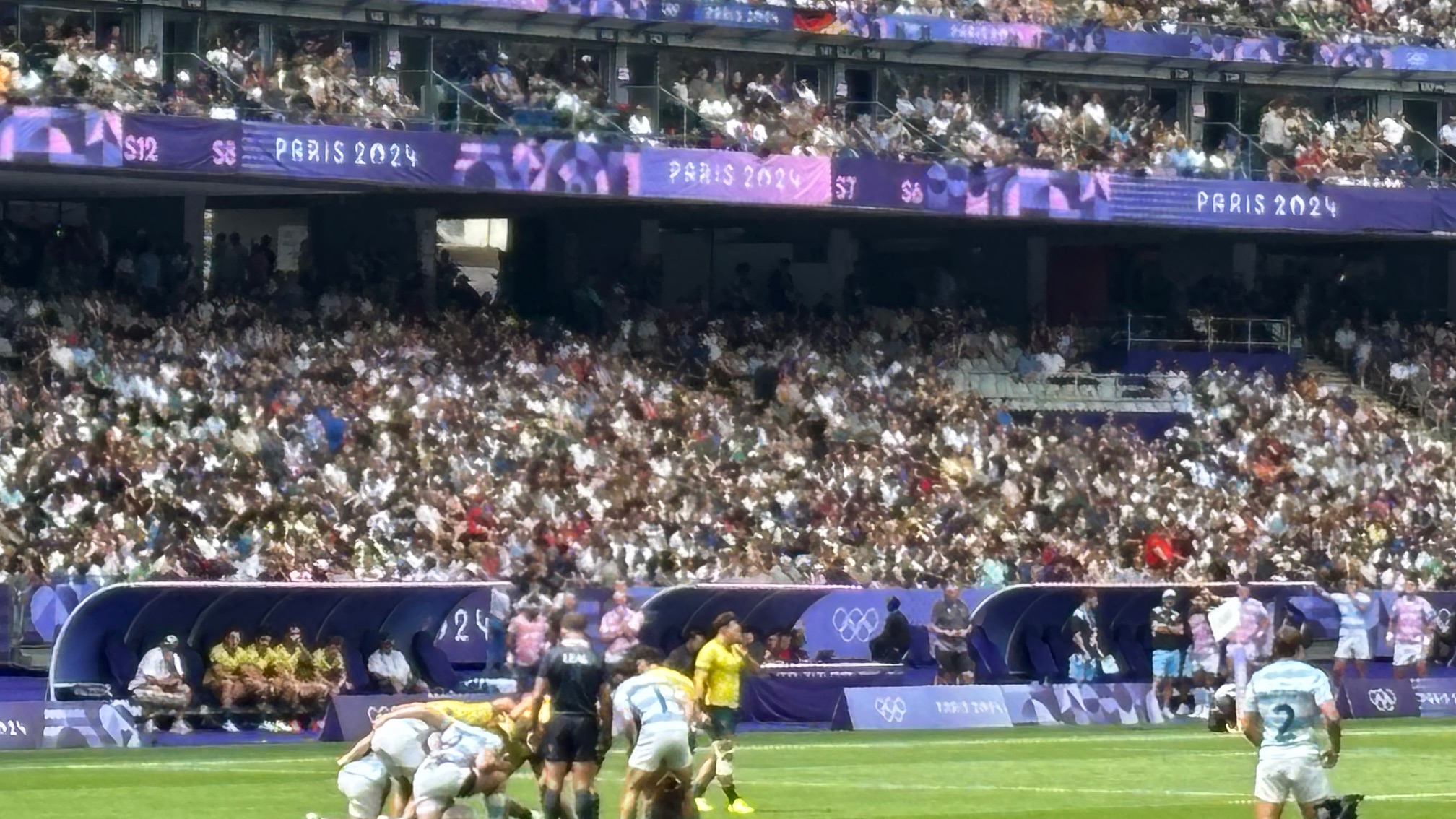






Camera: iPhone 15
Location: Stade de France – 2024 Summer Olympics, Multiple Men’s Rugby Sevens Matches; Saint-Denis, France

“From Saint-Denis to the world stage: Rugby Sevens lit up the Stade de France during the 2024 Olympics. All images shot on an iPhone 15, capturing the intensity on the pitch and the pulse of the Olympic crowd.”
Camera: iPhone 15
Location: Stade de France – 2024 Summer Olympics, Multiple Men’s Rugby Sevens Matches; Saint-Denis, France
“My first live Hockey game in Canada to see the Montreal Canadiens face off against the Washington Capitals at the Bell Centre in Montreal.”














Camera: iPhone 15
Location: Bell Centre; Montreal, Quebec, Canada
The 2023 Mubadala Citi Open in Washington, DC for Men’s and Women’s Tennis













Camera: iPhone 12
Location: Washington, District of Columbia
“Instead of trying to change things that we cannot control, it is best to focus solely on things that we can control and hope that we can make a positive impact on the people around us and the wider world through this kind of ‘ripple effect.’”
There is only so much that we have control over in our lives. We are constantly being influenced and affected by factors outside of our control for which we may not even have any awareness of. There are events that take place each day of our lives that can change our trajectory without us even knowing. We try to make sense of the lack of control we have but it does no good to constantly be wishing things were different if you were to have control where none exists. Instead of trying to change things that we cannot control, it is best to focus solely on things that we can control and hope that we can make a positive impact on the people around us and the wider world through this kind of ‘ripple effect.’
Life is unpredictable each day, filled with uncertainties and unknowns that can provoke anxiety, frustration, and stress within us. From work pressures to global events, it’s easy to feel overwhelmed by circumstances that appear beyond our control or influence. In this chaotic and ever-changing world, I believe it’s important to adopt the mindset of “control what you can control” to foster both resilience and personal fulfillment. By focusing on what is within our reach, we gain clarity on what is most important, reduce stress, and strengthen both our mental and physical health, preparing us to navigate the complexities of life.
It’s natural to feel compelled to try to control everything or as much as we can in life, especially in a world that rewards constant achievement and control over one’s surroundings. However, trying to control things that lie outside our influence can lead to a never-ending cycle of frustration and disappointment. Conversely, focusing on what we can control allows us to feel grounded and empowered, fostering inner peace despite external turbulences.
By narrowing our focus on what we have control over, we can manage our energies better and put it toward actions that genuinely make a difference in our lives and for those around us. Concentrating on our own responses, attitudes, and habits lets us sidestep the paralyzing effect of factors beyond our control. This approach is about freeing us from wasting energy on things that simply cannot be changed. Adopting this mindset is not about giving up or avoiding the ills around us but about creating a more productive and healthy approach to life’s challenges.
It’s a fair question to ask at this point in what do we have control over? It is more than you would think based on this list below of what we can control in our life.
How we perceive situations has a profound effect on how we experience them. While we may not control the events, we do have control over how we interpret and react to them. Developing a positive or growth-oriented mindset allows us to find lessons, strength, or motivation even in difficult situations. When we focus on what can be gained or learned from the events, setbacks become opportunities for growth rather than new sources of despair.
Our reactions are among the most tangible aspects we can control in life. Although emotions often arise involuntarily without much forethought, we can practice responding to situations in ways that align with our values. Choosing how to react, rather than allowing automatic responses to take over, is a skill that can be developed with focusing on mindfulness. This life skill enables us to handle our challenges more constructively, turning potential stressors into manageable experiences.
The habits and routines we cultivate each day play a significant role in our quality of life. We control what we eat, what we drink, how much sleep we get, and how we manage our free time. Positive routines, such as regular exercise, limiting social media content, focusing on healthy eating, and setting aside time for relaxation, create a foundation for resilience and better health. When we invest in these areas of life, we build a stronger buffer against the impact of unexpected difficulties and changes.
While outcomes that happen to us or that which affect us are not always within our control, our efforts are in our control. Setting personal goals and consistently working toward them provides us with a sense of purpose and direction. Focusing on the quality of our work, rather than obsessing over the potential results, ensures that our self-worth remains stable regardless of external factors. This effort-oriented mindset helps us feel accomplished and satisfied even in unpredictable and changing environments.
Understanding what lies beyond our control is essential in practicing acceptance and letting go of what is beyond our grasp. These examples include:
Attempting to control how others think, feel, behave, or act is an exhausting and fruitless endeavor. People are influenced by their own experiences, beliefs, and emotions, which we cannot change. Rather than trying to shape others’ opinions or actions, focusing on tolerance, self-respect, and authenticity allows us to establish genuine connections without feeling responsible for people’s behaviors.
Natural events, market trends, or political shifts are all examples of uncontrollable circumstances that happen to all of us. While we can adapt to these realities and prepare for them to some extent, we cannot dictate or know when they will occur or what the outcome(s) will be. Learning to accept and know that the world will continue to evolve with or without our influence is liberating; it relieves the pressure of feeling responsible for the many forces beyond our own reach.
The past is unchangeable as we cannot go back to change anything about it and the future remains uncertain at best. While reflecting on our past experiences can provide insight and comfort to us; dwelling on past mistakes or obsessing over potential future scenarios drains our energy that could be used in the present to improve our daily lives. Embracing the present moment enables us to shape our future without being paralyzed by what it may be or what you think it could be.
When we focus on controlling what is within our reach, we naturally turn inward to cultivate resilience especially when times are tough. Investing in our mental and physical health creates a solid foundation that allows us to weather the storms of life, even those we cannot control at all.
Practicing mindfulness and self-care helps us stay present and reduces anxiety about both the present and future. Activities such as meditation, journaling, painting, or simply spending time in nature help to cultivate a calmer mind. Regular acts of self-care, such as setting boundaries, prioritizing rest, and engaging in hobbies helps nurture a strong mental state. When our minds are balanced, we’re better equipped to face challenges with a clear, calm perspective.
Physical health also supports mental resilience, making daily exercise, balanced nutrition, and sufficient rest, vital components of handling stress and anxiety. Physical exercise releases endorphins, boosts our mood, and reduces out stress. When our bodies are well-nourished and strong from exertion, we can face life’s uncertainties and changes with more stamina and energy.
We can always control who we spend time within our personal lives. Building meaningful connections with others we care about creates a network of support, which is especially important when facing various challenges. We cannot control how others act, but we can control the energy we put into cultivating positive relationships. Trusted friends, family, or networking groups offer encouragement, perspective, and comfort during tough times.
Developing a growth mindset will serve you well throughout life especially in being able to exert more control in areas of professional and personal development. It is key to have an openness to learning from every situation, which helps us adapt and thrive both in the workplace and at home. Life rarely goes exactly as planned, but those who can adapt to those changes we cannot control maintain resilience and will be better off as a result. Investing time in learning new skills, embracing change as much as possible, and nurturing a lifelong curiosity and inquisitiveness empowers each of us to see life’s challenges as opportunities for growth and improvement.
Adopting this philosophy of “control what you can control” is not easy to do but it does empower us to live more peaceful, healthy, and balanced lives. By focusing on what we truly have influence or control over such as our attitudes, learning, reactions, habits, and health builds resilience and clarity. Accepting that certain aspects of life are beyond our control frees us from futile worry and frustration as a result. In this way, we prepare ourselves to not only withstand life’s uncertainties but to thrive amid them, cultivating inner strength and well-being. In the end, it is not about being able to control life itself; rather it is about becoming the best stewards of ourselves as we navigate the beautiful, unpredictable, and uncertain journey that is life itself.
“One consequence of the pandemic that has accelerated in terms of being an option for our lives is how the easiness and convenience of going a day or more without seeing or speaking to another human being.”
One consequence of the pandemic that has accelerated in terms of being an option for our lives is how the easiness and convenience of going a day or more without seeing or speaking to another human being. Obviously, if you’re counting virtual meetings on Zoom or Microsoft Teams, you’re interacting with plenty of people on a daily basis but to me, it’s not the same and shouldn’t be considered a real replacement for face-to-face interactions. Whereas ten or twenty years ago, you would need to leave the house or apartment to get pretty much anything done, you now have the chance to do everything from the comfort of your own domicile, for better or for worse.
If you’re an introvert, you may be welcoming this kind of societal shift, but I do worry how we are sacrificing convenience for social awareness and better interpersonal relations. Even if you consider yourself pretty comfortable on your own, I don’t think it’s necessarily healthy to be cooped up all the time even in a pandemic. Of course, we have to be socially distant, stay home according to what guidelines may be in place, and keep washing our hands but that shouldn’t prevent us from saying ‘hello’ to a stranger or asking a cashier that’s not a robot or automated computer the common courtesy of ‘how you are doing?’
Right now, it’s acceptable to minimize human to human contact especially if you’re elderly, vulnerable, or with a preexisting condition but the rest of us should still make time to interact with someone outside of our ‘COVID bubble’ even if it’s in a limited way. I do believe that companies have made it way too easy for us to subsidize our usual running of errands by keeping us at home. While it does help people, who can’t leave due to concerns for their health, I think it does a disservice in making things a little too convenient and then perhaps keeping our reliance on applications, e-commerce, and delivery services to meet our every need.
Running errands to go to the grocery store or to pick up stamps or to pick up medical prescriptions may end up going the way of the Dodo bird and while some of us may be holdouts even after the pandemic, this is a huge societal shift that will affect our way to socialize and build shared communities with other people. The 2020s may have us needing to go out of our way and building our willpower up in terms of seeking out social connections rather than them happening organically. In order to meet new people, it may not happen as much if your university is online or you are a remote worker, you’re going to have to put it upon yourself to find a way to meet people again which will take some creativity.
The good news is that clubs, organizations, sports teams, and language groups aren’t going to die out even if some of them remain online in some capacity. You will have to seek out those groups that are similar to your hobbies and interests especially if you’re in a new city or a new country, but they are going to be out there, but you have to take the initiative to find those groups, attend those meetings, get involved, and also give back to that group when you can. Volunteering your time and effort in person will also be a boost to communities affected by the COVID-19 pandemic and even after it is finally over, if you find yourself isolated and needing to be social more, volunteering with others is a great way to do it and will be sorely needed due to economic and health needs that people will need help with.
What you need to avoid is getting too comfortable with the increasing automation of our society, which will make it harder to deal with anyone face to face, for better or worse. Even if you do leave the house, it’s becoming likelier that you’ll deal with an automated register at a convenience store or supermarket, an ATM at a bank, and with a touchscreen to order food. With just a smartphone alone, you can order groceries delivered to your door, get dry cleaning picked up for you, have prescriptions delivered, food for lunch and dinner, and also most consumer items with a conglomerate like Amazon or Alibaba. The eCommerce industry is set to grow exponentially in this young decade to suit consumer needs and with the rise of Internet of Things, your home will become more adjustable to your comforts too making it harder to leave your place.
Whether it is UberEats, HelloFresh, Amazon’s prescription service (coming soon), online banking, or Zoom for teleconferencing, the pandemic has accelerated wide shifts in society and one that becomes more evident each day is how much easier it is getting to stay at home 24 / 7. Again, after the pandemic, this may let up a bit as people socialize again but the automation of jobs will continue, remote working will become the norm, and online education will become cheaper and of better quality to suit those who want to be virtual for at least part of their higher learning.
I don’t encourage people to become hermits, recluses, or to avoid human contact with anyone who is not a family member or a friend even if it’s during a pandemic with safety precautions in mind. However, the societal shift to convenience at any cost and becoming an island to oneself does have a cost. While you may love your dog Fido or your cat Fifi, they are not substituting for other people. With increased convenience comes a cost like anything else and in this case, it’s our ability to socialize and be around others.
In a post-COVID world where automation, eCommerce, and the Internet of Things will make it harder to leave your home, you are going to need to be more proactive in seeking out activities, events, and groups where you can be free to meet new people and have new friends. We will all be socially awkward after the pandemic but at least we’ll be social again and I promise it will be worth the effort.
While you’re not going to be friends with most of the people we meet, it is important to be open to the possibility and to put yourself out there again. Staying at home with your delivered food, groceries, and prescriptions may be really appealing and easy to get used to but I promise after a while, you’ll miss the feeling of going to a physical store or a pharmacy and just being in a public place again and away from your screen(s). That’s a unique feeling that I hope never truly goes away because our daily interactions, somewhat mundane but potentially unique too, can help make our life that much fuller and richer.
Why is that sunrises and sunsets are often so captivating and moving? Perhaps it’s the uniqueness of the colors blending and merging together to form a painting-like setting that can’t be reproduced elsewhere. Maybe it’s the sense of satisfaction that comes from seeing a new day born or see the old day fade to its end. However, I tend to think the beauty of these happenings lies in another part of its overall appeal.
While some aspects of sunrises and sunsets bring a lot of beauty and perspective to life, I think the main reason why sunrises, sunsets, and even the random rainbow appeal to the human psyche is because these events represent fleeting moments that last for only a few seconds or minutes. They are impermanent, awe-inspiring, and hard to experience often. Sunrises and sunsets are ephemeral events that can be easy to miss and require one’s full attention to really appreciate them.
These sunrise and sunset events are what I like to call ‘fleeting moments’ and they are truly special. I say this because they do not last, and they require you to really pay attention and let your distractions float away. You have to be in the moment and that is increasingly difficult for most people to do nowadays. We are constantly bombarded by sensory overload that is often man-made and unnatural. Advertisements, loud noises, screeching vehicles, bumps in the roads we drive, these can cause us to lose sight of what’s truly important in life. Taking measure every now and then of why these fleeting moments are important to experience not only reminds us of the beauty of life but also how impermanent our time here really is. When you compare the fleeting moments of life to the routine moments in life, it really is no contest to as to which kind of moment is the preferred option to experience in full.
Categorically, the rewards of these fleeting moments are among the best in life because we all know that they are not common. Among the daily monotony and chores that encompass our routines, taking a few moments to appreciate being alive and being at peace are really what we all should be striving for even if these moments are fleeting. The fleeting moments are hard to capture but when you do, they bring the most joy and happiness that you can possibly have. As I mentioned in a previous article, there is a rule of diminishing marginal returns that we should be aware of and that’s why the more common we experience certain things in life, the less we really value them.
It’s quite a paradox when you think about it. The most enjoyable moments in life are the ones that we cannot plan for or anticipate, but that is part of the beauty of life and of living. Going back to my sunrise and sunset example, if they happened every hour instead of every day, that would be boring, right? You would probably start yawning after the fourth sunrise and the third sunset. Fleeting moments are special inherently because they are temporary, and you may not be able to enjoy them forever. Fleeting moments can also be part of your daily routine but ones that can only last a few seconds or a few minutes.
For some of us, it could be the first sip of a fresh cup of coffee at the beginning of the day or for others, it could be a hot shower after a long day of hiking. We know that the 2nd or 3rd cup of coffee like the 2nd or 3rd shower would not be as pleasurable or as enjoyable because then it becomes routine and our mind adjusts to it happening. However, the fleeting moment when your lips touch the coffee or when your face is enveloped with shower water, then it’s almost pure ecstasy for your body and mind. While these moments are definitely fleeting, they are the most enjoyable. Keeping them as part of your routine is important so that you will feel better both mentally and physically.
What we should all keep in mind is how to maximize the most enjoyment from these temporary moments because we know they don’t come around every minute or every hour of each day. My thinking on this is to really put all distractions away for those moments so you can be living fully and freely. When you are having a nice dinner with friends, make a habit to engage yourself in the conversation rather than daydream about what you’re doing afterwards. When you are watching the sun rise or set, put the phone away and just watch the colors merge together to form the painting-like canvas. Let your stress and worries melt away as much as possible to really enjoy these moments. There are so many distractions out there, but your sense of contentedness will be much higher if you are able to have the willpower yourself to be in the here and now wherever that may lead you.
Laughter among friends, patting a baby’s back, a spontaneous rainbow, a beautiful vista after a long climb, holding the hands of a beloved family member, these are the moments you want to remember throughout life. They are fleeting in length and a small amount of sand in the hourglass known as one’s lifespan, but they are precious and powerful. If you can take the time to work, to play, to sleep, to eat, then you can take the time to live in the moment and appreciate beauty and joy when it comes your way.
Being able to live fully by being in the moment will set you on a path of fewer regrets the further you go through life. Letting yourself experience moments of happiness and joy without distraction or worries will improve your well-being. It is a conscious effort to stay in the moment, but the rewards are well worth it. If you have to meditate, exercise, or even do yoga to help yourself stay present, then do so but don’t let life’s fleeting moments pass you by.
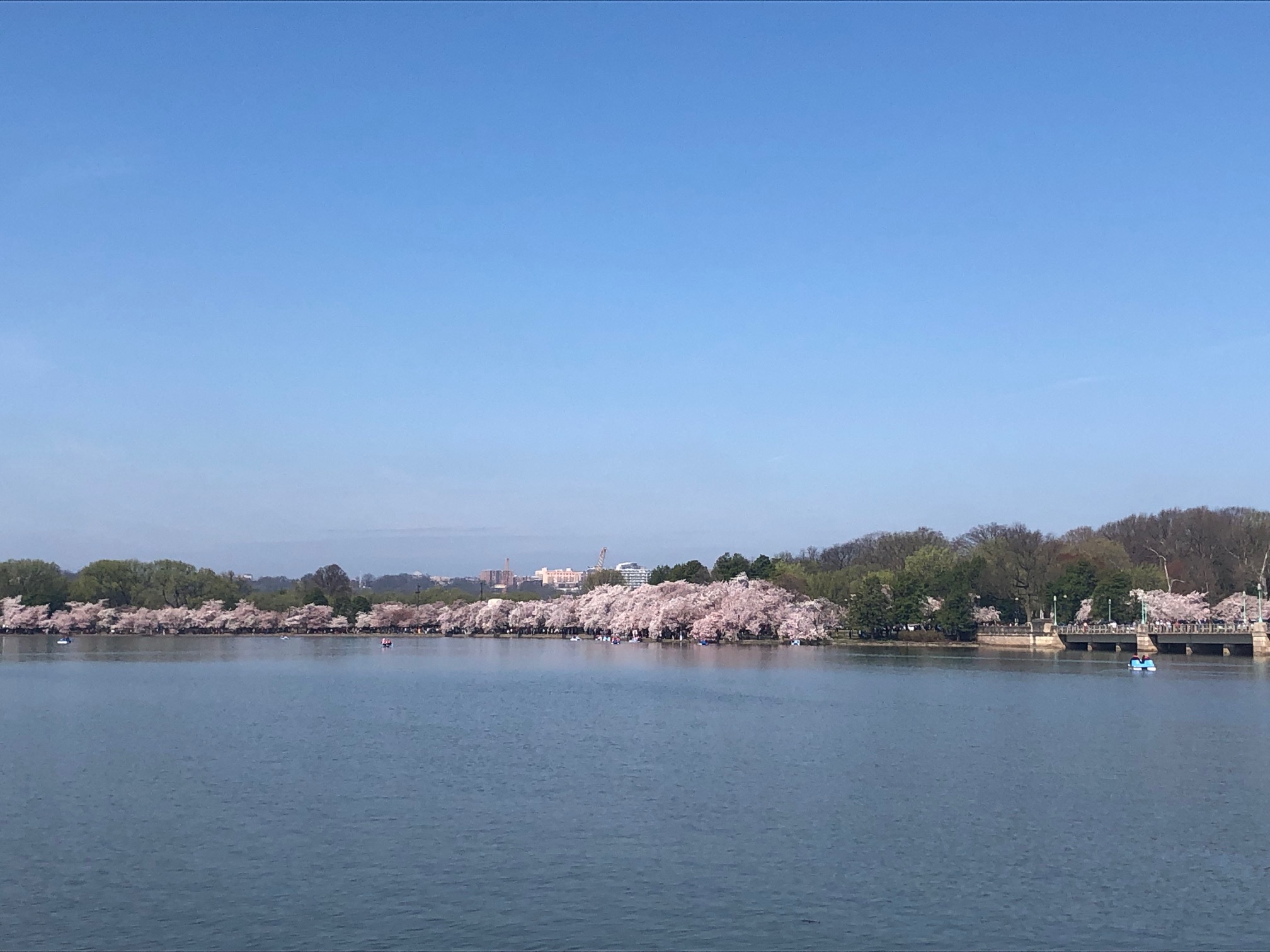
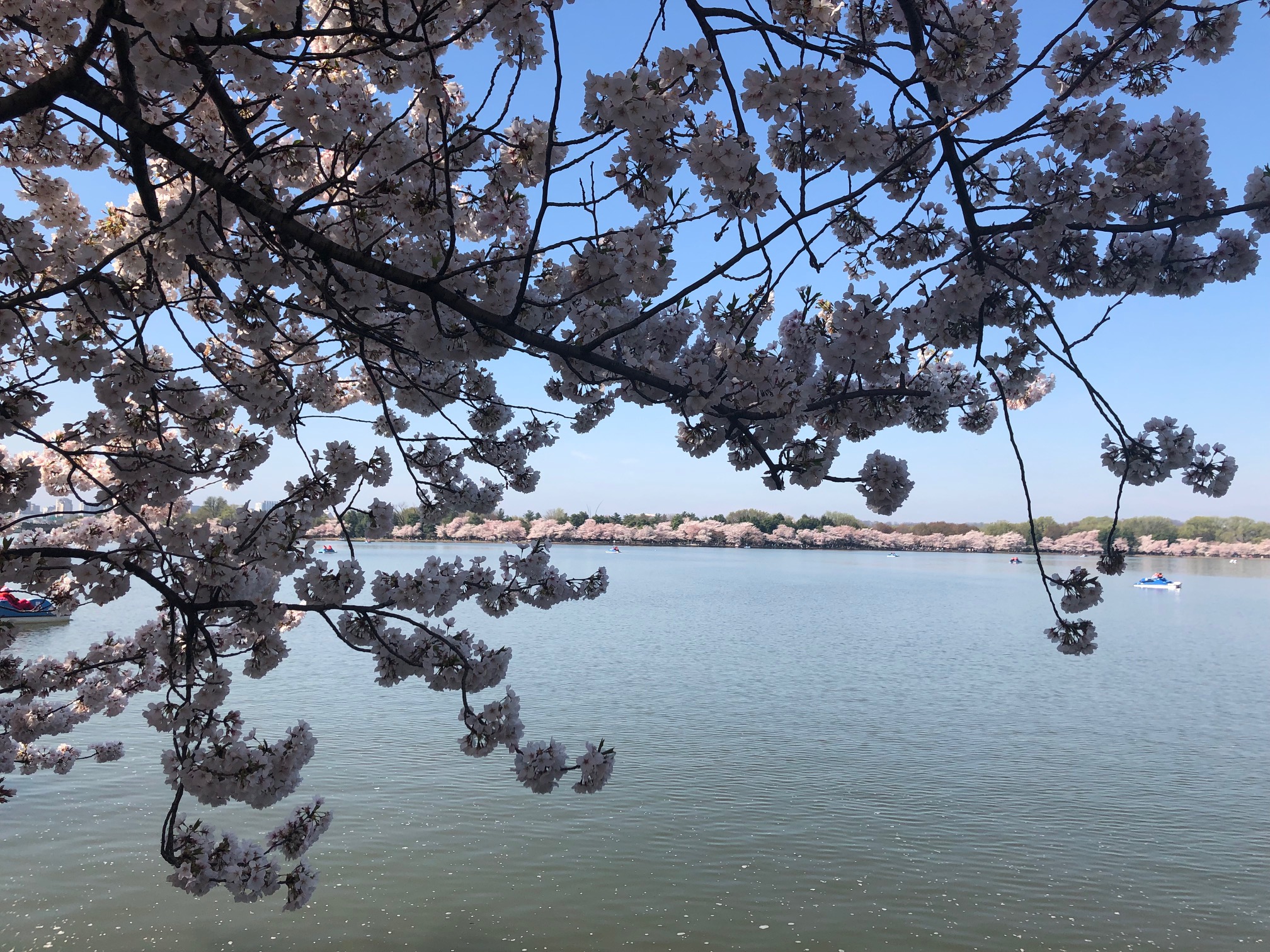
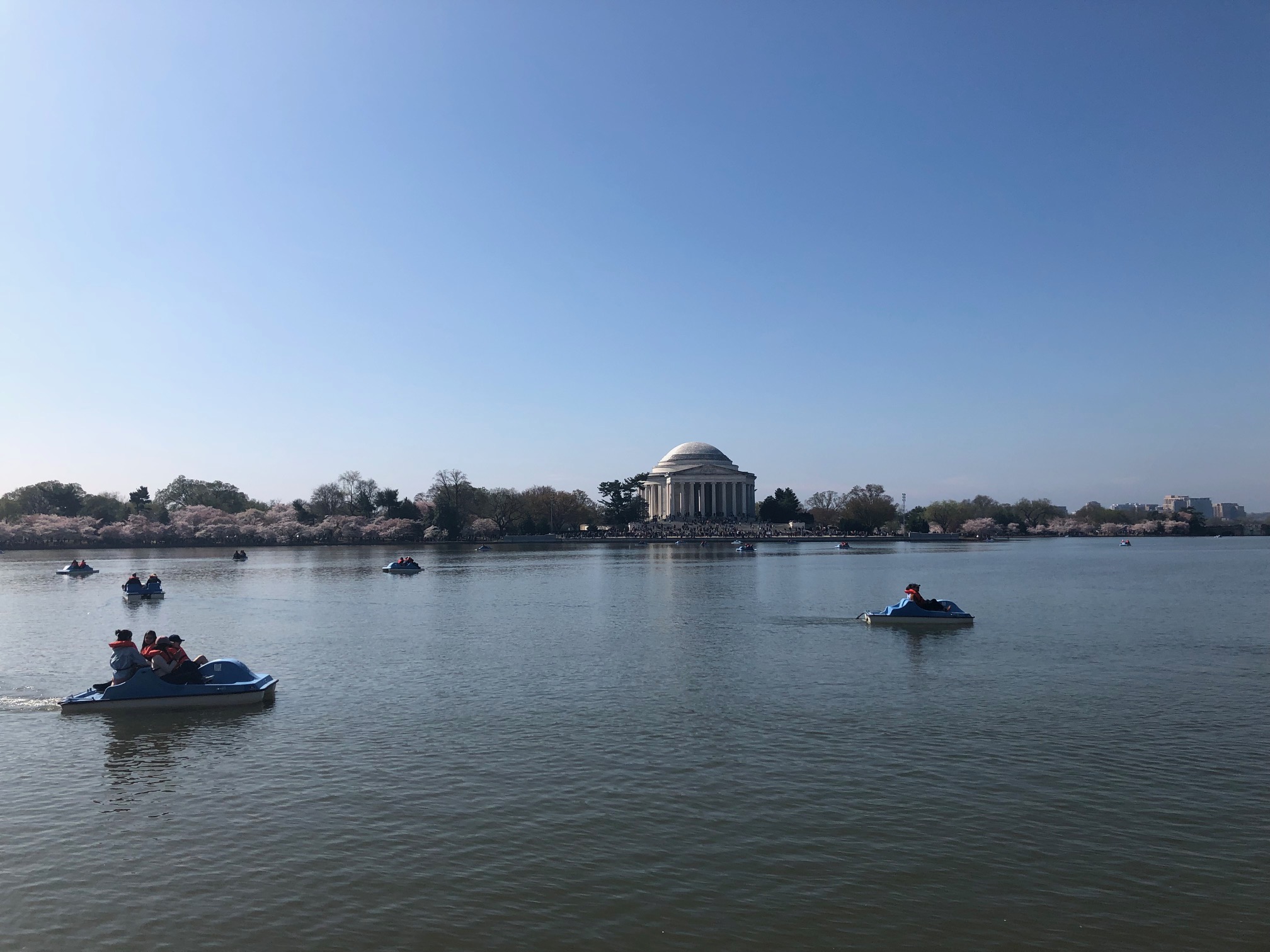
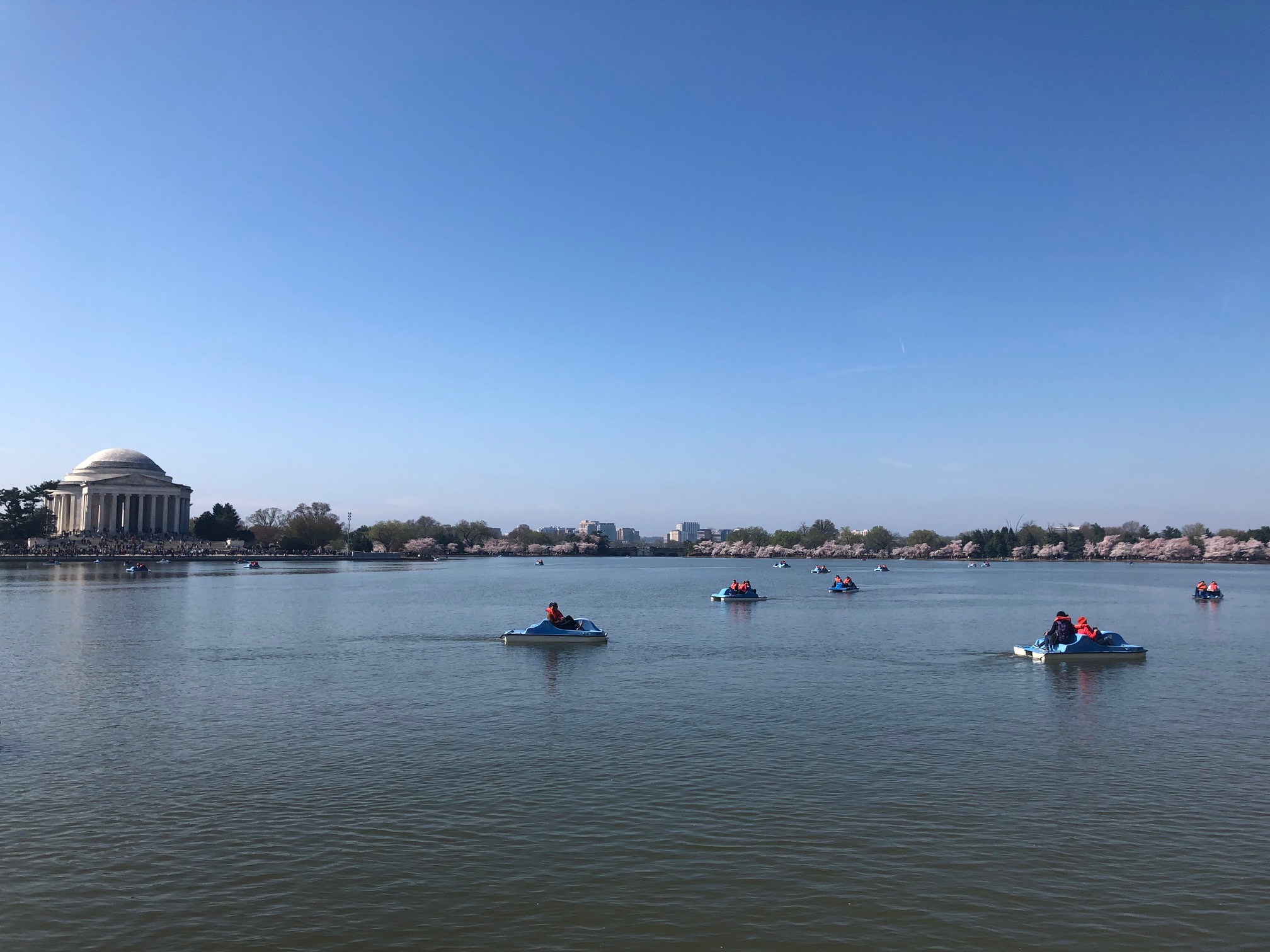
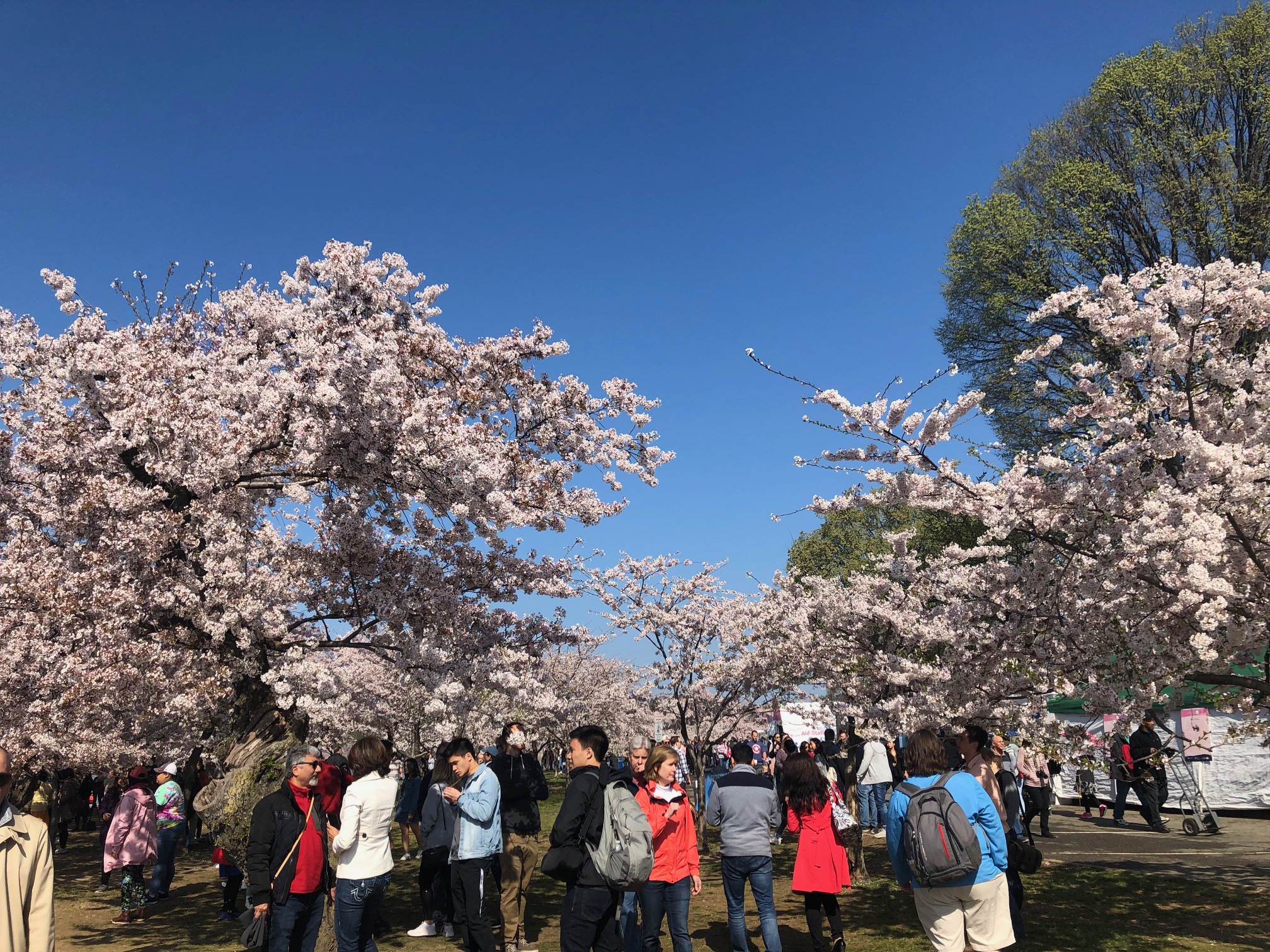
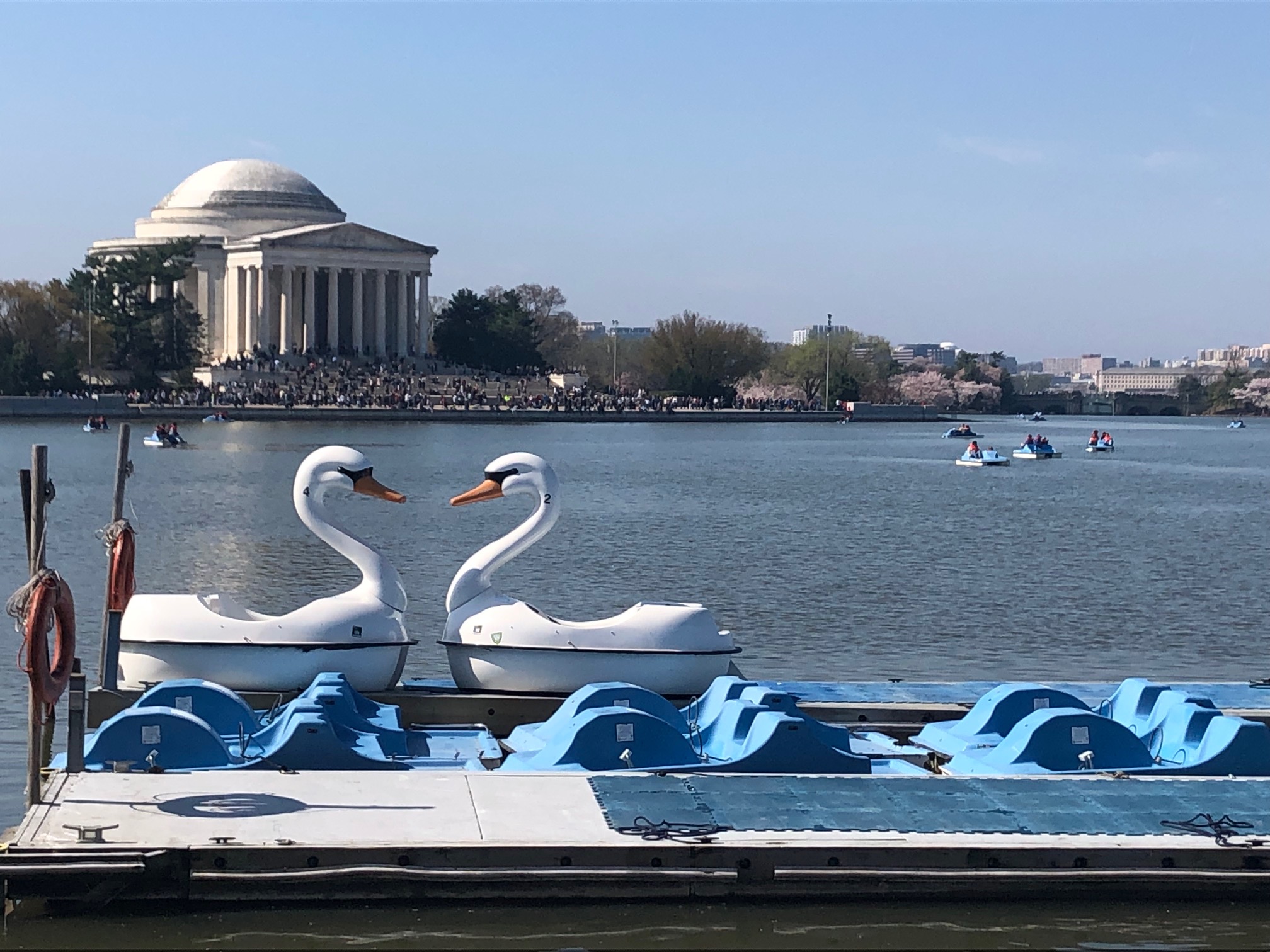
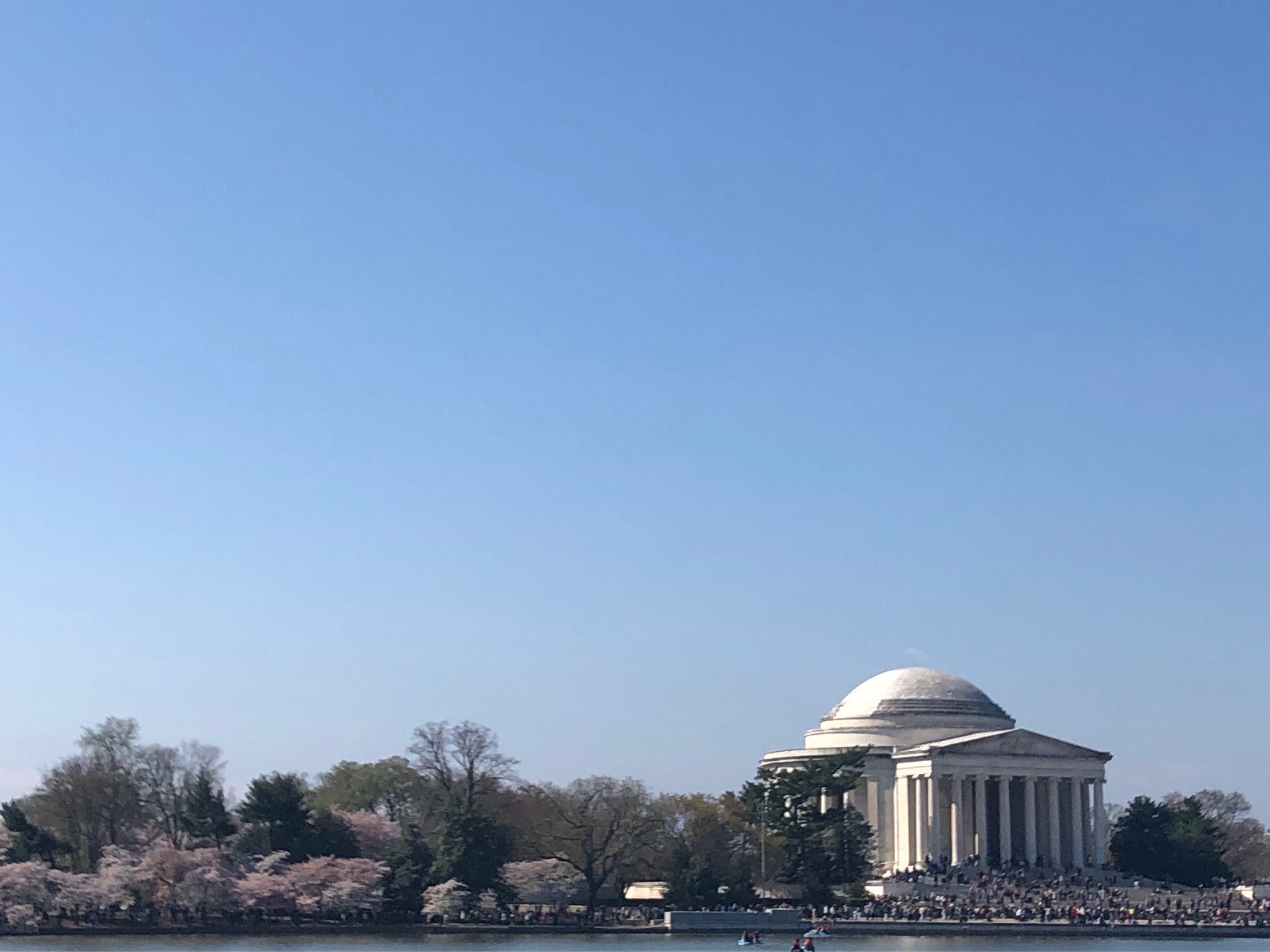


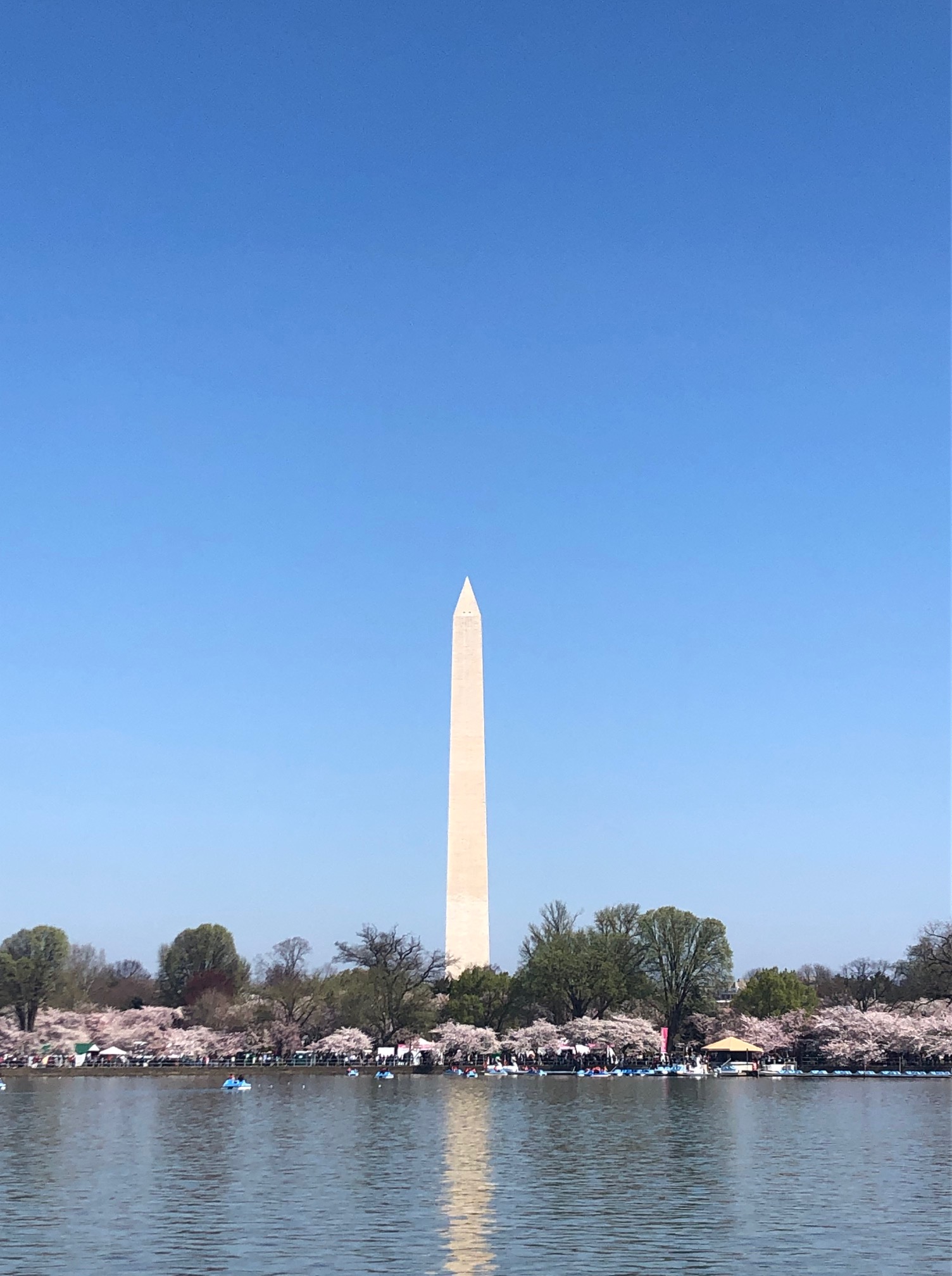
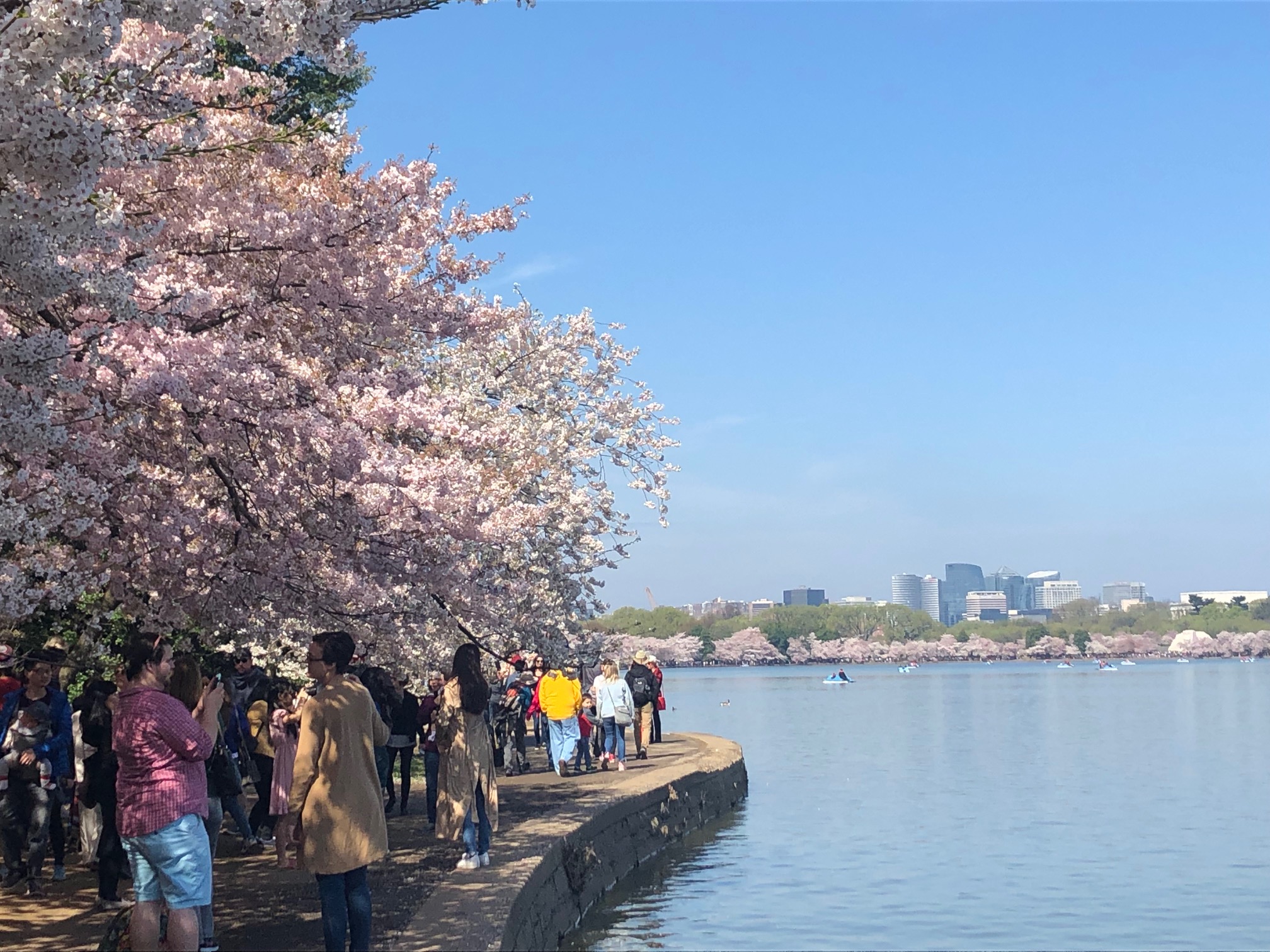
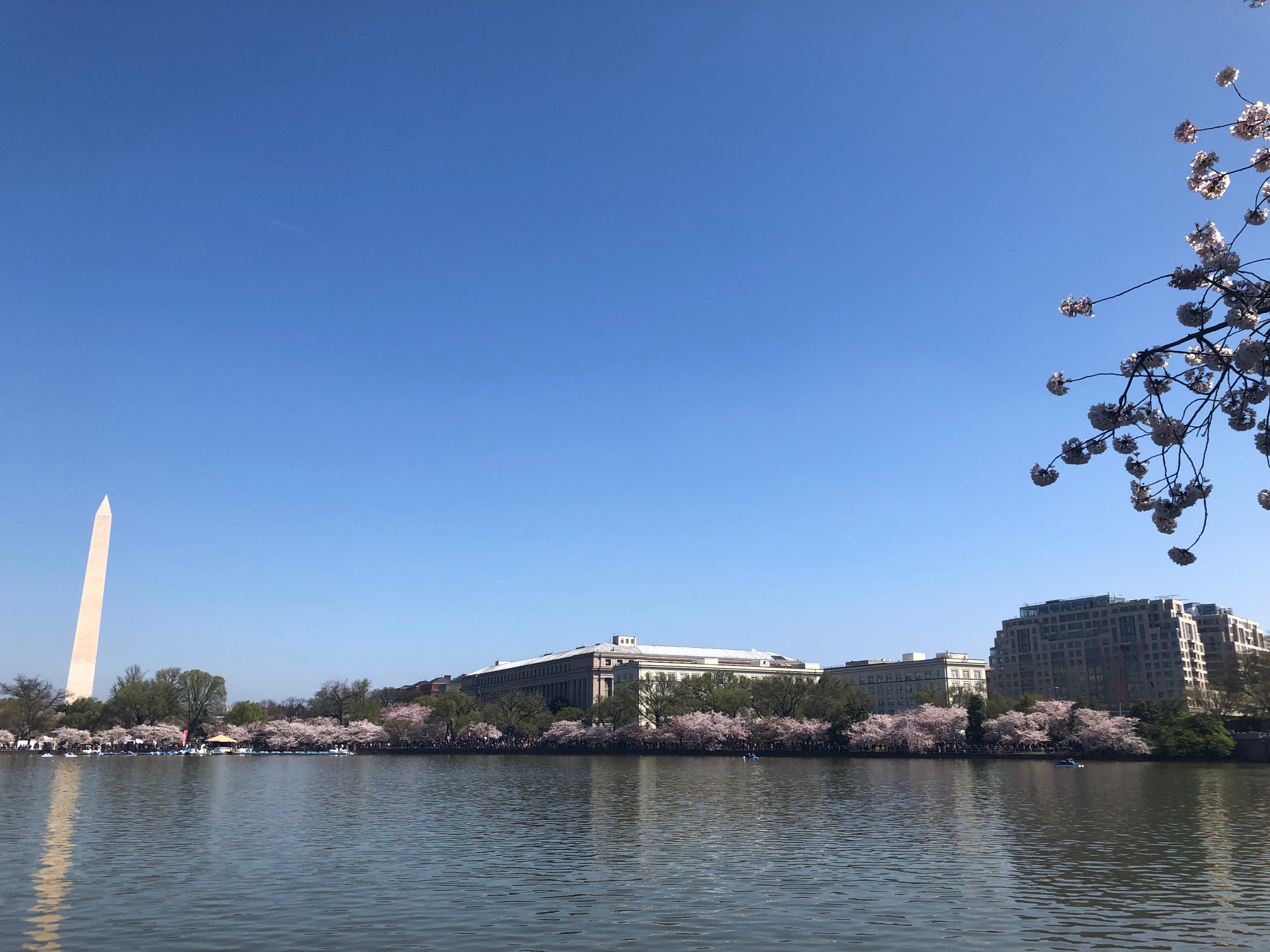
Camera: iPhone 8
Location: Washington, District of Columbia
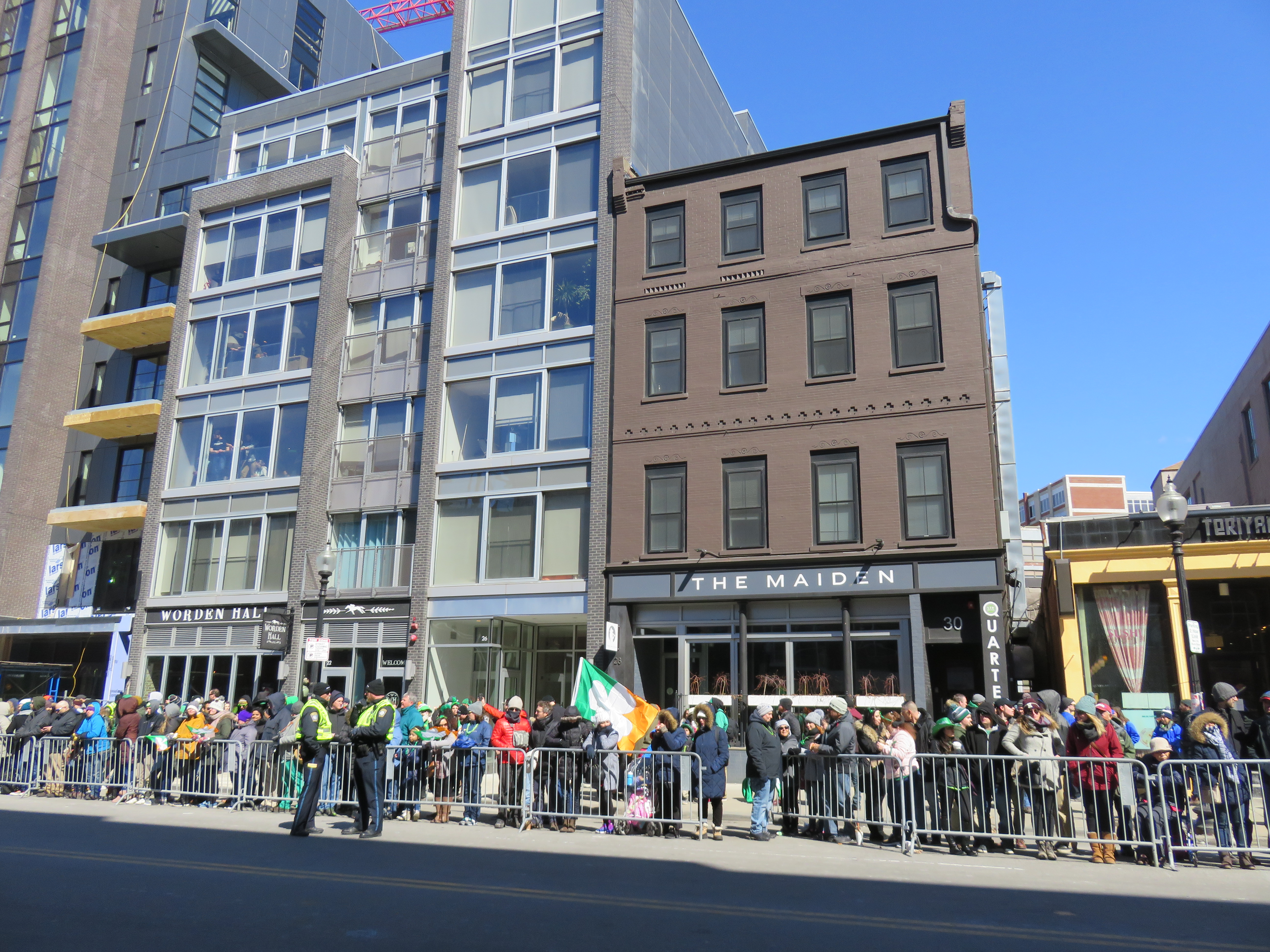



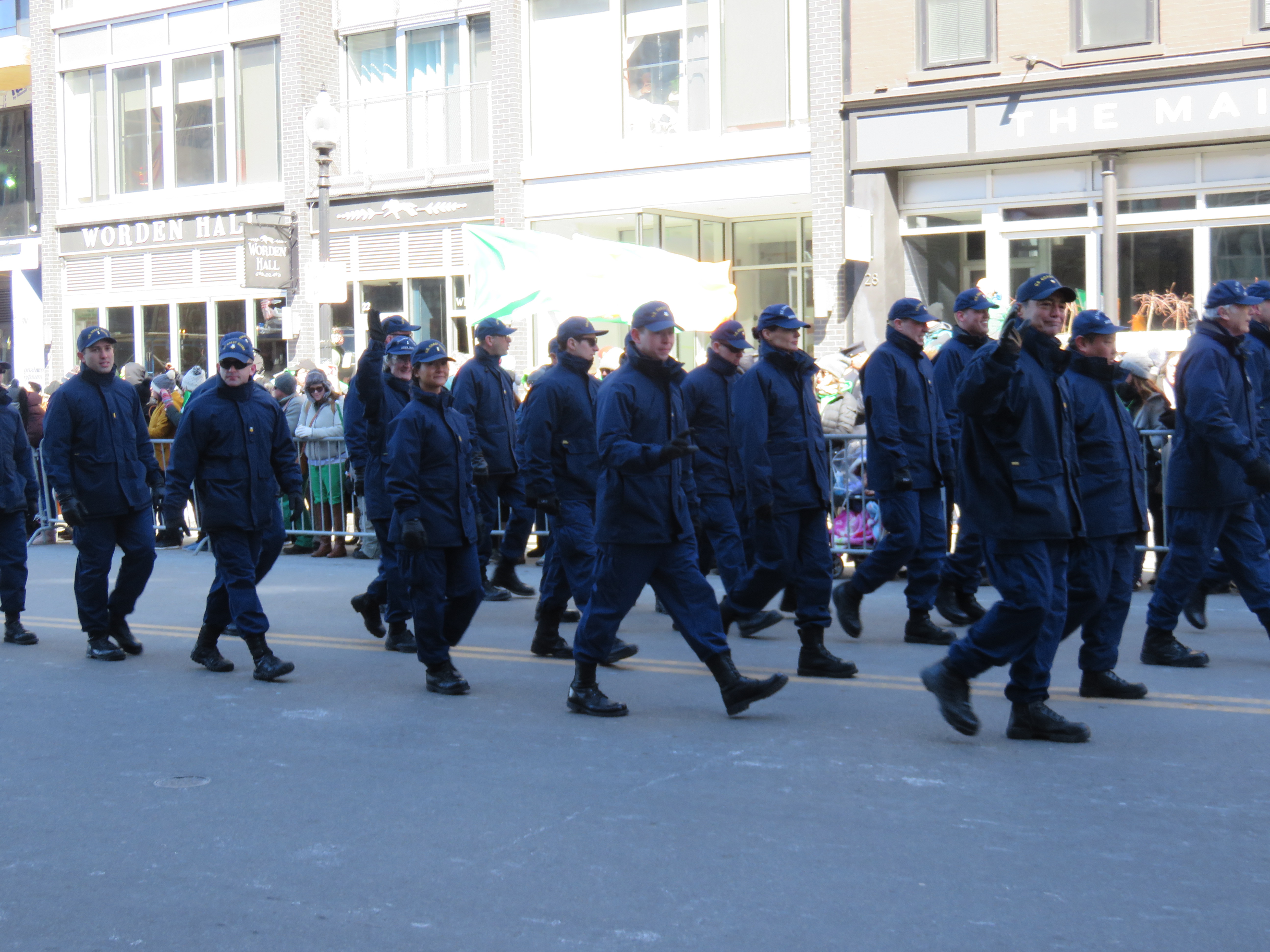










Camera: Canon PowerShot SX710 HS
Location: South Boston, Massachusetts