Restoring The Social Contract

“If everyone just decided to opt out, to not pay their share, to simply protect everything they have, not only would things generally decay quite quickly but the foundational trust that any society is built upon would crumble as well.”

When we are born, we start off with new responsibilities, commitments, or duties. We are purely helpless and rely on other people to assist us in everything from feeding ourselves to being clothed or to even how to be cleanly. Oftentimes, we rely on our first teachers and friends, our parents, to care for us. Of course, not everyone has the luxury to have both or one parent to care and nurture for them, which is why we rely on adoption, local and state services, and even foster care to make sure those who are young, vulnerable, and in need of care are provided for.

If you did not have parents around to guide and nurture you, it is likely that at one point or another, to prevent you from being hungry and homeless, you relied upon services provided by a local, state, or national government. In exchange for such services provided for in part or by whole by taxpayer funding, you would receive support as a child or teenager to receive public schooling, get publicly funded health care or subsidized health insurance to make it more affordable, and even food if you are able to get breakfast or lunch at no or low cost due to circumstances beyond your control. These different services, especially to the young, the poor, the homeless, or even the elderly are part of what I like to call the ‘social contract.’

By participating in the ‘social contract’, you receive certain necessities to live such as food, shelter, housing, and ideally, health care in exchange for later contributing back to the society either financially through taxes and even voluntarily through charitable donations, volunteering, or being active in the political process. The key thing to remember is that the better the taxpayer money is spent and the more accountable it is in those areas, the better those services will end up being.

Going back to the case of an orphaned or abandoned child, since their parent(s) were not there for them when they needed that love and care the most, who else should step in but society itself? Would it be better to abandon such a child to the streets or to an uncertain future to likely starve, to miss school, to be homeless, and to fall into despair or rather should we as a society remember that it could have been us in that situation as a child or a newborn and to ensure that the child will have the same opportunity or chance to succeed despite being born into uncertain circumstances?

Children or teenagers don’t pay taxes but by investing in them, we invest into the collective future of our society. Even if we use private health care, private schools, private roads, etc., the worse off the general society gets, everyone will be negatively affected by it even if those who are well off seek to shield them from such a deformed society. After using such services rather than not having had them at all, I find that it is much more likely that that child will grow a contributing adult to the general society rather than if we had not collectively invested in him or her at all.

Many such issues in adulthood involving joblessness, alcoholism, drug abuse, higher likelihood of prison can be avoided if there are safeguards in place because a home without parents can lead to a slippery slope of lack of opportunities and an eventual grim future if society through our provided services funded by each of us does not help to fill in the gap.

Now, that does not mean that personal responsibility should not be accounted for, and each person should work hard to achieve their goals and pursue opportunities if they put the effort in. You can’t just be given these services and expect them to give you an easy life. You still must be able to finish your schooling, find work in your field, and become part of the large pot of contributions that keep our society running. If everyone just decided to opt out, to not pay their share, to simply protect everything they have, not only would things generally decay quite quickly but the foundational trust that any society is built upon would crumble as well.

Any well-run society in any country always has two fundamental pillars going for it: accountability and trust. If you only have one and not the other, the society will be on shaky ground and be deteriorating in the other area after a while. If you lose both, the society will generally collapse until it can be built again after re-establishing at least one of these two fundamental tenets after it has taken hold in the general population again. Advanced societies are inherently fragile because if you can’t be held accountability regarding why certain services are not given when you believe you are paying a lot into the society and feel like you’re not getting much back in return that you can see, feel, touch, or enjoy, then there is a big issue at hand.

If there is no accountability given on behalf of those who provide such services like health, housing, defense, basic services such as water, energy, or even food production, then people will become increasingly distrustful of each other and seek to provide those services themselves outside of the state or society or focus on only having private means of acquiring such services, which due to the profit motive, may leave part of the society out in the dust if they cannot afford the private services and there are no public ones available as a substitute.

As U.S. Supreme Court Associate Justice Oliver Wendall Holmes Jr. once said about the means of taxation, “Taxes are what we pay for a civilized society.” As much as people will complain about their taxes, if we don’t have them, how else would we provide for clean water, clean air, reliable energy, good schools, safe streets, plentiful hospitals, etc.? The key idea to keep in mind is that if we don’t see our taxes going to these areas that improve upon society or advance it further for the well-being of the population, then there is a lack of accountability there that should be rectified.

Waste, fraud, and abuse of taxpayer money is a serious offense and so is an inability to break down for the taxpayer where their money goes to fund local, state, and national services year after year. Collectively, there should be a role in taxpayers demanding accountability from those in power to know where are taxpayer money is going, how can we make it more responsive to societal needs, and are we reaching enough of the population to justify the level of taxes we incur?

While it is seriously unlikely, we ever get a full accounting of where our tax money goes individually, it would improve the trust and accountability tenets of society to know which percentage of our taxes are spent on health care, housing, safety, defense, education, etc. and if we have that general idea, I do believe there would be more transparency to change those percentages at least at a local, state, or even national level to be more befitting with the priorities of the general public.

If we see that millions of people do not have access to public or private health care, perhaps our societal priorities can change to accommodate for that in the general contract. If we believe that economically, our roads, bridges, tunnels, airports, and public transit are not enough to compete in the 21st century, that should change the calculations. If our schools are crumbling, our teachers are underpaid, and the schoolchildren with parents or no parents are growing hungry there because there is no free lunch or breakfast accommodated for, that should change the calculations.

These are all good examples of how our general societal contract can be expanded and adapted to. Everybody, regardless of their social class or economic upbringing should have basic dignity afforded to them. I believe that social contract needs to be upheld especially if we are paying into it but not getting enough out of it in exchange. When health care, housing, food, and even school are considered luxuries rather than necessities, that contract is fraying and needs to be strengthened.

If our society becomes complacent and does not allow for such public services including health care and housing to care for all, either it will be privatized or it will vanish from being accounted for. We should begin to account for the societal contract where if you work hard, play by the rules, pay your share, and invest back into your community and country, you should get back what you put in especially if you need a leg up when you fall on hard times. Public necessities like education, health care, housing, and good public transit should not at all be considered luxuries.

We should believe it to be absolutely absurd to hear about people with two jobs not able to afford housing, two hard working parents not able to afford to send their children to publicly funded colleges and universities, or even going bankrupt because you have taken on too much medical debt. The societal contract we pay into and hope to receive back in return is fraying when that becomes not only common place in the society but accepted by the population. There should be push back in terms of accepting that kind of contract, which has to be either rewritten or redone entirely.

U.S. President Franklin D. Roosevelt delivered a speech on January 6th, 1941, titled the “Four Freedoms” speech. It addressed what should be what we would consider common sense for a social contract to be based on but during the era of Nazism, fascism, and totalitarianism on the march, it was a key historic event where he lined out what people around the world regardless of birthplace, creed, ethnicity, and background should be born with. They are the freedom of speech, freedom of worship, freedom from want, freedom from fear. Without addressing the whole of human needs from birth, Roosevelt argued that the general society in the United States and in countries around the globe would be worse off.

While FDR did not specifically mention health care, housing, education, or infrastructure in his speech, it can be inferred that economic security made up the ‘freedom from want’ part of the four freedoms. If we do not have a roof over our head, food in our belly, medicine, and care when we get sick, or school / work to give us opportunities to afford such needs as we age then general insecurity and the society itself will fray as a result.

Roosevelt understood that if the social contract does not include the four freedoms or the additional needs encompassed within these four freedoms of humanity, then our societies and the world at large will fall victim to another war, another depression, or general malaise and misery. FDR may have given this speech on the ‘Four Freedoms’ over eighty years ago but his words and his call to action remain as ever necessary in our society today. If there is a child without parents, we must be there to provide and care for his or her future, if a teenager can’t find work, we must provide that community college or technical education to give him an opportunity to succeed, and if that man or woman can’t find a way to get health care when they get sick and are in between jobs, we must step in to fill the void.

Simply put, the social contract is what we decide it is if we work together and find common ground on where it’s lacking based on what we pay into it and how we implement it to see the benefits of what comes out the other end. There is no doubt in my view that the four freedoms of FDR should be upheld and strengthened, especially around economic security or the ‘freedom from want’, which would eventually ensure that more and more of the general population would have the means to pursue their dreams, to be better able to succeed, thrive, and live their lives to the fullest extent.

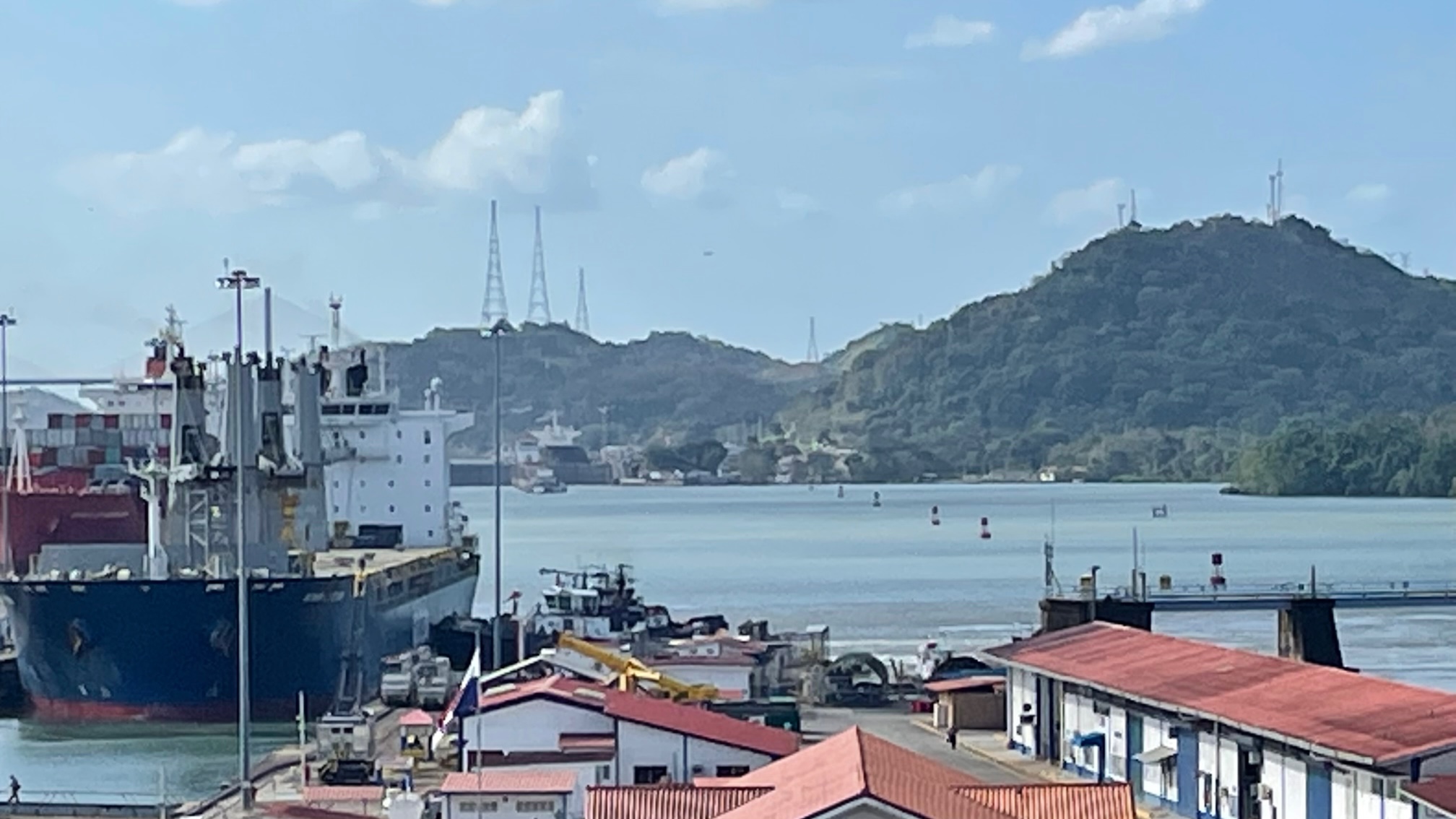
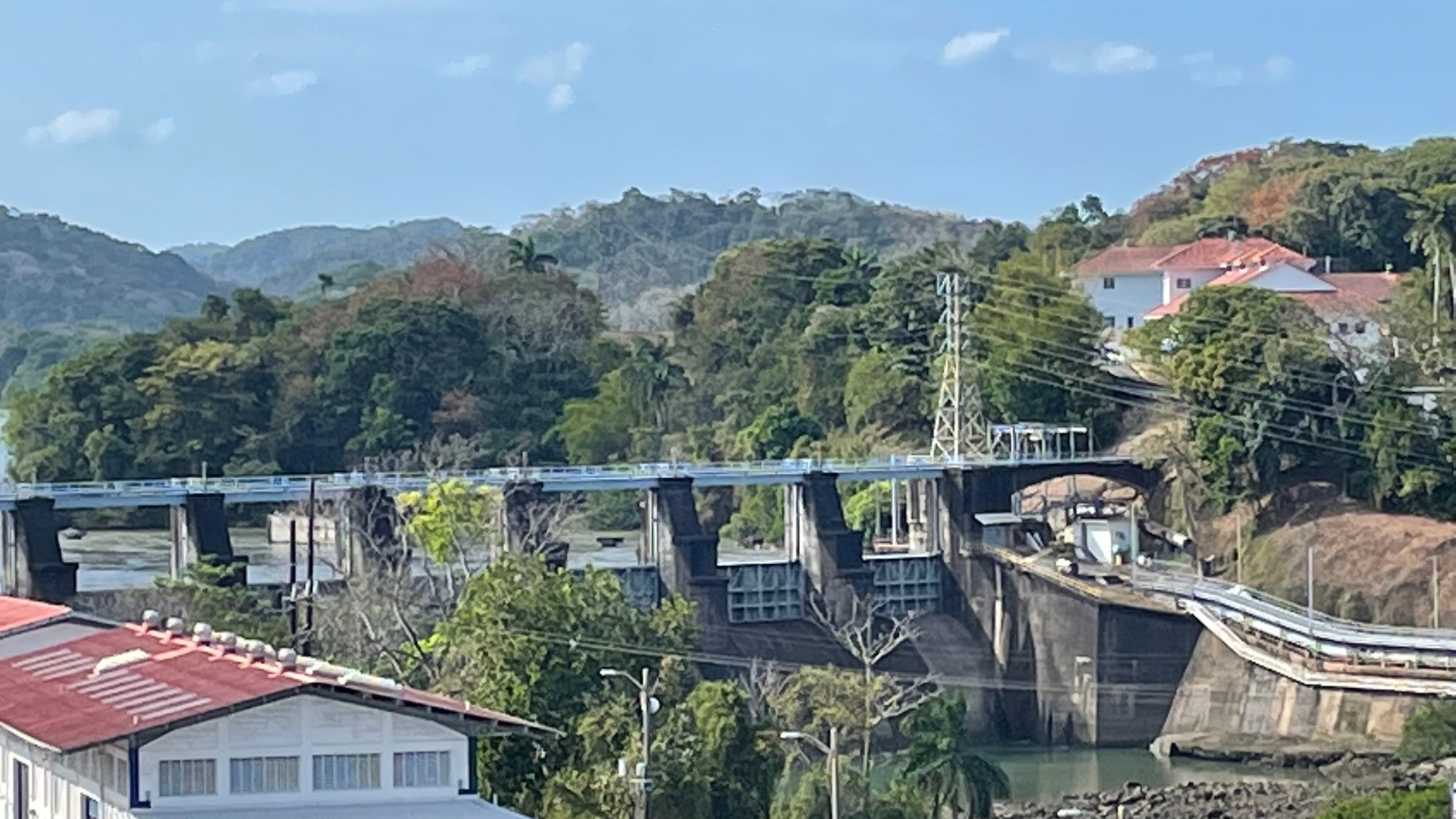
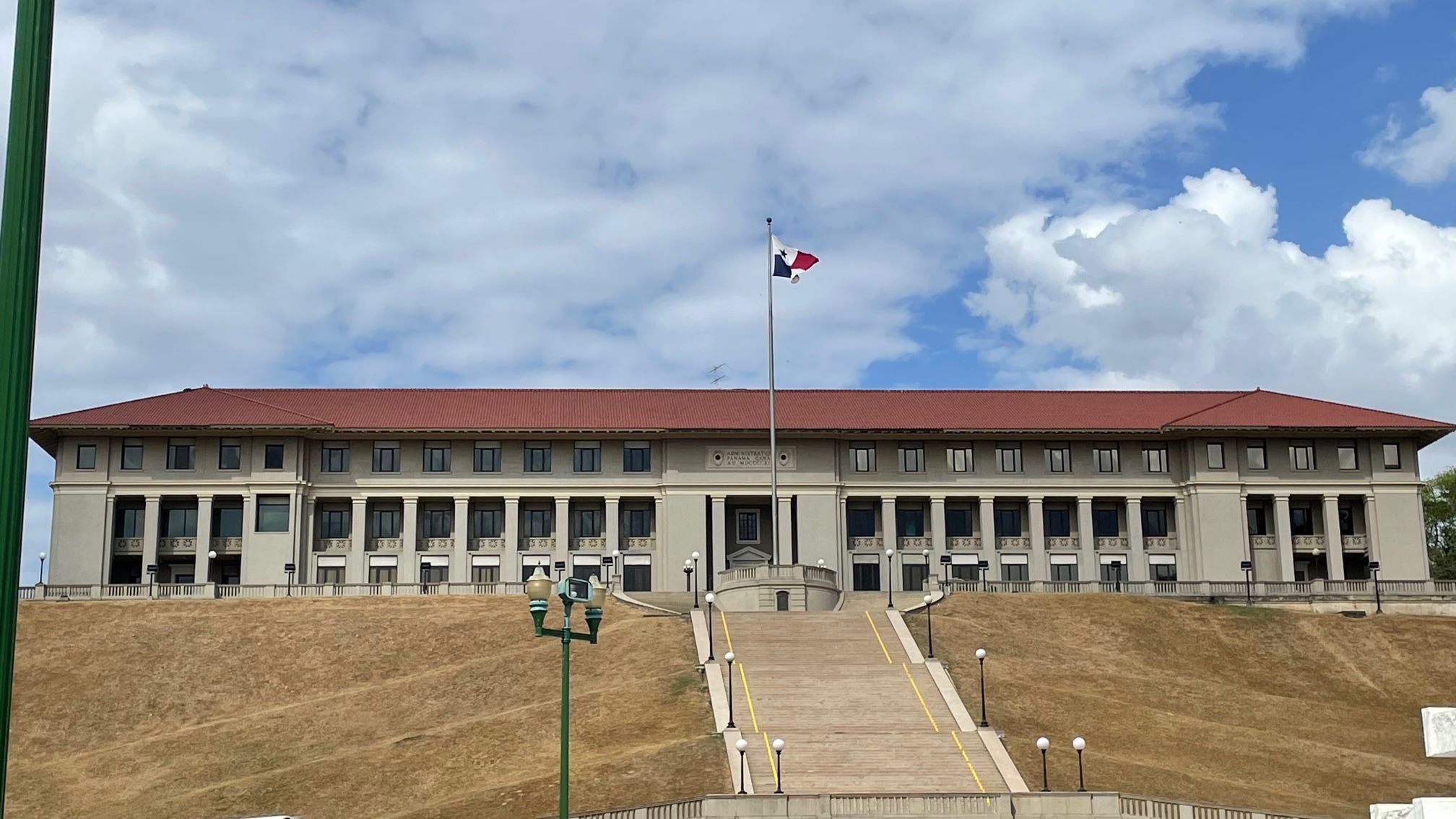
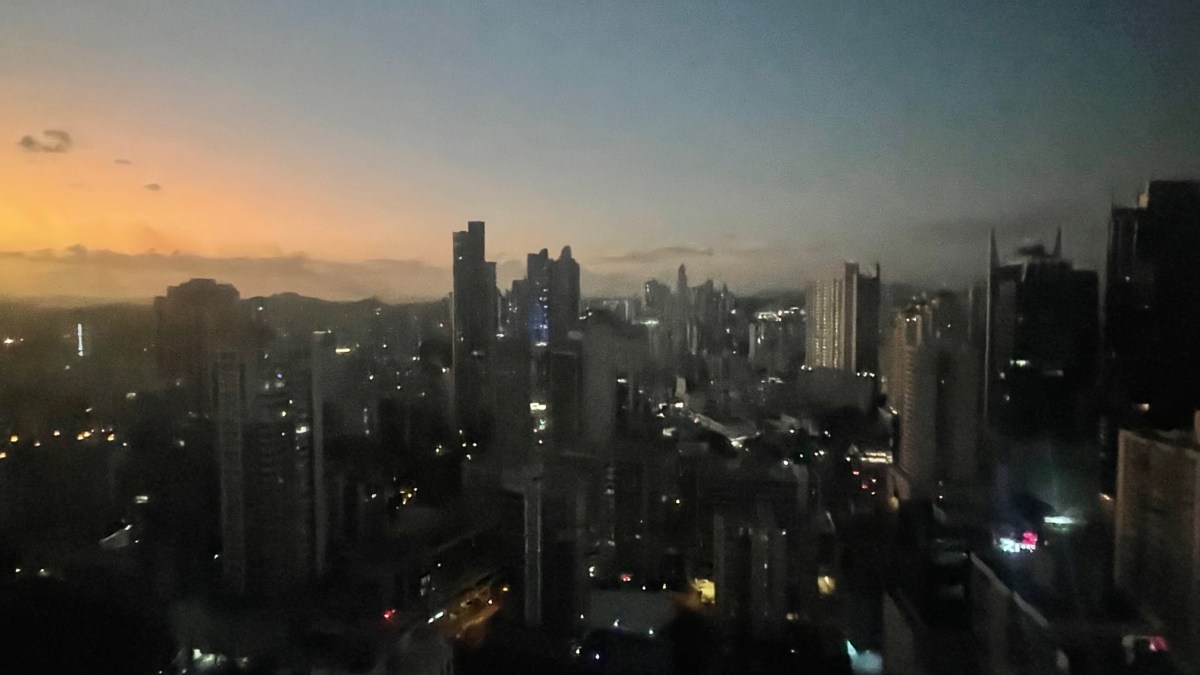
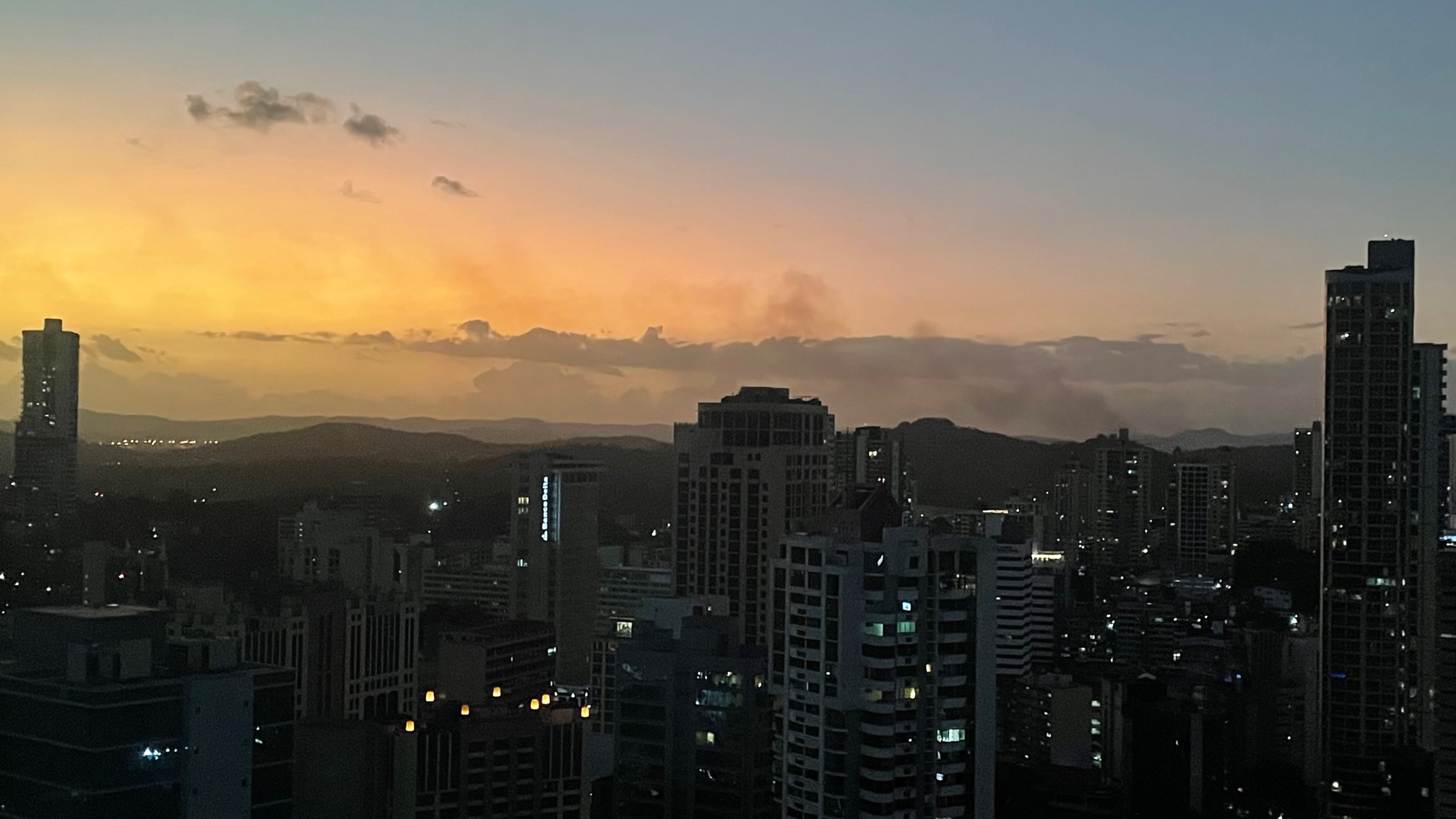
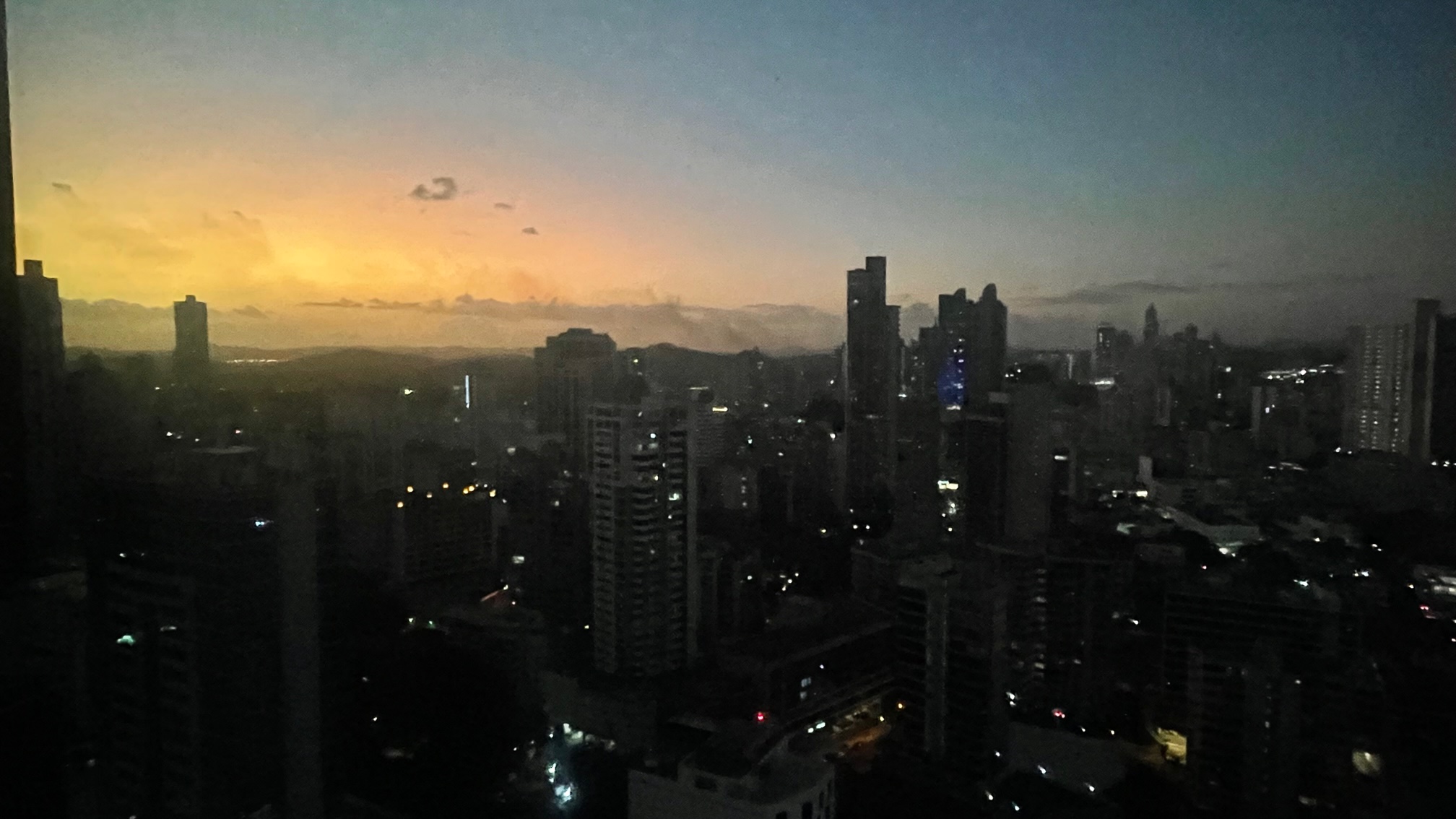
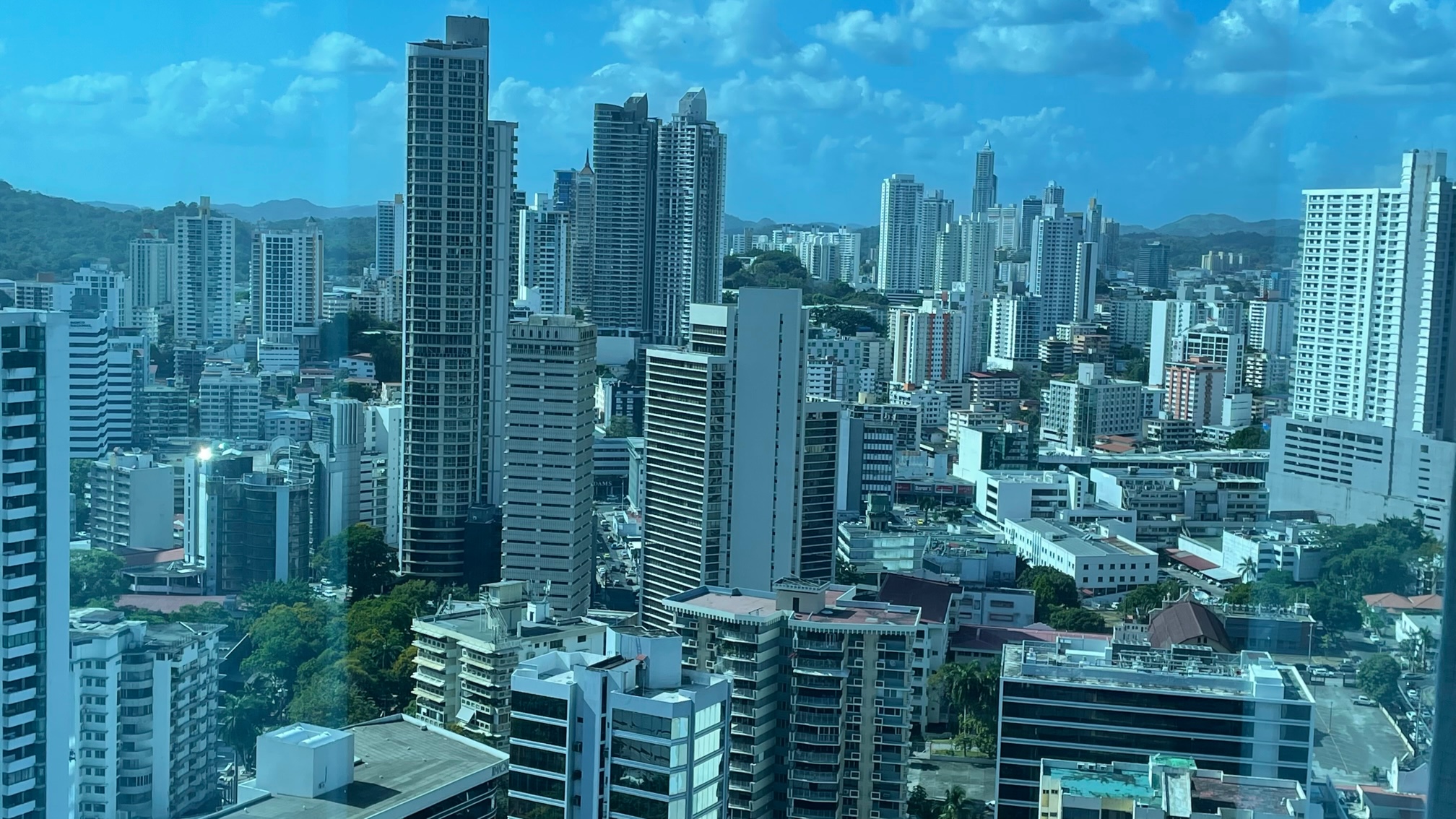
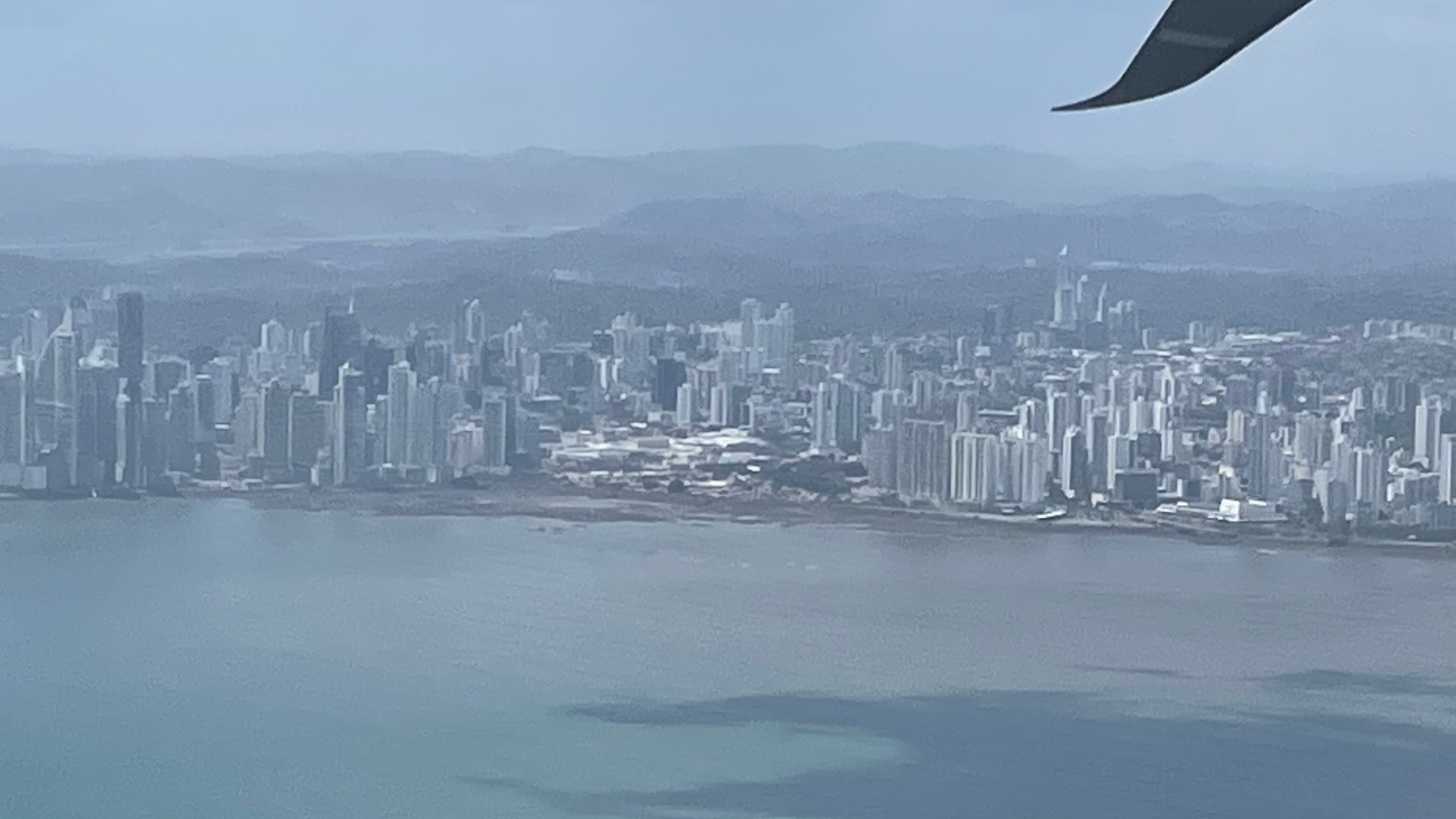
Welcome to Panama City

Camera: iPhone 12

Location: Panama City, Panama

The Weight of The Past

“Similar to the past’s effects on people, I believe that places with a history to them do leave an imprint to cause different emotions to bubble to the surface based on what occurred in those places.”

Similar to the past’s effects on people, I believe that places with a history to them do leave an imprint to cause different emotions to bubble to the surface based on what occurred in those places. People are often affected or morphed by what happened in their past though they are not defined by the past alone. The same could be said for those places you visit who spark up powerful emotions within us based on what happened there during its usage by people. However, when you visit a place that is a couple of decades old or even hundreds or thousands of years old, it leaves a mark on the visitor where you can feel the actual ‘weight’ of that place based on the history of what occurred there.

For some examples, places like Disneyworld, Universal Studios, or your average local street fair or amusement park, which elicit emotions out of us such as joy, wonder, excitement, and general happiness. In a similar way, your average local restaurant, community center, or place of religious worship tend to give off those same positive emotions based on their shared history of bringing people together for a common cause or common purpose.

However, you also have the opposite in terms of certain places in the world where you can feel the several mixed emotions that can arise from visiting there such as a historic fort or a castle or a battlefield. Where two sides fought to the death, there is a lot of pain, tragedy, and regret but also there are emotions surrounding the victory, triumph, or even the thrill of survival that would emerge from such places. A few examples from my own life that I could cite include the beaches and military cemeteries in the Normandy region of France, the expensive battlefield of Gettysburg during the American Civil War, and the grasslands that cover the previous battlefield of Waterloo during the Napoleonic Wars in Belgium.

There are also a few places in the world which involve such universal pain and human suffering that the weight of being there to witness the places in person where atrocities against people no different from you and I occurred can be almost overwhelming in terms of the emotional pain. To see the concentration camps of Auschwitz in Poland or Dachau in Germany and to also be on the grounds of a plantation where enslaved men, women, and children had their futures and freedom stolen from them to be used as expendable economic tools can make you sick to your stomach.

Such vile places need to be seen to be believed but you can feel the emotional weight of being there to know that dozens, hundreds, or thousands of people were brutally treated, beaten, or even murdered there can chill your spine while you’re there. While it can be difficult to go out of one’s way to visit such dark places where the worst of people is on display, we must go to such places despite the negative emotions you’ll feel while being there to prevent new places like that from ever popping up again in our world.

We must not only focus on those places that give us a sense of joy and happiness but recognize that we have to also go to those places that are infamous for their cruelty, hatred, and pain as well. There is a duality in terms of humanity that we have to reckon with in that we can better appreciate the good in life but realizing that there is also the ugly side to human nature that has been controlled and held in check whenever possible.

It is not just to feel the emotional weight of going to places where slavery, murder, torture, and pain were a daily occurrence for the men, women, and children who experienced it but to also realize that you need to pay witness to such places to make sure that we witness them in person so that other people cannot deny that those places even exist or that any evil did not happen there. By paying witness, we commit ourselves to the need to defend against such horrible places popping up in the future and by also instructing the next generations of young people about what happened there and why such places are left intact for them to visit. It would be great to demolish any mention of a plantation, a concentration camp, or even a battlefield but to do so would to be creating a sense of whitewashing the past and making it easier for such atrocities or violations against humanity from happening again in the future. We cannot risk the history being wiped away, which includes getting rid of any physical semblance of those places or the information, research, and facts along with it.

Now, I’m not saying you should go out of your way to visit historically traumatic places, but we need to be on our guard against those people who would deny that those places ever existed or what atrocities were committed there. I think this is especially important for students of different ages when they are old enough to go on class trips to such battlefields, plantations, concentration camps to witness the worst of humanity so that we can better ensure that ‘history does not repeat itself.’ It is not easy to convince parents or teachers of the utility of such visits, but part of life is realizing that not every place is like Disneyworld, and we have to understand the importance of highlighting the weight of places, both good and bad, and not ignoring one or the other.

One trip to such traumatic places is good enough as it can be deeply disturbing for people to go there and see the photos, watch the videos, and see the physical evidence of such atrocities in person. Such visits should be done with respect, attention, and long enough where the full impact of the emotional weight can be felt by those visitors. Most folks will never forget what emotions they were feeling when they were there and about hearing the history be brought to life for them so they realize it is not such pictures or information on pages in a book but real places in the world that we can point to and are being preserved.

For as long as I live, I will always remember the winter chill of being inside the gates of what was Auschwitz death camp in southern Poland and seeing the camps that stretched for what looked like miles. It was brutally cold, and snow covered the ground. You can only imagine how the innocent men, women, and children there would freeze to death in such conditions while they were huddled together in the bunks of those camps to keep warm while they were given barely any clothing, food, or water. The elderly Polish woman emphasized to us the importance of remembering what we witness on our tour of the death camps and how the people who don’t visit Auschwitz will also deny there ever was a Holocaust or that this camp even existed.

She made it clear to us that we as visitors and the entire world have the responsibility to make sure another Auschwitz never happens again because sadly, as she noted, it can happen again and has happened in other parts of the world. Wherever people’s freedom is snuffed out, where their human rights are denied, and where people are beaten, mistreated, or killed for who they are, what they believe, and where they came from, the lessons of Auschwitz and other dark places in our world will never be learned. She lowered her head and said a silent prayer at the end of our tour for the dearly departed.

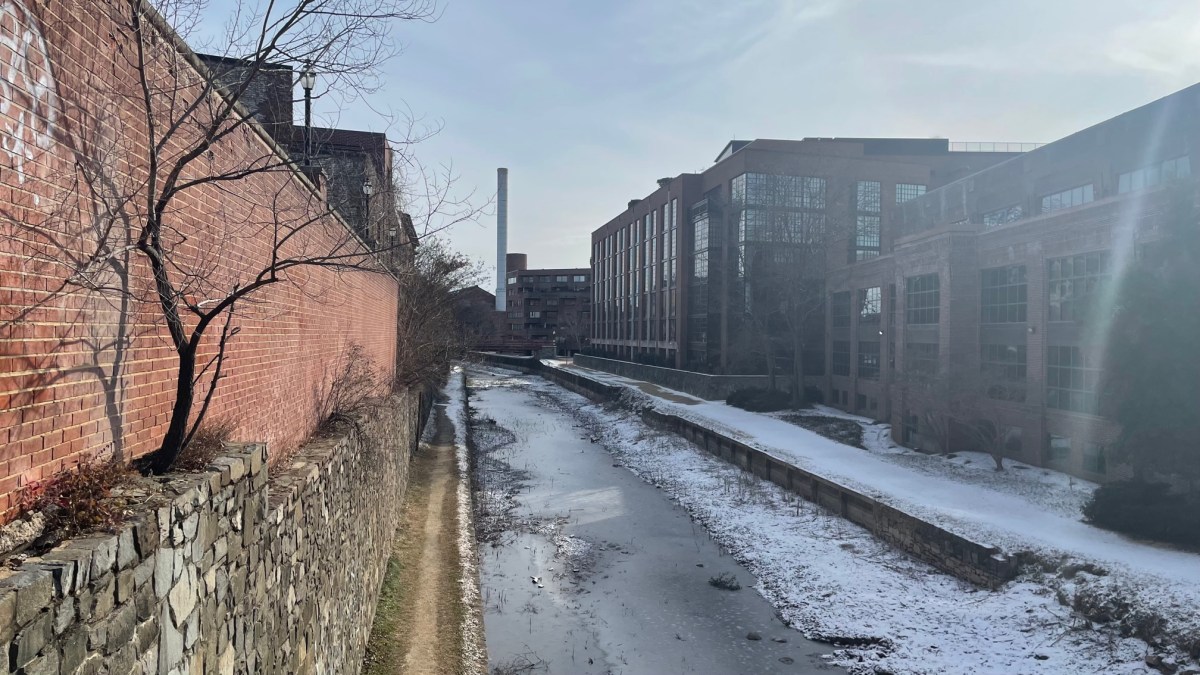
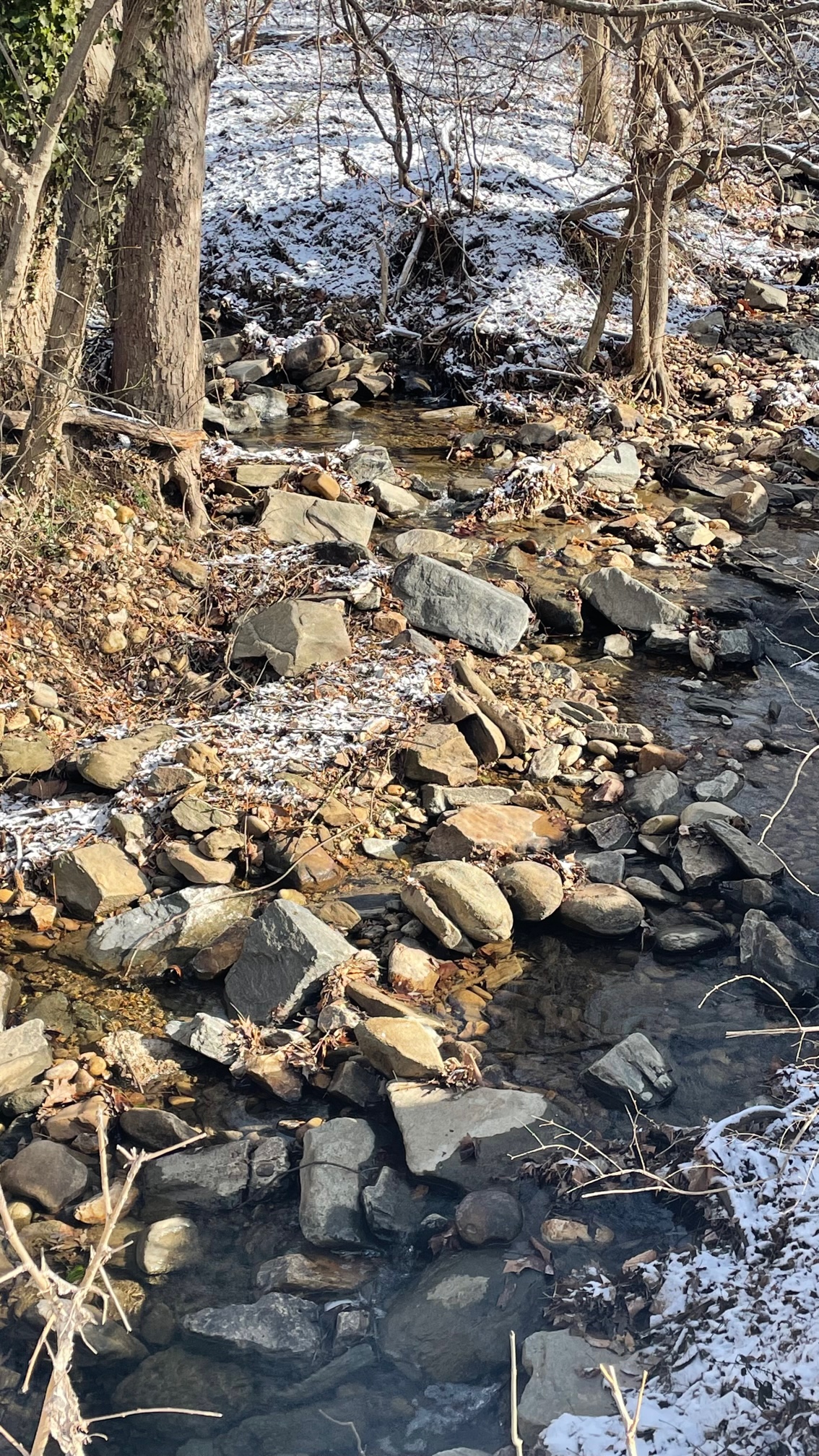
Chesapeake and Ohio Canal Towpath

Camera: iPhone 12

Location: Chesapeake and Ohio Canal Towpath (C&O Canal); Washington, District of Columbia, United States

‘Up In The Air’ – Film Review and Analysis

“The choices he has made haven’t caught up to him yet, but he is on the path he has chosen that while unorthodox to most leaves him satisfied and content with who he is.”

Ryan Bingham has chosen a different life path than most people he knows. Instead of staying in his hometown, reveling in the glories past of high school and the diner down the road, he wanted to leave his roots and his family for his true passion in life: being up in the air and striving for excellence as a motivational speaker. The choices he has made haven’t caught up to him yet, but he is on the path he has chosen that while unorthodox to most leaves him satisfied and content with who he is.

Bingham (played by George Clooney) is at a crossroads in middle age where he has forgone the responsibilities that are normally achieved by most people his age with a house and a picket fence, being married, and maybe having children. He has forgone all that for an industry on the rise sadly at the time the film is set in and for being out on the road and up in the air for 250+ days of the year. He advocates for a life in motion because if he is not moving, he is not actually living.

His work like his constant travel is an unorthodox industry where he works as a human resources consultant traveling both domestically and internationally to do the dirty work of firing or ‘letting go’ employees in person and providing them with transition packet(s) that the company that’s firing them is leaving them with to help them in the ‘transition’ period. It is a rough job that due to the 2008-2009 global recession has made his HR consultancy firm as needed as ever. The one industry at the time that is gaining jobs rather than losing jobs, Ryan finds himself at risk of having his life of work travel outsources to advancements in video technology (about ten years before Zoom and Skype became mainstream).

While Ryan Bingham is not at risk of getting laid off like so many other working Americans during the period of the Great Recession, the worst since the Great Depression of the 1930s, Bingham is at risk of losing his life of travel on the road due to firing people via telecommunications video instead. To make matters worse, his boss Craig Gregory (Jason Bateman) is tasking him with having a new hire out of Yale University, Natalie Keener (Anna Kendrick) shadow his in-person firings for a few months as the company, CTC, makes the transition to virtual consulting instead of letting those employees go in-person from now on.

That is not the only change that threatens to upend Ryan’s life choice as he has met a charming, attractive woman who has the same lifestyle as him and appears to see life as he does with less commitments and more choice. Alex Goran (Vera Farmiga) is the constantly traveling business woman for whom Ryan may have finally met his match. While they started out as a casual fling, Ryan begins to develop feelings for her as he ponders his uncertain future of life on the road as well as the fact that once he achieves his life goal of ten million airline miles accumulated may not have much to strive for.

Ryan and Natalie may not show it at first but the firings and the emotional weight of being responsible for upending people’s lives cause them stress, anxiety, and a desire to break free of their own pains in doing the job they have chosen. While Ryan is content with travel on the road, he hears from his estranged sister, Kara, that his other, younger sister, Julie is getting married. Ryan left home when he first could leave and never looked back, and his family still remembers that. He is the ‘black sheep’ of the family, known to pursue his own gratification while letting his relationships deteriorate over the years.

Having Alex as a love interest has reignited his desire to see his sisters again and to be there for the wedding in northern Wisconsin. Him and Alex are still a bit of a mystery to each other, but they enjoy each other’s company, and he invites her to join him as the +1 guest, not wanting to be the ‘guy alone at the bar’ watching all the couples enjoy a dance together. There are these moments of vulnerability interspersed through ‘Up in The Air’ that remind the audience that all these characters have their own flaws and shortcomings. They are not perfect people, and the film does not judge them outright but allows the audience to decide if they are admirable or detestable or a bit of both. What I love most is that the film director and writers allow us to decide if we agree with Ryan’s choices or if we would have chosen to go the other route in life that he has neglected.

Sometimes, it is never too late to choose a different path than the one that we have set out for ourselves. However, whether we can pull back from previous choices made and to get a fresh start on a new path, is one of the underlying themes of ‘Up in The Air.’ Ryan can try to start a real relationship with Alex, make amends with his sisters and be more present in their lives, and still achieve his 10-million-mile goal but life can get in the way so it’s possible he will not be as successful in salvaging both his relationships, his career goals, and his need for travel. Even if he thinks he can be successful at keeping everybody in his life happy, he may have to make sacrifices as in life, it can be nearly impossible to keep all options available to you.        

The priorities we make now while end up defining us far into the future and there may come a time where the sacrifices, we make in one area may lead to a lack of connection or attachment or fulfilment in another area. Throughout the film during Ryan’s motivational speeches, he talks about the ‘stuff’ in life weighing us down whether it’s our relationships, our possessions, and even our desires. He makes the point in the audience that ‘life can be better footloose’ and not as tied down to suffer from it. However, what the film makes clear is that when you find real happiness in a relationship, can you pivot to slowing down with that heavier backpack you carry around because you feel fulfilled to do so? Can Ryan make room for a real relationship with Alex or his sisters to give up life on the road so his backpack will be heavier, but he’ll still be happier as a result, and maybe that what’s he was missing all this time around?

While Ryan is a ‘road warrior’ and enjoys not being attached to anyone or anything, who will be there for him if he must stay at his scant one-bedroom apartment in Omaha or if he were to be fired from his job where he fires other people. The film brilliantly shows real people who’ve been through real loss in terms of their jobs and livelihoods, and how while it is almost impossible to get through it, they could not keep going on without their responsibility to their families or the love that their families show for them in those tough times. In life, it always helps to have a good support system or to have good people like family motivating you to get you through the tough times.

Ryan may be prepared for a life unattached now, but he may find as he gets older, that his choice to not have many or any attachments at all may lead to the loneliness and pain that then can come from facing life’s hurdles alone, especially when you don’t truly get to know the person because you are so busy traveling and can’t make time for them at all. As Ryan says to his sister Julie’s husband-to-be, Jim, on their wedding day to help him get over his ‘cold feet’ at getting married, “Life’s better with company.”

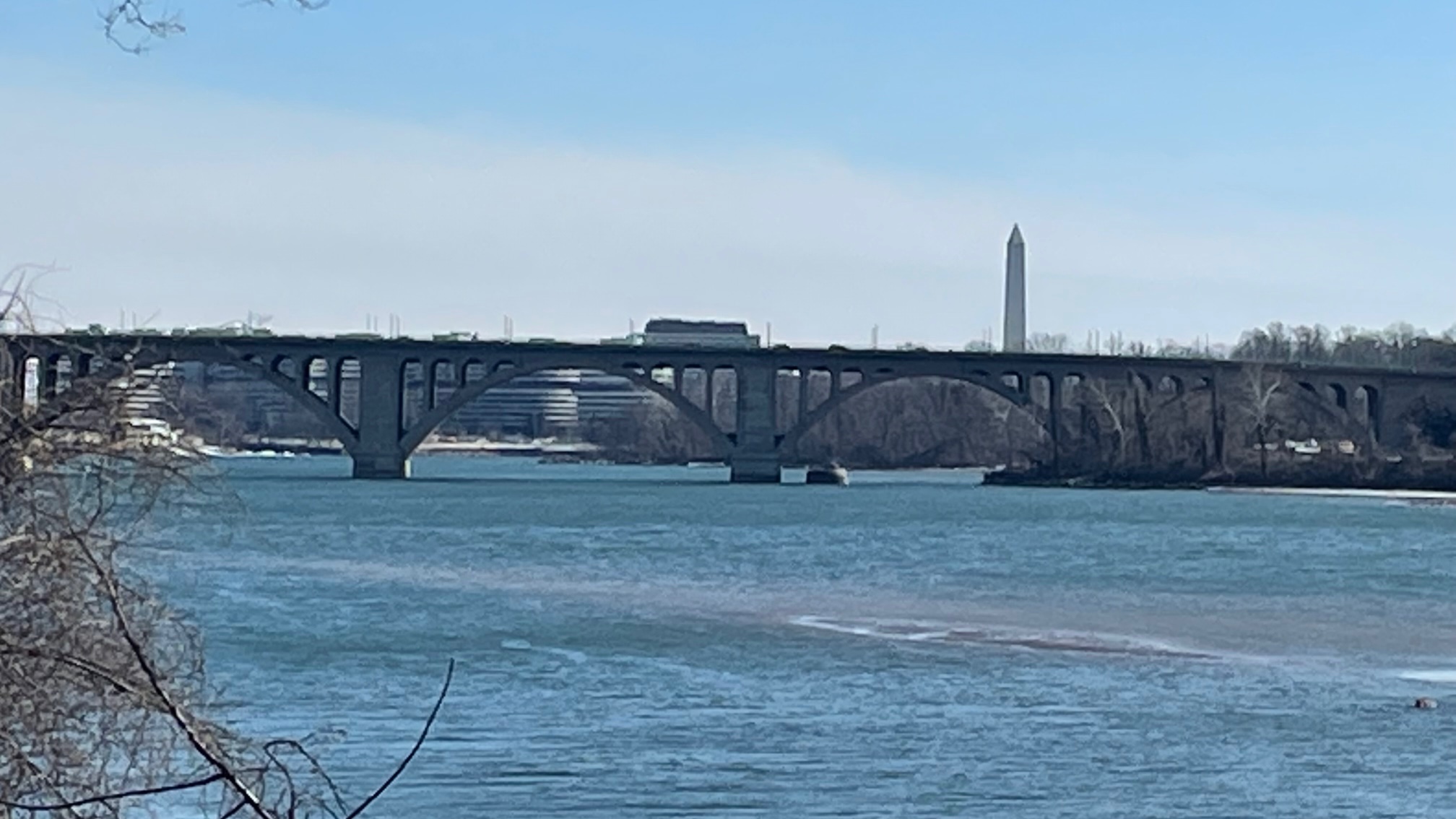
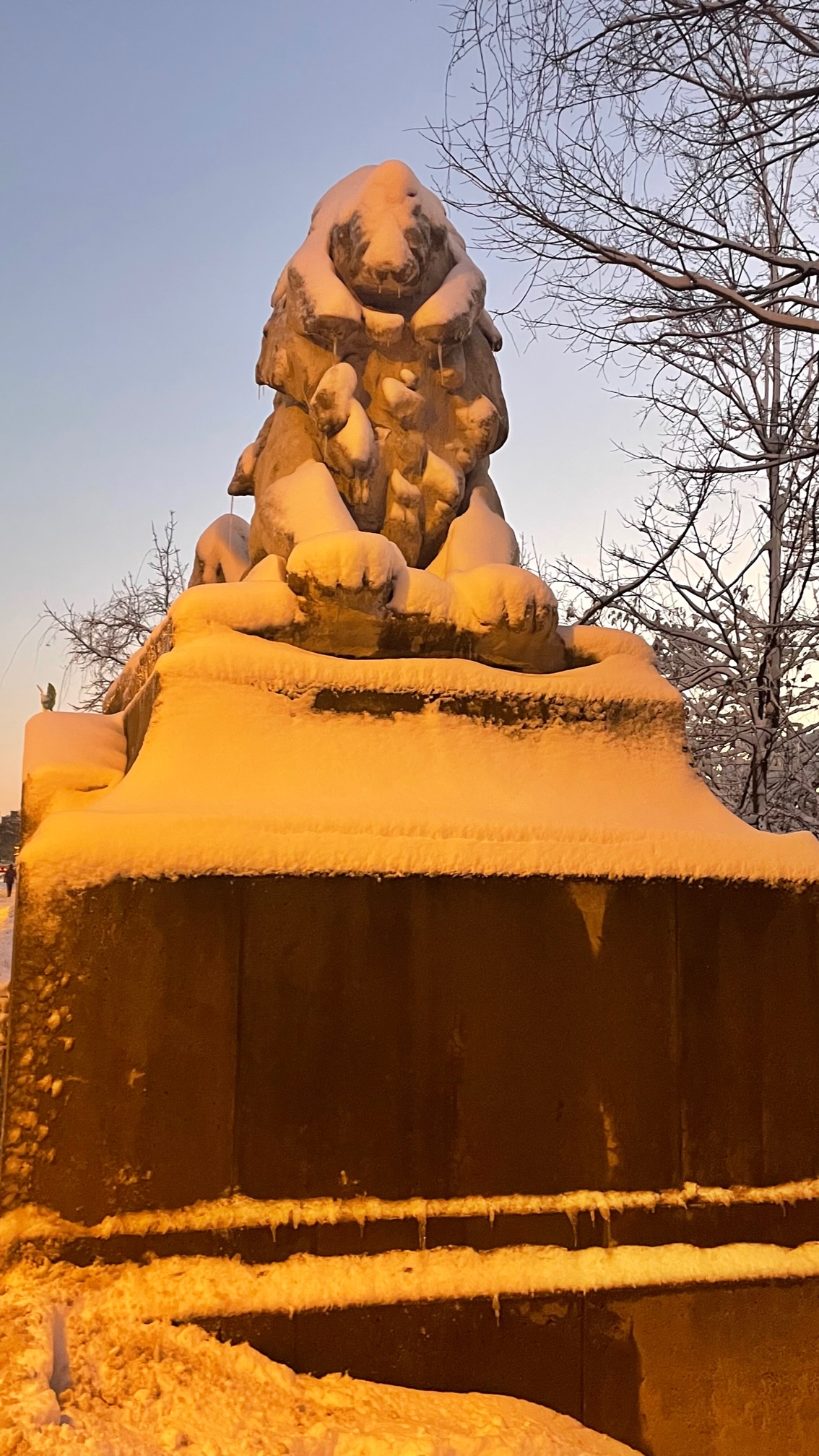
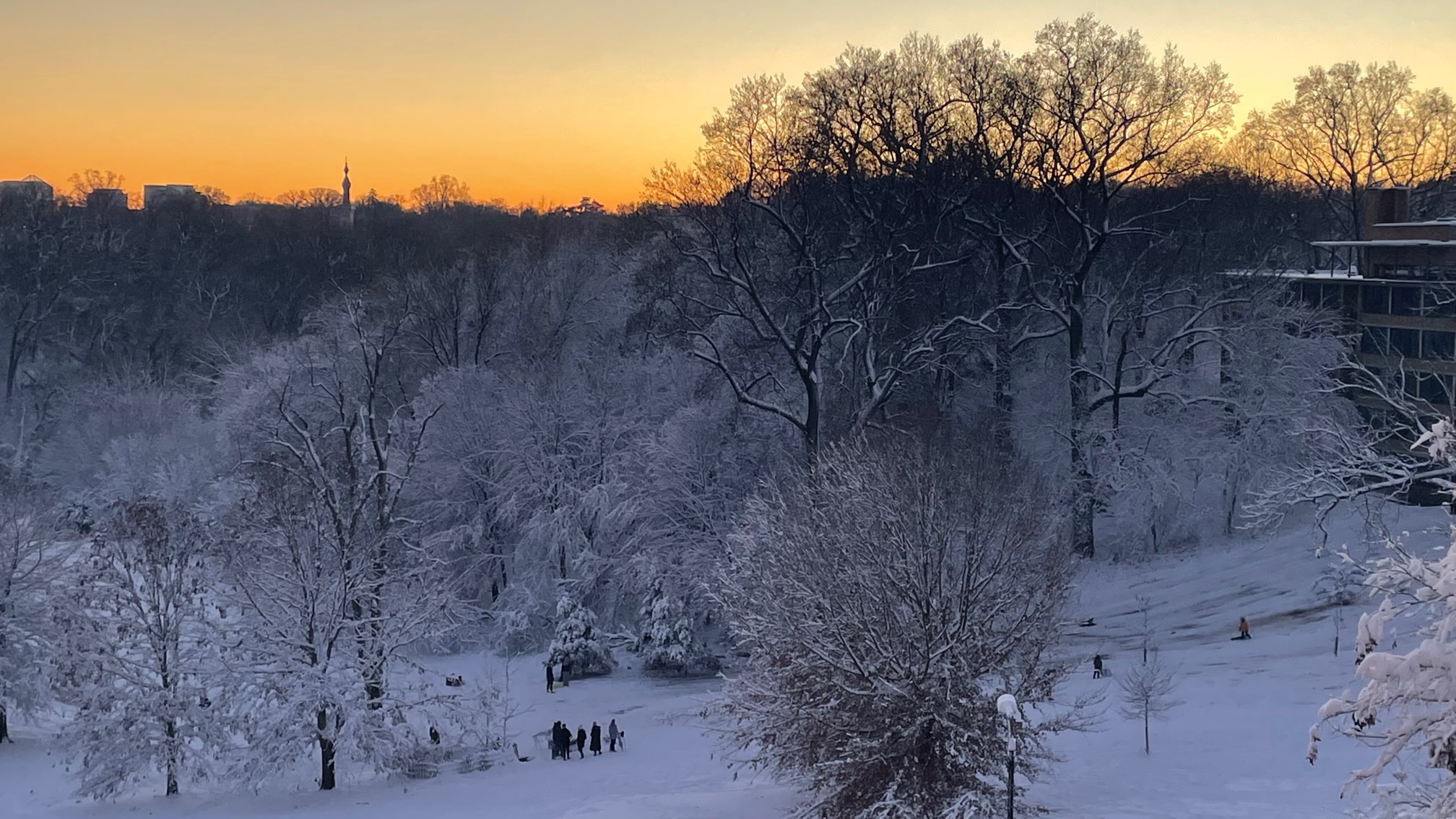
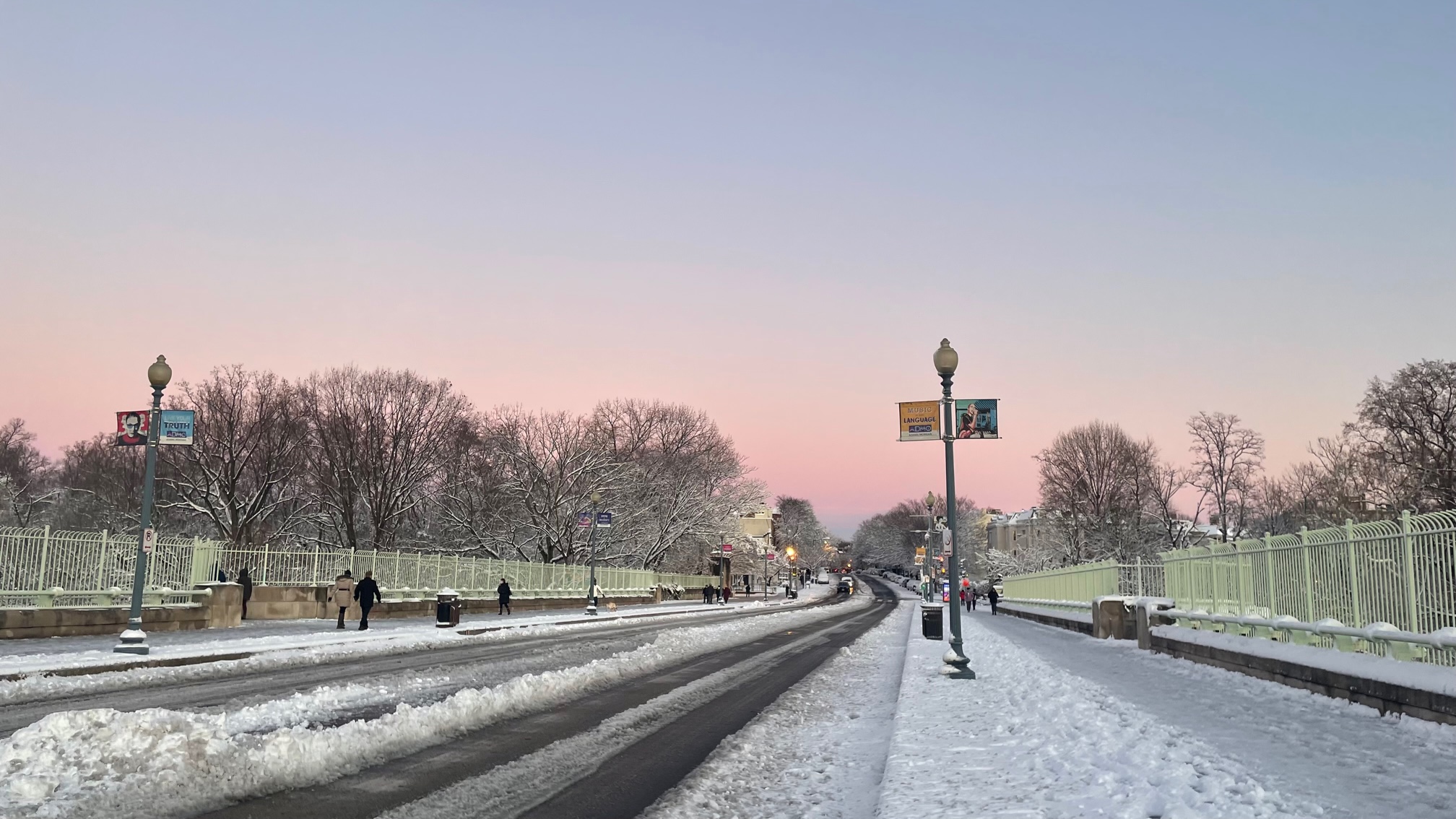
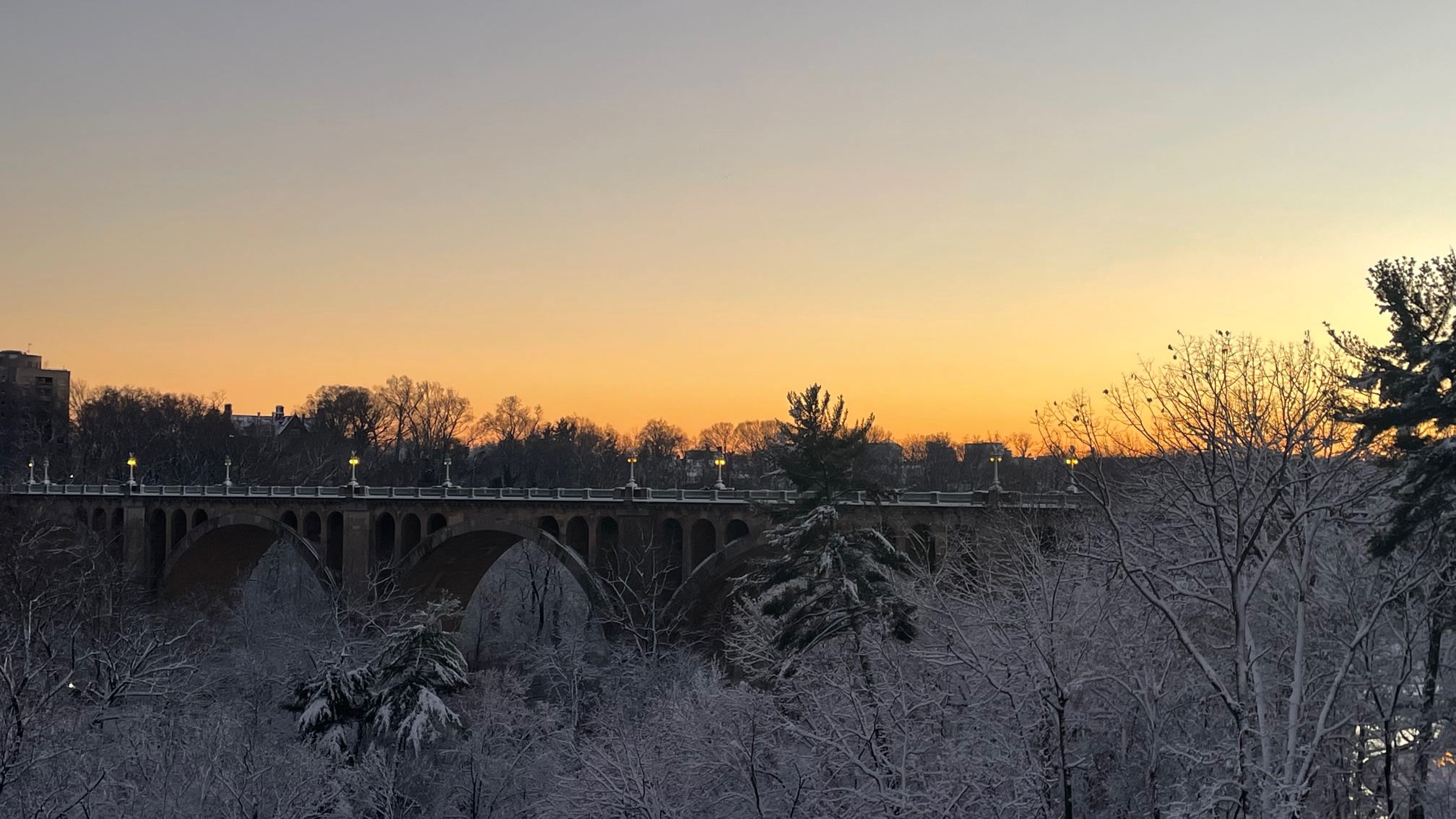
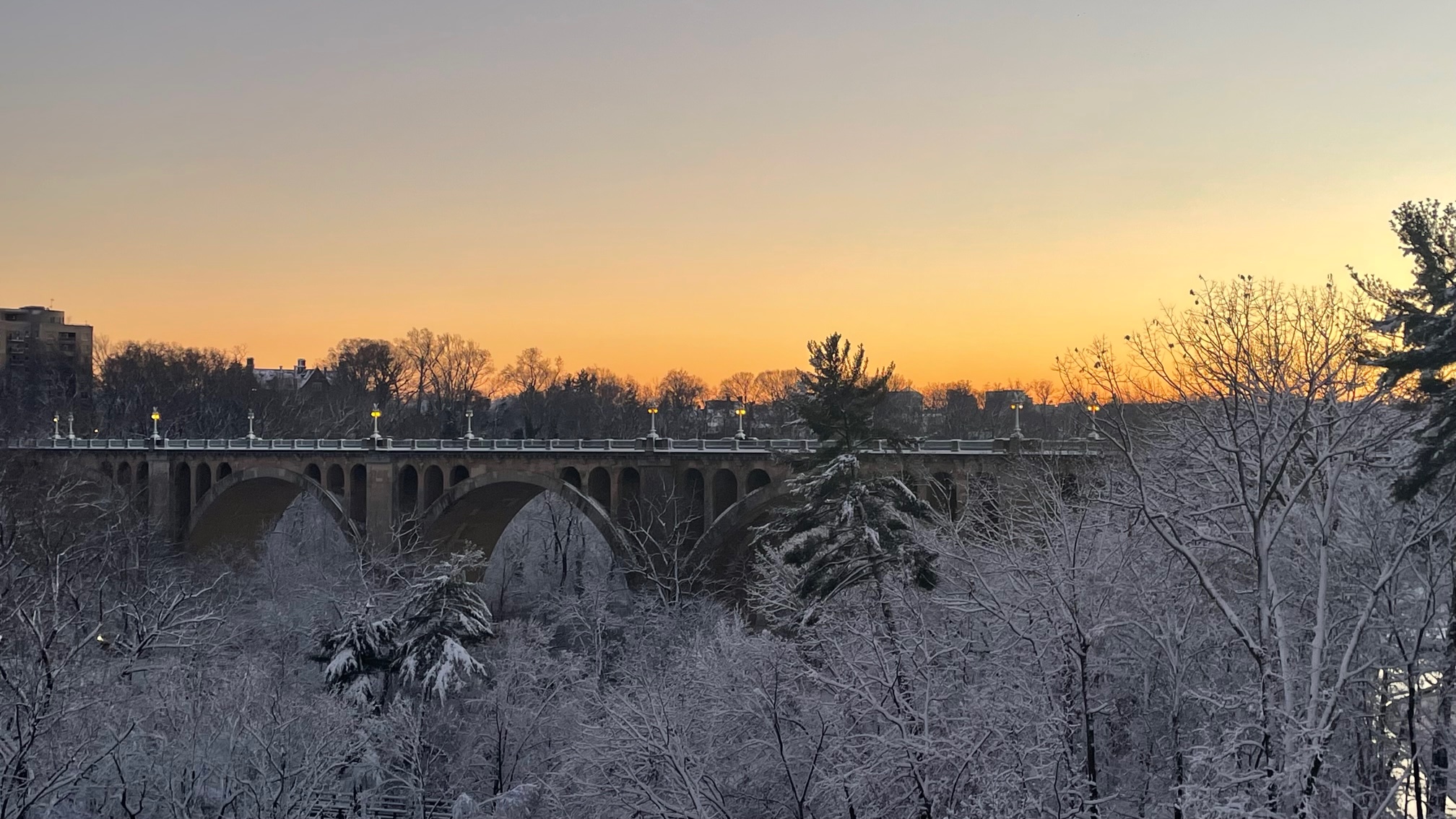
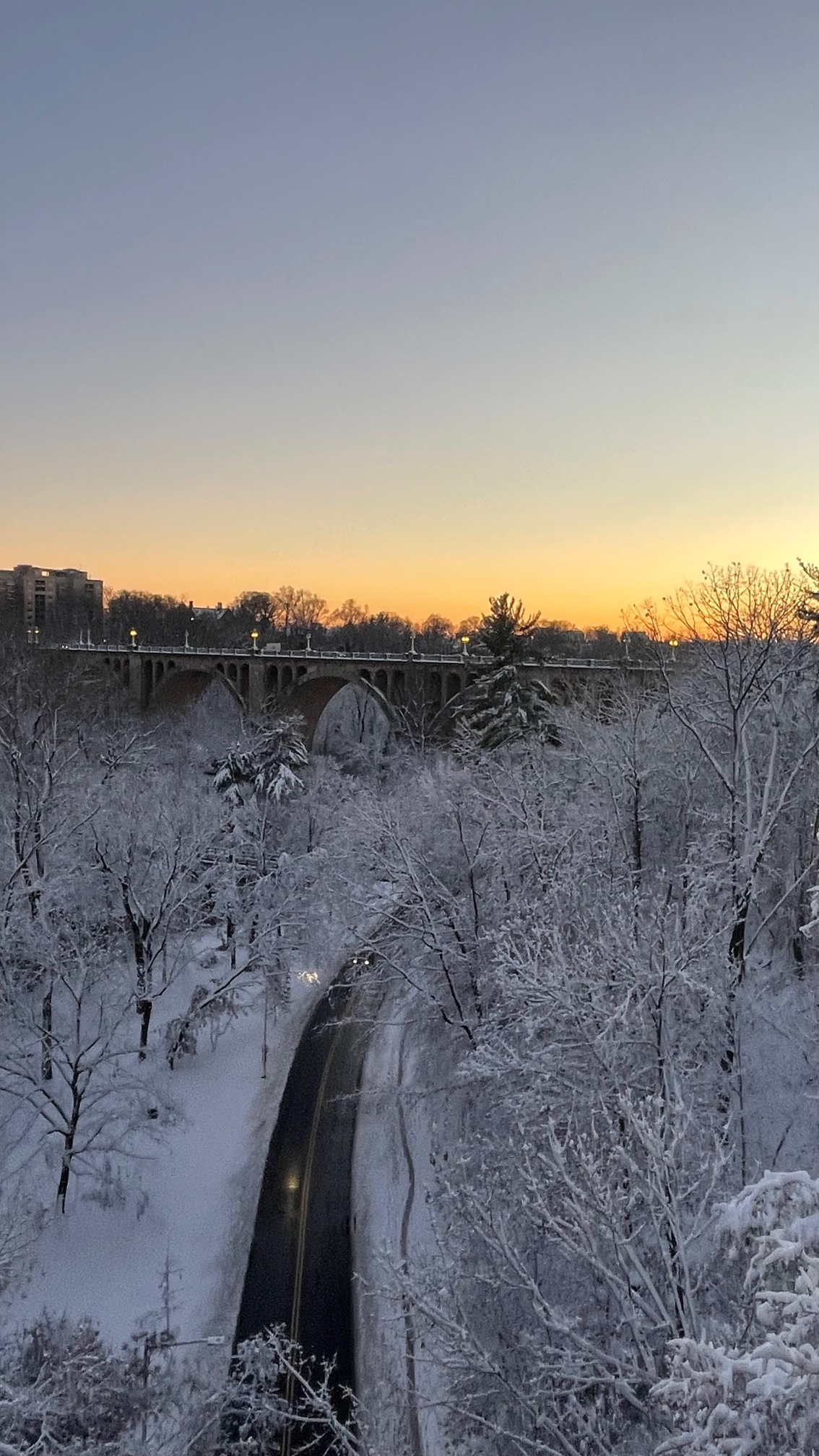
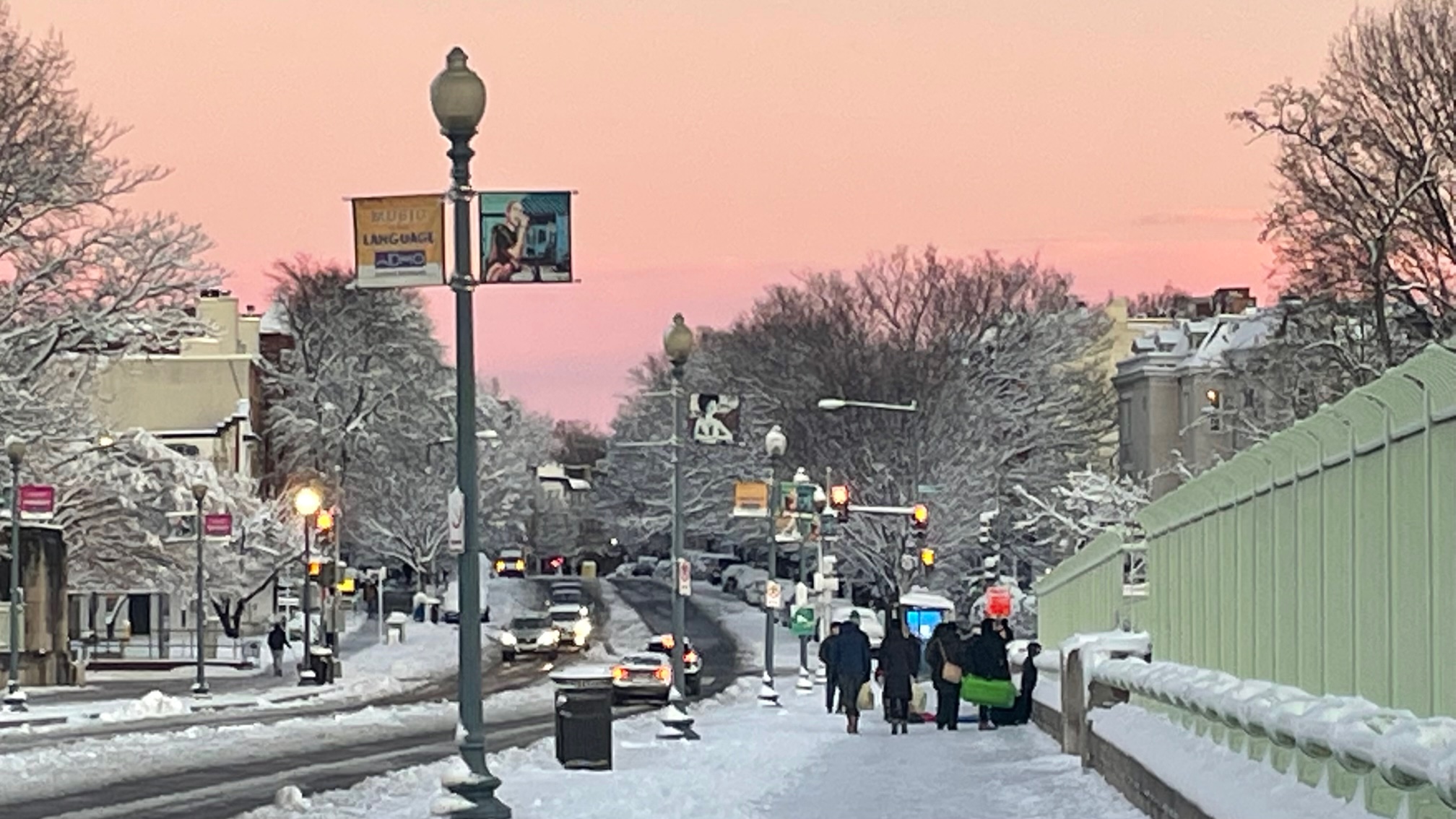
Winter Sunset in Washington

Camera: iPhone 12

Location: Rock Creek Park and Woodley Park; Washington, District of Columbia, United States

Anatomy of a Scene – ‘To Know Me Is To Fly With Me’

“He has found a job that allows him to be constantly on the road at a job he is good at without commitments or obligations that would keep him from being who he is.”

Some people are most comfortable on the ground, others down below beneath the sea. Ryan Bingham, however, is most comfortable up in the air. Ryan goes from city to city and from town to town racking up airline miles, staying in recognizable hotels, and sadly letting people go from jobs by helping them with the transition process to a new life. He does the dirty work, which can be quite tense and unforgiving. He does not do his job out of pleasure for helping companies fire people in-person but rather because he likes life on the road and is comfortable being in airports, rental cars, and hotels rather than in a cubicle or a factory day in and day out.

Without going into too much detail about the movie, ‘Up in The Air’, I’m going to focus on two scenes to encompass Ryan’s life on the road and how he should be known best. Ryan is single, not a family man, never been married, and does not go on at length about children because he does not have them. He is driven not by his family or his career per say but rather how his home is his backpack or suitcase and how if he stays still, he loses an essential part of who he is as a person. When other people brag about their kids’ latest success or their wife or husband’s latest accomplish, Ryan instead brags about his quest for ten million airline miles and how he has privileged status with his hotel rewards program.

While others would find Ryan’s lifestyle odd and unusual, he would consider their lifestyle to be the odd and unusual one. He has found a job that allows him to be constantly on the road at a job he is good at without commitments or obligations that would keep him from being who he is. While he enjoys being with people, he is also comfortable on his own and enjoys his own company. He believes that any other way to live would not be as satisfying and for what others dislike about traveling constantly, he relishes it. Ryan does not think anything, or anyone would derail him from continuing this lifestyle even after he reaches his ten million miles goal. If he were to stop, it may be only because he loses his job where he helps to fire people or if he met a woman who could live with his ‘unusual’ lifestyle.

“Fast Friends.”

As the scene ‘to know me is to fly with me’ demonstrates, Ryan’s friendships are often self-serving because he is often on the road and can’t have true friendships but rather ‘fast friendships.’ He is a new kind of person and must go along with his constantly shifting itinerary. Ryan is personable and likes to meet new people such as a man next to him in business class and can relate to another gentleman who likes to be on the road.

Ryan has traveled so much that he knows how to approach a conversation with a stranger sitting next to him. They can discuss family matters, where to go for good food in a specific city, and even about the dreams of the person he is sitting with. He may not have deep friendships but is personable and friendly enough to make a quick connection like he would a flight to a new city without skipping a beat.

Ryan can get the business card, say goodbye forever, and is busy enough to move on without feeling a sense of loss or sadness about not seeing that gentleman he had met and formed a connection with for a few hours just before. As Ryan indicates in his narration, he lives by ‘the margins of his itinerary’ and is committed to his schedule without missing a beat or feeling like he is out of step. Even where there is turbulence, bad airline food, or onerous airline security procedures, Ryan Bingham takes it all in stride. He is not dismayed by any of the various annoyances that plague the travel industry. It is where he feels most at home and is probably the only kind of life he would feel at home with.

“I am home.”

Another scene that compliments the ‘to know me is to fly with me’ deleted scene from the movie is where Ryan’s travel process is shown from beginning to end. Different from ‘fast friends’, Ryan’s job encompasses him helping companies too afraid to fire their employees directly by having him fly around the country and perhaps internationally to do it himself. He says that it’s easy to do it since “he’ll never see them again” but it does not seem like he takes pleasure in it and just uses it to travel for a living. Instead of ‘fast friends’, he may be making ‘fast discontents’ as they blame him for everything bad happening to them at that job even though it’s not his decision to fire them but their boss’s. While Ryan never sees them again like the friendly businessman sitting next to him on the plane, those brief moments of sad or happy coincidence just fall by the wayside when he focuses on his true passion of making the travel lifestyle of his as seamless as possible.

From organizing his TravelPro suitcase easily stored in the overhead bin in any normal jumbo-sized jet plane to making sure his ties and shirts are neatly folded to fit in his suitcase, Ryan fits the bill as a true traveler who knows what to do. “This is where I live.” Ryan says as he drops off his rental car, which he probably rented for free by using his compiled credit card miles. He avoids long check-in lines by having ‘priority access’ with his airline points allowing him such perks as a personalized greeting from one of the airline staff, which is part of sitting in the ’first class’ section of the airplane. While ‘Up in The Air’ was made before TSA Precheck and Global Entry came out as options to avoid long security and U.S. customs lines, you can believe Ryan would have been able to sign up for those perks as well for free due to his accrued airline miles.

From greeting the smiling airline staffer who is aware of his ‘privileged’ status to making it through the TSA check like it is second nature, Ryan is suited up to make himself presentable for the flight but does not forget to wear dress slip on shoes to make the onerous security check process a little bit faster and little less annoying. He gets out the two bins to put through the x-ray machine for his luggage, expertly has his laptop at the top of his carry-on bag ready to be placed in one of the bins and has the slip-on shoes out of his face so fast he does not struggle with getting them back on later. He even folds his suit jacket expertly in half, so it does not wrinkle at all as it goes through the machine and holds his boarding pass out in front of him through the metal detector, so the TSA security agents know he does not have “anything left in his pockets.”

“All the things you probably hate about traveling: the recycled air, the artificial lighting, the digital juice dispenses, the cheap sushi…are warm reminders that I am home. While most people would hate to have a job that makes them the face people have to see when they get fired or would not enjoy constantly being on the road most of the year, if not all of it, Ryan Bingham in ‘Up in The Air’ truly relishes it and would not have it any other way. There are Ryan Bingham’s in the world out there and they live a lifestyle that while unconventional and difficult, is a unique one that deserves some respect as it isn’t easily pulled off especially since as he said, the stuff most people hate about traveling, he really loves, and that is worth admiring about him.

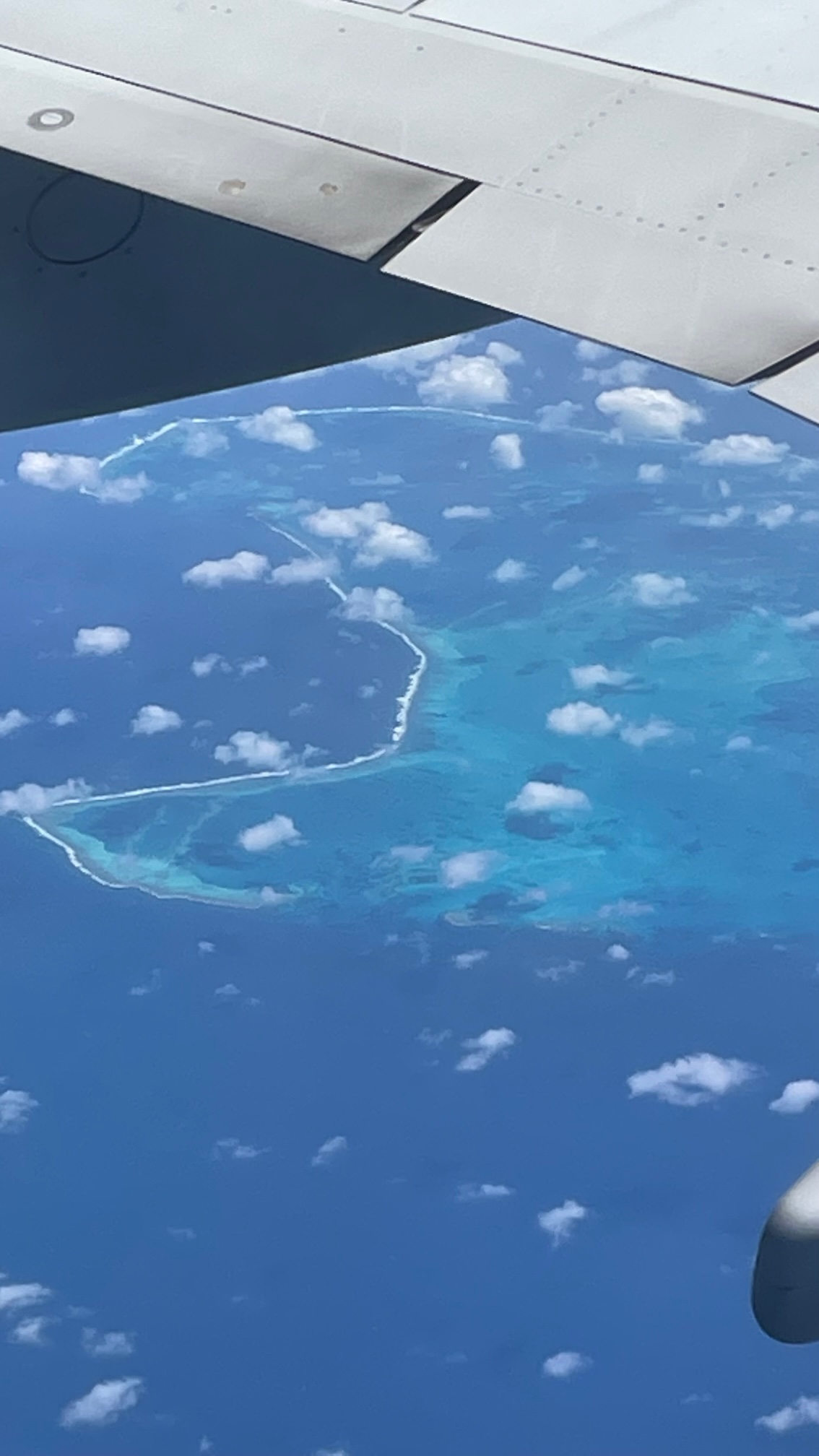
Hugh Taylor Birch State Park

Camera: iPhone 12

Location: Hugh Taylor Birch State Park; Fort Lauderdale, Florida, United States

Our Many Faces

“We try to find those people or at least one person who we can share ourselves with and how to open up our ‘little weird worlds’ to them without being judged or criticized or made fun of.”

There is a touching scene in one of my favorite movies, ‘Good Will Hunting’, which focuses on Sean (played by Robin Williams), a former prodigious mathematician turned psychologist, who is mentoring Will Hunting (played by Matt Damon) but also providing guidance to a young man going through a tough time. Will is gifted but also has suffered physical abuse and mental trauma having lived with different foster families who did not treat him well. Sean notices Will not really sharing who he is fully and that is not just the case with Sean at first in their sessions but also with Will’s new girlfriend, Skylar.

Will is afraid to let his guard down and shows there are different levels or facets to he is but given his personal history, is afraid to let others into his world because he is worried that he’ll be hurt or abandoned again like his foster parents did to him. Sean tries to get through to Will on multiple occasions and so does Jerry, Sean’s old friend, who believes Will has great mathematical talent but is unwilling to work with him on his personal issues, which came to a forefront when Will got into a street fight with his friends and ended up assaulting a police officer.

In order to get Will to open up to him more, Sean attempts to tell Will why it is so important to show our true self or as I would like to call it here, our true face when we can because deep down that’s who we really are and it’s special to let someone in when we are vulnerable to get to know our full personality and who we are as individuals. Sean, in his personal anecdote, relays the story of how his dearly departed wife would fart when she was nervous and that only he as her husband would know that about her. Sean would sometimes hide the truth from her by saying it was him who farted even when it was so loud that it would wake the dog up when they were all sleeping in bed together.

“It’s the little things like that, that I miss the most.” Sean doesn’t reminisce primarily about their wedding, how they met perhaps, or about what they would do together on a date night. He would think about the things that made her his wife that no other person would know. In other words, Sean would see his wife’s true face or self because of how intimate of a relationship they had as husband and wife. Those little ‘idiosyncrasies or tics or habits that Sean knew about his wife is what made it such a special relationship even when she had passed away. Sean was encouraging Will to open up more to Skylar because it’s no use going through life without showing somebody you love your true self or face, which you likely hide from other people.

Will has friends, has his Mathematician mentor, Jerry, and his psychologist turned confidant, Sean, but these are different faces he presents to all of them, and the one true face Sean is encouraging him to show is with his girlfriend, Skylar. While Will can drink, talk construction, and reminisce with his buddies, he can’t show him his whole personality or face. In addition, Will can solve complicated Math problems and challenge himself intellectually with Jerry, he can’t do that with his friends. While Sean is a friend to Will and they can talk about sports and relationships and life, Will has a hard time confiding in Sean about his past and what he wants from himself.

I think all of us can relate to a movie like Good Will Hunting and a Character like Will Hunting. We try to find those people or at least one person who we can share ourselves with and how to open up our ‘little weird worlds’ to them without being judged or criticized or made fun of. It’s why we show different faces to our loved ones and our friends than we would with our work colleagues or a stranger. It’s hard to open up but we must do our best to be vulnerable with those we trust and whose relationship matters to us most. We can go days, weeks, months, or even longer without connecting with someone on a deep level, which is why it becomes even more special when we can share our peculiarities, our oddities, or the ‘good stuff’ as Sean would call it with someone we truly love and care about.

Similar to the character of Will Hunting, each of us can be hardened by life and find it difficult especially as we age to be vulnerable, to let people in to see the real ‘you’ without holding back, and to be accepted for it. A lot of times, we may be pretending with our other faces to please our boss, to support a colleague, to crack jokes with a friend, and even help a stranger out. It’s good to have those faces in public but it’s who we are in private with someone we care about or love that is our true face.

Thinking of the expression, ‘to put on a good face’, we often must withhold part of who we are at school, at an office, or at the local restaurant or bar, to hold back from showing 100% of what makes ‘you’ you. It’s not easy as Will and Sean illustrate in scenes from ‘Good Will Hunting’ how to show your real face and real personality to someone fully, especially if you have been burned before in the past and been hurt physically or mentally as a result.

We strive to be perfect and to not make mistakes in our daily dealings with others in both professional and personal interactions. However, it can be easy to forget in our lives to not be afraid to let our true face or our true self shine through as we each have our own flaws and our own ‘peccadillos’ that we set us apart from one another. The key challenge or opportunity in life, depending on how you look at it, is finding someone that we can be truly open and vulnerable with without putting on a different face.

Being able to let your guard down, share yourself fully with another person without fear, doubt, or anxiety, that can lead to some of the deepest joy or happiness in life as Sean had explained to Will in the film. While we may not be able to fully express ourselves day in and day out to most people we meet or interact with, hopefully, we can find the right person to spend as much time with as possible and for whom we can be 100% of who we are and what we are deep down inside.

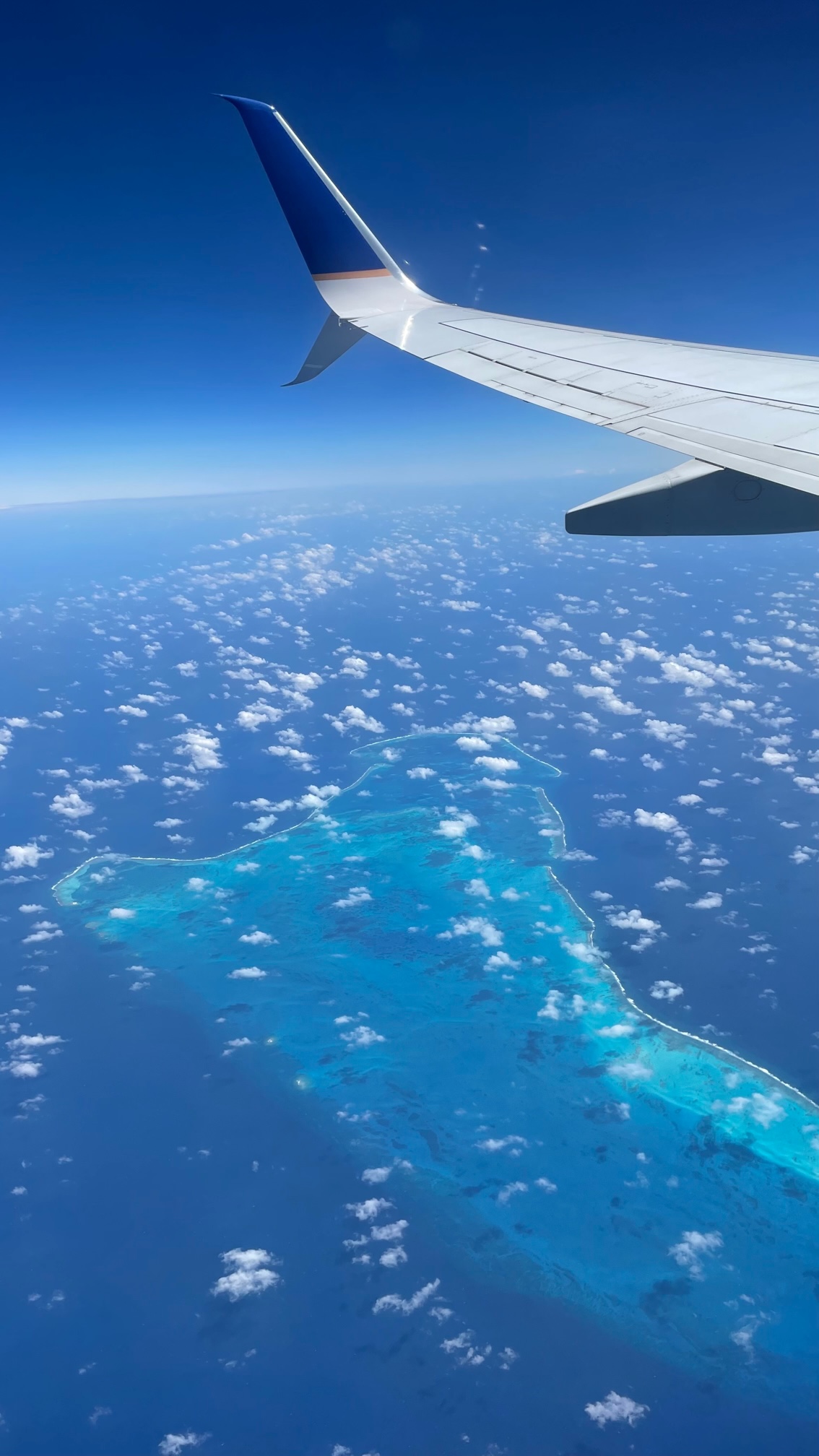
Wintertime in Fort Lauderdale

Camera: iPhone 12

Location: Fort Lauderdale, Florida, United States