Anatomy of a Scene – ‘A Small Measure of Peace’

“To be at a certain place or with a certain person for the rest of your days and to be at ease with your decision, that contentedness is to have found the ‘small measure of peace’ that we can spend our entire lives trying to capture but only a few ever truly find.”

The Last Samurai (2003) – ‘A Small Measure of Peace’

There is a distinct moment in our lives when we realize that the fight is done, and the work is over. It is a pleasant realization that all you can do has been done and that you must take the rest of our days to welcome ‘a small measure of peace’ in one’s life, which is not easily found or embraced. To be at a certain place or with a certain person for the rest of your days and to be at ease with your decision, that contentedness is to have found the ‘small measure of peace’ that we can spend our entire lives trying to capture but only a few ever truly find.

It does not mean that the work is over but rather that the trials of our life have come to pass and that what we have fought for, bled for, or even cried for have now come to pass. While there may no final resting place until we depart from this Earth, finding a small patch of land to call your own, a garden or a farm for you to mend, and a woman (or a man) for whom you can love freely, that is the ‘small measure of peace’ to strive for obtaining, especially in one’s later years.

One man who was able to find his small measure of peace was Nathan Algren, who in ‘The Last Samurai’ can redeem himself, end his alcoholism, and fight with courage and honor in preserving the memory of the Samurai. While the Samurai age came to an end, Industrial Japan, and its Emperor, partly thanks to Nathan leading the Samurai into battle, to preserve their dignity and honor, were able to leave their mark on Japanese culture and history. While he may have been the last Samurai and a foreigner in Japan, he was able to rally them to a glorious end for which Imperial Japan would never forget.

“Tell me how he died.” “I will tell you…how he lived.” Even after losing his close confidant and friend in the final battle, the samurai Katsumoto, who took Nathan under his wing, told him the ways of the Samurai, and introduced him to the woman he came to love, Nathan wanted to preserve his memory to the young Emperor and to let the Imperial Japanese court know how special the age of the Samurai was and how it should not be forgotten.

“Nations, like Men, it is sometimes said…have their own destiny.” While nations choose to look forward to the future, they must also embrace the past to preserve their identity. What was once part of their culture may go away but it can leave an imprint and be remembered by generations to come. Japan’s destiny lies in looking to the future but always remembering the past, such as the age of the Samurai. Nathan Algren, the American who learned the ways of the Samurai, was able to throw off his own turbulent past as a Civil War captain by learning to fight with dignity and honor as a Samurai in a cause bigger than his own ego.

“As for the American Captain, no one knows what became of him…some say…he died of his wounds…others…that he returned to his own country…But I like to think…he may have, at last, found some small measure of peace…that we all seek…and few of us ever find.”

After trying to get himself killed or trying to deliberately drink himself to death, being able to survive as the last Samurai and tell of their traditions to keep the memory of Katsumoto alive, Nathan Algren was able to finally let go of the demons of his past and find the small measure of peace in a small Japanese village where he was first introduced to the only woman he truly loved. In her, Nathan finds a reason to stay alive, to make a life away from war and suffering, to be part of the woman’s village again, and perhaps start anew where he could be at peace with the past and have a pleasant future that is filled with love and peace.

As Nathan gathers his horse and rides down to Taka’s village, he is a man who is content, who is at peace, and who knows what exactly he must do for the rest of his living days. Taka and Nathan have a history together over the course of the film but by the ending scene, she is happy to see him alive and well again. Her beauty, grace, and femininity shine through as she gazes at Nathan, giving him a heartfelt smile, happy to see him in her presence again.

One look at each other says it all and they have been through so much in their time together that just to be making eye contact again is enough to fill up both of their hearts with joy. Like how Japan was willing to move forward to a new age while remembering the last Samurai, Nathan is also ready to be at peace with his past while looking to the future with Taka.

Sedona

Camera: iPhone 12

Location: Sedona, Arizona, United States

Thoughts on Carl Sagan’s ‘A Pale Blue Dot’

“This effort will only intensify in the years and decades to come as we go from being space-bound again to even Moon-bound and Mars-bound with our eyes set forward to being a galactic species.”

Carl Sagan’s ‘A Pale Blue Dot’ Speech

As much as we try to ignore it, pay it no thought, or just let it fade into the background of our priorities, Planet Earth is our only current and future home. When I say ‘future home’ as well, I may be met with some skepticism given the exciting recent events in putting man and woman back into space with success. This effort will only intensify in the years and decades to come as we go from being space-bound again to even Moon-bound and Mars-bound with our eyes set forward to being a galactic species.

However, while this excitement is commendable and our goals of being an interplanetary species a revolutionary event that could transform human life, I think we all need to remember that even though this effort to touch down on other planets including Mars may be a decade away, it will be quite a while still where people in large quantities can explore, live, and settle down in a planet not named Earth. You can practically guarantee that by reading this article in the year 2022 that it is very remote that we will be able to see humanity transcend Earth to live on other Earth-like planets in our lifetimes.

While I personally believe that Earth in our galaxy is not the only habitable planet, finding one that is, being able to go there, and then sustaining ourselves there will be the challenges of not years or decades but centuries forward. It is a noble pursuit and one that is likely to occur in the far future. My concern during this renewed era around space travel and interplanetary focus is that we stand to lose our only planet’s hospitable climate while we try to find others like the current one, which we are so blessed to have.

Multiple reports out there especially recently cite that we may be past the point of no return already when it comes to pulling the planet back from the depths of climate change activity already in motion. Our Planet Earth or as the great Carl Sagan would say, the ‘Pale Blue Dot’ is in danger of only having a century or less left where it is hospitable for humans to live there comfortably. Natural disasters are clearly getting worse, droughts, wildfires, flooding, torrential downpours culminating together to create something out of a Biblical prophecy on top of the fact that the Polar ice caps melting has accelerated alongside unseasonably warm temperatures in the Arctic.

While we marvel at putting impressive rockets into space that can land vertically after being thousands of miles away, our planet is going through a stage five fire alarm and basically ringing the warning signs for us to collectively do something about the current climate crisis. We do not know how fast this crisis will accelerate and how bad it will get and when it will be unsustainable for Earth to be a hospitable planet, but we can measure that in decades and not centuries. We race to get to space and to find a hospitable planet other than our neglected and vengeful home of record, but we are at a disadvantage in my view. We do not have centuries to fix our climate crisis, but mere decades or even a decade as some have argued. Our ability to find an Earth-like planet for which humanity would have to relocate in mass would not take place for centuries and not decades.  

I am not writing this article to solve the climate crisis or to illustrate what we all should do to combat it; I believe we know what to do in our lives and what we should tell those in power to implement but rather my fear is that we have lost sight of the importance of why Planet Earth is so precious and worth fighting for. There is no better illustration of the gravity of our current fight to save Earth than the humble video recorded speech of the late famous American astronomer, Carl Sagan, who summed up the sheer importance of why ‘here’ or ‘Earth’ matters so much in the grand scheme of the Cosmos. “That’s here. That’s home. That’s us.”

The ‘A Pale Blue Dot’ speech by Mr. Sagan highlights the totality of how Earth captured the human experience from across the globe among the tens of billions of people who lived on our planet including every hunter, forager, creator, destroyer, king, peasant, mother, father, and hopeful child. Everyone who has existed has lived on Earth on a ‘mode of dust suspended on a sunbeam.’ Mr. Sagan highlights the cruelties and violence that we have committed and continue to commit against each other to control a small part of the ‘pale blue dot’ we call Earth. The delusions of grandeur, the great ego we all struggle with, and how we think of ourselves as greater than the vastness of space and the endless infinity that surrounds us outside of our banal conflicts and glories.

Carl Sagan makes the point that in 2022, “The Earth is where we make our stand.” We can visit other planets like Mars or our own Moon, but we cannot live there yet. Mr. Sagan highlights the need to preserve and cherish ‘the pale blue dot’, which is still the only home we have ever known. To be kind to one another, to treat one another with respect, and to realize that the significance of our lives and of our place in the universe is quite minimal when you consider the vast never-ending spectrum of the cosmos. The Voyager 1 took the photo of the miniscule ‘pale blue dot’, otherwise known as Earth, over thirty years ago on February 14th, 1990, which inspired Carl Sagan’s speech and then book on what it means to see Earth from space to realize how small yet precious it is to have our home in the galaxy, and that it is the only known one we have in our universe.

As much as we try to distance ourselves from the fact that we are quite small and insignificant outside of ‘pale blue dot’, we occasionally should use that photograph to remind ourselves of how significant the Earth is to humanity and how we would not be surviving as a species without it as our home since the dawn of man and woman. If we choose not to preserve and protect for future generations, it will be a sad day with ancestors henceforth will have to leave a dying Earth to hope for a ‘better’ world, which may not even exist for us. All the love, death, goals, hopes, dreams, pain, pleasure of what it means to be human has taken place on our only home of Earth. The speech was a wakeup call to people in 1990 to take our only home of Earth more seriously and it will continue to be that clarion call for 2022 and beyond as the warning signs grow louder and more ominous if actions are not taken to combat the climate crisis.

While the movement to preserve Planet Earth has been around since at least the 1960s with the growth of environmentalism, Sagan’s ‘pale blue dot’ speech has inspired and continues to inspire those of us who realize how grave of an existential threat climate change is to humanity and how vital it is to protect this only home of ours. Sagan would not argue with those people who are trying to get us into space currently and to the parts unknown of our galaxy, but he would also remind us not to neglect our only home, not to abandon it to certain devastation, nor destruction, and to fight to keep it as a hospitable home for future generations. “Every human, who has ever lived, has lived on Earth,” he makes clear in the ‘pale blue dot’ speech and if the Earth is thriving, humanity will also have the chance to thrive too.

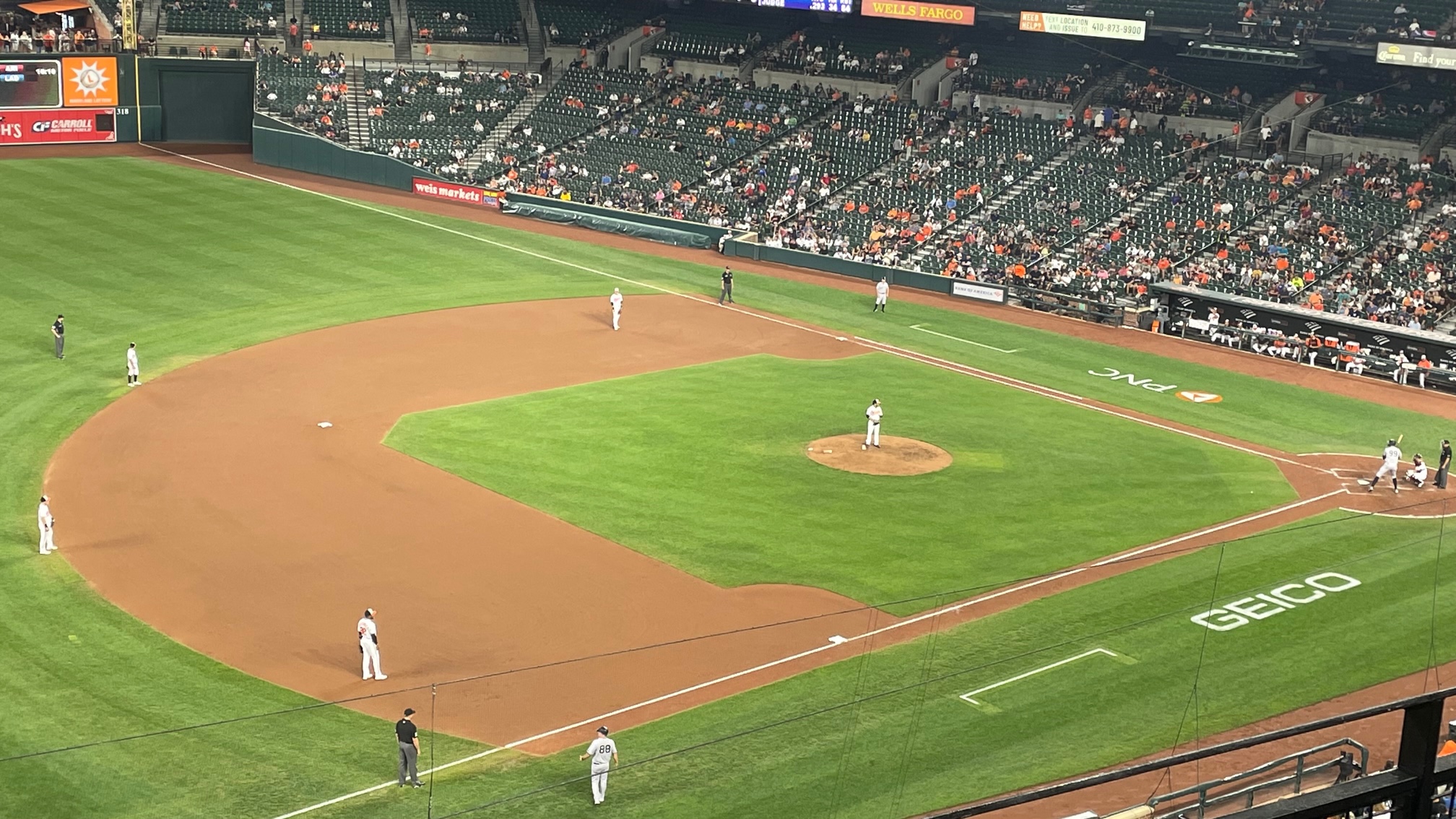
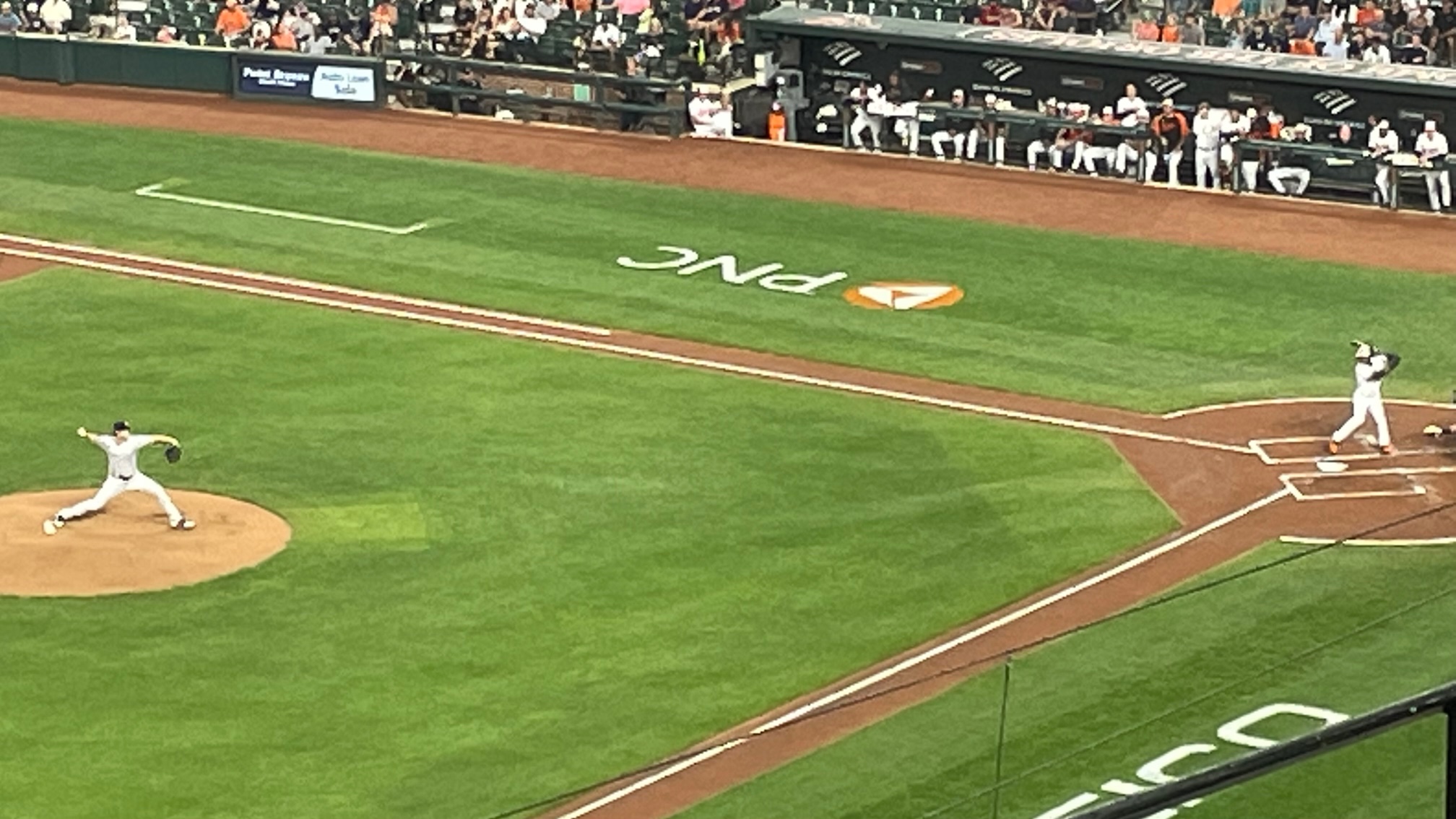
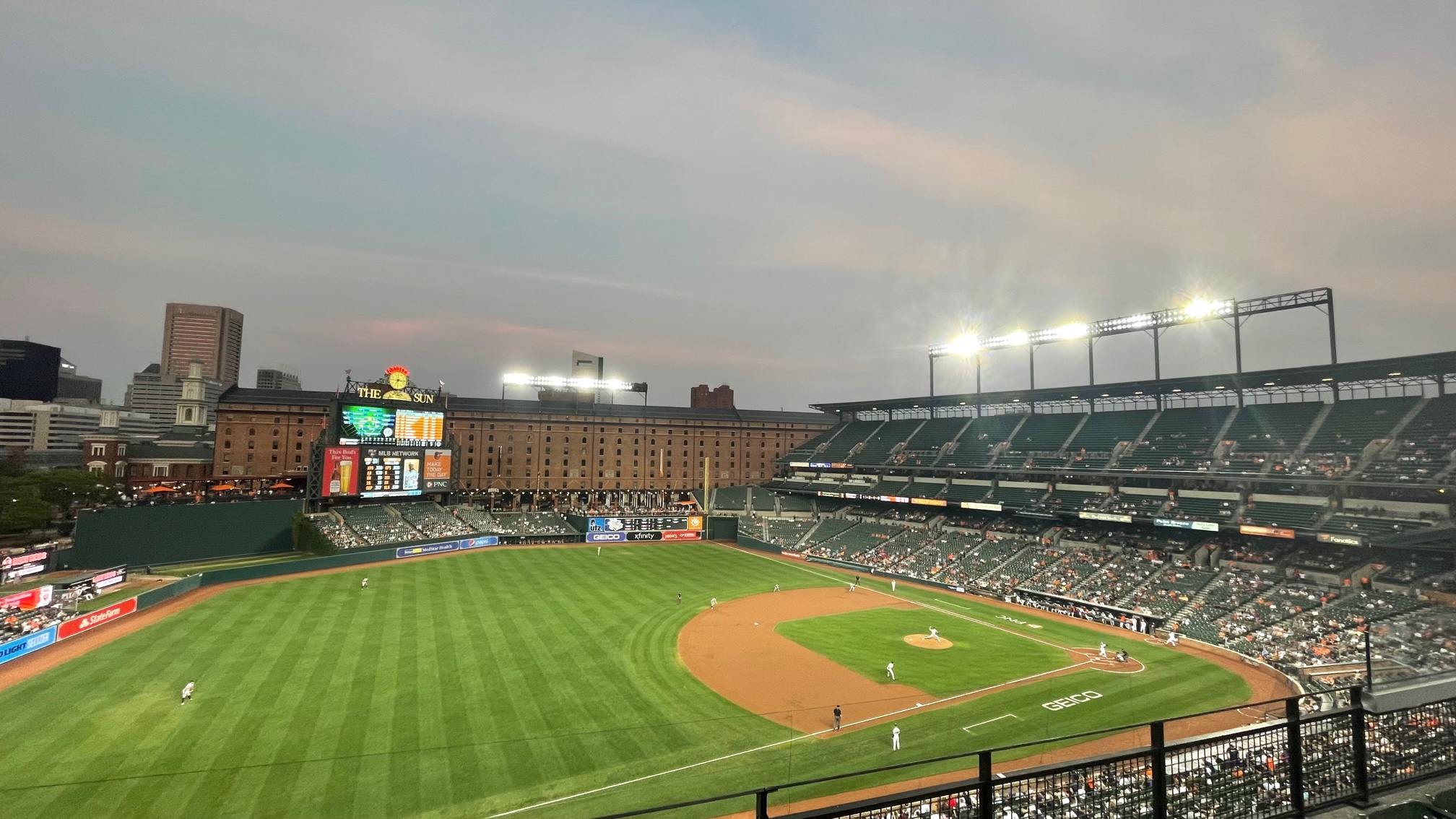
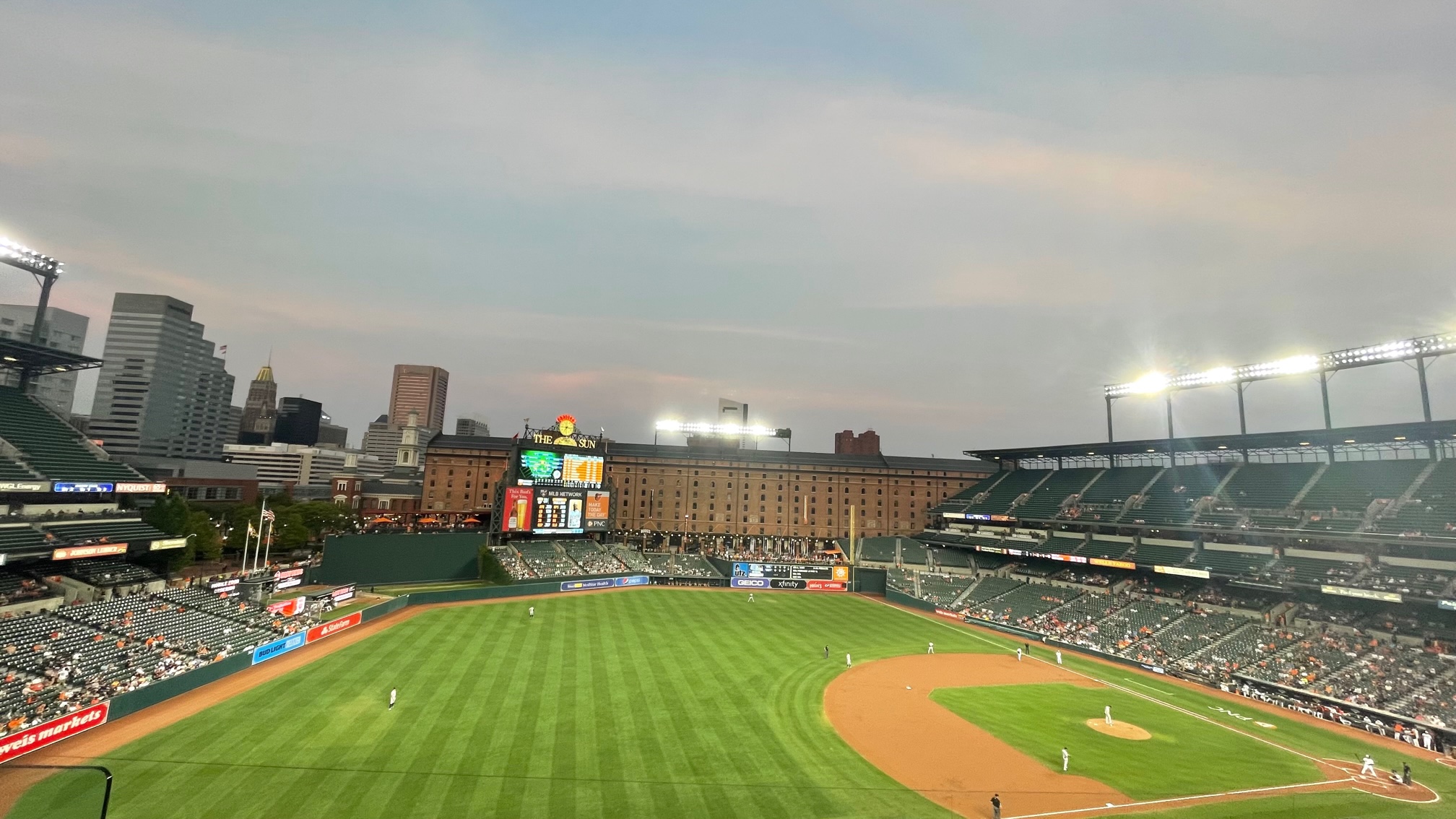
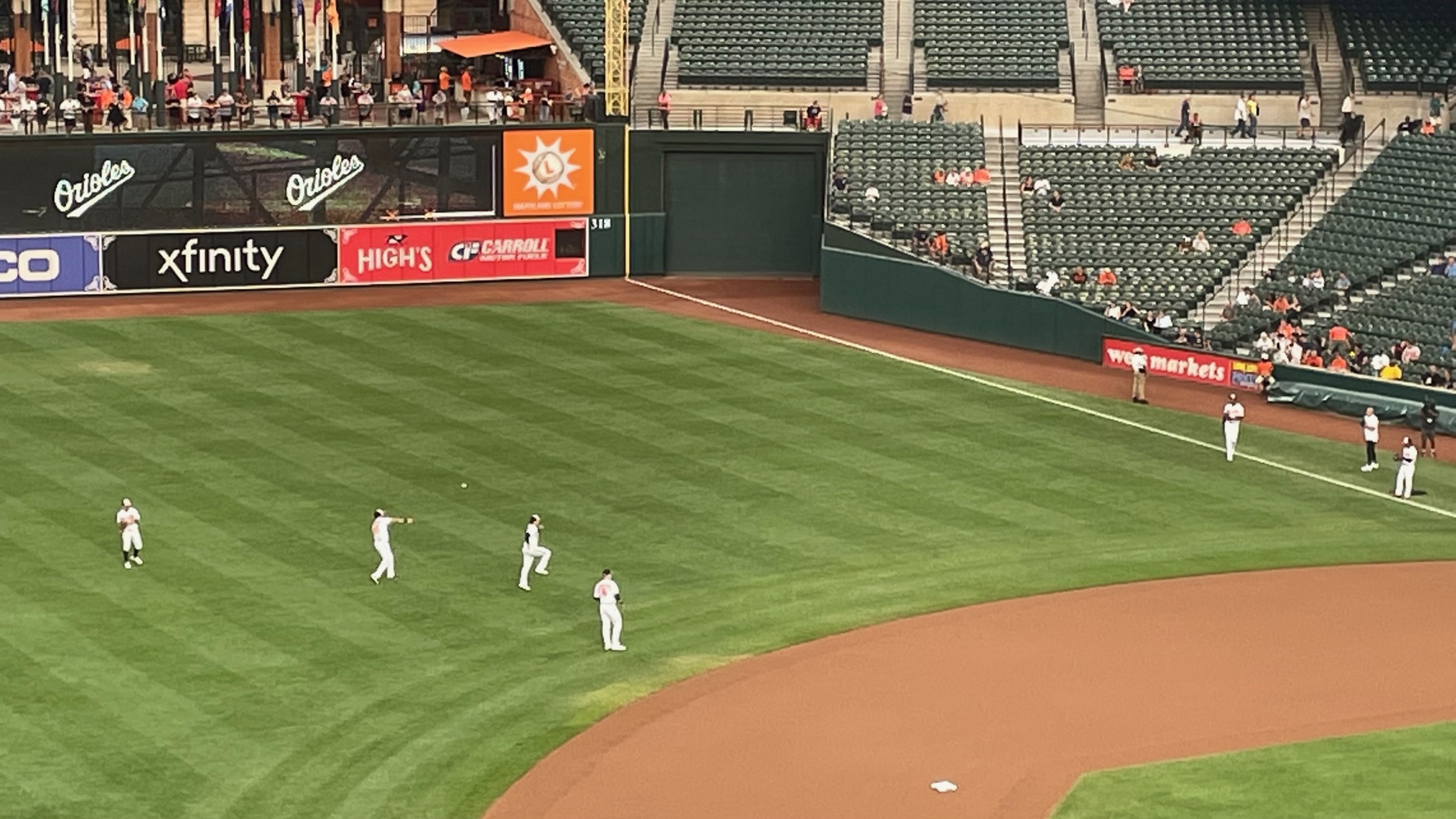
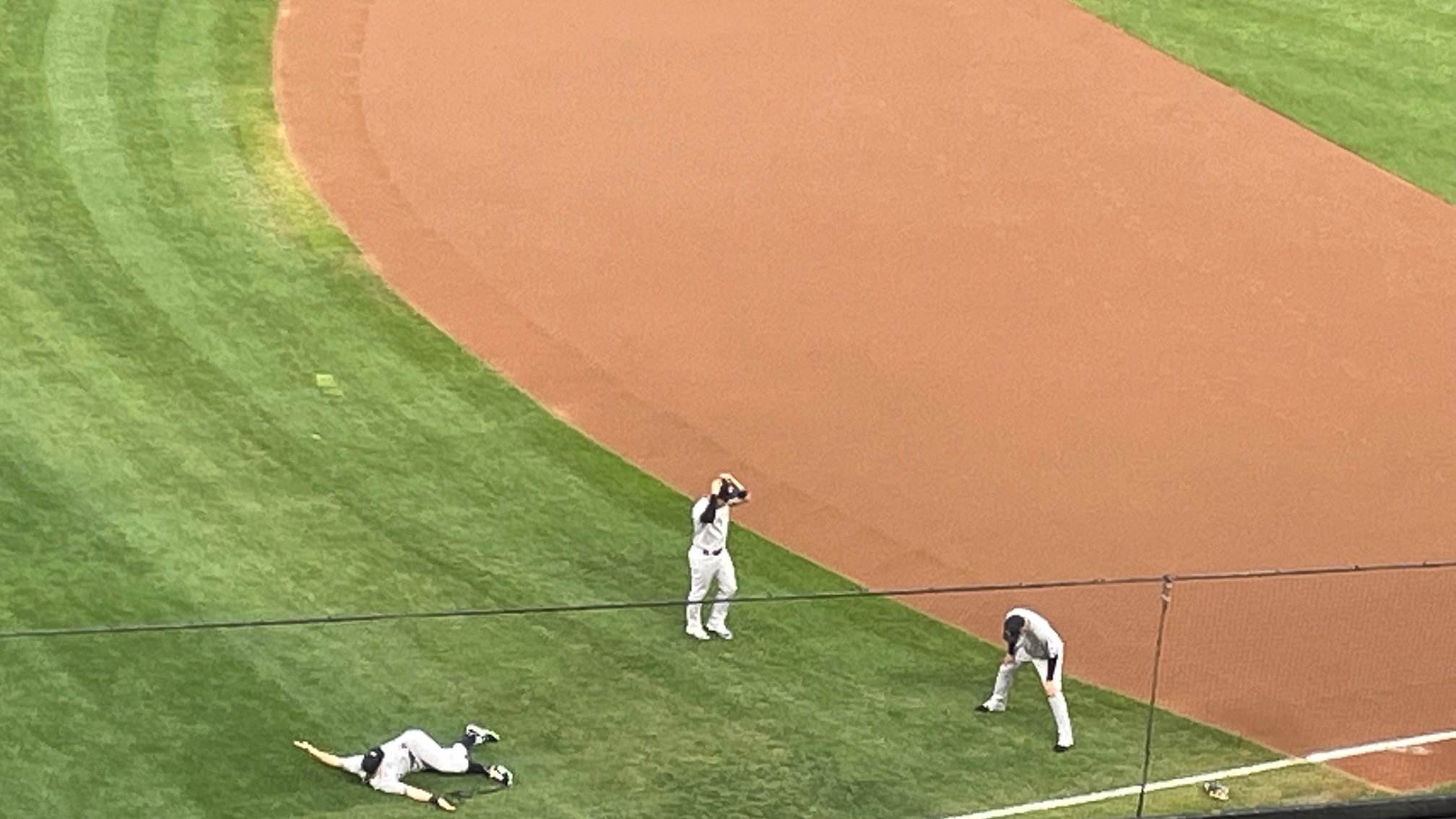
Diamondbacks Game at Chase Field

Camera: iPhone 12

Location: Chase Field; Phoenix, Arizona, United States

Standing Up to Double Standards

“I am all for having standards to abide and follow as they form the backbone of our laws, rules, and regulations, but what we need to avoid is having two sets of standards, which divides people and aggravates resentments.”

I discussed in a previous article of mine why setting standards around behavior, conduct, and fairness are important. I want to dive further given recent current events of which I could put to a few examples, but for which involve the recent internationally televised and particularly controversial awards show (not naming names here) as well as other prominent examples from politics and business that come to mind in past years on why having two sets of standards can be so deleterious for a society. I am all for having standards to abide and follow as they form the backbone of our laws, rules, and regulations, but what we need to avoid is having two sets of standards, which divides people and aggravates resentments.

We all can agree upon certain norms and standards that are set for us to build trust, reliability, and faith in our institutions and our society. However, when standards are ignored or watered down or not even followed by certain privileged parts of society, that can backfire in several ways including the loss of trust in the standards that were meant for all but are not followed by everyone.

When a few noteworthy individuals, who are looked upon as role models or are put into positions of power and/or influence, when they do not abide by the standards or thwart them openly, it causes others to realize that there are ‘double standards.’ Double standards can happen rarely, occasionally, or often enough that most people will start to realize that the rules set for them are not good enough for everybody and it can cause a ‘domino effect’ when more and more individuals choose to ignore the set standards if they see those with great power, wealth, or influence ignore the standards that they so diligently abide by and follow.

Certainly, there is no excuse to avoid set standards when wealthy and powerful people go out of their way to avoid or ignore them, but it does have effects on people’s faith and trust in those standards when some people because of privilege or background can just ignore or trample all over them. When there are “rules for thee, but not for me” and they are openly flaunted without consequence or punishment, our standards of behavior, conduct, and overall kinship will suffer. On top of that, when standards are diminished, degraded, or abused, that can cascade to our laws, rules, and regulations falling out of favor with more and more people as a result.

The most influential, wealthy, and powerful people in society may not feel they have a moral and a legal obligation to abide by standards but if they choose to ignore or chastise them, there will be negative ripple effects that can come about when others who follow, support, or condone them makes excuses to avoid those standards too and to create their own that are weaker or unenforceable. Double standards involve two sets of standards; often contradictory or competing or negating each other, which can cause unfair practices or inequal application to different groups of people.

If you do not happen to have the chosen background, power, privilege, or wealth to have your own set of standards, you will see the injustice and grievances more clearly when you see the standards not apply to everyone equally even when they still apply to you and your peers. The worst consequences of having two sets of standards with the new set of standards being weak or non-existent or outright morally wrong is when some people act willfully ignorant of the standards that society has fought to uphold, normalize, and spread to everyone equally.

They can end up applauding the 2nd set of standards, ignore the wrongdoing being done, or even condone the action(s) of that individual as being morally upright even when they know in their heart that what that person did is inexcusable. While standards of behavior and conduct can be ignored or demeaned, they never truly go away and while we can choose to forget them or ignore them or mock them, those who uphold these standards will do their best to make sure to point out the ‘double standards’ occurring and how that makes our society worse off as a result.

When you see these ‘double standards’ pop up and there’s nothing you can do about it to change that abuse of the standard, don’t stay quiet about it and do your best to voice your discontent with that ‘double standard’ having reared its ugly head. If you can’t get rid of that ‘double standard’ or hold those of privilege or in power accountable for flaunting their disregard for one set of standards, make sure you do not forget their hypocrisy or their lack of respect for the rules and the laws that keep society functioning.

Standards can change, evolve, and become more just over time, but having two sets of standards will always muddy the proverbial waters and cause discontent, anger, and resentment to brew beneath the surface. Being able to call out the ‘double standards’ when they emerge is crucial to making sure this kind of injustice does not grow or become normalize is very important. If the ‘double standard’ is embraced rather than done away with, the best that can be done is to bring attention to it, try to influence those people who can get rid of it, and then do your best to make sure it never comes back. Once the set ‘standards’ break off into two or more groups or two or more social classes or more backgrounds, it can be hard to put everybody back on the same set of standards in terms of accountability.

People of great power, influence, and wealth are under an extremely heavy lens by the rest of us, which is why they should be ever more careful to strive to be good examples in how they comport themselves even if they never wanted the attention or focus on them. How they act, behave, live, or cause a scene in public can reverberate in how others do the same in their own lives, which may not seem entirely logical but people behave based on the standards that they see around them and when one individual or a group of people betray those strong standards by weakening, abusing, or creating their own lackluster standards for themselves alone, other people will notice and will cause ‘double standards’ to emerge more and more often causing the bonds of societal brotherhood, respect, and love that can hold the society together like a strong glue to slowly weaken, wither, and potentially break off.

Desert Botanical Garden

Camera: iPhone 12

Location: Desert Botanical Garden; Phoenix, Arizona, United States

The Art of Introspection

“There is no shame in turning inwards from time to time. When I say turning inwards, I am referring to the art of introspection.”

There is no shame in turning inwards from time to time. When I say turning inwards, I am referring to the art of introspection. Being able to concentrate solely on your thoughts, emotions, and feelings is a key part of being emotionally mature. Now, it does not mean that you are constantly evaluating how you feel about someone or something 24 hours a day, 7 days a week, but rather you are taking a few minutes or even an hour out of each day to step back, just pause and think, and reflect on how you are doing emotionally.

Being in touch with how you are doing without being prompted by someone else is healthy emotionally. Also, no one knows how you are feeling, what your thoughts are, or what you believe better than you. We can get caught up a great deal in how others view us and what they are thinking about us when the priority should be about what we are thinking or feeling about ourselves instead. Consciously stepping back from the world to analyze our thought processes, our feelings, and our worldview is a healthy thing to do, and I really encourage every reader perusing this article to do so daily, if not each week if you are pressed for time.

Introversion is never a sign of weakness or aloofness. Rather, it is a sign that you can be self-aware to the extent that you can take a step back from the world to pause, reflect, and view your emotions from your own personal standpoint. Being an observer is key not only for one’s surroundings and regarding other people you come across but also to observe yourself and to be able to sum up how you’re feeling, what you’re thinking not only about the present but to some extent to engage with what you’re examining for the future as well as the past.

Psychologists often say that introversion is not just observing or examining one’s own mental state but also one’s soul. Keeping one’s soul intact by evaluating your actions, beliefs, feelings and knowing how to do soul searching or to invigorate one’s soul is part of the introversion state. As a functioning adult or in the process of becoming one, performing self-analysis is key to being a more mature and responsible individual. Nobody’s perfect, of course, and being able to be introspective, will help you learn from your mistakes, do better next time, and see where you went wrong and how things could have gone better.

It’s easier to examine the people in your life’s actions, beliefs, or thought processes but those assumptions may not be accurate or fully formed because you never truly know what’s going on in another person’s life or why they act or believe in the way that they do. The only 100% analysis I believe that you can do is the one you can do on yourself since no one knows who you are better than you do. While you can still lie to yourself or not be entirely faithful to who you believe yourself to be, introspection is an action that you can always get better at the more you practice it sincerely.

When it comes to introspection or self-analysis, it’s not a one-and-done deal. You must be introspective multiple times a week in my view or at the minimum at least once a week. It is key to be in a quiet or tranquil place or setting by yourself and without any distractions. You should not be on your phone, with a friend, or performing some activity or action. You cannot do a real self-analysis or self-reflection when you are doing other things that require your attention.

Some people do not even realize that we already perform introspection without even noticing that we are committing this action in our daily or weekly routines. Whether it is brushing our teeth, jumping in the shower, going on a solo hike in a secluded forest, or even performing your fifteen minutes of yoga or meditation; these are all excellent forms of introspection where we can take the time to analyze our behavior, emotions, and feelings. It does not take a lot of time to do and if we have an activity that doesn’t distract us with talking, eating, listening to music, or being entertained by something we see or hear, you will better be able to perform your introspection or self-analysis at least a few minutes each day and it will add up over time.

When you can perform some introspection through some habit or activity in solitude that you do, you will get better at being able to perform this introspection without it being too difficult or tedious. There are twenty-four hours in a day and even a few minutes to check in with ourselves to see how we’re doing, what we’re feeling, thinking about how to be a better person or what to change for the future; that kind of introspection will be worth it to do so, and it will be easier to do so when we set some time apart to look inwards.

The next time you feel like you need some alone time to think, reflect, and get in touch with what you’re feeling: you should do that. There is nothing wrong with some introspection and I find personally that it is extremely healthy and beneficial to our mental clarity and our overall state of being. Each day, we are seemingly overwhelmed with the thoughts, beliefs, and actions of others and we are forced to react instantaneously since it affects our lives to some degree. It can be a struggle to take a step back to think things through or analyze why we reacted the way we did. Because of how fast things happen in our lives and how often we are around others and must be quick on our feet, it is very healthy to be able to carve out some time, even if a few minutes each day, to reflect rather than react and to process our actions to be able to be and do better in an effort to be more emotionally healthy and mature.

San Diego to Phoenix

Camera: iPhone 12

Location: Up In The Air; Western United States

The Fruits of One’s Labor

“The song is called ‘Victory Dance’ by My Morning Jacket and whose lyrics directly address the earned happiness and contentedness after a day of struggle through a hard day’s work.”

One of my favorite song lyrics deals with the satisfaction of another day worked and to see the fruits of one’s labor enjoyed at the end of the day. The song is called ‘Victory Dance’ by My Morning Jacket and whose lyrics directly address the earned happiness and contentedness after a day of struggle through a hard day’s work.

“Hope to watch the victory dance after the days’ work is done
Hope to watch the victory dance in the evenings setting sun…
Hope to watch the victory dance over many lives to come…
Hope to watch the victory dance in the evenings setting sun.”

The ‘victory dance’ could be interpreted as a metaphor for a celebration or a relaxation or a general happiness that comes over you at the end of the working day. Regardless of the work involved, at the end of the day or the week or even the year, you can be able to look back with pride and satisfaction in your ability to ‘dance’ or enjoy the fruits of your labor in the evening or night or whenever your work is done.

The key lyric I can relate to is that the work may be done for the day, but it will continue for many ‘lives’ or ‘years’ to come. While the work you did today was hopefully meaningful or valuable, your progress will need to continue in the future so you can keep enjoying the ‘victory dance’ in whatever form you celebrate or take stock of what you were able to do.

Fruit takes time to grow and to be at its most ripe for eating and the same goes for our labor. While labor or work can be evaluated on a day-to-day basis, real progress in our labor whether it’s a business, a corporation, or a conglomerate, that kind of work can take years, decades, or even generations to build. You can enjoy a ‘victory dance’ for any kind of daily labor you can put in because of the progress made, but a key point as highlighted in this song by My Morning Jacket is that you really should try to enjoy the ‘victory dance’ for “many lives to come”, which I interpret as years to come or even over the generations from one family member to another.

Long-term progress requires ‘lives’ or ‘workers’ to build over the years or decades so it’s important to not celebrate too early or to ‘dance’ too early because the fruits of your labor should not be enjoyed too prematurely but rather when the moment is right or when the fruit is all ripe. Fruit, like one’s labor, takes time to enjoy so it’s best to be patient and work hard over time rather than to try to rush the process to enjoy ‘the fruits’ prematurely rather than when things have progressed to a finished point and even then, there is always room for further progress and improving in one’s work.

Another few of the lyrics from ‘Victory Dance’ that I really enjoy is the emphasis on trying out whatever labor may be best for you to thrive, or for which is done out of necessity to survive. It is key to adapt to the labor required of you or which is most available at the time since the ‘fruits’ will be just as enjoyable at the end of it. If you are committing yourself to ‘labor’, which inevitably involves struggle, either mentally or physically, the rewards or ‘fruits’ will likely be worth it because of that same ‘struggle’ involved.

“But you should work, for the self and the family
Should I hit the water or stay on dry land, even though I never swam?
Take machete into the brush, though at first there is no path
Taste the warpaint on my tongue as it’s drippin’ with my sweat
Place my gaze in the futures path, seein’ things that aint come yet.”

Your labor or work is not just for your own fruits as the lyrics state above. It’s also for your family or for the people who depend on your labor. They must share in the ‘fruits’ as well beyond your own needs and desires. Needing labor to survive and enjoy the fruits of life’s necessities such as food, water, shelter, clothing, etc. will sometimes force us to get out of our comfort zone as well. As the lyric above suggests, we often must test our limits to secure labor to have the ‘fruits’ in life. We may have to swim even when we have never swum before, but labor will require learning both new abilities and skills to be good at what we do.

You may have to learn those new skills to secure labor to do or to have work for the future. You should leave your comfort zone such as learning to swim, or to hike, or to hunt, or to lift heavy things or to use your mind to solve problems.

Whether it is a machete or a screwdriver or a keyboard, you are going to have to ‘clear a path’ with your labor even as the song says, nothing was there before. Creating something or making something out of nothing is a key part of being able to enjoy those fruits later by the work of sound mind or a good body.
Lastly, you may be physically challenged in your labor especially if there happens to be conflict as the song alleges. You may not know it, but you may be asked for labor of national importance or survival such as in times of peace but also in warfare, and you may have to provide service as part of your labor not for yourself but for community or for country as well. The final lyric in particular sums up why we labor for our fruits to begin with to plan for an uncertain or unknown future.

We may not have planned to do certain types of labor or work but regardless of if you’re an engineer, a blacksmith, or a doctor, you may be asked to do other types of work that you will have to both learn and then be proficient at. One must always be prepared to do other kinds of work to stay agile, be flexible, and plan for the unexpected such as a war or conflict that you did not see coming but you may be forced into fighting as the reluctant warrior in the song lyrics.

To secure the fruits now and for later as well will help to make sure that our collective labor will not have been for nothing. When your secure labor for yourself to do, you cannot work forever so it is important to think of the future and how to plan to have those ‘fruits’ not just for today, next year, but for the rest of your life too.

The Japanese Friendship Garden

Camera: iPhone 12

Location: Japanese Friendship Garden in Balboa Park; San Diego, California, United States