The Cigarette and The Mask

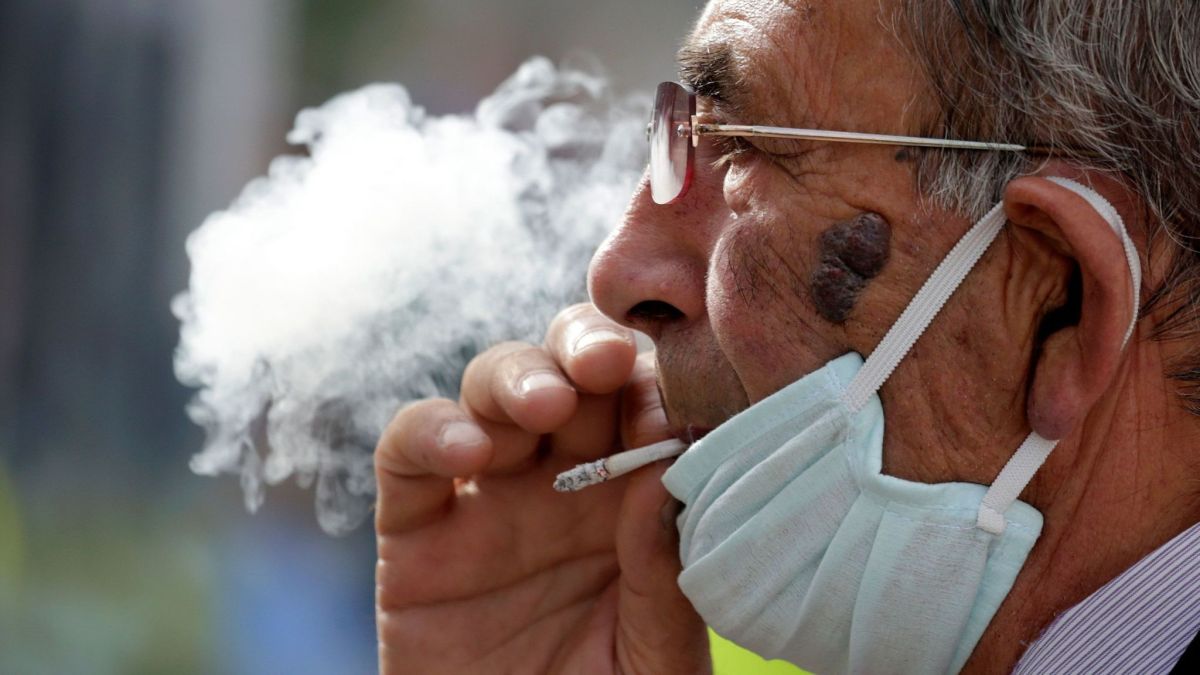
“Just as I catch my bags and see if I’ve been clipped, I noticed that he’s wearing sunglasses on with his surgical mask pulled down below his chin and has an unlit cigarette in his mouth.”

While I walk back to my apartment with bags full of groceries under my arms, I stop at the cross section waiting for the walking signal to light up, seemingly unaware of the bike screeching by me. “Hey, watch out, man!”, the bicyclist yells as he peddles past me almost knocking into my groceries. He speeds by just narrowly missing oncoming traffic as he heads downtown. Just as I catch my bags and see if I’ve been clipped, I noticed that he’s wearing sunglasses on with his surgical mask pulled down below his chin and has an unlit cigarette in his mouth.

Now, I would hope that he was not getting ready to smoke while biking, but it sure looked like he had smoked a few or more cigarettes. We were both outside at the time, of course, and I could assume that he maybe just likes to wear a mask indoors and would rather smoke a cigarette while he biked or afterwards to enjoy the rush while getting some needed fresh air. The confluence of events of almost getting hit by this biker along with the scene of him having an unlit cigarette in his mouth, a mask under his chin, and no helmet on as he sped through foot traffic without regard for anybody else was so laden with irony that I couldn’t happen to notice all the ironies afoot.

If a commercial could be made about this bicyclist, it would be quite entertaining. “Protect yourself from COVID in the short-term, but don’t forget about the long-term risks to one’s health!” In that commercial, it would show the bicyclist being transformed from having a cigarette in his mouth to having none with a nicotine patch or gum if it’s anti-smoking or if it’s pro-safety to have him properly wearing a biking helmet rather than not having one.

These kind of public health or public safety campaigns are quite common in our culture especially when it comes to the dangers of smoking and the dangers of not wearing a helmet while cycling or biking. Now, after almost two years, we now have quite substantive public health messages around wearing a face mask or adequate face covering, especially while indoors, to prevent the further spread of the Coronavirus. The same public health messaging was quite prevalent at first when it came to social or physical distancing before the arrival of tested and approved vaccines.

Undoubtedly, these public health messages have saved thousands of lives and done much to further the progress of the current vaccination campaigns. We now know society-wide how masks can help prevent the spread of viruses just as we knew starting in the 1980s and later in the 1990s the harm that smoking can do long-term to one’s health. It took a few decades but now smoking is much less prevalent than it used to be, and the risks are well-known. The same could be said about wearing a protective helmet when biking or riding a motorcycle. It took a while for these messages to be ingrained in our society, but they protect not only our health long-term but also our safety in the short-term.

The advent of mask wearing in a pandemic has not fully set in for some people but for most people, the public health messages had a massive impact and after some initial confusion and the lack of supplies for protective gear, almost two years later, that public health messaging has set in across society. You could argue if the advent of mask wearing in public will have the same longevity or the same need years from now as anti-smoking campaigns would. While virus and diseases can become endemic, they can also possibly burn out much quicker than the long-term health risks that will remain with us after the pandemic such as smoking or drinking alcohol.

While the public health and safety messages around mask wearing, helmet wearing, and not smoking especially near a building have made people healthier and safer, I fear that other health warnings or messaging has been rather lackluster especially during the pandemic. Wearing a mask and not picking up a cigarette are easy enough for society to adopt, but the messaging should not end there.

In the age of the Internet, social media, and seemingly endless modes of messaging mediums, I have not noticed any uptick in making the public aware about the benefits of exercising daily or multiple times per week. I also have not noticed an effort to educate people on what a well-balanced diet looks like or what foods to avoid that are both addictive and unhealthy. Smoking is a bad habit but so is not having a proper diet. I am not saying that people should be told what to eat and what to drink but I don’t see the harm in sharing more messaging about what a healthy breakfast, lunch, or dinner looks like or to give examples to adults, especially young people in college or in their 20s.

In addition to a proper diet, bringing to people’s attention the need to exercise has never been a real part of public health messaging. The lack of public and/or outdoor gyms provided by towns and cities has contributed to other health issues that have reared their head during the pandemic. COVID-19 may be with us now but other health issues like obesity, diabetes, and heart disease are not going away anytime soon.

For the almost two years of the pandemic, there was a real opportunity that was squandered for the public to hear about other ways to stay healthy and well. Viruses make people fearful and anxious but instead of just saying “wear a mask!” and “be socially distant!”, other messages about sleeping 7-8 hours a night, reducing our time staring at screens, maintaining a healthy diet, and making sure to exercise each day or most days was rarely ever thought of to be entered into public consciousness.

Even something as simple as telling people who were mainly indoors to take their vitamins each day especially both Vitamins C and D, which some people are deficient in especially in wintertime was completely neglected. I usually refrain from commenting on matters of public health but having done all these things for myself as many others do on their own accord, I don’t see why this kind of public health messaging hasn’t caught on. It doesn’t take more than a minute or two to discuss proper habits to build such as having more hours of sleep, what goes into a healthy diet, why exercise is important, or what are the benefits of vitamins.

I am not sure of how much money has been spent on anti-smoking, anti-drunk driving campaigns over the years but I’m sure it’s much more than what could also been address to the public. Now, in addition to the ills of drinking, smoking, we know now why mask wearing is important during a pandemic with an infectious virus that spreads easily. I don’t think that we should stop there and to keep trying to advocate for other commonly known public health matters that sadly still go largely ignored in terms of messaging campaigns.

From the local to the national level, after the pandemic is over, I would strongly recommend investing much more money, time, and even public infrastructure (outdoor gyms, for example) in building awareness of different public health matters that have remained largely unaddressed. From sleep to diet to exercise to even how to manage anxiety and stress properly, these important messages will affect people’s long-term health positively.

We know messages have worked in the past as I mentioned with wearing a helmet, not smoking in public places, and wearing a mask when others are near you. Lives have been saved and society has been improved because of those messages. When it comes to everyone’s long-term health, I would ask us all to think bigger to improve messaging around other public health needs, so we don’t end up only receiving advice on protecting the public’s health during a once-in-a-century global pandemic.

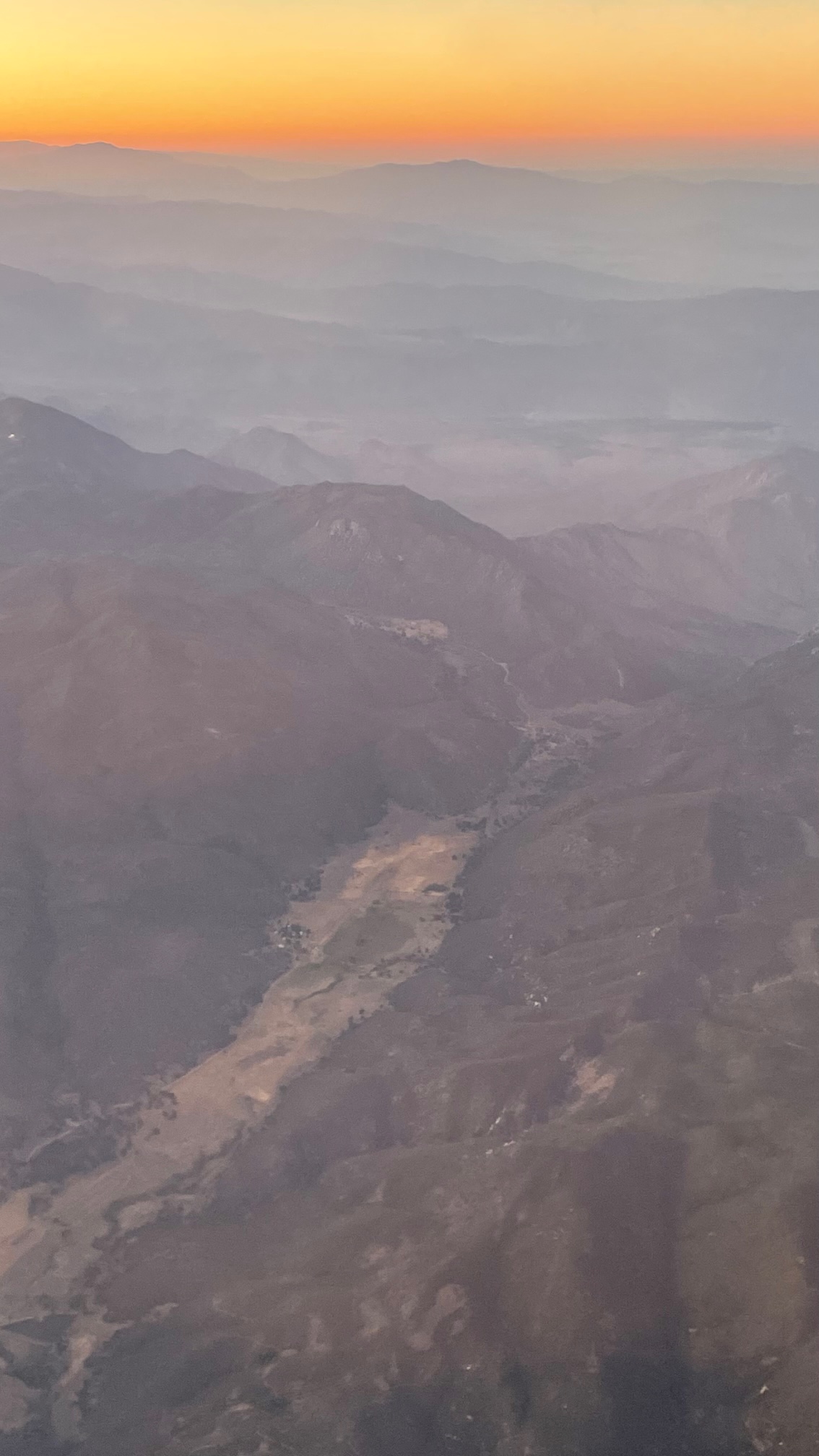
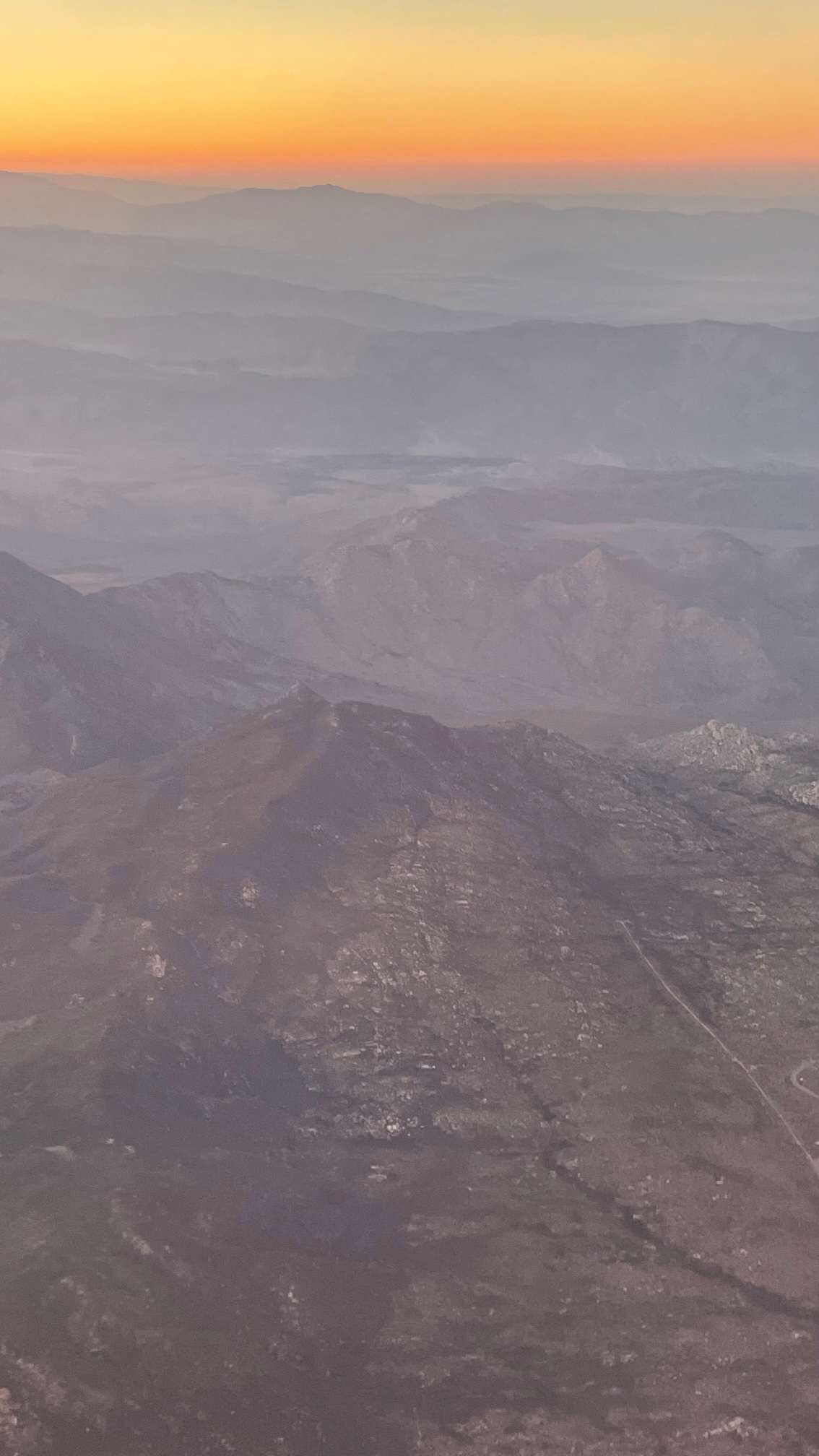
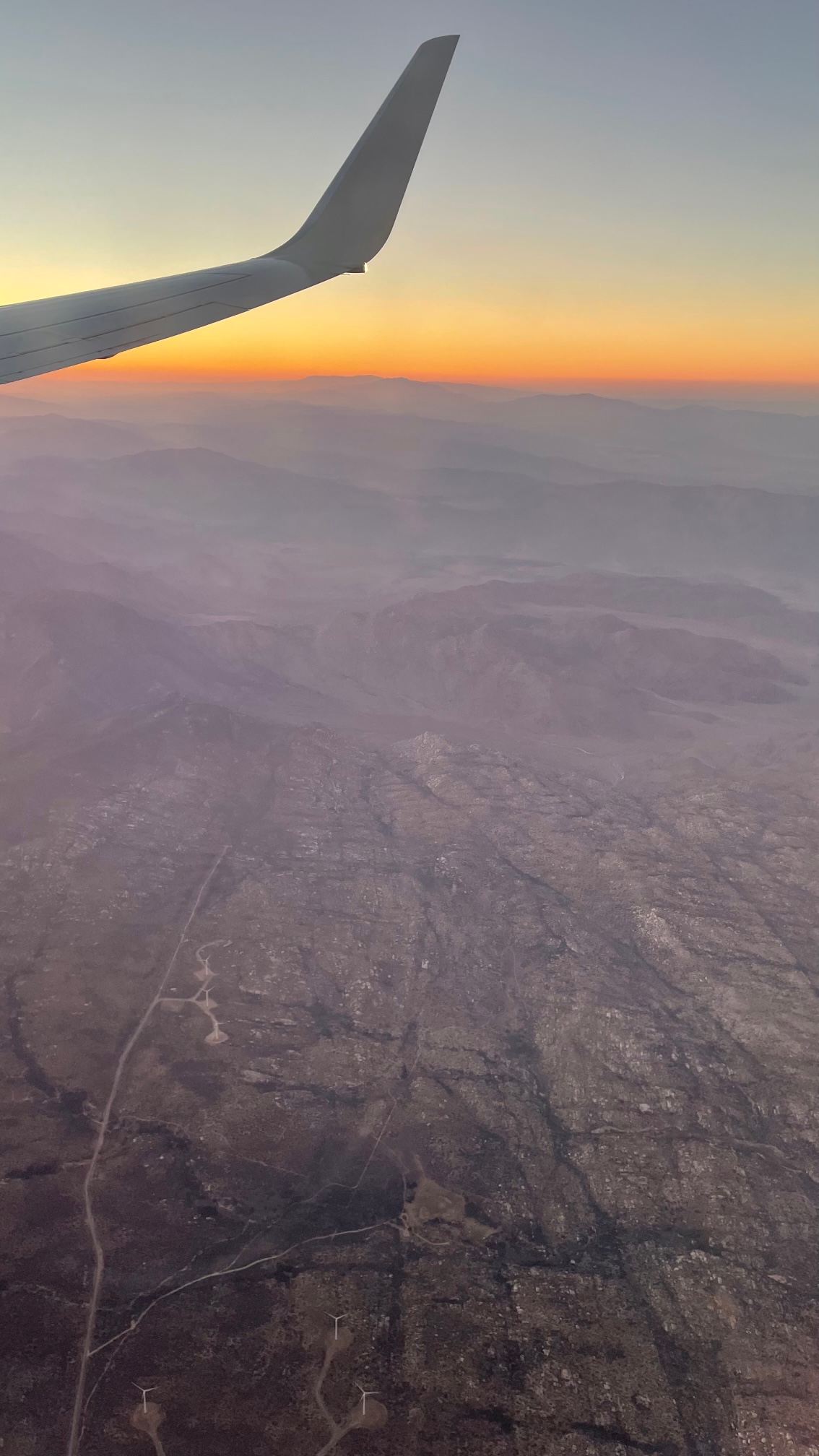
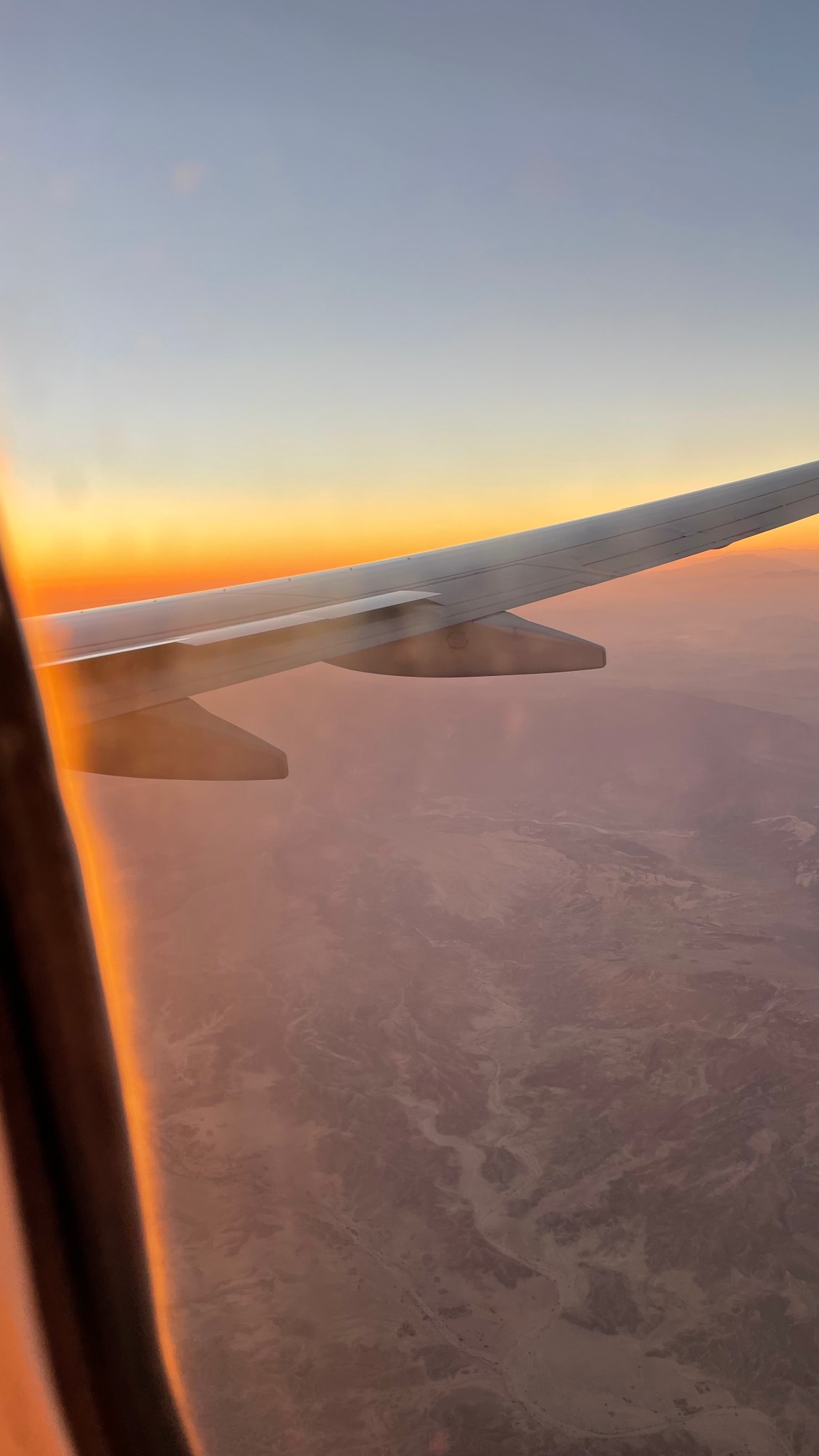
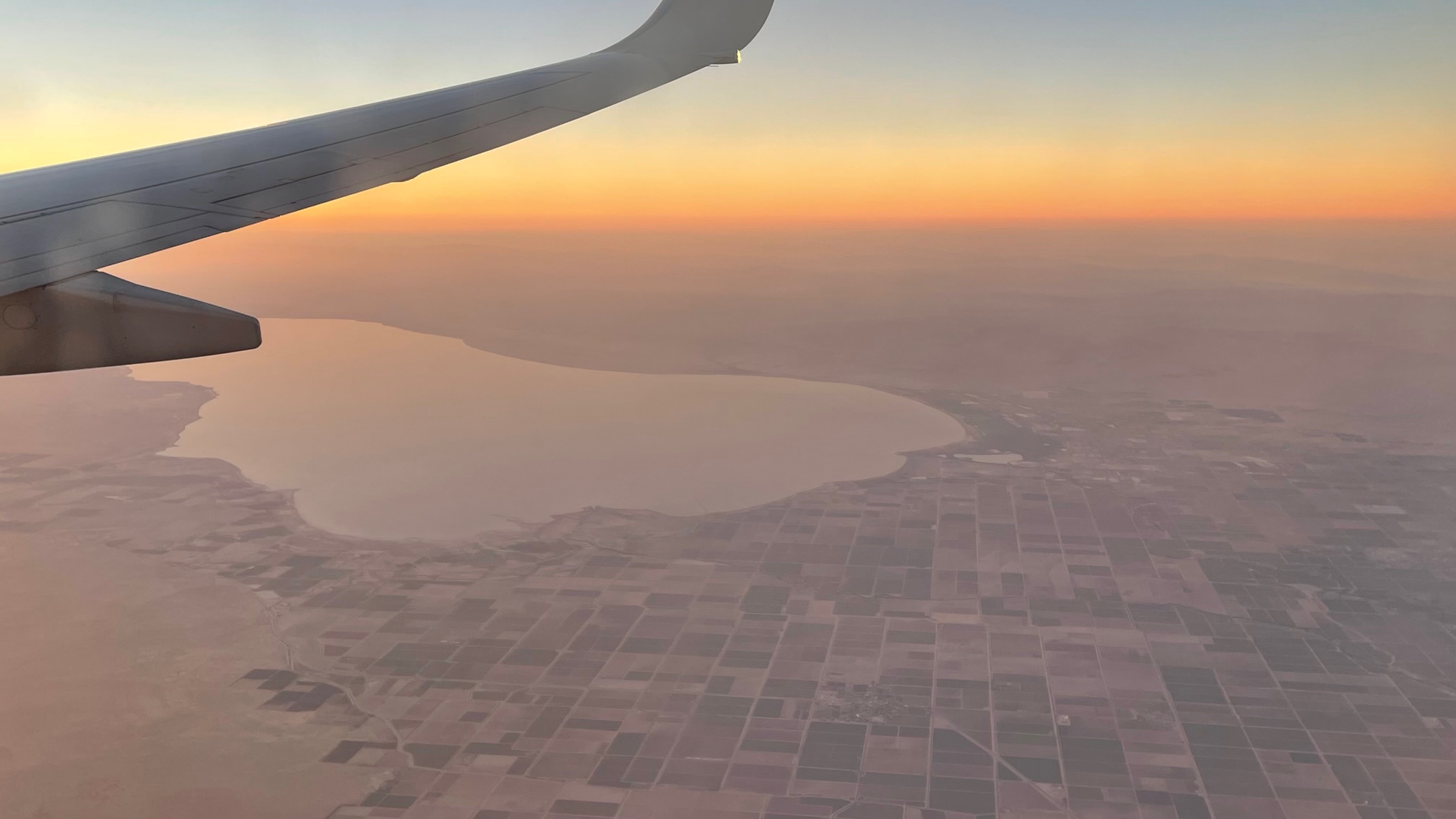
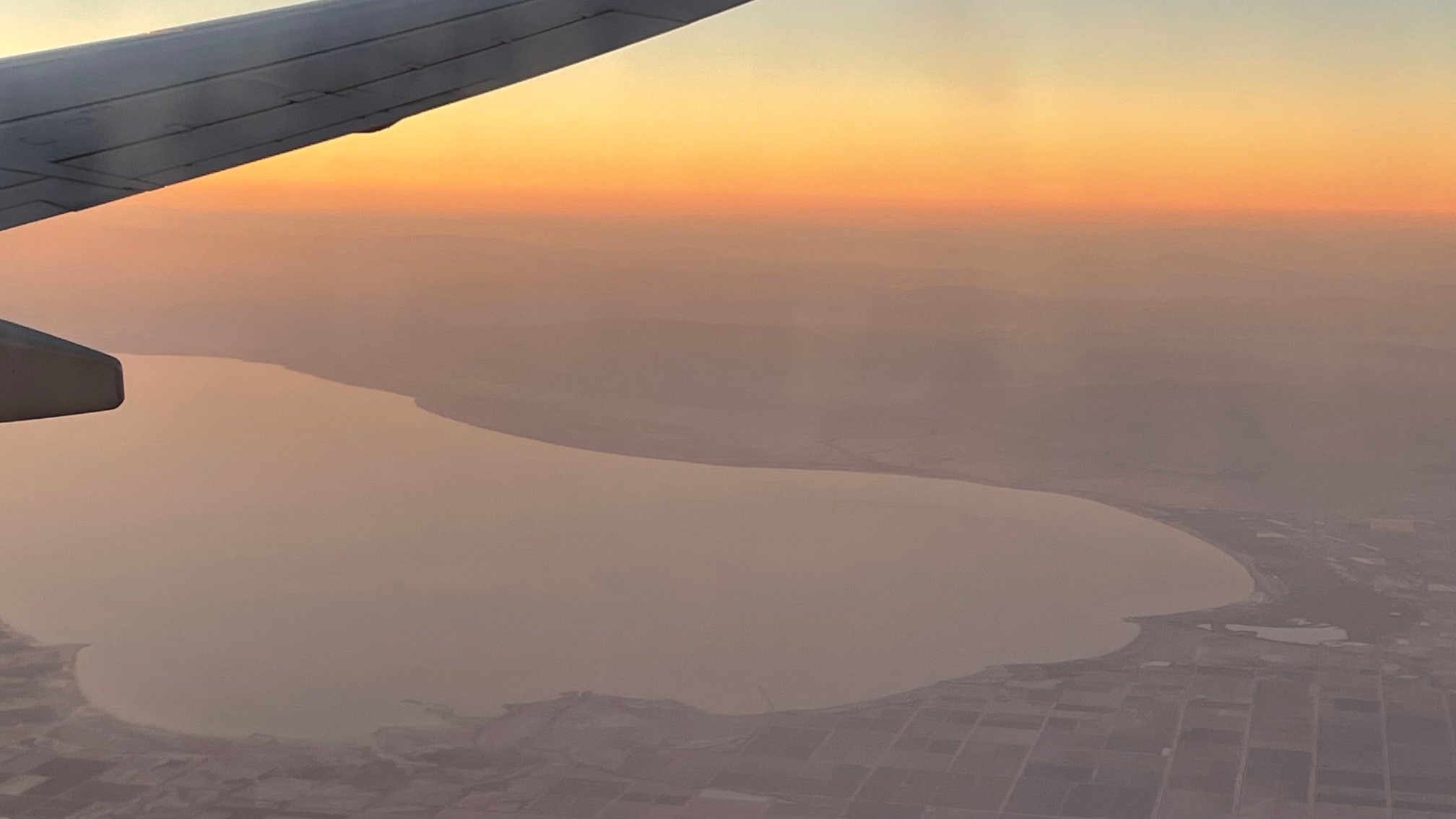
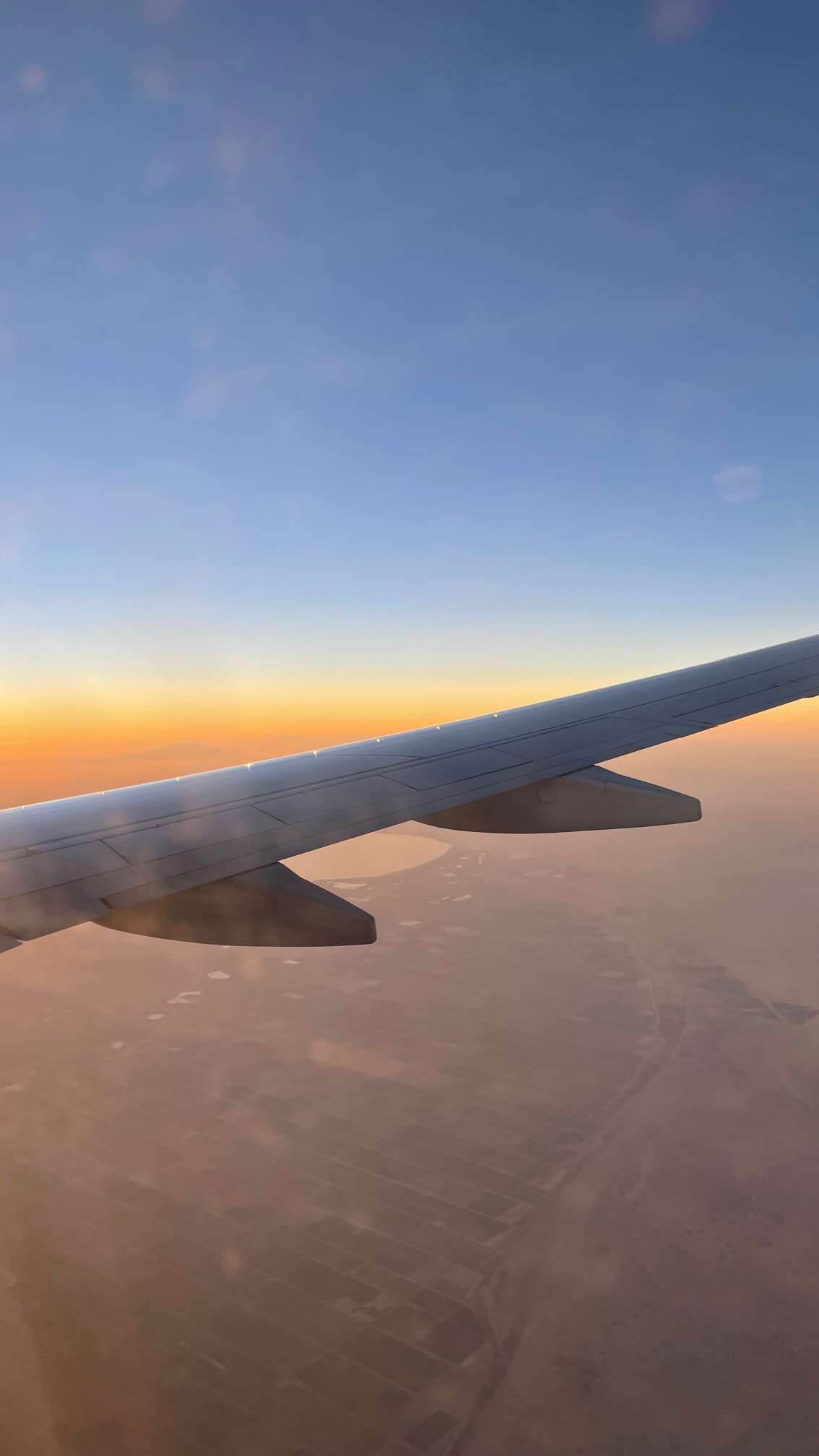
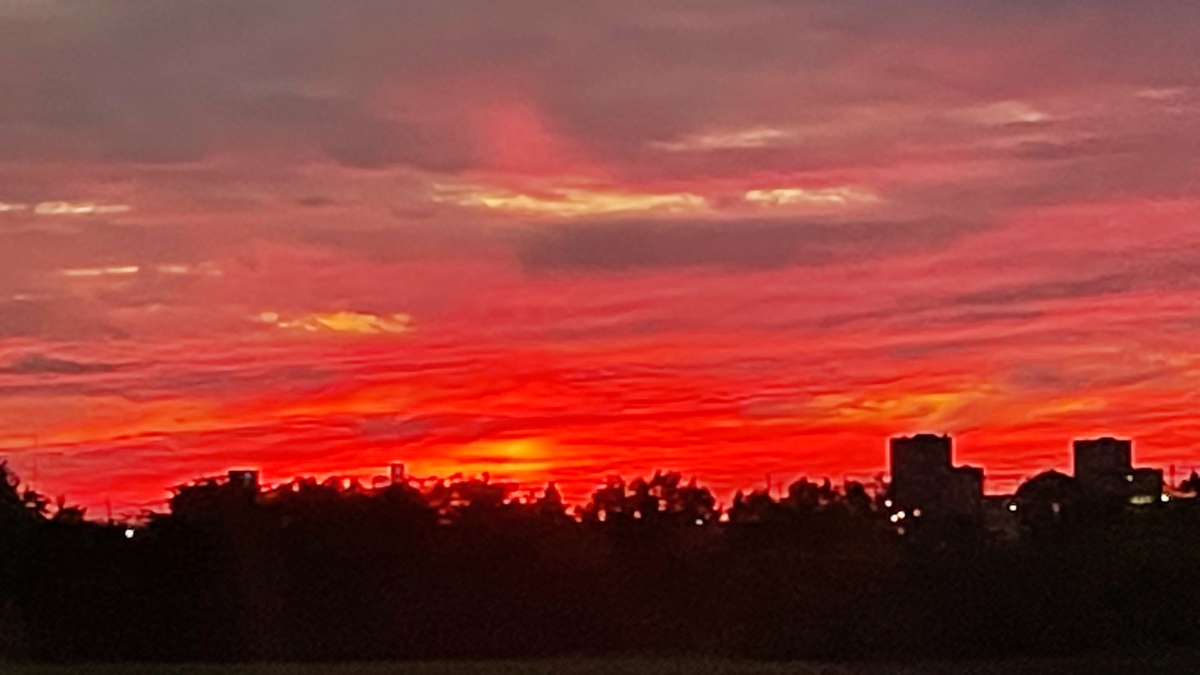
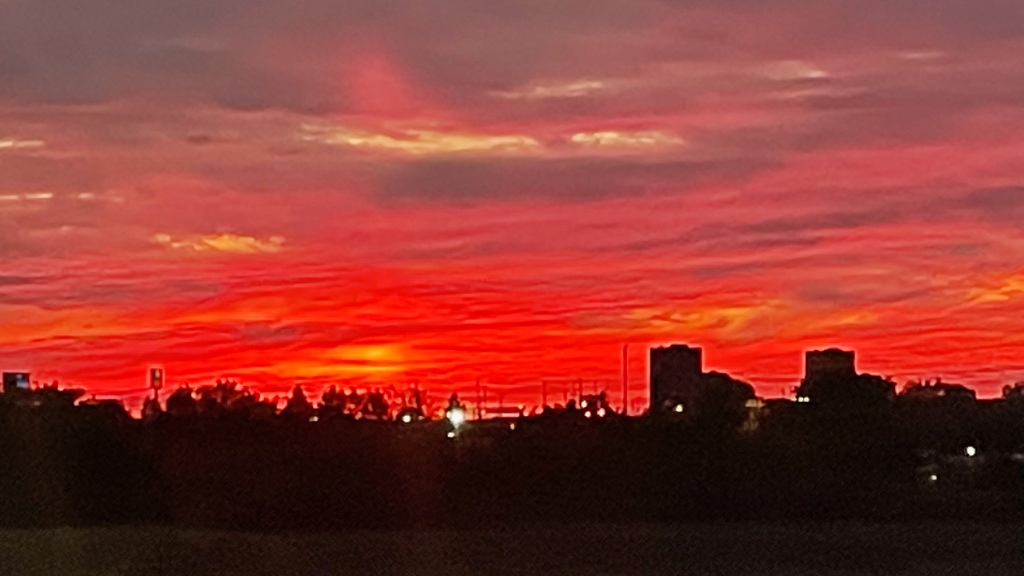
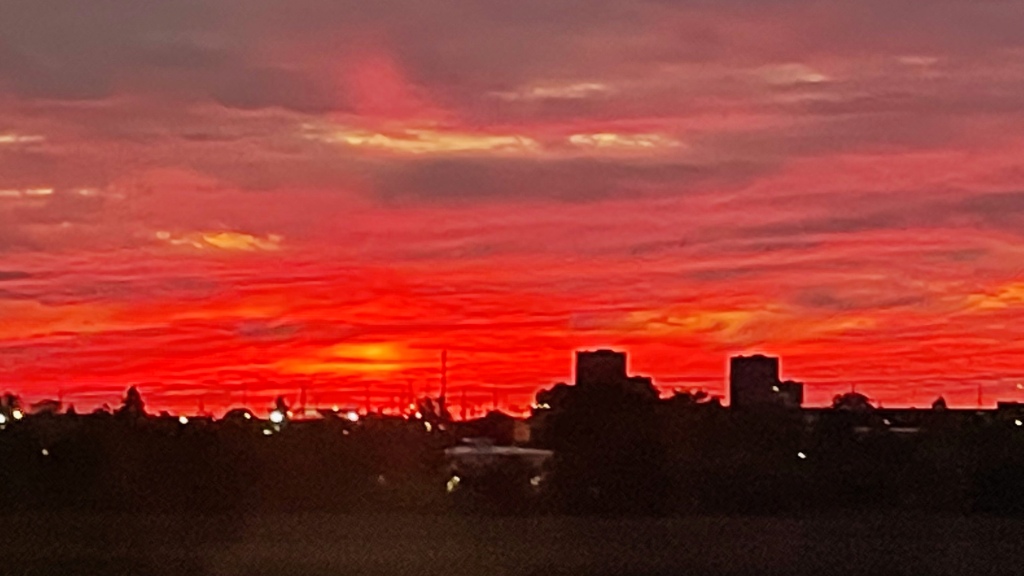
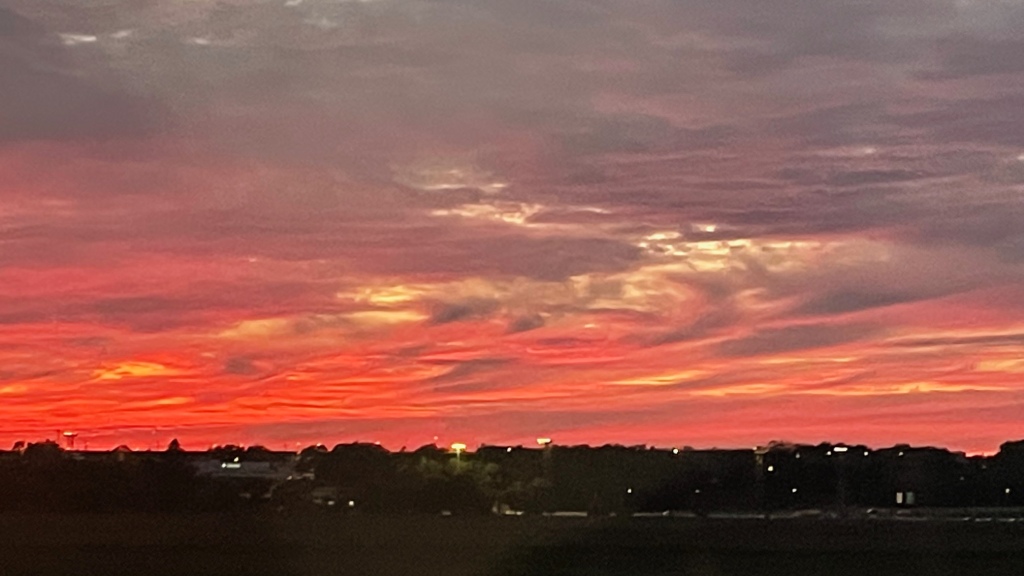
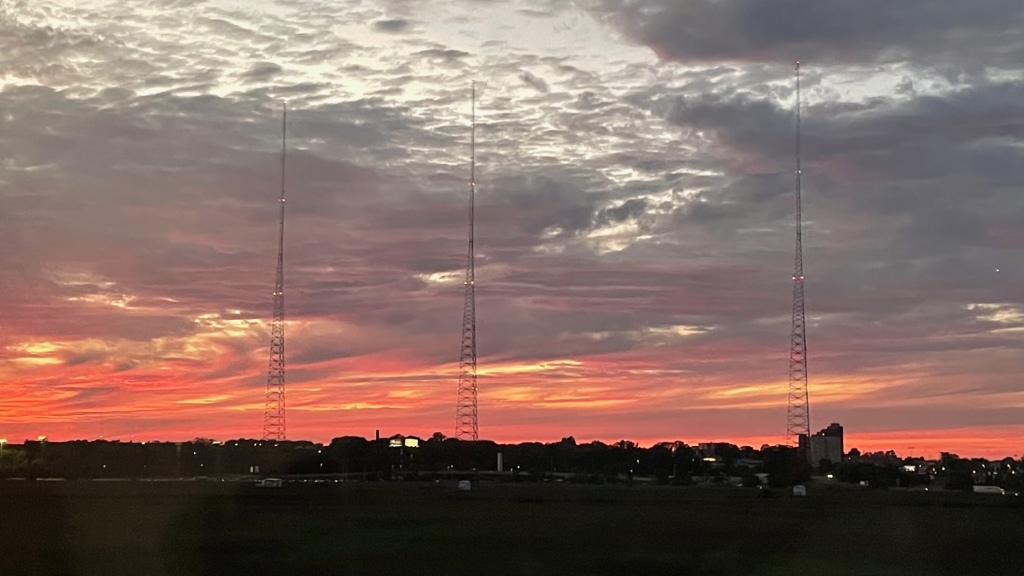
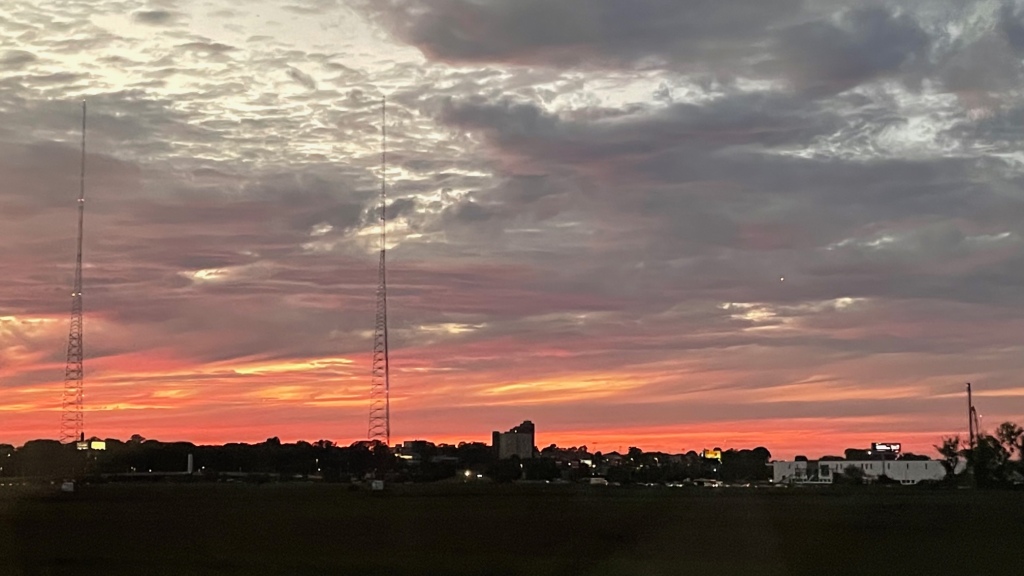
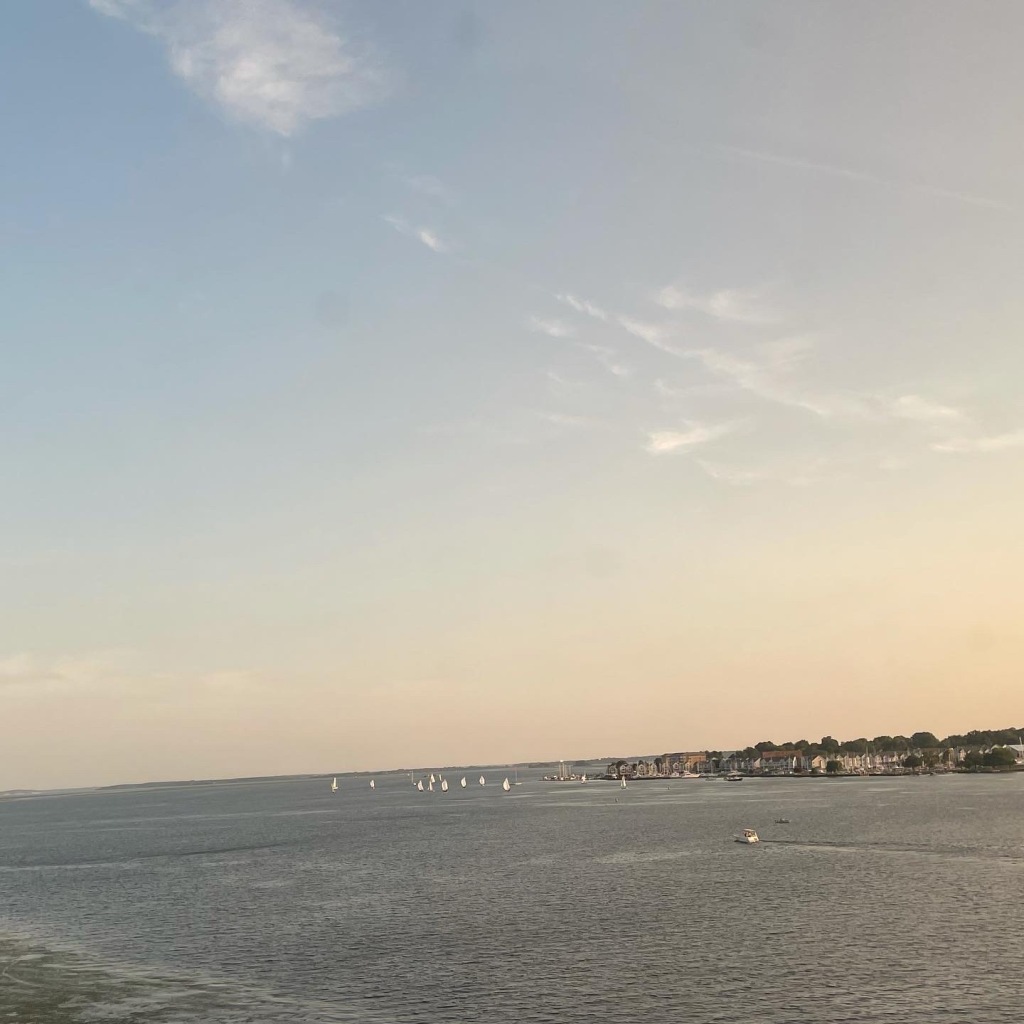
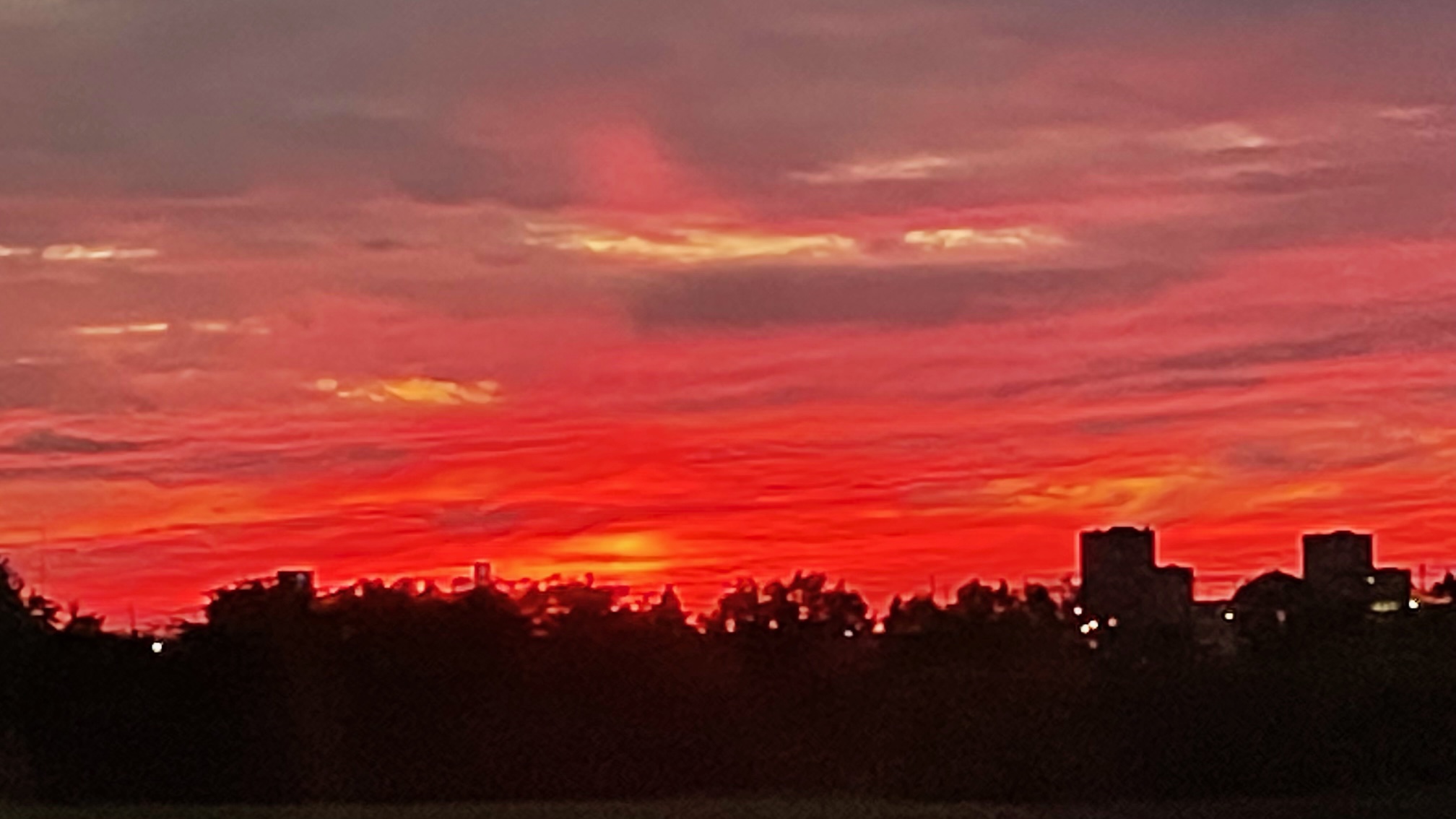
Stunning Sunsets

Camera: iPhone 12

Location: Delaware and New Jersey, USA

DC United! DC United!

Camera: iPhone 12

Location: Audi Field; Washington, District of Columbia, USA

A Pleasant Vision

“The cool, ocean breeze blows the wisps of water onto my face and my hair with the soft rustle of the wind refreshing and relaxing me as the sunset envelopes the bright horizon leaving just one solid line of distinction on the horizon to separate the sea from the sky.”

The sand beneath me is coarse yet soft as it envelopes my feet and legs whole as I begin to pull myself up after admiring the waves lapping up to cool my body and soothe my worries as if I were in a welcome trance. Looking around at the vast sunset before me, the canvas of colors from blue to yellow to orange to pink, light up the seascape village I find myself near to but still so far away from. The cool, ocean breeze blows the wisps of water onto my face and my hair with the soft rustle of the wind refreshing and relaxing me as the sunset envelopes the bright horizon leaving just one solid line of distinction on the horizon to separate the sea from the sky.

I am wearing all-white as I pick myself up out of the sand and I see the shimmering lights behind me of a picturesque village where there is laughter, unknown music, and the smell of delicious food cooking over an open flame. After the sun sets over the village, I feel the distinct urge to go towards the village where everything and nothing seems familiar to me at the same time. The shimmering lights help me as I climb from the base of the beach up through the rocky hillside feeling at ease even as my bare feet climb over the rocks and shrubbery covered boulders.

As I climb higher and higher to the top of the hillside that juts out of this mountainous formation, the sound of people in different languages laughing heartily, the sounds of beautiful music playing in a sweet symphony as to not clash with the people’s joy. The smells of enticing foods, which become more and more familiar to me that come either from a distant past or of a future yet to come. The arduous hill climbing causes me to stumble and rest prematurely but I am undeterred. I do not bleed and while I tire, I do not fall back. Eventually, I make my way to the entrance of this pristine yet unfamiliar village with cobbled streets and stucco walls. Each of the village homes I walk past have large windows but no one’s inside, the walls are white or pastel-colored, and the arches speak to a grandeur of which I immediately fall in love with.

The windows and doors are arched with beige or dark red clay roof tiles with outdoor space with gardens likely filled with lush tomatoes and other plants to grow one’s own food. Surprisingly, I encounter women and men dressed from different eras on these cobbled streets who greet me in the languages of my ancestors. They have carriages and horses with them and exchange pleasantries with me as I pass them by on the way to the party. While I do not know them, they know me and perhaps they’ve known me my whole life. Even though I am tired from my journey, my hunger and thirst apparent to them all, they whisper words of belonging and encouragement in my ears and tell me that, “everyone is waiting for me.”

Who is everyone? Is it my friends? My family? My loves of past, present, or future? Where am I? Questions wash over me, but I am not anxious. It’s that strange sense of anticipation that comes after a fortuitous journey where my last destination is not known but I have no doubt of where it is that I am supposed to go. I am here for a reason and while I do not know when, where, or how I got here, I finally know that I have a destination in mind that may be what I was looking for all along.

Once I get there, the high, wooden entrance of a pure white village house made of solid brown doors swing wide open for me as an honored guest. There are sturdy, mahogany tables filled with known faces who have known me throughout my life and unknown yet familiar faces who I may be related to by blood or folks who I don’t remember as a child or baby but have also met them at one point or another. The tables and chairs seem to go on forever up to the edge of the hillside looking out on the moon, the sea, and the stars as gloriously bright as can be with no way not see hundreds or thousands in the night sky. Ornate dining sets have been set up with wine goblets and delicious foods with peaceful music playing in the background and it seems everyone is waiting for me to arrive to begin the meal together.

Everybody at each table is dressed up in their own regalia from the era they lived in and are at the age that they most would like to be remembered by. Surprisingly, while each person is exchanging languages with each other that they themselves may not speak, they are somehow being instantaneously translated so everyone can understand one another even while having not been from the same century or same continent.

It dawns on me that this is exactly where I’m meant to be. The food is as delicious as can be, the wine and other drinks plentiful, and everyone is enjoying each other’s company with pure joy and happiness lighting up the evening. They all know me as if I were a family…which I am. Many hugs, kisses, and handshakes are exchanged as each of my ancestors and family members encourage me to join them at the table through a night that seems to stretch across time like a flowing river.

I am the latest to arrive to the celebration here, but it feels like they’ve all been waiting a while for me to join them here at this heavenly setting. There is no mention of anything negative in the conversations I have. We don’t highlight my or their own Earthly failures, setbacks, heartbreaks, and tragedies. There is just happiness, joy, warmth, and discussing the fine setting and meal we find ourselves enjoying together after having been apart. There are no hard feelings, no pain, no remorse, no odd person out, as we are a whole family again united after all this time, which feels like just yesterday we were all together but may have been decades, centuries, or millennia since our paths have crossed. If this is heaven, I ask myself, it is certainly a pleasant vision of it.

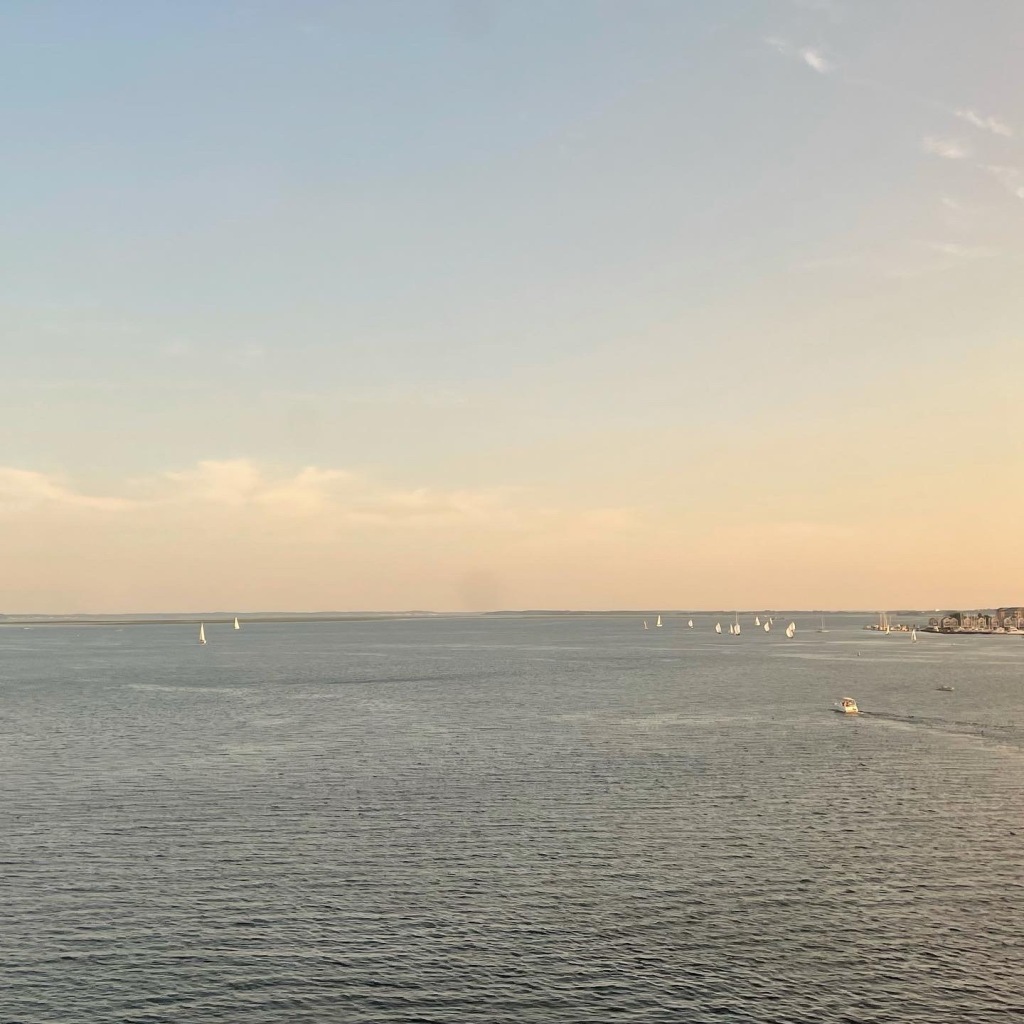
The C&O Canal and The National Cathedral

Camera: iPhone 12

Location: Washington, District of Columbia, USA

Do A Good Deed Every Day

“The easiest way to feel a bit better, a bit happier, and make time fly by a bit more is to go out of your way and do a good daily deed.”

It can feel natural to want to go through each day wanting to keep to yourself and go through the motions to make the week go by quicker. However, having this kind of mentality can isolate you, make you feel lethargic, and time can crawl more the less you interact with the people and the environment around you. The easiest way to feel a bit better, a bit happier, and make time fly by a bit more is to go out of your way and do a good daily deed.

Doing a good deed every day may seem like a lofty goal to achieve but when you really think about what a ‘good deed’ is, it would usually only take you a few seconds or even a few minutes to accomplish. A daily ‘good deed’ is very rarely extravagant, or expensive but rather good deeds are often simple courtesies, pleasantries, and small acts of kindness that have a large impact on a person’s life. You can really make someone’s day especially if they’re feeling down by lifting their spirits with a good-hearted deed that is genuine. To go out of your way for someone else will not only make them feel better but it will make you feel better as well.

I am a believer in karma and having the awareness to do a good deed for someone else, no matter how small or seemingly insignificant in the grand scheme of things, can cause ‘a ripple effect’ in sending out something good in the world, which will hopefully cause other people you help to do good deeds of their own in ‘paying it forward.’ As the saying goes, ‘kindness begets kindness’ so if you do a good deed, I believe that person will then be more cognizant of doing a good deed for someone else and that ‘ripple effect’ will cause many more good deeds to be done. Karma, both good and bad, spreads like a raging wildfire, so if you put good deeds out there, I am optimistic in believing that the world will pay you back with more kindness and to have others help you out in return.

You may be asking, well, there are so many good deeds I can do; how do I know which ones I should do? Good deeds don’t have to be planned out and they rarely are so just mindful of your environment in terms of what kind of good deed can be done spontaneously but is also pertinent to the situation that you find yourself in. For example, if you see a homeless man on the street looking for some food to eat, it doesn’t cost much to buy him a sandwich or a hot meal to help him stave off hunger.

That is a good deed that takes not much money and not much time if you can afford it. Other deeds aren’t about money so much as courtesy such as giving up your train or bus seat to an elderly person or pregnant woman. You can also help the elderly or handicapped by carrying their groceries for them if they ask or by helping them with the door or the elevator. Giving a small amount of charity every now and then whether it’s at a coffee shop or at an organization you are part of is also a good way to do a good deed. A good deed is about doing what you would normally do as a human being without being prompted to do so by other people but if you can’t find such impromptu experiences, giving charity or volunteering an hour of your time or helping a friend or family member in some ways are all good deeds that would qualify.

In a world where it is often difficult or near impossible to control the events and conditions that we experience on a day-to-day basis, doing ‘good deeds’ is a great way of responding to our environment in both a healthy and positive way. Good deeds are not flashy, they may not be recognized, and it can be hard to find them every day but it’s about looking out for your fellow man or woman with no expectation of a reward. Doing a good deed shows that we are all part of the same community, the same society, and the same world and that when we look out for one another on a human level, we all benefit as a result.

Good deeds are a start but that’s just one part of being a good human being. However, doing a good deed daily will exercise our empathetic core, heighten our awareness of relating to others, and to be more aware of how we can positively influence our environment. It is also a healthy way to feel good about ourselves and to brighten our days a little bit more. I find that my day improves a whole lot if it’s been a bad one when someone helps open the door for me or will help me with my heavy groceries if I need a hand with them (while opening the same door), or just looking out for me as I would do for them.

If you can do a good deed daily, that is ideal for it to become a consistent habit but if you can’t, aim to do a good deed at least once per week. You’ll find that it becomes second nature the more you do good deeds and that you’ll recognize those same chances to do them when they appear to you. If you really want to prepare yourself to do good deeds, be aware of your immediate environment as much as possible. That may mean putting your phone down, putting the earphones away, and looking around you instead of down to the floor, but you’ll be more likely to do more good deeds if you’re aware of others rather than the technology that increasingly is around us and on us. The biggest good deed you could do also is to be kind, courteous, and respectful of people you meet and people you know. If you can do that most fundamental good deed, I have no doubt that other smaller good deeds will follow.

Fireworks on the 4th

Camera: iPhone 12

Location: Ocean City, Maryland, USA

Anatomy of a Scene -‘The Life We Chose; The Life We Lead’

“One scene that conveys that ‘movie magic’ to me is a scene of verbal confrontation between Paul Newman and Tom Hanks in ‘Road to Perdition’ (2002).”

Movie magic is an illustrious concept to grasp but it often happens when you have those special moments to show off the full acting prowess by men or women at the top of their game. Moments like these are increasingly hard to come by when most movies today focus on non-stop action, horror, or thrills without taking the time to stop and let actors perform their best to act like real people in real situations. One scene that conveys that ‘movie magic’ to me is a scene of verbal confrontation between Paul Newman and Tom Hanks in ‘Road to Perdition’ (2002).

In another article, I wrote about my thoughts on this beloved movie of mine now almost twenty years of age but still ripe for a rewatch for me whenever the weather gets colder, and the sun goes down earlier. ‘Road to Perdition’ is a serious film with serious actors. This particular scene titled, ‘The Life We Chose, The Life We Lead’ lets these two juggernauts of Hollywood use their acting skillset to the fullest without any action distractions or cheap thrills.

Director Sam Mendes and the late and great Cinematographer Conrad L. Hall are able to use the muted lighting, the wide lens camera to help focus all of the audience’s attention on Hanks’ and Newman’ characters at a pivotal scene in the film. A good movie lets the attention focus in on the actors and heightens the importance of the dialogue so that nothing is missed, and every word, facial expression, and bodily movement means something to the plot. I fully appreciate this scene because it strips down the movie to its bare bones and puts its faith in the leading actors who make it a great film to begin with. When you are surrounded by great talent, you don’t obscure their abilities but rather let them shine in their roles for all viewers to enjoy.

Without spoiling too much ahead for readers who have not seen the movie, this ‘Road to Perdition’ scene focuses on the evolving conflict between Irish American Mob boss John Rooney (played by Paul Newman) and his loyal enforcer turned outcast named Michael Sullivan (played by Tom Hanks). They are at odds over the murder of his wife, Annie, and his youngest son, Peter, early in the film by John’s only son, Connor, who is now on the run from Michael but whom is being protected by John and his mob associates throughout the Midwest U.S. Both John and Michael find themselves protecting their own sons from each other while mourning the loss of their own special ‘father-son’-like relationship.

The old English idiom of ‘blood being thicker than water’ looms heavily in this dark scene as both men must sacrifice their friendship, their employer-employee relationship, and perhaps their own kin for these acts of bloodshed to stop. In this movie, the Road to Perdition or ‘hell’ is paved with the bloody sins that each man has committed to save the innocence of those they still love.

‘Road to Perdition’ – Confrontation (Scene)

The metaphors of the scene itself especially at the beginning speak for themselves. John and Michael meet secretly in the catacombs of a Church basement where their talk of murder and betrayal is almost drowned out by the church choir practicing above them as they try to avoid more bloodshed. Similar to angels singing from heaven, the men are in ‘hell’ as they confess to each other how as ‘murderers’, they’ll never see ‘heaven’ like the dark catacombs they find themselves meeting in away from the light of the church or of the day.

In a last-ditch attempt to save John from certain death at Michael’s hand, Michael Sullivan tries to convince John that his own son is betraying him. Michael alleges that Connor is stealing from John and has been opening bank accounts while taking money from the men that Michael has killed on Connor and John’s orders. As an enforcer for the Irish mafia, Michael thought he was helping John keep control over his mob empire, but he instead was lining Connor’s pockets with blood money.

Amazingly, John is aware of all this even before Michael gives him the account statements from all the money Connor has been compiling over the years. With remorse and regret in his eyes, John Rooney admits to Michael that he tried to protect Michael from the fact that he was working for Connor and not himself but that he still loved him ‘like’ a son. The key word in their discussion is ‘like’ because Michael is not John’s son, but Connor is. Both men must do what’s in their son’s best interests even though they don’t always see eye to eye with their own sons.

John gave Michael and his wife Annie a home, consistent income, and the ability to live a middle-class American life and in return, Michael killed on John’s behalf and tried to protect his family from the gritty truth of being an enforcer. Michael lost Annie and Peter because of his murderous past but it is not too late at this point in the movie for his only remaining son, Michael Jr. Connor knows Michael Jr. is aware of the murders of his mom and brother along with Finn McGovern, a man who Connor was stealing from so Connor wants Michael Jr. dead. Michael Sr. and his son are on the run from Connor, but they know that once John Rooney is dead, the rest of the mob will give up Connor leaving Michael Sr. in a devastating position of playing ‘cat and mouse’ with his former boss.

Michael Sr. tries to reason with John to give up Connor to spare John’s life. John won’t allow Michael to kill Connor as revenge while he’s alive even though Connor murdered Annie and Peter previously. John can’t let Michael Sr. keep using his losses as a justify for another murder, which would be his son, Connor. “There are only murderers in this room. Michael! Open your eyes! This is the life we chose, the life we lead…and there is only one guarantee: None of us will see heaven!”

“Michael (Jr.) could.”, Michael Sr. hopefully responds. With his mob ties gone, his family torn apart, and his livelihood evaporated, Michael Sr. has one mission left in life and that is to protect his son’s innocence. Michael Jr. is a good teenage boy shielded from his father’s history of violence. To make Michael Sr.’s life worth living, it is worth protecting his son from Connor, his father John, and the rest of the Chicago mafia. Even if it means Michael Sr. dying to protect his son, it would be worth it to Michael to protect his son’s innocence and prevent him from becoming a murderer. At this point in the film, Michael Sr. knows just what to do and that involves killing John, who will keep hunting the two of them to protect Connor, his son.

To have Michael Jr. see heaven, to not go down the same path as his father, to live a full, happy life away from the violence and bloodshed he has already bore witness to, it is up to Michael Sr. to do what he must to protect his son from John’s son. The choir stops singing at the end of the scene signaling that Michael Sr. must decide about what to do once and for all about John.

            “And if I go?”, Michael Sr. asks of John if he lets Connor and John live.

            “Then I will mourn the son I lost…”, John tells him and walks away, with tears glistening in his eyes.

Michael Sr. finds himself with an impossible decision that his life of murder has led him to. Either he lets John, his boss, go free and let Connor escape as well, or he must stay and kill John for not giving up Connor to him. Either John will mourn ‘the son he lost’ meaning Michael Sr. or Michael Sr. will end up mourning the death of John, the ‘father he loved’ even though they are not related by blood.

Throughout this pivotal scene in the film, you can see the many years of friendship, love, and trust that each man shared with one another. Despite them leading a notorious life of crime and violence, they know they have done wrong and will eventually pay for it in this life or the next. The cinematography even indicates from this scene that they may end up perhaps in a ‘hell’ like in the catacombs of a dungeon that they find themselves in now with no exit in sight and away from the singing angels above them in heaven.

However, Michael Sr. knows his son must not lead the same life of misfortunate, pain, and regret that he has. While Connor, John’s son, is now a murderer like John is, Michael Sr. resolves to sacrifice his own innocence to protect that of his own son before it’s too late. In the process, he must continue to avenge the deaths of his wife and other son to protect the only precious thing he has left in this world. Even though he loves John like a ‘father’, he is the only man standing in the way of killing the man who murdered his family and preventing that same man from killing his only son left.

Both men walk away knowing that one of them is going to die after this meeting. The question remains: which man will it be and who is willing to sacrifice himself first to save their own son in the process? This scene of ‘Road to Perdition’ is one of the best in the film because it allows two great men of acting stature do what they do best with just dialogue, emotion, and having amazing chemistry between them even in a fictional world. It’s why I believe this scene and this movie is one of the great films of the 21st century and to which I will keep returning to watch in the future. When acting professors want to show a great scene of pure dialogue, I hope they choose to show their students this one because it will long live on in pure film lore and reverence.

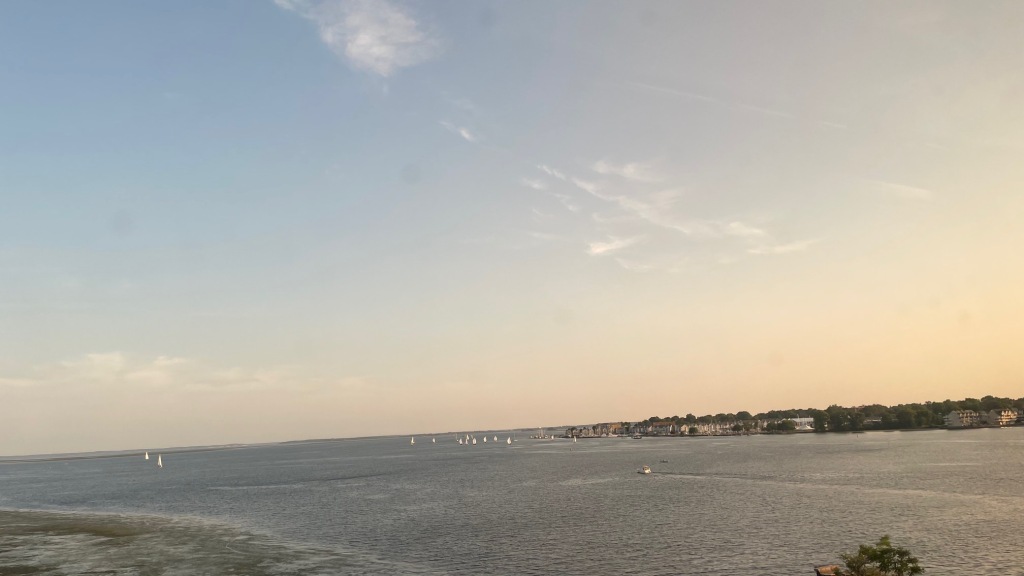
Ocean City

Camera: iPhone 12

Location: Ocean City, Maryland, USA

My Thoughts on the ‘Muhammad Ali’ PBS Documentary

“Float like a butterfly, sting like a bee. Rumble, young man, rumble. Ahhhhhh!” This catchphrase from the Greatest boxer of all-time, Muhammad Ali, still ring in my ears as I write about the legend.”

“Float like a butterfly, sting like a bee. Rumble, young man, rumble. Ahhhhhh!” This catchphrase from the Greatest boxer of all-time, Muhammad Ali, still ring in my ears as I write about the legend. After 8-hours of rarely seen footage, insightful interviews from those people who knew him best, and catchy music and news events highlighting the era and period in which the Greatest grew up in, the Muhammad Ali documentary on PBS (American public television) is a real knockout. There is too much television and movies out there to choose from especially with the streaming services but the Muhammad Ali documentary, recently released in September of 2021 is worth a watch.

Eight hours in total length, split into four ‘rounds or parts, the documentary chronicles the entire 74-years old in which Muhammad Ali or Cassius Clay walked among us mere mortals from his childhood in Louisville to his rise to boxing stardom dating from Rome to New York City to Manila to his old age, where he sadly struggled through the progression of the fatal Parkinson’s disease. Ali was a man who was almost too unreal to believe he had existed because of all he said, accomplished, and did during his life.

If you looked in an English idiom dictionary for the expression, ‘larger than life’, a picture and short description about Muhammad Ali should be there as well. The swagger he had when he walked in a room, his way with words as a poet and the ability to dress down his opponent with insults as powerful as his punches, and his commitment to not only his religion but the people around him such as a friends, family, and even random strangers who he would often give money, food, or anything they needed when they were going through a tough time.

Ali was not just talented in the ring, but he was also extremely intelligent, wise beyond his years, and able to be charismatic with many people he would meet. Most boxers would keep to themselves back in the 1960s or 1970s and would not embrace trash-talking, denigrating their opponents, or making bold claims that they weren’t sure would come to fruition. Muhammad Ali did the exact opposite and he built up a reputation to the point where billions of people knew who he was from America to Africa and from Asia to South America. His rants became legendary, and his diatribes were shown to garner a huge amount of press to sell his fights. In my view, he made boxing a global sport and he connected with all people regardless of race, ethnicity, national origin, or religion. He had love for everybody except for the men he would fight against.

The difference with Muhammad Ali compared to other braggart boxers is that he would often back up his predictions by making them real especially in his early days beating boxers like Sonny Liston and Floyd Patterson. He would not only predict that he would win his fight, but he specifically predicted the round in which his poor opponent would be knocked out. His legend grew the more he talked trash and made fun of his opponents and he backed it up in the ring by winning constantly. If he were not Muhammad Ali in terms of talent, hard work, and pure drive to be great, as a boxer, he would have faded away quickly, He simply was a once-in-a-century talent who kept boxing as a world sport in his era and it was the height of its popularity as a sport in America.

Ali, perhaps because of his family upbringing, his change of religion to Islam, or because of an innate sense of right and wrong was a plain-spoken activist who didn’t mince words. He was against racism in all its forms, was against the Vietnam War, and stood up for the poor and disenfranchised people around the world who were without the same opportunities that he had been able to take advantage of because of his boxing talent. While he was a devout member of the group, the Nation of Islam, and had his differences with both Malcolm X and Martin Luther King Jr., because of his affiliation with that group, he often strived to be a critical thinker on issues of race and religion and would dutifully follow his conscience often when expressing himself in public, as he often did in the national and global spotlight.
Sadly, Muhammad Ali, in pursuit of fame, fortune, and women, made serious mistakes along the way to become the greatest boxer of all-time. The constant time spent on the road, the brutal training regimens, the temptations he succumbed to with extramarital affairs, and even his disregard for friendships such as with Malcolm X or neglecting his wife(wives) or children due to his first love of boxing. He was an imperfect man who committed many sins as he puts it in the documentary.

However, even his sins did not stop him from putting in the work to commit more good deeds than sins throughout his life and for which when it came down to his estimation of himself as a Muslim at the end of his life, he felt comfort knowing he committed more rights than wrongs upon his death. The difference too with Ali is that he knew he had done wrong and tried to make amends later in life for his misdeeds. He apologized and atoned for his womanizing, unnecessary insults of other boxers, and his previous disavowal of friends and family like Malcolm X when they conflicted with his loyal membership to the Nation of Islam.

When I think about this documentary, the way it was able to catalog every major event in Ali’s life while simultaneously describing how he must have felt or acted the way he did during those pivotal moments in his life make this documentary the greatest one made about ‘The Greatest’ himself. Few documentaries go into that much detail, use relevant interviews and narration, while maximizing the quality of historical footage to draw the viewer in. If you are new to the good works of Ken Burns, Sarah Burns, Lynn Novick, David McMahon, and the rest of his wonderful documentary team, he is one of America’s greatest filmmakers in this genre.

Having done previous documentaries on ‘Baseball’, ‘Jackie Robinson’, and the other famous American boxer, ‘Jack Johnson’, you can tell that Ken and his team feel as comfortable documenting American sports history as much as his other documentaries on American politics and war history too. The sheer years of effort it takes to create an eight-hour long documentary like this one on ‘Muhammad Ali’ shows you how dedicated to the craft of documentary making Ken Burns and his team are. They have been doing it for over forty years now and it seems like they get better and better with each new documentary. If this documentary is the first you’ve seen by Ken Burns, do yourself a favor and watch the other sports history documentaries and check out his other ones on other aspects of American history.

What I enjoy most about documentaries about sports or political figures done by Ken Burns and team is that they highlight major events, victories, and defeats of that person or the team, but they also make sure to put that figure or people fit in with the swirling tide of history and timeline through the music soundtrack, the relevant footage, and the interviews with those people from the same era or who know that era in history.

The ‘Muhammad Ali’ documentary is not just about ‘The Greatest’ himself but about the times he lived in as an American and how he changed the country just as he was changed by the country himself. He influenced America more than most figures throughout the 20th century and will be remembered by future generations. He will be known not simply as the greatest boxer of all-time but also as a man who stood up for his principles, fought or did not fight for what he believed in, and enacted positive social changes by helping the poor, the disenfranchised, or even the stranger on the street.

He was a larger-than-life figure who transcended both sports, politics, and culture, and this ‘larger than life’ documentary pays great homage to one of the most celebrated and remembered Americans in the nation’s 246-year long and counting history.