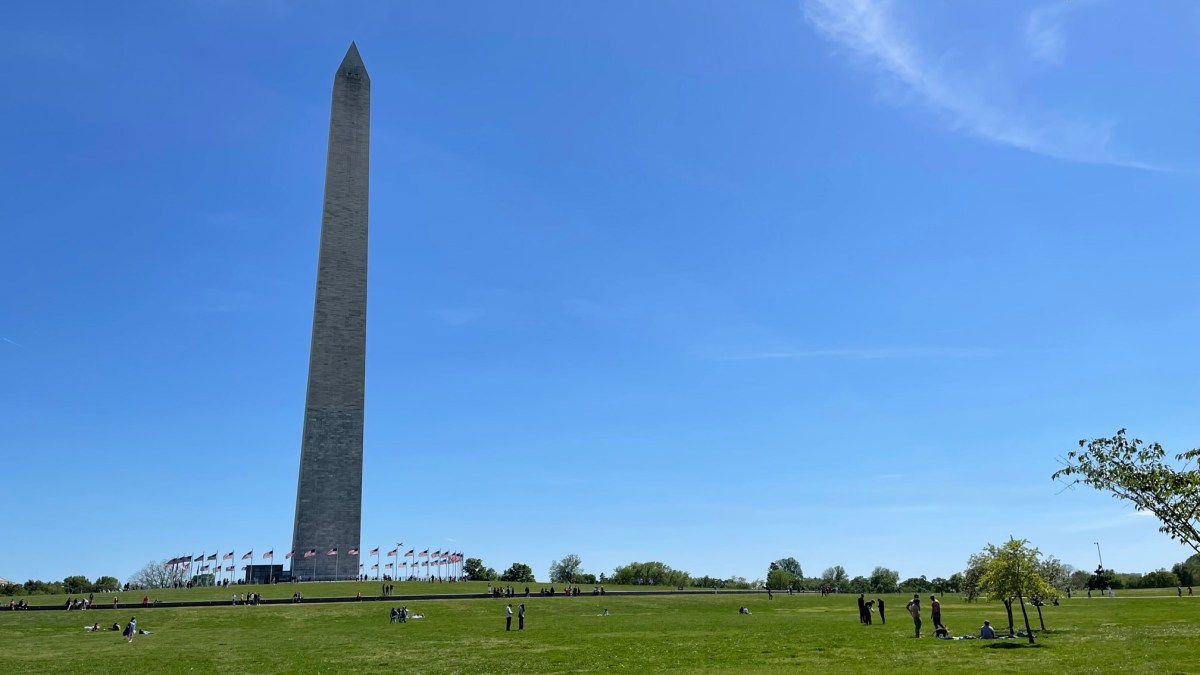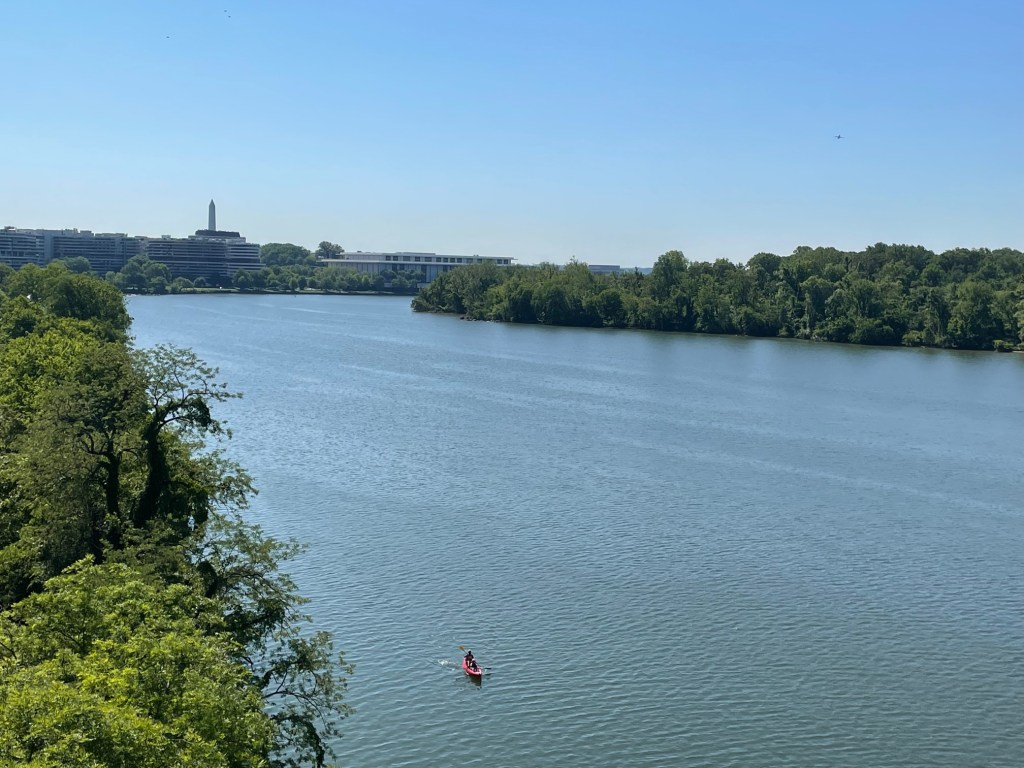

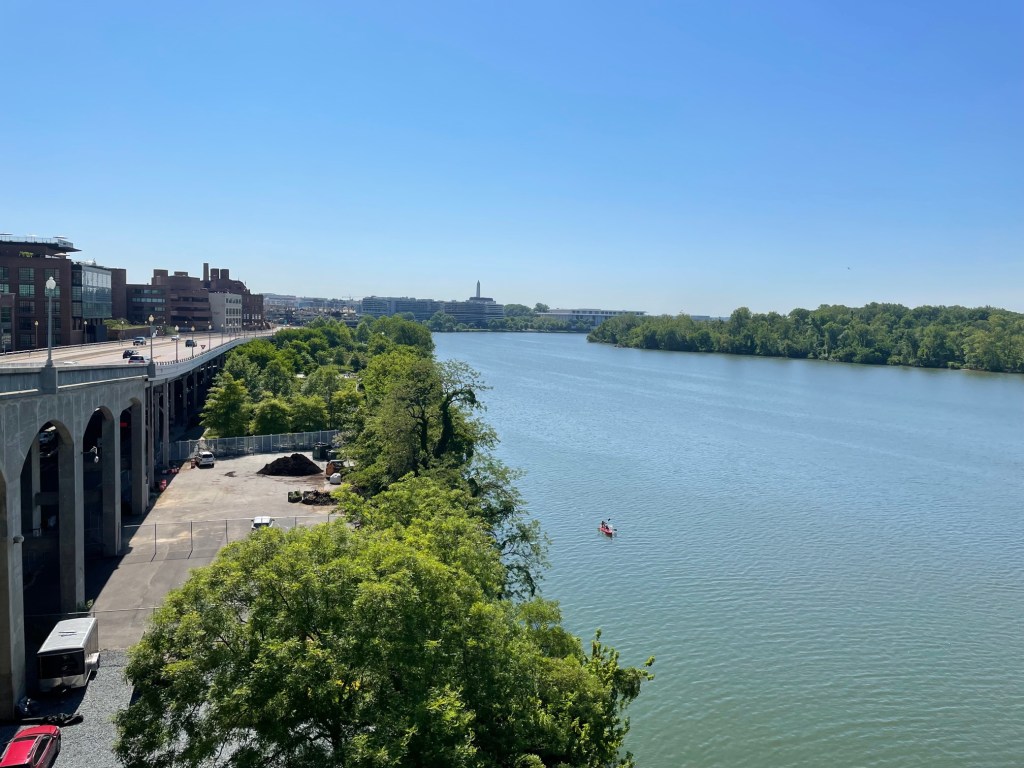
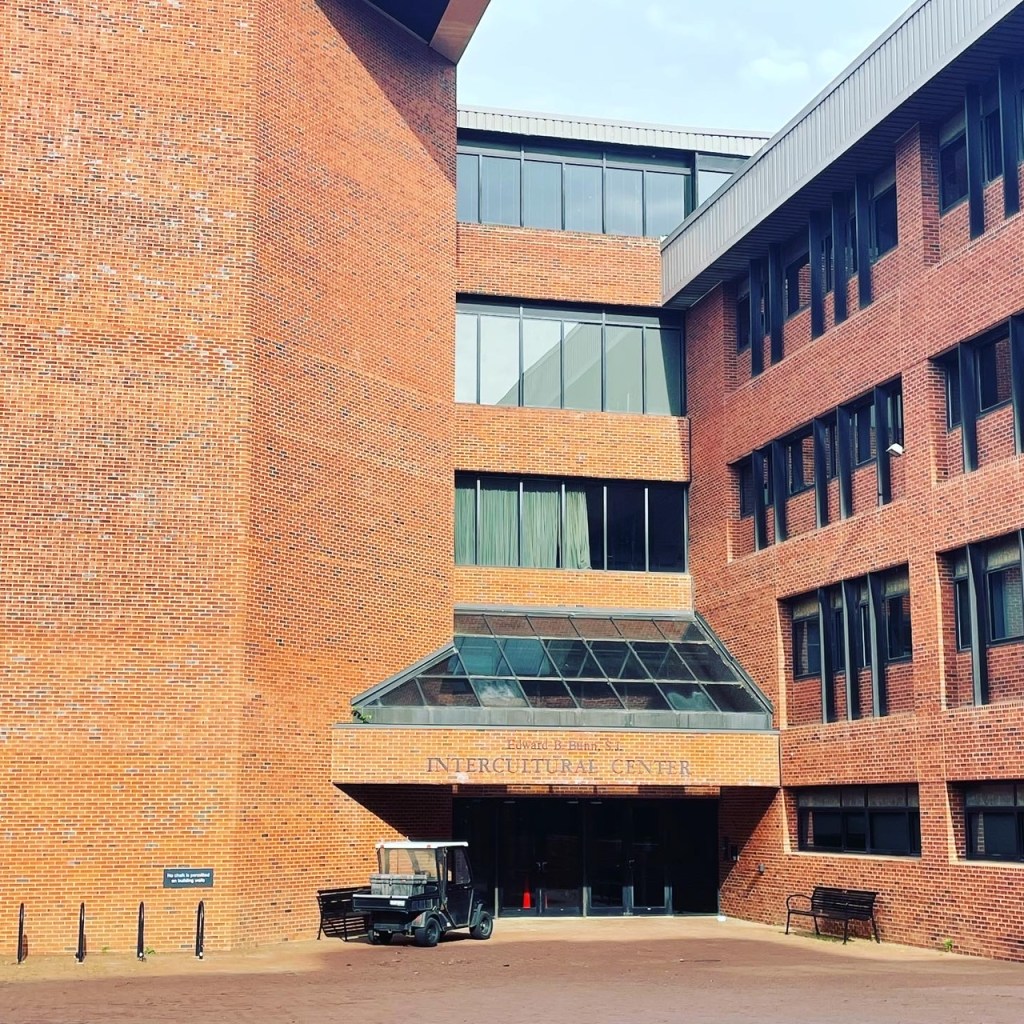
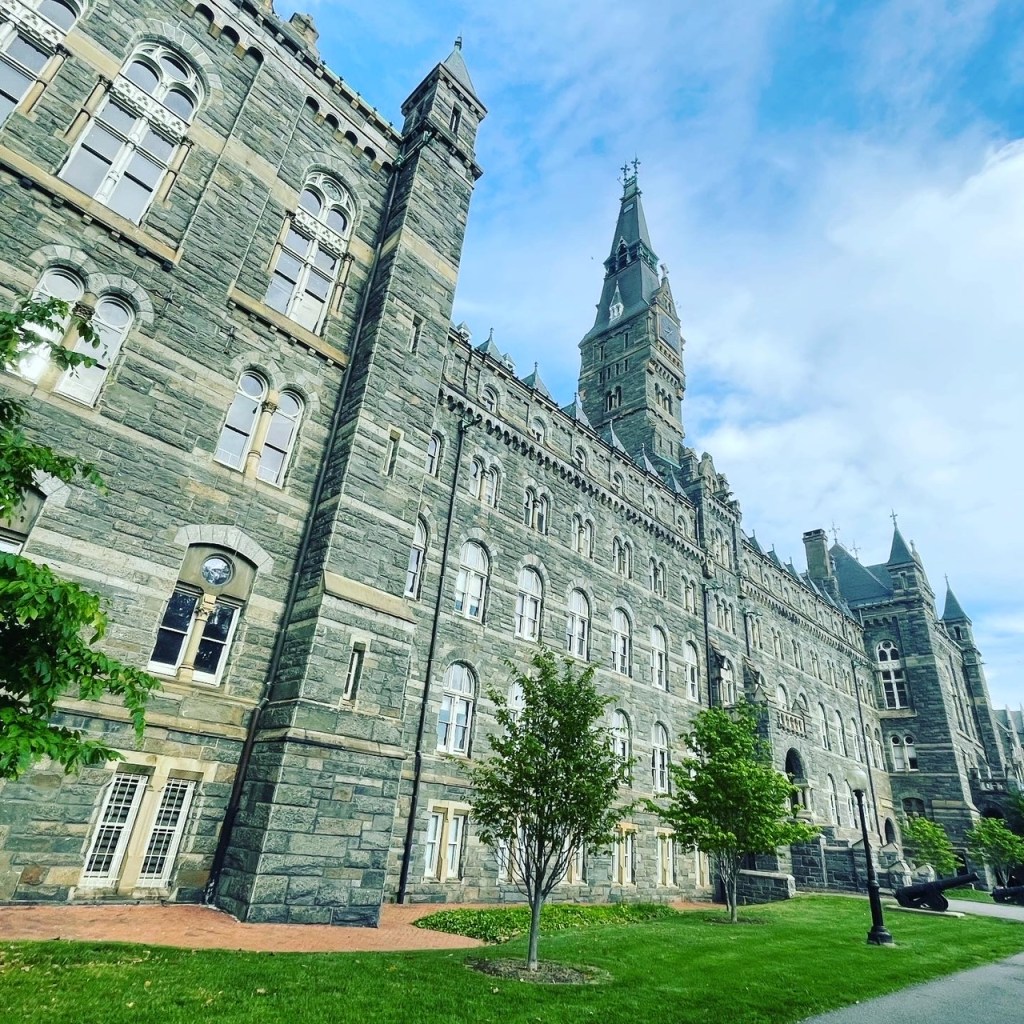
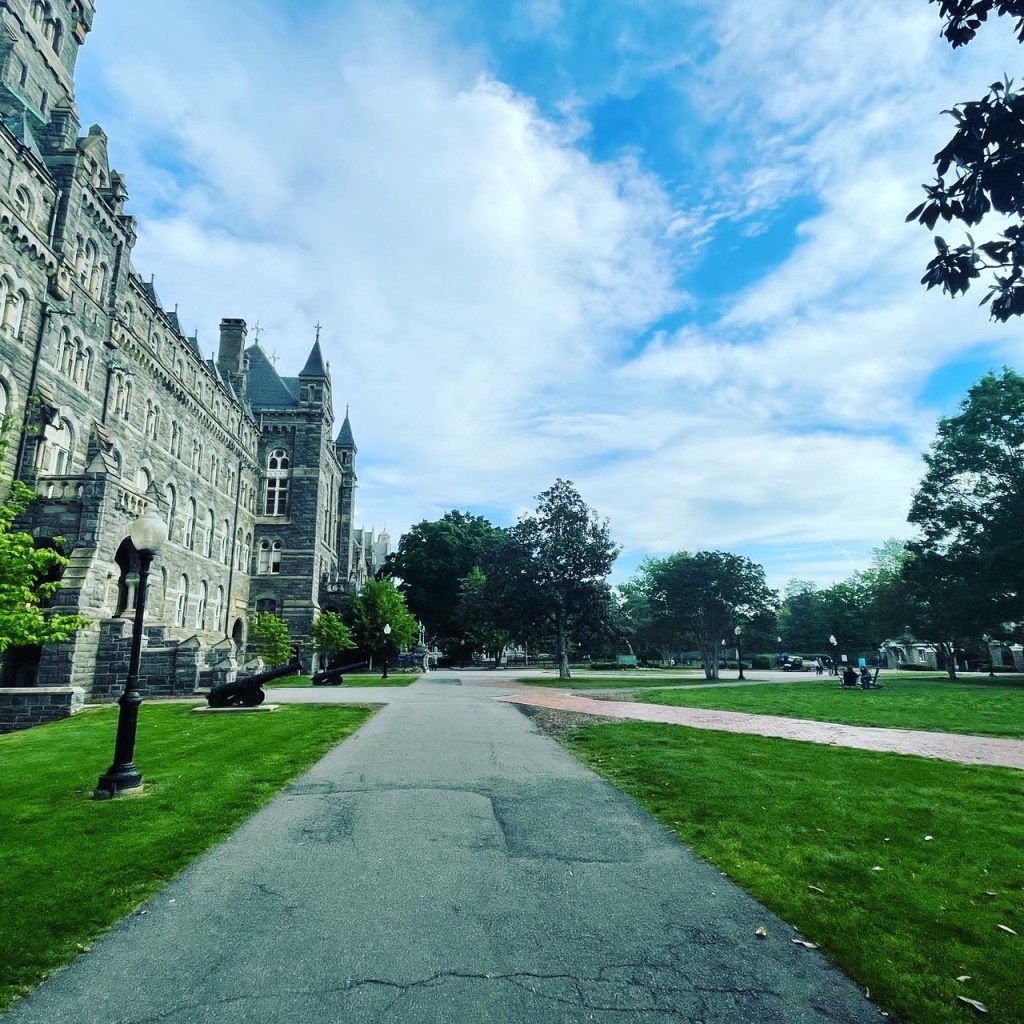
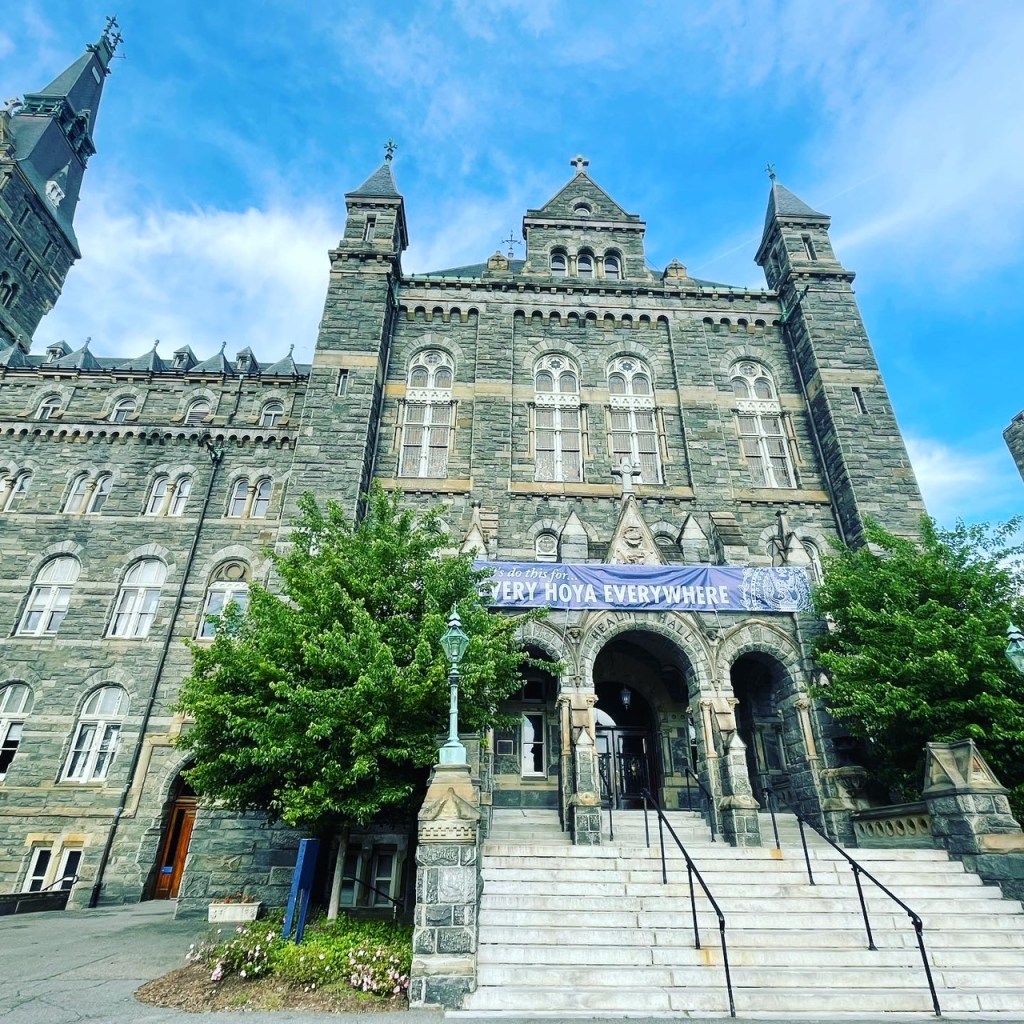
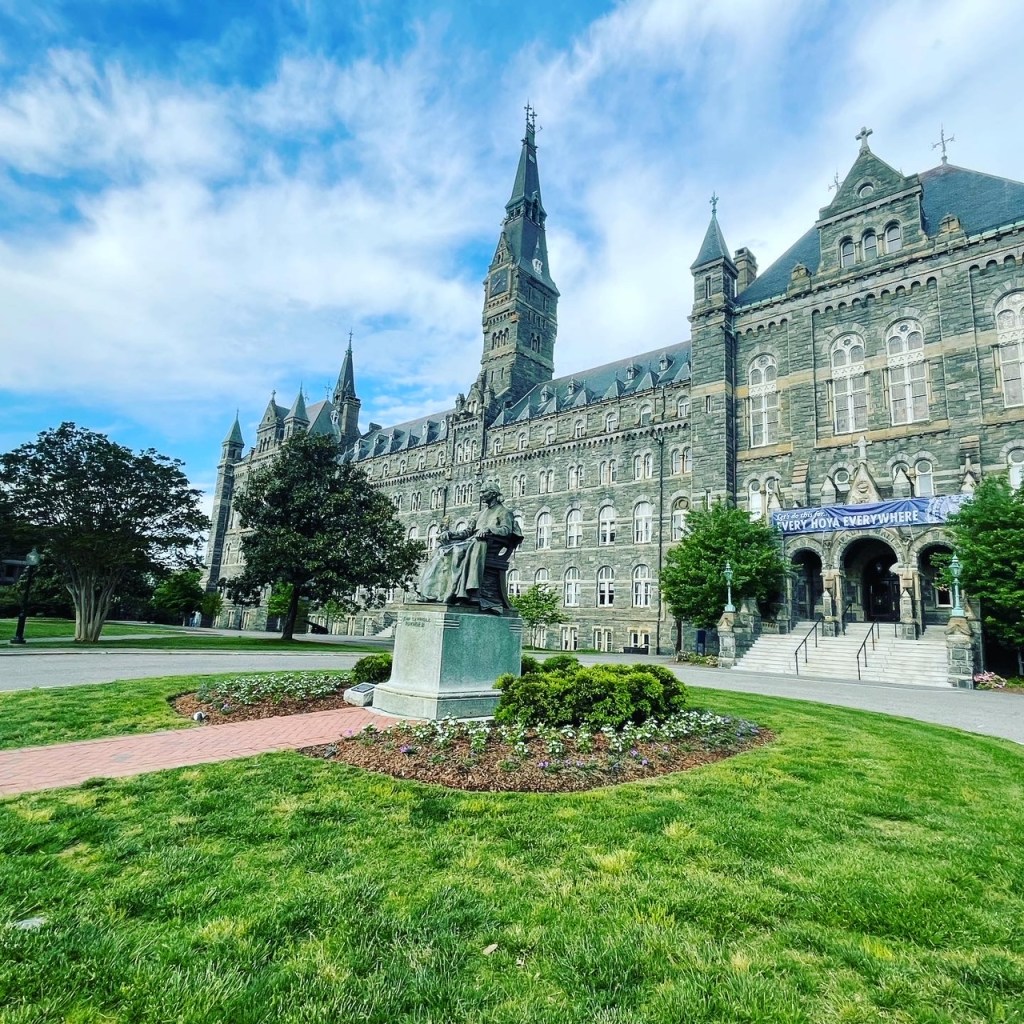
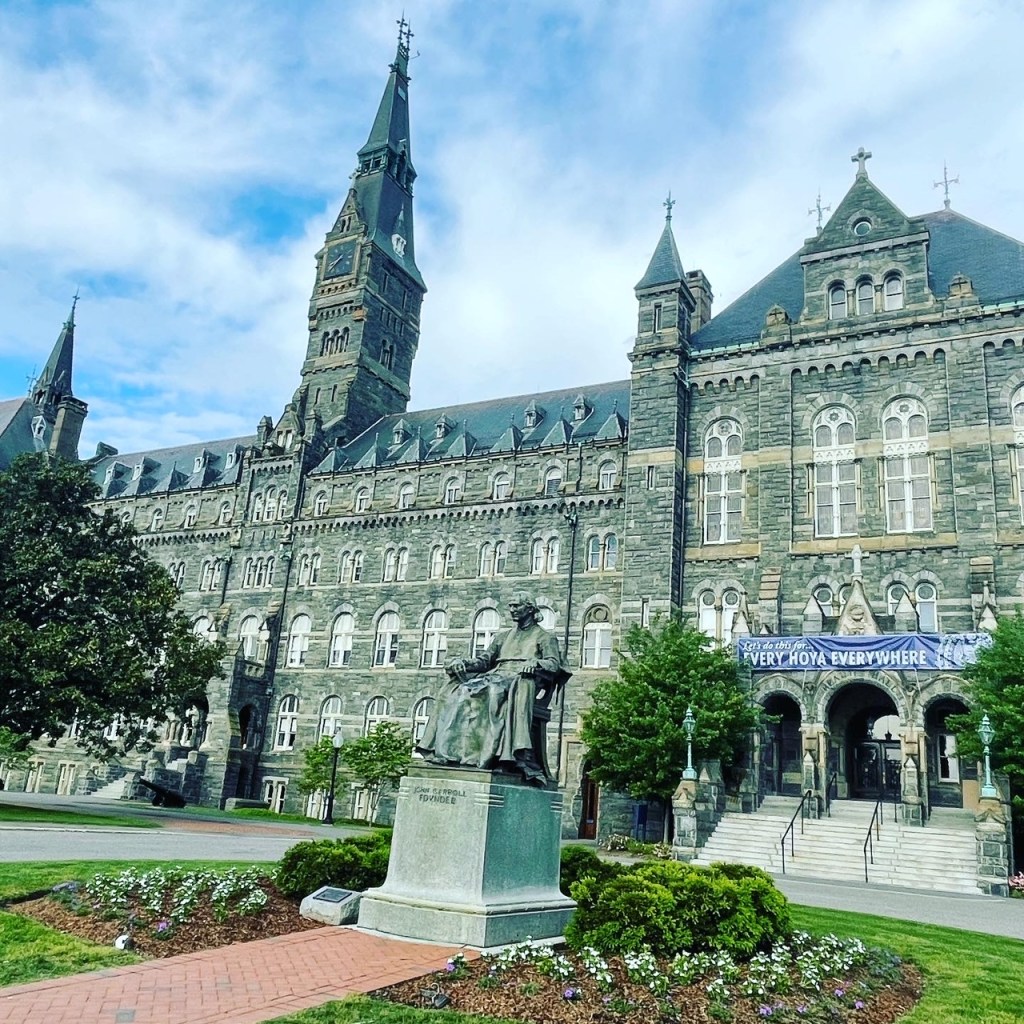


Camera: iPhone 12
Location: Georgetown University; Washington, DC, USA

“If there’s any word in the English language that would sum up the life of Anthony Bourdain, a ‘Roadrunner’ would be quite fitting to remember the man by.”
If there’s any word in the English language that would sum up the life of Anthony Bourdain, a ‘Roadrunner’ would be quite fitting to remember the man by. He was also a husband, father, friend, chef, writer, television host, and a cultural ambassador who made the world his oyster after many years as a cook in hot, windowless, stressful New York City kitchens. For some people, travel is a birthright that they have from a young age but for Anthony Bourdain, it was an unexpected gift at middle age after writing the excellent ‘Kitchen Confidential’ book highlighting his years in the underbelly of those same kitchens, which became a New York Times bestseller, and helped lead him into fame, stardom, and notoriety.
Bourdain’s life would never be the same as he was offered other book deals, his first television contract for the show, ‘A Cook’s Tour’, and started to be recognized around the world from Tokyo to Los Angeles. While his life as a newly minted TV host traveling worldwide, tasting different cuisines, meeting different peoples, he opened the world to those of us who only knew what they had read, learned about in school, or heard from others. Those of us who watched his shows learned about the world through the medium of television, but it was Anthony’s narration, his willingness to listen and empathize with whom he shared a meal that made him stand out from others in the travel show business. Bourdain never sugarcoated things and didn’t mince words about what he saw in his travels especially as the focus became less on food and more on culture, politics, and the trajectory of humanity itself. All this time though, watching his shows and reading his books, we knew more about the man’s reflections on the world and then how the world reflected on him.
The shock of his loss still hurts those who were fans of his works over three years later, I included, among the millions of people who were touched by his words, his spirit, and his lust for life. It is hard even now to reconcile the fact that the man who appeared to have had it all still suffered and that there was no outreach, gesture, or love shown that could have prevented his tragic suicide. Feelings of anger, disbelief, regret, and sadness come to mind when you think of how anyone, especially Anthony Bourdain, could decide to let go of life itself especially when it had enveloped him in such a warm embrace especially after his 2nd life of fame, success, and travel had gone on for almost two decades.
What ‘Roadrunner’, the film documentary on Anthony Bourdain’s life tries to answer is not the ‘why?’ of his death but the ‘how?’ of his illustrious life and how it changed, evolved, shifted, swinged on its ups and downs, which the documentary is successful at achieving. Rather than the director, Morgan Neville, attempt to get all of the answers on an unknowable concept such as what makes a person decide to take their own life, which left his friends, family, and fans devastated and unable to make sense of it either, the ‘Roadrunner’ documentary looks at how his life was, which people changed Anthony for better or worse, how he changed as a person, and how did travel affect him over almost 18 years. As a fan of Anthony’s written and television work, you learn a lot about the world through him, but I never got a full sense of who the man was as a person and I’m sure others can relate to this feeling.
Although he gave his all in his craft and in his vision, he rarely liked to be the center of attention in any room and was a shy, slightly self-deprecating, yet also a kind and generous man that would give more to others than would receive himself in return, and who never seemed fully quite comfortable with the fame, success, and notoriety his works produced. Those who remember him in the documentary talk about how he would always reach out to them to see how they are doing and to be a real people-pleaser but not ask for much in return or would find it difficult to confide in others with problems that may have been affecting him, personal or otherwise. While the film does a great job of capturing what it was like for Bourdain as he went from a line cook to a chef to an author to a television host to a cultural icon, we don’t really get to see much about his personal life beyond bits and snippets of details.
The viewer knows Bourdain came from a stable childhood, summers spent in France, loving parents, and a younger brother who he got along with well. However, you can sense from the documentary that he never grasped what most people would want from a ‘normal life.’ Bourdain was a creative soul who was curious by nature, inquisitive, had a taste for linguistics, and had a big imagination given his literary and musical tastes. He was not a man as Mark Twain would rail against as “vegetating in one corner of the planet” for their whole lives. Once he had the opportunity to do so financially and professionally, he seized it and took full advantage of the gifts that he had been given from a young age.
What was missing from the documentary sadly is Bourdain’s own reflections beyond his travels and perhaps the family he built from scratch. We do not hear much about what his childhood was like, how he got introduced to drugs such as heroin, how did he succumb to his addiction to it, and what how his two marriages and past girlfriends affected his outlook on love and life. During the documentary, we are perhaps best informed about who Anthony was as a cook, as a traveler, as a friend, who he was as a father, but it is hard to know who we were behind closed doors when the cameras were not rolling.
There are some aspects of his personality that you can glean from the documentary such as his addictive habits whether it would be using heroin, drinking alcohol, smoking cigarettes, learning Brazilian Jiu Jitsu, or wanting to hold on to his relationships even perhaps their natural end date. For better or worse, as the film portrays, Bourdain loved experiencing novelty and new things which led him to his legendary status as a globetrotter, but it also could backfire in terms of giving too much of himself to people without getting as much in return. It seemed from ‘Roadrunner’ that Bourdain would seek to please others before pleasing himself and that could have led to some deeper dissatisfaction with life. It can be hard to feel as if you’re giving more than receiving and I do believe that does play a role in depression.
You can also infer from ‘Roadrunner’ that Anthony’s romantic views on life, on love and on travel did not always meet reality. He could be very demanding in his professional career and rude or dismissive of his long-time camera crew and production team. It’s shown that he could make rash decisions about hiring and firing of personnel as well as set very high expectations for his television show, which could not always be met by those who worked with him. It’s also true that in his last romantic relationship with Ms. Argento, he would let his personal desires to please her or work with a famous director like Mr. Feng that led to him putting his crew’s creative input on the back burner. When he expressed his desire to quit traveling a few years before his death, his production team encouraged him to do it if he felt it was time to do so and they wouldn’t stop him, but it was as if Bourdain needed someone to validate his decisions to go through with them.
‘Roadrunner’ succeeds in telling the story of one of our young century’s great explorers and cultural ambassadors. In 2021, there are still some gaps in our knowledge of who Anthony Bourdain was and how he felt about his life. Sadly, we will never know the full story because of his tragic death by suicide and we can only infer on how such a bright life could be extinguished too soon when he had so much more to give to the world, to his family, and to his friends. Unfortunately, not all men make it to a ripe old age to be surrounded by those who matter most to them.
Names like Hemingway, London, and now Bourdain died at middle-aged by in their lives accomplished or saw or did as much as five men combined who lived longer than them. It is not the years in your life that matter but the life in your years and Anthony Bourdain made the most of his life as few could or will do again. Even more than three years after his death, he is sorely missed, and the world is not as well off without him and his impact. From the Congo to Iran to Antarctica to Libya, he was not afraid or reticent of sharing a meal with those who were different than him even when he had nothing personally in common with them.
I hope that the ‘Roadrunner’ documentary becomes part of Anthony Bourdain’s legacy and inspires both young and old people to see the world as it is and to hopefully mold it little by little through travels and meals to change the world bit by bit into the world that we would like it to be. That would be a fine way to honor his legacy and to make the world a little less unknown.
___________________________________________
If you or someone you know is having suicidal thoughts, call the National Suicide Prevention Lifeline at 1-800-273-8255 or contact the Crisis Text Line by texting HOME to 741741.











Camera: iPhone 12
Location: Washington, District of Columbia, United States
“Whether you are a frog in a pot of water or a person in a society, you should monitor the temperature around you meaning you have to understand what is going on around you in terms of your surroundings.”
It’s likely you may have heard of the old analogy of a frog who was put in a pot of cold water where it was moving and bouncing around happily. The frog was content with the temperature of the water and was content to be there even though it was constrained by the pot of water it found itself in. However, what the frog doesn’t know but as the analogy describes, the pot of water was controlled by a person who could raise the temperature quite quickly or increase the heat slowly and see the frog’s reaction.
In an experiment related to its own survival, the person experimenting with the frog wanted to see if they were aware of their surroundings enough to survive a test of their mobility and their survival instinct. The analogy describes the person not as cruel but wanting to measure how aware a frog would be of a pot of water in two different scenarios of change. The first scenario is where the temperature of the pot is raised slowly over minutes where the frog would not have a keen enough awareness that it would eventually be too hot for him or her to swim in and jump out before it would be boiled alive. The second scenario involves the pot of water being raised immediately in terms of heat causing the frog to jump out immediately to save itself since it is not accustomed to such a rapid change in temperature causing an abrupt reaction that would be self-preserving like any other creature would do.
The first scenario of this analogy means how easily a frog or even a person can be lulled into a false sense of security before it’s too late to change their surroundings. When things decline or worsen, you can rationalize it away or just be ignorant of the changes enough so you can be too complacent causing your own success or survival to be jeopardized. A rapid change of any kind will jolt us awake or spur us into action right away especially if left unaddressed could be fatal. When the temperature is continually raised by 5 degrees, we don’t really notice especially if it is done over a long enough period, causing us to adapt but not realize when the temperature is not going back down or being at a comfortable number again.
However, when you push the temperature or the pressure by 25 degrees right away, that will be enough warming to cause a change of behavior to preserve a sense of normalcy and safety. A frog will jump out of that pot of water with a 25-degree temperature rise but will probably stick around much longer when the temperature increases 5 degrees each hour until those 25 degrees may be too hot but by then it would be too late. Why use this boiling frog analogy and what does it matter to the person reading this? Well, it is an important reminder to not let things get out of control in your life or in the society that you live in before it is too late. Having constant vigilance and a keen sense of societal awareness is extremely important especially when you at least want to have some sense of control over a rapidly changing world. Whether it is having some survival skills, being able to take care of basic needs when disaster strikes or knowing how to get yourself out of potentially bad situations without any consequences, these are vitally important abilities to not overlook but to rather embrace for the rest of your life.
Whether you are a frog in a pot of water or a person in a society, you should monitor the temperature around you meaning you have to understand what is going on around you in terms of your surroundings. If things are getting steadily worse, you may have to make an adjustment to your life such as quitting that job, moving to another city, or even changing your habits. You can’t control external factors on your life, but you should be actively managing them. You shouldn’t be in risky situations or put yourself unnecessarily at risk. To use an idiomatic expression, if you do not like the way the wind is blowing, don’t go along with the currents. It’s better to be footloose than tied down to a situation that there is no exit from. Similarly, having an exit strategy or a Plan B is especially key to protect you, your family, and your loved ones. Whether it’s a natural disaster caused by climate change, a cyberattack that causes you to lose electricity or water where you live or a global pandemic that shuts down everything leaving you without many resources, you must make sure you prepare for these unlikely yet unfortunate events, which can occur, and to have a serious plan if the worst-case scenario were to occur.
It’s easy to be like your average frog and think that the water is always going to stay the same and you’ll always have that deep sense of security of your surroundings, but life is unfortunately not like that. Life and society itself can go hot or cold slowly and catch you off guard like the boiling frog. When a devastating event happens, it’s hard to not be caught flat footed but if you plan for it in advance, you can avoid the worst. However, if you do not plan at all for its possibility and end up like the frog being completely ignorant of events or situations getting progressively worse over time, you won’t be able to get out of that worst case scenario because you haven’t planned for it at all.
Like the frog jumping out of a big pot of water to survive frigid or scalding hot temperatures, you must be able to do the same if life or society throws you some serious adversity. You may not come out completely unscathed but if you maintain your awareness, plan for different possibilities in advance, and stay informed, vigilant of what’s always going on around you, you should be fine in the end.






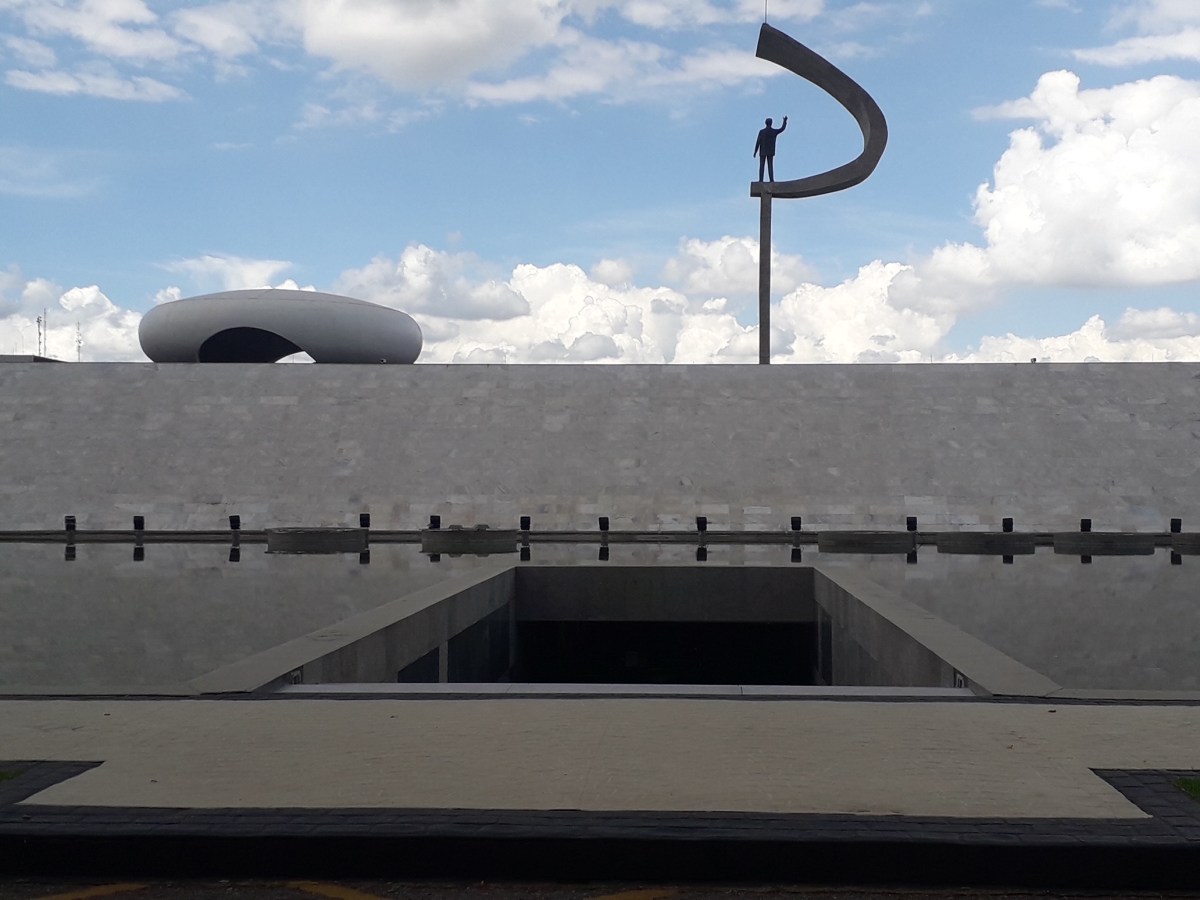
Camera: iPhone 12
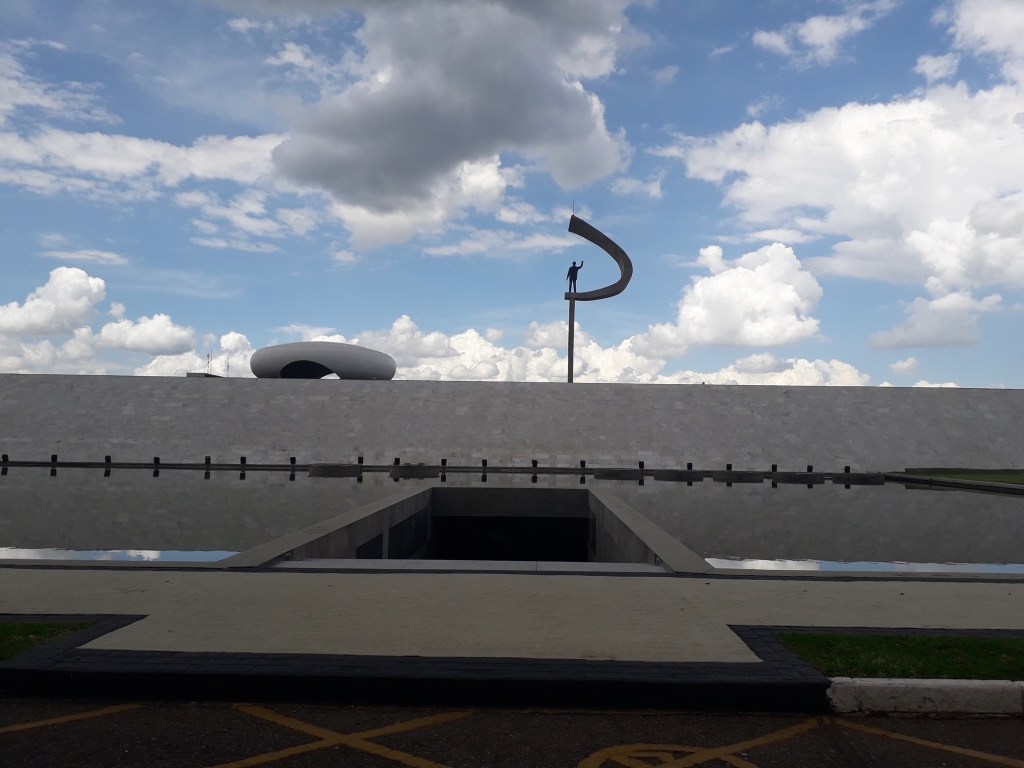
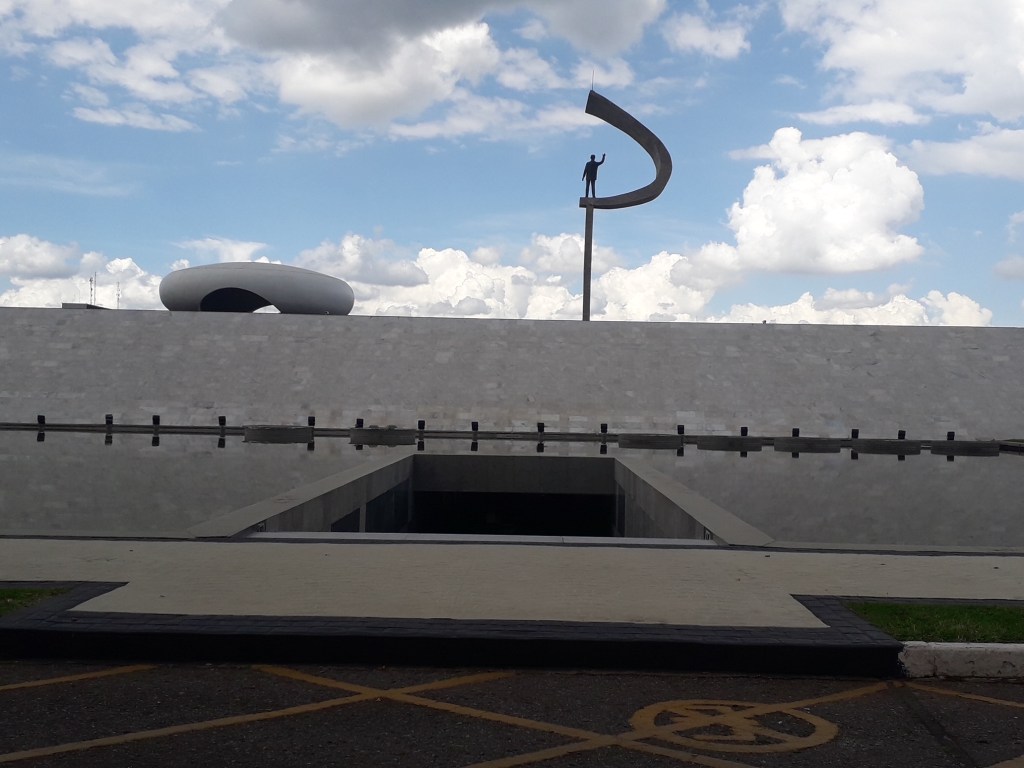
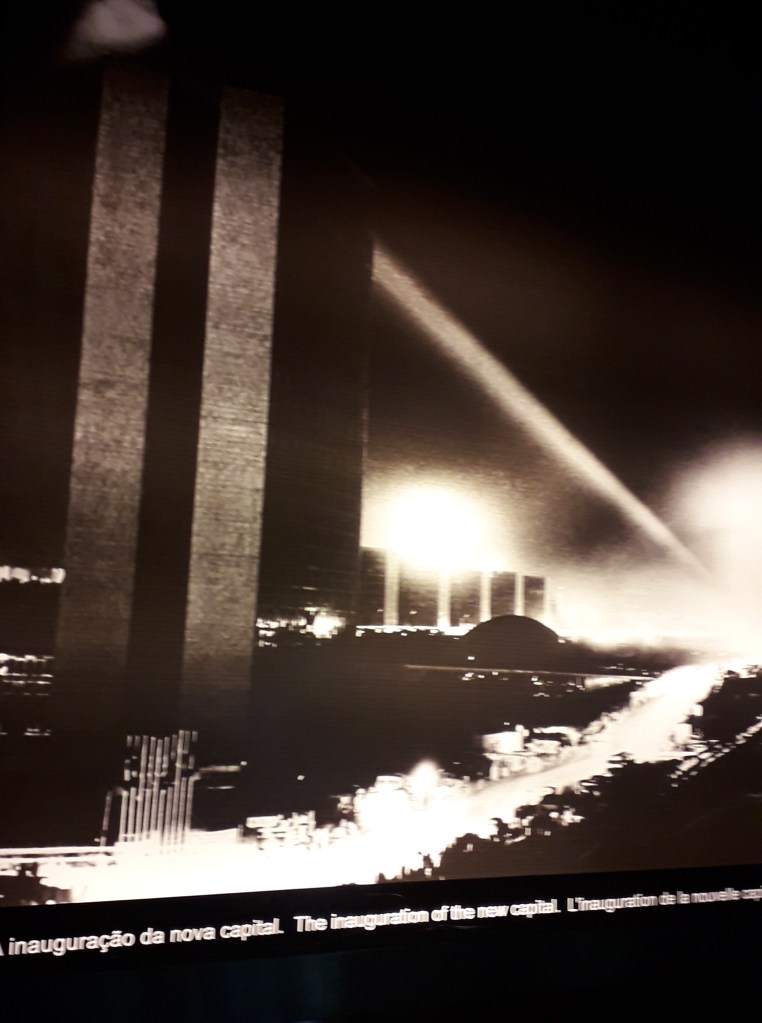
Location: Juscelino Kubitschek Memorial and Museum; Brasilia, Federal District (DF), Brazil
“Perhaps that is what endears Viktor so much to the audience in this film is that he does not give up hope, makes the best of the awful situation he is in, and even starts to befriend other airport workers who are often ignored, underpaid, or even mistreated at times by both customers and their employers.”
A lot of us know what it is like to wait in an airport and have to stay overnight at one because your flight runs into an unexpected delay whether it’s due to a plane’s mechanical issue, or there are weather complications, or if a global pandemic cancels your flight unexpectedly. Whatever the cause of your delay, I am sure you never have had to live in an airport for months on end let alone for more than a day. The questions you should ask yourself though if you could put yourself in this following hypothetical scenario: What if you couldn’t leave the airport upon arrival in a new country? What if the country you just left, your home country, underwent significant political changes or even revolution overnight leaving you stranded? The very underrated yet enjoyable ‘The Terminal’ movie asks these unique questions.
A mix of fiction and non-fiction, a concoction of drama, comedy, and a little bit of tragedy all together, ‘The Terminal’ is a 2004 American film directed by Steven Spielberg and starring Tom Hanks and Catherine Zeta Jones. The premise may seem out there of someone being stuck in an airport for months or years but ‘The Terminal’ is partly based on the true story of a real-life refugee. Mr. Mehran Karimi Nasseri, an Iranian refugee lived in Terminal 1 of Charles de Gaulle Airport and was considered ‘stateless’ for many years and was denied entry into France while also not being expelled from the airport. In total, he lived in the de Gaulle airport for over 18 years and only left from there in 2008 when he was moved for medical treatment and then a Paris shelter.
Nasseri, like ‘The Terminal’s main character have that premise in common of not being able to enter their new chosen destination but also having the right to live in the airport without being expelled. Viktor Navorski (played by Tom Hanks) is on his way to New York City from the fictional Eastern European country known as ‘Krakozhia’ looking to fulfill a personal mission, which is unknown to the viewer right away. We see images of him arriving at JFK along with thousands of others looking to visit America from far-flung countries. However, a routine Visa check and Passport stamp ends up as a nightmare for poor Viktor.
While Viktor was flying into John F. Kennedy International Airport in New York City, his country underwent a political revolution and civil conflict leaving him without international recognition of his Passport since Krakozhia no longer has a recognized government. Since his passport is no longer valid, he cannot enter the United States because the U.S. does not recognize the country anymore due to the ongoing civil strife. Viktor is now ‘stateless’ as he cannot return home and he cannot leave the airport rendering him stranded there. Viktor is forced to remain in the international transit lounge and is not given much help by Frank Dixon (played by Stanley Tucci) who would much rather Viktor leave the airport to get arrested so he becomes someone else’s problem. Mr. Dixon, the Acting Field commissioner for the U.S. Customs and Border Protection agency, gives Viktor only a handful of food vouchers and a calling card but not much else to get by on.
Viktor has a destination in mind for his New York City trip but has limited English skills when he arrives and is only able to tell the CBP officer the name of a local hotel but does not go into much detail about why he is going there and what the purpose of his stay might be. Without his passport and his return ticket, Viktor’s life shrinks down to the international transit lounge at JFK airport where he spends his days collecting luggage carts to order Burger King, accidentally breaks a young girl’s luggage, and slips, falls when he runs to see news about Krakozhia because the Indian American janitor enjoys seeing people slip for his only entertainment.
Eventually, Viktor becomes accustomed to living in an airport and at first, while both daunting and scary to the stateless refugee, he adapts to his new living conditions with some ingenuity and perseverance. He constructs his own bed by dismantling the arm rests of the seats at an abandoned terminal, he learns English through travel guides and by watching the scroll of news information come across the screen to keep up to date with what is going on with his beloved Krakozhia and can both shower and shave somehow when using the airport bathroom.
Human beings have an innate need to adapt to our surroundings even when they are unfamiliar, foreign, or stressful for us. Perhaps that is what endears Viktor so much to the audience in this film is that he does not give up hope, makes the best of the awful situation he is in, and even starts to befriend other airport workers who are often ignored, underpaid, or even mistreated at times by both customers and their employers. The power of perseverance in the face of obstacles makes ‘The Terminal’ a heartwarming and memorable film. Instead of getting down on life and giving up on his situation, he turns the tables on Frank and the border agents by not falling into their traps that they set for him. He makes his own happiness. One of the best moments of this film is when a random gentleman is shaving alongside Vikor, stops for a second, and says to Viktor, “Do you ever get the feeling that you’re just living in an airport?”
Being stuck in an airport terminal means a lot of time on your hands too. Viktor spends his almost limitless time in waiting by honing his skills as a carpenter and a painter even getting himself a job that allows him to earn money ‘under the table’ as a contractor mostly so he can eat. He befriends the CBP officers he sees each day even though they continue to deny his tourist visa due to his invalid passport. One CBP officer whom he gets to know very well is Dolores who Enrique (Diego Luna) has a massive crush on and would like Viktor to ask her questions to start an eventual conversation with her.
In return, Enrique gives him some extra airplane meals that he delivers on to the planes. Gupta, the janitor who at first makes fun of Viktor for slipping and not seeing the ‘wet floor’ sign eventually gains respect for Viktor because he makes him feel less lonely. Viktor befriends other transit lounge employees, plays card games with them over ‘lost’ items never picked up by passengers, and is able to win the admiration and possible affection of Amelia, a wayward flight attendant who ends up caught in a ‘love triangle’ between Viktor and another man.
While Amelia is always on the go and can’t seem to stand still in her relationships or in her job, Viktor is the exact opposite in that he can’t go and must always stay. Tom Hanks and Catherine Zeta-Jones have real chemistry in this movie and represent how different their characters are from each other but can bond over their shared humor, interests, and lust for life even if they are opposites in an ironic sense with where they are in their lives, one stuck in limbo and the other always on the go.
The main mystery that I will not spoil for you is why Viktor flew halfway around the world to be in New York and what exactly is in the Planters peanut can, which he won’t let go of even after being in the airport for nine months. More important than his passport or return ticket, the closed Planters can contain the reason for Viktor’s trip and how he ended up this limbo state even though he has a place to go to before he returns to Krakozhia.
By the end of the film, you and the rest of the audience are rooting for a happy ending for Viktor and even for perhaps with Amelia as well. You also see heartwarming stories of Viktor helping a fellow Krakozhian in need of translation help, aiding Gupta with staying in his job and the U.S., as well as getting Enrique and Dolores to successfully date and marry each other.
‘The Terminal’ is perhaps Spielberg’s most heartwarming, underrated, and emotionally uplifting movie in his storied career as one of the world’s greatest directors. With great acting and an impressive accent by Hanks, lovely humor and touching romantic scenes with Zeta-Jones and the excellent Stanley Tucci who plays a man who can be cruel but also compassionate in the same scene but ends up as the film’s antagonist. This film has a little bit of everything and will make you laugh, cry, and even cheer at the ending.
‘The Terminal’ is a reminder that we are all waiting for something or someone in the winding road that is life itself. Sometimes, we get sidetracked, turned around, or even stuck in an airport for days or months even, but we always can find a way to make the best of our new surroundings, even find happiness or love in the place where we least expect it. Viktor Navorski as I would say is a real mensch who finds himself in a terrible situation, one not of his own making, but is able to create an odd life out of being given nothing and is able to help others and become a favorite of the JFK international transit lounge, which is a place that people want to get out of as soon as possible. He can’t leave but he ends up enjoying the long stay thanks to his compassion, kindness, and genuine warmth as a good person.







Camera: iPhone 12
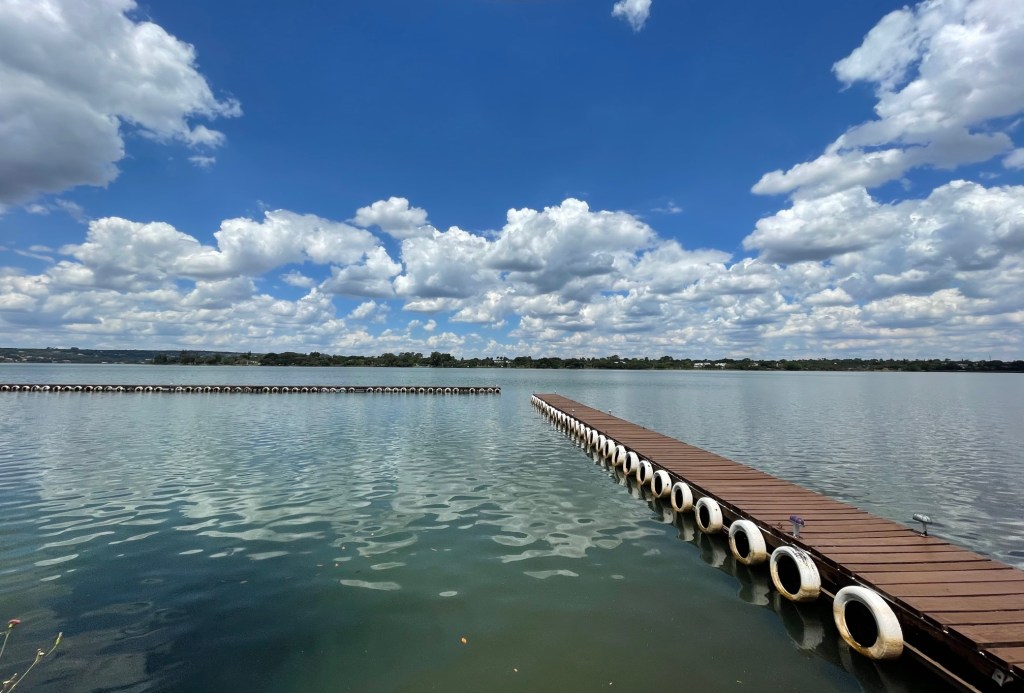
Location: Paranoa Lake; Brasilia, Federal District (DF), Brazil
“However, numerous ethical concerns remain including the ever-present risk of collateral damage, the generational legacy of these strikes, and the legal ramifications behind selecting targets.”
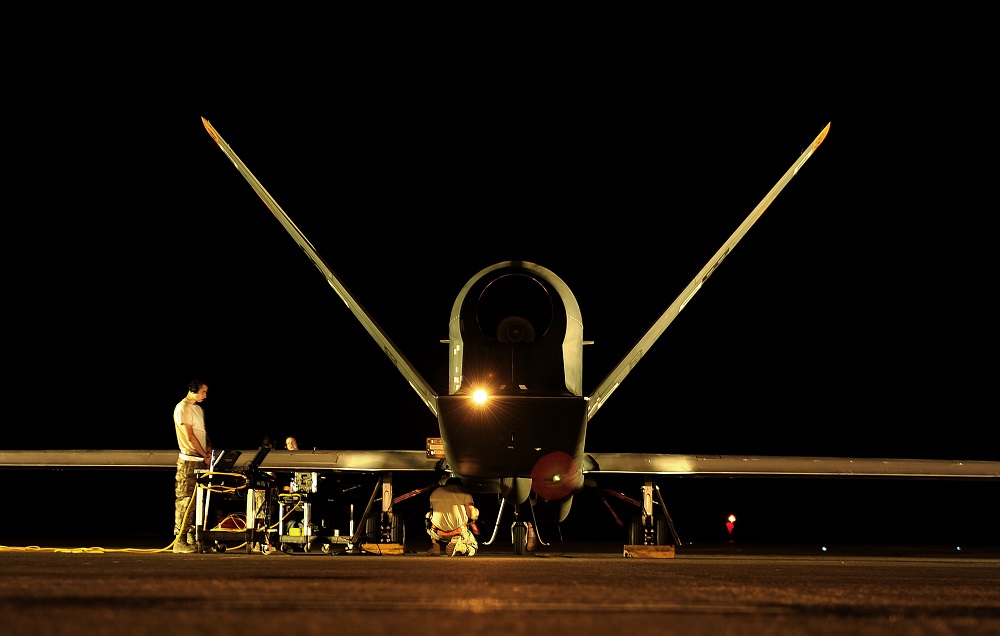
In 21st century warfare, the rise of UAVs (Unmanned Aerial Vehicles) was not only a game-changer in terms of surveilling state enemies but also in killing them with no blowback to the aggressor. Increasingly, we are living in a world where the prevalence of technology such as UAVs is making it easier for the nation-state to fight a non-traditional war without having to put boots on the ground or pilots in the air. However, numerous ethical concerns remain including the ever-present risk of collateral damage, the generational legacy of these strikes, and the legal ramifications behind selecting targets.
It is my belief that drone strikes may be ethical in terms of limited usage against known terrorist or militia leaders but that they must also comply with international norms, which have to be agreed upon by all states who use drones for offensive military action. I believe that drone strikes should not be used as an offensive first resort unless capture of the enemy combatant is impossible or if the collateral damage of conducting a standard military operation is too high.
UAVs, or drones, can stay in the air from between eight to twelve hours continuously without needing to be refueled. They can maintain the element of surprise to strike targets without having their aerial location compromised. Being able to survey in detail a remote desert where enemy targets are gathered to a dense urban setting where leaders of a terrorist organization are meeting, the UAV is able to record at a high level of resolution what is going on anywhere in the world. For the state whether that is the United States, the United Kingdom, Israel, the drones are able to go and see where the average soldier or airman can’t go without risking life or limb for the mission.
Being able to strike enemy combatants in states, which are known terrorist havens, allows the U.S. and its allies to conduct kill operations without risking their own soldiers, airmen in countries where their physical presence would incite the local population. For some examples, Yemen, Somalia, and Pakistan are weak or failing states who have been host to terrorist organizations including al-Qaeda. Due to political constraints, The U.S. military is unable to eliminate the threat that these non-state actors pose through special forces raids, which is one reason why the U.S. has increasingly used drone strikes instead.
Drone use is perceived as less expensive, more effective, and less politically risky to political leaders who wish to forgo a risky raid or a bombing campaign by investing in targeted drones strikes instead to eliminate threats. For example, a U.S. Air Force airman can manually control a drone from over 7000 miles away in Nevada to strike a terrorist target in Northwest Pakistan just by pressing a few buttons.
Instead of having that same pilot fly his F-16 over Pakistan and risk being shot down or captured, the U.S. government and military are willing to use the UAVs for reasons of cost, effectiveness, and overall utility. The collateral damage of an F-16 versus an armed UAV should also be considered since an F-16 strike, especially in an urban area, is likely to cause a greater number of civilian casualties. Drone pilots can also help U.S. troops, for example, in being aware of enemy movements near them and guarding their positions, so as to prevent them from any surprises that could endanger their lives while operating in enemy territory.
Drone strikes may carry less collateral damage to civilian lives, but there will always be the chance for the loss of innocent life and families being destroyed. Whether that’s an errant missile crashing into a wedding party or a group of children running by a targeted building within seconds of a missile being launched and getting caught in the crossfire, death from the skies will not only affect terrorists but women and children too. Because drone strikes are less costly to governments and militaries, the rules of engagement can be abused to focus too often on low-level targets, who pose some threat but who could still be captured for intelligence purposes. A lack of international norms and standards regarding drone warfare leads to serious consequences in terms of possible abuse by governments who overuse it on secondary targets.
Airmen and women, who conducted drone strikes have suffered from Post-Traumatic Stress Disorder because they get to know their targets, see how they live, and struggle with having the power of death over them. High-resolution surveillance makes the act of killing personal despite the fact that these servicemen are thousands of miles away. When a drone strike goes wrong and innocent civilians are killed, it leaves a long-lasting psychological effect on the military personnel involved.
They may not see their victims when they are flying an F-16, but they are aware of what collateral damage is when they see the dead bodies of women, children being shown on the high definition screen. Military service members do not last long as drone pilots due to the immense mental strain placed on them especially when they did not sign-up for conducting warfare with a joystick. Alcoholism, depression, and family problems have occurred due to pilots being asked to conduct drone strikes in the name of national security.
Unfortunately, drone warfare may kill current enemies only to create more of them in the future. A son or daughter who see their father or mother killed by an American drone strike will not forget that in the future. Also, it is certain that relations with weak or failed states is not helped through drone strikes but rather harmed by these operations. Anti-American sentiment will not decrease but intensify due to drone strikes, and the constant buzzing noise of these aircraft causes fear among those communities. The presence of drones may act as a recruiting tool for terrorists and turn the local population against the offensive power.
Lastly, escalation is a grave concern that the use of drone warfare carries with it. With the spread of the technology and the ability for greater access in the future for state and non-state actors to purchase drones of varying sizes and capabilities, the U.S. and its allies may be at risk of being attacked. Whether it is China, Russia, or Iran, these states may use their drones to attack U.S. or allied forces. Greater risk of conflict between powers due to the evolution of drone warfare shouldn’t be underestimated. Terrorists could buy smaller yet lethal drones to attack both civilian, military targets to retaliate against states without putting their lives at risk. In five to ten years, lone-wolf terrorists may want to use small drones to attack vulnerable targets such as airports, bridges, the electric grid, and other infrastructure.
Drone strikes will remain part of 21st century warfare but international norms regarding their usage have not been written. Similar to nuclear and chemical weapons agreements, drone warfare should be regulated. Questions such as who should be targeted by drone strikes, what are the short and long-term consequences of this warfare? must be answered by our leaders. Preventing the unlimited usage of drone strikes and its proliferation should be top priorities to prevent the worst effects of this technology from becoming real. The ethics of drones are still being debated but states have a collective responsibility to minimize collateral damage by creating the legal frameworks necessary to enforce the rules of this new form of warfare.
Note: The views and opinions expressed in this article are solely my own and do not reflect the views or opinions of any outside organization, company, or government.

















Camera: iPhone 12
Location: Pirenopolis, Goias, Brazil
“The key point to keep in mind is that it’s good to think of yourself dressed to the nines, looking like you put so much effort into your appearance that you have this aura of confidence that can command attention, light up a room, and boost your ability to get things done.”
A good imagination can be a terrible thing to waste. I want to start out by imagining if you would dress up each day of your life in a ‘custom suit’ meaning a matching jacket, freshly pressed dress shirt, and a sleek tie that is color coordinated. You can even add a nice pair of trousers and a vest to make it a three-piece suit. The key point to keep in mind is that it’s good to think of yourself dressed to the nines, looking like you put so much effort into your appearance that you have this aura of confidence that can command attention, light up a room, and boost your ability to get things done.
Now, I’m going to mainly focus on the gentlemen here but for the ladies reading this article, you can substitute a custom suit for a tailored dress but the key part here is that you imagine yourself having the mentality of someone in a custom suit or a tailored dress without actually being in one. I would definitely recommend getting a custom suit made for a man or having a new dress tailored to your liking for a woman but that is not always financially feasible.
If you have fallen on hard times, are not able to get your suit adjusted or tailored, you can still carry yourself both physically and mentally as if you were wearing a custom-made suit. It is not the suit that makes the man but the man that makes the suit in my view. You could have the nicest three-piece custom suit in the world but if you cannot walk the walk and talk the talk, it will not be the same. For example, one’s body language while wearing a suit and their attitude about it carries a lot of weight.
Whether you can wear a custom suit or not, imagining yourself dressed up as best as you will do wonders for your confidence, outlook on life, and ability to get the job done in work or in school. Wearing an actual, tailor-made suit will get you most of the way there but if you cannot afford it or cannot make it happen in time, you need to be able to foster that imagination to realize that you are worthy of respect and that you should be taken seriously even if you’re not dressed up.
When you wear a suit, you want people to take notice of you, to be taken seriously, and to command attention from others. However, you should not need to rely on the suit in order to have any of those qualities in public. When you are not suited up, you still need to be able to be taken seriously by other people. That does not mean, however, that you should dress like a slob or let your personal appearance be neglected entirely. You can still dress well without a custom suit or a tailored dress (for the ladies).
The main key here is not to rely on one suit or one dress to be able to have that confidence because then you will not have that necessary inner confidence developed enough to be successful in business and in your personal life. Relying on your physical features or appearance to give you confidence is a stopgap solution because you will have neglected your inner beliefs in yourself and your ability to succeed and prosper.
When you walk around town or the city, I want you, the reader, to carry yourself as if you are wearing a custom, tailor-made suit. If you imagine it, you can live it. You can get that swagger going where you keep your shoulders back, lift your head up, and move with purpose and like you’re ready to take on the world. Making eye contact, shaking hands (if required), and taking the initiative by engaging with strangers or networking without anxiety, you will get ahead in life, and you’ll definitely go places.
Of course, the custom suit will help get you there much easier as that aura of confidence, swagger, and self-esteem boost is almost automatic as long as you can match the suit with your eye contact, body language, and overall physical presence. It’s unrealistic for me to tell you that you should always wear a custom suit each day or even a few times a year. It’s also unrealistic to assume that it is financially possible to get a custom suit, although it’s not too expensive to get a suit tailored or adjusted. However, I encourage you to try on a suit or a few of them and see how much better you feel not just in terms of physical appearance but your mentality. I think by dressing well, your mentality on life does change and you will feel a bit better about yourself.
When you put in effort by dressing up, it carries over into other aspects of your life. There’s no question that you feel more motivated, more in touch with your goals, more conscientious of what you can offer the world when you throw on a suit. If you would rather wear something more traditional yet dressy that relates more to where you’re from or from your own cultural background, I encourage that as well. You should use that experience of dressing up to be used later when you’re dressed normally but still need that inner self-esteem boost to help you in your day-to-day life.
If you wore a custom suit or at least a suit or the closest formal wear to it possible, remember how you were when you wore that piece of clothing. How was your mentality? Were you more confident or less? How did you carry your body? What were other peoples’ reactions to you? The chances are good that the suit made you confident yet not cocky, motivated but not overzealous, poised but not stressed out. You should not need the suit to feel in those ways and you just need to remember how it was you acted, how you were around others, what was your body language and movements like, and were you better off as a result.
When you do some needed introspection, you’ll realize while a custom suit is great to have and can really improve your life a lot, it is not the end all be all for you to succeed. However, you need that kind of ‘custom suit mentality’ each and every day whether you’re in a three-piece suit or just jeans and a t-shirt. You have to carry yourself each day like you’re wearing a fine suit and you’re heading out to make your mark on the world. That kind of mentality that you must hone and develop on your own will take you even further because you will be consistent about it day-in and day-out.
Having that inner confidence and strength as well as a healthy dose of self-esteem will pay off for you in the long run. That way, you won’t need to wear a suit every day although that’s not a bad thing for those guys who enjoy it, but that you remember to put yourself out there to succeed and you have that inner mentality that suit or no suit, you’re going to meet your goals, face your commitments head on, and work hard to achieve success in whatever you choose to pursue in life.