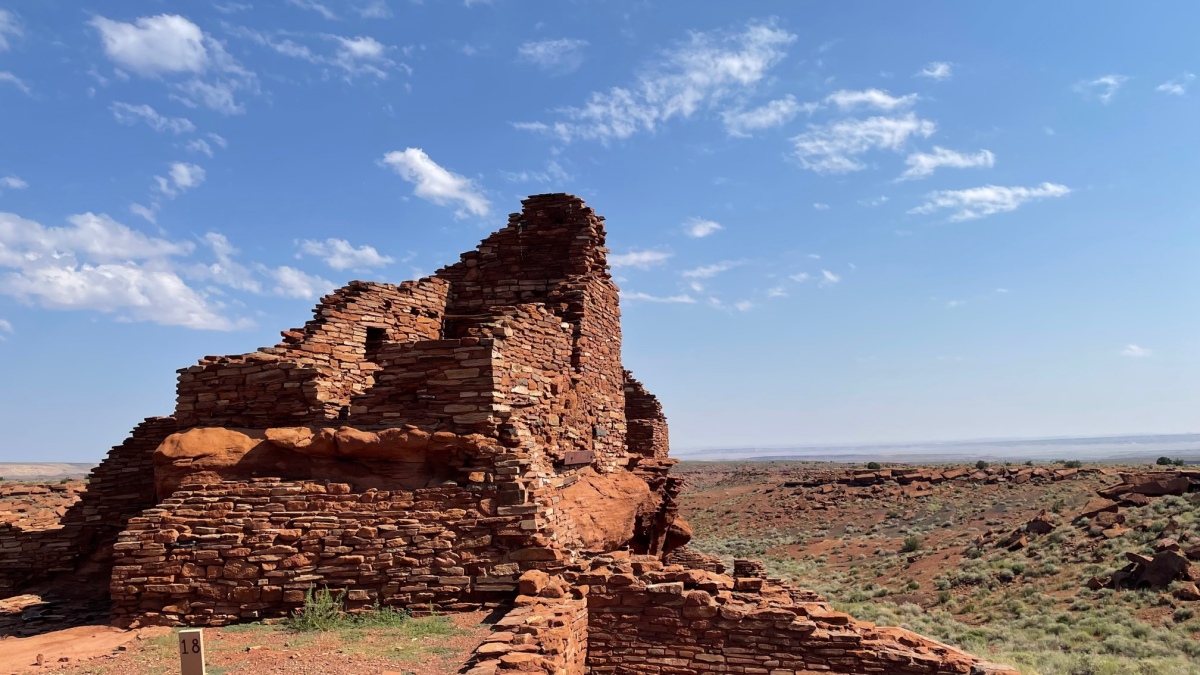
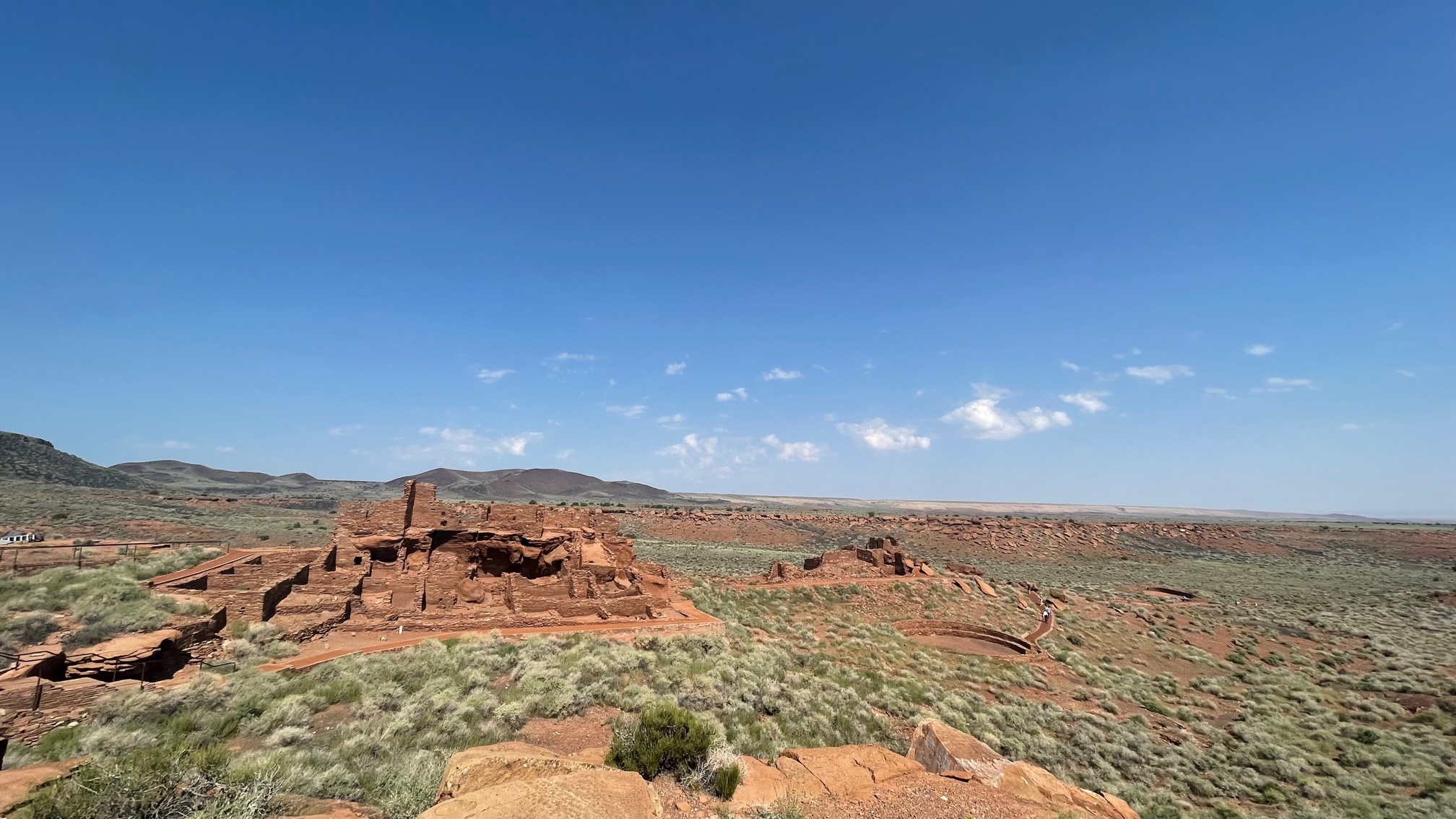
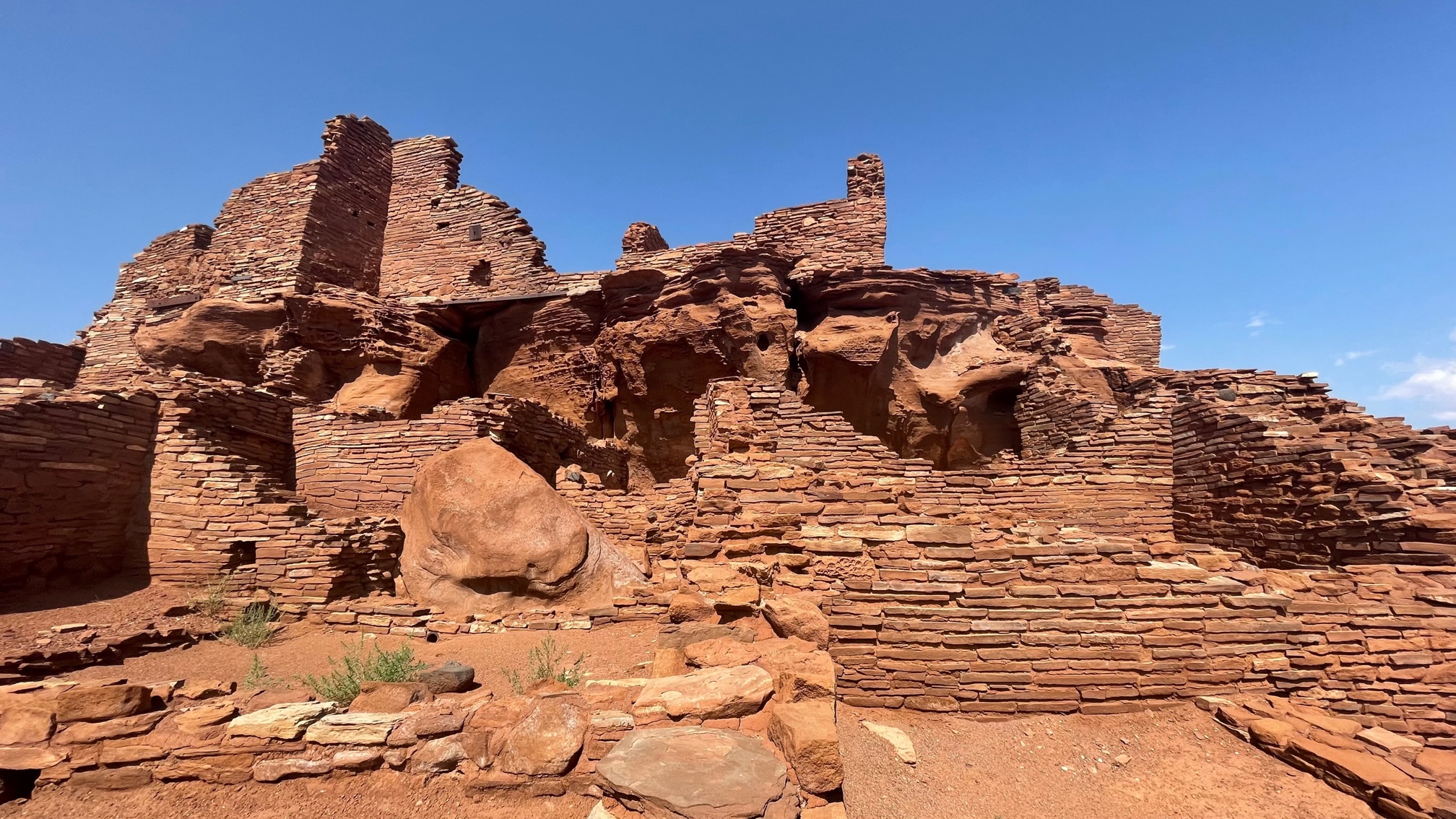
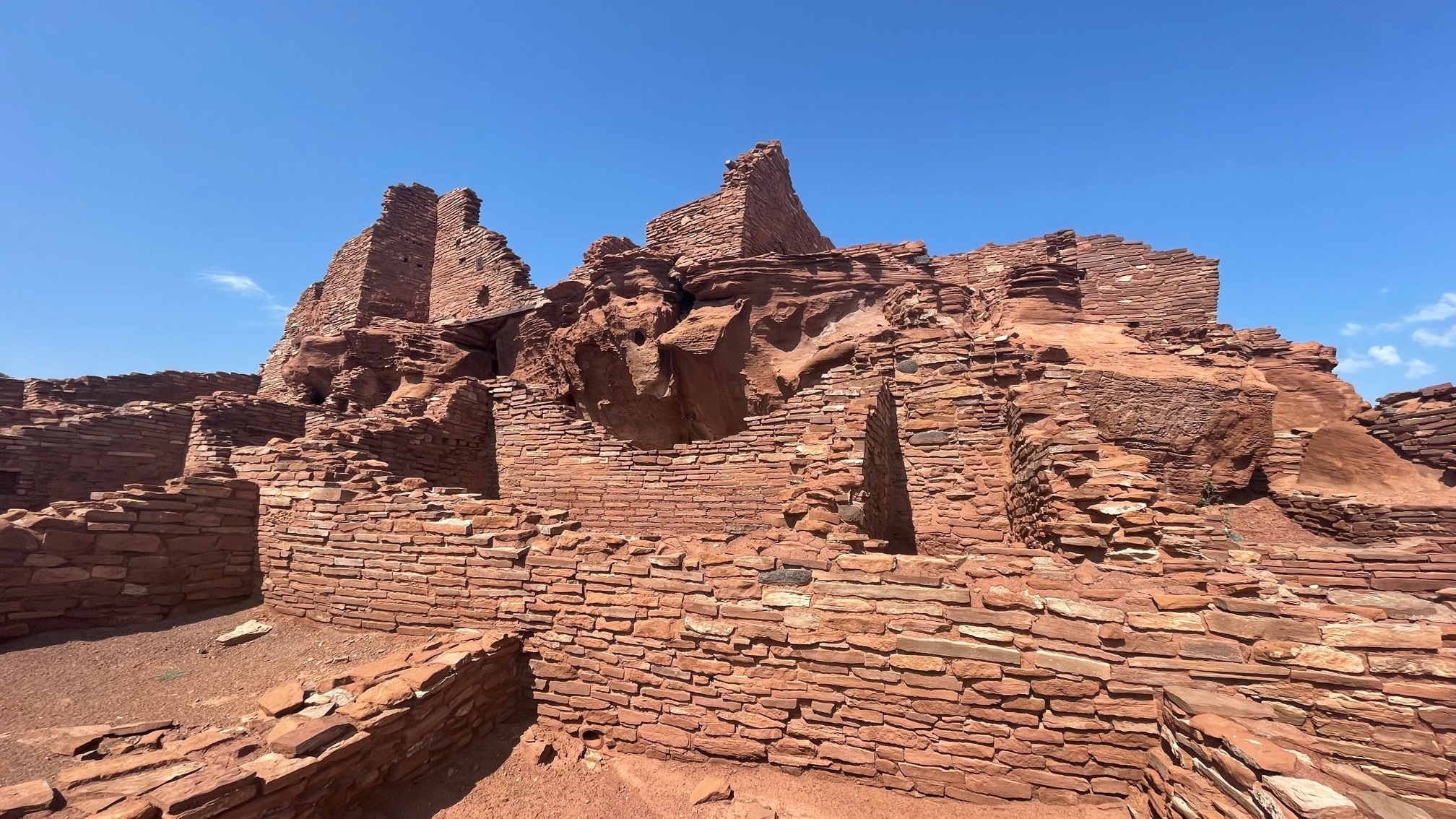
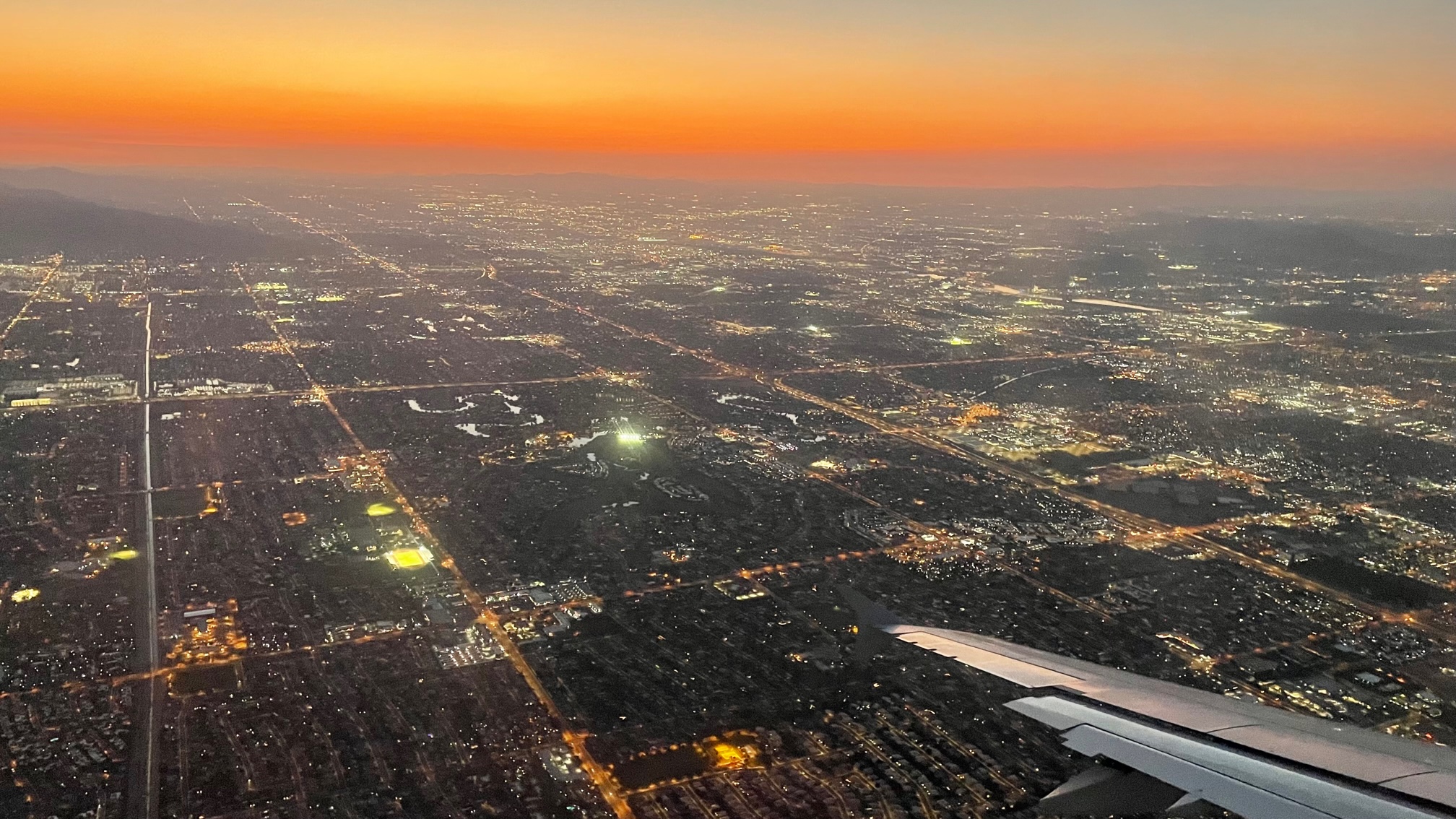
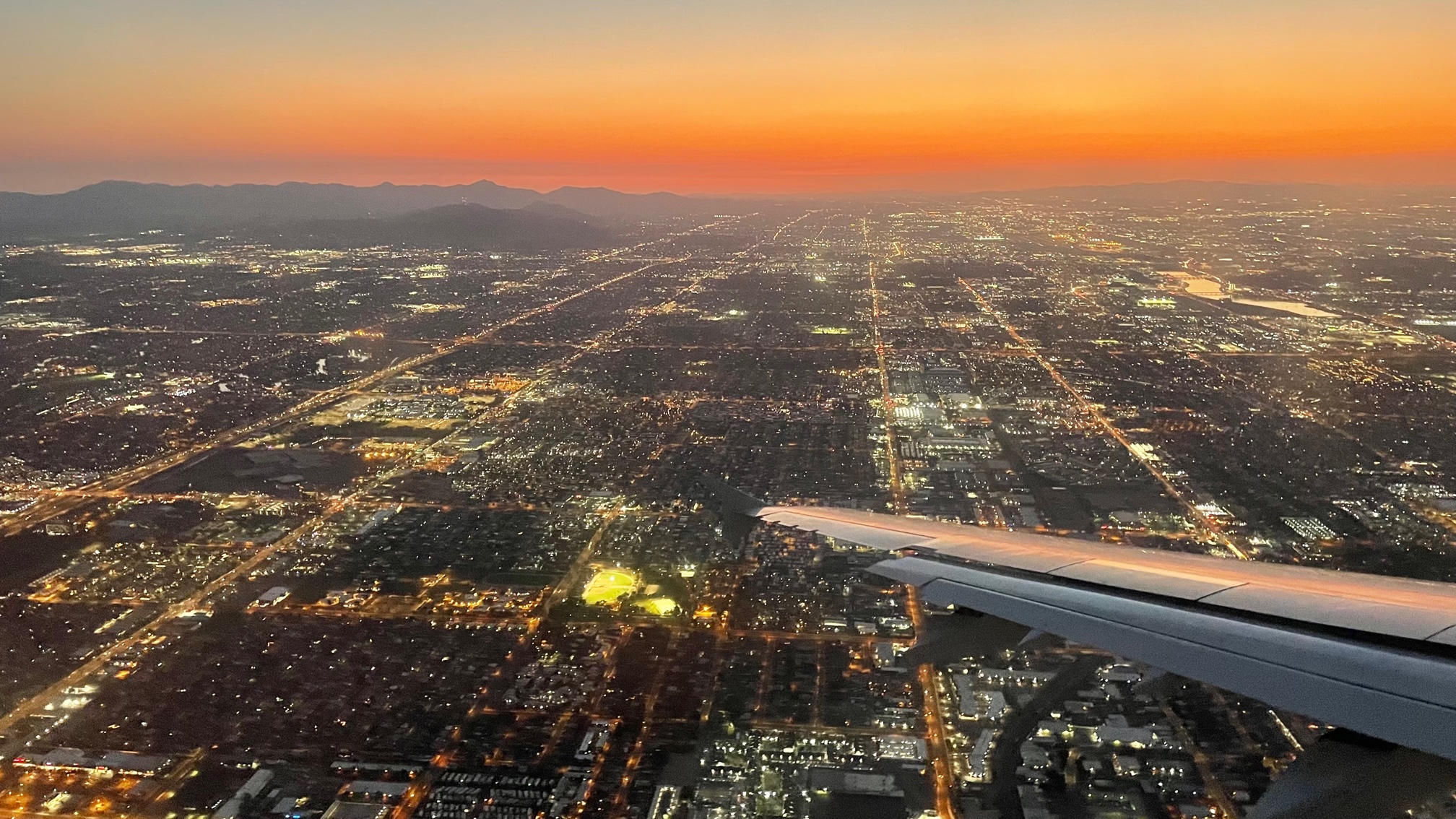
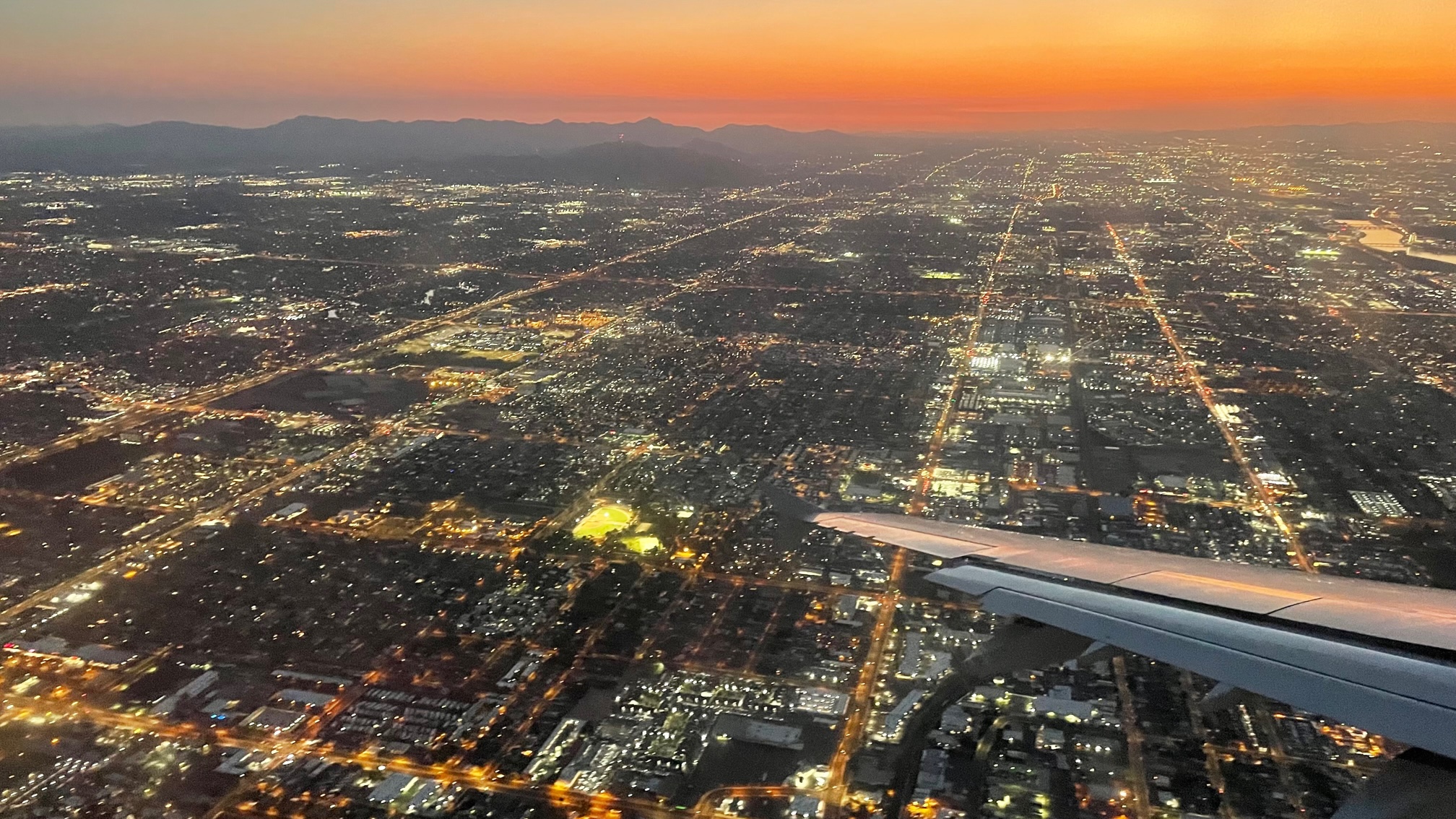
Camera: iPhone 12
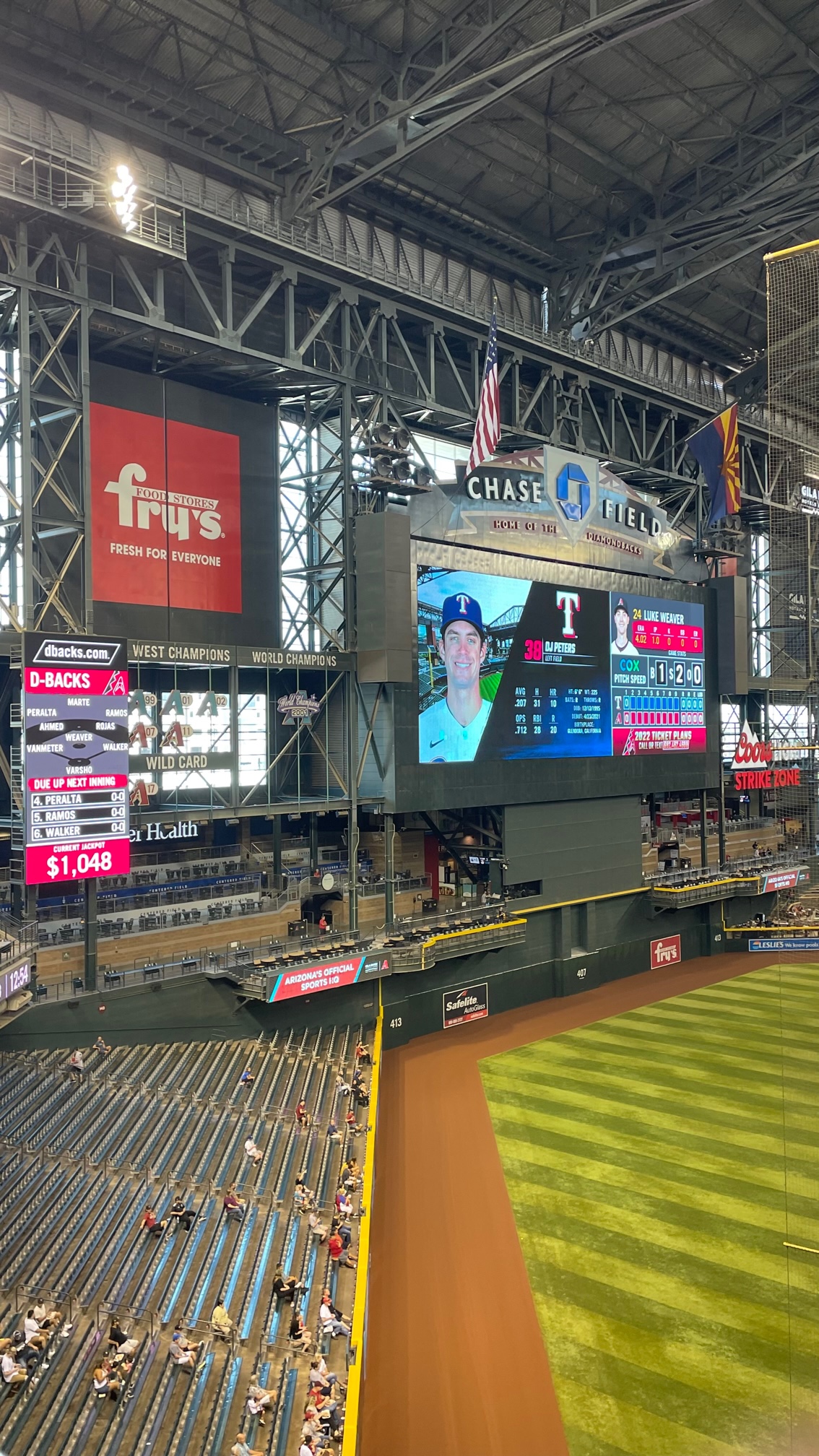
Location: Yankee Stadium; The Bronx, New York City, USA
“It is why I have chosen this article to focus on my noticing of cracks in the foundation, which signifies that while the foundation of our society is ever present, there are growing cracks in it that harm us each day.”
Good writers are always cognizant of both their wider environment and their immediate surroundings. It can be hard to ignore obvious changes in the wider society, even negative ones that affect our day-to-day lives. It is why I have chosen this article to focus on my noticing of cracks in the foundation, which signifies that while the foundation of our society is ever present, there are growing cracks in it that harm us each day. The ‘cracks’ I will refer to relate to physical infrastructure: everything from roads, bridges, transportation networks to housing. While it would be difficult for me to argue that our physical infrastructure has improved in my lifetime, it does not mean that this is a permanent situation, and the status quo will stay the same or even get worse.

On the contrary, the digital infrastructure has greatly improved in my lifetime to juxtapose against the decline of the physical infrastructure, and I do believe the two kinds of infrastructure are interrelated with each other. While digital infrastructure components such as cell phones, the Internet, fiber optic cables have become commonplace, physical infrastructure has been neglected during this same period of about three decades or more. Our GPS technology in our cars along with our surging connectivity through the growing ‘Internet of Things’ movement continues to get more and more advanced but at the same time, the roads, bridges, and tunnels, etc. that our cars and transit networks use each day continue to show cracks, potholes, and growing traffic gridlock through sheer neglect of either funding, maintenance, or neglect or perhaps all of the above.
Talking about infrastructure is not a popular topic in polite conversation but when people can’t get to work on time or to their doctor’s appointments because buses and trains are running infrequently or they break down for repair on tracks that haven’t been maintained, our wider society is affected. When there is a lack of public transportation options, people suffer economically and personally when they can’t get from point A to point B. I am not sure how these cracks appeared, but it was decades in the making and now we are footing the bill.
I am not a civil engineer, architect, and far from an expert in infrastructure public policy but when you notice how infrastructure could be better or at least improve people’s lives with some shifts, it is important to speak out on how the situation could be generally improved. I would recommend a couple of ways where these cracks in the foundation could be addressed with common sense measures: 1.) Listen to the needs of the local community. 2.) Make sure the money is being spent wisely and that adequate funding is being received. 3) Hold those people in power accountable for the infrastructure present and if they ignore the issue, they should no longer be responsible for overseeing the infrastructure of their city or community.
When transit agencies, local officials, or company architects or engineers don’t solicit public input or opinions, then it is likelier that there will be some friction in new infrastructure projects. For example, if there is real demand for a bicycle lane on a major roadway and that would be preferable than creating another lane on a highway, there should be a referendum or a vote on it after soliciting public feedback. The same kind of opinion polling could be said for a building a new light rail line or a new metro station to help commuters get to their jobs faster and without needing a car.
Those kinds of ideas should be received more easily by officials in charge, and I do believe more community input is key to improving infrastructure. If an agency or a company do not listen to outside feedback, then that project may not happen at all, or the wrong project will get done without public support. At the end of the day, for more infrastructure investments, more taxpayer money will be needed so why not get more public input in each community or in each city on how that increased funding could be spent?
A lack of monetary investment on a consistent basis can cause infrastructure to decay over time. Without tracking where the money is being spent, whether enough money is being spent, or whether any money is needed at all to make repairs, renovations, or new projects, then the physical infrastructure is bound to be worse off. Local public officials must constantly be aware of the infrastructure status of their community or city and to track whether potholes are being filled, whether bridges are structurally deficient or not, or whether new metro stations need to be built due to an increase in the local population. It’s not enough to build the original infrastructure of a town or city alone, but it is also vitally important to do quarterly or yearly updates to see if maintenance, rebuilding, or renovations are needed to that original infrastructure. Some funding should also be allocated each year to see whether new projects are feasible and whether they can be built without doing environmental damage.
If new taxes are to be levied, citizens should have a choice to decide if they would like to pay more in taxes towards infrastructure specifically and how much it would cost annually. I believe citizens would be more likely to support infrastructure investments if they knew how their lives would be improved by them and where that increase in taxes would be going towards in an effort of being more transparent with the public. When officials neglect the infrastructure of the town, city, etc. that they are directly responsible for managing or overseeing, then they should no longer have their authority given to them by the people who elected them, subsequently should lose their power that they were originally entrusted with.
Physical Infrastructure, like digital infrastructure, are the key components of any functioning society and it is the duty of both the average citizen and the average public official to maintain it constantly and consistently, to improve it when necessary, and to rebuild or expand it to make people’s lives better. The tax dollars that go towards maintaining public infrastructure must not be abused or squandered. There should also be a greater effort made to be transparent with where that infrastructure money is being spent and to whose benefit.
When the infrastructure works well, when it is efficient, and when it grows the whole economy, everyone stands to benefit. If it is left to decay, to rot, to crumble even, people will lose out economically and it can tragically cause people to be hurt or killed for pure ignorance or negligence. We must always be aware of any cracks in the foundation that appear when it comes to the physical infrastructure. When cracks are ignored, inevitably, they will grow to become fissures, and to even crumble to destroy the foundation entirely, which will cause even more money and resources to be spent in the long run. If the infrastructure is constantly maintained, renovated, or rebuilt, the cracks will all disappear and there will be no tragic consequences to come about as a result when you can strive to solve the problem(s) from the beginning, likely saving money, and even lives in the process.
“Here, I find absolute quiet…I struggle to remember the last time in my life where I could hear nothing at all.”
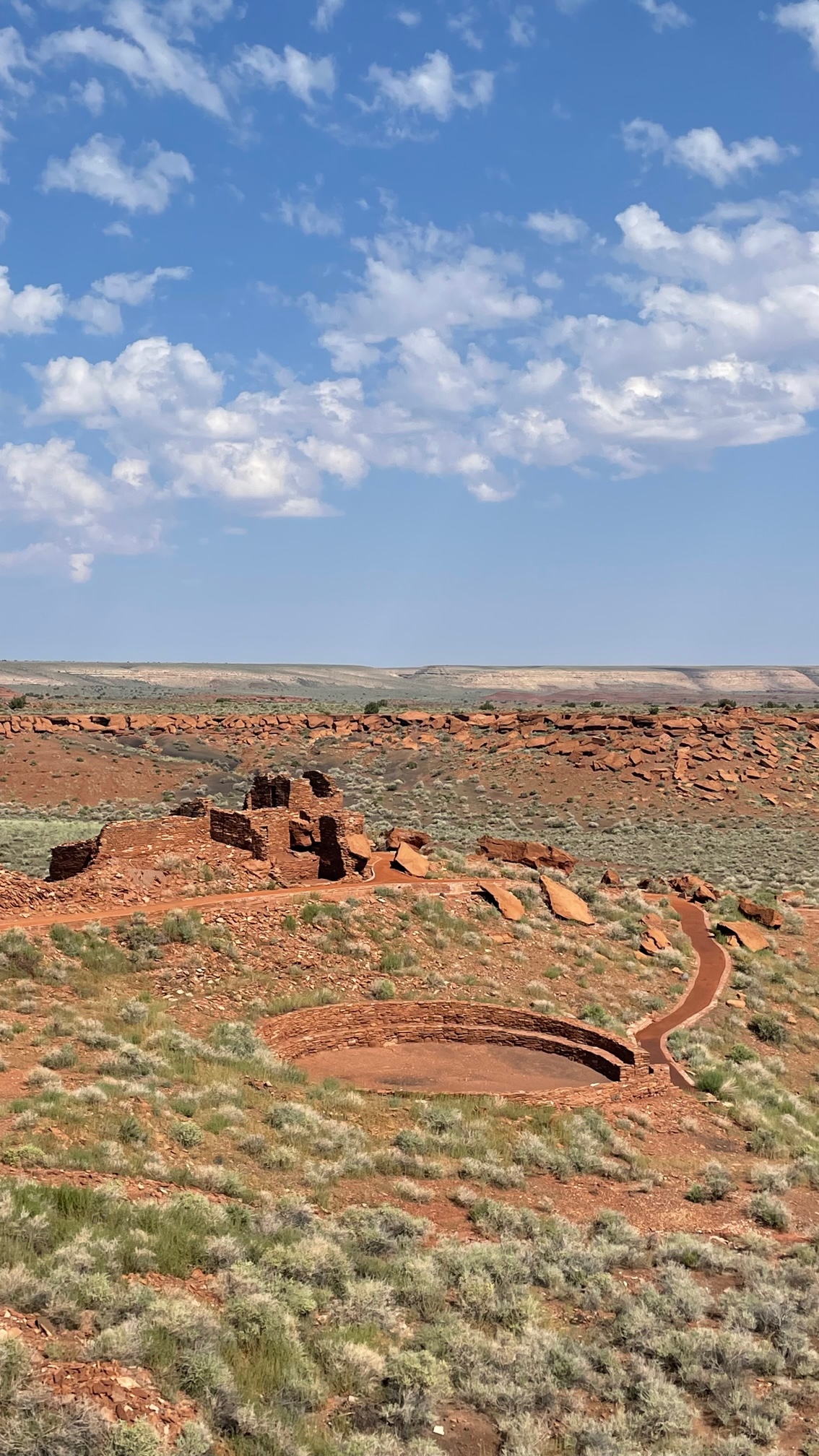
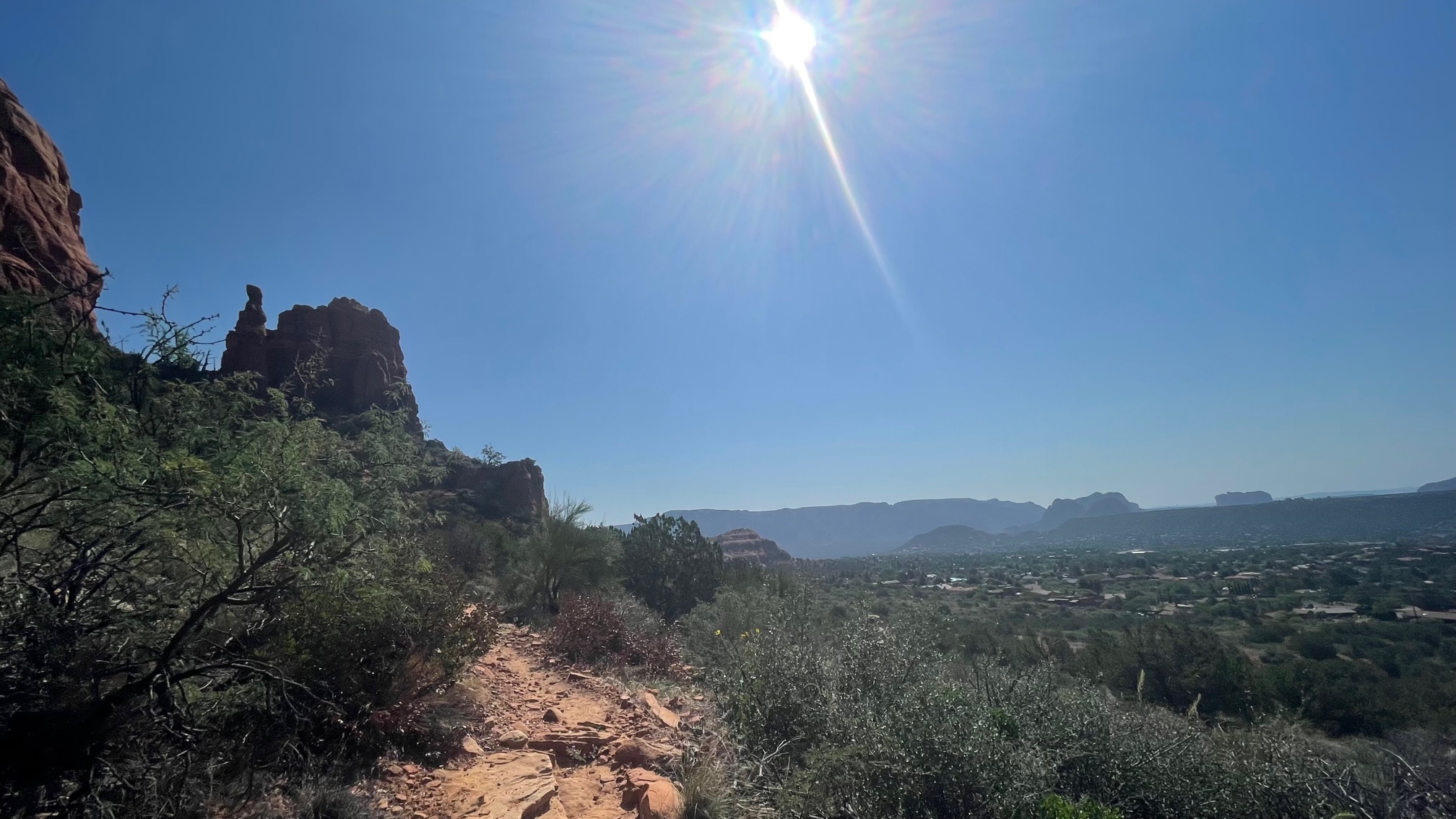
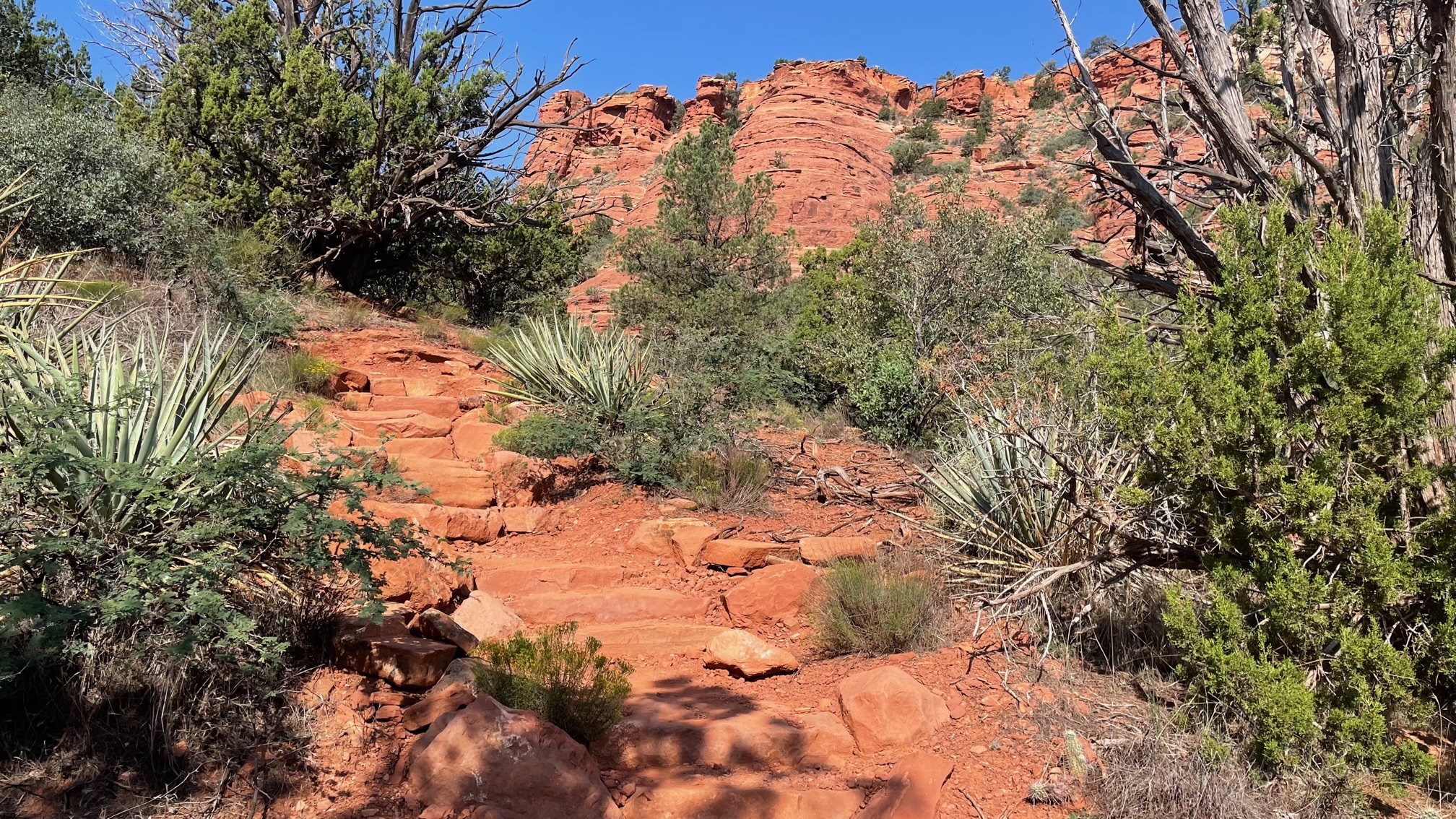
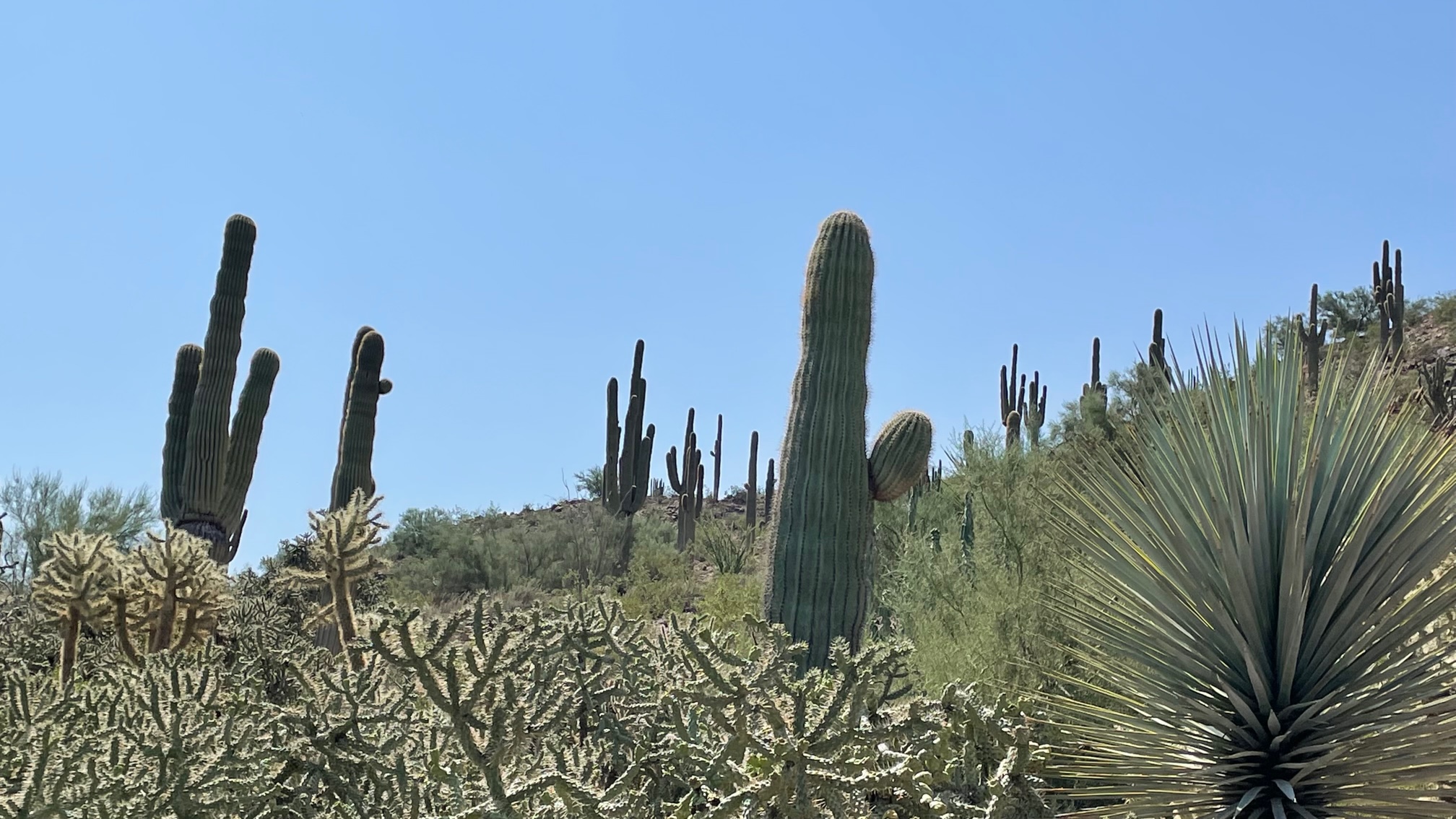
Here, I find absolute quiet…I struggle to remember the last time in my life where I could hear nothing at all. There are sounds here and there but they are all natural and non-man made. The wind blows full gusts across my body, to hear the rocks move or jolt under my feet as I step over and around them to soar to new heights, and to listen to the sharp squawking of the desert falcon soaring into the air above me.
For the first time in a long while, I am completely alone with my thoughts and my feelings. There’s no one else around and I am alright with that. I am finally able to take a much-needed breather in this fast-paced world and able to concentrate on nothing but the natural sounds around me, intermittent at best. As a city slicker and former suburbanite, the desert is so unfamiliar to my senses that it feels overwhelming to me at times.
Away from any civilization, on my own, and accountable to only myself for once, it is truly refreshing to be able to live deeply in each moment, putting one foot in front of the other as I focus on my singular goal of hiking through the Sonora desert landscape, enjoying every sight and sound without a screen or a person in sight. “This is the way that life should be more often”, I think to myself.
Still though, I am not quite used to the quiet and I struggle to remember the last time I went an hour where I heard nothing but natural sounds or sights. Too often, we desire to be in the hustle and bustle, to be constantly in front of a screen, or each other. Maybe what we need more of is more time in a natural environment where our primordial ancestors were born and raised to hike, fish, hunt, and bathe in environments much more natural than our own today. While cities and towns have their modern advantages, as I get older, I crave these nature experiences. Also, I desire to be alone with my thoughts and feelings, but to fully take in each moment that passes as my life narrows down to the minute here rather than to the week or the month ahead.
As I crisscross the hiking trail I’m on in the desert, I am reminded that nothing in life is ever guaranteed and that the desert suffers no fools indeed. The quiet of the desert can lull you into true tranquility but if you are always not fully aware of your surroundings, you can become one of its unknowing victims. Checking to see if you are conserving enough water, getting some shade in the sun, making sure you are on the right trail, and have a path back, these are necessities to making your desert stay a pleasant one. Luckily, your senses are heightened to the 9th degree as your priorities become solely about both survival and endurance rather than about paychecks and promotions.
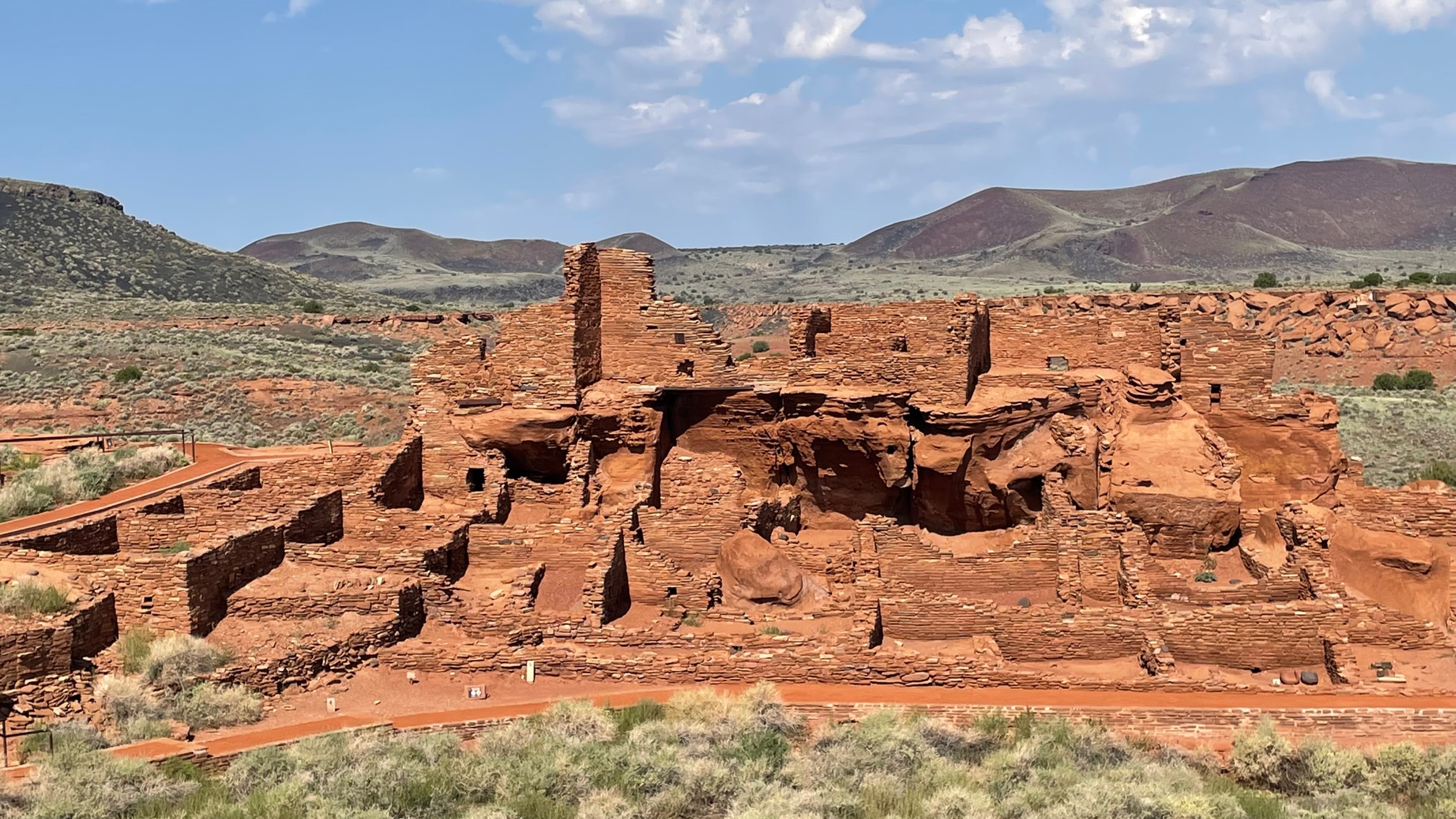
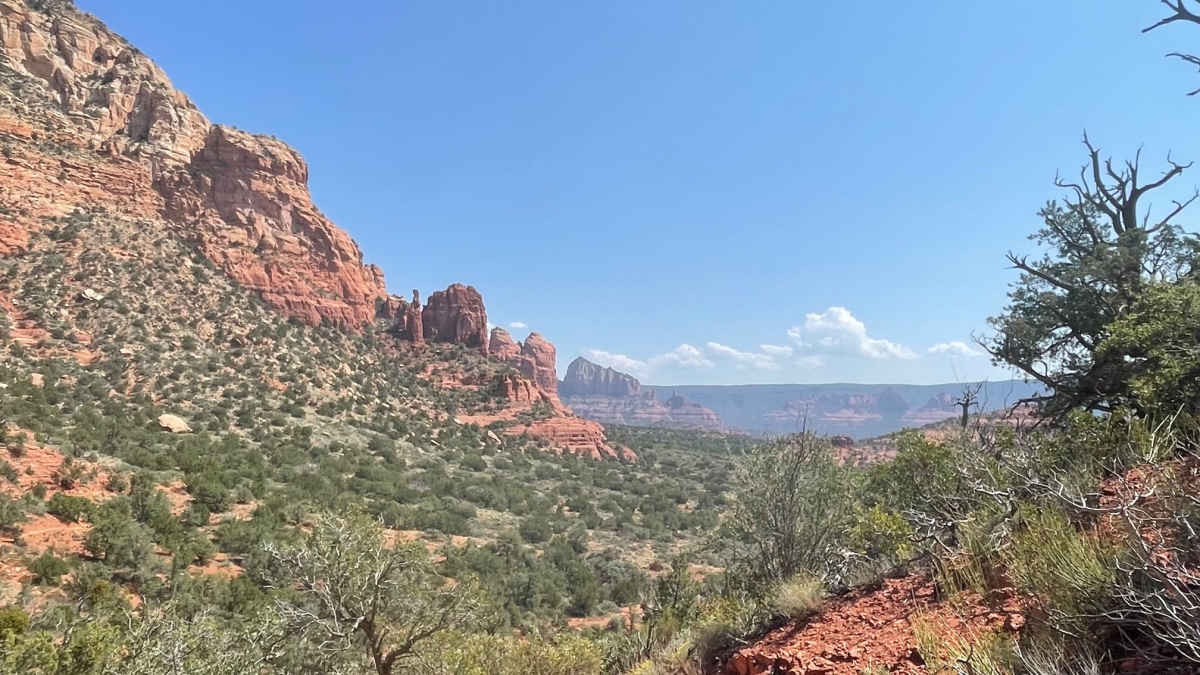
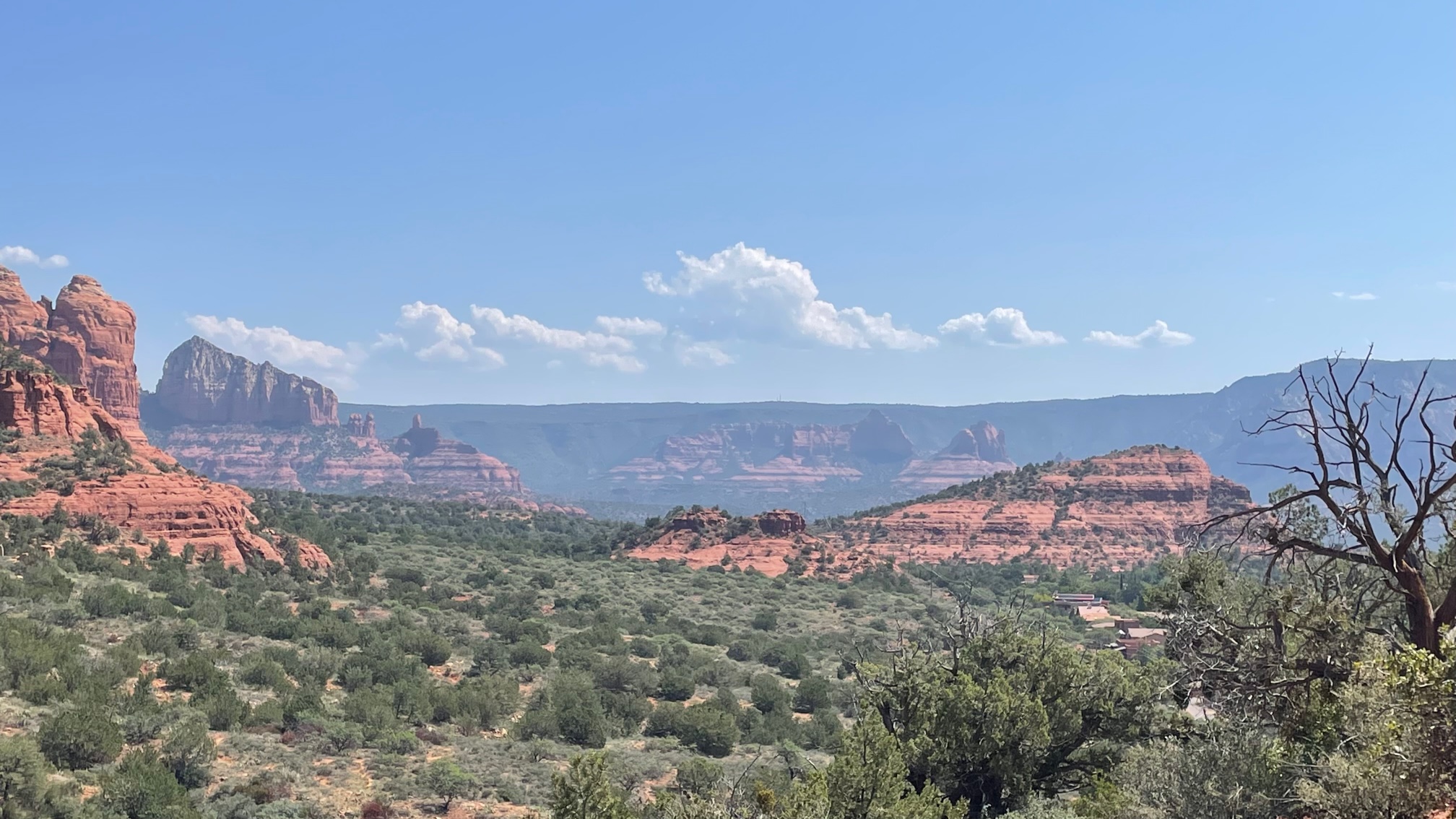
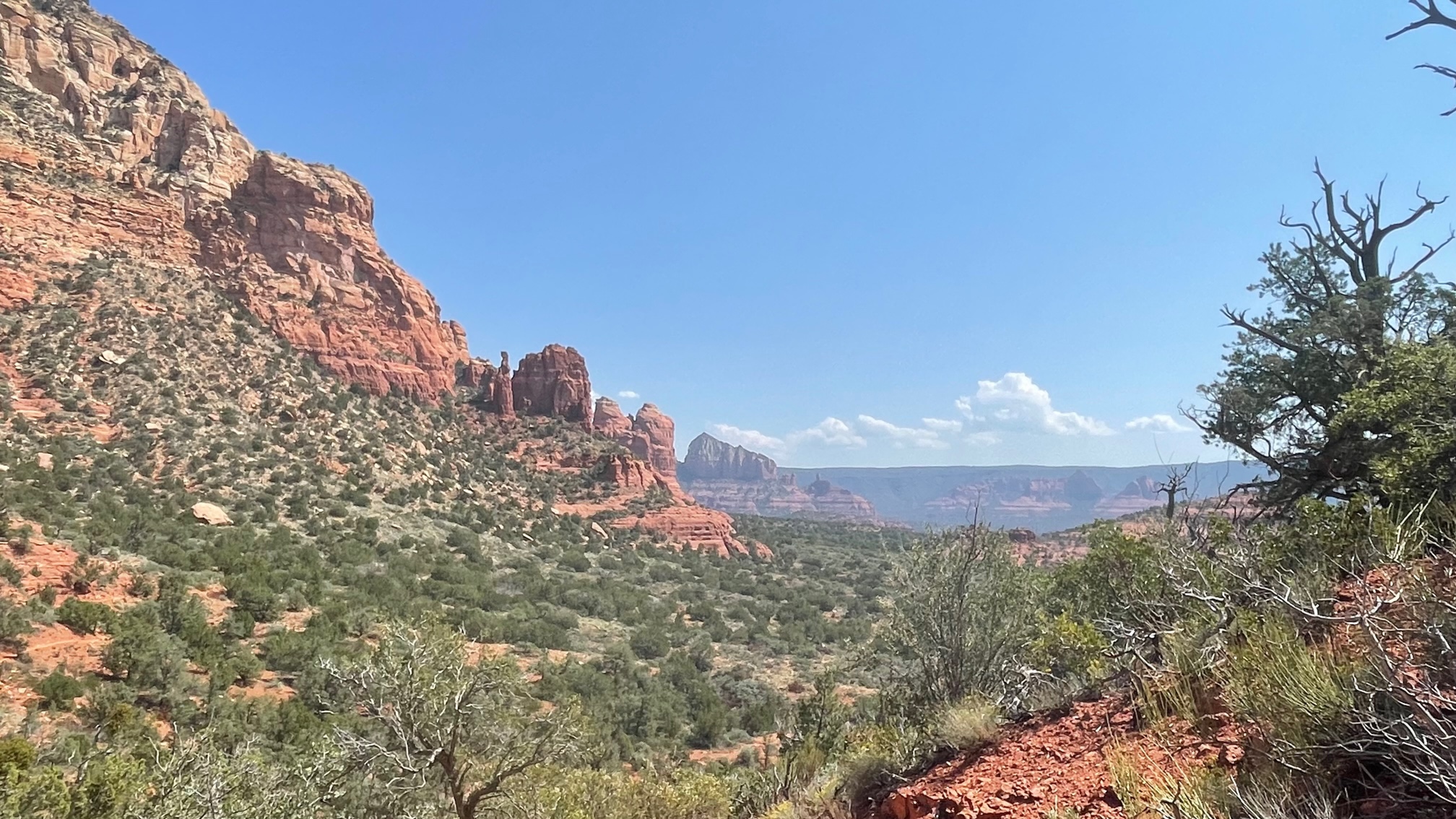
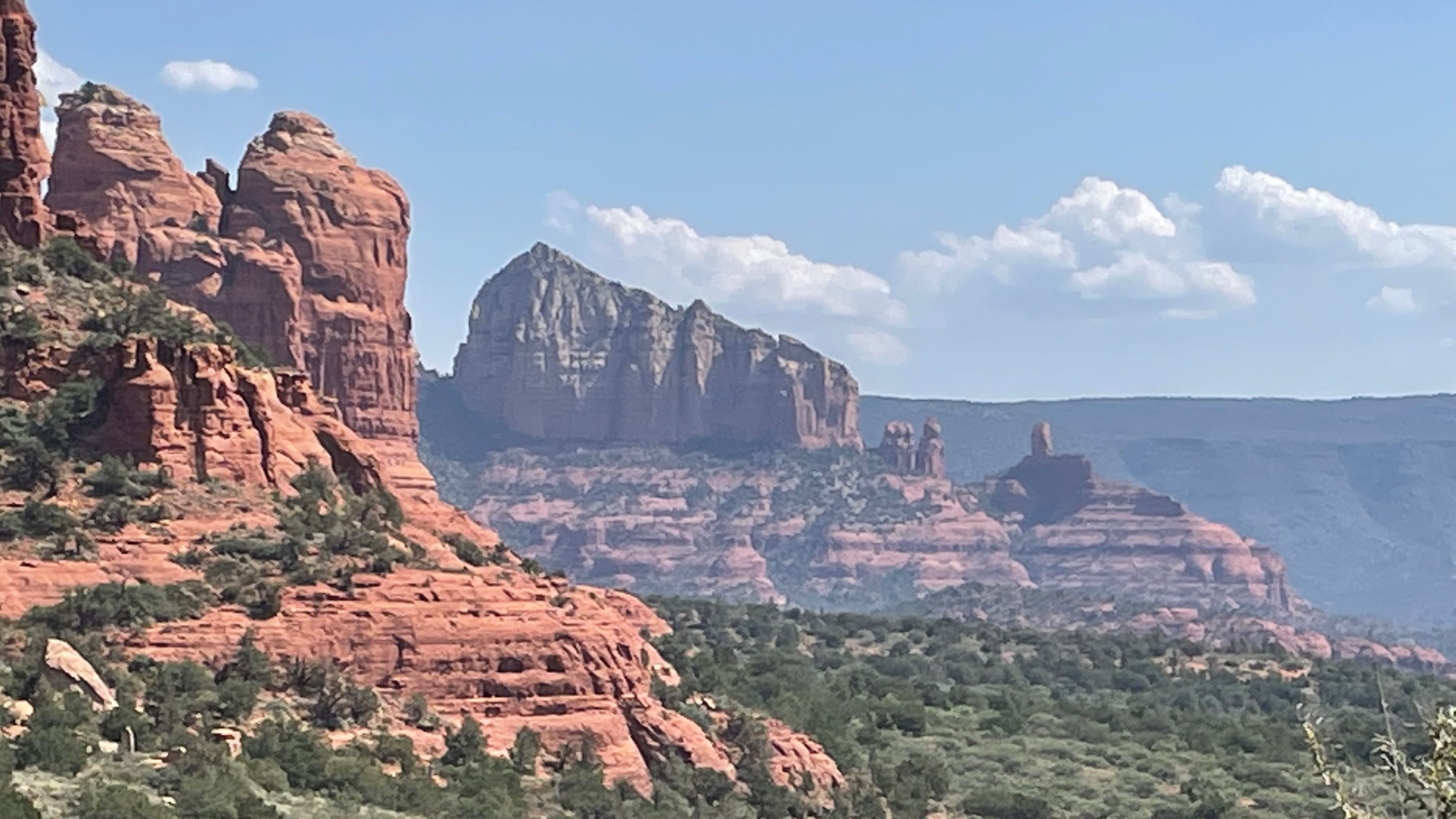
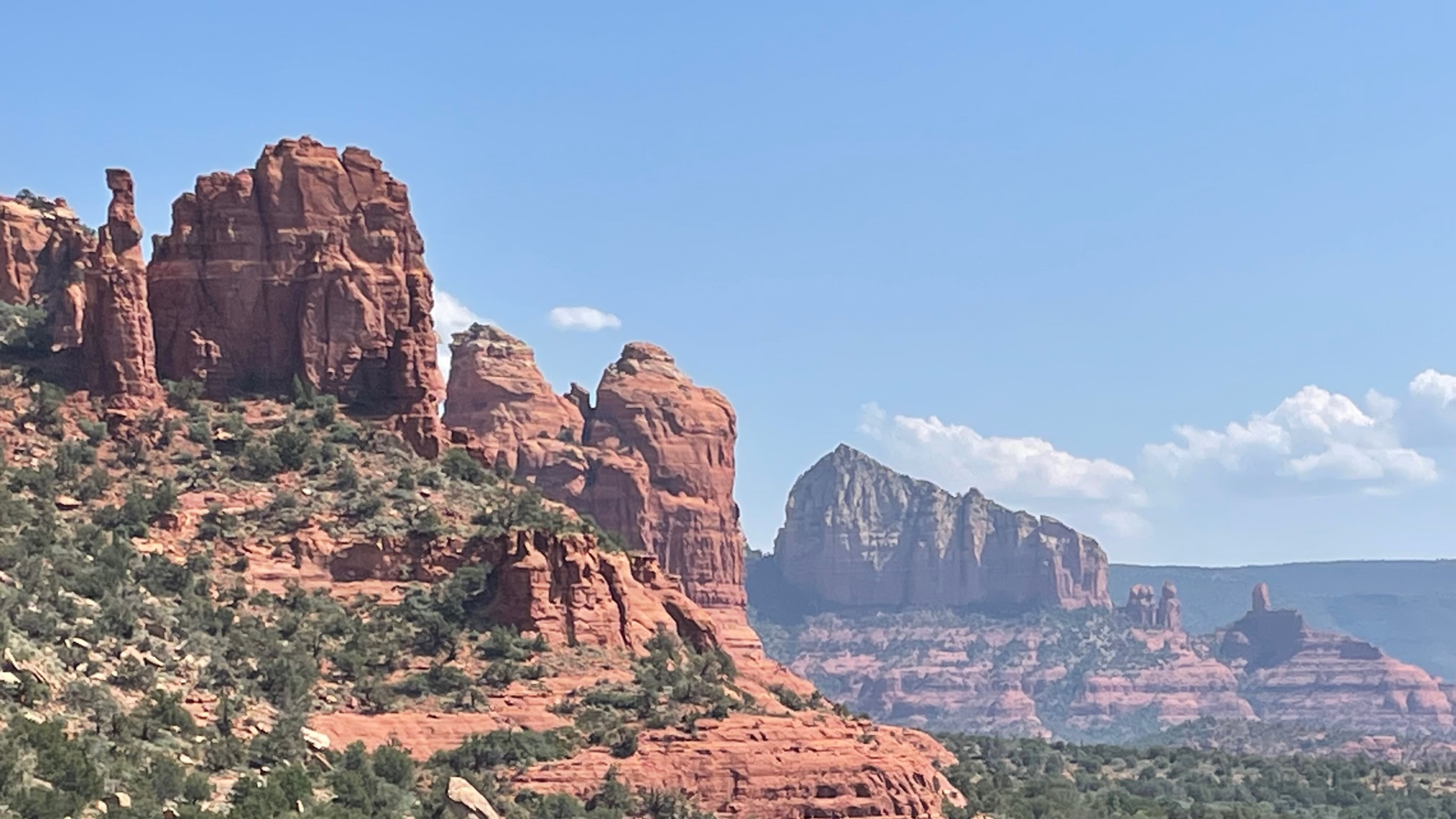
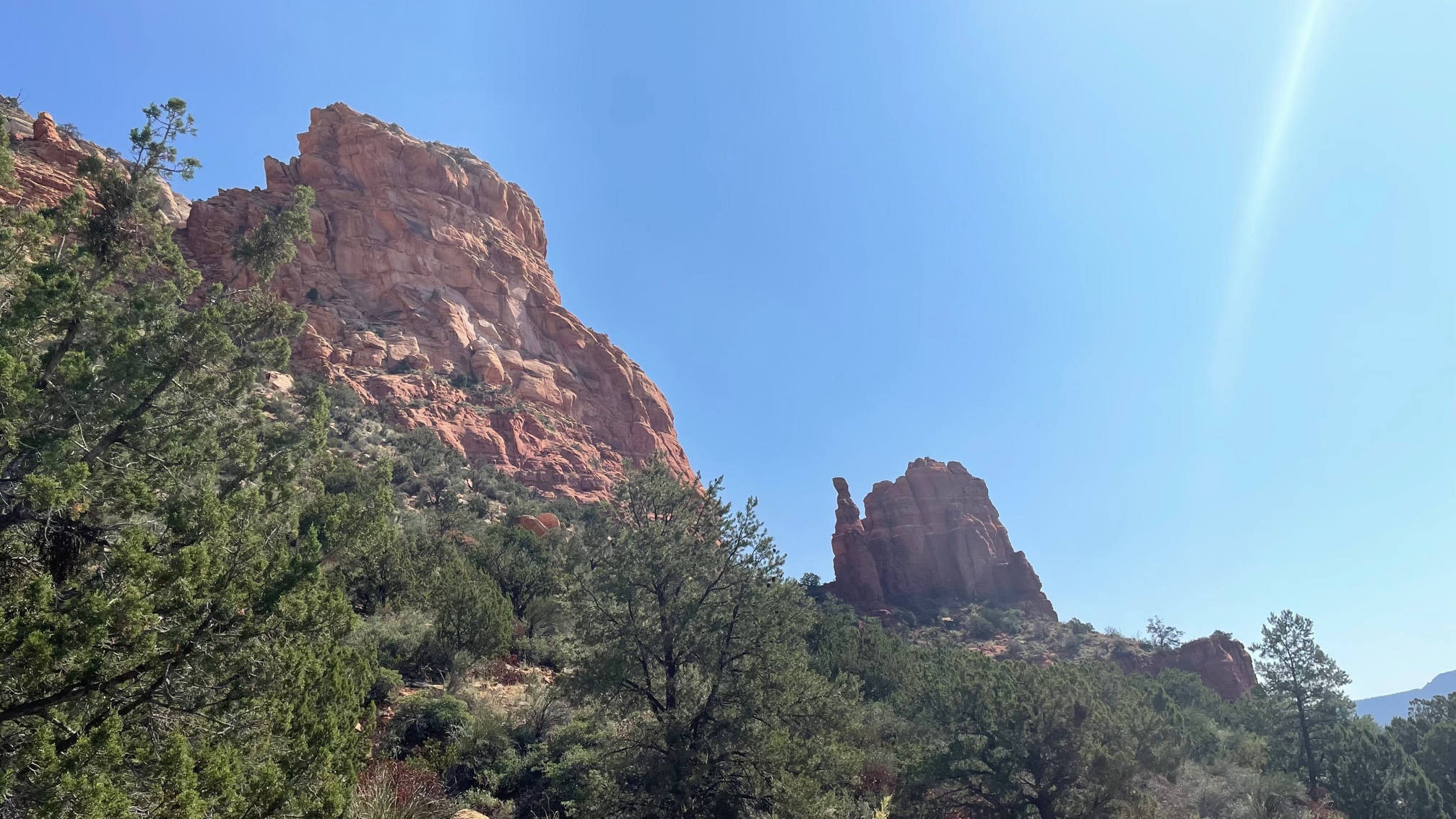
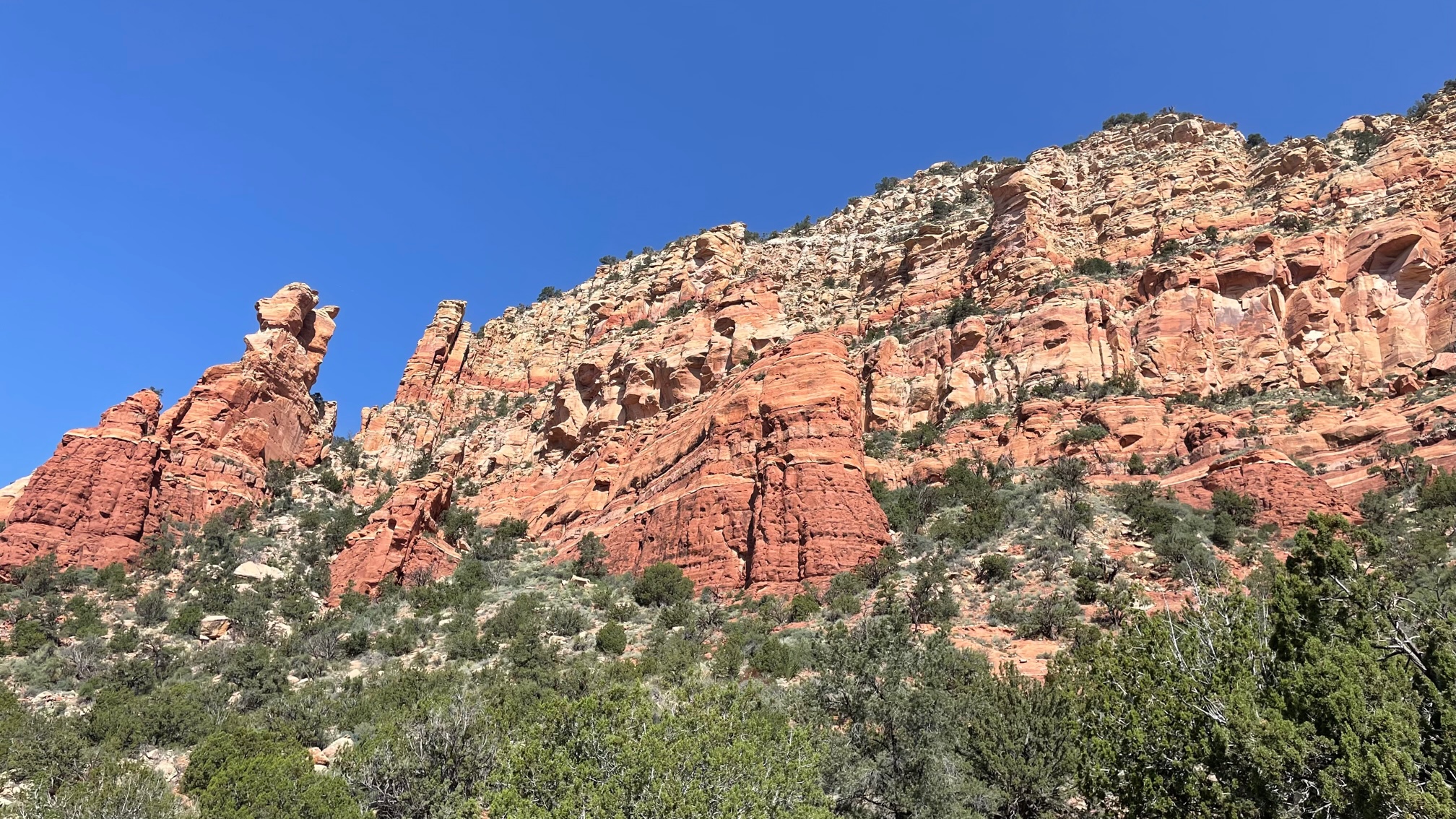
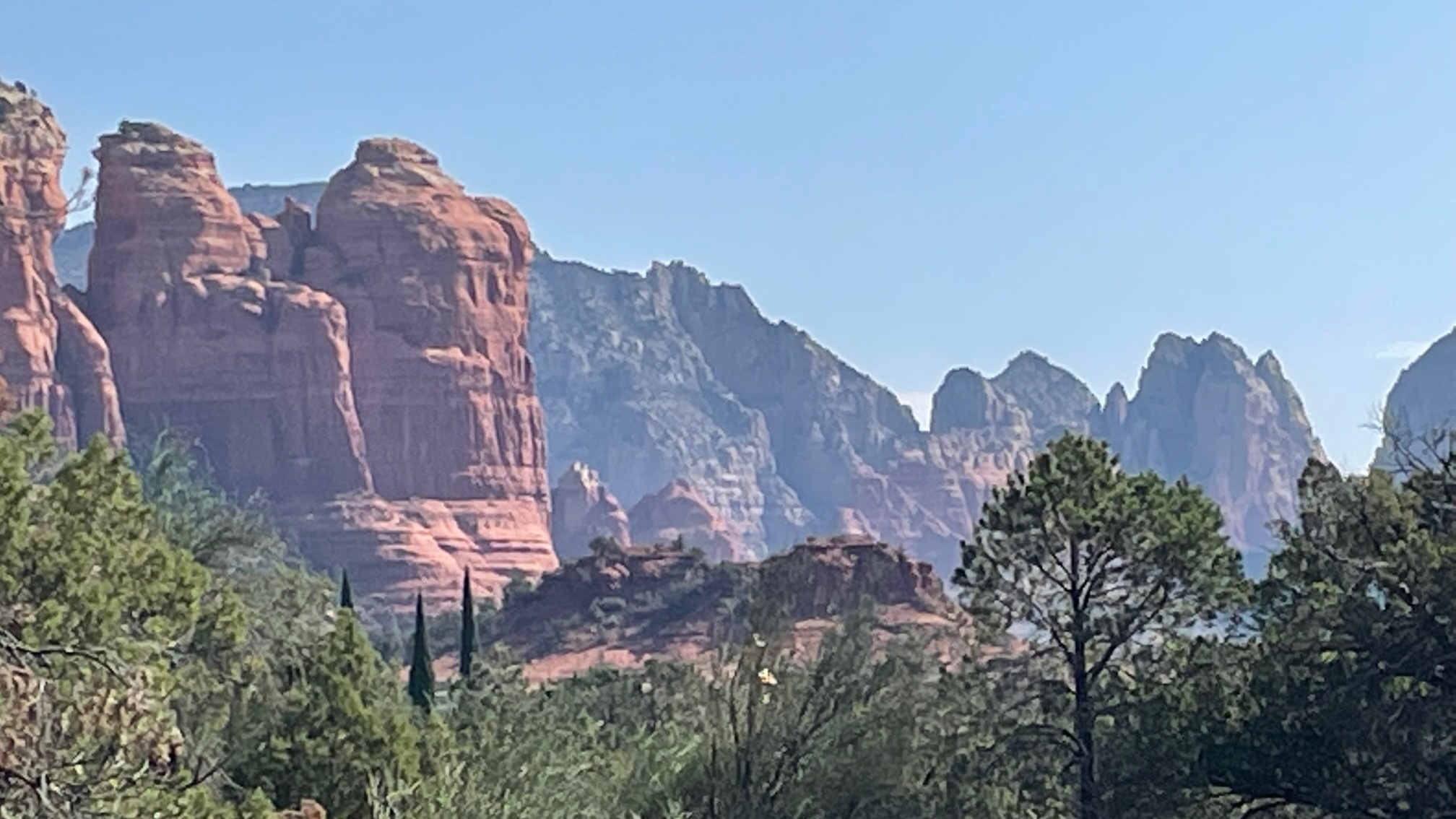
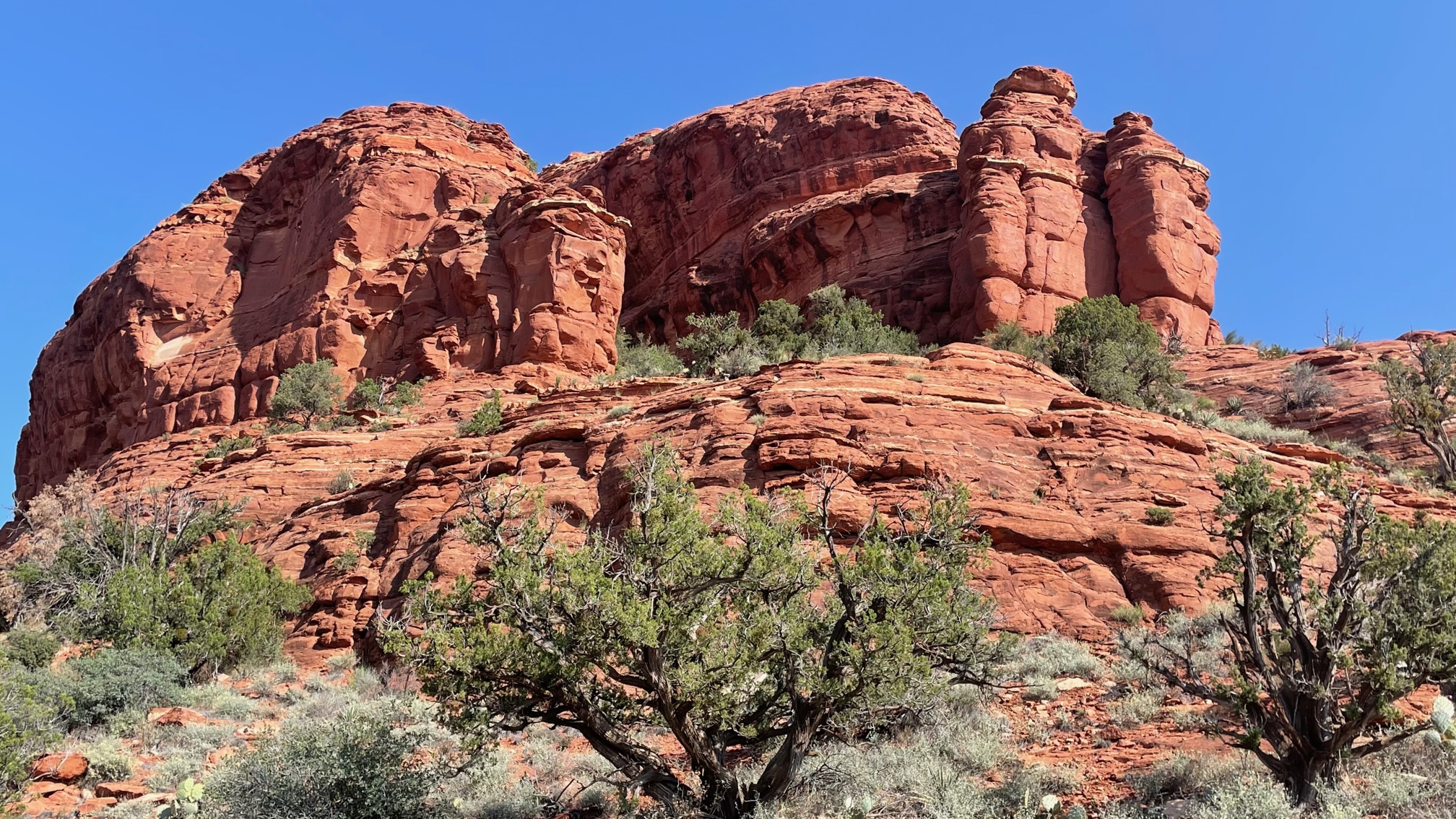
I continue to watch my footing, check my pulse, and even observe the environment for snakes that could be disguised as branches. I am once again thrust in a foreign place where I must take care, or I could end up not coming back at all. However, unlike being in an average city or town or even a farm, I am truly alive here and for that, I am grateful. Not everyone gets to experience the multi-colored hues of sediment and rock formed over millions of years. Not everyone is able to see the huge mountains, the unique canyons shaped like chimneys, and the red rocks, and the deep valleys that were molded for many millennia before man first walked the Earth. How wondrous it is to experience this kind of environment, for which we are all caretakers of. I treasure these moments because I know that as we live on a planet under threat from our short-sighted actions and careless deeds, the need to protect the quiet of the desert rings true.
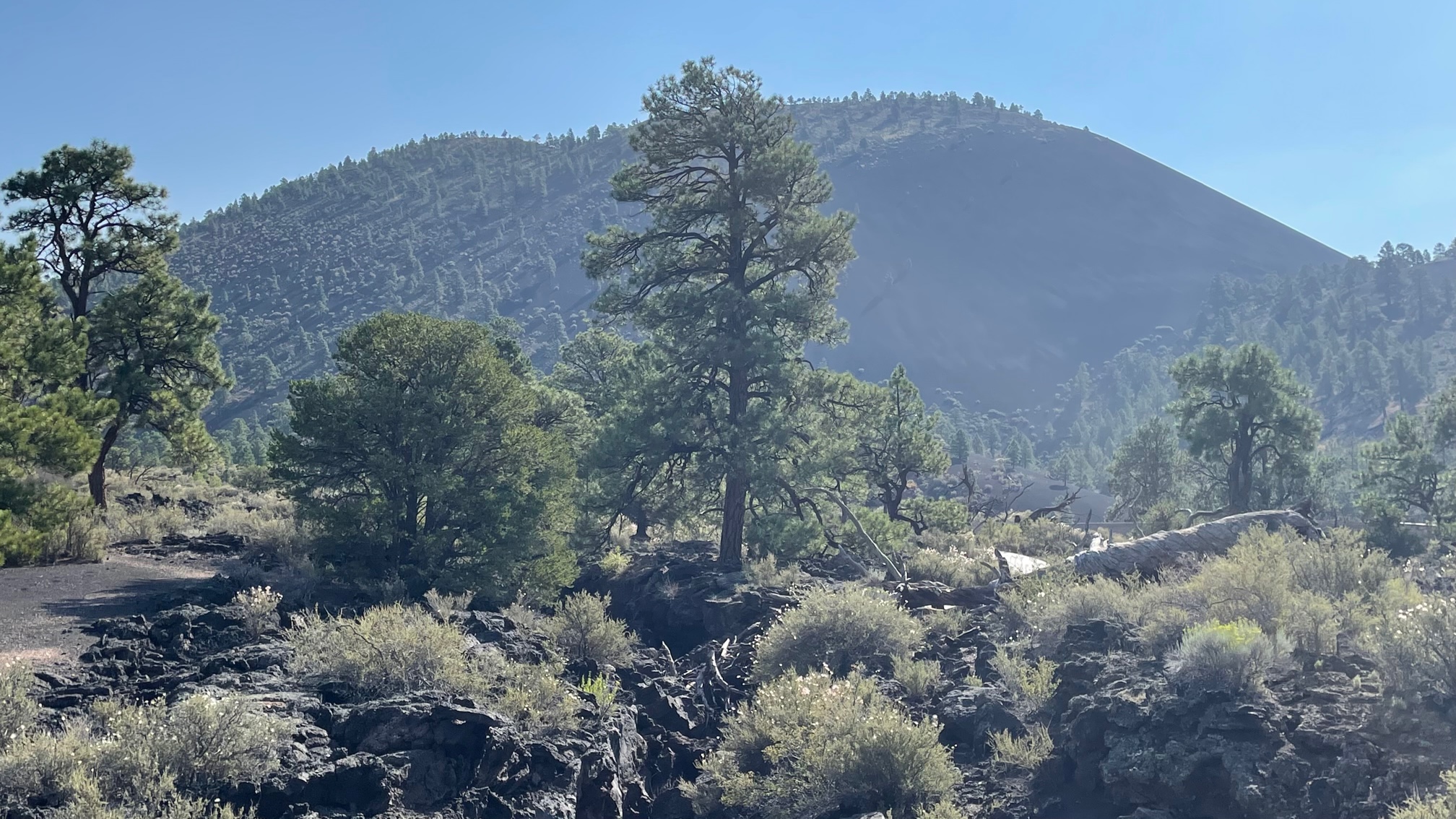
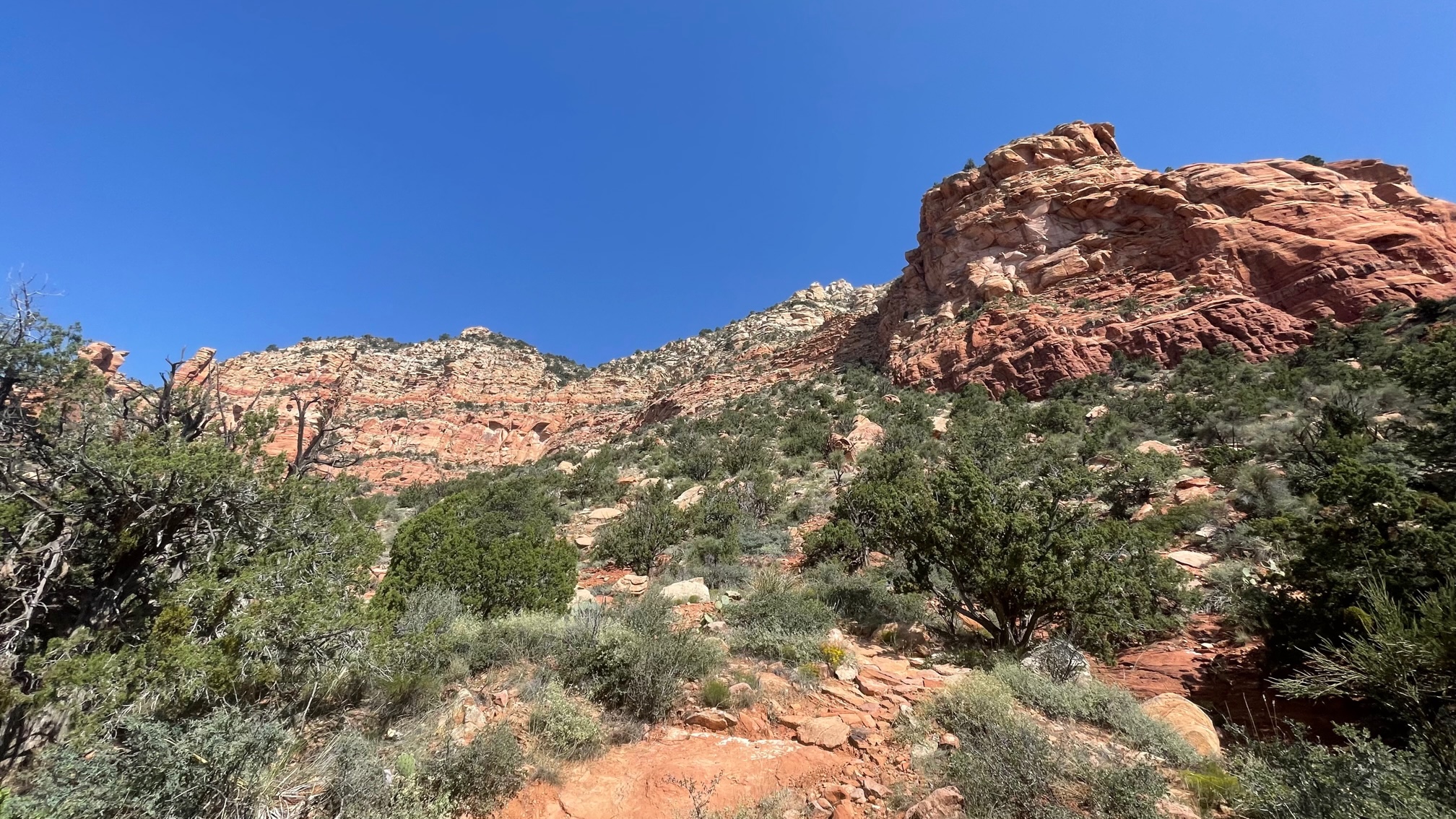
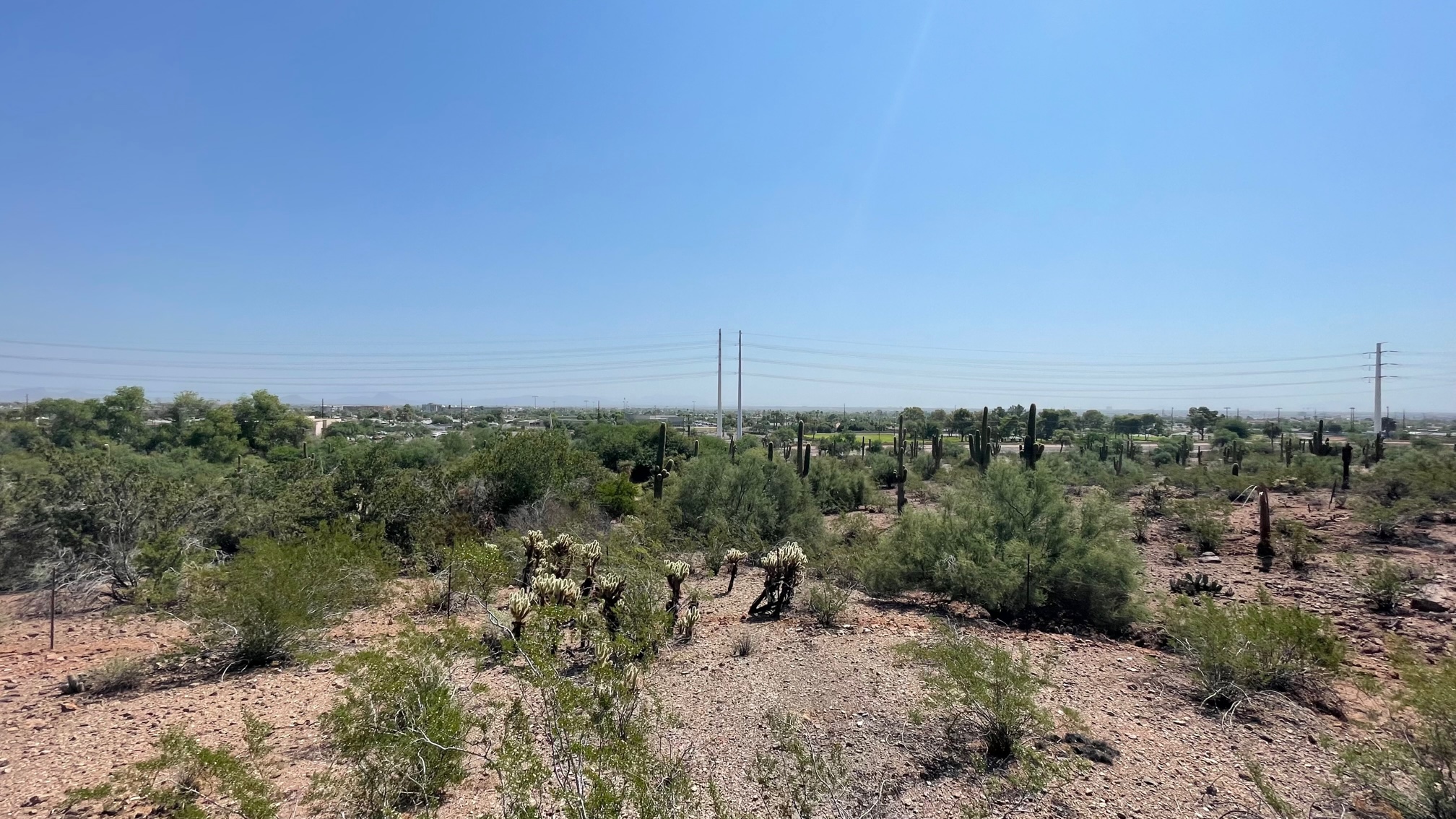
Making my way to the summit of Thunder Mountain, I hear nothing but the gasping of my own breath and the sweat dripping down my neck. I am in awe of the large green plants like the cacti, the red mountains, and the bright, blue desert sky. What a great joy it is to hear absolute quiet at the summit of this mountain and I hope it is not long until I can be here again to enjoy a silent hike, to see the beautiful views, and to be able to hear nothing, nothing at all.
As I reach the end of my hike, I realize how the natural environments are best for people and too often today, we try to drown out the quiet because we have little or no peace in our lives. My trip to the desert taught me to embrace the quiet, to embrace my own thoughts, and to remember to be present with myself when no one else is around. The desert asks you to hone your survival skills a bit and if you can persevere, do your homework, and act wisely, you’ll be rewarded with the absolute silence that many of us crave but few of us ever take action to have.
When it comes to my favorite thing about being in the desert, it is no contest for me: the stillness, the quiet, and the vast nothingness calm me in ways few other things in life have. That revelation, for me, is worth the strenuous journey to get together, to be there, and to come back having learned more about who I am as a person and what I truly need in this life of mine.
“Some folks prefer the mountains, others prefer the river, but I prefer the ocean. As the saying goes, “The ocean has no memory.” It doesn’t care who we are or where we come from, it’s just glad that we are there.”
Witness the waves splashing down on the sand, hear the wind swirling throughout the beach, feel the coolness of the water lapping up against your feet, and experience the solitude that you gain from being by yourself at dusk or dawn with a full view of the brilliant ocean. These are just a few ways that the peace of the ocean can captivate us and keep us coming back for more tranquility. Some folks prefer the mountains, others prefer the river, but I prefer the ocean. As the saying goes, “The ocean has no memory.” It doesn’t care who we are or where we come from, it’s just glad that we are there.
In this increasingly fast-paced world based around complex technology that can be both addictive and time consuming, it’s truly peaceful to get away from it all if only for a short while by taking time to go to the ocean. You don’t even have to get in the ocean but by being near it, I believe it refreshes us, it calms us, and allows us to be left with our thoughts and our memories.
Some folks like to swim, some like to surf, others like to fish, while some enjoy lounging on the beach; in all, there are dozens of options on how to interact with the ocean allowing us to find our own peace by being in the ocean or nearby it. The beauty of the ocean is that every time is a little bit different for the person who goes there. The setting may be the same, but you’ve changed as a person and so do your thoughts, feelings, and desires upon coming to the ocean. You grow older, you change jobs, you move places, you bring new people with you, but the ocean and its bounty never truly changes.
How you interact with the ocean may change too and what you decide to get from it will also adapt but nothing that ever changes is that we all seek peace of our own from this beautiful locale. Regardless of the activity involved, the ocean recharges our batteries, lets us relax, keeps us honest, and allows us to leave our troubles behind for a little while. Because of its restorative powers, it is no wonder why millions of people live by the ocean and why billions around the planet seek to visit it year in and year out.
The ocean is such a powerful part of human nature that we bury our dead there at times, that we memorialize people who made a living from it, and that we honor those who preserved peace when wars were fought over access to it. Humanity is always linked to the ocean and if we do not protect and preserve the ocean, a part of our humanity would be lost in the process. The ocean is a living and breathing thing providing us with the oxygen, nutrients, and food that we need to survive each day.
In return for the calm, tranquility, and overall peace that it brings us, we must do our part to keep it clean, keep its inhabitants from becoming endangered, and making sure that it is around for future generations. When we can no longer fish the waters, swim in the waves, or relax ourselves at pristine beaches, we will lose a piece of ourselves, and we will lose our own inner peace that the ocean cultivates in those of us who go there to rejuvenate and restore ourselves each time.
The ocean gives us peace of mind, peace of body, and peace of spirit. It’s only fair that we strive to give back as best as we can by taking care of it and letting it be enjoyed far into the future. Acidification, pollution, loss of natural habits and pockets of floating trash threaten not only the ocean but the rest of the planet too. We will not be able to have as much as peace if the ocean is dying. When we can no longer fish the waters responsibly, swim in clean waves, or go boating with clean energy, we will suffer a true lack of peace. Our minds and our bodies won’t be at ease if the ocean is not at ease.
The climate change crisis is not just about preserving the planet, but it is also about preserving our own mental peace of mind. The ocean allows us to feel better about ourselves, improve our social relationships, and spend quality time away from work or other commitments. If we lose the chance to enjoy the ocean, that lack of peace will hurt us as human beings. If we can no longer enjoy one of our best natural environments, we will lose a great way to relax, rejuvenate, and recharge ourselves to deal with life’s challenges and opportunities. I hope we can do better in the future to keep the ocean beautiful, clean, and vibrant because I enjoy the peace that it brings me in return.
“Heart to heart conversations is called just that in English because they come from a good place…”
It can be hard these days to have a genuine one-on-one conversation with someone else. With all the distractions in our daily lives, our rush to get things done, our need to have instant gratification, it can be increasingly harder and harder to take a step back to take stock of what’s important in your life including the family and the friends closest to you. I believe this cheapens the kind of conversations we can have with those closest to us due to our other pressing concerns in life, but it is important to prevent those relationships from being shallow by engaging in those heart-to-heart conversations. While difficult and not easy to do, they are often the most rewarding.
Real conversations are different in the sense that they are go over topics that may be uncomfortable yet gratifying, ones that may sting a little but whose honesty cut through the fake compliments or the trivial topics that so often guide our discourse with others. Heart to heart conversations is called just that in English because they come from a good place and while those kinds of topics addressed are not all sunshine and rainbows, these conversations are vital in their importance and can often help the people involved to feel better about their lives or at least their current circumstances.
Shallow and often fake conversations focus on the trivial and inconsequential. They often don’t get to the ‘heart’ or who someone is, where they are in life, or where they plan on going. It’s good at times to have light conversations about the weather, sports, or the latest fashion trend. However, those kinds of conversations do not really drive a relationship forward and are often built on a foundation of sand. I say this because friendships that focus on those kinds of topics don’t really address important matters and thus cannot really create a strong relationship of mutual trust and understanding.
You may have a friend who is a big sports fan such as yourself and you enjoy going to basketball games together and like to talk about who your favorite players are but if you never actually broach other topics that touch upon that person’s life, then they aren’t really a true friend in my view. If you can’t have a heart-to-heart beyond a few shared interests, then that is not a strong relationship that is going to last a while. It may be good to start with basketball as a primary part of one’s friendship but the longer you get to know someone, you should discuss other things with them such as talking about where they grew up, what their family is like, what they enjoy doing for their profession or for fun, what their goals or dreams may be, and even what they worry about or what they want to improve upon in their lives.
Those kinds of conversations really build a much more solid kind of foundation of a friendship or a relationship and will last a lot longer than just talking about the same topic repeatedly. In these heart-to-heart talks, it may be awkward at first as most people are shy and wary about letting their personal barriers down but once you can with their permission, you can really build up a positive relationship especially if you both are open and vulnerable to each other. In a heart-to-heart, you should not be sarcastic or dismissive but rather to listen intently, ask questions, let the other person express themselves and while you can be honest with them in response, don’t try to judge them too much but rather as the popular saying goes, try to think of what you would do in their shoes.
I believe it is also important to be direct with that person once you start to open up with one another and to not simply ‘beat around the bush.’ Express your true point of view and tell them how you would approach the situation whether it’s trying to accomplish a goal, or sorting out a personal manner, or trying something new that is stressing the other person out. Always listen first, ask good questions, and then give your most honest response back, which even if they disagree, the person you’re having the heart-to-heart with should value your feedback and be appreciative that you listened to them on a serious topic.
In my view, Heart-to-heart conversations are so utterly lacking in our culture that when they do happen, it is a shock for most people because they never have received that kind of candid or honest feedback that’s been missing from their lives. It allows those who engage in the conversation to evaluate their options more, weigh the advice or feedback given, and perhaps make a wiser or better decision from having good counsel from a serious friend or family member who is doing their best to look out for your interests.
It is beneficial to seek out people in your life who are acquaintances and look to see if they are capable of a heart-to-heart conversation. If you prefer to have talks on trivial topics only, you can do so but I think you truly only grow as an individual when you spend time with people where you can broach serious topics with and not be rebuffed for doing so. It is a sign of a true friendship or a good family relation when you can let your guard down to discuss something that happened to you, either good or bad, and that person will not judge you right way or shut you down without hearing all that it is that you have to say to them.
Having mature and responsible friends and family members around to talk about serious topics including even politics, religion, philosophy on life, finances, etc. are vital to helping to make you a much more well-rounded person too. These topics are not easy to discuss but ignoring them entirely or not having anyone to reach out to discuss them from time to time can be detrimental to a person’s well-being in terms of their own growth or cause them to seek out advice from people they don’t know or worse who would try to take advantage of them instead.
It goes without saying that a mature adult should be responsible for forming those serious friendships and relationships with their own initiative, but they should also get the same back from that person who is open to having heart-to-heart talks. You may not like to hear what they say to you or like the advice being given but at least you are getting that kind of feedback in the first place on a serious topic beyond sports, reality TV, or celebrity gossip. It is a good feeling to have someone who can be relied upon when you have a major decision to make and want some counsel, or when you are going through a hard time and have someone to reach out to. Those kinds of conversations are increasingly rare in our society, but they are perhaps the most important kinds of conversations to have and for which you’ll often be better off for having had them in the first place.
Do yourself a favor and start to think of those people in your life who you’ve only had shallow conversations with and begin to probe a little bit to see if you can discuss more serious or personal topics with. It is likely to be a slow-moving process and that’s okay. However, the more you get to know someone, the easier it should be to form a real friendship based on mutual trust and respect and for which heart-to-heart conversations should be a natural result. I think your mental health will also be much better off knowing that you really have someone like a friend or a family member who you can talk honestly with and have a real conversation on life, love, failure, success, goals, happiness, etc., which you would not discuss with the average acquaintance or new contact.
The Heart-to-Heart conversation is the toughest one that you can have in life, but it is also the most important to have with someone else. If you neglect it, I believe you are likely to be worse off than before but if you start having them from time to time with someone who you value, there is no reason to think why you wouldn’t have a better life from having had them.