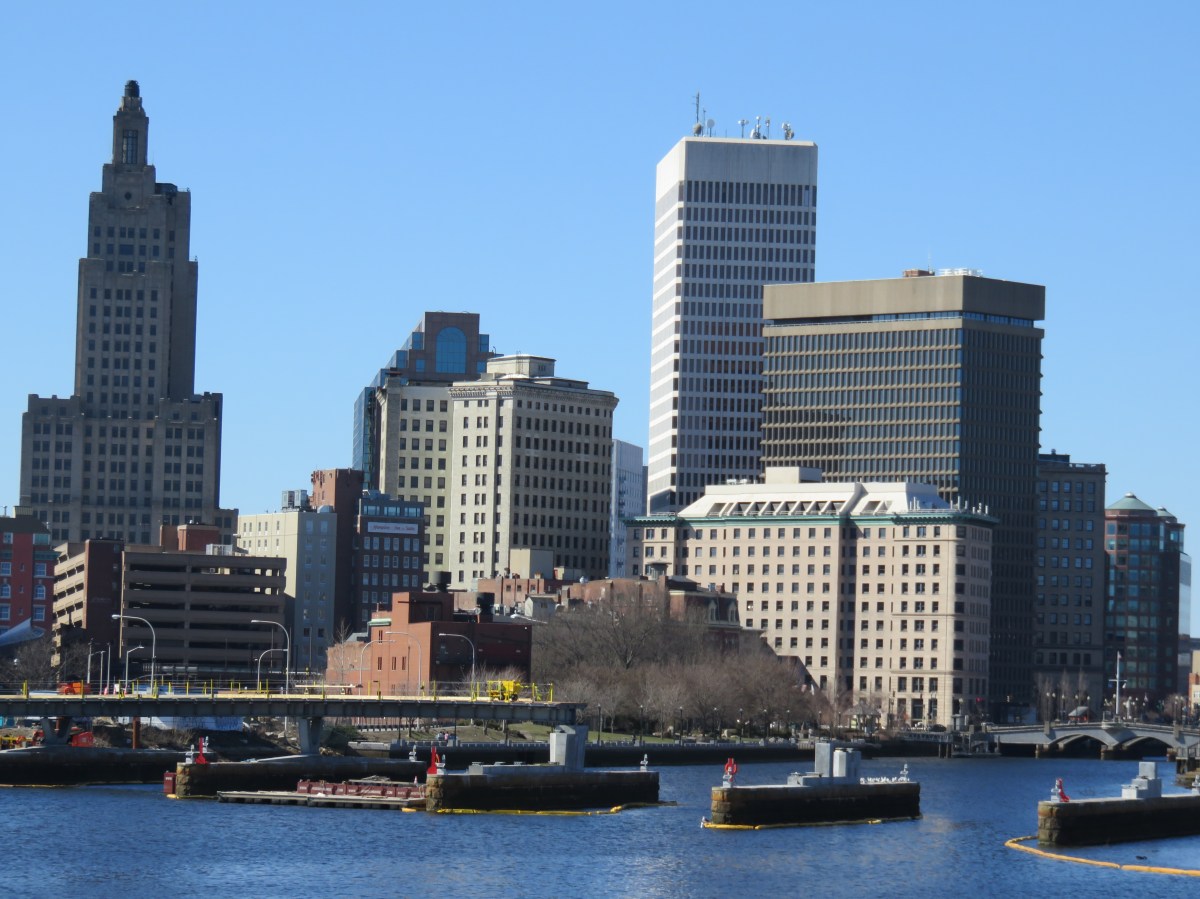


Cameras: Canon PowerShot SX710 HS and iPhone 8
Location: Providence, Rhode Island

Cameras: Canon PowerShot SX710 HS and iPhone 8
Location: Providence, Rhode Island
Having spent the past eight years of my life living in different cities both here in the United States and overseas, you get accustomed to life in an urban environment and how to make the best of it. If you’re coming from a rural town or a suburb, adapting to a city can take months or even years when you’re not used to the frenetic scenes, fast-paced traffic, and always on the go mentality. A fact of this day and age is that the urban population around the world keeps increasing and a good amount of industries, jobs including in the high tech world are based out of cities.
According to the United Nations, over half of the world’s population, currently live in an urban environment. The exact percentage at this time is about 54% of the planet’s inhabitants. That percentage is expected to steadily increase to 66% of the world’s population by the year 2050. It is also estimated that over 2.5 billion more people will be living in the cities by mid-century and these people will be mostly concentrated in the continents of Asia and Africa. The 21st century may be remembered as the first truly urban century across the entire planet.
I bring these statistics and predictions up to you, dear reader, not to scare you but to enlighten you about what city life is like. The chances are good that if you’re reading this article that during your lifetime you’ll have to either live in a city or travel there occasionally for work or tourism purposes. By following the five steps outlined in my article, you’ll be able to adapt quicker to urban life and have an easier time adjusting to a city overall. As someone who has consistently lived in cities big and small since I was 18, I am speaking from almost a decade of experience now. Living in a city can be quite difficult at first but it can also be very rewarding both personally and professionally. I hope that these steps will help you to make better choices, live healthier, and stay out of trouble with the locals.
Here are my five steps to surviving city life:
Whether it’s waiting for someone to get off the train before you get on or standing to the right to let people pass you on the left as they go down the escalator, observing local norms and customs in cities is very important. From the experience I have of living in cities, it’s better to blend in than to stand out. When it comes to the dress code, metro etiquette, or how to tip at the restaurant, it’s best to “do what the Romans do.”
It may take some time to adjust and if you’re new in the city, people will understand that you’re not aware as to how things work exactly. In order to save yourself a lot of trouble and angst, it’s best not to fight against the way things are even if you disagree with them. Cities are essentially a living culture that is adaptable to change only when a significant part of the population there wants things to become different. The best way to get used to living in a new city is to be observant, asks the locals if you have any questions, and do your best to understand the local transportation system which leads me to my next step.
Depending on which city you’re living in, there’s likely to be a public transportation system made up of buses, trains, and local taxis. In addition, there’s also the new popularity of Uber, Lyft, and other ride-sharing services. In the modern city, there are plenty of ways to get around for cheaper than it costs to rent or own a car. The utility of walking or riding your bike in the city is also a great option and more environmentally friendly.
There are a few exceptions in terms of cities where it’s more sprawling and you would need to have a car but the majority of cities around the world encourage public transportation and its best not to have a car. If you need to get out of a car, there are rental car agencies galore as well as car sharing services that the urban dweller can use to get away from the hustle and bustle. In my opinion, owning a car in a city is expensive and a money sink. Between the cost of parking, the parking rules, and the higher cost of gasoline, it’s simply not worth it.
When you move to a new city, it’s important to take the time to learn the public transportation system especially for buses and trains. If you can afford to pay more, living in the center of the city will be more advantageous to getting around with public transportation. If you live on the outskirts of a city or outside of the city, then it’s more likely that you’ll need to have a car.
Moving to a new city can be quite stressful and even lonely at times. If you’re new in the city and do not know anyone, that can be a real challenge. Luckily, I would say with the advent of the Internet, there are numerous groups out there especially for younger people in their 20s and 30s to meet like-minded people with similar interests and hobbies. One of the most popular websites for meeting new people is ‘Meetup.com.’
There are hundreds of groups in these cities that cater to professionals, artists, writers, entrepreneurs, sports fans, music fans, etc. Depending on how big the city you’re living in, the chances are good that you’ll find a group or two where you will have something in common with the people in the Meetup group. These groups are free to join usually and it’s a great way to make connections. I’m also quite partial to Couchsurfing, a website designed to help travelers around the world to get to know each other better and exchange stories about life on the road.
Usually, there are Facebook groups and local websites especially in the United States that focus on being social through sports. Whether its soccer (football), volleyball, kickball, etc., joining a social sports club is a good way to meet new people. The best way to meet people in a city though is just by opening your mouth and starting a conversation with someone who is a local. “I’m new here, what are the fun things to do in __________?” (name of city) That question alone should get the ball rolling.
Using common sense when it comes to living in a city is extremely important. Part of it comes down to doing your research about the neighborhood you’ll be living in, figuring out if there are any crime and/or safety issues to be aware of. Some cities also have an issue with air pollution and/or water pollution so it’s good to ask around about if it is safe to drink the water or if you need a mask to cover your face to breathe during certain times of the day. Being able to know what kind of climate a city has throughout the year is also key. There is a lot of information out there about the weather / climate zones that a city is located in.
For example, I knew that in Medellin, Colombia, there is a rainy and a dry season that changes depending upon the time of year. Otherwise, there would be no winter, snow, and the city would have a spring-time like climate otherwise. When I moved to Boston, I changed my mind set to reflect the new urban environment I would be living in. Instead of springtime weather year around, I would have to adjust to living in seasonal conditions again with colder winters and more humid summers.
Out of all the things that people overlook when moving to a new city in their country or outside of their country; it is adapting to the weather and climate conditions. Doing your research about crime, pollution, and the weather along with asking the locals is key to mastering this particular step. Also, it is key to know a little bit of information about each of the neighborhoods in your city and whether they are pretty safe or not. If you have children, knowing about the city schools should be high on your priority list.
I know from my own personal experiences that city life can be really rewarding but also quite stressful. You’re interacting with hundreds of strangers each day who you don’t know that well and are often going through life at a frantic pace. It can be overwhelming to our senses especially when it comes to all of the light, noise, traffic, and the amount of people nearby. Cities can also feel claustrophobic at times. That is why my last step focuses on getting out of your comfort zone to leave the city every now and then. Mixing it up to be in a more rural area with mountains or in a small town by the sea can really do you a world of good. In all honesty, cities are not the most natural environment for human beings to be in all of the time.
Collectively, we really need to be in nature whether its’ in the woods, in the mountains, or by the sea. Going for a hike, doing some fishing at the lake, or relaxing with a book at the beach are really good ways to help our mental health especially if you spend 90% of your time in a city. On top of that, being able to get some exercise and being outdoors will do you a world of good both mentally and physically. Even if it costs you some money and a rental car, leaving the city can be very beneficial to surviving city life. If you’re reading this article and haven’t been to either the mountains, the lakes, the rivers, or the beaches in a while, consider doing so if possible.
I’m quite confident that if you follow each of these five steps, you’ll be able to survive life in the city. Even if you’re only able to one or two of them, you’re setting yourself on the right path to developing a healthier mindset when it comes to urban living. I hope this article helps you and feel free to leave me a comment below if you have any further questions. I’d be happy to answer to the best of my ability.
I’ve used a lot of different metropolitan transit systems in cities I’ve either visited or lived in. From Istanbul to Berlin to Washington, DC, it’s fascinating to see how different cultures and countries treat their metro systems. Some cities emphasize the ability to eat and drink at established vendors right next to the platform, while others emphasize the ability to know exactly when the next train will be arriving with real-time updates. In a way, these metro systems are a microcosm of a country’s culture. Unbeknownst to most travelers, you can learn a lot about a city and a country as a whole based on how they approach their public transportation. Each metro system I’ve used has had their own kind of flair to them whether it’s the London Underground’s cleanliness, New York Subway’s 24-hour service, and Istanbul’s kind food merchants.
Out of all the metro systems I’ve rode on, there are currently two in the world that stand out to me in their approach to customer service. While most systems rarely have attendants to help people enter or leave the train, the two cities that are the exception to this rule are Boston and Medellin. These two transit systems actually have attendants working on behalf of the transportation authority to help passengers to use the metro effectively but with different approaches. For example, the way Boston does its’ customer service would be more hands-off while in Medellin it is much more hands on.
This difference in culture may play into the fact that the Boston T system has been in operation since 1897 and the locals are pretty adept at navigating the transit system considering its’ more than a century old. When it comes to Medellin, the metro system there began in 1995, which is a little over twenty years old. Medellin currently has the only urban train network in Colombia. Still though, you could draw the conclusion that the way the customer service of these two transit systems functions is reflective of the overall culture. In the U.S., we tend to be more individualistic especially when it comes to our urban transportation. When I lived in Medellin, I was enamored with how collective the metro system was when compared to where I’m currently living. In Boston, it’s much more about every man or woman for himself or herself as they try to navigate the system regardless of whether you’re a long-time local or a first-time visitor.
For Medellin, the aspect of their metro system that stood out most to me was the number of attendants who would help riders enter the train platform, instruct users on how to board and exit the trains, and how to refill and use their metro cards. Instead of just one or two attendants there on behalf of the transportation authority, there were usually up to a dozen workers assisting customers at each station. It was really nice for me to see the attention to detail that the metro system had in terms of assisting passengers to use the system effectively. This approach was crucial especially during a busy rush hour when there would be thousands of passengers wanting to enter and exit the train station.
Having a dedicated group of workers on hand to help smooth things over and make sure passengers were respecting each other and the transit system was a really impressive thing to witness. It doesn’t hurt that the entire Medellin metro system is well kept and has no littering, little rats running around etc. at any of its’ dozens of train stations. Compared to other cities, Medellin does a great job with its’ communal approach to the metro system. One of the catchphrases of their advertising is to ‘Vive La Cultura de Metro’, which basically translates to living the metro culture by respecting others and keeping the system clean.
Other cities could benefit from replicating the effective customer service, the emphasis on cleanliness, and the easy access to information that the Medellin Metro provides. Like any other transit system in a major city, it still does get quite congested during rush hour, and it can be hard to get on the train during peak hours due to lack of trains available. I know this from my own past experiences of having to fight to get on the train at 6 AM some mornings when I was a teacher there.
When it comes to the Boston T system, it’s the oldest in the United States and doesn’t take much time to get acclimated to. However, compared to the New York or Washington, DC transit systems, there is some customer service and assistance given. However, when you compare Boston to Medellin in this regard, it’s really no contest. While there are usually one or two attendants from the transit authority present, they don’t really actively help passengers. Sometimes, you can see a transit worker more interested in a smartphone game than to see if anyone needs help or has a question. Instead of being on the train platform to help riders get on and get off the train without issue, they usually just stand by the entrance to the station making sure everybody pays their fare.
Coming from where I was living in Medellin before I moved to Boston, this was a bit of a culture shock to me. It’s nice to have one or two more customer service attendants around to ask questions but I wish there were more attendants on the platform handling crowd control and enforcing the unwritten rules of getting on or leaving the train especially during rush hour. Also, compared to the dozen workers at any train station platform in Medellin, a city like Boston should have a few more people helping out compared to one or two workers per station.
Perhaps this cultural contrast is due to the fact that metro systems in the United States are much more individualistic in nature and the fact that public transit has been part of cities’ makeup for decades especially in the Northeast. I’m guessing that the majority of Bostonians would prefer to be left alone during the morning and evening commute rather than have hands-on help from transit service officials especially at a station platform. However, it might make everyone’s day a bit better and smoother if there were workers actively helping to assist people to refill their transit cards, making sure the rush hour commute goes smoothly, and aiding travelers to the city with directions.
When you travel to different countries, it is tempting to compare and contrast approaches to daily life. In any city, the transit system is an extension of the culture and I find it interesting to see the similarities and differences between countries in how they run their metro systems. It’s good to see how other cities and other countries do things because you’re able to see within your own culture what could be better or more improved. However, what may suit your own tastes may not suit others as much, even your own countrymen.
Train systems like whole cultures tend to be more individualistic or communal. What one city may lack in efficiency, they can make up for it in customer service. I believe it’s best to shoot for improvement in all areas to create a better travel experience. Having the trains run on time, being treated fairly by attendants, and enjoying clean, safe rides are keys for any metro system to achieve. Hopefully as more and more people travel and see the world, we can better see what ways we can improve our own cities and countries by seeing how others do it themselves.


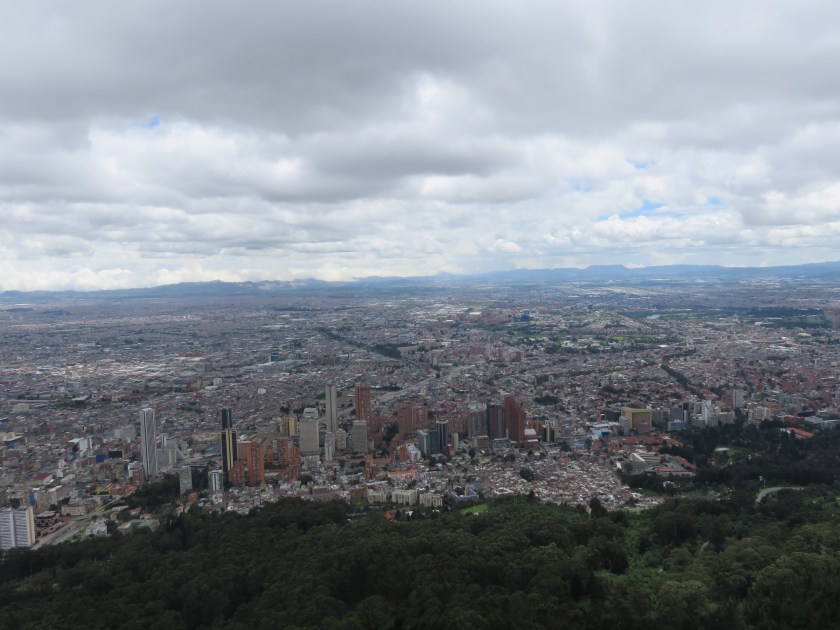


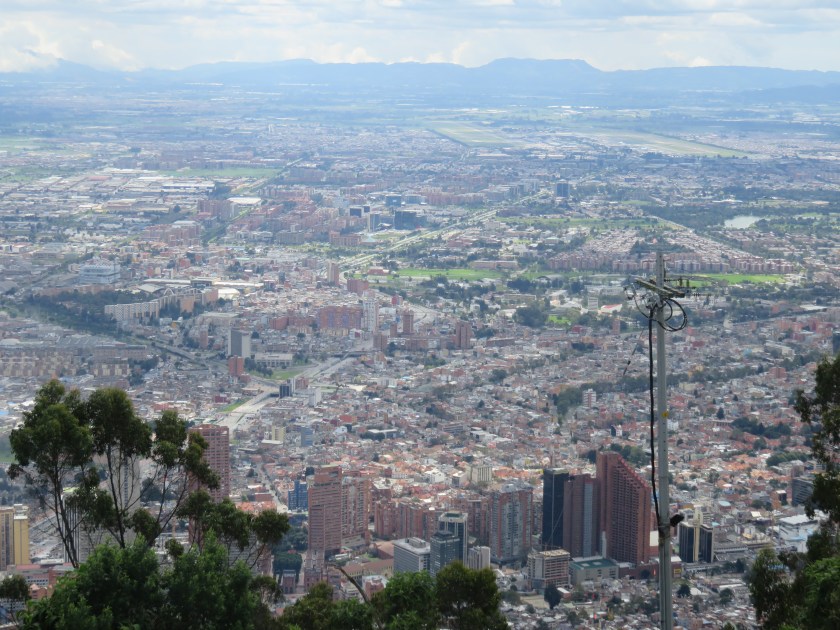

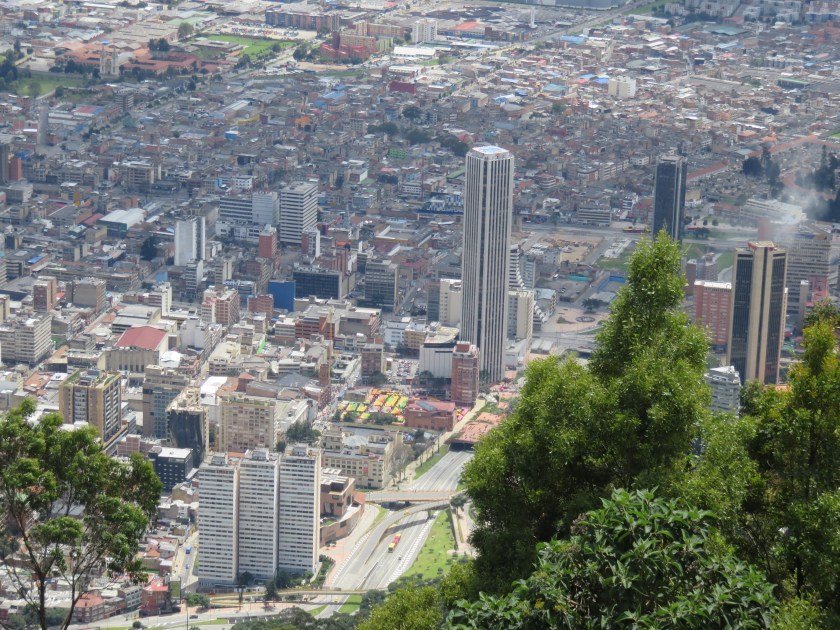
Camera: Canon PowerShot SX710 HS
Location: Monserrate, Bogota, Colombia
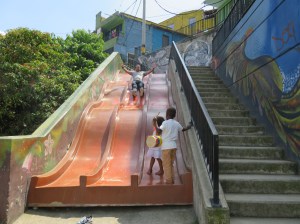
I had the pleasure recently of visiting Comuna 13, a neighborhood in Medellin that has had a difficult history with gang violence and the illegal drug trade but which is showing signs of both progress and renewal. Due to the investments made by both the local and city government, Comuna 13 has become a hotbed for beautiful street art and graffiti murals, which has attracted many local artists to make a positive mark on this community. Many of these artists are from Medellin and grew up in the neighborhoods of Comuna 13. Rather than discuss the past of Comuna 13, I would rather talk about why this particular community is poised to have a brighter future.
Beyond just the new street art and the graffiti murals that you can find around Comuna 13 are the relatively new escalators that connect the San Javier metro station to the communities located in the hills surrounding this transportation hub. These escalators make it a lot easier for both students and workers to gain easier access to the rest of the Medellin metropolitan area and are an easy way to get from point A to point B. The escalators are free to use for all people including the tourists who come to visit this part of the city.
While the escalators are not so numerous, it is possible that more of them will be added to other parts of the city in the future if I were to haphazard a guess. Medellin can set an example to other urban cities on how to connect neighborhoods efficiently with the use of escalators, especially those with sloping hills and steep mountains within the city limits. For the elderly and children as well, these escalators can be quite useful in helping them get around the neighborhood without too much trouble.
If you don’t feel like taking the escalators, there are concrete staircases adjacent to the new escalators so you can choose which way you want to go up or go down. The escalators are weatherproof as well which is quite genius when you think about. On your way to the metro, the overhang, which is a bright, fluorescent orange color, will protect you fully from the elements such as rain, snow, hail, etc. It only takes about five to ten minutes to get from the top of the escalators to the bottom of the escalators so if you’re in a rush, you won’t have to go through too many escalators to get to your final destination.
The city government of Medellin and local police has done a great job in my opinion with regards to keeping this part of Comuna 13 safe and secure. I noticed during my visit that locals and volunteers are instrumental in helping to keep the area around the escalators clean and orderly. There are park benches and small parks nearby to encourage community get-togethers as well as the fact that there is a big slide where the local children can use to slide up and down to have some fun in the neighborhood. Being the kid at heart that I am, I partook in one of the slides because it is pretty enjoyable and you do go down at a pretty fast speed.
Beyond just the new escalators, the cool slides, and the park benches, there are also now a few library parks, which are free for members of the community to enjoy, explore, and learn. In addition to being places for education, the libraries are great meeting places for the community and can strengthen neighborhood ties. You can also hold cultural, recreational, and educational activities such as group English classes or a family birthday party. Books in these libraries are free to borrow and use.
Everyone can use them regardless of their age, educational level or social status. The mind is a terrible thing to waste and because of the twelve library parks in Comuna 13 and other parts of Medellin, city residents here have a real chance to learn new things and satisfy their curiosity. One particular volunteer group that I’m interested in learning about is called ‘Stairway to English’, which provides free English classes with native speakers to members of the Comuna 13 community.
My visit to Comuna 13 left quite an impact on me. I did go through an organized tour this time, which I do recommend to people visiting this webpage. It was really useful to learn about the history, background, and the progress being made for this part of Medellin. Medellin is quite a large city and it can be easy to get caught up in only staying within your own neighborhood and to not see other parts of the city. Personally, I do hope that other escalator projects in urban areas will become popular in Colombia and other parts of the world.
Human beings are increasingly becoming more urban with over 70% of the world’s population projected to be living in cities by mid-century. This puts the onus on local, city, and national governments to adapt to this reality and try to make life easier and better for the millions of people who call a city their home. Other cities should take note of the social progress being made in Comuna 13 and I can only hope that more and more residents of Medellin will be able to improve their lives in different ways because of urban projects like building library parks or constructing escalator routes.
If you’re in Medellin sometime and you’re curious to check out the positive urban transformation that is ongoing in Comuna 13 and other parts of the city, I would recommend using Comuna 13 Tours, which has a very knowledgeable, kind, and helpful staff members who are bilingual and want to share their city with foreigners out of the goodness in their heart. This is not an official endorsement and I don’t get paid or receive any benefits from mentioning this tour on my website.
I’m doing it because I really enjoyed the experience I had recently with them and I think other visitors who come to Medellin should do the same based off my positive experience using this tour group. Perhaps, most importantly of all, you’ll meet a few locals during your tour and you can see how hospitable, kind, and open they are in Comuna 13. My only advice is to be careful about your photo taking, and to be respectful of both the tour guide and the locals who are kind enough to take some time out of their day to share with you. I look forward to visiting Comuna 13 again someday and I hope to use that giant slide again too.
For more information: http://www.comuna13tours.com/

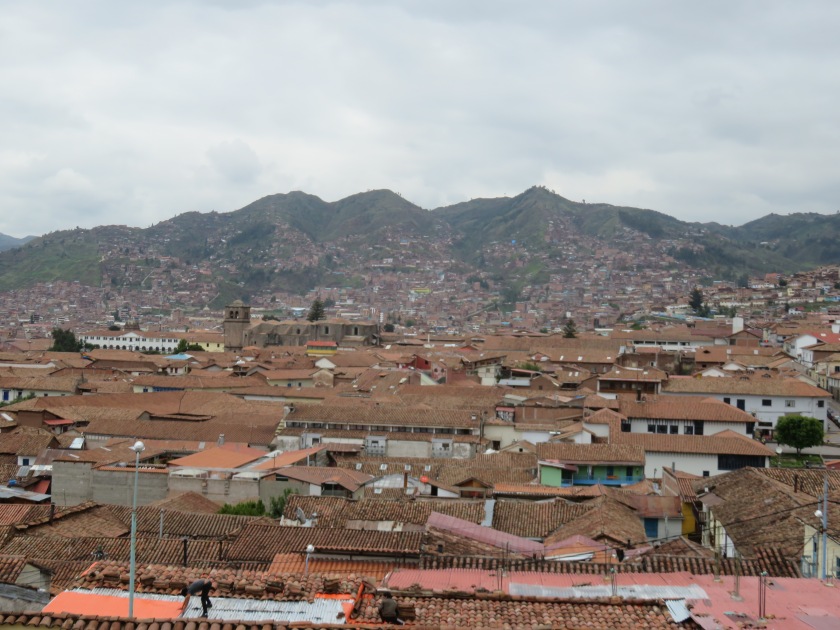
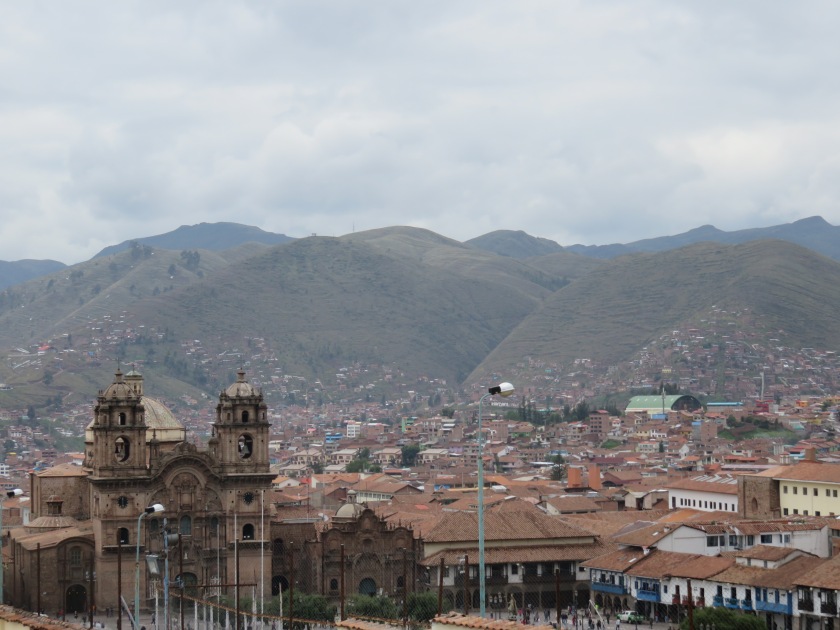
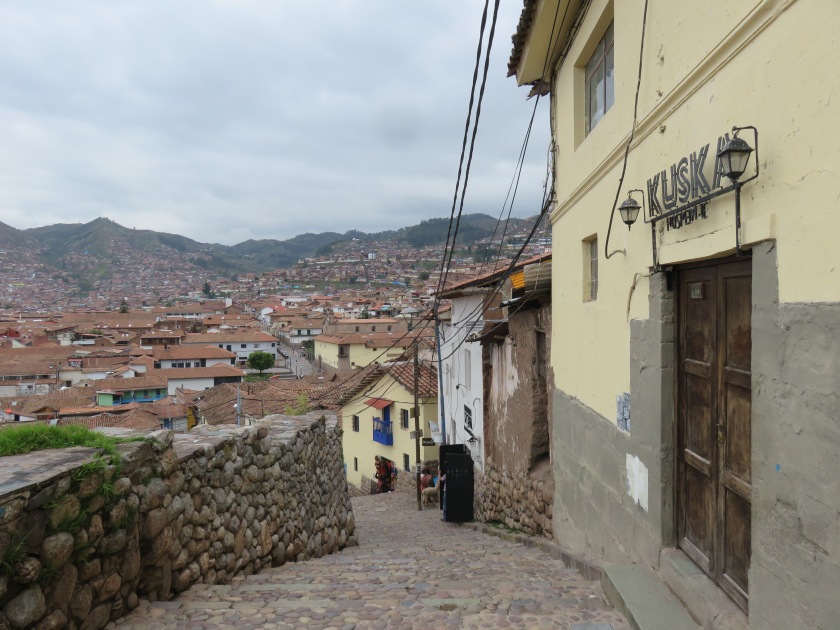
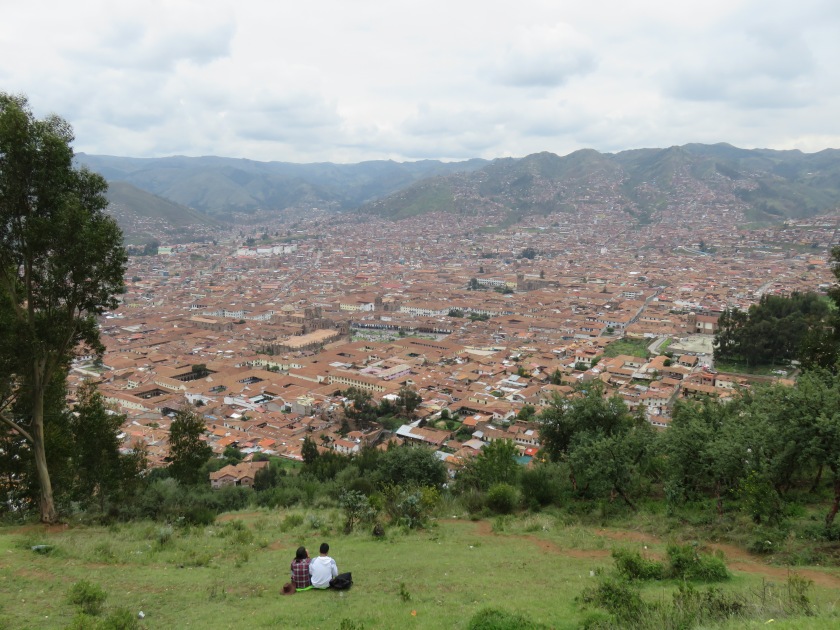
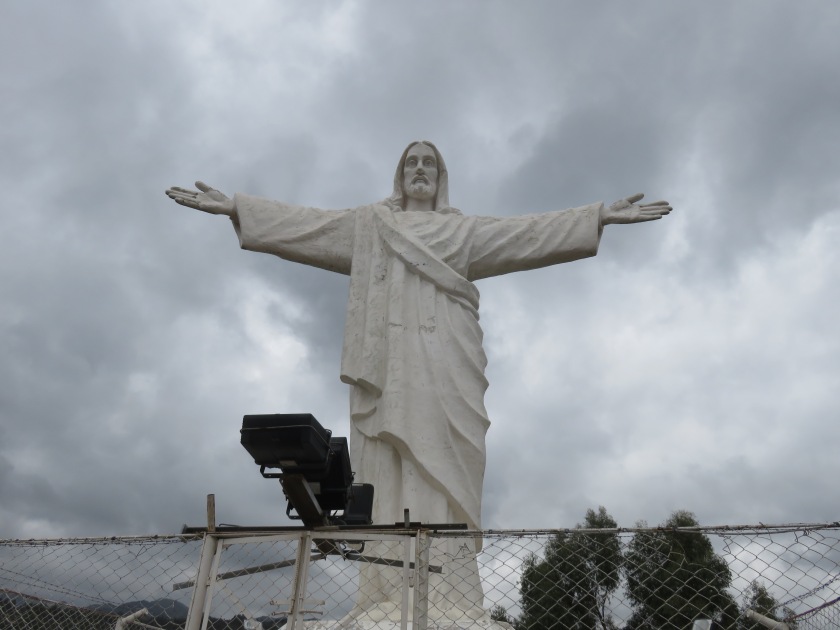

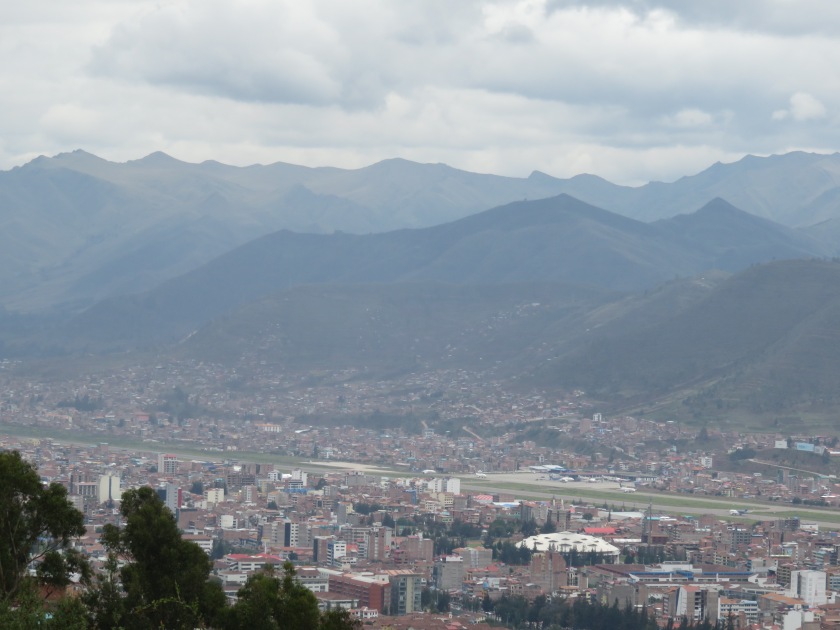
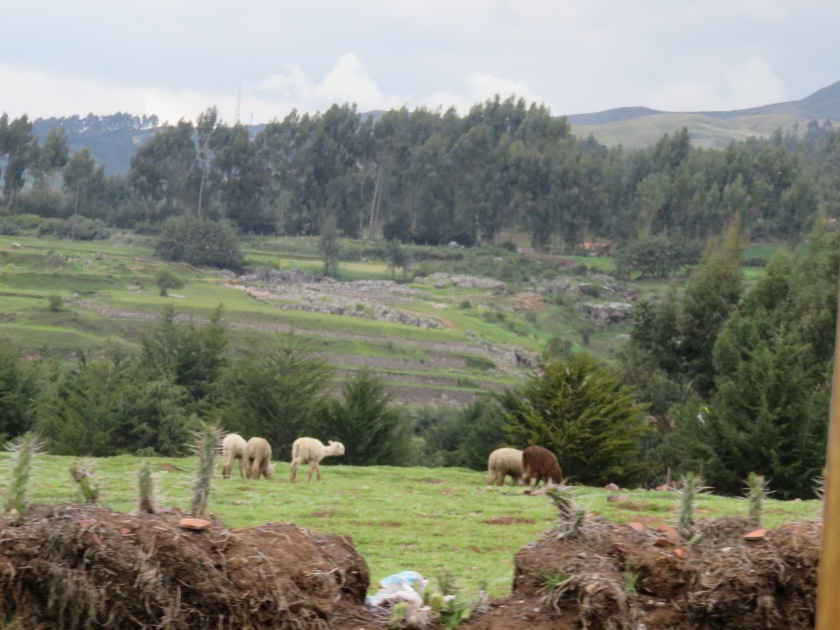
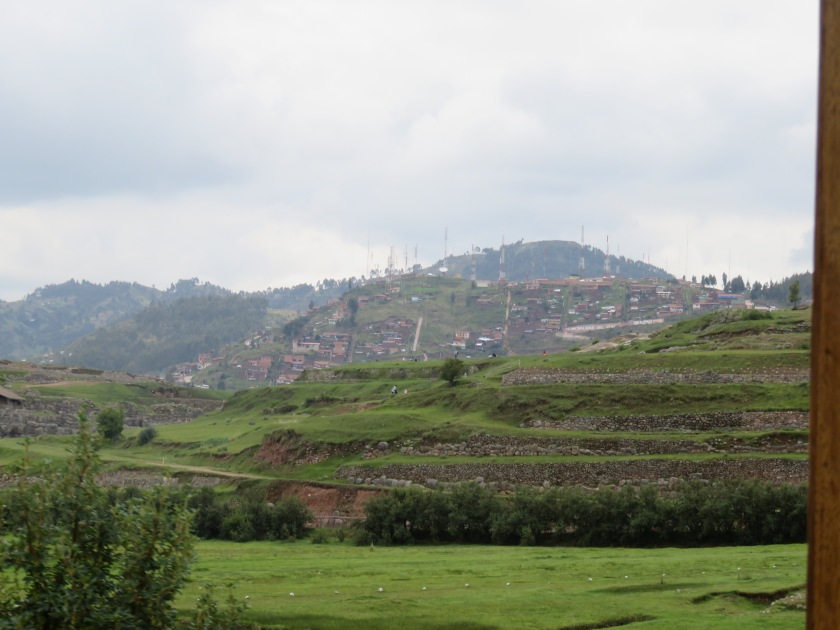
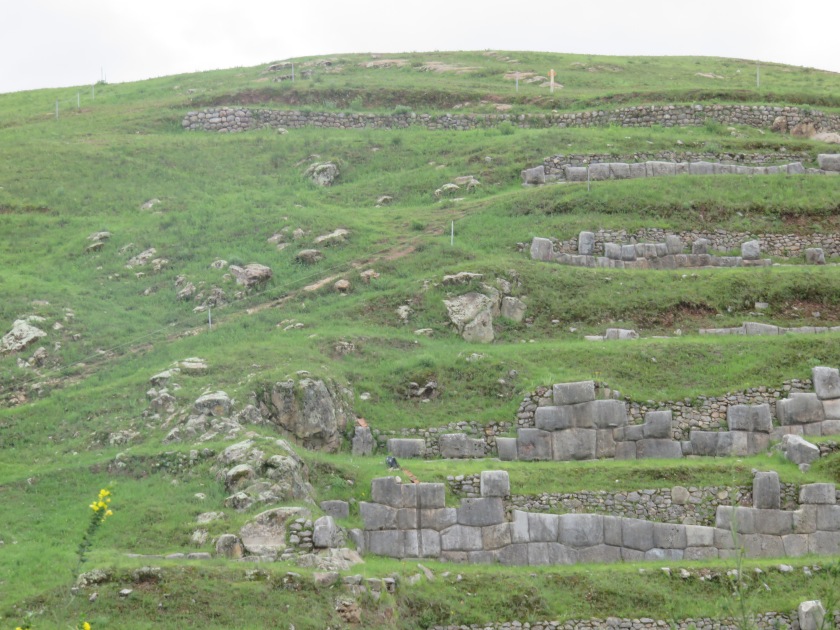
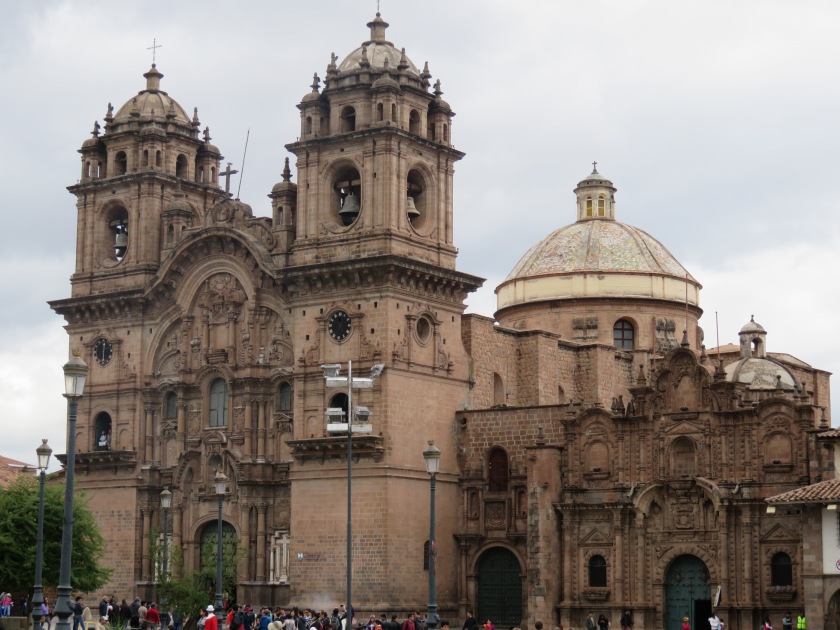
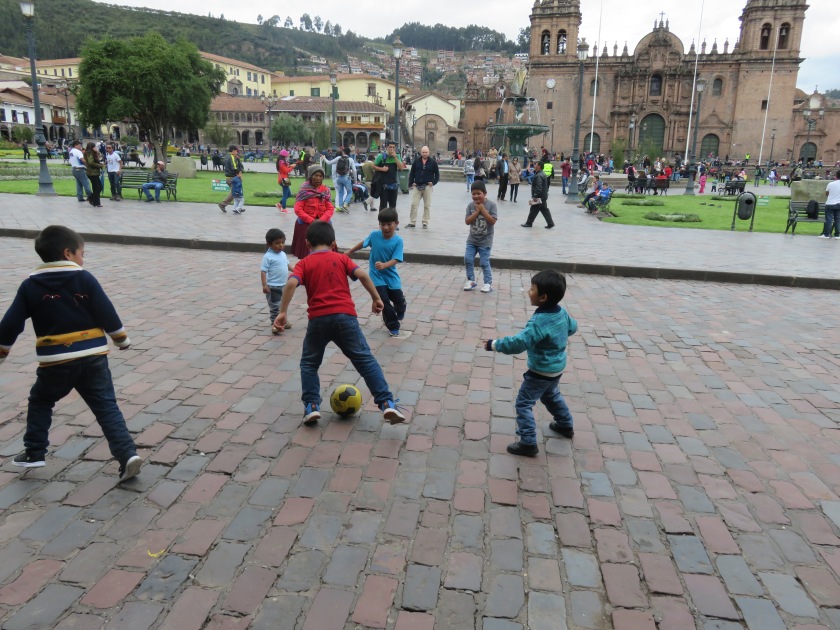
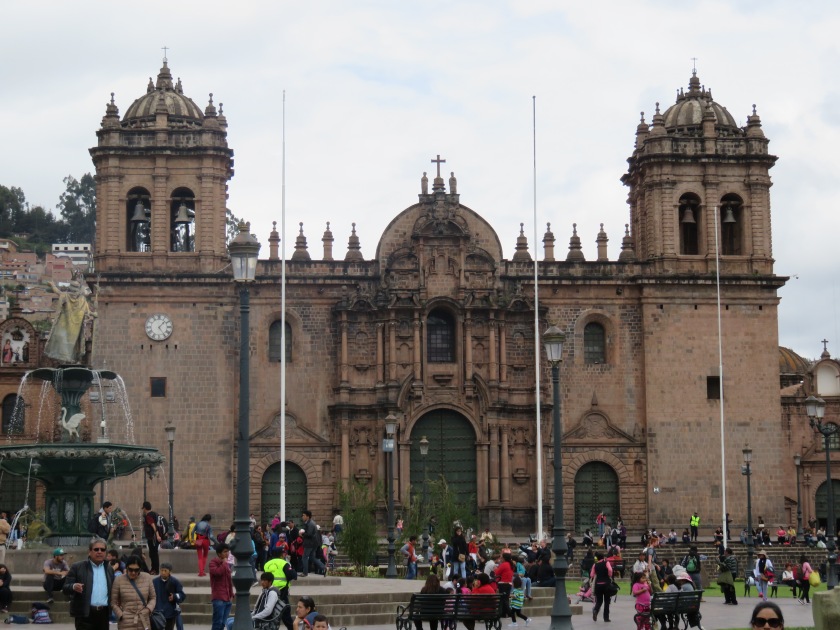
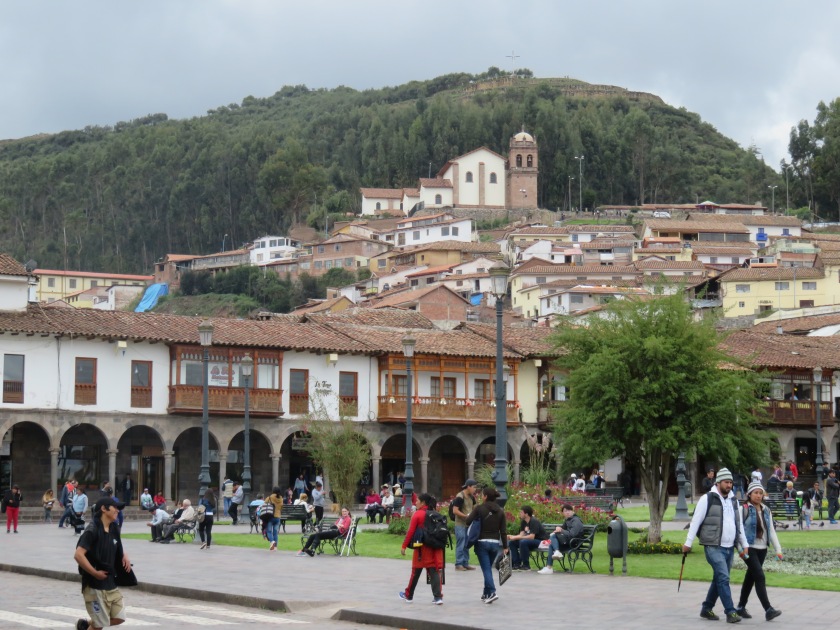
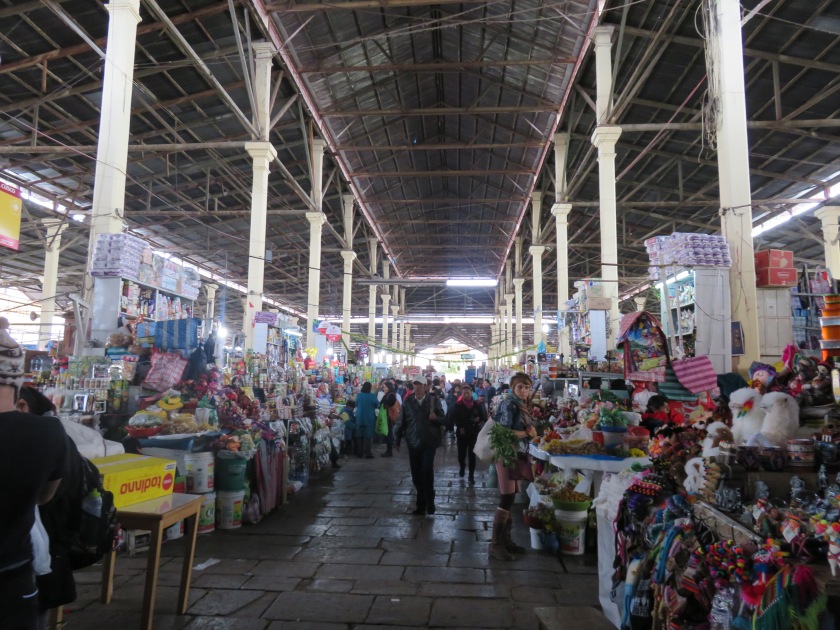
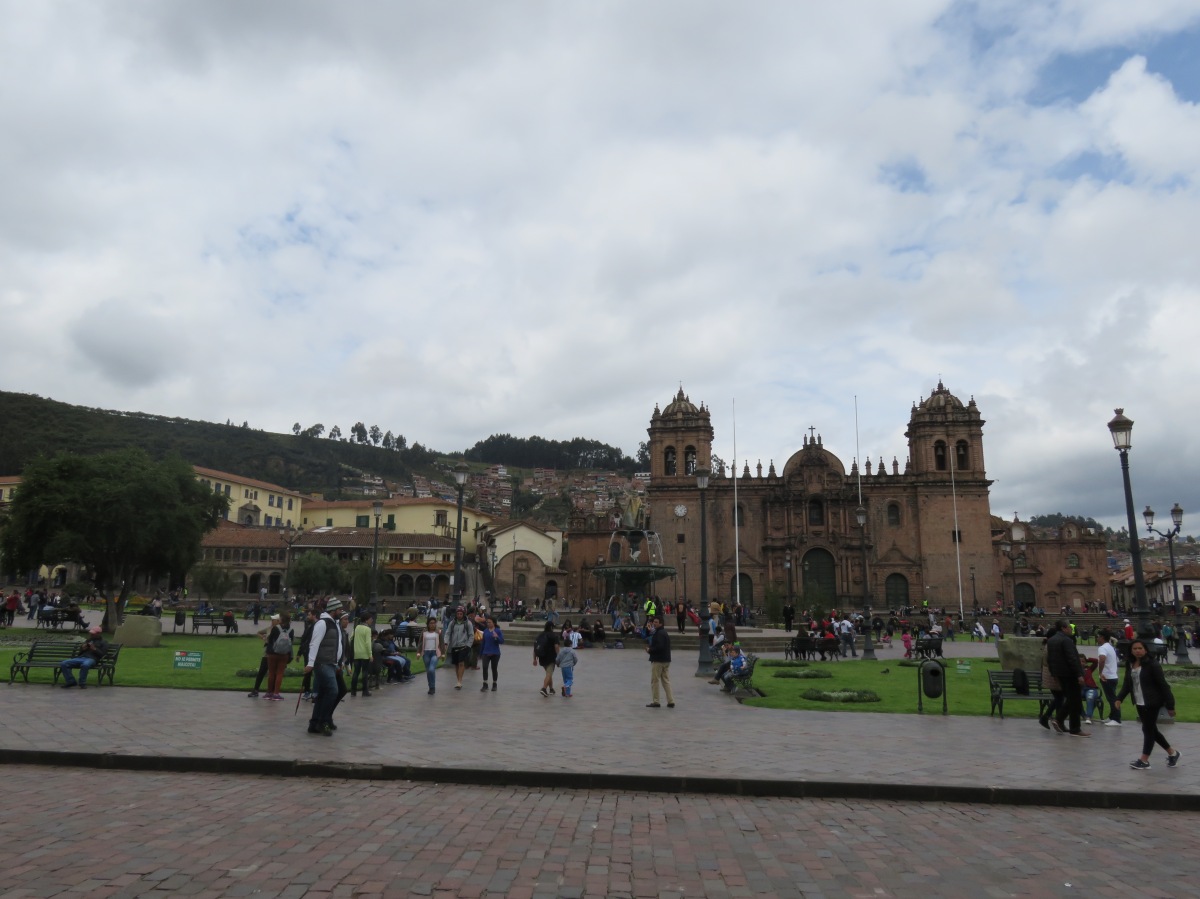
Camera: Canon PowerShot SX710 HS
Location: Cusco, Peru


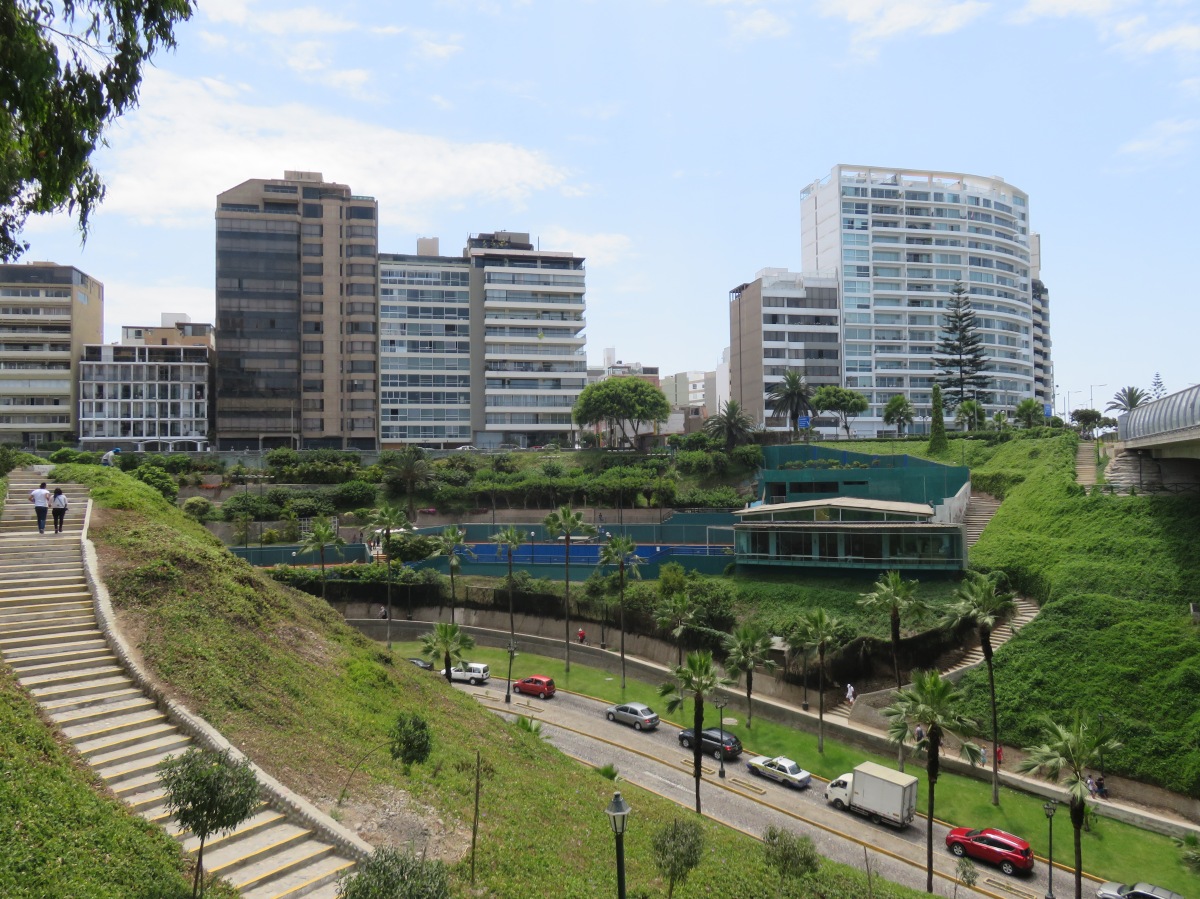
Camera: Canon PowerShot SX710 HS
Location: Lima, Peru

Santa Marta is an undiscovered gem of a city located on the northeastern tip of Atlantic coast of Colombia. I say that it’s an ‘undiscovered gem’ because it usually flies under the radar when compared to its’ coastal counterparts of Cartagena and Barranquilla. Still though, for Colombians and foreigners alike on vacation, Santa Marta has a lot to offer its’ visitors. I was drawn to Santa Marta a couple of months ago when I visited its’ neighboring town of Minca, which is also quite beautiful and full of lush scenery up in the mountains. Unfortunately, I did not get to spend much time in Santa Marta so I decided that during my 2nd time living in Colombia, I could not pass up the chance to visit this city if I had the chance.
Luckily, due to the recent religious holiday observed in Colombia which falls on a Monday, I was able to make my return to the Atlantic coast via Santa Marta for a long weekend and I had a great time overall. Even with three full days, I felt like I could have done and seen even more so if you’re planning on coming to Santa Marta, five days or so and that should be enough to cover everything. Due to the fact that I live in Medellin, which is surrounded by mountains with no sea in sight, I took full advantage of my time on the coast by hitting up the local beaches, sampling some great seafood and doing some hiking.
Santa Marta is a small and navigable city, which made it easier to visit for a long weekend. The locals I met were extremely helpful to me, and especially the taxi drivers who were patient with my handwritten directions. The historic center of Santa Marta was well preserved in my opinion and very walkable. There are a lot of bars and restaurants located around the Parque de Los Novios, which made it easy for me to choose places to eat and drink. Beyond that, you can easily go to La Quinta de San Pedro Alejandrino, which is place where the liberator of most of South America died in 1830. The hacienda is a museum, resting place, and has a really nice art gallery as well.
My recent trip mostly focused on visiting the different beaches located in Santa Marta, Rodadero, and Parque Tayrona. Santa Marta has many public beaches, which I found to be refreshing because there are a lot of hotels and private apartments located close to the sea but families and locals can mix with tourists to enjoy the beaches as well in the city. I found that to be a great idea and a contrast to other places, which have private beaches that only guests of the hotel or apartment can use freely. The public beach in Santa Marta is clean and nice to swim in but it can become quite crowded especially on holiday weekends.
The highlight of my trip was a visit to Parque Tayrona, one of the biggest and most popular national parks in Colombia. Well-preserved, pristine beaches, and great hiking opportunities, Parque Tayrona is the reason a lot of tourists come to Santa Marta in the first place. The park offers a lot of beautiful natural scenery of mountains, trees, and small rivers, which you can hike through for a day or more. Some visitors choose to spend a night or more in the park because it’s too big and vast to spend only a day there. The beaches are especially gorgeous because they are quite unspoiled and have no trash or residue of human presence for the most part. The water is clear, blue, and enjoyable to swim in. There’s a powerful rip-toe and large waves so be careful if you are to go swimming in some of the beaches there.
The particular beach that I visited, which is called Arrecifes, was barely inhabited and I enjoyed my time swimming, sunbathing, and listening to the clear sound of the waves without a care in the world. It was a very rewarding feeling to soak myself in the waters of the Atlantic again after a long day of waiting to get into the park and hiking through the park. For a couple of hours, I had the whole beach to myself so I was able to hear the sounds of the waves uninterrupted without any outside noise or voices to disturb the flow of nature. If there is one regret I have about the park is that I did not have enough time to see other beaches and that I should have woken up earlier to get into the park without waiting in line. If you plan on coming to Tayrona, make sure to get there by 8 or 9 AM, otherwise you will be waiting for a while to get in.
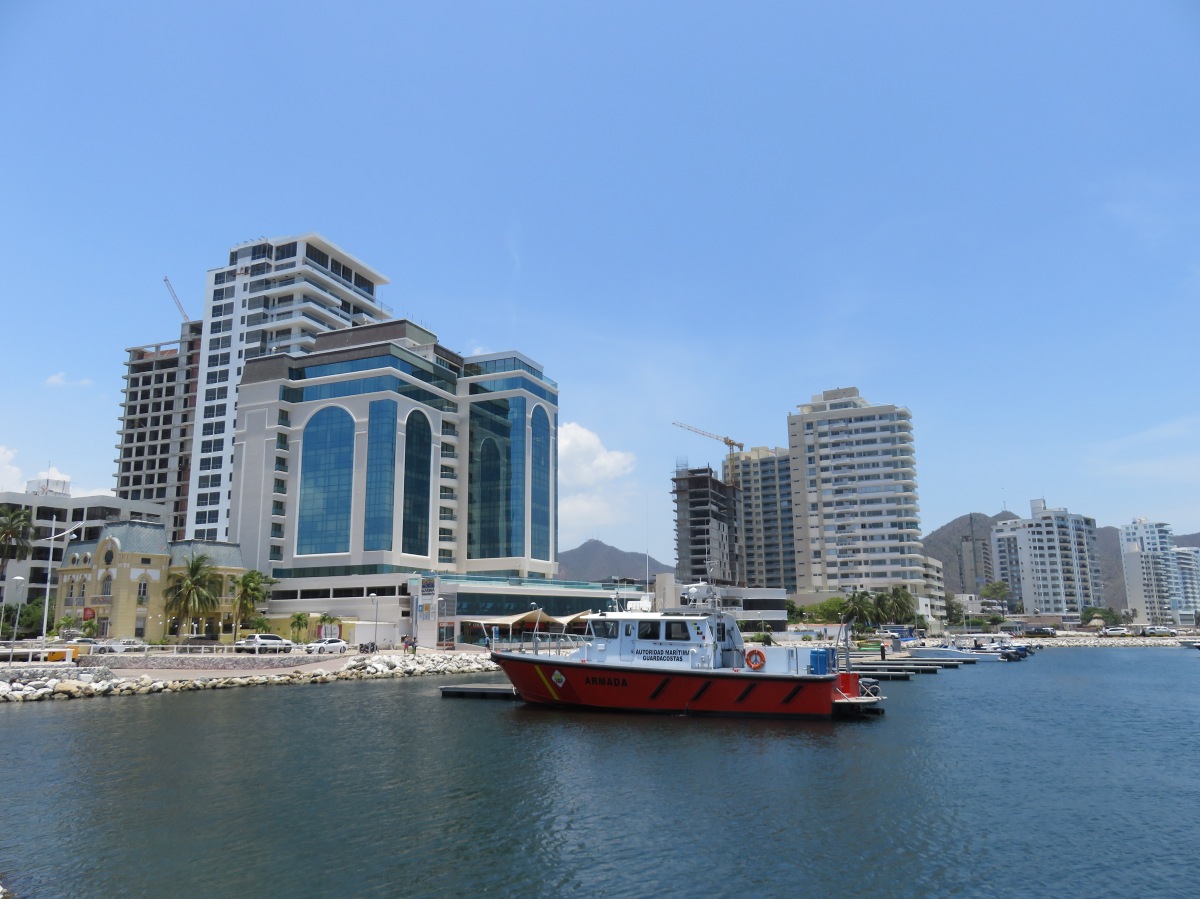
Before I left Santa Marta, I made sure to check out Rodadero, which was very different from Santa Marta and felt more like Miami Beach. High-rises, hotels, and apartments make up quite the skyline for this small city, which sits between the mountains and the coast. Rodadero is a great hub for restaurants and nightlife but also has nice public beaches which locals and tourists can enjoy alike. On my last day in the area, I decided to check out Playa Blanca, which was well worth the boat trip. Having a nice, private cabana that kept me out of the sun was welcome after two previous days in the sun. If you can’t make it to Parque Tayrona, spending the day in Rodadero is a great back up plan especially if you can make it to Playa Blanca where it’s less crowded and the water is crystal blue.
In addition to swimming and sunbathing, there are a multitude of activities to take part in. The fishing village of Taganga, which is nice to check out for a day due to its’ coastal style boardwalk also offers diving classes if you’re into learning that skill. There are also numerous tour groups offering snorkeling, hiking trips in the Santa Marta area for reasonable prices. If you’re feeling more leisurely, you can go jet skiing, banana boat riding, canoeing, and paddle boarding if that suits your fancy. The multitude of activities and places to visit in the area make it clear that Santa Marta is worth at least five days or so if you want to explore each nook and cranny of what the area has to offer. You simply can’t be bored if you decide to visit.
Despite being relatively undiscovered when compared to Aruba, the Bahamas, Bermuda, and other vacation getaways, Santa Marta is a city on the rise and its’ making a lot of progress in developing its’ tourism infrastructure. There are many cranes working on building the next hotel or apartment complex especially in Rodadero. The Santa Marta airport, which may be the smallest airport I’ve ever visited is getting a makeover and is going through a lot of construction in order to make it a hub for Colombians and tourists alike. With investments in infrastructure and education, Santa Marta will continue to grow in popularity.
I hope that tourists will continue to get along with the locals and respect the great natural beauty of the area especially in Parque Tayrona. The one thing that was difficult for me to deal with was the coastal humidity, which will cause you to sweat like no other. Be prepared to be hot but you get used to it eventually. Lastly, using AirBNB to meet some locals was really nice and I highly recommend the online service to my readers. Just make sure to do your research first and choose places to stay, which are conducive to your travel needs. A holiday weekend well spent in my opinion and I have a feeling that I will be back in Santa Marta one day soon. Parque Tayrona and Rodadero were my favorite parts of the trip and I’m sure others will enjoy those places too if they choose to visit this great area of the country.
Medellin, a bustling metropolis of over three million people, has a popular and well-known nickname, “The City of Eternal Spring.” I can say for certain that this particular nickname is well warranted and appropriate given the moderate temperatures and humidity that make up the day and night here. Among the cities and towns I’ve visited in Colombia thus far, Medellin is special in that its’ climate is hospitable and agreeable.
Luckily, after a long day’s work at my new school, I can come back home without sweating through my shirt and dress pants. When it does rain here, it’s refreshing and cool. Sometimes, it can pour really hard but usually only for short periods of time and despite July and August being the prime months for the rainy season, it hasn’t been that frequent of an occurrence.
In addition to its’ great climate, there are other qualities that make Medellin a unique city. Its’ transportation is well organized and runs smoothly. The metro system here is one of the few in South America and is clean, affordable, and has frequent trains. I’ve been impressed at how easy it is to get around the city without breaking the bank. In addition to the metro, there are also the ‘Colectivo’ buses, the Metro Plus bus system, the Metro Cable car system, plentiful taxis, and Uber if you really need to get around in a hurry. Motorcycles, which I noticed to be quite popular on the Atlantic coast, are also another great way to get around especially if you’re not patient with the traffic here.
Caution is necessary, as ‘right of way’ does not exist for the pedestrian so you have to be an eye out for both cars, taxis, motorcycles, and large buses. Everything seems to run efficiently when it comes to getting people to and from their jobs whether they are in the north, south, or central part of the city. While I haven’t spent much time in Bogota or Cali, I would say that Medellin is the most interconnected city in Colombia when it comes to transportation.
Residents of Medellin and the Antioquia region in general are commonly known as ‘Paisas.’ This nickname is also spot on given the fact that these people are really born and raised here in the countryside. Compared with Costenos, Paisas are accustomed to the mountains and hills that surround their fair city. It’s been an adjustment for me given my past experience of living near the Atlantic coast of the country. It’s a unique opportunity to be able to see Colombia through a different lens.
While the food is similar to what you would find in other parts of Colombia, Paisa cuisine is unique in offering hearty dishes like ‘La Bandeja Paisa’ and ‘Cazuela Antioquia.’ Rather than seafood, Antioquia pride itself on its’ offerings of different kinds of meat served with potatoes, avocado, tomatoes, etc. Each region of Colombia including Antioquia are known for its’ cuisine offerings which may be unique to the particular region.
To put it bluntly, Medellin is a city which contrasts its’ natural surroundings of mountains and rivers with its’ skyscrapers, bridges, and freeways. In any view of the city, you get a mix of pure nature and urban settings. Tucked below the valley, the city rises with its’ buildings and elevated metro to contend with the nearby green mountains that surround the city. The most special sight to me occurs at night when the lights of the city flicker brightly across the valley and off the side of the mountains. Each white and orange light that shines in the valley at night signifies one of the homes, apartments, and buildings that house a few of the city’s overall three million residents.
I have only been in Medellin for two weeks so far but I can tell that this is a special place. In addition to the great climate, good public transportation, tasty local cuisine, and stunning views of nature, the city’s inhabitants are friendly and helpful. Sometimes, to me, it doesn’t feel like a big city but a cluster of small towns that make up an urban area. Part of the fun of living here is discovering new neighborhoods that each has something different to offer. There are cool museums and botanical gardens to see at the University of Antioquia, trendy restaurants and bars that make up most of the Laureles / Estadio neighborhood, and the heart of the nightlife scene in El Poblado. It’s also cool to check out the more suburban neighborhoods that are within a metro ride of Medellin such as Envigado and Sabaneta.
Even if one were to get bored with Medellin, there are a lot of things to do, and places to see in the Antioquia region. In addition, there’s also a number of day trips out there to explore the local nature scene and to experience more traditional villages. It would be unrealistic for me to say that you can get bored living in Medellin because it really is a vibrant cultural capital and I believe that a lot of tourists and residents from other Colombian cities now acknowledge that fact. Having had an unfortunate negative reputation in the international news media for many decades, Medellin is a city on the rise with a deep culture, cool neighborhoods, and hard-working, friendly people who want to show you the best of what their home city and region have to offer. I am very happy with my decision to have come back here to Colombia and to make my current residence here in ‘The City of Eternal Spring.’ Hopefully, as a reader of my blog and website, you’ll come down to visit Medellin sometime to find out just what all the hype is about.


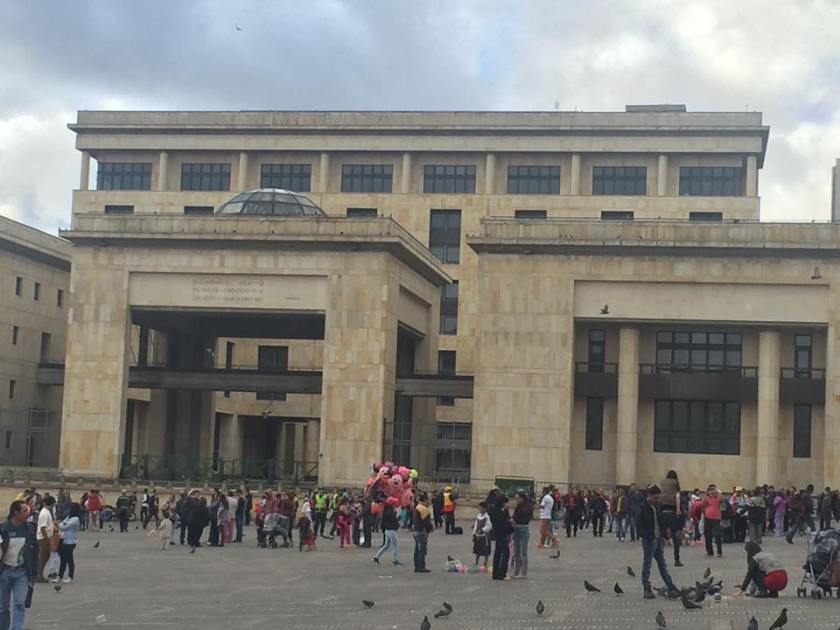


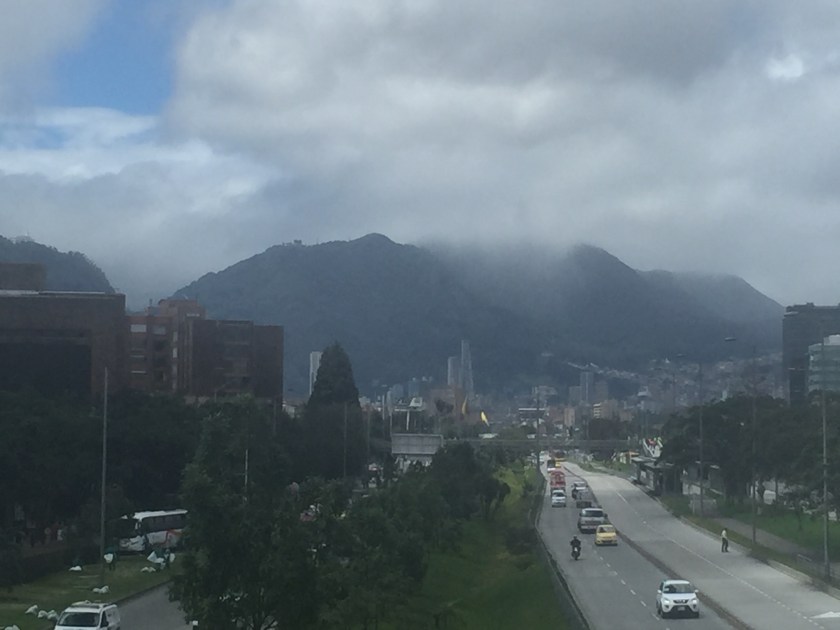
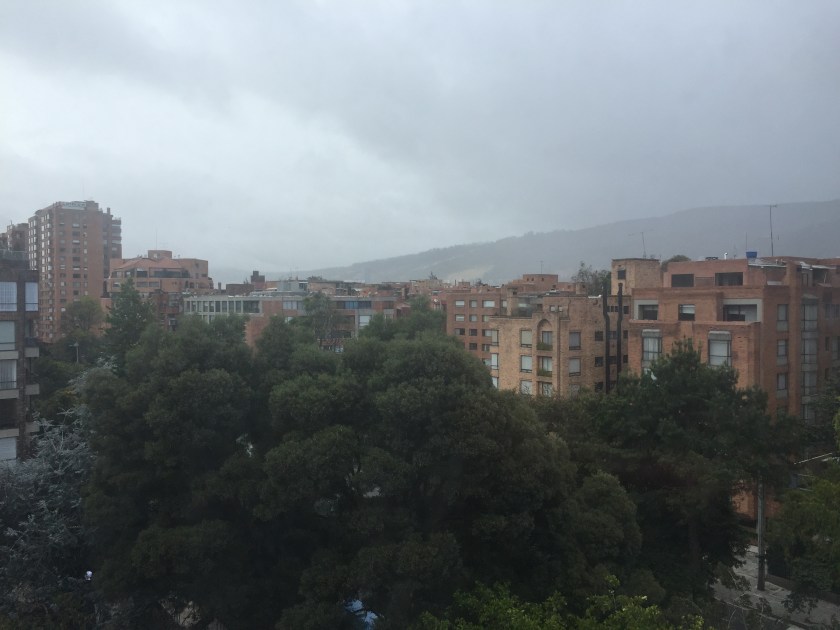
Camera: iPhone 6
Location: Bogotá, Colombia