Corruption Is A Weed That Is Not Easily Removed

“Invasive, resilient, and growing back sometimes stronger if not pulled out or removed completely, corruption is a weed that is not easily removed from society. Corruption has occurred throughout human systems at different levels throughout history since the dawn of mankind.”

Invasive, resilient, and growing back sometimes stronger if not pulled out or removed completely, corruption is a weed that is not easily removed from society. Corruption has occurred throughout human systems at different levels throughout history since the dawn of mankind. It’s a recurring feature that comes up across the world with examples ranging from post-Soviet oligarchies to Latin American caudillismo to modern lobbying culture without imposed limits or oversight mechanisms.

Corruption has different forms that emerge depending on the permissiveness of both the individual culture and its society. While corruption can’t be permanently eradicated, it must be confronted and diminished as much as possible by both citizens and leaders. A mature society recognizes the existential risk involved in how corruption can permeate a community, a society, a government, and how it must be pruned as much as possible with legal and rule-based consequences.

In my definition of corruption, it’s more than just outright bribery, grift, or stealing, it’s systematic decay in the forms it can take such as persistent favoritism, nepotism, cronyism, apathy, and moral erosion when there are no consequences for breaking the law or not obeying the rules of society. There are psychological roots involved in how corruption first gets planted as a root when greed, survival instinct, permissiveness from the society, and peer pressure takes hold since “everyone else is doing it” and “there won’t be any consequences for me” for flouting the rules or laws on the books that are supposed to stop it. There is fertile soil in any society for corruption to grow and spread as a ‘weed’ when institutions are weak, unresponsive, or don’t push back, transparency is low or non-existent, and accountability is rare for leaders and citizens.

Some examples of corruption digging in are when local or national officials enrich themselves from public projects or are enriched personally from private or backroom deals. They are involved personally in these same deals when they hold public office and do not separate their public role from their private life, which causes obvious conflict of interest issues. In the corporate world, when lobbying is not curtailed or regulated where it turns into legalized bribery. Unlimited money from a company given to a politician or a community leader to influence their decision-making is corrupt in nature, especially when this kind of ‘donation’ is not disclosed to the public. This kind of pervasiveness can spread to everyday life where the average citizen sees that those in power or who have wealth are getting away with the corruption and are not being held accountable. Possibly, you can see certain citizens cutting corners, committing nepotism, or looking the other way in response instead of pushing back and calling for accountability.

There need to be constant ‘gardeners’ on watch who need to get their hands involved to weed out the corruption in their society. Whether it’s civil society actors like journalists, whistleblowers, or reformers, they have a role to play especially when leaders or public officials do not hold themselves accountable. Backlash, burnout, and even threats to their lives are constant risks for these ‘gardeners’ but in a corrupt society, their role becomes increasingly important specifically when dismantling civil society becomes one of the goals of corrupt leadership. However, if society keeps rewarding or ignoring corruption taking place and the soil for it is fertile, then there is only so much that whistleblowers or journalists can do to stem the tide of corruption. The best the ‘gardeners’ can do is bring the corruption to light and to release the papers, reports, and evidence so that the public, likely unknown to them, just what is being done behind closed doors.

Sometimes, corruption is not limited to one leader but rather they can spawn a cascading effect as once it takes place with one central leader, his or her influence within a cabinet, an agency, or an entire government leads to the ‘hydra effect’ where it’s becomes beyond just one person and is institutionalized. Corruption becomes more than just a one-off event or about one leader, it becomes part of the culture itself, and this is when it becomes hardest to bring to light or to remove it easily from the wider society. Societies sometimes are complicit in their comfort with the level of corruption they are willing to tolerate and prefer the “devil they know” to how the system could be possibly change for the better. When you think of some examples here, the Italian mafia interlaced with the politics of the country post-WWII, when you hear of past political leaders in Colombia or Mexico who had known ties to drug gangs and cartels, or when lobbying becomes a revolving door between government and industry in the United States, that’s when it becomes embedded in the institutions themselves and is hard to remove like a cancer.

Technology can both help and hinder corruption as a double-edged sword depending on how it is used by the individual and the institution. It can either lead to more transparency by sharing instances of corruption more widely with citizens and being able to gather evidence to share with more reporting outlets. It can also lead to more digital forms of corruption that are becoming common like crypto scams, online pyramid schemes, and surveillance tools used against whistleblowers and activists. Also, illicit money including use of bogus cryptocurrencies can move faster and be dispersed faster than laws and regulations on the book can track or pinpoint the money laundering origin. Corrupt actors will also use online sources of information to promote disinformation, attack opponents with false information, or flood the zone with different orders and actions that could be considered corrupt, but for which takes time to track, to respond to, and to bring a case against in a court of law.

Nations can still control or minimize corruption through using their institutions’ digital systems in the modern age to counteract the growth of corruption because of the cyber world with their own digital tools. Whether its transparency laws on the books, or secure data regulations (the European Union’s General Data Protection Regulation (GDPR), these institutional tools recently developed can help assist in the fight against corruption online. Strengthening an independent judiciary or legislative body is also key to push back against overreach by executive power.

Legislating for stronger whistleblower protections as well as removing threats against civil society are other ways to stem the tide of corrupt actors from lashing out against accountability measures. Another key component that relates to preventing corruption from reaching the average citizen is encouraging more civic education about how to prevent or remove it from society by focusing on trust-building within different communities including having town halls, open hearing and sessions by government officials, and encouraging public input on referendums, propositions, and leadership matters such as term limits for politicians. It’s no secret that more developed nations in Scandinavia (Sweden, Denmark, Finland, Norway), Singapore, and in Oceania (Australia, New Zealand) have strict enforcement measures against corruption. In these countries, there is high trust in institutions, transparency in government actions, and social shame for citizens who engage in corruption or encourage corrupt behaviors.

The roots of corruption are there in each one of us and it’s not just out there as a distant term that applies to only the rich and powerful who are affected by its presence. How we conduct ourselves and how we relate to others has a direct impact on the kind of society you live in. When small personal compromises like lying, favoritism, or abuse of power take root, they spread throughout society little by little. “Weed management starts in your own garden” so if you want to fight corruption, hold yourself to a high standard and don’t engage at all with those people you may encounter in life who have acted corruptly or encourage it in your society.

The fight against corruption is also about the fight against one’s ego or greed or appetite for power or influence. Corruption, while it can’t be 100% eradicated, it can be minimized and kept under tight controls with constant vigilance by both the individual and the institution. It’s not just “liberty that requires our constant vigilance” as abolitionist Wendell Phillips once wrote in 1952 but also about maintaining our integrity and preventing others from falling into corrupt practices. Societies that understand the existential threat of corruption and how endless yet necessary the work of ‘weeding’ it out will be are the ones that will prosper, be just, and keep the weeds at bay.


Earth Before Mars – Why Humanity Must Solve Today’s Crises First

“We continue to dream about colonizing Mars and visiting the Moon again while ignoring the rising Oceans and hungry mouths here on Earth.”

We continue to dream about colonizing Mars and visiting the Moon again while ignoring the rising Oceans and hungry mouths here on Earth. I read a recent headline that summed this contrast up for me when it was reported that ‘record heat of 2024 triggered a surge in sea level rise’, which is a headline that should give us all some pause going forward as Earth is and will remain our only place in the universe that is habitable for the foreseeable future. Still, we push forward with satellite launches, planned manned missions to the Moon and Mars, and developing other capabilities in the space realm.

Now, I have no issue with organizations and companies that seek to reach the next frontier of Space and there are real benefits for science and technology along with fomenting further international cooperation in this area. However, it is worrisome when we take our collective eye off the ball regarding real man-made issues that we have yet to solve here on Planet Earth that either are lacking attention entirely or continue to get worse (climate, poverty / inequality, wars, famine, etc.) Humanity should always dream big and continue to push ourselves forward intellectually. It is good to devote oneself to a mission when it involves curiosity, knowledge, and progress.

Space travel, universal Internet access (via Starlink, for example), breakthroughs with artificial intelligence, developing the cities of the future, etc. At the same time, we should not risk ignoring or downplaying the real urgent problems in front of us, of which there are many left unsolved. Progress matters and that has been the case throughout human history, but survival, justice, and shared prosperity should be first and foremost in terms of our priorities going forward.

There has been a trend in recent years towards apathy or not putting enough resources to end hunger, homelessness, or poverty in favor of space travel for the privileged few, colonizing planets including Mars where life, more than likely, cannot be sustained there, and mining asteroids and planets for crucial minerals and other resources of interest. There’s nothing wrong with romanticizing exploration beyond Earth and dreaming of what future generations could achieve beyond our planet one day.

Still though, that day is many decades or centuries away and right now, Planet Earth needs more of our attention than those faraway planets and solar systems. Those of great wealth, popularity, fame, and notoriety are pouring more money and resources to interplanetary dreams for themselves (most likely) rather than helping their fellow man or woman who could use their help instead. Some of the wealthy and privileged in our society seem to be hypnotized increasingly about seeking out these distant dreams rather than being part of the solutions here on Earth.

We need a reality check for everyone, including those of superior means, that there are major issues on our planet that are not going away and are getting worse in recent headlines. Whether it is climate change, wealth inequality, political instability, crumbling infrastructure, possible pandemics, wars and conflict, these are the primary issues that should capture all our attention. If we cannot make Earth a livable, sustainable, and safe place for future generations, then we do not deserve to leave the planet to colonize other planets nor set foot on Mars to begin with. All of these issues on Earth are solvable still in my view but we have to keep creating attention to these different yet interconnected problems, and to me, it is not a question of money or resources, as if we have enough money for manned missions to Mars in 5 years then there is no reason why we can’t eliminate poverty or hunger on this planet first.

Prioritizing our present and future on Earth is also not anti-progress for humanity. I am not against dreaming big or for resources to go to space travel. However, it’s about sequencing our collective priorities better going forward. Before we build a new boat, let us fix the leaks in the current boat before we sink and must abandon ship for that new boat.

There is not just innovation to be found in this current space race but I do believe also that solving present issues can accelerate innovation here on Earth. Whether it’s AI tools leading to new health cures, developments in clean energy technology building new industries here, or eliminating hunger allowing children to learn better, retain more information, and create more educated professions to solve the next challenges here on Earth. Humanity must handle survival, stability, prosperity, and justice for our baser levels before we move on to higher-level pursuits, similarly to ‘Maslow’s Hierarchy of Needs’ on a planetary scale.

We are not just dealing with one or two current issues on a humanity scale right now. I can name at least five major issues that are still unresolved and are either stagnating in terms of progress or getting worse currently.

  1. Climate Change & Environmental Collapse – the most existential issue of our time and a threat to all life on the planet, more immediate mitigation is needed and on a scale of global effort to avoid the worst kind of consequences that are likely to happen in my lifetime.
  2. Global Inequality and Poverty – Billions of people still lack clean water, enough food, or a basic education, and we have the money available on the planet to solve these challenges, yet our financial capital is being spent towards other dreams like space travel.
  3. Conflict and Authoritarianism – Recent conflicts or wards along with rising political extremism threaten to destabilize humanity’s future and saps our ability to come together to solve these other problems on my list. We also run the risk of turning against each other rather than rallying our resources together to solve issues on a global scale.
  4. Public Health and Pandemics – COVID-19 showed us all the importance of pandemic preparedness, investing in science and research, and establishing early warning systems to alert the public when a pandemic takes hold. Are we prepared for another pandemic? I am not so sure and believe this is an area where more collective action is needed.
  5. Infrastructure and Governance – Crumbling systems whether its infrastructure, health care, schools, or other vulnerable institutions that fail us leave nations and peoples behind and causes inequality to grow among us. Investing in our collective futures starts with investing in our public systems in different areas so that each of us is given the best chance to succeed and contribute to society.

There is a cost to ignoring or downplaying the issues of today because we will eventually be paying for them in the future. Runaway climate change, more wars, growing inequality, dysfunctional public institutions will all impose a heavy burden on us here on Earth and technological dreams become pointless if society stagnates, ruptures, or collapse beneath the sheer weight of these issues. Space travel isn’t so great when nobody can afford to go, the Earth the astronauts come back to isn’t so pleasant, or when there’s no money to continue funding the dream because other issues became so severe, space travel couldn’t be afforded anymore. A colony on Mars won’t help any of us if we can’t figure out how to keep power grids running here or how to keep our cities from flooding from further projected sea level rise.

Let’s continue to invest in space exploration because of what good it can do for humanity but let us also not sacrifice fixing the problems here on Earth not yet solved because we want to colonize Mars or other planets. We should weigh better as a society our collective priorities and how much funding, talent, and attention we will give to our problems here on Earth vs. our future dreams on a planet far, far away.

Governments, businesses, and individuals can each play a role by changing our priorities to focus first on fixing the problems of today rather than solely focusing on the dreams of tomorrow. We should continue to vote for leaders who prioritize our current Earthly issues, participate civically in helping to draw attention to these issues, and live sustainably to start to shift attention and resources to these issues that I’ve highlighted, which affect all of us today, whether directly or indirectly.

If we devote ourselves to fixing Earth today and into the future, we won’t just survive, we will then be strong enough to reach for the stars while comfortably knowing that we have a thriving and prosperous planet that our astronauts would be returning to, with their heads held high. Ask yourself this question too: what is the one issue of our time that you can help fix today, before we start building the future on another planet many years from now? I think you’ll find that we have more power and influence than we think and that our actions today will inspire others to also act in shaping a better planet where we can both live out our days here and still dream of a space-bound future one day for generations to come.

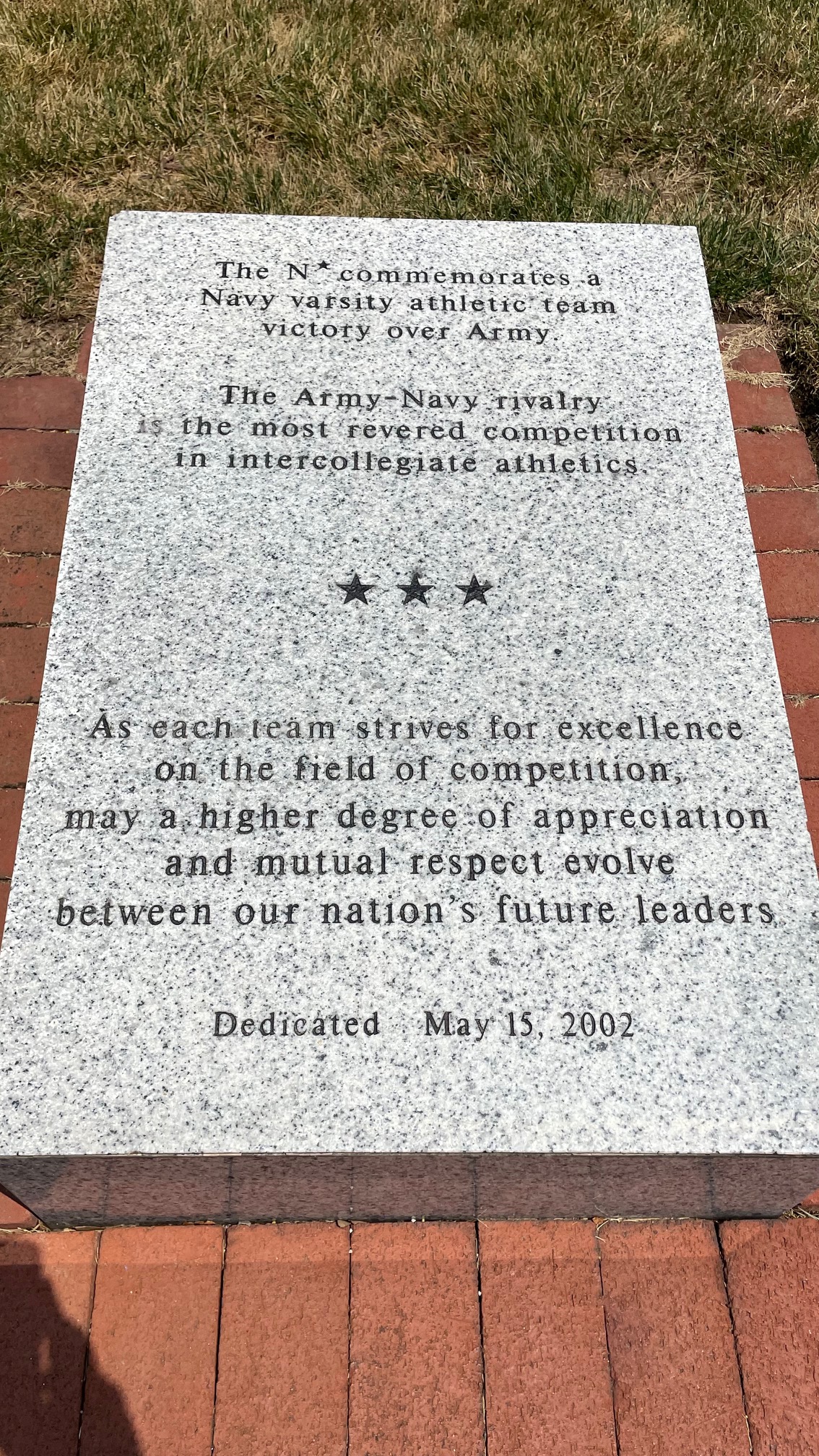
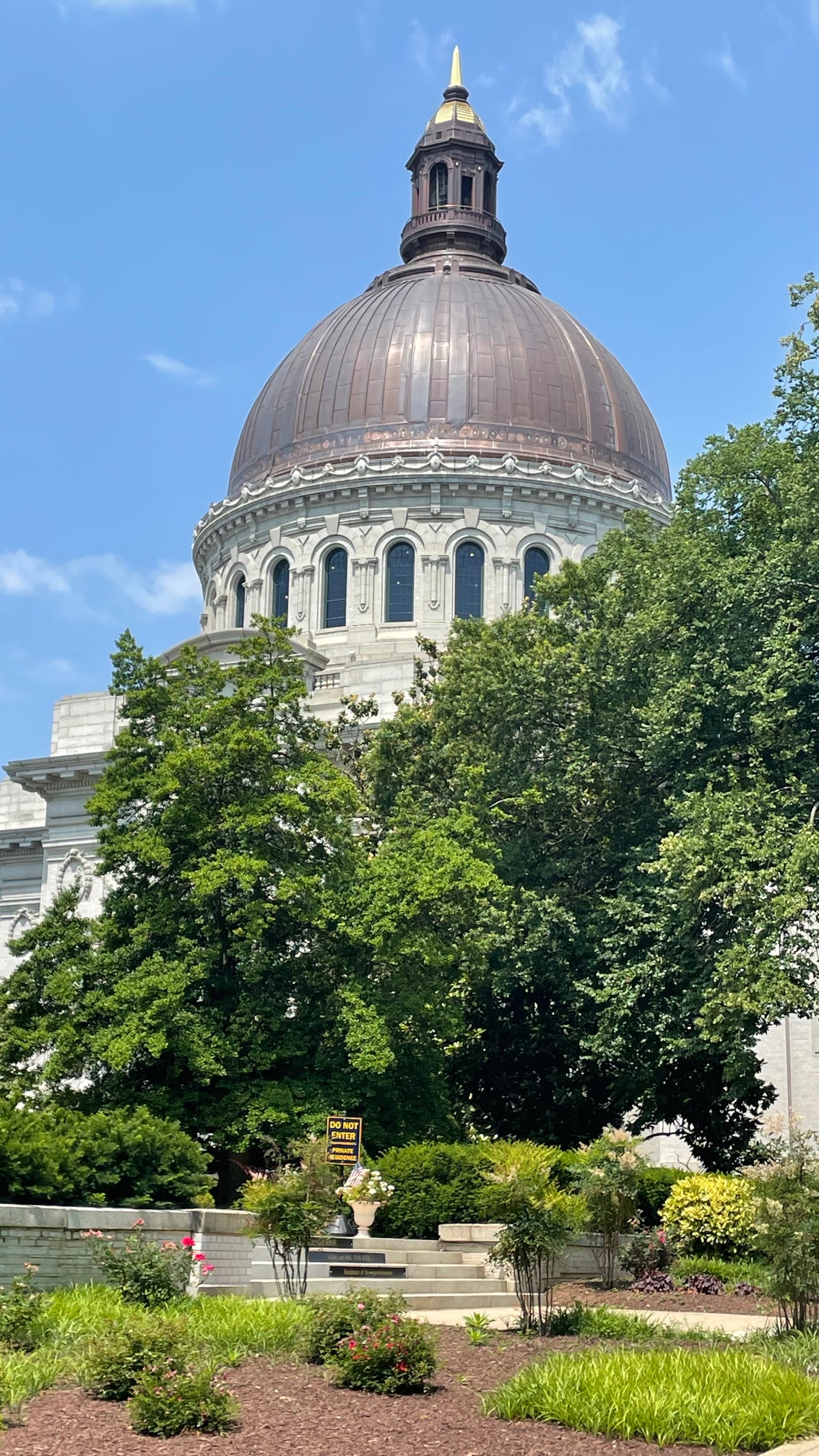
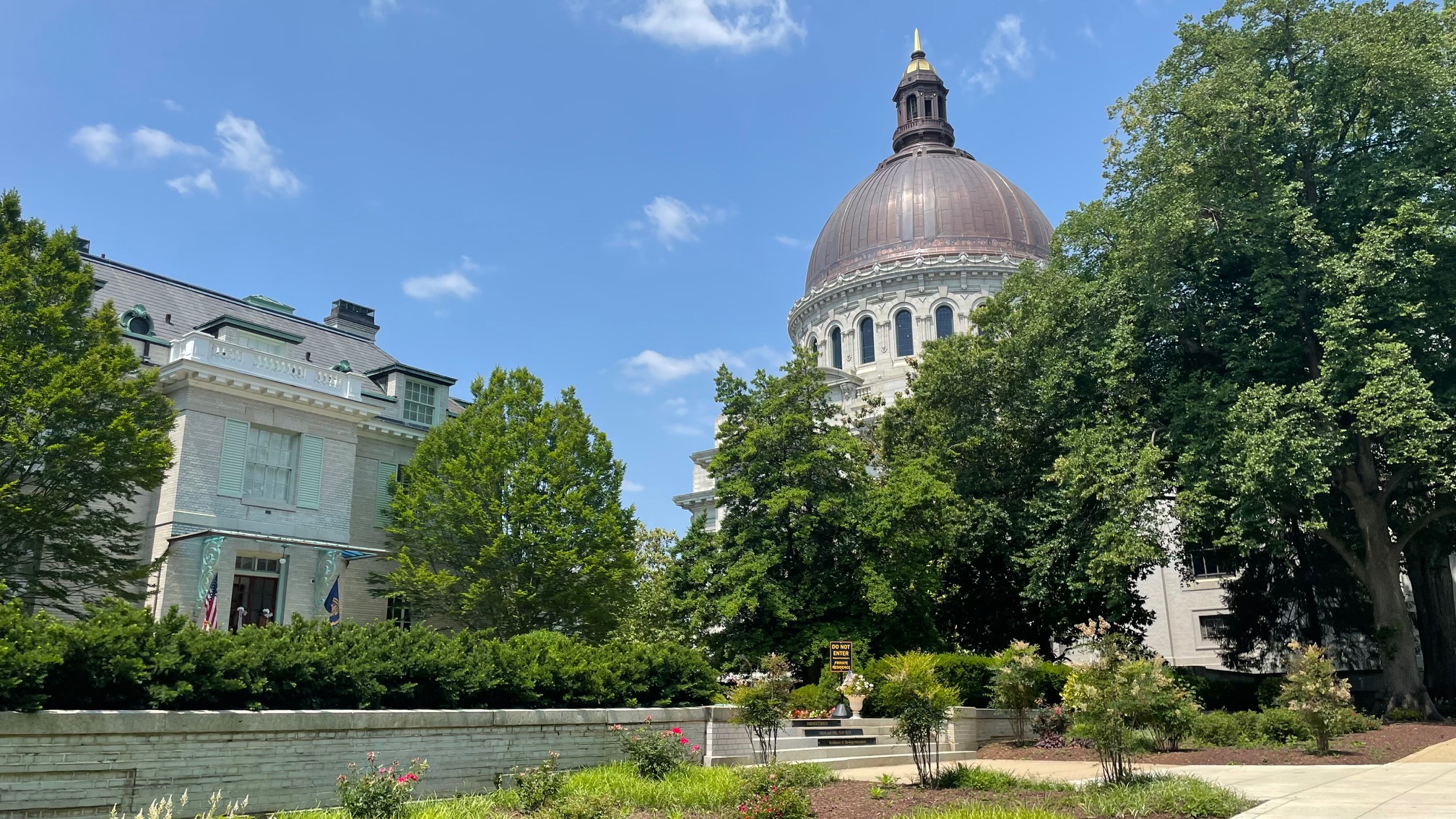
United States Naval Academy

A Visit to the United States Naval Academy in Annapolis, Maryland

Camera: iPhone 12

Locations: United States Naval Academy; Annapolis, Maryland, United States

Standing Up to Double Standards

“I am all for having standards to abide and follow as they form the backbone of our laws, rules, and regulations, but what we need to avoid is having two sets of standards, which divides people and aggravates resentments.”

I discussed in a previous article of mine why setting standards around behavior, conduct, and fairness are important. I want to dive further given recent current events of which I could put to a few examples, but for which involve the recent internationally televised and particularly controversial awards show (not naming names here) as well as other prominent examples from politics and business that come to mind in past years on why having two sets of standards can be so deleterious for a society. I am all for having standards to abide and follow as they form the backbone of our laws, rules, and regulations, but what we need to avoid is having two sets of standards, which divides people and aggravates resentments.

We all can agree upon certain norms and standards that are set for us to build trust, reliability, and faith in our institutions and our society. However, when standards are ignored or watered down or not even followed by certain privileged parts of society, that can backfire in several ways including the loss of trust in the standards that were meant for all but are not followed by everyone.

When a few noteworthy individuals, who are looked upon as role models or are put into positions of power and/or influence, when they do not abide by the standards or thwart them openly, it causes others to realize that there are ‘double standards.’ Double standards can happen rarely, occasionally, or often enough that most people will start to realize that the rules set for them are not good enough for everybody and it can cause a ‘domino effect’ when more and more individuals choose to ignore the set standards if they see those with great power, wealth, or influence ignore the standards that they so diligently abide by and follow.

Certainly, there is no excuse to avoid set standards when wealthy and powerful people go out of their way to avoid or ignore them, but it does have effects on people’s faith and trust in those standards when some people because of privilege or background can just ignore or trample all over them. When there are “rules for thee, but not for me” and they are openly flaunted without consequence or punishment, our standards of behavior, conduct, and overall kinship will suffer. On top of that, when standards are diminished, degraded, or abused, that can cascade to our laws, rules, and regulations falling out of favor with more and more people as a result.

The most influential, wealthy, and powerful people in society may not feel they have a moral and a legal obligation to abide by standards but if they choose to ignore or chastise them, there will be negative ripple effects that can come about when others who follow, support, or condone them makes excuses to avoid those standards too and to create their own that are weaker or unenforceable. Double standards involve two sets of standards; often contradictory or competing or negating each other, which can cause unfair practices or inequal application to different groups of people.

If you do not happen to have the chosen background, power, privilege, or wealth to have your own set of standards, you will see the injustice and grievances more clearly when you see the standards not apply to everyone equally even when they still apply to you and your peers. The worst consequences of having two sets of standards with the new set of standards being weak or non-existent or outright morally wrong is when some people act willfully ignorant of the standards that society has fought to uphold, normalize, and spread to everyone equally.

They can end up applauding the 2nd set of standards, ignore the wrongdoing being done, or even condone the action(s) of that individual as being morally upright even when they know in their heart that what that person did is inexcusable. While standards of behavior and conduct can be ignored or demeaned, they never truly go away and while we can choose to forget them or ignore them or mock them, those who uphold these standards will do their best to make sure to point out the ‘double standards’ occurring and how that makes our society worse off as a result.

When you see these ‘double standards’ pop up and there’s nothing you can do about it to change that abuse of the standard, don’t stay quiet about it and do your best to voice your discontent with that ‘double standard’ having reared its ugly head. If you can’t get rid of that ‘double standard’ or hold those of privilege or in power accountable for flaunting their disregard for one set of standards, make sure you do not forget their hypocrisy or their lack of respect for the rules and the laws that keep society functioning.

Standards can change, evolve, and become more just over time, but having two sets of standards will always muddy the proverbial waters and cause discontent, anger, and resentment to brew beneath the surface. Being able to call out the ‘double standards’ when they emerge is crucial to making sure this kind of injustice does not grow or become normalize is very important. If the ‘double standard’ is embraced rather than done away with, the best that can be done is to bring attention to it, try to influence those people who can get rid of it, and then do your best to make sure it never comes back. Once the set ‘standards’ break off into two or more groups or two or more social classes or more backgrounds, it can be hard to put everybody back on the same set of standards in terms of accountability.

People of great power, influence, and wealth are under an extremely heavy lens by the rest of us, which is why they should be ever more careful to strive to be good examples in how they comport themselves even if they never wanted the attention or focus on them. How they act, behave, live, or cause a scene in public can reverberate in how others do the same in their own lives, which may not seem entirely logical but people behave based on the standards that they see around them and when one individual or a group of people betray those strong standards by weakening, abusing, or creating their own lackluster standards for themselves alone, other people will notice and will cause ‘double standards’ to emerge more and more often causing the bonds of societal brotherhood, respect, and love that can hold the society together like a strong glue to slowly weaken, wither, and potentially break off.

A Most Difficult Year

“The first year I can remember in my lifetime where expectations are dashed, lives are thrown off course, and uncertainty is the norm rather than the exception is 2020.”

When you begin a new year, you expect the most out of it in terms of happiness, health, and opportunities. You hope for the best and pray to avoid the worst. However, there are going to be years that don’t live up to expectations and if anything, topple over any kind of expectations you had to begin on January 1st. The first year I can remember in my lifetime where expectations are dashed, lives are thrown off course, and uncertainty is the norm rather than the exception is 2020.

For the vast majority of people, 2020 has been a year to forget and to put behind us. Still though, there is a lot that we can and should learn from this year to make the next one a more forgiving and hopeful year. 2020 was a most difficult year and one long, seemingly almost never-ending ‘Black Mirror’ episode but I take solace in the fact that those of us who made it through this year are more resilient, better able to deal with uncertainty, and able to be happy with less instead of more.

We will always remember 2020 and while I am looking forward to putting it behind me, there are certain lessons to be drawn from a year like this one to ensure we never have a year as uniquely horrible as this one if only we start to change our behaviors and our actions collectively as a society. Beyond climate change, racial injustice, rampant inequalities, and a raging pandemic, there is also the sense that we are failing each other not just in terms of our institutions but also in terms of our commitment towards one another. Revitalizing faith, trust, and kindness as fundamental tenets of our society will be an important benchmark in seeing how much we have learned from the ills of 2020 and how not to repeat these failures in a future crisis of our own making.  

In a time where our institutions are increasingly unable to meet the challenges placed upon them, I hope we will recommit to them additional resources rather than letting them atrophy and decay after the pandemic is over. I think most of us have learned how necessary it is to have functioning and responsive institutions in a crisis and how much we can be hurt by not having them be available to us especially when time is of the essence. Institutions will only work as much as we allow them to so it’s up to us collectively to believe in them, to fund them properly, and to have leaders who will tell us the truth, understand our needs, and be able to respond effectively. When our institutions fail us, we are all put in the precarious position of relying heavily on our friends and our families, which is sometimes a luxury that not everyone has available to them.

Our personal connections cannot help us though when it comes to securing masks, getting us tests, or giving us financial relief when we have no other option. A pandemic shows us how vital it is to have both local and national institutions in place who can help and are there to help rather than leaving every man or woman for him or herself causing us to act more selfish or more distrustful of others. Pandemics can bring the best out of people and they can bring the worst out of people. It is my belief that this pandemic has shown us how much our institutions have become dysfunctional, how our leaders have been corrupted, and how our society has become way too individualistic especially in a time where cooperation and unity are so desperately needed.

Individuals have been heroic for all of us whether its health care workers, grocery store clerks, delivery people, teachers, first responders, etc. who have shown more care and urgency than many larger institutions who have taken months to actually do anything substantive to help people. They are doing their job well under extremely difficult circumstances and hopefully after this year, we will reward them more not just with our thanks but also with better treatment in terms of financial payment, respect, and providing them with more resources when they need them.

Those people on the frontlines like the rest of us have had to become much more resilient in the face of such difficult circumstances. As I have mentioned before in previous articles, Resiliency is one of the most important traits you can have in a year that has been so difficult. The ability to overcome challenges, break down barriers, and surpass obstacles has been so important in 2020 where our resiliency has been tested each and every day practically. Some have had to be more resilient than others, but we have all had to play our part in keeping each other healthy and safe.

Resiliency is also about keeping your spirits up, not letting yourself get too down, and reminding yourself that tough times don’t last forever but tough people do. If you thought you were going to make it through your entire life without facing a challenging or historic year, you would be mistaken. Whether it’s the Great Depression, World War II, or the tumultuous upheavals brought on by the 1960s or the end of the Cold War, each generation is inevitably going to face moments where their resiliency is tested, where comfort is hard to find, and where good days may be hard to come by.

However, if we can get through the hard years in our life like 2020, there’s not much you cannot overcome if you are able to maintain your resiliency. 2020 teaches us that life can go sideways, and that uncertainty is more part of the human conditions than we would like to admit. While we strive for some sense of predictability or comfort in our lives, we inherently know that is just not possible and that we are never guaranteed tomorrow. I hope 2020 also teaches us not to take anything for granted especially our health or our financial security.

Inevitably, we must always plan for uncertainty because it may be coming to us when we least expect it as it did in the early months of 2020. Whether it’s trying to save more money, keeping ourselves that much more physically fit, or keeping some extra food around the house in case of an emergency, I hope that we will plan for uncertainty to come our way again because you never know when it can rear its ugly head again.

Learning how to be more resilient and also knowing how to face uncertainty have been keys to overcoming 2020 but it’s also been about how to be more kind to others. You never know what someone else is going through, how they have been affected by the pandemic, and what they are risking by coming in to work every day when they can’t stay home. If you can’t be kind, then you shouldn’t say anything to anyone. Now, more than ever, it’s important to be kind to one another, to look out for your fellow man, to donate money if you are able to, and even if you’re feeling particularly generous, donate your time and effort to a food bank or a homeless shelter to help those most in need right now.

Also, be sure to check in on those people most close to you whether it’s a close friend, a family member, or someone who you are close to at your workplace or school. Now is the time to make sure everyone is doing as well as can be, that they are not isolated without hearing your voice or seeing your face virtually indefinitely. It is very hard to spend the holidays alone so now is the best time before a new year begins to check in on those people who matter to you the most. Lastly, do not forget to support your local businesses during these hard times whether it’s the mom-and-pop store down the street or your favorite restaurant since they could all use the business right now and it’s the right thing to do to support the economy.

Kindness is going to be even more important in the coming year than ever. Between economic troubles, a continuing pandemic, and political strife, it’s best to be kind always and to empathize with what other people are going through even if they are complete strangers. Give help to those you need and fight for those with less. Make sure you continue to hold people accountable for their actions whether it’s your neighbor next door or the mayor of your town or city. Only by strengthening the bonds of trust through kindness, honesty, and transparency can we begin to heal the divisions and disparities within our society.

The pandemic and other events in 2020 have shown us how important it is to work together, to look for one another, to do unto others as we would have them do unto us, and to deal with uncertainty and stay resilient as much as possible. I hope things get better for all of us in 2021 and I want to encourage everyone to follow the public health guidelines throughout next year.

Keep wearing a mask, stay socially distant, wash your hands frequently, take care of yourself physically with enough exercise and healthy eating. Make your New Year’s resolutions too if you believe in them so as to strive for new goals and opportunities in 2021. Be kind to others again, stay positive, and don’t let adversity throw you into despair.

I wish all of my readers a very Happy New Year and for a healthy, prosperous, and safe 2021 to come to each and every one of us.

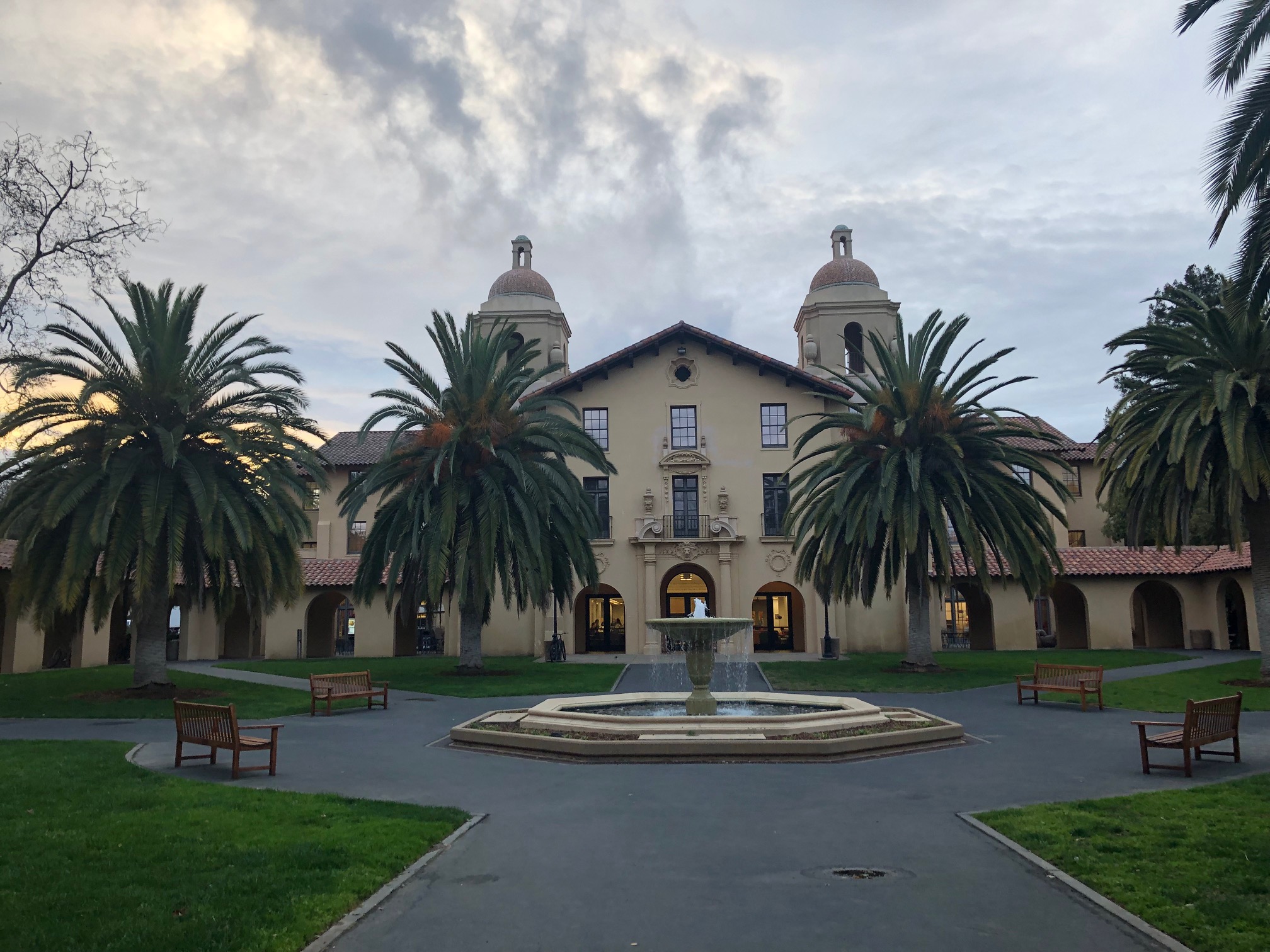
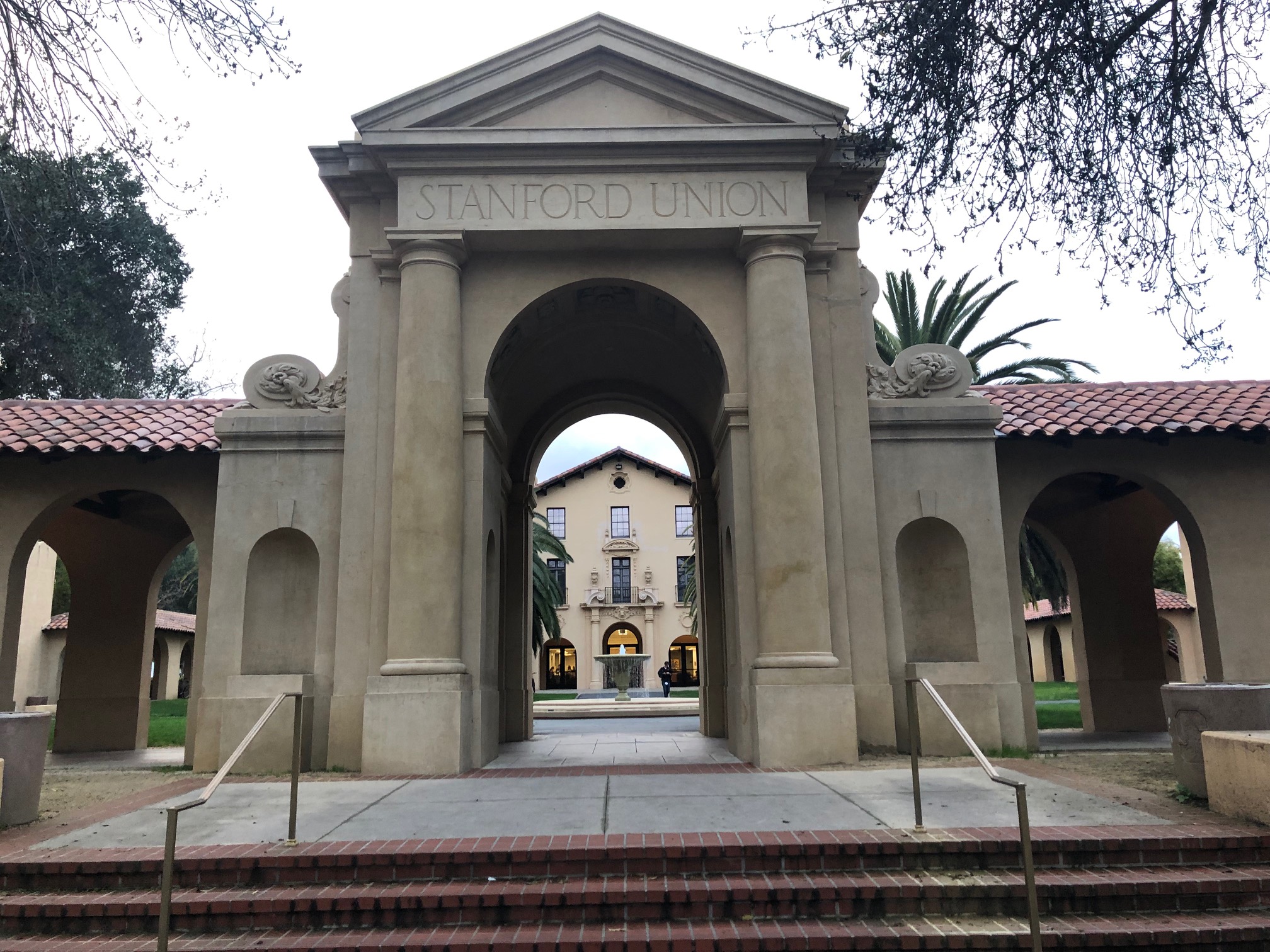
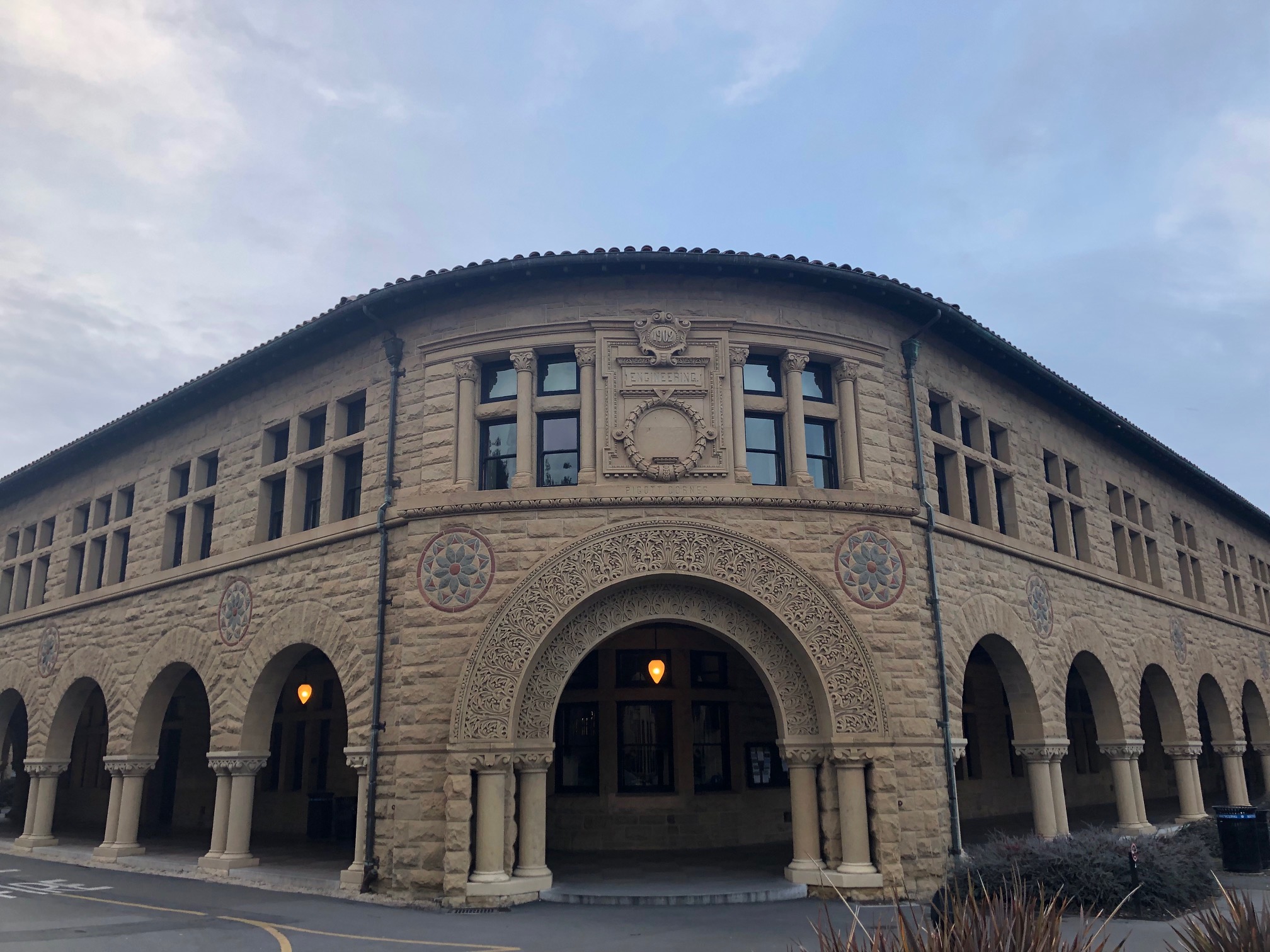
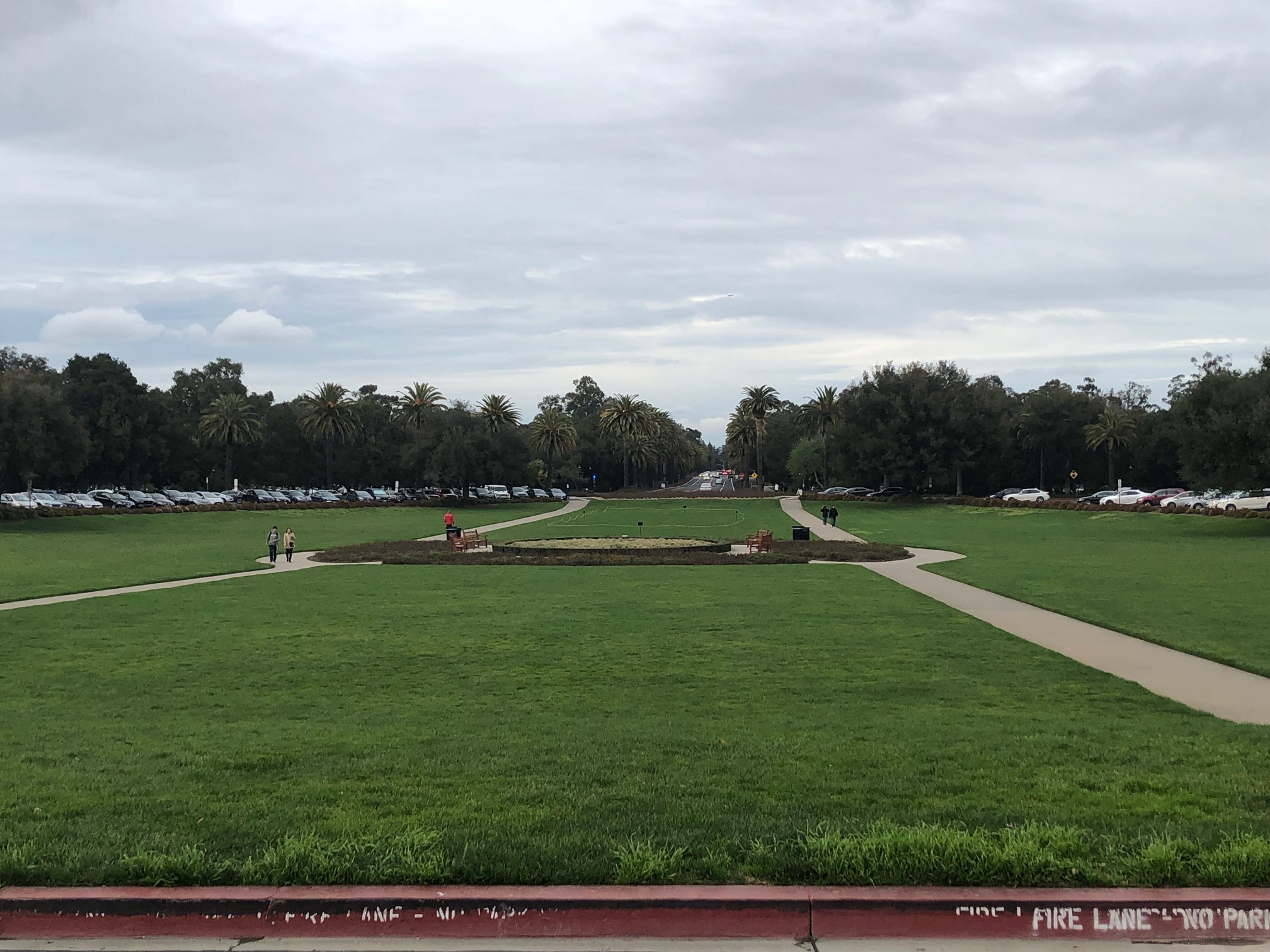
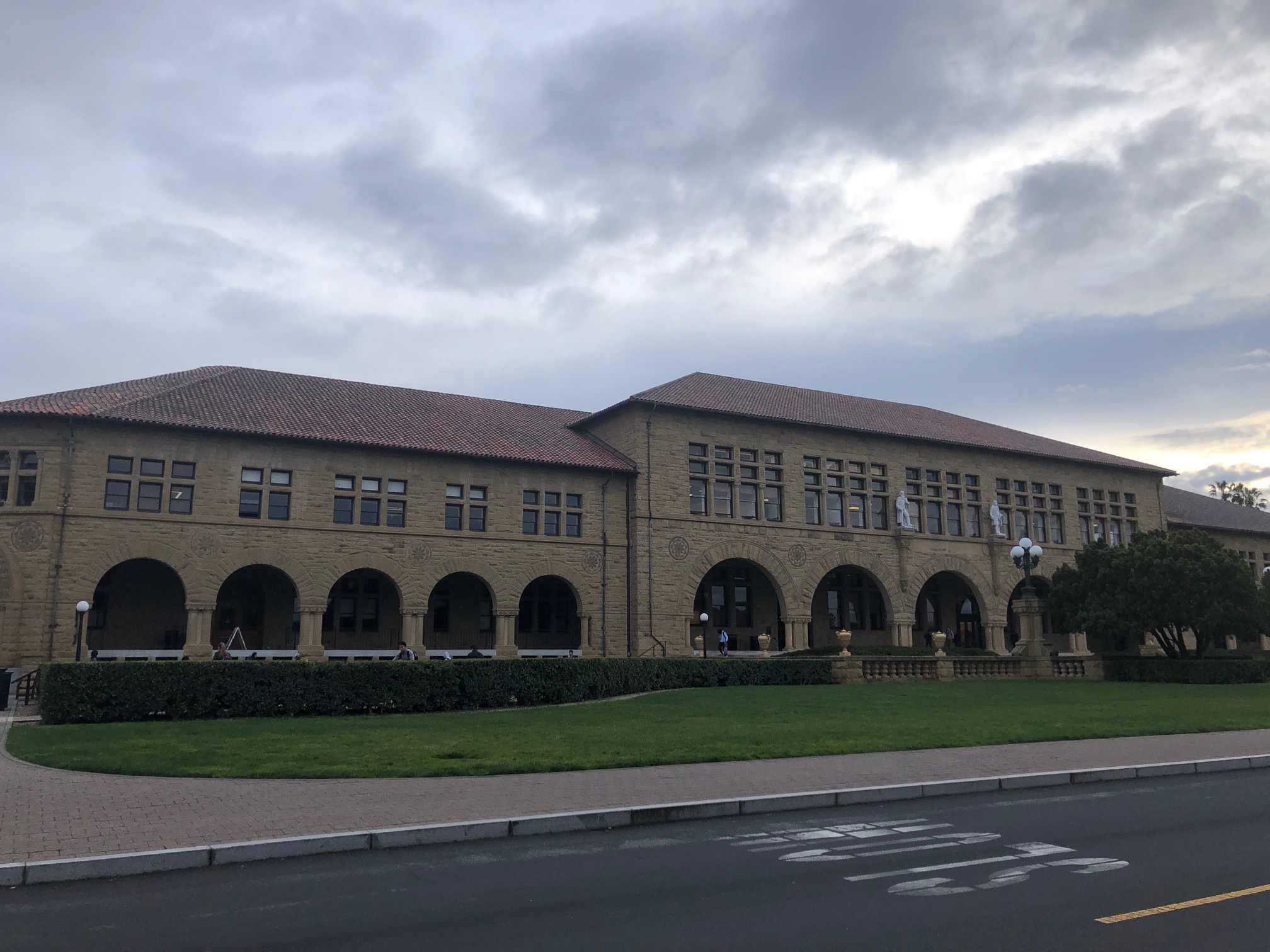
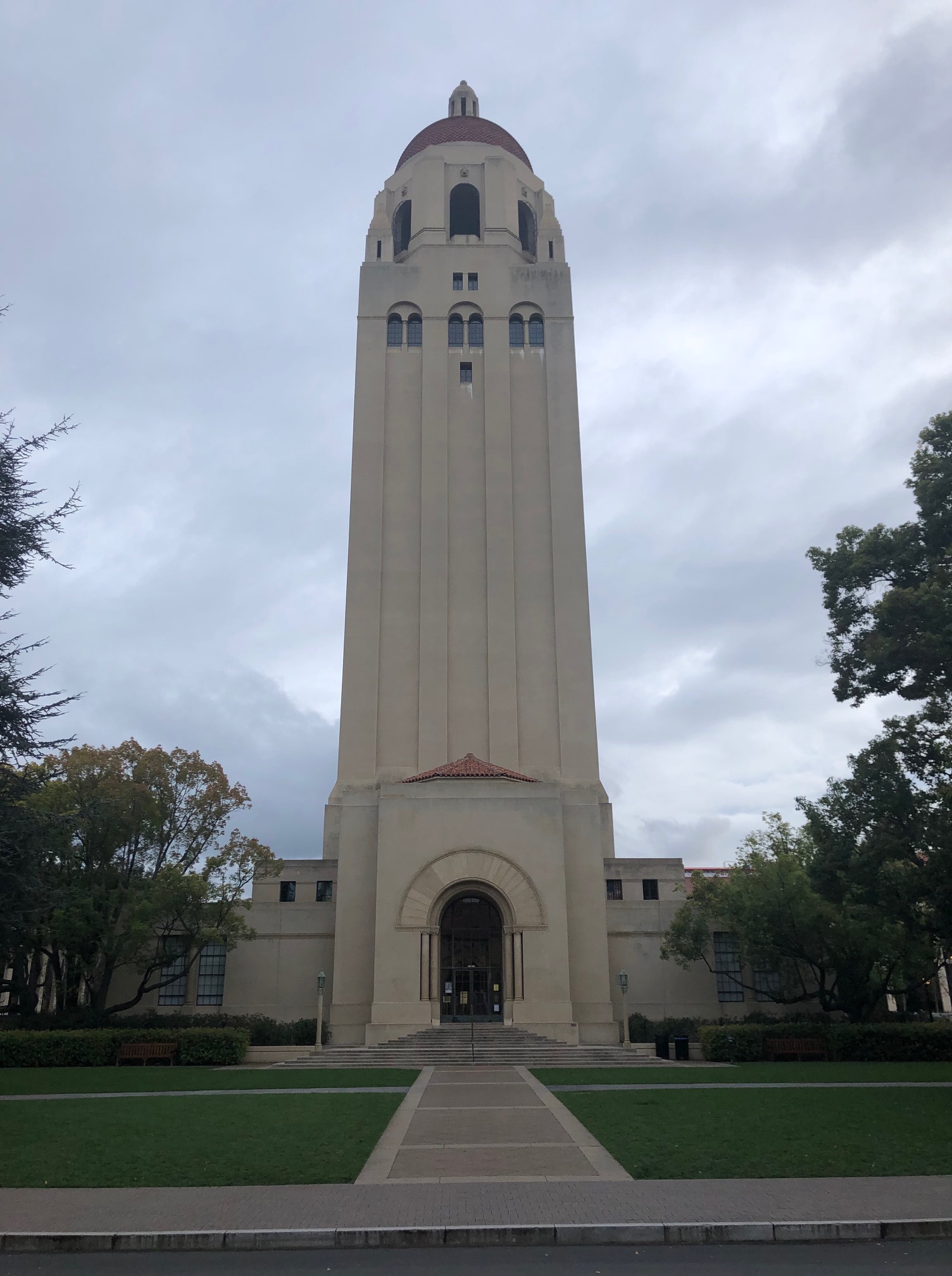
Stanford University

IMG_1778IMG_1777IMG_1774IMG_1771IMG_1769IMG_1767IMG_1765IMG_1763IMG_1762IMG_1761IMG_1759IMG_1758IMG_1757IMG_1755IMG_1754

CameraiPhone 8

Location: Palo Alto, California