“Get Action”

“Get action. Do things; be sane; don’t fritter away your time; create, act, take a place wherever you are and be somebody; get action.”

Theodore Roosevelt, the 26th President of the United States, was unlike many of the men who came before him or who came after him who served as President. He was a truly unique individual in how much he was able to do during his life. While Roosevelt only lived to the age of 60 years old, looking at how much he was able to accomplish and what he was able to do with his life, you could easily make the argument that he lived the lives of five men put together. To put it simply, he was a man of action regardless of how strenuous and difficult that action may be.

When you look at Teddy Roosevelt, he wasn’t just President of the United States which is a massive accomplishment in its own right, but he was also Vice President, Governor of New York, Assistant Secretary of the U.S. Navy, Leader of the Rough Riders during the Spanish-American war, and a Harvard College graduate. On top of all of that, he was a noteworthy explorer who spent over two years in the Amazonian basin of Brazil, a hunter who herded cattle out in the Dakotas, and a historian who wrote several books including a military history titled, ‘The Naval History of 1812.’ On top of everything that he did, while he was boisterous and a bit cocky to a fault, he backed up his words with actions, and he did his best to maintain his integrity in everything that he did. Roosevelt was not a man who cut corners or looked for shortcuts. Once he committed himself to something, he made sure to give it his best effort.

While Teddy Roosevelt was a member of a wealthy family from Oyster Bay, New York, he struggled with adversity throughout his life. He had severe bouts of asthma and would suffer from attacks that were debilitating. Instead of staying still and not exerting himself, he found that being active, physically and mentally, would actually help to minimize his asthma and improve his spirits. Roosevelt was not a man who would go about and pity for himself ever.

He was home-schooled, naturally curious about the world, and self-educated himself in a number of subjects including taxidermy, geography, French, German, history, etc. Roosevelt to make himself physically stronger would take it upon himself to learn boxing and then rowing in his desire to keep himself fit and active. Roosevelt lost his father at a young age, which was an almost unbearable loss for him, but he used his father as an example of who he should strive to be in life in terms of his father’s morals, career, and his overall character. Also, when he was only 22 years old, Theodore Roosevelt lost both his mother and his first wife within a few hours of each other.

Losing your mother and wife in such a terrible manner would break a lesser man but while Roosevelt grieved in a manner that was natural, he knew that he must go on and that he must live up to the memory of those family members who passed before him. Theodore was not one to sit around and grieve forever but a man who desired to make the most of his life and commit himself to action. Even when he was almost assassinated in 1912 when he was campaigning for the Presidency a second time, he would read his speech and refused medical attention for over ninety minutes before seeking assistance with a bullet lodged in his chest.

What lessons can we draw in our own lives from the energetic and boisterous life of Theodore Roosevelt? There are many lessons to draw upon but the most important one that can just be summed up in two words is to “get action.” Roosevelt believed that man is most content in the pursuit of action whether its’ in the form of academia, physical exertion, public service, and military duty. Roosevelt’s life was made up of numerous actions that fit his various interests and he committed himself to these actions over a long period of time. When we read about Teddy, we admire how much he was able to accomplish and how possibly he could have done of all that. My take on it is that Roosevelt made the most of his time and committed himself to pursuits instead of lazing about and being distracted by idle pleasures.

How many of us can say that we would be able to do ½ or 1/5 of what Theodore Roosevelt was able to do during his life? Not many. In this day and age of Netflix, smartphone, video games, and virtual reality, it’s easier now than ever to not get action but to be lazy. You have to put blinders on and prevent yourself from being distracted from the technologies of today. While Roosevelt may have had a harder time accomplishing everything he did in the early 20th century compared to what he may have done in the early 21st century, his core personality, his priorities, and his spirit would not have changed. Roosevelt’s life is a testament to the power of taking actions in various pursuits and to push both your body and your mind to the limit.

He did not let his setbacks, failures, and limitations hold him back from becoming the great man that we recognize him as being today. He fundamentally knew that he was at his happiest and his most vibrant when he was putting himself to work. His hobbies, interests, and his professional career were his number one priority and he still managed to re-marry, raise six children, and explore the world from Brazil to Egypt. Did he have a leg up in life due to his family name and his wealthy background? Yes, you could argue that fact, but he made the most of the deck of cards he was dealt but still had the common decency and integrity to commit himself to public service and helping out his countrymen and women as well.

Roosevelt could have enjoyed his wealth, spent opulently on material goods and hedonistic pursuits, and sat back for the rest of his days but he was not that kind of man. Not only was he aware that he had one life to live but he knew fundamentally that every day counts and that every day matters. Luckily, he used his mental and physical prowess in the service of others whether that was in the United States Army, the Governorship of New York, or Office of President of the United States. Theodore Roosevelt put his energies and his time into productive matters and was able to do amazing things in his life. If Roosevelt were to give anybody a piece of advice today, it would be to simply ‘get action.’ Without action, there is stagnation and with stagnation, there is no future. Even if you are not successful in your actions, don’t ever be so discouraged that you do not try again or try something new.

Whether it was reading, writing, making speeches, hunting, traveling, Roosevelt was a man who embodied the human spirit when it is fully unleashed. He made the most out of this thing we call ‘life.’ If you are feeling down in the dumps and aren’t sure what to do next, just ‘do something.’ By doing something and sticking to it as a routine, you’ll get better at it and it may take you places in life that you never thought was possible to begin with. Taking any kind of action in your day to day life is the natural and healthy thing to do. Sitting in bed, lazing around, letting your mind and body wither away is no way to go through life.

When you commit yourself to getting out in the world in whatever way appeals to you, you move forward as a person and you develop yourself in various ways. You’ll fail, you may get hurt, and you will learn a lesson or two but at least you got yourself out into the arena as Theodore Roosevelt did. ‘Get Action’ are two words that can make a world of difference in one’s life. Make sure you make the most of the time for which you have been given.


Explosions In The Sky

NHS1qfBoQ1icPYfxCBaAdg36652554_10160426085275262_8160391889070063616_n36728134_10160426084440262_5953606171620278272_n36692333_10160426085300262_6800878970012172288_n36664460_10160426084300262_5660578050710962176_n36706327_10160426084405262_5055160315365294080_n36786390_10160426084200262_6810809724674506752_n36628969_10160426084245262_4291888775111376896_n36634401_10160426083840262_4632043592179777536_n36632365_10160426083895262_4848645823778521088_n

CameraiPhone 8 

LocationCambridge, Massachusetts, United States

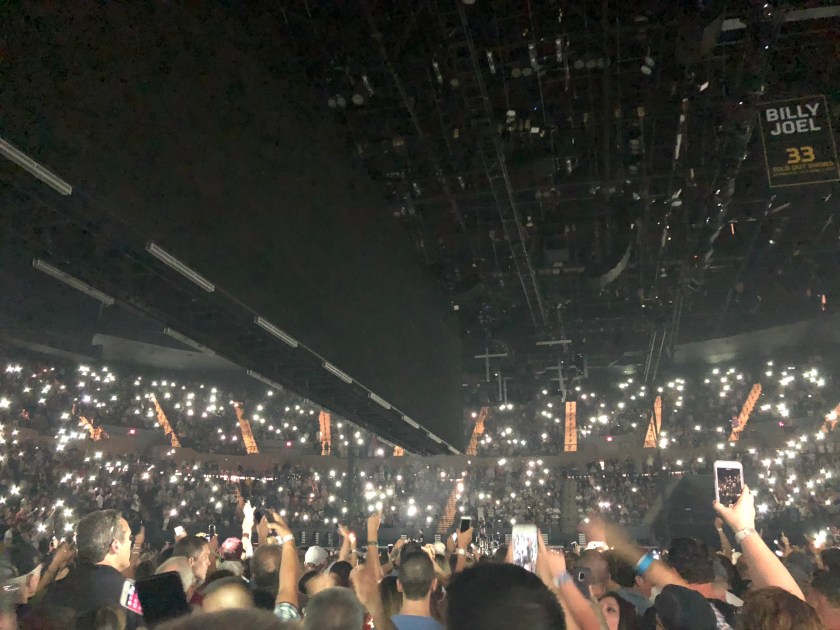
U2 at the Coliseum

gz1%tmoCT5iyFY0vdpeHUQ5O0UAF9rTo+XgJmeAcvFLAZbSvy2djTWu7%iDr36QnAwdrf0bqJBSLGR%6vb0gX6PgOqsmycqaSV6u9+4Q661fiQvIvnnjiyRaKetIWXGX5zUQPaimf7vjRsqPbVsgwzuJIgFYLrJIwZSNyyFarkjuDqsQBZauI1+cRuag8x+54m32zw7WMo0ITYQIWMk0A2BbPzUASTVIISu0SGWtXMpBtJIKdAS16nLOKITuyC+JDTiT%xLAWNLnIwdTT7KP95hr454ONAVo3IGlNWScKUNGkww5vlgAk7hvZJihQNuzSO8W7GCvdA

Camera: iPhone 8 

Location: Nassau Veterans Memorial Coliseum (NYCB Live) – Uniondale, New York, United States

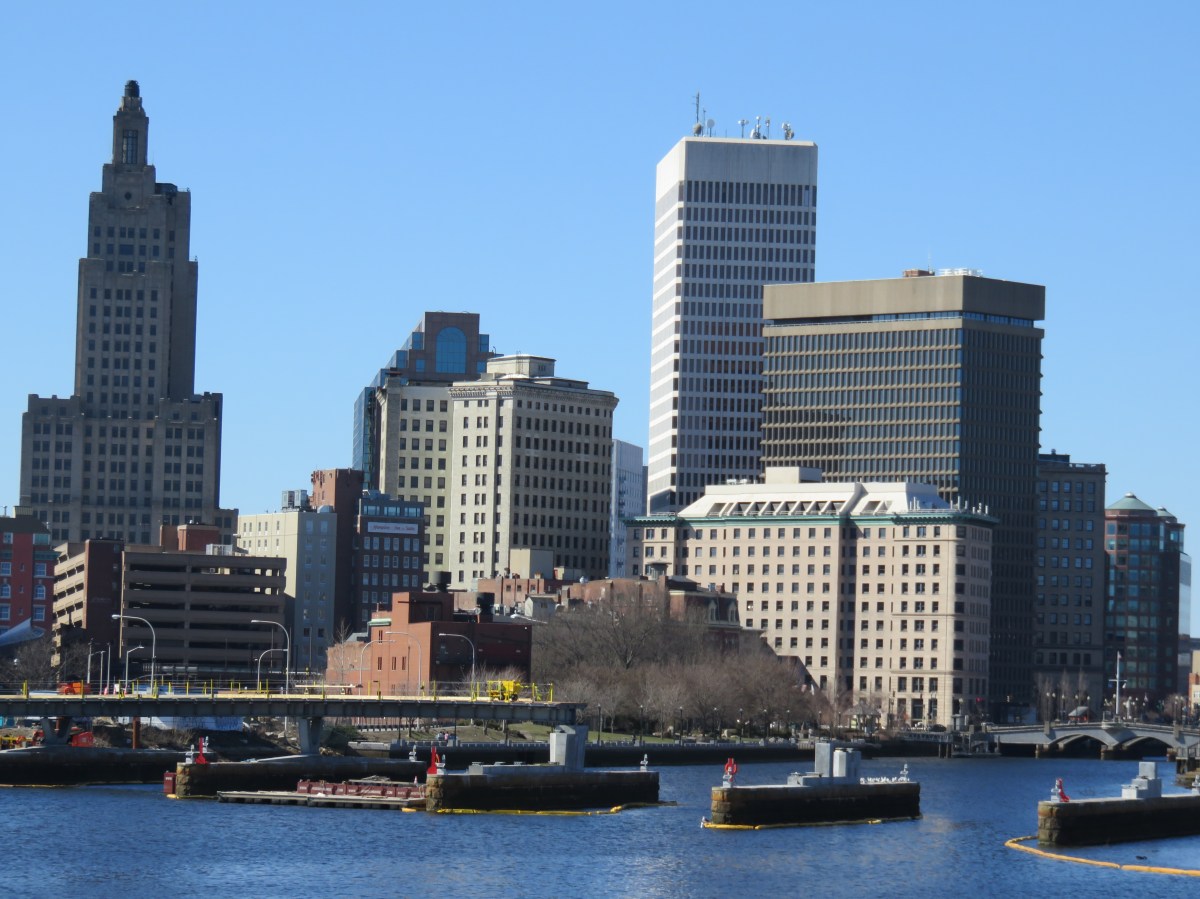
Providence, Rhode Island

CamerasCanon PowerShot SX710 HS and iPhone 8

LocationProvidence, Rhode Island

Five Steps to Surviving City Life

Having spent the past eight years of my life living in different cities both here in the United States and overseas, you get accustomed to life in an urban environment and how to make the best of it. If you’re coming from a rural town or a suburb, adapting to a city can take months or even years when you’re not used to the frenetic scenes, fast-paced traffic, and always on the go mentality. A fact of this day and age is that the urban population around the world keeps increasing and a good amount of industries, jobs including in the high tech world are based out of cities.

According to the United Nations, over half of the world’s population, currently live in an urban environment. The exact percentage at this time is about 54% of the planet’s inhabitants. That percentage is expected to steadily increase to 66% of the world’s population by the year 2050. It is also estimated that over 2.5 billion more people will be living in the cities by mid-century and these people will be mostly concentrated in the continents of Asia and Africa. The 21st century may be remembered as the first truly urban century across the entire planet.

I bring these statistics and predictions up to you, dear reader, not to scare you but to enlighten you about what city life is like. The chances are good that if you’re reading this article that during your lifetime you’ll have to either live in a city or travel there occasionally for work or tourism purposes. By following the five steps outlined in my article, you’ll be able to adapt quicker to urban life and have an easier time adjusting to a city overall. As someone who has consistently lived in cities big and small since I was 18, I am speaking from almost a decade of experience now. Living in a city can be quite difficult at first but it can also be very rewarding both personally and professionally. I hope that these steps will help you to make better choices, live healthier, and stay out of trouble with the locals.

Here are my five steps to surviving city life:

  • Adapt to the local norms and customs.

Whether it’s waiting for someone to get off the train before you get on or standing to the right to let people pass you on the left as they go down the escalator, observing local norms and customs in cities is very important. From the experience I have of living in cities, it’s better to blend in than to stand out. When it comes to the dress code, metro etiquette, or how to tip at the restaurant, it’s best to “do what the Romans do.”

It may take some time to adjust and if you’re new in the city, people will understand that you’re not aware as to how things work exactly. In order to save yourself a lot of trouble and angst, it’s best not to fight against the way things are even if you disagree with them. Cities are essentially a living culture that is adaptable to change only when a significant part of the population there wants things to become different. The best way to get used to living in a new city is to be observant, asks the locals if you have any questions, and do your best to understand the local transportation system which leads me to my next step.

  • Use public transportation.

Depending on which city you’re living in, there’s likely to be a public transportation system made up of buses, trains, and local taxis. In addition, there’s also the new popularity of Uber, Lyft, and other ride-sharing services. In the modern city, there are plenty of ways to get around for cheaper than it costs to rent or own a car. The utility of walking or riding your bike in the city is also a great option and more environmentally friendly.

There are a few exceptions in terms of cities where it’s more sprawling and you would need to have a car but the majority of cities around the world encourage public transportation and its best not to have a car. If you need to get out of a car, there are rental car agencies galore as well as car sharing services that the urban dweller can use to get away from the hustle and bustle. In my opinion, owning a car in a city is expensive and a money sink. Between the cost of parking, the parking rules, and the higher cost of gasoline, it’s simply not worth it.

When you move to a new city, it’s important to take the time to learn the public transportation system especially for buses and trains. If you can afford to pay more, living in the center of the city will be more advantageous to getting around with public transportation. If you live on the outskirts of a city or outside of the city, then it’s more likely that you’ll need to have a car.

  • Do your best to meet new people.

Moving to a new city can be quite stressful and even lonely at times. If you’re new in the city and do not know anyone, that can be a real challenge. Luckily, I would say with the advent of the Internet, there are numerous groups out there especially for younger people in their 20s and 30s to meet like-minded people with similar interests and hobbies. One of the most popular websites for meeting new people is ‘Meetup.com.’

There are hundreds of groups in these cities that cater to professionals, artists, writers, entrepreneurs, sports fans, music fans, etc. Depending on how big the city you’re living in, the chances are good that you’ll find a group or two where you will have something in common with the people in the Meetup group. These groups are free to join usually and it’s a great way to make connections. I’m also quite partial to Couchsurfing, a website designed to help travelers around the world to get to know each other better and exchange stories about life on the road.

Usually, there are Facebook groups and local websites especially in the United States that focus on being social through sports. Whether its soccer (football), volleyball, kickball, etc., joining a social sports club is a good way to meet new people. The best way to meet people in a city though is just by opening your mouth and starting a conversation with someone who is a local. “I’m new here, what are the fun things to do in __________?” (name of city) That question alone should get the ball rolling.

  • Use common sense (Crime, Pollution, Weather).

Using common sense when it comes to living in a city is extremely important. Part of it comes down to doing your research about the neighborhood you’ll be living in, figuring out if there are any crime and/or safety issues to be aware of. Some cities also have an issue with air pollution and/or water pollution so it’s good to ask around about if it is safe to drink the water or if you need a mask to cover your face to breathe during certain times of the day. Being able to know what kind of climate a city has throughout the year is also key. There is a lot of information out there about the weather / climate zones that a city is located in.

For example, I knew that in Medellin, Colombia, there is a rainy and a dry season that changes depending upon the time of year. Otherwise, there would be no winter, snow, and the city would have a spring-time like climate otherwise. When I moved to Boston, I changed my mind set to reflect the new urban environment I would be living in. Instead of springtime weather year around, I would have to adjust to living in seasonal conditions again with colder winters and more humid summers.

Out of all the things that people overlook when moving to a new city in their country or outside of their country; it is adapting to the weather and climate conditions. Doing your research about crime, pollution, and the weather along with asking the locals is key to mastering this particular step. Also, it is key to know a little bit of information about each of the neighborhoods in your city and whether they are pretty safe or not. If you have children, knowing about the city schools should be high on your priority list.

  • Get out of the city occasionally.

I know from my own personal experiences that city life can be really rewarding but also quite stressful. You’re interacting with hundreds of strangers each day who you don’t know that well and are often going through life at a frantic pace. It can be overwhelming to our senses especially when it comes to all of the light, noise, traffic, and the amount of people nearby. Cities can also feel claustrophobic at times. That is why my last step focuses on getting out of your comfort zone to leave the city every now and then. Mixing it up to be in a more rural area with mountains or in a small town by the sea can really do you a world of good. In all honesty, cities are not the most natural environment for human beings to be in all of the time.

Collectively, we really need to be in nature whether its’ in the woods, in the mountains, or by the sea. Going for a hike, doing some fishing at the lake, or relaxing with a book at the beach are really good ways to help our mental health especially if you spend 90% of your time in a city. On top of that, being able to get some exercise and being outdoors will do you a world of good both mentally and physically. Even if it costs you some money and a rental car, leaving the city can be very beneficial to surviving city life. If you’re reading this article and haven’t been to either the mountains, the lakes, the rivers, or the beaches in a while, consider doing so if possible.

I’m quite confident that if you follow each of these five steps, you’ll be able to survive life in the city. Even if you’re only able to one or two of them, you’re setting yourself on the right path to developing a healthier mindset when it comes to urban living. I hope this article helps you and feel free to leave me a comment below if you have any further questions. I’d be happy to answer to the best of my ability.

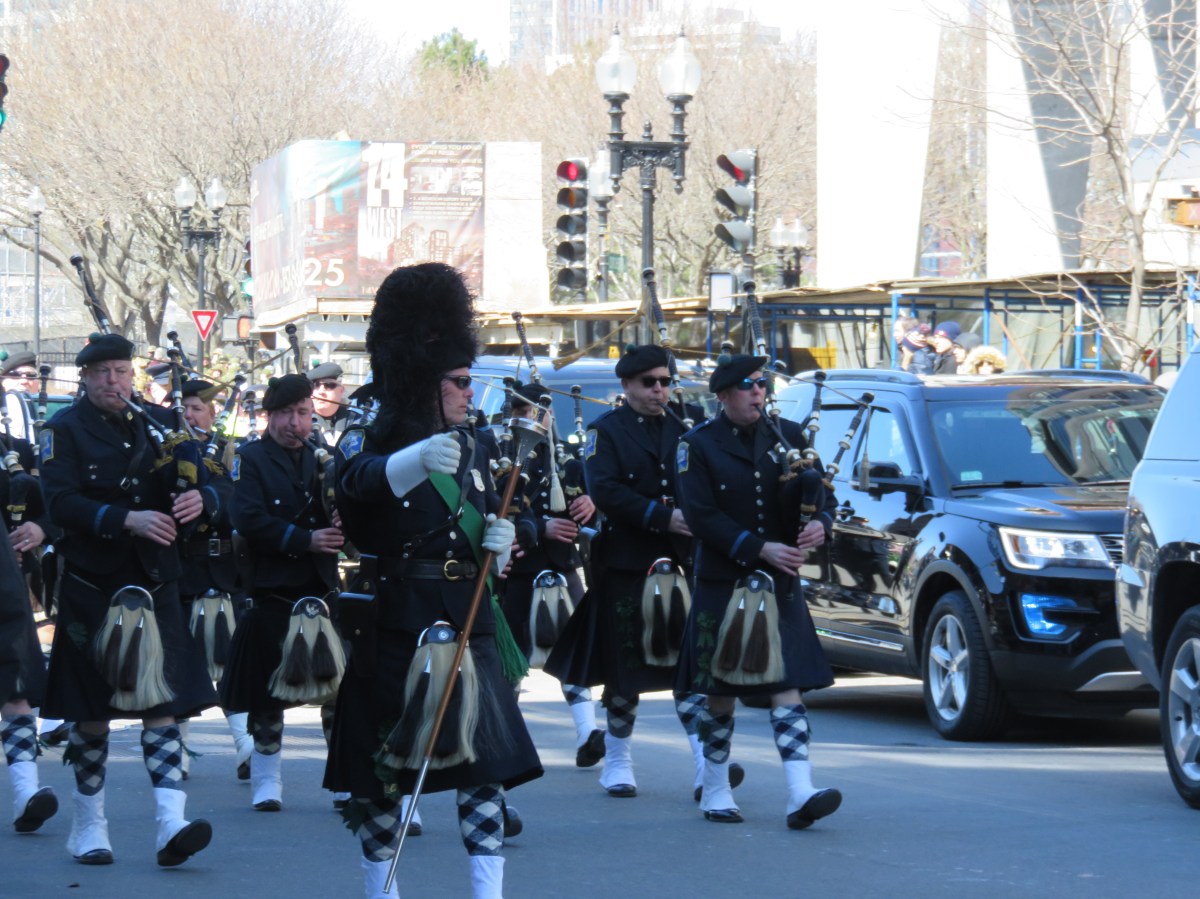
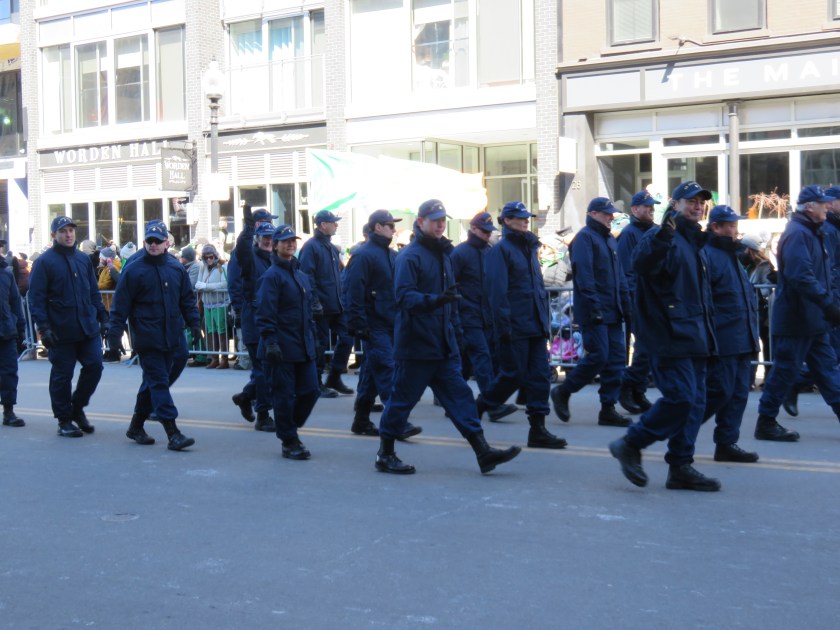
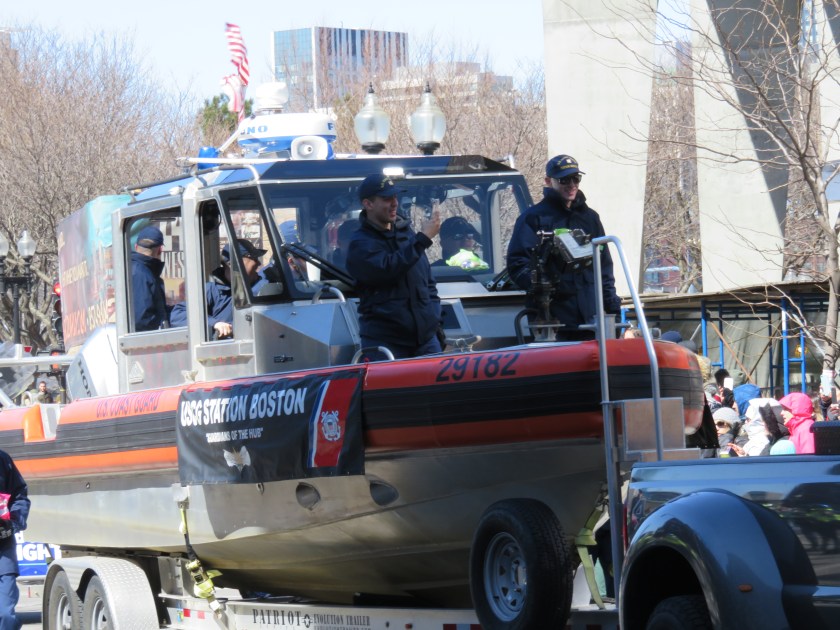
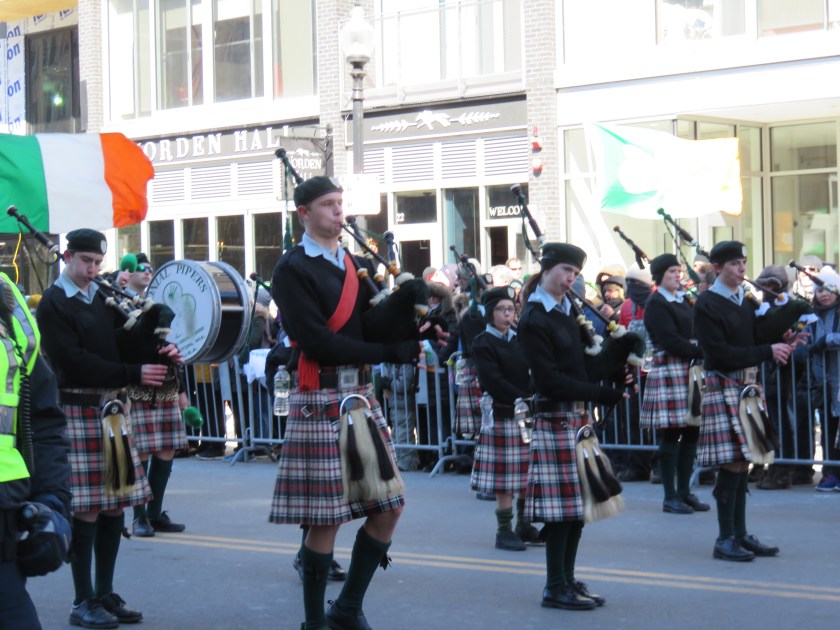
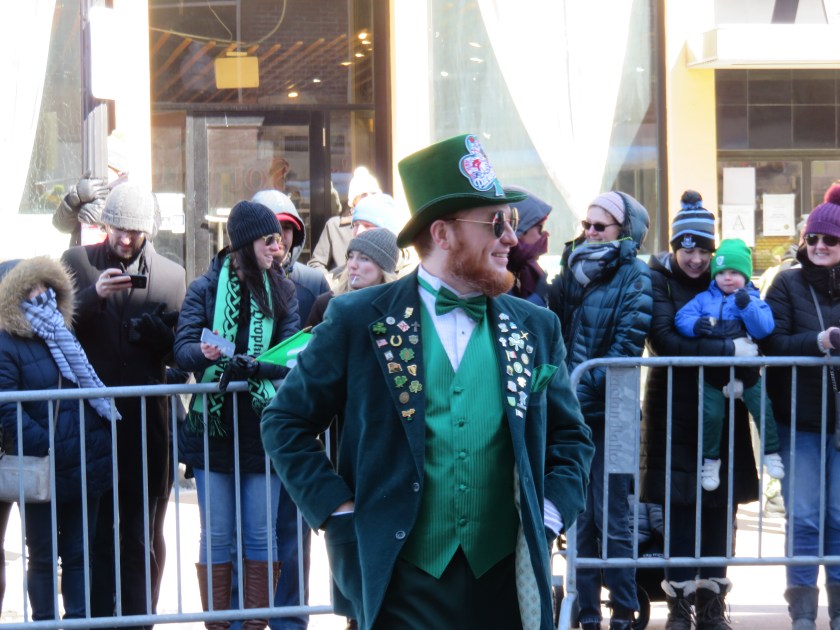
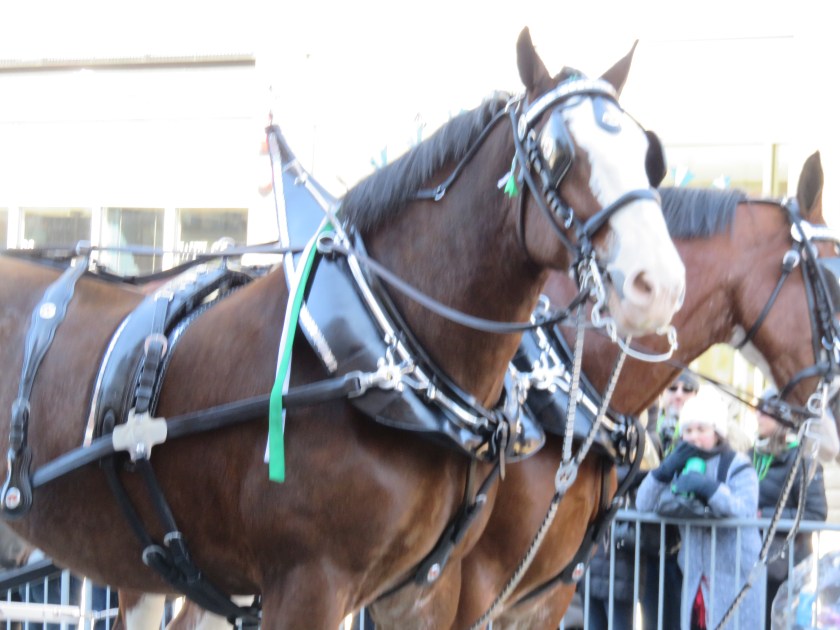
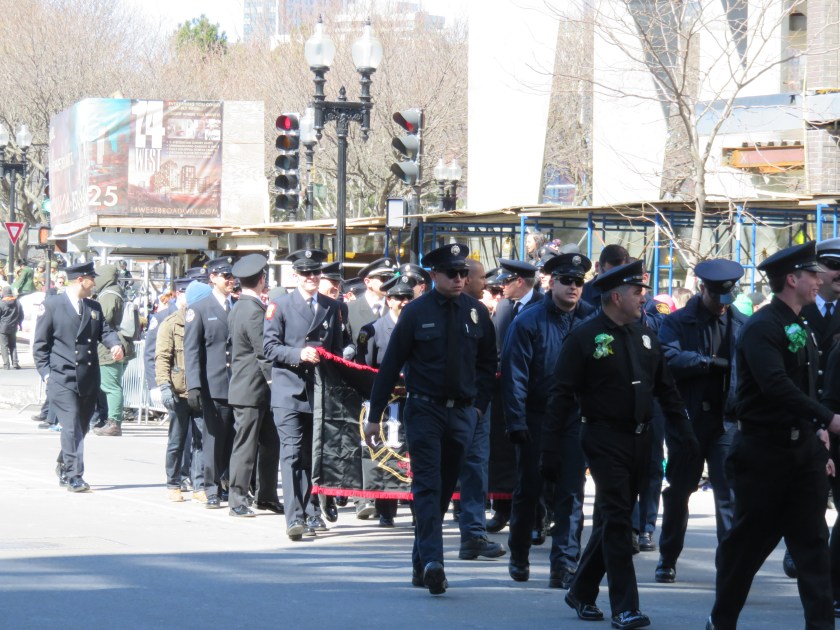
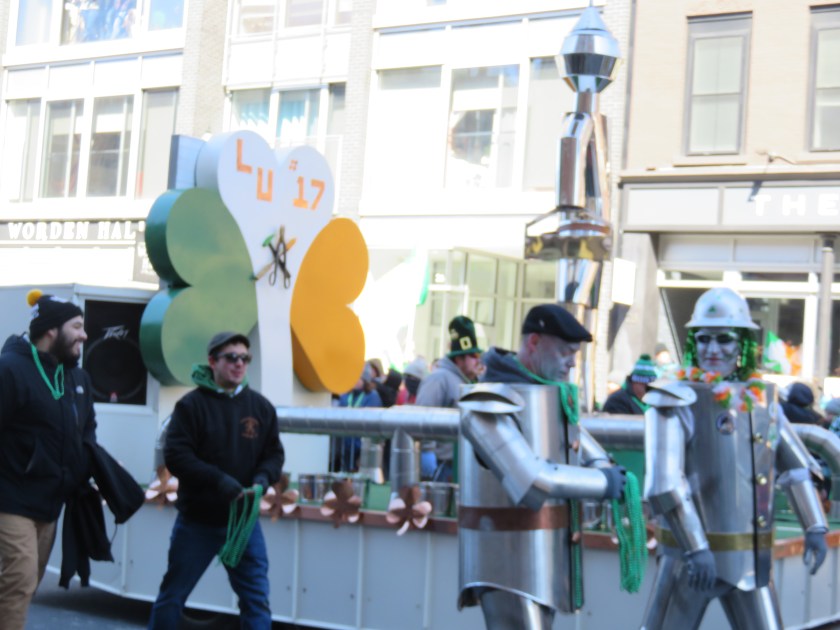
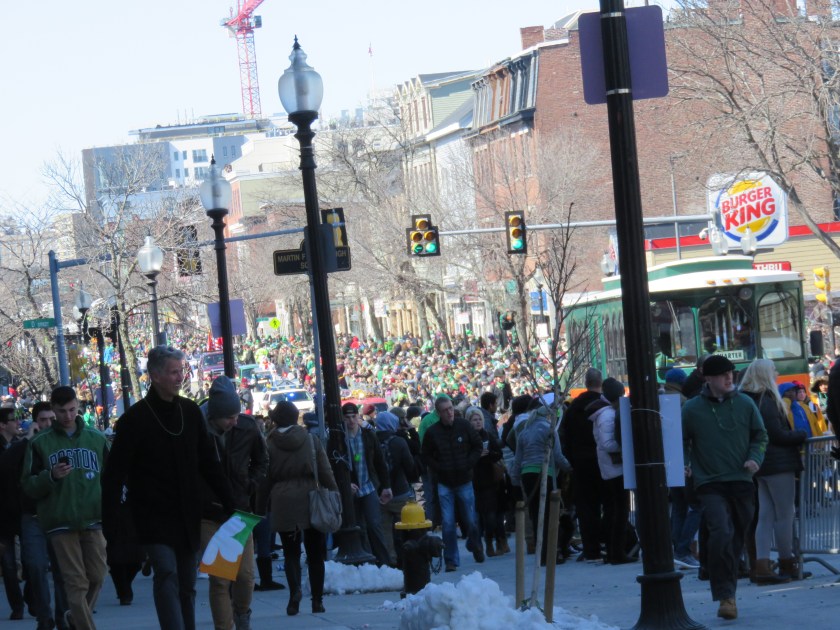
Saint Patrick’s Day Parade

IMG_2975IMG_2982IMG_2989IMG_2999IMG_3003IMG_3004IMG_3005IMG_3017IMG_3019IMG_3021IMG_3025IMG_3027IMG_3030IMG_3033IMG_3035

CameraCanon PowerShot SX710 HS

LocationSouth Boston, Massachusetts

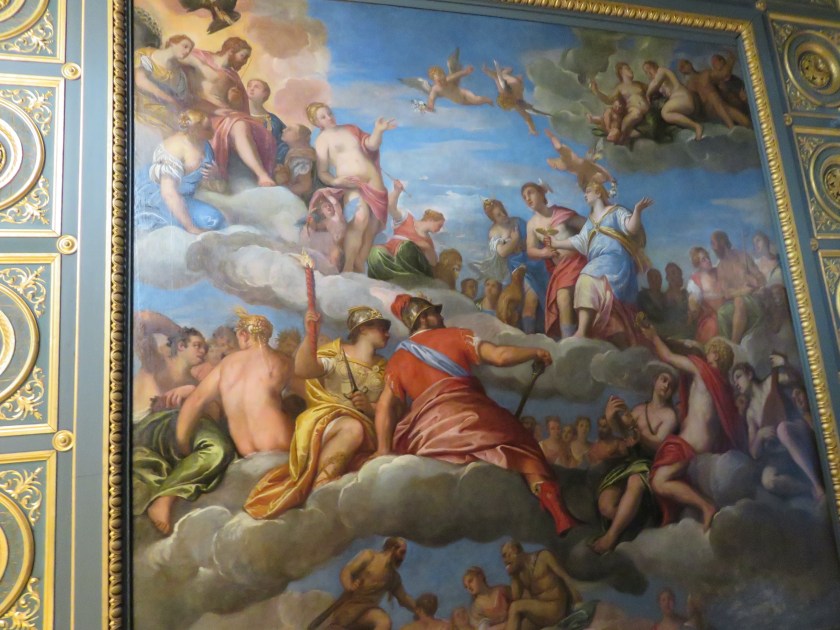
Isabella’s Museum

IMG_2927IMG_2930IMG_2936IMG_2937IMG_2940IMG_2942IMG_2946IMG_2949IMG_2951fullsizeoutput_7b9IMG_2960IMG_2964IMG_2967IMG_2968IMG_2971

CameraCanon PowerShot SX710 HS

Location: Isabella Gardner Stewart Museum; Boston, Massachusetts

A Study in Contrasts – the Medellin Metro and the Boston T

I’ve used a lot of different metropolitan transit systems in cities I’ve either visited or lived in. From Istanbul to Berlin to Washington, DC, it’s fascinating to see how different cultures and countries treat their metro systems. Some cities emphasize the ability to eat and drink at established vendors right next to the platform, while others emphasize the ability to know exactly when the next train will be arriving with real-time updates. In a way, these metro systems are a microcosm of a country’s culture. Unbeknownst to most travelers, you can learn a lot about a city and a country as a whole based on how they approach their public transportation. Each metro system I’ve used has had their own kind of flair to them whether it’s the London Underground’s cleanliness, New York Subway’s 24-hour service, and Istanbul’s kind food merchants.

Out of all the metro systems I’ve rode on, there are currently two in the world that stand out to me in their approach to customer service. While most systems rarely have attendants to help people enter or leave the train, the two cities that are the exception to this rule are Boston and Medellin. These two transit systems actually have attendants working on behalf of the transportation authority to help passengers to use the metro effectively but with different approaches. For example, the way Boston does its’ customer service would be more hands-off while in Medellin it is much more hands on.

This difference in culture may play into the fact that the Boston T system has been in operation since 1897 and the locals are pretty adept at navigating the transit system considering its’ more than a century old. When it comes to Medellin, the metro system there began in 1995, which is a little over twenty years old. Medellin currently has the only urban train network in Colombia. Still though, you could draw the conclusion that the way the customer service of these two transit systems functions is reflective of the overall culture. In the U.S., we tend to be more individualistic especially when it comes to our urban transportation. When I lived in Medellin, I was enamored with how collective the metro system was when compared to where I’m currently living. In Boston, it’s much more about every man or woman for himself or herself as they try to navigate the system regardless of whether you’re a long-time local or a first-time visitor.

For Medellin, the aspect of their metro system that stood out most to me was the number of attendants who would help riders enter the train platform, instruct users on how to board and exit the trains, and how to refill and use their metro cards. Instead of just one or two attendants there on behalf of the transportation authority, there were usually up to a dozen workers assisting customers at each station. It was really nice for me to see the attention to detail that the metro system had in terms of assisting passengers to use the system effectively. This approach was crucial especially during a busy rush hour when there would be thousands of passengers wanting to enter and exit the train station.

Having a dedicated group of workers on hand to help smooth things over and make sure passengers were respecting each other and the transit system was a really impressive thing to witness. It doesn’t hurt that the entire Medellin metro system is well kept and has no littering, little rats running around etc. at any of its’ dozens of train stations. Compared to other cities, Medellin does a great job with its’ communal approach to the metro system. One of the catchphrases of their advertising is to ‘Vive La Cultura de Metro’, which basically translates to living the metro culture by respecting others and keeping the system clean.

Other cities could benefit from replicating the effective customer service, the emphasis on cleanliness, and the easy access to information that the Medellin Metro provides. Like any other transit system in a major city, it still does get quite congested during rush hour, and it can be hard to get on the train during peak hours due to lack of trains available. I know this from my own past experiences of having to fight to get on the train at 6 AM some mornings when I was a teacher there.

When it comes to the Boston T system, it’s the oldest in the United States and doesn’t take much time to get acclimated to. However, compared to the New York or Washington, DC transit systems, there is some customer service and assistance given. However, when you compare Boston to Medellin in this regard, it’s really no contest. While there are usually one or two attendants from the transit authority present, they don’t really actively help passengers. Sometimes, you can see a transit worker more interested in a smartphone game than to see if anyone needs help or has a question. Instead of being on the train platform to help riders get on and get off the train without issue, they usually just stand by the entrance to the station making sure everybody pays their fare.

Coming from where I was living in Medellin before I moved to Boston, this was a bit of a culture shock to me. It’s nice to have one or two more customer service attendants around to ask questions but I wish there were more attendants on the platform handling crowd control and enforcing the unwritten rules of getting on or leaving the train especially during rush hour. Also, compared to the dozen workers at any train station platform in Medellin, a city like Boston should have a few more people helping out compared to one or two workers per station.

Perhaps this cultural contrast is due to the fact that metro systems in the United States are much more individualistic in nature and the fact that public transit has been part of cities’ makeup for decades especially in the Northeast. I’m guessing that the majority of Bostonians would prefer to be left alone during the morning and evening commute rather than have hands-on help from transit service officials especially at a station platform. However, it might make everyone’s day a bit better and smoother if there were workers actively helping to assist people to refill their transit cards, making sure the rush hour commute goes smoothly, and aiding travelers to the city with directions.

When you travel to different countries, it is tempting to compare and contrast approaches to daily life. In any city, the transit system is an extension of the culture and I find it interesting to see the similarities and differences between countries in how they run their metro systems. It’s good to see how other cities and other countries do things because you’re able to see within your own culture what could be better or more improved. However, what may suit your own tastes may not suit others as much, even your own countrymen.

Train systems like whole cultures tend to be more individualistic or communal. What one city may lack in efficiency, they can make up for it in customer service. I believe it’s best to shoot for improvement in all areas to create a better travel experience. Having the trains run on time, being treated fairly by attendants, and enjoying clean, safe rides are keys for any metro system to achieve. Hopefully as more and more people travel and see the world, we can better see what ways we can improve our own cities and countries by seeing how others do it themselves.
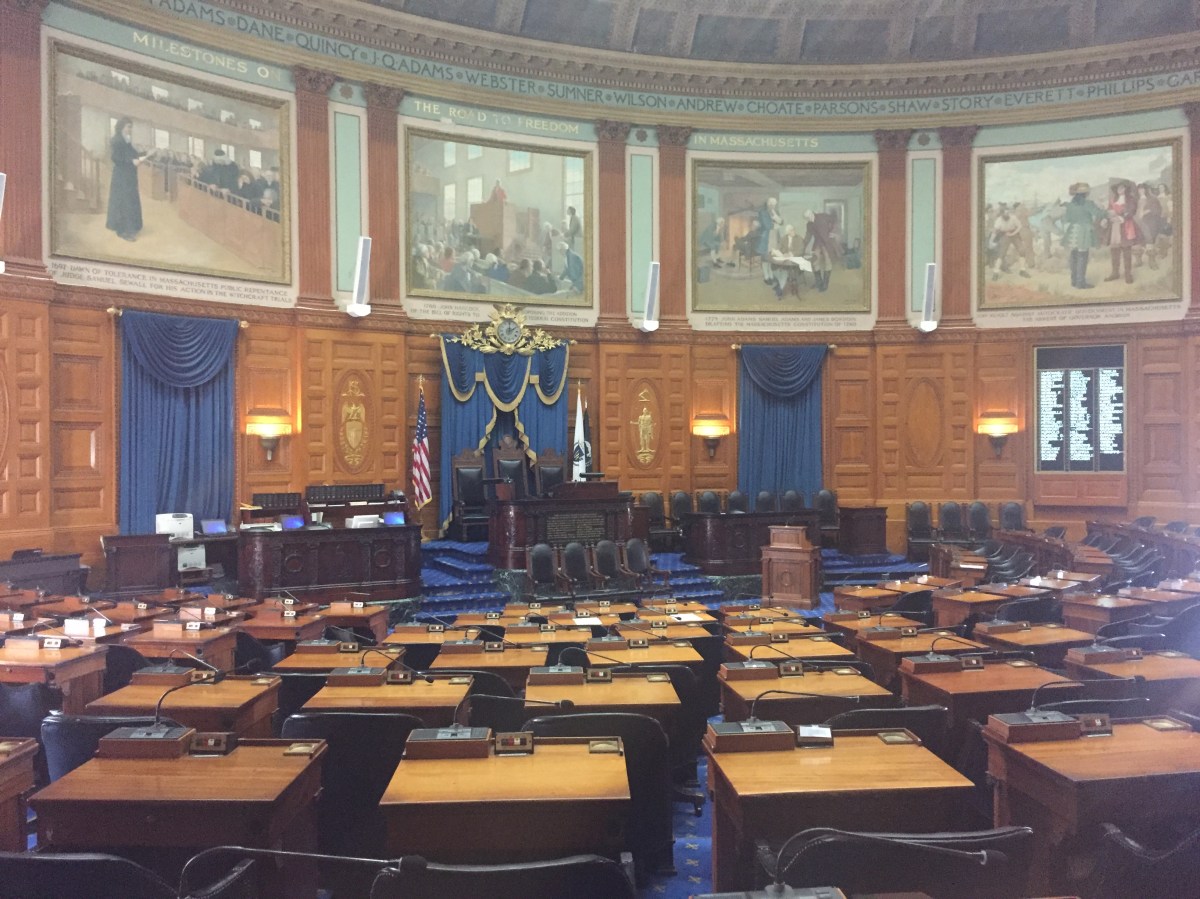
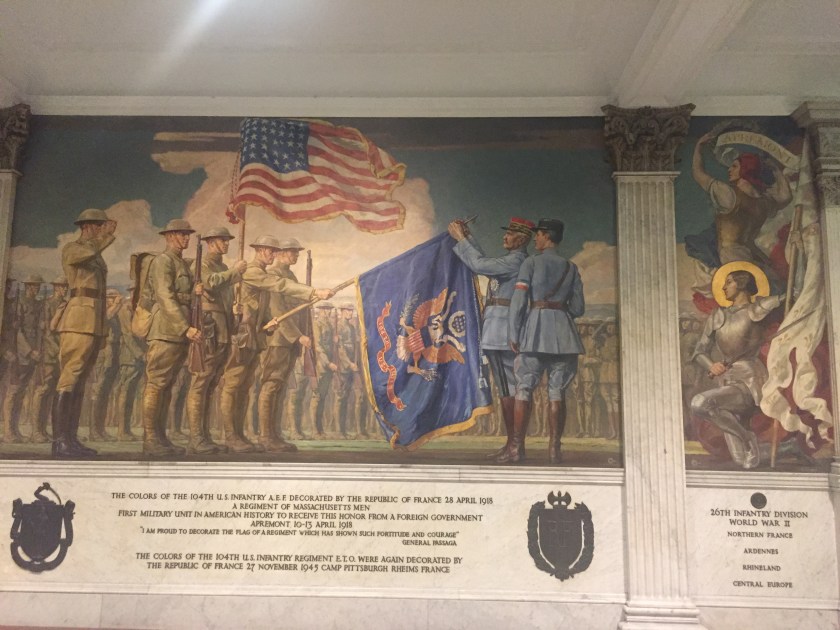
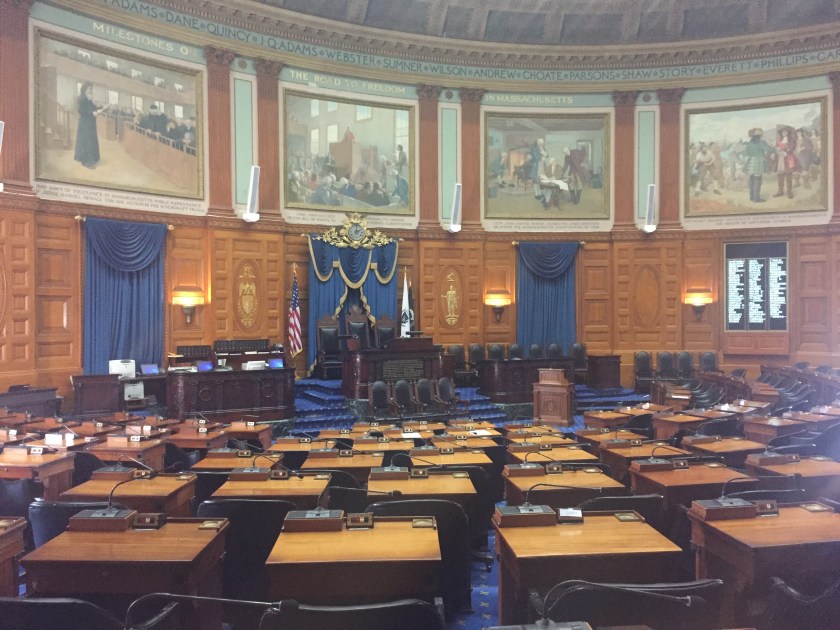
The Massachusetts State House

IMG_0139IMG_0140IMG_0141IMG_0142IMG_0146IMG_0147IMG_0148IMG_0149IMG_0150IMG_0151IMG_0160IMG_0161IMG_0162IMG_0145IMG_0143

CameraiPhone 6

Location: Massachusetts State House; Boston, Massachusetts

Hyde Park on the Hudson

IMG_2865IMG_2866IMG_2873IMG_2874IMG_2875IMG_2879IMG_2883IMG_2884IMG_2893IMG_2898IMG_2903IMG_2906IMG_2921IMG_2923IMG_2926

Camera: Canon PowerShot SX710 HS

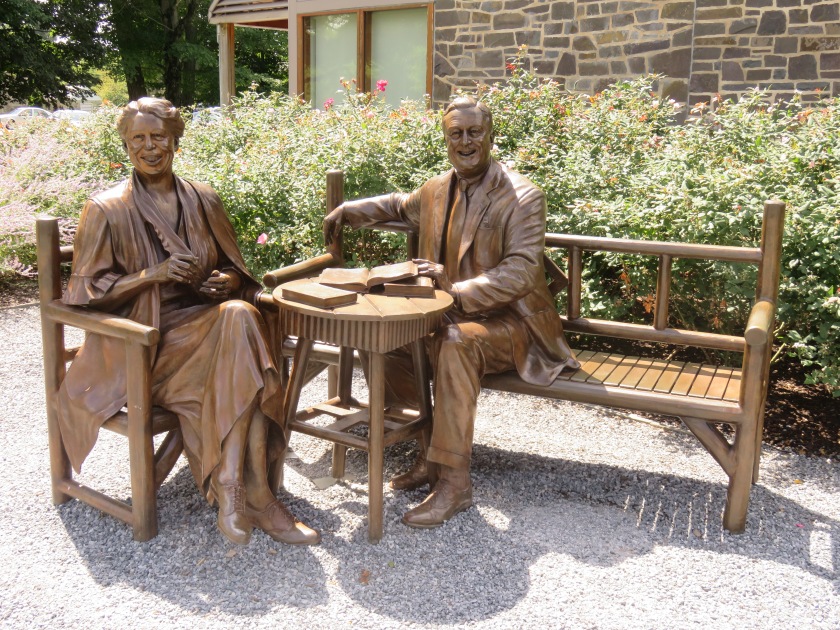
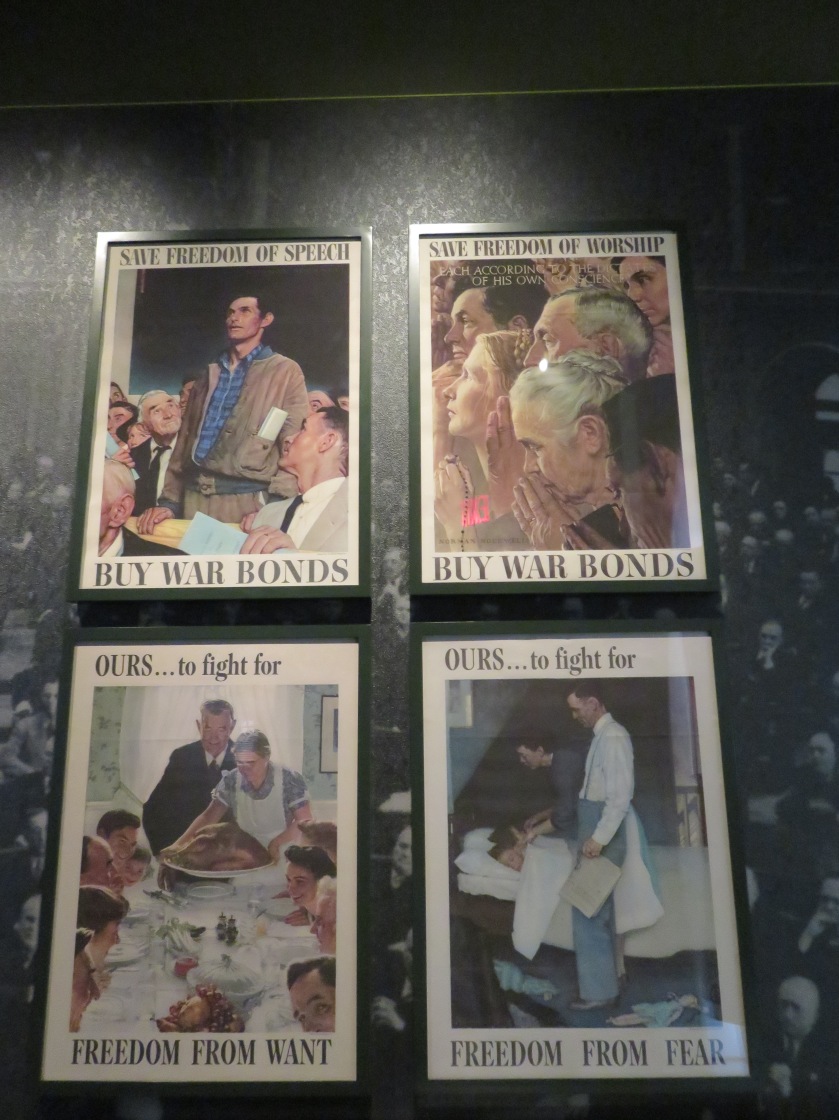
Location: Hyde Park, New York – Franklin Delano Roosevelt Presidential Library and Museum, and The Culinary Institute of America