Anatomy of a Scene – ‘The NZT-48 Pill’

How often have you thought about the possibility of taking one pill per each day that would maximize your brain’s full potential? With the movie ‘Limitless’ with Bradley Cooper and Robert DeNiro, this film poses the answer in the form of ‘NZT-48’, which can allow you to access everything you’ve read, heard, and learned without any true effort. This kind of wonder drug is purely fictional but many people in real life seek this kind of legal short cut nowadays whether it’s to focus, to lose weight, to improve memory, or to retain more information. In the film’s early scenes such as the one that introduce this magic pill’s effects, we get to see what kind of effects NZT-48 has on Eddie Moura, the main character.

This limitless pill is introduced as one that can improve focus, memory, knowledge retention, tidiness, and even make your intelligence that much more advanced especially after repeated usage. The scene that I would highlight shows just how effective it can be in multiple areas and how well the director shows how its daily usage turns a struggling writer into a financial tycoon and published author in just a week’s time.

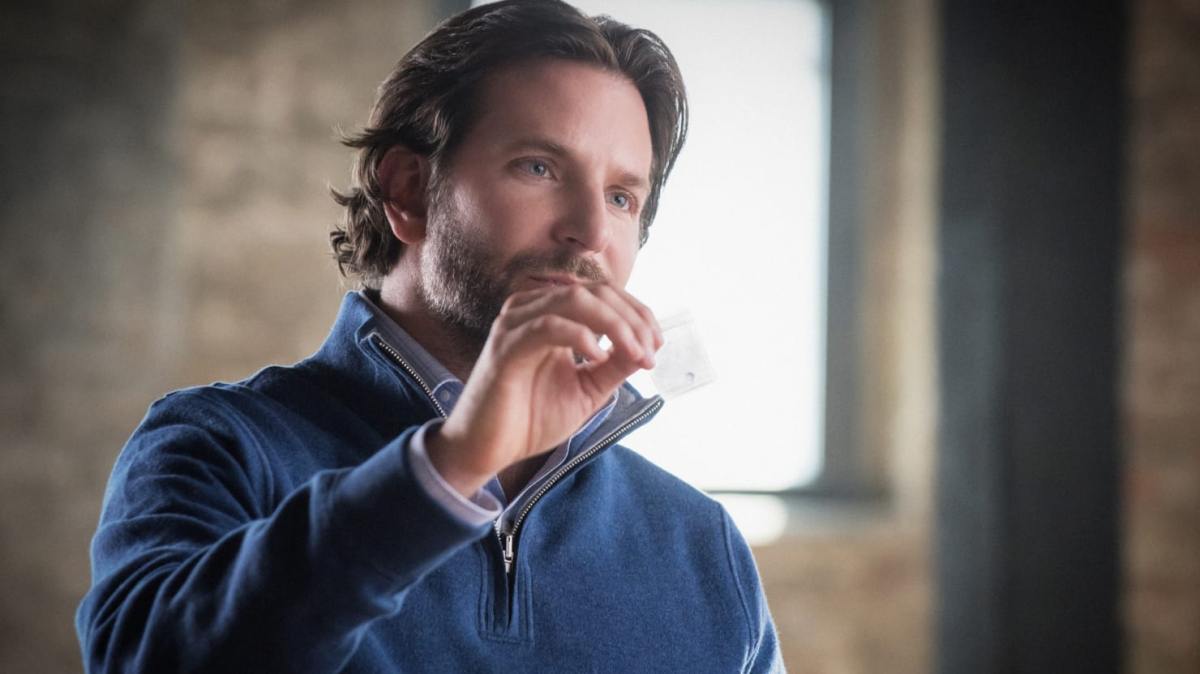
The scene starts out with Eddie Moura taking the NZT-48 pill for the first time even though he knows it comes with risks and side effects. He asks, “worth the risk?” by breaking the fourth wall with the audience, and says in the narration, “what would you do?” It’s a pertinent question because due to how many months, years, or decades it takes to be successful naturally without any enhancements, supplements, or advantages, how many of us watching the scene would want to take the easy way out in life even if there were risks involved? It’s part of the reason why this scene is so powerful because we know Eddie will face consequences for using this pill eventually but as we are told, the benefits of the pill may outweigh the consequences at first making it a tempting magic pill.

Eddie’s changes start out small as his pupils dilate and he starts seeing the world much more clearly than before. He’s clear-headed, not anxious socially, able to think and act clearly, and is aware of his own personality traits that need improvement. He gets a haircut, builds his wardrobe with a stylist leather jacket, cleans up his messy apartment, and starts to exercise more frequently and seriously.

From there, Eddie, a struggling writer, finds “a surge of motivation” from the pill to finish the novel he had been failing to finish for years and writes it all in just a few days’ time. Eddie doesn’t stop at that monumental achievement as a new novelist. He learns to play the piano in just three days, becomes a master poker player knowing how to play the odds in his favor and winning a lot of money against the house, and becomes fluent in most languages just by casually listening to them as he goes on a daily run with the headphones playing different vocabulary for him to instantly memorize.

Eddie uses his newfound social and language skills to seduce a beautiful woman and begin to network and build relationships to put his newfound wealth to good use in the stock market. He explains key economic concepts to those around him, can hedge bets on the pharmaceutical industry (partly responsible for his NZT-48 usage), and flies to a far-off beach to enjoy drinks and food at a private mansion with some of his new friends.

These may be selfish desires on Eddie’s part, but he’s able to diagnose exactly what the medical issue is with his aunt and how to fix the issue. “I suddenly knew everything about everything.” He is able to not only explain complicated medical diagnoses but is able to explain complicated concepts simply enough for everybody else to agree and understand. Eddie has access to everything and a 100% capacity to do what he wishes with his life. He has no fears, no anxieties from taking the magic pill and can hold a conversation with anybody about anything.

However, towards the end of the scene, we start to see the drawbacks of this magic pill in how Eddie must keep moving forward or it’ll feel like he’s dying or suffering. We see this briefly in how he drives a Maserati at maximum speed much to the delight of his companion, but for which he has no conception of how dangerously fast he’s going and what the drawbacks can be of his new heart-stopping lifestyle. “I felt like I was going to explode…”

“Anybody ever jump?” Eddie says to his newfound friends on a massive cliff overlooking the ocean. “Are you crazy?”, one woman asks of him given it’s a few hundred meters above sea level. Eddie’s heart is pulsating and while he’s lost his fear including of heights, he’s beginning to see that he can’t pull back on the adrenaline, the curiosity, and the sheer exhilaration the pill is giving him. The pill does have a side effect and it can be a deadly one of not being able to slow down and to live life normally. Eddie constantly must be upping himself and creating bigger and bigger goals for him to accomplish.

We see this play out in the rest of the film as Eddie seeks to become more wealthy, famous, and powerful with the help of his magic pill. As much as the audience sees how exciting and fulfilling Eddie’s life had become since using NZT-48, the film is a warning against how taking the short cut of a ‘magic pill’ or a quick and easy fix can come with devastating consequences. It is a warning on how taking the easy way out may feel good in the short run, it can have side effects that can bring us down as a result.

This scene is shot very well and is rememberable because it shows just how much potential we all have and it’s not from a pill like NZT-48 as it comes instead from within us. We may not be able to write a book in a few days or learn the piano or be a star poker player like Eddie, but we do have the discipline, abilities, and motivation within us to improve ourselves even if it takes longer in the form of months, years, or decades. We can all learn to exercise more consistently, learn a new language quicker with consistent practice, and be able to improve our style, our conversational skills, and build our finances and our talents over a period of time.

Eddie Moura may have needed NZT-48 to reach the heights of human achievement, but the film’s message, especially in this scene, is that while the ‘magic pill’ is fictional, we can strive to achieve more through our own discipline, consistency, and hard work. We may not be as good as Eddie at everything or be able to be as accomplished as quickly, but this scene does show how with consistent effort, hard work, and beliefs, we can reach our own pinnacle as Eddie did.

It’s a fictional scene and movie about one man’s insatiable desire to use this ‘magic pill’ repeatedly to be the man he always dreamed of being without any regard for what this addiction can cause harm to him and others in his life. It is a cautionary story for each of us that while he was able to achieve great things much more quickly, it did cost him a lot as a result. We ourselves can achieve almost as many great things through our own natural abilities and talents, without a ‘magic pill’ needed, and not have to deal with the consequences of using the shortcut taken by Eddie Moura because of that. To be as ‘Limitless’ as possible, you need to work as hard as you can as consistently as you can to do the best that you can.

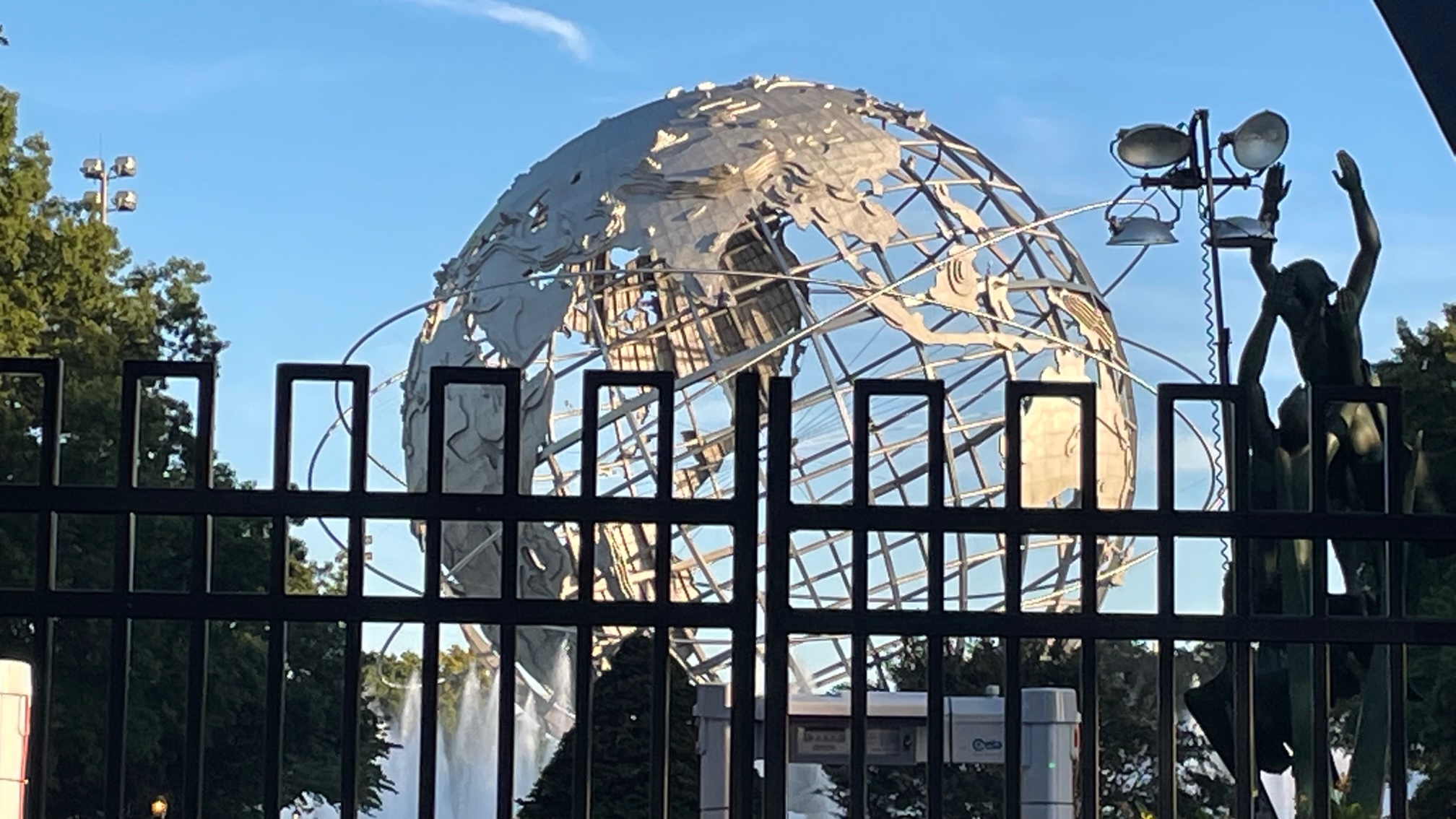
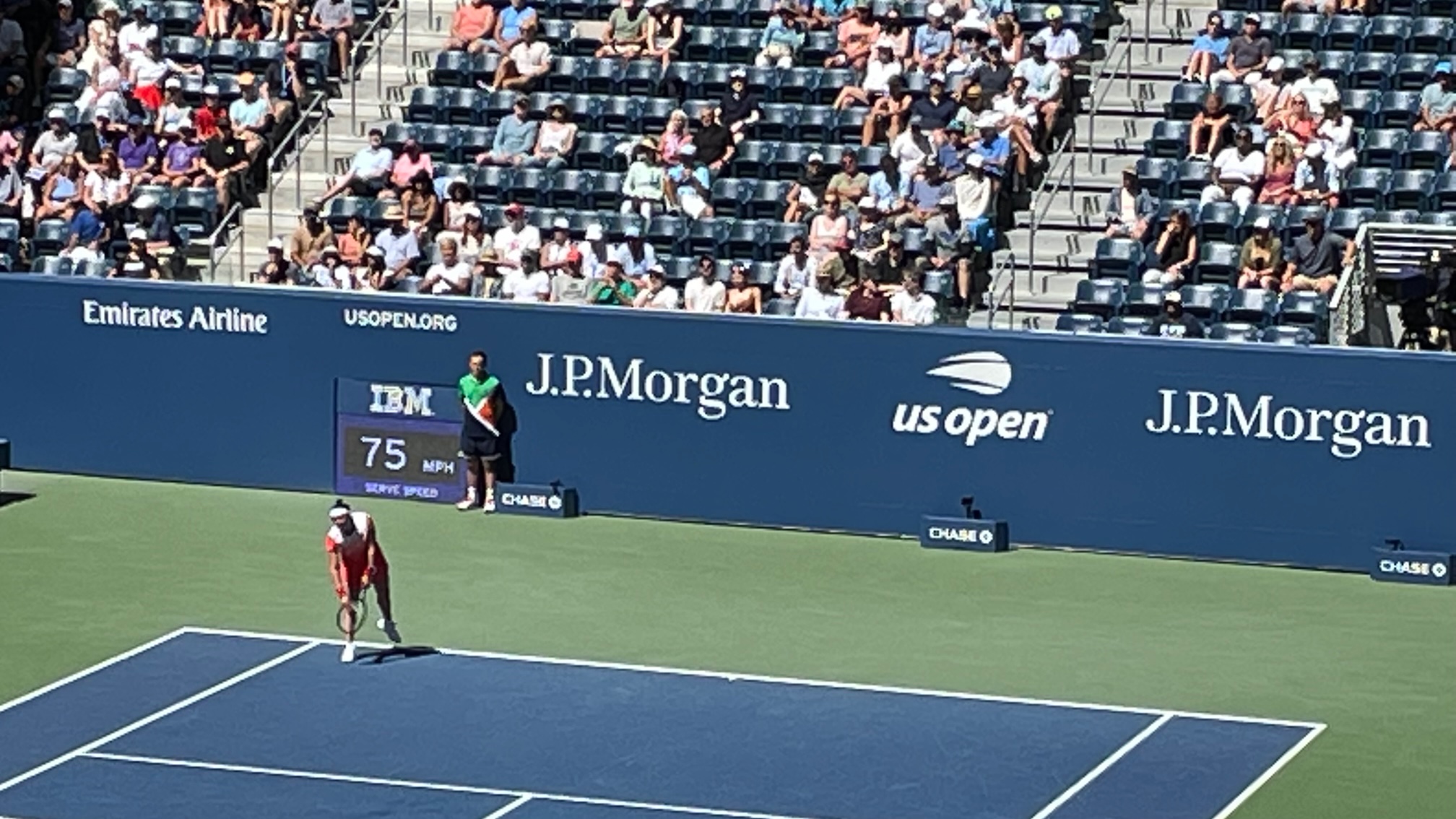
US Open 2022

Camera: iPhone 12

Location: Billie Jean King US Tennis Association Center; Flushing Meadows, Queens, New York, United States

To Write, You Must Observe

“Being a good observer contributes to being a good writer. Taking the time to observe the world around you help to stimulate a good sense of what to write about and what could be put to paper.”

Being a good observer contributes to being a good writer. Taking the time to observe the world around you help to stimulate a good sense of what to write about and what could be put to paper. I find that observing people, animals, or just nature without distractions can stimulate your ability to process possible ideas whether for poetry, stories, or for articles. You can draw both hypotheses and conclusions from you observe the world around you. It allows you to come up with scenarios or storylines just from seeing what’s going on around you.

You can really let your imagination run wild with coming up with fictional events, stories, or essays when you can draw on what you observe. Being observant allows you to think about good ideas for what you would like to write further about or to come up with ways to flesh out a person’s story or history. A good writer can flesh out the details based on what they are observing and create a good story or plot from what they may see out in the world. Being an observer doesn’t have to be a majestic place like from a mountain top or overlooking a lake.

You can make insightful and creative observations just by sitting at your neighborhood café for a few hours or from walking through your local nature park. A simple change of scenery stimulates your mind just from putting yourself in an unfamiliar location. A writer should immerse yourself in different settings and bring a pen and paper or their laptop with them. Having a quiet place to observe is also much better than a noisy place, similar with how a pond or a backyard porch is better for observations to be written down than going to Times Square or Las Vegas to come up with good writing ideas.

I do believe certain places are better for writing down your observations especially if they are quiet and allow you to concentrate more. You’re able to not only come up with story or novel ideas in those places but can write more in-depth about what you’re seeing without being distracted in those crowded, noisier, or places with sensory overload. It is a key part of being a writer to hone your observations as much as possible without overwhelming your senses by trying to observe everything all at once.

It is more productive to focus your observational writing on a particular part of a place or scene rather than trying to make sense of everything going on around you all at once. To develop your creative writing abilities, when making observations, do your best to hone your story idea or your poetry to a specific animal, nature scene, person, or theme. Observational writing can really let you hone your descriptive abilities by letting you expand your vocabulary, develop your chance to set the scene, and use your imagination to create a story out of nothing.

I would also say that being a good observer does not end at fictional scenarios but can help you with your non-fiction writing as you can attend live events like concerts, protests, or speeches, where you can observe the speaker or the attendees and writing about the setting along with the sequence of events that happened from first to last. Observational writing comes in handy when you are a news reporter, journalist, or in forming opinions. Without being able to be at the scene or where something is happening as it happens; you rob your writing from being able to recall in as much detail as what happened and how it happened when you’re not actually there.

Experiencing something virtually or secondhand does not lend the same kind of credibility or have the same kind of feeling as when you’re there in real life when something is happening live. Your observations when writing should be experienced firsthand as much as possible. I’ve found that my own writing about things, places, or events I’ve been to is not as sharp when I wait a few days or a week after to recap what happened and the accuracy is not the same as when you are writing about it as it happens.

If you are looking to improve your writing skills, I recommend sitting yourself somewhere quiet and peaceful where you can make your live observations and develop them if you would like to into poems, stories, or essays to use your imagination. You can really develop your vocabulary, your prose, and your own form of storytelling through making live observations. Good writing tends to come from being a good observer. The more time you can spend in different places observing the world and its inhabitants, your writing is going to improve and will also help you develop your own narratives, settings, and plotlines. Be sure to use your observations to further your writing skills and to take your compilation observational notes to make yourself a better and more complete writer.

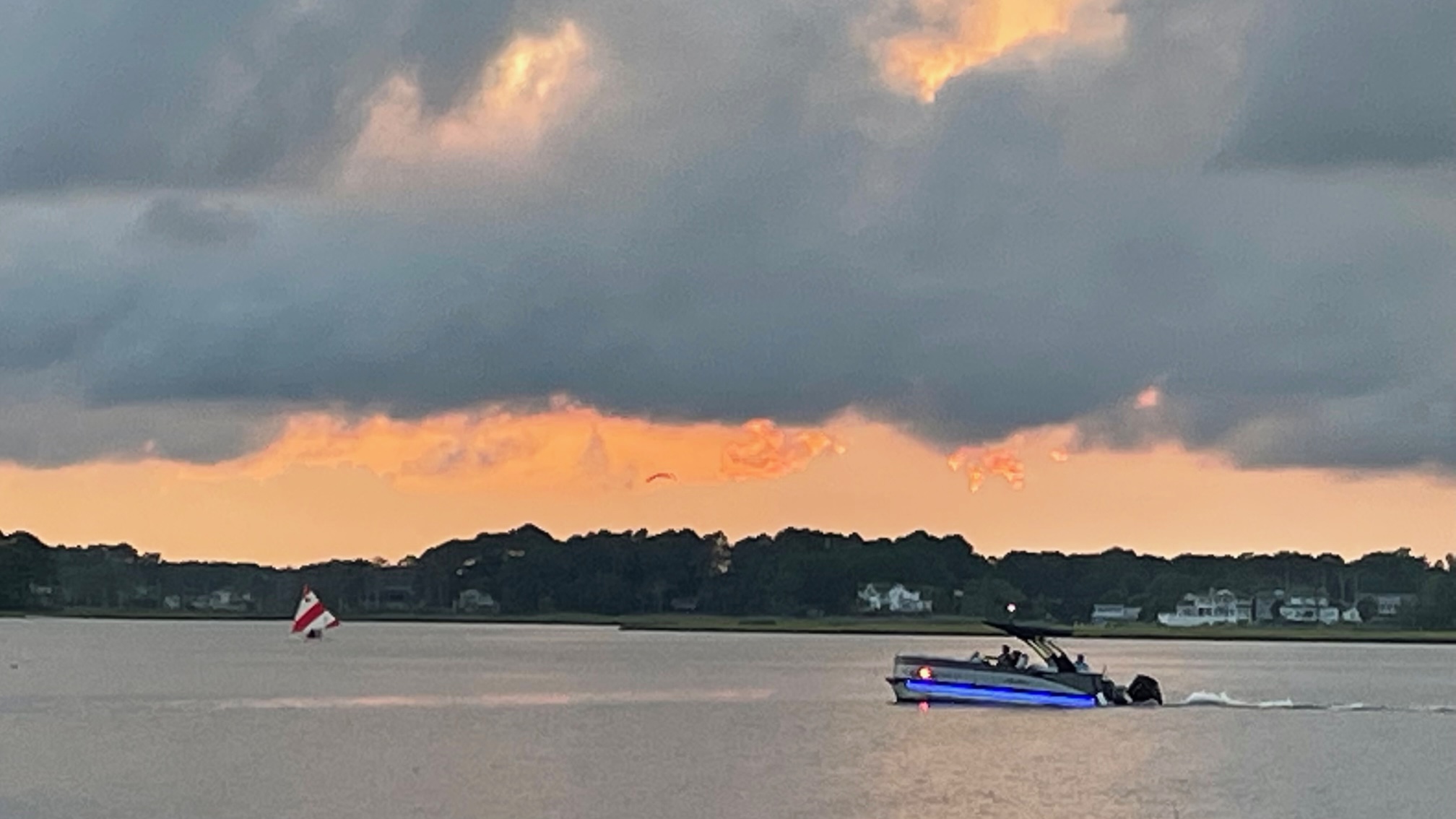
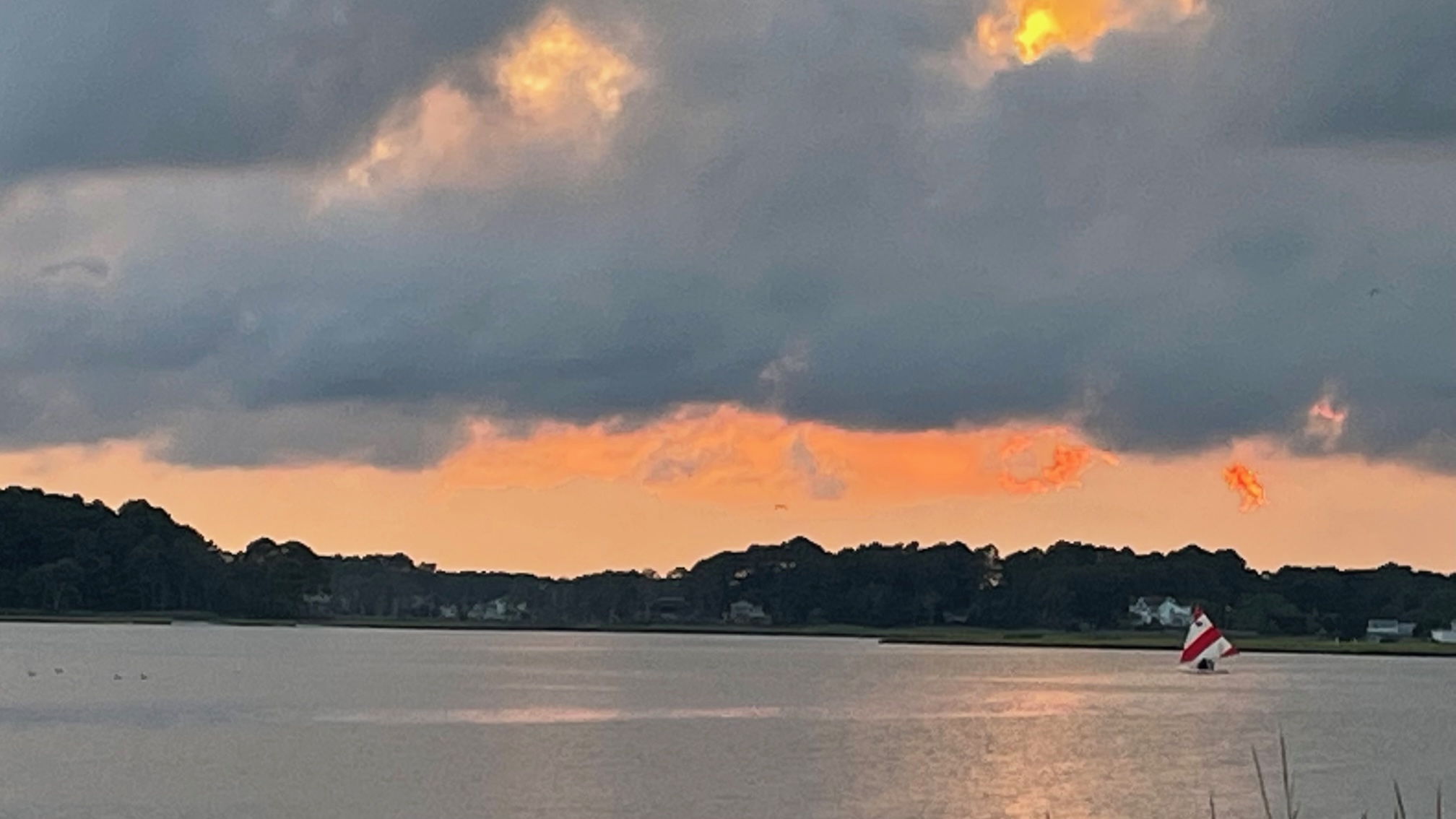
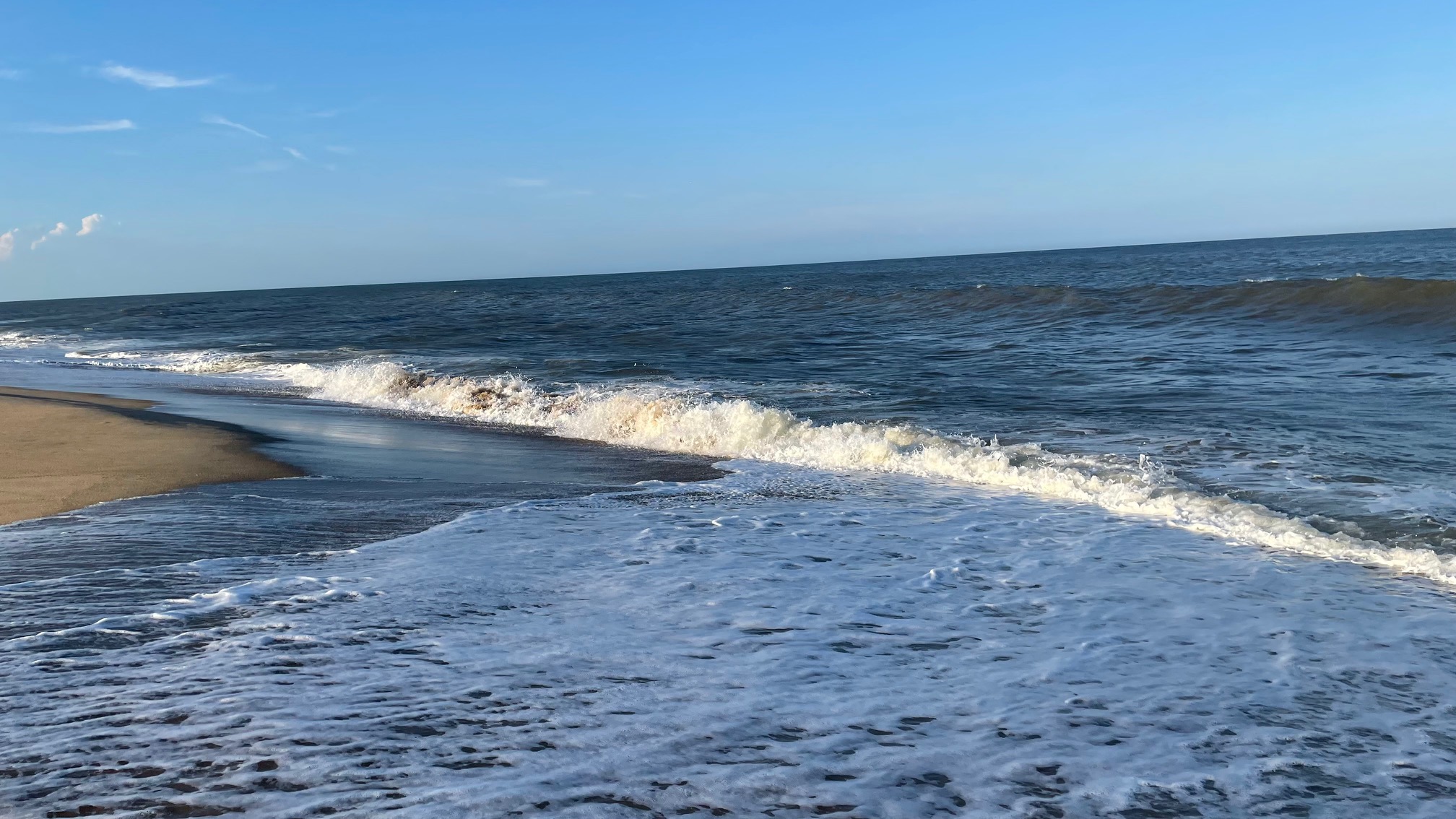
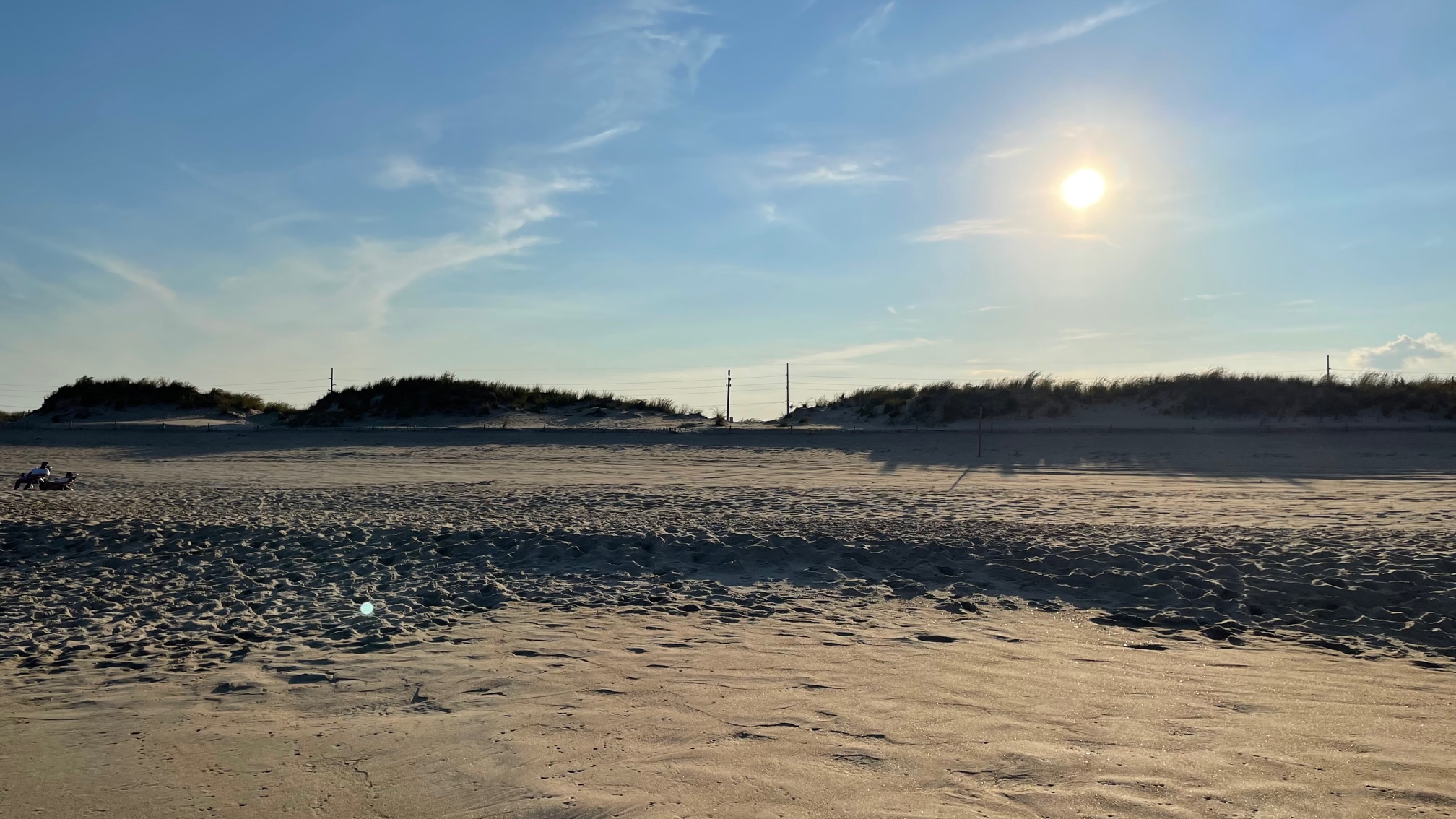
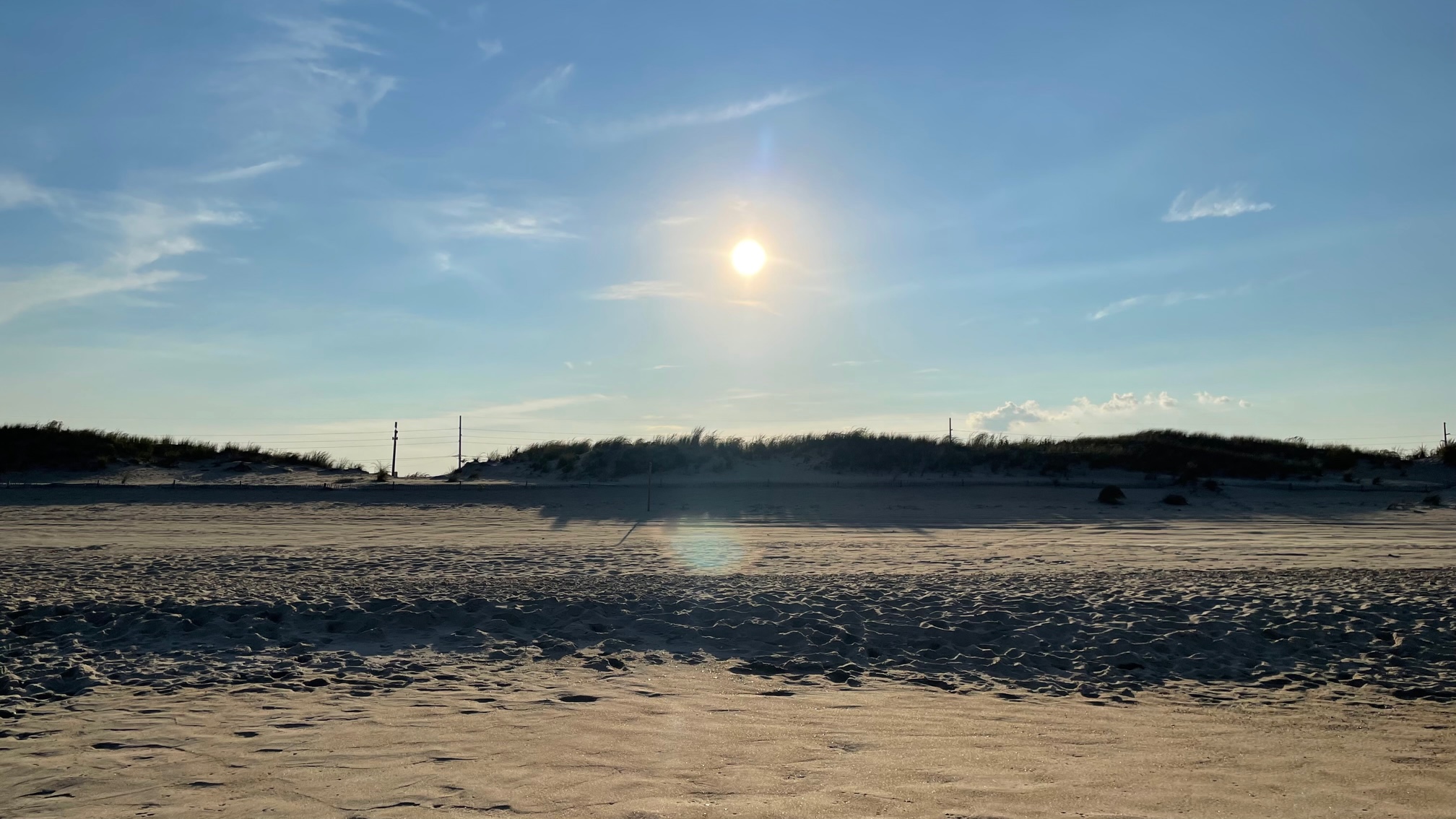
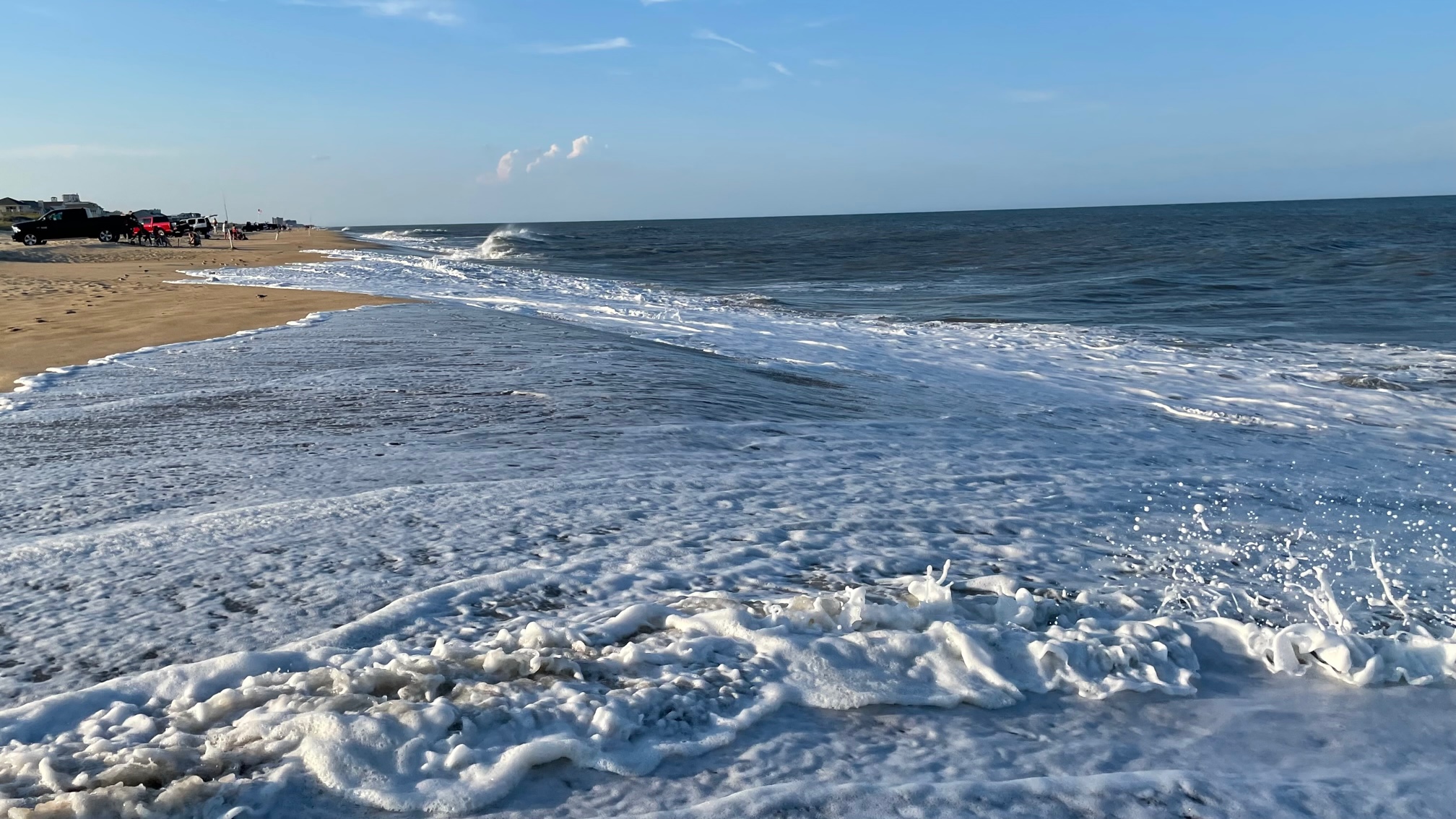
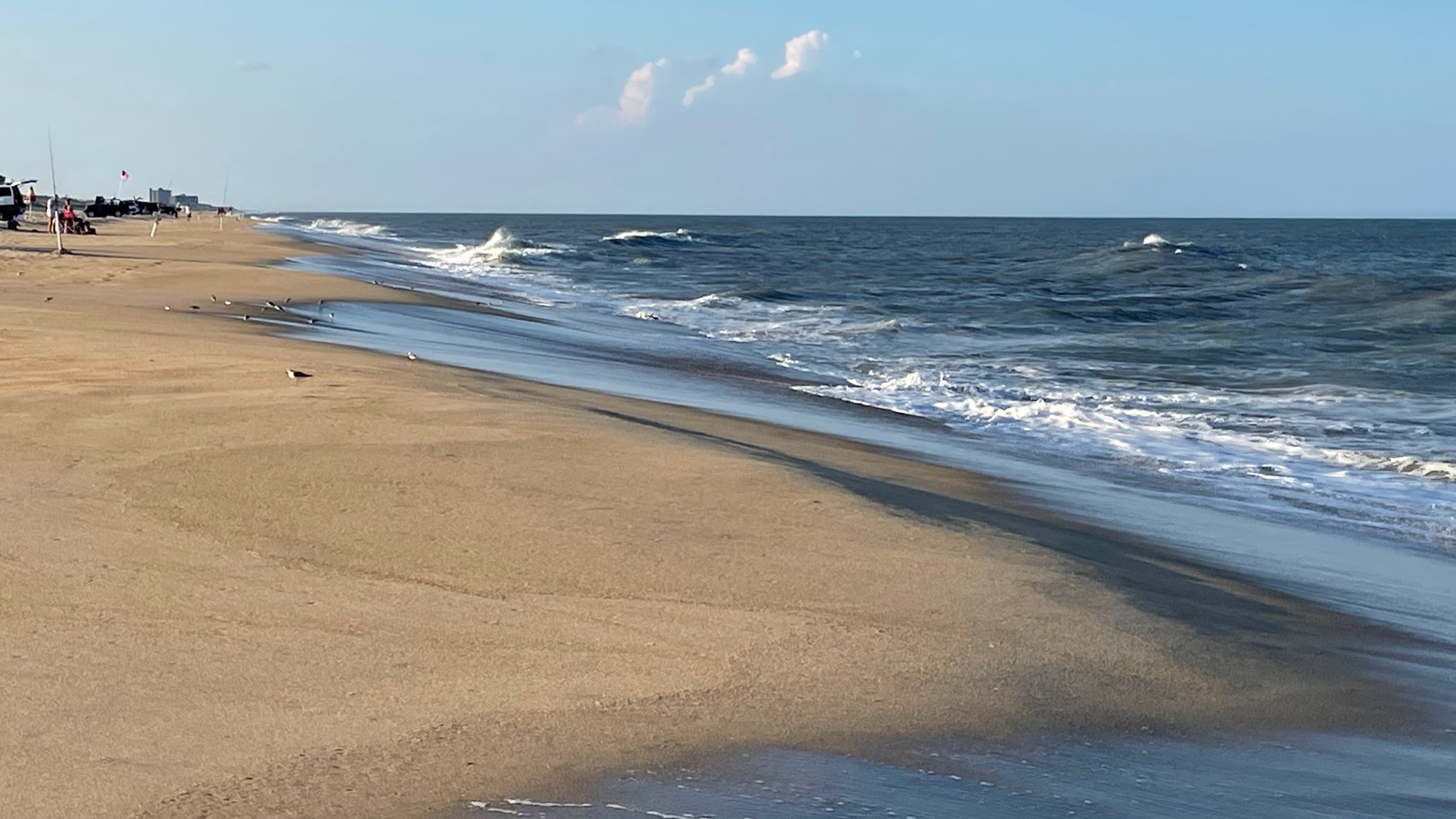
Sunset In Rehoboth Beach

Camera: iPhone 12

Location: Rehoboth Beach, Delaware

Get A Little Better Each Day

“Progress takes time and effort, and you will not see results overnight without putting the work in.”

Progress takes time and effort, and you will not see results overnight without putting the work in. You can measure progress in whatever you do by seeing if you are starting to get a little better in whatever area you are applying yourself to. If you are taking practice tests and you notice your score keeps going up, if you can swim further and faster than before while being timed, and if you are able to save more money each month than you had the previous one.

Progress is not linear in terms of growth, and it will not happen all at once. The important thing to keep in mind is that you are having more good days than bad days. You need to see if you are progressing a little bit each day or if you are at least progressing most of the time when you measure yourself. There will be days or times when no progress is being made and that’s alright. However, how you react to that and how you work to exceed your expectations next time can make all the difference. Setbacks and lack of progress are going to happen when you are striving to be better or to do better. You must persevere and not let it get to you mentally.

What you want to avoid is to ‘throw in the towel’ and to give up without doing your absolute best and pushing yourself to the limit. If you work as hard as you can as often as you can, progress is more likely to be made on that day, that week, that month, or even that year. It’s not bad to take a day or so off to give yourself a break if needed but don’t let that break become permanent or don’t throw your hopes and dreams away because something is hard. When something is hard to do, that should push you even more because you are testing the limits of what you are capable of.

There is no greater thrill than being able to usurp everybody’s expectations that they set for you including your own. The thrill of achieving or accomplishing something that you thought was previously impossible and so did everyone else. It’s important to keep in mind that kind of achievement takes days, weeks, months, or even years to accomplish so you should be consistently measuring your progress and your setbacks. If you are consistently getting a bit better each day and doing so more often than being stagnant or getting worse, you are that much closer to achieving your goal(s). The key to achieving anything is both progress and consistency because they go hand in hand with each other.

For example, if you are running to train for a marathon, there will be days where you can run 10 miles and some days where you’ll run 5 or 15 miles. The key to keep in mind is that you are running most days or even every day to train on a consistent basis. You should be striving to go from 5 to 10 to 15 to eventually 26.2 miles in a full marathon pace to train at that level to be fully ready for the race. What you want to avoid in this scenario is running less miles as you get closer to race day or running less miles over time. You want to be building consistent habits and practices to be truly ready for this kind of accomplishment.

An impressive goal like running a marathon is an excellent way to show just how key consistency can lead to progress but it’s also about setting goals such as reaching a new number of miles each week for training purposes. If you go in a training like this case from 5 miles to 25 miles in a few months to train for the race six days a week, you’ll be much more likely to reach that goal of running a full marathon. You’ll ensure that you are as ready as can be when you step to the start line on that race day because you became a little better each day.  

The key is to go from 0 to 26.2 miles during that training and not 26.2 miles to 0 miles ran. There is a clear distinction there on how to get a little better each day and that involves both consistent progress each day and knowing how to measure yourself in terms of that progress with the amount of running you do to train. Getting better at anything in life is like running a marathon in that you won’t achieve it overnight, it takes consistency at a high level, and you have to set measurable goals to show that your progress is sustainable so that you are ready to claim that achievement.

Life is a marathon in itself so make sure you count the days you made progress in your goal(s), note how you can get better, be consistent about what you want to achieve, how you’re going to do it, why it’s important to you, and you’ll be well on your way to being successful. Getting a little better each day is what I hope for all of us in whatever we set our minds and our hearts to. Be sure to treat life as a marathon and not as a sprint, and you’ll be on the right track.

Fenwick Island State Park

Camera: iPhone 12

Location: Fenwick Island State Park; Fenwick Island, Delaware

You Never Know Until You Ask

“If there is anything I would want to give advice on to anyone trying to get ahead in life or to create something out of nothing, you never know until you ask!”

If there is anything I would want to give advice on to anyone trying to get ahead in life or to create something out of nothing, you never know until you ask! Whether I’m talking about at work, or school, or in relationships, you must be willing to speak up when it comes to creating or seeking new opportunities. Usually, no one is going to hand you anything and you’re going to have work for it but if you don’t seek out possibilities, you’ll never know whether the answer is going to be ‘yes’ or ‘no.’ There’s nothing to lose when it comes to pursuing your goals in life and in putting yourself out there.

As a big fan of popular movies, there is one line from the film, ‘The Departed’, given by actor Jack Nicholson’s character, Frank Costello, a cynical mobster turned FBI informant, about how in life, “no one gives it to you…you have to take it.” While I understand that I’m referring to a mob movie here with horrible people as the main characters, the point still stands that in life, you must go after what you want and assume that no one is going to give it to you. There will be a few times where your work will be rewarded, and you will receive some praise and even adulation for what you did. However, there will also be times where you must apply for that job or university spot, seek out that big promotion, volunteer for that promising opportunity, take the entrance exam, or study that foreign language.

There will always be a 0% chance of something happening for you unless you open your mouth and make the words come out. You give yourself a possible chance just by asking for it (nicely, of course). Whereas before you would have a zero chance because you haven’t sought out the opportunity or made your interest known, now you have anywhere as good from a 1% chance to a 100% chance. Let your resume, repertoire, resilience, and other attributes speak for themselves when other people are evaluating your abilities and qualifications but that only will get you so far if you don’t strike up the courage to ask for it.

Also, do not be discouraged if the answer is ‘no.’ Rejection is going to come more often than being told ‘yes’ and that is going to happen throughout your life. You have to be comfortable with being told ‘no’ and get used to it. Being rejected will only make hearing ‘yes’ that much sweeter and rewarding in the long run. Be bold and be brave but remember to only press the other person or people deciding your offer so far and to thank them for their consideration if that ‘no’ is final. Don’t let it hurt you or get you down but remember to keep pushing forward because eventually, if you work hard, are earnest in your intent, and believe in what you are doing, I do believe you will get to that ‘yes’ you are hoping to hear.

Being able to ask for anything is a key skill and if you propose the question and be comfortable with the answer whatever it may be, you will get far in life. Asking is integral especially for sales if your job entails that, for getting a relationship with the person you love, and for that promotion from your supervisor, who you may have to convince why you deserve it, but you do have to ask for it first. With any kind of result in life, you need to work for it, build your credentials up, and then ask for it. While we would like to think that our life’s work or our past experiences should speak for themselves, often, that will not be enough to get you past the goal line.

If you really want to get ahead and take yourself further with business, work, relationships, or just getting help from a stranger, you got to ask for it. If you take away anything from what I’m telling you is that it is much better to have asked, then not having asked at all. You never know until you make that ask and it’s better than living with the regret of having not asked in the first place. There will be ‘no’s and it will lead to feelings of frustration, disappointment, and even sadness, but you will get to those ‘yes’s if you keep asking, keep trying, and keep doing the best you can in whatever you pursue.

Think also of how we only have one life to live, and I would personally rather live it with no or just a few regrets than having many regrets that take up all my mind space. Get comfortable with asking for what you want in life and don’t apologize for it if it was sincere. I think people will appreciate you going for what you want in the right way and being earnest about it. That kind of sincere approach will also help you get more ‘yes’s than ‘no’s too and help you stand out from other people asking. There is the related popular saying, “you never know until you try”, which I wholeheartedly agree with, especially for children and teenagers. However, when it comes to us in the adult world, the saying I like to leave you with is also true in that “you never know until you ask.”

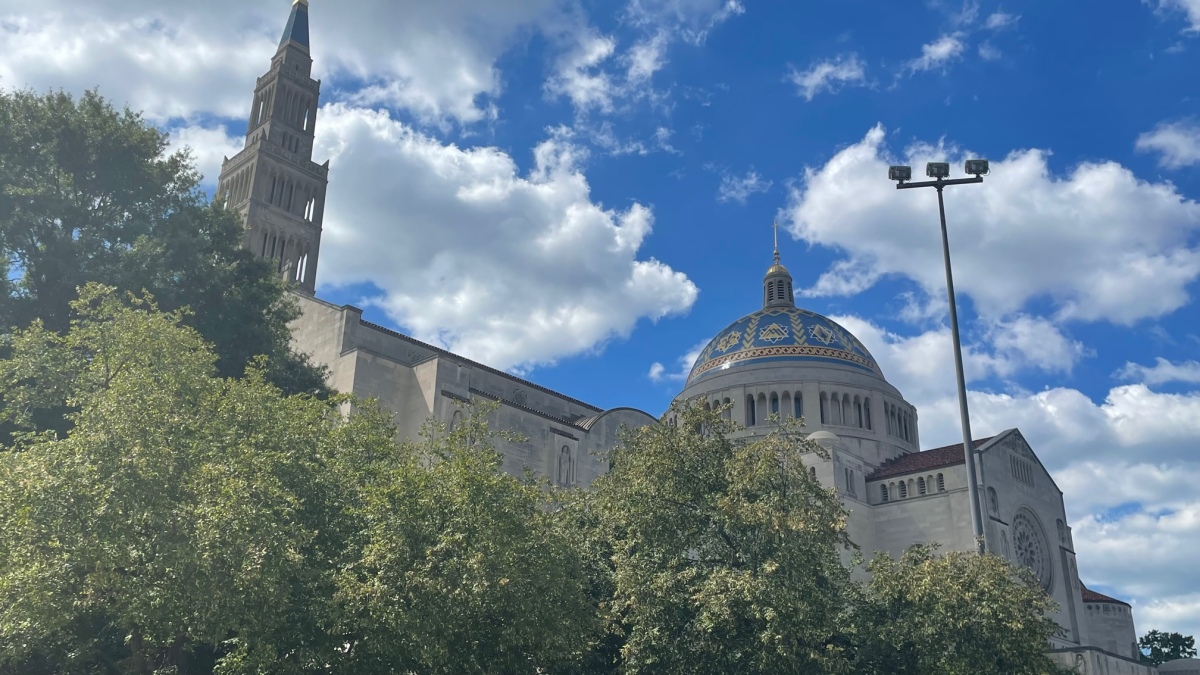
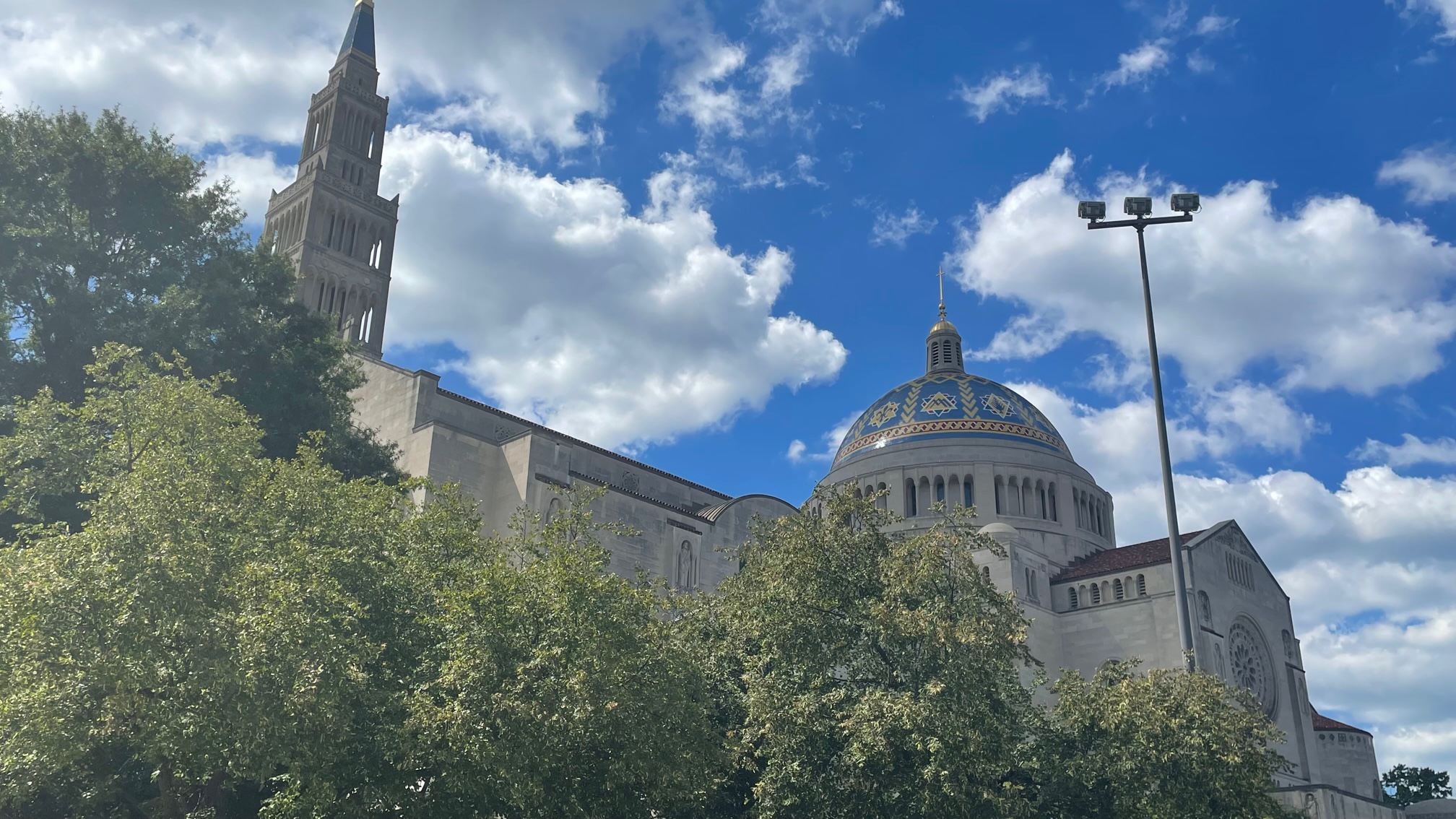
Basilica of the National Shrine of the Immaculate Conception

Camera: iPhone 12

Location: Basilica of the National Shrine of the Immaculate Conception, The National Mall, Washington, District of Columbia

The Unfortunate Rise of Anti-Social Behavior

“Clearly, I am not happy with the recession in societal norms and values and fear it is becoming all too common these days as a lot of people have forgotten to know how to act in public in a civilized and dignified manner.”

How many times have you been on a plane, a train, or a bus recently and noticed someone on a loud phone call, listening to loud music without headphones, or even kicking your seat and not apologizing? I would say it’s happened to most of us at some point, but these kinds of rude behaviors seem to become more common post-pandemic. The receding of the pandemic did not just cause the deaths of millions of people, long-lasting economic damage, but most recently an erosion in social norms and values. Clearly, I am not happy with the recession in societal norms and values and fear it is becoming all too common these days as a lot of people have forgotten to know how to act in public in a civilized and dignified manner.

As the pandemic has receded, selfish and unruly behavior has increased in my view, and it has been well documented in popular forms of media. How many videos or audio clips have you seen of airline passengers fighting with flight attendants or gate agents? There have also been scenes of people stealing and looting from stores in mass causing chain stores and the local mom and pop shop to have armed and unarmed security patrolling the toiletries aisle. For the rest of us who play by the rules, it’s unfortunate that we must deal with the agitation of greater security and more surveillance because others have to act in such a selfish and anti-social manner.

While there is some blame to go around including growing wealth inequality, the cost-of-living crisis that continues to worsen, and a lack of proper education in the school system on basic behavior and etiquette, it does not excuse being negligent of how to behave in public especially for an adult who should know better. I would like to think that we all are taught whether by parents, guardians, or by teachers themselves the difference between right and wrong, how to behave oneself when others are around, and that stealing, cursing, and dismissing others in public as unseemly behavior. The pandemic has worn a lot of us down physically, mentally, and financially but it does not excuse anti-social acts and/or behaviors against your fellow man or women.

Together, in a society, we should remember both the spoken and unspoken rules of how to behave and it seems like a few of us need to re-learn that or we have to strengthen these rules in our institutions and in our laws to fight against this rising tide in unseemly behavior. There are consequences to your actions and while we should continue to notice these anti-social behaviors and call them out, there must be a strengthening in terms of preventing those from breaking these rules and to hold them accountable when they happen.

A good example of an anti-social behavior I’ve noticed is in major U.S. cities including New York City and Washington, DC. Fare beating and or jumping the gate to avoid paying the fares to keep our transit system from functioning well is something I condemn strongly. Unfortunately, since the pandemic, there has been a spike in people not wanting to pay their transit fare and getting caught on camera while not doing so. Multiple times, the station agents and transit police do not apprehend these individuals to cite them for the fines or at least verbally reprimand them for their actions. If you do not enforce the fines or at least the rules, it emboldens this kind of anti-social behaviors and people will keep them doing them.

Recently, increasing the fines and changing the fare gates to be more difficult to physically jump or avoid has become a solution to this fare beating issue, but it is more than just changing the gates or enforcing the fines, there should be more ways to let people know in public service announcements (PSAs) or through schools, community centers, or in the home that this behavior is not tolerable.

I very much encourage free transit programs for those of lower economic status and for young people who are going to school or work as an alternative way to invest in those people who need the financial assistance and may not understand how fare beating is unacceptable. Increasing fines and security presence for stealing, farebeating, loud music in public, is not so much a solution, but rather a band-aid on anti-social behavior that may discourage these actions but won’t go fare in terms of ending it.

In a society, I believe people need both ‘the carrot and the stick’ in the sense that good behaviors should be encouraged and even rewarded such as cleaning up after yourself, lining up in a proper manner, helping the elderly and disabled. We should do as much to encourage healthy social behaviors as much as discouraging and shaming unhealthy anti-social behaviors.

For myself, I have a pet peeve of people playing music in public places in my near vicinity without earphones or headphones or keeping it to a low volume at the minimum. It gives me no great pleasure to call anyone out on this kind of behavior, but it was never acceptable before the pandemic to do so, and it should not become a new norm in this post-pandemic world. If it bothers me or causes me to not focus on my reading or my work, I will be happy to call this selfish kind of behavior out. It’s up to the individual on how they act but it used to be a given that you wouldn’t disturb others’ peace in public and keep your music, gossip, or phone calls to yourself or at a low volume. I’m not exactly for policing of rules or regulations as an ordinary citizen but if it disturbs my peace or my ability to enjoy my train, plane, or bus ride, I do have to call it out or let someone know of the issue.              

My overall hope on this rise in anti-social behavior is just as much as we focus on enforcement and punishment to a reasonable degree of these actions that we do a much better job as well on teaching people in society why we have these rules, how they benefit us all in a public setting, and to educate people why we have fares, quiet hours, no music in public places, etc. so the average person will know why they have to act in this way for the betterment and peace of us all.