








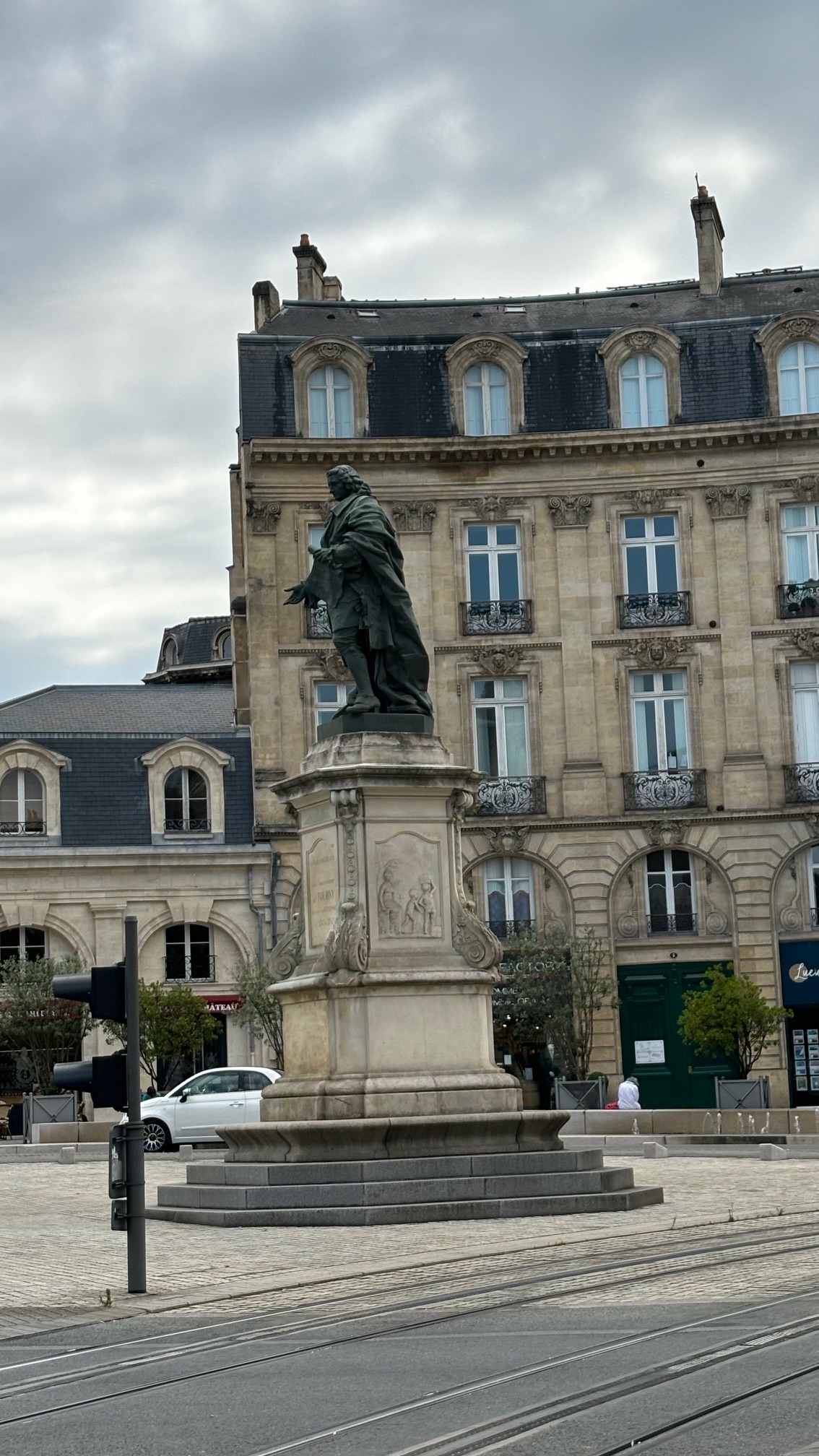
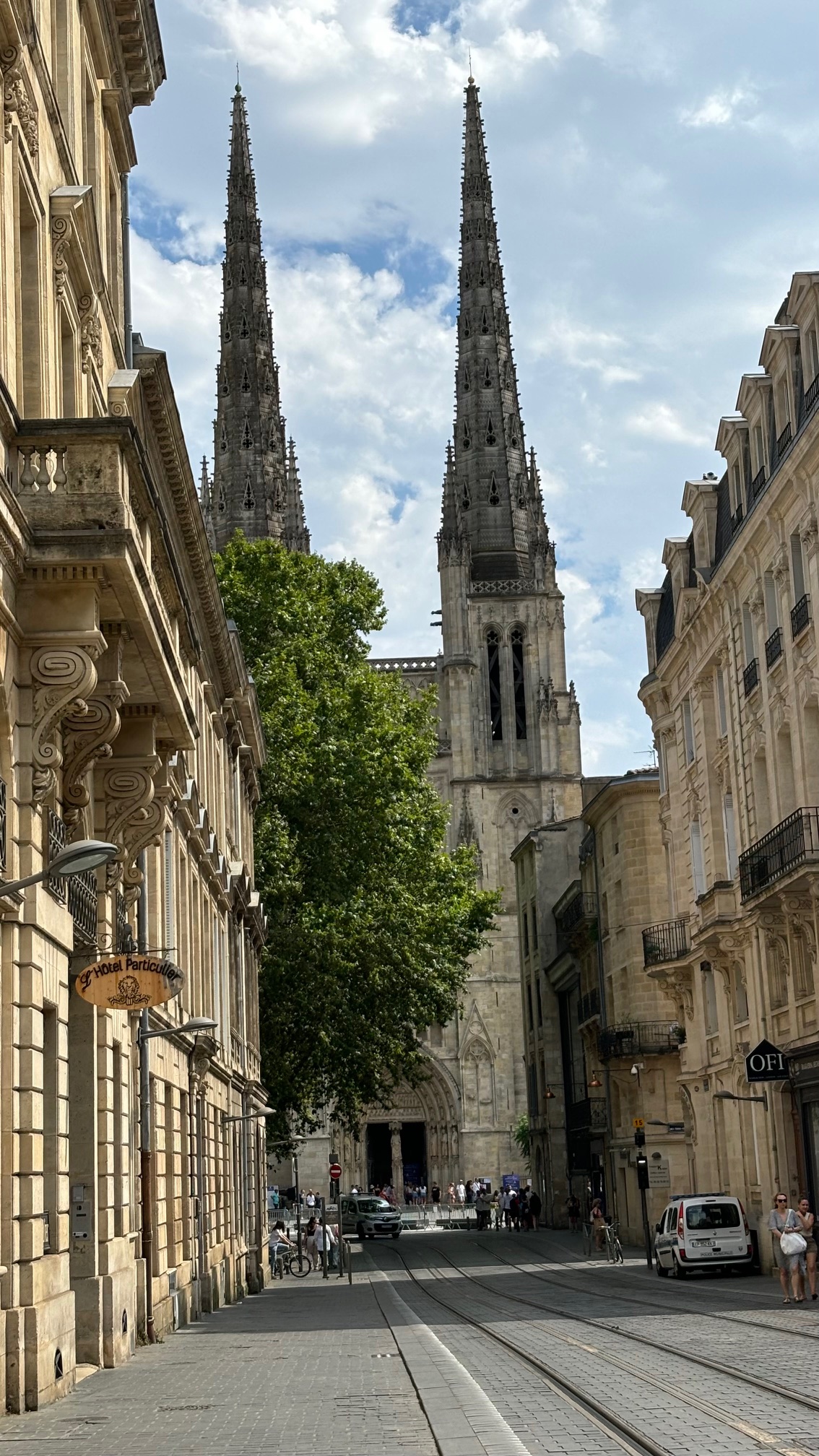

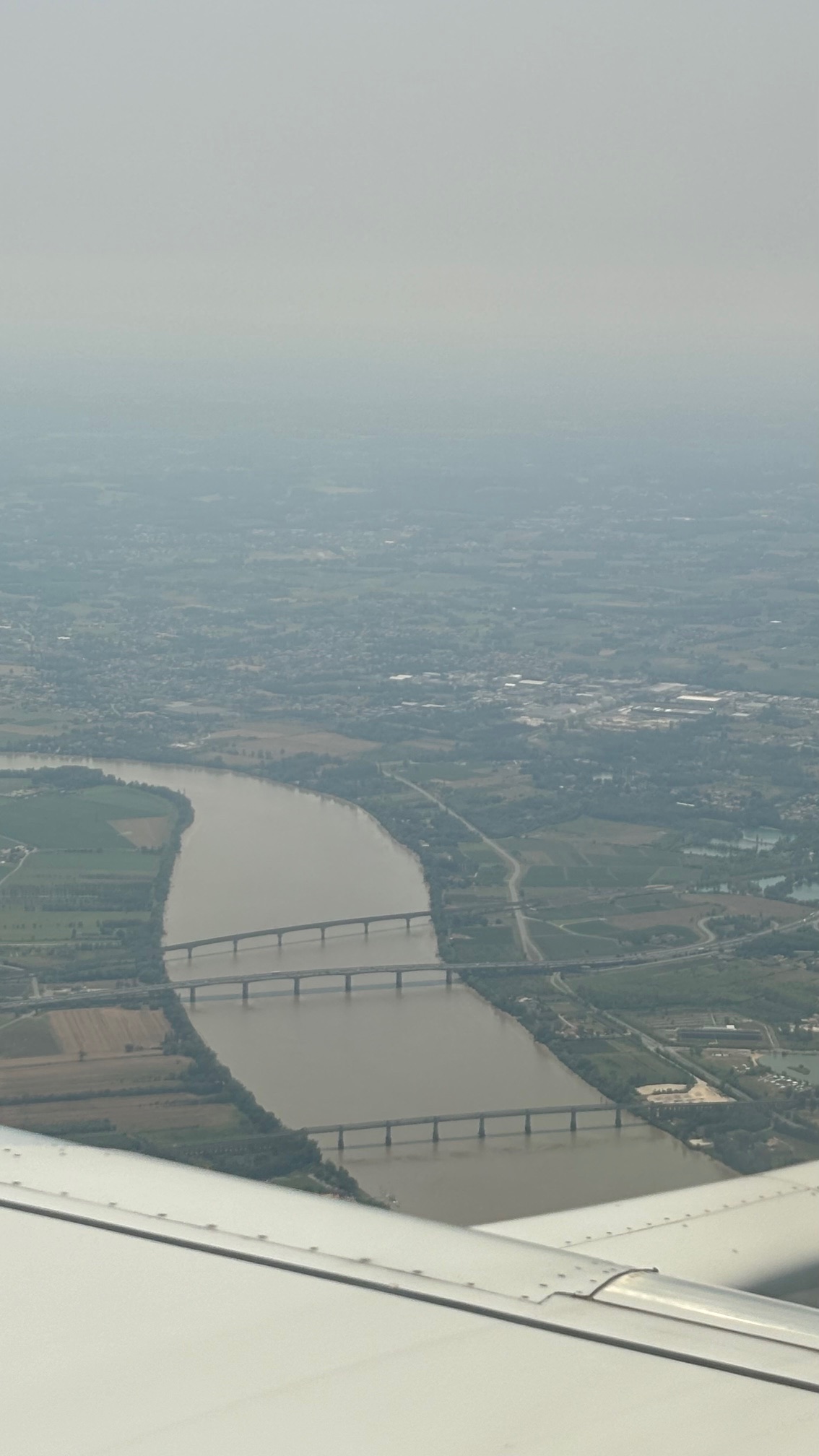
Camera: iPhone 15
Location: Up In The Air; Bordeaux, France

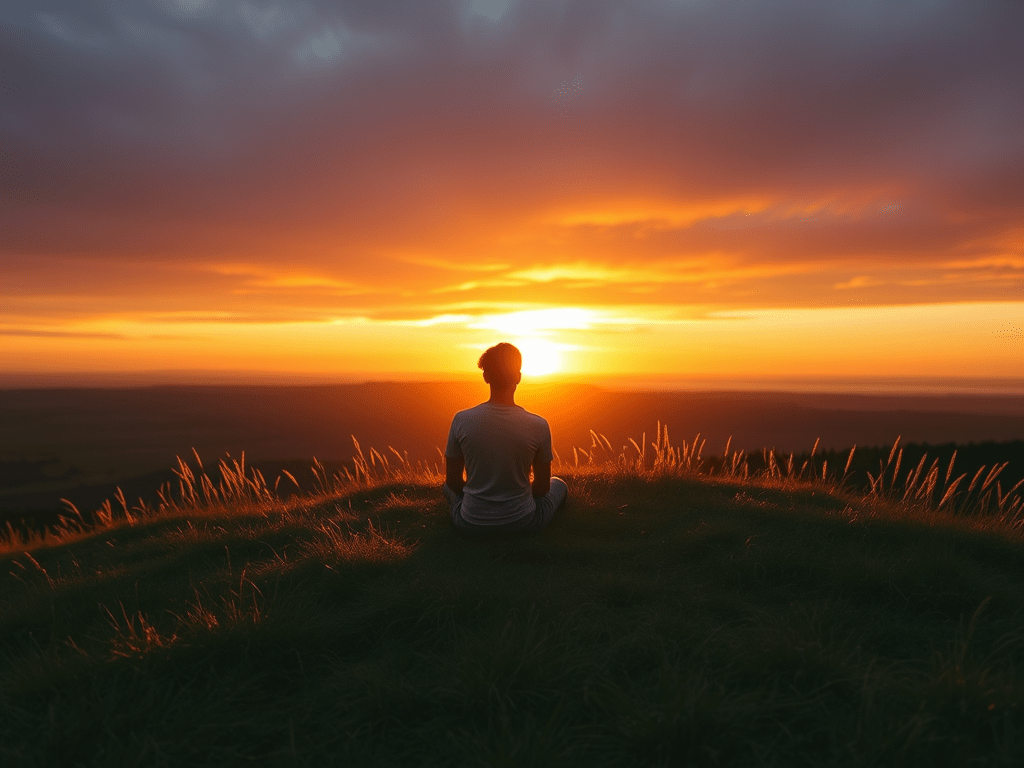
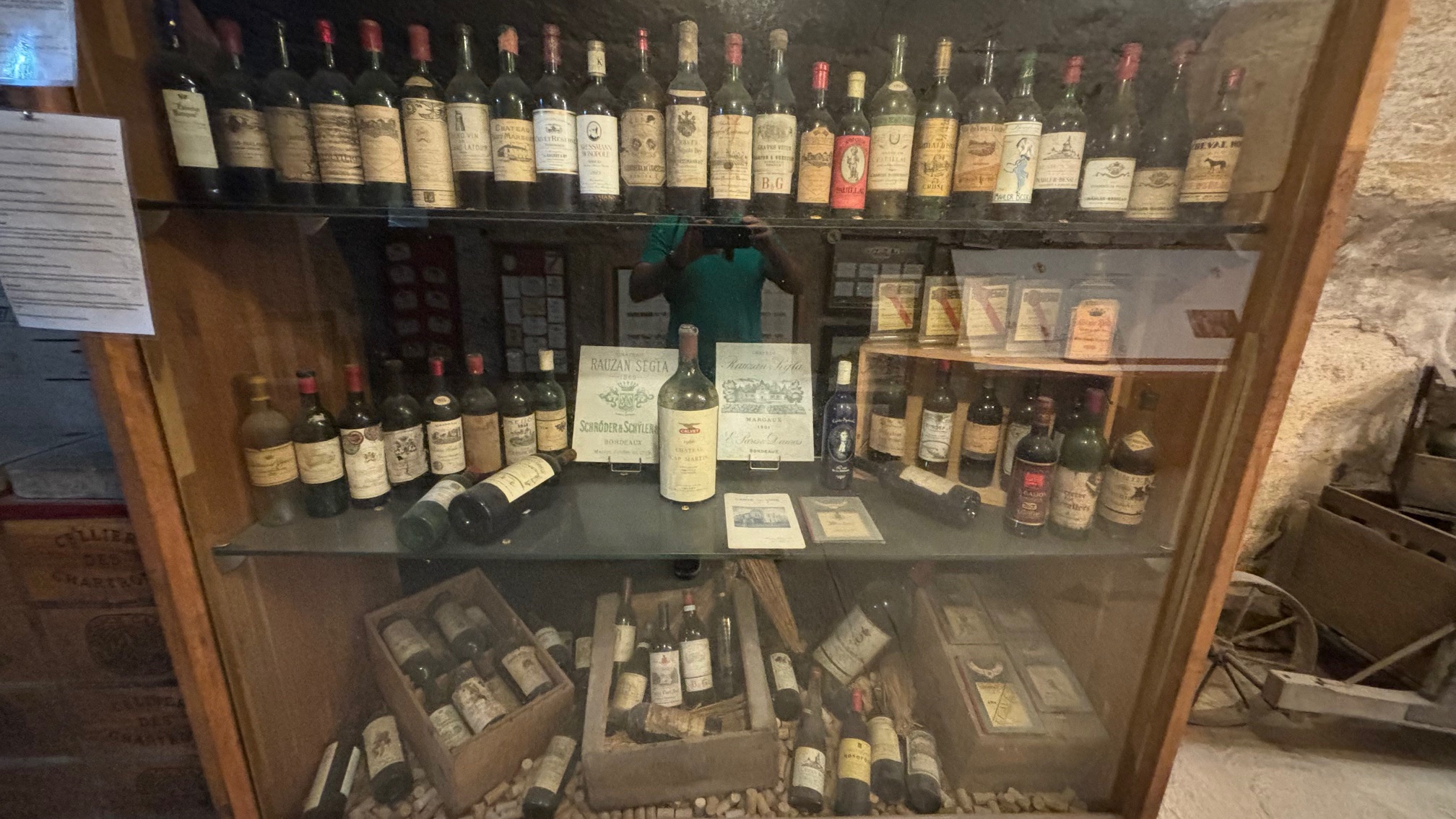
My first voyage to Bordeaux, France, a key stop on any wine lover’s journey through the southwestern region of the country. A beautiful and vibrant city with amazing food and wine (of course).
Camera: iPhone 15
Location: Up In The Air; Bordeaux, France
“As much as it is important to socialize and be around friends, it can also be good to be alone, focus on yourself, and enjoy a little solitude.”
Sometimes, it’s good to recharge your batteries alone. We all need real social connection and friendship, that is for certain, but there is nothing wrong with seeking out solitude to enjoy your alone time. Everybody has a different tolerance for how much time alone they can handle before they seek out a social event, gathering, or activity to dust off the cobwebs and not let one’s social skills atrophy. As much as it is important to socialize and be around friends, it can also be good to be alone, focus on yourself, and enjoy a little solitude.
Solitude often has a negative connotation, and it is often associated with having it imposed on you or having it done without consent such as the similar phrasing of ‘solitary confinement.’ That kind of solitude is denigrating to one’s spirit and causes one to mentally break over time. Just like endless solitude is harmful to one’s health, I also think that is true for the opposite side of the spectrum when you are constantly surrounded by other people, some of them mere acquaintances or coworkers for which you are forced to be around and whose company you do not enjoy. There are many forms of loneliness, and it is true that you can be as lonely by yourself as you can in a room full of people who don’t care for you, or you don’t care for them.
If you are around people who constantly want something from you or need something from you, that can be as draining as it is to have no one to talk to or to share life with. Just as a balance of having some social activity is good for you, it is as important to be on your own sometimes and enjoy one’s own company. There have been times in my own life where I have sought to be on my own deliberately, not because I didn’t enjoy being around others, but that I needed the time alone to meditate, to think, to reflect, to problem solve, and to more fully observe the world around me. In extroverted cultures including in the United States, this kind of activity can be thought of as strange or unusual, but I find that my best ideas or my most relaxing moments can be on my own and even when doing nothing but just the art of being present in the world.
We constantly are having our attention pulled to the next meeting, the next call, the next trip, the next gathering that we can forget to take the time to be on our own in whatever form that may take. Solitary kind of activities have gone out of style lately for some people whether that is reading, writing, walking, meditating, or just doing nothing (looking at your phone doesn’t count here). While these things can be done in concert with other people around, these activities are best done alone in my view and help me to recharge so I can be more present and engaged when seeing friends or family members.
You shouldn’t wait on other people to live your life too even if it’s by yourself. If you must be alone for a little while on a trip, at a concert, in the library, and generally out in public by yourself, it is not the end of the world. No one is judging you for doing life solo sometimes and it can be healthy to do so. Rather than giving too many people too little of your attention or having it split too often, why not focus all of your attention on something singular such as the footsteps you take on a walk, the thoughts in your head as you absorb a good book, and the clacking of a keyboard as you work on your novel.
Being alone all the time is not healthy, I want to make that clear, but it’s also not healthy either to be surrounded by people all the time. Part of being a healthy adult is working to have a little solitude, a little social life, and mix it all together to rewarding yet refreshing lifestyle. By being on your own sometimes, you’ll be more reflective, more observant, more self-aware, and treasure those social moments more when you’re more present, more engaged, and happier to have that social muscle stimulated.
I’ve always been an advocate for a moderate and balanced life and that is why solitude should not always be shunned for someone to progress as a person. Our deepest thoughts, our brightest ideas, our healthiest habits aren’t always cultivated around other people, which is why it is important to use one’s solitude to see if you can think deeper, live better, and build more because your attention is focused inwards rather than outwards. Find out what your tolerance for solitude is and then see what it can give you when you’re alone, because you would be surprised how relaxing and necessary it can be, especially when you put that solitary time to good use.
Enjoying an early baseball at Nationals Park followed in the evening with rooftop fireworks in Navy Yard for July 4th, 2024 in Washington, DC.



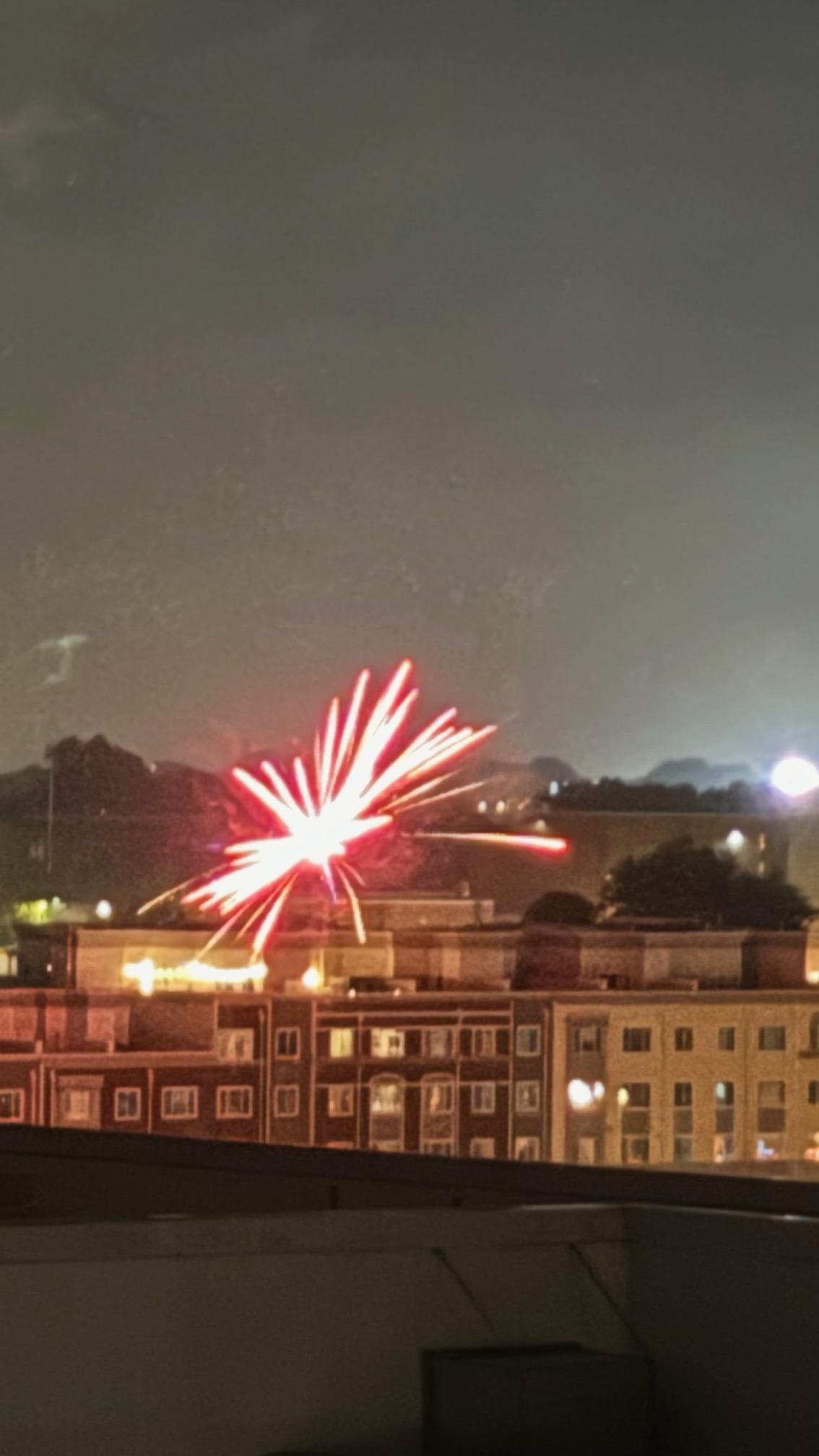
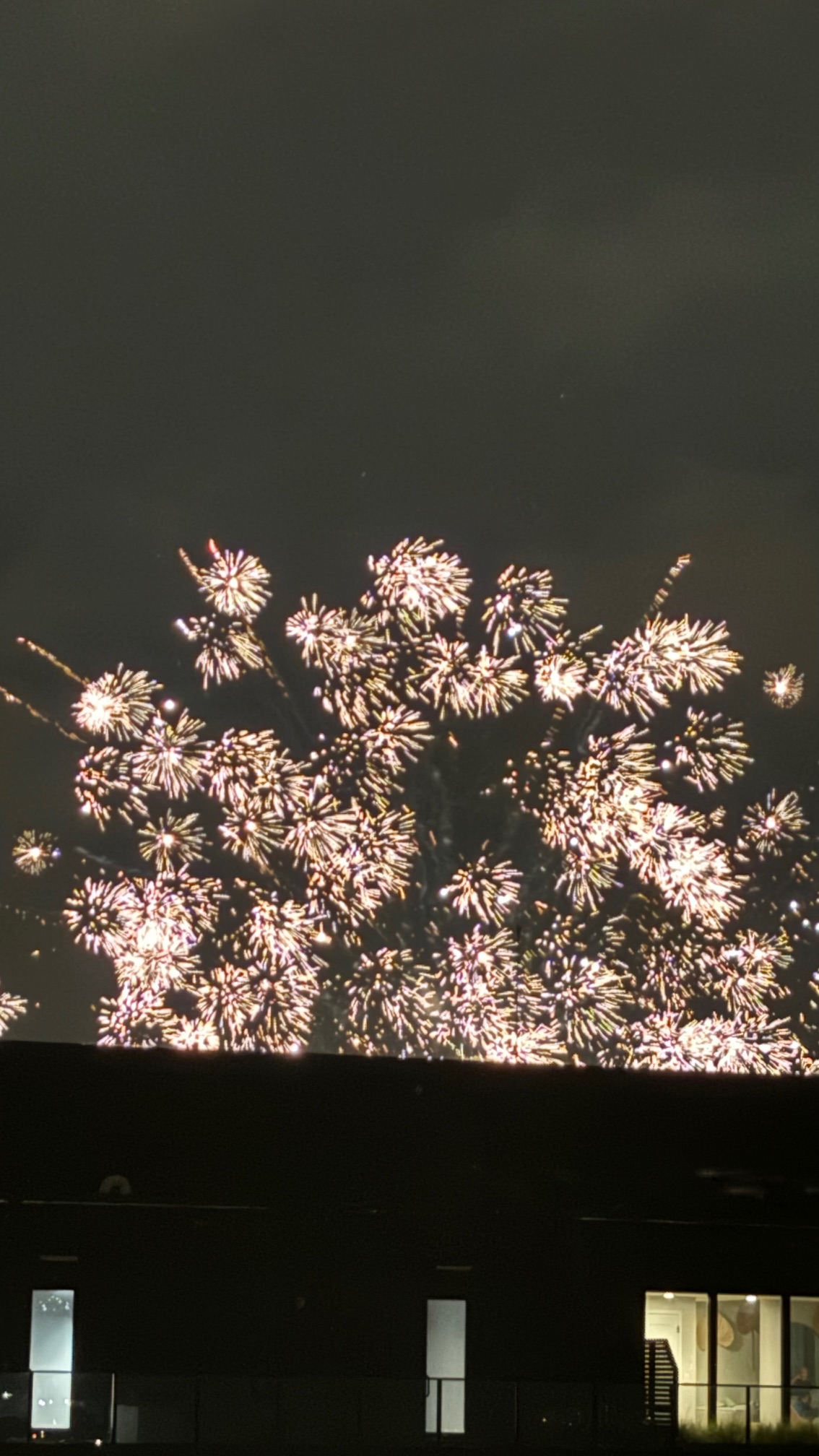

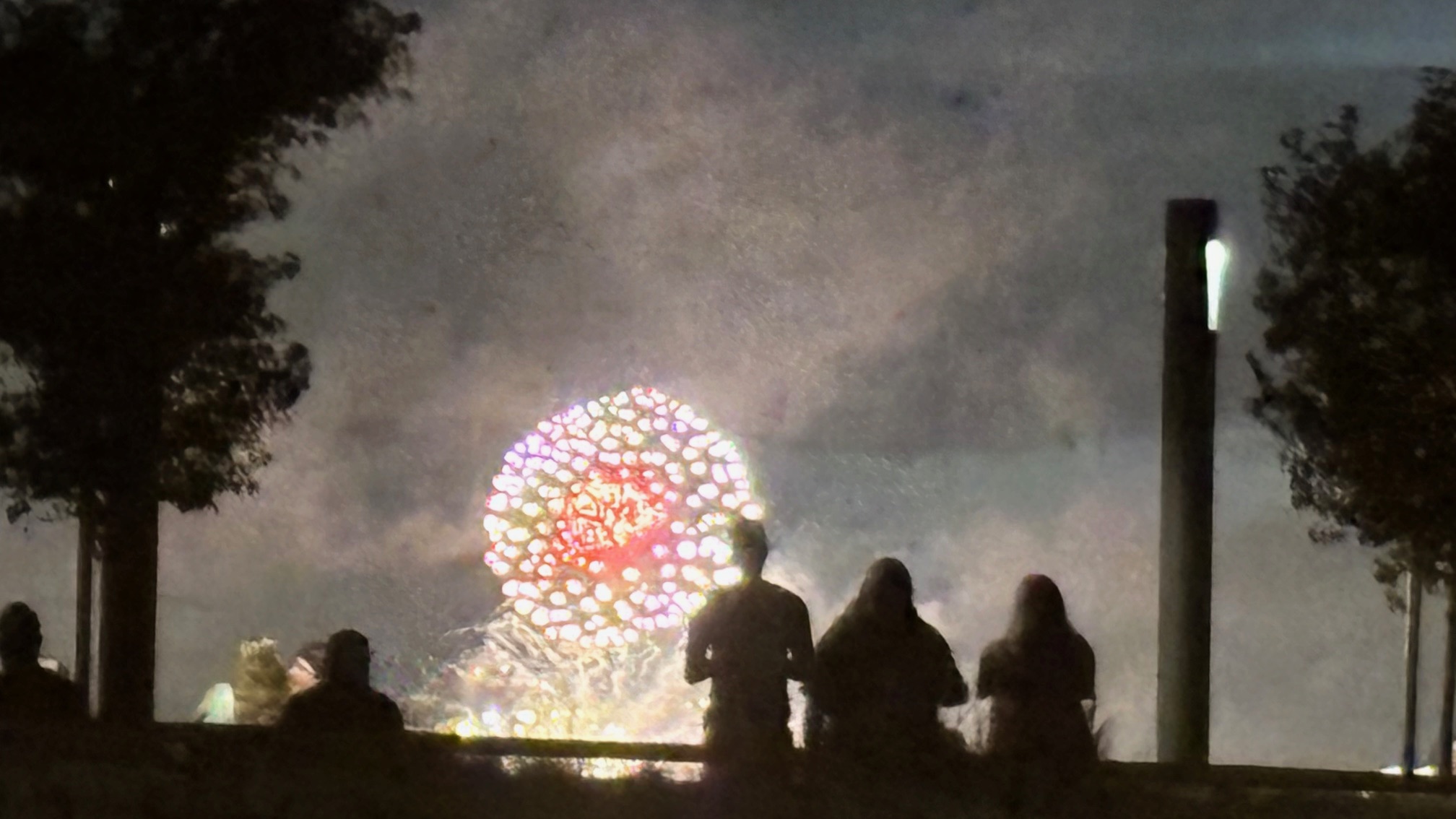










Camera: iPhone 15
Location: Navy Yard and Nationals Park; Washington, District of Columbia
“We all should be striving to succeed but if you find yourself cheering for a success story that could have been avoided in the first place had there been a stable safety net and to have prevented the problem from arising in the first place, that is where more of our attention should be focused on as people.”
Look, I love a feel-good story as much as the next guy. I like it when someone can pull themselves out of poverty or difficult circumstances to achieve wild success for themselves and their next of kin. This is the kind of positive story that is often reported on in American media and popular culture. We love the story of the underdog rising above challenges to achieve something great. It seems to be practically embedded in our national DNA. However, the Achilles heel that we often refuse to acknowledge or focus on as a nation is how dysfunctional it can be to rise above a broken or fractured safety net to escape poverty, homelessness, or even medical debt. We all should be striving to succeed but if you find yourself cheering for a success story that could have been avoided in the first place had there been a stable safety net and to have prevented the problem from arising in the first place, that is where more of our attention should be focused on as people.
I bring this issue up as this has been the kind of a ‘feel-good yet kind of messed up’ story that garners sympathy and appreciation from the average person throughout my life. For example, I was watching a nationally televised baseball game recently as I like to do sometimes and heard the television commentators for this game focus on the rags-to-riches story of one of the players on the field who has become wildly successful after going through tough times that involved both him and his family.
The baseball player in question had a newborn son arrive around the time of the COVID pandemic’s outbreak, who suffered from a series of seizures, which required a lengthy hospital stay and weekly checkups from the doctors there. The player himself could not play baseball due to cancellation of the MLB season at the time in 2020 and lost his health insurance at the same time his newborn son’s seizures started occurring. Because health insurance is tied to employment in America, the baseball player lost his health insurance at the worst possible time. They did not have enough money left over for housing after paying out of pocket costs for the medical care for their son. As a result, the baseball player and his family were rendered homeless for a while, living out of their family car in a Wal-Mart parking lot at one point in central Florida.
Luckily, even in this case of the dysfunctional health care system failing both this player and his family, having been left in the dust for a while, professional baseball, being the national pastime resumed a few months later in 2020, the baseball player regained his medical insurance and was able to pay off the medical debt due to his success in Major League Baseball over the past few years. I admire this player and his family’s resilience in the face of adversity and am glad his son is doing well now. The player is now a naturalized U.S. citizen also and visits children’s hospitals in the area where he plays to support families going through similar ordeals.
While this story in America had a happy ending after much sadness and anxiety for the family in question, I can’t help but think of the TV commentators’ from this baseball game’s lack of awareness about the societal dysfunction that leads to a whole family living out of their car in a Wal-Mart in central Florida with no safety net to speak of because one of them lost their job, through absolutely no fault of their own, which was tied to their health insurance coverage. It bothered me a great deal personally to not hear from the TV commentary to not mention at all the lack of universal health care in this country or the fact that you can incur thousands of dollars or more of medical debt so a son or daughter can get the treatments or surgeries needed to overcome seizures or other major medical issues.
While this story had a happy ending due to the player’s evolving skillset and MLB’s massive popularity, there are millions of Americans suffering out there currently due to a lack of a durable safety net to fill in the gaps in health and education. Come back stories to break through adversity are great and make for nice commentary but not everyone has had such luck and success navigating the American health care system.
Whether it’s GoFundMe or another online platform, many families have to rely on the kindness of strangers to help them pay down massive medical, educational, or other debt, which is never an enviable position to be in. We should not have to rely on complete strangers to fund necessary medical procedures or to get life-saving medications paid for in the United States. No one should have to forgo their home or apartment to go homeless to pay for medical bills either and be forced to live with their family in a car or on the street. I’m all for people striving to make the best of their abilities in their chosen profession but layoffs, firings, or other unfortunate events can happen leaving us jobless and without health insurance directly as a result.
I’m not going to discuss which kind of system to have regarding how insurance or how higher education can run in America but I do know that you shouldn’t have to rely on having a job at all times to get affordable health care and if you don’t have insurance when a procedure is needed, you should never go bankrupt trying to pay off your medical bills. We can argue forever about the size, scope, and scale of how a universal health care system can support the country while everybody pays their fair share into its functionality, but we should never reach the point where a platform like GoFundMe is needed to fill in the gap when it comes to someone’s health care coverage. The point of this article is not to discuss how such a new system would work or how it can be implemented but rather to address how this current dysfunctional system (or lack thereof) has been allowed to fester and continue without any solutions or improvements recently.
Lastly, feel-good stories are a good way for average people to relate to one another regardless of if you’re a professional baseball player or a janitor, but we should be taking the right lessons from these stories. We should be applauding the person and family’s resilience and their success in navigating the massive challenge, but we should also question on how we could let such dysfunction run a key part of our society or how we can allow this system to continue given that it bankrupts average people because they lost their job through no fault of their own.
Sometimes, in life, you must ask hard questions and those can include how we fix societal dysfunction and how we can be part of the solution in our own way as citizens. Asking these kinds of questions, holding our political leaders accountable, and focusing on the ‘why it happened?’ rather than the ‘how it happened?’ will help to cause some real change to happen and for these stories to become rarities in American society rather than sadly, all too common place, that we hear almost every day here.
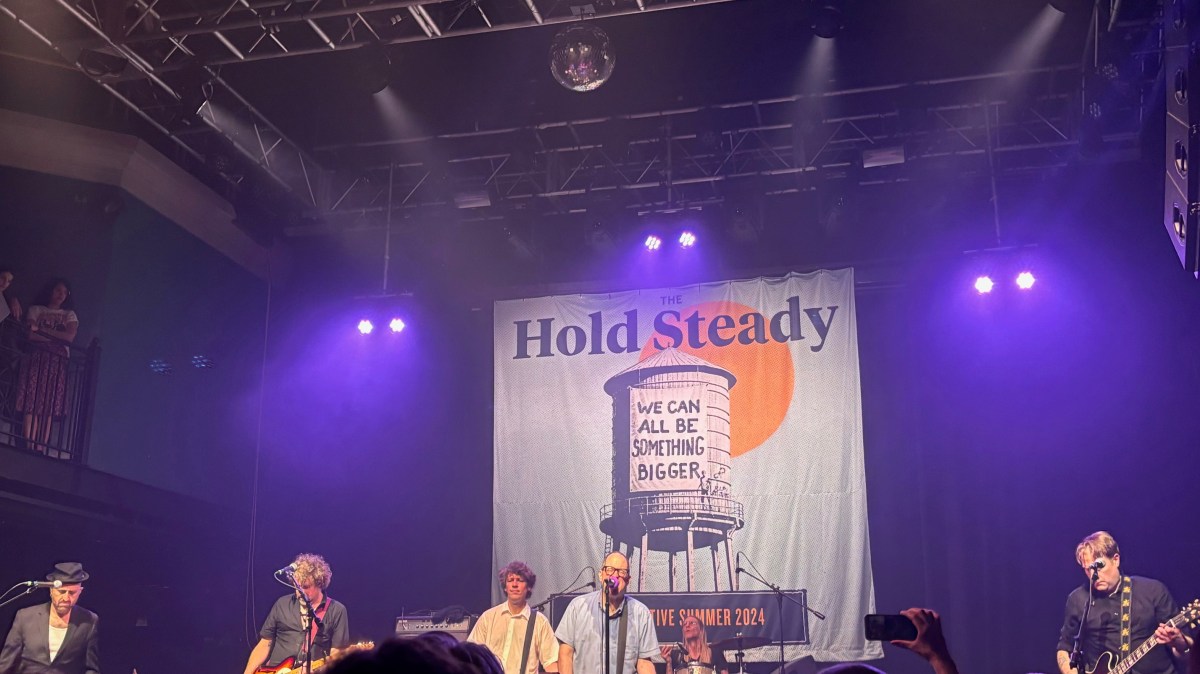
“A raucous and riveting live performance by one of my favorite Rock bands, The Hold Steady, in Washington DC live during the Summer of 2024 at the 9:30 Club venue.”

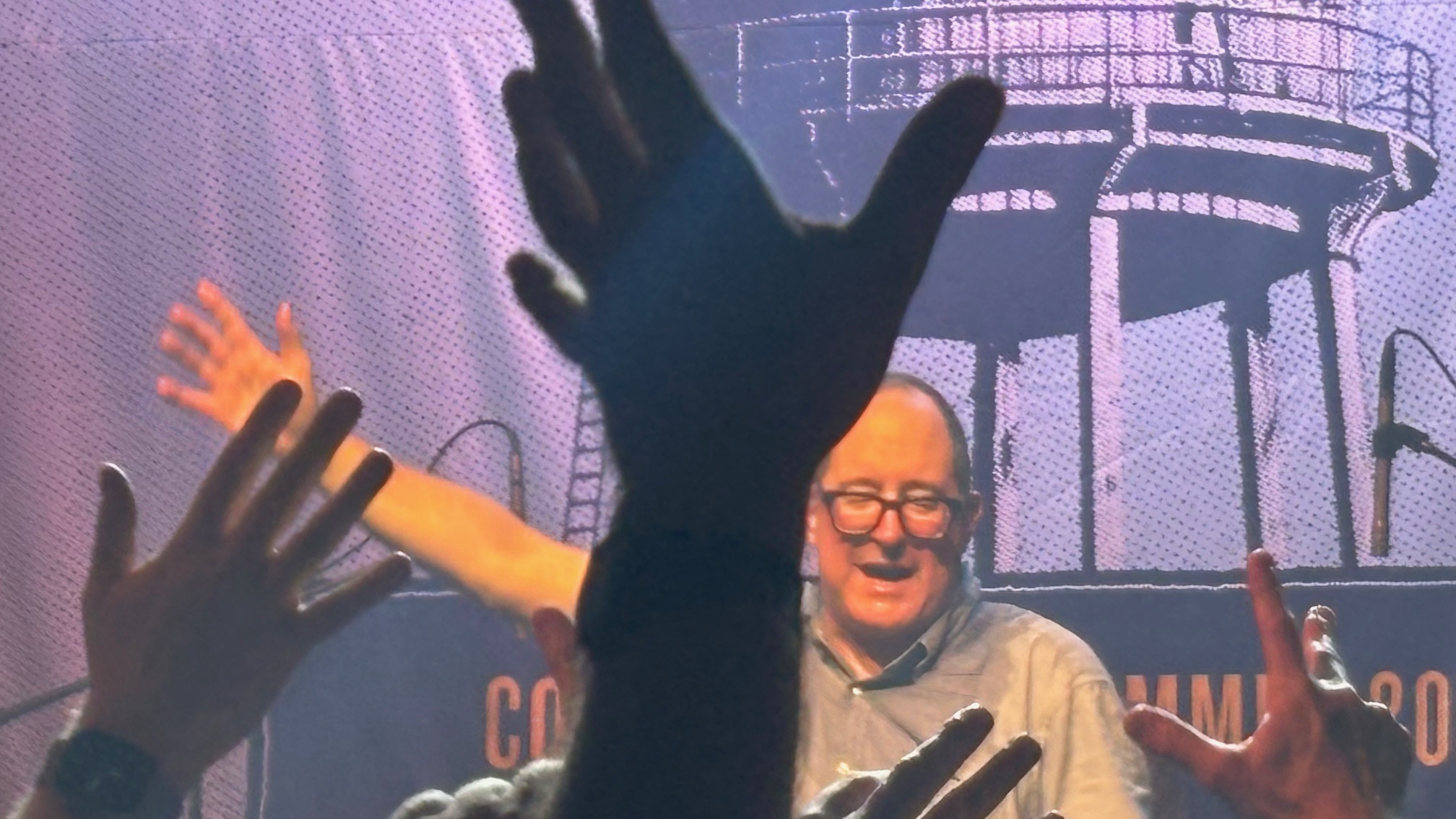


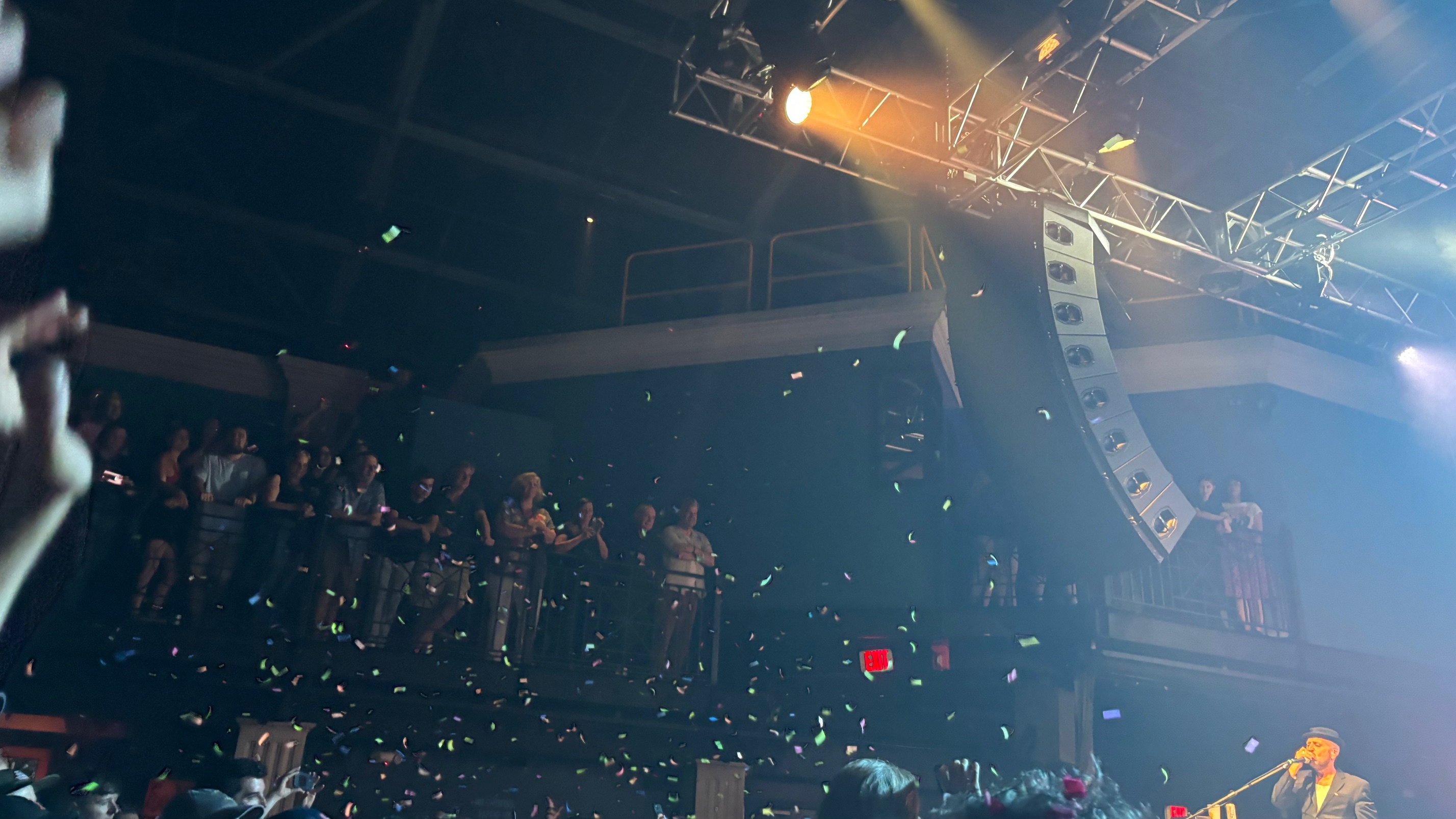
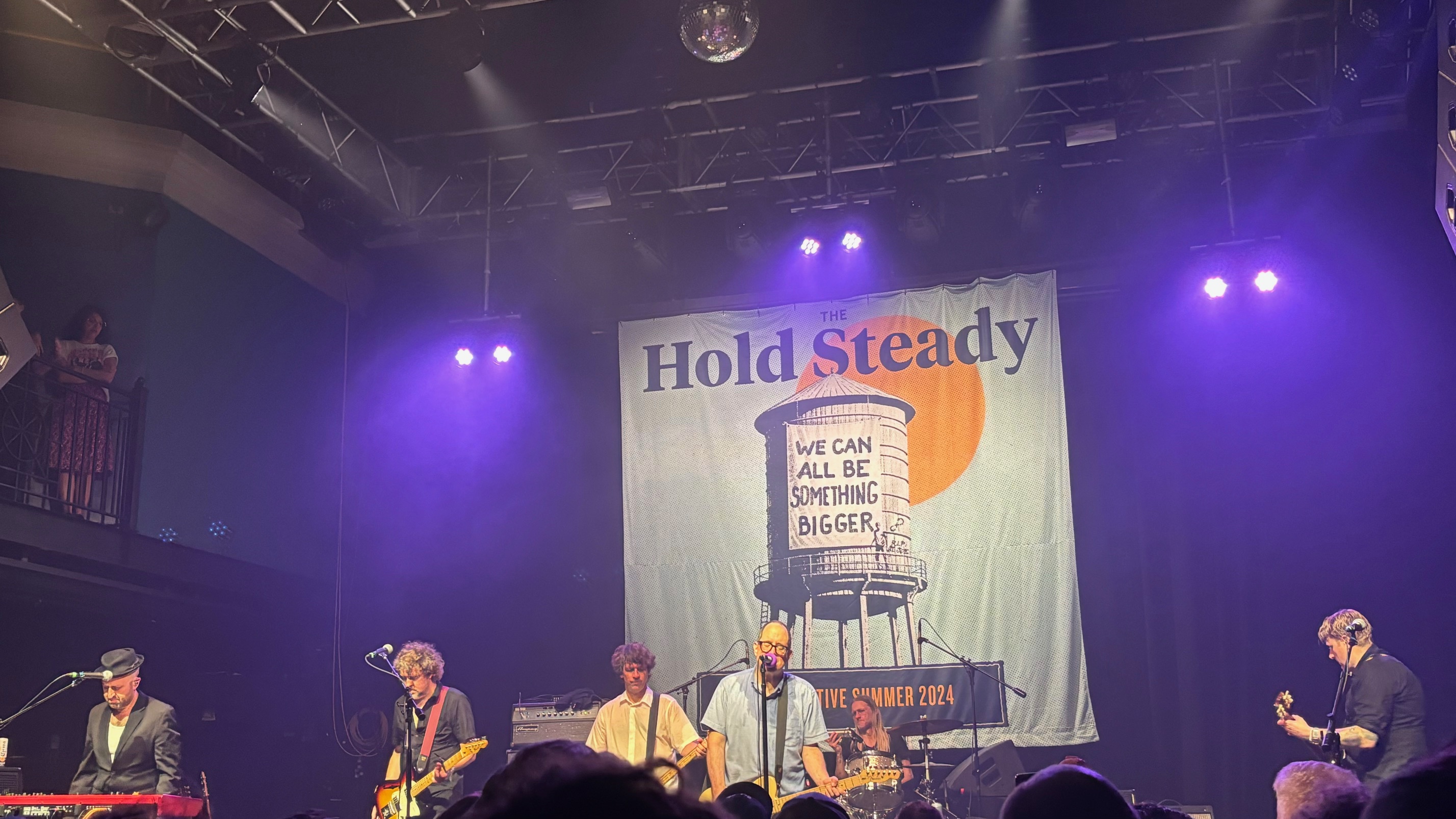

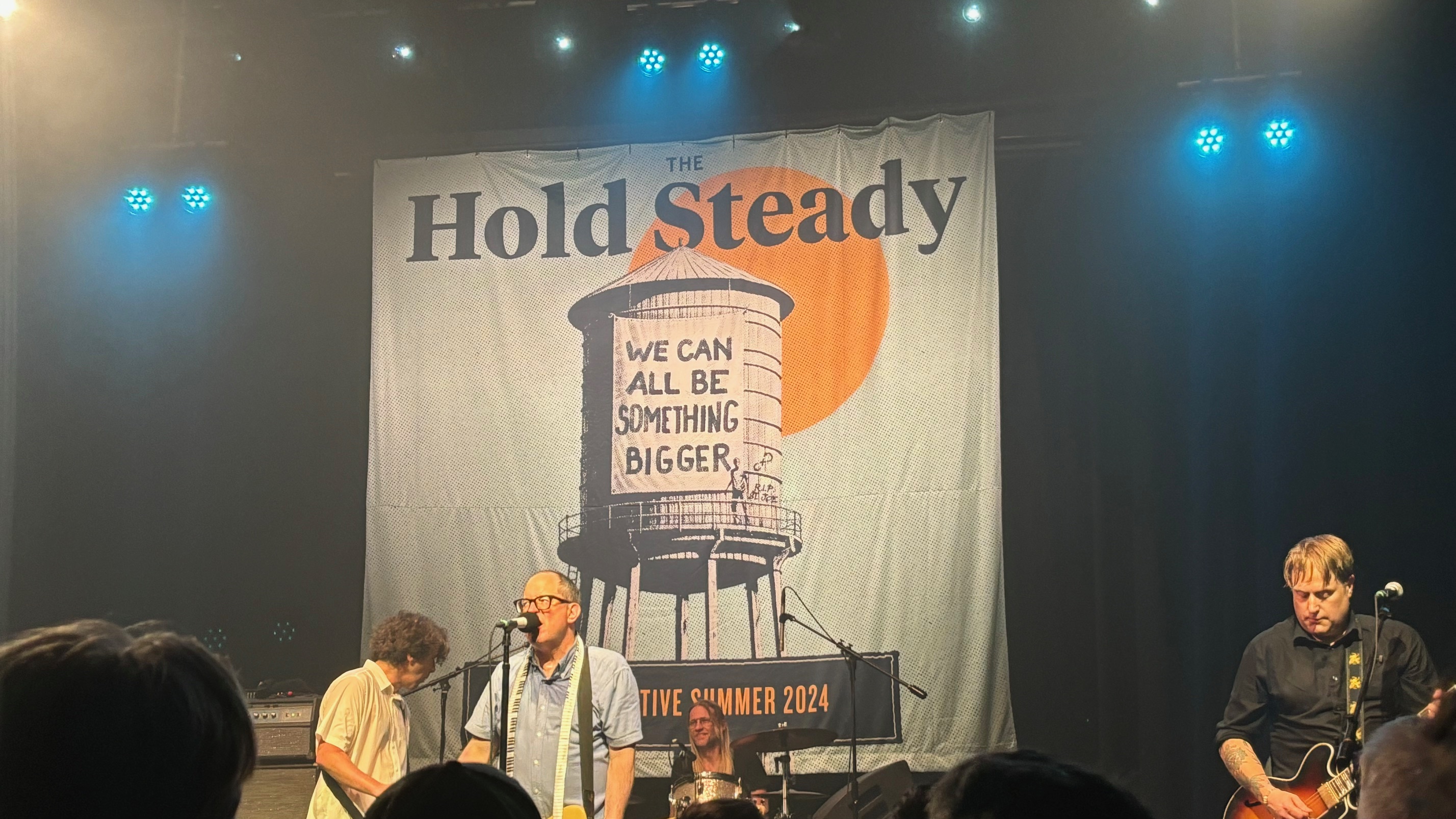


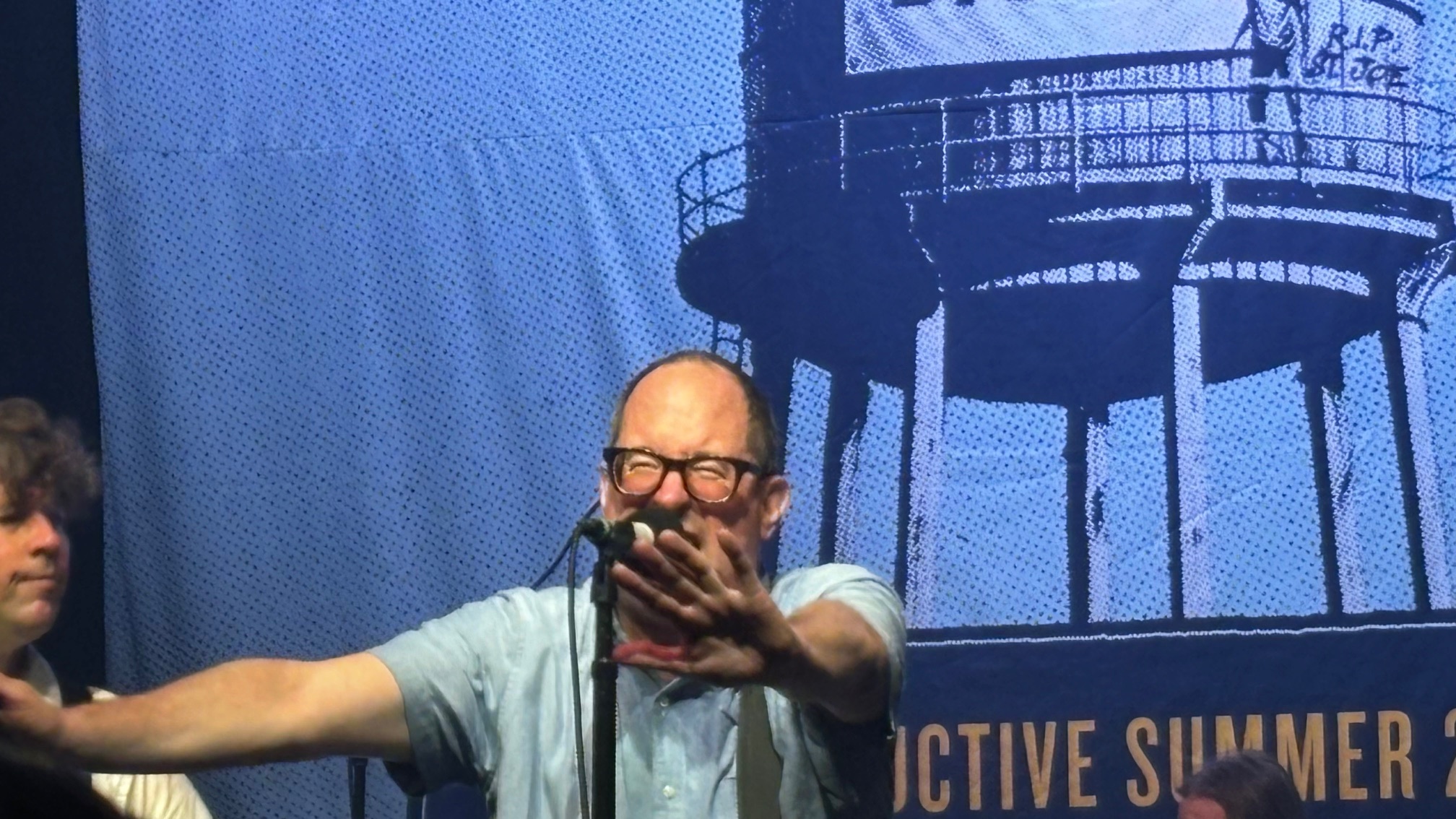
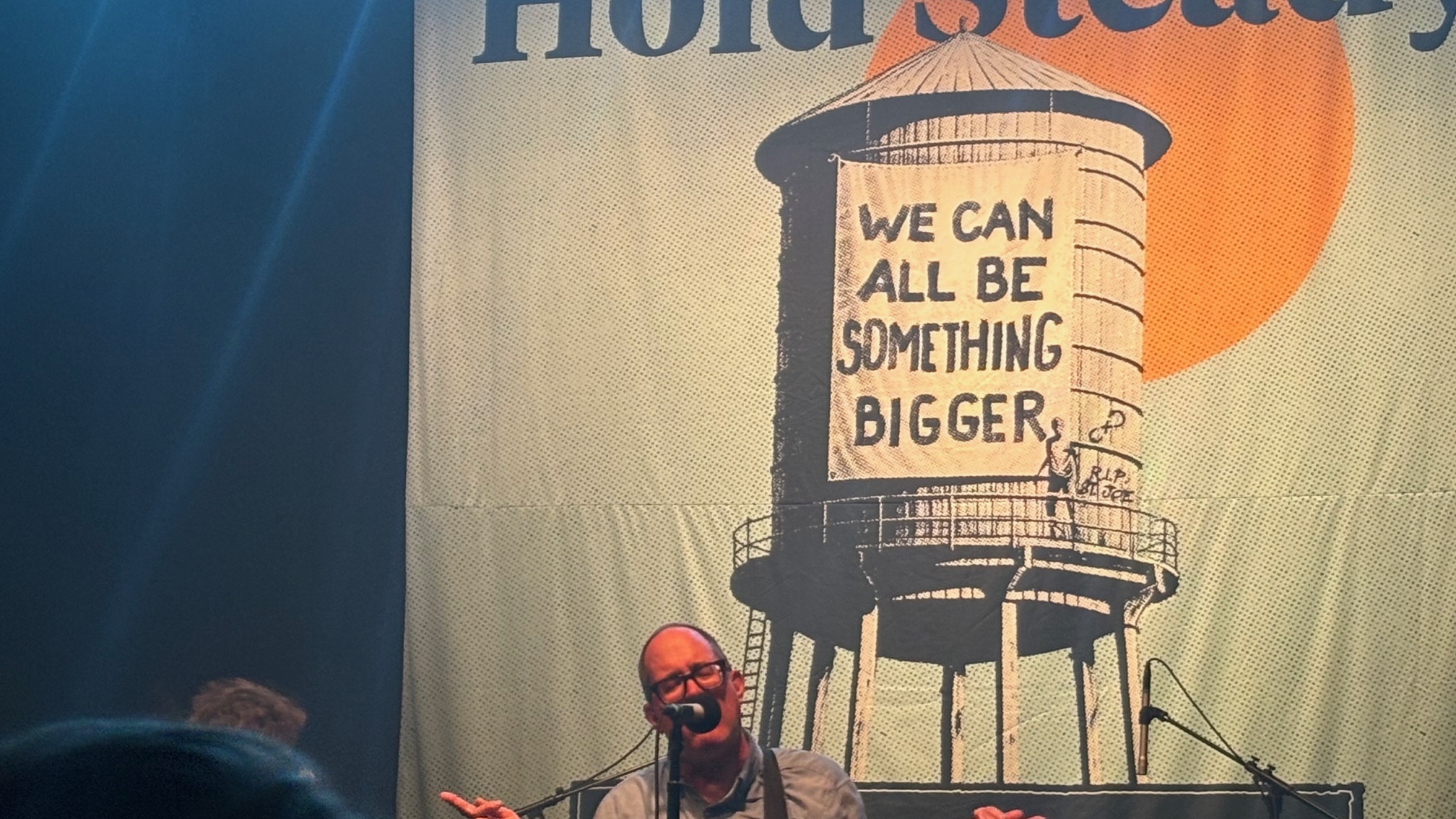
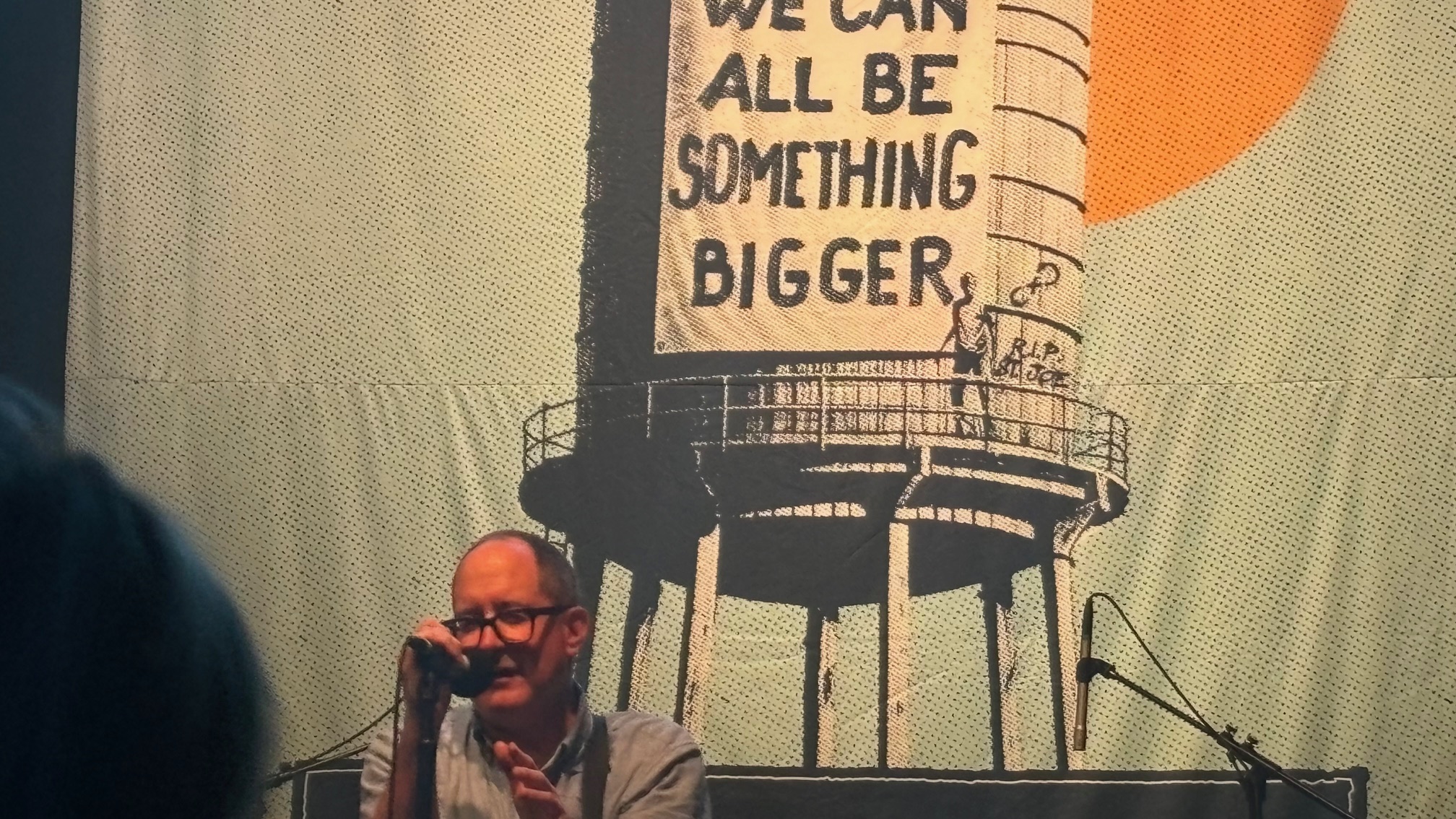
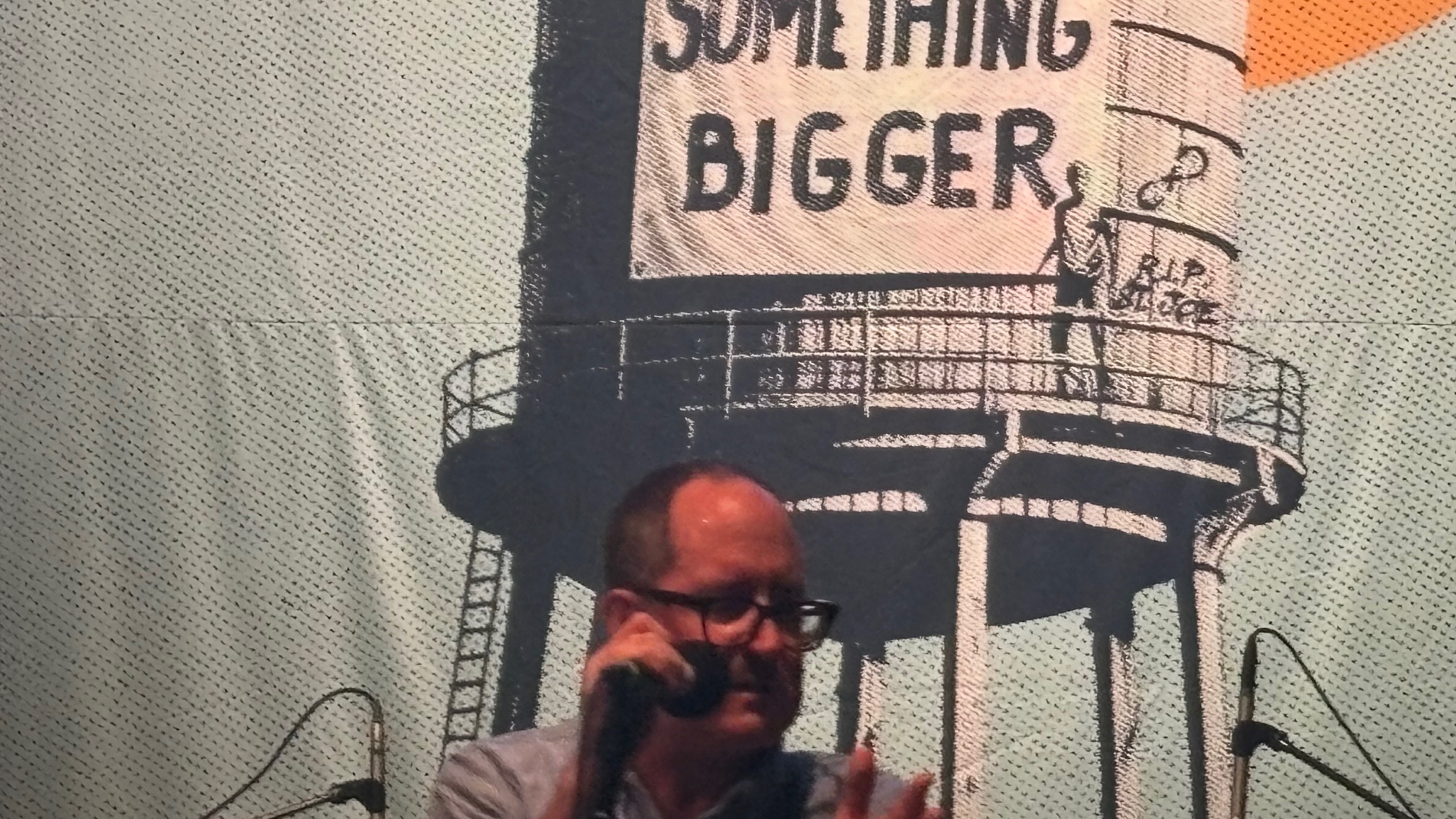
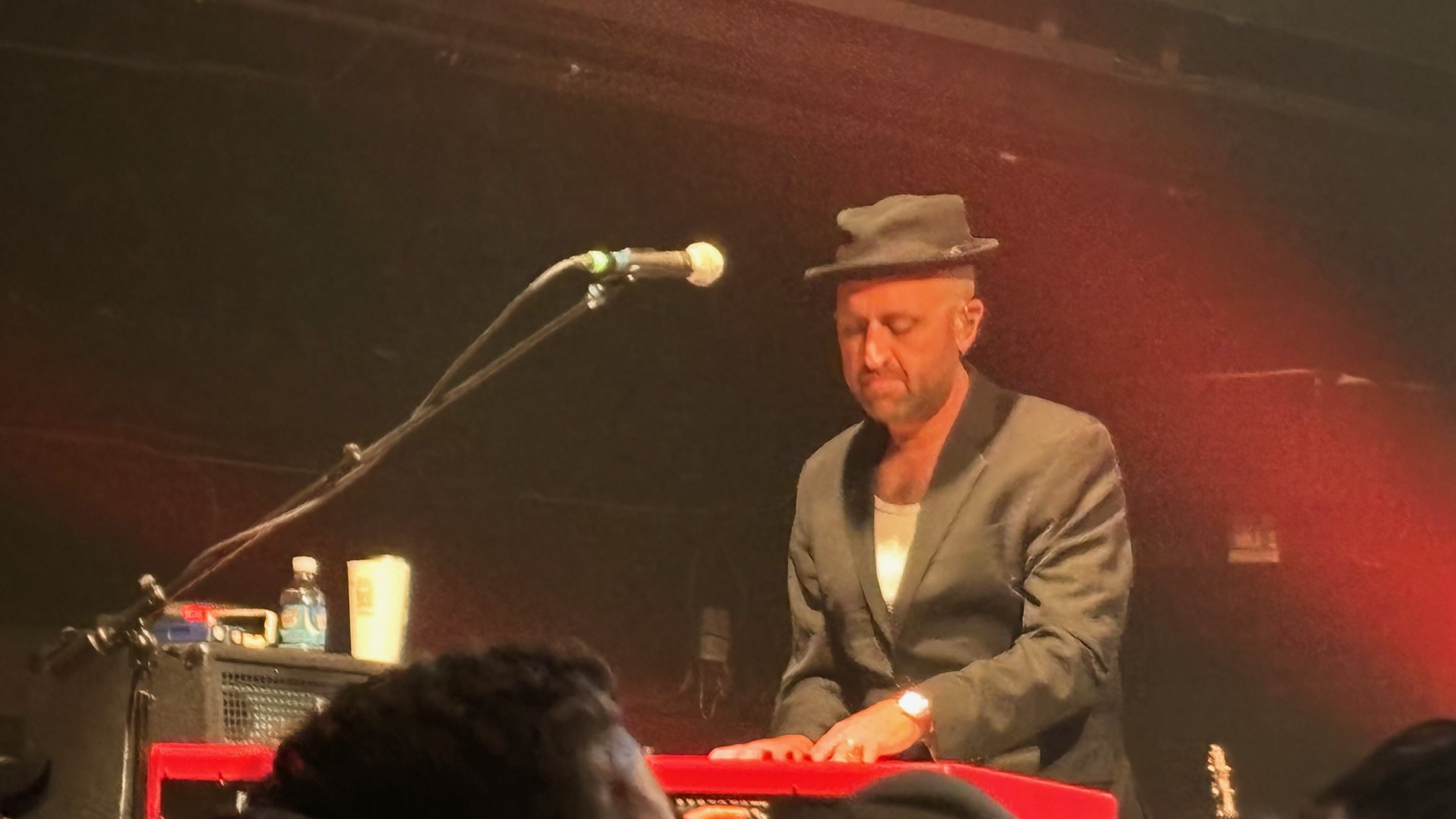

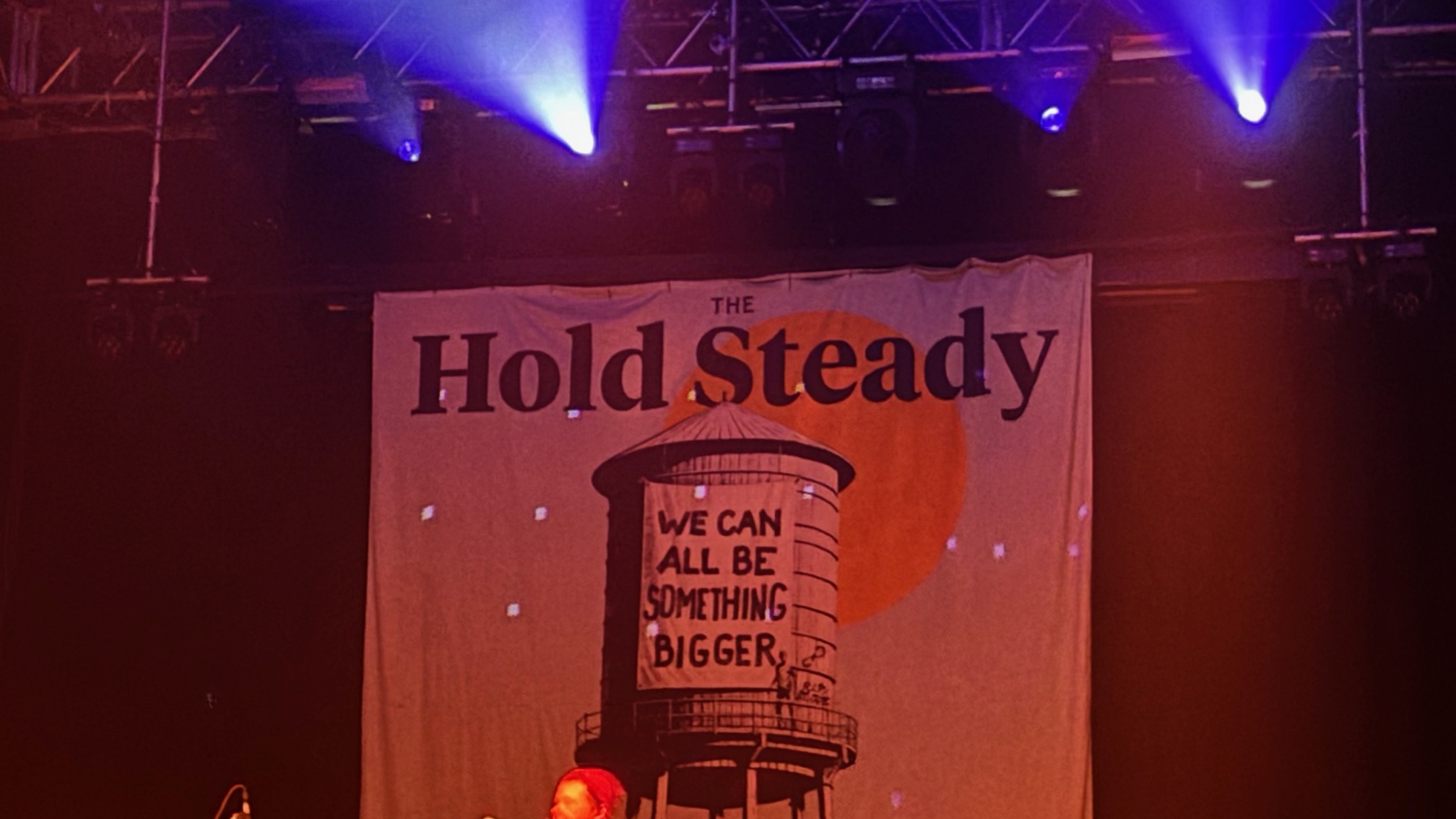
Camera: iPhone 15
Location: 9:30 Club – Music Venue; Washington, District of Columbia
“In a world that often feels fractured, chaotic, divisive, and downright overwhelming when it comes to making positive changes reverberate, the ancient Jewish concept of Tikkun Olam – “repairing the world”, rings out like a timeless call to action in 2025.”
In a world that often feels fractured, chaotic, divisive, and downright overwhelming when it comes to making positive changes reverberate, the ancient Jewish concept of Tikkun Olam – “repairing the world”, rings out like a timeless call to action in 2025. This ancient idea in Judaism isn’t stuck in dusty scrolls or isolated in synagogue sermons alone, as it is a timeless principle that challenges every one of us, of any religion or non-religion, to take ownership of the cracks in our communities, the inequities in our cities, the damage being done to our planet, and even healing the wounds within ourselves. Rarely, if ever, have I written about religion and my own faith background but the need for practicing Tikkun Olam is something in Judaism I’ve always held dear not just for myself but for others to participate in, regardless of their own religious or other background.
What is ‘Tikkun Olam’ and Why Does It Matter?
Literally, Tikkun from the Hebrew language means “repair” or “healing,” and Olam (also from Hebrew) means “world.” It’s an invitation to actively make the world a better, more just, and more whole place, even if it is just a small action you partake in individually to counteract the evils and injustices taking place at the same time. Originating in Jewish thought, this concept for lending a hand to fight injustice and to do some good in the world, has evolved into a broader ethical framework that resonates far beyond Judaism. It’s a powerful reminder that healing for humanity, whether social, environmental, economic or personal is not someone else’s job. It starts with all of us, and we must all do our own part, whatever form that may be. As Mahatma Gandhi famously said, “Be the change that you wish to see in the world.”
Why does Tikkun Olam Matter More Than Ever in 2025?
Look around what’s going on around the world today: climate change threatens our very survival as a species on this planet, social inequality keeps millions trapped in poverty and continues to increase (especially in the United States), countless thousands have died in recent wars and conflicts from Eastern Europe to the Middle East to Sub-Saharan Africa and political polarization fractures communities worldwide leading to extremism and increasing stress on democratic values and freedoms. It’s tempting to feel helpless with all the ills taking place around the world, like the problems are too big and complex for any single person to fix any of them.
However, Tikkun Olam flips that script on itself. It says: the world isn’t going to heal by itself and no one person can do it alone. It requires active participation by more people, conscious choices on how to commit good acts, and collective courage to stand up against known evils and injustices. As Margaret Mead wisely put it, “Never doubt that a small group of thoughtful, committed citizens can change the world; indeed, it’s the only thing that ever has.” History has shown us repeatedly that when regular people mobilize consistently for change, are organized around their cause that they know is just, then their collective power can indeed make things better if it is sustained and united.
Healing Isn’t One-Dimensional for Humanity
Tikkun Olam asks us to think holistically about how we heal as humanity. Healing the world means tackling injustice across the board, whether racial, economic, or social, because inequality weakens the social fabric whatever form it may take. It means protecting the environment, our shared home, from exploitation and neglect, and coming up with solutions that keep it that way for future generations. Perhaps most importantly, it means looking inward to heal our own biases, fears, and prejudices. Because how can we fix the world if we’re broken ourselves or unwilling to be honest about our own healing process? The philosopher William James said it well, “Act as if what you do makes a difference. It does.”
How Do We Live Tikkun Olam in 2025?
The beauty of Tikkun Olam is that it doesn’t require grand gestures or heroic feats because collective power to create change will always usurp that of any individual. While the average political leader, environmental activist, and social critic, can influence change with their platform they have, it’s not enough if no one else believes in your cause and will work with you to implement it together.
It’s in the everyday actions that really push change across the finish line: volunteering at a local shelter, voting for political leaders who will represent your beliefs and values, feeding and clothing the homeless with your donations, supporting sustainable businesses, speaking up against injustice in your community, or simply educating ourselves about the issues at hand. Small choices as well that we have heard about since we were children like reducing, recycling, or reusing your waste (if possible), donating time or money to causes that make positive change, or listening with empathy and kindness accumulate into real change.
The Road to Change is Never Easy but It’s Necessary
Good intentions sometimes falter no matter how much work and effort we can put into positive change. Activism can lead to burnout due to lack of support or funding. The world’s problems can feel like a tidal wave threatening to pull us all under. Tikkun Olam doesn’t promise a quick fix or painless journey towards being successful in seeing the world get better. It demands persistence, consistency, and resilience from everyone involved.
Here’s the truth of the matter: when you commit to healing some aspect of the world, you’re also joining a community of changemakers worldwide who believe in the power of repair and that is powerful to be in good company with other citizens wanting to better the world. As the novelist Paulo Coelho reminds us, “The world is changed by your example, not by your opinion.”
Looking Ahead: Hope for Action in a Fractured World
The future of Tikkun Olam or ‘healing the world’ lies in believing in global citizenship, recognizing that we’re all interconnected to one another despite our ever-present divisions. What happens halfway around the world affects us as much as what happens down the street from us. It’s about continuing to use technology, education, and cross-cultural understanding for good and work to bridge growing divides, learn from other’s advocacy to fuel our own, and inspire sustainable solutions that benefits humanity for the foreseeable future. The healing starts small but grows exponentially, like cascading ripples in a pond, momentum that starts in one town or city and spreads globally because of how universally justice, peace, and compassion can be applied. Reverend Martin Luther King Jr.’s words guide us here: “Injustice Anywhere is a Threat to Justice Everywhere.”
Why Waiting on Change Will Never Lead to It
If you are waiting on the world to change on its own, you’ll be waiting until your dying day. The world is crying out for repair from every one of us, and the clock is ticking. Tikkun Olam is more than a spiritual ideal from Judaism; it’s a practical roadmap for living with purpose in a fractured world. The question isn’t whether you can make a difference, amplify your impact by combining your efforts with others to create collective change on top of individual change to create that ‘ripple effect’ it’s whether you’re ready to start and what problem(s) do you want to start tacking first. So, what’s your first step? The world is waiting on you.
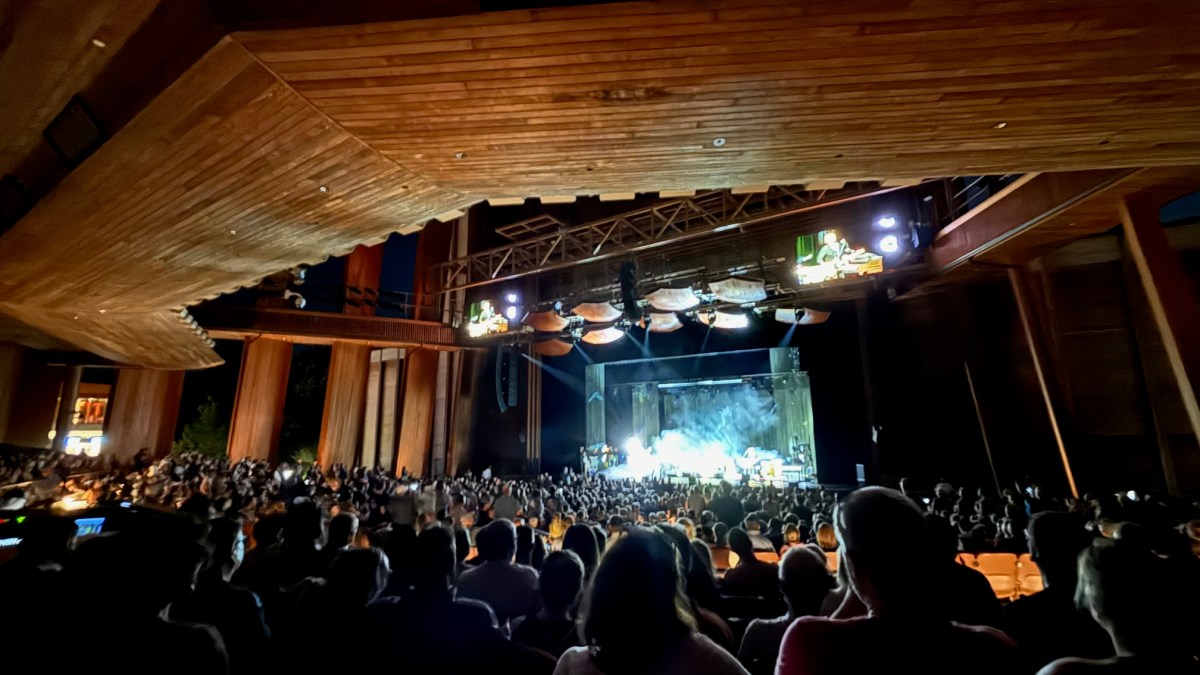
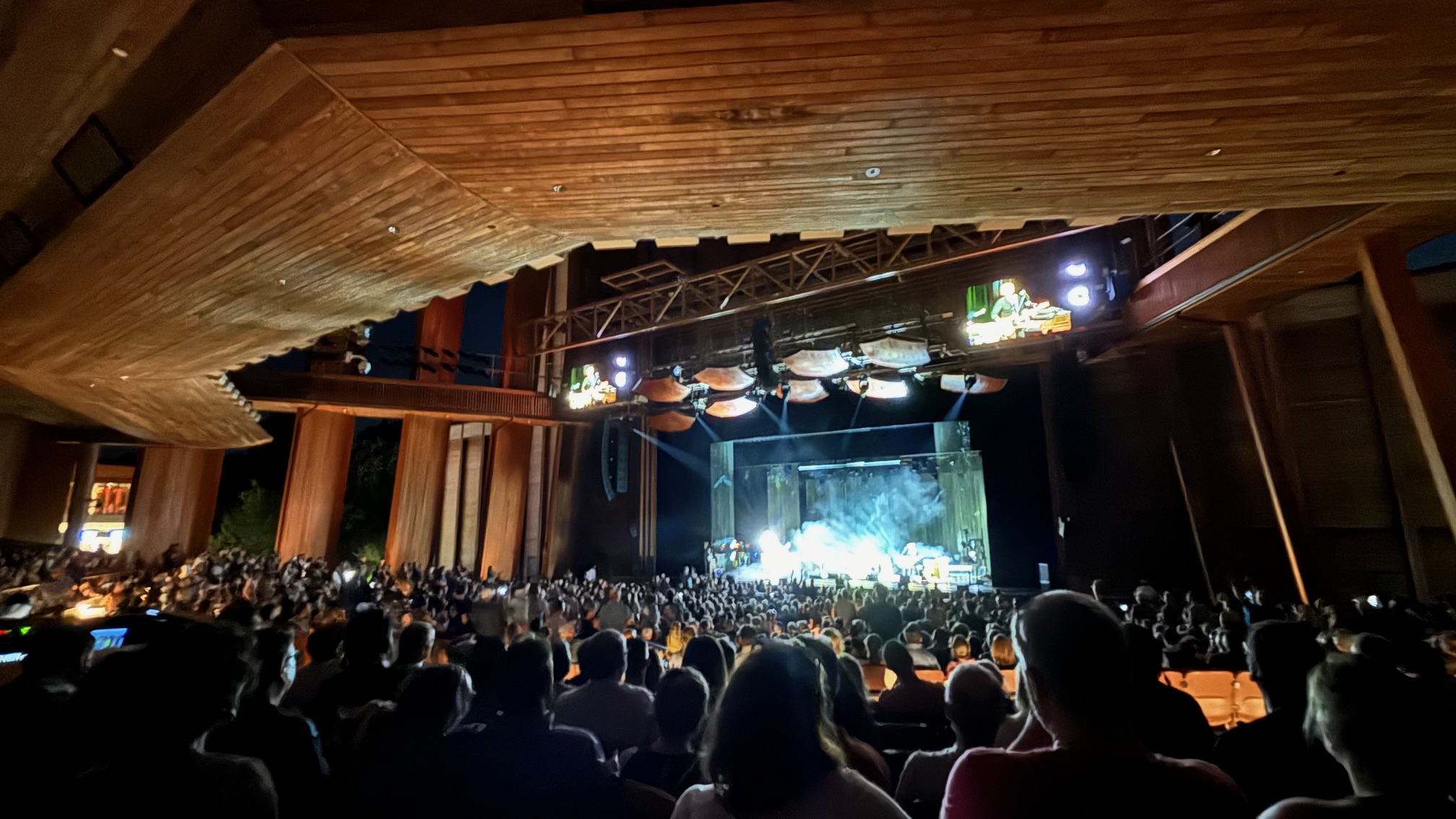
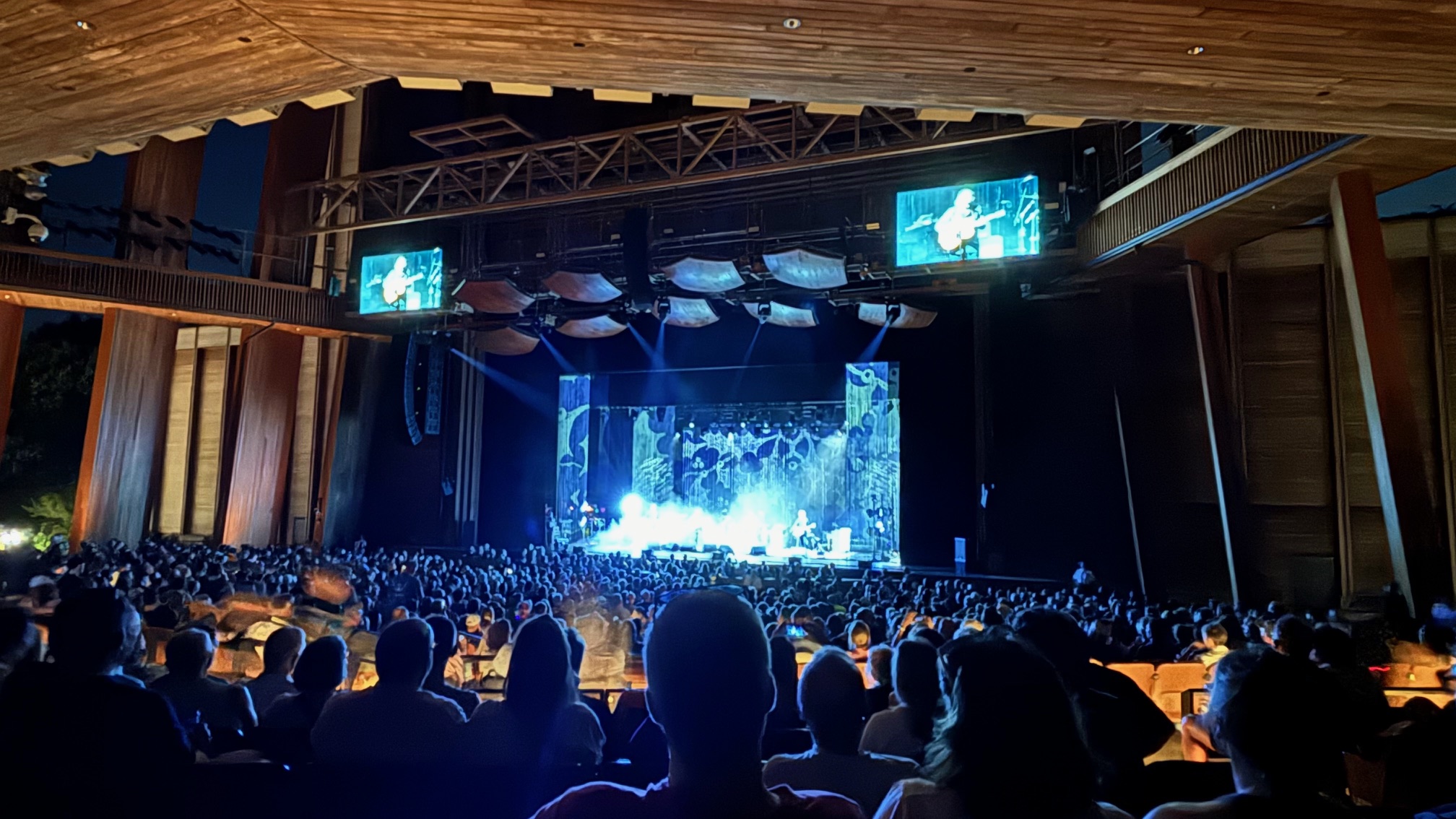
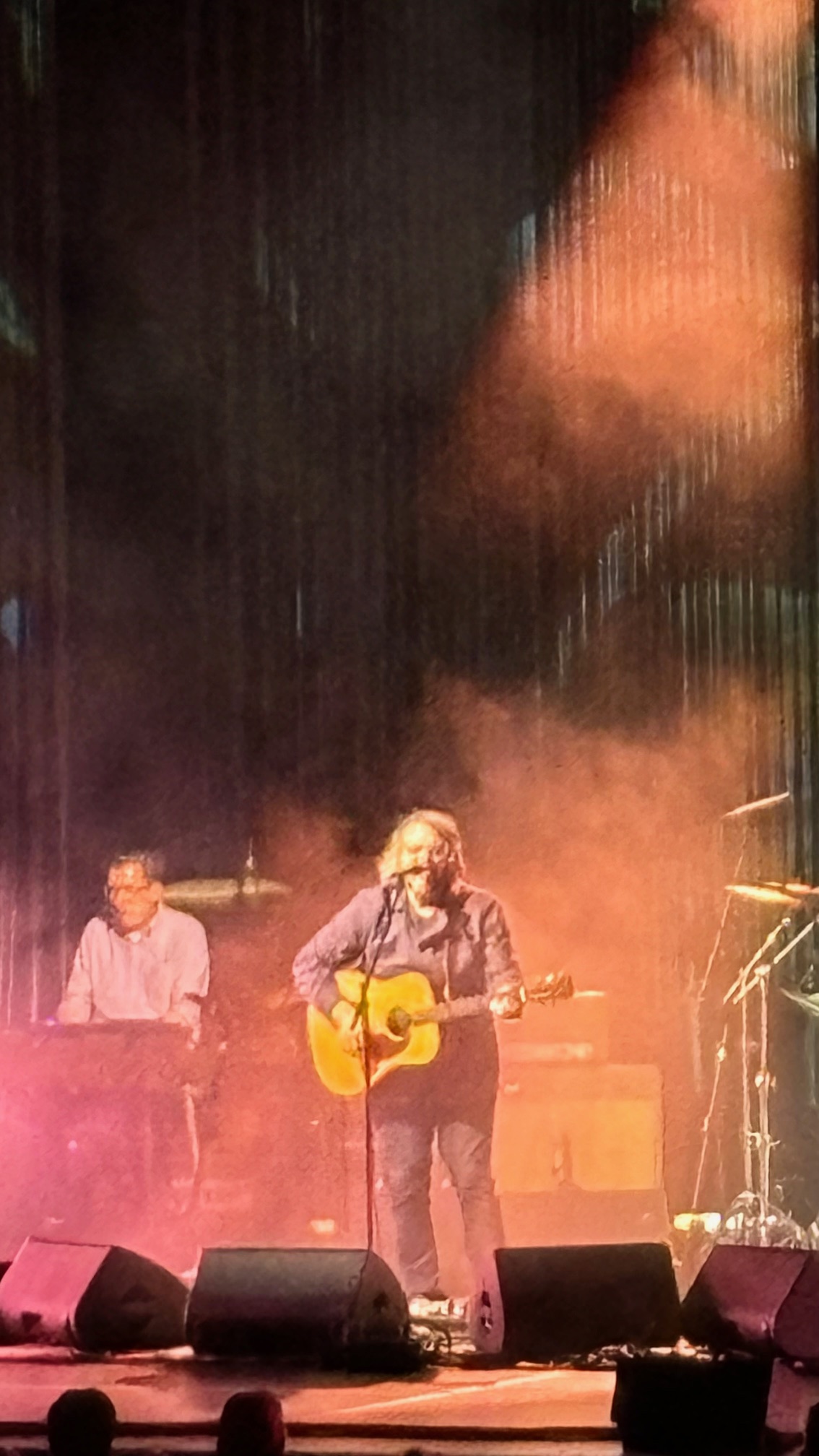
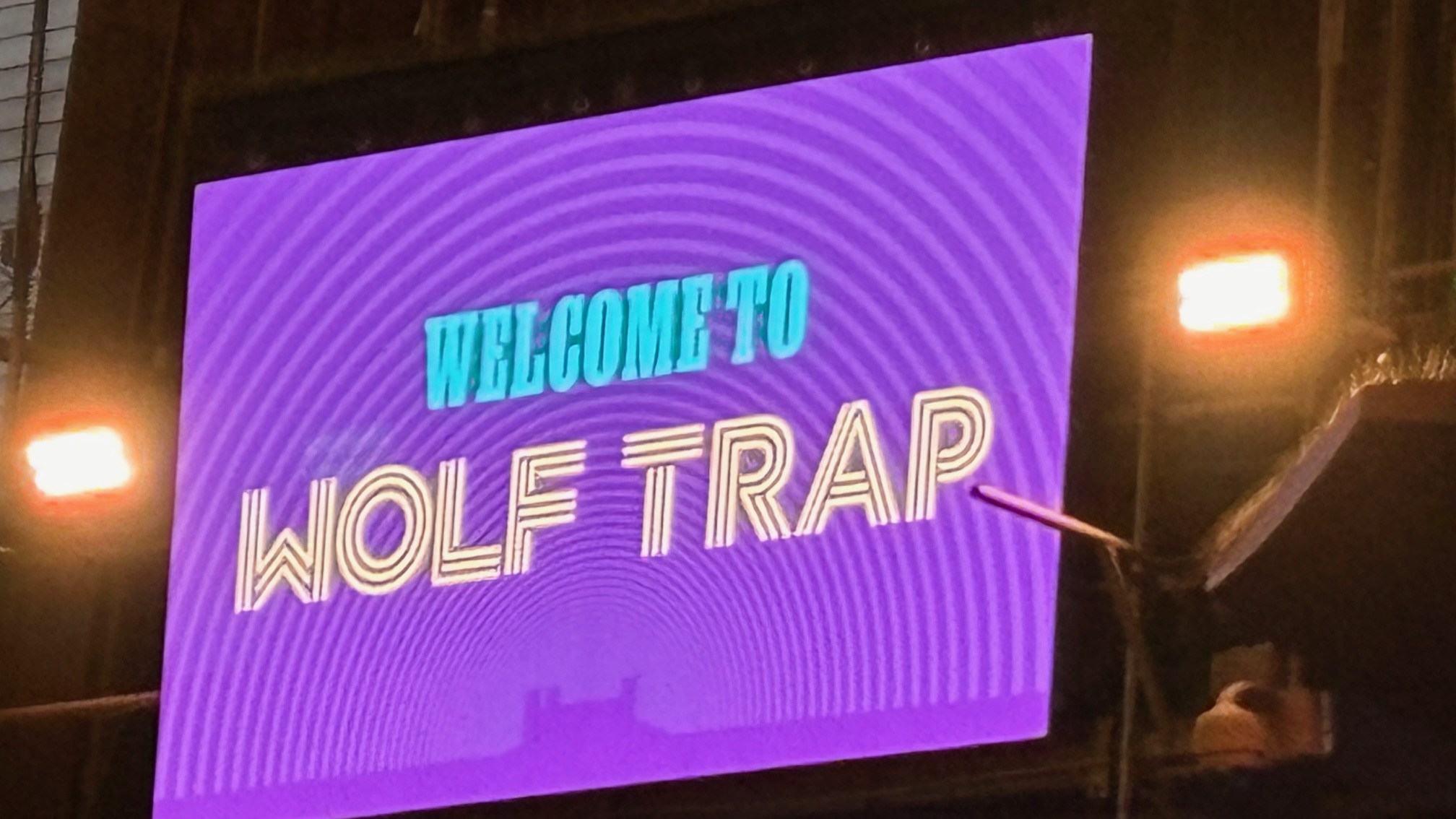
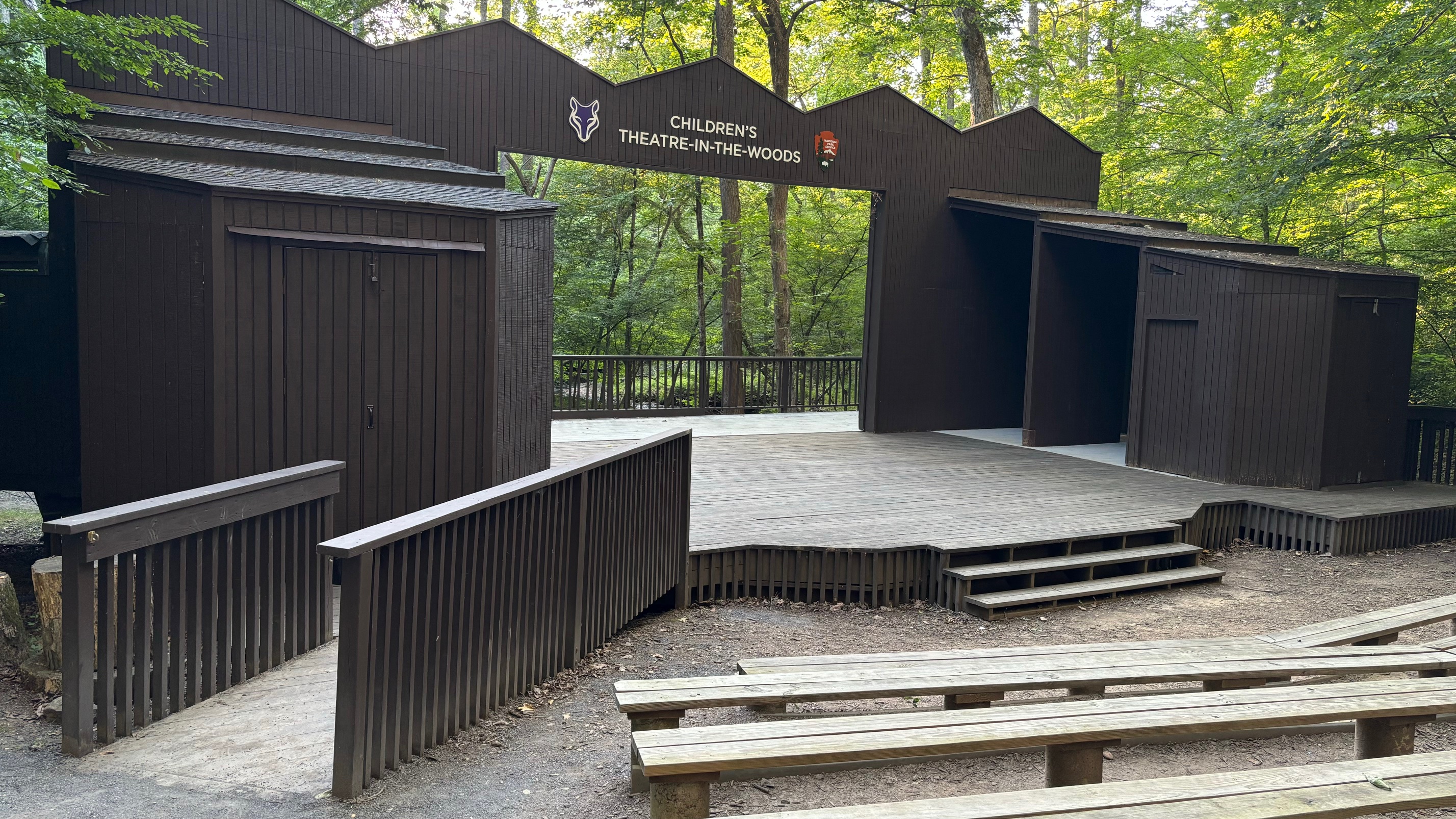
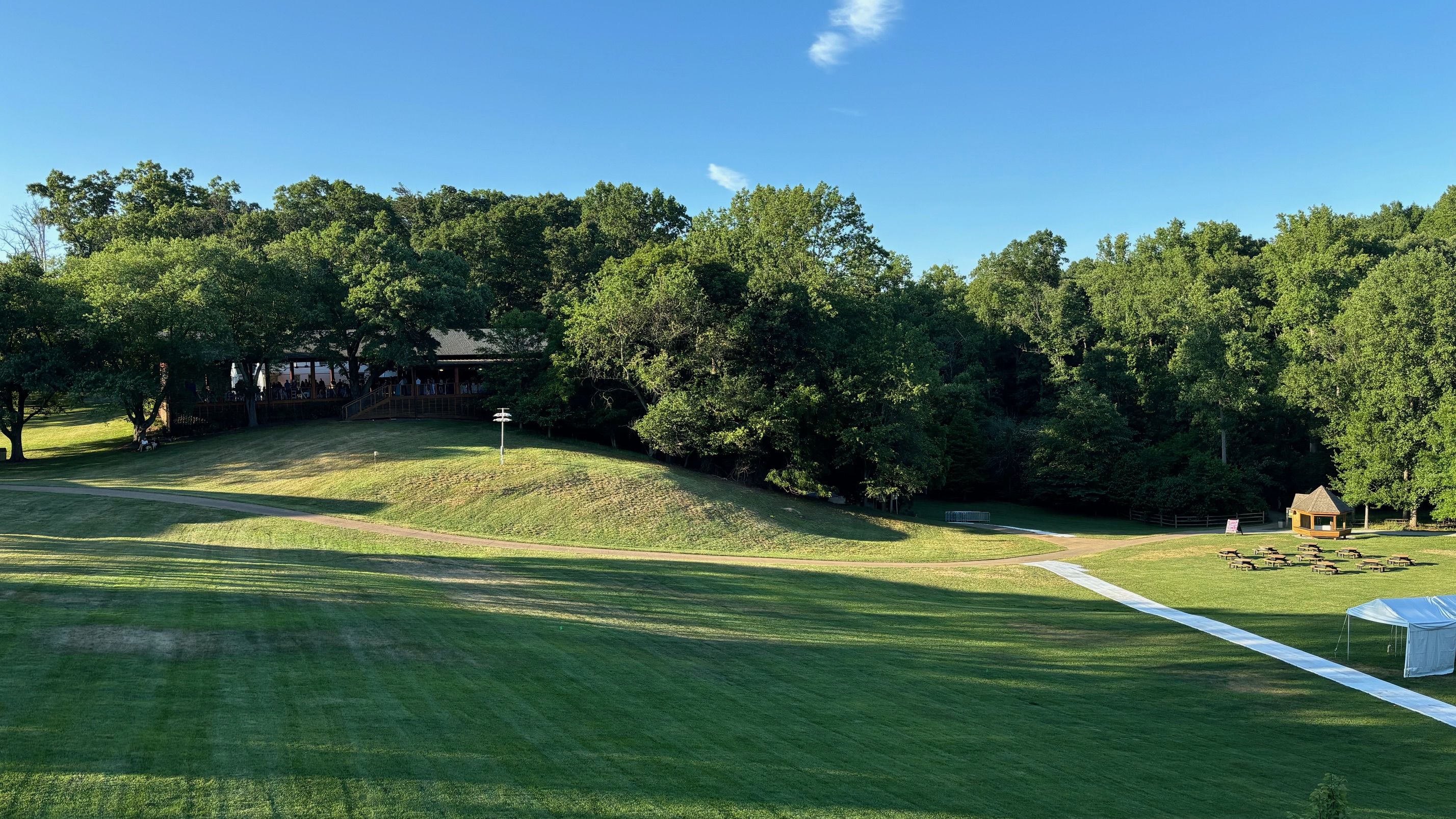
Enjoying the recently renovated Wolf Trap amphitheater and live music venue for the band Wilco in June of 2024 in Vienna, Virginia.








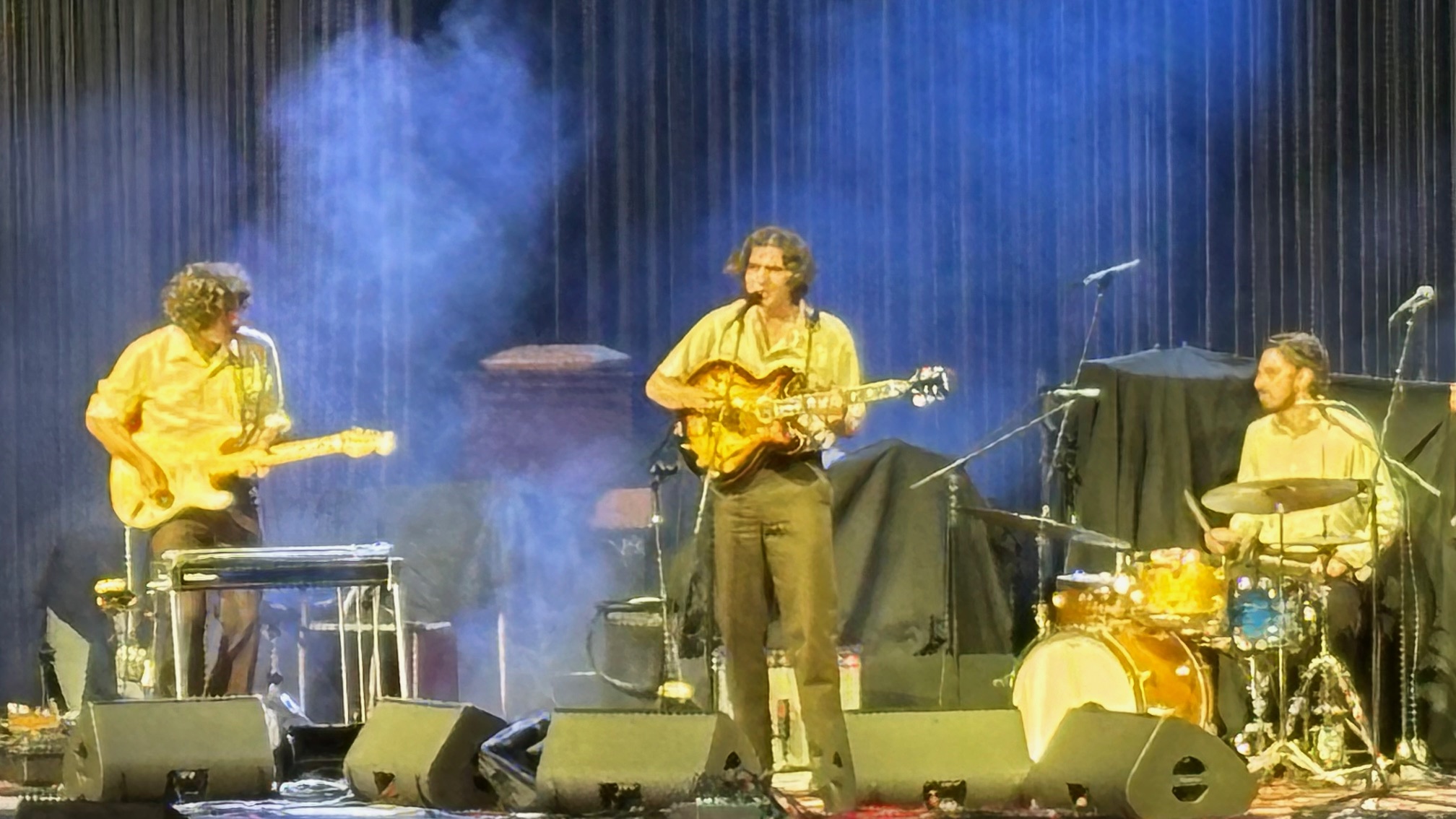

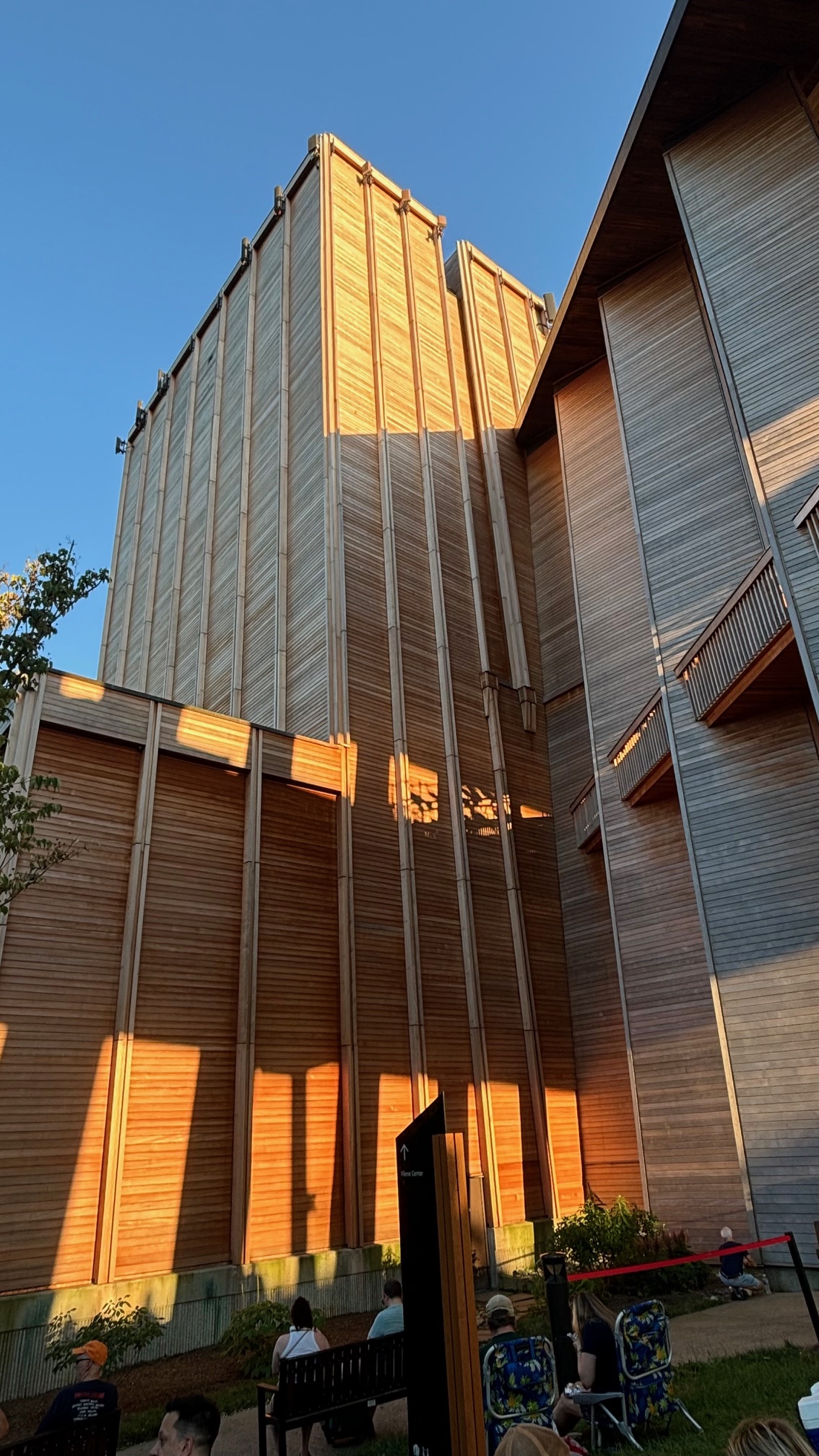

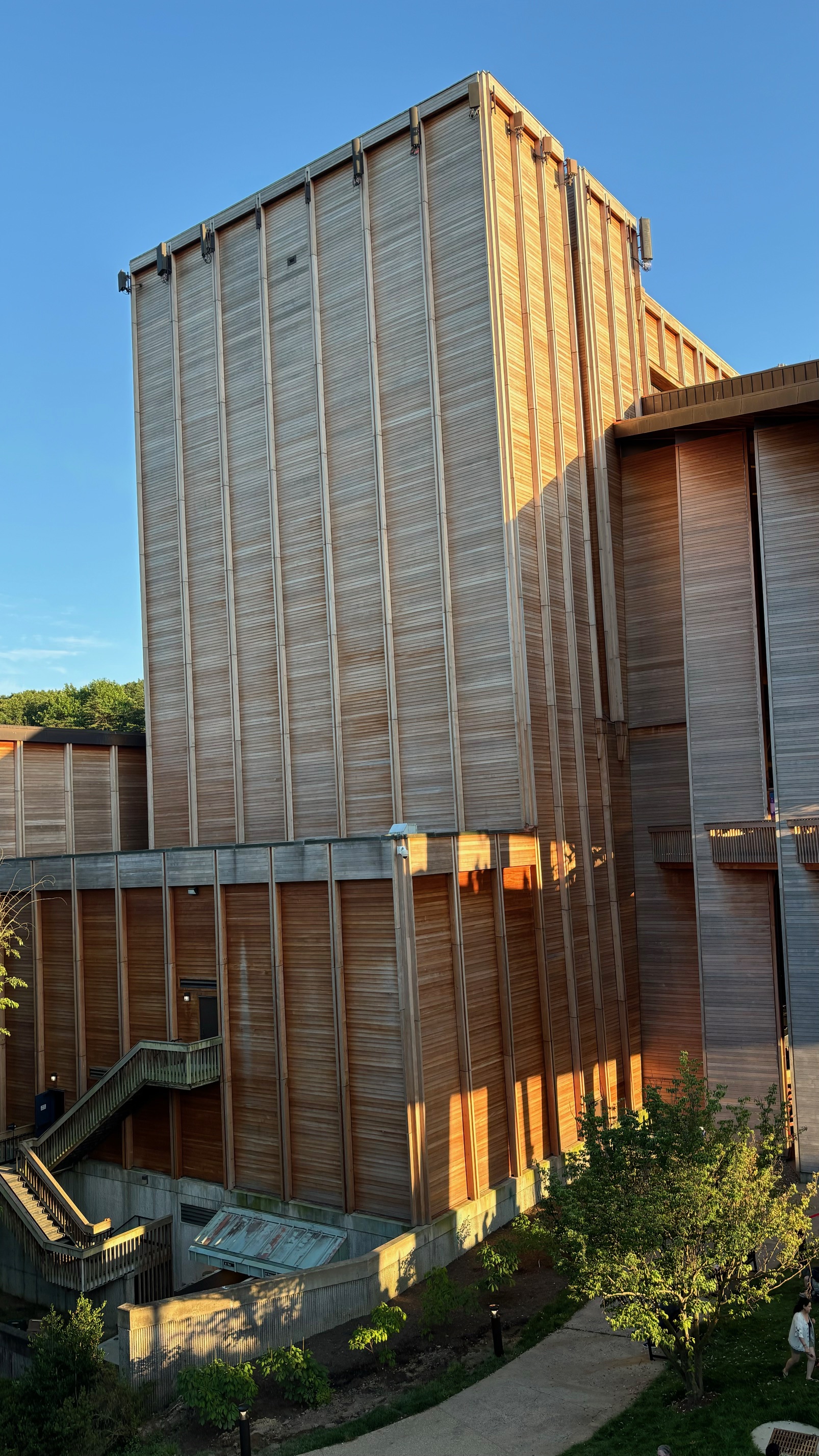
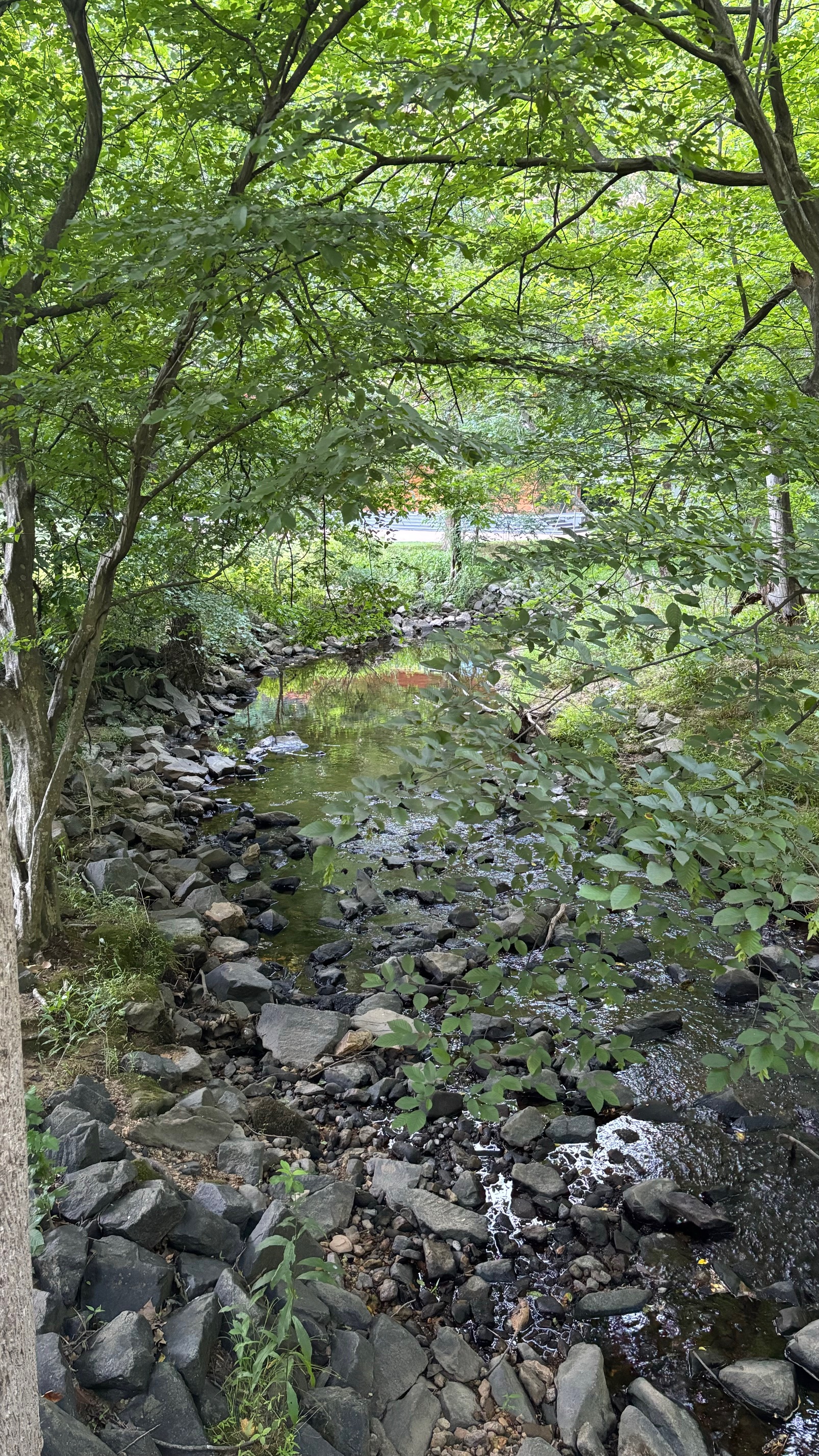

Camera: iPhone 15
Location: Wolf Trap National Park for the Performing Arts; Vienna, Virginia
“Life is not just about paying bills, taking care of errands, and going to and from work or school. No, life is more than just going through the motions.”
Life is not just about paying bills, taking care of errands, and going to and from work or school. No, life is more than just going through the motions. As an adult especially, you must have a life beyond the daily grind. You must be going out of your way to make time to enjoy life and to have something to look forward to, as frequently as possible. Life is short and days, weeks, and months can pass you by without taking full advantage of it. As you get older, it becomes not just about being successful and finding purpose but finding enjoyment out of it before your time is up here.
Enjoyment doesn’t have to lead to you spending your money needlessly. It could be going on a walk, a hike, or chatting with a friend on a park bench. You can enjoy the sunrise, the sunset, or take the time to exercise and feel good about yourself as a result. These are all things that you can look forward to without spending your hard-earned money. While there is nothing wrong with using money to have fun and relax a bit, it’s not the end all be all with looking forward to a gift, a purchase, or a subscription. If it brings you happiness and you’re responsible for it, monetary or not, you should always be marking your calendar each day to at least one thing or event or person you’re looking forward to interacting with.
Clearly, man or woman is not a machine and grinding endlessly just to sustain us alone is not healthy in the long-term. You can be a hard worker and still take the time to enjoy life even when you have a busy schedule. However, you need to also set boundaries and be willing to look at your time honestly to figure when and where you can fit this downtime in. You can easily get overwhelmed with errands, chores, duties, work, and other obligations and not carve out any time for yourself but that is no way to go through this life.
We all need our down time to reset, enjoy, and relax without feeling guilty for having done so. No one in your life is going to plan out your fun experiences or down time for you so you need to be actively doing so yourself. Managing your calendar well is part of that and being conscious of what brings you joy and happiness. Other people will often dictate for you what they think will bring you fulfillment outside of work or school, but you need to decide for yourself the best uses for your free time.
For some people, that could be playing tennis on a weekly basis, for others, it could be catching up with different friends over a drink or coffee over the course of a month. You should always be looking to make time for your fun and enjoyment as you see it best. It takes effort, communication, and planning but it’s better than just going through the motions without breaking up the daily grind a bit.
Being able to plan a vacation, a concert, a hike, or just time spent with loved ones is what really will fuel you through the ups and downs of professional and academic life. You need interests, hobbies, experiences, and people you like to get more out of life beyond the briefcase or backpack. We were not meant to live to work and earn our daily bread alone. Take the time out when you can to have something to look forward to doing, experiencing, or enjoying, whatever that may be, guilt free.
There will always be plenty of hours to give for that job, that class, or that bill payment, but there is less time for our free time by and large. That is why it’s important to plan out your free time well, to have a life beyond the grind, and to create fun, joy, and laughter wherever you can, whenever you can. Enjoy your free time and make the most of it because it’s not for forever and you need to make the most of the time we are given to pursue our own happiness.
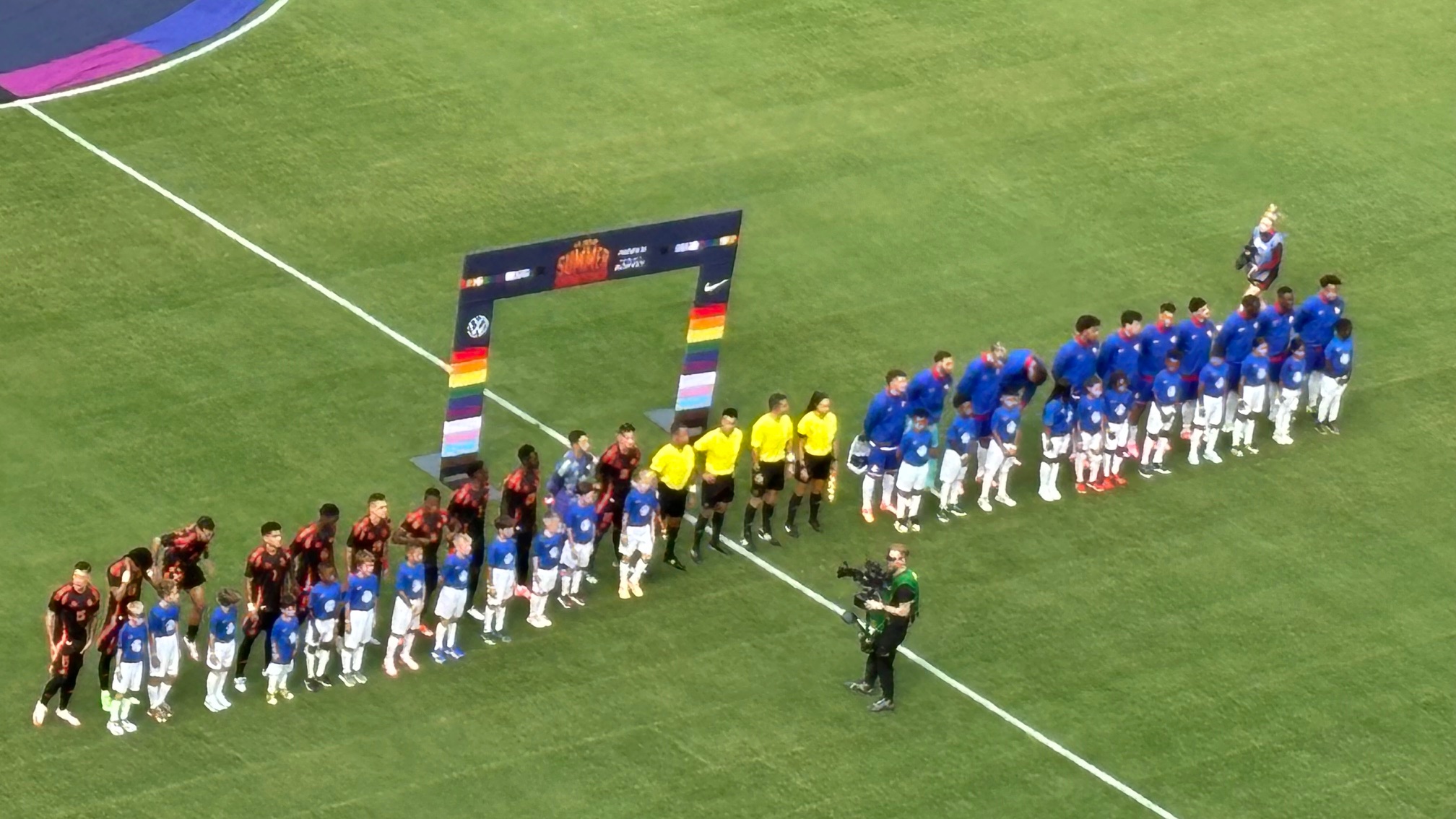
A USMNT vs. Colombia friendly soccer match from June 2024 in which Colombia won handily in front of. a close to sellout crowd at Northwest Stadium in Landover, Maryland.















Camera: iPhone 15
Location: Northwest Stadium; Landover, Maryland
“As someone who’s taught English across continents, from the bustling streets of Istanbul to the colorful hills of Medellín, I’ve seen the magic that happens when a student first cracks the code of an idiomatic expression. It’s like unlocking a secret level in the video game of language.”
Have you ever been in a conversation where someone said, “It’s a piece of cake,” and you started looking around for the dessert? Welcome to the weird and wonderful world of English idioms. As someone who’s taught English across continents, from the bustling streets of Istanbul to the colorful hills of Medellín, I’ve seen the magic that happens when a student first cracks the code of an idiomatic expression. It’s like unlocking a secret level in the video game of language. Idioms aren’t just expressions; they’re passports into culture, connection, and real-world communication.
Whether you’re watching Netflix, reading a Hemingway novel, or trying to impress your coworkers at happy hour, idioms are everywhere whether it’s talking about the weather or discussing a prospective business deal. If you’re serious about mastering English, learning them is not optional, it’s essential to furthering both your cultural awareness and vocabulary knowledge.
Let’s be realistic in that textbook English is safe, repetitive, and sometimes boring. Idioms are where the real flavor of the English language is. Idioms add personality and depth to your speech and syntax, letting you say something simple in a far more colorful way.
Instead of saying to someone, “I’m very tired,” a native speaker might say, “I’m beat.” Or, instead of “She’s very rich,” you might hear from someone, “She’s rolling in dough.” These idioms are more than shortcuts as they’re personality-packed expressions that help you sound natural and fluent in English.
Let’s look at a quick dialogue example to show you what I mean:
Tourist: “How hard is the hike up that volcano?”
Local: “Oh, it’s a breeze. You’ll be at the top of the summit before lunch.”
“A breeze” means something easy and it’s the same idea as “a piece of cake,” “a walk in the park,” or “no sweat.” By learning just one idiom, you open the door to several ways of expressing yourself naturally with other similar idioms.
Want to take it up a notch of difficulty? Idioms are also key for business English usage:
Whether you’re in a job interview or at a dinner party, idioms level up your vocabulary game.
Idioms aren’t random in terms of their use as they’re rooted in the culture, humor, and history of the English-speaking countries. Understanding where an idiom comes from gives you a peek into how English speakers think and communicate with one another.
Take “bite the bullet” as an example. This expression comes from the 1800s when soldiers, lacking anesthesia, were given a bullet to bite during surgery to cope with pain after suffering a serious ailment. It now means to do something unpleasant or difficult that you’ve been avoiding.
Another example, “let the cat out of the bag”, this one comes from old market scams where sellers would replace a little piglet with a cat in a sack. If the cat escaped, the secret was out.
These origin stories make idioms more memorable and teach you about local values like courage, humor, or sarcasm. They help you “read between the lines” and understand what’s really being said to you in English.
Textbooks will teach you how to say, “I’m very happy today.” But if you walk into a room and shout, “I’m on cloud nine!” or “I’m over the moon!”, people won’t just understand you, they’ll feel your emotion.
Here’s a little chart to show the difference between literal and idiomatic English:
| Situation | Literal English | Idiomatic English |
| Tired | “I’m very tired.” | “I’m running on fumes.” |
| Congratulate | “Good job!” | “You nailed it!” |
| Cancel plans | “Let’s stop now.” | “Let’s call it a day.” |
| Sick | “I don’t feel well.” | “I’m under the weather.” |
This is what fluency in English looks like: not just knowing what words mean but knowing how people use them too.
Idioms are also key to using humor and sarcasm, both of which are staples of English language communication. If someone tells you a ridiculous story and you respond with, “Yeah, when pigs fly,” you’ve just used a classic English idiom to say, “That’ll never happen.”
Idioms can feel overwhelming to the average English learner for multiple reasons. For one, there are thousands of them, and more are created each year. In this case, how do you learn without “losing your marbles”?
Here are some tried-and-true strategies for the English student to prevent themselves from being overwhelmed:
Learning idioms might feel like a “wild goose chase” at first. Here’s the truth though: they’re what separate the textbook English speaker from the fluent English speaker. They’re what make conversations natural, emails smoother, and jokes funnier. Moreover, idioms help you express both your emotions and personality. Instead of just saying, “I disagree,” you might say, “That doesn’t hold water.” Instead of saying “I’m nervous,” you can say, “I’ve got butterflies in my stomach.”
It’s not about sounding smart to the other person in the conversation, it’s about sounding real to them. Next time someone tells you to “hold your horses,” smile and relax a little. You’re no longer on the outside looking in with regards to not knowing what they mean or expecting yourself to hold a heavy animal. You’re now part of the conversation, the culture, and the rhythm of English. Keep learning, keep studying, keep laughing, and above all, keep speaking English idioms, one idiom at a time.