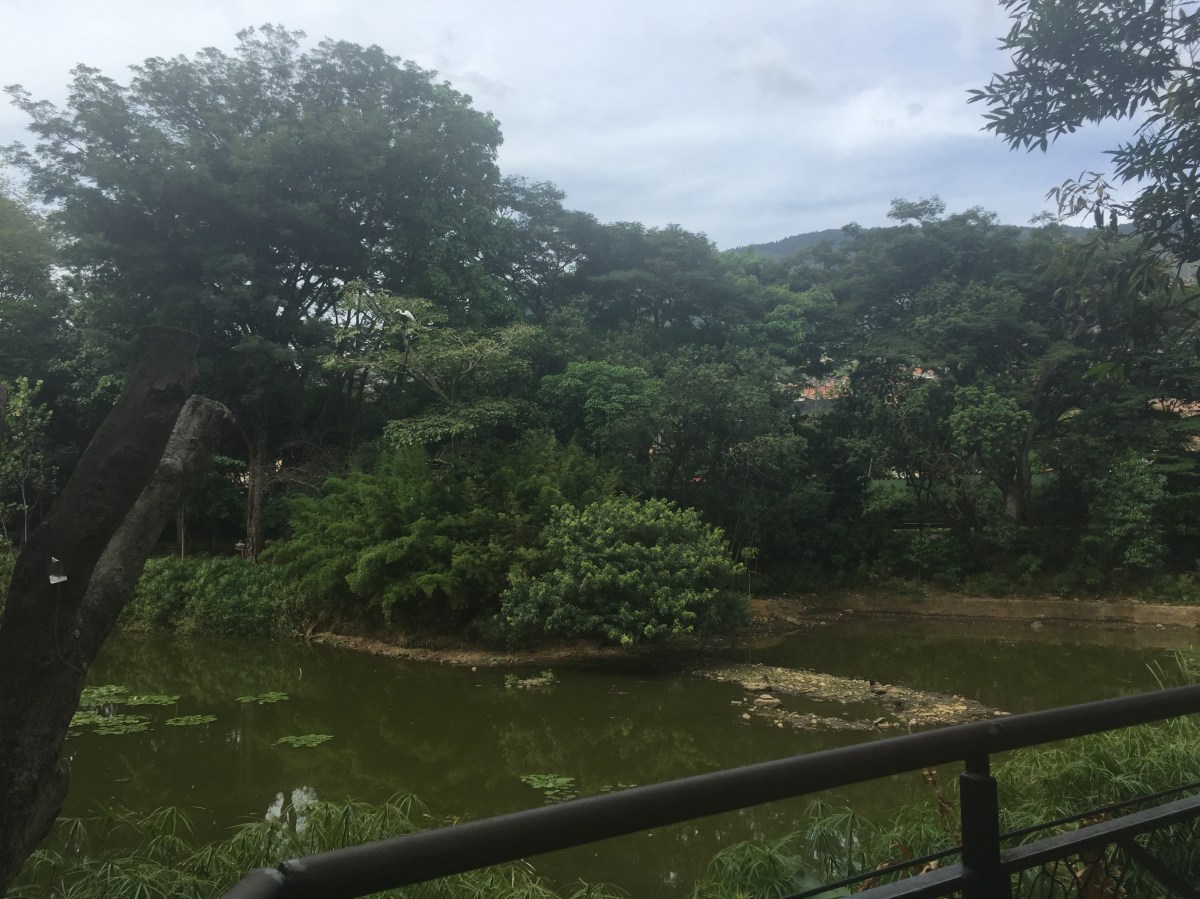

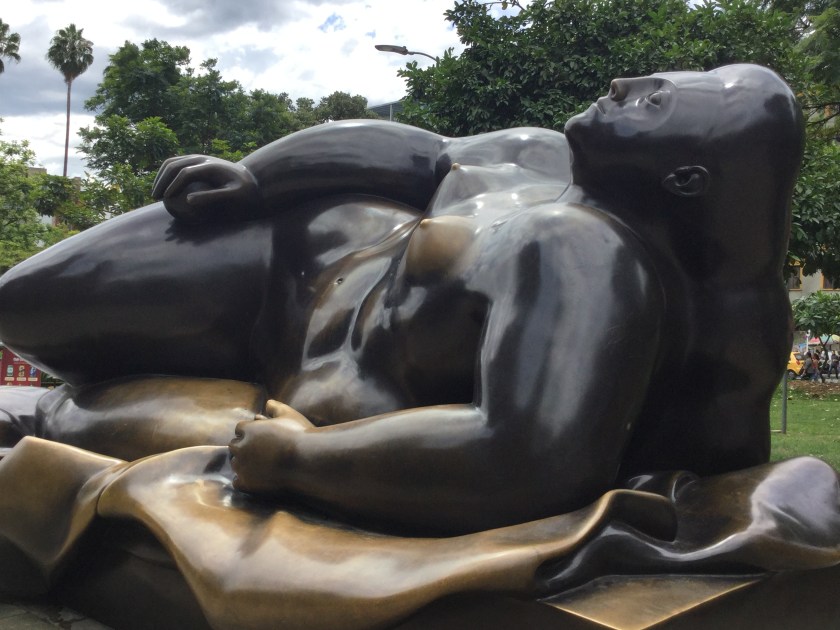
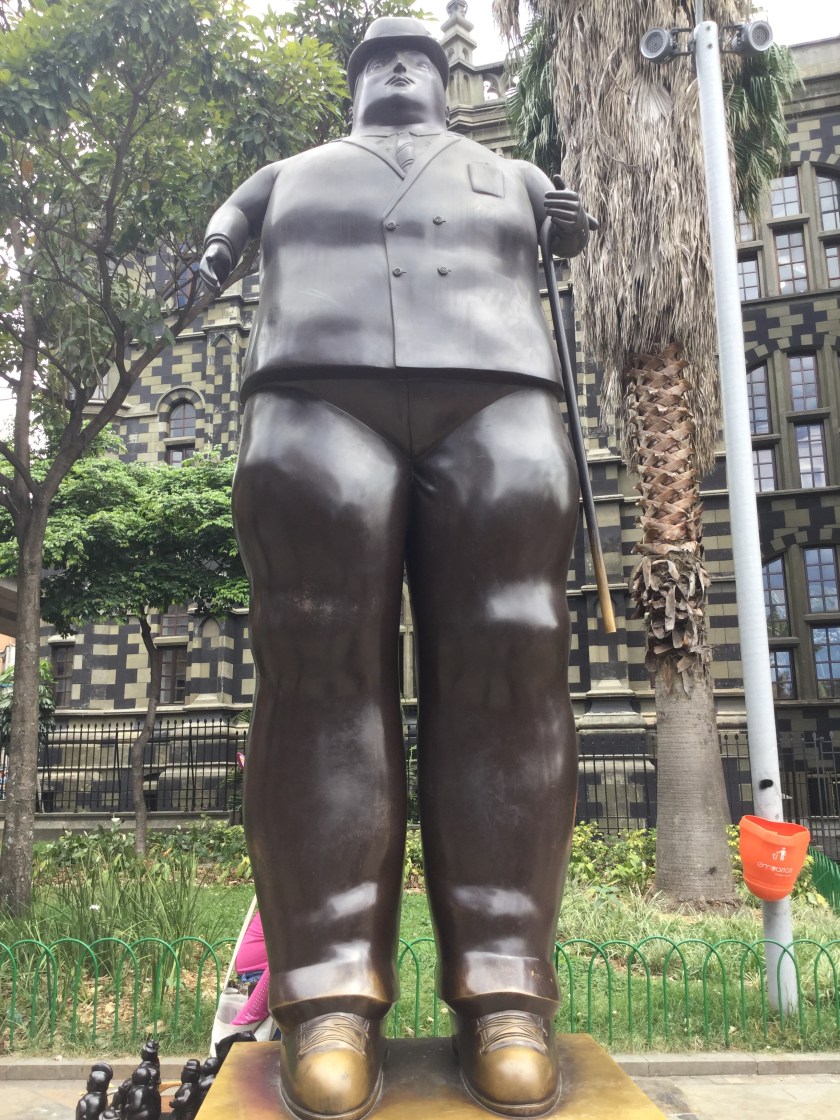
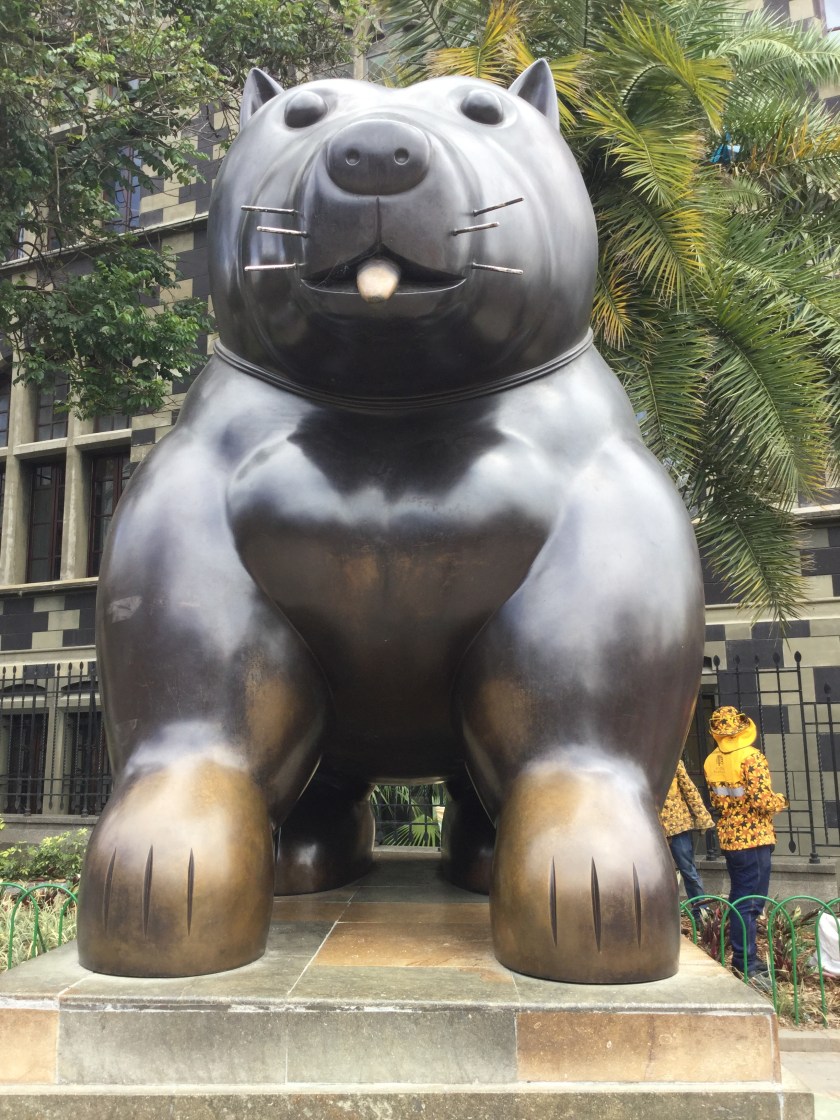
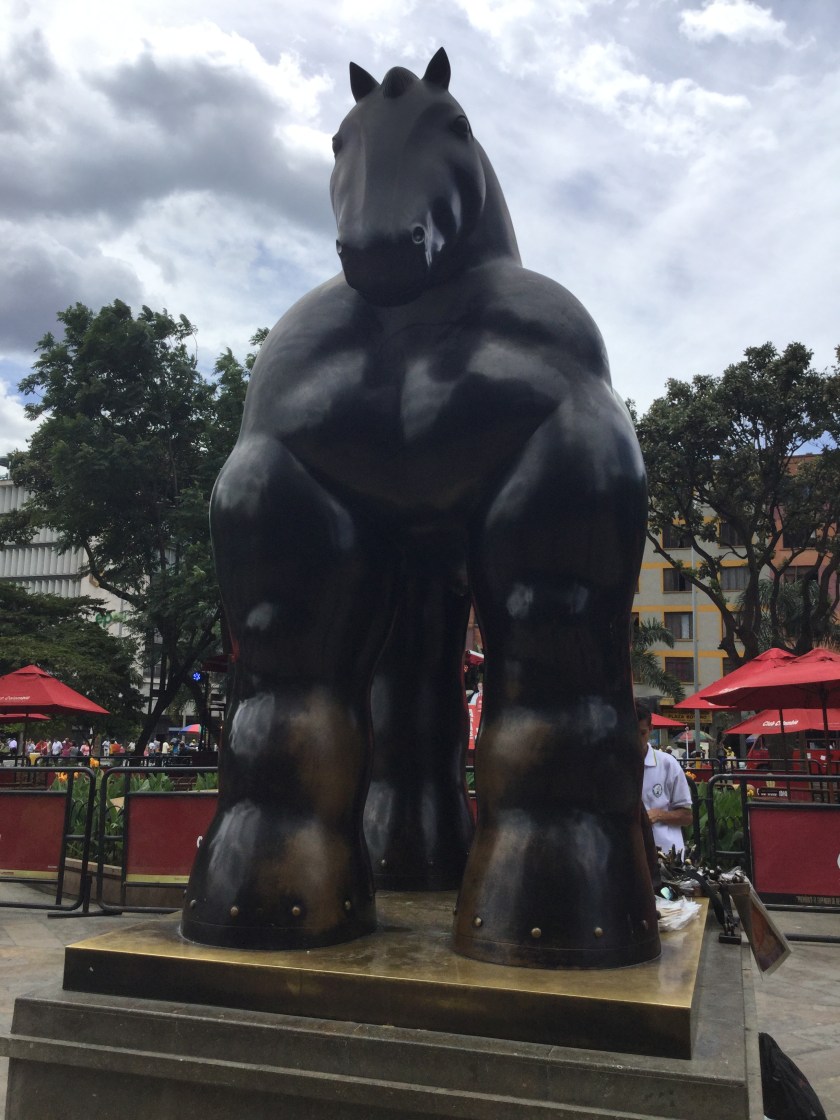
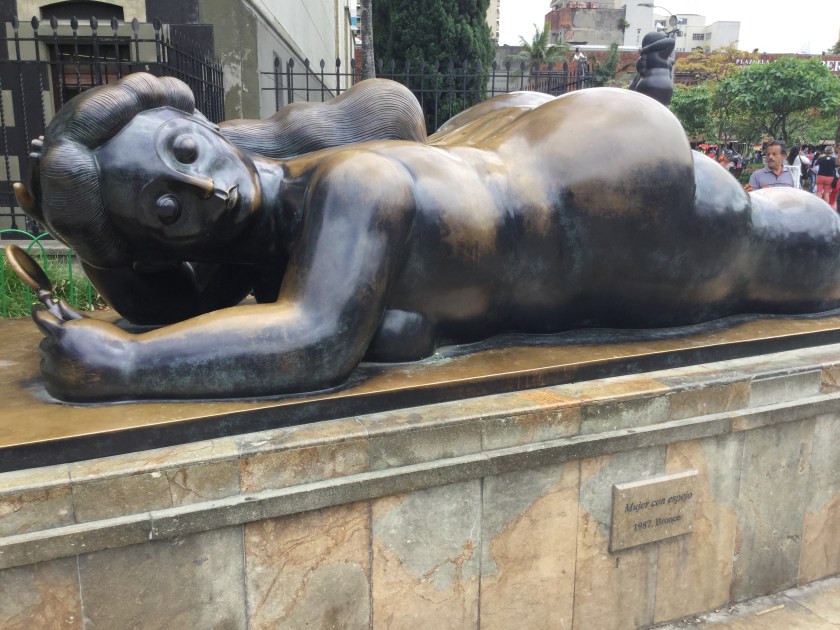

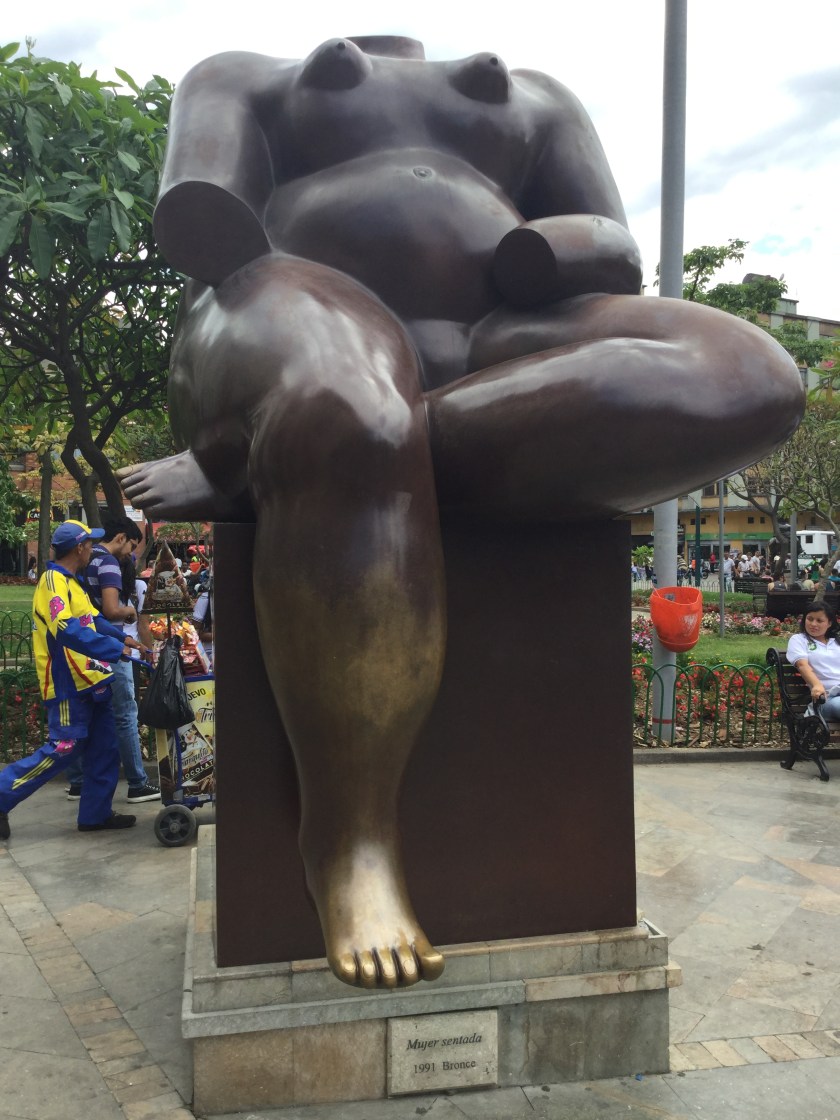
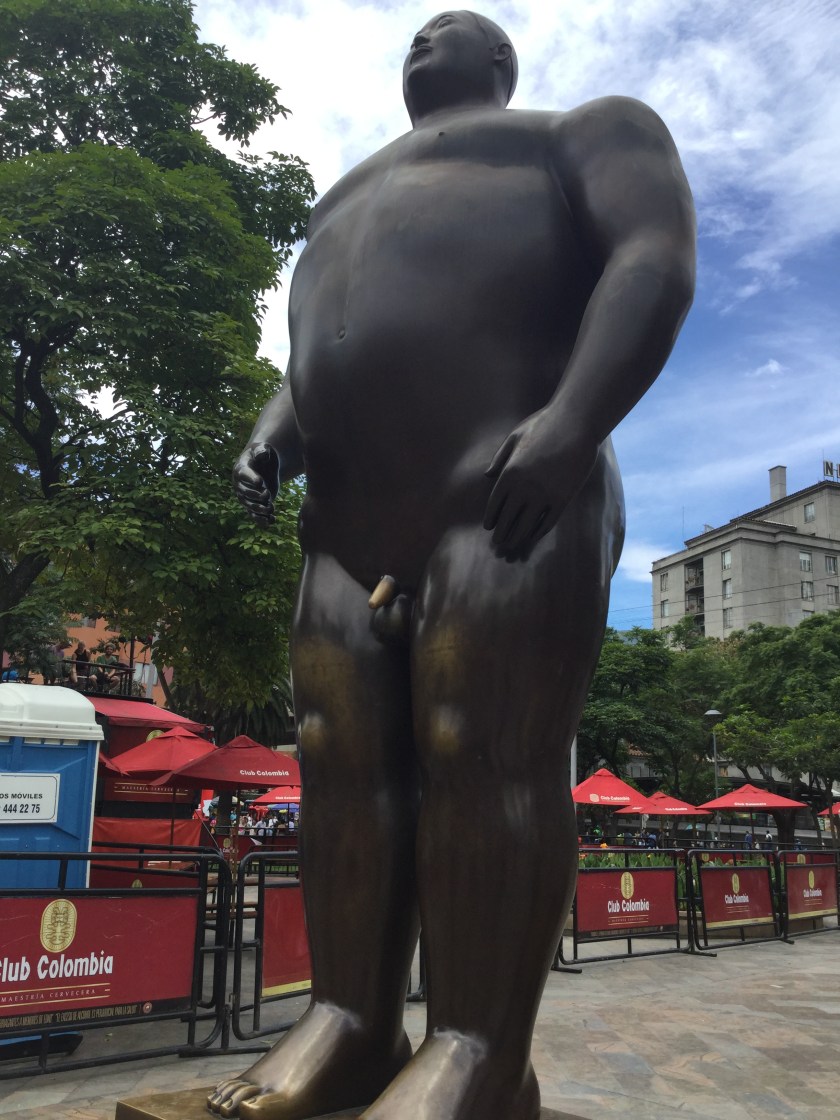
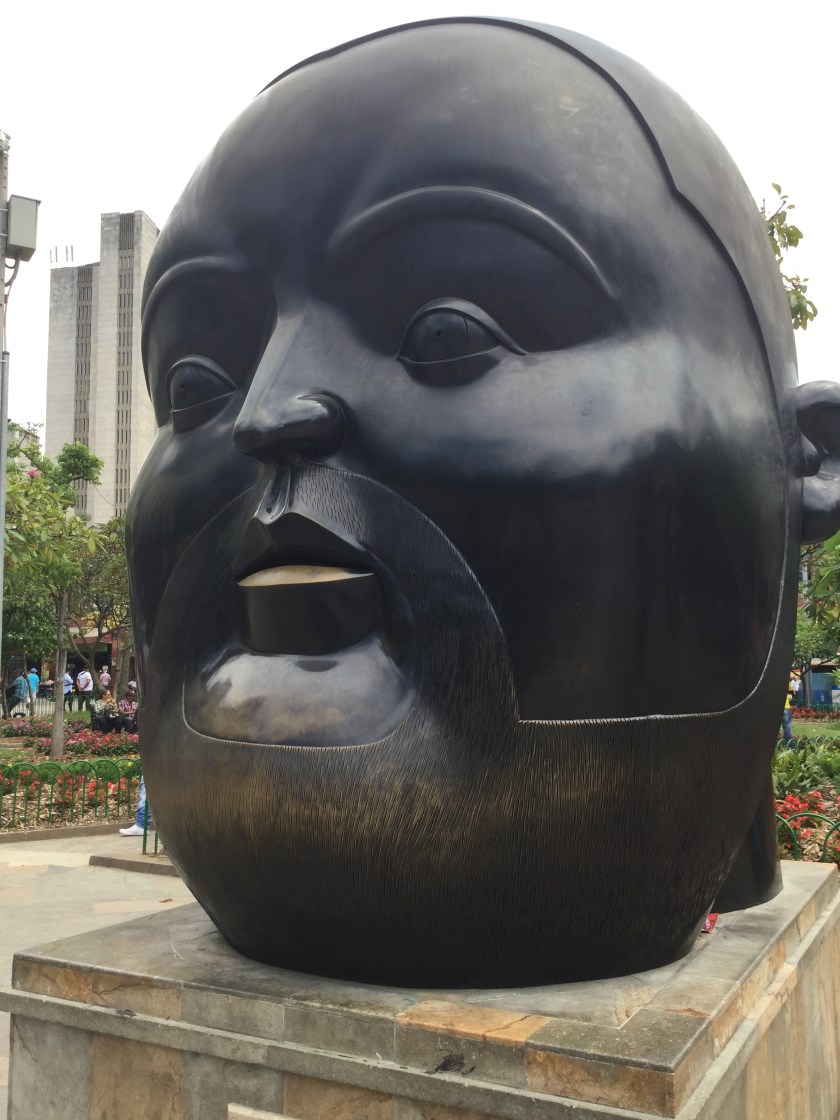
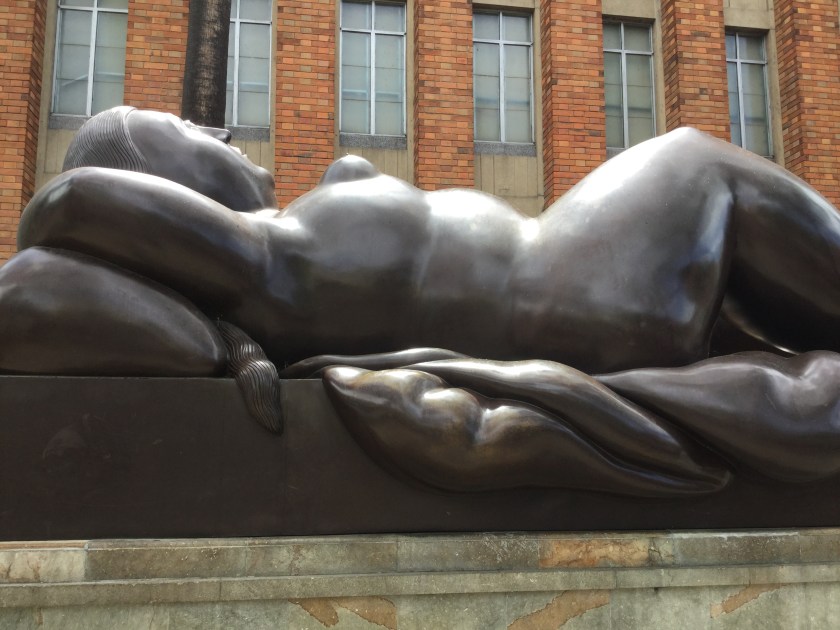
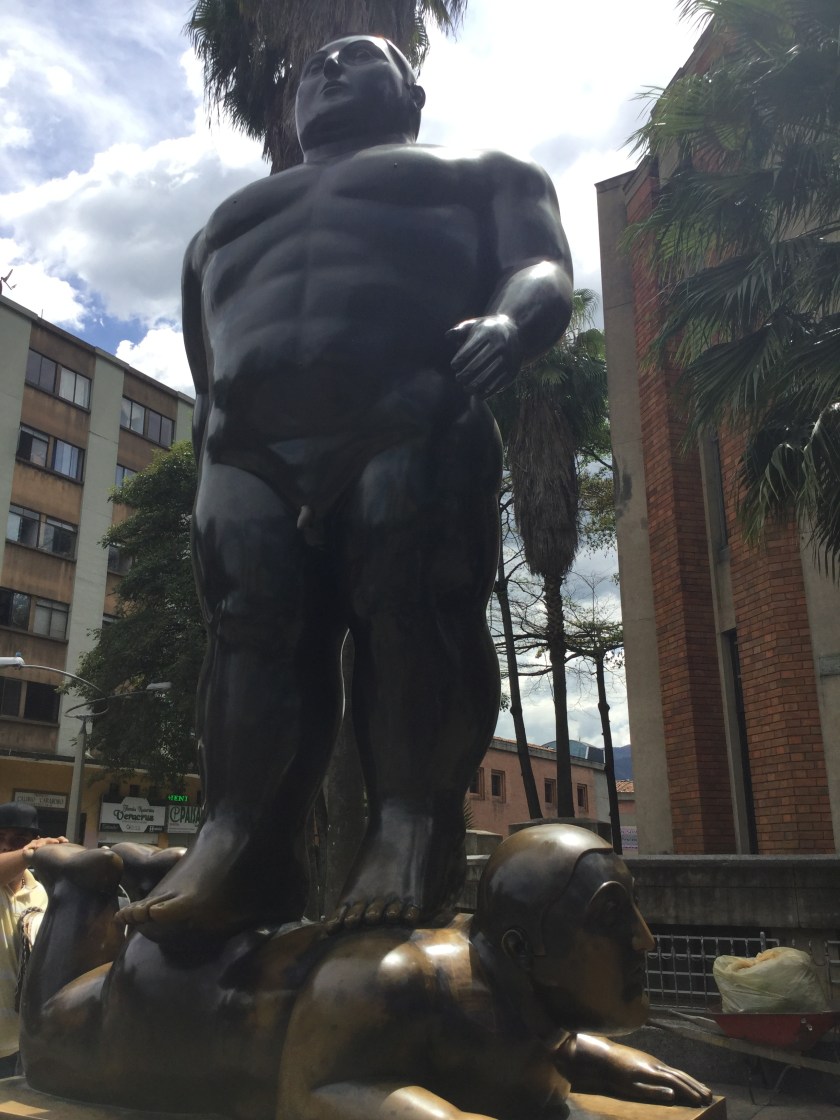
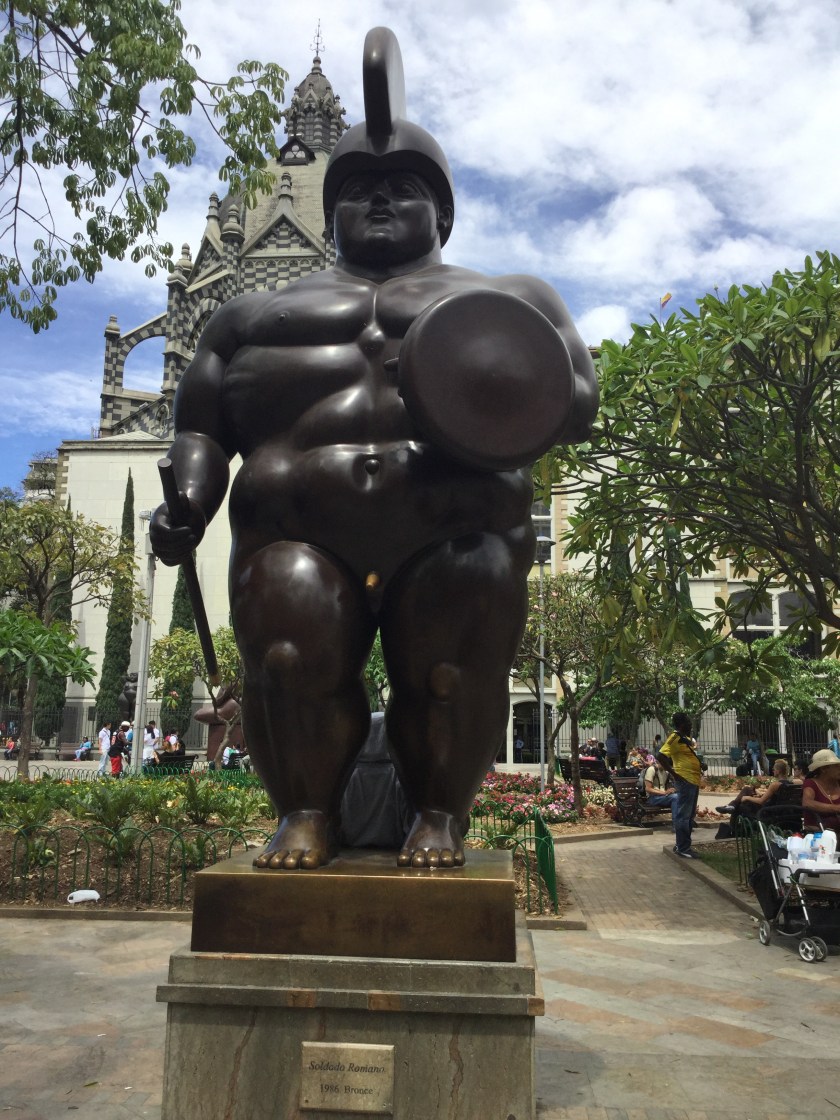
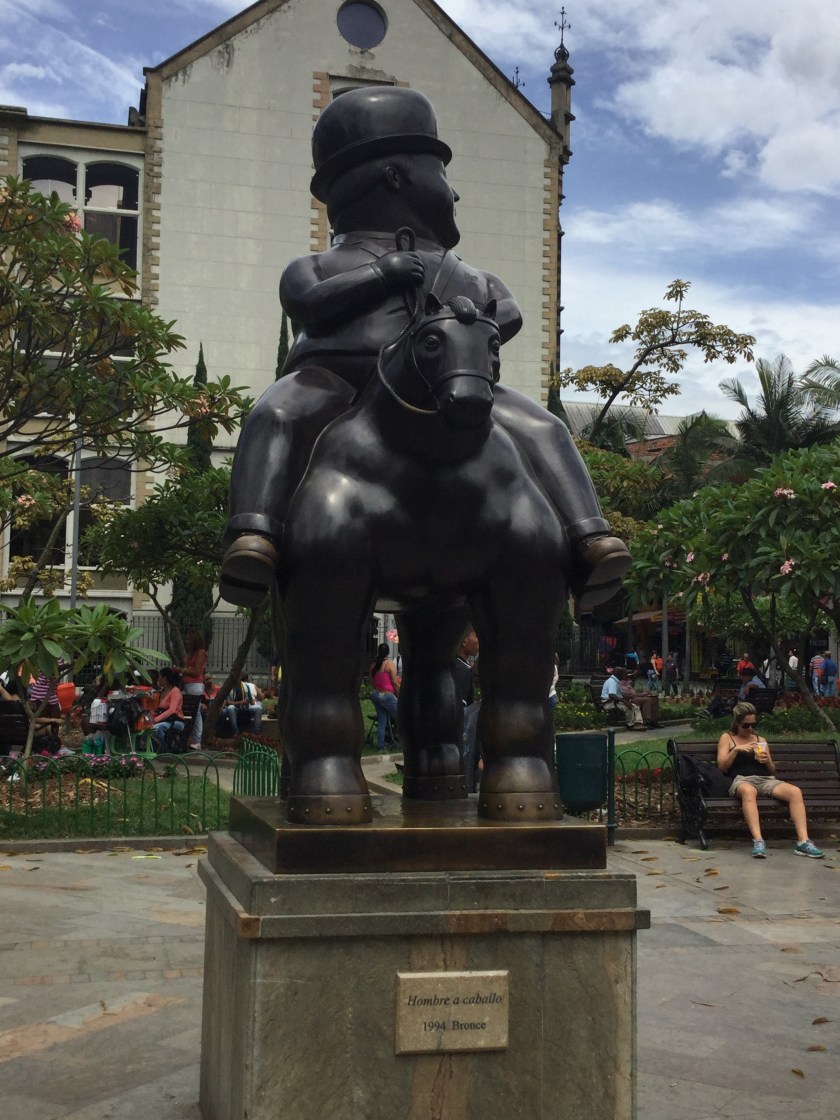
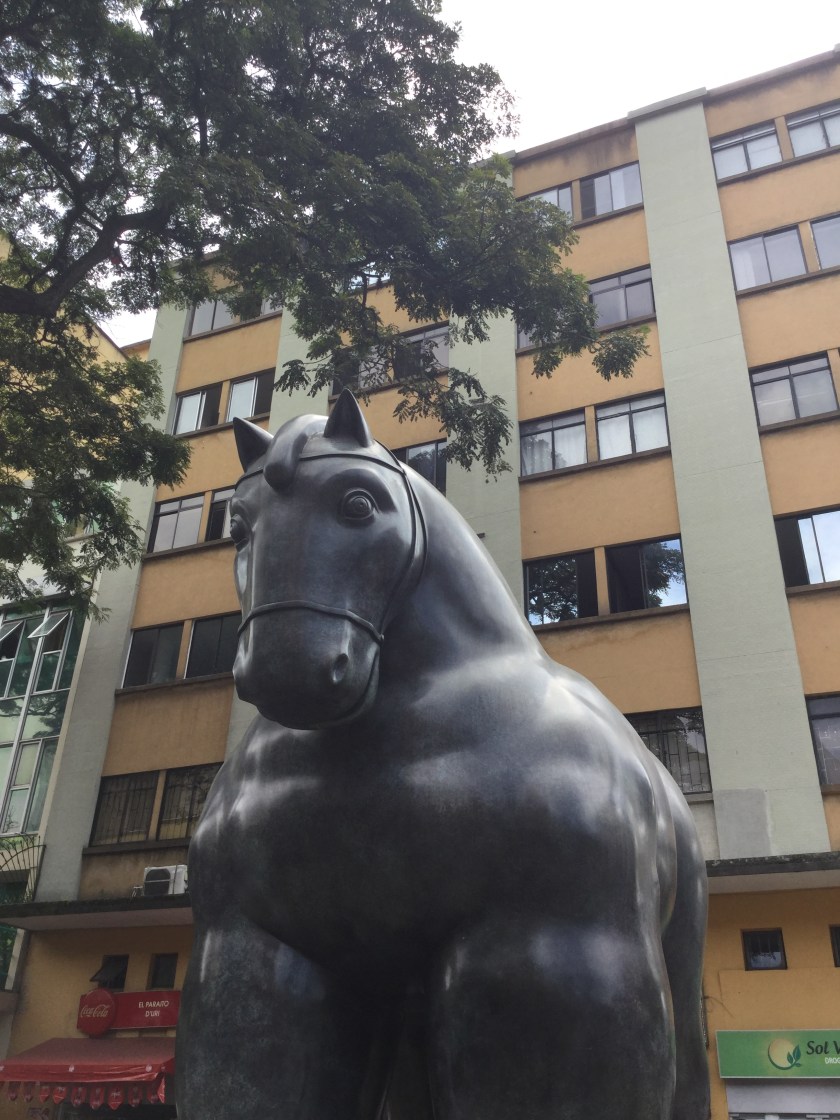
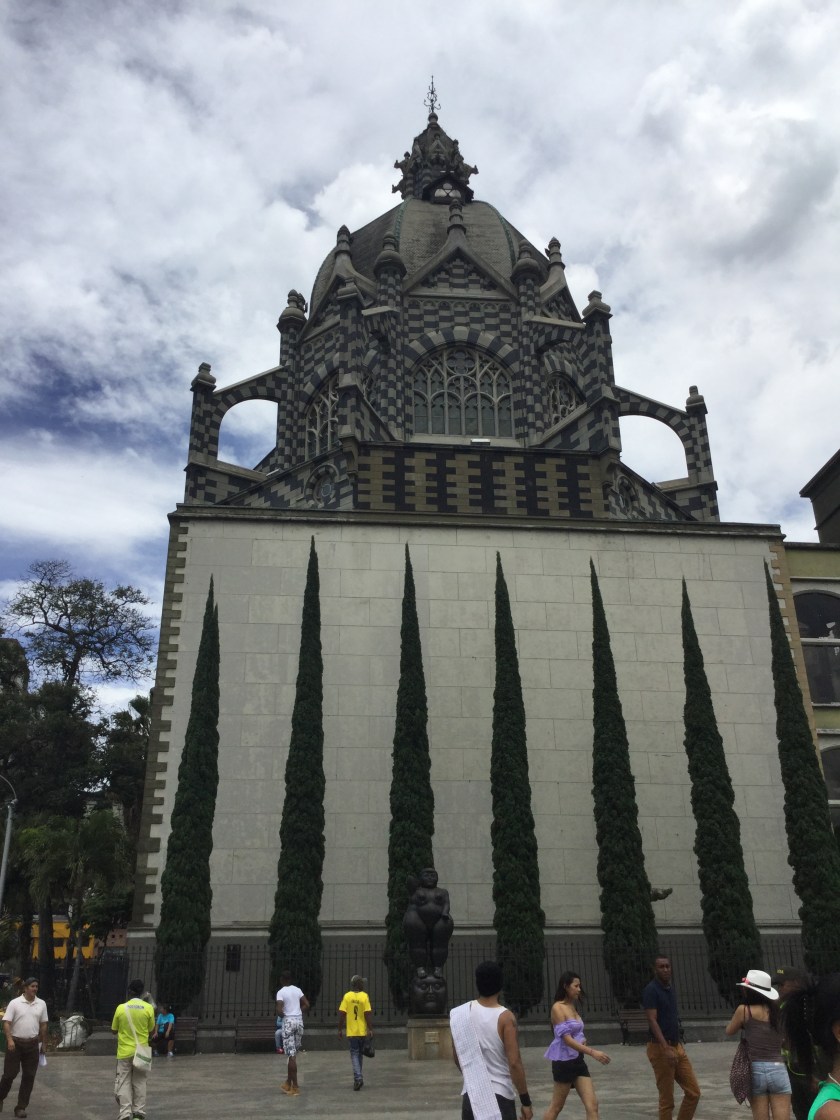
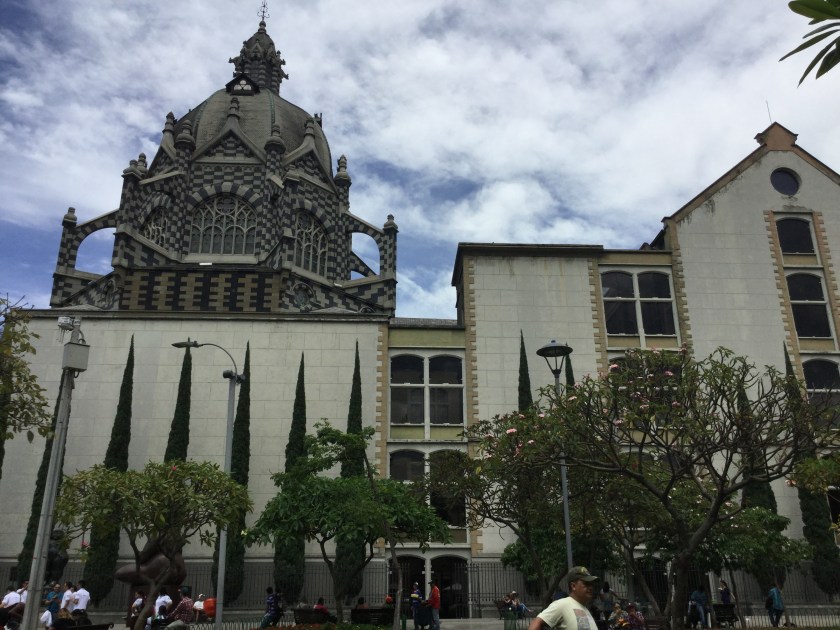
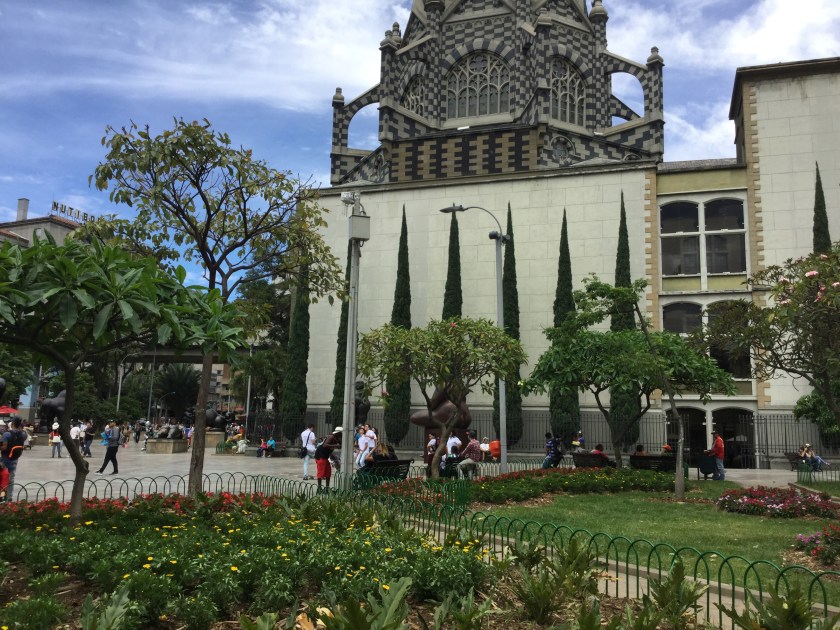
Camera: iPod Touch, 6th Generation
Location: Plaza de Botero; Medellin, Colombia

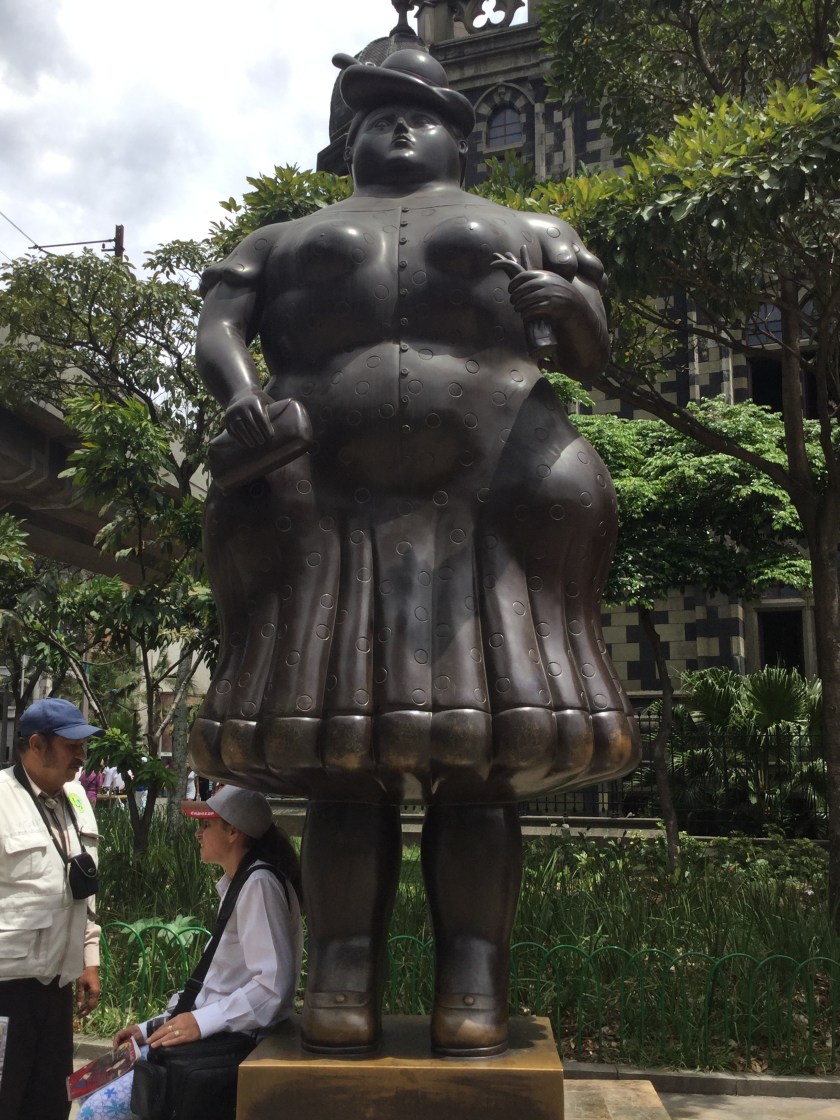
Camera: iPod Touch, 6th Generation
Location: Plaza de Botero; Medellin, Colombia

One of the best things about living in a foreign country is exploring and becoming immersed in the local sports scene. When you’re living outside the U.S., a different kind of football takes precedence over all of the sports combined. Football, in most countries, is the national sport and one in which kids from an early age learn to play and master over the years. Whether its’ a city street, a dirt field, or turf glass, football is an adaptable sport to any kind of climate which is why its’ such a famed world sport.
Before I started my travels, I looked upon football (soccer) as not that exciting and didn’t understand why it was so beloved. I didn’t like how there wasn’t that much scoring and didn’t appreciate how much skill and technique is needed in order to be successful. Football is like a fine wine that you grow to appreciate the more you learn about it. It’s a unique sport that caters both to the individual and the team too. You can play it anywhere and with anyone. Now, that I’m in my mid-20’s, I can say with a growing confidence how much I appreciate the ‘beautiful game for what it is.
The more I have traveled, the more I have witnessed the absolute love and passion that football fans have for their teams. Growing up in New York, I was a big fan of the New York Yankees and the New York Jets but it doesn’t really compare to the fanatics and supporters who back their football clubs up whether they win or lose. When I lived in Istanbul, Turkey, I saw this passion firsthand as celebrations or riots would occur whether or not the three big teams of Galatasaray, Besiktas, and Fenerbahce would win or lose. Fans of any of these local teams would light flares in the stadiums, parade through the streets, and fill the local bars up to capacity. There are few things in life that get people as emotional as the result of a football match. You have to be careful if you catch yourself in the wrong part of the city if you have your favorite team’s jersey on but they don’t support that team in that neighborhood.
I’ll never forget when thousands of Fenerbahce fans would crowd the streets of Kadikoy to celebrate their win over Besiktas. They sang team songs, lit flares up, and you could barely move through the streets. I, as a disgruntled Besiktas fan, realized just how outnumbered I was so I was forced to hide my dismay after the team had lost in a crushing defeat. There were also happier teams as an adopted Besiktas fan back in 2012 when I was studying abroad in Istanbul at the time. I remember counting down to the start of my first Besiktas match with thousands of other supporters as we jumped up and down to sing songs in support of our boys in black and white.
It’s truly a special experience when you go to a sporting event in a foreign country. I tend to find that football matches like the ones I experienced in Turkey had very passionate fans that made quite an event out of each and every game. While sporting events in the U.S. are quite fun and enjoyable in their own right, they are much more reserved than what I’ve seen from my experiences in Turkey and Colombia. A recent sports triumph that happened here in Medellin has helped make that even more true in my opinion.
Last Wednesday night, the popular and beloved Atletico Nacional team of Medellin triumphed over the Independiente del Valle FC of Quito, Ecuador to win the famed Copa de Libertadores trophy. For those of you who don’t know, the Copa de Libertadores is the South American equivalent of the UEFA Champions League where the best teams of the continent from Argentina to Paraguay battle it out over the course of many months to decide which team is the best in all of South America. It’s an intense tournament with a lot of talented teams. There are a lot of matches to play and a lot of travel involved. Its’ so difficult to win this championship that only two teams from Colombia have ever emerged victorious.
Atletico Nacional won the first championship for a Colombian club, in 1989, and Once Caldas of Manizales earned the second championship more recently in 2004. You could argue, in fact, that the Copa de Libertadores is more competitive than the UEFA Champions League of Europe given that twenty-five different teams from South America have won the title making it a more balanced and fair. There are heavyweight teams like Boca Juniors of Argentina and Santos of Brazil but there have been many underdogs who have emerged victorious in their quest of the trophy over the Copa’s history of competition.
I was lucky enough to be at a bar on the recent night when Atletico Nacional won their 2nd Copa de Libertadores title in their team history. It took them 27 years to become champions of South American club football and the excitement was palpable. A new and younger generation of devoted fans has emerged here in Medellin, and has never tasted a Copa win before. The city was on edge before the match but there was a sense of destiny with fans of all ages and backgrounds sporting the green and white of Atletico Nacional.
Taxis were hoisting the team’s flag all over the city, vendors were selling jerseys everywhere, and bars were decorating their establishments with green and white balloons. If you were a recent visitor to Medellin, you would think that there is only one football team in the city, and not two (Independiente Medellin is the other football team here with red and blue colors.) It was a special setup for a memorable match. Atletico Nacional had tied Independiente del Valle in Quito with a score of 1-1 so all they needed to do was come out with a simple victory at home now.
Due to an early and beautiful goal by forward Miguel Borja, the apprehension quickly turned to celebration for fans of Atletico Nacional all around the world. Fans still had to draw their breath after another 90 minutes of tension but Atletico Nacional were poised and determined to come out on top as champions. Atletico Nacional were victorious at 1-0 and when the final whistle blew, all of Medellin erupted in cheers, dancing, singing, and drinking.
Never in my life had I seen a city so joyous in the aftermath of victory. Cars were honking, fireworks were exploding all over, and huge crowds had formed in the streets to celebrate. Luckily, everything was peaceful here in Medellin during the night. Avenida 70, where a lot of bars and clubs were located, were so crowded that it took me an hour to get home because taxis couldn’t get through the streets. It was a wild and uproarious night and one that won’t soon be forgotten in the Colombian sports history books.
As a foreigner living here, it was pretty amazing to see the passion and the joy on the faces of the fans. If I had to compare it to a U.S. sports celebration, it would most closely resemble the Red Sox winning the 2004 World Series after an 86-year drought. The celebrations here were that intense and extensive. The school where I’m teaching here in Medellin opened its doors a few hours later than normal so that students could get some rest (or the teachers themselves.) In Turkey and now Colombia, I’ve seen the love that millions of people have for the real football. It is truly ‘the beautiful game.’






Camera: Canon PowerShot SX710 HS
Location: Envigado, Antioquia, Colombia










Camera: iPhone 6
Location: Medellin, Colombia
Medellin, a bustling metropolis of over three million people, has a popular and well-known nickname, “The City of Eternal Spring.” I can say for certain that this particular nickname is well warranted and appropriate given the moderate temperatures and humidity that make up the day and night here. Among the cities and towns I’ve visited in Colombia thus far, Medellin is special in that its’ climate is hospitable and agreeable.
Luckily, after a long day’s work at my new school, I can come back home without sweating through my shirt and dress pants. When it does rain here, it’s refreshing and cool. Sometimes, it can pour really hard but usually only for short periods of time and despite July and August being the prime months for the rainy season, it hasn’t been that frequent of an occurrence.
In addition to its’ great climate, there are other qualities that make Medellin a unique city. Its’ transportation is well organized and runs smoothly. The metro system here is one of the few in South America and is clean, affordable, and has frequent trains. I’ve been impressed at how easy it is to get around the city without breaking the bank. In addition to the metro, there are also the ‘Colectivo’ buses, the Metro Plus bus system, the Metro Cable car system, plentiful taxis, and Uber if you really need to get around in a hurry. Motorcycles, which I noticed to be quite popular on the Atlantic coast, are also another great way to get around especially if you’re not patient with the traffic here.
Caution is necessary, as ‘right of way’ does not exist for the pedestrian so you have to be an eye out for both cars, taxis, motorcycles, and large buses. Everything seems to run efficiently when it comes to getting people to and from their jobs whether they are in the north, south, or central part of the city. While I haven’t spent much time in Bogota or Cali, I would say that Medellin is the most interconnected city in Colombia when it comes to transportation.
Residents of Medellin and the Antioquia region in general are commonly known as ‘Paisas.’ This nickname is also spot on given the fact that these people are really born and raised here in the countryside. Compared with Costenos, Paisas are accustomed to the mountains and hills that surround their fair city. It’s been an adjustment for me given my past experience of living near the Atlantic coast of the country. It’s a unique opportunity to be able to see Colombia through a different lens.
While the food is similar to what you would find in other parts of Colombia, Paisa cuisine is unique in offering hearty dishes like ‘La Bandeja Paisa’ and ‘Cazuela Antioquia.’ Rather than seafood, Antioquia pride itself on its’ offerings of different kinds of meat served with potatoes, avocado, tomatoes, etc. Each region of Colombia including Antioquia are known for its’ cuisine offerings which may be unique to the particular region.
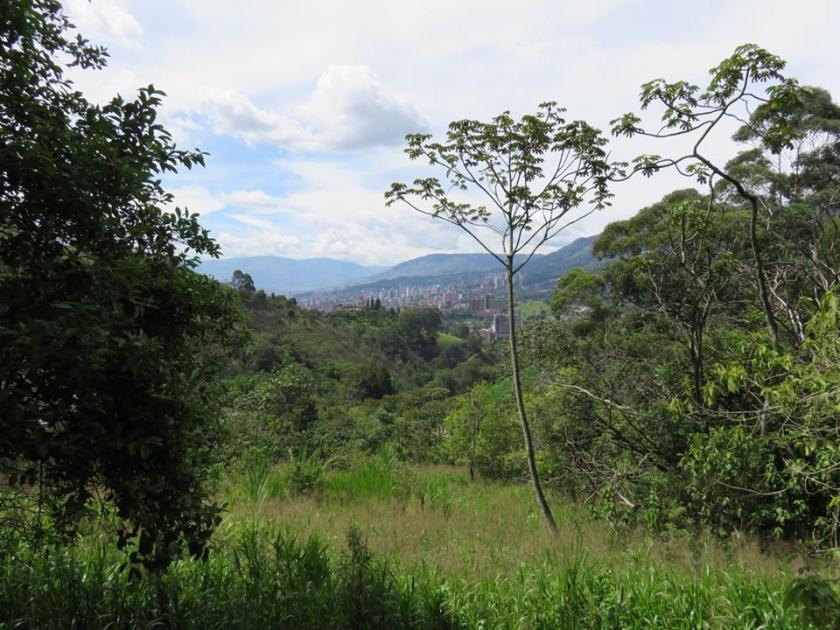
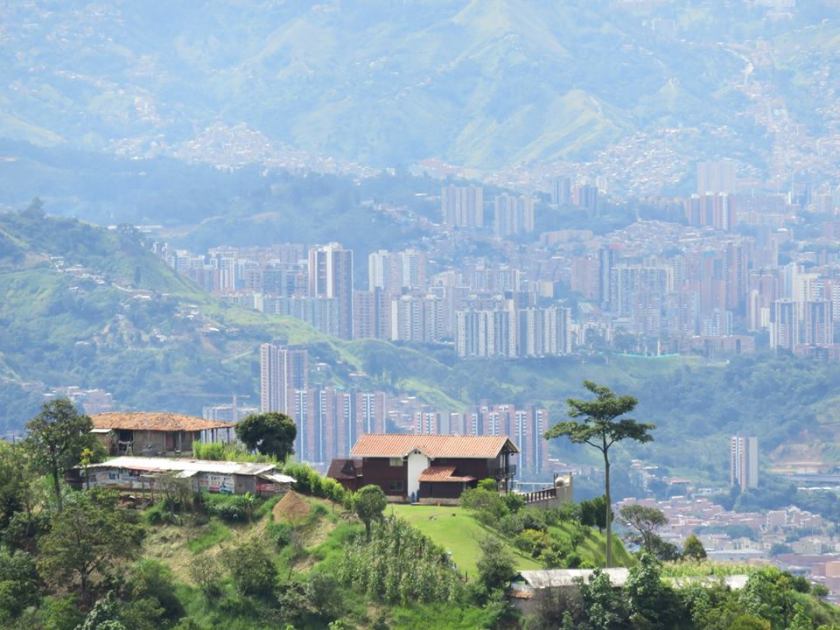
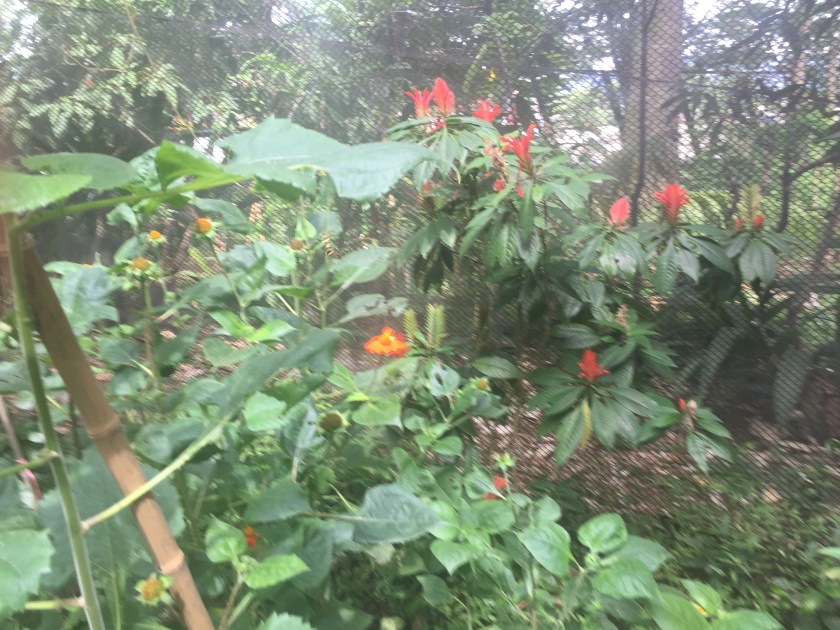
To put it bluntly, Medellin is a city which contrasts its’ natural surroundings of mountains and rivers with its’ skyscrapers, bridges, and freeways. In any view of the city, you get a mix of pure nature and urban settings. Tucked below the valley, the city rises with its’ buildings and elevated metro to contend with the nearby green mountains that surround the city. The most special sight to me occurs at night when the lights of the city flicker brightly across the valley and off the side of the mountains. Each white and orange light that shines in the valley at night signifies one of the homes, apartments, and buildings that house a few of the city’s overall three million residents.
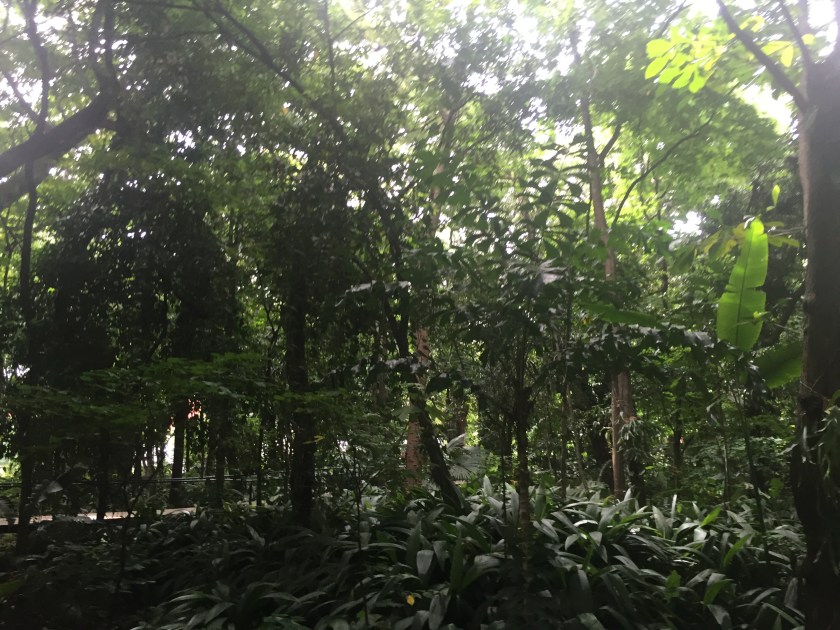
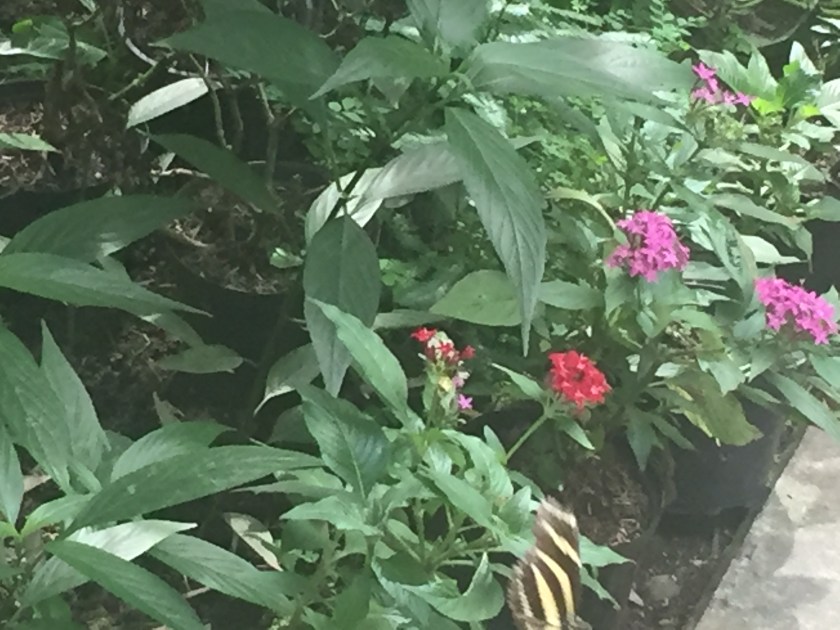
I have only been in Medellin for two weeks so far but I can tell that this is a special place. In addition to the great climate, good public transportation, tasty local cuisine, and stunning views of nature, the city’s inhabitants are friendly and helpful. Sometimes, to me, it doesn’t feel like a big city but a cluster of small towns that make up an urban area. Part of the fun of living here is discovering new neighborhoods that each has something different to offer. There are cool museums and botanical gardens to see at the University of Antioquia, trendy restaurants and bars that make up most of the Laureles / Estadio neighborhood, and the heart of the nightlife scene in El Poblado. It’s also cool to check out the more suburban neighborhoods that are within a metro ride of Medellin such as Envigado and Sabaneta.
Even if one were to get bored with Medellin, there are a lot of things to do, and places to see in the Antioquia region. In addition, there’s also a number of day trips out there to explore the local nature scene and to experience more traditional villages. It would be unrealistic for me to say that you can get bored living in Medellin because it really is a vibrant cultural capital and I believe that a lot of tourists and residents from other Colombian cities now acknowledge that fact. Having had an unfortunate negative reputation in the international news media for many decades, Medellin is a city on the rise with a deep culture, cool neighborhoods, and hard-working, friendly people who want to show you the best of what their home city and region have to offer. I am very happy with my decision to have come back here to Colombia and to make my current residence here in ‘The City of Eternal Spring.’ Hopefully, as a reader of my blog and website, you’ll come down to visit Medellin sometime to find out just what all the hype is about.




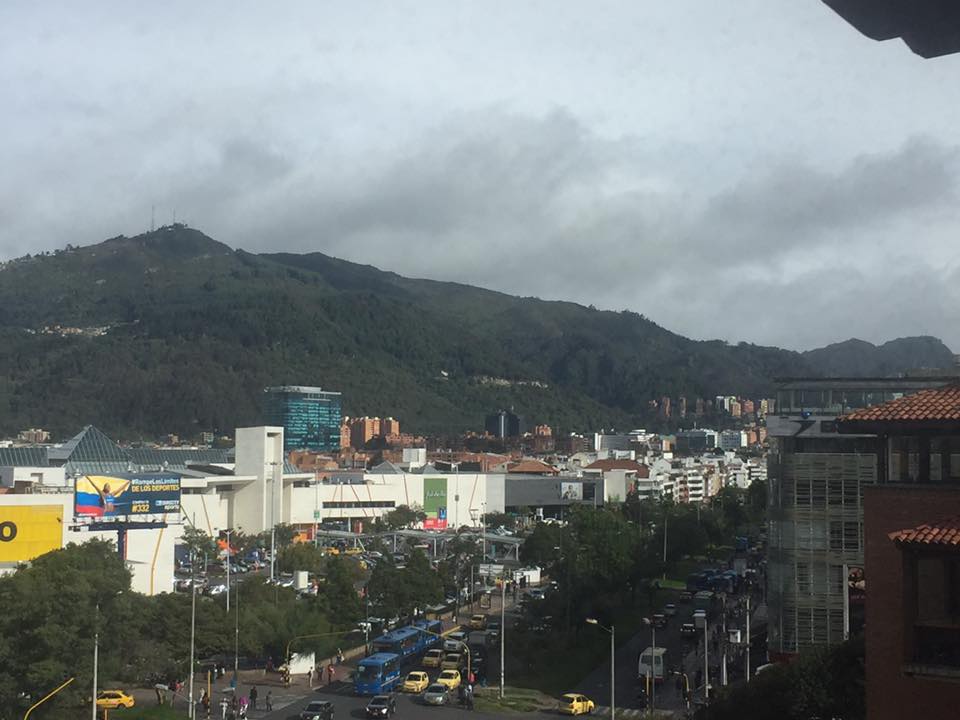
Camera: iPhone 6
Location: Bogotá, Colombia
After my first experience of living and working in Colombia was cut short rather unceremoniously, I decided not to give up on volunteering here as an English teacher and worked hard over the past three and a half months to return to this beautiful and lively country. After going through visa, medical, flights, and other forms of tedious paperwork all over again, I remained committed to what brought me to Colombia in the first place; a chance to improve the English proficiency of my students and to inspire them to look at the world a bit differently than before.
I have arrived here again in early July to accept the role of ‘English Teaching Fellow’ with the Heart for Change program and Volunteers Colombia organizations with the additional support of the Colombian Ministry of Education. I was extremely excited to hear that I had been accepted to this program in mid-April of 2016. Since then, I’ve worked diligently to prepare myself for the responsibilities and duties expected of me during these next six months to a year.
I’m quite proud to be among 240 English Teaching fellows who have come from over 30 countries around the world to be apart of this mission. It’s truly inspiring to meet and see other teachers come from nations like Iceland, Iran, Kenya, Serbia, and elsewhere with the goal of making Colombia a bilingual nation. This effort to improve the English language proficiency level of Colombia’s students is a massive undertaking and a worldwide effort. I am glad to once again play a small role as an ESL teacher in making Colombia more proficient in the English language.
After arriving in Bogota, the capitol of Colombia, the other 240 fellows and I underwent a week of intensive teacher training in order to prepare us for the job that lies ahead. While the topics that we went over were mostly review for me given my past experiences, I was grateful for the refresher and was impressed by the job done by the UNICA (Institucion Universitaria Colombiano Americana) in helping prepare us for the program’s start.
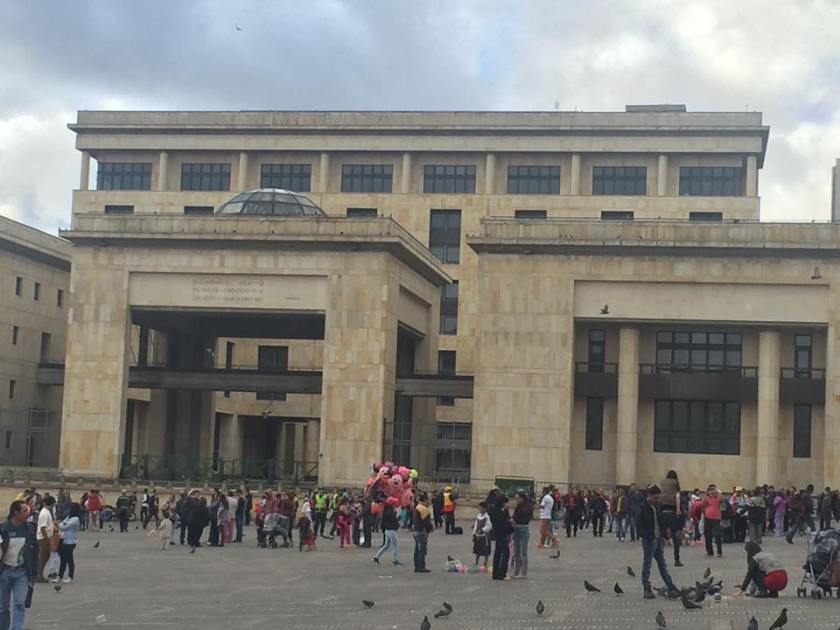
Unfortunately, I wasn’t able to explore much of Colombia’s capitol city of Bogota but I was able to walk around and check out the historic district along with the Plaza de Bolivar. In addition, I was able to dance some Salsa, eat some delicious Ajiaco soup at La Puerta Falsa (highly recommend), and practice Spanish again with the locals. Hopefully, I will be able to return to Bogota soon because there is a lot to do there and it’s a bustling metropolis on the same level as New York City and Mexico City.
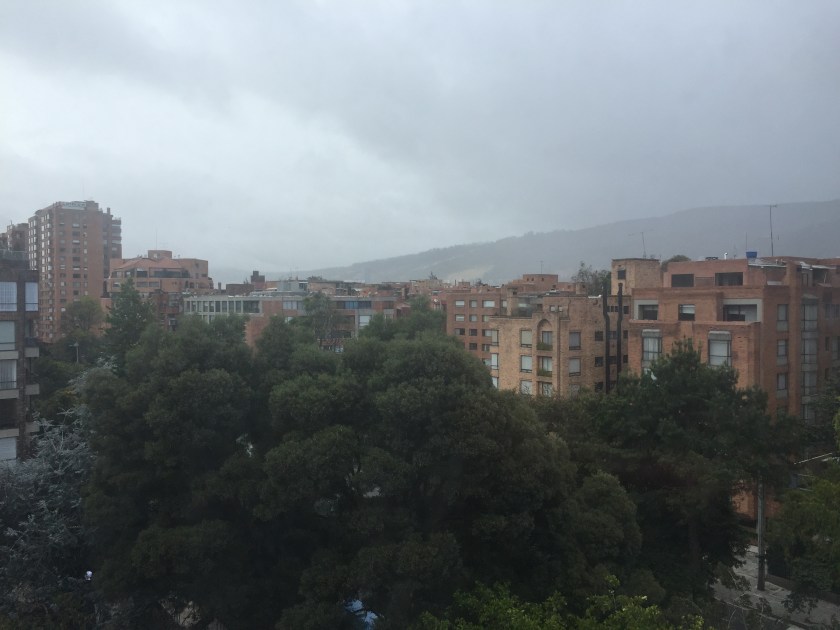
What someone would notice immediately about Bogota is the unpredictability of its’ climate and it’s weather patterns. It could be sunny and warm in the early afternoon, completely cloudy an hour later, and then rainy and cold in the evening. If a direct comparison can be made with a U.S. city, the weather of Bogota would most closely resemble Seattle for better or worse.
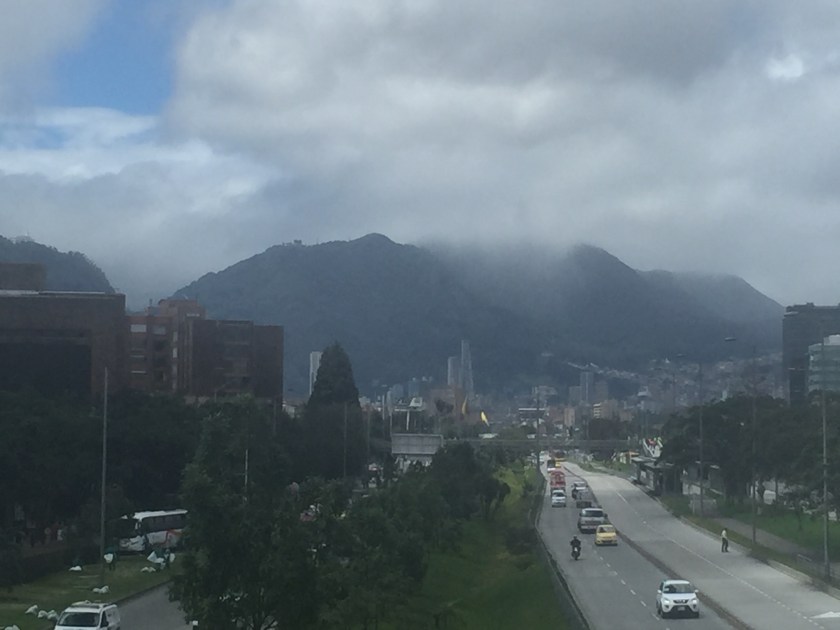
Bogota is tucked in close to the Andes which allows visitors an excellent view of nearby towering, green mountains that jut out beyond the modern array of skyscrapers and office buildings. Bogota, like other Colombian cities, are urban oasis’s surrounded by rivers, mountains, and tropical jungles. Thankfully, from what I have noticed, there is a healthy balance here between nature and civilization, which is lacking in other places.
After having finished the initial paperwork, received my certificate from UNICA, and flown on to Medellin where I’ll be working full-time as a co-teacher in a public school starting next week, I am happy to close a past chapter in my life and open up a new one which has a positive, optimistic outlook. The first six months of 2016 were tough for me personally but I’ve put the past behind me and am ready for what comes next.
I look forward to finishing the work that I started back in January 2016 here in Colombia and hope to do some good work for my new students for the next six months or more. It’s been a wild ride with ups and downs, but I’m happy to continue riding the rollercoaster and seeing where I end up. For now, I’m fortunate to be back here in Colombia and won’t let this second chance go to waste. Todos Por Un Nuevo Pais!

Why do people sometimes have a fear of the unknown? As human beings, we each have our own unique doubts, fears, and phobias that develop as we deal with the world and its’ challenges. Whether they are fears related to heights, spiders, snakes, or even speaking in front of a large audience, it’s part of what makes us human to have fears. Facing and confronting your fears is not an easy struggle and it takes courage, compassion, and emotional maturity to get past your phobias. One of the most common fears that most of us have from time to time is ‘Fear of the Unknown.’
To have a strong desire to control your circumstances, your path in life, and your future is only natural. However, it’s clear that some things can never be fully known and that there will be changes that we will have to cope with. Trying to control everything and everybody around you is a recipe for disaster. Facing the unknown without fear is not easy but it is necessary in order to become a more mature and more centered person. Fear of the unknown is related to other fears that people have which have a connection to one another such as the fear of death, the fear of getting old, the fear of being homeless, the fear of life changes, etc.
There’s a popular saying that goes, “You always fear what you don’t understand.” This quote ties into a central idea that people fear most what they cannot change, anticipate, or prevent from happening. Some examples of this phenomena include economic recessions, societal changes, job loss, personal loss, election results, retirement planning, health problems, environmental concerns, etc. All of these phenomenon tie into the overall ‘fear of the unknown’ for the average man or woman. None of these phenomena can be controlled or even changed by one individual. Since we cannot usually have a great effect on preventing these fears from becoming real or taking place in our lives, what can we do or what should we do?
It’s best not to resist the changes that are bound to happen at some point in our lives. We simply cannot know everything that is to occur in the future and it would be useless to try to plan for everything ahead of time. Most of the time, it’s best to go with the flow, try best not to fight what comes your way, and to make the most out of things. Do not give in to fear, hate, doubt, disappointment, and anger, which are all negative consequences that come with fearing the unknown and the unseen. Having fear about what can happen a week, a month, a year, or a decade from today is a waste of time because you simply can’t know what exactly lies ahead in the future.
The older I get, the more I realize how important it is to be adaptable and malleable to the future. Trying to plan everything out is a waste of time and energy. While seeking stability, security for yourself and others is an important part of the human condition. Sometimes, you need to cope with some instability and insecurity that will come your way. Another notable saying that people rely on for strength is the popular quote; “Whatever doesn’t kill you makes you stronger.” Persistent fear of what’s to come is not productive, not enjoyable, and not healthy for anyone in the long-term.
What happens to most people when they feel a palpable sense of fear? Well, there are a number of common symptoms and ailments that one can experience as a result. Your heart rate starts to increase, and your breath will become shorter and more harried. You may begin to panic, and feel an enormous sense of tension in your body. You’re going to be anxious and stressed about the unknown and what you’re going to do about it. The more extreme symptoms of feeling fear involve nausea, fainting, vomiting, crying, and shaking uncontrollably. I mention these reactions to fear not to scare my readers but so you can better learn to recognize these symptoms and try to control and alleviate them as best as you can.
Now that we know what the ‘Fear of the Unknown’ is and how to classify it along with the related symptoms, how can we cope we this fact of life? The most important thing to keep in mind when confronting this particular fear is to stay positive about what’s to come. Not everything in life will go smoothly and there will be challenges ahead. However, it’s important to remove the negative associations, conclusions that your mind will come up with sometimes when it comes to thinking and planning for the unknown. A little bit of anxiety and stress is natural when it comes to facing the future but it should not affect your daily activities and your personal relationships.
You’ll have a more peaceful state of mind when you react to the strange and unforeseen future with a positive and upbeat outlook. It’s best to focus on your goals, stay focused, and don’t get sidetracked about what might or what not happen to you in the future. Changing your thoughts and your mindset through meditation for five to ten minutes on a daily basis can also be a great self-help remedy for getting rid of your fear of the unknown.
Embracing a new environment, new friends, and new work opportunities can also keep your imagination in the right state of mind. If your sense of anxiety and fear of the unknown is extremely strong and hard to break, it may be best to consider neurolinguistic programming, cognitive behavioral therapy, and even certain medications if the problem becomes that severe. However, these kinds of remedies should be used only as a last resort.
Having a sense of ownership and direction in our lives is extremely important. However, we cannot control everything especially the unknown that lies ahead. Whether its’ moving to a new city or country, jumping into a dark lake, starting a new job or hiking up a mountain, these are all instances in life that can give us reasons to worry and to be anxious. However, by controlling our thoughts and emotions, and having the ability to stay positive regardless of the circumstances will keep you both mentally and physically fit.
As the 32nd President of the United States, Franklin D. Roosevelt stated famously during his 1st inaugural address to the American people on the subject of facing the Great Depression, “Let me assert my firm belief that the only thing we have to fear is…fear itself.”
In a world full of noise and frenzy, it’s to one’s advantage to have some quiet moments of reflection every now and then. It doesn’t have to be every day but five to ten minutes for a couple of times per week can really make a difference in helping you do some self-reflection. Activities like Yoga, Meditation, or just doing deep breathing exercises will allow your mind to quiet itself and reflect on nothing at all or to concentrate on a specific thought. Hearing your own voice and thoughts in your mind is not easy to do but it helps put your past, present, and future into a clearer perspective. It’s a real and underrated pleasure in letting your thoughts run away to new places and but to still control where they go.
Personally, I enjoy my own reflections late at night when the world is quiet and I’m getting ready to fall sleep. I can freely think about past memories that make me smile, and contemplate events on the horizon in my future. Having tried meditation in the past, I can also let go of any and all thoughts that I want to do away with in order to become a clean slate unto myself. Reflecting upon my actions, thoughts, and feelings makes me more introspective and observant, which allows me to acknowledge my overall strengths and weaknesses as a person. Being self-aware of who you are, where you’re going, where you’ve been, and how you got there are all elements in developing a personal sense of meaning and fulfillment.
Listening to ones’ conscience and honing ones’ idea of self is increasingly important in maintaining a sense of identity and purpose. Too often these days, we are with the world all of the time and are constantly absorbing the thoughts and feelings of many other people. While interacting with other is a crucial part of life, we must continue to listen to and reflect on our own thoughts, feelings, and actions. We shouldn’t always act on what we feel, or say what we think, but having these thoughts and reflecting on their origins and meanings should not be discouraged.
Often, we as human beings can care way too much about what other people think, feel, and say about us. It is simply not productive to let others’ thoughts of you consume your own sense of self and purpose. All of us have a limited amount of information that we can take in to our minds, absorb, and act on so we have to choose what’s really important to let into our heads.
In the age of Twitter, Facebook, Instagram, and social media in general, it’s all too easy to get caught up on in what’s going on in the external world without taking note of what we’re experiencing in our internal world. Indulging in everybody else’s words all of the time will leave you disoriented and overwhelmed. Listening to your own voice above everybody else’s is necessary to have a true sense of self. Make sure to always have a strong identity and a purpose. If that takes more daily quiet reflections, then you should make those a priority in your life. When you are always tuned into the lives of other people, you forget to live your own life.
Live according to your own purpose and vision before considering the thoughts and opinions of others. Yes, while it’s always important to listen and seek guidance from friends and family, sometimes you have to go your own way and follow your destiny, even if you don’t know where that road may lead. Having an active life makes for a stronger and healthier individual.
Be quiet and reflect when your mind feels cluttered and overwhelmed. Take a few deep breaths and relax. Let your mind shut off or let it wander into your memories and experiences. Turn off your phone and the computer to just ‘be present’ in the moment. Let the flow of information and data of the world not influence you in these precious few moments.
The only thoughts and feelings you should be listening to should be your own during these times. Hear your own voice and think about your past, present, and future or try not to think at all. Remember your own ‘why’ of living and maintain your personal bearings. After these crucial moments of quiet reflection, you’ll better understand who you are as a person and what your conscience is telling you. Always allow yourself some time to be present in your own mind, and your mind alone.
The ‘English Corner’ will be a new blog post series from me with a new post every month to help English language learners to better understand the vocabulary, grammar, and syntax in order to better develop their own proficiency. I have over two years of experience of teaching the English language to non-native speakers, both online and in person. I hope to use these posts to help you, the reader, improve your understanding of English, and also develop your fluency.
If you have any questions about this ‘English Corner’ post, please leave a comment and I will answer them to the best of my ability. Any constructive feedback is appreciated and I hope that this will become a popular series of posts within my website. If you enjoy my ‘English Corner’ series, you can also request private English lessons with me through the WordPress message system.
One of the biggest struggles that new learners of the English language will encounter during their studies is mastering the grammatical concept of the ‘Preposition.’ The most common issue that a lot of my ESL students have come across is how to better understand and memorize the grammar rules of the ‘Preposition.’
It’s nearly impossible to memorize all of the ‘Prepositions’ and their specific uses in English. I find that it’s best to examine certain examples where the individual preposition is being used in the sentence and for what context does it most apply fittingly. It’s important to remember that a preposition is considered to be a part-of-speech that comes before a noun type of phrase and connects it to another part of the sentence. The name of ‘Preposition’ can be broken down into pre-position which gives us a good hint that this part-of-speech needs to be placed before the noun. There are different types of noun phrases such as the noun phrase (the short boy), the noun (meat), the pronoun (us), and the ‘gerund or before the verb in –ing form’ (dancing).
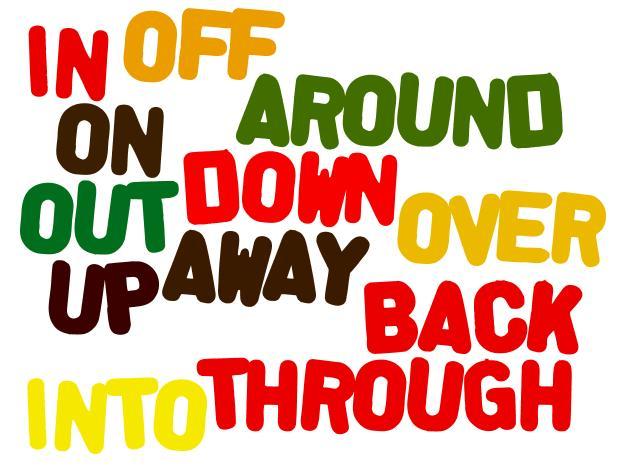
The most common prepositions are on, in, to, for, with, by, and. There are numerous other prepositions and for a full list of them, I highly recommend going to this link: https://www.englishclub.com/grammar/prepositions-list.htm
There are three types of relationships that the preposition has with the rest of the sentence. They are relationships in time, in space, and of a certain method.
For some examples of prepositions in these three different relationships, let’s look at the following sentences:
Note: The physical location of the soccer ball is located on the floor. ‘On’ is a good example of a preposition that is used to demonstrate the relationship in space between itself and the noun.
Note: When it comes to date / time / place, a preposition like in is perfect for highlighting the relationship of time when it comes to a noun like ‘October.’ For months, days, weeks, and other words for time, it’s important to use the correct preposition to express this relationship.
Note: When describing a method with a preposition, using by is the most popular and the most useful. Whether its’ mailing a package, or writing a reply to your boss, this kind of preposition will come in handy especially when it comes to connecting the gerund (verb + ing) to the part of speech.
There are several kinds of relationships that are expressed with the help of prepositions but the most common relate to space, time, and method.
Prepositions can either be one word (after, in, by, etc.) or a couple of words, which makes them more complex in their overall nature. (according to, despite that, because of, etc.)
Prepositions will usually come in the middle of a sentence to connect two parts of a whole sentence. However, there are exceptions and sometimes they will appear at the beginning or end of a sentence.
Examples:
Which person did you talk to?
To which person did you talk?
____________________________________________
Another important distinction between prepositions is related to whether they involve place or time.
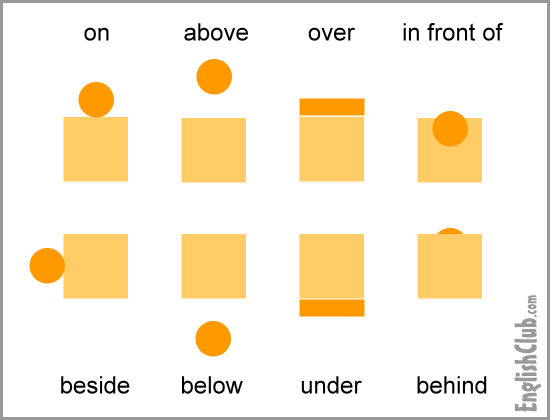
Prepositions of place describe the relation of an object or thing to another object or thing in terms of space.
This chart below provided by http://www.englishclub.com explains this phenomenon along with a list of corresponding prepositions of place:
Here are some example sentences for preposition of place:
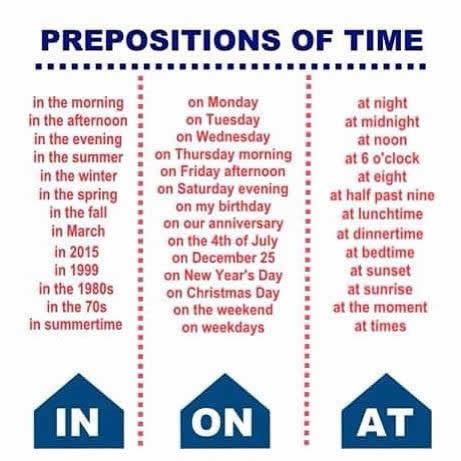
Prepositions of time usually involve prepositions like at, in, on, by, etc. We use at to describe a specific time or date. We use in to highlight months, years, decades, and long periods of time. The last preposition of on is the most specific and deals with days of the week, and dates in time. By is the least common preposition of time but can be used to express important due dates when it comes to days and weeks.
Here are some example sentences for preposition of time:
This chart below from http://www.englishlearnsite.com is very useful in giving us more examples on how to use these prepositions of time in the correct manner without getting frustrated.
Prepositions are an important grammatical concept to master in order to become fluent in the English language. I hope this first ‘English Corner’ session was helpful to you as a reader of my website. Remember that a preposition is always followed by a noun, and never by a verb. Prepositions usually appear in the middle of a sentence but sometimes at the beginning or end too. Placing your prepositions before the ‘noun’ and after the subject/verb will help you greatly with regards to your English grammar.
I hope you enjoyed this first edition of ‘English Corner’ and I look forward to sharing another topic with all of my visitors again soon.