Cultural Spotlight – Tejo

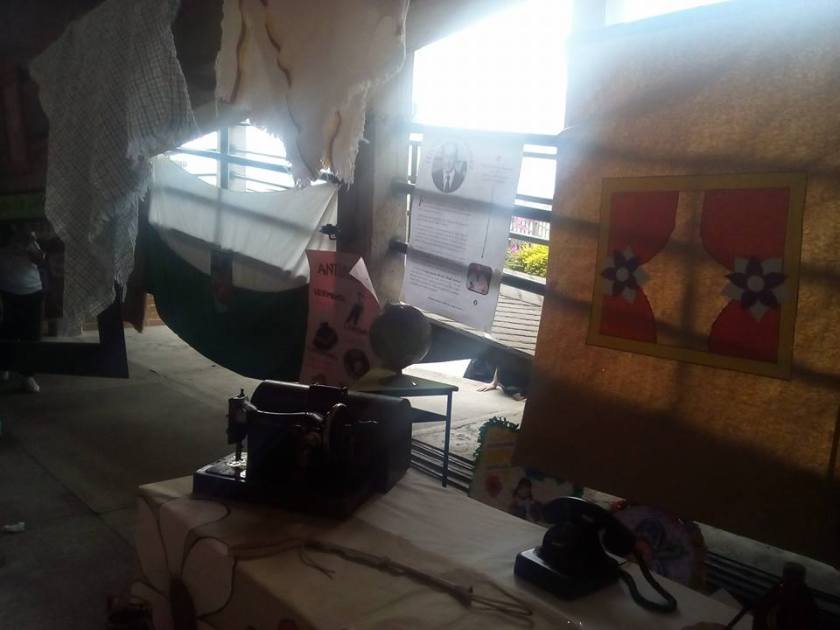
Most visitors and newcomers who arrive in Colombia may be surprised to find out that the national sport of the country is not ‘football’ as most people would guess given how popular the sport is around the country and due to the high quality of the national team shown in international competitions such as the FIFA World Cup. While Colombians may have the most passion for ‘the beautiful game’ of football, the national sport of Colombia is actually the game of ‘Tejo.’ This was actually an official decree made by the Congress of the Republic of Colombia back in 2000. While not as massively popular as football, Tejo is considered the second most widely played sport in the country and actually fields both teams and competitions in different cities.

Tejo is the oldest sport in Colombia and dates back over five hundred years and is said to have originated with the Musica indigenous tribe who speak the Chibcha language and were based in the northwestern part of Modern-day Colombia. Luckily, the game of Tejo hasn’t changed much since the Musica indigenous people first introduced it in the early 1500’s. However, it’s likely that they used a golden disc known as the ‘Zepguagoscua’, and the game of Tejo was known as ‘Turmeque’ back then and was played mainly by the indigenous peoples located in the modern regions of Cundinamarca and Boyacá.

The Spaniards who came to Colombia are known to have used wooden disks when they played the game and focused more on the accuracy of their throws than the distance of the throws, the latter which is more of a factor when playing the modern game today. From gold disks to wooden disks to stone disks to now using iron metal discs for playing, the game has evolved mainly in what material you’re using in order to get the furthest yet most accurate throws.

The main objective of Tejo hasn’t changed that much though in that you’re going to want to take the iron metal disc in your hand and underhand toss it about 15-20 meters so that you’ll hit the metal ring known as the ‘bocin’ as well as the ‘mechas’, which are triangular paper packets that are filled with gunpowder. You get the most points for hitting the bocin in the middle of the clay landing field but you can also receive from three to twelve points from hitting the different mechas and causing some loud explosions that are likely to earn you both some cheers and high fives.

While players should focus on the metal ring, you’ll also want to focus on hitting as many mechas as you can when you step up to throw the iron disk. When you hit the gunpowder packets, there is a loud bang like an actual gunshot and you may even see some white smoke emerge from the exploded triangular packets. Tejo is a pretty simple game to learn and only takes a couple of tries for you to get the hang of it. The iron disk only weights about two kilograms or so and if you get a good arch on the underhand throw, you’re likely to hit the clay field or even the mechas, bocin if you’re lucky. Tejo is a mix of skill and luck in my opinion but it’s quite exciting to play especially when you make some of those gunpowder packets explode for everybody to hear.

Both men and women are welcome to play Tejo and the only difference is that guys use the two kilogram iron disc and the ladies can choose to use a smaller, one kilogram iron disc if they would like to as well as being able to do the underhand throw from about fifteen meters away, which is a bit shorter than the regular distance of twenty meters or so. These rules aren’t mandatory for women so it is up to the individual lady what kind of distance or disc that she intends to use for Tejo.

Tejo is also a team game so you can play with up to five other people on the same time to face another team with the same amount of people. You’re often rooting each other on to hit the bocin or mechas in order to reach a certain amount of total points in order to win the match. There are numerous amounts of teams and competitions that are held all across Colombia and even in the neighboring countries of Venezuela, Panama, Peru, Ecuador, etc. Prize money is often involved in these competitions so certain Tejo players take this game very seriously if you’re playing for more than just bragging rights.

Tejo has become quite a popular sport with tourists and foreigners who come to Colombia and you can include me amongst those people. One of the aspects that Tejo that first time players find to be interesting is the ability to drink alcohol such as beer, rum, or aguardiente during a game. While this next statement can be disputed, it’s possible that you will get better throwing the Tejo at the clay field the more you drink although it depends on the individual player. It’s important to note that you can play Tejo completely stone cold sober and you would still have a lot of fun. Tejo is overall a social sport that should be enjoyed either amongst friends or between close-knit teams.

Unfortunately, it took me about ten months of living here in Colombia to finally play the sport of Tejo but it’s easy to say that I’m glad I finally did. While I wouldn’t play it competitively, it’s a sport that is a lot of fun and a great way to meet new people or locals in your city. The combination of throwing metal discs at gunpowder triangles while drinking a cold beer is a good one overall. Tejo has been apart of Colombian culture going back to over five centuries ago and it doesn’t seem to be going away anytime soon.


 

Book Recommendations – Volume IV

Wintertime is often the best time to settle down with a cup of hot coffee / tea and open up a new book or fire up your Kindle to catch up on some reading. When it’s cold and snowy out, there is no better way to pass the time than to sit down with a good book in order to learn something new or to be entertained by a particular story. If you’re looking for some good recommendations, here are three books that I have read recently that I think avid readers would enjoy especially if you like non-fiction material. If you happen to read any of these three recommendations, please let me know what you thought of these books in the comments section below.

markmansonbook

1.) The Subtle Art of Not Giving A F*ck by Mark Manson is a current New York Times bestseller and is not your typical self-development book. I have been following Mark’s writings for a couple of years now and I hold him in high regard. He has helped change my life for the better with his unconventional life advice and his second book is a great read. Contrary to some self-help books that advertise a philosophy of feeling good all the time and always being positive, Mark instead advocates for a more balanced approach to life. It’s important to embrace the negatives and setbacks in life because you’ll be a stronger and a more mature person for it.

It’s a common truth that not everything will go well in life so it’s better to make due with that than to have a ‘pie in the sky’ attitude all of the time. Mark asks the reader to think about the fact that going through negative experiences is actually a positive experience and can teach us a lot about ourselves. Having solely positive experiences without any adversity or setbacks is itself a negative experience as well because you didn’t struggle and fight for it, which means that it wasn’t that much of a big deal in retrospect. Learning from our past mistakes and our failures is just as important, if not more so, as having massive success according to Mark’s thesis.

The title of the book itself, The Subtle Art of Not Giving a F*ck, doesn’t imply that we as human beings shouldn’t care about anything going on in our lives but rather that we should be more selective about the things that we can truly control and have some input in. You shouldn’t give a f*ck about everything, only the things that matter the most to you and that truly impact your life in some way. Overall, this book is a really thoughtful perspective on living one’s life in a mature and thoughtful manner and has some really practical advice for any demographic of reader.

lightsoutbook

2.) Lights Out: A Cyberattack, A Nation Unprepared, Surviving the Aftermath by Ted Koppel is a well-researched, thought out look about the cyber security challenges facing the United States especially when it comes to the national energy grid that makes it possible for Americans to live a 21st century lifestyle. I remember watching Ted Koppel on ABC’s Nightline when I was a child and he always impressed me with his ability to look at a story he was reporting on from all angles and do a thorough job with interviewing different people involved with the issue. This book written by Mr. Koppel is no exception. Mr. Koppel does great investigative reporting on what is being done and what isn’t being done to prevent such a cyber attack from happening.

With the increasing amount of focus being put on cyber security as it affects different businesses, individuals, and governments, this book is a must-read as it considers the areas in which we are most vulnerable to attack. Mr. Koppel looks at how we can address the current gaps in cyber security such as when it comes to our different energy grids across the United States and what should be done about it in order to prevent an attack from happening in the near future. Mr. Koppel interviews a wide variety of people involved with cyber security from the Secretary of Homeland Security to leaders of the Mormon church in Salt Lake City to ‘preppers’ across the U.S. who make it a lifestyle habit of preparing themselves and their families with emergency supplies and goods in case a cyber attack happens and the electric grid goes down.

The frightening possibility of a regional and national blackout happening in the United States is discussed in detail as to what would be the consequences and how long it would take for the electric grid to go back online. The current picture isn’t very rosy and a lot of work needs to be done according to Mr. Koppel. Hopefully, the policy makers and leaders of government take notice of this book as it is both a warning and a call to action for those people in power to do more about this situation and to help protect against such a potential disastrous scenario.

hillbillyelegybook

3.) Hillbilly Elegy: A Memoir of a Family and Culture in Crisis by J.D. Vance was one of the most important books of 2016 for its’ insight into a part of the United States that rarely gets much in-depth coverage. This book is a mix of a personal memoir of Mr. Vance’s life who is a native of the hills of Kentucky and who grew up in southern Ohio and also a retrospective on the economic and social conditions that are affecting Appalachia to this day. Mr. Vance goes into great detail about the struggles of the white, working class, both self-inflicted and those wounds placed on them by economic decline and societal decay that’s out of their control. It’s a community that doesn’t get much fanfare but who still have a political impact as showcased in the recent 2016 election.

Even with a troubled family that both uplifts him and casts him down, Mr. Vance through his hard-work and intellect makes it out of Appalachia and was a member of the Marine corps, a law school graduate and now a successful writer. However, it could be argued that he is the exception and not the norm when it comes to the current state of Appalachian communities. Upward mobility can be hard to believe in for today’s America with stories like Mr. Vance’s becoming less and less common. For this course to reverse itself, economic vitality has to come back to forgotten regions like the Rust Belt and Appalachia. The current social malaise and dispirited communities may be able to improve if the local economy were to improve for families like the Vance’s.

You root for the people of Appalachia highlighted in this memoir who have been dealt a bad hand in life but still try to make the best of things and want to help their family members achieve the American dream, even if it appears out of reach to most. One such example that sticks in my mind from this book is ‘Mamaw’, Mr. Vance’s grandmother and one of the few steady and pragmatic influences in his life that helped make him who he is today. To change a community and a society, it starts with the family but it doesn’t end there. Families in these communities need a future and they need prospects, both educational and job-wise. Let’s see if this book has an impact as well on the policymakers, think tanks, and government leaders. It’s a must-read and I highly recommend it.


Lima

img_1372img_1379img_1403img_1406img_1412img_1416img_1418img_1426img_1433img_1439img_1442img_1463img_1472img_1481img_1498

Camera: Canon PowerShot SX710 HS

Location: Lima, Peru

The Wonder of Machu Picchu

img_1617
“The hardest yet most rewarding part of my visit: Hiking to the top of Huayna Picchu mountain.” 

There are few places in the world, which you can truly regard as being special and awe-inspiring. We describe these places as being a ‘wonder’ of humanity and one that represents our brief yet influential time on this planet. Before I came to Machu Picchu, I believed that the only other place that would classify as a ‘wonder’ to me would be the archaeological site of Petra in southern Jordan. A ‘wonder’ both of history and of architecture that goes back thousands of years is what sets apart places like Machu Picchu in Peru and Petra in Jordan. These places that touch on the cultural and historical legacy of man are what drive us to be resolute in protecting these artifacts of mankind and making sure that they are around for future generations.

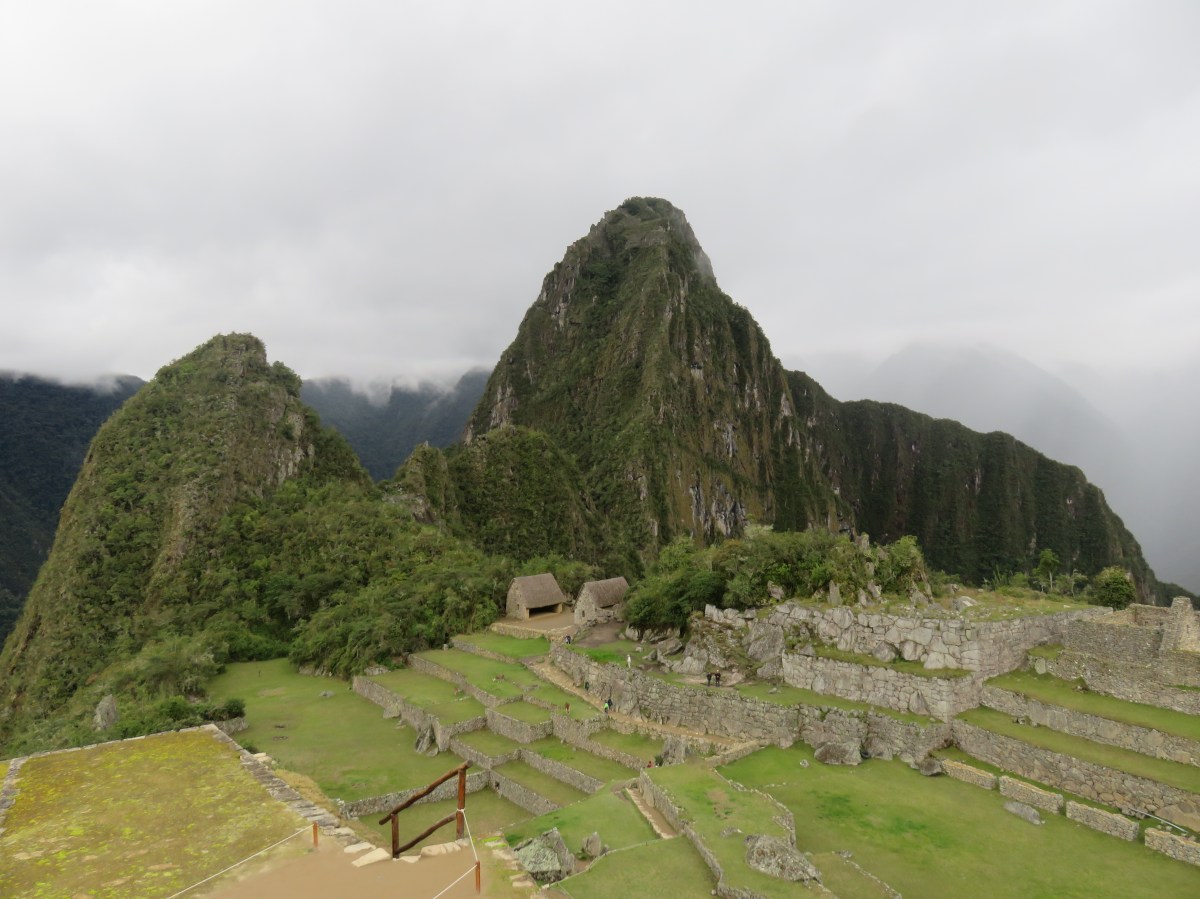
I consider myself to be incredibly lucky to have visited Machu Picchu just recently a couple of days ago. For those who don’t know, Machu Picchu is quite isolated from any major modern city or town but is possible to get to by train and bus due to the wonders of modern technology. Situated between towering mountains and located alongside the flowing Urubamba river, Machu Picchu is not only a wonder of Incan architecture and construction but is also a natural marvel due to the backdrop it has with the surrounding green mountains, wispy clouds, and the numerous kinds of plants that inhabit this part of Peru.

Among the things that stand out about Machu Picchu is that you feel isolated from the rest of the world. It may be the towering mountains that surround this archaeological site or it could be the fact that wispy clouds envelop your presence but you feel very that you’re secluded from other kinds of environment. The higher you climb in elevation, the world gets much quieter and you’re able to reflect more on not only the site of Machu Picchu that lays before you but also about life or whatever is on your mind in general.

I’m far from being an expert on ancient civilizations, especially the Incan civilization of which I know relatively little about but you have to give the people of this group considerable admiration and awe by the fact that they were able to build such a city in the most remote of places. The fact that it was possible for them to create an infrastructure out of rocks, stone, and wood in order to sustain themselves under ever-changing weather conditions is quite remarkable.

To be able to plant and harvest food, create a running water supply, and be able to construct encampments to house hundreds of Incans is very impressive to consider. Not only was there a high risk of death or injury to climb these mountains with heavy rocks or stones attached to your backs, it is likely that you would be on your own if you sustained serious injuries given that there were no modern medicines or hospitals or rely upon.

It is difficult for me to list a favorite thing about my trip to Machu Picchu. I really enjoyed climbing to the top of Huayna Picchu at 2,700 meters in total altitude despite my exasperated breath and tired knees. The views from this perching point above Machu Picchu are extraordinary and are something that I will never forget. Besides being able to take a bunch of pictures, it was great to sit and reflect on the wonder that lay before me. At a couple of thousand meters in the air, all your problems dissipate for a moment and you can truly hear the sound of the wind and the movements of the clouds. You can close your eyes and hear nothing but the sound of your own thoughts if you are so lucky.

Thanks to the efforts of the Peruvian Ministry of Culture, Machu Picchu is amazingly well preserved and should be around for future generations to enjoy. A limited amount of tourists, a couple of hundred in total per day can visit Machu Picchu and is a good idea to make sure that none of these famous Incan ruins will be damaged, tampered with, or destroyed. To lose such a precious treasure such as Machu Picchu or any other wonder of the world would be a tragedy for humanity and its’ history on this planet. While it was not cheap to get to Machu Picchu, I can fully understand why we as tourists pay the costs of admissions to visit these beautiful sites.

We do it to make sure that other people have the chance to experience these places firsthand and are able to share it with their children and grandchildren. I am quite lucky to have been able to visit such a wondrous place and I will remember my day at Machu Picchu quite fondly. If you’re reading this blog post and desire now to visit Machu Picchu, I would recommend that you do it with the knowledge that you do some research about the place, respect it during your visit, and do your best to take the experience in not just through your camera lens or smartphone but through your own eyes and ears.

To me, Machu Picchu is more than a lost Incan city of hundreds of years ago; it is a beautiful and awe-inspiring place of natural scenery. With its’ many mountains, huge river, and hundreds of diverse plants, this place can help you reflect not only about the past but on the present and future of yourself, humanity, and the planet itself. With any tourist site that’s located in a unique location, precautions and steps must be undertaken to make sure you have an enjoyable visit. Please make sure you bring some sunscreen, an umbrella, appropriate clothing and a lot of water. The weather can be quite unpredictable at Machu Picchu and it would be good of you to prepare to experience all four seasons in just one day at the site. Best of luck to you reading this post if you decide to take the journey to Machu Picchu. I promise that you won’t regret it.


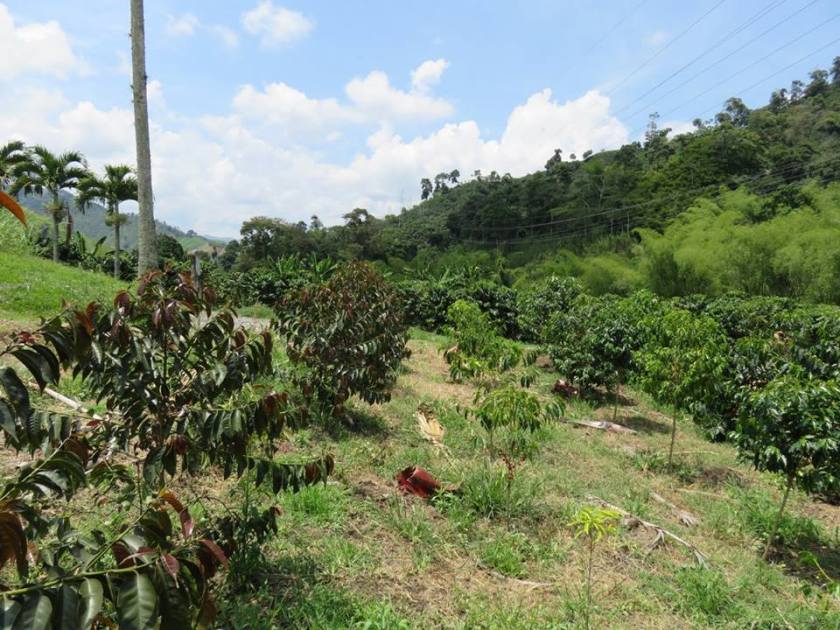
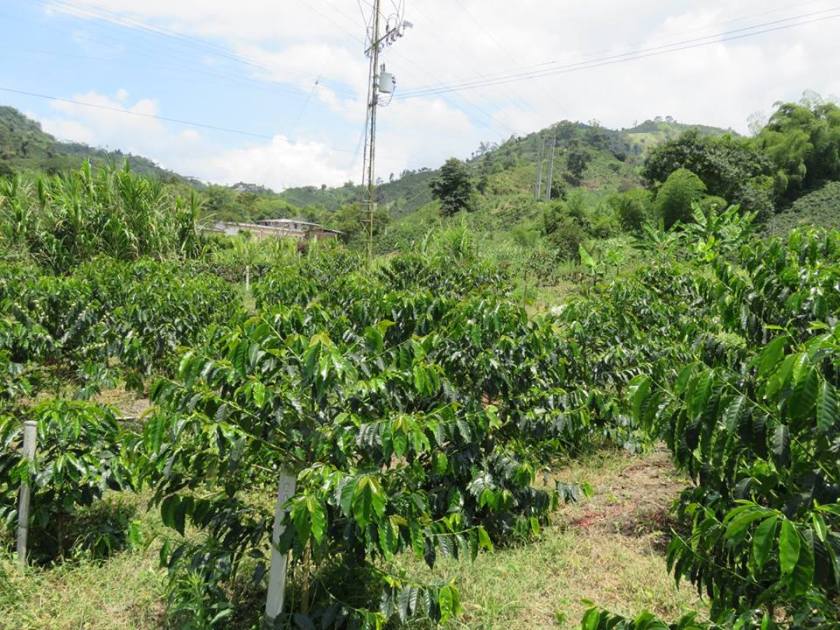
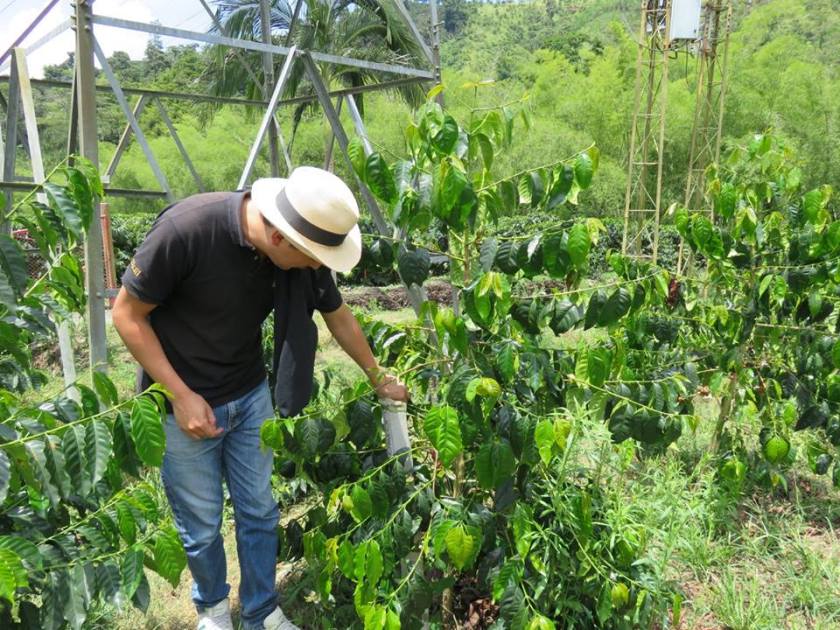
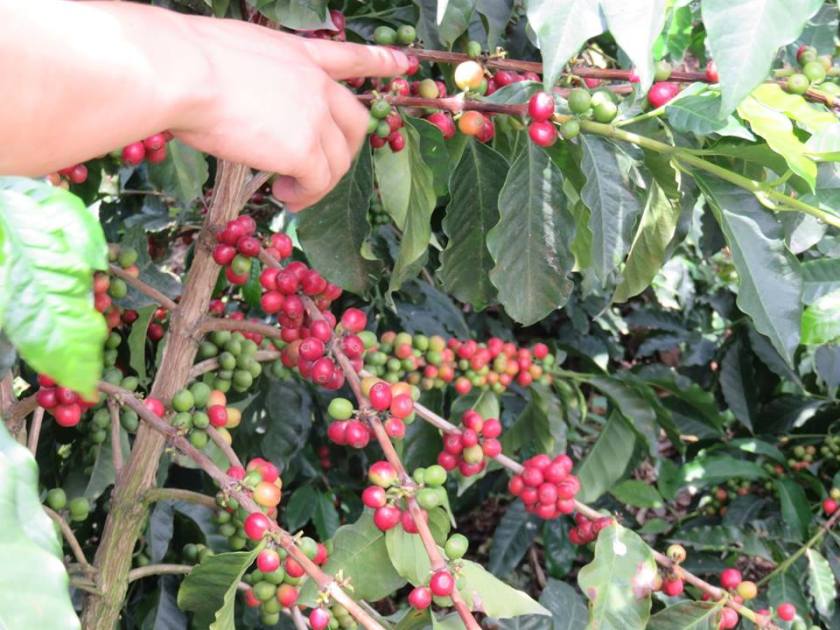
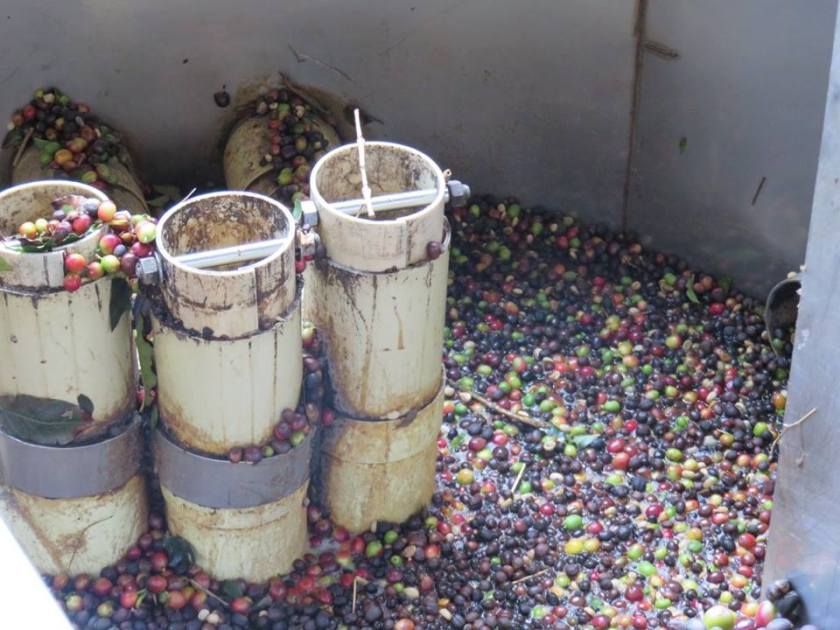
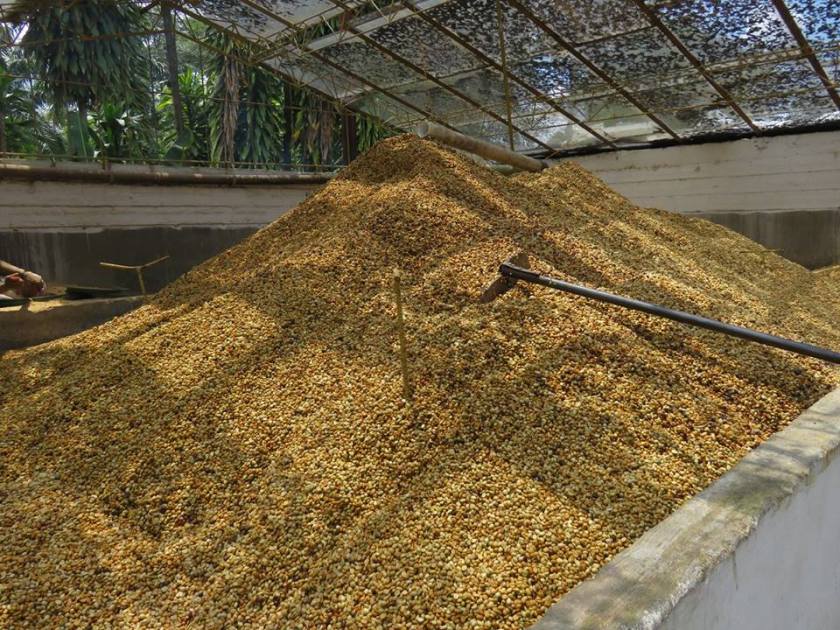
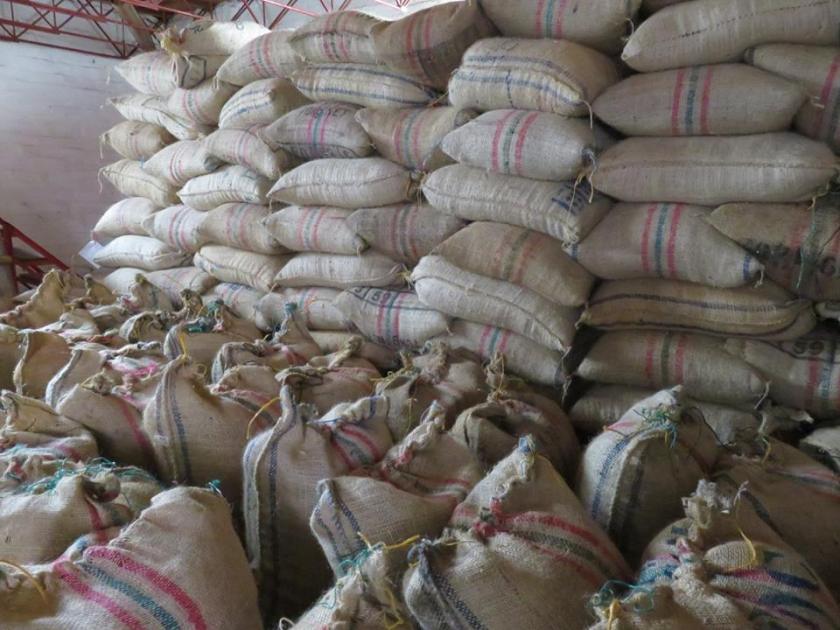
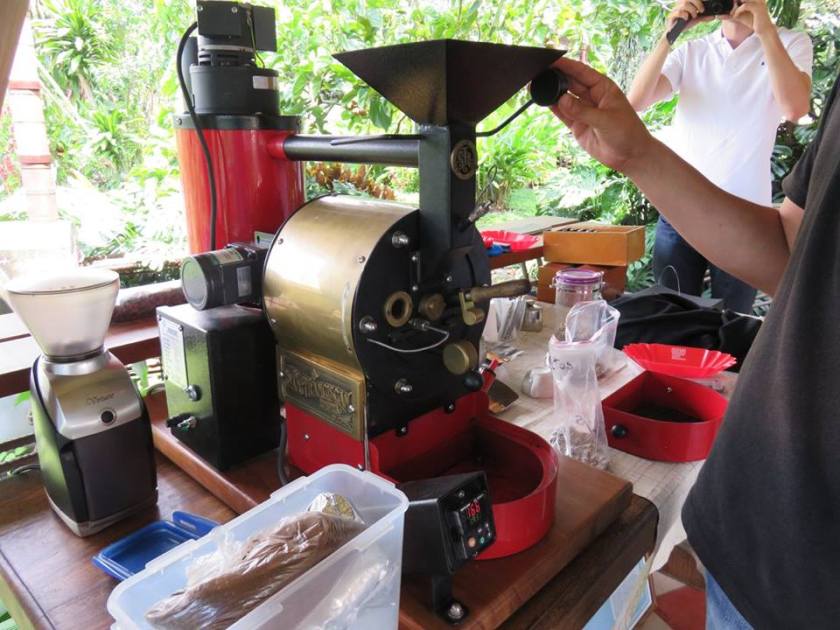
The Coffee Farm

14670823_10157522264220262_1820118778880301811_n1

14642343_10157522265030262_5816986866725143352_n

14702280_10157522265815262_3994102608413372427_n

14717321_10157522265800262_4156217177090237585_n

14691066_10157522266565262_1971029569822532956_n

14671307_10157522268405262_5203996779598185093_n

14642029_10157522268820262_8150422294198330640_n

14670825_10157522269660262_3561982785140579043_n

14729082_10157522270370262_458012479311699869_n14702320_10157522271640262_2442392730177033051_n

14590244_10157522272060262_3747618828295631682_n14717242_10157522272180262_8225771911386585992_n

CameraCanon PowerShot SX710 HS

Location: Hacienda Venecia Coffee Farm; Manizales, Caldas, Colombia

Cable Car Ride and Parque Arvi

img_0794img_0791img_0788img_0783

img_0759img_0761img_0762

img_0764img_0766img_0765img_0757img_0756

CameraCanon PowerShot SX710 HS

LocationParque Arvi; Medellin, Antioquia, Colombia

El Clasico Paisa

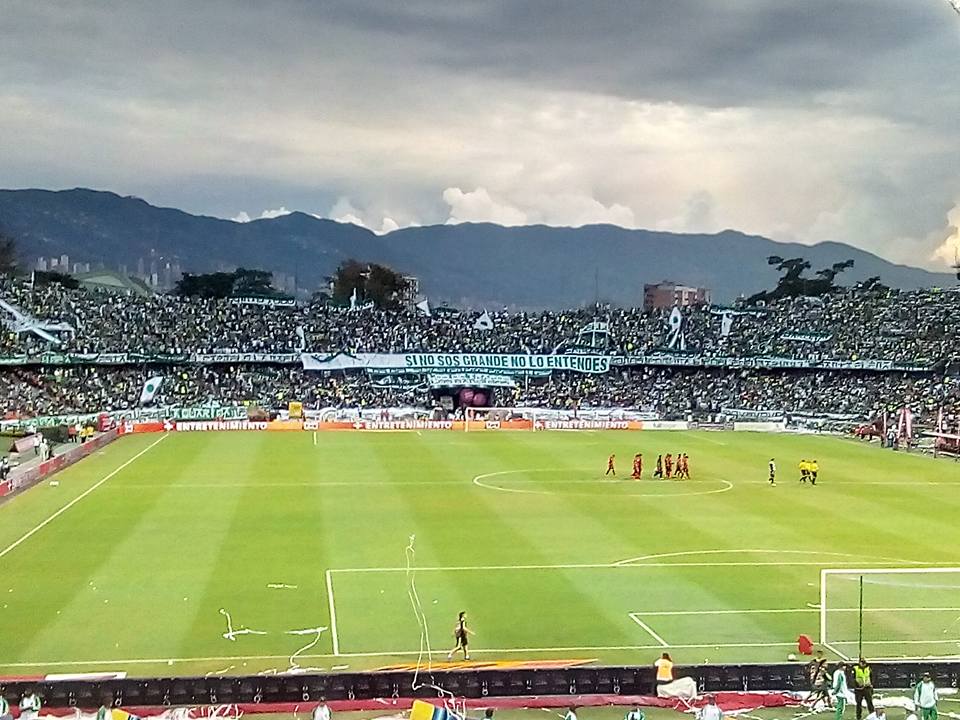
A packed stadium filled with 40,000+ screaming and diehard fans imbued with a fiery passion that is seldom seen in most sporting events around the world. No, my friends, this is a special event and one that deserves the rare title of a ‘clasico’ or classic in English. However, this isn’t your ordinary clasico or derby. This isn’t Manchester United v. Manchester City or FC Barcelona v. Real Madrid. This is the Medellin derby or ‘El Clasico Paisa’, an affair that has been raging for almost seventy years. They share the same stadium and play in the same national league. Their fans come from the same city and live in the same neighborhoods.

However, when it’s ‘clasico day’ in Medellin, the differences between the two local teams could not be starker. It’s blue and red v. green and white, history / traditions v. championship / past glories. This rivalry is more than just about football. It’s about your allegiance to a team, to its’ players, to its’ customs, and to its’ culture. ‘El Clasico Paisa’ is the long-standing rivalry between the teams of Independiente Medellin and Atletico Nacional. It’s the most important derby in all of Colombia and all of South America from its’ prior reputation.

Its’ one of the biggest rivalries in all of FIFA and I was lucky enough to witness this ‘clasico’ this past Sunday. Bragging rights are on the line whenever these two teams face off. They face each other a couple of times per season in the ‘Liga Aguila’, Colombia’s national league, because they are usually both very successful and find themselves ranked in the Categoria Primera A. Having won multiple championships in the past and most recently the famed ‘Copa Libertadores’ which is the South American edition of the UEFA Champions League, Atletico Nacional are the favorites of Colombian football these days.

Having watched a few of Nacional’s matches and having been a fan of their players and their uniforms, I learned about the upcoming derby about a week before kickoff time. Unfortunately, I did not strike when the iron was hot so I left my chances of getting a ticket up until the day of the match. Luckily, in Colombia, you can scalp tickets up until a few hours from local sellers at the Stadium. While the prices are marked up a bit, I found the one I haggled for to be fair and decided to go through with my purchase. During my time of living in Colombia, I wanted to make sure that I got to see a few matches especially given how huge the sport is here in South America.

The vibe and atmosphere in the Atanasio Girardot stadium before kickoff was simply electric and you could feel the sheer energy pulsating throughout the crowd. It was so filled to capacity that it was standing room only for the entire match. Luckily, I had a good vantage point of the entire field from about five rows up in the upper deck and was located near the exit in case the fans near me got out of control. From the opening minute to the last whistle blown, Fans on both sides chanted their teams’ songs, unfurled huge banners of support, waved flags, and cheered their heroes on until their voices were hoarse.

Despite being a supporter of Atletico Nacional, the ticket I bought last minute from a street vendor was located in the heart of the Independiente Medellin section. While I was uncomfortable with this arrangement at first given that I wanted Nacional to win the ‘clasico’, I have to give credit to the Medellin fans that were outnumbered by a count of 2:1 inside the stadium. They were loud, confident, and didn’t give into doubt or disappointment even when Nacional scored upon their team around the 65th minute making it an eventual 1-0 Nacional victory.

Win or loss, Independiente Medellin fans are still behind their players 100%. This loyalty to the team goes back over a hundred years when they were founded in 1912. While they have history on their side, Medellin does not have the more recent success or amount of championships that Atletico Nacional has accumulated in recent years. With the recent victory over Independiente del Valle in the 2016 Copa Libertadores, Atletico Nacional is the team to beat in the Liga Aguila in Colombia. Historically, in the ‘El Clasico Paisa’, Atletico Nacional has played Independiente Medellin 291 times with Nacional winning 119 matches to Medellin’s 92 matches.

They have ended in a draw 80 times total. Interestingly enough, the Copa Colombia has been played 16 times between both teams with Medellin having an advantage in this category with seven wins to Nacional’s five wins. Part of what makes this ‘clasico’ special is that both teams have a history that goes back almost seventy years. They are two of the most prominent and well-known football clubs in Colombia with a rivalry that is unmatched in South America.

Having been to football matches in both Germany and Turkey where the atmosphere was enjoyable, seeing a match here in Medellin was on another level. The passion of the fans was the craziest I have ever seen and they truly live through their team’s successes and failures. Unfortunately, certain fans take the results of the ‘clasico’ matches too seriously and there have been a few sad deaths and injuries that have taken place.

Luckily, both sides were not too hostile to each other during the most recent ‘clasico’ that I attended. They were shouts, curses, and a few bad fingers raised towards either side but nothing that escalated into all-out brawling and hooliganism. I had never seen that large of a police force at a football match before but the local police take it very seriously given what’s occurred in the past. There were also riot police present in full tactical gear but I don’t believe any tear gas was fired and everybody went home safely including myself after the match had concluded.

While I was happy that Atletico Nacional won 1-0, I had bonded during the match with the Medellin fans and enjoyed cheering, chanting, and jumping up and down with them. They are a passionate lot and they are all diehard fans. I hope to attend another ‘clasico’ soon where I can wear my green and white jersey and cheer on my Nacional in their fan section. When you’re in the opposing team’s fan section and your wearing the other team’s colors, it’s always a bad idea and trouble may find you whether you like it or not. Before the ‘clasico’, I was smart enough to wear a neutral grey shirt and jeans because I wasn’t sure in which section of the stadium my seat would be. It is a very lucky thing indeed that I didn’t wear my Nacional jersey in the Medellin fan section or otherwise I might not be writing this blog post about the ‘clasico’ today.

All kidding aside, while the football match wasn’t the best or most exciting I’ve ever seen played before, the atmosphere was incredible and it was the most-lively match from the fans’ perspective that I’ve ever witnessed. It truly was a sight to behold with both sides yelling, screaming, jumping, and dancing in the hopes that their team might end up on the winning side. I can understand now why South America is such a football hub. It is the number one sport and sometimes the only sport that matters to its’ fans. If you’re ever in Colombia or specifically in Medellin, I suggest you buy a ticket and go see ‘El Clasico Paisa.’ I promise that you won’t regret this amazing experience but make sure to wear neutral clothes because you never know which fan section you’ll be seated in.

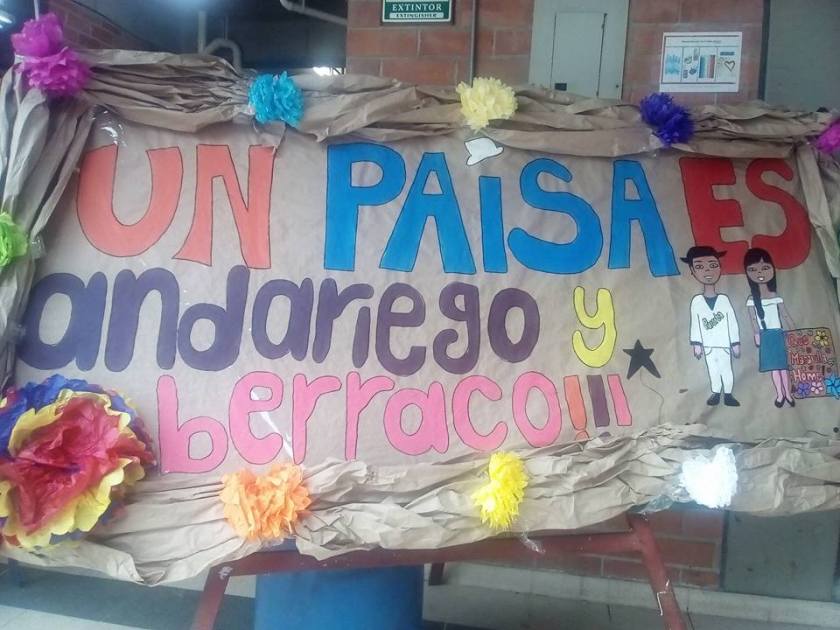
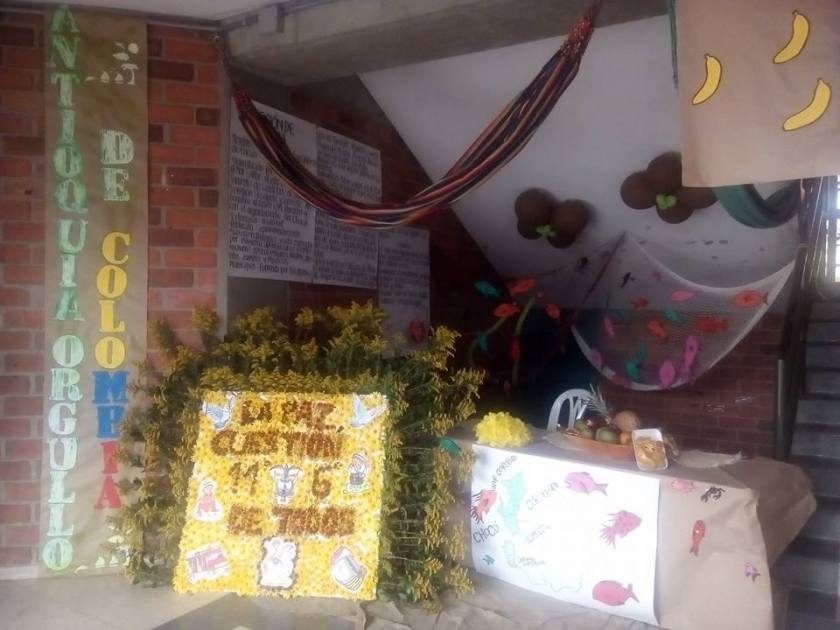
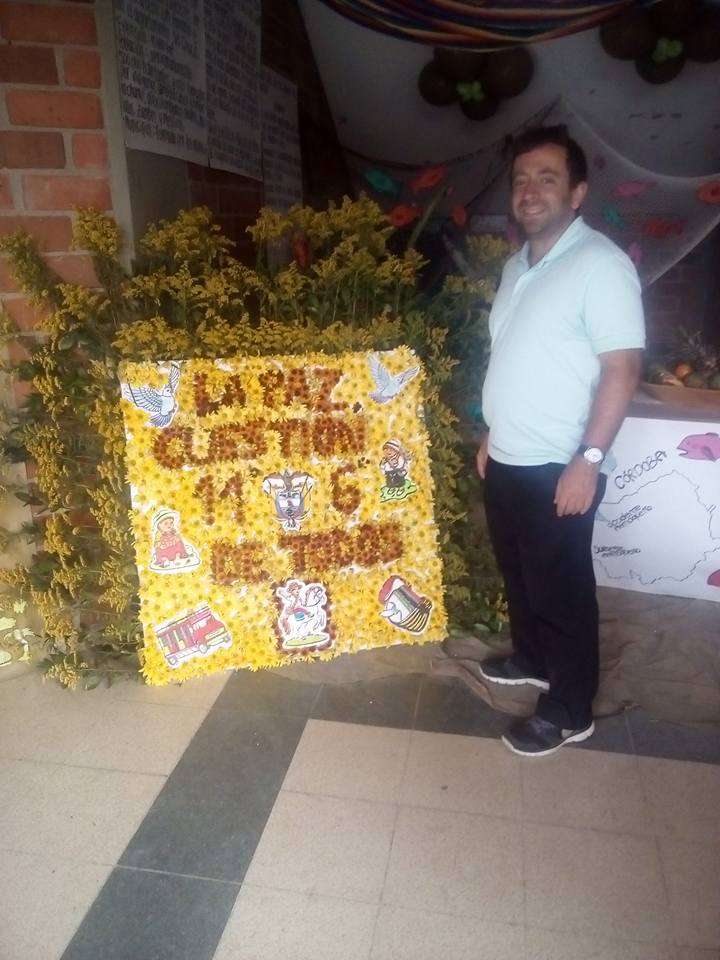
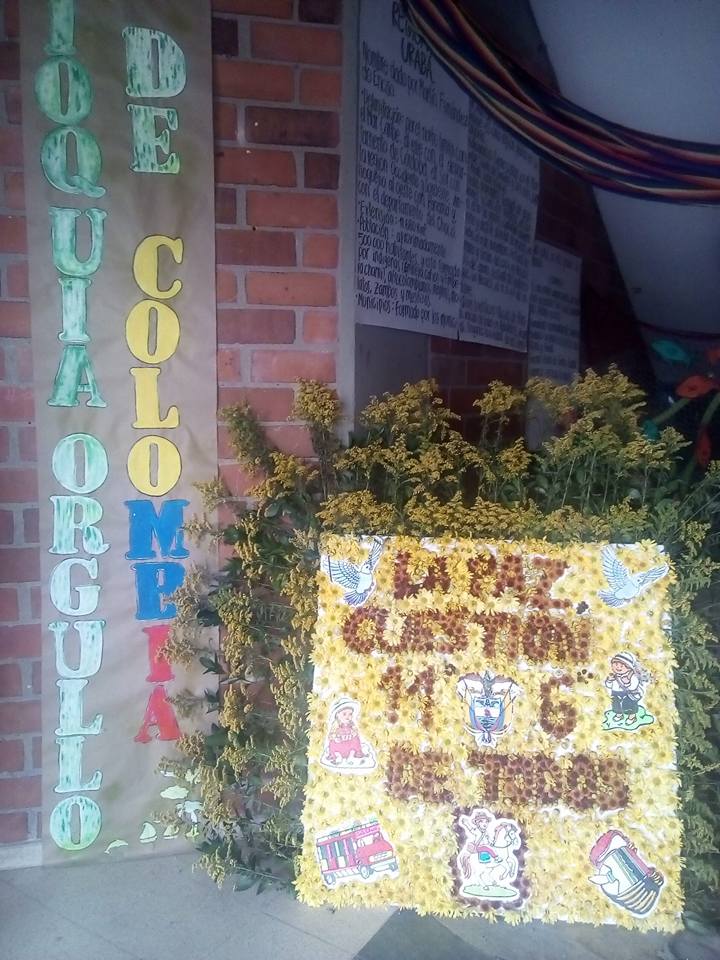
Antioquia Day


antioquiaday6

antioquiaday

antioquiaday3

antioquiaday4

antioquiaday5

antioquiaday7

antioquiaday8

antioquiaday9

antioquiaday10

antioquiaday11

Camera: Lenovo A2010 

Location: Medellin, Antioquia, Colombia

English Corner – Conjunctions

This ‘English Corner’ on the subject of conjunctions is a continuation of an ongoing blog post series with a new post every month to help English language learners to better understand the vocabulary, grammar, and syntax in order to better develop their own proficiency. I have over two years of experience of teaching the English language to non-native speakers, both online and in person.

I hope to use these posts to help you, the reader, improve your understanding of English, and also develop your fluency. If you have any questions about this ‘English Corner’ post, please leave a comment and I will answer them to the best of my ability. Any constructive feedback is appreciated and I hope that this will become a popular series of posts within my website. If you enjoy my ‘English Corner’ series, you can also request private English lessons with me through the WordPress message system.

Second only to ‘Prepositions’ in terms of grammatical importance, ‘Conjunctions’ play a vital role in the formation of sentences in the English language. Conjunctions do the important job of connecting words and phrases together to form a complete sentence. Examples of conjunctions include although, and, because, but, etc. Instead of forming simple sentences such as: “I like to play sports”, we can then add on to this sentence by adding the word ‘and’ to create a complete sentence which could be “I like to play sports and hang out with my friends on the weekends.”

Having a good grasp on conjunctions can make writing complete sentences a lot easier and give you the ability to form paragraphs and even entire essays by adhering to the sentence structure by adding a conjunction or two. When it comes to grammar topics like conjunctions, it’s important to be able to remember the correct words that fit into the category and to know when to apply them in your sentence.

The word ‘And’ is the most popular conjunction because it can be used for three different functions. Not only can it connect words but clauses as well as phrases. ‘And’ is also used to describe more than one person in a sentence by grouping them together such as “Tim and Tina went to the movies together last time. In addition to the word ‘and’, other popular conjunctions that are commonly used to connect sentences are ‘although, since, but, unless, or, yet, so, etc.’

Contrary to popular belief, conjunctions can be used in the beginning of a sentence rather than just in the heart of a sentence. For example: “Although he was tired from working late, James still decided to go out for a drink with his friends.” A conjunction is a part of speech that can also be more than one word. Examples of conjunctions that make up more than one word include ‘so that, in order to, as long as, etc.’ By clearing up the confusion and misleading information regarding conjunctions, beginner students of English will better be able to handle this important grammar subject.

part-speech-nounb
Conjunctions: Successfully joining words and phrases together in order to form complete sentences.”

Learners of the English language often forget that conjunctions can be divided into two categories: coordinating and subordinating conjunctions.

Coordinating conjunctions are known for connecting two parts of a sentence or phrase together to form a complete sentence. This first type of conjunctions is usually used in the middle of a sentence and is supposed to connect words and clauses together along with two parts of a sentence.

An example of a sentence where a coordinating conjunction would be used could be “John picked up Tim after his soccer practice in the park and then they went to the movies together.” There are many different coordinating conjunctions but the most popular ones are ‘and, but, for, or, so, yet.’

Subordinating conjunctions have a more specific purpose than their coordinating counterparts. The main purpose of subordinating conjunctions is to join the dependent clause of a sentence to its’ independent clause to form a complete sentence. The main clause is also known as the independent clause and the conjunction is placed in between the two clauses in order to create the grammatical structure of the sentence.

For example, a sentence with a subordinating conjunction would look like “I had to study hard last night because we have an important English test today. Some examples of subordinating conjunctions include ‘although, because, since, unless.’ It’s important to remember that a subordinating conjunction will always come at the beginning of the subordinate clause, which could either be before or after the main clause. This means that there is some flexibility when it comes to inserting your subordinate conjunction in that it can come in either the beginning or middle of a sentence.

Lastly, in addition to conjunctions that are subordinate or coordinate and are one word usually, there are other types of conjunctions that can be a few words in all when forming a sentence. These two other types of conjunctions are known as compound or correlative.

Compound conjunctions often end in the words ‘that’ or ‘as’ and some examples of these conjunctions include: ‘as long as’, ‘provided that’, ‘because of that’, ‘in order to.’ Remember that a compound conjunction does not always end in ‘as’ or ‘that’ but it’s usually true in most instances. For example, a sentence with a compound conjunction would be like; “You can eat ice cream later as long as you eat your vegetables first.”

Correlative conjunctions are often made up of pairs of two corresponding words such as ‘neither…nor’, ‘either…or’, ‘both…and’, which serve to balance the sentence and the two clauses. For example, you could write a sentence like “We could either go to Spain or Italy for vacation this summer.” When using correlative conjunctions, remember that there needs to be two words that relate to each other in the overall meaning.

Like our previous topic of ‘Prepositions’, learning about ‘Conjunctions’ will help a beginner in English to gain confidence in developing both grammar and vocabulary. Both of these topics are important to review and go over with a student in order for them to correctly form a sentence by adhering to the necessary structure.

By knowing about the different types of conjunctions, some key examples, and their varied uses, students of English reading this post will gain a better understanding of this vital grammar topic. If you have any questions or comments about this ‘English Corner’ post, please feel free to write me a message. In the mean time, good luck with your continuing studies of the English language! I promise that there will be a new post next month focusing on another key topic.

A Weekend In Santa Marta

IMG_0733
“Santa Marta Marina”

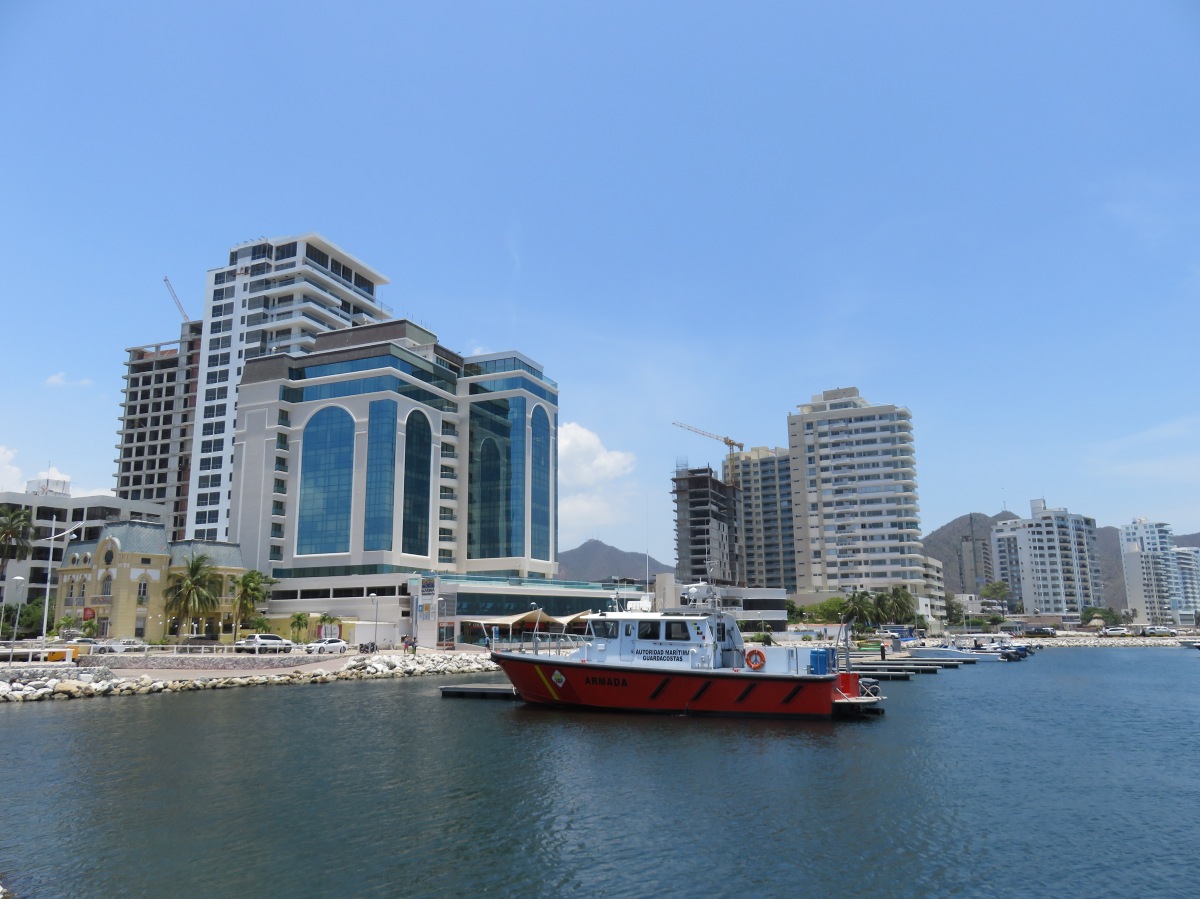
Santa Marta is an undiscovered gem of a city located on the northeastern tip of Atlantic coast of Colombia. I say that it’s an ‘undiscovered gem’ because it usually flies under the radar when compared to its’ coastal counterparts of Cartagena and Barranquilla. Still though, for Colombians and foreigners alike on vacation, Santa Marta has a lot to offer its’ visitors. I was drawn to Santa Marta a couple of months ago when I visited its’ neighboring town of Minca, which is also quite beautiful and full of lush scenery up in the mountains. Unfortunately, I did not get to spend much time in Santa Marta so I decided that during my 2nd time living in Colombia, I could not pass up the chance to visit this city if I had the chance.

Luckily, due to the recent religious holiday observed in Colombia which falls on a Monday, I was able to make my return to the Atlantic coast via Santa Marta for a long weekend and I had a great time overall. Even with three full days, I felt like I could have done and seen even more so if you’re planning on coming to Santa Marta, five days or so and that should be enough to cover everything. Due to the fact that I live in Medellin, which is surrounded by mountains with no sea in sight, I took full advantage of my time on the coast by hitting up the local beaches, sampling some great seafood and doing some hiking.

Santa Marta is a small and navigable city, which made it easier to visit for a long weekend. The locals I met were extremely helpful to me, and especially the taxi drivers who were patient with my handwritten directions. The historic center of Santa Marta was well preserved in my opinion and very walkable. There are a lot of bars and restaurants located around the Parque de Los Novios, which made it easy for me to choose places to eat and drink. Beyond that, you can easily go to La Quinta de San Pedro Alejandrino, which is place where the liberator of most of South America died in 1830. The hacienda is a museum, resting place, and has a really nice art gallery as well.

My recent trip mostly focused on visiting the different beaches located in Santa Marta, Rodadero, and Parque Tayrona. Santa Marta has many public beaches, which I found to be refreshing because there are a lot of hotels and private apartments located close to the sea but families and locals can mix with tourists to enjoy the beaches as well in the city. I found that to be a great idea and a contrast to other places, which have private beaches that only guests of the hotel or apartment can use freely. The public beach in Santa Marta is clean and nice to swim in but it can become quite crowded especially on holiday weekends.

The highlight of my trip was a visit to Parque Tayrona, one of the biggest and most popular national parks in Colombia. Well-preserved, pristine beaches, and great hiking opportunities, Parque Tayrona is the reason a lot of tourists come to Santa Marta in the first place. The park offers a lot of beautiful natural scenery of mountains, trees, and small rivers, which you can hike through for a day or more. Some visitors choose to spend a night or more in the park because it’s too big and vast to spend only a day there. The beaches are especially gorgeous because they are quite unspoiled and have no trash or residue of human presence for the most part. The water is clear, blue, and enjoyable to swim in. There’s a powerful rip-toe and large waves so be careful if you are to go swimming in some of the beaches there.

The particular beach that I visited, which is called Arrecifes, was barely inhabited and I enjoyed my time swimming, sunbathing, and listening to the clear sound of the waves without a care in the world. It was a very rewarding feeling to soak myself in the waters of the Atlantic again after a long day of waiting to get into the park and hiking through the park. For a couple of hours, I had the whole beach to myself so I was able to hear the sounds of the waves uninterrupted without any outside noise or voices to disturb the flow of nature. If there is one regret I have about the park is that I did not have enough time to see other beaches and that I should have woken up earlier to get into the park without waiting in line. If you plan on coming to Tayrona, make sure to get there by 8 or 9 AM, otherwise you will be waiting for a while to get in.

Before I left Santa Marta, I made sure to check out Rodadero, which was very different from Santa Marta and felt more like Miami Beach. High-rises, hotels, and apartments make up quite the skyline for this small city, which sits between the mountains and the coast. Rodadero is a great hub for restaurants and nightlife but also has nice public beaches which locals and tourists can enjoy alike. On my last day in the area, I decided to check out Playa Blanca, which was well worth the boat trip. Having a nice, private cabana that kept me out of the sun was welcome after two previous days in the sun. If you can’t make it to Parque Tayrona, spending the day in Rodadero is a great back up plan especially if you can make it to Playa Blanca where it’s less crowded and the water is crystal blue.

In addition to swimming and sunbathing, there are a multitude of activities to take part in. The fishing village of Taganga, which is nice to check out for a day due to its’ coastal style boardwalk also offers diving classes if you’re into learning that skill. There are also numerous tour groups offering snorkeling, hiking trips in the Santa Marta area for reasonable prices. If you’re feeling more leisurely, you can go jet skiing, banana boat riding, canoeing, and paddle boarding if that suits your fancy. The multitude of activities and places to visit in the area make it clear that Santa Marta is worth at least five days or so if you want to explore each nook and cranny of what the area has to offer. You simply can’t be bored if you decide to visit.

Despite being relatively undiscovered when compared to Aruba, the Bahamas, Bermuda, and other vacation getaways, Santa Marta is a city on the rise and its’ making a lot of progress in developing its’ tourism infrastructure. There are many cranes working on building the next hotel or apartment complex especially in Rodadero. The Santa Marta airport, which may be the smallest airport I’ve ever visited is getting a makeover and is going through a lot of construction in order to make it a hub for Colombians and tourists alike. With investments in infrastructure and education, Santa Marta will continue to grow in popularity.

I hope that tourists will continue to get along with the locals and respect the great natural beauty of the area especially in Parque Tayrona. The one thing that was difficult for me to deal with was the coastal humidity, which will cause you to sweat like no other. Be prepared to be hot but you get used to it eventually. Lastly, using AirBNB to meet some locals was really nice and I highly recommend the online service to my readers. Just make sure to do your research first and choose places to stay, which are conducive to your travel needs. A holiday weekend well spent in my opinion and I have a feeling that I will be back in Santa Marta one day soon. Parque Tayrona and Rodadero were my favorite parts of the trip and I’m sure others will enjoy those places too if they choose to visit this great area of the country.