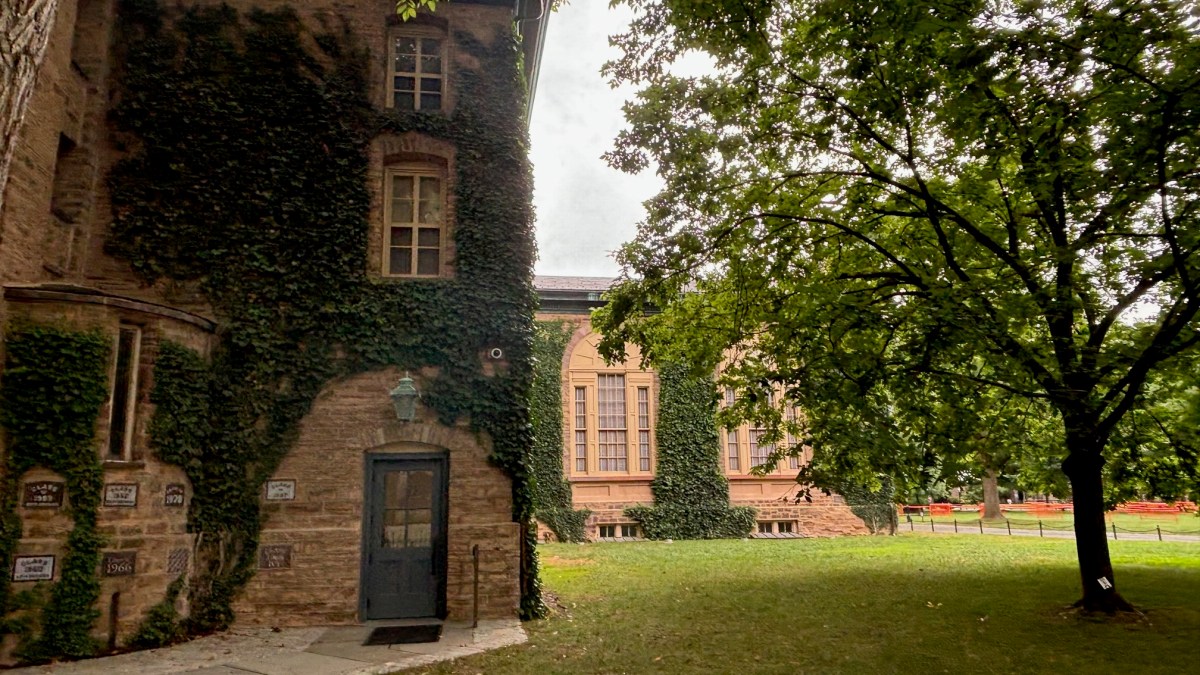

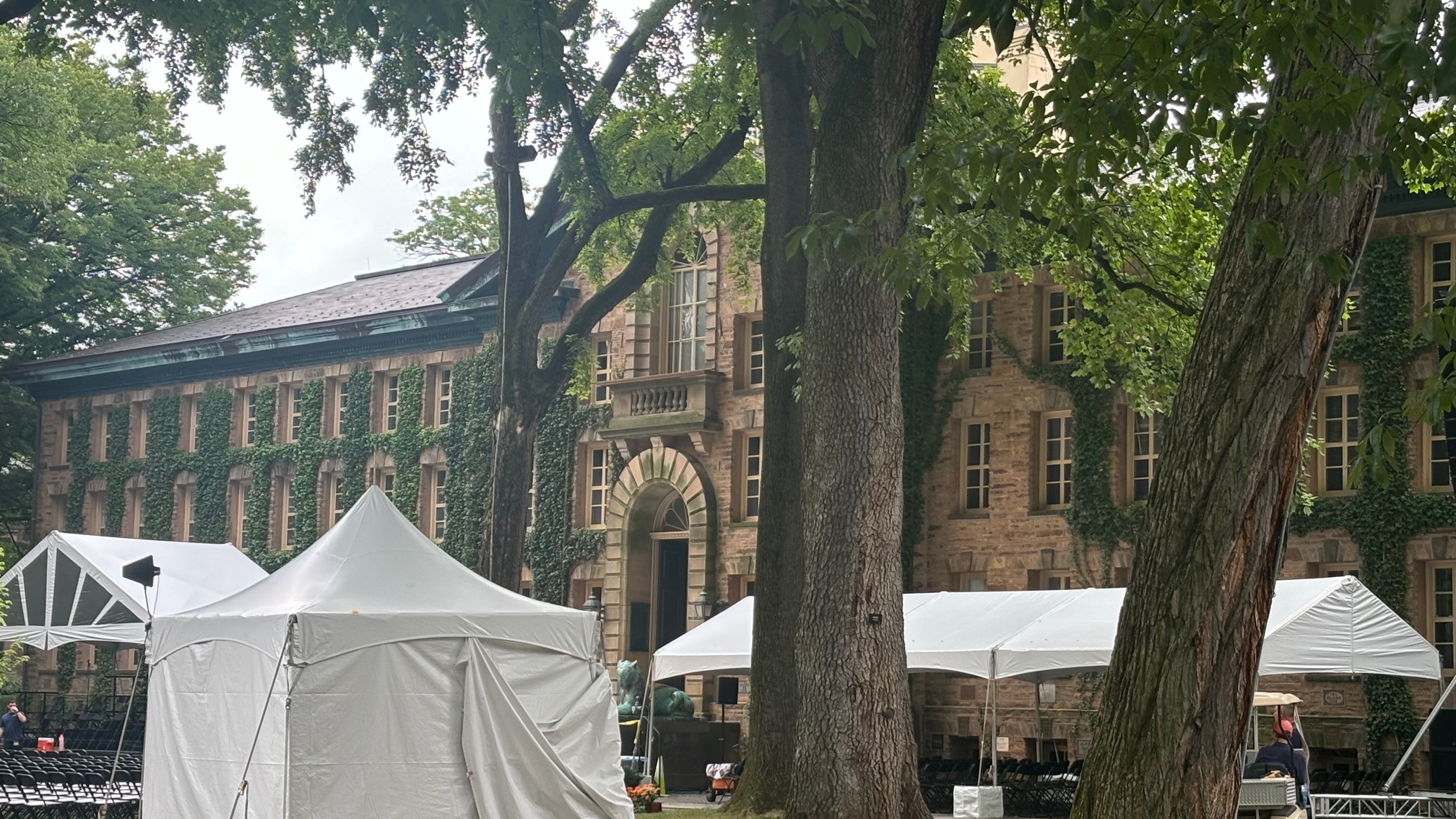
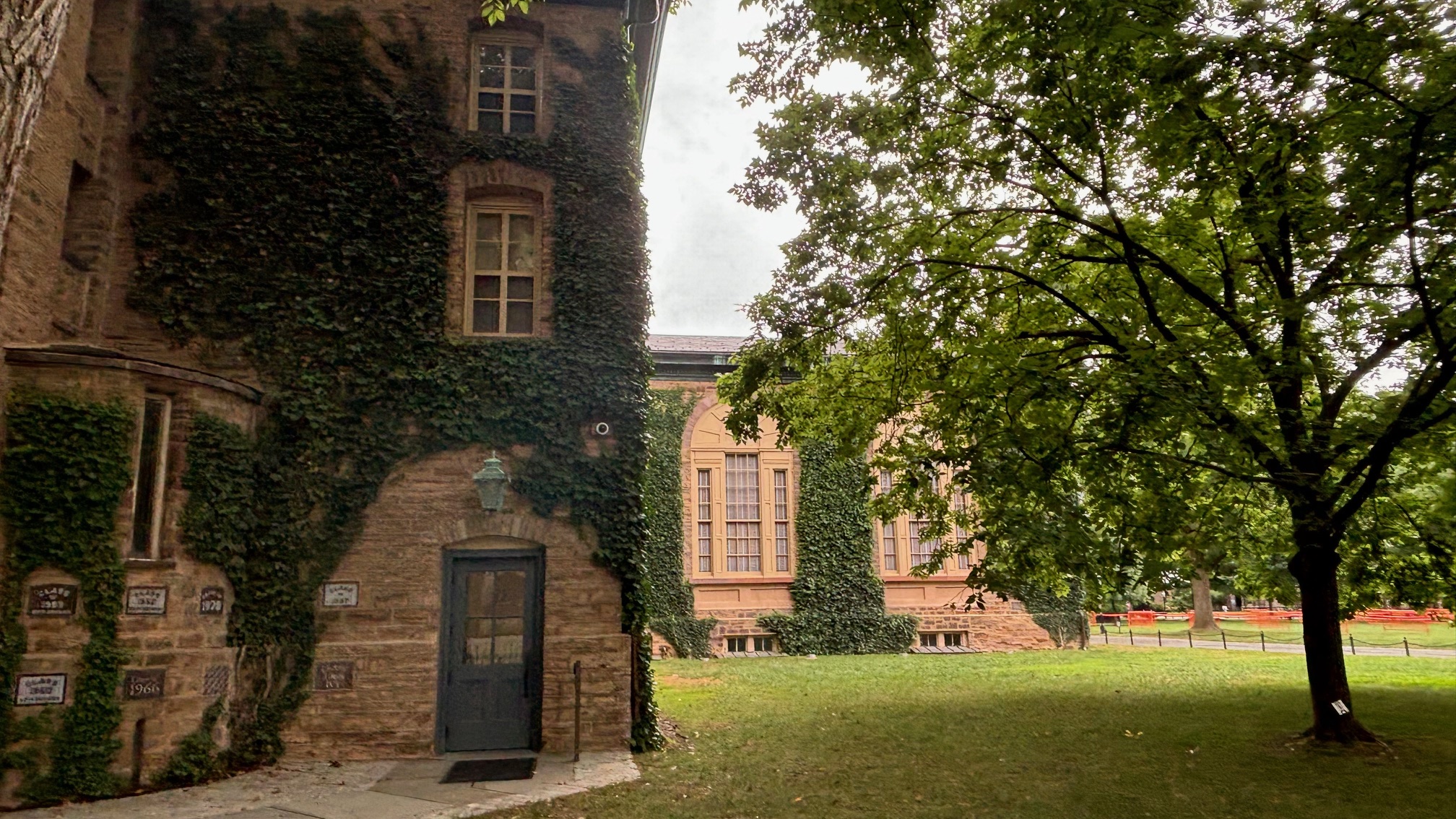
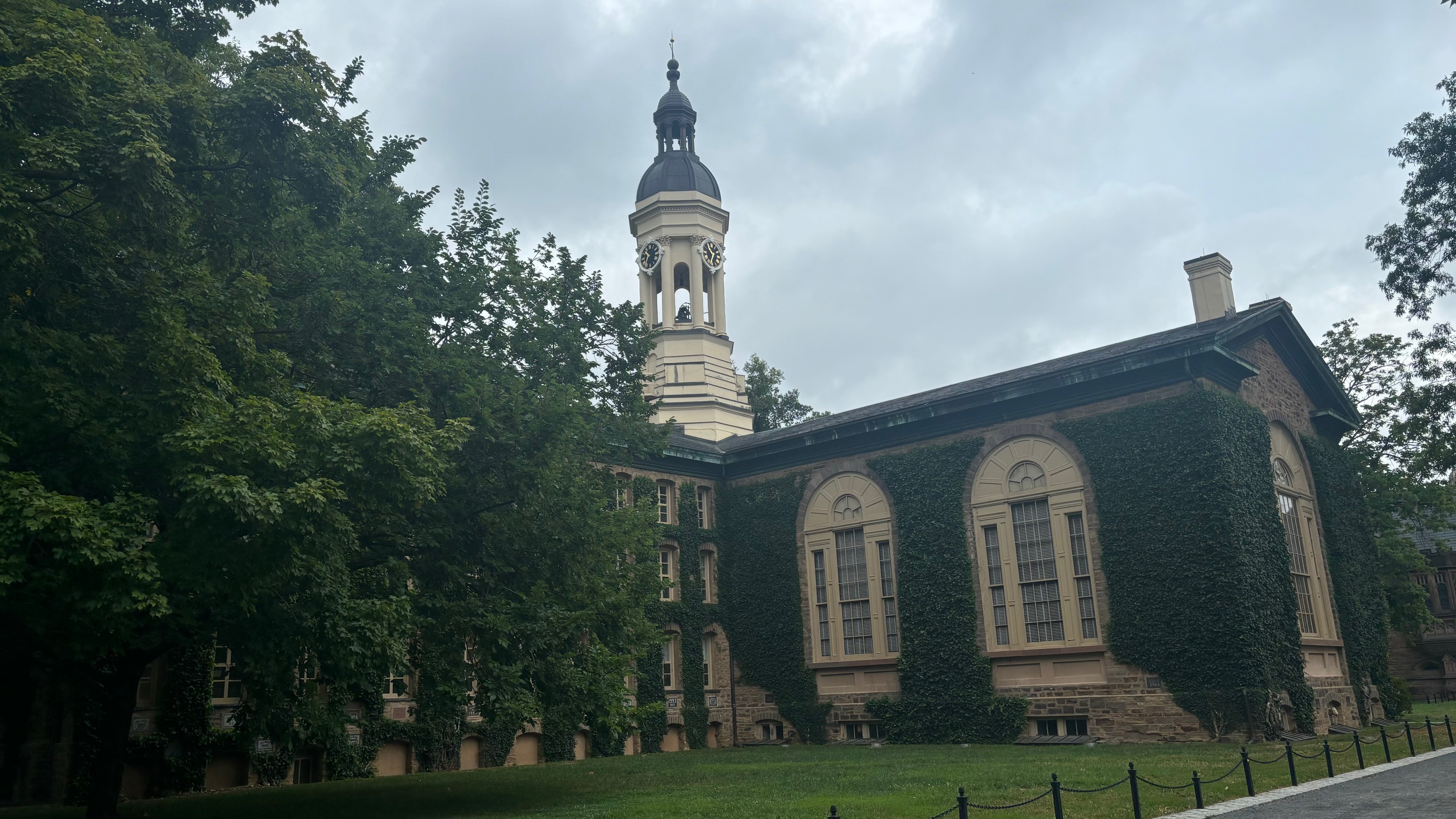
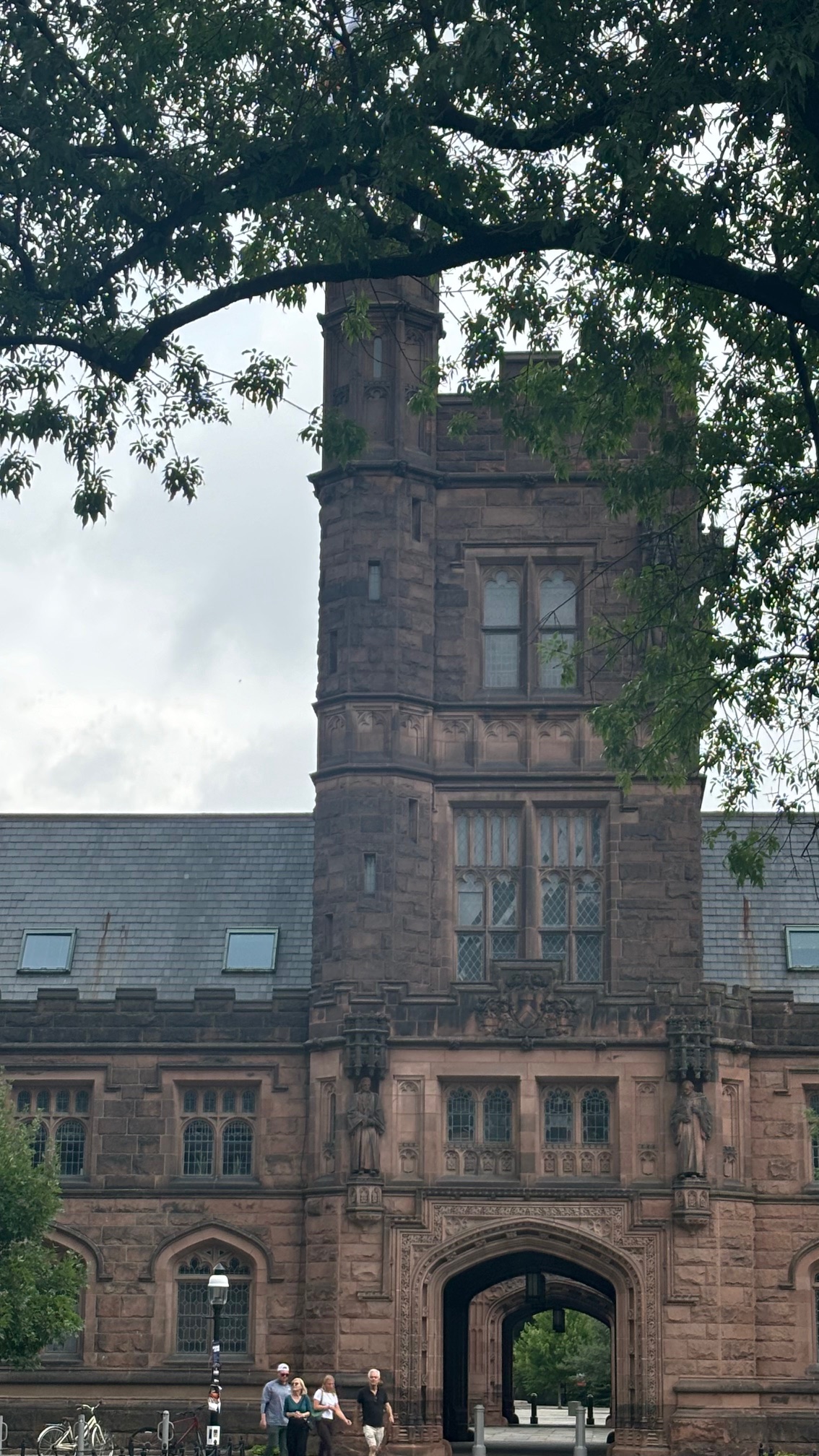
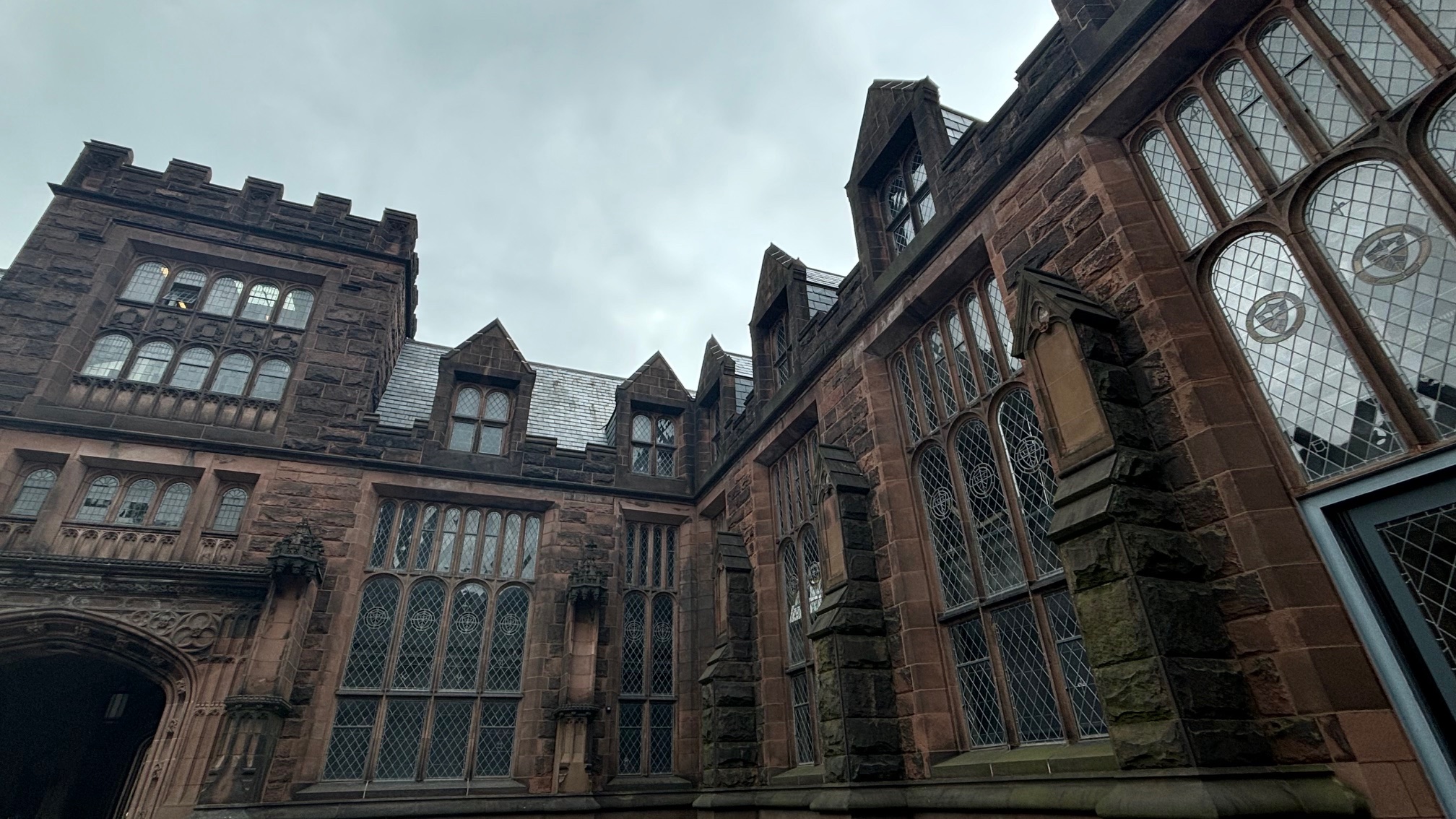
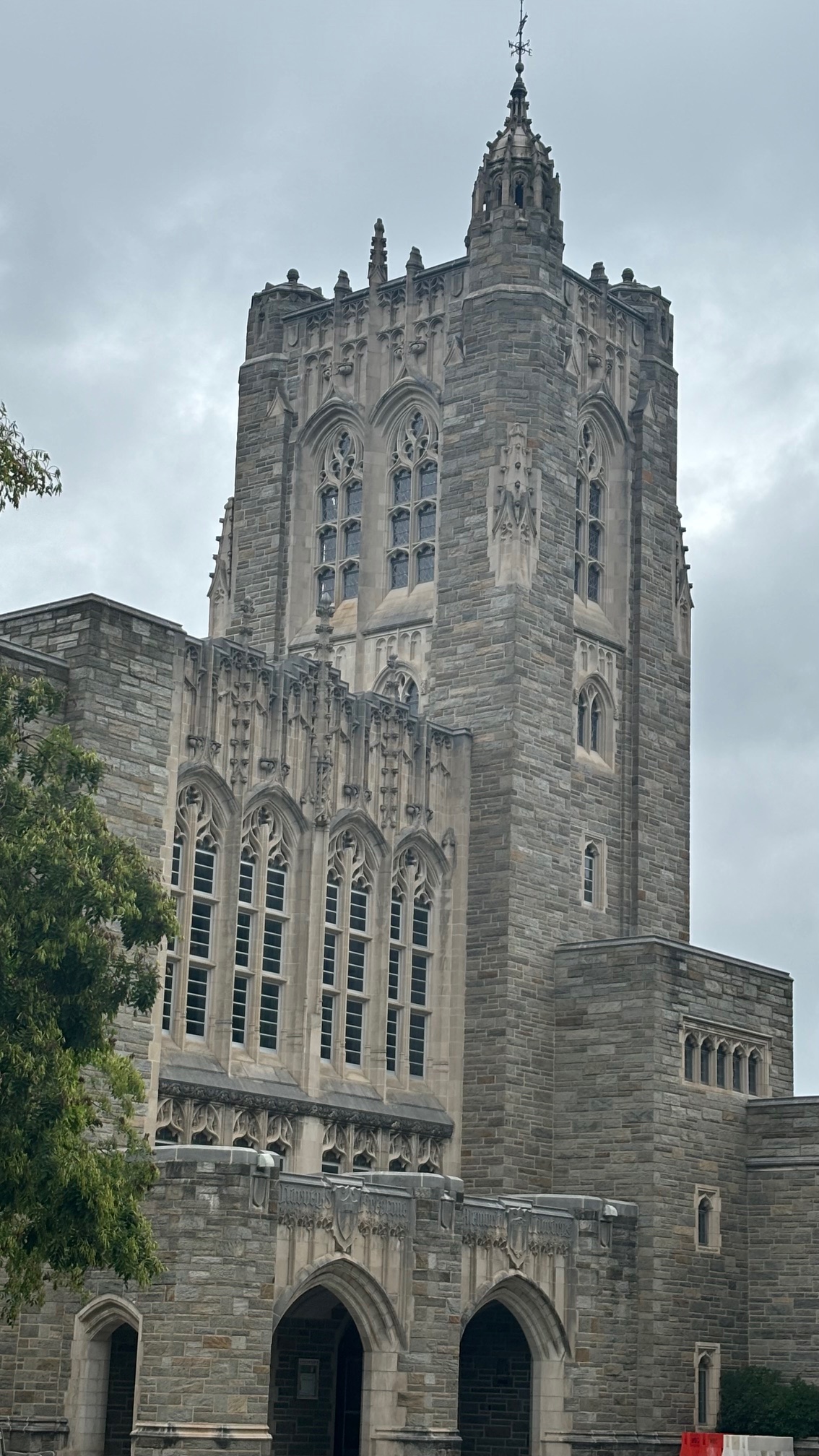
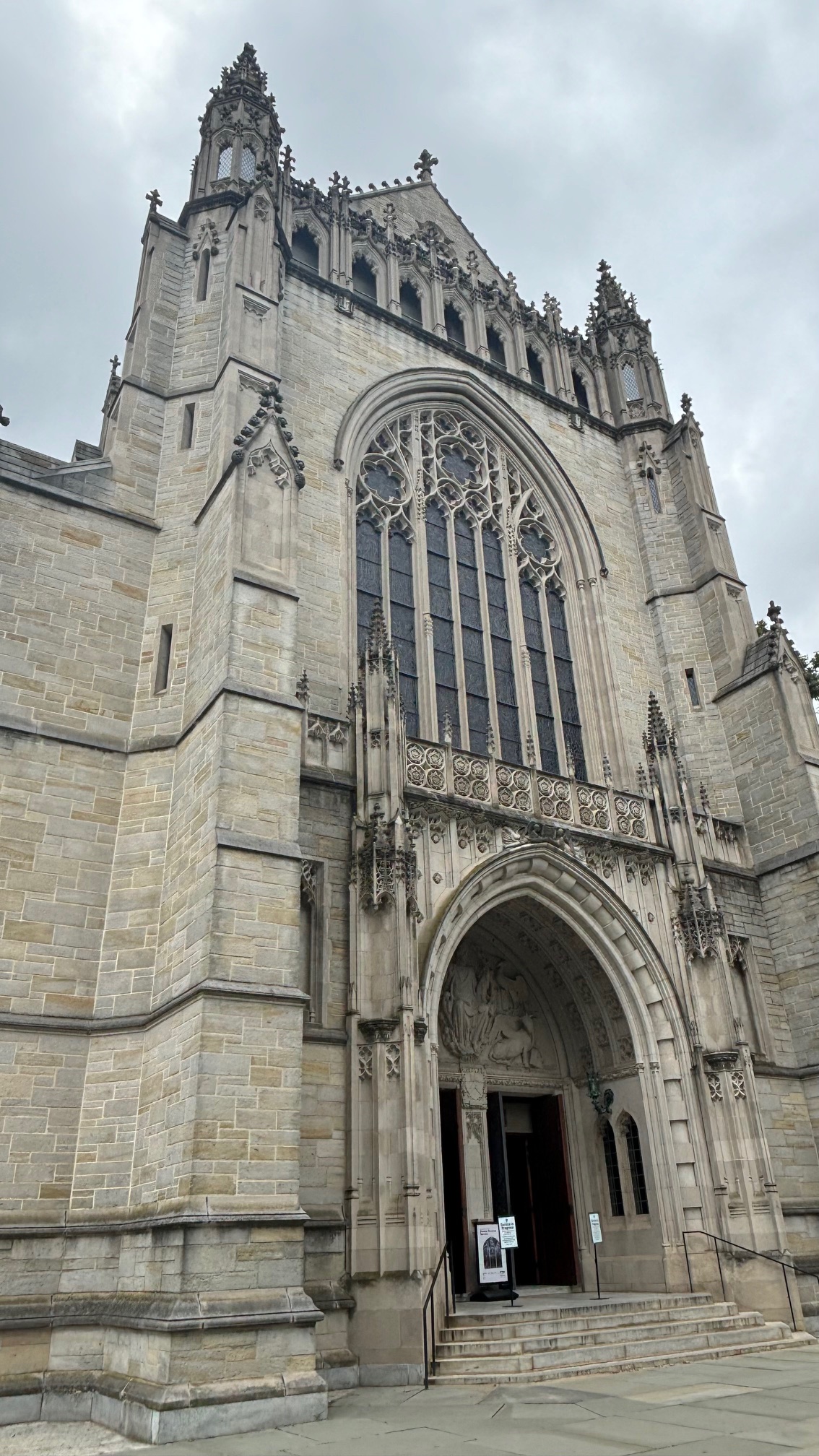
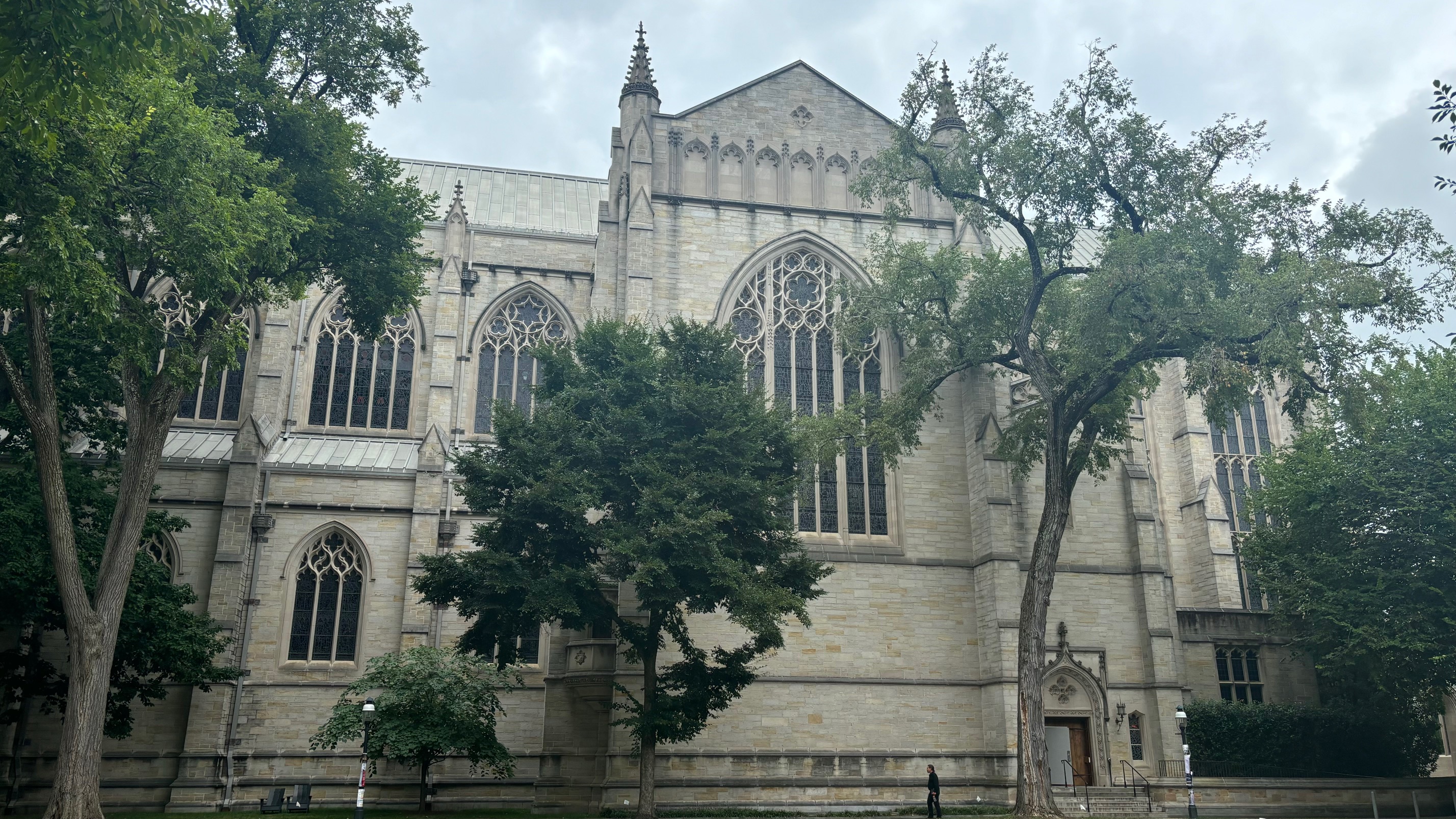
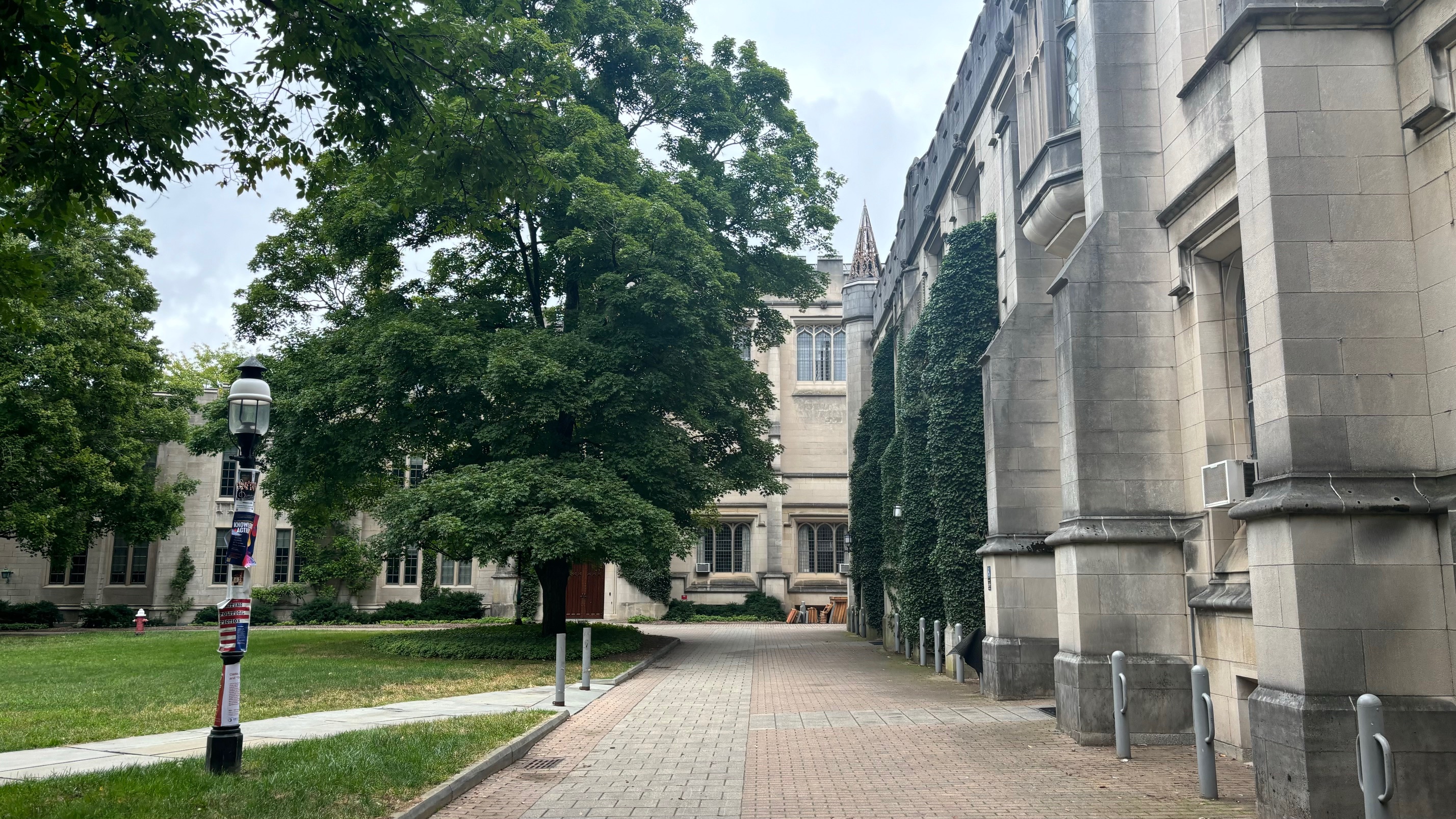
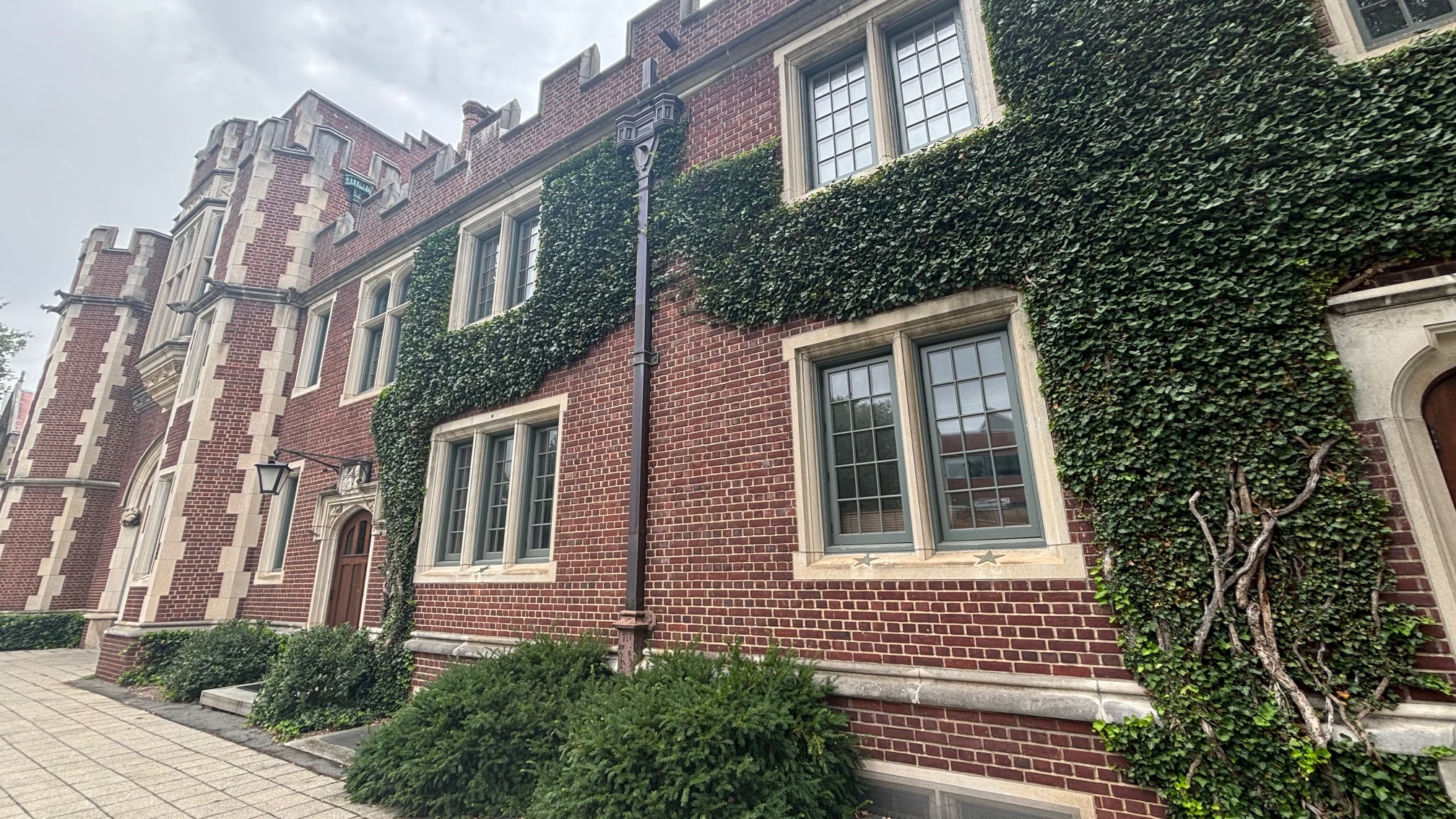
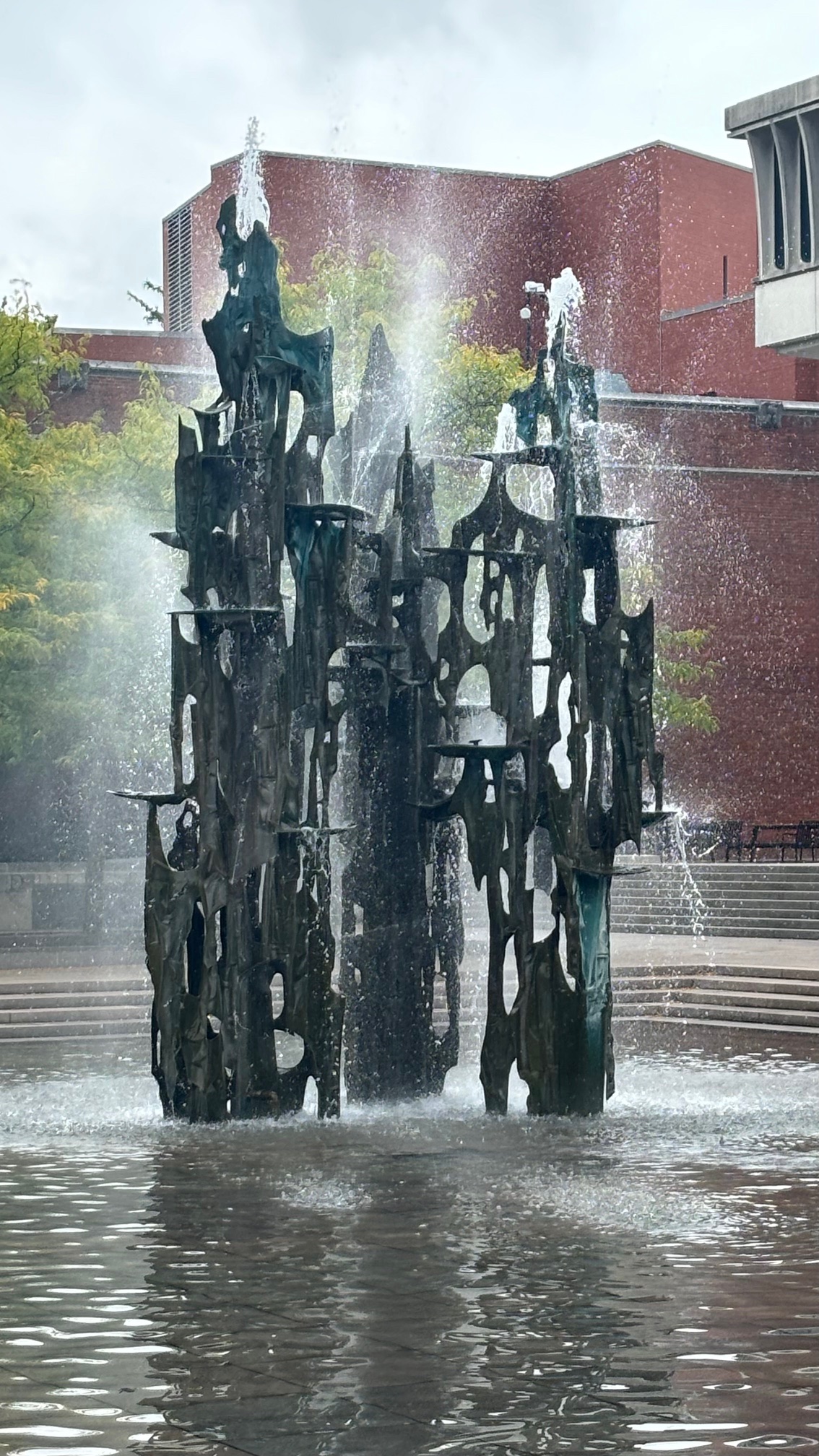
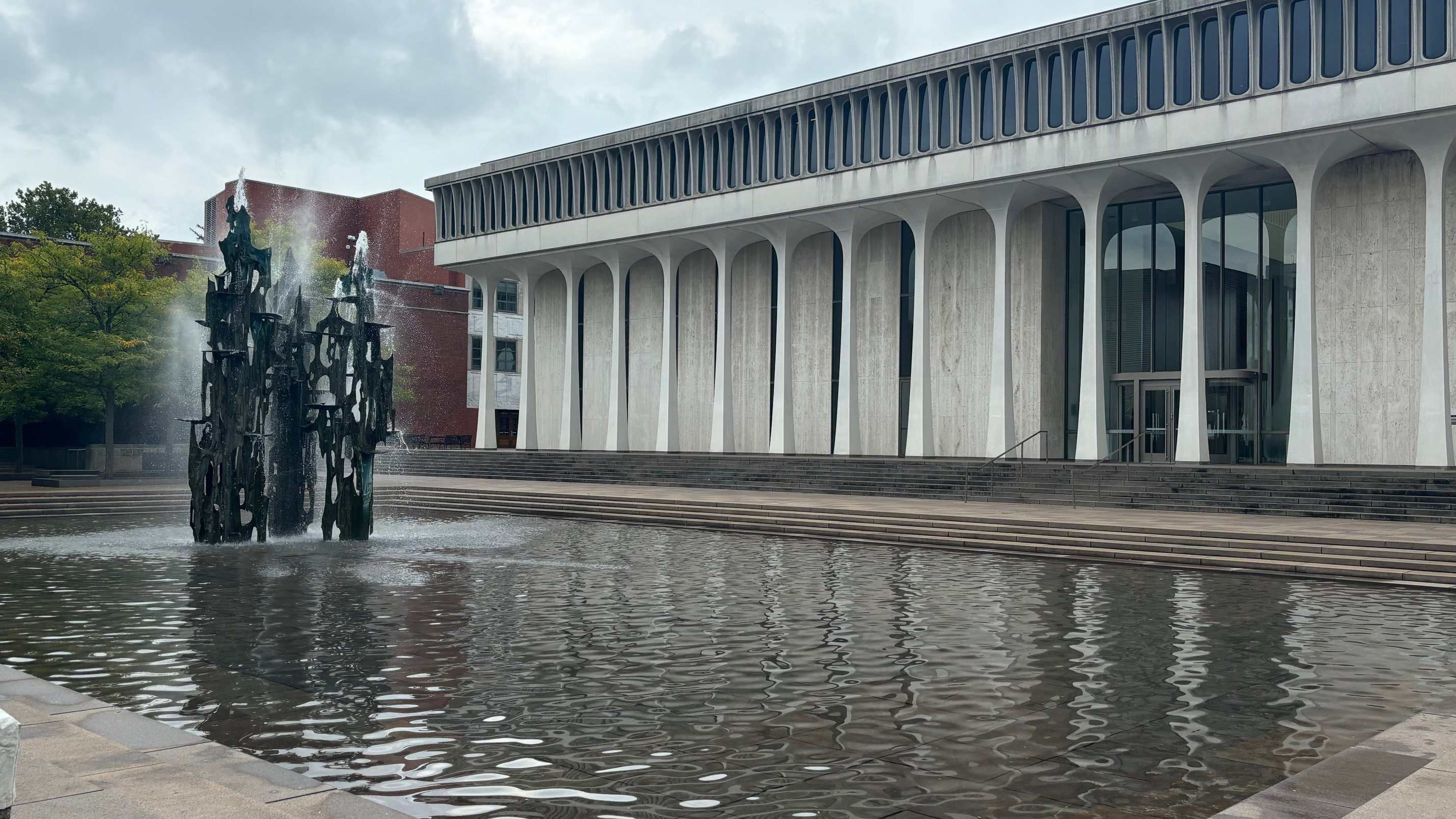
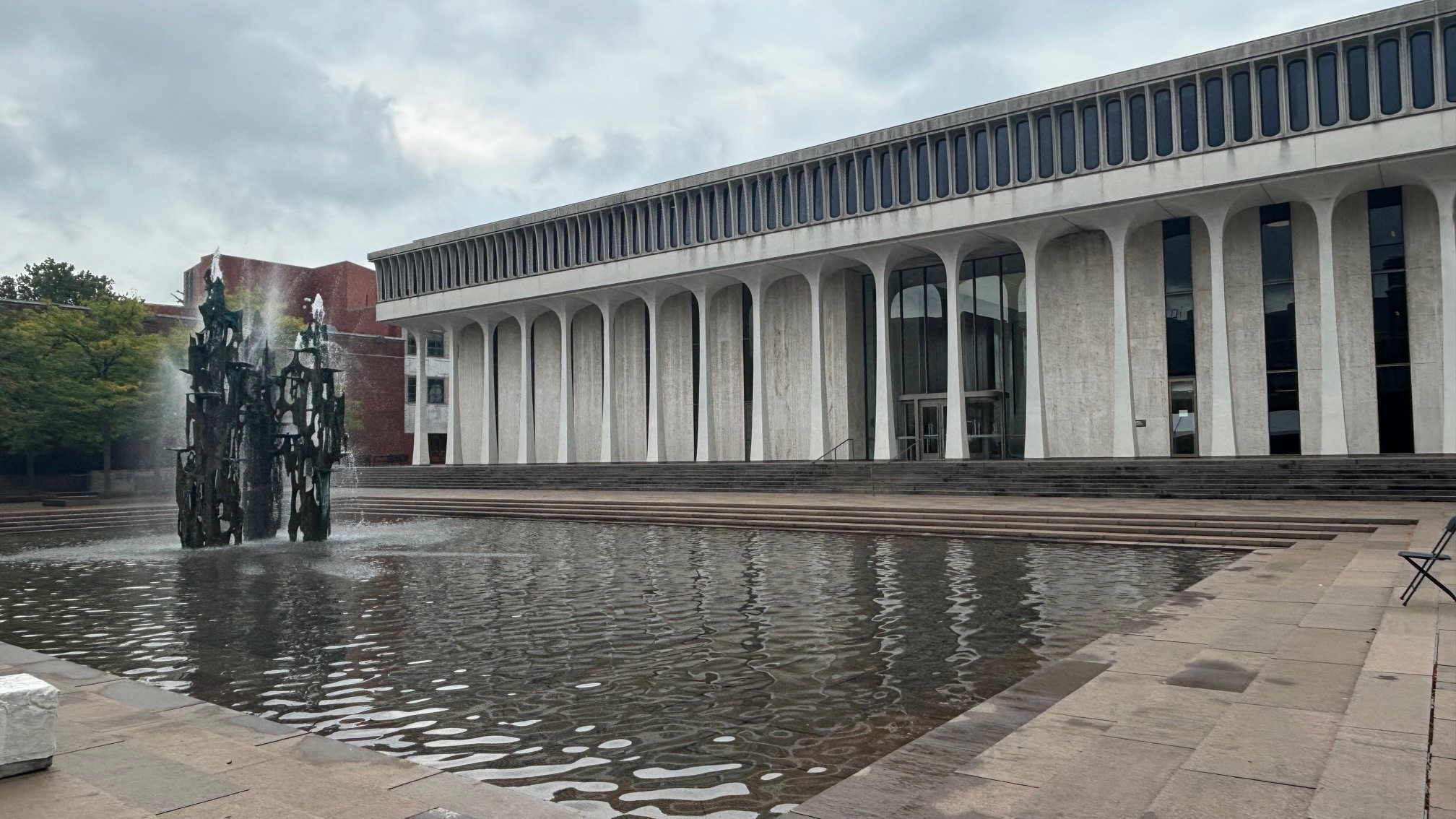
Camera: iPhone 15
Location: Princeton University; Princeton, New Jersey, United States

“Taking A visit to one of the most storied and historic university campuses in America: Princeton University. Taking a solo tour around the ivy-filled grounds and stunning collegiate gothic-style buildings in the heart of downtown Princeton.”
Camera: iPhone 15
Location: Princeton University; Princeton, New Jersey, United States
“Sadly, that is no longer the case even though some people seem to be blind to this change in our expectations of people’s professional qualifications.”
As you go through your professional and career pursuits, you realize more and more each year the need to continually invest in your skills. It used to be whereas a high school and more recently a college degree would set you on a path for sustained success whatever field you would enter. Sadly, that is no longer the case even though some people seem to be blind to this change in our expectations of people’s professional qualifications.
More than ever, ‘skills pay the bills’ so even though you may be formally educated, it is simply not enough to compete 5-10-20 years down the line. Technology and the world of work continues to rapidly change, whether you wear a blue collar or a white collar, many types of work nowadays ask you to stay up to date with the latest trends, innovations, and developments including new skills you’ll need to succeed.
This is not advice you are likely to hear as much if you’re a young person reading this article or just having been fresh out of college. You must continually be learning as much as you can and as related to your career interests long-term. Unfortunately, I don’t think our traditional education system from K-12 or at the university level have realized this as much yet to provide skills in the trades or in different areas like STEM, project management, cybersecurity, artificial intelligence, cloud computing, etc.
Hopefully, your employer or your university can provide those skills to you as part of your employment or as part of your time as a student but that is not always the case for us. In our working life, you will often have to take the initiative in learning new skills or building upon your current skillsets to pay the bills especially as you get older and move up the career ladder.
They may even pay for training or for your exam and/or course, but if that’s not in the cards, I do recommend seeking out those skillsets on your own that are marketable to add to your repertoire. It may be financially unaffordable or difficult, but I do recommend at least taking a few low-cost courses or no-cost videos to at least learn on your own. We still live in a day and age with seemingly unlimited access to information, whether online, or in your public library to learn new skills. Learning new skills and being certified or credentialed is worth the financial investment as well if you can save up money for it or at least work your way towards accreditation.
It does not hurt to show initiative to ask directly of your boss or other employees about ways to learn from them or see if you can shadow them to learn a new skill. You can also politely let them know the benefits that you could bring to your workplace from them having invested in your new skillsets over time. It may not take much to convince them, and you would be surprised how your argument could change their mind(s) when they realize the benefits to the company or the organization.
Still, if that does not happen, always, always invest in yourself. Jobs may change, bosses will change, but the skills you learn could last for the life of your career. Try out different skills here and there to see how much you want to invest in it financially and time wise. It can take a while to find out which skill(s) you would like to use for a living. I ask that you keep trying out different skills, learn new ones, and do it for yourself first. It is helpful in keeping yourself mentally sharp too because we can tend to stagnate after our formal education is over whether it was high school, college, or even after an advanced degree.
It is great to test ourselves not only in our teens in 20s, but in our 30s, 40s, 50s, and even beyond that. The current job market is not easy as I can tell so you need to keep investing in your skillsets to stand out amongst stiff competition regardless of what career field, you’re in. Please do not let yourself stagnate and rest on your laurels forever. I do agree it is good to take a break from learning here and there to give yourself time to think about what you want to learn.
However, you won’t be as competitive in your career pursuits if you aren’t improving your skills or learning new ones. The economy is so dynamic and changing rapidly due to advancements in different technologies that you constantly need to adapt to keep up with the job market. I barely mentioned the future of work, but I can say for sure that the future of work will go well for those of us who work hard, stay flexible, learn new skills with or without the support of our employers, and for whom of us have an open mind and a thirst for knowledge that cannot ever be quenched. Keep investing in yourself because as the saying goes, “skills pay the bills.”
“Maslow’s hierarchy of needs has always been a good reference for me in describing what exactly makes us have a safe, secure, happy, and fulfilling life. I do believe we need to have our hierarchy of needs in mind as people when we focus on what’s best for our fellow man or women and how to build a prosperous society.”
Everybody wishes to have a high quality of life but what exactly does that mean? We hear the term ‘quality of life’ a lot but what goes into the ‘quality’ of it and what makes for a satisfying ‘life’? Maslow’s hierarchy of needs has always been a good reference for me in describing what exactly makes us have a safe, secure, happy, and fulfilling life. I do believe we need to have our hierarchy of needs in mind as people when we focus on what’s best for our fellow man or women and how to build a prosperous society.
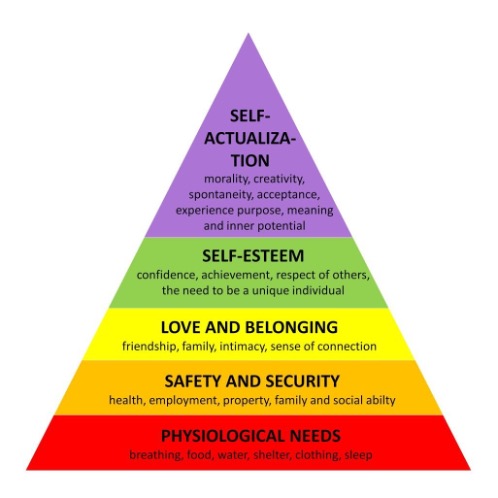
Source: SimplyPsychology.com
While I don’t wish to compare my own views on what true ‘quality of life’ is compared to Abraham Maslow’s ‘hierarchy of needs’ as shown in the pyramid diagram above, but it’s important to look at what makes a society flourish. I agree with Maslow at the base of the pyramid is the most important to ensure a life has some quality with it.
The societies that have the strongest base for ‘physiological needs’ usually are the happiest and satisfied with their quality of life. For example, you cannot focus on ‘safety and security’ as much as you can when you can’t even guarantee that the water you drink is clean and the air that you breathe is clean. Everything else on Maslow’s pyramid goes out the window if you are hungry, thirsty, don’t have a roof over your head or cannot clothe yourself or your family.
A lack or absence of ‘physiological needs’ is often found in the poorest or least developed of our societies and can still plague even our wealthiest and most developed societies. The key thing for all societies is that we should have an attitude of wanting to guarantee the ‘highest quality of life’ we can deliver to all people rather than just the few who can afford it financially. I do believe any society and its leadership is responsible for delivering on both ‘physiological needs’ and on ‘safety and security’ and once that is achieved, it will lead to better conditions whereas we go up Maslow’s pyramid, love, belonging, self-esteem, and self-actualization tend to be easier to achieve as well. True quality of life is knowing that if you fall on hard times, not by your fault, you’ll be looked after by your society and your government while you look to get back on your feet.
I don’t believe it’s anything farfetched or overly utopian to believe in everyone having the right to breathe clean air, drink clean war, have enough food each day, and have a roof over one’s head. I also think that while education and health care may not be on ‘physiological needs’, it ranks close in that regard to build that functional society. Everyone should be able to afford a good education and find good health care where they live and societies that accomplish this for their people are rewarded back and then some with citizens who are thriving as a result. Societies that are more educated, healthier, and with more opportunities to succeed tend to be those that have a true quality of life in my view.
You may be thinking that true quality of life is about having a big bank account, a bigger house, all the gadgets and electronics you could ever want, and all your material desires within reach, but to me, that would not go along at all with Maslow’s hierarchy. Having that stuff may make you happier but it doesn’t reflect a true quality of life in any society. If the roads are falling apart, people around you are suffering and in poverty, and you can go bankrupt for seeking medical care or a higher education, your quality of life will also suffer as a result even if you’re not directly affected by it.
When we are looked after or cared by others in the society who can ensure we have a good education, good health care, and to have affordable housing, the quality of life for everyone will go up. We are not islands unto ourselves alone and we are reflections of how we treat others. If you’re reading this article, think more about how your society or country could have a better quality of life not just for yourself but for the people living there too.
I ask that you believe in your ability to create change whether that’s advocating for more environmental regulations, prioritizing people’s access to basic needs including food and housing and thinking more about how we can include people in making them feel they belong in the society. We should collectively work towards providing more opportunities to everyone, so they don’t feel left out. Any healthy society has those public places to gather, discuss, and hopefully fix the quality-of-life issues going on in their community, town, city, or country.
I don’t judge a society by how wealthy it is, how big the houses people live in are, or how much they have in material goods and services available. I judge a society by how they treat the least well-off members, how they prioritize the public good or not, and what they are doing to improve the overall quality of life rather than ignoring it or having it steadily decline under their watch.
It’s important for us to start thinking about not just ourselves and our own quality of life but those of our fellow man and woman. When they are worse off than us, let’s lift them up and look out for them instead of shunning them or isolating them instead. We should always be advocating for a ‘true quality of life’ where everybody is given the opportunity to succeed, grow, live healthy and happy lives, and pursue their dreams.
We all will be better off for having invested in the basic tenets of civilized society such as education, health care, transit, housing, and healthy food supply rather than just guarantee them for the few who can afford it. The higher the quality of life is not just for us but for every member of our society, the more likely we will all flourish together and reach our highest fulfillment.
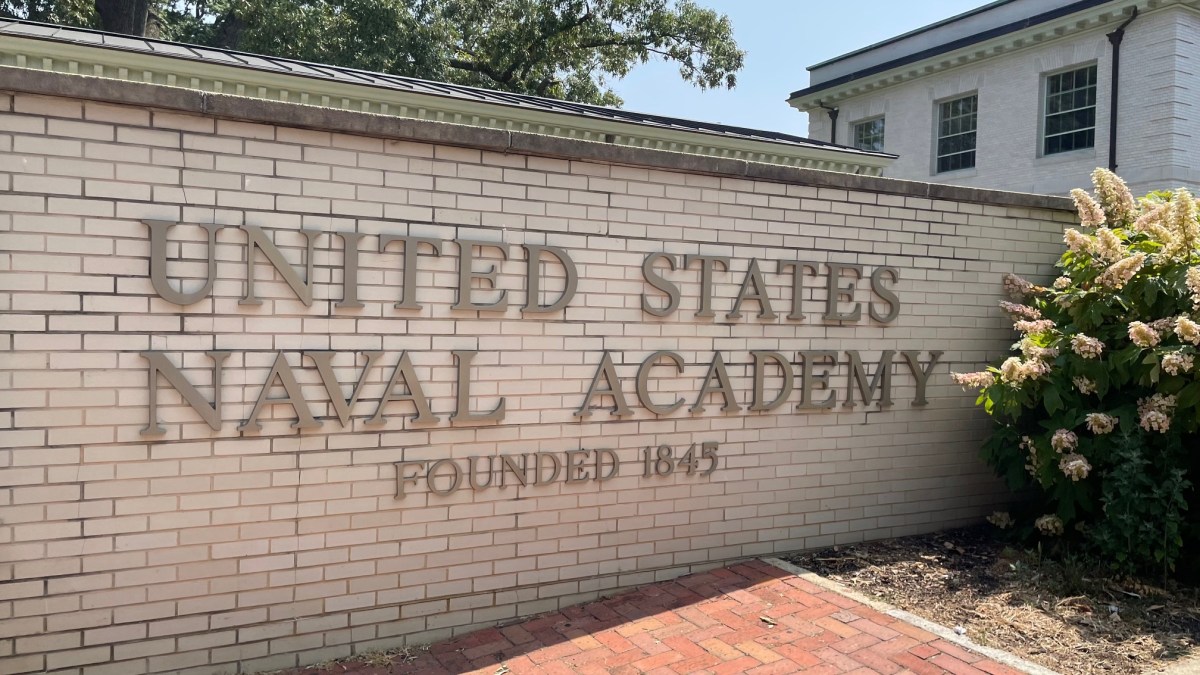
A Visit to the United States Naval Academy in Annapolis, Maryland
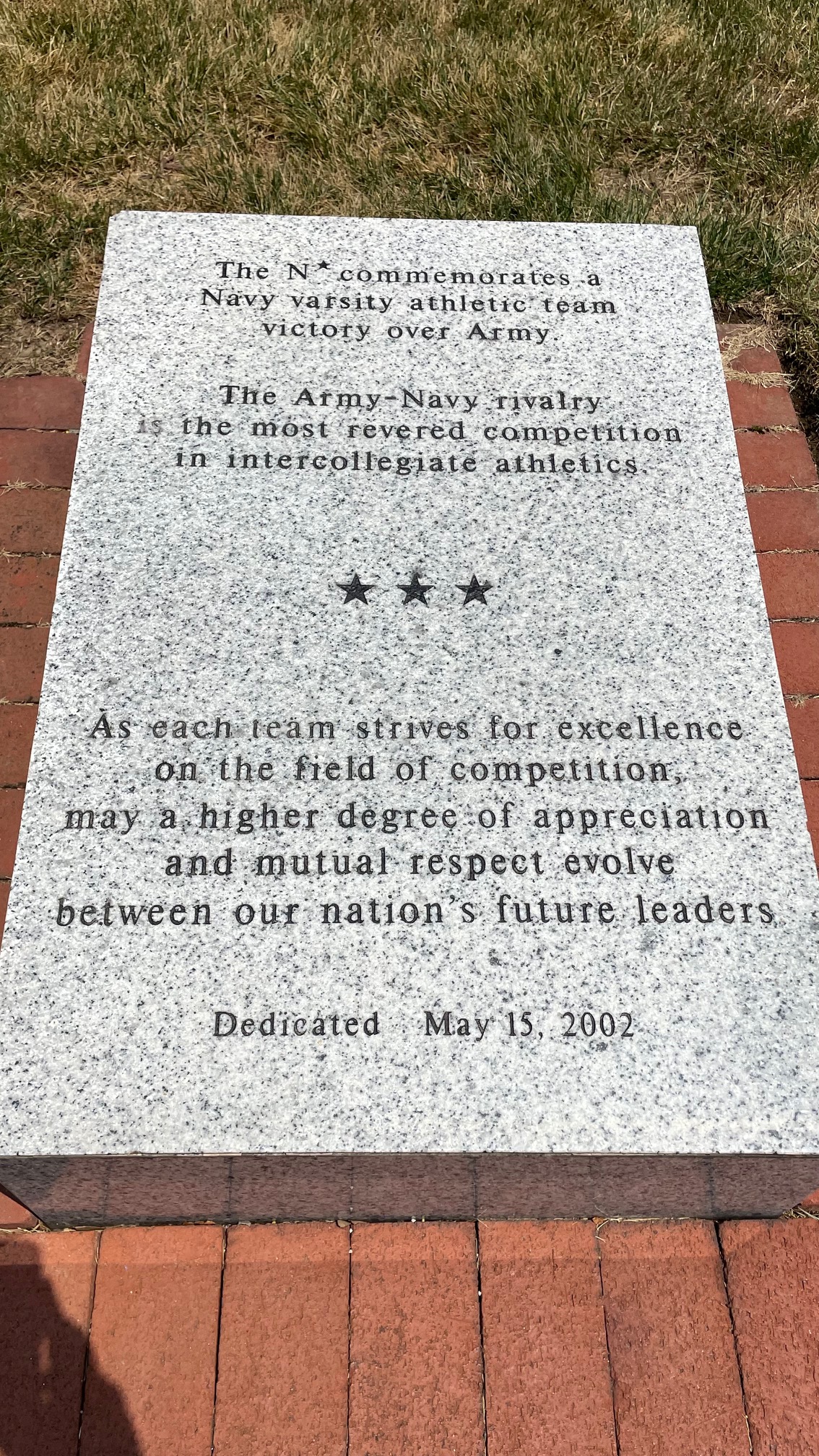
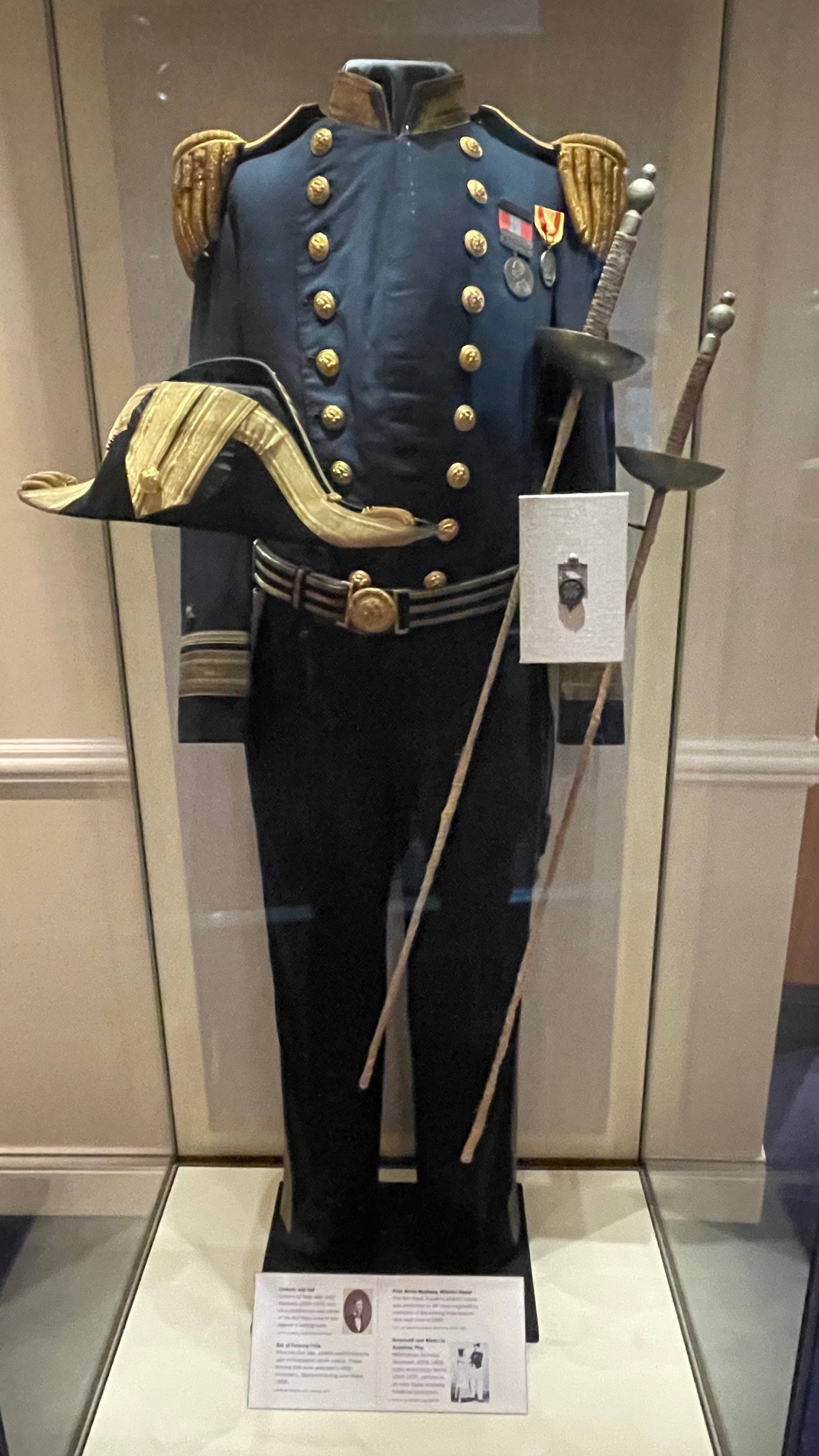






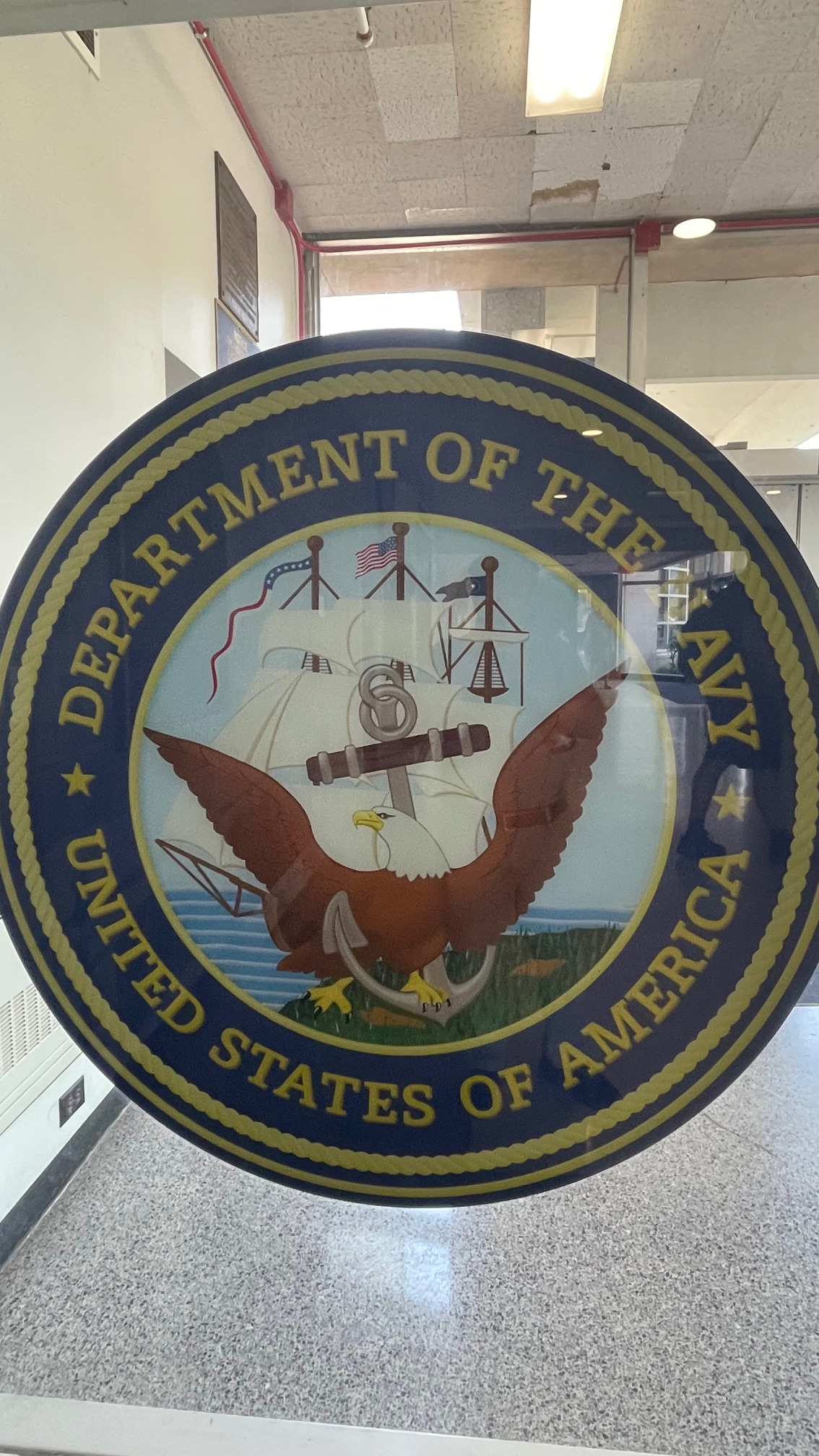
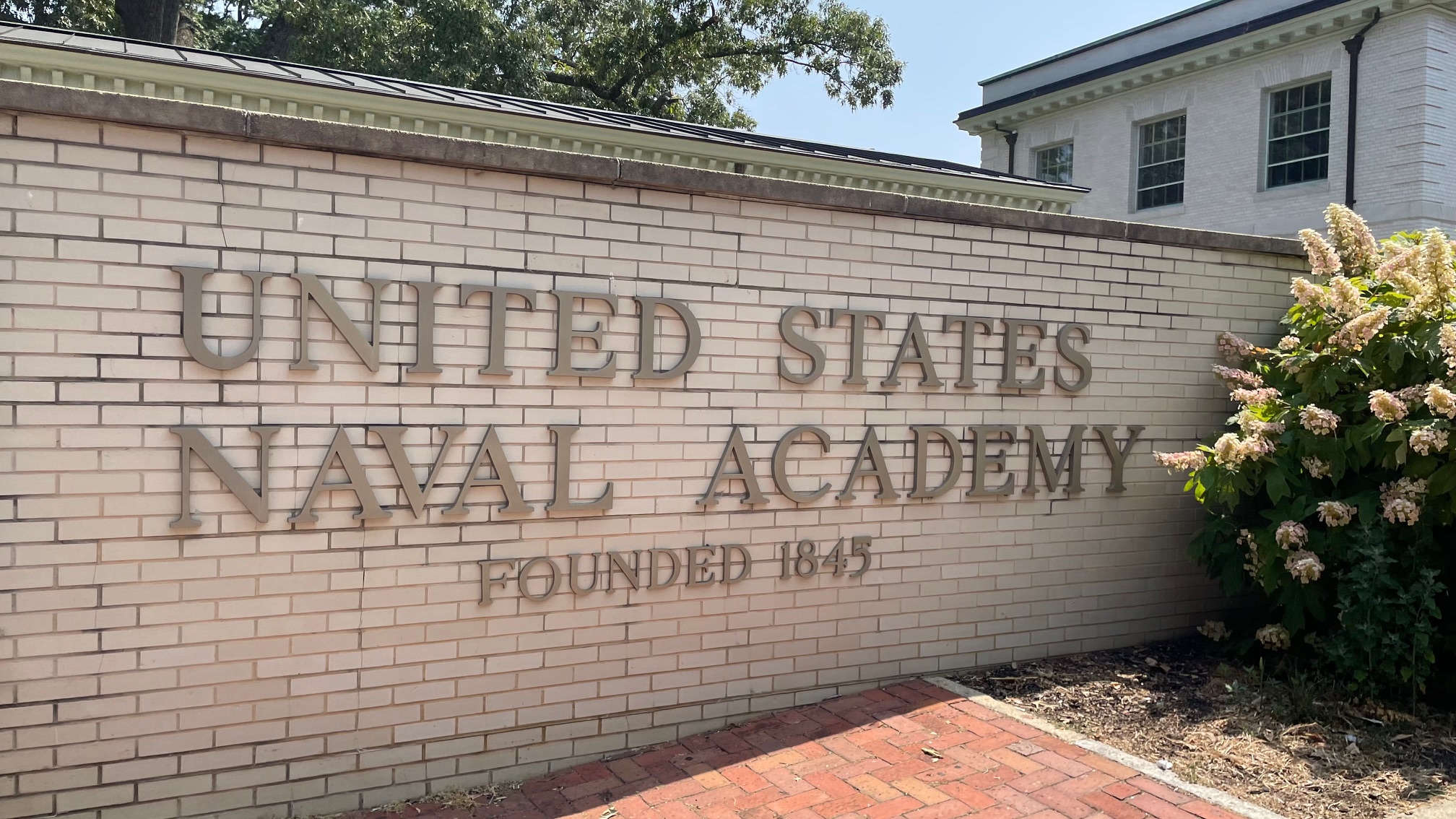
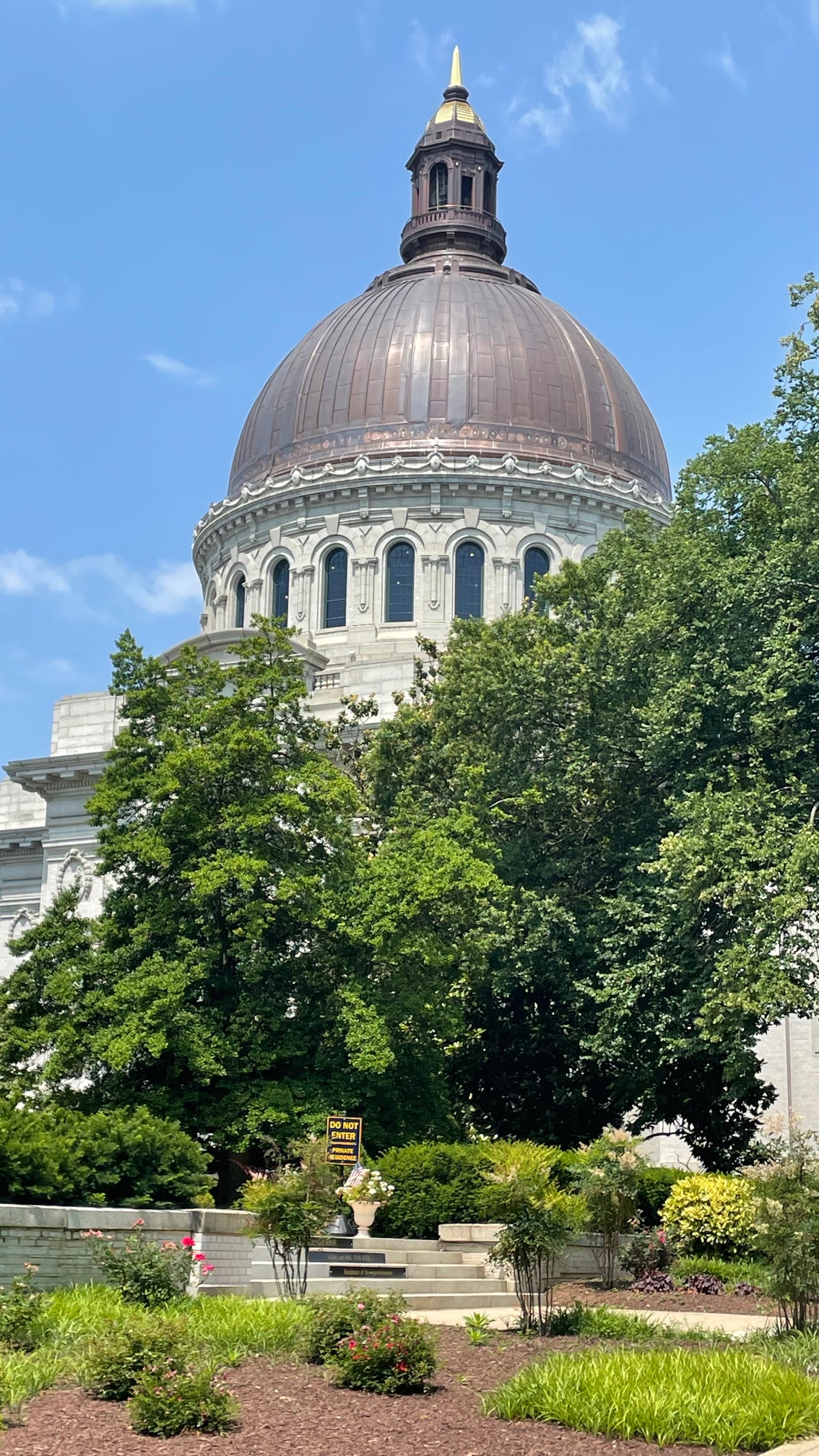

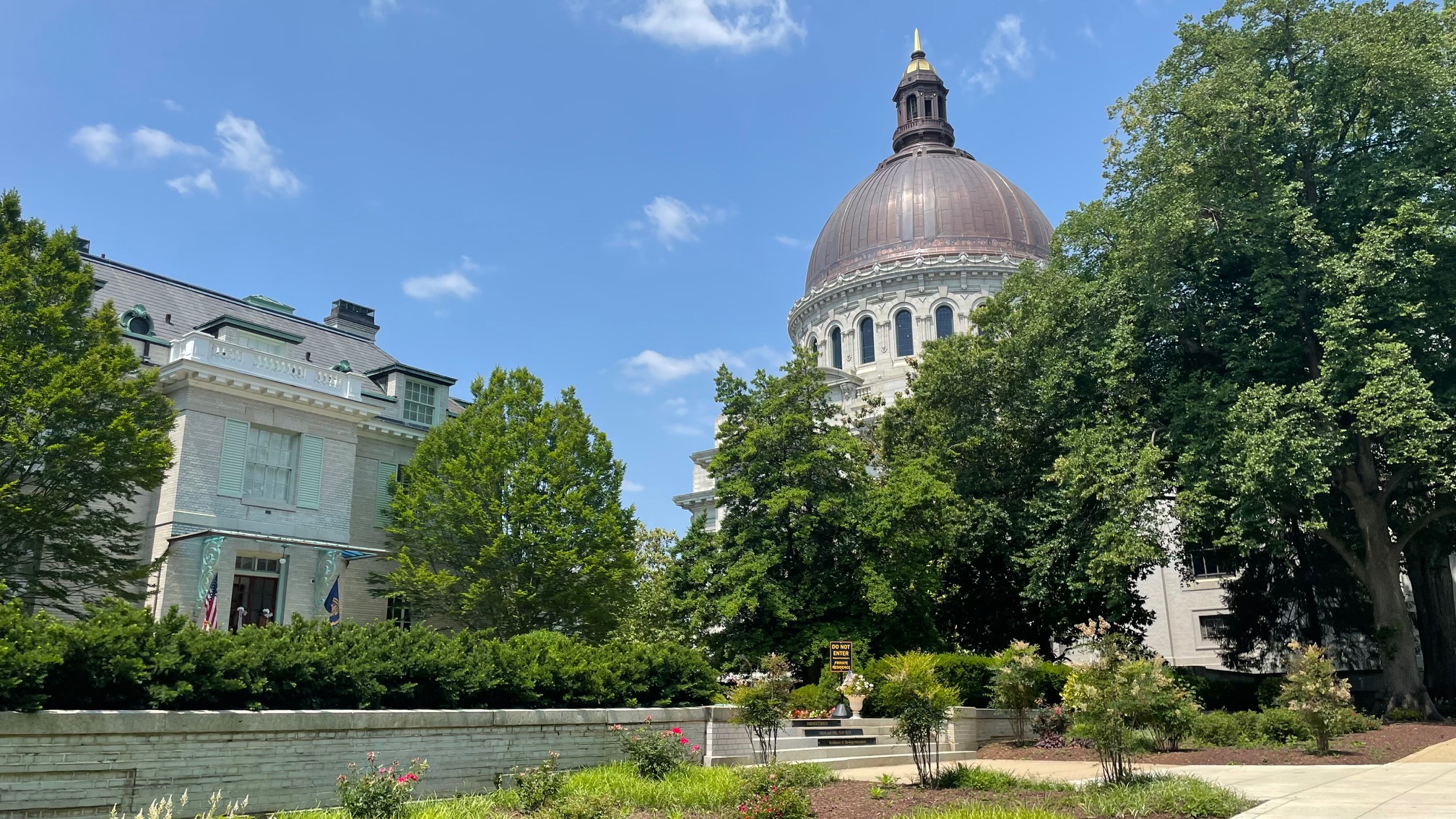
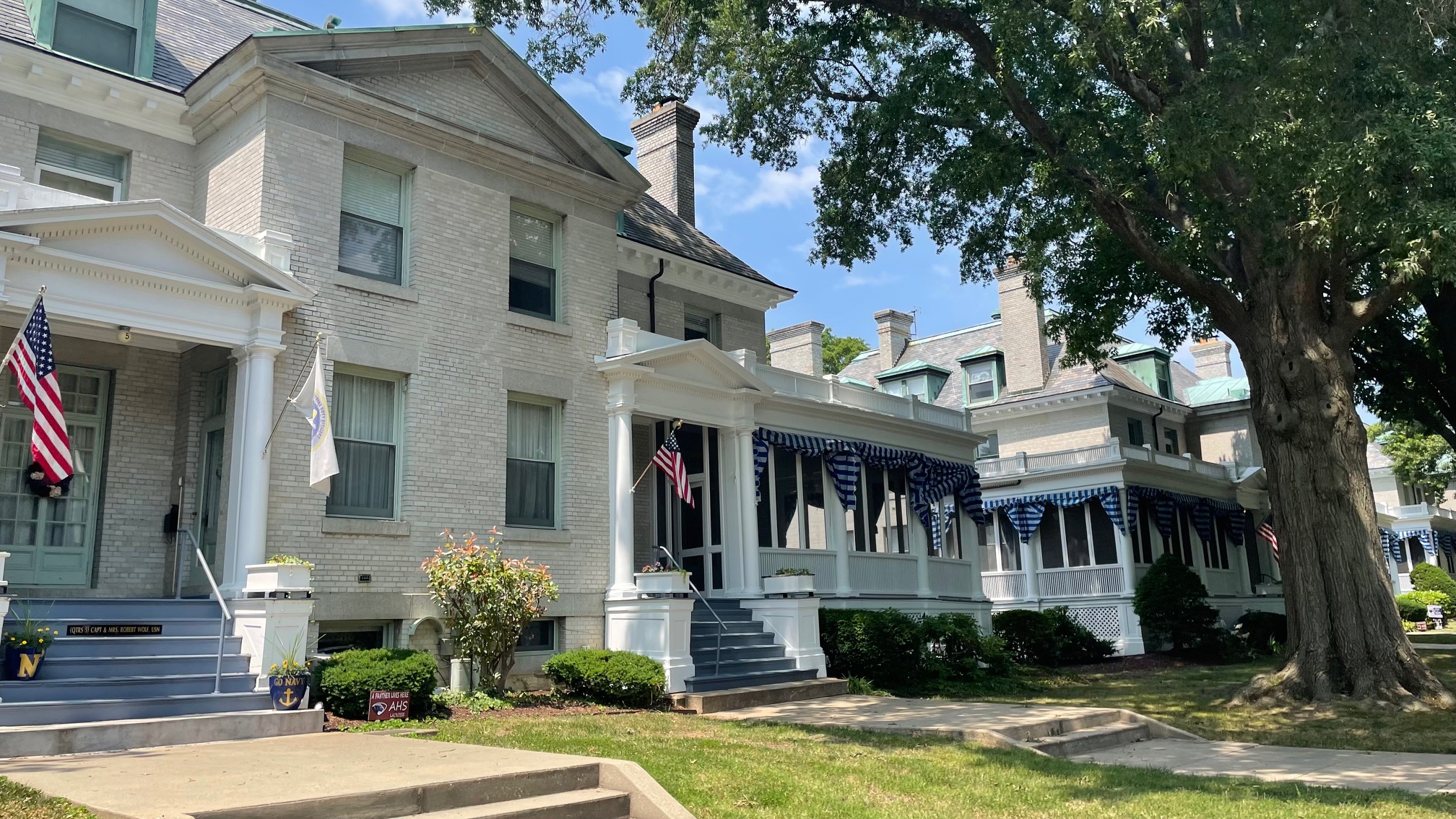
Camera: iPhone 12
Locations: United States Naval Academy; Annapolis, Maryland, United States
“It is an inevitability that we all must face and even when we try to push it out of our mind, that responsibility is there to provide lest we face any consequences that comes with not paying the bill.”
When we think about the moment of slight anxiety or stress involved with sitting in a restaurant, you’re satiated from a great meal of great food and drinks, maybe you’re surrounded by friends and family on a special night together, in all that joy and happiness, you still have that thought in the back of your mind, “the bill always comes due.”
There is no way of avoiding it and you’re going to have to pay it, one way or another. It is an inevitability that we all must face and even when we try to push it out of our mind, that responsibility is there to provide lest we face any consequences that comes with not paying the bill.
While you are under the expectations that any food, drinks, or other service at a restaurant always will come at a cost, we as consumers try to not think about that at all to be here and now in the present to enjoy what we have ordered with the company that we keep. It is a key characteristic of human nature that we often avoid thinking about the future even when we do at present is likely to carry its own kind of consequences. I use ‘the bill coming due’ as an anecdote for how what we choose to do, how we act, what we focus on and prioritize, will lead to what kind of bill we end up paying in the future.
Just like you would not want to pay a restaurant bill you cannot afford by understanding your budget and what you can afford to order off the menu of that particular reasonably priced restaurant, we should be aware of the fact that there are other ‘bills’ that can come due in the future that can cost us more than we bargained for if we are not careful about it. What we do in the present can help us manage our bills and how we handle our future by dealing with it in a responsible and mature manner now.
Let’s think about our health and how we manage it as there will be some kind of ‘bill’ handed down to us as we get older. It can be a clean ‘bill’ of health as your physician or doctor will tell you if everything goes well or it can instead be an array of expensive tests, surgeries, or procedures that lead to a hefty medical ‘bill’ that will cost us dearly beyond what we can afford, even if you have some form of insurance. How do we avoid this kind of ugly ‘bill’ of health? Well, I won’t dive into specifics as I am not a medical physician but how you eat, if you exercise, whether you stay active in your daily life, can help us pay off that ‘bill’ in advance or make it that much smaller to manage in the long run. There are common sense ways to manage the ’bill’ of health as it will come due at some point, and you have a measure of control over it in the present to make sure it does not bankrupt you or cost you with your health in the future.
In a similar way, one’s ‘wealth’ and how you manage it in the present can help you pay the various ‘bills’ that come due on a monthly, yearly, or longer basis. When you use part of your paycheck and weekly or monthly earnings to pay down outstanding debt or to save up for an emergency or to help yourself learn an employable skill, you are making sure that you will be able to pay for any bill that can come due because you have accrued your wealth and investments in a way where you will never be broke from these ‘bills’ coming due.
If you make other choices instead where you spend every dollar you make and beyond that, get into debt with various bill collectors including the credit cards and other loans you have taken out, the bills that come due will be beyond your accrued means, and you may be struggling for the rest of your life to get out from the ‘bills’ coming due that you have to pay or face serious financial consequences.
You do not want your health, wealth, or ability to earn a living to suffer because you cannot handle both present and future bills to come. You should make sure to think of the future to save, invest, and earn for a ‘rainy day’ fund that can overcome an unforeseen or unexpected bill coming due. Again, I am not making any specific financial recommendations to you as I am neither a financial planner or investor, but I do want to impart some common sense and wisdom in how to avoid future ‘bills’ by planning to save and invest for the future in some measurable way so the bills coming due will be paid for entirely without any stress or anxiety.
Lastly, it is unfortunate where we live in a society where it can cost exorbitant amounts to educate oneself for the workforce and for financial success, indebting ourselves in the process. I believe education is worth investing in if you are able to afford the bills to come due, but if you are in a cycle where you can’t get out of accrued bills or debt because you went for higher or professional education, please make sure that the investment that you make in the present will help pay off the debt in the future. The worst thing to do is invest in an education that does not end up paying for itself later and help with all the bills coming due to that investment.
Make sure you focus on those employable skills or to be a subject matter expert or practitioner, in an important area that will pay off because you invested in your education in a useful area. I know of a lot of people who cannot get themselves out of a debt or pile of bills, even with their extra years of education, because what they learned what not useful for the job market, and now they are stuck with bills that will never be paid off.
I am not against the idea of paying for more education but please make sure it is aligned with your future career or business goals. If you are not sure of what you want to invest financially in an education, there are many free tools and videos that can help you understand better of what opportunities are out there. I think it’s important to think hard about what bills you want to take on for your education because it is no good to have a debt burden that will prevent you from future job or educational opportunities because you have bills coming due that you must sacrifice your ideal career or business for.
Whether it is health, wealth, or education, you will have to pay the bills that come due, even if they come at an unknown future date. Make sure you invest in each area within reason that you will be able to afford to do so without suffering later for bills or obligations that you took on that you found were beyond your capacity.
Do not sacrifice your future by what you do in the present. Make sure you practice good health habits, invest in your wealth accrual with whatever route that you find is best for your goals, and to reasonably access educational opportunities that can create excellent business or career opportunities that you will not have to sacrifice either your health or your wealth to achieve. Remember that the bill(s) always come due at the end, but that does not mean life should not be enjoyed or taken advantage of, but to do so in responsible manner, where your present is secured in each of these three areas, and as a result, your future is prosperous, healthy, and full of opportunities.







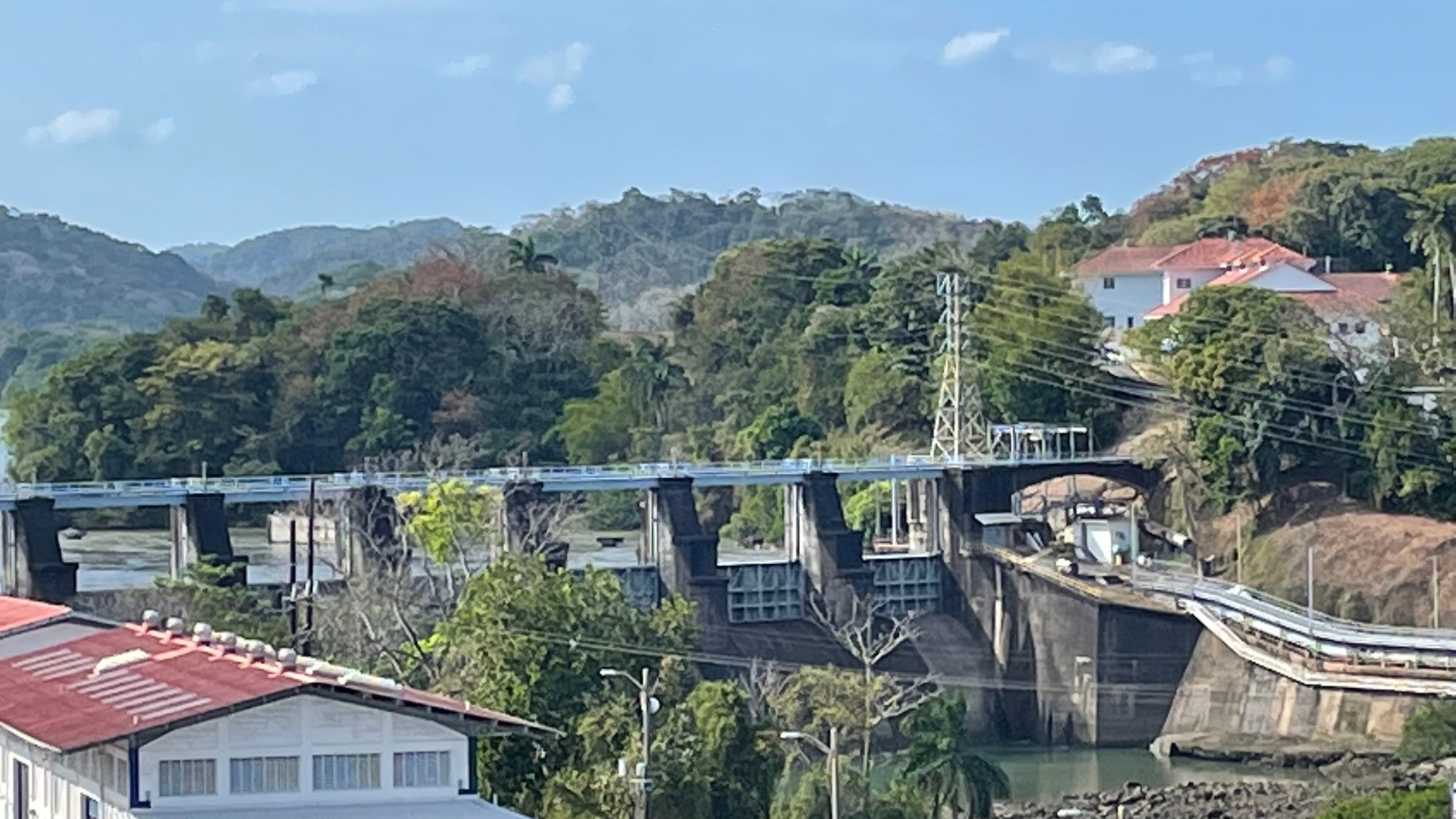












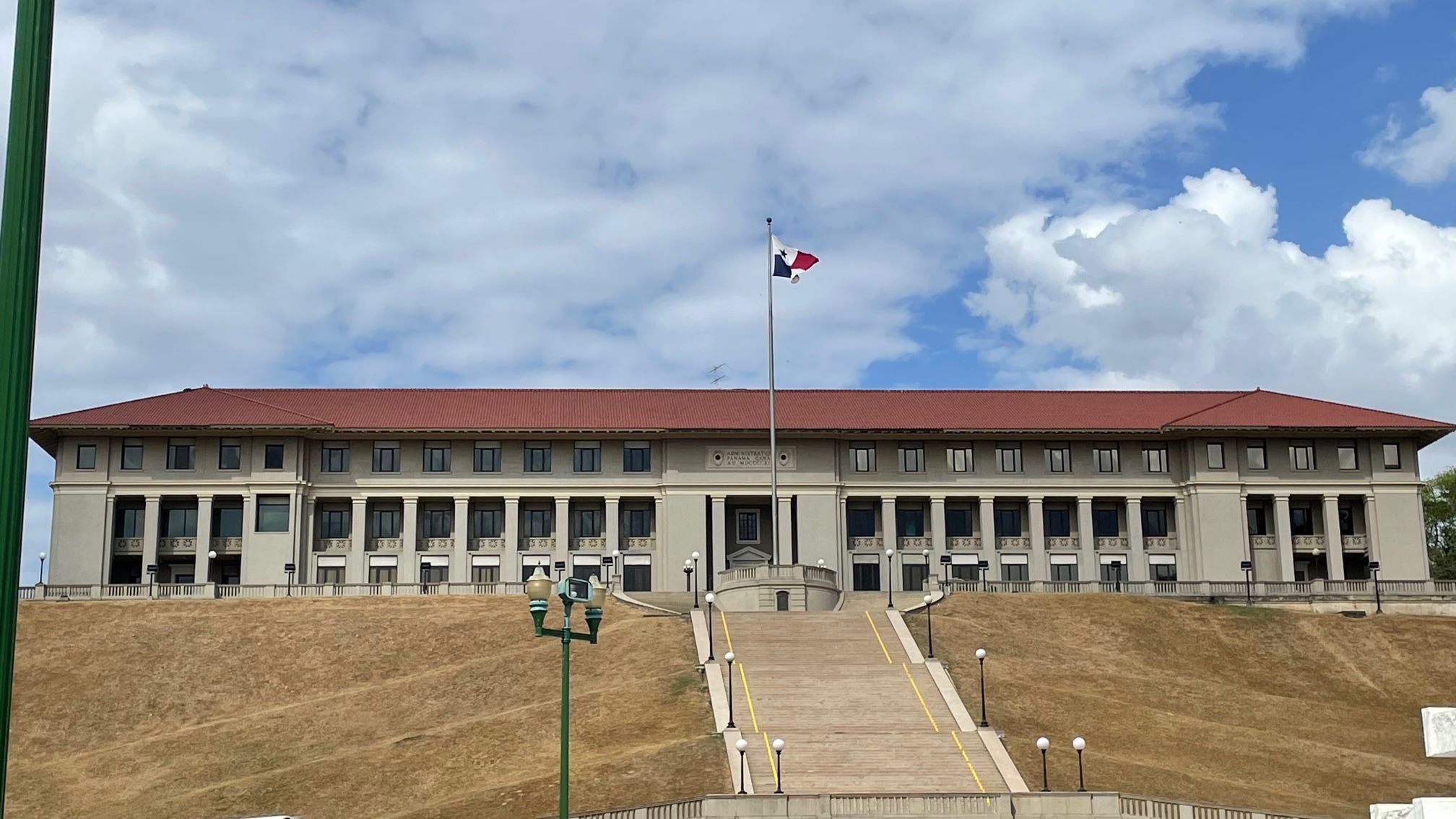
Camera: iPhone 12
Location: The Panama Canal – Historic Locks and Visitor Center; Panama City, Panama
“Unbeknownst to most English learners, the English language has multiple ways of changing a word’s meaning just by adding a few letters to the beginning of the word itself.”
When you are looking to improve your English vocabulary by knowing how to create a negative or neutral meaning, you should consider the usage of changing words by adding -Un, -In, -Il to the beginning of each word to change the actual meaning of it. Unbeknownst to most English learners, the English language has multiple ways of changing a word’s meaning just by adding a few letters to the beginning of the word itself.
In this ‘English Corner’ post, I am going to go over specific examples of how to change these words and their meaning with -Un, -In, -Il although there are other ways to do that. I’ll save more of these word beginnings for another article but let’s get started with these three I’ve listed above.
To get started, let us look at -Un to change English words. There are several words that adding -un to the beginning of would change how we see that particular word. Here below I will list a few words that -un can be added to and how the meaning of the word changes as a result.
As you can see from the examples provided, putting -Un in front of the words listed negated things being equal, people being available, animals being tamed, events being believed, etc. If you look at -Un, it is often negative or neutral in its connotation. There are also a lot of similarities between words like Unreal, Unimaginable, Unbelievable, etc. so you can be sure that you can use -Un before multiple words and have the meaning be similar or the same even if the rest of the word is different.
Let’s continue with another word beginner known as -In, which is more neutral than negative but is not at all positive in terms of its total word when you add it as a syllable to beginning of any word. To use a quick example, adding -In to ‘different’ would make the actual meaning to indicate that you are neutral or not caring about one outcome or another. If you are indifferent to someone or something, then you are neutral to that someone or something and could care less about what is going on for the rest of that sentence or expression.
This tends to be the case with other words that start with -In as well and I will point out each of their meanings to be similar in terms of overall neutrality or indifference below in the list for -In words.
Given these examples for -In, you can see that a lot of the words are not just neutral but also negative as well. -Un words tend to be wholly negative in almost all definitions while -In words tend to be a mix of neutral and/or negative in their meanings. Still, being able to add an -In to ‘supportable’, ‘tolerant’ ‘hospitable’ will make your vocabulary that much better by being able to know the difference in English with how to make a word become negative if needed rather than just positive in its meaning when you consider the meanings of words such as ‘tolerant’, ‘supportable’ or ‘hospitable.’
Lastly, while -In and -Un are similar, you cannot make up words where you change the -In for -Un or vice versa. If you change them, they will not be grammatically correct even if the meaning does not change. You must be sure that you do not put an -Un in front of ‘Articulate’ by accident or a ‘In’ in front of ‘Imaginable.’ To master this kind of vocabulary, you should encourage yourself to make a list of English words that begin specifically with -In as well as words that specifically begin with -Un too to not make silly mistakes when it comes time to write them in sentence or use them in conversation.
To finish off with the last of the word beginners, -Il is a commonly used one similar to -In or -Un to negate a word or convey a serious issue or problem that can arise before the main word itself. For example, ‘legal’ means something in society is permissible and can be done without error or penalty. If you put an ‘Il’ in front of that word, then you are forbidden to take that action or do that thing in society, or you will face the consequences if you are found to be guilty of that action. ‘Illegal’ means what is not permissible by law while ‘Legal’ is the opposite in that it is an action that is permitted by the society in question, and which does not carry any punishment such as a fine or imprisonment.
Let us look at other examples where ‘Il’ when placed at the beginning of an English word has a similar effect that ‘Illegal’ would have when it is placed together.
Not every word beginning with -Il will have a negative or neutral meaning but there are a lot of them which will change the meaning of the main word to have the opposite meaning after it is written. -Il, like -Un or -In, carries the weight of making words that much different just by changing the beginning of the word with those two letters.
For the average English learner, having lists of the vocabulary words that begin with either -un, -in, or -il is an important step towards improving your knowledge in this proficiency area. Once you understand how the meaning of the word(s) change as a result, you can then be able to use it yourself in a sentence, either spoken or written. Once you memorize the words, the meanings, and the context, you will be well on your way to becoming that much more proficiency in the English language. There are other word beginners to cover besides these three important ones so be sure to check out another article in the future, which will cover this topic within English vocabulary.
“If everyone just decided to opt out, to not pay their share, to simply protect everything they have, not only would things generally decay quite quickly but the foundational trust that any society is built upon would crumble as well.”
When we are born, we start off with new responsibilities, commitments, or duties. We are purely helpless and rely on other people to assist us in everything from feeding ourselves to being clothed or to even how to be cleanly. Oftentimes, we rely on our first teachers and friends, our parents, to care for us. Of course, not everyone has the luxury to have both or one parent to care and nurture for them, which is why we rely on adoption, local and state services, and even foster care to make sure those who are young, vulnerable, and in need of care are provided for.
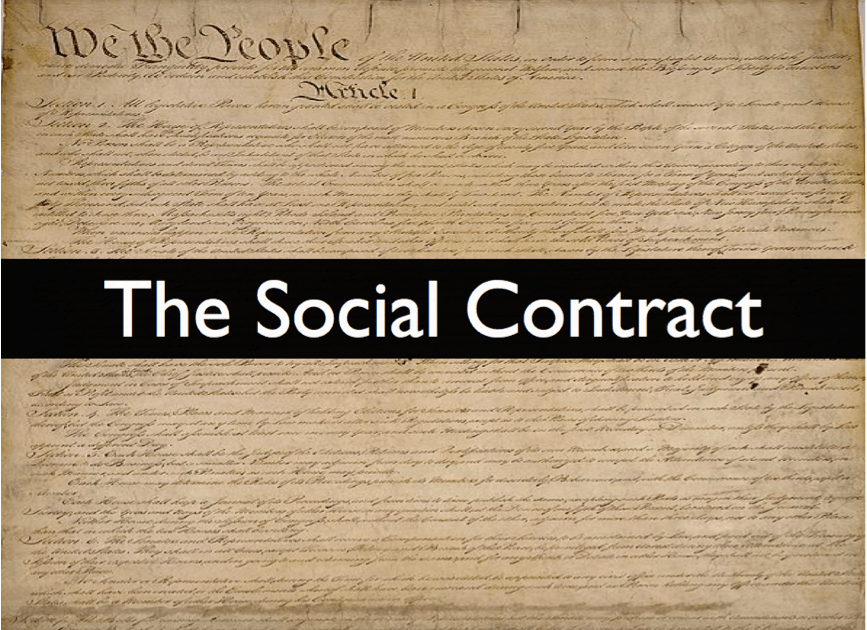
If you did not have parents around to guide and nurture you, it is likely that at one point or another, to prevent you from being hungry and homeless, you relied upon services provided by a local, state, or national government. In exchange for such services provided for in part or by whole by taxpayer funding, you would receive support as a child or teenager to receive public schooling, get publicly funded health care or subsidized health insurance to make it more affordable, and even food if you are able to get breakfast or lunch at no or low cost due to circumstances beyond your control. These different services, especially to the young, the poor, the homeless, or even the elderly are part of what I like to call the ‘social contract.’
By participating in the ‘social contract’, you receive certain necessities to live such as food, shelter, housing, and ideally, health care in exchange for later contributing back to the society either financially through taxes and even voluntarily through charitable donations, volunteering, or being active in the political process. The key thing to remember is that the better the taxpayer money is spent and the more accountable it is in those areas, the better those services will end up being.
Going back to the case of an orphaned or abandoned child, since their parent(s) were not there for them when they needed that love and care the most, who else should step in but society itself? Would it be better to abandon such a child to the streets or to an uncertain future to likely starve, to miss school, to be homeless, and to fall into despair or rather should we as a society remember that it could have been us in that situation as a child or a newborn and to ensure that the child will have the same opportunity or chance to succeed despite being born into uncertain circumstances?
Children or teenagers don’t pay taxes but by investing in them, we invest into the collective future of our society. Even if we use private health care, private schools, private roads, etc., the worse off the general society gets, everyone will be negatively affected by it even if those who are well off seek to shield them from such a deformed society. After using such services rather than not having had them at all, I find that it is much more likely that that child will grow a contributing adult to the general society rather than if we had not collectively invested in him or her at all.
Many such issues in adulthood involving joblessness, alcoholism, drug abuse, higher likelihood of prison can be avoided if there are safeguards in place because a home without parents can lead to a slippery slope of lack of opportunities and an eventual grim future if society through our provided services funded by each of us does not help to fill in the gap.
Now, that does not mean that personal responsibility should not be accounted for, and each person should work hard to achieve their goals and pursue opportunities if they put the effort in. You can’t just be given these services and expect them to give you an easy life. You still must be able to finish your schooling, find work in your field, and become part of the large pot of contributions that keep our society running. If everyone just decided to opt out, to not pay their share, to simply protect everything they have, not only would things generally decay quite quickly but the foundational trust that any society is built upon would crumble as well.
Any well-run society in any country always has two fundamental pillars going for it: accountability and trust. If you only have one and not the other, the society will be on shaky ground and be deteriorating in the other area after a while. If you lose both, the society will generally collapse until it can be built again after re-establishing at least one of these two fundamental tenets after it has taken hold in the general population again. Advanced societies are inherently fragile because if you can’t be held accountability regarding why certain services are not given when you believe you are paying a lot into the society and feel like you’re not getting much back in return that you can see, feel, touch, or enjoy, then there is a big issue at hand.
If there is no accountability given on behalf of those who provide such services like health, housing, defense, basic services such as water, energy, or even food production, then people will become increasingly distrustful of each other and seek to provide those services themselves outside of the state or society or focus on only having private means of acquiring such services, which due to the profit motive, may leave part of the society out in the dust if they cannot afford the private services and there are no public ones available as a substitute.
As U.S. Supreme Court Associate Justice Oliver Wendall Holmes Jr. once said about the means of taxation, “Taxes are what we pay for a civilized society.” As much as people will complain about their taxes, if we don’t have them, how else would we provide for clean water, clean air, reliable energy, good schools, safe streets, plentiful hospitals, etc.? The key idea to keep in mind is that if we don’t see our taxes going to these areas that improve upon society or advance it further for the well-being of the population, then there is a lack of accountability there that should be rectified.
Waste, fraud, and abuse of taxpayer money is a serious offense and so is an inability to break down for the taxpayer where their money goes to fund local, state, and national services year after year. Collectively, there should be a role in taxpayers demanding accountability from those in power to know where are taxpayer money is going, how can we make it more responsive to societal needs, and are we reaching enough of the population to justify the level of taxes we incur?
While it is seriously unlikely, we ever get a full accounting of where our tax money goes individually, it would improve the trust and accountability tenets of society to know which percentage of our taxes are spent on health care, housing, safety, defense, education, etc. and if we have that general idea, I do believe there would be more transparency to change those percentages at least at a local, state, or even national level to be more befitting with the priorities of the general public.
If we see that millions of people do not have access to public or private health care, perhaps our societal priorities can change to accommodate for that in the general contract. If we believe that economically, our roads, bridges, tunnels, airports, and public transit are not enough to compete in the 21st century, that should change the calculations. If our schools are crumbling, our teachers are underpaid, and the schoolchildren with parents or no parents are growing hungry there because there is no free lunch or breakfast accommodated for, that should change the calculations.
These are all good examples of how our general societal contract can be expanded and adapted to. Everybody, regardless of their social class or economic upbringing should have basic dignity afforded to them. I believe that social contract needs to be upheld especially if we are paying into it but not getting enough out of it in exchange. When health care, housing, food, and even school are considered luxuries rather than necessities, that contract is fraying and needs to be strengthened.
If our society becomes complacent and does not allow for such public services including health care and housing to care for all, either it will be privatized or it will vanish from being accounted for. We should begin to account for the societal contract where if you work hard, play by the rules, pay your share, and invest back into your community and country, you should get back what you put in especially if you need a leg up when you fall on hard times. Public necessities like education, health care, housing, and good public transit should not at all be considered luxuries.
We should believe it to be absolutely absurd to hear about people with two jobs not able to afford housing, two hard working parents not able to afford to send their children to publicly funded colleges and universities, or even going bankrupt because you have taken on too much medical debt. The societal contract we pay into and hope to receive back in return is fraying when that becomes not only common place in the society but accepted by the population. There should be push back in terms of accepting that kind of contract, which has to be either rewritten or redone entirely.
U.S. President Franklin D. Roosevelt delivered a speech on January 6th, 1941, titled the “Four Freedoms” speech. It addressed what should be what we would consider common sense for a social contract to be based on but during the era of Nazism, fascism, and totalitarianism on the march, it was a key historic event where he lined out what people around the world regardless of birthplace, creed, ethnicity, and background should be born with. They are the freedom of speech, freedom of worship, freedom from want, freedom from fear. Without addressing the whole of human needs from birth, Roosevelt argued that the general society in the United States and in countries around the globe would be worse off.
While FDR did not specifically mention health care, housing, education, or infrastructure in his speech, it can be inferred that economic security made up the ‘freedom from want’ part of the four freedoms. If we do not have a roof over our head, food in our belly, medicine, and care when we get sick, or school / work to give us opportunities to afford such needs as we age then general insecurity and the society itself will fray as a result.
Roosevelt understood that if the social contract does not include the four freedoms or the additional needs encompassed within these four freedoms of humanity, then our societies and the world at large will fall victim to another war, another depression, or general malaise and misery. FDR may have given this speech on the ‘Four Freedoms’ over eighty years ago but his words and his call to action remain as ever necessary in our society today. If there is a child without parents, we must be there to provide and care for his or her future, if a teenager can’t find work, we must provide that community college or technical education to give him an opportunity to succeed, and if that man or woman can’t find a way to get health care when they get sick and are in between jobs, we must step in to fill the void.
Simply put, the social contract is what we decide it is if we work together and find common ground on where it’s lacking based on what we pay into it and how we implement it to see the benefits of what comes out the other end. There is no doubt in my view that the four freedoms of FDR should be upheld and strengthened, especially around economic security or the ‘freedom from want’, which would eventually ensure that more and more of the general population would have the means to pursue their dreams, to be better able to succeed, thrive, and live their lives to the fullest extent.
















Camera: iPhone 12
Location: Marble Canyon, Arizona, United States





















Camera: iPhone 12
Location: Sedona, Arizona, United States