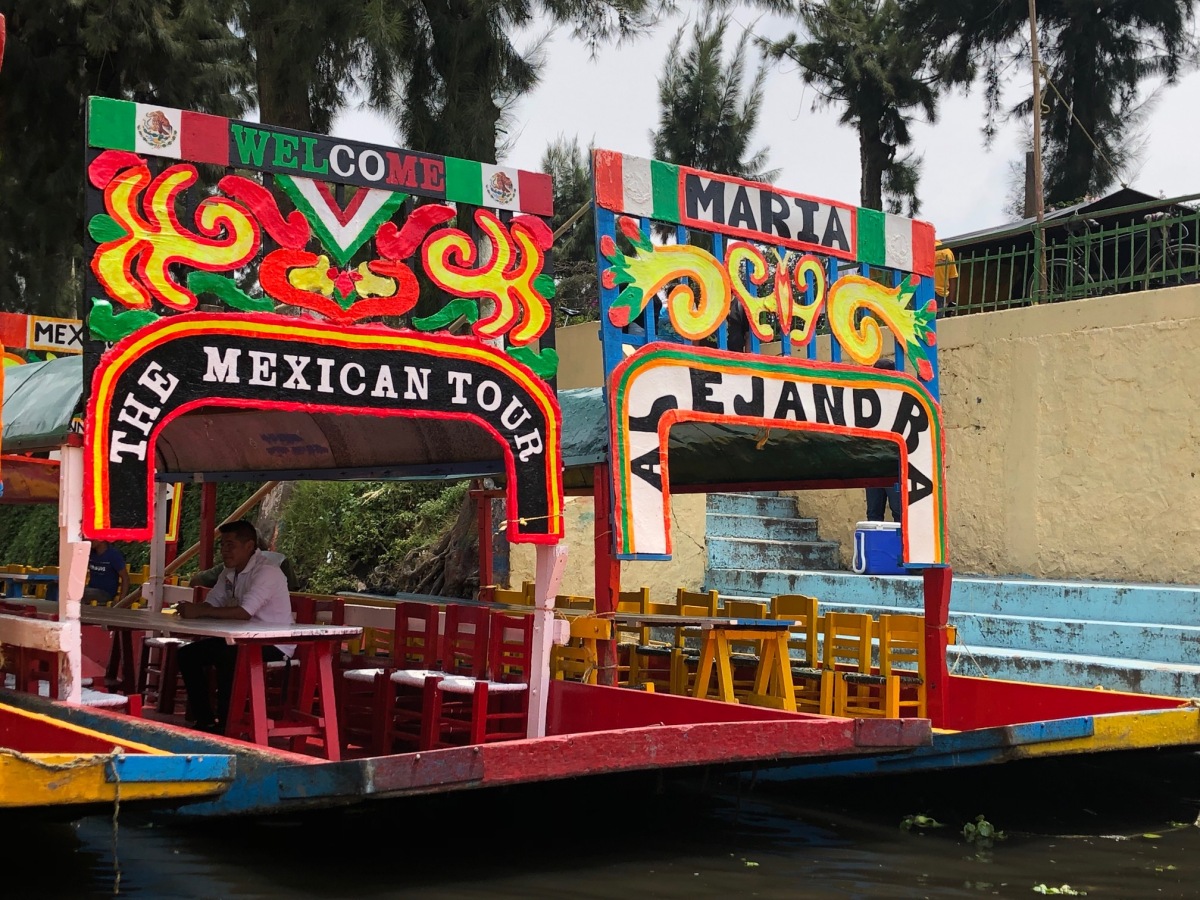
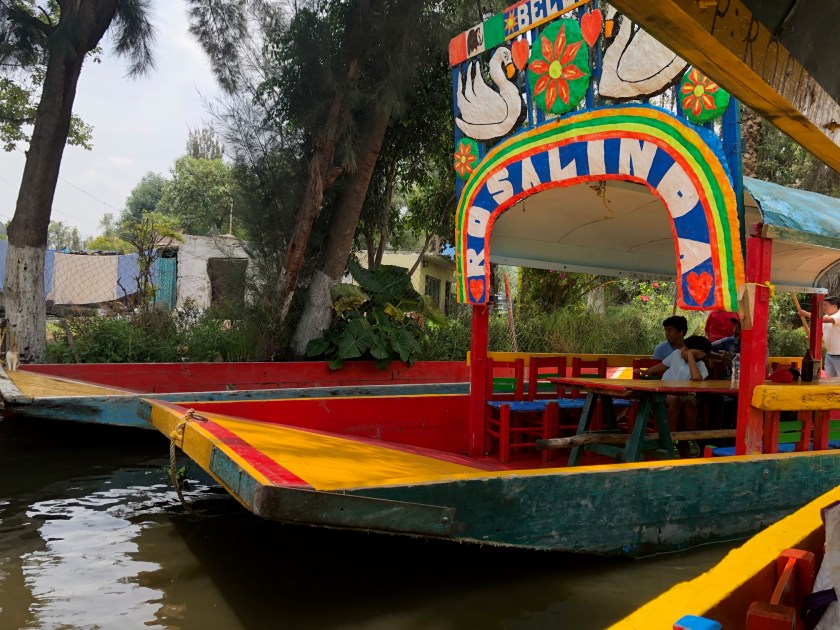
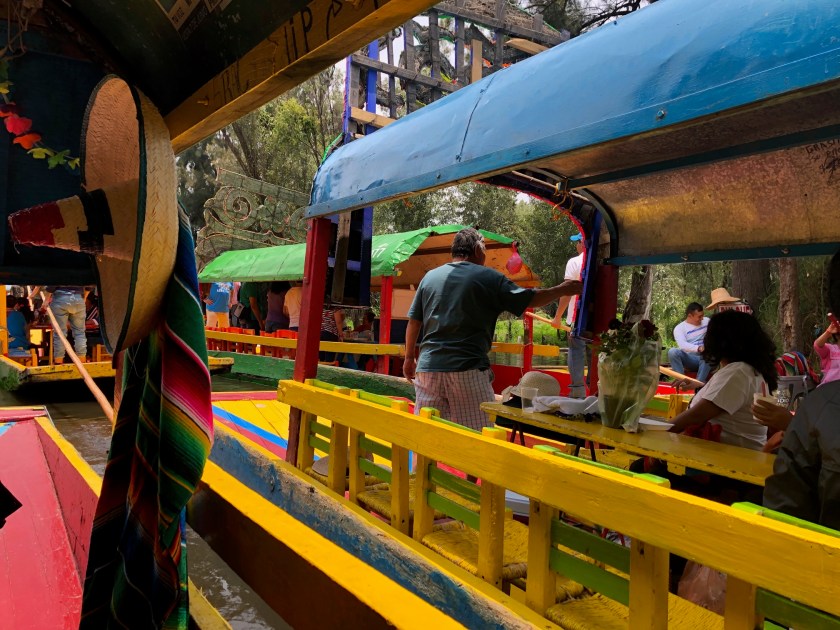
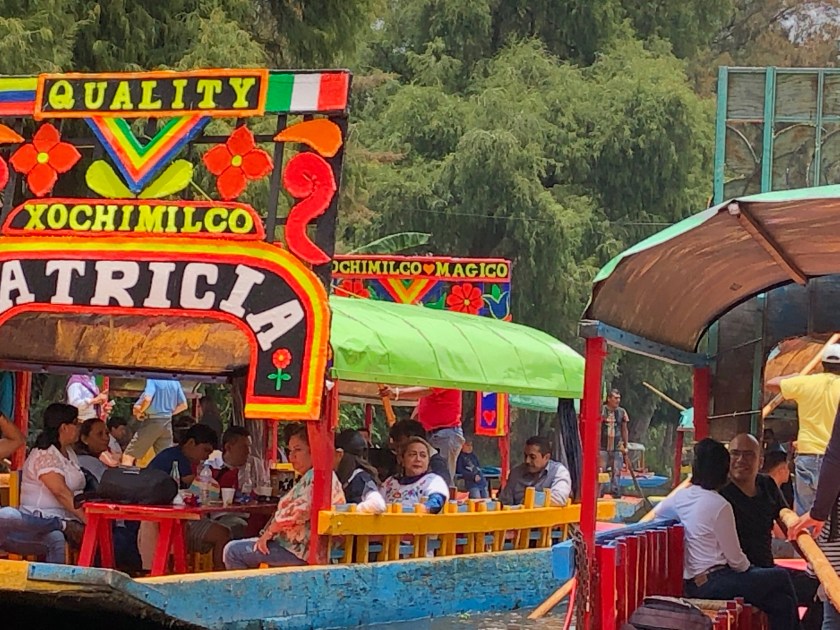
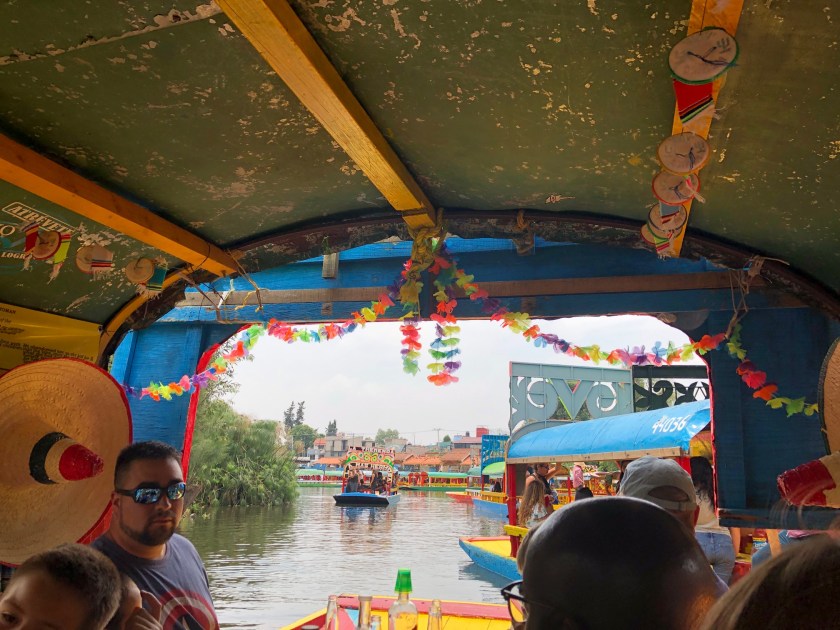
Xochimilco

IMG_2810IMG_2813IMG_2815IMG_2819IMG_2820IMG_2825IMG_2827IMG_2832IMG_2835IMG_2836IMG_2839IMG_2842

Camera: iPhone 8

Location: Xochimilco, Mexico City, Mexico

Movie Recommendations – Volume II

  1. The Mule (2018)

MV5BMTc1OTc5NzA4OF5BMl5BanBnXkFtZTgwOTAzMzE2NjM@._V1_UX182_CR0,0,182,268_AL_

A normal man of the middle class is pushed to his limits and takes serious risks that could backfire on him. This is essentially the premise of legendary actor and director Clint Eastwood’s latest film in which he stars and directs as an octogenarian horticulturist turned drug mule named Earl Stone. Based on true events, this unreliable family man and an even worse husband, Earl has sacrificed his love of flowers for the love of his daughter and wife. More at home on the road with his drinking buddies and colleagues than with his own family members, Earl has spent over thirty years doing what he does best much to the chagrin of those who care about him including his soon to be wed granddaughter.

Earl is faced with the unsettling reality of the crippling economic recession beginning in 2008 and the subsequent rise of eCommerce outlets when his horticulture lifestyle and flower gardens go out of business. All Earl has left is his love of the road, his ability to never get a speeding ticket, and a lot of debt that he’s not sure how to get out of. Earl has the utter misfortune to run into people who are shady yet loaded with cash and Earl, being as desperate as he is to stay afloat economically goes ahead and trusts them anyway despite not knowing about the illicit cargo, he is transporting around the country for them.

You are left feeling bad for Earl because despite putting work first all those years and missing time with his loved ones, he partly did it to feed his family and give them a good life even if he was away most of the time. Eastwood who plays Earl in the film is not an innocent lamb and deserves punishment for what he did, but he is simply a manipulated fall guy and another casualty to the endless ‘war on drugs.’ Pursued by federal agents and cartel criminals, Earl ends up between a rock and a hard place and you have to wonder how we can live in a society where an old man such as himself has to resort to be a drug mule in order to get by financially and create a good life for himself and those close to him.

Overall, this is a good movie that I would recommend for its questions about morality, family, and the consequences economic hard times can have and are still a reality for so many people who choose to take illegal means or are forced to do so in order to survive or get by. It’s clear from the movie that crime doesn’t pay but we are left to reckon with the absurdity of an eighty plus year old man needing to work for the cartels in order to thrive economically.

  1. Once Upon a Time in Hollywood (2019)

once-upon-a-time

It may not be Tarantino’s best but it’s certainly not his worst. With a stellar cast of characters including Leonardo DiCaprio, Brad Pitt, Margot Robbie, Al Pacino, etc., This film does a great job of invoking the nostalgia and uniqueness of Hollywood in its heyday during the late 1960’s. Set in a time when hitchhiking was normal to partake in, hippies were hanging out in ranches, and the Manson family was beginning its reign of terror, Tarantino has an uncanny ability to bring those cultural tenets together to produce a satisfying film.

Between the cars, the outfits, the egos of the actors, you get a real sense of what it must have been like to be in Hollywood during that golden era. Even still, Tarantino as in his other films, likes to put his own spin on history and without revealing too much, the last thirty minutes of this film are among the most satisfying that he has put to the big screen.

It would not be a Tarantino movie without some craziness and shocking moments occurring. One of the best parts of ‘Once Upon a Time in Hollywood’ is the chemistry between Brad Pitt’s character, Cliff Booth, a stuntman who does all the dirty work with a smile on his face and Leo DiCaprio’s character, Rick Dalton, an actor who is struggling with the notion that his career may be on the downslope.

While the film gets off to a slow start and certain scenes are drawn out way too long, the writing is well-done, the characters are interesting to see develop, and the payoff of the ending is way too satisfying to not recommend this film. Especially if you are a fan of Hollywood history and the era of the 1960’s, you’ll definitely enjoy this one.

  1. Blinded by The Light (2019)

blinded_by_the_light_onesheet

Brrrrrruuuuucccceeeeee! Springsteen fans are going to love this film. I know I did and it’s for a couple of reasons. The actors are really likable in this one and the story they’re telling is one as old as time but in a setting and an era that I found pretty compelling. There are some similarities between the coming of age of someone like a Bruce Springsteen and the film’s main character, Javed Khan (played by Viveik Kalra). Even though they are from different countries, different races, and different religious beliefs, there is a universal truth that underlies what Javed and Bruce went through as younger men. Dealing with overprotective or absent fathers, searching for one’s own identity, trying to find true love, and figuring out how to make their dreams come true These are the powerful themes of the film that are timelines across cultures and across borders.

Also timeless is the fight against hatred, bigotry, and intolerance among those who don’t accept others who are different living in their communities. The film is not just about Springsteen’s music and how it relates to a young man’s search for his place in the world but also about a family’s immigrant dream to create a better life for themselves in a community that can be rather cruel and mean at times. Not only is Javed trying to make his dreams come true but his family are also trying to fit in to a town, Luton, where they are minorities, and are discriminated against.

I particularly like how ‘Blinded by The Light’, while it followed the formulaic story of similar films, it has its own identity and its own unique setting and characters that make it a rewarding watch. There are some lessons to be taken from this film beyond just enjoying the music of the Boss. It’s about balancing family responsibilities and your own independence and desires, and also about what your priorities are in life.

Music isn’t everything but it’s the sweet, fulfilling topping that will get you through hard times when things look bleak. That is part of the appeal of Bruce Springsteen’s music and it’s why his music is so powerful and resonant from Asbury Park to Luton and from New York City to London. If you get the chance, see this film even if you don’t like Springsteen. It is more than just a musical and at its core, it’s about the triumph of love over hate and of dreams over despair.

Finding Your Flow State

What’s one thing that all professional athletes, musicians, artists, writers, and anyone devoted to their craft have in common? They have all achieved a ‘flow state’, which is difficult to relate to unless you are fully immersed in terms of what you are pursuing and truly enjoy what you are doing. The flow state is elusive for most people because they either haven’t found their passion in life or haven’t put the time in yet to get better through consistent practice or play. The flow state is a higher state of being because for a point in time, your concentration is matched with your intensity producing a beautiful result.

When you can put other thoughts or other concerns out of your mind to focus on your craft regardless of what it is, you are utilizing your full potential and will be able to achieve a better result for yourself. To outside observers, the flow state looks nearly impossible to accomplish but when you are devoted to art, to music, to sports, or to writing, the final result is nearly guaranteed because you have put blood, sweat, and tears to produce something meaningful.

To me, the flow state is the most optimal state of mind that you can be in because it requires you to be at your best and to perform at the highest level. It’s requires being in a state of movement and using your body in some way to produce an action. You are putting your energy, your concentration, and your focus into a singular goal and it’s inspiring to those people who get to benefit in some way from what you were able to produce. It’s better to be a doer than to be an observer but it can inspire others to find their flow state when you see them do theirs and to do it extremely well.

For example, I was at a popular Jazz club in Mexico City recently and the headliner was a talented Danish guitarist along with a group of local musicians backing him up on the saxophone, the drums, and the Jazz bass. Every one of them was talented at what they do and were in sync generating a group kind of ‘flow state’ that is even more powerful. The thing with a good Jazz group is that you start to yourself get into the ‘flow’ of enjoying the music and moving your body to the rhythm as well.

As someone who played trumpet for 11 years straight and enjoyed the feeling of togetherness and comradery that playing in a Jazz Ensemble can bring, it is impressive to see a group working well together and nailing their parts to achieve their flow state together. To play a musical instrumently proficiently on your own is tough enough, but to work together with different musicians to produce a catchy tune without making any mistakes is as near to a modern-day miracle as it can get.

Musicians thrive off the energy and the drive of others as well as professional athletes and even politicians. It is much harder to achieve a flow state on your own in the solitude of one’s house especially if your craft requires some sort of public attention. Writers and artists tend to be more introverted on average and don’t need the attention of others to achieve an individual flow state. However, there’s something to be said for achieving a group flow state when you’re cheering on a ruthless dunk from a professional basketball player or listening intently in an arena to a Presidential candidate’s stump speech.

People want to believe in the achievements of others, and I know that we prefer to lift each other up rather than to tear each other down. While it’s beneficial to take part in watching other people reach and show off their flow state, you should be trying to find yours every day. You will get much more satisfaction out of life when you are in that mode where you are merging with your craft whether that’s art, music, writing, sports, etc. While it’s fun to cheer others on and take part in their joy, you should always be trying to create a little bit of your own.

Intense concentration and effort is not easy to achieve, but it is extremely rewarding to put your worries and anxieties aside to focus on a singular goal that you want to achieve. It may take hours, days, weeks, months, and even years to get to where you want to be but there is joy to be found in putting away all distractions and devoting yourself to a craft that you enjoy and are able to put serious time into. Our individual potential will not be able to be achieved unless we are able to reach a flow state relating to a kind of creative or intuitive pursuit.

Do your best to try different activities out and see what you like. If you find an activity or an interest you enjoy, continue to add more time to it and you should start to see results. Don’t start to look for monetary rewards or personal fame to keep you going with this pursuit but you should be doing it for yourself primarily and for your desire to reach that state of flow where you can fully immerse yourself in the activity whatever it may be.

You should find happiness and joy in what you do and become the best that you can be at it. If you can enjoy the activity, you’ll eventually find your ‘flow’ with it and be able to do it effortlessly. While you will have a lot of frustration and stress with practicing and doing the activity, if you like it and find it worthwhile, you won’t mind the downsides when the upsides can produce such an intense ‘flow’ where you are in the zone and are able to produce a beautiful result that others will appreciate. Being able to inspire others to reach their own ‘flow state’ creates its own ripple effect allowing our society to become more creative, intuitive, and productive as a result.

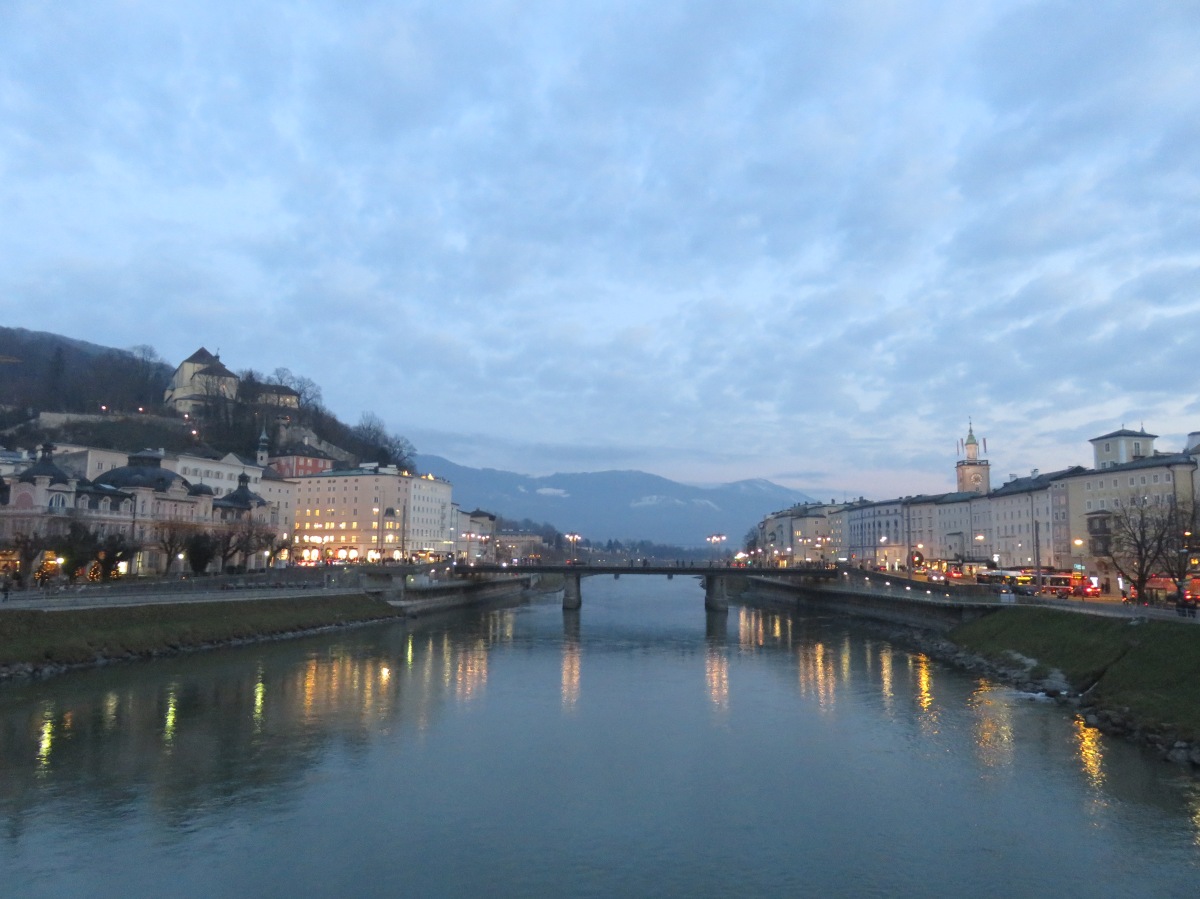
Salzburg

img_3303img_3305img_3307img_3313img_3316img_3318img_3320img_3326img_3331img_3334img_3336img_3339img_3353img_3354img_3371

Camera: Canon PowerShot SX710 HS

Location: Salzburg, Austria

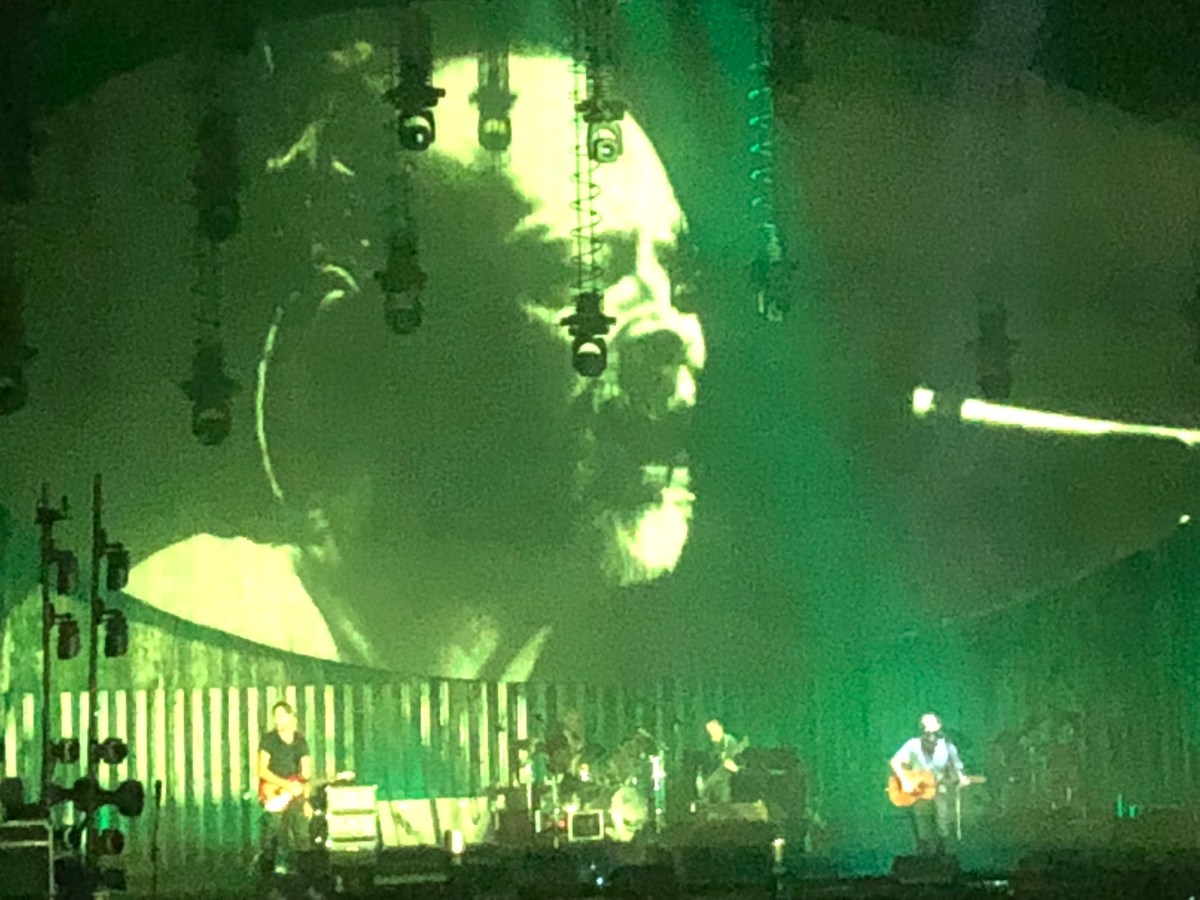
Radiohead @ TD Garden

IMG_0908IMG_0910IMG_0895IMG_0885IMG_0840IMG_0872IMG_0852IMG_0846IMG_0862IMG_0879IMG_0868IMG_0855

Camera: iPhone 8

Location: Boston, Massachusetts, United States

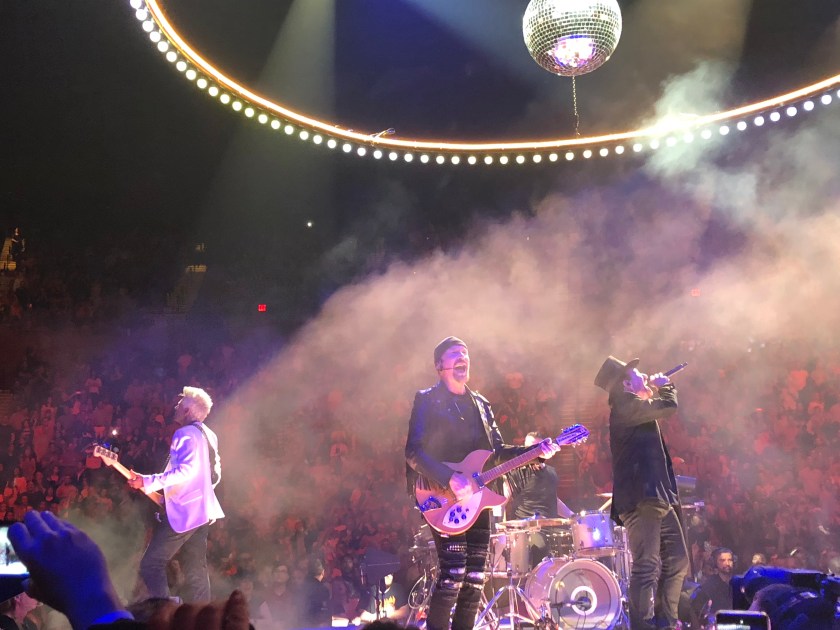
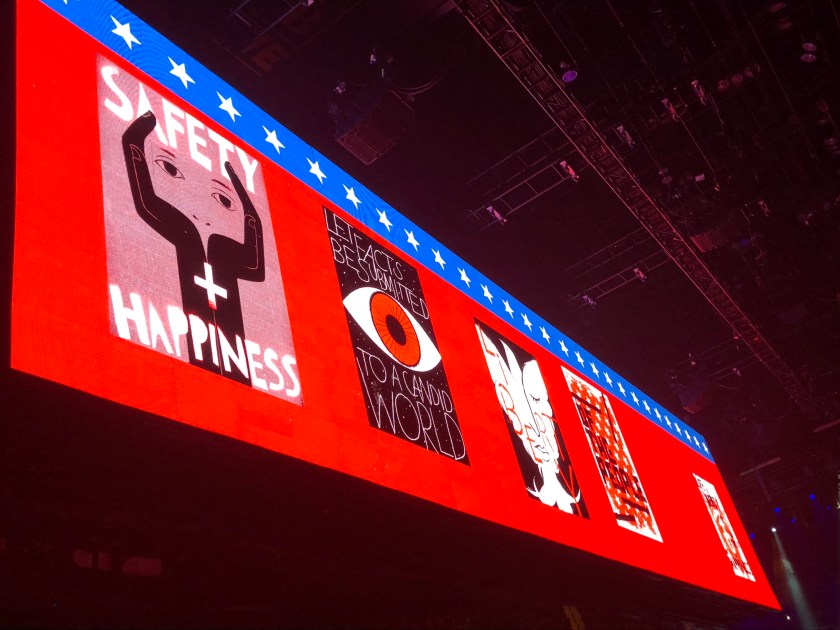
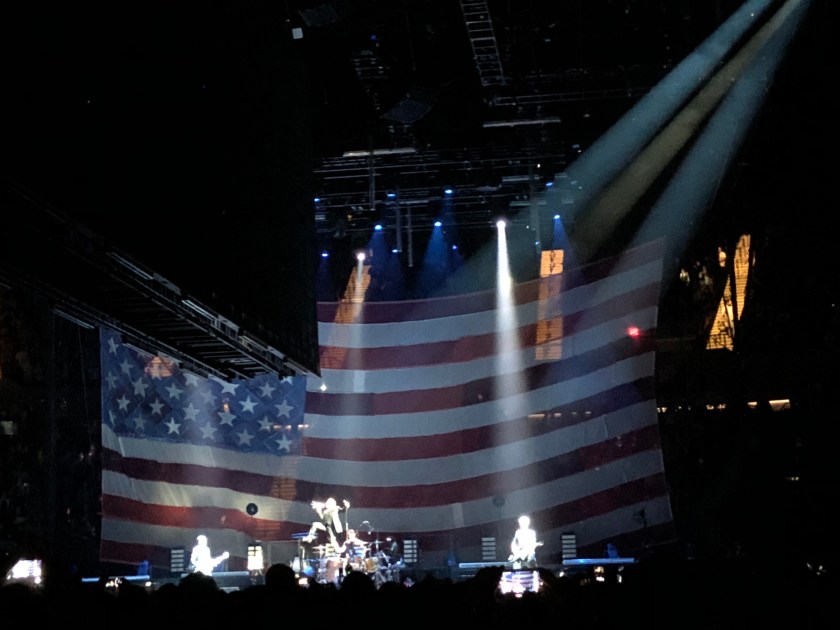
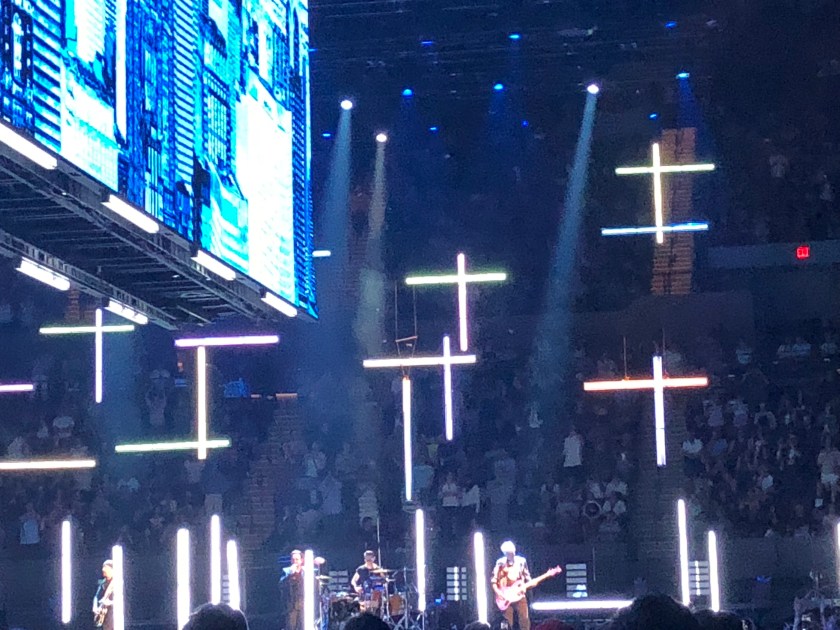
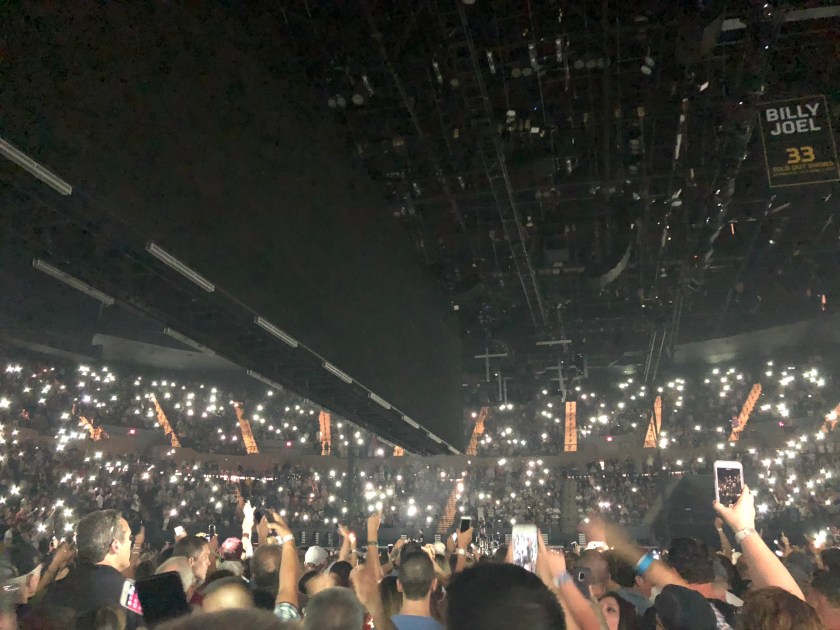
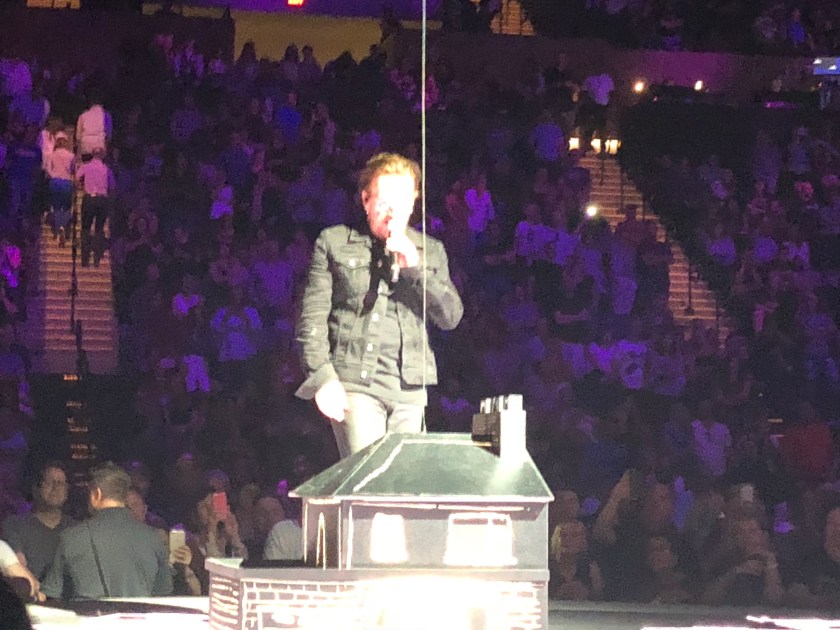
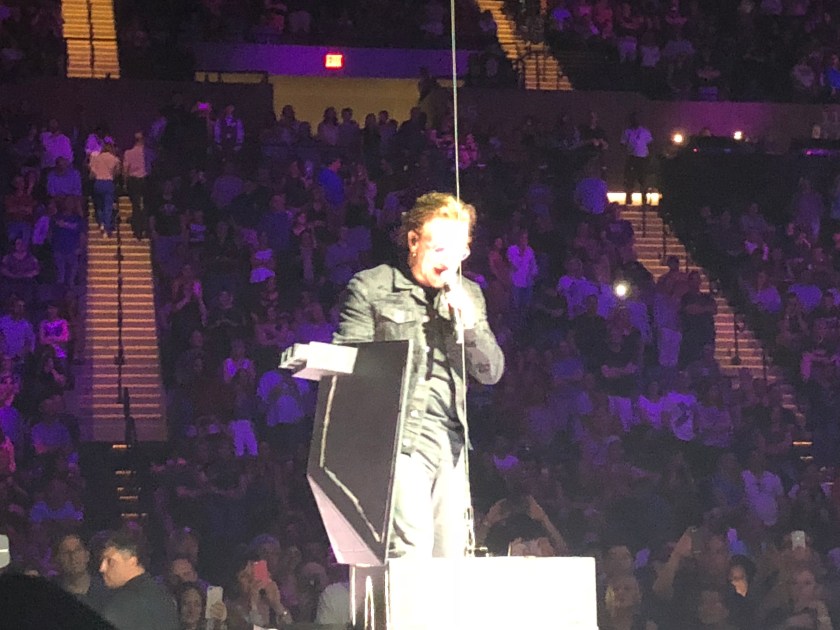
U2 at the Coliseum

gz1%tmoCT5iyFY0vdpeHUQ5O0UAF9rTo+XgJmeAcvFLAZbSvy2djTWu7%iDr36QnAwdrf0bqJBSLGR%6vb0gX6PgOqsmycqaSV6u9+4Q661fiQvIvnnjiyRaKetIWXGX5zUQPaimf7vjRsqPbVsgwzuJIgFYLrJIwZSNyyFarkjuDqsQBZauI1+cRuag8x+54m32zw7WMo0ITYQIWMk0A2BbPzUASTVIISu0SGWtXMpBtJIKdAS16nLOKITuyC+JDTiT%xLAWNLnIwdTT7KP95hr454ONAVo3IGlNWScKUNGkww5vlgAk7hvZJihQNuzSO8W7GCvdA

Camera: iPhone 8 

Location: Nassau Veterans Memorial Coliseum (NYCB Live) – Uniondale, New York, United States

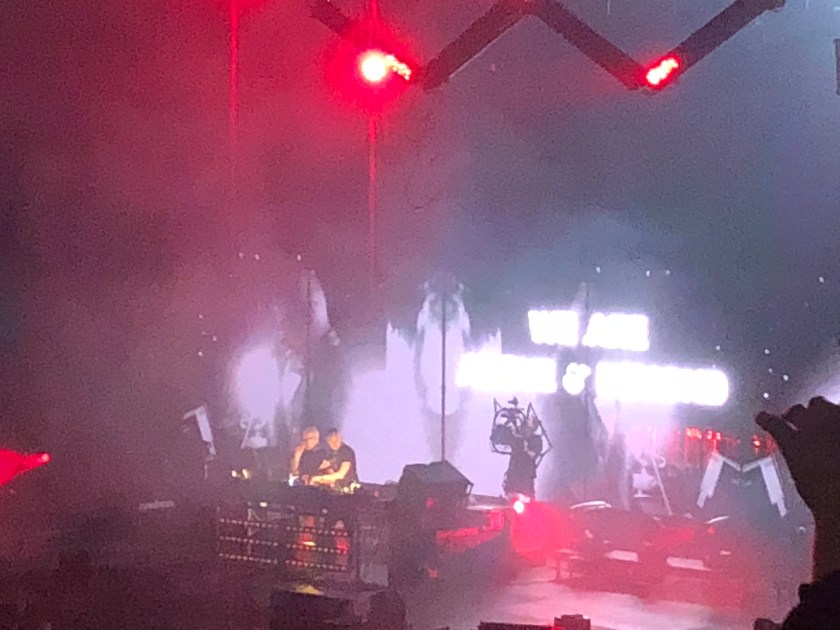
Above & Beyond in Brooklyn

IMG_0210IMG_0211IMG_0213IMG_0215IMG_0217IMG_0219IMG_0220IMG_0223IMG_0225IMG_0226

CameraiPhone 8

Location: Barclays Center; Brooklyn, New York

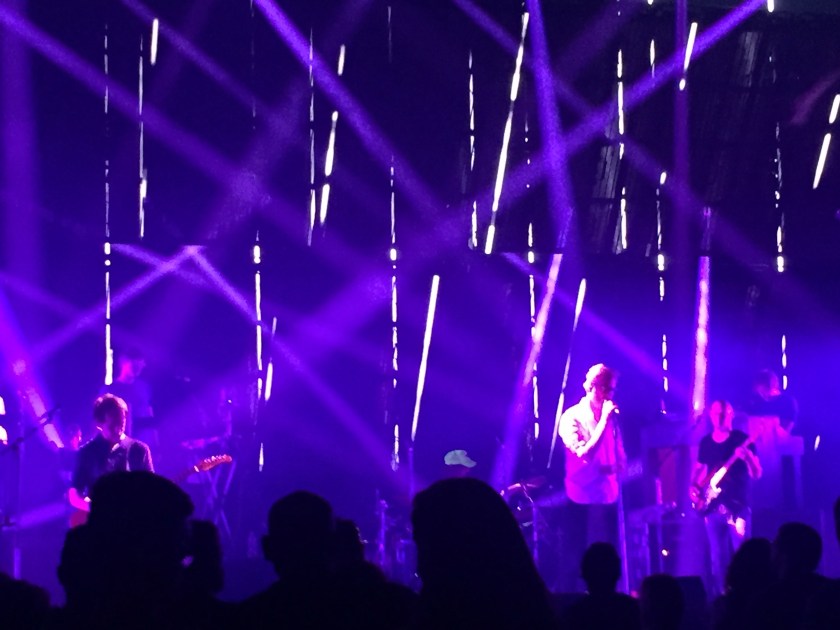
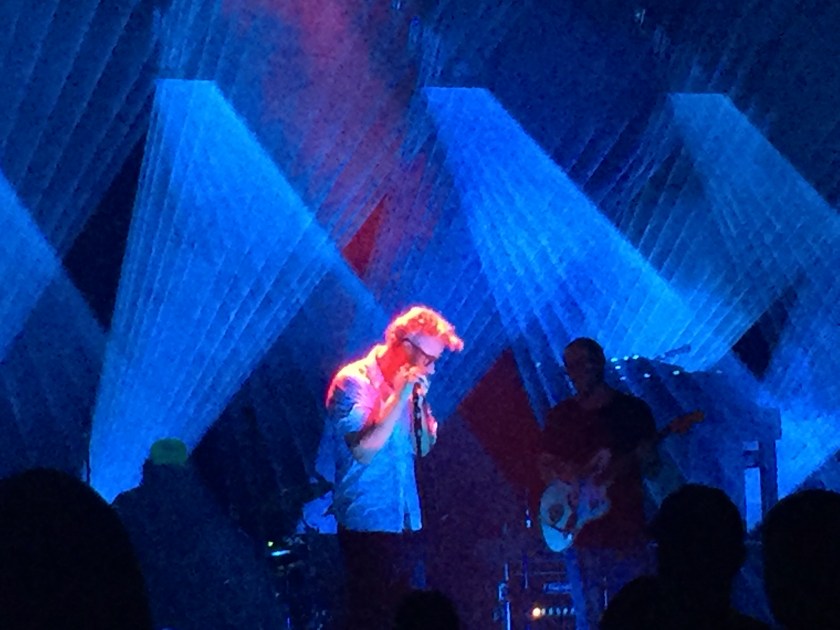
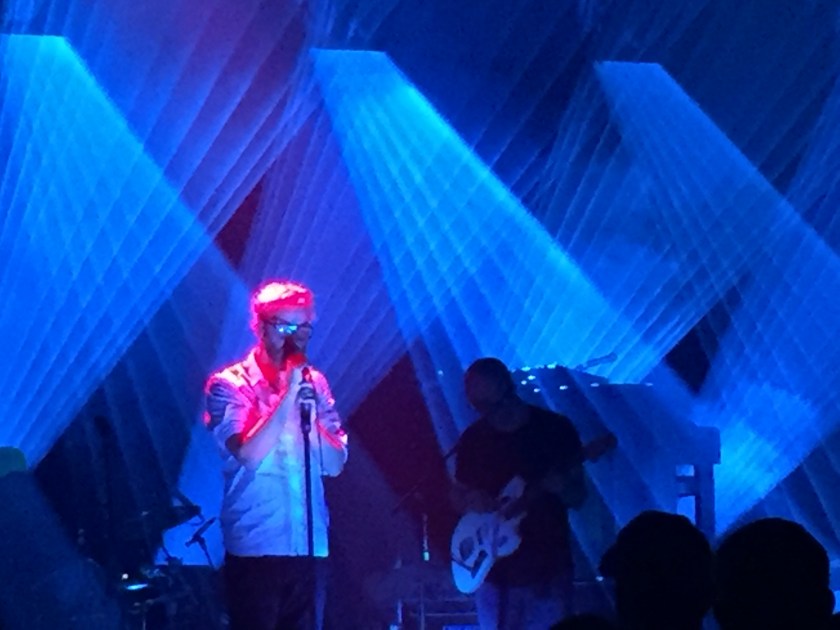
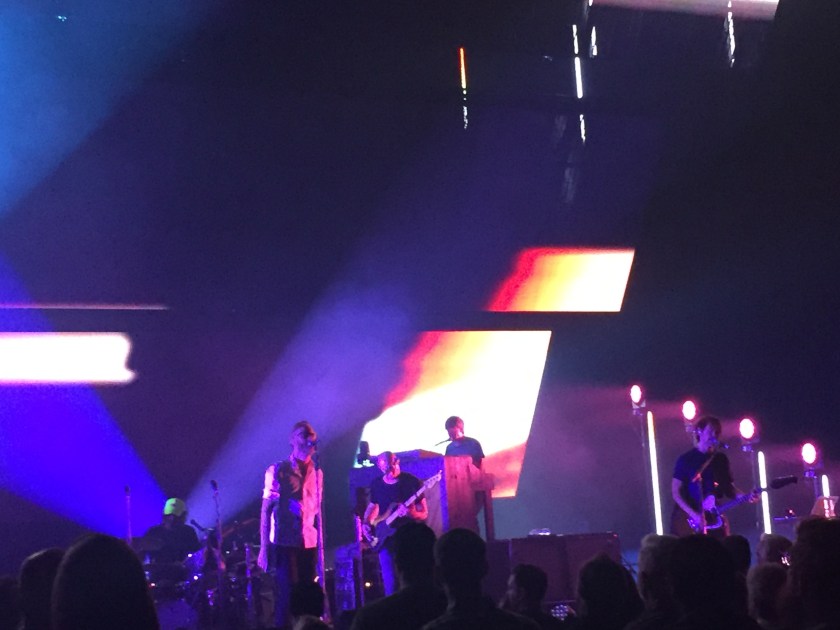
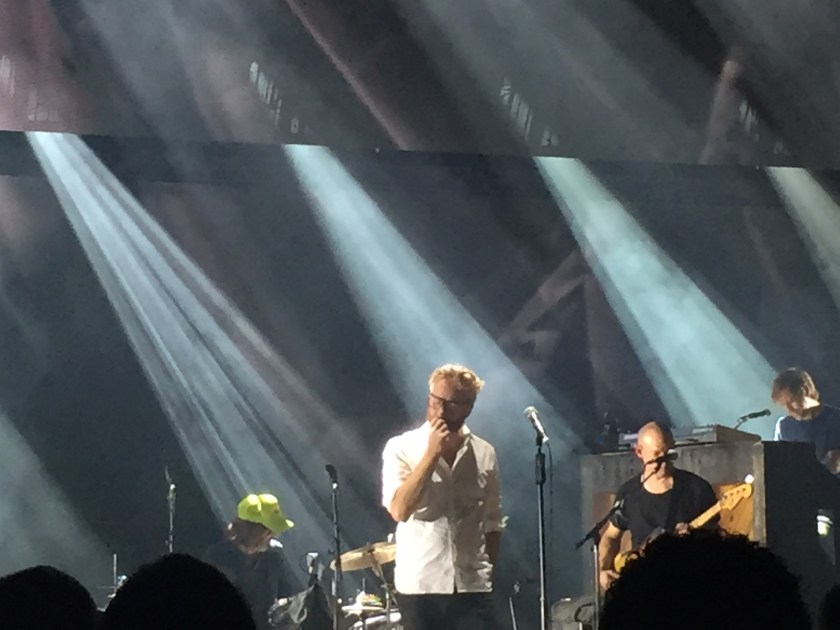
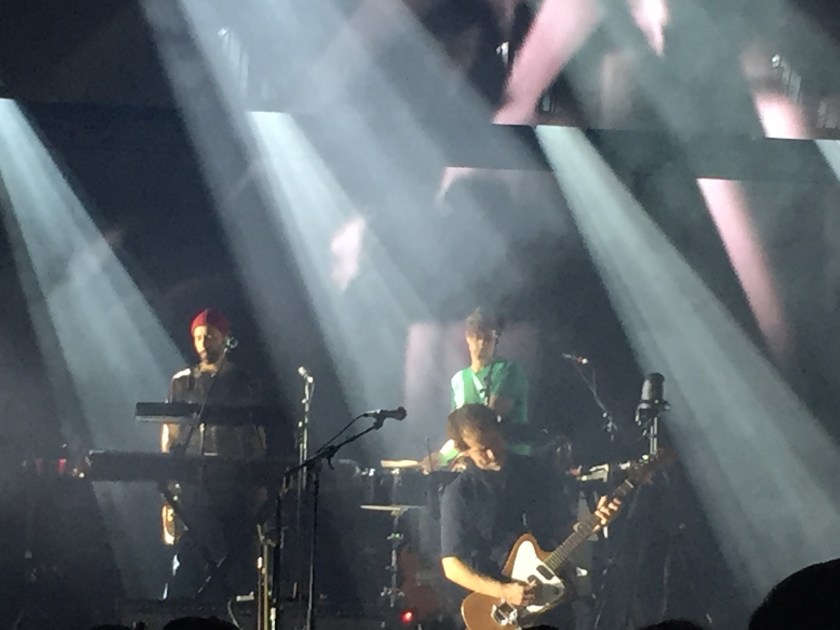
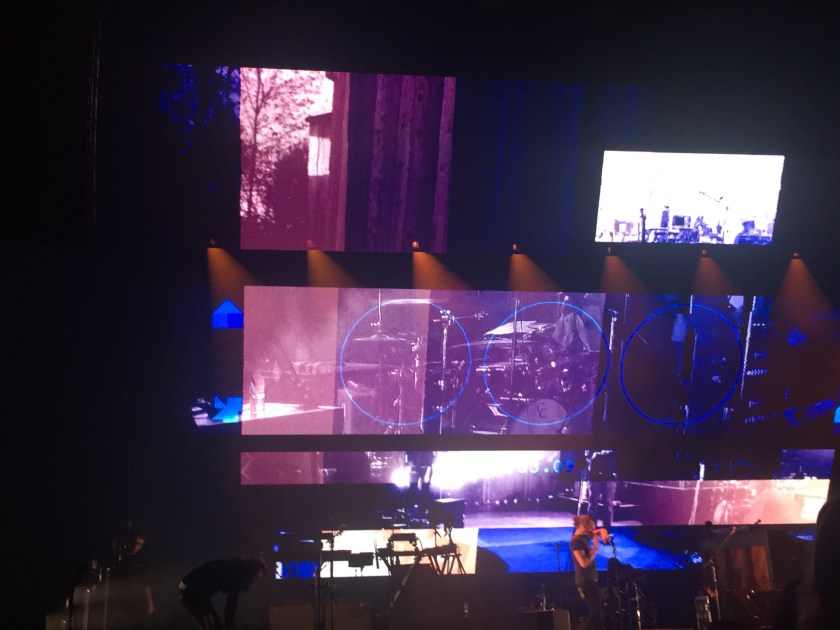
The National at Boch Center

IMG_0053IMG_0055IMG_0057IMG_0059IMG_0061IMG_0067IMG_0070IMG_0072IMG_0074IMG_0077IMG_0080IMG_0084IMG_0085IMG_0086IMG_0051

“Bloodbuzz Ohio” by The National (Video)

Camera: iPhone 6

Location: Boston, Massachusetts; The Wang Theatre at Boch Center

Cultural Spotlight – Vallenato

For my last blog post regarding Colombian culture for a while, I’d like to focus on a form of dance that is very popular there, especially on the Caribbean coast. Similar to cumbia, vallenato is a form of Colombian folk music that is both traditional and innovative in its’ instrumentation, interpretation. If we were to translate vallenato to English, it would roughly mean, “born in the valley,” which refers to vallenato’s roots coming from the Caribbean region of Colombia.

The valley that is being referenced as having started this popular music is located between Sierra Nevada de Santa Marta and the Serrania de Perija. Vallenato is also partly named after the Colombian city of Valledupar where this genre of music originated. Vallenato has become so popular not just in Colombia but also in rest of Latin America making it apart of mainstream Latin music that is apart of the cultural heritage of that country and that region of the world.

Vallenato originated from the tradition of farmers who would travel from Colombian village to village on long journeys in their quest to sell cattle in local fairs or look for greener pastures for them. During these trips, the farmers would sing together, play guitars and other instruments like gaita flutes (kuisis), which were indigenous to the local culture. Since these farmers would travel often, they would often bring news and information to the different towns that they visited. Sometimes, these messages to the village folk would be delivered in the song form so that the towns would know what’s going on nearby in the valley.

Vallenato is an eclectic mix of different kinds of world music such as Spanish, African, and Amerindian. Vallenato songs started to become common during the early 1900’s from the Caribbean region of Colombia. The early forms of vallenato would come with instruments such as gaita flutes, guacharaca (percussion), caja, bass guitar, and acoustic guitar. Additionally, you could make the sounds more European by adding instruments like the accordion or the piano.

Since the early days of vallenato, the accordion has become an increasingly large part of the sound of the songs of this particular genre of music. While vallenato was originally a genre of music for lower class folk and farmers in particular, it has since become popular across all spectrums and social classes within Colombian society. Many subgenres have come out of traditional vallenato such as romantic vallenato, commercial vallenato, and new wave vallenato.

Since the heart of the vallenato genre deals with telling stories, it is a very social form of music. You can drink liquor, enjoy a nice meal, and even dance with a partner to this genre. Listening to vallenato can go well with having a family party, attending a festival, or checking out a carnival. Vallenato has become so popular that there are two main festivals devoted to it: the Vallenato Legend Festival and the Cradle of Accordions festival. Valledupar has also become one of Colombia’s most famous cities given the fact that it was the birthplace of one of its most popular music genres, Vallenato.

When it comes to vallenato, you cannot have a song without the caja, the guacharaca, and the accordion to flesh out the sound and rhythm. The caja, is a small drum, that you can place between your knees and play with your bare hands. This drum was originally brought over by the Europeans during colonization and was mainly used by African slaves for entertainment.

The guacharaca, a wooden, ribbed stick that most looks like sugar cane can be rubbed together with a small fork in order to create a scraping sound. This instrument is meant to imitate the sound of the guacharaco bird from the Cesar region of Colombia, who is known to hunt for food and dance to perform the mating ritual. Lastly, you can’t forget to use the accordion of German origin in order to get the different tones needed to fill out the vallenato sound. By using the right buttons and hitting the right reeds, you should be able to get the rhythm down.

Speaking of the rhythms of vallenato, there are four different beats that create a rhythmic structure and a melody chord structure to form the basis for a song. The four rhythms are known as son, paseo, merengue, and puya. The son and paseo are played in a 2/4 time while the merengue and puya are played in a 6/8 time or ¾ time structure. ‘Son’ is known as being the slowest and most somber movement of vallenato and also has a heavy cadence. ‘Paseo’ is probably the most widely recorded rhythm of vallenato is known as being the most consistent of the four rhythms.

When it comes to ‘puya’, it’s the easiest rhythm of vallenato for each musician to have a solo with one of the three main instruments. It also has a faster up-tempo and is the oldest of the four rhythms. ‘Merengue’, which is not the same type of music as the original genre, but is the fourth and last vallenato rhythm, and was brought to Colombia by some African tribal groups. It’s a more narrative style of vallenato and is played in decimas, which is a 10-line format with Spanish internal rhythms the came over to Colombia originally during the 16th century.

There have been many composers, singers, and groups of Vallenato bands that have emerged over the past century who have helped to contribute to this genre of music. Perhaps the most famous Colombian composer of Vallenato was Rafael Escalona, who composed a number of famous songs and was one of the co-founders of the Vallenato Legend Festival along with Consuelo Araujo and Alfonso Lopez Michelsen.

Many Vallenato groups have also become orchestras in both their large size and instrumentation. The most popular of these orchestras are Binomio de Oro de America, Carlos Vives y la provincia, and Los Diablitos del Vallenato. You also can’t talk about Vallenato without mentioning Silvestre Dangond, who has become maybe the most famous modern day singer and composer of songs in this genre.

He has become popular not only in his native Colombia but also in Latin America and worldwide. While originally a genre of music from Colombia, Vallenato has expanded its’ popularity to Latin America and the rest of the world to share with its’ listeners both the joys, sadness, and romance of life itself.


Cultural Spotlight – Bachata

If you consider Salsa to be wild and exhilarating, then Bachata could be considered the opposite kind of music in that it is both suave and smooth. While Bachata may not be the most exciting kind of Latin music, it is a genre that is both popular and historical. It may not be as skill-based as Salsa or Merengue, but you do need to keep a good rhythm and there is a good amount of variation to this kind of dance. The most important thing to be aware of when dancing Bachata is to watch your steps and make sure you’re moving seamlessly with your lady or gentleman partner in tow.
Bachata is a Latin music genre originally from the Dominican Republic, which came of being in the first half of the 20th century. One of the cool aspects about Bachata is that it combines European, African, and Indigenous musical elements to really captivate its’ listeners and dancers. Jose Manuel Calderon of the Dominican Republic did the first compositions, which formed the original Bachata songs back in those early days of the 20th century.

Bachata is considered to be a mixture of its’ predecessors: Merengue, Bolero and Son, which are other distinct Latin music genres. Similar to Salsa, Bachata takes both the form of a song and the form of a distinct dance that are supposed to go together. The mood of a Bachata song can be either very exuberant or more melancholy. Bachata’s original name was ‘amargue’ which means ‘bitter music’ or ‘blues mules’ reflecting in its’ origins the fact that Bachata used to be more somber and reserved when it was first created in the Dominican Republic.

A surprising fact about the Bachata music genre is that it wasn’t always that popular until the past few decades. Throughout most of the 20th century, especially in the Dominican Republic, this form of music was associated with rural communities who were mostly working class or poor in terms of their status. For a long time, Bachata was not allowed to be played on television or radio because it was too vulgar or crass for the elite members of Dominican society.

However, this attitude began to change in the 1980s and 1990s when both the instrumentation and the styles of Bachata multiplied to become more urban and diverse. Bachata has ended up in the 21st century as being one of the most popular forms of Latin music, up there with both Salsa and Merengue, and is played in bars, discotheques, and dance halls all across Latin America.

Bachata requires a group of musicians playing diverse instruments in order for an actual song to be played from the genre and for dancing to occur. There are seven instruments that usually make up the structure, rhythm, and beat of a Bachata song. You have your ‘Requinto’ (lead guitar), ‘Segunda’ (rhythm guitar), electric guitar, bass guitar, acoustic guitar, bongos, and guira. While none of these instruments are mandatory, you need them all in order to create a dance-oriented form of Bachata rather than a more classically oriented form that is most similar to Bolero.

While Bachata started originally in the Dominican Republic and became popular there eventually after a few decades, Bachata has now become one of the most popular forms of Latin music in the region. You can find Bachata music playing in countries such as Cuba, Panama, Mexico, Honduras, Guatemala, Venezuela, Colombia, Chile, etc. Anywhere you go within the region, you’re likely to hear a Bachata song being played in your neighborhood or in your city.

The first Bachata songs that were composed by Jose Manuel Calderon, considered to be the modern founder of the genre, were titled ‘Borracho de amor’ and ‘Que sera de mi’. These songs came about in the early 1960s, which shows that the modern form of Bachata has been around for over five decades now. Hundreds of musicians, singers, and dancers have contributed to this unique and popular genre. Some of the more famous contributors to Bachata include names like Marino Perez, Leonardo Paniagua, Luis Vargas, Antony Santos, Juan Luis Guerra, and Romeo Santos. If you have the chance to listen or dance to some Bachata music, do yourself a favor and tune in, kick off your shoes, and enjoy this very popular genre of Latin music.