Watching The World Go By In Paris

“Many cities are great for people watching or just seeing daily life transpire in front of your eyes, but Paris is different from the others because you are allowed to slow down fully to take it all in.”

Few cities embrace the pleasure of watching the world go by more than Paris. No wonder why writers from all corners of the globe have come to the ‘City of Lights’ to be inspired to reach their creative goals. If you’re a keen observer as any good writer should be, you’ll see all walks of life come through Paris each day. Whether it’s a starry-eyed tourist with a camera in their hand, a bookkeeper plying his trade by the Seine River, or a street music performer trying to earn a Euro or two. Many cities are great for people watching or just seeing daily life transpire in front of your eyes, but Paris is different from the others because you are allowed to slow down fully to take it all in.

In Paris, the pace of life is fast like any city but the city’s awe-inspiring beauty, its prominent café culture, its pleasant on their ears language of French encourages you to slow down, have a coffee or a pastry, sit down with a book or a pad of paper, and really take it all in. One of my favorite aspects of the city is that compared to most major cities or even other cities I’ve been to in France is that you are encouraged not to rush the experience whether when you’re dining, drinking, or smoking (for those who partake).

No one cares how long you sit at a café or a brasserie (some places are even open 24/7), if you pay for something on the menu and be kind to your server. Some tables may have you face each other if you’re with a companion but often, your chair(s) and table will be facing out on to the lively Parisian streets or plaza whether you are alone or with someone else.

Paris does not bemoan the lone traveler or the lone wanderer who comes to visit it. It is perfectly normal to be by yourself with your thoughts, your sketch pad, and your cup of coffee spending as much time as you need with whatever you happen to be working on. I’d imagine that even if you visit in the Fall or Winter, you’ll still see people out in the streets or in the plazas, talking, laughing, eating, drinking, and making the most out of their lives in the big city. When you are in Paris, you can watch the world go by and even if you’re in a rush personally that day with work or studies, the city will encourage you to slow down, stop somewhere, and take in its ever-enchanting beauty and detail.

Writers, painters, musicians, and other kinds of artists have had a field day with creating great works from having lived in Paris because there is so much to be inspired by. The city of Paris and French culture, in general, have a high emphasis placed on beauty, aesthetics, and the art of good presentation. Any type of artist will be able to come to Paris to draw or paint about the daily scenes of life they see there, have time to think deeply about their approach to their work, and foster ideas without being interrupted endlessly.

Even with the humming noise of traffic and pedestrians, it is not a overly loud city when compared to other major cities I’ve been to in the world. You can find those moments of quiet and peace amid the waves of people and vehicles who pass you by. Sitting and facing out towards the world and not with your back to it allows you to assess better how you fit into this magnificent city and where you fit into its ever-changing melody and rhythm.

I believe you could spend years in Paris and not have tried every restaurant, café, brasserie, or bar. There are seemingly endless places to sit, drink, relax, think, write, and reflect, which is why the city is and will always be such a haven for brilliant artists of all kinds throughout the millennia. Paris encourages you to soak it all in and to pay attention to what you’re surrounded by.

Throughout Paris’s history, the city has sought to inspire humanity to move forward through making new inventions, creating new works of art, writing new literature, and building more beautiful and awe-inspiring architecture. When you think about a self-fulfilling prophecy for a city to have, Paris was built on reaching higher and higher in terms of our human aspirations to create beauty in this life and to find the beauty in each other.

We may fall short from time to time, but Paris is a city built on pursuing excellence in all facets through the pursuit of one’s dreams. For those people who are creative in any sense of the word, who want to share their creativity and gifts with the world, Paris is a great home to begin doing so. When you come to the ‘Ville de Lumiere’, not only can you watch the world go by without a care in the world and be able to take in all its beauty and charm, but you will also be inspired by the city that was built on fulfilling the hopes and dreams of its many inhabitants.

Paris would not be the city it is today without the creative and forward-thinking men and women who built it to be what it is today and will remain for the future, a beautiful and inspiring beacon of human ingenuity and vision that inspires both visitors and Parisians alike.

Gone Fishin’ in the Great South Bay

“Showcasing the allure of Great South Bay in Long Island, New York through captivating imagery.”

Camera: iPhone 12

Locations: Captree State Park; Bay Shore, New York; Great South Bay, Long Island, New York

Some Thoughts On “This Too Shall Pass”

“The main message of the quote is meant to be comforting to those who hear the words strung together either in a poem, a speech, a song, or a fable, and it is supposed to let us all know that whatever we are experiencing or feeling at the moment, whether it is positive or negative, good or bad, happy or sad, “this too shall pass.”

A favorite quote of mine in the English language, originally adapted from Farsi / Persian centuries ago, has been used by both Sufi poets and American presidents alike to describe the impermanence of everything. The main message of the quote is meant to be comforting to those who hear the words strung together either in a poem, a speech, a song, or a fable, and it is supposed to let us all know that whatever we are experiencing or feeling at the moment, whether it is positive or negative, good or bad, happy or sad, “this too shall pass.”

The human condition is ever evolving and what we experience one moment, one hour, or one day can be drastically different later from what was before. Nothing is permanent as we all know because one of the first things we become sentient of is our own mortality and our own impermanence on Earth. While this can fill us with existential dread and despair, it can be a blessing too because the pain, the suffering, and other negative emotions we experience in this life are not for forever. Just as we can’t be experiencing euphoria in the form of only good things happening every moment of our life, the same can be said for having everything go wrong throughout life.

What happens to us in life is largely beyond our control but what we can control is how we react to life and its challenges. In addition, we should remind ourselves that tough times are not forever and if you stay in the game, you keep moving forward, you give yourself a chance of pulling yourself out of a bad rut or a down time. I find it healthy emotionally to remember the Persian and now translated to English saying of, “this too shall pass.” It is a good reminder for us all about the impermanence of all things we experience including life itself.

In addition, this quote of “this too shall pass” can be correlated to “carpe diem” because we must do our best to enjoy life despite its challenges because we never know how many days will be given to live this life. You may not know what life will throw your way day by day, but you should be prepared to make the most of it, to ‘seize’ it, and to have an impact on it in whatever way you can.

The impermanence of everything in life should make us savor the good moments more whenever they come to us. We can remind ourselves that the bad times don’t last forever too and that good times can be just around the corner if we believe in ourselves to turn things around. Being more grateful, more appreciative, more kind, and being a better person even when we don’t feel like karma or life itself is reflecting the good that we’re doing should not mean we stop trying. The reward of life is to live it to the fullest and to do it well even with the inevitable ups and downs, the highs and lows that come with it.

We must refuse to give up or surrender when the bad times in life challenge us, sometimes beyond what we would ever want to endure. We must believe in doing good and being good even when bad things or times happen to us. Life is a gift; however we are affected by existing and living day by day, we must make the most of it and to continue making our lives better even when times are tough on us. Those four words of “this too shall pass” have comforted people in different cultures and in different languages throughout the centuries.

The human condition is not the same day by day and what we experience today will not be what we experience tomorrow. Time can blend, routines can become suffocating, and experiences can become mundane in life, but it is up to you and you alone first to make changes to your life, to make different choices to how you react to life, and to form different habits that could make what looks like a permanent situation turn into a temporary blip in your life trajectory. We may think that we are on a set course, but we have agency, and nothing is permanent, and we can make our lives what we wish if we decide to act and make change to go from good to bad or bad to good depending on how we act on both our actions and choices.

“This too shall pass” is a timeless piece of wisdom that resonates deeply with the human experience and has done so for centuries. At its core, this universal phrase has served as a powerful reminder to all human beings of the impermanence of all things and of life itself. By acknowledging that both good and bad moments are fleeting, we cultivate a healthier and balanced perspective on life. When faced with the challenges life throws at us each day, remembering that “this too shall pass” helps us to endure the hardships with greater resilience, humility, and patience. It encourages us to stay grounded, knowing that difficult times will not last forever. This outlook can alleviate the weight of anxiety and stress, providing a sense of hope, belief, and a clear mind to navigate through life’s adversities.   

Similarly, this kind of wisdom also teaches us to cherish the happy and joyful moments more fully, understanding that they are both precious and temporary. It fosters an appreciation for the present moment we are living in, urging us to savor the beauty and happiness we encounter even in a minute way. By internalizing this phrase in our lives, we become more mindful and grateful for the positive experiences in our lives when they occur.

Incorporating “this too shall pass” into our mindset every day can lead to a more balanced emotional and mental state. This quote promotes resilience by reassuring us during tough times and maximizing our joy by reminding us to live in the present, whether good or bad. Ultimately, this simple yet profound wisdom from earlier times in the history of humanity helps us embrace the ebb and flow of life with grace and humility, transforming how we approach both our triumphs and our trials.

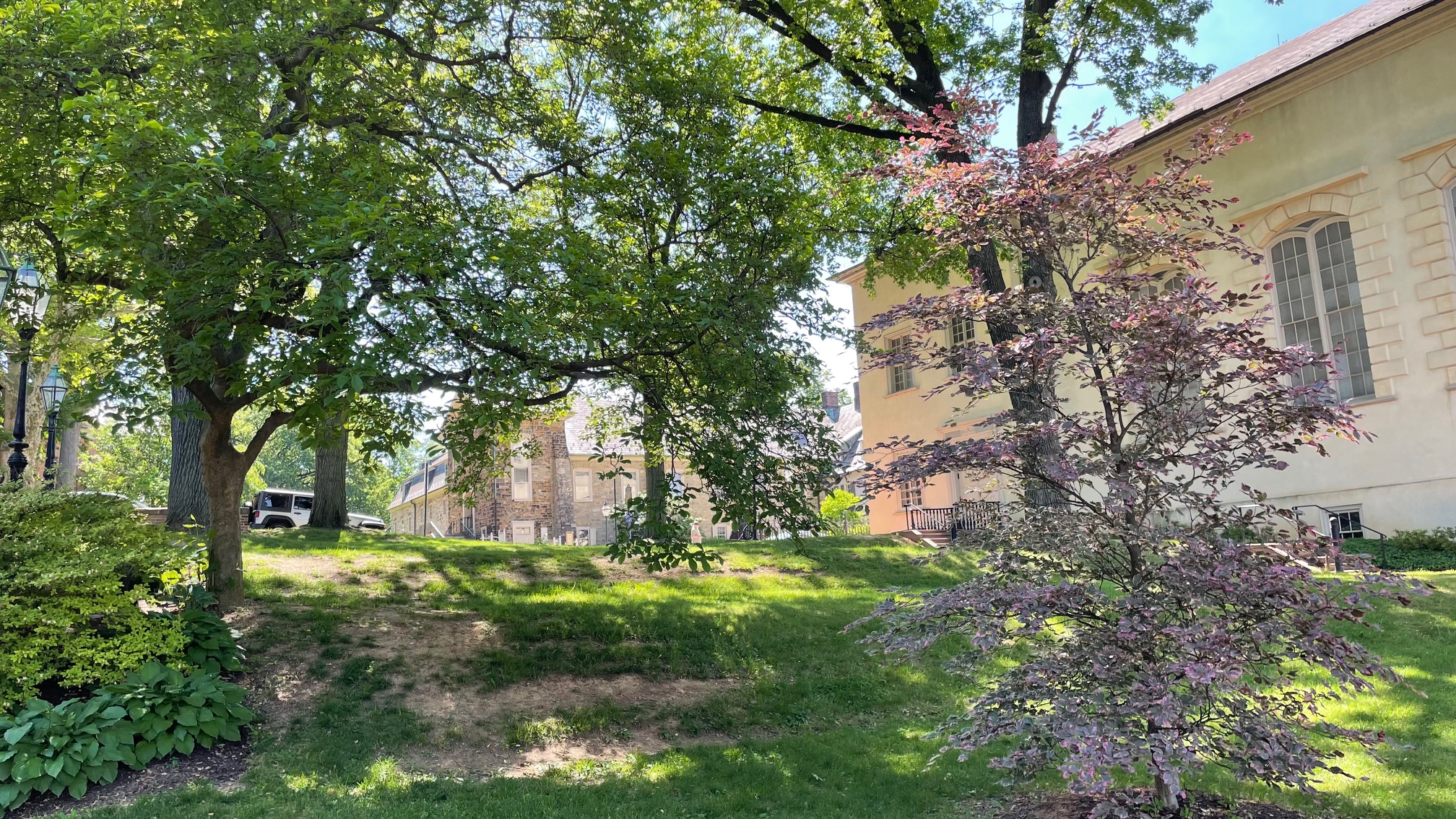
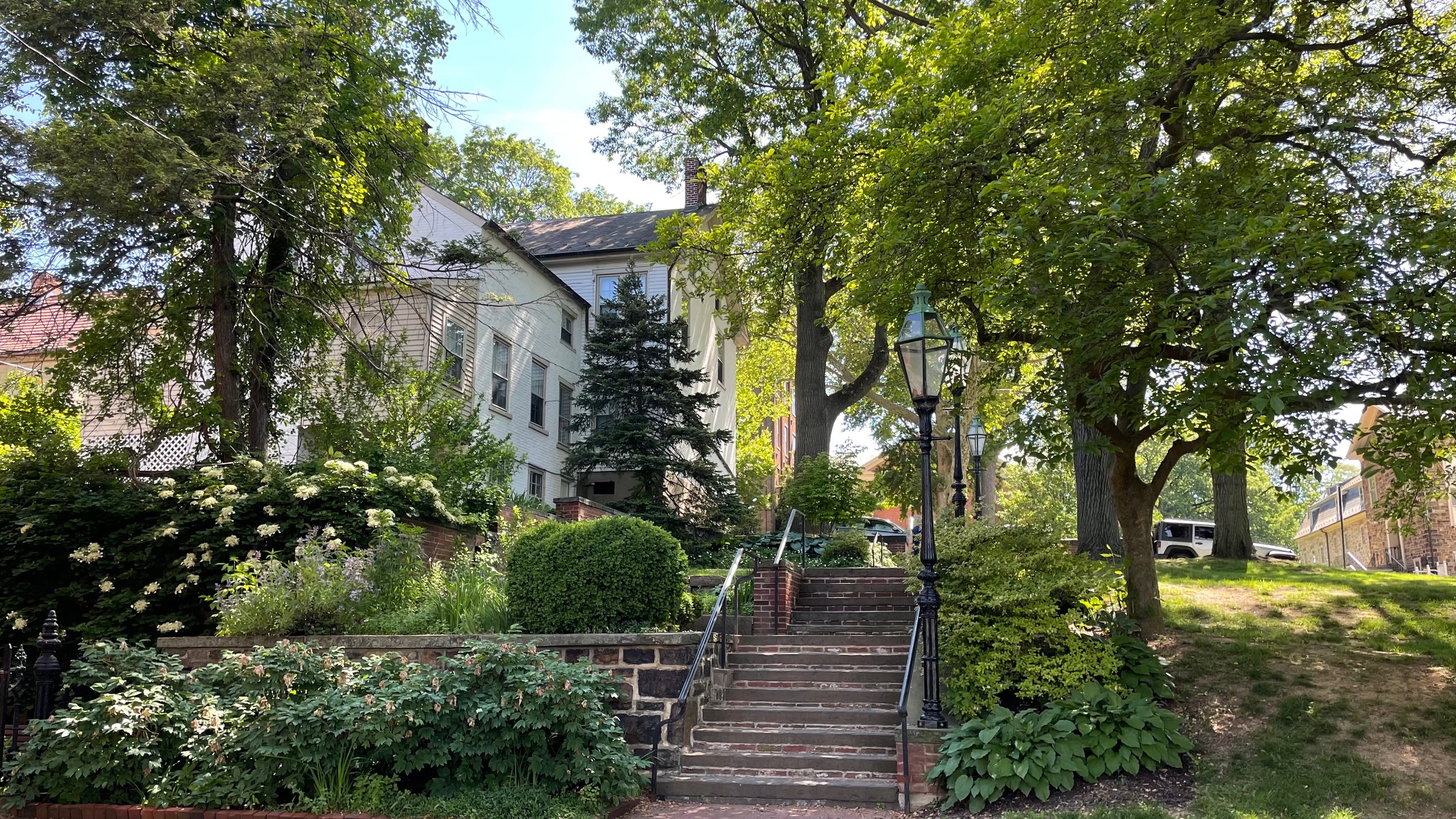
Allentown and Bethlehem, PA

A Visit to Allentown and Bethlehem, Pennsylvania

Camera: iPhone 12

Locations: Allentown, Pennsylvania, United States; Bethlehem, Pennsylvania, United States

Why Cooking is Relaxing to Me (and Can Be for You Too)

“Cooking, beyond its practical necessity to prepare food to eat without making yourself sick or worse, offers a unique blend of relaxation, creativity, and control that benefits our well-being if you put the time and effort in.”

Cooking may be stressful to some people, but to me, it’s relaxing. In our fast-paced, distraction-filled world, finding an activity that genuinely relaxes yet focuses my mind is a tough challenge. Cooking, while appearing ordinary and mundane on the surface, when approached with mindfulness, can be restorative and even therapeutic to engage in. Cooking, beyond its practical necessity to prepare food to eat without making yourself sick or worse, offers a unique blend of relaxation, creativity, and control that benefits our well-being if you put the time and effort in.

Cooking engages all of one’s senses, creating an immersive kind of experience that naturally draws attention away from other worldly distractions and to focus only on the present moment. The sizzle of garlic sautéing in a pan, the vibrant colors and shapes of fresh vegetables, the aromatic scents of herbs and spices mixing, the pleasure of melting olive oil and butter, and the first to last tastes of a carefully prepared dish – these kinds of inputs anchor the mind in the here and now. This immersion in cooking creates a state of being more mindful, like the effects of doing meditation or taking a yoga class.

The repetitive, rhythmic actions involved in cooking – chopping, stirring, arranging – provide a soothing and almost hypnotic effect. These repetitive actions can be incredibly calming to me, much like the rhythmic movement of playing notes on a guitar or the repetitive strokes of painting a canvas. The predictability of these actions creates a sense of stability and tranquility, allowing the mind to unwind and the stress of the day to dissipate, whatever that may be.

Cooking has always been to me a form of creative expression, offering endless possibilities to create, experiment, and innovate. Unlike many aspects of life that are governed by rules and regimen, cooking allows for a kind of freedom to embrace creativity. This creative aspect can be immensely satisfying and relaxing, which lends to providing a sense of accomplishment and fulfillment. Whether it’s experimenting with new recipes, combining unexpected ingredients, or presenting food in aesthetically pleasing ways, the creative process in cooking is what I’ve grown to enjoy over the years, especially since I started taking it more seriously in the wake of the COVID-19 pandemic.

Cooking requires total attention to detail and concentration, which naturally diverts the mind from other worries and distractions. Following a recipe, measuring the ingredients, timing the cooking process – these tasks demand focus and precision. This kind of attention serves as a mental break from the constant barrage of thoughts, worries, and concerns that often plague our minds. By channeling our cognitive focus into the cooking process instead, we can create a mental space free from our external stressors, promoting a sense of peace and clarity.

In a world where aspects of our lives feel beyond our control on a day-to-day basis, cooking offers one domain where we can exercise complete authority over the outcome. From selecting ingredients to purchasing the kind(s) of food to deciding how to prepare and present the dish, cooking is a personal endeavor where we are responsible for making all the decisions. This kind of control can be empowering and reassuring, providing a counterbalance to the uncertainties and overall unpredictability of life. By mastering the culinary process, we can gain more confidence and a sense of competence, which can extend to other areas of our lives over time.

While cooking can be a solitary activity, it also has the power to foster more connection and strengthen a community. Preparing and sharing meals with your loved ones strengthens social bonds and creates a unique sense of belonging. The act of cooking for other people can be a form of nurturing and care, enhancing feelings of empathy and compassion for the whole group. Additionally, by participating in communal cooking activities, such as cooking classes or potluck dinners, we can expand our social networks and provide opportunities for meaningful interactions.

Cooking more often leads to more mindful eating, a practice that encourages us to savor and appreciate our food fully and to know where it comes from. Mindful eating involves paying attention to the taste, texture, and smell of each bite, as well as acknowledging the effort and care that went into preparing the meal. This practice enhances our enjoyment of food and promotes a healthy relationship with food, reducing tendencies towards mindless or emotional eating or by ordering whatever you’re craving. By focusing on the present meal with the people around you at the dinner table, I believe we can cultivate mindfulness and gratitude for the food we eat.

Cooking is a key life skill that is always evolving, which means that even if you get a meal wrong and it’s a stressful outcome, you will have many other days and nights to grow in your abilities while having endless opportunities for further learning and growth. I particularly enjoy taking the time to experiment with new recipes, cuisines, and techniques, which can expand my culinary knowledge. The process in cooking of learning and improving over one’s life can be satisfying and motivating, providing a sense of both purpose and achievement. Additionally, even if you always find cooking relaxing, it’s good to have a little bit of stress involved. You can do this by finding new challenges in cooking like mastering a difficult recipe or perfecting a technique you learned which builds other skills like resilience and problem-solving.

The preparation process in cooking can be seen as a daily ritual that signals a necessary transition from the busyness of the day to a more relaxed state. Setting up the kitchen, gathering the ingredients, putting the tableware together, and arranging the utensils can be a meditative kind of practice that prepares the mind and body for the act of cooking. This ritualistic aspect of cooking creates a sense of anticipation and intention, enhancing the overall experience, and promoting a mindful approach to the task at hand of feeding yourself. The hungrier you are in my view too, the better of a cook you will be that evening if I can speak from personal experience.

In my opinion, cooking is much more than just a means to an end; it is a therapeutic kind of effort that offers a myriad of benefits for one’s mental well-being. By engaging each of the five senses in a deep way, providing a creative outlet, fostering total focus, offering us a sense of control, and promoting a greater connection to the food we buy and then eat, cooking becomes a powerful tool for both relaxation and mental clarity. In our world filled with constant distractions and stress, the simple act of preparing a meal for oneself and for your loved ones can bring profound peace, happiness, and joy. By embracing the art of cooking, it allows us to nourish not only just our bodies but also our minds and souls.

Guster and The National – Spring 2023

Spring 2023 Concerts in Maryland and Washington, DC

Camera: iPhone 12

Locations: The Anthem, Washington, DC (The National); Meriweather Post Pavilion, Columbia, Maryland (Guster)

Anatomy of a Scene – ‘Capital Gains’ (The Wire)

“Additionally, the subplot involving one of the show’s lead characters, Jimmy McNulty, taking a bribe adds depth to the show’s narrative, reflecting the complex moral compromises made by the working class to survive in a system that often leaves them behind and without any viable mobility upwards.”

The opening scene of “The Wire” Season Two serves as a powerful commentary on socio-economic disparities that continue in modern-day America. This scene that I would like to highlight, through both its characters and setting, sets the tone for exploring themes of economic hardship, corruption, and the American Dream’s elusive nature. Additionally, the subplot involving one of the show’s lead characters, Jimmy McNulty, taking a bribe adds depth to the show’s narrative, reflecting the complex moral compromises made by the working class to survive in a system that often leaves them behind and without any viable mobility upwards.

The scene itself opens with a bleak view of the channel leading to the port of Baltimore, which various imagery reflecting the industrial decline and economic stagnation affecting the middle class of the city. Characters are introduced through their mundane yet telling actions, highlighting their struggles and aspirations. Jimmy McNulty’s character, a police detective with a perennial professional chip on his shoulder amid his own set of personal challenges, becomes embroiled in a morally dubious activity by the end of the scene, further complicating the framing of certain characters being ‘purely good’ and others being ‘purely bad.’ With ‘The Wire’, there are many shades of gray in morality and understanding the reasoning behind characters’ actions.

The cinematography of this scene uses dark, muted tones to emphasize the grim reality of the workers’ lives. The ambient sounds of the port’s gray and murky waters, combined with a somber soundtrack of foreboding ahead, enhance the sense of despair and frustration with the status quo. These visual and audio elements work in tandem to create an atmosphere that underscores the themes of economic hardship and moral compromise that permeates the iconic show’s second season.

The central theme of this scene revolves around the precipitous decline of traditional industries such as manufacturing, shipbuilding, and longshoring in Baltimore, and its deleterious impact on the middle class there from its decline. The scene underscores the economic disparities and the futile chase for financial stability, a stark contrast to the wealth and power depicted elsewhere in the series and for which the middle class is forced to shield the wealthy or protect them from the errors of their poor decision making. McNulty’s acceptance of a bribe is a poignant example of the lengths to which some individuals without economic security will go to make ends meet, even if it means compromising their ethics in the face of financial malaise and stagnation.

The middle-class workers, portrayed prominently in season two, with a sense of resignation to their fates and perseverance despite the odds, contrast sharply with the wealthy individuals who appear disconnected from these struggles including in this scene as they dance, drink, and party onwards. The boat that they drift across the deteriorating port and city channel is aptly named ‘Capital Gains’ for which they profit off selling those companies and laying off the works who help make the economy run. They get rich from the assets, stocks, bonds, and other ‘capital gains’ they trade and sell while the working class shoulder the increasingly large burden of doing the hard, dirty, and often unappreciated work that is the real ‘labor’ keeping the economy and the nation moving forward without enough money to show for their hard work and efforts.

These interactions between the characters in this scene and elsewhere in the show highlight the inherent power imbalance and the lack of upward mobility for the middle class. McNulty’s character epitomizes the moral gray areas navigated by those who find themselves caught between maintaining their integrity and dealing with the necessity of surviving economically. His own willingness to take a bribe reflects a broader theme of systemic corruption and the desperate measures taken by the working class to stay afloat when the rest of the economy gets hollowed out all for more ‘capital gains’ and ‘stock buybacks.’

Officer Jimmy McNulty’s involvement in taking a bribe exemplifies the complex dynamics of survival within the working class. Faced with limited options and a pressing need to provide for themselves and their families, individuals like McNulty often resort to unethical practices. This subplot highlights the pervasive nature of corruption and the moral compromises made by those who feel trapped by their circumstances. It illustrates how the working class is sometimes complicit in perpetuating a system that exploits them, driven by the necessity to secure their economic survival.

The scene mirrors contemporary issues such as job insecurity, wage stagnation, and the shrinking middle class. It critiques the capitalist system that often leaves the working class in a perpetual state of struggle while the wealthy thrive. McNulty’s actions can be seen as a microcosm of larger societal issues, where individuals are forced to compromise their values due to economic pressures. This reflects the broader reality of modern-day America, where financial hardship can lead to ethical lapses and the erosion of moral standards.

From that opening scene onwards, season two of “The Wire” further delves into the lives of dock workers in Baltimore, painting a vivid picture of the economic decline faced by the American working class. The season explores themes of globalization, the loss of blue-collar and good-paying jobs, and the resulting social and economic fallout. The working class is depicted as being left behind in the wake of economic shifts, with their traditional livelihoods eroded by technological advancements and policy changes favoring the wealthy and corporate interests.

The narrative highlights the systemic failures that contribute to the marginalization of the working class. Characters are often portrayed as victims of circumstances beyond their control, struggling to navigate a landscape where opportunities are scarce, and the cost of living continues to rise. The season’s portrayal of the working class serves as a critique of the socio-economic structures that perpetuate inequality and hinder social mobility.


Since “The Wire” first aired on HBO, the American Dream has continued to remain elusive for many people in the United States. The show brought these emerging issues to light in the early 2000s, highlighting the struggles of the working class in a society increasingly marked by economic inequality and technological upheaval. “The Wire” was ahead of its time in addressing these themes, as income inequality has only worsened since then.

The gap between the rich and the poor has not been alleviated, and the systemic issues the show portrayed are still prevalent today. The depiction of the working class’s plight and the moral compromises they make to survive reflects ongoing societal challenges, not just in the U.S. but around the world. The show’s foresight in presenting these issues has made it a timeless piece, resonating with audiences who continue to witness the widening economic divide in modern America.

This scene from “The Wire,” coupled with McNulty’s own moral compromise, is a microcosm of the broader socio-economic issues facing modern-day America. Through its poignant depiction of the middle class’s struggles and the ethical dilemmas they face, it offers a critical perspective on the elusive nature of the American Dream. Season Two’s exploration of these themes highlights the systemic challenges that continue to affect the working class, underscoring the need for a deeper understanding and more equitable solutions to address these persistent economic and social disparities.

PDC Sunset

Playa Del Carmen Sunset

Camera: iPhone 12

Location: Playa del Carmen, Mexico

The World Will Humble You

“What you believe you deserve out of life is often out of your control at the end of the day.”

What you or I want from the world will be different from what the world will give to us. You must understand that the world will humble you in terms of your expectations versus what you will get. A key part of our lives is managing the difference between what we get against what we expect. It is important to keep your own beliefs in check because the world will test them continually and often turn them on their head. What you believe you deserve out of life is often out of your control at the end of the day.

The world will see fit to humble you when it comes to the outcomes we get when compared to what we earn and are able to get based on our hard work and effort. In a perfect world, the fruits of our labor would earn the same kind of return but often, that is not the case and sometimes hard work can be punished rather than rewarded. We have our expectations of the world around us, and the world often has different expectations from those that we expect from it. We must keep trying, to keep working, and to put our best foot forward in our individual efforts but must also understand that what we get back for those efforts may fall short of our own expectations.

Humbling oneself in the face of adversity or a negative result does not come naturally but is part of our maturation process. There is not much we can do but to try again or to move on to another opportunity. Failure is just a part of being human and the better we can handle it and be humble in a bad outcome, the better off you will be in the long run. Instead of being bitter, developing an inconsequential grudge, or blaming yourself or the other party without coming to grips with the fact that what’s done is done, you just must be willing to move on and grow from the failure itself.

We distinctly desire to avoid failure or setbacks and to think that they can’t happen to us, but they can, and they will. How we react to these failures and how we move forward will tell us more about ourselves than the initial failure itself. I would say that it does get easier as you get older as you get more used to the feeling of failure or setbacks and are able to bounce back quicker from them. You must have a thick skin about it, and I think that our age plays an important factor in being able to absorb the blow of failure or a setback without letting it derail you for a long time.

To have your ego be humbled by what the world gives you in return in it of itself is a victory. One’s ego can grow out of control when the world doesn’t humble you or push back on you in any way. When you let your own self-confidence or ego get out of control, you’re more likely to develop megalomaniac behaviors as a result. I find that it is a good thing when the world humbles you because without that happening, you tend to isolate yourself from others’ who have had it more difficult than you and tend to believe everything you do is the best thing ever or without any critique or issue.

Life is not meant to be failure-free or error-free. We are all human and thus, we will falter, make mistakes, and let our own ego get in the way. The key test is if we can push through these setbacks and failures to chart a new course or to try again if we believe enough in what we are trying to accomplish. Perhaps we did not work hard enough, study enough, use our full abilities, or sometimes it just wasn’t meant to be. There is no use fighting against an outcome that is out of our own control.

Sometimes, life has other plans for us, and it just wasn’t in the cards for us in the result we expected. You must take it in and decide how to best move forward. I find that there is nothing wrong with trying again if you believe in your own abilities enough where you want to re-try something by doubling your efforts. If you tried it once and you don’t want to do it again after failure, I don’t think that there is any shame in that either if it doesn’t appeal to you enough. Just because you failed at one thing and the world made it clear that you aren’t ready to move on with it now, doesn’t mean that is a final verdict on you or your capacity to do better or to get to where you want to be.

At the end of the day, there is nothing wrong with being humbled and to keeping your ego in check. If it wasn’t meant to be, it wasn’t meant to be. There is neither no harm in trying again nor is there any harm in moving on to a new goal or objective you have in your life. One’s ego can run rampant without any kind of pushback or critique, and you don’t want to end up in that place. Failure is the best teacher, and it should not reflect on your whole self as a person but rather on your skill set or aptitude that could use some improvement. Yes, it hurts, and it can feel like an absolute rejection of yourself as a human being, but I want you to know that it is not the case.

It is better to have tried and failed and sometimes to have done so a few times than not to have tried or failed at all. You may eventually succeed, or you may never end up succeeding at all, but the point is that you allow the world to humble you and your ego, without letting it derail you from keeping at it, trying again, or moving on to try in a different area of life that you believe you would be good at. It is natural to fail and to pretend otherwise is doing yourself and those around you a disservice. Being humble and accepting your limitations is part of being a human and hope that even if you fail, you dust yourself off, get back out there, and keep trying your best.

Playa Del Carmen, Mexico

Playa Del Carmen, Mexico

Camera: iPhone 12

Location: Playa del Carmen, Mexico