‘Tikkun Olam’ – Why Healing the World Matters More Than Ever

“In a world that often feels fractured, chaotic, divisive, and downright overwhelming when it comes to making positive changes reverberate, the ancient Jewish concept of Tikkun Olam – “repairing the world”, rings out like a timeless call to action in 2025.”

In a world that often feels fractured, chaotic, divisive, and downright overwhelming when it comes to making positive changes reverberate, the ancient Jewish concept of Tikkun Olam – “repairing the world”, rings out like a timeless call to action in 2025. This ancient idea in Judaism isn’t stuck in dusty scrolls or isolated in synagogue sermons alone, as it is a timeless principle that challenges every one of us, of any religion or non-religion, to take ownership of the cracks in our communities, the inequities in our cities, the damage being done to our planet, and even healing the wounds within ourselves. Rarely, if ever, have I written about religion and my own faith background but the need for practicing Tikkun Olam is something in Judaism I’ve always held dear not just for myself but for others to participate in, regardless of their own religious or other background.

What is ‘Tikkun Olam’ and Why Does It Matter?

Literally, Tikkun from the Hebrew language means “repair” or “healing,” and Olam (also from Hebrew) means “world.” It’s an invitation to actively make the world a better, more just, and more whole place, even if it is just a small action you partake in individually to counteract the evils and injustices taking place at the same time. Originating in Jewish thought, this concept for lending a hand to fight injustice and to do some good in the world, has evolved into a broader ethical framework that resonates far beyond Judaism. It’s a powerful reminder that healing for humanity, whether social, environmental, economic or personal is not someone else’s job. It starts with all of us, and we must all do our own part, whatever form that may be. As Mahatma Gandhi famously said, “Be the change that you wish to see in the world.”

Why does Tikkun Olam Matter More Than Ever in 2025?

Look around what’s going on around the world today: climate change threatens our very survival as a species on this planet, social inequality keeps millions trapped in poverty and continues to increase (especially in the United States), countless thousands have died in recent wars and conflicts from Eastern Europe to the Middle East to Sub-Saharan Africa and political polarization fractures communities worldwide leading to extremism and increasing stress on democratic values and freedoms. It’s tempting to feel helpless with all the ills taking place around the world, like the problems are too big and complex for any single person to fix any of them.

However, Tikkun Olam flips that script on itself. It says: the world isn’t going to heal by itself and no one person can do it alone. It requires active participation by more people, conscious choices on how to commit good acts, and collective courage to stand up against known evils and injustices. As Margaret Mead wisely put it, “Never doubt that a small group of thoughtful, committed citizens can change the world; indeed, it’s the only thing that ever has.” History has shown us repeatedly that when regular people mobilize consistently for change, are organized around their cause that they know is just, then their collective power can indeed make things better if it is sustained and united.

Healing Isn’t One-Dimensional for Humanity


Tikkun Olam asks us to think holistically about how we heal as humanity. Healing the world means tackling injustice across the board, whether racial, economic, or social, because inequality weakens the social fabric whatever form it may take. It means protecting the environment, our shared home, from exploitation and neglect, and coming up with solutions that keep it that way for future generations. Perhaps most importantly, it means looking inward to heal our own biases, fears, and prejudices. Because how can we fix the world if we’re broken ourselves or unwilling to be honest about our own healing process? The philosopher William James said it well, “Act as if what you do makes a difference. It does.”

How Do We Live Tikkun Olam in 2025?

The beauty of Tikkun Olam is that it doesn’t require grand gestures or heroic feats because collective power to create change will always usurp that of any individual. While the average political leader, environmental activist, and social critic, can influence change with their platform they have, it’s not enough if no one else believes in your cause and will work with you to implement it together.

It’s in the everyday actions that really push change across the finish line: volunteering at a local shelter, voting for political leaders who will represent your beliefs and values, feeding and clothing the homeless with your donations, supporting sustainable businesses, speaking up against injustice in your community, or simply educating ourselves about the issues at hand. Small choices as well that we have heard about since we were children like reducing, recycling, or reusing your waste (if possible), donating time or money to causes that make positive change, or listening with empathy and kindness accumulate into real change.

The Road to Change is Never Easy but It’s Necessary

Good intentions sometimes falter no matter how much work and effort we can put into positive change. Activism can lead to burnout due to lack of support or funding. The world’s problems can feel like a tidal wave threatening to pull us all under. Tikkun Olam doesn’t promise a quick fix or painless journey towards being successful in seeing the world get better. It demands persistence, consistency, and resilience from everyone involved.

Here’s the truth of the matter: when you commit to healing some aspect of the world, you’re also joining a community of changemakers worldwide who believe in the power of repair and that is powerful to be in good company with other citizens wanting to better the world. As the novelist Paulo Coelho reminds us, “The world is changed by your example, not by your opinion.”

Looking Ahead: Hope for Action in a Fractured World

The future of Tikkun Olam or ‘healing the world’ lies in believing in global citizenship, recognizing that we’re all interconnected to one another despite our ever-present divisions. What happens halfway around the world affects us as much as what happens down the street from us. It’s about continuing to use technology, education, and cross-cultural understanding for good and work to bridge growing divides, learn from other’s advocacy to fuel our own, and inspire sustainable solutions that benefits humanity for the foreseeable future. The healing starts small but grows exponentially, like cascading ripples in a pond, momentum that starts in one town or city and spreads globally because of how universally justice, peace, and compassion can be applied. Reverend Martin Luther King Jr.’s words guide us here: “Injustice Anywhere is a Threat to Justice Everywhere.”

Why Waiting on Change Will Never Lead to It

If you are waiting on the world to change on its own, you’ll be waiting until your dying day. The world is crying out for repair from every one of us, and the clock is ticking. Tikkun Olam is more than a spiritual ideal from Judaism; it’s a practical roadmap for living with purpose in a fractured world. The question isn’t whether you can make a difference, amplify your impact by combining your efforts with others to create collective change on top of individual change to create that ‘ripple effect’ it’s whether you’re ready to start and what problem(s) do you want to start tacking first. So, what’s your first step? The world is waiting on you.
How Iceland Replenishes the Mind, Body, and Soul

“Iceland is one of those countries that can combine stunning landscape contrasts with sheer natural beauty, putting the average traveler at ease and offering you unique opportunities to rejuvenate physically, mentally, and spiritually through its landscapes, culture, and way of life.”

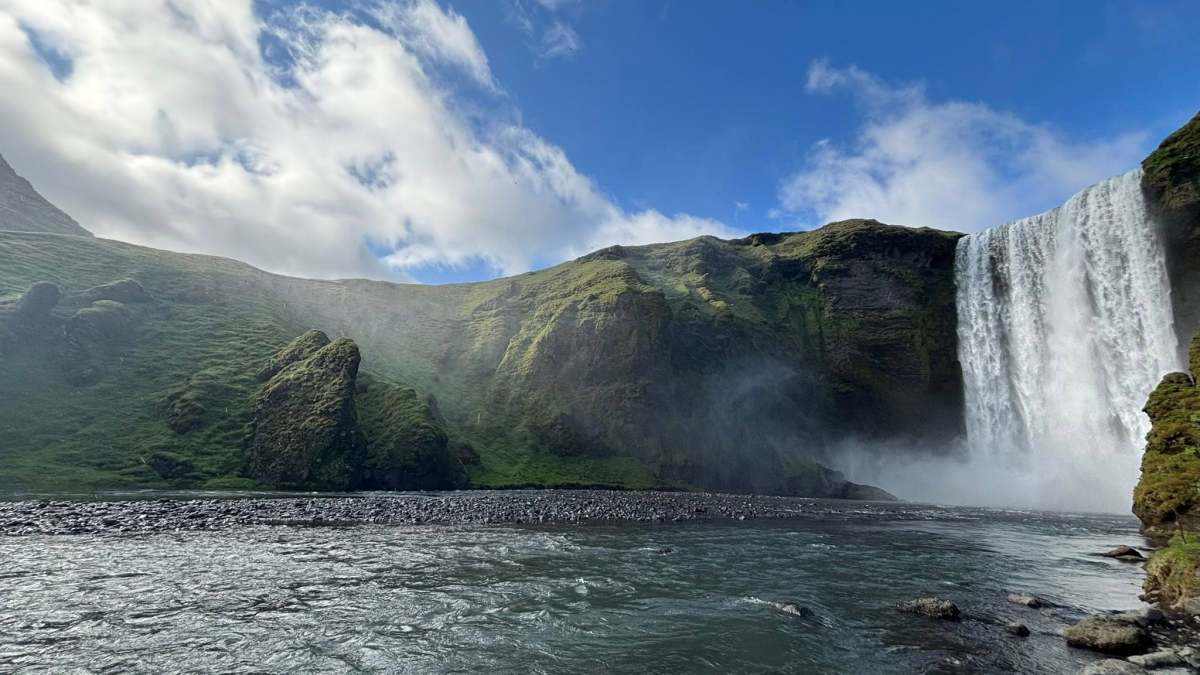
Few places on Earth these days can put you in supremely natural environments for which you can really feel at ease in nature that has been properly conserved and taken care of. You can be far away from technology, city life, and cover a wide variety of landscapes in just a few hours. Iceland is one of those countries that can combine stunning landscape contrasts with sheer natural beauty, putting the average traveler at ease and offering you unique opportunities to rejuvenate physically, mentally, and spiritually through its landscapes, culture, and way of life.

It hits you the moment to fly into Keflavik International Airport like you stepped on to a new planet that is both desolate but alluring in its other worldly landscapes. You see the molten rocks, the green moss, and the blue lagoons, and think to yourself, where did I just end up? The whole country can captive you on a trip like few others can by offering ways to put your mind, body, and soul at ease. Away with the office, away from the hustle and bustle, and able to tap fully into nature and your surroundings like few other places I’ve ever been to personally.

Being able to hike, swim, kayak, rock climb, and engage in a variety of other outdoor activities throughout the year makes Iceland a physical playground to enjoy. You can rest or exert yourself or do both to give your body a healthy experience on top of being able to put your mind at ease by being away from your devices by tapping into your natural surroundings because they are just that engaging and varied. Iceland provides your soul a reset where you can forget your own troubles and that of the world’s for a while to focus on feeling better, relaxing, or living in the moment, and experiencing what it is to be disconnected.

When it comes to reinvigorating yourself physically, you have a wide variety of ways to do so while in Iceland. You can enjoy a large variety of geothermal pools and hot springs such as the Blue Lagoon, Secret Lagoon, Sky Lagoon, etc. In the Summer months, there are also several pools around the country that may be open to the public including tourists to relax and enjoy the long summer nights, where daylight is every present. After having partook in a few lagoon visits in my recent trip, I can say for sure that your body feels cleaned and refreshed after soaking in the mineral-rich waters and combining that with the country’s culture of saunas, steam houses, and the occasional cold plunge.

It is an impressive combination of thermal relaxation letting you fully destress and decompress for a few hours but with residual health benefits for months or years to come. In addition, Iceland prides itself on healthy, local, and pesticide-free cuisine from fresh seafood to Skyr yogurt, as well as farm-to-table and greenhouse-to-table dishes. As mentioned earlier, there are tons of outdoor activities promoting physical health such as hiking, golfing, swimming, horseback riding, and rock climbing among others.

Everyone needs peace and quiet in their life and Iceland provides that in spades. I believe the country can nourish the mind by allowing you to bask in the solitude that you can find in Iceland’s varied landscapes from waterfalls, glaciers, black sand beaches, and fjords. There are numerous psychological benefits to disconnect every now and then from modern technology and the stresses of urban life and I felt a lot better not being on my phone during my time in Iceland. Though I did need my phone for photos and GPS, the beautiful surroundings allowed me to put my phone away and really live in the moment to enjoy the gorgeous landscapes I was able to visit.

The pace of life is also much slower in Iceland and there is a cultural emphasis on being mindful, engaging with other people, and slow living. When you drive there, you don’t see road rage, people yield to each other in traffic, and the rules of the road are observed since there is no ‘rushing around’ without end that you find in other cultures. Because of the natural beauty and slower pace of life, there are many more opportunities to reflect and think while enjoying the expansive natural visits. Taking time away from technology and the ‘hustle and bustle’ can allow you to reflect on life and enjoying the moment more fully.

Our soul needs to experience awe and joy. I believe Iceland’s natural phenomena and beauty from the Northern Lights to the Midnight Sun really can provide that to each person who visits. This kind of perspective is reflected in Icelandic sagas, myths, and folklore about having reference for nature, being in touch with those people in your life who matter to you and living in a sustainable or balanced way with nature. Iceland is an extremely environment conscious country and should be commended for being clean, approaching net zero carbon emissions, and working to be sustainable in its relationship with nature.

People in Iceland live in harmony with each other and with nature from what I noticed and are a progressive nation in that they are tight knit, looking out for their neighbors, and want everyone to be lifted in their society. These kinds of actions culturally are good for the soul and the soul of any nation. While the weather can be rather unpredictable, costs can be high to visit, and the lack of sun in the Winter is challenging, Iceland is a spectacularly beautiful and welcoming country that I hope to visit in the future.

Iceland is a holistic country to visit that can really make you better off in mind, body, and soul for having spent some time there. It is a rejuvenating kind of travel experience that I hope you’ll consider giving a chance for yourself. We need these kinds of retreats in life where you have real time to relax, reflect, disconnect and focus on yourself without outside distractions. Whether its soaking in the blue lagoon, hiking on top of a glacier, or going fishing on a charter boat to catch fresh seafood for your next meal, Iceland is a country where you can really be at ease with yourself and the world around you. Take a week or two from your busy schedule and come discover the land of Fire and Ice; I promise you won’t regret it.

The Megacity: A Cacophony of Humanity

“Only from above can you see how such massive populations can occupy relatively small portions of the Earth, while vast stretches of land remain sparsely populated.”

Flying into a megacity offers a unique perspective on its scale as I have done countless times over the years. From the window seat of an airplane, it’s impossible to fully grasp the size of cities like Istanbul, Mexico City, São Paulo, New York, or Los Angeles—cities that house tens of millions of people. Only from above can you see how such massive populations can occupy relatively small portions of the Earth, while vast stretches of land remain sparsely populated.

In these cities, one can sense how humanity has evolved over the centuries, transitioning from primarily agricultural societies to industrial powerhouses, and now, to the complexities of a post-industrial world. The growth of cities, especially megacities, reflects humanity’s ongoing desire to improve civilization, particularly in the realms of efficiency, innovation, and social equity.

In the 21st century, megacities are projected to grow at an unprecedented rate, particularly in Africa and Asia. New cities are expected to join the ranks of those already housing tens of millions of people, with some approaching populations of 100 million. This trend of urbanization is part of a broader pattern that dates to ancient civilizations. From Ancient Rome and Babylon to Athens, our cities have always concentrated power, knowledge, culture, commerce, and industry in urban centers. With a global population of 8 billion and rising, megacities are a relatively recent development, but they reflect historical trends toward greater urbanization. This process will likely continue throughout the 21st century.

More than ever, megacities are testing grounds for technological advancements and infrastructure developments that will shape the future. Whether it’s high-speed rail, autonomous vehicles, smart electricity grids, or renewable energy sources, these cities are ideal laboratories for innovation. Given their size and complexity, megacities allow for large-scale experiments in sustainability, from energy-efficient buildings to advanced waste management systems. These cities are also at the forefront of efforts to address current environmental challenges, integrating technologies that reduce their carbon emission footprint and improve water and energy use.

With millions of people living in near proximity, megacities serve as testing grounds for the social systems that underpin modern life: healthcare, education, and public safety. Cities with large populations can quickly reveal whether social safety nets are effective or in need of reform. These urban centers provide a direct feedback loop for policy ideas and social services, offering a unique opportunity to evaluate and improve the systems that impact the quality of life. The success or failure of these initiatives in megacities often sets the tone for broader national or even global policy shifts.

Megacities are also microcosms of global culture, where different languages, customs, and traditions coexist, creating a vibrant and diverse urban fabric. This cultural mixing is a hallmark of humanity’s increasing interconnectedness. Cities with millions of people can foster greater cooperation, creativity, and tolerance, but they also present various challenges. Integrating diverse cultures and languages in ways that promote social cohesion can be difficult, especially when disparities in wealth, power, and opportunity persist. However, megacities are often sites of cultural innovation and collaboration, where new ideas are born and tested on a global stage.

Cities are often the birthplace of new political ideas and social policies. When these policies succeed, they can be scaled up and implemented nationwide or even worldwide. Urban areas, being more densely populated and diverse, offer the ideal environment for experimenting with solutions to systemic issues, such as education reform, income inequality, or civic engagement. The ability to gather immediate feedback from a large and diverse population means that cities can rapidly assess the effectiveness of new public policies, making them key players in shaping the future of society.

The rapid urbanization of the world since the industrial age brings with it both opportunities and challenges. As cities continue to grow and scale, they will increasingly become the focal points for innovations and social experiments that shape the trajectory of human civilization. At their core, cities reflect humanity’s inherent desire to evolve, improve, and create something greater than us. The drive for progress embodied in the ambition, growth, and efficiency of urban areas mirrors our collective aspiration for a better future. However, this continued growth plans to bring more complexities. As megacities expand, they face the challenge of providing a good quality of life for millions of people while managing the unintended consequences of scale, such as overcrowding, pollution, and social inequality.

The success or failure of megacities in the 21st century has global implications. As urban centers grapple with present challenges like climate change, wealth inequality, and the effects of economic globalization, the solutions they implement or fail to implement will have ripple effects across the globe. From Tokyo to Cairo, from Bogotá to Kinshasa, these cities are testing grounds for humanity’s ability to adapt to a rapidly changing world. The development of megacities is not just a local issue or an urban issue; it is a global concern that reflects our collective ability to meet the challenges of the 21st century.

The paradox of progress is that while we strive to improve our cities and societies, we must recognize the complexities of providing a high quality of life for growing populations. The ambition to create more efficient, sustainable, and equitable urban environments must be balanced with the practical realities of physical infrastructure, resource management, and social integration. If megacities are successful in making responsible choices now, they will be better equipped to meet these challenges in the future. The decisions made today will shape the cities of tomorrow and, by extension, the world at large.

As the world becomes increasingly urbanized, the fate of megacities and urban areas will be intertwined with the well-being of all people. What happens in these cities, whether positive or negative, will affect everyone, whether they live in rural, suburban, or exurban areas. The interconnectedness of our societies means that the success or failure of urban areas will have far-reaching consequences. We must ensure that the policies and solutions developed in megacities are inclusive and benefit all members of society. The prosperity of our cities is not just the concern of city dwellers, but it is a global concern too. This becomes particularly evident to me when I fly over a city or megacity, witnessing its sprawling lights and endless streets, and realizing that the future of our civilization is unfolding in these urban spaces.

A Roll of The Dice

“There is always going to be a risk involved when rolling the dice or making the choice in life as there is when it comes to choosing one of two possible decision or even one of multiple decisions.”

When many of us think about versus chance, the English expression, “A roll of the dice” comes to mind. When you are faced with two or more choices and you must act, it’s like rolling the dice and hoping to get lucky in a table game at a casino. There is always going to be a risk involved when rolling the dice or making the choice in life as there is when it comes to choosing one of two possible decision or even one of multiple decisions.

Life involves a lot of non-linear choices to make and that inevitably involves taking chances on it. There’s no bigger example for me of taking a chance metaphorically than the rolling of a dice like at a craps table. Dice can have multiple choices on them or two choices only, one of which that it will land on, the other it will miss, but there is only one outcome without any alternative once the dice stops rolling.

Many of our day-to-day decisions involve choosing, taking that action, and going in one and only direction after the decision is made like the dice being rolled. While we would like to choose both options to see where they lead us, the chances of doing so are unrealistic and impossible. Like the dice that we roll, in life, we only can choose one of two or more possibilities. Dice can have more than two choices and while your standard dice has six sides to it, life usually has us choose between more than a few options as well with only one possible choice being the outcome to follow.

The metaphor of rolling the dice is apt when you consider that for the average person, choice overload leads to indecision or no decision at all. The most stressful part of a person’s day is not making the choice itself but rather when they are not given a choice or if they have too many choices to choose from. There is real fear and anxiety in people thinking they made the wrong decision and if they have multiple choices, the likelihood of feeling stress goes up because the choice is not simplified, and they must weigh different outcomes rather than just two or a few of them.

When the choices we have in front of us are two or four or six, we suffer less from ‘analysis paralysis’ or from indecision itself. While you can still second guess yourself later, if you are still able to think your decisions through and make an educated guess or choice, you won’t feel as stressed or anxious. I think that’s why the adage of ‘flipping a coin’ or ‘rolling the dice’ appeals to people because sometimes, the randomness and leaving it up to chance is better than putting actual effort into our decisions.

That’s partly why gambling is such an intrinsic part of most cultures in that you can still act by flipping the coin, rolling the dice, pulling the lever, but you don’t have any real choice to make because you’re leaving the choice up to someone else like an algorithm, a card dealer, or fate itself. People like autonomy over their decisions but they also enjoy leaving things out of their hands and letting ‘fate’ decide what happens next.

Of course, ‘fate’ usually has its outside influence on the choice that is made whether that’s the wind gust blowing the coin on a different side you expected, the casino letting the algorithm or computer decide who wins or who loses, or more generally, the environment around you that has an impact on the outcome. Fate itself is not without its own influence on the outcome so if you think that there is anything in this world that is truly impartial or just unbiased to the core, I tend to disagree and believe that whether it’s leaving things up to ‘chance’ or ‘fate’ itself, nothing is ever truly random in its consequence and that no outcome is without its own chance of interference.

You may have rolled the dice, pulled the lever, tossed the coin, picked a card from a deck, but there are other factors at play that keep ‘fate’ from being truly blind in its outcome. Even when leaving things up to ‘chance’, you still acted up until that point and the fact that you put yourself in that situation means the outcome itself afterwards even if you call it ‘fate’ was a consequence of your actions only but it is rather true instead that the immediate environment, the people around you, and a number of other external factors that had an influence on the ‘fate’ of that outcome.

Rolling dice, playing cards, and gambling give people a thrill because your action can lead to random winnings or losings but that’s basically the illusion of it all. Fate in life like a rolling of the dice may seem random but there are outside factors in place that may seem like it was ‘destiny’, ‘fate’ or ‘random luck’ but involved several actions, decisions, beliefs that led to the present moment.

Instead of trusting in ‘fate’ to guide us or for our choices to always be led to pure ‘chance’, we lose the power of our choices and the education of our decisions. We cannot always leave things to ‘chance’ and must look beyond picking randomly or choosing out of a hat to guide us in life. While I disagree with taking on too many choices or nitpicking every decision you make, you must always be thinking things through, educating yourself, and being willing to learn from your mistakes.

Choices inevitably cause consequences, both good and bad, and we cannot foresee where our choices may lead. However, if we leave too much up to ‘fate’ or ‘luck’ as we call it, then we will never really mature or grow as people. People should do their best to have autonomy over their decisions and to not take them lightly. Yes, it can be fun to roll a dice or flip a coin to make our choices, but life is too serious to be gambling on our choices like that. Rolling the dice may seem like an easy way to go through life like picking random numbers out of a hat but that’s not how the real-world works. When we evaluate our choices, think through decisions that have big consequences, and trust in our believes to guide us through the consequences of those decisions, we will be better off as individuals for having taken control of our lives rather than leave it all up to ‘chance.’

Quiet of the Desert

“Here, I find absolute quiet…I struggle to remember the last time in my life where I could hear nothing at all.”

Here, I find absolute quiet…I struggle to remember the last time in my life where I could hear nothing at all. There are sounds here and there but they are all natural and non-man made. The wind blows full gusts across my body, to hear the rocks move or jolt under my feet as I step over and around them to soar to new heights, and to listen to the sharp squawking of the desert falcon soaring into the air above me.

For the first time in a long while, I am completely alone with my thoughts and my feelings. There’s no one else around and I am alright with that. I am finally able to take a much-needed breather in this fast-paced world and able to concentrate on nothing but the natural sounds around me, intermittent at best. As a city slicker and former suburbanite, the desert is so unfamiliar to my senses that it feels overwhelming to me at times.

Away from any civilization, on my own, and accountable to only myself for once, it is truly refreshing to be able to live deeply in each moment, putting one foot in front of the other as I focus on my singular goal of hiking through the Sonora desert landscape, enjoying every sight and sound without a screen or a person in sight. “This is the way that life should be more often”, I think to myself.

Still though, I am not quite used to the quiet and I struggle to remember the last time I went an hour where I heard nothing but natural sounds or sights. Too often, we desire to be in the hustle and bustle, to be constantly in front of a screen, or each other. Maybe what we need more of is more time in a natural environment where our primordial ancestors were born and raised to hike, fish, hunt, and bathe in environments much more natural than our own today. While cities and towns have their modern advantages, as I get older, I crave these nature experiences. Also, I desire to be alone with my thoughts and feelings, but to fully take in each moment that passes as my life narrows down to the minute here rather than to the week or the month ahead.

As I crisscross the hiking trail I’m on in the desert, I am reminded that nothing in life is ever guaranteed and that the desert suffers no fools indeed. The quiet of the desert can lull you into true tranquility but if you are always not fully aware of your surroundings, you can become one of its unknowing victims. Checking to see if you are conserving enough water, getting some shade in the sun, making sure you are on the right trail, and have a path back, these are necessities to making your desert stay a pleasant one. Luckily, your senses are heightened to the 9th degree as your priorities become solely about both survival and endurance rather than about paychecks and promotions.

I continue to watch my footing, check my pulse, and even observe the environment for snakes that could be disguised as branches. I am once again thrust in a foreign place where I must take care, or I could end up not coming back at all. However, unlike being in an average city or town or even a farm, I am truly alive here and for that, I am grateful. Not everyone gets to experience the multi-colored hues of sediment and rock formed over millions of years. Not everyone is able to see the huge mountains, the unique canyons shaped like chimneys, and the red rocks, and the deep valleys that were molded for many millennia before man first walked the Earth. How wondrous it is to experience this kind of environment, for which we are all caretakers of. I treasure these moments because I know that as we live on a planet under threat from our short-sighted actions and careless deeds, the need to protect the quiet of the desert rings true.

Making my way to the summit of Thunder Mountain, I hear nothing but the gasping of my own breath and the sweat dripping down my neck. I am in awe of the large green plants like the cacti, the red mountains, and the bright, blue desert sky. What a great joy it is to hear absolute quiet at the summit of this mountain and I hope it is not long until I can be here again to enjoy a silent hike, to see the beautiful views, and to be able to hear nothing, nothing at all.

As I reach the end of my hike, I realize how the natural environments are best for people and too often today, we try to drown out the quiet because we have little or no peace in our lives. My trip to the desert taught me to embrace the quiet, to embrace my own thoughts, and to remember to be present with myself when no one else is around. The desert asks you to hone your survival skills a bit and if you can persevere, do your homework, and act wisely, you’ll be rewarded with the absolute silence that many of us crave but few of us ever take action to have.      

When it comes to my favorite thing about being in the desert, it is no contest for me: the stillness, the quiet, and the vast nothingness calm me in ways few other things in life have. That revelation, for me, is worth the strenuous journey to get together, to be there, and to come back having learned more about who I am as a person and what I truly need in this life of mine.

A Premonition from Wall-E

“You cannot argue against the fact that the creators of Wall-E were trying to warn the adults in the audience that this vision for humanity is a lot closer to reality than we would like to imagine.”

The beauty of Pixar movies is that they are not only for children to enjoy but adults as well. Many Pixar movies from Toy Story to Finding Nemo to The Incredibles carry important lessons regarding how to be caring, how to look out for one another, and how to stand up to injustice. Children enjoy the characters and the visuals while adults enjoy the lessons behind the main storyline. We understand how it can be painful to give up childhood toys in ‘Toy Story’, we understand the value of a new friendship earned as in ‘Finding Nemo’, and we deeply get the humdrum of the 9 to 5 day job that’s unfulfilling, but you need the money to survive or to feed a family as in ‘The Incredibles.’

The most powerful example of Pixar bringing adult anxiety and familiarity to life would be in its central ‘premonition’ in their hit film, Wall-E. What the movie ‘Wall-E’, released back in 2008, did was essentially predict where we are heading in 2021 potentially and where we could be by mid-century even though the movie is set in another eight centuries in the 2900s. The central ‘premonition’ or prediction that the film Wall-E makes is about the state of our beloved Planet Earth in the far future although that future in 2021 seems a lot closer to our collective reality than it was even thought of back in 2008. In the Pixar film, the Earth has become a garbage-strewn, hopelessly polluted planet with corporate greed, blatant consumerism, and environmental collapse being the norm rather than the exception. On top of all that, there are robots who do 99% of the labor that humans used to do.

In a particular scene that has stuck with me over the past decade is the sight of exceedingly overweight people in electric motor-scooters being hypnotized by their screens, totally oblivious to the environmental damage and neon advertising signs now in their periphery. In this bleak vision of the future, humans have let themselves go while robots have picked up the slack. Robots steer the ships through space and like Wall-E, they are forced to find a planet for recolonization that can suit humans now that the Earth has become an open-air garbage dump. Poor Wall-E.

Although you could say that this vision is a bit nonsensical in that everyone on Earth has become hopelessly dependent on robots, screens, and consumer goods to make it through the day, you cannot argue against the fact that the creators of Wall-E were trying to warn the adults in the audience that this vision for humanity is a lot closer to reality than we would like to imagine. 

While the film does not mention how did the Earth get so polluted where it’s become inundated with garbage everywhere or how did humans get so overweight, you can tell the writers were using a possible worst outcome scenario if we don’t try to look after ourselves better and to look after the planet that we love. ‘Wall-E’ takes the dystopian vision of the future to the extreme, but I would say that they are trying to take us to the worst-case scenario to make it clear how bad things could still get if we don’t start cleaning up our own act.

In 2021, who could argue with the fact that there are some sadly overweight people who cannot get around without motorized scooters, the fact that there are certain people who interact more with screens than other human beings, and that the fact that there are certain areas of the planet that have ceased to be livable because they are indeed open-air garbage dumps. The brilliance of a premonition is that it is essentially one vision of the future, and it does not necessarily mean that it will come true. This premonition of the movie Wall-E is not just a dystopian vision but a warning to humanity. Even back in 2008, we were warned that if we don’t start taking care of ourselves and the planet, life as we know it in the future will be worse. To those of you reading this article who would say, “It’s just a Pixar movie and is just fiction! Why should we take a fictional Pixar movie seriously?”

To that critique, I would say that there is often truth found in fiction and just because it’s not a true story and is an animated movie does not mean we should not take the film’s central message seriously. If you see the entire film, the average viewer should realize the main message of Wall-E is to always take responsibility for one’s actions because if one person doesn’t in terms of neglecting their health, their lack of care for others and the planet, and to obsessed with the latest technology, that one person’s behavior causes ripples throughout society causing life for everyone to get progressively worse.

The first part of the premonition where we can change our actions so that this warning does not come true is to stay active, eat healthy, and exercise. To end up like a person who is carried around on a motor scooter and can’t even walk around or push buttons anymore is no good way to go through life. Many people today live sedentary lifestyles and are less physically engaged than previous generations. Each person really must work at it to stay physically active if their work or lifestyle does not encourage it. Hopefully, Wall-E encourages more people to take the initiative to take their health seriously because being tied to technology, to consumer goods, and to the latest food fad can end up causing this part of the premonition to become a reality for more and more individuals.

The second part of the premonition where we can change our actions to stop this premonition is to lessen our addiction to technology. Screens are inevitably part of our present and our future, but we must continue to monitor our screen usage, encourage reading and other activities that are not done on screens, and to be able to take a day or more away from screens from time to time. In Wall-E, the people being carted around were staring at their screens continuously like zombies without being aware of the outside world. They didn’t even pay attention to Wall-E when he zips on by and he’s a living robot! I’m sure each of you reading this article has your own story of seeing someone on their phone as they walk across the street not aware of cars driving by or of someone else driving a car and staring at their phone screen rather than paying attention to what’s ahead of them on the road. Technology can help our lives out in many ways, but it is addictive, it is invasive, and it also can cause us to make deadly mistakes. Wall-E clearly warned us back in 2008 about the setbacks of being addicted to our screens.

The last part of the premonition that is most worrisome not just for individuals or for society but for the entire planet. Rampant pollution, poor air quality, lack of trees and vegetation are the main planetary problems highlighted by Wall-E. While the movie doesn’t cover how Earth became uninhabitable, it lays the blame squarely on human beings and our lack of care for the environment. The planet as depicted is filled with garbage, essentially having become an open-air landfill. Because of the Earth being ruined, Robots have must help humans find a new home but there is an underlying message there that how can we not ruin another planet when the Earth was not taken care of? When you can no longer breathe the air or drink the water, what good would a new planet do if the same mistakes are to be made? The environmental impact we are having on our planet has been known for decades and it was made known to the audience in Wall-E back in 2008 but it’s now getting late into 2021 and sadly, it seems as if environmental damage and climate change is getting worse, having greater impacts, and causing us to look more seriously at the fact that the planet might not be habitable for future generations to come.

When you look at Wall-E, you see an animated robot who is both goofy yet cares enough in trying to save Earth, which is seemingly past the point of no return in the movie. I hope we never get to the point in the far future when robots care more about the planet than we do to save it. Wall-E’s central premonition has come true in some aspects of life, but we do still have enough to change ourselves, our society, and our planet so that the premonition does not become a reality. There is indeed truth in fiction and Wall-E is an excellent film that shows us how if we don’t pay attention to the warnings laid out before us, we will make the same mistakes as the human characters do in Wall-E.

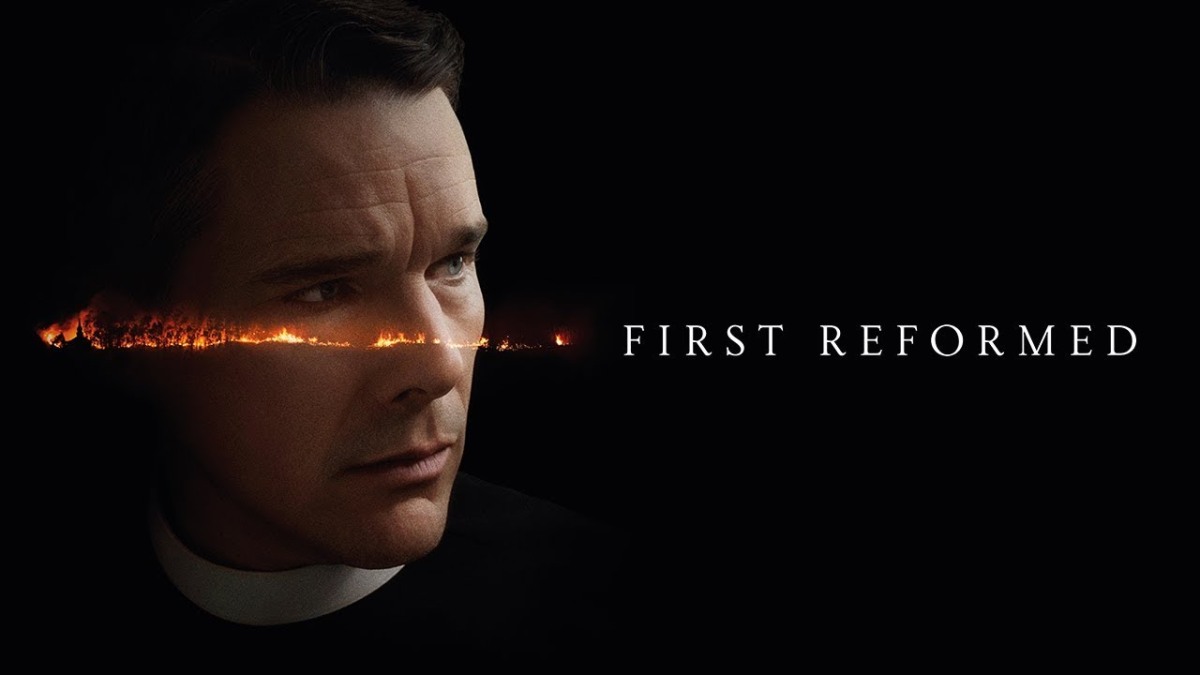
‘First Reformed’ – Film Review and Analysis

Man’s struggle with God can almost be as endearing yet painful as his struggle against man. If there is one way to sum up the excellent film, ‘First Reformed’, that would be it. First Reformed (2017) focuses on the environment, one’s faith, and the struggle to find hope when things seem rather bleak. “Can God forgive us for what we’ve done to the world?”, a troubled environmental activist asks Pastor Ernst Toller and the Pastor replies to his congregant, “Who can know the mind of God?”

While this movie did not receive any Oscar awards, the acting by Ethan Hawke (Pastor Ernst Toller) and also by Amanda Seyfried (Mary) is excellent as well as the cinematography, the adapted screenplay by Director Paul Schrader which helps this film earn its critical acclaim and some Independent Spirit award nominations as well as one Academy Award nomination. I still believe Mr. Hawke was snubbed from getting an Oscar nomination since this film’s performance was one of the best he has ever done and deserved more praise. In many of his films, I find him to be one of the best actors of his generation and able to produce genuine emotion regardless of the situation his character finds himself in.

In ‘First Reformed’, Reverend Ernst Toller (Ethan Hawke) finds himself faced with difficult questions surrounding his faith, morality, the environment in 2017, and what lies ahead in the future for humanity. These are weighty questions for anyone to deal with let alone a pillar of a community like Toller finds himself to be in Snowbridge, New York as the head pastor for the colonial era First Reformed church that dates back to the time of British colonization and the underground railroad movement later on.

This historical church is seen to be losing its membership and interest and Pastor Toller has to resort to touristic gimmicks and a small gift shop to help make ends meet to keep the church going. There is a noticeable parallel to the decline of Christianity in terms of active members of the Christian church in the United States so a fictional movie such as this one has some real-life parallels that seem plausible. The crisis of faith in churches in certain communities has a coinciding similarity with Toller’s own faith in God and in himself. He is an alcoholic struggling to find meaning and purpose in his life at the beginning of the film.

While making the church more touristy, he has also made the church more spiritual as well instead of its Calvinist origins. He sticks more to sermons than to scriptures and has enlisted the financial backing and ownership of an evangelical megachurch in nearby Albany, New York, which is likely to take over the church in the near future much to Toller’s apprehension. As we go through the film, we peel back the curtain on who this pastor is and like any of us, he has his own personal flaws and past sins but has also suffered for them and wishes to make amends in some way.

We find out that Pastor Toller lost his son, Joseph, recently while serving in the Iraq War and feels guilt for having told him to enlist having come from a military background himself as a chaplain. During that difficult time, he committed adultery and started drinking but also found his faith again to then become a pastor at First Reformed after going through grieving his son’s loss. However, a chance encounter with one of his congregants and his wife puts his faith in God and humanity to the ultimate test.

Mary, a devout congregant and believer in God and her skeptical husband, Michael, a stern environmentalist and becoming increasingly radical meet with Pastor Toller separately in their house. Mary has concerns about Michael’s well-being and tells the Pastor they expect to have a child soon. Michael is sincerely struggling with the fact that he will be a father soon when the world’s ecosystems are steadily collapsing, sea levels are rising, and the effects of global climate change are to be felt beginning in the next few decades. For any of us watching this pivotal scene including Pastor Toller himself, there are no easy answers from God or from man either regarding the future of humanity. Ernest finds it difficult to comfort Michael but asks to keep seeing him and to look out for Mary and the unborn child.

This particular scene leads to the rest of the film’s deeper dive into the effects of capitalism and greed on the environment as well as the relationship between big industry and religious institutions. Pastor Toller’s awakening from meeting with Mary and Michael leads him to questioning why the environmental situation is so dire, who is responsible for it, what can be done to stop it, and how far should measures be taken. Because the Pastor has no easy answers for Michael, he starts looking for them and is obviously dismayed by what he finds out regarding the local environmental situation in his community and how greed, industry, and the lack of stewardship for his community have led humanity down towards an unsustainable path.

Without spoiling the film, The Pastor struggles with what he can do as one individual to counteract the forces aligned against good stewardship of the planet and what a person can do to draw attention to the problem. Not only is there a crisis of faith in God but in each other and what is being done to the only planet we have ever known. The Pastor, with certain health issues related to alcoholism, is reconciling with the fact that he is mortal and what kind of impact he wants to leave behind.

He is comforted by the fact that Mary is still a believer in the future and wants to have a child even with the future of the planet looking relatively bleak. Pastor Toller knows however that he has the responsibility now to hold those accountable for their actions whether it’s the Evangelical church, a big industrialist doing environmental damage, or even himself when he strays from helping those in his congregation who need it the most.

‘First Reformed’ poses a lot of weighty questions and it is an extremely timely film in terms of its messages and themes. It is bleak because it has to be and raises a lot of issues that we have neglected regarding the environment and now we may be finding that time to make a difference in this escalating problem is running out. ‘First Reformed’ asks us how an ordinary man of faith yet a pillar of the community so respond to those in his congregation who are in despair regarding environmental damage and destruction.

How far should he go and how radical should he be to get people to listen and understand what is being done? Can love and faith overcome the desire to do harm and take revenge against those who have sinned against the planet? Like any good film, there are no easy answers and the director does not condone or condemn the thoughts or possible actions that Pastor Toller weights leading up to the climax of the last scene.

What this film does an excellent job of is warning its viewers about the consequences of greed, ignorance, lack of stewardship, valuing profits over the health and well-being of people, and the unholy alliance of organized religion and big industries. There are numerous fingers to point at regarding the worsening state of climate change going on in the world currently but perhaps those who watch this excellent film will realize that the finger should be pointed at ourselves first about the damage being done. Perhaps that kind of introspective thinking is what it will take for massive external action to occur and for the worst of the consequences to be avoided.

‘The Revenant’ – Film Review and Analysis

What happens when you push a man to his utmost limit? What occurs when you take everything from him including his wife and child? At the point of both physical and mental exhaustion, what carries the man forward to keep on fighting and to keep on living? Few films really probe these questions related to the power of the human spirit as realistically as ‘The Revenant.’ An excellent and unique film that was propelled to success, both commercially and critically because of the acting brilliance of Leonardo DiCaprio and through the special direction of Alejandro González Iñárritu.

‘The Revenant’ is a 2015 film that is both a sprawling epic and an intimate biography, which covers a time in American history where the West was not yet settled, and both the elements and the native population could cause a settler or a trader to lose their lives all too quickly. The film is also a western in that it depicts the rough and tumble life of a frontiersman who was at the whim of not only nature but also hostile animals and native tribes who were lurking just behind the shadows of the mountains and the forestry that surrounded them.

Hugh Glass (portrayed by Leonardo DiCaprio) is one such frontiersman who was a real-life person skilled at being a fur trapper, explorer, and a hunter. While his story was embellished for ‘The Revenant’, the legend itself while it may not have happened in all of its audacity still makes for a great movie adaptation. The legend surrounding Mr. Glass involves him being left for dead after he was abandoned by the fur trappers, he was assisting in their quest to participate in the burgeoning fur trade in the Far West of Montana, the Dakotas, and Nebraska.

After a vicious attack by a grizzly bear while out hunting for food and provisions for General William Ashley’s expedition, Hugh Glass was essentially left for dead by those men who had abandoned him even though he was still alive. Glass had killed the grizzly bear who had attacked him but was essentially rendered immobile by the attack and could not talk or walk on his own two feet for weeks. In the historical accounts, Hugh Glass was able to somehow heal himself enough to crawl, stumble, and walk over 200 miles (320 kilometers) to Fort Kiowa, South Dakota to survive.

In the meantime, he had survived attacks from the native tribes, living in conditions of winter weather and brutal cold, and avoiding potential hazards such as icy tundra, treacherous mountains, and other elements. The one thing about both the historical portrayal of Hugh Glass’s story and that of ‘The Revenant’ was how he thrived in those brutal environments given his history as an explorer and a fur trapper. If you are able to live at the edge of civilization and make a living for yourself in doing so, you should never be counted out when it comes to surviving when all hell breaks loose.

Compared to the historical legend, Hugh Glass, thanks to the brilliant acting of Leonardo DiCaprio is given a more substantive background that makes him a more relatable figure. In the two and a half hours of the film, Glass is portrayed also as a family man just trying to make his way in the world by making himself useful to both the fur trappers and the U.S. Army personnel who have come to take territory for themselves and make themselves rich in the unforgiving North American wilderness. In this cutthroat environment, there are no room for careless mistakes and the viewer will see in the film just how deadly each day can be. If there is any wisdom that Hugh wishes to impart on his family is that he wants to give them the tools for survival even if that means his own demise.

Glass is not a perfect protagonist and it is clear from the beginning of the film that he is out for himself and his family alone as he does not let anyone, or anything come between him and his son Hawk. His deceased wife was a Pawnee Indian and his son, Hawk, is half-Pawnee. After the death of his wife, Hugh Glass is extremely protective of his son, Hawk, because he knows that the men, he is traveling with do not see him as an equal because of his Pawnee background. Glass is committed to protecting his son because that is all he has left to live for.

While respectful towards the Pawnee, Glass and the other fur traders are fearful of the Arikara who are out to find their tribe chief’s abducted daughter, Powaqa, even though they didn’t take her. In order to survive, Glass has to defend himself and the other traders from the Arikara who are vicious in their hatred of anyone who has invaded their territory. After the fateful bear attack that severely wounds Glass, Hawk prevents the trappers from killing his father and they move on without him leaving John Fitzgerald and Hawk to carry him back to the Fort where he can get medical attention.

Unfortunately, Fitzgerald is a sociopath only concerned about his own survival and terrified of the Arikara attacking again. Fitzgerald kills Hawk as Glass watches in agony because Fitzgerald was selfish in his desire to survive and leave Hugh to die. Another man, Bridger, leaves Glass to die as well and they take his gun and all of his provisions leaving him defenseless against the brutal elements. While Bridger is complicit, it is Fitzgerald who draws the ire and contempt from Glass in his quest for vengeance.

Despite being left for dead, Hugh Glass is hellbent on getting vengeance for the death of his son, Hawk, and wanted to get revenge on John Fitzgerald for killing his son, taking his provisions, and leaving him to die in the wilderness. Through his knowledge as a fur trapper, his ability to track both people and animals, Hugh was able to survive the treacherous winter conditions, heal himself and his wounds, and able to eat buffalo and horse meat to survive. So much was Glass’s desire for vengeance that he was able to travel the 200 miles to get to the Fort to seek treatment for his wounds and gather up the strength to set himself on the trail of John Fitzgerald. In the case of Hugh Glass, an eye for an eye is warranted when his whole life (his wife and his son) have been taken from him.

While the real-life story of Hugh Glass is up for debate, ‘The Revenant’ draws the audience in through its stunning visuals, powerful acting by actors Leonardo DiCaprio and Tom Hardy and the visionary directing by Iñárritu whose tracking shots from the opening battle to the bear attack scene to the final fight scene between Fitzgerald and Glass will leave the viewer breathless. This is a pure survivalist movie of man against man and nature but it also revolves around an emotional core of someone who is trying to do his best to sustain himself and his son in harsh living conditions. The movie’s setting is strongly intertwined with a perilous time in American history where Native Americans, fur trappers, French explorers, and even the U.S. army were fighting to the death for control of lucrative trades and future security in the untamed yet wild territory of the Northwest region.

DiCaprio and Iñárritu made ‘The Revenant’ in mind for its unabashed portrayal of both the beauty and the brutality of the natural environment. It is a movie that highlights how precious and fragile our climate is and how men can negatively affect it through their desire for greed and power. ‘The Revenant’ is as much as a morality tale as it is a tale of the utility of revenge. Two men, one whose world has been ripped apart due to the loss of his wife and son, and another man who fears losing his money, his fur pelts, and his life to Arikara attack are brought together in a struggle of good against evil. The film poses the question of is vengeance worth it? and how can justice be served in a world that is based on survival and not codes of morality or law? Arguably, one of the best films of 2015, ‘The Revenant’ was one of the best films of this decade and deserves a viewing.

Led by an Academy award winning director (Alejandro Gonzalez Iñárritu) and starring an Academy award winning actor (Leonardo DiCaprio), ‘The Revenant’ is a jaw-dropping and powerful film that will stay with you after the credits roll. The film’s themes are extremely relevant in terms of its varied focus on family, revenge, survival, and how to seek justice in a lawless environment. More than anything, it shows the fragility of civilization and how important it is to be able to put yourself in difficult and challenging situations to show what you are made of. Hugh Glass was not a perfect man but he knew what it took to survive against all odds and seek justice against those who had wronged him and his family even if it meant certain death.

Five Steps to Surviving City Life

Having spent the past eight years of my life living in different cities both here in the United States and overseas, you get accustomed to life in an urban environment and how to make the best of it. If you’re coming from a rural town or a suburb, adapting to a city can take months or even years when you’re not used to the frenetic scenes, fast-paced traffic, and always on the go mentality. A fact of this day and age is that the urban population around the world keeps increasing and a good amount of industries, jobs including in the high tech world are based out of cities.

According to the United Nations, over half of the world’s population, currently live in an urban environment. The exact percentage at this time is about 54% of the planet’s inhabitants. That percentage is expected to steadily increase to 66% of the world’s population by the year 2050. It is also estimated that over 2.5 billion more people will be living in the cities by mid-century and these people will be mostly concentrated in the continents of Asia and Africa. The 21st century may be remembered as the first truly urban century across the entire planet.

I bring these statistics and predictions up to you, dear reader, not to scare you but to enlighten you about what city life is like. The chances are good that if you’re reading this article that during your lifetime you’ll have to either live in a city or travel there occasionally for work or tourism purposes. By following the five steps outlined in my article, you’ll be able to adapt quicker to urban life and have an easier time adjusting to a city overall. As someone who has consistently lived in cities big and small since I was 18, I am speaking from almost a decade of experience now. Living in a city can be quite difficult at first but it can also be very rewarding both personally and professionally. I hope that these steps will help you to make better choices, live healthier, and stay out of trouble with the locals.

Here are my five steps to surviving city life:

  • Adapt to the local norms and customs.

Whether it’s waiting for someone to get off the train before you get on or standing to the right to let people pass you on the left as they go down the escalator, observing local norms and customs in cities is very important. From the experience I have of living in cities, it’s better to blend in than to stand out. When it comes to the dress code, metro etiquette, or how to tip at the restaurant, it’s best to “do what the Romans do.”

It may take some time to adjust and if you’re new in the city, people will understand that you’re not aware as to how things work exactly. In order to save yourself a lot of trouble and angst, it’s best not to fight against the way things are even if you disagree with them. Cities are essentially a living culture that is adaptable to change only when a significant part of the population there wants things to become different. The best way to get used to living in a new city is to be observant, asks the locals if you have any questions, and do your best to understand the local transportation system which leads me to my next step.

  • Use public transportation.

Depending on which city you’re living in, there’s likely to be a public transportation system made up of buses, trains, and local taxis. In addition, there’s also the new popularity of Uber, Lyft, and other ride-sharing services. In the modern city, there are plenty of ways to get around for cheaper than it costs to rent or own a car. The utility of walking or riding your bike in the city is also a great option and more environmentally friendly.

There are a few exceptions in terms of cities where it’s more sprawling and you would need to have a car but the majority of cities around the world encourage public transportation and its best not to have a car. If you need to get out of a car, there are rental car agencies galore as well as car sharing services that the urban dweller can use to get away from the hustle and bustle. In my opinion, owning a car in a city is expensive and a money sink. Between the cost of parking, the parking rules, and the higher cost of gasoline, it’s simply not worth it.

When you move to a new city, it’s important to take the time to learn the public transportation system especially for buses and trains. If you can afford to pay more, living in the center of the city will be more advantageous to getting around with public transportation. If you live on the outskirts of a city or outside of the city, then it’s more likely that you’ll need to have a car.

  • Do your best to meet new people.

Moving to a new city can be quite stressful and even lonely at times. If you’re new in the city and do not know anyone, that can be a real challenge. Luckily, I would say with the advent of the Internet, there are numerous groups out there especially for younger people in their 20s and 30s to meet like-minded people with similar interests and hobbies. One of the most popular websites for meeting new people is ‘Meetup.com.’

There are hundreds of groups in these cities that cater to professionals, artists, writers, entrepreneurs, sports fans, music fans, etc. Depending on how big the city you’re living in, the chances are good that you’ll find a group or two where you will have something in common with the people in the Meetup group. These groups are free to join usually and it’s a great way to make connections. I’m also quite partial to Couchsurfing, a website designed to help travelers around the world to get to know each other better and exchange stories about life on the road.

Usually, there are Facebook groups and local websites especially in the United States that focus on being social through sports. Whether its soccer (football), volleyball, kickball, etc., joining a social sports club is a good way to meet new people. The best way to meet people in a city though is just by opening your mouth and starting a conversation with someone who is a local. “I’m new here, what are the fun things to do in __________?” (name of city) That question alone should get the ball rolling.

  • Use common sense (Crime, Pollution, Weather).

Using common sense when it comes to living in a city is extremely important. Part of it comes down to doing your research about the neighborhood you’ll be living in, figuring out if there are any crime and/or safety issues to be aware of. Some cities also have an issue with air pollution and/or water pollution so it’s good to ask around about if it is safe to drink the water or if you need a mask to cover your face to breathe during certain times of the day. Being able to know what kind of climate a city has throughout the year is also key. There is a lot of information out there about the weather / climate zones that a city is located in.

For example, I knew that in Medellin, Colombia, there is a rainy and a dry season that changes depending upon the time of year. Otherwise, there would be no winter, snow, and the city would have a spring-time like climate otherwise. When I moved to Boston, I changed my mind set to reflect the new urban environment I would be living in. Instead of springtime weather year around, I would have to adjust to living in seasonal conditions again with colder winters and more humid summers.

Out of all the things that people overlook when moving to a new city in their country or outside of their country; it is adapting to the weather and climate conditions. Doing your research about crime, pollution, and the weather along with asking the locals is key to mastering this particular step. Also, it is key to know a little bit of information about each of the neighborhoods in your city and whether they are pretty safe or not. If you have children, knowing about the city schools should be high on your priority list.

  • Get out of the city occasionally.

I know from my own personal experiences that city life can be really rewarding but also quite stressful. You’re interacting with hundreds of strangers each day who you don’t know that well and are often going through life at a frantic pace. It can be overwhelming to our senses especially when it comes to all of the light, noise, traffic, and the amount of people nearby. Cities can also feel claustrophobic at times. That is why my last step focuses on getting out of your comfort zone to leave the city every now and then. Mixing it up to be in a more rural area with mountains or in a small town by the sea can really do you a world of good. In all honesty, cities are not the most natural environment for human beings to be in all of the time.

Collectively, we really need to be in nature whether its’ in the woods, in the mountains, or by the sea. Going for a hike, doing some fishing at the lake, or relaxing with a book at the beach are really good ways to help our mental health especially if you spend 90% of your time in a city. On top of that, being able to get some exercise and being outdoors will do you a world of good both mentally and physically. Even if it costs you some money and a rental car, leaving the city can be very beneficial to surviving city life. If you’re reading this article and haven’t been to either the mountains, the lakes, the rivers, or the beaches in a while, consider doing so if possible.

I’m quite confident that if you follow each of these five steps, you’ll be able to survive life in the city. Even if you’re only able to one or two of them, you’re setting yourself on the right path to developing a healthier mindset when it comes to urban living. I hope this article helps you and feel free to leave me a comment below if you have any further questions. I’d be happy to answer to the best of my ability.

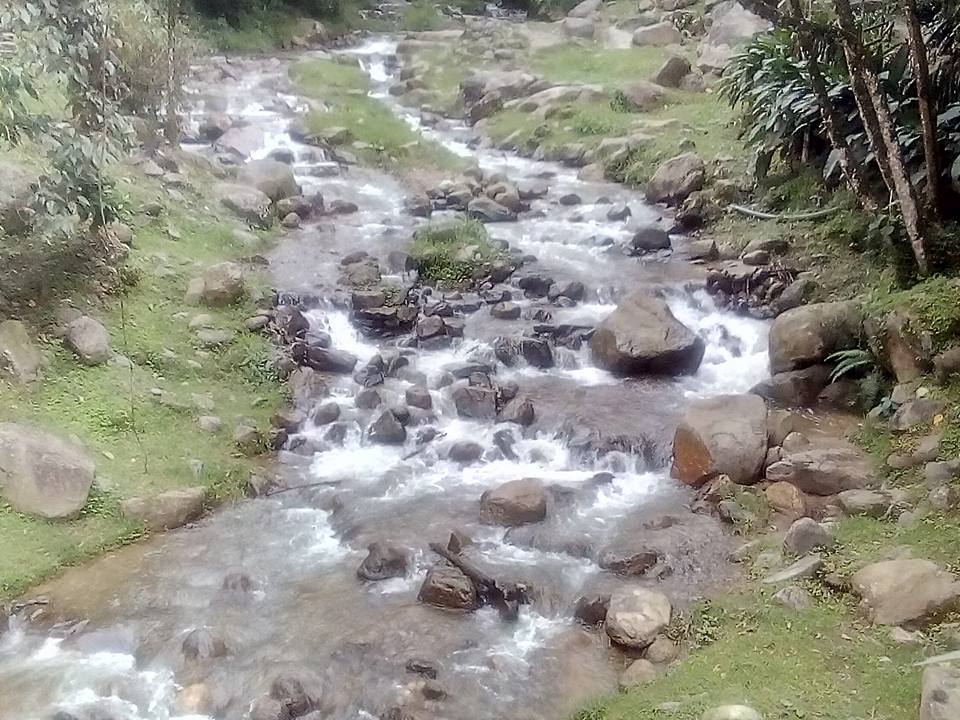
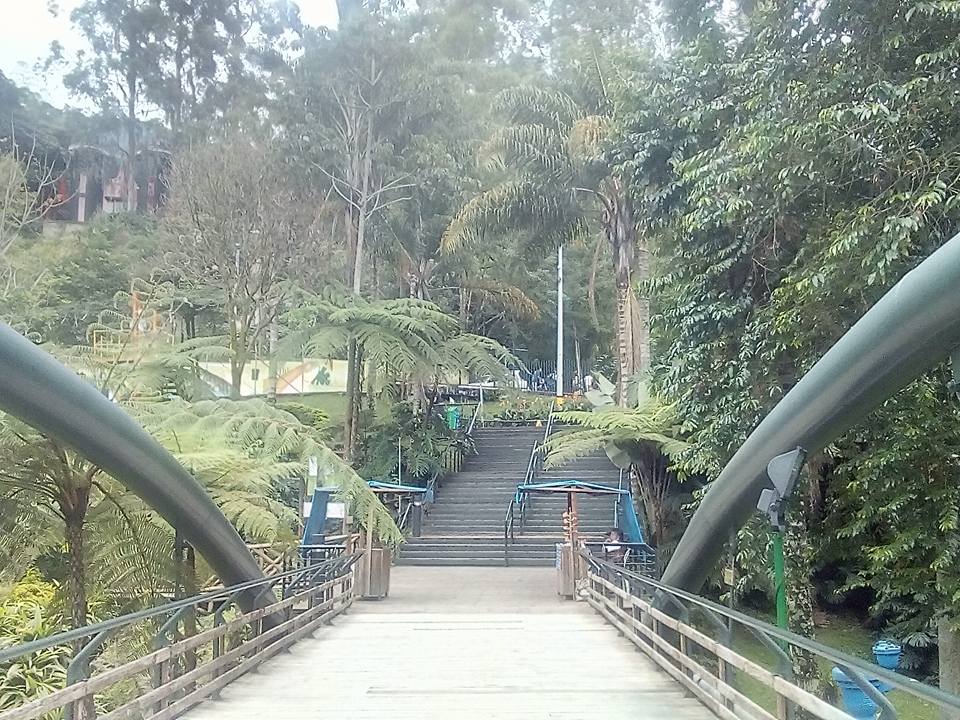
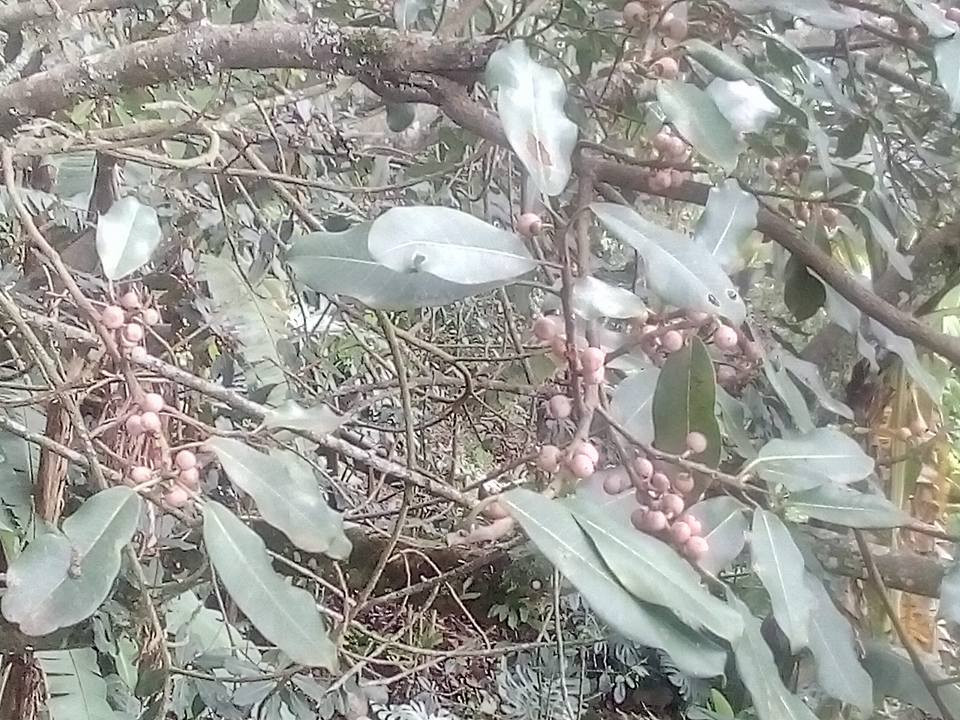
El Salado

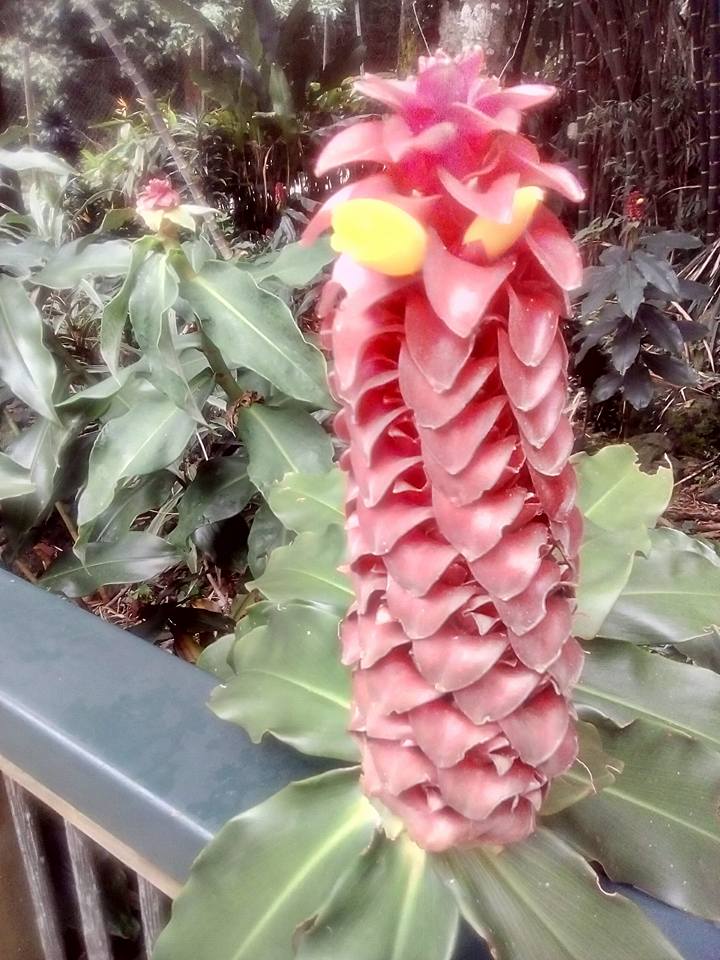
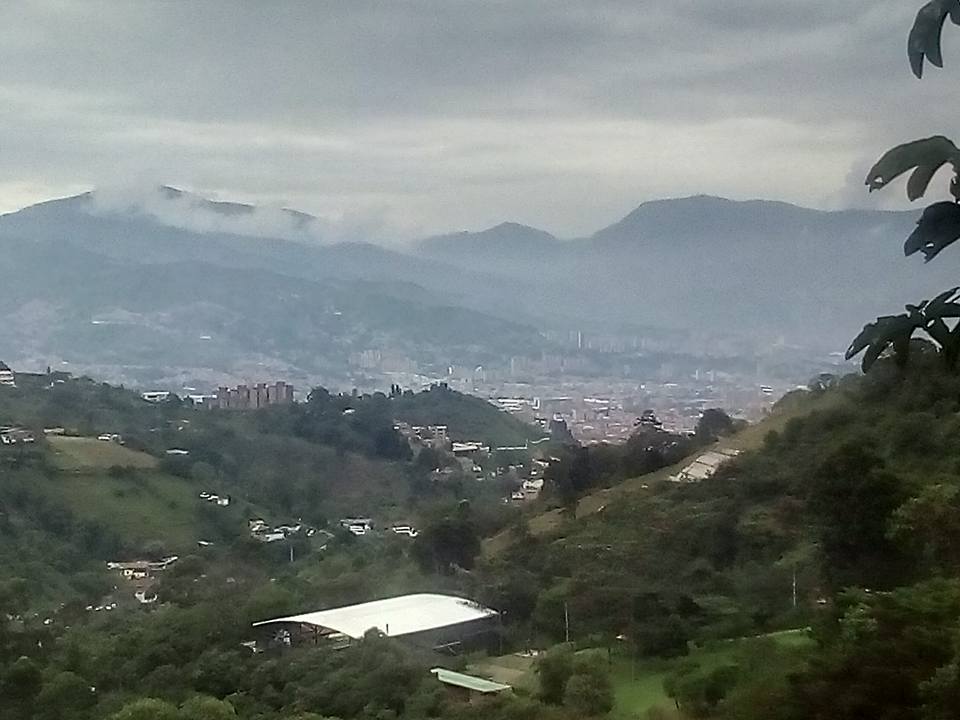
el salado1el salado2el salado3el salado4el salado5el salado6el salado7el salado8el salado9el salado10el salado11el salado12

Camera: Lenovo A2010

Location: Envigado, Antioquia, Colombia (Parque Ecological)