The Need to Revive Third Spaces

“In our current era where technology bridges vast distances across the globe in the blink of an eye but isolates more and more people within their own digital silos, the need to revive “third spaces” in society has never been more relevant.”

In our current era where technology bridges vast distances across the globe in the blink of an eye but isolates more and more people within their own digital silos, the need to revive “third spaces” in society has never been more relevant. The rapid rise of social media, virtual teleconferencing, and remote work, while convenient, has inadvertently eroded the fabric of community life across the world. People now spend more time in their private homes or virtual worlds, leaving little room for real-world, in-person interaction and causing our social skills to atrophy.

This new reality has led to a society that feels increasingly fragmented, even though we are more “connected” than ever before. Reviving ‘third spaces’ as places that are neither at home nor at work, is crucial for fostering more community, improving overall mental well-being, and re-establishing a sense of belonging that is rapidly slipping away.

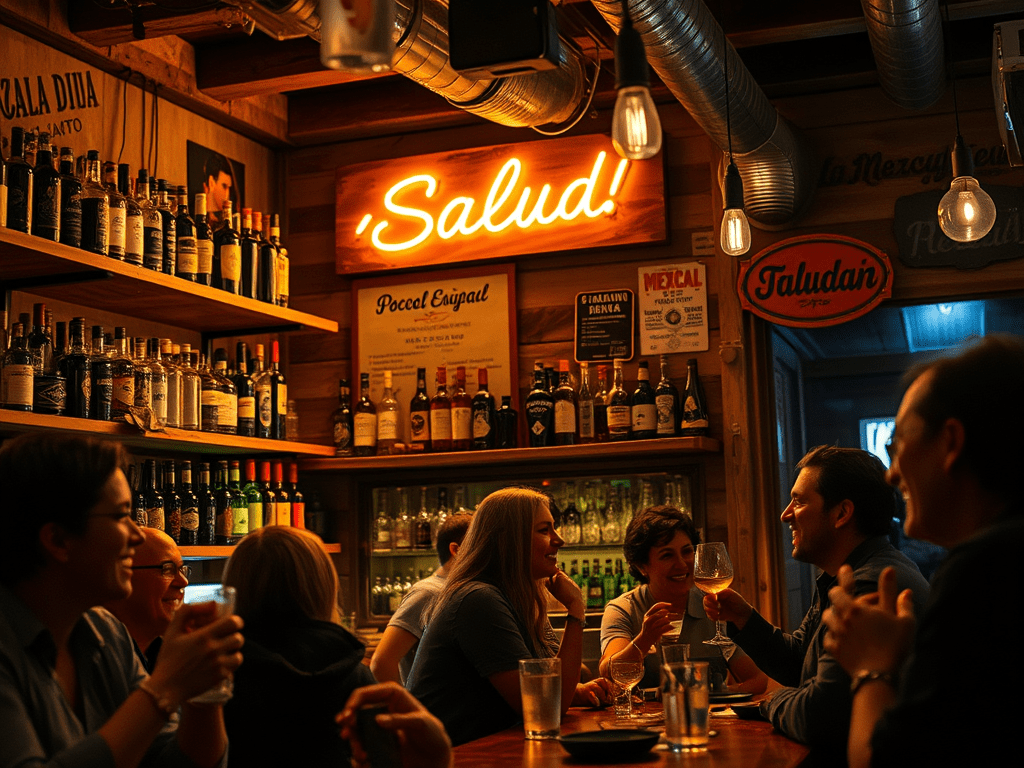
The concept of third spaces was first introduced by the sociologist Ray Oldenburg in the 1980s. Mr. Oldenburg argued that people need separate spaces outside of their homes (the first space) and workplaces (the second space) to relax, socialize, and build relationships. These third spaces are at the heart of community life, where casual encounters can lead to meaningful connections, new ideas can be exchanged, and civic engagement can flourish. Historically, third spaces have included places like cafés, libraries, public parks, community centers, and even religious institutions—venues that offer a neutral ground where everyone is welcome, and no one is excluded.

Third spaces are characterized by several key attributes: they are easily accessible to the public, offer a low barrier to entry, and are often inexpensive or free. The atmosphere is typically relaxed, informal, and conducive to spontaneous interactions. Unlike at work or even at home to some extent, people can let their guard down in these third spaces, making it easier to build authentic friendships and relationships. These third places provide a vital counterbalance to the isolated routines of home and work life, which can serve as anchors for community cohesion.

In the 2020s thus far, third spaces have been steadily disappearing from our society or transforming in ways that reduce their community-building potential. Many cafés and bars have morphed into workspaces, filled with patrons glued to their laptops, headphones in, and social interactions minimized. It doesn’t help when the music is blaring, and the focus is on making a profit rather than stoking conversation and comraderie.

Libraries, once vibrant hubs of communal activity, are often silent, with the rise of digital media and one-click access to books, music, movies, etc. These technological changes have reduced the need for people to physically gather there at the library even when they enjoy the nostalgia of it. Public parks are underfunded and sometimes ignored, and community centers struggle to keep their doors open amidst tight budgets and a lack of spreading the word around the town or city they want to appeal to.

The COVID-19 pandemic further accelerated this decline in third spaces. Lockdowns, social distancing, and remote work have made public gathering spaces feel risky, unappealing, or unnecessary. Even as restrictions have now eased or gone away completely, the habits formed during the pandemic continue to persist. People are increasingly content to stay home, order food and goods online, and engage with others through screens. This societal shift has left communities more disconnected and less resilient, especially to misinformation and polarization.

To address this growing disconnection, I believe that a society needs to reinvest in and revitalize these third spaces. Several types of third spaces are particularly worth reviving including the following:

  1. Community Cafés: Cafés have long been the quintessential third spaces, but they need to reclaim their role as social hubs rather than workstations. Imagine local coffee shops with community tables, guest speakers, encouraging conversation between strangers, or hosting regular events like poetry readings or discussion groups. These spaces should foster interaction and connection, not isolation.
  2. Public Libraries: Libraries are one of the few remaining third spaces that are truly accessible to all, regardless of one’s socio-economic status. Modern libraries should expand their role as community centers by offering more than just books. They can host workshops, film screenings, art exhibits, and civic meetings on important issues going on within the community. Libraries can serve as the epicenter of a community’s cultural and intellectual life. They should also include events for people of different generations or even cut across generations for communal meetups.
  3. Public Parks and Outdoor Spaces: Parks and outdoor spaces provide the setting for unstructured play, exercise, and relaxation. These spaces should be maintained and expanded, with facilities that encourage community use—such as picnic areas, playgrounds, sports courts, and outdoor stages for performances. In urban areas, the creation of pocket parks or pedestrianized streets can make a big difference in encouraging public gatherings. I have always liked the idea of having street fairs that encourage artistic and musical expression from those people within a community. Outdoor exercise areas for adults are also a great way to get people out of the home especially when they don’t pay a price to take care of their physical health.
  4. Cultural Centers: Places that celebrate local arts, traditions, and multicultural experiences can serve as vibrant third spaces. These centers can host exhibitions, live performances, and hands-on workshops that bring diverse groups together. By emphasizing inclusivity and creative expression, cultural centers help bridge societal divides and foster a sense of shared identity. I would also extend the appeal of these centers to include a focus on learning different languages, having potlucks or dinner events where different cultures can express themselves to the community, they have a presence in.
  5. Co-Working and Maker Spaces: While many co-working spaces have become more like isolating offices, there is still a potential to redesign them as collaborative third spaces. These spaces can blend work and socialization by offering communal areas for shared projects, networking events, and skill-sharing sessions. Similarly, maker spaces—where people can create, build, and invent—can foster a strong sense of community among innovators, entrepreneurs, and hobbyists. Having night classes or bootcamp sessions for adults looking to reskill or to improve their skillsets is also a way of making co-working spaces appealing not only in the daytime but at night as well. If these places can lower their costs to the public or be free to a community, it would make a huge difference to those people who need its services.

Third spaces are more than just locations for socializing and learning new things, but they also play a fundamental role in the overall health and vitality of a community.

Here’s how that is the case in various ways:

  1. Strengthening Social Bonds: Third spaces foster relationships between people who might not otherwise cross paths or meet each other. These spaces allow for casual, spontaneous interactions that can lead to friendships, collaborations, and support networks. By creating environments where people can come together and engage with each other without the profit motive in the way, third spaces will help reduce feelings of loneliness and social isolation, which are on the rise in many parts of the world.
  2. Encouraging Civic Engagement: Third spaces often serve as venues for community discussions, grassroots organizing, and public forums. These spaces make it easier for individuals to get involved in local issues, volunteer, or participate in civic activities. When people feel connected to their community through shared spaces, they are more likely to take an active role in improving it. It provides a way for their voices to be heard and not ignored by those who hold power or hold public office.
  3. Promoting Diversity and Inclusion: In an increasingly polarized and divided world, third spaces can help bridge divides between people. These are the places where people from different backgrounds, professions, and viewpoints can come together on neutral ground to discuss important topics that matter to the community. In inclusive third spaces, everybody is welcome to partake, and everyone has an equal opportunity to participate, which can break down barriers between us and foster mutual understanding.
  4. Enhancing Mental and Physical Well-Being: The act of simply being around other people in a relaxed, welcoming environment can have significant benefits for one’s mental health. Third spaces offer a respite from the pressures of work and home life where you are always expected to play a role and do your part. Being able to provide people opportunities for recreation, relaxation, and emotional support away from those other two spaces is key to a healthier life. Physical third spaces like parks and recreation centers also encourage healthy lifestyles through outdoor activities and sports that everyone is welcome to join and use.
  5. Revitalizing Local Economies: Vibrant third spaces can breathe life into local economies regardless of whether it’s for a town or a city. When communities invest in their parks, cultural centers, and other public spaces, they attract traffic and interest to surrounding businesses. Small businesses like cafés, bookstores, and boutiques often thrive when they are near popular third spaces, creating a positive economic ripple effect.

In today’s disconnected age, the need to revive third spaces is essential for building healthier, more connected communities, which are lacking in many towns and cities these days. These ‘third spaces’, which are neither at home nor at work, provide crucial opportunities for socialization, civic engagement, and personal well-being.

By reimagining and reinvesting in community cafés, public libraries, parks, cultural centers, co-working spaces, and even new types of third spaces, we can restore the fabric of community life that is increasingly being frayed. In a time when loneliness and polarization are rampant, third spaces offer a powerful antidote—one that is more important than ever in the 2020s. Reviving these spaces is not just a nostalgic pursuit; it is a necessary step toward a more inclusive, resilient, and vibrant society.

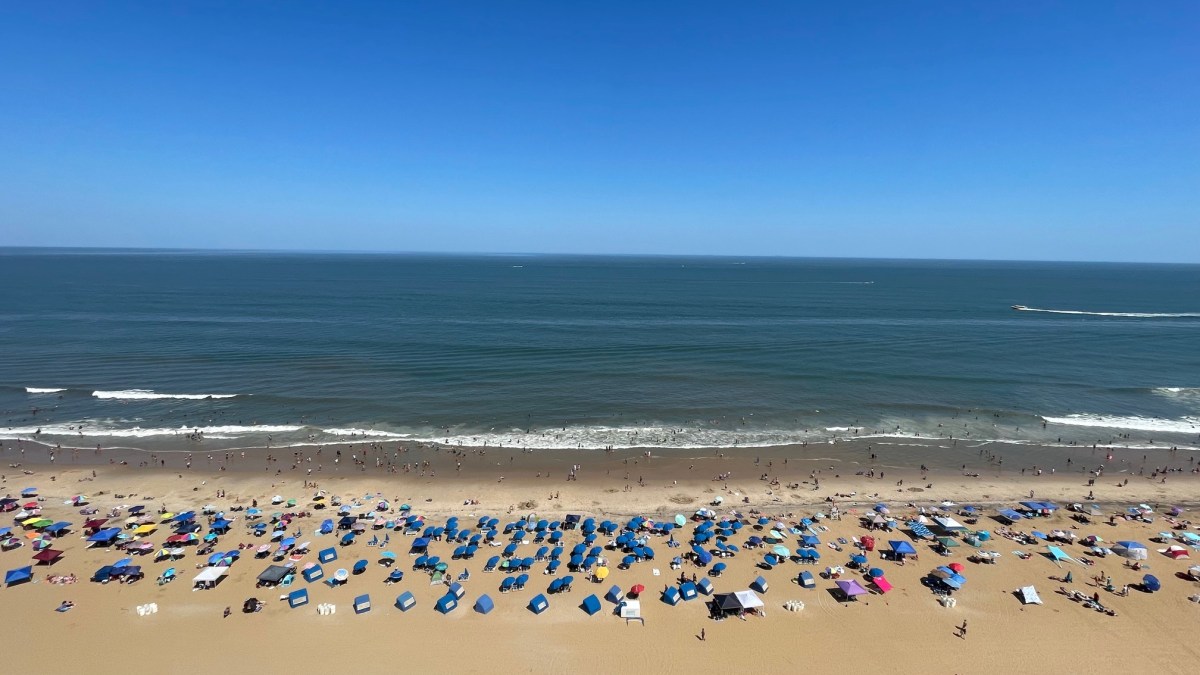
A Day in Annapolis, Maryland

A Day Trip to Annapolis, Maryland

Camera: iPhone 12

Location: Annapolis, Maryland, United States

Is ‘The Grass Always Greener’ On The Other Side?

“There is a sense of whimsy about wishing what would your life be like if you had made a different decision or if a different opportunity had come your way.”

The popular English language expression on ‘the grass is always greener on the other side’ is a common refrain when discussing the possibilities of where one could see themselves in a different reality or circumstance other than their own. There is a sense of whimsy about wishing what would your life be like if you had made a different decision or if a different opportunity had come your way. You may even want to switch places with someone else you know or someone you admire or someone you read about. Beyond that, it could also be wanting to live in a different city or country or to experience a different culture or set of customs other than the one you were born into or grew up in.

I find that there is nothing wrong with daydreaming about the possibilities for change or how to make your life better or more successful. I do think it is a good thing to be reflective as well on how others live, what you can take from their example or even discard based on your own perspective, and to not be afraid to even experiment with making different choices in life based on what others have done ahead of you. It is good to be inspired by other people, read about their lives, and to change your own approach to how you live, where you work, how you act, and what you can be within reason.

I think, however, that it is important to not be fantasizing all the time about how others live or envious of other people without knowing the full story. Being obsessed with mimicking or copying other people is also a recipe for disaster in my view. It is okay to be influenced by others around you who are making a positive impact and living life in a successful and moral manner. However, it does not justify being a ‘copycat’ or a ‘sycophant.’ Often, we must think for ourselves, make our own decisions, and to live a life true to our own morals, values, and code. Doing what others do just because they think it is ‘popular’, ‘cool’ or ‘successful’ is not what a mature individual should be following.
You may think that the other person or group of people has it all figured out, but the reality is much more complicated than that. You may envy the house, the car, the lifestyle, or the personality they have but often, you only know the surface of what you can see about that person. The same goes for endlessly admiring another city, country, or culture. It is okay to admire and adopt those customs, the food, the language, and the beliefs, but it’s important to take a step back to see what is compatible with you and what you would rather not adapt as your own self-expression.

As another saying goes, ‘walk a mile in another person’s shoes’, that is not a bad thing to do in life. Still, to automatically wish to live like them, be like them, and change who you are entirely is losing your own conception of self in the process. I am a fan of learning about other people, their backgrounds, their cultures, and their viewpoints, but that should be a way for you to more fully accentuate who you are as a result rather than change you are entirely. It’s good to see how others live, why they live like that, and be the more educated and worldly for it, but there’s a limit to how much we can live like those people.

Instead, use those variety of experiences, either lived or learned, to water ‘your own grass’ to be ‘greener and livelier.’ Instead of envy, jealousy or obsession, be more concerned with how to live a life that’s truer to yourself and what you wish to achieve. Think about what you’ve learned, seen, or heard, to adapt that to benefit your own life. Adopt those practices that will make your life better and make you a better person. Use your expansive knowledge based on living in different places, meeting different people, or studying different topics to make your life much more fulfilling and richer. We never truly have all the information regarding the lives of others and often we just see a snapshot of it rather than the full picture.

This is the same when we visit a place or even live there for a little bit of time. Even with that knowledge of a place and a people, we are not born there, or grew up there, and it limits our perception of what is going on there to some degree. Regardless of if you’re envious, apprehensive, dismissive, or neutral about a person, place, or culture, you should not automatically think that where you are or the ‘grass’ on your side is better or worse than theirs because you really can’t even make a real judgment.

You can always ‘walk in other’s person’s shoes’ for some time but you’ll never fully live in their shoes as they do. The same goes with where, why, and how we live and comparing it to others’ lives we learn about as they may want to have our life and we may want to have theirs, but we should remember that we will never have the full picture regarding their life’s circumstances. Instead of envying the ‘grass on the other side’ that we are constantly exposed to in person and online, you should remember to focus primarily on watering, fixing, and shaping your own ‘grass’ under your own feet and in your life to make it a more fulfilling, joyful, and happy kind of life to live.  

United States Naval Academy

A Visit to the United States Naval Academy in Annapolis, Maryland

Camera: iPhone 12

Locations: United States Naval Academy; Annapolis, Maryland, United States

Dealing with Melancholy after Travel

“Still though, it’s hard for me after dozens of trips and hundreds of places visited to not have that feeling of melancholy wash over me after I come home again.”

There is a comedown feeling that happens after the end of a trip, regardless of how long or short it is. All the planning, the effort, the money spent, and the adrenaline rush that goes into relocating yourself elsewhere creates a unique feeling that is hard to replicate. Often, the trip will go smoothly, and you’ll have fond memories to look back on long after it’s over. Still though, it’s hard for me after dozens of trips and hundreds of places visited to not have that feeling of melancholy wash over me after I come home again.

Luckily, it is not a deep melancholy, but it is a melancholy of missing the feeling of being on an adventure or not knowing that the next day will bring. It’s the pure excitement of the unknown, of yearning to experience a new thing or event or place, and about being more open than usual to meeting new and often interesting people you encounter during your travels. Being able to settle back into your usual routine can be a bit of a downer after the rush of going from place to place, city to city, and being footloose for a while.

Despite a routine not being the most fun to go back into, it is necessary to reestablish a routine again as it can provide some comfort after a trip rather than doting on the past trip, however fun and exhilarating it may be. I do believe we need a routine in our lives often, rather than be rudderless and without anything to focus on. If our travels are temporary and we do not live life on the road on a permanent basis, easing back into our daily lives takes time but if we don’t have anything to refocus our attention on after a trip, the melancholy can be even more profound and difficult to deal with.

It is a good idea to develop your hobbies, interests, and your goals even more after a trip to accomplish what you want to set out to do with the time you have been given. Devoting yourself to something you’re working on or taking time to achieve something you want for yourself is a good way to deal with the blues that can happen after your travel is over. Being able to have ‘travel’ as something you enjoy doing is important, but it should not be the only thing you have going for you in your life. We cannot only be one-dimensional in our focus no matter how much we enjoy taking ourselves on the road.

Being able to share your travels with others is important because it helps hone and shape our memories. You may not be able to talk about your trip as much as you would like if you would like but it is good to share with your family and friends how it went because it’s likely they will want to know how it went. Beyond that, make sure to take care of your mementos, souvenirs, keepsakes, and other items you brought back with you, because they will give you a comforting feeling from having been to that place or done that activity, and it is good to reflect on the travels you’ve done in a sustainable way. I also like to organize my photos, create canvas prints, and even share videos from the places I’ve been and to keep them in my own records to reflect on to remember better of where I was, who I was back then, and how I felt about the trip.

Lastly, keep thinking of ways to travel again to go back to the place(s) you loved again or try new places you want to visit. Travel should be a passion that sustains you throughout life and you should know that it is a marathon, not a sprint. I like to casually look at where I want to go next as I do like to plan, and I always like to have something to look forward to. Think about the culture, the language, and the people who live in the place you’re going to and start studying up in advance to learn more about what it will be like there potentially and how to prepare yourself for the trip you want to take next.

The most rewarding travel experiences for me have been those that I spent time learning the language (if need be), studying the places I want to visit as part of the itinerary, and devoting time to knowing the history and the culture a bit there. Travel is more than just taking photos and eating good food to me. While those are both enjoyable to do on a trip, I do make a conscious and concerted effort to know a bit about where I am going, and to learn as much as I can before I step on the bus, plane, or train.  As travel writers have noted, it’s not the destination that is the central reward but the journey it takes to get there.

Remember, when you get back home, it’s not the end of your traveling days. You may have put the suitcase away and the mementos on the shelf, but you’ll be back on the road again, and sooner than you may think. Embrace what you’ve done, enjoy being home for a little while and seeing friends, family again while keeping up a routine, and start planning for your next trip when you can. Travel may not be your permanent mode of living as it isn’t for most people, but once you go somewhere, even if only for a short while, you’re still a traveler for life, and that is something that will never change.

Everybody’s Going to the Zoo

Visit to the National Zoo in Washington, DC, USA

Camera: iPhone 12

Locations: The National Zoo; Washington, District of Columbia, United States

Watching The World Go By In Paris

“Many cities are great for people watching or just seeing daily life transpire in front of your eyes, but Paris is different from the others because you are allowed to slow down fully to take it all in.”

Few cities embrace the pleasure of watching the world go by more than Paris. No wonder why writers from all corners of the globe have come to the ‘City of Lights’ to be inspired to reach their creative goals. If you’re a keen observer as any good writer should be, you’ll see all walks of life come through Paris each day. Whether it’s a starry-eyed tourist with a camera in their hand, a bookkeeper plying his trade by the Seine River, or a street music performer trying to earn a Euro or two. Many cities are great for people watching or just seeing daily life transpire in front of your eyes, but Paris is different from the others because you are allowed to slow down fully to take it all in.

In Paris, the pace of life is fast like any city but the city’s awe-inspiring beauty, its prominent café culture, its pleasant on their ears language of French encourages you to slow down, have a coffee or a pastry, sit down with a book or a pad of paper, and really take it all in. One of my favorite aspects of the city is that compared to most major cities or even other cities I’ve been to in France is that you are encouraged not to rush the experience whether when you’re dining, drinking, or smoking (for those who partake).

No one cares how long you sit at a café or a brasserie (some places are even open 24/7), if you pay for something on the menu and be kind to your server. Some tables may have you face each other if you’re with a companion but often, your chair(s) and table will be facing out on to the lively Parisian streets or plaza whether you are alone or with someone else.

Paris does not bemoan the lone traveler or the lone wanderer who comes to visit it. It is perfectly normal to be by yourself with your thoughts, your sketch pad, and your cup of coffee spending as much time as you need with whatever you happen to be working on. I’d imagine that even if you visit in the Fall or Winter, you’ll still see people out in the streets or in the plazas, talking, laughing, eating, drinking, and making the most out of their lives in the big city. When you are in Paris, you can watch the world go by and even if you’re in a rush personally that day with work or studies, the city will encourage you to slow down, stop somewhere, and take in its ever-enchanting beauty and detail.

Writers, painters, musicians, and other kinds of artists have had a field day with creating great works from having lived in Paris because there is so much to be inspired by. The city of Paris and French culture, in general, have a high emphasis placed on beauty, aesthetics, and the art of good presentation. Any type of artist will be able to come to Paris to draw or paint about the daily scenes of life they see there, have time to think deeply about their approach to their work, and foster ideas without being interrupted endlessly.

Even with the humming noise of traffic and pedestrians, it is not a overly loud city when compared to other major cities I’ve been to in the world. You can find those moments of quiet and peace amid the waves of people and vehicles who pass you by. Sitting and facing out towards the world and not with your back to it allows you to assess better how you fit into this magnificent city and where you fit into its ever-changing melody and rhythm.

I believe you could spend years in Paris and not have tried every restaurant, café, brasserie, or bar. There are seemingly endless places to sit, drink, relax, think, write, and reflect, which is why the city is and will always be such a haven for brilliant artists of all kinds throughout the millennia. Paris encourages you to soak it all in and to pay attention to what you’re surrounded by.

Throughout Paris’s history, the city has sought to inspire humanity to move forward through making new inventions, creating new works of art, writing new literature, and building more beautiful and awe-inspiring architecture. When you think about a self-fulfilling prophecy for a city to have, Paris was built on reaching higher and higher in terms of our human aspirations to create beauty in this life and to find the beauty in each other.

We may fall short from time to time, but Paris is a city built on pursuing excellence in all facets through the pursuit of one’s dreams. For those people who are creative in any sense of the word, who want to share their creativity and gifts with the world, Paris is a great home to begin doing so. When you come to the ‘Ville de Lumiere’, not only can you watch the world go by without a care in the world and be able to take in all its beauty and charm, but you will also be inspired by the city that was built on fulfilling the hopes and dreams of its many inhabitants.

Paris would not be the city it is today without the creative and forward-thinking men and women who built it to be what it is today and will remain for the future, a beautiful and inspiring beacon of human ingenuity and vision that inspires both visitors and Parisians alike.

Gone Fishin’ in the Great South Bay

“Showcasing the allure of Great South Bay in Long Island, New York through captivating imagery.”

Camera: iPhone 12

Locations: Captree State Park; Bay Shore, New York; Great South Bay, Long Island, New York

Some Thoughts On “This Too Shall Pass”

“The main message of the quote is meant to be comforting to those who hear the words strung together either in a poem, a speech, a song, or a fable, and it is supposed to let us all know that whatever we are experiencing or feeling at the moment, whether it is positive or negative, good or bad, happy or sad, “this too shall pass.”

A favorite quote of mine in the English language, originally adapted from Farsi / Persian centuries ago, has been used by both Sufi poets and American presidents alike to describe the impermanence of everything. The main message of the quote is meant to be comforting to those who hear the words strung together either in a poem, a speech, a song, or a fable, and it is supposed to let us all know that whatever we are experiencing or feeling at the moment, whether it is positive or negative, good or bad, happy or sad, “this too shall pass.”

The human condition is ever evolving and what we experience one moment, one hour, or one day can be drastically different later from what was before. Nothing is permanent as we all know because one of the first things we become sentient of is our own mortality and our own impermanence on Earth. While this can fill us with existential dread and despair, it can be a blessing too because the pain, the suffering, and other negative emotions we experience in this life are not for forever. Just as we can’t be experiencing euphoria in the form of only good things happening every moment of our life, the same can be said for having everything go wrong throughout life.

What happens to us in life is largely beyond our control but what we can control is how we react to life and its challenges. In addition, we should remind ourselves that tough times are not forever and if you stay in the game, you keep moving forward, you give yourself a chance of pulling yourself out of a bad rut or a down time. I find it healthy emotionally to remember the Persian and now translated to English saying of, “this too shall pass.” It is a good reminder for us all about the impermanence of all things we experience including life itself.

In addition, this quote of “this too shall pass” can be correlated to “carpe diem” because we must do our best to enjoy life despite its challenges because we never know how many days will be given to live this life. You may not know what life will throw your way day by day, but you should be prepared to make the most of it, to ‘seize’ it, and to have an impact on it in whatever way you can.

The impermanence of everything in life should make us savor the good moments more whenever they come to us. We can remind ourselves that the bad times don’t last forever too and that good times can be just around the corner if we believe in ourselves to turn things around. Being more grateful, more appreciative, more kind, and being a better person even when we don’t feel like karma or life itself is reflecting the good that we’re doing should not mean we stop trying. The reward of life is to live it to the fullest and to do it well even with the inevitable ups and downs, the highs and lows that come with it.

We must refuse to give up or surrender when the bad times in life challenge us, sometimes beyond what we would ever want to endure. We must believe in doing good and being good even when bad things or times happen to us. Life is a gift; however we are affected by existing and living day by day, we must make the most of it and to continue making our lives better even when times are tough on us. Those four words of “this too shall pass” have comforted people in different cultures and in different languages throughout the centuries.

The human condition is not the same day by day and what we experience today will not be what we experience tomorrow. Time can blend, routines can become suffocating, and experiences can become mundane in life, but it is up to you and you alone first to make changes to your life, to make different choices to how you react to life, and to form different habits that could make what looks like a permanent situation turn into a temporary blip in your life trajectory. We may think that we are on a set course, but we have agency, and nothing is permanent, and we can make our lives what we wish if we decide to act and make change to go from good to bad or bad to good depending on how we act on both our actions and choices.

“This too shall pass” is a timeless piece of wisdom that resonates deeply with the human experience and has done so for centuries. At its core, this universal phrase has served as a powerful reminder to all human beings of the impermanence of all things and of life itself. By acknowledging that both good and bad moments are fleeting, we cultivate a healthier and balanced perspective on life. When faced with the challenges life throws at us each day, remembering that “this too shall pass” helps us to endure the hardships with greater resilience, humility, and patience. It encourages us to stay grounded, knowing that difficult times will not last forever. This outlook can alleviate the weight of anxiety and stress, providing a sense of hope, belief, and a clear mind to navigate through life’s adversities.   

Similarly, this kind of wisdom also teaches us to cherish the happy and joyful moments more fully, understanding that they are both precious and temporary. It fosters an appreciation for the present moment we are living in, urging us to savor the beauty and happiness we encounter even in a minute way. By internalizing this phrase in our lives, we become more mindful and grateful for the positive experiences in our lives when they occur.

Incorporating “this too shall pass” into our mindset every day can lead to a more balanced emotional and mental state. This quote promotes resilience by reassuring us during tough times and maximizing our joy by reminding us to live in the present, whether good or bad. Ultimately, this simple yet profound wisdom from earlier times in the history of humanity helps us embrace the ebb and flow of life with grace and humility, transforming how we approach both our triumphs and our trials.

Allentown and Bethlehem, PA

A Visit to Allentown and Bethlehem, Pennsylvania

Camera: iPhone 12

Locations: Allentown, Pennsylvania, United States; Bethlehem, Pennsylvania, United States