Self-Awareness is a Key Trait to Cultivate

“In a world where everyone has an opinion on every imaginable topic, but very few people have genuine self-awareness, that quality now feels like a rare mineral. True self-awareness is valuable, hard to find, and even harder to refine if you do not cultivate it like copper or silver.”

In a world where everyone has an opinion on every imaginable topic, but very few people have genuine self-awareness, that quality now feels like a rare mineral. True self-awareness is valuable, hard to find, and even harder to refine if you do not cultivate it like copper or silver. At its core, self-awareness is simply understanding your thoughts, emotions, habits, and personal blind spots without flinching or ignoring them. It’s the ability to see yourself honestly instead of through the fog of ego, insecurity, or willful ignorance. That sounds simple, but anyone who’s confronted with their own emotional patterns knows that simple isn’t easy. In terms of personal traits that will serve you well at home, in the workplace, or in public, exercising self-awareness makes a huge difference and is a net positive in one’s life.

Self-awareness is rare today for a few reasons. First, distraction is the default setting of modern life. Between social media, nonstop notifications, and the pressure to perform instead of looking inward about their behavior, most people never slow down long enough to reflect or contemplate who they are or how they act. Secondly, ego protection kicks in for many of us. It’s uncomfortable to recognize that you might be wrong, inconsistent, reactive, or stuck in old habits that drain you or other people. Thirdly, our individualistic culture rewards projection over introspection and putting on an act over being yourself. Being loud, visible, and “on brand” is praised more than being grounded or honest with oneself. The result is a society full of people acting on autopilot, repeating the same behavioral patterns, and wondering why life keeps giving them the same lessons. Introspection is hard to do but it could help get you off an autopilot setting.

When life turns upside down, that’s exactly when self-awareness becomes most valuable. When the world is chaotic, clarity becomes a superpower. The more you understand yourself along with your triggers, your strengths, your weaknesses, your values, the better decisions you will make. You react less to external circumstances and respond more from a place of self-assurance by knowing who you are and what you want to be. Your relationships improve because you’re paying attention to how your behavior affects others. Even your career trajectory changes: self-aware people take feedback well, adapt quickly, and build trust, which quietly but consistently pushes them upward.

The good news for us all in this? Self-awareness isn’t fixed and it’s a muscle you can train. It’s a skill you can cultivate intentionally but you must make a consistent effort to do so successfully. At work, start doing quick “post-project or post-task reviews” for yourself: what went well, what drained you, what you’d do differently, what could be better next time, and how well did you work with others. Ask trusted people for feedback and instead of defending yourself, listen to what they have to say first and what they are genuinely telling you. Notice your stress triggers and learn to pause before reacting, whether it’s in meetings, emails, or elsewhere in your workplace.

I’ve had my own moments at work where I reacted prematurely instead of responding thoughtfully, only to later realize that having self-awareness could’ve saved me a headache. Instead of interrupting, acting abrasive, and preventing a real discussion, think about where they are coming from and why they think of you the way that they do. Focus on the ways that you can improve when they have legitimate critiques and suggestions for improvement in your work performance.

In your personal life, carve out time for your own reflection. Making that kind of effort will pay off tenfold by turning inwards to discover more about your mindset, your thought process, and your personal habits, good or otherwise. Even five minutes of journaling can reveal emotional patterns you never noticed. Try also meditation or silence at the beginning or end of your day and in just ten uninterrupted minutes, it can be surprisingly revealing. Pay attention to your relationships and friendships as well: where you feel energized, where you feel defensive, and where conflicts repeat with the people in your life. Life is too short to be around people who avoid self-awareness. If you are making the effort to be introspective and try to be a better person with self-awareness, you should gravitate to those people in your life who are making that effort too, friends, family or acquaintances especially.

Ultimately, self-awareness isn’t about perfection; it’s about alignment with who you are and how others see you. The more honest you are with yourself, the easier it becomes to make choices that fit the life you want. Know yourself deeply. Pause often for self-reflection. The world will stop dictating your path and you finally begin choosing it. 

Why It’s Important to Romanticize Life a Little (While Not Losing Your Grip on Reality)

“When I say romanticize life, it’s about choosing a balance between being aware of suffering and cruelty in all its forms but not letting it steal our joy or every drop of beauty we should experience during our short time we are living on this planet.”

A star-filled sky, a sunset that looks like a colorful painting come to life, a delicious cup of coffee on a patio or rooftop, a smile from a stranger, or a song that just puts you in a good mood; romanticizing life itself is important to maintaining one’s contentedness. Romanticizing life itself isn’t about deluding oneself about the ills of our troubled world or denying that life has its problems, but it’s about choosing meaning, joy, and pleasure in a chaotic thing that we call existence. When I say romanticize life, it’s about choosing a balance between being aware of suffering and cruelty in all its forms but not letting it steal our joy or every drop of beauty we should experience during our short time we are living on this planet.

What does it mean exactly to romanticize life itself? For me, it’s about viewing life not only through its troubles, struggles, and effort, but also about embracing wonder in all its forms, keeping your imagination going, and living life with intention to observe joy and be appreciative of being able to exist in this moment. Being able to romanticize life does not come easy and we can lose track of how precious life really is. However, you can appreciate life more when you’re able to enjoy the small rituals and little moments that bring you a sense of calm and contentedness.

Maybe it’s your morning coffee or your daily walk around the neighborhood. If you’re a parent, maybe it’s the sound of your child’s laughter or if you’re married, your partner smiling at you. In those precious moments, you are left with a sense of what the good stuff in life is and that it can be good. You know those moments don’t last forever so it’s important to recognize them when they happen and to find enjoyment in them. I also think romanticizing life is about embracing yourself as the ‘main character’, which I have written about in a previous article. Being able to embrace new places, new foods, new cultures, and new adventures can give your life much more volume of good memories, meaningful connections, and some amazing stories to tell upon your return.

Life isn’t perfect and neither is your own, but it’s important to remind yourself daily of the good stuff even if it’s minor things in your routine and daily rituals. Even if life seems bad, I always think there’s the ‘little’ things in life to be grateful for and to remind yourself of what to be fortunate for even if things can look bleak at times. Romanticizing life matters even more in today’s world in my view. Modern life is designed to overwhelm us seemingly everyday and can drain our joy completely if we are not careful.

A lot of us are burnt out from work, overstimulated by 24/7 news cycles, and overwhelmed by the technological change going on around us. Romanticizing life is not about ignoring these changes going on around us but to remember exactly why life is still beautiful and how to find out what inspires us, moves us, and allows us to embrace the good things in our world.

It is also a good antidote to apathy, nihilism, and numbness to the problems in our society because remembering the good things in life and what’s worth fighting for. We cannot control the world or right every wrong, but we can control how we experience and move through the world in our own way. Being able to romanticize life and the good it can offer us encourages positive feelings of gratitude, mindfulness, and presence especially when there are so many distractions around that can cause us to lose sight of what we really should be focusing on.

While I advocate for romanticizing life, I’ll never shy away from acknowledge the pain and suffering we all inevitably go through in life. However, we cannot let ourselves be consumed by the pain we experience or seek to escape reality in unhealthy ways. Remember to be able to hold the good and the bad of life in you, the joy and the grief, stress and peace, happiness and sadness.

Don’t romanticize life to escape your problems or the pain you experience but instead use it as a tool to ground yourself, to have perspective, and to think in a more balanced way rather than ‘everything is terrible’ or ‘everything is perfect.’ For some examples of this you may experience in life, you can still pay your bills and light a candle for a nice dinner in the same day. You can still enjoy Paris while it’s raining down on you and you’re late for a tour. You can still have a bad day and still journal your thoughts down while being grateful for the good things you have in your life overall.

As the famous philosopher Albert Camus once wrote, “There is no love of life without despair of life.” To me, this quote represents that you can still be in touch with life’s beauty and joy without being broken by the pain and sorrow you experience that’s a part of life too. This is the kind of perspective that you should be cultivating like Mr. Camus in that you need to be romanticizing the ordinary and mundane of life and to find some beauty in it if you can.

How to do this exactly? Well, I like to write and observe to romanticize and find joy in the world. For others, it could be reading literature, watching films, or learning about art. Even better than that is to create these types of output yourself and to collaborate and work with others because building out human connection through these endeavors makes life more enjoyable and makes it easier to romanticize it all.

Romanticizing life does not mean broadcasting for the world every photo you take, every meal you consume, or every sunset you enjoy. It’s about living in the moment, not being performative or fake about what you experience, and taking the time to really embrace beauty wherever it can be found. It’s about being intentional in how you embrace life, little by little, the good and the bad. You need to have perspective in that things are never as bad as they seem nor as good as they seem. Romanticizing life is not about pretending bad things don’t exist or that good things don’t exist, but it’s about believing in that there is good in the world still and it’s worth taking pleasure in.

If you’re into romanticizing life through travel and adventure, do more of that, and for others it could be the comfort of family and friends, while others can do it more simply with watching the passing of a cloud or the blossoming of a flower, you need to find one small way each day to bring some good energy to your life and to uplift oneself when you can. Life is not meant to be an endless grind where we are meant to struggle endlessly without taking some time to reflect, be present, embrace beauty when we see it, and to live life with as much passion  as you can muster when we find things worth enjoying, both big and small, both random and planned, and above all else, reminds us that while life can be tough, it can also be beautiful too.

Be Bold and Take Chances in Life

“Nothing will ever be given to you on a plate whether that’s a new job, a pay raise, acceptance to your preferred college, or achieving a new professional certificate. You have more say over your life than you think with the effort you put into it.”

I want everyone reading this article to succeed in life. I want you to make good choices and not be to rash in your decision making as well. However, to foster new opportunities, you have to take the initiative, be bold, and take chances to really get ahead in this world. Nothing will ever be given to you on a plate whether that’s a new job, a pay raise, acceptance to your preferred college, or achieving a new professional certificate. You have more say over your life than you think with the effort you put into it.

Nowadays, you can’t be too complacent especially with the pace at which we are going through life. Time speeds up the older you get, and you have to make the most with the time given to you. You must be bold, take some chances, and see if it pays off. You don’t want to go all-in per say and take too much risk on to achieve a goal, but you also don’t want to never try at all so be sure to balance your desire to take chances with your need to preserve your livelihood. Going all-in without doing your research, not knowing your limits, or being unprepared is a recipe for disaster and that is the opposite of being bold, it is being foolhardy instead.

Calculated risk-taking is what you should be striving for in your life and to prepare yourself to succeed in whatever you choose to pursue to give yourself the best shot at success. Being bold is not about going all-in with no resources or preparation but it’s rather about taking a shot where you feel as if you have a realistic chance of succeeding. You should always think about what I am getting out of this pursuit, is it worth the risk, and what happens if I succeed or fail? You want to make sure that you can bounce back if it doesn’t turn out well and you still have the means to try again.

To cite a personal example from my own life, I prepared myself for the project management professional (PMP) certification for months, took multiple preparatory exams, enrolled in an intensive course, and took evenings and weekends to study the exam material. It was a good strategy because I didn’t go all-in without preparing myself first and reminding myself that if I fail, it’s not the end of the world and I can try again.

I also thought if it was worth the investment and if passing the exam and getting certified would benefit me in my own professional pursuits. I did the analysis before spending the money and the time to get ready for the certification exam and to go through the steps also to qualify to sit for the exam. Was it easy? No, not at all, but I’m glad I took the time to take and pass the exam because I knew that this kind of chance was worth it and would benefit me in the long run.

You will find that to be bold in life, you may have to suffer to achieve or do something truly great. Whether that is starting your first business, applying for that dream job, moving to a new city, or just asking that girl or guy out who you’ve been meaning to talk to but haven’t yet. Doing anything worthwhile in life is far from easy and often will be painful and difficult. However, the alternative of doing nothing, never trying at anything you want to do, and going through your life thinking of ‘what if?’ is no way to live your life.

I am so adamant about this topic because I’ve been through a lot of these situations I’m describing, and it required a lot of boldness to do it. You have to be bold often to get what you want out of life, especially since nothing is going to be handed to you. Make sure you take measured risks and think before you take upon a challenge as well. Boldness isn’t thoughtlessness or recklessness. Rather, it’s about thinking about what challenges you wish to take on, being realistic about your success chances, and coming up with a plan to give yourself the best shot at being successful.

Whatever dreams, goals, or ambitions you currently have, think about what it would take to make them a reality. Come up with a few steps on how to achieve your goal(s), eventually formulate a plan with further details, and then execute to the best of your ability. Sometimes, your bold decisions will be more instantaneous such as networking on the fly, asking someone out by introducing yourself and being vulnerable, or pitching your supervisor at your job about why you deserve that promotion in a one-on-one conversation.

It’s better to look back on your life and think of ‘how it happened’ rather than ‘why didn’t it happen?’ You want to live life with fewer regrets as you get older and avoid ‘what if?’ in your thoughts as much as possible. That is why I stress to you about the importance of being bold, taking an action, and working hard on what you really want out of life. If you fail, at least you gave it the best effort that you could, and the next time you try, it will be less painful, you’ll have more confidence and you’ll likely have a better chance of success the more times you take the initiative. Good luck and remember to be bold!

Seeing The Multiplicity of Human Realities Through Travel

“To me, it’s also about seeing alternate realities in the sense that you get to witness how people around the world have distinct ways of living, thinking, and experiencing the world that challenge and even change your own perspective.”

I have always thought of travel as more than just changing your physical location to another place. To me, it’s also about seeing alternate realities in the sense that you get to witness how people around the world have distinct ways of living, thinking, and experiencing the world that challenge and even change your own perspective.

There’s the saying that you should want to “put yourself in someone else’ shoes” and travel is the best way to do that. By relocating ourselves if even for a few days, a week, or more, you can get a deeper understanding of the seemingly almost endless varieties of the human experience and reflect on the limits or possibilities inherent in our own worldview.

As Mark Twain once famously wrote, “Travel is fatal to prejudice, bigotry, and narrow-mindedness.” Travel allows us to gain access to a parallel world in a sense where the values of the people, the rhythms of their lives, and their daily routines or priorities differ from our own or they could surprisingly be similar or even the same as our own. In our own town, city, or country, we have such a tight conception of what everyday life should look like that travel allows us to see beyond our own way of living to see how other people live even if just for a short while.

As mentioned earlier, the reality of time and the pace of life can differ depending on the culture and it can help to reshape our own perception of time or daily rhythm that we are most accustomed to. We may think our quality of life is best based on how we spend our time each day, but travel allows us to see the alternatives out there or the different realities that are out there to experience.

For example, if you go to Italy or Spain, you’ll likely be able to have a long lunch, take an hour or two to go home and rest, and there’s a desire to not rush to do things if there’s no need to do it right away. The emphasis on leisure, family time, or catching up with friends can have a huge impact on our own perception of what’s important with our time after seeing what others think is better for mental well-being and what is actually a good use of one’s time. Focusing on ‘time is money’ or ‘efficiency matters most’ is certainly a reality that is out there but there are other alternatives that people around the world embrace and enjoy each day.

Individualism vs. Collectivism is another way to view the priorities that communities have when it comes to how the society is structured and what the role of the community is. How people connect, what they connect over, and when they connect is a useful observation to make when it comes to seeing the reality of community and connection in your travels. Some cultures prioritize family gatherings and a communal approach to problem solving and making decisions collectively. Others including in the United States focus on being independent, relying on yourself, and making something of yourself without relying on your family or community.

Social structures can differ in terms of how strong or weak the social safety net is and if it is prioritized at all. You can get a good sense of how strong a social structure is when you travel based on the use of public spaces, the embracing of local or national festivals, and how the least well-off people are treated in the society. Each culture in my view values community and social cohesion but travel exposes us to different realities regarding how strong or weak the communal ties are and if there is a sense of togetherness or isolation because of how the community or society is.

Every culture also has their reality of what they value and prioritize especially when it comes to how they interact with the world around them, specifically the material world. Different cultures have conceptions of what is essential and what is superfluous to living. You will likely see that each culture has different priorities in terms of consumption and materialism based on their own priorities but also what the culture tells them to prioritize.

Some cultures are okay with minimalism and cleanliness while others highlight material gain and being consumer driven. It is good to be able to travel to see these different realities of materialism vs. minimalism and how you fall on that spectrum. Some cultures are also more spiritual, in tune with nature and environmentalism, and what exactly constitutes personal happiness, fulfillment, and whether consumption falls within those values or whether it is better to have enough, or to go without as much as possible than to have too much.

Each culture also embraces its reality of what constitutes history, memory, and whether they are oriented more to the present, past, or the future. Societies each try to deal with the past in their own way to create a present identity and how to think about their collective future. Having a collective memory is a way to keep your culture relevant and to bring people together as well. All over the world, museums, memorials, and monuments are dedicated to fostering cultures’ collective memory, responsibility, and how to keep the culture going into the future.

We also have ancient ruins that are still there surrounded by modern life, reminding each culture regarding the rise and fall of past civilizations, and how each culture goes through these cycles of prosperity and decline. Historical awareness helps societies shape their values and keep their cultures alive into the future. When you travel, think about if the culture you are experiencing values the past the most or if it is geared more towards the present or even the future. Preservation of history, memory, and cultural artifacts helps us understand any culture or society’s priorities as well.            

By traveling, you are exposing yourself to the multiplicity of human realities, which comes about because of how many different cultures and societies are out there with differing perspectives on time, consumption, values, community, and history itself. It is good to see these realities in person, even if for a quick trip, to not just explore the world for a bit, but to question your own values, beliefs, and worldview. Our assumptions about a culture, a society, and the world at large are often misguided or incomplete. Traveling allows us to redefine the boundaries of our own existence and help us come closer to understanding more what it truly means to live in this world.

Avoiding Analysis Paralysis

“We also often must think if the choice or decision we make is ‘perfect’ but to put it bluntly, no choice or decision is ever perfect.”

With the rapid pace of change and constant streams of information coming at us each day, it leads a lot of us to overthink decisions and choices to the point of inaction. There are too many choices we have to make, sometimes big and sometimes small, but we can easily get overwhelmed by the fear of making the wrong decision or if it’s better to avoid deciding altogether. We also often must think if the choice or decision we make is ‘perfect’ but to put it bluntly, no choice or decision is ever perfect.

Everyday, we are faced with hundreds or even thousands of choices such as choosing what to eat, what to wear, to what to do with your life, career, or school choices. Major life decisions should always take precedence in terms of your focus and your analysis, but you have to make the decision at some point regarding career, school, investments, and relationships. You must be able to prioritize effectively the decisions you have to make in the order of what’s more urgent and what’s most important. Smaller choices should deserve some time, but they should take away from the big choices we have to make day in and day out. Prioritization, knowing when to limit the time spent on a choice, and embracing choices or decisions that are ‘good enough’ over ‘perfect’ will help prevent you from falling into an ‘analysis paralysis.’

I believe that ‘analysis paralysis’ is more common than ever due to several factors. We have too much information and it’s overloading our thought process because it’s seemingly endless with regards to the Internet and it’s harder than ever to filter out good information from bad. The fear of missing out (FOMO) has us thinking that we have endless choices in life rather than a few immediate choices we should focus on that affect our lives.

Social media makes it seem like we have endless time or endless options to consider but we must reframe it as these are the choices I can make that are within my control and for which directly impact me. Society tends to reward those people who seem to have made the best decisions even when we know we don’t know the full story behind the choice because social media and the Internet don’t give us everything regarding how a person decided or made a choice to begin with.

Too many choices each day of life, which society can thrust upon us all at once, is a modern problem especially regarding how many streaming services, career paths, educational options, and other non-essential choices that flood our attention spans. While it’s important to make choices, you should not waste more time than you need analyzing every option out there because it would be a waste of your time.

As I mentioned earlier, to avoid analysis paralysis, you have to choose only on what you can control or have an impact on your life to decide upon immediately. You got to set time limits on these decisions you can make and are relevant to your life at the time. There is also no such thing as a ‘perfect’ choice or decision and every decision we make has positives and negatives to it as well as unknown factors that we cannot foresee upon making the choice.

You should be identifying the key factors of the choice and what impacts it’ll have from making one choice or the other, but for which truly matters rather than analyzing what could be or should be without knowing what those unknowns may lead to. Identifying what truly matters and really impacts you day to day should be priority in your decision making and should be based on relevant information that is creditable and trustworthy too.

Taking small choices or decisions can make it easier as well to handle bigger decisions but both need to be happening in your life. You can’t ignore the big choices or the small choices and often they will need to be made at the same time or same day. Breaking down your decisions and the steps that lead to them will reduce the chances of you being overwhelmed by making them. Take the decision-making process one step at a time, especially for the big decisions, will make it less daunting and give you more confidence in how you analyze the choices you have.

Limit the amount of information you expose yourself to and make sure the information you get is trustworthy before making your choice or decision. There is too much information out there for every choice we could make in this information age so make sure you trust your sources, limit them to a handful, and try to analyze both sides of the choice without delaying it too much.

By recognizing what ‘analysis paralysis’ is, how often it can affect us in our daily lives due to living through the ‘information age’ and taking steps to overcoming this paralysis one choice or decision at a time, you can improve the quality of your life immensely. Go easy on yourself and try to make the best decisions you can with the best information you can get. We all make mistakes in our choices and our decisions because we’re human but it’s important also to learn from past mistakes and do the best we can each day we make a choice or decision.

Anatomy of a Scene – ‘The Bowls of Sh*t Analogy’ (The Wire)

“He describes how, during his time as the mayor, he had to endure constant demands, pressures, and compromises from various interest groups, from business leaders to police brass to union members, each one forcing him into undesirable and often humiliating positions.”

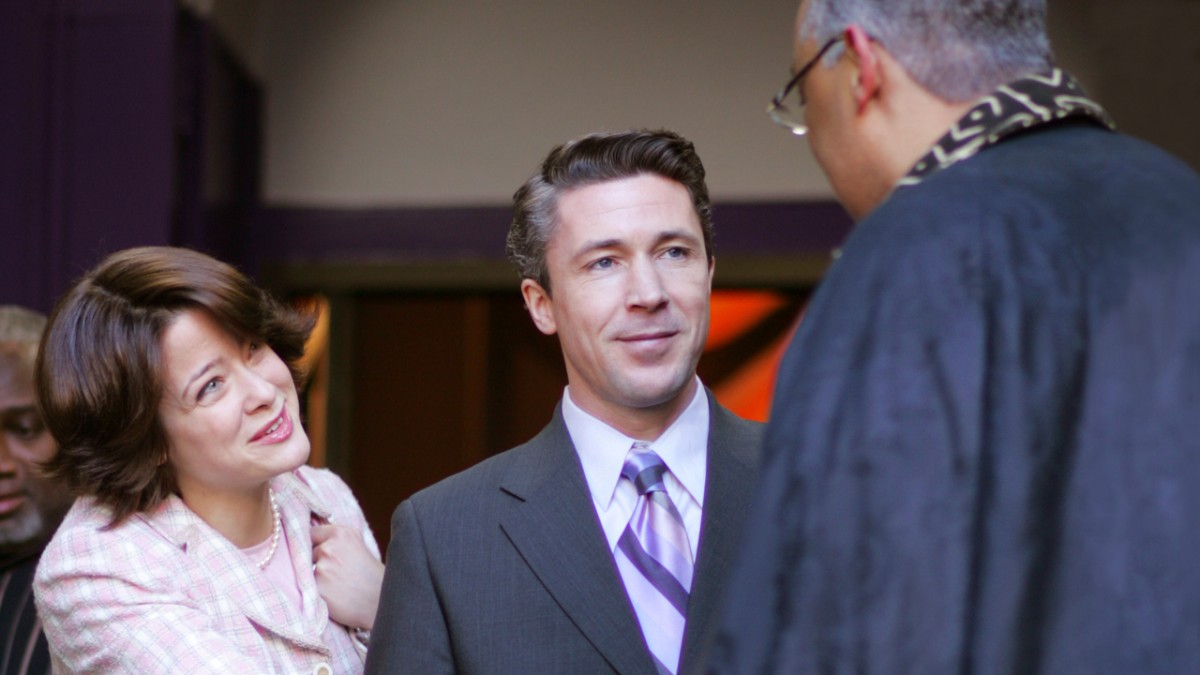
In this scene from the HBO show, ‘The Wire’, Tommy Carcetti, having just been elected as the mayor of Baltimore, seeks advice from Tony, a former mayor of Baltimore, who has since left city politics. At this scene’s beginning, Tony’s anecdote about “eating sh*t” conveys a bleak reality about the job of being mayor. He describes how, during his time as the mayor, he had to endure constant demands, pressures, and compromises from various interest groups, from business leaders to police brass to union members, each one forcing him into undesirable and often humiliating positions.

The peculiar imagery Tony uses of “eating sh*t” is deliberately crude for the viewer, emphasizing the degradation, disgust, and frustration politicians often face, especially in dealing with conflicting interests and the inherent contradictions in serving a large and diverse constituency such as in the city of Baltimore.

This “parable of the bowls of sh*t” lays bare the unglamorous side of politics—one where idealism and personal ambition are often suffocated by the practicalities of governing a community, a city, or even a country. Tony is essentially warning Tommy Carcetti that as mayor, he will be forced to navigate a landscape where decisions are rarely black and white, and success often means making choices that will inevitably upset one group or another within his constituency.

Tony’s use of the phrase of “eating sh*t” is a vivid and visceral metaphor for the compromises that politicians are forced to make, whether they want to or not, and how it can be interpreted in several ways:

  1. Constituent Demands and Special Interests: Every politician enters office with a policy platform and promises to keep, but once elected, they must contend with the complex and competing demands of their constituents. Business leaders may push for deregulation so they can improve their balance sheet, while unions may demand better labor protections and more workers rights. Environmentalists would advocate for sustainability, while real estate developers might prioritize economic growth over conservation. Each of these groups represents a different “bowl of sh*t” that a politician must eat, in the sense that satisfying one group often means alienating another in the process. Tony’s point is that no matter what decision is made, someone or some group will be unhappy, and the politician is left to bear the burden of that dissatisfaction, often at the ballot box when it comes time for election day.
  2. Compromising Ideals for Practical Governance: Many politicians enter office with lofty ideals, but the reality of governance forces them to compromise even when they would rather not do so. Tony’s story reflects how those compromises can wear a person down, leading to disillusionment with the political process. For someone like Carcetti, who may still hold on to a vision of reform and change as a newer politician, Tony’s words serve as a sobering reminder that idealism alone will not be enough to get the job done. The job itself will require him to make deals, water down policies, and prioritize certain interests over others. Over time, this compromise can erode a politician’s sense of purpose, leaving them, as Tony implies, burned out and ready to leave politics behind.
  3. Bureaucratic and Institutional Challenges: Beyond the immediate interests of voters and lobbyists, politicians must also grapple with the entrenched bureaucracies of a government. Mayors, governors, and presidents are not free agents—they operate within systems that include various institutions, legal constraints, and political adversaries. Tony’s “sh*t” may also refer to the frustrations of working within this system, where change is often slow, and even modest reforms can be blocked by bureaucratic inertia or political opposition. The administrative side of governance can be just as dispiriting as dealing with special interests.

Tony’s disillusionment with his time as mayor of Baltimore is emblematic of a larger critique of politics in general. This scene from ‘The Wire’ highlights several key themes that resonate beyond the specific context of the show:

  1. The Personal Cost of Politics: Tony’s story reveals the emotional and psychological toll that politics can take on individuals and on families. His decision to leave the office and pursue a different career suggests that the constant battles, compromises, and failures eventually become too much. For Carcetti, this scene is a warning that the personal price of pursuing higher office may be more than he expects it to be. It suggests that political power is not just about having prestige and influence—it is also about enduring constant pressures that can erode a person’s ideals and sense of self-worth.
  2. The Limits of Power: Despite being mayor, Tony felt powerless in many respects. This is a paradox of political leadership: while politicians are often seen as wielding immense power, they are also constrained by the demands of other people. Whether it is donors, voters, or other political actors, a politician’s power is always mediated by those they are beholden to. Tony’s experience suggests that being in charge does not mean having total control. In fact, it often means being at the mercy of various outside forces that are beyond one’s control, leading to frustration, disenchantment and, eventually, burnout.
  3. Cynicism vs. Idealism: The conversation between Tony and Tommy Carcetti highlights the tension between cynicism and idealism in politics. Tony, having gone through the wringer as a former mayor, represents the cynical view that politics is an unending series of compromises and frustrations. Carcetti, on the other hand, represents the younger and more idealistic politician who still believes he can make a difference. The scene leaves open the question of whether Carcetti will maintain his idealism or if he will, like Tony, become disillusioned over time. This tension between cynicism and idealism is a central theme in many political dramas, reflecting the real-world challenges that politicians face.

In essence, Tony’s parable of the “bowls of sh*t” is a commentary on the nature of modern political leadership. It paints a picture of politics not as a noble pursuit of justice, opportunity, or progress for your constituents, but as a constant battle to navigate competing outside interests and pressures. This scene from ‘The Wire’ offers a cynical, yet realistic, portrayal of what it means to be a politician: a job where compromises are inevitable, satisfaction is rare, and the personal toll can be significant especially on one’s family and friends, and the politician themselves.

For Tommy Carcetti, this conversation is a forewarning of the difficulties that lie ahead for him as the new Mayor of Baltimore, setting up a narrative about the price of obtaining power and the inevitable disillusionment that comes with it. Ultimately, this scene serves as a powerful reminder that politics is not just about the exercise of power, but about the endurance of hardship, frustration, and compromise that comes with it.

Dealing with Melancholy after Travel

“Still though, it’s hard for me after dozens of trips and hundreds of places visited to not have that feeling of melancholy wash over me after I come home again.”

There is a comedown feeling that happens after the end of a trip, regardless of how long or short it is. All the planning, the effort, the money spent, and the adrenaline rush that goes into relocating yourself elsewhere creates a unique feeling that is hard to replicate. Often, the trip will go smoothly, and you’ll have fond memories to look back on long after it’s over. Still though, it’s hard for me after dozens of trips and hundreds of places visited to not have that feeling of melancholy wash over me after I come home again.

Luckily, it is not a deep melancholy, but it is a melancholy of missing the feeling of being on an adventure or not knowing that the next day will bring. It’s the pure excitement of the unknown, of yearning to experience a new thing or event or place, and about being more open than usual to meeting new and often interesting people you encounter during your travels. Being able to settle back into your usual routine can be a bit of a downer after the rush of going from place to place, city to city, and being footloose for a while.

Despite a routine not being the most fun to go back into, it is necessary to reestablish a routine again as it can provide some comfort after a trip rather than doting on the past trip, however fun and exhilarating it may be. I do believe we need a routine in our lives often, rather than be rudderless and without anything to focus on. If our travels are temporary and we do not live life on the road on a permanent basis, easing back into our daily lives takes time but if we don’t have anything to refocus our attention on after a trip, the melancholy can be even more profound and difficult to deal with.

It is a good idea to develop your hobbies, interests, and your goals even more after a trip to accomplish what you want to set out to do with the time you have been given. Devoting yourself to something you’re working on or taking time to achieve something you want for yourself is a good way to deal with the blues that can happen after your travel is over. Being able to have ‘travel’ as something you enjoy doing is important, but it should not be the only thing you have going for you in your life. We cannot only be one-dimensional in our focus no matter how much we enjoy taking ourselves on the road.

Being able to share your travels with others is important because it helps hone and shape our memories. You may not be able to talk about your trip as much as you would like if you would like but it is good to share with your family and friends how it went because it’s likely they will want to know how it went. Beyond that, make sure to take care of your mementos, souvenirs, keepsakes, and other items you brought back with you, because they will give you a comforting feeling from having been to that place or done that activity, and it is good to reflect on the travels you’ve done in a sustainable way. I also like to organize my photos, create canvas prints, and even share videos from the places I’ve been and to keep them in my own records to reflect on to remember better of where I was, who I was back then, and how I felt about the trip.

Lastly, keep thinking of ways to travel again to go back to the place(s) you loved again or try new places you want to visit. Travel should be a passion that sustains you throughout life and you should know that it is a marathon, not a sprint. I like to casually look at where I want to go next as I do like to plan, and I always like to have something to look forward to. Think about the culture, the language, and the people who live in the place you’re going to and start studying up in advance to learn more about what it will be like there potentially and how to prepare yourself for the trip you want to take next.

The most rewarding travel experiences for me have been those that I spent time learning the language (if need be), studying the places I want to visit as part of the itinerary, and devoting time to knowing the history and the culture a bit there. Travel is more than just taking photos and eating good food to me. While those are both enjoyable to do on a trip, I do make a conscious and concerted effort to know a bit about where I am going, and to learn as much as I can before I step on the bus, plane, or train.  As travel writers have noted, it’s not the destination that is the central reward but the journey it takes to get there.

Remember, when you get back home, it’s not the end of your traveling days. You may have put the suitcase away and the mementos on the shelf, but you’ll be back on the road again, and sooner than you may think. Embrace what you’ve done, enjoy being home for a little while and seeing friends, family again while keeping up a routine, and start planning for your next trip when you can. Travel may not be your permanent mode of living as it isn’t for most people, but once you go somewhere, even if only for a short while, you’re still a traveler for life, and that is something that will never change.

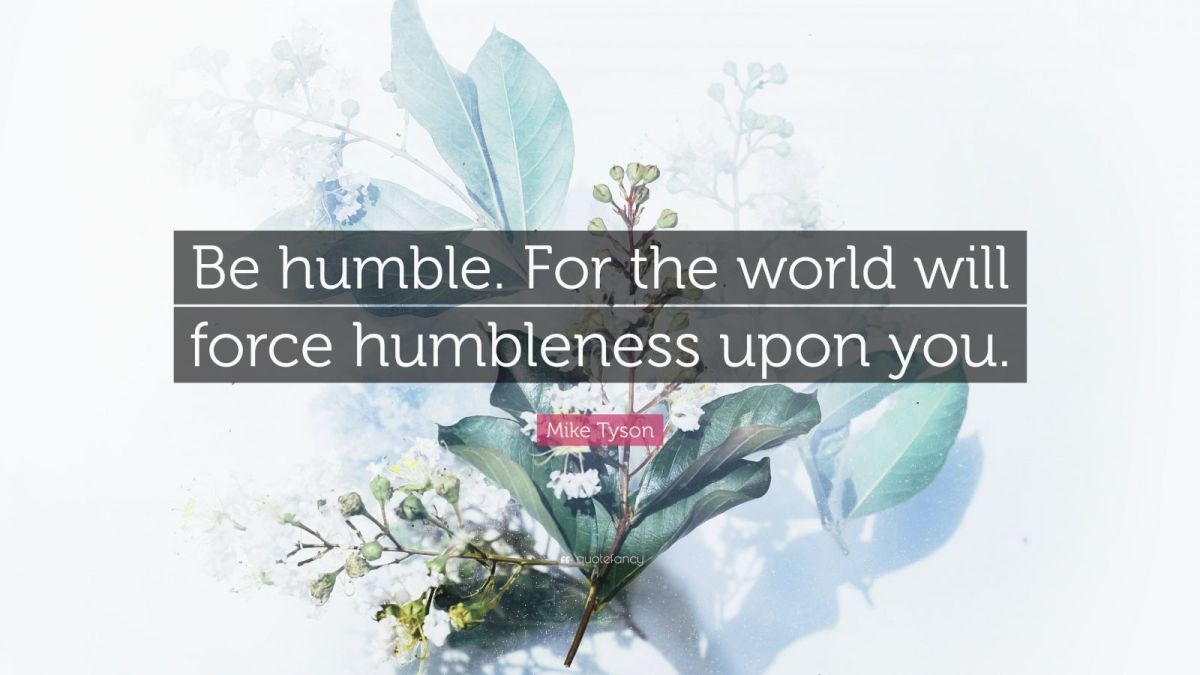
The World Will Humble You

“What you believe you deserve out of life is often out of your control at the end of the day.”

What you or I want from the world will be different from what the world will give to us. You must understand that the world will humble you in terms of your expectations versus what you will get. A key part of our lives is managing the difference between what we get against what we expect. It is important to keep your own beliefs in check because the world will test them continually and often turn them on their head. What you believe you deserve out of life is often out of your control at the end of the day.

The world will see fit to humble you when it comes to the outcomes we get when compared to what we earn and are able to get based on our hard work and effort. In a perfect world, the fruits of our labor would earn the same kind of return but often, that is not the case and sometimes hard work can be punished rather than rewarded. We have our expectations of the world around us, and the world often has different expectations from those that we expect from it. We must keep trying, to keep working, and to put our best foot forward in our individual efforts but must also understand that what we get back for those efforts may fall short of our own expectations.

Humbling oneself in the face of adversity or a negative result does not come naturally but is part of our maturation process. There is not much we can do but to try again or to move on to another opportunity. Failure is just a part of being human and the better we can handle it and be humble in a bad outcome, the better off you will be in the long run. Instead of being bitter, developing an inconsequential grudge, or blaming yourself or the other party without coming to grips with the fact that what’s done is done, you just must be willing to move on and grow from the failure itself.

We distinctly desire to avoid failure or setbacks and to think that they can’t happen to us, but they can, and they will. How we react to these failures and how we move forward will tell us more about ourselves than the initial failure itself. I would say that it does get easier as you get older as you get more used to the feeling of failure or setbacks and are able to bounce back quicker from them. You must have a thick skin about it, and I think that our age plays an important factor in being able to absorb the blow of failure or a setback without letting it derail you for a long time.

To have your ego be humbled by what the world gives you in return in it of itself is a victory. One’s ego can grow out of control when the world doesn’t humble you or push back on you in any way. When you let your own self-confidence or ego get out of control, you’re more likely to develop megalomaniac behaviors as a result. I find that it is a good thing when the world humbles you because without that happening, you tend to isolate yourself from others’ who have had it more difficult than you and tend to believe everything you do is the best thing ever or without any critique or issue.

Life is not meant to be failure-free or error-free. We are all human and thus, we will falter, make mistakes, and let our own ego get in the way. The key test is if we can push through these setbacks and failures to chart a new course or to try again if we believe enough in what we are trying to accomplish. Perhaps we did not work hard enough, study enough, use our full abilities, or sometimes it just wasn’t meant to be. There is no use fighting against an outcome that is out of our own control.

Sometimes, life has other plans for us, and it just wasn’t in the cards for us in the result we expected. You must take it in and decide how to best move forward. I find that there is nothing wrong with trying again if you believe in your own abilities enough where you want to re-try something by doubling your efforts. If you tried it once and you don’t want to do it again after failure, I don’t think that there is any shame in that either if it doesn’t appeal to you enough. Just because you failed at one thing and the world made it clear that you aren’t ready to move on with it now, doesn’t mean that is a final verdict on you or your capacity to do better or to get to where you want to be.

At the end of the day, there is nothing wrong with being humbled and to keeping your ego in check. If it wasn’t meant to be, it wasn’t meant to be. There is neither no harm in trying again nor is there any harm in moving on to a new goal or objective you have in your life. One’s ego can run rampant without any kind of pushback or critique, and you don’t want to end up in that place. Failure is the best teacher, and it should not reflect on your whole self as a person but rather on your skill set or aptitude that could use some improvement. Yes, it hurts, and it can feel like an absolute rejection of yourself as a human being, but I want you to know that it is not the case.

It is better to have tried and failed and sometimes to have done so a few times than not to have tried or failed at all. You may eventually succeed, or you may never end up succeeding at all, but the point is that you allow the world to humble you and your ego, without letting it derail you from keeping at it, trying again, or moving on to try in a different area of life that you believe you would be good at. It is natural to fail and to pretend otherwise is doing yourself and those around you a disservice. Being humble and accepting your limitations is part of being a human and hope that even if you fail, you dust yourself off, get back out there, and keep trying your best.

Remembering the Basics of Civility

“Beyond these tenets, I think it is important to remember the basics of civility in terms of everyday behavior, which is about establishing boundaries, using good manners, and fully recognizing the other person or people you are dealing with.”

In any society, there’s a thin line between civilization and barbarism. When we are civil with each other, when we say what we mean and when we do what we say, we will be better off for having maintained the basic standards of civility. Without civility, there is no civilization to come from that.

There are many forms of civility and I have written already at length about the need to be honest, truthful, be emotionally mature, and to treat others the way you would like to be treated. Beyond these tenets, I think it is important to remember the basics of civility in terms of everyday behavior, which is about establishing boundaries, using good manners, and fully recognizing the other person or people you are dealing with.

In addition to the rise of anti-social behavior since the pandemic and perhaps on the decline even beforehand, there has also been a lack of civility and poor behavior in public whether it’s with colleagues, strangers, or just another person who you are passing by on the street. Some of the behaviors that reflect a lack of overall civility include not greeting someone formally or informally, not making eye contact, lack of a handshake upon greeting that person(s), and perhaps what would be the most basic is the ability to say ‘hello’ or ‘good morning / afternoon / evening’ when you see someone or meet someone.

Basic greetings form the backbone of any civil society and if you cannot take the time to look up from your phone or laptop or to take 5-10 seconds to acknowledge that person in the language that you both speak, then it makes me wonder if civilized behavior is on a permanent decline, rather than a temporary one. Greetings are more than just communication but it’s a way of ‘seeing’ that person beyond them just being in relative proximity to you. When you say ‘hi’ or ‘hello’ or acknowledge them with a formal ‘good morning’ or ‘good afternoon’ in English or in the equivalent of another language, you will make that person feel better. You’re letting them know that you know they are there, that you recognize who they are, and appreciate the fact that you get to see them in some small way.

I would say that in addition to greetings, having good posture, standing up straight, walking with your head held high, not slouching, or putting your feet up on the desk or in front of the person sitting across from you, there are all common ways of maintaining civility and not being disrespectful to yourself and other people around you. It shows not just a lack of respect for yourself but to other people when you cannot maintain eye contact or look them in the eye.

A handshake that is never given when greeting someone now or is lackluster in its firmness or strength also shows a lack of social awareness or respect for having neglected it. If you know the person well enough, giving a hug is not a weird or out of place action and shows that you care for the other person to let them know that. Standing up straight, making eye contact, greeting the person respectfully, giving them your full attention, etc. are all necessary actions to maintain civility before diving into the deeper aspects of maintaining a civilization or a society that is not on the decline in terms of its overall behavior patterns or standards.

Having respect for another person also means getting up for an injured / disabled person, an elderly person, or a pregnant woman if you are on a bus, train, or other public transportation to let them sit down instead of you. Holding the door open for another person is also polite, kind, and a sign that you are not just thinking of yourself and are able to think of other people who need a little bit of help, especially if they could be your neighbor or need aid if they have heavy groceries or may have their hands full. If you really want to maintain classy and dignified behavior, pouring a drink for another person or proposing a toast in their honor or even pulling the chair out for a loved one or a relative is a great way to maintain the civility of our collective behavior that keeps our civilization or general society functioning.

Nobody also likes to have their time wasted regardless of the appointment or meeting whether it’s an interview, a date, a social engagement, or a dinner / lunch outing. Make sure you are on time or a few minutes early, and while this is not universal across cultures, I do think being on time and keeping your word allows for societal advancement and for civilized behavior to flourish. Now, there’s nothing wrong with being 5-10-15 minutes late here and there, but if you don’t apologize or acknowledge your tardiness with even a basic excuse, you are letting the basic values and standards of a society degrade a bit with your lack of awareness.

You may not think these basics of societal civility matter, but they do, and I’ve noticed there has been a general decline in this area since the pandemic and even earlier. It does not cost you much to observe basic greetings, observe social graces that have been around for centuries, think of other people such as the elderly, the disabled, and the pregnant before yourself, and to do what you say, mean what you say, and to be honest and forthright.            

Being reliable, being accountable, and holding yourself to a higher standard is important as well to maintaining civilization and improving one’s society. However, if you do not have the basics or the fundamentals down first, it won’t matter one bit. You must constantly be reminding yourself to observe these social attitudes, graces, and behaviors that have marked the upward trend of human civilization since ancient times.

Without making accommodations for others or thinking of others when it comes to our own behavior, we will be headed on a downward slope for which there might not be a way out from in the future. Please again remember your basics of civility when you’re in public but also in private too. Uphold the basic standards of good behavior and make sure you reinforce those kinds of standards with the people in your lives and with the stranger on the street too.

My Top Five Travel Tips For 2024

“I believe it is important to have a little bit of preparedness to avoid a lot of inconvenience or pain for your next trip.”

With the COVID pandemic now in everyone’s rear view mirror, the travel bug seems to be gripping more and more people to get out there for a trip in 2024. Now, even if you’re not traveling very far or wide, I believe it is important to have a little bit of preparedness to avoid a lot of inconvenience or pain for your next trip. I travel a good amount each year and have thought of my top five tips to use for your travel in 2024 and beyond.

If you follow this list, I promise your travel will be smoother and even help you book more trips in the future. Travel is one of life’s joys, but it can also be anxious, stressful, and even overwhelming. I’ve been in your shoes before which is why I thought it was necessary to draft a list that can help you avoid most travel issues and save you some time and money.

  1. Choose not to check a bag with the airline to avoid fees / delays / missed connections.

In 2024, everything associated with travel seems to incur a hidden fee or another step, which wasn’t the case five or ten years ago. You can be charged to select a seat on the airplane, to have WIFI access, to even have a basic drink or a snack depending on the fare you buy. It can be disappointing and even hurt your experience of traveling but I’d recommend avoiding these fees if you can but especially if the airline or other travel provider charges fee(s) to check your bag or suitcase. The cost of checking one bag can range from $30-$50 for a one-way flight and if you are on a tight budget, I don’t recommend checking a bag unless you really need additional clothes or shoes or extra medicine or toiletries to take with you.

Don’t give the airlines the satisfaction of getting another $100 out of you and you can save yourself time making a flight connection or getting to your hotel or Airbnb sooner when you don’t have to go to baggage claim to pick up your suitcase. Carry-on luggage is still mainly free in 2024 and if you pack enough for 1-2 weeks, you should be fine with not checking a bag. I would only make an exception to this advice if you’re away for more than two weeks or have a work trip, which requires formal clothes and shoes. If you’re also going to experience more than two climates, especially with heavier clothing needed for your trip(s), it’s probably best to check the bag.

However, laundry and cleaning services should help prevent the need for you to check luggage and it’s good to check with your lodging as that can save you the need to check a bag if you can wash your clothes at your destination to re-wear them without having to deal with dirty clothes repeatedly. Make sure to avoid fees, delays, and missed connections by not checking your bag. You will not regret it.

2. Look into earning miles or points at a hotel chain or an airline alliance if feasible.

What’s better than traveling? Traveling for free! If you have good credit, travel a lot, and enjoy the idea of indulging more in comfort when you’re on the road, I don’t see the harm in earning miles / points / rewards if you take a lot of trips. I won’t get into specifics in terms of my recommendations but there’s plenty of good information out there on rewards programs, credit cards for airlines, hotels, and ways to get into train or airport lounges when you spend a certain amount of money.

My key point here is it’s free to sign up for mileage programs or points programs if you’re willing to give up some basic personal information. It’s a good way to gather miles or points if you stay with a certain hotel chain or travel with the same airline / SkyTeam alliance members year after year. I think it is important to have patience with this tip as it may not reward you for a while but if you keep building up your miles, points, and continue to use your membership ID or number, you will be able to earn certain upgrades, free offerings, and be able to build up your credit when you pay off your bill on time.

Instead of continuing to let these mileage or points programs go by without you being a member, it doesn’t hurt to sign up to see when you get rewards or qualify for anything back especially if these programs are free to sign up to earn the miles or points. The rewards may take some time to earn but if you have travel multiple times a year, you’ll be reaping the benefits of your membership in no time.

3. Invest in useful travel gear (AirTag, portable charger(s), noise-cancelling headphones, sleep mask, earplugs)

If you can save money in baggage or other fees imposed by airlines or other companies, it’s always a worthy investment to make your travel experience more tolerable or enjoyable by upgrading your gear. If you want to get some sleep on the plane, an eye mask may help you catch a few hours of shut eye. If you’re worried about finding an outlet to plug in your phone or computer, portable chargers that fit in your backpack or even your suitcase can help you avoid your battery shutting down by getting one before you head off on the road.

From having used it multiple times, Apple’s AirTag(s) are an excellent way to track your luggage from when you leave your place to get to your destination. No longer do you have to worry about your bag being lost in the terminal or at the connecting airport, you’ll be able to track its location, activate its location if ‘lost’, and even signal to the person who has your luggage or to personnel on who it belongs to so you can contact them or know who to get in touch with.

As eye masks are good for shutting out the light to sleep, I can’t recommend enough getting some good ear plugs not only for plane noise but also if you’re staying in a noisy city or in a noisy hotel. If you’re sensitive to noise when traveling, earplugs are easily transportable, easy to use, and can be carried on you everywhere. If you want to listen to your music or podcasts alone and hear nothing else, noise-cancelling headphones or earphones can make your journey go by faster and make it more enjoyable to listen to what you want rather than the person next to you snoring in their seat.

4. Learn about your destination(s) beforehand culture, foods, language, history

We all have busy lives, and it can be hard to read about the place(s) you’re going to. However, I highly recommend taking the time to learn at least a little about where you’re going even if it’s just the basics. You will have a much more enjoyable trip, especially if you’re going outside of your country by knowing a little bit about the people, the culture, the language, the history, and the popular foods. You’ll stand out in a good way as an educated traveler who respects the locals by putting in the time and the effort to know more about the people and the place(s) you’re visiting. It may not always be possible to know a lot, but you’d be surprised what some effort on your part can do to boost your travel experience.

In exchange, be a good Ambassador for your own city and your country. If people ask, tell them a little about you in the conversation so they think of you as less of a stranger. If you’re only learning about who they are without telling them a little about yourself in response, it can make it a bit too one-sided in terms of the experience. People are generally kind, curious, and open-minded especially if you’re able to know a little about the language and the culture before you get on the plane. It’s good to know more also about where you come from, what you like, and how to teach a little about your own language in exchange.

Travel is not just about your own benefit but also for others’ benefit as well to learn about who you are as a traveler, where you came from, what you can impart to them, and how you can mutually learn from each other on the road.

5. Be flexible with your plans and open to spontaneous adventures or experiences.

Not everything in travel must be planned down to the last minute. I do recommend that it’s best to be open to changing plans or adapting new ones as you head out on your trip. I think it’s important to generally have an idea of what you want to do on your trip, especially if you can map it out daily. However, I think planning too much by the minute or the hour can lessen the overall travel experience and make it too rigid. I’ve found that the best memories can really come to you on the trip when something unexpected happens or when you saw or did something on a whim.

I do think there’s a healthy balance of researching what you want to do, having tour(s) or experience(s) pre-planned, but also to take some time to walk around, try something new, or go somewhere that appeals to you with no planning. If you happen to meet a fellow traveler or other travelers on the road, it can be great to join them as well spontaneously to do something fun together than on your own.

You should be ready to embrace the unknown when you’re traveling and to be flexible with your plans. I find it’s best to build connections with others and do things together rather than to stick with your pre-arraigned itinerary without straying from it. Travel is about leaping into the unknown to some extent and plans should be flexible. You have to be ready for anything when you travel and to expect the unexpected. We can try to control what happens, but you got to leave room for spontaneity, change, and flexibility when you travel. Sometimes, the best experiences in travel happen to you when you least expect them and had no idea you were going to have it happen to you.

Life, like travel, is something you can try to control but it’s out of our hands a lot of times. You must embrace the unknown, enjoy it while it lasts, and be willing to experience the new things to come your way. I hope you travel far and wide in 2024 and beyond and that these five tips can help you avoid any unnecessary anxiety, stress, or additional costs / delays from what I have imparted on to you all. I’ll see you on the road and good luck with your travel plans!