How Iceland Replenishes the Mind, Body, and Soul

“Iceland is one of those countries that can combine stunning landscape contrasts with sheer natural beauty, putting the average traveler at ease and offering you unique opportunities to rejuvenate physically, mentally, and spiritually through its landscapes, culture, and way of life.”

Few places on Earth these days can put you in supremely natural environments for which you can really feel at ease in nature that has been properly conserved and taken care of. You can be far away from technology, city life, and cover a wide variety of landscapes in just a few hours. Iceland is one of those countries that can combine stunning landscape contrasts with sheer natural beauty, putting the average traveler at ease and offering you unique opportunities to rejuvenate physically, mentally, and spiritually through its landscapes, culture, and way of life.

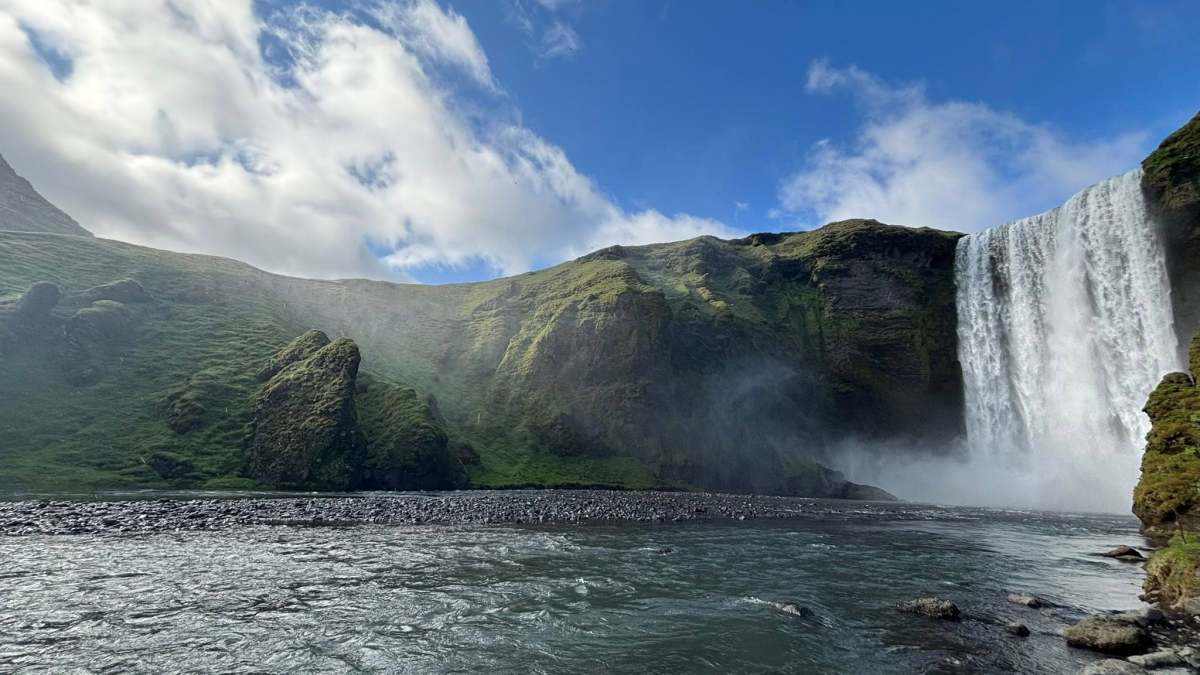
It hits you the moment to fly into Keflavik International Airport like you stepped on to a new planet that is both desolate but alluring in its other worldly landscapes. You see the molten rocks, the green moss, and the blue lagoons, and think to yourself, where did I just end up? The whole country can captive you on a trip like few others can by offering ways to put your mind, body, and soul at ease. Away with the office, away from the hustle and bustle, and able to tap fully into nature and your surroundings like few other places I’ve ever been to personally.

Being able to hike, swim, kayak, rock climb, and engage in a variety of other outdoor activities throughout the year makes Iceland a physical playground to enjoy. You can rest or exert yourself or do both to give your body a healthy experience on top of being able to put your mind at ease by being away from your devices by tapping into your natural surroundings because they are just that engaging and varied. Iceland provides your soul a reset where you can forget your own troubles and that of the world’s for a while to focus on feeling better, relaxing, or living in the moment, and experiencing what it is to be disconnected.

When it comes to reinvigorating yourself physically, you have a wide variety of ways to do so while in Iceland. You can enjoy a large variety of geothermal pools and hot springs such as the Blue Lagoon, Secret Lagoon, Sky Lagoon, etc. In the Summer months, there are also several pools around the country that may be open to the public including tourists to relax and enjoy the long summer nights, where daylight is every present. After having partook in a few lagoon visits in my recent trip, I can say for sure that your body feels cleaned and refreshed after soaking in the mineral-rich waters and combining that with the country’s culture of saunas, steam houses, and the occasional cold plunge.

It is an impressive combination of thermal relaxation letting you fully destress and decompress for a few hours but with residual health benefits for months or years to come. In addition, Iceland prides itself on healthy, local, and pesticide-free cuisine from fresh seafood to Skyr yogurt, as well as farm-to-table and greenhouse-to-table dishes. As mentioned earlier, there are tons of outdoor activities promoting physical health such as hiking, golfing, swimming, horseback riding, and rock climbing among others.

Everyone needs peace and quiet in their life and Iceland provides that in spades. I believe the country can nourish the mind by allowing you to bask in the solitude that you can find in Iceland’s varied landscapes from waterfalls, glaciers, black sand beaches, and fjords. There are numerous psychological benefits to disconnect every now and then from modern technology and the stresses of urban life and I felt a lot better not being on my phone during my time in Iceland. Though I did need my phone for photos and GPS, the beautiful surroundings allowed me to put my phone away and really live in the moment to enjoy the gorgeous landscapes I was able to visit.

The pace of life is also much slower in Iceland and there is a cultural emphasis on being mindful, engaging with other people, and slow living. When you drive there, you don’t see road rage, people yield to each other in traffic, and the rules of the road are observed since there is no ‘rushing around’ without end that you find in other cultures. Because of the natural beauty and slower pace of life, there are many more opportunities to reflect and think while enjoying the expansive natural visits. Taking time away from technology and the ‘hustle and bustle’ can allow you to reflect on life and enjoying the moment more fully.

Our soul needs to experience awe and joy. I believe Iceland’s natural phenomena and beauty from the Northern Lights to the Midnight Sun really can provide that to each person who visits. This kind of perspective is reflected in Icelandic sagas, myths, and folklore about having reference for nature, being in touch with those people in your life who matter to you and living in a sustainable or balanced way with nature. Iceland is an extremely environment conscious country and should be commended for being clean, approaching net zero carbon emissions, and working to be sustainable in its relationship with nature.

People in Iceland live in harmony with each other and with nature from what I noticed and are a progressive nation in that they are tight knit, looking out for their neighbors, and want everyone to be lifted in their society. These kinds of actions culturally are good for the soul and the soul of any nation. While the weather can be rather unpredictable, costs can be high to visit, and the lack of sun in the Winter is challenging, Iceland is a spectacularly beautiful and welcoming country that I hope to visit in the future.

Iceland is a holistic country to visit that can really make you better off in mind, body, and soul for having spent some time there. It is a rejuvenating kind of travel experience that I hope you’ll consider giving a chance for yourself. We need these kinds of retreats in life where you have real time to relax, reflect, disconnect and focus on yourself without outside distractions. Whether its soaking in the blue lagoon, hiking on top of a glacier, or going fishing on a charter boat to catch fresh seafood for your next meal, Iceland is a country where you can really be at ease with yourself and the world around you. Take a week or two from your busy schedule and come discover the land of Fire and Ice; I promise you won’t regret it.
What Is The Real Rate of Return on Investment?

“As you get older, you realize just how valuable time as a commodity is. You tend to start measuring the cost-benefit analysis or the return on investment that you are receiving not just regarding finances and how you spend or invest your money but also on how you spend your time.”

As you get older, you realize just how valuable time as a commodity is. You tend to start measuring the cost-benefit analysis or the return on investment that you are receiving not just regarding finances and how you spend or invest your money but also on how you spend your time. Unfortunately, this is a topic that we do not prioritize or learn about very well at a young age. Often, you must figure out what are the best ways to use your time wisely and your money.

There are numerous tools out there to help guide you find the real rate of return on your investment, but you must be the one making the decision on what you prioritize. We know for a fact that our time on this Earth is limited from the day we are born. Having such knowledge shouldn’t be morbid or despairing, but rather help us to prioritize how we spend our lives in search of a good use of our time, our money, and much more.

Now, not everything that we do in life should be correlated with a ‘cost-benefit analysis’ or ‘opportunity cost’ involved. Such behavior should be discouraged if you’re obsessing over how you spend every waking minute each day. You should be leaving some room for spontaneous actions that you enjoy regardless of if it’s geared towards health, wealth, and personal satisfaction. There are times each day where we have to commit to actions that take time when we would rather be doing something else and that is what adulthood entails sometimes.

The true focus is what can we do with our time that is free, which will help us in the long-term. If we have goals of wealth, health, and pursuing our own happiness, your time should be spent in looking in investing each day in building yourself up in each of these areas. For example, when we look at investing in our health, we know there are concrete things that can be done, which will help us with a return on having a healthier body, a healthier mind, and managing our stress and anxiety.

We may have to join a gym, change our diet, sleep more, and make time for exercising, and these are the kinds of investments, if done consistently, that can pay off in the long-term. These investments that I cite will not guarantee a longer life, but it is giving yourself the best possible chance of living a healthier life, especially if you are focusing on multiple investments.

In this case, the real return on investment may not be seen right away but you are likely to see some results if you’re consistent with your investments on a long-term basis. You can measure how your diet is helping you lose weight, how your sleep patterns have changed, and how much time you spend at the gym, the yoga studio, or in playing sports. These investments are measurable but the results on these investments will eventually show up in a real rate of return that will put you on a path that leads to a healthier life in the long-term. Returns are not guaranteed but if you are putting in the work over a long enough period, I believe the chances are good that you will be better off than you were years or even decades ago.

Similarly, how we save and invest financially for our long-term financial future, we can do the same with our health and our happiness. Everyone has different financial goals, and I won’t talk about specific investment advice to give, but you can always estimate to a degree what kind of percentage return you’re likely to get from your investments over a year or a decade or a century in terms of growth. These real returns will come to you but if you’re not consistently investing in building your wealth, those real returns will not be as impactful or as fruitful as you would have hoped. It goes to show that with either health, wealth, and happiness, that the earlier you invest in those facets of life and the more that you invest in them, the better off that you will be.

What makes someone truly happy is complicated and will differ depending on your emotional state, but I do believe spending more time with those who care about you, and you who care about them, enjoying more time spent doing the hobbies and interests that give you joy, and being able to invest time in learning new skills, exploring new places, or investing in your home and community, those kind of investments will have real returns on making you happier in the long-run. There will be times when what you did or do no longer makes you happy and that is alright. The key here is to keep trying out new things, keep meeting people, keep trying to be involved in areas of life that you think will make you happier, that is key in continuing to make those investments in building your happiness into the future to keep producing better and better returns.

Time is fleeting and you must prioritize health, wealth, and happiness in my view, which will give you those real returns in your life to enjoy and take joy in. Most of all, you have to know the difference as you get older between what’s give you actual returns for your hard work and efforts, and what you have to stop doing that is giving you no real returns. It is important to prioritize more of what will pay off in the future throughout your life and increasingly avoid those activities that produce a negative return and will leave you worse off.

It is one thing to be able to invest well in activities that bolster your life satisfaction, but you should also remember to avoid those other ways of spending the time that lower your real returns or negate them entirely. Be sure to know what a waste of your time is, if you can cut that activity out or lower your exposure to it and be able to replace the time spent on that activity with a good alternative. which you can take part in to continue to invest in building a life and a future that will make you healthy, wealthy, and happy.

What can the creative process give us?

Anything that is done in the creative process takes effort and hard work. Any work of art, any piece of music, any lengthy novel took days, weeks, months, and even years to create. The creative process allows any person to express oneself in any way they see fit. The idea to keep in mind is that it is best for somebody to discover what he or she would like to create based on what his or her interests are. They then must discover for themselves what exactly they are good at creating and what they have a passion for doing. Being creative cannot be forced on someone.

The person in question has to decide what they enjoy doing and how far their talent can take them. Sometimes, the person can discover his creative vocation on his or her own but other times, it’s often the recommendation of a close friend or family member who gives the person inspiration to continue on with their craft. The key to remember about the creative process is that it can add value to people’s lives and also provide substantive meaning for any human being.

Being creative allows you to step outside of yourself and observe the external world in some way to shape it in a way that you see fit. Whether it is painting, writing, sculpting, etc., you’re putting yourself out there to see how you can do it differently and how can you create something truly unique. The creative possibilities out there are infinite and it’s important to choose a hobby or interest that appeals to you and which you can devote serious time to.

Some other traits that you can develop besides being observant and aware of the world around you are to become more collaborative and open to learning from others. A creative person will learn from others who have come before him or her in order to develop themselves as an artist, writer, builder, etc. Without copying them directly or replicating their kind of work, a creator will take what they have learned and studied to develop their own style or add value to their field. You don’t have to become the next Mozart or Rembrandt but you should try to innovate or change up the creative field so as to do something that will be remembered in the future.

Collaborating with other creative people and working alongside them or just to learn from them can make you more skilled in your work. You can learn a lot of valuable lessons from other creative people and they can mentor you based on their years of experience if you’re just starting out. Even if you suffer setbacks or false starts, knowing that you have a network of people similar to you in your creative world who can give you advice or a new perspective will give you the extra motivation to continue forward and learn from your mistakes. Through collaboration, you’ll learn to be less defensive and tame your ego so that you can learn and become better at your creative vocation.

Harnessing your creative energies can make you more outgoing, more connected to the world and can make you more humble. In a world that seems to be moving faster and faster, being able to slow down, observe your surroundings, and collect your thoughts is a great way to fuel your creative impulses. While we cannot control much outside of our own choices and decisions, harness your creative abilities will give you a sense of control over the external world. You can also gain a lot of satisfaction from putting something out into the world even if it never gains popular recognition. To keep it as a healthy endeavor, exercising your creative abilities should never be done for the possible fame, fortune, or notoriety of it but rather for your own benefit.

Without any kind of creative outlet, humans can stagnate both mentally and physically. People can often be placed into two categories: producers and consumers. We have the capacity to do both but we are often told by the larger society and culture to consume, consume, and consume some more. While there’s nothing wrong with consumption within reason, being able to channel our energies into a productive endeavor can be good for both the mind and the body. This is especially the case when you’re working to solve a problem or to make life better for people. You don’t know what your own potential or capacity for creativity is until you begin to do it. Everybody has the ability to be creative but they have to figure out where they can contribute the most to an idea, a project, or a work of art.

There has never been a better time in human history to be a creative individual. The advent of the Internet and global social networking has allowed people of all backgrounds to express themselves in various ways. More than ever, the average person is a website, a YouTube channel, an eCommerce shop away from sharing their creativity with the world at the click of a button. While the creative process is long, challenging, and comes with no certain reward, the benefits to a person’s mental and physical health cannot be overstated. The Einsteins, Beethovens, and Rembrandts of the world knew that their creative contributions would change the world in one way or another. They did it not just for the world though but their own sense of fulfillment and purpose. Instead of asking themselves what they could receive from the world, they thought instead of what they could contribute to the world with their individual talents.

Being creative, innovative, and experimental comes with risks but also a number of rewards. Even if you fail or don’t reach your goals, you will still learn a lot about yourself as well as what you are capable of. The key is to keep working at it to find out what you are skilled at whether that’s being an artist, a writer, an architect, an engineer, etc. Everybody has a creative flame within them that can be harnessed and molded. You just have to figure out for yourself how to develop, practice, and become proficient in your craft throughout the creative process.


Fear of The Unknown

visually-expressed-thoughts-by-carlos-lang-24
“I couldn’t have said it better myself.”

Why do people sometimes have a fear of the unknown? As human beings, we each have our own unique doubts, fears, and phobias that develop as we deal with the world and its’ challenges. Whether they are fears related to heights, spiders, snakes, or even speaking in front of a large audience, it’s part of what makes us human to have fears. Facing and confronting your fears is not an easy struggle and it takes courage, compassion, and emotional maturity to get past your phobias. One of the most common fears that most of us have from time to time is ‘Fear of the Unknown.’

To have a strong desire to control your circumstances, your path in life, and your future is only natural. However, it’s clear that some things can never be fully known and that there will be changes that we will have to cope with. Trying to control everything and everybody around you is a recipe for disaster. Facing the unknown without fear is not easy but it is necessary in order to become a more mature and more centered person. Fear of the unknown is related to other fears that people have which have a connection to one another such as the fear of death, the fear of getting old, the fear of being homeless, the fear of life changes, etc.

There’s a popular saying that goes, “You always fear what you don’t understand.” This quote ties into a central idea that people fear most what they cannot change, anticipate, or prevent from happening. Some examples of this phenomena include economic recessions, societal changes, job loss, personal loss, election results, retirement planning, health problems, environmental concerns, etc. All of these phenomenon tie into the overall ‘fear of the unknown’ for the average man or woman. None of these phenomena can be controlled or even changed by one individual. Since we cannot usually have a great effect on preventing these fears from becoming real or taking place in our lives, what can we do or what should we do?

It’s best not to resist the changes that are bound to happen at some point in our lives. We simply cannot know everything that is to occur in the future and it would be useless to try to plan for everything ahead of time. Most of the time, it’s best to go with the flow, try best not to fight what comes your way, and to make the most out of things. Do not give in to fear, hate, doubt, disappointment, and anger, which are all negative consequences that come with fearing the unknown and the unseen. Having fear about what can happen a week, a month, a year, or a decade from today is a waste of time because you simply can’t know what exactly lies ahead in the future.

The older I get, the more I realize how important it is to be adaptable and malleable to the future. Trying to plan everything out is a waste of time and energy. While seeking stability, security for yourself and others is an important part of the human condition. Sometimes, you need to cope with some instability and insecurity that will come your way. Another notable saying that people rely on for strength is the popular quote; “Whatever doesn’t kill you makes you stronger.” Persistent fear of what’s to come is not productive, not enjoyable, and not healthy for anyone in the long-term.

What happens to most people when they feel a palpable sense of fear? Well, there are a number of common symptoms and ailments that one can experience as a result. Your heart rate starts to increase, and your breath will become shorter and more harried. You may begin to panic, and feel an enormous sense of tension in your body. You’re going to be anxious and stressed about the unknown and what you’re going to do about it. The more extreme symptoms of feeling fear involve nausea, fainting, vomiting, crying, and shaking uncontrollably. I mention these reactions to fear not to scare my readers but so you can better learn to recognize these symptoms and try to control and alleviate them as best as you can.

Now that we know what the ‘Fear of the Unknown’ is and how to classify it along with the related symptoms, how can we cope we this fact of life? The most important thing to keep in mind when confronting this particular fear is to stay positive about what’s to come. Not everything in life will go smoothly and there will be challenges ahead. However, it’s important to remove the negative associations, conclusions that your mind will come up with sometimes when it comes to thinking and planning for the unknown. A little bit of anxiety and stress is natural when it comes to facing the future but it should not affect your daily activities and your personal relationships.

You’ll have a more peaceful state of mind when you react to the strange and unforeseen future with a positive and upbeat outlook. It’s best to focus on your goals, stay focused, and don’t get sidetracked about what might or what not happen to you in the future. Changing your thoughts and your mindset through meditation for five to ten minutes on a daily basis can also be a great self-help remedy for getting rid of your fear of the unknown.

Embracing a new environment, new friends, and new work opportunities can also keep your imagination in the right state of mind. If your sense of anxiety and fear of the unknown is extremely strong and hard to break, it may be best to consider neurolinguistic programming, cognitive behavioral therapy, and even certain medications if the problem becomes that severe. However, these kinds of remedies should be used only as a last resort.

Having a sense of ownership and direction in our lives is extremely important. However, we cannot control everything especially the unknown that lies ahead. Whether its’ moving to a new city or country, jumping into a dark lake, starting a new job or hiking up a mountain, these are all instances in life that can give us reasons to worry and to be anxious. However, by controlling our thoughts and emotions, and having the ability to stay positive regardless of the circumstances will keep you both mentally and physically fit.

As the 32nd President of the United States, Franklin D. Roosevelt stated famously during his 1st inaugural address to the American people on the subject of facing the Great Depression, “Let me assert my firm belief that the only thing we have to fear is…fear itself.”

Moments of Quiet Reflection

In a world full of noise and frenzy, it’s to one’s advantage to have some quiet moments of reflection every now and then. It doesn’t have to be every day but five to ten minutes for a couple of times per week can really make a difference in helping you do some self-reflection. Activities like Yoga, Meditation, or just doing deep breathing exercises will allow your mind to quiet itself and reflect on nothing at all or to concentrate on a specific thought. Hearing your own voice and thoughts in your mind is not easy to do but it helps put your past, present, and future into a clearer perspective. It’s a real and underrated pleasure in letting your thoughts run away to new places and but to still control where they go.

Personally, I enjoy my own reflections late at night when the world is quiet and I’m getting ready to fall sleep. I can freely think about past memories that make me smile, and contemplate events on the horizon in my future. Having tried meditation in the past, I can also let go of any and all thoughts that I want to do away with in order to become a clean slate unto myself. Reflecting upon my actions, thoughts, and feelings makes me more introspective and observant, which allows me to acknowledge my overall strengths and weaknesses as a person. Being self-aware of who you are, where you’re going, where you’ve been, and how you got there are all elements in developing a personal sense of meaning and fulfillment.

Listening to ones’ conscience and honing ones’ idea of self is increasingly important in maintaining a sense of identity and purpose. Too often these days, we are with the world all of the time and are constantly absorbing the thoughts and feelings of many other people. While interacting with other is a crucial part of life, we must continue to listen to and reflect on our own thoughts, feelings, and actions. We shouldn’t always act on what we feel, or say what we think, but having these thoughts and reflecting on their origins and meanings should not be discouraged.

Often, we as human beings can care way too much about what other people think, feel, and say about us. It is simply not productive to let others’ thoughts of you consume your own sense of self and purpose. All of us have a limited amount of information that we can take in to our minds, absorb, and act on so we have to choose what’s really important to let into our heads.

In the age of Twitter, Facebook, Instagram, and social media in general, it’s all too easy to get caught up on in what’s going on in the external world without taking note of what we’re experiencing in our internal world. Indulging in everybody else’s words all of the time will leave you disoriented and overwhelmed. Listening to your own voice above everybody else’s is necessary to have a true sense of self. Make sure to always have a strong identity and a purpose. If that takes more daily quiet reflections, then you should make those a priority in your life. When you are always tuned into the lives of other people, you forget to live your own life.

Live according to your own purpose and vision before considering the thoughts and opinions of others. Yes, while it’s always important to listen and seek guidance from friends and family, sometimes you have to go your own way and follow your destiny, even if you don’t know where that road may lead. Having an active life makes for a stronger and healthier individual.

Be quiet and reflect when your mind feels cluttered and overwhelmed. Take a few deep breaths and relax. Let your mind shut off or let it wander into your memories and experiences. Turn off your phone and the computer to just ‘be present’ in the moment. Let the flow of information and data of the world not influence you in these precious few moments.

The only thoughts and feelings you should be listening to should be your own during these times. Hear your own voice and think about your past, present, and future or try not to think at all. Remember your own ‘why’ of living and maintain your personal bearings. After these crucial moments of quiet reflection, you’ll better understand who you are as a person and what your conscience is telling you. Always allow yourself some time to be present in your own mind, and your mind alone.