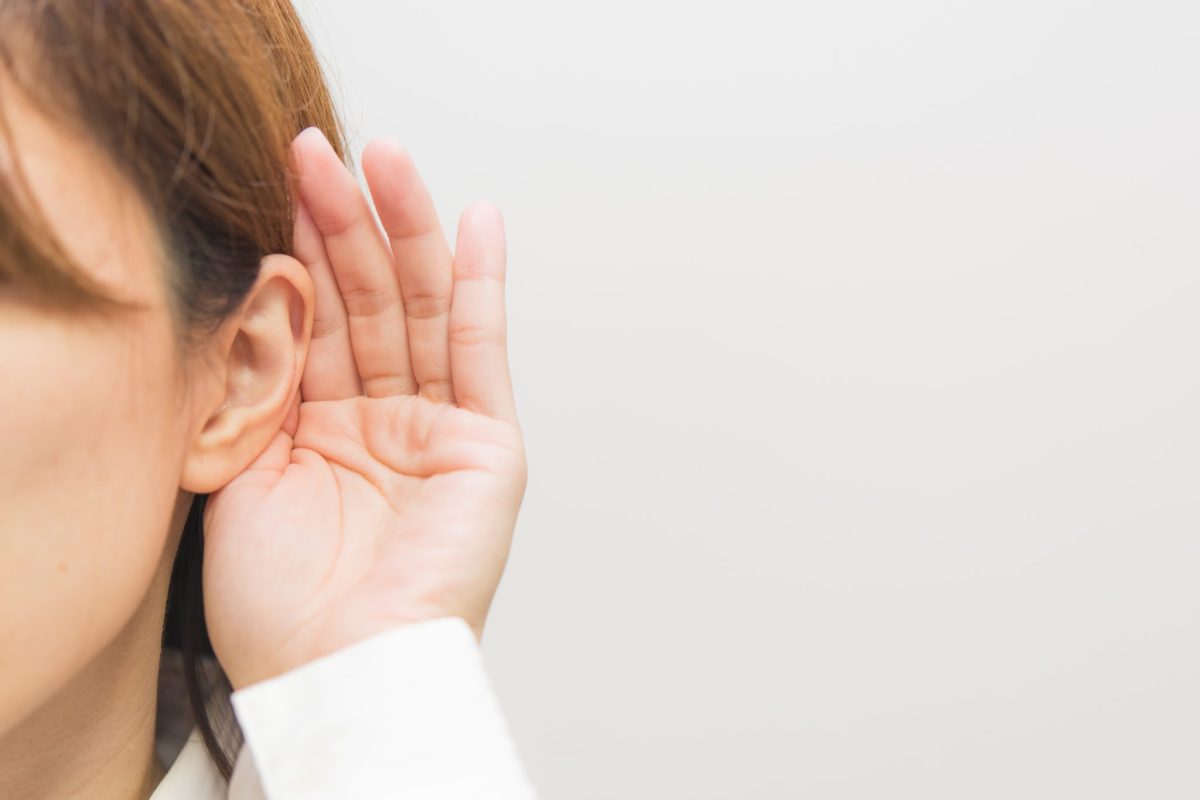
Being An Active Listener

“I would like to highlight the significance of having active listening skills in contemporary society, its myriad of benefits, its role in fostering respect and empathy for other people, and the pitfalls of distraction in the digital age.”

With the frenzied pace of modern life, where everyone seems to be talking but few are truly listening, the act of active listening has become increasingly crucial to partake in. In a society inundated with seemingly unlimited information and plagued by short attention spans, the ability to listen intently and engage with others through attentive body language has emerged as a rare and invaluable skill, both personally and professionally. I would like to highlight the significance of having active listening skills in contemporary society, its myriad of benefits, its role in fostering respect and empathy for other people, and the pitfalls of distraction in the digital age.

Active listening is more than just hearing words come out of the other person’s mouth; it is about comprehending fully the message being conveyed, acknowledging the speaker’s perspective, and responding thoughtfully when they are done. In a world where communication often takes place through digital screens and abbreviated text messages, genuine human connection can easily be lost, especially when it’s not done face-to-face. However, active listening provides a counterbalance to this growing trend, allowing people to connect on a deeper level and work on building more meaningful relationships.

One of the primary benefits of active listening is the ability to facilitate effective and thorough communication. By listening attentively without interrupting, one can better understand the thoughts, feelings, and intentions of the other person behind the words spoken. This type of listening comprehension lays the foundation for productive dialogue, enabling participants to exchange ideas, resolve conflicts, and collaborate more effectively. Whether in personal relationships, professional settings, or in the public discourse, the ability to listen actively fosters mutual understanding and helps to facilitate constructive communication.

Moreover, being an active listener is a sign of respect and shows that you have real empathy towards other people. When we give someone our undivided attention, we convey that their words and experiences are truly valued. This kind of validation not only strengthens interpersonal bonds but also nurtures a sense of belonging and significance. In a society where people often feel isolated and unheard from, the simple act of listening actively can make a profound difference in someone’s life or even just their day. By demonstrating empathy and understanding, active listeners create a supportive and caring environment where individuals feel safe to express themselves authentically.

Additionally, active listening enhances our capacity for empathy and compassion. When we truly listen to others, we gain insight into their emotions, perspectives, and lived experiences. This expanded awareness cultivates empathy, allowing us to relate to others on a deeper level and appreciate the diversity of our individual experiences. Through active listening, we transcend our own preconceptions and biases and open ourselves up to new ideas and perspectives. In doing so, we foster a more inclusive and empathetic society where differences are accepted and acknowledged rather than feared and ignored.

Furthermore, active listening promotes personal growth and self-awareness. By paying attention to the thoughts and feelings that arise within us as we listen to others, we gain valuable insights into our own beliefs, values, and biases. This self-reflection enables us to identify areas for our own personal growth and development, fostering greater self-awareness and more emotional intelligence. Also, by engaging in active listening, we cultivate a habit of mindfulness and presence, allowing us to fully immerse ourselves in the present moment and appreciate the richness of undisturbed human interaction.

In today’s digital age, the temptation to multitask and divide our attention is constant. With smartphones constantly buzzing with notifications and social media feeds demanding our immediate attention, it can be challenging to stay fully present during conversations. However, the consequences of being distracted can be profound, leading to misunderstandings, missed opportunities, and damaged relationships and friendships. When we allow ourselves to be distracted by our phones, laptops, tablets, or other devices while interacting with others, we signal that they are not worthy of our full attention. This lack of full presence undermines the quality of the communication involved and diminishes the level of trust and respect between two or more individuals.

While active listening holds immense value, there are certain pitfalls to avoid ensuring its full effectiveness. One common mistake is the tendency to mentally prepare responses while the other person is speaking, rather than fully absorbing their message. This kind of anticipation without thinking can lead to misunderstandings and missed opportunities for genuine connection. Additionally, interrupting or interjecting with personal anecdotes can derail the conversation and detract from the speaker’s unique experience. To mitigate these kinds of challenges, it is essential to cultivate mindfulness and self-awareness during interactions, even if you really have something urgent to add to the conversation.

To avoid this kind of pitfall, you should be actively monitoring your thoughts and impulses, resisting the urge to jump to conclusions or offer unsolicited advice without being asked for it. Instead, you can practice patience and humility, allowing the speaker to express themselves fully before formulating your response. By maintaining open body language and making eye contact, we can signal our engagement and receptivity, encouraging the speaker to continue sharing their uninterrupted thoughts and feelings. When we are being mindful of these potential pitfalls and committing to being an active listener with sincerity and respect, we can foster deeper connections and enrich our friendships and relationships with other people.

Therefore, it is essential to prioritize presence and mindfulness in all your interactions with others. By consciously setting aside any distractions and giving our full attention to the person speaking to us, we demonstrate full respect and consideration for their thoughts and feelings. In addition, by resisting the urge to check our phones or engage in other activities while listening to that person, we create a real space for authentic connection and meaningful dialogue. By doing this, we honor the inherent dignity and worth of every individual, fostering a culture of respect and empathy that they will be able to return in kind if they follow your good example.

Active listening is a key cornerstone of effective communication, respect, and empathy in today’s world. Listening attentively without interrupting, showing engaged body language, thinking up a response until after they’ve finished talking, and giving our full attention to the speaker helps create a foundation for meaningful dialogue and authentic connection, which is becoming increasingly rare. In our society marked by digital distractions and fleeting, shallow interactions, the ability to listen actively is more important than ever to cultivate day-in and day-out. When we embrace the art of active listening, we can foster deeper relationships, cultivate greater empathy and understanding, and create a more compassionate and inclusive world for everyone.


Remembering the Basics of Civility

“Beyond these tenets, I think it is important to remember the basics of civility in terms of everyday behavior, which is about establishing boundaries, using good manners, and fully recognizing the other person or people you are dealing with.”

In any society, there’s a thin line between civilization and barbarism. When we are civil with each other, when we say what we mean and when we do what we say, we will be better off for having maintained the basic standards of civility. Without civility, there is no civilization to come from that.

There are many forms of civility and I have written already at length about the need to be honest, truthful, be emotionally mature, and to treat others the way you would like to be treated. Beyond these tenets, I think it is important to remember the basics of civility in terms of everyday behavior, which is about establishing boundaries, using good manners, and fully recognizing the other person or people you are dealing with.

In addition to the rise of anti-social behavior since the pandemic and perhaps on the decline even beforehand, there has also been a lack of civility and poor behavior in public whether it’s with colleagues, strangers, or just another person who you are passing by on the street. Some of the behaviors that reflect a lack of overall civility include not greeting someone formally or informally, not making eye contact, lack of a handshake upon greeting that person(s), and perhaps what would be the most basic is the ability to say ‘hello’ or ‘good morning / afternoon / evening’ when you see someone or meet someone.

Basic greetings form the backbone of any civil society and if you cannot take the time to look up from your phone or laptop or to take 5-10 seconds to acknowledge that person in the language that you both speak, then it makes me wonder if civilized behavior is on a permanent decline, rather than a temporary one. Greetings are more than just communication but it’s a way of ‘seeing’ that person beyond them just being in relative proximity to you. When you say ‘hi’ or ‘hello’ or acknowledge them with a formal ‘good morning’ or ‘good afternoon’ in English or in the equivalent of another language, you will make that person feel better. You’re letting them know that you know they are there, that you recognize who they are, and appreciate the fact that you get to see them in some small way.

I would say that in addition to greetings, having good posture, standing up straight, walking with your head held high, not slouching, or putting your feet up on the desk or in front of the person sitting across from you, there are all common ways of maintaining civility and not being disrespectful to yourself and other people around you. It shows not just a lack of respect for yourself but to other people when you cannot maintain eye contact or look them in the eye.

A handshake that is never given when greeting someone now or is lackluster in its firmness or strength also shows a lack of social awareness or respect for having neglected it. If you know the person well enough, giving a hug is not a weird or out of place action and shows that you care for the other person to let them know that. Standing up straight, making eye contact, greeting the person respectfully, giving them your full attention, etc. are all necessary actions to maintain civility before diving into the deeper aspects of maintaining a civilization or a society that is not on the decline in terms of its overall behavior patterns or standards.

Having respect for another person also means getting up for an injured / disabled person, an elderly person, or a pregnant woman if you are on a bus, train, or other public transportation to let them sit down instead of you. Holding the door open for another person is also polite, kind, and a sign that you are not just thinking of yourself and are able to think of other people who need a little bit of help, especially if they could be your neighbor or need aid if they have heavy groceries or may have their hands full. If you really want to maintain classy and dignified behavior, pouring a drink for another person or proposing a toast in their honor or even pulling the chair out for a loved one or a relative is a great way to maintain the civility of our collective behavior that keeps our civilization or general society functioning.

Nobody also likes to have their time wasted regardless of the appointment or meeting whether it’s an interview, a date, a social engagement, or a dinner / lunch outing. Make sure you are on time or a few minutes early, and while this is not universal across cultures, I do think being on time and keeping your word allows for societal advancement and for civilized behavior to flourish. Now, there’s nothing wrong with being 5-10-15 minutes late here and there, but if you don’t apologize or acknowledge your tardiness with even a basic excuse, you are letting the basic values and standards of a society degrade a bit with your lack of awareness.

You may not think these basics of societal civility matter, but they do, and I’ve noticed there has been a general decline in this area since the pandemic and even earlier. It does not cost you much to observe basic greetings, observe social graces that have been around for centuries, think of other people such as the elderly, the disabled, and the pregnant before yourself, and to do what you say, mean what you say, and to be honest and forthright.            

Being reliable, being accountable, and holding yourself to a higher standard is important as well to maintaining civilization and improving one’s society. However, if you do not have the basics or the fundamentals down first, it won’t matter one bit. You must constantly be reminding yourself to observe these social attitudes, graces, and behaviors that have marked the upward trend of human civilization since ancient times.

Without making accommodations for others or thinking of others when it comes to our own behavior, we will be headed on a downward slope for which there might not be a way out from in the future. Please again remember your basics of civility when you’re in public but also in private too. Uphold the basic standards of good behavior and make sure you reinforce those kinds of standards with the people in your lives and with the stranger on the street too.

The Power of Saying ‘No’

“As much as we like to say ‘yes’, it’s important to know that saying ‘no’ is just as important and even just as powerful.”

There is nothing wrong with saying ‘No’ to someone else. Saying ‘No’ has a negative connotation but it can be worth its weight as much as saying ‘Yes.’ There is a main reason why we have both ‘Yes’ and ‘No’ in English language vocabulary. There are times in our life when we can say ‘yes’ but we also have to moderate our impulse to say, ‘yes’ to things, people, and other commitments by balancing it out with the ‘no’s.’ As much as we like to say ‘yes’, it’s important to know that saying ‘no’ is just as important and even just as powerful.

When it comes to saying ‘no’, you do not want to overdo it either but it’s best to moderate your ‘no’s and to pick when and where to use that word. As you get older in life, the ‘no’ should be more often and the key hump to get over is to have any shame or remorse for saying ‘no.’ Psychologically, it’s much easier to say, ‘yes’ than it is to say ‘no’, but I would argue the ‘no’ needed to happen rather than a false ‘yes.’ Often, a truthful ‘no’ will be much better for you and other people than a fake ‘yes’, which could do much more harm. People don’t like to hear ‘no’s’ but rather than to embellish people with false yes’s, you must be firm with them and make the ‘no’ part of your vocabulary with them, even if they are friends or family of yours.

While others would not like to hear ‘no’, it is best not to lead them on when you’re not interested in anything related to business to doing favors to getting into a relationship. Honesty is part of the power of saying ‘no’ and if that person truly values you, they won’t be bothered by hearing the ‘no.’ A good litmus test for knowing how much someone cares about you is their reaction when you are bound to tell them ‘no’ at some point for one reason or another. If they give you a hard time in giving them a sincere ‘no’, it may be best to not be around them as much. The person(s) you say ‘no’ to, even if they are family or friends, should be mature and responsible enough to take the ‘no’ well and to understand that the ‘no’ itself is not a reflection of them as people but what they may be asking or telling you to do. If you disagree, have reservations about, don’t find it appealing, or don’t have time for it, it is best to say ‘no.’

When you tell other people ‘no’, you should always be firm but also do be as gentle as possible. It does not have to lead into a confrontation or an argument either. A good ‘no’ can be followed up with ‘that’s the way I feel’ or ‘sorry but it’s not possible, or ‘that is not something I’m interested in.’ Saying ‘no’ should never be seen as being disrespectful, rude, or condescending because it does not need to be as such. If you want to still be on good terms with someone like a friend or family, you can express your regret or disappointment on having to say ‘no’ depending on the ask or request. You don’t have to do that, but it can soften the blow, which may be important in salvaging the relationship or friendship for the long-term. In that relation to the other person or people, if the ‘yes’s outweigh the ‘no’s, the ‘no’ won’t be as big of a deal too. They should balance each other out but it is good to mix them up in order to have no ‘no’s at all or too many ‘yes’s back to back.

Most importantly, having the power to say ‘no’ not just every now and then but whenever you feel like it is crucial. You should not feel nervous or anxious about saying ‘no’ and to be ready to do so at any time. As we get older, we must be prepared to say ‘no’ more and more often. Time is limited as well as the chance to foster relationships, friendships, or job / business opportunities. If something does not sound that appealing to you at first, it’s best to have a firm ‘no’ for it rather to waste either your time or your money.

It’s likely in life that you’ll regret the ‘no’s you didn’t say rather than the ones that you did say ‘no’ too. There are plenty of charlatans, liars, scammers, fakers, and crooks out there and you need to be ready to say ‘no’ to them. Instead of saying ‘yes’ too many times, be more comfortable in saying ‘no’ especially if your heart, mind, or body are not into the idea. Unless you are enthusiastic or thrilled by the idea, thing, or even the person, a preemptive ‘no’ will make you better off in the long run. There is a power in saying ‘yes’ but there is also an equal if not more important power of saying ‘no’ especially if you are worried about losing precious time or valuable money or other resources.

Most of all, you should do your best to think deeply or weigh the ‘yes or no’ decisions as much as possible. Lose the impulse to give either a ‘yes’ or ‘no’ quickly unless you do not have the time or place to think it through first. Not controlling your impulses when it comes to saying ‘yes’ or ‘no’ can cost you both in the short-term or in the long-run. Be sure to have the power to say ‘no’ but remember to think it through carefully first before giving the ‘no’ to someone or something. Also, as I mentioned before, please be sure to phrase the ‘no’ in a polite or respectful manner. It’s not so much that you said ‘no’ at all but if you do it in the wrong way or with the wrong tone, you may risk losing that person or thing you care about forever.

The Art of an Apology

“One thing I have noticed recently is that some people have a hard time giving a simple apology when they mess up, are rude to others, or don’t have the emotional intelligence to realize when they were in the wrong about something. Now, this is not a good habit to develop as an adult and one that makes you appear to be childish more so than any other negative trait that you could display.”

One thing I have noticed recently is that some people have a hard time giving a simple apology when they mess up, are rude to others, or don’t have the emotional intelligence to realize when they were in the wrong about something. Now, this is not a good habit to develop as an adult and one that makes you appear to be childish more so than any other negative trait that you could display. Learning how to apologize is done when we are children and our parents tell us to always ‘say sorry’ and to learn to be nice to others.

‘Sorry’ is one of the golden words we learn are key to our day-to-day lives. It doesn’t take much to do and will cost you nothing. The fact that many adults don’t know how to do this today in our society is a worrisome sign of how personal relations have decayed compared to previous times. Some people choose to dance around the offense and not acknowledge it while others refuse to take responsibility for their actions which leads to the person who was offended feeling aggrieved and holding a grudge against that person for longer than they should need to.

The old adage of ‘you forgive but you don’t forget’ is not a pretty one but if there is no apology from that person who committed the offense, the other person may learn to forgive them but they will not forget that there was no apology rendered from the other person. I do not endorse holding a long-lasting grudge against other people but being rude, saying bad things about others, and overall not being a respectful person will cause you to lose many different relationships with others. Most adults do not know want to associate with somebody who refuses to apologize or does not take responsibility for their actions.

I believe that with social media and how often we do not see the other person’s face and their body language that we feel comfortable getting away with rude behavior and it has led to that kind of behavior spilling over into real life interactions. A lack of an apology can be due to a person’s own narcissistic nature and to think that the rules like the ‘golden rule’ don’t apply to them and that they can ever do no wrong including causing harm or offense to other people.

The sign of a true mature adult is one who apologize and does so in a sincere manner. It is a heartfelt apology and is usually more than just a simple ‘sorry’ and then move on. If someone cannot even say ‘sorry’ or realize the hurt that they have caused, then they still have a lot of growing up to do and act more like a child or a teenager in an adult’s body than an adult themselves. The sad thing to see in society is when a 45 year old acts like a 15 year old or when a 75 year old acts like a 5 year old, which is often as the result of them not registering other people’s emotions or feelings, and thinking reflectively about their behavior, their tone of voice, and how their language was inappropriate.

The art of an apology is not as simple as it can be made out to be with just a quick ‘sorry’. Often in life, a simple ‘sorry’ does not cut it. I think it’s better to follow these steps to having a legitimate and heartfelt apology that will make the other person feel better and try to restart the relationship or improve it rather than letting it fester and causing the other person to dwell on your insult.

1. Acknowledge You Were Wrong

The first step for any good apology is to acknowledge to someone face-to-face if you can or over phone or email if you can’t see that person that you were wrong. Whether it was something you said or something you did or that you hurt their feelings, acknowledge the thing that caused the original offense, state how it wasn’t right for you to do that, and apologize in that way beyond a quick ‘sorry’. It’s as direct as “I was wrong to…”, “It was not right for me to…”, “You deserve an apology for…”

2. Remember the Incident and What You Took from It

When you acknowledge what you did and that it was wrong, it makes the other person feel like you remembered that it was not the right thing for them to do and that pain was caused. It also means remembering that certain feelings were hurt and that the other person realizes they could have done things different / not said anything at all / or watched what they have said better. Saying ‘sorry’ or apologizing without saying what the ‘sorry’ is for is not a good way to do an apology because you have to be specific regarding what the apology is for and what you did wrong if you caused offense.

3. Be Sincere and Don’t Rush It

How you say an apology is often more important than what you say in the apology. If you are rushing through it, only saying a one-word apology, and not even looking at the person or acknowledging their presence while saying it, then that is not a real apology. A real apology must be congruent with your body language and your eye contact and your tone of voice all on the same page together. You should give that person your full attention and not be checking your phone, reading your email, or have your attention generally elsewhere while doing the apology.

Also, not rushing it means it’s going to take more than a five second ‘sorry’ and move on, if you follow the previous two steps, a good apology will take as long as it needs to which could be anywhere from a minute to ten minutes depending upon what the other person has to say. Depending on the severity of the negative action, you want to give that person a chance to respond, to accept your apology, and to decide how your relationship with them is going to move forward. You cannot force an apology to move forward without the other person agreeing to it so make sure you are patient, forthcoming, and open to listening to what they have to say to you.

4. Be Open to a Change in the Relationship

Even with an apology, sometimes, that person is going to want to take a break from seeing you, hanging out with you, or being around. It can be hard to bring that relationship back to what it was when harsh words are exchanged or when negative actions happened between two people to cause the strife. You have to understand and accept what the other person does because they may not want to trust you again as much or recognize that you aren’t the person who they thought you were.

This may be a hard pill to swallow but you are likely going to have to spend some time away from that person, let them forgive you on their own timetable, and they will set the terms on if they see you again or not. It is possible they may never fully get over what you did and not want to be around you again at all. This is a harsh truth to face for most people but the least you can do is apologize and try to move on.

If that person chooses to accept your apology but not go out of their way to see you again then that is their right to do so and it is up to them how they want to conduct their interactions with you moving forward. As adults, people want to spend time with those people who treat them well, respect them, and are emotionally mature. If you can’t do that, it’s going to be tough to have friends or to be around other family members.

I write this article because too often today I have seen other adults refuse to apologize for being in the wrong and this can cascade throughout the rest of our society. There is a fundamental lack of accountability and also responsibility that starts with a failure to apologize sincerely. It takes real wisdom and maturity to apologize to someone, but it is necessary since we are all flawed and make mistakes.

A true adult owns up to these mistakes they made, apologizes for them to seek forgiveness, and accepts what the other person does in response without any future expectations on how the relationship can move forward. It begins with saying ‘you’re sorry’ but it does not end there and a good apology is more than saying ‘sorry.’ It means acknowledging what you did was wrong, being sincere about it, listening to the other person, and being open to a change in the relationship based on how they want to move forward with you in the future. That is the true art of an apology and one that I hope you will follow in your own life.

Retaining The Ability to Connect

How many times have you been out, either alone or with a friend or family member, and you have noticed in the café or restaurant a couple or a group of people just staring at their phones rather than each other? I’ve noticed this occurring multiple times and more often than not in the past year or so. Now, it’s not great to be out in public on your own on your phone either but it seems rather ironic to be out in public with a friend or a family member and you are both on your phone at the same time rather than living in the moment and being engaged with each other instead of their device.

It’s one thing as well for friends to be on their phones at the same time perhaps to keep up with their other friends but it’s quite silly for me to see couples out in public staring down at their phones when they should be connecting with each other. What is the point of going out to a café or to a restaurant or any other public place if you would rather interact with your handheld device than the person sitting right in front of you?

I can see if one of the two or more people in the group need to respond or send a text, check on a work e-mail, or take an important call but it is quite ridiculous when both people or all people in the group have nothing better to do than to look at their phones. There are a number of ways that I want to suggest in this article on how to retain that important ability to connect with another person especially out in public rather than connecting on social media, be social yourself with the person(s) you are with.

1.The Lost Art of People Watching: There is really something to be said about just wondering what other people are doing and checking out how they are going about their daily lives. Now, I am not suggesting you and your group or friend(s) just stare at somebody and make them uncomfortable. That’s not it at all. What I would recommend is to really just watch how people go running, cook your food, clean up the streets, deal with other restaurant patrons, etc.

For example, if you are at a park with someone else, it’s nice to make conversation about the joggers, the musicians, the frisbee players, the traffic police, etc. It’s a good way to stay engaged in conversation without turning to the phone to be entertained. Watching the world go by is a pleasurable activity and it can make you appreciate the rhythms of daily life. You should not be ‘people watching’ so intently that you make those who know they are being watched notice you doing so! Try to do so casually and without staring too intently. That’s a good way to do it in the mature way.

2. Leave the Phones at Home: What better way to have a good time with somebody then to leave the phone at home. It can be mutually agreed upon beforehand and you can both figure out where to meet up the old-fashioned way: by consulting a map or checking Google before leaving the house. It is really easy to leave the phone at home when you have the logistics squared away in terms of time, date, and where to meet. It’s also easier by car as well when you can leave the phone in your car for the two or three hours you are spending with them and can come back to it later to help you navigate home.

This is a really underrated way of maintaining that personal connection with someone and also strengthening it by flexing that resistance muscle and resisting the temptation of the phone by putting it both out of sight and at least, temporarily out of mind. I think both of you will be glad to rid yourselves of the phone for a few hours or even a whole day and the conversation and the activity will be much more rewarding. You will also remember what happened a lot more because you just were that much more engaged in what was happening because that person and the activity you did together had your full and undivided attention.

3. One Phone, One Group: If you feel the need to compromise about phones in a group, a good way to fix the issue or at least put a stopgap to it is have one phone for everybody in the sense that you are using that phone for everybody to see or use such as making a quick phone call away from the group, checking out travel pictures together, or doing a fun game through an application. Instead of everyone bringing their phones to the group meetup, if one person does it, you’ll have to share and be social about it. Obviously, you do not want others to see your private text messages and contacts on your personal phone but there are ways to do it and still be secure in having others use it.

I really do suggest having some group games on there or using it for showing off pictures and talking about travel or activity plans that you have all done. Another way to be social about a phone is to hook it up to somebody’s speaker and listen to different music together. It can even be some kind of a game where each person chooses a different song in a circle-like setting and your friends or family have to guess the musical artist or the name of the song itself. Being social and using your phone do not have to be separate from each other but the best way to make that happen is to only have one phone per group rather than one phone per person if you want to keep that ability to connect.

4. Enjoy the Silence and Nature: If you have been out with someone or a group for a few hours and you all happen to run out of things to say to each other, don’t go back to the phone! Instead, simply enjoy the silence and each other’s company. You do not have to fill every waking moment together with a witty remark or a sarcastic joke. Sometimes, it’s nice to be alone in your thoughts, people watching together, or just living in the moment and enjoying the ambiance of the place where you are at. This also applies to enjoying nature especially if you are outdoors. You both or the group will not need your phones when you are listening to the birds chirping, watching the monkeys climb to the peak of the trees, or checking out the beautiful mountain or sea view vistas.

You may say, “well, Ben, how can I enjoy nature when I do not have my phone to take a picture of the beauty?” That’s a good question but there’s an easy and simple solution to that problem as well. It’s known as bringing a camera that you like and rely upon and practice taking real photographs. I think it’s often better to take pictures of nature and scenery with a real camera than your phone even though camera phones have become quite popular. Practicing your photography skills with a real camera is a great way to use the tip well and to your advantage.

Photography can be a group activity and will allow both of you or your whole group to take better pictures, enjoy the nature around you, and listen carefully for the silence of the world around you. Lastly, you do not always have to be talking with each other to be connected. That is a false construct invented by our culture really that you have to be engaged with each other socially by always talking. Friends and/or loved ones of many years know so much about each other that they can really be there with one another in silence without filling the void with a conversation 100% of the time.

5. Shame the Phone User(s): This tip will be the most controversial of my suggestions, but I stand by it as having done so myself on a few occasions. The best way to avoid two people from using their phone at one time is to shame politely the first person who pulls out their phone first. Now, ‘shame’ has a negative connotation as it should have in our culture but a little dose of shame in my opinion is not the worst thing in the world especially when what that person is doing is impolite or inconsiderate. If the person you are out with, especially on a date, is constantly checking their phone every five minutes or is not engaged with you socially, then you have the right to shame them for it and ask them to stop.

If they continue with that kind of behavior, instead of doing it right back to them and escalating the tensions, it would be best to just say goodbye and let them know that you don’t appreciate them being on their phone. There are sometimes in life when you have to be both direct and firm with those who are in your social circle, even friends and family members. Respect is a key component in any relationship so if that person doesn’t value you enough to put their phone away like you are for an hour or even more unless it’s an emergency, then they simply do not deserve your time or the money spent to hang out together. Shaming the phone user in public when you’re with them is principally about setting healthy boundaries which are key in our relationships.

Also, you should hold yourself to the same standards and put the phone away as well lest that person you’re with get offended, walk away, or shame you into being more socially conscientious. Turn the phone off, put it in a locker, tell them that text or Instagram message can wait but above all else, shame them politely and remind them that we should be connecting and enjoying each other’s company and not off in a virtual world with other people. Maintaining that sense of cordiality will ensure better relationships and less wasted time staring at your phones in public.

Our healthy and lasting relationships are a key part of our mental health and our outlook on life. I believe that social media is still making us less social and while these networks do connect people on the surface, they do not foster deep friendships or relationships. Social media are like the gateways to having connections with others but you and only you are responsible for fostering and harvesting those connections to grow and become deeply rooted over time. You and the other person(s) who want to connect must do your best to put your phones away and focus on connecting directly by following some or all of these tips I have suggesting especially keeping the phone out of sight and out of mind temporarily.

Flexing your willpower and retaining that ability to connect will make you a happier and a healthier person overall. Your attention span is likely to improve as well as your friendships and/or relationships. I also believe and the research would show that your anxiety, feelings of depression, or of loneliness will decrease the more time you spend connecting with a person in person instead of through a virtual network. This ability to retain deep connections with people is a profound struggle in this age of instant yet flighty connections.

There are easy ways to counteract this trend though by letting go of the temptation when possible, embracing the silence and the natural world, and by politely reminding the person(s) you are with how it is good social etiquette to give someone their undivided attention when you are together in a public place or setting. If you struggle or have a setback, do not beat yourself up too much about it. Keep doing your best, lessen your use of your phone in the first place, and let the people in your life know how much they mean to you by giving them more of your attention and your love.