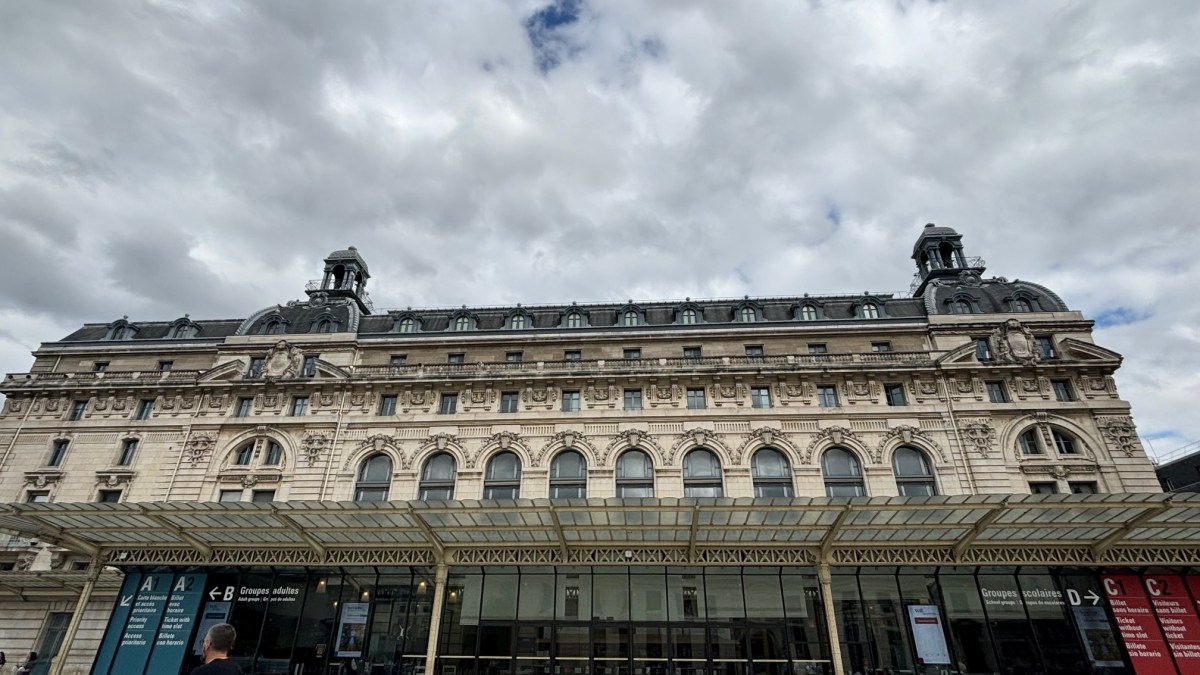


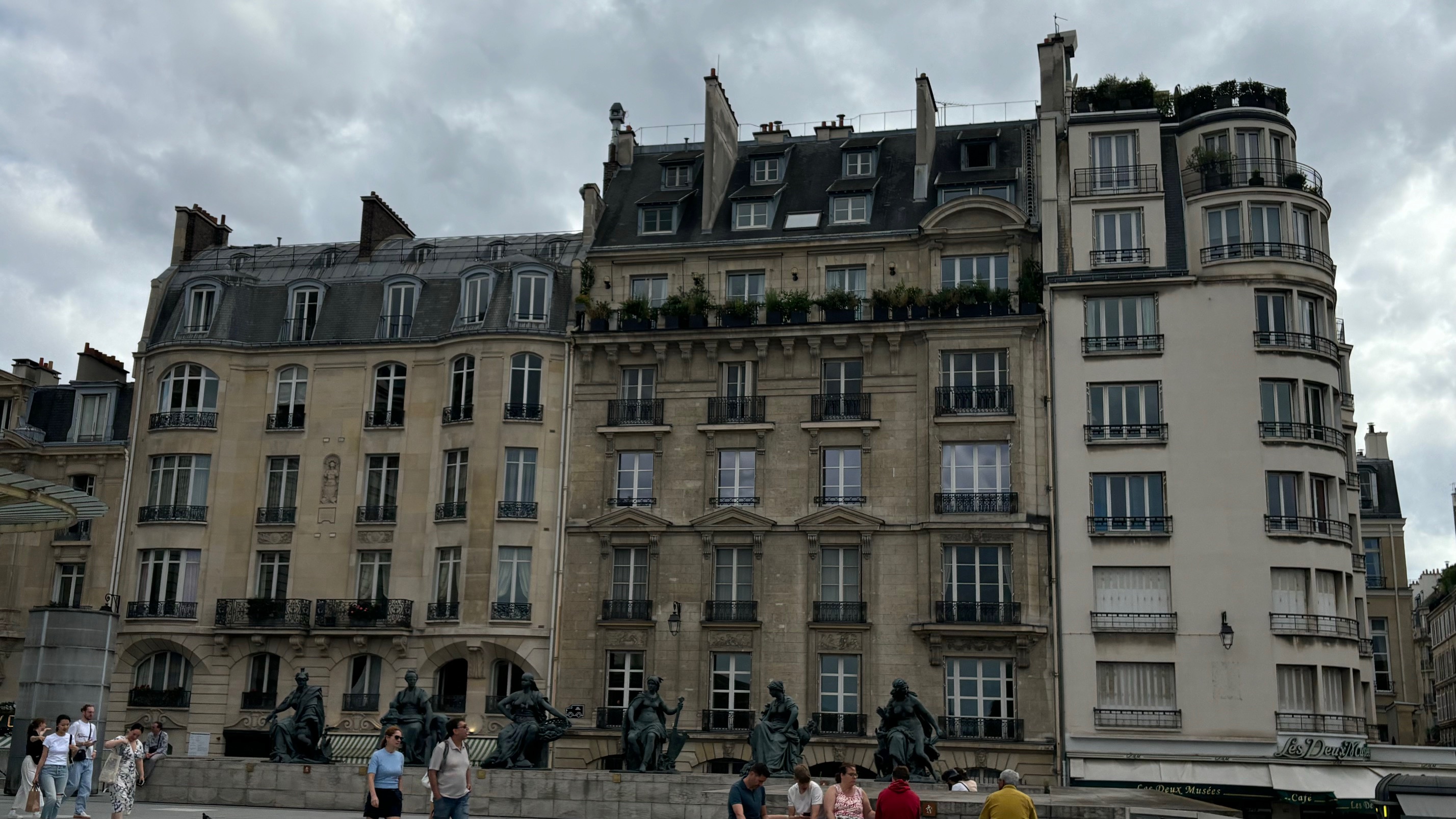
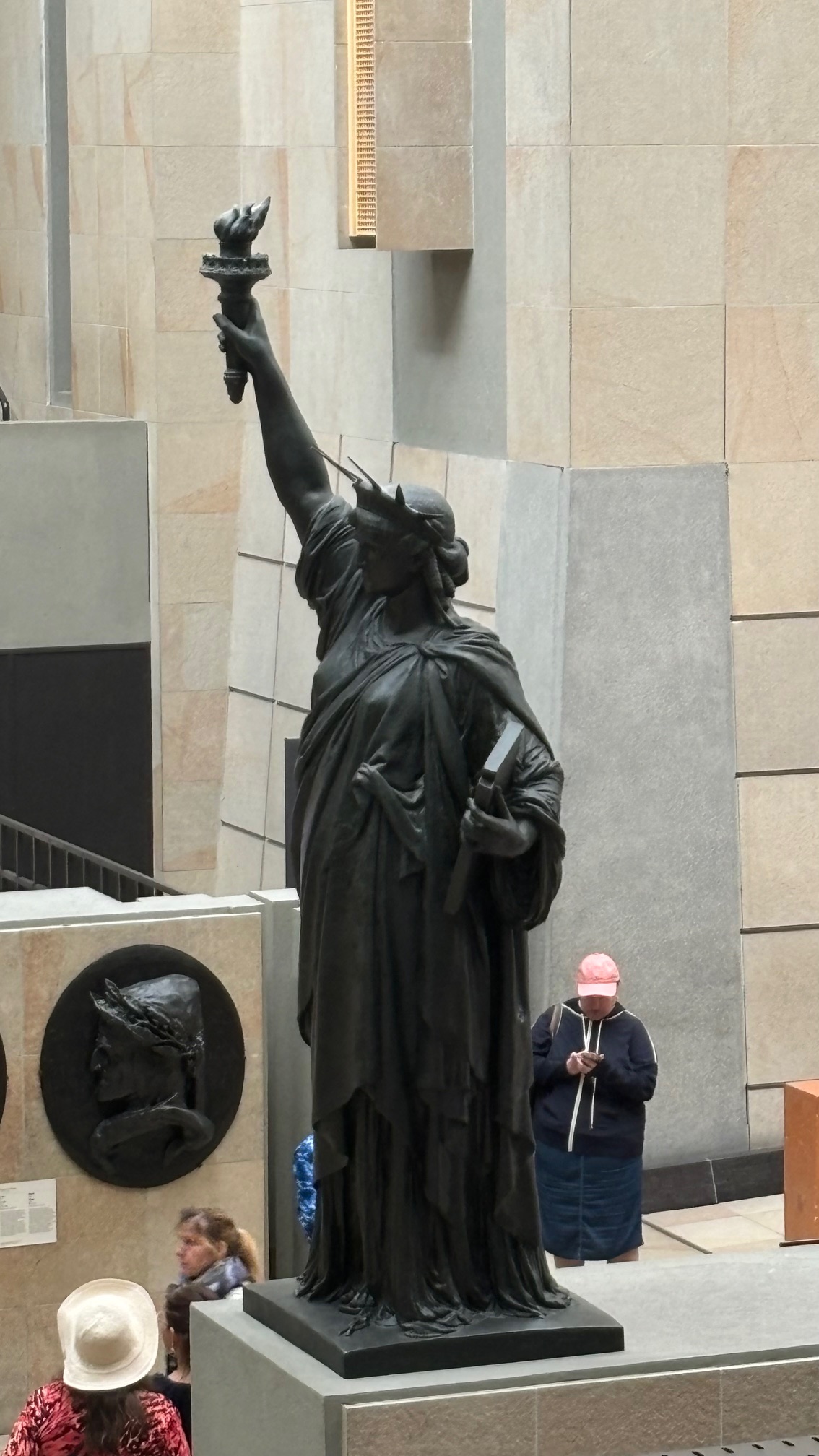
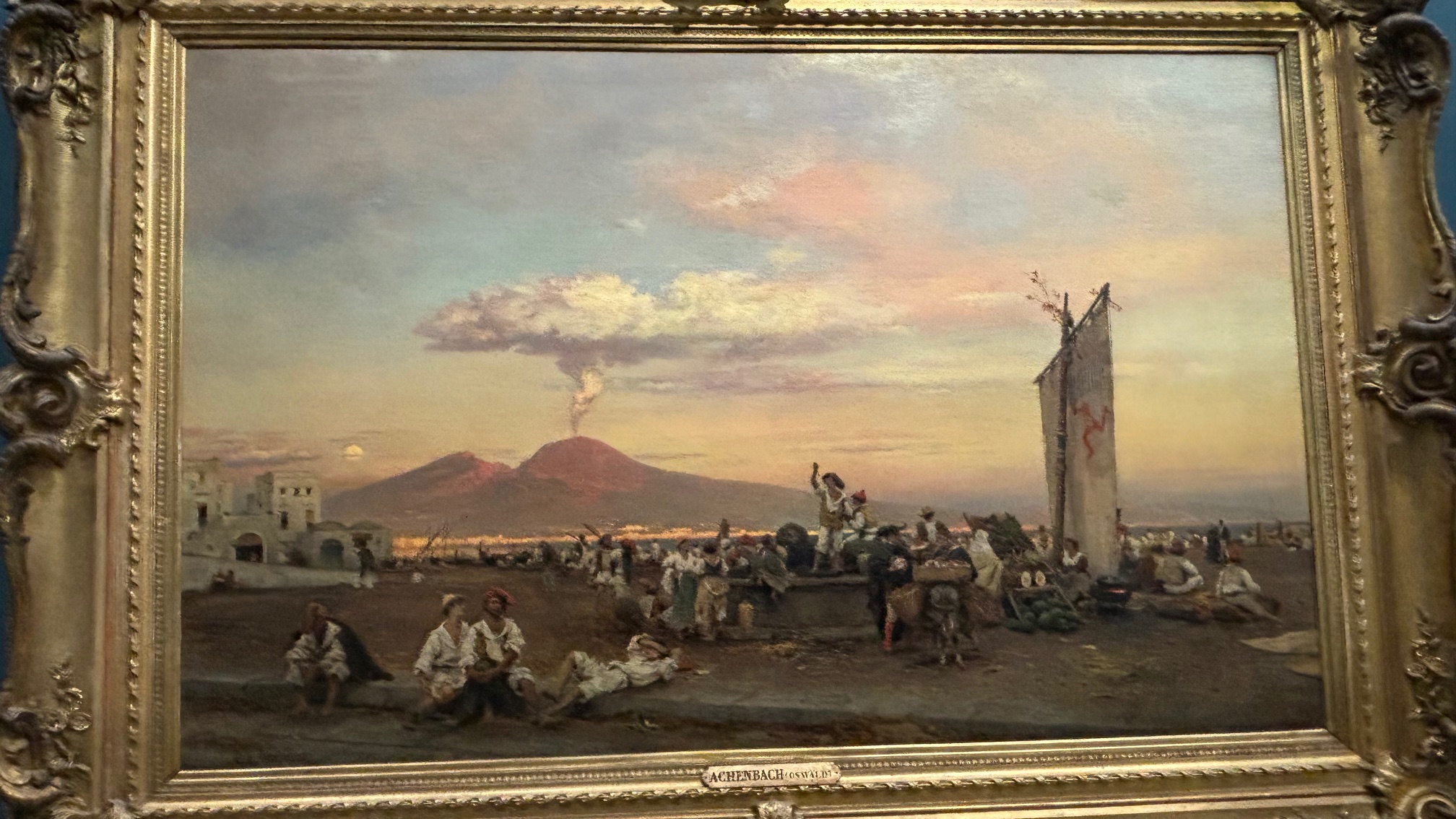

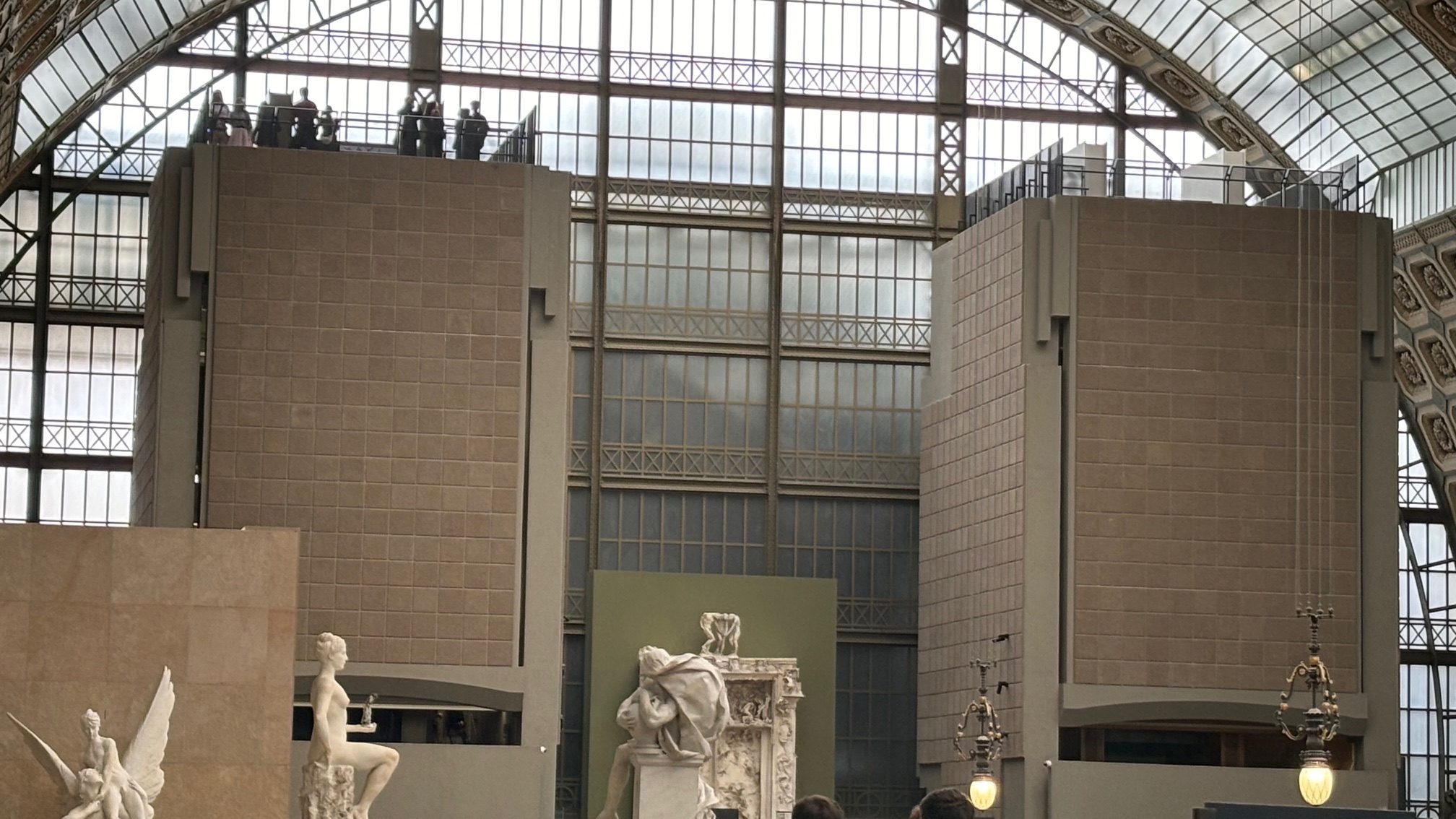


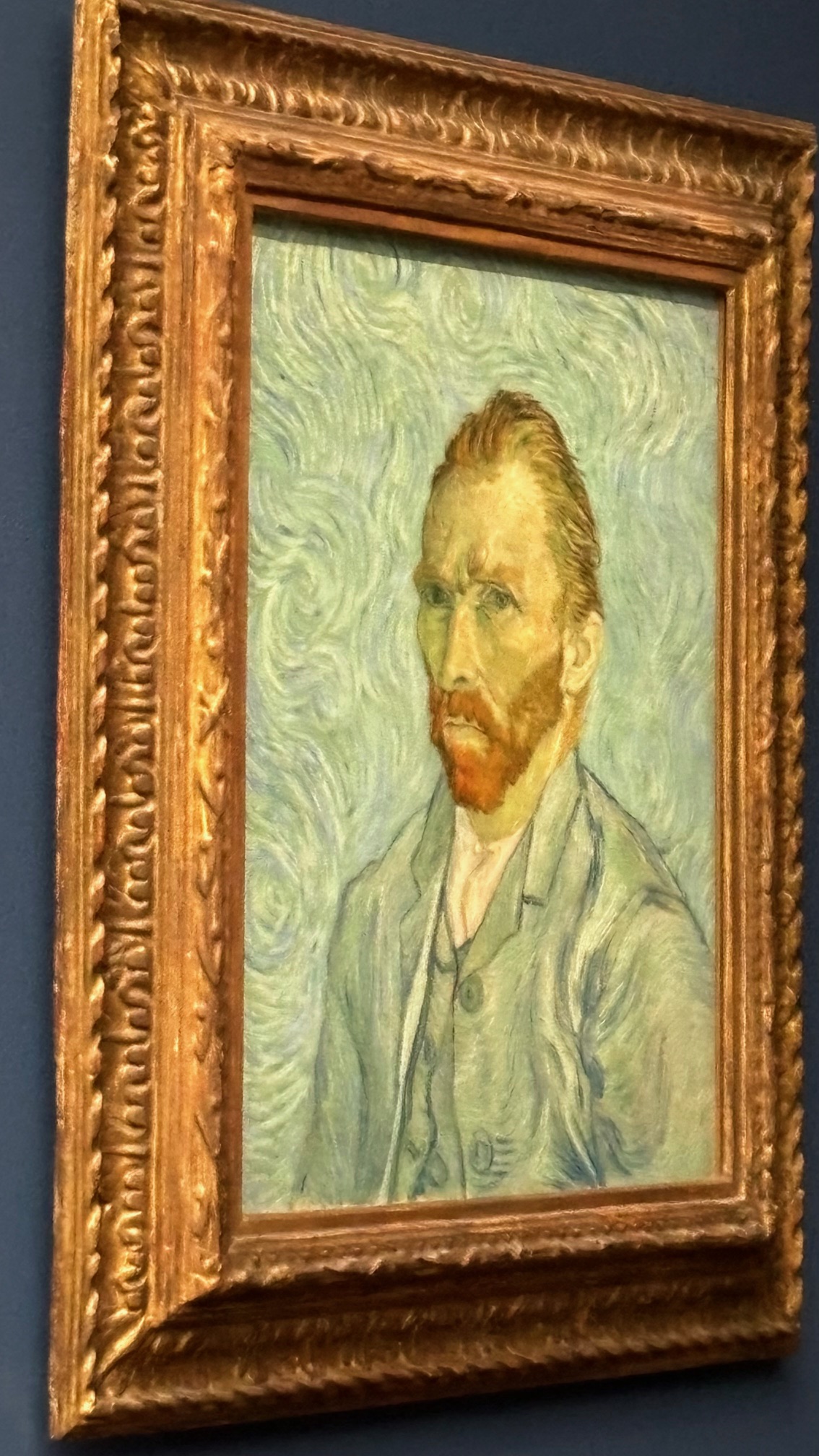
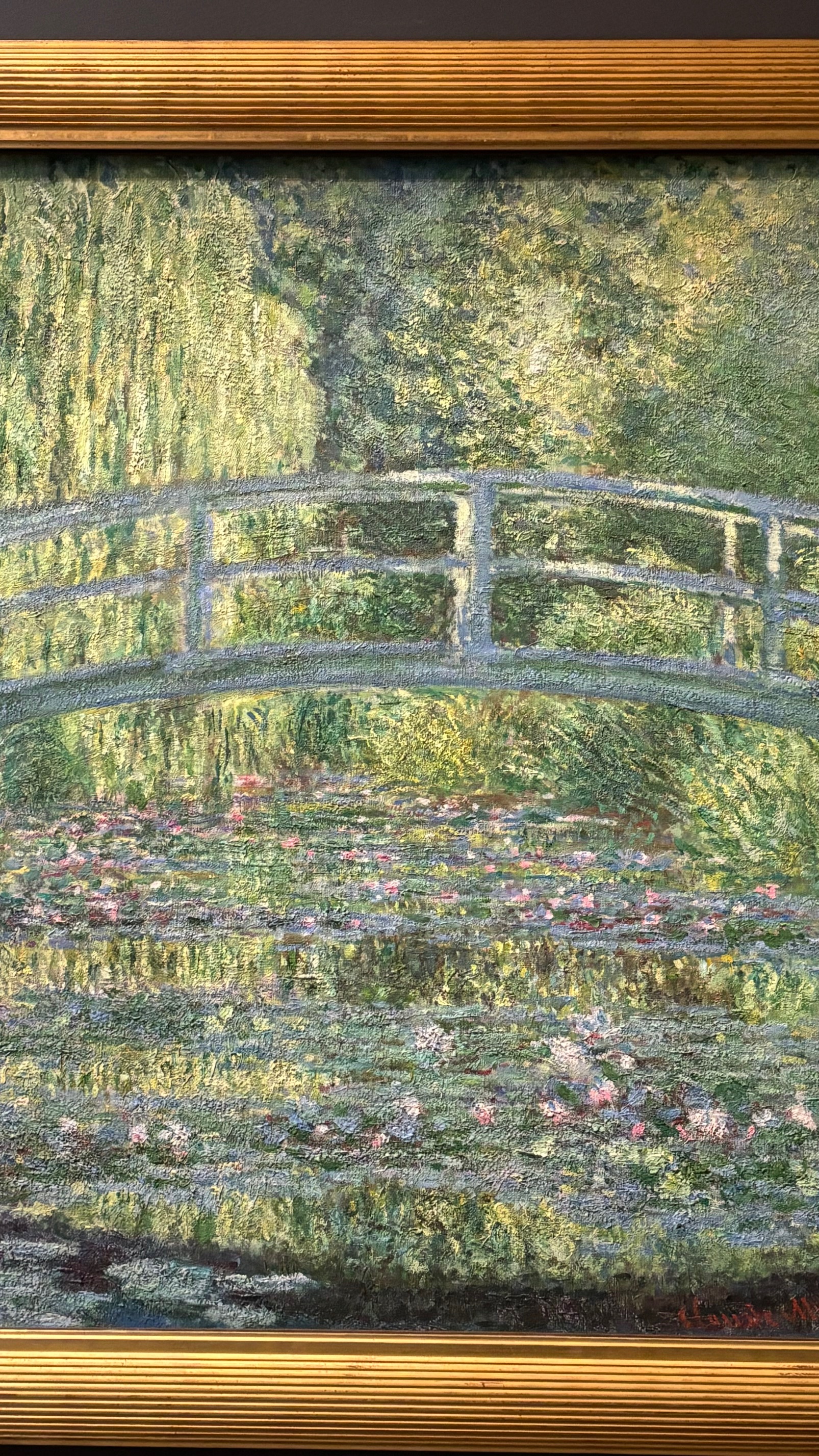
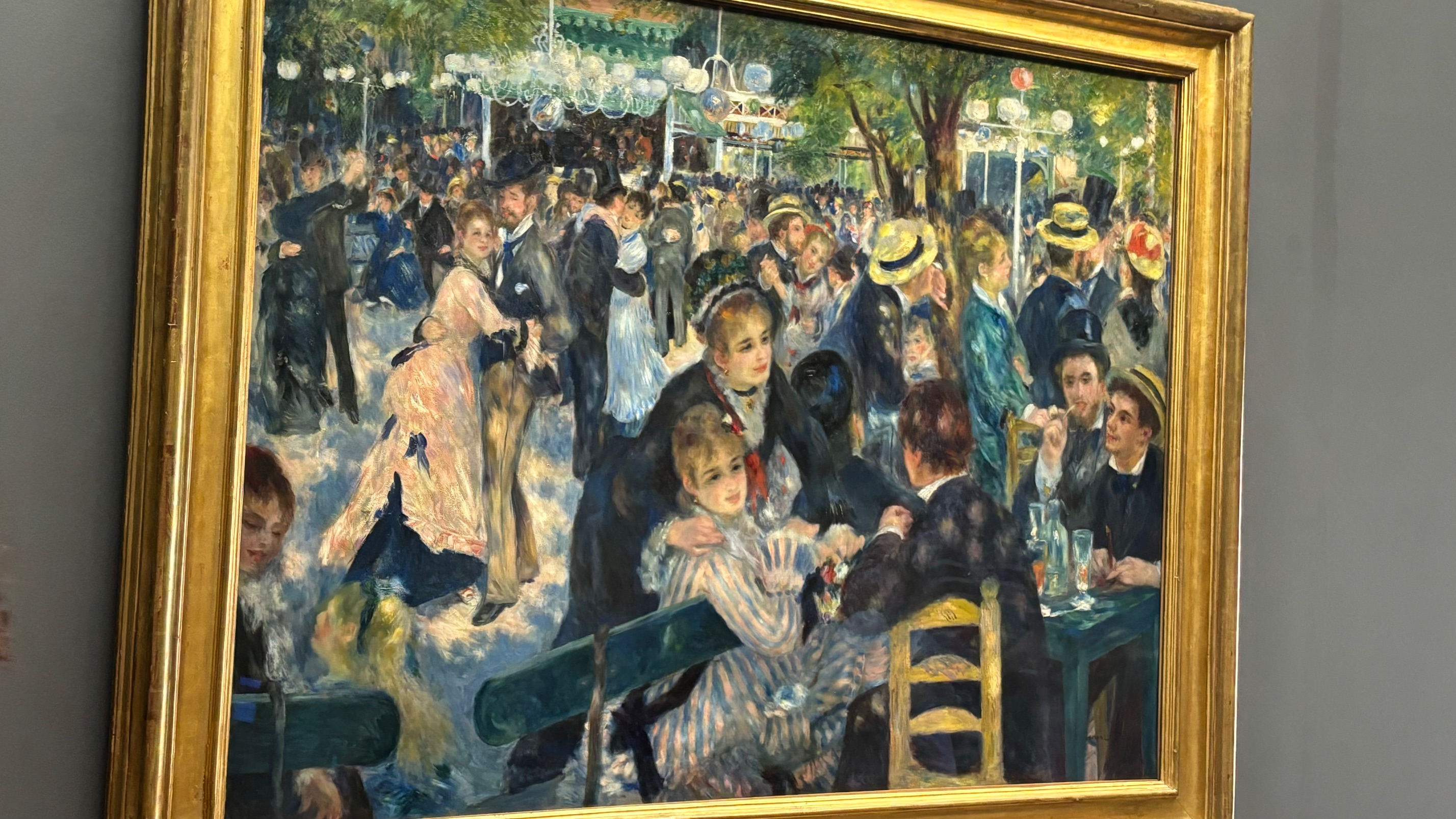
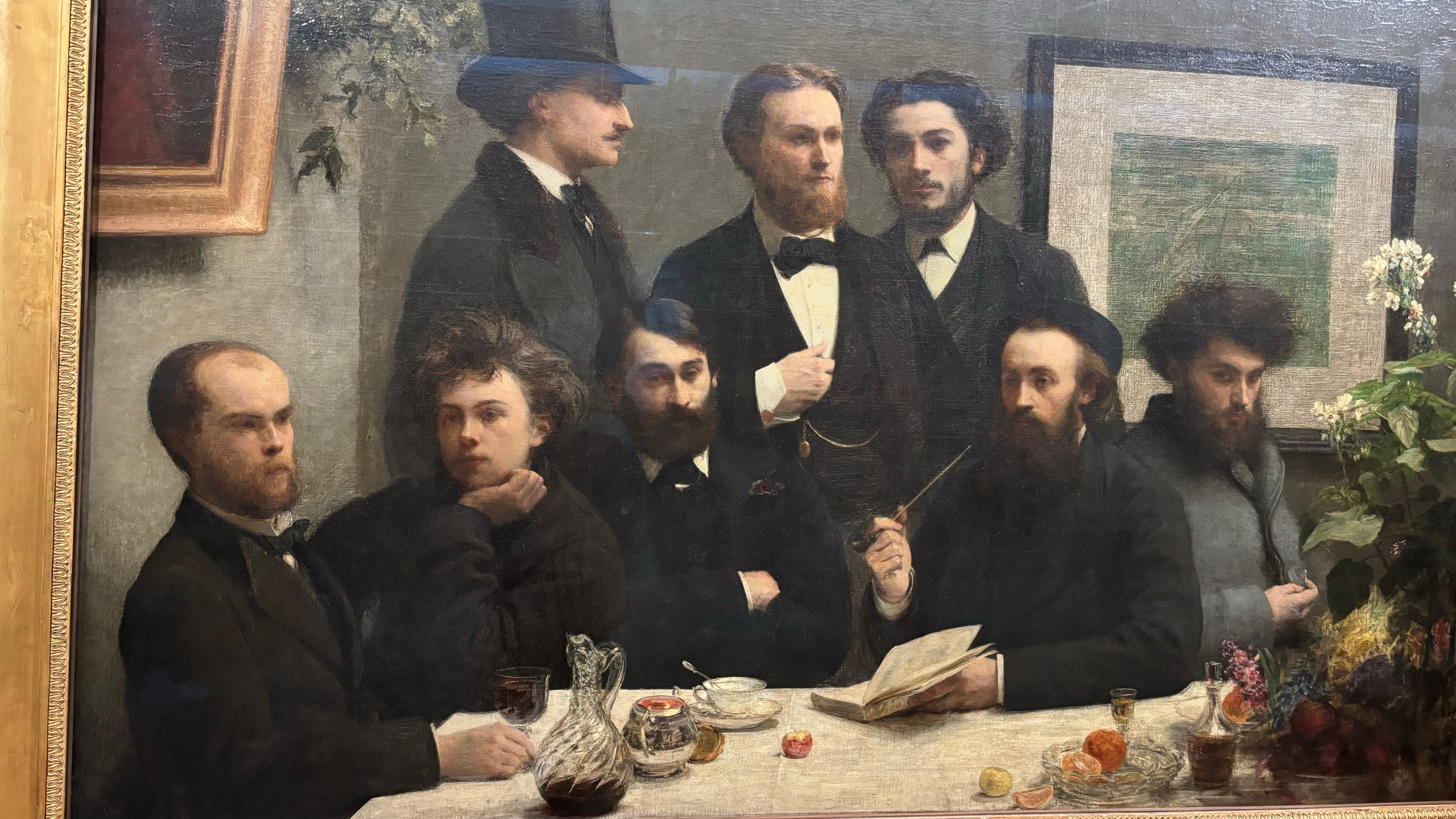

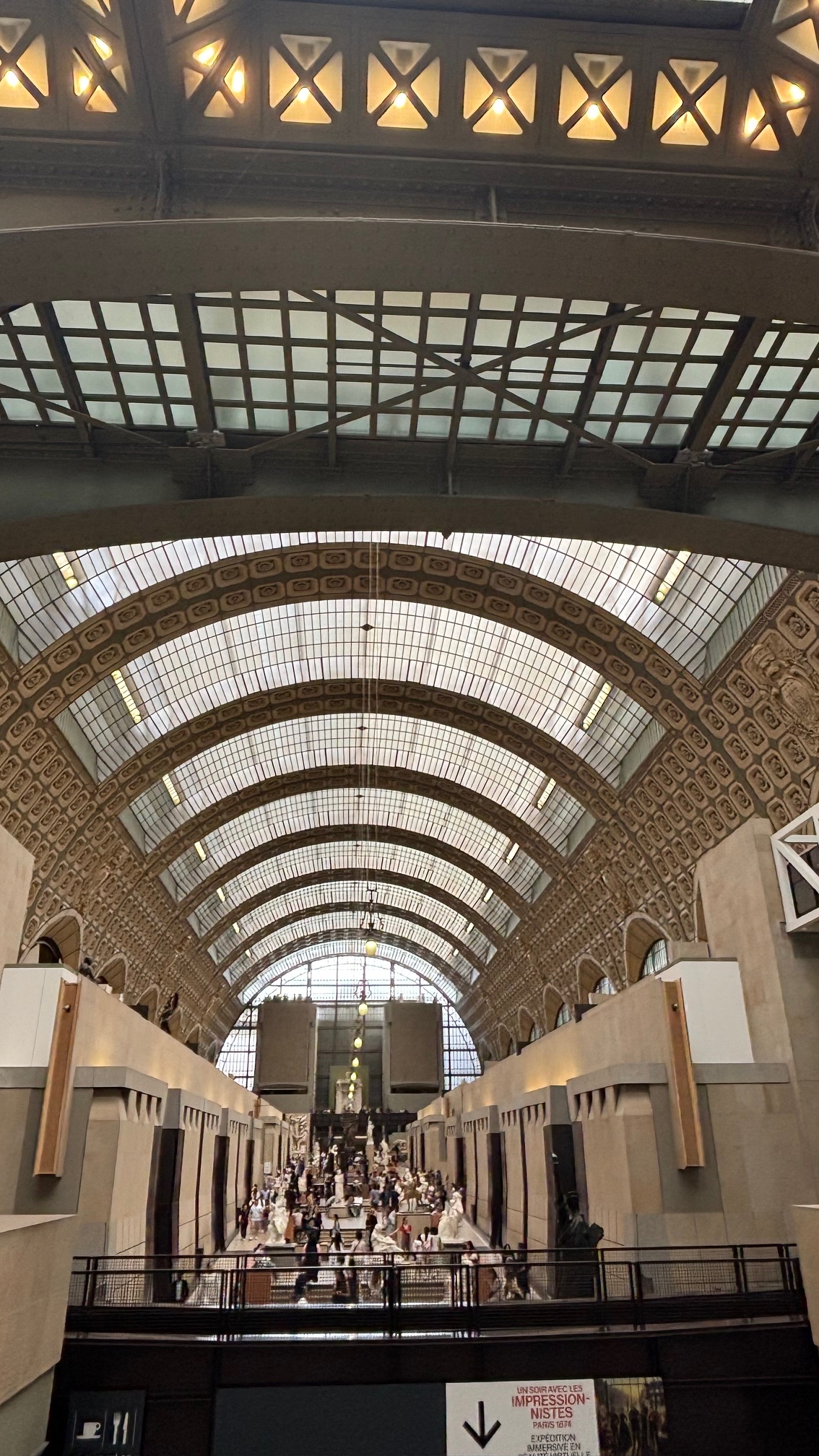

Camera: iPhone 15
Location: Musee d’Orsay, Paris, France

After nine years since my last trip to Paris, I returned in the Summer of 2024 to enjoy some sights like Musee d’Orsay but also for the Summer Olympics!
Camera: iPhone 15
Location: Musee d’Orsay, Paris, France
“Having a true friend is hard to come by and it’s important to get better at distinguish who is a ‘true’ or ‘real’ friend and who should deserve that kind of title in your mind.”
People tend to throw the word ‘friend’ around a lot especially when you may be desperate or wanting to have a new ‘friend’ come into your life. It is natural to want to build rapport with someone and to do so quickly. It is good to have someone want to spend time with you and get to know you are. When you are short on friends or when friends you know have moved on to a different town, city, or country, you want to work on replacing those lost or far away friendships that you used to have.
Especially as you get older, friends move away, get married, have children, and it can be hard to keep those friendships the same or keep them alive in a meaningful away. Having a true friend is hard to come by and it’s important to get better at distinguish who is a ‘true’ or ‘real’ friend and who should deserve that kind of title in your mind.
Unless the bonds you have are broken or ruptured due to any kind of factor, which does happen in life, you will still have your friends to pick up the connection again despite factor of distance or life circumstances. A friendship that has been established for years or decades doesn’t ever fully go away but you both must work to keep in touch to keep the flame alive into the future. Friendships do fade away, and you or the other person may not be getting what you need to keep it going. It can be sad to let go of a friendship especially when you invest the time, the emotions, and the money spent to keep it alive, but that is just part of life.
We have a tendency in American culture to form friendships at a dizzying pace or want to have someone as a friend quickly to ensure our own need for popularity or for social status. Other cultures tend to be slower in establishing those tight social connections or friendships, but once you do, you have a friend for life, or you have a true friend under a separate kind of category that should be reserved for a few friends and not for many connections or acquaintances.
Yes, we do throw around the word ‘friend’ a lot and too quickly. However, you should be wary of entrusting people who you consider ‘friends’ without feeling out how much that friendship entails. When I think of the meaning of a ‘true friend’, it is deeper than getting drinks every now and then or meeting up to play a sport or do an activity, it is someone who you can share both the good and the bad in your life and they can do the same with you. You don’t have to reveal your whole life story or be exhaustive about it, but a true friend is someone for whom you can be vulnerable with. A true friend won’t judge you for looking for their help, advice, or let you vent to them every now and then.
There are also several kind and thoughtful gestures a friend would do for you whereas an acquaintance or social connection would not. When you need to move and you’re free to lend a helping hand with the furniture, that is a true friend in action. If you need a ride to and from the airport and they don’t mind it even when it’s a little out of the way, that is a true friend. If you need a place to sleep or ‘crash’, and you would rather not splurge for a hotel room, a true friend will offer you their coach or a spare bedroom.
Now, there are two sides to any friendship so keep in mind that if they are willing to do that for you, you should try to do the same for them if the need arises. It is not being transactional but it’s remembering that any true friendship needs effort from both people, and it is good to look out for another especially in an increasingly isolated and technologically driven world. Our phone or our computer or our AI chat tool will never be a replacement for a true friend who is a real person, one whom you can share stories with, help each other with advice, and lend a hand to you when you are in need. Now, you can still drink, eat, play sports, or hang out with a ‘friend’, but if that friend isn’t someone who you can confide in, discuss life and its happenings, or be there for each other, it’s not a deep friendship or can be a bit shallow.
True friendships in my view take years or even decades to foster so while it’s good to try to make new friends, don’t neglect the older friendships you have that can be revived or don’t be too quick to trust someone without giving the friendship time to bloom and see if you both are compatible in the long-run. I would rather have five ‘true friends’ than a hundred or more ‘friends’ who don’t really know me, care about me, or for whom we are close enough to help each other out or just look out for each other.
Friendships are like relationships, though platonic in nature, they are just as important to foster in a healthy manner and that both people are contributing to it. You can start off just as acquaintances but if you’re putting in the time, trying on each side, and growing deeper as friends over the months and years, instead of staying in the shallow subjects, you really are building the ‘true friendships’ that survive time, distance, and other challenges.
Even if you’re married, or have children, or are busy at work, you also need friends and healthy friendships so keep trying to create them, build them, and be a good friend to others in your life. Remember to have quality friendships over the quantity of them as having a few friends for life is much better than have 100 friends who will drop you in a few months because you couldn’t keep up with their lifestyle or their demands or their ‘image.’ True friendship is missing someone when they’re gone and looking forward to the day when you can rekindle the friendship anew.
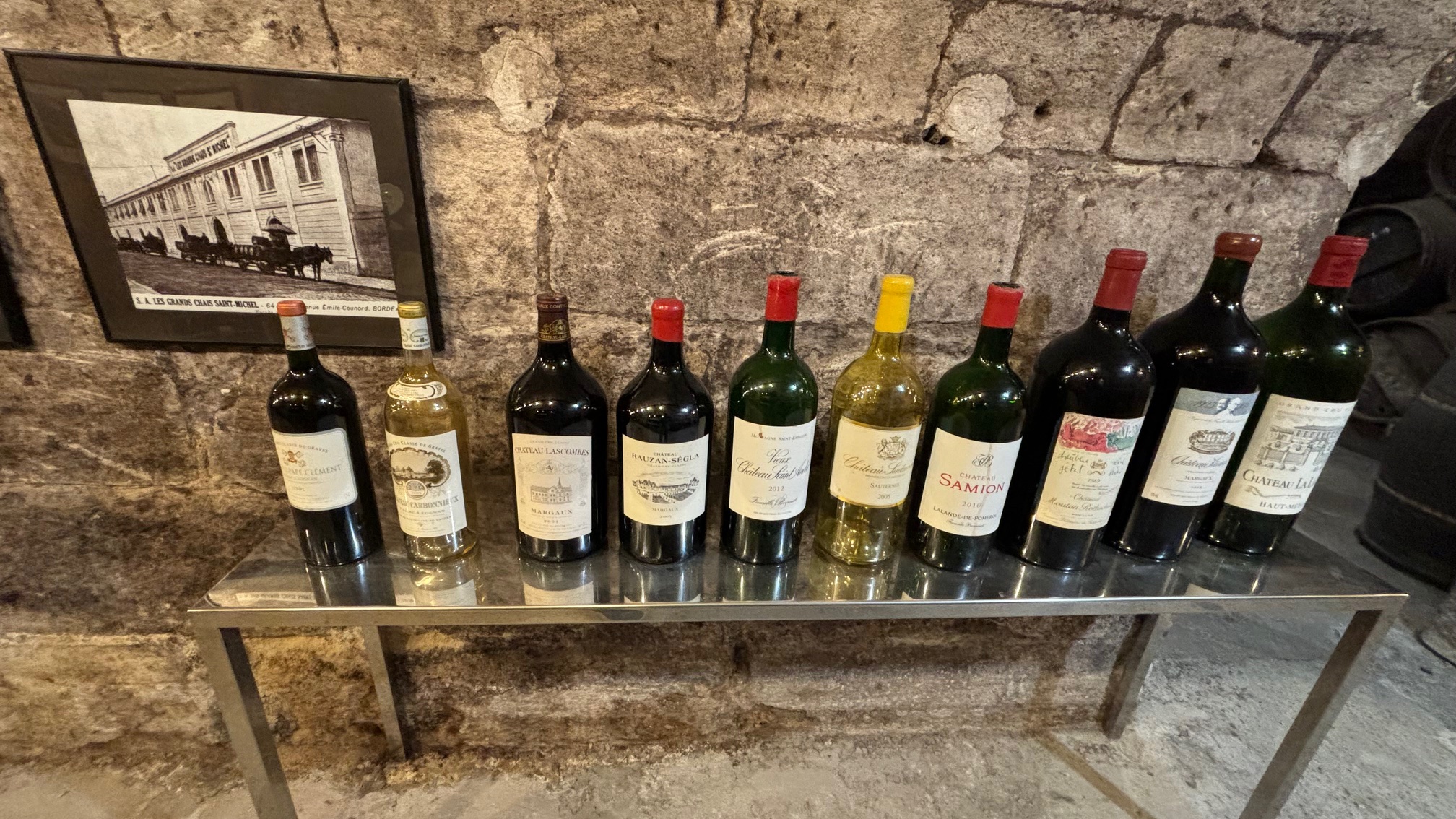
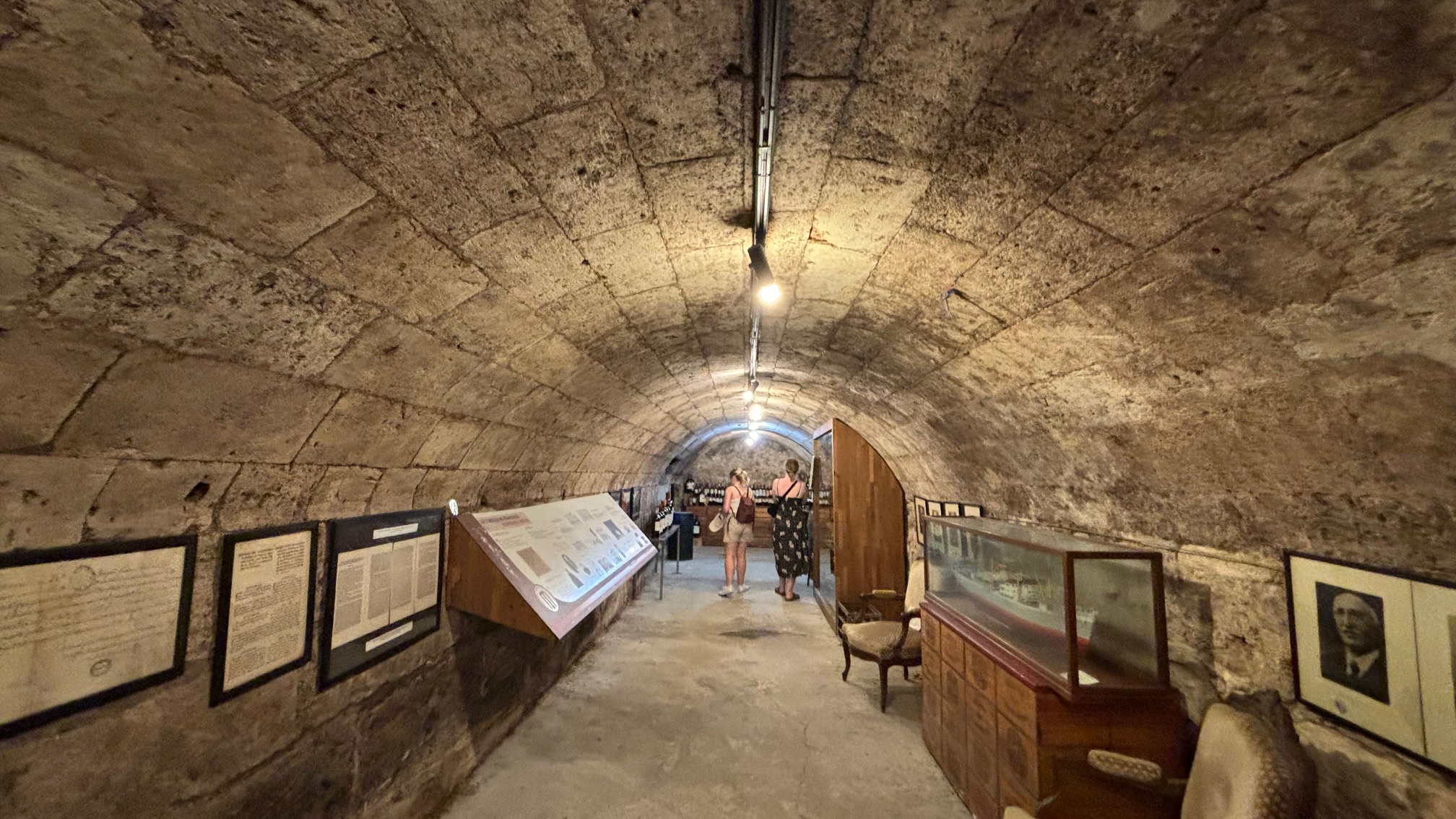
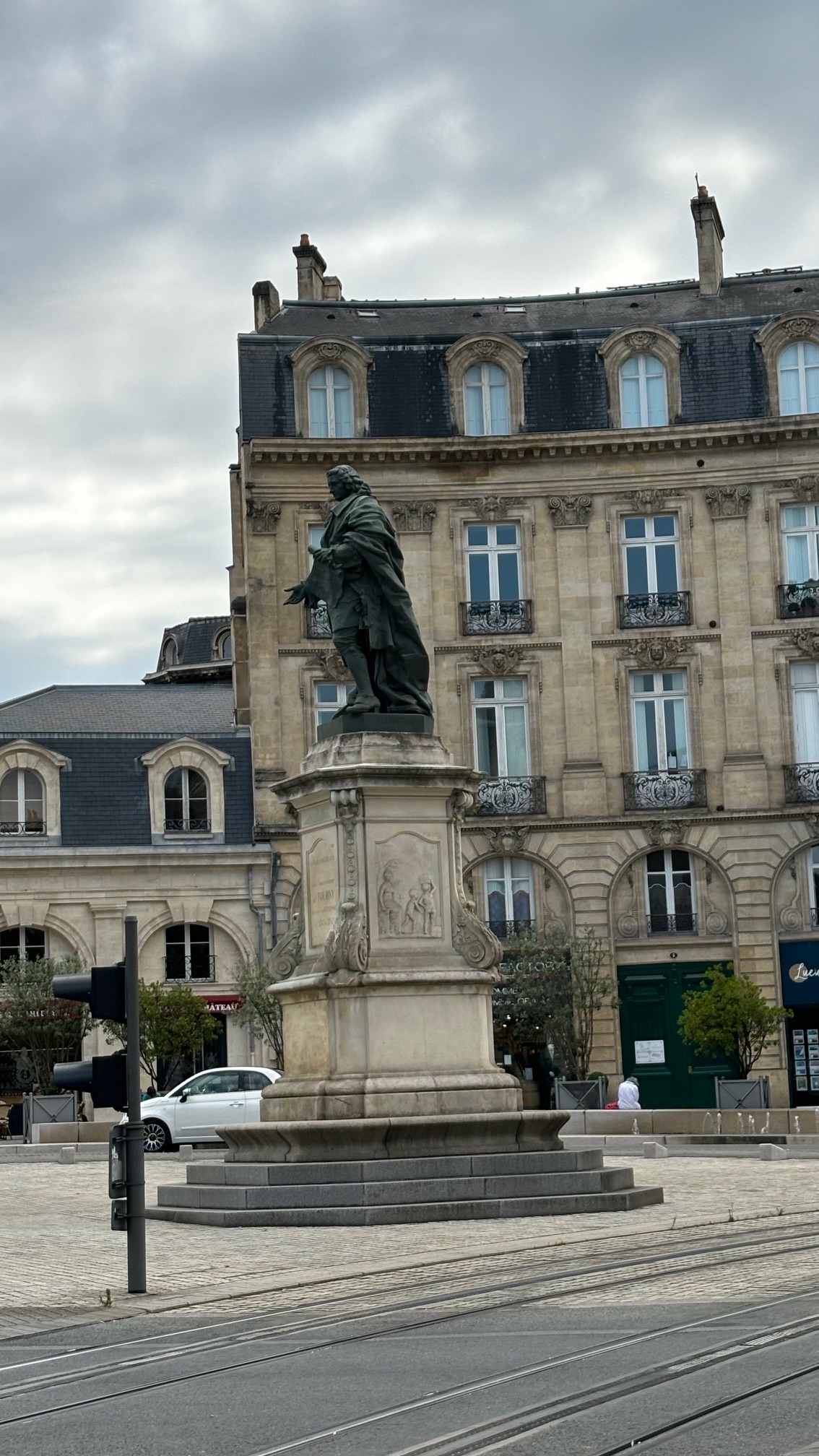
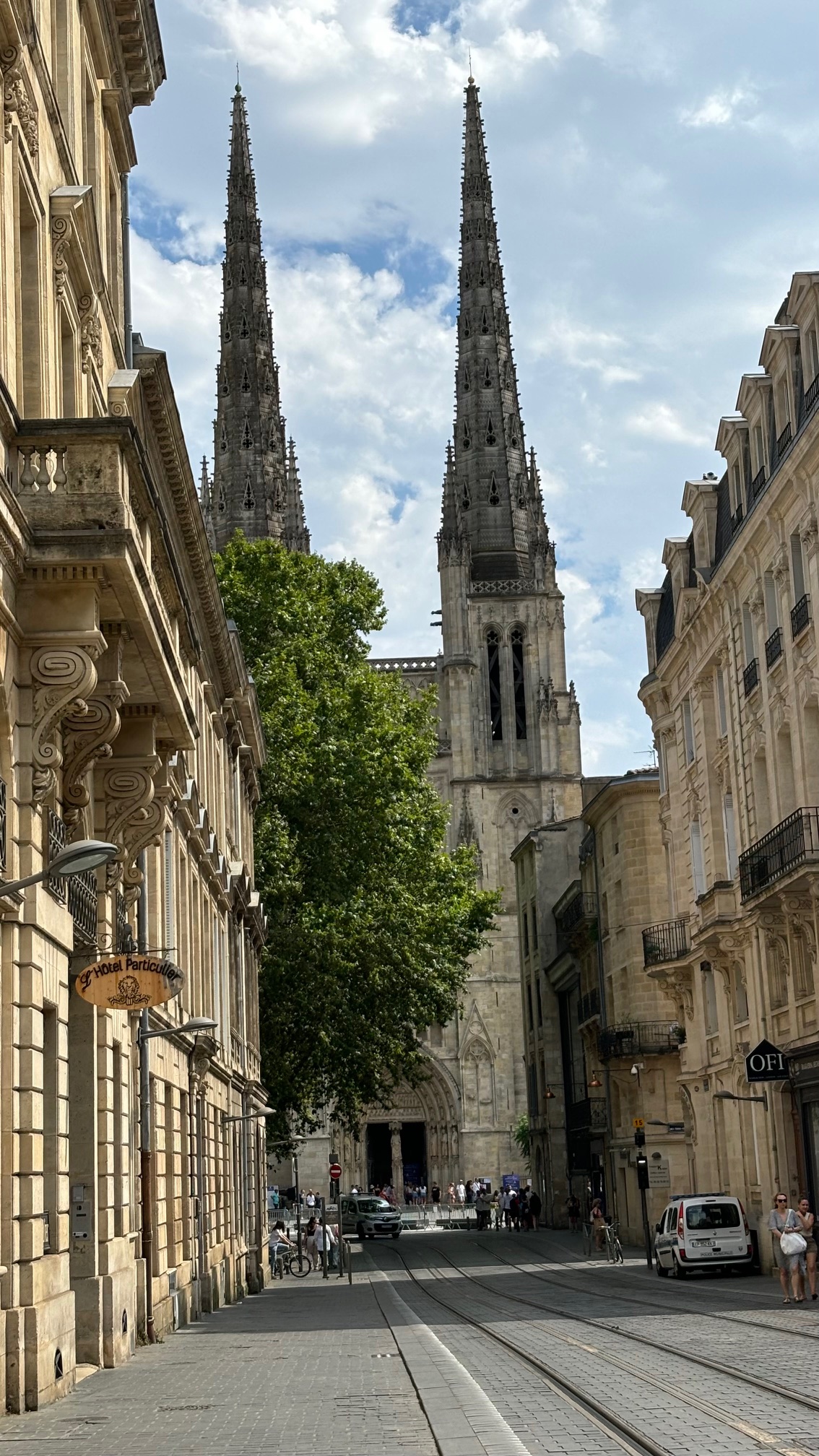
My first voyage to Bordeaux, France, a key stop on any wine lover’s journey through the southwestern region of the country. A beautiful and vibrant city with amazing food and wine (of course).


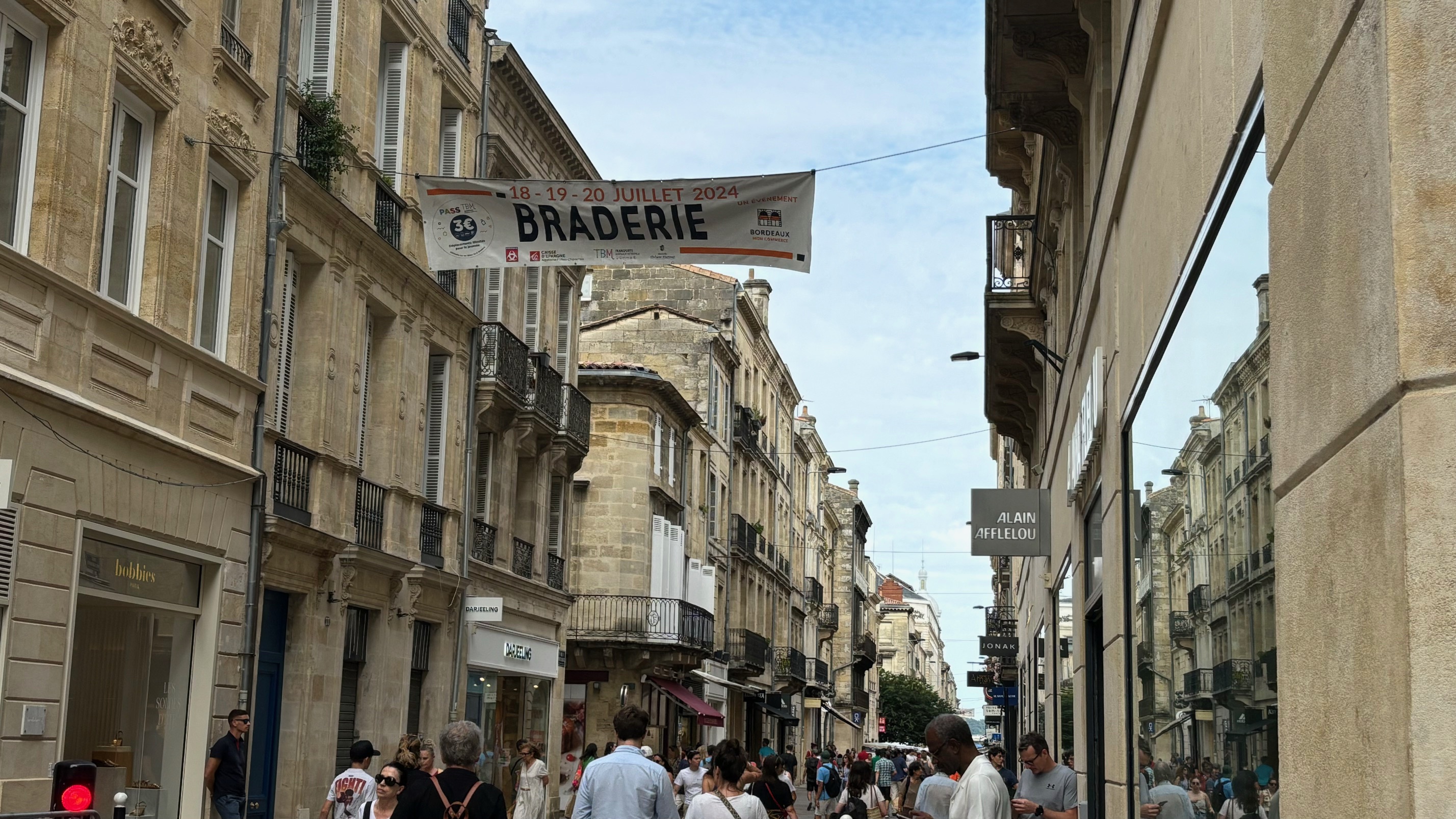


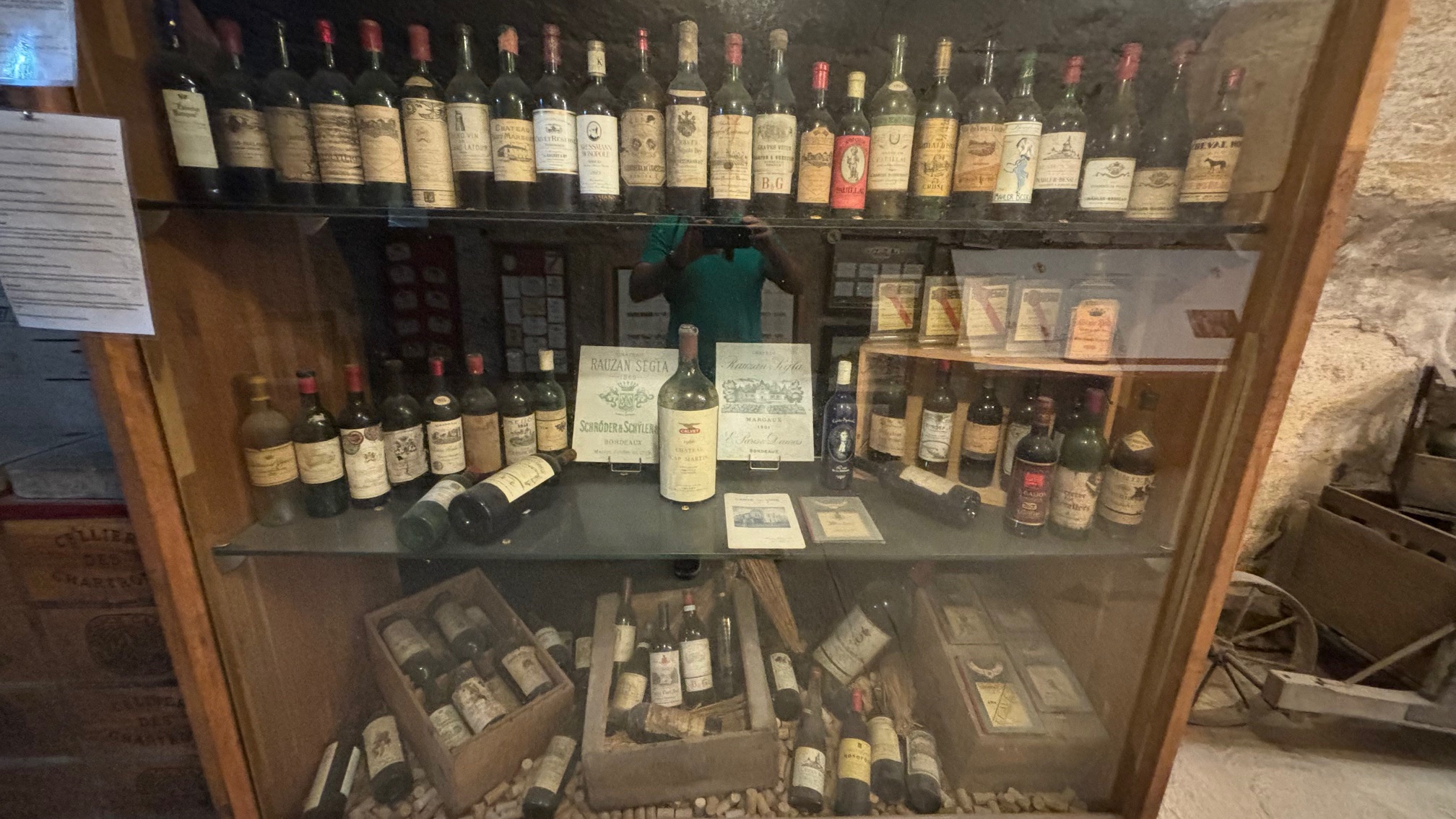



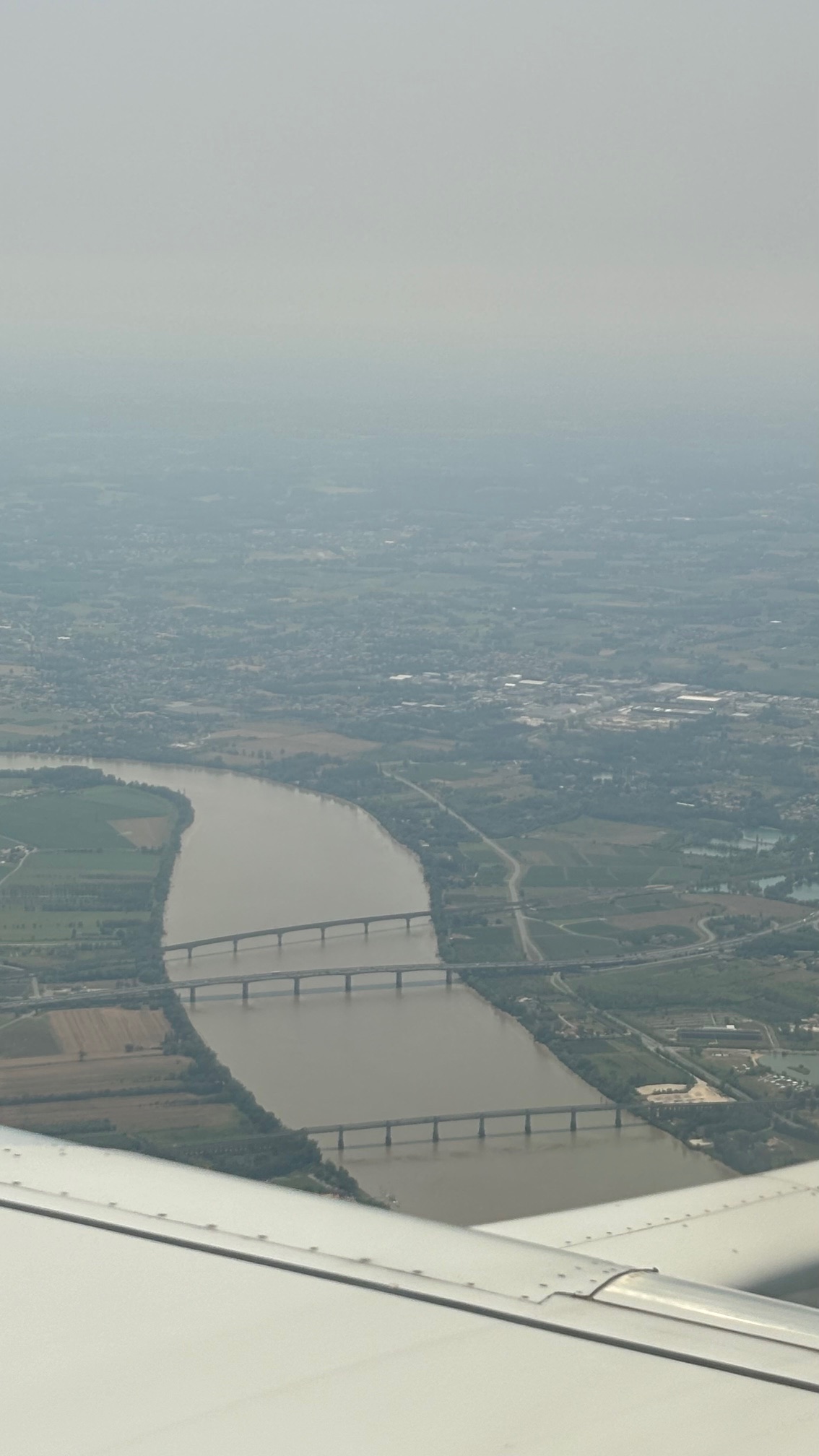
Camera: iPhone 15
Location: Up In The Air; Bordeaux, France
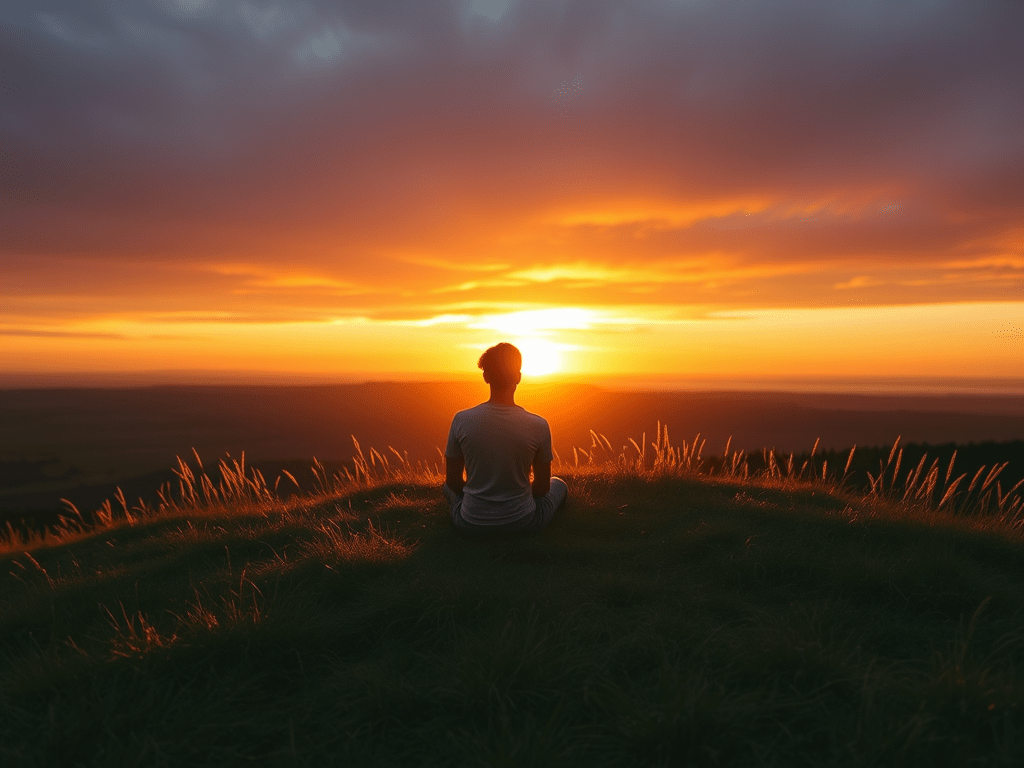
“As much as it is important to socialize and be around friends, it can also be good to be alone, focus on yourself, and enjoy a little solitude.”
Sometimes, it’s good to recharge your batteries alone. We all need real social connection and friendship, that is for certain, but there is nothing wrong with seeking out solitude to enjoy your alone time. Everybody has a different tolerance for how much time alone they can handle before they seek out a social event, gathering, or activity to dust off the cobwebs and not let one’s social skills atrophy. As much as it is important to socialize and be around friends, it can also be good to be alone, focus on yourself, and enjoy a little solitude.
Solitude often has a negative connotation, and it is often associated with having it imposed on you or having it done without consent such as the similar phrasing of ‘solitary confinement.’ That kind of solitude is denigrating to one’s spirit and causes one to mentally break over time. Just like endless solitude is harmful to one’s health, I also think that is true for the opposite side of the spectrum when you are constantly surrounded by other people, some of them mere acquaintances or coworkers for which you are forced to be around and whose company you do not enjoy. There are many forms of loneliness, and it is true that you can be as lonely by yourself as you can in a room full of people who don’t care for you, or you don’t care for them.
If you are around people who constantly want something from you or need something from you, that can be as draining as it is to have no one to talk to or to share life with. Just as a balance of having some social activity is good for you, it is as important to be on your own sometimes and enjoy one’s own company. There have been times in my own life where I have sought to be on my own deliberately, not because I didn’t enjoy being around others, but that I needed the time alone to meditate, to think, to reflect, to problem solve, and to more fully observe the world around me. In extroverted cultures including in the United States, this kind of activity can be thought of as strange or unusual, but I find that my best ideas or my most relaxing moments can be on my own and even when doing nothing but just the art of being present in the world.
We constantly are having our attention pulled to the next meeting, the next call, the next trip, the next gathering that we can forget to take the time to be on our own in whatever form that may take. Solitary kind of activities have gone out of style lately for some people whether that is reading, writing, walking, meditating, or just doing nothing (looking at your phone doesn’t count here). While these things can be done in concert with other people around, these activities are best done alone in my view and help me to recharge so I can be more present and engaged when seeing friends or family members.
You shouldn’t wait on other people to live your life too even if it’s by yourself. If you must be alone for a little while on a trip, at a concert, in the library, and generally out in public by yourself, it is not the end of the world. No one is judging you for doing life solo sometimes and it can be healthy to do so. Rather than giving too many people too little of your attention or having it split too often, why not focus all of your attention on something singular such as the footsteps you take on a walk, the thoughts in your head as you absorb a good book, and the clacking of a keyboard as you work on your novel.
Being alone all the time is not healthy, I want to make that clear, but it’s also not healthy either to be surrounded by people all the time. Part of being a healthy adult is working to have a little solitude, a little social life, and mix it all together to rewarding yet refreshing lifestyle. By being on your own sometimes, you’ll be more reflective, more observant, more self-aware, and treasure those social moments more when you’re more present, more engaged, and happier to have that social muscle stimulated.
I’ve always been an advocate for a moderate and balanced life and that is why solitude should not always be shunned for someone to progress as a person. Our deepest thoughts, our brightest ideas, our healthiest habits aren’t always cultivated around other people, which is why it is important to use one’s solitude to see if you can think deeper, live better, and build more because your attention is focused inwards rather than outwards. Find out what your tolerance for solitude is and then see what it can give you when you’re alone, because you would be surprised how relaxing and necessary it can be, especially when you put that solitary time to good use.
“We all should be striving to succeed but if you find yourself cheering for a success story that could have been avoided in the first place had there been a stable safety net and to have prevented the problem from arising in the first place, that is where more of our attention should be focused on as people.”
Look, I love a feel-good story as much as the next guy. I like it when someone can pull themselves out of poverty or difficult circumstances to achieve wild success for themselves and their next of kin. This is the kind of positive story that is often reported on in American media and popular culture. We love the story of the underdog rising above challenges to achieve something great. It seems to be practically embedded in our national DNA. However, the Achilles heel that we often refuse to acknowledge or focus on as a nation is how dysfunctional it can be to rise above a broken or fractured safety net to escape poverty, homelessness, or even medical debt. We all should be striving to succeed but if you find yourself cheering for a success story that could have been avoided in the first place had there been a stable safety net and to have prevented the problem from arising in the first place, that is where more of our attention should be focused on as people.
I bring this issue up as this has been the kind of a ‘feel-good yet kind of messed up’ story that garners sympathy and appreciation from the average person throughout my life. For example, I was watching a nationally televised baseball game recently as I like to do sometimes and heard the television commentators for this game focus on the rags-to-riches story of one of the players on the field who has become wildly successful after going through tough times that involved both him and his family.
The baseball player in question had a newborn son arrive around the time of the COVID pandemic’s outbreak, who suffered from a series of seizures, which required a lengthy hospital stay and weekly checkups from the doctors there. The player himself could not play baseball due to cancellation of the MLB season at the time in 2020 and lost his health insurance at the same time his newborn son’s seizures started occurring. Because health insurance is tied to employment in America, the baseball player lost his health insurance at the worst possible time. They did not have enough money left over for housing after paying out of pocket costs for the medical care for their son. As a result, the baseball player and his family were rendered homeless for a while, living out of their family car in a Wal-Mart parking lot at one point in central Florida.
Luckily, even in this case of the dysfunctional health care system failing both this player and his family, having been left in the dust for a while, professional baseball, being the national pastime resumed a few months later in 2020, the baseball player regained his medical insurance and was able to pay off the medical debt due to his success in Major League Baseball over the past few years. I admire this player and his family’s resilience in the face of adversity and am glad his son is doing well now. The player is now a naturalized U.S. citizen also and visits children’s hospitals in the area where he plays to support families going through similar ordeals.
While this story in America had a happy ending after much sadness and anxiety for the family in question, I can’t help but think of the TV commentators’ from this baseball game’s lack of awareness about the societal dysfunction that leads to a whole family living out of their car in a Wal-Mart in central Florida with no safety net to speak of because one of them lost their job, through absolutely no fault of their own, which was tied to their health insurance coverage. It bothered me a great deal personally to not hear from the TV commentary to not mention at all the lack of universal health care in this country or the fact that you can incur thousands of dollars or more of medical debt so a son or daughter can get the treatments or surgeries needed to overcome seizures or other major medical issues.
While this story had a happy ending due to the player’s evolving skillset and MLB’s massive popularity, there are millions of Americans suffering out there currently due to a lack of a durable safety net to fill in the gaps in health and education. Come back stories to break through adversity are great and make for nice commentary but not everyone has had such luck and success navigating the American health care system.
Whether it’s GoFundMe or another online platform, many families have to rely on the kindness of strangers to help them pay down massive medical, educational, or other debt, which is never an enviable position to be in. We should not have to rely on complete strangers to fund necessary medical procedures or to get life-saving medications paid for in the United States. No one should have to forgo their home or apartment to go homeless to pay for medical bills either and be forced to live with their family in a car or on the street. I’m all for people striving to make the best of their abilities in their chosen profession but layoffs, firings, or other unfortunate events can happen leaving us jobless and without health insurance directly as a result.
I’m not going to discuss which kind of system to have regarding how insurance or how higher education can run in America but I do know that you shouldn’t have to rely on having a job at all times to get affordable health care and if you don’t have insurance when a procedure is needed, you should never go bankrupt trying to pay off your medical bills. We can argue forever about the size, scope, and scale of how a universal health care system can support the country while everybody pays their fair share into its functionality, but we should never reach the point where a platform like GoFundMe is needed to fill in the gap when it comes to someone’s health care coverage. The point of this article is not to discuss how such a new system would work or how it can be implemented but rather to address how this current dysfunctional system (or lack thereof) has been allowed to fester and continue without any solutions or improvements recently.
Lastly, feel-good stories are a good way for average people to relate to one another regardless of if you’re a professional baseball player or a janitor, but we should be taking the right lessons from these stories. We should be applauding the person and family’s resilience and their success in navigating the massive challenge, but we should also question on how we could let such dysfunction run a key part of our society or how we can allow this system to continue given that it bankrupts average people because they lost their job through no fault of their own.
Sometimes, in life, you must ask hard questions and those can include how we fix societal dysfunction and how we can be part of the solution in our own way as citizens. Asking these kinds of questions, holding our political leaders accountable, and focusing on the ‘why it happened?’ rather than the ‘how it happened?’ will help to cause some real change to happen and for these stories to become rarities in American society rather than sadly, all too common place, that we hear almost every day here.
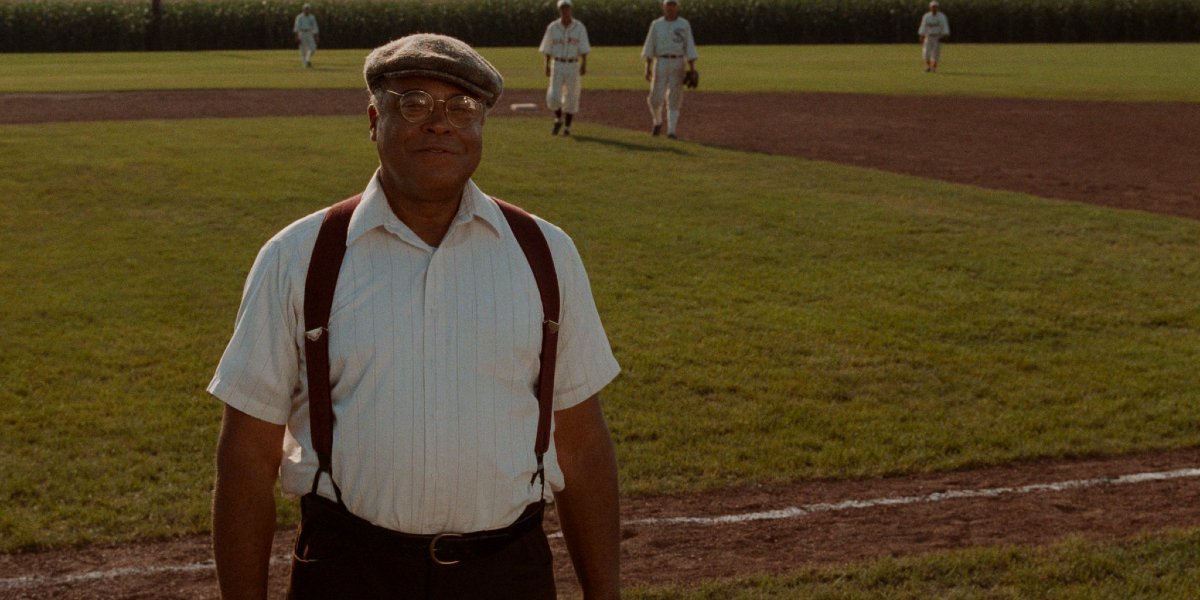
“It’s very rare in movies where a monologue becomes a classic and is quoted and re-quoted throughout the decades. That is most definitely the case nowadays with James Earl Jones’s famous monologue playing Terence Mann in the 1989 American movie, ‘Field of Dreams.’”
It’s very rare in movies where a monologue becomes a classic and is quoted and re-quoted throughout the decades. That is most definitely the case nowadays with James Earl Jones’s famous monologue playing Terence Mann in the 1989 American movie, ‘Field of Dreams.’ Now over 35 years old and counting, Field of Dreams’ and this legendary scene focus on the timeless appeal of Baseball in America, whose monologue has become iconic culturally not just for baseball fans and movie lovers but for what America can represent to the world when it taps into its best impulses.
“Ray, people will come, Ray. They’ll come to Iowa for reasons they can’t even fathom.” Baseball isn’t just a sport in this scene; it is the heartbeat of a nation’s spirit and resilience. The sport embodies the essence of the American Dream where everyone regardless of background, race, or ethnicity, can find a chance to succeed and belong, on and off the field. The monologue by Terence Mann (played by the legendary James Earl Jones) taps into the idea of America thriving on belief, on hope, and on the idea that greatness is around the corner if you dare to dream about it and fight for it.
Terence Mann isn’t just selling the idea of a baseball field and game to Ray Kinsella (Kevin Costner) on his farm but rather the idea of the possibility of uniting people and bringing them together. The message of his monologue is clear to viewers: If you build something meaningful in life, whatever that may be including a baseball field, people will be drawn to it because hope, enjoyment, and belief are powerful magnets.
Ray’s struggle to manage this baseball field and bring closure to a rough chapter in his life unresolved with his estranged father is emblematic of the struggles we all go through in this life. This scene with Ray is emblematic of a universal human quest to search for inner peace amidst chaos, uncertainty, and doubt. Terence’s monologue offers Ray and the audience a kind of calm assurance, a spiritual yearning, reminding everyone that the future isn’t handed to us, and it’s what we create and what we work towards to stay true to our vision, whatever that may be. It’s not about instant gratification in the form of a house or a car, it’s also about believing in your values, your vision, and knowing that the work you do is meaningful, especially if it connects to the past, family, baseball, or otherwise.
This scene also highlights how baseball has functioned and continues to function as a unifying thread through America’s social fabric. In the face of division, segregation, bias, and greed, baseball still brings people together around the country, crossing lines of race, class, and background. It’s a shred language that can bring Americans together, a communal ritual that reminds us that we’re all in this together as a people. When Terence says, “people will come, Ray…”, it’s a promise that no matter how ugly the world gets, how divided America may be, that promise will endure no matter the obstacles that face us. Sports, and in this case, baseball, has the unique power to draw people together in a collective experience that transcends our differences and can unite us to bring joy, happiness, and excitement with comradery and sportsmanship leading the way.
In this famous monologue, the actor playing Terence Mann, James Earl Jones’ delivery is everything and has made it such an iconic scene throughout the years. He is calm, measured, yet deeply convincing in summing up the power of the game of baseball. His voice here carries the weight of baseball’s history and that of America, of unspoken truths, of healed traumas, of future possibilities. He’s not just a supporting character in the movie; he’s also a narrator and a guide from the past.
He’s a sage sent into Ray’s life to remind him (and the audience) of a timeless truth: building anything worthwhile takes patience, faith, and a belief in the everlasting power of human connection. His words echo beyond the scene and the entire movie into the realm of business, relationships, goals, and our life’s purpose. He reinforces the idea that success comes from persistence and the courage to believe in what you put out into the world.
The scene is also a nod to the resilience embedded in American culture and its people. There is a strong “keep going no matter what” mentality that is deeply embedded into the cultural landscape and is also about leaning into “reinventing oneself” if you must that creates hope after hardship and how collective belief can overcome turning to cynicism and despair. In its essence, the monologue is a microcosm of American optimism, delivered through the poetic cadence of Jones’ voice and the symbolism of baseball as a sport that has gone through trials and tribulations like the country that birthed it.
Ray’s field or stadium to be in Iowa isn’t just about bringing baseball players from the past or present there to play a regular game. It sells the idea instead that America’s greatness is rooted in shared dreams and the belief that when you create something authentic and true, people will come…and not just to watch the game unfold, but for sharing a connection with each other, hoping for better days ahead, and finding community in a shared love of the game, America’s pastime.
“The Sakura Matsuri, hosted by the Japan‑America Society of Washington, DC, is the largest celebration of Japanese culture in the U.S. It’s a marquee event of the National Cherry Blossom Festival.”





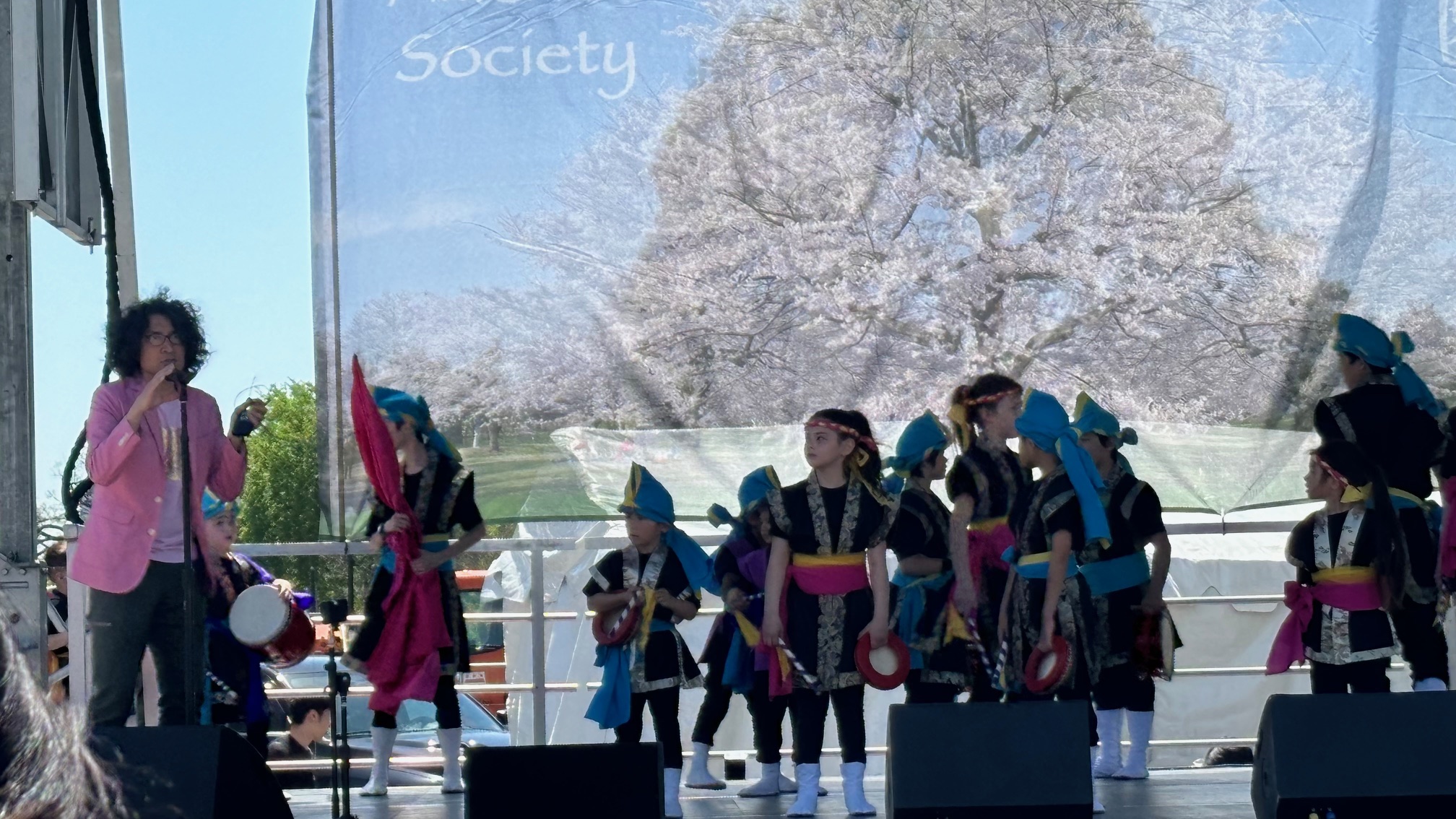
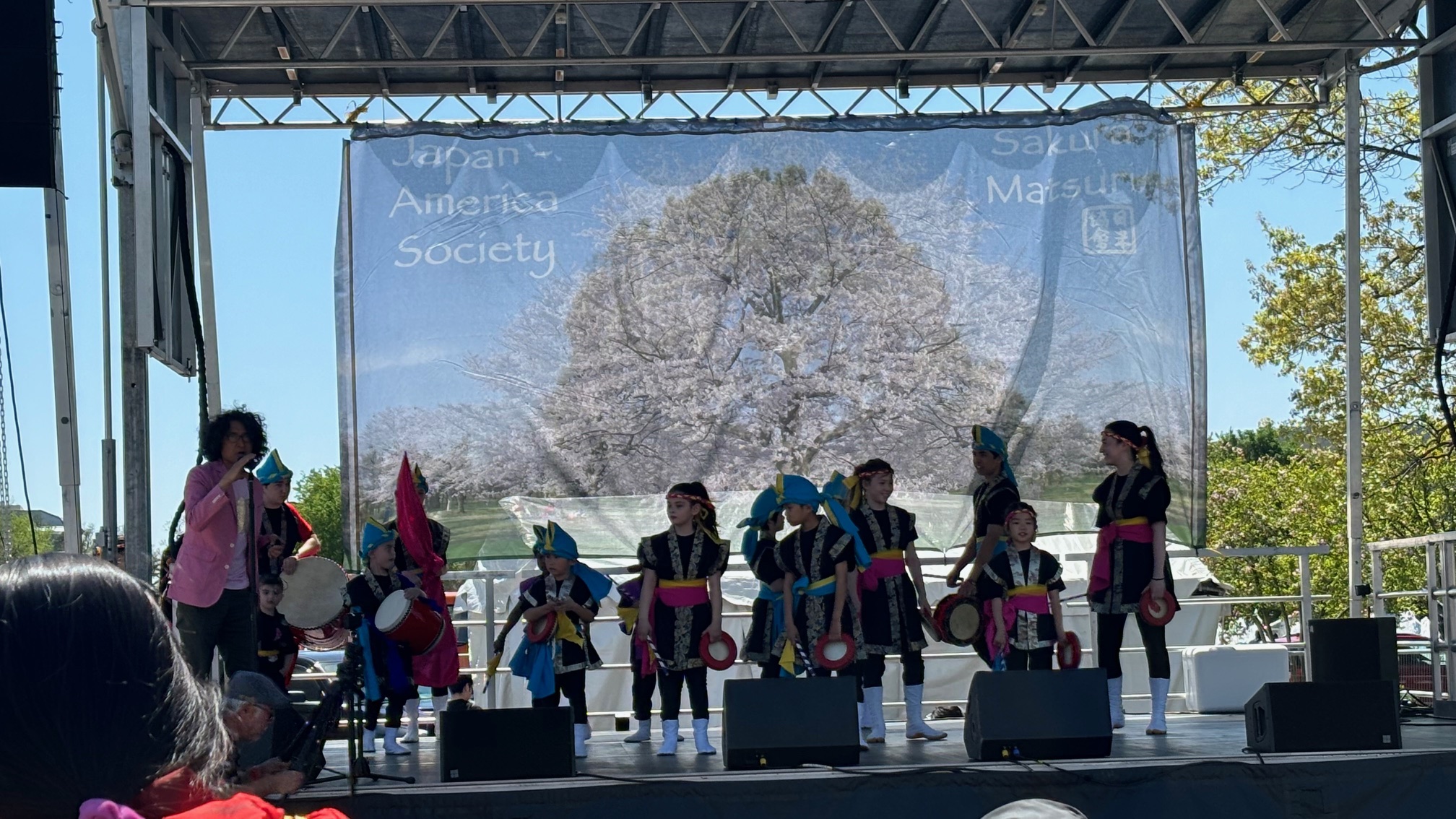


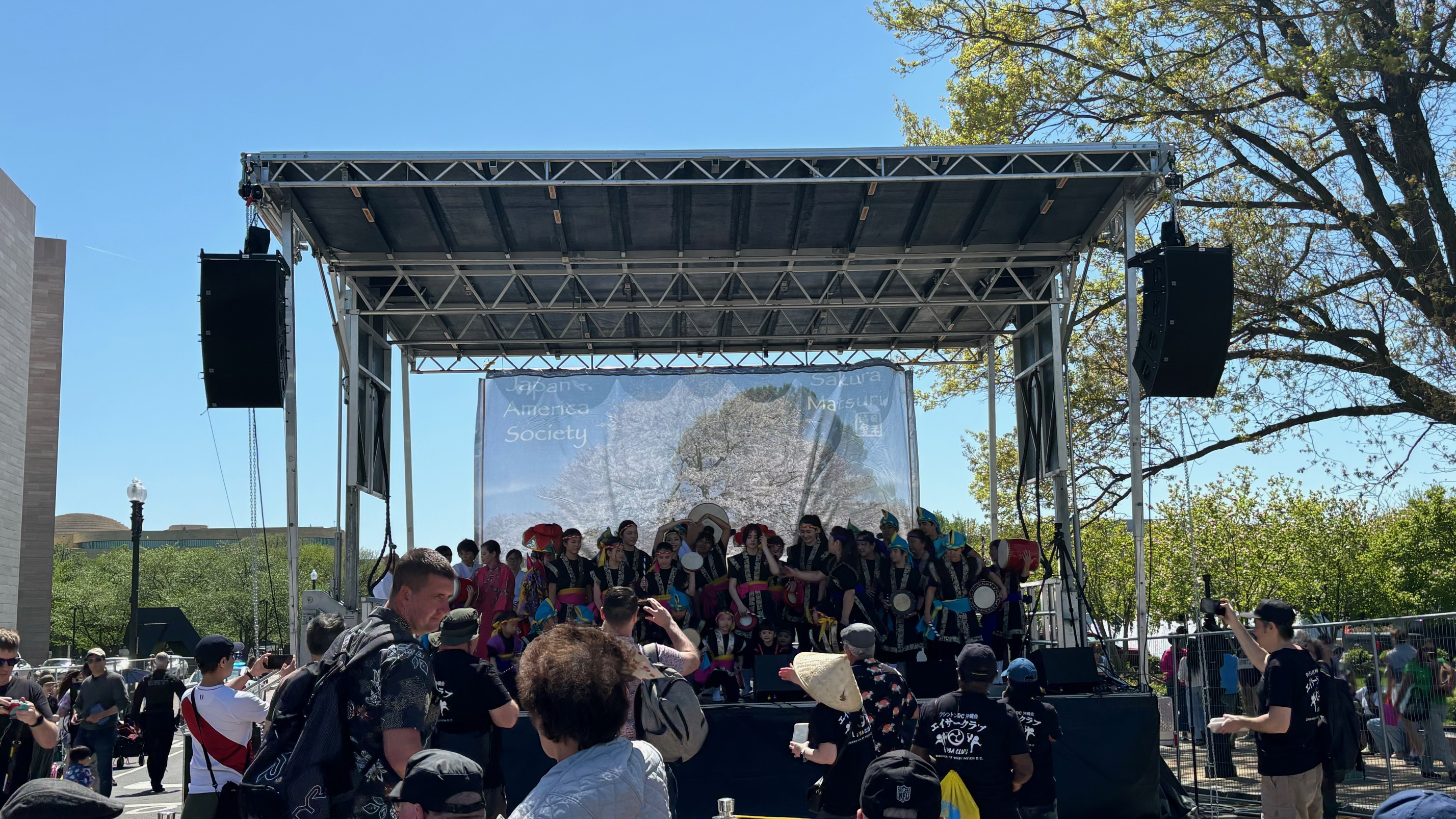

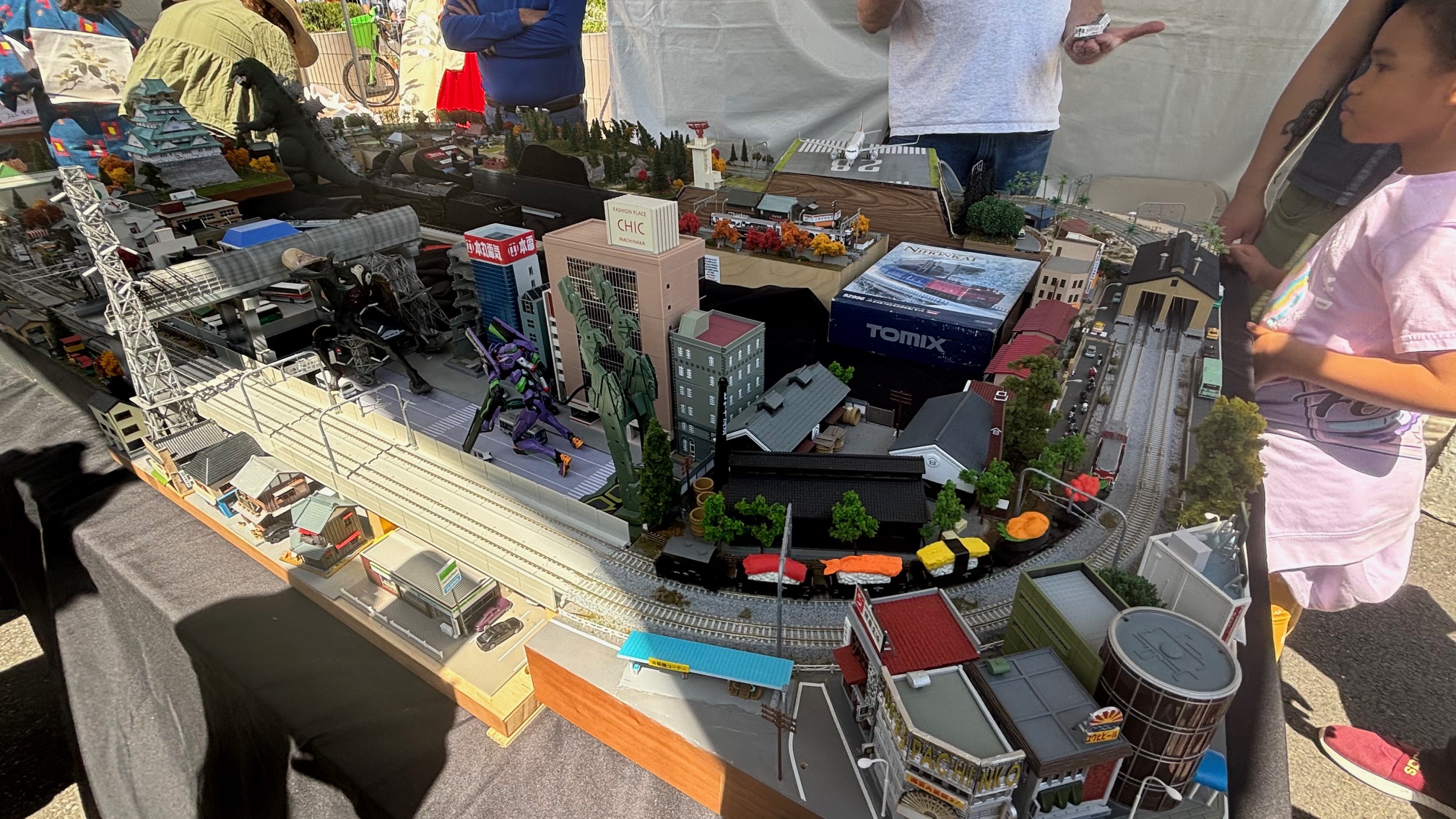
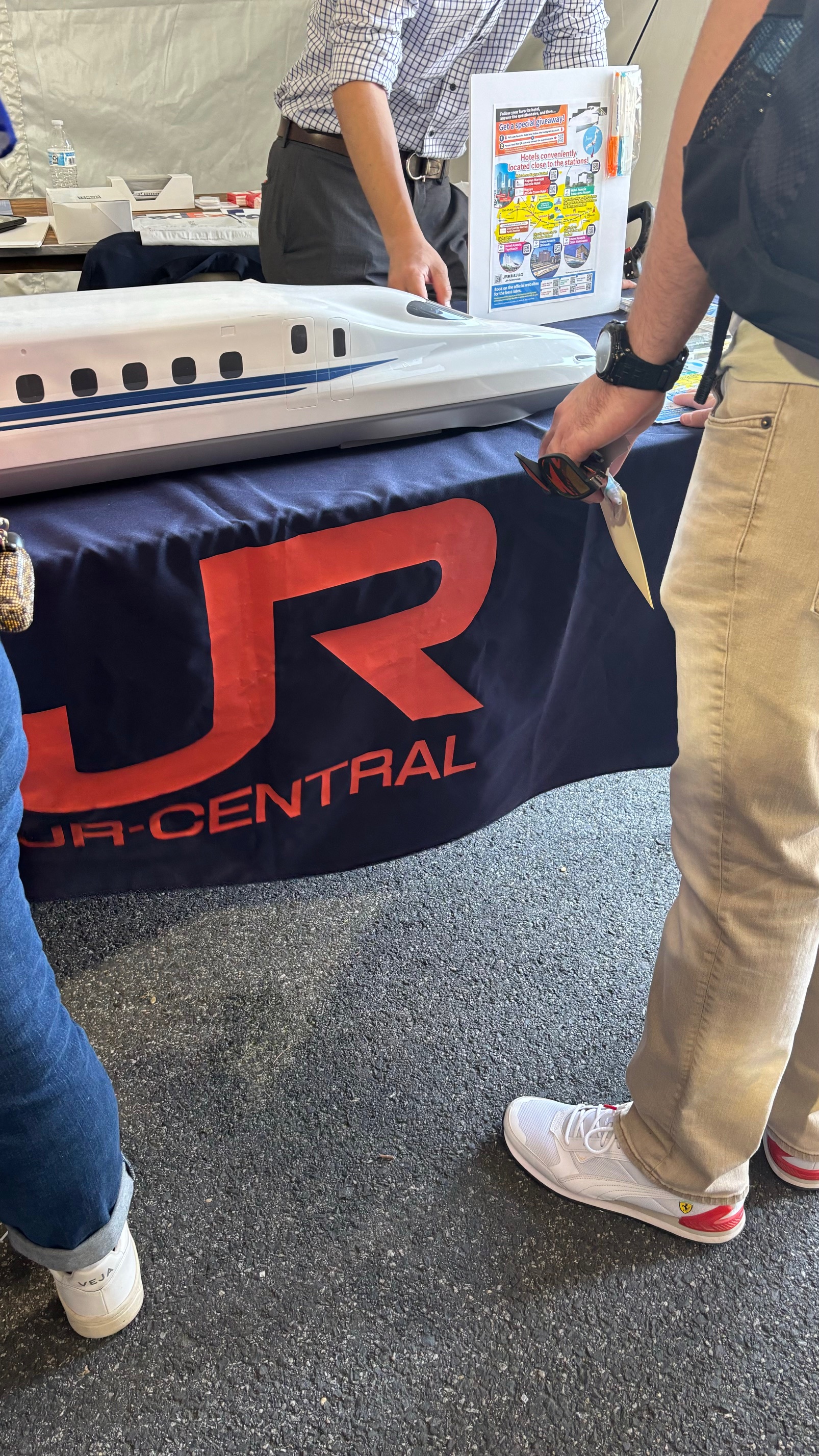


Camera: iPhone 15
Location: Washington, District of Columbia
My second attempt at writing English poetry and covering different topics such as the open road, nature, love, summertime, and the stillness of life.
1. Silence on the Open Road in Iceland
No horns, no hurry, no traffic rush, just endless sky,
Lava fields hush as the glaciers sigh.
Each mile whispers what words cannot say,
The road and I just slip away.
2. The Peace and The Quiet
No noise, no news, no fuss, only my breath and the calm breeze.
The world exhales at once, putting me at ease.
In stillness, truth begins to speak,
The loudest peace is soft and sleek.
3. The Majesty of Nature
Snowcapped Mountain peaks glimmer far and wide,
Wild rivers roar and tumble with pride.
Bold explorers yearn for each high crest,
to leave a mark, and to pass the test.
Bow to the wind, the sky, the flame,
this wild world remembers your name.
4. Summer Breeze
My warm hands go across your soft skin, a flirty tease, a calming sense of ease,
salt, sand, and sun felt in a lazy breeze.
Time forgets to check the clock,
Summer sighs and slips its lock.
5. My Blue-Eyed Baby
Your blue eyes flash, like a new day’s dawn, Pure joy and glee I see, you could never do wrong.
One smile, the world turns sweet and slow,
you’ve got that magic, baby, don’t you know?
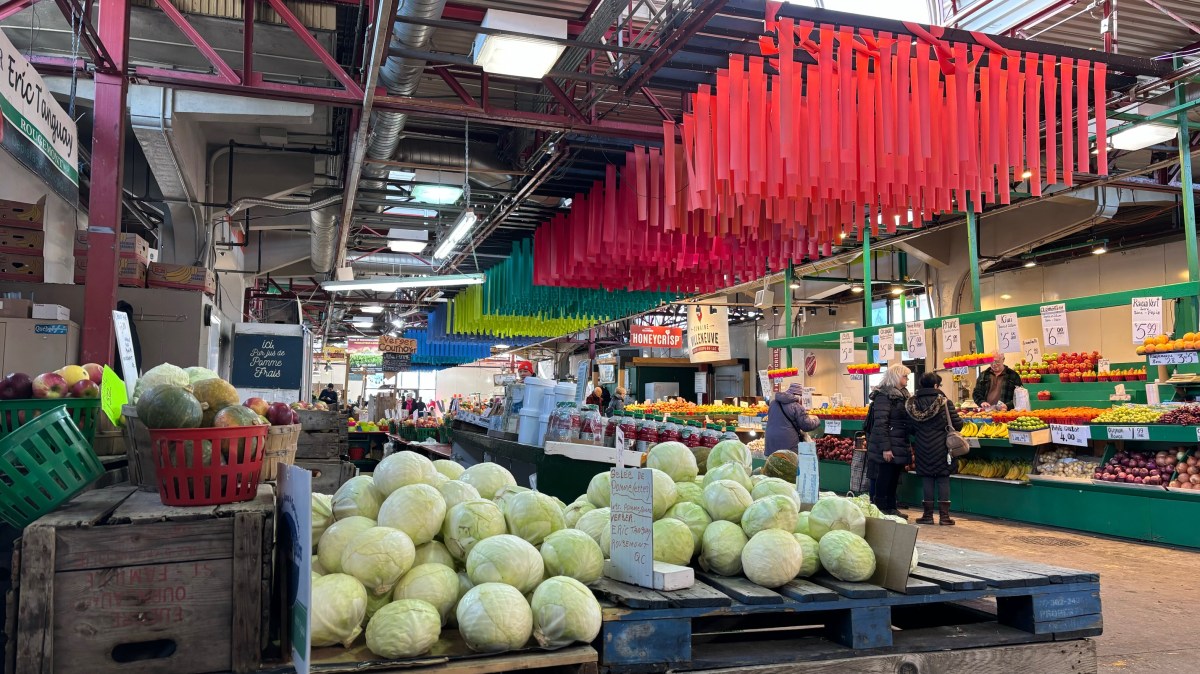
Walking around the various neighborhoods of Montreal to check out street murals and also stop in to Jean-Talon Market for a visit and some Poutine.
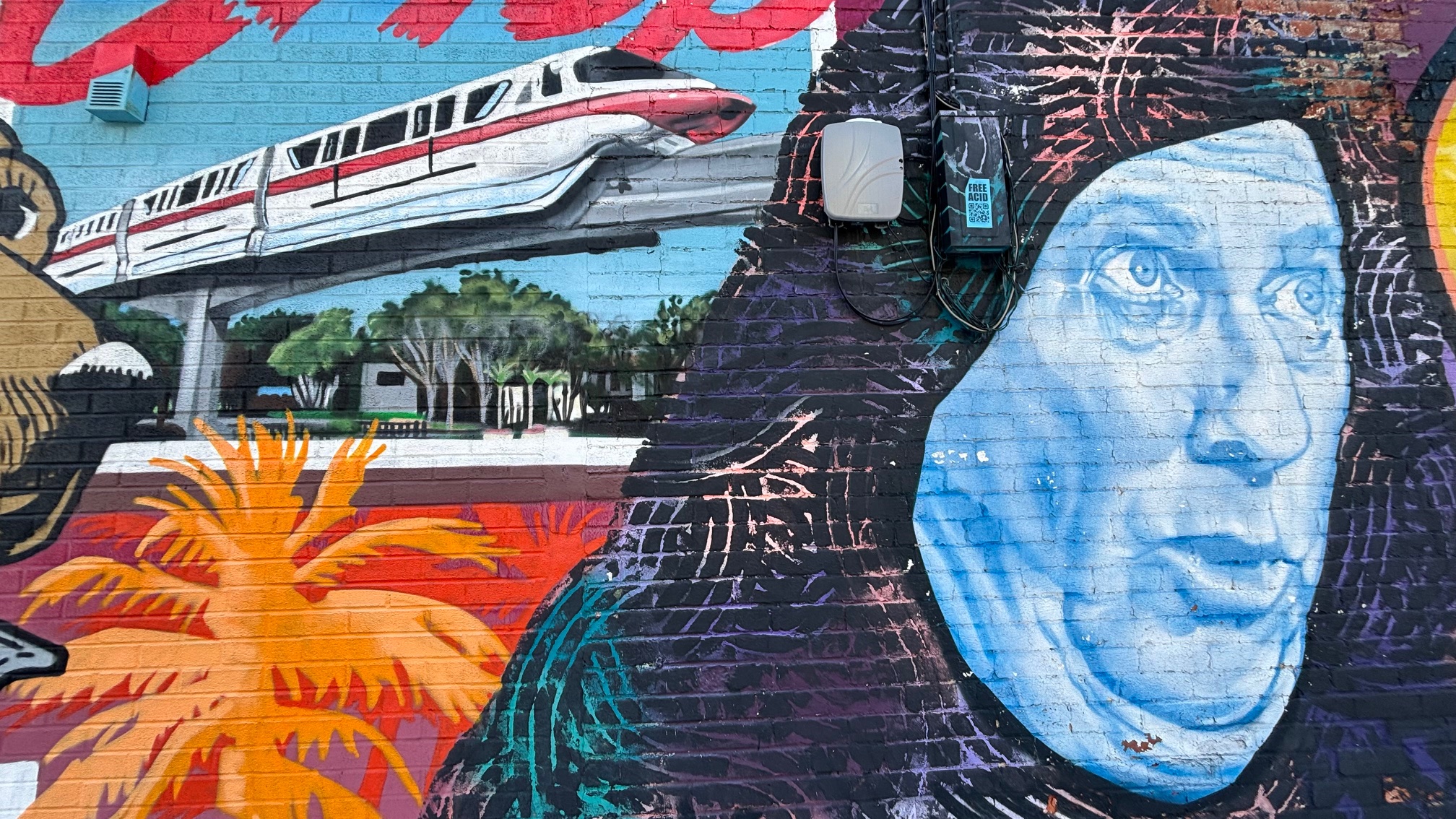


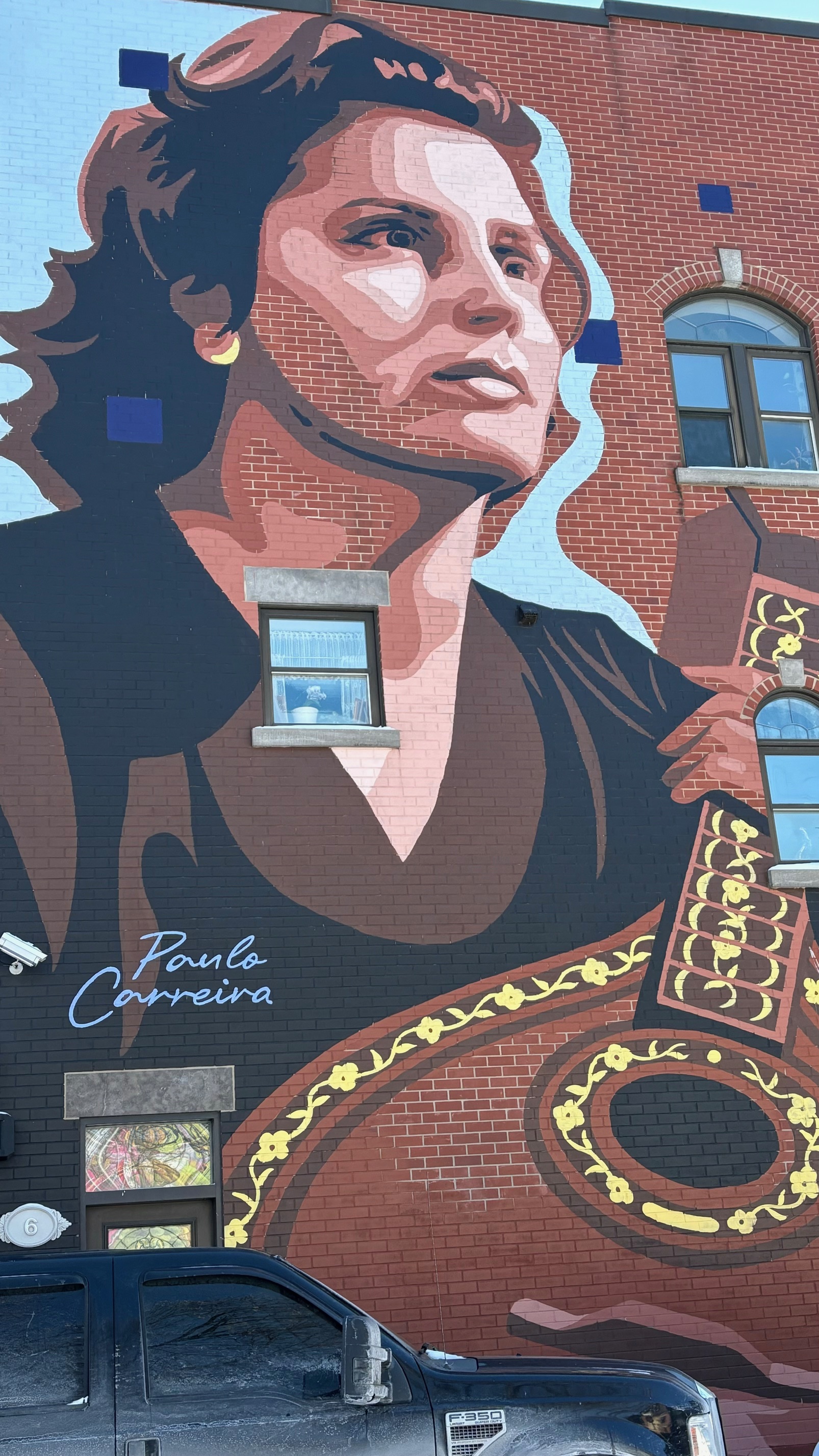


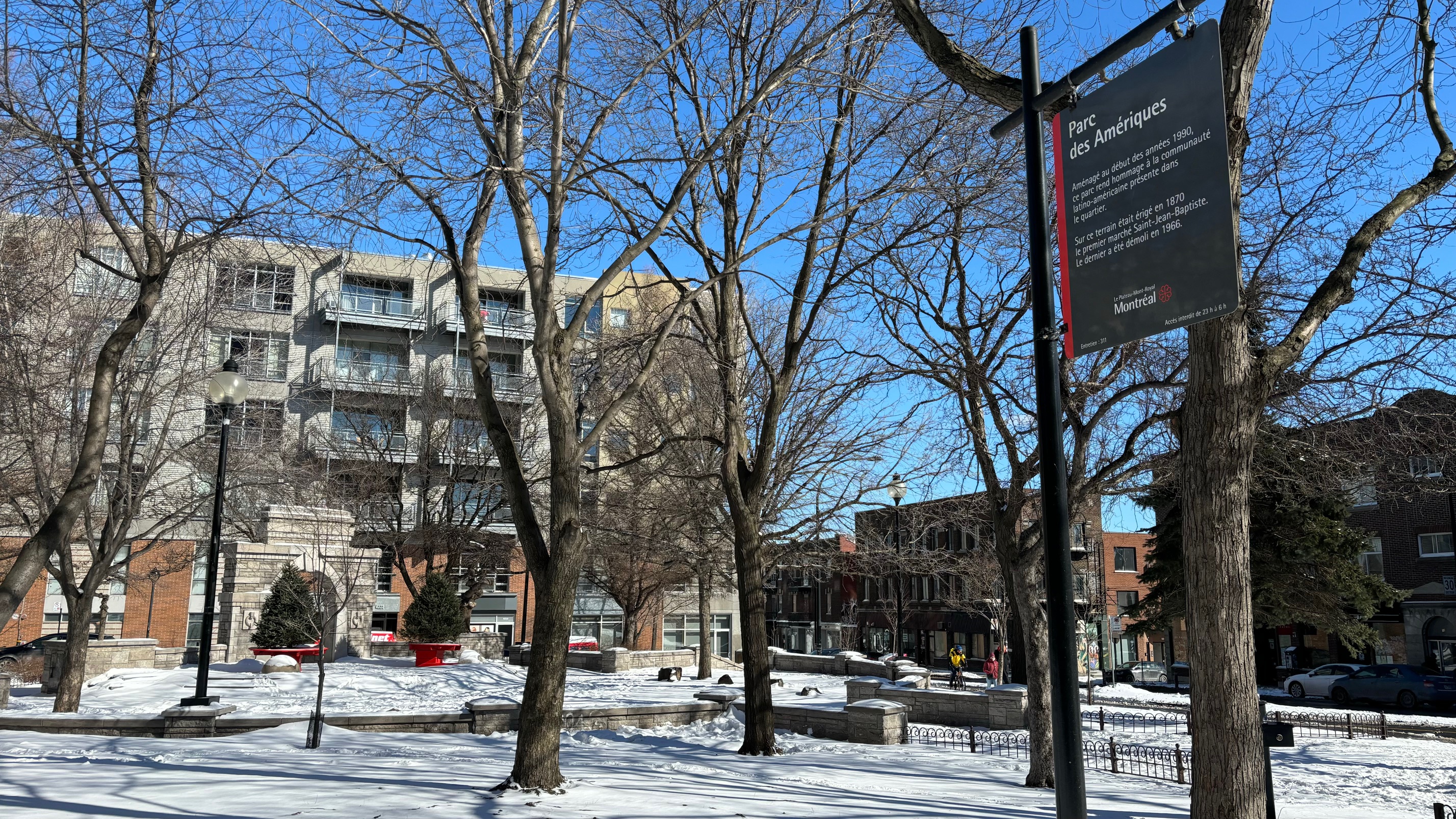
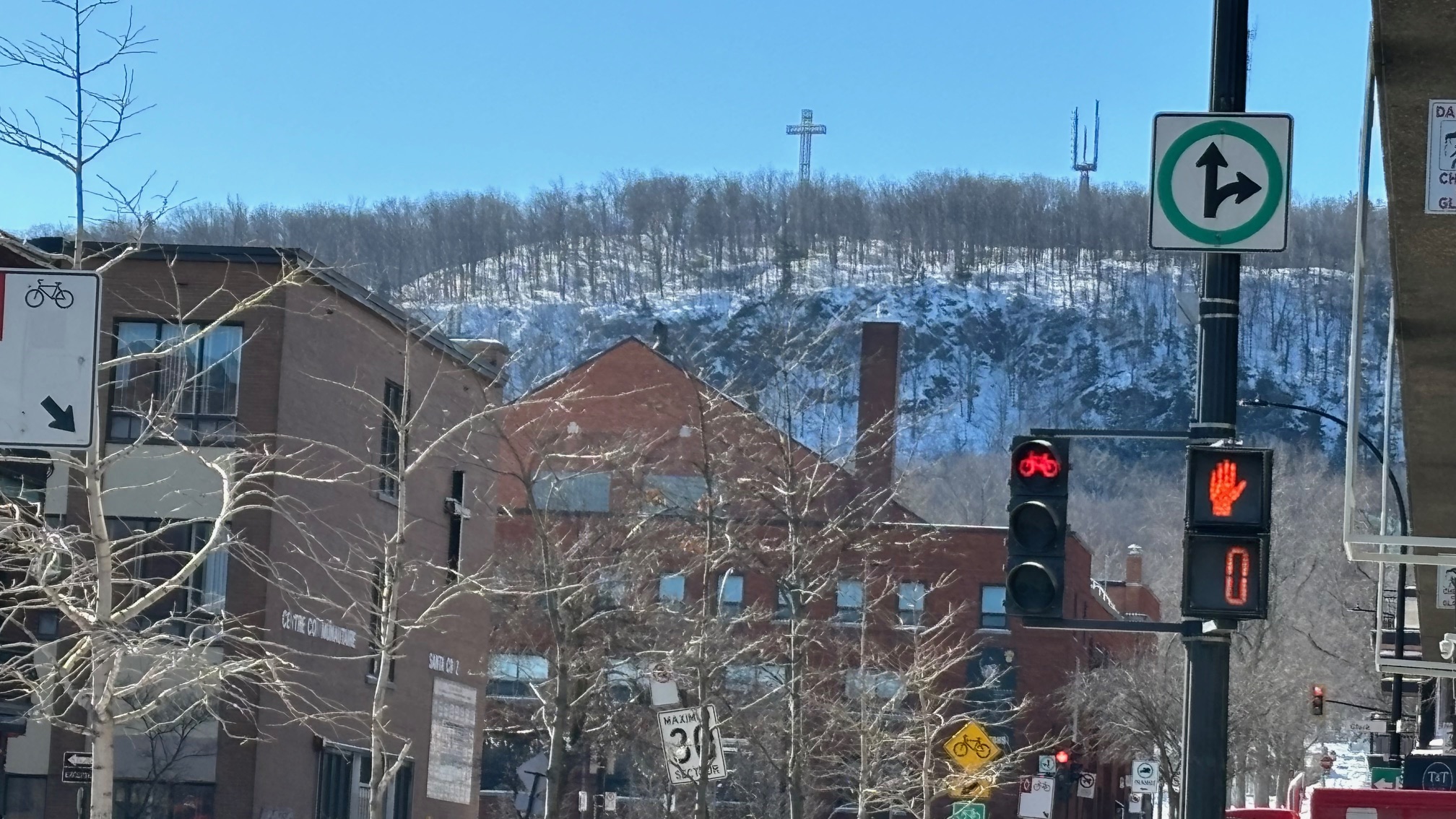
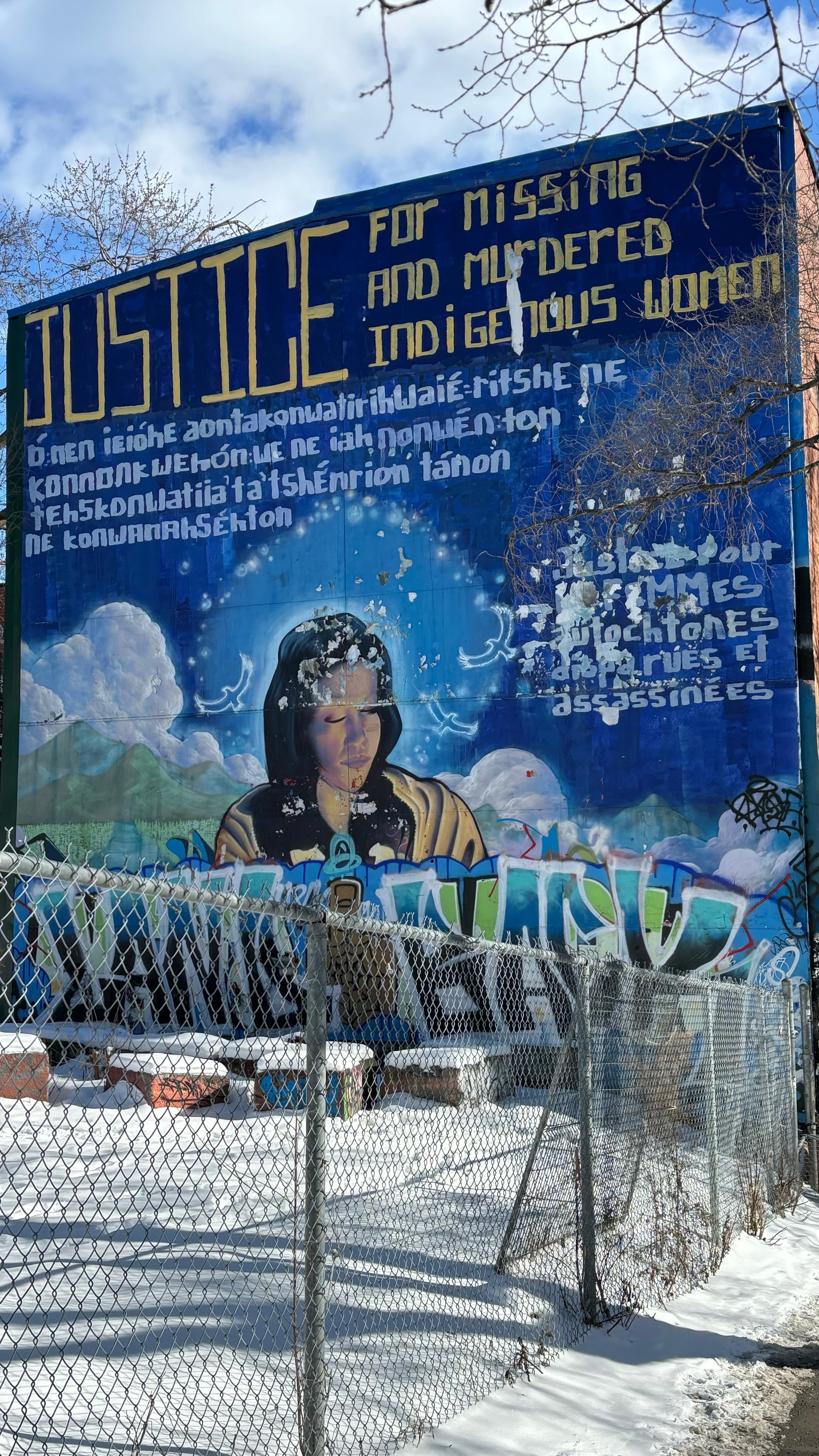


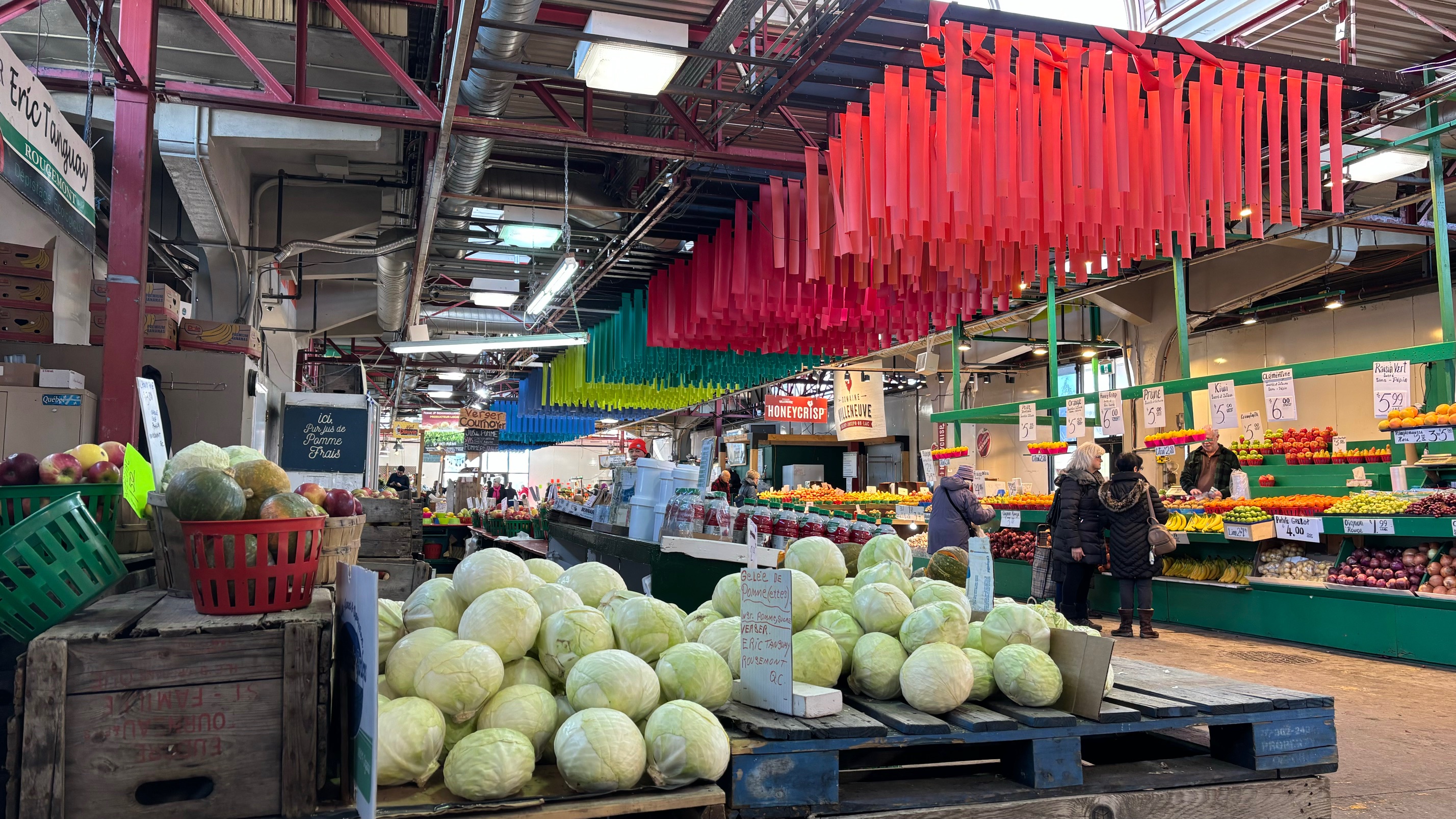

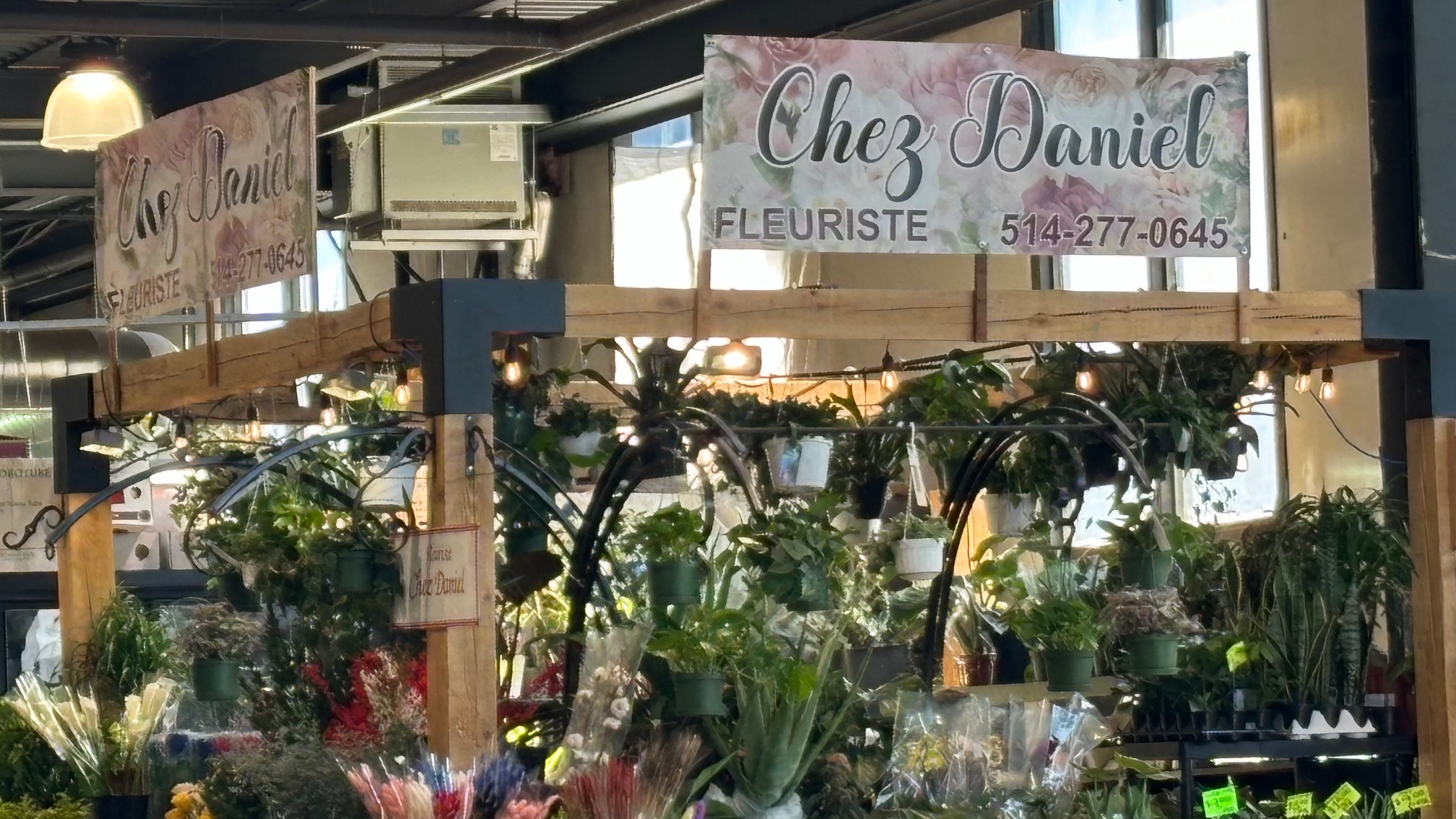
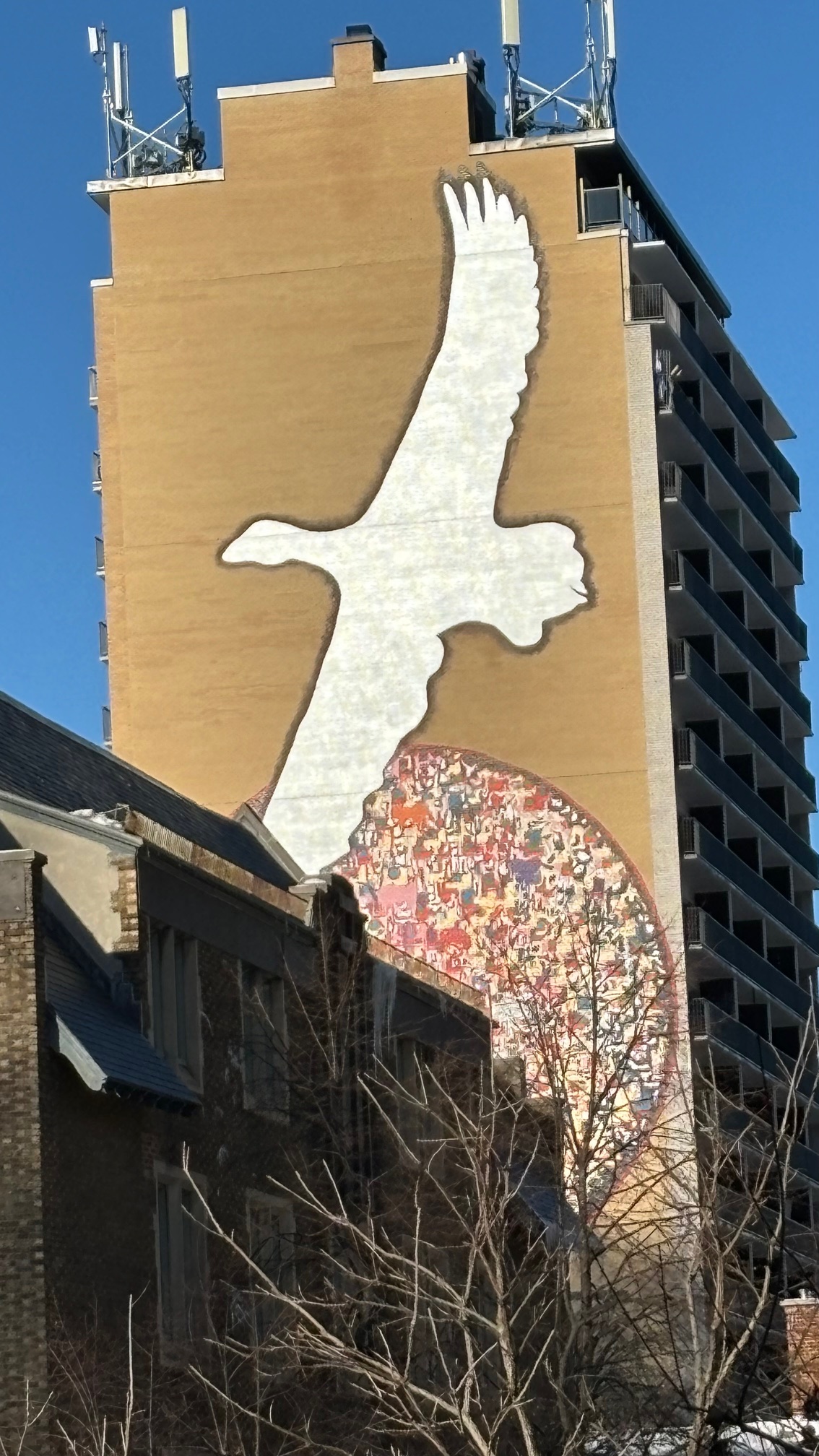
Camera: iPhone 15
Location: Montreal, Quebec, Canada; Jean-Talon Market
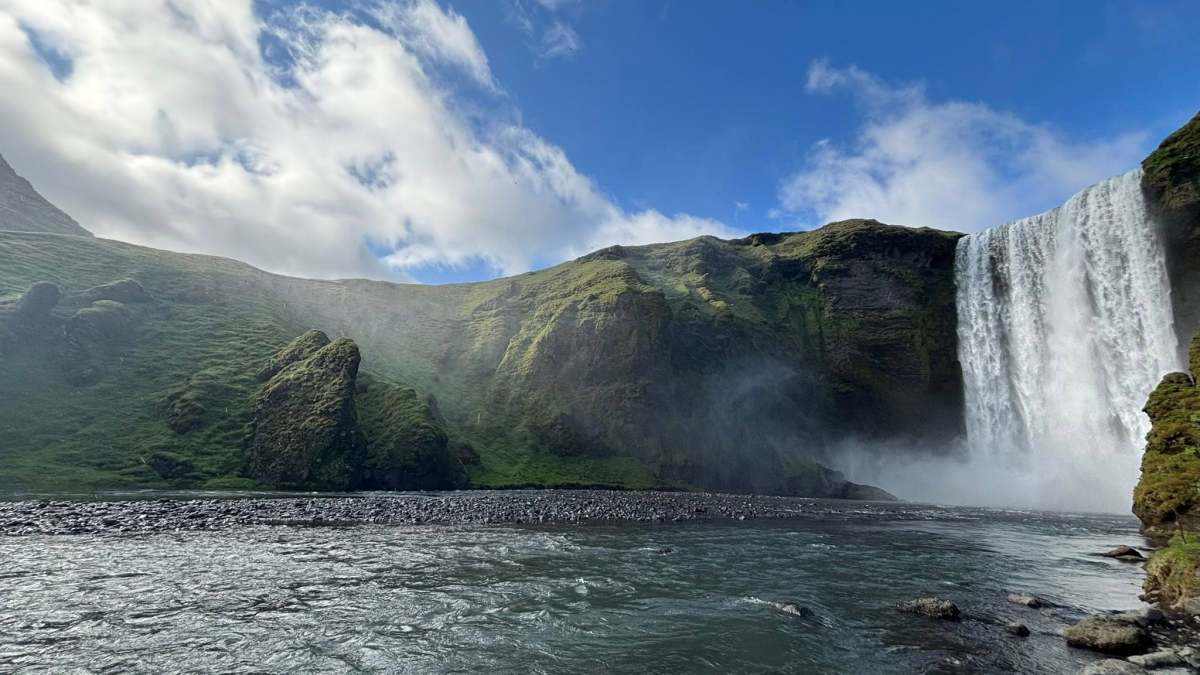
“Iceland is one of those countries that can combine stunning landscape contrasts with sheer natural beauty, putting the average traveler at ease and offering you unique opportunities to rejuvenate physically, mentally, and spiritually through its landscapes, culture, and way of life.”
Few places on Earth these days can put you in supremely natural environments for which you can really feel at ease in nature that has been properly conserved and taken care of. You can be far away from technology, city life, and cover a wide variety of landscapes in just a few hours. Iceland is one of those countries that can combine stunning landscape contrasts with sheer natural beauty, putting the average traveler at ease and offering you unique opportunities to rejuvenate physically, mentally, and spiritually through its landscapes, culture, and way of life.
It hits you the moment to fly into Keflavik International Airport like you stepped on to a new planet that is both desolate but alluring in its other worldly landscapes. You see the molten rocks, the green moss, and the blue lagoons, and think to yourself, where did I just end up? The whole country can captive you on a trip like few others can by offering ways to put your mind, body, and soul at ease. Away with the office, away from the hustle and bustle, and able to tap fully into nature and your surroundings like few other places I’ve ever been to personally.
Being able to hike, swim, kayak, rock climb, and engage in a variety of other outdoor activities throughout the year makes Iceland a physical playground to enjoy. You can rest or exert yourself or do both to give your body a healthy experience on top of being able to put your mind at ease by being away from your devices by tapping into your natural surroundings because they are just that engaging and varied. Iceland provides your soul a reset where you can forget your own troubles and that of the world’s for a while to focus on feeling better, relaxing, or living in the moment, and experiencing what it is to be disconnected.
When it comes to reinvigorating yourself physically, you have a wide variety of ways to do so while in Iceland. You can enjoy a large variety of geothermal pools and hot springs such as the Blue Lagoon, Secret Lagoon, Sky Lagoon, etc. In the Summer months, there are also several pools around the country that may be open to the public including tourists to relax and enjoy the long summer nights, where daylight is every present. After having partook in a few lagoon visits in my recent trip, I can say for sure that your body feels cleaned and refreshed after soaking in the mineral-rich waters and combining that with the country’s culture of saunas, steam houses, and the occasional cold plunge.
It is an impressive combination of thermal relaxation letting you fully destress and decompress for a few hours but with residual health benefits for months or years to come. In addition, Iceland prides itself on healthy, local, and pesticide-free cuisine from fresh seafood to Skyr yogurt, as well as farm-to-table and greenhouse-to-table dishes. As mentioned earlier, there are tons of outdoor activities promoting physical health such as hiking, golfing, swimming, horseback riding, and rock climbing among others.
Everyone needs peace and quiet in their life and Iceland provides that in spades. I believe the country can nourish the mind by allowing you to bask in the solitude that you can find in Iceland’s varied landscapes from waterfalls, glaciers, black sand beaches, and fjords. There are numerous psychological benefits to disconnect every now and then from modern technology and the stresses of urban life and I felt a lot better not being on my phone during my time in Iceland. Though I did need my phone for photos and GPS, the beautiful surroundings allowed me to put my phone away and really live in the moment to enjoy the gorgeous landscapes I was able to visit.
The pace of life is also much slower in Iceland and there is a cultural emphasis on being mindful, engaging with other people, and slow living. When you drive there, you don’t see road rage, people yield to each other in traffic, and the rules of the road are observed since there is no ‘rushing around’ without end that you find in other cultures. Because of the natural beauty and slower pace of life, there are many more opportunities to reflect and think while enjoying the expansive natural visits. Taking time away from technology and the ‘hustle and bustle’ can allow you to reflect on life and enjoying the moment more fully.
Our soul needs to experience awe and joy. I believe Iceland’s natural phenomena and beauty from the Northern Lights to the Midnight Sun really can provide that to each person who visits. This kind of perspective is reflected in Icelandic sagas, myths, and folklore about having reference for nature, being in touch with those people in your life who matter to you and living in a sustainable or balanced way with nature. Iceland is an extremely environment conscious country and should be commended for being clean, approaching net zero carbon emissions, and working to be sustainable in its relationship with nature.
People in Iceland live in harmony with each other and with nature from what I noticed and are a progressive nation in that they are tight knit, looking out for their neighbors, and want everyone to be lifted in their society. These kinds of actions culturally are good for the soul and the soul of any nation. While the weather can be rather unpredictable, costs can be high to visit, and the lack of sun in the Winter is challenging, Iceland is a spectacularly beautiful and welcoming country that I hope to visit in the future.
Iceland is a holistic country to visit that can really make you better off in mind, body, and soul for having spent some time there. It is a rejuvenating kind of travel experience that I hope you’ll consider giving a chance for yourself. We need these kinds of retreats in life where you have real time to relax, reflect, disconnect and focus on yourself without outside distractions. Whether its soaking in the blue lagoon, hiking on top of a glacier, or going fishing on a charter boat to catch fresh seafood for your next meal, Iceland is a country where you can really be at ease with yourself and the world around you. Take a week or two from your busy schedule and come discover the land of Fire and Ice; I promise you won’t regret it.