












Camera: Canon PowerShot SX710 HS
Location: Isabella Gardner Stewart Museum; Boston, Massachusetts

Camera: Canon PowerShot SX710 HS
Location: Isabella Gardner Stewart Museum; Boston, Massachusetts
Anything that is done in the creative process takes effort and hard work. Any work of art, any piece of music, any lengthy novel took days, weeks, months, and even years to create. The creative process allows any person to express oneself in any way they see fit. The idea to keep in mind is that it is best for somebody to discover what he or she would like to create based on what his or her interests are. They then must discover for themselves what exactly they are good at creating and what they have a passion for doing. Being creative cannot be forced on someone.
The person in question has to decide what they enjoy doing and how far their talent can take them. Sometimes, the person can discover his creative vocation on his or her own but other times, it’s often the recommendation of a close friend or family member who gives the person inspiration to continue on with their craft. The key to remember about the creative process is that it can add value to people’s lives and also provide substantive meaning for any human being.
Being creative allows you to step outside of yourself and observe the external world in some way to shape it in a way that you see fit. Whether it is painting, writing, sculpting, etc., you’re putting yourself out there to see how you can do it differently and how can you create something truly unique. The creative possibilities out there are infinite and it’s important to choose a hobby or interest that appeals to you and which you can devote serious time to.
Some other traits that you can develop besides being observant and aware of the world around you are to become more collaborative and open to learning from others. A creative person will learn from others who have come before him or her in order to develop themselves as an artist, writer, builder, etc. Without copying them directly or replicating their kind of work, a creator will take what they have learned and studied to develop their own style or add value to their field. You don’t have to become the next Mozart or Rembrandt but you should try to innovate or change up the creative field so as to do something that will be remembered in the future.
Collaborating with other creative people and working alongside them or just to learn from them can make you more skilled in your work. You can learn a lot of valuable lessons from other creative people and they can mentor you based on their years of experience if you’re just starting out. Even if you suffer setbacks or false starts, knowing that you have a network of people similar to you in your creative world who can give you advice or a new perspective will give you the extra motivation to continue forward and learn from your mistakes. Through collaboration, you’ll learn to be less defensive and tame your ego so that you can learn and become better at your creative vocation.
Harnessing your creative energies can make you more outgoing, more connected to the world and can make you more humble. In a world that seems to be moving faster and faster, being able to slow down, observe your surroundings, and collect your thoughts is a great way to fuel your creative impulses. While we cannot control much outside of our own choices and decisions, harness your creative abilities will give you a sense of control over the external world. You can also gain a lot of satisfaction from putting something out into the world even if it never gains popular recognition. To keep it as a healthy endeavor, exercising your creative abilities should never be done for the possible fame, fortune, or notoriety of it but rather for your own benefit.
Without any kind of creative outlet, humans can stagnate both mentally and physically. People can often be placed into two categories: producers and consumers. We have the capacity to do both but we are often told by the larger society and culture to consume, consume, and consume some more. While there’s nothing wrong with consumption within reason, being able to channel our energies into a productive endeavor can be good for both the mind and the body. This is especially the case when you’re working to solve a problem or to make life better for people. You don’t know what your own potential or capacity for creativity is until you begin to do it. Everybody has the ability to be creative but they have to figure out where they can contribute the most to an idea, a project, or a work of art.
There has never been a better time in human history to be a creative individual. The advent of the Internet and global social networking has allowed people of all backgrounds to express themselves in various ways. More than ever, the average person is a website, a YouTube channel, an eCommerce shop away from sharing their creativity with the world at the click of a button. While the creative process is long, challenging, and comes with no certain reward, the benefits to a person’s mental and physical health cannot be overstated. The Einsteins, Beethovens, and Rembrandts of the world knew that their creative contributions would change the world in one way or another. They did it not just for the world though but their own sense of fulfillment and purpose. Instead of asking themselves what they could receive from the world, they thought instead of what they could contribute to the world with their individual talents.
Being creative, innovative, and experimental comes with risks but also a number of rewards. Even if you fail or don’t reach your goals, you will still learn a lot about yourself as well as what you are capable of. The key is to keep working at it to find out what you are skilled at whether that’s being an artist, a writer, an architect, an engineer, etc. Everybody has a creative flame within them that can be harnessed and molded. You just have to figure out for yourself how to develop, practice, and become proficient in your craft throughout the creative process.









Camera: iPhone 8
Location: Barclays Center; Brooklyn, New York
Having a deep knowledge of verbs is crucial in order to develop one’s English vocabulary especially when it comes to differentiating between their varied forms. In order to understand verbs in general, we need to know that there are both ‘regular’ and ‘irregular’ verbs depending upon how their past tense and past participle are formed. It can be difficult to distinguish between the two types, as there is no set rule on what specifically makes a verb regular while another one can be irregular. In the case of this particular grammar topic, memorization and practice will make you better at using the correct form of the verb and to have a list of the verbs to study whenever possible.
When it comes to regular verbs, you should know that most verbs are regular verbs and that it’s very easy to change them to the past tense or the past participle. You’re simply going to add ‘-d’ or ‘-ed’ to the end of the verb in order to make it regular in the past tense. A good example of a regular verb would be ‘to play.’ In order to keep ‘play’ as a regular in either the past tense or in the past participle, you would add ‘-ed’ to the end of this word to make it ‘played.’
Example: “I played soccer with my friend Jeremy last night.”
Sometimes, you don’t even need to add –ed to the end of the regular verb but rather just the letter ‘-d’ to make it grammatically correct. A good example of that would be for the verb ‘to dance.’ In this case, you could add ‘-d’ to ‘dance’ to make it ‘danced’ for it to be a regular verb in the past tense.
Example: “We danced as a couple for the first time on our wedding night.”
Short List of Regular Verbs
Talk
Create
Walk
Want
Use
Help
Move
Call
Live
Follow
In each of these ten regular verbs, the simple past and the past participle are both the same and come with an –ed at the end of the verb. When it comes to a few select regular verbs, you may change a ‘y’ in the word for ‘-ied.’ For example, ‘try’ is the regular form of the verb in the present but to change it to the past tense, you need to drop the ‘y’ and add ‘ied’ to become ‘tried.’ Also, the regular verb ‘stop’ is an exception in that you add an additional ‘p’ after ‘stop’ as well as put on ‘-ed’ after the ‘p’ to create ‘stopped’ for the simple past and past participle. Regular verbs may have some variation to their formation but not as much when compared to irregular verbs.
Unfortunately, to the consternation to those English learners looking for an easy fix to the regular v. irregular verb debate, there is no magic wand or solution to know a rule to differentiate the two categories. It is known to most that there are over two hundred and fifty irregular verbs in the English language, which is a manageable amount for the average learner to remember since there are thousands of active verbs in the English language. While there is no strict formula or rule behind what separates a regular vs. an irregular verb, there are some fairly common forms of the irregular verb to be aware of.
Short List of Irregular Verbs
Arise
Become
Choose
Deal
Drink
Eat
Forget
Leave
Lose
Mean
Examples:
(Simple Present – Simple Past – Past Participle)
Break – Broke – Broken
Swim – Swam – Swum
Drive – Drove – Driven
Bear – Bore – Borne
Begin – Began – Begun
Examples:
When it comes to irregular verbs, there are three types of verbs that we can remember in terms of formation.
The first type is when the verb is the same for the simple present, simple past, and even the past participle. (Examples: put, hit, read)
Put – put – put, hit – hit – hit, read – read – read
The second type is when the verb is the same for two of the three grammar forms. (Examples: sit, keep, lend)
Sit – sat – sat, keep – kept – kept, lend – lent – lent
The third and last type is when the verb is formed directly for each of the three grammar tenses. (Examples: know – grow – freeze)
Know – knew – known, grow – grew – grown, freeze – froze – frozen
Regular and irregular verbs can be even trickier when you realize that a verb can be both regular and irregular at the same time. Now, while that isn’t very common, it can happen every now and then so it’s important to familiarize yourself with those few examples that can be both regular and irregular as a verb.
Examples:
Burn – burned – burned (regular)
Burn – burnt – burnt (irregular)
Learn – learned – learned (regular)
Learn – learnt – learnt (irregular)
Smell – smelled – smelled (regular)
Smell – smelt – smelt (irregular)
In the case of these verbs, the difference between what’s regular and irregular is the ending of the word. Instead of adding an ‘-ed’ to the simple past or the past participle, you can add an ‘-t’ to the verb to make it irregular.
Overall, the topic of regular and irregular verbs can cause some confusion to the average English learner. However, the best way to be better adept at this topic is to really study these grammar tables and to consult your dictionary as well. Building up your vocabulary by using these verbs in your sentences will help you better understand whether or not it is regular or irregular in terms of its’ usage in the past.
Having a list of both regular and irregular verbs is key in terms of mastering the usage of them. There are also only two hundred and fifty irregular verbs so with time and effort; you will be able to separate them out from the thousands of regular verbs in the English language. Patience, diligence, and a good dictionary will help you become proficient in learning and using both regular and irregular verbs.
‘There Will Be Blood’ is a masterful, enticing film about how greed, corruption, and arrogance can destroy a man’s soul. Definitely one of the best films of this young 21st century, There Will Be Blood will be remembered for generations to come for its’ acting, cinematography, and direction. There are a number of things that make this film memorable including its’ cast, director, and musical composition.
In addition to all of that, the plot is written well, the characters are intriguing, and themes are still timely when compared to the modern era. While not the most popular film when it was first released, ‘There Will Be Blood’ has become a bit of a cult classic since it came out in 2007, over ten years ago. The film was nominated for eight Academy Awards and won two of them for ‘Best Cinematography’ and ‘Best Actor’ for Daniel Day-Lewis.
Considered the best Actor of his generation, Day-Lewis is a unique talent who can transform him into vastly different performing roles and deliver outstanding and award-winning performances. In addition to winning the Best Actor award for ‘There Will Be Blood’, Day-Lewis also won Academy awards for the films ‘Lincoln’ and ‘My Left Foot’, which were the exact opposite kind of roles to play as an actor.
Daniel Day-Lewis is able to stay in character for months or years on end to totally immerse him in both the story and the lines that he memorizes. It’s a truly impressive accomplishment to win one Academy Award but Day-Lewis was able to win three and is nominated for a 4th award for his most recent role in ‘Phantom Thread.’ Other noteworthy aspects of this film is the directing by Paul Thomas Anderson and the musical score by Jonny Greenwood who both set the tone for this movie’s themes and plot line.
Unbeknownst to most, the film’s screenplay and overall plot was adapted from American novelist Upton Sinclair’s novel Oil! Which focuses on the oil boom in the western United States during the late 19th to early 20th centuries, and the men who made themselves wealthy from the discovery. Instead of covering a topic as deep and complicated about the oil rush over a few decades in a dramatic film, Paul Thomas Anderson chooses a protagonist named Daniel Plainview (played by Daniel Day-Lewis) to be the lens through which the audience witnesses the birth of the lifeblood for the modern American economy.
Anderson’s goals for this film in my opinion were to show how the U.S. and its’ oilmen were not so innocent when it came to the pursuit of wealth. In the quest to reap the profits of the oil boom, there was a lot of backstabbing, double-crossing, and short-shrifting between different competing companies. This film takes a hard look at how the protagonist Daniel Plainview loses his soul in the pursuit of wealth and prestige. In addition, There Will Be Blood is an examination of the push – pull relationship between capitalism and religion and how they are often linked together to pursue their goals.
There Will Be Blood’s setting takes place at the turn of the 20th century. Daniel Plainview, the main protagonist starts out as an ordinary silver miner looking to become wealthy from that pursuit. However, this changes in 1902 when he discovers oil near Los Angeles, California, and decides to create his own drilling company. At the beginning of the film, Daniel can seem to be like any normal prospector of that era and also selfless in the fact that he adopts the son of a fellow co-worker who was killed in an accident. The boy is named H.W. and Daniel seems to care and cherish the child. However, the audience soon finds out that it is not love that Daniel strives to have in his life but rather wealth and influence in the oil industry.
Daniel promotes himself as a ‘family man’ largely in order to curry favor with other businessmen and potential employees of his company. The main antagonist to Daniel is Eli Sunday, a preacher in nearby Little Boston, California, who wishes to get a good sum of money from Plainview in order to build his church. In exchange, Daniel gets access to all of the land under the town in order to build wells to drill for oil where there is a vast amount underneath their feet. Despite the fact that they have an agreement in the exchange of land for money, Daniel betrays the deal and berates Eli for his religious beliefs and the exploitation of his son’s deafness for his own financial gain. It is clear to the audience that both men are out for themselves but need each other in order to acquire wealth or a religious following.
Such as has been the case at times throughout history, religion and capitalism have been intertwined in an unholy marriage leading to disastrous results. Daniel uses Eli in order to get all of the oil wealth from under the town while lying about the amount of money he would give Eli or the town itself to build up their infrastructure. Eli uses Daniel’s money to build his mega-church but exploits H.W.’s misfortune of becoming deaf as a means to accuse Daniel of being a ‘bad father’ and a ‘sinner’ even though the freak accident was out of his control.
If I had to highlight two example scenes for somebody to check out before watching this movie, it would be the ‘I’m an oil man’ speech by Daniel Plainview to the townsfolk of Little Boston. You can see from this speech and from the overall scene that he does not care so much for the people in the town or what he can do to help them. The music combined with his lying through the teeth boasts show that he is not being genuine and is in this pursuit of oil for himself and himself alone.
“I’m an oil man speech”: https://www.youtube.com/watch?v=AHz-zZoBnbc
The other scene to highlight from this film is known as the ‘Fire’ scene, which is a brilliantly shot and executed scene. It’s amazing in its’ portrayal of the discovery of mass amounts of oil under a well indicating that Daniel Plainview is to become a very wealthy man. However, it’s at the same point in this scene where he realizes that his son, H.W. is to become deaf due to an accident near the well. At this scene, you can see Daniel change as a person to become more focused on his future as a ‘oilman’ than one as a ‘family man’ to H.W., his adopted son.
‘There Will Be Blood’ Fire scene: https://www.youtube.com/watch?v=GKJAH-XBNNs&t=240s
Throughout the film’s events, you can see that Daniel does not care about family or religion at all. While he enjoys the company of H.W., he holds over the fact that he is not his biological son and does not want to give him any financial support to strike it out on his own. Daniel has no care for organized religion besides getting permission to gain workers and oil from underneath the town’s feet while contributing the bare minimum to Eli’s church or the rest of the town. As his last name reveals, ‘Plainview’ has a plain view about human nature that is very pessimistic and jaded.
Daniel only cares to get as much out of people as to benefit himself and his company personally. You wonder though by the end of the film what is in it for Daniel besides money and alcohol. He may have become a wildly successful prospector and oilman but what does it all mean if he is left alone and friendless. If you’re going to go into business, why not do it for the benefit of others and not just yourself? However, the view of Daniel Plainview is that life is a zero-sum game and that you can’t trust anybody but yourself.
Eli Sunday, while a pragmatic preacher and someone who seems to care about the townsfolk of which who are part of his church, still does a deal gone south with Daniel Plainview in the pursuit of easy money. Eli is easily bullied by Daniel but still goes around trying to convince him to change his ways and repent as a sinner. While Eli means well and wants the best for the church and his town, he does not go about it in the right way leaving him at the mercy of Plainview.
While Eli Sunday and Daniel Plainview are both excellent at what they do, you have to consider that they are both very flawed human beings. They may have built a popular church to preach in (Sunday) or massive oil wells to enrich themselves (Plainview) but life will still be lacking for them if they have no love and compassion surrounding those achievements. That may be the main message for the person viewing this film. Wealth, notoriety, and personal prestige are not everything in life and that there are other things that you should focus on that really touch your soul as a human being.
“There’s a whole ocean of oil under our feet, and nobody can get at it except for me!” There Will Be Blood is an excellent story about extreme capitalism and religion gone wrong. Both protagonists pursuit of their own selfish goals hurts the other characters in this film. However, what would modern America be like without the preachers and the oilmen? While not as dramatic as this fictional movie, the discovery of oil and the spread of the gospel are intertwined with American history.
“Discipline is the hardest yet most important personal trait for an adult to develop.”
Discipline is the hardest yet most important personal trait for an adult to develop. In previous articles such as A Wealth of Knowledge and A Lifetime of Learning, I covered the importance of learning new things and making them apart of your skills and abilities. I want to continue on a similar note for this article on the topic of ‘daily discipline.’ We often think of having discipline in terms of avoiding that delicious piece of chocolate cake or making sure you don’t procrastinate when you’re studying for a test. However, discipline is so much more than that as a concept. The best definitions for discipline in my opinion focus on controlling one’s behavior and honing it towards a certain goal you have in mind.
Another definition that discipline is often associated with focuses on training yourself mentally or physically in order to do an activity or go through an experience. Discipline can be one of these definitions or both depending upon the context of its’ usage. It’s not difficult to obtain basic discipline when it comes to controlling your food habits or in participating in an activity that can happen on a weekly or monthly basis. However, the real test of discipline is making something a daily habit or being able to do something positive for yourself on a daily basis that takes some effort.
The first kind of daily discipline is committing to do something every day that will benefit you either mentally or physically. The key to improving or reaching your goal is to do it every day. If you want to see rapid gains in your abilities, you have to commit to it each day for as long as you can. For every person, this is a little bit different depending upon what goal you’re trying to reach and what activity you want to focus on.
The activity could be lifting weights to get stronger by committing yourself to do it every day or at least every other day. Even if you’re not lifting weights, you could be doing push ups, sit-ups or squats. More generally, you want to be doing some kind of exercise every day for an hour and you should see results if you’re disciplined about it. The ‘daily’ part of the discipline factors in because you won’t see much improvement if you’re only exercising once a week. The same goes for playing sports or doing martial arts. You won’t improve much in soccer if you only play or practice once per week. You won’t become a black belt in Brazilian Jiu Jitsu if you only train once a week.
When it comes to mental discipline on a daily basis, there are a variety of ways in order to accomplish this. Being able to sit down and read from a book each day for thirty minutes or an hour straight without stopping is a good example. Concentrating on learning a new language every day consistently whether it’s focusing on grammar, vocabulary, speaking, and/or writing it is key in order to make progress. If you want to develop a new academic skill like getting proficient at coding or statistics, you need to be able to sit down and work on those skills consistently for at least an hour a day. When it comes to these mental tasks, one day per week is simply not going to cut it. Similar to physical activities, in order to become proficient at mental activities, you really need more than just monthly or weekly discipline; you need daily discipline. Daily discipline takes a serious amount of effort and hard work which means that it’s not for everyone. However, if you’re able to prepare yourself both mentally and physically, you’ll be able to make progress and reach your goals.
The second kind of daily discipline is not just doing the activity but doing it well. What I mean by that is that you have to be concentrating solely on that activity. You should not be checking your social media, texting your friends, or watching Netflix at the same time. This kind of discipline takes narrow and complete focus. It’s simply a fact from my own experience among other people I’ve read about is that you have to be working on the one mental and/or physical activity at a time in order to achieve the most gains. This is the hardest part when it comes to having discipline because there are so many distractions in today’s world so that it can be difficult to focus only on one task at a time.
However, I’m telling you that it is completely possible and you need to have a strong sense of self-control in order to be able to do it. Daily discipline is not for everybody and it’s going to take sacrifices. If you really want to achieve something great, you really have to dedicate a lot of time and effort to it. Unless you are a natural-born genius who excels in all areas of life, you won’t be able to achieve your goals unless you’re dedicated to it 100%. If you want to do something badly enough, then you need to put the time and effort necessary into it in order to become great at it.
To use myself as a personal example, I’ve written over one hundred thousand words on my blog at this point. I would say that I’m a good writer but I have a long way to go. I’m humble about my abilities because I’ve read some truly excellent writers who have a lot more dedication to the craft than I do at the moment. I’m hoping to change that in the future but to be a great writer; it takes serious discipline, focus, and a canny ability to make observations about the world in a succinct way. I still have a goal to become a great and renowned writer but it’s going to take a lot more time and effort on my part. I have to be committed to it and to keep practicing which is what this website is for.
As I mentioned in the previous article, The Passage of Time, time is precious and it is fleeting. You have to choose what you devote your time to. That being said, if you have a serious goal that you want to accomplish or a physical / mental activity that you want to excel at, you need daily discipline. An hour a day every day of the week will put you on the right track more so than just an hour per week total. If you would rather binge watch Netflix or play games on your smart phone, then that’s the choice you make, but if you want to really excel at more things in your life, you’re going to need serious discipline and it’s going to have to be daily discipline. Good luck.
Knowing how to pose a question in English is a key component towards developing proficiency in the language. You’ll be able to better get around a city, ask for directions, find nearby places, and ask for the meaning of something among other uses. When it comes to getting the specifics in characteristics, times, places, people, and things; having the ability to create a question is a key part towards getting the information you need to make a decision or understand something new.
In order to do that, we need to become familiar with the different options for question words in English. Question words mainly come at the beginning of a sentence and come in seven different forms although there are variations within each question word. For this article, we will be focusing on the seven main question words: ‘why, when, where, what, who, which, and how.’ Each of these seven question words are used under different circumstances and for different reasons. First, I’ll break down how we use each question word and also give examples about how to use each of these words in a basic sentence.
Why
When you use the question word ‘why’, you’re trying to get a reason, a meaning, or an explanation from someone about something that happened. You are trying to get the purpose out of what has happened or occurred. ‘Why’ is most often used in the past tense and can be related to a prior event or procedure. If you’re looking to understand what the cause or reason for something is, you’ll want to use ‘why’ for this kind of question.
Examples:
When
For the question word ‘when,’ its usage centers around being able to know about a general or specific time and/or place. If you’re on public transportation, ‘when’ would definitely come in handy when you need to ask about the arrival or departure of a bus, plane, or train. Asking about a person’s preferences when it comes to how they manage their time is also useful for ‘when.’ The past, present, and future tenses can all be used with ‘when’ as well with no problem.
Examples:
Where
If you want to inquire specifically about places and locations, you’ll need to use the question word of ‘where.’ In order to get to know somebody better, you can also ask about where they have been to as well as where are they going. ‘Where’ is often focused about inquiring about places but it can be used to get to know somebody better as well.
Examples:
What
Out of all of the question words, the word ‘what’ has the most potential uses compared to the others. You can ask about people’s preferences such as their likes and dislikes. You can use ‘what’ in order to describe people, places, and things in greater detail. The physical and character descriptions are easy to make when you ask the question starting with ‘what.’ Lastly, one can inquire about the kind / type of people, place or thing by beginning the question with ‘what’ in order to get more details.
Examples:
Who
For the question word of ‘who’, you’re always going to be using it to ask about people. You’ll never be using ‘who’ to describe a thing or an object. With ‘who’, you’ll mainly be making object kind of questions as ‘who’ will form the subject and which will also form the answer to this question. The person’s name and/or their personal preferences will be highlighted in the answer to a ‘who’ question.
Examples:
Which
The last of the –Wh question words is ‘which.’ While it may be the least used of all English question words, its purpose is quite important. If you’re making a choice between a number of options such as people, things, or objects, you’re going to start this kind of question off with ‘which.’ Additionally, if you’re inquiring about the type or the kind of an object or thing, you will use ‘which’ to understand the specific model or function.
Examples:
How
Not every question word in the English language begins with –Wh and so last but not least, we have the important question word of ‘How.’ When you use this question word, you usually combine ‘How’ with an adjective right after to form the sentence. The main usage of ‘How’ is to ask about the specific characteristics, qualities, and quantities of persons, places, or things. When it comes to discussing a price, a length of time, a frequency of an event, or height / weight measurements; using ‘How’ would be your best bet.
Examples:
In order to use question words, we first must understand and memorize why and how they are used. The functions of each question word are very important to know about. Without a base knowledge of their similarities and differences to each other, it will be much more difficult to form the correct question. These seven question words in English have a lot of overlap but it’s important to know how they are unique as well as how they can best be used to make sure you’re understood.
Contrary to popular belief, one’s education does not stop when you finish high school, college, or even graduate school. While formal education is often necessary and useful especially for skilled and professional fields, it is not the end all be all for actual learning. Even if you have been through 12 – 18 years of formal schooling, that doesn’t mean that you should stop learning. If anything, you may have the time, the money, and the ability now to study and learn about subjects that you never had the chance to before. Learning doesn’t stop in your teens or in your 20’s. It’s a lifelong process and you should never want to stop learning.
In a previous article titled, “A Wealth of Knowledge”, I highlighted a number of ways and places where you can continue to learn new things to broaden your horizons and expand your interests. As I mentioned previously, we are currently living in a time where knowledge is seemingly infinite, more affordable, and easier to access than ever. While information, data, and subject matter is limitless in the ways that it can be obtained and analyzed, the ways in which you can stand out as a learner is in how much time you devote to the learning process and how dedicated you are to absorbing this knowledge.
Whether it’s coding, learning a language, or developing financial literacy, the amount of effort you put into it will decide how much you get out of it. Even if you’re just learning a new skill or subject as an interest or hobby, it will help you to stand out from the crowd. If you use part of your free time to develop yourself by learning a new skill or trade, it is guaranteed to help you both personally and professionally. There are also different types of learning so if you happen to decide to revisit subjects you forgot about from high school like algebra, physics or chemistry, you may be doing your brain a favor. If you’re not so much into math and science but enjoy the written word much more, perhaps you would be better suited for strengthening your reading, writing, and editing skills. You may want to start your own blog like I did, or become a freelance editor to make extra money, but you are using your personal interests to further your learning to make yourself well rounded.
Reading a new book each month, learning a language for one hour each day, or doing a daily crossword puzzle takes both discipline and effort. A lifetime of learning is not for everyone because it takes some characteristics that some people aren’t capable of implementing. You have to set goals when you’re learning outside of a university or a class setting. Only you will be accountable for your actions and how far you go when it comes to your outside the box learning experiences. It can be difficult to learn new things when you don’t have a teacher or professor looking over your shoulder but you’ll develop more self-confidence, maturity, and intellectual depth by being able to learn and study on your own.
When it comes to learning by yourself, in addition to no one holding your hand through the process, don’t expect others to recognize the work or effort you put in to it. You should be learning for yourself and not for the approval of other people. If you’re expecting recognition just for reading a lot or creating your first website, the world doesn’t work like that. Being confident in your abilities, proud of your efforts, and seeing the fruits of your labor change the world in some way is the icing on the proverbial cake when it comes to taking the initiative to learn.
To make the excuse that you don’t have time or you’re too old or it’s going to be too hard are not good enough. There’s a popular expression that you never know until you try. How can you know that you’re going to fail if you haven’t even tried yet? Don’t limit yourself based on your educational background as well because you may find that you were bad at mathematics but ended up becoming a great coder when you gave it a shot. If you find that you don’t like what you’re learning or that you’ve made little progress over the period of at least a few months of serious effort and hard work, then it may be a good idea to do something else.
You should always be learning something, especially when it’s something new. Letting your creative and intellectual juices stagnate is not good for either the mind or the body in my opinion. Even if learning new things may become more difficult as you get older, it’s still not impossible and it would be good for your mental dexterity. Do not let pressure from your friends and your family prevent you from learning. If they love and care about you, they’ll support your thirst for knowledge. Reading a book, learning a foreign language, or playing an instrument are activities that we should always be encouraging in people regardless of their age and background.
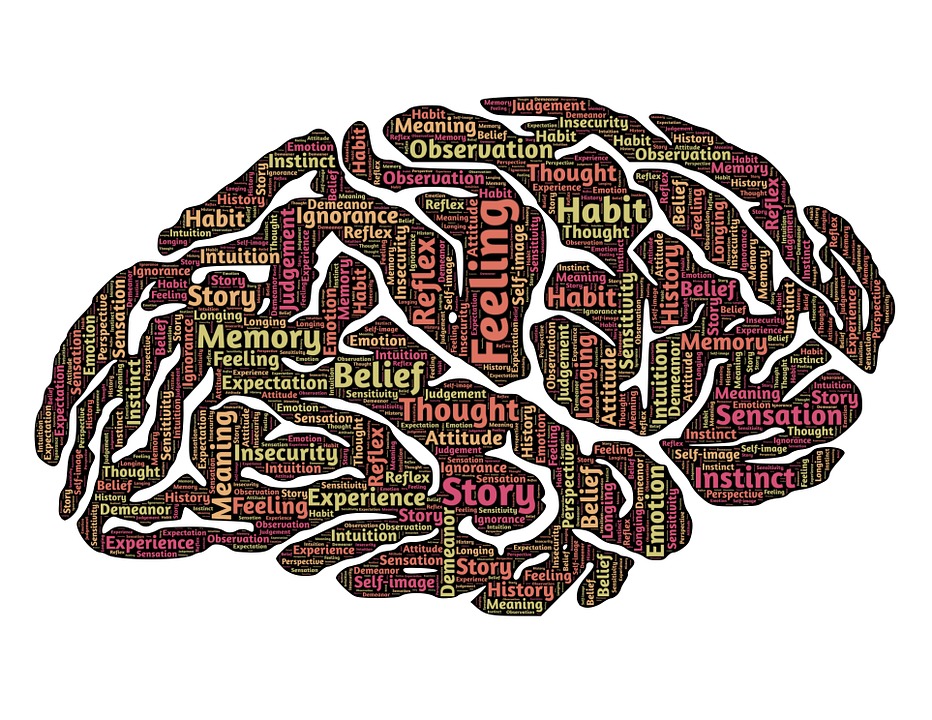
Learning new skills has many mental benefits especially for the brain. ‘Myelin’, the white matter that makes up a good portion of our cerebral nervous system becomes denser when we learn new skills allowing us to improve our performance when it comes to processing new information. In addition to your brain chemistry seeing a boost, the more you learn, the more neural pathways are formed in the brain allowing the electrical impulses to fire off quicker than ever making it continually easier to learn new things. It’s a positive feedback loop for your brain when you learn on a consistent and unyielding basis.
Existing knowledge that you’ve compiled is also more easily retained because you’ll be making connections between the new information you’re learning and the old information that you remember clearly. Having more knowledge and more learning experiences is proven to make you a more interesting person as well. Being able to discuss a wide variety of books or have a detailed conversation with another person in a foreign language are great ways to form deeper connections with people and to boost your self-esteem.
If you’re bored and don’t have much of a challenge in your life, then try something new! Putting yourself to the test with learning a new skill is perhaps the most rewarding thing you can do in your life. In this hyper-technological age, adapting to change is a key trait that you’ll need to take on in order to succeed both personally and professionally. Adapting to the times often means learning new skills so if you embrace this process, you won’t be as afraid of change and you will be better able to meet those challenges.
As mentioned before, your brain is full of muscles that need to be exercised like any other part of the body. You don’t want one of your most important organs to atrophy and stagnate. A good way to prevent the onset of dementia and Alzheimer’s is to keep learning throughout your life to make those degenerative, painful diseases less of a possibility. Learning is contagious so if you have a friend or a family member who seems bored by life or wanting to pursue something new, give them a few suggestions and see what they do with them. Practicing a new language or joining a book club are examples of ideal social activities that are focused around these new learning experiences. A lifetime of learning can truly do a world of good.
Source: Preventing Alzheimer’s Disease
One of the consistencies of life that never changes is how much time there is in a day. You have 24 hours in a day to do everything that you need to do. You can also keep in mind the fact that there are seven days in a week, 52 weeks in a year. Any human being on the planet doesn’t know how much time they will be given because none of us are guaranteed tomorrow. You may be thinking that you’ll live to be 100 years old and get to accomplish everything you set out to do but life tends to get in the way of our preconceived plans.
All you really have when it comes to time is the here and now of living in the present. While it’s the law of science that we have 24 hours in a day here on planet Earth, as humans we’re really down to 16 hours a day or even less if you’re a deep sleeper. Then, you have to take into account that time you’ll need to put away for eating, drinking, commuting and working to make money, which are more necessities of life than things that we enjoy doing every day.
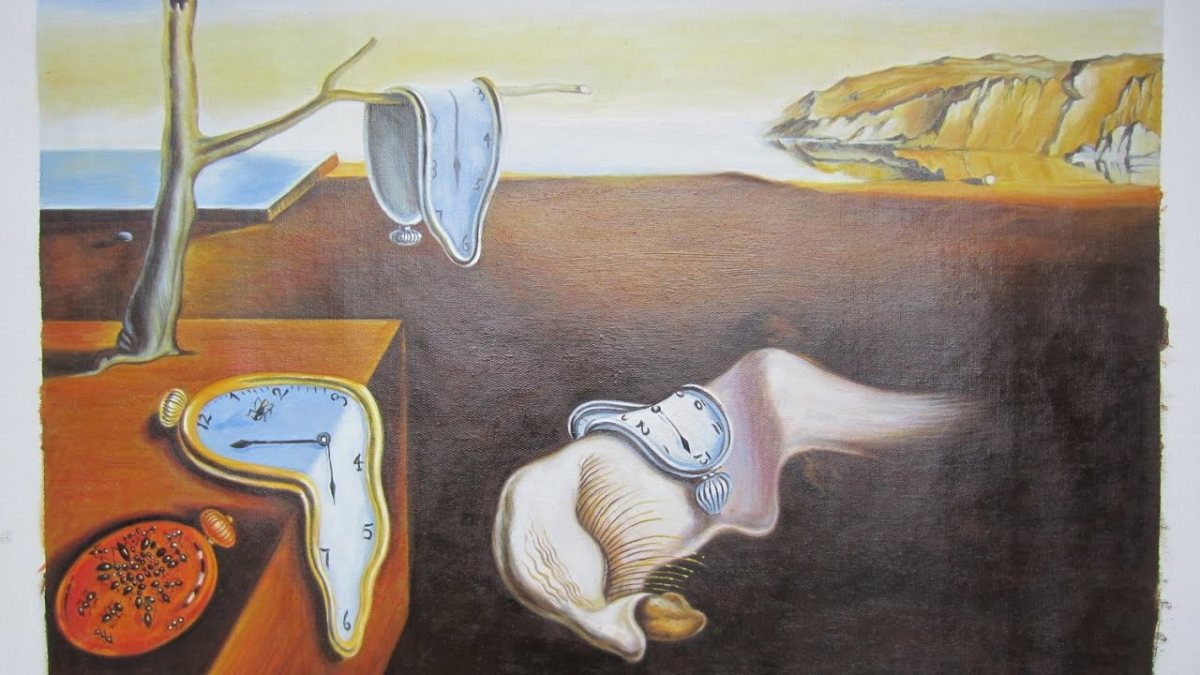
Based on how finite time really is in our lives, it becomes more impactful the older you get. A common theme that you hear from people especially in the 30’s and beyond is how fast time seems to fly by. I’m starting to think about that more and more as I head into my later 20’s about how the days, weeks, months and years are starting to go by quicker than I would like. It could be argued that after you enter your 20’s or after you leave college, time starts to pick up and you become more sensitive to its quickening pace. When I was in childhood, time felt like a limitless ocean and that my life would last forever. However, when you become a fully- grown adult, you realize just how naïve that childhood belief is. It also plays into the fact that we have much less responsibilities when we’re younger and have a lot more time to play, learn, and socially develop ourselves.
With adulthood, your conception of time does a complete 180 as you now have a lot of responsibilities based around earning a living, taking care of yourself, and maintaining your personal interests. You have much less time for play and a lot more time devoted to work. Because of the limited amount of time that we have in a day, you start to think more about what you should spend on it. Everybody is going to have different priorities with their time but the older you get, the more you realize that you want to spend it well because time is precious and fleeting.
A direct consequence of time passing is that you start to value certain things more and other things less. You have to be able to choose about who is worth your time and who is not worth your time. That’s a harsh truth but you cannot make time for everyone so you have to figure out who you are compatible with or what kind of activity or vocation is worth your effort. For example, I used to love playing video games when I was younger but as I got older, I realized there were other activities and hobbies that I was more interested in and would be worth more of my time. That’s why I’m writing this article for my audience instead of playing Grand Theft Auto V all night long (even though that’s a great game). Similar to one’s interests and hobbies, the way you use your time in your life is inevitably going to change.
Prioritizing who or what matters to you is a crucial part of being an adult and is also necessary for good time management. You may not see your parents as often as when you were a child so you’ll make the trip to visit them every Thanksgiving and/or Christmas even though you hate dealing with airport security and bad traffic. That’s why you’ll plan activities with friends a few weeks in advance because you don’t see them as often as you’d like because you’ve been busy working on a new business idea.
Because our time becomes more limited as we get older, you have to plan in advance and think deeply about what is worth your time. While time is limited, it’s always a good idea to try new things and be consistent about it. If you’re going to the gym in your spare time, make it a habit and even go a couple of times a week. When you’re not working, do those things that make you happy or that challenge you in some way. Spend time with those people who matter to you most and who treat you well.
You don’t have to plan your time down to the minute and it’s good to be spontaneous every now and then such as taking an impromptu vacation. However, you don’t want to spend time doing things you dislike or pass the time with people who you don’t like. In order to live a happier and healthier life, you’ll need to cut out the bad and keep the good. Doing work that is meaningful, enjoying activities with good friends, learning new things are all productive ways to spend your time. Also, you should try your best to balance your life out so that work isn’t taking up too much of your time where you don’t have enough time to pursue other interests.
Whatever you decide to do with your time, remember that it does not discriminate among people. It’s the same for everybody in the world. From when you wake up to when you go to sleep, that time is yours and yours alone. You alone have to make the choice of what to do with the time that is given to you. While there are obligations and commitments that we all have to fulfill, you have the power to use your time as you see fit.
You can’t get the time back so use it to the fullest and remember that it’s finite. While you shouldn’t overwhelm yourself with too many things taking up your time, remember that you shouldn’t put off possible interests, hobbies, or opportunities forever. You don’t want to wake up one day and realize you wasted too much time and didn’t get to do all of the things you wanted to do. Time is fleeting and you never know when it’s going to run out. As the Roman poet Horace once wrote in the year 23 BC, “Carpe diem”, which translates in English to mean “Seize the day.” I couldn’t agree more.
The phrases ‘will’ and ‘going to’ are very commonly used to express oneself in the future tense. It’s important however to know the difference in how they are used and under what circumstances should they be applied.
If you’re making a quick decision about something or someone, you’re going to use ‘will’ instead of the alternative of ‘going to.’ Also if you’re offering to help or assist someone, then you would use ‘will’ as well. When it comes to making a promise or a threat, ‘will’ is what you should be using before the verb. Lastly, ‘will’ is also used when you want to refuse a gesture or a gift from somebody. The five instances of making a quick decision, offering something, making a promise and/or threat, and refusing a gesture or a gift will all use ‘will’ when it comes to the future tense.
Examples:
1.) I will buy you dinner tomorrow night.
2.) He will help you get out of the car.
3.) She will promise us to watch the dog while we go out to brunch.
4.) If they don’t stop marching, we will shut down the bridge to stop them.
5.) They won’t help us if we are not willing to cooperate with them.
When it comes to using ‘going to’, the circumstances of usage are not as frequent when compared to using ‘will’ for the future tense. When ‘going to’ is placed in a sentence, it’s often for discussing a prior plan that you have confirmed with friends, family, or other people in your life and is a definitive plan. When something is likely to happen and the result is inevitable based on the current evidence, you would also use ‘going to’ to describe the outcome. The last instance where you would use ‘going to’ over ‘will’ is when something imminent is about to happen and there’s not much time left until it occurs such as an event.
Examples:
1.) I’m going out dancing with my best friends tonight at the Salsa club in Havana.
2.) New England is likely going to win this football game. They’re up by 21 points at halftime.
3.) The race is going to start immediately after the gun fires in the air.
The one instance where ‘will’ and ‘going to’ overlap with each other in terms of usage deals with making predictions that are likely to happen in the future. In this regard, both ‘going to’ and ‘will’ are equal and both create the same kind of meaning in the sentence.
Example:
1.) I think it’s going to rain tomorrow evening in Seattle.
2.) I think it will rain tomorrow evening in Seattle.
As you can see in this example above, there is no discernible difference between these two sentences in terms of meaning even though they use ‘going to’ or ‘will’ interchangeably without any issues. If a student of the English language is to master the future tense in grammar, he or she will need to know the differences and similarities between the phrases ‘will’ and ‘going to.’ They can be applied in a number of different ways so it’s important to study the examples above and also think about their reasons for being used in the future tense.