The Power of Mentorship

Since the days of ancient Greece, the concept of mentoring or mentorship has been apart of human recordkeeping and history. The naming of the word itself ‘mentor’ is said to have come from Homer’s ‘Odyssey’ where the main character, Odysseus, while getting ready to leave for his famous voyage, decided to leave his infant son behind. Because he didn’t want to leave his son alone considering how long his ‘odyssey’ could be, His infant son, Telemachos, was left in the care and companionship of Odysseus’s friend named ‘Mentor.’ From this allegorical story from Homer, we get a sense of how longstanding the idea of mentorship has been around and why it has lasted throughout the centuries.

Why exactly is mentorship so powerful? Well, there are a number of reasons why it can be such a helpful and important part of a person’s success. People very rarely can do everything by themselves and to have the ability to seek out someone who gives them both their time and expertise without asking for anything in exchange is what makes having a mentor so powerful. Now, not everybody starts out being the best mentor. It’s a skill like any other skill that takes time to develop. It’s also impossible to mentor somebody in every aspect of his or her life.

It would be better to focus on an area where you think you can be a good mentor and lend help to another person. For example, if you’re good at writing and consider yourself to be a writer, you should want to mentor someone else who’s aspiring to be a writer and not someone who wants to become a mechanical engineer. Your mentoring has to line up with the mentee’s aspirations and what they hope to do in the future. Mentorship doesn’t only have to be professional advice but it can also involve be personal advice as well. Mentorship can range from how to learn a new skill set in order to make more money to being able to manage your personal relationships better.

Before mentorship can begin though, a level of trust has to be built up over time between the mentor and the mentee. When you’ve taken upon the role of the mentor, it’s important to make sure that you think that the mentee can be successful and that they can put in the work and effort to reach their goals. If somebody is mentoring you, it’s important to make sure that you know them well already, you respect them, and you find that they have good expertise and knowledge in the field or area that you need mentoring in.

A mentor doesn’t have to be a boss or a co-worker. It could also be a friend or family member who you have a close relationship to and is able to give you sound advice based off of their personal and/or professional experiences. When it comes to mentorship, it has to be a consistent and long-standing relationship between two people. The mentor and the mentee should be meeting on a weekly, bi-weekly, or monthly basis together in order to make actual real and sustained progress on both their short-term and long-term goals. If you’re only meeting with a mentor once every month or every three months, it’s not going to work out and you’ll be lucky to make any lasting progress. If mentorship is done right, the mentee will see themselves go far in the area, skillset, or field that they’re focusing on especially if the mentor is giving out real, practical advice that they themselves have proven to work.

For mentorship to be successful, it’s important that this kind of relationship between two people be a two-way street and not just a one-sided affair. The mentee should not be getting 100% of the benefits out of the mentorship because respect and appreciation has to be paid from the mentee to the mentor. Time, as we all know, is quite valuable and for a mentor to be giving his time freely to the mentee especially on a weekly or monthly basis is a very selfless thing to be doing. While the mentor should not expect anything in return right away, a healthy mentorship would involve the mentee taking it upon himself to show his appreciation and thanks through small gestures. It could be buying your mentor a gift for the holidays or buying them a ticket to a baseball game or a concert but it’s important to show that you care about the mentorship and that you realize it’s nice to give back every now and then.

If you’ve built up a strong personal friendship with your mentor, it would be nice for the mentee to spend time with the mentor outside of their formal meetings / sit-downs, etc. For example, if you two have shared interests outside of business, you can go out together for dinner, or do an activity together. Mentorships don’t have to be strictly business all of the time and the best mentorships are when both parties like each other and would consider themselves to be good friends. One of the key powers of mentorship is its’ sustainability and longevity when it’s done right. A fruitful mentorship of months and even years can definitely change the course of a person’s life. While not the easiest thing in life to take upon oneself, being a mentor to someone is one of the most rewarding things a person can do and it’s an easy way to make the world a bit better than before.

Unfortunately, true mentorship today isn’t as prevalent as it used to be and is a far cry from what it was like just a generation or two ago. Most people today do not have a mentor in their lives to help them who can they rely on for good advice without paying money. If you’re able to be a mentor to someone who needs your help or advice, it is something that should be seriously considered especially if that person has a lot of potential. Mentorships shouldn’t always be thought of in terms of the mentor being older the mentee in terms of age.

That’s a fallacy in that there are ways in which older people can learn from younger people especially in this current digital age of technology. The power of mentorships lies in the inherent decency of one person helping another person to get ahead in life in any way that they can. The mentee can then take the advice to heart and work hard to improve themselves in professional and/or personal ways. The mentee should show gratitude and appreciation to the mentor because having a good mentor who is generous with his time is not easy to find these days. While mentorships and apprenticeships were more common a generation or two ago, they are exceedingly rare nowadays. If you’re able to have a good mentor in your life, remember to be grateful for it and pay it back in the future by mentoring another person who is growing through the same struggles and setbacks that you once conquered yourself.

If there were more active mentoring going on between people, not only would their own individual lives improve over time but also that of the local community and society as a whole. When more and more folks are willing to give back to others in their community and help them out consistently, that helps out the society in general. The power of mentorship is also a reminder that we’re all in this together and we should try to spur on success of others rather than kick them down a notch. You’ll feel happier and more engaged in the world to when you give mentorship a shot so I encourage those of you reading this article to go out there, think about why mentorship is important, and figure out if that is a calling that you personally would like to take upon in the future in an effort to help other people help themselves.

English Corner – Prepositions of Place

In this ‘English Corner’ blog post, we are going to go deeper into the topic of prepositions, which we have covered previously but I want to highlight the specific ‘prepositions of place’ that are a large part of this expansive grammatical topic. The thing to keep in mind when reading this article is to focus mainly on the examples listed below to see how, when, and why these preposition words such as ‘at, on, and in’ are used. There are different reasons that are given when it comes to each of the ‘preposition of place’ words and how they end up being used in a sentence. Later on, I will highlight the ‘prepositions of time’ and how they are utilized when compared to the ‘prepositions of place.’

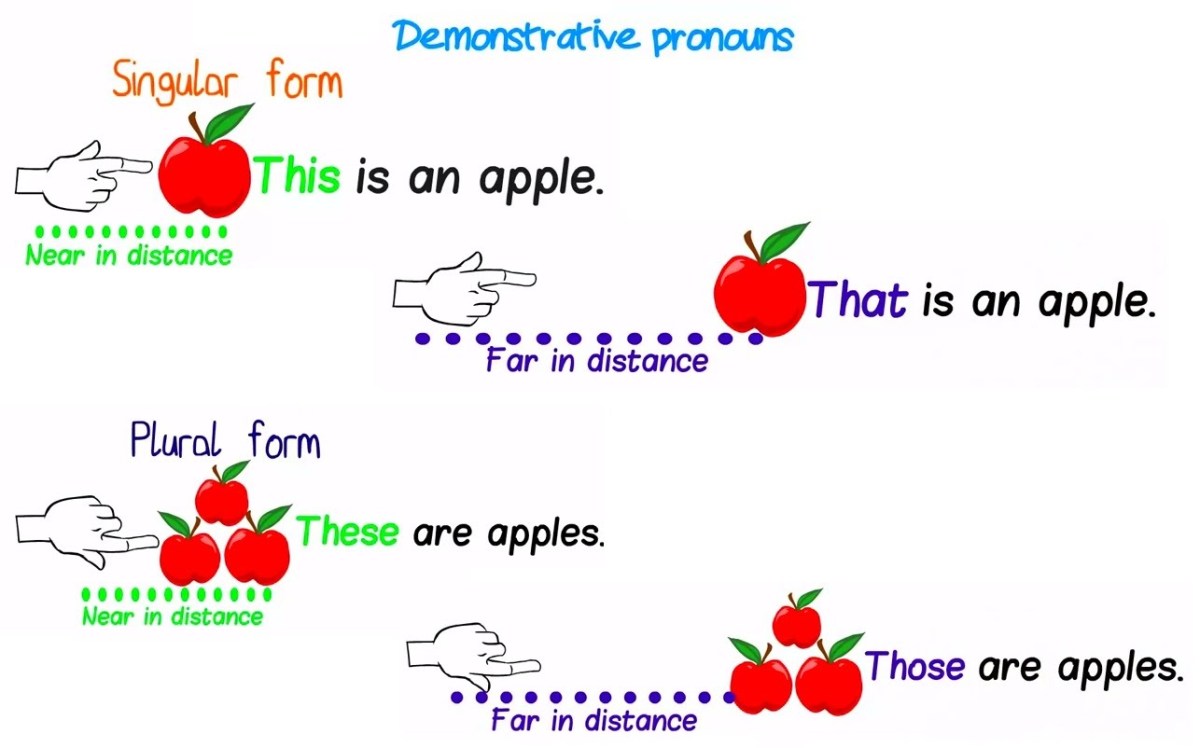
When it comes to ‘prepositions of place’, the main point of this type of prepositions is to show where something or someone is located, usually in a physical sense. The three major words that are ‘prepositions of place’ are ‘at, in, and on’, which also come up the most frequently in terms of usage. ‘At’ is used in a very specific manner in terms of being referred to for a specific location, place, or position.

Here are some examples where we can use ‘at’ as a ‘preposition of place’ in the right way:

  1. I was at Jonathan’s birthday party last night.
  2. We lived together at 8 Drury Lane for two years.
  3. They danced with each other for the first time at the Senior Prom.

When you use the prepositional word ‘on’, the meaning and usage for it is a little bit different than ‘at.’ For ‘on’, you’re going to use it to indicate the position of an object, thing, or person on a horizontal or vertical surface such as a desk, table, floor, etc.

Here are some examples of how we can the preposition ‘on’ in a sentence:

  1. The boy is playing on the playground.
  2. The basketball was bouncing on the court surface.
  3. I put my cowboy hat on the kitchen table.

Similarly to ‘at’, ‘on’ can also be used for positioning when it comes to streets, roads, and avenues.

Example: I used to live on Beacon Street.

The last major ‘preposition of place’ would have to be ‘in’ which is quite frequent in its’ usage. In terms of its’ meaning, the preposition ‘in’ is used for something or someone that is enclosed or surrounded.

Here are some examples of how we can use the preposition ‘in’ in a sentence:

  1. The check is in the mail.
  2. The letters are in the mailbox.
  3. She is in the high-speed train going home from work.

In addition to discussing enclosed or closed off places and spaces, the preposition ‘in’ can also refer to a position within a general area such as a town, city, country, region, country, continent, etc.

Example: I used to live in Istanbul, Turkey but now I live in London, England.

It’s important that the average English learner be made aware that there are many more prepositions of place besides the main ones, which are ‘at, in, on.’ There are many other prepositions of place words, and it would be an exhaustive list to go over the meaning and usage of each one. However, it would be better to highlight another couple of preposition of place words that come up frequently but not as often as ‘in, on, at.’ The other ‘preposition of place’ words would be after, among, behind, between, in front of, next to, beside, by, over, above, under, below, and beneath. Here are some examples of sentences that use these other preposition of place that were just mentioned above:

  1. The dog jumped over the wheelbarrow.
  2. He was hanging out by the pool on his off day from work.
  3. She checked under her bed to see if her pet gerbil was there.

There are dozens of examples that could be made with prepositions of place. However, it’s best to focus mainly on the particular prepositions of place such as ‘at, on, in’ and to understand clearly when, why, and how we use them correctly. While a sub-topic within ‘prepositions’, knowing what prepositions of place are and how to use them correctly in the grammatical sense will help you to become a better English learner and student.

———————

If you’re looking to improve your English through private lessons with me on a one-to-one basis please check out my ‘Learn English with Ben‘ page here: https://benjweinberg.com/learn-english-with-ben/

You can also check out my ‘English Grammar’ courses on Teachable.com here: https://benjweinberg.com/my-grammar-courses/

The Massachusetts State House

IMG_0139IMG_0140IMG_0141IMG_0142IMG_0146IMG_0147IMG_0148IMG_0149IMG_0150IMG_0151IMG_0160IMG_0161IMG_0162IMG_0145IMG_0143

CameraiPhone 6

Location: Massachusetts State House; Boston, Massachusetts

‘Babel’ – Film Review and Analysis

There’s a famous story from the Book of Genesis in the Bible that is known as the ‘Tower of Babel.’ It’s a mythic story about how human beings were once speaking the same language around the world and were able to communicate seamlessly enough where they were able to build a magnificent tower to reach the heavens. Humanity is united and in peace with each other given that they share the same language, culture, and geographical location.

After the ‘great flood’ washed away and receded, humanity wanted to build the tower of Babel in order to reach God and the heavens. In the story, God is befuddled by this show of hubris and ego that has united humanity together in building this tower to reach his presence, and decides to make humanity speak different languages, and separates people into different tribes located in different places around the world. The confusion of languages has a major impact on humanity causing a breakdown in communication, and leading to the future certainties of conflict, violence, and overall suffering.

Alejandro Gonzalez Inarritu has created a beautiful film named after this allegorical Biblical event titled, Babel (2006), which was released over a decade ago, and was a winner of Best Original Score at the Oscars as well as six other Academy Award nominations. The film was released to critical acclaim and has garnered a lot of recognition for its’ themes of globalization, cultural and language miscommunication, and the powerlessness of people to control critical events that happen in their lives.

‘Babel’ features an ensemble cast of actors from around the world, which include Brad Pitt, Cate Blanchett, Gael Garcia Bernal, Koji Yashuko, and Adriana Barraza. ‘Babel’ is an intriguing film in that the characters and situations in the film take place in three different parts of the world but are interrelated with each other. The sequences of events that occur are out of order but are shown to connect with each other as the film goes on. As for the countries where the film is set, they include Morocco, Japan, Mexico, and the United States. A lot of credit must be given to Mr. Inarritu for weaving these three storylines together without making it too hard to follow or too farcical to be believed. The aspects that make this film unique are the interweaving storylines, the excellent acting, and the themes and questions that ‘Babel’ poses to its’ audience.

The stories that make up ‘Babel’ show how unrelated and seemingly random events at the time can end up turning people’s lives upside down. The overall plot of ‘Babel’ starts out with a Japanese businessman giving a rifle to his hunting companion / tour guide in Morocco as an innocuous gift. This event seems harmless as a moment between two men of different countries and cultures sharing a gift but which causes different events of the movie to unfold over three different continents.

The hunting rifle that makes its’ way to Morocco, is eventually sold by Hassan Ibrahim, who receives the rifle from his old Japanese hunting partner and the rifle ends up in the hands of a goat-herder named Abdullah. Perhaps not using the best judgment as a grandfather should but not seeing a problem with it, Abdullah gives over the hunting rifle to his two sons, Yussef and Ahmed, who want to use it to ward off jackals from killing the goats in their flock.

The boys who are only teenagers and are not skilled with weapons end up practicing the range of the rifle and end up practicing the firing of the rifle on rocks, a moving car, and then the bus. The two boys do not really know the danger that they’re playing with and they don’t know who is on the bus they’re firing the rifle at. The Western tourists who are travelling through Morocco are also unaware as to what is about to happen and are trying to enjoy their trip to a foreign country. Susan, played by Cate Blanchett, is an American woman sleeping on that bus filled with Western tourists and is trying to get some rest when she is shot in the neck accidentally by one of the Moroccan boys with the hunting rifle.

Her husband, Richard, played by Brad Pitt, is caught unaware of what happens to his wife, Susan, but quickly catches up to the reality that his wife is severely wounded in a foreign country where he doesn’t speak the language, and he doesn’t have control of the situation. After losing their third child recently to the SIDS disease, Richard and Susan’s marriage is on the rocks and they took the trip to Morocco to get the spark back in their love life. In some scenes of the film, they seem angry, confused, and emotionally distraught after the tragic death of their infant child.

While Richard and Susan are on vacation in Morocco as a means to save their marriage, their two children are in the care of their long-term nanny who is originally from Mexico. Amelia (played by Adriana Barraza) is put into a difficult situation after Susan’s injured state becomes known. She is an undocumented person working in the United States illegally but she has been a nanny and housekeeper for Richard and Susan for many years. She treats their children like her own son and daughter after being a personal caretaker for them. It is made clear to the audience that Adriana has been in the U.S. for over a decade and a half and she has close ties to the American family.

During the film, Adriana is put into a very difficult situation, as she has to go back to Mexico for her son’s wedding but is unable to leave Richard and Susan’s children by themselves at the house in California. Because Richard can’t leave Susan’s bedside, they are delayed in their arrival back to San Diego. Against Richard’s wishes, Adriana decides to take their children with her to Mexico for the evening to enjoy the wedding of her son. Everything is fine for Adriana and the children at the wedding until her nephew, Santiago, decides to drink heavily during the celebration. He is shown to be intoxicated before driving on the way back to U.S.-Mexico border with Adriana and the children causing a number of unfortunate events that upends the lives of all those who are involved in his serious mistake.

The last part of the storyline takes place in Japan and focuses mainly on a teenage girl named Chieko Wataya (played by Rinko Kikuchi). Chieko is deaf and is unable to hear the outside world. On top of that, her mother recently committed suicide, which Chieko became the first witness to leaving her traumatized and inconsolable. She struggles in her attempts to relate to people anymore and is frustrated with boys her age. It is implied that her father and Chieko don’t have the best relationship with each other and haven’t discussed the traumatic event of her mother’s suicide.

During this storyline, it becomes clear that Chieko is confused, lonely, and looking to receive love from a father-like figure since her own father has been so absent in her life. Without spoiling the ending of this storyline, it is also revealed that Chieko’s father is the one to originally give the hunting rifle to the Moroccan man, Hassan Ibrahim, who he met on his trip there. The police eventually question Chieko’s father about why he sold his rifle to Hassan, and how Susan’s wounded state has become a major political point of contention between the U.S. and Moroccan governments.

Overall, Alejandro Gonzalez Inarritu does an excellent job of bringing these four storylines over three continents to life, and is able to tie them together seamlessly. ‘Babel’ is a story of human beings living their lives in their own ways within their own cultures but who get caught up in external events beyond their control. Inarritu is able to capture how interconnected our world is today in the early stages of the 21st century whether we would like to be aware of it or not. Seemingly unrelated events to each other are able to cause powerful effects that can change people’s lives when they least expect them.

A Japanese man goes on a hunting trip in Morocco, enjoys his Moroccan hunter’s company, and gives him a gift. That Moroccan man sells the rifle to a local goat-herder who lets his two sons practice with the weapon, and they fire the gun consecutively without knowing the damage it can do. The boys, not trying to do harm intentionally, end up shooting accurately at a bus that happens to be filled with Western tourists. An American woman who is catching some sleep catches a stray bullet and starts to bleed to death. She has to seek help from the local Moroccans in the village, and her wounded status causes a political feud between the U.S. – Moroccan governments over whether or not the act was ‘terrorism.’

While she’s recovering from her wounds, her housekeeper half a world away takes her children to Mexico to see her son get married at a wedding. Her nephew uses poor judgment on the drive back to the U.S. from Mexico and makes a fateful decision that changes Adriana and the children’s lives. ‘Babel’ was one of the first movies of the 21st century to really capture the phenomenon of globalization, and how actions that happen half a world away can affect other people’s lives directly. In this movie, we see how people try to do their best as people do, and often times don’t mean to do harm to others intentionally.

Sometimes, people can get caught up in making decisions that they think are good at the time but end up having the opposite effect. ‘Babel’ is not a simple black and white film with truly good or truly evil people. This is a film that understands that there are various shades of grey to life, and that it is difficult to control everything that happens to us and the people in our lives.

Overall, ‘Babel’ is an emotionally charged film that reminds us how people, things, and events can be misinterpreted. When you as an individual come from different cultural and language backgrounds, there are things that are likely to be lost in translation with another person of a different background. Unfortunately, miscommunication is apart of life, and problems are going to occur when people are unable to understand and connect with each other even if they do speak the same language with each other.

As the Biblical story goes, humanity ended up being divided by different languages after trying to be unified in their desire to build up a singular tower to the heavens. We are said to have been punished for our hubris and ego, which caused us to be separated from each other as we were spread out intentionally across the globe.

The audience is left to wonder at the end of ‘Babel’ if there is a truly happy or sad ending to take note of. The plain truth of the ending to me is that ‘Babel’ purposely shows all the elements of the human experience from Chieko’s joy at going to a rave party with her friends to Adriana’s pure despair at losing Richard and Susan’s children in the Mexican desert.

‘Babel’ shows us that life has its’ inevitable ups and downs, and that we can only control so much about our own lives, and many things are often out of our control yet still happen to affect us deeply regardless. Still, this brilliant film captures the resilience of its’ characters who try to make amends for their mistakes, and want to become better as they figure out the complexities and difficulties that make up life. I highly recommend ‘Babel’ to others and hope that it will get the recognition it deserves for years to come.

USS Constitution 220th Anniversary and Head of the Charles Regatta

22688008_10159366808305262_4588052671143962007_n22688902_10159366808395262_4729354069572982806_n22555000_10159366808575262_3491509295398557863_n22549844_10159366808785262_9195479170625921047_n22688562_10159366808695262_9084972316984606405_n22552614_10159366809210262_7603151149935310572_n22549738_10159366809205262_4060032975434527134_n22728718_10159366809020262_1399246638696222734_n

CameraiPhone 6

LocationBoston, Massachusetts; Cambridge, Massachusetts

English Corner – Second and Third Conditionals

To follow up on the previous article about the ‘Zero and First Conditionals’, it’s important to continue on with the ‘conditionals’ unit to explain the second and third conditionals as well. In order to fully understand conditionals, we need to know every type of conditional, and when and why do we use them in sentences. If you’re struggling with the second and third conditionals, it’s important to learn how to form either conditional in terms of its’ structure, and then learn how to use the conditionals by following the examples that I will be creating for you.

Let’s begin with the 2nd conditional first. As always, the second conditional is going to start with the word ‘If’ as is the case with the zero and first conditional. However, the second conditional focuses mainly on the ‘past simple’ grammatical tense, and how to make the second conditional compatible with expressing what you would do in the past if something were to have happened to you. Usually, the second conditional is good for talking about things in the future that are probably not going to become true.

It’s also used secondly for occurrences going on in the present, which are considered to be impossible or unfeasible because they are not true. The second conditional usually expresses desires, wants, and needs that are more unrealistic and unlikely than those that would be expressed in the first conditional. Also, with the second conditional, you’re going to focus on the past simple tense rather than the present simple tense to go along with the ‘If’ + the subject of the sentence. In order to get a better idea of the 2nd conditional, let us take a look at a few examples of this conditional in action.

Examples:

‘Talking about the future’

  • He would travel to Japan if he had the money.
  • If they did their homework earlier, they would have went to the movies.
  • If I won the Powerball lottery, I would have bought my parents a nice house.

‘Talking about impossibilities in the present’

  • If I were you, I wouldn’t do that.
  • If you had studied harder for the exam, you would have done better.

The main thing to remember about the 2nd conditional is the unlikeliness of something to happen in the future or in the present. You’re also referring to an unlikely possibility in the past to discuss what is not realistic in happening in the future.

Last but not least, it’s important to know about the third conditional in terms of its’ formation, usage, and examples. It’s a very simple formula when it comes to creating the third conditional. While the second conditional focuses on ‘If’ + past simple, the third conditional focuses on a formula of ‘If’ + past perfect à would + have + past participle’ in order to create a complete sentence.

When we use the third conditional in a sentence, we talk mainly about the past as well as to discuss a situation that didn’t really happen. We can also imagine the hypothetical results of a situation that didn’t actually occur, but that we would like to think about the possibility of. It’s important to remember that the ‘past participle’ is often added to the second part of a third conditional sentence, and can be switched to the first part of the sentence as long as the ‘if’ remains part of the other half of the conditional sentence.

Examples:

  • If I hadn’t eaten so much candy on Halloween, I wouldn’t have gotten sick.
  • She would have become a doctor if she had been able to afford medical school.
  • If we had taken the subway, we would have arrived at the airport earlier.
  • If they had been telling the truth about the food fight, they wouldn’t have gotten in trouble with the school principal.
  • If he had showed up for the job interview on time, he would have been hired on the company.

When it comes to any conditional whether its’ the zero, first, second, or third, it’s important to take the time to really study this grammatical concept. You need to put in the time and the effort to study the formula, the usage, and practice with some example problems in order to memorize how to create the sentence. There are plenty of ways to practice the conditional sentences, and it’s important to study this concept consistently in order to master it.


Traditions

Why are traditions important? Why do we continue to pass down certain rituals, celebrations, customs, etc. from generation to generation? This is not a simple question to answer but I’d like to discuss my reasoning as to why traditions are important and why they should stick around in this article. In this day and age, there seems to be a movement against traditions and a counter-movement to think only about the present and what’s to come in the future.

I think that this view on traditions is shortsighted and inconsistent with human nature. While not all traditions are sustainable, useful, conscientious, or inclusive, there are numerous reasons as to why traditions should stick around, and why people should embrace traditions as being apart of how they live their lives. While people love to look forward into the future, it’s important to heed the customs and the ways of the past.

By observing traditions and celebrating them at times, we connect ourselves to past generations and rekindle the flame of days gone by. This is especially pertinent when it comes to the traditions instilled within us by our families and our communities. If we choose not to uphold those traditions instilled in us by past generations of family and friends, then we are doomed to lose traditions and the value that they held in our hearts and in our minds.

Each person must decide how much to incorporate the traditions of the forefathers into their lives and to what degree. However, to completely disavow of those traditions that lift the human spirit and are positive, and rewarding is to disregard one’s ancestry and upbringing in a sense. Not all traditions should make it from one generation to another but if there are traditions that are meaningful to you, and connect you to the past in a good manner, then those traditions should be continued and passed on to the next generation if that is the road you wish to take.

Having a tradition or traditions also helps you to create memories whether its’ with acquaintance, friends, or family. The memories around traditions are likely to be good ones and you’ll look back on them one day thinking about how special it was to celebrate or observe that tradition with the people you most care about in the world. While the tradition may only take an hour, a day, or a week, the memories of it will stay with you for a lifetime.

Also, it’s important to remember that traditions only come around every now and then whether it’s once a year or sometimes less than that so it gives you something to look forward to. Traditions give people a chance to relax, to enjoy, to reflect, and to be at ease in their lives surrounded by people who feel the same way. While the planning and the execution of traditions can be stressful and filled with anxiety, the payoff is worth it in the fact that you’re carrying on what’s been done for years, decades, or centuries beforehand, and that fact is something to really be proud of. Good and worthwhile traditions will likely lead you and others to count down the weeks and days until you can observe, celebrate, and reflect upon the special occasion.

It can be very difficult to get family and friends together under the same roof and near impossible especially if you live in different states or in different countries. Traditions give families an excuse to get together, laugh, talk, eat good food, and enjoy time together. Once your family starts a shared tradition together, it can be hard to let go of it. When traditions are observed, everybody has a role to play so it gives a chance for family members to connect with each other by having a personal stake in making sure that the tradition is observed in the correct manner. The ability to bring families together is a beautiful thing in life and sometimes it is only possible through the observance of a shared tradition. It can be difficult for family members to agree on everything but it’s likely that the thing they’ll all have in common is a desire to keep the tradition going, and make it a successful one.

Having a sense of identity is another reason why traditions are powerful. By connecting people to ideals, values, and beliefs, greater than themselves, your identity can truly feel whole. Being able to belong to a certain group, or a certain place can be quite healthy for most people, and to celebrate a healthy tradition as a group can really help to create a good sense of identity within an individual. It can be easy to lose your sense of identity nowadays, but by tying your identity to a set of values and ideals related to a group or your family through different traditions can help you feel like a whole person.

In a world where the present and the future take precedence, traditions can connect us deeply to those who came before us and to the past itself. Traditions from the past are important to preserve and uphold, and it’s a way to connect generations to each other. For myself, my traditions involve thinking about those who came before me and the sacrifices and struggles they went through in their own lives. Traditions are always passed down from generation to generation so that others and I in my family could celebrate and observe the traditions that are rich in history, religion and culture. If traditions are not followed and maintained in the current generation, then they are doomed to die out before being passed on to the next generation. If you or other family members refuse to pass on traditions to a member of the next generation, they will go extinct one way or another.

Finally, not all traditions are worth keeping or observing. Certain traditions can be harmful and carry a heavy height that people should not be forced to burden themselves with. Not every tradition created by humans is worthwhile, fair, or just. You don’t need to follow traditions if they don’t align with your moral conscience. Traditions can be good or bad, and they reflect upon our human nature.

The beauty of traditions is that you are given the choice, which traditions you would like to uphold to preserve and pass on to other people. If a tradition is aligned with the core values, beliefs that you have as an individual, then you should feel at ease with continuing it into the future. However, you should not seek to force your traditions on other people, and you should not preach about the superiority of your traditions when compared to the traditions of others. When it comes to traditions, use your best judgment and figure out which ones would be best to observe and celebrate with your family and friends.

Our ties to the past whether its’ through our ancestors, our family history, or our understanding of the world as it once was, is tied to our traditions. If you decide to forgo all traditions, then you are doomed to forget the past. Having a connection to the past through our traditions is a powerful thing and being able to celebrate them in a healthy manner should be encouraged. The memories we make with family and friends, the identity we gain from them, and the values and beliefs we pass on to the next generation make traditions a beautiful part of our existence on this planet. Whether its’ sitting down to a yearly Thanksgiving dinner, going to church weekly, or marching in a parade to celebrate your heritage and culture, traditions are apart of both who we are now and who we once were.


You may ask, how did this tradition get started? I’ll tell you…I don’t know, but it’s a tradition!” -Fiddler on the Roof

English Corner – Zero and First Conditionals

These are the first two types of conditionals to be aware of when it comes to studying this particular grammar topic of conditionals. The ‘zero’ conditional is formed when it comes to discussing general truths and things that can happen under certain circumstances. It’s important to know how to form the ‘zero’ conditional, and how to create sentences using it.

The second type of conditional to study is the ‘first’ conditional and is used for discussing possibilities that can occur in the present or in the future. I will be writing about the first conditional and how its’ made along with its’ usage in English grammar. The ‘zero’ and ‘first’ conditionals are the most frequently used and it’s important to be aware of how to use them and when to use them in sentences.

When you form a ‘zero’ conditional sentence, there are two parts or clauses to it that make it a complete sentence. The first clause in the sentence is the ‘if’ clause and the second clause is the main clause that completes the sentence. The ‘if’ clause usually begins at the beginning of the sentence followed by the main clause. It’s important to note that you don’t need to begin the ‘if’ clause with if but rather use ‘when’ instead to start the sentence.

Here are some examples of how to form and put the zero conditional into action:

Example:

If you cool water to 0 degrees Celsius, it freezes.

When you use the ‘if’ clause first, you’re going to have to put a comma there before using the main clause which in this case is ‘it freezes.’

However, if you were to put the ‘if’ clause second in the sentence, you don’t need to use a comma at all to connect the sentence’s clauses together.

Example:

Water freezes if you cool water to 0 degrees Celsius.

When it comes to the grammatical basis for an ‘if clause’ sentence, you’re going to want to follow this formula of formation.

‘if clause’ – ‘if’ + subject + simple present verb = complete sentence

‘main clause’ – subject + simple present verb = complete sentence

Now that you know how to form the ‘zero’ conditional, it’s important to see some other examples in order to get a better sense of how this particular conditional is used.

Examples:

  • If you heat the snow, it melts.
  • If it rains a lot, the flowers get wet.
  • Forest fires don’t start if there is no drought.
  • If you cross time zones, the time changes.

When it comes to the first conditional, you have to make sure to follow a similar formula to the zero conditional but with keeping a few differences in mind. The first conditional or conditional type 1 is used for talking about current possibilities or those that are possible to happen in the near future. Similar to the zero conditional, the first conditional has a basic structure that should be memorized.

A first conditional sentence has two clauses which consist of the ‘if’ clause and the main clause. Instead of simply addressing the simple present tense as the zero conditional does, the first conditional can reference the future with the simple future tense in its’ sentences. The ‘if’ clause can either come first or second in the structure of a first conditional sentence; it’s really up to your personal preference as the learner. You can have the main clause go first instead or have it come second after the ‘if’ clause. The most important thing to remember is that the first conditional must address the future primarily and not the present as the zero conditional does.

Here below are a few examples of the first conditional in action:

Example:

  • If you do your homework, you will pass the class.

The ‘if’ clause goes first in this sentence followed by the main clause and the use of the future simple tense with ‘will.’

Example:

  • You will catch the train if you run fast.

In this first conditional sentence, the main clause goes before the ‘if’ clause, and there is also no comma used because of this change in the sentence structure. You should notice that ‘will’ and the simple future tense is still being used regardless of which clause is used first or second.

Example:

  • I will dance Salsa if I hear the music.

For this particular example, you should note that there are two different verbs being used for their respective clauses. ‘Dance’ comes with the main clause while ‘hear’ goes with the ‘if’ clause for the second part of the sentence. Since the sentence begins with the main clause, you don’t need the comma to make a complete sentence.

Now that you know how to form the ‘first’ conditional, it’s important to see some other examples in order to get a better sense of how this particular conditional is used.

Examples:

  • If you drop the glass, it will break.
  • If the airplane is full, I will leave.
  • We will not go to the movies if the tickets cost $12 each.
  • They will not leave Disneyland if they do not get a refund.

Conditionals are a popular English grammar topic and it’s important to know how and when to use them with your sentence. The zero and first conditionals are only the first two types of conditionals that can be used in English. For the next ‘English Corner’ blog post, I will be focusing on the other types of conditionals that are sure to come up in your English grammar studies. Study the examples above and you should start seeing some progress with this particular grammar topic!

The National at Boch Center

IMG_0053IMG_0055IMG_0057IMG_0059IMG_0061IMG_0067IMG_0070IMG_0072IMG_0074IMG_0077IMG_0080IMG_0084IMG_0085IMG_0086IMG_0051

“Bloodbuzz Ohio” by The National (Video)

Camera: iPhone 6

Location: Boston, Massachusetts; The Wang Theatre at Boch Center

A Sense of Wonder

If you were to define the word ‘wonder’, you would characterize it as meaning a feeling of amazement or admiration caused by seeing or witnessing something beautiful, unexpected, captivating, and inexplicable. When you are a child, it’s easy to have that sense of wonder about the world. Your sense of curiosity and disbelief is quite high and your imagination can run wild believing in the possibilities of the unknown.

Even as we grow older and become adults, we still have a sense of wonder that never fully leaves us and is part of our essence as human beings. While you may not have the same sense or amount of wonder as you did when you were a child, it’s important to never fully extinguish that feeling and to let it stay within you even if you are an adult or in your elderly years.

Having a sense of wonder connects you to your childhood years and reignites the kid within you because that part of your being never truly goes away unless you let it. By maintaining that curiosity and desire to know about the world, this helps us keep our sense of wonder about life and its’ beauty. It can be easy nowadays to be jaded about the state of the world and to think that everything is going to hell in a handbasket.

While there are certainly serious problems to be fixed in our ever-changing and complicated world, being doom and gloom about it 24 / 7 won’t make you feel any better. You have to maintain the ability to never be too down or be too up about your surroundings. While there can be a lot of ugliness to be found, there is also a staggering amount of beauty to be in awe about.

I believe that it can be much easier to see things through a negative lens and seek out the ugliness in life. It’s harder yet much more rewarding to seek out the beauty and wonder that you can find if you know where to look. You also have to take the time to enjoy the beauty of things and open yourself up to the beauty of the world. While it may be cliché to state this, you have to have an open heart and an open mind. If you close yourself off to the wonders of life, you’ll never really be able to appreciate them fully.

A sense of wonder has to be cultivated over a long period of time and doesn’t happen overnight. When you are a child, you’re amazed by anything and almost everything new and unique. As you get older and you experience more of life, it can be more and more difficult to feel amazement or be captivated by life. Each person has a different sense of wonder, and different things amaze different people. When I think about wonder though, there are a few things that cause me to feel that unexpected thrill or captivation.

I think most people would agree that a sunrise or a sunset could really create awe and wonder in a person. The colors and the vibrancy of the environment when the sun lights up your world at dawn’s break or when it fades into darkness to make way for the stars and night sky; those moments can truly captivate a person’s imagination. You could also make the case that when you witness the sunrise from a mountain top or see the sun set from the backdrop of a vast ocean, witnessing those natural occurrences are too beautiful to be put into words.

Sunrises and sunsets never get old for me because they are never the same and they are always different depending upon which environment you’re witnessing them in. It only takes a few minutes to stop what you’re doing in your hectic day-to-day life to really enjoy the spectacle of the sun’s rising and setting. It’s also a reminder about how our time here on Earth is limited and that there are cosmic occurrences that happen beyond our control and our understanding.

I think this is mainly why solar eclipses are so powerful to witness in person because you’re seeing an event that is beyond human control and that only comes around once or twice in a lifetime. Those men, women, and children who traveled hundreds or thousands of miles to see the recent solar eclipse occur across the continental United States are in touch with their sense of wonder, and they believe in its’ ability to make you feel astonished, wowed, and even humbled.

Witnessing the sun’s and the moon’s movements aren’t the only ways to cause yourself to feel wonder though. There are hundreds, if not thousands of possibilities out there that will make your jaw drop in disbelief. I have always thought of photography as a good way to capture the wonders of the world, and I have taken many photos throughout my previous travels in order to really remember those special moments of life when I was on the road. Beyond just taking photos, it’s really wonderful to interact with your environment by jumping in a freezing lake, hiking up a mountain, smelling different flowers in a garden, rafting down a streaming river, etc. Those moments really make you feel alive and help to maintain a sense of wonder about the world.

You don’t have to travel, take photos, or be an adventure junkie to have a sense of wonder though. If you’re willing to challenge yourself by learning new things and bettering yourself, that will help you maintain a healthy curiosity about life and a thirst for knowledge. Whether its’ learning a new trade, developing a website, or speaking a new language, the pursuit of knowledge in different areas is a great idea and the things you will learn about yourself and the world around you will captivate and excite you. If you’re curious, confident, and willing to have an open mind, the world will teach you many things if you open yourself up to the possibilities.

Never let the flame inside you go out. As a child, you definitely did not have worry about wonder because you always had it and every day, you most likely had energy and a curiosity not easily extinguished. However, when you get older and more accustomed to the ways of the world, it can be very tempting to think of everything as mundane, childish, and routine, but that’s simply not how it should be.

However, The differences that occur when you’re a teenager or a fully-grown adult is that you have to pursue the wonder for yourself. You have to take the time and put yourself out there to figure out what really captivates you. Everybody has a unique way of seeing the world but make sure it’s not always from a serious and pessimistic point of view. Let yourself be wowed by the unknown or by the newly discovered. Pursue the passions and the beauty in life based on what fills your heart or your mind up.

For some, it may be playing Jazz music and for others, it may be hiking through the mountains. The best thing about experiencing wonder is that it is ever-present in our lives but you have to be aware of what reaches out to you and touches your soul. Most people live out their lives not fully embracing the wonders around them.

You have to be always on the lookout for what fills your heart up with joy and happiness whether it’s a watching beautiful sunset over the water, viewing an original painting by Claude Monet, or playing Beethoven in a symphony orchestra as your friends and family sit in the audience. Always be looking out for the wonders in life, otherwise, you’ll never find them at all.