“Got to, This is America, Man…” – Anatomy of a Scene

“‘The Wire’ is the greatest television show of all-time. Even as the show nears the 20th anniversary since when it first aired on American cable television network, HBO, it still rings as culturally relevant and as emotionally stirring as it was when it first debuted in the Summer of 2002. While technology may be different now, the characters would not be the same, the setting could be different from the show, the overall themes, and messages from ‘The Wire’ as well as the institutions that the show focused on for five great seasons have not changed that much.”

‘The Wire’ is the greatest television show of all-time. Even as the show nears the 20th anniversary since when it first aired on American cable television network, HBO, it still rings as culturally relevant and as emotionally stirring as it was when it first debuted in the Summer of 2002. While technology may be different now, the characters would not be the same, the setting could be different from the show, the overall themes, and messages from ‘The Wire’ as well as the institutions that the show focused on for five great seasons have not changed that much.

I could write a thesis on ‘The Wire’ and devote at least 10,000 words on the show in terms of an in-depth breakdown on how it’s the modern equivalent to a Shakespeare tragedy or drama. However, in this ‘Anatomy of a Scene’, I am going to focus on one of my favorite scenes in this classic television show. This scene is the opening one for the entire five-season series and discusses a core tenet of the show not just about what kind of ‘game’ that the characters play, but also the ‘game’ inherent to the setting of Baltimore, Maryland as well as America as a country.

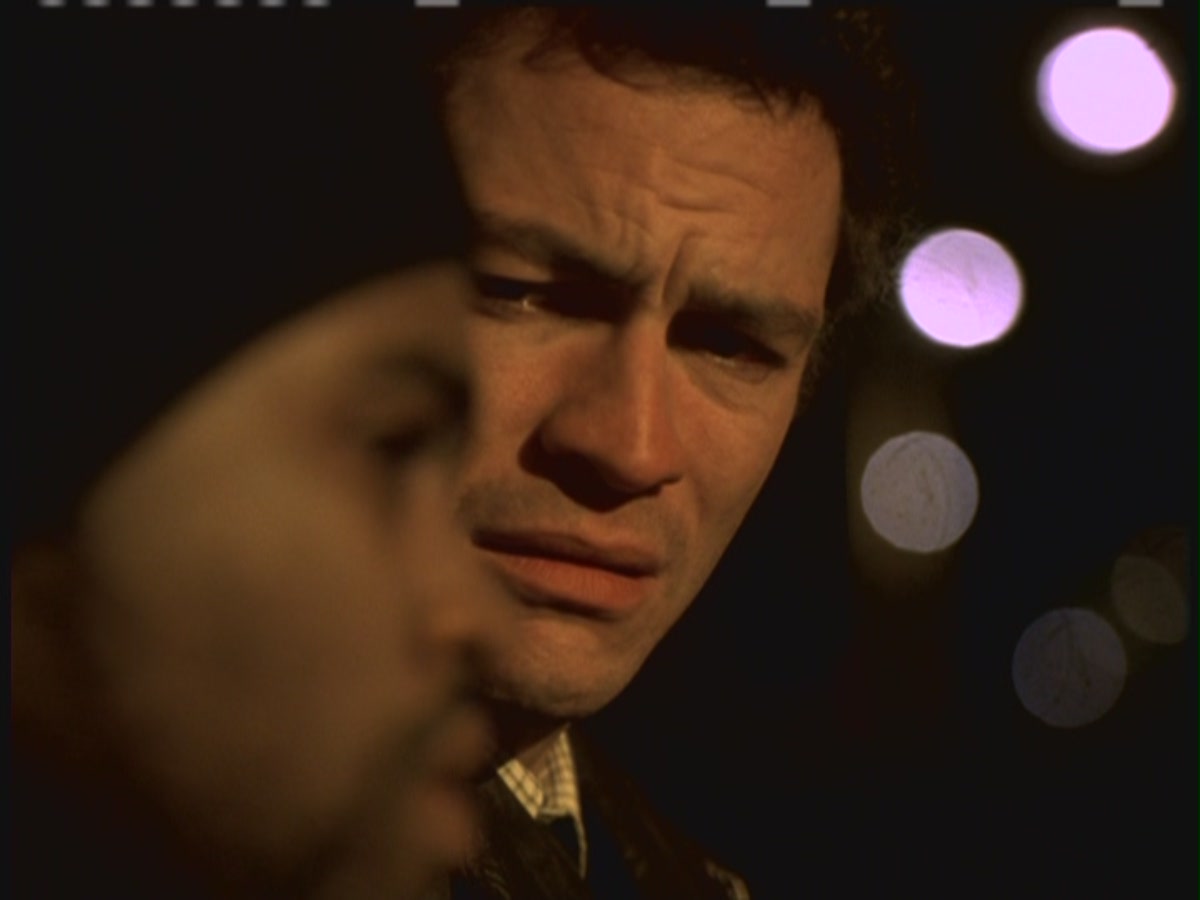
The opening scene, more than any other scene, even if it is the 1st, one pinpoints exactly what ‘The Wire’ is about. In the first shots, you can see a young man lay face down dead on the ground on some dark city street with the police collecting evidence and a main character, who is a detective, questioning a potential witness. The associate of the victim talks about how they were involved with street gambling and how it was not fair that it was not right to kill the victim, non-ironically known as ‘snot boogie’ to the game’s players. The victim of the crime has a real name but is endeared to the rest of the game’s players by that nickname alone.

As the witness explains to Detective Jimmy McNulty of Baltimore Police, ‘Snot Boogie’ was the victim of the crime, but his associate did not expect him to be killed for stealing from the other players of the street game for playing craps. The associate tells McNulty that the victim is known for stealing and grabbing the money to run away but they never want beyond just ‘beating his ass’ up a bit.

While it is a grim description of the dangers of gambling illegally on the streets, the witness to McNulty’s murder case explains that there is an unwritten rule to the ‘game’ of street gambling and that ‘Snot Boogie’ should not have been murdered for stealing from the other players. Nobody ever tried to kill the victim even after he was found guilty of stealing money from the street game players even if they did often catch him and beat him for having done it multiple times.

The witness refuses to tell McNulty who killed his associate in this game and does not want to go to court even though he believes it was disgraceful how ‘Snot Boogie’ was killed because they always let him play even though he would always steal from them.
“I got to ask ya, if every time Snot Boogie would grab the money and run away…why’d you even let him in the game?”
“…What?”
“If Snot Boogie always stole the money, why did you always let him play?”
“Got to, This America, man.”

McNulty looks incredulously as the witness tells him this reasoning because at its face, it does not make much sense for a guy who steals from folks repeatedly to continue playing a dangerous and illegal craps street game. It’s clear to both characters that life itself, and life in America is far from being fair at the end of the day especially a man got killed, which was against to how the game was being played, according to the witness, even if he was stealing from them.

Even if the game is fair or is rigged to some degree, it occurs to the witness and then McNulty after he sees the guy’s reasoning that even if the game was not meant to be won and the result would always be the same, you still let the game play out. The game may not be fair like life itself in general or in America, but it must be played by everyone. It may not be a fair shot and there is no equal outcome, but there is equal opportunity out there for each player to be involved even if someone cheats, steals, and comes back to play again. The game exists for everyone to be given a shot at it and if they don’t, that’s against the principle of life itself and life in America.

There are tragic consequences to this craps game for Snot Boogie who loses his life senselessly as well as for the men who will go to jail for it or lose all their money, but the game goes on and it’s open to everyone. Like the witness explains, the game deserves to be played by everyone equally although the outcome may not be something everyone will like or even will cost some people dearly. This excellent opening scene opens with the most prominent themes of The Wire perfectly and almost seems like a graphic novel come to life. Its visuals are striking, the characters are who you can relate to on a human level, and there is a lot of foreshadowing about the rest of the show and its messages to the viewers from this tone-setting scene.

‘The Wire’ is a show about the early stages of 21st century America in its first decade of the 2000s but it is as still as relevant about 20 years later. The metaphor of this opening scene for not just a couple of guys in a craps game gone wrong in the street can pair directly too what can happen when capitalism can go off the rails when someone tries to beat the rules or try to gain an advantage when they are put at a disadvantage to begin with. If the game is rigged from the get-go even if you’re given a shot at it, what’s the point in playing by the rules? If you can beat the system even if there are dire consequences, is it not worth trying?

‘Snot Boogie’s associates knew he was a thief and a cheater because they believed that he still deserved a shot at winning like everyone else even though it was likely rigged so he would never make it after multiple tries. As the opening scene of the greatest television show of all-time shows the viewer, everybody can play the game even if they are a cheater in the sense of having equal opportunity, but what happens when no one is held accountable when the odds are stacked against them from the start of the game and there is no other way to win than by cheating the system and facing serious consequences?

The show may not be defined by its iconic opening scene but as you find as you watch the entire series, the metaphor for what that scene represents about the show and about the ethic that binds American society together long after you finish watching each of its five seasons.

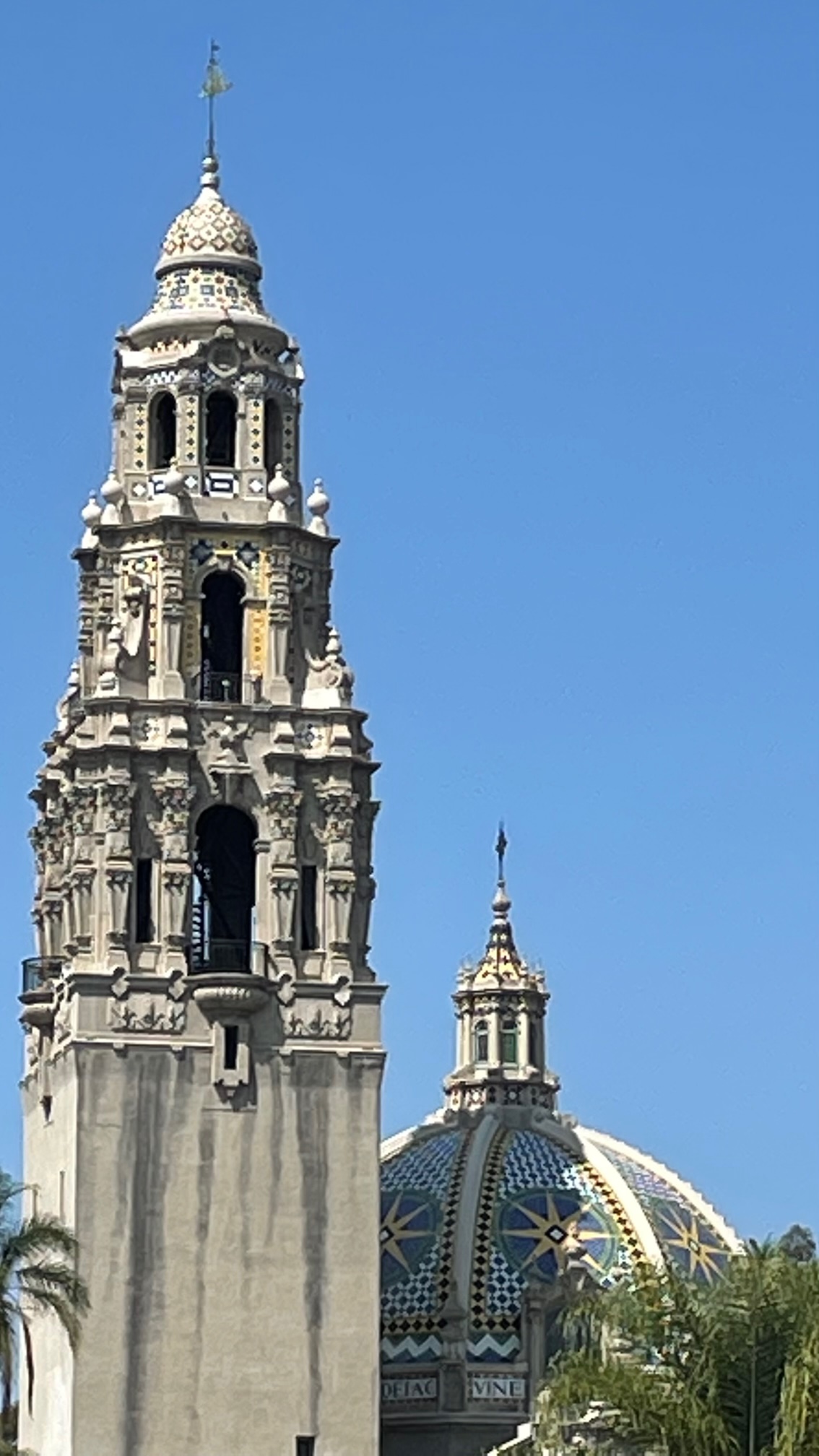
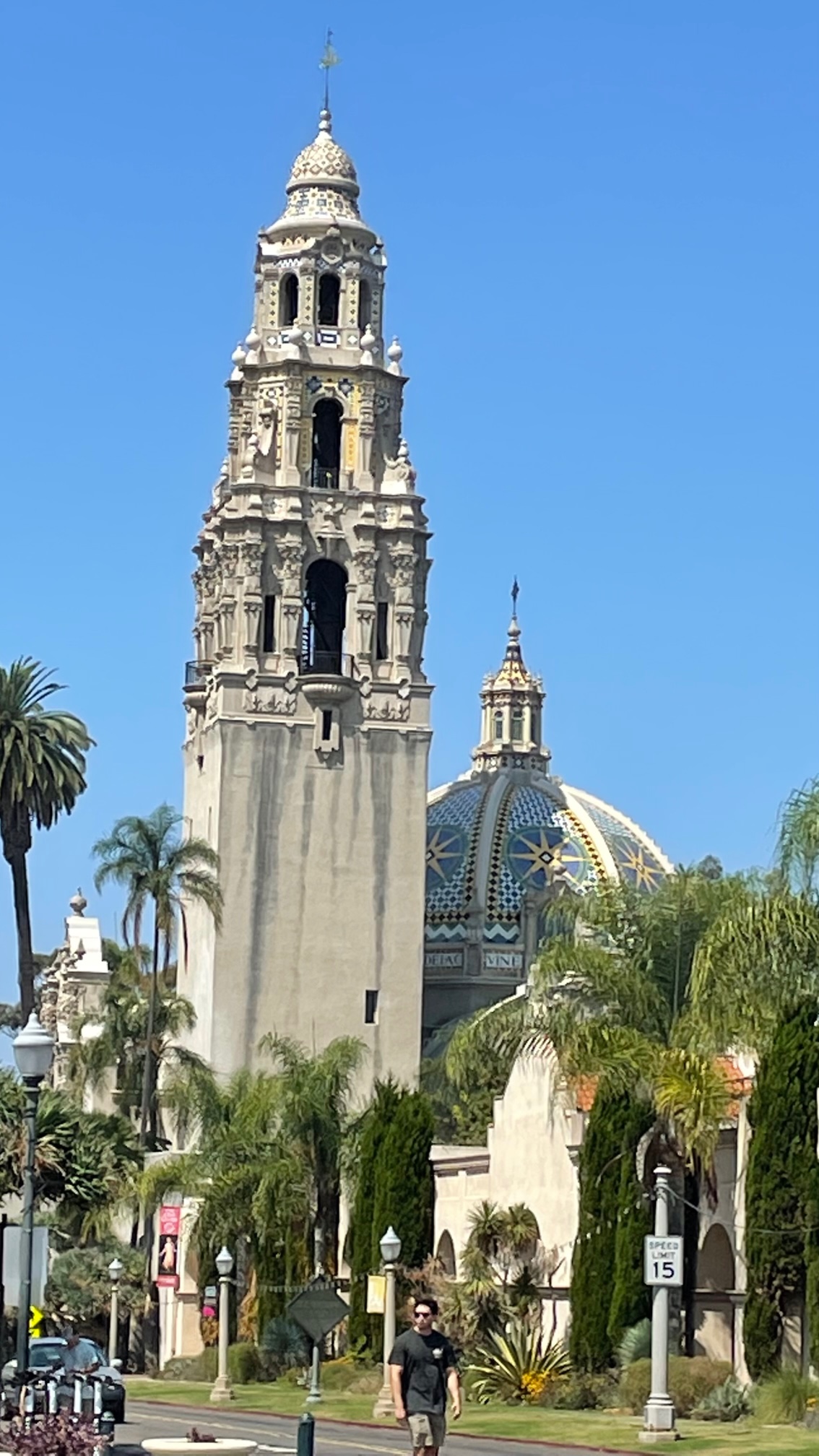
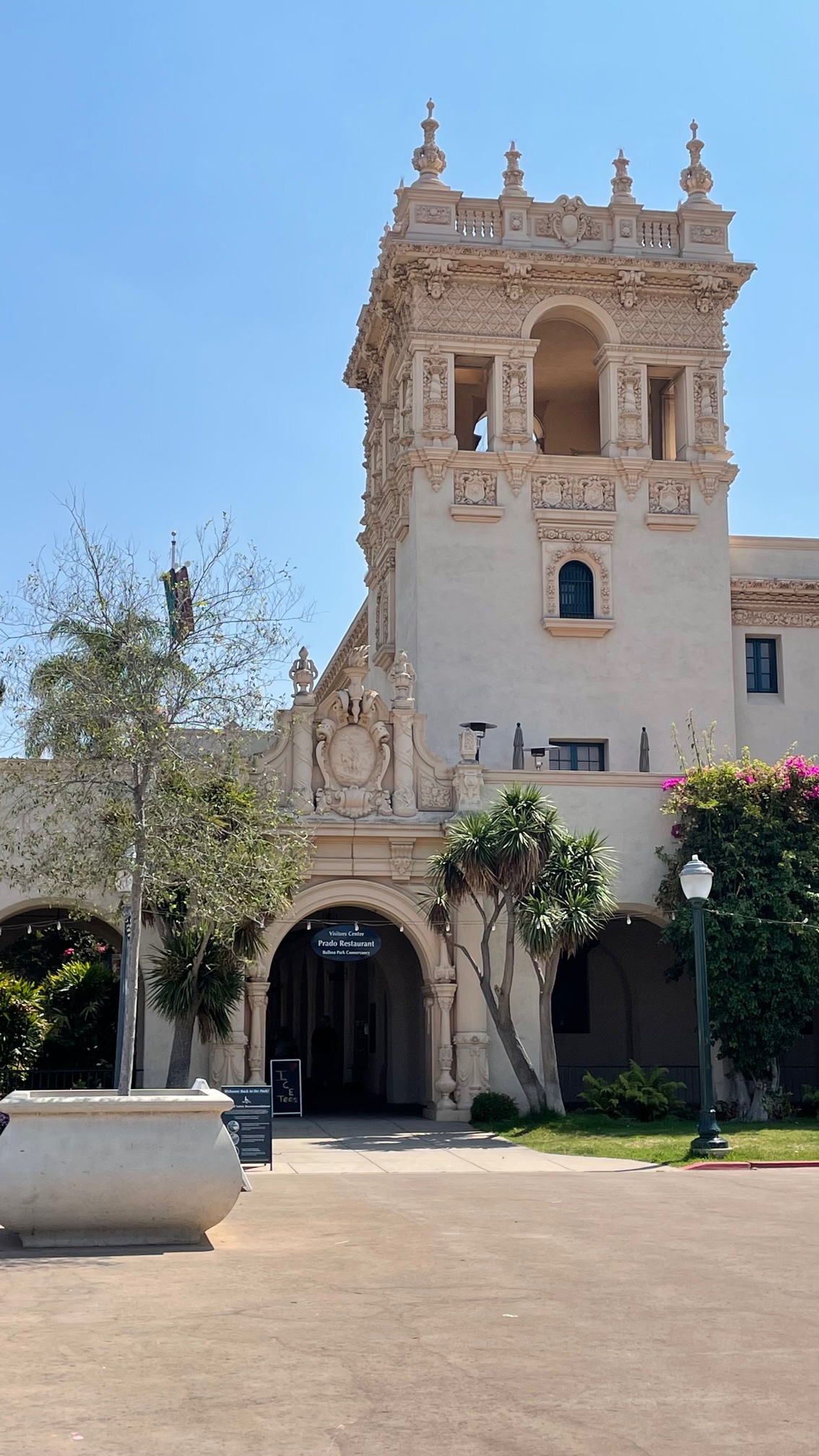
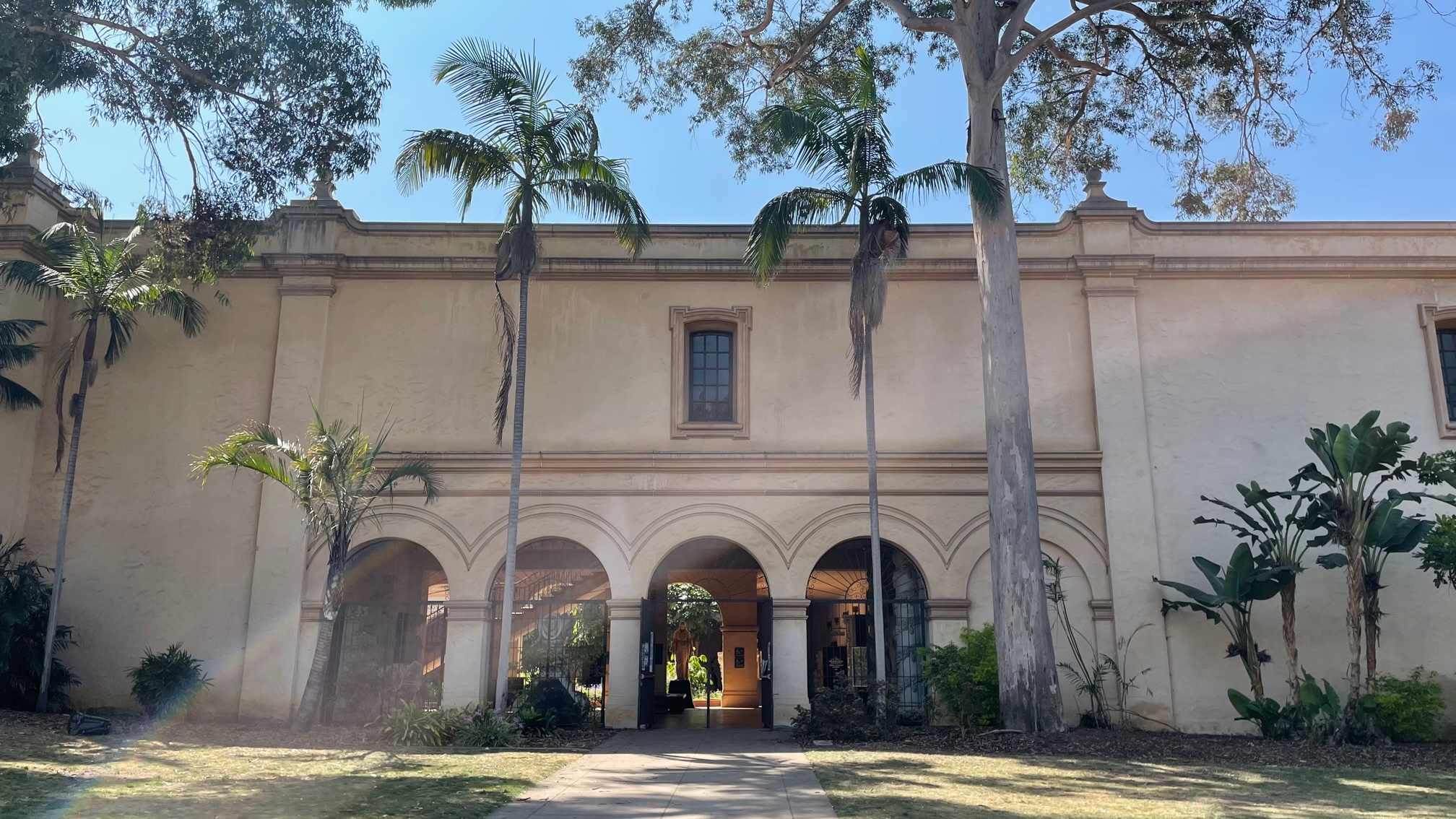
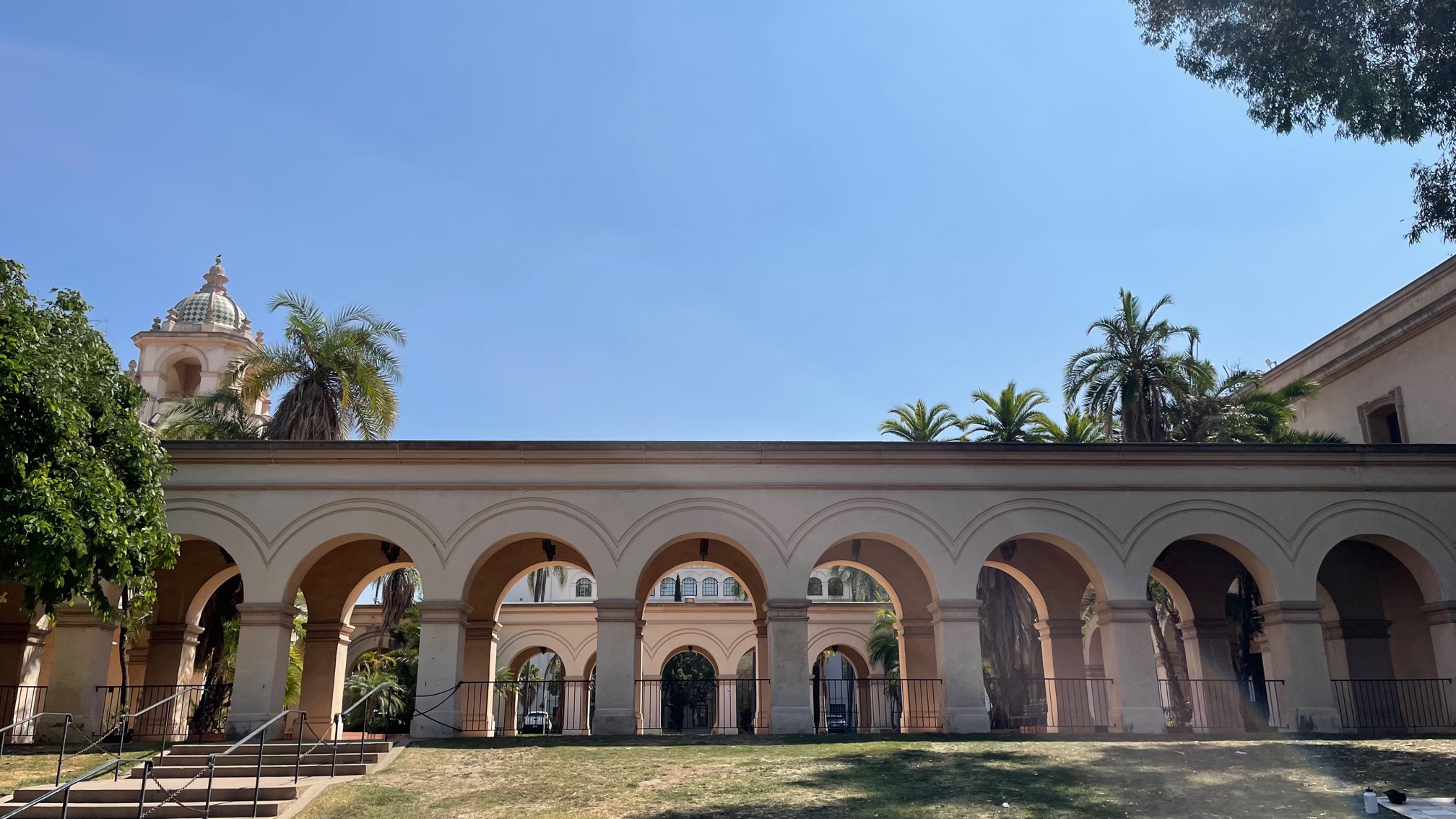
Balboa Park

Camera: iPhone 12

Location: San Diego, California, United States

A Roll of The Dice

“There is always going to be a risk involved when rolling the dice or making the choice in life as there is when it comes to choosing one of two possible decision or even one of multiple decisions.”

When many of us think about versus chance, the English expression, “A roll of the dice” comes to mind. When you are faced with two or more choices and you must act, it’s like rolling the dice and hoping to get lucky in a table game at a casino. There is always going to be a risk involved when rolling the dice or making the choice in life as there is when it comes to choosing one of two possible decision or even one of multiple decisions.

Life involves a lot of non-linear choices to make and that inevitably involves taking chances on it. There’s no bigger example for me of taking a chance metaphorically than the rolling of a dice like at a craps table. Dice can have multiple choices on them or two choices only, one of which that it will land on, the other it will miss, but there is only one outcome without any alternative once the dice stops rolling.

Many of our day-to-day decisions involve choosing, taking that action, and going in one and only direction after the decision is made like the dice being rolled. While we would like to choose both options to see where they lead us, the chances of doing so are unrealistic and impossible. Like the dice that we roll, in life, we only can choose one of two or more possibilities. Dice can have more than two choices and while your standard dice has six sides to it, life usually has us choose between more than a few options as well with only one possible choice being the outcome to follow.

The metaphor of rolling the dice is apt when you consider that for the average person, choice overload leads to indecision or no decision at all. The most stressful part of a person’s day is not making the choice itself but rather when they are not given a choice or if they have too many choices to choose from. There is real fear and anxiety in people thinking they made the wrong decision and if they have multiple choices, the likelihood of feeling stress goes up because the choice is not simplified, and they must weigh different outcomes rather than just two or a few of them.

When the choices we have in front of us are two or four or six, we suffer less from ‘analysis paralysis’ or from indecision itself. While you can still second guess yourself later, if you are still able to think your decisions through and make an educated guess or choice, you won’t feel as stressed or anxious. I think that’s why the adage of ‘flipping a coin’ or ‘rolling the dice’ appeals to people because sometimes, the randomness and leaving it up to chance is better than putting actual effort into our decisions.

That’s partly why gambling is such an intrinsic part of most cultures in that you can still act by flipping the coin, rolling the dice, pulling the lever, but you don’t have any real choice to make because you’re leaving the choice up to someone else like an algorithm, a card dealer, or fate itself. People like autonomy over their decisions but they also enjoy leaving things out of their hands and letting ‘fate’ decide what happens next.

Of course, ‘fate’ usually has its outside influence on the choice that is made whether that’s the wind gust blowing the coin on a different side you expected, the casino letting the algorithm or computer decide who wins or who loses, or more generally, the environment around you that has an impact on the outcome. Fate itself is not without its own influence on the outcome so if you think that there is anything in this world that is truly impartial or just unbiased to the core, I tend to disagree and believe that whether it’s leaving things up to ‘chance’ or ‘fate’ itself, nothing is ever truly random in its consequence and that no outcome is without its own chance of interference.

You may have rolled the dice, pulled the lever, tossed the coin, picked a card from a deck, but there are other factors at play that keep ‘fate’ from being truly blind in its outcome. Even when leaving things up to ‘chance’, you still acted up until that point and the fact that you put yourself in that situation means the outcome itself afterwards even if you call it ‘fate’ was a consequence of your actions only but it is rather true instead that the immediate environment, the people around you, and a number of other external factors that had an influence on the ‘fate’ of that outcome.

Rolling dice, playing cards, and gambling give people a thrill because your action can lead to random winnings or losings but that’s basically the illusion of it all. Fate in life like a rolling of the dice may seem random but there are outside factors in place that may seem like it was ‘destiny’, ‘fate’ or ‘random luck’ but involved several actions, decisions, beliefs that led to the present moment.

Instead of trusting in ‘fate’ to guide us or for our choices to always be led to pure ‘chance’, we lose the power of our choices and the education of our decisions. We cannot always leave things to ‘chance’ and must look beyond picking randomly or choosing out of a hat to guide us in life. While I disagree with taking on too many choices or nitpicking every decision you make, you must always be thinking things through, educating yourself, and being willing to learn from your mistakes.

Choices inevitably cause consequences, both good and bad, and we cannot foresee where our choices may lead. However, if we leave too much up to ‘fate’ or ‘luck’ as we call it, then we will never really mature or grow as people. People should do their best to have autonomy over their decisions and to not take them lightly. Yes, it can be fun to roll a dice or flip a coin to make our choices, but life is too serious to be gambling on our choices like that. Rolling the dice may seem like an easy way to go through life like picking random numbers out of a hat but that’s not how the real-world works. When we evaluate our choices, think through decisions that have big consequences, and trust in our believes to guide us through the consequences of those decisions, we will be better off as individuals for having taken control of our lives rather than leave it all up to ‘chance.’

Coronado and La Jolla

Camera: iPhone 12

Location: Coronado and La Jolla, California, United States

A Belief in Karma

“These ideals play into the belief in karma that can be complex to follow but to myself means that what you put out into the world will often come back to affect you as a result.”

We are all born with our own innate sense of fairness that can develop as we get older. From childhood where we learn to share our toys in the playground with our classmates and friends to adulthood where we share our workspace with colleagues or our kitchen with roommates or our homes with loved ones. People have this innate sense of fairness that ties into larger ideals of justice, equality, and righteousness.

These ideals play into the belief in karma that can be complex to follow but to myself means that what you put out into the world will often come back to affect you as a result. Karma is a belief that how you treat others or how you interact with the world will have an effect of the world giving you what you put out in return.

While karma is not an innate reason why we strive to be fair, just, and equal in our actions towards other people, the belief in it can play our notion of fairness because if we don’t treat someone well or treat them fairly, you have a better chance of them not reciprocating or someone else not treating you fairly, as a result. There is a popular English expression that relates to Karma known as, “what goes around, comes around.”

For children, if you hog all the toys and don’t share, then no one is going to want to play with you or want to be your friend. As adults, if you repel people with your attitude or behavior towards them, it may cause you to suffer in your social relations but in your ability to hold a job or to have a productive life. Believing in Karma is not religious, but it takes a lot of lessons from religious and spiritual belief systems.

What we put out into the universe may not affect us right away, but it may come back in some other form when we least expect it. People fear not just the karma that could come because of their decisions, behaviors, and actions, but also how it affects their conscience and their memories. When you don’t have good karma, you’re likely to suffer other consequences such as bad memories, a muddled conscience, and harmful habits that could cause you to retreat from the world because of poor interactions with it.

While some people don’t believe in karma and don’t think their actions can have a ricochet effect on them, they still have a conscience and emotions that will be negatively affected from their bad behavior. Sometimes, karma is not enough to deter bad behavior, but it can be a motivating factor for people to act better because they don’t want it to come back on them if they have built up bad karma that would backfire.

Karma has its origins in Buddhism and while many people are not Buddhists, they can see the principle of ‘cause and effect’ at work in their lives. Even from a young age, we become aware that if we don’t share toys or listen to the teacher, it will likely lead to negative consequences as a result. We learn subconsciously to be good to not only feel good but to receive what’s good in return. That does not mean that if we only put out good deeds or actions or words into the world, that we will always receive such reciprocity. That is a naïve viewpoint, but we shouldn’t do good just for karma’s sake. We should do good to be good people and to automatically have a positive effect on the world in whatever small and measurable way that can in our lives.

Karma can make us better people but primarily, it would be best to follow our conscience first as well as our sense of right and wrong, which I do believe we innately have as babies but learn to hone more and more as we get older with education in character and conduct. Karma is an important layer that is part of our overall belief system, which allows us to be better people and to try to do as much good in the world as possible in the hopes that not only will it come back to us, but it will ripple out in its effect of leading to other good actions by others to boost other peoples’ karma. We want to spread the good karma around so that’s the only karma that can come back on all of us.

When you think of karma from a societal or global perspective, it makes sense in that good actions have a collective effect in that the planet will be better off as a result if we all do good by it. The karma that comes back on us from recycling, lowering our carbon output, taking care of nature and animal species, and limiting our negative impacts environmentally, that kind of karma leads to a healthier planet and a better existence for all of us.

Karma is not just for the individual but for a society and even the whole planet’s inhabitants. If we put out good into the world through better actions, behavior, and deeds, the karma we receive in return will often be better as a result. If you believe in karma, you believe in a deeper sense of overall fairness and justice. You believe that good begets good and fair begets fair. As the civil rights leader, activist, and visionary Martin Luther King, Jr. would say, “The arc of the moral universe is long, but it bends towards justice.”            

If more of us believe that our good morals and beliefs will lead to greater justice, than the world will likely have more justice as a result. What we put effort into our behaviors, emotions, and deeds will have an impact and an effect on the rest of us. I truly believe in Karma as a guiding principle and although it may not conclude what exactly our impact will be on one another each and every time, how we generally interact with other day by day does lead to karmic consequences, for better or for worse.

San Diego Skyline

Camera: iPhone 12

Location: San Diego, California, United States

The Yearning for Nostalgia

“Whether it is an escape through our popular culture, a preference to revisit the past than to explore what may come in an unknown future, or to enjoy simply what we have been accustomed to, the power of nostalgia should not be underestimated.”

What is it about nostalgia that stirs such powerful emotions in us all? Why do we insist on revisiting, remaking, and reconstructing the past? This innate yearning that is part of being human, I would argue, is a part of gaining back some comfort and familiarity in an increasingly unfamiliar and complex world. Whether it is an escape through our popular culture, a preference to revisit the past than to explore what may come in an unknown future, or to enjoy simply what we have been accustomed to, the power of nostalgia should not be underestimated.

As the new year begins, looking at the popular culture, which reflects trends in our overall society, this yearning for nostalgia has only gotten more prominent in the recent years, especially with the continuing of the COVID-19 pandemic. There are multiple examples in pop culture where nostalgia is the rule rather than the exception. One example would include video games where remakes, sequels, and remastered games from the Halo series to Assassin’s Creed to Call of Duty are still the most popular even after being decades long in terms of their original creation.

Another example would be television shows where one of the most popular series released recently is ‘Cobra Kai’ whose origins come from the Karate Kid movies of the 1980s, but for which has had a rebirth with the same actors almost four decades later but also with new characters who compliment the original story. Other popular shows involve those from the ‘Star Wars’ and ‘Marvel’ series whose revitalizations include the bounty hunter Boba Fett (also from the 1980s as a character) and popularly known comic book heroes including ‘Loki’, ‘Captain America’, and ‘Hawkeye.’ While these comic book heroes may be new to some viewers, they also date back in their creation back to the 1990s or even earlier allowing their fans to indulge in their own nostalgia in seeing these comic book heroes come to the small screen.

I haven’t even mentioned the plethora of movies from ‘Licorice Pizza’ (1970s), ‘The Power of the Dog’ (1920s Western), ‘The Matrix: Resurrections’ (1990s-2000s), released just in the past few months who pay homage to the past from settings we are familiar with or at least recognize. While there are films and TV series that do focus on mankind’s possible future(s), such as ‘Station Eleven’ on HBOMax or ‘The Expanse’ on Amazon Prime, most popular media today focuses on either adapted stories or at least remakes of stories with slight changes or new ideas related to the same characters to keep its popularity going.

In 2022, nostalgia sells the best, which is why new Halo video games, new Spider-Man movies, and new Game of Thrones books still rule the day in terms of our popular media consumption. Now, that does not mean that our appetite for new and original ideas in our popular culture are going extinct, but you can tell that we live in an age of rampant nostalgia, which is the norm rather than taking a chance or a risk on a new story or new ideas.

I believe that this resurgent nostalgia does have its positives to give people some familiarity with what they already know from their own past and for which they have experience in liking already. In addition, it can take more time to warm up to a new story, a new idea, or a new experience when it’s easier to go with something or someone you already know. Stories can change or adapt or get better sometimes over times and just because we are familiar with a character, or a series does not mean that it automatically gets boring after a certain point.

However, it is much easier to rely on nostalgia rather than to forge a new path. In anything in life and not just popular culture, it’s not as challenging to look back on what we’ve done, where we’ve been, or what we’ve experienced than to go forward, challenge oneself, and try new things. The impulse to be comfortable with what’s familiar rather than the unknown is a powerful force and an impulse that can be hard to overcome without pushing yourself. Nostalgia does not create lasting comfort though usually and it can be rather stale to rely on reliving things, experiences, or places rather than to look forward to unknown occurrences in the future.

Sequels, remakes, reshoots, adapted materials are harder to make better than the originals and they also do not break any new ground. Whether it is film, music, art, books, or in general, it may be easier to rely on nostalgia for creation but if it does not work out, it can be harder to bounce back from that failure. If you do something original or unique instead, it will stand out much more currently, and while you may polarize people who have gotten so used to nostalgia everywhere, you can be more wildly successful in your endeavor potentially and create a new cultural touchstone.

One great example from this past year that generated not only a cultural touchstone, but a worldwide phenomenon from Seoul to London to New York was the Netflix original series, ‘Squid Game.’ While the popular show contained elements from other TV series from the past, it had its own flair to it with unique set design, memorable characters, and a compelling and timely plot. It was the #1 TV series on the global streaming platform for over a month or so and generated important conversations in the public sphere regarding capitalism, income inequality, and debt servicing. The creators of the series took a big gamble, and they could have failed but they put their heart and soul into this unique show, and it paid off in more ways than one.

‘Squid Game’ and other original programming are a lesson for us all to not let our imaginations be stymied by what’s familiar and already known. Even in an uncertain world being continually upended by a pandemic and the effects of climate change, people want to be challenged to discover what’s new and what’s important. There is room in this world for both what’s new and what’s nostalgic. I think our problems begin in society when we only crave what’s comfortable or only what’s nostalgic to us. If we only choose to focus on what we already know, we won’t be able to face what’s new or on the horizon for us. It is not good to dwell only on what’s past and to rehash forever and ever what we already like rather than not trying to discover what we may like or embrace in the future that can help us learn more about the world around us.

USS Midway at Navy Pier

Camera: iPhone 12

Location: San Diego, California, United States

“…It’s Just A Business” – Anatomy of A Scene

“As one economic system is thrown into recession, other illicit ones, such as illegal gambling tend to flourish in its wake, which is what ‘Killing Them Softly’ does a good job of showing the effects of a recession leading to a boom in the illicit economy.”

“America is not a country, it’s just a business.”

‘Killing Them Softly’ is a 2012 movie that flew under the radar at the time of its release. It may seem on the surface as a movie about the mob regarding unpaid debts, illegal gambling rings, and retribution for those caught in the crossfire, but what makes this movie different is its allegory laid out in the film regarding its relation to the financial system. As the mafia tries to prop up its system of illegal gambling rings and extortion rackets by using different hired hitmen, there are radio and TV clips highlighting the role of different politicians trying to prop up the financial system in the wake of the 2008 financial crisis. To keep the system functioning, drastic measures are taken.

As the U.S. economy suffers, illegal activities flourish and there are those people who get caught up in resorting to crime to keep their head above water. When the illegal system malfunctions such as a Mafia protected card game gets robbed by criminals outside the system, Jackie Cogan (played by Brad Pitt) is called upon as an enforcer hired to restore order to prevent the local criminal economy to collapse.

When any economy, illicit or legal, are ripped from its foundations, there will be enforcers or politicians who will need to clean up the mess left behind. While the allegory is not spelled out in the film, As Jackie is left to clean up the mess of the robbed card game by getting revenge on the small-time criminals who wanted to disrupt the system, many scenes highlight how the U.S. economy needs to be bailed out due to the irresponsible actions of the bankers and financial traders who got the country into this mess. While it may not be the most pertinent allegory, Jackie Cogan, is there to maintain order in their own local illegal gambling racket, similar to how leading politicians in government are called upon to maintain order when the national financial system is ready to crash.

Jackie Cogan is on his own throughout the movie and must rely upon himself to fix the mess left behind from the mob-protected robbed card game’s aftermath. He knows other mob enforcers who could help but they’re jaded, bitter, or too worse for wear having done Jackie’s job multiple times before to keep the mafia afloat. Above all else, Jackie is in it for himself to get paid and survive in an economic situation that is affecting everyone, criminal or civilian.

U.S. political leaders, similarly, were asked to intervene on behalf of the government, to step in to save a system that was being abused by financial firms, but also individuals, who made irresponsible decisions, and even illegal ones, which caused the national economy to crash. To prevent the system from collapsing, former Presidents, George W. Bush, and then Barack Obama had to step in to save the economy even though the system itself was at fault.

In the wake of the financial crisis that still resulted from the bad decisions and greedy actions of its players, when there’s a resulting increase in unemployment and poverty as the film depicts along with the collapse of some communities, some people will inevitably turn to criminal and illegal activities including gambling, extortion, and drug dealing. As one economic system is thrown into recession, other illicit ones, such as illegal gambling tend to flourish in its wake, which is what ‘Killing Them Softly’ does a good job of showing the effects of a recession leading to a boom in the illicit economy.

Without spoiling too much of the film, the ending scene takes place with Jackie and the mafia’s head accountant meeting at a bar to discuss his payment rendered for being an enforcer to keep the Mob card game running afloat after the perpetrators were punished for robbing it. Jackie, like the head Mafia accountant, are using each other for the money and stability of their own enterprises. Jackie Cogan is in it for himself as other enforcers were not able to do what he does, and he wants to be rewarded for it.

The Mob accountant is looking to make sure his illegal enterprise stays afloat without paying more than he needs to. In this scene, Jackie raises the rate of how much he charges for committing the hits on the people who robbed the card game due to the ‘recession.’ The mob accountant counters by saying that what they would him are the ‘recession’ prices and that he’s getting what another enforcer who couldn’t do the job would normally get.

“You know this business is a business of relationships.” The accountant tells Jackie that they want to keep the relationship with him going since every other enforcer is unavailable so he should not ask for more money given he might need to help them again. Jackie isn’t fooled by this plea to continue their ‘working’ relationship because at the end of the day, it’s about getting paid by them and they could not care less what happens to the enforcers who clean up the mob’s mess.

The accountant is listening to the 2008 election night acceptance speech by then-Presidential candidate Barack Obama imploring Americans to see each other as ‘one people’ and ‘out of many, we are one.’ Jackie doesn’t buy it given the circumstances for which he lives out his life in America. The accountant labels him as a ‘cynical’ person but he has reason to be as ends up cleaning up messes violently and criminally to keep the gravy train for others rolling.

Jackie sees even one of the founding Fathers, Thomas Jefferson’ as a hypocrite because while he wanted freedom and liberty for all, he still owned slaves and wasn’t actually fighting for the ideals he espoused in the Declaration of Independence. Despite being known as an ‘American Saint’, Jackie believes Jefferson was out for himself and his own interests and that there are no unifying ideals that bind the country together besides the need for ‘money.’

“Don’t make me laugh…I’m living in America…and in America, you’re on your own. America is not a country, it’s just a business.” Jackie Cogan, after what he goes through in the film, is looking to get paid and survive at the end of the day. He is corrupted and evil but justifies his actions by telling himself and the audience that he’s on his own like many other people were in the financial crisis and must take this blood money from the mafia to make it in America.

When Jackie Cogan hears American politicians say that “we’re all in this together”, “we are one community, one nation”, he believes that no one is looking out for him, not even his mafia employers, and must fight for every dollar he can have because he would not survive otherwise. ‘Killing Them Softly’ is not just about a low-level mafia enforcer keeping a mob-run gambling ring going after doing contract kills on three people who robbed one of the games.

Throughout the film, whether its news clips, radio segments, or the desperate actions of its characters, ‘Killing Them Softly’ is primarily about the larger and looming allegory for the larger failures of the economic system who could not protect many of its citizens from financial ruin in the wake of the 2008 crisis. The effects of this past crisis reverberates even to this day, whose mess created such dire circumstances for people across the country to fend for themselves. While the small-town mafia and Wall Street can get propped up by those who intervene to save it, the film makes it a key point in this ending scene that for too many Americans, they believe they have been left behind by a financial system that does not work for them and for a culture where it’s “winner take all” and if you get left behind, nobody is going to be there to bail you out.

Padres Game at Petco Park

Camera: iPhone 12

Location: San Diego, California, United States