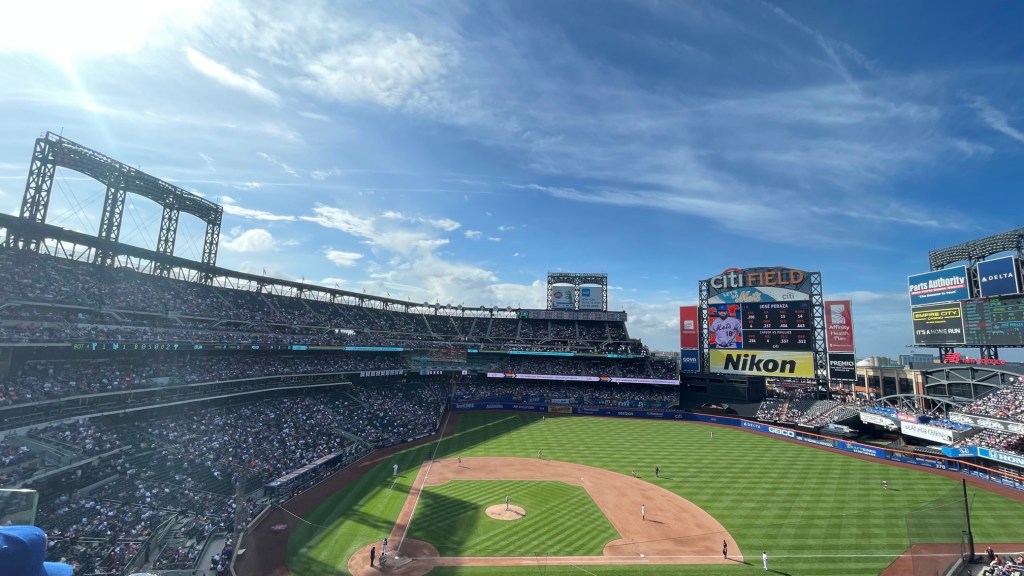
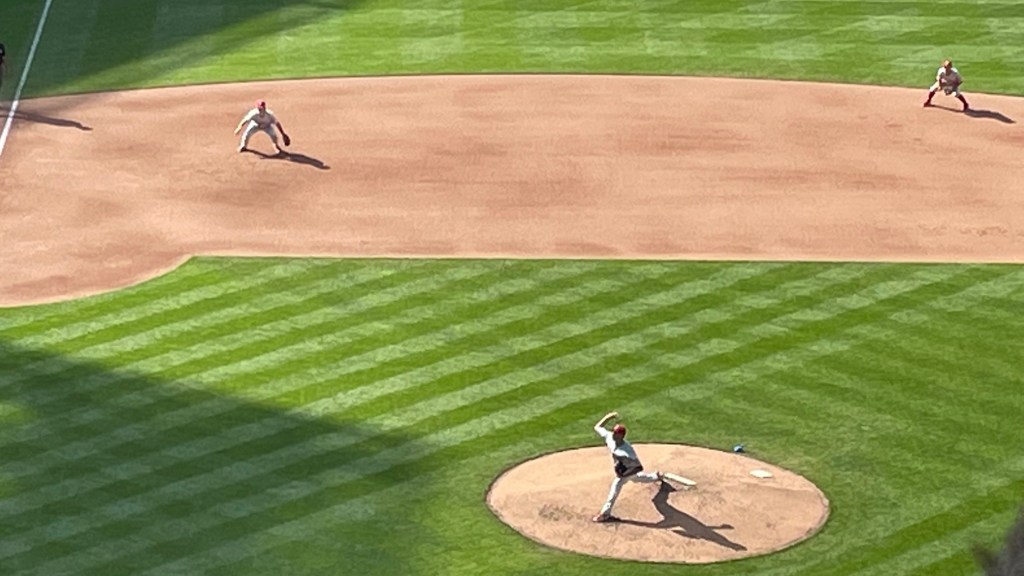
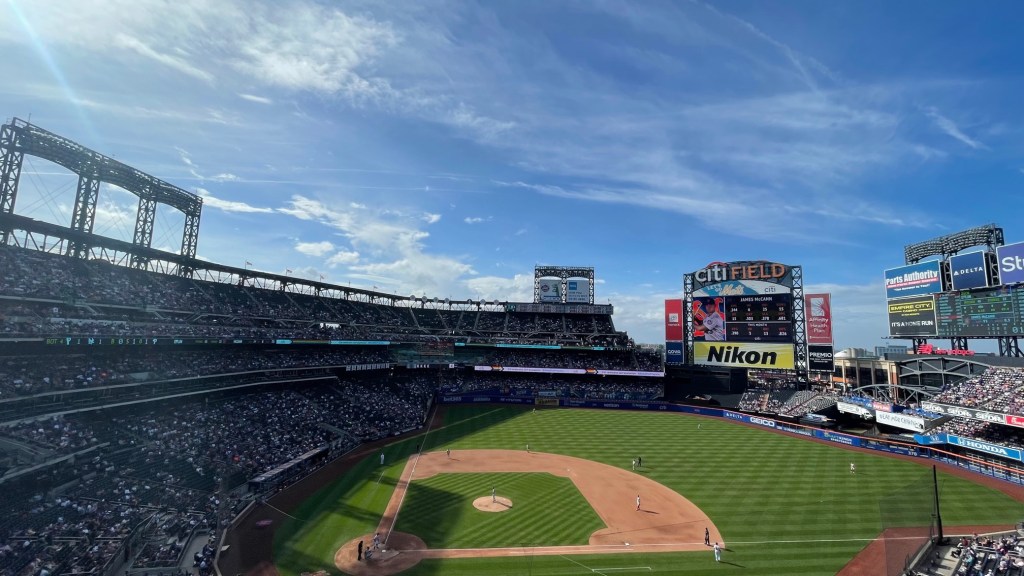
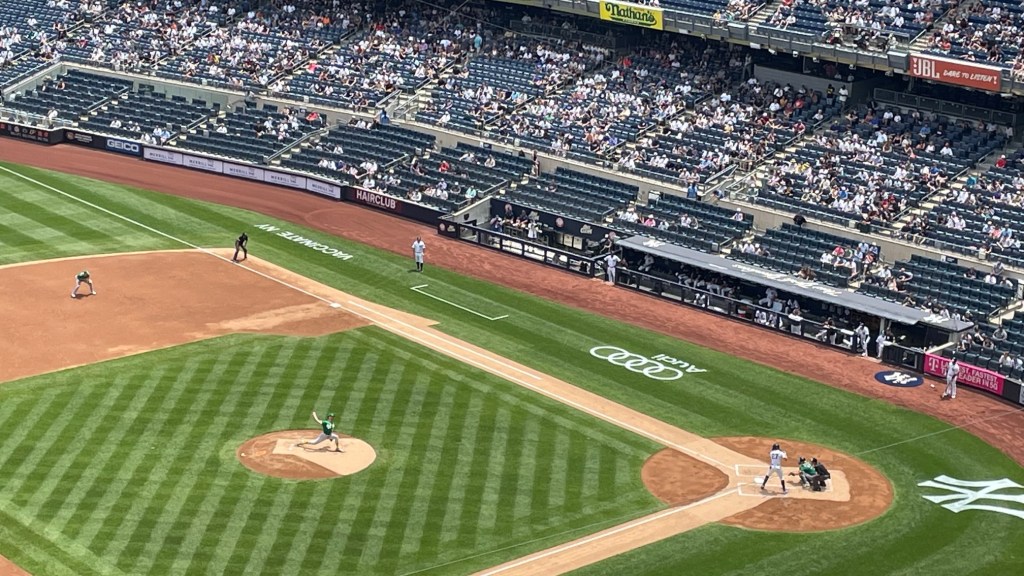
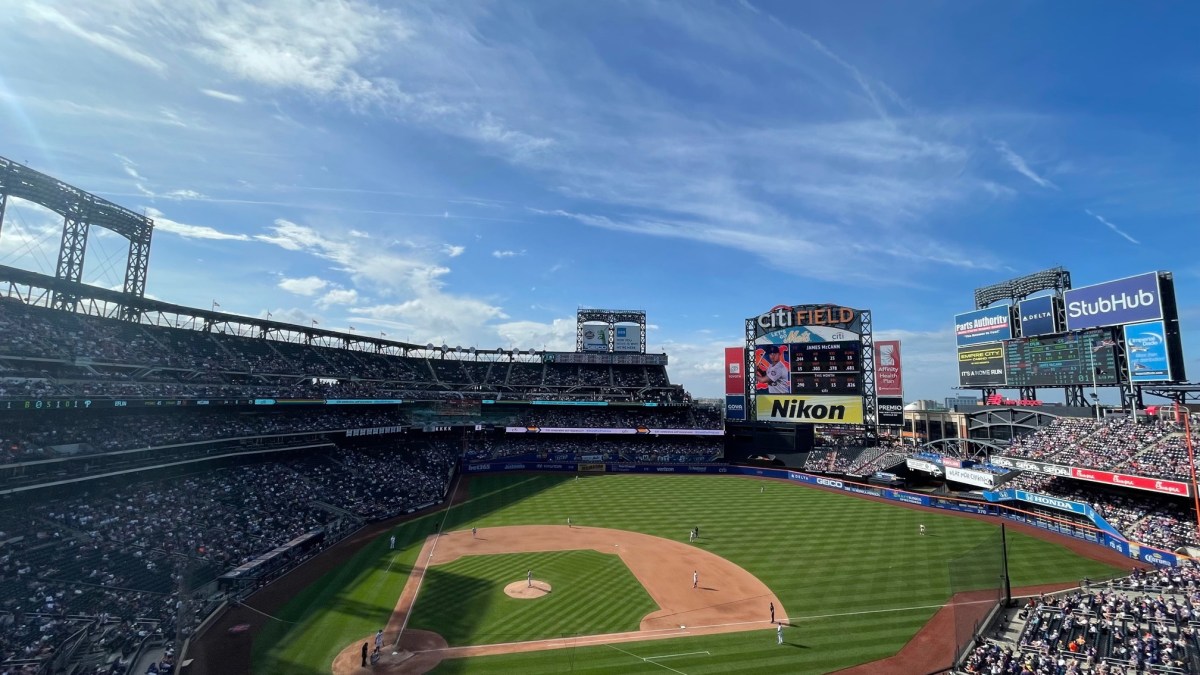
A Day at Citi Field

Camera: iPhone 12

Location: Citi Field; Queens, New York City, USA

Twenty Lessons I Learned From My 20s

“I have compiled the list below of ‘twenty things I learned from my 20s’ not as a ‘how to’ guide but to give the advice that I feel has come out of my past decade of life experiences, both good and bad, and what I would share with people reading this right now who are looking to make the most of this important decade in one’s life.”

I consider the 20s a decade in your life where you first have some autonomy over who you turn into as an adult, where you start to go professionally, how your relationships develop or change over time. I recently turned 30 years old over a week ago and it’s the first birthday I’ve had where you could feel that it was different than others. Being 30 signifies you are now heading into middle age, full- steam ahead, and while you are still young, you now have added responsibilities and commitments that you must maintain as an adult. You’re no longer a young adult but a full adult in my view.

As someone who turned 20 over ten years ago now, I wish I was able to receive the list below to see what lies ahead of me and what I should be aware of heading into the first decade of adulthood. Being in your 20s has a lot of the advantages that one could ever hope for, but it also comes with several pitfalls that can be very difficult to avoid. I have compiled the list below of ‘twenty things I learned from my 20s’ not as a ‘how to’ guide but to give the advice that I feel has come out of my past decade of life experiences, both good and bad, and what I would share with people reading this right now who are looking to make the most of this important decade in one’s life.

Many of these points I share below are not just for your 20s below. They are pieces of advice that I would give to most people throughout adulthood, and which should form the backbone of who you are as both a mature and responsible individual. Using a popular baseball analogy, your 20s like your life in general are going to throw a lot of curveballs, some more difficult to hit than others, but my article should serve to help you put the bat on the ball as much as possible, so you have more home runs than strikeouts.

Do not feel obligated to follow these twenty lessons I laid out below but try to keep them each in mind as what I have learned myself on how to be a better person and how to make it through a decade full of new opportunities but also filled with potential mishaps that could derail you beyond your 20s. I wish you good luck in your 20s and I hope you will find this list below pertinent into navigating your own life from 20 to 30 and beyond as I have done recently.  

  1. Be Grateful for What You Have

It’s easy to look at other people with envy and even jealousy especially in the age of social media and instant communication to see what they may have, and you don’t have. I find it’s best to try to cloud that out as much as possible to maintain not only your sanity but your overall happiness. Life isn’t a competition especially around material or financial success. If you have the basics taken care of with a roof over your head, food in your belly, and a few people who you can rely, you are richer than most in this world. Every day, you should be counting your blessings, whatever they are, because gratitude will make you feel better. People, especially in their 20s, like to compare themselves to others, but as you get older, you should be more content with what you have rather than what you don’t have by continually taking stock of what you are grateful for having in your life.

2. Find A Healthy Work / Life Balance

That drive to work, succeed, advance, get to a higher level of comfort is ever present in one’s 20s as you chart out your career goals. However, the seductive pull to work long hours and get that promotion should not come at the expense of time spent with family, friends or even just by yourself. I think a key part of one’s life, even in your 20s, is finding a good work-life balance, which is difficult when we are often tied to the hip to our cell phones, laptops to keep us plugged into our jobs even after hours. Having a job, you like and enjoy working at is a big goal for someone in their 20s, but it should not come at the expense of your health and wellness. For example, working 60-70 hours a week may bring in more money, but if it’s causing you severe stress, worsening your diet, and shortening time with loved ones, is it worth it to continue like that? By the end of your 20s, you should be able to understand what your own work-life balance looks like and what kind of jobs may be best in line for you to achieve this goal.

3. Having a Routine is Not a Liability

When I was a child, the concept of a routine was anathema to me. Why would I do the same thing day in and day out when I could play all day? However, starting in your teens before you reach adulthood and even more in your 20s, routines are not bad for you. It’s part of creating a schedule that doesn’t burn you out or leave you lopsided in doing too little or too much at once. In your 20s, you need to decide which day(s) you’ll go grocery shopping or which day(s) to go to the gym or to Yoga. It’s part of realizing you can’t do everything at once and you need to make time each day for activities or hobbies when you are not at work or working on higher education. In this decade, you realize time is truly a valuable commodity and it means creating a set time for taking care of your hygiene, doing the dishes, seeing friends or family, cooking meals on a regular basis. Instead of doing these things on a whim, the struggle in your 20s is creating a weekly routine that allows you to stay on top of things from exercising to eating well to being sociable. This item is probably one of the hardest to do consistently but establishing a set routine, at least during the week, doing things that are important to be a successful adult, you’ll have been the better for doing it.

4. Stay in Touch with Family and Friends

Aging parents, friends who move away, nieces and nephews you must meet; these are some of the people you should do your best to keep in touch with in your 20s. It does get hard as your new adult responsibilities will get in your way. Sometimes, you’ll have to take the initiative to call (don’t text) the people in your life you truly care about. It does not have to be every day but every week, call your parents (sometimes twice or more) and let them know how you’re doing. If your parents are not around, call an aunt, uncle, or even a cousin just to check-in.

Families can grow apart when not everybody is living in the same household. Don’t let your family life or your friendships atrophy for the sake of your career or business. Make sure to meet new people and be open to new friendships or relationships but always tend to the people you’ve known the longest who you enjoy spending time with who’ve known you since before your 20s. Life will move increasingly fast as you move through this decade so make sure you call and see family and friends as much as you can. You won’t regret it and it will really lift your spirits up when you most need it.

5. Continue to Learn and Read New Things

Learning does not cease when you get your Associates, Bachelors, or master’s degree. A great way to solidify your career or your work is to keep learning new things or to improve at skills that you have a basic understanding of. Instead of vegging out on social media or watching television, make that effort to learn a new skill or pick up a new language. Even if it is just an hour a week, it’s good to keep learning those skills and abilities that will propel you forward. Whether its coding, carpentry, painting, sculpting, or web development, find those books or courses that can exercise your brain power outside of work at least an hour per week. Doing something that you’re interested in that’s not related to work will also help your own identity and make you a bit more versatile in terms of your abilities. You could work as a marketer during the day and still be a writer at night. If you enjoy doing something, keep learning and reading about it.

Lastly, reading books does not have to end in college. You can still read books at night before bed, which is better than looking at a screen. Strive to read at least 10 books a year and read about subjects you really enjoy or are curious to learn more about. In addition to picking up a new skill, reading a new book is a great way to spark your synapses and get you to invest in something separate from your day job or business.

6. Always Be Kind and Polite to Others

If you’re reading this article, I really hope you still remember the Golden Rule that was likely first taught to you when you were five years old, and the teacher shunned you for putting glue in a classmate’s hair. If you don’t, here’s a quick refresher: “Treat others the way you like to be treated.” You’re in your 20s now and you should act like it. Some people never stop being that person putting glue in someone’s hair or making jokes when they shouldn’t. No one likes a bully especially when you are no longer a child or a teenager. Grow up and treat people kindly each day.

If you are rude to someone because you were having a bad day, apologize and say that you’ll try to do better. There’s nothing wrong with saying ‘sorry’ to someone and you should always think about how your behavior impacts other people. You never know what someone is going through in life so as the saying goes, ‘be kind.’ Whether you are talking to a customer, a boss, a bus driver, or the person next to you, be kind and polite. I truly believe that what goes around, comes around, so if you are rude to others, don’t be surprised if your own life starts to go off the tracks. Karma is real and it will get you back so in your 20s and beyond, strive to be a kind person who cares about other people. Always.

7. Make Time for Exercise and Self-Care

Today, it can be too easy to live a sedentary lifestyle. You can go from your apartment or house to your car to a building and back home. You often will have to force yourself in your 20s to take care of yourself physically. It starts with making choices on how to spend your time. Exercising isn’t meant to be fun. It can be enjoyable especially with other people but make no mistake, it’s not easy to do especially consistently.

However, your life will be better off for having made the effort at least 2-3x a week or more to take care of your body’s needs. Exercise looks different to everybody but find some type of it that you enjoy and stay with it. If you need to mix it up, do so and incorporate different activities in each week. For example, on Monday, you could do a Yoga class. On Wednesday, you could go for a couple mile run, and on Friday and during the weekend, you go to lift weights or hike / walk around a park. I’m not an exercise expert but it’s good to combine aerobic and anaerobic exercise together if possible. The key thing with making time is you must set times during the week and even on the weekend strictly for exercising and make it into part of your routine.

Also, self-care is a big topic these days but find time to relax and just be present. Whether that is meditation, taking a nap, sitting out on your patio or porch. Spend time away from doing anything and just catch up on personal relaxation time. You should not be doing something 24 hours a day, 7 days a week, so take the time to just be present, do nothing for a bit, and even watch a sunset or the stars lit up at night. I promise you won’t regret it.

8. The Earlier You Start Saving, The Better

One thing you can know for sure as you enter your 20s is you will likely not know what to hell ‘personal finance’ means and how it applies to you. Sadly, it is a subjected neglected by most high schools and even colleges nowadays. No one tells you what a ‘low interest rate’ indicates, how a ‘401k’ is vital for retirement, or what an ‘index fund’ means. It’s a societal issue and while there is more education out there, you often will have to seek it out for yourself. Getting out of debt as soon as possible is priority #1 but then your next priority should be to save money for your future even if it is 5-10 years down the line. Basically, don’t spend everything you earn and if you ask someone for advice, make sure they’re an expert or at least have their own savings fund to talk about. I won’t touch investing since that’s not my area of expertise, but I would say in your 20s, you should try to save money whether it’s for personal emergencies or needs that could come up or for long-term goals that will go beyond your 20s. If you can save money and earn interest, that’s even better, but make sure you can be consistent about saving and to know how much out of your budget can go towards savings each month or so.

9. Educate Yourself on Your Finances

My advice to you, reader, as someone who was a novice at anything ‘personal finances’ related for most of my 20s is to start saving money and the earlier, the better. If you can ask your parents, please do so, but also try to ask out someone who works in personal finance for a coffee or even send them an email. Do your own research, check your sources, but make sure to start thinking of your financial goals especially if you are taking either student loan debt or credit card debt or both.

There are several great online tools out there for people in their 20s and 30s to get started with financial goals. I would recommend reading at least one book about finances in your 20s whether it is about saving or investing or both. In this area of life, unfortunately, it’s for people in this decade of life to figure out on our own. No one is going to hold your hand when it comes to finances. At the end of the day, it’s your money and you need to decide what you want to do with it. I would just be sure to research a lot, act wisely, and make sure to manage your risk as best as possible. Again, I’m not a financial advisor but in your 20s, my main tip would be to educate yourself as best as possible and to be aware that it’s important to think about your financial future.

10. Avoid Dependency on Anything or Anyone

Dependency on someone or something is not a good way to go through your 20s. You should always be able to cut a dependency loose from your life especially if it is sidetracking you from making the most of your 3rd decade. Know also when to cut out something you can get addicted to like smoking, gambling, drinking, etc. If you are an addict, don’t feel ashamed about it but seek help if you can and try to wean yourself off that dependency. Any kind of addiction can really hamper your life and set your 20s in the wrong direction. Be sure to live a life of moderation in most areas and even abstain if you think that is best for your overall health and wellness. If others encourage you to lean into your dependency rather than to minimize or avoid it, you might need to cut them out of the picture as well. Be increasingly careful of whom or what you let into your life especially if you have an addictive personality or a lifestyle that encourages it. To make the most of your 20s, addiction or dependency can derail you and make you worse off.

11. Travel If You Can, As Much as You Can

Traveling to different countries and even around my country has done wonders for my own development as a person. You broaden your horizons in several ways including being able to challenge yourself to do what you once thought was unfeasible. You also become more self-confident and self-reliant especially if you travel alone. Your own personality will also develop as you learn a 2nd or a 3rd language during your time overseas and you should be able to start a conversation with another person without feeling a strong sense of anxiety. Better than any book on history or culture, traveling to the city, town, or country where it exists, and you can see it with your own eyes is worth the ticket price alone. Often, you will know much less about the world when you thought and will be humbled by its complexities.

You’ll also be aware of your biases, your own shortcomings, and your lack of perspective having grown up in one part of the world, which has a culture all its own. Being exposed to different peoples, cultures, and languages in your 20s, especially if you can do so for school or for work is worth it 100% of the time. If you can’t afford to travel a lot, try to find opportunities to volunteer or teach and it should be more financially possible. My last bit of advice here is to not let your 20s go by without traveling for some time. It’s the best decade of your life to get out there and do it.

12. Don’t Be Afraid to Take Some Risks

Simply put, you won’t be able to go through life or even your 20s without taking a risk of some sort. Risk is part of our nature whether it’s driving a car, operating machinery, or cleaning the roof of a house. We take risks every day whether we know it or not. The difference is that during your 20s, it is the best decade with less responsibilities than after 30 and beyond hits you. Especially if you are not married and don’t have children, you have more time to be a bit selfish and decide what you want to do with your life without it affecting others directly.

Some folks want to move to a new country, others want to try out different career options, and there are always those people who want to start a business and strike it out on their own. Whatever kind of drastic change you make, there is risk involved but even if you fail, I promise that you’ll feel better for having given it a shot, learning a lot in the process, rather than to not have tried at all. Whatever risk you do take though, make sure you have a backup plan and/or exit strategy in case things don’t work out. Risk management in your 20s is just as important if not more so.

13. Cut Out Toxic People from Your Life

If someone is negatively impacting you whether an acquaintance, a friend, or even a family member, maybe it’s best to cut ties with them especially if they rely upon you too much in an unhealthy manner. Toxic people will drag you down to their level and if they can’t be relied upon or won’t meet your half-way, then they are not worth the time or the effort. Like a negative addiction, being in an unhealthy relationship or friendship with someone else can cause a lot of harm and leave you wary of giving others a chance afterwards. If someone is adding to your own stress, anxiety, or causing you to be upset, then you need to cut them out. If they are a family member or a co-worker who you can’t avoid entirely, do your best to limit the amount of time you spend with them each day. As you get older, you are going to want to have more peace of mind and dealing with scammers, dunces, nincompoops, liars, and cheats is no way to go through your 20s and beyond.

14. Your Path in Life Can Change, That’s Not Bad

As the saying goes, “life is not a straight line.” You may quit your job, get fired from another one (through no fault of your own most likely), find a hobby or a side business that takes precedence, break up with someone, fall in love again, etc. Don’t try to set everything in your 20s like clockwork. Often, plans will fail or change so be adaptable and while some people may want to plant roots somewhere and some place right away, I recommend being open to new opportunities or a new lifestyle if your path doesn’t look right to you. There’s really no shame to changing one’s path during the 20’s especially when it comes to career or relationships. You are in that decade of life where you are still figuring out for yourself who you are, where you want to go, who you want to be, and with whom you want to be with. Take your time to examine your options, think your decisions through, and be flexible with where things go. If your path zig zags, don’t be upset about it. In my view, that’s part of life itself.

15. Learn How to Cook for Yourself and Others

Gone are the days of microwaved mac and cheese, hot pockets, and 3 AM McDonald’s runs, at least hopefully, that’s the case. Your 20s is the best decade for learning how to cook and more importantly, learning how to cook well. Start out with simple recipes, ask friends and family for help and advice, and make sure you use YouTube videos and other online resources to assist you. Cooking for yourself is crucial to being an adult and no one is going to hold your hand here really. While you may think it is more convenient to order food in or eat out at a restaurant, it is simply unsustainable, lazy, and expensive.

While there’s nothing wrong with ordering in once a week or eating out on a weekend, make sure you’re not relying on other people to cook your food all the time. That idea is a recipe for disaster and won’t serve you well in your 20s. During this decade, you should be able to cook at least 3-4 times a week and get good at grocery shopping. Your diet and your wallet will be thanking you for being more self-reliant. Also, once you can cook well for yourself, you can move on to the bigger challenge of cooking for your girlfriend or boyfriend and then make your way up to family members and good friends. Don’t let UberEats or the Local Italian restaurant be your full-time cooks. Do it yourself and reap the rewards.

16. Pick up New Hobbies and Interests

Nothing keeps you as fresh or as versatile as picking up a new hobby or interest. If you are not doing anything at night or on the weekends, why not take a few hours to do something new? I think it’s an excellent way to diversify your own identity outside of your job or business. It is also a great means of meeting new people who could become friends after a while. It breaks up your routine a bit or adds some fun to it. You will have to find what is most appealing to you but in your 20s, you should experiment with different hobbies, interests and keep the two or three interests that you find most interesting. It also doesn’t hurt to drop a hobby or an interest if it outlives its usefulness. You can get a lot out of switching hobbies for new ones to keep both your mind and body sharp.

17. Be Emotionally Self-Aware

Emotional intelligence has become quite the popular buzz word in the professional world in the past decade. It has become increasingly taught at colleges and universities and is widely thought of as one of the most important things to have in life to be successful. However, I think what this broad term boils down for someone in their 20s is to be aware of their own actions and feelings and how those affect other people. Knowing when you acted improperly or upset someone is key to having that emotional self-awareness and indicating some emotional intelligence. Being able to apologize sincerely, think about how you were wrong or could have handled a situation better, and being able to analyze your own feelings are all great traits to develop in your 20s. Not only will it make you a better person but you’re likely to gain respect from colleagues and supervisors alike when you are honest of your shortcomings and aware of when you were in the wrong. If you can look inwardly and think about it affects others outwardly, you will be considered emotionally self-aware.

18. Find The Right Kind of Higher Education for You

There is no one way to being considered a success. I think for a lot of people in their 20s and especially when I was going through them, the messaging to me and others was solely about a four-year college degree. However, the world is not static, and many good paying jobs don’t require a degree, or you can get by with a set of skills that you can develop outside of a university. The growing awareness of how trade skills are needed such as being a welder, an electrician, or a plumber or the current shortage of them is a great reason why trade schools or apprenticeship programs are great options in this decade.

If you can’t afford a private university or even a public university, look at community colleges in your area or state to figure out if that two-year or four-year program would be a good fit for you. You can always transfer to a good college or university as well if you have a good year or so at a community college first. I believe it’s more important to not rush into college if it’s not the right fit or if it is financially untenable. Make sure you exercise your options and be aware of what skills you want to learn about and use to find a career.

19. Sleep, Sleep and More Sleep

I need at least six to seven hours of sleep each day and while you don’t think getting a good amount of sleep is important in your 20s, your sleep amount or lack thereof in your 20s will affect you in your 30s and beyond. I never thought it was healthy to pull all-nights when I was in college, and I encourage those of you reading this who are in a higher education program to think wisely about working or studying without sleep. Sleep rejuvenates us, affects our mood, and even has positive or negative effects on the body. Don’t let your job or education affect the amount of sleep you get. Make sure to have a set time in mind when you should start to get ready for sleep and try to abide by it.

Be wary also of those people around you who disturb your sleep schedule or make you feel guilty for going to bed earlier than them. Try to prioritize getting as much sleep as possible and if you can get a nap in to make up for lost sleep, you should be doing so. Don’t let that term paper or final exam keep you from sleeping the normal number of hours that the average person needs to function. You are not a robot so don’t be up 24 hours trying to be one. Sleep is your friend especially as you get older and need more of it to have enough energy to make it through your busy day.

20. Don’t Forget to Take Your Vitamins

Lastly, not only is sleep a good friend of yours during your 20s but it’s also the time in your life where you should be consistent on taking vitamins. Remember when you were a kid, and your mom gave you chewable vitamins that looked like characters from the Flintstones? If you do, then you had a great mom like I did. Your parents were right though about vitamins and just because you’re not a kid anymore does not mean you should stop taking your vitamins. You should be supplementing your meals with the basic Vitamin B, C, and D and especially Vitamin D for those of us who are deficient in it. When it gets cold, dark, and the sun is absent, Vitamin D will be your best friend.

I also would recommend taking some Zinc, Fish Oil, and Magnesium as well and there are several positive effects from using those supplements I mentioned above. Now, these are just the vitamins and supplements I use on a daily or weekly basis. You should as always do your research, talk to your doctor, and see what vitamins or supplements would be good for your health. I just believe that vitamins have a lot of positives and can make you a healthier person overall, which is a key part of the foundation of your 20s and beyond.


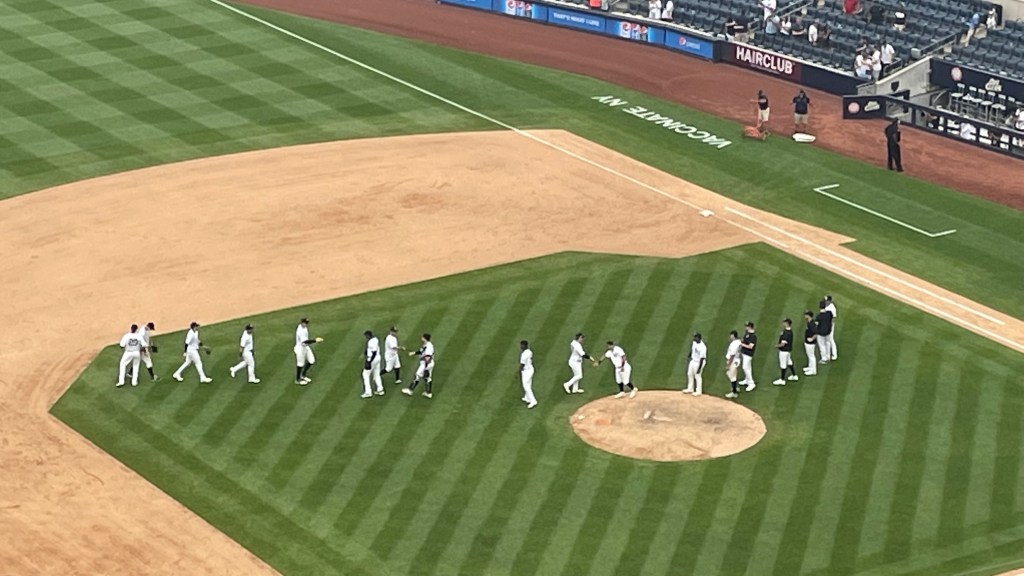
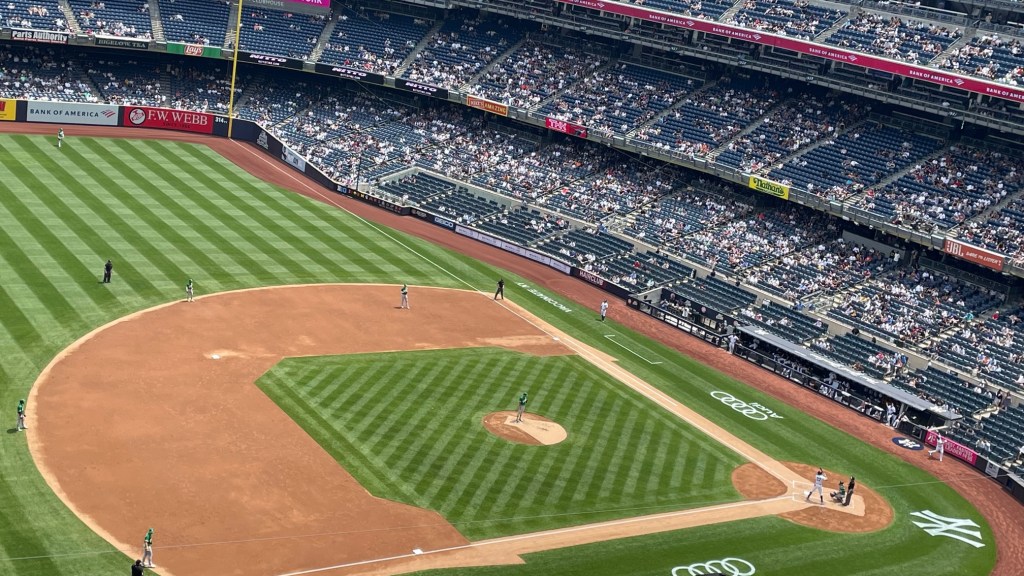
The Cathedral of Baseball

Camera: iPhone 12

Location: Yankee Stadium; The Bronx, New York City, USA

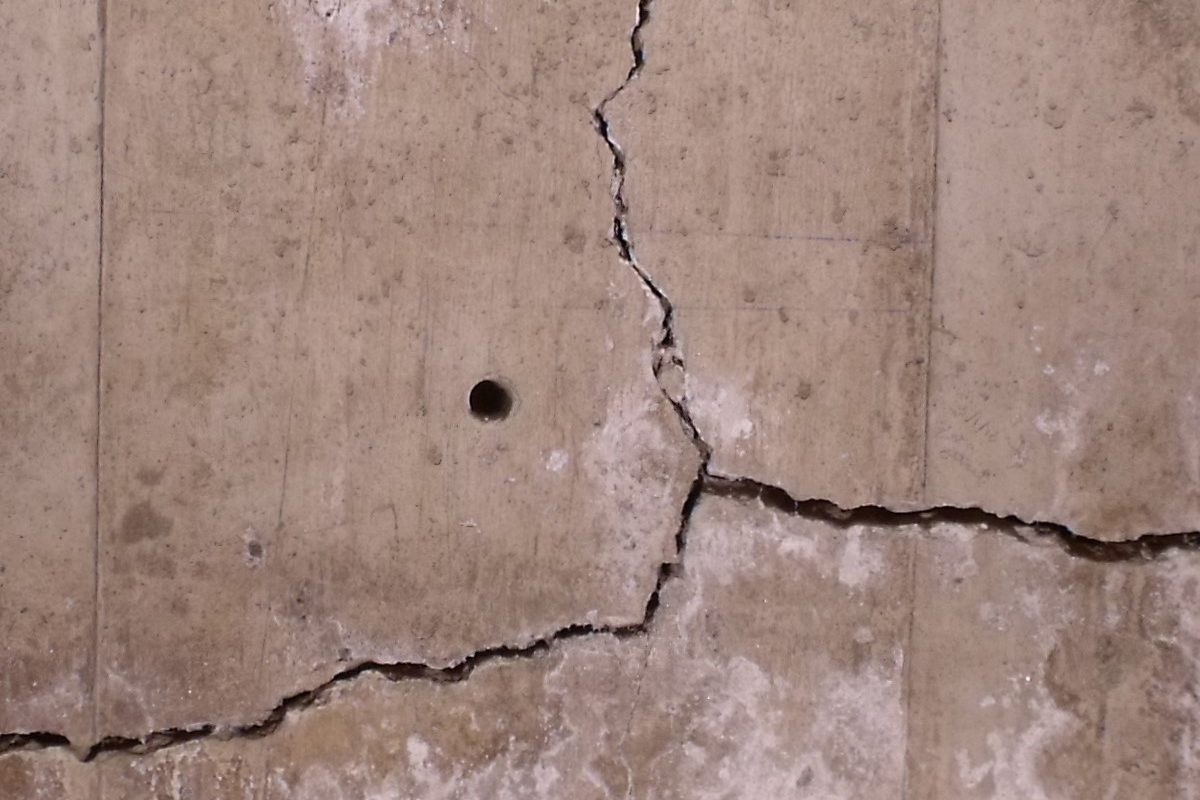
Cracks In The Foundation

“It is why I have chosen this article to focus on my noticing of cracks in the foundation, which signifies that while the foundation of our society is ever present, there are growing cracks in it that harm us each day.”

Good writers are always cognizant of both their wider environment and their immediate surroundings. It can be hard to ignore obvious changes in the wider society, even negative ones that affect our day-to-day lives. It is why I have chosen this article to focus on my noticing of cracks in the foundation, which signifies that while the foundation of our society is ever present, there are growing cracks in it that harm us each day. The ‘cracks’ I will refer to relate to physical infrastructure: everything from roads, bridges, transportation networks to housing. While it would be difficult for me to argue that our physical infrastructure has improved in my lifetime, it does not mean that this is a permanent situation, and the status quo will stay the same or even get worse.

On the contrary, the digital infrastructure has greatly improved in my lifetime to juxtapose against the decline of the physical infrastructure, and I do believe the two kinds of infrastructure are interrelated with each other. While digital infrastructure components such as cell phones, the Internet, fiber optic cables have become commonplace, physical infrastructure has been neglected during this same period of about three decades or more. Our GPS technology in our cars along with our surging connectivity through the growing ‘Internet of Things’ movement continues to get more and more advanced but at the same time, the roads, bridges, and tunnels, etc. that our cars and transit networks use each day continue to show cracks, potholes, and growing traffic gridlock through sheer neglect of either funding, maintenance, or neglect or perhaps all of the above.

Talking about infrastructure is not a popular topic in polite conversation but when people can’t get to work on time or to their doctor’s appointments because buses and trains are running infrequently or they break down for repair on tracks that haven’t been maintained, our wider society is affected. When there is a lack of public transportation options, people suffer economically and personally when they can’t get from point A to point B. I am not sure how these cracks appeared, but it was decades in the making and now we are footing the bill.

I am not a civil engineer, architect, and far from an expert in infrastructure public policy but when you notice how infrastructure could be better or at least improve people’s lives with some shifts, it is important to speak out on how the situation could be generally improved. I would recommend a couple of ways where these cracks in the foundation could be addressed with common sense measures: 1.) Listen to the needs of the local community. 2.) Make sure the money is being spent wisely and that adequate funding is being received. 3) Hold those people in power accountable for the infrastructure present and if they ignore the issue, they should no longer be responsible for overseeing the infrastructure of their city or community.

When transit agencies, local officials, or company architects or engineers don’t solicit public input or opinions, then it is likelier that there will be some friction in new infrastructure projects. For example, if there is real demand for a bicycle lane on a major roadway and that would be preferable than creating another lane on a highway, there should be a referendum or a vote on it after soliciting public feedback. The same kind of opinion polling could be said for a building a new light rail line or a new metro station to help commuters get to their jobs faster and without needing a car.

Those kinds of ideas should be received more easily by officials in charge, and I do believe more community input is key to improving infrastructure. If an agency or a company do not listen to outside feedback, then that project may not happen at all, or the wrong project will get done without public support. At the end of the day, for more infrastructure investments, more taxpayer money will be needed so why not get more public input in each community or in each city on how that increased funding could be spent?

A lack of monetary investment on a consistent basis can cause infrastructure to decay over time. Without tracking where the money is being spent, whether enough money is being spent, or whether any money is needed at all to make repairs, renovations, or new projects, then the physical infrastructure is bound to be worse off. Local public officials must constantly be aware of the infrastructure status of their community or city and to track whether potholes are being filled, whether bridges are structurally deficient or not, or whether new metro stations need to be built due to an increase in the local population. It’s not enough to build the original infrastructure of a town or city alone, but it is also vitally important to do quarterly or yearly updates to see if maintenance, rebuilding, or renovations are needed to that original infrastructure. Some funding should also be allocated each year to see whether new projects are feasible and whether they can be built without doing environmental damage.

If new taxes are to be levied, citizens should have a choice to decide if they would like to pay more in taxes towards infrastructure specifically and how much it would cost annually. I believe citizens would be more likely to support infrastructure investments if they knew how their lives would be improved by them and where that increase in taxes would be going towards in an effort of being more transparent with the public. When officials neglect the infrastructure of the town, city, etc. that they are directly responsible for managing or overseeing, then they should no longer have their authority given to them by the people who elected them, subsequently should lose their power that they were originally entrusted with.

Physical Infrastructure, like digital infrastructure, are the key components of any functioning society and it is the duty of both the average citizen and the average public official to maintain it constantly and consistently, to improve it when necessary, and to rebuild or expand it to make people’s lives better. The tax dollars that go towards maintaining public infrastructure must not be abused or squandered. There should also be a greater effort made to be transparent with where that infrastructure money is being spent and to whose benefit.                   

When the infrastructure works well, when it is efficient, and when it grows the whole economy, everyone stands to benefit. If it is left to decay, to rot, to crumble even, people will lose out economically and it can tragically cause people to be hurt or killed for pure ignorance or negligence. We must always be aware of any cracks in the foundation that appear when it comes to the physical infrastructure. When cracks are ignored, inevitably, they will grow to become fissures, and to even crumble to destroy the foundation entirely, which will cause even more money and resources to be spent in the long run. If the infrastructure is constantly maintained, renovated, or rebuilt, the cracks will all disappear and there will be no tragic consequences to come about as a result when you can strive to solve the problem(s) from the beginning, likely saving money, and even lives in the process.

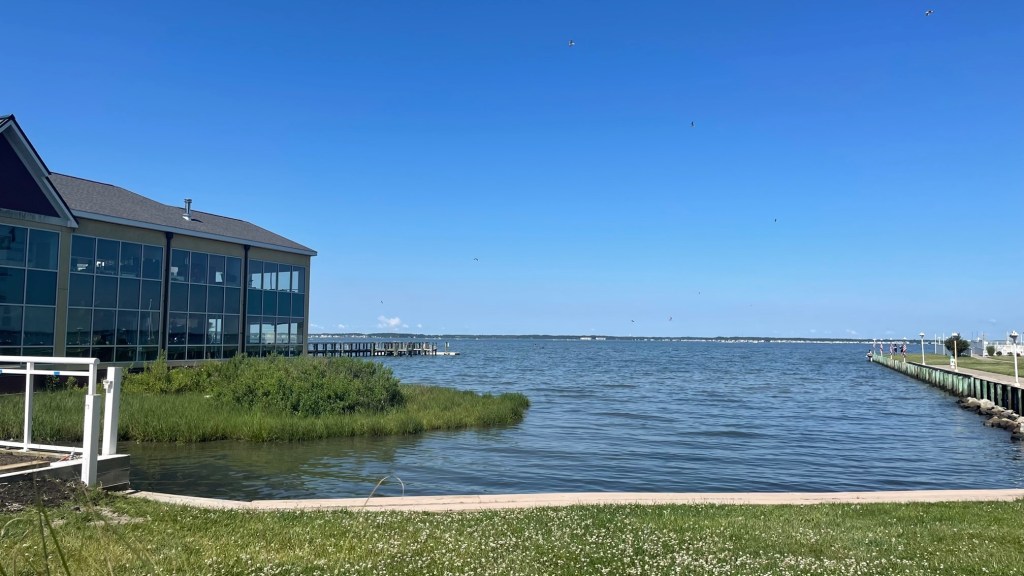
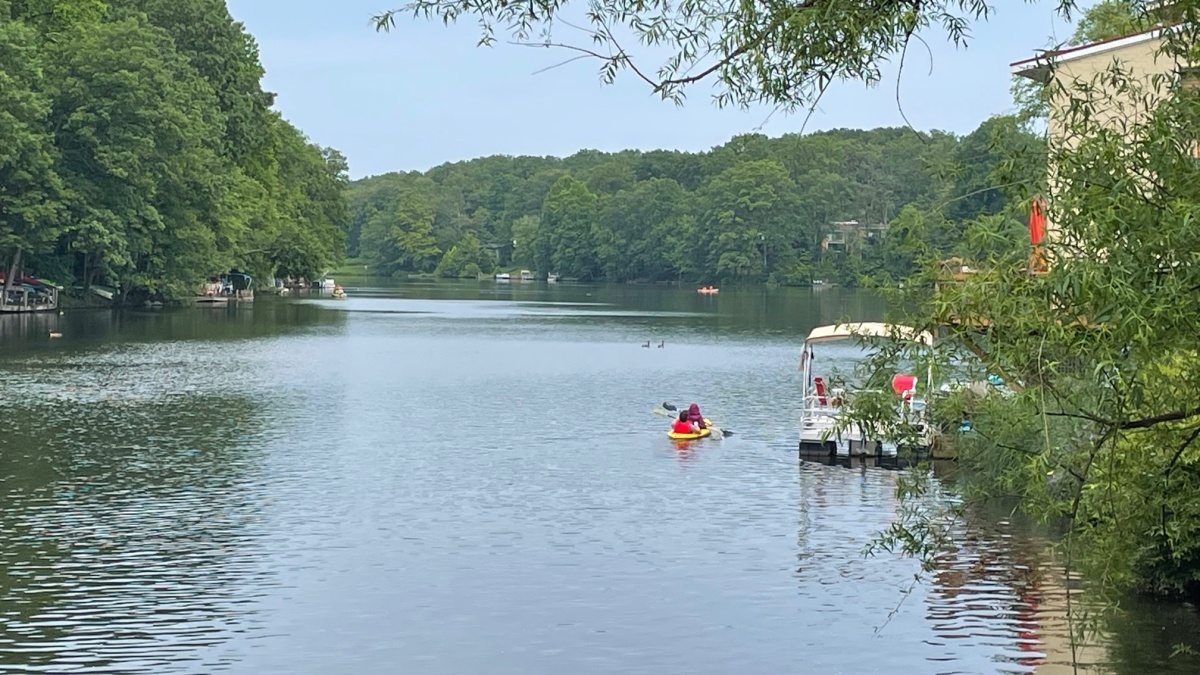
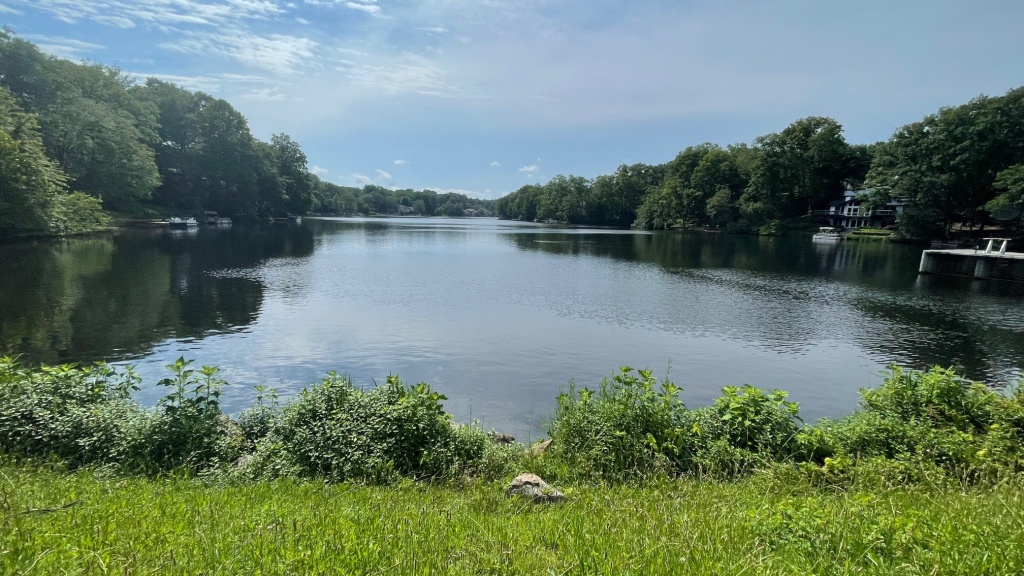
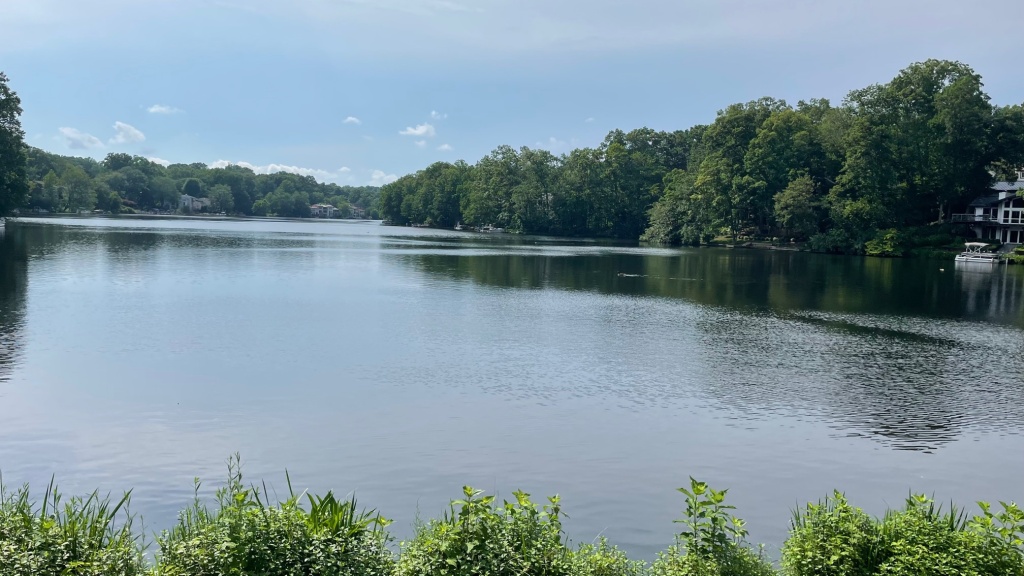
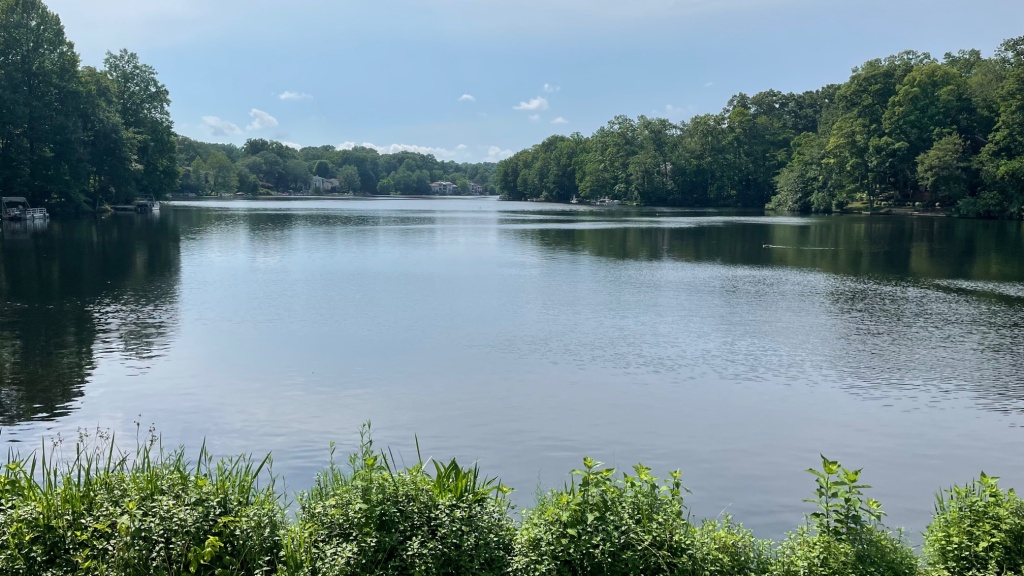
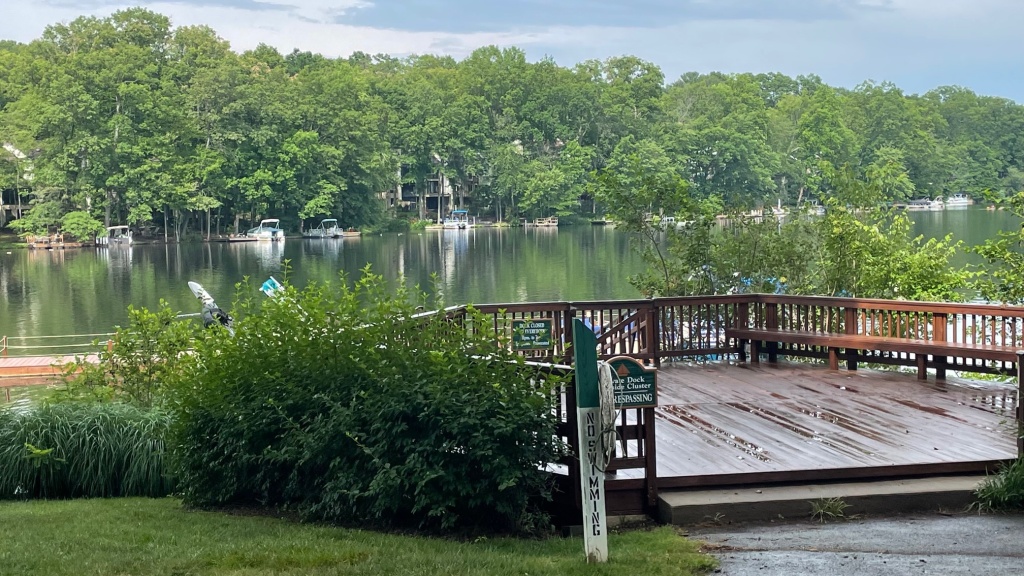
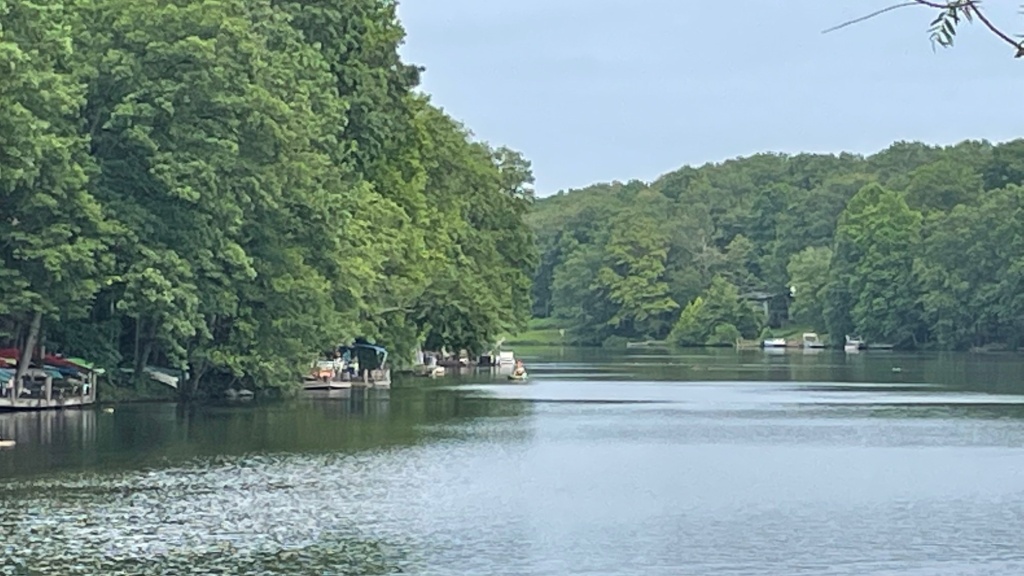
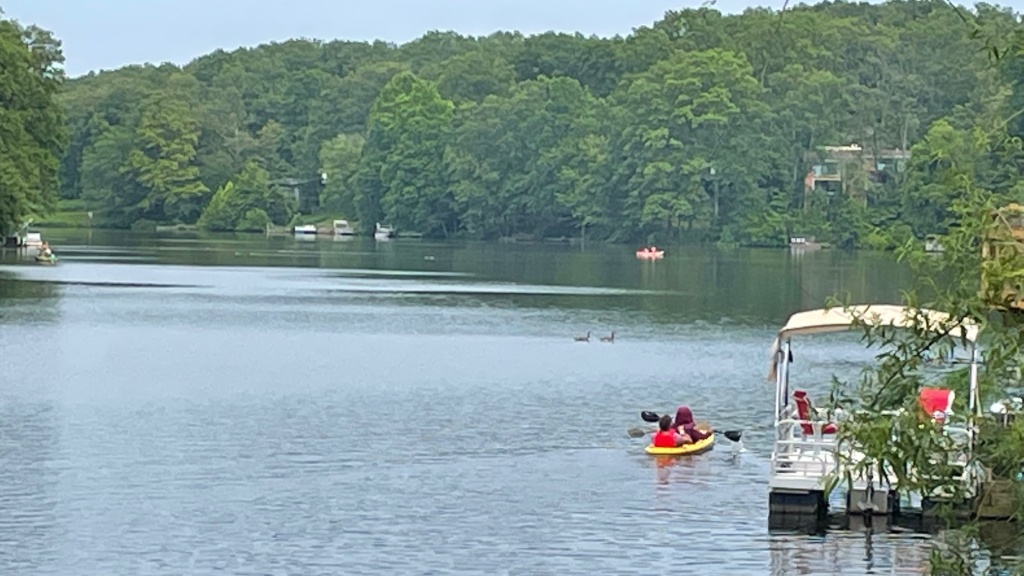
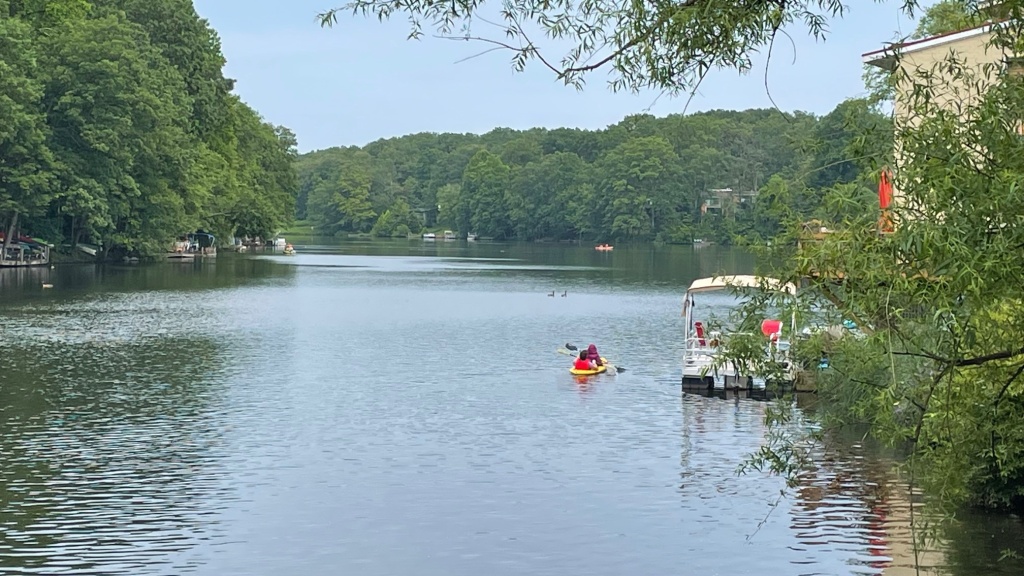
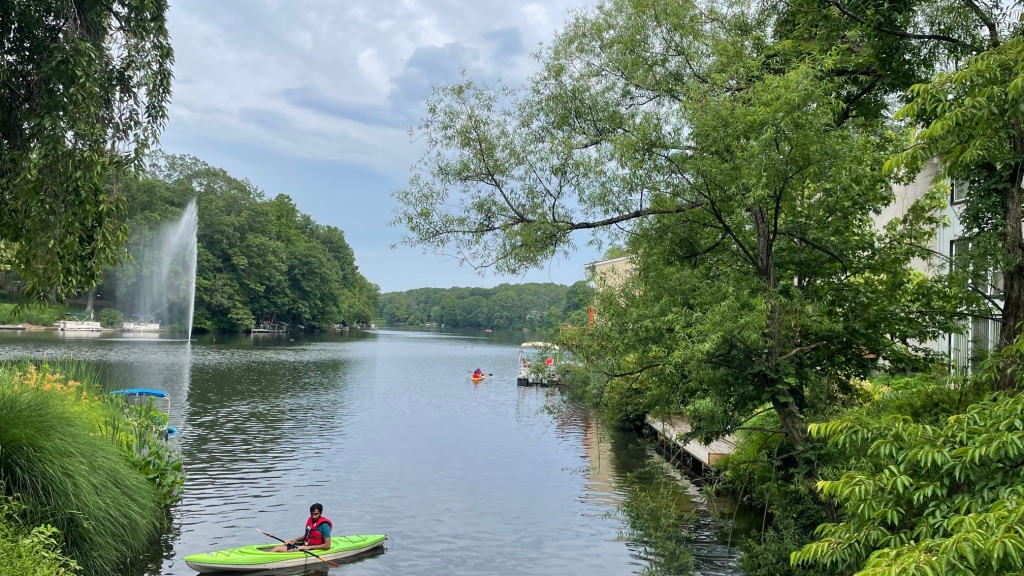
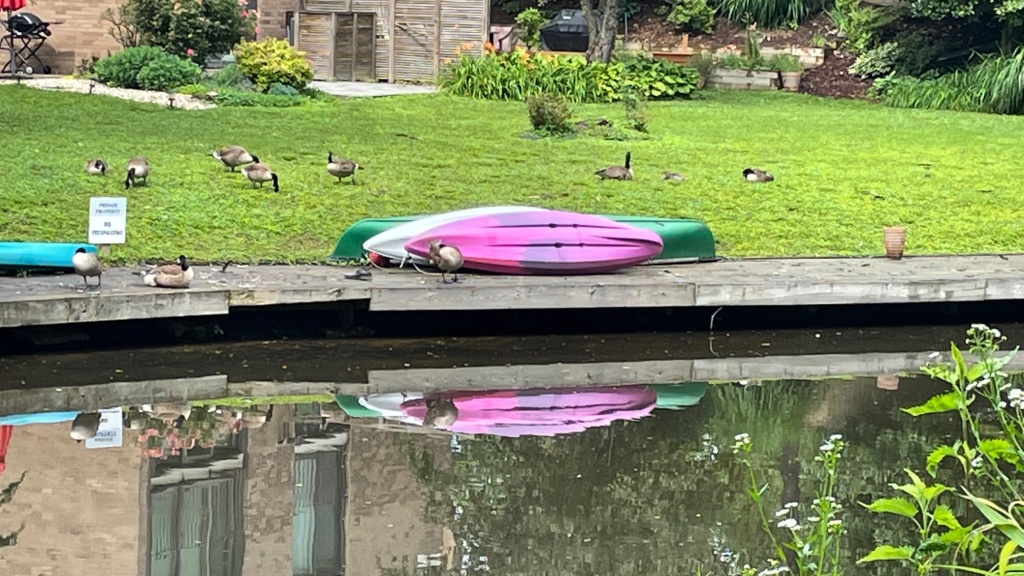
Lake Anne

Camera: iPhone 12

Location: Reston, Virginia, USA

Quiet of the Desert

“Here, I find absolute quiet…I struggle to remember the last time in my life where I could hear nothing at all.”

Here, I find absolute quiet…I struggle to remember the last time in my life where I could hear nothing at all. There are sounds here and there but they are all natural and non-man made. The wind blows full gusts across my body, to hear the rocks move or jolt under my feet as I step over and around them to soar to new heights, and to listen to the sharp squawking of the desert falcon soaring into the air above me.

For the first time in a long while, I am completely alone with my thoughts and my feelings. There’s no one else around and I am alright with that. I am finally able to take a much-needed breather in this fast-paced world and able to concentrate on nothing but the natural sounds around me, intermittent at best. As a city slicker and former suburbanite, the desert is so unfamiliar to my senses that it feels overwhelming to me at times.

Away from any civilization, on my own, and accountable to only myself for once, it is truly refreshing to be able to live deeply in each moment, putting one foot in front of the other as I focus on my singular goal of hiking through the Sonora desert landscape, enjoying every sight and sound without a screen or a person in sight. “This is the way that life should be more often”, I think to myself.

Still though, I am not quite used to the quiet and I struggle to remember the last time I went an hour where I heard nothing but natural sounds or sights. Too often, we desire to be in the hustle and bustle, to be constantly in front of a screen, or each other. Maybe what we need more of is more time in a natural environment where our primordial ancestors were born and raised to hike, fish, hunt, and bathe in environments much more natural than our own today. While cities and towns have their modern advantages, as I get older, I crave these nature experiences. Also, I desire to be alone with my thoughts and feelings, but to fully take in each moment that passes as my life narrows down to the minute here rather than to the week or the month ahead.

As I crisscross the hiking trail I’m on in the desert, I am reminded that nothing in life is ever guaranteed and that the desert suffers no fools indeed. The quiet of the desert can lull you into true tranquility but if you are always not fully aware of your surroundings, you can become one of its unknowing victims. Checking to see if you are conserving enough water, getting some shade in the sun, making sure you are on the right trail, and have a path back, these are necessities to making your desert stay a pleasant one. Luckily, your senses are heightened to the 9th degree as your priorities become solely about both survival and endurance rather than about paychecks and promotions.

I continue to watch my footing, check my pulse, and even observe the environment for snakes that could be disguised as branches. I am once again thrust in a foreign place where I must take care, or I could end up not coming back at all. However, unlike being in an average city or town or even a farm, I am truly alive here and for that, I am grateful. Not everyone gets to experience the multi-colored hues of sediment and rock formed over millions of years. Not everyone is able to see the huge mountains, the unique canyons shaped like chimneys, and the red rocks, and the deep valleys that were molded for many millennia before man first walked the Earth. How wondrous it is to experience this kind of environment, for which we are all caretakers of. I treasure these moments because I know that as we live on a planet under threat from our short-sighted actions and careless deeds, the need to protect the quiet of the desert rings true.

Making my way to the summit of Thunder Mountain, I hear nothing but the gasping of my own breath and the sweat dripping down my neck. I am in awe of the large green plants like the cacti, the red mountains, and the bright, blue desert sky. What a great joy it is to hear absolute quiet at the summit of this mountain and I hope it is not long until I can be here again to enjoy a silent hike, to see the beautiful views, and to be able to hear nothing, nothing at all.

As I reach the end of my hike, I realize how the natural environments are best for people and too often today, we try to drown out the quiet because we have little or no peace in our lives. My trip to the desert taught me to embrace the quiet, to embrace my own thoughts, and to remember to be present with myself when no one else is around. The desert asks you to hone your survival skills a bit and if you can persevere, do your homework, and act wisely, you’ll be rewarded with the absolute silence that many of us crave but few of us ever take action to have.      
When it comes to my favorite thing about being in the desert, it is no contest for me: the stillness, the quiet, and the vast nothingness calm me in ways few other things in life have. That revelation, for me, is worth the strenuous journey to get together, to be there, and to come back having learned more about who I am as a person and what I truly need in this life of mine.

Nighttime at Nationals Park

Camera: iPhone 12

Location: Nationals Park; Washington, District of Columbia, USA

Peace of the Ocean

“Some folks prefer the mountains, others prefer the river, but I prefer the ocean. As the saying goes, “The ocean has no memory.” It doesn’t care who we are or where we come from, it’s just glad that we are there.”

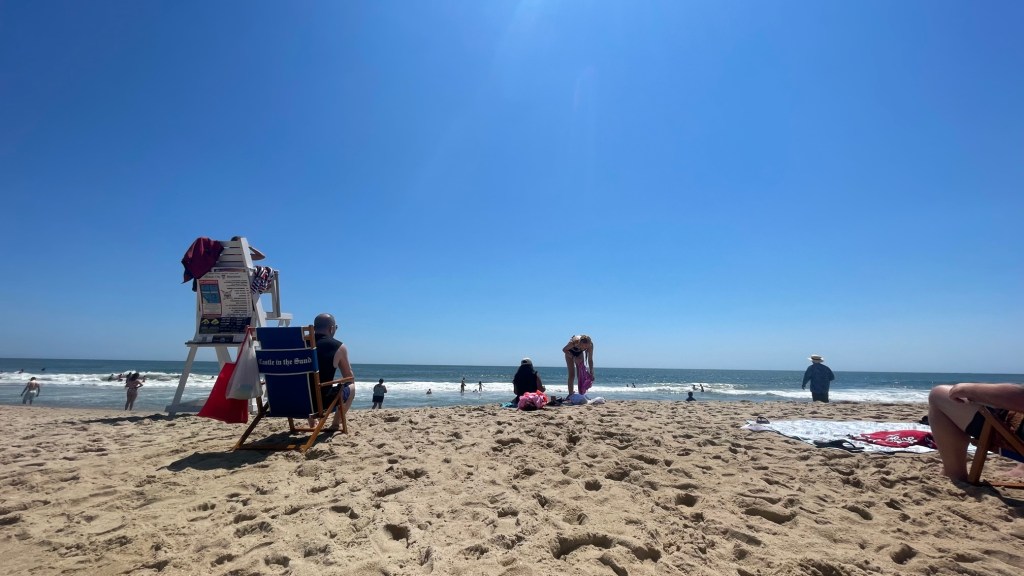
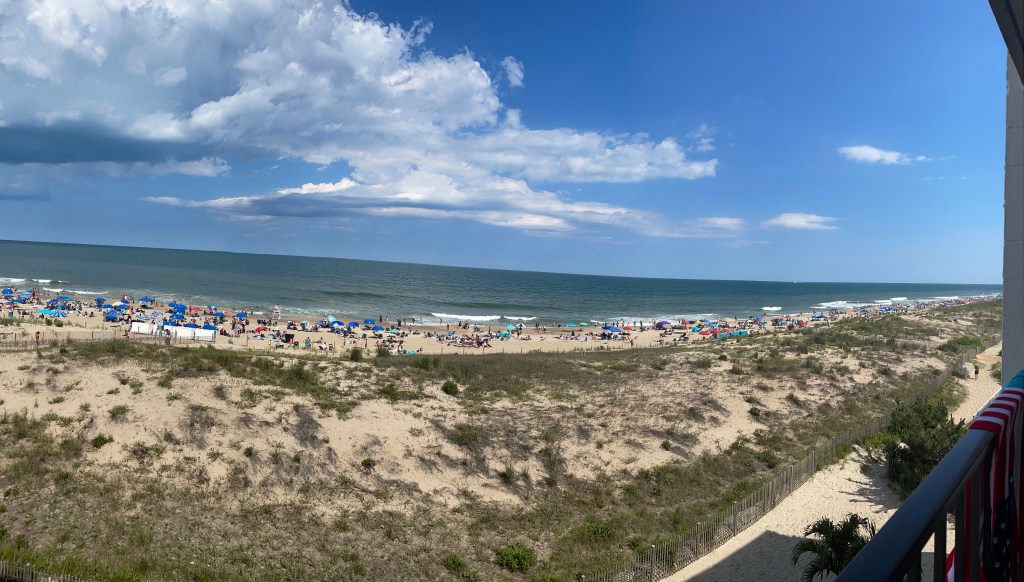
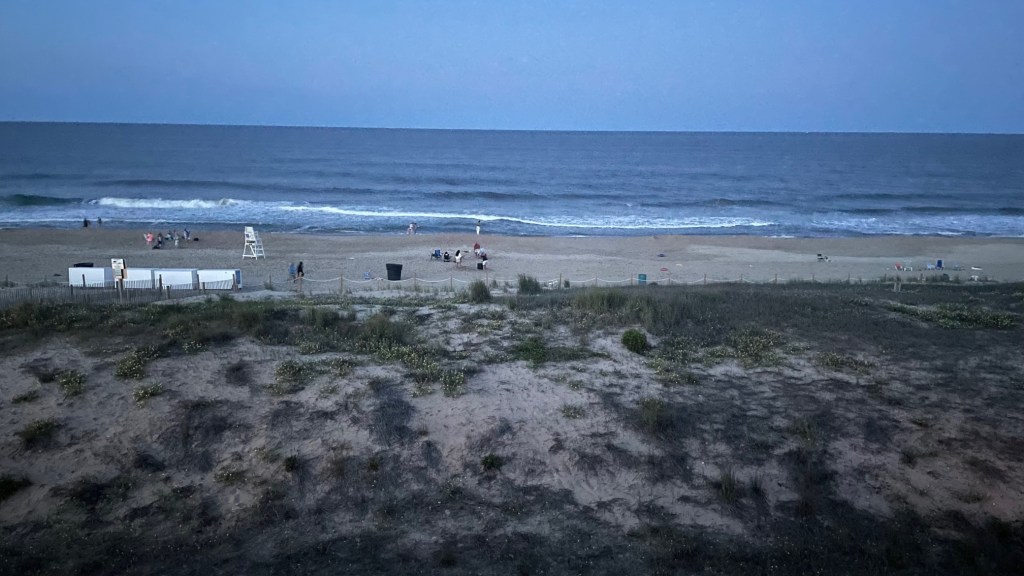
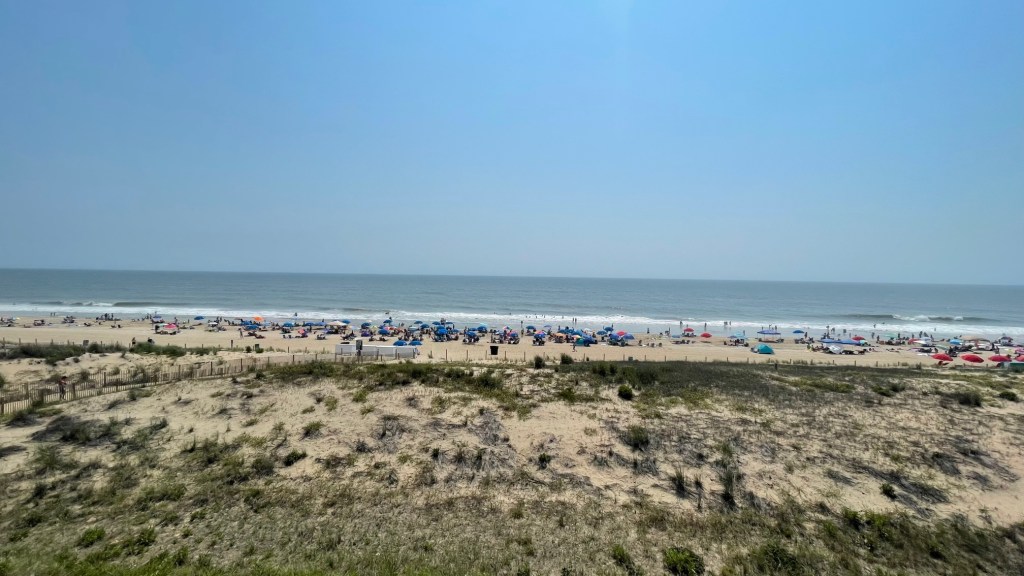
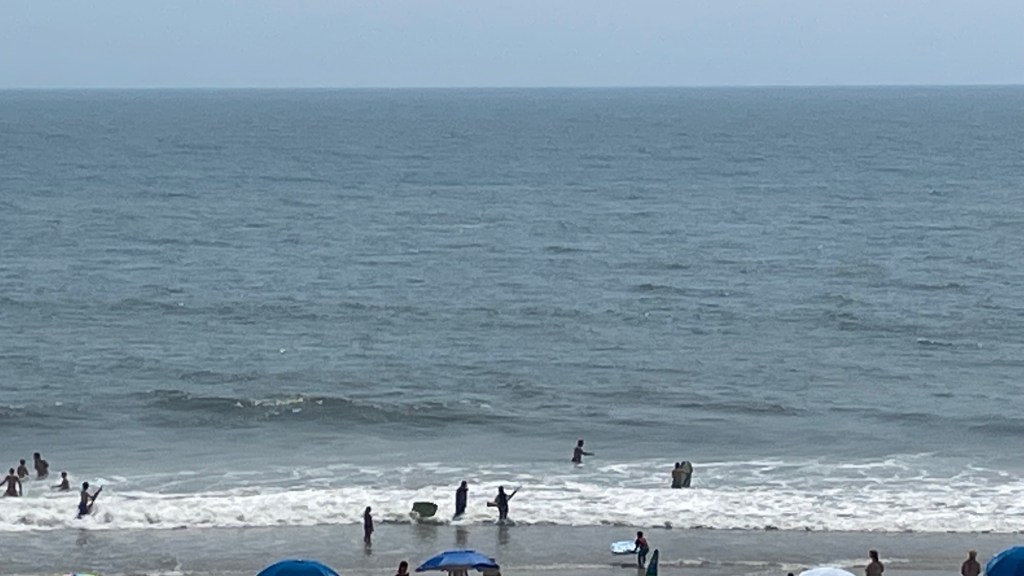
Witness the waves splashing down on the sand, hear the wind swirling throughout the beach, feel the coolness of the water lapping up against your feet, and experience the solitude that you gain from being by yourself at dusk or dawn with a full view of the brilliant ocean. These are just a few ways that the peace of the ocean can captivate us and keep us coming back for more tranquility. Some folks prefer the mountains, others prefer the river, but I prefer the ocean. As the saying goes, “The ocean has no memory.” It doesn’t care who we are or where we come from, it’s just glad that we are there.

In this increasingly fast-paced world based around complex technology that can be both addictive and time consuming, it’s truly peaceful to get away from it all if only for a short while by taking time to go to the ocean. You don’t even have to get in the ocean but by being near it, I believe it refreshes us, it calms us, and allows us to be left with our thoughts and our memories.

Some folks like to swim, some like to surf, others like to fish, while some enjoy lounging on the beach; in all, there are dozens of options on how to interact with the ocean allowing us to find our own peace by being in the ocean or nearby it. The beauty of the ocean is that every time is a little bit different for the person who goes there. The setting may be the same, but you’ve changed as a person and so do your thoughts, feelings, and desires upon coming to the ocean. You grow older, you change jobs, you move places, you bring new people with you, but the ocean and its bounty never truly changes.

How you interact with the ocean may change too and what you decide to get from it will also adapt but nothing that ever changes is that we all seek peace of our own from this beautiful locale. Regardless of the activity involved, the ocean recharges our batteries, lets us relax, keeps us honest, and allows us to leave our troubles behind for a little while. Because of its restorative powers, it is no wonder why millions of people live by the ocean and why billions around the planet seek to visit it year in and year out.

The ocean is such a powerful part of human nature that we bury our dead there at times, that we memorialize people who made a living from it, and that we honor those who preserved peace when wars were fought over access to it. Humanity is always linked to the ocean and if we do not protect and preserve the ocean, a part of our humanity would be lost in the process. The ocean is a living and breathing thing providing us with the oxygen, nutrients, and food that we need to survive each day.

In return for the calm, tranquility, and overall peace that it brings us, we must do our part to keep it clean, keep its inhabitants from becoming endangered, and making sure that it is around for future generations. When we can no longer fish the waters, swim in the waves, or relax ourselves at pristine beaches, we will lose a piece of ourselves, and we will lose our own inner peace that the ocean cultivates in those of us who go there to rejuvenate and restore ourselves each time.

The ocean gives us peace of mind, peace of body, and peace of spirit. It’s only fair that we strive to give back as best as we can by taking care of it and letting it be enjoyed far into the future. Acidification, pollution, loss of natural habits and pockets of floating trash threaten not only the ocean but the rest of the planet too. We will not be able to have as much as peace if the ocean is dying. When we can no longer fish the waters responsibly, swim in clean waves, or go boating with clean energy, we will suffer a true lack of peace. Our minds and our bodies won’t be at ease if the ocean is not at ease.

The climate change crisis is not just about preserving the planet, but it is also about preserving our own mental peace of mind. The ocean allows us to feel better about ourselves, improve our social relationships, and spend quality time away from work or other commitments. If we lose the chance to enjoy the ocean, that lack of peace will hurt us as human beings. If we can no longer enjoy one of our best natural environments, we will lose a great way to relax, rejuvenate, and recharge ourselves to deal with life’s challenges and opportunities. I hope we can do better in the future to keep the ocean beautiful, clean, and vibrant because I enjoy the peace that it brings me in return.
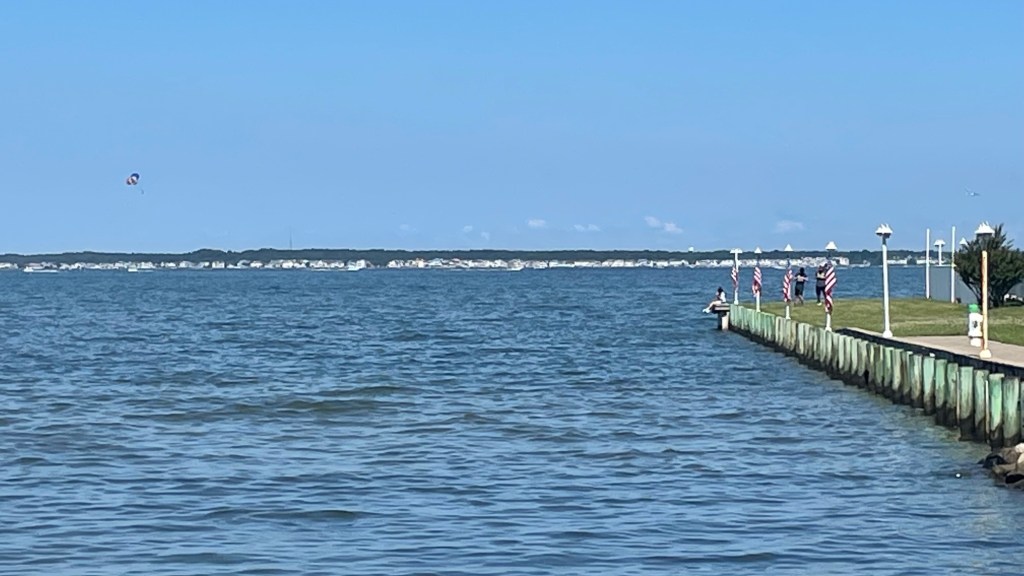
Anacostia Riverwalk

Camera: iPhone 12

Location: Waterfront District; Washington, District of Columbia, USA

A Premonition from Wall-E

“You cannot argue against the fact that the creators of Wall-E were trying to warn the adults in the audience that this vision for humanity is a lot closer to reality than we would like to imagine.”

The beauty of Pixar movies is that they are not only for children to enjoy but adults as well. Many Pixar movies from Toy Story to Finding Nemo to The Incredibles carry important lessons regarding how to be caring, how to look out for one another, and how to stand up to injustice. Children enjoy the characters and the visuals while adults enjoy the lessons behind the main storyline. We understand how it can be painful to give up childhood toys in ‘Toy Story’, we understand the value of a new friendship earned as in ‘Finding Nemo’, and we deeply get the humdrum of the 9 to 5 day job that’s unfulfilling, but you need the money to survive or to feed a family as in ‘The Incredibles.’

The most powerful example of Pixar bringing adult anxiety and familiarity to life would be in its central ‘premonition’ in their hit film, Wall-E. What the movie ‘Wall-E’, released back in 2008, did was essentially predict where we are heading in 2021 potentially and where we could be by mid-century even though the movie is set in another eight centuries in the 2900s. The central ‘premonition’ or prediction that the film Wall-E makes is about the state of our beloved Planet Earth in the far future although that future in 2021 seems a lot closer to our collective reality than it was even thought of back in 2008. In the Pixar film, the Earth has become a garbage-strewn, hopelessly polluted planet with corporate greed, blatant consumerism, and environmental collapse being the norm rather than the exception. On top of all that, there are robots who do 99% of the labor that humans used to do.

In a particular scene that has stuck with me over the past decade is the sight of exceedingly overweight people in electric motor-scooters being hypnotized by their screens, totally oblivious to the environmental damage and neon advertising signs now in their periphery. In this bleak vision of the future, humans have let themselves go while robots have picked up the slack. Robots steer the ships through space and like Wall-E, they are forced to find a planet for recolonization that can suit humans now that the Earth has become an open-air garbage dump. Poor Wall-E.

Although you could say that this vision is a bit nonsensical in that everyone on Earth has become hopelessly dependent on robots, screens, and consumer goods to make it through the day, you cannot argue against the fact that the creators of Wall-E were trying to warn the adults in the audience that this vision for humanity is a lot closer to reality than we would like to imagine. 

While the film does not mention how did the Earth get so polluted where it’s become inundated with garbage everywhere or how did humans get so overweight, you can tell the writers were using a possible worst outcome scenario if we don’t try to look after ourselves better and to look after the planet that we love. ‘Wall-E’ takes the dystopian vision of the future to the extreme, but I would say that they are trying to take us to the worst-case scenario to make it clear how bad things could still get if we don’t start cleaning up our own act.

In 2021, who could argue with the fact that there are some sadly overweight people who cannot get around without motorized scooters, the fact that there are certain people who interact more with screens than other human beings, and that the fact that there are certain areas of the planet that have ceased to be livable because they are indeed open-air garbage dumps. The brilliance of a premonition is that it is essentially one vision of the future, and it does not necessarily mean that it will come true. This premonition of the movie Wall-E is not just a dystopian vision but a warning to humanity. Even back in 2008, we were warned that if we don’t start taking care of ourselves and the planet, life as we know it in the future will be worse. To those of you reading this article who would say, “It’s just a Pixar movie and is just fiction! Why should we take a fictional Pixar movie seriously?”

To that critique, I would say that there is often truth found in fiction and just because it’s not a true story and is an animated movie does not mean we should not take the film’s central message seriously. If you see the entire film, the average viewer should realize the main message of Wall-E is to always take responsibility for one’s actions because if one person doesn’t in terms of neglecting their health, their lack of care for others and the planet, and to obsessed with the latest technology, that one person’s behavior causes ripples throughout society causing life for everyone to get progressively worse.

The first part of the premonition where we can change our actions so that this warning does not come true is to stay active, eat healthy, and exercise. To end up like a person who is carried around on a motor scooter and can’t even walk around or push buttons anymore is no good way to go through life. Many people today live sedentary lifestyles and are less physically engaged than previous generations. Each person really must work at it to stay physically active if their work or lifestyle does not encourage it. Hopefully, Wall-E encourages more people to take the initiative to take their health seriously because being tied to technology, to consumer goods, and to the latest food fad can end up causing this part of the premonition to become a reality for more and more individuals.

The second part of the premonition where we can change our actions to stop this premonition is to lessen our addiction to technology. Screens are inevitably part of our present and our future, but we must continue to monitor our screen usage, encourage reading and other activities that are not done on screens, and to be able to take a day or more away from screens from time to time. In Wall-E, the people being carted around were staring at their screens continuously like zombies without being aware of the outside world. They didn’t even pay attention to Wall-E when he zips on by and he’s a living robot! I’m sure each of you reading this article has your own story of seeing someone on their phone as they walk across the street not aware of cars driving by or of someone else driving a car and staring at their phone screen rather than paying attention to what’s ahead of them on the road. Technology can help our lives out in many ways, but it is addictive, it is invasive, and it also can cause us to make deadly mistakes. Wall-E clearly warned us back in 2008 about the setbacks of being addicted to our screens.

The last part of the premonition that is most worrisome not just for individuals or for society but for the entire planet. Rampant pollution, poor air quality, lack of trees and vegetation are the main planetary problems highlighted by Wall-E. While the movie doesn’t cover how Earth became uninhabitable, it lays the blame squarely on human beings and our lack of care for the environment. The planet as depicted is filled with garbage, essentially having become an open-air landfill. Because of the Earth being ruined, Robots have must help humans find a new home but there is an underlying message there that how can we not ruin another planet when the Earth was not taken care of? When you can no longer breathe the air or drink the water, what good would a new planet do if the same mistakes are to be made? The environmental impact we are having on our planet has been known for decades and it was made known to the audience in Wall-E back in 2008 but it’s now getting late into 2021 and sadly, it seems as if environmental damage and climate change is getting worse, having greater impacts, and causing us to look more seriously at the fact that the planet might not be habitable for future generations to come.

When you look at Wall-E, you see an animated robot who is both goofy yet cares enough in trying to save Earth, which is seemingly past the point of no return in the movie. I hope we never get to the point in the far future when robots care more about the planet than we do to save it. Wall-E’s central premonition has come true in some aspects of life, but we do still have enough to change ourselves, our society, and our planet so that the premonition does not become a reality. There is indeed truth in fiction and Wall-E is an excellent film that shows us how if we don’t pay attention to the warnings laid out before us, we will make the same mistakes as the human characters do in Wall-E.