Earth Before Mars – Why Humanity Must Solve Today’s Crises First

“We continue to dream about colonizing Mars and visiting the Moon again while ignoring the rising Oceans and hungry mouths here on Earth.”

We continue to dream about colonizing Mars and visiting the Moon again while ignoring the rising Oceans and hungry mouths here on Earth. I read a recent headline that summed this contrast up for me when it was reported that ‘record heat of 2024 triggered a surge in sea level rise’, which is a headline that should give us all some pause going forward as Earth is and will remain our only place in the universe that is habitable for the foreseeable future. Still, we push forward with satellite launches, planned manned missions to the Moon and Mars, and developing other capabilities in the space realm.

Now, I have no issue with organizations and companies that seek to reach the next frontier of Space and there are real benefits for science and technology along with fomenting further international cooperation in this area. However, it is worrisome when we take our collective eye off the ball regarding real man-made issues that we have yet to solve here on Planet Earth that either are lacking attention entirely or continue to get worse (climate, poverty / inequality, wars, famine, etc.) Humanity should always dream big and continue to push ourselves forward intellectually. It is good to devote oneself to a mission when it involves curiosity, knowledge, and progress.

Space travel, universal Internet access (via Starlink, for example), breakthroughs with artificial intelligence, developing the cities of the future, etc. At the same time, we should not risk ignoring or downplaying the real urgent problems in front of us, of which there are many left unsolved. Progress matters and that has been the case throughout human history, but survival, justice, and shared prosperity should be first and foremost in terms of our priorities going forward.

There has been a trend in recent years towards apathy or not putting enough resources to end hunger, homelessness, or poverty in favor of space travel for the privileged few, colonizing planets including Mars where life, more than likely, cannot be sustained there, and mining asteroids and planets for crucial minerals and other resources of interest. There’s nothing wrong with romanticizing exploration beyond Earth and dreaming of what future generations could achieve beyond our planet one day.

Still though, that day is many decades or centuries away and right now, Planet Earth needs more of our attention than those faraway planets and solar systems. Those of great wealth, popularity, fame, and notoriety are pouring more money and resources to interplanetary dreams for themselves (most likely) rather than helping their fellow man or woman who could use their help instead. Some of the wealthy and privileged in our society seem to be hypnotized increasingly about seeking out these distant dreams rather than being part of the solutions here on Earth.

We need a reality check for everyone, including those of superior means, that there are major issues on our planet that are not going away and are getting worse in recent headlines. Whether it is climate change, wealth inequality, political instability, crumbling infrastructure, possible pandemics, wars and conflict, these are the primary issues that should capture all our attention. If we cannot make Earth a livable, sustainable, and safe place for future generations, then we do not deserve to leave the planet to colonize other planets nor set foot on Mars to begin with. All of these issues on Earth are solvable still in my view but we have to keep creating attention to these different yet interconnected problems, and to me, it is not a question of money or resources, as if we have enough money for manned missions to Mars in 5 years then there is no reason why we can’t eliminate poverty or hunger on this planet first.

Prioritizing our present and future on Earth is also not anti-progress for humanity. I am not against dreaming big or for resources to go to space travel. However, it’s about sequencing our collective priorities better going forward. Before we build a new boat, let us fix the leaks in the current boat before we sink and must abandon ship for that new boat.

There is not just innovation to be found in this current space race but I do believe also that solving present issues can accelerate innovation here on Earth. Whether it’s AI tools leading to new health cures, developments in clean energy technology building new industries here, or eliminating hunger allowing children to learn better, retain more information, and create more educated professions to solve the next challenges here on Earth. Humanity must handle survival, stability, prosperity, and justice for our baser levels before we move on to higher-level pursuits, similarly to ‘Maslow’s Hierarchy of Needs’ on a planetary scale.

We are not just dealing with one or two current issues on a humanity scale right now. I can name at least five major issues that are still unresolved and are either stagnating in terms of progress or getting worse currently.

  1. Climate Change & Environmental Collapse – the most existential issue of our time and a threat to all life on the planet, more immediate mitigation is needed and on a scale of global effort to avoid the worst kind of consequences that are likely to happen in my lifetime.
  2. Global Inequality and Poverty – Billions of people still lack clean water, enough food, or a basic education, and we have the money available on the planet to solve these challenges, yet our financial capital is being spent towards other dreams like space travel.
  3. Conflict and Authoritarianism – Recent conflicts or wards along with rising political extremism threaten to destabilize humanity’s future and saps our ability to come together to solve these other problems on my list. We also run the risk of turning against each other rather than rallying our resources together to solve issues on a global scale.
  4. Public Health and Pandemics – COVID-19 showed us all the importance of pandemic preparedness, investing in science and research, and establishing early warning systems to alert the public when a pandemic takes hold. Are we prepared for another pandemic? I am not so sure and believe this is an area where more collective action is needed.
  5. Infrastructure and Governance – Crumbling systems whether its infrastructure, health care, schools, or other vulnerable institutions that fail us leave nations and peoples behind and causes inequality to grow among us. Investing in our collective futures starts with investing in our public systems in different areas so that each of us is given the best chance to succeed and contribute to society.

There is a cost to ignoring or downplaying the issues of today because we will eventually be paying for them in the future. Runaway climate change, more wars, growing inequality, dysfunctional public institutions will all impose a heavy burden on us here on Earth and technological dreams become pointless if society stagnates, ruptures, or collapse beneath the sheer weight of these issues. Space travel isn’t so great when nobody can afford to go, the Earth the astronauts come back to isn’t so pleasant, or when there’s no money to continue funding the dream because other issues became so severe, space travel couldn’t be afforded anymore. A colony on Mars won’t help any of us if we can’t figure out how to keep power grids running here or how to keep our cities from flooding from further projected sea level rise.

Let’s continue to invest in space exploration because of what good it can do for humanity but let us also not sacrifice fixing the problems here on Earth not yet solved because we want to colonize Mars or other planets. We should weigh better as a society our collective priorities and how much funding, talent, and attention we will give to our problems here on Earth vs. our future dreams on a planet far, far away.

Governments, businesses, and individuals can each play a role by changing our priorities to focus first on fixing the problems of today rather than solely focusing on the dreams of tomorrow. We should continue to vote for leaders who prioritize our current Earthly issues, participate civically in helping to draw attention to these issues, and live sustainably to start to shift attention and resources to these issues that I’ve highlighted, which affect all of us today, whether directly or indirectly.

If we devote ourselves to fixing Earth today and into the future, we won’t just survive, we will then be strong enough to reach for the stars while comfortably knowing that we have a thriving and prosperous planet that our astronauts would be returning to, with their heads held high. Ask yourself this question too: what is the one issue of our time that you can help fix today, before we start building the future on another planet many years from now? I think you’ll find that we have more power and influence than we think and that our actions today will inspire others to also act in shaping a better planet where we can both live out our days here and still dream of a space-bound future one day for generations to come.
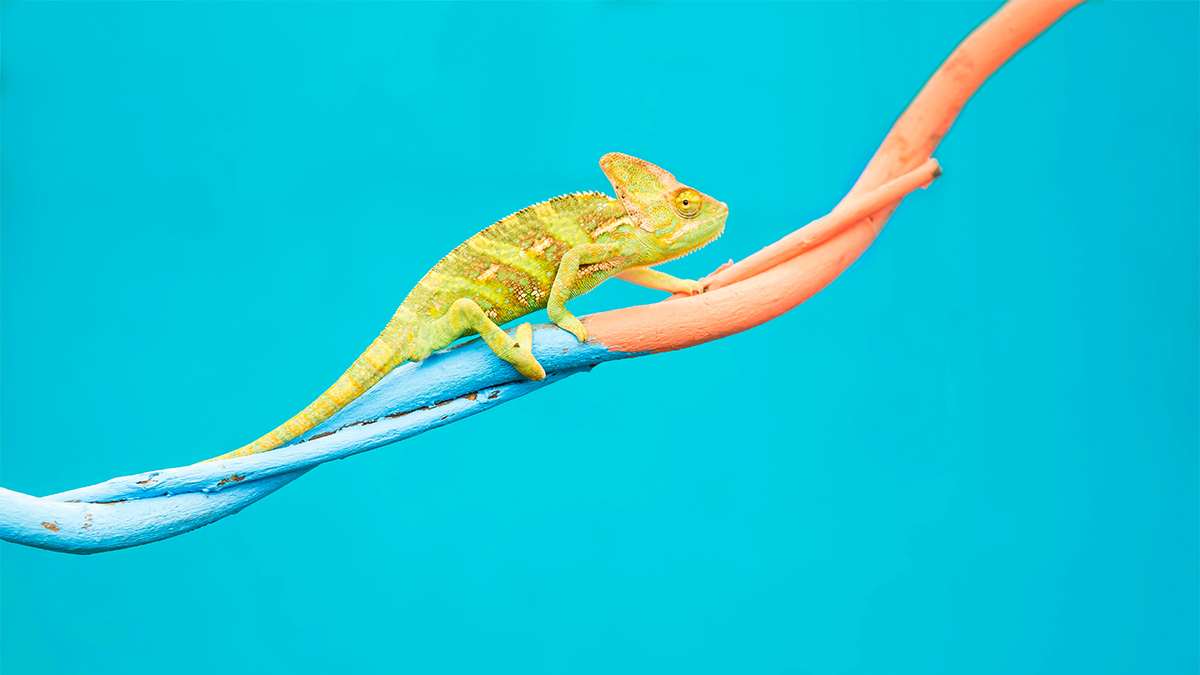
Adaptability Is Both Our Greatest Strength And Weakness

“To be, feel, or act the same or to be resistant to change can hurt us in an ever-changing society where we are constantly at the mercy of forces that are beyond our control.”

Being adaptable is largely thought of as a good characteristic and for which you are usually commended for. We try our best to be adaptable to the challenges and opportunities that life throws at us as best as we can. To be, feel, or act the same or to be resistant to change can hurt us in an ever-changing society where we are constantly at the mercy of forces that are beyond our control.

When you can adjust to new conditions or changes, there is usually positive reinforcement from others who also are adaptable to the changes or conditions at the same time. My concern is that while adaptability has helped us thrive in different eras as a species, it has at the same time been a weakness of ours in adapting to norms or behaviors that harm our collective progress.

Adaptability is both our biggest strength and our biggest weakness in that it both allows us to change conditions and norms for the better, but also it can make things worse when we backslide into previous harmful attitudes, values, and beliefs that can make a comeback. Being adaptable has helped humanity survive different tumultuous eras since the early days when we were foraging for basic sustenance and shelter to survive.

The act of adaptation goes back to what makes us innately human, at our core, even when we get used to adapting to less-than-ideal conditions or changes that revert progress we’ve made rather than embracing further progress to our benefit. While change does not always equal to progress, my concern is that when we are adaptable to any kind of change, both positive and negative, without thinking of the consequences of such constant adaptability, we remain at risk for going backwards and worsening our quality of life.

To give a few examples of when adaptability is a strength of ours as a species, I would refer to our ever-increasing desire to assimilate, tolerate, and promote diversity, inclusion, and equity in our world. This social inclusion and desire for equal rights has been an adaptation that is rather recent when you consider how far humanity has come from the centuries and millennia of mistreatment, discrimination, slavery, and wars that were fought to keep the horrible status quo of how we treat each other.

Our ability to adapt to making sure that this previous status quo was no longer acceptable and repugnant in terms of previous attitudes has led to greater tolerance, acceptance, and more diversity throughout the world. Yes, there are still challenges to our adaptability in this important area but to say that we haven’t made progress in this area of life would be a falsehood. Being able to adapt successfully to these societal changes has by and large been a positive development in my lifetime and beforehand earlier on in the 20th century. While there has been negative resistance to this kind of adaptability, I’ve found there has been most people accepting these changes that have gone on and while the struggle continues, this strength of humanity to seek greater equality and inclusion has been a net positive of our adaptability mechanism.

In addition to that previous point, the expansion of social and economic rights to more and more people throughout the world have led to greater political and civil rights as a result. They have been tied to each other and have been a positive step in the right direction. There is greater representation politically and economically for more diverse populations than ever before and while progress still needs to be made, the status quo has been upended by our adaptability in this area to these kinds of societal changes.

While adaptability is our greatest strength, it can also be our greatest weakness ironically, and this has been shown in different areas of life where there has been a reversal of progress recently or too much comfort shown with a lack of progress. I’ll point to two different areas where there been a reluctant yet steady adaptability towards the climate crisis and for democratic backsliding across the world. Where there is significant resistance in both areas, we are running out of time in preventing these new ‘norms’ from taking hold. It’s common knowledge that our planet’s climate is changing with disastrous consequences for livability for more and more people in different worlds.

Longer-lasting heat waves, disastrous storms with greater frequency, and unyielding glacial icecap melting threaten to become the rule of our life on this planet rather than the exception. From my perspective, we have become complacent to these changes and are looking to adapt rather than to work harder to change course. From our political leaders to our civil society, we are looking more and more like we are giving up rather than trying harder to reverse the negative changes set to befall us around the world.

Our ability to adapt to a warming world highlight how while we can adapt to negative changes, many of us will still suffer as a result and some won’t survive this kind of adaptation. Rather than seek to change the status quo in climate action, I believe that we are seeking to adapt to the changes that will befall us despite the harm it will do to the planet and our place in it rather than do our best to collectively try to resist such a negative adaptation.

Related to this regretful kind of adaptability, our political leadership worldwide has failed to martial the resources and the willpower necessary to combat climate change as quickly and as effectively as needed. Instead of championing solutions and working across societies to solve the climate crisis, there has been instead of focus on centralizing power, holding on to political office, and reversing previous norms and values of democratic rule to a forthright shift towards autocratic or dictatorial rule. I think this is a negative adaptation that more and more countries are seemingly getting used to as previous norms, values, and equality under the law are being undermined. It is not too late to reverse the damage done while the power of the vote and the right to assemble and protest is still allowed but that is not a given.

As much as we had to adapt to democratic rule centuries ago, it’s been shown that when there is no fight to keep those norms and values alive, we can just as slide backwards to the days when kings, tyrants, and demagogues ruled by force and decree across broad swaths of the world. Democratic norms and values are not universal values these days but our adaptions to them have largely further greater equality, inclusion, and prosperity than the opposite of autocratic rule. If we get used to the unraveling of previous norms that had served us well as a society to a previous time where we adapted to autocratic norms and rule by the few over the many, then we are in for a rough period of adaptation which will not serve us as well.

Adaptability has largely served humanity well since our early days of foraging and hunter-gathering. It is an innate trait that we must make whatever conditions we live in work well enough for us. Being able to adapt can both help us but also harm us depending on what we are adapting to. Let’s continue to set a higher standard individually and collectively to what we tolerate and adapt to and what we will not adapt to. We still have a choice in what we get used to and for what we do not accept and let’s hope we always will but right now, our adaptability is leading us on a crash course where instead of choosing to adapt to our surroundings, we will be forced to do so and will have to do so as a result without having had the choice in previous eras.

‘Extrapolations’ – TV Series Review and Analysis

“Recent wildfires in Canada that have caused the worst air pollution in decades across the Northeast U.S. this week have made me think about how our lives are becoming more and more impacted by the effects of climate change.”

Recent wildfires in Canada that have caused the worst air pollution in decades across the Northeast U.S. this week have made me think about how our lives are becoming more and more impacted by the effects of climate change. Growing wildfires, powerful hurricanes, sea level rise, melting glaciers, species extinction, and more acidic oceans are all causes for concern for people around the world and no country or people is likely to be exempt from at least one of the effects that have already been documented. What happens though in the next 50 years when we don’t take enough action now and in the past to reverse a possible future of no return?

That question is the premise for the first mainstream drama to focus on a future where climate change wins the battle that we are currently on track to lose if we don’t make drastic changes to our impact on the world around us. ‘Extrapolations’ is not a run of the mill documentary about climate change nor is it a disaster film that has become popular in Hollywood regarding disastrous storms. Instead, it is a rather intelligent take on the world soon when humanity cannot prevent global temperatures from staying at or below a 1.5-degree Celsius increase. The show covers what happens when humanity fails in its objective to keep the warming of the planet to a tolerable level. What starts out as 1.5 degrees Celsius becomes 2 degrees than 3 degrees until we become way past the point of no return past mid-century when 3.5 – 4 degrees Celsius is where the planet is headed.

Throughout the show’s eight episodes, we see the effects on the planet from Miami, Florida to New York City to London to Tel Aviv, Israel to Mumbai, India. From sea level rise wiping out the most popular nightlife areas in Miami including a historic synagogue to the constant wildfires that engulf Israel and the Middle East to limited outdoor time in Mumbai each day due to the overbearing heat and polluted air that causes deleterious effects to one’s health, the writers paint a grim yet realistic picture on what will happen if our climate change efforts fail miserably. More so than just the settings that are portrayed accurately in terms of how these popular cities may face their own negatives based on their geographic location, the characters in ‘Extrapolations’ have fully developed backgrounds, and you really get to know each of them over the course of the TV series.

There is a wide berth of society who are represented in this show from the wealthy billionaire who is interested in maximizing profits and takes advantage in his corporation from a dying planet to the Rabbi who is trying to wrestle with his faith in God as his synagogue slowly floods from the rising sea. What ‘Extrapolations’ does well is that it acknowledges that no one is purely innocent or purely guilty because of how badly climate change has warped the planet. Everyone is responsible in their own way, some more than others, but humanity is to blame for how we did not act quickly or unite fast enough to overcome our differences to reverse the worst effects to come.

The human effects of climate change are also explored such as how we are affected when we cannot go outside or must stay indoors to avoid heart or lung issues, why the extreme heat can prevent any work or leisure to take place, and how loneliness, depression, and atomization becomes more common when we despair at the worsening state of the planet.

My favorite episode in the eight-part TV series is ‘2066: Lola’ where we see how much augmented and virtual reality has come by then so that people are paid essentially to pretend to other people as a gig job and earn credits or money that can help improve their lives and insulate themselves more from climate change’s effects. The desire to connect with other people to distract ourselves from a dying planet is truly the TV series’ most impactful episode and makes you think about how much the emergence of augmented reality will make us both lonelier than ever and wanting to connect with others in untraditional and sometimes unseemly ways.

‘Extrapolations’ as a show really gets the A-list attention for a futuristic take on climate change’s effects on humanity with movie stars like Meryl Streep, Forest Whitaker, Kit Harrington, Edward Norton, Matthew Rhys, Gemma Chan, David Schwimmer, etc. All eight episodes are boosted by a stellar cast who really pour their hearts into the performances they give. I believe that they all truly cared about the project and how important it is to have a show like this become the center of attention. While Apple has been rightly condemned for some corporate practices that are harmful to the planet, it is a major TV show and movie distributor and should be commended for being the first major studio to have a series that doesn’t shy away from the brutal honesty of where we are headed if we don’t mitigate the worst effects of climate change to come.

If you are reading this article in 2023, you already know that the sea levels are starting to rise, wildfires are growing in both size and scale, bigger and stronger hurricanes that are also becoming more powerful, and deadly heat waves are becoming more common. While the first episode in this series takes place in 2037 and the last one ends in 2070, climate change is already here in 2023 as recent news events make clear and it has been affecting us for quite some time.

I encourage ‘Extrapolations’ to be watched by viewers with an open mind but also a commitment to do better for the planet. Do not shy away to act and make your voice heard regarding climate change after watching the series. You may think you know how bad it can get in the future from watching this series but ‘Extrapolations’ importance as a show is that it is as clear as day to where we will end up if we don’t hit the collective climate target goal of 1.5 degrees Celsius or keep as close to 1.5 degrees as possible.

While the show does mention possible stopgaps and solutions that can mitigate the damage, by that time in the 21st century, these solutions are risky with side effects on the planet that can only be speculated about. While the billionaire tycoon character was likely modeled after a few people who are prominent in our current age, as the show makes clear, the blame does not fall on him alone. We all can do our part by taking action to reduce our own carbon emissions, to encourage others to petition for policies and solutions now instead of 10 to 50 years down the line.

If the show has one central message after its eight impactful episodes, we all have stake in making sure this planet is livable for future generations. Even if you won’t be around to see the worst of climate change, we all should do our part, advocate for solutions now, and to hold people in power and of great wealth accountable if they do not action as well on a larger scale. The clock is ticking and as ‘Extrapolations’ highlights from 2037 to 2070, it can go downhill and get worse than what are experiencing already in 2023. Let’s not make the show a reality but keep it as a cautionary tale of what would have happened if we did not act strongly enough in these first decades of the twenty-first century.

I recommend ‘Extrapolations’ based on its great acting, stunning visuals, excellent writing, and interesting plots, but most importantly, because it focuses on the biggest issue of our time and one that we cannot ignore or downplay anymore.   

Thoughts on Carl Sagan’s ‘A Pale Blue Dot’

“This effort will only intensify in the years and decades to come as we go from being space-bound again to even Moon-bound and Mars-bound with our eyes set forward to being a galactic species.”

Carl Sagan’s ‘A Pale Blue Dot’ Speech

As much as we try to ignore it, pay it no thought, or just let it fade into the background of our priorities, Planet Earth is our only current and future home. When I say ‘future home’ as well, I may be met with some skepticism given the exciting recent events in putting man and woman back into space with success. This effort will only intensify in the years and decades to come as we go from being space-bound again to even Moon-bound and Mars-bound with our eyes set forward to being a galactic species.

However, while this excitement is commendable and our goals of being an interplanetary species a revolutionary event that could transform human life, I think we all need to remember that even though this effort to touch down on other planets including Mars may be a decade away, it will be quite a while still where people in large quantities can explore, live, and settle down in a planet not named Earth. You can practically guarantee that by reading this article in the year 2022 that it is very remote that we will be able to see humanity transcend Earth to live on other Earth-like planets in our lifetimes.

While I personally believe that Earth in our galaxy is not the only habitable planet, finding one that is, being able to go there, and then sustaining ourselves there will be the challenges of not years or decades but centuries forward. It is a noble pursuit and one that is likely to occur in the far future. My concern during this renewed era around space travel and interplanetary focus is that we stand to lose our only planet’s hospitable climate while we try to find others like the current one, which we are so blessed to have.

Multiple reports out there especially recently cite that we may be past the point of no return already when it comes to pulling the planet back from the depths of climate change activity already in motion. Our Planet Earth or as the great Carl Sagan would say, the ‘Pale Blue Dot’ is in danger of only having a century or less left where it is hospitable for humans to live there comfortably. Natural disasters are clearly getting worse, droughts, wildfires, flooding, torrential downpours culminating together to create something out of a Biblical prophecy on top of the fact that the Polar ice caps melting has accelerated alongside unseasonably warm temperatures in the Arctic.

While we marvel at putting impressive rockets into space that can land vertically after being thousands of miles away, our planet is going through a stage five fire alarm and basically ringing the warning signs for us to collectively do something about the current climate crisis. We do not know how fast this crisis will accelerate and how bad it will get and when it will be unsustainable for Earth to be a hospitable planet, but we can measure that in decades and not centuries. We race to get to space and to find a hospitable planet other than our neglected and vengeful home of record, but we are at a disadvantage in my view. We do not have centuries to fix our climate crisis, but mere decades or even a decade as some have argued. Our ability to find an Earth-like planet for which humanity would have to relocate in mass would not take place for centuries and not decades.  

I am not writing this article to solve the climate crisis or to illustrate what we all should do to combat it; I believe we know what to do in our lives and what we should tell those in power to implement but rather my fear is that we have lost sight of the importance of why Planet Earth is so precious and worth fighting for. There is no better illustration of the gravity of our current fight to save Earth than the humble video recorded speech of the late famous American astronomer, Carl Sagan, who summed up the sheer importance of why ‘here’ or ‘Earth’ matters so much in the grand scheme of the Cosmos. “That’s here. That’s home. That’s us.”

The ‘A Pale Blue Dot’ speech by Mr. Sagan highlights the totality of how Earth captured the human experience from across the globe among the tens of billions of people who lived on our planet including every hunter, forager, creator, destroyer, king, peasant, mother, father, and hopeful child. Everyone who has existed has lived on Earth on a ‘mode of dust suspended on a sunbeam.’ Mr. Sagan highlights the cruelties and violence that we have committed and continue to commit against each other to control a small part of the ‘pale blue dot’ we call Earth. The delusions of grandeur, the great ego we all struggle with, and how we think of ourselves as greater than the vastness of space and the endless infinity that surrounds us outside of our banal conflicts and glories.

Carl Sagan makes the point that in 2022, “The Earth is where we make our stand.” We can visit other planets like Mars or our own Moon, but we cannot live there yet. Mr. Sagan highlights the need to preserve and cherish ‘the pale blue dot’, which is still the only home we have ever known. To be kind to one another, to treat one another with respect, and to realize that the significance of our lives and of our place in the universe is quite minimal when you consider the vast never-ending spectrum of the cosmos. The Voyager 1 took the photo of the miniscule ‘pale blue dot’, otherwise known as Earth, over thirty years ago on February 14th, 1990, which inspired Carl Sagan’s speech and then book on what it means to see Earth from space to realize how small yet precious it is to have our home in the galaxy, and that it is the only known one we have in our universe.

As much as we try to distance ourselves from the fact that we are quite small and insignificant outside of ‘pale blue dot’, we occasionally should use that photograph to remind ourselves of how significant the Earth is to humanity and how we would not be surviving as a species without it as our home since the dawn of man and woman. If we choose not to preserve and protect for future generations, it will be a sad day with ancestors henceforth will have to leave a dying Earth to hope for a ‘better’ world, which may not even exist for us. All the love, death, goals, hopes, dreams, pain, pleasure of what it means to be human has taken place on our only home of Earth. The speech was a wakeup call to people in 1990 to take our only home of Earth more seriously and it will continue to be that clarion call for 2022 and beyond as the warning signs grow louder and more ominous if actions are not taken to combat the climate crisis.

While the movement to preserve Planet Earth has been around since at least the 1960s with the growth of environmentalism, Sagan’s ‘pale blue dot’ speech has inspired and continues to inspire those of us who realize how grave of an existential threat climate change is to humanity and how vital it is to protect this only home of ours. Sagan would not argue with those people who are trying to get us into space currently and to the parts unknown of our galaxy, but he would also remind us not to neglect our only home, not to abandon it to certain devastation, nor destruction, and to fight to keep it as a hospitable home for future generations. “Every human, who has ever lived, has lived on Earth,” he makes clear in the ‘pale blue dot’ speech and if the Earth is thriving, humanity will also have the chance to thrive too.

Peace of the Ocean

“Some folks prefer the mountains, others prefer the river, but I prefer the ocean. As the saying goes, “The ocean has no memory.” It doesn’t care who we are or where we come from, it’s just glad that we are there.”

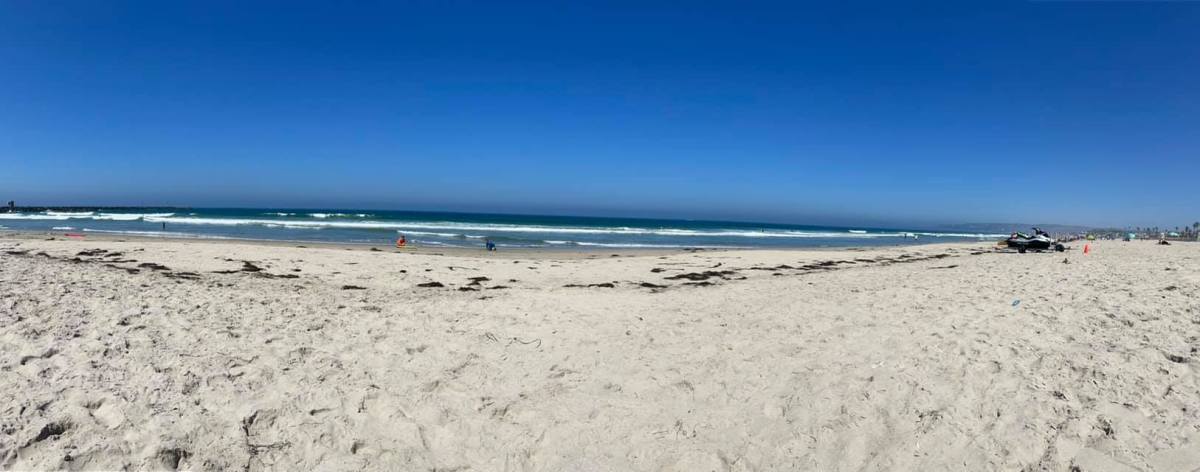
Witness the waves splashing down on the sand, hear the wind swirling throughout the beach, feel the coolness of the water lapping up against your feet, and experience the solitude that you gain from being by yourself at dusk or dawn with a full view of the brilliant ocean. These are just a few ways that the peace of the ocean can captivate us and keep us coming back for more tranquility. Some folks prefer the mountains, others prefer the river, but I prefer the ocean. As the saying goes, “The ocean has no memory.” It doesn’t care who we are or where we come from, it’s just glad that we are there.

In this increasingly fast-paced world based around complex technology that can be both addictive and time consuming, it’s truly peaceful to get away from it all if only for a short while by taking time to go to the ocean. You don’t even have to get in the ocean but by being near it, I believe it refreshes us, it calms us, and allows us to be left with our thoughts and our memories.

Some folks like to swim, some like to surf, others like to fish, while some enjoy lounging on the beach; in all, there are dozens of options on how to interact with the ocean allowing us to find our own peace by being in the ocean or nearby it. The beauty of the ocean is that every time is a little bit different for the person who goes there. The setting may be the same, but you’ve changed as a person and so do your thoughts, feelings, and desires upon coming to the ocean. You grow older, you change jobs, you move places, you bring new people with you, but the ocean and its bounty never truly changes.

How you interact with the ocean may change too and what you decide to get from it will also adapt but nothing that ever changes is that we all seek peace of our own from this beautiful locale. Regardless of the activity involved, the ocean recharges our batteries, lets us relax, keeps us honest, and allows us to leave our troubles behind for a little while. Because of its restorative powers, it is no wonder why millions of people live by the ocean and why billions around the planet seek to visit it year in and year out.

The ocean is such a powerful part of human nature that we bury our dead there at times, that we memorialize people who made a living from it, and that we honor those who preserved peace when wars were fought over access to it. Humanity is always linked to the ocean and if we do not protect and preserve the ocean, a part of our humanity would be lost in the process. The ocean is a living and breathing thing providing us with the oxygen, nutrients, and food that we need to survive each day.

In return for the calm, tranquility, and overall peace that it brings us, we must do our part to keep it clean, keep its inhabitants from becoming endangered, and making sure that it is around for future generations. When we can no longer fish the waters, swim in the waves, or relax ourselves at pristine beaches, we will lose a piece of ourselves, and we will lose our own inner peace that the ocean cultivates in those of us who go there to rejuvenate and restore ourselves each time.

The ocean gives us peace of mind, peace of body, and peace of spirit. It’s only fair that we strive to give back as best as we can by taking care of it and letting it be enjoyed far into the future. Acidification, pollution, loss of natural habits and pockets of floating trash threaten not only the ocean but the rest of the planet too. We will not be able to have as much as peace if the ocean is dying. When we can no longer fish the waters responsibly, swim in clean waves, or go boating with clean energy, we will suffer a true lack of peace. Our minds and our bodies won’t be at ease if the ocean is not at ease.

The climate change crisis is not just about preserving the planet, but it is also about preserving our own mental peace of mind. The ocean allows us to feel better about ourselves, improve our social relationships, and spend quality time away from work or other commitments. If we lose the chance to enjoy the ocean, that lack of peace will hurt us as human beings. If we can no longer enjoy one of our best natural environments, we will lose a great way to relax, rejuvenate, and recharge ourselves to deal with life’s challenges and opportunities. I hope we can do better in the future to keep the ocean beautiful, clean, and vibrant because I enjoy the peace that it brings me in return.

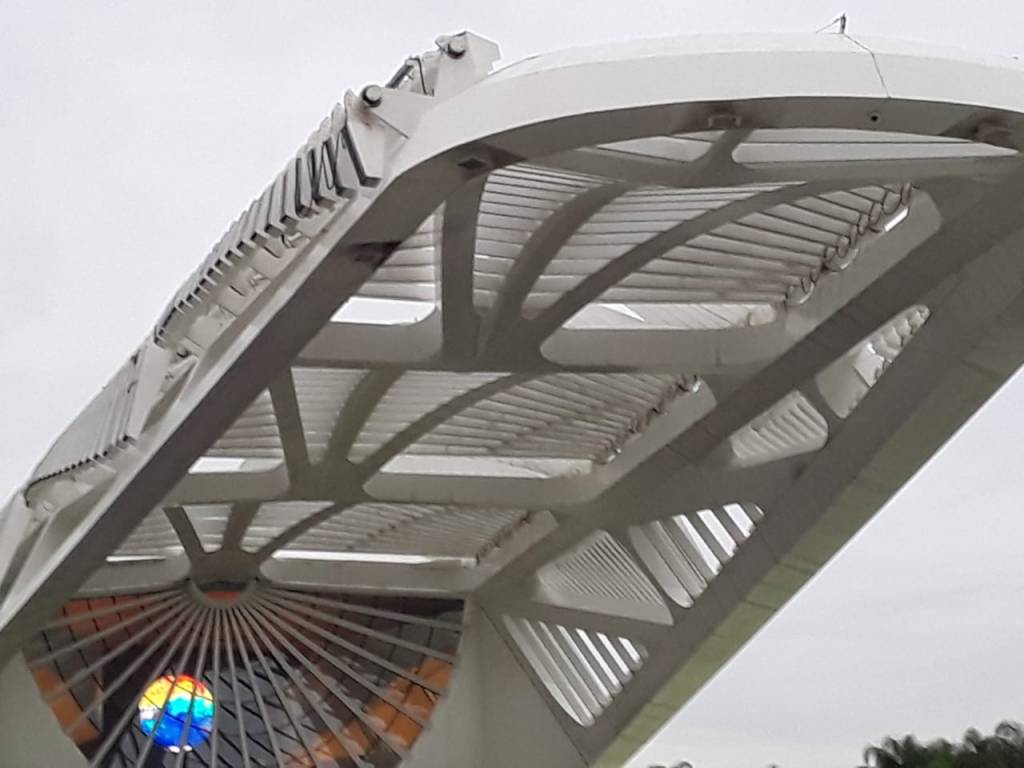
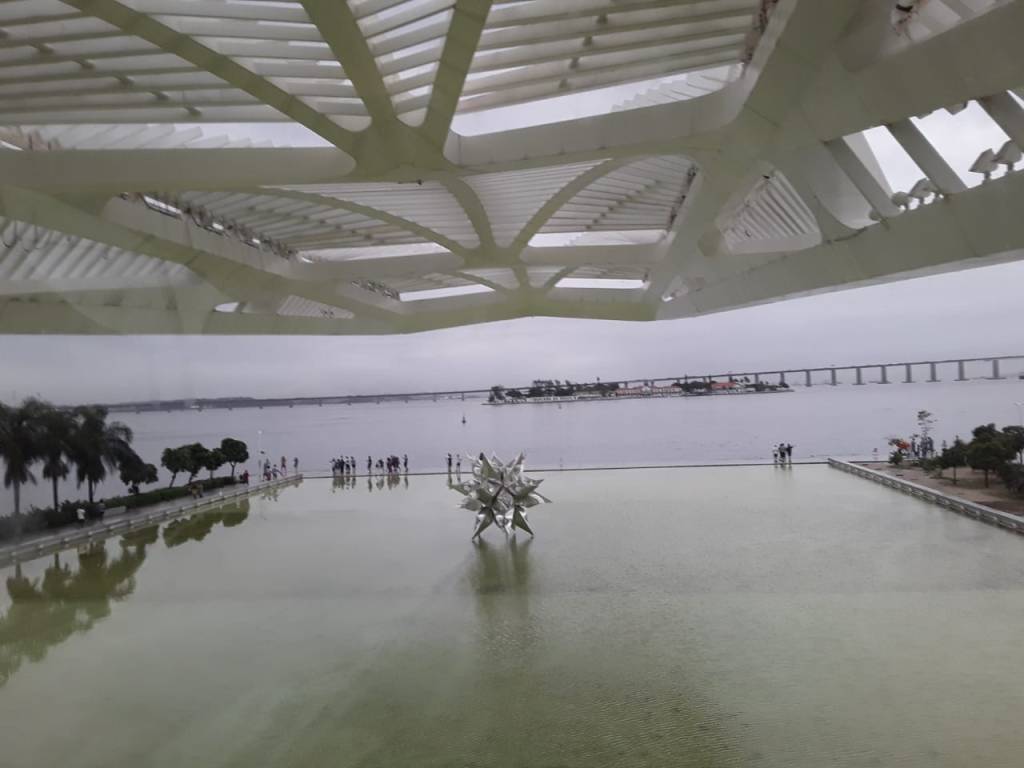
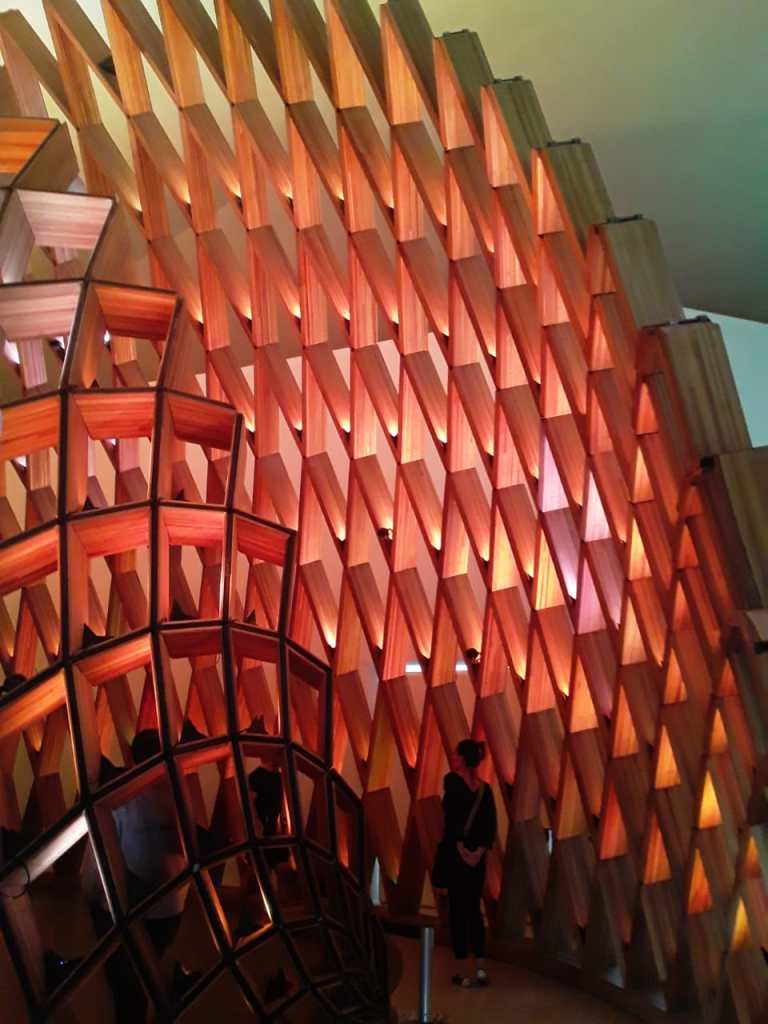
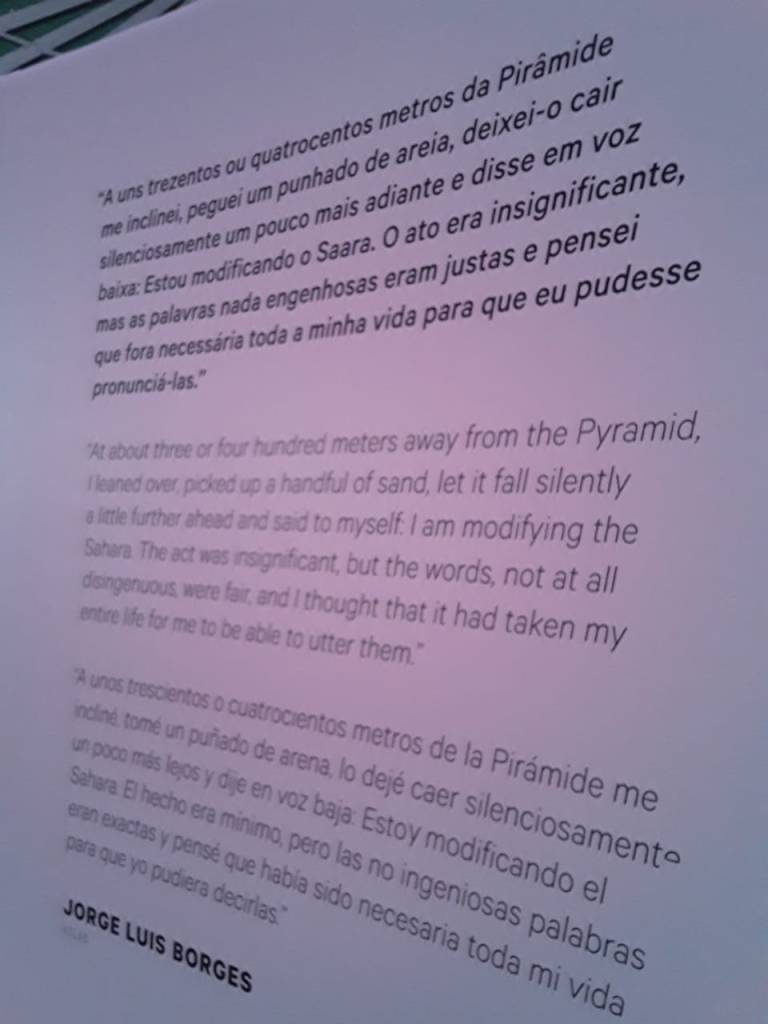
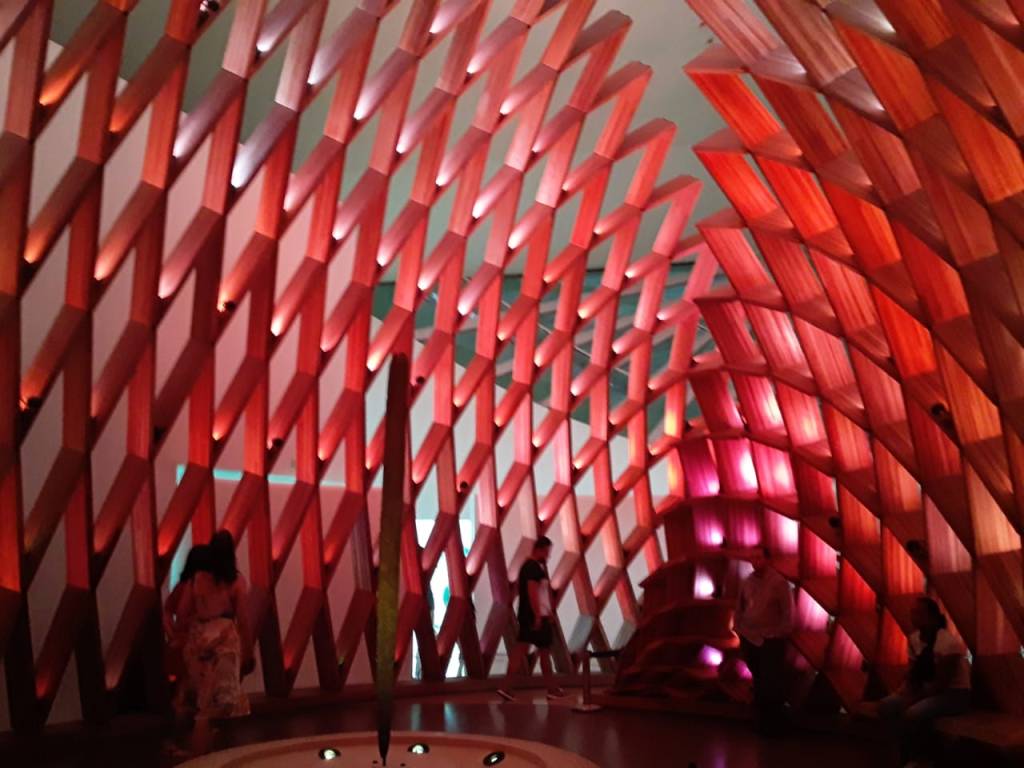
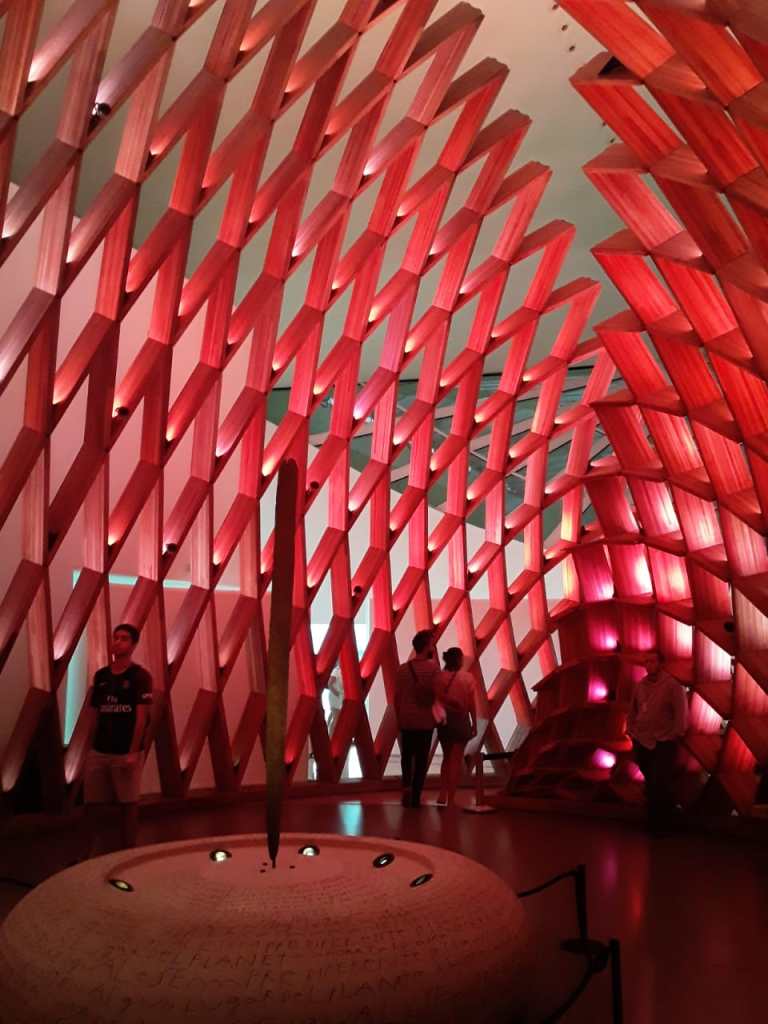
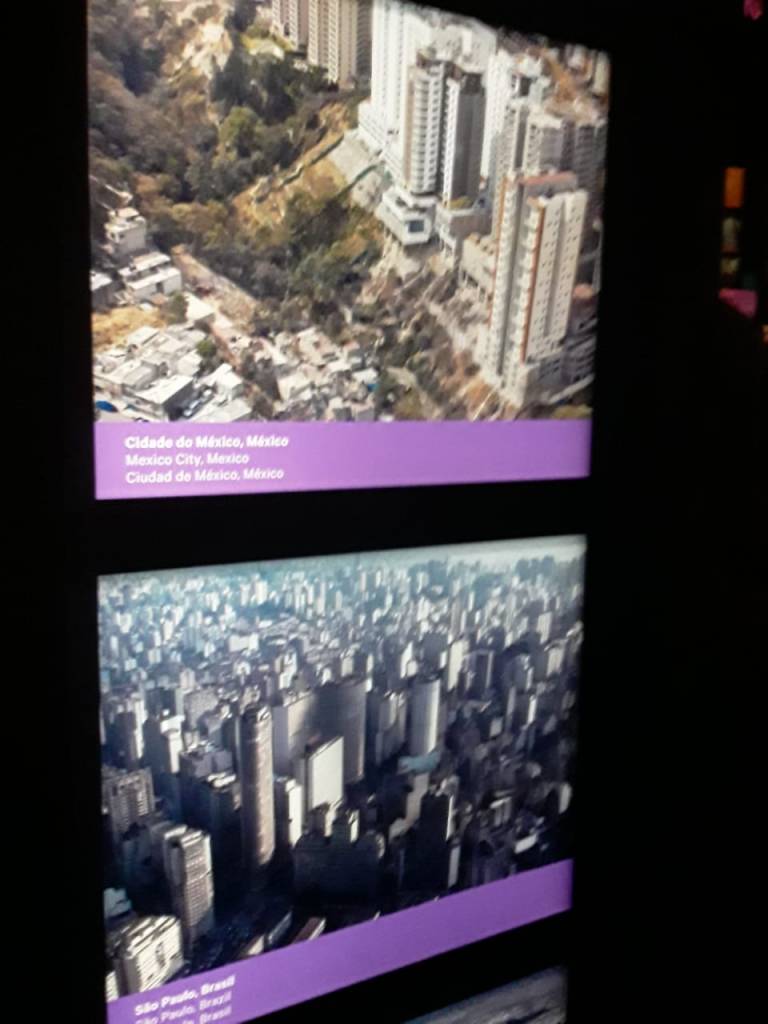
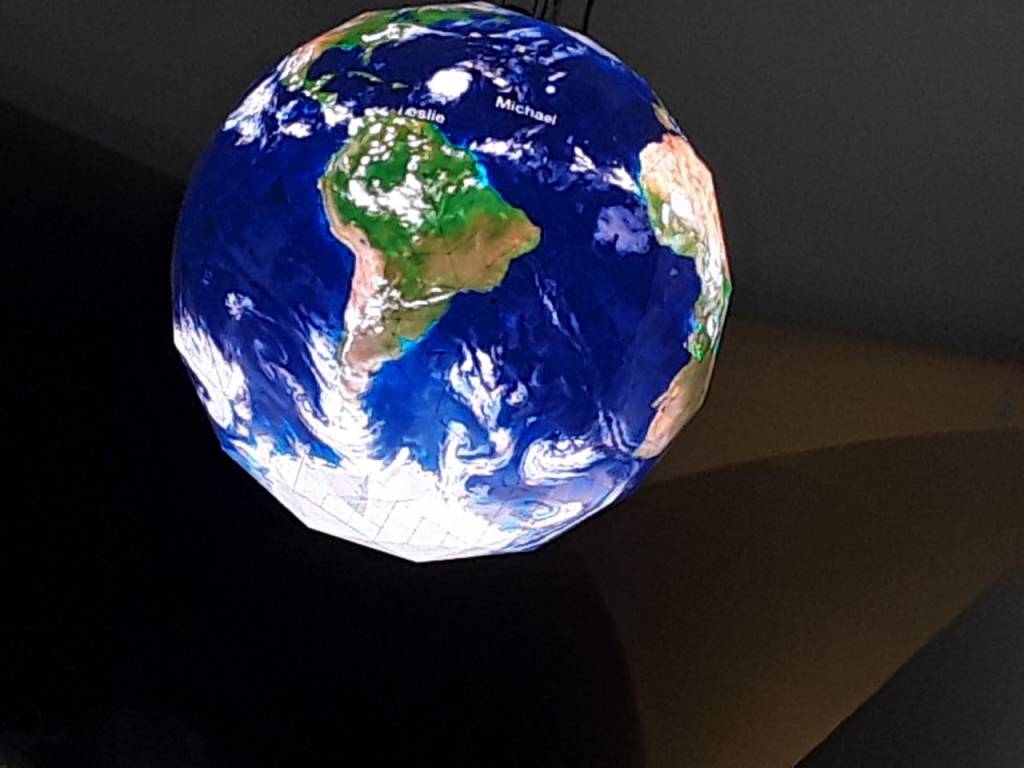
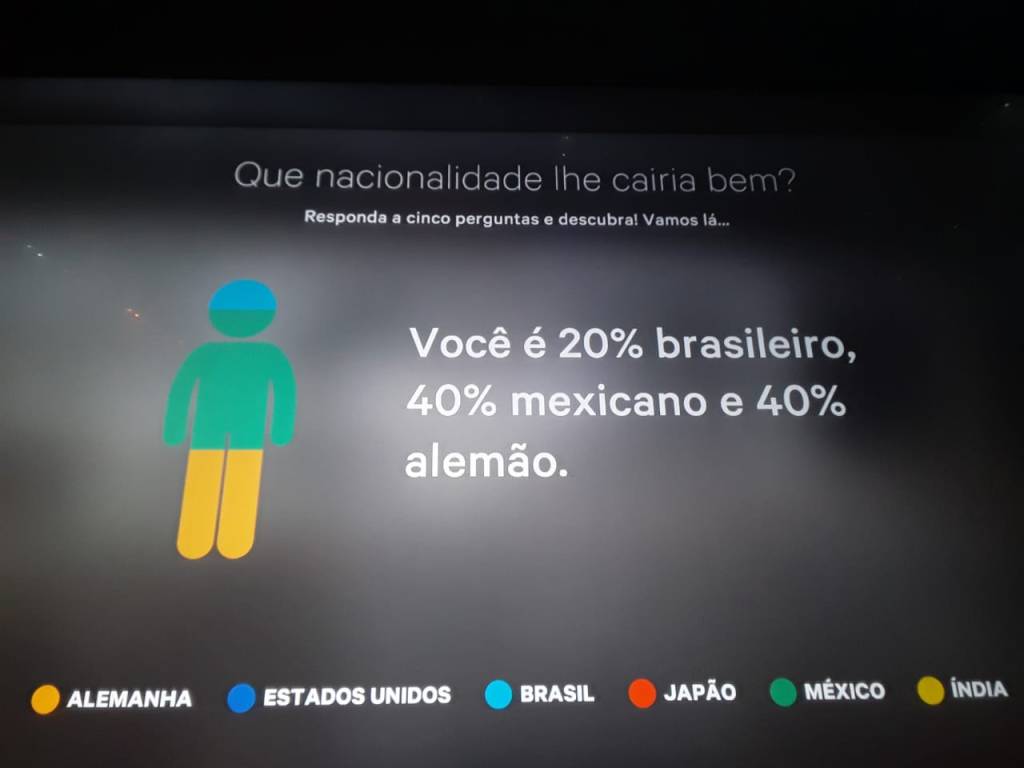
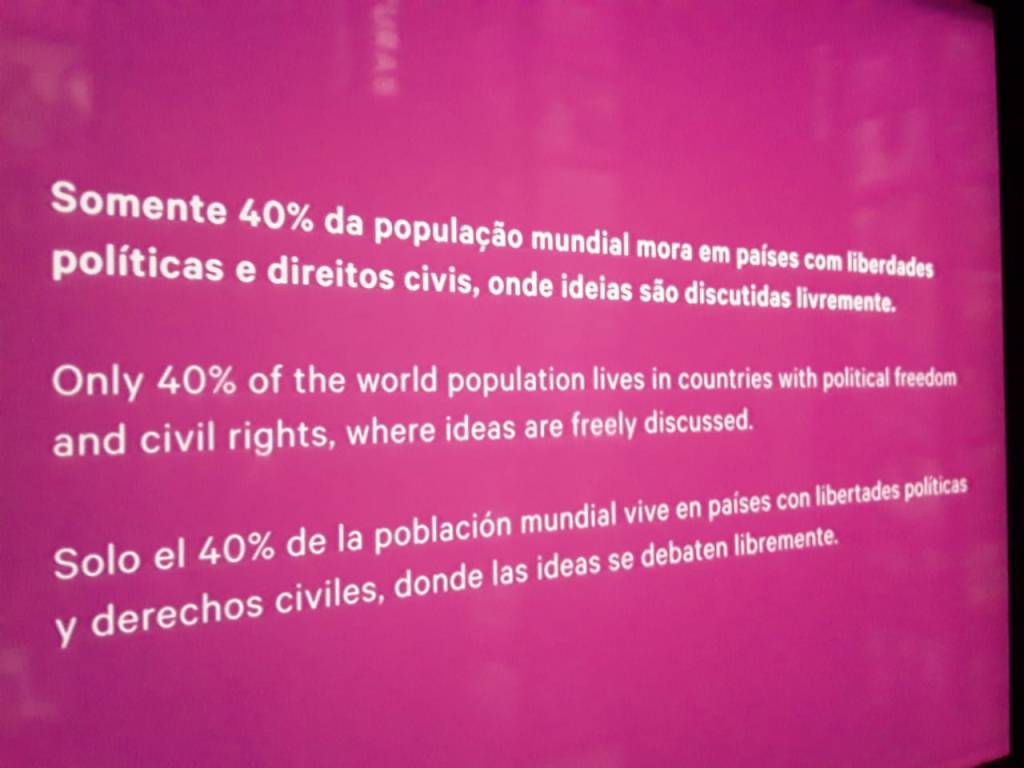
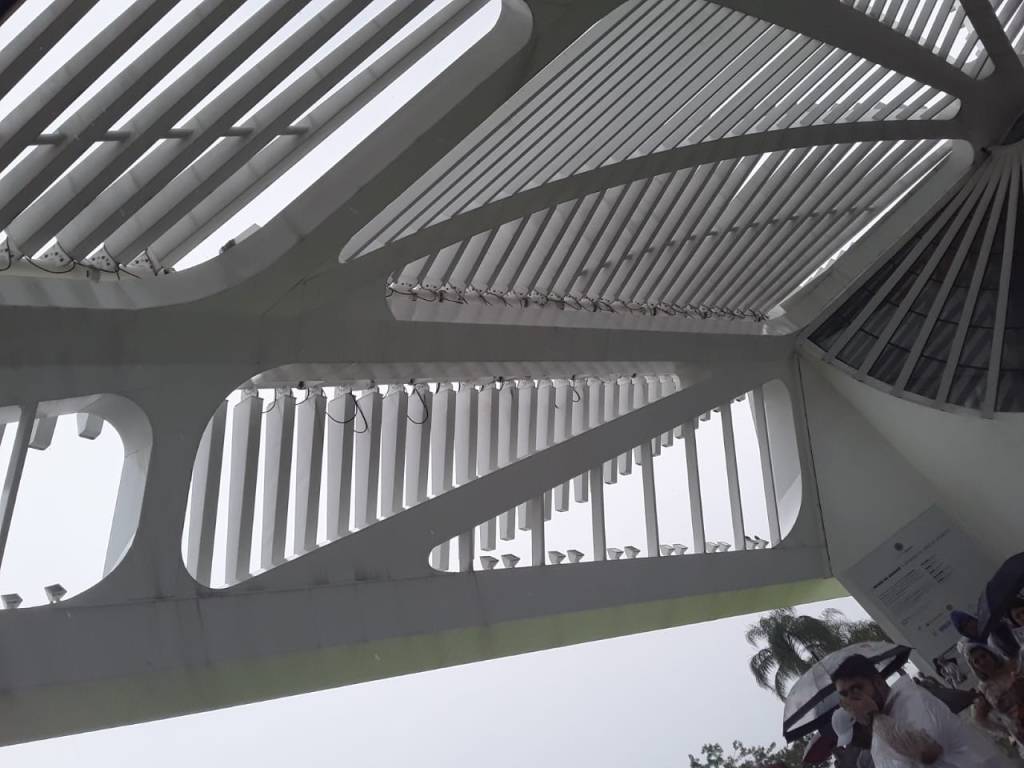
Museum of Tomorrow (Museo do Amanhã)

Camera: Samsung Galaxy J2 Core

Location: Museum of Tomorrow; Rio de Janeiro, Brazil

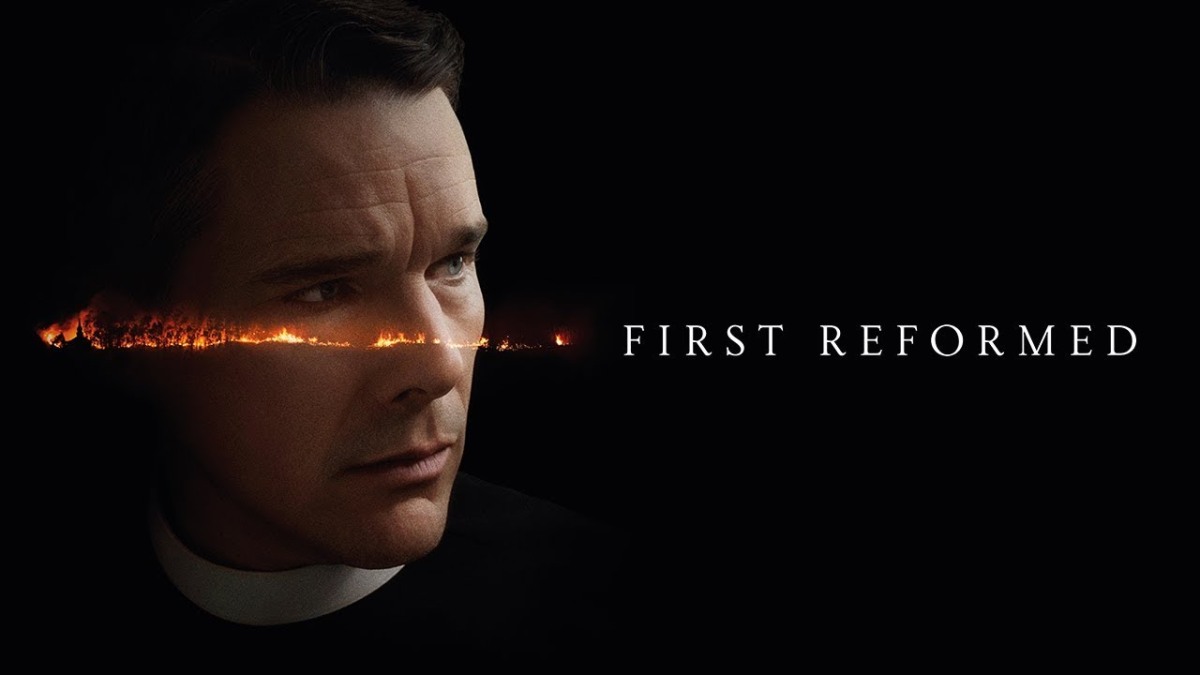
‘First Reformed’ – Film Review and Analysis

Man’s struggle with God can almost be as endearing yet painful as his struggle against man. If there is one way to sum up the excellent film, ‘First Reformed’, that would be it. First Reformed (2017) focuses on the environment, one’s faith, and the struggle to find hope when things seem rather bleak. “Can God forgive us for what we’ve done to the world?”, a troubled environmental activist asks Pastor Ernst Toller and the Pastor replies to his congregant, “Who can know the mind of God?”

While this movie did not receive any Oscar awards, the acting by Ethan Hawke (Pastor Ernst Toller) and also by Amanda Seyfried (Mary) is excellent as well as the cinematography, the adapted screenplay by Director Paul Schrader which helps this film earn its critical acclaim and some Independent Spirit award nominations as well as one Academy Award nomination. I still believe Mr. Hawke was snubbed from getting an Oscar nomination since this film’s performance was one of the best he has ever done and deserved more praise. In many of his films, I find him to be one of the best actors of his generation and able to produce genuine emotion regardless of the situation his character finds himself in.

In ‘First Reformed’, Reverend Ernst Toller (Ethan Hawke) finds himself faced with difficult questions surrounding his faith, morality, the environment in 2017, and what lies ahead in the future for humanity. These are weighty questions for anyone to deal with let alone a pillar of a community like Toller finds himself to be in Snowbridge, New York as the head pastor for the colonial era First Reformed church that dates back to the time of British colonization and the underground railroad movement later on.

This historical church is seen to be losing its membership and interest and Pastor Toller has to resort to touristic gimmicks and a small gift shop to help make ends meet to keep the church going. There is a noticeable parallel to the decline of Christianity in terms of active members of the Christian church in the United States so a fictional movie such as this one has some real-life parallels that seem plausible. The crisis of faith in churches in certain communities has a coinciding similarity with Toller’s own faith in God and in himself. He is an alcoholic struggling to find meaning and purpose in his life at the beginning of the film.

While making the church more touristy, he has also made the church more spiritual as well instead of its Calvinist origins. He sticks more to sermons than to scriptures and has enlisted the financial backing and ownership of an evangelical megachurch in nearby Albany, New York, which is likely to take over the church in the near future much to Toller’s apprehension. As we go through the film, we peel back the curtain on who this pastor is and like any of us, he has his own personal flaws and past sins but has also suffered for them and wishes to make amends in some way.

We find out that Pastor Toller lost his son, Joseph, recently while serving in the Iraq War and feels guilt for having told him to enlist having come from a military background himself as a chaplain. During that difficult time, he committed adultery and started drinking but also found his faith again to then become a pastor at First Reformed after going through grieving his son’s loss. However, a chance encounter with one of his congregants and his wife puts his faith in God and humanity to the ultimate test.

Mary, a devout congregant and believer in God and her skeptical husband, Michael, a stern environmentalist and becoming increasingly radical meet with Pastor Toller separately in their house. Mary has concerns about Michael’s well-being and tells the Pastor they expect to have a child soon. Michael is sincerely struggling with the fact that he will be a father soon when the world’s ecosystems are steadily collapsing, sea levels are rising, and the effects of global climate change are to be felt beginning in the next few decades. For any of us watching this pivotal scene including Pastor Toller himself, there are no easy answers from God or from man either regarding the future of humanity. Ernest finds it difficult to comfort Michael but asks to keep seeing him and to look out for Mary and the unborn child.

This particular scene leads to the rest of the film’s deeper dive into the effects of capitalism and greed on the environment as well as the relationship between big industry and religious institutions. Pastor Toller’s awakening from meeting with Mary and Michael leads him to questioning why the environmental situation is so dire, who is responsible for it, what can be done to stop it, and how far should measures be taken. Because the Pastor has no easy answers for Michael, he starts looking for them and is obviously dismayed by what he finds out regarding the local environmental situation in his community and how greed, industry, and the lack of stewardship for his community have led humanity down towards an unsustainable path.

Without spoiling the film, The Pastor struggles with what he can do as one individual to counteract the forces aligned against good stewardship of the planet and what a person can do to draw attention to the problem. Not only is there a crisis of faith in God but in each other and what is being done to the only planet we have ever known. The Pastor, with certain health issues related to alcoholism, is reconciling with the fact that he is mortal and what kind of impact he wants to leave behind.

He is comforted by the fact that Mary is still a believer in the future and wants to have a child even with the future of the planet looking relatively bleak. Pastor Toller knows however that he has the responsibility now to hold those accountable for their actions whether it’s the Evangelical church, a big industrialist doing environmental damage, or even himself when he strays from helping those in his congregation who need it the most.

‘First Reformed’ poses a lot of weighty questions and it is an extremely timely film in terms of its messages and themes. It is bleak because it has to be and raises a lot of issues that we have neglected regarding the environment and now we may be finding that time to make a difference in this escalating problem is running out. ‘First Reformed’ asks us how an ordinary man of faith yet a pillar of the community so respond to those in his congregation who are in despair regarding environmental damage and destruction.

How far should he go and how radical should he be to get people to listen and understand what is being done? Can love and faith overcome the desire to do harm and take revenge against those who have sinned against the planet? Like any good film, there are no easy answers and the director does not condone or condemn the thoughts or possible actions that Pastor Toller weights leading up to the climax of the last scene.

What this film does an excellent job of is warning its viewers about the consequences of greed, ignorance, lack of stewardship, valuing profits over the health and well-being of people, and the unholy alliance of organized religion and big industries. There are numerous fingers to point at regarding the worsening state of climate change going on in the world currently but perhaps those who watch this excellent film will realize that the finger should be pointed at ourselves first about the damage being done. Perhaps that kind of introspective thinking is what it will take for massive external action to occur and for the worst of the consequences to be avoided.