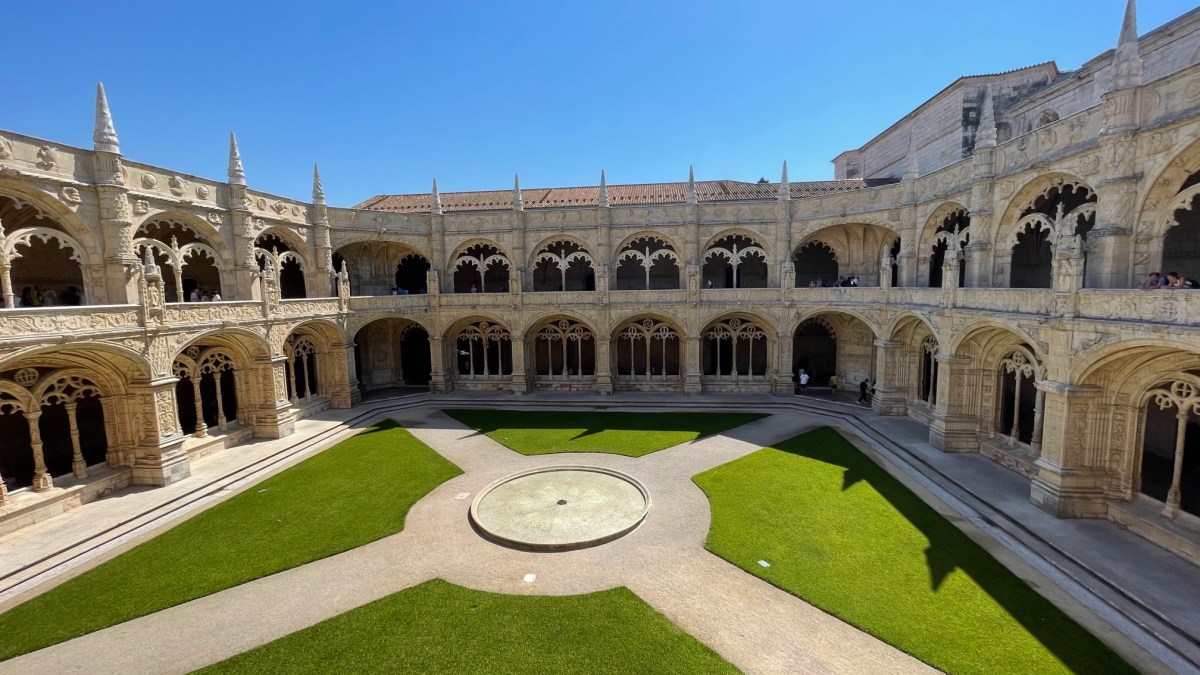






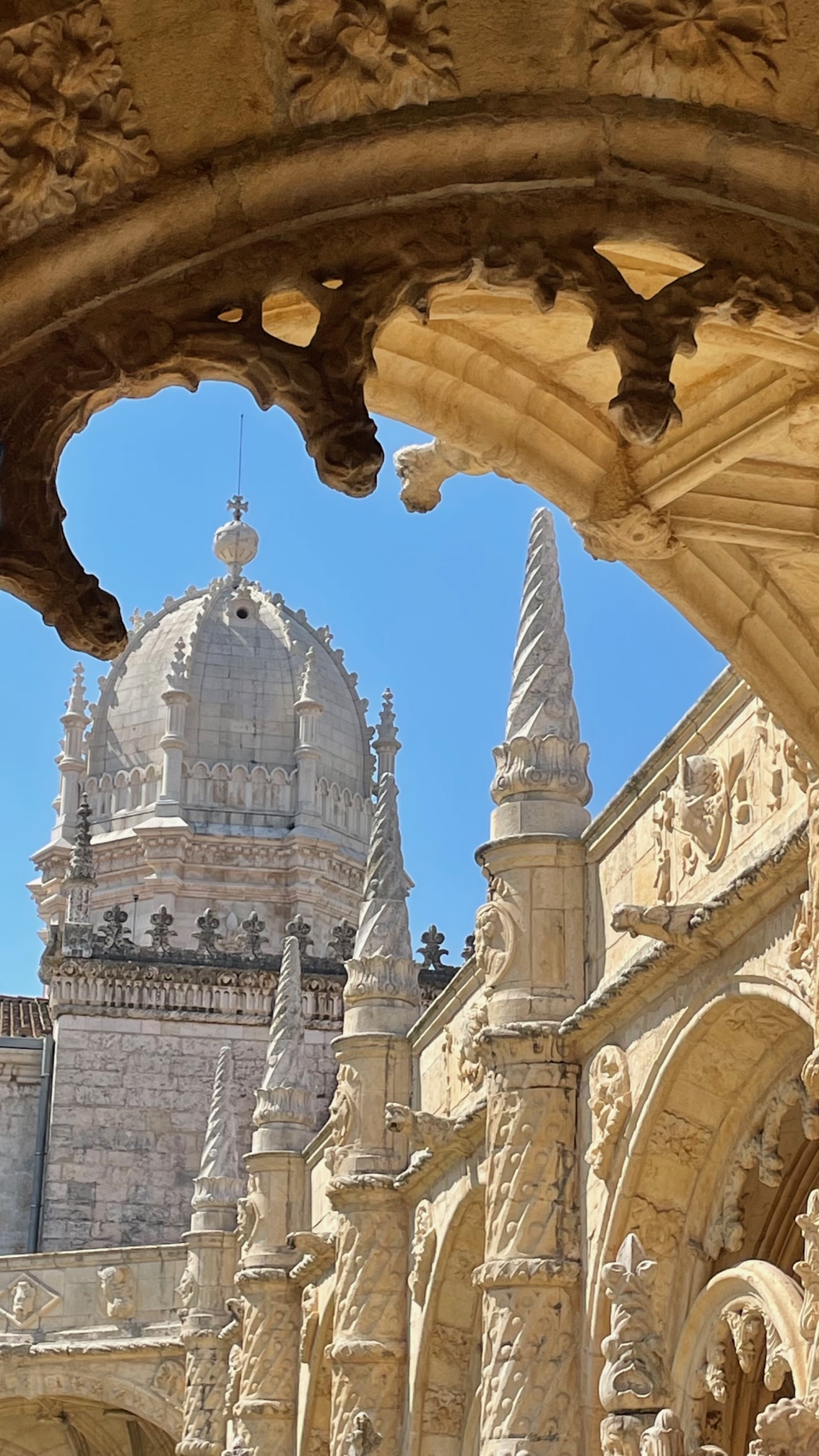

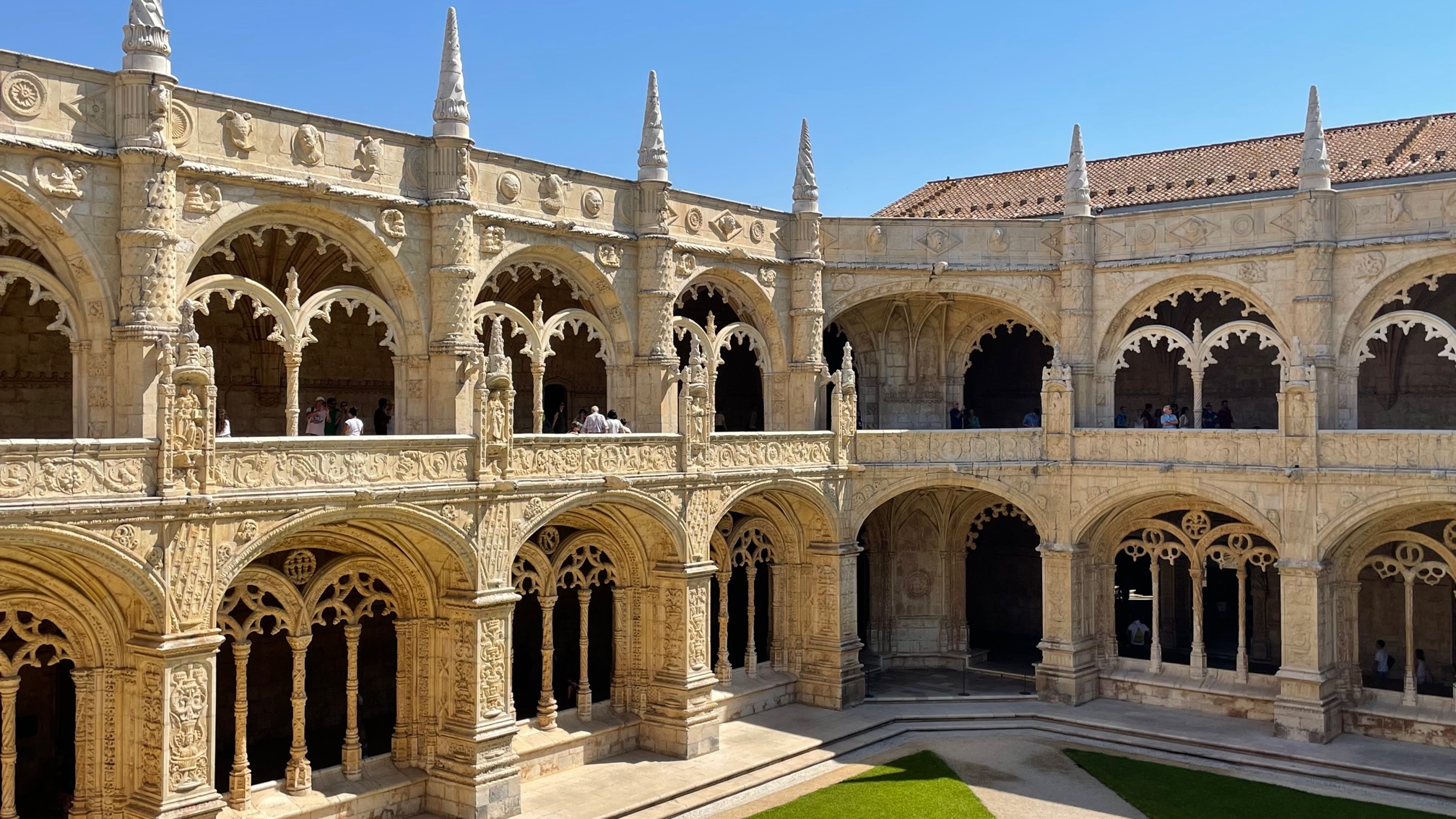

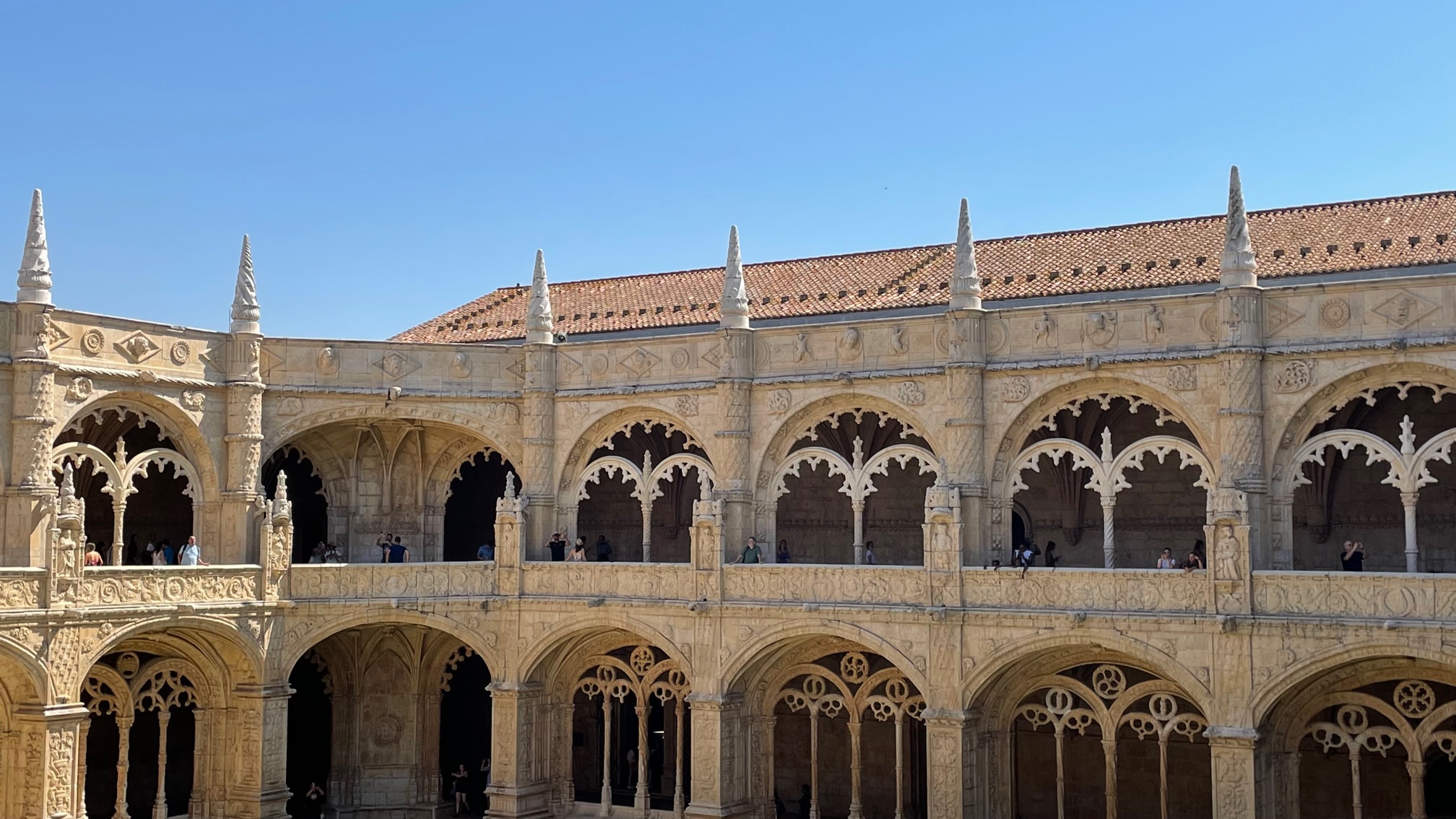




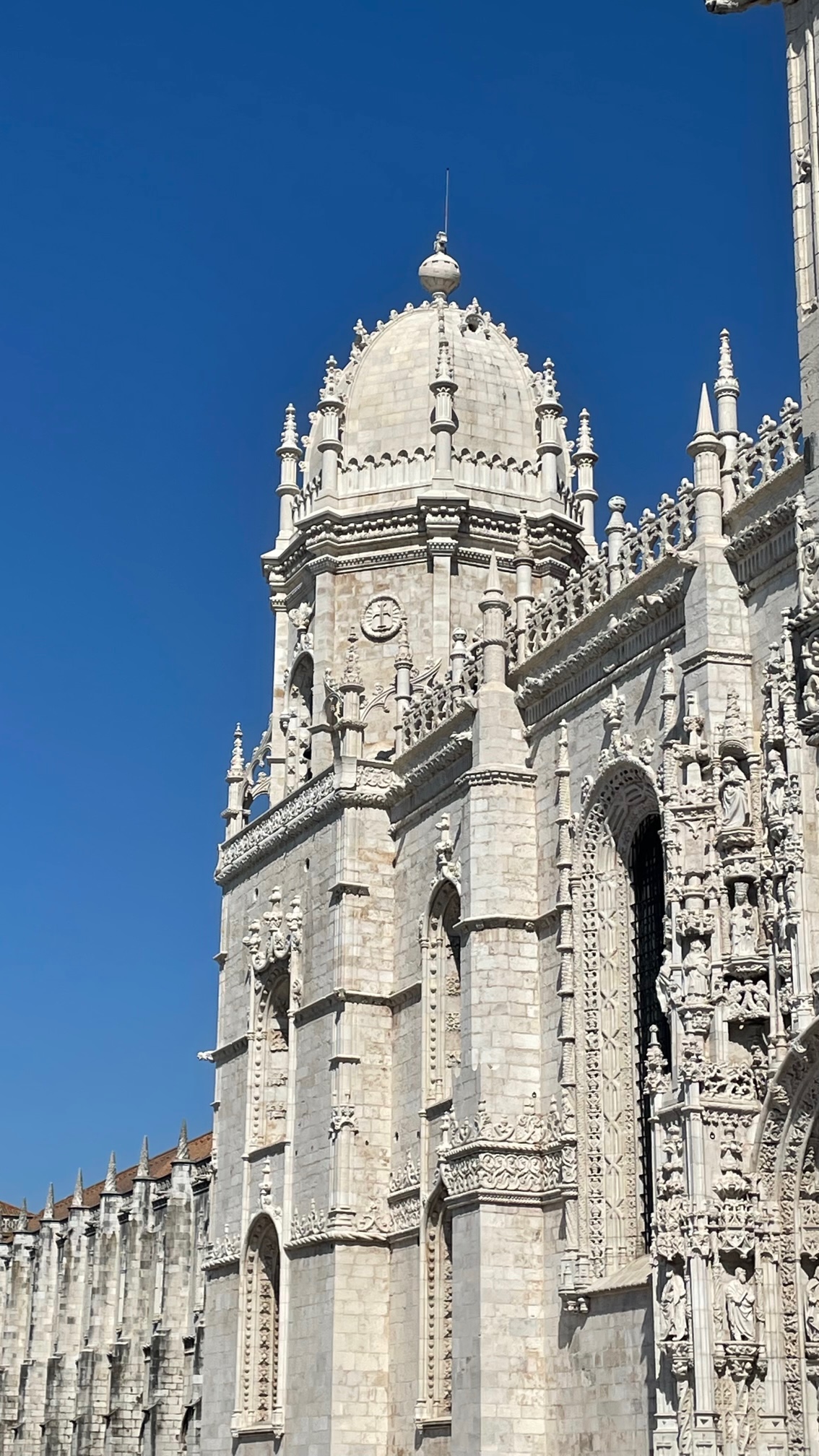
Camera: iPhone 12
Location: Jeronimos Monastery; Lisbon, Portugal

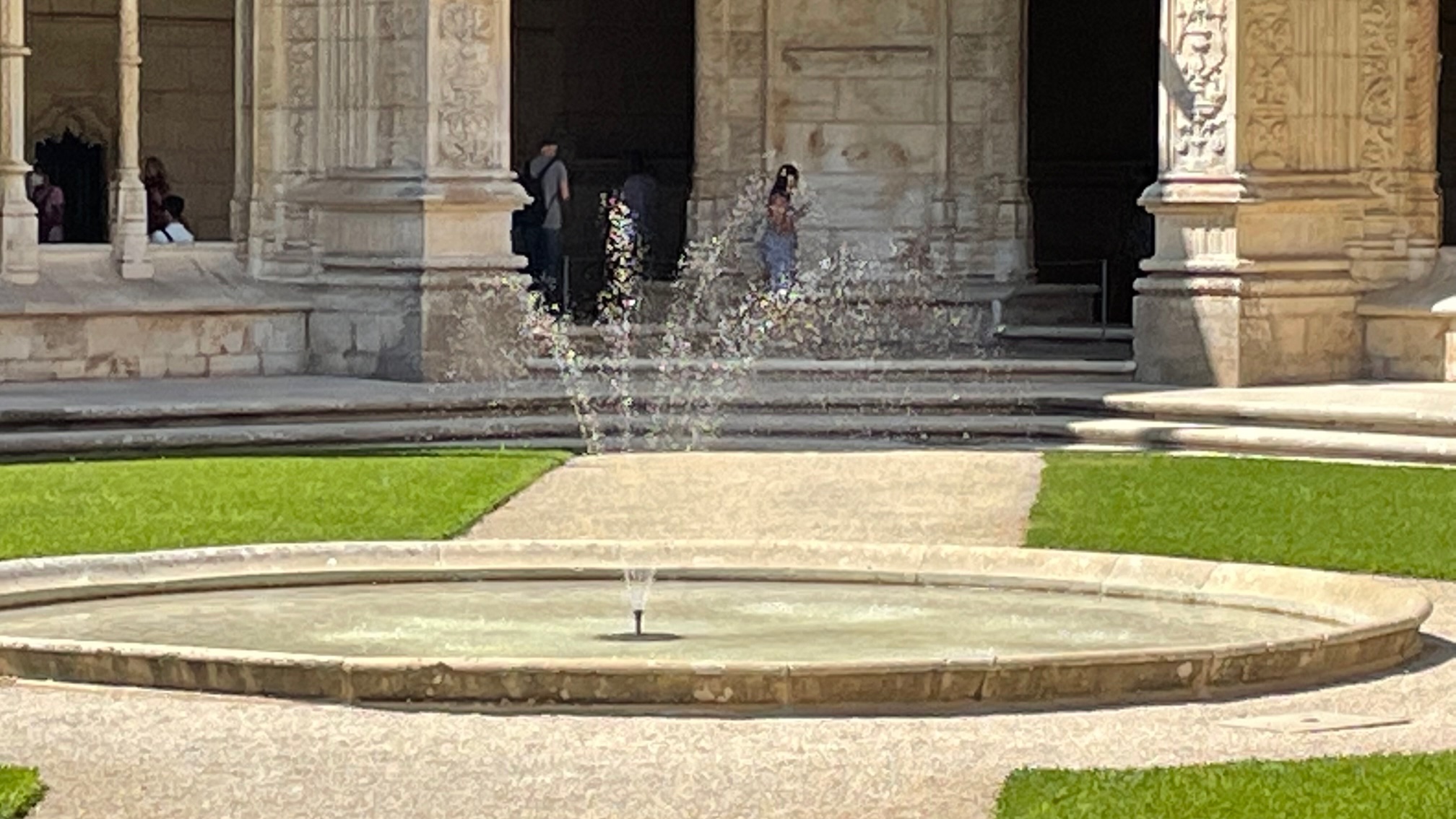
Camera: iPhone 12
Location: Jeronimos Monastery; Lisbon, Portugal
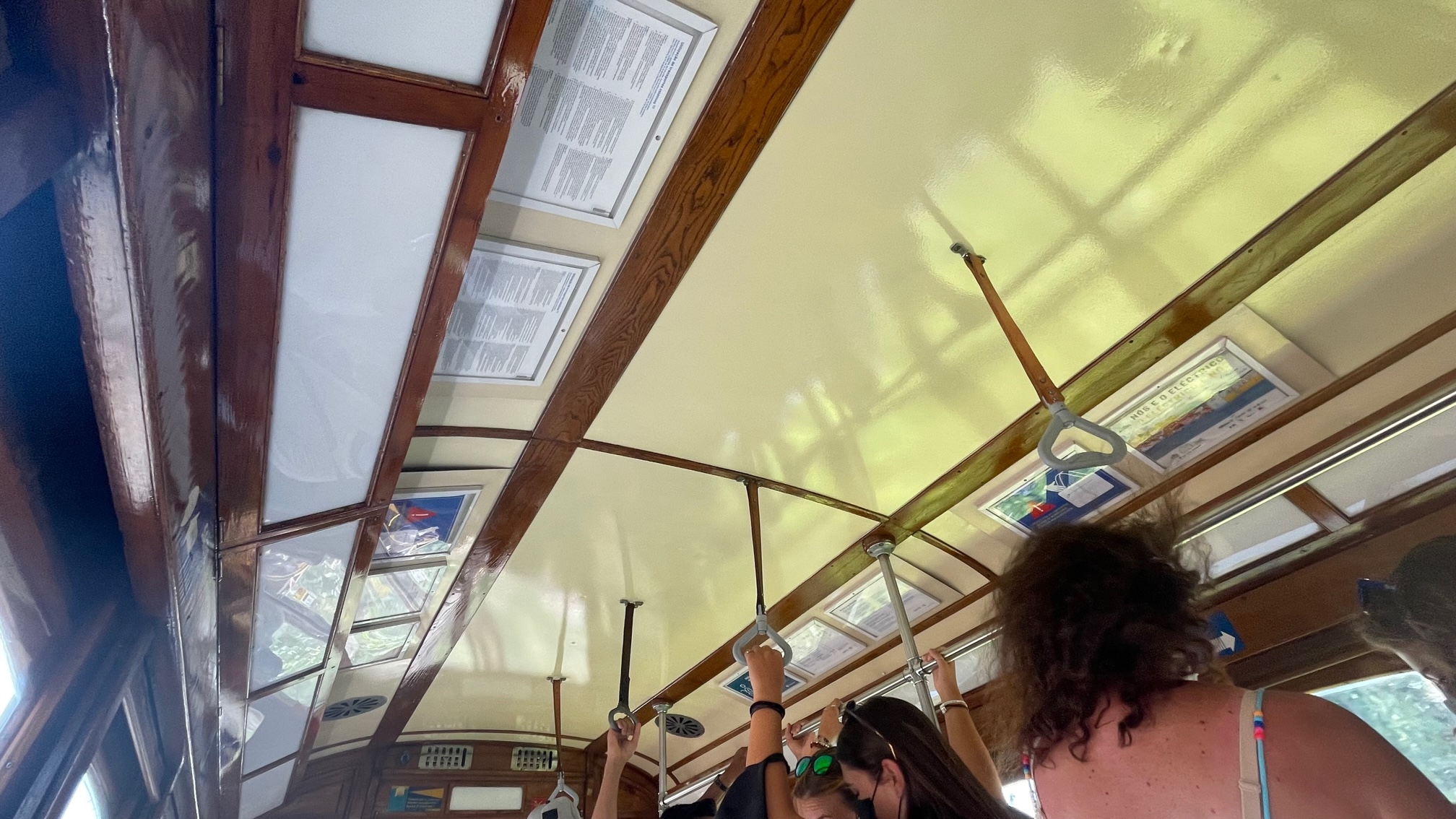






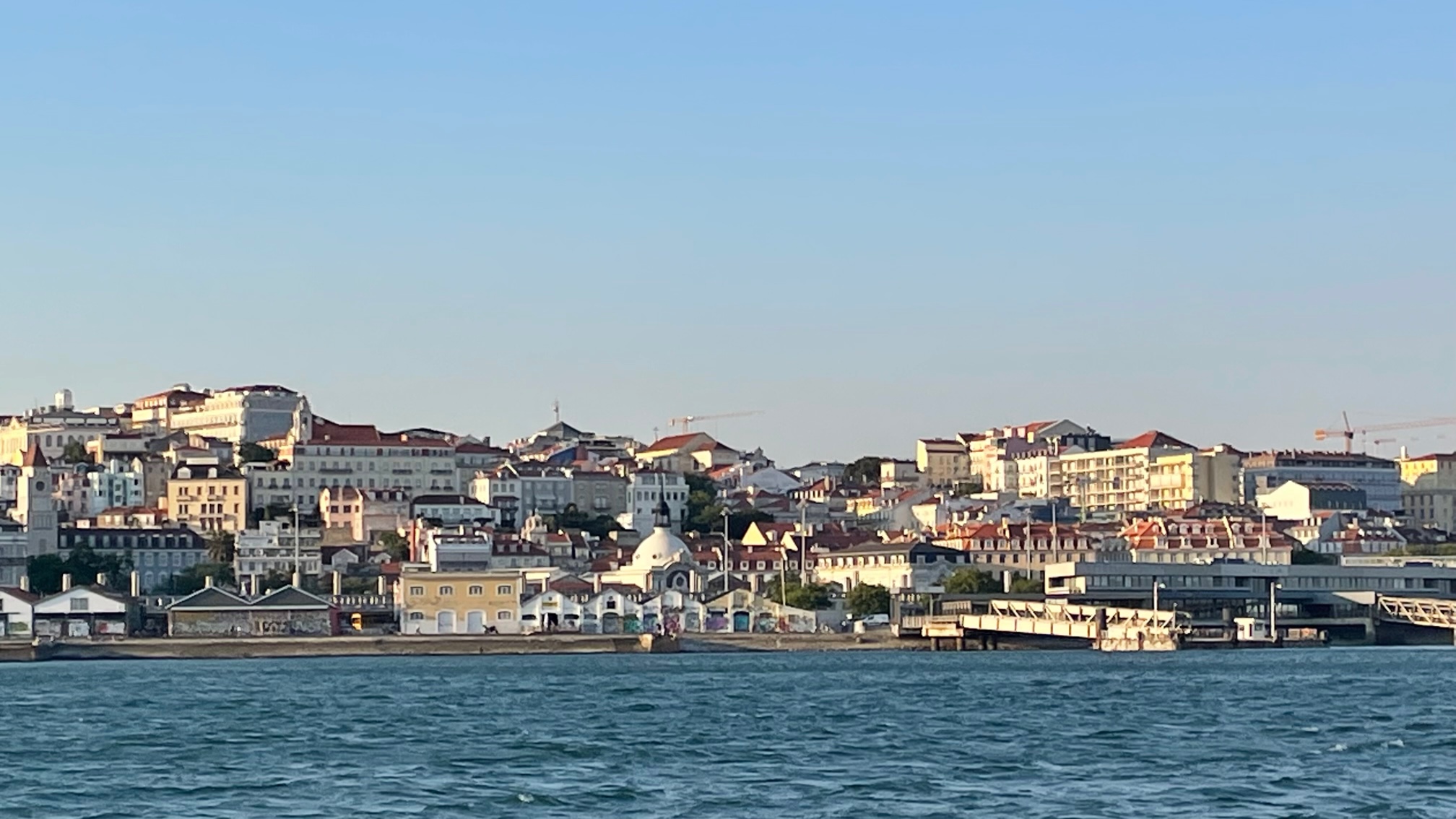













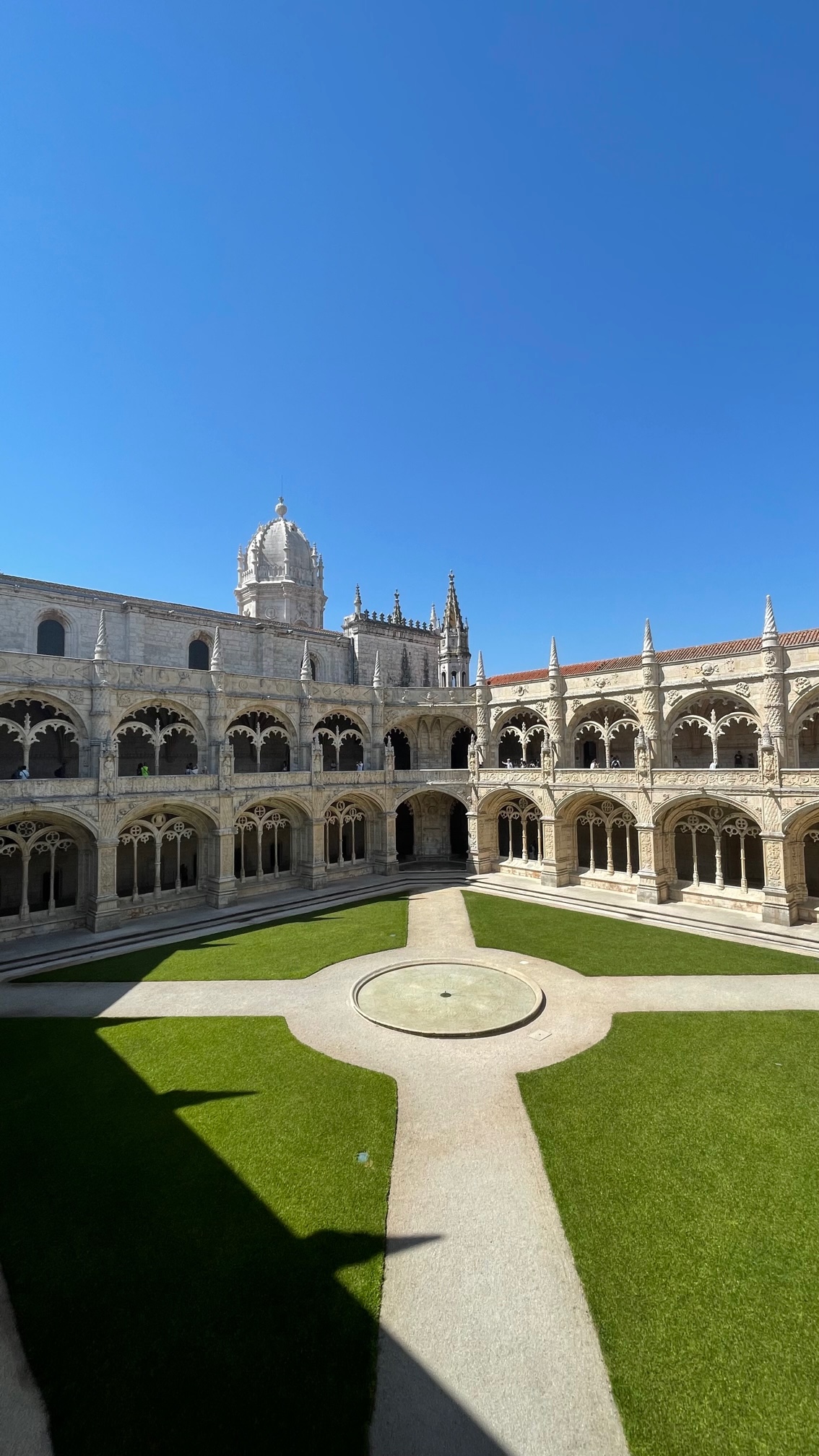
Camera: iPhone 12
Location: Lisbon, Portugal
















Camera: iPhone 12
Location: Lagos, the Algarve, Portugal (Praia da Dona Ana)











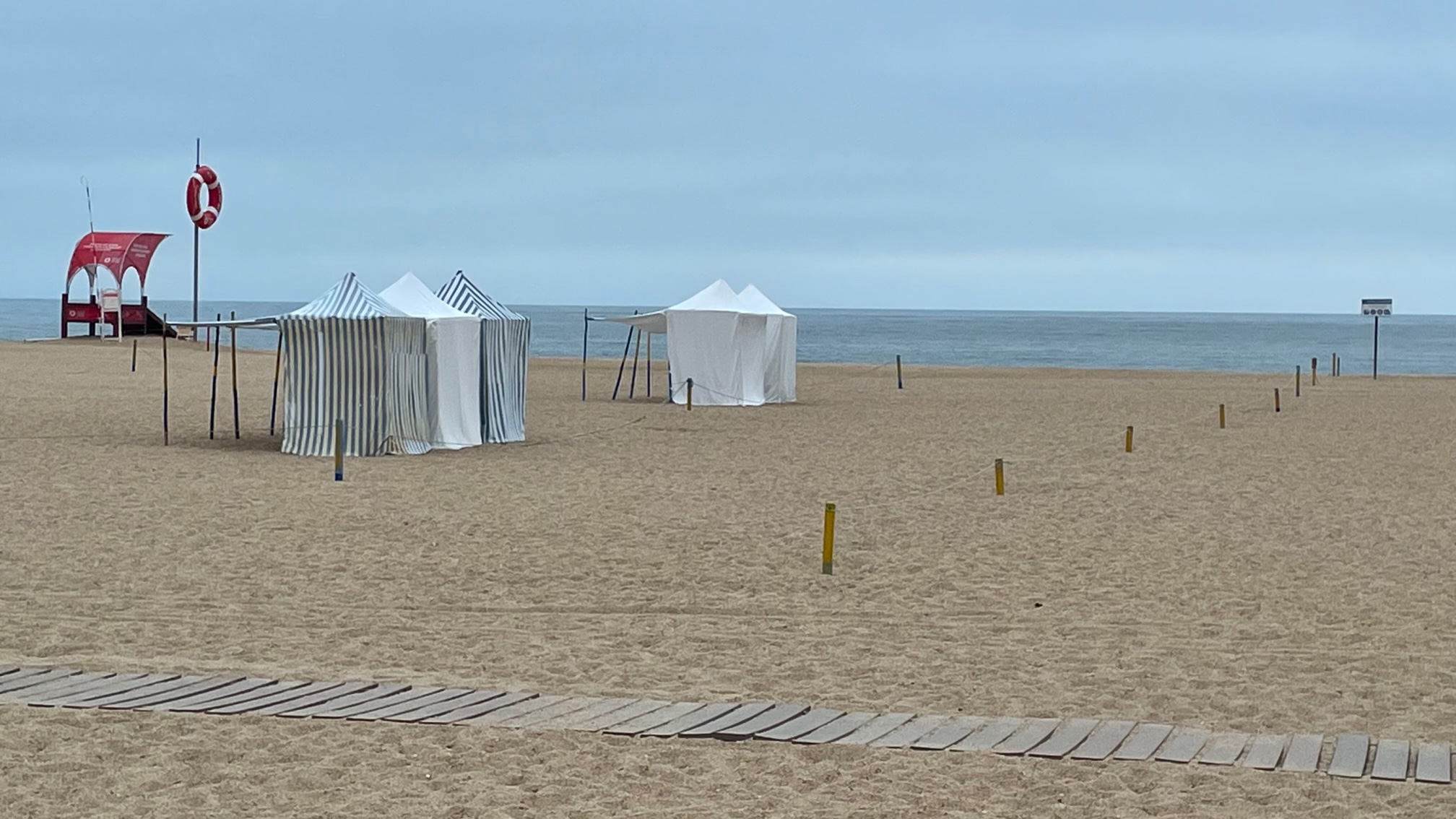




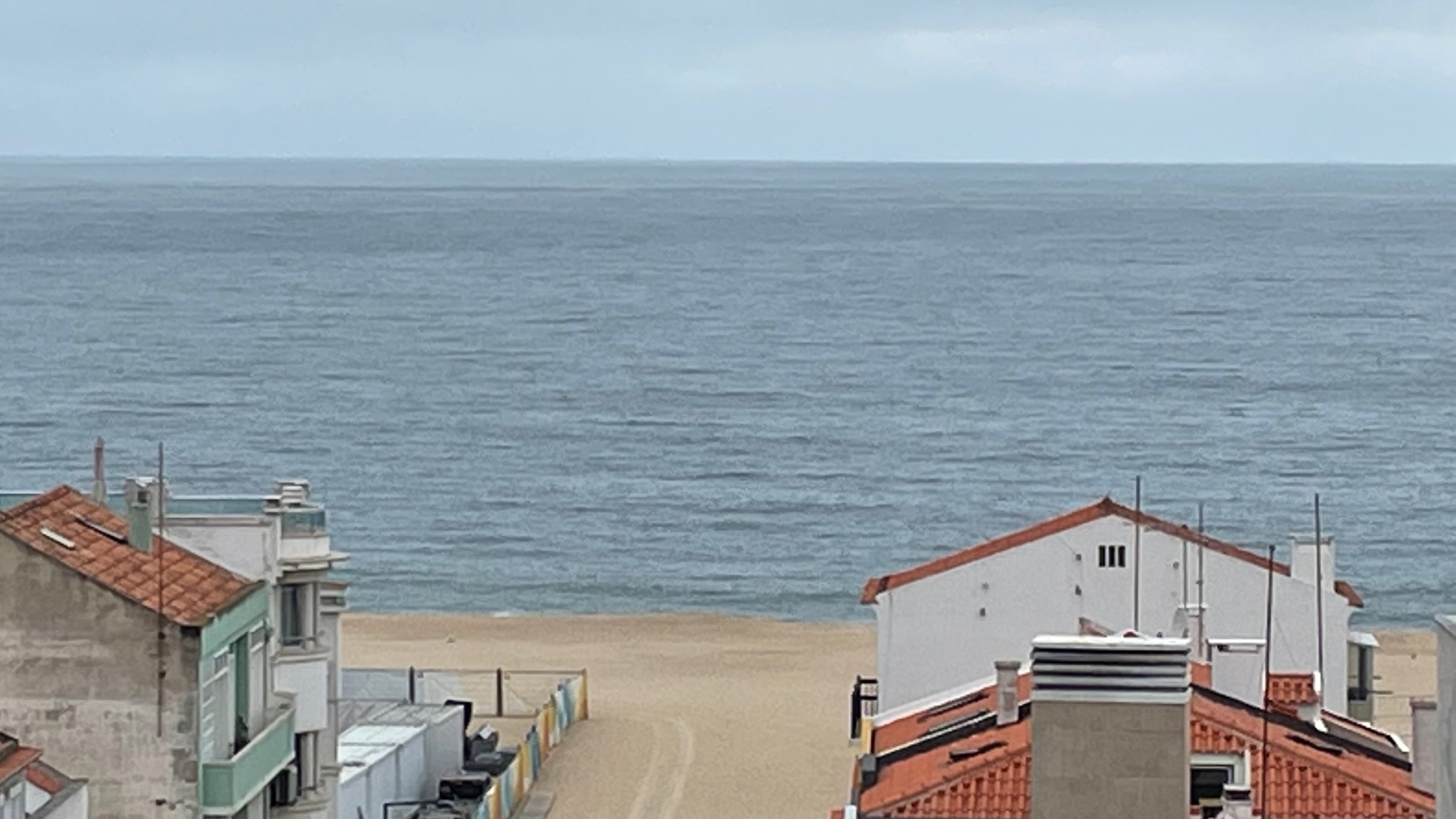


Camera: iPhone 12
Location: Nazaré, Portugal














Camera: iPhone 12
Location: Palmela, Portugal



Camera: iPhone 12
Location: Setubal, Portugal
“You can be an individualistic person but that does not excuse selfish or amoral behavior at all.”
It is not inherently bad to look out for yourself and your own interests. How many times have you heard that you have to “be a better friend to yourself” or to “take care of yourself?” If you can’t help yourself, then how can you help others out? The key thing to keep in mind with being individualistic is that while it can help you as a person, you should always remember that it does not mean neglecting, hurting, or disadvantaging others in the process. You can be an individualistic person but that does not excuse selfish or amoral behavior at all.
I would argue that hyper-individualism has become more and more common in our society and has led to people being taken advantage of, scammed, lied to, or otherwise mistreated because they had someone take advantage of them because they were acting in their own interest but without regards for others who were affected. If I had to give my own definition of what distinguishes hyper-individualism from individualism is that in the former, you are looking out for yourself only without regards for others or you are looking out for yourself even if it may cause other people to be negatively affected by your focus on individualistic behavior.
While it is okay in my view to strive to achieve your own goals, seek out a better life, find your own path, and to not be dependent on others if you can afford to do so. It is not okay to hurt others in the process by robbing them of their own goals, their own chance at seeking a better life, and even preventing them from building a community where the individual takes a back seat to the interests of a group.
I find that hyper-individualism is similar to a ‘dog eat dog’ kind of world where everybody is on their own all the time, there is limited or no support if you fall on tough times, and where communal living or community-building is sacrificed for individual power seeking, wealth gaining, or prestige building. Caring about oneself alone and not others at all or not caring if your own goals, success, and overall happiness may put others in a bad place can also fall under what hyper individualism would be to me.
I believe that most people cannot be hyper individualistic because since the early days of our species, we could not live on our own without the support of a tribe, group, or a small community. Everybody had their own individual wants, desires, or needs, but we worked together to achieve those needs by catering to our individual strengths. Each person brought something unique or useful to the larger group and that is where individualism can play a healthy role within a community. If you can hunt, you can provide food to yourself, yes, but also to others if you are good at what you do. If you can fish, you can fish enough to help yourself but also for others in the tribe too. The same could be said for cooking, cleaning, protecting livestock, building shelter, etc.
This kind of individualism where we express ourselves in what we do best and how we can contribute meaningfully to a larger group, community, or society helps to make individualism a powerful force, often for good. Where hyper-individualism goes wrong is where you only look out for yourself and don’t share with anybody else or lend a helping hand with your skills and talents. It is not good to hoard or be greedy but that is what hyper individualistic behavior is based around and the disturbing thing to remember is that it seems to be encouraged more and more by our popular culture.
Think about the advertising and marketing messages we often receive: do they cater to your needs or to the needs of a group? When society is largely telling you to constantly be going after the money, the cars, the clothes, and the fancy mansions, this kind of behavior often leads to hyper-individualism. Sadly, we don’t hear about how we can use our skills to help others or to volunteer to use our resources for a shared good or effort. It is up to us to resist hyper individualistic behavior as much as possible.
Hyper-individualism may make that person feel good at first, but it is an empty feeling especially if they are not contributing anything meaningful to the larger society. Yes, you were able to buy a nice car, a flashy television, and an expensive house, but while that’s good for you and your own skills and abilities, is that all there is to your life? For a few of us, maybe that’s good enough, but I believe that we feel happiest and most fulfilled when we not only share our talents with the world, but we use those talents to also better the world in some way.
Individualistic societies and more community-focused societies can both be wealthy, happy, and productive, but if you go to the extremes of individualism or to communism, to state the obvious, societies will often crater in on themselves and cease to function well. I like to think that the best societies in our world are those that recognize, encourage, and foster individual talent but to use that talent to create a better society and to make sure that success while rewarded financially or otherwise, is also meant to help others receive a helping hand up so they too can also succeed and pursue their individual dreams and goals.
My analogy for hyper-individualism is if you’re in a rowboat and you have six people in the boat, and we’re all meant to row to get to the shore. Problems can start to arise when you have five people rowing in sync together and starting to move the boat faster and faster to the shore. However, if that sixth person does not row at all because he or she does not want to or if they want to row back out to sea, all six people as a result are going to suffer together because of that one person’s hyper-individualism.
Think of that rowboat of six people like a society of a million or a billion people. If you have one person or a few people ‘rowing’ against the others and hurting the total society as a result, the problems even a few people can cause would affect everyone in that boat or in the society negatively. Let’s all remember that we all rise or fall together and that while individual success, wealth, and prestige, is admirable to achieve, it is not everything in life and we are judged not just by our own merits but by our character and our values as well in society.


Camera: iPhone 12
Location: Lisbon, Portugal
“The good work we do whether it’s volunteering, donating, or contributing to society in our job or a non-paid effort can not only improve the state of the world in a measurable way but also make us feel good in the process.”
It can be disconcerting to make sense of how little is within our control and how much we would like to have the world be different than it is. Whether its politics, culture, the environment, or society in general, our lack of control over these forces that have a massive impact on our lives can be difficult to make sense of. Even when we do our best to make positive change in the world, it may only cause what I have previously referred to as a ‘ripple effect.’ However, we don’t realize that not only does the good we do ripple out in the world in a small yet powerful way, but we become the better for it as a result.
The good work we do whether it’s volunteering, donating, or contributing to society in our job or a non-paid effort can not only improve the state of the world in a measurable way but also make us feel good in the process. Other people in our lives may or may not know about these contributions that we make whether it’s with our physical labor, our financial resources, or just a caring thought or gesture but if we are the ones making the effort, we should take the time to recognize its significance and the beauty of the act itself.
It does not hurt to pat yourself on the back metaphorically for showing up and doing your part. I don’t believe it is egotistical or detrimental to your self-esteem to recognize that you are taking time or money to do something good in the world. While you should not expect others to be so forthcoming in their adulation or praise of what your contribution means, you should feel good about helping others or helping nature or just being kind and caring towards your fellow man or woman.
If you feel like you’re in a rut, I truly believe volunteering some time out of your busy schedule and working towards a goal in that kind of volunteer work can really cheer you up and make you feel a bit better about the world. So much these days is out of our own control in an increasingly technologically driven, lightning-fast world where we do not have as much time to slow down and focus on what really matters, which is to leave the world better than you found it.
The work can be hard, disappointing, and even cause you to question whether it is worth your time or money but hold true to the reason why you got into doing work for the betterment of others in the first place. While it is considered a selfless act to volunteer or to donate or to work for others, do not let yourself forget that it feels good to do good and you’ll often be better off for having done that work even if it was difficult, thankless, or draining to you mentally or physically.
Having that sense of control, to work hard towards a specific goal, and to feel better for having stuck with your good work to its end are all ways that can make us feel good about doing good. People all need to feel that sense of self-worth and to have that self-esteem be boosted a bit and that can come with taking the time or money or both to contribute to the betterment of the world around you. While time and money are precious resources for which we tightly hold onto at times, perhaps too much so, it is without question a good use of time and/or money to help those people out who are less fortunate than you are.
Only you can decide how much of either precious resource, time or money, that you would like to contribute as a volunteer but I promise that whatever you decide to take upon you in terms of doing good, you can guarantee that whatever effort or work you put in will pay you back in the most beautiful way in that sense of satisfaction and contentedness you can get from healing the world or helping a person or contributing to a social cause you care about a lot.
The work involved will be difficult and you will need to put in hours, days, and sometimes months or years to see the fruit of your labor lead to the good you sought to come about as a result. The blood, sweat, and the tears you put in may not seem worth it but if you work in a group or a team with other committed people who care about the same good work that you do, not only will it be easier, but it will be done quicker.
During the good work you do, make sure to keep reminding yourself that results will take time, that you have your goals clearly in mind as to why you’re contributing to do good in the first place, and to remember that you may not get praise from others but that your own satisfaction and happiness from contributing will be most powerful as it comes from within you. We only have so much time to volunteer and to do some good on our own terms so make sure you think deeply about how you want to contribute and why you’re contributing to that cause.
Other people, even friends and family, may question why you are dedicating your time and/or your money to the good work you’re doing, but you do not need their approval to go forward with reaching your goals. You only need to deeply internalize that doing good will make not only you feel good about it but the people or environment or our world, which will be better off as a result. If you have to justify why you did the work you did, don’t look to other people to confirm your righteousness but rather look within yourself in your heart to see what you contributed was needed, that you had the skills or the knowledge to help out, and that the impact you made was measurable and that it could ‘ripple’ out through the society and the entire world.


Camera: iPhone 12
Location: United States National Arboretum; Washington, District of Columbia, United States