You Don’t Owe The World A Status Update

“You should not be performing for other people and achieving goals for their attention. The ‘likes’, the ‘emojis’, the ‘congratulations’ are all well and good but when it comes down to it, you don’t owe the world a status update.”

Not everything in your life needs to be broadcast to other people, especially strangers. It’s preferable even to move in silence while you work towards achieving your personal goals or achievements. True self-growth is about achieving your wins in life because of your own hard work and desire and not just to seek validation from others. You should not be performing for other people and achieving goals for their attention. The ‘likes’, the ‘emojis’, the ‘congratulations’ are all well and good but when it comes down to it, you don’t owe the world a status update.

You build a legacy for yourself and not for chasing the validation of others, whether they end up giving it to you or not when your success comes to fruition. We live in a world where broadcasting every tiny move is celebrated, which is fine for those who choose to engage in it, but that’s not what your life should be focused on.

Telling people too much, especially too soon, can be bad for your goal setting and put undue pressure on you to reach that goal even more. If you fail, everyone will know who you shared the original goal with which could sting. While telling people can provide external motivation, at the same time, you are also putting a lot more stress and anxiety on yourself to perform for others because of how public you made your goal.

In my view, overexposure kills momentum and the energy you give towards outside attention can distract you from setting and achieving your goals. To give a personal example, in the past, I let some people I trusted in my life know about my goals, especially when it comes to launching a business or passing a certification for professional reasons. While I enjoyed letting those people I cared about know, I should have waited until I had achieved my goals in both areas before making it public even to close friends and family.

The sting of failure or falling short is accepted best by those closest to you but it can still hurt knowing that you may have let them down by promising more than you could deliver. Often, it’s best to wait until the goal is achieved, like having a profitable business or acing your certification before you let others know you were even working on that accomplishment to begin with.

Some things in life need space, time, and most importantly, privacy to develop like the roots of a tree as they form the foundation for growth. Self-improvement can be shared publicly but it should be thought of primarily as a private contract within yourself, and not public performance. Real growth takes a lot of time and achieving tough goals takes years, decades, and sometimes an entire lifespan.

Updating others constantly will get boring too and if you are going to update others, make sure you are only doing it when you achieve something along the path to success. Progress should be boring and predictable, and you shouldn’t need applause or praise to keep going towards your goal or objective as well.

I find that the most successful people often work in silence until its time to deliver the final result, not announce to the world that it’s in progress. Whether it’s Albert Einstein working on the e=mc(squared) result, Michael Jordan putting in the years as a teenager and college basketball player to make it to the NBA and become a legend there, or even Steve Jobs getting rejected multiple times for what would become world renowned tech products like the iMac and iPod.

These legends in different fields of mathematics, technology, and sports did not announce to the world when they made progress towards their goals, they only announced to the world that they had made it when they achieved their goals. For a personal example, I didn’t tell the world when I started a martial art, I only let it be known to people when I had been doing it for a few years and had some progress or goal achieved to show for the efforts I had made. It’s great to start towards a goal but only announce it after you’ve been grinding for a while and have achieved a result with that job or activity or passion.

Let the results do the talking when you work in silence. When your final product or achievement is ready, it’ll speak louder than any fan or hater will have to say about it when it becomes public. Again, don’t tell people or especially strangers on the Internet your plans, show them the outcomes and the results that you have achieved and maybe how you got there if you want to give that away too. I think it’s best for anybody to be devoted to improving themselves and bettering their lives with real goals is to build in peace and quiet.

Keep your head down, have a steady heart, work consistently towards your goals, whatever they may be, and do so only loud enough for you to hear them constantly, until they echo for everyone else once you’ve achieved what you set out to accomplish.

Be Bold and Take Chances in Life

“Nothing will ever be given to you on a plate whether that’s a new job, a pay raise, acceptance to your preferred college, or achieving a new professional certificate. You have more say over your life than you think with the effort you put into it.”

I want everyone reading this article to succeed in life. I want you to make good choices and not be to rash in your decision making as well. However, to foster new opportunities, you have to take the initiative, be bold, and take chances to really get ahead in this world. Nothing will ever be given to you on a plate whether that’s a new job, a pay raise, acceptance to your preferred college, or achieving a new professional certificate. You have more say over your life than you think with the effort you put into it.

Nowadays, you can’t be too complacent especially with the pace at which we are going through life. Time speeds up the older you get, and you have to make the most with the time given to you. You must be bold, take some chances, and see if it pays off. You don’t want to go all-in per say and take too much risk on to achieve a goal, but you also don’t want to never try at all so be sure to balance your desire to take chances with your need to preserve your livelihood. Going all-in without doing your research, not knowing your limits, or being unprepared is a recipe for disaster and that is the opposite of being bold, it is being foolhardy instead.

Calculated risk-taking is what you should be striving for in your life and to prepare yourself to succeed in whatever you choose to pursue to give yourself the best shot at success. Being bold is not about going all-in with no resources or preparation but it’s rather about taking a shot where you feel as if you have a realistic chance of succeeding. You should always think about what I am getting out of this pursuit, is it worth the risk, and what happens if I succeed or fail? You want to make sure that you can bounce back if it doesn’t turn out well and you still have the means to try again.

To cite a personal example from my own life, I prepared myself for the project management professional (PMP) certification for months, took multiple preparatory exams, enrolled in an intensive course, and took evenings and weekends to study the exam material. It was a good strategy because I didn’t go all-in without preparing myself first and reminding myself that if I fail, it’s not the end of the world and I can try again.

I also thought if it was worth the investment and if passing the exam and getting certified would benefit me in my own professional pursuits. I did the analysis before spending the money and the time to get ready for the certification exam and to go through the steps also to qualify to sit for the exam. Was it easy? No, not at all, but I’m glad I took the time to take and pass the exam because I knew that this kind of chance was worth it and would benefit me in the long run.

You will find that to be bold in life, you may have to suffer to achieve or do something truly great. Whether that is starting your first business, applying for that dream job, moving to a new city, or just asking that girl or guy out who you’ve been meaning to talk to but haven’t yet. Doing anything worthwhile in life is far from easy and often will be painful and difficult. However, the alternative of doing nothing, never trying at anything you want to do, and going through your life thinking of ‘what if?’ is no way to live your life.

I am so adamant about this topic because I’ve been through a lot of these situations I’m describing, and it required a lot of boldness to do it. You have to be bold often to get what you want out of life, especially since nothing is going to be handed to you. Make sure you take measured risks and think before you take upon a challenge as well. Boldness isn’t thoughtlessness or recklessness. Rather, it’s about thinking about what challenges you wish to take on, being realistic about your success chances, and coming up with a plan to give yourself the best shot at being successful.

Whatever dreams, goals, or ambitions you currently have, think about what it would take to make them a reality. Come up with a few steps on how to achieve your goal(s), eventually formulate a plan with further details, and then execute to the best of your ability. Sometimes, your bold decisions will be more instantaneous such as networking on the fly, asking someone out by introducing yourself and being vulnerable, or pitching your supervisor at your job about why you deserve that promotion in a one-on-one conversation.

It’s better to look back on your life and think of ‘how it happened’ rather than ‘why didn’t it happen?’ You want to live life with fewer regrets as you get older and avoid ‘what if?’ in your thoughts as much as possible. That is why I stress to you about the importance of being bold, taking an action, and working hard on what you really want out of life. If you fail, at least you gave it the best effort that you could, and the next time you try, it will be less painful, you’ll have more confidence and you’ll likely have a better chance of success the more times you take the initiative. Good luck and remember to be bold!

Having The Zero-To-Zero Mindset

“Essentially, it is a perspective that encourages us to start fresh, wipe the slate clean, and approach each day with the determination to put wins on the board.”

As the calendar flips to the new year of 2024, many of us find ourselves eager to leave behind the challenges and setbacks of the past year and embark on a fresh journey. It’s a time when our New Year’s resolutions are made, goals are set, and aspirations run high. However, sustaining the motivation throughout the year can be a daunting task, especially when faced with the inevitable obstacles that life throws our way.

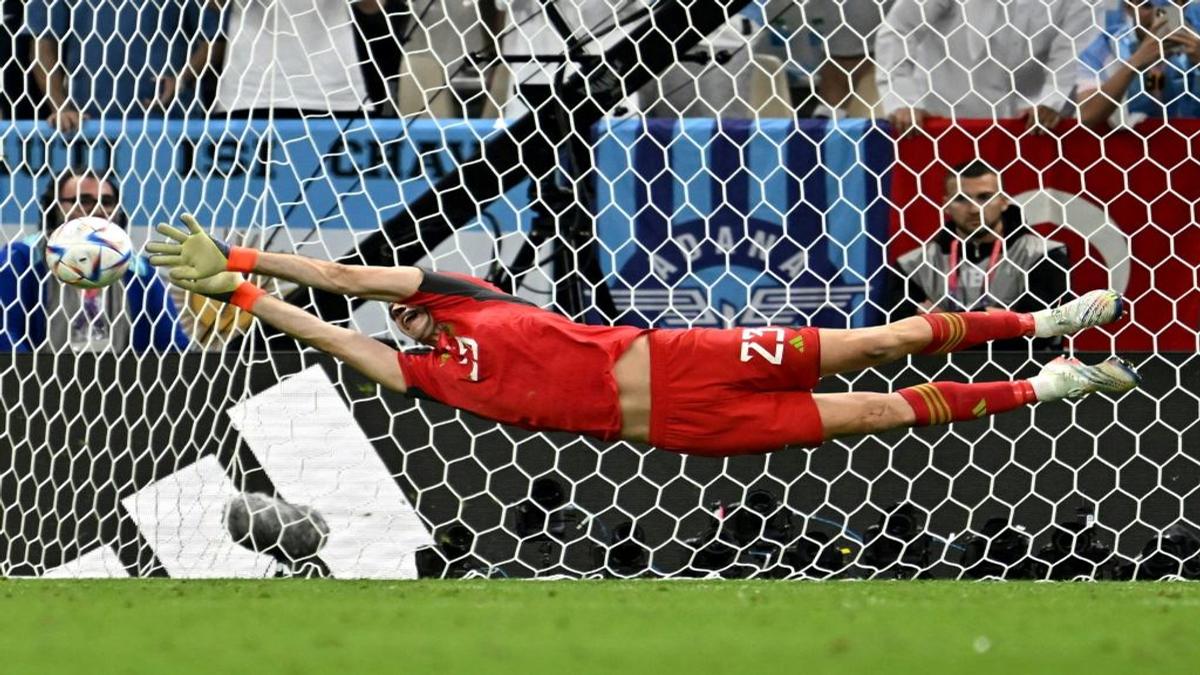
I am going to discuss the concept of what a goalkeeper I know from a previous recreational soccer league I played in, introduced me to the term of having a “zero-to-zero” mindset. Essentially, it is a perspective that encourages us to start fresh, wipe the slate clean, and approach each day with the determination to put wins on the board. Drawing inspiration from the world of sports, particularly the role of the goalkeeper in soccer, I will focus on the strategies to stay motivated and persevere, even when the odds seem insurmountable.

The zero-to-zero mindset involves viewing each day as a new opportunity, unburdened by the failures or successes of the past, like putting a bad or good soccer game behind you. It’s about adopting a mindset where the scoreboard resets to zero every morning, allowing us to focus on the present and the potential for success in the day ahead. This perspective enables us to shed the weight of past mistakes, disappointments, or even our achievements, fostering a sense of renewal and revitalization.

In the context of personal development and goal setting, the zero-to-zero mindset encourages a forward-thinking approach. Rather than dwelling on our past failures or basking in the glory of previous triumphs, we can channel our energy into the actions required to achieve their objectives. This mindset promotes resilience, adaptability, and a willingness to learn from both successes and setbacks.

To better understand the essence of the zero-to-zero mindset, we can draw parallels from the world of football or as I like to call it, soccer. The role of the goalkeeper in a soccer match is analogous to the individual striving to stay motivated and achieve their goals.

Any goalkeeper’s primary responsibility is to prevent the opposing team from scoring goals. They are the last line of defense, and their performance often determines the outcome of the game. Importantly, a goalkeeper maintains a constant vigilance, irrespective of the score line itself. Whether their team is ahead by two, five, or ten goals or vice versa on the losing end, a goalkeeper understands that complacency can lead to a sudden turnaround in fortune.

In applying this analogy to personal development, we can draw valuable lessons from the goalkeeper’s mindset. Just as the goalkeeper stays focused on thwarting any attempts to score, individuals pursuing their goals must remain vigilant against complacency and overconfidence. The zero-to-zero mindset encourages a relentless commitment to progress, acknowledging that even a comfortable lead can be eroded if one loses sight of the bigger picture.

The concept of putting wins on the board encapsulates the proactive and strategic approach required to achieve goals. Rather than waiting for success to come to us, adopting the zero-to-zero mindset prompts us to actively pursue victories, no matter how small, to build momentum and confidence. Just as a goalkeeper makes critical saves to keep their team in the game, individuals must make strategic decisions and take deliberate actions to secure wins in their personal and professional pursuits.

To put wins on the board in soccer and in life itself, it is crucial to break down larger goals into smaller and more manageable tasks. These incremental goals serve as milestones that provide a sense of accomplishment and progress. Achieving these smaller victories contributes to a person’s overall success and reinforces the zero-to-zero mindset by emphasizing the importance of each step in the journey.

Recognizing and celebrating small victories is essential for maintaining motivation. Whether it’s completing a challenging task at work, learning a new skill at school, or overcoming a physical or mental obstacle, acknowledging these accomplishments reinforces a positive mindset in your life. Celebration acts as a motivator and encourages individuals to persist in their efforts and build on their successes.

The zero-to-zero mindset recognizes that setbacks are inevitable in life as in soccer. Instead of viewing failures as insurmountable obstacles, individuals should approach them as opportunities to learn and grow from them. Like a goalkeeper analyzing the opponent’s goals to improve their technique, people can glean valuable insights from their failures, which can refine and further shape their strategies for future successes.

Flexibility and adaptability are essential components of the zero-to-zero mindset. Just as a goalkeeper adjusts their tactics based on the opposing team’s moves, one must be willing to adapt their approach in response to changing circumstances. This flexibility ensures a dynamic and resilient pursuit of goals, even in the face of unexpected challenges.

Embracing a growth mindset is foundational to the zero-to-zero mentality. Individuals with a growth mindset perceive challenges as opportunities to develop their abilities rather than being seen as threats to their competence. This perspective fosters a love of learning, resilience in the face of setbacks, and a belief that hard work and sheer effort will lead to improvement.

In soccer, the goalkeeper is not alone in their quest to prevent goals. They work in tandem with a defensive line that shares the responsibility of thwarting the opponent’s attacks. Similarly, in the pursuit of personal and professional goals, everybody can benefit from a support network that includes their friends, family, mentors, and colleagues. The zero-to-zero mindset extends beyond the individual, urging not only oneself, but others to embrace the spirit of renewal and progress.

Just as a goalkeeper communicates with the defense to coordinate strategies, people should engage with their support network. Open communication fosters collaboration, allowing individuals to share their goals, seek advice, and receive constructive feedback. This collective effort enhances the likelihood of success and reinforces the zero-to-zero mindset for everyone.

The goalkeeper not only focuses on their own performance but also encourages and motivates their teammates consistently to maintain a collective defensive effort. Similarly, individuals should inspire and support those around them in their pursuits. By fostering a positive and encouraging environment like teammates on the soccer field do for each other, we can contribute to a shared sense of purpose and motivation within our friend groups and social circles.

Goalkeepers often serve as leaders on the field, like a general or a commander, setting an example for their teammates through their dedication and work ethic. Similarly, the average person, when they step into a leadership role, can inspire others by embodying the zero-to-zero mindset in their own actions and behaviors. Leading by example involves demonstrating resilience, embracing challenges, celebrating victories, and above all else, motivating others to adopt a similar approach in their own endeavors.

In the journey of personal and professional fulfillment, the zero-to-zero mindset serves as a powerful tool for staying motivated to achieve one’s goals. Drawing inspiration from the goalkeeper’s role in soccer, everybody can approach each day as a new opportunity to put wins on the board or getting goals in the net. By setting incremental goals, celebrating small victories, learning from failures, being adaptable, and cultivating a growth mindset, anyone can actively shape their path to success and achievement.

Lastly, the zero-to-zero mindset extends beyond our individual efforts, because when we urge collaboration, encourage motivation, and practice good leadership, we can help create a supportive and strengthened community. Just as a goalkeeper communicates with their defense to thwart the opposing team’s attacks, each person can benefit from engaging with their support network to amplify their collective efforts to achieving something great together.

As we embrace the new year with the zero-to-zero mindset, let us recognize the great potential for growth, renewal, and success that each day ahead of us holds in 2024. By adopting this promising perspective, we empower ourselves to navigate the challenges ahead, put wins on the board, and make the most of the opportunities that arise in our personal and professional lives.

Get A Little Better Each Day

“Progress takes time and effort, and you will not see results overnight without putting the work in.”

Progress takes time and effort, and you will not see results overnight without putting the work in. You can measure progress in whatever you do by seeing if you are starting to get a little better in whatever area you are applying yourself to. If you are taking practice tests and you notice your score keeps going up, if you can swim further and faster than before while being timed, and if you are able to save more money each month than you had the previous one.

Progress is not linear in terms of growth, and it will not happen all at once. The important thing to keep in mind is that you are having more good days than bad days. You need to see if you are progressing a little bit each day or if you are at least progressing most of the time when you measure yourself. There will be days or times when no progress is being made and that’s alright. However, how you react to that and how you work to exceed your expectations next time can make all the difference. Setbacks and lack of progress are going to happen when you are striving to be better or to do better. You must persevere and not let it get to you mentally.

What you want to avoid is to ‘throw in the towel’ and to give up without doing your absolute best and pushing yourself to the limit. If you work as hard as you can as often as you can, progress is more likely to be made on that day, that week, that month, or even that year. It’s not bad to take a day or so off to give yourself a break if needed but don’t let that break become permanent or don’t throw your hopes and dreams away because something is hard. When something is hard to do, that should push you even more because you are testing the limits of what you are capable of.

There is no greater thrill than being able to usurp everybody’s expectations that they set for you including your own. The thrill of achieving or accomplishing something that you thought was previously impossible and so did everyone else. It’s important to keep in mind that kind of achievement takes days, weeks, months, or even years to accomplish so you should be consistently measuring your progress and your setbacks. If you are consistently getting a bit better each day and doing so more often than being stagnant or getting worse, you are that much closer to achieving your goal(s). The key to achieving anything is both progress and consistency because they go hand in hand with each other.

For example, if you are running to train for a marathon, there will be days where you can run 10 miles and some days where you’ll run 5 or 15 miles. The key to keep in mind is that you are running most days or even every day to train on a consistent basis. You should be striving to go from 5 to 10 to 15 to eventually 26.2 miles in a full marathon pace to train at that level to be fully ready for the race. What you want to avoid in this scenario is running less miles as you get closer to race day or running less miles over time. You want to be building consistent habits and practices to be truly ready for this kind of accomplishment.

An impressive goal like running a marathon is an excellent way to show just how key consistency can lead to progress but it’s also about setting goals such as reaching a new number of miles each week for training purposes. If you go in a training like this case from 5 miles to 25 miles in a few months to train for the race six days a week, you’ll be much more likely to reach that goal of running a full marathon. You’ll ensure that you are as ready as can be when you step to the start line on that race day because you became a little better each day.  

The key is to go from 0 to 26.2 miles during that training and not 26.2 miles to 0 miles ran. There is a clear distinction there on how to get a little better each day and that involves both consistent progress each day and knowing how to measure yourself in terms of that progress with the amount of running you do to train. Getting better at anything in life is like running a marathon in that you won’t achieve it overnight, it takes consistency at a high level, and you have to set measurable goals to show that your progress is sustainable so that you are ready to claim that achievement.

Life is a marathon in itself so make sure you count the days you made progress in your goal(s), note how you can get better, be consistent about what you want to achieve, how you’re going to do it, why it’s important to you, and you’ll be well on your way to being successful. Getting a little better each day is what I hope for all of us in whatever we set our minds and our hearts to. Be sure to treat life as a marathon and not as a sprint, and you’ll be on the right track.

The Case Against Hyper-Individualism

“You can be an individualistic person but that does not excuse selfish or amoral behavior at all.”

It is not inherently bad to look out for yourself and your own interests. How many times have you heard that you have to “be a better friend to yourself” or to “take care of yourself?” If you can’t help yourself, then how can you help others out? The key thing to keep in mind with being individualistic is that while it can help you as a person, you should always remember that it does not mean neglecting, hurting, or disadvantaging others in the process. You can be an individualistic person but that does not excuse selfish or amoral behavior at all.

I would argue that hyper-individualism has become more and more common in our society and has led to people being taken advantage of, scammed, lied to, or otherwise mistreated because they had someone take advantage of them because they were acting in their own interest but without regards for others who were affected. If I had to give my own definition of what distinguishes hyper-individualism from individualism is that in the former, you are looking out for yourself only without regards for others or you are looking out for yourself even if it may cause other people to be negatively affected by your focus on individualistic behavior.

While it is okay in my view to strive to achieve your own goals, seek out a better life, find your own path, and to not be dependent on others if you can afford to do so. It is not okay to hurt others in the process by robbing them of their own goals, their own chance at seeking a better life, and even preventing them from building a community where the individual takes a back seat to the interests of a group.

I find that hyper-individualism is similar to a ‘dog eat dog’ kind of world where everybody is on their own all the time, there is limited or no support if you fall on tough times, and where communal living or community-building is sacrificed for individual power seeking, wealth gaining, or prestige building. Caring about oneself alone and not others at all or not caring if your own goals, success, and overall happiness may put others in a bad place can also fall under what hyper individualism would be to me.

I believe that most people cannot be hyper individualistic because since the early days of our species, we could not live on our own without the support of a tribe, group, or a small community. Everybody had their own individual wants, desires, or needs, but we worked together to achieve those needs by catering to our individual strengths. Each person brought something unique or useful to the larger group and that is where individualism can play a healthy role within a community. If you can hunt, you can provide food to yourself, yes, but also to others if you are good at what you do. If you can fish, you can fish enough to help yourself but also for others in the tribe too. The same could be said for cooking, cleaning, protecting livestock, building shelter, etc.

This kind of individualism where we express ourselves in what we do best and how we can contribute meaningfully to a larger group, community, or society helps to make individualism a powerful force, often for good. Where hyper-individualism goes wrong is where you only look out for yourself and don’t share with anybody else or lend a helping hand with your skills and talents. It is not good to hoard or be greedy but that is what hyper individualistic behavior is based around and the disturbing thing to remember is that it seems to be encouraged more and more by our popular culture.

Think about the advertising and marketing messages we often receive: do they cater to your needs or to the needs of a group? When society is largely telling you to constantly be going after the money, the cars, the clothes, and the fancy mansions, this kind of behavior often leads to hyper-individualism. Sadly, we don’t hear about how we can use our skills to help others or to volunteer to use our resources for a shared good or effort. It is up to us to resist hyper individualistic behavior as much as possible.

Hyper-individualism may make that person feel good at first, but it is an empty feeling especially if they are not contributing anything meaningful to the larger society. Yes, you were able to buy a nice car, a flashy television, and an expensive house, but while that’s good for you and your own skills and abilities, is that all there is to your life? For a few of us, maybe that’s good enough, but I believe that we feel happiest and most fulfilled when we not only share our talents with the world, but we use those talents to also better the world in some way.

Individualistic societies and more community-focused societies can both be wealthy, happy, and productive, but if you go to the extremes of individualism or to communism, to state the obvious, societies will often crater in on themselves and cease to function well. I like to think that the best societies in our world are those that recognize, encourage, and foster individual talent but to use that talent to create a better society and to make sure that success while rewarded financially or otherwise, is also meant to help others receive a helping hand up so they too can also succeed and pursue their individual dreams and goals.

My analogy for hyper-individualism is if you’re in a rowboat and you have six people in the boat, and we’re all meant to row to get to the shore. Problems can start to arise when you have five people rowing in sync together and starting to move the boat faster and faster to the shore. However, if that sixth person does not row at all because he or she does not want to or if they want to row back out to sea, all six people as a result are going to suffer together because of that one person’s hyper-individualism.

Think of that rowboat of six people like a society of a million or a billion people. If you have one person or a few people ‘rowing’ against the others and hurting the total society as a result, the problems even a few people can cause would affect everyone in that boat or in the society negatively. Let’s all remember that we all rise or fall together and that while individual success, wealth, and prestige, is admirable to achieve, it is not everything in life and we are judged not just by our own merits but by our character and our values as well in society.

It Feels Good to Do Good

“The good work we do whether it’s volunteering, donating, or contributing to society in our job or a non-paid effort can not only improve the state of the world in a measurable way but also make us feel good in the process.”

It can be disconcerting to make sense of how little is within our control and how much we would like to have the world be different than it is. Whether its politics, culture, the environment, or society in general, our lack of control over these forces that have a massive impact on our lives can be difficult to make sense of. Even when we do our best to make positive change in the world, it may only cause what I have previously referred to as a ‘ripple effect.’ However, we don’t realize that not only does the good we do ripple out in the world in a small yet powerful way, but we become the better for it as a result.

The good work we do whether it’s volunteering, donating, or contributing to society in our job or a non-paid effort can not only improve the state of the world in a measurable way but also make us feel good in the process. Other people in our lives may or may not know about these contributions that we make whether it’s with our physical labor, our financial resources, or just a caring thought or gesture but if we are the ones making the effort, we should take the time to recognize its significance and the beauty of the act itself.

It does not hurt to pat yourself on the back metaphorically for showing up and doing your part. I don’t believe it is egotistical or detrimental to your self-esteem to recognize that you are taking time or money to do something good in the world. While you should not expect others to be so forthcoming in their adulation or praise of what your contribution means, you should feel good about helping others or helping nature or just being kind and caring towards your fellow man or woman.

If you feel like you’re in a rut, I truly believe volunteering some time out of your busy schedule and working towards a goal in that kind of volunteer work can really cheer you up and make you feel a bit better about the world. So much these days is out of our own control in an increasingly technologically driven, lightning-fast world where we do not have as much time to slow down and focus on what really matters, which is to leave the world better than you found it.

The work can be hard, disappointing, and even cause you to question whether it is worth your time or money but hold true to the reason why you got into doing work for the betterment of others in the first place. While it is considered a selfless act to volunteer or to donate or to work for others, do not let yourself forget that it feels good to do good and you’ll often be better off for having done that work even if it was difficult, thankless, or draining to you mentally or physically.

Having that sense of control, to work hard towards a specific goal, and to feel better for having stuck with your good work to its end are all ways that can make us feel good about doing good. People all need to feel that sense of self-worth and to have that self-esteem be boosted a bit and that can come with taking the time or money or both to contribute to the betterment of the world around you. While time and money are precious resources for which we tightly hold onto at times, perhaps too much so, it is without question a good use of time and/or money to help those people out who are less fortunate than you are.

Only you can decide how much of either precious resource, time or money, that you would like to contribute as a volunteer but I promise that whatever you decide to take upon you in terms of doing good, you can guarantee that whatever effort or work you put in will pay you back in the most beautiful way in that sense of satisfaction and contentedness you can get from healing the world or helping a person or contributing to a social cause you care about a lot.

The work involved will be difficult and you will need to put in hours, days, and sometimes months or years to see the fruit of your labor lead to the good you sought to come about as a result. The blood, sweat, and the tears you put in may not seem worth it but if you work in a group or a team with other committed people who care about the same good work that you do, not only will it be easier, but it will be done quicker.

During the good work you do, make sure to keep reminding yourself that results will take time, that you have your goals clearly in mind as to why you’re contributing to do good in the first place, and to remember that you may not get praise from others but that your own satisfaction and happiness from contributing will be most powerful as it comes from within you. We only have so much time to volunteer and to do some good on our own terms so make sure you think deeply about how you want to contribute and why you’re contributing to that cause.

Other people, even friends and family, may question why you are dedicating your time and/or your money to the good work you’re doing, but you do not need their approval to go forward with reaching your goals. You only need to deeply internalize that doing good will make not only you feel good about it but the people or environment or our world, which will be better off as a result. If you have to justify why you did the work you did, don’t look to other people to confirm your righteousness but rather look within yourself in your heart to see what you contributed was needed, that you had the skills or the knowledge to help out, and that the impact you made was measurable and that it could ‘ripple’ out through the society and the entire world.

Why You Should Take The Initiative

“A lot of times in life, things won’t be handed to you, opportunities won’t just present themselves to you, and relationships or friendships don’t just form out of thin air.”

A lot of times in life, things won’t be handed to you, opportunities won’t just present themselves to you, and relationships or friendships don’t just form out of thin air. You must be making the effort more often than not to take the initiative to do all those things I just mentioned. It is not easy and can cause you rejection, stress, and even heartache, but if you just expect your life to just progress on its own without putting in the work, you will be sorely mistaken.

Making that initial effort will make the difference as you devote 80-90 or even 100% to get the return you were looking for. You may expect others at work, at school, or in your personal life to meet your half-way or 50/50 after a while but you may find that it’s a running theme in that instead of finding it as being equal or meeting them halfway, it’s likely to be more 60-40 or 70-30 in terms of your effort versus theirs. Now, that does not mean you should be taking the initiative all the time to ask for that promotion, or be open to developing a friendship, or seeking a new relationship but you’ll be better off from driving the effort rather than by taking a backseat.

Having more of the effort initially won’t just make an impression on the person but it will also develop your abilities, your relationships, and your professional / educational future more so than if you had made less of the effort. You should be conscious that the initiative you are taking is worth it and that the time you are putting in gets the result(s) that you are looking for. Your hard work, effort, and perseverance should lead to the other party putting in some conscious effort after a while. If it is just a one-way street in terms of that effort months or years later, I think that relationship, job, or friendship is likely to be doomed to fail.

It would not be fair or just for you to be constantly taking the initiative especially when that person isn’t reciprocal at all or even 30-40% of the way in a friendship or relationship. If you are giving all of the effort and feel like you’re not getting anything back from it, you may be dealing with an ‘emotional vampire’, who you may enjoy their company and like them but the fact that you are putting in all the work to keep things going and them not doing anything to reciprocate is not only a form of manipulation but it is also a sign of someone who only wants to take advantage of you.

They may lack certain qualities including introspection or self-awareness so they may not think they are at fault but if you believe that nothing is going to change, your time and efforts aren’t being valued adequately, and you are not getting as much in return from them, you may need to cut them off or just take a break from being with them or working for them. I encourage proactivity, being extroverted, sociable, and wanting to take on new goals, but if it is draining you and the results professionally or the relations personally you get as a result are not satisfying from that 60-40 or 70-30 set up, it may be best to move on to another person or opportunity.

To cite some examples, if you are good at reaching out to friends or acquaintances and just checking in to see how they are doing or even making the effort to see them and spend time together, that’s a positive initiative to take and shows you care about keeping that relationship going even if it had fizzled out a bit. However, if you feel like you are constantly the one making the calls, setting up the plans, or checking in on them, and they are not doing the same to you on that 30-70 or 40-60 balance that I mentioned, then it may be best to cut back on making the initiative there. If they truly cared about you, they would seek to make plans to see you by their own initiative or they would call to check in every now and then to see how you have been doing. Again, you should not be doing that all the time and if you find that it is becoming a pattern with that person, it may be best to stop seeing them so much since it looks like more of a one-sided friendship or relationship rather than a balanced one.

Another example professionally would be if you’re looking to boost your career and would like to learn new skills, then you should take that initiative with a training or a workshop or a conference that can make you more valuable to your employer. Similarly, if you take it upon yourself at work to learn a new skill by taking courses or attending seminars or providing trainings to others, it should be recognized not only to develop your career but to also further yourself in your role with better compensation or to be promoted to a new role because of the skills / abilities you acquired. If you take the time to volunteer, to be trained, to train, and to become a better worker, your employer or company should realize that it is also not a one-way street so there should be a proper recognition of your having taken the initiative to be more valuable to the firm in question.

However, if you find that after multiple trainings, skills developed, or competencies improved upon, that you are not getting the desired career promotion or compensatory boost, it may be that your initiative, while recognized, is not being formally appreciated. You made the most of the opportunities given but the other party involved doesn’t seem to recognize the new value or abilities you can provide. In this kind of situation, it may be best to start looking elsewhere professionally with those new proficiencies in your work to find a firm, company, or organization who will do their best to meet you halfway or maybe 40-60 so that you know that they care about you staying with them into the future and that your presence is both valued and appreciated, which is actually shown in different ways, a promotion, a raise, or otherwise.

Personally or professionally, you should consistently be looking to take action or initiative to improve your life in either way. However, it should not give the other party free reign to not give anything back in return or to provide their own initiatives or actions for you to take part in after they start it up. If you invite your friend to a barbecue, hopefully they’ll reciprocate in the future by having you over for a birthday party. If you do a skills workshop for a week to improve your competency at work, maybe your company or firm can reward you with a promotion to apply those new skills you picked up. It’s not always 50-50 in life and you may have to do most of the work, especially at the beginning of a new job or friendship. However, if it is you who is giving 100% and them putting in 0% in return on a consistent basis without the other party realizing it, it’s a toxic kind of relationship and you should be cutting ties with that person or entity as soon as possible.

Custom Suit Mentality

“The key point to keep in mind is that it’s good to think of yourself dressed to the nines, looking like you put so much effort into your appearance that you have this aura of confidence that can command attention, light up a room, and boost your ability to get things done.”

A good imagination can be a terrible thing to waste. I want to start out by imagining if you would dress up each day of your life in a ‘custom suit’ meaning a matching jacket, freshly pressed dress shirt, and a sleek tie that is color coordinated. You can even add a nice pair of trousers and a vest to make it a three-piece suit. The key point to keep in mind is that it’s good to think of yourself dressed to the nines, looking like you put so much effort into your appearance that you have this aura of confidence that can command attention, light up a room, and boost your ability to get things done.

Now, I’m going to mainly focus on the gentlemen here but for the ladies reading this article, you can substitute a custom suit for a tailored dress but the key part here is that you imagine yourself having the mentality of someone in a custom suit or a tailored dress without actually being in one. I would definitely recommend getting a custom suit made for a man or having a new dress tailored to your liking for a woman but that is not always financially feasible.

If you have fallen on hard times, are not able to get your suit adjusted or tailored, you can still carry yourself both physically and mentally as if you were wearing a custom-made suit. It is not the suit that makes the man but the man that makes the suit in my view. You could have the nicest three-piece custom suit in the world but if you cannot walk the walk and talk the talk, it will not be the same. For example, one’s body language while wearing a suit and their attitude about it carries a lot of weight.

Whether you can wear a custom suit or not, imagining yourself dressed up as best as you will do wonders for your confidence, outlook on life, and ability to get the job done in work or in school. Wearing an actual, tailor-made suit will get you most of the way there but if you cannot afford it or cannot make it happen in time, you need to be able to foster that imagination to realize that you are worthy of respect and that you should be taken seriously even if you’re not dressed up.

When you wear a suit, you want people to take notice of you, to be taken seriously, and to command attention from others. However, you should not need to rely on the suit in order to have any of those qualities in public. When you are not suited up, you still need to be able to be taken seriously by other people. That does not mean, however, that you should dress like a slob or let your personal appearance be neglected entirely. You can still dress well without a custom suit or a tailored dress (for the ladies).

The main key here is not to rely on one suit or one dress to be able to have that confidence because then you will not have that necessary inner confidence developed enough to be successful in business and in your personal life. Relying on your physical features or appearance to give you confidence is a stopgap solution because you will have neglected your inner beliefs in yourself and your ability to succeed and prosper.

When you walk around town or the city, I want you, the reader, to carry yourself as if you are wearing a custom, tailor-made suit. If you imagine it, you can live it. You can get that swagger going where you keep your shoulders back, lift your head up, and move with purpose and like you’re ready to take on the world. Making eye contact, shaking hands (if required), and taking the initiative by engaging with strangers or networking without anxiety, you will get ahead in life, and you’ll definitely go places.

Of course, the custom suit will help get you there much easier as that aura of confidence, swagger, and self-esteem boost is almost automatic as long as you can match the suit with your eye contact, body language, and overall physical presence. It’s unrealistic for me to tell you that you should always wear a custom suit each day or even a few times a year. It’s also unrealistic to assume that it is financially possible to get a custom suit, although it’s not too expensive to get a suit tailored or adjusted. However, I encourage you to try on a suit or a few of them and see how much better you feel not just in terms of physical appearance but your mentality. I think by dressing well, your mentality on life does change and you will feel a bit better about yourself.

When you put in effort by dressing up, it carries over into other aspects of your life. There’s no question that you feel more motivated, more in touch with your goals, more conscientious of what you can offer the world when you throw on a suit. If you would rather wear something more traditional yet dressy that relates more to where you’re from or from your own cultural background, I encourage that as well. You should use that experience of dressing up to be used later when you’re dressed normally but still need that inner self-esteem boost to help you in your day-to-day life.

If you wore a custom suit or at least a suit or the closest formal wear to it possible, remember how you were when you wore that piece of clothing. How was your mentality? Were you more confident or less? How did you carry your body? What were other peoples’ reactions to you? The chances are good that the suit made you confident yet not cocky, motivated but not overzealous, poised but not stressed out. You should not need the suit to feel in those ways and you just need to remember how it was you acted, how you were around others, what was your body language and movements like, and were you better off as a result.

When you do some needed introspection, you’ll realize while a custom suit is great to have and can really improve your life a lot, it is not the end all be all for you to succeed. However, you need that kind of ‘custom suit mentality’ each and every day whether you’re in a three-piece suit or just jeans and a t-shirt. You have to carry yourself each day like you’re wearing a fine suit and you’re heading out to make your mark on the world. That kind of mentality that you must hone and develop on your own will take you even further because you will be consistent about it day-in and day-out.

Having that inner confidence and strength as well as a healthy dose of self-esteem will pay off for you in the long run. That way, you won’t need to wear a suit every day although that’s not a bad thing for those guys who enjoy it, but that you remember to put yourself out there to succeed and you have that inner mentality that suit or no suit, you’re going to meet your goals, face your commitments head on, and work hard to achieve success in whatever you choose to pursue in life.

The Real Meaning of ‘Seize The Day’

“You seize the day when you can plan for how you are going to seize not just today but tomorrow as well.”

Seizing the day or ‘Carpe diem’ is an oft-quoted Latin phrase that has become as popular as often as it has been misunderstood. Seizing the day is definitely a principle that I stand by for a couple of reasons, but I don’t agree with people who say that seizing the day means to ignore the future or not to think past today’s goals or tasks. You seize the day when you can plan for how you are going to seize not just today but tomorrow as well.

Some people choose only to live in the present moment, and I think that is a fundamental misreading of what it means to really ‘seize the day’. You really have a bigger advantage when you plan ahead of time for what you should accomplish not just on the same day but in the weeks or months ahead. You won’t be able to make the most of each day if you do not know ahead of time what you need to get done or what is most important in your life to complete.

Living only for the day will keep you in a constant state of searching and jumping from activity to activity without planning how long you plan to study, work, explore, travel, or focus on. That is to say that life is nothing without a little spontaneity and that when a good opportunity or event pops up out of nowhere and this will be your only chance to experience it, then it would definitely be acceptable to ‘carpe diem.’ If it is truly a once-in-a-lifetime chance or a very rare opportunity that you would live to regret or would change your life, that is an opportune time to seize the day and chart a new course for yourself.

When you don’t plan for your day ahead, you will not be able to seize it as easily. You do not want to spend your days drifting about from idea to idea, opportunity to opportunity, place to place. Life inherently is not all about spontaneity and being in the moment at all times. You should try to plan ahead to some degree but also be open to changing your life course is a good enough lasting opportunity or change of plan comes around that would definitely benefit you in the long run.

Short-term pleasures, wins, and successes can be quite enjoyable especially when you seize them when they come but it’s the little victories over time that build up and lead you to a successful relationship, business, or career will pay off a lot more. You truly do seize the day when you are planning and doing something each day to push those long-term goals forward in some capacity. When you work towards your goals consistently each day and putting in the work each day, you’ll start to see your hard work come to fruition. That is what will truly go along with the phrase ‘seize the day’ when you make the most of each day to give yourself the highest life satisfaction.

Frittering your days away impulsively going from party to party, country to country, or job to job without a long-term plan can be ruinous to somebody. Seizing opportunities that come your way should be encouraged but not at the expense of having some long-term goal or dream in mind that would truly change your life for the better. Making the most of each day to reach your life goals or to do something meaningful whatever that may be should definitely be part of that famous saying of ‘carpe diem.’

‘Seizing the day’ is not just about working consistently to achieve goals and dreams but it’s also about taking care of both your mental and physical health and to take the necessary time out of a busy day to see a friend or a family member, to go on a bike ride, or to do another hobby like photography or hiking, which will make you feel more well-rounded and relaxed. Human being are not machines that can be constantly on the go and we need that time to reflect alone or socialize with others to improve our relationships as much as possible.

Another key thing to know about ‘seize the day’ is just showing up every day and doing your best. You may not get every opportunity that presents itself, you may not hit your goals each day, or you may not prioritize your relationships or hobbies as much as you want but the main thing is to just show up each and every day to work hard at what you have going on not just immediately but into the future.

As another popular saying goes, “showing up is just half the battle.” Putting yourself out there takes courage and grit, and some people today can’t even do that. Seizing the day is about putting yourself out there enough so you can attract those chances and opportunities that you wouldn’t have gotten ahold of had you not even made yourself available. When you stay at home, isolate yourself, and don’t try at all, you won’t get anywhere in one day or even in one year. If you don’t put in the effort each day, you won’t be able to seize anything of importance or value to make yourself that much more meaningful.

If you are reading this article, I hope you rethink the meaning of ‘carpe diem’ or ‘seize the day.’ It’s much more than just living in the moment and pursuing instant gratification in whatever form that may be. It’s about putting in the effort each day, consistently, in pursuit of a long-term opportunity or goal that isn’t handed to you automatically and which will often take more than one day to succeed at. Whether it’s competing for a championship, building a business, or planning out one-year of travel around the world, you seize the day by working towards these visions each and every day by putting yourself in front of those opportunities and doing your best to succeed at them with hard work, grit, and a little bit of luck too.

The Utility of Making Lists

“A key productivity hack that really works wonders in our fast-paced, modern era, which involves both discipline and consistency is to make a list. It is also an excellent habit to build upon and one that only requires your laptop and a ‘notes’ application or just a simple pen and piece of paper.”

A key productivity hack that really works wonders in our fast-paced, modern era, which involves both discipline and consistency is to make a list. It is also an excellent habit to build upon and one that only requires your laptop and a ‘notes’ application or just a simple pen and piece of paper. Lists have a reputation of being tedious and time-consuming, but what is actually more time-consuming is spending minutes or even hours trying to remind yourself what tasks or items you actually have to do.

List making is a good habit to build upon for a number of reasons. You hold yourself accountable and there is no shirking away from what you have set for yourself. The biggest misconception when it comes to lists is that they are all the same and focused on a to-do list. You can make lists for other reasons ranging from your progress at the gym with different weights you’ve lifted and what you hope to accomplish next to your future goals in life and what you hope to do in your ‘bucket list.’ Lists not only involve things you have to do whether its grocery shopping, what bills you have to pay, or what errands you have to run but also what career / business goals you have, what your exercise regimen looks like or where you hope to travel to in terms of next destinations.

Making lists is part of exercising that daily discipline that you need to have in order to put yourself on a path to success. It’s easier to accomplish your goals or your tasks when you remember what they are. You may have an amazing memory and feel you don’t need to have any lists at all but having that reminder especially if you have a due date for a pending school assignment or a work task can really help you especially if your memory fails you, which is always possible.

The impact of technology in our lives has made our attention spans that much more limited or distracted so I believe that the utility of lists has increased in response. There are many more things on our plate that we have to pay attention to that we may not have time to remember them all. Lists can help us organize these tasks from most urgent to least urgent and give us some peace of mind since you would likely have these lists stored in a place such as in an application on a computer or in a folder if you’re more traditional with pen and paper.

Not only do lists help to organize our lives, our goals, and our tasks, but lists also hold us accountable just by the fact that they make clear what you have done or what you have not done. There is no arguing with a list because you have either done it or not done it. You can indicate in a list your progress towards the goal or the task but it’s better to simplify it to be blunt to ask of you whether the item is completed or not. If it isn’t done yet, you can go back to it to see how much you have left to do, whether it’s been started yet, or how much you have left to finish. That kind of blunt accountability, which can be lacking in our society, is going to be staring you right in the face, so there is really no hiding from a list because it does not sugarcoat anything or try to come up with an excuse.

I also would like to point out that making too many lists can hinder you from achieving all you would like to get done each day, each week, or beyond. You should be careful not to make too many lists or have too many notes where you start to forget what actually is most vital to get done. I would recommend instead to make one list only for a specific part of your life such as one for exercise, one for work, one for business, one for errands, and perhaps one for future goals. That’s five lists right there on a specific subject so not to become too cluttered or difficult to implement. Lists can help you out a lot up to a point but can become burdensome when you have a dozen lists for ten different parts of your life.

In any list you make, focus on a main goal you wish to achieve for the day and then start to branch out to include weekly tasks and then long-term goals that may take months. Organizing an individual list around immediate, medium-term, and long-term tasks is an effective way to stay on top of each part of your life that will need attention. Having five lists, for example, can be helpful too where you might start the day looking at your exercise task(s) to complete, then move on to work/school, then see about errands, and then see what future goals you are working towards that you can start on. Organizing lists is about as important as making lists to begin with and it’s very important not to make too many lists where you feel like you can’t keep track of them all or have too long of a list where it distracts from your other lists that you’re working on.

You may be thinking to yourself right now, why do you care about making lists so much and why have lists at all? Having list(s) is about building structure in one’s life. You can create good habits from following your lists and you can organize your life in a meaningful and productive way. Also, you alone can hold yourself accountable with lists as it’s only you who knows about the list and is responsible for completing the goals and the tasks that you set up for yourself. No one else is going to hold your hand so it’s up to you alone to be reliable, responsible, and solely in charge of ultimately crossing those important items off your list(s) to help make your life a better, happier, and healthier one.