Earth Before Mars – Why Humanity Must Solve Today’s Crises First

“We continue to dream about colonizing Mars and visiting the Moon again while ignoring the rising Oceans and hungry mouths here on Earth.”

We continue to dream about colonizing Mars and visiting the Moon again while ignoring the rising Oceans and hungry mouths here on Earth. I read a recent headline that summed this contrast up for me when it was reported that ‘record heat of 2024 triggered a surge in sea level rise’, which is a headline that should give us all some pause going forward as Earth is and will remain our only place in the universe that is habitable for the foreseeable future. Still, we push forward with satellite launches, planned manned missions to the Moon and Mars, and developing other capabilities in the space realm.

Now, I have no issue with organizations and companies that seek to reach the next frontier of Space and there are real benefits for science and technology along with fomenting further international cooperation in this area. However, it is worrisome when we take our collective eye off the ball regarding real man-made issues that we have yet to solve here on Planet Earth that either are lacking attention entirely or continue to get worse (climate, poverty / inequality, wars, famine, etc.) Humanity should always dream big and continue to push ourselves forward intellectually. It is good to devote oneself to a mission when it involves curiosity, knowledge, and progress.

Space travel, universal Internet access (via Starlink, for example), breakthroughs with artificial intelligence, developing the cities of the future, etc. At the same time, we should not risk ignoring or downplaying the real urgent problems in front of us, of which there are many left unsolved. Progress matters and that has been the case throughout human history, but survival, justice, and shared prosperity should be first and foremost in terms of our priorities going forward.

There has been a trend in recent years towards apathy or not putting enough resources to end hunger, homelessness, or poverty in favor of space travel for the privileged few, colonizing planets including Mars where life, more than likely, cannot be sustained there, and mining asteroids and planets for crucial minerals and other resources of interest. There’s nothing wrong with romanticizing exploration beyond Earth and dreaming of what future generations could achieve beyond our planet one day.

Still though, that day is many decades or centuries away and right now, Planet Earth needs more of our attention than those faraway planets and solar systems. Those of great wealth, popularity, fame, and notoriety are pouring more money and resources to interplanetary dreams for themselves (most likely) rather than helping their fellow man or woman who could use their help instead. Some of the wealthy and privileged in our society seem to be hypnotized increasingly about seeking out these distant dreams rather than being part of the solutions here on Earth.

We need a reality check for everyone, including those of superior means, that there are major issues on our planet that are not going away and are getting worse in recent headlines. Whether it is climate change, wealth inequality, political instability, crumbling infrastructure, possible pandemics, wars and conflict, these are the primary issues that should capture all our attention. If we cannot make Earth a livable, sustainable, and safe place for future generations, then we do not deserve to leave the planet to colonize other planets nor set foot on Mars to begin with. All of these issues on Earth are solvable still in my view but we have to keep creating attention to these different yet interconnected problems, and to me, it is not a question of money or resources, as if we have enough money for manned missions to Mars in 5 years then there is no reason why we can’t eliminate poverty or hunger on this planet first.

Prioritizing our present and future on Earth is also not anti-progress for humanity. I am not against dreaming big or for resources to go to space travel. However, it’s about sequencing our collective priorities better going forward. Before we build a new boat, let us fix the leaks in the current boat before we sink and must abandon ship for that new boat.

There is not just innovation to be found in this current space race but I do believe also that solving present issues can accelerate innovation here on Earth. Whether it’s AI tools leading to new health cures, developments in clean energy technology building new industries here, or eliminating hunger allowing children to learn better, retain more information, and create more educated professions to solve the next challenges here on Earth. Humanity must handle survival, stability, prosperity, and justice for our baser levels before we move on to higher-level pursuits, similarly to ‘Maslow’s Hierarchy of Needs’ on a planetary scale.

We are not just dealing with one or two current issues on a humanity scale right now. I can name at least five major issues that are still unresolved and are either stagnating in terms of progress or getting worse currently.

  1. Climate Change & Environmental Collapse – the most existential issue of our time and a threat to all life on the planet, more immediate mitigation is needed and on a scale of global effort to avoid the worst kind of consequences that are likely to happen in my lifetime.
  2. Global Inequality and Poverty – Billions of people still lack clean water, enough food, or a basic education, and we have the money available on the planet to solve these challenges, yet our financial capital is being spent towards other dreams like space travel.
  3. Conflict and Authoritarianism – Recent conflicts or wards along with rising political extremism threaten to destabilize humanity’s future and saps our ability to come together to solve these other problems on my list. We also run the risk of turning against each other rather than rallying our resources together to solve issues on a global scale.
  4. Public Health and Pandemics – COVID-19 showed us all the importance of pandemic preparedness, investing in science and research, and establishing early warning systems to alert the public when a pandemic takes hold. Are we prepared for another pandemic? I am not so sure and believe this is an area where more collective action is needed.
  5. Infrastructure and Governance – Crumbling systems whether its infrastructure, health care, schools, or other vulnerable institutions that fail us leave nations and peoples behind and causes inequality to grow among us. Investing in our collective futures starts with investing in our public systems in different areas so that each of us is given the best chance to succeed and contribute to society.

There is a cost to ignoring or downplaying the issues of today because we will eventually be paying for them in the future. Runaway climate change, more wars, growing inequality, dysfunctional public institutions will all impose a heavy burden on us here on Earth and technological dreams become pointless if society stagnates, ruptures, or collapse beneath the sheer weight of these issues. Space travel isn’t so great when nobody can afford to go, the Earth the astronauts come back to isn’t so pleasant, or when there’s no money to continue funding the dream because other issues became so severe, space travel couldn’t be afforded anymore. A colony on Mars won’t help any of us if we can’t figure out how to keep power grids running here or how to keep our cities from flooding from further projected sea level rise.

Let’s continue to invest in space exploration because of what good it can do for humanity but let us also not sacrifice fixing the problems here on Earth not yet solved because we want to colonize Mars or other planets. We should weigh better as a society our collective priorities and how much funding, talent, and attention we will give to our problems here on Earth vs. our future dreams on a planet far, far away.

Governments, businesses, and individuals can each play a role by changing our priorities to focus first on fixing the problems of today rather than solely focusing on the dreams of tomorrow. We should continue to vote for leaders who prioritize our current Earthly issues, participate civically in helping to draw attention to these issues, and live sustainably to start to shift attention and resources to these issues that I’ve highlighted, which affect all of us today, whether directly or indirectly.

If we devote ourselves to fixing Earth today and into the future, we won’t just survive, we will then be strong enough to reach for the stars while comfortably knowing that we have a thriving and prosperous planet that our astronauts would be returning to, with their heads held high. Ask yourself this question too: what is the one issue of our time that you can help fix today, before we start building the future on another planet many years from now? I think you’ll find that we have more power and influence than we think and that our actions today will inspire others to also act in shaping a better planet where we can both live out our days here and still dream of a space-bound future one day for generations to come.

Be Wary of Bread and Circuses

“There’s nothing wrong with distractions and wanting to enjoy an event, a spectacle, or indulge a bit but in the times that we’re living in, it’s important to realize that focusing only on ‘bread and circuses’ is something we can no longer afford to do.”

Who doesn’t enjoy sports or entertainment or both? People since the dawn of time have enjoyed being entertained or have been spectators or participants in games, sports, or other spectacles. At best, it is a thrilling adrenaline rush to be part of it to the roar of hundreds or thousands of people. At worse, it is a pleasant distraction from the humdrum of our daily life and our routines. There’s nothing wrong with distractions and wanting to enjoy an event, a spectacle, or indulge a bit but in the times that we’re living in, it’s important to realize that focusing only on ‘bread and circuses’ is something we can no longer afford to do.

The concept and phrasing of “bread and circuses or in Latin known as, “panem et circenses”, comes from the Roman Empire and belongs to the Roman poet Juvenal. Juvenal criticized how the Roman leadership would use free food such as bread and grant entertainment such as the gladiator events and other spectacles of the coliseum to distract the citizenry from societal and economic decay. While the Roman empire declined and fell as all empires do, today, in our modern world, we have major sporting events such as the FIFA World Cup and the NFL Super Bowl. Reality Television shows remain quite popular, and the media spends hours on celebrity scandals and gossip rather than focus on systemic issues affecting each of us daily.

Why is this an issue today as it was almost 200 years ago? I would argue that we are living through an era of upheaval including political instability, economic inequality, the effects of climate change, and the rise of authoritarianism. Distraction such as ‘bread and circuses’ help to keep people distracted from these ongoing issues and is a powerful tool to be utilized by those holding power. While sports and entertainment can be healthy outlets, it does not go well for a society when it is all-consuming, and people are overly reliant on it each day for fulfillment or pleasure. An active citizenry must remain focused on issues that affect them and their families as if they are paying attention and are engaged, positive change is more likely to occur as a result.

Political leaders can use major sporting events to help push their agendas forward as the times surrounding such events are the easiest to enact policies that are controversial but in which public attention is directed elsewhere. Politicians and leaders can also engage in controversies surrounding sporting events and how it related to ‘culture wars’ and ‘celebrity feuds’ to divert from ongoing political scandals or economic problems. Major sporting events are also used to stir national pride in a country and can be used to distract from real issues that the country is facing as well.

Sports and entertainment are big money for corporations and for wealthy individuals. Sports can reflect ongoing economic inequalities especially when multimillion-dollar commercials are paid for by a company rather than in investing in their own workforce’s compensation. Money spent in the billions of dollars each year on sports betting, gambling, or on tickets could have been funneled towards programs focusing on social well-being in health care, education, or infrastructure.

Celebrities and athletes should be compensated well for the work they do but there is an issue when ordinary workers who help make events, games, and other spectacles run smoothly are not paid a living wage. Thousands of workers are making decent pay, but it pales in comparison to what the ‘stars’ are making especially when they are the one preparing their food, keeping them safe with security measures, and helping stock the shelves and sell the merchandise.

There is also the ongoing debate in society about taxpayer money funding massive students and events that are not benefiting the surrounding community or the city itself. A lot of that money gets funneled to corporations in the ‘naming rights’ and to the ‘billionaires’ who see their net worth grow up as the sports franchise becomes more valuable over the years. A society where income inequality is high and is rising will be reflected in sports and entertainment as well. While there are some economic benefits to be made by the average person in these industries, a large sum of the gains to go to the wealthiest owners, players, and stars while the wealth does not ‘trickle down’ much, if at all.

While some of these issues do get coverage in the media although increasingly sparingly, I would argue that general news media, especially in recent years, has become sensationalistic and has focused on ‘click bait’ content rather than on serious investigative journalism. News outlets have prioritized celebrity feuds, sports gossip, and other trivial controversies that pale in comparison in terms of importance compared to real issues going on with the wider society. Viral content gets more clicks and eyeballs, especially on social media, and that’s where the focus has turned especially in recent years. Too much information at one time also presents most people from being able to decipher of what’s real vs. what’s fake and what to pay attention to because ‘information overload’ makes it hard to pinpoint what is likely to affect them the most and is worth paying attention to.

Similarly to the issues I’ve mentioned that ‘bread and circuses’ distract from each day, one issue that is the most immediate and wide scale in terms of ongoing effects is the accelerating climate crisis. Major sports and entertainment events all have an environmental cost and leave a sizable carbon footprint. When you tally up, the travel emissions, energy consumption because of the game or event, and the waste involved from having thousands of people in attendance, communities who support the events or games must deal with the aftermath, including both the financial and environmental costs.

While these massive events like the Super Bowl, the FIFA World Cup, and the Olympics due to pledge to be more sustainable and environmentally friendly, many companies do not end up footing the bill for the carbon emitted or the energy used. They can do so because the companies help sponsor the events and contribute enough money to them, so they aren’t as liable to help with the environmental aftereffects. Looking at two recent examples with the 2016 Rio Olympics and the 2022 FIFA World Cup in Qarar, these two events led to increased carbon emissions (FIFA) and environmental aftereffects. (Olympics)

While I am supportive of sports and entertainment and have been a fan of both, I still recognize the need to tone it back these days because excessive consumption of either will not help our society and our world be better. Sports and reality TV may seem as important as real issues, but they are not and never will be. People must stay engaged in what’s going on in their community, their country, and their world. As consumers of news, we also have the individual and collective power to choose which news outlets we give our time and our money to as well. If frivolities and ‘bread and circuses’ is all a news organization is offering, then it’s not a real news organization to begin with.

 Advocating for solutions to real issues, being a reliable voter, and volunteering in your community consistently can help keep the ‘bread and circuses’ to a more tolerable level. We all want to experience gratification and rewards in our lives and sports, or entertainment do both in providing that kind of dopamine hit but it’s a cheap one, and it’s not something we do ourselves. Political activism, working for social change, and developing our problem-solving abilities is real gratification in whatever issue you want to work on in our world. It’s not as instant and far from being easy but improving anything in society will take effort, discomfort, patience, and a lot of perseverance. Make sure you advocate for what you care about because celebrities and sports figures may not do the same, if at all.

You should stay focused on what’s important in the news, be civically engaged and encourage others in your life to do so. Remember to balance your consumption of entertainment and sports along with awareness of the issues and problems affecting you, your families, and your communities. Watching the Super Bowl is fine and I just did so recently as I have most years of my life, but if we continue to ignore political scandals, economic problems, and societal injustices, there won’t be much to celebrate in our society beyond that one day of the calendar year, where two teams of millionaires play a game that you can’t even be part of or even afford to go to.

Combating Alienation and Loneliness in Society

“This is an unfortunate societal transformation that may seem inevitable, but it can be reversed by improving mental health access, building stronger communities, and having better societal outcomes, it is crucial that some solutions are tested and put into place.”

One of the biggest challenges of the 21st century will be focused on how to foster solid connections, friendships, and relationships that are both sustainable and fruitful. Recently, more mainstream attention has been paid to how societies, especially in the Western world, are dealing with a surge in alienation and loneliness. It has caught the attention of politicians, community leaders, and authors who are interested in noting how people are fostering fewer social connections, maintaining fewer friendships, and increasingly living alone. This is an unfortunate societal transformation that may seem inevitable, but it can be reversed by improving mental health access, building stronger communities, and having better societal outcomes, it is crucial that some solutions are tested and put into place.

Traditional means of building strong social connections have been ironically undermined by the rise of social media where people can connect virtually but often, this is difficult to maintain in the real world. You really must make a serious effort these days to build your own friendship and communal networks whereas in previous generations, it was much easier in your small town or village to maintain ties with the local community or religious center, gather at town hall meetings, and be able to know who your neighbor was. It has fallen on the individual person to build their own network, which is often hard to do, especially if you are in a larger town or city, where there are so many people around, yet it may take longer to foster a deeper connection.

Religious places of worship, community centers, social clubs, and communal gathering places have taken a backseat to online social media channels, which while they can bring people together, they tend to be more focused on larger groups and gatherings, which can make it harder to get to know people better. More and more people can do things whether it’s shop, order food, build a business, and learn online, and while that has been transformative in providing greater opportunities and even connected people, I do believe traditional ways to meet people have been on the decline causing a subsequent rise in alienation and loneliness.

While many societal leaders are starting to pick up on this unfortunate phenomenon, it will take a lot of organizing, resources, and cooperation to reverse this trend in the long-term. I am going to propose three ways that by working together in our own towns and cities, we can work to bring people together in a healthy and sustainable way.

  1. Many third spaces outside of home and work have been commoditized in terms of meeting people and it can cause a financial strain on individuals who do not have the means to join an event or a group. I advocate for building and maintaining third spaces that are a public good, maintained and run by community members, and for which are made known to as many of the community as possible through consistent public awareness campaigns.

Each community center would be a good use of taxpayer funds and would be available seven days a week. I discourage the use of membership fees like a YMCA and its offerings would be different depending on the needs or interests of the community. I do think such a third space would allow for peer-to-peer mentoring events, ‘getting to know your neighbor’ dinners or potlucks, and allowing for classes or groups that can discuss financial literacy, cooking, nutrition, and even job searching and networking help to flourish there.

To some degree, these kinds of community centers do exist, but they are limited in scope, often cost fees, and are often hard to reach. These community centers can also take over for dilapidated strip malls, abandoned office buildings, or unused parking lots where the neighboring space can become a public park, playground, an exercise area, or even a fruit / vegetable garden for those people who don’t have access to fresh produce in their neighborhood. A greater long-term challenge is making sure these new kinds of community centers are accessible to all people because not everyone has a car, or a bike, or can walk there. Cities and towns that are designed around the car and where public transportation is hard to use have caused a spike in loneliness, and that is where these community centers can really help fill the gap.

In the long run, it is a crucial and needed change in ensuring that more places, including these community centers, can be accessed by bike, bus, rail, and by foot. The sprawling nature of most American towns and cities has exacerbated the atomization and loneliness issue, which creates a lost opportunity for connections to be fostered. In my view, significant changes to public policy surrounding this issue are unlikely in the near term, but the way we design our communities in the future and emphasizing greater accessibility of free third spaces can really make a dent in our current loneliness predicament.

2. Once you have these community centers in place, you must make sure that there is serious outreach across the town or city in question. I do think there is a current deficit not only in the lack of third spaces, but the ones that exist, few people know about. City, state, and even national governments can and should do a better job reaching out both online and in-person to people, especially if they are living alone, to highlight opportunities in the community to meet others.

When someone is new to a town or city, it would be an excellent idea for a neighbor or a landlord or a town leader to reach out to someone (with their permission, of course) to highlight ways to get involved in their community. Religious centers and places of worship have done this successfully for generations yet in the public sphere, there is a severe dearth of awareness when someone moves to a new town or city regarding which community centers are nearby, what resources are available to learn and to work, and how they can find the resources, the people, or the activities they want to get involved in.

There’s something to be said for the phrase, ‘to hit the ground running’, it can be an anxious, lonely, and often difficult time to make yourself feel at home when you move to a new community or city. I believe if there was a more concentrated and sustained approach to making someone feel welcome regardless of who they are, where they come from, and what their age is, it would really diminish the current loneliness crisis that we find ourselves in as a society. Something as simple as a neighbor, a community leader, or a townsperson, taking the new arrival under their wing, and inviting them to one of the ‘third spaces’ around them, can make a huge difference in that person’s sense of belonging, and even diminish their loneliness. When someone moves to a new town or city, an online community portal and an in-person community hub can go a long way to connect that person to the activities, hobbies, and needs that they are looking to fulfill as they make a life for themselves there.

3. Lastly and most significantly, I believe in volunteering as a time-tested and successful way to both give back to a community and to feel connected to others. Volunteering is not easy to commit to in terms of time and effort, but I believe it is a crucial way to avoid people feeling disconnected or lonely.

It is a positive thing to donate money or resources to a worthwhile charity or organization, but I believe it is even better to spend time with others committing yourself to a good cause at the local, national, or international level. Community hubs, sustained awareness of opportunities near where you live, and being able to find the volunteer work that you are interested in doing can help you find a greater purpose or meaning beyond what you thought was possible.

There is plenty of good work that can be done to revitalize communities and cities in your country and elsewhere. The key is to make sure that as many people are as aware of it as possible. I would argue that one or two years of volunteer service on a local or national scale would make young people more connected and relate more to each other if they were participating in a shared service.

Making a year or two of volunteer service mandatory for young people ages 18-26 would help combat loneliness and alienation among that age demographic and could also be made open to older demographics depending on the interest level. People should feel invested in their communities and where they live. I think that a mandatory volunteer service should be encouraged and if we can provide educational or employment incentives in exchange for the completion of a  national or local volunteer service program such as reduced or free tuition at a higher education institution, I do believe this would not only combat loneliness but encourage new friendships and also build the community hubs, parks, and centers that are currently lacking Being flexible with volunteer service is key especially when it comes to managing educational or employment obligations but offering part-time or weekend options for people can give this kind of initiative a greater chance for success.

If ordinary citizens, especially younger citizens, see that their local and national leadership are aware that there is a loneliness crisis, are actively providing resources to the communities to find possible solutions to this growing problem, and are asking for volunteer help with clear goals in mind on how to better connect people together, we can start to make progress in fixing this issue on a larger scale. If there is a slogan for these three steps to combating alienation and loneliness in society, it would be “we would like to invest more at scale in you and your community, help us to finish the job at hand, and we’ll make sure you receive ten-fold what you put in to helping to move this effort forward.”

People have a strong urge to belong and to be part of a tribe or a group. In our atomized era, it is increasingly harder to find one’s tribe. The causes of this growth in alienation and loneliness are well-known and are well-documented. Personally, I am interested in how best to get out of this hole that collectively, we have dug for ourselves. While some of us have been able to forge our own community, sustain our friendships and relationships, and maintain strong ties to our town or city, there are an increasing number of individuals who feel disconnected and left behind, often through no fault of their own.

I do believe that the three steps I have proposed in this article can make a serious dent in this issue. I hope that there are other numerous ideas out there that will be considered by those with the power and influence to make a difference in how we structure our towns and cities because the sooner we address this problem, the better off we will be as a result. Decades ago, you knew who your tribe or your community was mainly due to family or religious background or just your neighborhood ties, but that is no longer the case for a growing segment of our society.

It is up to us to collectively fill in the gap that these traditional institutions have failed to sustain. I hope that we start to invest more time, money, effort, and attention to solving this issue in the future because it is truly one of the defining issues of our time and regardless of if we are not directly affected by its effects, it is likely that you know of someone or have heard of somebody in your own life who struggles with loneliness. Greater social and communal bonds are crucial to sustain and in these atomized times we’re living through, the more work we do now to diminish this problem, the better off we will all be in the future.

They Know, They Just Don’t Care

“A lot of personal and professional issues that are unaddressed or dealt with will not go away and will need to be handled. In most cases, the problem or issue will metastasize and becomes even more difficult to resolve.”

The popular adage that goes “the first step to solving a problem is to realize that there is one” is key to recognize in life even if it involves admitting an inconvenient truth. A lot of personal and professional issues that are unaddressed or dealt with will not go away and will need to be handled. In most cases, the problem or issue will metastasize and becomes even more difficult to resolve. On top of that, you’ll often need more manpower, resources, or funds to solve the growing problem when it could have been tackled days, weeks, months, or years ago.

I truly believe that knowing a problem exists and refusing to solve it or letting it fester is worse than when a person is unaware that there is a problem to deal with in the first place. Pleading ignorance when you know the truth but lie to yourself and to other affected problem will lead to a lot of stress and turmoil in the long run. There are numerous ways to describe this kind of mentality but to me, it’s about someone or a group of people knowing that a situation is unsustainable or untenable and refusing to fix it even when it would be the right thing to do.

Acting or admitting fault or an error is never easy but doing so is the first step in actively solving the problem instead of letting it continue. Standing by and not admitting what’s going on is not right or not sustainable will put you on a collision course with a rough ending in most cases. This kind of mentality of “knowing but not caring” can erode trust, relationships, and even ruin people’s lives if it is allowed to go on. In this case, knowledge of a problem and not acting to resolve it can cause a lot of damage in various areas of life. To make this ‘knowing and not caring’ examples of hypothetical professional or personal situations where this kind of attitude would lead to negative consequences, let me discuss two instances where ‘knowing and not acting’ can lead to regrettable events:

Let’s say that someone worked hard to be trained as a lifeguard and was paid to do so by the local city by the beach for the summer season. Many people were trained, funds were spent, and chairs / stations were built. The foundation is strong so that people’s lives can be saved if something bad were to happen and each of the lifeguards were trained in CPR and other first aid tactics in case it is necessary.

Not only are the lifeguards trained in first aid, but they also need to pass swimming tests to qualify for the city’s public beaches as employees. However, since the city’s budget is running a deficit because of improper management and cost overruns, the city council must decide where to cut funding to balance the budget. The folks in charge of the budget knew that the deficit would cause problems when they projected in in the previous years, but nothing was done about it.                                                                                                      

As a result, costs need to be cut by the city so difficult decisions will need to be met. The city needs to keep schools open for some students to receive summer school and must pay the public-school teachers to do so. They also can’t reduce the police or firefighter budget given that the summer season tends to be the busiest for them and they also are guaranteed pensions that are negotiated by the unions.

Sadly, the only way to start to balance the budget is to cut recreational programs including the lifeguards at the beach even after they did the training, and the city spent the money to train them for these jobs. Other recreational programs will need to be cut along with reducing hours for access to public parks and sports courts. Most regrettably, the city council will have to cut access to the public beaches there because they don’t want to take the risk of having liabilities involved of having its citizens swim without lifeguards present. It causes a lot of anger, disappointment with the city’s residents as well as students who were looking forward to swimming, playing on the beach, and seeing friends but since the city can’t afford lifeguards, the public beaches will have to be closed the whole summer season.

While many individuals or one individual in city government would be responsible for seeing where the budget deficit would start to harm the city’s services, but because no one looked hard at how to prevent the deficit from affecting the public recreational programs or saw that cuts would need to be made in a year or two years’ time in other less important areas, the problem was unaddressed. It’s about knowing the problem exists in this case, but doing little or nothing, or ‘passing the buck’ onto someone else in the city’s government rather than working in advance to fixing this issue before people’s lives were affected.

Another potential issue is that it is difficult to keep watch over public beaches 24 hours, 7 days a week. Chances are increasingly high then for an accident to happen where college or high school kids come to the beach even when it’s closed or limited to swim or have a bonfire. Because of their anger, they may end up swimming in defiance or doing something that could put themselves in harm’s way. Not only will the city not have lifeguards there to prevent that from happening, but it’s possible that the city will be blamed or liable for any possible accident or issue with people using the beach illegally because they did not balance the budget in advance.

A potential tragic loss of a life, an accident, or the loss of trust in the city’s government are all regrettable consequences that could be avoided if a group of people or person(s) would do something about the problem when they knew of it rather than letting it grow out of control later. While this is a fictional instance, this kind of regrettable story or event happens a lot in our world and the issue at hand could often be avoided with due diligence, foresight, and good work.

More generally, regarding possible examples of this kind of ‘knowing and not caring’ regarding someone’s personal relations, I believe this could apply to situations when it comes to family members or close friends not helping someone out when they know their beloved family member or friend is going through a tough time. They may know of a problem that person has like an addiction to gambling, drugs, alcohol, or other substances, and believe that only they can help them rather than taking them to a licensed professional or a doctor.

This can also be applied when that person’s addiction is harming their relationships, is getting worse, and tends to cost that personal financially, morally, and in other ways. If the family member(s) or friend(s) don’t address their beloved one’s problems head on and let them continue, that affected person in a personal situation will be more likely to hit ‘rock bottom’ and may not be able to be saved from themselves. When that person is not reigned in and told that they have that problem the family member or friend knows about, then they are doing a real disservice by not helping them get better actively. Letting the addiction or mental health problem continue even when that other person in the relationship or friendship knows it must not go on but won’t take action to resolve it, then that’s a prime example of where ‘knowing and not caring’ enough to solve the problem can really backfire.

Sadly, in most cases, the friend or family member affected may suffer even more from the problem not being fixed or aided by the significant other. They can lose themselves fully to the addiction, end up losing their job, their home, or even their life as a result. Part of being a friend or a family member is to be there when that person needs you the most. They don’t want you to sugar coat things and sometimes, you must give them the ‘tough love’ by telling them the absolute truth and letting them know that they have a problem, but that they are not beyond saving, and that you can go ahead and help them get better. That is the mark of a true friendship and relationship when you know about the other person but also care enough to help them be and get better if necessary.

The world can be a messy and complicated place but the concept of knowing when a problem exists in your personal or professional life and not doing anything about it and trying to find a solution to it is disheartening to me when it does happen. It does happen a lot in life, and I hope that you will be different to act on the problem rather than letting it fester. You may change someone’s life or people’s lives for the better when you know about the problem and address it so the solution can improve lives and make the world a better place through your actions to find solutions rather than let the problems you know about to multiply and grow.

Don’t Let Little Transgressions Become Big Issues

“I would also extend to calling out those transgressions where someone is trying to take advantage of you or doing something illegal or unjust when they know it’s wrong but refuse to do anything about it.”

It can be difficult to step in when it comes to witnessing someone commit a transgression, which goes against societal norms and values. A transgression is an act, often small or basic in nature, that goes against a rule, law, code of conduct and causes offense to others in the society. While you may witness these transgressions as a bystander, you have it within your rights to call it out when you see it within reason. While I am not an advocate for self-policing and calling out random strangers for bad behavior, I do believe that it should be allowed especially in matters of public health and/or safety.

I would also extend to calling out those transgressions where someone is trying to take advantage of you or doing something illegal or unjust when they know it’s wrong but refuse to do anything about it. To give you some basic examples, if you are living in a city or a town and see somebody littering or throwing trash on the ground in front of you, I believe it’s worth calling them out for doing it because your tax dollars are going towards maintaining the cleanliness of your community and for hiring those local employees who help keep the streets clean.

The person causing the offense must be held accountable or at least giving a stern reprimand because while they may think they get away with it, everybody including yourself witnessing it is paying for it in extra tax money or effort to pick that trash up later. When you call out a transgression, be stern, make your point, and move on. It does not do any good to escalate directly with that person since you’re not enforcing the law yourself as your duty but rather express your concern as an ordinary citizen.

Other transgressions that come to mind include not picking up after your pet when they do their daily business, which you should call the person out for if you witness it and to report it after privately if you know where the transgression occurred. Also, another increasingly common one in certain cities is to see a group or a few individuals shoplifting and if you see this serious transgression, let a store person know to apprehend them or even call the police who can catch the individuals if the store or place has cameras.

You must keep your eye out for these kinds of transgressions because if there are no consequences for acts like littering, trespassing, not picking up after your pet, shoplifting, etc. which can result in heavy fines and even mandatory community service, those offenders will feel more emboldened to continue doing so and even commit even more violations of the laws and rules that our society is built on. If some people are abusing these basic morals and values with their transgressions, no matter how small they are, they must be held accountable for them in some form or another.

Think of our society as pillars holding the foundation together that binds us all under the same rules, laws, regulations no matter who we are. When one of those pillars starts to falter, in this case, being when little transgressions go without reprimand or punishment, it can start to crumble the entire foundation and weaken the other pillars as well. When these violators cause infractions and don’t get a stern slap on the wrist or a scolding at least, then they will be emboldened to do it again or even commit worse offenses, which we should be mindful of as a society.

The COVID-19 pandemic made me think about these small transgressions especially when you’re abiding by a mandate on public transportation, for example, and others refuse to abide by the mandate, and for which is not being enforced. When you follow the temporary mandate especially in a bus or on a train and others don’t, it does create a sense of entitlement to for those people who think they are above the rules and that the mandate should not apply to them even when it is a ‘mandate.’ I often ignored those people who would not abide by the mandate but there was one instance where I had to say something when the only people not wearing a face mask on the bus were sitting next to me and it was an entire family. They were oblivious to the fact that everyone else on the bus had a mask on at the time and even the driver had one on. This was before the vaccines were being distributed.

I would rather the bus driver had enforced the mandate himself but if you’re sitting next to me without a mask and I’m abiding by it, I don’t want my health to be put at risk by your lack of acquiescence. It was the only time I spoke out about it to a group of people as it puts you in an awkward spot but when it comes to public health, mask mandates on a bus, train, or a plane at the time should be the same for everybody especially when 90-95% care enough to abide by the temporary measure.

Unfortunately, those who impose the mandates are not able or willing to enforce them, which is doubly annoying for those people who abided by them each time and yet had to see other people flaunt the rules like it was no big deal without being held accountable for it. This kind of transgression is particularly disturbing when you realize that it could have public health consequences and those who set up such a mandate to begin with lacked the follow through or the care to enforce such a mandate making it rather useless and abusable.

Another transgression I’ve noticed is some people jumping the fare gate at the metro system or going in right behind someone who has paid their fare ahead of them and not paying it because they sneak in before the gate closes. That situation happened to me as I paid my fare to enter the metro station and go down to the train like any usual trip and there was a young guy behind me who bumped up right behind me and invaded my personal space. I noticed he came in right behind as I paid the fare and the gate opened for me. I also noted how he didn’t pay the fare since he wanted to use mine without paying his own way. I was mad about this to the point that I sternly reprimanded him and told him that he was abusing the system by not paying his fare like the rest of us.

He made a lame excuse in saying that he was in a rush and had to catch the next train. I kept my cool but informed him sternly that was not an excuse to not pay his fare and that some of us pay taxes and the fares each time to keep the system running well. The offender didn’t get it, of course, and weaseled his way onto the next train and I kept my distance from him. Sadly, he is a violator of the metro system like others who feel like they can jump the gate or not pay by bumping up against someone like me who pays each time.

These hooligans who do it unfortunately don’t get fined or reprimanded by the metro system officials very often, if at all, which is quite unfortunate and even detrimental to the larger society. When fare-beaters and anti-maskers get away with breaking the rules without consequences, it makes the rest of us sad that we are carrying all the weight for them, and they are mooching off the system based on mutual trust, benefit, and adherence.

As I mentioned earlier in the article, the rules and laws are meant for everyone and when the smaller ones are abused or not followed, these transgressions can lead to bigger issues in the general society. It leads to a lack of trust, a breakdown in norms, and an inability to keep track of how many people are abusing the basic laws and standards that keep the society running well. It erodes the pillars over time that keep the foundation of our shared society afloat. I’m not arguing for self-policing since that tends to not solve anything, but we need stricter enforcement for everyone to avoid these little transgressions, so they don’t lead to bigger problems that form later for all of us when the accountability and transparency is gone.

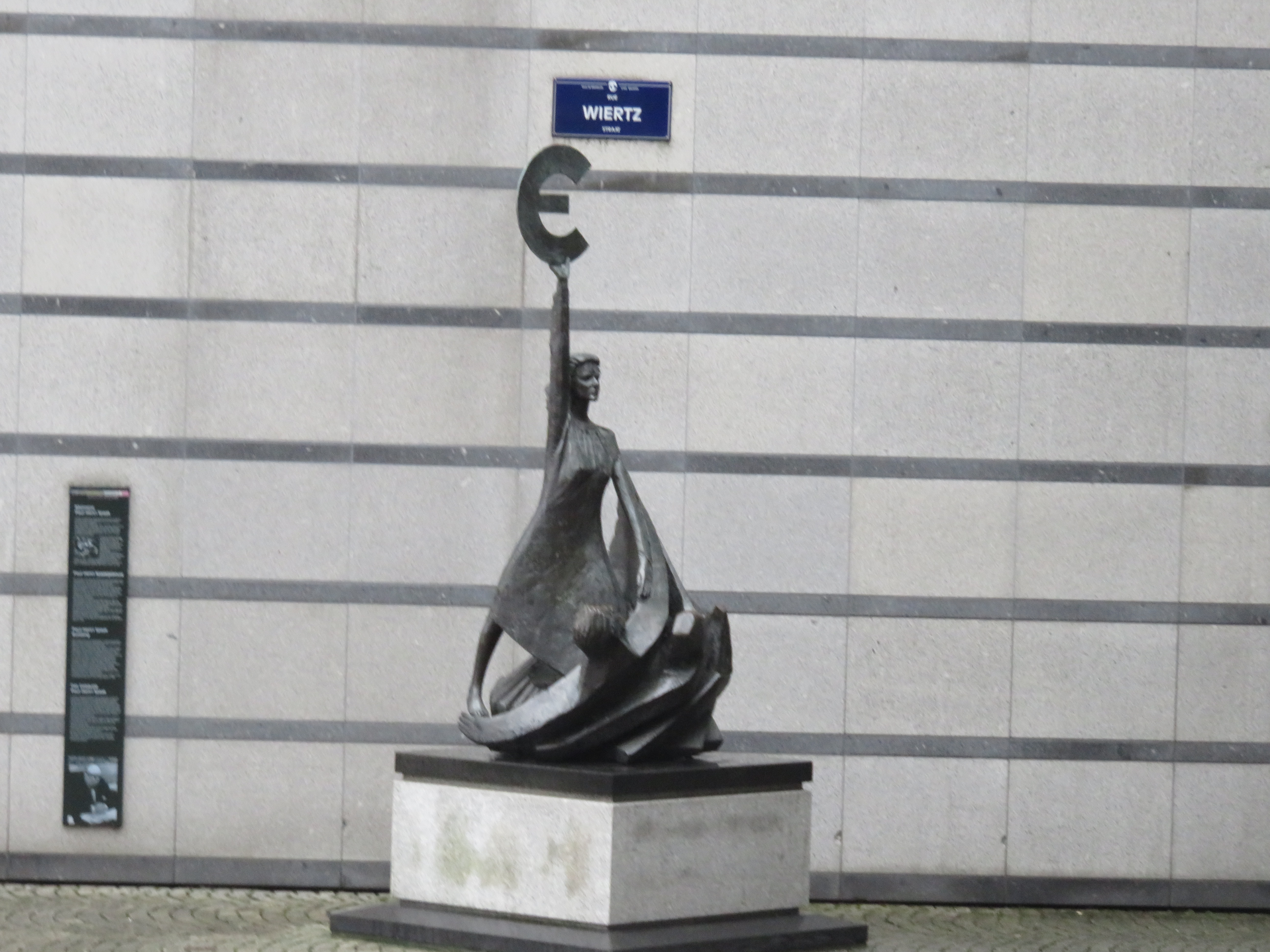
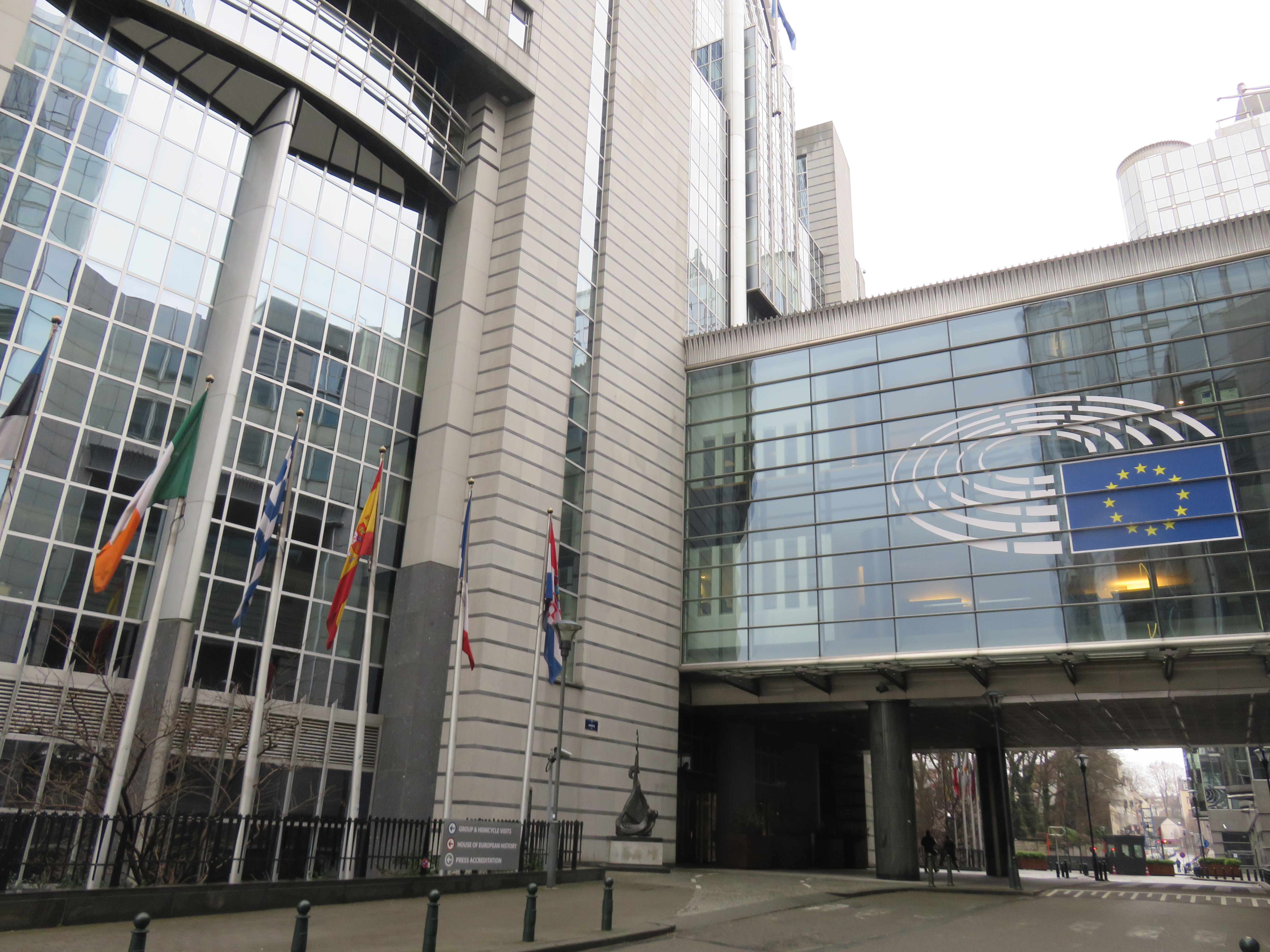
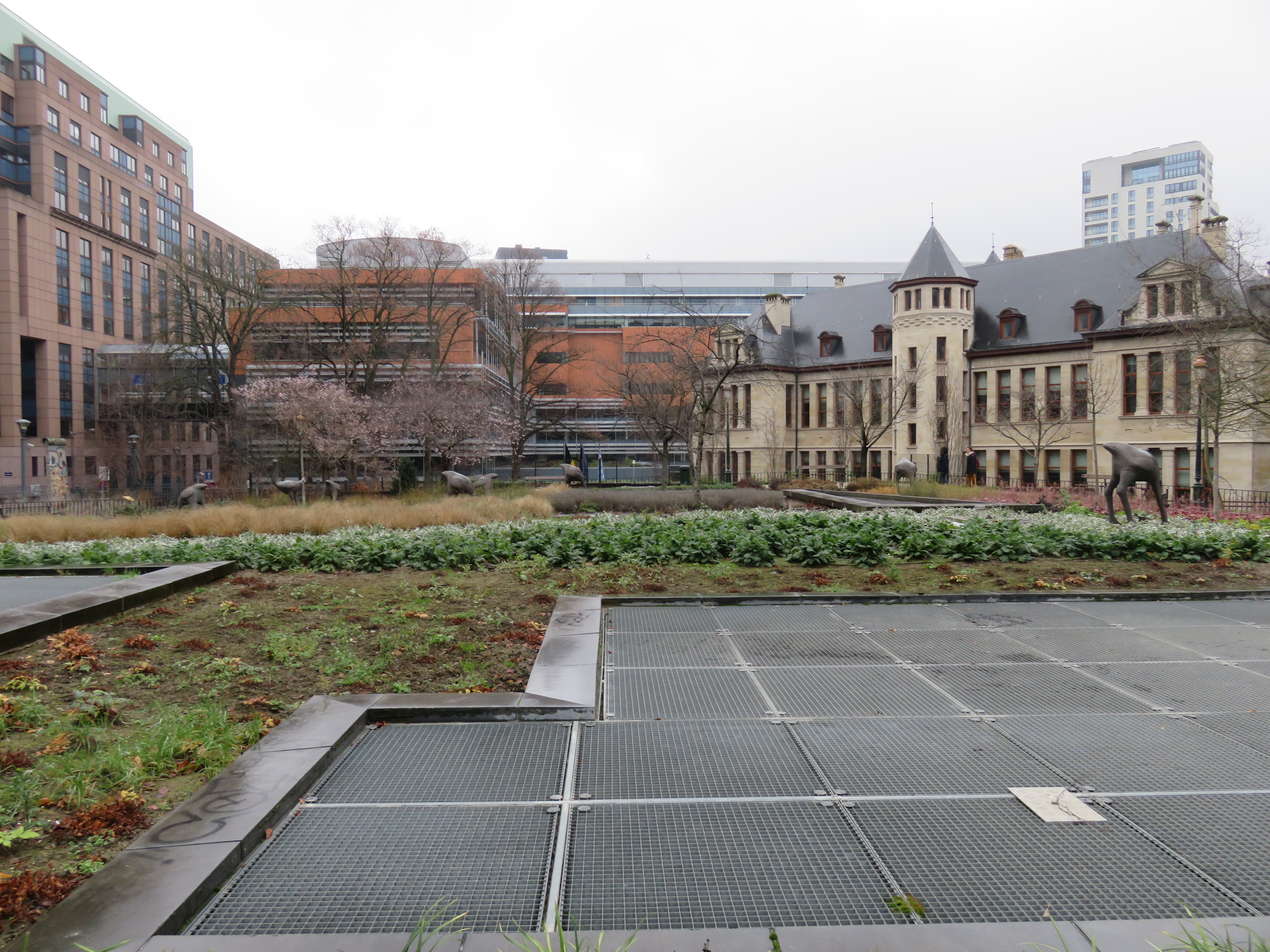
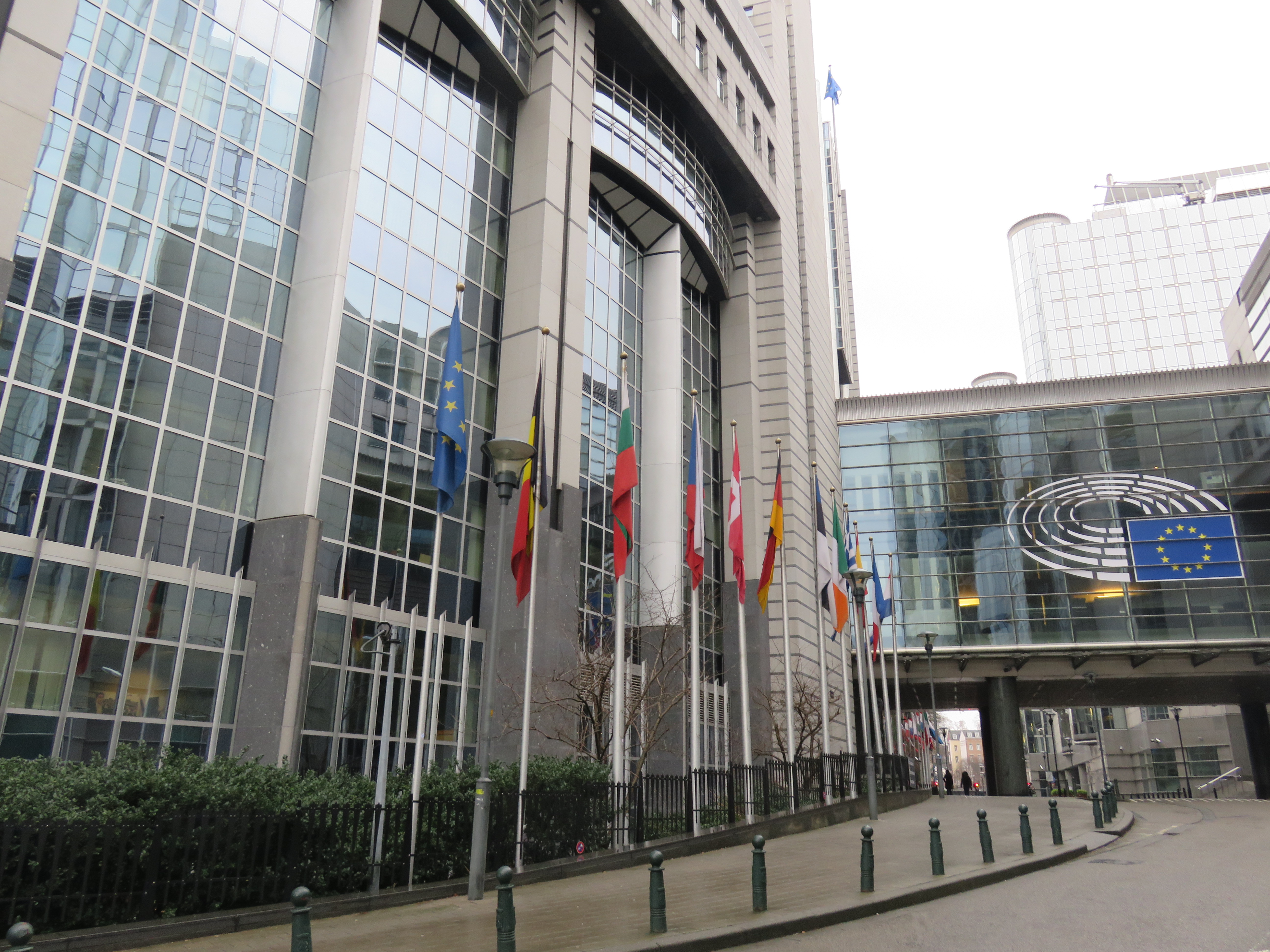
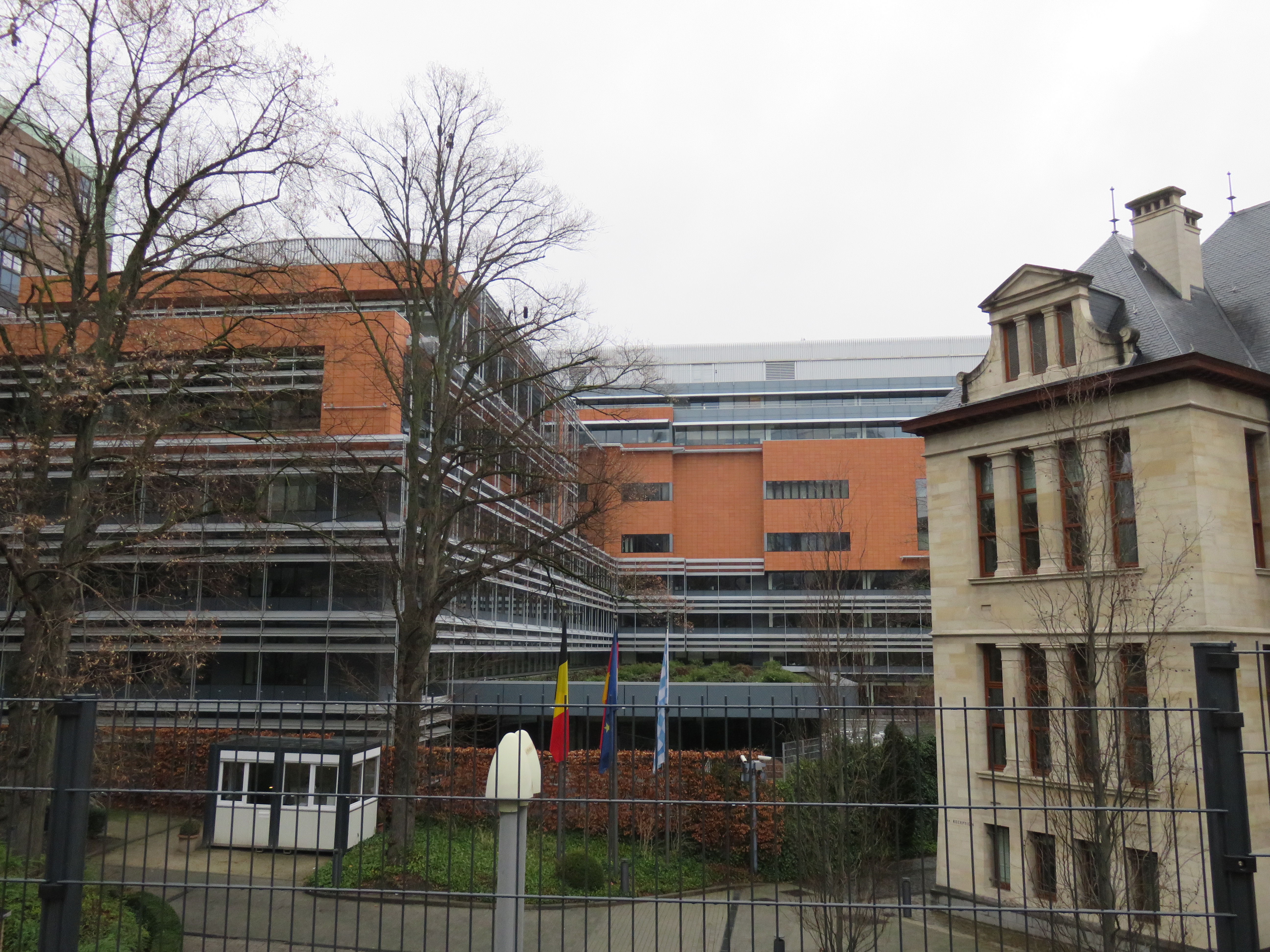
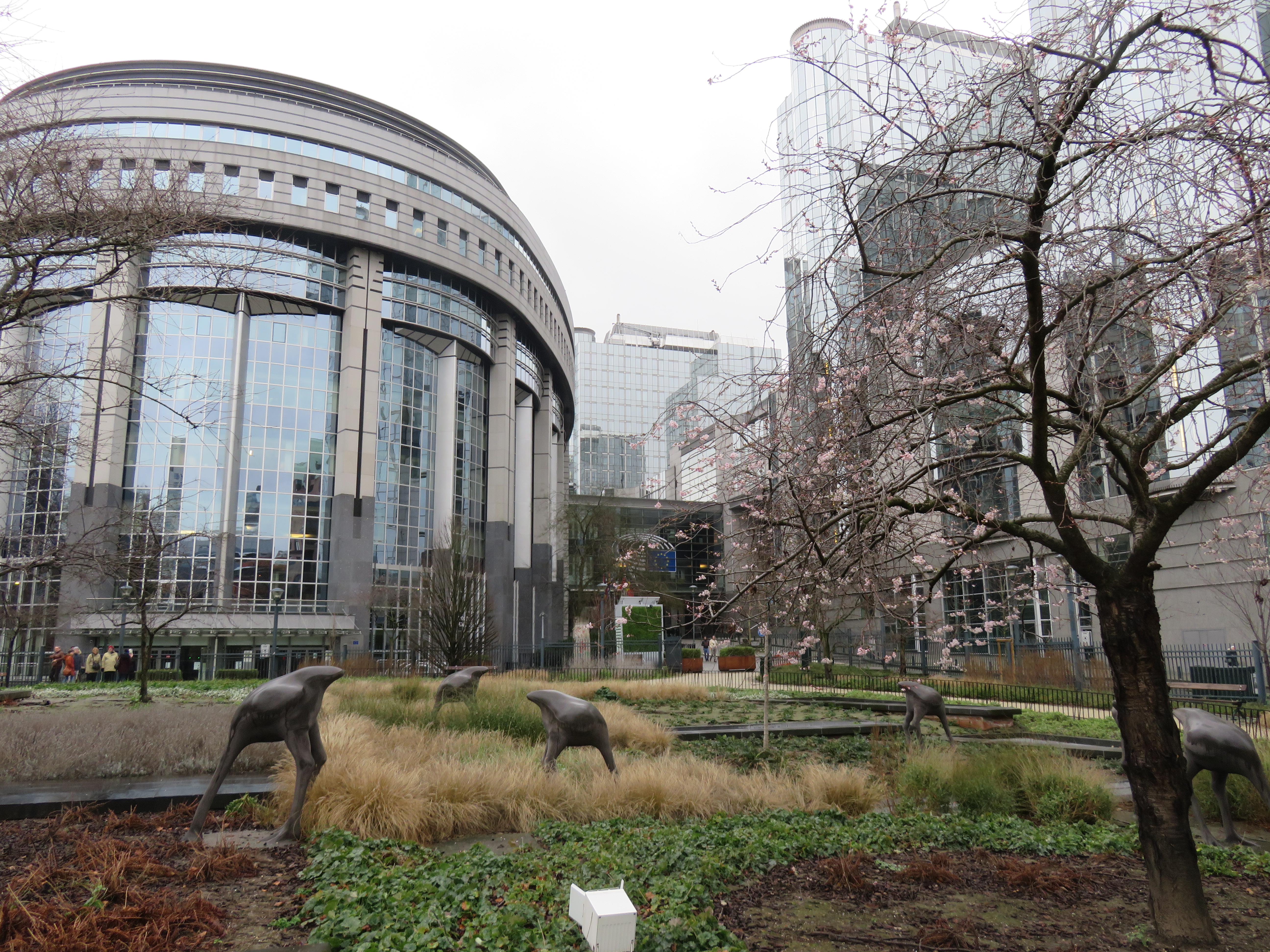
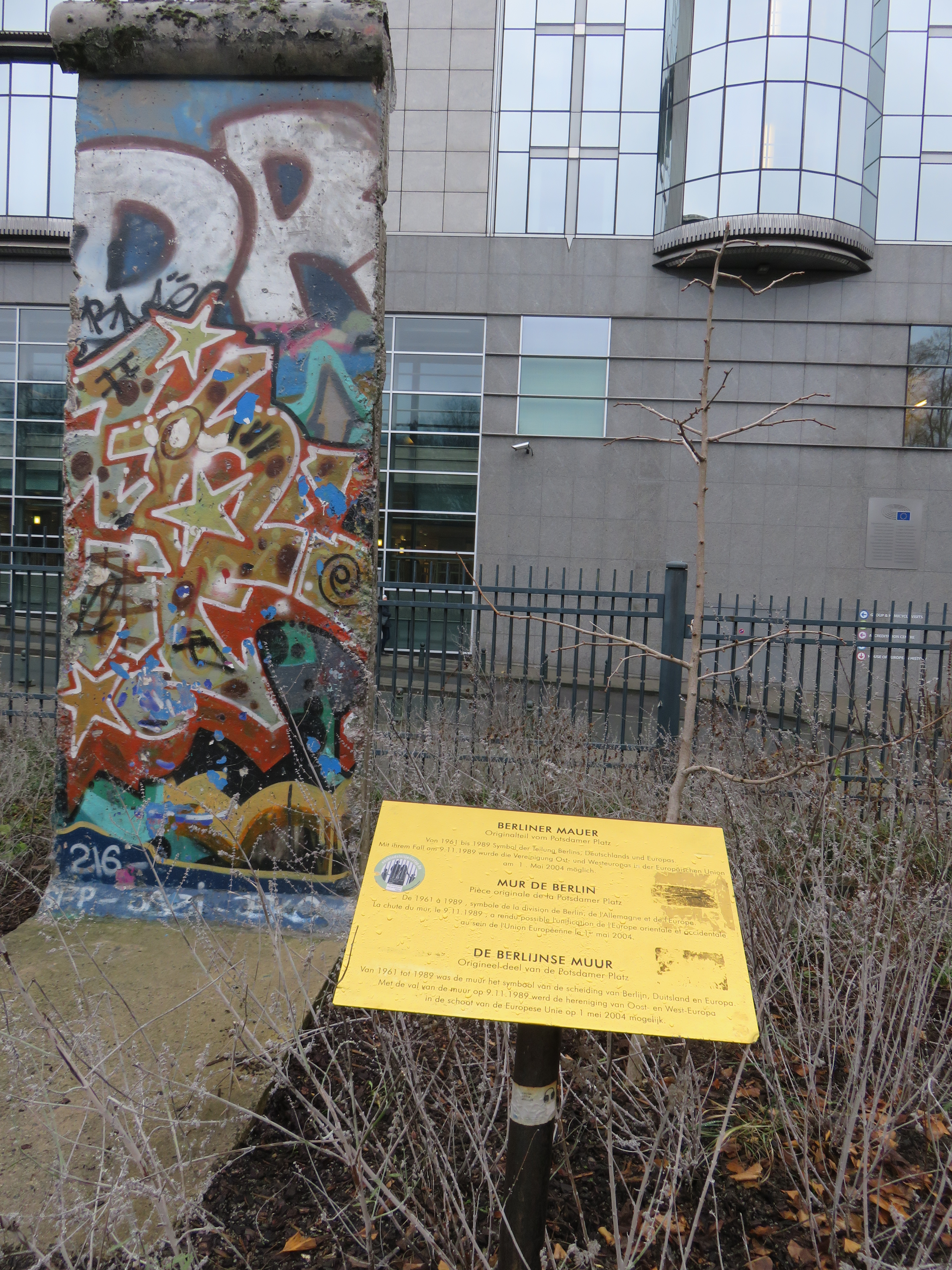
The European Parliament

IMG_3617IMG_3621IMG_3623IMG_3625IMG_3627IMG_3632IMG_3633IMG_3634IMG_3635IMG_3636IMG_3640IMG_3643IMG_3644IMG_3645IMG_3647

Camera: Canon PowerShot SX710 HS

LocationBrussels, Belgium

Reverse Culture Shock In The USA

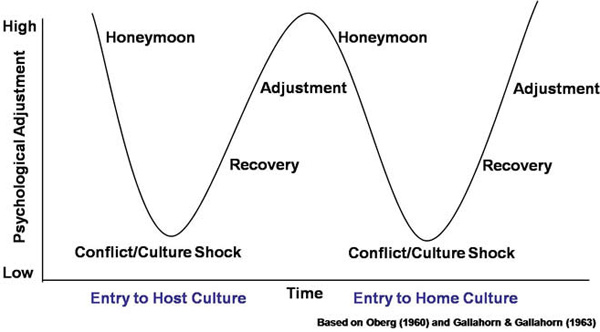
“Adjusting to one’s home country and culture can take a while. This graph sums it up quite well.”

After being away from the United States, my home country, for the past year, I have been dealing with ‘reverse culture shock’ since I have returned as many people who come back to their home culture experience after an extended time overseas. There is a natural recovery and adjustment process but it takes time to get back into the swing of things. As a writer, I like to gather my thoughts on paper about what I have noticed about my home country since returning from my time spent overseas. These observations have helped me to deal with my ‘reverse culture shock’ so far and to comment on what could be improved or changed to make my country better. I have traveled to 20 other countries, and have lived in Turkey and Costa Rica thus far so I believe I have some knowledge about how the U.S. compares to the rest of the world in different ways.

I would like to note that I do love my country and have enjoyed being born and growing up here. The United States is a great country and I only wish to see it become better and better in the future. I intend to use this blog post to merely bring up some outstanding issues and problems that the U.S. must deal with as a whole. No country I’ve lived in or have been to will ever be perfect and every country has different flaws/issues to work out. That’s part of the reason why I love to travel and explore the world. It’s interesting to see the variation among cultures and societies along with how they tackle their own internal and external problems to make their own countries better. Listed below are the items that I write in detail about which have caused me some ‘reverse culture shock’ since my return to the United States in late July of 2015.

  1. Lack of Using the Metric System in the 21st Century: The U.S. is one of only three nations in the world who don’t fully use the Metric System (International System of Units, SI). Liberia, Myanmar are currently our only counterparts in this anomaly. There’s no excuse for that and it harms our international commerce procedures and our ability to conduct foreign relations properly.
  2. Lack of High Speed Rail, and Efficient Public Transportation: This can be quite jarring after visiting developed nations like Germany, France and also from what I have read about China and Japan who are way ahead of the U.S. in developing high-speed rail networks. Part of this is the fault of state governors who refuse federal stimulus funding for high-speed rail projects. (Examples: Wisconsin, Florida, Ohio, etc.)
  3. Large and Unhealthy Food Portions: This may be part of the reason for the ongoing obesity problem in the country. I’m all for enjoying a good meal of course but I think the food portions I’ve had in the U.S. have been the biggest than all of the other countries that I’ve visited so far. I also believe that having ‘free refills’ and ‘soda fountains’ at restaurants, while a tempting proposition, is not something that should be offered to promote a healthy diet.
  4. Reliance on Tipping (Mandatory?) to pay workers’ wages: I’m fine with throwing in an extra 10% on top of my meal and tax for good service but I don’t believe it should be 15-20% every time in order for these workers to meet and go above their very low hourly Minimum Wage as ‘tipped workers’. I believe that these service workers in the U.S. should be paid a higher minimum wage altogether by law and that they should be guaranteed a good wage each shift rather than fighting for tips each day.
  5. Obesity crisis and an astounding proportion of adults/children who are overweight: It’s a drain on an already expensive health care system and contributes to our total health care expenses. There needs to be more emphasis in our society on daily exercise and getting out of the house for both children and adults. Healthier eating and taking a walk/going for a run each day can go a long way to helping to solve this problem. I believe that companies and schools should play a larger role in keeping their employees/students in good physical shape with certain incentives.
  6. Heavy reliance on cars, trucks and other motor vehicles to get around suburban and urban areas: There is a lack of walking around towns and cities because there is much more sprawl and open space in the U.S. However, I believe that having trams/streetcars, more extensive public bus transportation systems in both suburban and urban areas could relieve part of the traffic jams and gridlock that affects a lot of the country nowadays.
  7. Big Businesses and Corporations get the benefit of the doubt too often: When it comes to beating out smaller businesses and enterprises, these big box stores are winning out. These major companies contribute to this problem by monopolizing their industry and not allowing others to compete in a free market environment. This, in part, contributes to suburban sprawl because these huge megastores contribute to the layout that contributes to the car culture. (i.e. Wal-Mart, Bed Bath and Beyond, Dick’s Sporting Goods, Best Buy). I can’t remember the last time I’ve seen a family-owned coffee shop in my town or neighborhood. There are three Starbucks’ around though for a good cup of joe…
  8. General lack of curiosity about foreign cultures and peoples: Many Americans do not speak a 2nd language or don’t pay attention to international affairs beyond what they learned about briefly in high school and college. This is a generalization but I still believe it applies to the majority of people within this vast country. Still, only about 30-35% of Americans own a Passport. I would encourage more Americans to travel and see the world especially if they’re younger. Taking a “gap year” before or after college would be a good way to travel and there are ‘work-study’ programs available for Americans to take advantage of in western European countries (Ireland, UK, etc.) along with Australia.
  9. Very conservative laws about alcohol possession and consumption: “21” as the minimum legal age for consuming alcohol makes no sense to me especially considering you can start operating a motor vehicle at 16, join the military at 18 and also vote for President and other elected officials at that same age. Having someone check your ID to get into bars/clubs or at a sporting event to purchase beer or wine is also ridiculous. I’ve seen people in their 40’s and 50’s get carded when they are clearly over the legal age here. The United States is one of the few countries where the drinking age is 21 along with Pakistan, the UAE, and Indonesia.
  10. Mind-numbing advertisements: I have noticed that there are way too many drug commercials (Cialis, Prozac, Ambien etc.) that appear on television especially during the day. In the U.S., We are constantly bombarded in our homes, in public events, on public transportation, etc. with these silly advertisements. It’s predictably a way for marketers to get people to feel insecure enough about themselves to want to buy things to fill some kind of missing “void” in our lives.
  11. Political Gridlock / No ability to get big things done legislatively: The recent threats of a government shutdown, the debt ceiling threats, continuous gerrymandering, the electoral college deciding a Presidential election instead of the popular vote, too much of an influence of organized money in politics in the upcoming 2016 elections, (Citizens United decision). These occurrences harm our ability to boost our education system, solve long-term Medicare and Medicaid solvency along with the broken immigration system and the need for more investments in our antiquated transportation and infrastructure systems.
  12. Expensive costs of Higher Education: A lot of Western countries completely subsidize higher education institutions but the United States has seen a rapid growth in the amount of students going into debt to pay for college and graduate school. There have also have been cuts over the years to the Public University systems in certain states such as California. Wages have not kept up with inflation and the pace of tuition increases is out of control. $1 trillion of total student debt is disturbing and is a poor reflection of our country’s priorities.
  13. High level of income inequality between the richest and poorest Americans: The top 1% of Americans earns about 20% of the total national income. This is unacceptable and shows a widening gulf between the wealthy and poor. This level of inequality is at its’ highest since the gilded age of the 1920’s. Many economists say this is one, if not the top economic issue facing the country into the future. If not dealt with, our country runs the risk of turning into an actual “banana republic.”
  14. Too much emphasis on Military Spending: The U.S. continues to spend more on its military and armed forces at about 650 billion dollars total. This is 40% of the total world share and is more than the next 11-12 nations combined. It may only account for 4% of the total Gross Domestic Product but has much more of an influence on the federal budget than State, HUD, Education, HHS, EPA combined. The Cold War has been over for twenty years and the wars of the 21st century will be fought through specialized forces, by drones, or over the cyber-web so there’s no need for such an expansive budget into the future. It’s important to maintain a strong military but a nation should have other priorities as well and balance them out successfully.
  15. Our prison system needs real reform: The United States has the largest incarceration rate in the world. 2.3 million citizens are in its jails which is 22% of the world’s total amount of incarcerated prisoners, (Source: World Prison Population). Unfortunately, we are ahead of other nations such as Russia, Iran, China, UAE, etc. when it comes to this rather dubious distinction. While the Netherlands is closing down prisons because of a lack of need, my country continues to build up a massive private prison industry which is unheard of in most other industrialized nations. This is, in part, a result of the failed “War on Drugs” which involves serious sentencing measures for non-violent drug offenders. Recently, politicians in both major parties in the U.S. have called for prison and sentencing reform but no concrete legislation has been passed by Congress and signed by the President up until this point.