
How to Evaluate Your Year

“Evaluating the year that has passed can be a valuable exercise for yourself to gain deeper insights, identify growth opportunities for the new year, and celebrate the accomplishments or successes you had.”

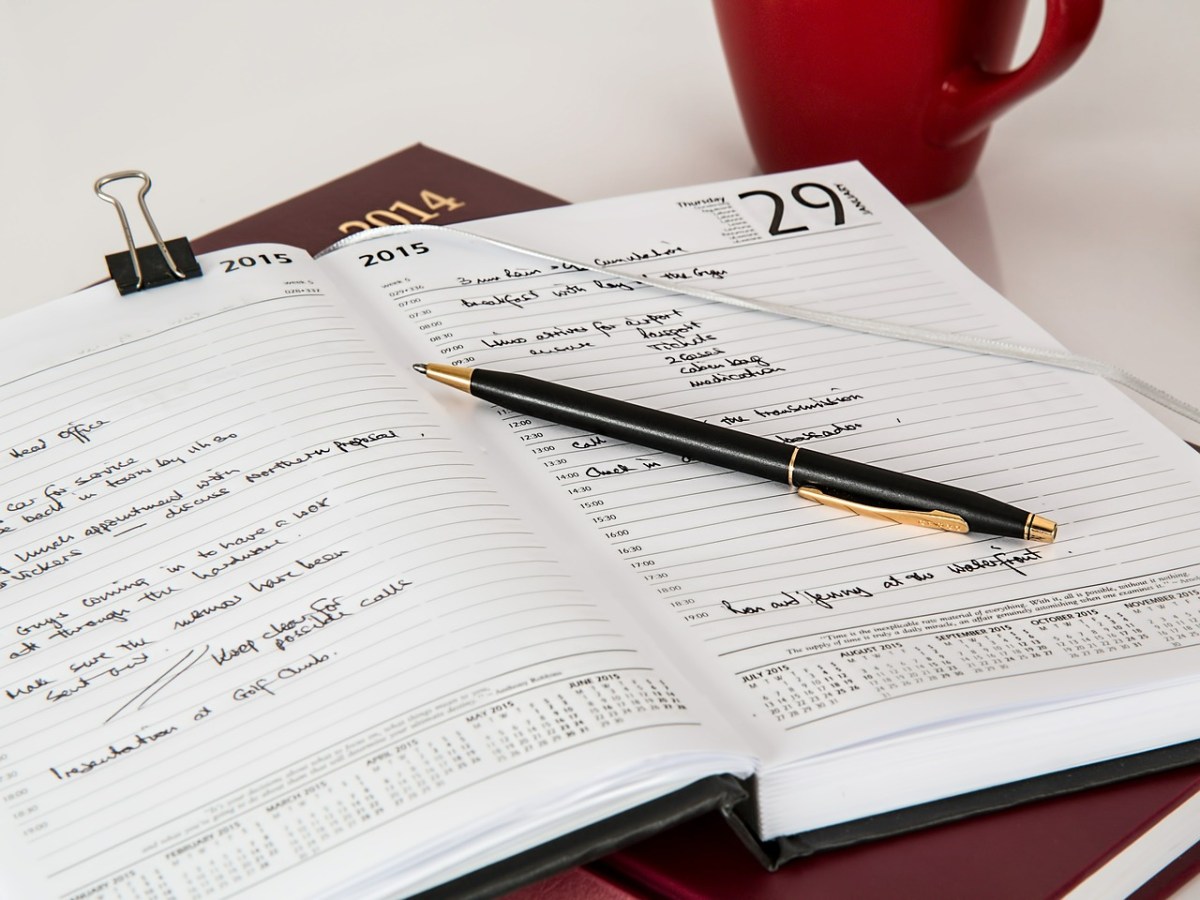
2024 is ending soon as I write this article and I do believe it is important to look back on the year that was to evaluate it holistically, such as whether it was good, bad, or a mixed bag. Evaluating the year that has passed can be a valuable exercise for yourself to gain deeper insights, identify growth opportunities for the new year, and celebrate the accomplishments or successes you had.

Reflecting on various aspects of your life, even areas that you can improve upon will help you to set meaningful goals for the year ahead. Here’s a guide I have created on how to evaluate your year comprehensively, focusing on the five major areas of friends, family, relationships, experiences, and work or business.

Friends

Friendships are an essential part of life and key to one’s mental health as a surefire way to stay truly connected and bond over shared activities or hobbies or even lend each other a helping hand. Think about reflecting on your relationships with friends from over the past year. Ask yourself the following questions when doing so:

  1. Giving or Getting Support: Were your friends there for you during challenging times? Were you there for them when they needed you when they were in a rut or needed help? Did they offer emotional or practical support when needed? Could you say the same?
  2. Showing Mutual Effort: Did you invest some effort into maintaining these friendships? Conversely, did your friends reciprocate to make the effort to reach out to you as well?
  3. Quality over Quantity: Did you prioritize meaningful, deep connections over superficial ones with your friends? Were your interactions enriching and positive with your friends?
  4. Encouraging Growth: Did your friendships encourage personal growth or help you broaden your perspective? Did you give each other advice on how to better yourselves?

Document the moments and memories that stood out to you, whether they were fun gatherings, heart-to-heart conversations, or instances where you and your friends supported each other through a difficult time. Evaluate if there were any friendships that became draining or unbalanced and consider whether to address these issues or set boundaries or even cut off the friendship if it isn’t working out.

Family

Family relationships can greatly influence your emotional well-being in both positive but also negative ways depending on your own situation with your family members. I encourage you to reflect on the past year’s interactions with your family members and consider these questions:

  1. Building Connection: Did you spend enough quality time with your family? Were you present and engaged during these moments or were you distracted by your phone or another device?
  2. Conflict Resolution: Were there any unresolved conflicts? How well did you communicate and handle disagreements? Why did those conflicts arise and how can they be avoided next year?
  3. Support System: Did your family serve as a source of strength or encouragement? Were you able to offer the same in return? Did you help each other out in a mutual manner?
  4. Milestones and Memories: Were there any significant events or milestones within your family? How did you contribute to these moments? Did they celebrate your wins this year and did you do the same for them when they had successes?

Think about whether you balanced your time and energy across the various family member dynamics that are constantly evolving each year along with the different personalities that you have in your family. Identify some ways to strengthen bonds with family members next year who may need more of your attention or love than you were able to give up until this point.

Relationships

If you’re in a romantic relationship currently, evaluating this aspect of your life is crucial to keeping it on the right track into next year. Even if you’re single, reflecting on your relationship with yourself or any potential romantic connections is just as important. Ask yourself these questions as you close out the year:

  1. Compatibility: Are you and your partner aligned in your values, goals, and vision for the future? Have you talked about how you felt about the relationships enough in terms of how it is going?
  2. Communication: How effectively did you communicate this year? Were you able to express your needs and listen to your partner’s? Did you handle disagreements respectfully and come to a positive resolution with each other?
  3. Growth: Did your relationship encourage mutual growth? Did you feel supported and loved? Did they support you when you needed it, and have you done the same for them?
  4. Quality Time: How much time did you spend together? Were those moments meaningful and fulfilling? Were you also able to spend time apart in a healthy manner?
  5. Self-Reflection: If you’re single, consider how you’ve nurtured your relationship with yourself. Did you take time to understand your needs, desires, and goals in a potential relationship for next year?

Identify areas where you’ve grown together as a couple or individually when you two were apart. If there were challenges this year, consider how you’ll address them moving forward in your relationship.

Experiences (Travel, Hobbies, Interests, Fun Activities)

Reflect on how you spent your free time outside of work, school, or business and how engaged with life outside of your daily obligations and weekly chores you were. Think about where you went, what you did, what you learned, and how much you enjoyed life beyond the office or the shop or the factory floor. Consider the following in your assessment of your experiences:

  1. Local and International Travel: Did you explore new places, whether locally or internationally? How did these experiences broaden your perspective? What did you learn from the places you traveled to? Would you travel in 2025 and how did you grow as a person in your travels?
  2. Hobbies and Interests: Did you pursue activities that bring you joy or help you grow? Did you try something new? Were you committed to these hobbies and spend enough time on them? What new hobby or interest would you like to try in the new year?
  3. Having Fun and Relaxation: Did you allocate time for leisure and enjoyment? Were you able to strike a balance between work and play? How often were you able to relax yourself?
  4. Making Memories: What were the highlights of your year? Did you attend events, celebrate milestones, or create special moments? Who did you share those memories with?

Take note of the activities, hobbies, interests, etc. that brought you the most happiness and fulfillment. If your year felt monotonous and a bit too routine, think about incorporating more variety or adventure into your life next year. Plan the destinations, places, or cities with regards to travel ahead of time that you hope to visit in the new year.

Work or Business

Your professional or business life is another crucial area to evaluate at the end of any year as it makes up about 80% of our time throughout the year. Reflect on your career or business journey over the past year by asking yourself these questions:

  1. Major Accomplishments: What were your major achievements? Did you meet or exceed your professional goals? What was the process you used to achieve your goals?
  2. Overcoming Challenges: What obstacles did you face, and how did you overcome them? Were there any failures, and what lessons did you learn from them? Who helped you overcome these challenges in your professional or business pursuits?
  3. Professional Growth: Did you acquire new skills, take on new responsibilities, or achieve personal growth in your role? How will these new skills help you next year and beyond?
  4. Managing Work-Life Balance: Were you able to maintain a healthy boundary between work and personal life? Did work leave you feeling fulfilled or drained? Did you take enough time off for vacation or for staying healthy? How did you spend your time outside of work or business?
  5. Establishing Future Goals: Are you satisfied with your current trajectory, or do you feel the need for a change? Did you take steps toward your long-term career aspirations? Will you find a new job next year? Do you plan to launch a new business or company? Will you ask for a raise or promotion and how will you ask this question to your supervisor?

Reflect on whether your work or business aligns with your personal values and passions. If there are gaps in that assessment, start thinking about how to address them in the coming year with regards to making your work or business more personally fulfilling Once you’ve reviewed these areas and answered as many questions in these five major areas as possible, combine your thoughts to identify patterns, strengths, and areas for improvement.

Lastly, think about the following ways generally on how you could make next year the best one yet:

  1. Showing Your Gratitude: What are you most grateful for this year? Acknowledge the people and experiences that enriched your life and made it the year that it was.
  2. Compile Lessons Learned: What did the failures, challenges, and successes of this year teach you? How will these lessons shape your approach to the new year and beyond?
  3. Having Goals for Improvement: What areas need more focus or change from you? How will you set realistic and actionable goals to address these aspects next year?

Evaluating your year holistically gives you a clearer perspective on where you stand in your life and how to move forward in a positive manner. Use this article, the questions I’ve posed and to write a yearly reflection about these five major areas as a substantive foundation for setting meaningful goals and resolutions for the year ahead.

Finding Your Personal Sanctuary in Modern Life

“With how hectic and chaotic modern life can be, it’s more important now than ever to find your own sanctuary where you can be at peace.”

With how hectic and chaotic modern life can be, it’s more important now than ever to find your own sanctuary where you can be at peace. It’s a place that you only know ideally but if not, it is a quiet place where you can be at ease. We all deal with a lot of stressors each day and it is key to find your own sanctuary where you can be yourself, be by yourself, and enjoy being at peace. It is increasingly hard to do these days when there are so many distractions, commitments, or other things to take care of in our day-to-day lives.

Still though, for one’s own mental health, it is more important now than ever to find your own place, secluded in nature or just somewhere you can call your own, public or private, where you can be free to relax and enjoy some peace. Each person’s sanctuary will look differently from another person’s, but it must be a place where you can rest easy, relax fully, and away from work, chores, or other commitments. You should be focused on this place being good for not only your mind and your body but your soul. It is a place that you can choose to be by yourself but also that you can let other people enjoy as well should you choose to.

When I think of these places of sanctuary, it can vary in terms of setting and background. I have always loved being near the sea or the ocean. It calms me down, lets me focus, or just lets me relax and be at ease. I can leave my earthly troubles for a while and just focus on the birds, the sound of the waves, and the sand beneath my feet. I can also think more clearly when I’m just looking at the water crashing down on the beach or to be watching a seal, dolphin, or birds in the distance. There’s something relaxing about a natural setting like the ocean that may not take my problems away but where I can take a break from them instead and realize also how insignificant and temporary they are. I also love to go in the ocean, to walk on the sand, or to play a sport there a bit like volleyball or some football.

If it’s not the ocean, I have discussed the beauty of a walk in the woods or a hiking trek through the mountains to ease one’s stress and provide some clarity through life’s stressors. If you have a park or a mountain, or even just some nature nearby, a place of sanctuary can be found there as well in nature. Being able to camp or to hike or just to walk in nature, preferably by yourself in a deserted area for a while can do a lot of good for mind, body, and soul.

A sanctuary is one that you decide for yourself, and it can range from a mountain pass, a walk through the flat woods, a serene beach by an ocean or the sea, or a local park at sunset where you’re the only one there. You can let people into your own sanctuary, or you can keep it private as it should be up to you. I do believe that we all need our own sanctuary away from people now and then.

It does not mean I am recommending being a social recluse, but we do need a place where we can rest, relax, and recharge to face our challenges again, whatever they may be. We need that alone time to ourselves in a public or private setting where we can truly think freely, feel different emotions, and let us get in touch with nature.

Now, if you have not decided on what your sanctuary is yet, do not be discouraged. You have time to figure out a place in the world where you like to go and is quiet for you to be free in. There are a lot of places to choose from but the key thing to keep in mind is that it is quiet, solitary, and where you can do some reflection. If you cannot find your sanctuary to call your own, it’s important to find a private room, a private garden, or just a private setting in general, where you can be by yourself for a while to give yourself time to relax and reflect amid your days of hustle and bustle.

Your own sanctuary is what you make of it. You must decide how it looks, where it is, and how often you go there. The main thing to take away from having a sanctuary is that wherever or whatever it is, you can call it your own and it is quiet enough where it provides some solitude and peace. Others can join you there, but they don’t have to if you don’t want them to. Make sure your sanctuary is never disturbed and that is always welcoming regardless of whatever may be going on in your life, both good and bad. A sanctuary is where we find true peace in this world, and I hope you’ll find your own one day.

Always Run The Numbers

“Amidst the chaos and uncertainty surrounding our daily existence, there is a guiding beacon for us, which illuminates the fog of uncertainty and leads us towards success. That beacon for you all is the power of running the numbers.”

You should always be running the numbers in life. By doing this consistently, you’ll be able to make better choices and decisions that could impact your overall destiny. Every choice we make, whether consciously or not, shapes the path we tread for ourselves. Amidst the chaos and uncertainty surrounding our daily existence, there is a guiding beacon for us, which illuminates the fog of uncertainty and leads us towards success. That beacon for you all is the power of running the numbers.

In every aspect of our lives, from career advancement to personal relationships, from financial management to time allocation, running the numbers empowers us to make informed decisions, thereby maximizing our overall lifestyle and potential for success.

In the area of career advancement and pursuit of opportunities, running the numbers is like conducting a cost-benefit analysis of our possible actions. Imagine standing at the crossroads of a fateful career decision such as a new job offer presenting itself, promising higher pay and greater responsibilities. The allure is undeniable to take the new job, but is it truly the right move for you?

By running the numbers, one can evaluate the tangible and intangible costs and benefits associated with the decision. You can start with calculating the potential increase in income against the added workload, hours, and stress. Then, consider the long-term prospects of career growth and personal development from taking this job. Lastly, you should factor in the commute time, the impact on work-life balance, and the job’s alignment with your own personal values and goals.

Running the numbers empowers people to make informed choices rather than succumbing to impulsive desires or societal pressures. It provides a basic framework for assessing the risks and rewards involved in a decision, allowing someone to put themselves forward with confidence and clarity after making a calculated move.

Moreover, in the realm of relationship building, running the numbers fosters authenticity and empathy in forming your relationships. Whether forging new connections or nurturing existing bonds, understanding the dynamics at play, the emotional investment, personality compatibility, mutual respect, helps enable individuals to cultivate better and more worthwhile relationships, which are grounded in trust, care, and understanding.

Beyond both careers and relationships, the importance of running the numbers extends to the realm of financial management and time allocation. In a world where resources are finite, and demands on our finances are seemingly endless, strategic decision-making is paramount to take into consideration.

Budgeting, which is often overlooked yet indispensable to becoming a fully formed person, lies at the heart of having financial stability. By meticulously tracking both your income and your expenses on a consistent basis, individuals will gain better insights into their current spending habits and can identify areas for improvement. Running the numbers reveals possible opportunities for savings, investment, and debt reduction that you may have missed before, helping to pave the way towards having greater financial freedom and security.

Similarly, time, the most precious of all commodities, demands a similar kind of numerical allocation. In a culture beset with constant busyness and distractions, the ability to prioritize tasks and allocate one’s time effectively is a real-life superpower. Running the numbers by evaluating the return on investment for each activity enables someone to focus on endeavors that yield the greatest impact and fulfillment to our own life.

Moreover, by embracing the quantitative approach to time management, individuals cultivate a mindset of both productivity and purpose. They learn to distinguish between the activities that contribute to their long-term goals and those other activities that merely serve as momentary distractions or procrastination traps.

The average person should be ready to do a cost-benefit analysis when deciding on whether to do an activity by weighing the potential gains against the incurred costs. Firstly, the benefits must be evaluated, considering both tangible and intangible gains such as enjoyment, learning, or personal fulfillment. Next, the costs, including time, money, and opportunity costs, should be assessed.

For example, if the activity is a hobby like learning a musical instrument, benefits might include personal growth, relaxation, and skill development. However, the costs would involve purchasing the instrument, dedicating time for practice, and possibly forgoing other activities that you could do instead.

Quantifying these factors allows you to make more informed decisions. Assigning values or ratings to each benefit and cost helps to compare and prioritize your options effectively. If the benefits outweigh the costs significantly, the activity is likely worthwhile. Conversely, if the costs exceed the benefits, the activity should be deemed a waste of time. This kind of decision rests on our own individual preferences, goals, and circumstances. To follow up, doing a regular reassessment ensures that the activities we do align with our evolving priorities, maximizing both personal satisfaction and productivity.

Whether it is applying for jobs, going out on dates, making sales calls to potential clients or customers, you need to be giving yourself the best chance that you have at success. It may not take one time, ten times, or even a hundred times to get the result you are looking for and that’s why part of running the numbers involves improving your odds as much as possible, putting in enough work where you have enough volume or experience in surging those numbers, and then learning from your mistakes or errors when you are partaking in the numbers game.

Taking chances, sometimes more than you would like, will eventually help you succeed with enough perseverance and hard work. Most people will quit after their first attempt or their first rejection but let that person not be you. Keep working at making the calls, asking the woman or man out, hitting ‘send’ on that job application, and eventually you’ll be able to see some progress towards achieving your goals, but it’s going to take a lot of ‘numbers’ to get to where you want to be. Make sure to give yourself enough chances, enough options, and enough experience to where when you get from hearing ‘no’s’ to hearing ‘yes’s’, you’ll be able to take advantage of the shift in the numbers working for you and not against you.

In the grand scheme of things, running the numbers serves as the ultimate conductor, orchestrating harmony, and fomenting balance amidst ever looming chaos. It empowers each of us to navigate the complexities of our daily existence with clarity and confidence, enabling more people to seize opportunities, manage resources effectively, and cultivate a life of purpose and fulfillment.

By embracing the quantitative approach to decision-making and ‘running the numbers’ as much as possible, anyone can transcend the shackles of uncertainty and indecision. The power of numbers can be used as a guiding beacon, illuminating the path towards success and prosperity.

Essentially, running the numbers is not merely a basic tool for living better, it is a mindset, a philosophy, and a way of life. It is the relentless pursuit of greater knowledge and understanding behind the choices that lie before us. It is the unwavering commitment to taking informed action instead of embracing endless speculation. Remember to take the time and the effort to embrace the power of numbers and begin to chart a course to a more successful and prosperous life.

‘Up In The Air’ – Film Review and Analysis

“The choices he has made haven’t caught up to him yet, but he is on the path he has chosen that while unorthodox to most leaves him satisfied and content with who he is.”

Ryan Bingham has chosen a different life path than most people he knows. Instead of staying in his hometown, reveling in the glories past of high school and the diner down the road, he wanted to leave his roots and his family for his true passion in life: being up in the air and striving for excellence as a motivational speaker. The choices he has made haven’t caught up to him yet, but he is on the path he has chosen that while unorthodox to most leaves him satisfied and content with who he is.

Bingham (played by George Clooney) is at a crossroads in middle age where he has forgone the responsibilities that are normally achieved by most people his age with a house and a picket fence, being married, and maybe having children. He has forgone all that for an industry on the rise sadly at the time the film is set in and for being out on the road and up in the air for 250+ days of the year. He advocates for a life in motion because if he is not moving, he is not actually living.

His work like his constant travel is an unorthodox industry where he works as a human resources consultant traveling both domestically and internationally to do the dirty work of firing or ‘letting go’ employees in person and providing them with transition packet(s) that the company that’s firing them is leaving them with to help them in the ‘transition’ period. It is a rough job that due to the 2008-2009 global recession has made his HR consultancy firm as needed as ever. The one industry at the time that is gaining jobs rather than losing jobs, Ryan finds himself at risk of having his life of work travel outsources to advancements in video technology (about ten years before Zoom and Skype became mainstream).

While Ryan Bingham is not at risk of getting laid off like so many other working Americans during the period of the Great Recession, the worst since the Great Depression of the 1930s, Bingham is at risk of losing his life of travel on the road due to firing people via telecommunications video instead. To make matters worse, his boss Craig Gregory (Jason Bateman) is tasking him with having a new hire out of Yale University, Natalie Keener (Anna Kendrick) shadow his in-person firings for a few months as the company, CTC, makes the transition to virtual consulting instead of letting those employees go in-person from now on.

That is not the only change that threatens to upend Ryan’s life choice as he has met a charming, attractive woman who has the same lifestyle as him and appears to see life as he does with less commitments and more choice. Alex Goran (Vera Farmiga) is the constantly traveling business woman for whom Ryan may have finally met his match. While they started out as a casual fling, Ryan begins to develop feelings for her as he ponders his uncertain future of life on the road as well as the fact that once he achieves his life goal of ten million airline miles accumulated may not have much to strive for.

Ryan and Natalie may not show it at first but the firings and the emotional weight of being responsible for upending people’s lives cause them stress, anxiety, and a desire to break free of their own pains in doing the job they have chosen. While Ryan is content with travel on the road, he hears from his estranged sister, Kara, that his other, younger sister, Julie is getting married. Ryan left home when he first could leave and never looked back, and his family still remembers that. He is the ‘black sheep’ of the family, known to pursue his own gratification while letting his relationships deteriorate over the years.

Having Alex as a love interest has reignited his desire to see his sisters again and to be there for the wedding in northern Wisconsin. Him and Alex are still a bit of a mystery to each other, but they enjoy each other’s company, and he invites her to join him as the +1 guest, not wanting to be the ‘guy alone at the bar’ watching all the couples enjoy a dance together. There are these moments of vulnerability interspersed through ‘Up in The Air’ that remind the audience that all these characters have their own flaws and shortcomings. They are not perfect people, and the film does not judge them outright but allows the audience to decide if they are admirable or detestable or a bit of both. What I love most is that the film director and writers allow us to decide if we agree with Ryan’s choices or if we would have chosen to go the other route in life that he has neglected.

Sometimes, it is never too late to choose a different path than the one that we have set out for ourselves. However, whether we can pull back from previous choices made and to get a fresh start on a new path, is one of the underlying themes of ‘Up in The Air.’ Ryan can try to start a real relationship with Alex, make amends with his sisters and be more present in their lives, and still achieve his 10-million-mile goal but life can get in the way so it’s possible he will not be as successful in salvaging both his relationships, his career goals, and his need for travel. Even if he thinks he can be successful at keeping everybody in his life happy, he may have to make sacrifices as in life, it can be nearly impossible to keep all options available to you.        

The priorities we make now while end up defining us far into the future and there may come a time where the sacrifices, we make in one area may lead to a lack of connection or attachment or fulfilment in another area. Throughout the film during Ryan’s motivational speeches, he talks about the ‘stuff’ in life weighing us down whether it’s our relationships, our possessions, and even our desires. He makes the point in the audience that ‘life can be better footloose’ and not as tied down to suffer from it. However, what the film makes clear is that when you find real happiness in a relationship, can you pivot to slowing down with that heavier backpack you carry around because you feel fulfilled to do so? Can Ryan make room for a real relationship with Alex or his sisters to give up life on the road so his backpack will be heavier, but he’ll still be happier as a result, and maybe that what’s he was missing all this time around?

While Ryan is a ‘road warrior’ and enjoys not being attached to anyone or anything, who will be there for him if he must stay at his scant one-bedroom apartment in Omaha or if he were to be fired from his job where he fires other people. The film brilliantly shows real people who’ve been through real loss in terms of their jobs and livelihoods, and how while it is almost impossible to get through it, they could not keep going on without their responsibility to their families or the love that their families show for them in those tough times. In life, it always helps to have a good support system or to have good people like family motivating you to get you through the tough times.

Ryan may be prepared for a life unattached now, but he may find as he gets older, that his choice to not have many or any attachments at all may lead to the loneliness and pain that then can come from facing life’s hurdles alone, especially when you don’t truly get to know the person because you are so busy traveling and can’t make time for them at all. As Ryan says to his sister Julie’s husband-to-be, Jim, on their wedding day to help him get over his ‘cold feet’ at getting married, “Life’s better with company.”

Anatomy of a Scene – ‘To Know Me Is To Fly With Me’

“He has found a job that allows him to be constantly on the road at a job he is good at without commitments or obligations that would keep him from being who he is.”

Some people are most comfortable on the ground, others down below beneath the sea. Ryan Bingham, however, is most comfortable up in the air. Ryan goes from city to city and from town to town racking up airline miles, staying in recognizable hotels, and sadly letting people go from jobs by helping them with the transition process to a new life. He does the dirty work, which can be quite tense and unforgiving. He does not do his job out of pleasure for helping companies fire people in-person but rather because he likes life on the road and is comfortable being in airports, rental cars, and hotels rather than in a cubicle or a factory day in and day out.

Without going into too much detail about the movie, ‘Up in The Air’, I’m going to focus on two scenes to encompass Ryan’s life on the road and how he should be known best. Ryan is single, not a family man, never been married, and does not go on at length about children because he does not have them. He is driven not by his family or his career per say but rather how his home is his backpack or suitcase and how if he stays still, he loses an essential part of who he is as a person. When other people brag about their kids’ latest success or their wife or husband’s latest accomplish, Ryan instead brags about his quest for ten million airline miles and how he has privileged status with his hotel rewards program.

While others would find Ryan’s lifestyle odd and unusual, he would consider their lifestyle to be the odd and unusual one. He has found a job that allows him to be constantly on the road at a job he is good at without commitments or obligations that would keep him from being who he is. While he enjoys being with people, he is also comfortable on his own and enjoys his own company. He believes that any other way to live would not be as satisfying and for what others dislike about traveling constantly, he relishes it. Ryan does not think anything, or anyone would derail him from continuing this lifestyle even after he reaches his ten million miles goal. If he were to stop, it may be only because he loses his job where he helps to fire people or if he met a woman who could live with his ‘unusual’ lifestyle.

“Fast Friends.”

As the scene ‘to know me is to fly with me’ demonstrates, Ryan’s friendships are often self-serving because he is often on the road and can’t have true friendships but rather ‘fast friendships.’ He is a new kind of person and must go along with his constantly shifting itinerary. Ryan is personable and likes to meet new people such as a man next to him in business class and can relate to another gentleman who likes to be on the road.

Ryan has traveled so much that he knows how to approach a conversation with a stranger sitting next to him. They can discuss family matters, where to go for good food in a specific city, and even about the dreams of the person he is sitting with. He may not have deep friendships but is personable and friendly enough to make a quick connection like he would a flight to a new city without skipping a beat.

Ryan can get the business card, say goodbye forever, and is busy enough to move on without feeling a sense of loss or sadness about not seeing that gentleman he had met and formed a connection with for a few hours just before. As Ryan indicates in his narration, he lives by ‘the margins of his itinerary’ and is committed to his schedule without missing a beat or feeling like he is out of step. Even where there is turbulence, bad airline food, or onerous airline security procedures, Ryan Bingham takes it all in stride. He is not dismayed by any of the various annoyances that plague the travel industry. It is where he feels most at home and is probably the only kind of life he would feel at home with.

“I am home.”

Another scene that compliments the ‘to know me is to fly with me’ deleted scene from the movie is where Ryan’s travel process is shown from beginning to end. Different from ‘fast friends’, Ryan’s job encompasses him helping companies too afraid to fire their employees directly by having him fly around the country and perhaps internationally to do it himself. He says that it’s easy to do it since “he’ll never see them again” but it does not seem like he takes pleasure in it and just uses it to travel for a living. Instead of ‘fast friends’, he may be making ‘fast discontents’ as they blame him for everything bad happening to them at that job even though it’s not his decision to fire them but their boss’s. While Ryan never sees them again like the friendly businessman sitting next to him on the plane, those brief moments of sad or happy coincidence just fall by the wayside when he focuses on his true passion of making the travel lifestyle of his as seamless as possible.

From organizing his TravelPro suitcase easily stored in the overhead bin in any normal jumbo-sized jet plane to making sure his ties and shirts are neatly folded to fit in his suitcase, Ryan fits the bill as a true traveler who knows what to do. “This is where I live.” Ryan says as he drops off his rental car, which he probably rented for free by using his compiled credit card miles. He avoids long check-in lines by having ‘priority access’ with his airline points allowing him such perks as a personalized greeting from one of the airline staff, which is part of sitting in the ’first class’ section of the airplane. While ‘Up in The Air’ was made before TSA Precheck and Global Entry came out as options to avoid long security and U.S. customs lines, you can believe Ryan would have been able to sign up for those perks as well for free due to his accrued airline miles.

From greeting the smiling airline staffer who is aware of his ‘privileged’ status to making it through the TSA check like it is second nature, Ryan is suited up to make himself presentable for the flight but does not forget to wear dress slip on shoes to make the onerous security check process a little bit faster and little less annoying. He gets out the two bins to put through the x-ray machine for his luggage, expertly has his laptop at the top of his carry-on bag ready to be placed in one of the bins and has the slip-on shoes out of his face so fast he does not struggle with getting them back on later. He even folds his suit jacket expertly in half, so it does not wrinkle at all as it goes through the machine and holds his boarding pass out in front of him through the metal detector, so the TSA security agents know he does not have “anything left in his pockets.”

“All the things you probably hate about traveling: the recycled air, the artificial lighting, the digital juice dispenses, the cheap sushi…are warm reminders that I am home. While most people would hate to have a job that makes them the face people have to see when they get fired or would not enjoy constantly being on the road most of the year, if not all of it, Ryan Bingham in ‘Up in The Air’ truly relishes it and would not have it any other way. There are Ryan Bingham’s in the world out there and they live a lifestyle that while unconventional and difficult, is a unique one that deserves some respect as it isn’t easily pulled off especially since as he said, the stuff most people hate about traveling, he really loves, and that is worth admiring about him.

Peace of the Ocean

“Some folks prefer the mountains, others prefer the river, but I prefer the ocean. As the saying goes, “The ocean has no memory.” It doesn’t care who we are or where we come from, it’s just glad that we are there.”

Witness the waves splashing down on the sand, hear the wind swirling throughout the beach, feel the coolness of the water lapping up against your feet, and experience the solitude that you gain from being by yourself at dusk or dawn with a full view of the brilliant ocean. These are just a few ways that the peace of the ocean can captivate us and keep us coming back for more tranquility. Some folks prefer the mountains, others prefer the river, but I prefer the ocean. As the saying goes, “The ocean has no memory.” It doesn’t care who we are or where we come from, it’s just glad that we are there.

In this increasingly fast-paced world based around complex technology that can be both addictive and time consuming, it’s truly peaceful to get away from it all if only for a short while by taking time to go to the ocean. You don’t even have to get in the ocean but by being near it, I believe it refreshes us, it calms us, and allows us to be left with our thoughts and our memories.

Some folks like to swim, some like to surf, others like to fish, while some enjoy lounging on the beach; in all, there are dozens of options on how to interact with the ocean allowing us to find our own peace by being in the ocean or nearby it. The beauty of the ocean is that every time is a little bit different for the person who goes there. The setting may be the same, but you’ve changed as a person and so do your thoughts, feelings, and desires upon coming to the ocean. You grow older, you change jobs, you move places, you bring new people with you, but the ocean and its bounty never truly changes.

How you interact with the ocean may change too and what you decide to get from it will also adapt but nothing that ever changes is that we all seek peace of our own from this beautiful locale. Regardless of the activity involved, the ocean recharges our batteries, lets us relax, keeps us honest, and allows us to leave our troubles behind for a little while. Because of its restorative powers, it is no wonder why millions of people live by the ocean and why billions around the planet seek to visit it year in and year out.

The ocean is such a powerful part of human nature that we bury our dead there at times, that we memorialize people who made a living from it, and that we honor those who preserved peace when wars were fought over access to it. Humanity is always linked to the ocean and if we do not protect and preserve the ocean, a part of our humanity would be lost in the process. The ocean is a living and breathing thing providing us with the oxygen, nutrients, and food that we need to survive each day.

In return for the calm, tranquility, and overall peace that it brings us, we must do our part to keep it clean, keep its inhabitants from becoming endangered, and making sure that it is around for future generations. When we can no longer fish the waters, swim in the waves, or relax ourselves at pristine beaches, we will lose a piece of ourselves, and we will lose our own inner peace that the ocean cultivates in those of us who go there to rejuvenate and restore ourselves each time.

The ocean gives us peace of mind, peace of body, and peace of spirit. It’s only fair that we strive to give back as best as we can by taking care of it and letting it be enjoyed far into the future. Acidification, pollution, loss of natural habits and pockets of floating trash threaten not only the ocean but the rest of the planet too. We will not be able to have as much as peace if the ocean is dying. When we can no longer fish the waters responsibly, swim in clean waves, or go boating with clean energy, we will suffer a true lack of peace. Our minds and our bodies won’t be at ease if the ocean is not at ease.

The climate change crisis is not just about preserving the planet, but it is also about preserving our own mental peace of mind. The ocean allows us to feel better about ourselves, improve our social relationships, and spend quality time away from work or other commitments. If we lose the chance to enjoy the ocean, that lack of peace will hurt us as human beings. If we can no longer enjoy one of our best natural environments, we will lose a great way to relax, rejuvenate, and recharge ourselves to deal with life’s challenges and opportunities. I hope we can do better in the future to keep the ocean beautiful, clean, and vibrant because I enjoy the peace that it brings me in return.

Stay on Top of Things

“Staying on top of the things in your life from finances to exercise to managing your home are all ways to have peace of mind. There are a lot of things in life we have no control over so I encourage you all reading this article to put those things you can control on your to-do list each day and each week.”

It can be hard for a lot of us these days given what’s going on in the world. It is easy to be stressed out, anxious, and generally worried about the future. I would say that on the whole people don’t do well with uncertainty and not knowing what the future holds. It can be quite daunting not know what will happen a month from now, six months from now, or even a year from now. When I think of myself who prefers certainty and planning things out on a week-by-week basis, it can be frustrating to have to change or amend plans due to lack of feasibility or to remember that the world has changed, and you have to adapt to it.

Instead of fighting an uphill battle against the various changes going on in our society right now not alone to due to the pandemic but other economic and social factors, you have to learn to swim with the tide and to adapt as best as you can. Part of doing that is also knowing what it is strictly under your control each day and exercising that kind of control as best as you can. Given a lot of things in our lives now are out of our own control, the best way to combat that fact is to stay on top of the things we can control and to do them to the best of our abilities.

As I’ve mentioned in a previous article about the common-sense kind of wisdom of U.S. Navy Admiral William McRaven, who said that the best way to start your day is “to make your bed” and it relates to having a sense of control in a world where we often lack control. It is also a larger part of staying on top of things or tasks in your life that will always need your attention and won’t get done without your effort. Making your bed is a good habit to build each day and will make you feel better right away for taking action over a thing that you have direct control over.

Other things involve getting enough sleep each night (7-8 hours preferably) and managing that aspect of your life well so you can perform better in your work or schooling. Staying on top of things also involves our diet and our exercise routine. These things are more open ended but establishing what is a good diet for you, buying the food items each week that contribute to your diet, and then cooking the meals to reflect that diet are important things to stay on top of in your life. The general guidance for exercise is 3-4x a week and I’ll leave it up to you to decide how you exercise whether its weightlifting, yoga, running, sports, or even martial arts. The important thing to do is to keep track of how much exercise you’re getting each week, how consistent you are being with it, and whether you are seeing any improvement(s) in your life based on your exercise regime.

I also want to prioritize the importance of control over one’s domain or where you are living. You will feel better when your place is clean, when things are organized, and when you are not living in a place that is messy and unkempt. Part of being a responsible adult is to independently take care of yourself with your grooming, your appearance, but also your abode. Don’t let another thing that you have control over fall by the wayside. Take the necessary time to clean and to tidy your place up from the bathroom to the kitchen to the living room. Your self-esteem will be raised from doing that and you’ll be better off for exercising control of your living space, which is an important place where now we are working from more often and also studying from in this time of the pandemic.

When it comes to staying on top of things, it means making sure too that you are managing your finances whether it’s saving more money, not spending beyond your means, and recording your budget on a weekly or monthly basis. Financial management is a key thing to stay on top of and it will help you to organize your life in another necessary way. It is also a way to be in control because it’s your money and only you know where it’s going each month and how much money you have available to you.

Our own relationships with friends and family members are another aspect of our lives that we often overlook our control of. We can choose to associate with people who value us, respect us, and care about us and I would say that it’s important to prioritize those people, whether family, friends, or general acquaintances who value not only our time but who we are as human beings. You can control who you give your time and effort to in relationships and it’s important to exercise that right to let those people into your life who treat you well, who like you for who you are, and don’t try to belittle or demean you.

Lastly, I do want to mention that beyond taking care of your bed, your sleep, your diet and exercise, your finances, and your relationships, you have to take care of yourself. Mental health is extremely important as well as physical health these days and it’s important that you make time in your life to check in with yourself, to go easy on yourself in terms of not beating up on yourself too much for past mistakes. If you need to meditate or treat yourself to a movie or a video game or a hike on your own, I believe you should do so. If you need to talk to someone about your mental health in a private manner, I encourage it as well. Talking to a licensed professional is something you always have control over so you should feel free to do so if you need to help your mental health. There is absolutely nothing wrong with doing that and it should not carry with it any kind of stigma or reservation.

Staying on top of the things in your life from finances to exercise to managing your home are all ways to have peace of mind. There are a lot of things in life we have no control over so I encourage you all reading this article to put those things you can control on your to-do list each day and each week. Please make it a priority to handle those pending things in your life that you alone are responsible for and don’t let these small things pile up.

You will feel better and happier for handling the small things well before you take on the big things. If you want to make a difference in the world, start by making a difference in your own life and see how that positive momentum will carry you forward. If you can handle your own business successfully, you will gain more confidence and be more self-reliant, which are positive traits when it comes to handling uncertainty, unease, or the inability to know what the future holds. Take things on one day at a time and do the things you can to the best of your ability as often as you can.