Being An Active Listener

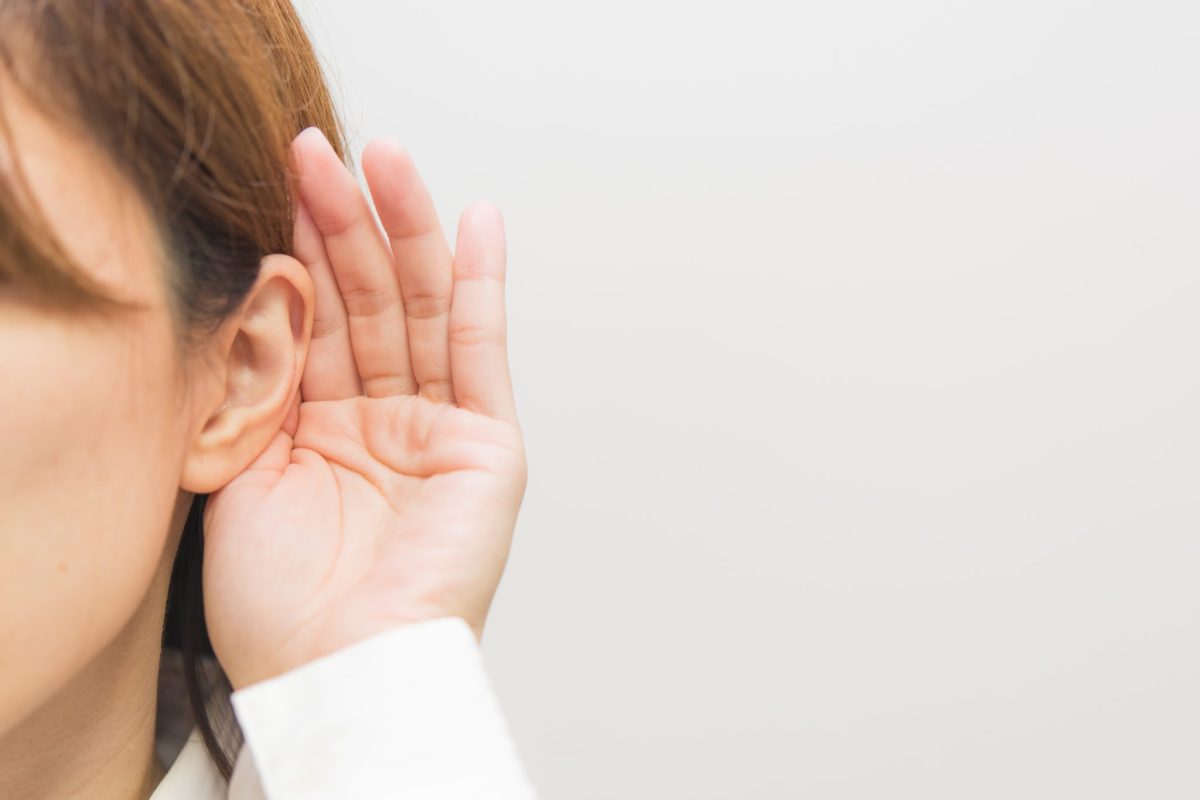
“I would like to highlight the significance of having active listening skills in contemporary society, its myriad of benefits, its role in fostering respect and empathy for other people, and the pitfalls of distraction in the digital age.”

With the frenzied pace of modern life, where everyone seems to be talking but few are truly listening, the act of active listening has become increasingly crucial to partake in. In a society inundated with seemingly unlimited information and plagued by short attention spans, the ability to listen intently and engage with others through attentive body language has emerged as a rare and invaluable skill, both personally and professionally. I would like to highlight the significance of having active listening skills in contemporary society, its myriad of benefits, its role in fostering respect and empathy for other people, and the pitfalls of distraction in the digital age.

Active listening is more than just hearing words come out of the other person’s mouth; it is about comprehending fully the message being conveyed, acknowledging the speaker’s perspective, and responding thoughtfully when they are done. In a world where communication often takes place through digital screens and abbreviated text messages, genuine human connection can easily be lost, especially when it’s not done face-to-face. However, active listening provides a counterbalance to this growing trend, allowing people to connect on a deeper level and work on building more meaningful relationships.

One of the primary benefits of active listening is the ability to facilitate effective and thorough communication. By listening attentively without interrupting, one can better understand the thoughts, feelings, and intentions of the other person behind the words spoken. This type of listening comprehension lays the foundation for productive dialogue, enabling participants to exchange ideas, resolve conflicts, and collaborate more effectively. Whether in personal relationships, professional settings, or in the public discourse, the ability to listen actively fosters mutual understanding and helps to facilitate constructive communication.

Moreover, being an active listener is a sign of respect and shows that you have real empathy towards other people. When we give someone our undivided attention, we convey that their words and experiences are truly valued. This kind of validation not only strengthens interpersonal bonds but also nurtures a sense of belonging and significance. In a society where people often feel isolated and unheard from, the simple act of listening actively can make a profound difference in someone’s life or even just their day. By demonstrating empathy and understanding, active listeners create a supportive and caring environment where individuals feel safe to express themselves authentically.

Additionally, active listening enhances our capacity for empathy and compassion. When we truly listen to others, we gain insight into their emotions, perspectives, and lived experiences. This expanded awareness cultivates empathy, allowing us to relate to others on a deeper level and appreciate the diversity of our individual experiences. Through active listening, we transcend our own preconceptions and biases and open ourselves up to new ideas and perspectives. In doing so, we foster a more inclusive and empathetic society where differences are accepted and acknowledged rather than feared and ignored.

Furthermore, active listening promotes personal growth and self-awareness. By paying attention to the thoughts and feelings that arise within us as we listen to others, we gain valuable insights into our own beliefs, values, and biases. This self-reflection enables us to identify areas for our own personal growth and development, fostering greater self-awareness and more emotional intelligence. Also, by engaging in active listening, we cultivate a habit of mindfulness and presence, allowing us to fully immerse ourselves in the present moment and appreciate the richness of undisturbed human interaction.

In today’s digital age, the temptation to multitask and divide our attention is constant. With smartphones constantly buzzing with notifications and social media feeds demanding our immediate attention, it can be challenging to stay fully present during conversations. However, the consequences of being distracted can be profound, leading to misunderstandings, missed opportunities, and damaged relationships and friendships. When we allow ourselves to be distracted by our phones, laptops, tablets, or other devices while interacting with others, we signal that they are not worthy of our full attention. This lack of full presence undermines the quality of the communication involved and diminishes the level of trust and respect between two or more individuals.

While active listening holds immense value, there are certain pitfalls to avoid ensuring its full effectiveness. One common mistake is the tendency to mentally prepare responses while the other person is speaking, rather than fully absorbing their message. This kind of anticipation without thinking can lead to misunderstandings and missed opportunities for genuine connection. Additionally, interrupting or interjecting with personal anecdotes can derail the conversation and detract from the speaker’s unique experience. To mitigate these kinds of challenges, it is essential to cultivate mindfulness and self-awareness during interactions, even if you really have something urgent to add to the conversation.

To avoid this kind of pitfall, you should be actively monitoring your thoughts and impulses, resisting the urge to jump to conclusions or offer unsolicited advice without being asked for it. Instead, you can practice patience and humility, allowing the speaker to express themselves fully before formulating your response. By maintaining open body language and making eye contact, we can signal our engagement and receptivity, encouraging the speaker to continue sharing their uninterrupted thoughts and feelings. When we are being mindful of these potential pitfalls and committing to being an active listener with sincerity and respect, we can foster deeper connections and enrich our friendships and relationships with other people.

Therefore, it is essential to prioritize presence and mindfulness in all your interactions with others. By consciously setting aside any distractions and giving our full attention to the person speaking to us, we demonstrate full respect and consideration for their thoughts and feelings. In addition, by resisting the urge to check our phones or engage in other activities while listening to that person, we create a real space for authentic connection and meaningful dialogue. By doing this, we honor the inherent dignity and worth of every individual, fostering a culture of respect and empathy that they will be able to return in kind if they follow your good example.

Active listening is a key cornerstone of effective communication, respect, and empathy in today’s world. Listening attentively without interrupting, showing engaged body language, thinking up a response until after they’ve finished talking, and giving our full attention to the speaker helps create a foundation for meaningful dialogue and authentic connection, which is becoming increasingly rare. In our society marked by digital distractions and fleeting, shallow interactions, the ability to listen actively is more important than ever to cultivate day-in and day-out. When we embrace the art of active listening, we can foster deeper relationships, cultivate greater empathy and understanding, and create a more compassionate and inclusive world for everyone.

Remembering the Basics of Civility

“Beyond these tenets, I think it is important to remember the basics of civility in terms of everyday behavior, which is about establishing boundaries, using good manners, and fully recognizing the other person or people you are dealing with.”

In any society, there’s a thin line between civilization and barbarism. When we are civil with each other, when we say what we mean and when we do what we say, we will be better off for having maintained the basic standards of civility. Without civility, there is no civilization to come from that.

There are many forms of civility and I have written already at length about the need to be honest, truthful, be emotionally mature, and to treat others the way you would like to be treated. Beyond these tenets, I think it is important to remember the basics of civility in terms of everyday behavior, which is about establishing boundaries, using good manners, and fully recognizing the other person or people you are dealing with.

In addition to the rise of anti-social behavior since the pandemic and perhaps on the decline even beforehand, there has also been a lack of civility and poor behavior in public whether it’s with colleagues, strangers, or just another person who you are passing by on the street. Some of the behaviors that reflect a lack of overall civility include not greeting someone formally or informally, not making eye contact, lack of a handshake upon greeting that person(s), and perhaps what would be the most basic is the ability to say ‘hello’ or ‘good morning / afternoon / evening’ when you see someone or meet someone.

Basic greetings form the backbone of any civil society and if you cannot take the time to look up from your phone or laptop or to take 5-10 seconds to acknowledge that person in the language that you both speak, then it makes me wonder if civilized behavior is on a permanent decline, rather than a temporary one. Greetings are more than just communication but it’s a way of ‘seeing’ that person beyond them just being in relative proximity to you. When you say ‘hi’ or ‘hello’ or acknowledge them with a formal ‘good morning’ or ‘good afternoon’ in English or in the equivalent of another language, you will make that person feel better. You’re letting them know that you know they are there, that you recognize who they are, and appreciate the fact that you get to see them in some small way.

I would say that in addition to greetings, having good posture, standing up straight, walking with your head held high, not slouching, or putting your feet up on the desk or in front of the person sitting across from you, there are all common ways of maintaining civility and not being disrespectful to yourself and other people around you. It shows not just a lack of respect for yourself but to other people when you cannot maintain eye contact or look them in the eye.

A handshake that is never given when greeting someone now or is lackluster in its firmness or strength also shows a lack of social awareness or respect for having neglected it. If you know the person well enough, giving a hug is not a weird or out of place action and shows that you care for the other person to let them know that. Standing up straight, making eye contact, greeting the person respectfully, giving them your full attention, etc. are all necessary actions to maintain civility before diving into the deeper aspects of maintaining a civilization or a society that is not on the decline in terms of its overall behavior patterns or standards.

Having respect for another person also means getting up for an injured / disabled person, an elderly person, or a pregnant woman if you are on a bus, train, or other public transportation to let them sit down instead of you. Holding the door open for another person is also polite, kind, and a sign that you are not just thinking of yourself and are able to think of other people who need a little bit of help, especially if they could be your neighbor or need aid if they have heavy groceries or may have their hands full. If you really want to maintain classy and dignified behavior, pouring a drink for another person or proposing a toast in their honor or even pulling the chair out for a loved one or a relative is a great way to maintain the civility of our collective behavior that keeps our civilization or general society functioning.

Nobody also likes to have their time wasted regardless of the appointment or meeting whether it’s an interview, a date, a social engagement, or a dinner / lunch outing. Make sure you are on time or a few minutes early, and while this is not universal across cultures, I do think being on time and keeping your word allows for societal advancement and for civilized behavior to flourish. Now, there’s nothing wrong with being 5-10-15 minutes late here and there, but if you don’t apologize or acknowledge your tardiness with even a basic excuse, you are letting the basic values and standards of a society degrade a bit with your lack of awareness.

You may not think these basics of societal civility matter, but they do, and I’ve noticed there has been a general decline in this area since the pandemic and even earlier. It does not cost you much to observe basic greetings, observe social graces that have been around for centuries, think of other people such as the elderly, the disabled, and the pregnant before yourself, and to do what you say, mean what you say, and to be honest and forthright.            

Being reliable, being accountable, and holding yourself to a higher standard is important as well to maintaining civilization and improving one’s society. However, if you do not have the basics or the fundamentals down first, it won’t matter one bit. You must constantly be reminding yourself to observe these social attitudes, graces, and behaviors that have marked the upward trend of human civilization since ancient times.

Without making accommodations for others or thinking of others when it comes to our own behavior, we will be headed on a downward slope for which there might not be a way out from in the future. Please again remember your basics of civility when you’re in public but also in private too. Uphold the basic standards of good behavior and make sure you reinforce those kinds of standards with the people in your lives and with the stranger on the street too.

The Power of Saying ‘No’

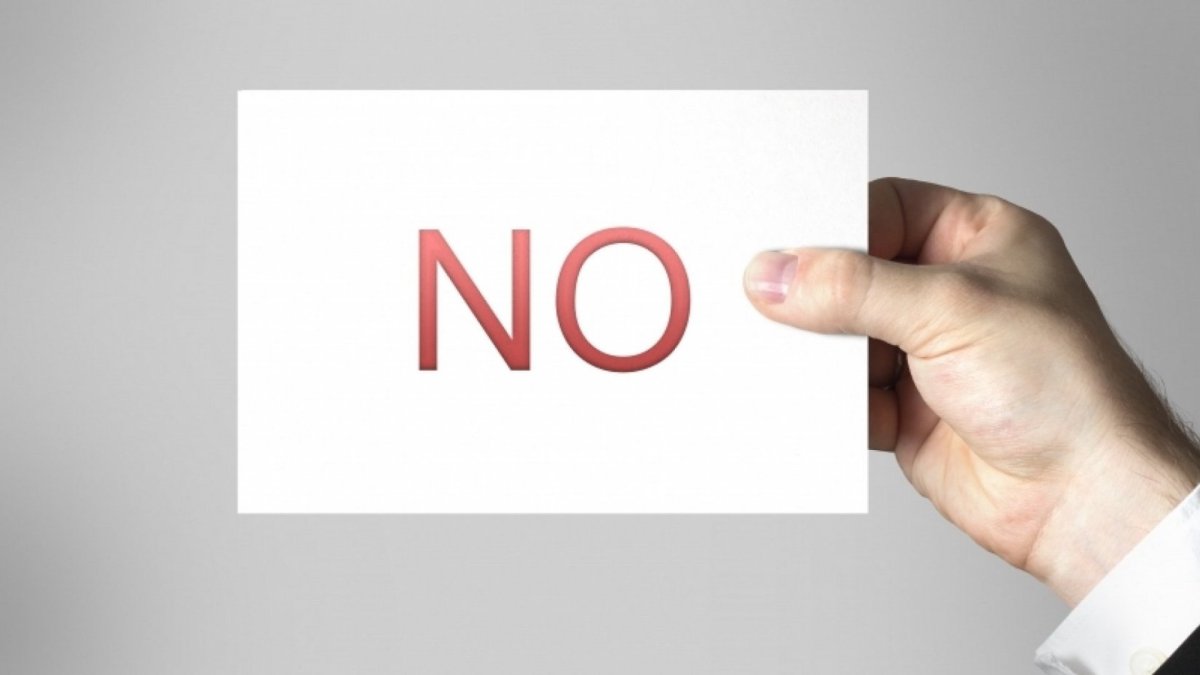
“As much as we like to say ‘yes’, it’s important to know that saying ‘no’ is just as important and even just as powerful.”

There is nothing wrong with saying ‘No’ to someone else. Saying ‘No’ has a negative connotation but it can be worth its weight as much as saying ‘Yes.’ There is a main reason why we have both ‘Yes’ and ‘No’ in English language vocabulary. There are times in our life when we can say ‘yes’ but we also have to moderate our impulse to say, ‘yes’ to things, people, and other commitments by balancing it out with the ‘no’s.’ As much as we like to say ‘yes’, it’s important to know that saying ‘no’ is just as important and even just as powerful.

When it comes to saying ‘no’, you do not want to overdo it either but it’s best to moderate your ‘no’s and to pick when and where to use that word. As you get older in life, the ‘no’ should be more often and the key hump to get over is to have any shame or remorse for saying ‘no.’ Psychologically, it’s much easier to say, ‘yes’ than it is to say ‘no’, but I would argue the ‘no’ needed to happen rather than a false ‘yes.’ Often, a truthful ‘no’ will be much better for you and other people than a fake ‘yes’, which could do much more harm. People don’t like to hear ‘no’s’ but rather than to embellish people with false yes’s, you must be firm with them and make the ‘no’ part of your vocabulary with them, even if they are friends or family of yours.

While others would not like to hear ‘no’, it is best not to lead them on when you’re not interested in anything related to business to doing favors to getting into a relationship. Honesty is part of the power of saying ‘no’ and if that person truly values you, they won’t be bothered by hearing the ‘no.’ A good litmus test for knowing how much someone cares about you is their reaction when you are bound to tell them ‘no’ at some point for one reason or another. If they give you a hard time in giving them a sincere ‘no’, it may be best to not be around them as much. The person(s) you say ‘no’ to, even if they are family or friends, should be mature and responsible enough to take the ‘no’ well and to understand that the ‘no’ itself is not a reflection of them as people but what they may be asking or telling you to do. If you disagree, have reservations about, don’t find it appealing, or don’t have time for it, it is best to say ‘no.’

When you tell other people ‘no’, you should always be firm but also do be as gentle as possible. It does not have to lead into a confrontation or an argument either. A good ‘no’ can be followed up with ‘that’s the way I feel’ or ‘sorry but it’s not possible, or ‘that is not something I’m interested in.’ Saying ‘no’ should never be seen as being disrespectful, rude, or condescending because it does not need to be as such. If you want to still be on good terms with someone like a friend or family, you can express your regret or disappointment on having to say ‘no’ depending on the ask or request. You don’t have to do that, but it can soften the blow, which may be important in salvaging the relationship or friendship for the long-term. In that relation to the other person or people, if the ‘yes’s outweigh the ‘no’s, the ‘no’ won’t be as big of a deal too. They should balance each other out but it is good to mix them up in order to have no ‘no’s at all or too many ‘yes’s back to back.

Most importantly, having the power to say ‘no’ not just every now and then but whenever you feel like it is crucial. You should not feel nervous or anxious about saying ‘no’ and to be ready to do so at any time. As we get older, we must be prepared to say ‘no’ more and more often. Time is limited as well as the chance to foster relationships, friendships, or job / business opportunities. If something does not sound that appealing to you at first, it’s best to have a firm ‘no’ for it rather to waste either your time or your money.

It’s likely in life that you’ll regret the ‘no’s you didn’t say rather than the ones that you did say ‘no’ too. There are plenty of charlatans, liars, scammers, fakers, and crooks out there and you need to be ready to say ‘no’ to them. Instead of saying ‘yes’ too many times, be more comfortable in saying ‘no’ especially if your heart, mind, or body are not into the idea. Unless you are enthusiastic or thrilled by the idea, thing, or even the person, a preemptive ‘no’ will make you better off in the long run. There is a power in saying ‘yes’ but there is also an equal if not more important power of saying ‘no’ especially if you are worried about losing precious time or valuable money or other resources.

Most of all, you should do your best to think deeply or weigh the ‘yes or no’ decisions as much as possible. Lose the impulse to give either a ‘yes’ or ‘no’ quickly unless you do not have the time or place to think it through first. Not controlling your impulses when it comes to saying ‘yes’ or ‘no’ can cost you both in the short-term or in the long-run. Be sure to have the power to say ‘no’ but remember to think it through carefully first before giving the ‘no’ to someone or something. Also, as I mentioned before, please be sure to phrase the ‘no’ in a polite or respectful manner. It’s not so much that you said ‘no’ at all but if you do it in the wrong way or with the wrong tone, you may risk losing that person or thing you care about forever.

Do A Good Deed Every Day

“The easiest way to feel a bit better, a bit happier, and make time fly by a bit more is to go out of your way and do a good daily deed.”

It can feel natural to want to go through each day wanting to keep to yourself and go through the motions to make the week go by quicker. However, having this kind of mentality can isolate you, make you feel lethargic, and time can crawl more the less you interact with the people and the environment around you. The easiest way to feel a bit better, a bit happier, and make time fly by a bit more is to go out of your way and do a good daily deed.

Doing a good deed every day may seem like a lofty goal to achieve but when you really think about what a ‘good deed’ is, it would usually only take you a few seconds or even a few minutes to accomplish. A daily ‘good deed’ is very rarely extravagant, or expensive but rather good deeds are often simple courtesies, pleasantries, and small acts of kindness that have a large impact on a person’s life. You can really make someone’s day especially if they’re feeling down by lifting their spirits with a good-hearted deed that is genuine. To go out of your way for someone else will not only make them feel better but it will make you feel better as well.

I am a believer in karma and having the awareness to do a good deed for someone else, no matter how small or seemingly insignificant in the grand scheme of things, can cause ‘a ripple effect’ in sending out something good in the world, which will hopefully cause other people you help to do good deeds of their own in ‘paying it forward.’ As the saying goes, ‘kindness begets kindness’ so if you do a good deed, I believe that person will then be more cognizant of doing a good deed for someone else and that ‘ripple effect’ will cause many more good deeds to be done. Karma, both good and bad, spreads like a raging wildfire, so if you put good deeds out there, I am optimistic in believing that the world will pay you back with more kindness and to have others help you out in return.

You may be asking, well, there are so many good deeds I can do; how do I know which ones I should do? Good deeds don’t have to be planned out and they rarely are so just mindful of your environment in terms of what kind of good deed can be done spontaneously but is also pertinent to the situation that you find yourself in. For example, if you see a homeless man on the street looking for some food to eat, it doesn’t cost much to buy him a sandwich or a hot meal to help him stave off hunger.

That is a good deed that takes not much money and not much time if you can afford it. Other deeds aren’t about money so much as courtesy such as giving up your train or bus seat to an elderly person or pregnant woman. You can also help the elderly or handicapped by carrying their groceries for them if they ask or by helping them with the door or the elevator. Giving a small amount of charity every now and then whether it’s at a coffee shop or at an organization you are part of is also a good way to do a good deed. A good deed is about doing what you would normally do as a human being without being prompted to do so by other people but if you can’t find such impromptu experiences, giving charity or volunteering an hour of your time or helping a friend or family member in some ways are all good deeds that would qualify.

In a world where it is often difficult or near impossible to control the events and conditions that we experience on a day-to-day basis, doing ‘good deeds’ is a great way of responding to our environment in both a healthy and positive way. Good deeds are not flashy, they may not be recognized, and it can be hard to find them every day but it’s about looking out for your fellow man or woman with no expectation of a reward. Doing a good deed shows that we are all part of the same community, the same society, and the same world and that when we look out for one another on a human level, we all benefit as a result.

Good deeds are a start but that’s just one part of being a good human being. However, doing a good deed daily will exercise our empathetic core, heighten our awareness of relating to others, and to be more aware of how we can positively influence our environment. It is also a healthy way to feel good about ourselves and to brighten our days a little bit more. I find that my day improves a whole lot if it’s been a bad one when someone helps open the door for me or will help me with my heavy groceries if I need a hand with them (while opening the same door), or just looking out for me as I would do for them.

If you can do a good deed daily, that is ideal for it to become a consistent habit but if you can’t, aim to do a good deed at least once per week. You’ll find that it becomes second nature the more you do good deeds and that you’ll recognize those same chances to do them when they appear to you. If you really want to prepare yourself to do good deeds, be aware of your immediate environment as much as possible. That may mean putting your phone down, putting the earphones away, and looking around you instead of down to the floor, but you’ll be more likely to do more good deeds if you’re aware of others rather than the technology that increasingly is around us and on us. The biggest good deed you could do also is to be kind, courteous, and respectful of people you meet and people you know. If you can do that most fundamental good deed, I have no doubt that other smaller good deeds will follow.

The Value of Self-Awareness

“Having self-awareness shows that you also have the right personal values that will make it easier for you to get ahead in life in terms of your character.”

Self-awareness is a key character trait that will improve your relationships with others and also improve your relationship with yourself. Having self-awareness shows that you also have the right personal values that will make it easier for you to get ahead in life in terms of your character. Achieving self-awareness takes a number of traits to embody such as showing wisdom by working to understand yourself and your own actions. You have to understand how your actions affect others, both positively and negatively, and to also take responsibility for those actions in both cases.

Beyond wisdom, you have to be honest about what you are capable of and what you need help with including your abilities at work or at school. You want to be able to keep your ego in check and to know your own limits but to be able to work on pushing those limits. This is also a key part of having self-awareness. There are key differences between being confident and being cocky and a self-aware person knows the differences between the two traits. You should show confidence but know how that confidence is coming across to others and to be open to receive feedback even when it can be critical at times.

A confident person knows their strengths but also knows their weaknesses and will make those traits aware so that others know what you can do and what you cannot do. Being aware of those strengths and weaknesses will make you humbler and more open to learn from others. Admitting to others that you have weaknesses and that you have strengths openly will garner respect and help from people who will know that you are not perfect and that you always have things to work on to be better and to do better.

Humility and self-awareness go hand in hand too. Being self-aware means owning up to your failures and shortcomings and not blaming others for them. Taking responsibility for yourself and your actions is a key part of being self-aware. You applaud and recognize other people and do not take all of the credit yourself, which is what happens most often in life that you cannot take sole credit for an accomplishment, but with which is achieved through the mentorship and support of others. Showing humility and being humble are key parts of being self-aware and having that personality trait be made known to others through your actions and your words.

A self-aware person can exercise wisdom, be honest, show confidence without being cocky, and displaying humble actions and words to get others to support you and be a friend to you. Arrogance, dismissiveness, immaturity, and dishonesty all show a lack of self-awareness and I would argue that not being straightforward and direct with people will often hurt you in the long run because they will not know where you stand. Being able to self-reflect and look inward to what you did and why you did it will help you to become more self-aware in retrospect even if you do not practice self-awareness in the moment. Ideally, you would like to be self-aware at all times but if you are not self-aware at the present moment, at the least, you should try to be self-aware about the past for better or for worse.

Self-awareness and self-reflection go hand in hand so you must be able to so some self-reflection in order to be fully self-aware. Actions speak louder than words, so you need to make sure that the actions you take offer some space for some self-reflection afterwards. It’s critical that you know how to practice self-awareness in your actions, and I would like to give a few examples below.

Self-awareness in practice means also knowing how to apologize and being aware of your actions when they have caused harm or anguish. If you do not say ‘sorry’ or give an apology, it means you have a lack of self-awareness and other people may not want to be around you knowing that you do not take accountability for your actions. On the other hand, you do not want to react with anger or other strong emotions in order to get what you want. Remaining calm, cool, and collected is much needed as well when dealing with others. You should not ever be insulting them when they give you some feedback that you may not want to hear but it’s in your best interest to take it into consideration.

As mentioned earlier, you should not pretend to be a know-it-all and you should be self-aware to know the limits of your knowledge as well as your skillset. In life, you should not be afraid to reach out to others for advice, counsel, mentorship, or for them to teach you things whether that is a new language, a job skill, or a sport. You will never be the expert on everything, and it is not wise to pretend you know everything as that will cause other people to see that you are arrogant and too egotistical.

Being honest and direct with others should be done politely and tactfully. It is better for others to know where you stand than for them to be guessing where your head and heart are at a lot of the time. The feedback that you give should be genuine and the feedback that you receive from others should be taken into consideration even if you don’t agree with it. Being defensive, attacking the person who criticized you, or getting too emotional about it will look bad in the eyes of others and hurt your ability to work with other people.

A self-aware person knows where and when they need help, how they can become a better person, or always striving to be as empathetic as possible. You should want to put others in your shoes and vice versa to be emotionally in tune with other people (related to having a high level of emotional intelligence). Above all else, you want to stay true to yourself, to your family and friends, as well as knowing what your core values and principles are in life. You should always put yourself on the path to succeed while not stepping over anyone to get there.

Being self-aware will make you an emotionally healthier person, allow you to form healthier relationships, and also be able to form better friendships at work, at school, or elsewhere. You want to value other people and not ignore how they feel but to recognize their emotions and understand where they are coming from without dismissing their views outright. Self-awareness is not an innate trait in the sense that we all have it equally. It has to be worked on, fostered, and built up over our lives.

You need to be consistently aware of your behavior, your emotions, and how they play off on other people. It comes down to having respect for others, being humble in your demeanor and your abilities, and also knowing how to behave responsibly and without letting your emotions control how you act all the time without regulating them. Self-awareness is a really important personal trait and has so much value that you must be willing to work on it day-in and day-out to become a better human being.