











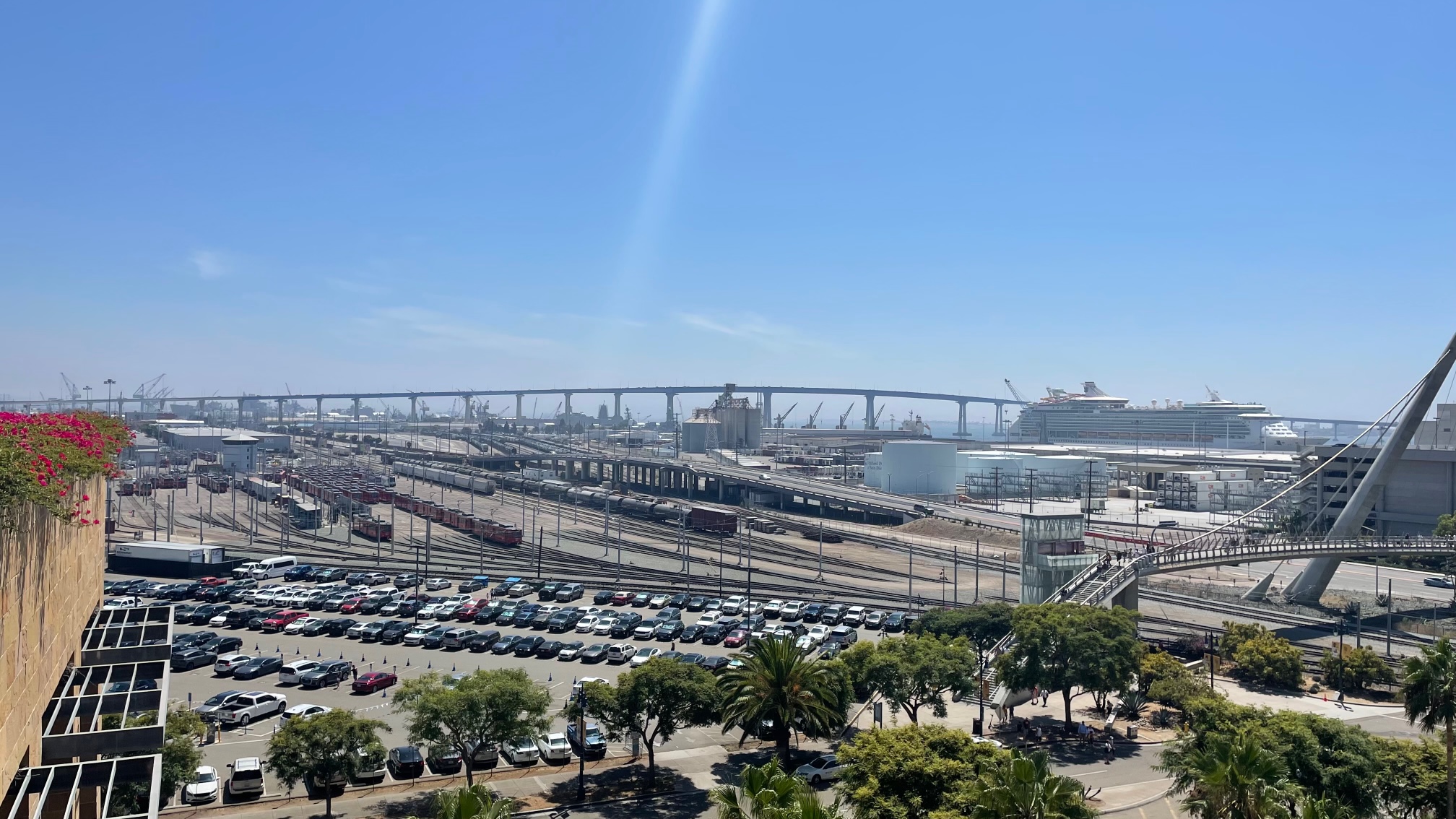

Camera: iPhone 12
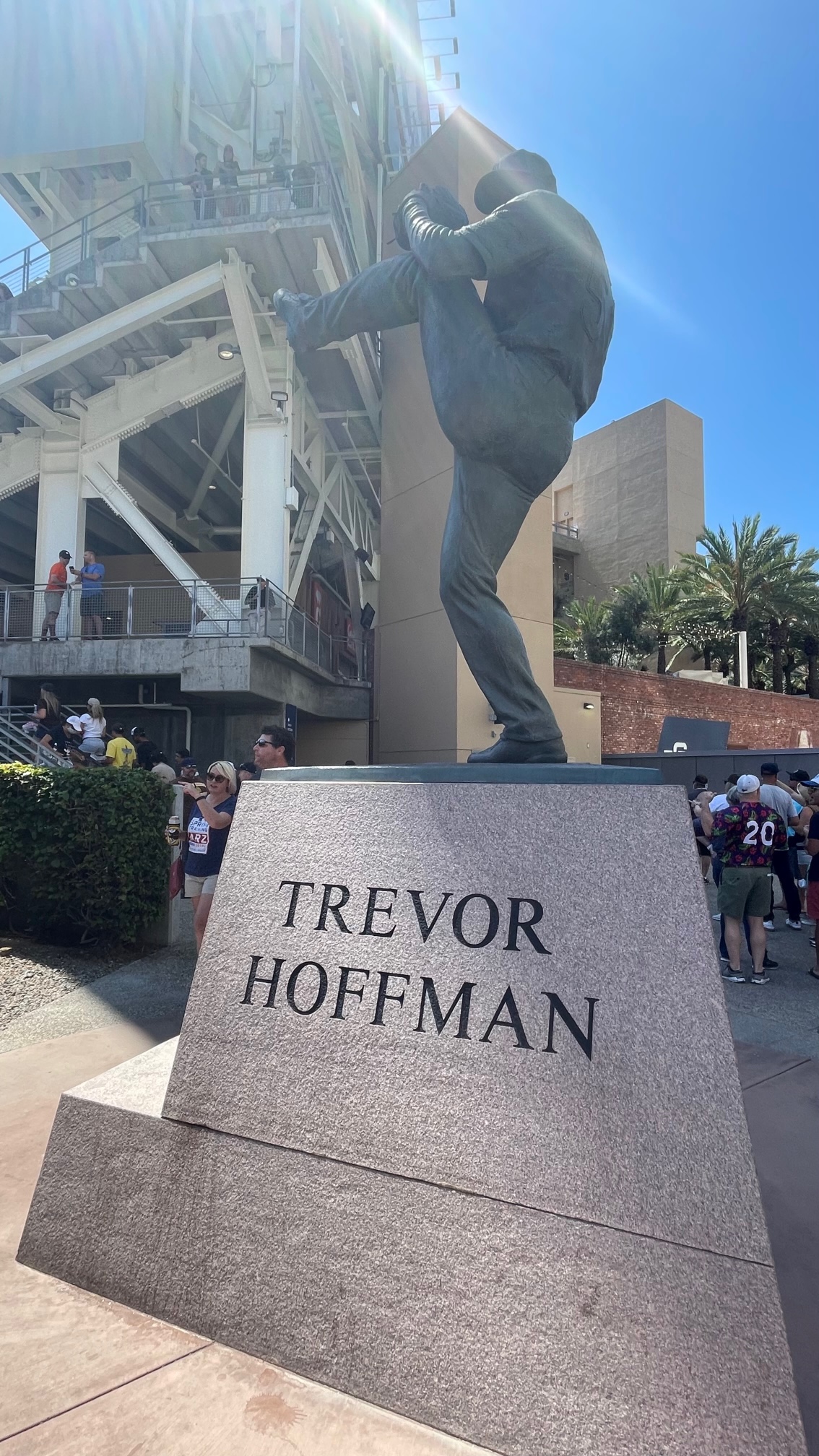
Location: San Diego, California, United States

Camera: iPhone 12
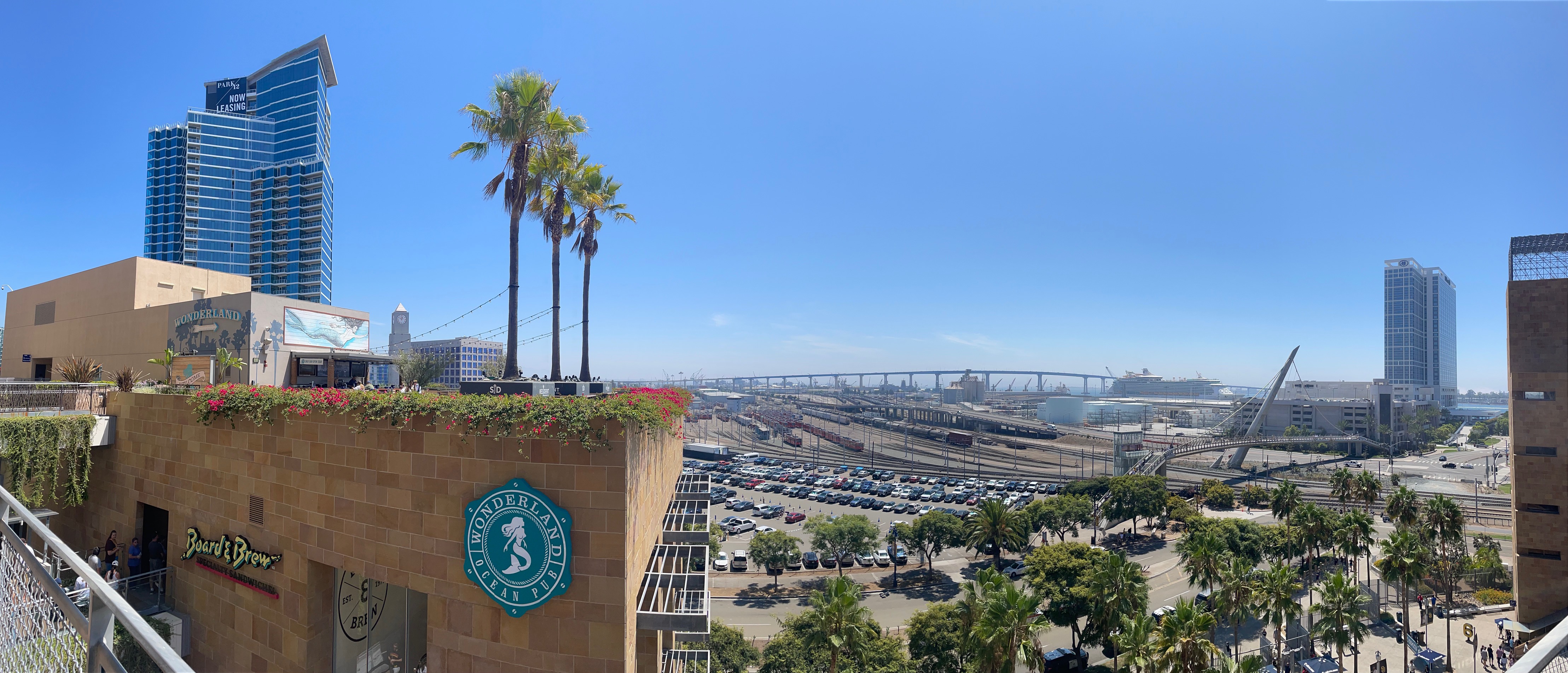
Location: San Diego, California, United States

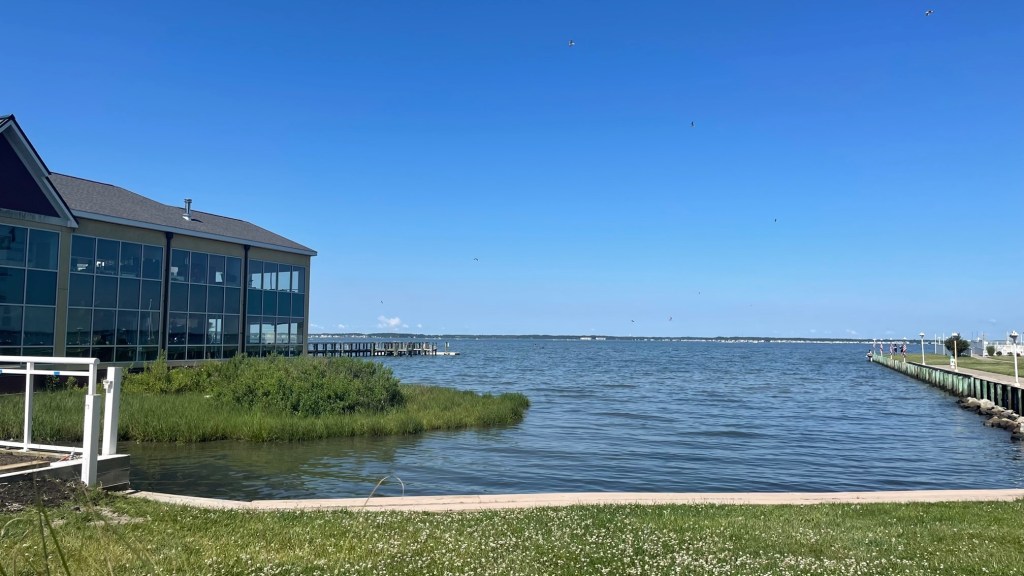







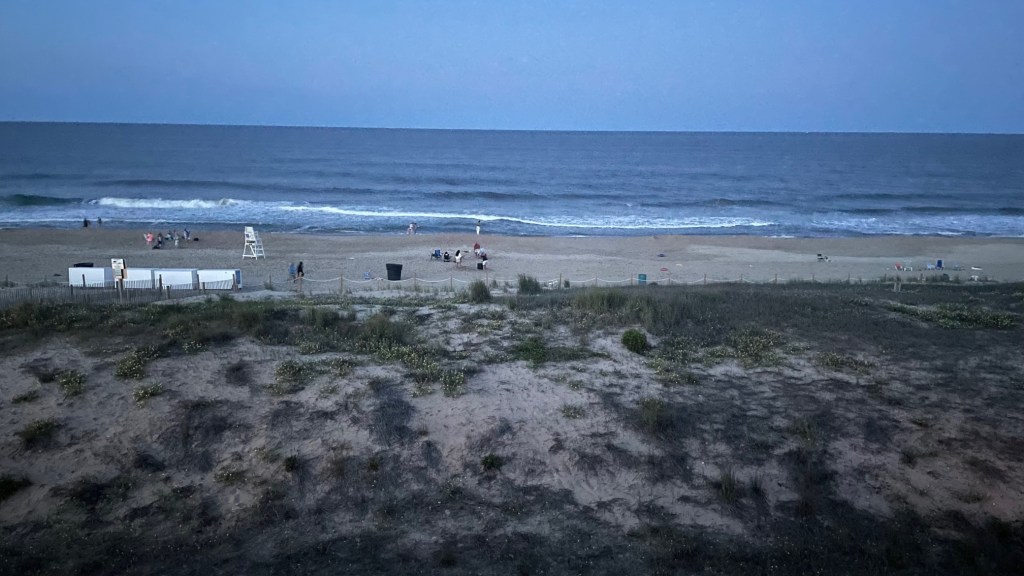





Camera: iPhone 12
Location: Ocean City, Maryland, USA
“Float like a butterfly, sting like a bee. Rumble, young man, rumble. Ahhhhhh!” This catchphrase from the Greatest boxer of all-time, Muhammad Ali, still ring in my ears as I write about the legend.”
“Float like a butterfly, sting like a bee. Rumble, young man, rumble. Ahhhhhh!” This catchphrase from the Greatest boxer of all-time, Muhammad Ali, still ring in my ears as I write about the legend. After 8-hours of rarely seen footage, insightful interviews from those people who knew him best, and catchy music and news events highlighting the era and period in which the Greatest grew up in, the Muhammad Ali documentary on PBS (American public television) is a real knockout. There is too much television and movies out there to choose from especially with the streaming services but the Muhammad Ali documentary, recently released in September of 2021 is worth a watch.
Eight hours in total length, split into four ‘rounds or parts, the documentary chronicles the entire 74-years old in which Muhammad Ali or Cassius Clay walked among us mere mortals from his childhood in Louisville to his rise to boxing stardom dating from Rome to New York City to Manila to his old age, where he sadly struggled through the progression of the fatal Parkinson’s disease. Ali was a man who was almost too unreal to believe he had existed because of all he said, accomplished, and did during his life.
If you looked in an English idiom dictionary for the expression, ‘larger than life’, a picture and short description about Muhammad Ali should be there as well. The swagger he had when he walked in a room, his way with words as a poet and the ability to dress down his opponent with insults as powerful as his punches, and his commitment to not only his religion but the people around him such as a friends, family, and even random strangers who he would often give money, food, or anything they needed when they were going through a tough time.
Ali was not just talented in the ring, but he was also extremely intelligent, wise beyond his years, and able to be charismatic with many people he would meet. Most boxers would keep to themselves back in the 1960s or 1970s and would not embrace trash-talking, denigrating their opponents, or making bold claims that they weren’t sure would come to fruition. Muhammad Ali did the exact opposite and he built up a reputation to the point where billions of people knew who he was from America to Africa and from Asia to South America. His rants became legendary, and his diatribes were shown to garner a huge amount of press to sell his fights. In my view, he made boxing a global sport and he connected with all people regardless of race, ethnicity, national origin, or religion. He had love for everybody except for the men he would fight against.
The difference with Muhammad Ali compared to other braggart boxers is that he would often back up his predictions by making them real especially in his early days beating boxers like Sonny Liston and Floyd Patterson. He would not only predict that he would win his fight, but he specifically predicted the round in which his poor opponent would be knocked out. His legend grew the more he talked trash and made fun of his opponents and he backed it up in the ring by winning constantly. If he were not Muhammad Ali in terms of talent, hard work, and pure drive to be great, as a boxer, he would have faded away quickly, He simply was a once-in-a-century talent who kept boxing as a world sport in his era and it was the height of its popularity as a sport in America.
Ali, perhaps because of his family upbringing, his change of religion to Islam, or because of an innate sense of right and wrong was a plain-spoken activist who didn’t mince words. He was against racism in all its forms, was against the Vietnam War, and stood up for the poor and disenfranchised people around the world who were without the same opportunities that he had been able to take advantage of because of his boxing talent. While he was a devout member of the group, the Nation of Islam, and had his differences with both Malcolm X and Martin Luther King Jr., because of his affiliation with that group, he often strived to be a critical thinker on issues of race and religion and would dutifully follow his conscience often when expressing himself in public, as he often did in the national and global spotlight.
Sadly, Muhammad Ali, in pursuit of fame, fortune, and women, made serious mistakes along the way to become the greatest boxer of all-time. The constant time spent on the road, the brutal training regimens, the temptations he succumbed to with extramarital affairs, and even his disregard for friendships such as with Malcolm X or neglecting his wife(wives) or children due to his first love of boxing. He was an imperfect man who committed many sins as he puts it in the documentary.
However, even his sins did not stop him from putting in the work to commit more good deeds than sins throughout his life and for which when it came down to his estimation of himself as a Muslim at the end of his life, he felt comfort knowing he committed more rights than wrongs upon his death. The difference too with Ali is that he knew he had done wrong and tried to make amends later in life for his misdeeds. He apologized and atoned for his womanizing, unnecessary insults of other boxers, and his previous disavowal of friends and family like Malcolm X when they conflicted with his loyal membership to the Nation of Islam.
When I think about this documentary, the way it was able to catalog every major event in Ali’s life while simultaneously describing how he must have felt or acted the way he did during those pivotal moments in his life make this documentary the greatest one made about ‘The Greatest’ himself. Few documentaries go into that much detail, use relevant interviews and narration, while maximizing the quality of historical footage to draw the viewer in. If you are new to the good works of Ken Burns, Sarah Burns, Lynn Novick, David McMahon, and the rest of his wonderful documentary team, he is one of America’s greatest filmmakers in this genre.
Having done previous documentaries on ‘Baseball’, ‘Jackie Robinson’, and the other famous American boxer, ‘Jack Johnson’, you can tell that Ken and his team feel as comfortable documenting American sports history as much as his other documentaries on American politics and war history too. The sheer years of effort it takes to create an eight-hour long documentary like this one on ‘Muhammad Ali’ shows you how dedicated to the craft of documentary making Ken Burns and his team are. They have been doing it for over forty years now and it seems like they get better and better with each new documentary. If this documentary is the first you’ve seen by Ken Burns, do yourself a favor and watch the other sports history documentaries and check out his other ones on other aspects of American history.
What I enjoy most about documentaries about sports or political figures done by Ken Burns and team is that they highlight major events, victories, and defeats of that person or the team, but they also make sure to put that figure or people fit in with the swirling tide of history and timeline through the music soundtrack, the relevant footage, and the interviews with those people from the same era or who know that era in history.
The ‘Muhammad Ali’ documentary is not just about ‘The Greatest’ himself but about the times he lived in as an American and how he changed the country just as he was changed by the country himself. He influenced America more than most figures throughout the 20th century and will be remembered by future generations. He will be known not simply as the greatest boxer of all-time but also as a man who stood up for his principles, fought or did not fight for what he believed in, and enacted positive social changes by helping the poor, the disenfranchised, or even the stranger on the street.
He was a larger-than-life figure who transcended both sports, politics, and culture, and this ‘larger than life’ documentary pays great homage to one of the most celebrated and remembered Americans in the nation’s 246-year long and counting history.















Camera: iPhone 12
Location: Nationals Park; Washington, District of Columbia, USA





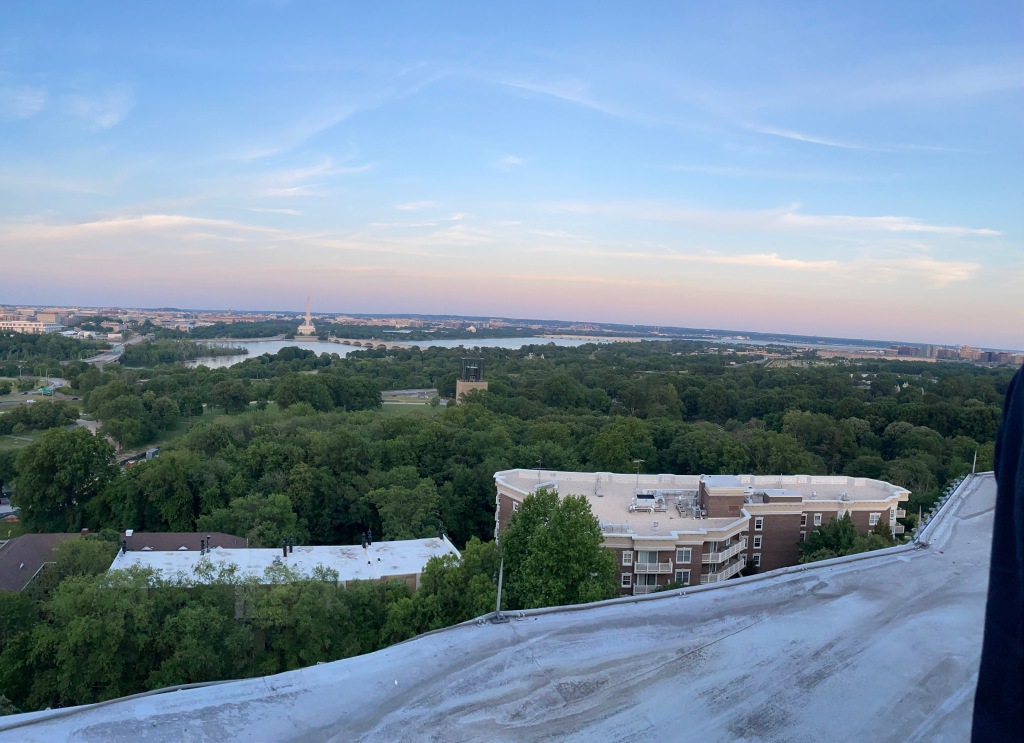









Camera: iPhone 12
Location: Arlington, Virginia, USA
“If there’s any word in the English language that would sum up the life of Anthony Bourdain, a ‘Roadrunner’ would be quite fitting to remember the man by.”
If there’s any word in the English language that would sum up the life of Anthony Bourdain, a ‘Roadrunner’ would be quite fitting to remember the man by. He was also a husband, father, friend, chef, writer, television host, and a cultural ambassador who made the world his oyster after many years as a cook in hot, windowless, stressful New York City kitchens. For some people, travel is a birthright that they have from a young age but for Anthony Bourdain, it was an unexpected gift at middle age after writing the excellent ‘Kitchen Confidential’ book highlighting his years in the underbelly of those same kitchens, which became a New York Times bestseller, and helped lead him into fame, stardom, and notoriety.
Bourdain’s life would never be the same as he was offered other book deals, his first television contract for the show, ‘A Cook’s Tour’, and started to be recognized around the world from Tokyo to Los Angeles. While his life as a newly minted TV host traveling worldwide, tasting different cuisines, meeting different peoples, he opened the world to those of us who only knew what they had read, learned about in school, or heard from others. Those of us who watched his shows learned about the world through the medium of television, but it was Anthony’s narration, his willingness to listen and empathize with whom he shared a meal that made him stand out from others in the travel show business. Bourdain never sugarcoated things and didn’t mince words about what he saw in his travels especially as the focus became less on food and more on culture, politics, and the trajectory of humanity itself. All this time though, watching his shows and reading his books, we knew more about the man’s reflections on the world and then how the world reflected on him.
The shock of his loss still hurts those who were fans of his works over three years later, I included, among the millions of people who were touched by his words, his spirit, and his lust for life. It is hard even now to reconcile the fact that the man who appeared to have had it all still suffered and that there was no outreach, gesture, or love shown that could have prevented his tragic suicide. Feelings of anger, disbelief, regret, and sadness come to mind when you think of how anyone, especially Anthony Bourdain, could decide to let go of life itself especially when it had enveloped him in such a warm embrace especially after his 2nd life of fame, success, and travel had gone on for almost two decades.
What ‘Roadrunner’, the film documentary on Anthony Bourdain’s life tries to answer is not the ‘why?’ of his death but the ‘how?’ of his illustrious life and how it changed, evolved, shifted, swinged on its ups and downs, which the documentary is successful at achieving. Rather than the director, Morgan Neville, attempt to get all of the answers on an unknowable concept such as what makes a person decide to take their own life, which left his friends, family, and fans devastated and unable to make sense of it either, the ‘Roadrunner’ documentary looks at how his life was, which people changed Anthony for better or worse, how he changed as a person, and how did travel affect him over almost 18 years. As a fan of Anthony’s written and television work, you learn a lot about the world through him, but I never got a full sense of who the man was as a person and I’m sure others can relate to this feeling.
Although he gave his all in his craft and in his vision, he rarely liked to be the center of attention in any room and was a shy, slightly self-deprecating, yet also a kind and generous man that would give more to others than would receive himself in return, and who never seemed fully quite comfortable with the fame, success, and notoriety his works produced. Those who remember him in the documentary talk about how he would always reach out to them to see how they are doing and to be a real people-pleaser but not ask for much in return or would find it difficult to confide in others with problems that may have been affecting him, personal or otherwise. While the film does a great job of capturing what it was like for Bourdain as he went from a line cook to a chef to an author to a television host to a cultural icon, we don’t really get to see much about his personal life beyond bits and snippets of details.
The viewer knows Bourdain came from a stable childhood, summers spent in France, loving parents, and a younger brother who he got along with well. However, you can sense from the documentary that he never grasped what most people would want from a ‘normal life.’ Bourdain was a creative soul who was curious by nature, inquisitive, had a taste for linguistics, and had a big imagination given his literary and musical tastes. He was not a man as Mark Twain would rail against as “vegetating in one corner of the planet” for their whole lives. Once he had the opportunity to do so financially and professionally, he seized it and took full advantage of the gifts that he had been given from a young age.
What was missing from the documentary sadly is Bourdain’s own reflections beyond his travels and perhaps the family he built from scratch. We do not hear much about what his childhood was like, how he got introduced to drugs such as heroin, how did he succumb to his addiction to it, and what how his two marriages and past girlfriends affected his outlook on love and life. During the documentary, we are perhaps best informed about who Anthony was as a cook, as a traveler, as a friend, who he was as a father, but it is hard to know who we were behind closed doors when the cameras were not rolling.
There are some aspects of his personality that you can glean from the documentary such as his addictive habits whether it would be using heroin, drinking alcohol, smoking cigarettes, learning Brazilian Jiu Jitsu, or wanting to hold on to his relationships even perhaps their natural end date. For better or worse, as the film portrays, Bourdain loved experiencing novelty and new things which led him to his legendary status as a globetrotter, but it also could backfire in terms of giving too much of himself to people without getting as much in return. It seemed from ‘Roadrunner’ that Bourdain would seek to please others before pleasing himself and that could have led to some deeper dissatisfaction with life. It can be hard to feel as if you’re giving more than receiving and I do believe that does play a role in depression.
You can also infer from ‘Roadrunner’ that Anthony’s romantic views on life, on love and on travel did not always meet reality. He could be very demanding in his professional career and rude or dismissive of his long-time camera crew and production team. It’s shown that he could make rash decisions about hiring and firing of personnel as well as set very high expectations for his television show, which could not always be met by those who worked with him. It’s also true that in his last romantic relationship with Ms. Argento, he would let his personal desires to please her or work with a famous director like Mr. Feng that led to him putting his crew’s creative input on the back burner. When he expressed his desire to quit traveling a few years before his death, his production team encouraged him to do it if he felt it was time to do so and they wouldn’t stop him, but it was as if Bourdain needed someone to validate his decisions to go through with them.
‘Roadrunner’ succeeds in telling the story of one of our young century’s great explorers and cultural ambassadors. In 2021, there are still some gaps in our knowledge of who Anthony Bourdain was and how he felt about his life. Sadly, we will never know the full story because of his tragic death by suicide and we can only infer on how such a bright life could be extinguished too soon when he had so much more to give to the world, to his family, and to his friends. Unfortunately, not all men make it to a ripe old age to be surrounded by those who matter most to them.
Names like Hemingway, London, and now Bourdain died at middle-aged by in their lives accomplished or saw or did as much as five men combined who lived longer than them. It is not the years in your life that matter but the life in your years and Anthony Bourdain made the most of his life as few could or will do again. Even more than three years after his death, he is sorely missed, and the world is not as well off without him and his impact. From the Congo to Iran to Antarctica to Libya, he was not afraid or reticent of sharing a meal with those who were different than him even when he had nothing personally in common with them.
I hope that the ‘Roadrunner’ documentary becomes part of Anthony Bourdain’s legacy and inspires both young and old people to see the world as it is and to hopefully mold it little by little through travels and meals to change the world bit by bit into the world that we would like it to be. That would be a fine way to honor his legacy and to make the world a little less unknown.
___________________________________________
If you or someone you know is having suicidal thoughts, call the National Suicide Prevention Lifeline at 1-800-273-8255 or contact the Crisis Text Line by texting HOME to 741741.
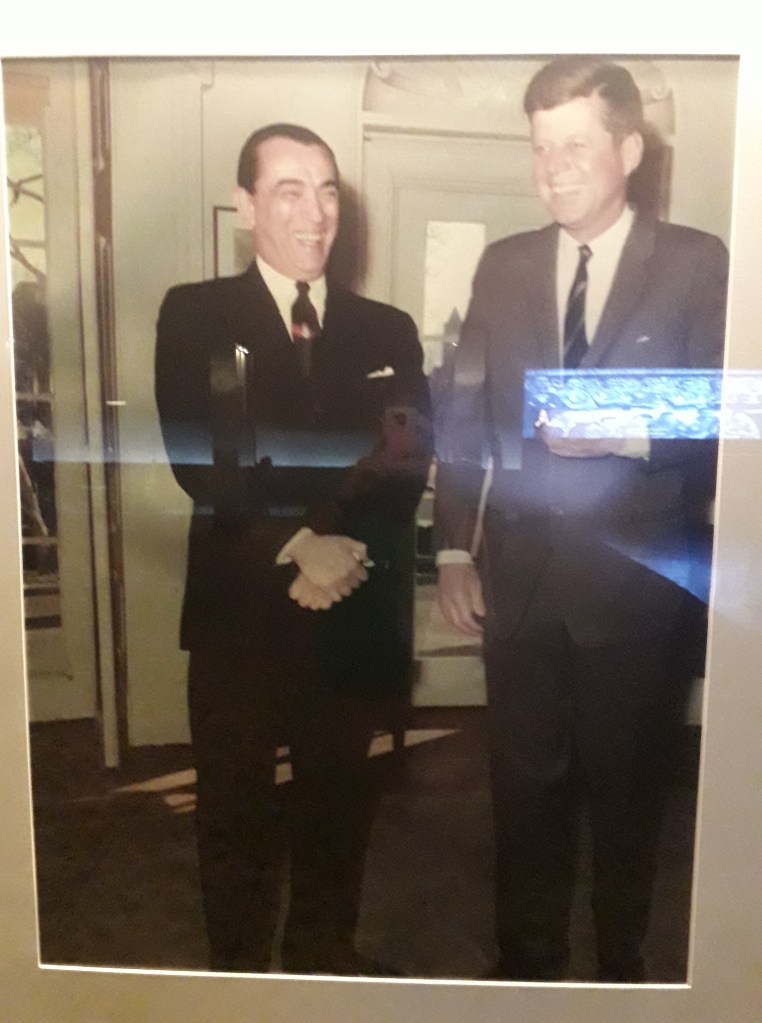
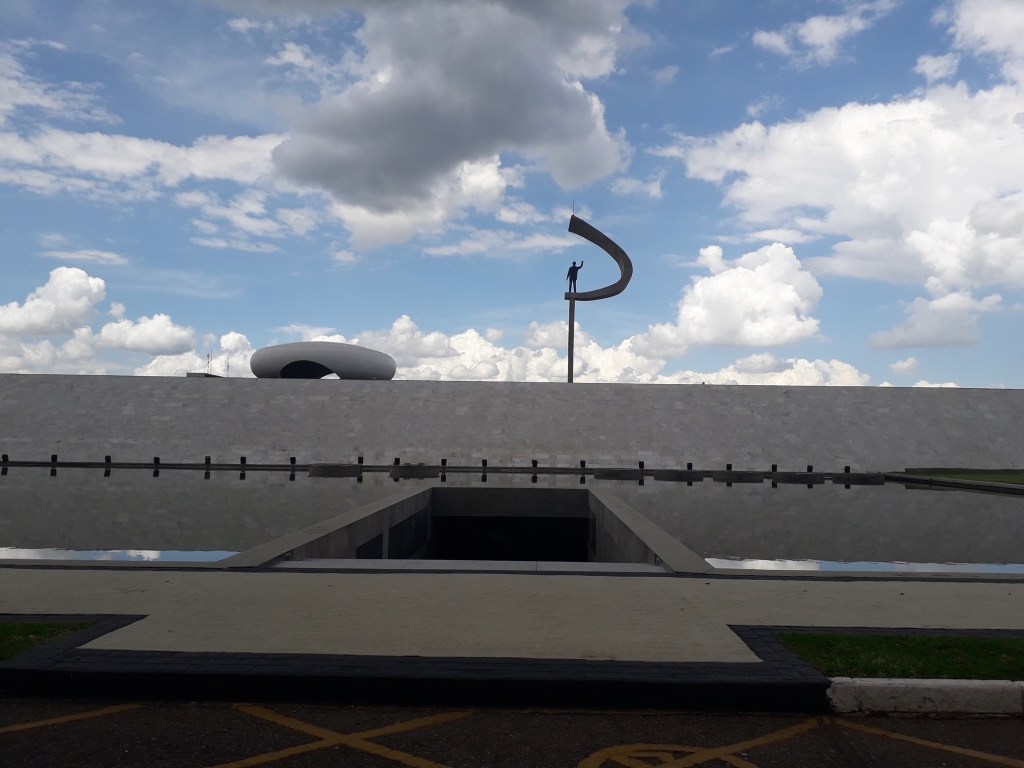



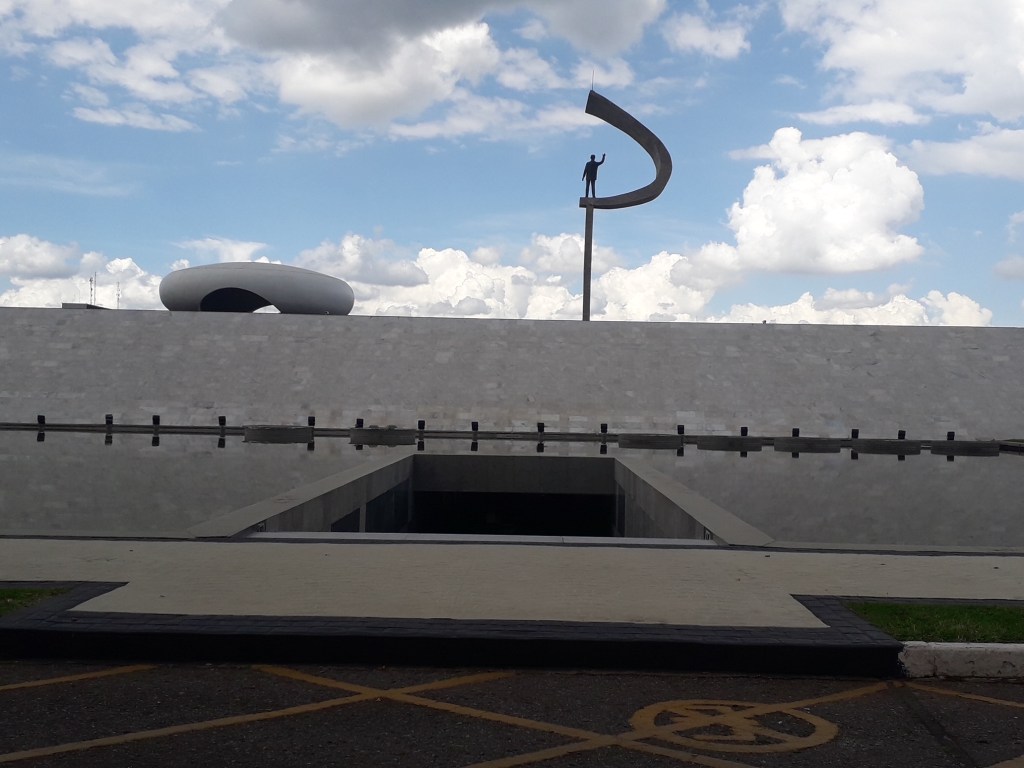
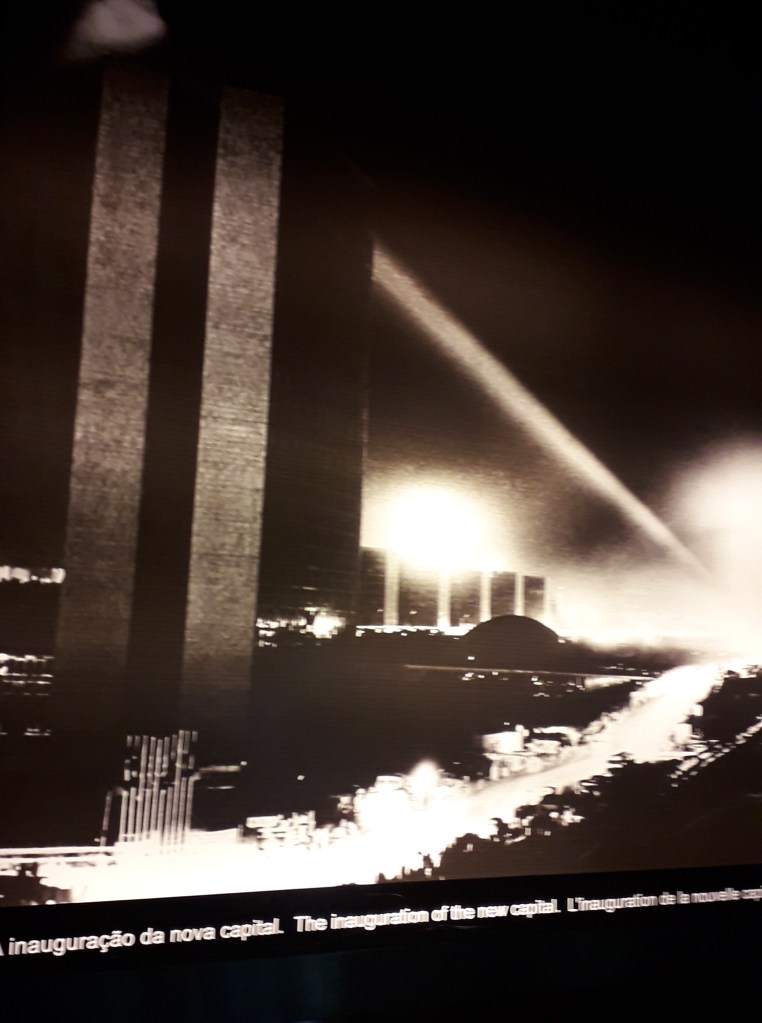



Camera: iPhone 12
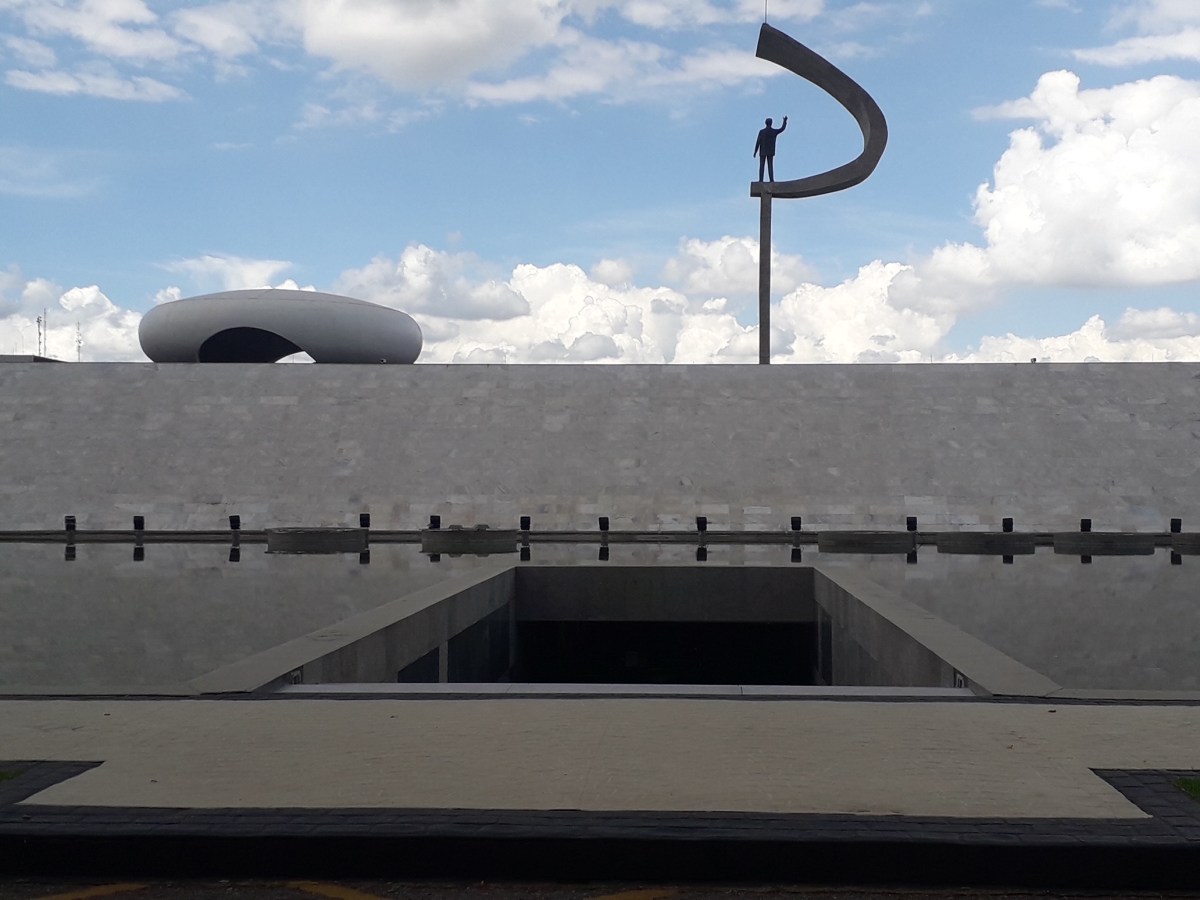
Location: Juscelino Kubitschek Memorial and Museum; Brasilia, Federal District (DF), Brazil
“Perhaps that is what endears Viktor so much to the audience in this film is that he does not give up hope, makes the best of the awful situation he is in, and even starts to befriend other airport workers who are often ignored, underpaid, or even mistreated at times by both customers and their employers.”
A lot of us know what it is like to wait in an airport and have to stay overnight at one because your flight runs into an unexpected delay whether it’s due to a plane’s mechanical issue, or there are weather complications, or if a global pandemic cancels your flight unexpectedly. Whatever the cause of your delay, I am sure you never have had to live in an airport for months on end let alone for more than a day. The questions you should ask yourself though if you could put yourself in this following hypothetical scenario: What if you couldn’t leave the airport upon arrival in a new country? What if the country you just left, your home country, underwent significant political changes or even revolution overnight leaving you stranded? The very underrated yet enjoyable ‘The Terminal’ movie asks these unique questions.
A mix of fiction and non-fiction, a concoction of drama, comedy, and a little bit of tragedy all together, ‘The Terminal’ is a 2004 American film directed by Steven Spielberg and starring Tom Hanks and Catherine Zeta Jones. The premise may seem out there of someone being stuck in an airport for months or years but ‘The Terminal’ is partly based on the true story of a real-life refugee. Mr. Mehran Karimi Nasseri, an Iranian refugee lived in Terminal 1 of Charles de Gaulle Airport and was considered ‘stateless’ for many years and was denied entry into France while also not being expelled from the airport. In total, he lived in the de Gaulle airport for over 18 years and only left from there in 2008 when he was moved for medical treatment and then a Paris shelter.
Nasseri, like ‘The Terminal’s main character have that premise in common of not being able to enter their new chosen destination but also having the right to live in the airport without being expelled. Viktor Navorski (played by Tom Hanks) is on his way to New York City from the fictional Eastern European country known as ‘Krakozhia’ looking to fulfill a personal mission, which is unknown to the viewer right away. We see images of him arriving at JFK along with thousands of others looking to visit America from far-flung countries. However, a routine Visa check and Passport stamp ends up as a nightmare for poor Viktor.
While Viktor was flying into John F. Kennedy International Airport in New York City, his country underwent a political revolution and civil conflict leaving him without international recognition of his Passport since Krakozhia no longer has a recognized government. Since his passport is no longer valid, he cannot enter the United States because the U.S. does not recognize the country anymore due to the ongoing civil strife. Viktor is now ‘stateless’ as he cannot return home and he cannot leave the airport rendering him stranded there. Viktor is forced to remain in the international transit lounge and is not given much help by Frank Dixon (played by Stanley Tucci) who would much rather Viktor leave the airport to get arrested so he becomes someone else’s problem. Mr. Dixon, the Acting Field commissioner for the U.S. Customs and Border Protection agency, gives Viktor only a handful of food vouchers and a calling card but not much else to get by on.
Viktor has a destination in mind for his New York City trip but has limited English skills when he arrives and is only able to tell the CBP officer the name of a local hotel but does not go into much detail about why he is going there and what the purpose of his stay might be. Without his passport and his return ticket, Viktor’s life shrinks down to the international transit lounge at JFK airport where he spends his days collecting luggage carts to order Burger King, accidentally breaks a young girl’s luggage, and slips, falls when he runs to see news about Krakozhia because the Indian American janitor enjoys seeing people slip for his only entertainment.
Eventually, Viktor becomes accustomed to living in an airport and at first, while both daunting and scary to the stateless refugee, he adapts to his new living conditions with some ingenuity and perseverance. He constructs his own bed by dismantling the arm rests of the seats at an abandoned terminal, he learns English through travel guides and by watching the scroll of news information come across the screen to keep up to date with what is going on with his beloved Krakozhia and can both shower and shave somehow when using the airport bathroom.
Human beings have an innate need to adapt to our surroundings even when they are unfamiliar, foreign, or stressful for us. Perhaps that is what endears Viktor so much to the audience in this film is that he does not give up hope, makes the best of the awful situation he is in, and even starts to befriend other airport workers who are often ignored, underpaid, or even mistreated at times by both customers and their employers. The power of perseverance in the face of obstacles makes ‘The Terminal’ a heartwarming and memorable film. Instead of getting down on life and giving up on his situation, he turns the tables on Frank and the border agents by not falling into their traps that they set for him. He makes his own happiness. One of the best moments of this film is when a random gentleman is shaving alongside Vikor, stops for a second, and says to Viktor, “Do you ever get the feeling that you’re just living in an airport?”
Being stuck in an airport terminal means a lot of time on your hands too. Viktor spends his almost limitless time in waiting by honing his skills as a carpenter and a painter even getting himself a job that allows him to earn money ‘under the table’ as a contractor mostly so he can eat. He befriends the CBP officers he sees each day even though they continue to deny his tourist visa due to his invalid passport. One CBP officer whom he gets to know very well is Dolores who Enrique (Diego Luna) has a massive crush on and would like Viktor to ask her questions to start an eventual conversation with her.
In return, Enrique gives him some extra airplane meals that he delivers on to the planes. Gupta, the janitor who at first makes fun of Viktor for slipping and not seeing the ‘wet floor’ sign eventually gains respect for Viktor because he makes him feel less lonely. Viktor befriends other transit lounge employees, plays card games with them over ‘lost’ items never picked up by passengers, and is able to win the admiration and possible affection of Amelia, a wayward flight attendant who ends up caught in a ‘love triangle’ between Viktor and another man.
While Amelia is always on the go and can’t seem to stand still in her relationships or in her job, Viktor is the exact opposite in that he can’t go and must always stay. Tom Hanks and Catherine Zeta-Jones have real chemistry in this movie and represent how different their characters are from each other but can bond over their shared humor, interests, and lust for life even if they are opposites in an ironic sense with where they are in their lives, one stuck in limbo and the other always on the go.
The main mystery that I will not spoil for you is why Viktor flew halfway around the world to be in New York and what exactly is in the Planters peanut can, which he won’t let go of even after being in the airport for nine months. More important than his passport or return ticket, the closed Planters can contain the reason for Viktor’s trip and how he ended up this limbo state even though he has a place to go to before he returns to Krakozhia.
By the end of the film, you and the rest of the audience are rooting for a happy ending for Viktor and even for perhaps with Amelia as well. You also see heartwarming stories of Viktor helping a fellow Krakozhian in need of translation help, aiding Gupta with staying in his job and the U.S., as well as getting Enrique and Dolores to successfully date and marry each other.
‘The Terminal’ is perhaps Spielberg’s most heartwarming, underrated, and emotionally uplifting movie in his storied career as one of the world’s greatest directors. With great acting and an impressive accent by Hanks, lovely humor and touching romantic scenes with Zeta-Jones and the excellent Stanley Tucci who plays a man who can be cruel but also compassionate in the same scene but ends up as the film’s antagonist. This film has a little bit of everything and will make you laugh, cry, and even cheer at the ending.
‘The Terminal’ is a reminder that we are all waiting for something or someone in the winding road that is life itself. Sometimes, we get sidetracked, turned around, or even stuck in an airport for days or months even, but we always can find a way to make the best of our new surroundings, even find happiness or love in the place where we least expect it. Viktor Navorski as I would say is a real mensch who finds himself in a terrible situation, one not of his own making, but is able to create an odd life out of being given nothing and is able to help others and become a favorite of the JFK international transit lounge, which is a place that people want to get out of as soon as possible. He can’t leave but he ends up enjoying the long stay thanks to his compassion, kindness, and genuine warmth as a good person.



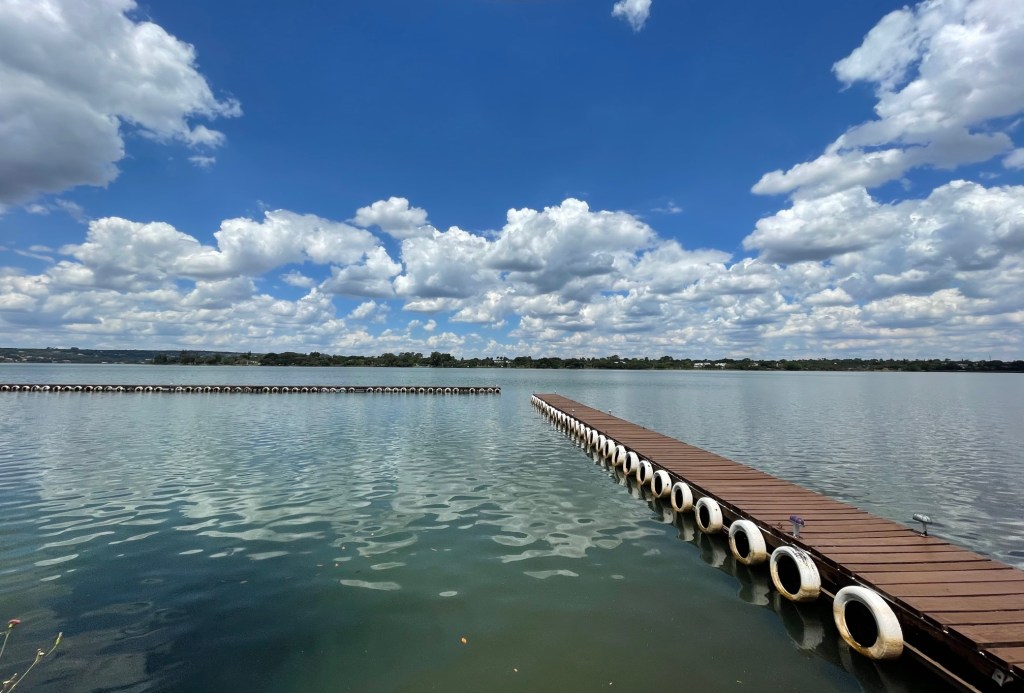
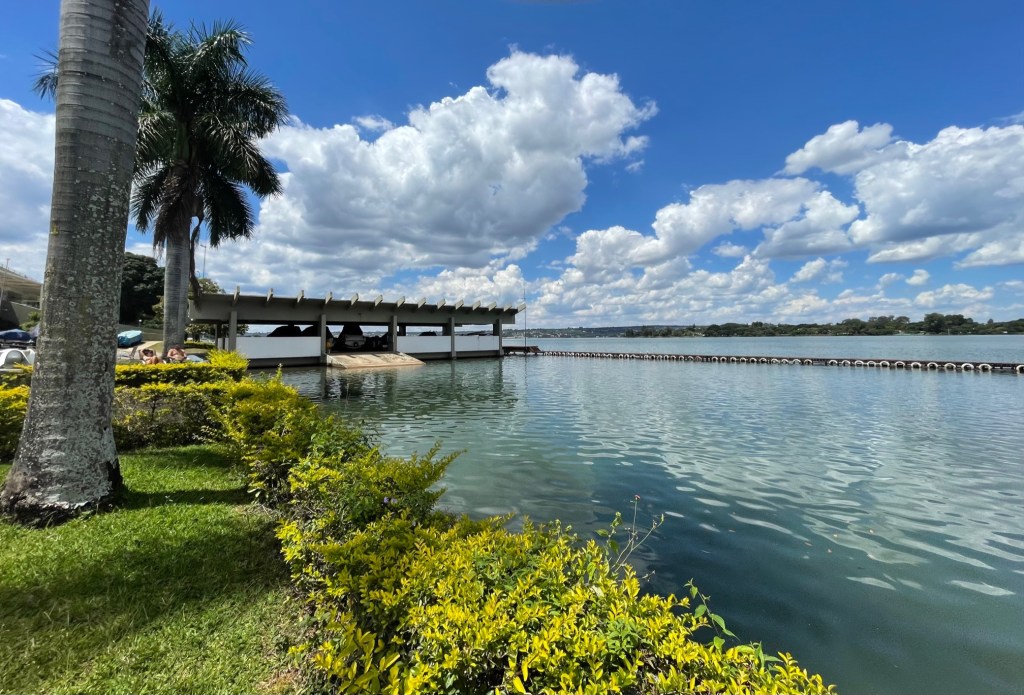



Camera: iPhone 12
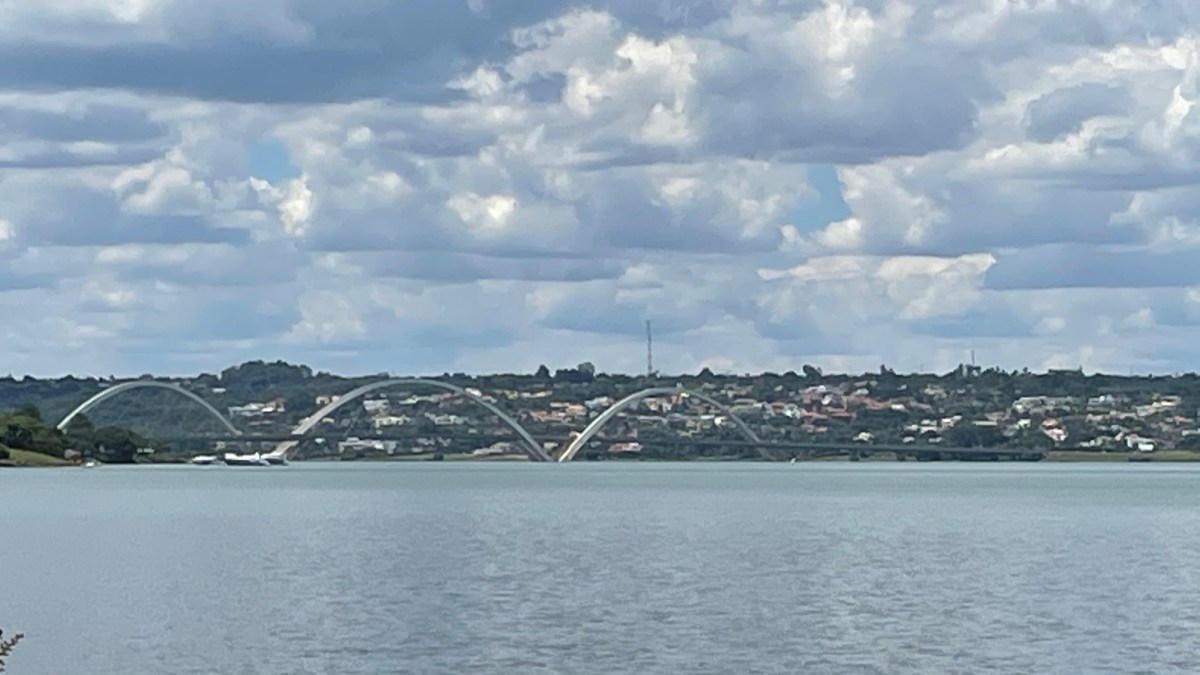
Location: Paranoa Lake; Brasilia, Federal District (DF), Brazil



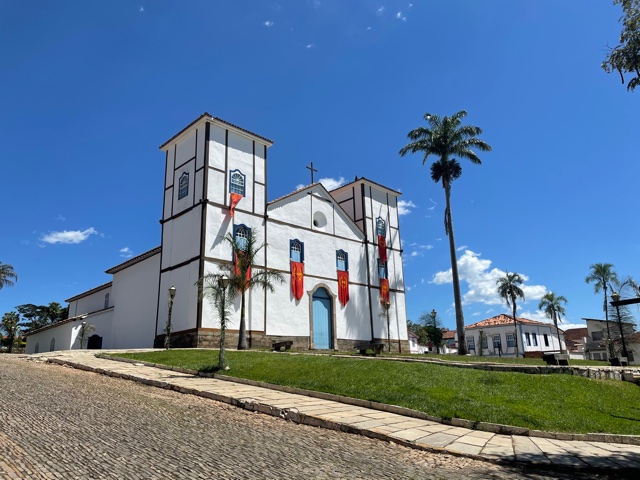
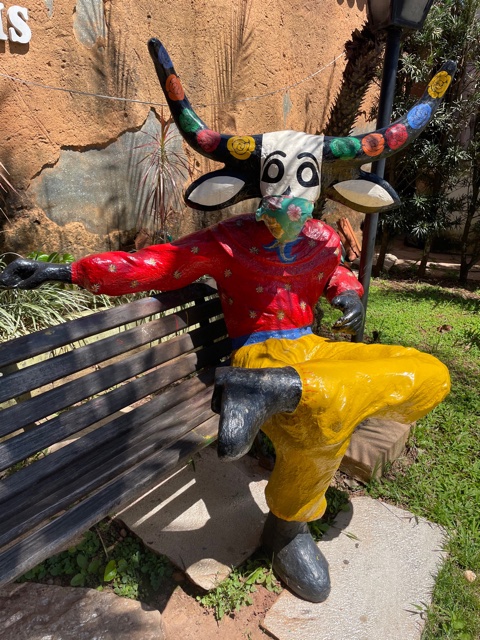
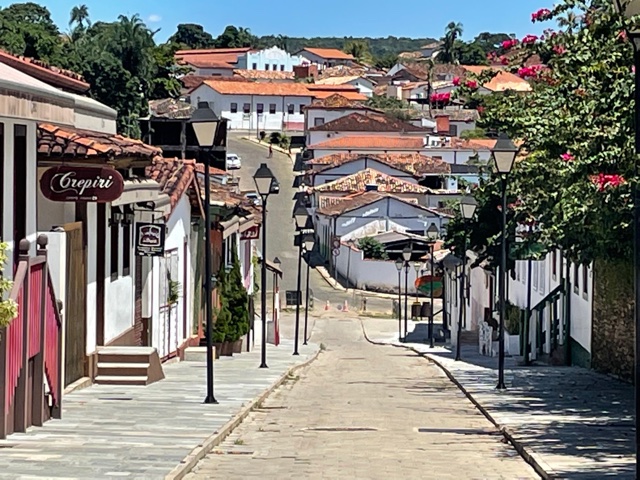

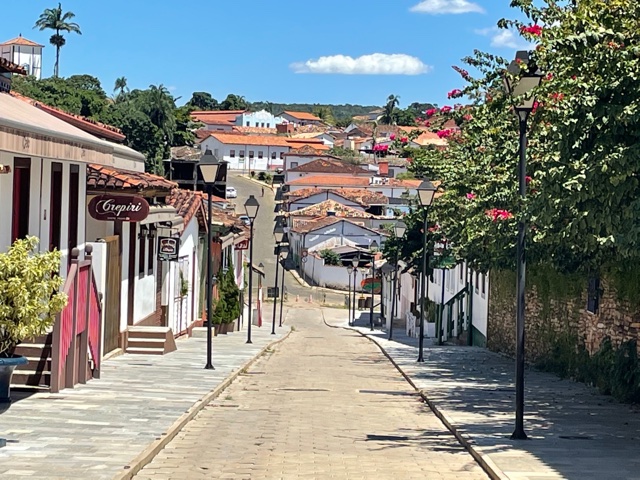
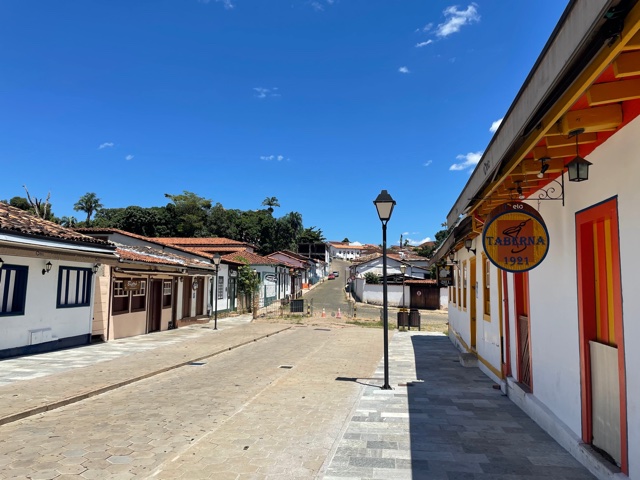
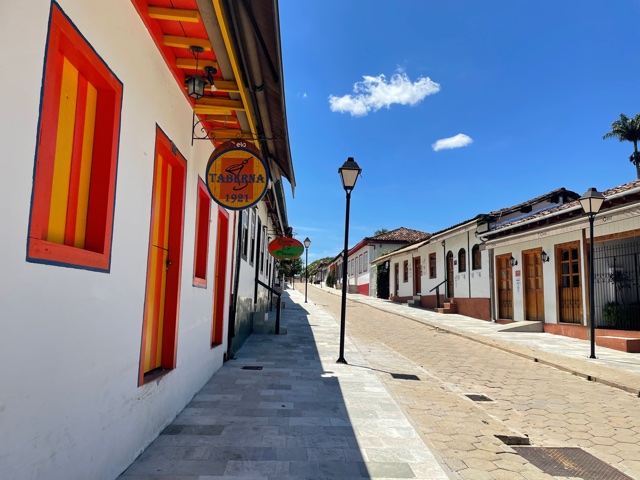


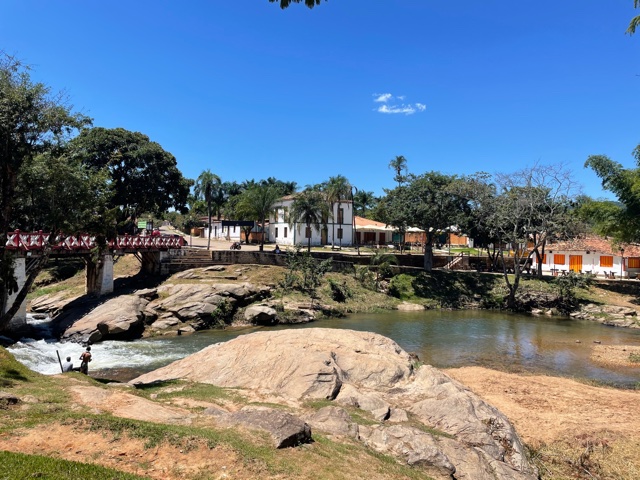






Camera: iPhone 12
Location: Pirenopolis, Goias, Brazil