













Camera: iPhone 15
Location: Parc des Princes – 2024 Summer Olympics, Spain vs. Uzbekistan; Paris, France

“Standing inside Parc des Princes during the 2024 Summer Olympics felt like being plugged directly into the heartbeat of world football. Spain vs. Uzbekistan wasn’t just a match, it was a collision of styles, chants, and raw Olympic energy bouncing off the old Parisian stands.”
Camera: iPhone 15
Location: Parc des Princes – 2024 Summer Olympics, Spain vs. Uzbekistan; Paris, France
“My first visit to the Pantheon – one of France’s most cherished monuments and a mausoleum for some of their most cherished cultural and political figures. You can’t forget the famous Foucault’s Pendulum as well, a centerpiece of this Pantheon.”

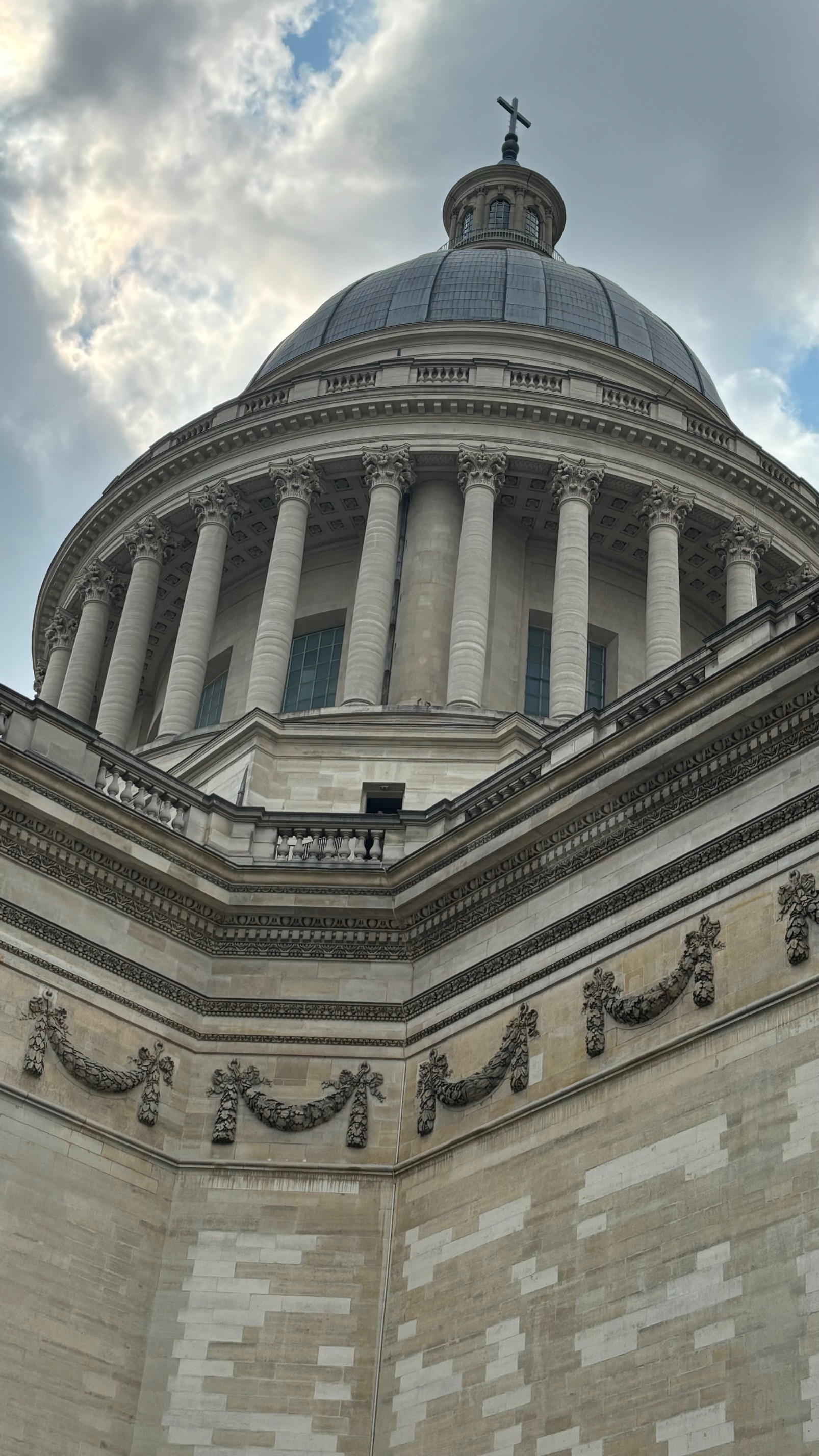


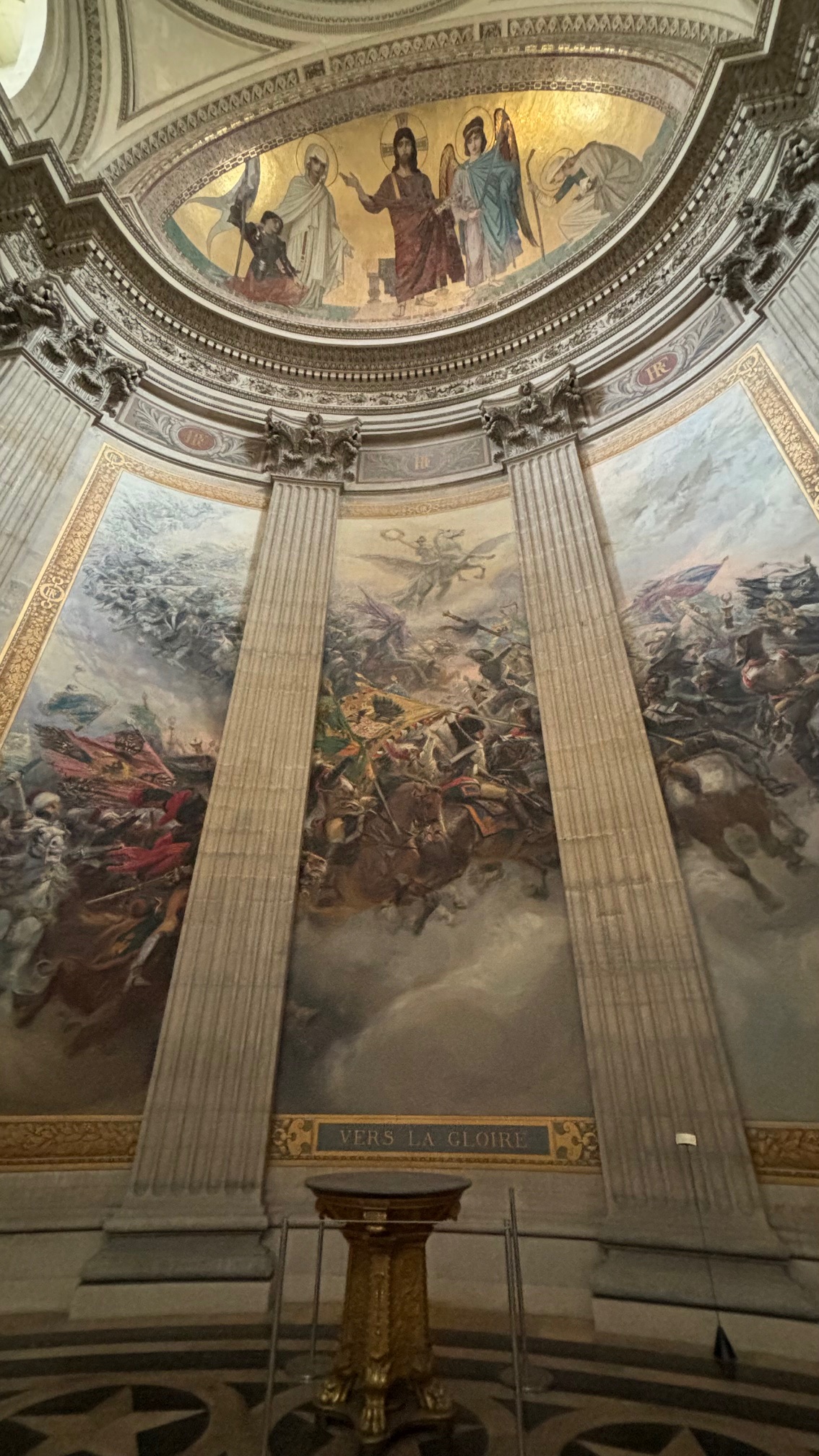

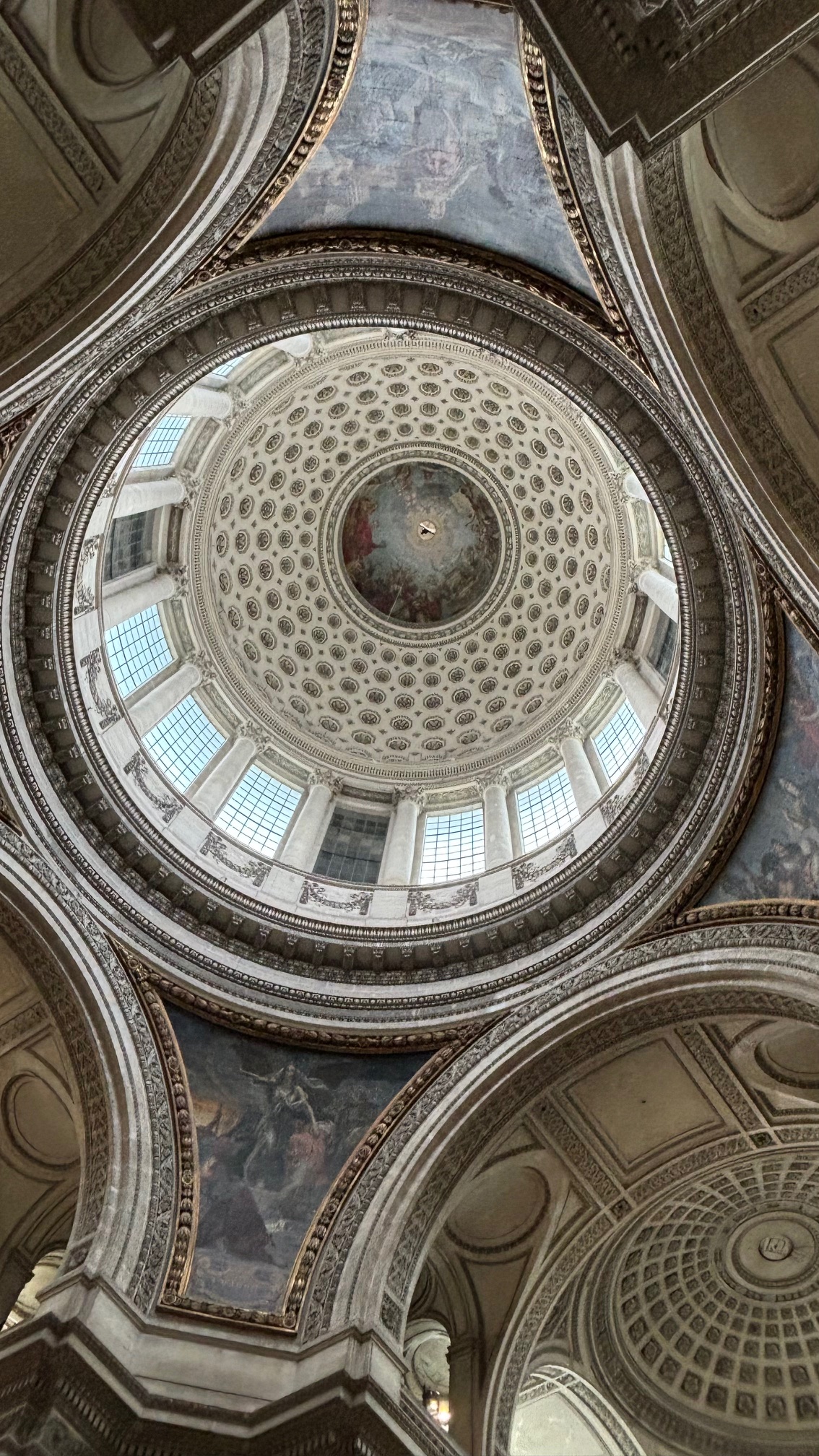
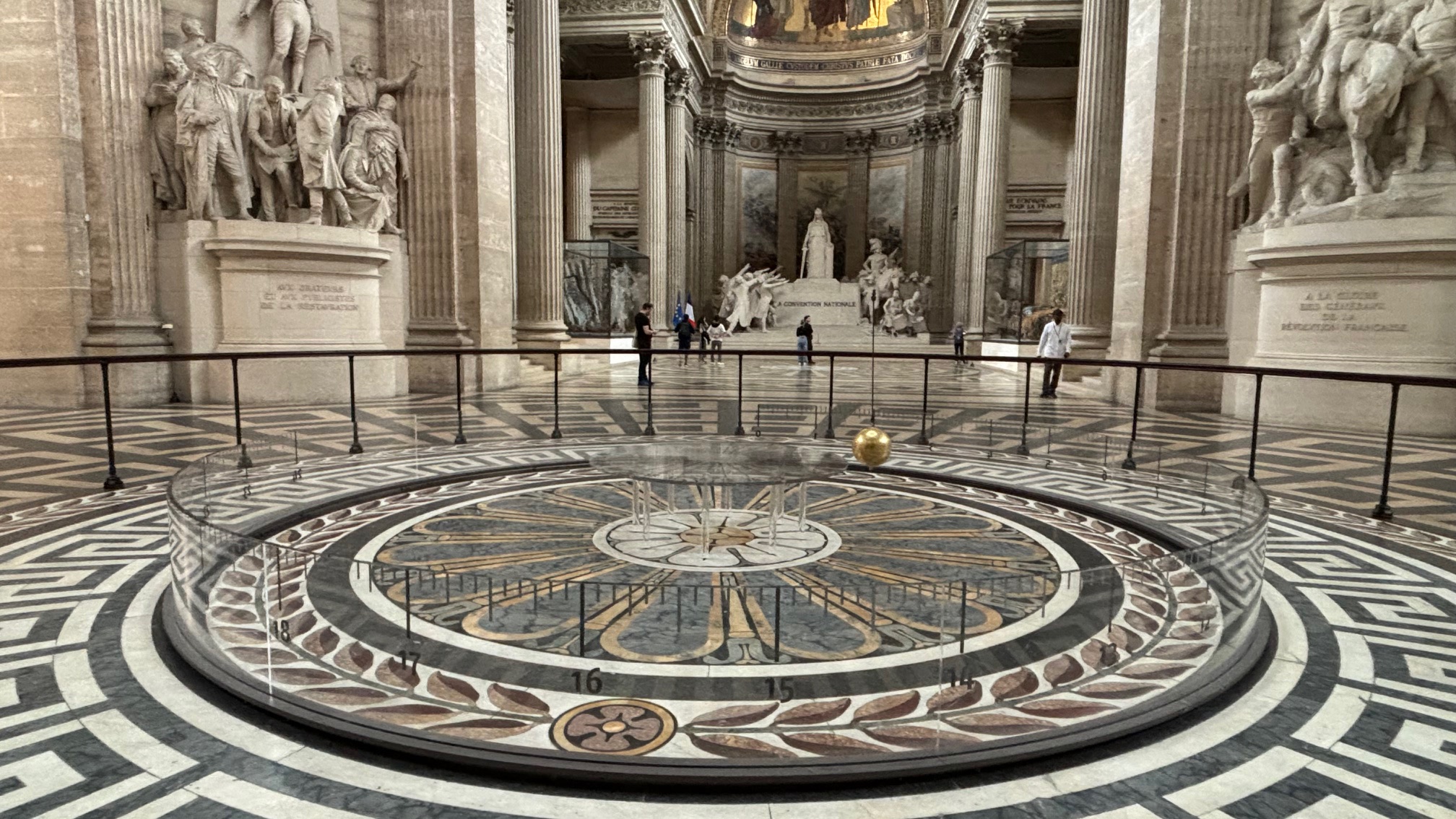
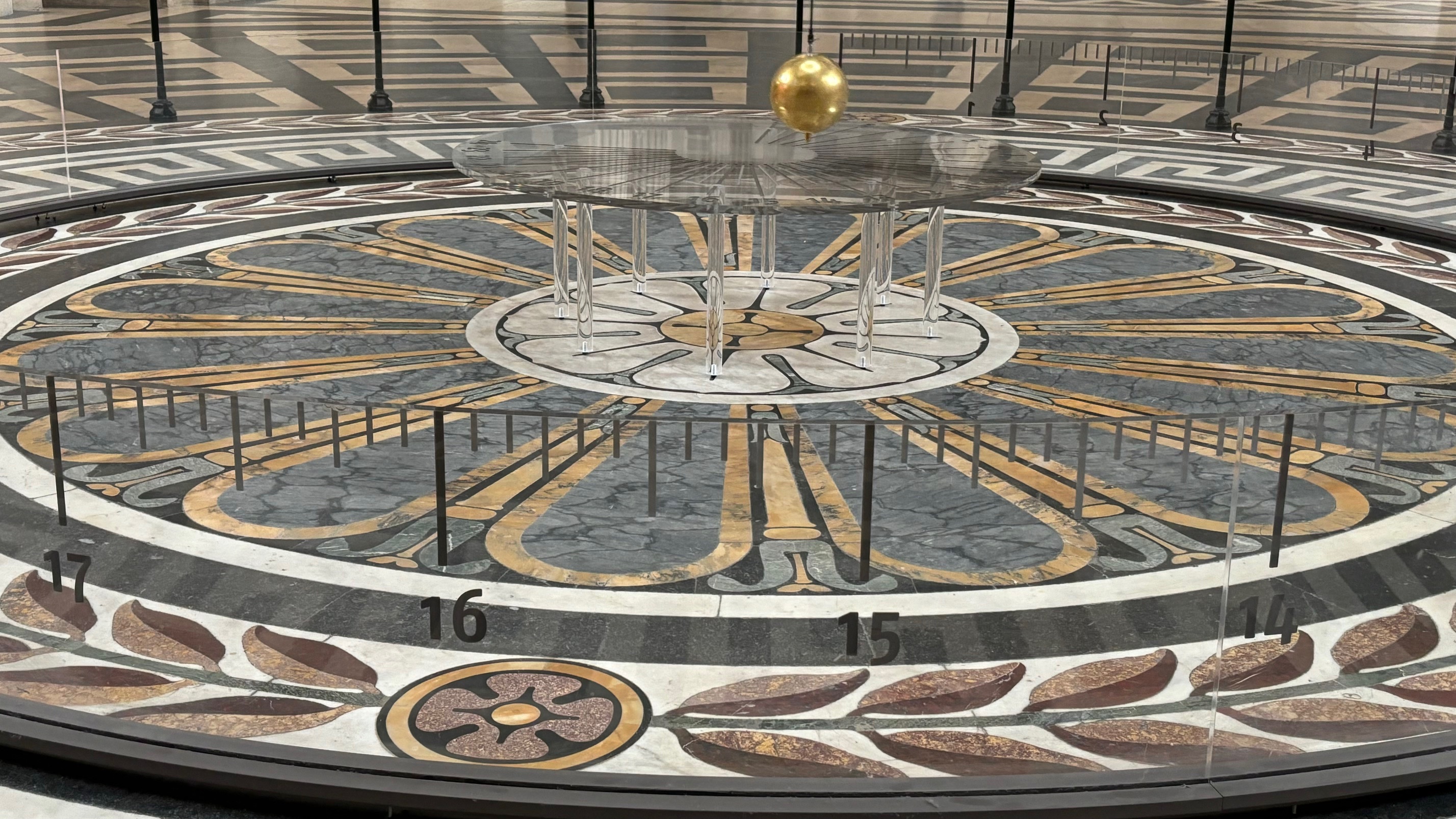




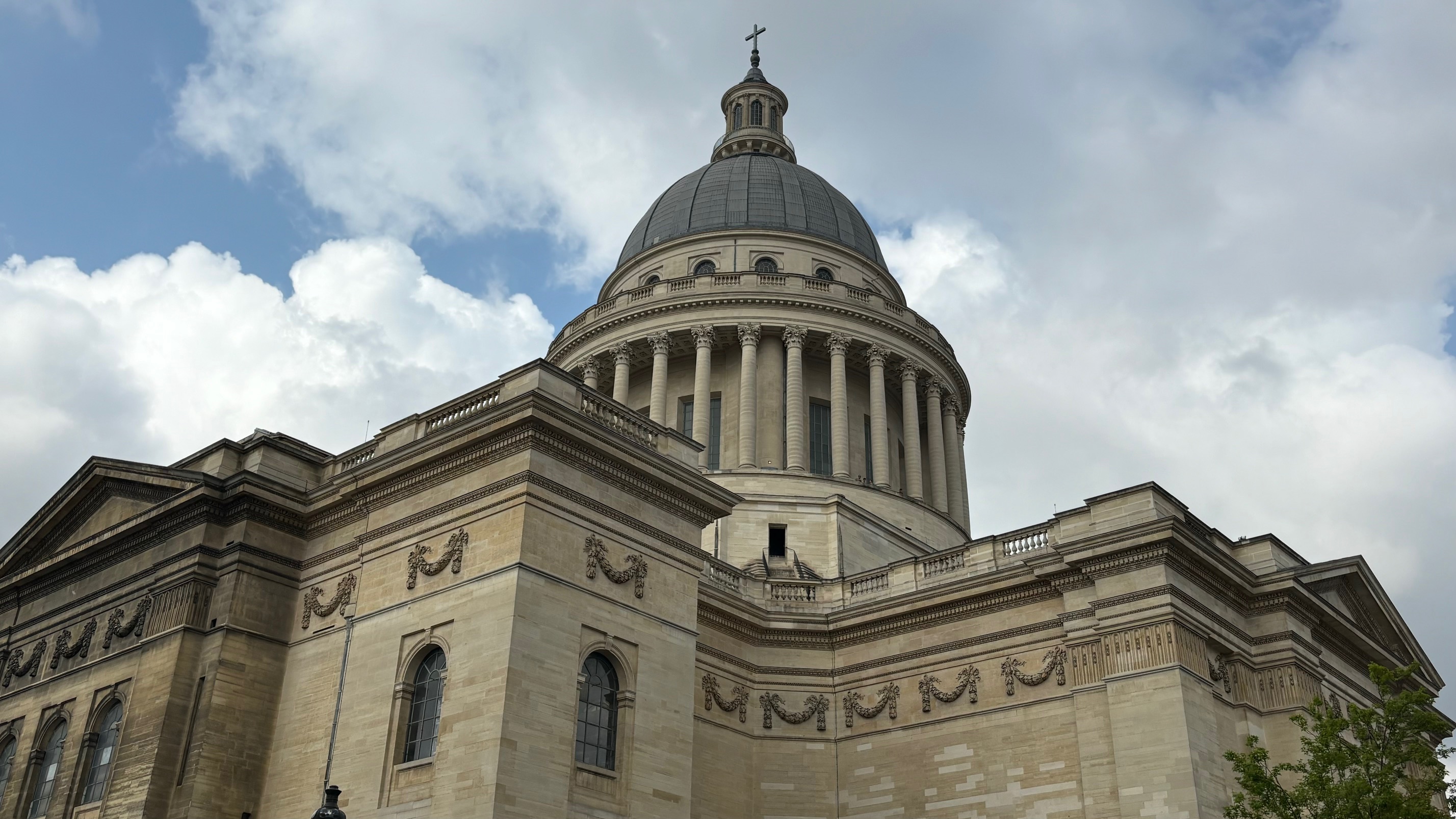

Camera: iPhone 15
Location: The Pantheon; Paris, France
After nine years since my last trip to Paris, I returned in the Summer of 2024 to enjoy some sights like Musee d’Orsay but also for the Summer Olympics!



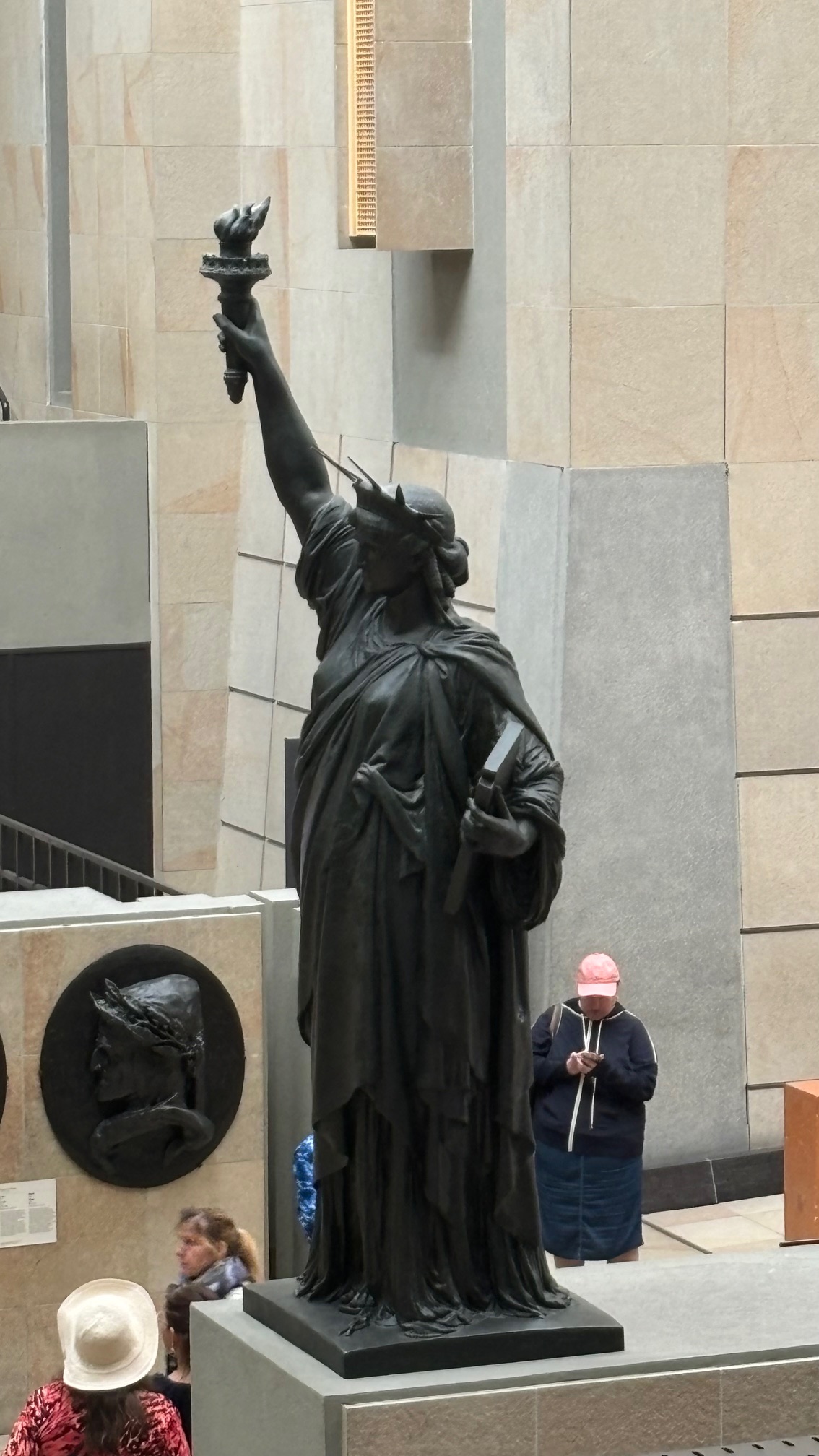
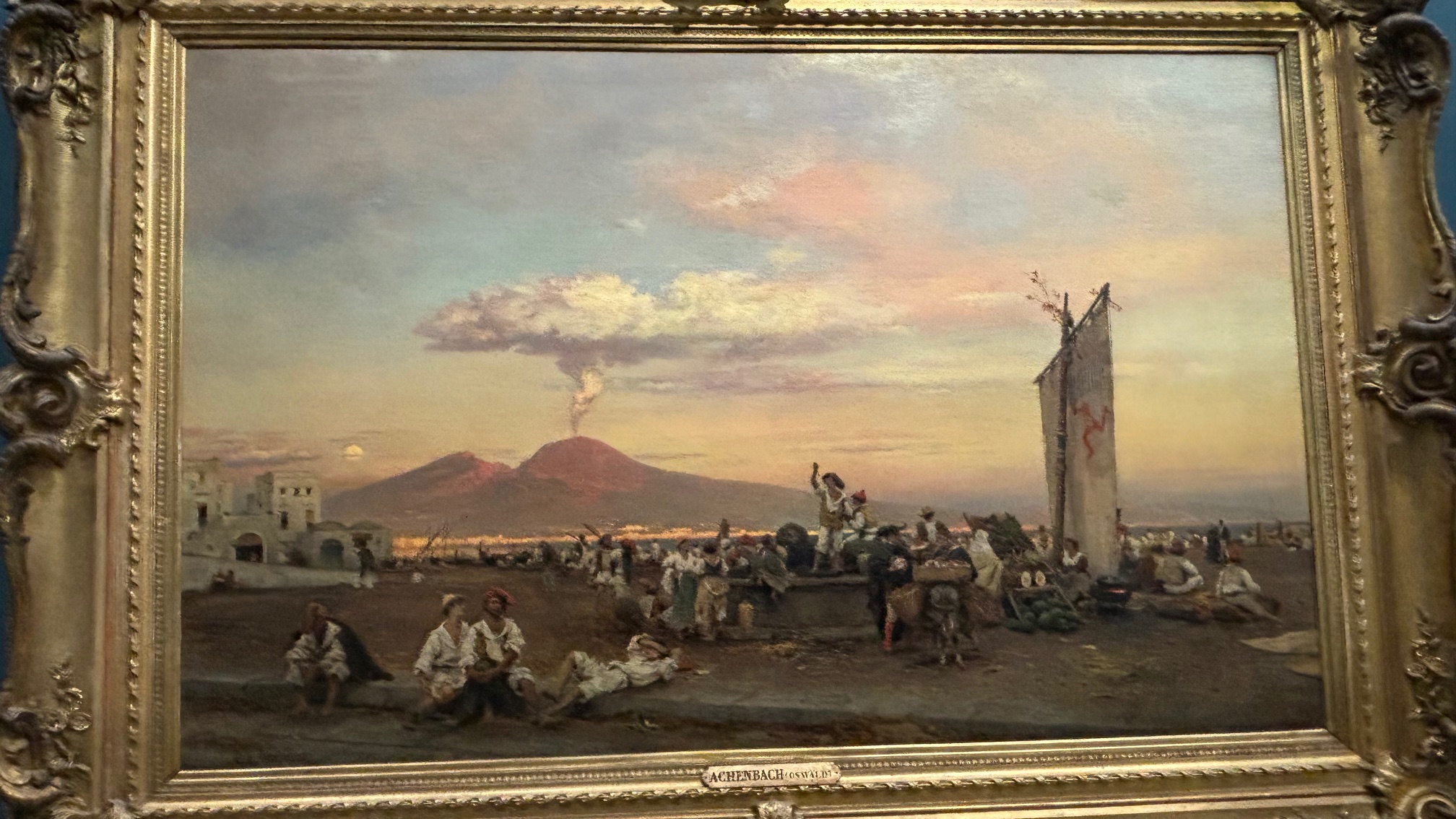




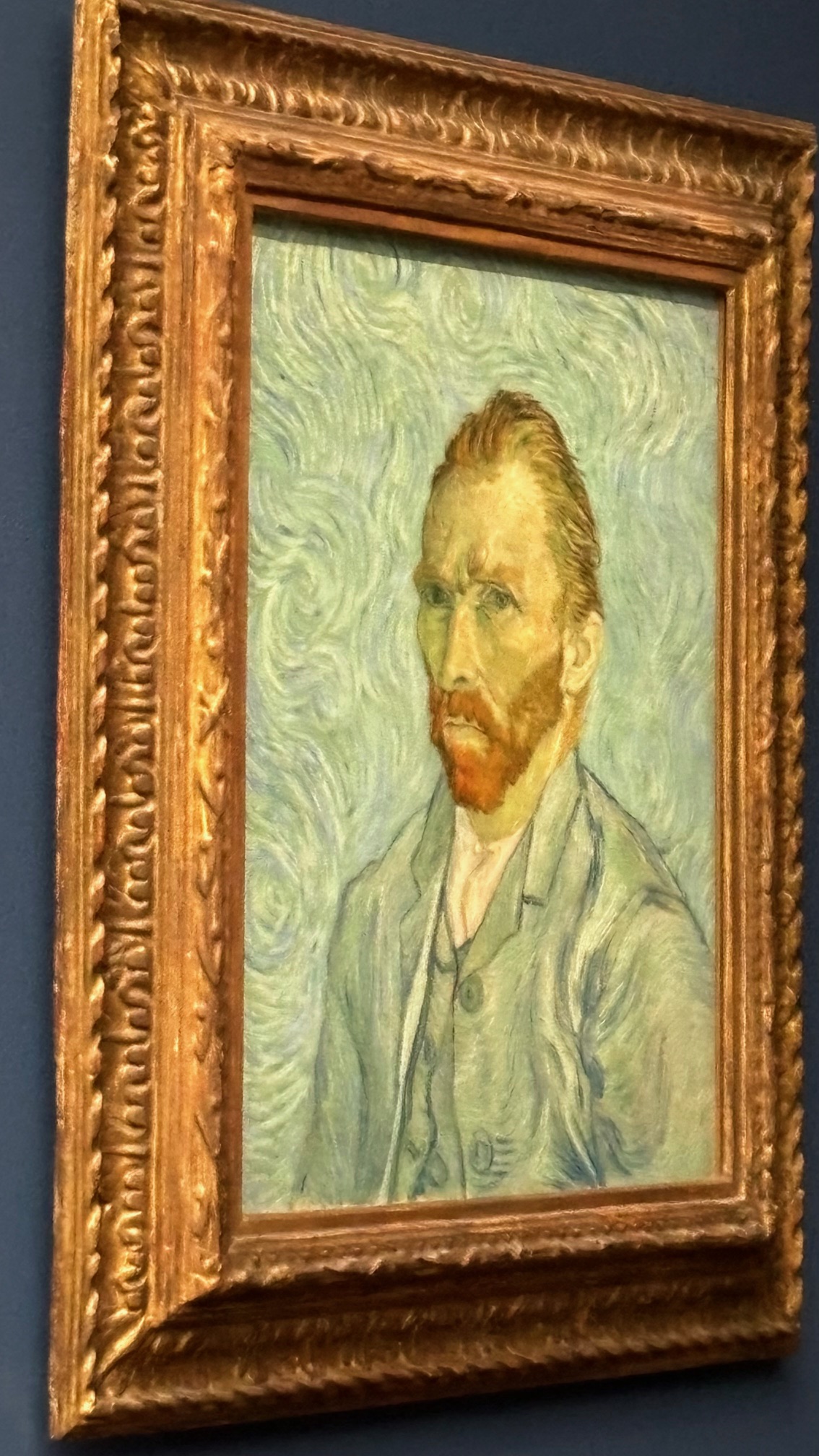
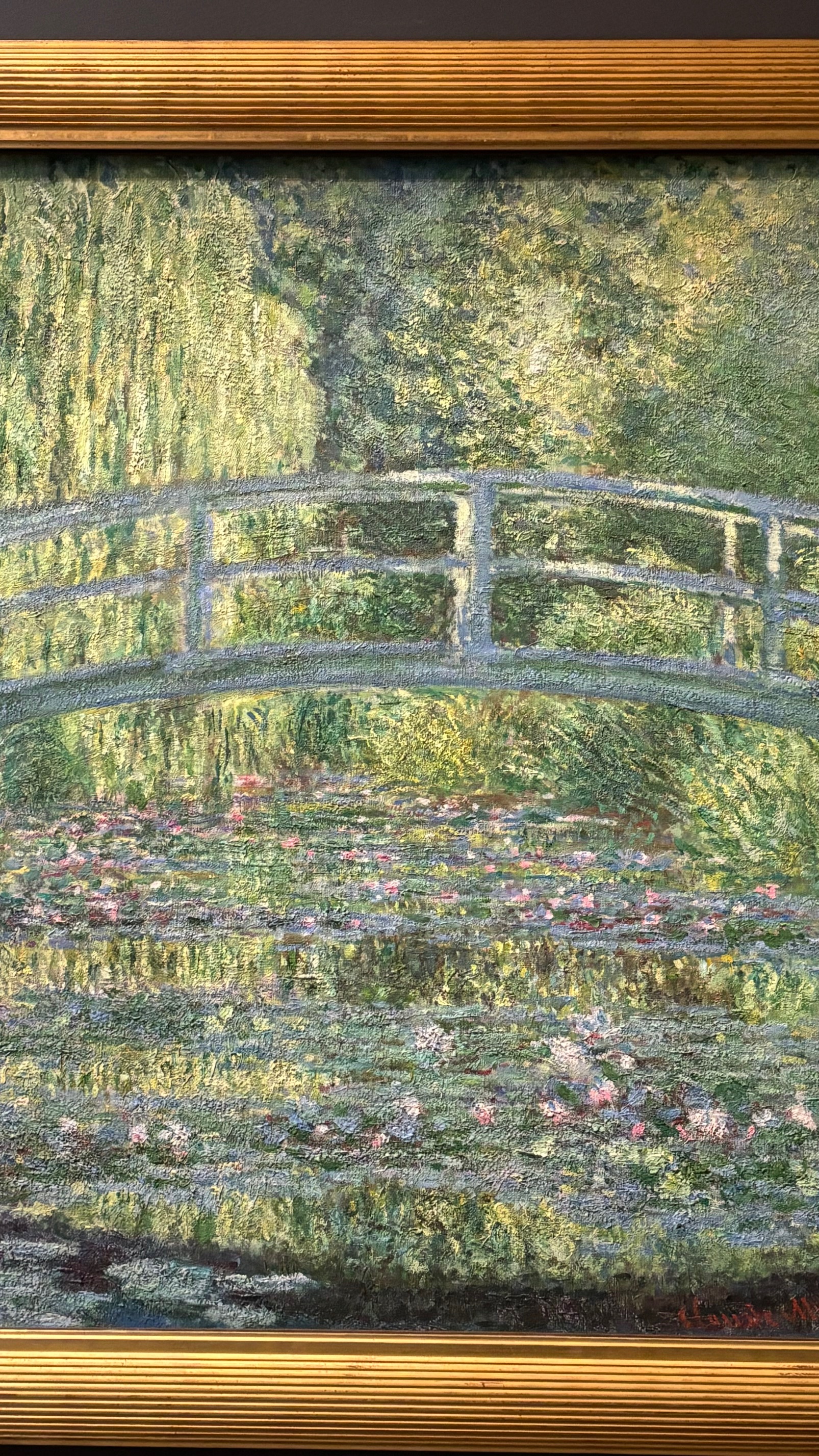

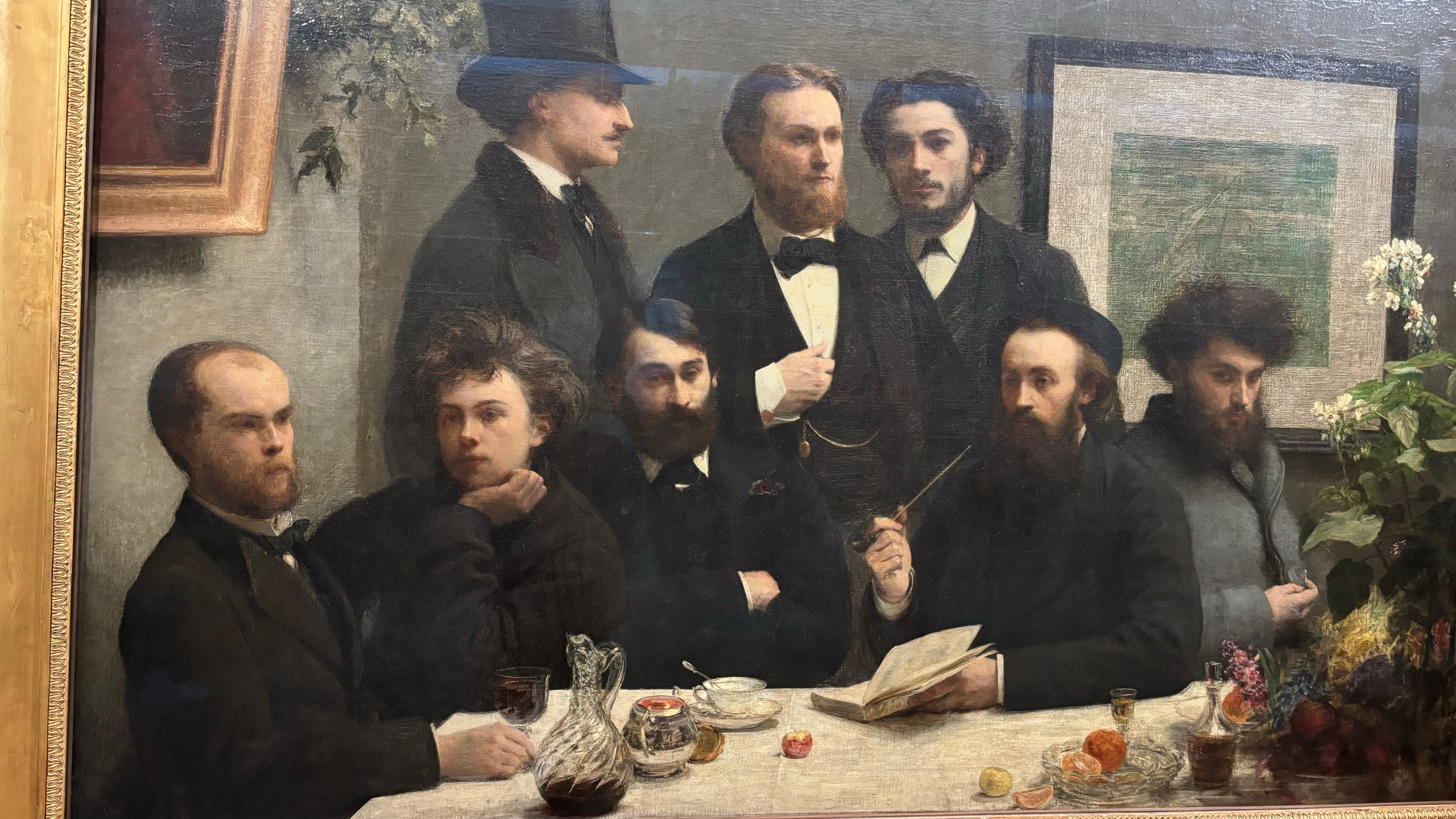



Camera: iPhone 15
Location: Musee d’Orsay, Paris, France
“Having a true friend is hard to come by and it’s important to get better at distinguish who is a ‘true’ or ‘real’ friend and who should deserve that kind of title in your mind.”
People tend to throw the word ‘friend’ around a lot especially when you may be desperate or wanting to have a new ‘friend’ come into your life. It is natural to want to build rapport with someone and to do so quickly. It is good to have someone want to spend time with you and get to know you are. When you are short on friends or when friends you know have moved on to a different town, city, or country, you want to work on replacing those lost or far away friendships that you used to have.
Especially as you get older, friends move away, get married, have children, and it can be hard to keep those friendships the same or keep them alive in a meaningful away. Having a true friend is hard to come by and it’s important to get better at distinguish who is a ‘true’ or ‘real’ friend and who should deserve that kind of title in your mind.
Unless the bonds you have are broken or ruptured due to any kind of factor, which does happen in life, you will still have your friends to pick up the connection again despite factor of distance or life circumstances. A friendship that has been established for years or decades doesn’t ever fully go away but you both must work to keep in touch to keep the flame alive into the future. Friendships do fade away, and you or the other person may not be getting what you need to keep it going. It can be sad to let go of a friendship especially when you invest the time, the emotions, and the money spent to keep it alive, but that is just part of life.
We have a tendency in American culture to form friendships at a dizzying pace or want to have someone as a friend quickly to ensure our own need for popularity or for social status. Other cultures tend to be slower in establishing those tight social connections or friendships, but once you do, you have a friend for life, or you have a true friend under a separate kind of category that should be reserved for a few friends and not for many connections or acquaintances.
Yes, we do throw around the word ‘friend’ a lot and too quickly. However, you should be wary of entrusting people who you consider ‘friends’ without feeling out how much that friendship entails. When I think of the meaning of a ‘true friend’, it is deeper than getting drinks every now and then or meeting up to play a sport or do an activity, it is someone who you can share both the good and the bad in your life and they can do the same with you. You don’t have to reveal your whole life story or be exhaustive about it, but a true friend is someone for whom you can be vulnerable with. A true friend won’t judge you for looking for their help, advice, or let you vent to them every now and then.
There are also several kind and thoughtful gestures a friend would do for you whereas an acquaintance or social connection would not. When you need to move and you’re free to lend a helping hand with the furniture, that is a true friend in action. If you need a ride to and from the airport and they don’t mind it even when it’s a little out of the way, that is a true friend. If you need a place to sleep or ‘crash’, and you would rather not splurge for a hotel room, a true friend will offer you their coach or a spare bedroom.
Now, there are two sides to any friendship so keep in mind that if they are willing to do that for you, you should try to do the same for them if the need arises. It is not being transactional but it’s remembering that any true friendship needs effort from both people, and it is good to look out for another especially in an increasingly isolated and technologically driven world. Our phone or our computer or our AI chat tool will never be a replacement for a true friend who is a real person, one whom you can share stories with, help each other with advice, and lend a hand to you when you are in need. Now, you can still drink, eat, play sports, or hang out with a ‘friend’, but if that friend isn’t someone who you can confide in, discuss life and its happenings, or be there for each other, it’s not a deep friendship or can be a bit shallow.
True friendships in my view take years or even decades to foster so while it’s good to try to make new friends, don’t neglect the older friendships you have that can be revived or don’t be too quick to trust someone without giving the friendship time to bloom and see if you both are compatible in the long-run. I would rather have five ‘true friends’ than a hundred or more ‘friends’ who don’t really know me, care about me, or for whom we are close enough to help each other out or just look out for each other.
Friendships are like relationships, though platonic in nature, they are just as important to foster in a healthy manner and that both people are contributing to it. You can start off just as acquaintances but if you’re putting in the time, trying on each side, and growing deeper as friends over the months and years, instead of staying in the shallow subjects, you really are building the ‘true friendships’ that survive time, distance, and other challenges.
Even if you’re married, or have children, or are busy at work, you also need friends and healthy friendships so keep trying to create them, build them, and be a good friend to others in your life. Remember to have quality friendships over the quantity of them as having a few friends for life is much better than have 100 friends who will drop you in a few months because you couldn’t keep up with their lifestyle or their demands or their ‘image.’ True friendship is missing someone when they’re gone and looking forward to the day when you can rekindle the friendship anew.
My first post regarding English and Spanish language poems together as I wanted to do a mixture of them in this edition of my poetry.
English Language Poems:
___________________________
2. Cravings
It’s only natural,
The burning desires,
Mind, body, and soul.
Scratching that itch,
Placating that urge.
Keep it in moderation;
Don’t let it destroy you.
Remember: you’re only human.
Desire is the flame that ignites us.
___________________________
3. A Mile Wide, An Inch Deep
Face down, eyes unaware,
Nosedive into fake consciousness.
Blank-faced, artificial realities.
Lost connections thrown asunder,
Stagnant friendships, hollow ties.
You’ve spread yourself too thin across reality;
Living life a mile wide, and an inch deep.
___________________________
Spanish Language Poems:
____________________________
2. Solo en mis sueños
¿Podría ser quien yo quiero ser?
Veo nuevas posibilidades,
Nuevas formas de vivir.
¿Podría hacer ese sueño realidad?
Soy un aspirante en mis sueños.
No hay nada que no pueda hacer,
Solo en mis sueños podría ser realmente libre.
My first voyage to Bordeaux, France, a key stop on any wine lover’s journey through the southwestern region of the country. A beautiful and vibrant city with amazing food and wine (of course).





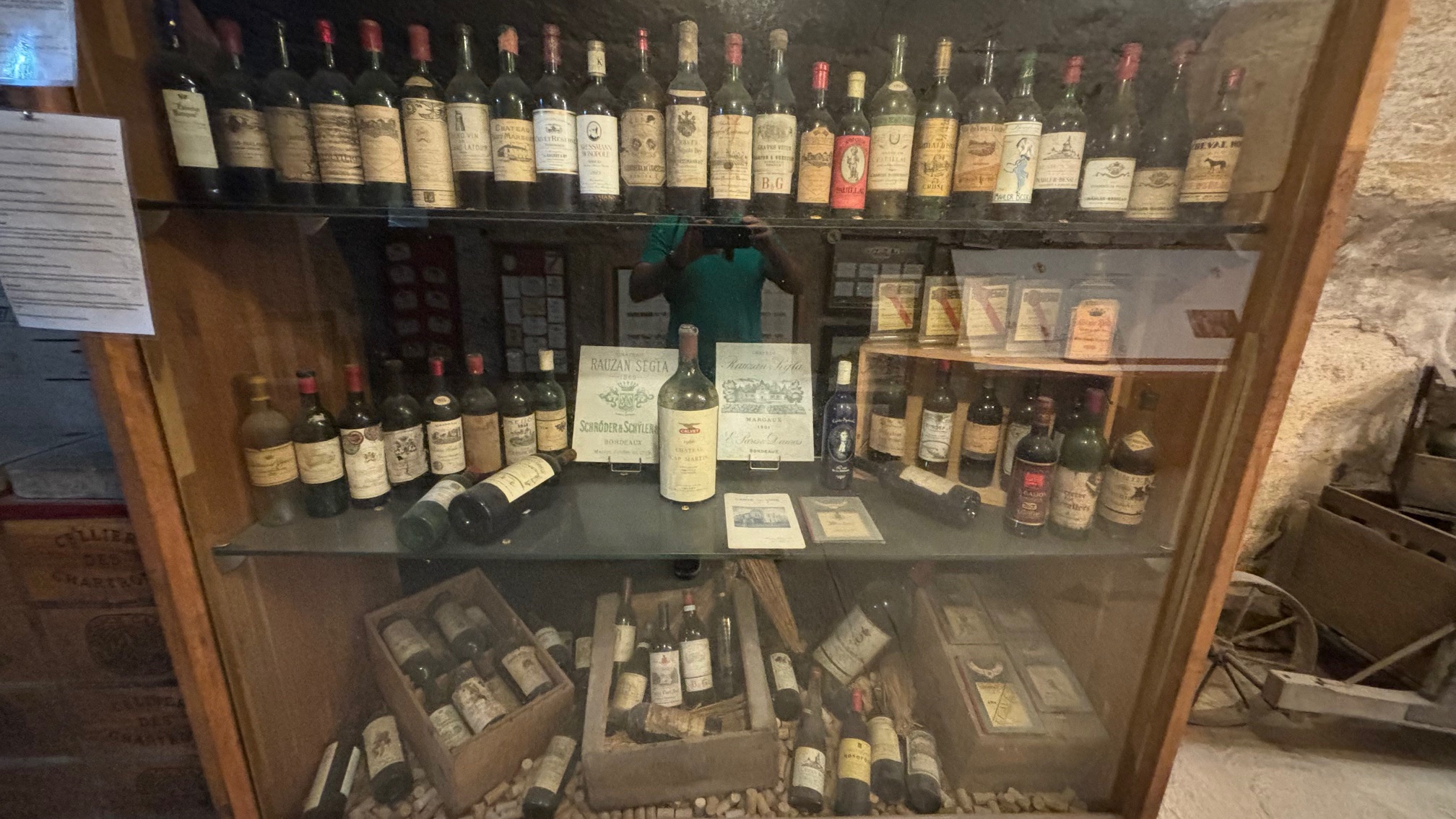








Camera: iPhone 15
Location: Up In The Air; Bordeaux, France
“As much as it is important to socialize and be around friends, it can also be good to be alone, focus on yourself, and enjoy a little solitude.”
Sometimes, it’s good to recharge your batteries alone. We all need real social connection and friendship, that is for certain, but there is nothing wrong with seeking out solitude to enjoy your alone time. Everybody has a different tolerance for how much time alone they can handle before they seek out a social event, gathering, or activity to dust off the cobwebs and not let one’s social skills atrophy. As much as it is important to socialize and be around friends, it can also be good to be alone, focus on yourself, and enjoy a little solitude.
Solitude often has a negative connotation, and it is often associated with having it imposed on you or having it done without consent such as the similar phrasing of ‘solitary confinement.’ That kind of solitude is denigrating to one’s spirit and causes one to mentally break over time. Just like endless solitude is harmful to one’s health, I also think that is true for the opposite side of the spectrum when you are constantly surrounded by other people, some of them mere acquaintances or coworkers for which you are forced to be around and whose company you do not enjoy. There are many forms of loneliness, and it is true that you can be as lonely by yourself as you can in a room full of people who don’t care for you, or you don’t care for them.
If you are around people who constantly want something from you or need something from you, that can be as draining as it is to have no one to talk to or to share life with. Just as a balance of having some social activity is good for you, it is as important to be on your own sometimes and enjoy one’s own company. There have been times in my own life where I have sought to be on my own deliberately, not because I didn’t enjoy being around others, but that I needed the time alone to meditate, to think, to reflect, to problem solve, and to more fully observe the world around me. In extroverted cultures including in the United States, this kind of activity can be thought of as strange or unusual, but I find that my best ideas or my most relaxing moments can be on my own and even when doing nothing but just the art of being present in the world.
We constantly are having our attention pulled to the next meeting, the next call, the next trip, the next gathering that we can forget to take the time to be on our own in whatever form that may take. Solitary kind of activities have gone out of style lately for some people whether that is reading, writing, walking, meditating, or just doing nothing (looking at your phone doesn’t count here). While these things can be done in concert with other people around, these activities are best done alone in my view and help me to recharge so I can be more present and engaged when seeing friends or family members.
You shouldn’t wait on other people to live your life too even if it’s by yourself. If you must be alone for a little while on a trip, at a concert, in the library, and generally out in public by yourself, it is not the end of the world. No one is judging you for doing life solo sometimes and it can be healthy to do so. Rather than giving too many people too little of your attention or having it split too often, why not focus all of your attention on something singular such as the footsteps you take on a walk, the thoughts in your head as you absorb a good book, and the clacking of a keyboard as you work on your novel.
Being alone all the time is not healthy, I want to make that clear, but it’s also not healthy either to be surrounded by people all the time. Part of being a healthy adult is working to have a little solitude, a little social life, and mix it all together to rewarding yet refreshing lifestyle. By being on your own sometimes, you’ll be more reflective, more observant, more self-aware, and treasure those social moments more when you’re more present, more engaged, and happier to have that social muscle stimulated.
I’ve always been an advocate for a moderate and balanced life and that is why solitude should not always be shunned for someone to progress as a person. Our deepest thoughts, our brightest ideas, our healthiest habits aren’t always cultivated around other people, which is why it is important to use one’s solitude to see if you can think deeper, live better, and build more because your attention is focused inwards rather than outwards. Find out what your tolerance for solitude is and then see what it can give you when you’re alone, because you would be surprised how relaxing and necessary it can be, especially when you put that solitary time to good use.
“We all should be striving to succeed but if you find yourself cheering for a success story that could have been avoided in the first place had there been a stable safety net and to have prevented the problem from arising in the first place, that is where more of our attention should be focused on as people.”
Look, I love a feel-good story as much as the next guy. I like it when someone can pull themselves out of poverty or difficult circumstances to achieve wild success for themselves and their next of kin. This is the kind of positive story that is often reported on in American media and popular culture. We love the story of the underdog rising above challenges to achieve something great. It seems to be practically embedded in our national DNA. However, the Achilles heel that we often refuse to acknowledge or focus on as a nation is how dysfunctional it can be to rise above a broken or fractured safety net to escape poverty, homelessness, or even medical debt. We all should be striving to succeed but if you find yourself cheering for a success story that could have been avoided in the first place had there been a stable safety net and to have prevented the problem from arising in the first place, that is where more of our attention should be focused on as people.
I bring this issue up as this has been the kind of a ‘feel-good yet kind of messed up’ story that garners sympathy and appreciation from the average person throughout my life. For example, I was watching a nationally televised baseball game recently as I like to do sometimes and heard the television commentators for this game focus on the rags-to-riches story of one of the players on the field who has become wildly successful after going through tough times that involved both him and his family.
The baseball player in question had a newborn son arrive around the time of the COVID pandemic’s outbreak, who suffered from a series of seizures, which required a lengthy hospital stay and weekly checkups from the doctors there. The player himself could not play baseball due to cancellation of the MLB season at the time in 2020 and lost his health insurance at the same time his newborn son’s seizures started occurring. Because health insurance is tied to employment in America, the baseball player lost his health insurance at the worst possible time. They did not have enough money left over for housing after paying out of pocket costs for the medical care for their son. As a result, the baseball player and his family were rendered homeless for a while, living out of their family car in a Wal-Mart parking lot at one point in central Florida.
Luckily, even in this case of the dysfunctional health care system failing both this player and his family, having been left in the dust for a while, professional baseball, being the national pastime resumed a few months later in 2020, the baseball player regained his medical insurance and was able to pay off the medical debt due to his success in Major League Baseball over the past few years. I admire this player and his family’s resilience in the face of adversity and am glad his son is doing well now. The player is now a naturalized U.S. citizen also and visits children’s hospitals in the area where he plays to support families going through similar ordeals.
While this story in America had a happy ending after much sadness and anxiety for the family in question, I can’t help but think of the TV commentators’ from this baseball game’s lack of awareness about the societal dysfunction that leads to a whole family living out of their car in a Wal-Mart in central Florida with no safety net to speak of because one of them lost their job, through absolutely no fault of their own, which was tied to their health insurance coverage. It bothered me a great deal personally to not hear from the TV commentary to not mention at all the lack of universal health care in this country or the fact that you can incur thousands of dollars or more of medical debt so a son or daughter can get the treatments or surgeries needed to overcome seizures or other major medical issues.
While this story had a happy ending due to the player’s evolving skillset and MLB’s massive popularity, there are millions of Americans suffering out there currently due to a lack of a durable safety net to fill in the gaps in health and education. Come back stories to break through adversity are great and make for nice commentary but not everyone has had such luck and success navigating the American health care system.
Whether it’s GoFundMe or another online platform, many families have to rely on the kindness of strangers to help them pay down massive medical, educational, or other debt, which is never an enviable position to be in. We should not have to rely on complete strangers to fund necessary medical procedures or to get life-saving medications paid for in the United States. No one should have to forgo their home or apartment to go homeless to pay for medical bills either and be forced to live with their family in a car or on the street. I’m all for people striving to make the best of their abilities in their chosen profession but layoffs, firings, or other unfortunate events can happen leaving us jobless and without health insurance directly as a result.
I’m not going to discuss which kind of system to have regarding how insurance or how higher education can run in America but I do know that you shouldn’t have to rely on having a job at all times to get affordable health care and if you don’t have insurance when a procedure is needed, you should never go bankrupt trying to pay off your medical bills. We can argue forever about the size, scope, and scale of how a universal health care system can support the country while everybody pays their fair share into its functionality, but we should never reach the point where a platform like GoFundMe is needed to fill in the gap when it comes to someone’s health care coverage. The point of this article is not to discuss how such a new system would work or how it can be implemented but rather to address how this current dysfunctional system (or lack thereof) has been allowed to fester and continue without any solutions or improvements recently.
Lastly, feel-good stories are a good way for average people to relate to one another regardless of if you’re a professional baseball player or a janitor, but we should be taking the right lessons from these stories. We should be applauding the person and family’s resilience and their success in navigating the massive challenge, but we should also question on how we could let such dysfunction run a key part of our society or how we can allow this system to continue given that it bankrupts average people because they lost their job through no fault of their own.
Sometimes, in life, you must ask hard questions and those can include how we fix societal dysfunction and how we can be part of the solution in our own way as citizens. Asking these kinds of questions, holding our political leaders accountable, and focusing on the ‘why it happened?’ rather than the ‘how it happened?’ will help to cause some real change to happen and for these stories to become rarities in American society rather than sadly, all too common place, that we hear almost every day here.
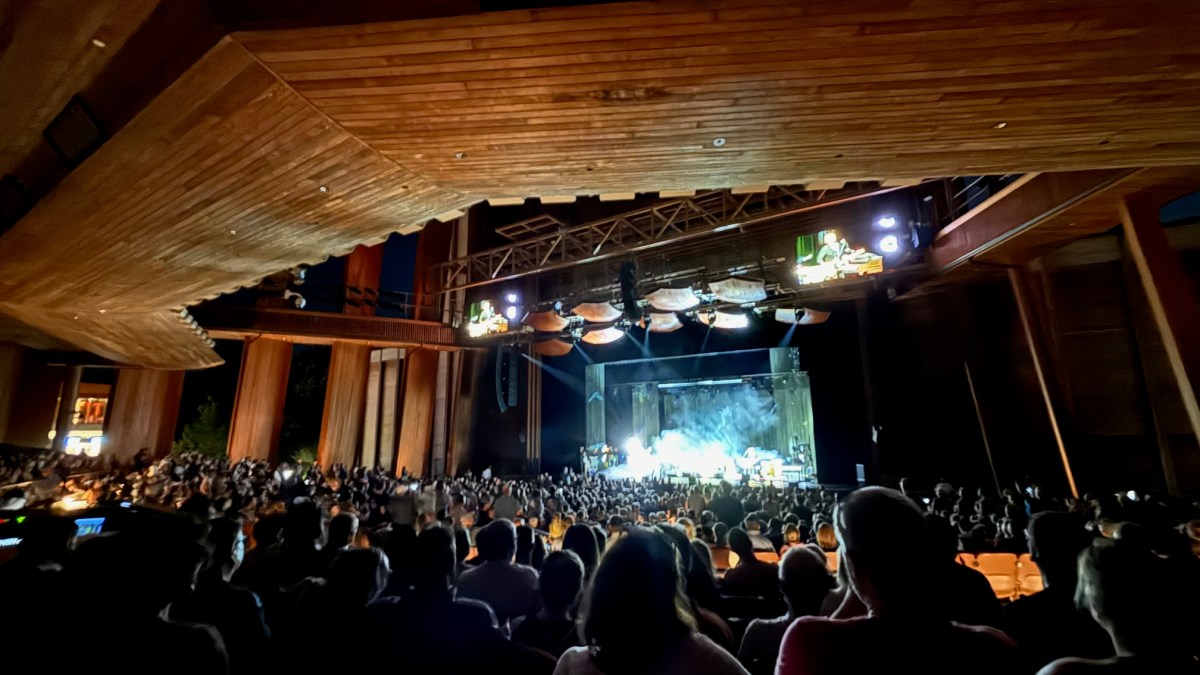
Enjoying the recently renovated Wolf Trap amphitheater and live music venue for the band Wilco in June of 2024 in Vienna, Virginia.

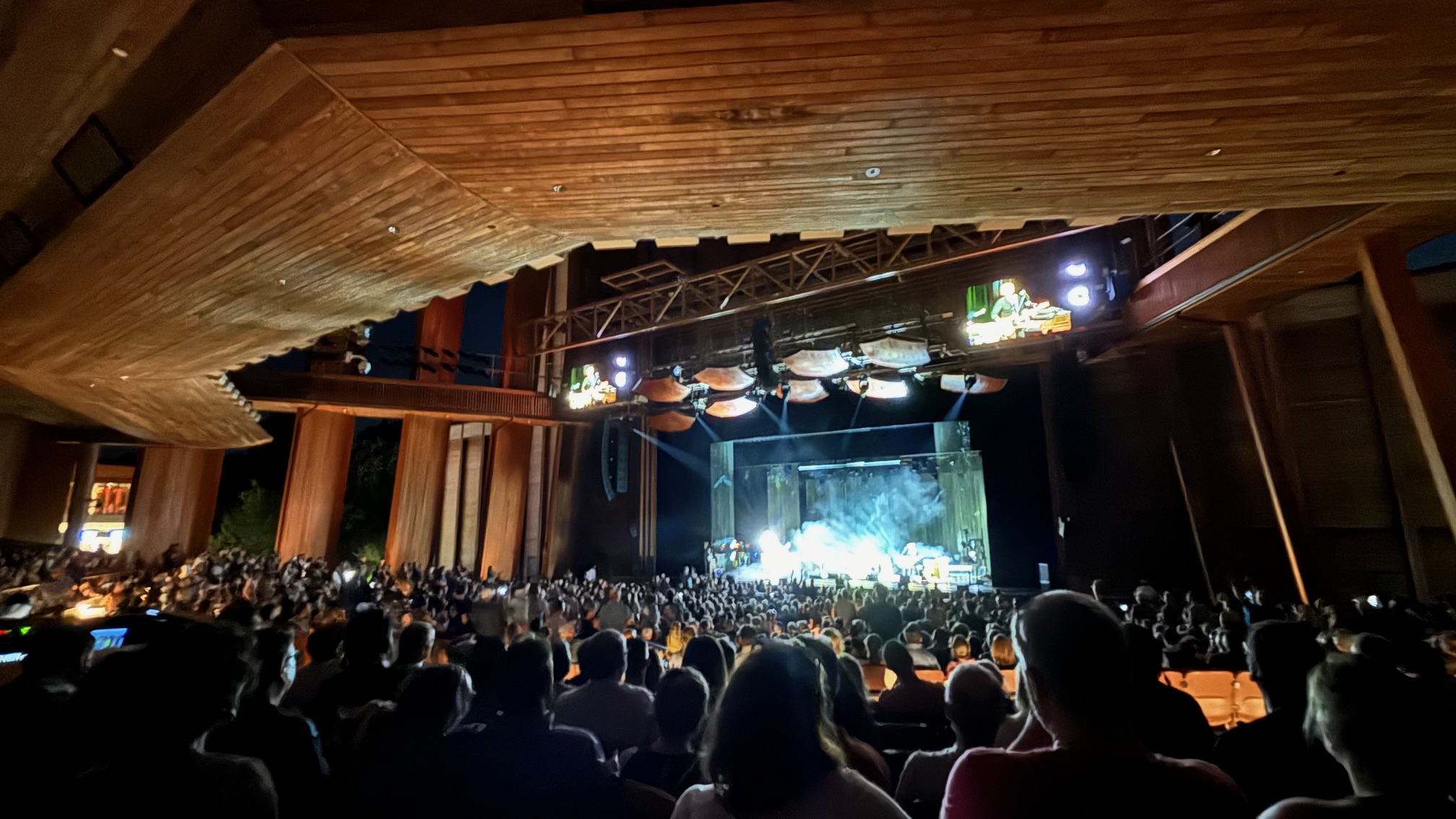

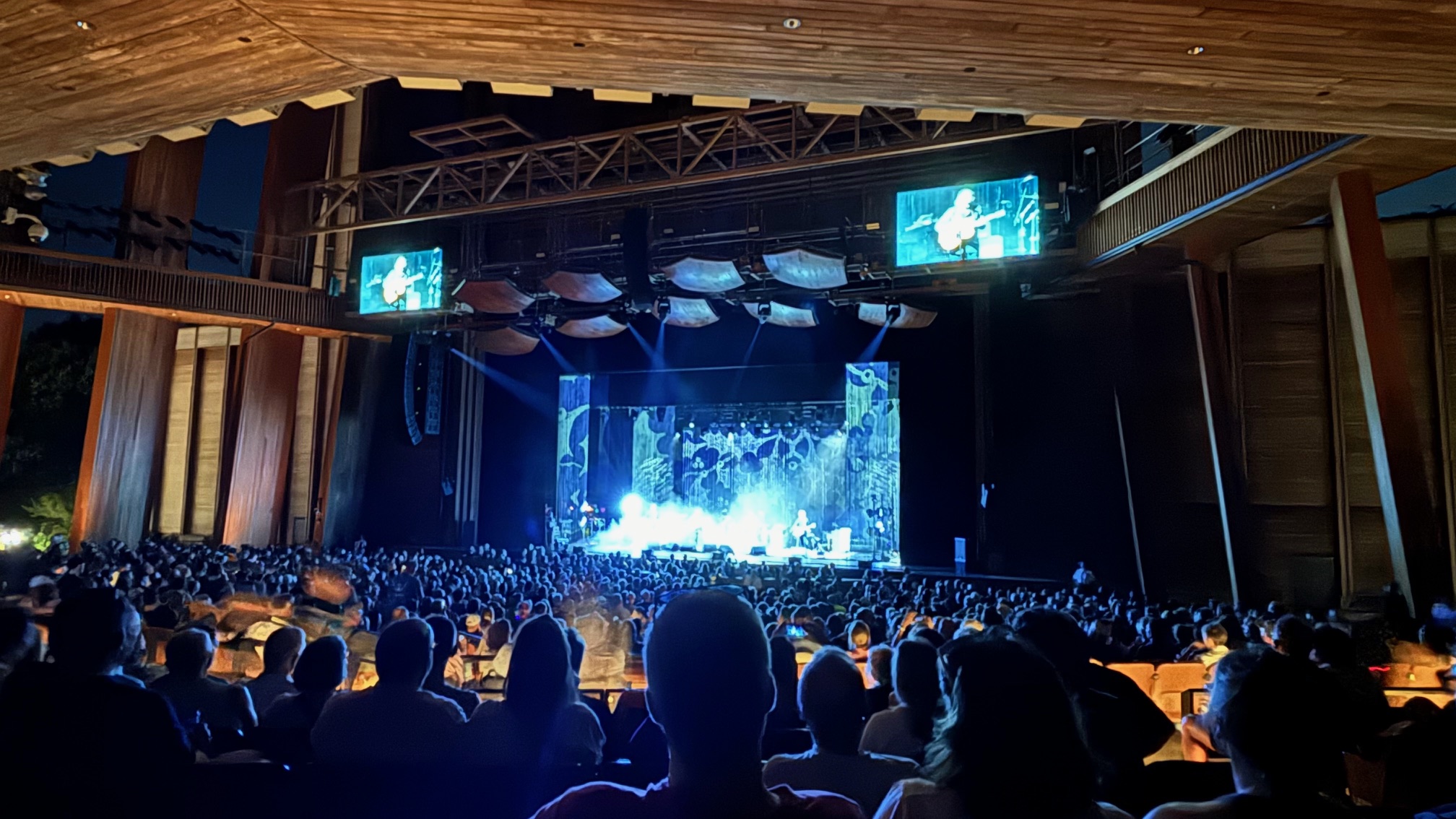


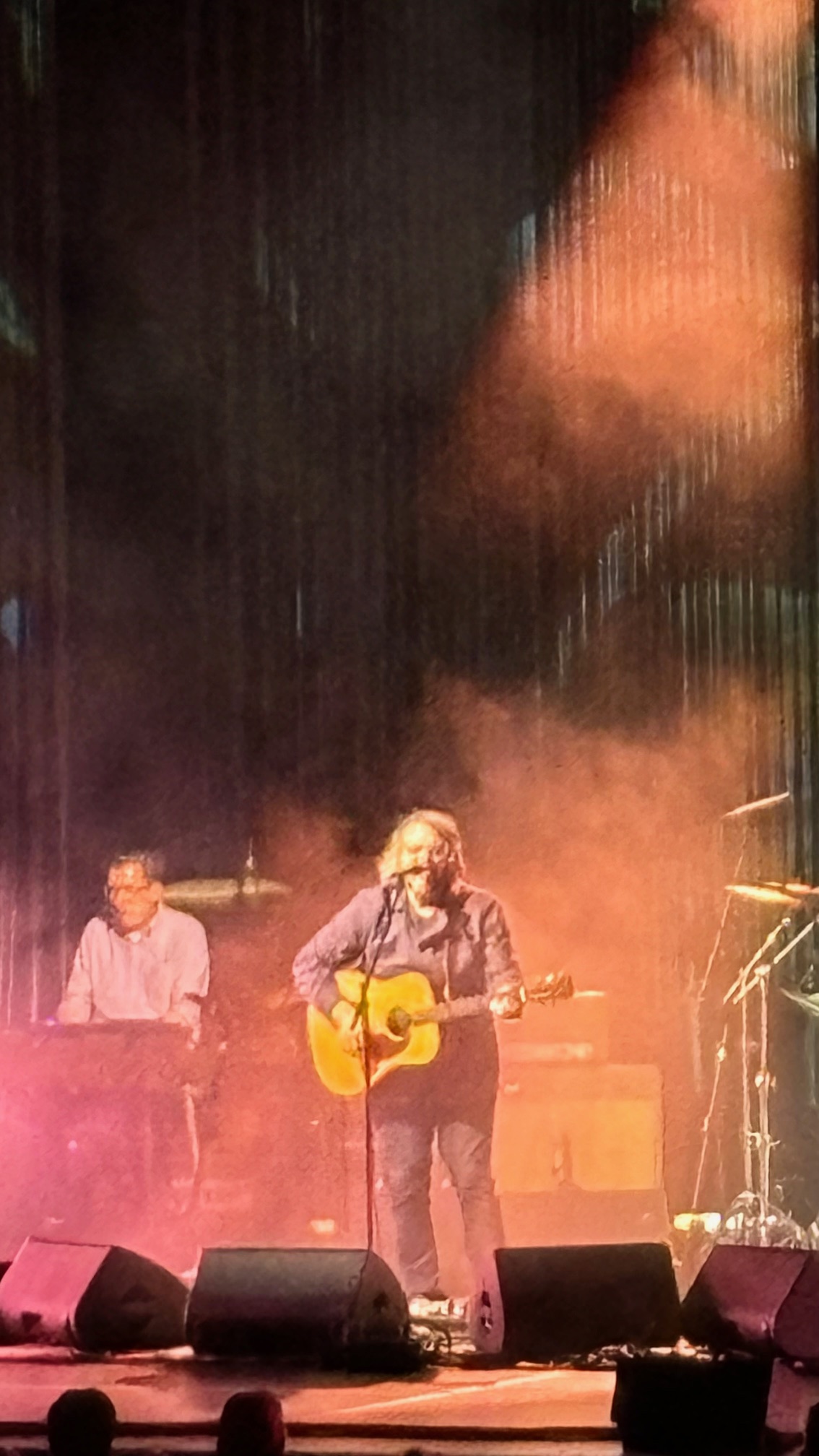




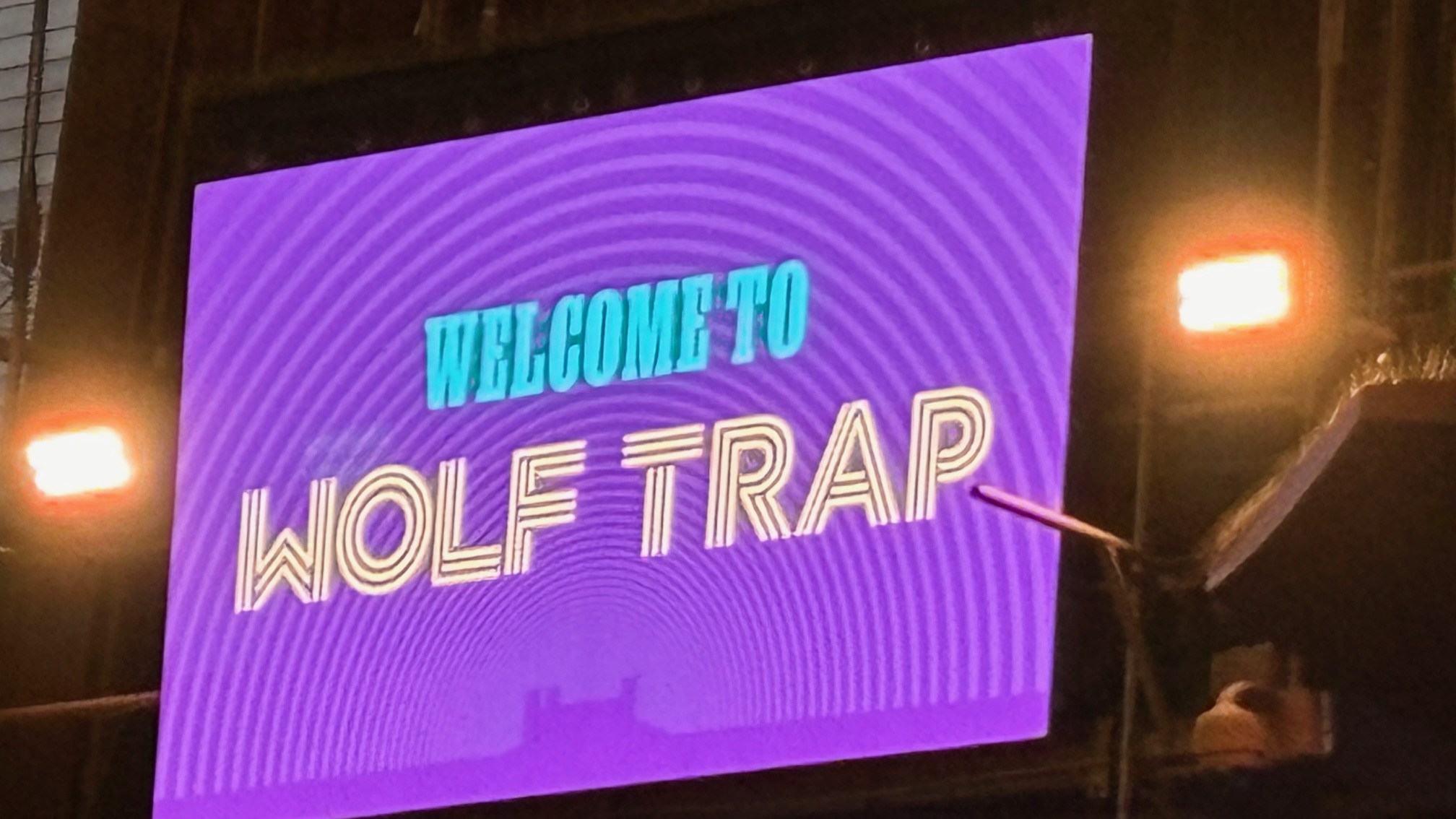









Camera: iPhone 15
Location: Wolf Trap National Park for the Performing Arts; Vienna, Virginia
“As someone who’s taught English across continents, from the bustling streets of Istanbul to the colorful hills of Medellín, I’ve seen the magic that happens when a student first cracks the code of an idiomatic expression. It’s like unlocking a secret level in the video game of language.”
Have you ever been in a conversation where someone said, “It’s a piece of cake,” and you started looking around for the dessert? Welcome to the weird and wonderful world of English idioms. As someone who’s taught English across continents, from the bustling streets of Istanbul to the colorful hills of Medellín, I’ve seen the magic that happens when a student first cracks the code of an idiomatic expression. It’s like unlocking a secret level in the video game of language. Idioms aren’t just expressions; they’re passports into culture, connection, and real-world communication.
Whether you’re watching Netflix, reading a Hemingway novel, or trying to impress your coworkers at happy hour, idioms are everywhere whether it’s talking about the weather or discussing a prospective business deal. If you’re serious about mastering English, learning them is not optional, it’s essential to furthering both your cultural awareness and vocabulary knowledge.
Let’s be realistic in that textbook English is safe, repetitive, and sometimes boring. Idioms are where the real flavor of the English language is. Idioms add personality and depth to your speech and syntax, letting you say something simple in a far more colorful way.
Instead of saying to someone, “I’m very tired,” a native speaker might say, “I’m beat.” Or, instead of “She’s very rich,” you might hear from someone, “She’s rolling in dough.” These idioms are more than shortcuts as they’re personality-packed expressions that help you sound natural and fluent in English.
Let’s look at a quick dialogue example to show you what I mean:
Tourist: “How hard is the hike up that volcano?”
Local: “Oh, it’s a breeze. You’ll be at the top of the summit before lunch.”
“A breeze” means something easy and it’s the same idea as “a piece of cake,” “a walk in the park,” or “no sweat.” By learning just one idiom, you open the door to several ways of expressing yourself naturally with other similar idioms.
Want to take it up a notch of difficulty? Idioms are also key for business English usage:
Whether you’re in a job interview or at a dinner party, idioms level up your vocabulary game.
Idioms aren’t random in terms of their use as they’re rooted in the culture, humor, and history of the English-speaking countries. Understanding where an idiom comes from gives you a peek into how English speakers think and communicate with one another.
Take “bite the bullet” as an example. This expression comes from the 1800s when soldiers, lacking anesthesia, were given a bullet to bite during surgery to cope with pain after suffering a serious ailment. It now means to do something unpleasant or difficult that you’ve been avoiding.
Another example, “let the cat out of the bag”, this one comes from old market scams where sellers would replace a little piglet with a cat in a sack. If the cat escaped, the secret was out.
These origin stories make idioms more memorable and teach you about local values like courage, humor, or sarcasm. They help you “read between the lines” and understand what’s really being said to you in English.
Textbooks will teach you how to say, “I’m very happy today.” But if you walk into a room and shout, “I’m on cloud nine!” or “I’m over the moon!”, people won’t just understand you, they’ll feel your emotion.
Here’s a little chart to show the difference between literal and idiomatic English:
| Situation | Literal English | Idiomatic English |
| Tired | “I’m very tired.” | “I’m running on fumes.” |
| Congratulate | “Good job!” | “You nailed it!” |
| Cancel plans | “Let’s stop now.” | “Let’s call it a day.” |
| Sick | “I don’t feel well.” | “I’m under the weather.” |
This is what fluency in English looks like: not just knowing what words mean but knowing how people use them too.
Idioms are also key to using humor and sarcasm, both of which are staples of English language communication. If someone tells you a ridiculous story and you respond with, “Yeah, when pigs fly,” you’ve just used a classic English idiom to say, “That’ll never happen.”
Idioms can feel overwhelming to the average English learner for multiple reasons. For one, there are thousands of them, and more are created each year. In this case, how do you learn without “losing your marbles”?
Here are some tried-and-true strategies for the English student to prevent themselves from being overwhelmed:
Learning idioms might feel like a “wild goose chase” at first. Here’s the truth though: they’re what separate the textbook English speaker from the fluent English speaker. They’re what make conversations natural, emails smoother, and jokes funnier. Moreover, idioms help you express both your emotions and personality. Instead of just saying, “I disagree,” you might say, “That doesn’t hold water.” Instead of saying “I’m nervous,” you can say, “I’ve got butterflies in my stomach.”
It’s not about sounding smart to the other person in the conversation, it’s about sounding real to them. Next time someone tells you to “hold your horses,” smile and relax a little. You’re no longer on the outside looking in with regards to not knowing what they mean or expecting yourself to hold a heavy animal. You’re now part of the conversation, the culture, and the rhythm of English. Keep learning, keep studying, keep laughing, and above all, keep speaking English idioms, one idiom at a time.