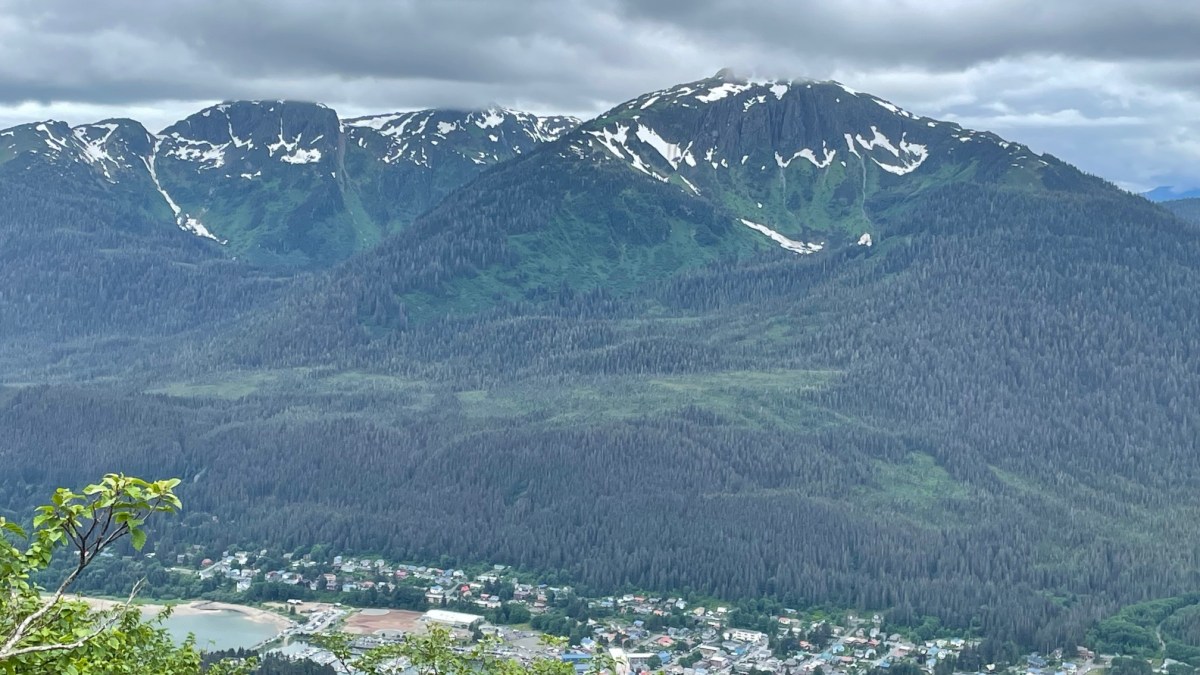
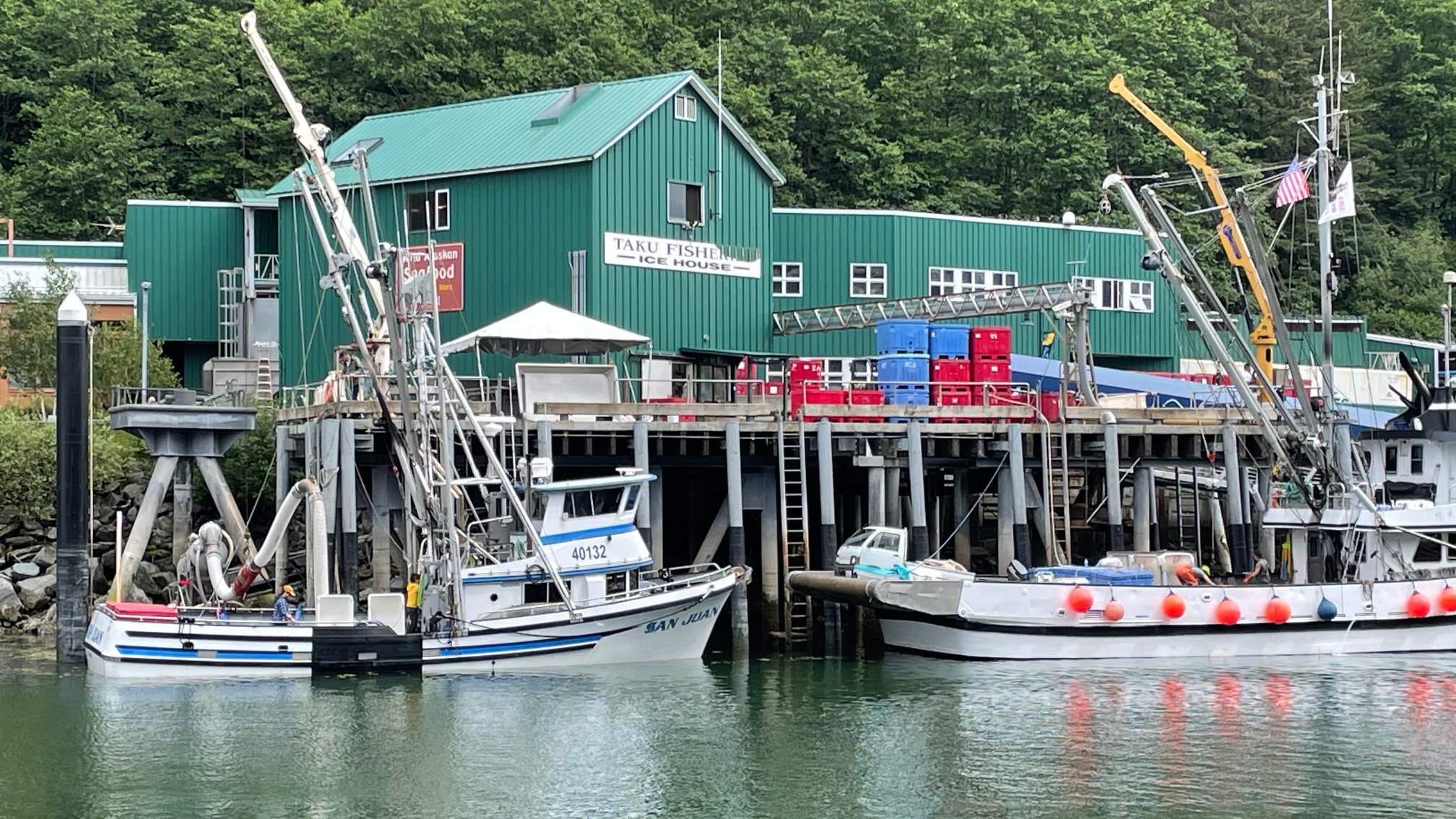
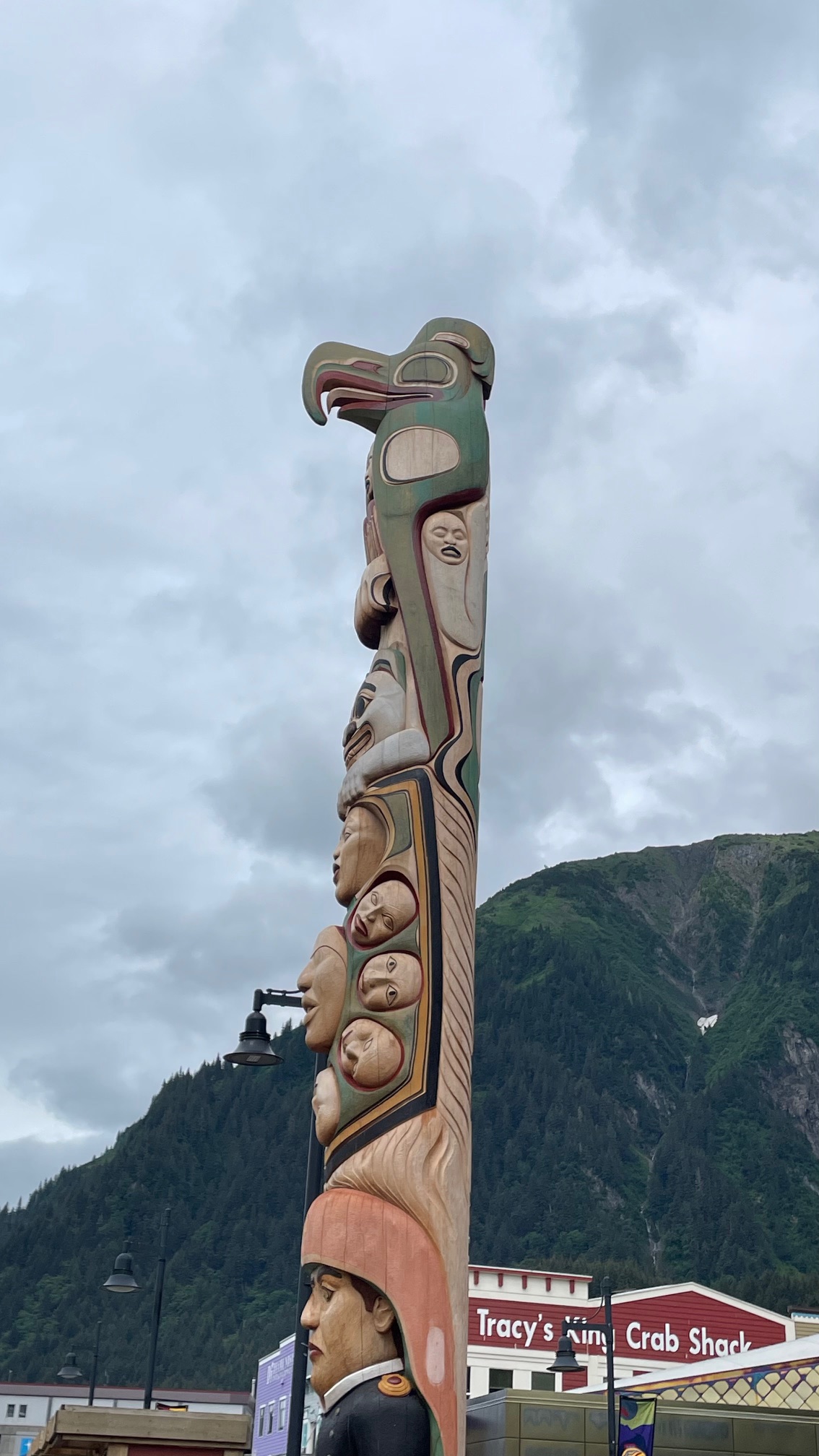
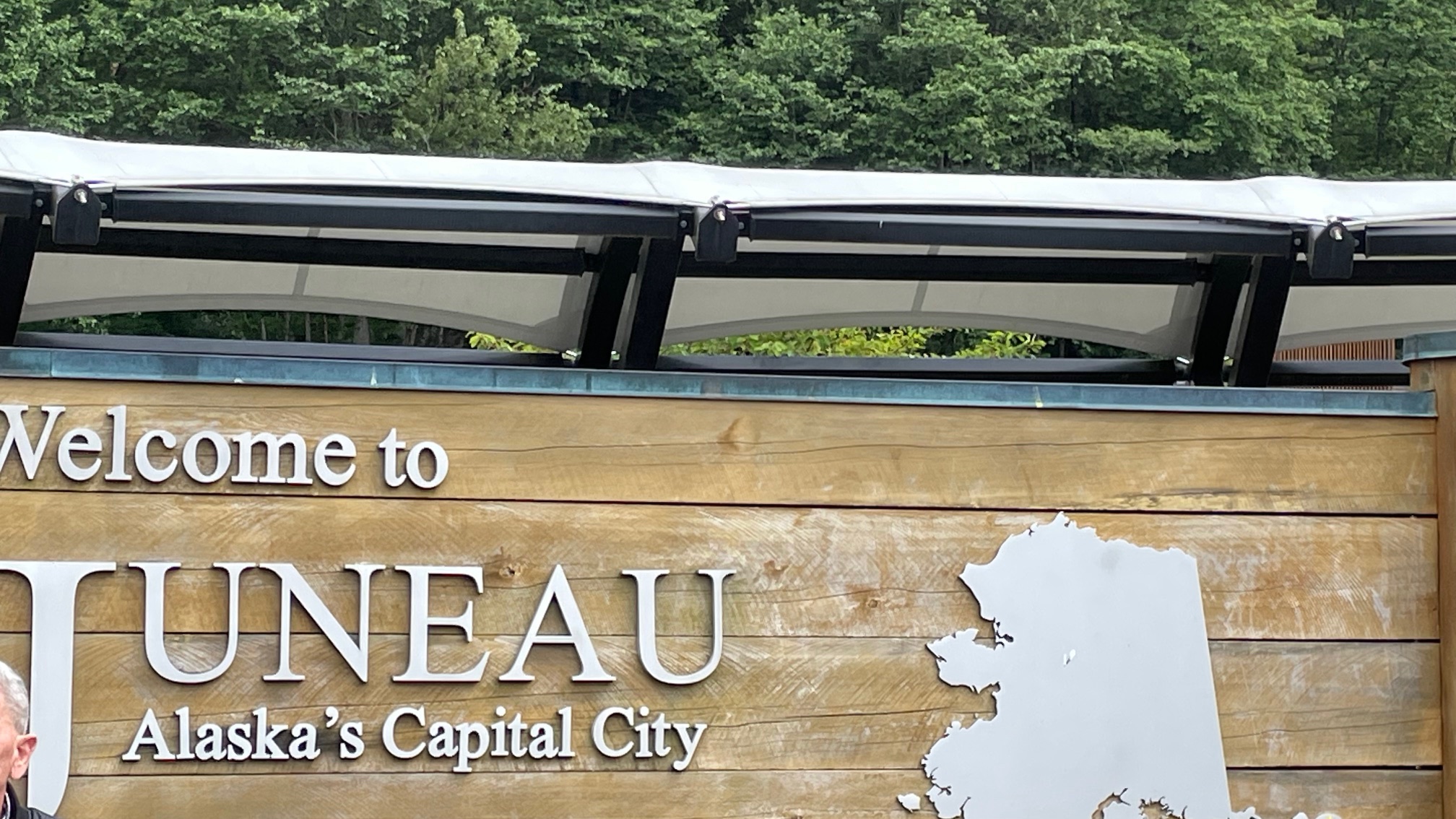
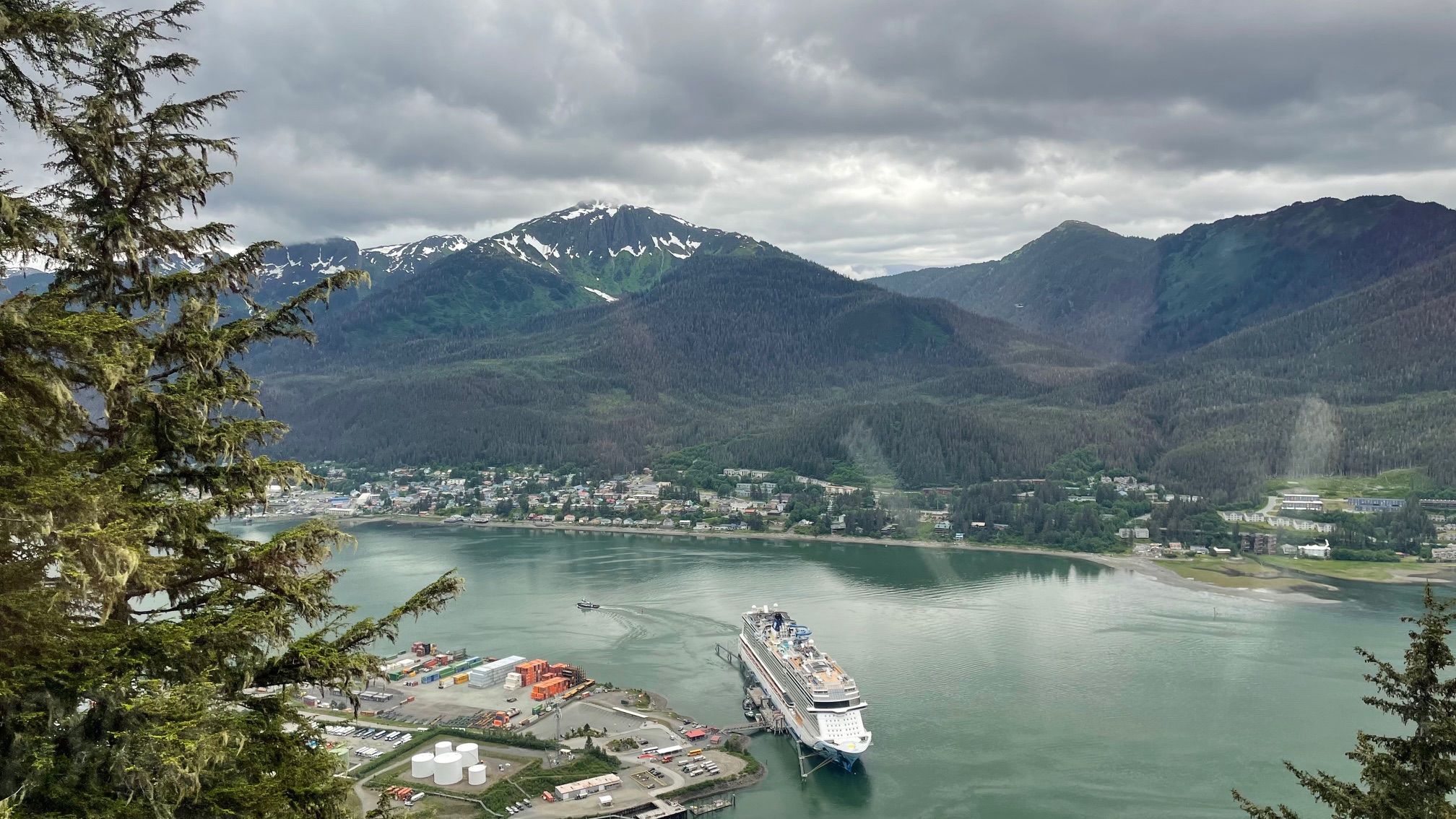
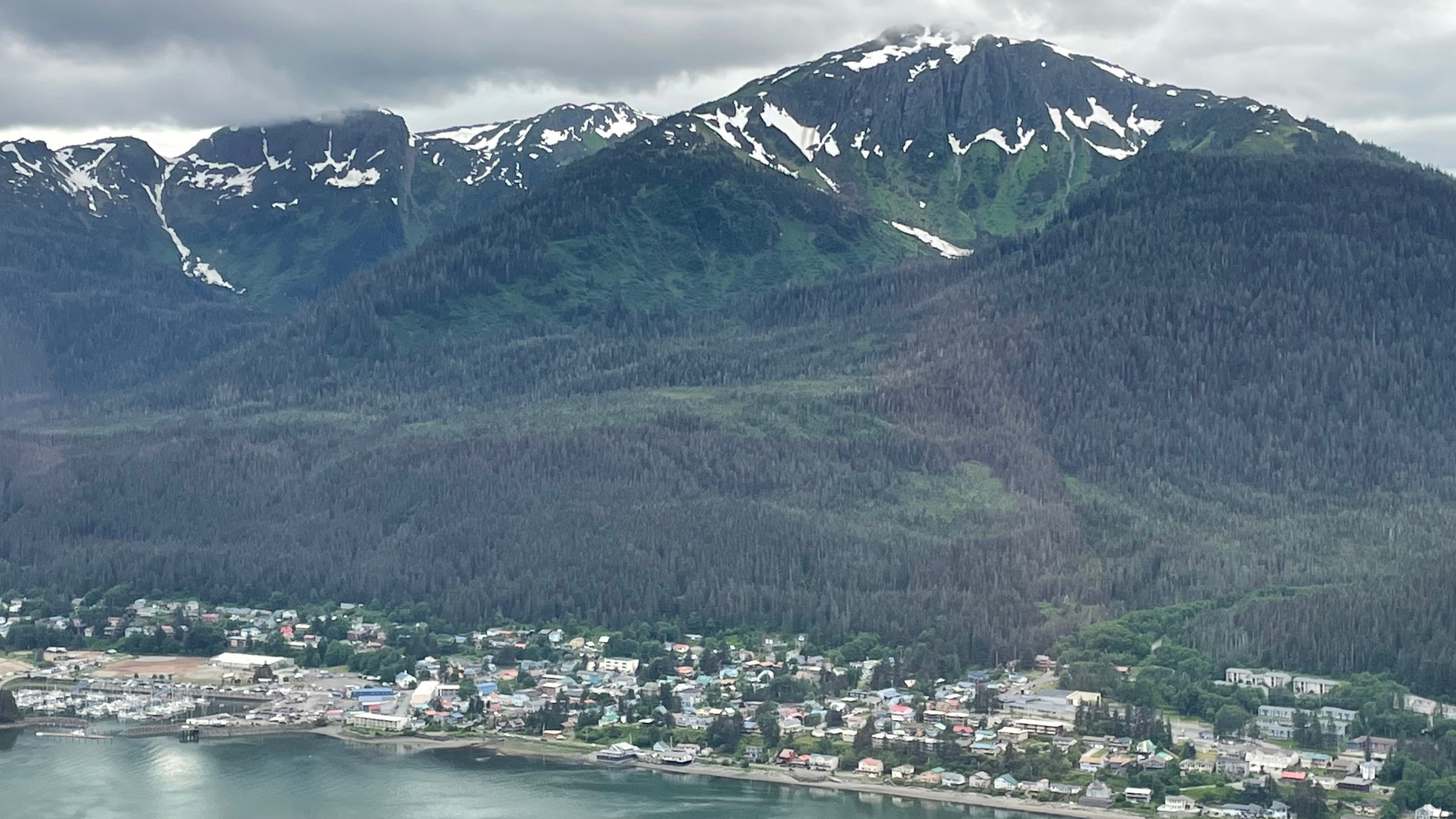
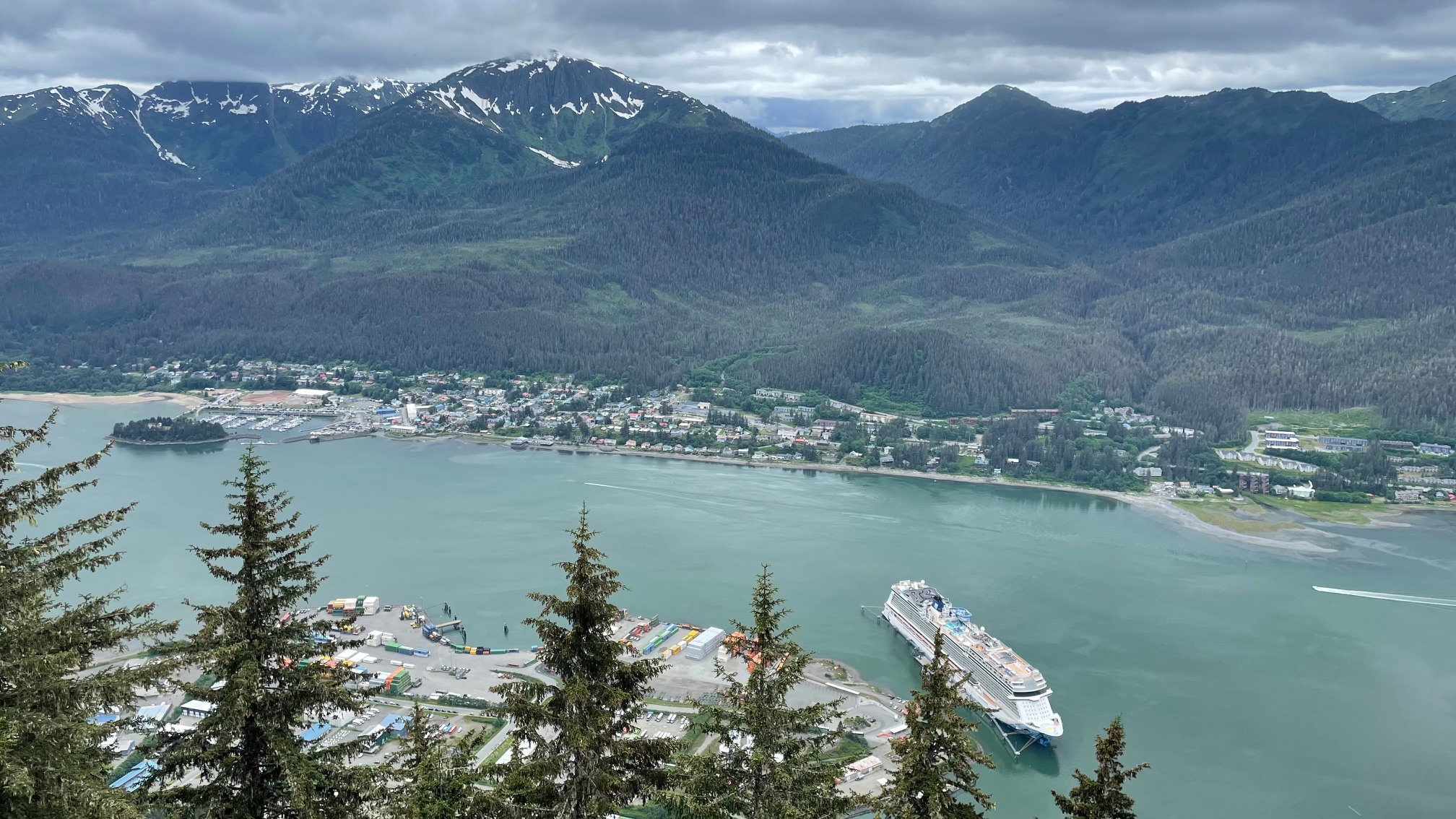
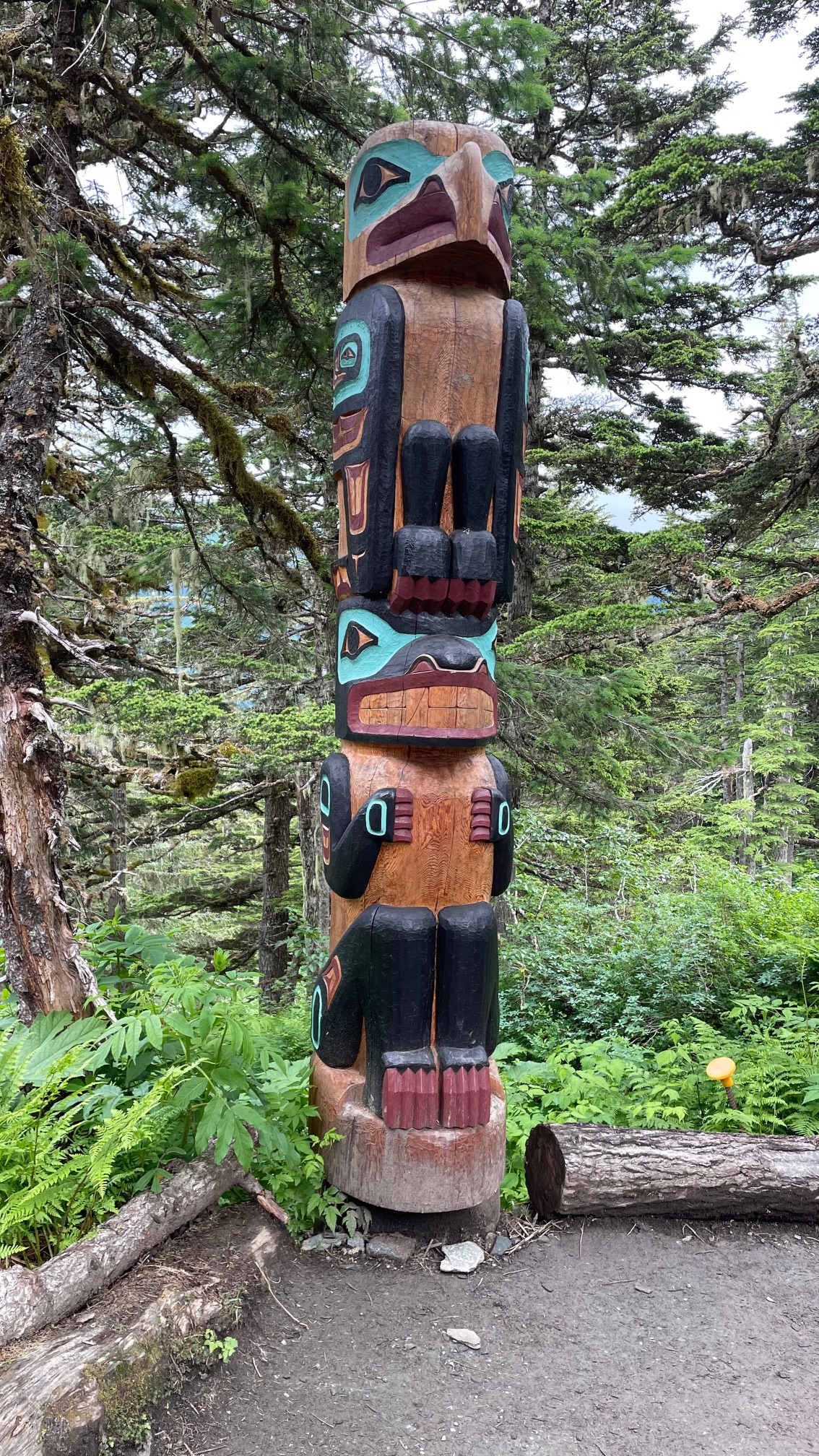
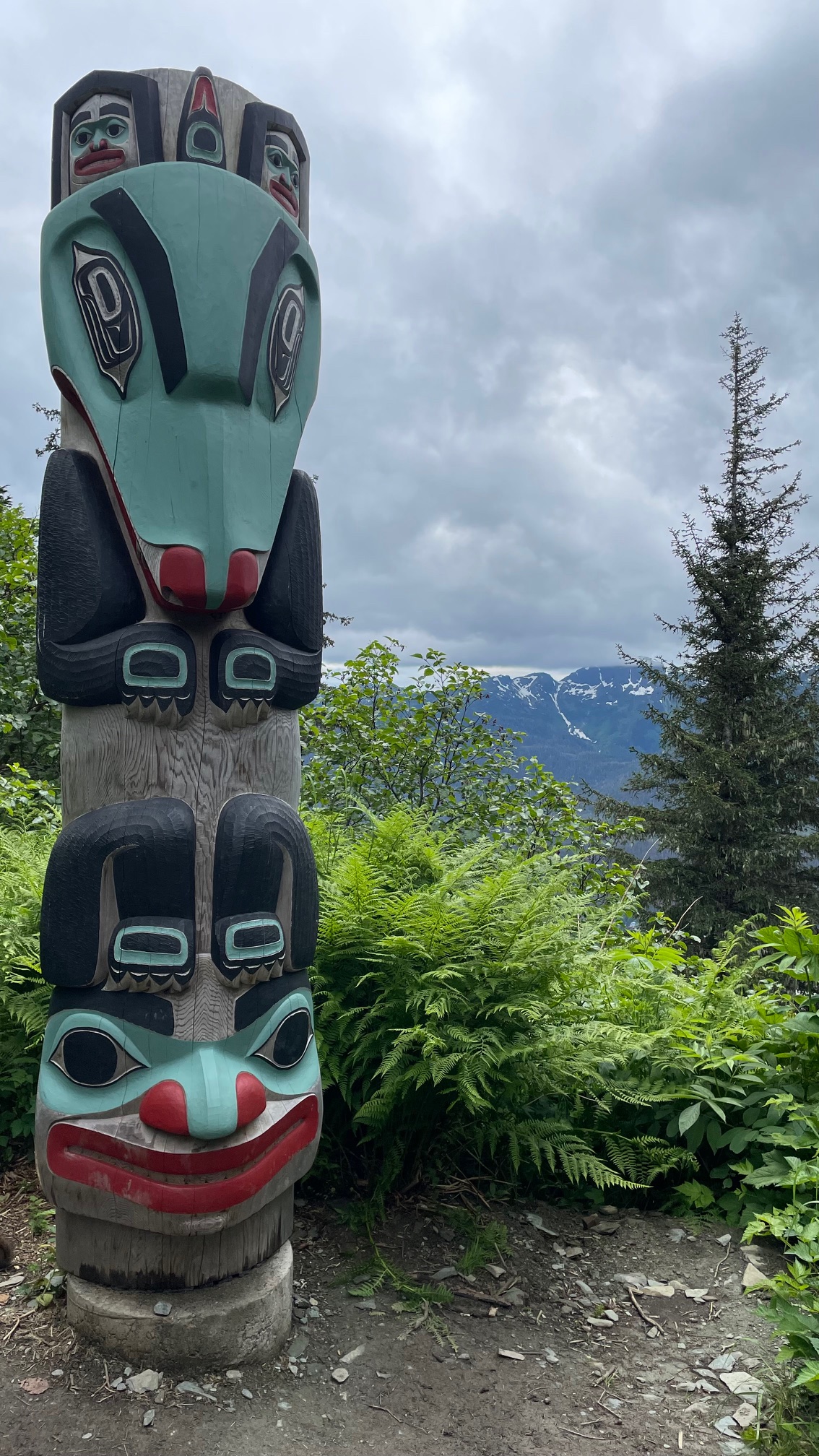
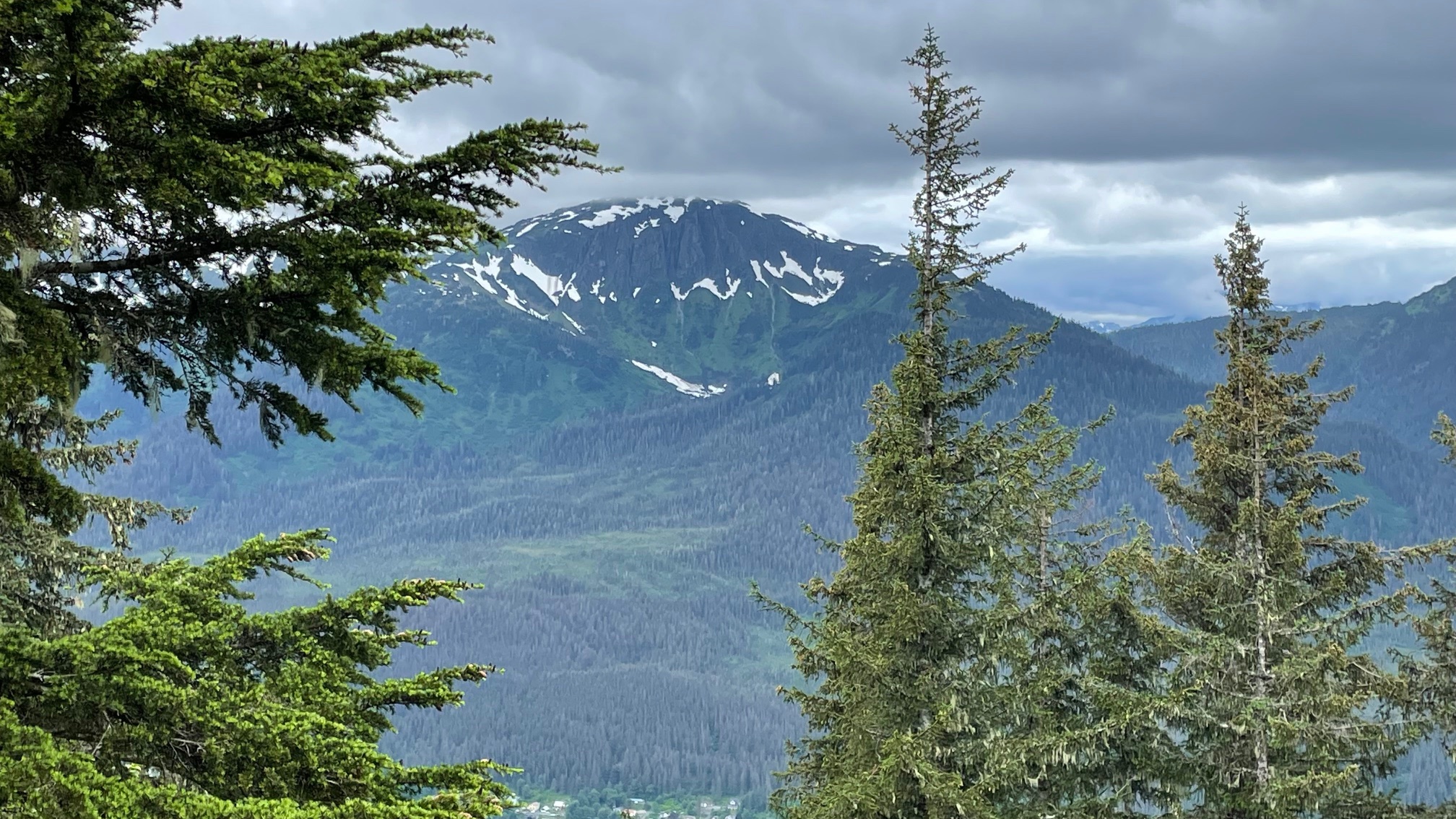
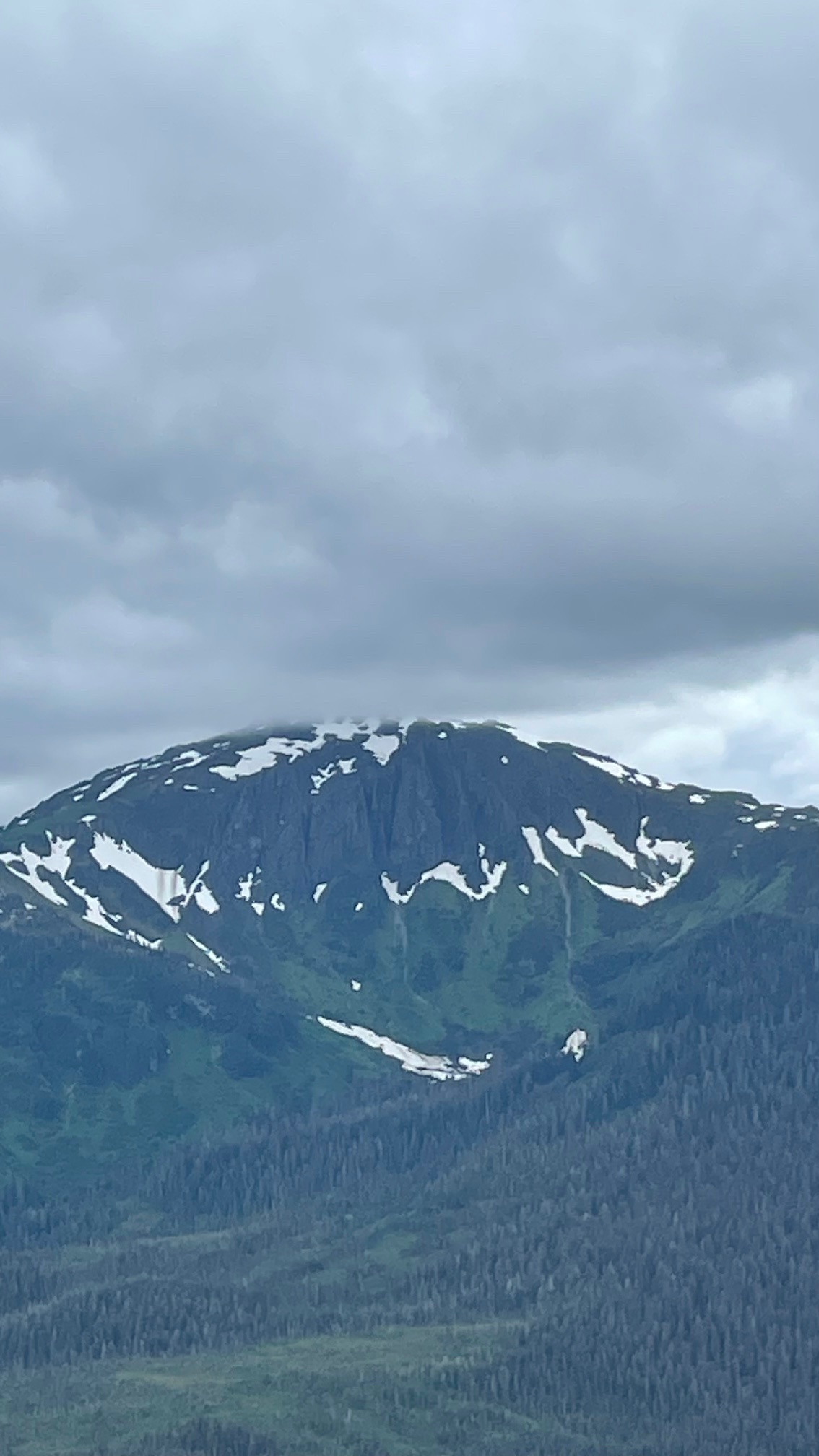
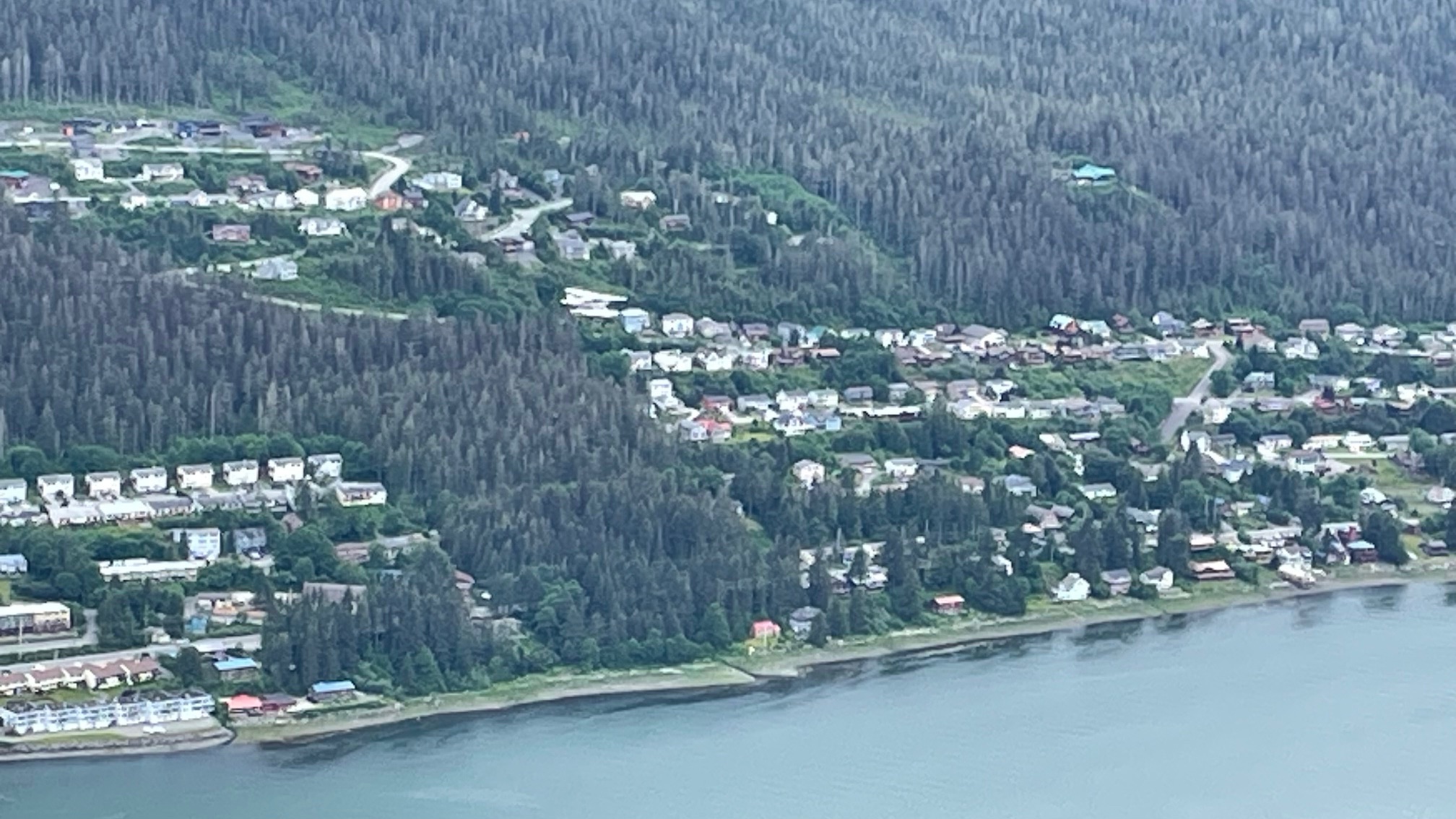
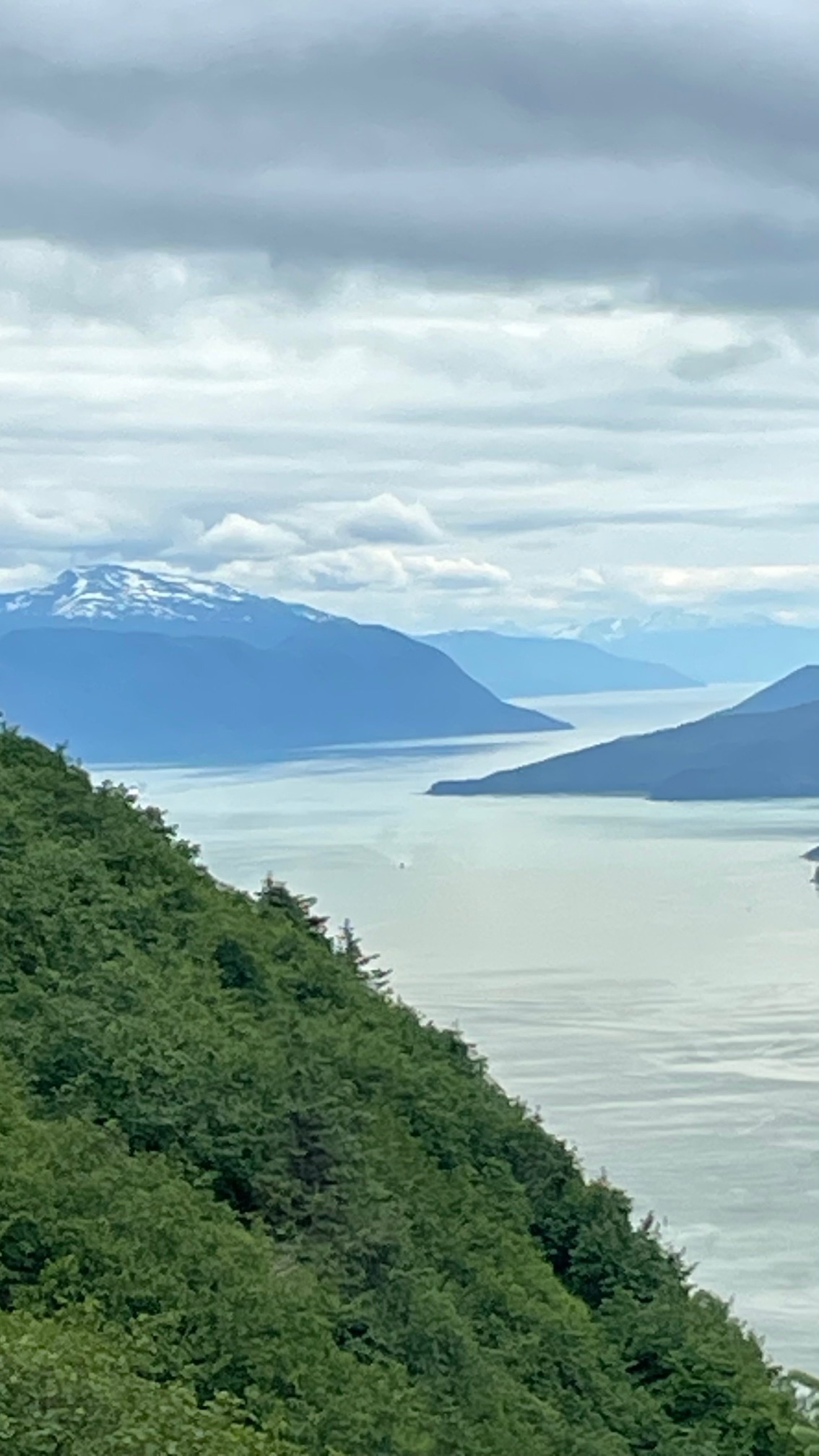
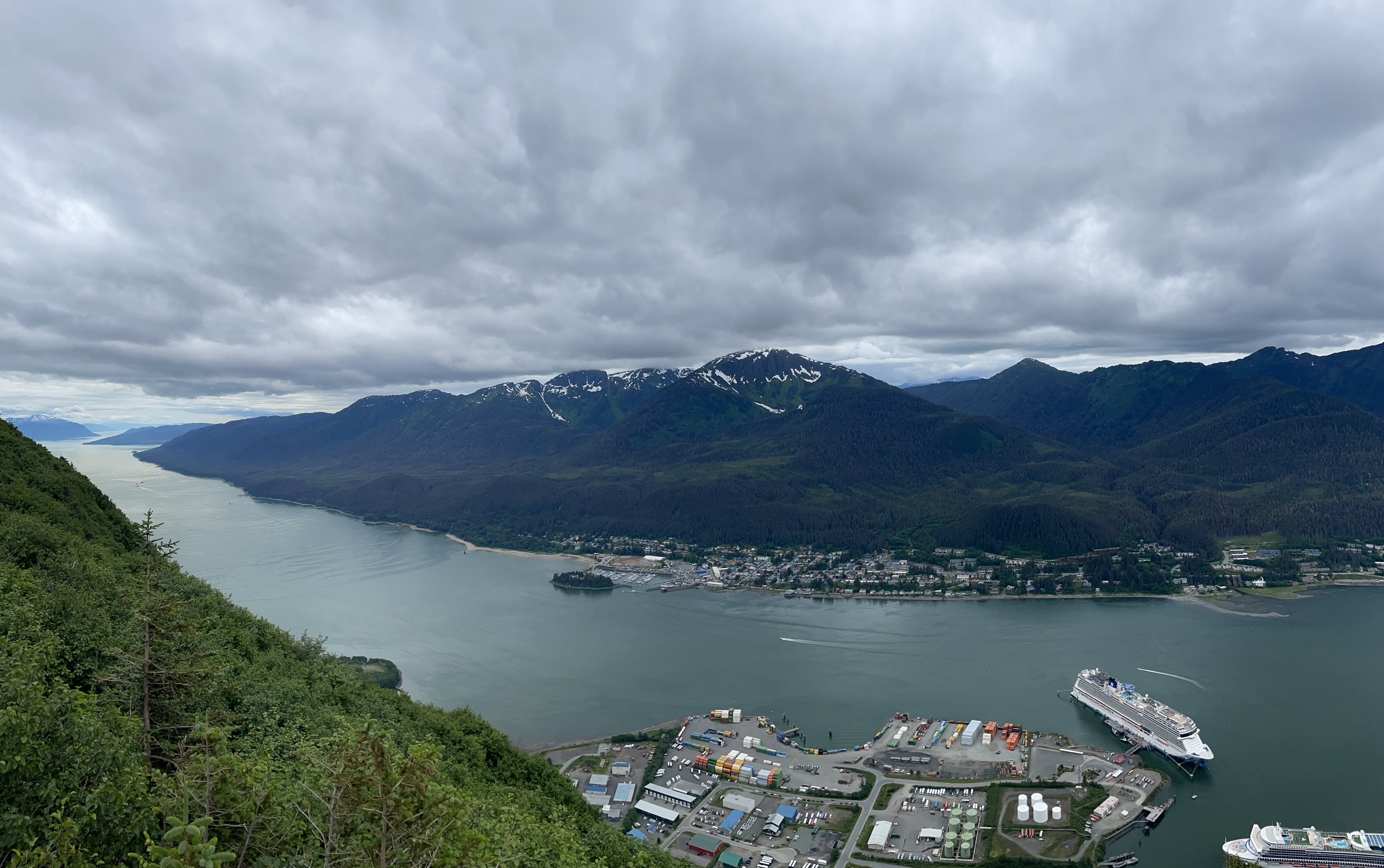
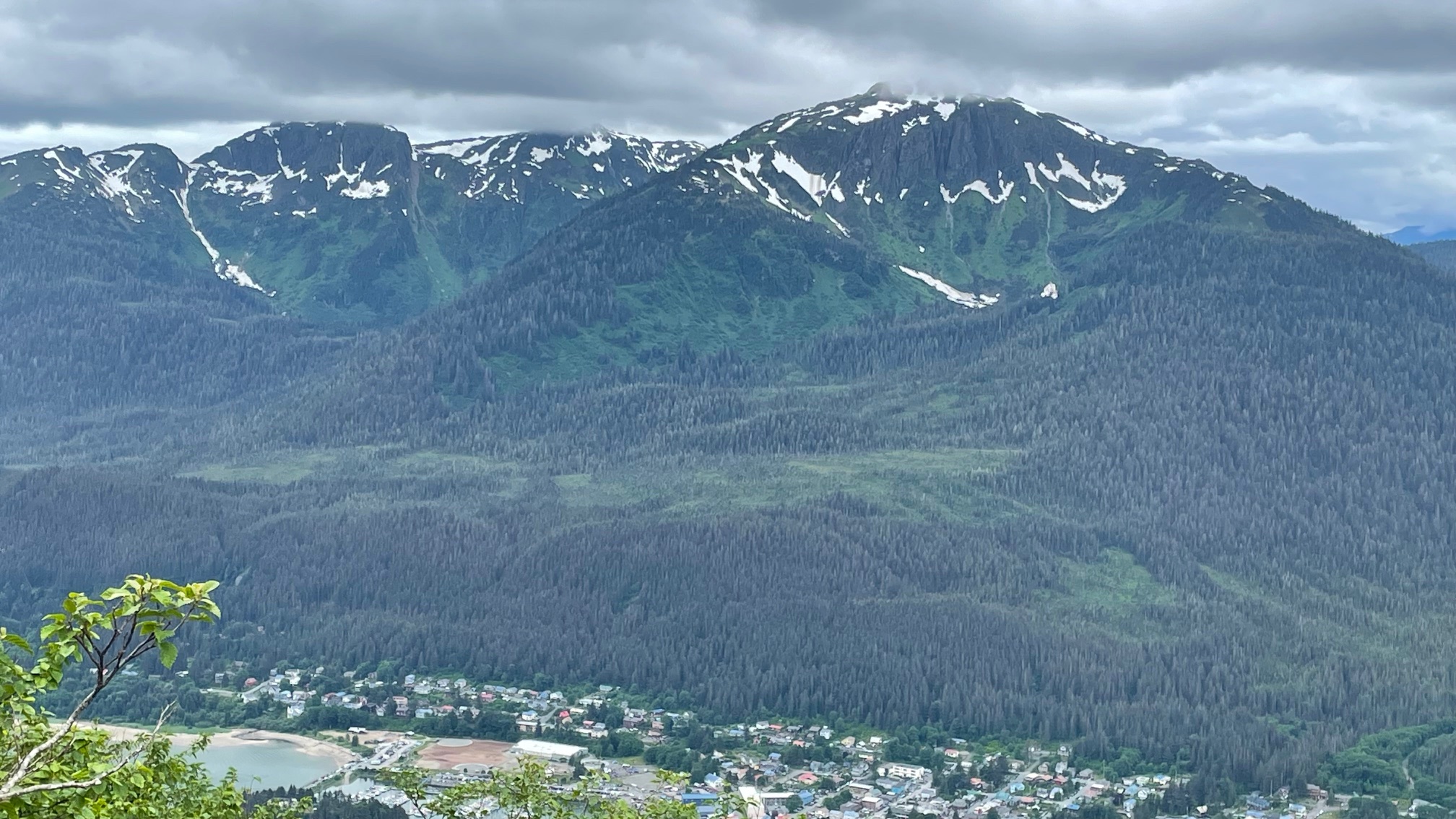
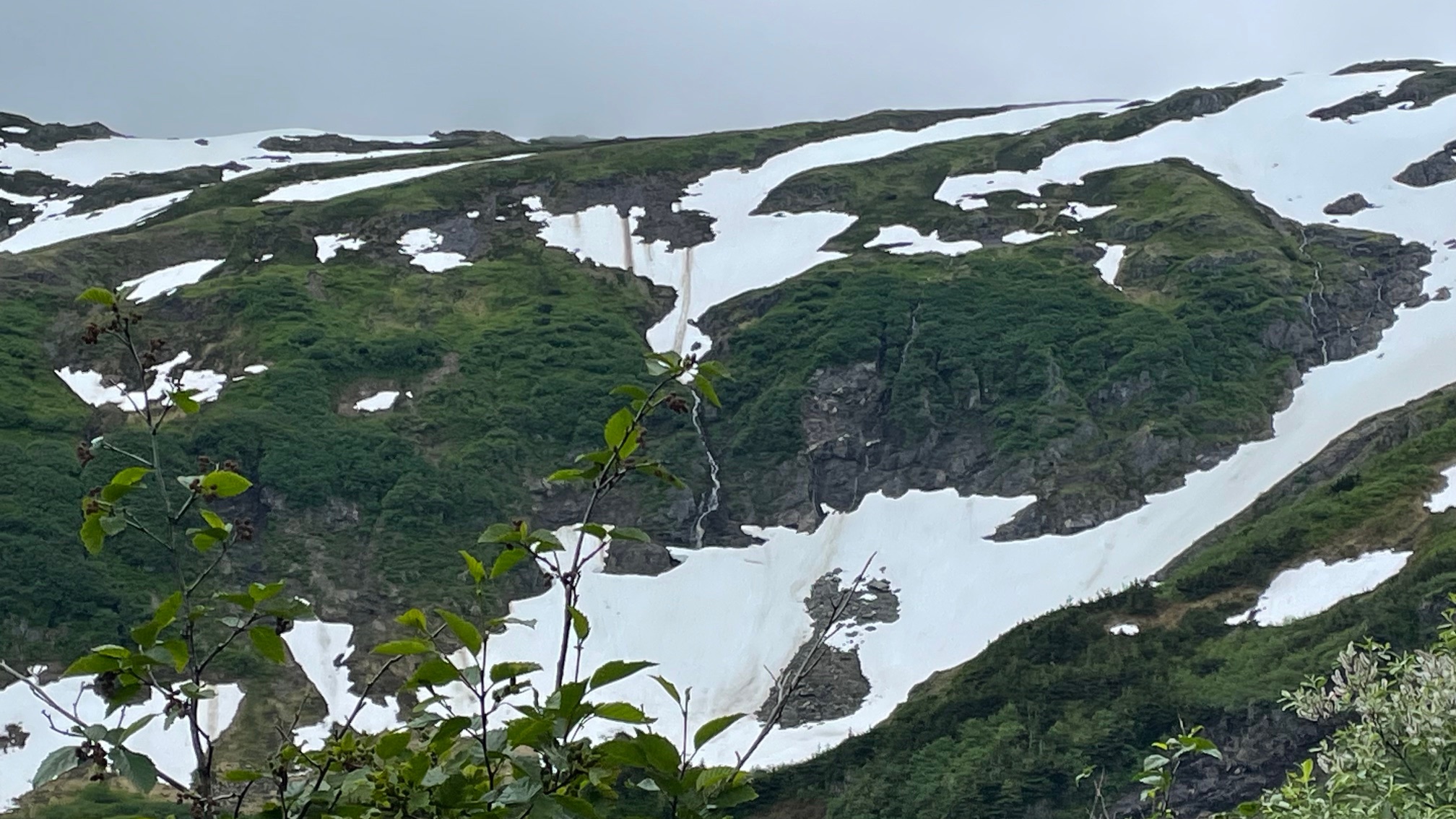
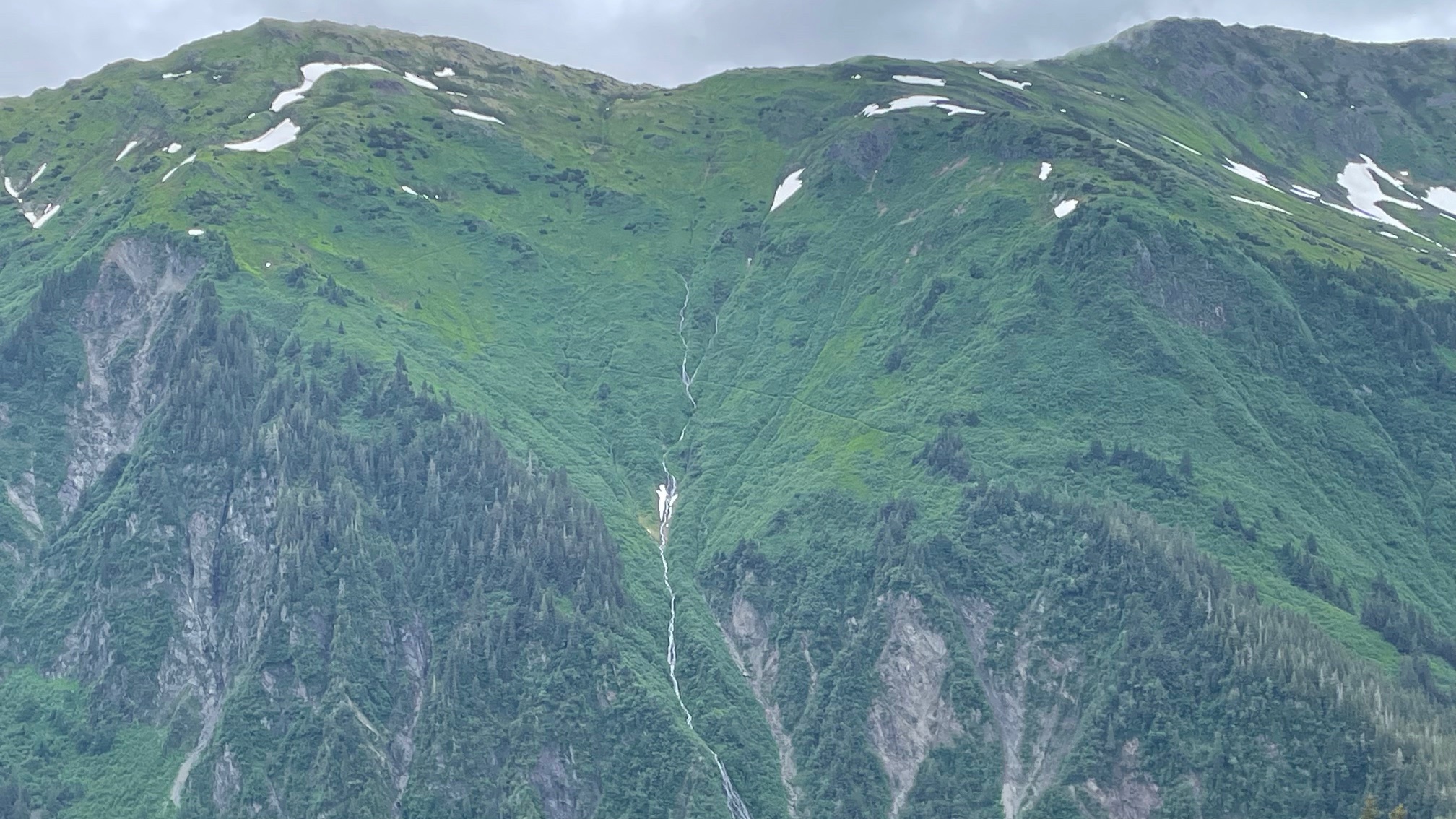
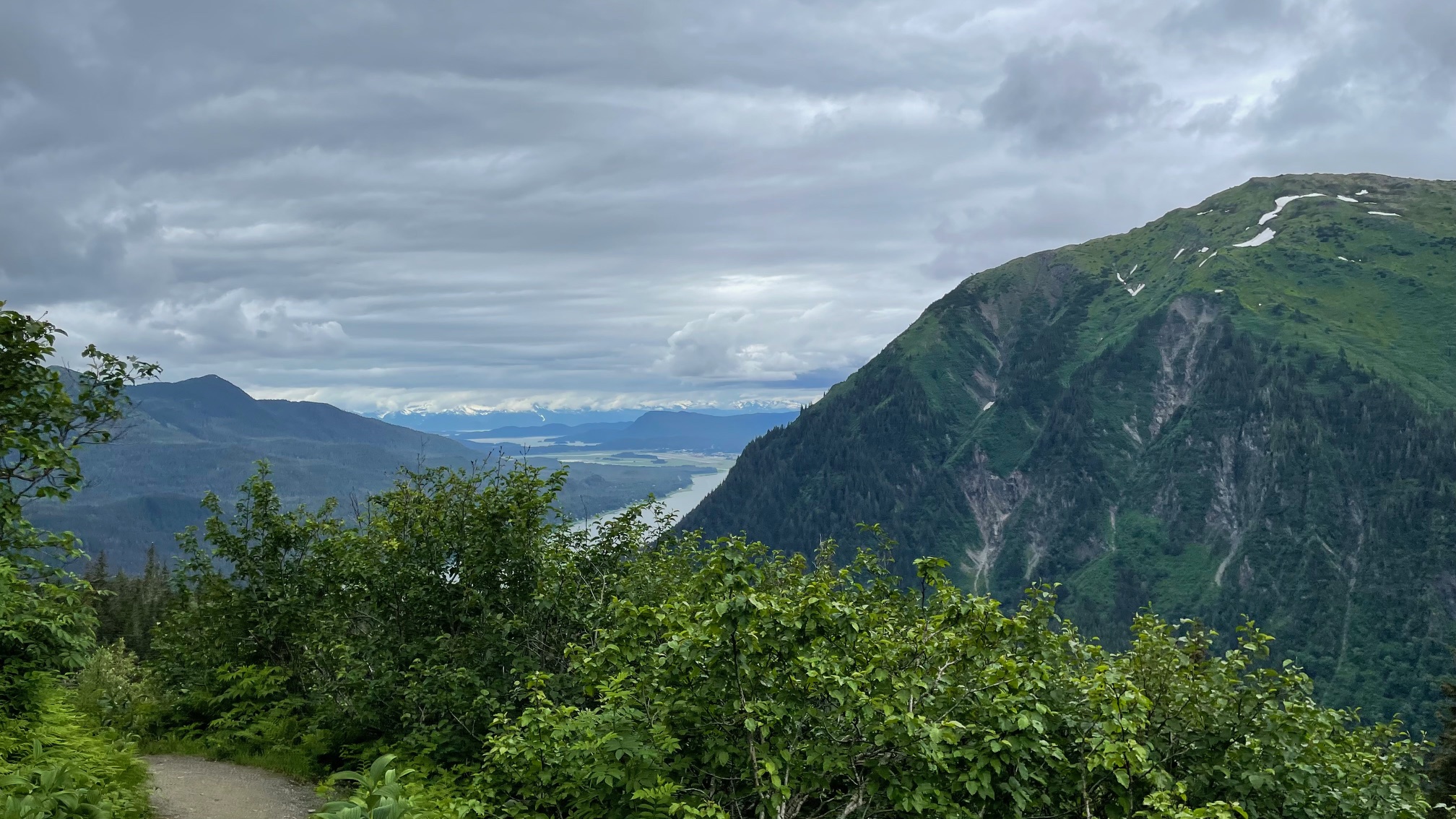
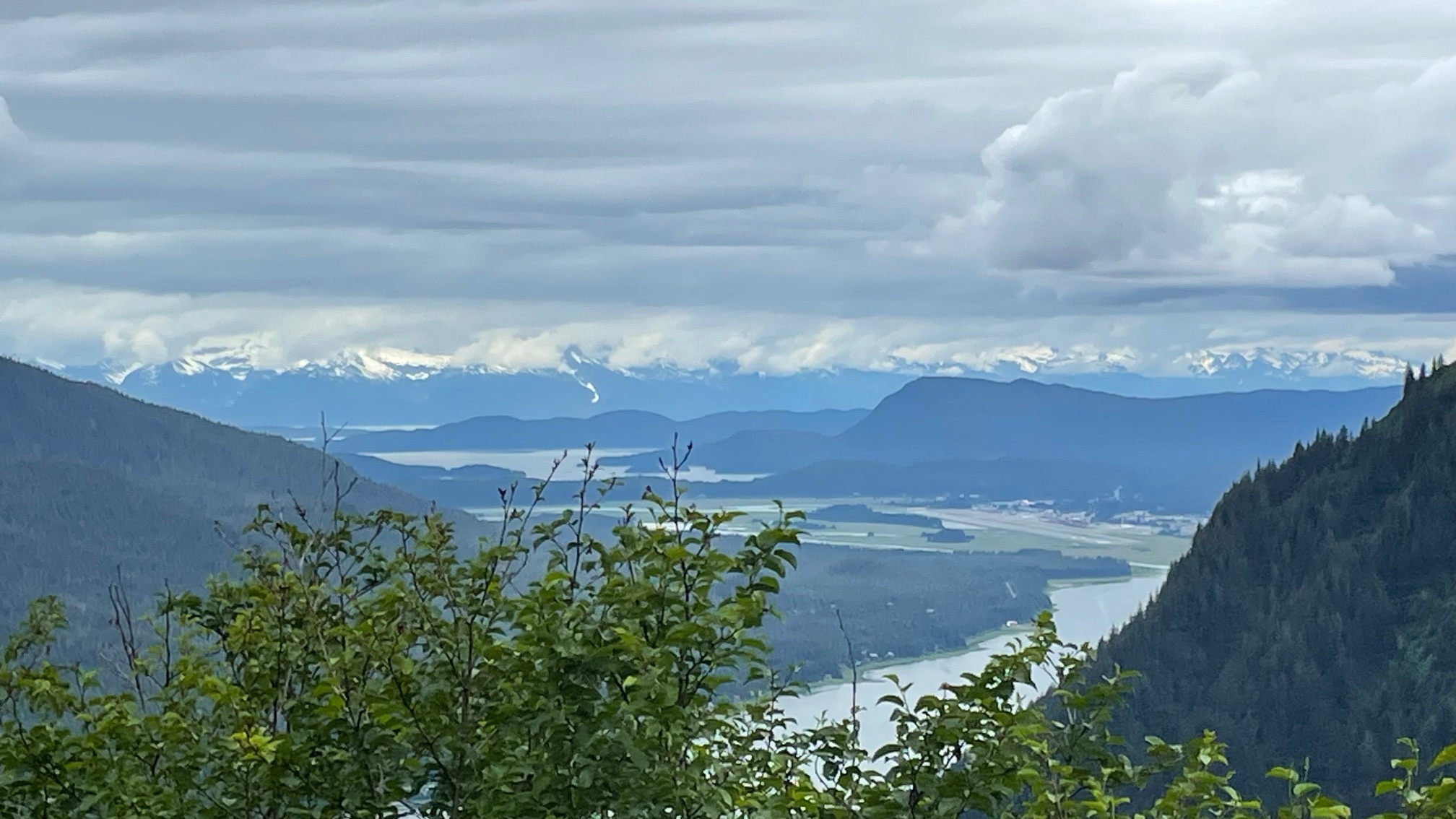
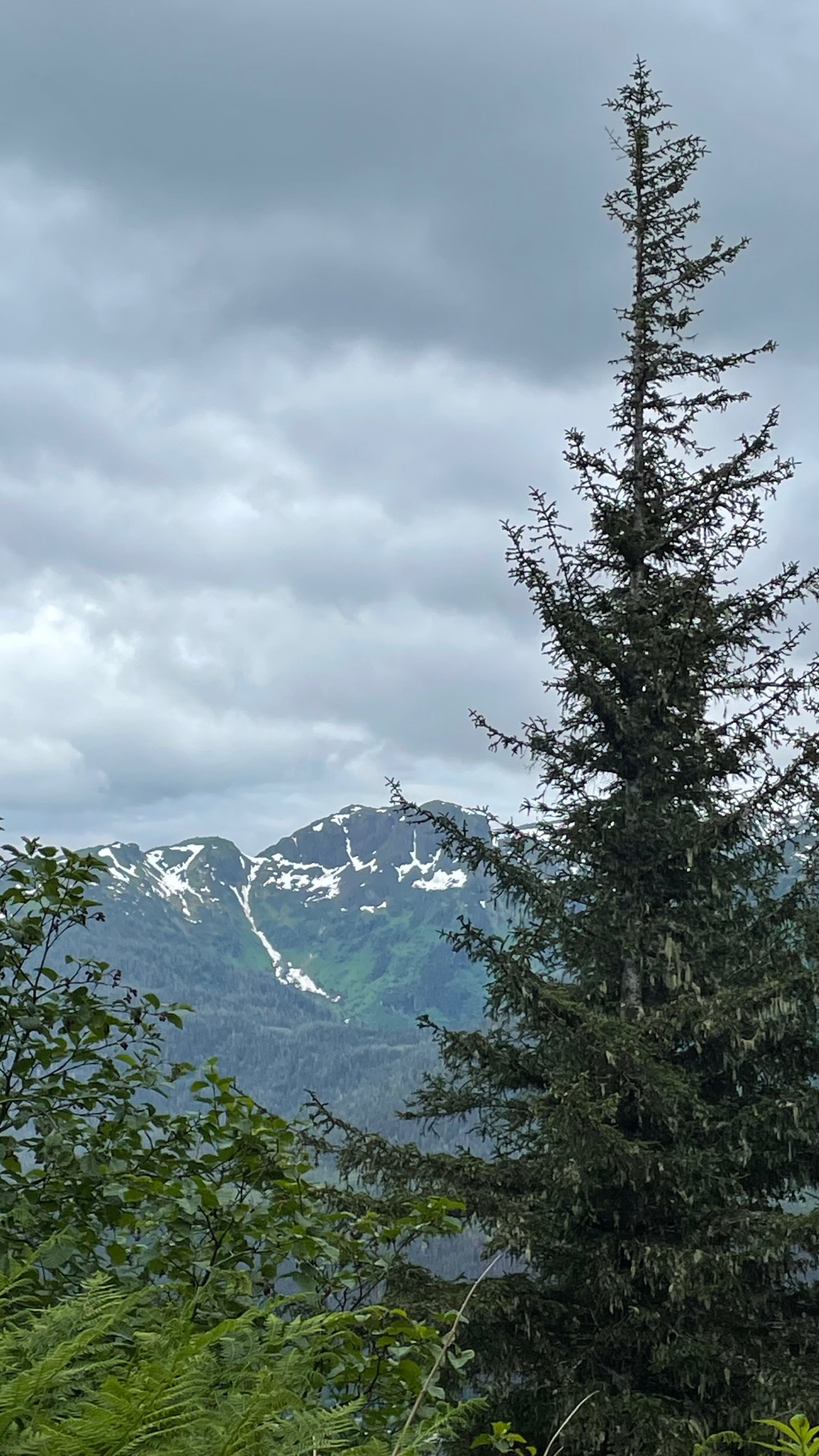
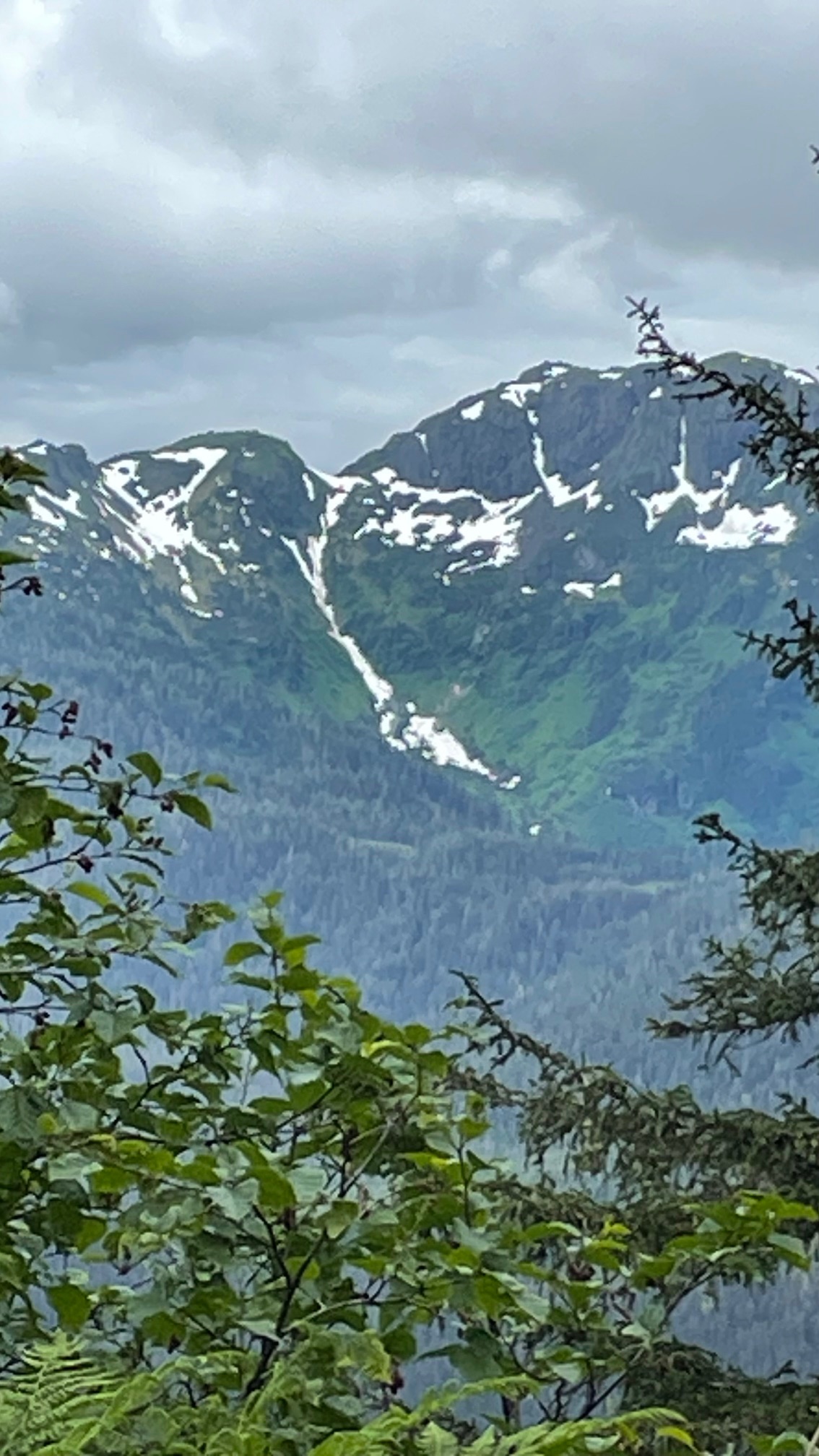
Camera: iPhone 12
Location: Juneau, Alaska, United States

Hiking in Juneau, Alaska, USA
Camera: iPhone 12
Location: Juneau, Alaska, United States
“Maslow’s hierarchy of needs has always been a good reference for me in describing what exactly makes us have a safe, secure, happy, and fulfilling life. I do believe we need to have our hierarchy of needs in mind as people when we focus on what’s best for our fellow man or women and how to build a prosperous society.”
Everybody wishes to have a high quality of life but what exactly does that mean? We hear the term ‘quality of life’ a lot but what goes into the ‘quality’ of it and what makes for a satisfying ‘life’? Maslow’s hierarchy of needs has always been a good reference for me in describing what exactly makes us have a safe, secure, happy, and fulfilling life. I do believe we need to have our hierarchy of needs in mind as people when we focus on what’s best for our fellow man or women and how to build a prosperous society.
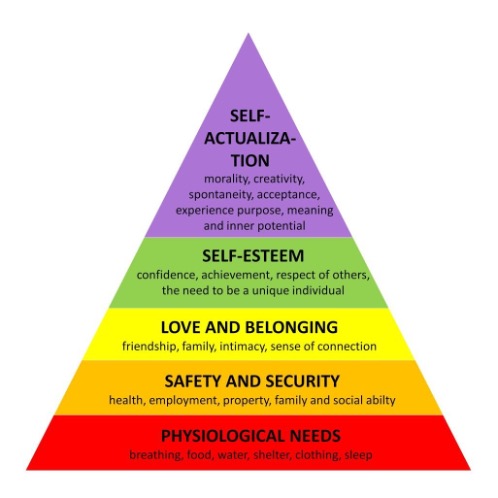
Source: SimplyPsychology.com
While I don’t wish to compare my own views on what true ‘quality of life’ is compared to Abraham Maslow’s ‘hierarchy of needs’ as shown in the pyramid diagram above, but it’s important to look at what makes a society flourish. I agree with Maslow at the base of the pyramid is the most important to ensure a life has some quality with it.
The societies that have the strongest base for ‘physiological needs’ usually are the happiest and satisfied with their quality of life. For example, you cannot focus on ‘safety and security’ as much as you can when you can’t even guarantee that the water you drink is clean and the air that you breathe is clean. Everything else on Maslow’s pyramid goes out the window if you are hungry, thirsty, don’t have a roof over your head or cannot clothe yourself or your family.
A lack or absence of ‘physiological needs’ is often found in the poorest or least developed of our societies and can still plague even our wealthiest and most developed societies. The key thing for all societies is that we should have an attitude of wanting to guarantee the ‘highest quality of life’ we can deliver to all people rather than just the few who can afford it financially. I do believe any society and its leadership is responsible for delivering on both ‘physiological needs’ and on ‘safety and security’ and once that is achieved, it will lead to better conditions whereas we go up Maslow’s pyramid, love, belonging, self-esteem, and self-actualization tend to be easier to achieve as well. True quality of life is knowing that if you fall on hard times, not by your fault, you’ll be looked after by your society and your government while you look to get back on your feet.
I don’t believe it’s anything farfetched or overly utopian to believe in everyone having the right to breathe clean air, drink clean war, have enough food each day, and have a roof over one’s head. I also think that while education and health care may not be on ‘physiological needs’, it ranks close in that regard to build that functional society. Everyone should be able to afford a good education and find good health care where they live and societies that accomplish this for their people are rewarded back and then some with citizens who are thriving as a result. Societies that are more educated, healthier, and with more opportunities to succeed tend to be those that have a true quality of life in my view.
You may be thinking that true quality of life is about having a big bank account, a bigger house, all the gadgets and electronics you could ever want, and all your material desires within reach, but to me, that would not go along at all with Maslow’s hierarchy. Having that stuff may make you happier but it doesn’t reflect a true quality of life in any society. If the roads are falling apart, people around you are suffering and in poverty, and you can go bankrupt for seeking medical care or a higher education, your quality of life will also suffer as a result even if you’re not directly affected by it.
When we are looked after or cared by others in the society who can ensure we have a good education, good health care, and to have affordable housing, the quality of life for everyone will go up. We are not islands unto ourselves alone and we are reflections of how we treat others. If you’re reading this article, think more about how your society or country could have a better quality of life not just for yourself but for the people living there too.
I ask that you believe in your ability to create change whether that’s advocating for more environmental regulations, prioritizing people’s access to basic needs including food and housing and thinking more about how we can include people in making them feel they belong in the society. We should collectively work towards providing more opportunities to everyone, so they don’t feel left out. Any healthy society has those public places to gather, discuss, and hopefully fix the quality-of-life issues going on in their community, town, city, or country.
I don’t judge a society by how wealthy it is, how big the houses people live in are, or how much they have in material goods and services available. I judge a society by how they treat the least well-off members, how they prioritize the public good or not, and what they are doing to improve the overall quality of life rather than ignoring it or having it steadily decline under their watch.
It’s important for us to start thinking about not just ourselves and our own quality of life but those of our fellow man and woman. When they are worse off than us, let’s lift them up and look out for them instead of shunning them or isolating them instead. We should always be advocating for a ‘true quality of life’ where everybody is given the opportunity to succeed, grow, live healthy and happy lives, and pursue their dreams.
We all will be better off for having invested in the basic tenets of civilized society such as education, health care, transit, housing, and healthy food supply rather than just guarantee them for the few who can afford it. The higher the quality of life is not just for us but for every member of our society, the more likely we will all flourish together and reach our highest fulfillment.
A Day Trip to Annapolis, Maryland
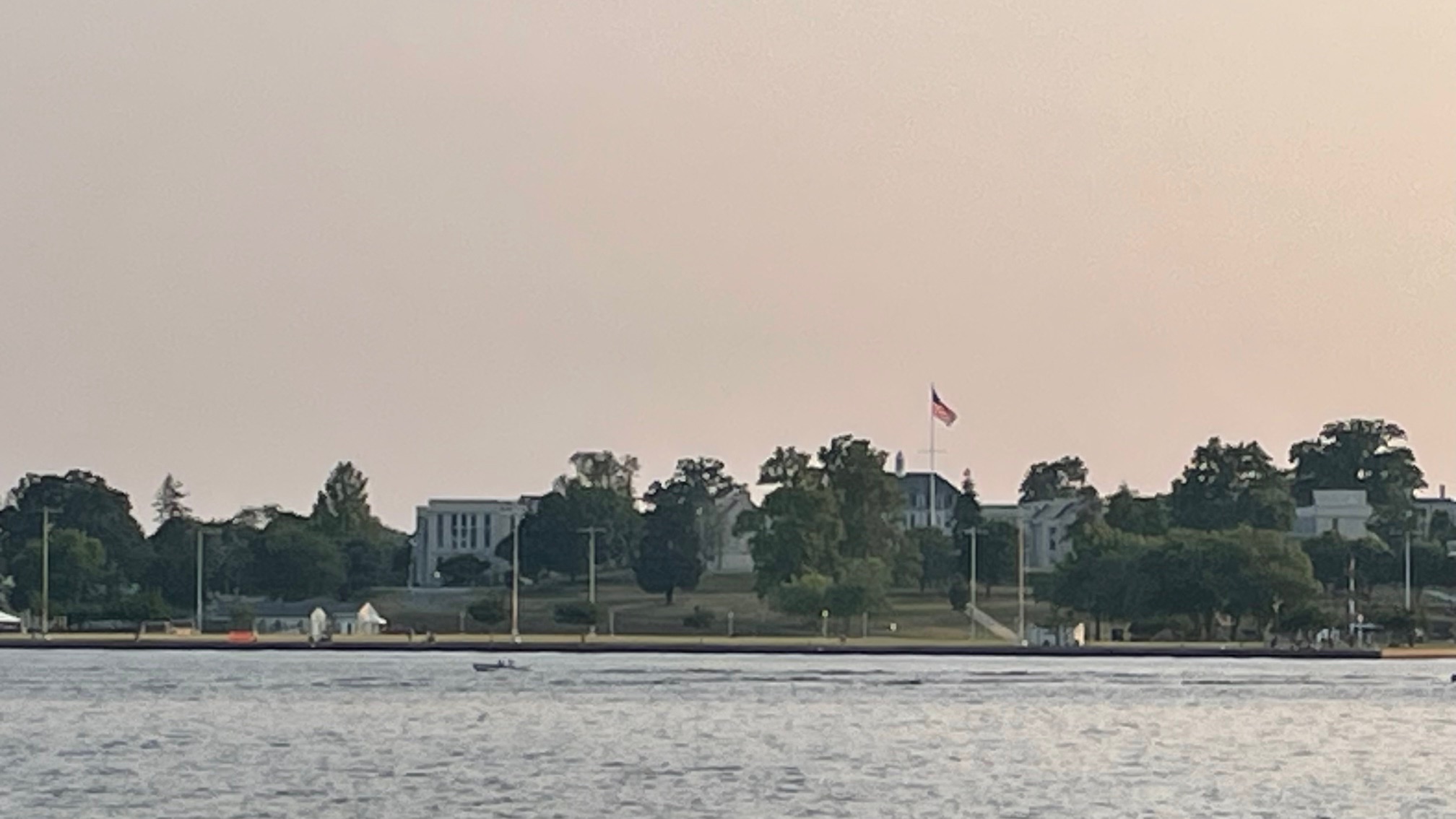
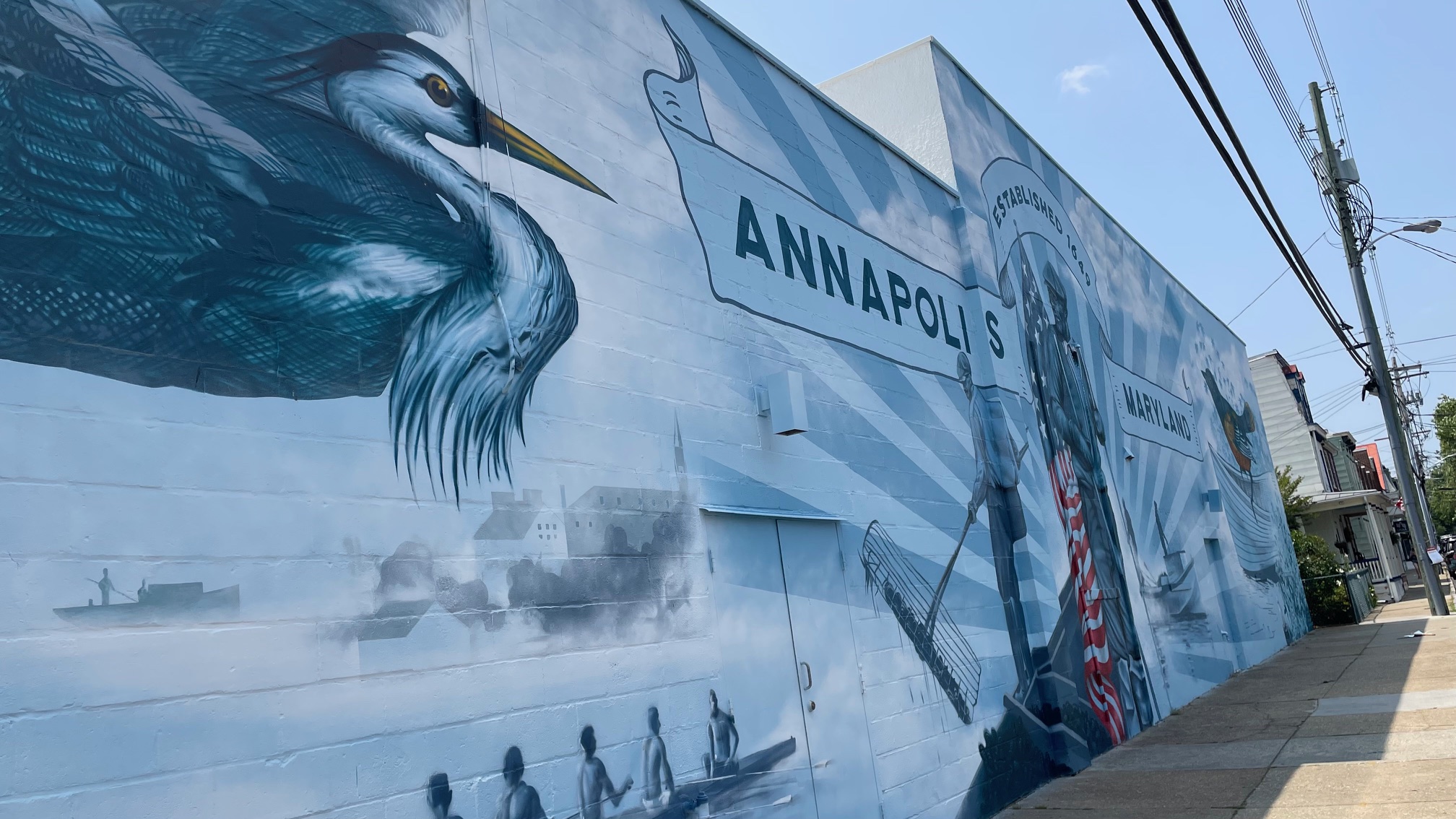
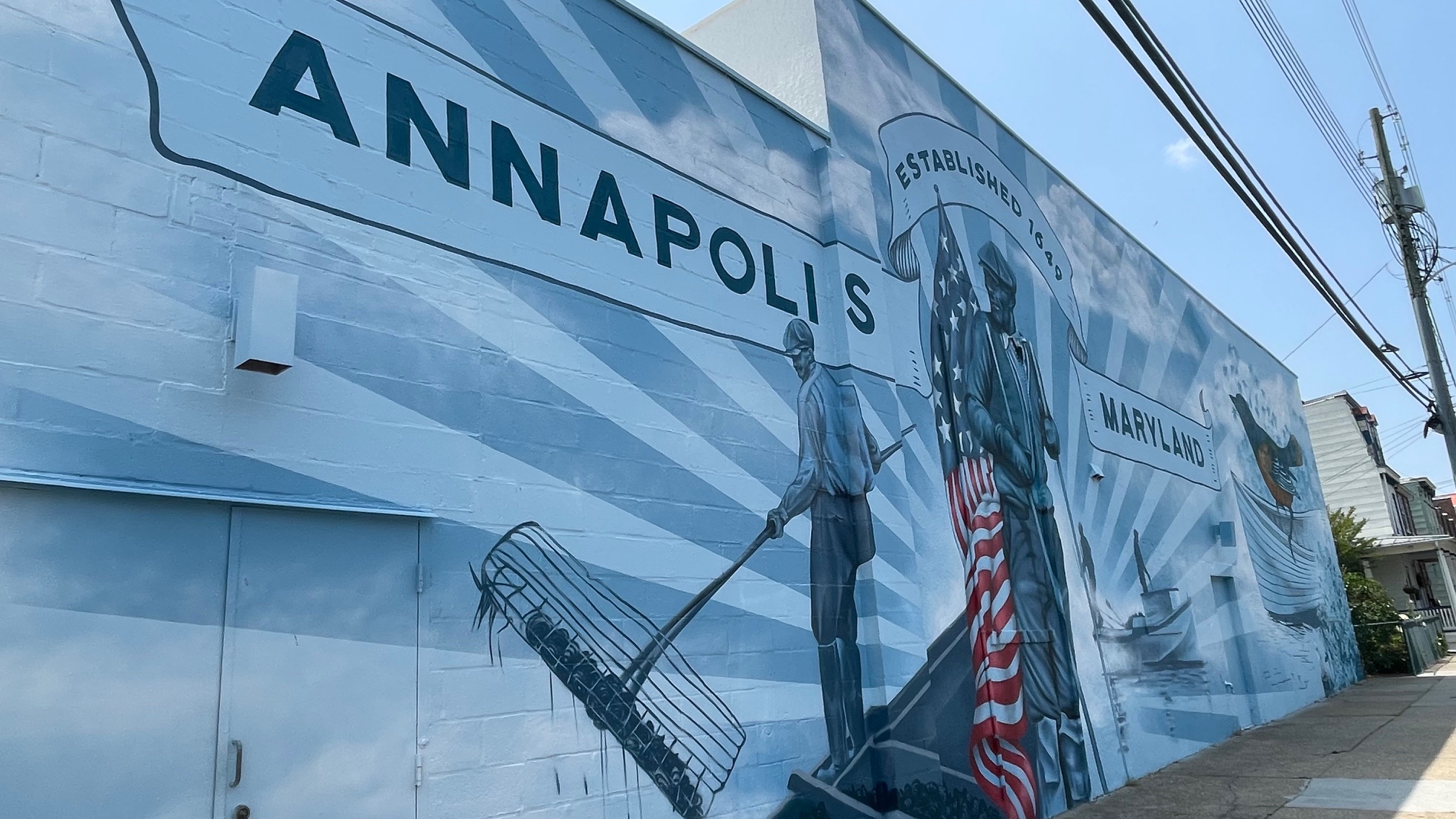
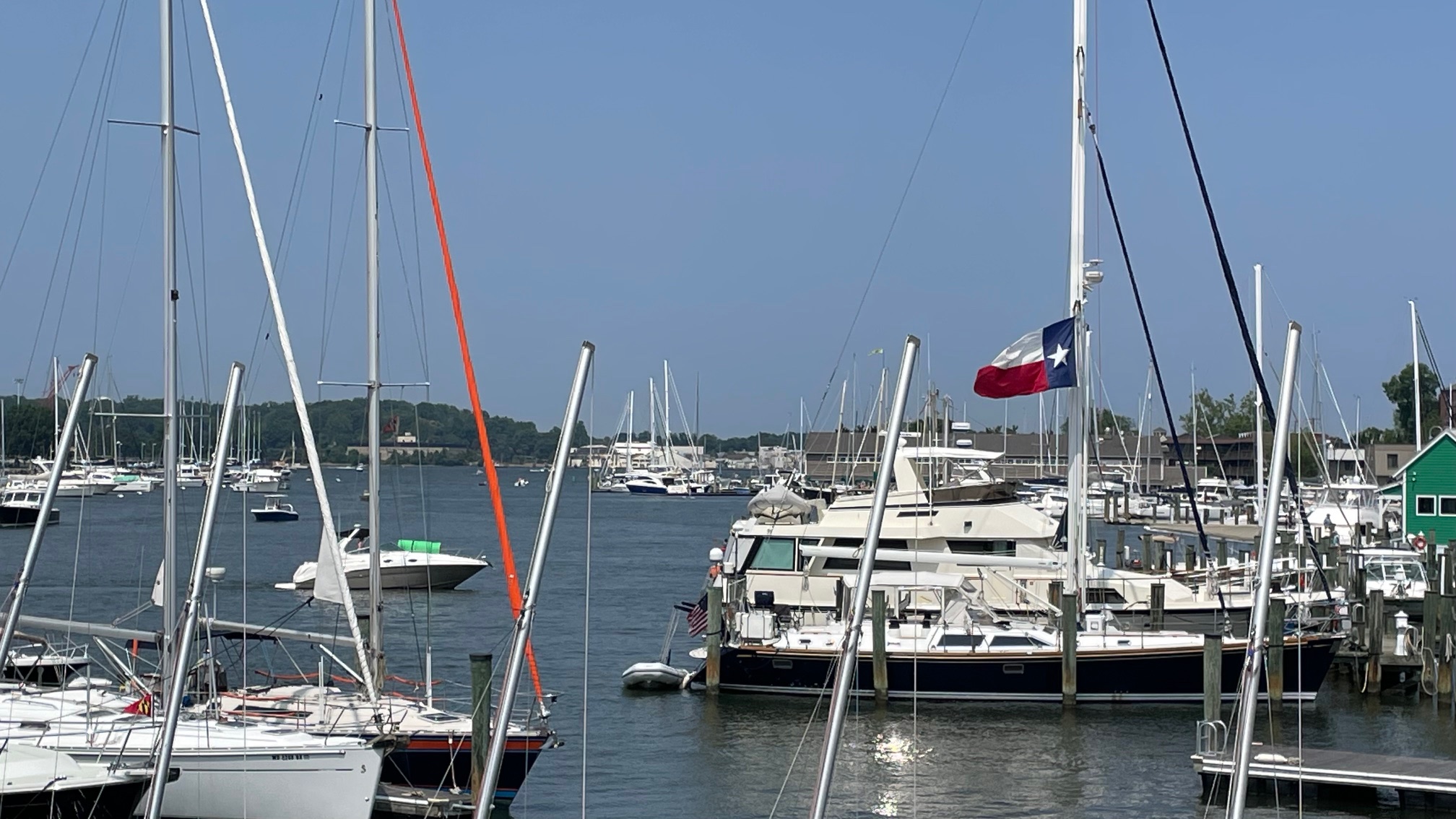
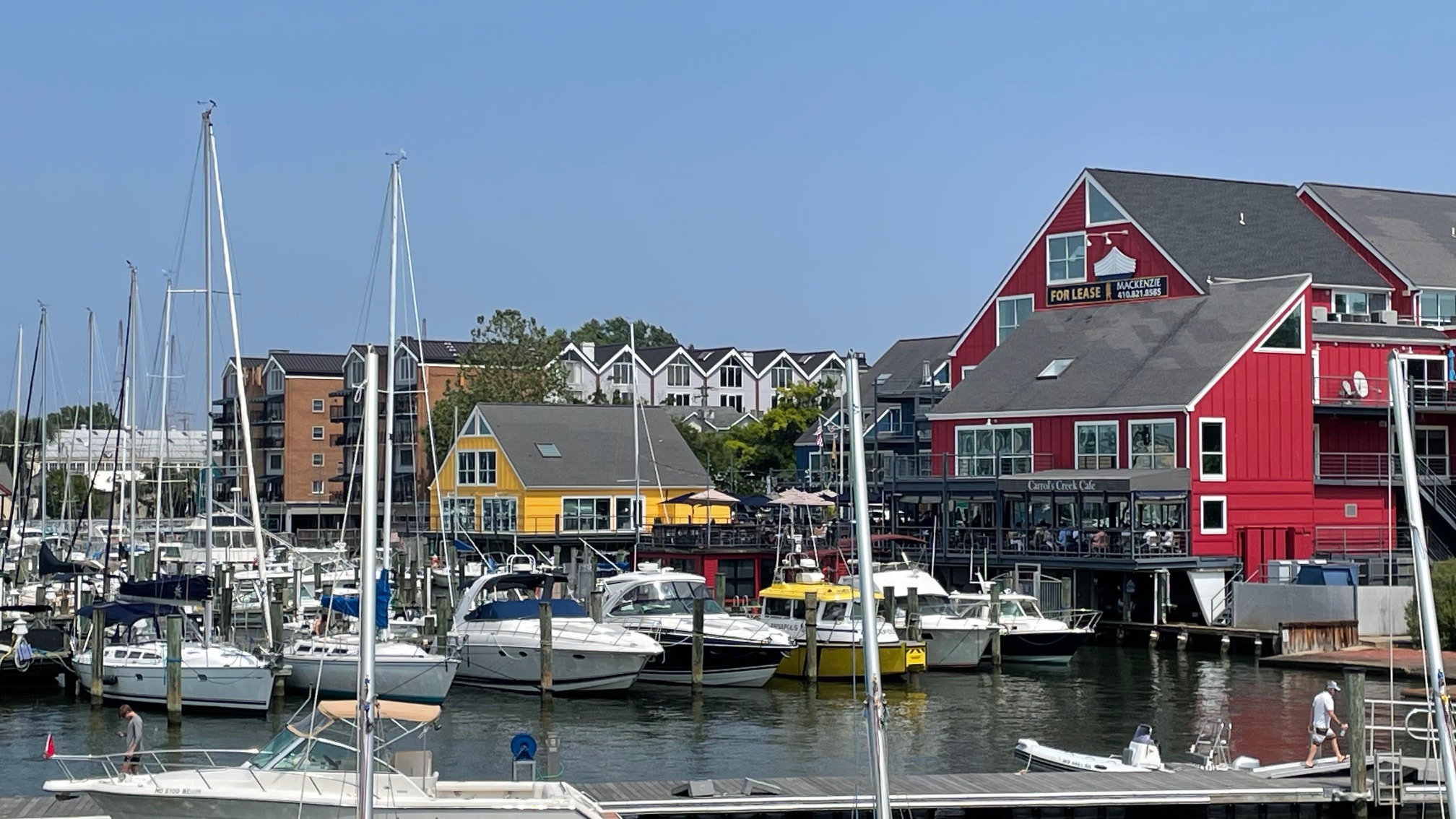




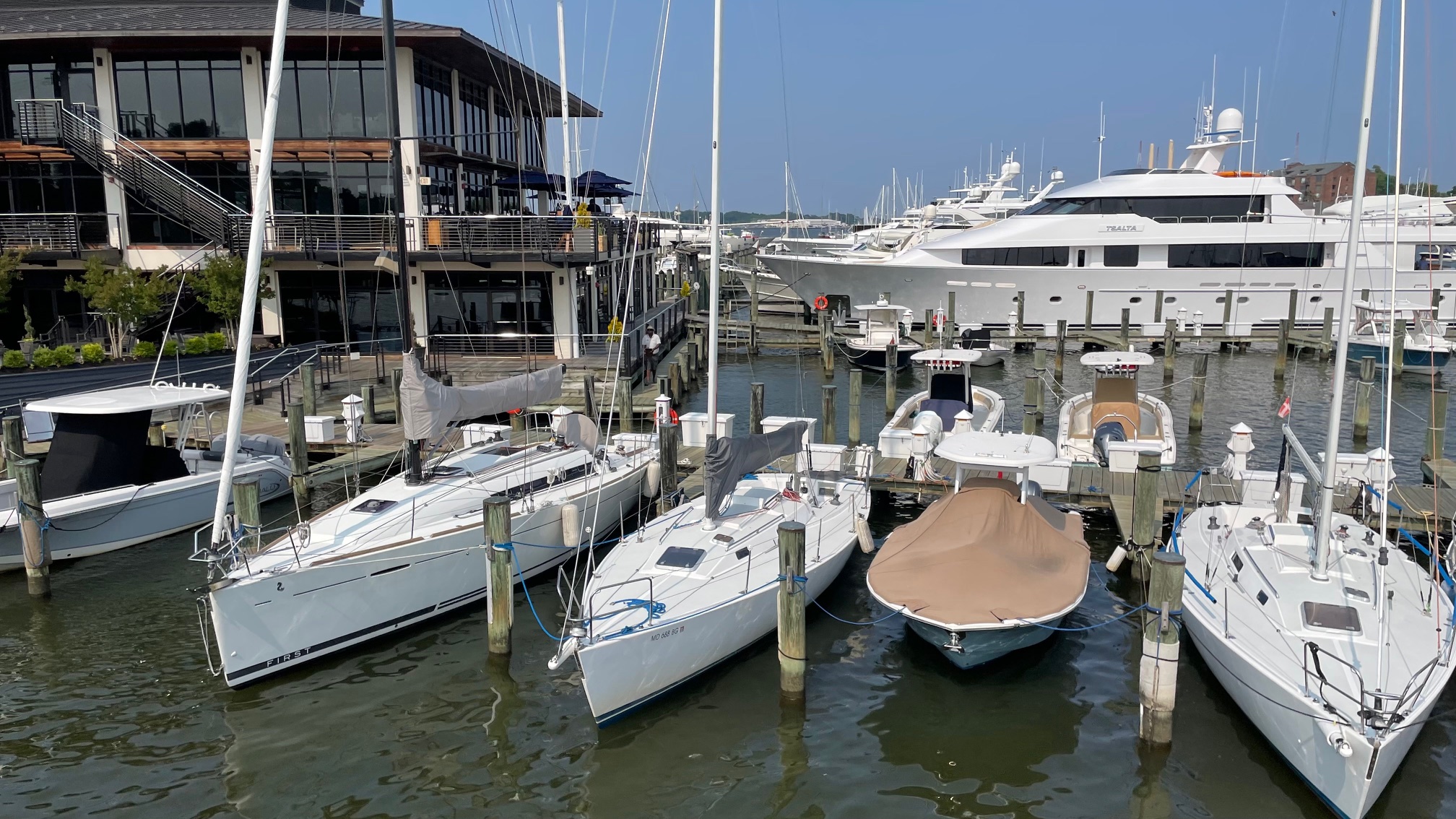
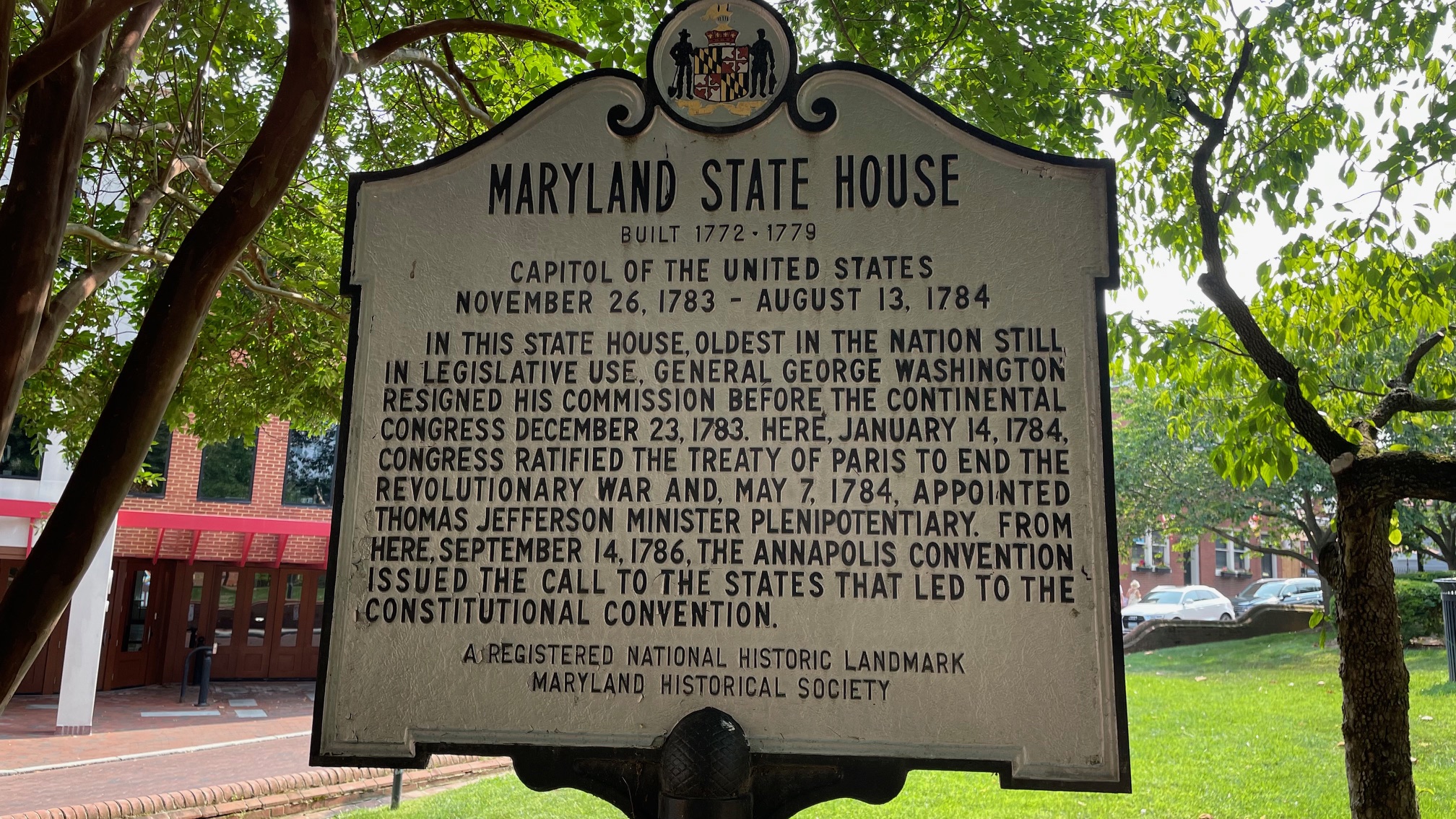


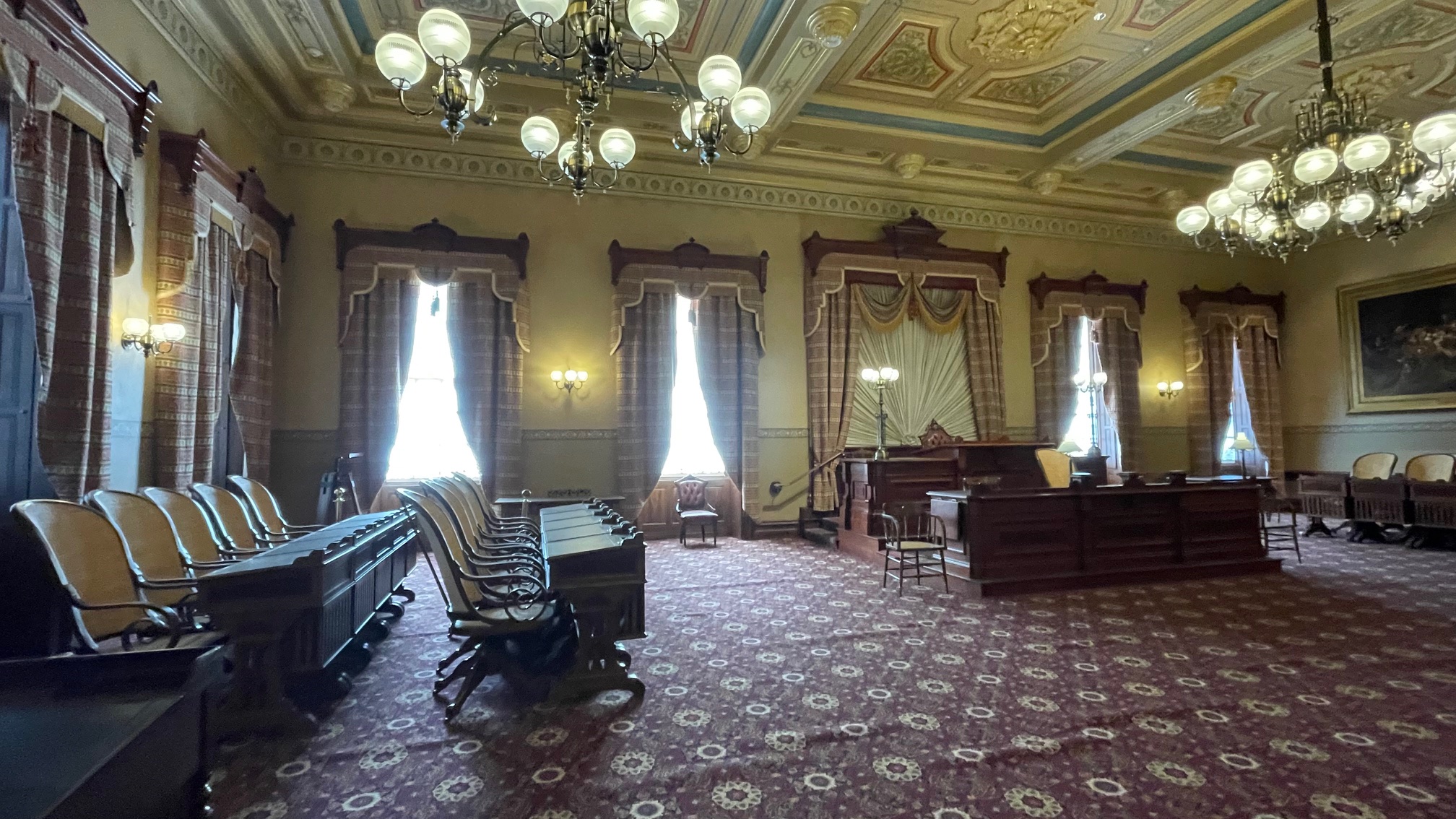
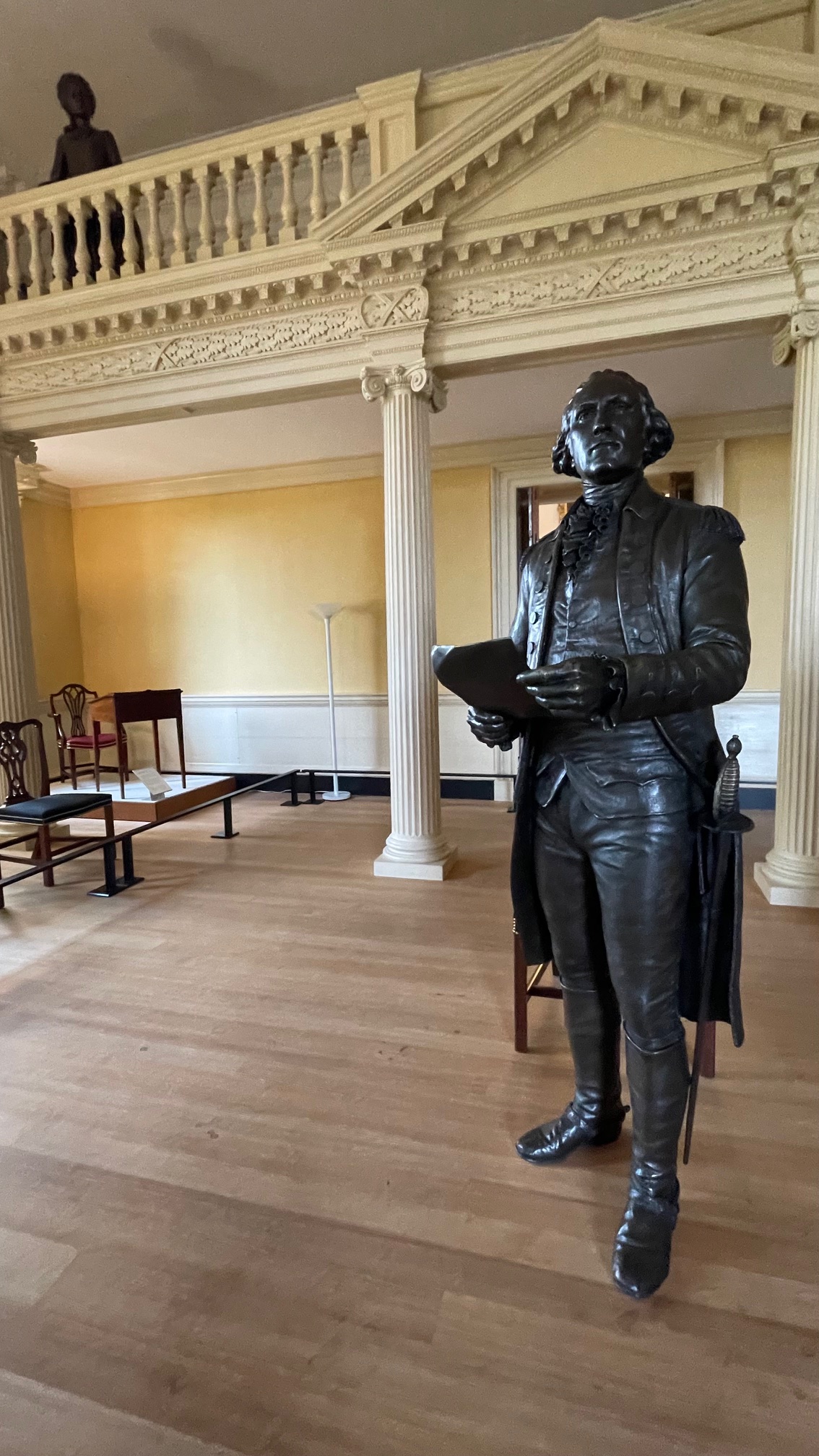
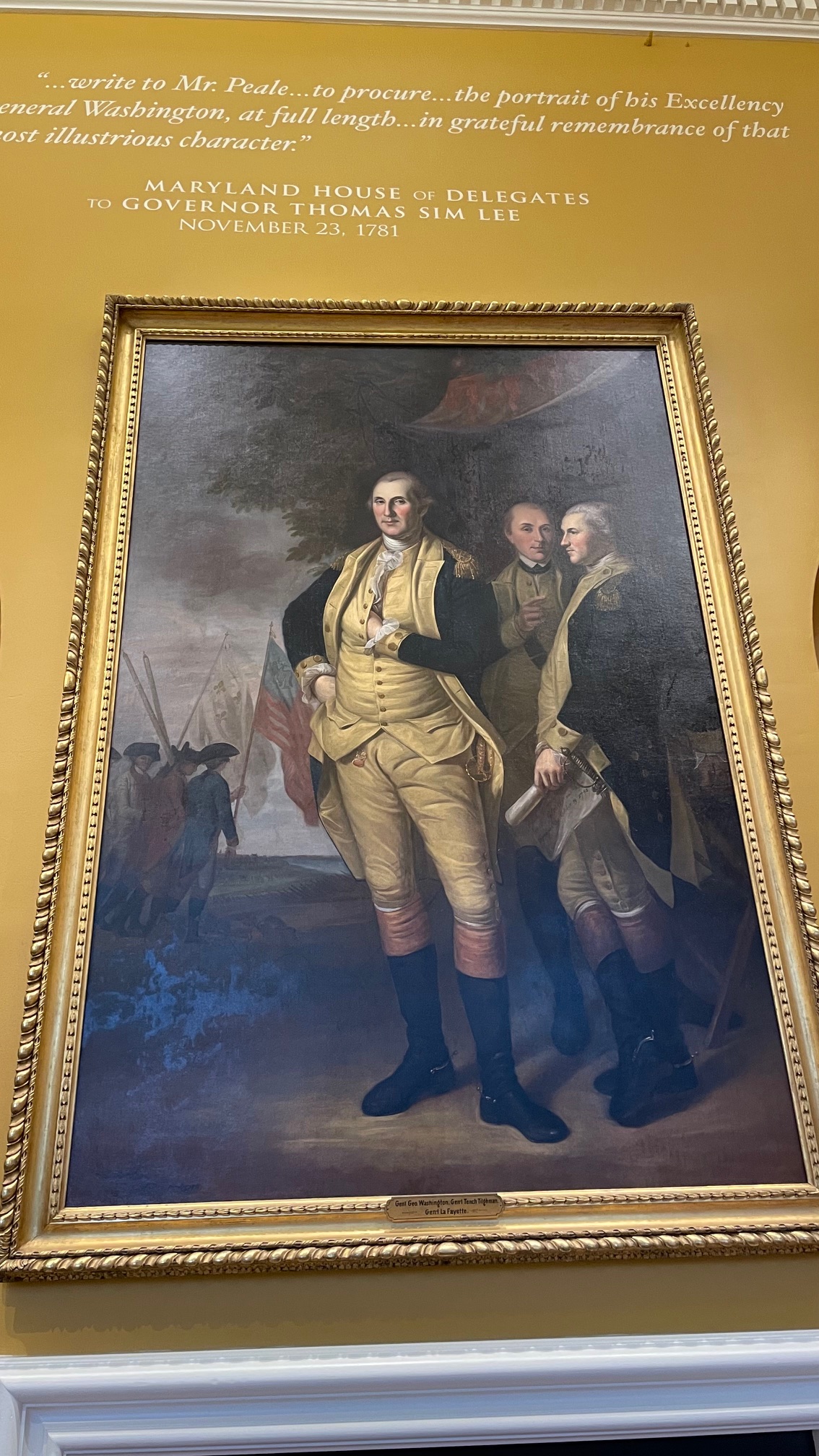

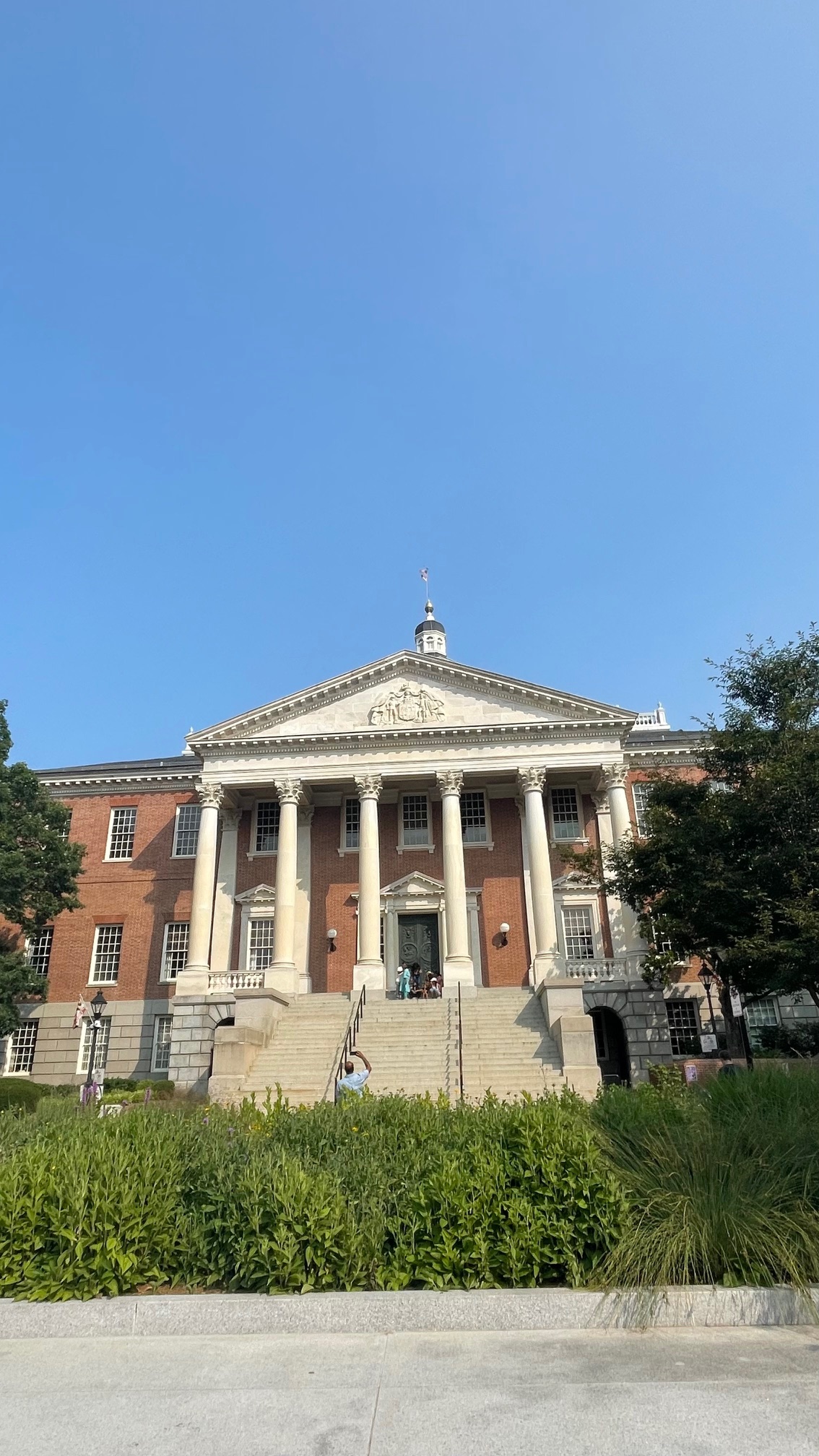
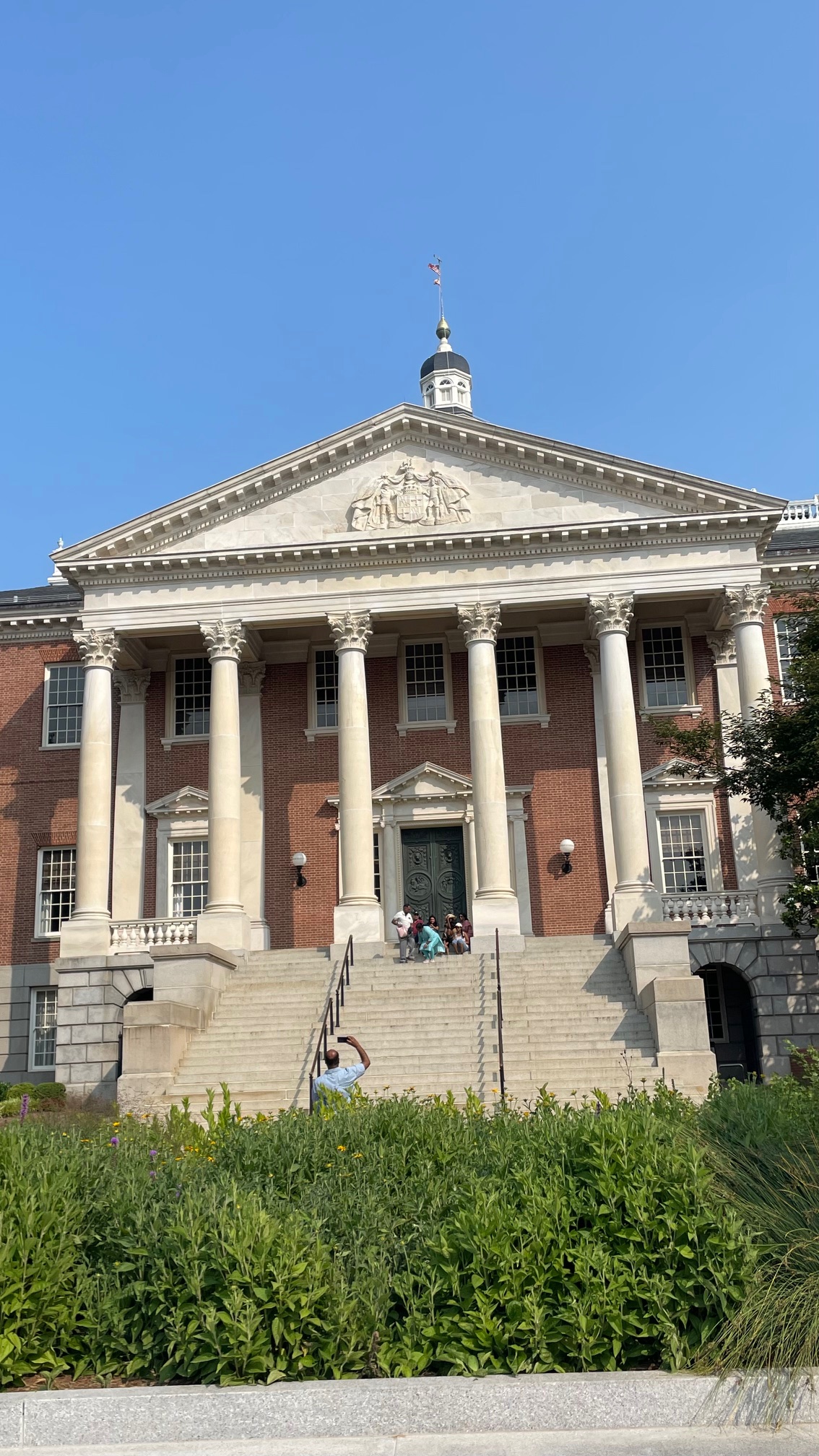

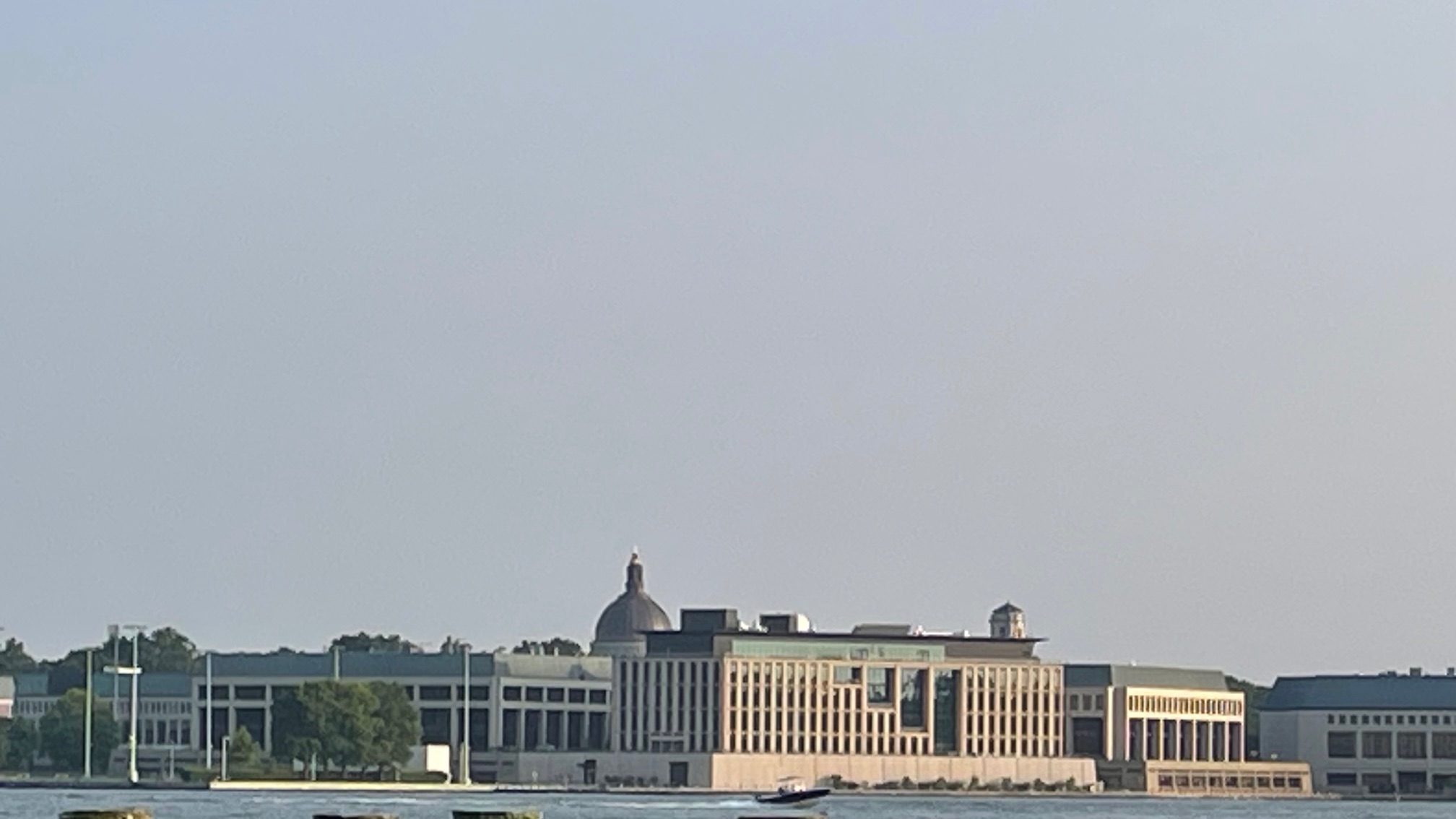
Camera: iPhone 12
Location: Annapolis, Maryland, United States
“There is a sense of whimsy about wishing what would your life be like if you had made a different decision or if a different opportunity had come your way.”
The popular English language expression on ‘the grass is always greener on the other side’ is a common refrain when discussing the possibilities of where one could see themselves in a different reality or circumstance other than their own. There is a sense of whimsy about wishing what would your life be like if you had made a different decision or if a different opportunity had come your way. You may even want to switch places with someone else you know or someone you admire or someone you read about. Beyond that, it could also be wanting to live in a different city or country or to experience a different culture or set of customs other than the one you were born into or grew up in.
I find that there is nothing wrong with daydreaming about the possibilities for change or how to make your life better or more successful. I do think it is a good thing to be reflective as well on how others live, what you can take from their example or even discard based on your own perspective, and to not be afraid to even experiment with making different choices in life based on what others have done ahead of you. It is good to be inspired by other people, read about their lives, and to change your own approach to how you live, where you work, how you act, and what you can be within reason.
I think, however, that it is important to not be fantasizing all the time about how others live or envious of other people without knowing the full story. Being obsessed with mimicking or copying other people is also a recipe for disaster in my view. It is okay to be influenced by others around you who are making a positive impact and living life in a successful and moral manner. However, it does not justify being a ‘copycat’ or a ‘sycophant.’ Often, we must think for ourselves, make our own decisions, and to live a life true to our own morals, values, and code. Doing what others do just because they think it is ‘popular’, ‘cool’ or ‘successful’ is not what a mature individual should be following.
You may think that the other person or group of people has it all figured out, but the reality is much more complicated than that. You may envy the house, the car, the lifestyle, or the personality they have but often, you only know the surface of what you can see about that person. The same goes for endlessly admiring another city, country, or culture. It is okay to admire and adopt those customs, the food, the language, and the beliefs, but it’s important to take a step back to see what is compatible with you and what you would rather not adapt as your own self-expression.
As another saying goes, ‘walk a mile in another person’s shoes’, that is not a bad thing to do in life. Still, to automatically wish to live like them, be like them, and change who you are entirely is losing your own conception of self in the process. I am a fan of learning about other people, their backgrounds, their cultures, and their viewpoints, but that should be a way for you to more fully accentuate who you are as a result rather than change you are entirely. It’s good to see how others live, why they live like that, and be the more educated and worldly for it, but there’s a limit to how much we can live like those people.
Instead, use those variety of experiences, either lived or learned, to water ‘your own grass’ to be ‘greener and livelier.’ Instead of envy, jealousy or obsession, be more concerned with how to live a life that’s truer to yourself and what you wish to achieve. Think about what you’ve learned, seen, or heard, to adapt that to benefit your own life. Adopt those practices that will make your life better and make you a better person. Use your expansive knowledge based on living in different places, meeting different people, or studying different topics to make your life much more fulfilling and richer. We never truly have all the information regarding the lives of others and often we just see a snapshot of it rather than the full picture.
This is the same when we visit a place or even live there for a little bit of time. Even with that knowledge of a place and a people, we are not born there, or grew up there, and it limits our perception of what is going on there to some degree. Regardless of if you’re envious, apprehensive, dismissive, or neutral about a person, place, or culture, you should not automatically think that where you are or the ‘grass’ on your side is better or worse than theirs because you really can’t even make a real judgment.
You can always ‘walk in other’s person’s shoes’ for some time but you’ll never fully live in their shoes as they do. The same goes with where, why, and how we live and comparing it to others’ lives we learn about as they may want to have our life and we may want to have theirs, but we should remember that we will never have the full picture regarding their life’s circumstances. Instead of envying the ‘grass on the other side’ that we are constantly exposed to in person and online, you should remember to focus primarily on watering, fixing, and shaping your own ‘grass’ under your own feet and in your life to make it a more fulfilling, joyful, and happy kind of life to live.
“Still though, it’s hard for me after dozens of trips and hundreds of places visited to not have that feeling of melancholy wash over me after I come home again.”
There is a comedown feeling that happens after the end of a trip, regardless of how long or short it is. All the planning, the effort, the money spent, and the adrenaline rush that goes into relocating yourself elsewhere creates a unique feeling that is hard to replicate. Often, the trip will go smoothly, and you’ll have fond memories to look back on long after it’s over. Still though, it’s hard for me after dozens of trips and hundreds of places visited to not have that feeling of melancholy wash over me after I come home again.
Luckily, it is not a deep melancholy, but it is a melancholy of missing the feeling of being on an adventure or not knowing that the next day will bring. It’s the pure excitement of the unknown, of yearning to experience a new thing or event or place, and about being more open than usual to meeting new and often interesting people you encounter during your travels. Being able to settle back into your usual routine can be a bit of a downer after the rush of going from place to place, city to city, and being footloose for a while.
Despite a routine not being the most fun to go back into, it is necessary to reestablish a routine again as it can provide some comfort after a trip rather than doting on the past trip, however fun and exhilarating it may be. I do believe we need a routine in our lives often, rather than be rudderless and without anything to focus on. If our travels are temporary and we do not live life on the road on a permanent basis, easing back into our daily lives takes time but if we don’t have anything to refocus our attention on after a trip, the melancholy can be even more profound and difficult to deal with.
It is a good idea to develop your hobbies, interests, and your goals even more after a trip to accomplish what you want to set out to do with the time you have been given. Devoting yourself to something you’re working on or taking time to achieve something you want for yourself is a good way to deal with the blues that can happen after your travel is over. Being able to have ‘travel’ as something you enjoy doing is important, but it should not be the only thing you have going for you in your life. We cannot only be one-dimensional in our focus no matter how much we enjoy taking ourselves on the road.
Being able to share your travels with others is important because it helps hone and shape our memories. You may not be able to talk about your trip as much as you would like if you would like but it is good to share with your family and friends how it went because it’s likely they will want to know how it went. Beyond that, make sure to take care of your mementos, souvenirs, keepsakes, and other items you brought back with you, because they will give you a comforting feeling from having been to that place or done that activity, and it is good to reflect on the travels you’ve done in a sustainable way. I also like to organize my photos, create canvas prints, and even share videos from the places I’ve been and to keep them in my own records to reflect on to remember better of where I was, who I was back then, and how I felt about the trip.
Lastly, keep thinking of ways to travel again to go back to the place(s) you loved again or try new places you want to visit. Travel should be a passion that sustains you throughout life and you should know that it is a marathon, not a sprint. I like to casually look at where I want to go next as I do like to plan, and I always like to have something to look forward to. Think about the culture, the language, and the people who live in the place you’re going to and start studying up in advance to learn more about what it will be like there potentially and how to prepare yourself for the trip you want to take next.
The most rewarding travel experiences for me have been those that I spent time learning the language (if need be), studying the places I want to visit as part of the itinerary, and devoting time to knowing the history and the culture a bit there. Travel is more than just taking photos and eating good food to me. While those are both enjoyable to do on a trip, I do make a conscious and concerted effort to know a bit about where I am going, and to learn as much as I can before I step on the bus, plane, or train. As travel writers have noted, it’s not the destination that is the central reward but the journey it takes to get there.
Remember, when you get back home, it’s not the end of your traveling days. You may have put the suitcase away and the mementos on the shelf, but you’ll be back on the road again, and sooner than you may think. Embrace what you’ve done, enjoy being home for a little while and seeing friends, family again while keeping up a routine, and start planning for your next trip when you can. Travel may not be your permanent mode of living as it isn’t for most people, but once you go somewhere, even if only for a short while, you’re still a traveler for life, and that is something that will never change.
“Many cities are great for people watching or just seeing daily life transpire in front of your eyes, but Paris is different from the others because you are allowed to slow down fully to take it all in.”
Few cities embrace the pleasure of watching the world go by more than Paris. No wonder why writers from all corners of the globe have come to the ‘City of Lights’ to be inspired to reach their creative goals. If you’re a keen observer as any good writer should be, you’ll see all walks of life come through Paris each day. Whether it’s a starry-eyed tourist with a camera in their hand, a bookkeeper plying his trade by the Seine River, or a street music performer trying to earn a Euro or two. Many cities are great for people watching or just seeing daily life transpire in front of your eyes, but Paris is different from the others because you are allowed to slow down fully to take it all in.
In Paris, the pace of life is fast like any city but the city’s awe-inspiring beauty, its prominent café culture, its pleasant on their ears language of French encourages you to slow down, have a coffee or a pastry, sit down with a book or a pad of paper, and really take it all in. One of my favorite aspects of the city is that compared to most major cities or even other cities I’ve been to in France is that you are encouraged not to rush the experience whether when you’re dining, drinking, or smoking (for those who partake).
No one cares how long you sit at a café or a brasserie (some places are even open 24/7), if you pay for something on the menu and be kind to your server. Some tables may have you face each other if you’re with a companion but often, your chair(s) and table will be facing out on to the lively Parisian streets or plaza whether you are alone or with someone else.
Paris does not bemoan the lone traveler or the lone wanderer who comes to visit it. It is perfectly normal to be by yourself with your thoughts, your sketch pad, and your cup of coffee spending as much time as you need with whatever you happen to be working on. I’d imagine that even if you visit in the Fall or Winter, you’ll still see people out in the streets or in the plazas, talking, laughing, eating, drinking, and making the most out of their lives in the big city. When you are in Paris, you can watch the world go by and even if you’re in a rush personally that day with work or studies, the city will encourage you to slow down, stop somewhere, and take in its ever-enchanting beauty and detail.
Writers, painters, musicians, and other kinds of artists have had a field day with creating great works from having lived in Paris because there is so much to be inspired by. The city of Paris and French culture, in general, have a high emphasis placed on beauty, aesthetics, and the art of good presentation. Any type of artist will be able to come to Paris to draw or paint about the daily scenes of life they see there, have time to think deeply about their approach to their work, and foster ideas without being interrupted endlessly.
Even with the humming noise of traffic and pedestrians, it is not a overly loud city when compared to other major cities I’ve been to in the world. You can find those moments of quiet and peace amid the waves of people and vehicles who pass you by. Sitting and facing out towards the world and not with your back to it allows you to assess better how you fit into this magnificent city and where you fit into its ever-changing melody and rhythm.
I believe you could spend years in Paris and not have tried every restaurant, café, brasserie, or bar. There are seemingly endless places to sit, drink, relax, think, write, and reflect, which is why the city is and will always be such a haven for brilliant artists of all kinds throughout the millennia. Paris encourages you to soak it all in and to pay attention to what you’re surrounded by.
Throughout Paris’s history, the city has sought to inspire humanity to move forward through making new inventions, creating new works of art, writing new literature, and building more beautiful and awe-inspiring architecture. When you think about a self-fulfilling prophecy for a city to have, Paris was built on reaching higher and higher in terms of our human aspirations to create beauty in this life and to find the beauty in each other.
We may fall short from time to time, but Paris is a city built on pursuing excellence in all facets through the pursuit of one’s dreams. For those people who are creative in any sense of the word, who want to share their creativity and gifts with the world, Paris is a great home to begin doing so. When you come to the ‘Ville de Lumiere’, not only can you watch the world go by without a care in the world and be able to take in all its beauty and charm, but you will also be inspired by the city that was built on fulfilling the hopes and dreams of its many inhabitants.
Paris would not be the city it is today without the creative and forward-thinking men and women who built it to be what it is today and will remain for the future, a beautiful and inspiring beacon of human ingenuity and vision that inspires both visitors and Parisians alike.
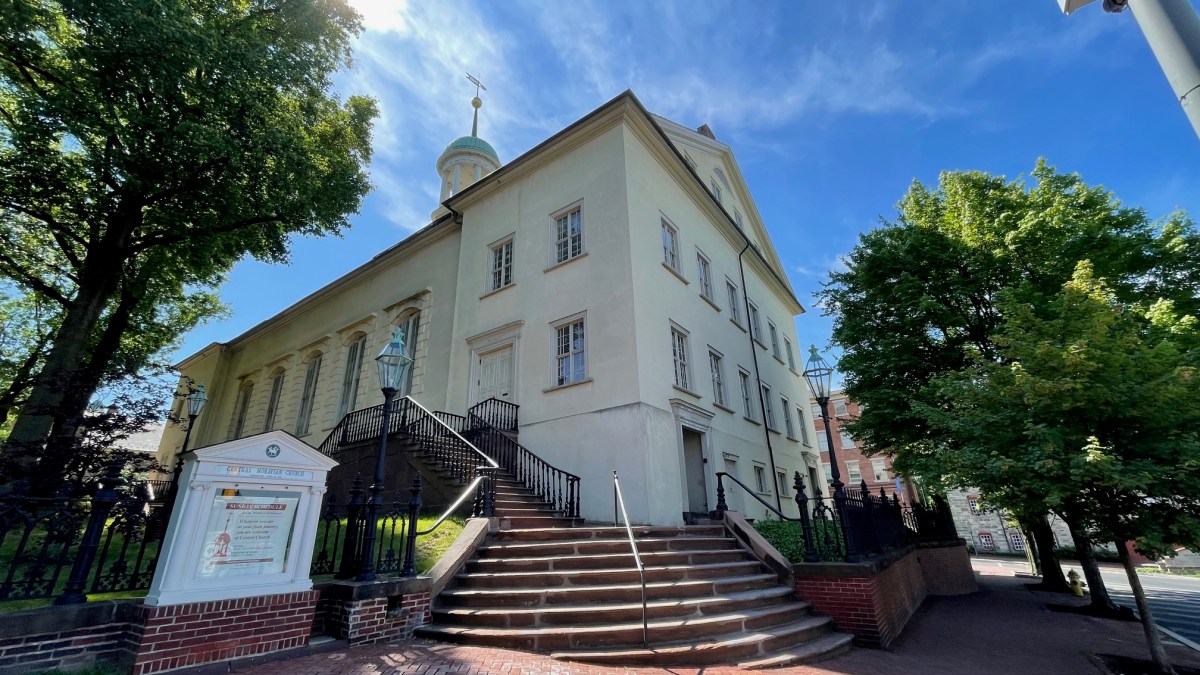
A Visit to Allentown and Bethlehem, Pennsylvania

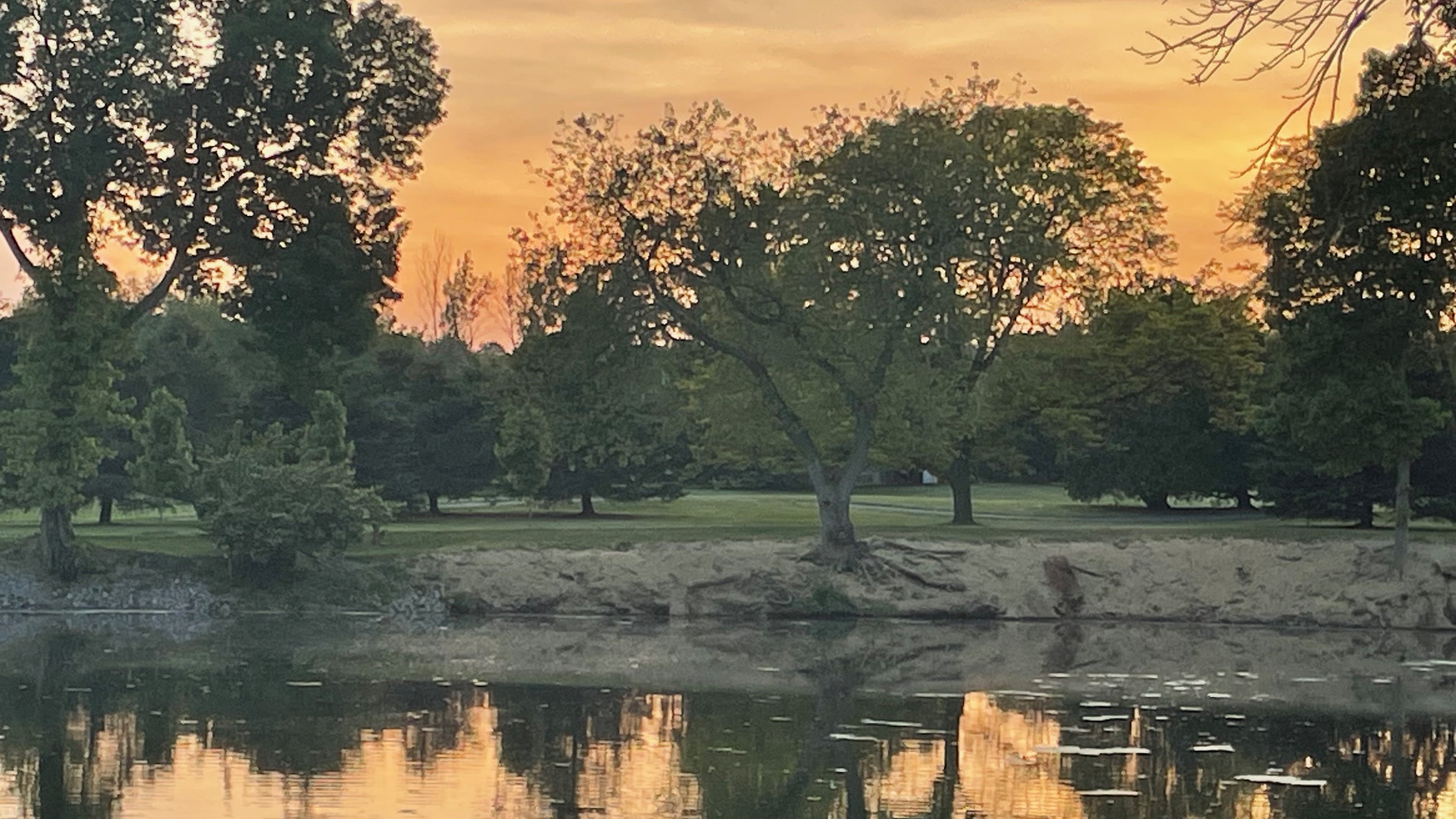

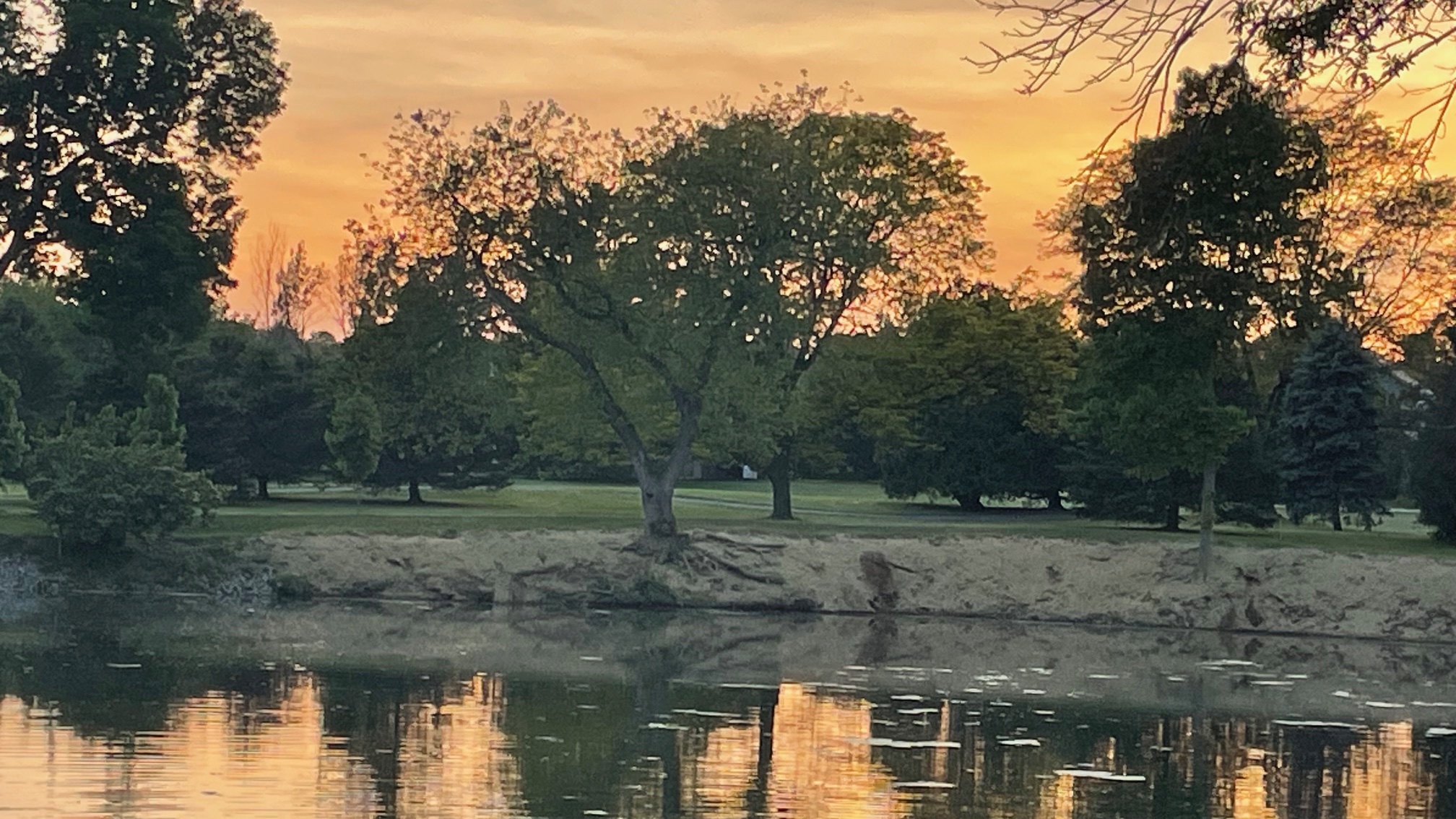
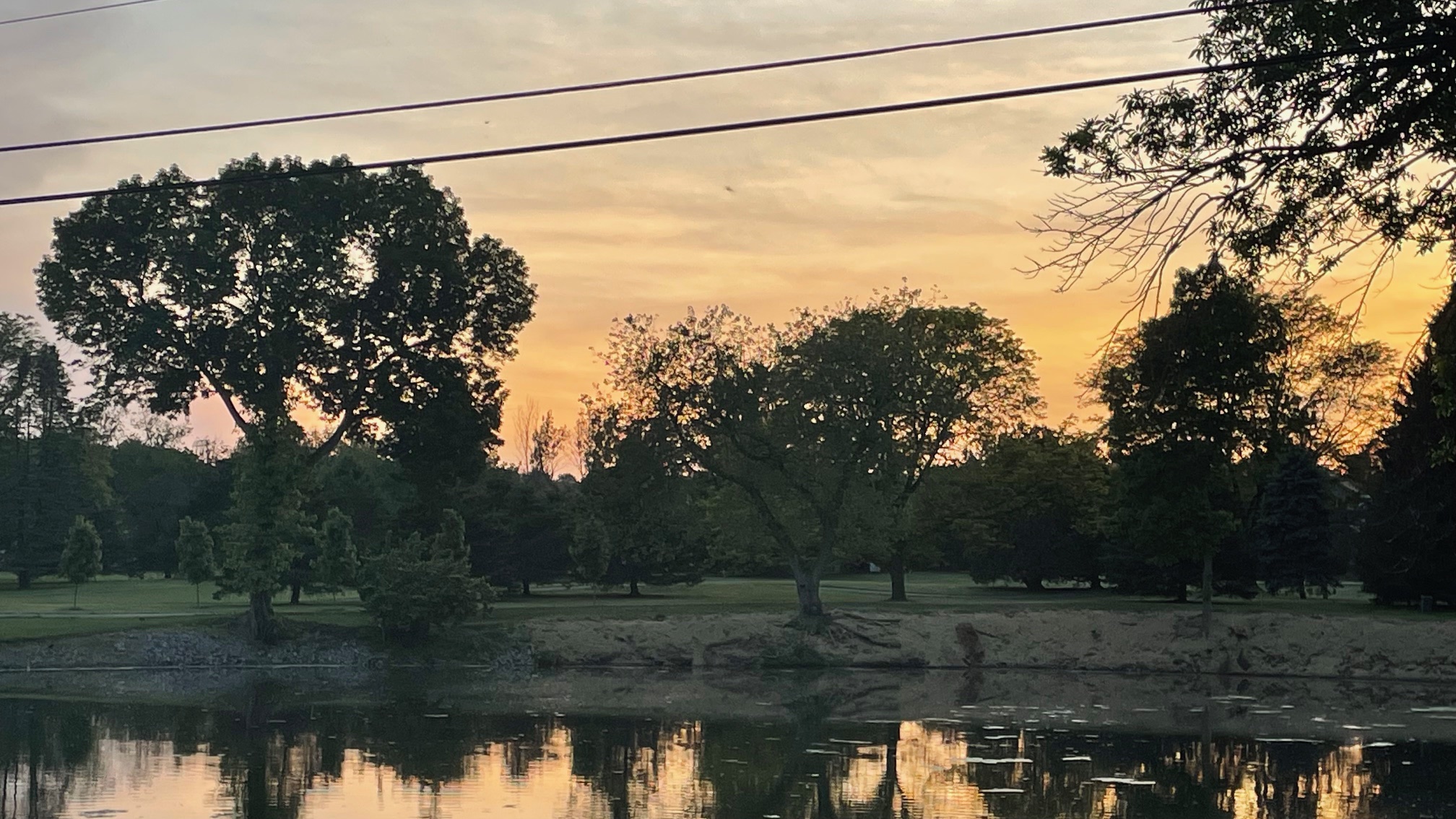
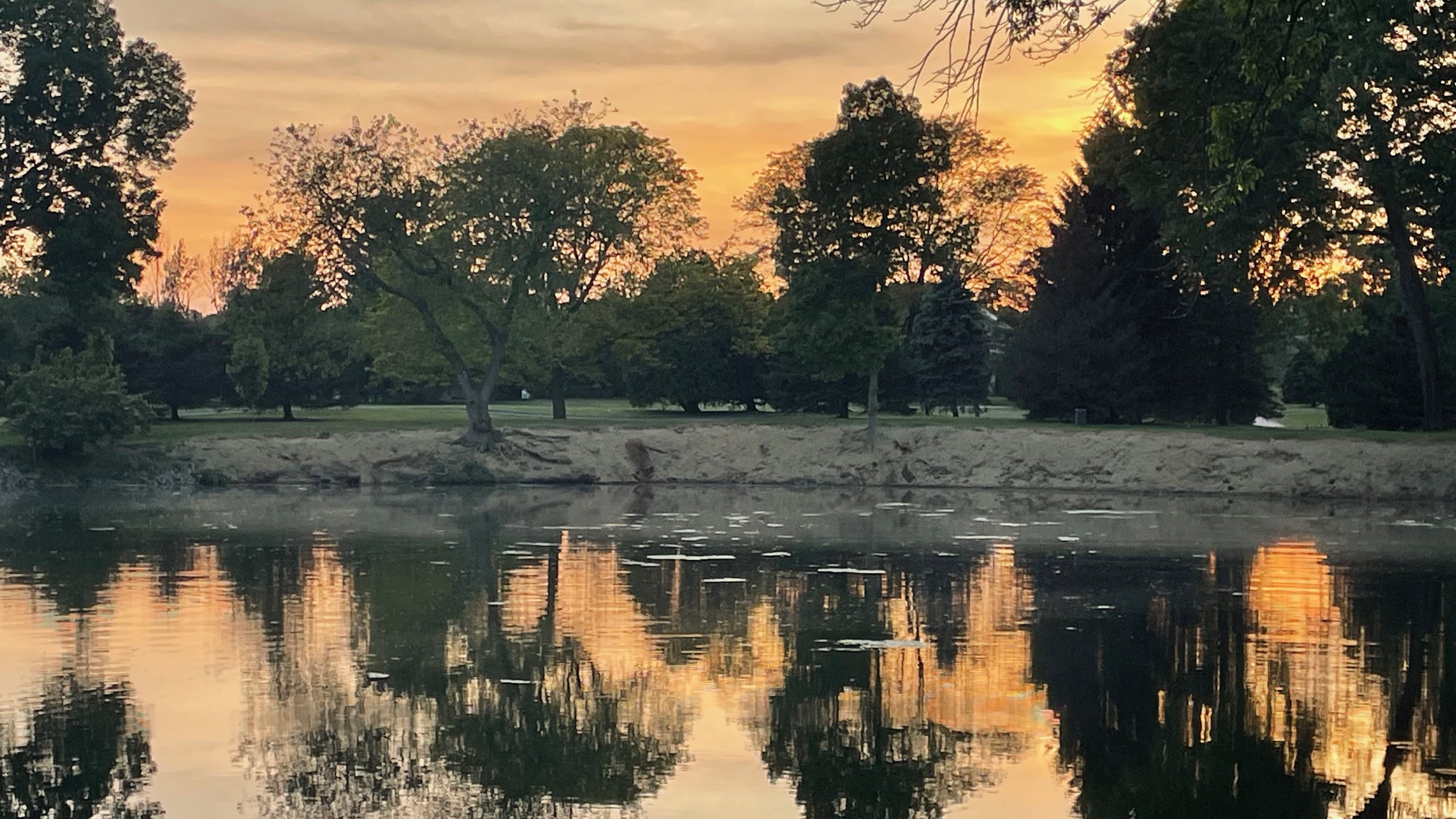
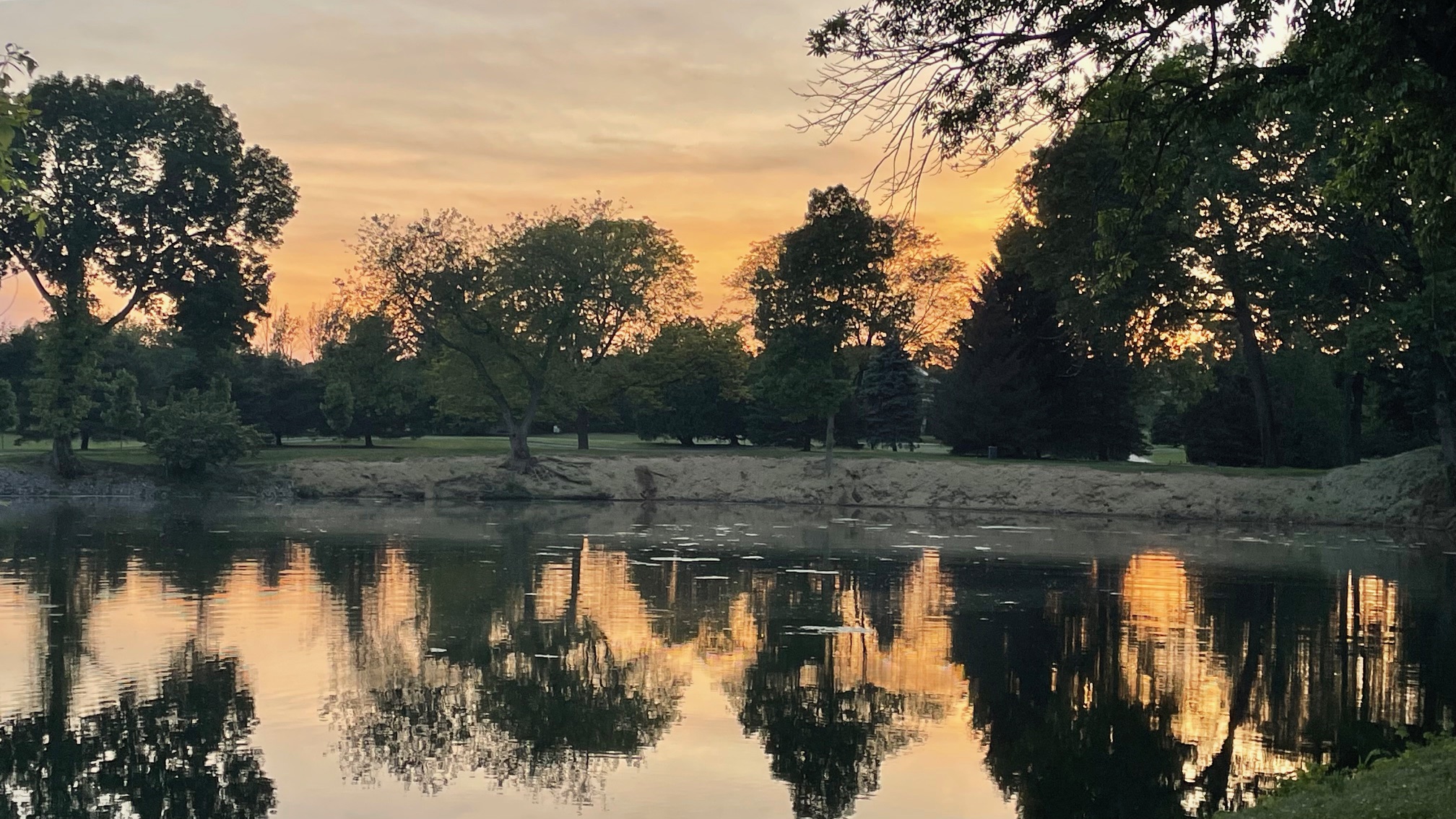
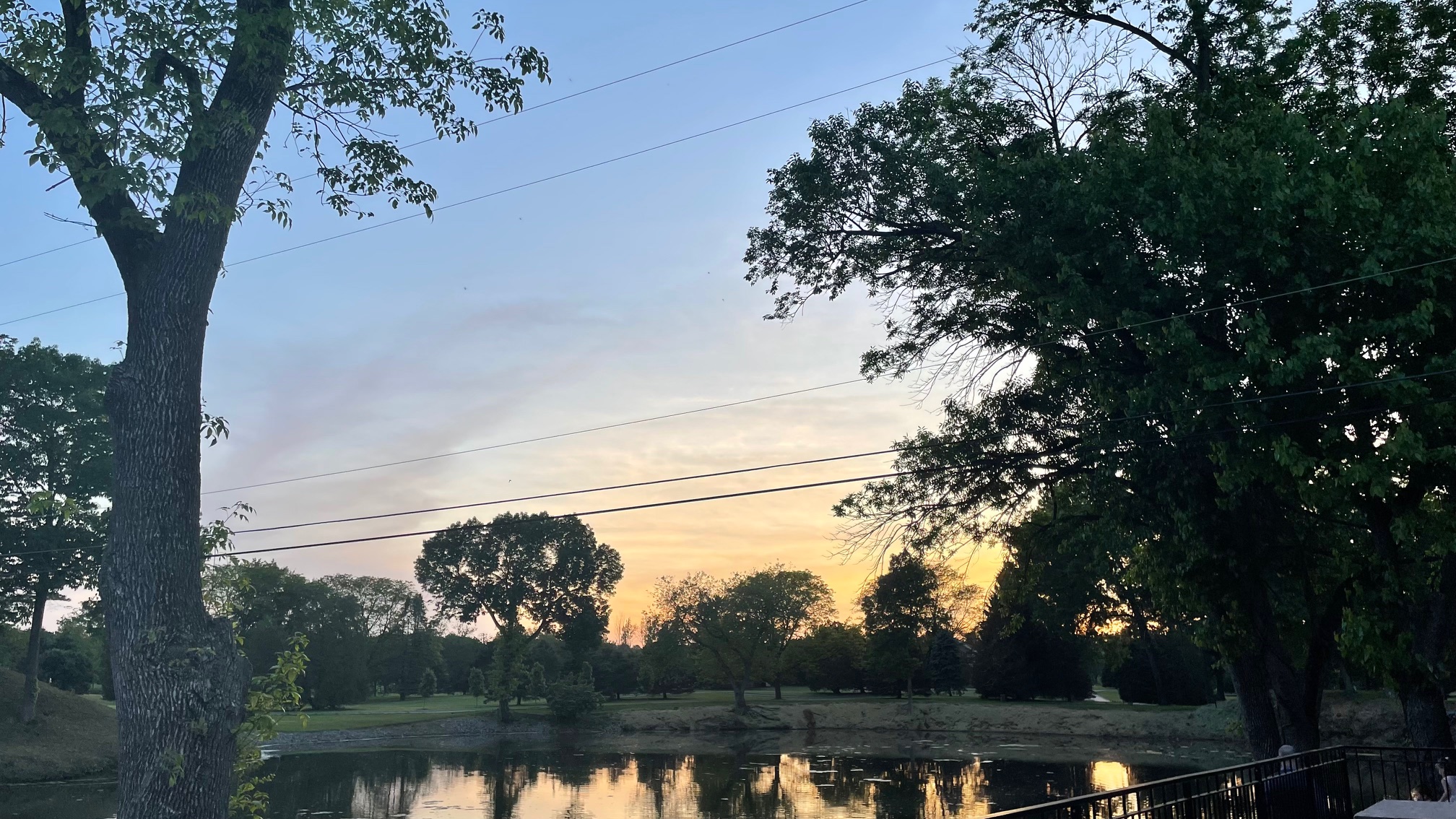

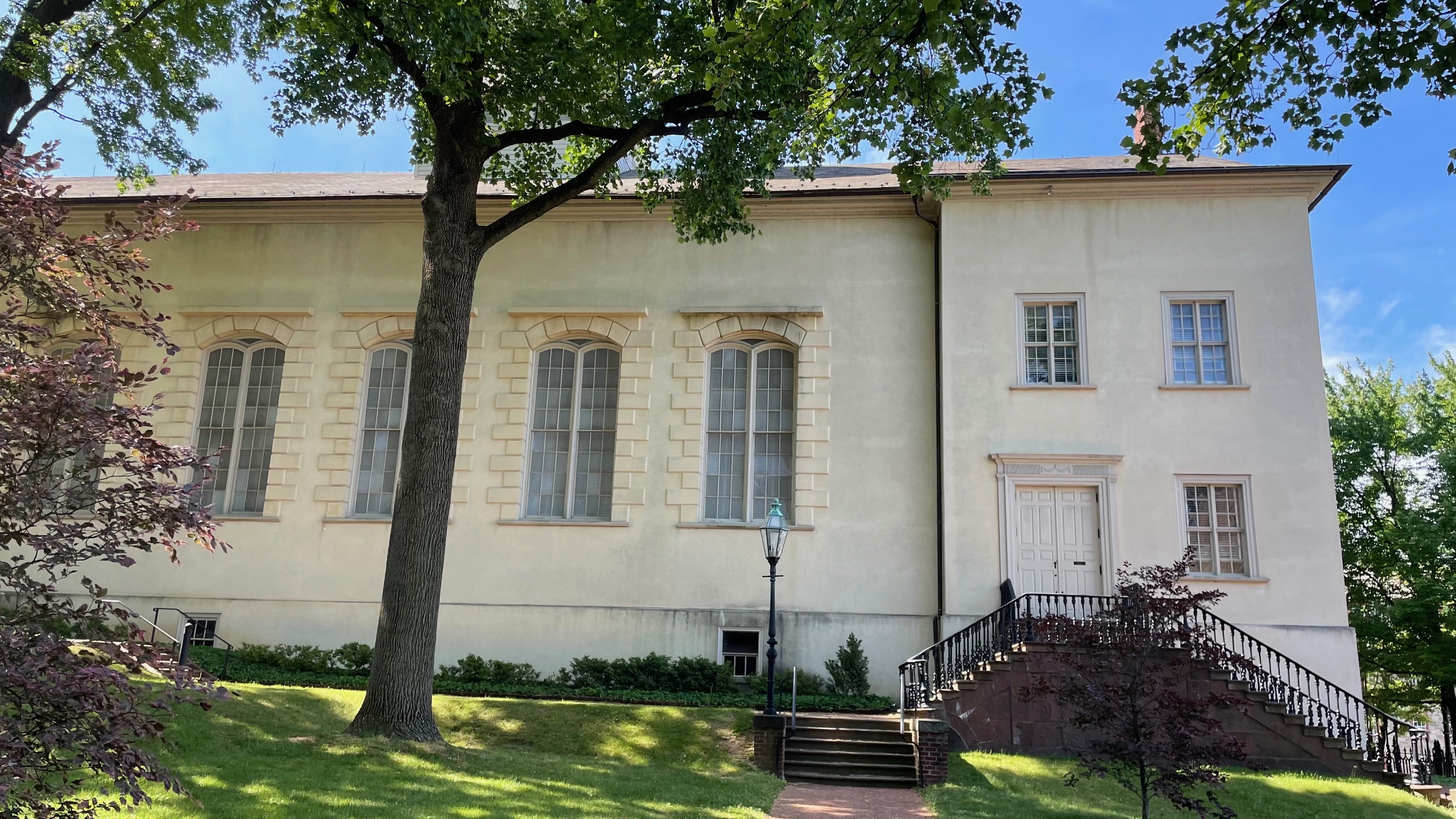
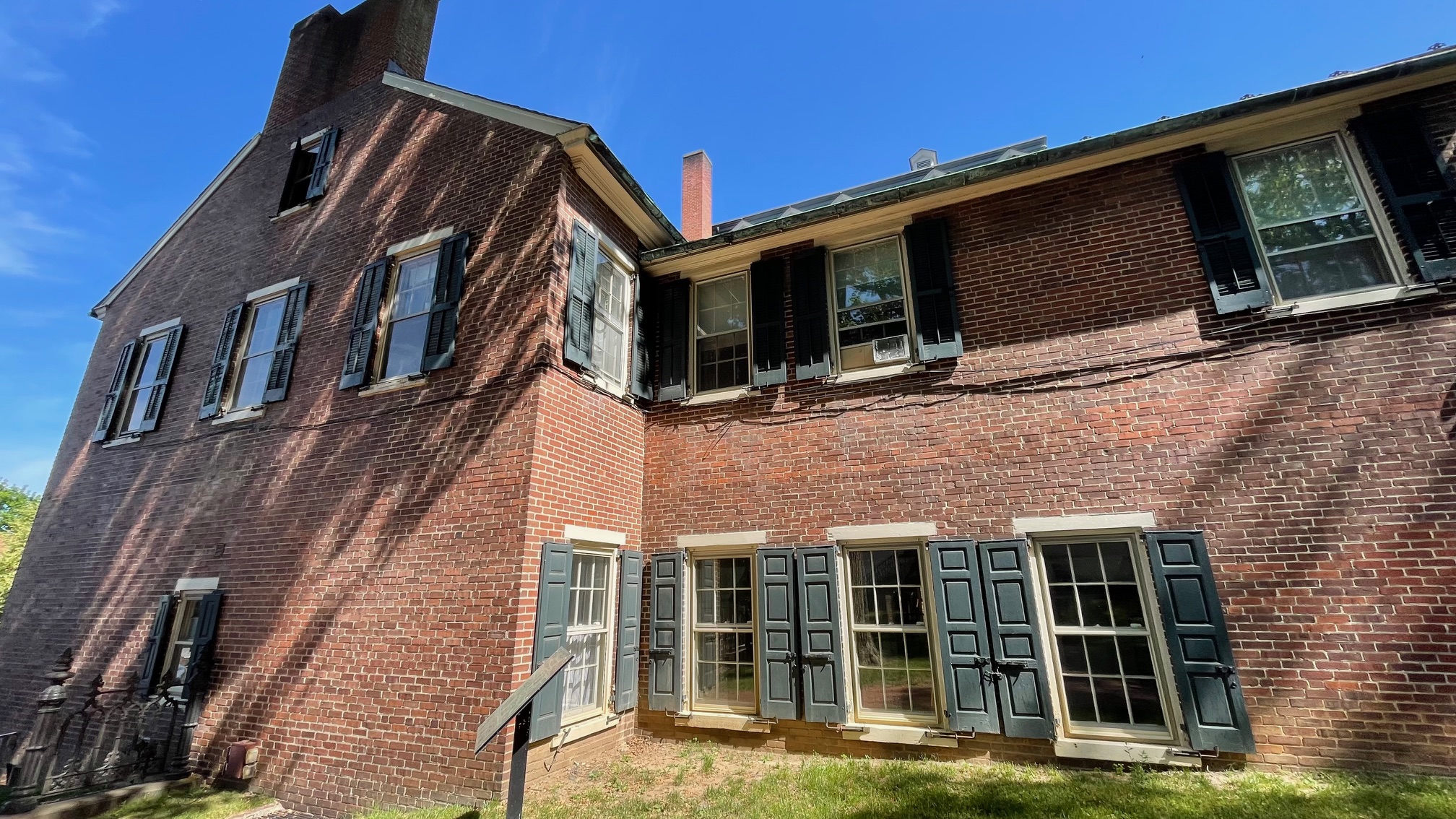
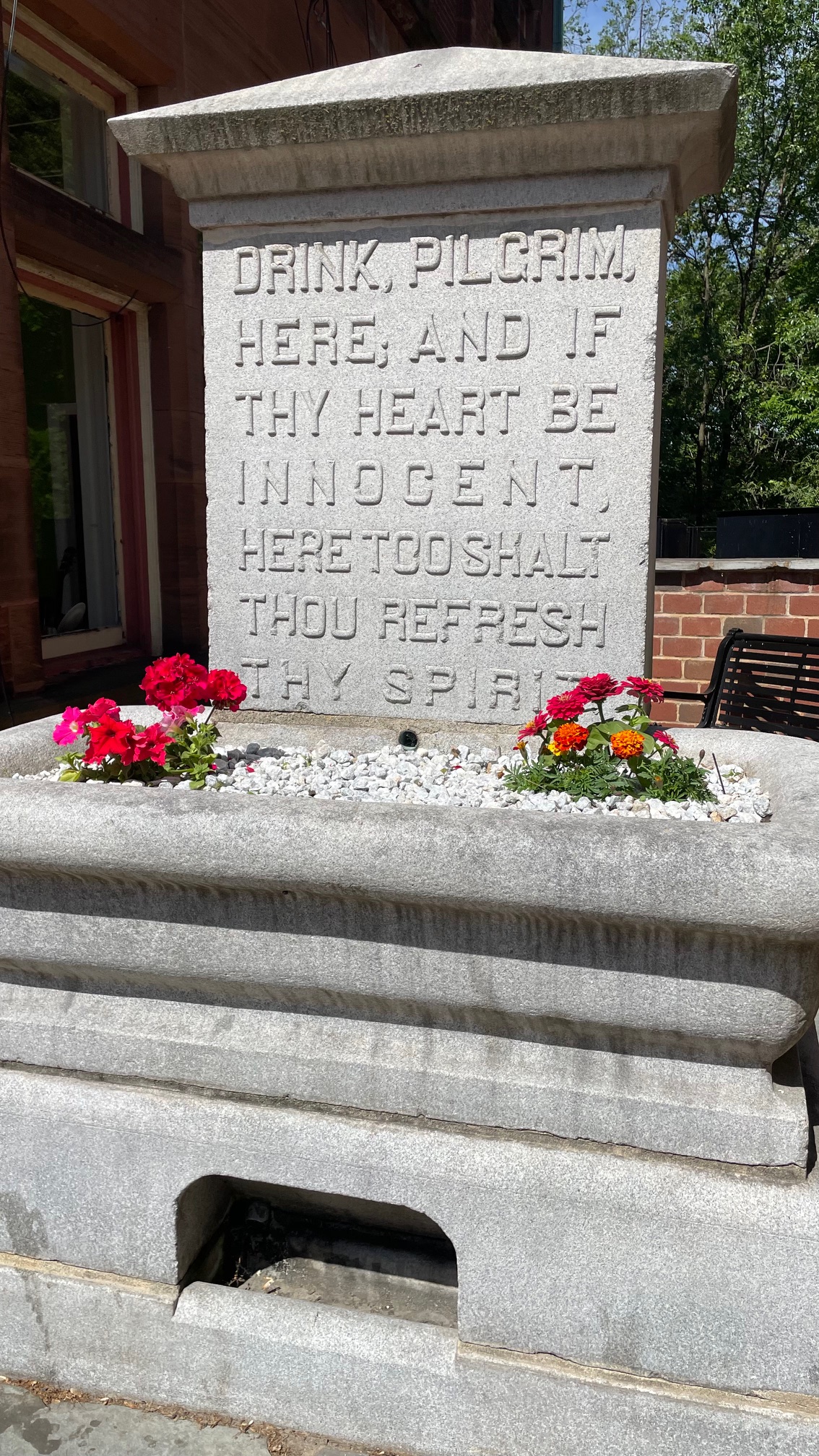
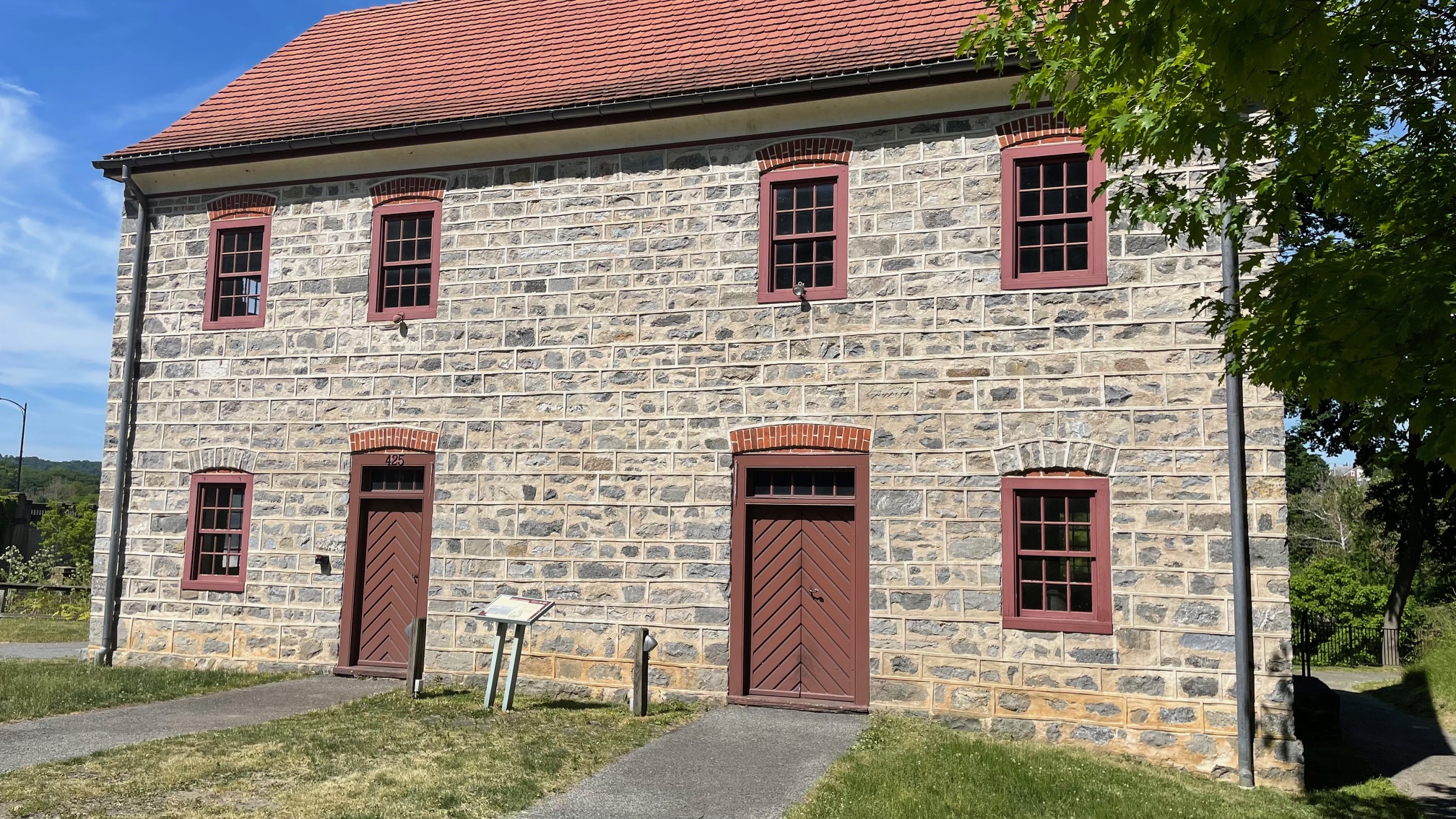
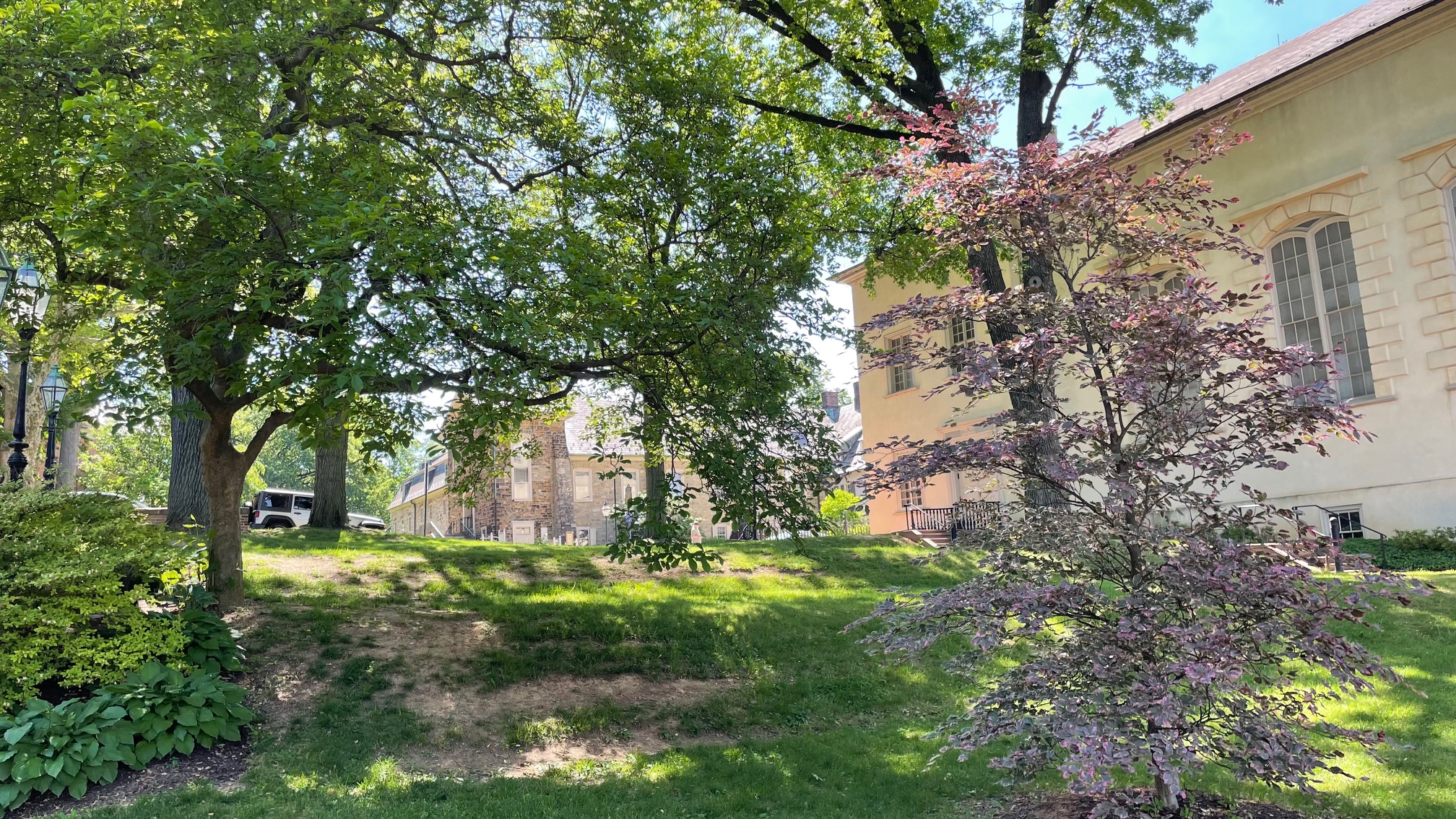
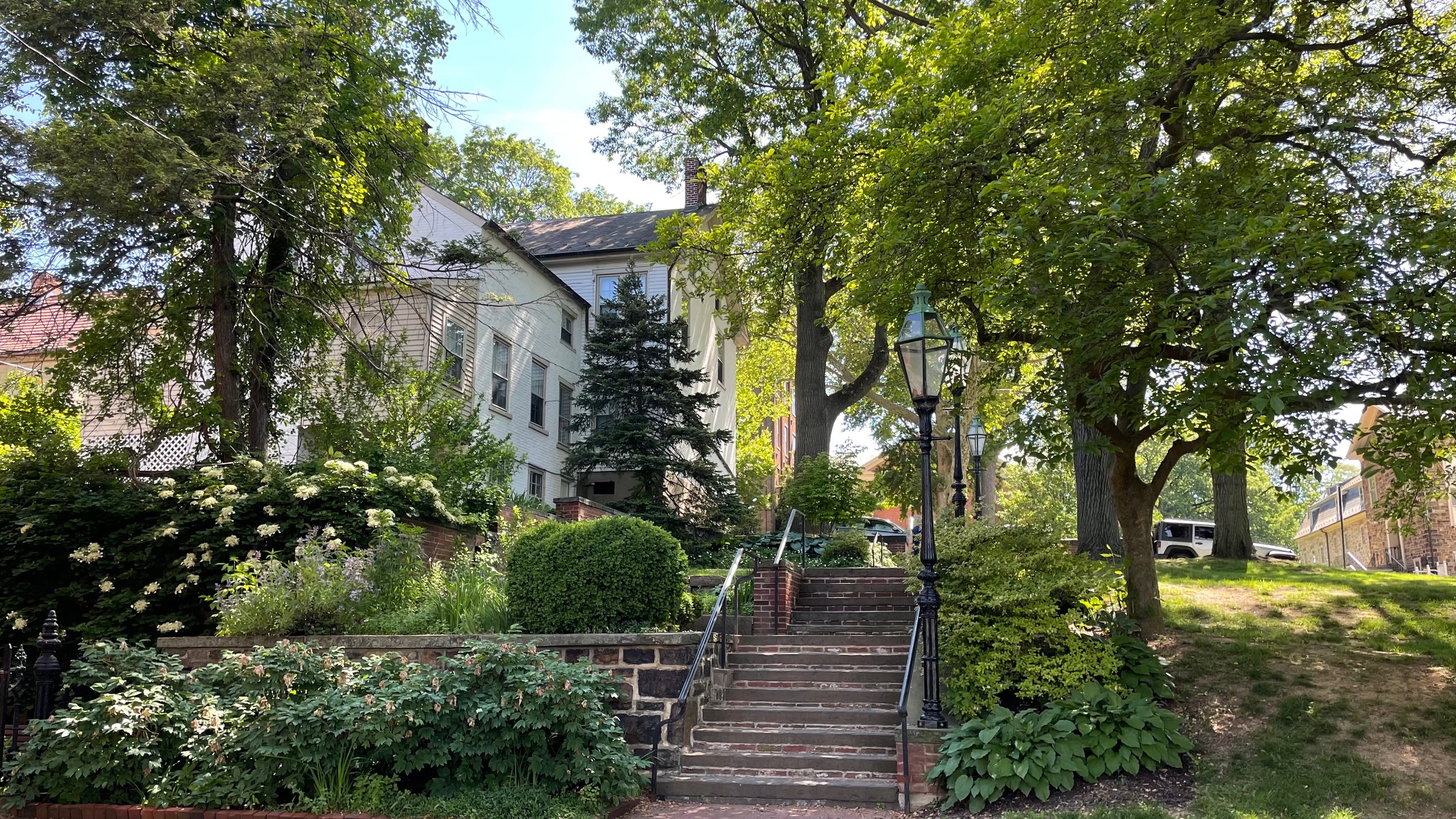
Camera: iPhone 12
Locations: Allentown, Pennsylvania, United States; Bethlehem, Pennsylvania, United States
Playa Del Carmen, Mexico
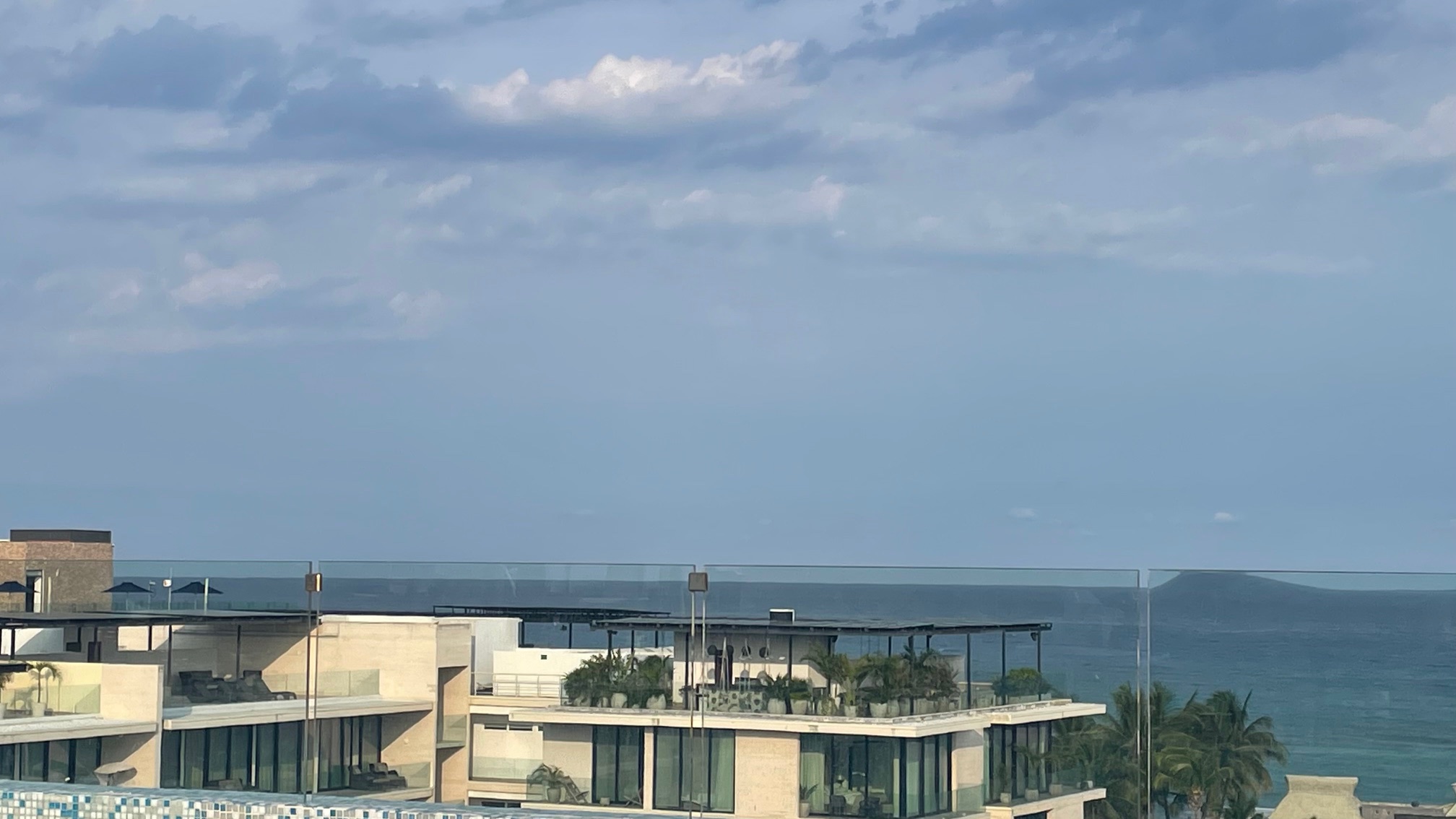
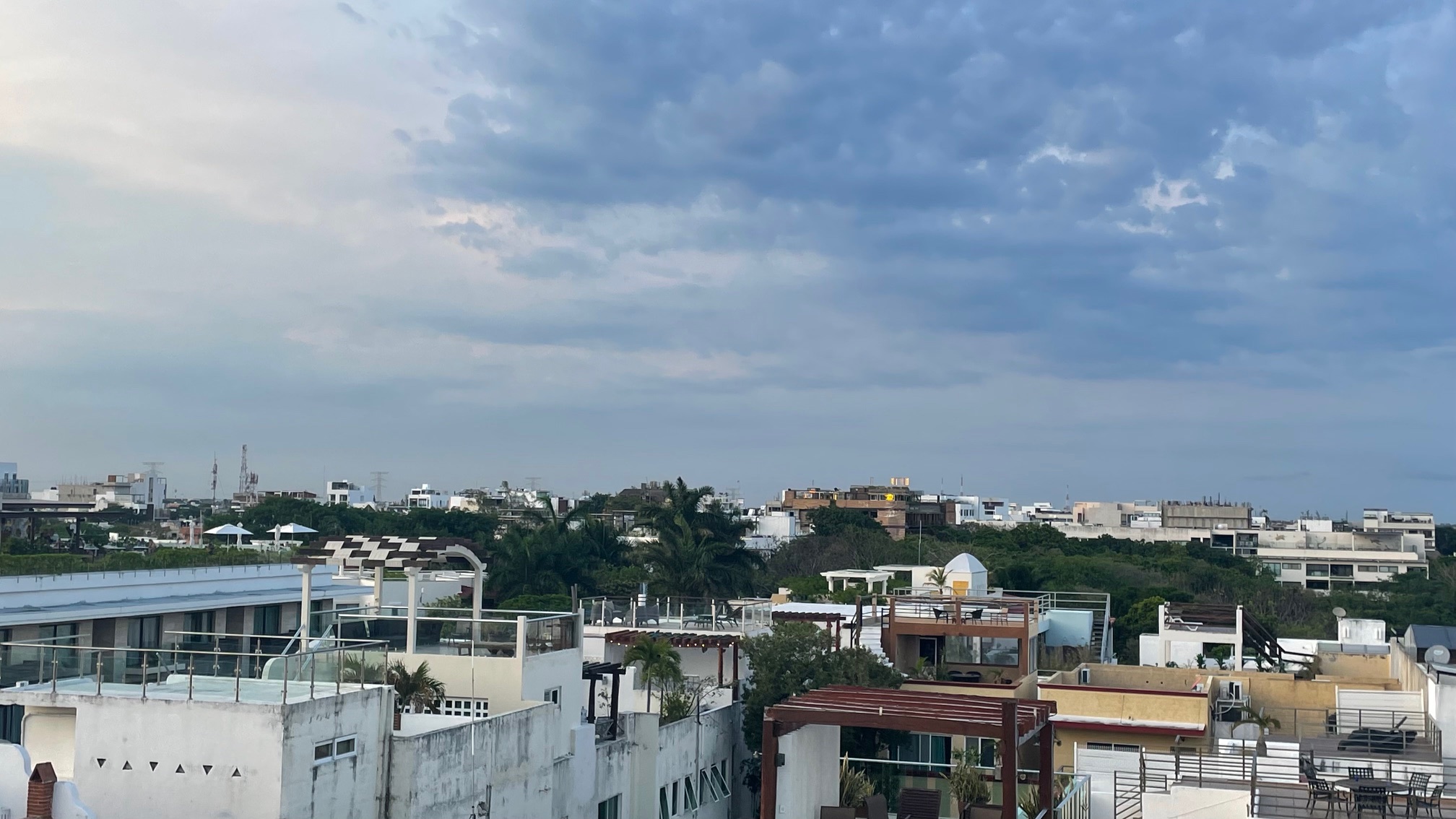

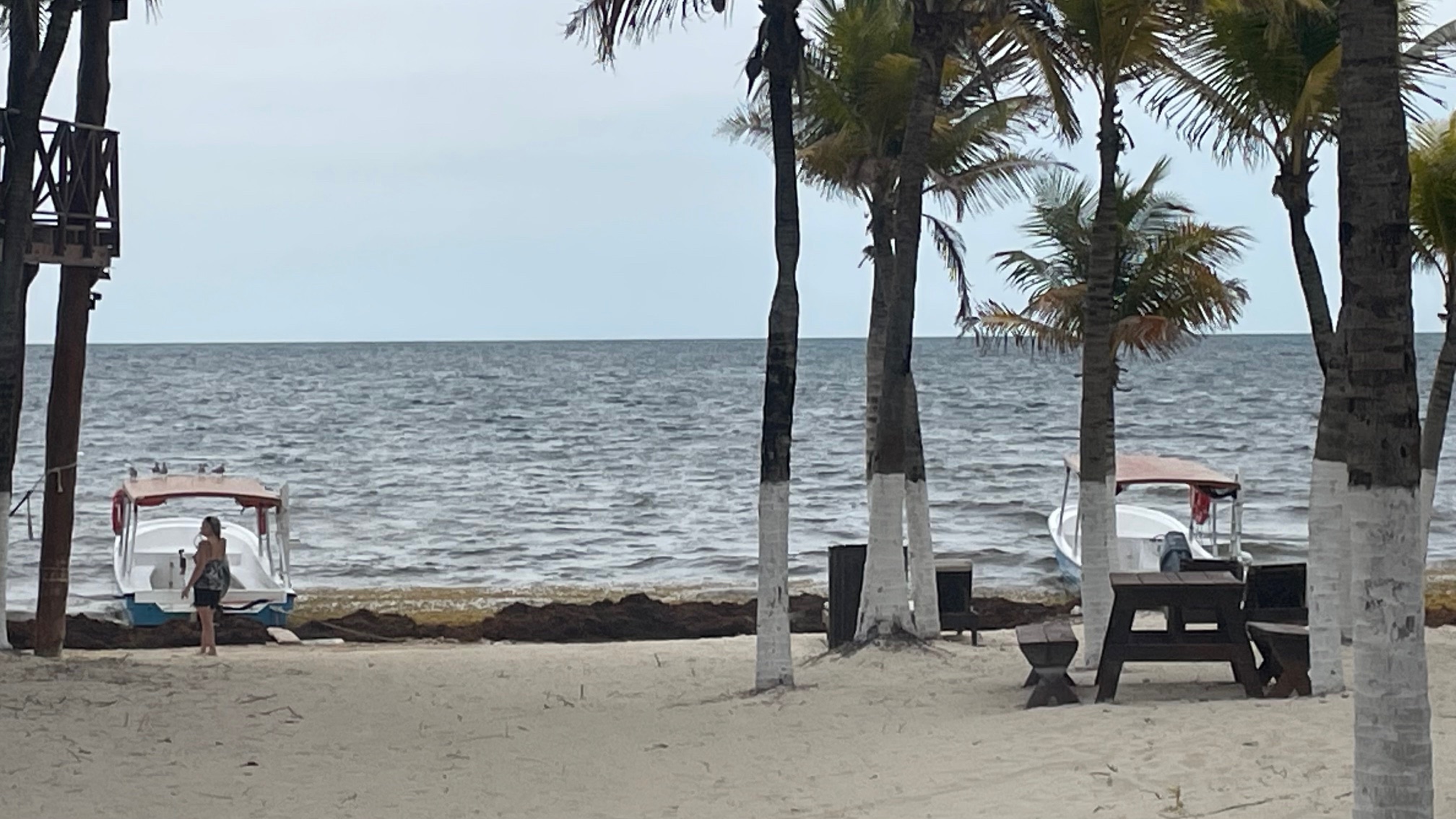
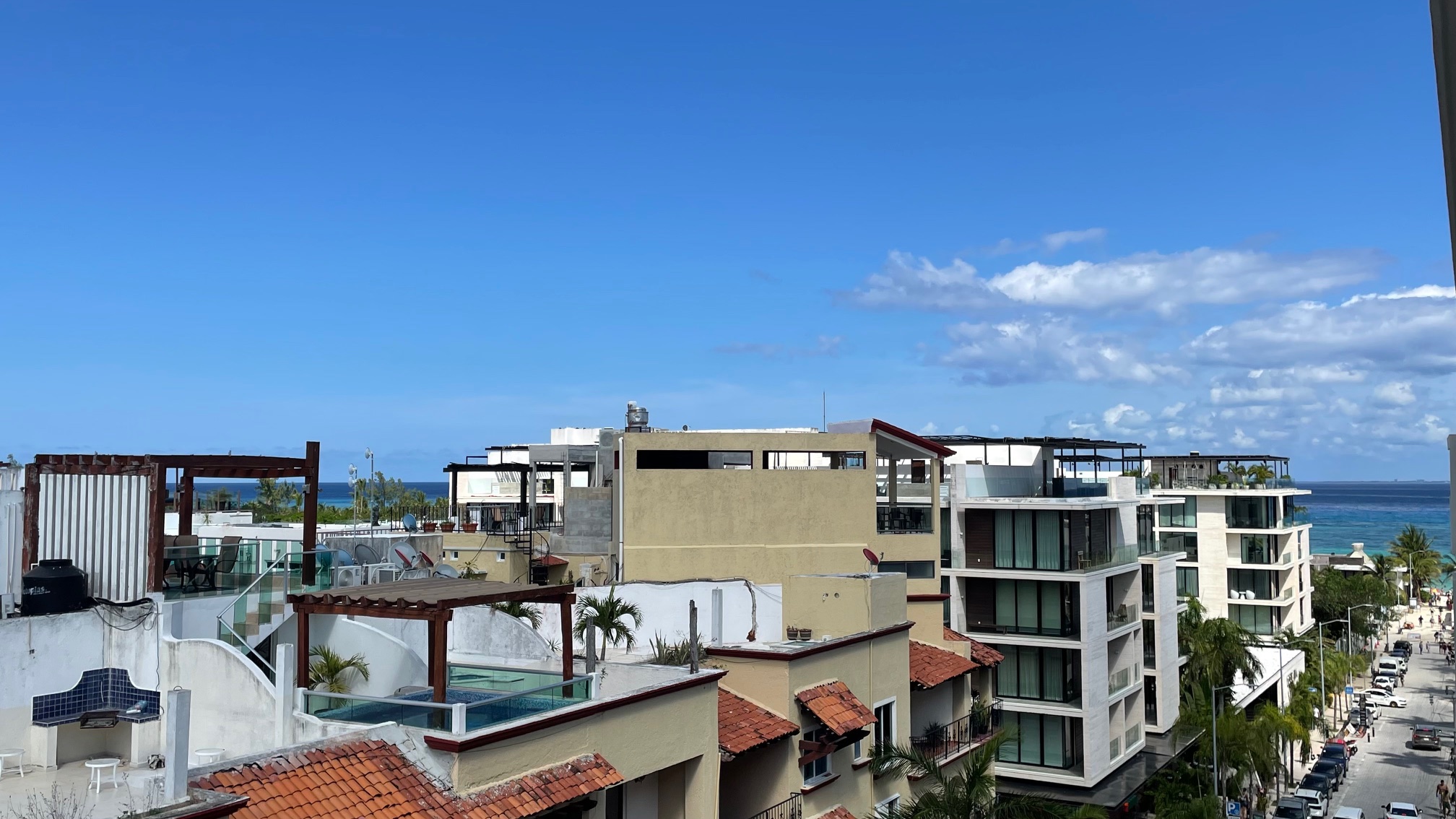
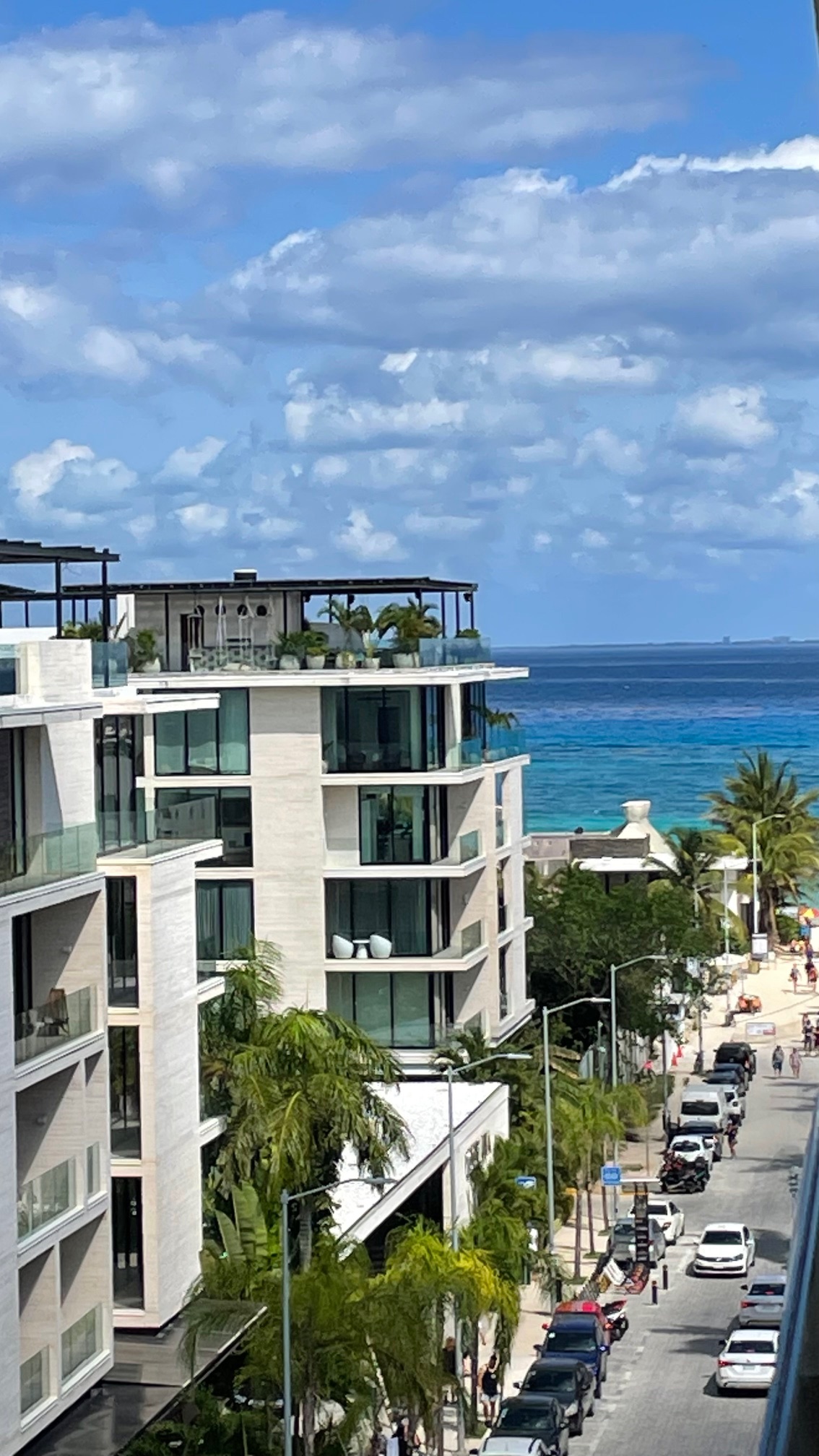
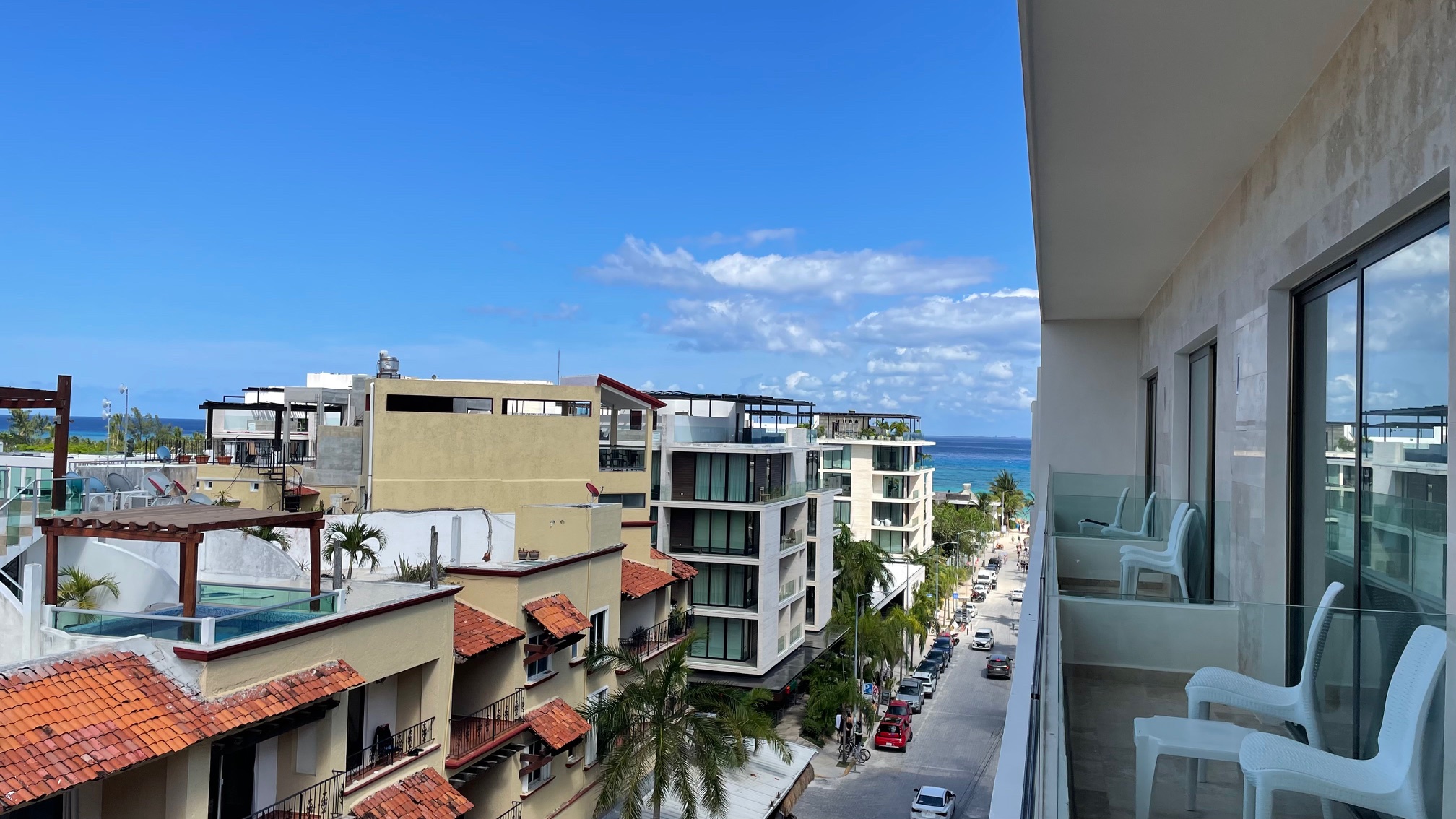


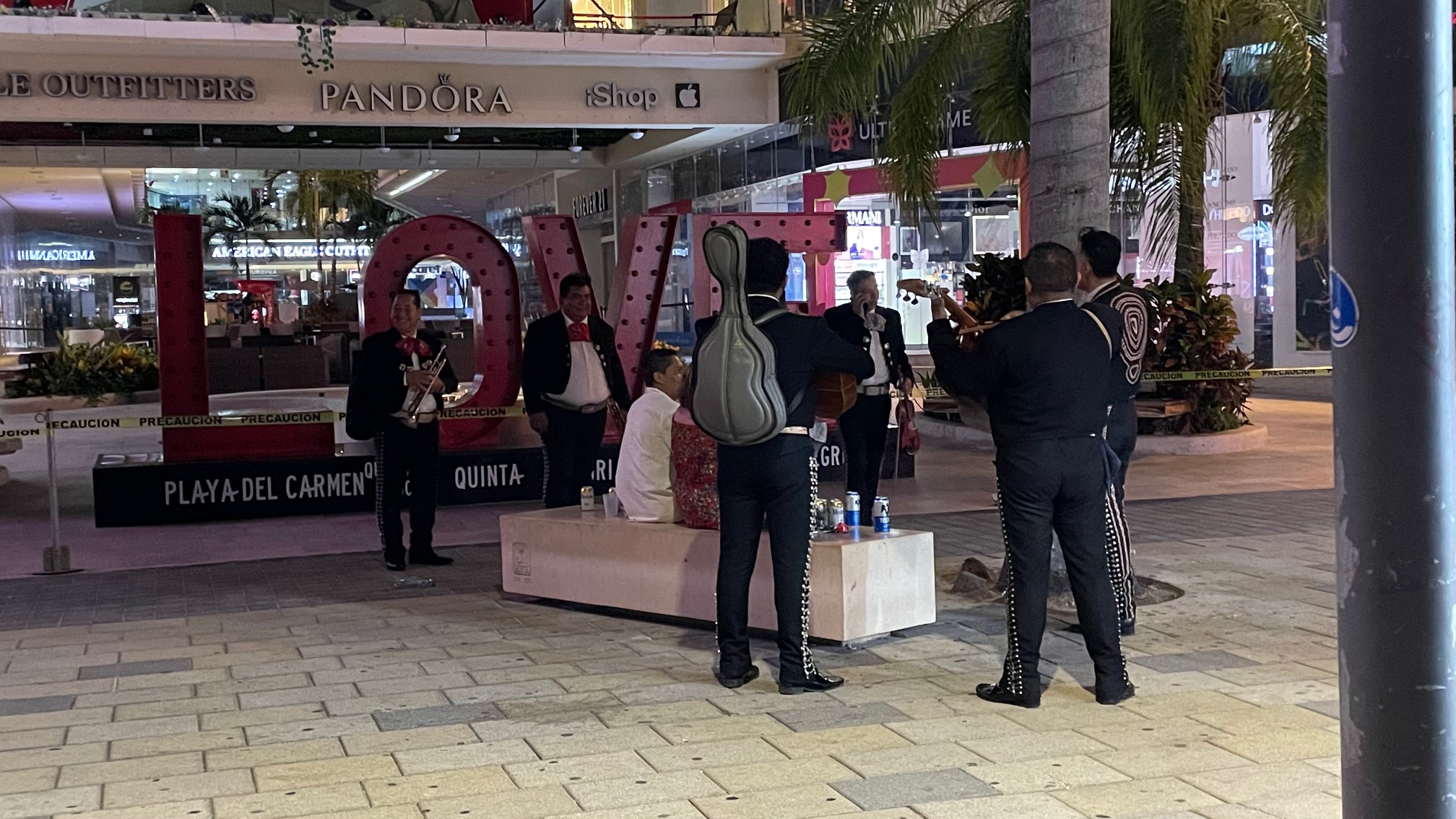
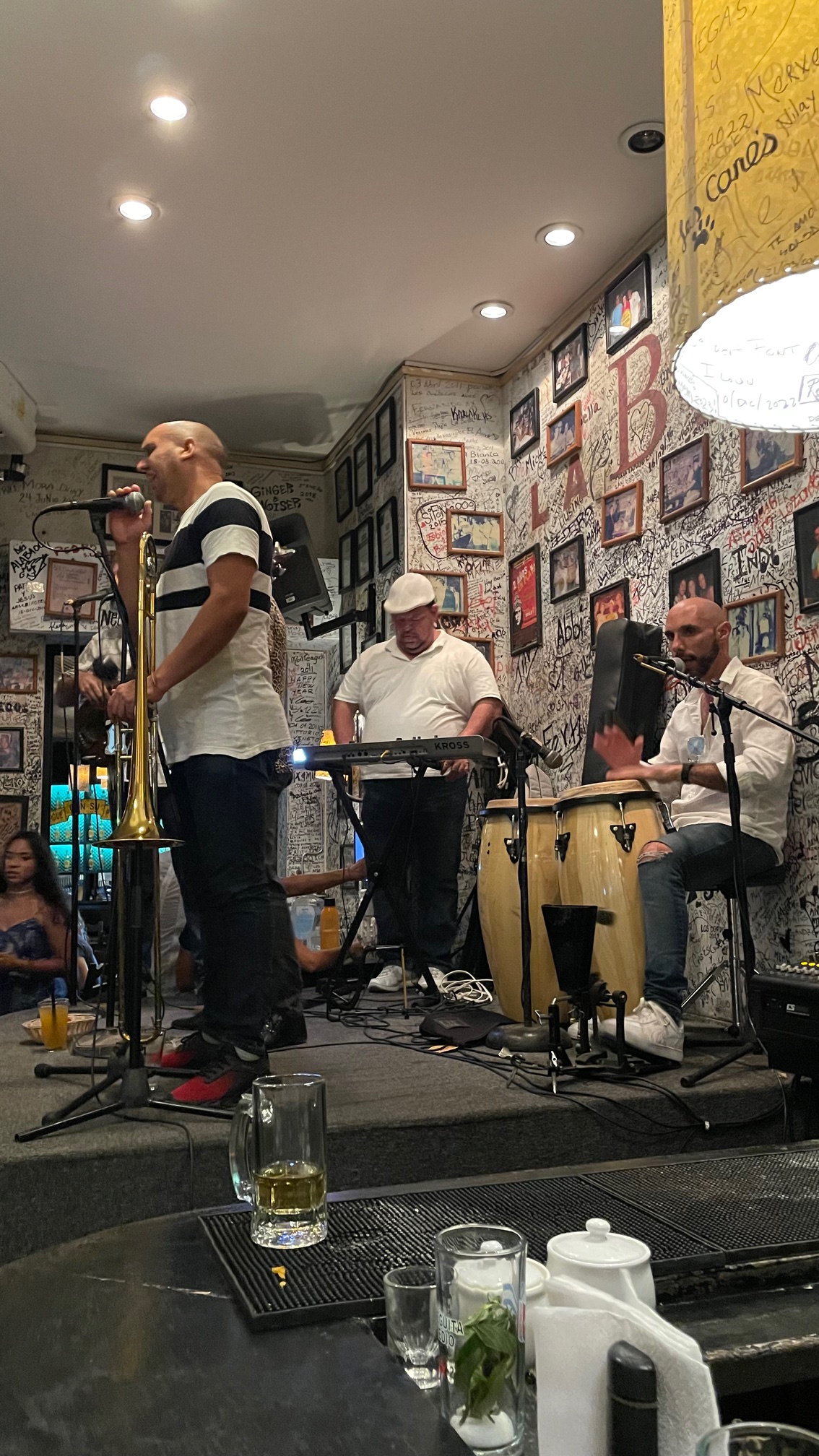



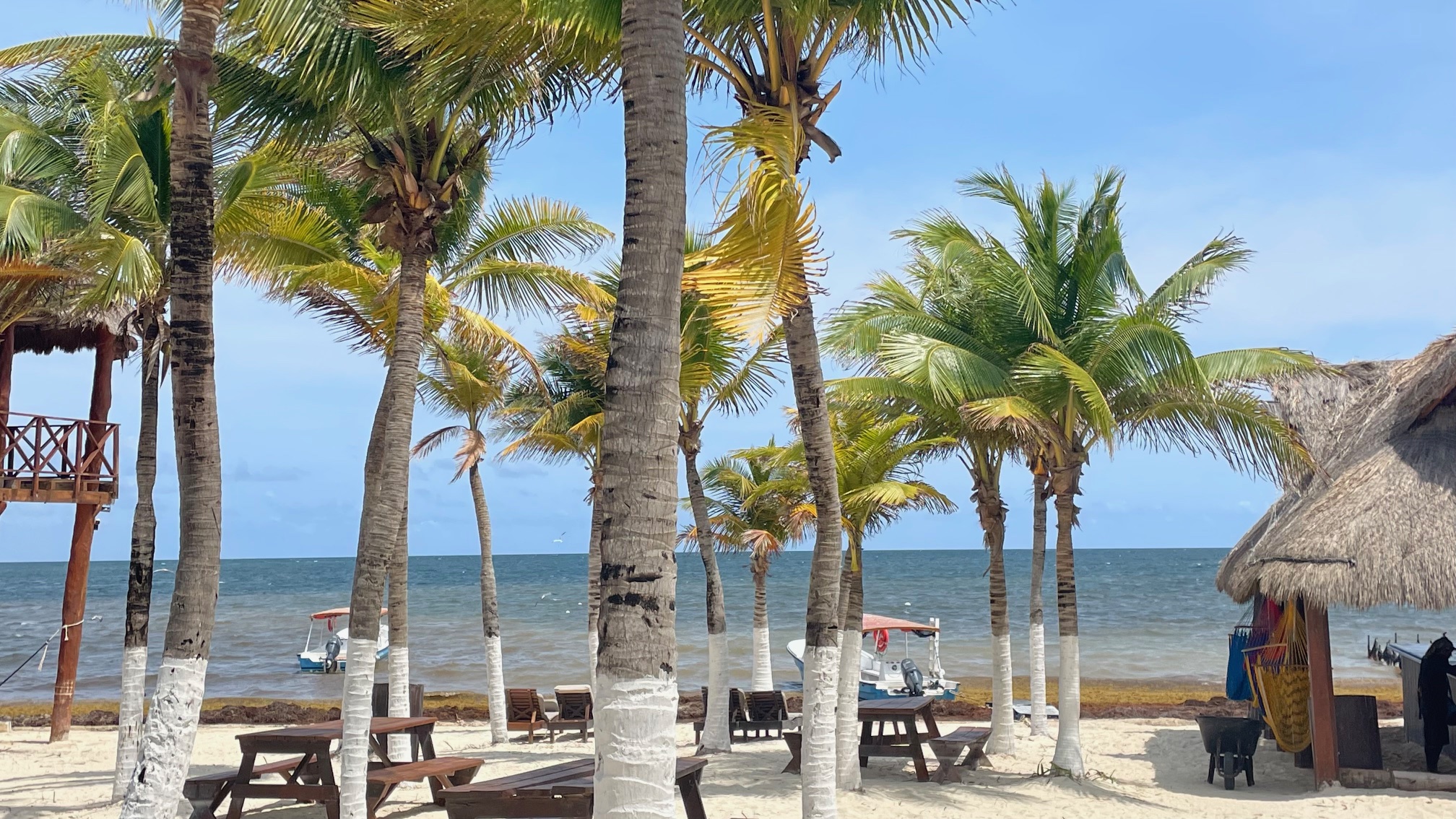
Camera: iPhone 12
Location: Playa del Carmen, Mexico
Dubrovnik At Night
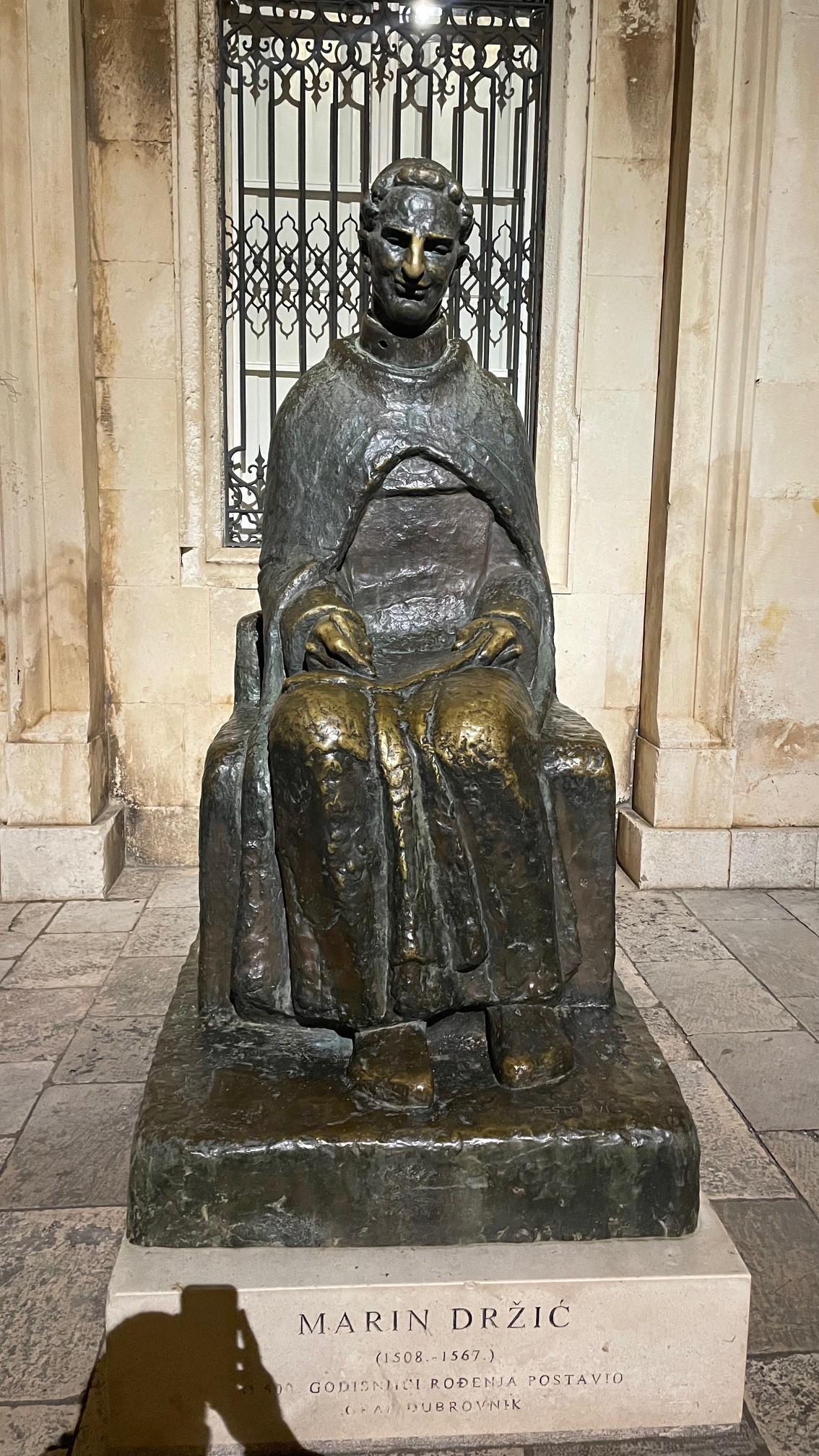

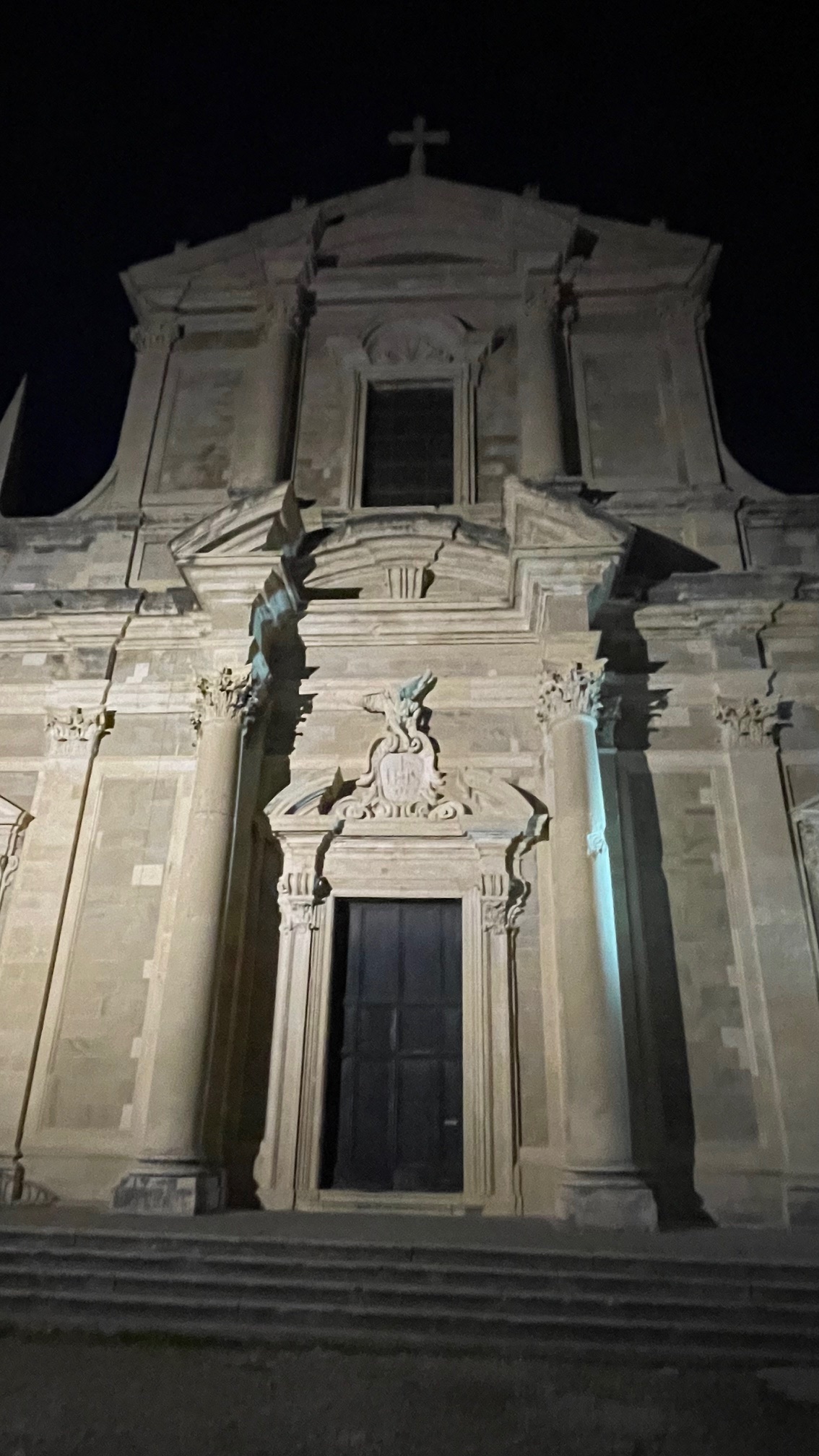
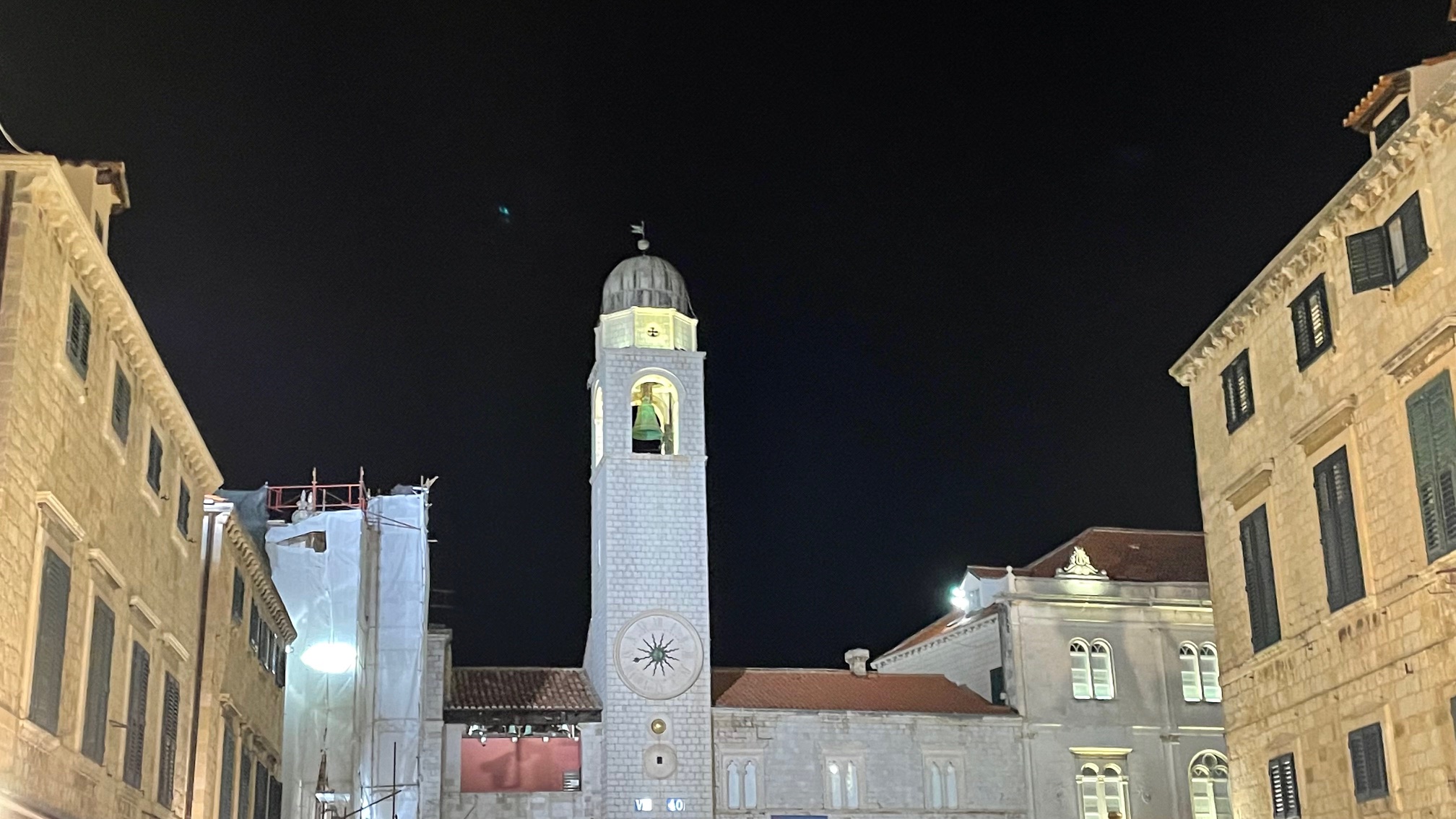
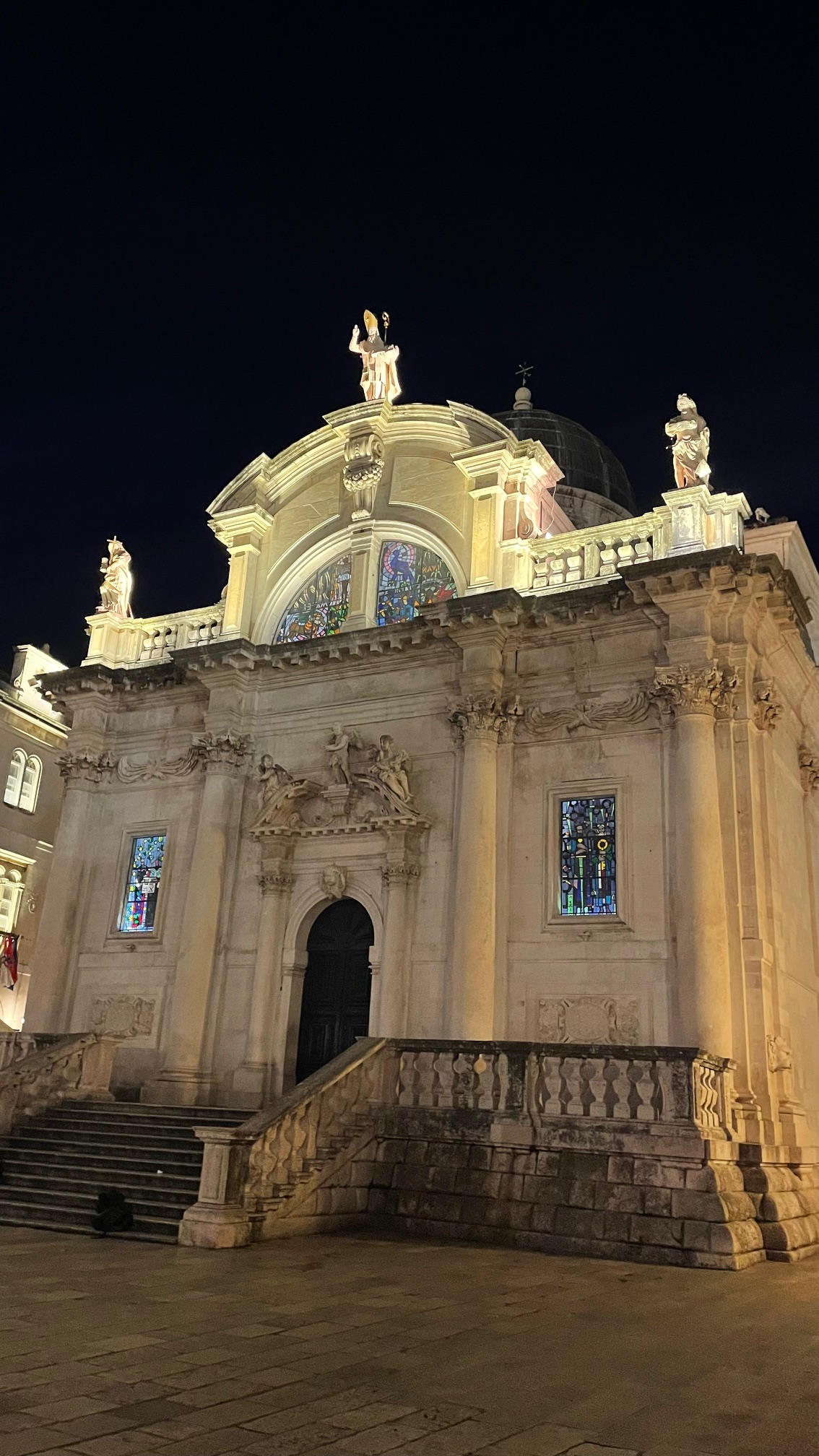
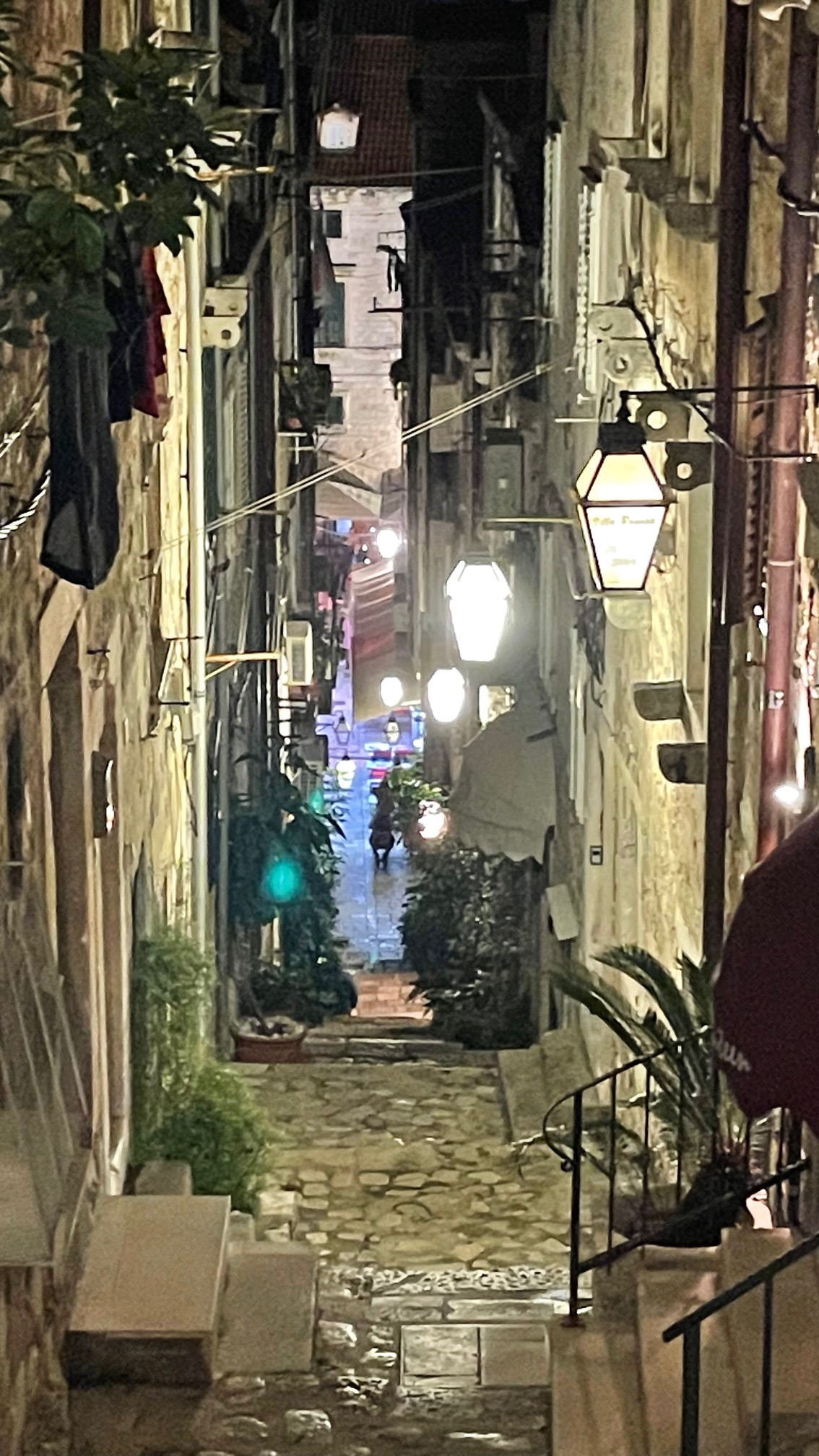
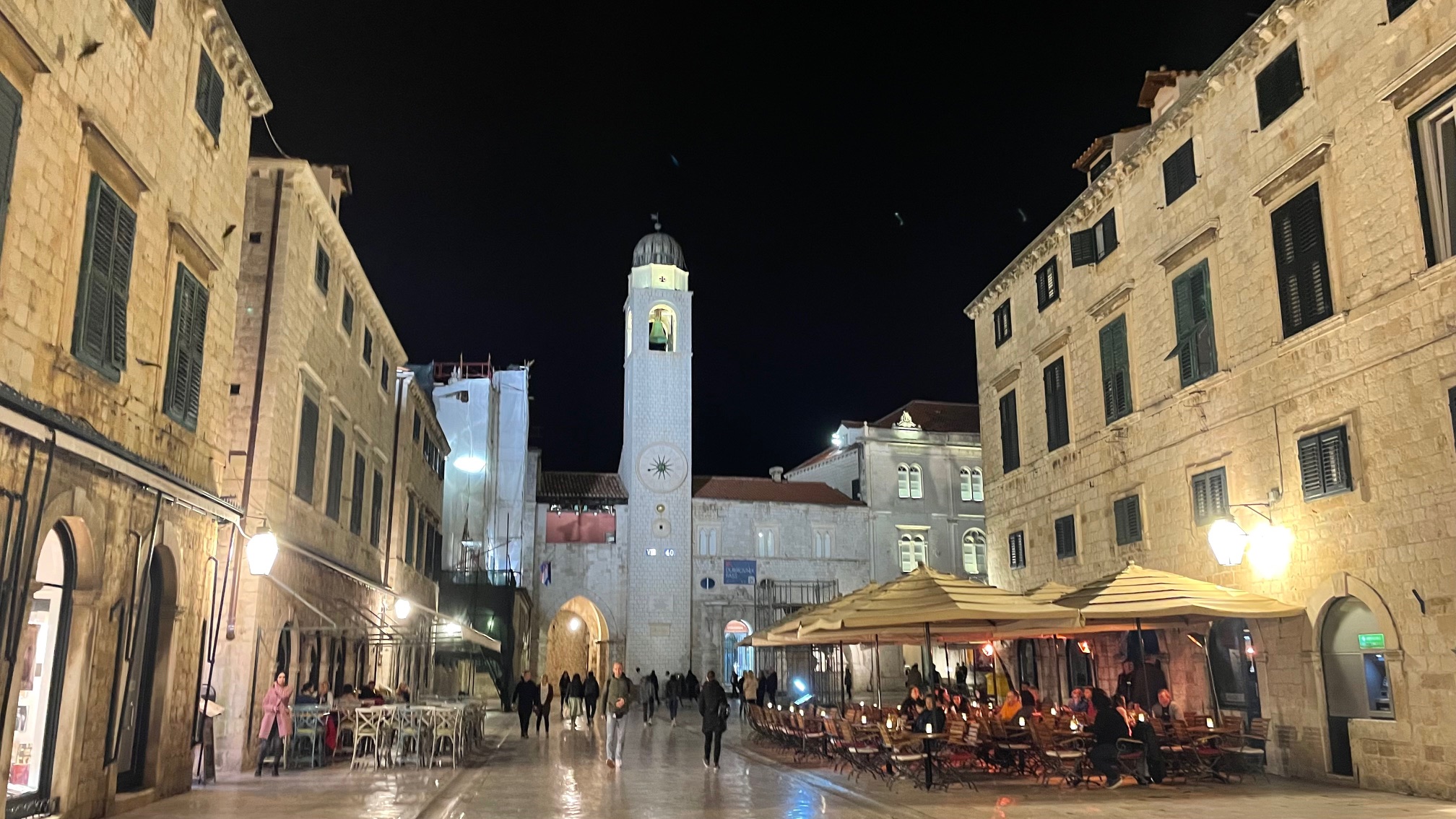
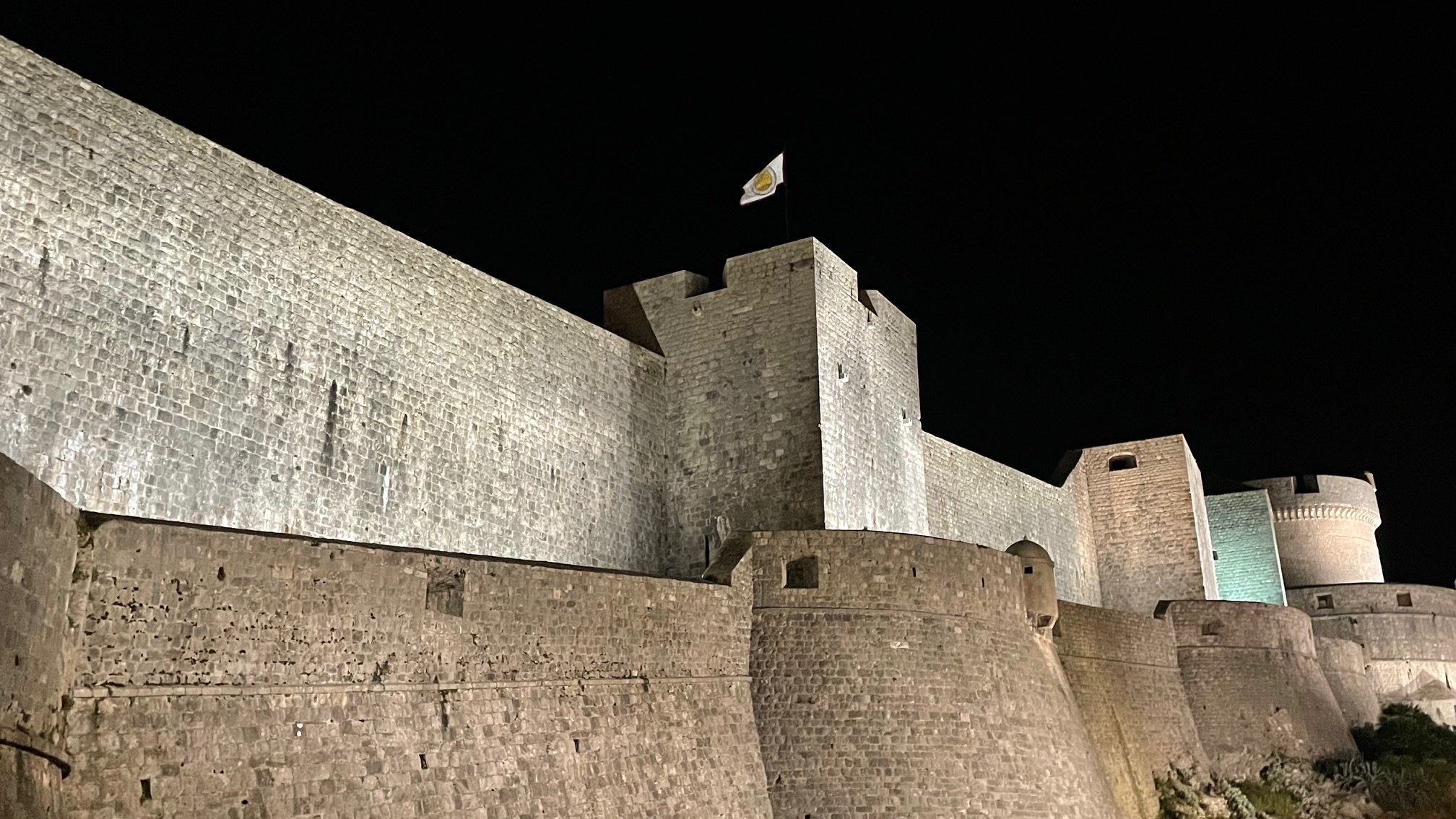
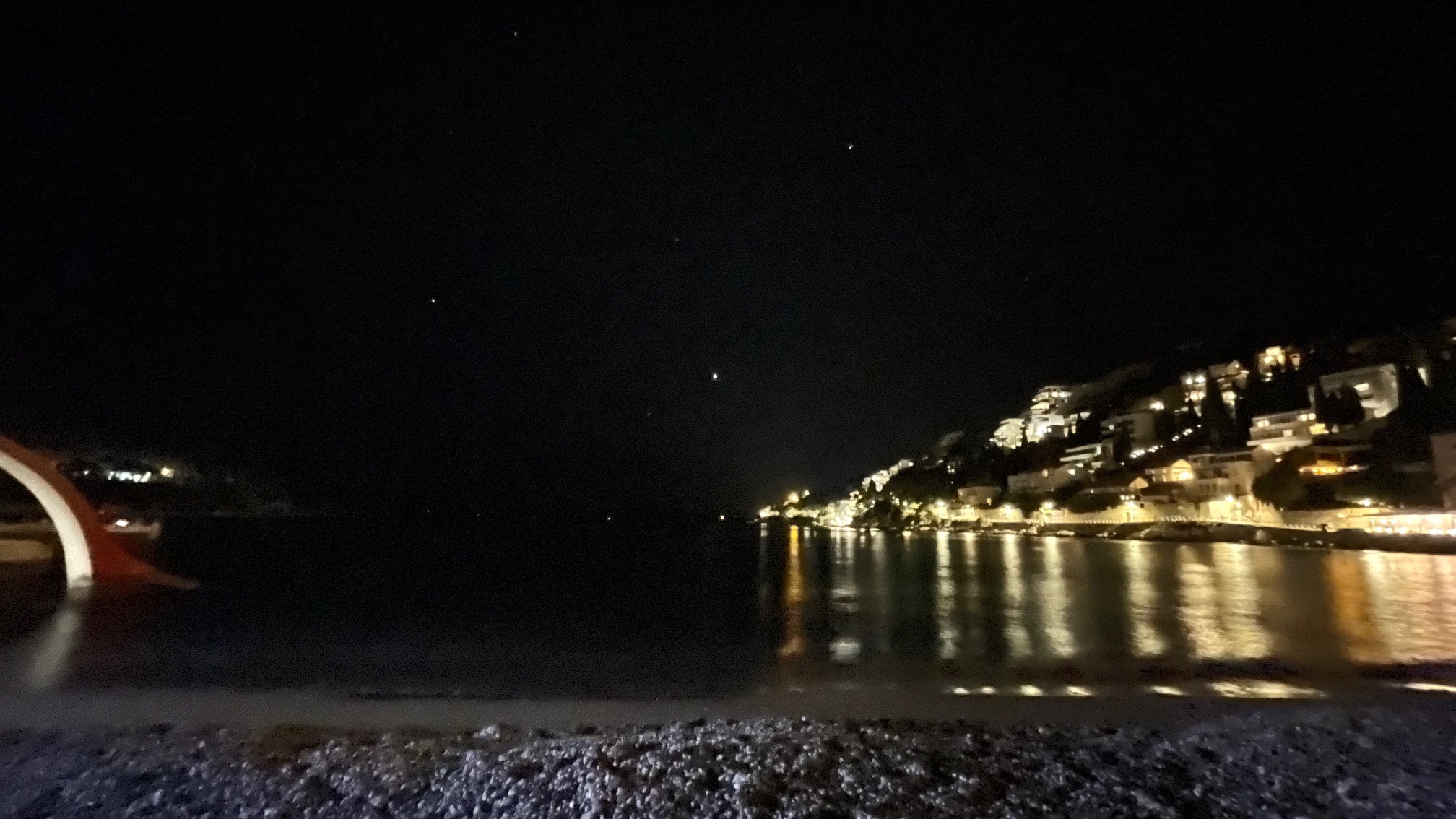
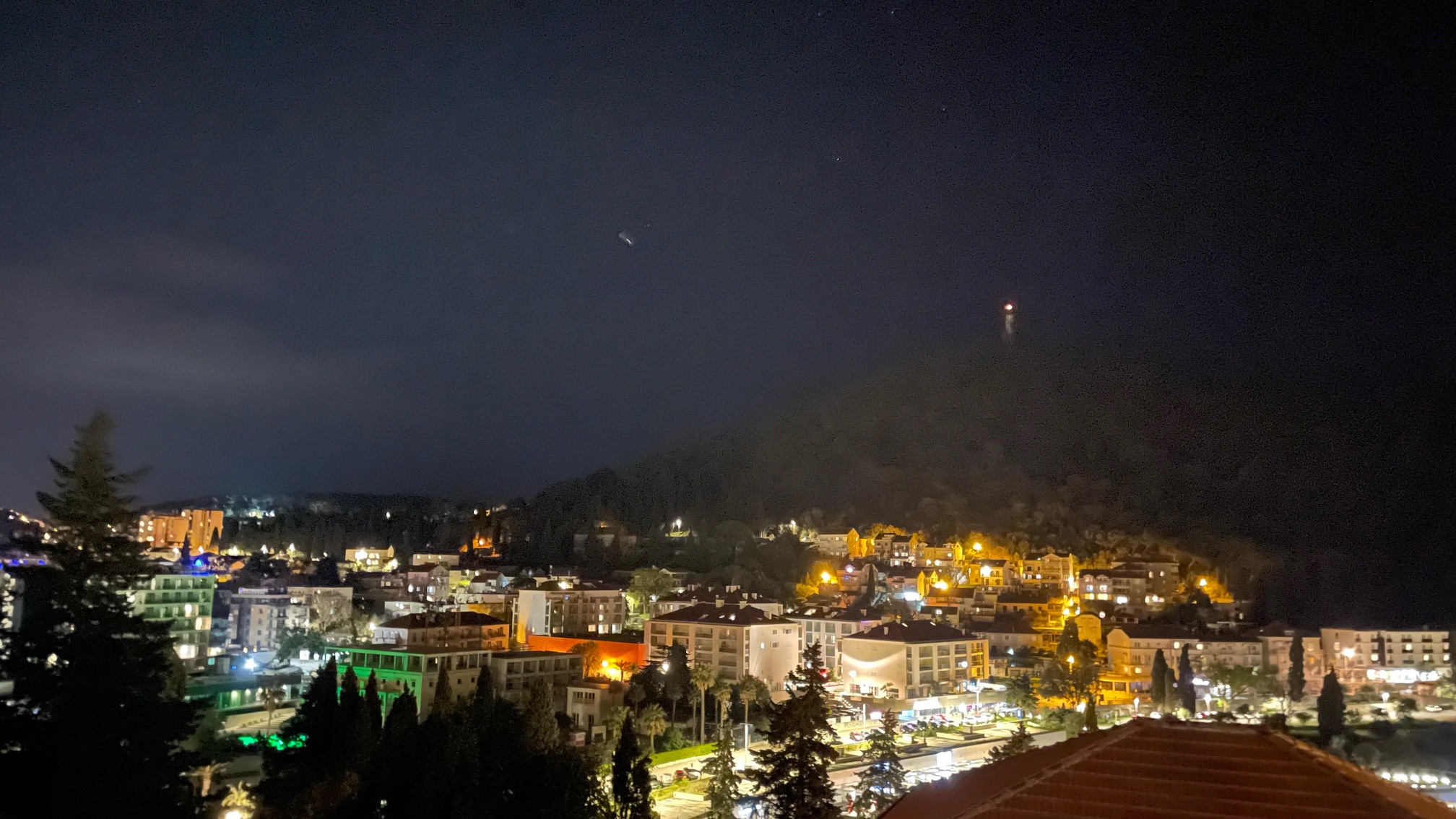
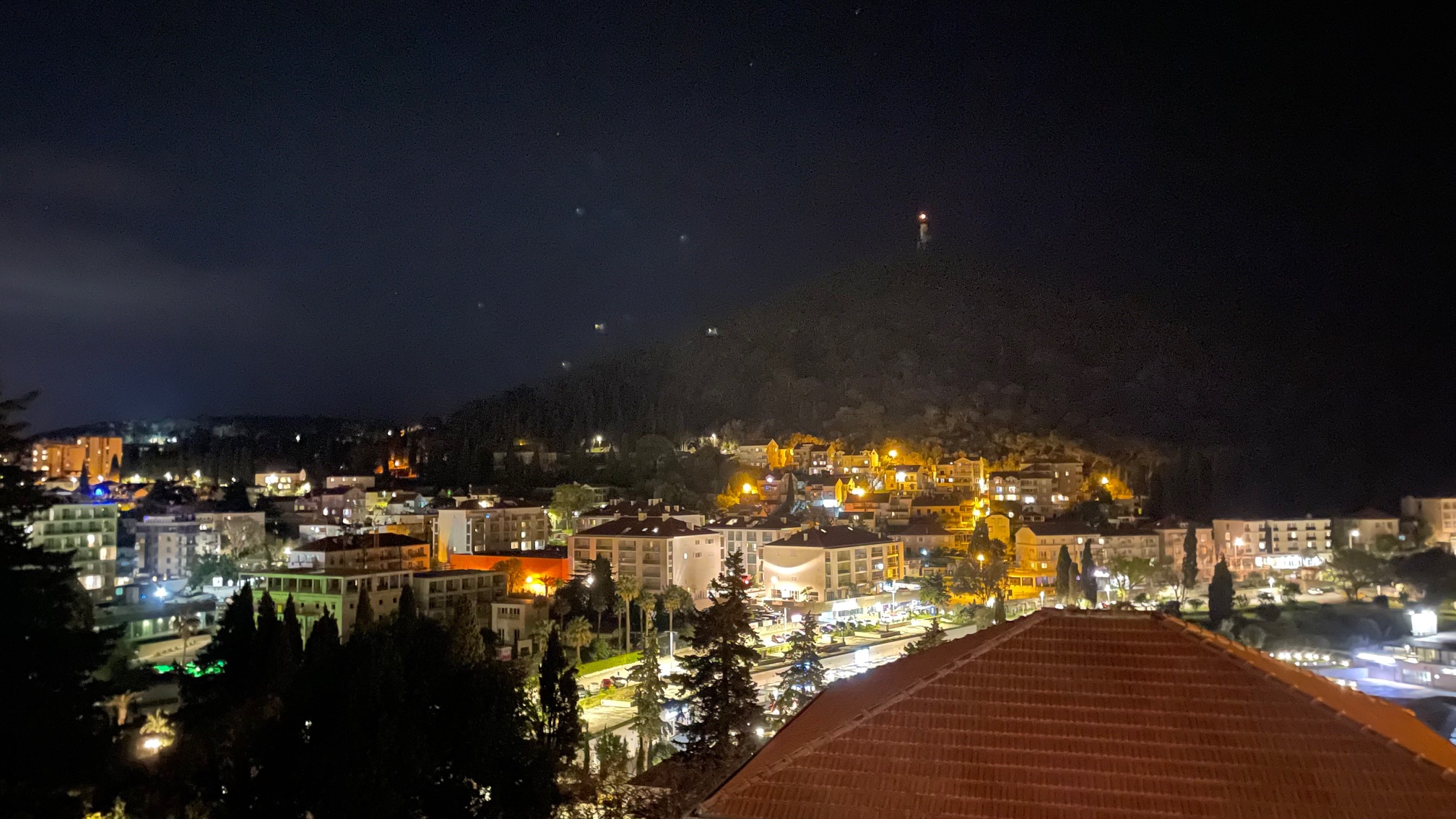
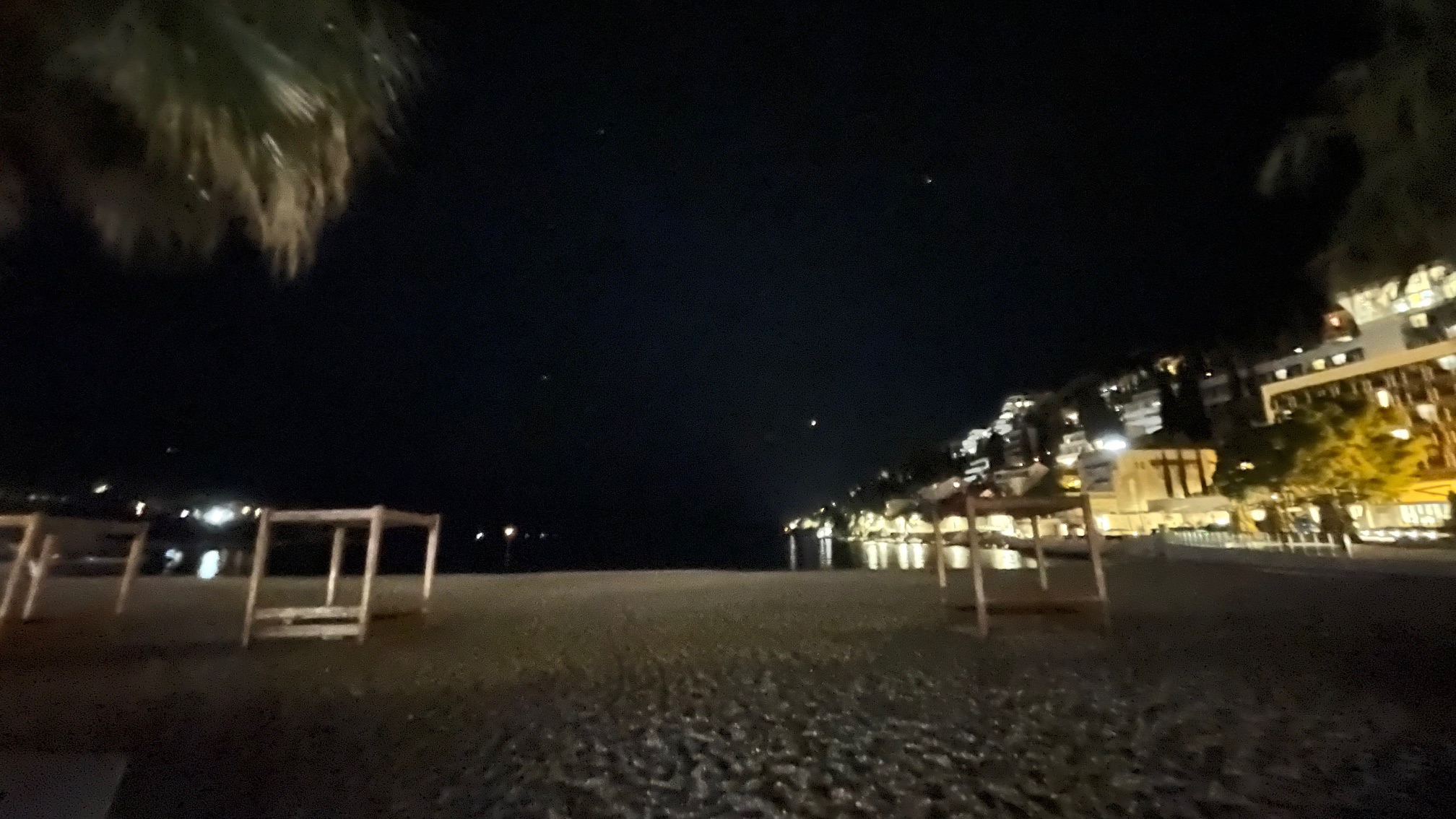
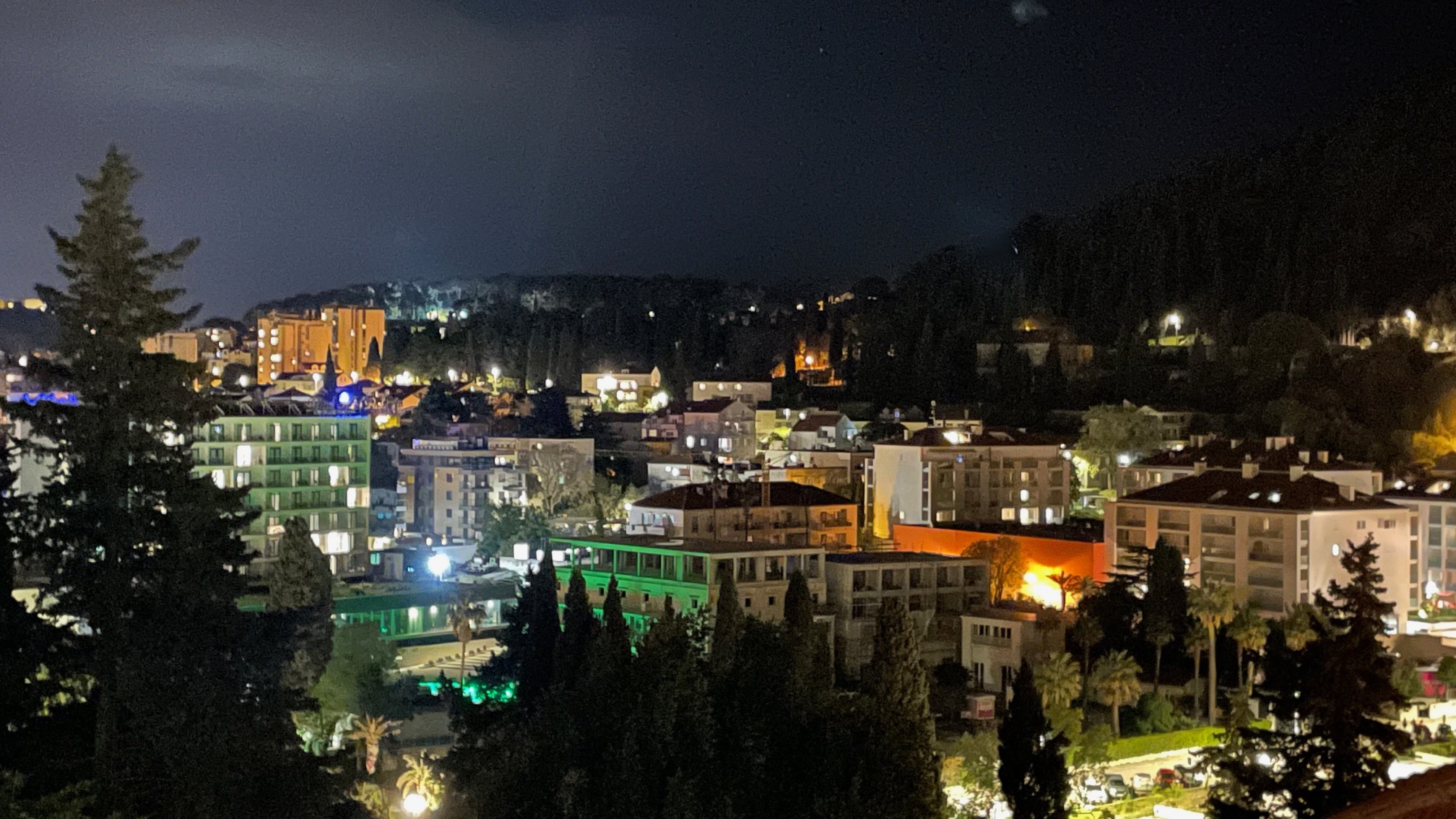
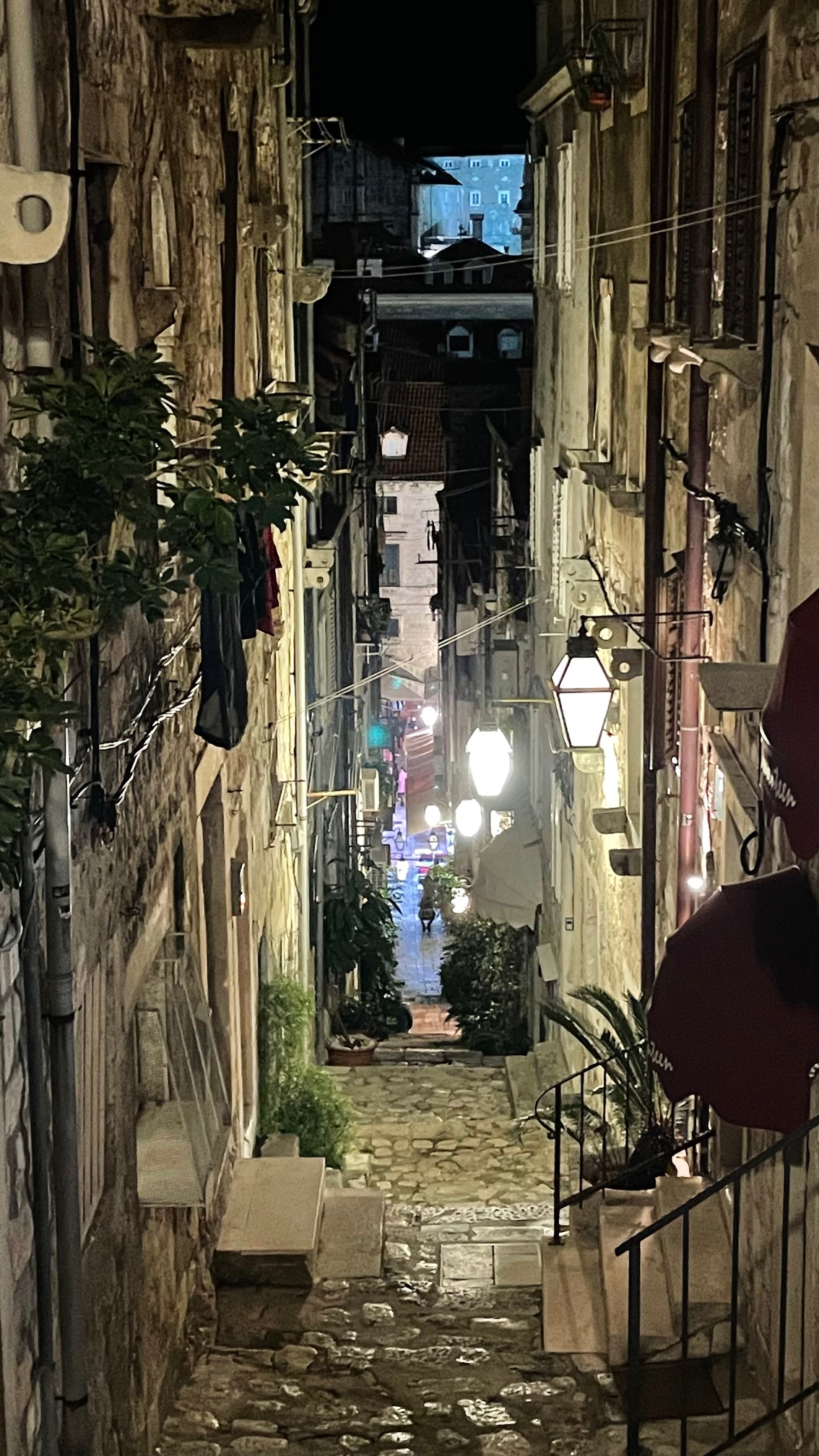

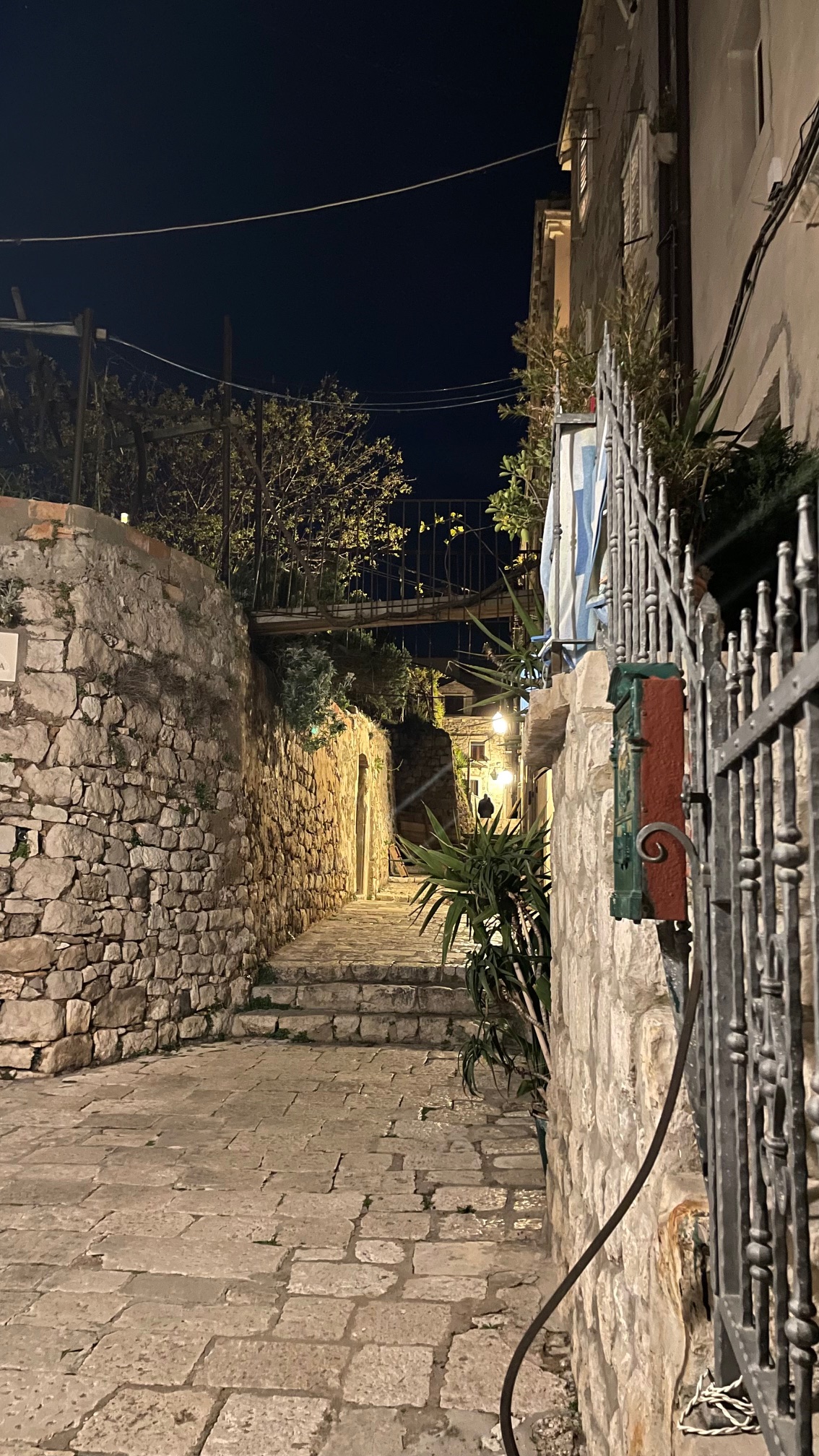
Camera: iPhone 12
Location: Dubrovnik, Croatia
Rainbow over the Adriatic Sea


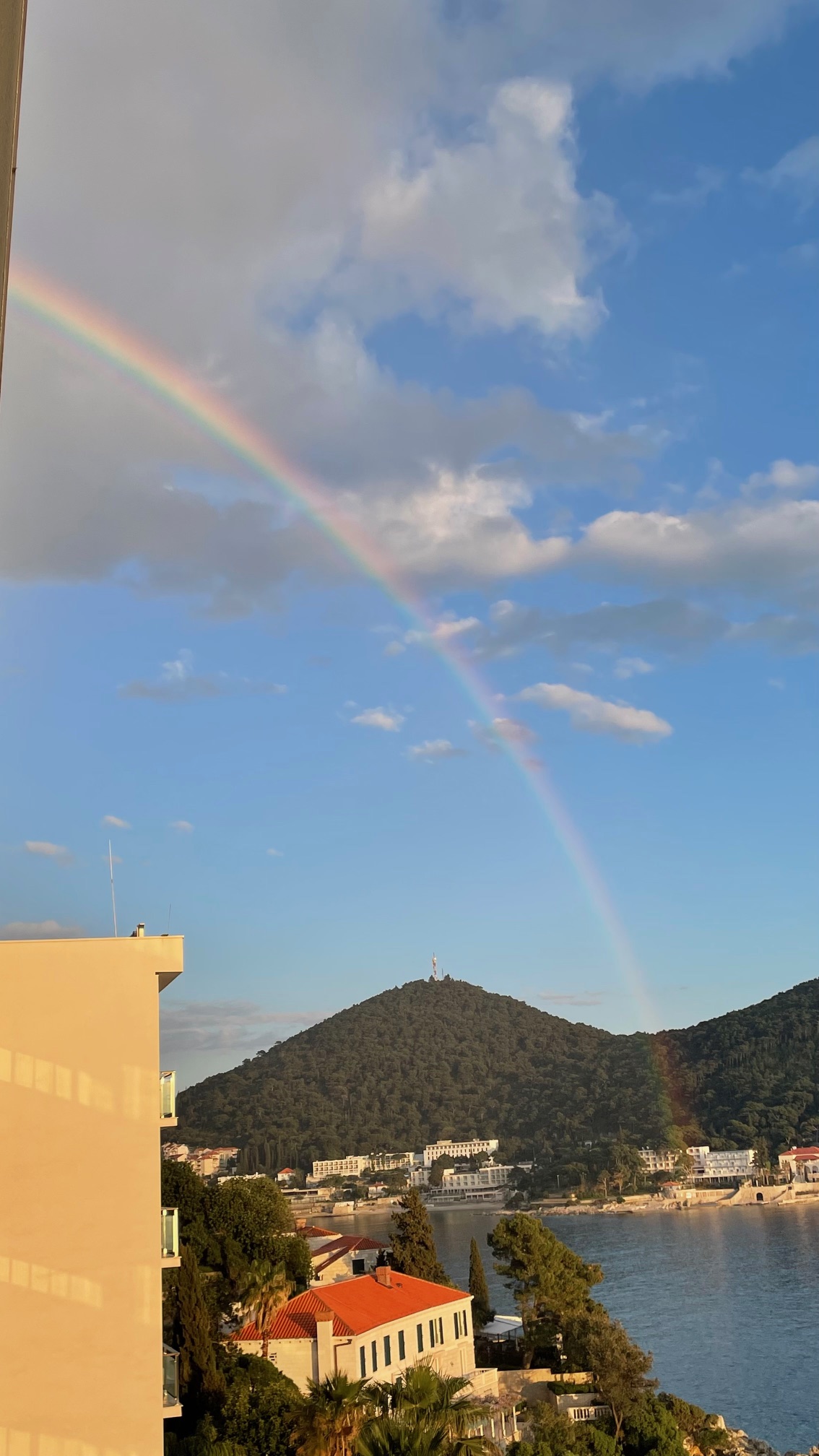

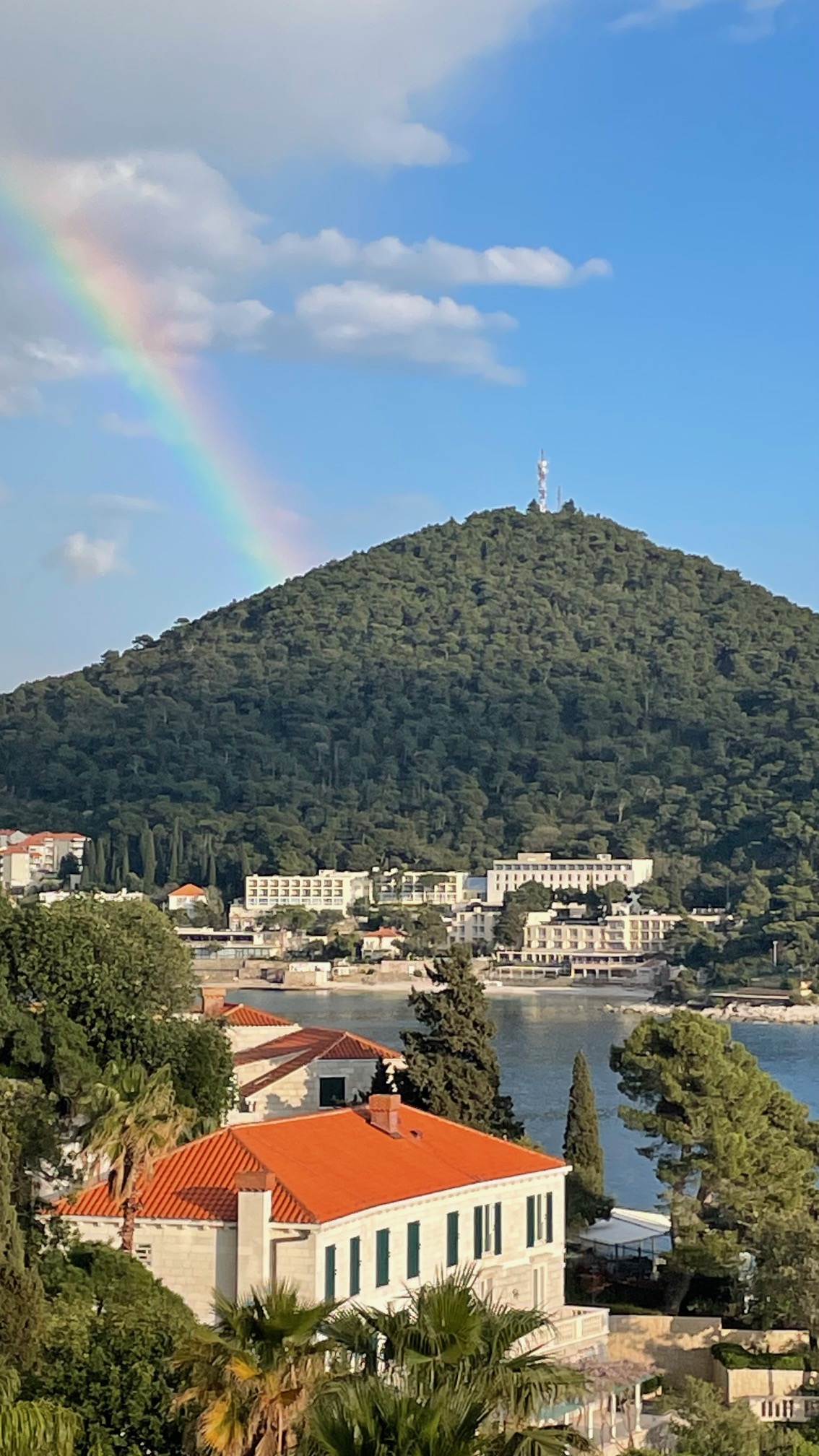


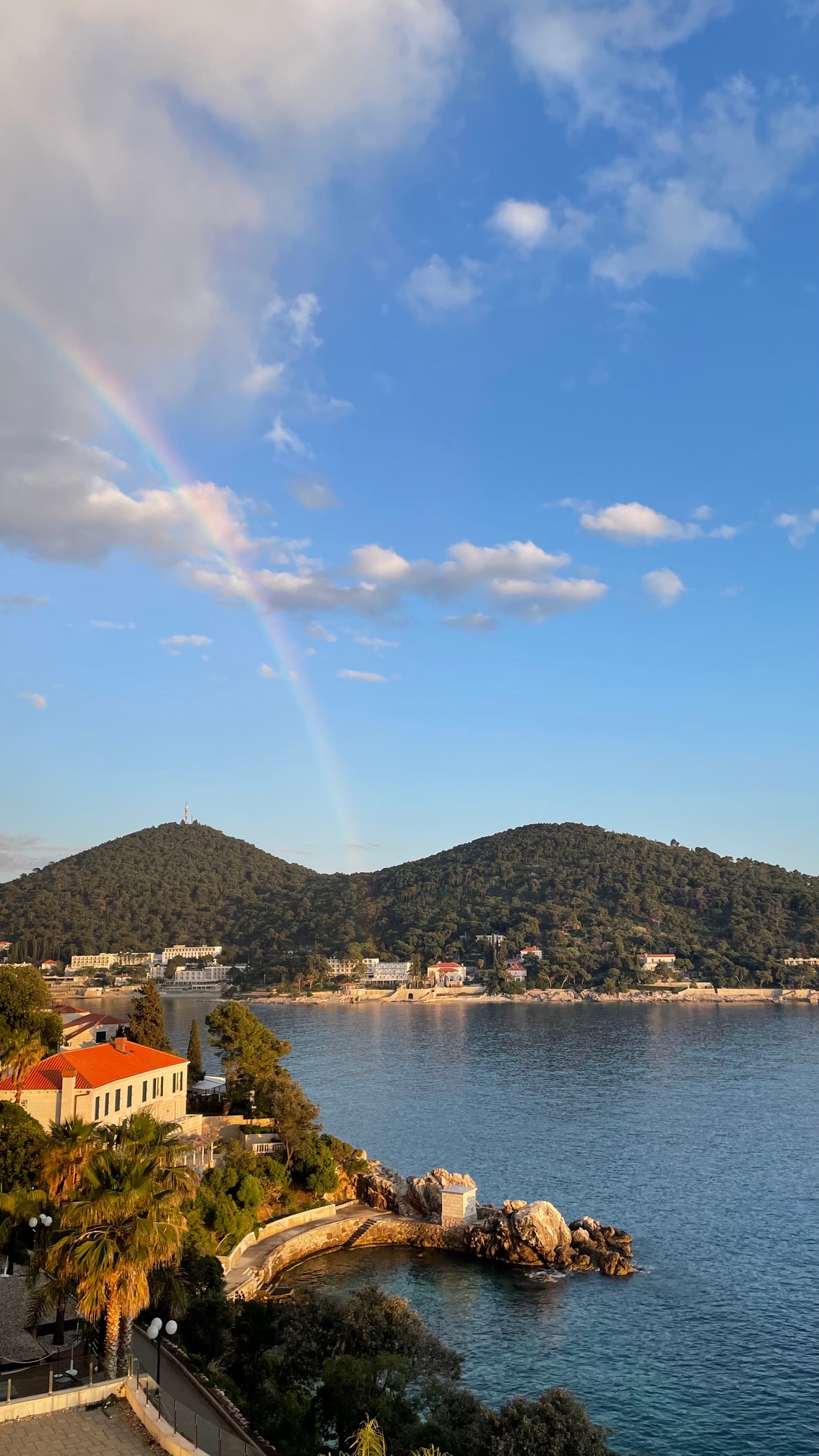


Camera: iPhone 12
Location: Dubrovnik, Croatia