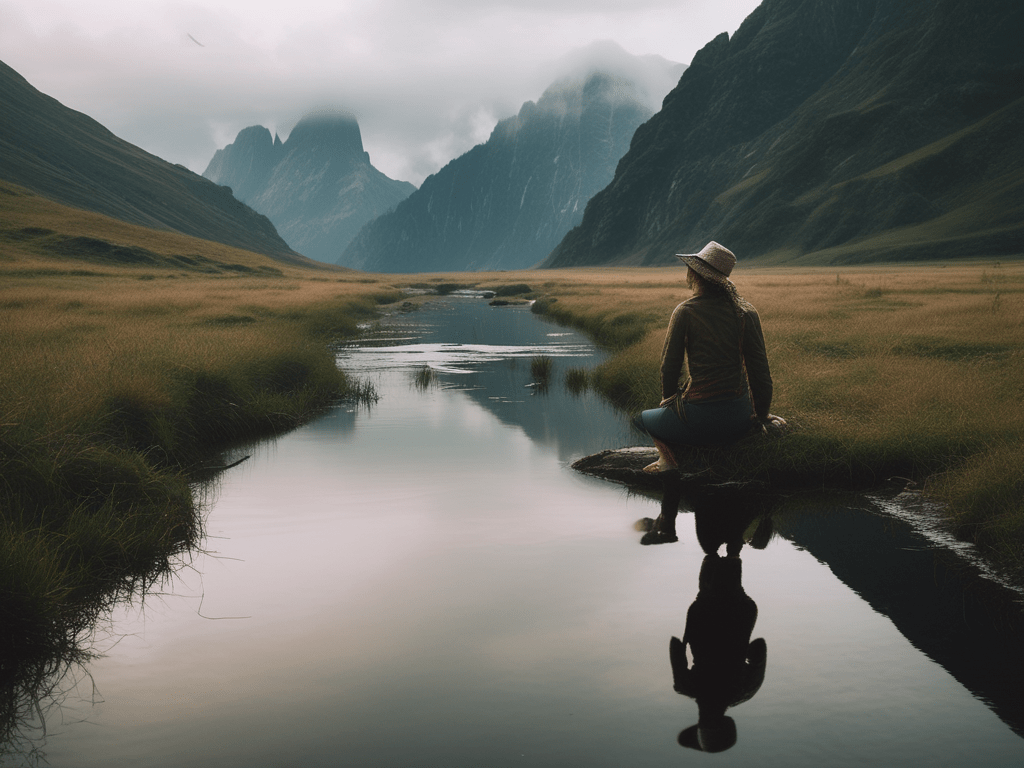
Does He or She or It Spark Joy for You?

“Just like keeping a clean house or organizing your closet is what helped American homeowners create joy in their home lives, I fully believe Kondo’s asking of “does it spark joy?” can be reframed for our friendships, relationships, and our hobbies.”

I’ll be honest in that I never really watched Marie Kondo’s famous show, “Tidying Up”, and while I do respect her commitment to reducing clutter and helping hoarders get rid of their extra junk, I am going to focus more on who or what sparks joy for you beyond just household items. Just like keeping a clean house or organizing your closet is what helped American homeowners create joy in their home lives, I fully believe Kondo’s asking of “does it spark joy?” can be reframed for our friendships, relationships, and our hobbies.

You should never want to exert too much effort into someone or something that doesn’t provide ‘joy’ or at least ‘contentedness’ and while ‘joy’ like any feeling is ephemeral, we should work to maximize the ‘joy’ we feel in life. If you are not getting that ‘joy’ at all from that relationship, that friend, or that job, you got to do some soul searching to see if it’s worth the effort involved to keep it going. You can’t choose your family, your coworkers, or even where you live at times so instead of finding ‘joy’ only there, find those things and people that are voluntarily in your life and where you can better evaluate if they are worth your time.

If you find you are spending your limited time with people who are as dull as dishwater or are even putting you down, you need to cast them aside like old clothes that Marie Kondo would want you to discard from your closet. Now, this does not mean being mean, cutting off contact without a reason, or just straight up ending on bad terms, it’s rather about letting them know that the relationship, the friendship, or the hobby you’re doing isn’t worth the effort anymore. Very few things in life are permanent and if it does not spark any kind of joy for you, you should not keep pursuing it to no fulfilling end.

Instead, I believe it is key to find those people or those activities that continue to give you some joy or happiness. I would classify it as giving you a ‘real shot of life’ and making you feel more alive. It’s not an easy thing to be conscientious of but you’ll often know when someone or something is breathing life into you rather than leaving you drained of it.

Not everything or everyone you interact with in life will give you that ‘spark of joy’ or a ‘shot of life’ but your job is to work hard in those interactions that you do control such as a friendship or a relationship to choose wisely and to do so discerningly. Your boss or your tax attorney is rarely going to spark that ‘joy’ but you’re going to have to interact with them regardless because it’s necessary in life. What you can do instead in your free time is to maximize ‘joy’, ‘happiness’ or just ‘fulfillment’ with people, places, and hobbies that make you feel most alive.

It really is a rare thing in our technologically driven, profit maximizing, socially shallow, and standardized daily routine to find those people who leave a big impression on you, but you got to put yourself out there to receive those kinds of connections. Build a life around trying to find interesting people who inspire you, who make you laugh, who you want to learn from, who you enjoy being around, and for you to be the same to them.

Life is too short to be around ‘joyless’ people who you could choose not to be around instead and to commit yourself to prioritizing those people who make you happy or joyful because of how they make you feel. The same can be said of those activities, hobbies, or interests that brighten your day and that you can look forward to. Routine in adulthood is monotonous, contrite, and not joyful, but you can still find those moments, those hobbies, and those people who make your life that much richer and more colorful.

At the end of the day, Marie Kondo had it right. Joy should be the filter through which we decide what stays and what goes in our life. The difference is that life’s clutter isn’t just found in closets or drawers of hoarders whose houses are too full; rather, it’s in the people we chase, the jobs we keep, and the habits we cling to long after they’ve stopped serving us. Maybe the real act of tidying up isn’t just folding shirts; it’s clearing out the emotional junk that keeps us from feeling alive and fulfilled. When you ask yourself what sparks joy as Marie Kondo does to her clients, don’t stop at your wardrobe or your closet. Ask it instead about your world, your personal life, your hobbies and don’t be afraid to get rid of the extra clutter.


A Mixture of English and Spanish Poems #1 (September 2025)

My first post regarding English and Spanish language poems together as I wanted to do a mixture of them in this edition of my poetry.

English Language Poems:

  1. The Sands of Time
    Can you feel it slip through your fingers?
    The grains of sand whisked away.
    Moments frozen in time;
    The places you remember being present,
    The times you felt fully alive,
    The smells that made up your lifetime.
    But the memories now have faded away.
    Can you embrace the sands of time?

___________________________

2. Cravings
It’s only natural,
The burning desires,
Mind, body, and soul.
Scratching that itch,
Placating that urge.
Keep it in moderation;
Don’t let it destroy you.
Remember: you’re only human.
Desire is the flame that ignites us.

___________________________

3. A Mile Wide, An Inch Deep
Face down, eyes unaware,
Nosedive into fake consciousness.
Blank-faced, artificial realities.
Lost connections thrown asunder,
Stagnant friendships, hollow ties.
You’ve spread yourself too thin across reality;
Living life a mile wide, and an inch deep.

___________________________

Spanish Language Poems:

  1. Es un gusto
    Es un gusto conocerte por primera vez.
    Es un gusto tenerte en mi vida.
    Es un gusto verte de nuevo.
    Es un gusto besarte en la noche.
    Es un gusto darte placer y amor día a día.
    Es un gusto pensarte todo el tiempo.
    Es un gusto quedarme contigo hasta el día final.

____________________________

2. Solo en mis sueños
¿Podría ser quien yo quiero ser?
Veo nuevas posibilidades,
Nuevas formas de vivir.
¿Podría hacer ese sueño realidad?
Soy un aspirante en mis sueños.
No hay nada que no pueda hacer,
Solo en mis sueños podría ser realmente libre.

Emulating ‘The Most Interesting Man in The World’

“You don’t have to be the most interesting man or woman in the world, but I think these commercials did do a good job of why it’s necessary in life to embrace curiosity, experience, adventures, and being charismatic.”

I am not a big fan of commercials or advertisements generally, however, if they can be humorous or insightful, such as one kind of commercial that has captivated me for years, on what it is like to be ‘the most interesting man in the world’. I have long had a soft spot for the now defunct ‘Dos Equis’ beer commercials focusing on the character of “The Most Interesting Man in The World.” These commercials were not only humorous but also served as a cheesy yet truthful take in my view regarding how to be a more well-rounded, open-minded, confident, curious, and adventurous person. You don’t have to be the most interesting man or woman in the world, but I think these commercials did do a good job of why it’s necessary in life to embrace curiosity, experience, adventures, and being charismatic.

“The police often question him because they find him interesting.” In many of the ‘Most Interesting Man in The World’ commercials, you see the character actor, Jonathan Goldsmith engaged in various activities such as climbing Mount Everest, arm-wrestling a military general, or flying a plane. The character thrives on experiencing life and all it has to offer despite the risk(s) and danger(s) involved.

Whether its fencing, sea diving, or rescuing a lion, he thrives on novelty and making the most out of what life is all about. I don’t see anything wrong with you incorporating this kind of mindset such as seeking out new hobbies or interests, traveling to unique places, and learning new things to make life more exciting and fulfilling. You don’t need to be the most interesting man or woman in the world to do that, but you do need to take action to make that happen.

“He has inside jokes with complete strangers.” Having charisma, being appealing to other people, and showing confidence in your actions will carry you far in life. What ‘The Most Interesting Man in The World’ commercials show us is that it does help to be charismatic, confident, and able to handle social situations with ease. This kind of character takes time to develop and won’t come easily, but like ‘the most interesting man’, it can pay off for you when you invest in your social life and take time to get better at building those social skills. The character in the commercial is not doing these activities alone and he is not at the bar or restaurant alone. He is self-assured, confident, telling a story, and being humorous to enhance his relationships. You should work on doing the same in terms of having those characteristics in both your personal and professional relationships. You never know when having these kinds of interpersonal skills will come in handy, but I can guarantee it will help you in life in one way or the other.

“He can speak French…in Russian.” The character himself is well versed in those activities and is knowledgeable in many fields such as learning languages, playing sports, or knowing different instruments. These commercials, while funny, do show the viewer the value of being a lifelong learner as it will make you a more well-rounded person. Being able to ride widely on different subjects, picking up new skills over the years, and engaging in a wide array of activities will make you stand out in a good way in terms of forming a holistic personality. If the character can do it, you can make it happen as well though take it one step at a time in terms of becoming a Renaissance person. You may not get there right away with being well-rounded, but years or decades of work will help you get there most often.

“People hang on his every word, even the prepositions.” The most interesting man in the world doesn’t boast and talk at length without being prompted first to share his adventures and experiences. He is intriguing because he is mysterious and saves his best stories for those, he wants to share them with. Even in these commercials, the actor has a real presence about him, partly because of his age but also because of his body language. You do not need to overshare with the average person or stranger, but you should intrigue people with your aura and your confidence. You can let someone new know a little bit about you without giving everything away. It takes time to get good at that, but you should save your best stories for your most intimate friendships or relationships. You should divulge a little bit about yourself at a time while maintaining some mystery for those people who really care to get to know you better.

“His blood smells like cologne.” When you dress well like the character does, when you have strong composure and when you carry yourself with both dignity and respect, people will treat you better and take you seriously. Remember to boost your confidence this way by paying more attention to how you present yourself, how you speak, and how you think you’re being perceived. You don’t need to be a fashion icon but like ‘the most interesting man in the world’, you have it in your power to dress well, have more refined taste, and present yourself as best as possible. Having good body language, dressing well, and being confident may not make you the ‘most interesting person’ but it will make you much more appealing and intriguing to know more about.

“Presidents take notes when he speaks.” Everything about these commercials suggest that ‘The Most Interesting Man in The World’ has a legacy worth remembering and that his persona lives on long after he’s gone. The idea of having a legacy, contributing to something bigger than yourself, and being part of a greater mission are all themes from these commercials. Being remembered well, pursuing meaningful work, helping others who are less fortunate, and making bold choices should never be shied away from. You don’t have to be a fictional commercial character to do all these things.

The overall message behind this part of the character is something that we all can relate to in our lives. We want to have a positive impact in the world and leave something good behind whether that’s a family, a garden, or a charity. Whatever legacy you intend to have, ‘The Most Interesting Man in The World’ encourages us all to life a life worth remembering and one in which we have a positive and memorable impact on the lives of other people.

At the end of the day, The Most Interesting Man in the World may be a fictional character from a beer commercial, but the essence of his magnetic and charismatic persona offers real life lessons. By embracing curiosity, confidence, and a spirit of adventure, anyone can cultivate a richer and more well-rounded life by following this example.

Whether it’s learning a new skill, traveling to unfamiliar places, or simply carrying yourself with both charisma and composure, you can become more interesting as a result, man or woman. The key to remember here is to stay open to new experiences and never stop growing as a person. You don’t have to be the most interesting person in the world or even the most likable person in the world but by following the character’s example, you just might become the most interesting person in the room and that’s a big deal. Stay curious, stay bold, and of course, stay thirsty, my friends.

Having ‘Main Character Energy’ in 2025 and Beyond

“As we enter the new year of 2025, this mindset offers a guide to prioritizing experiences and hobbies that bring both joy and excitement as we aim to lead more fulfilling lives.”

In this age of social media and the constant pressure to prioritize self-expression, the concept of having “main character energy” has recently captured the imagination of popular culture. This recent internet-born slang expression reflects the central idea of viewing your life as a narrative where you’re the protagonist, who is taking charge of your story, and embracing a sense of adventure, purpose, and individuality in what you choose to do in your free time. As we enter the new year of 2025, this mindset offers a guide to prioritizing experiences and hobbies that bring both joy and excitement as we aim to lead more fulfilling lives.

What exactly does it mean to have “main character energy”? At its core, “main character energy” is about seeing yourself as the center of your life, with complete control over what you do, where you go, and who you spend your time with. At its essence, it’s about celebrating authenticity, confidence, and self-awareness. Popular culture has fueled this idea, emphasizing the need to live boldly and create new memories through having unique experiences, both individually and with others in your life.

The concept also ties into the broader cultural shift toward mindfulness and self-care. Being the “main character” doesn’t mean being self-absorbed or ignoring others. Rather, it’s about finding as much meaning as possible in your daily life and curating experiences that reflect your passions and interests. It’s also about stepping out of your comfort zone to challenge yourself with new activities and experiences. Instead of falling into an endless and mundane routine throughout the year, having “main character energy” means starting a new hobby, embarking on a trip to a new place, or learning a skill you’ve been curious about.

Living with “main character energy” is less about the aesthetics of a lifestyle and more about harnessing your mindset and actions. It’s about taking ownership of your narrative and injecting it with moments that make life feel both cinematic and memorable. Here’s how you can channel this energy in 2025:

First, prioritize your experiences over material things. In 2025, we should focus more on trading material possessions for memorable experiences. Whether it’s traveling to a new city or country, trying a new restaurant down the street, taking a salsa dance class, or learning a new language, stepping out of your comfort zone can create unforgettable memories and help you grow as a person.

Additionally, rediscover those hobbies that ignite your creativity or start new ones. Painting, writing, coding, gardening, hiking, or even starting a book club can make your life feel more vibrant and less routine. When you invest in your passions, your life gains greater depth, and you become more connected to your overall story.

Main character moments aren’t reserved for those grand adventures that may occur just once a year or a few times each year. They’re also about making the most of the mundane in our daily lives. Romantic or memorable moments can exist in small, everyday joys, no matter how routine they seem. Sipping coffee in the morning, walking through a park, listening to the birds chirping, or watching a sunset can feel magical when you slow down and savor the moment instead of rushing to the next task.

If you’re a fan of cinema or books, you’ll notice protagonists in movies and novels take leaps of faith and so should you. Apply for that dream job, take a sabbatical to travel the world, confess your feelings to someone you love, or start a side hustle or passion project and see it grow. Bold moves in your life create turning points in your personal story.

Engaging in “main character” activities in your life means intentionally seeking out joy, adventure, and self-expression instead of waiting for them to find you, which rarely happens. It’s about taking a solo trip and feeling the thrill of independence, creating a music playlist that feels like the soundtrack to your life, or hosting a themed dinner party with friends who share your interests and passions. These moments don’t just fill your time or break up your routine; they also enrich your narrative.

In 2025 and beyond, prioritizing “main character energy” means embracing life with a renewed sense of wonder and enthusiasm. It’s about creating the biggest story worth telling: the one of a life, filled with curiosity, courage, and connection. When you step into the role of the main character, you’re not just living life like everyone else is. You are choosing instead to make it truly your own with your own interests, passions, and joys at the forefront, thriving as a result and making the most of the limited time we have on this planet. The best part of embracing the “main character” energy in your own life? The pen is always in your hands to write your own story as you see fit.

How to Evaluate Your Year

“Evaluating the year that has passed can be a valuable exercise for yourself to gain deeper insights, identify growth opportunities for the new year, and celebrate the accomplishments or successes you had.”

2024 is ending soon as I write this article and I do believe it is important to look back on the year that was to evaluate it holistically, such as whether it was good, bad, or a mixed bag. Evaluating the year that has passed can be a valuable exercise for yourself to gain deeper insights, identify growth opportunities for the new year, and celebrate the accomplishments or successes you had.

Reflecting on various aspects of your life, even areas that you can improve upon will help you to set meaningful goals for the year ahead. Here’s a guide I have created on how to evaluate your year comprehensively, focusing on the five major areas of friends, family, relationships, experiences, and work or business.

Friends

Friendships are an essential part of life and key to one’s mental health as a surefire way to stay truly connected and bond over shared activities or hobbies or even lend each other a helping hand. Think about reflecting on your relationships with friends from over the past year. Ask yourself the following questions when doing so:

  1. Giving or Getting Support: Were your friends there for you during challenging times? Were you there for them when they needed you when they were in a rut or needed help? Did they offer emotional or practical support when needed? Could you say the same?
  2. Showing Mutual Effort: Did you invest some effort into maintaining these friendships? Conversely, did your friends reciprocate to make the effort to reach out to you as well?
  3. Quality over Quantity: Did you prioritize meaningful, deep connections over superficial ones with your friends? Were your interactions enriching and positive with your friends?
  4. Encouraging Growth: Did your friendships encourage personal growth or help you broaden your perspective? Did you give each other advice on how to better yourselves?

Document the moments and memories that stood out to you, whether they were fun gatherings, heart-to-heart conversations, or instances where you and your friends supported each other through a difficult time. Evaluate if there were any friendships that became draining or unbalanced and consider whether to address these issues or set boundaries or even cut off the friendship if it isn’t working out.

Family

Family relationships can greatly influence your emotional well-being in both positive but also negative ways depending on your own situation with your family members. I encourage you to reflect on the past year’s interactions with your family members and consider these questions:

  1. Building Connection: Did you spend enough quality time with your family? Were you present and engaged during these moments or were you distracted by your phone or another device?
  2. Conflict Resolution: Were there any unresolved conflicts? How well did you communicate and handle disagreements? Why did those conflicts arise and how can they be avoided next year?
  3. Support System: Did your family serve as a source of strength or encouragement? Were you able to offer the same in return? Did you help each other out in a mutual manner?
  4. Milestones and Memories: Were there any significant events or milestones within your family? How did you contribute to these moments? Did they celebrate your wins this year and did you do the same for them when they had successes?

Think about whether you balanced your time and energy across the various family member dynamics that are constantly evolving each year along with the different personalities that you have in your family. Identify some ways to strengthen bonds with family members next year who may need more of your attention or love than you were able to give up until this point.

Relationships

If you’re in a romantic relationship currently, evaluating this aspect of your life is crucial to keeping it on the right track into next year. Even if you’re single, reflecting on your relationship with yourself or any potential romantic connections is just as important. Ask yourself these questions as you close out the year:

  1. Compatibility: Are you and your partner aligned in your values, goals, and vision for the future? Have you talked about how you felt about the relationships enough in terms of how it is going?
  2. Communication: How effectively did you communicate this year? Were you able to express your needs and listen to your partner’s? Did you handle disagreements respectfully and come to a positive resolution with each other?
  3. Growth: Did your relationship encourage mutual growth? Did you feel supported and loved? Did they support you when you needed it, and have you done the same for them?
  4. Quality Time: How much time did you spend together? Were those moments meaningful and fulfilling? Were you also able to spend time apart in a healthy manner?
  5. Self-Reflection: If you’re single, consider how you’ve nurtured your relationship with yourself. Did you take time to understand your needs, desires, and goals in a potential relationship for next year?

Identify areas where you’ve grown together as a couple or individually when you two were apart. If there were challenges this year, consider how you’ll address them moving forward in your relationship.

Experiences (Travel, Hobbies, Interests, Fun Activities)

Reflect on how you spent your free time outside of work, school, or business and how engaged with life outside of your daily obligations and weekly chores you were. Think about where you went, what you did, what you learned, and how much you enjoyed life beyond the office or the shop or the factory floor. Consider the following in your assessment of your experiences:

  1. Local and International Travel: Did you explore new places, whether locally or internationally? How did these experiences broaden your perspective? What did you learn from the places you traveled to? Would you travel in 2025 and how did you grow as a person in your travels?
  2. Hobbies and Interests: Did you pursue activities that bring you joy or help you grow? Did you try something new? Were you committed to these hobbies and spend enough time on them? What new hobby or interest would you like to try in the new year?
  3. Having Fun and Relaxation: Did you allocate time for leisure and enjoyment? Were you able to strike a balance between work and play? How often were you able to relax yourself?
  4. Making Memories: What were the highlights of your year? Did you attend events, celebrate milestones, or create special moments? Who did you share those memories with?

Take note of the activities, hobbies, interests, etc. that brought you the most happiness and fulfillment. If your year felt monotonous and a bit too routine, think about incorporating more variety or adventure into your life next year. Plan the destinations, places, or cities with regards to travel ahead of time that you hope to visit in the new year.

Work or Business

Your professional or business life is another crucial area to evaluate at the end of any year as it makes up about 80% of our time throughout the year. Reflect on your career or business journey over the past year by asking yourself these questions:

  1. Major Accomplishments: What were your major achievements? Did you meet or exceed your professional goals? What was the process you used to achieve your goals?
  2. Overcoming Challenges: What obstacles did you face, and how did you overcome them? Were there any failures, and what lessons did you learn from them? Who helped you overcome these challenges in your professional or business pursuits?
  3. Professional Growth: Did you acquire new skills, take on new responsibilities, or achieve personal growth in your role? How will these new skills help you next year and beyond?
  4. Managing Work-Life Balance: Were you able to maintain a healthy boundary between work and personal life? Did work leave you feeling fulfilled or drained? Did you take enough time off for vacation or for staying healthy? How did you spend your time outside of work or business?
  5. Establishing Future Goals: Are you satisfied with your current trajectory, or do you feel the need for a change? Did you take steps toward your long-term career aspirations? Will you find a new job next year? Do you plan to launch a new business or company? Will you ask for a raise or promotion and how will you ask this question to your supervisor?

Reflect on whether your work or business aligns with your personal values and passions. If there are gaps in that assessment, start thinking about how to address them in the coming year with regards to making your work or business more personally fulfilling Once you’ve reviewed these areas and answered as many questions in these five major areas as possible, combine your thoughts to identify patterns, strengths, and areas for improvement.

Lastly, think about the following ways generally on how you could make next year the best one yet:

  1. Showing Your Gratitude: What are you most grateful for this year? Acknowledge the people and experiences that enriched your life and made it the year that it was.
  2. Compile Lessons Learned: What did the failures, challenges, and successes of this year teach you? How will these lessons shape your approach to the new year and beyond?
  3. Having Goals for Improvement: What areas need more focus or change from you? How will you set realistic and actionable goals to address these aspects next year?

Evaluating your year holistically gives you a clearer perspective on where you stand in your life and how to move forward in a positive manner. Use this article, the questions I’ve posed and to write a yearly reflection about these five major areas as a substantive foundation for setting meaningful goals and resolutions for the year ahead.

My First Attempt at Spanish Poems (Mis Primeros Poemas en Español)

My First Attempt at writing poetry in the Spanish language, which is my second language. I have five poems here and hope to write more in the future. Muchas gracias por leer mis palabras aqui.

  1. En La Noche

Yo te pienso en la noche.

Yo extraño tu presencia.

Con las estrellas tan brillantes.

En frente de la luna mas grande.

Yo veo tu cara y tu sonrisa.

_____________________

2. Me Hace Falta

Cada dia que yo vivo,

Extrañando como vivi contigo.

No puedo continuar sin ti.

Recordando tu sonrisa y tu besos.

Me hace falta tu presencia.

_____________________

3. Azul

Me toco la guitarra esta noche.

Pensando en el mar y el lago azul.

Es como nadar en tus ojos azules.

Hasta el fin de mi vida.

_____________________

4. Estoy De Pie

Aqui, estoy de pie

No se por donde vaya.

Pensando en mis pasos proximos.

En tu mundo donde quisiera estar.

Porque aqui no puedo continuar.

____________________

5. Viajero Gringo

Soy viajero gringo

Eso no voy a cambiar.

Pensando en el mundo entero.

Quiero vivir asi, porque este mundo

Es siempre un parte de mi corazon.

Dealing with Melancholy after Travel

“Still though, it’s hard for me after dozens of trips and hundreds of places visited to not have that feeling of melancholy wash over me after I come home again.”

There is a comedown feeling that happens after the end of a trip, regardless of how long or short it is. All the planning, the effort, the money spent, and the adrenaline rush that goes into relocating yourself elsewhere creates a unique feeling that is hard to replicate. Often, the trip will go smoothly, and you’ll have fond memories to look back on long after it’s over. Still though, it’s hard for me after dozens of trips and hundreds of places visited to not have that feeling of melancholy wash over me after I come home again.

Luckily, it is not a deep melancholy, but it is a melancholy of missing the feeling of being on an adventure or not knowing that the next day will bring. It’s the pure excitement of the unknown, of yearning to experience a new thing or event or place, and about being more open than usual to meeting new and often interesting people you encounter during your travels. Being able to settle back into your usual routine can be a bit of a downer after the rush of going from place to place, city to city, and being footloose for a while.

Despite a routine not being the most fun to go back into, it is necessary to reestablish a routine again as it can provide some comfort after a trip rather than doting on the past trip, however fun and exhilarating it may be. I do believe we need a routine in our lives often, rather than be rudderless and without anything to focus on. If our travels are temporary and we do not live life on the road on a permanent basis, easing back into our daily lives takes time but if we don’t have anything to refocus our attention on after a trip, the melancholy can be even more profound and difficult to deal with.

It is a good idea to develop your hobbies, interests, and your goals even more after a trip to accomplish what you want to set out to do with the time you have been given. Devoting yourself to something you’re working on or taking time to achieve something you want for yourself is a good way to deal with the blues that can happen after your travel is over. Being able to have ‘travel’ as something you enjoy doing is important, but it should not be the only thing you have going for you in your life. We cannot only be one-dimensional in our focus no matter how much we enjoy taking ourselves on the road.

Being able to share your travels with others is important because it helps hone and shape our memories. You may not be able to talk about your trip as much as you would like if you would like but it is good to share with your family and friends how it went because it’s likely they will want to know how it went. Beyond that, make sure to take care of your mementos, souvenirs, keepsakes, and other items you brought back with you, because they will give you a comforting feeling from having been to that place or done that activity, and it is good to reflect on the travels you’ve done in a sustainable way. I also like to organize my photos, create canvas prints, and even share videos from the places I’ve been and to keep them in my own records to reflect on to remember better of where I was, who I was back then, and how I felt about the trip.

Lastly, keep thinking of ways to travel again to go back to the place(s) you loved again or try new places you want to visit. Travel should be a passion that sustains you throughout life and you should know that it is a marathon, not a sprint. I like to casually look at where I want to go next as I do like to plan, and I always like to have something to look forward to. Think about the culture, the language, and the people who live in the place you’re going to and start studying up in advance to learn more about what it will be like there potentially and how to prepare yourself for the trip you want to take next.

The most rewarding travel experiences for me have been those that I spent time learning the language (if need be), studying the places I want to visit as part of the itinerary, and devoting time to knowing the history and the culture a bit there. Travel is more than just taking photos and eating good food to me. While those are both enjoyable to do on a trip, I do make a conscious and concerted effort to know a bit about where I am going, and to learn as much as I can before I step on the bus, plane, or train.  As travel writers have noted, it’s not the destination that is the central reward but the journey it takes to get there.

Remember, when you get back home, it’s not the end of your traveling days. You may have put the suitcase away and the mementos on the shelf, but you’ll be back on the road again, and sooner than you may think. Embrace what you’ve done, enjoy being home for a little while and seeing friends, family again while keeping up a routine, and start planning for your next trip when you can. Travel may not be your permanent mode of living as it isn’t for most people, but once you go somewhere, even if only for a short while, you’re still a traveler for life, and that is something that will never change.

Gone Fishin’ in the Great South Bay

“Showcasing the allure of Great South Bay in Long Island, New York through captivating imagery.”

Camera: iPhone 12

Locations: Captree State Park; Bay Shore, New York; Great South Bay, Long Island, New York

Why Cooking is Relaxing to Me (and Can Be for You Too)

“Cooking, beyond its practical necessity to prepare food to eat without making yourself sick or worse, offers a unique blend of relaxation, creativity, and control that benefits our well-being if you put the time and effort in.”

Cooking may be stressful to some people, but to me, it’s relaxing. In our fast-paced, distraction-filled world, finding an activity that genuinely relaxes yet focuses my mind is a tough challenge. Cooking, while appearing ordinary and mundane on the surface, when approached with mindfulness, can be restorative and even therapeutic to engage in. Cooking, beyond its practical necessity to prepare food to eat without making yourself sick or worse, offers a unique blend of relaxation, creativity, and control that benefits our well-being if you put the time and effort in.

Cooking engages all of one’s senses, creating an immersive kind of experience that naturally draws attention away from other worldly distractions and to focus only on the present moment. The sizzle of garlic sautéing in a pan, the vibrant colors and shapes of fresh vegetables, the aromatic scents of herbs and spices mixing, the pleasure of melting olive oil and butter, and the first to last tastes of a carefully prepared dish – these kinds of inputs anchor the mind in the here and now. This immersion in cooking creates a state of being more mindful, like the effects of doing meditation or taking a yoga class.

The repetitive, rhythmic actions involved in cooking – chopping, stirring, arranging – provide a soothing and almost hypnotic effect. These repetitive actions can be incredibly calming to me, much like the rhythmic movement of playing notes on a guitar or the repetitive strokes of painting a canvas. The predictability of these actions creates a sense of stability and tranquility, allowing the mind to unwind and the stress of the day to dissipate, whatever that may be.

Cooking has always been to me a form of creative expression, offering endless possibilities to create, experiment, and innovate. Unlike many aspects of life that are governed by rules and regimen, cooking allows for a kind of freedom to embrace creativity. This creative aspect can be immensely satisfying and relaxing, which lends to providing a sense of accomplishment and fulfillment. Whether it’s experimenting with new recipes, combining unexpected ingredients, or presenting food in aesthetically pleasing ways, the creative process in cooking is what I’ve grown to enjoy over the years, especially since I started taking it more seriously in the wake of the COVID-19 pandemic.

Cooking requires total attention to detail and concentration, which naturally diverts the mind from other worries and distractions. Following a recipe, measuring the ingredients, timing the cooking process – these tasks demand focus and precision. This kind of attention serves as a mental break from the constant barrage of thoughts, worries, and concerns that often plague our minds. By channeling our cognitive focus into the cooking process instead, we can create a mental space free from our external stressors, promoting a sense of peace and clarity.

In a world where aspects of our lives feel beyond our control on a day-to-day basis, cooking offers one domain where we can exercise complete authority over the outcome. From selecting ingredients to purchasing the kind(s) of food to deciding how to prepare and present the dish, cooking is a personal endeavor where we are responsible for making all the decisions. This kind of control can be empowering and reassuring, providing a counterbalance to the uncertainties and overall unpredictability of life. By mastering the culinary process, we can gain more confidence and a sense of competence, which can extend to other areas of our lives over time.

While cooking can be a solitary activity, it also has the power to foster more connection and strengthen a community. Preparing and sharing meals with your loved ones strengthens social bonds and creates a unique sense of belonging. The act of cooking for other people can be a form of nurturing and care, enhancing feelings of empathy and compassion for the whole group. Additionally, by participating in communal cooking activities, such as cooking classes or potluck dinners, we can expand our social networks and provide opportunities for meaningful interactions.

Cooking more often leads to more mindful eating, a practice that encourages us to savor and appreciate our food fully and to know where it comes from. Mindful eating involves paying attention to the taste, texture, and smell of each bite, as well as acknowledging the effort and care that went into preparing the meal. This practice enhances our enjoyment of food and promotes a healthy relationship with food, reducing tendencies towards mindless or emotional eating or by ordering whatever you’re craving. By focusing on the present meal with the people around you at the dinner table, I believe we can cultivate mindfulness and gratitude for the food we eat.

Cooking is a key life skill that is always evolving, which means that even if you get a meal wrong and it’s a stressful outcome, you will have many other days and nights to grow in your abilities while having endless opportunities for further learning and growth. I particularly enjoy taking the time to experiment with new recipes, cuisines, and techniques, which can expand my culinary knowledge. The process in cooking of learning and improving over one’s life can be satisfying and motivating, providing a sense of both purpose and achievement. Additionally, even if you always find cooking relaxing, it’s good to have a little bit of stress involved. You can do this by finding new challenges in cooking like mastering a difficult recipe or perfecting a technique you learned which builds other skills like resilience and problem-solving.

The preparation process in cooking can be seen as a daily ritual that signals a necessary transition from the busyness of the day to a more relaxed state. Setting up the kitchen, gathering the ingredients, putting the tableware together, and arranging the utensils can be a meditative kind of practice that prepares the mind and body for the act of cooking. This ritualistic aspect of cooking creates a sense of anticipation and intention, enhancing the overall experience, and promoting a mindful approach to the task at hand of feeding yourself. The hungrier you are in my view too, the better of a cook you will be that evening if I can speak from personal experience.

In my opinion, cooking is much more than just a means to an end; it is a therapeutic kind of effort that offers a myriad of benefits for one’s mental well-being. By engaging each of the five senses in a deep way, providing a creative outlet, fostering total focus, offering us a sense of control, and promoting a greater connection to the food we buy and then eat, cooking becomes a powerful tool for both relaxation and mental clarity. In our world filled with constant distractions and stress, the simple act of preparing a meal for oneself and for your loved ones can bring profound peace, happiness, and joy. By embracing the art of cooking, it allows us to nourish not only just our bodies but also our minds and souls.

What Is Your Spice of Life?

“You may be able to find this in your studies, your daily vocation, or even your career, but for many of us, what you do to earn a living may not make up what you are excited most about in the act of living. We often must look elsewhere outside what we do day to day to find our ‘spice of life.’”

How do we explore the full richness of life? This is the kind of age-old question that philosophers and writers have asked for many centuries. What truly fulfills us and makes us enjoy what life has to offer? I would argue that it’s more important than ever to find the ‘spice’ in life that makes you excited, engaged, and fulfilled. You may be able to find this in your studies, your daily vocation, or even your career, but for many of us, what you do to earn a living may not make up what you are excited most about in the act of living. We often must look elsewhere outside what we do day to day to find our ‘spice of life.’

To get your ‘spice of life’ these days, you have to be willing to put yourself out there and try different things. What gets you excited, motivated, and fulfills you today may not be what motivates you years or decades down the line. You should remember that you won’t enjoy everything you do or try forever so it’s important to stay open minded about other possibilities and to not be tethered to one hobby or interest only. Some people have lifelong loves for different activities, hobbies, or sports, which is great, but you may not be able to do it for the rest of your life so keep it in mind that you don’t get attached to one single activity, hobby, or sport because you may not be able to commit to it forever or be as productive or successful at it in the long term.

I think it is wise to keep your identity pliable not just for one job or one academic calling but to be open to learning new things, to experimenting with new ideas, and to trying out different activities that you have some basic interest in. You won’t love everything you do, and you may only do it for a few months or a few years, but it is much better than the alternative of not having done anything at all. Our collective attention spans have become so short due to modern technology that we don’t even try new things or are patient with it because we are too distracted by the latest gadget or technological development.

True fulfillment and satisfaction can come from mastery of a subject or an activity for which you pored countless hours into and never gave up at it. You can also find the ‘spice of life’ from having fun with it and doing it just for enjoyment alone and not to master it completely. Life has a lot to offer and it’s important to keep that in mind beyond our careers and our education. We may have limited time to do what we want to do but we must prioritize that time because without our own choice(s) in what we want to do, we will not find any fulfillment at all. We can find fulfillment both in our day-to-day pursuits but also in those pursuits we do each week or each month without a set schedule in mind.

To find consistent joy in life is not easy, but it can be done by not giving up, by trying out new things, and by doing those things consistently for a little while to see if it is giving you happiness or fulfillment. Being able to give an activity or a hobby at least a few weeks or a month to try it out is key. If you find you are getting bored with something and don’t enjoy it as much or as often, it is okay to put it on the back burner, but don’t be afraid to try something else. Our likes and dislikes change as we go through life, but it is important to keep finding that ‘spice’ in our lives that gets us excited, keeps us motivated, and brings us joy.

Remember to never completely giving up on finding your own passions and fulfillment in life. It is not easy and is something you must continually motivate yourself to do but it can help your life satisfaction out to have something that you enjoy outside of what you have to do each day. Having nothing to enjoy or have fun doing could remove all the ‘spice’ or ‘zest’ that makes life worth living and you want to avoid getting into that kind of scenario. Be ready to try new things, find activities to do by yourself or with others, and be open minded in what you think you would enjoy.

It helps to make a list of activities or things that you have done that you would like to do again as well as those activities or things you’ve never done before but would like to try. There are tons of activities, hobbies, sports, or things to do in this world and you just have to try a few at a time to retain the ‘spice of life.’ Make sure you live life to the fullest in this way and I promise that you will not be disappointed by making the conscious choice to try new things.