
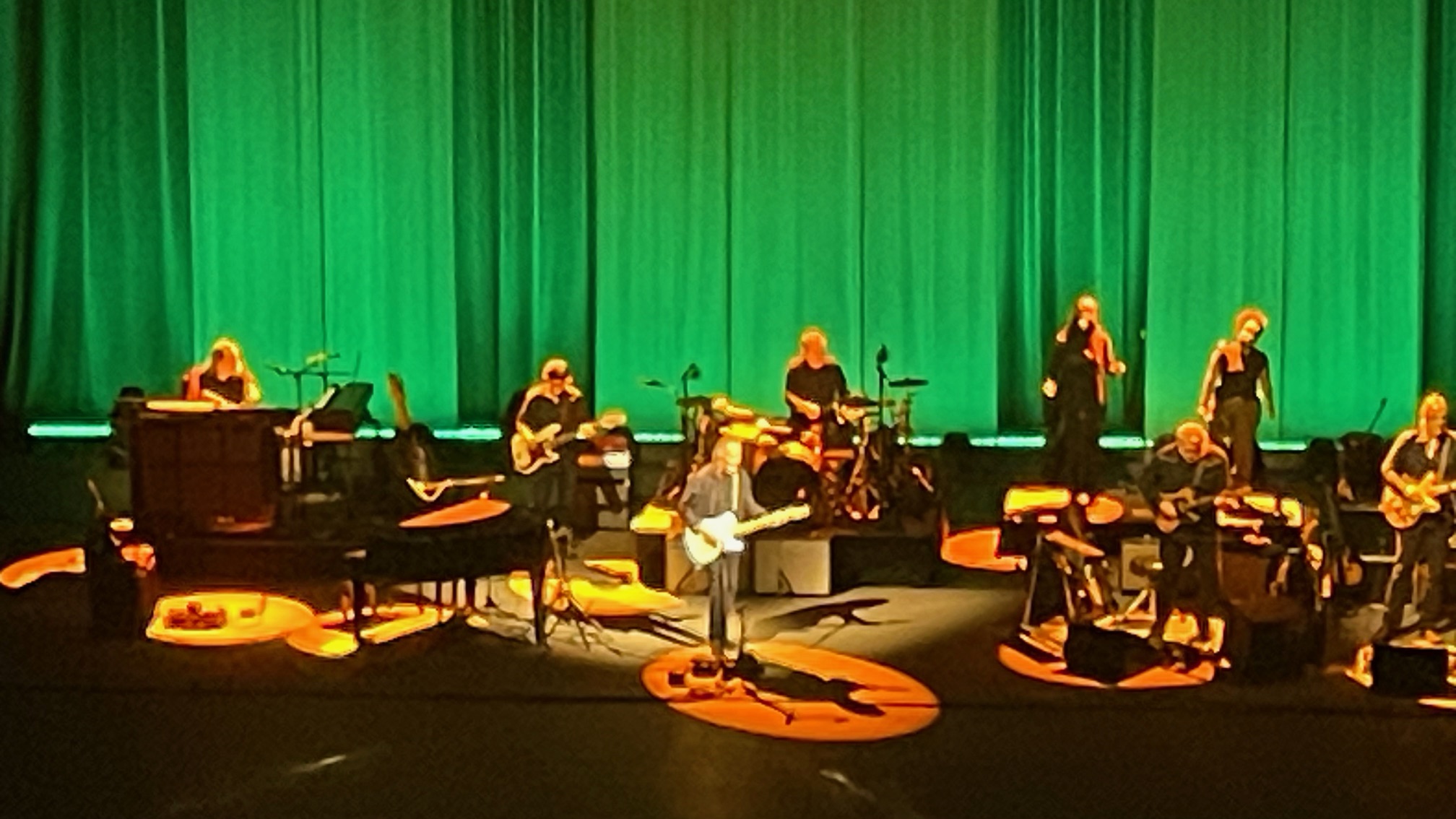
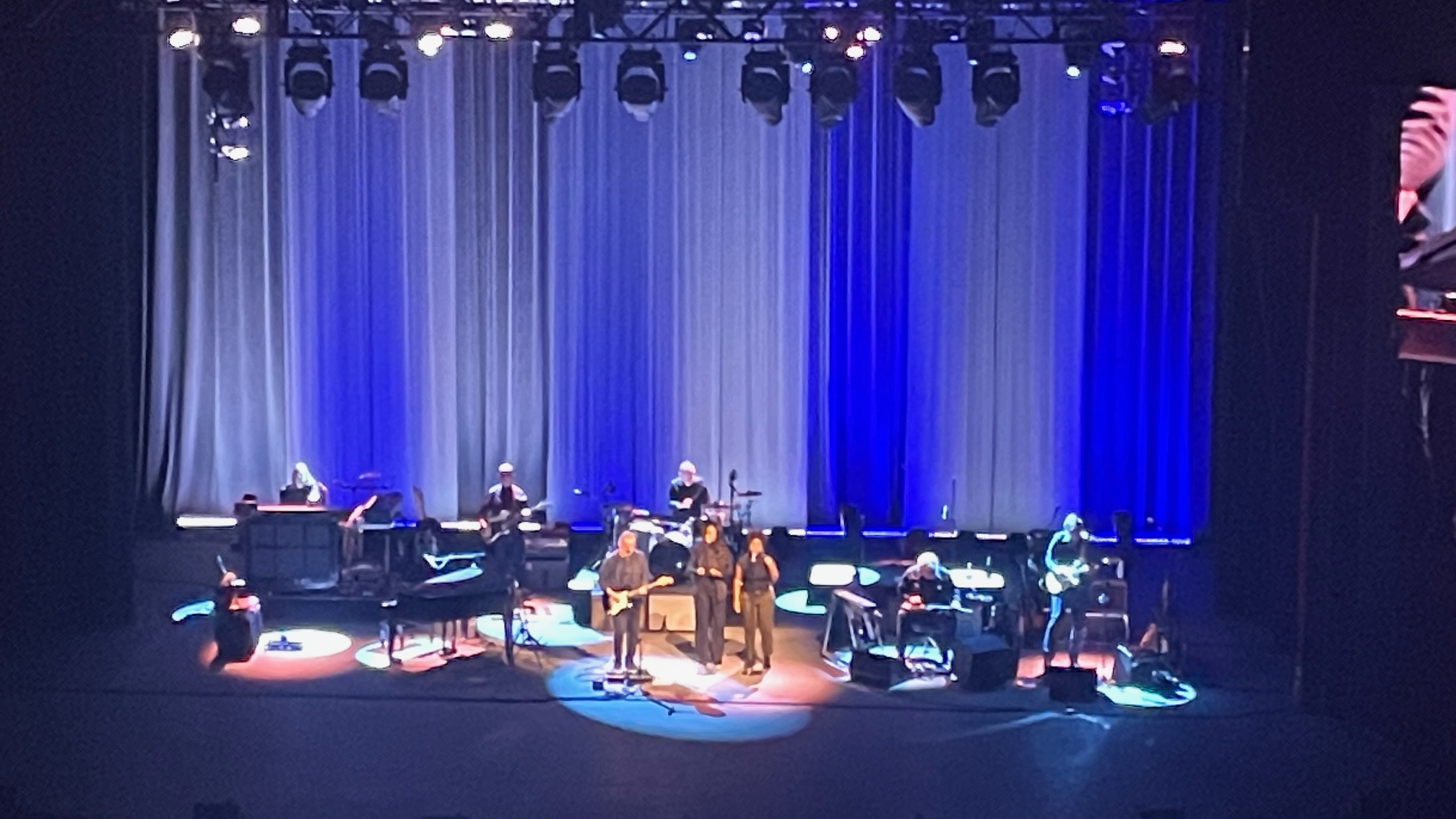
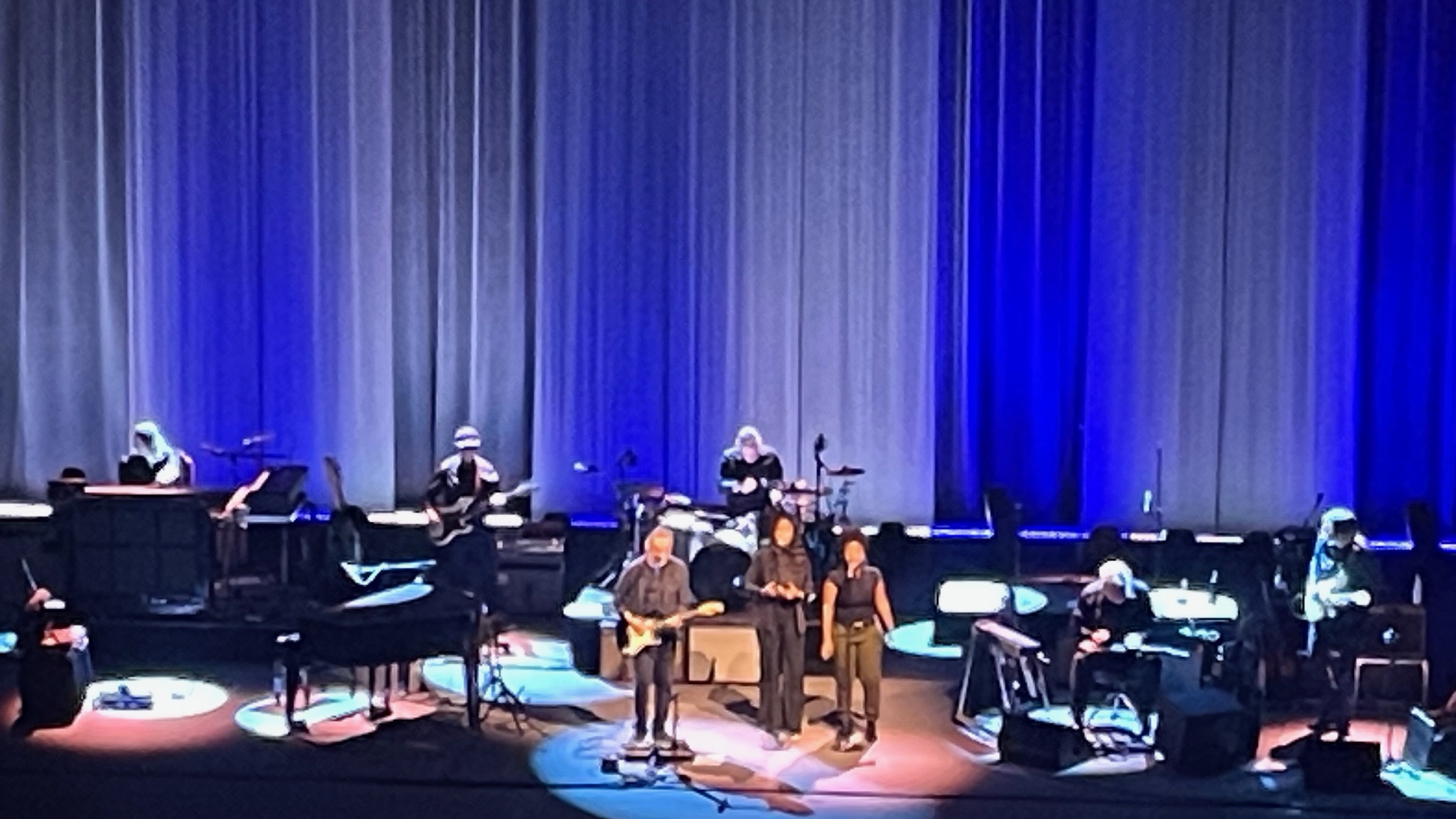

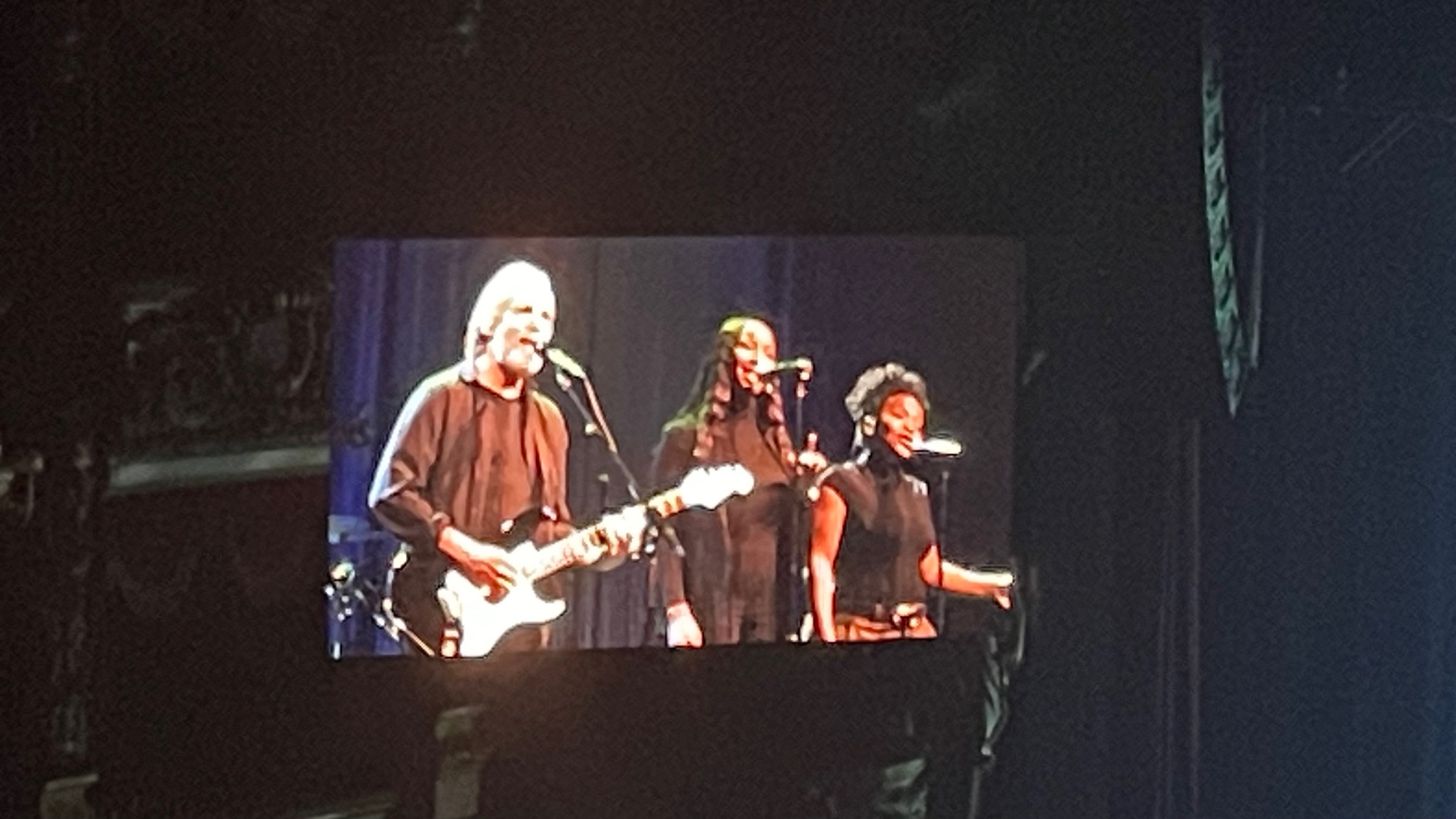

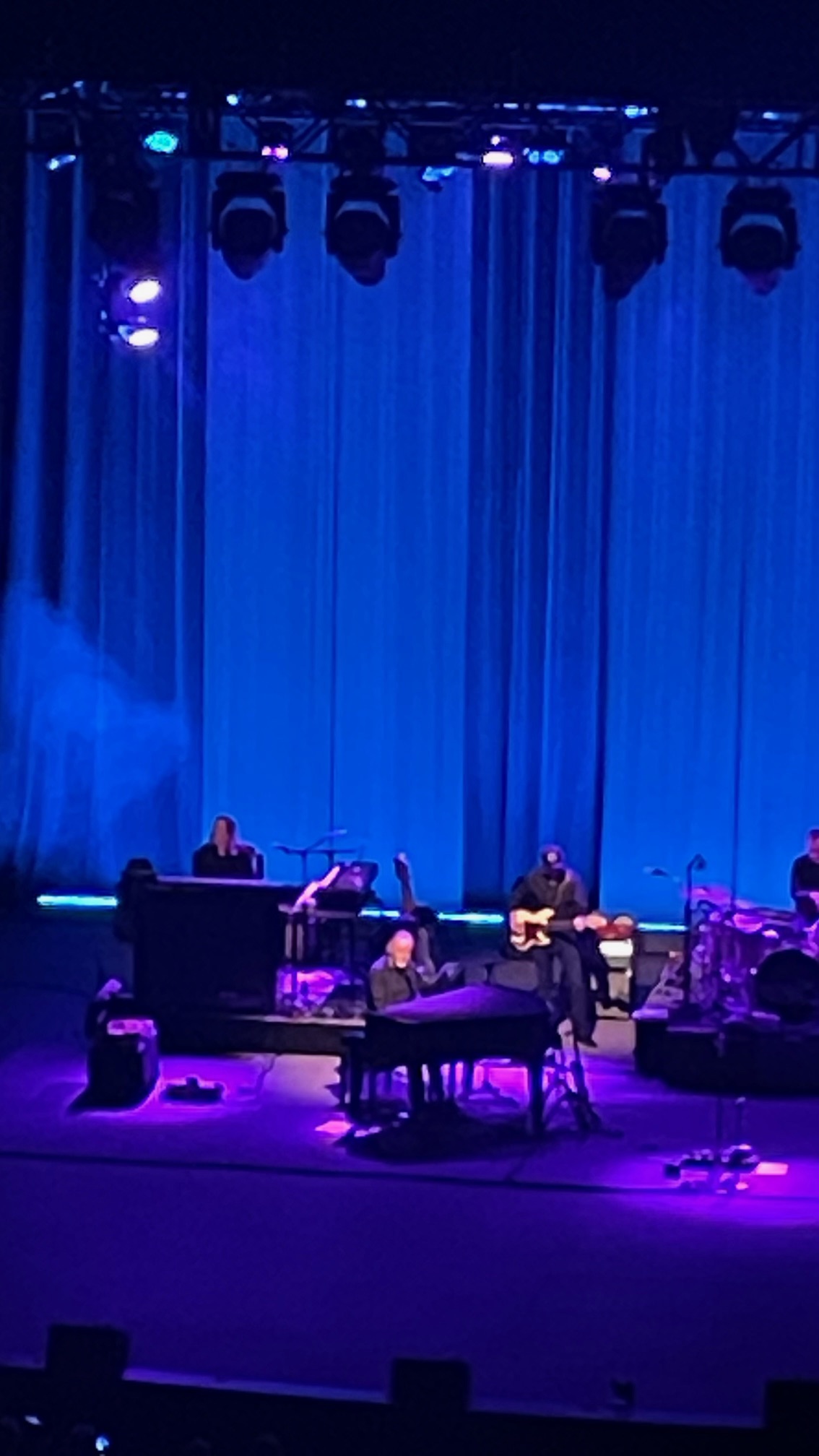
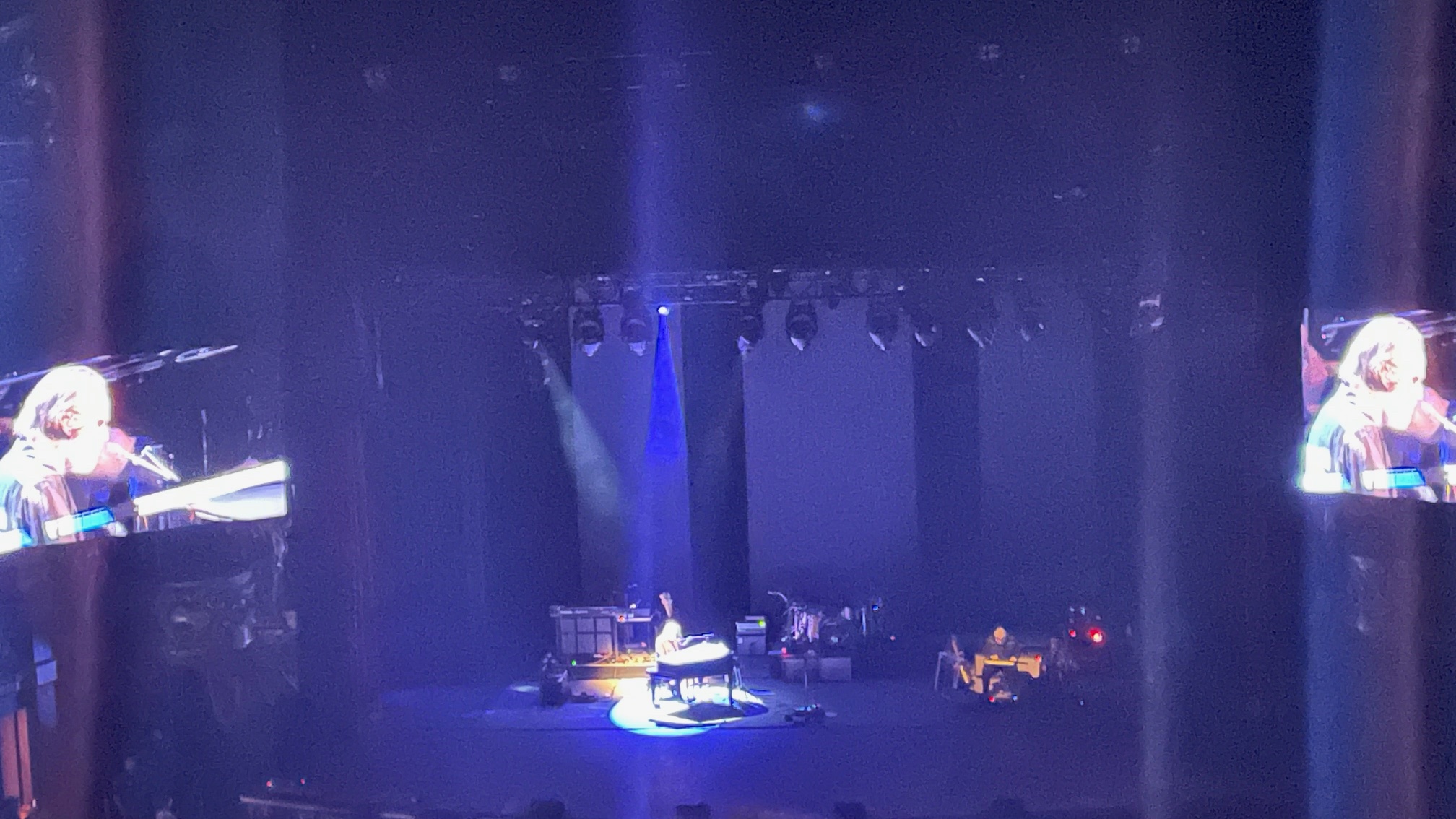
Camera: iPhone 12
Location: The Venetian Theatre; Las Vegas, Nevada, United States

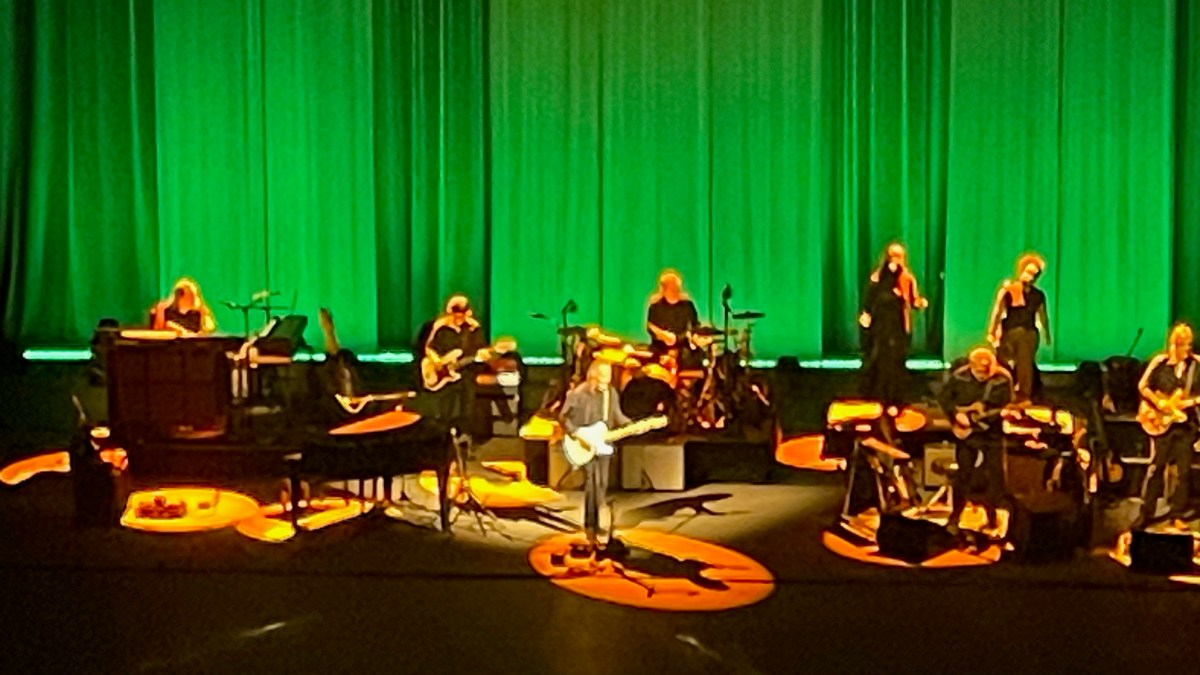
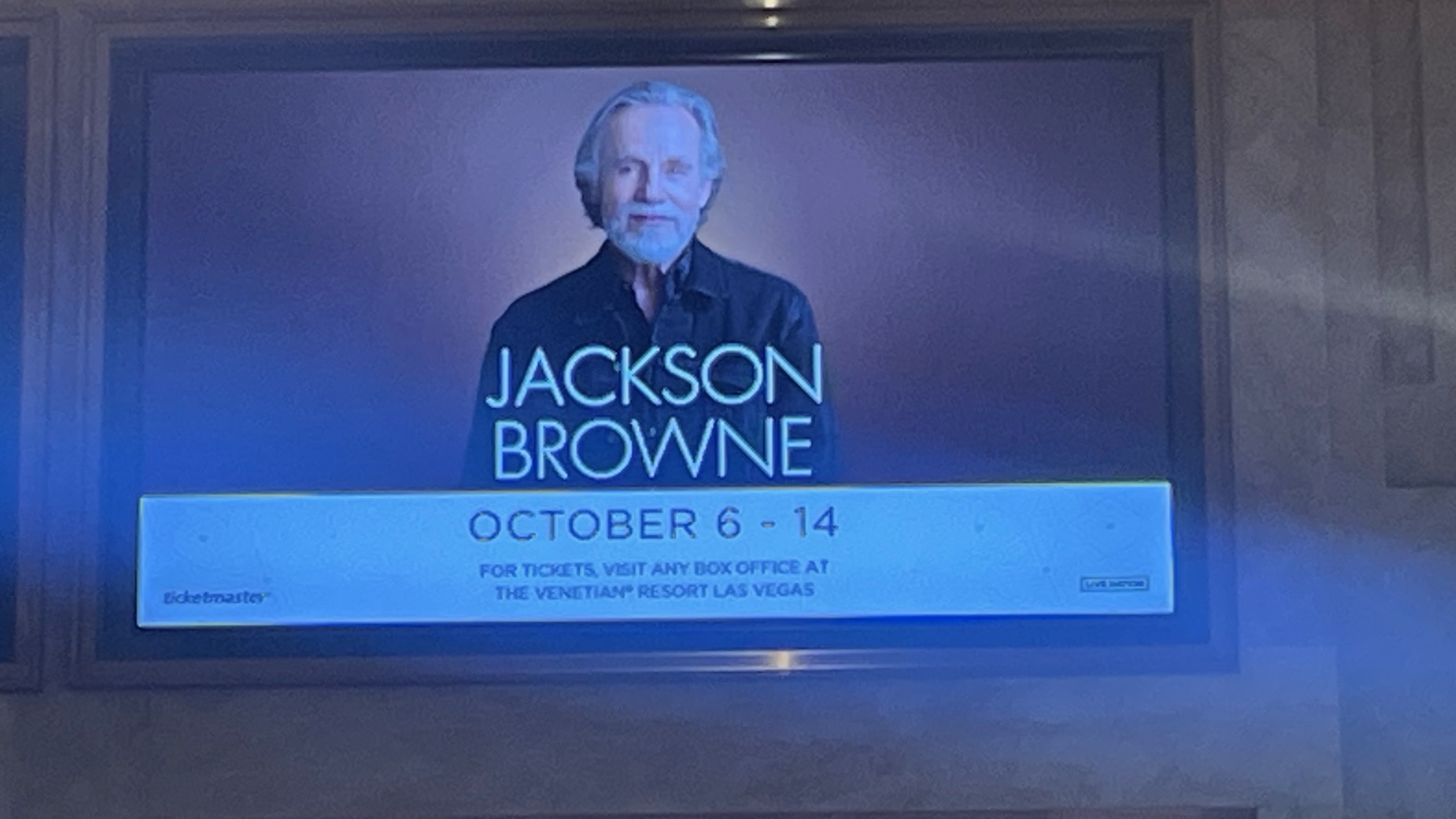
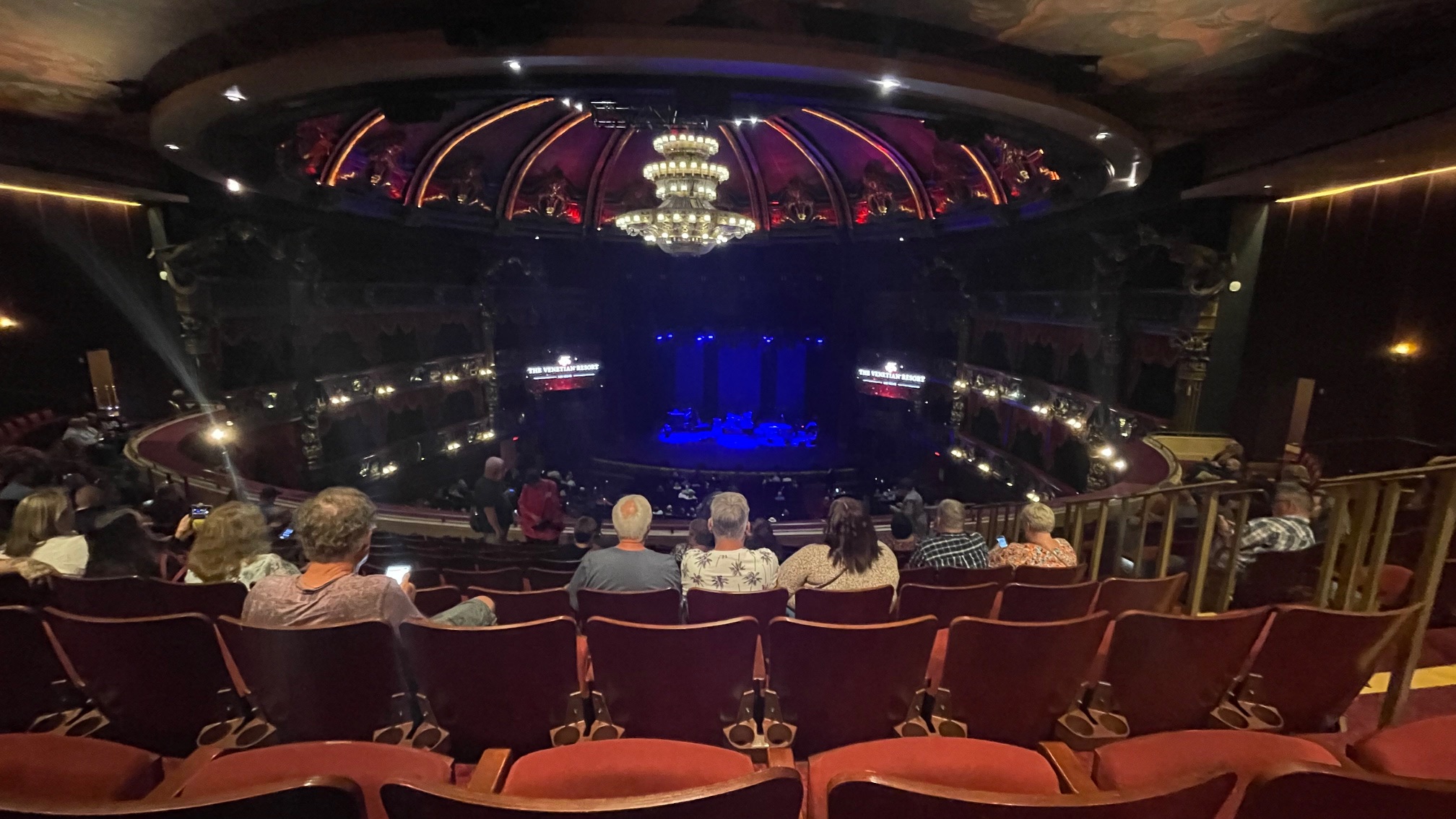
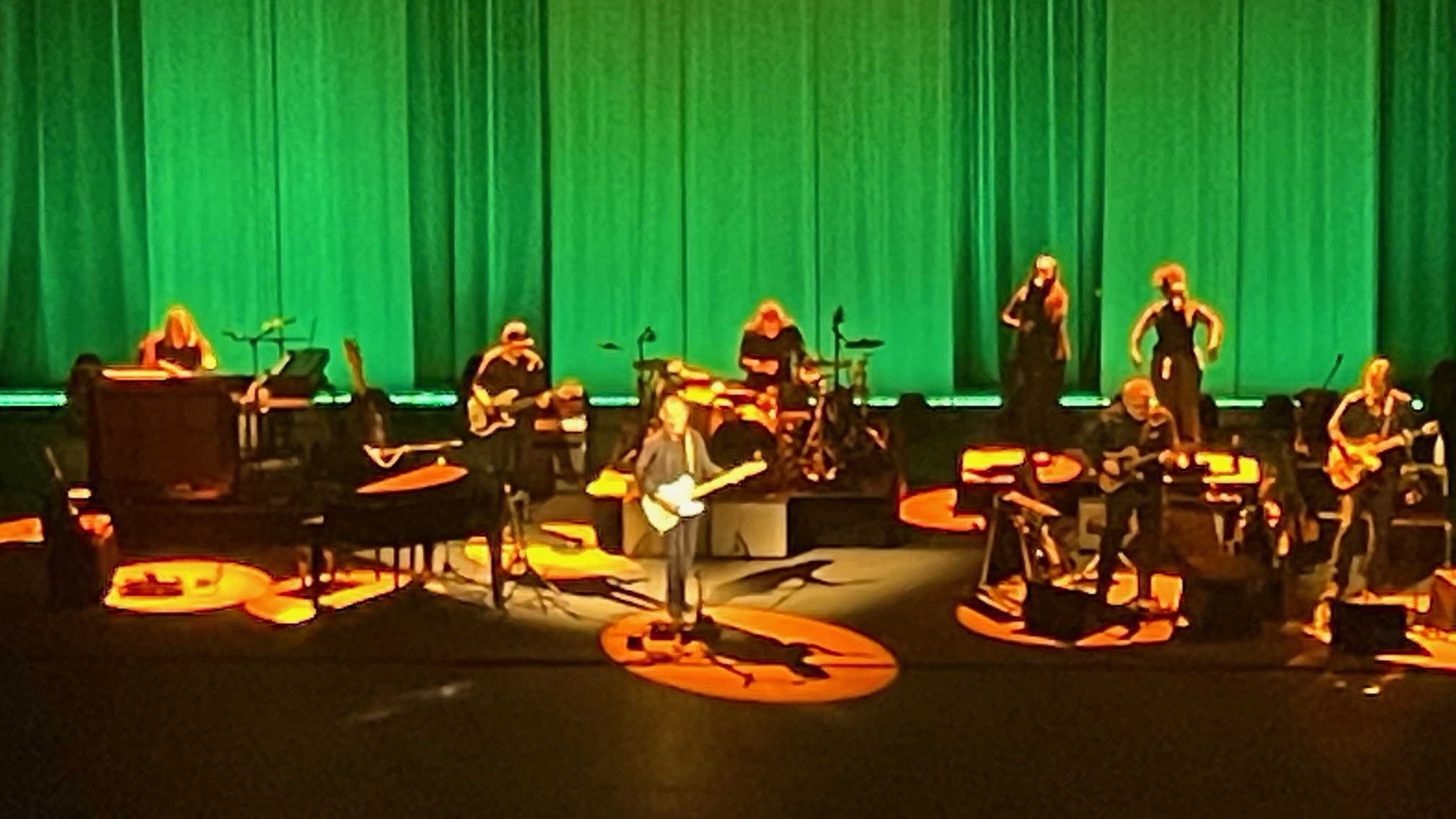
Seeing Jackson Browne Live in Concert at The Venetian Theatre in Las Vegas, Nevada.
Camera: iPhone 12
Location: The Venetian Theatre; Las Vegas, Nevada, United States
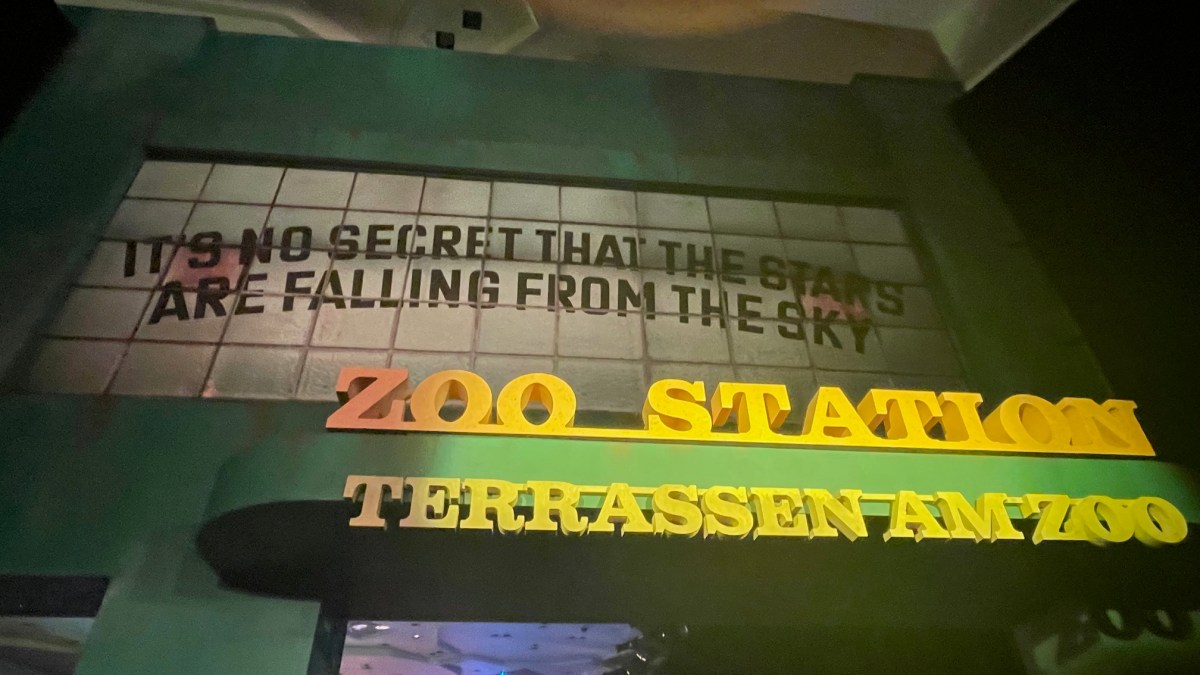
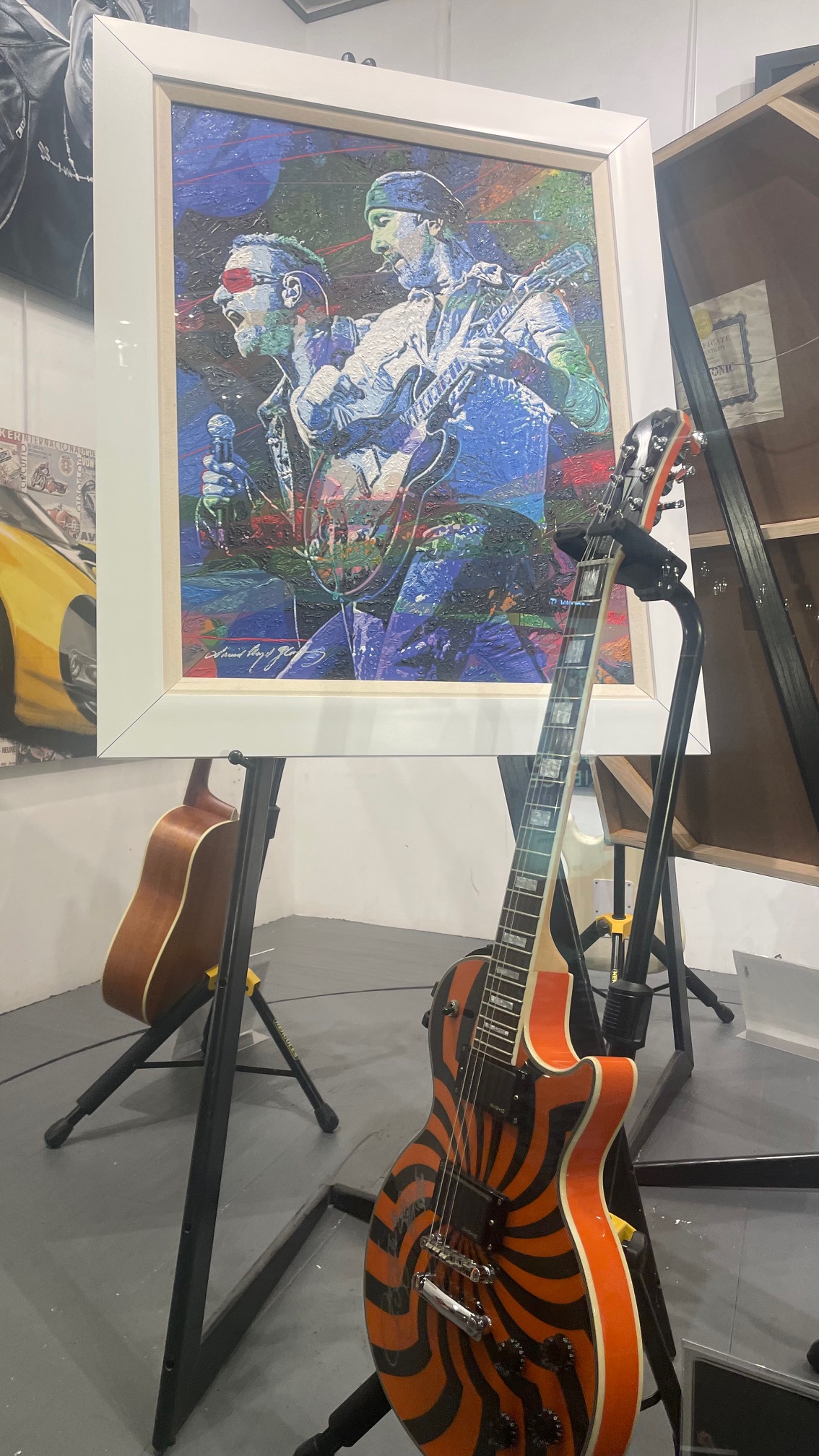
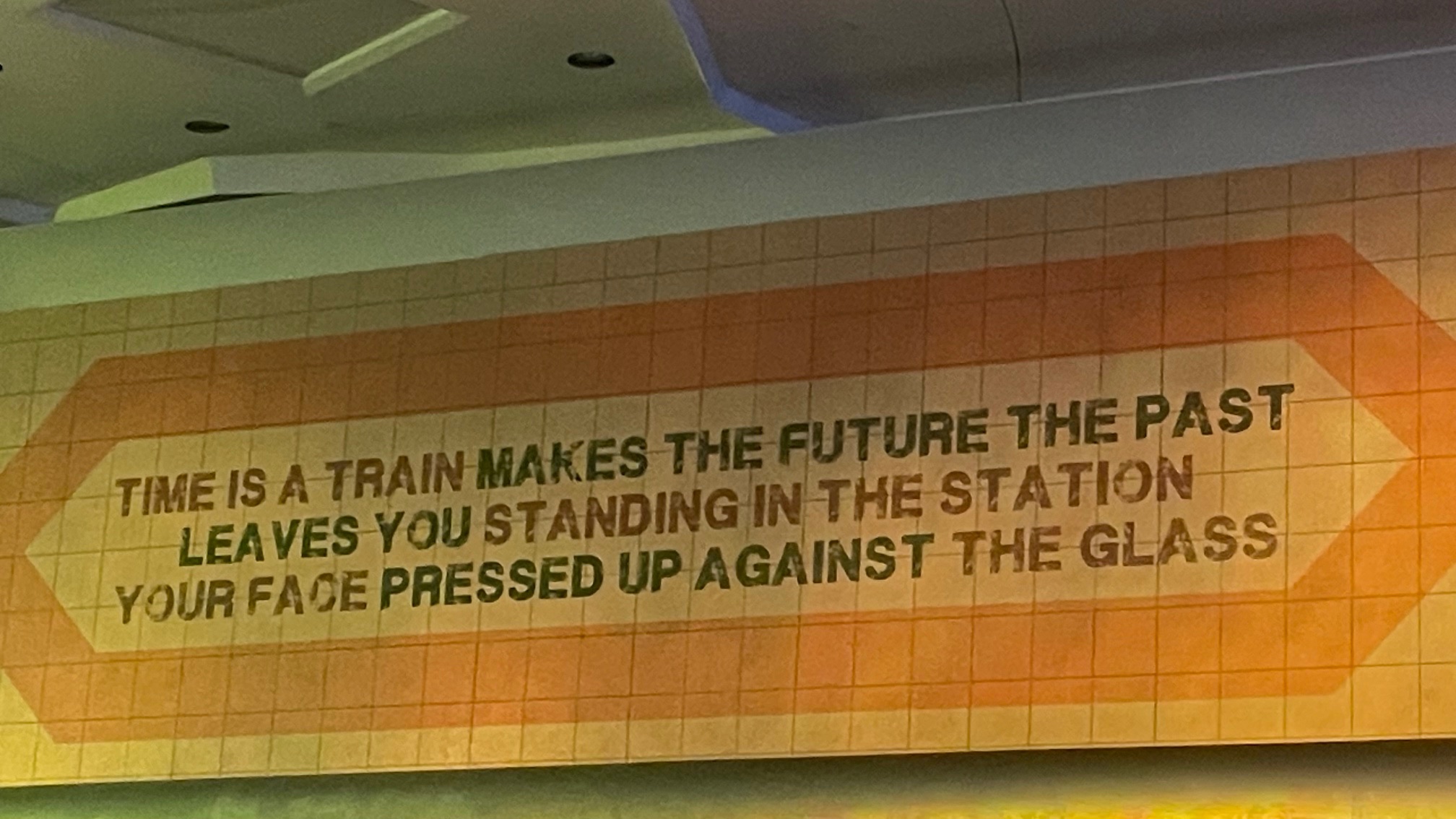
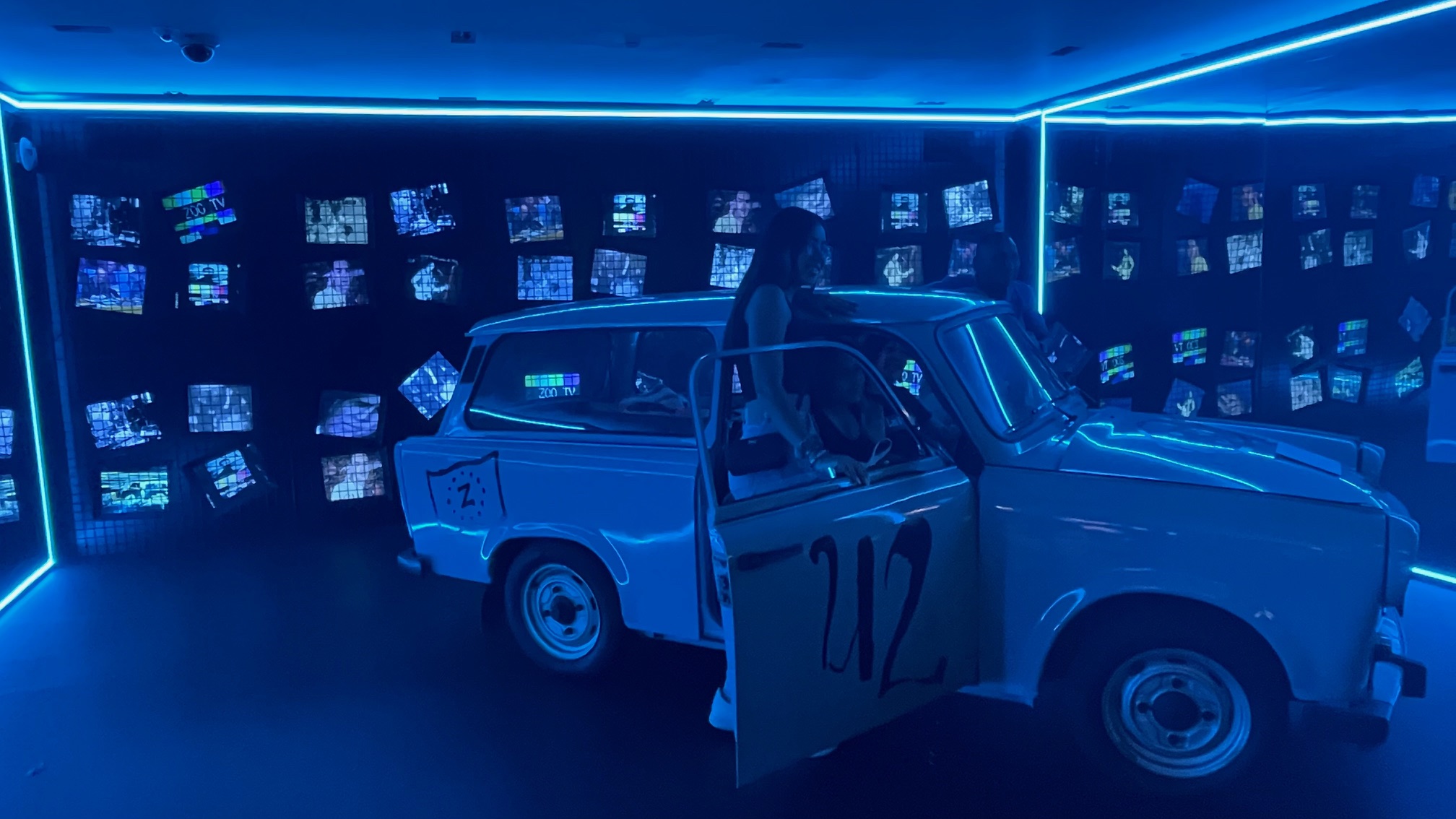
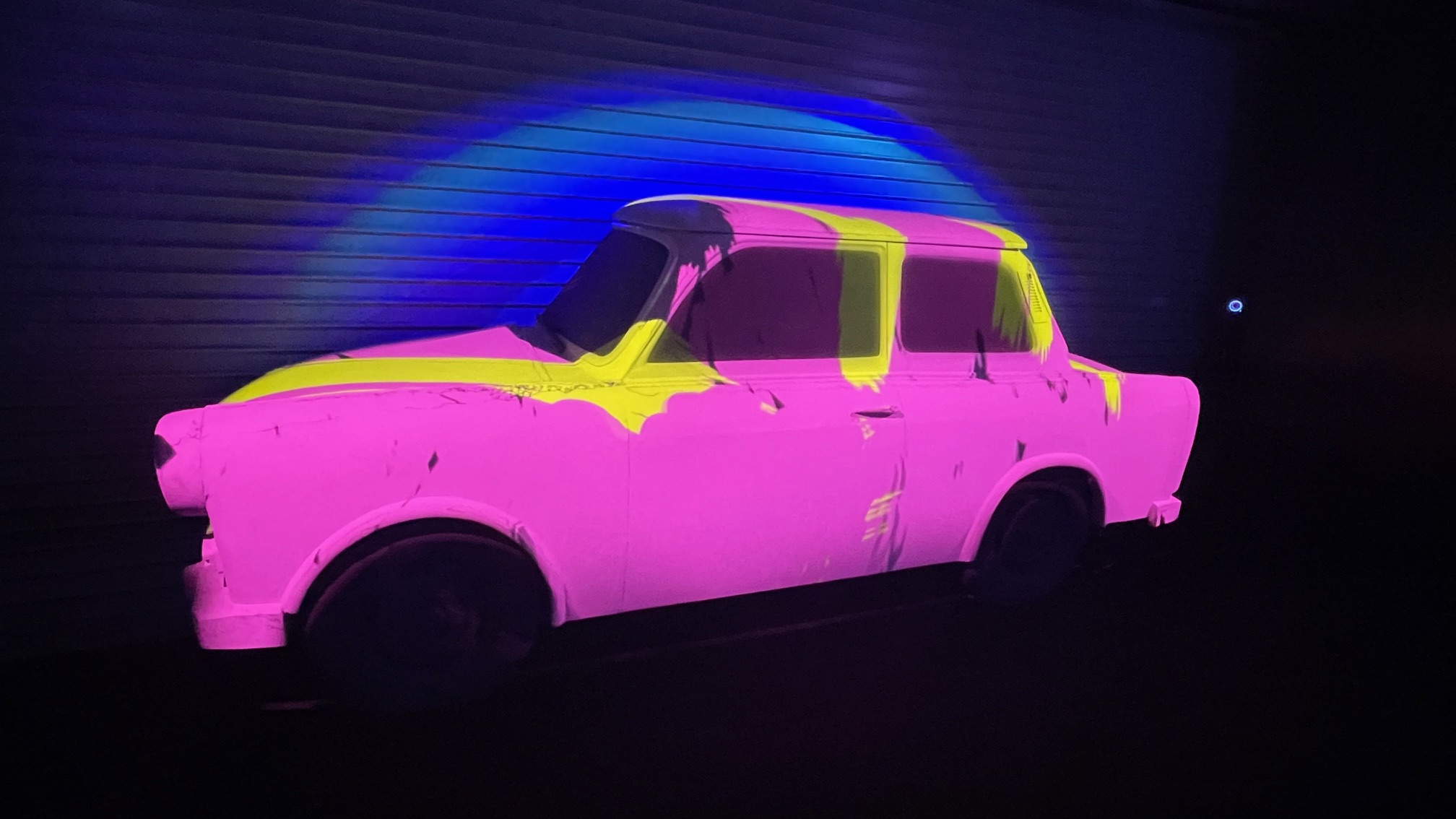
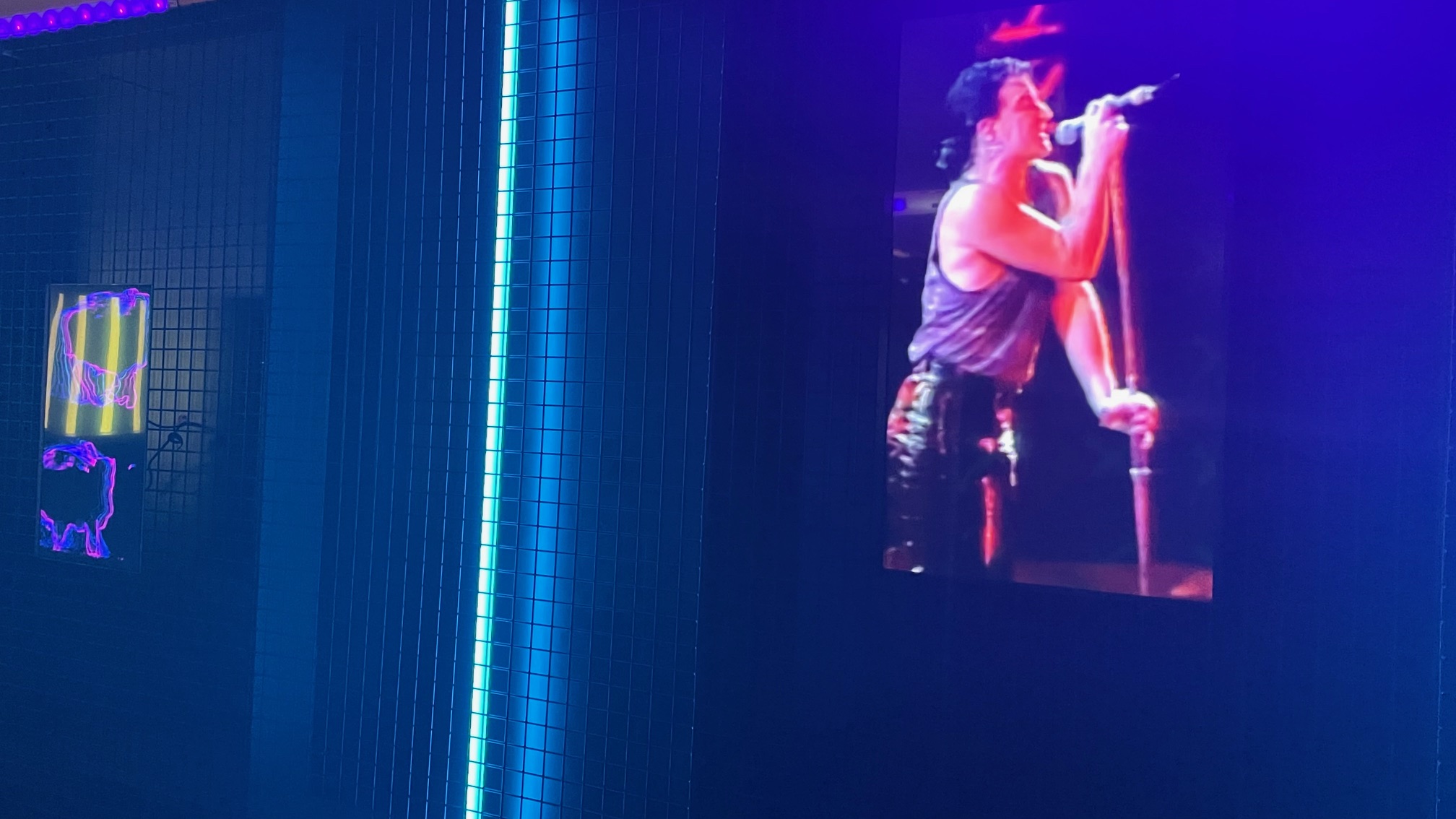
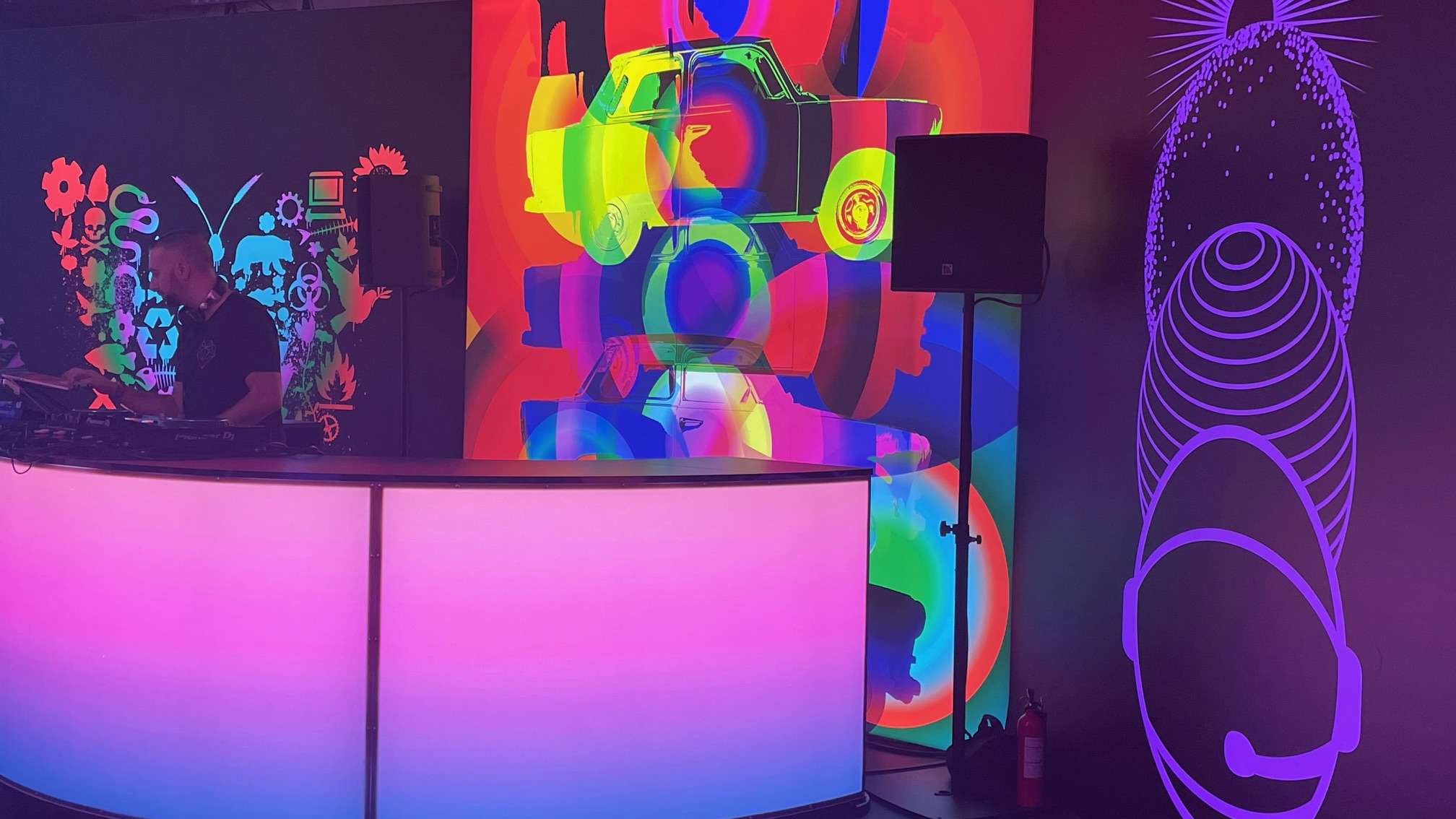
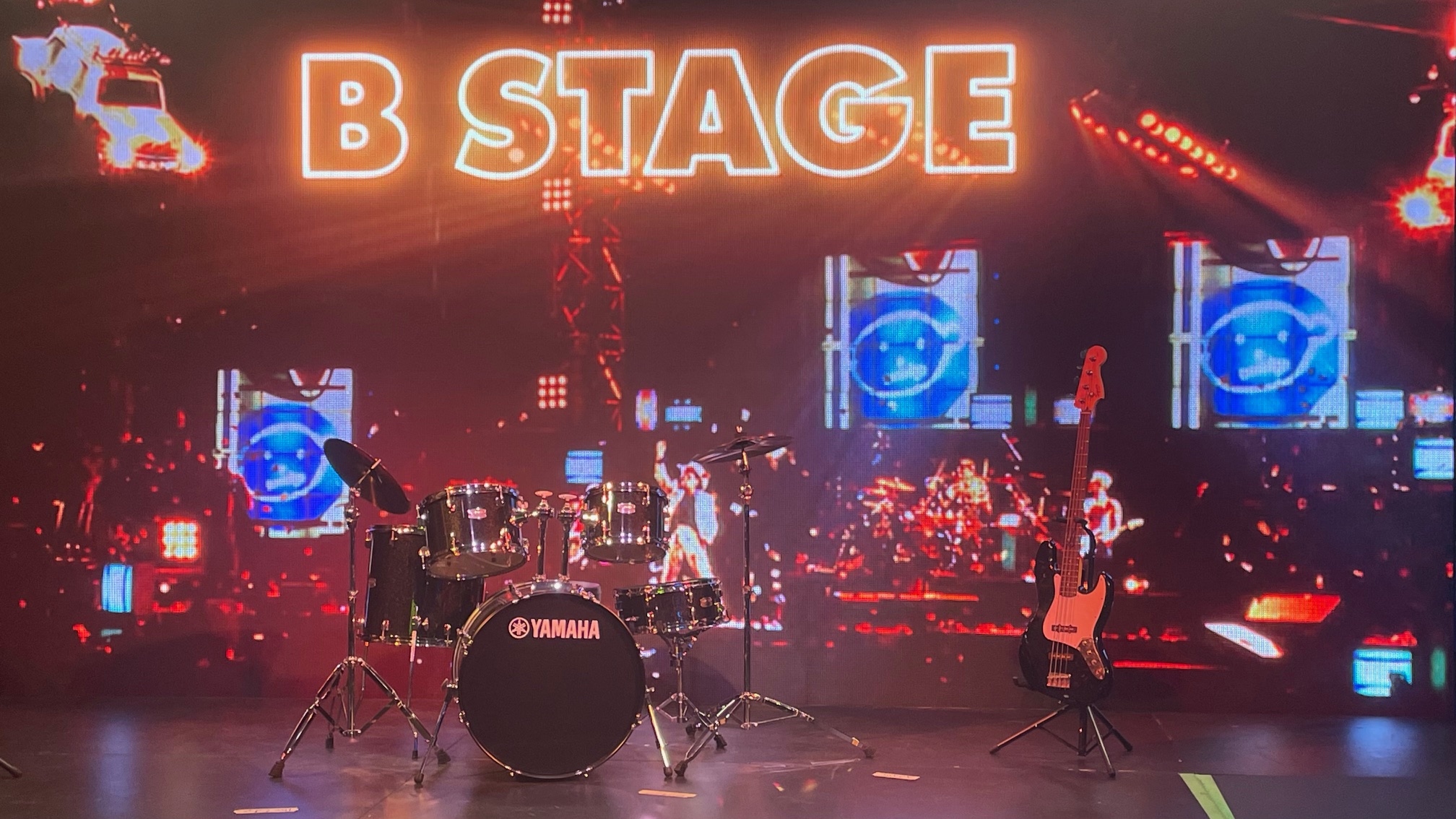
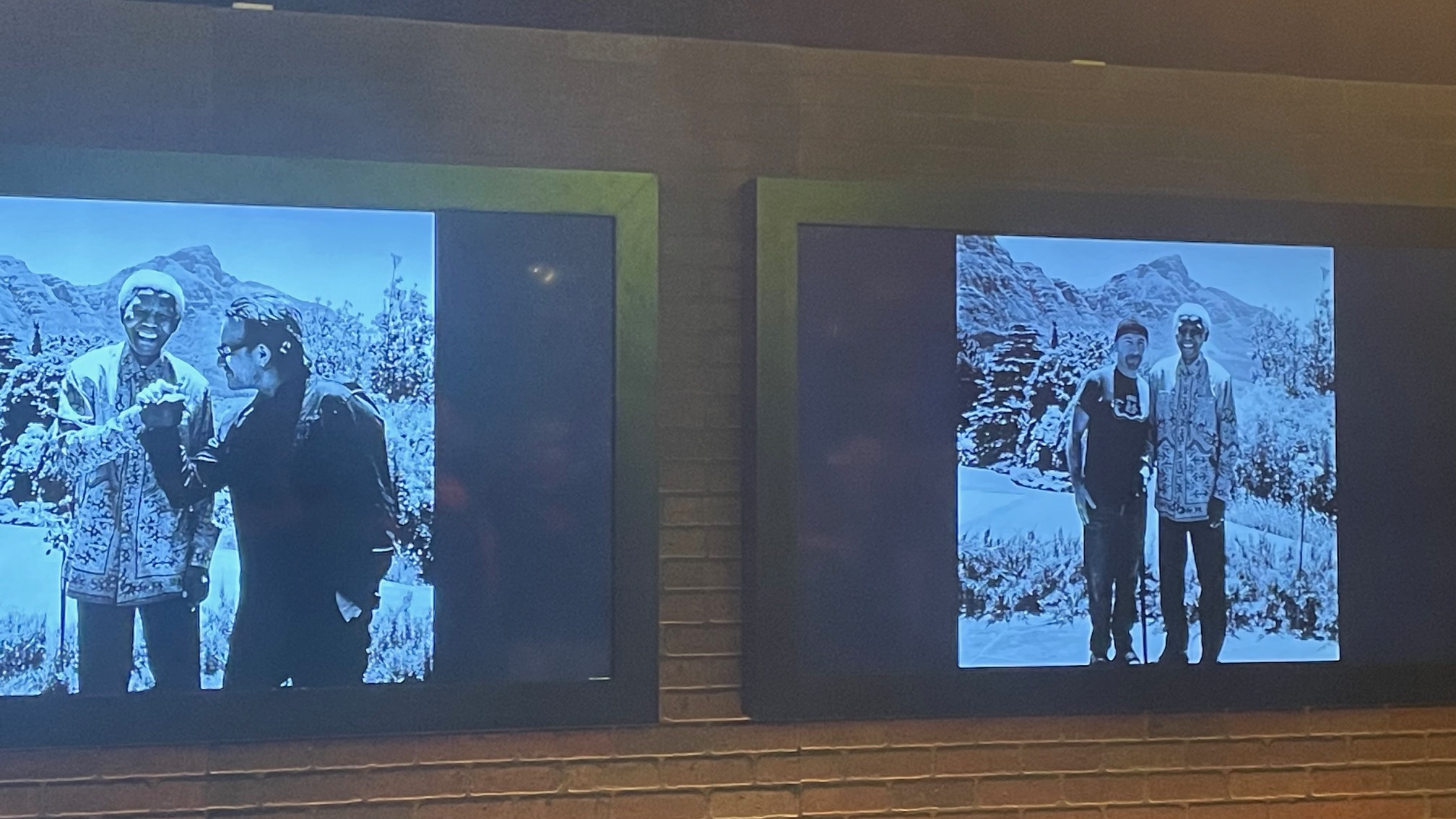
Zoo Station, the immersive fan portal at The Venetian Resort in Las Vegas to celebrate U2:UV Achtung Baby at Sphere in the Fall of 2023.
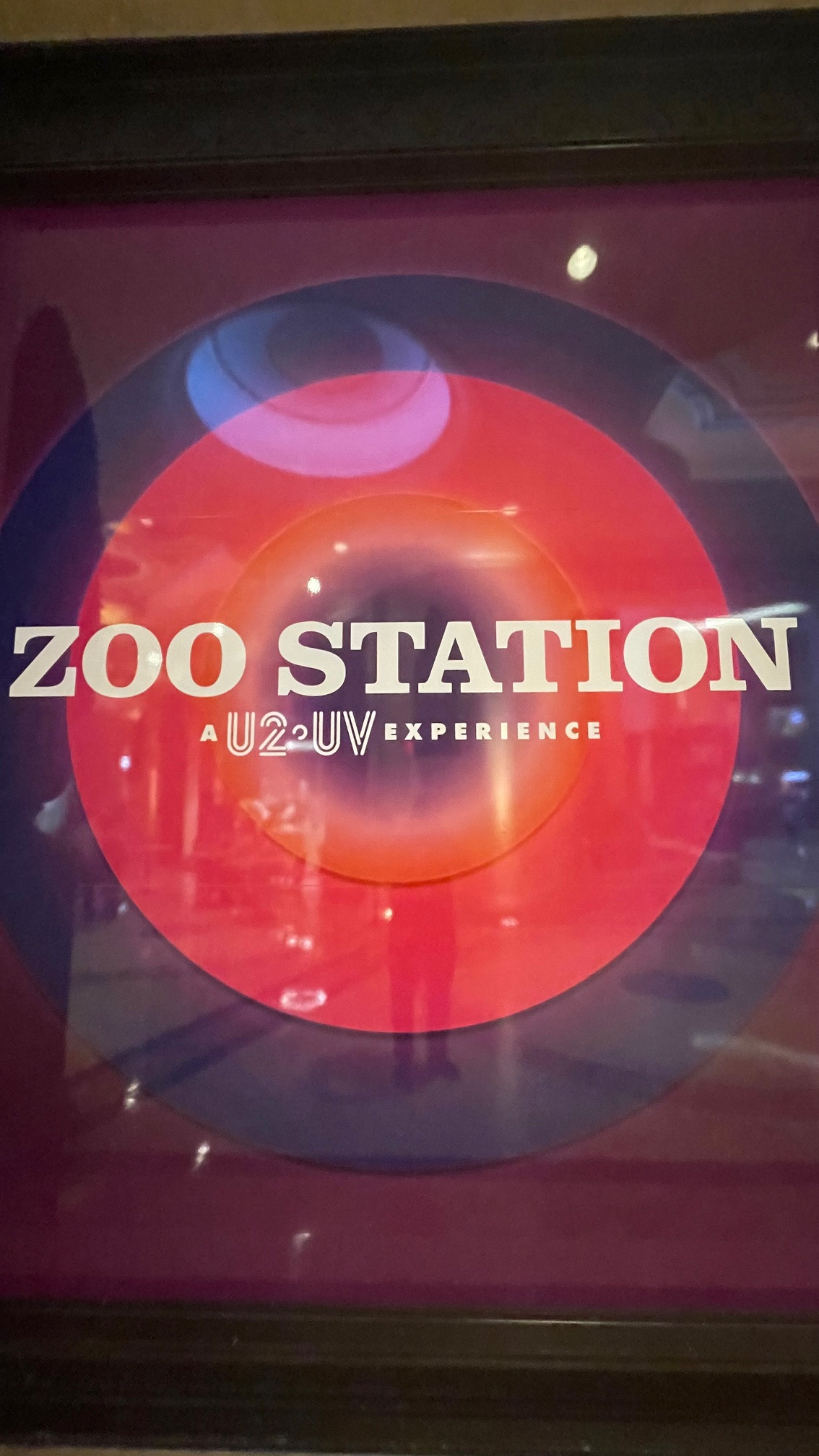
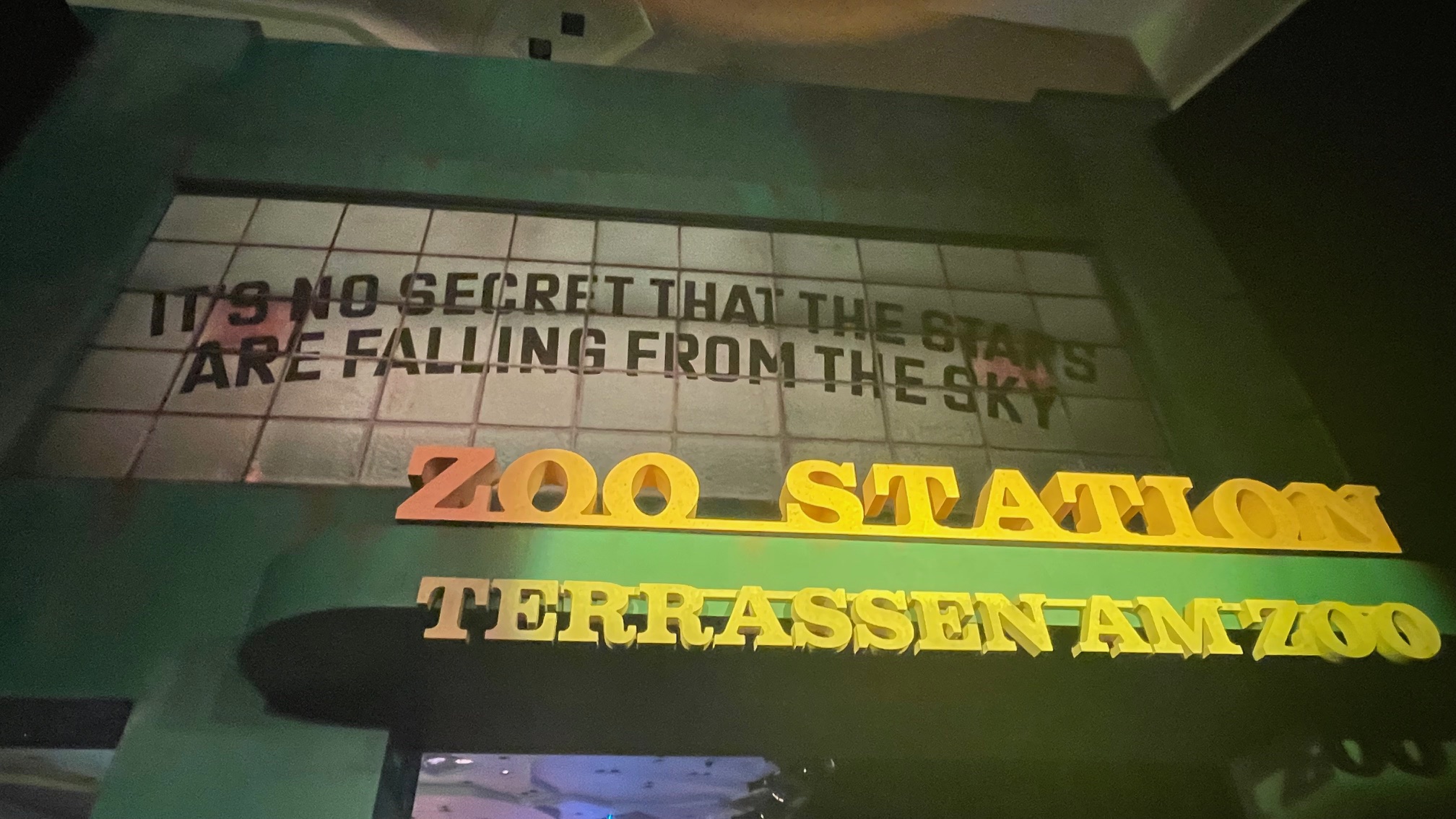







Camera: iPhone 12
Location: Las Vegas, Nevada, United States
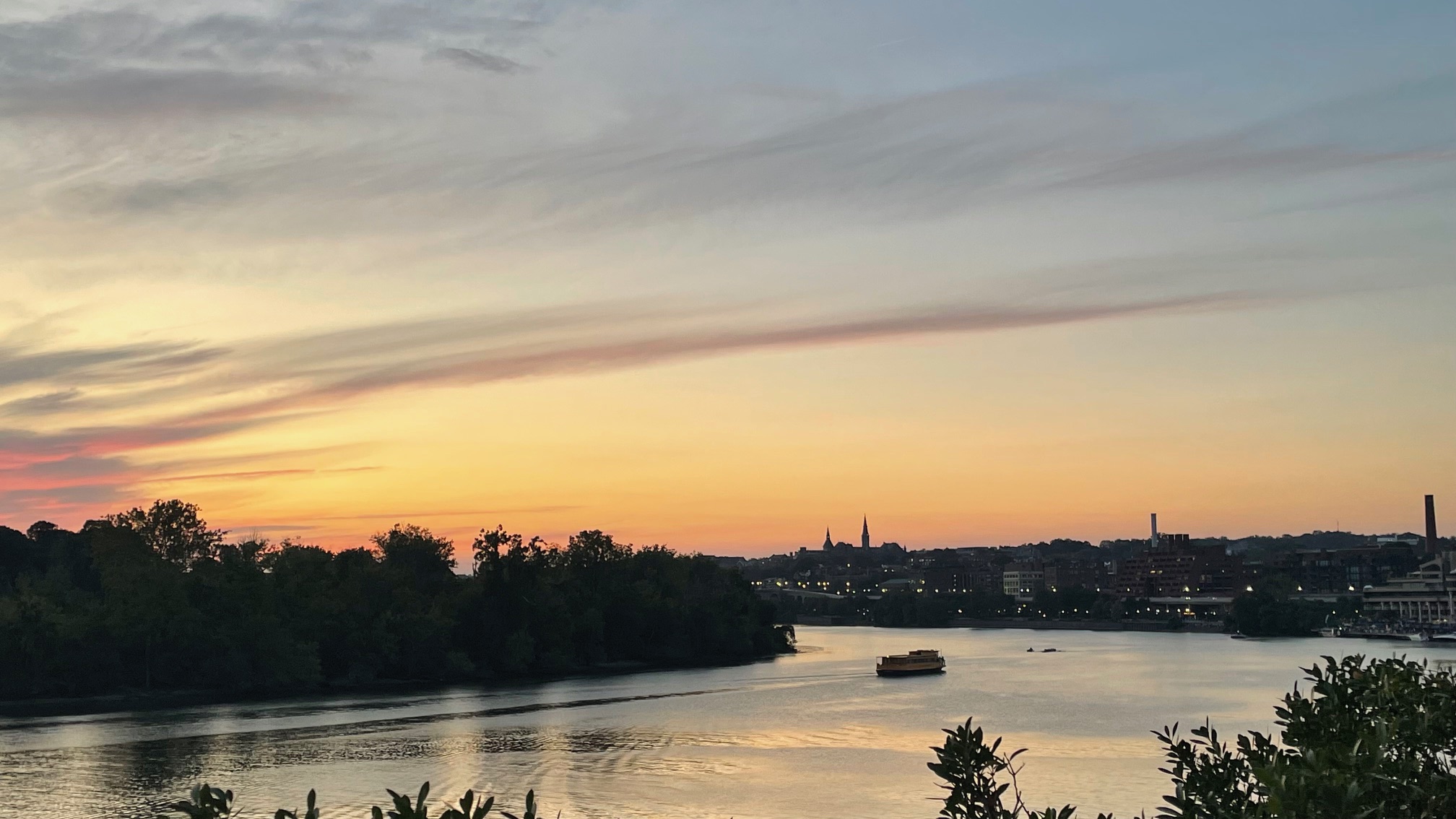
Ben Folds performing live in concert at the Kennedy Center in Washington, DC, USA in the Fall of 2023.



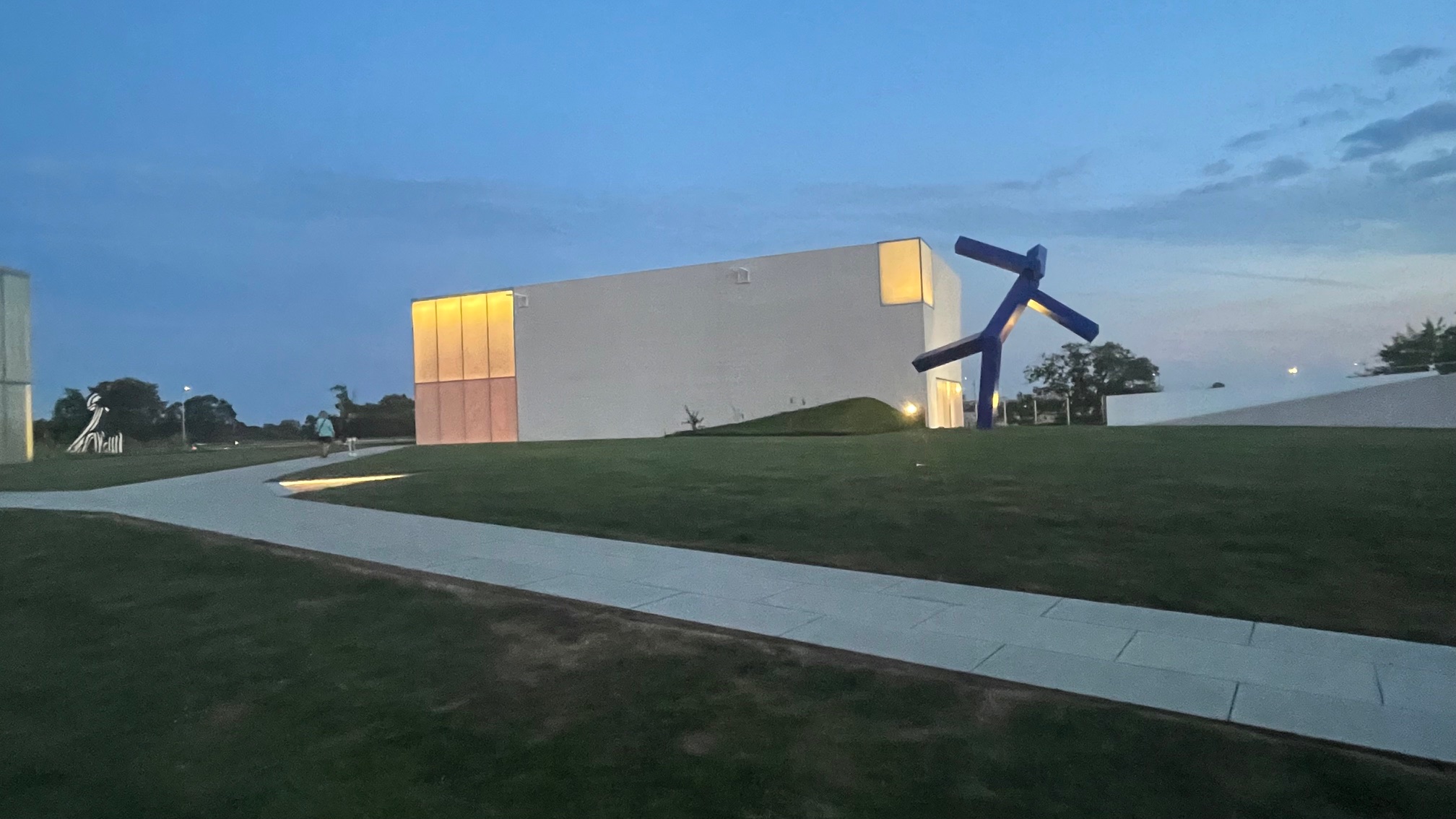
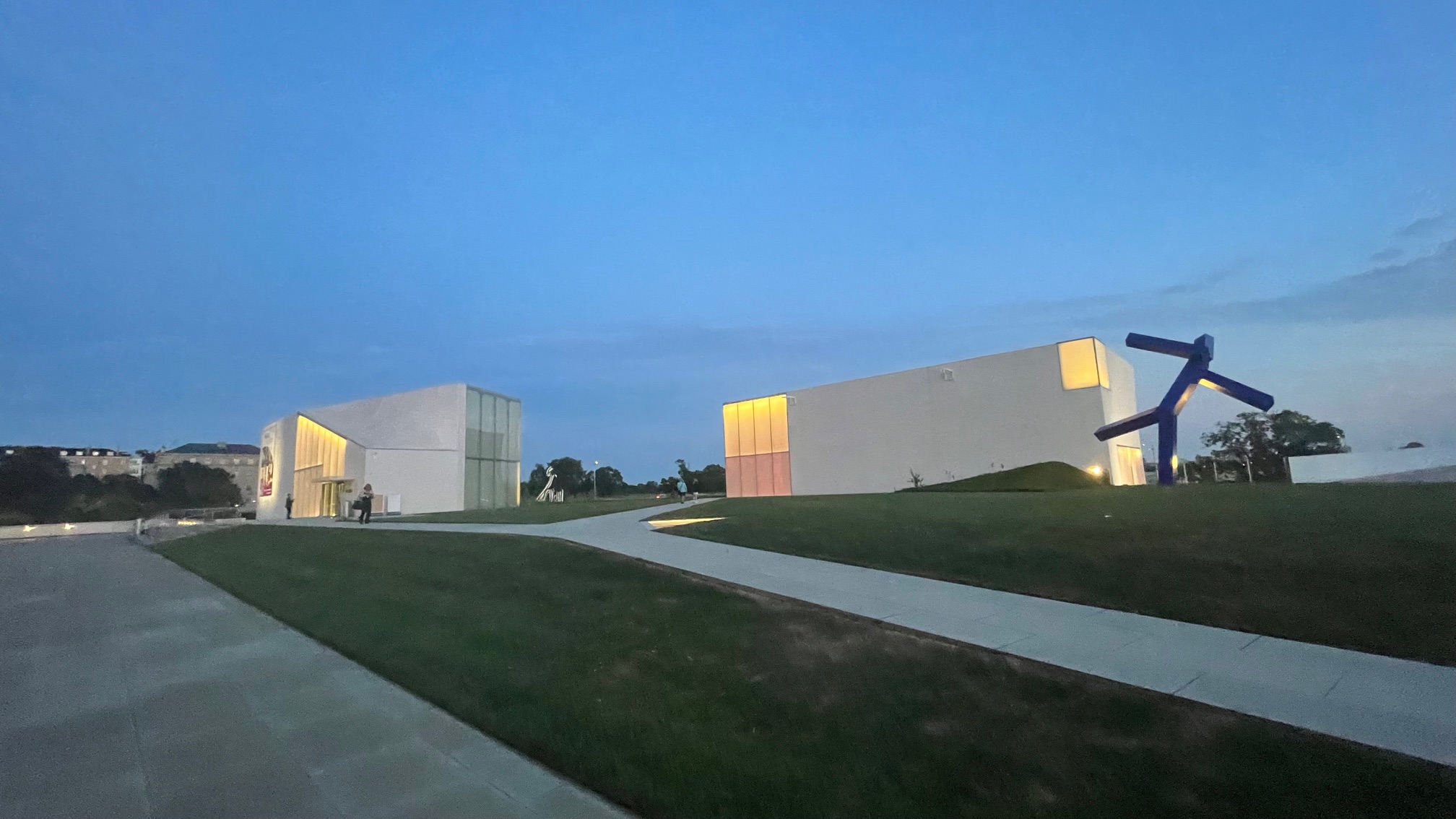
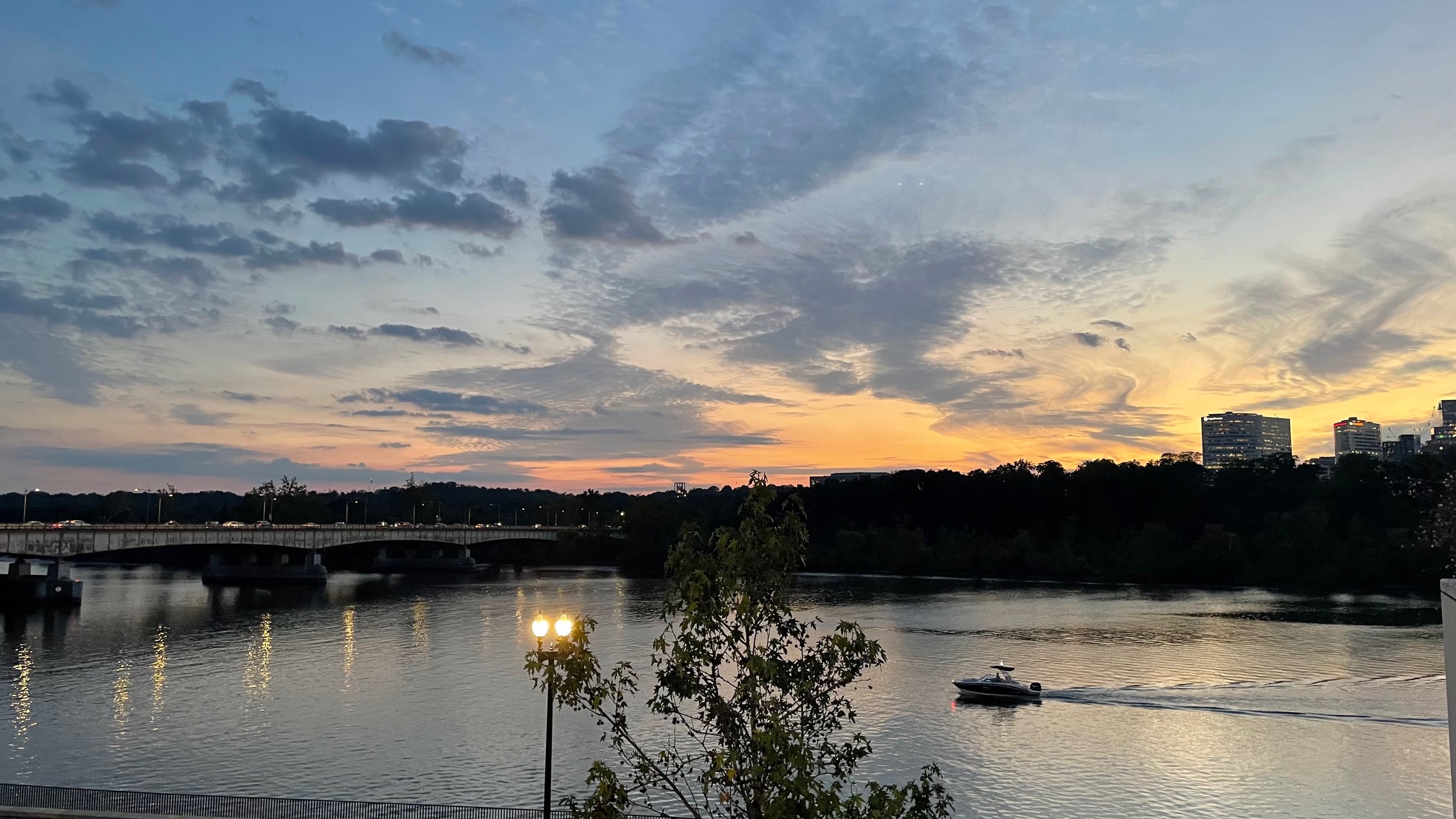

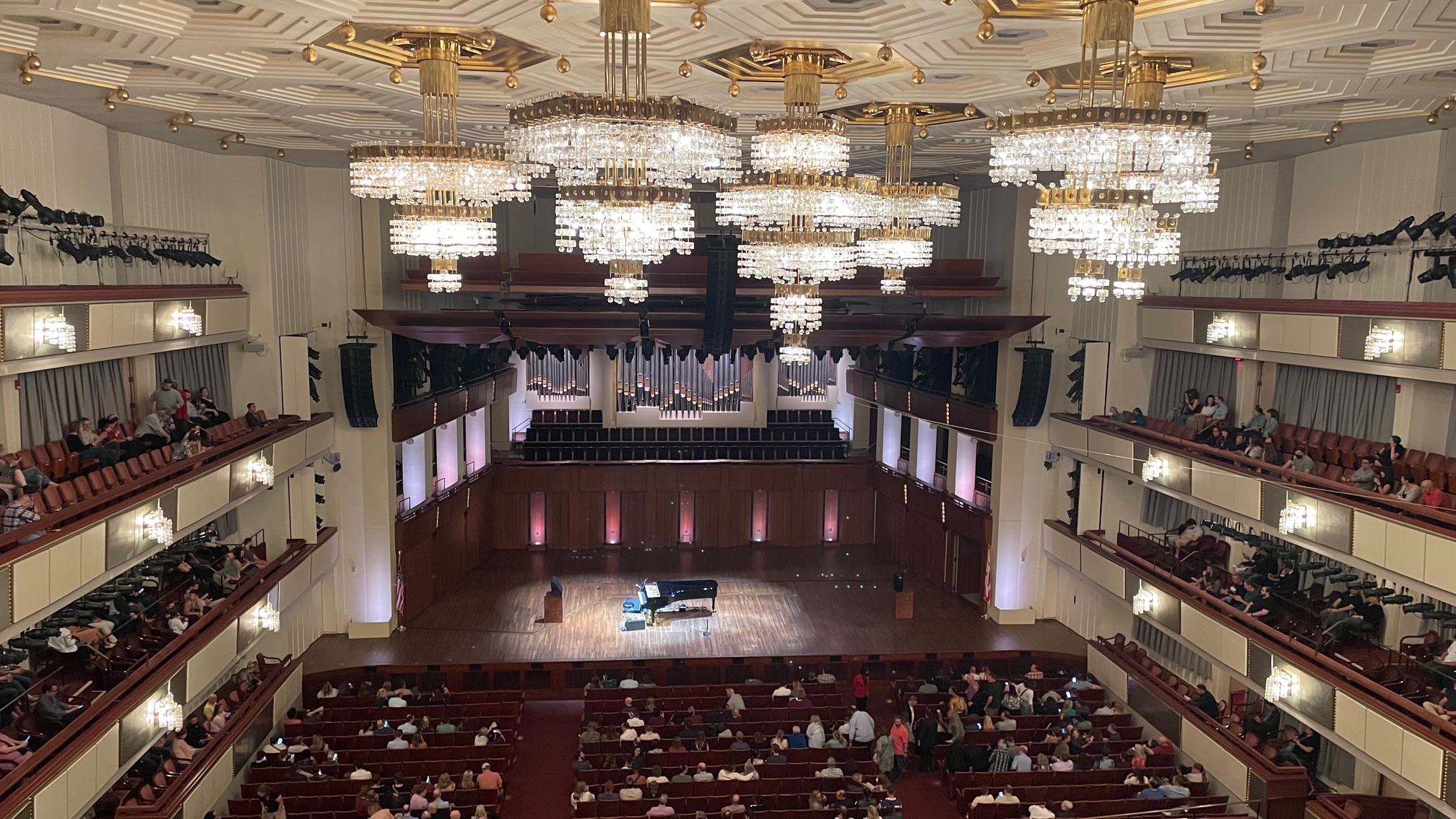
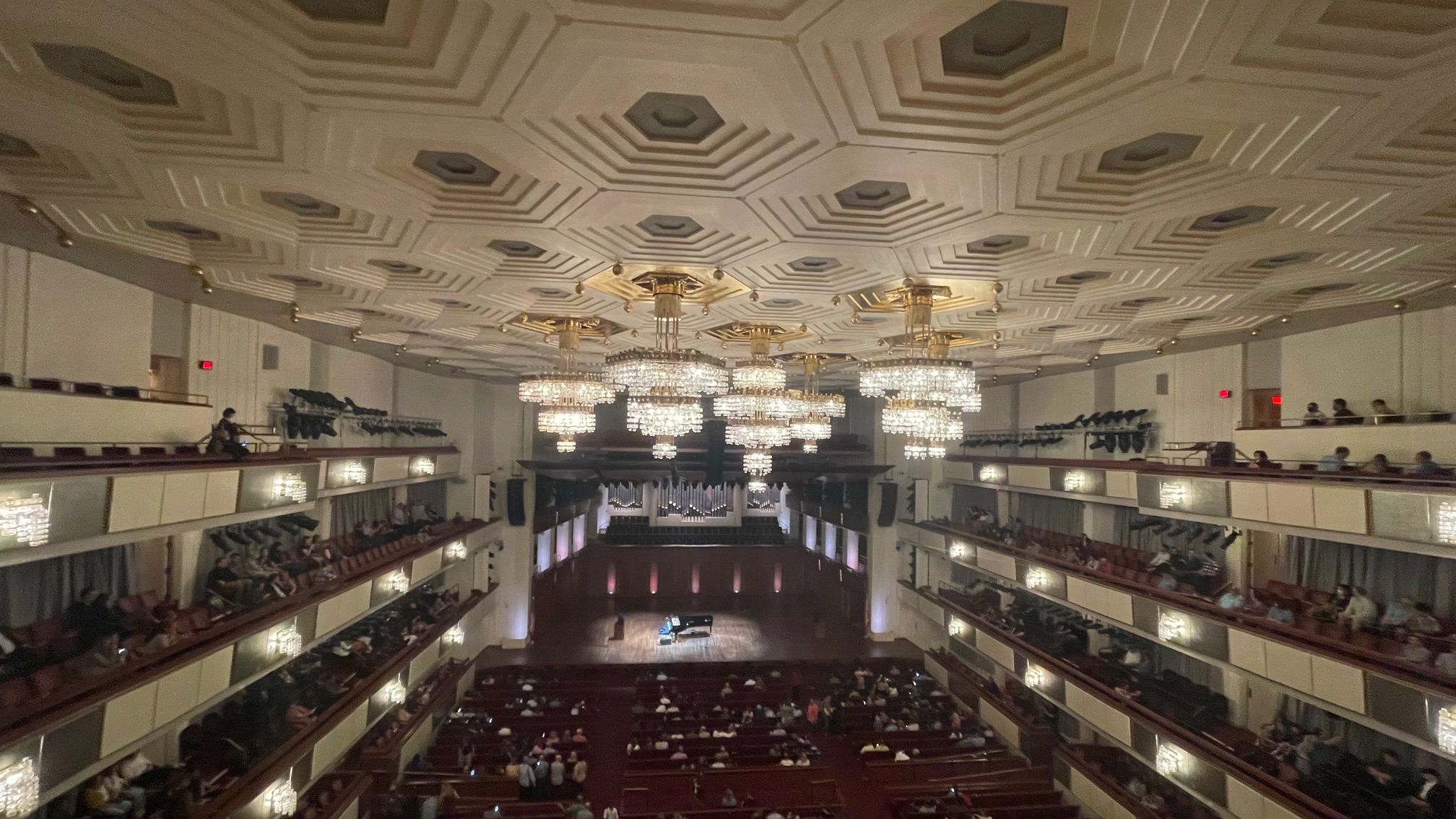

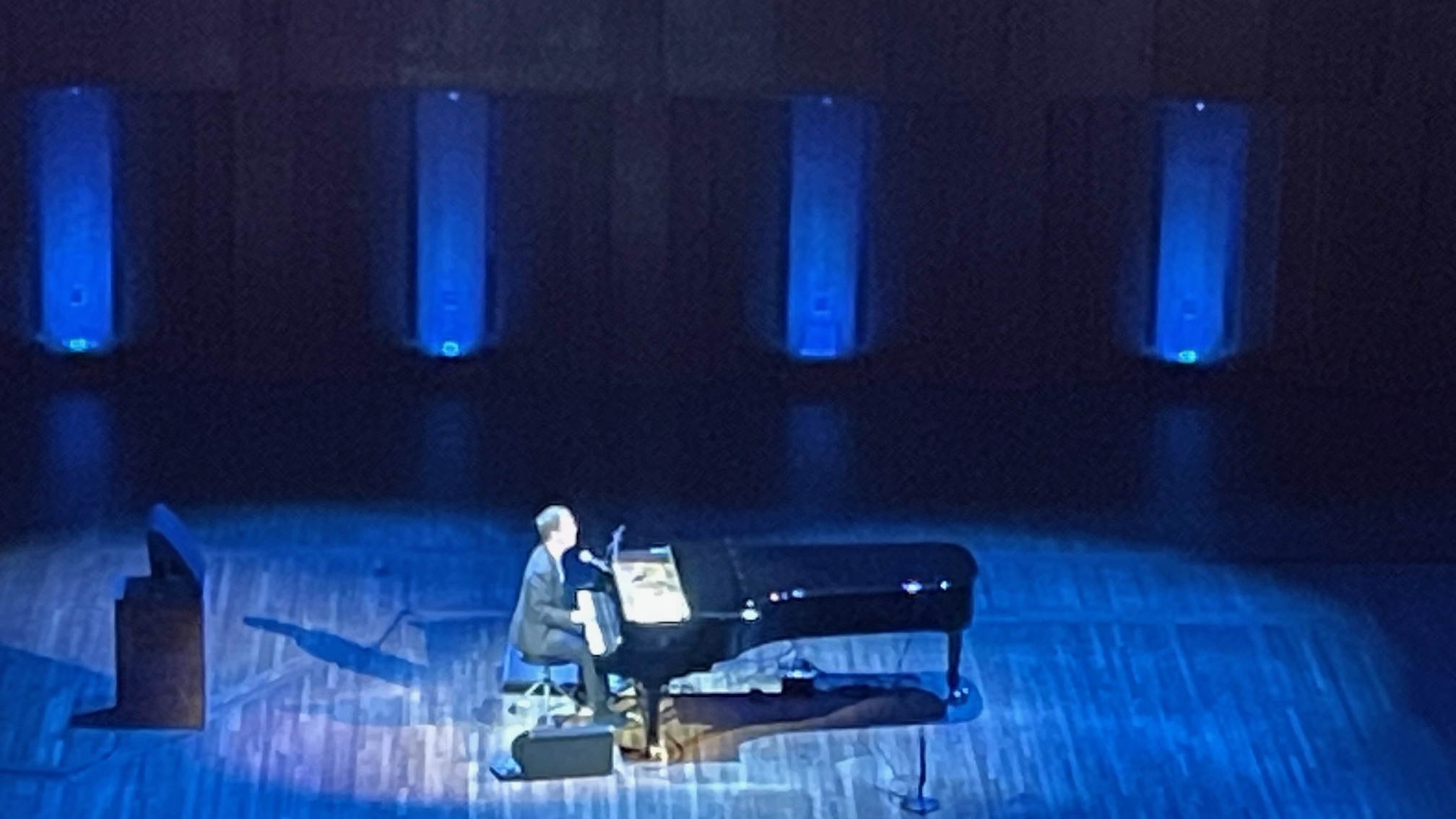
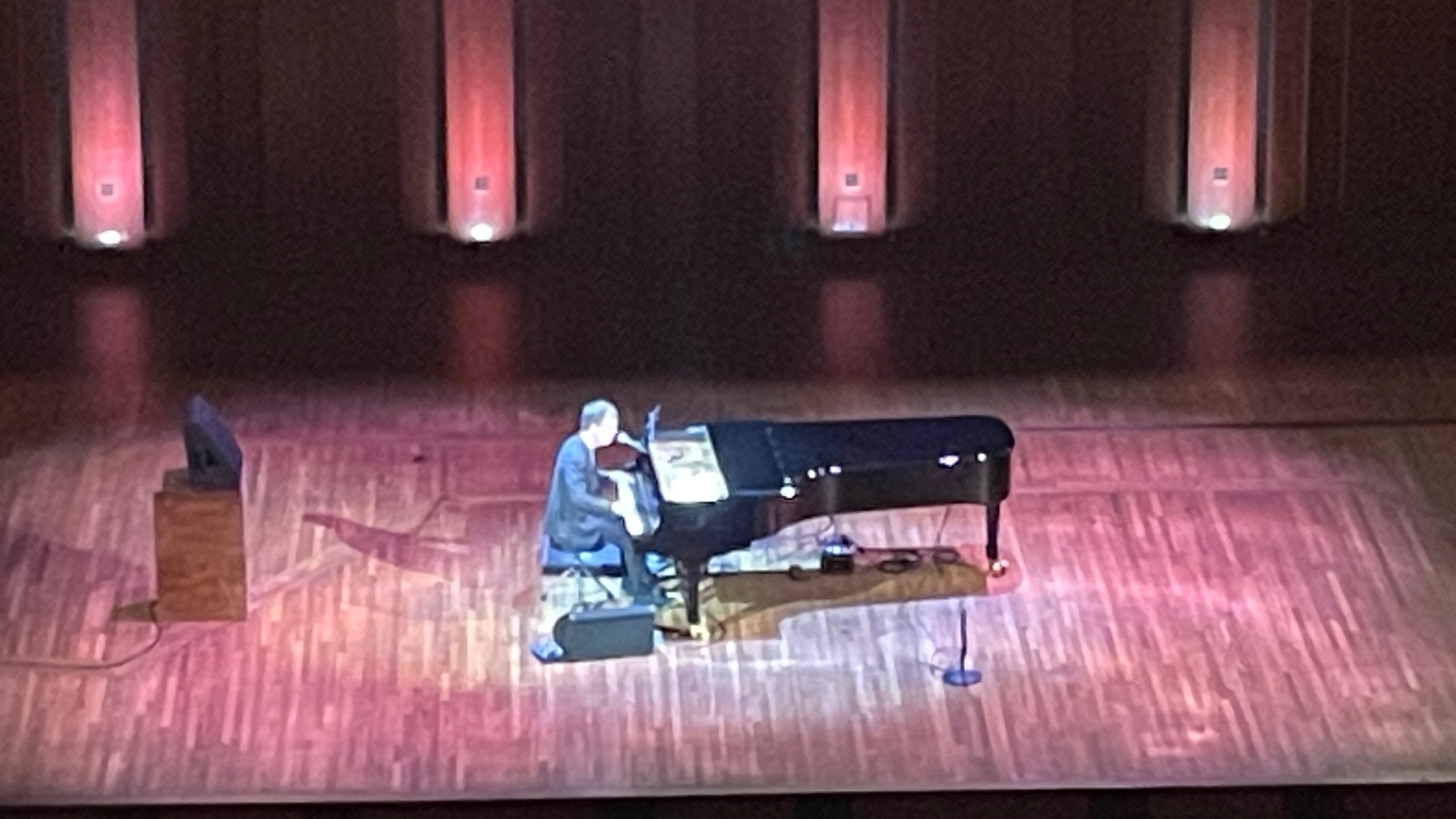
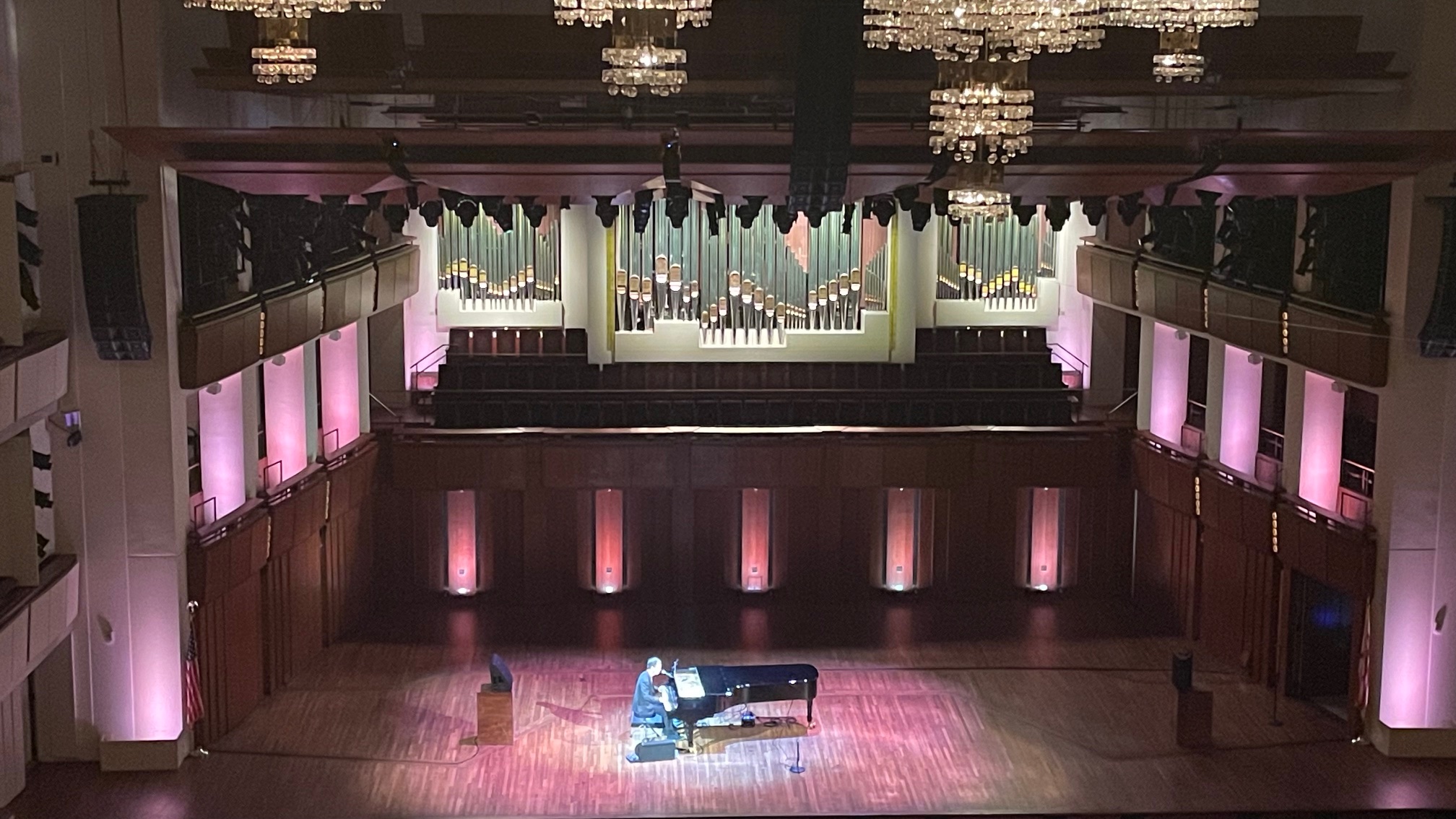
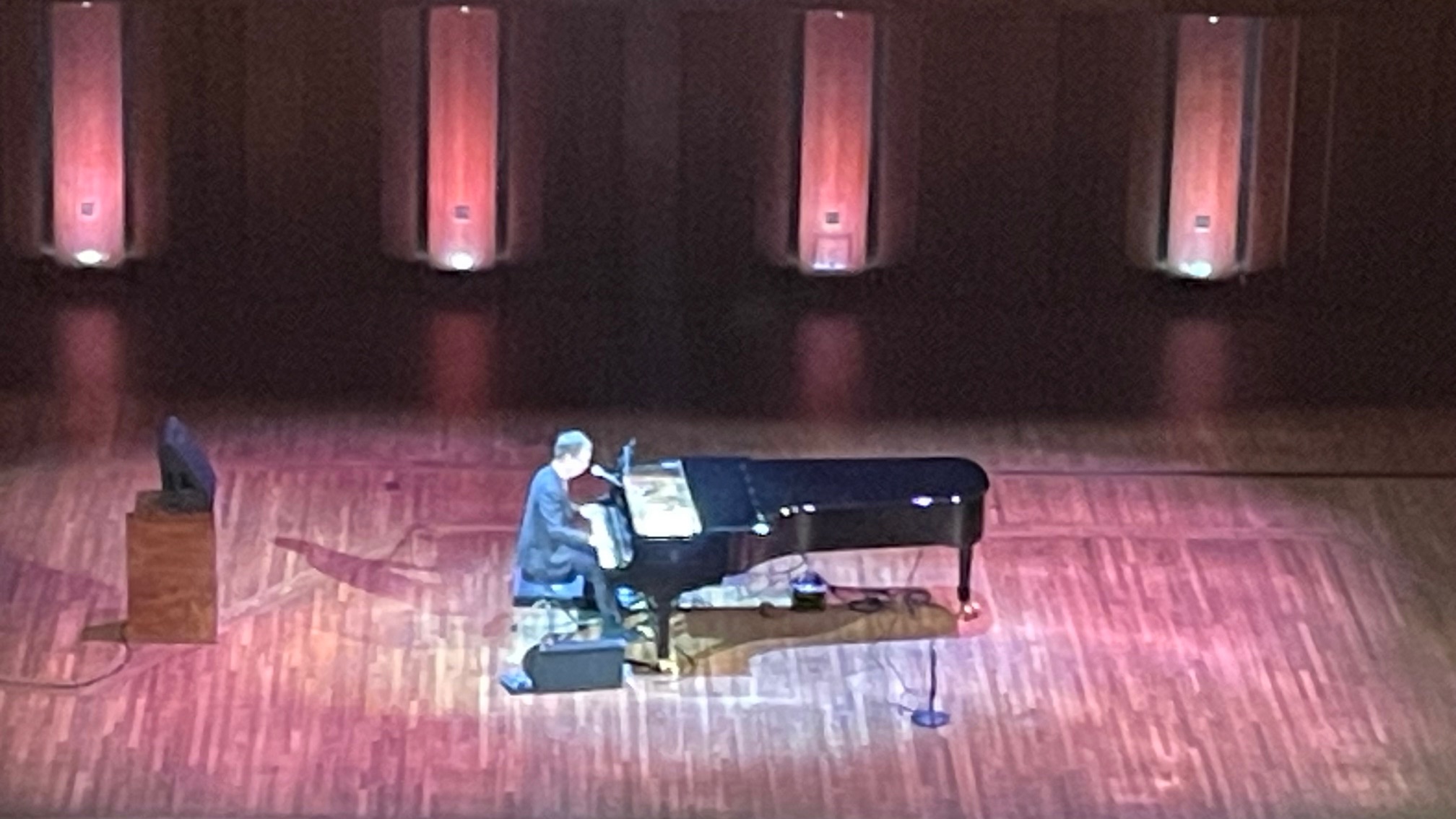
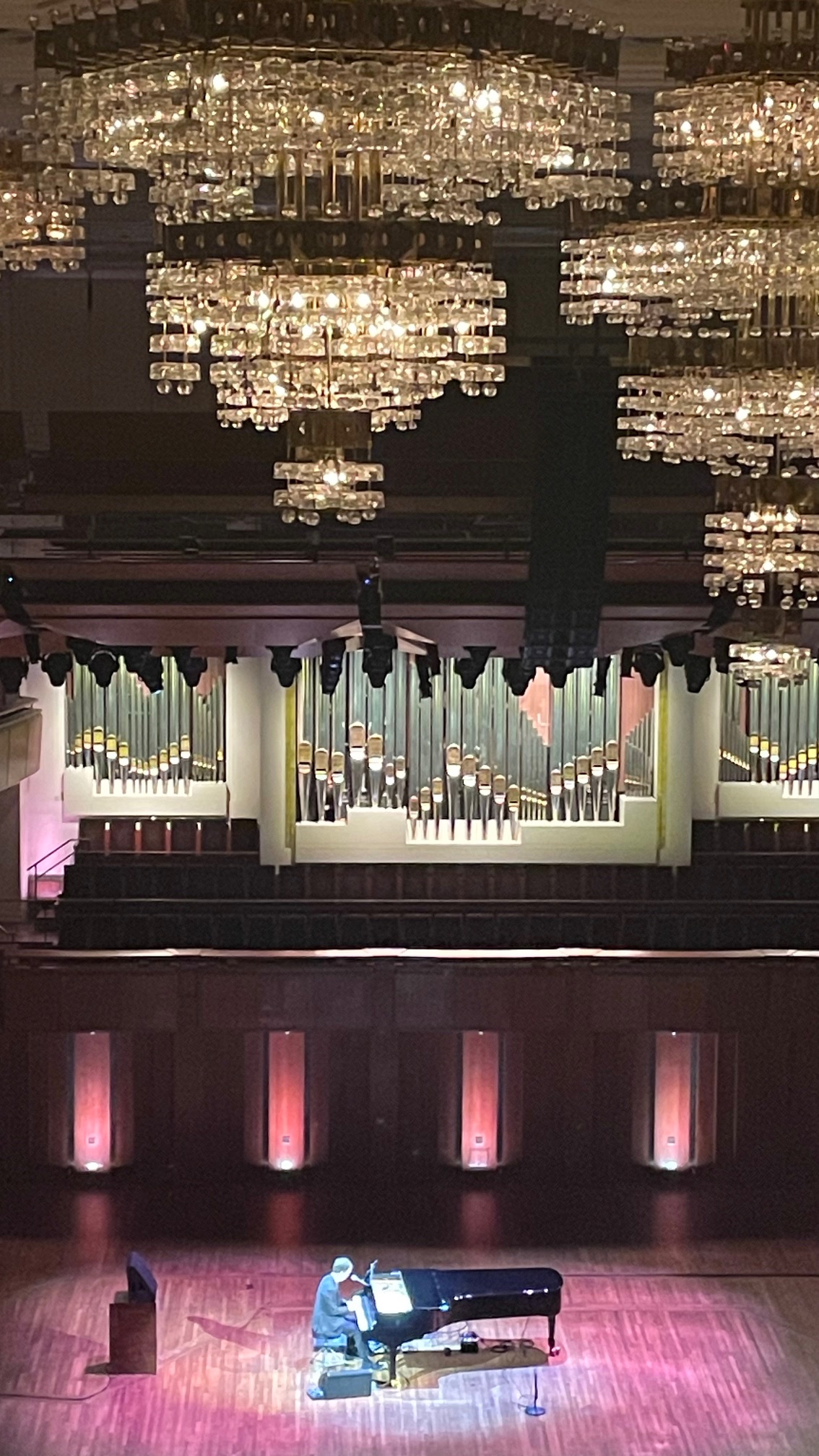
Camera: iPhone 12
Location: The Kennedy Center; Washington, District of Columbia, United States
Playa Del Carmen, Mexico

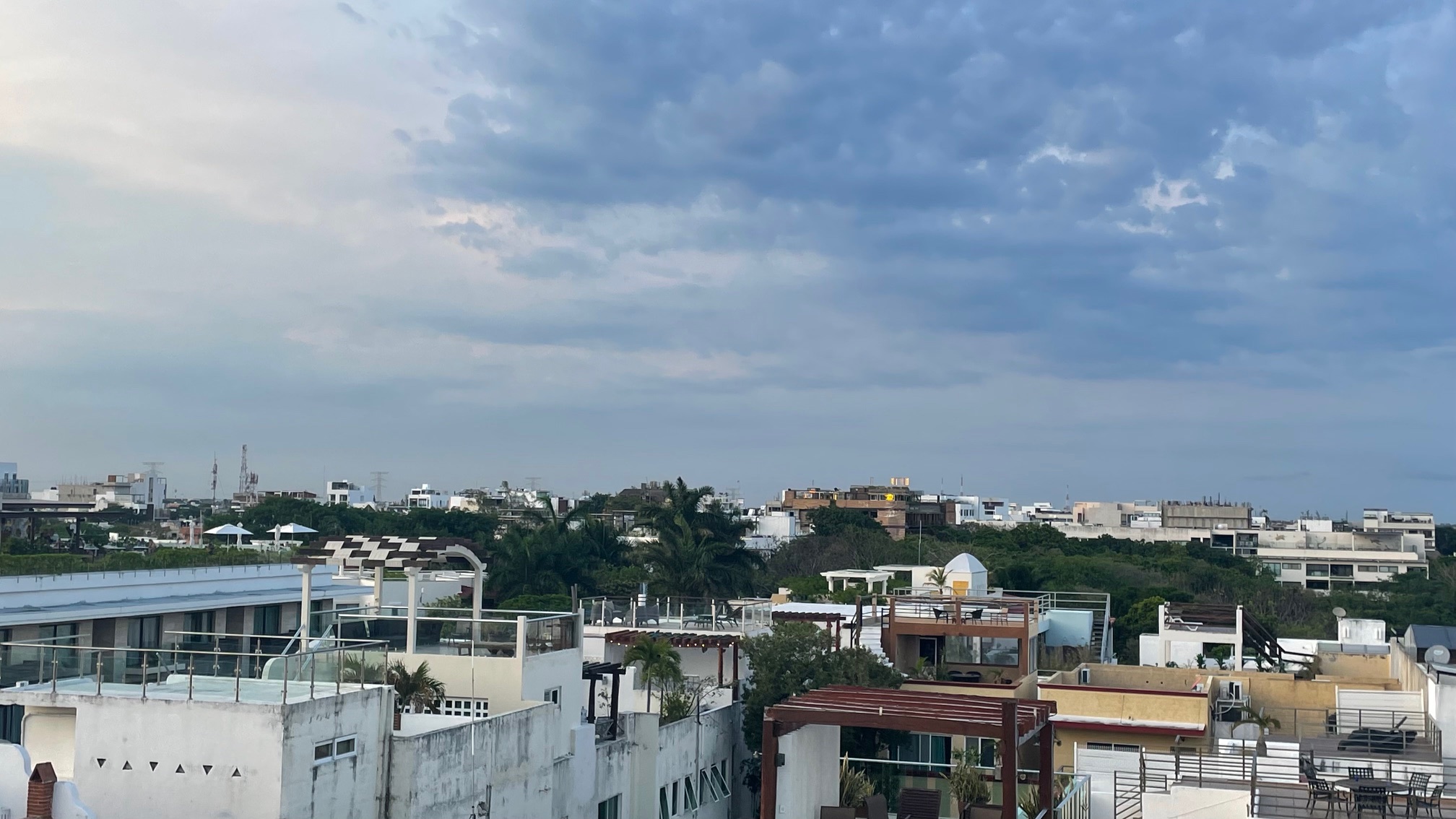







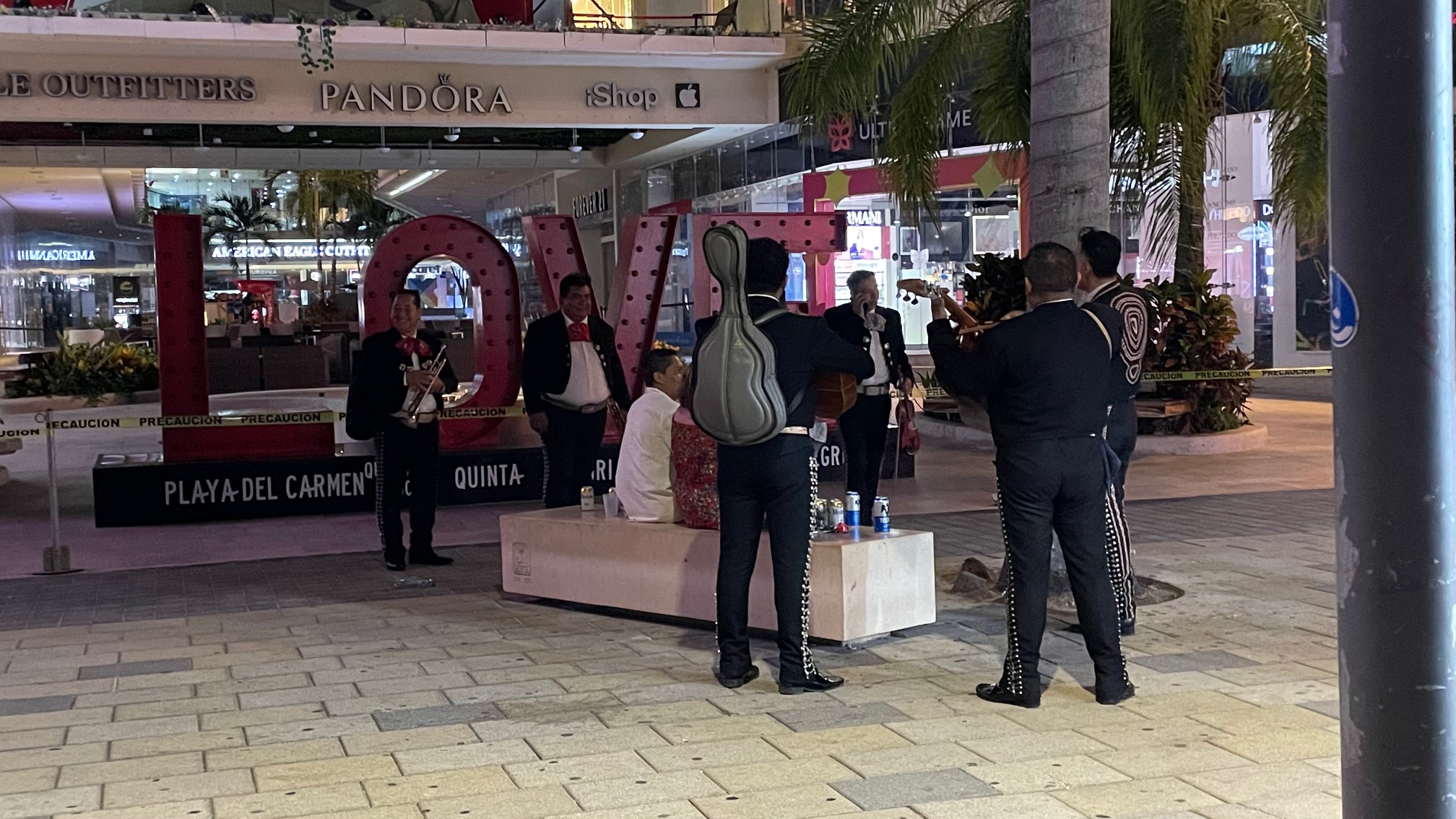
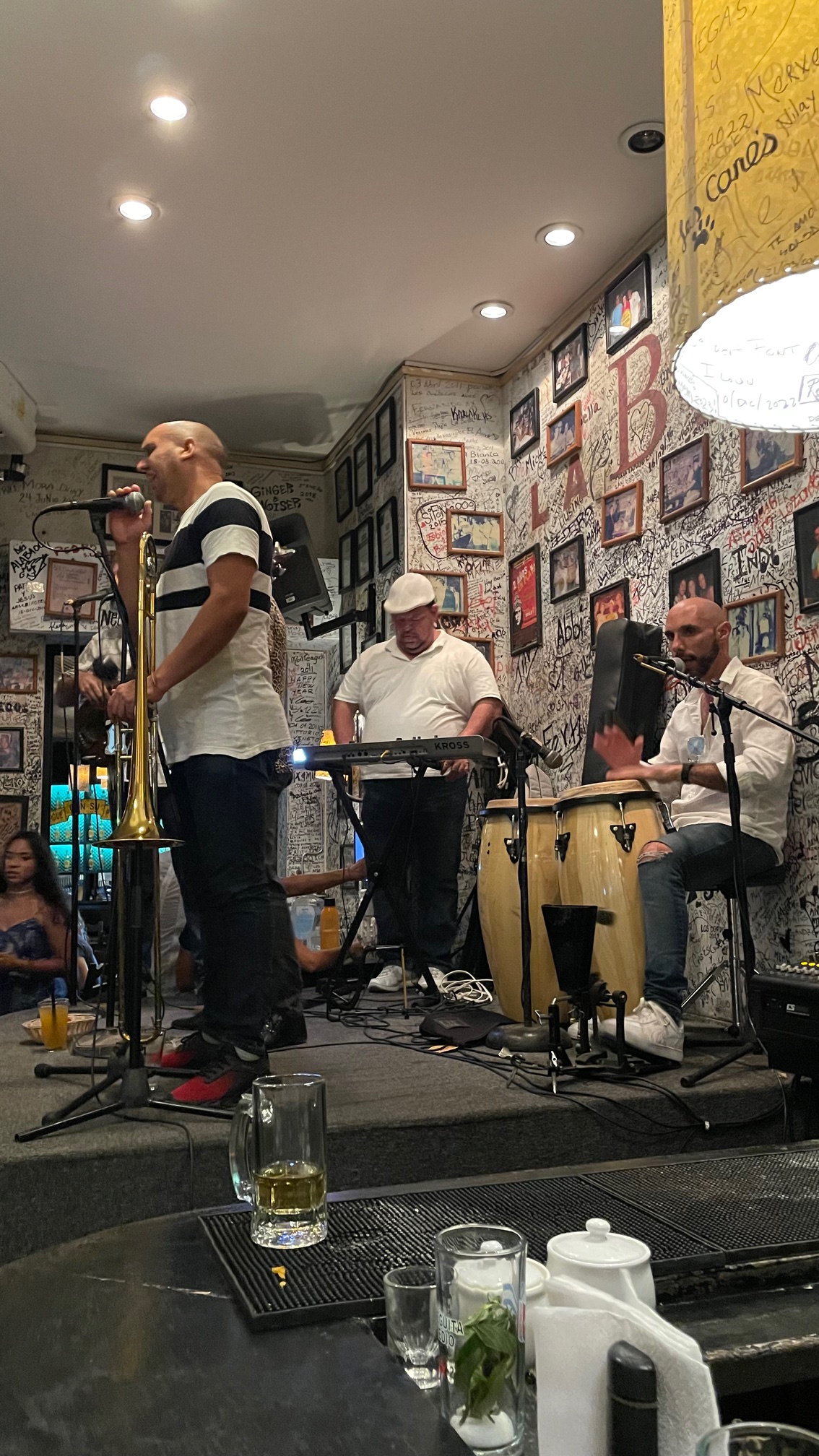




Camera: iPhone 12
Location: Playa del Carmen, Mexico
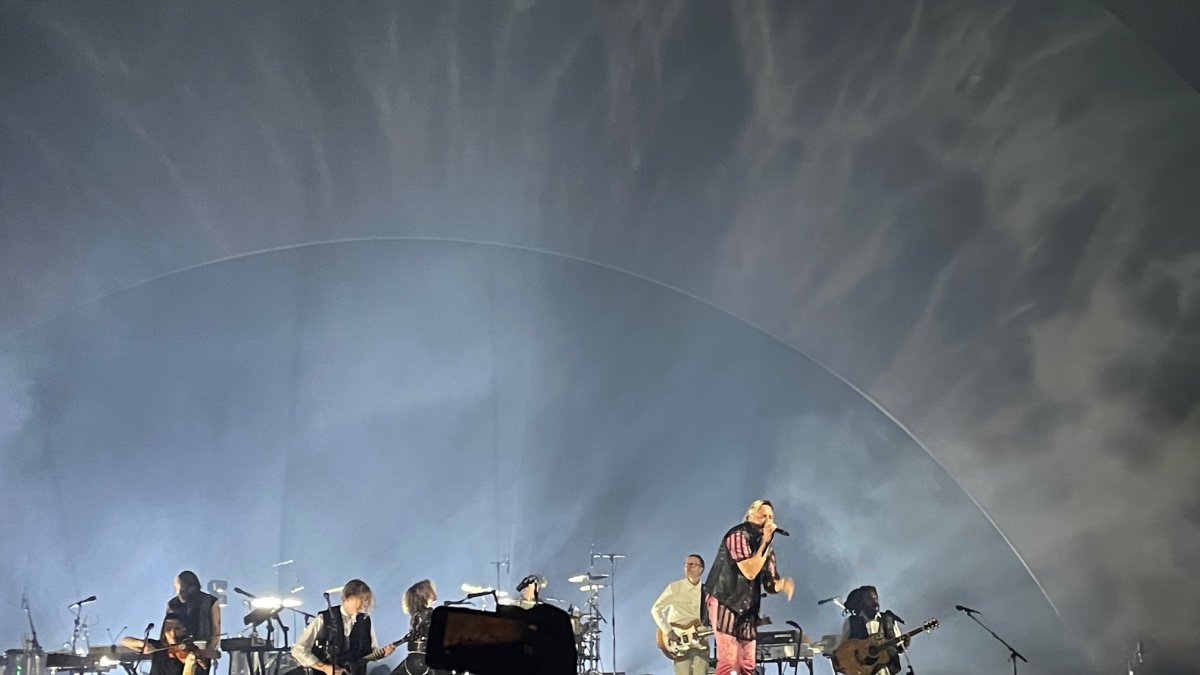
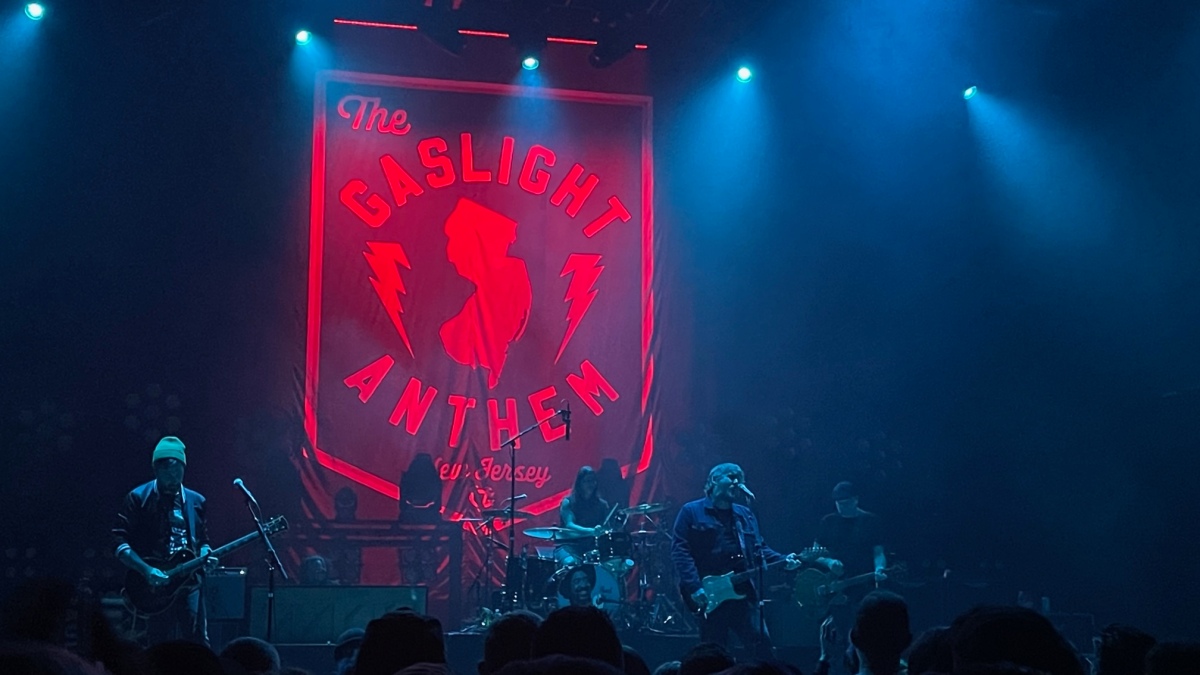
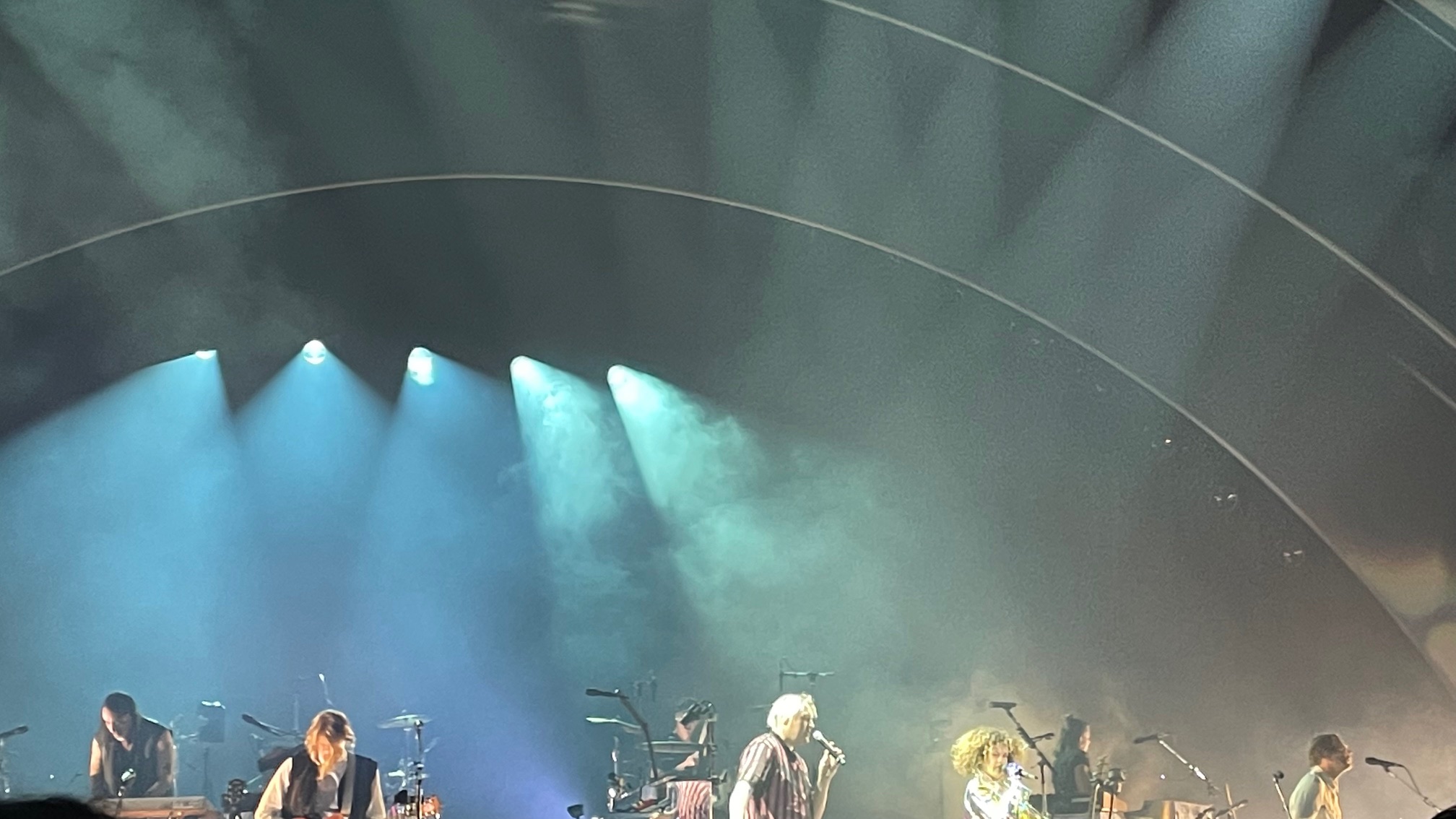
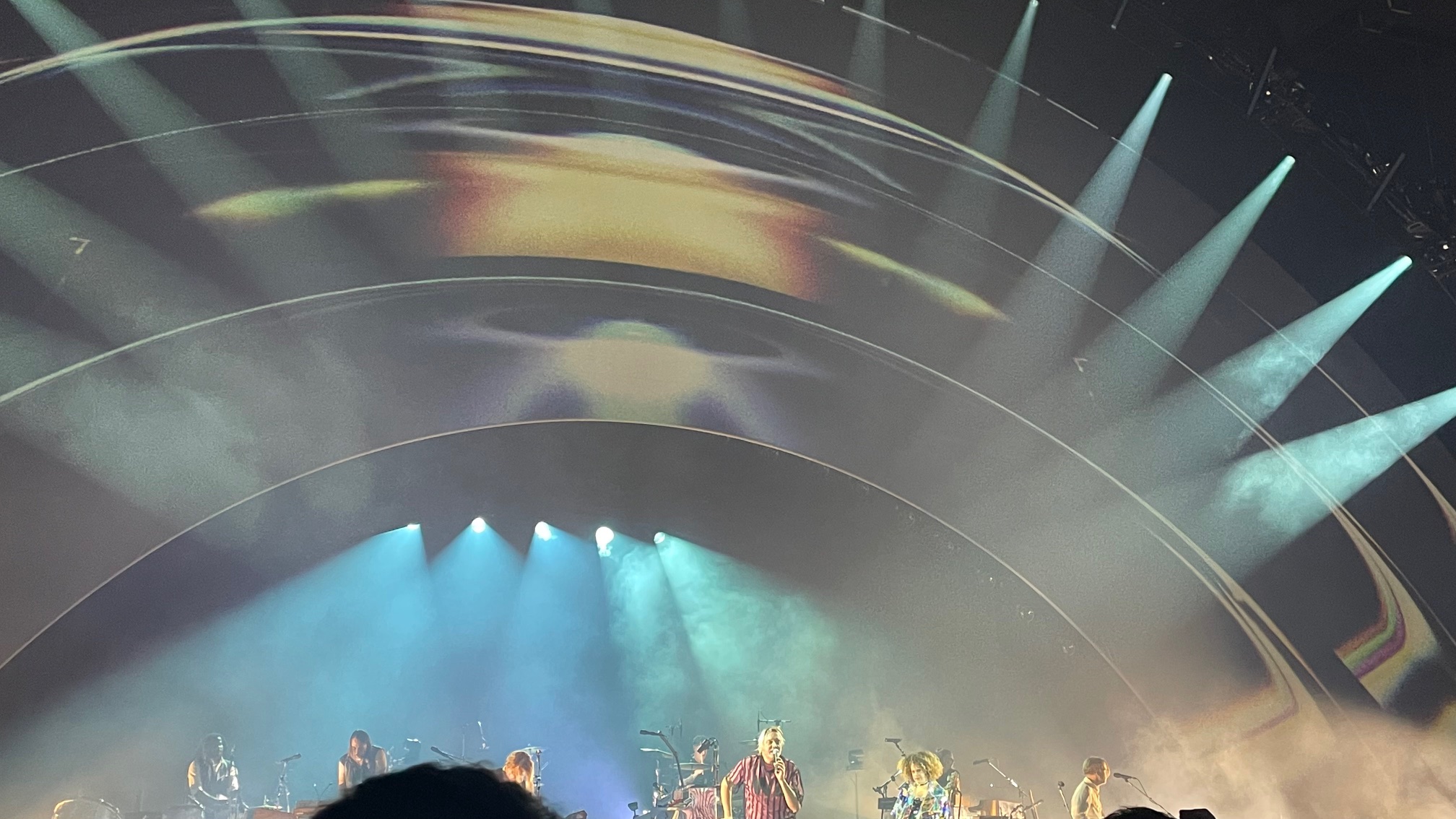
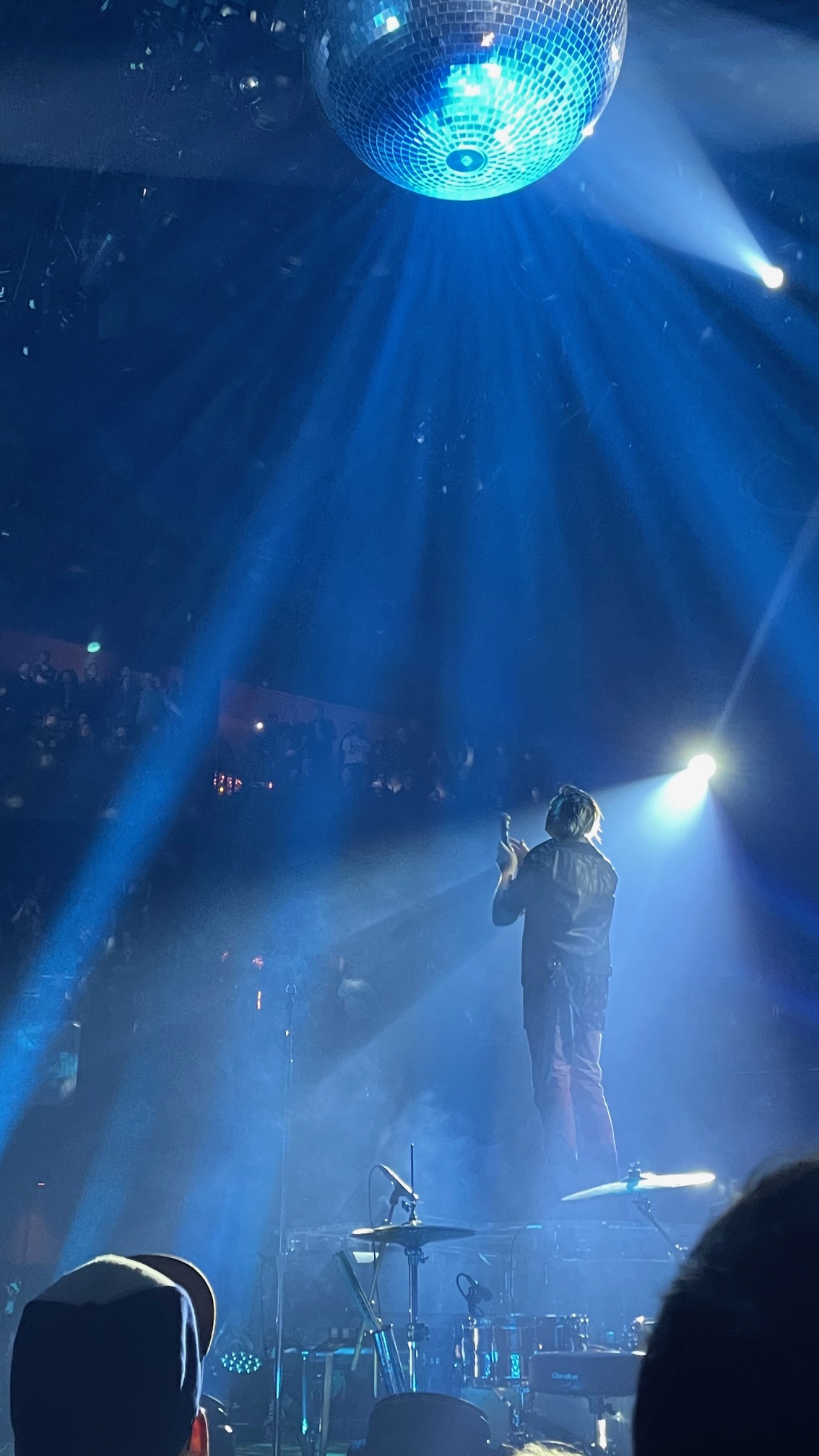
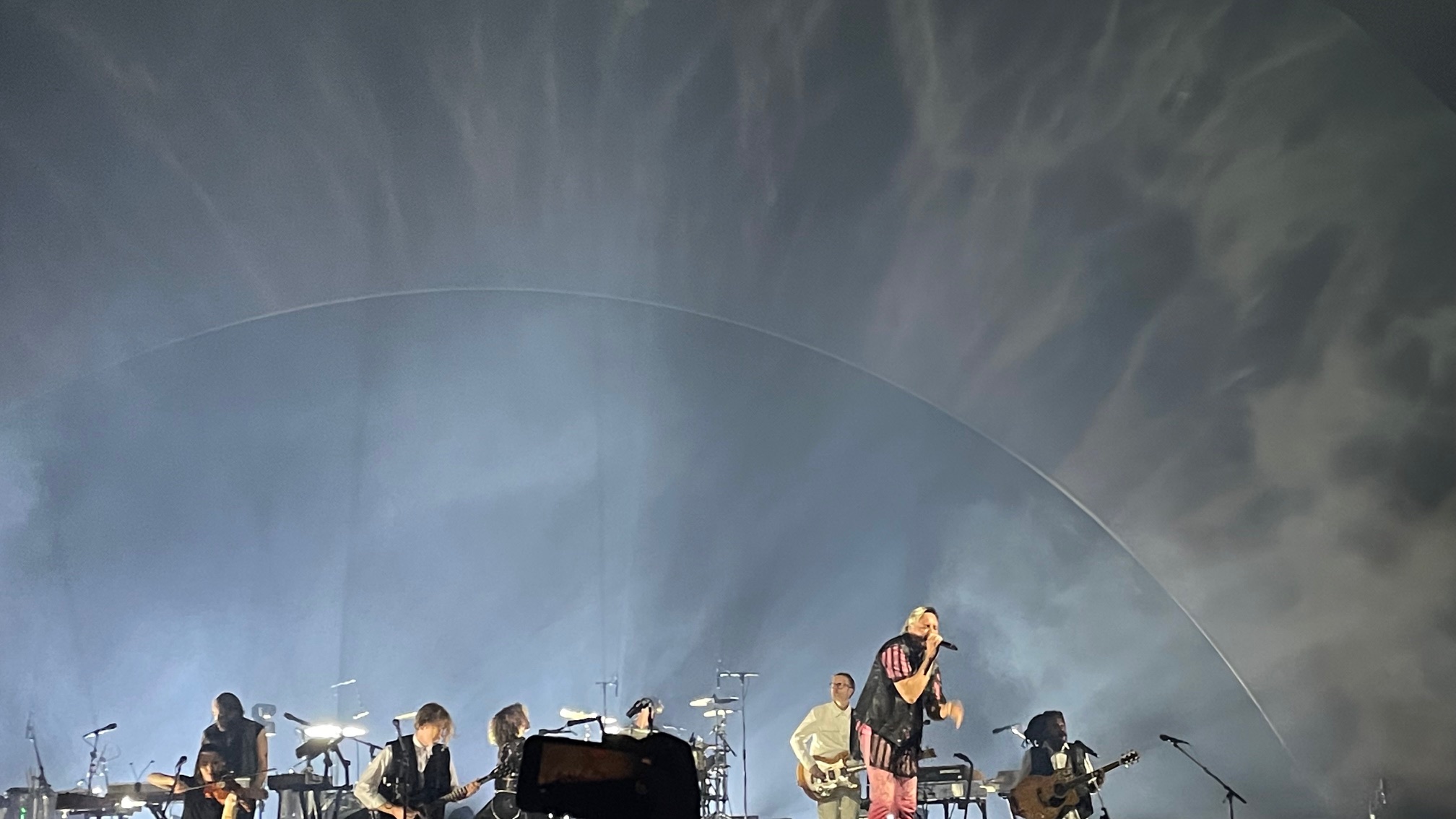
Arcade Fire at The Anthem
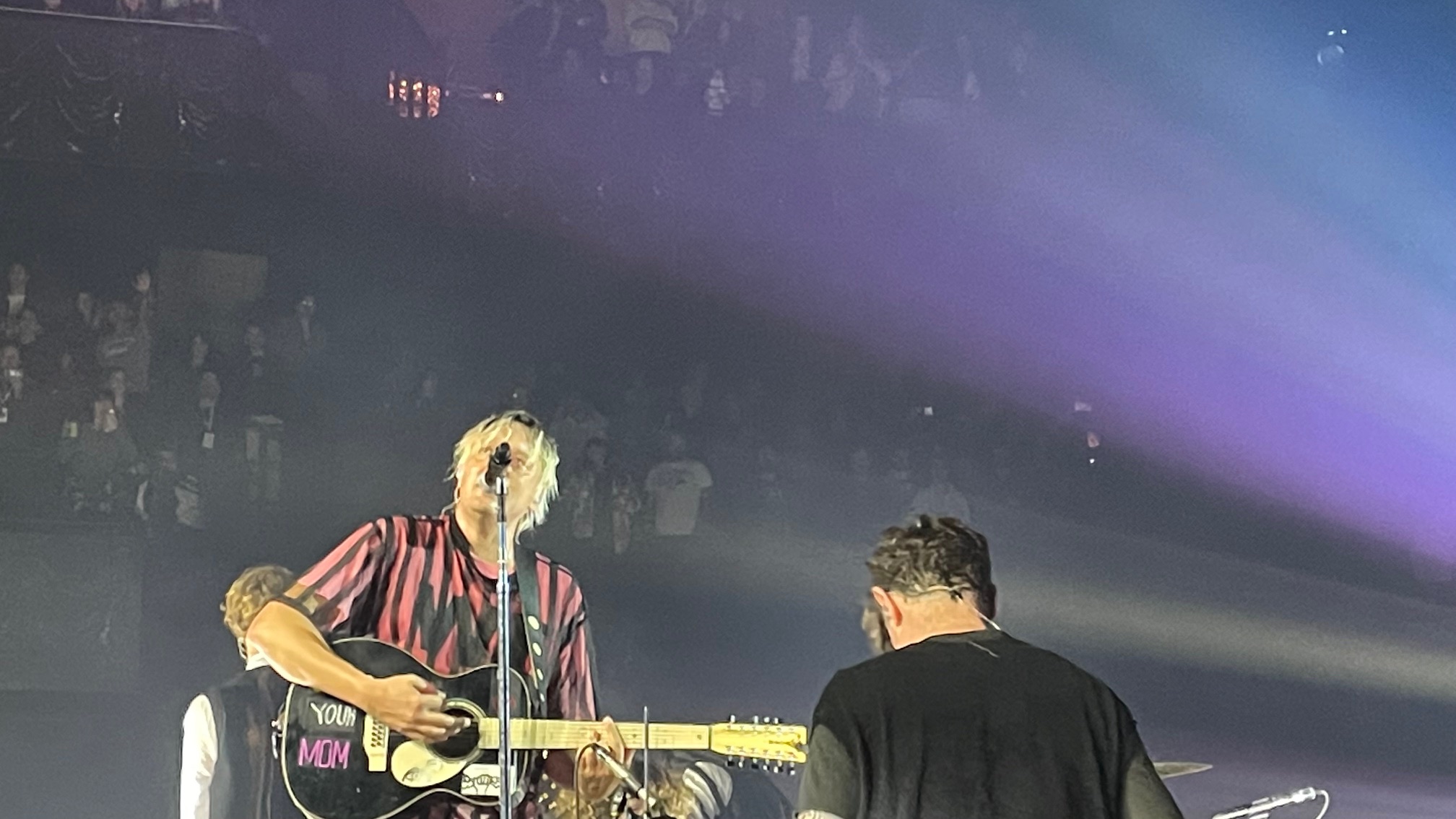
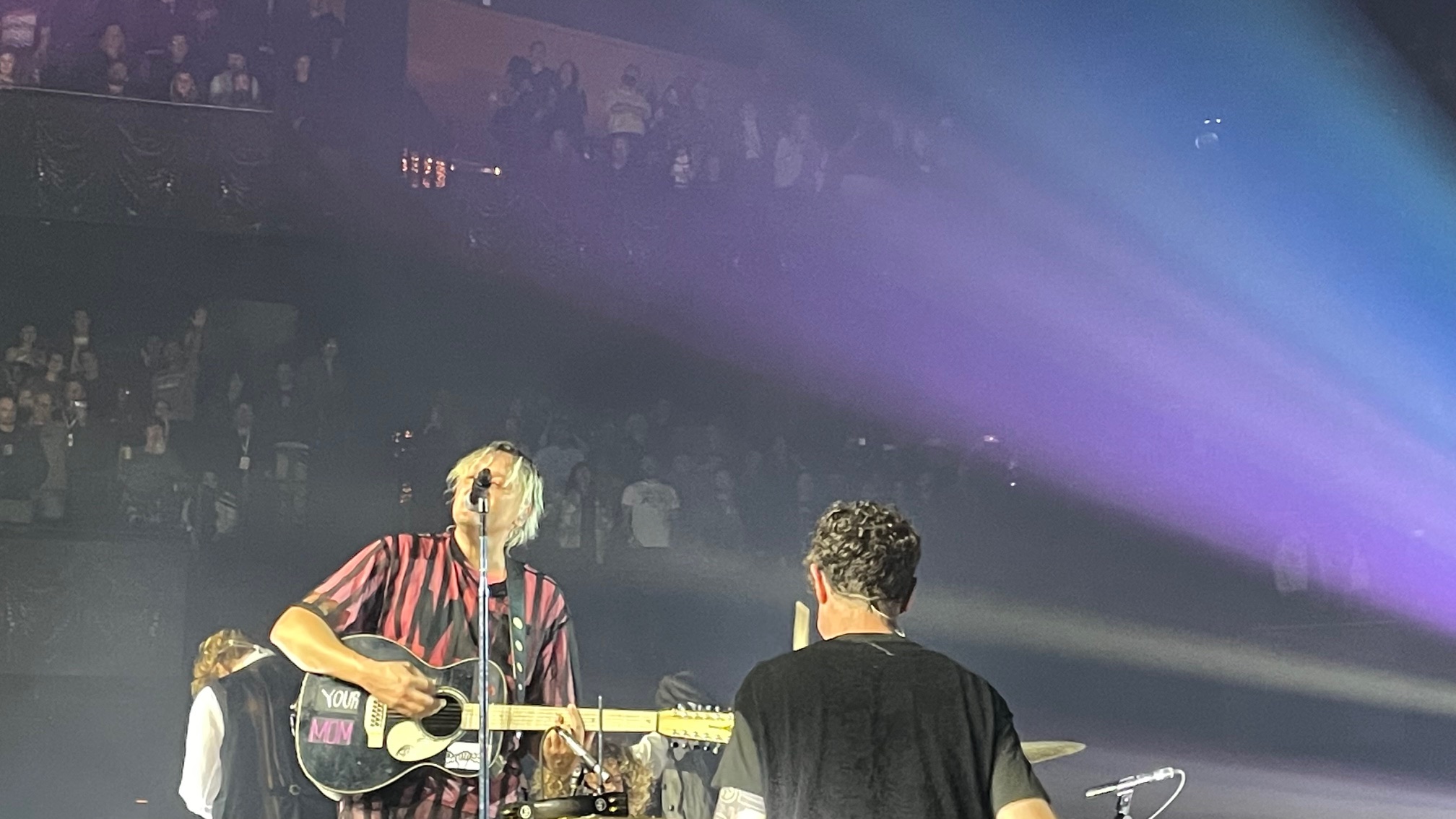

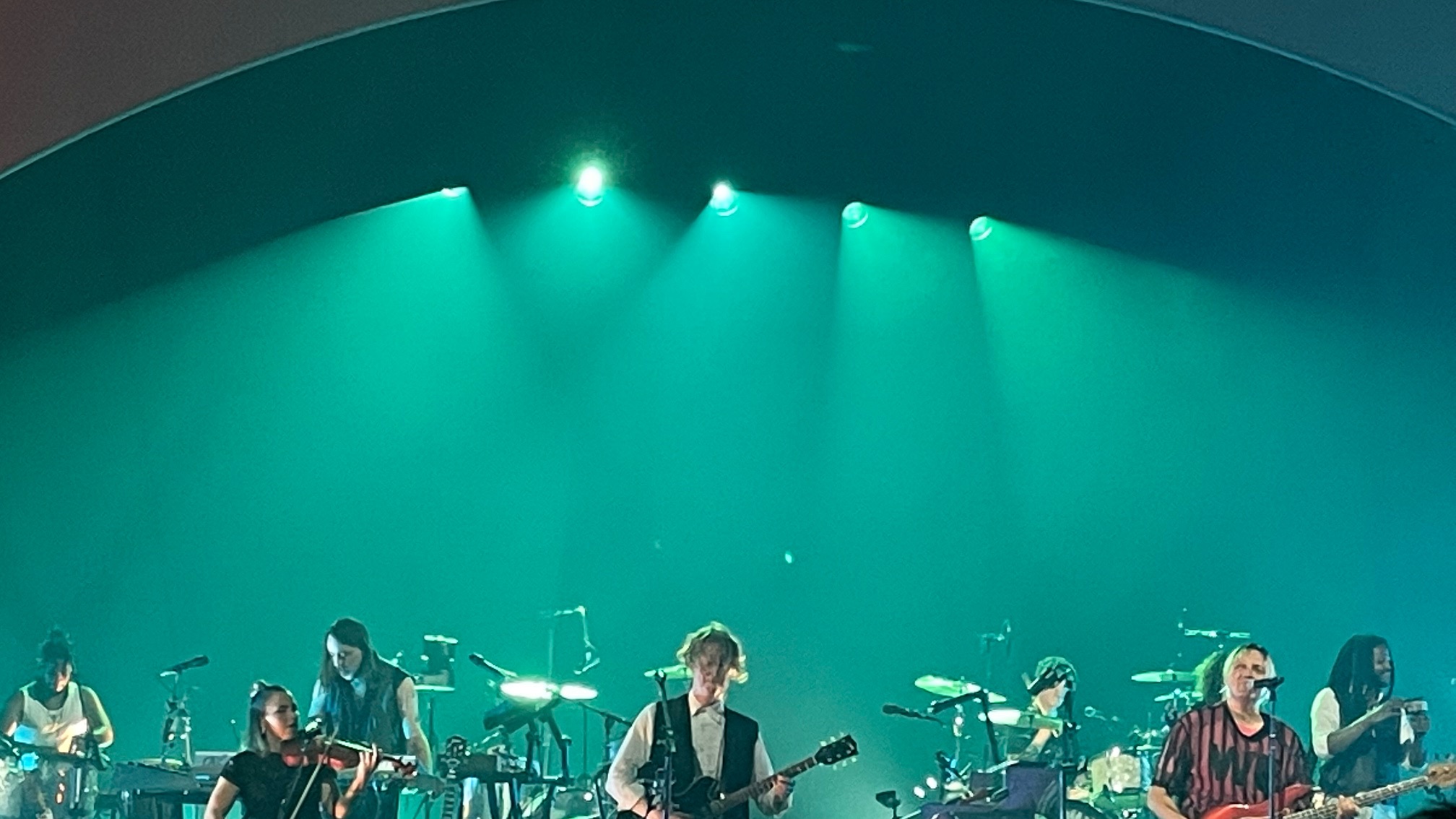

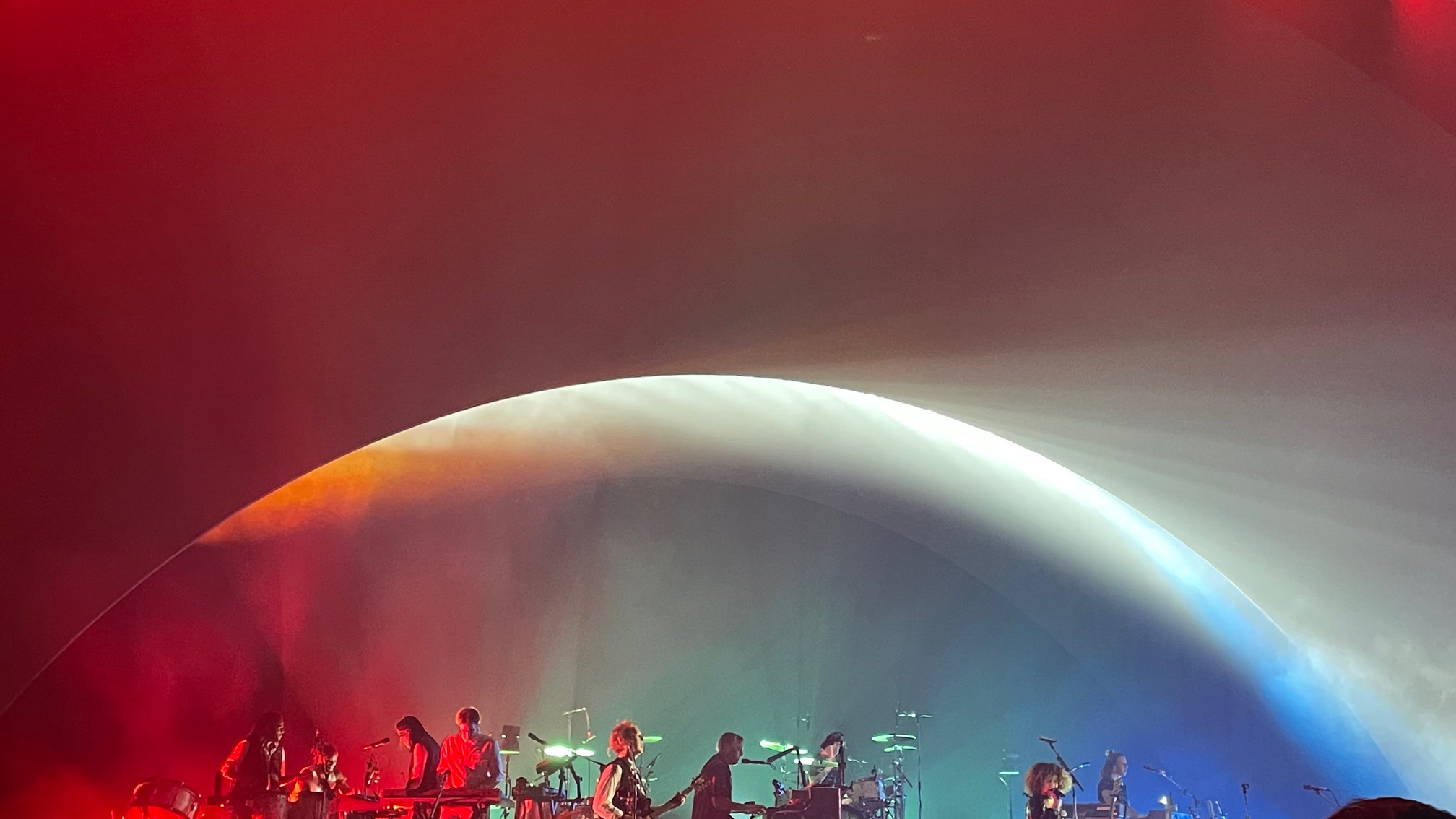
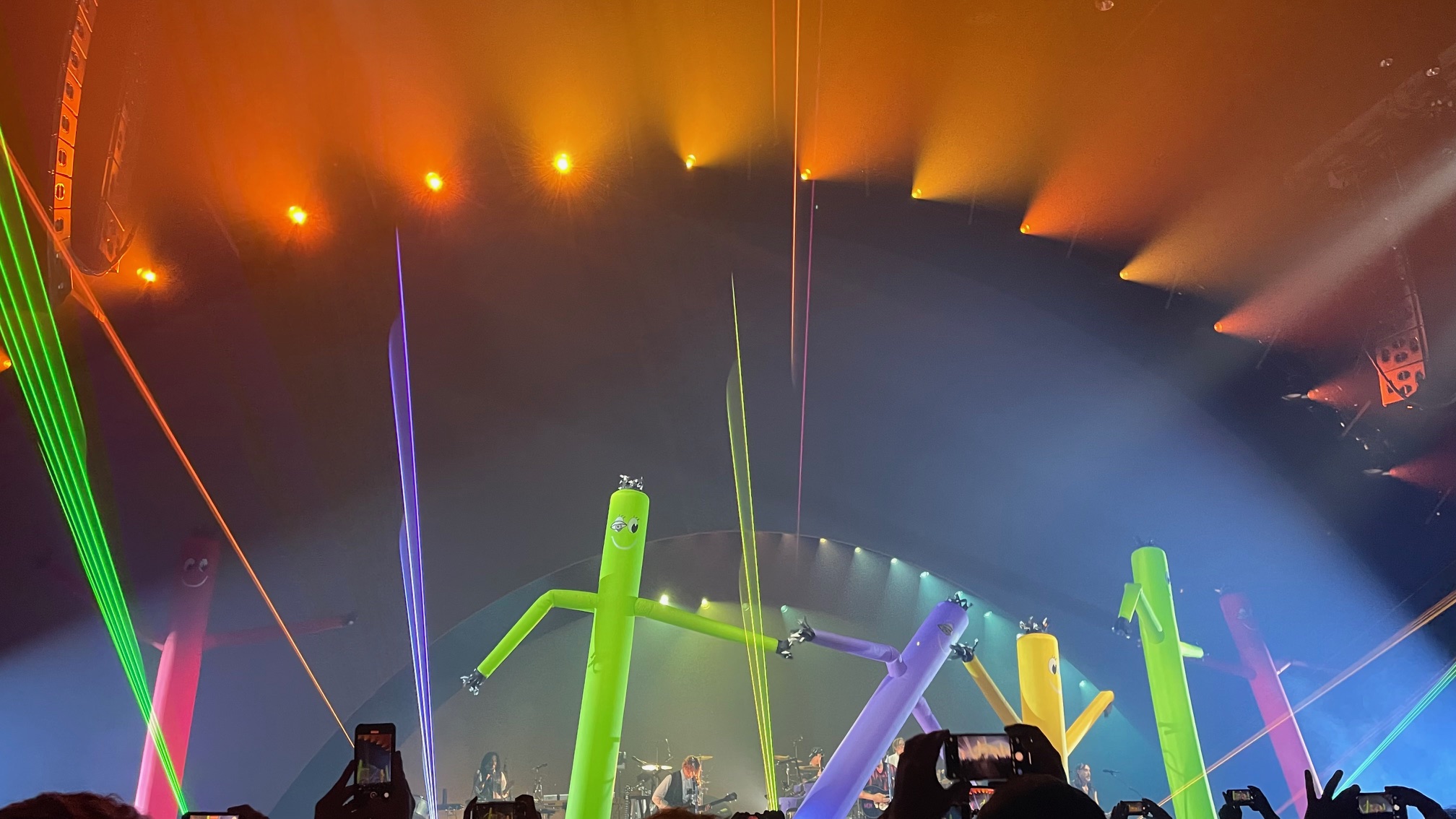
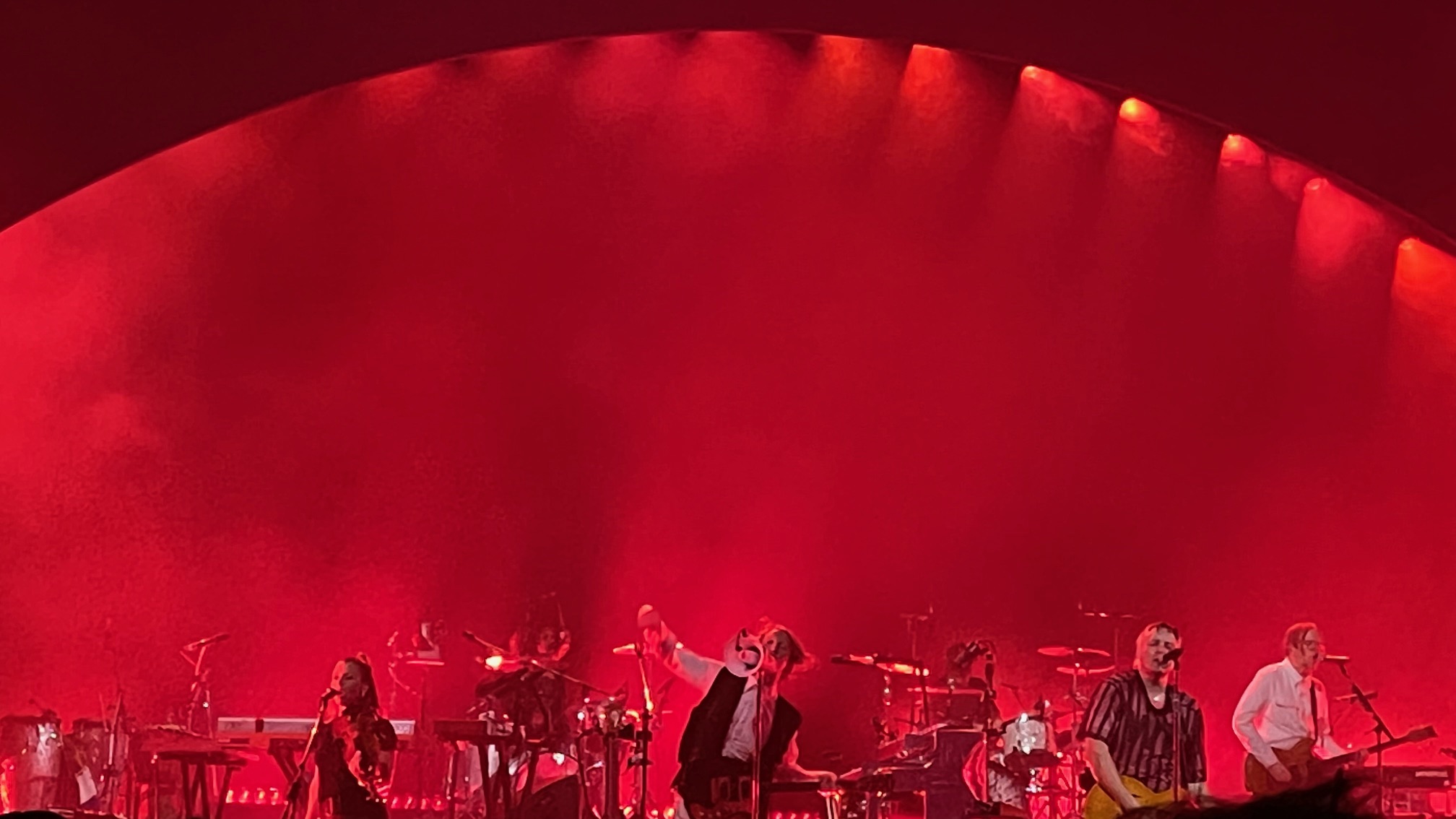



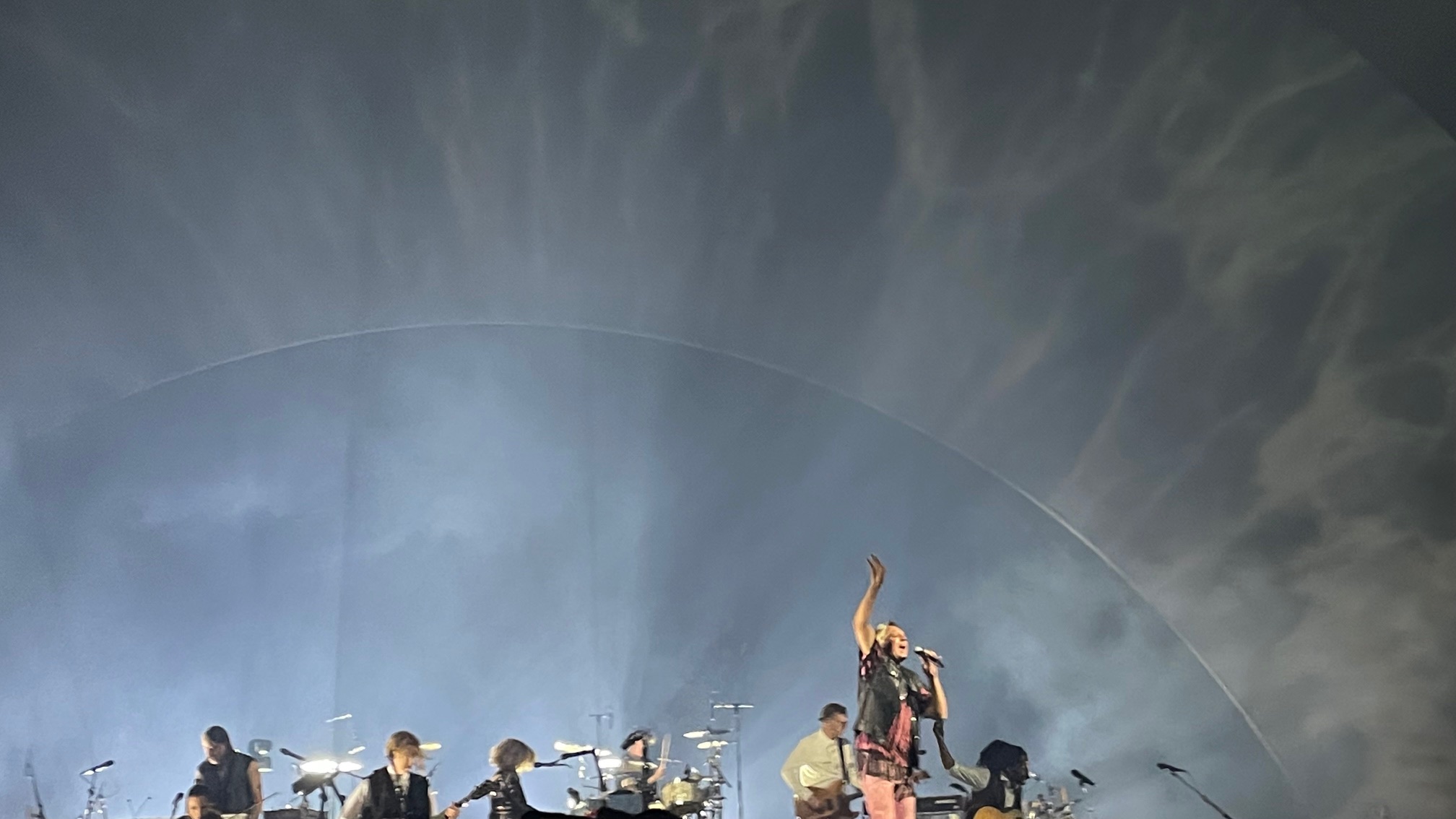
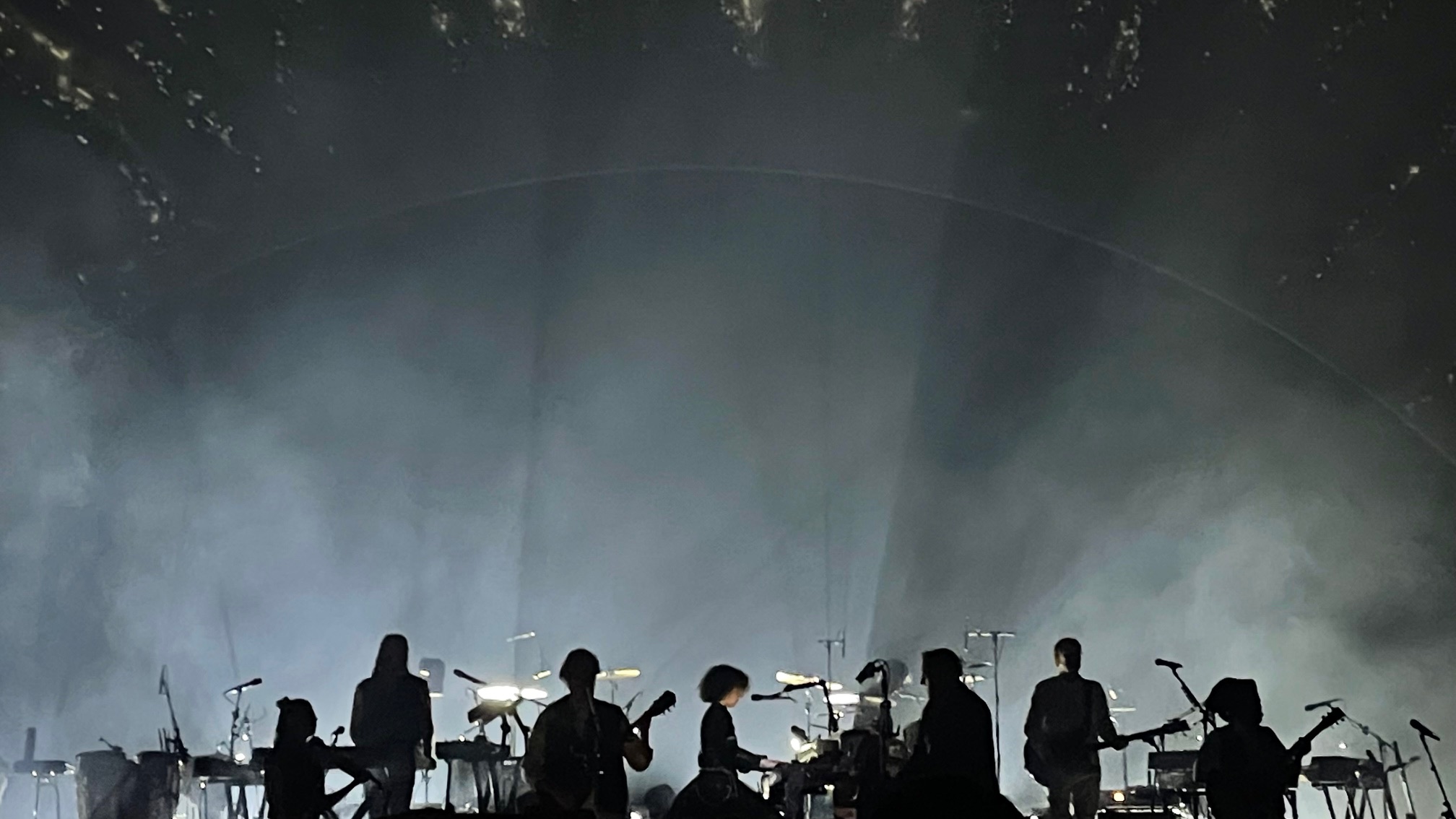
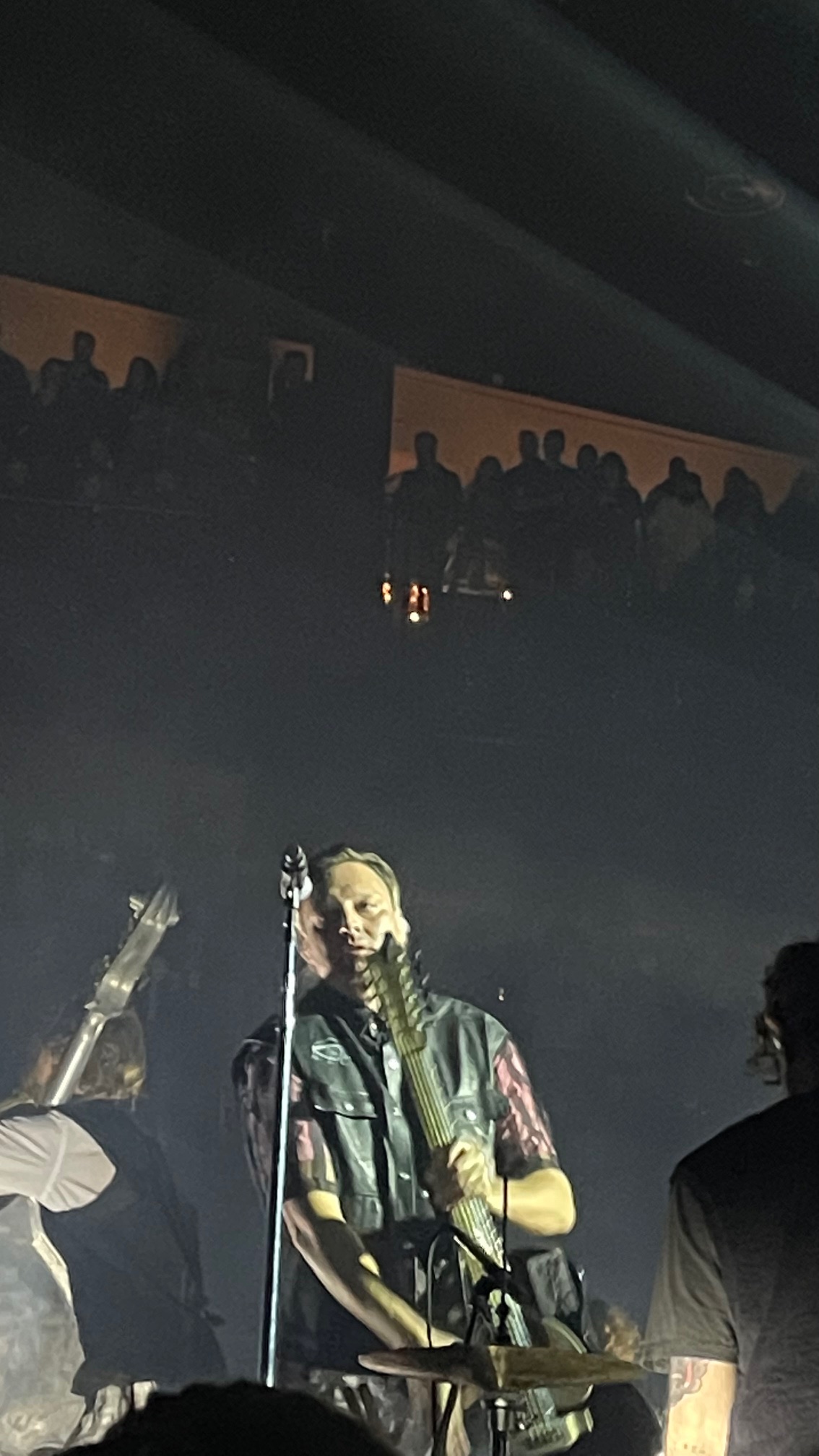
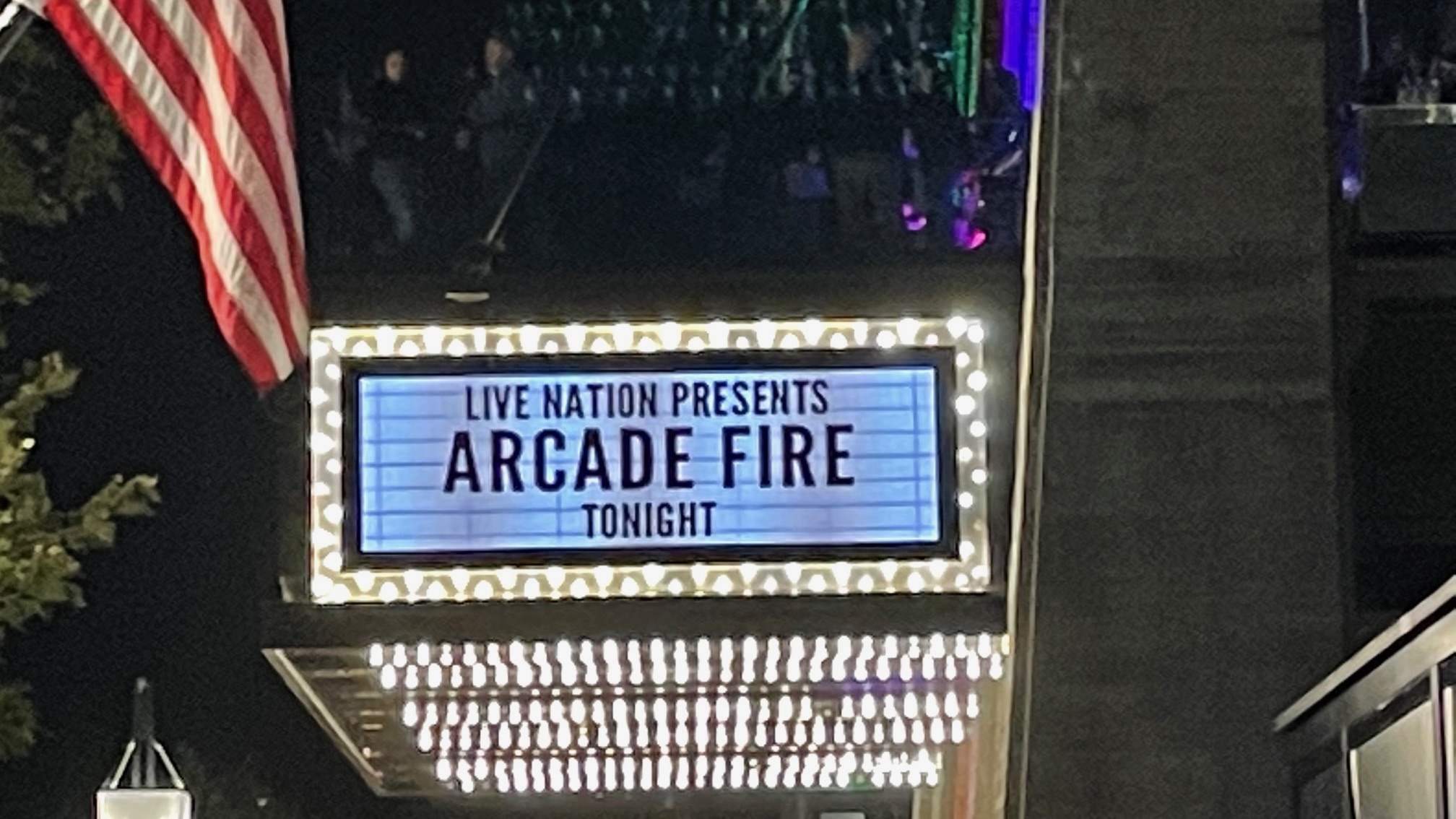
Camera: iPhone 12
Location: The Anthem; Washington, District of Columbia
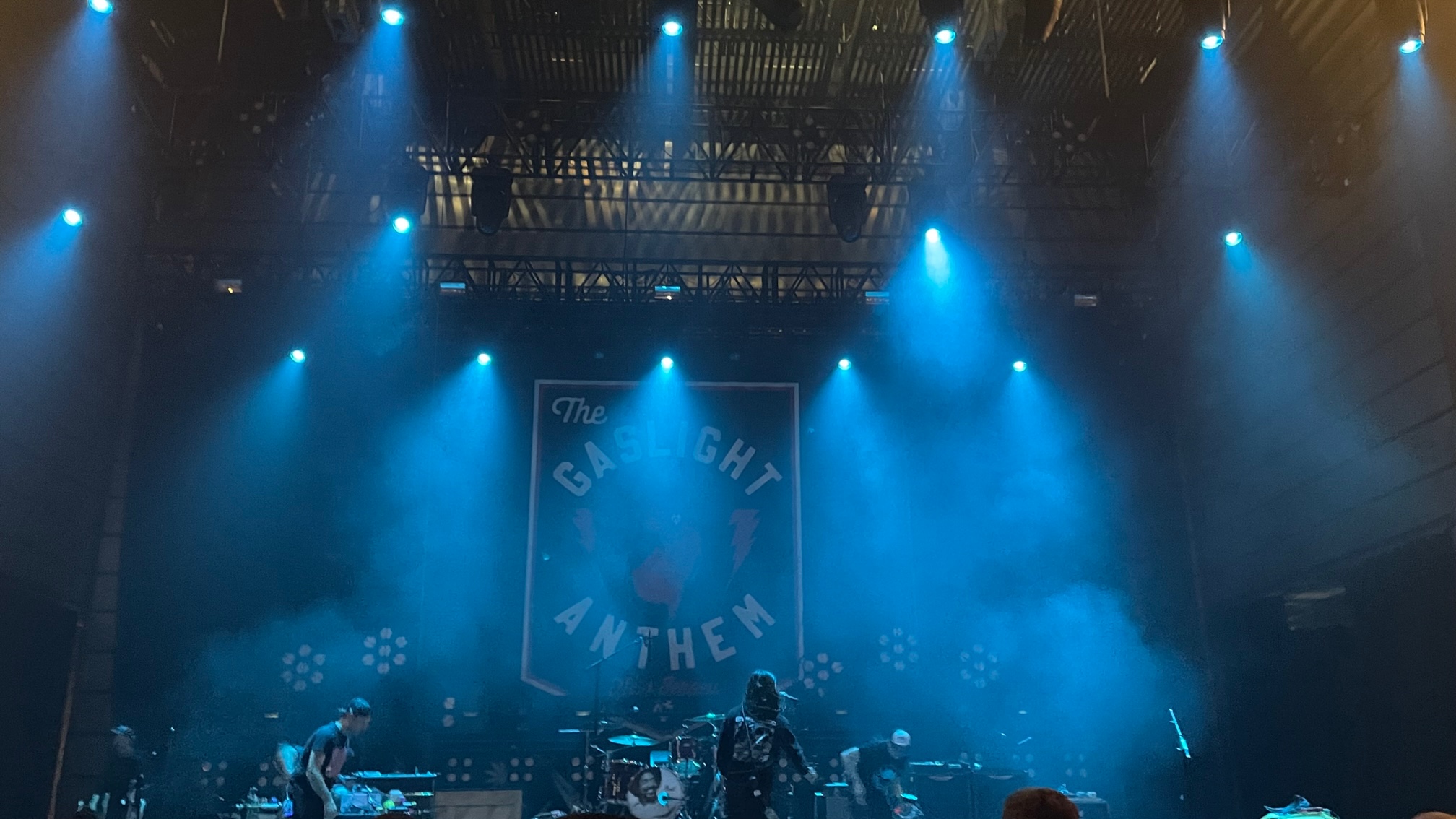


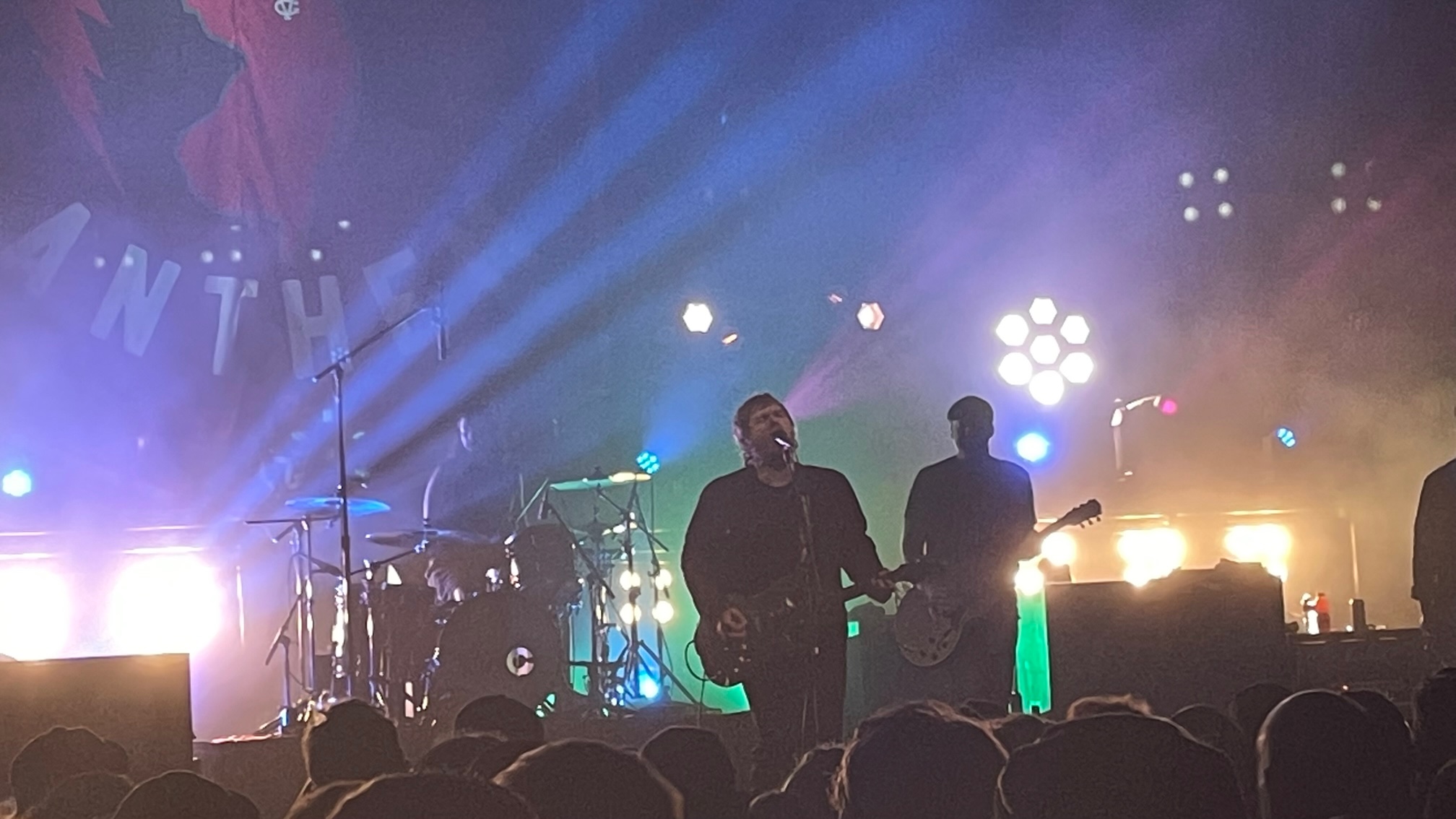

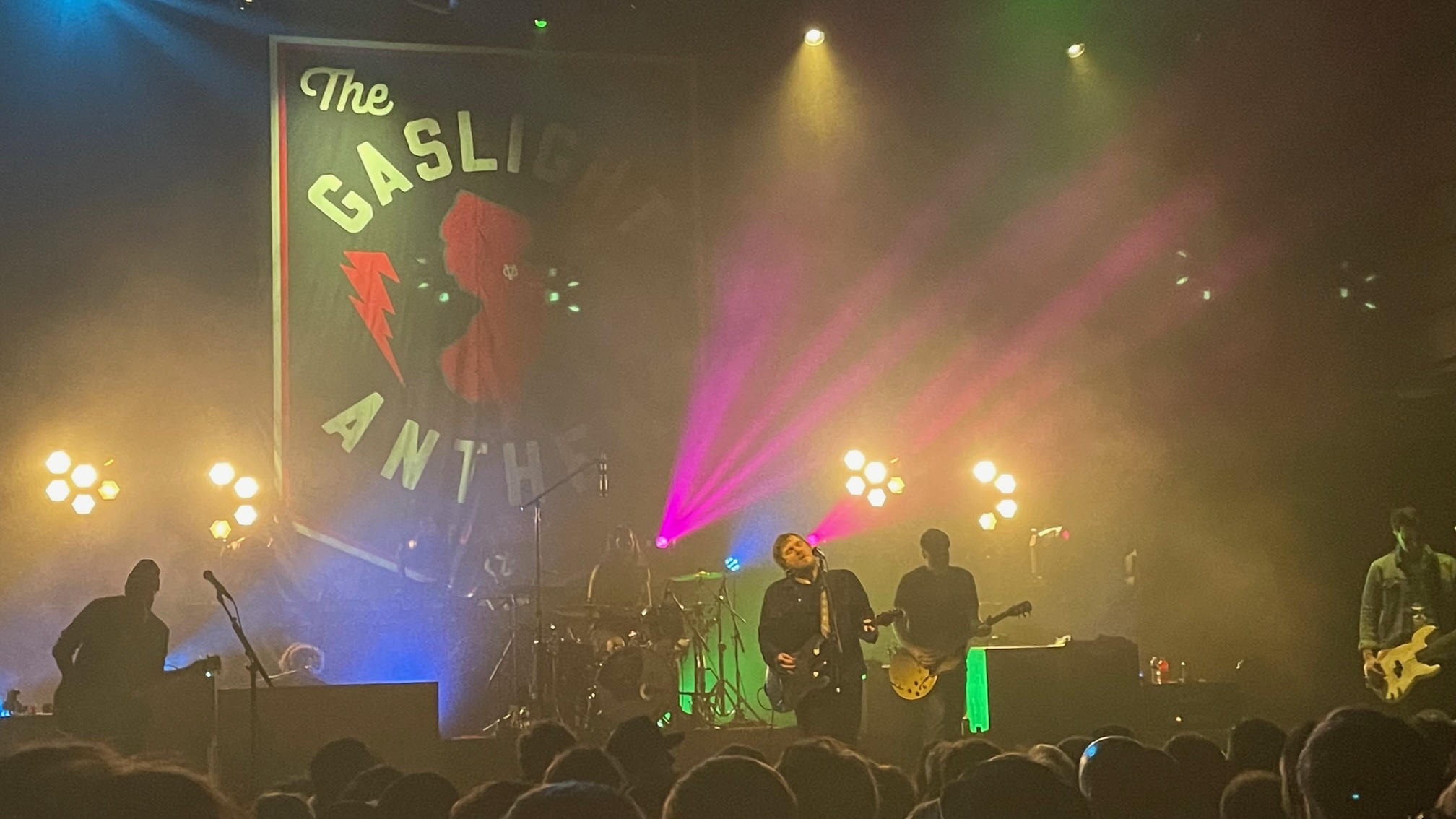
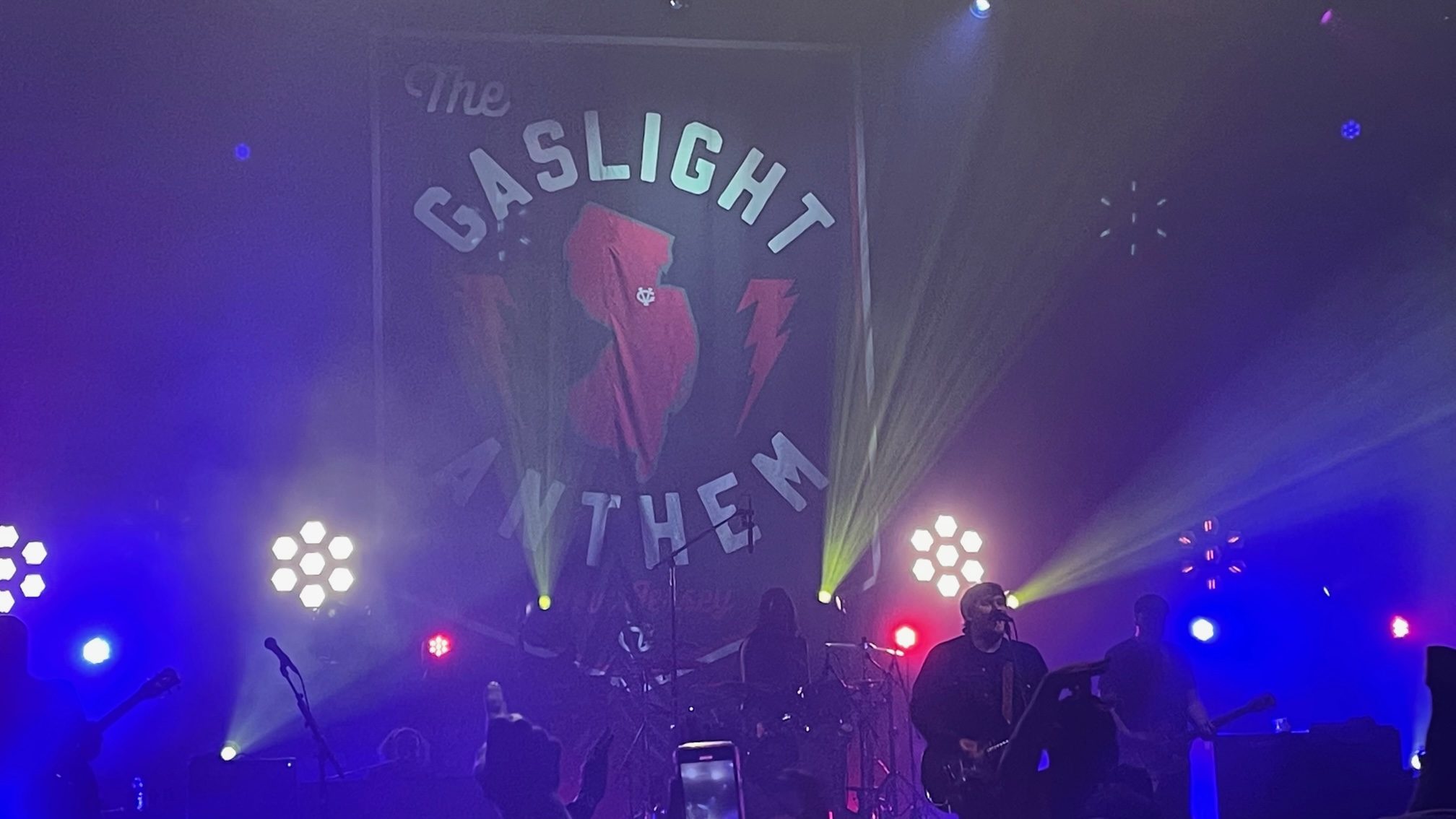
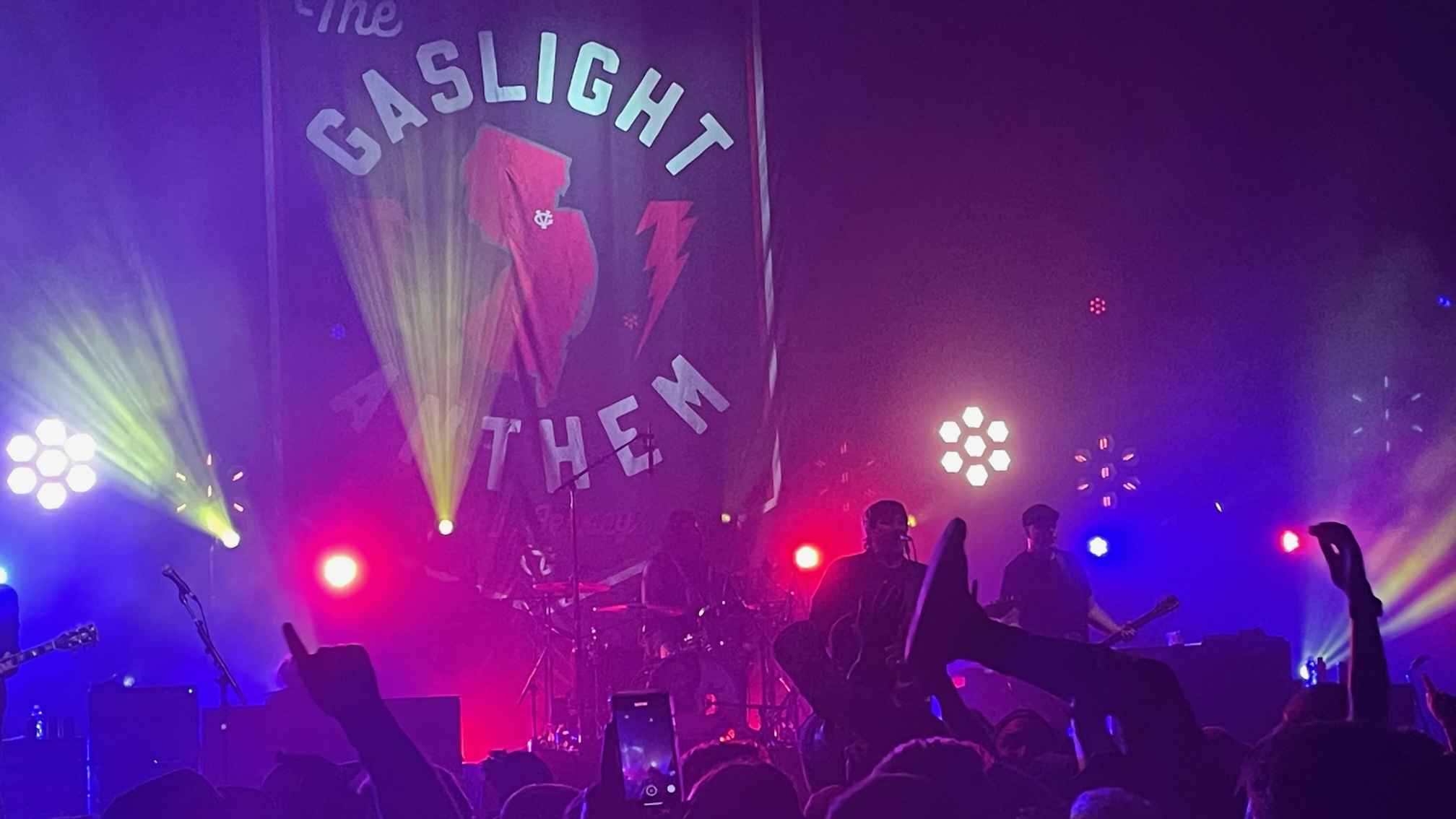


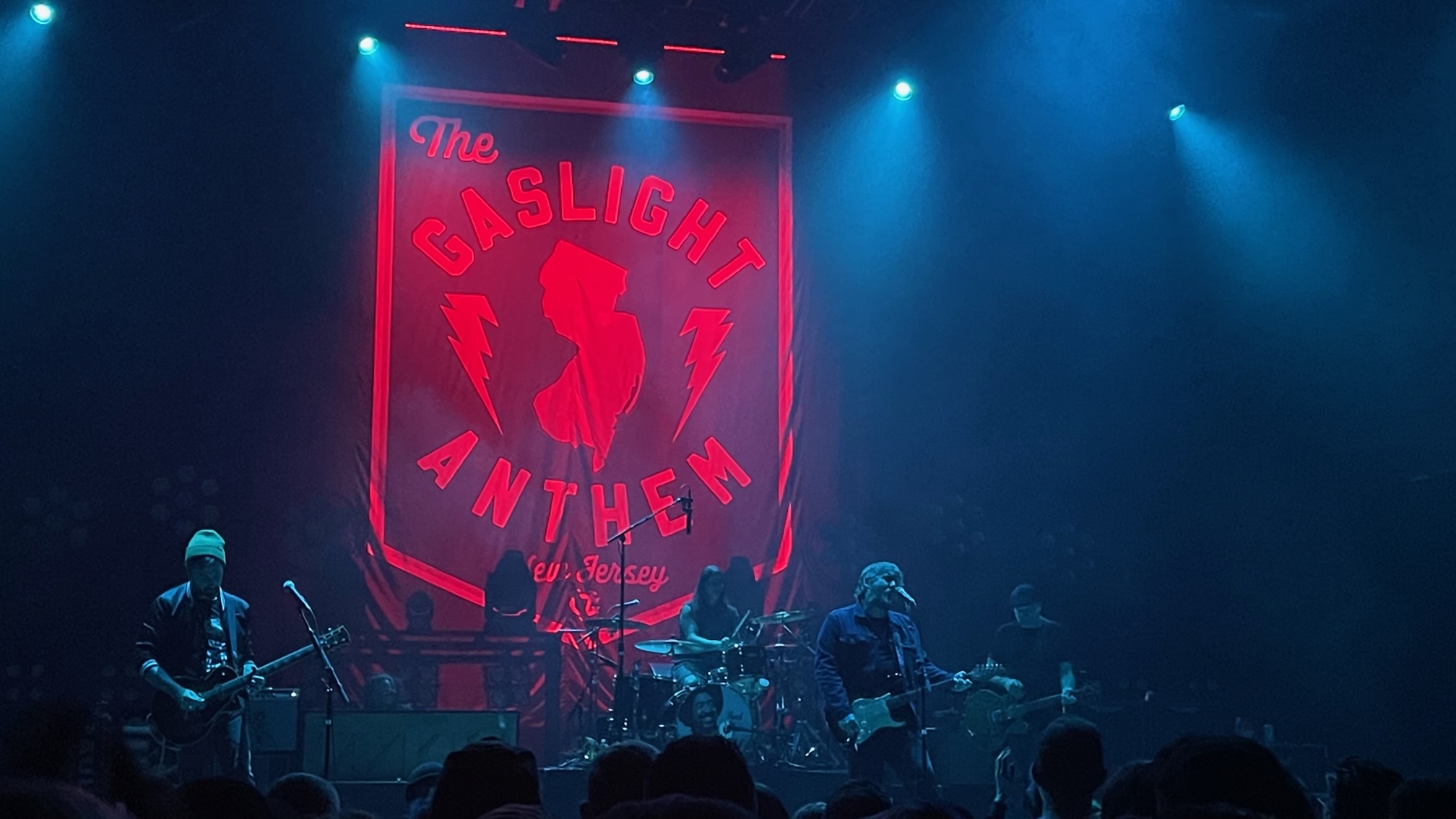
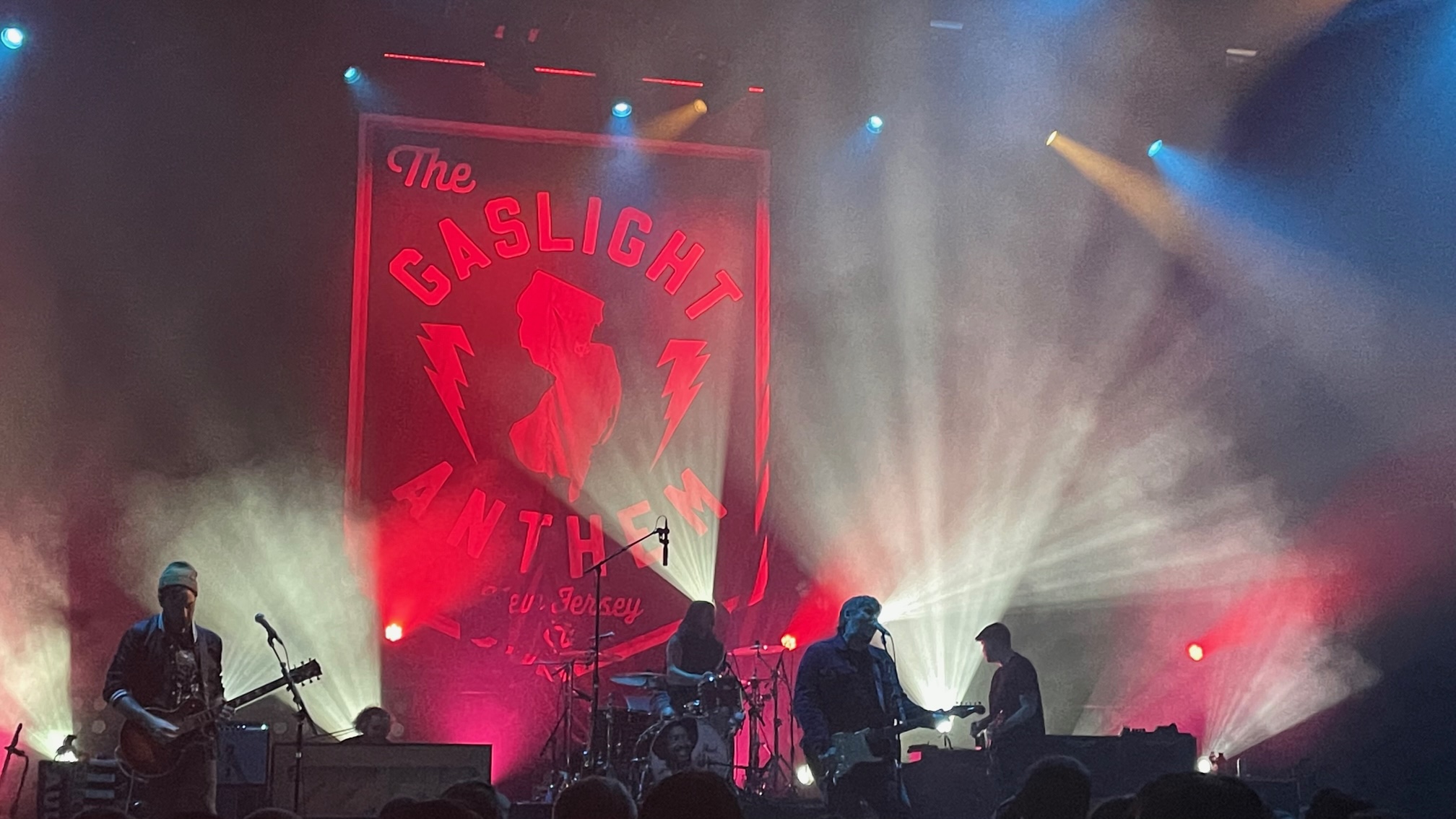
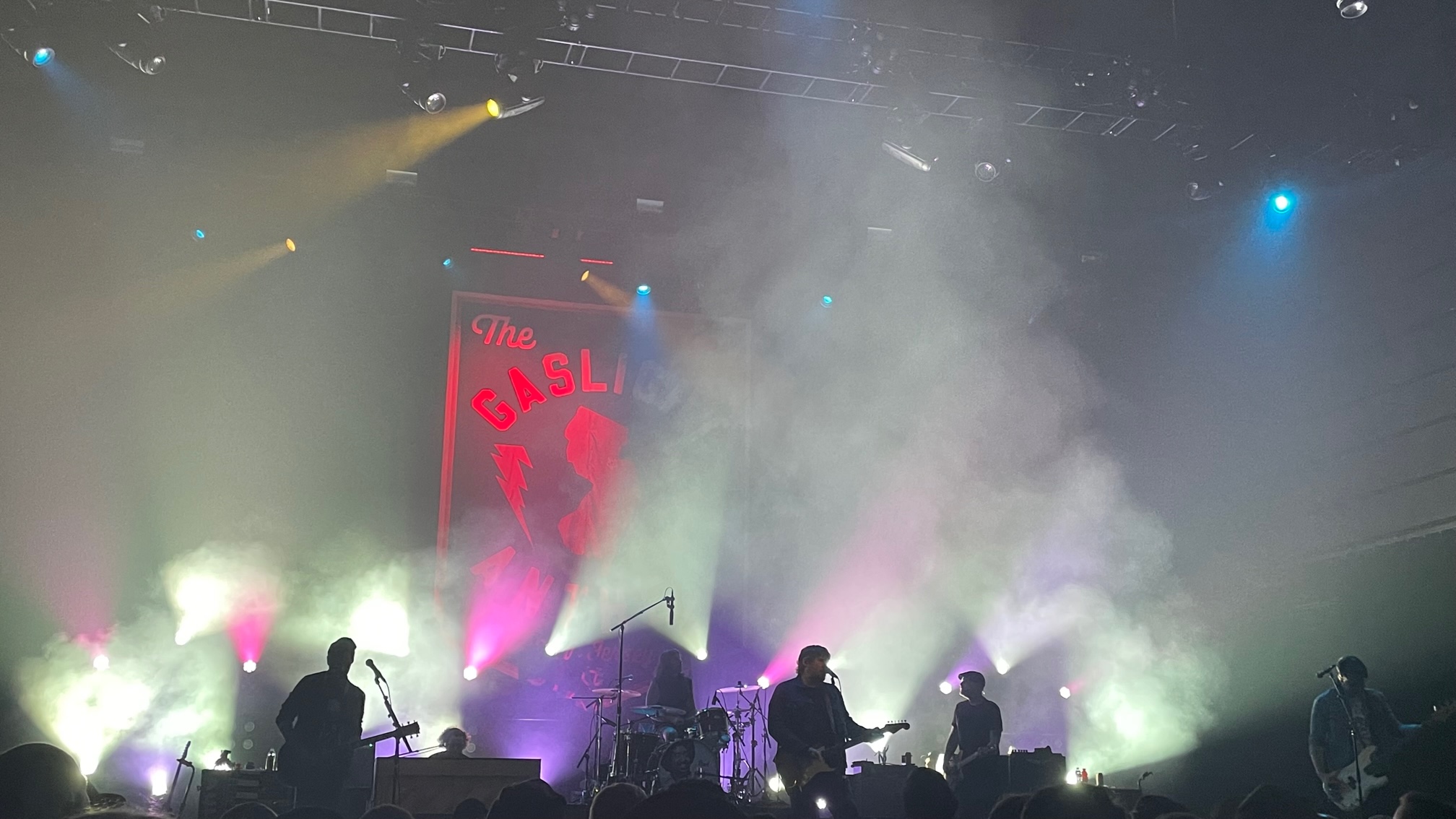


Camera: iPhone 12
Location: The Anthem; Washington, District of Columbia
“Clearly, I am not happy with the recession in societal norms and values and fear it is becoming all too common these days as a lot of people have forgotten to know how to act in public in a civilized and dignified manner.”
How many times have you been on a plane, a train, or a bus recently and noticed someone on a loud phone call, listening to loud music without headphones, or even kicking your seat and not apologizing? I would say it’s happened to most of us at some point, but these kinds of rude behaviors seem to become more common post-pandemic. The receding of the pandemic did not just cause the deaths of millions of people, long-lasting economic damage, but most recently an erosion in social norms and values. Clearly, I am not happy with the recession in societal norms and values and fear it is becoming all too common these days as a lot of people have forgotten to know how to act in public in a civilized and dignified manner.
As the pandemic has receded, selfish and unruly behavior has increased in my view, and it has been well documented in popular forms of media. How many videos or audio clips have you seen of airline passengers fighting with flight attendants or gate agents? There have also been scenes of people stealing and looting from stores in mass causing chain stores and the local mom and pop shop to have armed and unarmed security patrolling the toiletries aisle. For the rest of us who play by the rules, it’s unfortunate that we must deal with the agitation of greater security and more surveillance because others have to act in such a selfish and anti-social manner.
While there is some blame to go around including growing wealth inequality, the cost-of-living crisis that continues to worsen, and a lack of proper education in the school system on basic behavior and etiquette, it does not excuse being negligent of how to behave in public especially for an adult who should know better. I would like to think that we all are taught whether by parents, guardians, or by teachers themselves the difference between right and wrong, how to behave oneself when others are around, and that stealing, cursing, and dismissing others in public as unseemly behavior. The pandemic has worn a lot of us down physically, mentally, and financially but it does not excuse anti-social acts and/or behaviors against your fellow man or women.
Together, in a society, we should remember both the spoken and unspoken rules of how to behave and it seems like a few of us need to re-learn that or we have to strengthen these rules in our institutions and in our laws to fight against this rising tide in unseemly behavior. There are consequences to your actions and while we should continue to notice these anti-social behaviors and call them out, there must be a strengthening in terms of preventing those from breaking these rules and to hold them accountable when they happen.
A good example of an anti-social behavior I’ve noticed is in major U.S. cities including New York City and Washington, DC. Fare beating and or jumping the gate to avoid paying the fares to keep our transit system from functioning well is something I condemn strongly. Unfortunately, since the pandemic, there has been a spike in people not wanting to pay their transit fare and getting caught on camera while not doing so. Multiple times, the station agents and transit police do not apprehend these individuals to cite them for the fines or at least verbally reprimand them for their actions. If you do not enforce the fines or at least the rules, it emboldens this kind of anti-social behaviors and people will keep them doing them.
Recently, increasing the fines and changing the fare gates to be more difficult to physically jump or avoid has become a solution to this fare beating issue, but it is more than just changing the gates or enforcing the fines, there should be more ways to let people know in public service announcements (PSAs) or through schools, community centers, or in the home that this behavior is not tolerable.
I very much encourage free transit programs for those of lower economic status and for young people who are going to school or work as an alternative way to invest in those people who need the financial assistance and may not understand how fare beating is unacceptable. Increasing fines and security presence for stealing, farebeating, loud music in public, is not so much a solution, but rather a band-aid on anti-social behavior that may discourage these actions but won’t go fare in terms of ending it.
In a society, I believe people need both ‘the carrot and the stick’ in the sense that good behaviors should be encouraged and even rewarded such as cleaning up after yourself, lining up in a proper manner, helping the elderly and disabled. We should do as much to encourage healthy social behaviors as much as discouraging and shaming unhealthy anti-social behaviors.
For myself, I have a pet peeve of people playing music in public places in my near vicinity without earphones or headphones or keeping it to a low volume at the minimum. It gives me no great pleasure to call anyone out on this kind of behavior, but it was never acceptable before the pandemic to do so, and it should not become a new norm in this post-pandemic world. If it bothers me or causes me to not focus on my reading or my work, I will be happy to call this selfish kind of behavior out. It’s up to the individual on how they act but it used to be a given that you wouldn’t disturb others’ peace in public and keep your music, gossip, or phone calls to yourself or at a low volume. I’m not exactly for policing of rules or regulations as an ordinary citizen but if it disturbs my peace or my ability to enjoy my train, plane, or bus ride, I do have to call it out or let someone know of the issue.
My overall hope on this rise in anti-social behavior is just as much as we focus on enforcement and punishment to a reasonable degree of these actions that we do a much better job as well on teaching people in society why we have these rules, how they benefit us all in a public setting, and to educate people why we have fares, quiet hours, no music in public places, etc. so the average person will know why they have to act in this way for the betterment and peace of us all.
“Whether it is an escape through our popular culture, a preference to revisit the past than to explore what may come in an unknown future, or to enjoy simply what we have been accustomed to, the power of nostalgia should not be underestimated.”
What is it about nostalgia that stirs such powerful emotions in us all? Why do we insist on revisiting, remaking, and reconstructing the past? This innate yearning that is part of being human, I would argue, is a part of gaining back some comfort and familiarity in an increasingly unfamiliar and complex world. Whether it is an escape through our popular culture, a preference to revisit the past than to explore what may come in an unknown future, or to enjoy simply what we have been accustomed to, the power of nostalgia should not be underestimated.
As the new year begins, looking at the popular culture, which reflects trends in our overall society, this yearning for nostalgia has only gotten more prominent in the recent years, especially with the continuing of the COVID-19 pandemic. There are multiple examples in pop culture where nostalgia is the rule rather than the exception. One example would include video games where remakes, sequels, and remastered games from the Halo series to Assassin’s Creed to Call of Duty are still the most popular even after being decades long in terms of their original creation.
Another example would be television shows where one of the most popular series released recently is ‘Cobra Kai’ whose origins come from the Karate Kid movies of the 1980s, but for which has had a rebirth with the same actors almost four decades later but also with new characters who compliment the original story. Other popular shows involve those from the ‘Star Wars’ and ‘Marvel’ series whose revitalizations include the bounty hunter Boba Fett (also from the 1980s as a character) and popularly known comic book heroes including ‘Loki’, ‘Captain America’, and ‘Hawkeye.’ While these comic book heroes may be new to some viewers, they also date back in their creation back to the 1990s or even earlier allowing their fans to indulge in their own nostalgia in seeing these comic book heroes come to the small screen.
I haven’t even mentioned the plethora of movies from ‘Licorice Pizza’ (1970s), ‘The Power of the Dog’ (1920s Western), ‘The Matrix: Resurrections’ (1990s-2000s), released just in the past few months who pay homage to the past from settings we are familiar with or at least recognize. While there are films and TV series that do focus on mankind’s possible future(s), such as ‘Station Eleven’ on HBOMax or ‘The Expanse’ on Amazon Prime, most popular media today focuses on either adapted stories or at least remakes of stories with slight changes or new ideas related to the same characters to keep its popularity going.
In 2022, nostalgia sells the best, which is why new Halo video games, new Spider-Man movies, and new Game of Thrones books still rule the day in terms of our popular media consumption. Now, that does not mean that our appetite for new and original ideas in our popular culture are going extinct, but you can tell that we live in an age of rampant nostalgia, which is the norm rather than taking a chance or a risk on a new story or new ideas.
I believe that this resurgent nostalgia does have its positives to give people some familiarity with what they already know from their own past and for which they have experience in liking already. In addition, it can take more time to warm up to a new story, a new idea, or a new experience when it’s easier to go with something or someone you already know. Stories can change or adapt or get better sometimes over times and just because we are familiar with a character, or a series does not mean that it automatically gets boring after a certain point.
However, it is much easier to rely on nostalgia rather than to forge a new path. In anything in life and not just popular culture, it’s not as challenging to look back on what we’ve done, where we’ve been, or what we’ve experienced than to go forward, challenge oneself, and try new things. The impulse to be comfortable with what’s familiar rather than the unknown is a powerful force and an impulse that can be hard to overcome without pushing yourself. Nostalgia does not create lasting comfort though usually and it can be rather stale to rely on reliving things, experiences, or places rather than to look forward to unknown occurrences in the future.
Sequels, remakes, reshoots, adapted materials are harder to make better than the originals and they also do not break any new ground. Whether it is film, music, art, books, or in general, it may be easier to rely on nostalgia for creation but if it does not work out, it can be harder to bounce back from that failure. If you do something original or unique instead, it will stand out much more currently, and while you may polarize people who have gotten so used to nostalgia everywhere, you can be more wildly successful in your endeavor potentially and create a new cultural touchstone.
One great example from this past year that generated not only a cultural touchstone, but a worldwide phenomenon from Seoul to London to New York was the Netflix original series, ‘Squid Game.’ While the popular show contained elements from other TV series from the past, it had its own flair to it with unique set design, memorable characters, and a compelling and timely plot. It was the #1 TV series on the global streaming platform for over a month or so and generated important conversations in the public sphere regarding capitalism, income inequality, and debt servicing. The creators of the series took a big gamble, and they could have failed but they put their heart and soul into this unique show, and it paid off in more ways than one.
‘Squid Game’ and other original programming are a lesson for us all to not let our imaginations be stymied by what’s familiar and already known. Even in an uncertain world being continually upended by a pandemic and the effects of climate change, people want to be challenged to discover what’s new and what’s important. There is room in this world for both what’s new and what’s nostalgic. I think our problems begin in society when we only crave what’s comfortable or only what’s nostalgic to us. If we only choose to focus on what we already know, we won’t be able to face what’s new or on the horizon for us. It is not good to dwell only on what’s past and to rehash forever and ever what we already like rather than not trying to discover what we may like or embrace in the future that can help us learn more about the world around us.
No one country does the festivities of ‘carnaval’ quite like Brazil. A festival that is just more than ‘Fat Tuesday’, it has become more than a month of celebrations beginning in early February and ending in early March even after ‘Ash Wednesday’ has passed by. The word ‘carnaval’ or ‘carnival’ comes from the Latin word ‘carnelevare’, which means to remove or to raise meat signifying how Roman Catholics would give up meat or poultry during the 40-day period of Lent before the Easter holiday. Because of the significance of Lent and not just for giving up meat but for other earthly pleasures as well, ‘Carnaval’ is a chance to enjoy some of those pleasures before the time of Lent and to revel in both culinary and cultural traditions.
Nowhere are these cultural traditions more proudly represented than in Brazil where the whole country has some form of celebration or observation of the Carnaval holiday. From the state of Pernambuco in the North to Bahia in the Northeast all the way down the Brazilian coastline to Sao Paulo and Rio de Janeiro, each year there is an informal competition to see which city can put on the best Carnaval and whose parades are the biggest.
Each city is different regarding how they celebrate Carnaval in Brazil but there are some similarities such as having huge street parades where crowds can dance and march to the bands and drum groups assembled as they go through the city. There are a huge variety of costumes, music styles represented but the most common one would have to be ‘Samba.’ In Brazil, Afro-Brazilian culture is heavily apart of Carnaval celebrations from the music being played to the design of the costumes. There are a number of variations of samba represented and they are all represented in the popular ‘samba schools.’
These small groups of performers sometimes prepare for the whole year before carnaval begins and are competing against each other in the ‘Sambadrome’, which are huge parade grounds and spectator events where these groups are being judged based on a number of factors against other schools. The biggest Sambadromes are in Rio de Janeiro and Salvador along with Sao Paulo and these competitions take places over a period of four nights at the height of the carnaval celebrations. Not only are these groups being judged on their music style and quality but also their coordination, their rhythm, the theme of their performance, and the costumes, which can be quite elaborate and also quite expensive.
While there are different types of samba music involved, there are also lesser known music styles that are represented in Brazilian carnaval. They include ‘Frevo’, which is originally from Recife and Olinda in the state of Pernambuco and ‘Axe’, which is originally from Salvador in the Bahia state which combines different popular Afro-Caribbean music genres together such as calypso, marcha, and reggae. All of these popular music types mentioned have their roots in African cultures and diaspora influences.
In the 19th century, it was quite difficult for Afro-Brazilians to dance, sing, or even parade through the streets of Brazilian cities during Carnaval to express their cultural heritage but today, these forms of song and dance are the heart of the Carnaval celebrations. To put it simply, you cannot have carnaval without samba or costumes or drumlines. In a way, Carnaval is not just a celebration of indulgence and pleasure but of expressing your culture and your heritage. I found Brazilian carnaval to be also about celebrating the diversity and unity of the country itself and how that can bring people together despite past historical injustices.
In order to celebrate Carnaval in Brazil, one does not have to go to a Sambadrome or to march in a formal parade or even wear an elaborate costume. You do have to sing, dance, and even drink or eat a little more than you normally would. The easiest way to celebrate especially as a foreign visitor is to check out some of the ‘blocos’ or block parties. They take place each and every day during Carnaval in different neighborhoods at different times. Each ‘bloco’ has different themes ranging from a celebration of ‘The Beatles’ to ‘R&B and hip hop.’ The blocos can also have ‘electric trios’ which are large trucks with huge sound systems where musicians on top of them sing famous samba or forro tunes to the crowd who often sing along with them as they cruise down an informal parade route.
These ‘electric trio’ trucks or floats can also include drum line groups or instrumental bands who walk down the parade route with these musicians. Each bloco has supporters who have specific shirts or costumes on to represent the theme of the block party as well. The trio truck or float is another symbol of Carnaval in Brazil similar to the block parties themselves, which can last from early in the morning until late at night.
While there is endless debate about where to go to celebrate Carnaval in Brazil, my hunch is that you won’t be disappointed if you go to either Rio de Janeiro, Salvador, or Recife. The great thing about Brazilian carnaval is each city is likely to have a different feel to it as well as different types of music as well as different kinds of blocos represented. Rio de Janeiro’s carnaval is the largest in the world but you may want to go with the carnaval in Salvador to see unique forms of samba and other music styles represented. If you want a somewhat more subdued carnaval experience, going to Sao Paulo may be what you’re looking for.
Carnaval in Brazil is not just about coastal cities as there are celebrations that are lower key and smaller in the state of Minas Gerais, located in the interior as well as in smaller cities such as Manaus, Porto Alegre, and Florianopolis. This month-long celebration has something for everyone and while I have celebrated carnaval before a few years ago in Colombia, I have never seen such a unifying event that brings a whole country together as it does in Brazil. If you are expecting to see a lot of tourist sites and enjoy some museums here, you may want to wait until after Carnaval to do just that. Instead, bring your best costume, study up on your Samba moves, and get ready to buy those tickets way in advance if you want to see the Sambadrome in all of its glory when you visit.
Experiencing Carnaval in Brazil is a really unique experience and opportunity that I would recommend to everybody who enjoys dancing, singing, listening to good music, and experience one of the most joyous celebrations in the world.
It’s hard to really love most music videos today which tend to be shallow and lacking in any original thought. During past decades leading up to the 2000’s, it seems like actual effort and work was put into music videos of songs in order to get on MTV but also to highlight the themes of the song as well as the entire album. There are a number of my favorite artists who produce great music videos including Radiohead, The Smashing Pumpkins, U2, Oasis, Dave Matthews Band, etc.
However, MTV and official music videos are not what they used to be. In an age of instant gratification and live concerts being streamed of the songs you love, it’s hard to appreciate music videos as being part of an increasingly crowded creative marketplace. While official music videos may be dying, creative videos and covers of songs from our favorite artists seem to be on the rise. Considering that music videos are usually for hit singles of certain songs and not for entire albums, there has started to be a movement towards producing independent music videos for songs that never received the official ‘music video’ song treatment.
The rise of YouTube and other video platforms has allowed creative people who are fans of good music to produce their own music videos. While they started out as being kind of cliché or very amateur, they are now becoming very professional and also very related to the lyrics of the song in question. I saw a particular music video of a favorite song of mine featured on YouTube a couple of weeks ago. The song is ‘Everything in Its Right Place’ by Radiohead and it is an excellent song by my favorite band but the one thing that this song never had was its own brilliant music video to go with it.
Because of YouTube, the creative skills of a fan named ‘Capitao Ahab’, which is a pretty fun name in its own right, although I believe the original video creator’s name is Joschka Laukeninks who created it and titled it ‘BACKSTORY.’ It is a now an unofficial music video on the popular video platform that is really well done and professionally shot that has received almost two million views. A video like this would not have existed ten years ago but luckily it does. Part of the reason why this music video is so impactful is that it works so well with the content of this particular Radiohead song.
‘Everything in Its Right Place’ like many of Radiohead’s songs are open to interpretation but it is soothing with its use of synthesizers, digitally manipulated voices, and haunting electronic sounds that sound comforting when you have your headphones on at full blast. The lyric itself of ‘Everything in Its Right Place’ focuses on how to maintain your composure and your levelheadedness as you go through life. The fan music video’s storyline of a baby becoming a boy, a man, and then an elderly man highlights the ups and downs of life and how there are ‘two colors in my head.’
The ‘two colors’ could be interpreted as the good and the bad that you will go through as you go through life’s uncertain and mysterious waters. In particular, the song begins with the oft-repeated lyric of ‘Kid A’, the title of Radiohead’s 2000 album and expresses the experiences of a ‘boy’ as he is born, grows up, matures, and eventually dies. “Yesterday, I woke up sucking on a lemon.” Is also a lyric up to the fan’s interpretation but it implies that life can be sour as well as sweet and that you will have to taste and swallow the bitterness of life if you want to enjoy the sweet part of the fruit.
The music video begins on a hopeful note as a baby boy gains his first steps as he walks through his parents’ house. The sweetness of his childhood is referenced with meeting animals for the first time, having his 6th birthday, going to the beach, and experiencing pure joy at that age. Childhood innocence does not last forever so the boy ends up experiencing his first pains in life including the accidental burning down of his house, fights between his mother and his father, the divorce and exit of his mother from his life, pressures from his father to succeed as he ages into being a teenager.
Learning in school, riding his bicycle, summer days at the swimming pool are some of the joys of teenage life including his first experiences with girls as well with drugs and late nights with friends. Still though, the joys of discovery and youth are balanced out by his struggles with partying too much, getting into rights, being angry at the world and dealing with bad breakups. In one part of the video, the teenager emerges from the pool as a young man ready to take on the world in his 20’s. He thinks his partying days and life as a Bachelor will last forever until he stares at the woman of his dreams on New Year’s Eve and she stares back signaling a new relationship that will change his life.
They date, travel, live together, and the young man eventually proposes to the woman of his dreams. As the video speeds up, so does the aging and life of the man as he gets married, celebrates the birth of his child, and gets ready for middle-aged challenges and prospects. Moving into a house as newlyweds, getting a better job, moving up the corporate ladder, using his new car, traveling for work, going to important meetings, and shuffling along while growing a beard signifies how fast life speeds up the older you become. Sometimes, you’re running so fast that you can’t keep track of who or what you are. In the video, the man still remembers the little blissful moments of carrying his child with his beloved wife, family dinners, and trying to balance work and family until tragedy suddenly strikes.
The hardest part of life is unforeseen tragedies and we hope and pray to never experience any to happen, but this man has the tragic occurrence of seeing his wife and child running towards him across the street only to be hit by a bus and to be taken off life support. The song’s crescendo builds up as the man struggles through grief, longing, and how to move on when he knows he can’t but has to anyway. After the tragedy, what once was promising is now dull and at once he was fast to move through the world, he staggers slowly through it wondering what it is all worth and why keep going? How can one fill the void in their own heart when it was taken out of them and cannot be put back?
We see the man continue with his work, entertaining clients, meeting a new woman and getting married again but there is the lingering sense that it is not what he envisioned his life to be. He can have a child with her, but it won’t be the same as his first true love or bring back his first child. Trying to fill the void with an extramarital affair, fighting with his new wife, jogging and running to keep moving forward to futilely escape from one’s own pre-destined aging are all ways of coping both unhealthily and healthily as you go through middle age to becoming elderly in your later life.
Maybe if he stops running or walking or jogging, he will have to face his own eventual demise and departure from this world or face his memories of losing loved ones or losing his mother. The aged man with gray hairs continues to work, to exercise, to keep up his health by going to the doctor and trying to save his marriage. Some of these battles he will win, and some he will lose although we will never know from such a short video. Eventually, the man is elderly and looking back on his life from his bed and looks to be alone in the world.
However, he does not remember the tragedies that befell him as we all must endure in life sometimes. Instead, he remembers the first time he went to dance at a club, the way he looked at his firstborn child, hugging his beloved first wife, and how she stared at him lovingly on New Year’s Eve and how she stared at him at their wedding and when she gave birth to their child. He remembers the tragedy too but remembers those special moments that made his life truly worth living. You are left wondering after watching this four-minute video of a complicated, yet powerful life filled with tragedy and joy whether it was all worth it for the man. Would he do it again if he knew what was to happen in the future?
If we all knew what was to happen in the future until the end of our days, would we all do it again from the beginning? Would it be worth it even if there is pain, tragedy, and death? Would it be worth the love, joy, and pleasure that we experience as human beings as well? It really is out of our control, but this music video does an excellent job of pondering life’s deepest questions in only four minutes and only with the wistful yet dreamy lyrics of Thom Yorke from Radiohead creating a powerful combination of a great song and a great video. It may not be an original music video from Radiohead but whoever created it did a great job of getting a powerful message across to this 2-million strong audience on life, love, and loss.
If you would like to watch the music video on ‘Everything In Its Right Place’, you can find it here on YouTube: https://www.youtube.com/watch?v=GnfPaaMR6Qc
‘BACKSTORY’ Full Video on Vimeo: https://vimeo.com/245687147