Don’t Look Back In Anger

“Instead of spreading that anger and letting it spread elsewhere, the anger you feel should instead be reversed to acting out in happiness and caring to keep that specific ‘ripple effect’ of anger from spreading.”

Anger is an emotion that we all experience at one point or another in our lives. While it’s inevitable to experience this emotion, but what is especially important is how we use that emotion and how we deal with it. Instead of letting it stir within us or to lash out to that person who angered us or for those close to us who we vent to, I believe it’s best to take that anger and channel it into something positive. Instead of spreading that anger and letting it spread elsewhere, the anger you feel should instead be reversed to acting out in happiness and caring to keep that specific ‘ripple effect’ of anger from spreading.

Instead of taking that anger you receive as a reflection of who you are as a person and letting it bring you down, try to let it reflect not on you but on the person doling it out to make you angry. The anger that they give out is more likely than not about you but about how they are feeling or what’s happened to them before. Anger is not often personal but often about how that person is being treated and instead of breaking the cycle, they continue to take their anger they received and spreading it to other people.

Perhaps in other cases, that person’s anger at you is justified if you did something wrong or erred in some way but their anger is not likely to change your behavior and may backfire if you take offense at their tone. When receiving someone’s anger, it’s important to respond rationally that you understand their frustrations at see what their criticism is about but that you don’t appreciate the way they are going about airing their grievances with you in that manner. It is important to explain that if they are angry about you, they can voice it in a measured tone without yelling or being contemptuous as that will prevent you from taking their anger seriously.

When receiving someone’s anger, do your best to hear them out and to apologize if you were in the wrong but don’t get angry if you can and don’t redirect that anger back or to hold it in you that it affects your mood for days, weeks, or months. As you go through life, you are going to be likely on both ends of anger as an emotion but it’s best to realize that anger is not a good emotion to experience and it’s best to avoid even if you’re frustrated or disappointed or annoyed with someone or something. It’s likely that you will experience anger on your own but to not let that anger grow or linger or eat you up inside. On top of that, if you receive anger whether you feel you deserve it or not, you cannot take that anger from someone else and let it stay with you for very long.

As one of my favorite sayings in English goes, you should not ‘look back in anger’ and to let it consume you. Any anger you’ve had or received needs to fade away and you must let go of it or else it will worsen your life on top of your present and future relationships with other people. Letting go of grudges, not dwelling on past blowups, or forgiving people from wrongful words or actions is a key part of maintaining a healthy attitude towards anger. Part of that attitude towards anger is forgiving yourself for past transgressions related to your anger and then forgiving others as much as possible for their anger towards you, deserved or otherwise. Often, you will have to give people the benefit of the doubt and realize that some people don’t control their anger well or lash out at you or others because they don’t have a healthy attitude towards that emotion.

However, instead of letting others have their anger spiral out of control or to let yourself get angry in response, it’s best to not be angry in response or to just breathe, take time to think it through, and respond in a way that does not let your emotions take control of your words. You should try to prevent yourself from letting your anger get the best of you and to say something to somebody that you cannot take back and ruin your relationship or friendship with them. Noticing that you’re angry with them is enough to at least have a conversation with the person in a mature and measured way without letting that anger boil to the surface.

Quite simply, the anger needs to dissipate, or it will infect other parts of your life and cause you to lash out at other people who don’t deserve your anger or are unrelated to what caused that anger in the first place. You would be better off when you stop holding on to that anger or looking back on it. If you can let it go, let it go completely but if you can’t, try not to think about it and remember that all emotions come and go and that is the way it should be. Anger can be channeled into more productive uses of your life like going to the gym to release the tension, writing your thoughts down and working through your emotions and reflecting why and how your anger came to be, or just talking through your anger with a trusted friend or a family member who you feel comfortable sharing that emotion with.            

Being able to channel your anger into something positive or something worthwhile is a key test of being a mature individual. Anger is a negative emotion but that doesn’t mean it has to go on forever or cause you to be a negative person. Knowing how to deal with it at first, react to it in a measured manner, and then eventually letting it go to leave it in the past where it should remain will help you to not look back on anger and to keep it from reaching the surface of your emotions again. As the famous Oasis song goes for which this blog article was inconspicuously titled regarding how to deal with anger at someone close to you whom you’ve grown apart from, “Don’t look back in anger, I heard you say…, at least not today.”

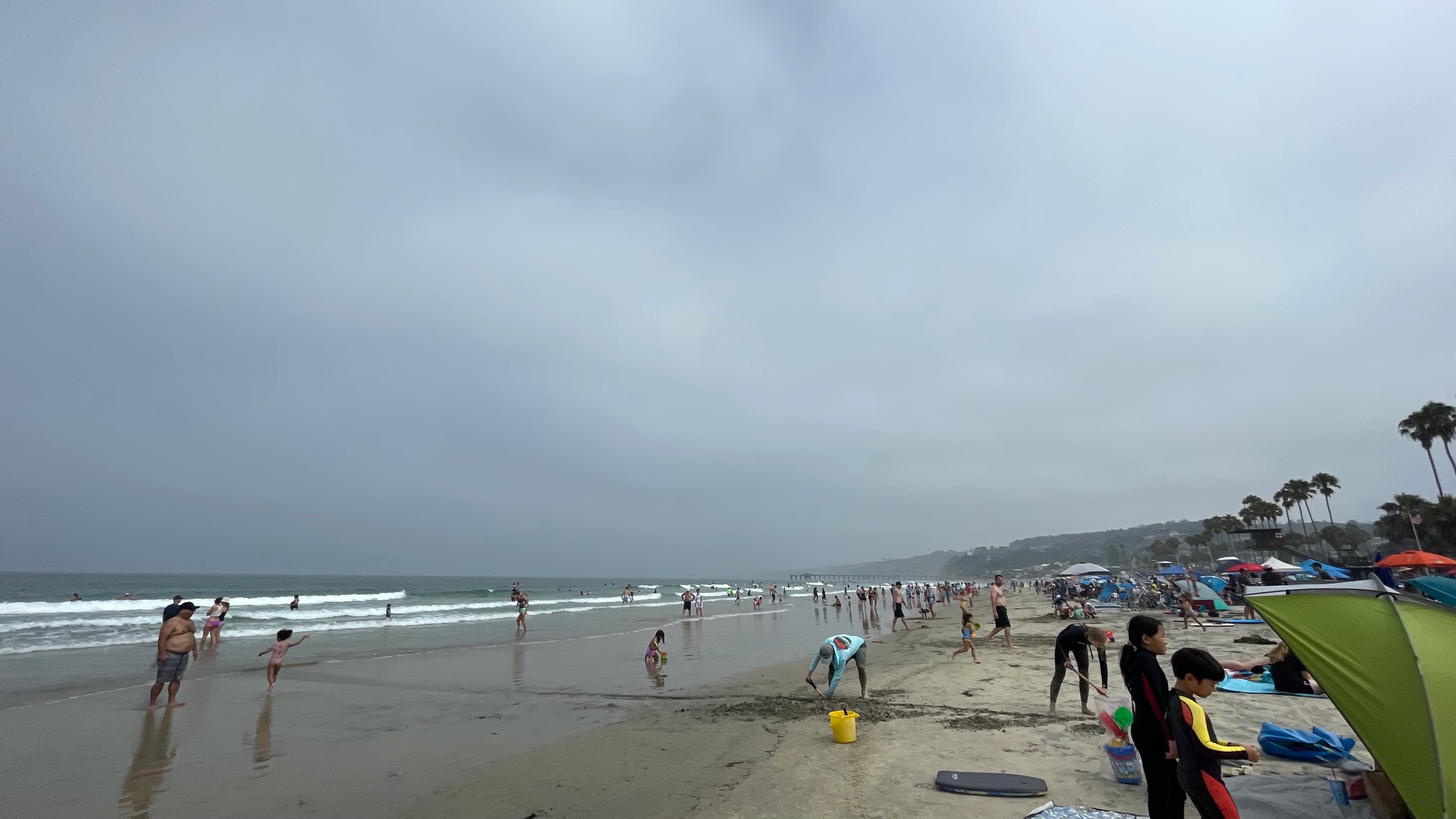
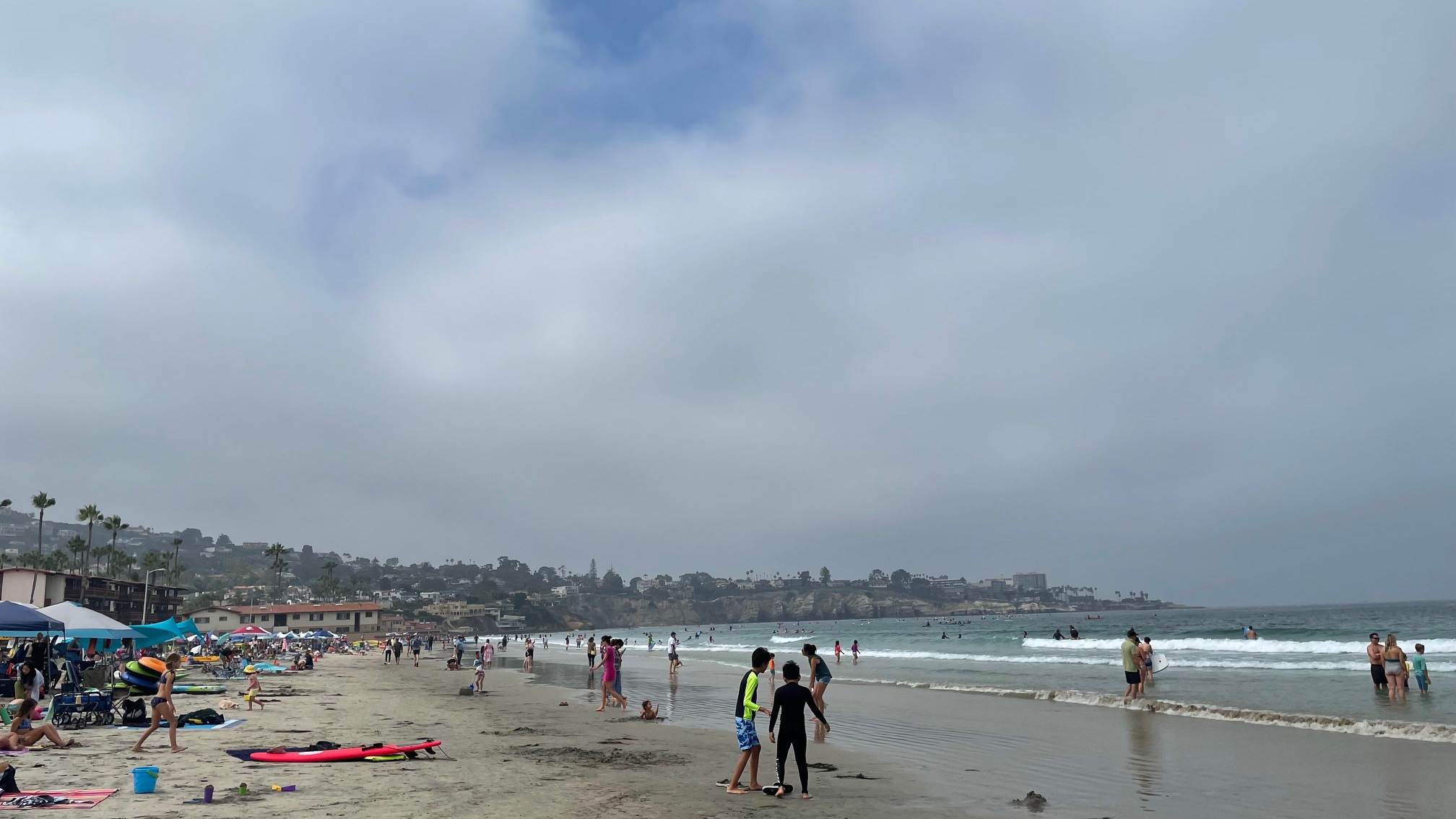
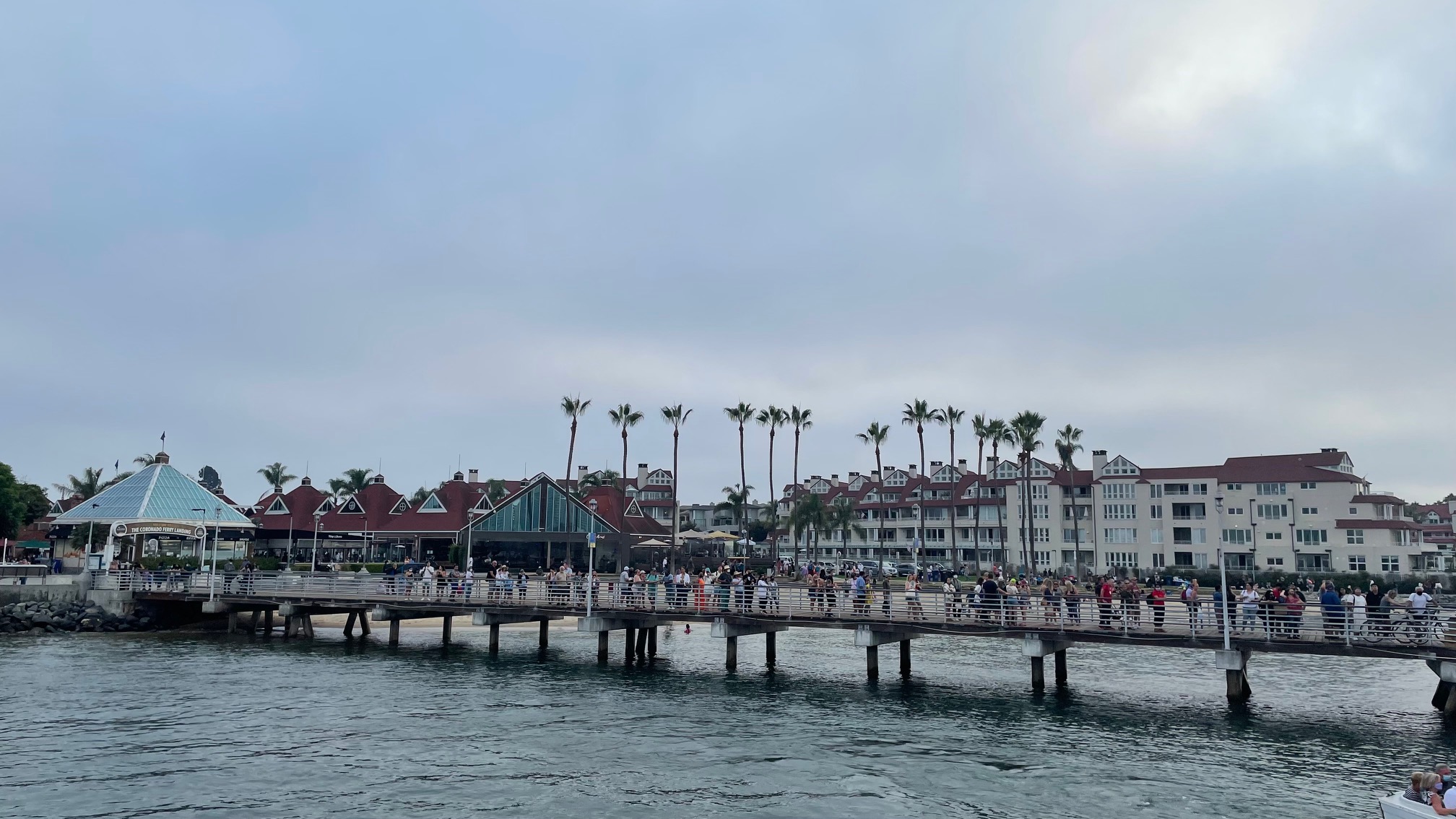
Pacific Beach and Mission Bay Park

Camera: iPhone 12

Location: San Diego, California, United States

English Corner – The Basics of Writing

“You must first be aware of what exactly your writing will be used for or can be used for, so we need to think about the uses for writing and how best to express yourself.”

In this article, I am going to cover the basics of writing, and to do this, we need to first figure out how to use the printed word. You must first be aware of what exactly your writing will be used for or can be used for, so we need to think about the uses for writing and how best to express yourself.

There are numerous examples of how we print words correctly and what each kind of writing does with its own different style or substance to it. There are dozens of ways to use English words but the most important ones that come to my mind are articles, books, emails, and stories. Because of technology, we are exposed to English writing in numerous ways including text messages and emails, so I believe that when you’re writing in English, you need to be able to write articles, emails, and stories but you also need to be able to write text messages as utilizing technology when writing in English is a key part of using the language.

There are multiple ways to write for English and I want you all reading this article to be aware of the major literary elements. Further on, when you’re writing something fictional, it is important to be aware of which literary elements you’re using. Remember that it’s not real if you created it out of your own imagination. Nonfiction writing is real, but it’s based on historical current events, for example, when we think of nonfiction, we think of World War Two and in your writing as you’ll discover, you need to use some or all these literary elements to be taken seriously as a writer. You should always remember the 3 Ss of writing specifically: Style, Syntax, and Substance.

To begin with, it is important to be exposed to multiple literary elements but the most important of which is the plot or otherwise known as the storyline. There is also the tone, which is about the emotions you’re expressing such as whether you are sad or if you are angry, happy, or what exactly is the kind of tone your emotions are taking when writing. In addition to the emotions expressed, a good writer can both answer and describe the important question about “what is the setting?”

Any writer should know where your story is taking place whether it is in a city, a farm, or an island. The point of view of the written article should also be expressed if there is a narrator who is telling the story. Your audience should know about the characterization of the people or things involved such as “what are the personality traits of the characters and how do they act?” “What is their personality?” “What is their emotional status?” and for the general characterization, when you’re writing in English, you need to be aware of, especially for fictional writing, “how are you are developing your characters?” and “what is the mood of your writing, such as is it light or heavy in terms of mood?”

It’s different than tone in that mood is kind of like the combination of the setting and the plot along with the tone together. You should be asking yourself if your writing piece is a comedy or is it a drama or another genre? Be aware when you begin your written draft about “what kind of writing you are focusing on?” and to know, “which themes or main messages you’re trying to get across to the reader?”

For example, “are you trying to give them a political message a social message or are you trying to come up with a particular moral or a value to share with them?” The purpose of knowing about these literary elements is to expose yourself to these different ideas and then that will help you develop yourself as a writer because you will be familiar with the general plot or important viewpoint or main themes. This will come across in your writing very easily, but you must know what the literary elements represent and how they can be used.

Every writer has a different drafting process when they begin but there are some fundamental steps that you can take to be a better writer. You should go from beginning to end in terms of the structure of the draft and to be diligent in creating that process, which will make you more focused and organized, and you need to do your research as well to be successful. I think that is the most part important part of becoming a writer is doing your research. You need to take notes about what you’re going to be writing about and you need to focus on a few rough drafts before finalizing your piece of writing.

I would also highlight the benefits of having a native English speaker review your work, especially if you’re a non-native English speaker and you’re writing English as a second language. Keep in mind that becoming a good English writer is a marathon, not a sprint. It takes a lot of time to be a good writer as writing is difficult even for a native speaker.

You should also know that you’re going to make mistakes and you’re going to have errors. You’re going to have structural problems with your writing at first, but you need to keep trying. You need to keep writing and writing until it becomes almost second nature to you. I would encourage you to try out writing a paper or a report after getting these basics down. Being a good writer is a marathon, and not a sprint, which means it’s going to take a while. Lastly, when you know it’s not going to happen overnight, you know to take the writing process more seriously. Remember that you are not in a race and it’s best to draft, edit, revise, and write again before submitting your final written work especially for your job or for your school.

Like any important vocation in life, it’s going to take thousands of hours to become a good writer. However, if you get down the basics such as knowing about literary elements, figures of speech, and understanding the emotions and viewpoints involved, you will be successful in developing different written forms of work. Keep practicing daily, get input from others, and learn from your mistakes, and you will continue to improve with writing in English.

Sunset Over The West

Camera: iPhone 12

Location: Western United States (In The Air)

The Power of Saying ‘No’

“As much as we like to say ‘yes’, it’s important to know that saying ‘no’ is just as important and even just as powerful.”

There is nothing wrong with saying ‘No’ to someone else. Saying ‘No’ has a negative connotation but it can be worth its weight as much as saying ‘Yes.’ There is a main reason why we have both ‘Yes’ and ‘No’ in English language vocabulary. There are times in our life when we can say ‘yes’ but we also have to moderate our impulse to say, ‘yes’ to things, people, and other commitments by balancing it out with the ‘no’s.’ As much as we like to say ‘yes’, it’s important to know that saying ‘no’ is just as important and even just as powerful.

When it comes to saying ‘no’, you do not want to overdo it either but it’s best to moderate your ‘no’s and to pick when and where to use that word. As you get older in life, the ‘no’ should be more often and the key hump to get over is to have any shame or remorse for saying ‘no.’ Psychologically, it’s much easier to say, ‘yes’ than it is to say ‘no’, but I would argue the ‘no’ needed to happen rather than a false ‘yes.’ Often, a truthful ‘no’ will be much better for you and other people than a fake ‘yes’, which could do much more harm. People don’t like to hear ‘no’s’ but rather than to embellish people with false yes’s, you must be firm with them and make the ‘no’ part of your vocabulary with them, even if they are friends or family of yours.

While others would not like to hear ‘no’, it is best not to lead them on when you’re not interested in anything related to business to doing favors to getting into a relationship. Honesty is part of the power of saying ‘no’ and if that person truly values you, they won’t be bothered by hearing the ‘no.’ A good litmus test for knowing how much someone cares about you is their reaction when you are bound to tell them ‘no’ at some point for one reason or another. If they give you a hard time in giving them a sincere ‘no’, it may be best to not be around them as much. The person(s) you say ‘no’ to, even if they are family or friends, should be mature and responsible enough to take the ‘no’ well and to understand that the ‘no’ itself is not a reflection of them as people but what they may be asking or telling you to do. If you disagree, have reservations about, don’t find it appealing, or don’t have time for it, it is best to say ‘no.’

When you tell other people ‘no’, you should always be firm but also do be as gentle as possible. It does not have to lead into a confrontation or an argument either. A good ‘no’ can be followed up with ‘that’s the way I feel’ or ‘sorry but it’s not possible, or ‘that is not something I’m interested in.’ Saying ‘no’ should never be seen as being disrespectful, rude, or condescending because it does not need to be as such. If you want to still be on good terms with someone like a friend or family, you can express your regret or disappointment on having to say ‘no’ depending on the ask or request. You don’t have to do that, but it can soften the blow, which may be important in salvaging the relationship or friendship for the long-term. In that relation to the other person or people, if the ‘yes’s outweigh the ‘no’s, the ‘no’ won’t be as big of a deal too. They should balance each other out but it is good to mix them up in order to have no ‘no’s at all or too many ‘yes’s back to back.

Most importantly, having the power to say ‘no’ not just every now and then but whenever you feel like it is crucial. You should not feel nervous or anxious about saying ‘no’ and to be ready to do so at any time. As we get older, we must be prepared to say ‘no’ more and more often. Time is limited as well as the chance to foster relationships, friendships, or job / business opportunities. If something does not sound that appealing to you at first, it’s best to have a firm ‘no’ for it rather to waste either your time or your money.

It’s likely in life that you’ll regret the ‘no’s you didn’t say rather than the ones that you did say ‘no’ too. There are plenty of charlatans, liars, scammers, fakers, and crooks out there and you need to be ready to say ‘no’ to them. Instead of saying ‘yes’ too many times, be more comfortable in saying ‘no’ especially if your heart, mind, or body are not into the idea. Unless you are enthusiastic or thrilled by the idea, thing, or even the person, a preemptive ‘no’ will make you better off in the long run. There is a power in saying ‘yes’ but there is also an equal if not more important power of saying ‘no’ especially if you are worried about losing precious time or valuable money or other resources.
Most of all, you should do your best to think deeply or weigh the ‘yes or no’ decisions as much as possible. Lose the impulse to give either a ‘yes’ or ‘no’ quickly unless you do not have the time or place to think it through first. Not controlling your impulses when it comes to saying ‘yes’ or ‘no’ can cost you both in the short-term or in the long-run. Be sure to have the power to say ‘no’ but remember to think it through carefully first before giving the ‘no’ to someone or something. Also, as I mentioned before, please be sure to phrase the ‘no’ in a polite or respectful manner. It’s not so much that you said ‘no’ at all but if you do it in the wrong way or with the wrong tone, you may risk losing that person or thing you care about forever.

The Urban and The Natural

Camera: iPhone 12

Location: Washington, District of Columbia, USA

The Cigarette and The Mask

“Just as I catch my bags and see if I’ve been clipped, I noticed that he’s wearing sunglasses on with his surgical mask pulled down below his chin and has an unlit cigarette in his mouth.”

While I walk back to my apartment with bags full of groceries under my arms, I stop at the cross section waiting for the walking signal to light up, seemingly unaware of the bike screeching by me. “Hey, watch out, man!”, the bicyclist yells as he peddles past me almost knocking into my groceries. He speeds by just narrowly missing oncoming traffic as he heads downtown. Just as I catch my bags and see if I’ve been clipped, I noticed that he’s wearing sunglasses on with his surgical mask pulled down below his chin and has an unlit cigarette in his mouth.

Now, I would hope that he was not getting ready to smoke while biking, but it sure looked like he had smoked a few or more cigarettes. We were both outside at the time, of course, and I could assume that he maybe just likes to wear a mask indoors and would rather smoke a cigarette while he biked or afterwards to enjoy the rush while getting some needed fresh air. The confluence of events of almost getting hit by this biker along with the scene of him having an unlit cigarette in his mouth, a mask under his chin, and no helmet on as he sped through foot traffic without regard for anybody else was so laden with irony that I couldn’t happen to notice all the ironies afoot.

If a commercial could be made about this bicyclist, it would be quite entertaining. “Protect yourself from COVID in the short-term, but don’t forget about the long-term risks to one’s health!” In that commercial, it would show the bicyclist being transformed from having a cigarette in his mouth to having none with a nicotine patch or gum if it’s anti-smoking or if it’s pro-safety to have him properly wearing a biking helmet rather than not having one.

These kind of public health or public safety campaigns are quite common in our culture especially when it comes to the dangers of smoking and the dangers of not wearing a helmet while cycling or biking. Now, after almost two years, we now have quite substantive public health messages around wearing a face mask or adequate face covering, especially while indoors, to prevent the further spread of the Coronavirus. The same public health messaging was quite prevalent at first when it came to social or physical distancing before the arrival of tested and approved vaccines.

Undoubtedly, these public health messages have saved thousands of lives and done much to further the progress of the current vaccination campaigns. We now know society-wide how masks can help prevent the spread of viruses just as we knew starting in the 1980s and later in the 1990s the harm that smoking can do long-term to one’s health. It took a few decades but now smoking is much less prevalent than it used to be, and the risks are well-known. The same could be said about wearing a protective helmet when biking or riding a motorcycle. It took a while for these messages to be ingrained in our society, but they protect not only our health long-term but also our safety in the short-term.

The advent of mask wearing in a pandemic has not fully set in for some people but for most people, the public health messages had a massive impact and after some initial confusion and the lack of supplies for protective gear, almost two years later, that public health messaging has set in across society. You could argue if the advent of mask wearing in public will have the same longevity or the same need years from now as anti-smoking campaigns would. While virus and diseases can become endemic, they can also possibly burn out much quicker than the long-term health risks that will remain with us after the pandemic such as smoking or drinking alcohol.

While the public health and safety messages around mask wearing, helmet wearing, and not smoking especially near a building have made people healthier and safer, I fear that other health warnings or messaging has been rather lackluster especially during the pandemic. Wearing a mask and not picking up a cigarette are easy enough for society to adopt, but the messaging should not end there.

In the age of the Internet, social media, and seemingly endless modes of messaging mediums, I have not noticed any uptick in making the public aware about the benefits of exercising daily or multiple times per week. I also have not noticed an effort to educate people on what a well-balanced diet looks like or what foods to avoid that are both addictive and unhealthy. Smoking is a bad habit but so is not having a proper diet. I am not saying that people should be told what to eat and what to drink but I don’t see the harm in sharing more messaging about what a healthy breakfast, lunch, or dinner looks like or to give examples to adults, especially young people in college or in their 20s.

In addition to a proper diet, bringing to people’s attention the need to exercise has never been a real part of public health messaging. The lack of public and/or outdoor gyms provided by towns and cities has contributed to other health issues that have reared their head during the pandemic. COVID-19 may be with us now but other health issues like obesity, diabetes, and heart disease are not going away anytime soon.

For the almost two years of the pandemic, there was a real opportunity that was squandered for the public to hear about other ways to stay healthy and well. Viruses make people fearful and anxious but instead of just saying “wear a mask!” and “be socially distant!”, other messages about sleeping 7-8 hours a night, reducing our time staring at screens, maintaining a healthy diet, and making sure to exercise each day or most days was rarely ever thought of to be entered into public consciousness.

Even something as simple as telling people who were mainly indoors to take their vitamins each day especially both Vitamins C and D, which some people are deficient in especially in wintertime was completely neglected. I usually refrain from commenting on matters of public health but having done all these things for myself as many others do on their own accord, I don’t see why this kind of public health messaging hasn’t caught on. It doesn’t take more than a minute or two to discuss proper habits to build such as having more hours of sleep, what goes into a healthy diet, why exercise is important, or what are the benefits of vitamins.

I am not sure of how much money has been spent on anti-smoking, anti-drunk driving campaigns over the years but I’m sure it’s much more than what could also been address to the public. Now, in addition to the ills of drinking, smoking, we know now why mask wearing is important during a pandemic with an infectious virus that spreads easily. I don’t think that we should stop there and to keep trying to advocate for other commonly known public health matters that sadly still go largely ignored in terms of messaging campaigns.

From the local to the national level, after the pandemic is over, I would strongly recommend investing much more money, time, and even public infrastructure (outdoor gyms, for example) in building awareness of different public health matters that have remained largely unaddressed. From sleep to diet to exercise to even how to manage anxiety and stress properly, these important messages will affect people’s long-term health positively.

We know messages have worked in the past as I mentioned with wearing a helmet, not smoking in public places, and wearing a mask when others are near you. Lives have been saved and society has been improved because of those messages. When it comes to everyone’s long-term health, I would ask us all to think bigger to improve messaging around other public health needs, so we don’t end up only receiving advice on protecting the public’s health during a once-in-a-century global pandemic.

Stunning Sunsets

Camera: iPhone 12

Location: Delaware and New Jersey, USA

DC United! DC United!

Camera: iPhone 12

Location: Audi Field; Washington, District of Columbia, USA

A Pleasant Vision

“The cool, ocean breeze blows the wisps of water onto my face and my hair with the soft rustle of the wind refreshing and relaxing me as the sunset envelopes the bright horizon leaving just one solid line of distinction on the horizon to separate the sea from the sky.”

The sand beneath me is coarse yet soft as it envelopes my feet and legs whole as I begin to pull myself up after admiring the waves lapping up to cool my body and soothe my worries as if I were in a welcome trance. Looking around at the vast sunset before me, the canvas of colors from blue to yellow to orange to pink, light up the seascape village I find myself near to but still so far away from. The cool, ocean breeze blows the wisps of water onto my face and my hair with the soft rustle of the wind refreshing and relaxing me as the sunset envelopes the bright horizon leaving just one solid line of distinction on the horizon to separate the sea from the sky.

I am wearing all-white as I pick myself up out of the sand and I see the shimmering lights behind me of a picturesque village where there is laughter, unknown music, and the smell of delicious food cooking over an open flame. After the sun sets over the village, I feel the distinct urge to go towards the village where everything and nothing seems familiar to me at the same time. The shimmering lights help me as I climb from the base of the beach up through the rocky hillside feeling at ease even as my bare feet climb over the rocks and shrubbery covered boulders.

As I climb higher and higher to the top of the hillside that juts out of this mountainous formation, the sound of people in different languages laughing heartily, the sounds of beautiful music playing in a sweet symphony as to not clash with the people’s joy. The smells of enticing foods, which become more and more familiar to me that come either from a distant past or of a future yet to come. The arduous hill climbing causes me to stumble and rest prematurely but I am undeterred. I do not bleed and while I tire, I do not fall back. Eventually, I make my way to the entrance of this pristine yet unfamiliar village with cobbled streets and stucco walls. Each of the village homes I walk past have large windows but no one’s inside, the walls are white or pastel-colored, and the arches speak to a grandeur of which I immediately fall in love with.

The windows and doors are arched with beige or dark red clay roof tiles with outdoor space with gardens likely filled with lush tomatoes and other plants to grow one’s own food. Surprisingly, I encounter women and men dressed from different eras on these cobbled streets who greet me in the languages of my ancestors. They have carriages and horses with them and exchange pleasantries with me as I pass them by on the way to the party. While I do not know them, they know me and perhaps they’ve known me my whole life. Even though I am tired from my journey, my hunger and thirst apparent to them all, they whisper words of belonging and encouragement in my ears and tell me that, “everyone is waiting for me.”

Who is everyone? Is it my friends? My family? My loves of past, present, or future? Where am I? Questions wash over me, but I am not anxious. It’s that strange sense of anticipation that comes after a fortuitous journey where my last destination is not known but I have no doubt of where it is that I am supposed to go. I am here for a reason and while I do not know when, where, or how I got here, I finally know that I have a destination in mind that may be what I was looking for all along.


Once I get there, the high, wooden entrance of a pure white village house made of solid brown doors swing wide open for me as an honored guest. There are sturdy, mahogany tables filled with known faces who have known me throughout my life and unknown yet familiar faces who I may be related to by blood or folks who I don’t remember as a child or baby but have also met them at one point or another. The tables and chairs seem to go on forever up to the edge of the hillside looking out on the moon, the sea, and the stars as gloriously bright as can be with no way not see hundreds or thousands in the night sky. Ornate dining sets have been set up with wine goblets and delicious foods with peaceful music playing in the background and it seems everyone is waiting for me to arrive to begin the meal together.

Everybody at each table is dressed up in their own regalia from the era they lived in and are at the age that they most would like to be remembered by. Surprisingly, while each person is exchanging languages with each other that they themselves may not speak, they are somehow being instantaneously translated so everyone can understand one another even while having not been from the same century or same continent.

It dawns on me that this is exactly where I’m meant to be. The food is as delicious as can be, the wine and other drinks plentiful, and everyone is enjoying each other’s company with pure joy and happiness lighting up the evening. They all know me as if I were a family…which I am. Many hugs, kisses, and handshakes are exchanged as each of my ancestors and family members encourage me to join them at the table through a night that seems to stretch across time like a flowing river.

I am the latest to arrive to the celebration here, but it feels like they’ve all been waiting a while for me to join them here at this heavenly setting. There is no mention of anything negative in the conversations I have. We don’t highlight my or their own Earthly failures, setbacks, heartbreaks, and tragedies. There is just happiness, joy, warmth, and discussing the fine setting and meal we find ourselves enjoying together after having been apart. There are no hard feelings, no pain, no remorse, no odd person out, as we are a whole family again united after all this time, which feels like just yesterday we were all together but may have been decades, centuries, or millennia since our paths have crossed. If this is heaven, I ask myself, it is certainly a pleasant vision of it.