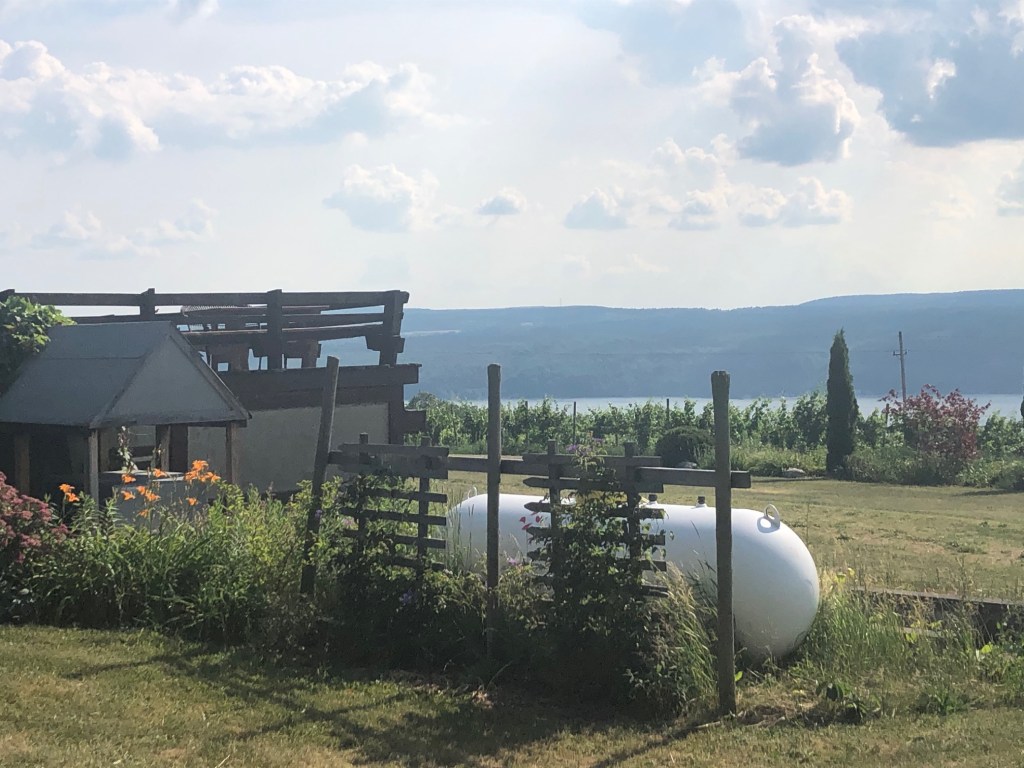
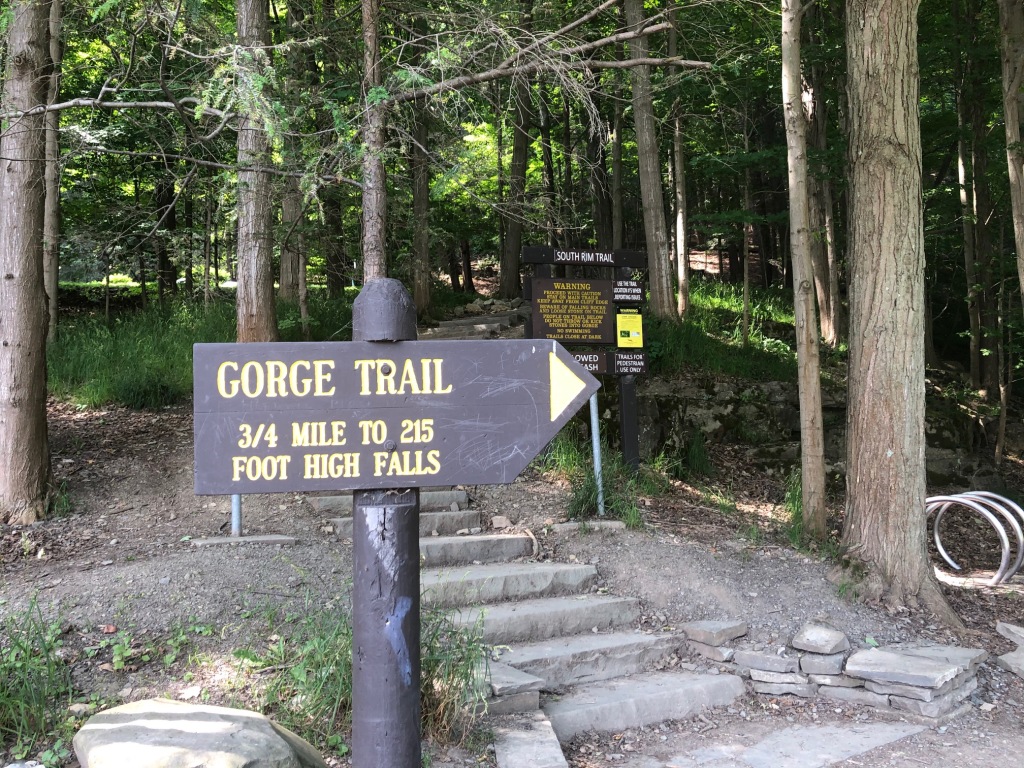
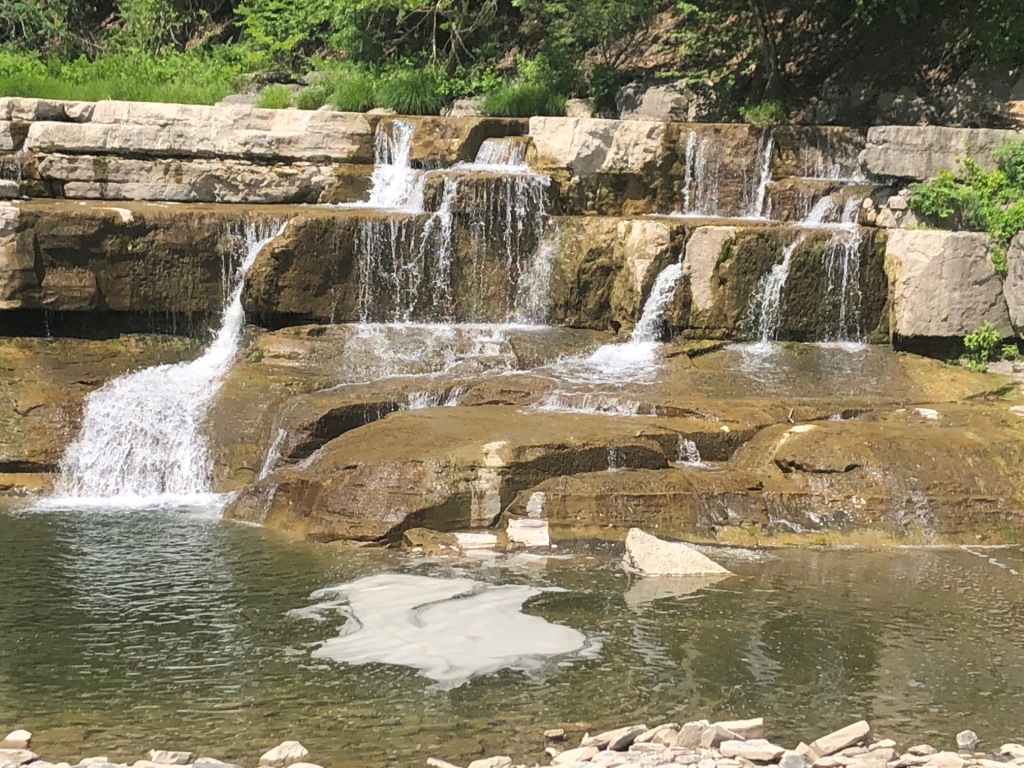
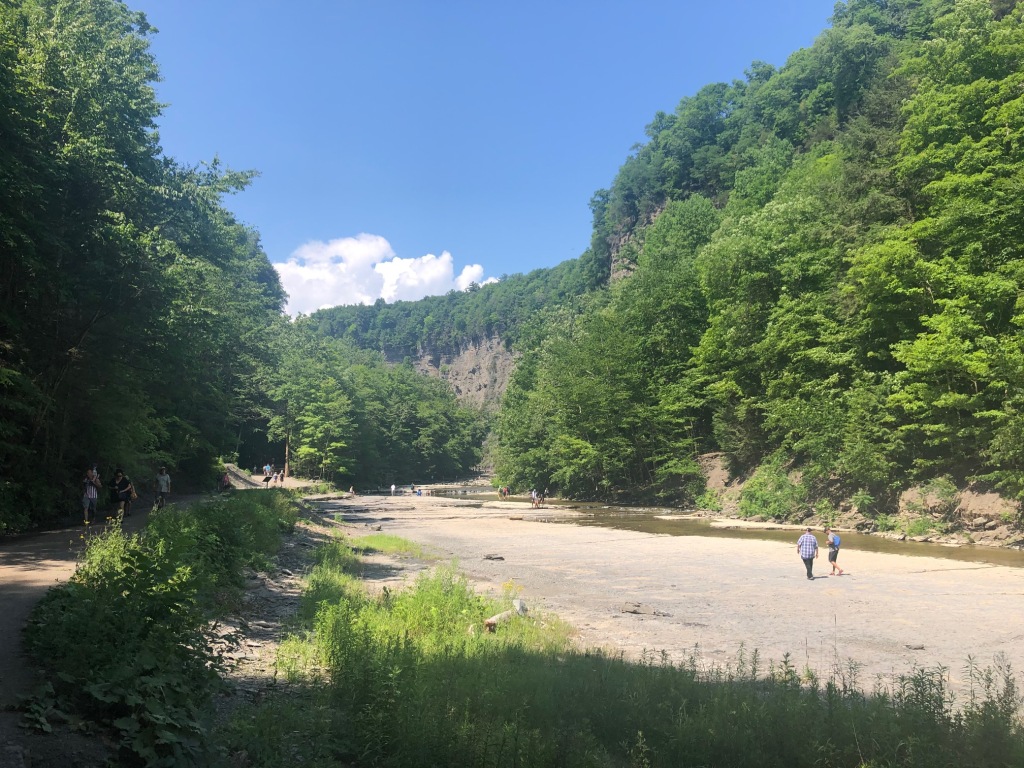
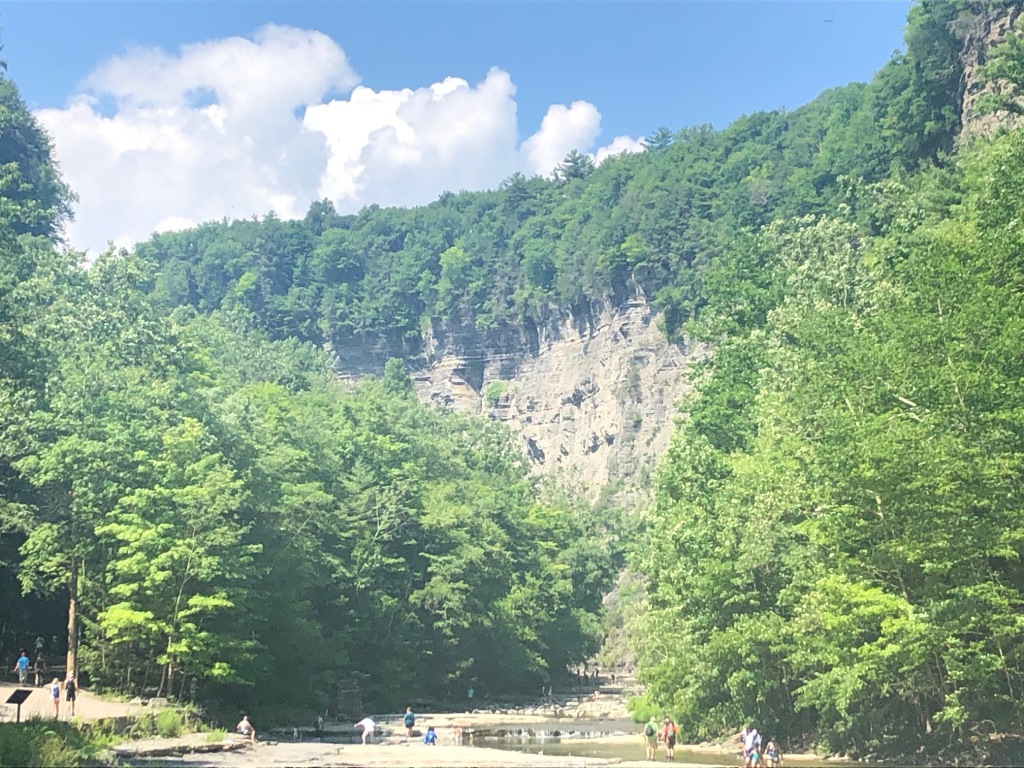
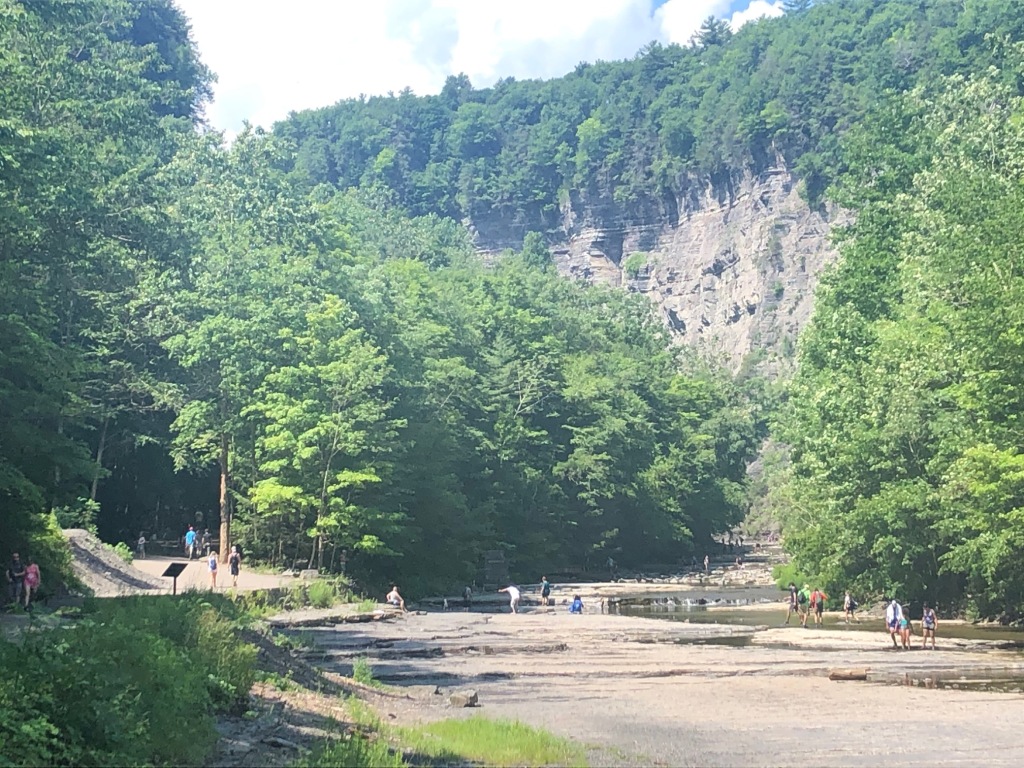
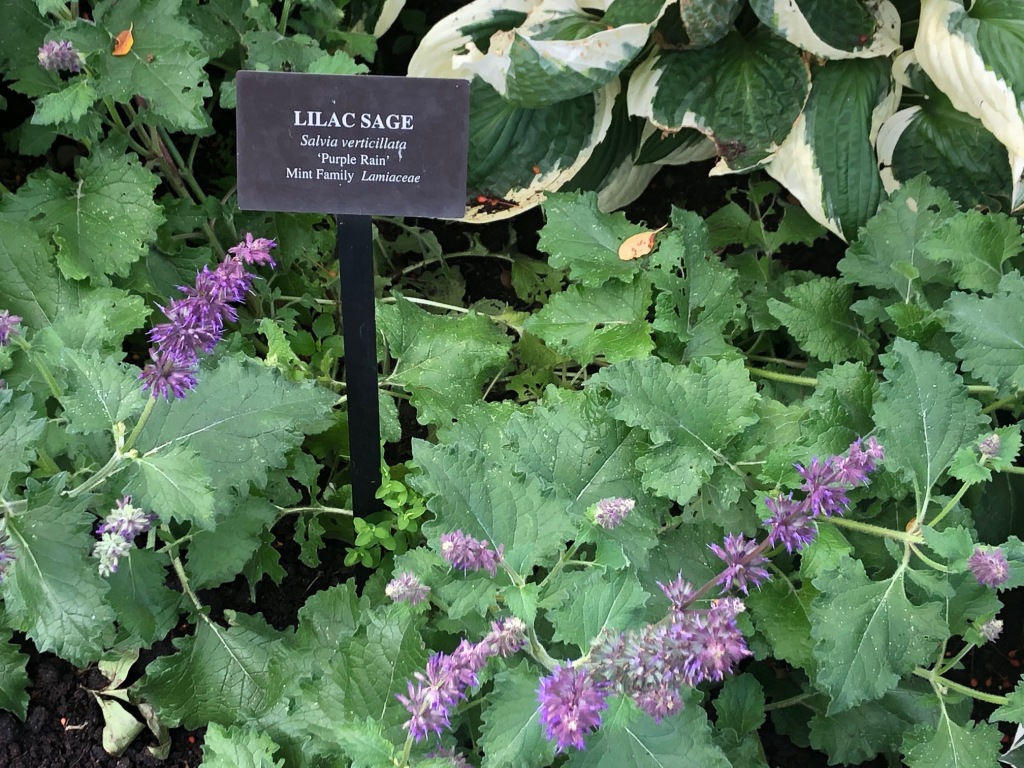
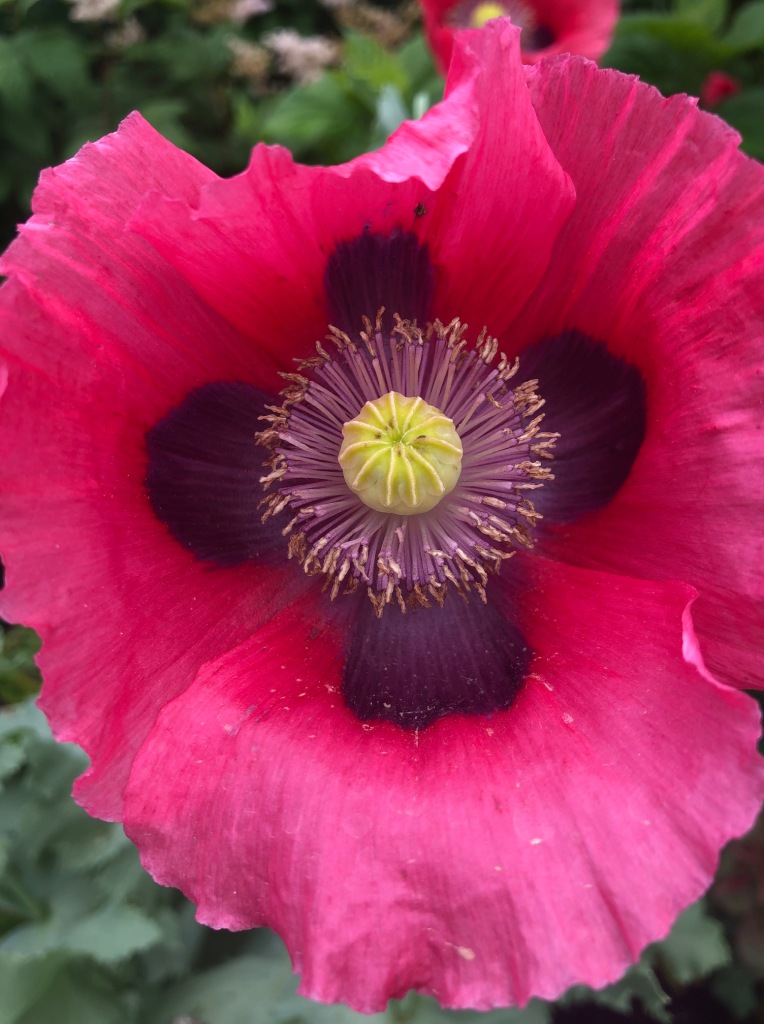
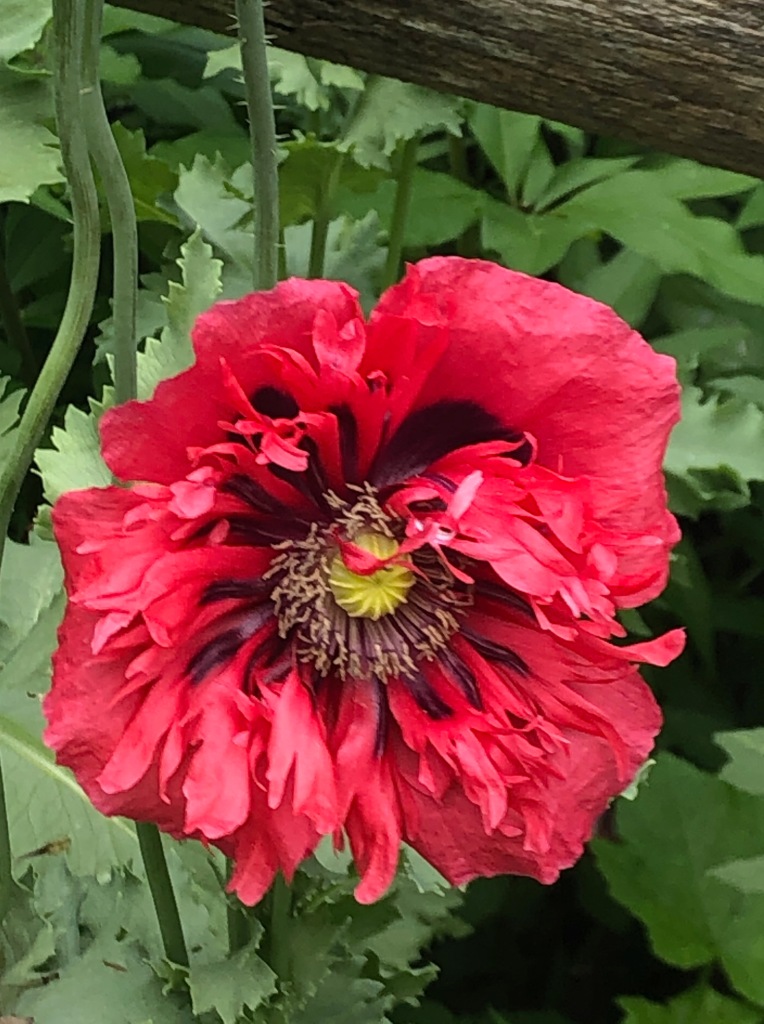
Camera: iPhone 8
Location: Taughannock Falls State Park; Ithaca, New York


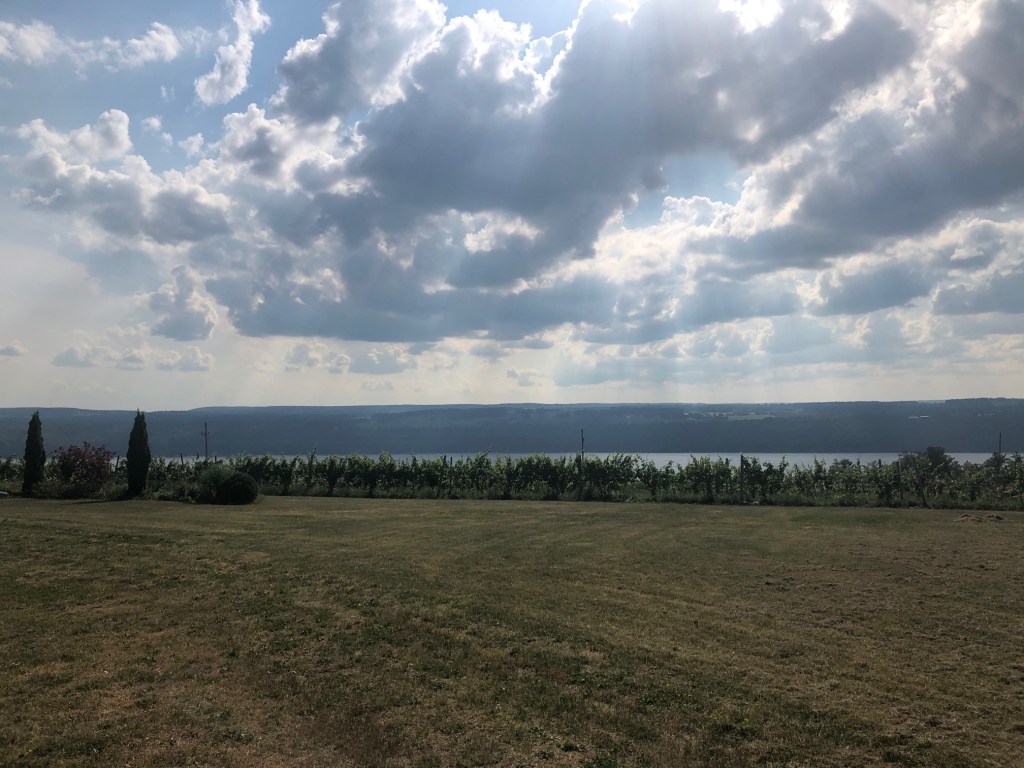
Camera: iPhone 8
Location: Taughannock Falls State Park; Ithaca, New York
“Before you can set an example to others in your house, or others in your community, or others in an overall society, you first need to show that you can ‘get your own house in order.’ You need to be able to handle yourself and your own day-to-day problems first before you can lead others to do the same in their own lives.”
There’s an old adage I have been thinking about lately about how it is primarily important to take care of oneself first and not just in one way but in every part of your life. Before you can set an example to others in your house, or others in your community, or others in an overall society, you first need to show that you can ‘get your own house in order.’ You need to be able to handle yourself and your own day-to-day problems first before you can lead others to do the same in their own lives.
It can be hard for other people to take you seriously when you don’t take yourself seriously in the first place. How will you be able to lead a team or an organization or a company if you are not able to master your own tasks and your own desires? Self-development isn’t just about making sure you are able to create a good life for yourself but it’s also about setting a positive example for others who would look up to you as a result. You cannot be a mentor or a role model for others without first putting yourself out there and doing what needs to be done to make yourself successful.
When you have not struggled, when have not persevered, when you have not done what it takes to reach your goals, how can you give advice to other people on what they should do to have the same kind of success? “Getting your own house in order” means taking care of yourself first and doing so consistently before you can use those same pieces of advice and examples for others to follow. Firstly, your own house in order starts with your mental and physical health.
Your body is your own house so it must be taken care of first and foremost in terms of getting good sleep, eating properly, not indulging in vices like alcohol or tobacco to excess, and knowing how to exercise as well to keep yourself in shape. It also extends to being able to relax, de-stress, handle anxiety, and be mentally sharp by challenging yourself but also relaxing your mind so as to not exhaust it entirely. Your body and your mind are their own little houses and they must be maintained thoroughly so that other people will know that you are capable enough to handle other demands in life.
Another house we don’t think of is appearance and grooming. Your own house in this case means maintaining a good appearance and practicing good hygiene. These practices are necessary also on a daily basis and to show to the world that you care about yourself and want to be taken seriously. For a job, an internship, a presentation, a seminar, a lecture, etc., your personal dress should indicate that you are a serious person for the role or for the opportunity and that others will know that they can respect your house because you respect it yourself. They will not respect your house when you show up to an interview in shorts or when you wear Yoga pants to a college lecture. Physical appearance and grooming are another ‘house’ that we all must take seriously and to do so primarily before we can give advice to others on how to maintain their own ‘houses’ in good order.

Lastly, the last ‘house’ on a personal level that I would like to focus on is where you live regardless if it is a small studio apartment or a huge mansion. Maintaining your own physical shape in the world is crucial if you want to tackle bigger and better problems. If you can’t make your bed, clean your bathroom, or keep your kitchen clean, how can you tackle any major issue in your community or in your society? At the end of the day, this kind of ‘house’ maintenance comes down to self-respect and putting your own ego aside to do the work that we all must do.
The chances are good that at the end of the work to maintain this ‘house’ that you will feel a lot better for having done the work needed to keep up a clean and orderly home. It is not easy to do this consistently but it is necessary and if you plan on having guests over, having friends over for a get-together, or want to be romantically involved with someone, a clean ‘house’ will go a long way to making you respectable and responsible in the eyes of others. Being able to maintain care not just of yourself but your own physical space means that people will know that they can trust you with other tasks and matters of importance that extend beyond your ‘house’ and to the ‘houses’ of others in the community and in the society.
Thinking about a community as a whole, their ‘houses’ include making sure that the schools are meeting the needs of the students, that the community is safe and protected for all of its residents, that the roads and bridges are maintained and do not have potholes or faulty beams, and to make sure that each and every person has access to utilities including water, electricity, and yes, an Internet connection too. If a community does not have those necessities for a high quality of life, then that ‘house’ is not in order and those people who have their own ‘houses’ in order need to step up to do their part to help others get the community in good shape.
If you have your own ‘house’ in order, you can set the standard for the rest of the community and be able to use your ideas to help others especially if you gain their respect and their trust. With how you act and how you behave in addition to your own appearance, ideas, and personal goals, you can make the community better and it’s important for you to get in there and show that you can make a difference there.
When a community can all of its necessities in order, that one community can definitely have an impact on the larger society within a country and even the world. A community where everyone has equal access to a good education, where health care is not a privilege but a right to all in that society, and when kindness, honesty, and virtue are rewarded rather than chastised. That is an overall society that is getting its own house in order and can serve as an example to other societies in other parts of the world.
Being able to provide a high quality of life and a chance to succeed to all of the people in a society should be the goal of society with its own ‘home’ in order. I am not talking about a social utopia per say but rather an ideal place where people know that they can succeed if given a fair shot in life. It’s also about providing the basic tools of any society to all of its people without discrimination and without corruption. Whether that is no homelessness, enough healthy food for everyone, and an economy where inequality is minimalized, that is what a society should be focusing on and using as an example to other societies.
When a society prioritizes the needs of the few over the many based on wealth or another privilege, that society does not have its own house in order. If there are people out there hungry, homeless, or without health care, then that society is not in order. A society cannot be an example for other societies when it lacks the courage to invest in its most vulnerable populations or to provide a higher quality of life for all people.
Without that kind of an example, a society will lose its influence or example setting and will turn inward and often tear itself apart without good leadership or good values. A society that gets its own house in order prioritizes the right social needs and finds the investments, funding necessary to maintain these necessities of its people will automatically become an example to other societies whether they are near or far. A society that doesn’t does not have a moral ground to stand on and will lose the example it could set by practicing bad ‘house’ manners in different ways.
“Getting Your Own House in Order” does not just apply to one individual but it also applies to a community and a society as a whole. We all are human and fallible and sometimes, we will fall short but if we strive to do better in our homes, in our lives, and in our examples we set for others, that kind of ‘Ripple Effect’ of positive values will improve the larger community and society as a result. How we treat ourselves (mind and body), our homes, our way of life has a direct effect on the community we share, and, on the society, we find ourselves a part of. This kind of example setting starts at home, but it can ripple throughout to the rest of the world and it all begins with ourselves and our own actions.


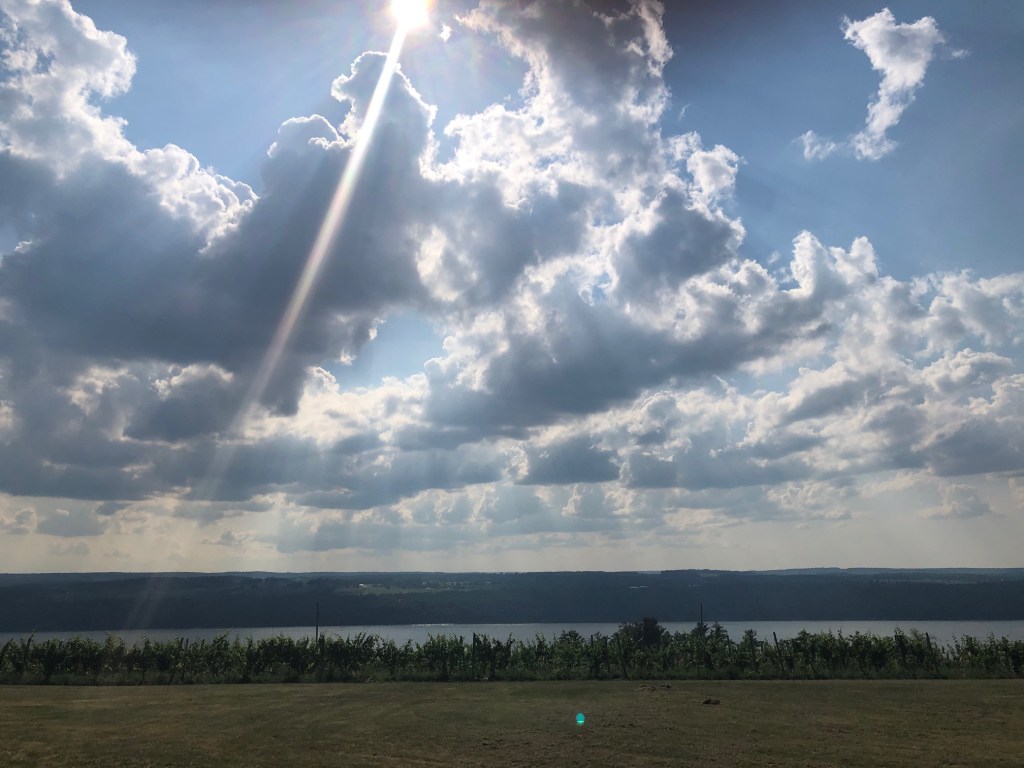
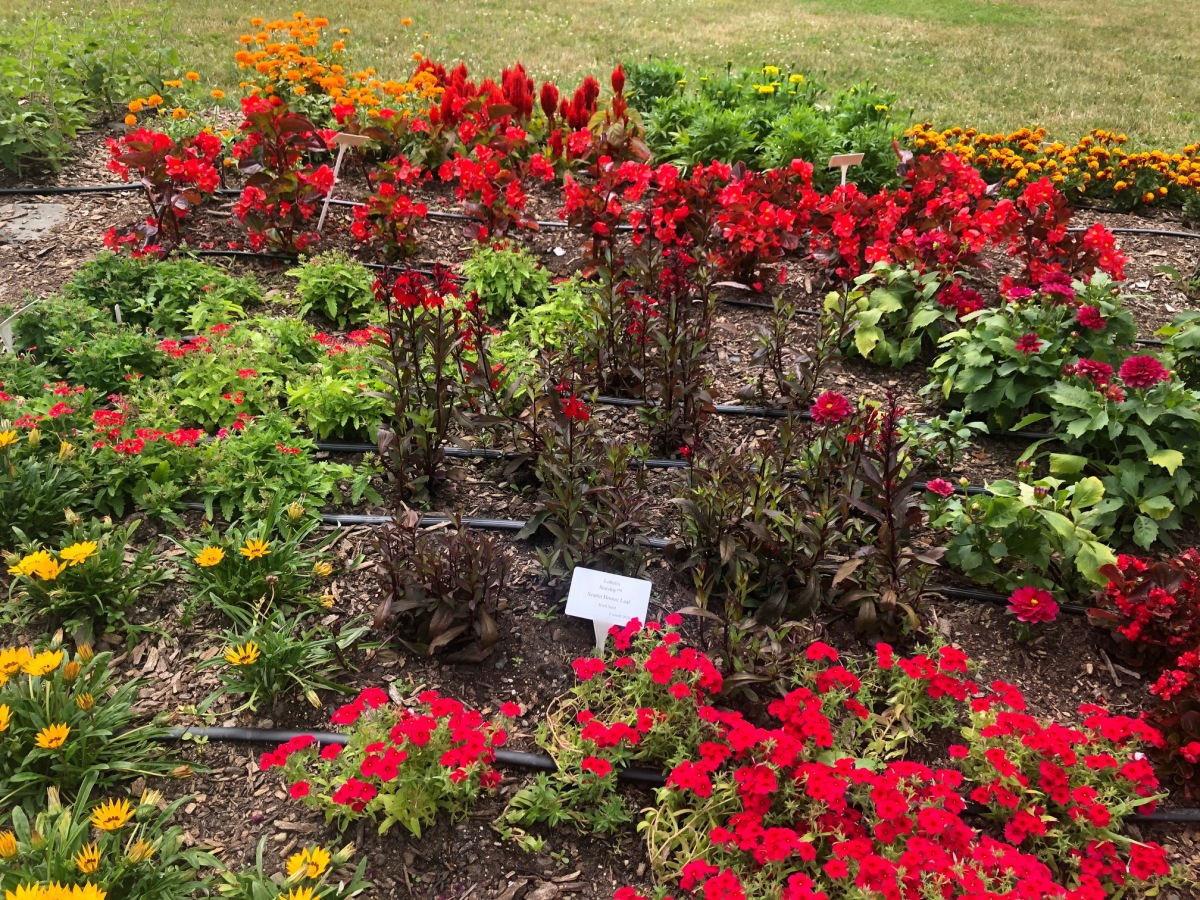
Camera: iPhone 8
Location: Cornell University; Ithaca, New York
“Brazilian cheese bread or ‘Pao de queijo’ is a delicious snack that is truly delightful to have whether it’s in the morning, afternoon, or even at night.”
Brazilian cheese bread or ‘Pao de queijo’ is a delicious snack that is truly delightful to have whether it’s in the morning, afternoon, or even at night. While often served as part of a traditional Brazilian breakfast (café da manha), you can have it as an appetizer, a snack, or even as a side dish with some meals depending on your preference. I do believe it is best served with come coffee or tea to wash down the bread. It really is a traditional Brazilian staple with interesting ingredients as well as a deep and culturally rich history to go with this practical dish. You should be aware though that it is hard to have just one of the cheese bread pieces and it is likely you will eat six or seven in one try.
While there are various forms of cheese bread, the Brazilian ‘pao de queijo’ is perhaps the most famous in the world and for which has the longest history. Originally from the state of Minas Gerais, ‘pao de queijo originates back to the early 18th century when many enslaved African people who worked in the local mines would make the bread as a staple food while migrating from the Northeast of Brazil to the Southeast such as the historical city of Ouro Preto in the modern-day state of Minas Gerais.
The mining cycle and lifestyle caused staple food production to increase such as for rice, beans, cornmeal, pork, but also cheese. In Minas Gerais, farmers and cooks would use starch or cassava as a substitute for wheat to bake as a wheat substitute for form the bread for the cheese. With cheese chips or pieces mixed into the cassava or starch, the cheese bread would be made for the farmers by the slaves or for themselves as miners as they mined for gold in the colonial era.
Wheat never took hold in terms of forming the bread needed especially since the climate was not suitable for Northeast Brazil, which was instead imported from Europe later on for the King and his royal adherents. Instead, cassava tuber was used as a substitute in making ‘pao de queijo’ as a staple food. The cheese would be grated and hardened inside the cassava flour and rise after being baked in the oven to become the popular cheese bread food it is today across Brazil.
Today, there are many different variations on ‘pao de queijo’ making it a fun dish to make depending upon your preference of starch, of cheese, and of temperature to bake it at. You can use both sweet or sour starch or cassava as is traditionally done. You also can choose from different types of cheeses as well from mozzarella to parmesan to cheese which is native to the state of Minas Gerais and has its own unique flavor. Adding egg to the recipe also adds flavor and needed color to the final product as well. Also, as an option, you can smear a bit of fat whether it is butter, margarine, lard, or vegetable oil on the cheese bread to make it more elastic and stretchable to eat pieces of at a time.
Some recipes can add meat inside with the cheese or potato as well although I confess that this kind of ‘pao de queijo’ is not that popular. I think it is important to keep in mind that the cheese can also be pre-boiled to add to its overall flour before baking too although it is not necessary. As for the cheese, it is good to use the traditional ‘Minas’ cheese if you’re in Brazil but if you don’t have it available, mozzarella or parmesan are good substitute options to have.
You cannot have ‘pao de queijo’ without having the texture down, so you need to have the cassava starch as part of the main ingredients. The balls need to be an inch or two (3-5 cm in diameter) and need to be in that form before you bake them. Unlike other cheese breads, you are using unleavened bread for this snack dish so the dough will expand due to small pockets of air that are left to grow during the baking process. Tapioca starch is also used for the ‘pao de queijo’ as well and it is quite common to add dipping sauces or additions like catupiry (Brazilian cream cheese), Guava sauce, dulce de leche (caramel sauce) as well to have as a dessert.
When you come to Brazil, you will find this popular snack almost everywhere including convenience stores, delicatessens, restaurants, snack bars, etc. The locals will encourage to at least have a few of them and sometimes up to eight or ten. It is the perfect snack to have with friends, with family, or over a coffee with a new acquaintance. A simple yet delicious staple food of Brazilian cuisine: You haven’t experienced all of Brazil until you have had a bite of ‘pao de queijo.’


Camera: iPhone 8
Location: Cornell University; Ithaca, New York
“One of my favorite expressions in the English language: “Don’t rest on your laurels” means to not be complacent with what you have done and to keep moving forward.”
Complacency is the killer of any sustained success. What you have done in the past is in the past. Unfortunately, you cannot rest on your laurels for very long. One of my favorite expressions in the English language: “Don’t rest on your laurels” means to not be complacent with what you have done and to keep moving forward. Success is only temporary and while it can be lasting, if you don’t sustain what you’ve done to accomplish more, you may find yourself back at square one. You can be satisfied with your achievements and recognize them, but it is not wise to continue relying upon them when you need to be aware of what you have to do in the present and in the future.
With the current pandemic not going away anytime soon, it can be difficult to resign yourself to going with the flow, staying housebound, and waiting for things to become somewhat normal again. However, it should not be used as an excuse for you to let yourself go mentally or physically. Even if the first half of the year was a total wash for you and you put your own goals on hold, you still have a good chunk of the second half to make progress in whatever you set your mind to. Even though you may not be able to have fun as much as you like, this is a great time to reassess what is truly important to you, who truly matters to you, and how you want to be into the future. We all have extra time to think now and while that may feel like an undue burden, there is an opportunity in there to seek out what you are hoping to accomplish and will keep moving you forward during this unprecedented and difficult time.
Not resting on your laurels may sound difficult right now but it may be the perfect chance for you to move forward, to accomplish personal tasks that you’ve been putting off, and to pick up learning something new that you’ve been meaning to but never had the time before quarantine began or before you were resigned to staying at home more than you would have liked.
Each person is going to have their own set of goals and hopes but the main thing to keep in mind is that you have at least one thing that you want to accomplish that you didn’t have time for before the pandemic hit. Use your extra time even if it is just an hour or so each day to work towards a personal goal. With just one hour, you can accomplish a lot over the next five months. I would recommend setting a mental goal to hit like practicing meditation each day for 10 to 15 minutes or doing daily language practice for a new language that you would like to learn. You should also have one physical goal in mind like doing 50 pushups each day or 20 sprints or just being able to get in a form of exercise when you are not working or studying.

You cannot have just good physical health but poor mental health or vice versa. You need to work on both forms of health as they complement each other quite a bit. I truly believe that if you are making progress in both forms of health than you will be better able to confront the challenges of your day and your week. With this extra time at home, you can hit on both your mental and physical health in ways that you might not even be aware of.

If the gym is closed, go ahead and use your workout equipment at home. There are dozens of videos on how to do these kinds of exercises without needing very fancy equipment. You can also likely find stretch bands, jump rope, barbells, dumbbells, pull-up bars online to help you create that good 30-minute workout that can hit on different parts of the body. If you don’t have an outdoor space, look to your nearest park or public outdoor area to do sprints, go for a walk, go for a jog, or even do Yoga if you so desire to get a workout in.
Daily exercise is not only good for your body but it’s good for your mind as well. I think the pandemic has personally shown me as well the importance of staying fit and healthy and how it can get neglected when you are running around all the time, commuting to school or to work, and not making enough time for yourself to take care of your body. Now, with a little extra time, hopefully, we can collectively prioritize our physical health even if it’s just a simple home workout of 30 minutes.
Challenging yourself mentally on at least a weekly basis but preferably daily means learning something new to keep your mind sharp. If you are looking for work or haven’t been to school in a while, online learning opportunities are abundant from Coursera to LinkedIn Learning to Duolingo, which can challenge you to learn new skills to not only help you with your mental dexterity but can help you find a job depending on the type of industry you’re focusing on. Online learning is often less expensive than traditional means of education and since you are likely spending a lot more time in your apartment or your house, giving yourself thirty minutes to an hour per day of self-study can help you learn new skills while we are all living in this age of pandemic.
Keeping both your mental health and your physical health in mind during this trying time is very important. Not resting on your laurels even when life is influx and so many things are uncertain is not an excuse for your letting your mental and physical abilities go to waste. You are not only keeping yourself sharp to face ongoing challenges but you’re also getting out of your own head and letting your worries fall away for a little while. Wear a mask, socially distance, and wash your hands are all necessary in this current time but what’s also not being said is make sure you are taking care of both your mental and physical health too.
Whether it is a walk in the park, learning a new skill, doing home workouts, improving your cooking, trying to keep your routine even when homeward bound is very key to coming out of this pandemic better and more resilient. It’s something I have to work on myself but it’s key to keeping up a positive and forward-looking spirit. If you have more free time on your hands, that’s natural right now. Don’t become a sloth though and look to just vegetate out in front of the television. You have to do your best to stay active, stay positive, and keep moving forward.
It can be easy to rest on your laurels when much of our lives have been upended but you have to keep making progress towards your goals in ways that are possible right now. Hopefully, you have had time to think about which goals you want to achieve in the past few months and how you want to make the most of these remaining months of 2020. It’s been a hard year for everyone around the world, but you can still make it a fulfilling one for your own development by focusing on what you can control and how you make the most of these remaining months too.


Camera: iPhone 8
Location: Stewart Park near Cayuga Lake; Ithaca, New York
“There’s nothing better than sitting under your favorite tree in a backyard or out on the balcony with the sun in your face reading an engaging and enlightening book. As I have mentioned previously, Summer is the best season for reading and since a lot of other summer activities are postponed or cancelled, why not catch up on some reading?”
There’s nothing better than sitting under your favorite tree in a backyard or out on the balcony with the sun in your face reading an engaging and enlightening book. As I have mentioned previously, Summer is the best season for reading and since a lot of other summer activities are postponed or cancelled, why not catch up on some reading? Regardless if the book is fiction or non-fiction, spending a few hours each day reading a good book can make the time pass by quicker and get rid of any kind of twiddle-your-thumbs moments that can happen when you don’t have a movie, concert, or sporting event to distract you. While live events may be out of order this summer, your bookshelf is dying to have you open up a book, sit down on your favorite couch or chair, and let your mind wander to an imaginary or a real place to pass the time.

William J. Burns might be one of the best diplomats the United States has ever had. With over thirty years of experience and having served in two of the most important regions of the world, Mr. Burns’s story is an example of the good that diplomatic efforts can do in resolving conflicts, promoting peace, and ensuring cooperation among both allies and adversaries. He is one of only two career diplomats to have ever earned the title of ‘Deputy Secretary of State’ and he gave advice and counsel to five U.S. Presidents and ten Secretaries of State.
Mr. Burns’s storied career includes Ambassadorships to both Jordan and Russia and he held numerous Assistant Secretary positions within the State Department during his three-decade tenure. He was partly responsible for ceasefire agreements between the Israelis and the Palestinians, for helping to eliminate Libya’s nuclear weapons program, and for helping to reset U.S. relations with Russia in the early 2010s. He also shares insights in this book that were previously not publicly known involving his views on the Iraq War, the Civil War in Syria, and of the Russian aggression against Ukraine at the end of his tenure.
This 400+ page memoir is simply a must-read for anyone interested in how diplomacy works and how vital it is to maintain within a government’s foreign policy. In a time now where it has been underinvested and mismanaged, Burns’s book illuminates how big of a difference it can make and how one man’s impact can be felt throughout an entire foreign policy apparatus due to his vigorous study of culture, languages, and history in order for him to be taken seriously. The book is not only educational but is also gripping in terms of his recall of major events throughout his diplomatic career as well as the written cables that explain them. It is a real page turner and should be required reading for any student of international relations and who hopes to become a diplomat in their own future career.
2. On the Plain of Snakes: A Mexican Journey by Paul Theroux

Cooperation, friendship, and understanding is important among friends, but it is even more important among your neighbors. The US-Mexico relationship has been fraught with mistrust and tension especially during the years of the Trump administration. The best way to do away with stereotypes and misgivings about each other is to visit the lesser known places of a country and visit the non-touristy areas. Paul Theroux may be the best living American travel writer today.
From his experience as a Peace Corps volunteer in Malawi in the 1970s to his trek in the American Deep South, Paul Theroux has traveled around the world over five decades and counting. His latest novel about his travels in Mexico is a must-read for Americans and anyone else looking to understand Mexico from an outside lens. While not an exhaustive take on the complex country and its people, Theroux’s book, somewhat observant and otherwise felt like you’re in the middle of his travels is both illuminating and powerful.
Paul Theroux is really a true traveler and even though this is the first of his travel novels that I have read, this one felt very timely as it was released in 2019 during a time of souring relations between the two North American neighbors. Theroux spares no miles or kilometers in seeing all of Mexico that he can. From the desert Region of Sonora in the North to the Mexico mundo of Mexico City to the Southeast of the country where he visits the Zapatistas, this is an extremely educational look at modern Mexico.
Theroux’s book highlights the issues that Mexico is going through from immigration from the Northern Triangle to the ever-present threat of the drug cartels to the hopes of Mexico’s indigenous populations who believe that they have been left behind as other villages and towns hollowed out while the economic gains went elsewhere. It’s not just the issues that Theroux shines a lens on but also the beauty of the country’s culture and its warm people. As an elderly traveler, Theroux is treated with great respect and even reverence as ‘Don Pablo.’
He is welcomed as a guest, kept safe by complete strangers, and invited to interview Mexicans who normally would not talk to foreign travelers. Theroux travels all the way from Massachusetts across the border where few Americans are found to cross. He does so in his own car on his own dime and does not travel with any security or any kind of companionship. He learns Spanish and teaches writing to Mexican students. He is a refreshing kind of traveler, one who remembers to show people through a human lens and to not deal with harmful stereotypes.
Overall, ‘On the Plain of Snakes’ is an excellent travel novel for anyone interested in learning more about Mexico’s people, its culture, its struggles, and its hopes for a better future.
3. Rule Makers, Rule Breakers: How Tight and Loose Cultures Wire Our World by Michele J. Gelfand

This book has been my favorite one of 2020 and I only heard of it through a weekly David Brooks column in The New York Times Opinion section. The differences and similarities between cultures and societies is a topic that has fascinated me for years. As someone who has lived in both loose and tight countries as Mrs. Gelfand so brilliantly classifies, it is fascinating to see her extensive research come into fruition and how these loose and tight countries affect our outlook on everything from celebrations to driving to health care to tattoos.
Tight countries are cultures where norms are preserved and breaking them is frowned upon. Societal cohesion is encouraged and straying from norms is open to punishment. Loose countries are cultures where norms are often broken and breaking them usually comes with a shrug or a lack of care. Why do Germans always stop at a red light even when its 3 AM? Why do Brazilian clocks never run on time? Why do Japanese trains always run on time? Why do Singaporean laws ban gum from being chewed?
These tight and loose differences do not just extend to countries but also to states, cities, organizations, businesses and even within us. This book of ‘tight and loose’ norms highlights how we feel about any subject and how that is reflected in how we act with others. There is no right or wrong answer as to whether living in a tight culture is better or if living in a loose culture is better. Mrs. Gelfand excellently points out in each chapter how they both have their advantages and disadvantages depending upon the norm being considered.
Our upbringing, our environment, our country’s history, etc. all have effects on how ‘tight’ a culture is or how ‘loose’ a culture is. There can also be changes to a culture depending if there are big events like a terrorist attack, a pandemic, a natural disaster, etc. Cultures can tighten or loosen depending upon what is going on in the country and how people are being affected by these natural or manmade shifts to our lives.
Having seen both ‘tight cultures’ and ‘loose cultures’ up close and personal, this book has been a revelation to me in terms of explaining what I thought about only in my theories that I concocted after traveling from country to country but never really expressing it as well as she has in this great book. Mrs. Gelfand has done extensive research across many countries and continents to explain why some countries have more ‘rule makers’ and why other countries have ‘rule breakers.’ In order for our own cultures to shift from one spectrum to the other, we have to first understand why the country’s culture is the way it is and if it can shift, what benefits are there to tightening up or loosening up depending on what is going on in our lives and in our society at the time?


Camera: iPhone 8
Location: Buttermilk Falls State Park; Ithaca, New York
“Whether it was ‘The Revenant’ with Leonardo DiCaprio or ‘The Grey’ with Liam Neeson, these films highlight man’s struggle to overcome the elements, the animals, and even his own demons. Many of these ‘man v. nature’ films focus on one main lead and a small cast of supporting characters but most of the film’s runtime is about the sole main character. ‘The Edge’ is different.”
I have always really liked Man vs. Nature type of films. Even though they have similar premises and conclusions, it really is a raw kind of film that grips you and leaves you wondering what you would do in a similar kind of situation. Whether it was ‘The Revenant’ with Leonardo DiCaprio or ‘The Grey’ with Liam Neeson, these films highlight man’s struggle to overcome the elements, the animals, and even his own demons. Many of these ‘man v. nature’ films focus on one main lead and a small cast of supporting characters but most of the film’s runtime is about the sole main character. ‘The Edge’ is different.
In ‘The Edge’ (1997), this survival film does something else by highlighting two men who have different intentions and different backgrounds. One is a wealthy man named Charles Morse (played by Anthony Hopkins) and the other is a photography presumably who take pictures of models and is very much a person of the city who is not used to nature or wildlife. Bob Green (played by Alec Baldwin) has ulterior motives in mind but comes off as affable and friendly enough in giving Charles a gift for his birthday in the form of a hunting knife. Charles is accompanied by his beautiful wife, a model named Mickey, who Bob takes pictures of as well as Bob’s assistant, Stephen, who is also new to being in wildlife. The small group are joined by a few friends in a cabin in the Canadian wilderness to celebrate Charles’s birthday.
From the beginning of this film, you can tell that Charles is more comfortable with his intellectual pursuits than with his friends. He loves Mickey, his wife, but he understands that he is more interested in books than in people. Charles is particular obsessed with a survival book / guide that he is reading and is fascinated by the natural surroundings that he has brought the group to and the people who hunt there for bears and other wildlife.
Charles’s fondness for nature and of survival are to come in handy later on in the film and is an excellent use of foreshadowing when things go haywire later on. During this birthday celebration, the viewer can also tell that Bob while he is kind to Charles is envious of him, his life, his money, and his wife. He openly flirts with Mickey and kisses her platonically. Charles can sense this animosity and is wary of Bob’s intentions.
Part of the reason why they all have come up to the Canadian wilderness besides Charles’s birthday is to find, interview, and take photographs of a famous Alaskan Indian hunter. During their flight, as Bob and Charles make small talk, Charles blurts out of the blue to him: “How do you plan to kill me?”. Before Bob has a chance to respond, a flock of birds come out of nowhere and strike the plane’s engines and its windshield killing the pilot and causing a downward crash.
The plane crash lands in the lake and all three men (Bob, Charles, and Stephen) are all shook up but survive the crash. The pilot does not but the men quickly realize they may be stranded for a while. Charles, given his survival skills knowledge, takes charge and encourages the other two men not to panic and to learn from him. Using his encyclopedic knowledge from his memory, he is able to make a compass to plot their course forward, make a small fire, and also give them advice about how to proceed.
Charles is not perfect in his survival skills and he almost gets swallowed up by a river rapid that almost carries him away until Bob pulls him out. For most of the film, it is unclear to the viewer how the two men really feel about each other. Their survival and getting out of the wild takes first priority. This becomes even more pressing when they wander into the territory of a giant Kodiak bear who is a real ‘manhunter’ as Charles calls him.
Stephen injures himself while climbing and Bob mistakenly hangs up the blood-soaked clothes of Stephen later on at night around the fire drawing the bear to him. This costly mistake leads to the Kodiak bear tracing their scent and finding them. Instead of burying the clothes, Bob lets them hang above their campsite causing Stephen to be attacked and brutally killed by the bear. Bob and Charles barely escape and realize that if they want to survive this ordeal, they must band together to trick the bear and then kill him.
Food is also a concern for both men as they haven’t eaten anything since they crashed and will starve to death if they don’t kill the bear. This is another instance where Charles comes in handy as he is able to distract the bear while Bob goads the bear into falling into their trap. By working together as a team and using a hidden spear to impale the bear, Bob and Charles are able to kill the bear together even when they both end up wounded from the encounter.
This is a small victory in the long road to survival for both men as they are able to eat well, don bear skins, and even find a cabin where they can get supplies. However, this is not the end of their animosity or wariness of each other. Man’s most fatal enemy is not nature or animals but often his fellow man and that comes into play.
While Charles is a smart and dedicated man to have achieved his wealth and success, he may have been naïve to who Bob is and what his wife Mickey was doing with him. Bob is not a survivalist and relies on Charles to survive but with the bear vanquished and having reached a cabin with some ability to reside there for some time, does Bob need Charles anymore and will his wife Mickey miss him if he didn’t come back?
The viewer has a lot to absorb and while I don’t want to spoil the film’s ending, ‘The Edge’ is not just about survivalism, but the edge of our tolerance of one another or our shared cooperation when a woman or money or prestige comes between people. Both men are not perfect, and they gain more when they cooperate rather than try to kill one another. Bob has the negative traits of hubris, envy, and short-sightedness. He is not able to survive the woods without Charles but wonders how much he truly needs him now that they have conquered the bear. He also covets Bob’s wife and wonders if he could murder Charles and get away with it by making it look like an accident.
Charles is an avid survivalist but may be naïve about the people around him. He also knows that Mickey and Bob and other people may take advantage of him and he may not know if they truly love him for him or if it is for his wealth and influence. While Bob is a personable, fun, and outgoing, Charles is an introvert with a love for knowledge and learning. They are opposite personalities, which is why they clash at times during this film.
While being in a precarious, life-threatening situation can bring the best out of people, it can also bring the worst out of the people, which is why ‘The Edge’ is a great film. Survival films like it do not just focus on the brutal realm of the wilderness where our creature comforts and our money cannot protect us, but they can also focus on man’s cruelty to man as well as our ability to work together too. ‘The Edge’ does a good job of pointing out how we can rise to the occasion when our survival counts on it but also shows us how dark human nature can be when we feel compelled to act out of jealousy, rage, and deceit.
‘The Edge’ is a great and underrated film, which I do highly recommend. The vistas of the Canadian wilderness are brilliant shown through the cinematography. The Kodiak bear, which was played by a real bear, named Bart, does a great job of showing how terrifying and powerful a giant bear can be when it is attacking you. Anthony Hopkins and Alec Baldwin are respectively some of the best actors of their generations and they do a great job of highlighting the unique personalities of their characters. You really believe the scenarios that they could find themselves in having been stranded in the wilderness for weeks. It is a believable kind of film from being able to make a fire, to finding fish in the river, to being attacked by a bear, to climbing and hiking day after day in unknown territory.
‘The Edge’ is overall a very compelling and realistic film. It does a great job of blending elements of ‘man vs. nature’, ‘man vs. animal’, and most importantly ‘man vs. man’, which is an element missing from our survival films. I would be lying if watching ‘The Edge’ didn’t make me want to buy my own survivalist guide to learn about how to survive in the wild for days or weeks. A terrifying plane crash, a boat whose engine doesn’t start, or a car engine that goes dead is enough to make anyone panic.
I believe it is important to prepare like Charles did for that kind of horrible situation and not to panic or dwell with shame. As Charles says at the beginning of the film, “Those who get lost in the woods often die of shame because they were ashamed that it happened to them.” This is an important quote of his to keep in mind. When the chips are down, you have to use your knowledge, resources, and will to survive whatever the circumstances. The best time to start preparing for that kind of occurrence is now.