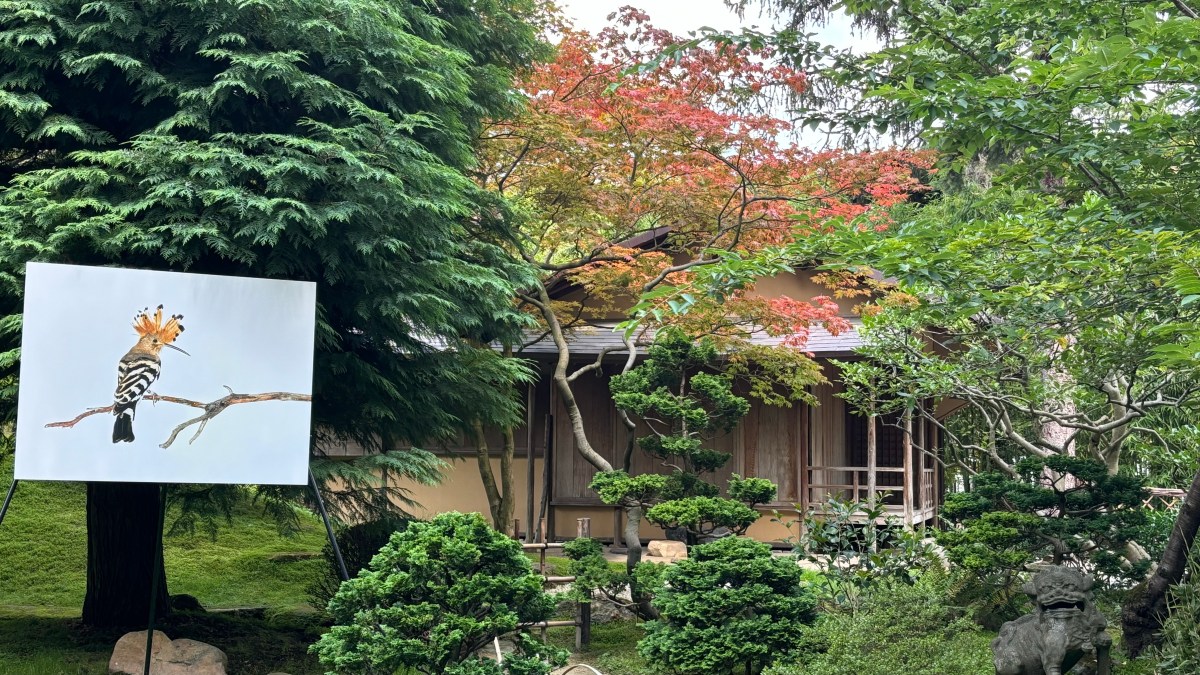
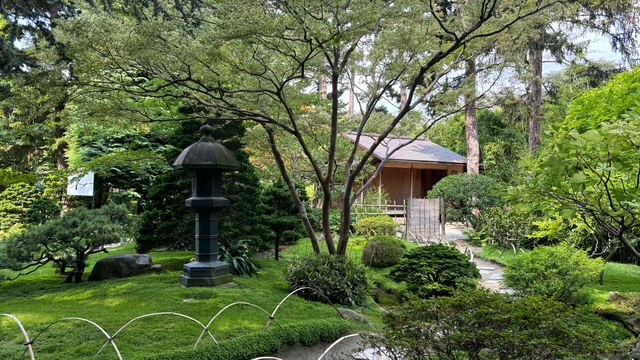







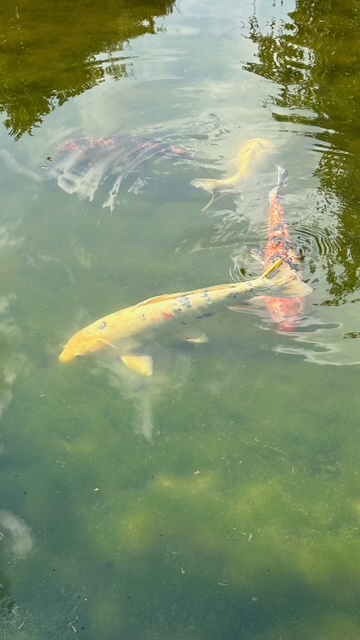
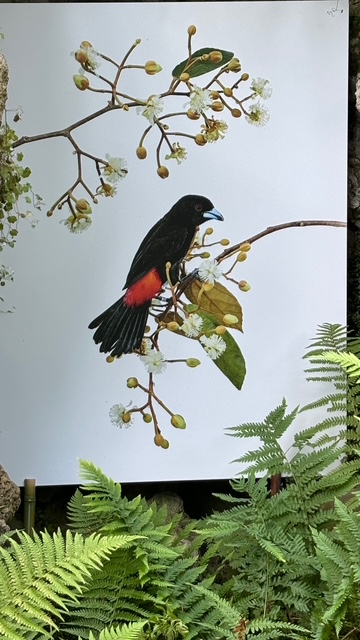
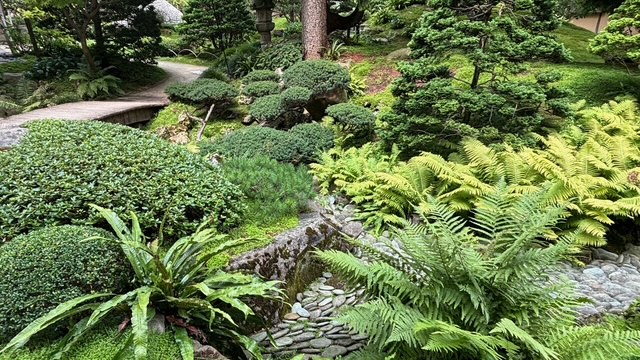
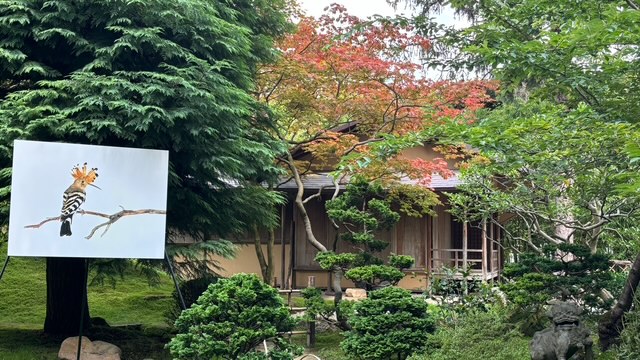
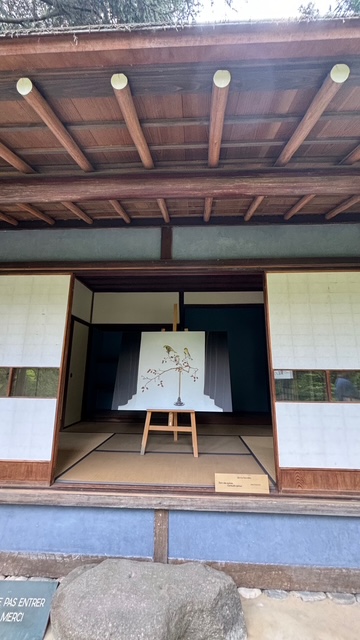
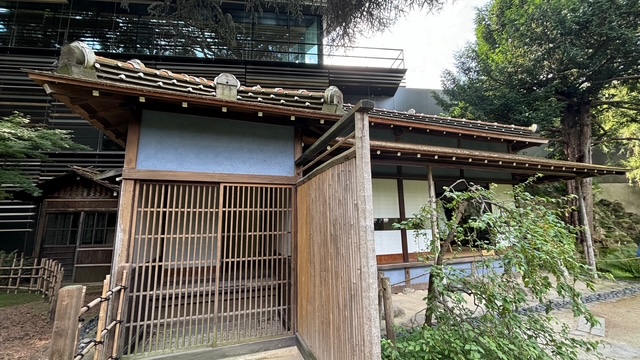
Camera: iPhone 15
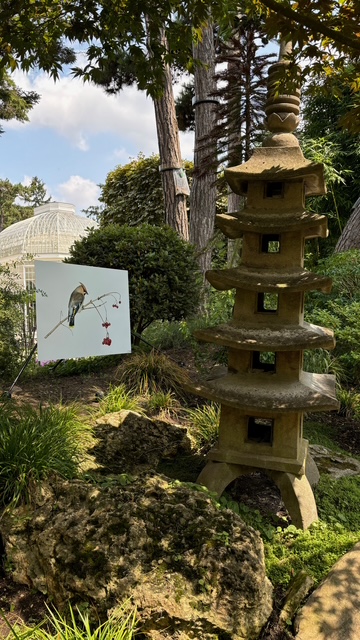
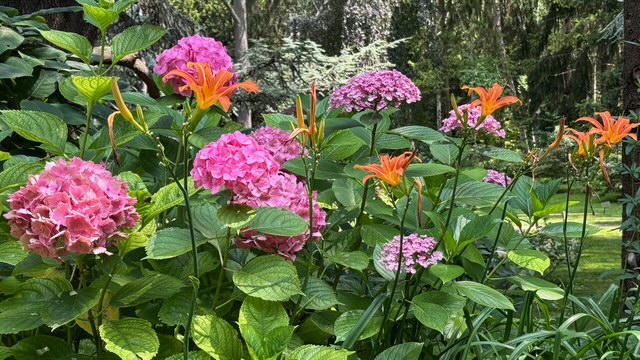
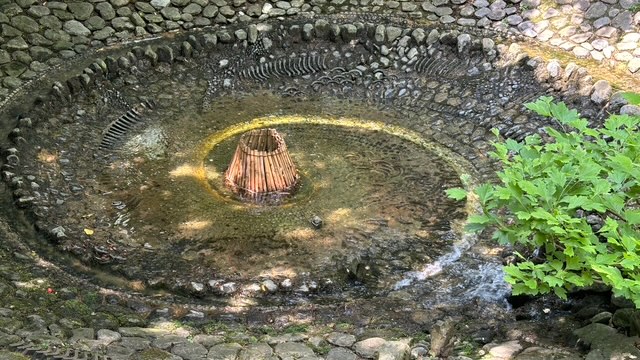
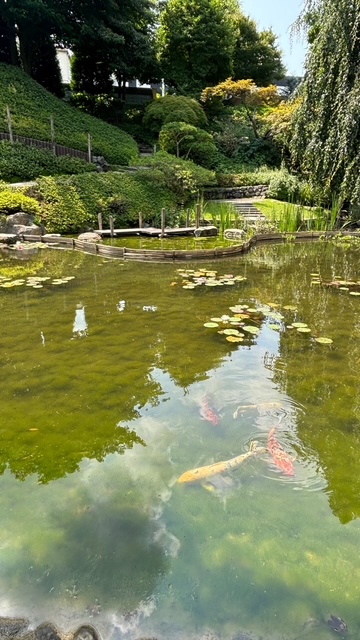
Location: Albert-Kahn Museum and Garden; Paris, France

“The Albert-Kahn Museum and Garden is one of Paris’ most photogenic escapes. This peaceful oasis blends Japanese gardens, French rose alleys, and English-style lawns, creating a living reflection of Albert Kahn’s vision of global harmony through nature and photography.”
Camera: iPhone 15
Location: Albert-Kahn Museum and Garden; Paris, France
“Invasive, resilient, and growing back sometimes stronger if not pulled out or removed completely, corruption is a weed that is not easily removed from society. Corruption has occurred throughout human systems at different levels throughout history since the dawn of mankind.”
Invasive, resilient, and growing back sometimes stronger if not pulled out or removed completely, corruption is a weed that is not easily removed from society. Corruption has occurred throughout human systems at different levels throughout history since the dawn of mankind. It’s a recurring feature that comes up across the world with examples ranging from post-Soviet oligarchies to Latin American caudillismo to modern lobbying culture without imposed limits or oversight mechanisms.
Corruption has different forms that emerge depending on the permissiveness of both the individual culture and its society. While corruption can’t be permanently eradicated, it must be confronted and diminished as much as possible by both citizens and leaders. A mature society recognizes the existential risk involved in how corruption can permeate a community, a society, a government, and how it must be pruned as much as possible with legal and rule-based consequences.
In my definition of corruption, it’s more than just outright bribery, grift, or stealing, it’s systematic decay in the forms it can take such as persistent favoritism, nepotism, cronyism, apathy, and moral erosion when there are no consequences for breaking the law or not obeying the rules of society. There are psychological roots involved in how corruption first gets planted as a root when greed, survival instinct, permissiveness from the society, and peer pressure takes hold since “everyone else is doing it” and “there won’t be any consequences for me” for flouting the rules or laws on the books that are supposed to stop it. There is fertile soil in any society for corruption to grow and spread as a ‘weed’ when institutions are weak, unresponsive, or don’t push back, transparency is low or non-existent, and accountability is rare for leaders and citizens.
Some examples of corruption digging in are when local or national officials enrich themselves from public projects or are enriched personally from private or backroom deals. They are involved personally in these same deals when they hold public office and do not separate their public role from their private life, which causes obvious conflict of interest issues. In the corporate world, when lobbying is not curtailed or regulated where it turns into legalized bribery. Unlimited money from a company given to a politician or a community leader to influence their decision-making is corrupt in nature, especially when this kind of ‘donation’ is not disclosed to the public. This kind of pervasiveness can spread to everyday life where the average citizen sees that those in power or who have wealth are getting away with the corruption and are not being held accountable. Possibly, you can see certain citizens cutting corners, committing nepotism, or looking the other way in response instead of pushing back and calling for accountability.
There need to be constant ‘gardeners’ on watch who need to get their hands involved to weed out the corruption in their society. Whether it’s civil society actors like journalists, whistleblowers, or reformers, they have a role to play especially when leaders or public officials do not hold themselves accountable. Backlash, burnout, and even threats to their lives are constant risks for these ‘gardeners’ but in a corrupt society, their role becomes increasingly important specifically when dismantling civil society becomes one of the goals of corrupt leadership. However, if society keeps rewarding or ignoring corruption taking place and the soil for it is fertile, then there is only so much that whistleblowers or journalists can do to stem the tide of corruption. The best the ‘gardeners’ can do is bring the corruption to light and to release the papers, reports, and evidence so that the public, likely unknown to them, just what is being done behind closed doors.
Sometimes, corruption is not limited to one leader but rather they can spawn a cascading effect as once it takes place with one central leader, his or her influence within a cabinet, an agency, or an entire government leads to the ‘hydra effect’ where it’s becomes beyond just one person and is institutionalized. Corruption becomes more than just a one-off event or about one leader, it becomes part of the culture itself, and this is when it becomes hardest to bring to light or to remove it easily from the wider society. Societies sometimes are complicit in their comfort with the level of corruption they are willing to tolerate and prefer the “devil they know” to how the system could be possibly change for the better. When you think of some examples here, the Italian mafia interlaced with the politics of the country post-WWII, when you hear of past political leaders in Colombia or Mexico who had known ties to drug gangs and cartels, or when lobbying becomes a revolving door between government and industry in the United States, that’s when it becomes embedded in the institutions themselves and is hard to remove like a cancer.
Technology can both help and hinder corruption as a double-edged sword depending on how it is used by the individual and the institution. It can either lead to more transparency by sharing instances of corruption more widely with citizens and being able to gather evidence to share with more reporting outlets. It can also lead to more digital forms of corruption that are becoming common like crypto scams, online pyramid schemes, and surveillance tools used against whistleblowers and activists. Also, illicit money including use of bogus cryptocurrencies can move faster and be dispersed faster than laws and regulations on the book can track or pinpoint the money laundering origin. Corrupt actors will also use online sources of information to promote disinformation, attack opponents with false information, or flood the zone with different orders and actions that could be considered corrupt, but for which takes time to track, to respond to, and to bring a case against in a court of law.
Nations can still control or minimize corruption through using their institutions’ digital systems in the modern age to counteract the growth of corruption because of the cyber world with their own digital tools. Whether its transparency laws on the books, or secure data regulations (the European Union’s General Data Protection Regulation (GDPR), these institutional tools recently developed can help assist in the fight against corruption online. Strengthening an independent judiciary or legislative body is also key to push back against overreach by executive power.
Legislating for stronger whistleblower protections as well as removing threats against civil society are other ways to stem the tide of corrupt actors from lashing out against accountability measures. Another key component that relates to preventing corruption from reaching the average citizen is encouraging more civic education about how to prevent or remove it from society by focusing on trust-building within different communities including having town halls, open hearing and sessions by government officials, and encouraging public input on referendums, propositions, and leadership matters such as term limits for politicians. It’s no secret that more developed nations in Scandinavia (Sweden, Denmark, Finland, Norway), Singapore, and in Oceania (Australia, New Zealand) have strict enforcement measures against corruption. In these countries, there is high trust in institutions, transparency in government actions, and social shame for citizens who engage in corruption or encourage corrupt behaviors.
The roots of corruption are there in each one of us and it’s not just out there as a distant term that applies to only the rich and powerful who are affected by its presence. How we conduct ourselves and how we relate to others has a direct impact on the kind of society you live in. When small personal compromises like lying, favoritism, or abuse of power take root, they spread throughout society little by little. “Weed management starts in your own garden” so if you want to fight corruption, hold yourself to a high standard and don’t engage at all with those people you may encounter in life who have acted corruptly or encourage it in your society.
The fight against corruption is also about the fight against one’s ego or greed or appetite for power or influence. Corruption, while it can’t be 100% eradicated, it can be minimized and kept under tight controls with constant vigilance by both the individual and the institution. It’s not just “liberty that requires our constant vigilance” as abolitionist Wendell Phillips once wrote in 1952 but also about maintaining our integrity and preventing others from falling into corrupt practices. Societies that understand the existential threat of corruption and how endless yet necessary the work of ‘weeding’ it out will be are the ones that will prosper, be just, and keep the weeds at bay.
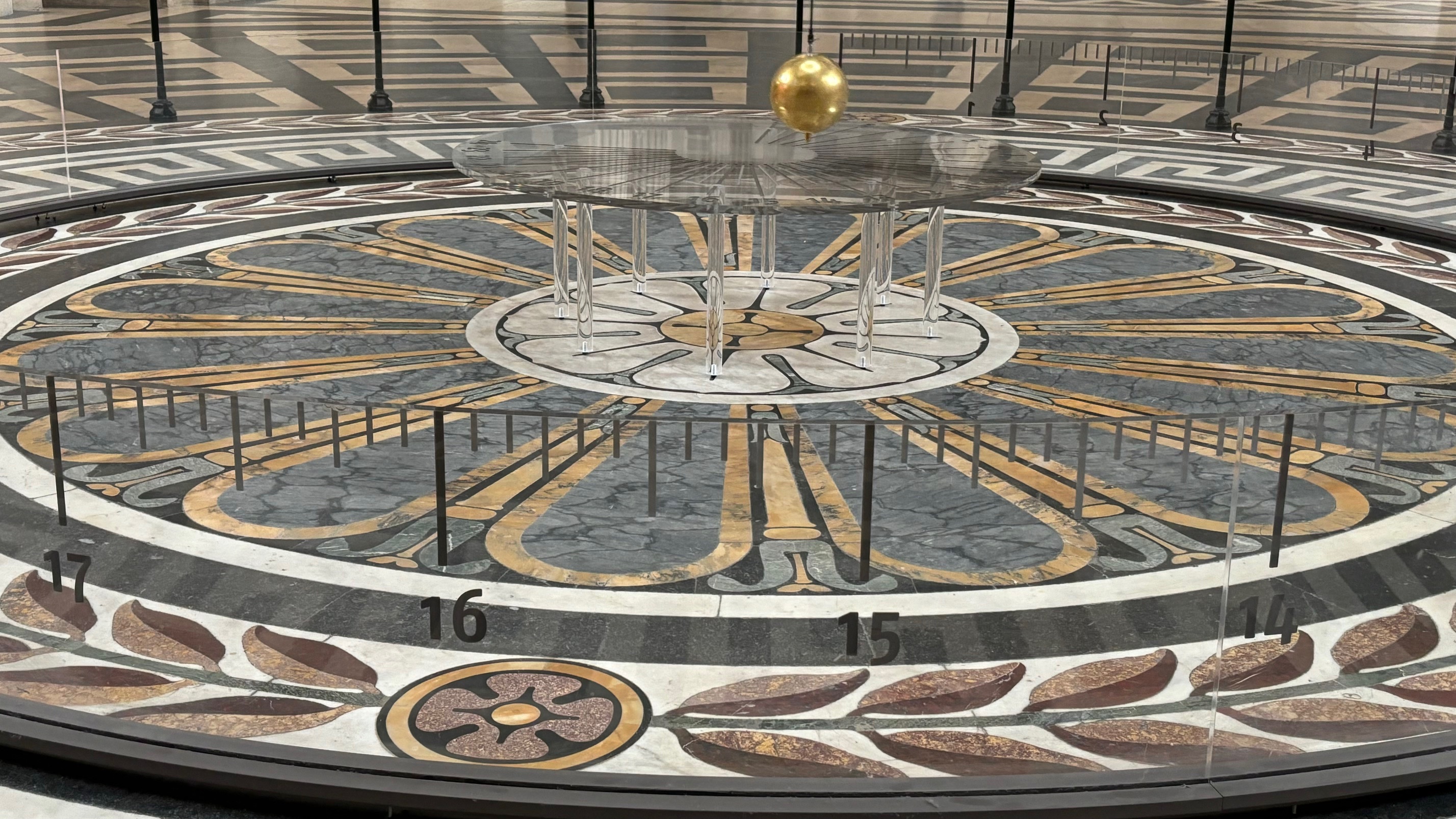
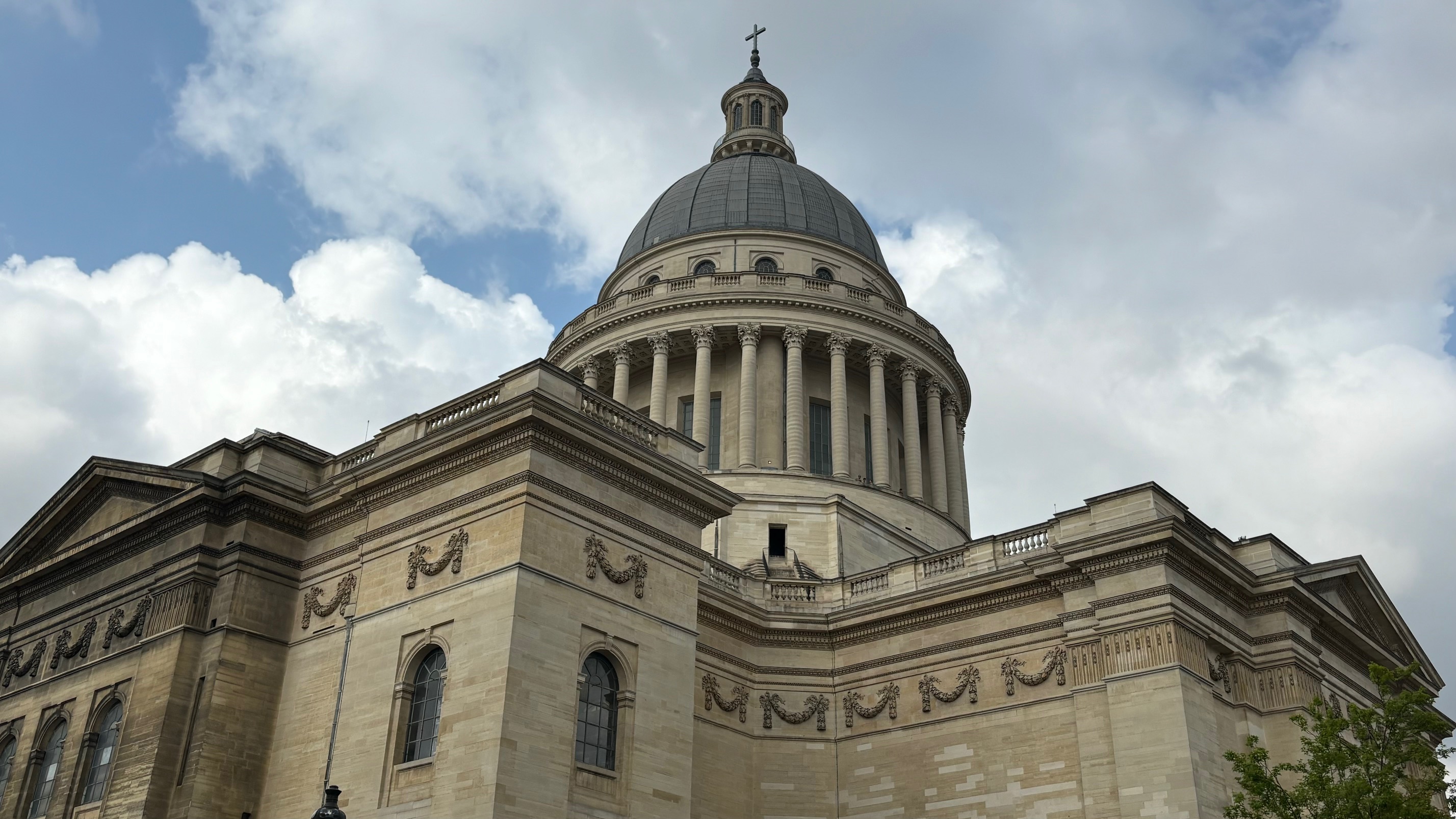
“My first visit to the Pantheon – one of France’s most cherished monuments and a mausoleum for some of their most cherished cultural and political figures. You can’t forget the famous Foucault’s Pendulum as well, a centerpiece of this Pantheon.”
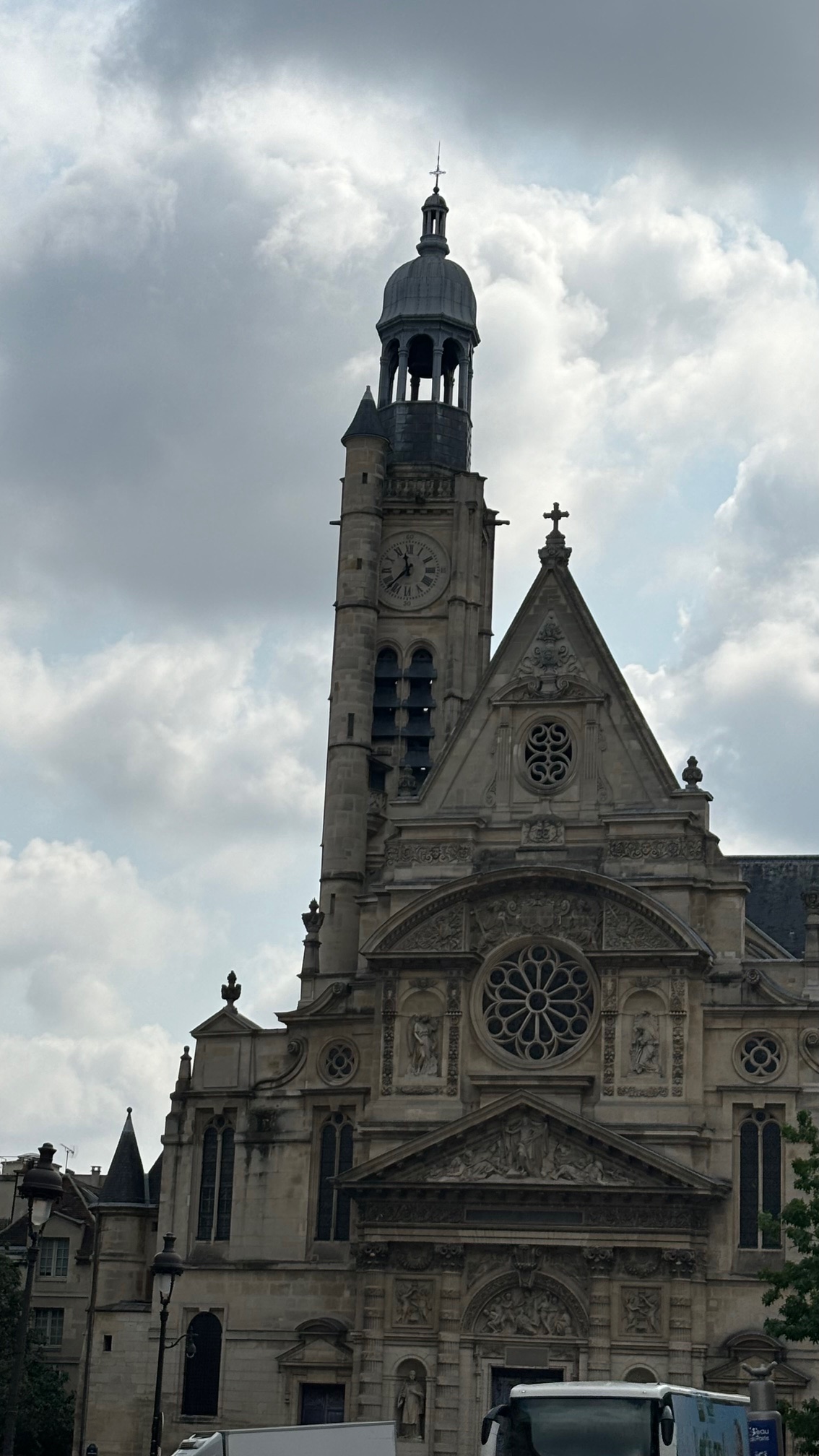
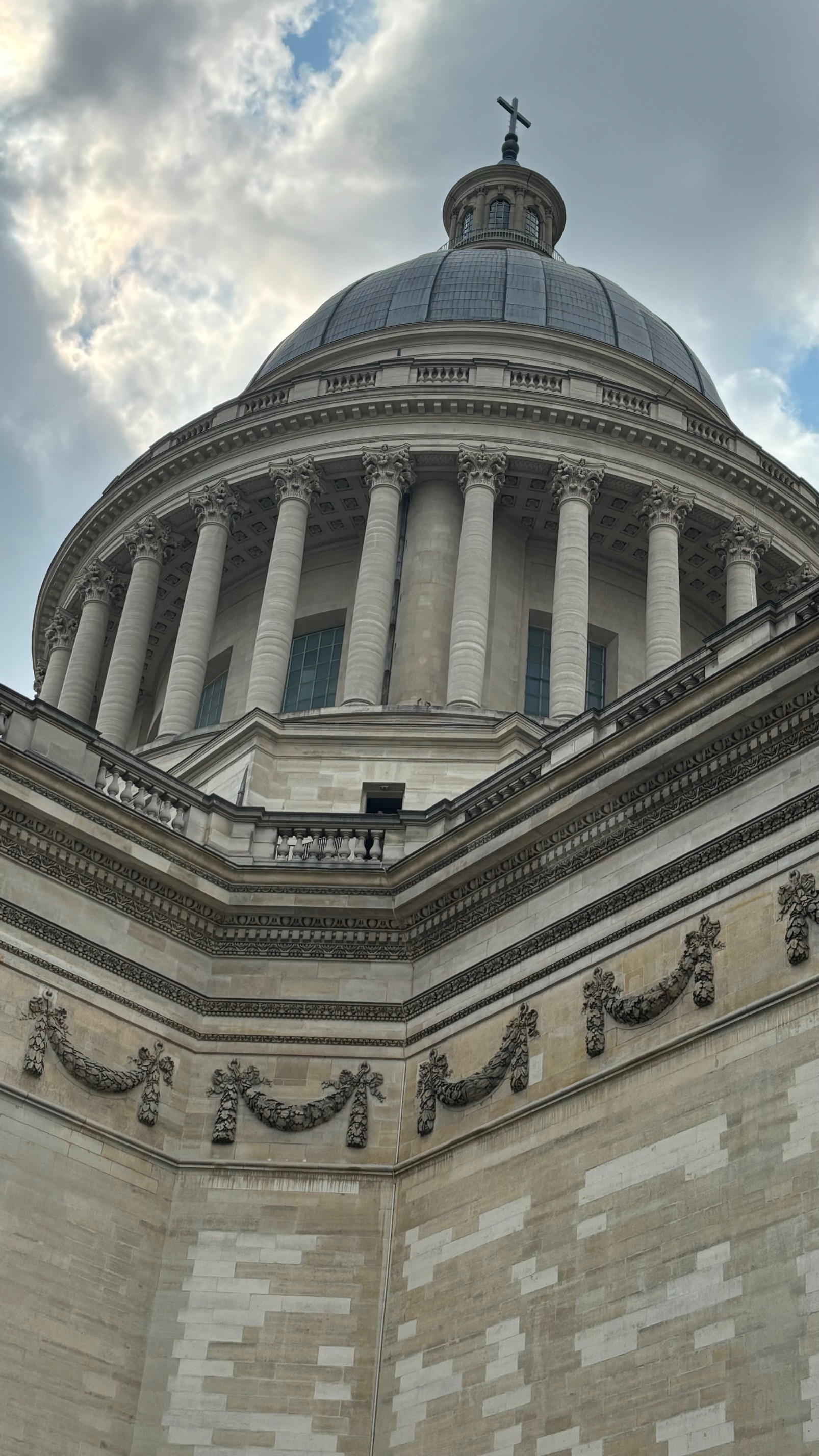


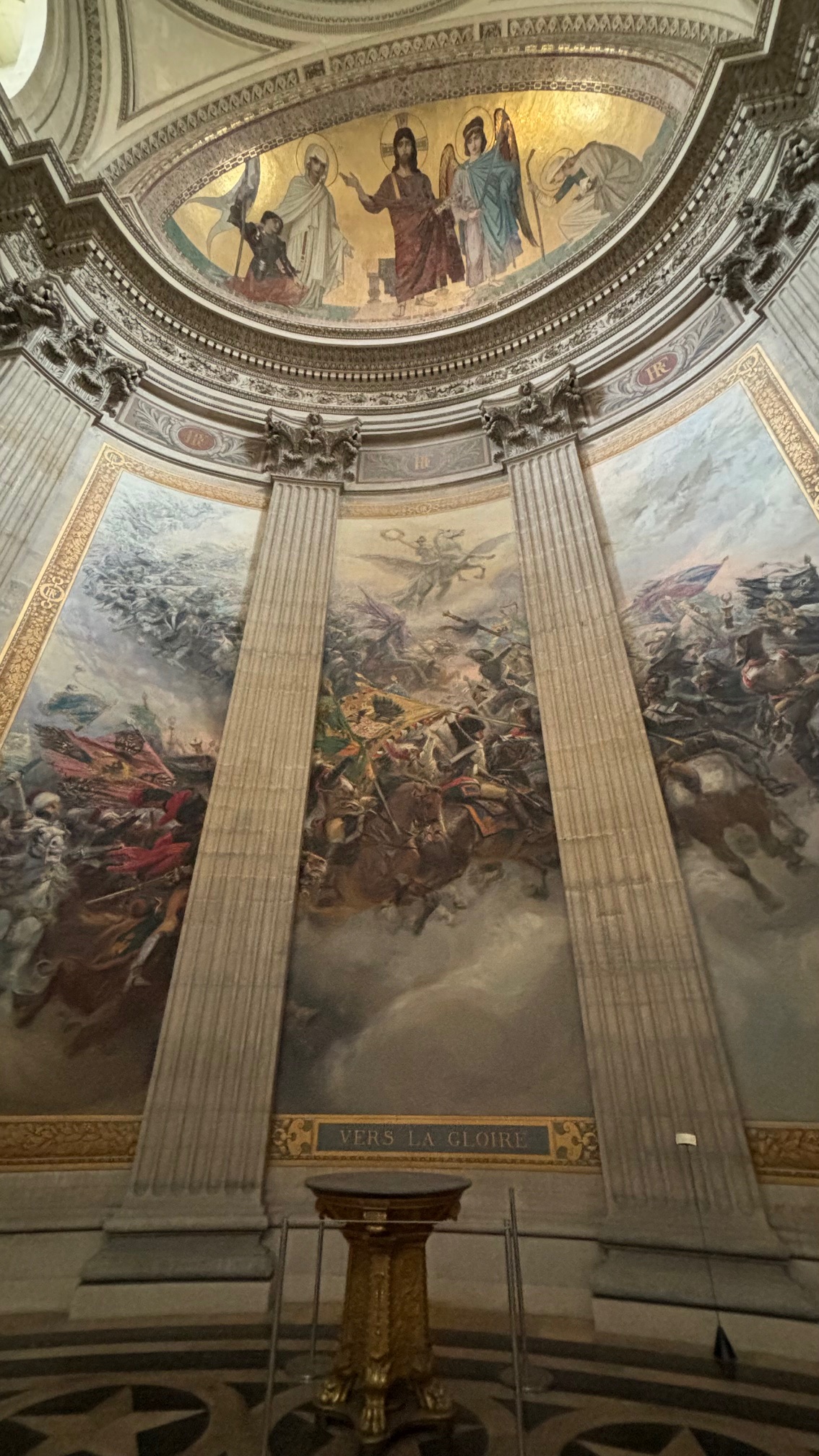
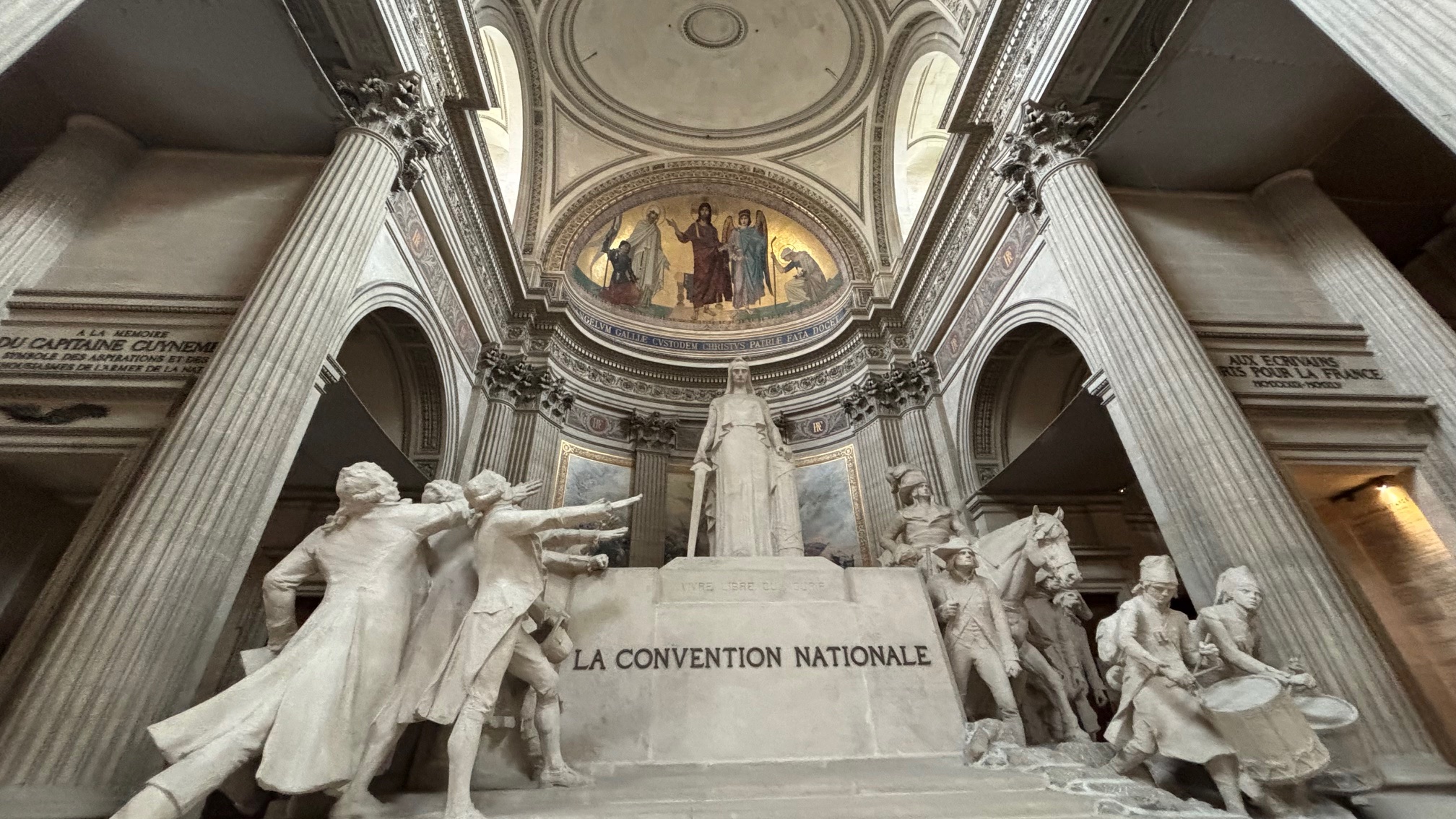
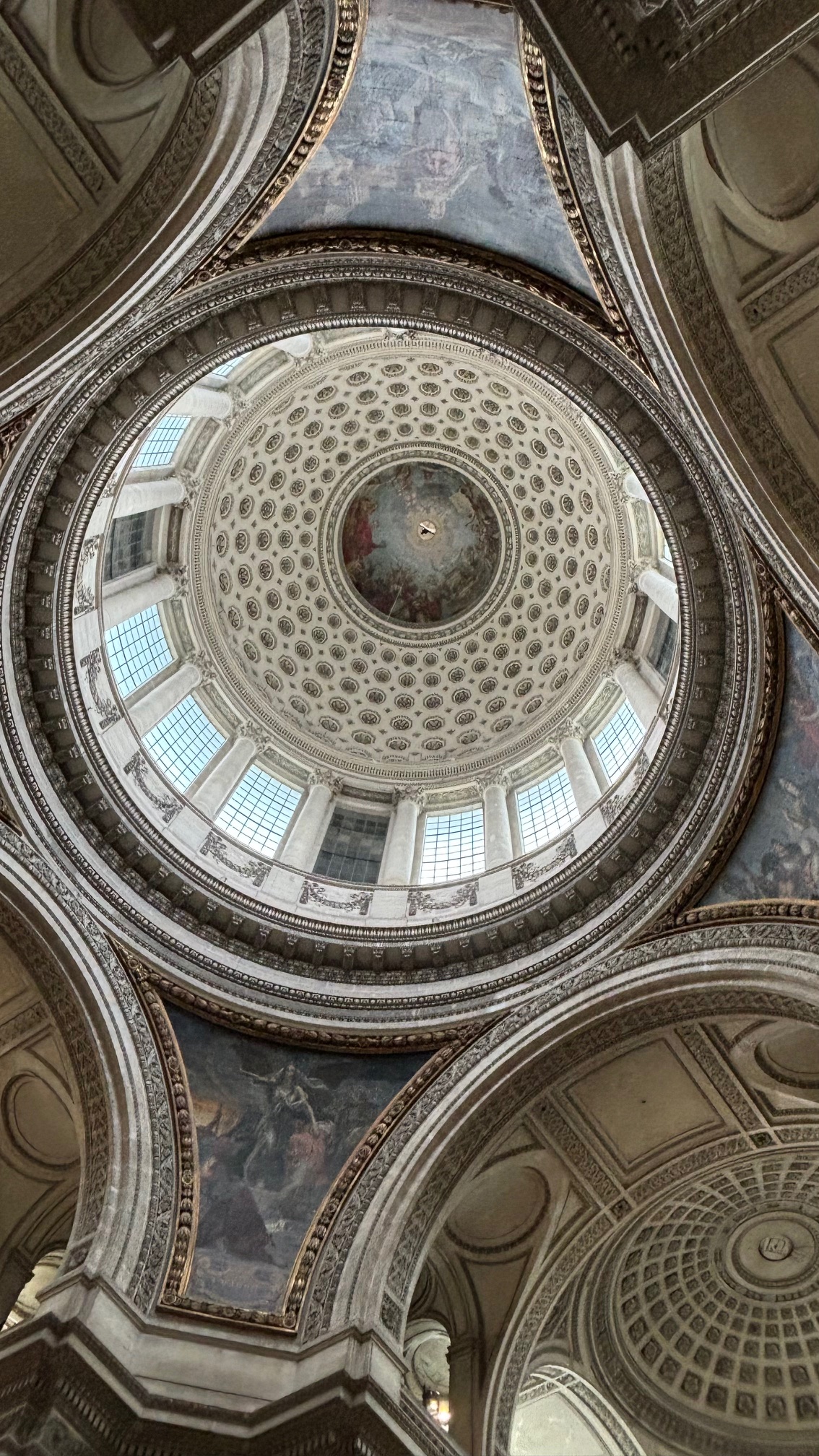
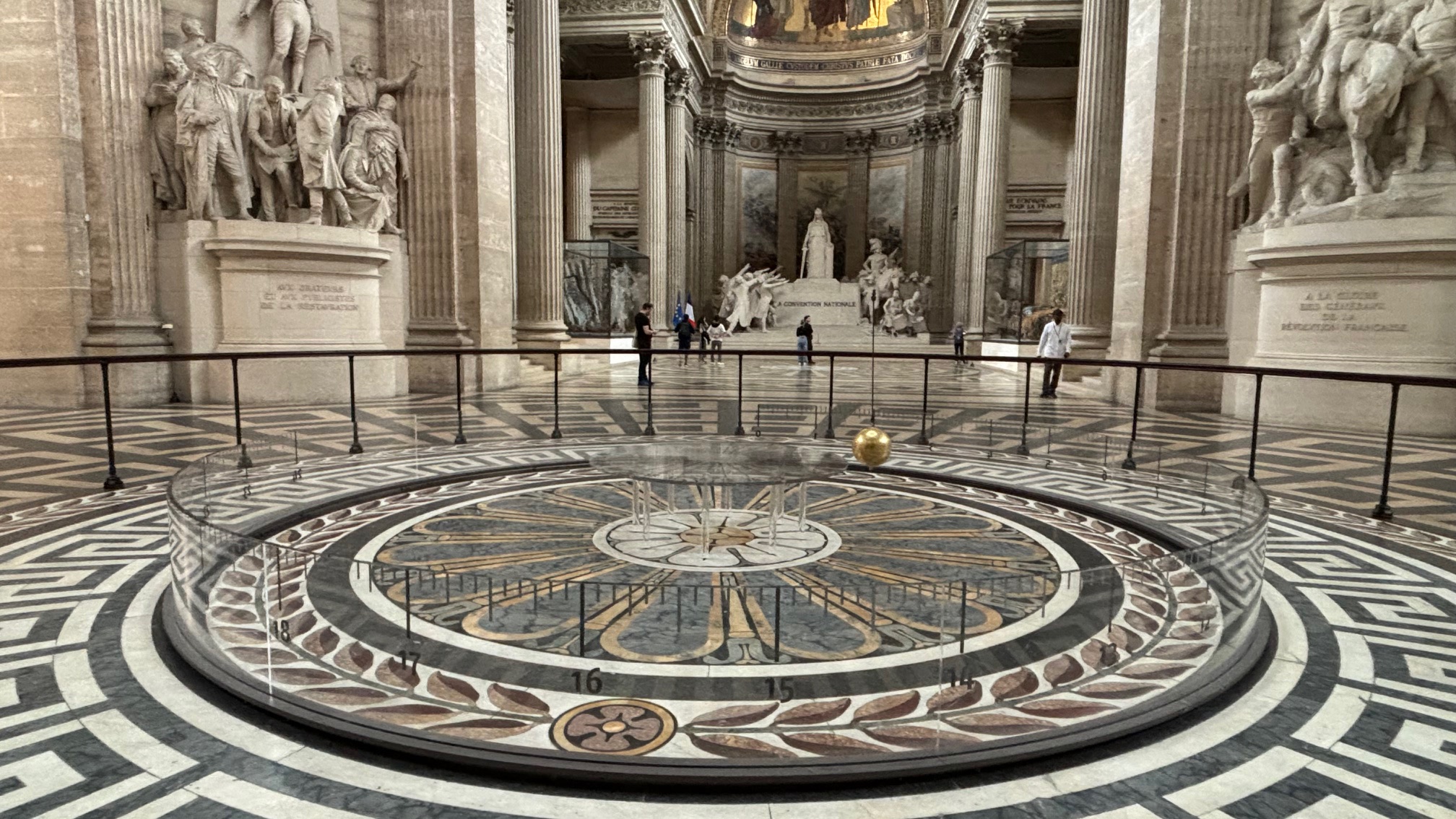





Camera: iPhone 15
Location: The Pantheon; Paris, France
“There’s a saying that’s been repeated so often it’s lost its bite these days: “A jack of all trades is a master of none.” However, what most people forget is the full quote: “…but oftentimes better than a master of one.” That second half hits home for me as someone who likes to consider myself a man of many interests and likes.”
There’s a saying that’s been repeated so often it’s lost its bite these days: “A jack of all trades is a master of none.” However, what most people forget is the full quote: “…but oftentimes better than a master of one.” That second half hits home for me as someone who likes to consider myself a man of many interests and likes. I’ve been a jack of all trades most of my life, by design, and not by accident. I’ve always had too many interests to narrow myself into one lane, from teaching English and managing international projects to running side businesses, writing, and exploring new skills like photography and video creation. In 2025, this flexibility isn’t a flaw but rather its survival and adaptation in an ever-changing and acceleratingly fast world.
Let’s be real here too: the world doesn’t reward loyalty to one craft the way it used to in my parents or grandparents’ generations. The days when someone could spend thirty years perfecting a single skill at one company and retire with a gold watch are long gone. Industries move at the speed of AI updates and quarterly market shifts. The specialist like the surgeon, the dentist, the coder, the data scientist still has immense value, of course, and they should be commended for their craft and their dedication to their field.
Those are the people who go deep rather than wide, mastering one corner of a field to the point where they can innovate within it and do so for decades luckily. However, the specialist also lives or dies by their niche or calling. When that niche collapses, loses favor in terms of employability, or evolves faster than they can adapt to the changes to the industry, their expertise in one area can quickly become a liability.
On the other hand, generalists or ‘jack of all trade’s types, people like me, tend to thrive when change is the only constant in life. We’re used to juggling multiple domains, learning on the fly, and connecting dots others don’t even see or don’t wish to see. When AI starts writing code or generating content faster than humanly possible, the jack of all trades doesn’t panic; they pivot to adapt to that change and to see how they can go with the flow. They find new intersections where creativity, management, and soft skills still matter in a world that is increasingly tech-first, question later. In 2025, the ability to synthesize ideas across fields like education, technology, business, culture is arguably more valuable than mastery of just one skillset.
Still though, let’s not sugarcoat it: being a generalist or ‘jack of all trades’ comes with tradeoffs. You’re rarely the “go-to” expert in the room. You may not command the highest salary, or you may constantly feel spread thin, working to keep up with several evolving interests instead of going all-in on one interest. There’s a sense of restlessness built into the generalist’s DNA. However, that same restlessness is what keeps us generalist types adaptable and flexible. We’re built for the gig economy, the hybrid or remote workplace, the new industries, and the unpredictable career paths that define this modern era.
Specialists, for their part, enjoy a kind of depth that the generalists envy. They can focus, dig deep, and master a single language, whether that’s the language of law, medicine, finance, or engineering. Their work can bring a deep sense of purpose and respect that comes from being the person that people rely on when things get complex or challenging. Specialization can be a trap too though as it can make you resistant to change, or worse, blind to possible opportunities outside your comfort zone. The moment your expertise or your sole skillset is no longer in demand, your value can plummet unless you reinvent yourself and to do so quickly.
The reality is that 2025 doesn’t belong exclusively to either camp of ‘generalists’ or ‘specialists’. It belongs to the hybrids instead, who the ones who know enough across different professional disciplines to connect the dots and have enough depth in one or two areas to back it up with credibility and experience. The future as I see it will reward those people who can learn fast, adapt faster, and translate knowledge across industries.
Also, if you know how to communicate well, can solve problems, and meet deadlines consistently, you will always be in demand in my view to work for a company, organization, or other professional body. Whether you’re a generalist who’s learning to specialize or a specialist learning to broaden your scope beyond your field, the key remains the same as you should stay curious, stay humble, and never stop evolving.
Yes, I’m a jack of all trades and I don’t see that changing anytime soon in my own life. If anything, I’ve learned to wear it as armor in a world that’s constantly trying to box people into a corner. I’ve been told I should “pick a lane,” specialize, and double down on one thing alone but that’s never been me or my personality. My curiosity doesn’t fit neatly into a job title or a sole industry. I like moving between worlds, connecting people and ideas that weren’t supposed to meet in the first place.
I’ve realized that being a generalist isn’t about doing everything halfway; it’s about mastering having adaptability itself. It’s about knowing enough across fields to spot the patterns others miss and having the guts to reinvent yourself when the winds change direction. Specialists might thrive when the road is straight and predictable, but I thrive when the map is being redrawn in real time. So no, I don’t apologize for my curiosity or for the eclectic path I’ve taken in life so far. Being a jack of all trades in 2025 isn’t a weakness, rather, it’s an operating system for the modern world. In a time when rigidity gets punished and reinvention gets rewarded; versatility isn’t just a skill; it’s a survival strategy to get by. Honestly, I wouldn’t have it any other way.
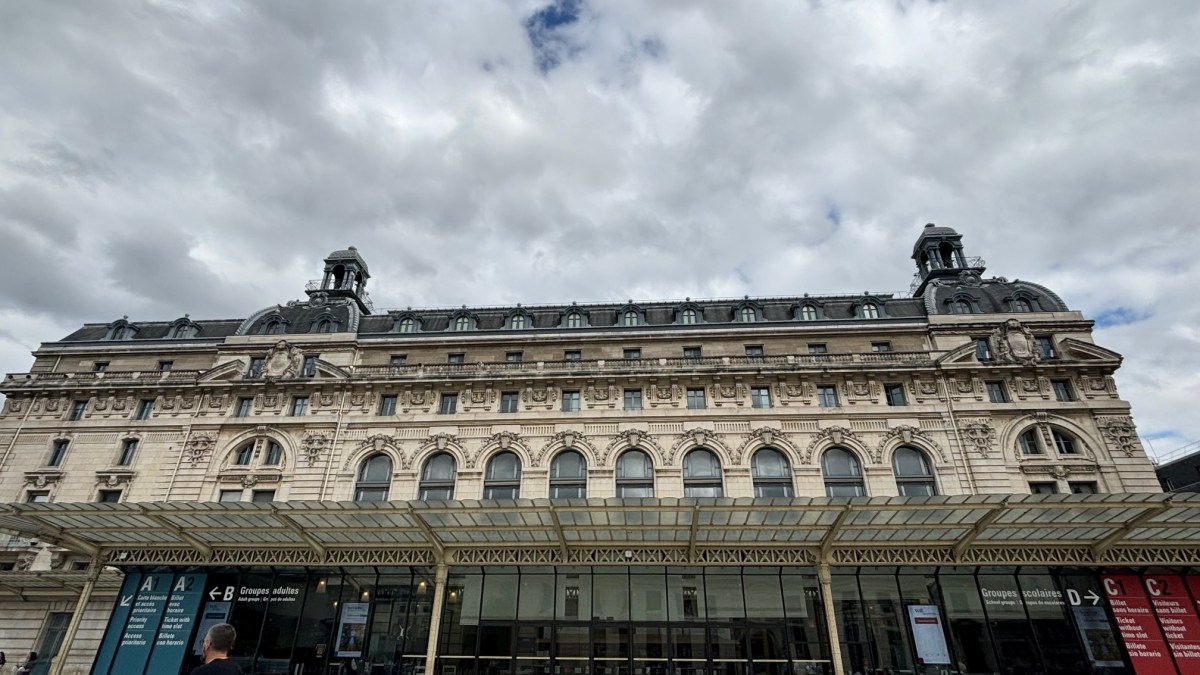
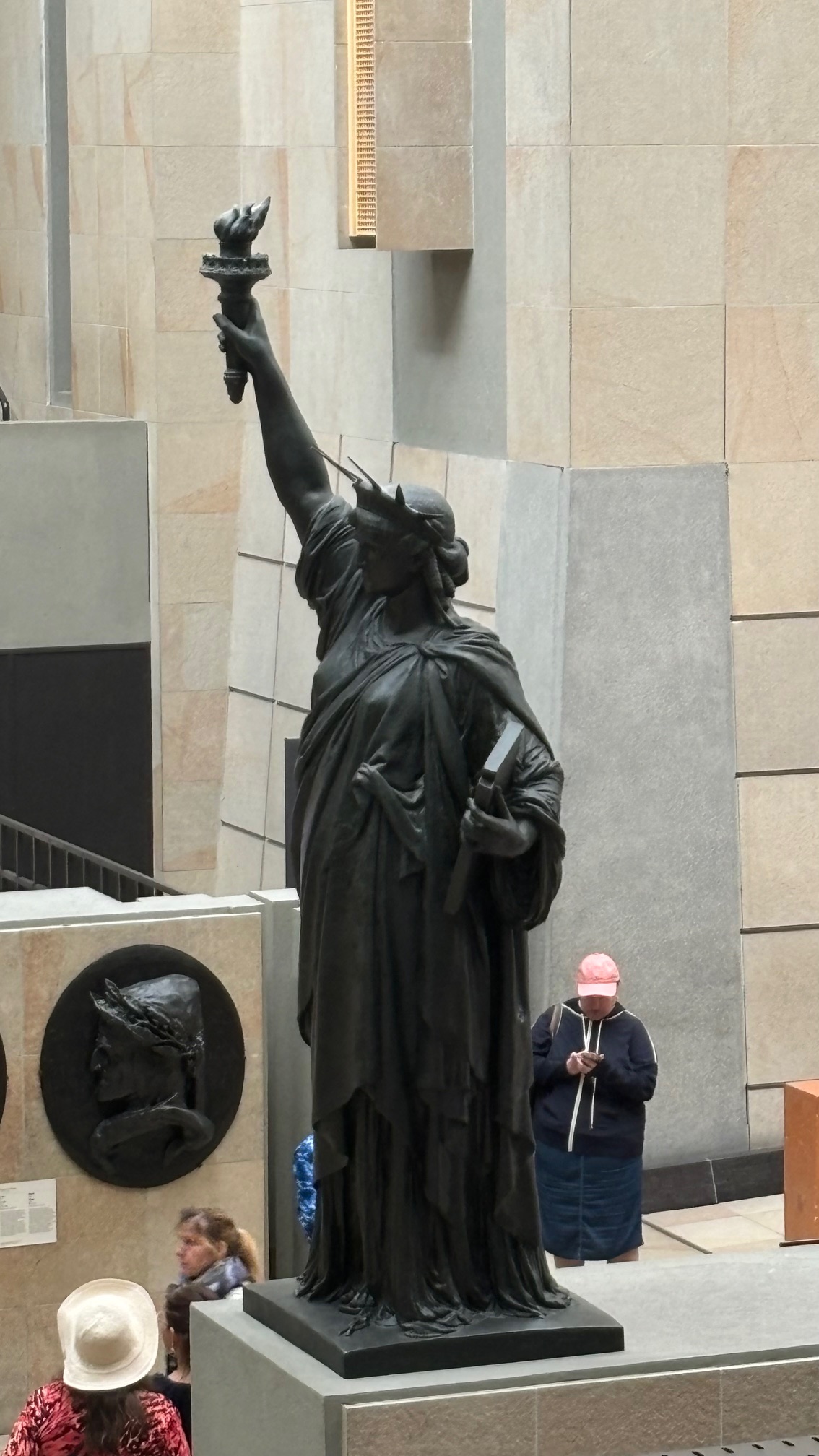
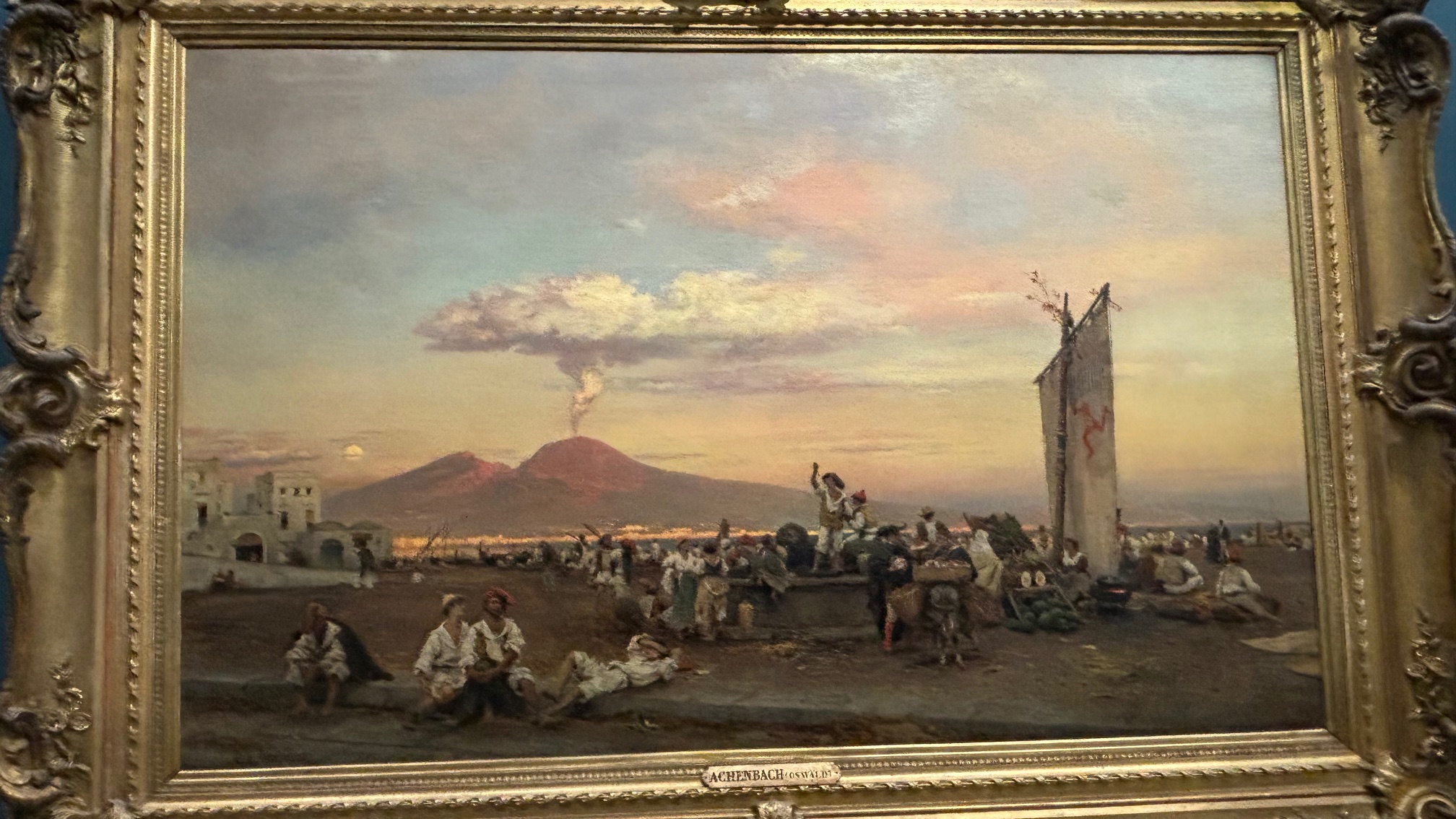
After nine years since my last trip to Paris, I returned in the Summer of 2024 to enjoy some sights like Musee d’Orsay but also for the Summer Olympics!




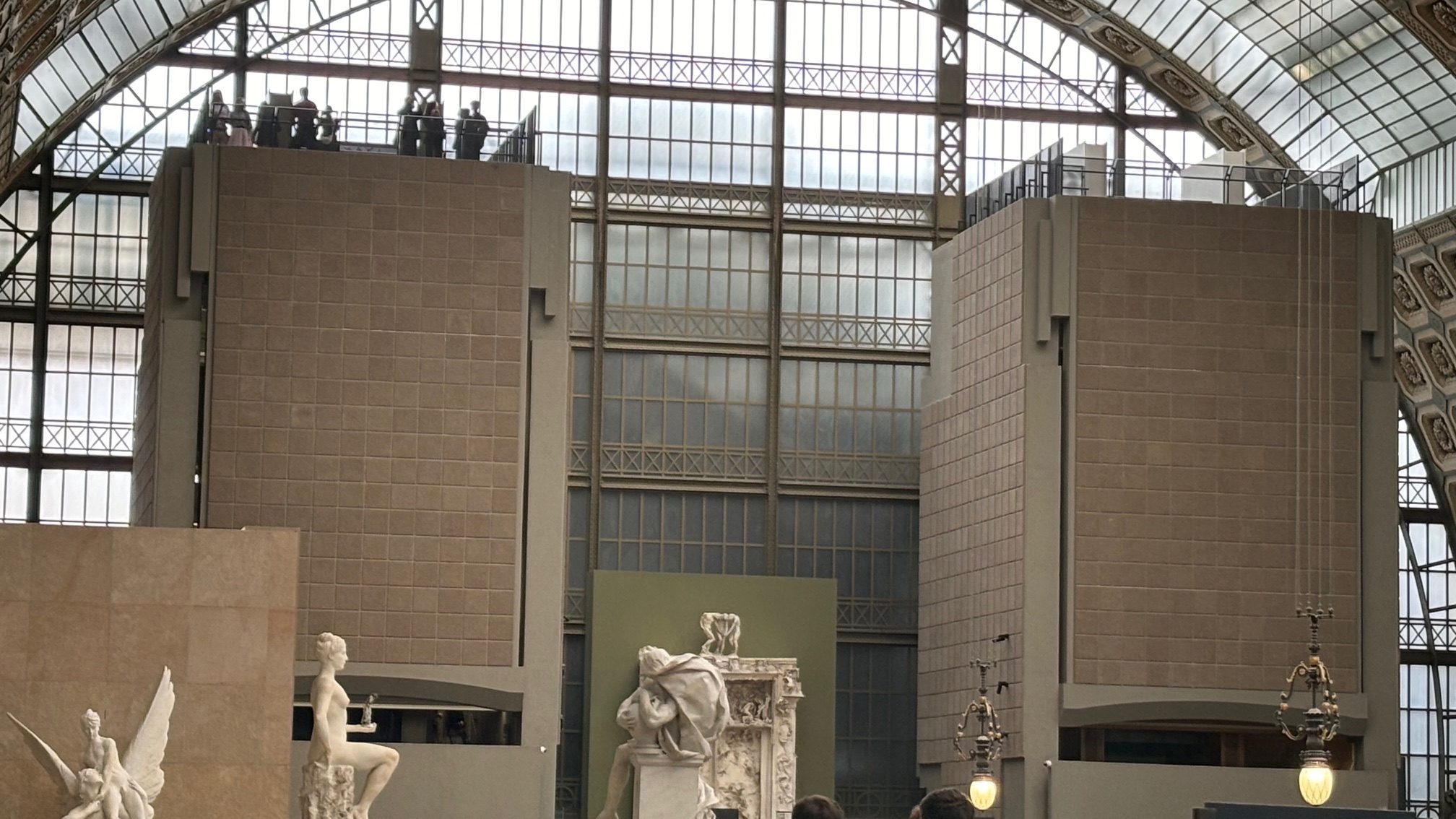


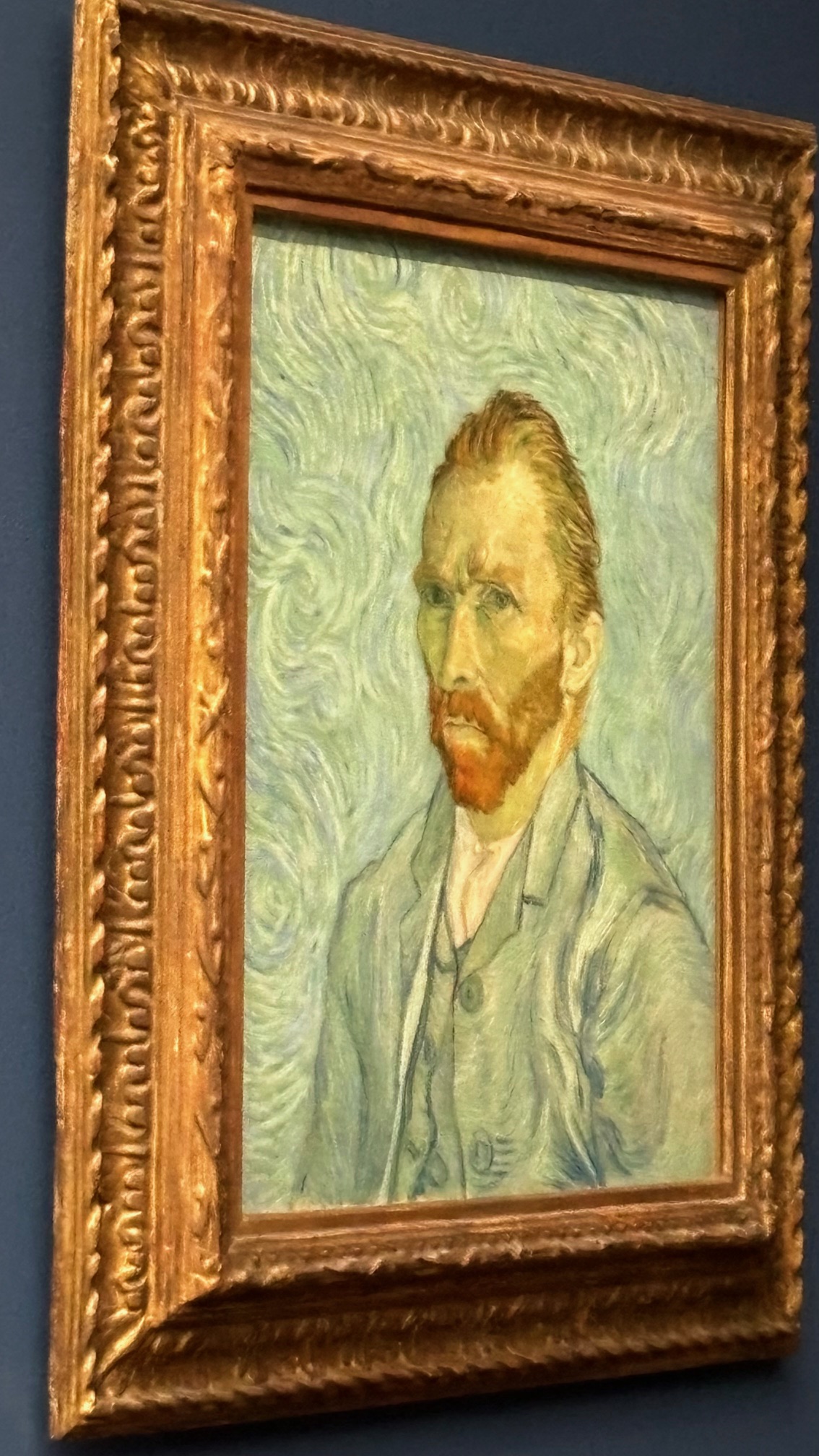
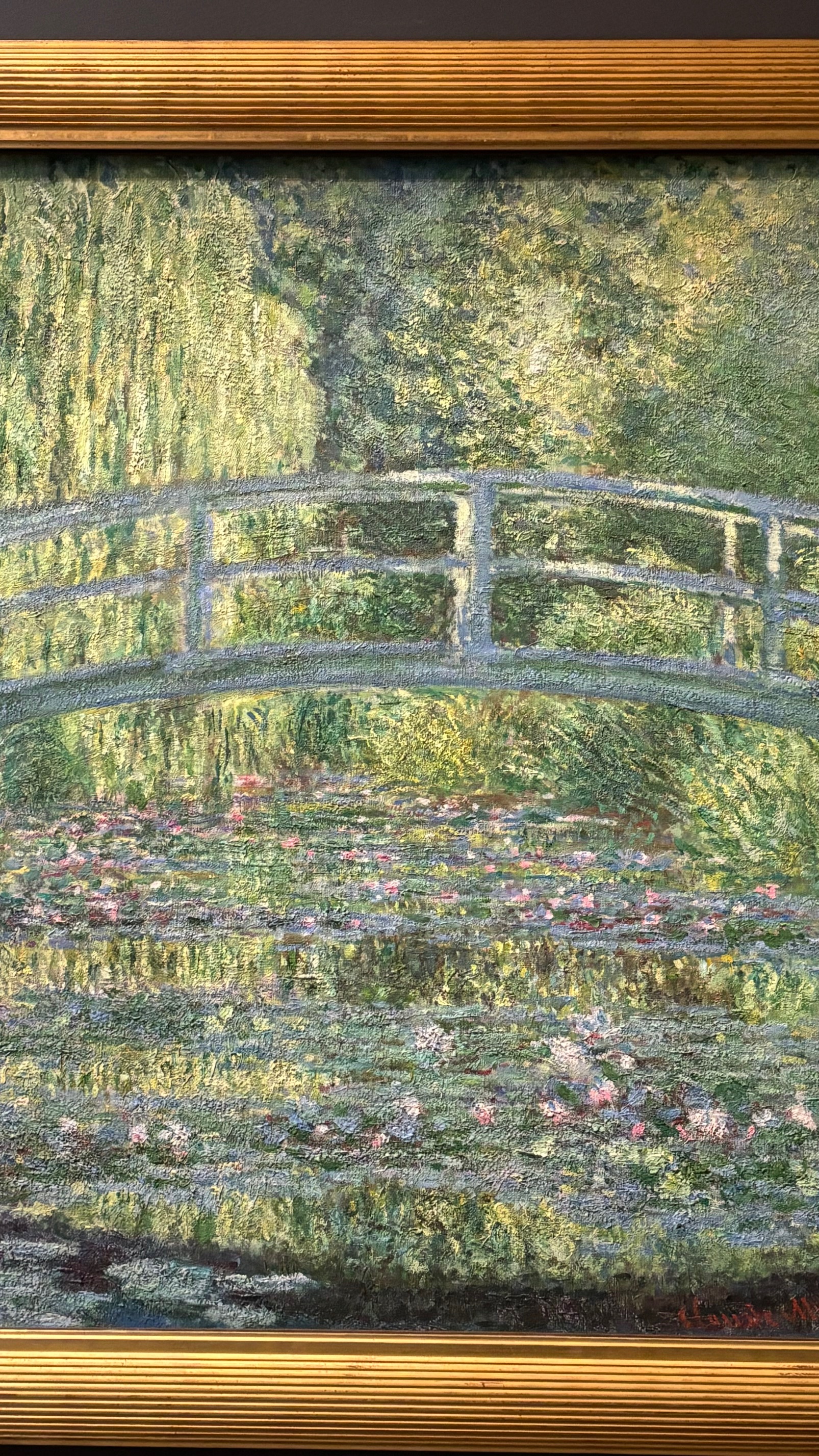

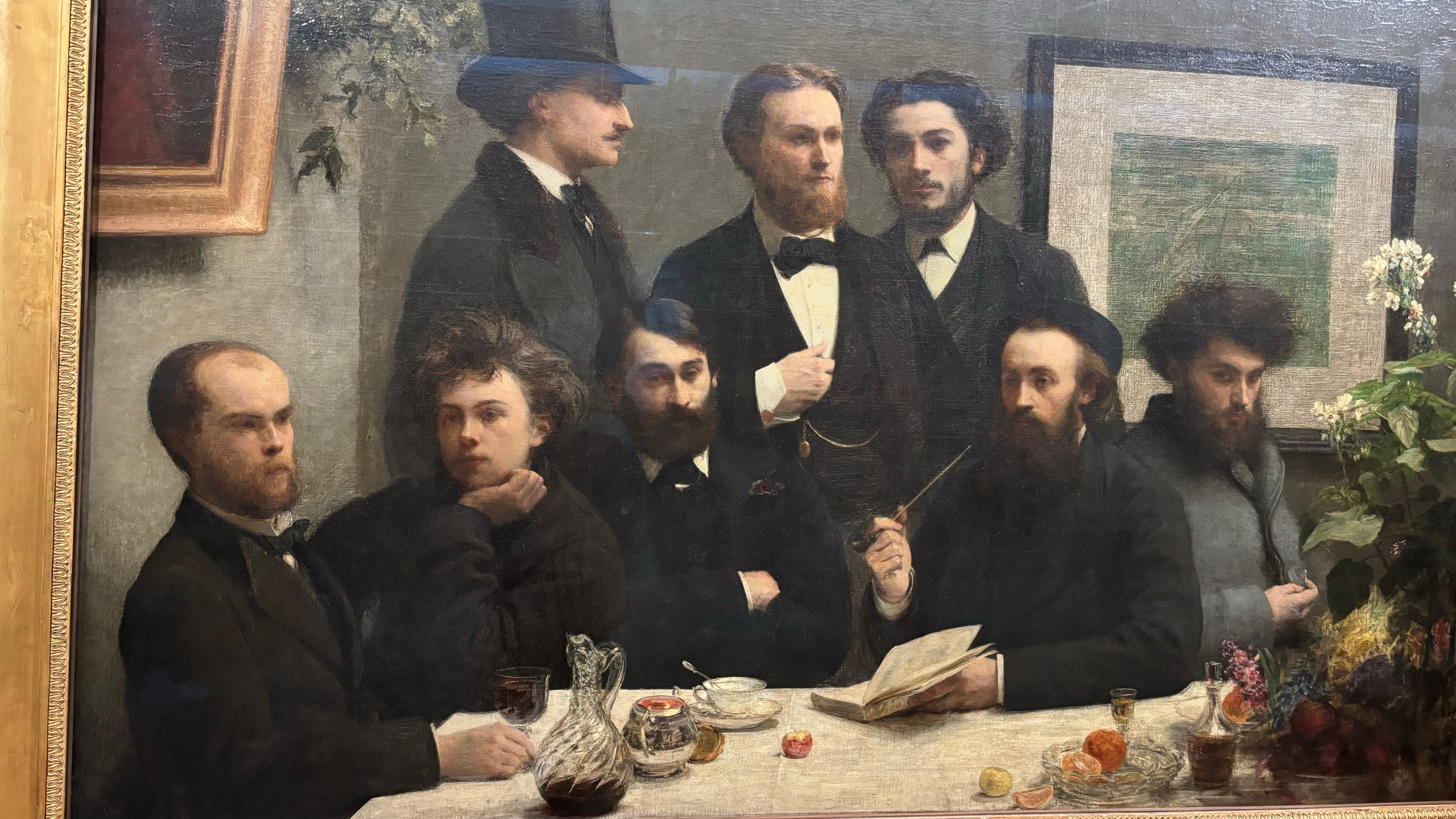

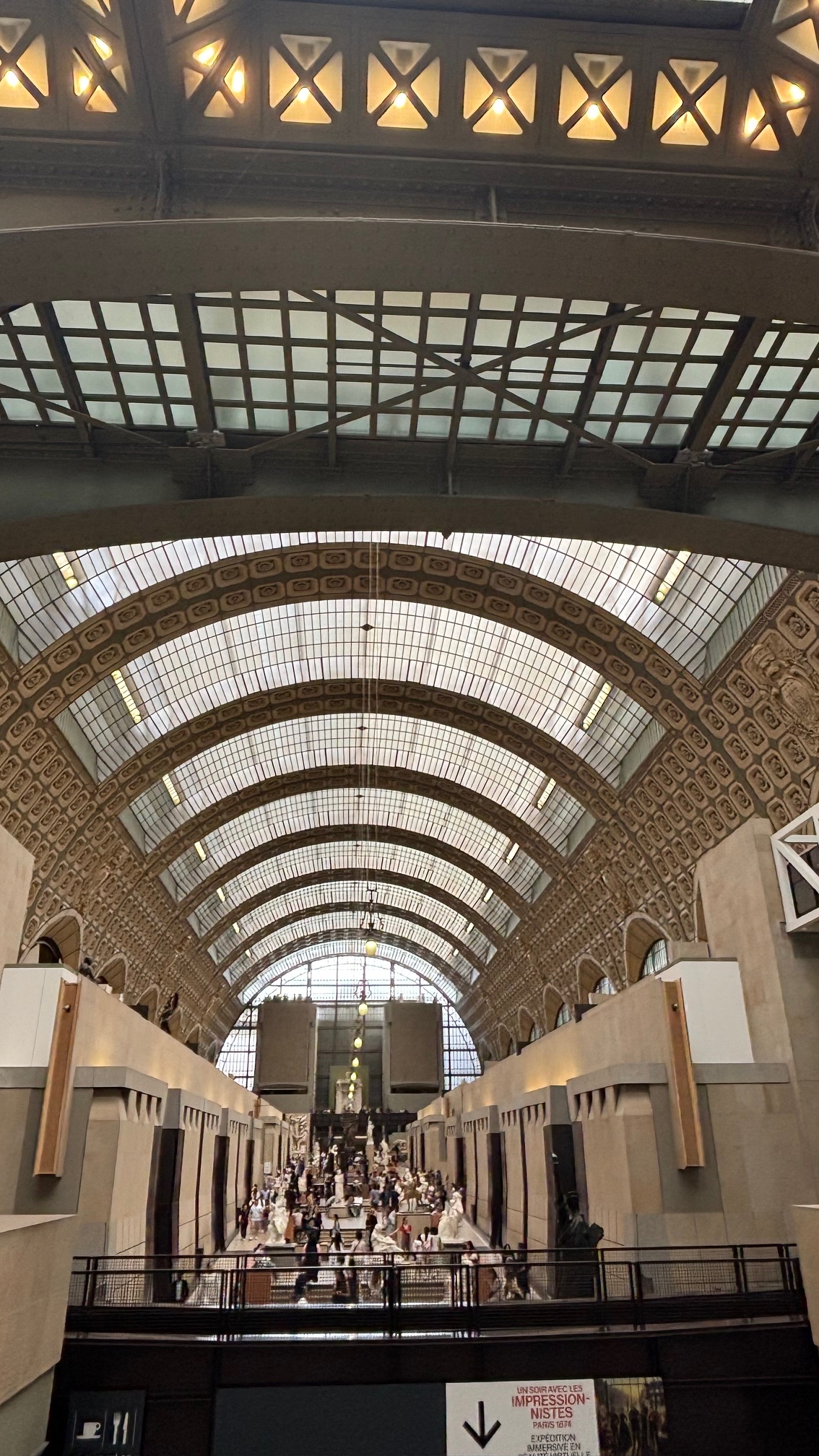

Camera: iPhone 15
Location: Musee d’Orsay, Paris, France
“Just like keeping a clean house or organizing your closet is what helped American homeowners create joy in their home lives, I fully believe Kondo’s asking of “does it spark joy?” can be reframed for our friendships, relationships, and our hobbies.”
I’ll be honest in that I never really watched Marie Kondo’s famous show, “Tidying Up”, and while I do respect her commitment to reducing clutter and helping hoarders get rid of their extra junk, I am going to focus more on who or what sparks joy for you beyond just household items. Just like keeping a clean house or organizing your closet is what helped American homeowners create joy in their home lives, I fully believe Kondo’s asking of “does it spark joy?” can be reframed for our friendships, relationships, and our hobbies.
You should never want to exert too much effort into someone or something that doesn’t provide ‘joy’ or at least ‘contentedness’ and while ‘joy’ like any feeling is ephemeral, we should work to maximize the ‘joy’ we feel in life. If you are not getting that ‘joy’ at all from that relationship, that friend, or that job, you got to do some soul searching to see if it’s worth the effort involved to keep it going. You can’t choose your family, your coworkers, or even where you live at times so instead of finding ‘joy’ only there, find those things and people that are voluntarily in your life and where you can better evaluate if they are worth your time.
If you find you are spending your limited time with people who are as dull as dishwater or are even putting you down, you need to cast them aside like old clothes that Marie Kondo would want you to discard from your closet. Now, this does not mean being mean, cutting off contact without a reason, or just straight up ending on bad terms, it’s rather about letting them know that the relationship, the friendship, or the hobby you’re doing isn’t worth the effort anymore. Very few things in life are permanent and if it does not spark any kind of joy for you, you should not keep pursuing it to no fulfilling end.
Instead, I believe it is key to find those people or those activities that continue to give you some joy or happiness. I would classify it as giving you a ‘real shot of life’ and making you feel more alive. It’s not an easy thing to be conscientious of but you’ll often know when someone or something is breathing life into you rather than leaving you drained of it.
Not everything or everyone you interact with in life will give you that ‘spark of joy’ or a ‘shot of life’ but your job is to work hard in those interactions that you do control such as a friendship or a relationship to choose wisely and to do so discerningly. Your boss or your tax attorney is rarely going to spark that ‘joy’ but you’re going to have to interact with them regardless because it’s necessary in life. What you can do instead in your free time is to maximize ‘joy’, ‘happiness’ or just ‘fulfillment’ with people, places, and hobbies that make you feel most alive.
It really is a rare thing in our technologically driven, profit maximizing, socially shallow, and standardized daily routine to find those people who leave a big impression on you, but you got to put yourself out there to receive those kinds of connections. Build a life around trying to find interesting people who inspire you, who make you laugh, who you want to learn from, who you enjoy being around, and for you to be the same to them.
Life is too short to be around ‘joyless’ people who you could choose not to be around instead and to commit yourself to prioritizing those people who make you happy or joyful because of how they make you feel. The same can be said of those activities, hobbies, or interests that brighten your day and that you can look forward to. Routine in adulthood is monotonous, contrite, and not joyful, but you can still find those moments, those hobbies, and those people who make your life that much richer and more colorful.
At the end of the day, Marie Kondo had it right. Joy should be the filter through which we decide what stays and what goes in our life. The difference is that life’s clutter isn’t just found in closets or drawers of hoarders whose houses are too full; rather, it’s in the people we chase, the jobs we keep, and the habits we cling to long after they’ve stopped serving us. Maybe the real act of tidying up isn’t just folding shirts; it’s clearing out the emotional junk that keeps us from feeling alive and fulfilled. When you ask yourself what sparks joy as Marie Kondo does to her clients, don’t stop at your wardrobe or your closet. Ask it instead about your world, your personal life, your hobbies and don’t be afraid to get rid of the extra clutter.
One of the biggest vineyards in the Bourdeaux wine growing region of France: Chateau Soutard was a delightful winery to visit on a trip to France in the Summer of 2024.
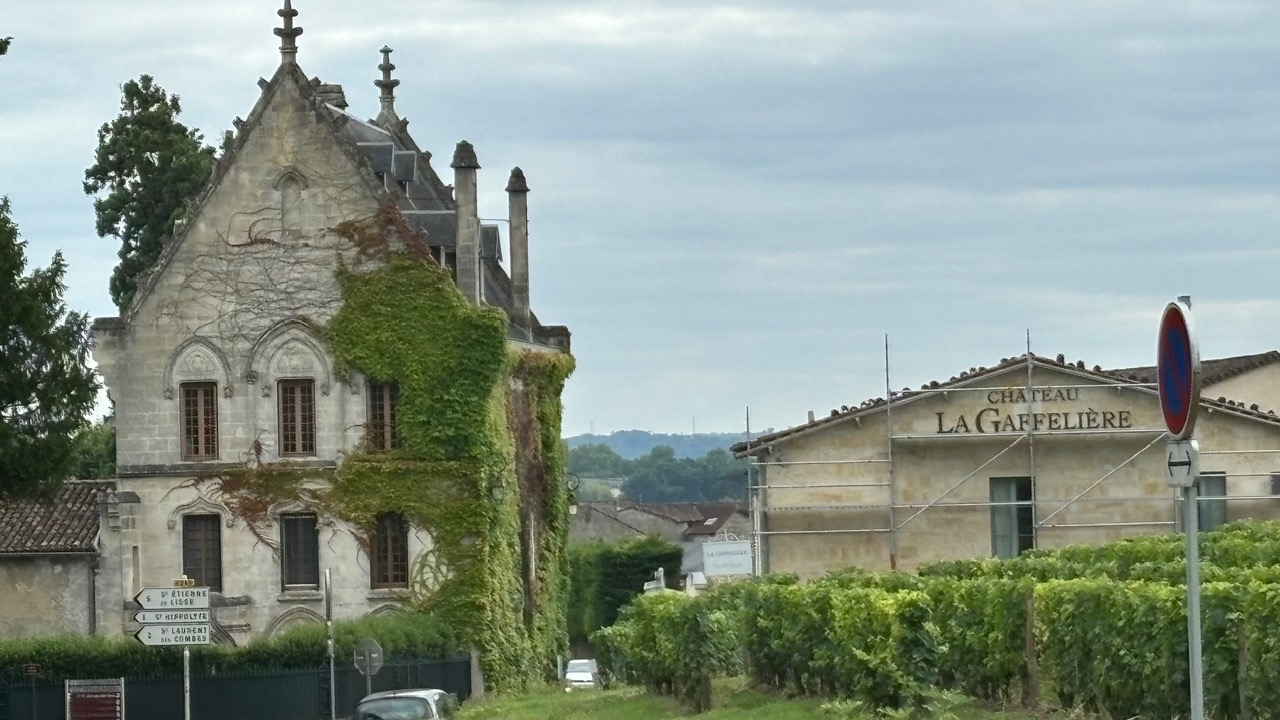
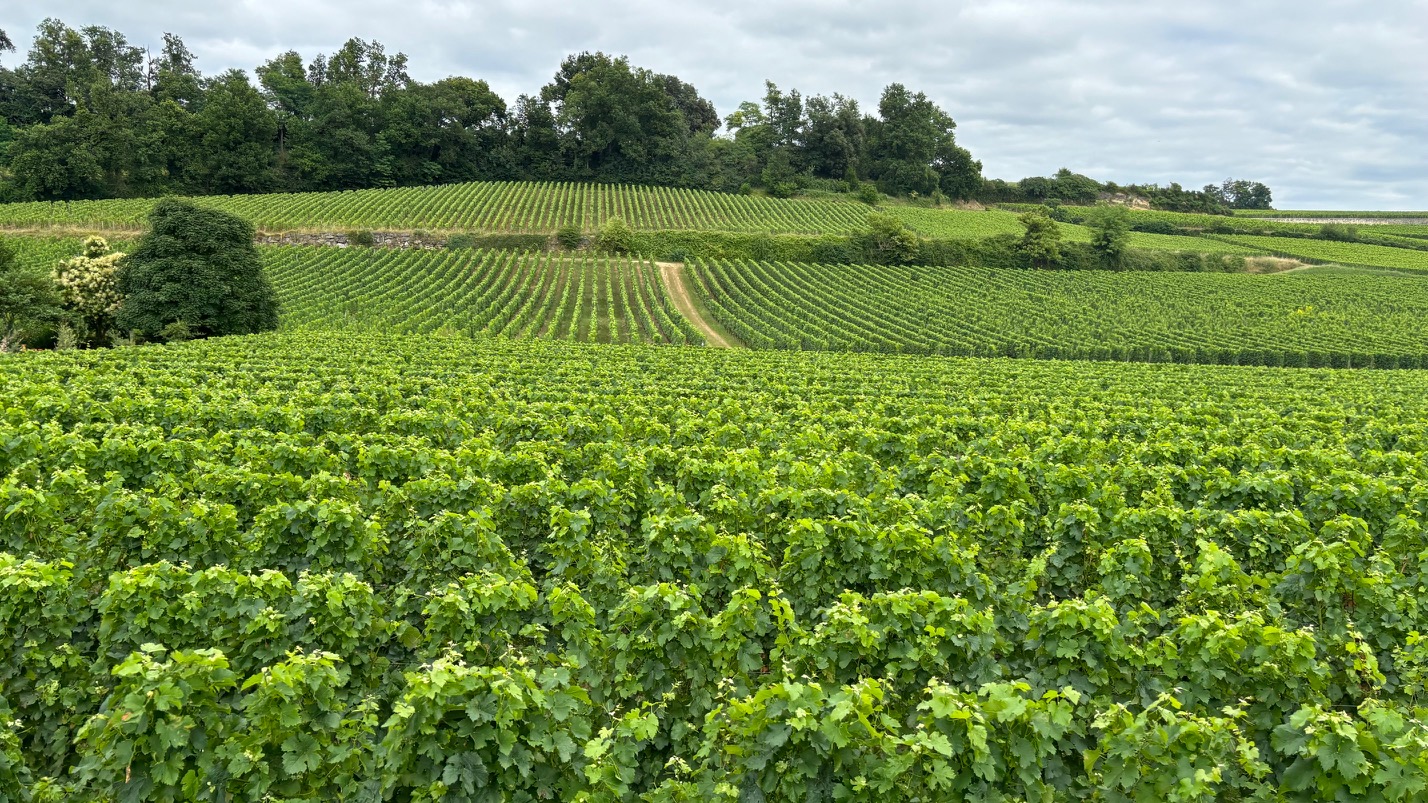

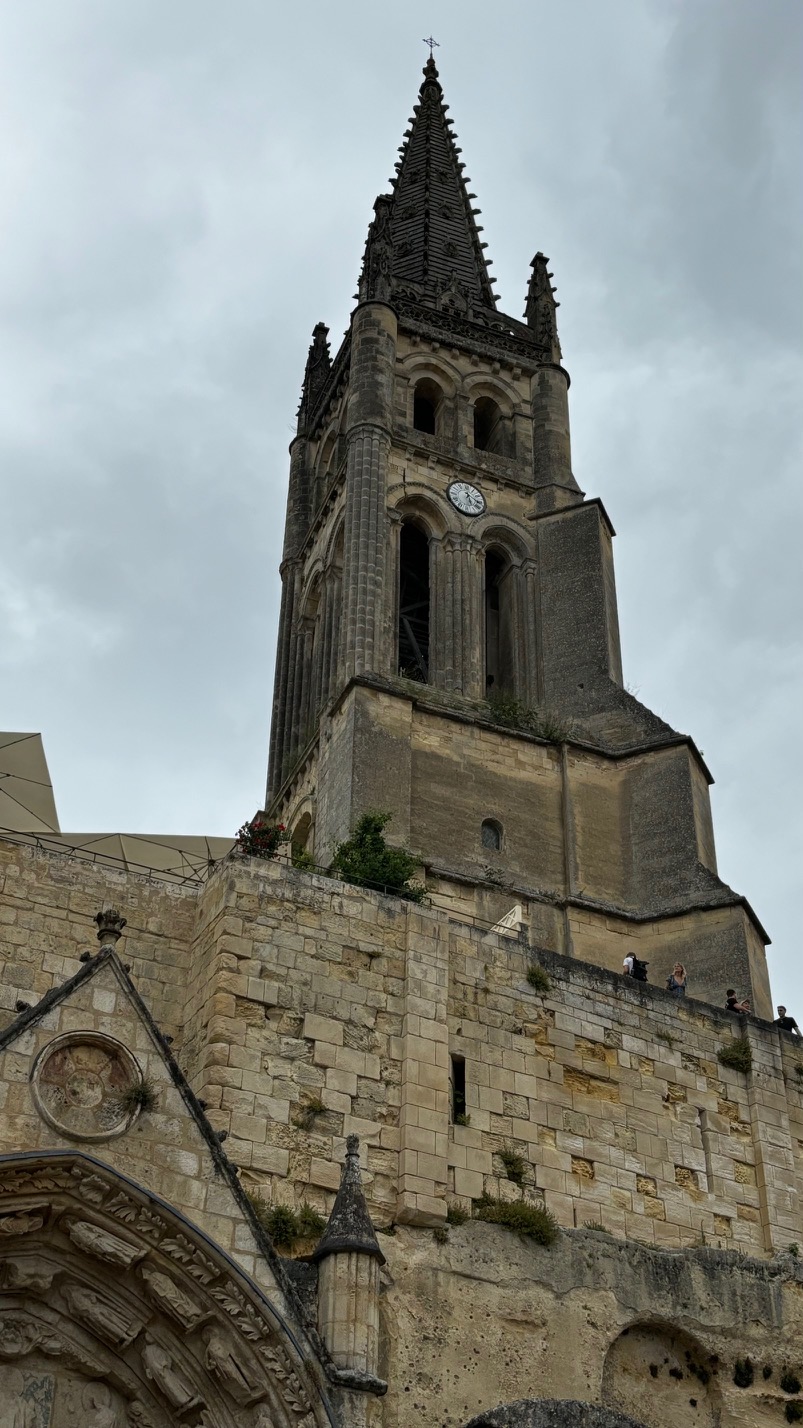
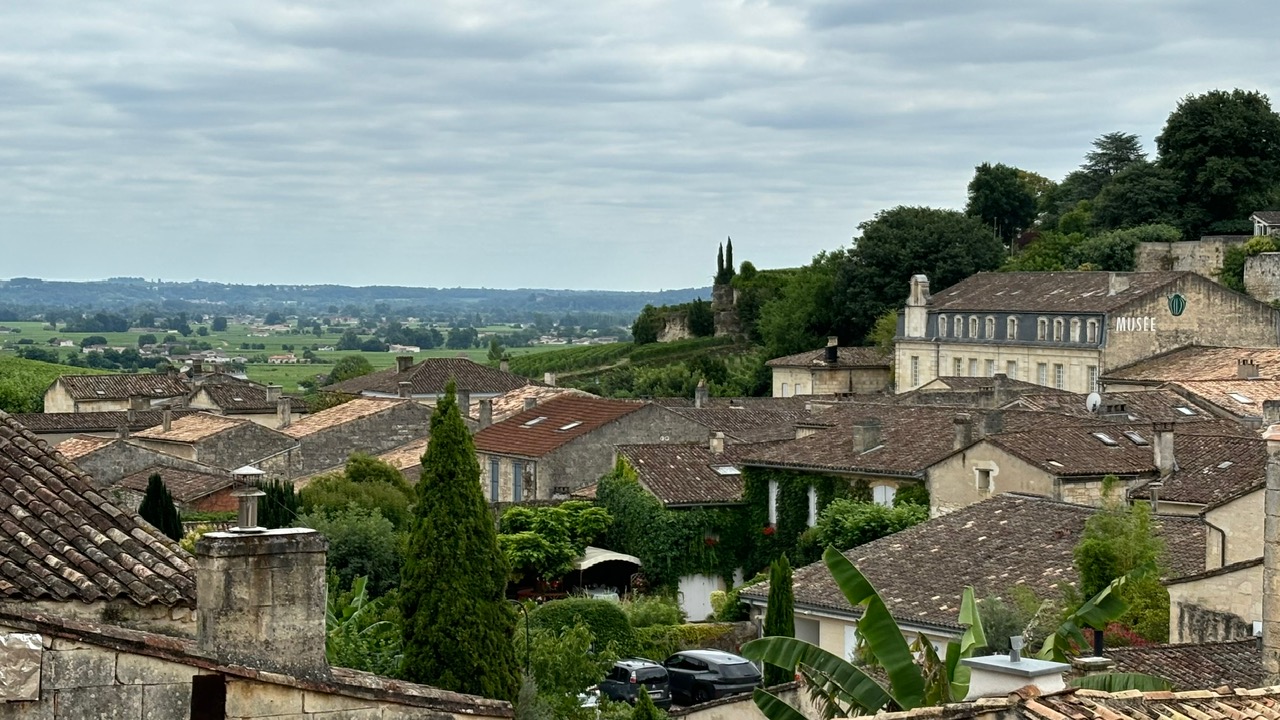
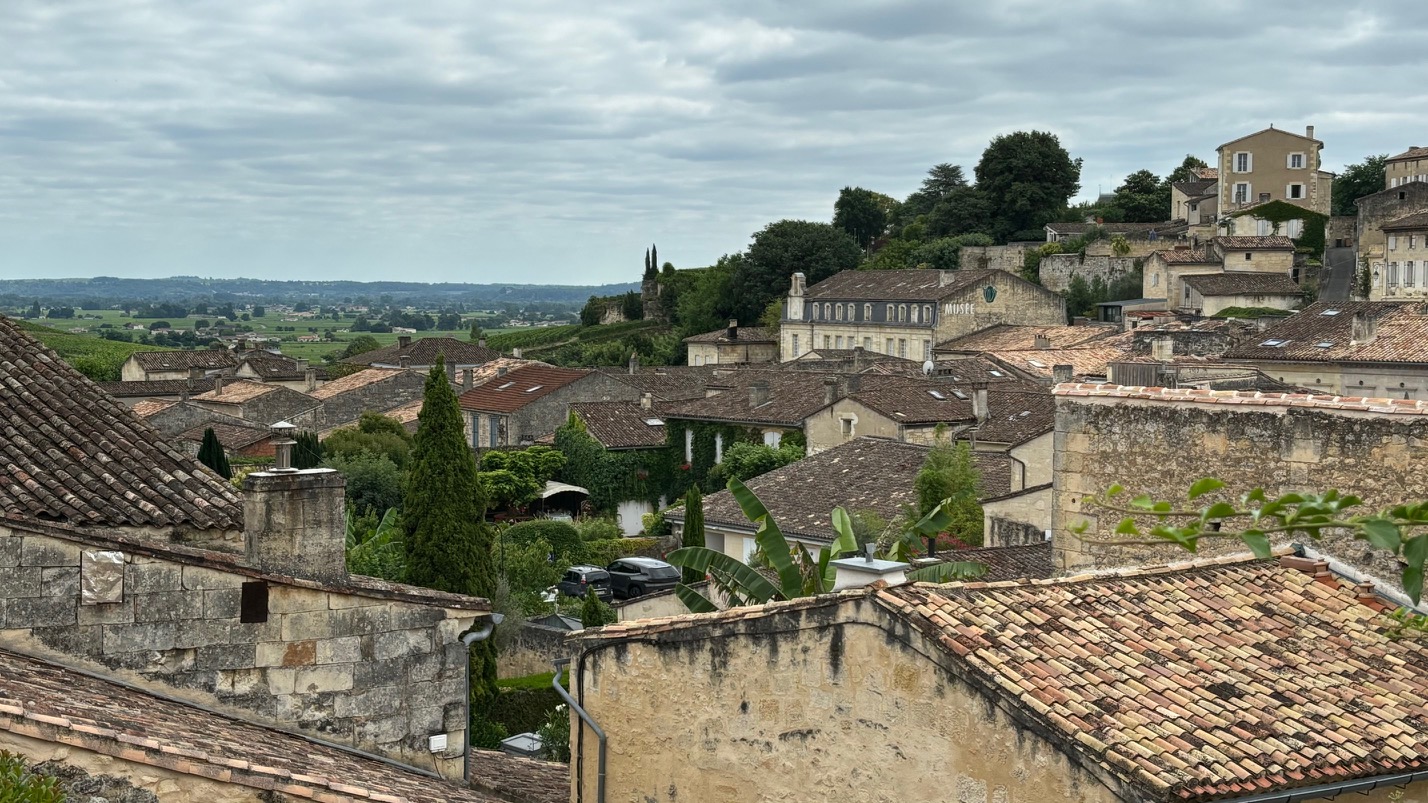
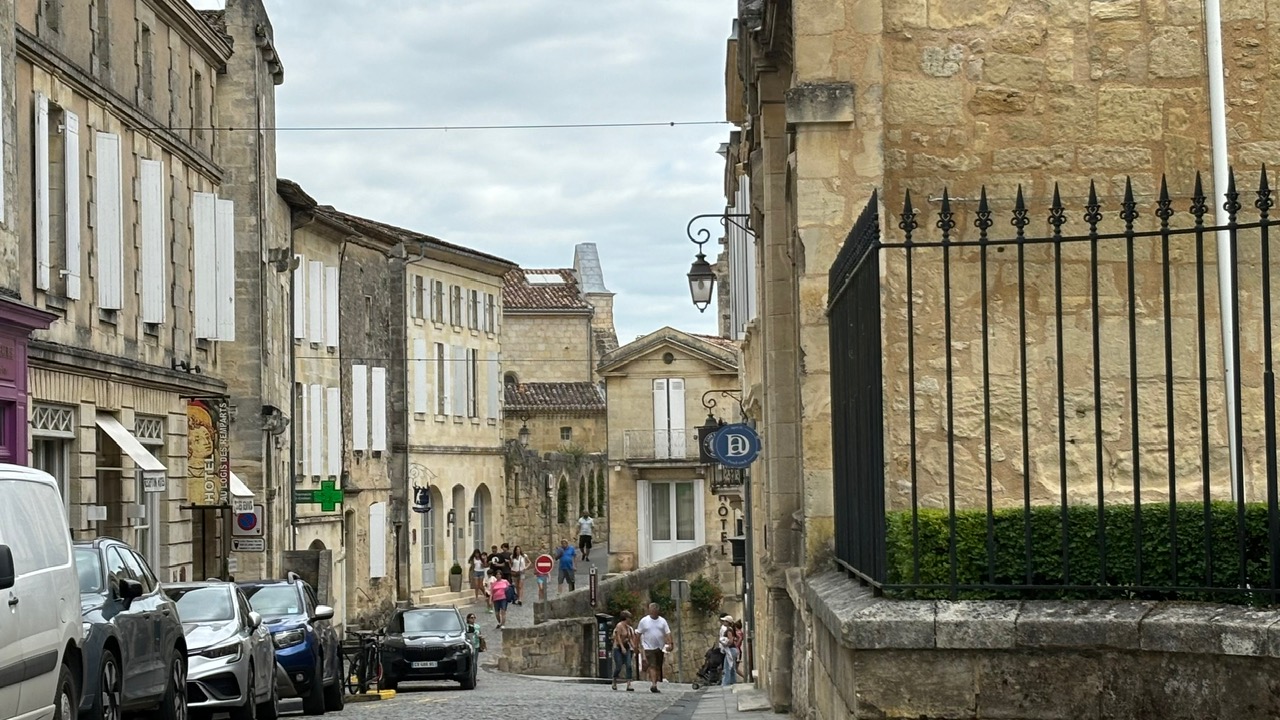

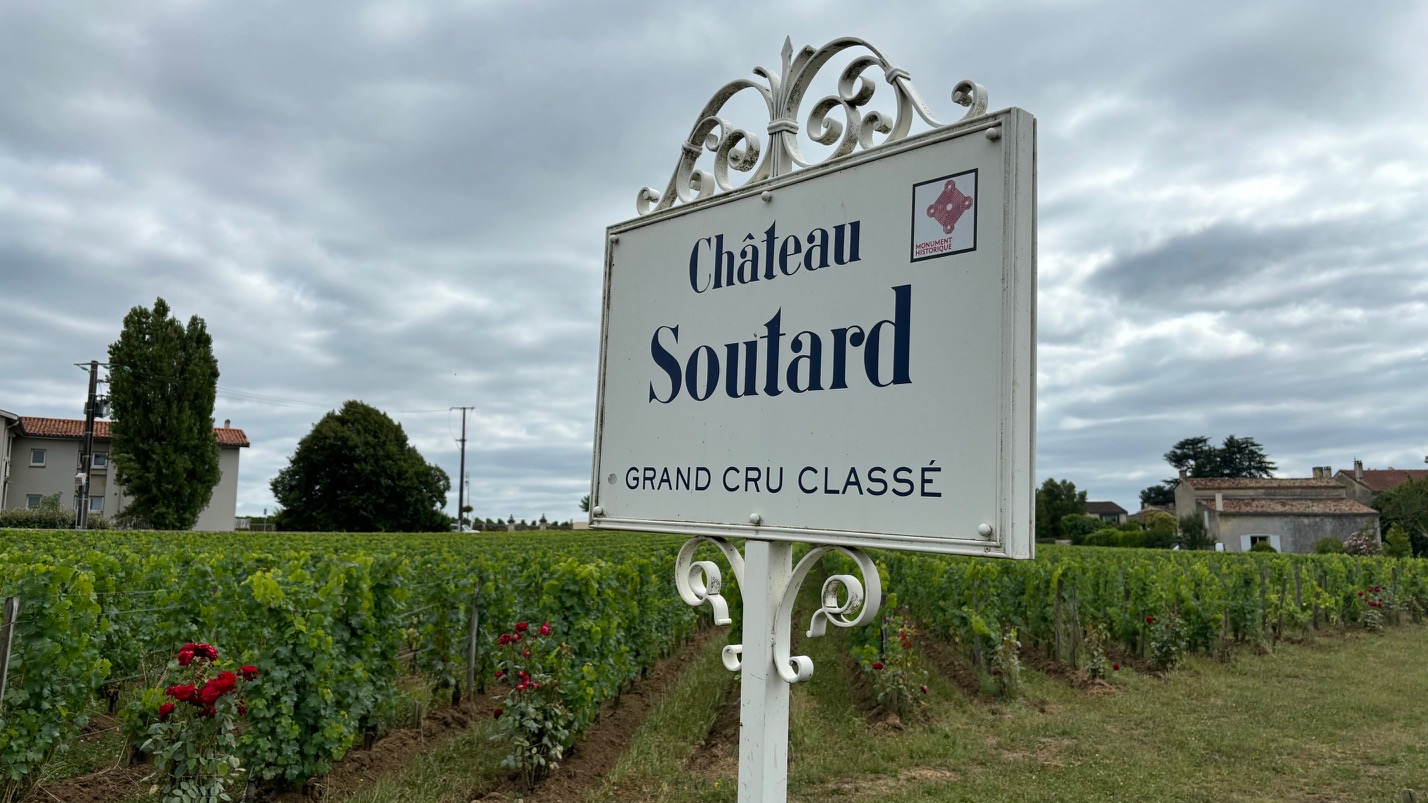
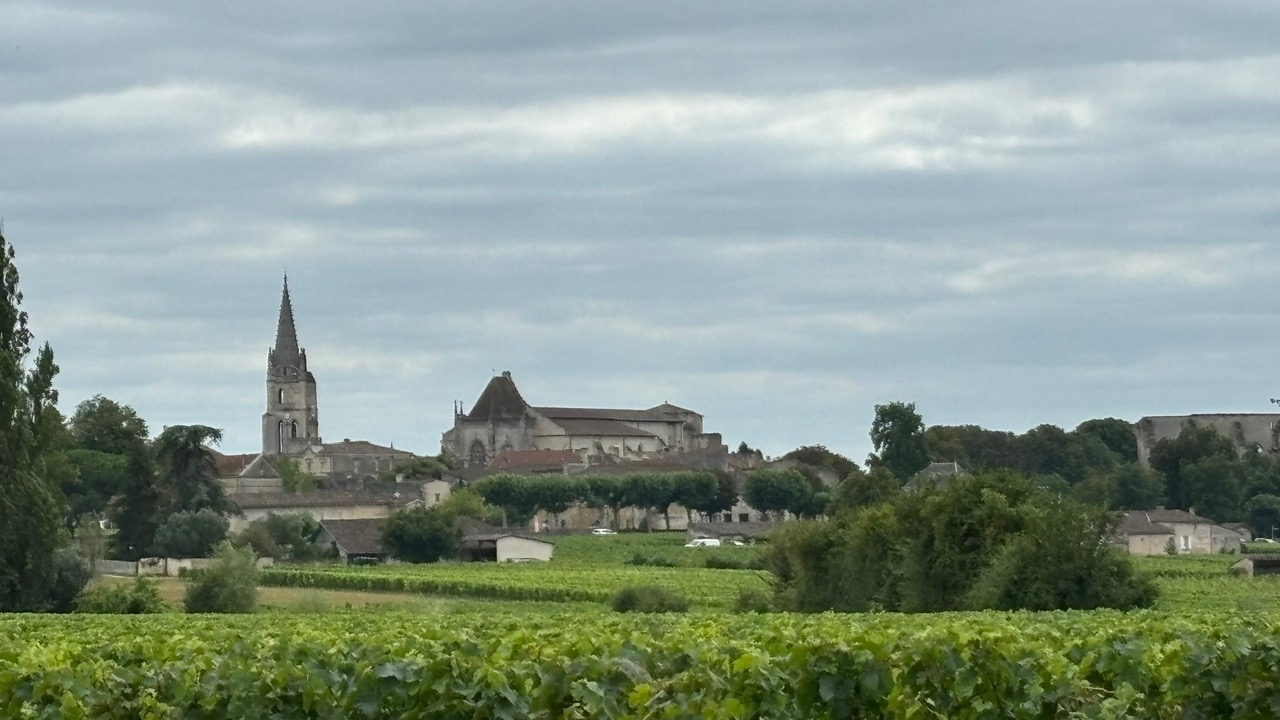


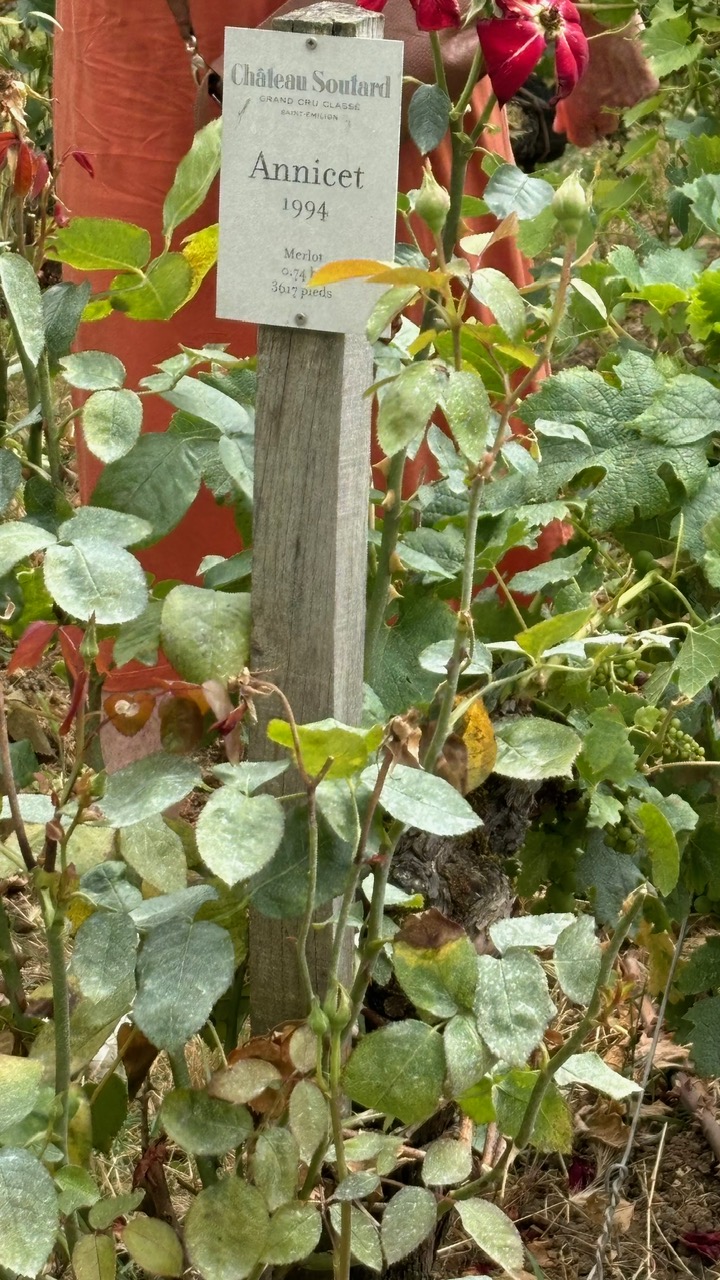
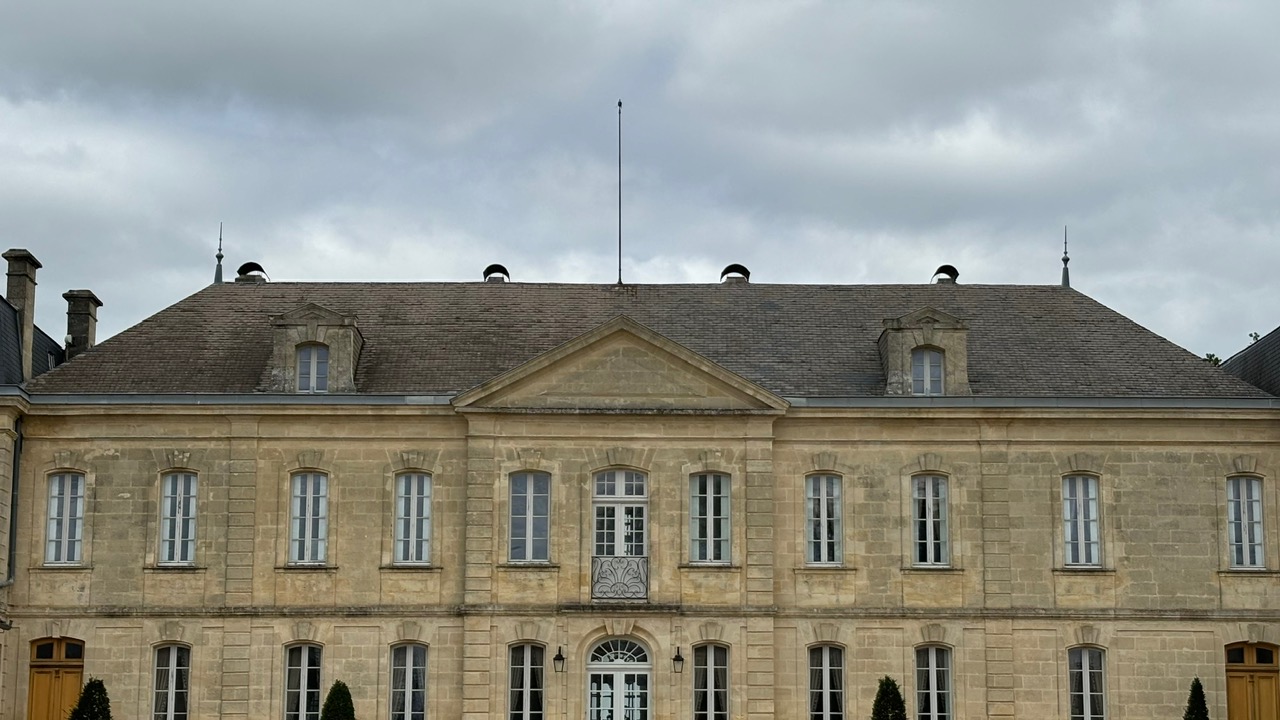
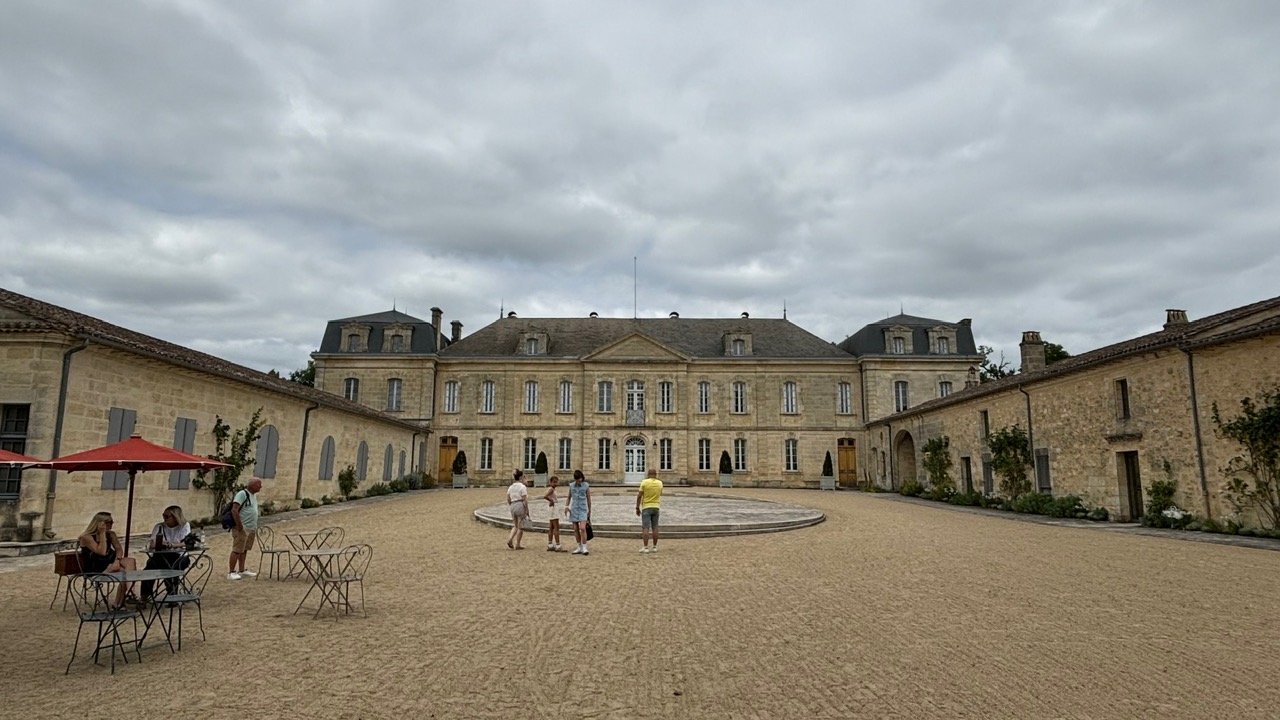

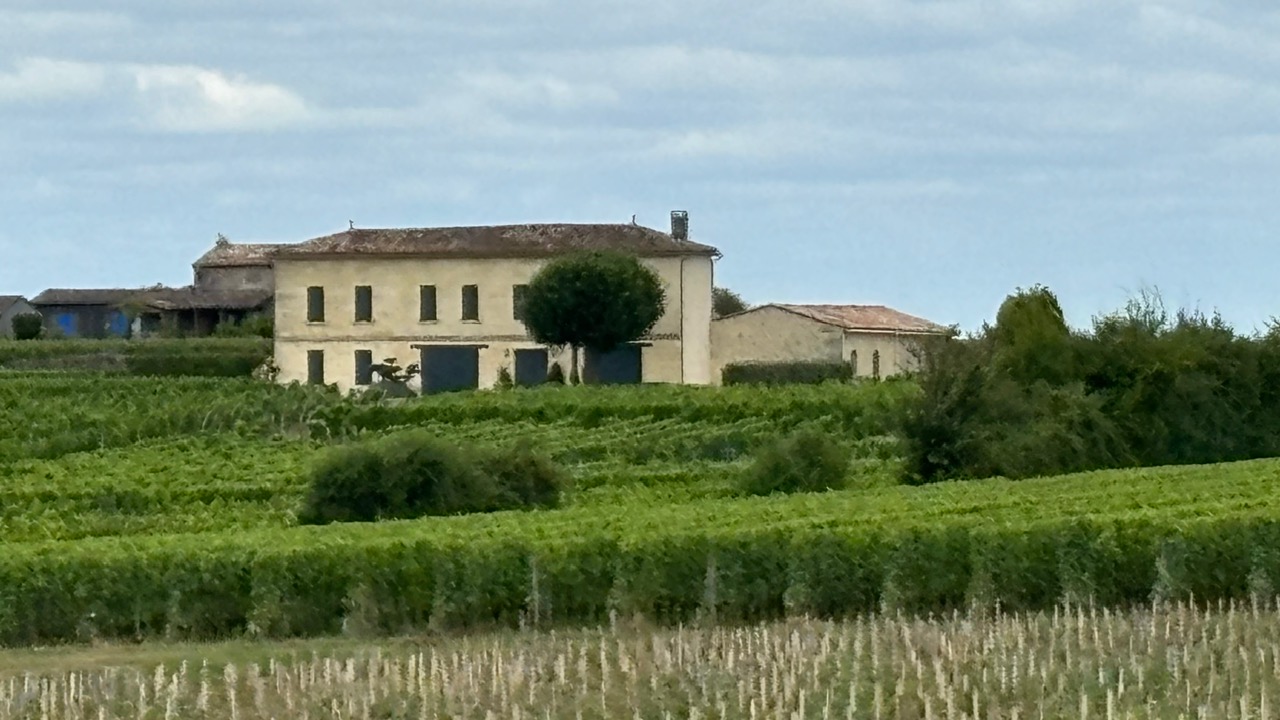
Camera: iPhone 15
Location: Chateau Soutard; Saint-Émilion, Gironde, France
“Having a true friend is hard to come by and it’s important to get better at distinguish who is a ‘true’ or ‘real’ friend and who should deserve that kind of title in your mind.”
People tend to throw the word ‘friend’ around a lot especially when you may be desperate or wanting to have a new ‘friend’ come into your life. It is natural to want to build rapport with someone and to do so quickly. It is good to have someone want to spend time with you and get to know you are. When you are short on friends or when friends you know have moved on to a different town, city, or country, you want to work on replacing those lost or far away friendships that you used to have.
Especially as you get older, friends move away, get married, have children, and it can be hard to keep those friendships the same or keep them alive in a meaningful away. Having a true friend is hard to come by and it’s important to get better at distinguish who is a ‘true’ or ‘real’ friend and who should deserve that kind of title in your mind.
Unless the bonds you have are broken or ruptured due to any kind of factor, which does happen in life, you will still have your friends to pick up the connection again despite factor of distance or life circumstances. A friendship that has been established for years or decades doesn’t ever fully go away but you both must work to keep in touch to keep the flame alive into the future. Friendships do fade away, and you or the other person may not be getting what you need to keep it going. It can be sad to let go of a friendship especially when you invest the time, the emotions, and the money spent to keep it alive, but that is just part of life.
We have a tendency in American culture to form friendships at a dizzying pace or want to have someone as a friend quickly to ensure our own need for popularity or for social status. Other cultures tend to be slower in establishing those tight social connections or friendships, but once you do, you have a friend for life, or you have a true friend under a separate kind of category that should be reserved for a few friends and not for many connections or acquaintances.
Yes, we do throw around the word ‘friend’ a lot and too quickly. However, you should be wary of entrusting people who you consider ‘friends’ without feeling out how much that friendship entails. When I think of the meaning of a ‘true friend’, it is deeper than getting drinks every now and then or meeting up to play a sport or do an activity, it is someone who you can share both the good and the bad in your life and they can do the same with you. You don’t have to reveal your whole life story or be exhaustive about it, but a true friend is someone for whom you can be vulnerable with. A true friend won’t judge you for looking for their help, advice, or let you vent to them every now and then.
There are also several kind and thoughtful gestures a friend would do for you whereas an acquaintance or social connection would not. When you need to move and you’re free to lend a helping hand with the furniture, that is a true friend in action. If you need a ride to and from the airport and they don’t mind it even when it’s a little out of the way, that is a true friend. If you need a place to sleep or ‘crash’, and you would rather not splurge for a hotel room, a true friend will offer you their coach or a spare bedroom.
Now, there are two sides to any friendship so keep in mind that if they are willing to do that for you, you should try to do the same for them if the need arises. It is not being transactional but it’s remembering that any true friendship needs effort from both people, and it is good to look out for another especially in an increasingly isolated and technologically driven world. Our phone or our computer or our AI chat tool will never be a replacement for a true friend who is a real person, one whom you can share stories with, help each other with advice, and lend a hand to you when you are in need. Now, you can still drink, eat, play sports, or hang out with a ‘friend’, but if that friend isn’t someone who you can confide in, discuss life and its happenings, or be there for each other, it’s not a deep friendship or can be a bit shallow.
True friendships in my view take years or even decades to foster so while it’s good to try to make new friends, don’t neglect the older friendships you have that can be revived or don’t be too quick to trust someone without giving the friendship time to bloom and see if you both are compatible in the long-run. I would rather have five ‘true friends’ than a hundred or more ‘friends’ who don’t really know me, care about me, or for whom we are close enough to help each other out or just look out for each other.
Friendships are like relationships, though platonic in nature, they are just as important to foster in a healthy manner and that both people are contributing to it. You can start off just as acquaintances but if you’re putting in the time, trying on each side, and growing deeper as friends over the months and years, instead of staying in the shallow subjects, you really are building the ‘true friendships’ that survive time, distance, and other challenges.
Even if you’re married, or have children, or are busy at work, you also need friends and healthy friendships so keep trying to create them, build them, and be a good friend to others in your life. Remember to have quality friendships over the quantity of them as having a few friends for life is much better than have 100 friends who will drop you in a few months because you couldn’t keep up with their lifestyle or their demands or their ‘image.’ True friendship is missing someone when they’re gone and looking forward to the day when you can rekindle the friendship anew.
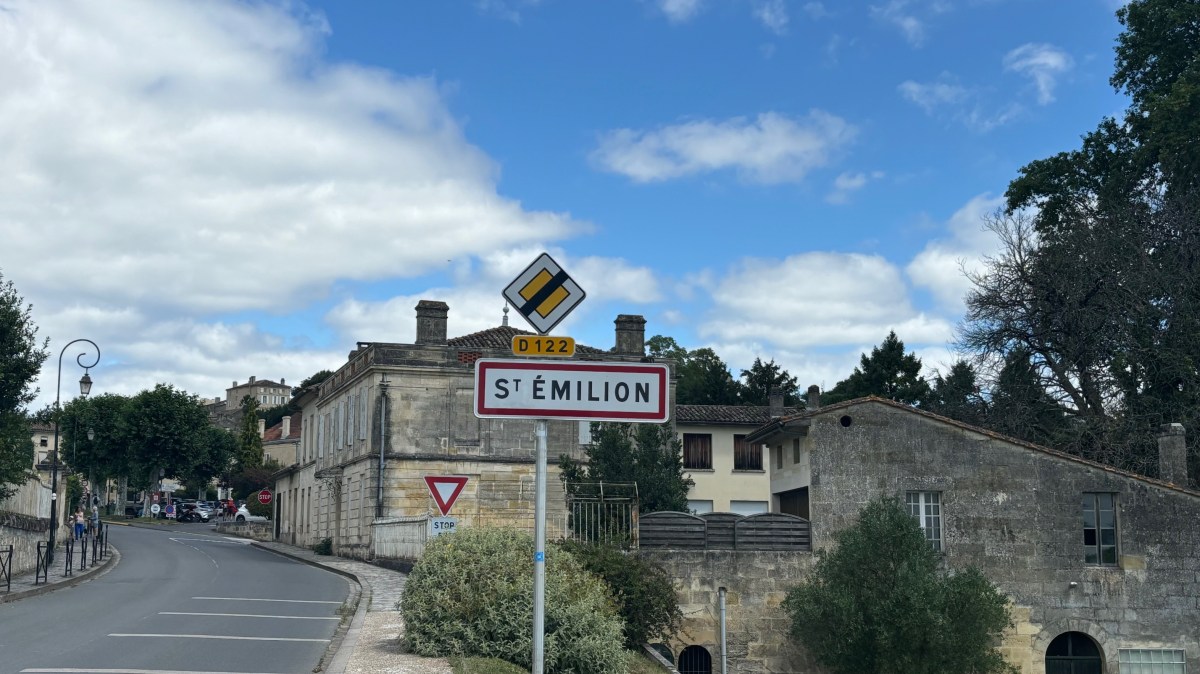
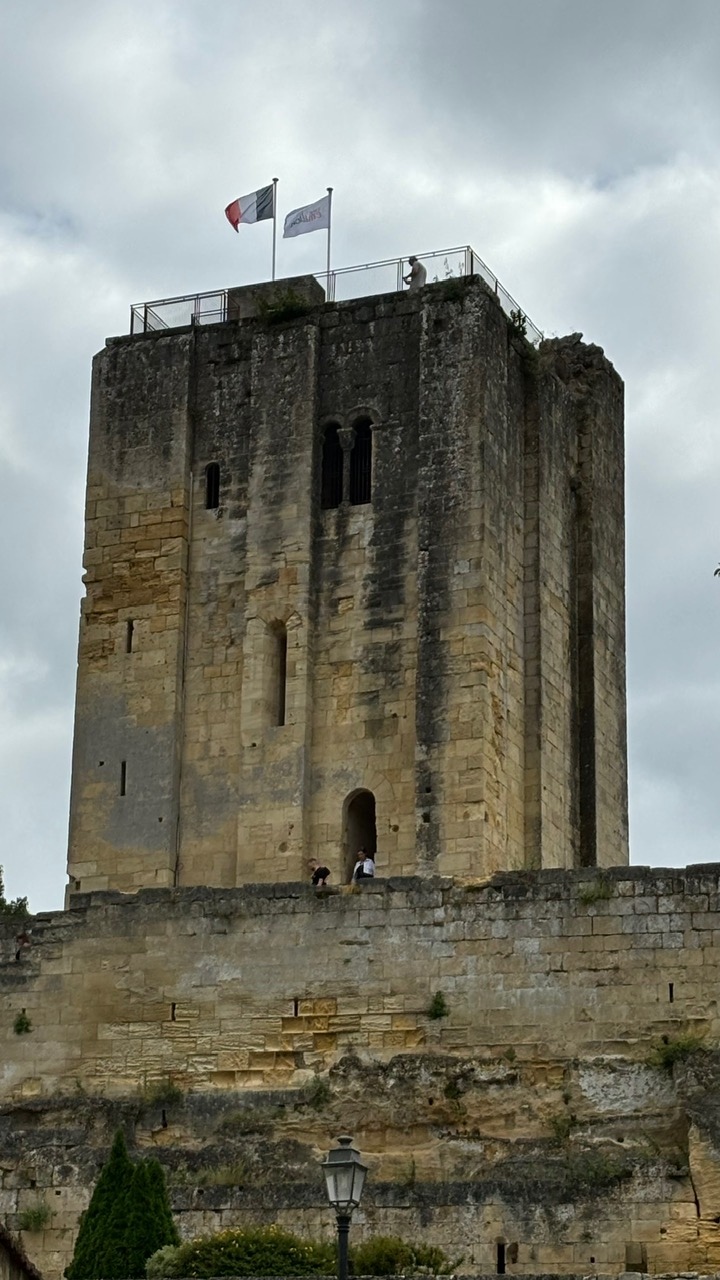
A pleasant and fulfilling visit to one of France’s great wine growing regions just an hour outside of Bordeaux in southwestern France. A Sideways movie sequel kind of day drinking good wine with nice food on a sunny Summer day.
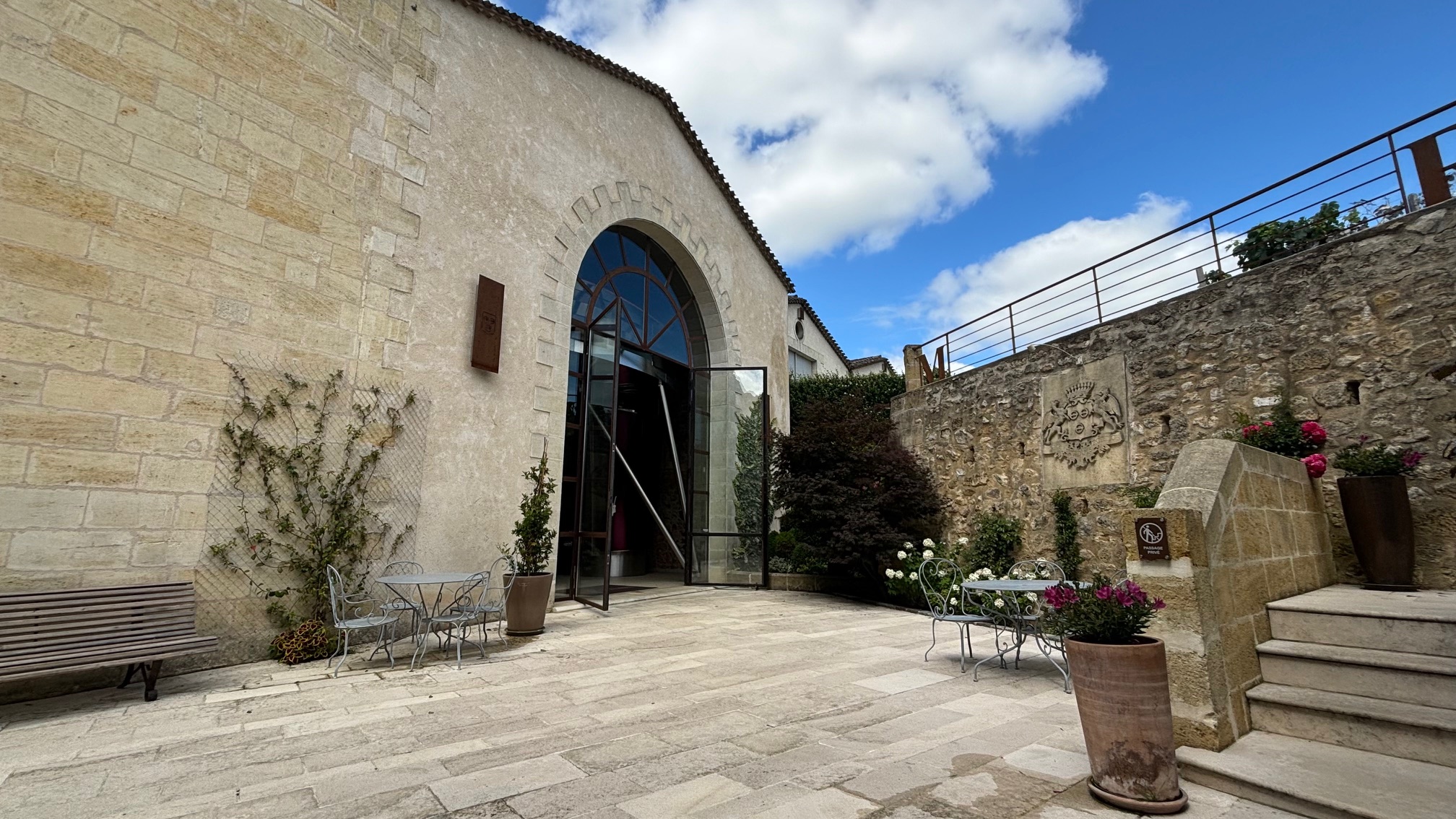



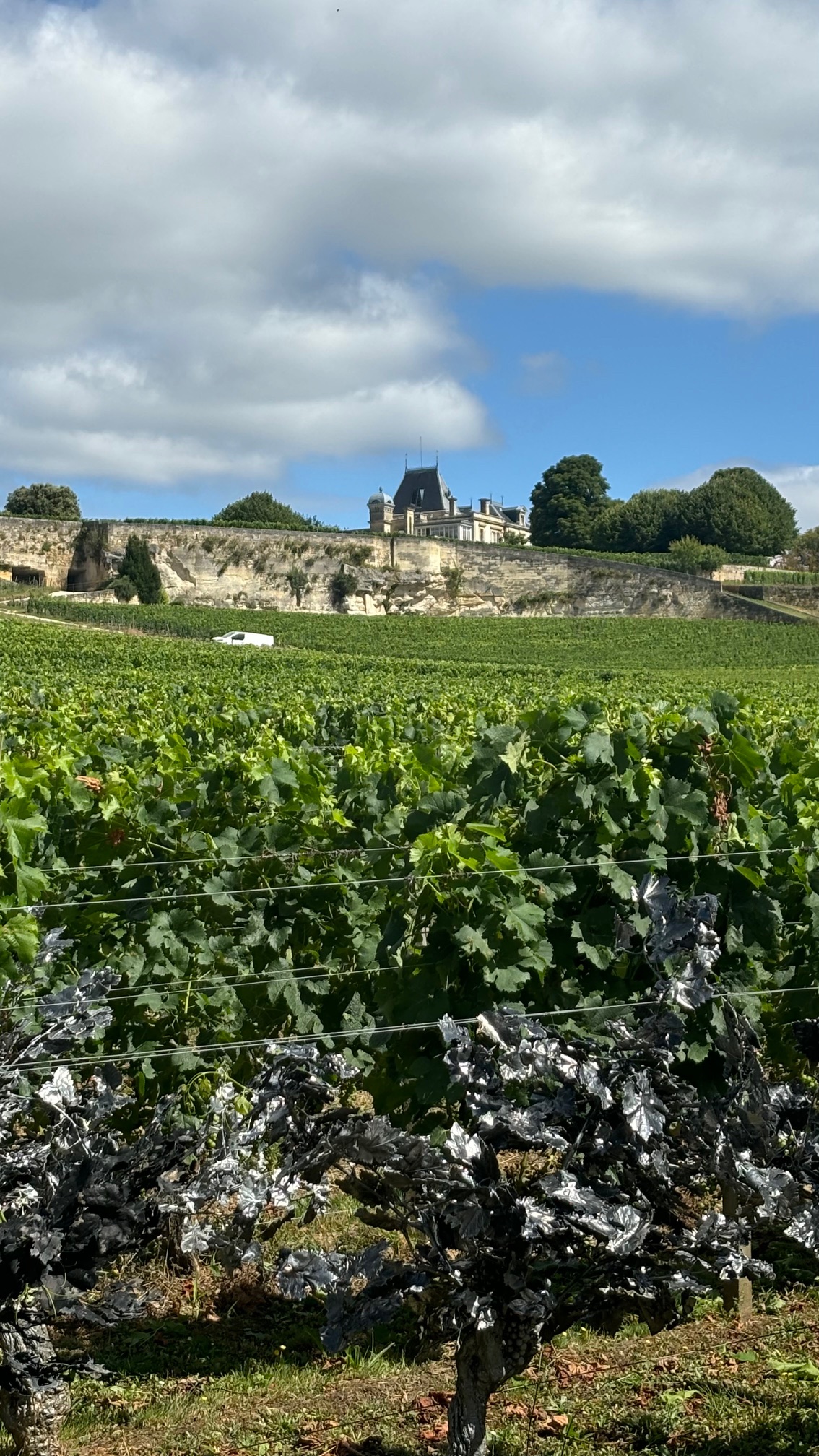
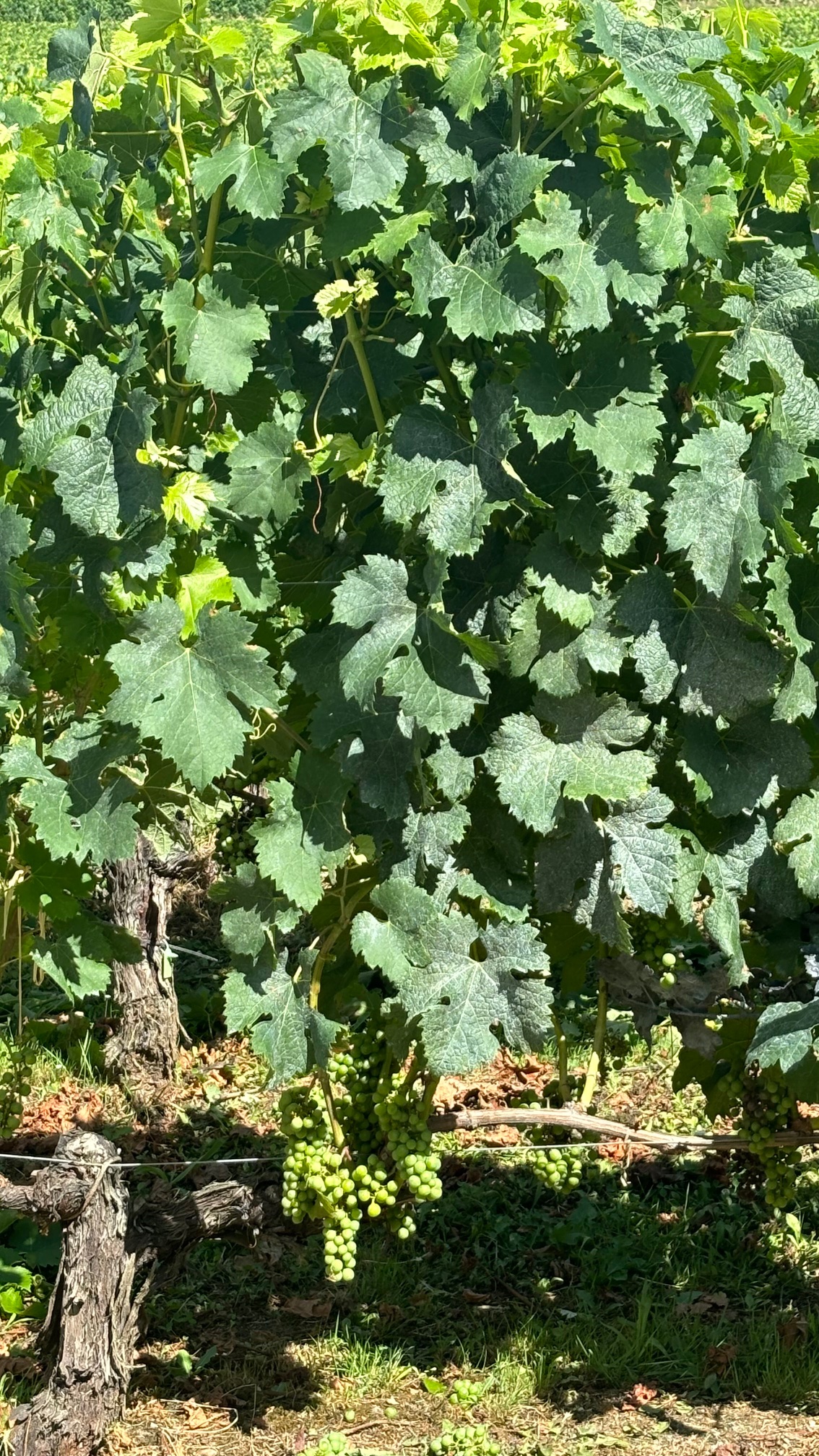
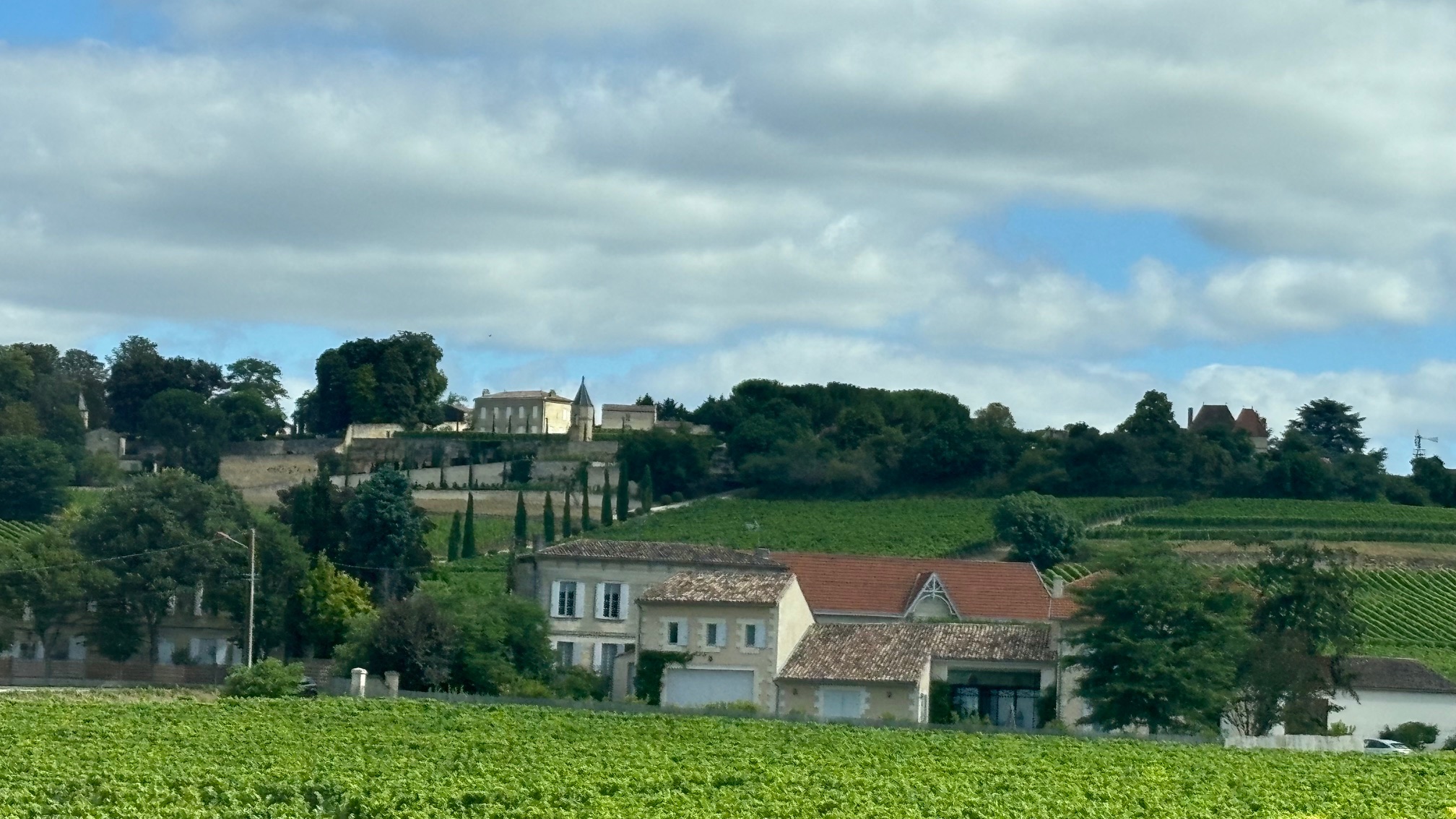
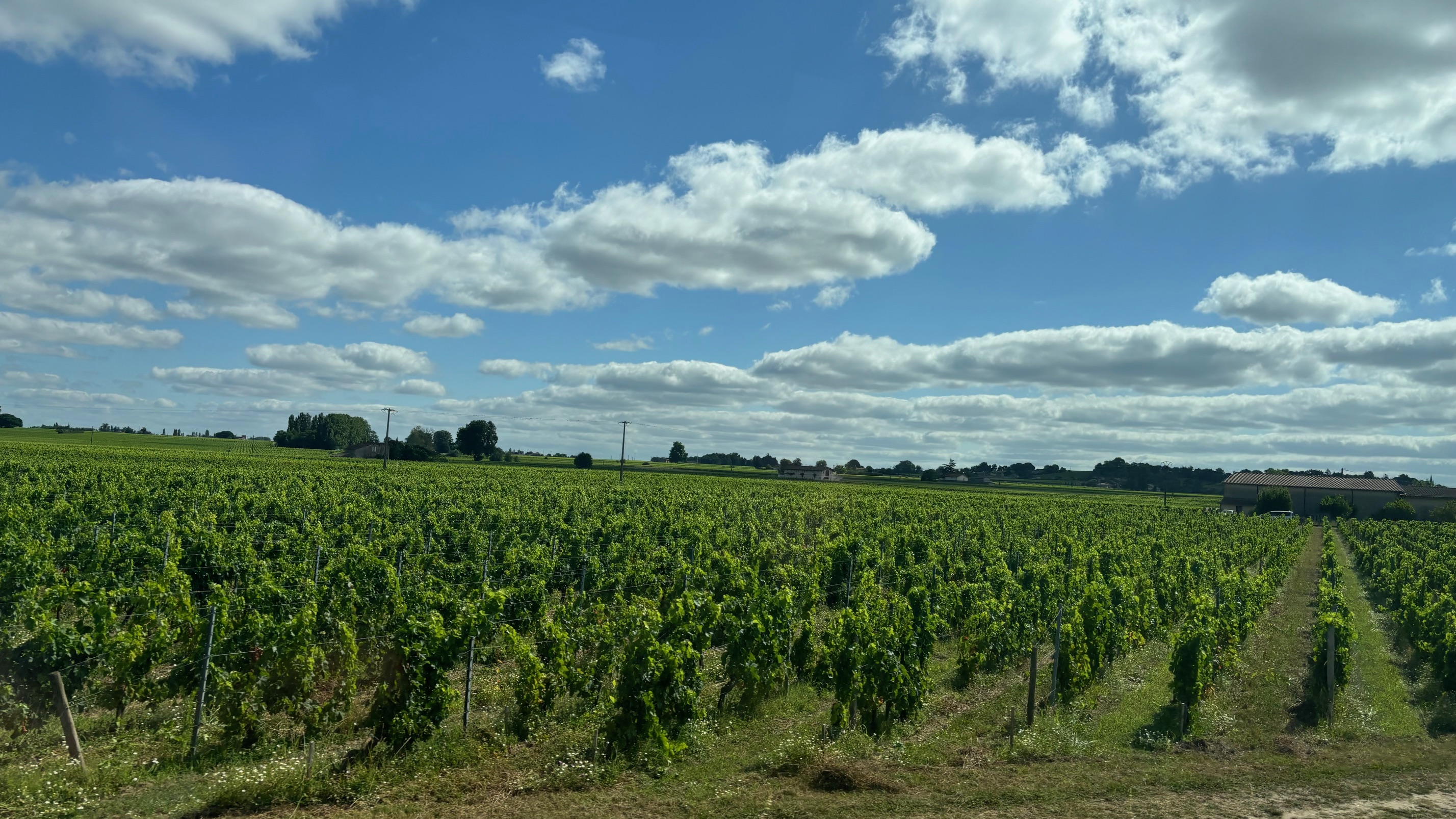
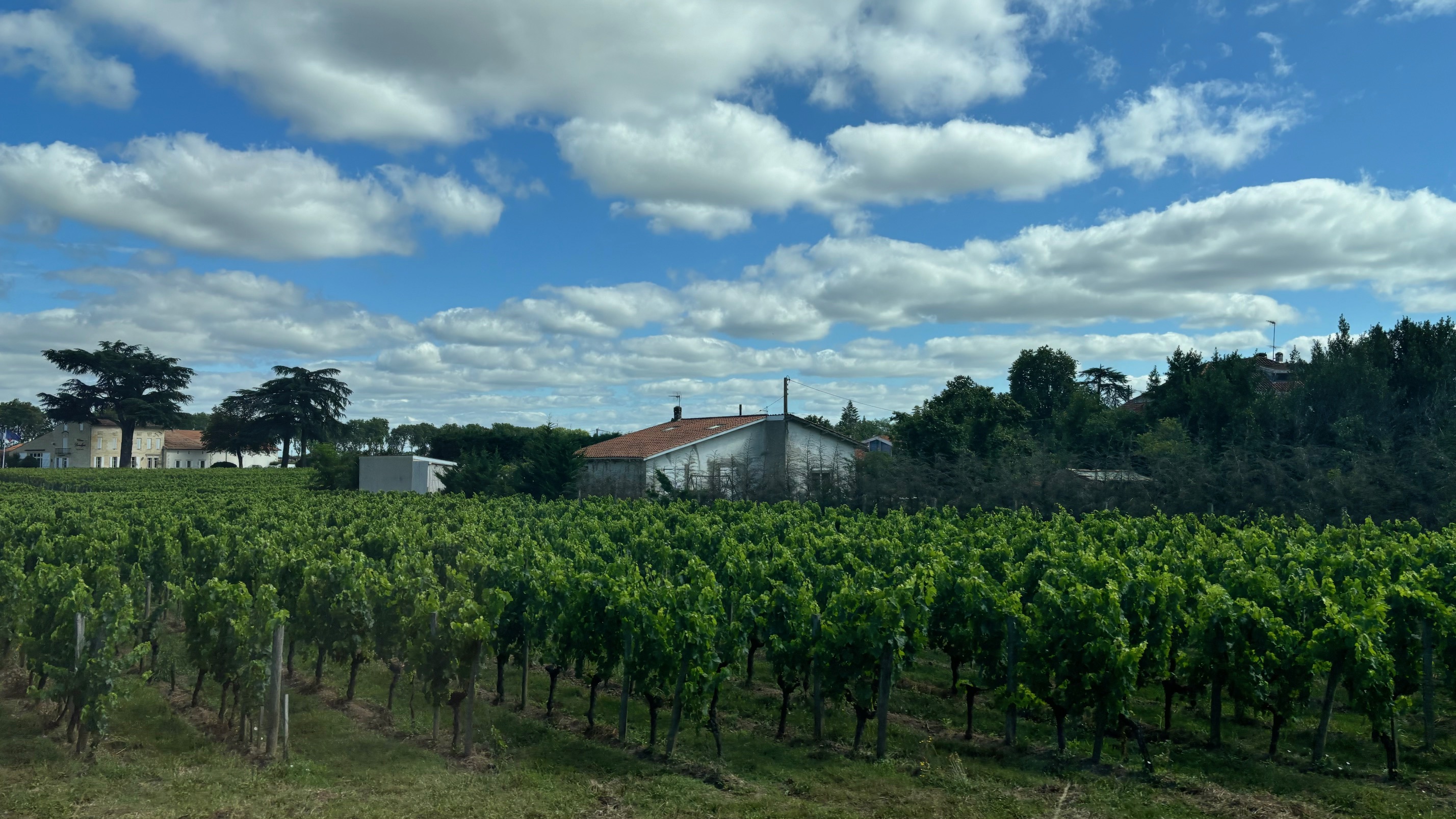
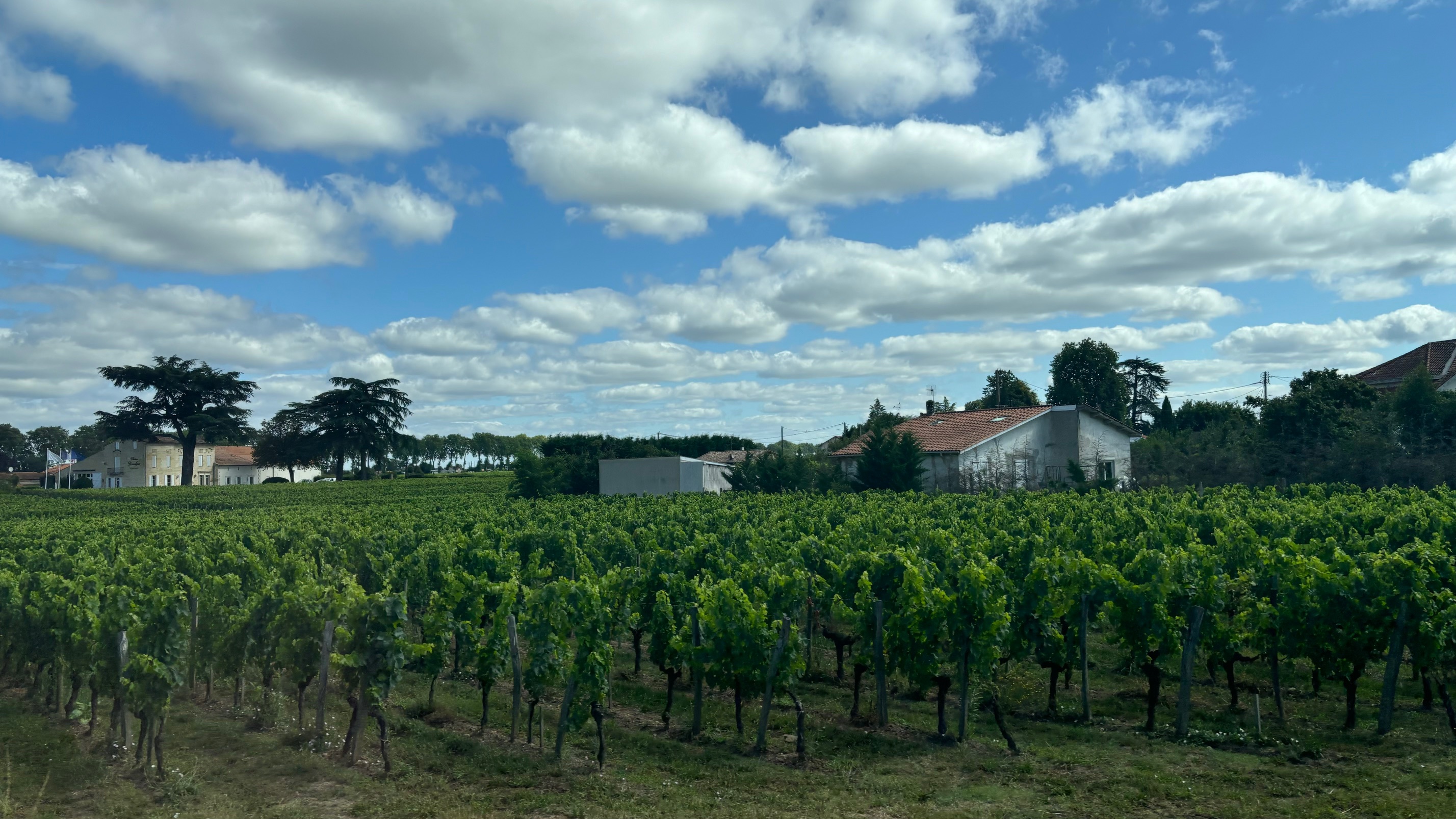
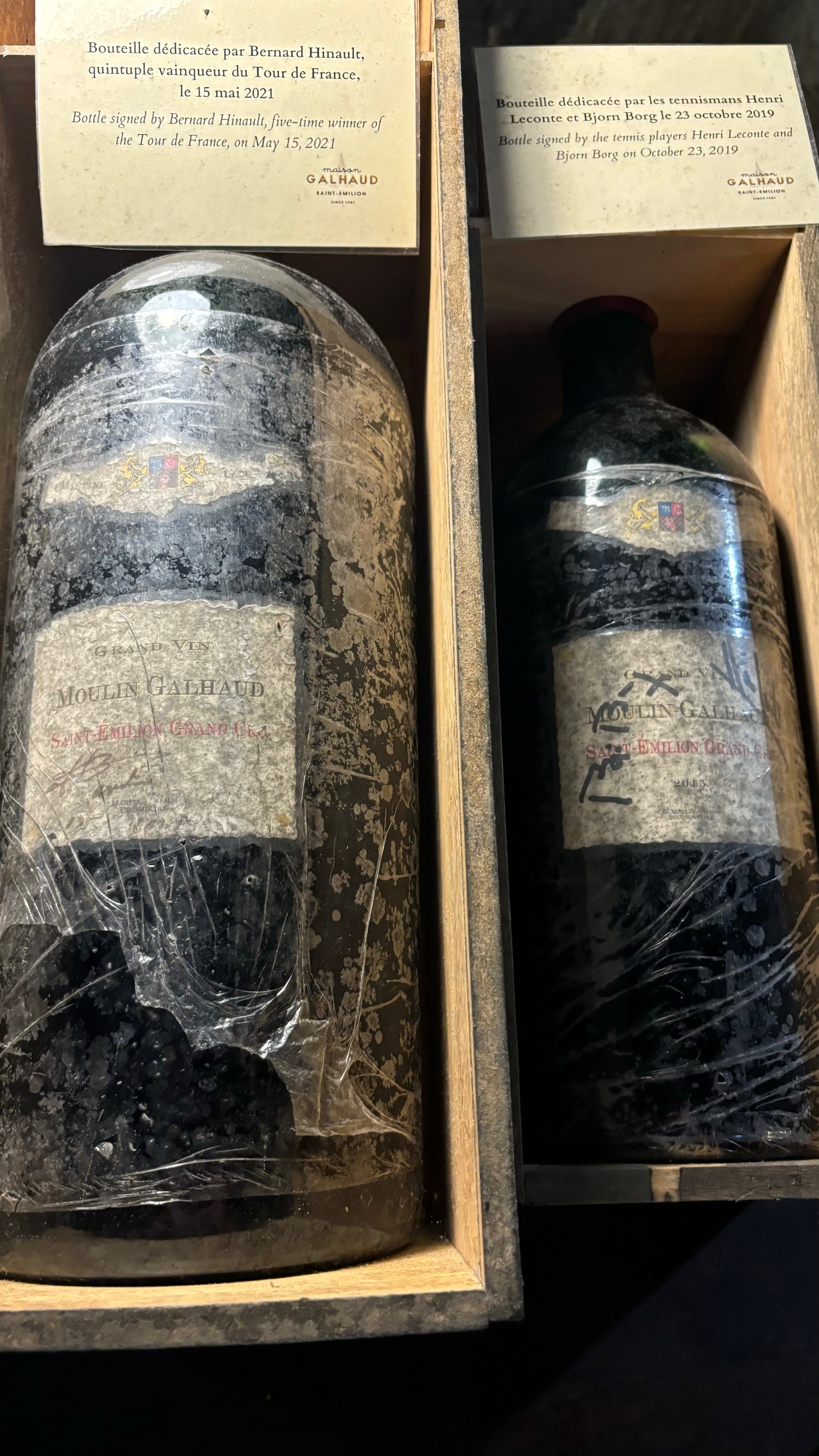
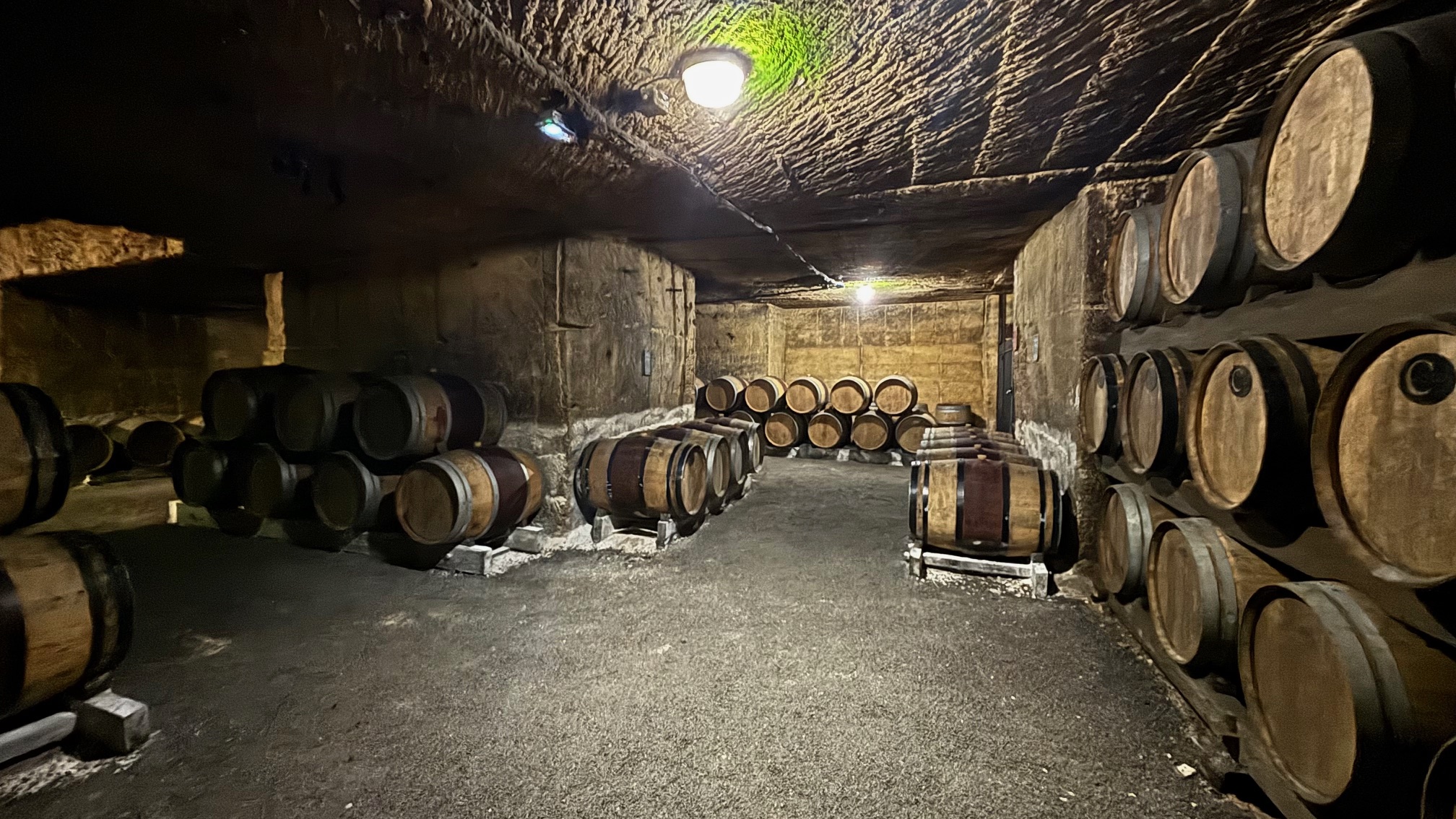
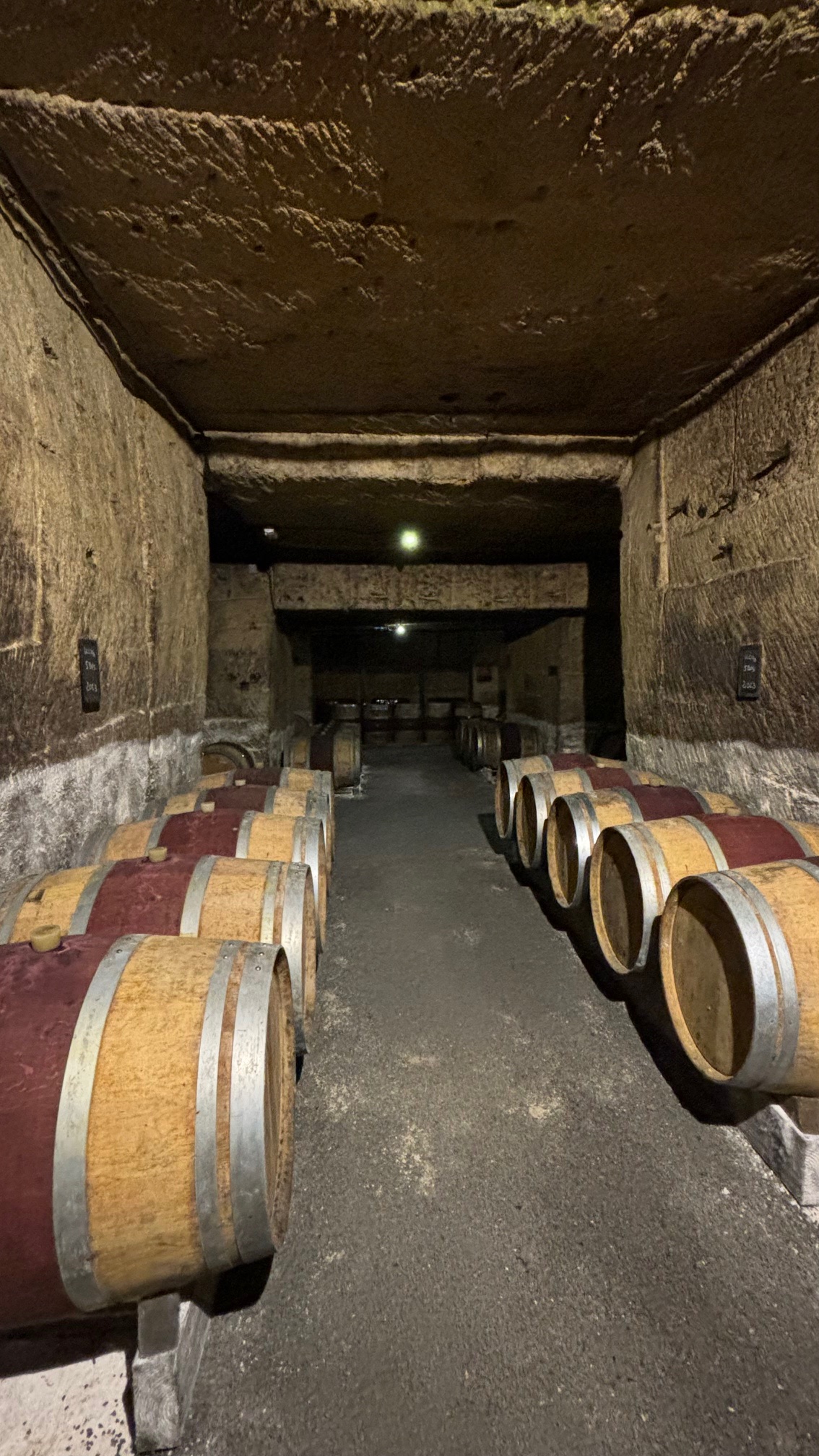
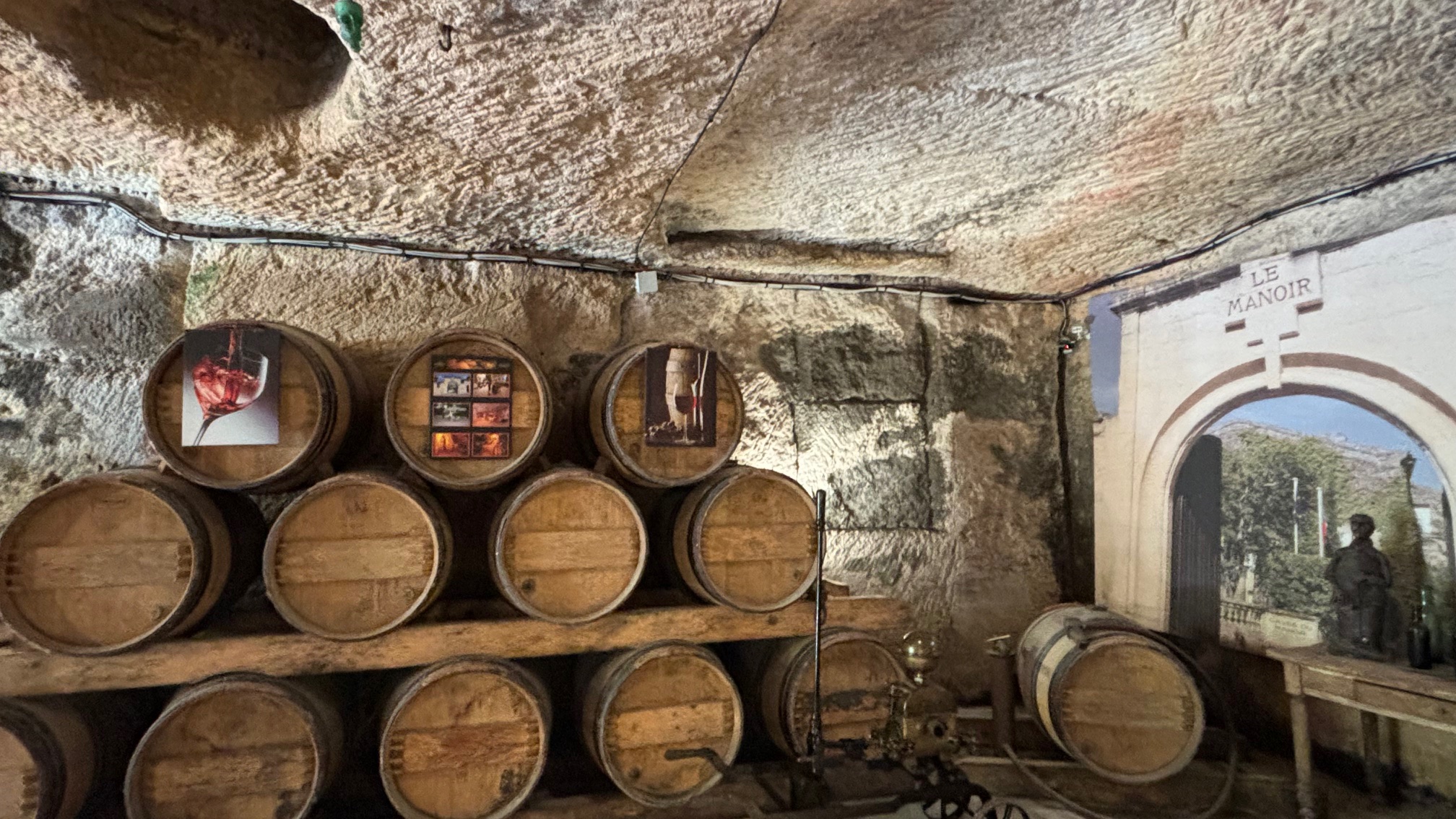
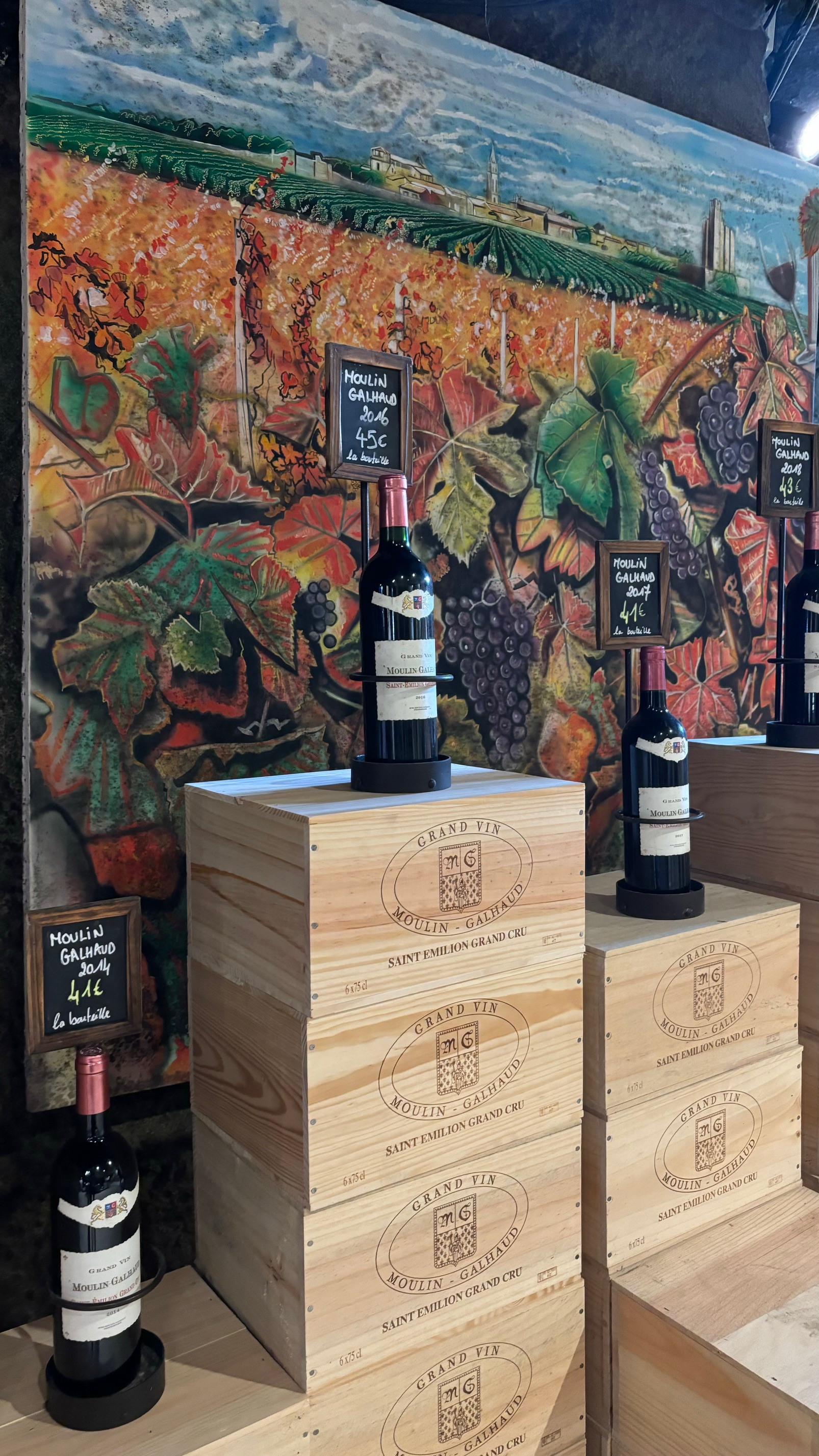

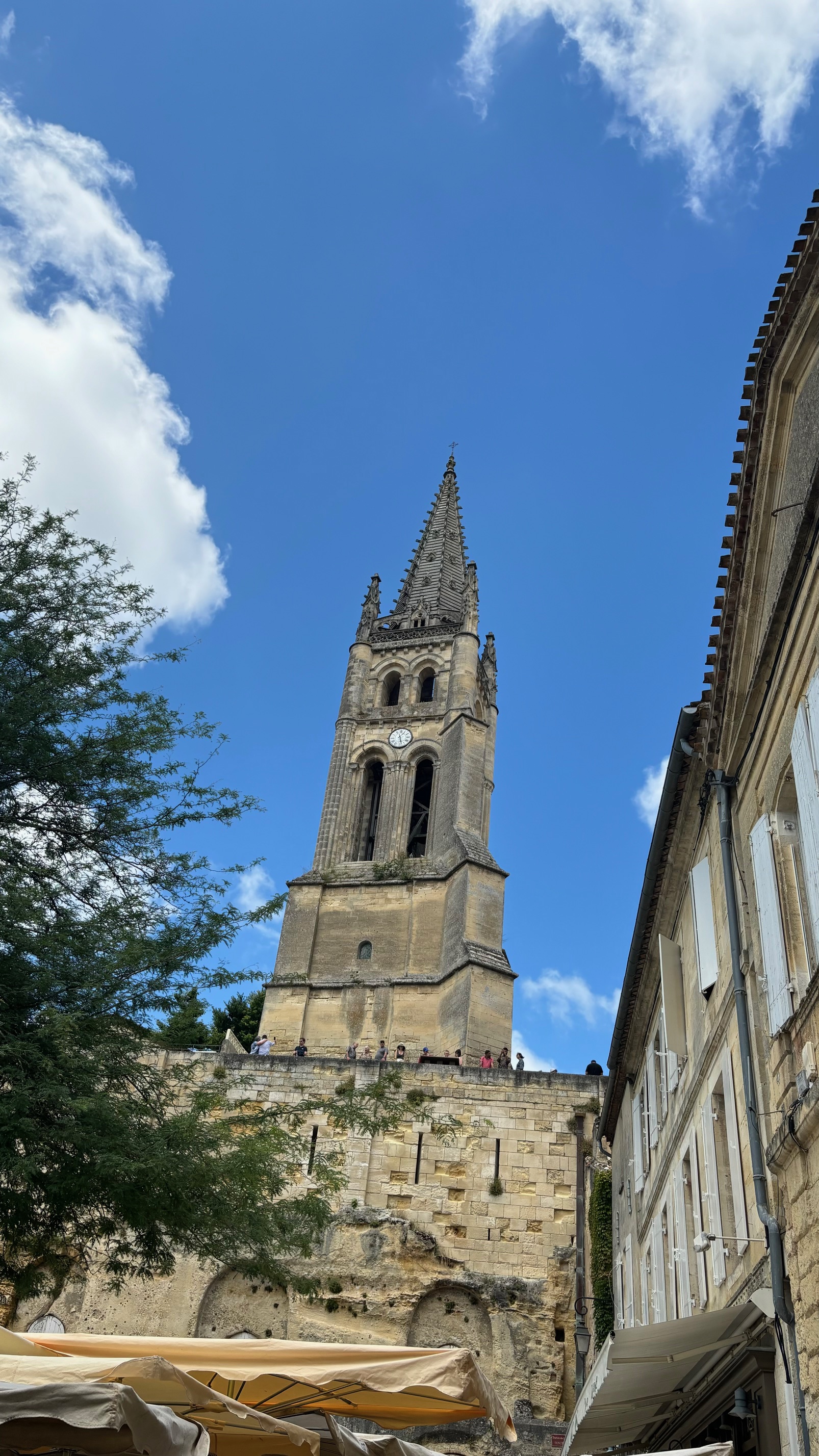
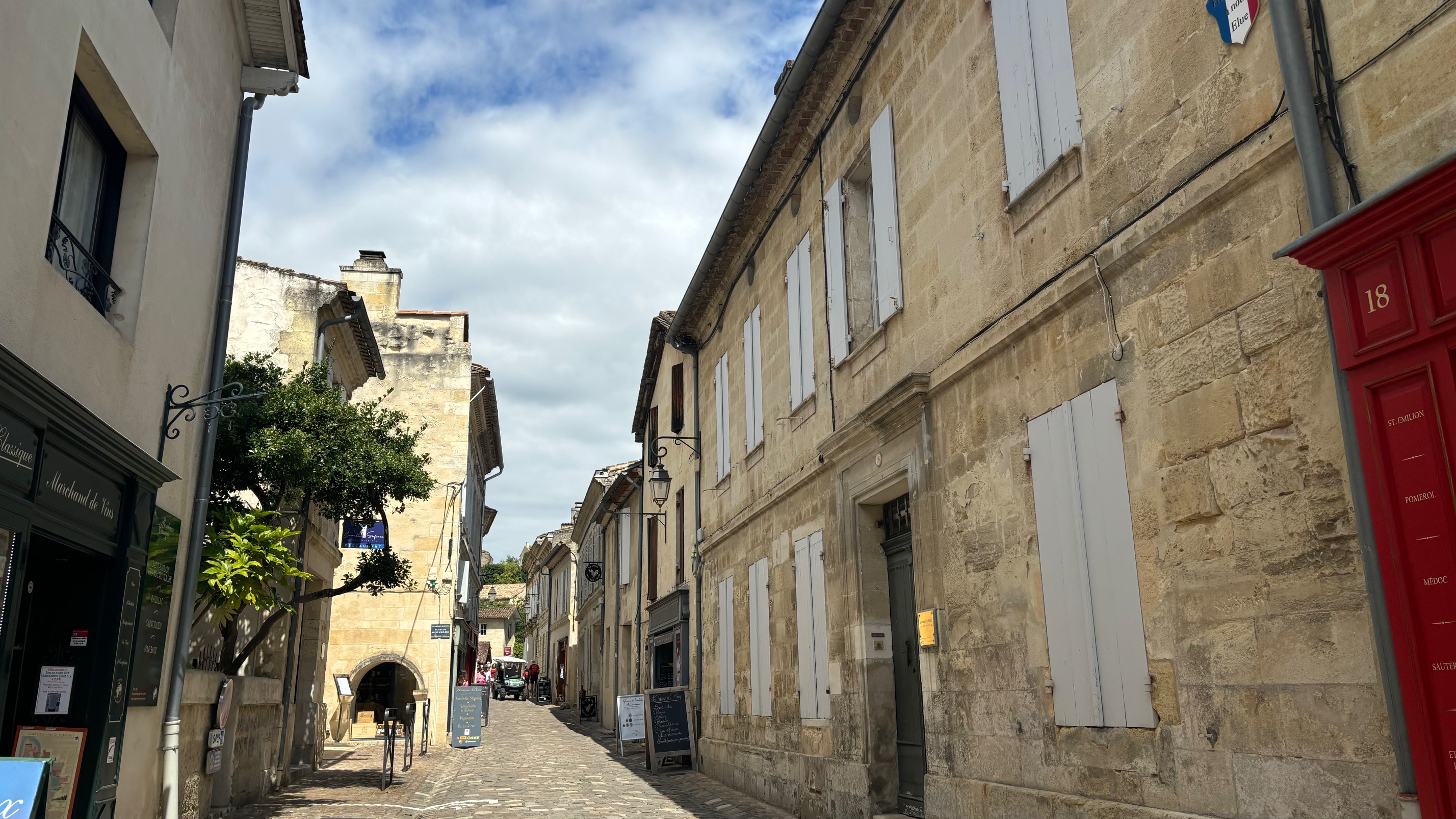
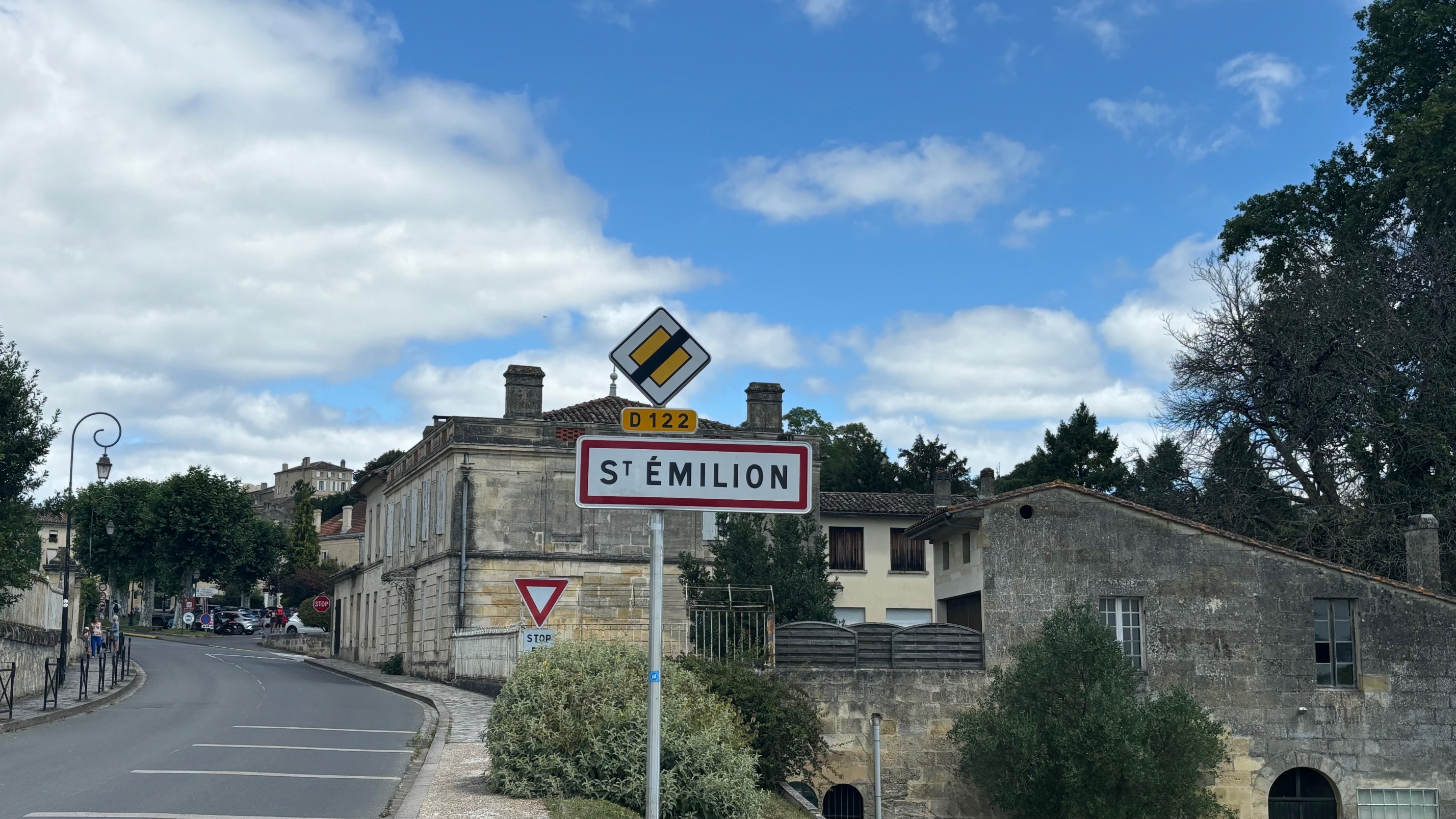
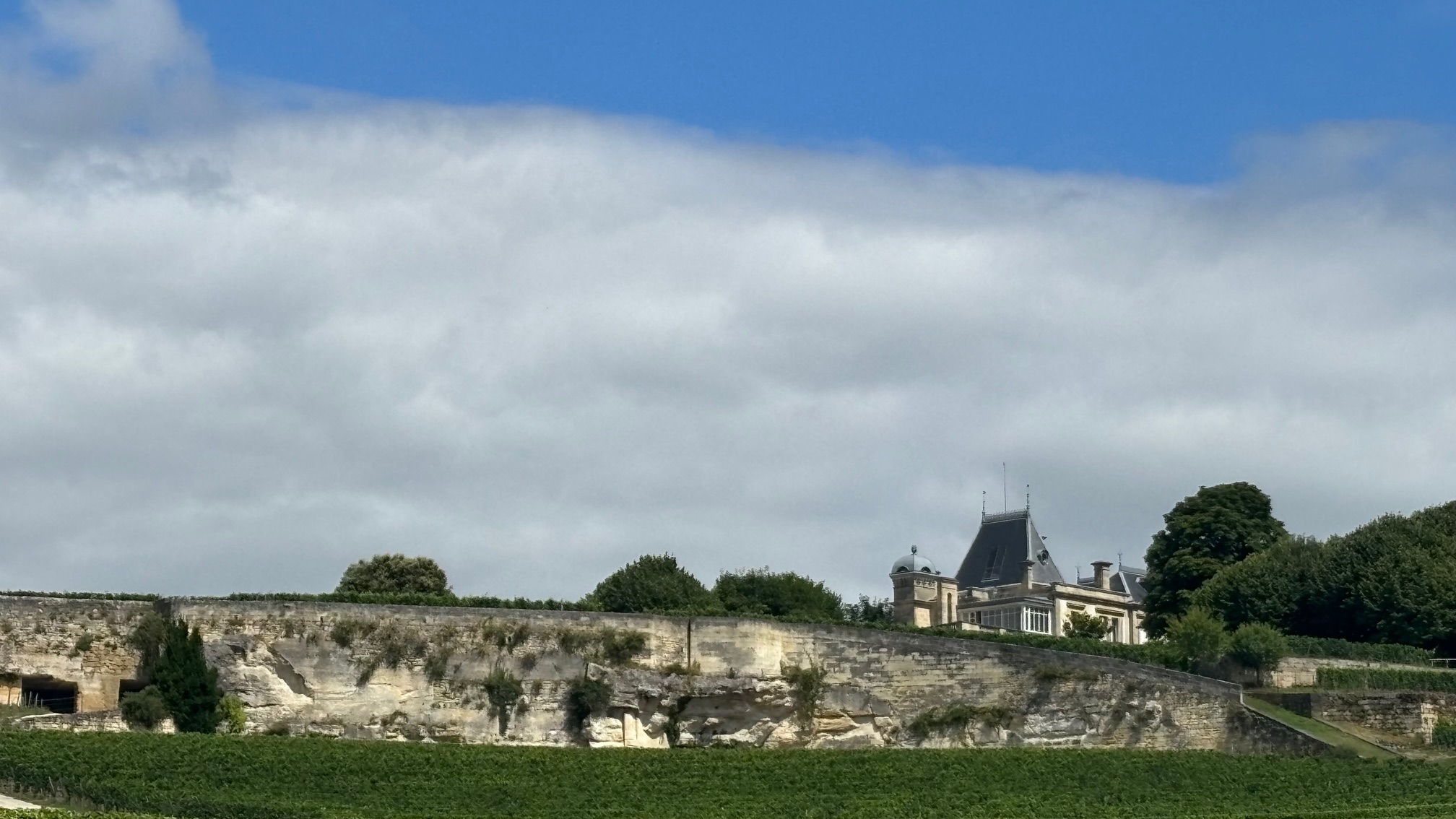
Camera: iPhone 15
Location: Saint-Émilion, Gironde, France
“We continue to dream about colonizing Mars and visiting the Moon again while ignoring the rising Oceans and hungry mouths here on Earth.”
We continue to dream about colonizing Mars and visiting the Moon again while ignoring the rising Oceans and hungry mouths here on Earth. I read a recent headline that summed this contrast up for me when it was reported that ‘record heat of 2024 triggered a surge in sea level rise’, which is a headline that should give us all some pause going forward as Earth is and will remain our only place in the universe that is habitable for the foreseeable future. Still, we push forward with satellite launches, planned manned missions to the Moon and Mars, and developing other capabilities in the space realm.
Now, I have no issue with organizations and companies that seek to reach the next frontier of Space and there are real benefits for science and technology along with fomenting further international cooperation in this area. However, it is worrisome when we take our collective eye off the ball regarding real man-made issues that we have yet to solve here on Planet Earth that either are lacking attention entirely or continue to get worse (climate, poverty / inequality, wars, famine, etc.) Humanity should always dream big and continue to push ourselves forward intellectually. It is good to devote oneself to a mission when it involves curiosity, knowledge, and progress.
Space travel, universal Internet access (via Starlink, for example), breakthroughs with artificial intelligence, developing the cities of the future, etc. At the same time, we should not risk ignoring or downplaying the real urgent problems in front of us, of which there are many left unsolved. Progress matters and that has been the case throughout human history, but survival, justice, and shared prosperity should be first and foremost in terms of our priorities going forward.
There has been a trend in recent years towards apathy or not putting enough resources to end hunger, homelessness, or poverty in favor of space travel for the privileged few, colonizing planets including Mars where life, more than likely, cannot be sustained there, and mining asteroids and planets for crucial minerals and other resources of interest. There’s nothing wrong with romanticizing exploration beyond Earth and dreaming of what future generations could achieve beyond our planet one day.
Still though, that day is many decades or centuries away and right now, Planet Earth needs more of our attention than those faraway planets and solar systems. Those of great wealth, popularity, fame, and notoriety are pouring more money and resources to interplanetary dreams for themselves (most likely) rather than helping their fellow man or woman who could use their help instead. Some of the wealthy and privileged in our society seem to be hypnotized increasingly about seeking out these distant dreams rather than being part of the solutions here on Earth.
We need a reality check for everyone, including those of superior means, that there are major issues on our planet that are not going away and are getting worse in recent headlines. Whether it is climate change, wealth inequality, political instability, crumbling infrastructure, possible pandemics, wars and conflict, these are the primary issues that should capture all our attention. If we cannot make Earth a livable, sustainable, and safe place for future generations, then we do not deserve to leave the planet to colonize other planets nor set foot on Mars to begin with. All of these issues on Earth are solvable still in my view but we have to keep creating attention to these different yet interconnected problems, and to me, it is not a question of money or resources, as if we have enough money for manned missions to Mars in 5 years then there is no reason why we can’t eliminate poverty or hunger on this planet first.
Prioritizing our present and future on Earth is also not anti-progress for humanity. I am not against dreaming big or for resources to go to space travel. However, it’s about sequencing our collective priorities better going forward. Before we build a new boat, let us fix the leaks in the current boat before we sink and must abandon ship for that new boat.
There is not just innovation to be found in this current space race but I do believe also that solving present issues can accelerate innovation here on Earth. Whether it’s AI tools leading to new health cures, developments in clean energy technology building new industries here, or eliminating hunger allowing children to learn better, retain more information, and create more educated professions to solve the next challenges here on Earth. Humanity must handle survival, stability, prosperity, and justice for our baser levels before we move on to higher-level pursuits, similarly to ‘Maslow’s Hierarchy of Needs’ on a planetary scale.
We are not just dealing with one or two current issues on a humanity scale right now. I can name at least five major issues that are still unresolved and are either stagnating in terms of progress or getting worse currently.
There is a cost to ignoring or downplaying the issues of today because we will eventually be paying for them in the future. Runaway climate change, more wars, growing inequality, dysfunctional public institutions will all impose a heavy burden on us here on Earth and technological dreams become pointless if society stagnates, ruptures, or collapse beneath the sheer weight of these issues. Space travel isn’t so great when nobody can afford to go, the Earth the astronauts come back to isn’t so pleasant, or when there’s no money to continue funding the dream because other issues became so severe, space travel couldn’t be afforded anymore. A colony on Mars won’t help any of us if we can’t figure out how to keep power grids running here or how to keep our cities from flooding from further projected sea level rise.
Let’s continue to invest in space exploration because of what good it can do for humanity but let us also not sacrifice fixing the problems here on Earth not yet solved because we want to colonize Mars or other planets. We should weigh better as a society our collective priorities and how much funding, talent, and attention we will give to our problems here on Earth vs. our future dreams on a planet far, far away.
Governments, businesses, and individuals can each play a role by changing our priorities to focus first on fixing the problems of today rather than solely focusing on the dreams of tomorrow. We should continue to vote for leaders who prioritize our current Earthly issues, participate civically in helping to draw attention to these issues, and live sustainably to start to shift attention and resources to these issues that I’ve highlighted, which affect all of us today, whether directly or indirectly.
If we devote ourselves to fixing Earth today and into the future, we won’t just survive, we will then be strong enough to reach for the stars while comfortably knowing that we have a thriving and prosperous planet that our astronauts would be returning to, with their heads held high. Ask yourself this question too: what is the one issue of our time that you can help fix today, before we start building the future on another planet many years from now? I think you’ll find that we have more power and influence than we think and that our actions today will inspire others to also act in shaping a better planet where we can both live out our days here and still dream of a space-bound future one day for generations to come.