Being An Active Listener

“I would like to highlight the significance of having active listening skills in contemporary society, its myriad of benefits, its role in fostering respect and empathy for other people, and the pitfalls of distraction in the digital age.”

With the frenzied pace of modern life, where everyone seems to be talking but few are truly listening, the act of active listening has become increasingly crucial to partake in. In a society inundated with seemingly unlimited information and plagued by short attention spans, the ability to listen intently and engage with others through attentive body language has emerged as a rare and invaluable skill, both personally and professionally. I would like to highlight the significance of having active listening skills in contemporary society, its myriad of benefits, its role in fostering respect and empathy for other people, and the pitfalls of distraction in the digital age.

Active listening is more than just hearing words come out of the other person’s mouth; it is about comprehending fully the message being conveyed, acknowledging the speaker’s perspective, and responding thoughtfully when they are done. In a world where communication often takes place through digital screens and abbreviated text messages, genuine human connection can easily be lost, especially when it’s not done face-to-face. However, active listening provides a counterbalance to this growing trend, allowing people to connect on a deeper level and work on building more meaningful relationships.

One of the primary benefits of active listening is the ability to facilitate effective and thorough communication. By listening attentively without interrupting, one can better understand the thoughts, feelings, and intentions of the other person behind the words spoken. This type of listening comprehension lays the foundation for productive dialogue, enabling participants to exchange ideas, resolve conflicts, and collaborate more effectively. Whether in personal relationships, professional settings, or in the public discourse, the ability to listen actively fosters mutual understanding and helps to facilitate constructive communication.

Moreover, being an active listener is a sign of respect and shows that you have real empathy towards other people. When we give someone our undivided attention, we convey that their words and experiences are truly valued. This kind of validation not only strengthens interpersonal bonds but also nurtures a sense of belonging and significance. In a society where people often feel isolated and unheard from, the simple act of listening actively can make a profound difference in someone’s life or even just their day. By demonstrating empathy and understanding, active listeners create a supportive and caring environment where individuals feel safe to express themselves authentically.

Additionally, active listening enhances our capacity for empathy and compassion. When we truly listen to others, we gain insight into their emotions, perspectives, and lived experiences. This expanded awareness cultivates empathy, allowing us to relate to others on a deeper level and appreciate the diversity of our individual experiences. Through active listening, we transcend our own preconceptions and biases and open ourselves up to new ideas and perspectives. In doing so, we foster a more inclusive and empathetic society where differences are accepted and acknowledged rather than feared and ignored.

Furthermore, active listening promotes personal growth and self-awareness. By paying attention to the thoughts and feelings that arise within us as we listen to others, we gain valuable insights into our own beliefs, values, and biases. This self-reflection enables us to identify areas for our own personal growth and development, fostering greater self-awareness and more emotional intelligence. Also, by engaging in active listening, we cultivate a habit of mindfulness and presence, allowing us to fully immerse ourselves in the present moment and appreciate the richness of undisturbed human interaction.

In today’s digital age, the temptation to multitask and divide our attention is constant. With smartphones constantly buzzing with notifications and social media feeds demanding our immediate attention, it can be challenging to stay fully present during conversations. However, the consequences of being distracted can be profound, leading to misunderstandings, missed opportunities, and damaged relationships and friendships. When we allow ourselves to be distracted by our phones, laptops, tablets, or other devices while interacting with others, we signal that they are not worthy of our full attention. This lack of full presence undermines the quality of the communication involved and diminishes the level of trust and respect between two or more individuals.

While active listening holds immense value, there are certain pitfalls to avoid ensuring its full effectiveness. One common mistake is the tendency to mentally prepare responses while the other person is speaking, rather than fully absorbing their message. This kind of anticipation without thinking can lead to misunderstandings and missed opportunities for genuine connection. Additionally, interrupting or interjecting with personal anecdotes can derail the conversation and detract from the speaker’s unique experience. To mitigate these kinds of challenges, it is essential to cultivate mindfulness and self-awareness during interactions, even if you really have something urgent to add to the conversation.

To avoid this kind of pitfall, you should be actively monitoring your thoughts and impulses, resisting the urge to jump to conclusions or offer unsolicited advice without being asked for it. Instead, you can practice patience and humility, allowing the speaker to express themselves fully before formulating your response. By maintaining open body language and making eye contact, we can signal our engagement and receptivity, encouraging the speaker to continue sharing their uninterrupted thoughts and feelings. When we are being mindful of these potential pitfalls and committing to being an active listener with sincerity and respect, we can foster deeper connections and enrich our friendships and relationships with other people.

Therefore, it is essential to prioritize presence and mindfulness in all your interactions with others. By consciously setting aside any distractions and giving our full attention to the person speaking to us, we demonstrate full respect and consideration for their thoughts and feelings. In addition, by resisting the urge to check our phones or engage in other activities while listening to that person, we create a real space for authentic connection and meaningful dialogue. By doing this, we honor the inherent dignity and worth of every individual, fostering a culture of respect and empathy that they will be able to return in kind if they follow your good example.

Active listening is a key cornerstone of effective communication, respect, and empathy in today’s world. Listening attentively without interrupting, showing engaged body language, thinking up a response until after they’ve finished talking, and giving our full attention to the speaker helps create a foundation for meaningful dialogue and authentic connection, which is becoming increasingly rare. In our society marked by digital distractions and fleeting, shallow interactions, the ability to listen actively is more important than ever to cultivate day-in and day-out. When we embrace the art of active listening, we can foster deeper relationships, cultivate greater empathy and understanding, and create a more compassionate and inclusive world for everyone.

On Territory and Hierarchy

“It’s not just being rewarded financially but there are also the noted past benefits such as being the first to eat at a meal or having livestock awarded to you for leading the tribe or group.”

When you rise in the hierarchy of any company, firm, or organization, you are likely to be rewarded for it subsequently. It’s not just being rewarded financially but there are also the noted past benefits such as being the first to eat at a meal or having livestock awarded to you for leading the tribe or group. The leader, if he or she does a good job, gets first dibs on what they would like as a result whereas if it’s money, food, or what I think is the most common today as it was in the past: land or space.

In my view, there is a direct correlation between rising in the hierarchy and having more space or territory allotted to you. This kind of correlation has really stood the test of time when you think about the era of feudalism when there would be lords over the land and forts or castles would be built to maintain that territory, even if it was contested by outsiders. When you think of the rise of empires from the Ottoman to the French to the British whose kings, queens, emperors, or sultans who would make their royal palaces and compounds as elegant, grand, and massive as they could.

Even your modern-day Presidents and other heads of state live more lavishly than 99% of their population and while they may command a modest salary, they still hold the keys to a massive home and office where they have people waiting on them to make sure any of their needs are taken care of. Because of the way hierarchies are set up, the people who have the most power tend to get the most benefits in terms of taking up space and territory because of the office or title or family legacy that they hold.

While it would make sense that in a capitalist society, you must ensure lopsided rewards and benefits to those people entrusted with political or other forms of power. When you think of your average CEO or company owner, they tend to on average also take up more territory or have more space than your average person. As your status rises so does the amount of acreage or square meters you would like to claim as your own. While there are exceptions, popular culture encourages the acquisition of power and status to correlate with not only acquiring financial wealth but territorial wealth too.

You can even see this in terms of who gets the most space in the c-suite or in the average office. While the average worker may have to work in a cubicle or share a space with others at a lower level of hierarchy in their organization or company, the management or higher-level executive will often have the corner office or their own floor depending on the place of work. It is easy to see where your status in the working world is just by seeing who is taking up the most space even when the impact you or your colleague have on the firm, company, organization, may be different in terms of actual value provided.

The societal drive to get that corner office, or to get a bigger home, or to have a piece of land to call your own is an innate part of what keeps our drive to boost our economic means in life. Taking up territory and holding it is such an innate part of our caveman-like nature that even if we may have come out of the caves into homes, palaces, and offices, we still strive to show off to others where we are in the hierarchy by showing how much space we take up compared to the other guy.

While there’s nothing wrong with staking your claim, working hard for what you earn, and claiming that corner office or hectare of land as your own, it does not mean that you’ll automatically be happy or fulfilled. It’s likely you’ll be satisfied, happy, or content with how far you’ve come and how hard you had to work for your spot in the hierarchy, but it does not guarantee you long-term happiness or fulfillment. When you think about it, while you can get an office or a home or a castle to yourself, it can cause a tendency to isolate yourself, to think you know better than anyone, and worst of all, to lose a kind of empathy for what your co-workers, your compatriots, or your community is going through.

You may be able to stock more resources, live more lavishly, and show off to others, but it won’t fill our most basic need as human beings, and that is to connect with one another on a deeper level. You may have family or close friends but the higher you are up in the hierarchy, the tendency is there to ignore others’ advice, or to start thinking you’re better than other people even when you may not know what to do or what the answer is, and it may prevent you from being touch with other people are going through who are going through a tough time in life.

The more we seek to rise in a hierarchy, whatever it may be, the more likely it is to lead to isolation, loneliness, and even unhappiness if we use the territory that we have to shut the door on interacting with others around us or who work with us. It is tempting to let our success and our status get to our heads, but it can lead to increased narcissism, apathy toward what got you there in the first place, and an ego that can run out of control if it’s not checked by others.

When you think about a successful leader or executive, they let others tell them when they are wrong or show humility when they don’t know the answer. Instead of isolating themselves entirely, they make sure those people who helped them share in the success and are treated well. They share their space with others instead of hoarding it for themselves. They go out in the community to find out how they can help as a leader with more resources and knowledge. Instead of becoming a hermit with a lot of territory but no one around to help, a good leader will let people in to give advice, counsel, and to back down when he or she knows when they are wrong.

It’s the reason why dictators, kleptocrats, and monarchs can be so out of touch with their compatriots and why the CEO who has his own floor and never leaves his mansion are not long for staying in power. They neglect having people around them to be part of their apparatus and to tell them when the decisions they make should be rethought. It is also because when a leader hoards all the wealth, territory, or resources for him or herself and their family or close friends, people who are worse off tend to notice, can congregate, and organize together, and an overthrow of that leader is just around the corner.

A good leader makes sure that he does not hoard more than he needs to succeed in his role and that he or she relinquishes their title so a successor can rise whatever the vocation to share in the continued success of the company, organization, or firm. There’s nothing wrong with letting your rise in hierarchy allow you to acquire more land, territory, or money, but to hoard it all or to do nothing to let others improve their own lot in life to make sure they have the same shot at success is a recipe for disaster. You cannot take land with you after you’re gone so the priority should be on making sure you are a good leader first and also someone who uses their status to assist others, to make wise decisions, and to help give other people in their community or country a leg up so they can have enough territory to live a good life and share their own success with their family and friends.

English Corner – Showing Compassion and Kindness with Words

“When you learn English as a Second Language, your vocabulary to express kindness, compassion, and understanding towards others should be a top priority.”

One of the key parts of English vocabulary that a new learner to the language should focus on is to how to be compassionate and kind to other people. When you learn English as a Second Language, your vocabulary to express kindness, compassion, and understanding towards others should be a top priority. Expressing kindness in English or in any language will get you very far with other native speakers and can help you in any situation. When you do your best to treat others in ways that they would like to be treated such as with kindness and respect, you will likely not run into any serious conflicts or issues. There may be misunderstandings and ‘lost in translation’ moments but if you are able to make amends for it with your English vocabulary, you will be forgiven by other people and they’ll often give you a second chance.

To give you some ideas, I’m going to break this article down into two parts. I will begin with compassion, which means showing sympathy and concern for other people who may be going through a rough time or having issues in their life. There are multiple ways to express compassion in the English language and I’m going to give examples of both words, phrases, and sentences that express compassion clearly and deeply. When you are compassionate towards other people without expecting anything in return, that is truly what it means to be a mature human being who is also emotionally intelligent.

Words of Compassion:

  • Feeling
  • Empathy
  • Remorse
  • Sorrow
  • Forgiveness
  • Regret
  • Mercy
  • Benevolence
  • Sympathy
  • Mercy

Phrases of Compassion:

  • Feel better soon!
  • Wish you well!
  • Things will get better!
  • Stay positive!
  • I hear you!
  • I’m with you!
  • I am so sorry!
  • Please forgive me!
  • I didn’t mean to!
  • Will you forgive me?

Sentences of Compassion:

  • I am sorry if I hurt you in any way.
  • I didn’t mean to cause you any pain or sorrow.
  • I feel a lot of remorse for what I did and hope you can forgive me someday.
  • Please know that I am thinking of you and your family in these tough times.
  • My thoughts and prayers are with you all.
  • I did not mean to cause you any harm or any offense. If I did, I am very sorry.
  • I would like to ask for your forgiveness.
  • Please have mercy on me as I did not mean any wrongdoing.
  • I hear where you are coming from and see that what I did was wrong.
  • Please know that you have my deepest sympathies in these difficult times.

Showing compassion in English is all about having empathy for another person whether you were right or wrong. It means showing emotions that are genuine, which may lead to someone forgiving you or seeing your point of view, but it will definitely show that you are a mature person who is capable of admitting their mistakes and seeking forgiveness rather than being stubborn about it.

When it comes to kindness, it always goes a long way whether it is made up of individual words, a few words, or in complete sentences. Showing kindness will open up more doors for you in the English language than any other kind of vocabulary. However, it must be earnest, it must be done without expectation of return, and it must be consistently used in your daily usage of the language. Without kindness, you will not be able to fully utilize English and it is unlikely you’ll be able to learn other vocabulary within the language itself. When you have kindness in your personal vocabulary, everything else will come shortly after and other English speakers will be willing to help you out so that you will become a better learner and keep being a better person.

Words of Kindness:

  • Patient
  • Understanding
  • Pleasant
  • Nice
  • Generous
  • Charitable
  • Humane
  • Decent
  • Warm-Hearted
  • Altruistic

Phrases of Kindness:

  • I’ll help you.
  • Let me assist you.
  • How are you?
  • You look well.
  • Do you feel good?
  • How have you been?
  • I’m here to help.
  • How’s your family?
  • Give my best to him/her.
  • My house is your house.
  • Thank you very much.
  • Excuse me.
  • Please!
  • I appreciate it.

Sentences of Kindness:

  • I am here to help you and your family.
  • I’m giving to charity because I think it’s a worthy cause.
  • I would like to volunteer on the weekends because it’s the right thing to do.
  • Helping people out is the best way to make someone else’s day.
  • I enjoy getting out of my seat on the bus to give it to an elderly person.
  • Giving back to others without expecting anything in return is true generosity.
  • Before you do anything else in your day, you should be kind first.
  • My job is to help people with their luggage as a doorman and it makes my day.
  • I’m cleaning out the trash in the neighborhood park because I care about my community.
  • Before you criticize the world around you, think about how you can make it better with simple kindness.

With Kindness and Compassion, you can go far in this world in any language but especially with the English language. I believe it is truly important to have this post as a separate article because before you dive into any other type of English vocabulary, you should be willing to learn the basics of being kind and compassionate and to use it as much as you can. I promise you will not regret it and you’ll be much better off for studying this particular kind of English vocabulary.

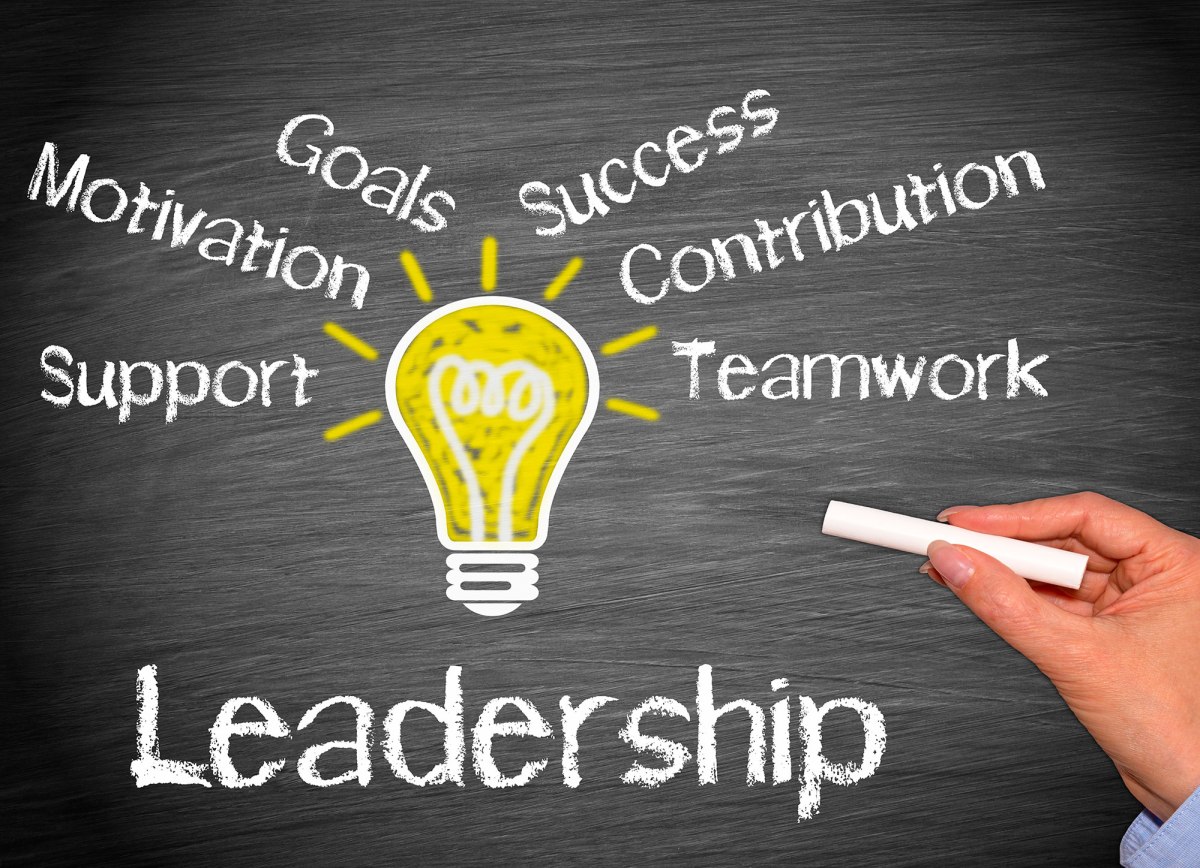
On Leadership

There are a number of keys and steps that it takes to become a good leader. There are also many interpretations of what a good leader can be, but I believe there is also a specific formula of characteristics, habits, and traits that separate the good leaders from the bad ones. It is extremely useful nowadays to go over the themes and the values that often make up the blueprint of a good leader whether you are referring to a business executive or to a prime minister. I particularly rely upon using books and other reference materials for further analysis, which help to highlight the importance of leadership when operating under difficult circumstances.

Especially when it comes to working within an adaptive leadership framework, you have to be able to address different challenges and crises that arise which may cause you to adapt your leadership style to fit the times. In order to meet these challenges, a leader has to be open to new ideas, be able to self-reflect, and stay true to the overall vision or goals at hand even when obstacles are thrown in the way.

Each modern and historical leadership figure that you can think of was an adaptive leader since they were not following a specific script or manual and had to sometimes improvise or change their beliefs or views when the time came for it. Still though, these leaders had a steadfast vision, were good communicators, and had the trust of their constituents and colleagues to carry out the work they were doing even under high pressure situations.

The most useful example for me of displaying adaptive leadership in action was the movie “Invictus”. That movie portrays an excellent example set by the former President of South Africa and human rights icon Nelson Mandela as an adaptive leader. He did not let his past experiences of being jailed unjustly in Robben Island cloud his ability to forgive and bring his country together to fight for a better future. He was open to compromise, dialogue, and reconciliation to heal a very divided country.

I think that even if we do not consider ourselves to be a natural leader, it would do us a lot of good to put ourselves in other leaders’ shoes to decide how we would act if we had been the leader in those situations. I believe it would be very beneficial for anyone to do role playing scenarios, either historical or modern-day ones, where someone is forced to put our leadership abilities to the test and see how they would do when evaluated by counterparts or colleagues.

Being a principled leader takes time but can be rather straightforward when you really think about it. Anyone can have principles that they stand for but that does not necessarily make a good leader. There are other qualities that make a good leader which involves having a deep sense of who they are including their strengths, weaknesses, and how they can tell their story. Even if a leader has principles, they may not be morally sound or ethically fashionable, which is what someone can conclude when you consider the actions of controversial leaders such as U.S. President Donald Trump and Saudi Arabia’s Crown Prince Mohammed bin Salman.

When you contrast these principled yet morally compromised modern leaders with positives historical examples of real leadership from the likes of President John F. Kennedy or Attorney General Robert F. Kennedy, you can get a better sense of how a leader can be principled in their decision-making but still a bad leader in terms of reputation. The Kennedy brothers still had principles, but they were based in sound morals and humane values as well as an ability to reach out for advice and counsel before making an important decision. They were decisive but not arrogant. Both men would be considered well-versed in exercising what is known as emotional intelligence. Under immense pressure, they were able to not let their ego or personal feelings get in the way of making a fateful executive decision that prevented World War III.

I have learned through my own life experience and by reading about other people that a leader must be able to put him or herself in difficult situations where their ability to exercise leadership will be tested. Being able to open yourself up to risk, setbacks, and failure can help to mold a true leader as overcoming adversity has helped many people in the past to rise up to take charge when their community, their country or the world needed them.

You do not need a stirring personal narrative to be a good leader, but it does help you build a strong connection with others. Sharing your story and connecting that story to the larger society is a very powerful tool that can make you stand out as a leader. I believe that a leader should always aim to be authentic when they connect with other people and to see themselves as not the center of attention but a small part of a larger story. To be transformational and a servant of the people, you have to put your ego aside. Those leaders who are the most developed as individuals are those who know themselves well.

A leader must not only be successful in leading himself or herself but also in successfully leading a team to achieve goals and in working together collaboratively. In order to lead a team, every member must be open and honest with each other. Accountability is a key aspect of being a team leader both to themselves and the rest of the group in order to be a more cohesive force.

While the leader has to hold the team members accountable for how they work and what they do, the leader must expect that the team members can also hold their leader fully accountable in response. Each member of the team must live up to the duties expected of them because if just one of the team members isn’t pulling their weight, then everyone on the team will suffer as a result. A true leader will not let the weight of the powers and responsibilities given to them let it go to their head. True leaders must be humble as well as selfless in how they set the example for the rest of the team or organization that they are in charge of.

In a group setting, each member of the team including the leader must be willing to have difficult conversations and point out both the positives and negatives that are ongoing within the team. Sometimes, I believe it is best to pull a team member aside to have a private conversation if the matter is really serious but if it is a consistent yet small error that is hampering progress, then that should be brought up in the team meeting. However, it’s best for the leader or any members to gossip or talk negatively about someone in a passive-aggressive manner.

I, myself, am wary of a hierarchical structure when it comes to leading teams. It creates an unhealthy dynamic where the team leader may not be accountable to anyone in the group but himself or herself. They may be able to critique their team members flaws without any fear, but the team members would not be able to do the same to the leader. The hierarchical system of leadership should be considered imperfect in its nature and I think it’s best to consider a more collaborative approach to the concept of leadership where the team or group take turns becoming the leader at different intervals in order to better understand what it’s like to lead the group rather than just stay on the sidelines and carry out orders from above.

As a leader, you should be willing to bring together qualified people of different skill sets and capabilities together in the hopes of achieving a common goal that you have set for your team. There is an inherent importance of being open with your teammates as well as a willingness to accept your own boundaries within the team or organization. In order to be an effective leader, one must realize their own limits within their given expertise and skillset. A good leader will not try to do everything or infringe upon the necessary work of other team members. Building a true sense of collaboration and cohesiveness instead of competition and infringement is key in order to achieve the goals and objectives you set as a leader.

Being vulnerable with your team members is a key part of being an effective leader. However, there’s a balance that you have to have as a leader. You should be open to having difficult yet necessary discussions with all team members, a few of them, or just one-on-one if the discussion is extremely sensitive. I believe it’s best to be open and honest with your team members rather than closed off and withdrawn. You should act with transparency when it comes to your decision-making process and the actions that the team as a whole should implement. It’s also necessary to not sweep things under the rug and let a small issue become a big one. A leader should also admit his or her own shortcomings, which will let others in the team be more comfortable around you in expressing their flaws as well.

When constructive criticism is warranted both for the leader and team members, it should be discussed. Before criticizing, I think it’s important to follow the rule of saying one or two nice things about the work the team is doing before discussing what should be improved upon. Any kind of critical feedback should be preempted by a positive remark that would soften the blow of a negative comment that could be taken the wrong way. A true leader will let himself hear open feedback from the team he or she is leading and implement those changes to improve the results of the team. Also, it’s the most important job of a leader to delegate responsibilities and tasks well enough so they are not responsible for too much or find themselves to be too prideful to bring on new team members.

Lastly, I think another distinct priority of a leader should be to always actively look for the most qualified people and bring them onboard. Having the diversity of background and of opinion can build a strong team but you must also have a variety of opinions available to you so as to avoid groupthink within the ranks. A leader should be aware of their strengths and weaknesses at all times and be humble enough to fill in the gaps with wise counsel, strategy through the addition of others who compliment his or her area of expertise. Any leader can only go so far in life and in work by themselves, but it is the team, the organization, the army, or the people that the leader builds who can help that leader build their legacy in the history books for their good governance and fair decision-making.

The Limits of Perception

dreamstime_2907801
“Do you see what I see?”

“Perception” is an interesting word when you think deeply about it. No, I’m not just talking about your two eyes, and the vision that allows you to perceive the world visually. In other words, we can only perceive the experiences that we have or had in the past, the people we met, the places we visited and lived in, and the choices that we make or made.

Human beings are mortal which means we have limited time on this Earth to see and experience all that life has to offer. For some people, this is a very frightening and gloomy notion. However, others would see this fact as a way to get the most out of life and expand their perception of the world as much as possible.

A limited “perception” of life and the world has consequences when you think about it. If you don’t have the ability to put yourself into someone else’s shoes or to imagine or experience life as they do, then your ability to emphasize with them would be diminished. Yes, you can have sympathy for their plights or jubilation for their successes but you wouldn’t be able to connect with them on a deeper level.

A consistent problem in human nature is our lack of ability to put ourselves in someone else’s shoes and see life as they do. When we are unable to break down barriers between social classes, races, religions, and gender, disagreements and hostilities between these groups is likely to continue. From my perspective and my past travels, the similarities of humans around the world drastically outweigh the differences. That doesn’t mean that these differences are bad or that they should be eliminated. I happen to believe that cultural and social differences are part of what makes humanity unique and should not be demonized.

This leaves the question that my blog readers would wonder to themselves hopefully after reading this entry: How do I expand my perception of life and the world around me? Now, when I ask this question, I do not mean for you to go out to the nearest pharmacy and get yourself some contacts or a pair of prescription glasses.

What I mean and what I believe is that we humans have limited time on Earth and we can’t live forever to experience everything and to meet everybody around the world. However, there are ways to expand this perception by traveling the world, reading books, and meeting different kinds of people. These three concepts are not crazy ideas but rather novel concepts to create greater empathy in yourself and for others along with a more profound view of humanity as a whole.

Traveling has always had the highest return on investment for me and the experiences I have had have helped me view the world in a different way. I know that it’s not feasible for everyone to travel but if you can’t make a huge jump to another country, try to travel to different places and cities within your own country. Learning about the local culture and customs, enjoying the local cuisine, and indulging in the history and background of the society are important for any seasoned traveler.

You will start to view the world in shades of grey rather than pure black and white. You would also learn that cultures and societies are complex and that it takes a lot of time to immerse yourself in its deeper reaches. Most of all, you are communicating in a different language which is fascinating and complex in its own right. Above all else, you are seeing the commonalities and similarities that exist between your family and their family, your town and their town, and your country and their country.

Meeting new people from different backgrounds and places ties into traveling as well but it really makes your perception of the world grow. If you stay in the same town where you grow up and never leave, chances are that you’ll have a limited perception of people and life itself. Talking to different people, hearing their stories, cooking with them, and sharing a meal or drink has many benefits. You may be able to build a friendship that lasts for years even if you don’t speak the same language or come from the same culture.

By hearing their story and listening to them, you expand your own perception of the world and the people who inhabit it. You can get beyond the stereotypes and the clichés and really get into deeper social connections with people, especially in this interconnected world that we all live in.

Lastly, reading books is an integral park for learning about the world and facilitating a deeper perception. As individuals, we cannot experience everything or know everything there is to know. However, by reading about the stories of others who have come before you and who had lived, and died, you will gain greater knowledge and wisdom. Regardless of whether the book is fiction or non-fiction, you’re reading someone’s life story or reading about a subject that spans a part of human history.

Book by book, you are enlightening yourself by learning about the experiences and perceptions of others. By learning about the men and women who have come before you and who have lived exemplary and distinguished lives, you can take lessons from their existence and apply those lessons to your own life. If you can’t travel or meet different kinds of people, reading books by those authors who have and whom shared those unique experiences with their readers is the next best thing.

We all have one live to life, and you can only see what’s right in front of your eyes. Make sure that you continue to give yourself the opportunities and chances to indulge in the knowledge and wisdom that can be gained by expanding your perception of the world and its inhabitants. Travel, read books, and meet different people for as long as you may live. Only then will you gain true enlightenment and wisdom.